Breast Cancer Signs and Symptoms

A woman looking at herself in the mirror with one hand raised behind head and other hand touching her left breast.

A lump or change in the breast can be a symptom of breast cancer.

Credit: iStock

Signs and symptoms of breast cancer may include a lump or change in your breast. Signs and symptoms may vary, based on the type of breast cancer as well as how advanced the cancer is. However, early breast cancer often has no symptoms, which is why breast cancer screening is important. 

What are the symptoms of breast cancer?

 Although most breast changes are not cancer, it is important to check with your doctor if you notice unusual changes, including:  

Breast lump, such as:

  • a lump in or near your breast
  • a lump under your arm
  • thick or firm area (or mass) in or near your breast or under your arm
  • a change in the size or shape of your breast

Nipple changes or discharge, such as:  

  • fluid or discharge that is not breast milk
  • changes in the shape of the nipple or the direction it points or flattening of the nipple

Skin changes on your breast(s), such as:  

  • scaly or swollen skin on the breast, nipple, or areola  
  • redness or darkening of the skin on the breast, nipple, or areola
  • itching or tingling in the nipple or areola
  • general swelling on your breast; there may not be a lump  
  • skin rash  
  • dimples or puckering
Breast Cancer Screening

Since early breast cancer does not often cause symptoms, screening mammograms are an important way to find breast cancer early. Learn about Breast Cancer Screening.

Depending on your symptoms, your doctor may suggest that you have a diagnostic mammogram or another test to find out if the symptoms are due to cancer or to a benign (not cancer) condition. Learn more about How Breast Cancer Is Diagnosed.

Most breast changes are not a sign of breast cancer. Learn about Benign and Precancerous Breast Lumps and Conditions

Is pain a symptom of breast cancer?

Breast cancer does not usually cause pain. Several conditions that are not cancer, such as breast cysts and hormonal changes before your period, can cause breast soreness or pain, as can certain medications. If you have breast pain that persists, it’s important to see a doctor. 

What are symptoms of metastatic breast cancer? 

Breast cancer can sometimes spread beyond the breast, at which point it may be described as advanced breast cancer. It can spread to organs near the breasts, or it can metastasize (spread) through the blood or lymph system to distant sites, including the brain, bones, liver, lungs, or other organs.  

If breast cancer is advanced or metastatic, it may cause signs and symptoms such as back pain, bone pain or bone fractures, shortness of breath, a constant dry cough, abdominal pain, swelling, jaundice, severe headaches, seizures, or vision changes. Symptoms depend on where the cancer has spread.

Learn more about Metastatic Breast Cancer, also called stage IV breast cancer.

What should I do if I find a breast change? 

If you or your doctor find a breast lump or other breast change, keep in mind that breast changes are common and most are not symptoms of breast cancer. But it’s important to follow up with your doctor when you notice a breast change, even if you had a recent normal mammogram.


Breast Cancer Prevention

Three senior women going for a walk with one woman touching the shoulder of another woman.

Women who take part in physical exercise have a lower risk of breast cancer.

Credit: iStock

Anything that lowers your chance of getting a disease is called a protective factor. Nothing can guarantee you won’t get breast cancer, but there are several protective factors that can reduce your risk. 

Protective factors that lower the risk of breast cancer

Some protective factors involve avoiding factors that are known to increase your risk of breast cancer. Examples of these protective factors include reducing or eliminating alcohol consumption and maintaining a healthy weight. Other protective factors that have been shown to lower the risk of breast cancer include:

  • Being physically active.
  • Having an early pregnancy. Women who have a full-term pregnancy before age 20 have a lower risk of breast cancer than women who have not had children or who give birth to their first child after age 35.
  • Breastfeeding for at least several months after childbirth. 

Learn more about factors that increase the risk of breast cancer at Breast Cancer Causes and Risk Factors

Risk reduction strategies for people at high risk of breast cancer

Several risk reduction strategies are available for people who have an increased risk of breast cancer. Talk with your doctor to learn more about your personal risk and whether any of these strategies might be appropriate for you. Learn about how doctors assess breast cancer risk in the section Understanding your risk of breast cancer in Breast Cancer Causes and Risk Factors.

Risk-reducing medications are drugs or other substances that can help lower a person’s risk of developing cancer or keep it from coming back. The use of drugs to lower the risk of cancer is called chemoprevention. Chemoprevention of breast cancer involves the use of hormone therapies, including:

  • Selective estrogen receptor modulators (SERMs), which are drugs that act like estrogen on some tissues but block the effect of estrogen on other tissues. SERMs include tamoxifen, which is used in both premenopausal and postmenopausal women, and raloxifene, which is used only in postmenopausal women. Both tamoxifen and raloxifene are FDA-approved to reduce breast cancer risk in women at higher-than-average risk, and tamoxifen is approved to reduce risk in women who had breast cancer in the past.  
  • Aromatase inhibitors or inactivators, which block the activity of an enzyme the body uses to make estrogen in the ovaries and in other tissues. Such drugs, which include anastrozole and exemestane, may be used in postmenopausal women to lower the risk of developing breast cancer. Aromatase inhibitors have not been approved by the FDA to reduce breast cancer risk.

Hormone therapies have serious side effects, and it’s important to discuss the possible benefits and harms of these drugs with your doctor. Learn more at Hormone Therapy to Treat Cancer.

Risk-reducing or prophylactic surgery, or the removal of some tissues or organs to reduce the risk of breast cancer, is generally done only for those with an inherited genetic change that greatly increases risk, such as a harmful change in BRCA1 or BRCA2, or a very strong family history. The most common risk-reducing surgery for breast cancer is risk-reducing bilateral mastectomy. Learn more about Surgery to Reduce the Risk of Breast Cancer.

Breast Cancer Screening

A doctor smiling and holding patient's hands while the patient talks to her.

It is important to remember that your doctor does not necessarily think you have cancer if he or she suggests a screening test. Screening tests are done when you have no cancer symptoms.

Credit: iStock

Breast cancer screening is looking for breast cancer in people who do not have symptoms of the disease. This can help find breast cancer at an earlier stage. When breast cancer is found early, it may be easier to treat.

Breast cancer screening has been found to reduce deaths from breast cancer and is an important part of routine health care for women.

Tests used to screen for breast cancer

Several tests may be used to screen for breast cancer, with mammography being the standard test for most women. Some of these tests may also be used as part of diagnosing breast cancer.

Mammography

A mammogram is an x-ray picture of the breast. Learn more about mammography, including who should be screened and when, what to expect during a mammogram, and how results are reported at Mammograms

Breast magnetic resonance imaging (MRI)

Breast MRI uses radio waves, a strong magnet, and a computer to create detailed pictures of the inside of the breasts. It does not involve radiation. If you are at high risk for developing breast cancer you may have breast MRI along with mammography. That is because MRI is more sensitive at detecting cancer than mammography and mammography alone may miss some cancers in high-risk women.  

If you have dense breasts you may be offered breast MRI along with mammography. However, it is not known whether additional, or supplemental, screening with MRI leads to better health outcomes in women with dense breasts. Learn more about dense breasts

Breast ultrasound

Breast ultrasound uses high-energy sound waves to look at tissues and organs inside the body. If you have dense breasts, you may be offered screening with ultrasound in addition to mammography. It is not known whether additional screening with breast ultrasound leads to better health outcomes. 

Clinical breast exam

A clinical breast exam is a physical exam of the breast done by a health care provider. He or she will carefully feel the breasts and under the arms for lumps or anything else that seems unusual. A clinical breast exam alone is not an adequate screening test for breast cancer.  

Breast self-exam

It is important for all women to be aware of how their breasts normally feel so that they can check with their doctors about any unusual changes. Even if you have recently had a normal mammogram, you should let your doctor know if you feel something unusual. However, breast self-exams are not an adequate breast cancer screening test on their own.  

What are the benefits and harms of breast cancer screening? 

All cancer screening can have both benefits and harms.  

The benefit of breast cancer screening is that finding breast cancer by screening before it causes symptoms means treatment can start earlier and potentially be more effective.  

The potential harms of breast cancer screening include:  

  • False-positive results. False-positive results can cause mental and emotional distress and require additional follow-up procedures, such as biopsies, that can themselves cause harm. False-positive results are more common among younger women, women with dense breasts, women who have had previous breast biopsies, women with a family history of breast cancer, and women who are taking estrogen (for example, menopausal hormone therapy).
  • Overdiagnosis and overtreatment. Some cancers found during screening may not have caused problems during a woman’s lifetime and would not have needed treatment. Finding these cancers earlier may not improve someone’s health or help them live longer but will expose them to the harms of treatment.  
  • Delayed diagnosis. Diagnosis can be delayed due to false-negative results. False-negative results are more common among women with dense breasts. Diagnosis can also be delayed if someone with a recent normal screening test result does not check with their doctor about symptoms that could be from an interval breast cancer.
  • Radiation exposure. Radiation from mammography can potentially cause cancer, although the risk is very low.

Learn more about the tradeoffs between benefits and harms of cancer screening in the Cancer Screening Overview

Paget Disease of the Breast

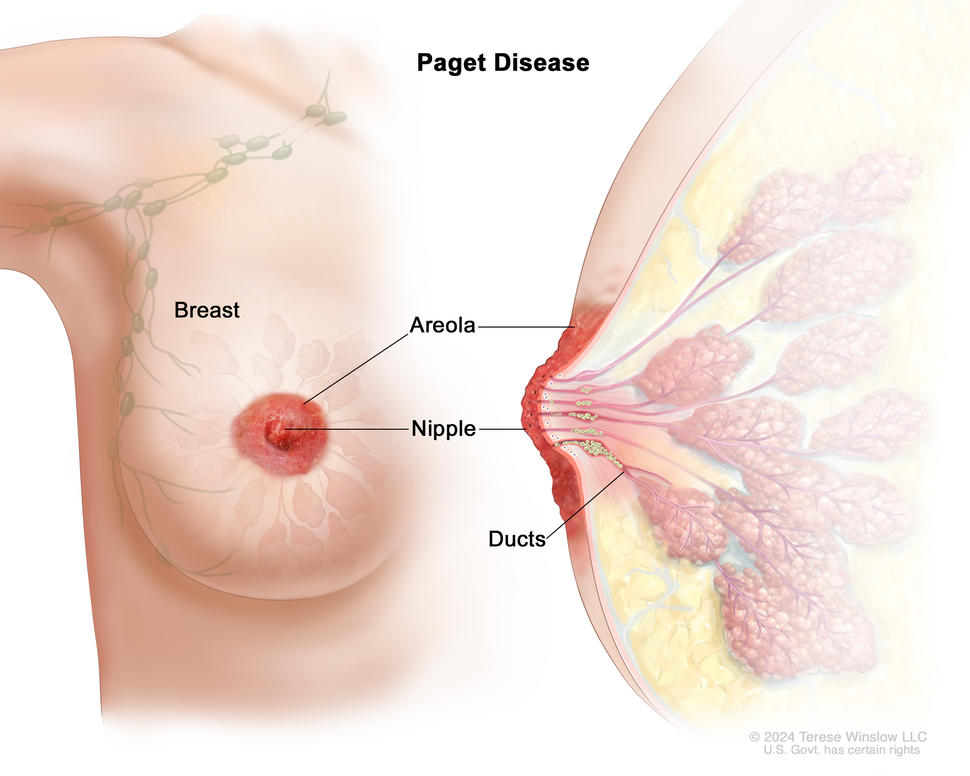
Illustration of Paget disease of the breast. Drawing shows a front view of the breast with redness and crusting of the nipple and areola. Also shown is a cross section of the breast with cancer cells in the breast ducts.

Paget disease of the breast is a rare type of cancer involving the nipple and usually the areola (the darker circle of skin around the nipple). Symptoms usually include redness in the nipple and/or areola and itchy, crusty, flaking, or thickened skin on or around the nipple.

Credit: © Terese Winslow

What is Paget disease of the breast?

Paget disease of the breast is a rare type of cancer involving the nipple and usually the areola (the darker circle of skin around the nipple). About 1%–3% of all breast cancers are Paget disease of the breast.

What are the causes of and risk factors for Paget disease of the breast?

Scientists do not fully understand what causes Paget disease of the breast. Cancer cells from a tumor inside the breast may travel through the milk ducts to the nipple and areola, or the cancer may begin in the nipple and spread from there.

Risk factors for Paget disease of the breast are the same as those for other types of breast cancer. Learn more at Breast Cancer Causes and Risk Factors.

What are the symptoms of Paget disease of the breast?

Paget disease of the breast can look similar to skin conditions such as dermatitis and eczema. Symptoms of Paget disease of the breast may include:

  • itching, tingling, or redness in the nipple and/or areola
  • flaking, crusty, or thickened skin on or around the nipple
  • a flattened nipple
  • discharge from the nipple that may be yellowish or bloody

People with Paget disease may also have a tumor or lump in the same breast.

How is Paget disease of the breast diagnosed?

If you have symptoms of Paget disease of the breast, your doctor will need to find out if they are due to Paget disease or another condition. They may: 

  • do a physical exam, including a clinical breast exam
  • ask about your personal and family medical history to learn more about your symptoms and risk factors for breast cancer
  • do imaging tests, such as a mammogram, breast ultrasound, or breast MRI, to see if a tumor or abnormal area is present inside the breast
  • do a skin biopsy; types of skin biopsies include:
    • surface biopsy: a glass slide or other tool is used to gently scrape cells from the surface of the skin
    • shave biopsy: a razor-like tool is used to remove the top layer of skin
    • punch biopsy: a circular cutting tool, called a punch, is used to remove a disk-shaped piece of tissue
    • wedge biopsy: a scalpel is used to remove a small wedge of tissue 

If a skin biopsy shows you have Paget disease but imaging does not reveal an abnormal area inside the breast, you will likely be diagnosed with stage 0 breast cancer (ductal carcinoma in situ). However, some people with Paget disease and no abnormal area inside the breast also have invasive breast cancer

If imaging reveals an abnormal area inside the breast, you will have a biopsy of the area to see if it is cancer. If cancer is found, you will have biomarker tests. These will check the cancer cells for hormone receptors and HER2 protein that may help plan treatment. Learn more about Tests for Breast Cancer Biomarkers.

Also, your doctor may order imaging tests like a PET or CT scan to see if the cancer has spread. 

Your doctor will assign a stage to the cancer based on a combination of the extent of spread, hormone receptor- and HER2-status, and other tumor features, such as tumor grade.  

Learn more about imaging and tests used to diagnose breast cancer at How Breast Cancer Is Diagnosed.

How is Paget disease of the breast treated?

If tests show that you have Paget disease and ductal carcinoma in situ (DCIS), your treatment will be like that of someone with DCIS. However, you may have more extensive surgery to the nipple to remove Paget cells. Learn about how DCIS is treated at Ductal Carcinoma in Situ

If you are diagnosed with Paget disease and invasive breast cancer, meaning the cancer has spread beyond where it first formed, Paget disease will be treated as invasive breast cancer based on the extent of spread and other molecular features. Learn more at Breast Cancer Treatment by Stage.

What is the prognosis for people with Paget disease of the breast?

The prognosis for people with Paget disease of the breast depends on:

  • whether a tumor is present in the affected breast
  • whether the tumor, if present, is ductal carcinoma in situ or invasive breast cancer
  • the stage of the cancer, if it is invasive

Survival rates for Paget disease of the breast

Paget disease of the breast tends to have a slightly less favorable prognosis and survival rate than other types of breast cancer. Your doctor is in the best position to discuss your prognosis with you. Some people like to have a loved one or friend with them for the conversation. Learn more about factors that affect breast cancer prognosis at Breast Cancer Prognosis and Survival Rates

Ongoing research will increase our understanding of how Paget disease of the breast begins and progresses, which could lead to new treatments and better outcomes for people with this disease. If you have been diagnosed with Paget disease of the breast, you may want to talk with your doctor about the possibility of participating in a clinical trial. Learn more about clinical trials at Cancer Clinical Trial Information for Patients and Caregivers.

Inflammatory Breast Cancer Treatment

Different types of treatments are available for inflammatory breast cancer. You and your cancer care team will work together to decide on your treatment plan, which likely will include more than one type of treatment. Learn more about inflammatory breast cancer symptoms, diagnosis, and prognosis at Inflammatory Breast Cancer.

Inflammatory breast cancer is always diagnosed as either stage III or stage IV disease. Learn more about how breast cancer is staged at Breast Cancer Stages

Treating stage III (also called stage 3) inflammatory breast cancer

Stage III inflammatory breast cancer is generally treated with a combination of chemotherapy, surgery to remove the tumor, and radiation therapy. Immunotherapy, targeted therapy, and hormone therapy may also be given, depending on whether the cancer has certain biomarkers

  • Chemotherapy. For stage III inflammatory breast cancer, chemotherapy is often used to help shrink the tumor before surgery to remove it. When chemotherapy is given before surgery, it is called neoadjuvant chemotherapy. Neoadjuvant chemotherapy may also reduce the number of lymph nodes that need to be removed during surgery. Chemotherapy may also be given after surgery (called adjuvant chemotherapy). Learn more about Chemotherapy for Breast Cancer.
  • Surgery. The standard type of surgery for inflammatory breast cancer is a modified radical mastectomy, which removes the entire breast and the lymph nodes under the arm. Since inflammatory breast cancer affects large areas of skin on the breast, lumpectomy (breast-conserving surgery) and skin-sparing mastectomy are not options. Learn more about Mastectomy.
  • Radiation therapy. After surgery, you will likely have radiation therapy to the chest wall where the breast was removed to reduce the chance of breast cancer returning in the breast or chest wall. Learn more about Radiation for Breast Cancer.
  • Hormone therapy. You may receive hormone therapy if the cancer tests positive for estrogen receptors and/or progesterone receptors. Hormone therapy may also be given when the hormone receptor status of the cancer is unknown. Hormone therapy for inflammatory breast cancer is typically started during or after radiation therapy. Learn more about Hormone Therapy for Breast Cancer.
  • Immunotherapy. You may receive immunotherapy, such as pembrolizumab, if biomarker tests suggest that the cancer is triple-negative. Learn more about Immunotherapy for Breast Cancer.
  • Targeted therapy. You may receive targeted therapy, such as trastuzumab, if biomarker tests suggest that the cancer has certain biomarkers. Learn more about Targeted Therapy for Breast Cancer.

Treating metastatic or stage IV (also called stage 4) inflammatory breast cancer

In metastatic (stage IV or stage 4) inflammatory breast cancer, the cancer has spread beyond the breast and nearby lymph nodes to distant parts of the body. Treatment for stage IV inflammatory breast cancer is the same as treatment for other types of metastatic breast cancer.

Learn more about treatment options at Metastatic Breast Cancer in the section, “How is metastatic breast cancer treated?”

Treatment for recurrent inflammatory breast cancer

If cancer returns to the place where it began or nearby, it is called a locoregional recurrence. Treatment for locoregional recurrence of inflammatory breast cancer may include chemotherapy, surgery, and radiation. Other drugs may be added, depending on whether your cancer has certain biomarkers. Treatment for inflammatory breast cancer that has come back in distant parts of the body may be similar to treatment for stage IV breast cancer.

Learn more about Breast Cancer Recurrence.

Clinical trials

Joining a clinical trial may be an option. There are different types of clinical trials for people with breast cancer. For example, a treatment trial tests new treatments or new ways of using existing treatments. Supportive care and palliative care trials look at ways to improve quality of life, especially for those who have side effects from cancer and its treatment.

You can use the clinical trial search to find NCI-supported cancer clinical trials that are accepting participants. This search allows you to filter trials based on the type of cancer, your age, and where the trials are being done. You can also review a list of NCI-supported Breast Cancer Clinical Trials. Clinical trials supported by other organizations can be found at ClinicalTrials.gov.

Learn more about clinical trials at Cancer Clinical Trial Information for Patients and Caregivers.

Coping with inflammatory breast cancer treatment

Treatment for inflammatory breast cancer can be mentally and physically challenging. It is important that you bring up any questions and concerns you have with your health care team throughout your care and treatment to get the support you need.

In addition to support from your health care team and family, one-on-one counseling or in-person and online support groups can help you cope and improve your mental wellbeing. Learn more about how to manage the physical and emotional effects of breast cancer at Living with Breast Cancer and Survivorship.

Breast Cancer During Pregnancy

A woman with a clipboard holding the hands of a pregnant woman.

Sometimes breast cancer occurs in women who are pregnant or have just given birth. Talk to your doctor if you notice any changes in your breasts that you do not expect or that worry you.

Credit: iStock

A new breast cancer diagnosis that occurs in a woman who is pregnant, within a year of giving birth, or anytime during lactation is called pregnancy-associated breast cancer. Breast cancer is one of the most common cancers diagnosed during pregnancy. It occurs in about 1 out of every 3,000 pregnancies, most often in women ages 32 to 38 years. The incidence of pregnancy-associated breast cancer is likely to increase because the average age at pregnancy is increasing and overall incidence of breast cancer increases with age.   

Women can be treated for breast cancer during pregnancy, but the type of treatment and when it is given may be affected by the pregnancy. Localized breast cancer does not appear to harm the fetus, and breast cancer cells do not seem to pass from the mother to the fetus. 

Finding breast cancer during pregnancy  

Breast cancer can be difficult to detect during pregnancy. Normal breast changes that occur during pregnancy, such as larger, more tender, and lumpy-feeling breasts, can make it difficult to find small masses during clinical breast exams and self-exams.  

Increased breast density during pregnancy can also make it harder to find breast cancer with a mammogram. Breast density is higher during pregnancy because hormonal shifts increase glandular tissue and reduce fat in preparation for lactation. Additionally, women who are pregnant or nursing are often below the age at which mammogram screening is recommended.  

Because these factors can delay a breast cancer diagnosis and because younger women are more likely to have aggressive forms of the disease, breast cancer is often found at a later stage in women who are pregnant or nursing.

If you are pregnant or nursing, you should receive clinical breast exams during regular prenatal and postnatal check-ups. However, most women diagnosed with pregnancy-associated breast cancer find a lump on their own. If you are pregnant or nursing, be aware of changes in your breasts. Talk to your doctor right away if you notice any changes that worry you.

Diagnosing breast cancer during pregnancy 

The same tests used to diagnose breast cancer in women who are not pregnant can be used in women who are pregnant. The first test to evaluate a suspicious mass is typically an ultrasound, which does not involve radiation. Mammograms involve only a small amount of radiation and can safely be used to further evaluate a mass. Biopsies are also safe to have during pregnancy.  

If you are diagnosed with breast cancer, additional tests may be needed to determine the stage of the disease. Some tests, such as CT or PET-CT scans that are used to stage breast cancer in women who aren’t pregnant, may be dangerous for a developing fetus or a nursing baby due to radiation or use of dyes or radioactive tracers. These tests are done only if absolutely necessary. Certain precautions, such as covering the abdomen with a lead shield, are taken to ensure that the fetus is exposed to the lowest possible amount of radiation.  

Different tests and procedures may be used to stage breast cancer in women who are pregnant or nursing than in women who are not. Tests that may safely be used to stage breast cancer during pregnancy include ultrasound and MRI with limited use of contrast.

To learn more about the tests and procedures used to diagnose and stage breast cancer, visit How Breast Cancer Is Diagnosed.  

Prognosis for women with breast cancer during pregnancy

The prognoses for pregnant and nonpregnant women with breast cancer may differ. Research results have been mixed. Some studies show prognosis is similar if cancers are found at the same stage; however, other research shows worse outcomes for those diagnosed when pregnant.  

Ending a pregnancy or stopping lactation does not necessarily improve a woman’s chance of survival, although this depends on the type of cancer and stage at diagnosis.  

For women who have had breast cancer in the past, getting pregnant does not seem to increase the risk that the cancer will come back. However, some doctors recommend waiting 2 years after treatment for breast cancer before getting pregnant so that an early return of the cancer would be more easily detected. For women on adjuvant hormone therapy, subsequent pregnancy attempts require stopping it and then waiting a few months before trying to become pregnant. Hormone therapy can then be started again after the baby is born. To learn more about pregnancy after cancer, visit Female Fertility and Cancer Treatment

Treating breast cancer during pregnancy 

Treatment options for pregnant women depend on the stage of the disease and the trimester of the pregnancy.  

Pregnant women with early-stage breast cancer (stage I and stage II) are usually treated in the same way as women who are not pregnant, with some changes in the timing of certain treatments to protect the fetus. Treatment may be more complicated in pregnant women with late-stage breast cancer (stage III and stage IV) because some treatments may need to begin quickly and could harm the fetus. Ending a pregnancy may be considered if the cancer is fast-growing or advanced and treatment is needed right away. The ability to safely terminate a pregnancy because of an advanced cancer diagnosis may vary based on your state of residence.  

Treatment for breast cancer during pregnancy may include:  

  • Surgery. Most pregnant women with breast cancer have a lumpectomy, also called breast-conserving surgery, or a modified radical mastectomy to remove the breast. Some of the lymph nodes under the arm may be removed so a pathologist can check them under a microscope for signs of cancer. If surgery is planned and the woman has already given birth, breastfeeding should be stopped to reduce blood flow in the breasts and make them smaller. Learn more about Breast Cancer Surgery, including reconstruction.
  • Chemotherapy. After the first 3 months of pregnancy, certain types of chemotherapy may be given before or after surgery. Chemotherapy given at this time does not usually harm the fetus but may cause early labor or low birth weight. Chemotherapy also should be avoided 3 to 4 weeks before delivery, because it can cause delivery complications for both the mother and baby. Women receiving chemotherapy should not breastfeed. Many chemotherapy drugs may be found in high levels in breast milk and could harm the nursing baby. Learn more about Chemotherapy for Breast Cancer.
  • Radiation therapy. Delaying radiation therapy until after the baby is born is usually the safest option. Women with late-stage breast cancer (stage III or stage IV) may consider external radiation therapy after a careful assessment of the risks and benefits. Talk with your doctor about the risks and benefits of radiation therapy as you discuss your treatment plan. Learn more about Radiation for Breast Cancer.
  • Other treatments. Hormone therapy, targeted therapy, and immunotherapy are usually not given to pregnant or nursing women because these treatments are harmful to a fetus or a nursing baby. 

Clinical trials

Joining a clinical trial specifically designed to include women who are pregnant or nursing may be an option. Examples of these types of trials may include a treatment trial that tests new treatments or new ways of using existing treatments in pregnant women or a registry trial that tracks outcomes.  

However, despite the need for research, pregnant and lactating women are often excluded from breast cancer clinical trials because of the complexity of managing treatment and concerns about potential harm to the fetus.

You can use the clinical trial search to find NCI-supported cancer clinical trials that are accepting participants. This search allows you to filter trials based on the type of cancer, your age, and where the trials are being done. You can also review a list of all current Breast Cancer Clinical Trials.

Learn more about clinical trials at Cancer Clinical Trial Information for Patients and Caregivers.  

Coping with breast cancer during pregnancy

Breast cancer during pregnancy is especially challenging, both mentally and physically. It is important that you bring up any questions and concerns you have with your health care team throughout your care and treatment to get the support you need.  

In addition to support from your health care team and family, one-on-one counseling or in-person and online support groups can help you cope and improve your mental wellbeing. To learn more about how to manage the physical and emotional effects of breast cancer, visit Living with Breast Cancer and Survivorship.

Advances in Breast Cancer Research

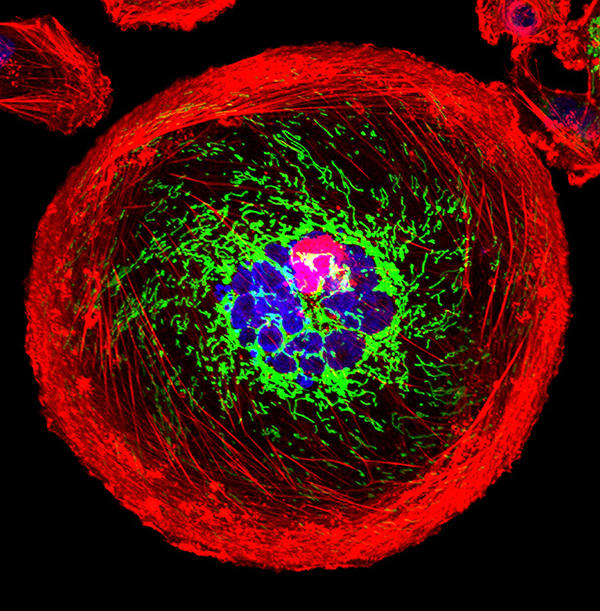
A polyploid giant cancer cell from triple-negative breast cancer in which actin is red, mitochondria are green, and nuclear DNA is blue.

A polyploid giant cancer cell (PGCC) from triple-negative breast cancer.

Credit: National Cancer Institute

NCI-supported researchers are working to advance our understanding of how to prevent, detect, and treat breast cancer. They are also looking at how to address disparities and improve quality of life for survivors of the disease.

This page highlights some of what’s new in the latest research for breast cancer, including new clinical advances that may soon translate into improved care, NCI-supported programs that are fueling progress, and research findings from recent studies.

Research in Breast Cancer Screening

Breast cancer is one of a few cancers for which an effective screening test, mammography, is available. MRI (magnetic resonance imaging) and ultrasound are also used to detect breast cancer, but not as routine screening tools for people with average risk.

Ongoing studies are looking at ways to enhance current breast cancer screening: options:

Two concerns in breast cancer screening, as in all cancer screening, are:

  • the potential for diagnosing tumors that would not have become life-threatening (overdiagnosis)
  • the possibility of receiving false-positive test results, and the anxiety that comes with follow-up tests or procedures

To limit the potential for overdiagnosis and overtreatment, researchers are studying screening methods that are appropriate for each woman’s level of risk.

The Women Informed to Screen Depending on Measures of Risk (WISDOM) study is comparing risk-based screening—that is, screening at intervals based on an individual’s risk—to the standard annual screening mammography.

Researchers are also studying which populations are at highest risk of overdiagnosis. A 2023 study found that older women have a substantial risk of overdiagnosis, highlighting the need for conversations with their health care providers about the potential benefits and harms of continuing screening mammography.

Ductal Carcinoma In Situ

Ductal carcinoma in situ (DCIS) is a precancerous condition in which abnormal cells are found in the lining of a breast duct. Women diagnosed with DCIS have a substantial risk of overdiagnosis and overtreatment because there is currently no way to tell which lesions found on screening mammograms will progress to invasive disease.

Depending on their level of risk, women diagnosed with DCIS almost always have surgery and possibly other treatments. A 2024 trial showed that women with low-risk DCIS who undergo active monitoring were no more likely to be diagnosed with invasive breast cancer after two years than those who undergo surgery with or without radiation therapy. However, longer follow-up is needed to assess the long-term safety of forgoing surgery.

Other trials are ongoing to study whether managing patients diagnosed with DCIS with active surveillance and hormonal therapy can help prevent overtreatment. One NCI-supported study is using artificial intelligence to identify patients with DCIS who are at higher risk of disease progression and may need more aggressive treatment. 

Research in Breast Cancer Treatment

The mainstays of breast cancer treatment are surgery, radiation, chemotherapy, hormone therapytargeted therapy, and immunotherapy. While many drugs have been approved to prevent and treat breast cancer, scientists are continuing to develop new treatments and combinations of treatments to fight the disease.

Hormone Therapy for Breast Cancer

Some breast cancers have receptors for the hormones estrogen and/or progesterone. Therapies that block the growth-promoting effects of estrogen on tumors with hormone receptors can be used to treat such cancers, called hormone receptor (HR), or sometimes estrogen receptor (ER)–positive cancers. Hormone therapy, also referred to as endocrine therapy, can be used to treat both early-stage HR-positive breast cancers and advanced or metastatic disease.

Many hormone therapies exist for treating breast cancer, and these drugs work in several different ways, including suppressing ovarian function, blocking estrogen production, and blocking estrogen’s effects.

Targeted Therapy for Breast Cancer

Many targeted therapies have been approved to treat breast cancer. These targeted therapies, which include monoclonal antibodies and small-molecule drugs, target proteins that control how cancer cells grow, divide, and spread.

Monoclonal antibodies

Monoclonal antibodies are proteins designed to attach to specific targets on cancer cells. One type of monoclonal antibody, called an antibody-drug conjugate, helps carry chemotherapy drugs directly to cancer cells without harming other cells. 

Datopotamab deruxtecan (Datroway) is an antibody-drug conjugate under investigation for some metastatic breast cancers, including metastatic triple-negative breast cancers. In a large clinical trial, women treated with datopotamab deruxtecan lived longer without their disease getting worse than women treated with chemotherapy. The drug received FDA approval in 2025 for ER-positive metastatic breast cancer. 

Small molecule drugs

Small molecule drugs are a type of targeted therapy that can enter cancer cells and block critical functions.

Immunotherapy for Breast Cancer

Immunotherapy is a type of treatment that helps the body’s immune system to fight cancer more effectively. Previous studies have shown that some immunotherapy drugs, known as immune checkpoint inhibitors, improve how long some people with advanced breast cancer can live, particularly those with triple-negative breast cancer. Recent studies provide some evidence that immune checkpoint inhibitors may improve outcomes in some people with HR-positive, HER2-negative breast cancer.

Pembrolizumab (Keytruda) in combination with chemotherapy is approved for treatment of women with metastatic triple negative breast cancer that has high expression of PD-L1. A study in patients with early-stage triple negative breast cancer showed that giving pembrolizumab before surgery, followed by one year of pembrolizumab after surgery, led to better response than chemotherapy alone. This led to FDA approval of pembrolizumab in the early-stage setting.

A current NCI-supported study is looking at patients with early-stage triple-negative breast cancer who had a complete response to treatment before surgery still need more treatment afterward. The standard treatment is to give pembrolizumab 27 weeks after surgery. The goal is to find out if observation alone works just as well as continuing pembrolizumab in preventing the cancer from coming back.

NCI researchers are trying to find ways to use cellular therapies, including CAR T-cell therapy and T-cell transfer therapy, to treat solid tumors, such as breast cancer.

For a complete list of drugs for breast cancer, see Drugs Approved for Breast Cancer.

NCI-Supported Breast Cancer Research Programs

Many NCI-supported researchers working at the NIH campus, as well as across the United States and world, are seeking ways to address breast cancer more effectively. Some research is basic, exploring questions as diverse as the biological underpinnings of cancer and the social factors that affect cancer risk. And some are more clinical, seeking to translate this basic information into improving patient outcomes. The programs listed below are a small sampling of NCI’s research efforts in breast cancer.

TMIST is a randomized breast screening trial that compares two Food and Drug Administration (FDA)-approved types of digital mammography, standard digital mammography (2-D) with a newer technology called tomosynthesis mammography (3-D).

The Breast Specialized Programs of Research Excellence (Breast SPOREs) are designed to quickly move basic scientific findings into clinical settings. The Breast SPOREs support the development of new therapies and technologies, and studies to better understand tumor resistance, diagnosis, prognosis, screening, prevention, and treatment of breast cancer.

The NCI Cancer Intervention and Surveillance Modeling Network (CISNET) focuses on using modeling to improve our understanding of how prevention, early detection, screening, and treatment affect breast cancer outcomes.

The Confluence Project, from NCI’s Division of Cancer Epidemiology and Genetics (DCEG), is developing a research resource that includes data from thousands of breast cancer patients and controls of different races and ethnicities. This resource will be used to identify genes that are associated with breast cancer risk, prognosis, subtypes, response to treatment, and second breast cancers. (DCEG conducts other breast cancer research as well.)

The goal of the Breast Cancer Surveillance Consortium (BCSC), an NCI-supported program launched in 1994, is to enhance the understanding of breast cancer screening practices in the United States and their impact on the breast cancer’s stage at diagnosis, survival rates, and mortality.

There are ongoing programs at NCI that support prevention and early detection research in different cancers, including breast cancer. Examples include:

Breast Cancer Survivorship Research

NCI’s Office of Cancer Survivorship, part of the Division of Cancer Control and Population Sciences (DCCPS), supports research projects throughout the country that study many issues related to breast cancer survivorship. Examples of studies funded include the impact of cancer and its treatment on physical functioning, emotional well-being, cognitive impairment, sleep disturbances, and cardiovascular health. Other studies focus on financial impacts, the effects on caregivers, models of care for survivors, and issues such as racial disparities and communication.

Breast Cancer Clinical Trials

NCI funds and oversees both early- and late-phase clinical trials to develop new treatments and improve patient care. Trials are available for breast cancer prevention, screening, and treatment

Breast Cancer Research Results

Immunotherapy for Breast Cancer

A health professional checking a patient's arm as she sits in a hospital bed.

Immunotherapy helps a person’s immune system fight cancer.

Credit: iStock

Immunotherapy helps a person’s immune system fight cancer. Learn about what to expect when receiving immunotherapy at Immunotherapy to Treat Cancer.

Who gets immunotherapy for breast cancer?

You may receive immunotherapy if you have triple-negative breast cancer. Learn about Triple-Negative Breast Cancer.

Sometimes it is not clear if immunotherapy will be helpful. Your doctor may suggest biomarker tests to help predict your response to immunotherapy. Learn more about Tests for Breast Cancer Biomarkers.

When is immunotherapy for breast cancer given?

Immunotherapy for breast cancer may be given at different times in your treatment. You might get it with chemotherapy before surgery to help shrink the tumor so that it can be removed more easily during surgery.

After the doctor removes all the cancer that can be seen at the time of the surgery, you may receive immunotherapy alone to kill any cancer cells that are left.

Immunotherapy may also be given with chemotherapy for metastatic breast cancer or recurrent breast cancer that cannot be removed by surgery. Learn more about Metastatic Breast Cancer or Breast Cancer Recurrence.

Immunotherapy drugs used for breast cancer

Pembrolizumab is the only immunotherapy drug approved to treat breast cancer. 

Side effects of immunotherapy

The most common side effects of immunotherapy are rash, diarrhea, and fatigue, which is feeling exhausted or extremely tired. Learn more about the side effects of immunotherapy and steps you can take to manage or prevent them.

Triple-Negative Breast Cancer Treatment

Triple-negative breast cancer (also called TNBC) does not have targets that are typically used to treat other types of breast cancer, but treatment options are available. You and your cancer care team will work together to create a personalized treatment plan, which may include more than one type of treatment. Learn more about Triple-Negative Breast Cancer.

Treating stages I–III triple-negative breast cancer

If the cancer is small enough to be removed by surgery, the first treatment for stages I–III (also called stages 1 through 3) TNBC will usually be lumpectomy or mastectomy

  • Lumpectomy removes the cancer and a small margin of healthy breast tissue around it but not the breast itself. Lumpectomy is sometimes called breast-conserving surgery.
  • Mastectomy removes the whole breast that has cancer. Some of the lymph nodes under the arm may also be removed.

Learn more about Breast Cancer Surgery.

For larger tumors, chemotherapy may be given before surgery to shrink the cancer enough to make surgery possible and lessen the amount of breast tissue that needs to be removed during surgery. Additional drugs, such as the immunotherapy drug pembrolizumab, may be given with chemotherapy. Receiving treatment before surgery, called neoadjuvant therapy, may also improve long-term outcomes.

After surgery for TNBC, other treatments may be given to destroy any remaining cancer cells. These include:

  • more chemotherapy
  • more of the immunotherapy drug pembrolizumab
  • the targeted therapy drug olaparib, for those with a BRCA1 or BRCA2 gene mutation and who received chemotherapy both before and after surgery
  • radiation therapy, if cancer was found in or near lymph nodes or the tumor margin

Treating metastatic or stage IV (also called stage 4) triple-negative breast cancer

In metastatic (stage IV or stage 4) TNBC, the cancer has spread beyond the breast and nearby lymph nodes to distant parts of the body. Treatment for stage IV TNBC is focused on managing the disease and improving quality of life. Treatment options may include:

Treatment for recurrent triple-negative breast cancer

Treatment for TNBC that has recurred (come back) in distant parts of the body may be similar to treatment for stage IV breast cancer. When the cancer recurs locally, such as in the breast or nearby lymph nodes, surgery and radiation therapy may be an option to remove or shrink the tumor.

Learn more about treatments for breast cancer and breast cancer recurrence.

Clinical trials

Joining a clinical trial may be an option. There are different types of clinical trials for people with breast cancer. For example, a treatment trial tests new treatments or new ways of using existing treatments. Supportive care and palliative care trials look at ways to improve quality of life, especially for those who have side effects from cancer and its treatment.

You can use the clinical trial search to find NCI-supported cancer clinical trials that are accepting participants. This search allows you to filter trials based on the type of cancer, your age, and where the trials are being done. You can also review a list of NCI-supported Breast Cancer Clinical Trials. Clinical trials supported by other organizations can be found at ClinicalTrials.gov.

Learn more about clinical trials at Cancer Clinical Trial Information for Patients and Caregivers.

Targeted Therapy for Breast Cancer

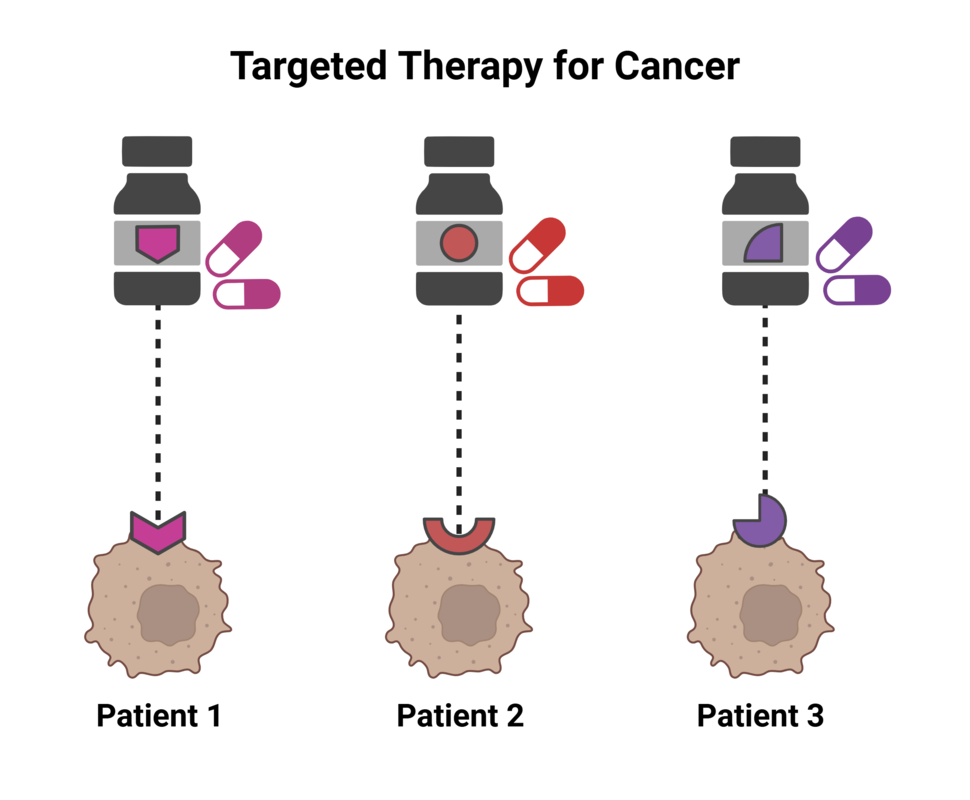
Drawing shows three different bottles of pills each with arrows pointing to three different cancer cells representing patients.

Targeted therapy is a type of precision medicine. Most targeted therapies help treat cancer by interfering with specific proteins that help tumors grow and spread throughout the body.

Credit: Created by Nadia Jaber with Biorender.com

Targeted therapy is a type of cancer treatment that targets proteins that control how cancer cells grow, divide, and spread. To learn what to expect when receiving targeted therapy, visit Targeted Therapy to Treat Cancer.

Who gets targeted therapy for breast cancer?

Many people with breast cancer get targeted therapy but not everyone. For example, targeted therapy may be an option for some people with:

Once breast cancer is diagnosed, breast cancer cells are routinely tested for the presence of certain biomarkers or tumor features. These tests can help determine if you are likely to benefit from targeted cancer therapy. To learn more, visit Tests for Breast Cancer Biomarkers.

When is targeted therapy for breast cancer given?

Targeted therapy for breast cancer may be given at different times in your treatment. It might be started before or after surgery. It can also be given even if surgery is not recommended for you.

Targeted therapy for HER2-positive breast cancer

HER2 is a protein that helps control breast cell growth. Some breast cancers have too much HER2, which causes the breast cells to grow and divide faster than normal. This is called HER2-positive breast cancer. 

Several targeted therapy drugs may be used alone or with other kinds of drugs for HER2-positive breast cancer:

Some of these targeted therapy drugs, such as trastuzumab and trastuzumab deruxtecan, may also be used for HER-low breast cancer. HER2-low breast cancers have a small amount of HER2 protein on their surface.

Targeted therapy for hormone receptor–positive breast cancer

In hormone receptor–positive (HR positive) breast cancer, the breast cancer cells have estrogen or progesterone receptors, or both.

The following targeted therapy drugs may be used alone or with other treatments, particularly hormone therapy:

These drugs may be given with hormone therapy, such as an aromatase inhibitor (such as anastrozole, letrozole, or exemestane) or fulvestrant or letrozole, to treat hormone receptor–positive, HER2-negative breast cancer. Learn more about Hormone Therapy for Breast Cancer.

Targeted therapy for triple-negative breast cancer

Triple-negative breast cancer is estrogen receptor (ER) negative, progesterone receptor (PR) negative, and HER2 negative.

The targeted therapy drug sacituzumab govitecan may be used to treat triple-negative breast cancer.

Learn more about Triple-Negative Breast Cancer Treatment.

Targeted therapy for BRCA-positive breast cancer

BRCA1 and BRCA2 are genes that produce proteins that help fix damaged DNA. Certain changes, called mutations or pathogenic variants, in these genes can disrupt DNA repair and cause cancer to develop.

The following targeted therapy drugs may be used to treat BRCA1– or BRCA2-positive breast cancer:

Side effects of targeted therapy

The most common side effects of targeted therapy are diarrhea and liver problems. Other side effects may include mouth sores and hair and nail changes. Learn more about the side effects of cancer treatment and steps you can take to manage or prevent them.