Ovarian Germ Cell Tumors Treatment (PDQ®)–Health Professional Version

Ovarian Germ Cell Tumors Treatment (PDQ®)–Health Professional Version

General Information About Ovarian Germ Cell Tumors

Incidence and Mortality

Germ cell tumors of the ovary are uncommon but aggressive tumors, seen most often in young women and adolescent girls. These tumors are frequently unilateral and are generally curable if found and treated early. The use of combination chemotherapy after initial surgery has dramatically improved the prognosis for many women with these tumors.[13]

Dysgerminomas

One series found a 10-year survival rate of 88.6% following conservative surgery for patients with dysgerminoma confined to the ovary; smaller than 10 cm in size; with an intact, smooth capsule unattached to other organs; and without ascites.[4] A number of patients had one or more successful pregnancies following unilateral salpingo-oophorectomy.[4] Even patients with incompletely resected dysgerminoma can be rendered disease free following chemotherapy with bleomycin, etoposide, and cisplatin (BEP) or a combination of cisplatin, vinblastine, and bleomycin.[5]

Other Germ Cell Tumors

A report of 35 cases of germ cell tumors, half of which were advanced stage or recurrent or progressive disease, demonstrated a 97% sustained remission at 10 months to 54 months after the start of a combination of BEP.[1] Two Gynecologic Oncology Group trials reported that 89 of 93 patients with stage I, II, or III disease who had completely resected tumors were disease free after three cycles of BEP.[1,3]

Endodermal sinus tumors of the ovary are particularly aggressive. A review of the literature in 1979 prior to the widespread use of combination chemotherapy found only 27% of 96 patients with stage I endodermal sinus tumor alive at 2 years after diagnosis. More than 50% of the patients died within a year of diagnosis.

Patients with mature teratomas usually experience long-term survival, but survival for patients with immature teratomas after surgery only is related to the grade of the tumor, especially its neural elements. In a series of 58 patients with immature teratoma treated before the modern chemotherapeutic era, recurrence was reported in 18% of the patients with grade 1 disease, 37% of the patients with grade 2 disease, and 70% of the patients with grade 3 disease.[6] Similar findings have been reported by others.[7]

Some studies have found that size and histology were the major factors determining prognosis for patients with malignant mixed germ cell tumors of the ovary.[6,8] Prognosis was poor for patients with large tumors when more than one-third of the tumor was composed of endodermal sinus elements, choriocarcinoma, or grade 3 immature teratoma. When the tumor was smaller than 10 cm in diameter, the prognosis was good, regardless of the composition of the tumor.[8,9]

References
  1. Gershenson DM: Update on malignant ovarian germ cell tumors. Cancer 71 (4 Suppl): 1581-90, 1993. [PUBMED Abstract]
  2. Segelov E, Campbell J, Ng M, et al.: Cisplatin-based chemotherapy for ovarian germ cell malignancies: the Australian experience. J Clin Oncol 12 (2): 378-84, 1994. [PUBMED Abstract]
  3. Williams S, Blessing JA, Liao SY, et al.: Adjuvant therapy of ovarian germ cell tumors with cisplatin, etoposide, and bleomycin: a trial of the Gynecologic Oncology Group. J Clin Oncol 12 (4): 701-6, 1994. [PUBMED Abstract]
  4. Thomas GM, Dembo AJ, Hacker NF, et al.: Current therapy for dysgerminoma of the ovary. Obstet Gynecol 70 (2): 268-75, 1987. [PUBMED Abstract]
  5. Williams SD, Blessing JA, Hatch KD, et al.: Chemotherapy of advanced dysgerminoma: trials of the Gynecologic Oncology Group. J Clin Oncol 9 (11): 1950-5, 1991. [PUBMED Abstract]
  6. Norris HJ, Zirkin HJ, Benson WL: Immature (malignant) teratoma of the ovary: a clinical and pathologic study of 58 cases. Cancer 37 (5): 2359-72, 1976. [PUBMED Abstract]
  7. Gallion H, van Nagell JR, Powell DF, et al.: Therapy of endodermal sinus tumor of the ovary. Am J Obstet Gynecol 135 (4): 447-51, 1979. [PUBMED Abstract]
  8. Kurman RJ, Norris HJ: Malignant germ cell tumors of the ovary. Hum Pathol 8 (5): 551-64, 1977. [PUBMED Abstract]
  9. Murugaesu N, Schmid P, Dancey G, et al.: Malignant ovarian germ cell tumors: identification of novel prognostic markers and long-term outcome after multimodality treatment. J Clin Oncol 24 (30): 4862-6, 2006. [PUBMED Abstract]

Cellular Classification of Ovarian Germ Cell Tumors

The following histological subtypes have been described.[1,2]

  • Dysgerminoma.
  • Other germ cell tumors:
    • Endodermal sinus tumor (rare subtypes are hepatoid and intestinal).[1]
    • Embryonal carcinoma.
    • Polyembryoma.
    • Choriocarcinoma.
    • Teratoma:
      • Immature.
      • Mature:
        • Solid.
        • Cystic:
          • Dermoid cyst (mature cystic teratoma).
          • Dermoid cyst with malignant transformation.
      • Monodermal and highly specialized:
        • Struma ovarii.
        • Carcinoid.
        • Struma ovarii and carcinoid.
        • Others (e.g., malignant neuroectodermal and ependymoma).
    • Mixed forms.
References
  1. Gershenson DM: Update on malignant ovarian germ cell tumors. Cancer 71 (4 Suppl): 1581-90, 1993. [PUBMED Abstract]
  2. Serov SF, Scully RE, Robin IH: International Histologic Classification of Tumours: No. 9. Histological Typing of Ovarian Tumours. World Health Organization, 1973.

Stage Information for Ovarian Germ Cell Tumors

In the absence of obvious metastatic disease, accurate staging of germ cell tumors of the ovary requires laparotomy with careful examination of the following:

  • Entire diaphragm.
  • Both paracolic gutters.
  • Pelvic nodes on the side of the ovarian tumor.
  • The para-aortic lymph nodes.
  • The omentum.

The contralateral ovary should be carefully examined and biopsied if necessary. Ascitic fluid should be examined cytologically. If ascites is not present, it is important to obtain peritoneal washings before the tumor is manipulated. In patients with dysgerminoma, lymphangiography or computed tomography is indicated if the pelvic and para-aortic lymph nodes were not carefully examined at the time of surgery.

Although not required for formal staging, it is desirable to obtain serum levels of alpha fetoprotein and human chorionic gonadotropin as soon as the diagnosis is established because persistence of these markers in the serum after surgery indicates unresected tumor.

The Fédération Internationale de Gynécologie et d’Obstétrique (FIGO) Staging

The FIGO and the American Joint Committee on Cancer (AJCC) have designated staging to define ovarian germ cell tumors; the FIGO system is most commonly used.[1,2]

Table 1. Definitions of FIGO Stage Ia
Stage Definition Illustration
FIGO = Fédération Internationale de Gynécologie et d’Obstétrique.
aAdapted from FIGO Committee for Gynecologic Oncology.[1]
I Tumor confined to ovaries or fallopian tube(s).
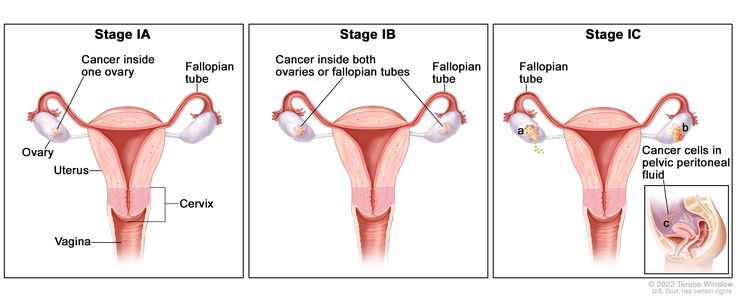
EnlargeThree-panel drawing of stage IA, stage IB, and stage IC; each panel shows the ovaries, fallopian tubes, uterus, cervix, and vagina. The first panel (stage IA) shows cancer inside one ovary. The second panel (stage IB) shows cancer inside both ovaries. The third panel (stage IC) shows cancer inside both ovaries and (a) the tumor in the ovary shown on the left has ruptured (broken open), (b) there is cancer on the surface of the ovary shown on the right, and (c) there are cancer cells in the pelvic peritoneal fluid (inset).
IA Tumor limited to one ovary (capsule intact) or fallopian tube; no tumor on ovarian or fallopian tube surface; no malignant cells in the ascites or peritoneal washings.  
IB Tumor limited to both ovaries (capsules intact) or fallopian tubes; no tumor on ovarian or fallopian tube surface; no malignant cells in the ascites or peritoneal washings.  
IC Tumor limited to one or both ovaries or fallopian tubes, with any of the following:  
IC1: Surgical spill.  
IC2: Capsule ruptured before surgery or tumor on ovarian or fallopian tube surface.  
IC3: Malignant cells in the ascites or peritoneal washings.  
Table 2. Definitions of FIGO Stage IIa
Stage Definition Illustration
FIGO = Fédération Internationale de Gynécologie et d’Obstétrique.
aAdapted from FIGO Committee for Gynecologic Oncology.[1]
II Tumor involves one or both ovaries or fallopian tubes with pelvic extension (below the pelvic brim) or primary peritoneal cancer.
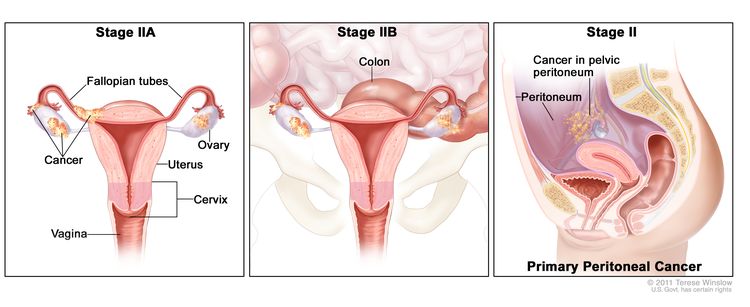
EnlargeThree-panel drawing of stage IIA, stage IIB, and stage II primary peritoneal cancer; the first panel (stage IIA) shows cancer inside both ovaries that has spread to the fallopian tube and uterus . Also shown are the cervix and vagina. The second panel (stage IIB) shows cancer inside both ovaries that has spread to the colon. The third panel (primary peritoneal cancer) shows cancer in the pelvic peritoneum.
IIA Extension and/or implants on uterus and/or fallopian tubes and/or ovaries.  
IIB Extension to other pelvic intraperitoneal tissues.  
Table 3. Definitions of FIGO Stage IIIa
Stage Definition Illustration
FIGO = Fédération Internationale de Gynécologie et d’Obstétrique.
aAdapted from FIGO Committee for Gynecologic Oncology.[1]
III Tumor involves one or both ovaries or fallopian tubes, or primary peritoneal cancer, with cytologically or histologically confirmed spread to the peritoneum outside the pelvis and/or metastasis to the retroperitoneal lymph nodes.  
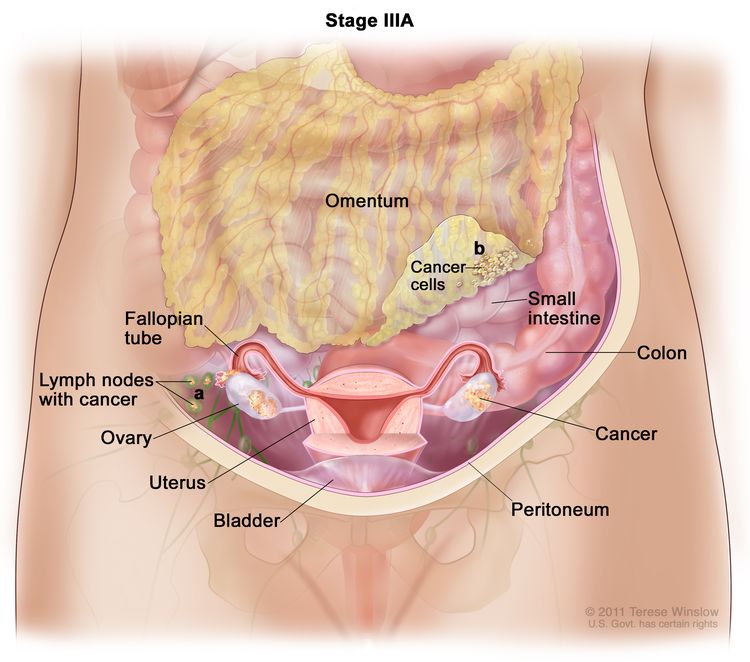
IIIA1 Positive retroperitoneal lymph nodes only (cytologically or histologically proven):
EnlargeDrawing of stage IIIA shows cancer inside both ovaries that has spread to (a) lymph nodes behind the peritoneum and (b) the omentum. The small intestine, colon, fallopian tubes, uterus, and bladder are also shown.
IIIA1(I): Metastasis ≤10 mm in greatest dimension.
IIIA1(ii): Metastasis >10 mm in greatest dimension.
IIIA2 Microscopic extrapelvic (above the pelvic brim) peritoneal involvement with or without positive retroperitoneal lymph nodes.
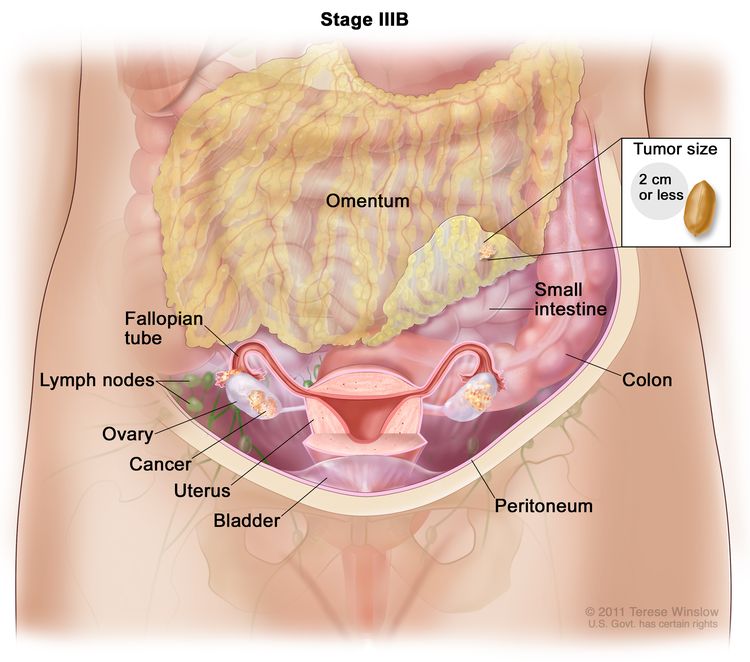
IIIB Macroscopic peritoneal metastasis beyond the pelvis ≤2 cm in greatest dimension, with or without metastasis to the retroperitoneal lymph nodes.
EnlargeDrawing of stage IIIB shows cancer inside both ovaries that has spread to the omentum. The cancer in the omentum is 2 centimeters or smaller. An inset shows 2 centimeters is about the size of a peanut. Also shown are the small intestine, colon, fallopian tubes, uterus, bladder, and lymph nodes behind the peritoneum.
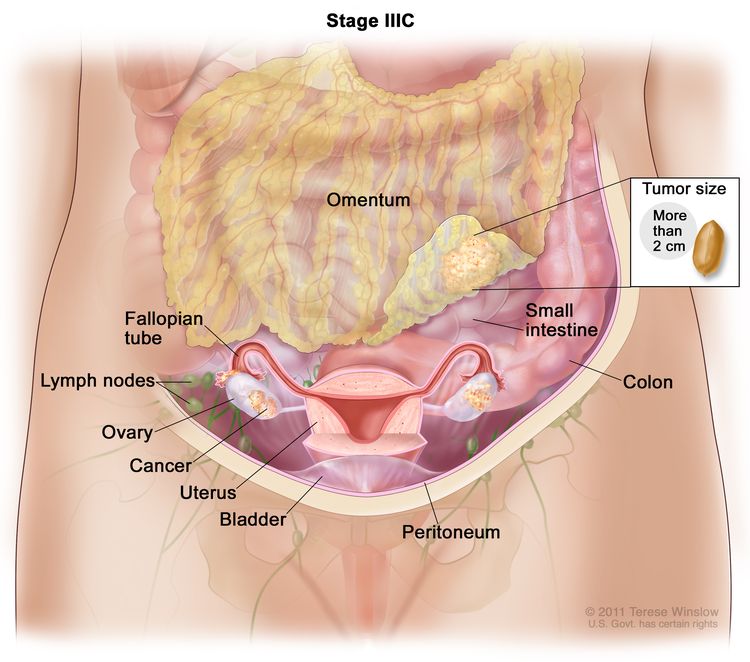
IIIC Macroscopic peritoneal metastasis beyond the pelvis >2 cm in greatest dimension, with or without metastasis to the retroperitoneal lymph nodes (includes extension of tumor to capsule of liver and spleen without parenchymal involvement of either organ).
EnlargeDrawing of stage IIIC shows cancer inside both ovaries that has spread to the omentum. The cancer in the omentum is larger than 2 centimeters. An inset shows 2 centimeters is about the size of a peanut. Also shown are the small intestine, colon, fallopian tubes, uterus, bladder, and lymph nodes behind the peritoneum.
Table 4. Definitions of FIGO Stage IVa
Stage Definition Illustration
FIGO = Fédération Internationale de Gynécologie et d’Obstétrique.
aAdapted from FIGO Committee for Gynecologic Oncology.[1]
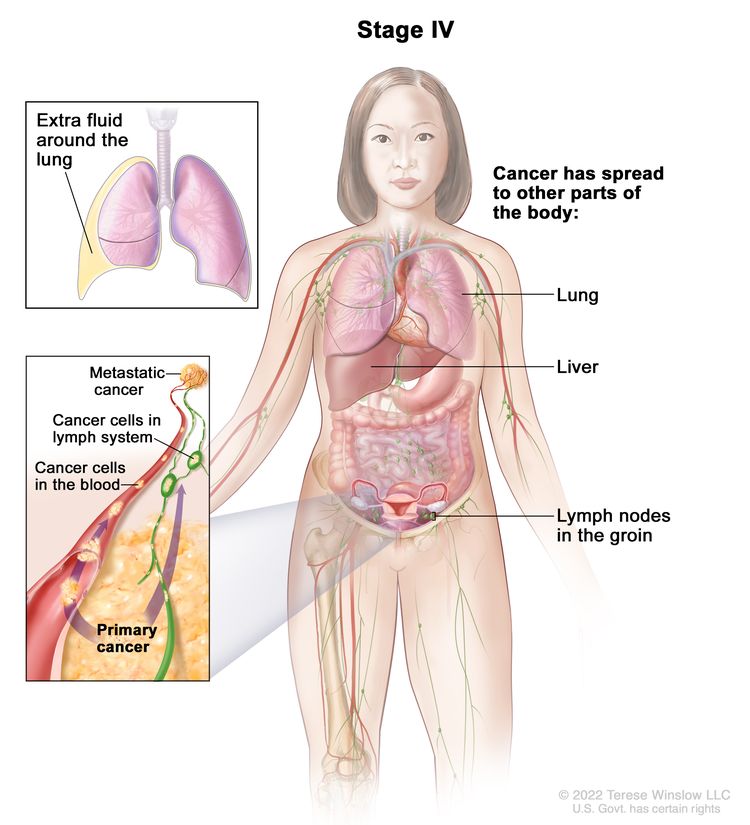
IV Distant metastasis excluding peritoneal metastases.
EnlargeDrawing of stage IV shows other parts of the body where ovarian cancer may spread, including the lung, liver, and lymph nodes in the groin. An inset on the top shows extra fluid around the lung. An inset on the bottom shows cancer cells spreading through the blood and lymph system to another part of the body where metastatic cancer has formed.
IVA Pleural effusion with positive cytology.  
IVB Parenchymal metastases and metastases to extra-abdominal organs (including inguinal lymph nodes and lymph nodes outside of the abdominal cavity).  
References
  1. Berek JS, Renz M, Kehoe S, et al.: Cancer of the ovary, fallopian tube, and peritoneum: 2021 update. Int J Gynaecol Obstet 155 (Suppl 1): 61-85, 2021. [PUBMED Abstract]
  2. Ovary, fallopian tube, and primary peritoneal carcinoma. In: Amin MB, Edge SB, Greene FL, et al., eds.: AJCC Cancer Staging Manual. 8th ed. Springer; 2017, pp 681-90.

Treatment Option Overview for Ovarian Germ Cell Tumors

Treatment options for patients with ovarian germ cell tumors include:

  • Surgery.
  • Chemotherapy.
  • Radiation therapy.
  • High-dose chemotherapy with bone marrow transplant (under clinical evaluation).

Patients may be treated with unilateral salpingo-oophorectomy or total abdominal hysterectomy and bilateral salpingo-oophorectomy.

All patients except those with stage I, grade I immature teratoma and stage IA dysgerminoma require postoperative chemotherapy. With platinum-based combination chemotherapy, the prognosis for patients with endodermal sinus tumors, immature teratomas, embryonal carcinomas, choriocarcinomas, and mixed tumors containing one or more of these elements has improved dramatically.[1] As new and more effective drugs are developed, many of these patients will be candidates for newer clinical trials.

References
  1. Gershenson DM, Morris M, Cangir A, et al.: Treatment of malignant germ cell tumors of the ovary with bleomycin, etoposide, and cisplatin. J Clin Oncol 8 (4): 715-20, 1990. [PUBMED Abstract]

Treatment of Stage I Ovarian Germ Cell Tumors

Dysgerminomas

Treatment options for stage I dysgerminomas include:

  1. Unilateral salpingo-oophorectomy with or without lymphangiography or computed tomography (CT).
  2. Unilateral salpingo-oophorectomy followed by observation.
  3. Unilateral salpingo-oophorectomy with adjuvant radiation therapy or chemotherapy.

For patients with stage I dysgerminoma, unilateral salpingo-oophorectomy conserving the uterus and opposite ovary is accepted treatment of the younger patient who wants to preserve fertility or a pregnancy. Postoperative lymphangiography or CT is indicated before treatment decisions are made for patients who have not had careful surgical and pathological examination of pelvic and para-aortic lymph nodes during surgery.

Patients who have been completely staged and have stage IA tumors may be observed carefully after surgery without adjuvant treatment. About 15% to 25% of these patients will relapse, but they can be treated successfully at the time of recurrence with a high likelihood of cure.

Incompletely staged patients or those with higher stage tumors should probably receive adjuvant treatment. Options include radiation therapy or chemotherapy. A disadvantage of the former is loss of fertility resulting from ovarian failure. Experience with adjuvant chemotherapy is limited, but considering the effectiveness of chemotherapy in tumors other than dysgerminoma and in advanced stage dysgerminoma, adjuvant chemotherapy is likely to be very effective and to allow recovery of reproductive potential in patients with an intact ovary, fallopian tube, and uterus.[1]

Other Germ Cell Tumors

Treatment options for patients with other stage I germ cell tumors include:

  1. Unilateral salpingo-oophorectomy with adjuvant chemotherapy.
  2. Unilateral salpingo-oophorectomy followed by observation.

For patients with stage I germ cell tumors, unilateral salpingo-oophorectomy should be performed when fertility is to be preserved. For all patients with tumors other than pure dysgerminoma and low-grade (grade I) immature teratoma, chemotherapy is usually given postoperatively, although a series demonstrated excellent survival for patients with all types of stage I tumors managed by surveillance, reserving chemotherapy for cases in which postsurgery recurrence is documented.[2][Level of evidence C1]

There is considerable experience with a combination of vincristine, dactinomycin, and cyclophosphamide (VAC) given in an adjuvant setting. However, combinations containing cisplatin, etoposide, and bleomycin (BEP) are now preferred because of a lower relapse rate and shorter treatment time.[3] While a prospective comparison of VAC versus BEP has not been performed, in well-staged patients with completely resected tumors, relapse is rare following platinum-based chemotherapy.[3] However, the disease will recur in about 25% of well-staged patients treated with 6 months of VAC.[4]

Evidence suggests that second-look laparotomy is not beneficial in patients with initially completely resected tumors who receive cisplatin-based adjuvant treatment.[5,6]

Current Clinical Trials

Use our advanced clinical trial search to find NCI-supported cancer clinical trials that are now enrolling patients. The search can be narrowed by location of the trial, type of treatment, name of the drug, and other criteria. General information about clinical trials is also available.

References
  1. Thomas GM, Dembo AJ, Hacker NF, et al.: Current therapy for dysgerminoma of the ovary. Obstet Gynecol 70 (2): 268-75, 1987. [PUBMED Abstract]
  2. Dark GG, Bower M, Newlands ES, et al.: Surveillance policy for stage I ovarian germ cell tumors. J Clin Oncol 15 (2): 620-4, 1997. [PUBMED Abstract]
  3. Williams S, Blessing JA, Liao SY, et al.: Adjuvant therapy of ovarian germ cell tumors with cisplatin, etoposide, and bleomycin: a trial of the Gynecologic Oncology Group. J Clin Oncol 12 (4): 701-6, 1994. [PUBMED Abstract]
  4. Slayton RE, Park RC, Silverberg SG, et al.: Vincristine, dactinomycin, and cyclophosphamide in the treatment of malignant germ cell tumors of the ovary. A Gynecologic Oncology Group Study (a final report). Cancer 56 (2): 243-8, 1985. [PUBMED Abstract]
  5. Williams SD, Blessing JA, DiSaia PJ, et al.: Second-look laparotomy in ovarian germ cell tumors: the gynecologic oncology group experience. Gynecol Oncol 52 (3): 287-91, 1994. [PUBMED Abstract]
  6. Gershenson DM: The obsolescence of second-look laparotomy in the management of malignant ovarian germ cell tumors. Gynecol Oncol 52 (3): 283-5, 1994. [PUBMED Abstract]

Treatment of Stage II Ovarian Germ Cell Tumors

Dysgerminomas

Treatment options for patients with stage II dysgerminomas include:

  1. Total abdominal hysterectomy and bilateral salpingo-oophorectomy with adjuvant radiation therapy or chemotherapy.
  2. Unilateral salpingo-oophorectomy with adjuvant chemotherapy.
  3. Clinical trials.

For patients with stage II dysgerminoma, total abdominal hysterectomy and bilateral salpingo-oophorectomy are usually performed. For the younger patient who wants to preserve fertility, a unilateral salpingo-oophorectomy may be considered standard therapy, depending on the age of the patient, and adjuvant chemotherapy should be given.

These patients should receive adjuvant treatment. Options include radiation therapy or chemotherapy. A disadvantage of the former is loss of fertility resulting from ovarian failure. Experience with adjuvant chemotherapy is limited, but considering the effectiveness of chemotherapy in tumors other than dysgerminoma and its effectiveness in advanced-stage dysgerminoma, adjuvant chemotherapy is likely to be effective and to allow recovery of reproductive potential in patients with an intact ovary, fallopian tube, and uterus. Thus, adjuvant chemotherapy with the combination of bleomycin, etoposide, and cisplatin (BEP) has replaced radiation therapy except in the rare patient in whom chemotherapy is not considered appropriate.

Other Germ Cell Tumors

Treatment options for patients with other stage II germ cell tumors include:

  1. Unilateral salpingo-oophorectomy with adjuvant chemotherapy.
  2. Second-look laparotomy.
  3. Clinical trials.

For patients with stage II germ cell tumors other than pure dysgerminoma, unilateral salpingo-oophorectomy should be performed when fertility is to be preserved. Although there is considerable experience with the combination of vincristine, dactinomycin, and cyclophosphamide (VAC), especially when given in an adjuvant setting, BEP is more effective.[13] Patients who do not respond to a cisplatin-based combination may still attain a durable remission with VAC as salvage therapy.[4] Recurrence after three courses of BEP as adjuvant therapy is rare.[4] All patients who do not respond to standard therapy are candidates for clinical trials. When there is residual disease or elevated levels of alpha-fetoprotein or human chorionic gonadotropin after maximal surgical debulking, three or four courses of BEP combination chemotherapy are indicated.[5]

Evidence suggests that second-look laparotomy is not beneficial in patients with initially completely resected tumors who receive cisplatin-based adjuvant treatment.[6] Second-look surgery may be of benefit for a minority of patients whose tumor was not completely resected at the initial surgical procedure and who had teratomatous elements in their primary tumor.[6,7] Surgical resection of residual masses detected by clinical examination, by radiographic procedures, or at re-exploration should be undertaken since reversion to germ cell tumor has been described.

Current Clinical Trials

Use our advanced clinical trial search to find NCI-supported cancer clinical trials that are now enrolling patients. The search can be narrowed by location of the trial, type of treatment, name of the drug, and other criteria. General information about clinical trials is also available.

References
  1. Williams S, Blessing JA, Liao SY, et al.: Adjuvant therapy of ovarian germ cell tumors with cisplatin, etoposide, and bleomycin: a trial of the Gynecologic Oncology Group. J Clin Oncol 12 (4): 701-6, 1994. [PUBMED Abstract]
  2. Pinkerton CR, Pritchard J, Spitz L: High complete response rate in children with advanced germ cell tumors using cisplatin-containing combination chemotherapy. J Clin Oncol 4 (2): 194-9, 1986. [PUBMED Abstract]
  3. Gershenson DM, Morris M, Cangir A, et al.: Treatment of malignant germ cell tumors of the ovary with bleomycin, etoposide, and cisplatin. J Clin Oncol 8 (4): 715-20, 1990. [PUBMED Abstract]
  4. Williams SD, Blessing JA, Moore DH, et al.: Cisplatin, vinblastine, and bleomycin in advanced and recurrent ovarian germ-cell tumors. A trial of the Gynecologic Oncology Group. Ann Intern Med 111 (1): 22-7, 1989. [PUBMED Abstract]
  5. Williams SD, Birch R, Einhorn LH, et al.: Treatment of disseminated germ-cell tumors with cisplatin, bleomycin, and either vinblastine or etoposide. N Engl J Med 316 (23): 1435-40, 1987. [PUBMED Abstract]
  6. Williams SD, Blessing JA, DiSaia PJ, et al.: Second-look laparotomy in ovarian germ cell tumors: the gynecologic oncology group experience. Gynecol Oncol 52 (3): 287-91, 1994. [PUBMED Abstract]
  7. Gershenson DM: The obsolescence of second-look laparotomy in the management of malignant ovarian germ cell tumors. Gynecol Oncol 52 (3): 283-5, 1994. [PUBMED Abstract]

Treatment of Stage III Ovarian Germ Cell Tumors

Dysgerminomas

Treatment options for patients with stage III dysgerminomas include:

  1. Total abdominal hysterectomy and bilateral salpingo-oophorectomy.
  2. Unilateral salpingo-oophorectomy with adjuvant chemotherapy.
  3. Clinical trials.

For patients with stage III dysgerminoma, total abdominal hysterectomy and bilateral salpingo-oophorectomy are recommended with removal of as much gross tumor as can be done safely without resection of portions of the urinary tract or large segments of the small or large bowel. Patients who want to preserve fertility may be treated with unilateral salpingo-oophorectomy if chemotherapy is to be used.[15]

Combination chemotherapy with bleomycin, etoposide, and cisplatin (BEP) can cure most of these patients. In a report of results from two Gynecologic Oncology Group (GOG) trials, 19 of 20 patients with incompletely resected tumors who were treated with BEP or cisplatin, vinblastine, and bleomycin (PVB) were disease free at a median follow-up of 26 months.[1] When there is bulky residual disease, it is common to give three to four courses of a cisplatin-containing combination such as PVB or BEP.[68] A randomized study in testicular cancer has shown that bleomycin is an essential component of the BEP regime when only three courses are given.[9] Because chemotherapy with BEP appears to be less sterilizing than wide-field radiation, combination chemotherapy is the preferred treatment in the patient who wants to preserve fertility.[1]

Other Germ Cell Tumors

Treatment options for patients with other stage III germ cell tumors include:

  1. Total abdominal hysterectomy and bilateral salpingo-oophorectomy with adjuvant chemotherapy, with or without neoadjuvant chemotherapy.
  2. Unilateral salpingo-oophorectomy with adjuvant chemotherapy, with or without neoadjuvant chemotherapy.
  3. Second-look laparotomy.
  4. Clinical trials.

For patients with stage III germ cell tumors other than pure dysgerminoma, total abdominal hysterectomy and bilateral salpingo-oophorectomy is recommended with removal of as much tumor in the abdomen and pelvis as can be done safely without resection of portions of the urinary tract or large segments of the small or large bowel. Patients who wish to preserve fertility can be treated with unilateral salpingo-oophorectomy.[1,3,4] For patients with extensive intra-abdominal disease whose clinical condition precludes debulking surgery, chemotherapy can be considered prior to surgery. Following maximal surgical debulking, three to four courses of cisplatin-containing combination chemotherapy are indicated.[2,6,10]

Evidence suggests that second-look laparotomy is not beneficial in patients with initially completely resected tumors who receive cisplatin-based adjuvant treatment.[11] Patients who do not respond to a cisplatin and etoposide-based combination may still attain a durable remission with a combination of vincristine, dactinomycin, and cyclophosphamide or a combination of cisplatin, vinblastine, and ifosfamide as salvage therapy.[6] Second-look surgery may be of benefit for a minority of patients whose tumor was not completely resected at the initial surgical procedure and who had teratomatous elements in their primary tumor.[11] Surgical resection of residual masses detected by clinical examination, by radiographic procedures, or at re-exploration should be undertaken since reversion to germ cell tumor or progressive teratoma has been described.

Current Clinical Trials

Use our advanced clinical trial search to find NCI-supported cancer clinical trials that are now enrolling patients. The search can be narrowed by location of the trial, type of treatment, name of the drug, and other criteria. General information about clinical trials is also available.

References
  1. Williams SD, Blessing JA, Hatch KD, et al.: Chemotherapy of advanced dysgerminoma: trials of the Gynecologic Oncology Group. J Clin Oncol 9 (11): 1950-5, 1991. [PUBMED Abstract]
  2. Gershenson DM, Morris M, Cangir A, et al.: Treatment of malignant germ cell tumors of the ovary with bleomycin, etoposide, and cisplatin. J Clin Oncol 8 (4): 715-20, 1990. [PUBMED Abstract]
  3. Wu PC, Huang RL, Lang JH, et al.: Treatment of malignant ovarian germ cell tumors with preservation of fertility: a report of 28 cases. Gynecol Oncol 40 (1): 2-6, 1991. [PUBMED Abstract]
  4. Schwartz PE, Chambers SK, Chambers JT, et al.: Ovarian germ cell malignancies: the Yale University experience. Gynecol Oncol 45 (1): 26-31, 1992. [PUBMED Abstract]
  5. Low JJ, Perrin LC, Crandon AJ, et al.: Conservative surgery to preserve ovarian function in patients with malignant ovarian germ cell tumors. A review of 74 cases. Cancer 89 (2): 391-8, 2000. [PUBMED Abstract]
  6. Williams SD, Blessing JA, Moore DH, et al.: Cisplatin, vinblastine, and bleomycin in advanced and recurrent ovarian germ-cell tumors. A trial of the Gynecologic Oncology Group. Ann Intern Med 111 (1): 22-7, 1989. [PUBMED Abstract]
  7. Williams SD, Birch R, Einhorn LH, et al.: Treatment of disseminated germ-cell tumors with cisplatin, bleomycin, and either vinblastine or etoposide. N Engl J Med 316 (23): 1435-40, 1987. [PUBMED Abstract]
  8. Taylor MH, Depetrillo AD, Turner AR: Vinblastine, bleomycin, and cisplatin in malignant germ cell tumors of the ovary. Cancer 56 (6): 1341-9, 1985. [PUBMED Abstract]
  9. Williams S, Blessing JA, Liao SY, et al.: Adjuvant therapy of ovarian germ cell tumors with cisplatin, etoposide, and bleomycin: a trial of the Gynecologic Oncology Group. J Clin Oncol 12 (4): 701-6, 1994. [PUBMED Abstract]
  10. Williams SD, Blessing JA, DiSaia PJ, et al.: Second-look laparotomy in ovarian germ cell tumors: the gynecologic oncology group experience. Gynecol Oncol 52 (3): 287-91, 1994. [PUBMED Abstract]
  11. Gershenson DM: The obsolescence of second-look laparotomy in the management of malignant ovarian germ cell tumors. Gynecol Oncol 52 (3): 283-5, 1994. [PUBMED Abstract]

Treatment of Stage IV Ovarian Germ Cell Tumors

Dysgerminomas

Treatment options for patients with stage IV dysgerminomas include:

  1. Total abdominal hysterectomy and bilateral salpingo-oophorectomy with adjuvant chemotherapy.
  2. Unilateral salpingo-oophorectomy with adjuvant chemotherapy.
  3. Clinical trials.

For patients with stage IV dysgerminoma, total abdominal hysterectomy and bilateral salpingo-oophorectomy is recommended with removal of as much gross tumor in the abdomen and pelvis as can be done safely without resection of portions of the urinary tract or large segments of small or large bowel, although unilateral salpingo-oophorectomy should be considered in patients who wish to preserve fertility.[1,2] Chemotherapy with bleomycin, etoposide, and cisplatin (BEP) can cure the majority of such patients. Stage IV dysgerminoma is not treated with radiation therapy, but rather with chemotherapy, preferably with three to four courses of cisplatin-containing combination chemotherapy such as BEP.[1] A second-look operation following treatment is rarely beneficial.

Other Germ Cell Tumors

Treatment options for patients with other stage IV germ cell tumors include:

  1. Total abdominal hysterectomy and bilateral salpingo-oophorectomy with adjuvant chemotherapy with or without neoadjuvant chemotherapy.
  2. Unilateral salpingo-oophorectomy with adjuvant chemotherapy with or without neoadjuvant chemotherapy.
  3. Clinical trials.

For patients with stage IV germ cell tumors other than pure dysgerminoma, total abdominal hysterectomy and bilateral salpingo-oophorectomy is recommended with removal of as much tumor from the abdomen and pelvis as can be done safely without resection of the kidney or large segments of the small or large bowel. Patients who wish to preserve fertility can be treated with unilateral salpingo-oophorectomy. Following maximal surgical debulking, three to four courses of cisplatin-containing combination chemotherapy are indicated.[3,4] For patients with extensive intra-abdominal disease whose clinical condition precludes debulking surgery, chemotherapy can be considered prior to surgery. Patients who do not respond to a cisplatin and etoposide-based combination may still attain a durable remission with vincristine, dactinomycin, and cyclophosphamide or cisplatin, vinblastine, and ifosfamide as salvage therapy.[4]

Second-look surgery may be of benefit for a minority of patients whose tumor was not completely resected at the initial surgical procedure and who had teratomatous elements in their primary tumor.[5,6] Surgical resection of residual masses detected by clinical examination, by radiographic procedures, or at re-exploration should be undertaken since reversion to germ cell tumor or progressive teratoma has been described.

Current Clinical Trials

Use our advanced clinical trial search to find NCI-supported cancer clinical trials that are now enrolling patients. The search can be narrowed by location of the trial, type of treatment, name of the drug, and other criteria. General information about clinical trials is also available.

References
  1. Williams SD, Blessing JA, Hatch KD, et al.: Chemotherapy of advanced dysgerminoma: trials of the Gynecologic Oncology Group. J Clin Oncol 9 (11): 1950-5, 1991. [PUBMED Abstract]
  2. Low JJ, Perrin LC, Crandon AJ, et al.: Conservative surgery to preserve ovarian function in patients with malignant ovarian germ cell tumors. A review of 74 cases. Cancer 89 (2): 391-8, 2000. [PUBMED Abstract]
  3. Gershenson DM, Morris M, Cangir A, et al.: Treatment of malignant germ cell tumors of the ovary with bleomycin, etoposide, and cisplatin. J Clin Oncol 8 (4): 715-20, 1990. [PUBMED Abstract]
  4. Williams SD, Blessing JA, Moore DH, et al.: Cisplatin, vinblastine, and bleomycin in advanced and recurrent ovarian germ-cell tumors. A trial of the Gynecologic Oncology Group. Ann Intern Med 111 (1): 22-7, 1989. [PUBMED Abstract]
  5. Williams SD, Blessing JA, DiSaia PJ, et al.: Second-look laparotomy in ovarian germ cell tumors: the gynecologic oncology group experience. Gynecol Oncol 52 (3): 287-91, 1994. [PUBMED Abstract]
  6. Gershenson DM: The obsolescence of second-look laparotomy in the management of malignant ovarian germ cell tumors. Gynecol Oncol 52 (3): 283-5, 1994. [PUBMED Abstract]

Treatment of Recurrent Ovarian Germ Cell Tumors

Dysgerminomas

Treatment options for patients with recurrent dysgerminomas include:

  • Cisplatin-based chemotherapy has been used effectively for patients with recurrent dysgerminoma with and without adjuvant radiation therapy.[1]
  • Patients with recurrent pure dysgerminoma of the ovary are candidates for clinical trials. Some consideration should be given to the use of high-dose regimens with rescue.

Other Germ Cell Tumors

Treatment options for patients with other recurrent germ cell tumors include:

  • Patients with recurrent germ cell tumors of the ovary other than pure dysgerminoma should be treated with chemotherapy, the type of which is determined by previous treatment.[2] Radiation therapy is not effective in this setting. Cisplatin-based combination chemotherapy is effective.[1,3,4] Patients who do not respond to a cisplatin-based combination may still attain a durable remission with vincristine, dactinomycin, and cyclophosphamide or ifosfamide and cisplatin as salvage therapy.[1] Newer potential treatments include an ifosfamide combination [5] or high-dose chemotherapy and autologous marrow rescue.[68] Although the role of secondary cytoreductive surgery for patients with recurrent or progressive ovarian germ cell tumors remains controversial, it may have some benefit for a select group of patients, particularly those with immature teratoma.[9] After maximal effort for surgical cytoreduction, chemotherapy should be considered.
  • Patients with recurrent germ cell tumors of the ovary are candidates for clinical trials. Some consideration should be given to the use of high-dose regimens with rescue.

Current Clinical Trials

Use our advanced clinical trial search to find NCI-supported cancer clinical trials that are now enrolling patients. The search can be narrowed by location of the trial, type of treatment, name of the drug, and other criteria. General information about clinical trials is also available.

References
  1. Williams SD, Blessing JA, Moore DH, et al.: Cisplatin, vinblastine, and bleomycin in advanced and recurrent ovarian germ-cell tumors. A trial of the Gynecologic Oncology Group. Ann Intern Med 111 (1): 22-7, 1989. [PUBMED Abstract]
  2. Williams SD, Blessing JA, Hatch KD, et al.: Chemotherapy of advanced dysgerminoma: trials of the Gynecologic Oncology Group. J Clin Oncol 9 (11): 1950-5, 1991. [PUBMED Abstract]
  3. Williams SD, Birch R, Einhorn LH, et al.: Treatment of disseminated germ-cell tumors with cisplatin, bleomycin, and either vinblastine or etoposide. N Engl J Med 316 (23): 1435-40, 1987. [PUBMED Abstract]
  4. Taylor MH, Depetrillo AD, Turner AR: Vinblastine, bleomycin, and cisplatin in malignant germ cell tumors of the ovary. Cancer 56 (6): 1341-9, 1985. [PUBMED Abstract]
  5. Munshi NC, Loehrer PJ, Roth BJ, et al.: Vinblastine, ifosfamide and cisplatin (VeIP) as second line chemotherapy in metastatic germ cell tumors (GCT). [Abstract] Proceedings of the American Society of Clinical Oncology 9: A-520, 134, 1990.
  6. Broun ER, Nichols CR, Kneebone P, et al.: Long-term outcome of patients with relapsed and refractory germ cell tumors treated with high-dose chemotherapy and autologous bone marrow rescue. Ann Intern Med 117 (2): 124-8, 1992. [PUBMED Abstract]
  7. Motzer RJ, Bosl GJ: High-dose chemotherapy for resistant germ cell tumors: recent advances and future directions. J Natl Cancer Inst 84 (22): 1703-9, 1992. [PUBMED Abstract]
  8. Mandanas RA, Saez RA, Epstein RB, et al.: Long-term results of autologous marrow transplantation for relapsed or refractory male or female germ cell tumors. Bone Marrow Transplant 21 (6): 569-76, 1998. [PUBMED Abstract]
  9. Munkarah A, Gershenson DM, Levenback C, et al.: Salvage surgery for chemorefractory ovarian germ cell tumors. Gynecol Oncol 55 (2): 217-23, 1994. [PUBMED Abstract]

Latest Updates to This Summary (09/18/2024)

The PDQ cancer information summaries are reviewed regularly and updated as new information becomes available. This section describes the latest changes made to this summary as of the date above.

Editorial changes were made to this summary.

This summary is written and maintained by the PDQ Adult Treatment Editorial Board, which is editorially independent of NCI. The summary reflects an independent review of the literature and does not represent a policy statement of NCI or NIH. More information about summary policies and the role of the PDQ Editorial Boards in maintaining the PDQ summaries can be found on the About This PDQ Summary and PDQ® Cancer Information for Health Professionals pages.

About This PDQ Summary

Purpose of This Summary

This PDQ cancer information summary for health professionals provides comprehensive, peer-reviewed, evidence-based information about the treatment of ovarian germ cell tumors. It is intended as a resource to inform and assist clinicians in the care of their patients. It does not provide formal guidelines or recommendations for making health care decisions.

Reviewers and Updates

This summary is reviewed regularly and updated as necessary by the PDQ Adult Treatment Editorial Board, which is editorially independent of the National Cancer Institute (NCI). The summary reflects an independent review of the literature and does not represent a policy statement of NCI or the National Institutes of Health (NIH).

Board members review recently published articles each month to determine whether an article should:

  • be discussed at a meeting,
  • be cited with text, or
  • replace or update an existing article that is already cited.

Changes to the summaries are made through a consensus process in which Board members evaluate the strength of the evidence in the published articles and determine how the article should be included in the summary.

The lead reviewers for Ovarian Germ Cell Tumors Treatment are:

  • Olga T. Filippova, MD (Lenox Hill Hospital)
  • Marina Stasenko, MD (New York University Medical Center)

Any comments or questions about the summary content should be submitted to Cancer.gov through the NCI website’s Email Us. Do not contact the individual Board Members with questions or comments about the summaries. Board members will not respond to individual inquiries.

Levels of Evidence

Some of the reference citations in this summary are accompanied by a level-of-evidence designation. These designations are intended to help readers assess the strength of the evidence supporting the use of specific interventions or approaches. The PDQ Adult Treatment Editorial Board uses a formal evidence ranking system in developing its level-of-evidence designations.

Permission to Use This Summary

PDQ is a registered trademark. Although the content of PDQ documents can be used freely as text, it cannot be identified as an NCI PDQ cancer information summary unless it is presented in its entirety and is regularly updated. However, an author would be permitted to write a sentence such as “NCI’s PDQ cancer information summary about breast cancer prevention states the risks succinctly: [include excerpt from the summary].”

The preferred citation for this PDQ summary is:

PDQ® Adult Treatment Editorial Board. PDQ Ovarian Germ Cell Tumors Treatment. Bethesda, MD: National Cancer Institute. Updated <MM/DD/YYYY>. Available at: /types/ovarian/hp/ovarian-germ-cell-treatment-pdq. Accessed <MM/DD/YYYY>. [PMID: 26389449]

Images in this summary are used with permission of the author(s), artist, and/or publisher for use within the PDQ summaries only. Permission to use images outside the context of PDQ information must be obtained from the owner(s) and cannot be granted by the National Cancer Institute. Information about using the illustrations in this summary, along with many other cancer-related images, is available in Visuals Online, a collection of over 2,000 scientific images.

Disclaimer

Based on the strength of the available evidence, treatment options may be described as either “standard” or “under clinical evaluation.” These classifications should not be used as a basis for insurance reimbursement determinations. More information on insurance coverage is available on Cancer.gov on the Managing Cancer Care page.

Contact Us

More information about contacting us or receiving help with the Cancer.gov website can be found on our Contact Us for Help page. Questions can also be submitted to Cancer.gov through the website’s Email Us.
Ovarian Epithelial, Fallopian Tube, and Primary Peritoneal Cancer Treatment (PDQ®)–Health Professional Version

Ovarian Epithelial, Fallopian Tube, and Primary Peritoneal Cancer Treatment (PDQ®)–Health Professional Version

General Information About Ovarian Epithelial, Fallopian Tube, and Primary Peritoneal Cancer

This PDQ summary addresses the staging and treatment of ovarian epithelial cancer, fallopian tube cancer (FTC), and primary peritoneal cancer (PPC).

Regardless of the site of origin, the hallmark of these cancers is their early peritoneal spread of metastases. The inclusion of FTC and PPC within the ovarian epithelial cancer designation is generally accepted because of much evidence that points to a common Müllerian epithelium derivation and similar management of these three neoplasms. The hypothesis that many high-grade serous ovarian cancers (the most common histological subtype) may arise from precursor lesions that originate in the fimbriae of the fallopian tubes has been supported by findings from risk-reducing surgeries in healthy women with BRCA1 or BRCA2 variants.[1] In addition, histologically similar cancers diagnosed as primary peritoneal carcinomas share molecular findings, such as loss or inactivation of the tumor-suppressor p53 and BRCA1 or BRCA2 proteins.[2] Therefore, high-grade serous adenocarcinomas arising from the fallopian tube and elsewhere in the peritoneal cavity, together with most ovarian epithelial cancers, represent extrauterine adenocarcinomas of Müllerian epithelial origin and are staged and treated similarly to ovarian cancer. Since 2000, FTC and PPC have usually been included in ovarian cancer clinical trials.[3]

Clear cell and endometrioid ovarian cancers that are linked to endometriosis have different gene-expression signatures, as do mucinous subtypes.[2]

Stromal and germ cell tumors are relatively uncommon and comprise fewer than 10% of cases. For more information, see Ovarian Germ Cell Tumors Treatment and Ovarian Borderline Tumors Treatment.

Incidence and Mortality

Epithelial carcinoma of the ovary is one of the most common gynecologic malignancies, with almost 50% of all cases occurring in women older than 65 years. It is the sixth most frequent cause of cancer death in women.[4,5]

Estimated new cases and deaths from ovarian cancer in the United States in 2025:[5]

  • New cases: 20,890.
  • Deaths: 12,730.

Anatomy

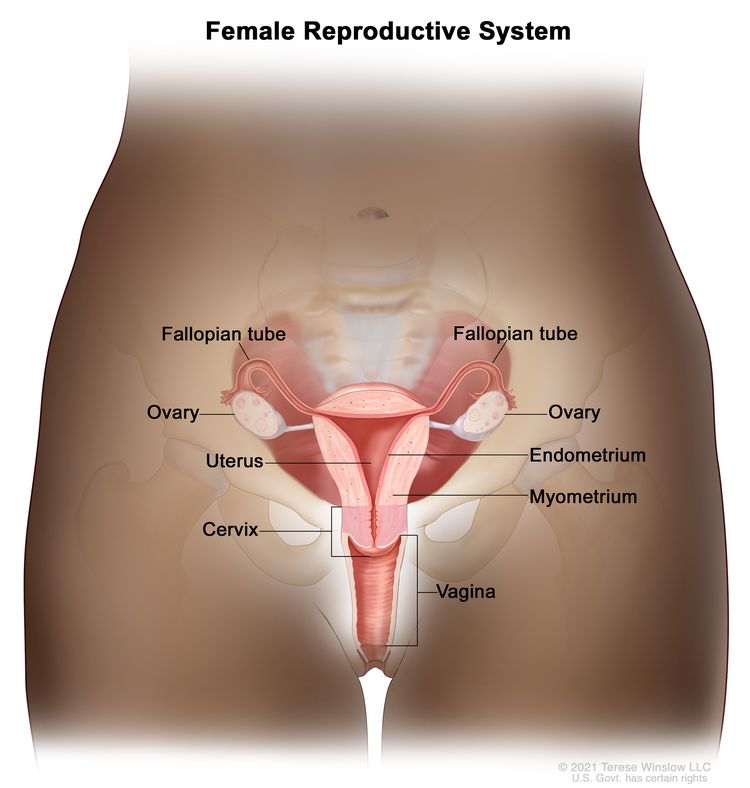
The fimbriated ends of the fallopian tubes are in close apposition to the ovaries and in the peritoneal space, as opposed to the corpus uteri (body of the uterus) that is located under a layer of peritoneum.

EnlargeAnatomy of the female reproductive system; drawing shows the uterus, myometrium (muscular outer layer of the uterus), endometrium (inner lining of the uterus), ovaries, fallopian tubes, cervix, and vagina.
Normal female reproductive system anatomy.

Risk Factors

Increasing age is the most important risk factor for most cancers. Other risk factors for ovarian (epithelial) cancer include:

  • Family history of ovarian cancer.[68]
    • A first-degree relative (e.g., mother, daughter, or sister) with the disease.
  • Inherited risk.[9]
    • BRCA1 or BRCA2 variants.[6,10]
  • Other hereditary conditions such as hereditary nonpolyposis colorectal cancer (HNPCC; also called Lynch syndrome).[6,9]
  • Endometriosis.[1113]
  • Hormone therapy.[14,15]
    • Postmenopausal hormone replacement therapy.
  • Obesity.[1618]
    • High body mass index.
  • Tall height.[1618]

Family history and genetic alterations

The most important risk factor for ovarian cancer is a history of ovarian cancer in a first-degree relative (mother, daughter, or sister). Approximately 20% of ovarian cancers are familial, and although most of these are linked to pathogenic variants in either the BRCA1 or BRCA2 gene, several other genes have been implicated.[19,20] The risk is highest in women who have two or more first-degree relatives with ovarian cancer.[21] The risk is somewhat less for women who have one first-degree relative and one second-degree relative (grandmother or aunt) with ovarian cancer.

In most families affected with breast and ovarian cancer syndrome or site-specific ovarian cancer, genetic linkage to the BRCA1 locus on chromosome 17q21 has been identified.[2224] BRCA2, also responsible for some instances of inherited ovarian and breast cancer, has been mapped by genetic linkage to chromosome 13q12.[25]

The lifetime risk of developing ovarian cancer in patients with germline pathogenic variants in BRCA1 is substantially increased over that of the general population.[26,27] Two retrospective studies of patients with germline pathogenic variants in BRCA1 suggest that the women in these studies have improved survival compared with those without BRCA1 variants.[28,29][Level of evidence C1] Most women with BRCA1 variants probably have family members with a history of ovarian and/or breast cancer. Therefore, the women in these studies may have been more vigilant and inclined to participate in cancer screening programs that may have led to earlier detection.

For women at increased risk, prophylactic oophorectomy may be considered after age 35 years if childbearing is complete. A family-based study included 551 women with BRCA1 or BRCA2 variants. Of the 259 women who had undergone bilateral prophylactic oophorectomy, 2 (0.8%) developed subsequent papillary serous peritoneal carcinoma, and 6 (2.8%) had stage I ovarian cancer at the time of surgery. Of the 292 matched controls, 20% who did not have prophylactic surgery developed ovarian cancer. Prophylactic surgery was associated with a reduction in the risk of ovarian cancer that exceeded 90% (relative risk, 0.04; 95% confidence interval, 0.01–0.16), with an average follow-up of 9 years.[30] However, family-based studies may be associated with biases resulting from case selection and other factors that influence the estimate of benefit.[31] After a prophylactic oophorectomy, a small percentage of women may develop a PPC that is similar in appearance to ovarian cancer.[32] This risk of developing PPC is likely related to the presence of serous tubal intraepithelial carcinoma (STIC) at the time of prophylactic oophorectomy. In a large study that pooled patients with BRCA variants from several sources, women with a STIC lesion were nearly 34 times more likely to develop PPC than women without such a lesion. This finding highlights the need for accurate and thorough pathological review of the prophylactic oophorectomy specimen to help with individual patient counseling.[33]

For more information, see Ovarian, Fallopian Tube, and Primary Peritoneal Cancers Prevention and BRCA1 and BRCA2: Cancer Risks and Management.

Clinical Presentation

Ovarian epithelial cancer, FTC, or PPC may not cause early signs or symptoms. When signs or symptoms do appear, cancer is often advanced. Signs and symptoms include:

  • Pain, swelling, or a feeling of pressure in the abdomen or pelvis.
  • Urinary urgency or frequency.
  • Difficulty eating or feeling full.
  • A lump in the pelvic area.
  • Gastrointestinal problems such as gas, bloating, or constipation.

These symptoms often go unrecognized, leading to delays in diagnosis. Efforts have been made to enhance physician and patient awareness of the occurrence of these nonspecific symptoms.[3438]

Screening procedures such as gynecologic assessment, vaginal ultrasonography, and cancer antigen 125 (CA-125) assay have had low predictive value in detecting ovarian cancer in women without special risk factors.[39,40] As a result of these confounding factors, annual mortality in ovarian cancer is approximately 65% of the incidence rate.

Most patients with ovarian cancer have widespread disease at presentation. Early peritoneal spread of the most common subtype of high-grade serous cancers may relate to serous cancers starting in the fimbriae of the fallopian tubes or in the peritoneum, readily explaining why such cancers are detected at an advanced stage. Conversely, high-grade serous cancers are underrepresented among stage I cancers of the ovary. Other types of ovarian cancers are, in fact, overrepresented in cancers detected in stages I and II. This type of ovarian cancer usually spreads via local shedding into the peritoneal cavity followed by implantation on the peritoneum and via local invasion of bowel and bladder. The incidence of positive nodes at primary surgery has been reported to be as high as 24% in patients with stage I disease, 50% in patients with stage II disease, 74% in patients with stage III disease, and 73% in patients with stage IV disease. The pelvic nodes were involved as often as the para-aortic nodes.[41] Tumor cells may also block diaphragmatic lymphatics. The resulting impairment of lymphatic drainage of the peritoneum is thought to play a role in development of ascites in ovarian cancer. Transdiaphragmatic spread to the pleura is common.

Diagnostic and Staging Evaluation

The following tests and procedures may be used in the diagnosis and staging of ovarian epithelial cancer, FTC, or PPC:

  • Physical examination and history.
  • Pelvic examination.
  • CA-125 assay.
  • Ultrasonography (pelvic or transvaginal).
  • Computed tomography (CT) scan.
  • Positron emission tomography (PET) scan.
  • Magnetic resonance imaging (MRI).
  • Chest x-ray.
  • Biopsy.

CA-125 levels can be elevated in other malignancies and benign gynecologic problems such as endometriosis. CA-125 levels and histology are used to diagnose epithelial ovarian cancer.[42,43]

Prognostic Factors

Prognosis for patients with ovarian cancer is influenced by multiple factors. Multivariate analyses suggest that the most important favorable prognostic factors include:[4448]

  • Younger age.
  • Good performance status.
  • Cell type other than mucinous or clear cell.
  • Well-differentiated tumor.
  • Early-stage disease.
  • Absence of ascites.
  • Lower disease volume before surgical debulking.
  • Smaller residual tumor after primary cytoreductive surgery.
  • BRCA1 or BRCA2 variant.

For patients with stage I disease, the most important prognostic factor associated with relapse is grade, followed by dense adherence and large-volume ascites.[49] Stage I tumors have a high proportion of low-grade serous cancers. These cancers have a derivation distinctly different from that of high-grade serous cancers, which usually present in stages III and IV. Many high-grade serous cancers originate in the fallopian tube and other areas of extrauterine Müllerian epithelial origin.

If the tumor is grade 3, densely adherent, or stage IC, the chance of relapse and death from ovarian cancer is as much as 30%.[4952]

The use of DNA flow cytometric analysis of tumors from patients with stage I and stage IIA disease may identify those at high risk.[53] Patients with clear cell histology appear to have a worse prognosis.[54] Patients with a significant component of transitional cell carcinoma appear to have a better prognosis.[55]

Case-control studies suggest that women with BRCA1 and BRCA2 variants have improved responses to chemotherapy when compared with patients with sporadic epithelial ovarian cancer. This may be the result of a deficient homologous DNA repair mechanism in these tumors, which leads to increased sensitivity to chemotherapy agents.[56,57]

Follow-Up After Treatment

Because of the low specificity and sensitivity of the CA-125 assay, serial CA-125 monitoring of patients undergoing treatment for recurrence may be useful. However, whether that confers a net benefit has not yet been determined. There is little guidance about patient follow-up after initial induction therapy. Neither early detection by imaging nor by CA-125 elevation has been shown to alter outcomes.[58] For more information, see the Treatment of Recurrent or Persistent Ovarian Epithelial, Fallopian Tube, and Primary Peritoneal Cancer section.

References
  1. Levanon K, Crum C, Drapkin R: New insights into the pathogenesis of serous ovarian cancer and its clinical impact. J Clin Oncol 26 (32): 5284-93, 2008. [PUBMED Abstract]
  2. Birrer MJ: The origin of ovarian cancer—is it getting clearer? N Engl J Med 363 (16): 1574-5, 2010. [PUBMED Abstract]
  3. Dubeau L, Drapkin R: Coming into focus: the nonovarian origins of ovarian cancer. Ann Oncol 24 (Suppl 8): viii28-viii35, 2013. [PUBMED Abstract]
  4. National Cancer Institute: SEER Stat Fact Sheets: Ovarian Cancer. Bethesda, Md: National Institutes of Health. Available online. Last accessed February 10, 2025.
  5. American Cancer Society: Cancer Facts and Figures 2025. American Cancer Society, 2025. Available online. Last accessed January 16, 2025.
  6. Bolton KL, Ganda C, Berchuck A, et al.: Role of common genetic variants in ovarian cancer susceptibility and outcome: progress to date from the Ovarian Cancer Association Consortium (OCAC). J Intern Med 271 (4): 366-78, 2012. [PUBMED Abstract]
  7. Weissman SM, Weiss SM, Newlin AC: Genetic testing by cancer site: ovary. Cancer J 18 (4): 320-7, 2012 Jul-Aug. [PUBMED Abstract]
  8. Hunn J, Rodriguez GC: Ovarian cancer: etiology, risk factors, and epidemiology. Clin Obstet Gynecol 55 (1): 3-23, 2012. [PUBMED Abstract]
  9. Pal T, Akbari MR, Sun P, et al.: Frequency of mutations in mismatch repair genes in a population-based study of women with ovarian cancer. Br J Cancer 107 (10): 1783-90, 2012. [PUBMED Abstract]
  10. Gayther SA, Pharoah PD: The inherited genetics of ovarian and endometrial cancer. Curr Opin Genet Dev 20 (3): 231-8, 2010. [PUBMED Abstract]
  11. Poole EM, Lin WT, Kvaskoff M, et al.: Endometriosis and risk of ovarian and endometrial cancers in a large prospective cohort of U.S. nurses. Cancer Causes Control 28 (5): 437-445, 2017. [PUBMED Abstract]
  12. Pearce CL, Templeman C, Rossing MA, et al.: Association between endometriosis and risk of histological subtypes of ovarian cancer: a pooled analysis of case-control studies. Lancet Oncol 13 (4): 385-94, 2012. [PUBMED Abstract]
  13. Mogensen JB, Kjær SK, Mellemkjær L, et al.: Endometriosis and risks for ovarian, endometrial and breast cancers: A nationwide cohort study. Gynecol Oncol 143 (1): 87-92, 2016. [PUBMED Abstract]
  14. Lacey JV, Brinton LA, Leitzmann MF, et al.: Menopausal hormone therapy and ovarian cancer risk in the National Institutes of Health-AARP Diet and Health Study Cohort. J Natl Cancer Inst 98 (19): 1397-405, 2006. [PUBMED Abstract]
  15. Trabert B, Wentzensen N, Yang HP, et al.: Ovarian cancer and menopausal hormone therapy in the NIH-AARP diet and health study. Br J Cancer 107 (7): 1181-7, 2012. [PUBMED Abstract]
  16. Engeland A, Tretli S, Bjørge T: Height, body mass index, and ovarian cancer: a follow-up of 1.1 million Norwegian women. J Natl Cancer Inst 95 (16): 1244-8, 2003. [PUBMED Abstract]
  17. Lahmann PH, Cust AE, Friedenreich CM, et al.: Anthropometric measures and epithelial ovarian cancer risk in the European Prospective Investigation into Cancer and Nutrition. Int J Cancer 126 (10): 2404-15, 2010. [PUBMED Abstract]
  18. Collaborative Group on Epidemiological Studies of Ovarian Cancer: Ovarian cancer and body size: individual participant meta-analysis including 25,157 women with ovarian cancer from 47 epidemiological studies. PLoS Med 9 (4): e1001200, 2012. [PUBMED Abstract]
  19. Lynch HT, Watson P, Lynch JF, et al.: Hereditary ovarian cancer. Heterogeneity in age at onset. Cancer 71 (2 Suppl): 573-81, 1993. [PUBMED Abstract]
  20. Pennington KP, Swisher EM: Hereditary ovarian cancer: beyond the usual suspects. Gynecol Oncol 124 (2): 347-53, 2012. [PUBMED Abstract]
  21. Piver MS, Goldberg JM, Tsukada Y, et al.: Characteristics of familial ovarian cancer: a report of the first 1,000 families in the Gilda Radner Familial Ovarian Cancer Registry. Eur J Gynaecol Oncol 17 (3): 169-76, 1996. [PUBMED Abstract]
  22. Miki Y, Swensen J, Shattuck-Eidens D, et al.: A strong candidate for the breast and ovarian cancer susceptibility gene BRCA1. Science 266 (5182): 66-71, 1994. [PUBMED Abstract]
  23. Easton DF, Bishop DT, Ford D, et al.: Genetic linkage analysis in familial breast and ovarian cancer: results from 214 families. The Breast Cancer Linkage Consortium. Am J Hum Genet 52 (4): 678-701, 1993. [PUBMED Abstract]
  24. Steichen-Gersdorf E, Gallion HH, Ford D, et al.: Familial site-specific ovarian cancer is linked to BRCA1 on 17q12-21. Am J Hum Genet 55 (5): 870-5, 1994. [PUBMED Abstract]
  25. Wooster R, Neuhausen SL, Mangion J, et al.: Localization of a breast cancer susceptibility gene, BRCA2, to chromosome 13q12-13. Science 265 (5181): 2088-90, 1994. [PUBMED Abstract]
  26. Easton DF, Ford D, Bishop DT: Breast and ovarian cancer incidence in BRCA1-mutation carriers. Breast Cancer Linkage Consortium. Am J Hum Genet 56 (1): 265-71, 1995. [PUBMED Abstract]
  27. Struewing JP, Hartge P, Wacholder S, et al.: The risk of cancer associated with specific mutations of BRCA1 and BRCA2 among Ashkenazi Jews. N Engl J Med 336 (20): 1401-8, 1997. [PUBMED Abstract]
  28. Rubin SC, Benjamin I, Behbakht K, et al.: Clinical and pathological features of ovarian cancer in women with germ-line mutations of BRCA1. N Engl J Med 335 (19): 1413-6, 1996. [PUBMED Abstract]
  29. Aida H, Takakuwa K, Nagata H, et al.: Clinical features of ovarian cancer in Japanese women with germ-line mutations of BRCA1. Clin Cancer Res 4 (1): 235-40, 1998. [PUBMED Abstract]
  30. Rebbeck TR, Lynch HT, Neuhausen SL, et al.: Prophylactic oophorectomy in carriers of BRCA1 or BRCA2 mutations. N Engl J Med 346 (21): 1616-22, 2002. [PUBMED Abstract]
  31. Klaren HM, van’t Veer LJ, van Leeuwen FE, et al.: Potential for bias in studies on efficacy of prophylactic surgery for BRCA1 and BRCA2 mutation. J Natl Cancer Inst 95 (13): 941-7, 2003. [PUBMED Abstract]
  32. Piver MS, Jishi MF, Tsukada Y, et al.: Primary peritoneal carcinoma after prophylactic oophorectomy in women with a family history of ovarian cancer. A report of the Gilda Radner Familial Ovarian Cancer Registry. Cancer 71 (9): 2751-5, 1993. [PUBMED Abstract]
  33. Steenbeek MP, van Bommel MHD, Bulten J, et al.: Risk of Peritoneal Carcinomatosis After Risk-Reducing Salpingo-Oophorectomy: A Systematic Review and Individual Patient Data Meta-Analysis. J Clin Oncol 40 (17): 1879-1891, 2022. [PUBMED Abstract]
  34. Goff BA, Mandel L, Muntz HG, et al.: Ovarian carcinoma diagnosis. Cancer 89 (10): 2068-75, 2000. [PUBMED Abstract]
  35. Friedman GD, Skilling JS, Udaltsova NV, et al.: Early symptoms of ovarian cancer: a case-control study without recall bias. Fam Pract 22 (5): 548-53, 2005. [PUBMED Abstract]
  36. Smith LH, Morris CR, Yasmeen S, et al.: Ovarian cancer: can we make the clinical diagnosis earlier? Cancer 104 (7): 1398-407, 2005. [PUBMED Abstract]
  37. Goff BA, Mandel LS, Melancon CH, et al.: Frequency of symptoms of ovarian cancer in women presenting to primary care clinics. JAMA 291 (22): 2705-12, 2004. [PUBMED Abstract]
  38. Goff BA, Mandel LS, Drescher CW, et al.: Development of an ovarian cancer symptom index: possibilities for earlier detection. Cancer 109 (2): 221-7, 2007. [PUBMED Abstract]
  39. Partridge E, Kreimer AR, Greenlee RT, et al.: Results from four rounds of ovarian cancer screening in a randomized trial. Obstet Gynecol 113 (4): 775-82, 2009. [PUBMED Abstract]
  40. van Nagell JR, Miller RW, DeSimone CP, et al.: Long-term survival of women with epithelial ovarian cancer detected by ultrasonographic screening. Obstet Gynecol 118 (6): 1212-21, 2011. [PUBMED Abstract]
  41. Burghardt E, Girardi F, Lahousen M, et al.: Patterns of pelvic and paraaortic lymph node involvement in ovarian cancer. Gynecol Oncol 40 (2): 103-6, 1991. [PUBMED Abstract]
  42. Berek JS, Knapp RC, Malkasian GD, et al.: CA 125 serum levels correlated with second-look operations among ovarian cancer patients. Obstet Gynecol 67 (5): 685-9, 1986. [PUBMED Abstract]
  43. Atack DB, Nisker JA, Allen HH, et al.: CA 125 surveillance and second-look laparotomy in ovarian carcinoma. Am J Obstet Gynecol 154 (2): 287-9, 1986. [PUBMED Abstract]
  44. Omura GA, Brady MF, Homesley HD, et al.: Long-term follow-up and prognostic factor analysis in advanced ovarian carcinoma: the Gynecologic Oncology Group experience. J Clin Oncol 9 (7): 1138-50, 1991. [PUBMED Abstract]
  45. van Houwelingen JC, ten Bokkel Huinink WW, van der Burg ME, et al.: Predictability of the survival of patients with advanced ovarian cancer. J Clin Oncol 7 (6): 769-73, 1989. [PUBMED Abstract]
  46. Neijt JP, ten Bokkel Huinink WW, van der Burg ME, et al.: Long-term survival in ovarian cancer. Mature data from The Netherlands Joint Study Group for Ovarian Cancer. Eur J Cancer 27 (11): 1367-72, 1991. [PUBMED Abstract]
  47. Hoskins WJ, Bundy BN, Thigpen JT, et al.: The influence of cytoreductive surgery on recurrence-free interval and survival in small-volume stage III epithelial ovarian cancer: a Gynecologic Oncology Group study. Gynecol Oncol 47 (2): 159-66, 1992. [PUBMED Abstract]
  48. Thigpen T, Brady MF, Omura GA, et al.: Age as a prognostic factor in ovarian carcinoma. The Gynecologic Oncology Group experience. Cancer 71 (2 Suppl): 606-14, 1993. [PUBMED Abstract]
  49. Dembo AJ, Davy M, Stenwig AE, et al.: Prognostic factors in patients with stage I epithelial ovarian cancer. Obstet Gynecol 75 (2): 263-73, 1990. [PUBMED Abstract]
  50. Ahmed FY, Wiltshaw E, A’Hern RP, et al.: Natural history and prognosis of untreated stage I epithelial ovarian carcinoma. J Clin Oncol 14 (11): 2968-75, 1996. [PUBMED Abstract]
  51. Monga M, Carmichael JA, Shelley WE, et al.: Surgery without adjuvant chemotherapy for early epithelial ovarian carcinoma after comprehensive surgical staging. Gynecol Oncol 43 (3): 195-7, 1991. [PUBMED Abstract]
  52. Kolomainen DF, A’Hern R, Coxon FY, et al.: Can patients with relapsed, previously untreated, stage I epithelial ovarian cancer be successfully treated with salvage therapy? J Clin Oncol 21 (16): 3113-8, 2003. [PUBMED Abstract]
  53. Schueler JA, Cornelisse CJ, Hermans J, et al.: Prognostic factors in well-differentiated early-stage epithelial ovarian cancer. Cancer 71 (3): 787-95, 1993. [PUBMED Abstract]
  54. Young RC, Walton LA, Ellenberg SS, et al.: Adjuvant therapy in stage I and stage II epithelial ovarian cancer. Results of two prospective randomized trials. N Engl J Med 322 (15): 1021-7, 1990. [PUBMED Abstract]
  55. Gershenson DM, Silva EG, Mitchell MF, et al.: Transitional cell carcinoma of the ovary: a matched control study of advanced-stage patients treated with cisplatin-based chemotherapy. Am J Obstet Gynecol 168 (4): 1178-85; discussion 1185-7, 1993. [PUBMED Abstract]
  56. Vencken PM, Kriege M, Hoogwerf D, et al.: Chemosensitivity and outcome of BRCA1- and BRCA2-associated ovarian cancer patients after first-line chemotherapy compared with sporadic ovarian cancer patients. Ann Oncol 22 (6): 1346-52, 2011. [PUBMED Abstract]
  57. Safra T, Borgato L, Nicoletto MO, et al.: BRCA mutation status and determinant of outcome in women with recurrent epithelial ovarian cancer treated with pegylated liposomal doxorubicin. Mol Cancer Ther 10 (10): 2000-7, 2011. [PUBMED Abstract]
  58. Rustin GJ, van der Burg ME, Griffin CL, et al.: Early versus delayed treatment of relapsed ovarian cancer (MRC OV05/EORTC 55955): a randomised trial. Lancet 376 (9747): 1155-63, 2010. [PUBMED Abstract]

Cellular Classification of Ovarian Epithelial, Fallopian Tube, and Primary Peritoneal Cancer

Table 1 describes the histological classification of ovarian epithelial cancer, fallopian tube cancer (FTC), and primary peritoneal cancer (PPC).

Table 1. Ovarian Epithelial Cancer, FTC, and PPC Histological Classification
Histological Classification Histological Subtypes
FTC = fallopian tube cancer; PPC = primary peritoneal cancer.
Serous cystomas Serous benign cystadenomas.
Serous cystadenomas with proliferating activity of the epithelial cells and nuclear abnormalities but with no infiltrative destructive growth.
Serous cystadenocarcinomas.
Mucinous cystomas Mucinous benign cystadenomas.
Mucinous cystadenomas with proliferating activity of the epithelial cells and nuclear abnormalities but with no infiltrative destructive growth (low malignant potential or borderline malignancy).
Mucinous cystadenocarcinomas.
Endometrioid tumors (similar to adenocarcinomas in the endometrium) Endometrioid benign cysts.
Endometrioid tumors with proliferating activity of the epithelial cells and nuclear abnormalities but with no infiltrative destructive growth (low malignant potential or borderline malignancy).
Endometrioid adenocarcinomas.
Clear cell (mesonephroid) tumors Benign clear cell tumors.
Clear cell tumors with proliferating activity of the epithelial cells and nuclear abnormalities but with no infiltrative destructive growth (low malignant potential or borderline malignancy).
Clear cell cystadenocarcinomas.
Unclassified tumors that cannot be allotted to one of the above groups  
No histology (cytology-only diagnosis)  
Other malignant tumors (malignant tumors other than those of the common epithelial types are not to be included with the categories listed above)  

Stage Information for Ovarian Epithelial, Fallopian Tube, and Primary Peritoneal Cancer

In the absence of extra-abdominal metastatic disease, definitive staging of ovarian cancer requires surgery. The role of surgery in patients with stage IV ovarian cancer and extra-abdominal disease is yet to be established. If disease appears to be limited to the ovaries or pelvis, it is essential at laparotomy to obtain peritoneal washings and to examine and biopsy or obtain cytological brushings of the following sites:

  • Diaphragm.
  • Both paracolic gutters.
  • Pelvic peritoneum.
  • Para-aortic and pelvic nodes.
  • Infracolic omentum.[1]

The Fédération Internationale de Gynécologie et d’Obstétrique (FIGO) Staging

The FIGO and the American Joint Committee on Cancer (AJCC) have designated staging to define ovarian epithelial cancer. The FIGO-approved staging system for ovarian epithelial cancer, fallopian tube cancer (FTC), and primary peritoneal cancer (PPC) is the one most commonly used.[2,3]

Table 2. Definitions of FIGO Stage Ia
Stage Definition Illustration
FIGO = Fédération Internationale de Gynécologie et d’Obstétrique.
aAdapted from FIGO Committee for Gynecologic Oncology.[2]
I Tumor confined to ovaries or fallopian tube(s).
EnlargeThree-panel drawing of stage IA, stage IB, and stage IC; each panel shows the ovaries, fallopian tubes, uterus, cervix, and vagina. The first panel (stage IA) shows cancer inside one ovary. The second panel (stage IB) shows cancer inside both ovaries. The third panel (stage IC) shows cancer inside both ovaries and (a) the tumor in the ovary shown on the left has ruptured (broken open), (b) there is cancer on the surface of the ovary shown on the right, and (c) there are cancer cells in the pelvic peritoneal fluid (inset).
IA Tumor limited to one ovary (capsule intact) or fallopian tube; no tumor on ovarian or fallopian tube surface; no malignant cells in the ascites or peritoneal washings.  
IB Tumor limited to both ovaries (capsules intact) or fallopian tubes; no tumor on ovarian or fallopian tube surface; no malignant cells in the ascites or peritoneal washings.
IC Tumor limited to one or both ovaries or fallopian tubes, with any of the following:
IC1: Surgical spill.
IC2: Capsule ruptured before surgery or tumor on ovarian or fallopian tube surface.
IC3: Malignant cells in the ascites or peritoneal washings.
Table 3. Definitions of FIGO Stage IIa
Stage Definition Illustration
FIGO = Fédération Internationale de Gynécologie et d’Obstétrique.
aAdapted from FIGO Committee for Gynecologic Oncology.[2]
II Tumor involves one or both ovaries or fallopian tubes with pelvic extension (below pelvic brim) or primary peritoneal cancer.
EnlargeThree-panel drawing of stage IIA, stage IIB, and stage II primary peritoneal cancer; the first panel (stage IIA) shows cancer inside both ovaries that has spread to the fallopian tube and uterus . Also shown are the cervix and vagina. The second panel (stage IIB) shows cancer inside both ovaries that has spread to the colon. The third panel (primary peritoneal cancer) shows cancer in the pelvic peritoneum.
IIA Extension and/or implants on the uterus and/or fallopian tubes and/or ovaries.  
IIB Extension to other pelvic intraperitoneal tissues.
Table 4. Definitions of FIGO Stage IIIa
Stage Definition Illustration
FIGO = Fédération Internationale de Gynécologie et d’Obstétrique.
aAdapted from FIGO Committee for Gynecologic Oncology.[2]
III Tumor involves one or both ovaries, or fallopian tubes, or primary peritoneal cancer, with cytologically or histologically confirmed spread to the peritoneum outside the pelvis and/or metastasis to the retroperitoneal lymph nodes.  
IIIA1 Positive retroperitoneal lymph nodes only (cytologically or histologically proven):
EnlargeDrawing of stage IIIA shows cancer inside both ovaries that has spread to (a) lymph nodes behind the peritoneum and (b) the omentum. The small intestine, colon, fallopian tubes, uterus, and bladder are also shown.
IIIA1(I): Metastasis ≤10 mm in greatest dimension.
IIIA1(ii): Metastasis >10 mm in greatest dimension.
IIIA2 Microscopic extrapelvic (above the pelvic brim) peritoneal involvement with or without positive retroperitoneal lymph nodes.
IIIB Macroscopic peritoneal metastases beyond the pelvis ≤2 cm in greatest dimension, with or without metastasis to the retroperitoneal lymph nodes.
EnlargeDrawing of stage IIIB shows cancer inside both ovaries that has spread to the omentum. The cancer in the omentum is 2 centimeters or smaller. An inset shows 2 centimeters is about the size of a peanut. Also shown are the small intestine, colon, fallopian tubes, uterus, bladder, and lymph nodes behind the peritoneum.
IIIC Macroscopic peritoneal metastasis beyond the pelvis >2 cm in greatest dimension, with or without metastasis to the retroperitoneal nodes (includes extension of tumor to capsule of liver and spleen without parenchymal involvement of either organ).
EnlargeDrawing of stage IIIC shows cancer inside both ovaries that has spread to the omentum. The cancer in the omentum is larger than 2 centimeters. An inset shows 2 centimeters is about the size of a peanut. Also shown are the small intestine, colon, fallopian tubes, uterus, bladder, and lymph nodes behind the peritoneum.
Table 5. Definitions of FIGO Stage IVa
Stage Definition Illustration
FIGO = Fédération Internationale de Gynécologie et d’Obstétrique.
aAdapted from FIGO Committee for Gynecologic Oncology.[2]
IV Distant metastasis excluding peritoneal metastases.
EnlargeDrawing of stage IV shows other parts of the body where ovarian cancer may spread, including the lung, liver, and lymph nodes in the groin. An inset on the top shows extra fluid around the lung. An inset on the bottom shows cancer cells spreading through the blood and lymph system to another part of the body where metastatic cancer has formed.
IVA Pleural effusion with positive cytology.  
IVB Parenchymal metastases and metastases to extra-abdominal organs (including inguinal lymph nodes and lymph nodes outside of the abdominal cavity).
References
  1. Hoskins WJ: Surgical staging and cytoreductive surgery of epithelial ovarian cancer. Cancer 71 (4 Suppl): 1534-40, 1993. [PUBMED Abstract]
  2. Berek JS, Renz M, Kehoe S, et al.: Cancer of the ovary, fallopian tube, and peritoneum: 2021 update. Int J Gynaecol Obstet 155 (Suppl 1): 61-85, 2021. [PUBMED Abstract]
  3. Ovary, fallopian tube, and primary peritoneal carcinoma. In: Amin MB, Edge SB, Greene FL, et al., eds.: AJCC Cancer Staging Manual. 8th ed. Springer; 2017, pp 681-90.

Treatment Option Overview for Ovarian Epithelial, Fallopian Tube, and Primary Peritoneal Cancer

Treatment options for patients with all stages of ovarian epithelial cancer, fallopian tube cancer (FTC), and primary peritoneal cancer (PPC) have consisted of surgery followed by platinum-based chemotherapy.

Early stage refers to stages I and II. However, because of high recurrence rates for stage II patients in early-stage disease trials, patients with stage II cancers have been included with patients who have more advanced-stage cancer in Gynecologic Oncology Group clinical trials since 2009. Going forward, stage I will remain a separate category for treatment considerations, but high-grade serous stage II cancers are likely to be included with more advanced stages.

Numerous clinical trials are in progress to refine existing therapies and test the value of different approaches to postoperative drug and radiation therapy. Patients with any stage of ovarian cancer are appropriate candidates for clinical trials.[1,2] Information about ongoing clinical trials is available from the NCI website.

The treatment options for ovarian epithelial cancer, FTC, and PPC are presented in Table 6.

Table 6. Treatment Options for Low-Grade Serous Carcinoma, Ovarian Epithelial Cancer, FTC, and PPC
Stage Treatment Options
FTC = fallopian tube cancer; HIPEC = hyperthermic intraperitoneal chemotherapy; OS = overall survival; PARP = poly (ADP-ribose) polymerase; PPC = primary peritoneal cancer.
Low-grade serous carcinoma Surgery with or without chemotherapy
Secondary cytoreductive surgery
Targeted therapies
Hormone therapy alone or combined with chemotherapy (under clinical evaluation)
Early-stage ovarian epithelial cancer, FTC, and PPC Surgery with or without chemotherapy
Advanced-stage ovarian epithelial cancer, FTC, and PPC Surgery followed by platinum-based chemotherapy
Surgery before or after platinum-based chemotherapy and/or additional consolidation therapy
Surgery before or after platinum-based chemotherapy and the addition of bevacizumab to induction therapy and/or consolidation therapy
Surgery after platinum-based chemotherapy and the addition of HIPEC
Surgery before or after platinum-based chemotherapy and the addition of PARP inhibitors to induction therapy and/or consolidation therapy
Chemotherapy for patients who cannot have surgery (although the impact on OS has not been proven)
Recurrent ovarian epithelial cancer, FTC, and PPC Platinum-containing chemotherapy regimens
Bevacizumab, other targeted drugs, and PARP inhibitors with or without chemotherapy
Chemotherapy
Chemotherapy and/or bevacizumab
Immune checkpoint inhibitors
Antibody-drug conjugates

Capecitabine and Fluorouracil Dosing

The DPYD gene encodes an enzyme that catabolizes pyrimidines and fluoropyrimidines, like capecitabine and fluorouracil. An estimated 1% to 2% of the population has germline pathogenic variants in DPYD, which lead to reduced DPD protein function and an accumulation of pyrimidines and fluoropyrimidines in the body.[3,4] Patients with the DPYD*2A variant who receive fluoropyrimidines may experience severe, life-threatening toxicities that are sometimes fatal. Many other DPYD variants have been identified, with a range of clinical effects.[35] Fluoropyrimidine avoidance or a dose reduction of 50% may be recommended based on the patient’s DPYD genotype and number of functioning DPYD alleles.[68] DPYD genetic testing costs less than $200, but insurance coverage varies due to a lack of national guidelines.[9] In addition, testing may delay therapy by 2 weeks, which would not be advisable in urgent situations. This controversial issue requires further evaluation.[10]

References
  1. Ozols RF, Young RC: Ovarian cancer. Curr Probl Cancer 11 (2): 57-122, 1987 Mar-Apr. [PUBMED Abstract]
  2. Cannistra SA: Cancer of the ovary. N Engl J Med 329 (21): 1550-9, 1993. [PUBMED Abstract]
  3. Sharma BB, Rai K, Blunt H, et al.: Pathogenic DPYD Variants and Treatment-Related Mortality in Patients Receiving Fluoropyrimidine Chemotherapy: A Systematic Review and Meta-Analysis. Oncologist 26 (12): 1008-1016, 2021. [PUBMED Abstract]
  4. Lam SW, Guchelaar HJ, Boven E: The role of pharmacogenetics in capecitabine efficacy and toxicity. Cancer Treat Rev 50: 9-22, 2016. [PUBMED Abstract]
  5. Shakeel F, Fang F, Kwon JW, et al.: Patients carrying DPYD variant alleles have increased risk of severe toxicity and related treatment modifications during fluoropyrimidine chemotherapy. Pharmacogenomics 22 (3): 145-155, 2021. [PUBMED Abstract]
  6. Amstutz U, Henricks LM, Offer SM, et al.: Clinical Pharmacogenetics Implementation Consortium (CPIC) Guideline for Dihydropyrimidine Dehydrogenase Genotype and Fluoropyrimidine Dosing: 2017 Update. Clin Pharmacol Ther 103 (2): 210-216, 2018. [PUBMED Abstract]
  7. Henricks LM, Lunenburg CATC, de Man FM, et al.: DPYD genotype-guided dose individualisation of fluoropyrimidine therapy in patients with cancer: a prospective safety analysis. Lancet Oncol 19 (11): 1459-1467, 2018. [PUBMED Abstract]
  8. Lau-Min KS, Varughese LA, Nelson MN, et al.: Preemptive pharmacogenetic testing to guide chemotherapy dosing in patients with gastrointestinal malignancies: a qualitative study of barriers to implementation. BMC Cancer 22 (1): 47, 2022. [PUBMED Abstract]
  9. Brooks GA, Tapp S, Daly AT, et al.: Cost-effectiveness of DPYD Genotyping Prior to Fluoropyrimidine-based Adjuvant Chemotherapy for Colon Cancer. Clin Colorectal Cancer 21 (3): e189-e195, 2022. [PUBMED Abstract]
  10. Baker SD, Bates SE, Brooks GA, et al.: DPYD Testing: Time to Put Patient Safety First. J Clin Oncol 41 (15): 2701-2705, 2023. [PUBMED Abstract]

Treatment of Low-Grade Serous Carcinoma

Treatment Options for Low-Grade Serous Carcinoma

Low-grade serous carcinoma (LGSC), also known as invasive micropapillary serous carcinoma, arises either from serous borderline tumors or de novo. These tumors are uncommon, making up 5% of ovarian carcinomas, and occur in younger women. These tumors are associated with a better clinical prognosis than high-grade serous carcinomas. Molecular characterization of LGSC detected a lower frequency of TP53 variants, greater expression of estrogen and progesterone receptors, and a higher prevalence of BRAF and NRAS variants.[1] Unlike patients with high-grade histologies, patients with LGSC often do not have a markedly elevated CA-125 level at the time of diagnosis.[2] LGSC is seen in patients with variants in homologous recombination repair genes. The frequency of variants in homologous recombination repair genes is much lower in patients with LGSC (around 11%) than in patients with high-grade histologies (27%).[3]

Treatment approaches for patients with recurrent disease can include cytoreductive surgery, cytotoxic chemotherapy, hormonal therapy, or targeted agents.

Treatment options for LGSC include:

  1. Surgery with or without chemotherapy.
  2. Secondary cytoreductive surgery.
  3. Targeted therapies.
  4. Hormone therapy alone or combined with chemotherapy (under clinical evaluation [NCT04095364]).

Surgery with or without chemotherapy

While complete cytoreductive surgery is a major component of the treatment approach to LGSC, these tumors tend to be chemoresistant.[4] Despite this, given the lack of evidence to support alternative therapies, many patients receive a platinum and taxane chemotherapy doublet similar to that used in more invasive ovarian cancer. Patients requiring neoadjuvant chemotherapy before debulking surgery have a worse outcome than those undergoing primary debulking surgery.[5]

Secondary cytoreductive surgery

Evidence (secondary cytoreductive surgery):

  1. A single-institution retrospective review evaluated secondary cytoreductive surgery performed between 1995 and 2002 in 41 patients with recurrent LGSC. The study concluded that secondary cytoreduction is beneficial.[6][Level of evidence C3] The median time from primary tumor debulking until secondary cytoreduction was 33.2 months.
    • Thirty-two patients (78%) had gross residual disease at completion of secondary cytoreduction.
    • Patients with no gross residual disease after secondary cytoreduction had a median progression-free survival (PFS) of 60.3 months, compared with 10.7 months for those with gross residual disease (P = .008).
    • After secondary cytoreduction surgery, the overall survival (OS) was 93.6 months for those with no gross residual disease and 45.8 months for those with gross residual disease (P = .04).

Targeted therapies

As LGSC is relatively chemoresistant, attention has focused on targeted therapies.

Evidence (targeted therapies):

  1. Anastrozole: Estrogen receptor (ER) expression is noted in most LGSCs and is a potential target. The PARAGON phase II basket trial evaluated the activity of anastrozole in patients with ER-positive tumors, including 36 patients with recurrent LGSC.[7][Level of evidence C3]
    • The trial demonstrated clinical benefit in 61% of patients at 6 months and 34% of patients at 12 months. Notably, the study included patients with LGSC and other ER-positive tumors.
    • The median duration of clinical benefit was 9.5 months.
  2. Trametinib: Trametinib is a selective, reversible, allosteric inhibitor of MEK1/MEK2. A recent international, randomized, multicenter, phase II/III trial evaluated trametinib in patients with LGSC. An unlimited number of prior therapies, including chemotherapy or hormone therapy, was allowed. Patients must have received at least one prior platinum-based regimen, but not all five standard-of-care drugs. Patients received either oral trametinib (2 mg once daily) or the standard of care with the physician’s choice of chemotherapy (paclitaxel, pegylated liposomal doxorubicin, topotecan, oral letrozole, or oral tamoxifen).[8][Level of evidence B1]
    • The median PFS was 13.0 months (95% confidence interval [CI], 9.9–15.0) in the trametinib group and 7.5 months (95% CI, 5.6–9.9) in the standard-of-care group (hazard ratio [HR], 0.48; 95% CI, 0.36–0.64; one-sided P < .0001).
    • A post hoc analysis was performed on a subgroup of 87 patients who were preplanned to receive letrozole if randomly assigned to the standard-of-care group. The PFS was 15.0 months (95% CI, 7.7–23.1) in the trametinib group and 10.6 months (95% CI, 6.5–12.8) in the letrozole group (HR, 0.58; 95% CI, 0.36–0.95; one-sided P = .0085).
    • The overall response rate was 26% (34 of 130 patients) in the trametinib group. An additional 59% of patients (77 of 130) had stable disease for at least 8 weeks.
    • The median OS was 37.6 months (95% CI, 32.0–not evaluable) in the trametinib group and 29.2 months (95% CI, 23.5–51.6) in the standard-of-care group (HRdeath, 0.76; 95% CI, 0.51–1.12; one-sided P = .056).
    • There was no evidence that BRAF, KRAS, or NRAS variant status predicted PFS.
  3. Binimetinib: MILO/ENGOT-ov11 (NCT01849874) was a phase III trial of binimetinib, a small molecule inhibitor of MEK1/MEK2. The trial included 303 patients with recurrent LGSC who had received one to three prior lines of chemotherapy. Patients were randomly assigned in a 2:1 ratio to receive either binimetinib (45 mg orally twice daily) or physician’s choice of chemotherapy (pegylated liposomal doxorubicin, paclitaxel, or topotecan).[9]
    • The median PFS was 9.1 months (95% CI, 7.3–11.3) for patients who received binimetinib and 10.6 months (95% CI, 9.2–14.5) for patients who received chemotherapy. The study closed early according to the prespecified futility boundary.
    • The overall response rate was 16% for patients who received binimetinib (including 32 patients with complete/partial responses), and 13% for patients who received chemotherapy (including 13 patients with complete/partial responses).
    • The median duration of response was 8.1 months (range, 0.03 to ≥12.0) for patients who received binimetinib and 6.7 months (range, 0.03 to ≥9.7) for patients who received chemotherapy.
    • The OS was 25.3 months for patients who received binimetinib and 20.8 months for patients who received chemotherapy.
    • OS was similar and viewed as no better or worse than chemotherapy.
    • A post hoc analysis was conducted on tumor molecular testing samples from 215 patients. KRAS variants were seen in 32% to 34% of patients. The analysis showed that KRAS variants were associated with a response to treatment with binimetinib (odds ratio, 3.4; 95% CI, 1.53–7.66; unadjusted P = .003) and with prolonged PFS in patients treated with binimetinib (median PFS: KRAS variant, 17.7 months [95% CI, 12–not reached]; KRAS wild-type, 10.8 months [95% CI, 5.5–16.7]; P = .006).
  4. Bevacizumab: Bevacizumab is an anti-VEGFA monoclonal antibody. A single institution enrolled 13 patients with LGSC and 4 patients with borderline tumors. Two patients received bevacizumab as a single agent while the other patients received bevacizumab in combination with chemotherapy (i.e., paclitaxel, topotecan, oral cyclophosphamide, gemcitabine, or gemcitabine and carboplatin).[10][Level of evidence C3]
    • After a median duration of 23 weeks (range, 6–79.4), there were no patients with a complete response and six patients with partial responses (five of whom had received concurrent paclitaxel, and one who received concurrent gemcitabine). The overall response rate was 40% among all evaluable patients, and 55% among the subgroup of LGSC patients.
  5. Ribociclib and letrozole: GOG-3026 (NCT03673124) was a phase II trial evaluating the combination of ribociclib and letrozole in patients with recurrent LGSC. Patients received ribociclib, a CDK4/6 inhibitor, at 600 mg daily on a 3-weeks-on/1-week-off schedule, plus 2.5 mg of oral letrozole once daily for a 28-day cycle.[11]
    • The overall response rate was 23% (90% CI, 13.4%–35.1%), and the clinical benefit rate was 97% (90% CI, 67.2%–88.2%).
    • The median duration of response was 19.1 months. The median PFS was 19.1 months, and the median OS was not reached.
  6. Selumetinib: Selumetinib is a selective small molecule inhibitor of MEK1/MEK2. A phase II study included 52 patients with recurrent LGSC who received 50 mg of selumetinib twice daily until progression.[12][Level of evidence C3]
    • There were 8 patients (15%) with complete responses, 7 patients (13%) with partial responses, and 34 patients (65%) with stable disease.
    • The median time to response was 4.8 months, and the median duration of response was 10.5 months.
    • The median PFS was 11 months, and 63% of patients had a PFS of more than 6 months.
    • Responses were irrespective of BRAF or KRAS variant status.
  7. Imatinib: LGSC has a high expression of PDGFRB and BCR::ABL1. A phase II study evaluated imatinib mesylate in patients with platinum-resistant recurrent LGSC. The trial enrolled 13 patients who had received at least four prior lines of platinum- and/or taxane-containing chemotherapy and had been screened for a targeted biomarker (i.e., c-kit, PDGFRB, or BCR::ABL1). Patients received 600 mg of imatinib mesylate daily for 6 weeks.[13]
    • There was no evidence of efficacy in patients who received imatinib mesylate despite high expression of PDGFRB.

Current Clinical Trials

Use our advanced clinical trial search to find NCI-supported cancer clinical trials that are now enrolling patients. The search can be narrowed by location of the trial, type of treatment, name of the drug, and other criteria. General information about clinical trials is also available.

References
  1. Gershenson DM: Low-grade serous carcinoma of the ovary or peritoneum. Ann Oncol 27 (Suppl 1): i45-i49, 2016. [PUBMED Abstract]
  2. Fader AN, Java J, Krivak TC, et al.: The prognostic significance of pre- and post-treatment CA-125 in grade 1 serous ovarian carcinoma: a gynecologic Oncology Group study. Gynecol Oncol 132 (3): 560-5, 2014. [PUBMED Abstract]
  3. Norquist BM, Brady MF, Harrell MI, et al.: Mutations in Homologous Recombination Genes and Outcomes in Ovarian Carcinoma Patients in GOG 218: An NRG Oncology/Gynecologic Oncology Group Study. Clin Cancer Res 24 (4): 777-783, 2018. [PUBMED Abstract]
  4. Gershenson DM, Sun CC, Lu KH, et al.: Clinical behavior of stage II-IV low-grade serous carcinoma of the ovary. Obstet Gynecol 108 (2): 361-8, 2006. [PUBMED Abstract]
  5. Scott SA, Llaurado Fernandez M, Kim H, et al.: Low-grade serous carcinoma (LGSC): A Canadian multicenter review of practice patterns and patient outcomes. Gynecol Oncol 157 (1): 36-45, 2020. [PUBMED Abstract]
  6. Crane EK, Sun CC, Ramirez PT, et al.: The role of secondary cytoreduction in low-grade serous ovarian cancer or peritoneal cancer. Gynecol Oncol 136 (1): 25-9, 2015. [PUBMED Abstract]
  7. Tang M, O’Connell RL, Amant F, et al.: PARAGON: A Phase II study of anastrozole in patients with estrogen receptor-positive recurrent/metastatic low-grade ovarian cancers and serous borderline ovarian tumors. Gynecol Oncol 154 (3): 531-538, 2019. [PUBMED Abstract]
  8. Gershenson DM, Miller A, Brady WE, et al.: Trametinib versus standard of care in patients with recurrent low-grade serous ovarian cancer (GOG 281/LOGS): an international, randomised, open-label, multicentre, phase 2/3 trial. Lancet 399 (10324): 541-553, 2022. [PUBMED Abstract]
  9. Monk BJ, Grisham RN, Banerjee S, et al.: MILO/ENGOT-ov11: Binimetinib Versus Physician’s Choice Chemotherapy in Recurrent or Persistent Low-Grade Serous Carcinomas of the Ovary, Fallopian Tube, or Primary Peritoneum. J Clin Oncol 38 (32): 3753-3762, 2020. [PUBMED Abstract]
  10. Grisham RN, Iyer G, Sala E, et al.: Bevacizumab shows activity in patients with low-grade serous ovarian and primary peritoneal cancer. Int J Gynecol Cancer 24 (6): 1010-4, 2014. [PUBMED Abstract]
  11. Slomovitz B, Deng W, Killion J, et al.: GOG 3026 A phase II trial of letrozole + ribociclib in women with recurrent low-grade serous carcinoma of the ovary, fallopian tube or peritoneum: A GOG foundation study. [Abstract] Gynecol Oncol 176 (Suppl 1): A-001, S2, 2023.
  12. Farley J, Brady WE, Vathipadiekal V, et al.: Selumetinib in women with recurrent low-grade serous carcinoma of the ovary or peritoneum: an open-label, single-arm, phase 2 study. Lancet Oncol 14 (2): 134-40, 2013. [PUBMED Abstract]
  13. Noguera IR, Sun CC, Broaddus RR, et al.: Phase II trial of imatinib mesylate in patients with recurrent platinum- and taxane-resistant low-grade serous carcinoma of the ovary, peritoneum, or fallopian tube. Gynecol Oncol 125 (3): 640-5, 2012. [PUBMED Abstract]

Treatment of Early-Stage Ovarian Epithelial, Fallopian Tube, and Primary Peritoneal Cancer

Early stage refers to stage I and stage II. However, because of high recurrence rates for stage II patients in early-stage disease trials, patients with stage II cancers have been included with patients who have more advanced-stage cancer in Gynecologic Oncology Group (GOG) clinical trials since 2009. Going forward, stage I will remain a separate category for treatment considerations, but high-grade serous stage II cancers are likely to be included with more advanced stages.

Treatment Options for Early-Stage Ovarian Epithelial Cancer, FTC, and PPC

Treatment options for early-stage ovarian epithelial cancer, fallopian tube cancer (FTC), and primary peritoneal cancer (PPC) include:

Surgery with or without chemotherapy

If the tumor is well differentiated or moderately well differentiated, surgery alone may be adequate treatment for patients with stage IA or IB disease. Surgery includes hysterectomy, bilateral salpingo-oophorectomy, and omentectomy. The undersurface of the diaphragm is visualized and biopsied. Biopsies of the pelvic and abdominal peritoneum and the pelvic and para-aortic lymph nodes are also performed. Peritoneal washings are routinely obtained.[1,2] In patients who desire childbearing and have grade 1 tumors, unilateral salpingo-oophorectomy may be associated with a low risk of recurrence.[3]

In the United States, except for the most favorable subset of patients (those with stage IA well-differentiated disease), evidence based on double-blinded, randomized, controlled trials with total mortality end points supports adjuvant treatment with cisplatin, carboplatin, and paclitaxel.

Evidence (surgery with or without chemotherapy):

  1. In two large European trials, the European Organisation for Research and Treatment of Cancer-Adjuvant ChemoTherapy in Ovarian Neoplasm trial (EORTC-ACTION) and International Collaborative Ovarian Neoplasm trial (MRC-ICON1 [NCT00002477]), patients with stage IA (grade 2) and stage IB (grade 3), all stage IC and stage II ovarian epithelial, and all stage I and stage IIA clear cell carcinoma were randomly assigned to receive adjuvant chemotherapy or observation.[46]
    1. The EORTC-ACTION trial required at least four cycles of carboplatin or cisplatin-based chemotherapy as treatment. Although surgical staging criteria were monitored, inadequate staging was not an exclusion criterion.[4]
      • Recurrence-free survival (RFS) was improved for patients in the adjuvant chemotherapy arm (hazard ratio [HR], 0.63; P = .02), but overall survival (OS) was not affected (HR, 0.69; 95% confidence interval [CI], 0.44–1.08; P = .10).
      • OS was improved by chemotherapy in the subset of patients with inadequate surgical staging.
    2. The MRC-ICON1 trial randomly assigned patients to receive six cycles of single-agent carboplatin or cisplatin or platinum-based chemotherapy (usually cyclophosphamide, doxorubicin, and cisplatin) versus observation and had entry criteria similar to the EORTC-ACTION trial; however, the MRC-ICON1 trial did not monitor whether adequate surgical staging was performed.[5] When the results of the trials were combined, the difference in OS achieved statistical significance.
      • Both RFS and OS were significantly improved; the 5-year survival rates were 79% for patients who received adjuvant chemotherapy versus 70% for those who did not receive adjuvant chemotherapy.
    3. An analysis of pooled data from both studies demonstrated the following results:[6][Level of evidence A1]
      • Patients who received chemotherapy showed significant improvement in RFS (HR, 0.64; 95% CI, 0.50–0.82; P = .001) and OS (HR, 0.67; 95% CI, 0.50–0.90; P = .008). The 5-year OS rate was 82% for patients who received chemotherapy and 74% for patients who underwent observation (difference, 8%; 95% CI, 2%–12%).[6][Level of evidence A1]
      • An accompanying editorial emphasized that the focus of subsequent trials must be to identify patients who do not require additional therapy among the early ovarian cancer subset.[7] Optimal staging is one way to better identify these patients.
  2. The GOG-0157 trial evaluated whether six cycles of chemotherapy were superior to three cycles for patients with early-stage, high-risk epithelial ovarian cancer after primary surgery. Eligible patients were those with stage IA grade 3 or clear cell histology, stage IB grade 3 or clear cell histology, all stage IC, and all stage II. Patients were randomly assigned to receive either three or six cycles of the combination of paclitaxel (175 mg/m2 administered over 3 hours) and carboplatin dosed (area under the curve, 7.5) over 30 minutes and given every 21 days. The primary end point was RFS, and the study was powered to detect a 50% decrease in the recurrence rate at 5 years. A total of 427 patients were eligible.[8]
    • No significant difference in cumulative incidence of recurrence was found when three cycles (25.4%) were compared with six cycles (20.1%) (HR, 0.76; 95% CI, 0.5–1.13) or OS for three cycles (81%) versus six cycles (83%) (HR, 1.02; P = .94).[8][Level of evidence B1]
    • As expected, the use of six cycles was associated with increased grade 3 or 4 neurological toxic effects and increased grade 4 hematologic toxic effects.
    • Although surgical staging was required for study entry, an audit revealed that 29% of the patients had either incomplete documentation of their surgery or insufficient surgical effort.
    • In a post hoc analysis of the patients who underwent complete surgical staging, three additional cycles of chemotherapy decreased the risk of recurrence by only 3%. The cumulative incidence of recurrence within 5 years was 18% for women with stage I disease and 33% for women with stage II disease.

    Given the increased risk of recurrence in patients with stage II disease and in those classified as having high-grade serous cancer, the GOG after 2007 opted to include patients with stage II disease in advanced ovarian cancer trials (for more information, see the Treatment of Advanced-Stage Ovarian Epithelial, Fallopian Tube, and Primary Peritoneal Cancer section). Although the routine use of six cycles of chemotherapy is promulgated by guidelines, on subset analyses it is a source of controversy. Platinum-based chemotherapy including paclitaxel for three or six cycles has been evaluated by the GOG in additional trials that included prolonged maintenance paclitaxel, before phasing out early-stage clinical trials.

  3. Patients with stage II ovarian cancer were enrolled in a Japanese Gynecology Oncology Group study (JGOG-3016 [NCT00226915]) that tested a weekly dosing schedule versus the conventional every-3-week dosing schedule in first-line ovarian cancer.[911]

The following treatments have been largely displaced by the adoption of carboplatin plus paclitaxel for early stages of high-grade ovarian cancers:

  • Intraperitoneal phosphorus P 32 or radiation therapy.[1,12,13]
  • Platinum-based systemic chemotherapy alone or in combination with alkylating agents.[1,12,1416]

Current Clinical Trials

Use our advanced clinical trial search to find NCI-supported cancer clinical trials that are now enrolling patients. The search can be narrowed by location of the trial, type of treatment, name of the drug, and other criteria. General information about clinical trials is also available.

References
  1. Young RC, Decker DG, Wharton JT, et al.: Staging laparotomy in early ovarian cancer. JAMA 250 (22): 3072-6, 1983. [PUBMED Abstract]
  2. Fader AN, Java J, Ueda S, et al.: Survival in women with grade 1 serous ovarian carcinoma. Obstet Gynecol 122 (2 Pt 1): 225-32, 2013. [PUBMED Abstract]
  3. Zanetta G, Chiari S, Rota S, et al.: Conservative surgery for stage I ovarian carcinoma in women of childbearing age. Br J Obstet Gynaecol 104 (9): 1030-5, 1997. [PUBMED Abstract]
  4. Trimbos JB, Vergote I, Bolis G, et al.: Impact of adjuvant chemotherapy and surgical staging in early-stage ovarian carcinoma: European Organisation for Research and Treatment of Cancer-Adjuvant ChemoTherapy in Ovarian Neoplasm trial. J Natl Cancer Inst 95 (2): 113-25, 2003. [PUBMED Abstract]
  5. Colombo N, Guthrie D, Chiari S, et al.: International Collaborative Ovarian Neoplasm trial 1: a randomized trial of adjuvant chemotherapy in women with early-stage ovarian cancer. J Natl Cancer Inst 95 (2): 125-32, 2003. [PUBMED Abstract]
  6. Trimbos JB, Parmar M, Vergote I, et al.: International Collaborative Ovarian Neoplasm trial 1 and Adjuvant ChemoTherapy In Ovarian Neoplasm trial: two parallel randomized phase III trials of adjuvant chemotherapy in patients with early-stage ovarian carcinoma. J Natl Cancer Inst 95 (2): 105-12, 2003. [PUBMED Abstract]
  7. Young RC: Early-stage ovarian cancer: to treat or not to treat. J Natl Cancer Inst 95 (2): 94-5, 2003. [PUBMED Abstract]
  8. Bell J, Brady MF, Young RC, et al.: Randomized phase III trial of three versus six cycles of adjuvant carboplatin and paclitaxel in early stage epithelial ovarian carcinoma: a Gynecologic Oncology Group study. Gynecol Oncol 102 (3): 432-9, 2006. [PUBMED Abstract]
  9. Katsumata N, Yasuda M, Takahashi F, et al.: Dose-dense paclitaxel once a week in combination with carboplatin every 3 weeks for advanced ovarian cancer: a phase 3, open-label, randomised controlled trial. Lancet 374 (9698): 1331-8, 2009. [PUBMED Abstract]
  10. Katsumata N, Yasuda M, Isonishi S, et al.: Long-term results of dose-dense paclitaxel and carboplatin versus conventional paclitaxel and carboplatin for treatment of advanced epithelial ovarian, fallopian tube, or primary peritoneal cancer (JGOG 3016): a randomised, controlled, open-label trial. Lancet Oncol 14 (10): 1020-6, 2013. [PUBMED Abstract]
  11. Scambia G, Salutari V, Amadio G: Controversy in treatment of advanced ovarian cancer. Lancet Oncol 14 (10): 920-1, 2013. [PUBMED Abstract]
  12. Vergote IB, Vergote-De Vos LN, Abeler VM, et al.: Randomized trial comparing cisplatin with radioactive phosphorus or whole-abdomen irradiation as adjuvant treatment of ovarian cancer. Cancer 69 (3): 741-9, 1992. [PUBMED Abstract]
  13. Piver MS, Lele SB, Bakshi S, et al.: Five and ten year estimated survival and disease-free rates after intraperitoneal chromic phosphate; stage I ovarian adenocarcinoma. Am J Clin Oncol 11 (5): 515-9, 1988. [PUBMED Abstract]
  14. Bolis G, Colombo N, Pecorelli S, et al.: Adjuvant treatment for early epithelial ovarian cancer: results of two randomised clinical trials comparing cisplatin to no further treatment or chromic phosphate (32P). G.I.C.O.G.: Gruppo Interregionale Collaborativo in Ginecologia Oncologica. Ann Oncol 6 (9): 887-93, 1995. [PUBMED Abstract]
  15. Piver MS, Malfetano J, Baker TR, et al.: Five-year survival for stage IC or stage I grade 3 epithelial ovarian cancer treated with cisplatin-based chemotherapy. Gynecol Oncol 46 (3): 357-60, 1992. [PUBMED Abstract]
  16. McGuire WP: Early ovarian cancer: treat now, later or never? Ann Oncol 6 (9): 865-6, 1995. [PUBMED Abstract]

Treatment of Advanced-Stage Ovarian Epithelial, Fallopian Tube, and Primary Peritoneal Cancer

Treatment options for patients with all stages of ovarian epithelial cancer, fallopian tube cancer (FTC), and primary peritoneal cancer (PPC) have consisted of surgery followed by platinum-based chemotherapy. Because of high recurrence rates for stage II patients in early-stage disease trials, patients with stage II cancers have been included with patients who have more advanced-stage cancer in Gynecologic Oncology Group (GOG) clinical trials since 2009. Going forward, stage I will remain a separate category for treatment considerations, but high-grade serous stage II cancers are likely to be included with more advanced stages.

The most common approach to advanced ovarian cancer is surgery followed by adjuvant platinum-based chemotherapy. Published trials, most with primary end points of progression-free survival (PFS), are listed in Table 7. A PFS end point was endorsed by the Gynecologic Cancer InterGroup (GCIC), but subsequently it was questioned in a systematic review and meta-analysis conducted by the GCIC.[1] After a MEDLINE search of randomized clinical trials of newly-diagnosed patients with ovarian epithelial cancer, FTC, or PPC, all studies with a minimum sample of 60 patients published from 2001 through 2016 were used to extract PFS and overall survival (OS) at an individual level. The PFS was mostly based on measurement of CA-125 levels confirmed by radiological examination or by GCIC criteria. Of 17 trials that were individually assessed, five tested the addition of maintenance therapy, seven tested additional induction drugs, and five tested intensification therapy. No poly (ADP-ribose) polymerase (PARP) inhibitor trials were included in this meta-analysis. The analysis concluded that PFS is not an adequate surrogate for OS, but it was limited by the narrow range of treatment effects observed and by poststudy treatments.

Treatment Options for Advanced-Stage Ovarian Epithelial Cancer, FTC, and PPC

Treatment options for advanced-stage ovarian epithelial cancer, FTC, and PPC include:

Platinum-based chemotherapy is the initial treatment for all patients diagnosed with advanced disease who undergo surgical resection and are staged with cancer that has spread to the pelvic peritoneum (stage II) and beyond (stages III and IV). The role of surgery for patients with stage IV disease is unclear, but in most instances, the bulk of the disease is intra-abdominal, and surgical procedures similar to those used in the management of patients with stage II and III disease are applied.

Surgery has historically been done by open laparotomy performed by gynecologic oncology surgeons, and has included hysterectomy, bilateral salpingo-oophorectomy, omentectomy, and debulking of peritoneal implants (often including resection of the bowel or adjacent organs as needed) to reduce tumor to microscopic, if it can safely be performed.

The volume of disease left at the completion of the primary surgical procedure in GOG studies has been related to patient survival.[25] A literature review showed that patients with optimal cytoreduction had a median survival of 39 months compared with survival of only 17 months in patients with suboptimal residual disease.[2][Level of evidence C1]

However, in an analysis of 2,655 of the 4,312 patients enrolled in the largest GOG study (GOG-0182 [NCT00011986]), only cytoreduction to nonvisible disease that is R0 (i.e., complete surgical resection) had an independent effect on survival. For more information, see the Surgery followed by platinum-based chemotherapy section.[6] The GOG had conducted separate trials to establish a role for intraperitoneal (IP) therapy for women whose disease has been optimally cytoreduced (defined as ≤1 cm residuum) and for those who had suboptimal cytoreductions (>1 cm residuum). For more information, see the Surgery before or after platinum-based chemotherapy and/or additional consolidation therapy section.

Suboptimally debulked stage III and stage IV patients have inferior 5-year survival rates, but the gap has narrowed in trials that included taxanes and other drugs added to platinums.[7] By contrast, optimally debulked stage III patients treated with a combination of intravenous (IV) taxane and IP platinum plus taxane achieved a median survival of 66 months in a GOG trial.[8][Level of evidence A1]

Surgery followed by platinum-based chemotherapy

Platinum agents, such as cisplatin or its less-toxic second-generation analog, carboplatin, given either alone or in combination with other drugs, are the foundation of chemotherapy regimens used. Trials by various cooperative groups (conducted from 1999 to 2010) addressed issues of optimal dose intensity [911] for both cisplatin and carboplatin,[12] schedule,[13] and the equivalent results obtained with either of these platinum drugs, usually in combination with cyclophosphamide.[14]

With the introduction of the taxane paclitaxel, two trials confirmed the superiority of cisplatin combined with paclitaxel when compared with the previous standard treatment of cisplatin plus cyclophosphamide.[15,16] However, two trials that compared single-agent paclitaxel with either cisplatin or carboplatin (ICON3 and GOG-132) failed to confirm such superiority in all outcome parameters (i.e., response, time-to-progression, and survival) (see Table 7 for a list of these studies).

Based on the evidence, the initial standard treatment for patients with ovarian cancer is the combination of cisplatin or carboplatin with paclitaxel (defined as induction chemotherapy).

Evidence (combination of cisplatin or carboplatin with paclitaxel):

  1. GOG-132 was widely regarded as showing that sequential treatment with cisplatin and paclitaxel was equivalent to the combination of cisplatin-plus-paclitaxel; however, many patients crossed over before disease progression. Moreover, the cisplatin-only arm was more toxic than the combination of cisplatin (75 mg/m2) and paclitaxel because it used a 100 mg/m2 cisplatin dose per cycle.[17]
  2. The Medical Research Council study (MRC-ICON3) compared carboplatin monotherapy with the combination of carboplatin and paclitaxel. While MRC-ICON3 had fewer early crossovers than GOG-132, it yielded similar outcomes for carboplatin monotherapy, including OS (albeit with less toxicity) compared with the combination treatment.[18]

Since the adoption of the standard combination of platinum plus taxane nearly worldwide, clinical trials have demonstrated the following:

  1. Noninferiority of carboplatin plus paclitaxel versus cisplatin plus paclitaxel.[15,16,19]
  2. Noninferiority of carboplatin plus paclitaxel versus carboplatin plus docetaxel.[20]
  3. No advantage but increased toxic effects of adding epirubicin to the carboplatin plus paclitaxel doublet.[21]
  4. Noninferiority of carboplatin plus paclitaxel versus sequential carboplatin-containing doublets with either gemcitabine or topotecan; or, triplets with the addition of gemcitabine or pegylated liposomal doxorubicin to the reference doublet as shown below:[22,23]
    1. From 2001 to 2004, 4,312 women with stage III or stage IV ovarian epithelial cancer, FTC, or PPC participating in the GOG-0182 trial were randomly assigned to four different experimental arms or to a reference treatment consisting of carboplatin (area under the curve [AUC], 6) and paclitaxel (175 mg/m2) every 3 weeks for eight cycles.[22] Stratification factors were residual-disease status and the intention to perform interval debulking surgery.
      • None of the experimental regimens was inferior.
      • Lethal events attributable to treatment occurred in less than 1% of patients without clustering to any one regimen.
      • With a median follow-up of 3.7 years, the adjusted relative risk of death ranged from 0.952 to 1.114, with the control arm achieving a PFS of 16.0 months and a median OS of 44.1 months.

      Moreover, for the stage III patients who made up 84% to 87% of patients, PFS differences were only noted if surgery achieved R0 resections:[22]

      • PFS in patients with residuum larger than 1 cm was 13 months, and OS was 33 months.
      • With residuum 1 cm or smaller, PFS was 16 months, and OS was 40 months.
      • With R0 resection (e.g., no residuum or microscopic residuum only), PFS was 29 months, and OS was 68 months.

In gynecologic cancer, as opposed to breast cancer, weekly paclitaxel was not explored in phase III trials before 2004. The positive results from the Japanese Gynecologic Oncology Group (JGOG) 3016 study subsequently led to early adoption of divided-dose paclitaxel as the standard treatment, but with only partial confirmation of its superior results.

Evidence (dose-dense [weekly] treatment schedule):

  1. A JGOG trial (JGOG-3016 [NCT00226915]) accrued 637 patients and randomly assigned them to six to nine cycles of weekly (dose-dense) paclitaxel (80 mg/m2) or to the standard every-21-day schedule of paclitaxel at 180 mg/m2. Both regimens were given with carboplatin (AUC, 6) in every-3-week cycles. The primary study end point was PFS with a goal of detecting a PFS increase from 16 months to 21 months in patients receiving the weekly paclitaxel-based regimen.[24,25] Although more toxic, the weekly paclitaxel regimen did not adversely affect quality of life when compared with the intermittent schedule.[26][Level of evidence B1]

    Other than ethnicity, this trial population may have differed from GOG and other studies in that patients were younger (average age, 57 years). Twenty percent of patients had stage II disease and 33% of patients had histologies other than high-grade serous or endometrioid cancer. Also, 11% of patients were entered while receiving neoadjuvant treatment, which was an all-inclusive way of assessing treatments other than chemotherapy in first-line settings. The JGOG-3016 study results demonstrated the following results:

    • At the 1.5-year follow-up after cessation of treatment, patients who received the weekly regimen had a median PFS of 28.0 months (95% confidence interval [CI], 22.3–35.4), and patients who received the intermittent regimen had a median PFS of 17.2 months (range, 15.7–21.1; hazard ratio [HR], 0.71), favoring the weekly regimen (P = .0015).
    • A 2013 update revealed an increase in median survival for patients who received the weekly regimen (median OS, 8.3 years vs. 5.1 years; P = .040); the intermittent regimen results are also noteworthy relative to other clinical trials of weekly dosing schedules.
  2. In a phase III trial (MITO-7 [NCT00660842]), the outcomes of 406 patients assigned to weekly paclitaxel (60 mg/m2) administered with weekly carboplatin (AUC, 2) were compared with those of 404 patients receiving the conventional every-3-week regimen of paclitaxel and carboplatin.[27][Level of evidence A1]
    • The results failed to confirm the superiority of this weekly schedule (18.3 months PFS for the weekly arm vs. 17.3 months PFS for the standard arm [HR, 0.96; 95% CI, 0.80–1.16]).
    • The treatments did not differ in toxic effects. A decrease in quality of life (assessed by the Functional Assessment of Cancer Therapy Ovarian Trial Outcome Index questionnaire) was not seen in the weekly arm compared with the every-3-week arm.
  3. GOG-0262 (NCT01167712) is a phase III study that compared weekly paclitaxel (80 mg/m2) to every-3-week dosing (175 mg/m2), both with the conventional every-3-week carboplatin (AUC, 6) regimen.[28][Level of evidence B1] An option to give bevacizumab every 3 weeks beginning with cycle two and continuing until cycle six and followed by bevacizumab alone for 1 year, as in GOG-0218, was included for both arms. This option was applied in about 84% of all patients.
    • Overall, the weekly paclitaxel regimen failed to prolong PFS compared with the every-3-week regimen (14.7 months vs. 14.0 months), with an HR for progression or death of 0.89 (95% CI, 0.74–1.06).
    • However, among patients not receiving bevacizumab, the weekly paclitaxel arm had significantly prolonged PFS (14.2 months vs. 10.3 months), with an HR of 0.62 (95% CI, 0.40–0.95; P = .03)
    • The weekly paclitaxel regimen had a higher rate of grade 3 or 4 anemia (36% vs. 16%) and grade 2 to 4 sensory neuropathy (26% vs. 18%).
  4. The phase III ICON8 (NCT01654146) trial compared weekly paclitaxel with every-3-week dosing, with another arm that compared weekly paclitaxel with weekly carboplatin (AUC, 2 ˣ 6 cycles).[29]
    • This large study did not demonstrate any significant differences between the arms.
    • A separate quality-of-life study found no difference in global quality of life among the three groups at a 9-month cross-sectional analysis, although the weekly paclitaxel schedules scored significantly lower in longitudinal analyses.[30]

While weekly paclitaxel dosing remains an option for the appropriate patient, several large trials have not been able to replicate the superiority of this treatment, and this regimen is now used less often.[31]

Table 7. Selected Phase III Studies of Intravenous Adjuvant Therapy for Advanced Ovarian Cancer After Initial Surgery
Trial Treatment Regimens No. of Patients Progression-Free Survival (mo) Overall Survival (mo)
AUC = area under the curve; EORTC = European Organisation for Research and Treatment of Cancer; Est = estimated; GOG = Gynecologic Oncology Group; ICON = International Collaboration on Ovarian Neoplasms; JGOG = Japanese Gynecologic Oncology Group; MITO = Multicentre Italian Trials in Ovarian cancer; MRC = Medical Research Council; No. = number; NR = not reported.
aControl arms are bolded.
bStatistically inferior result (P < .001–< .05).
cOptimally debulked only.
dEvery 3 weeks for six cycles unless specified.
eJGOG-3016 included stage II patients.
fEstimated from the curve.
GOG-111 (1990–1992)a [32] Paclitaxel (135 mg/m2, 24 h) and cisplatin (75 mg/m2) 184 18 38
Cyclophosphamide (750 mg/m2) and cisplatin (75 mg/m2) 202 13b 24b
EORTC-55931 Paclitaxel (175 mg/m2, 3 h) and cisplatin (75 mg/m2) 162 15.5 35.6
Cyclophosphamide (750 mg/m2) and cisplatin (75 mg/m2) 161 11.5b 25.8b
GOG-132 (1992–1994) Paclitaxel (135 mg/m2, 24 h) and cisplatin (75 mg/m2) 201 14.2 26.6
Cisplatin (100 mg/m2) 200 16.4 30.2
Paclitaxel (200 mg/m2, 24 h) 213 11.2b 26
MRC-ICON3 [18] Paclitaxel (175 mg/m2, 3 h) and carboplatin (AUC, 6) 478 17.3 36.1
Carboplatin (AUC, 6) 943 16.1 35.4
Paclitaxel (175 mg/m2, 3 h) and carboplatin (AUC, 6) 232 17 40
Cyclophosphamide (500 mg/m2) and doxorubicin (50 mg/m2) and cisplatin (50 mg/m2) 421 17 40
GOG-158 (1995–1998)c Paclitaxel (135 mg/m2, 24 h) and cisplatin (75 mg/m2)d 425 14.5 48
Paclitaxel (175 mg/m2, 3 h) and carboplatin (AUC, 6) 415 15.5 52
JGOG-3016 (2002–2004)e Paclitaxel (180 mg/m2) and carboplatin (AUC, 6)d 319 17.5 62.2
Paclitaxel (80 mg/m2) and carboplatin (AUC, 6) 312 28.5 100.5
MITO-7 [27,33] Paclitaxel (175 mg/m2) and carboplatin (AUC, 6)d 404 17.3 NR
Paclitaxel (60 mg/m2) and carboplatin (AUC, 6) 406 18.3 NR
GOG-0262 [28] Paclitaxel (80 mg/m2) and carboplatin (AUC, 6) plus optional bevacizumab cycles 2–6, and every 3 wk until progression 346 14.7 Est 42
Paclitaxel (175 mg/m2) and carboplatin (AUC, 6) (× 6 cycles) plus optional bevacizumab cycles 2–6, and every 3 wk until progression 346 14.0 Est 42
GOG-218 Paclitaxel (175 mg/m2) and carboplatin (AUC, 6) (× 6 cycles) and placebo cycles 2–22 625 10.3 39.3
Paclitaxel (175 mg/m2) and carboplatin (AUC, 6) (× 6 cycles) and bevacizumab cycles 2–6, and placebo cycles 7–22 625 11.2 38.7
Paclitaxel (175 mg/m2) and carboplatin (AUC, 6) (× 6 cycles) and bevacizumab cycles 2–22 623 14.1 39.7
ICON7 [34] Paclitaxel (175 mg/m2) and carboplatin (AUC, 5 or 6) and bevacizumab (7.5 mg/kg) (× 6 cycles) and bevacizumab alone cycles 7–18 764 19.0 45.5
Paclitaxel (175 mg/m2) and carboplatin (AUC, 5 or 6) (× 6 cycles) 764 17.3 44.6
ICON8 [29,31] Paclitaxel (175 mg/m2) and carboplatin (AUC, 5 or 6) (× 6 cycles) 522 17.5 47.4f
Paclitaxel (80 mg/m2 weekly) and carboplatin (AUC, 5 or 4) (× 6 cycles) 523 20.1 54.8f
Paclitaxel (80 mg/m2 weekly) and carboplatin (AUC, 2 weekly) (× 6 cycles) 521 20.1 53.4f

Surgery before or after platinum-based chemotherapy and/or additional consolidation therapy

The pharmacological basis for the delivery of anticancer drugs by the IP route was established in the late 1970s and early 1980s. When several drugs were studied, mostly in the setting of measurable residual disease at reassessment after patients had received their initial chemotherapy, cisplatin alone and in combination received the most attention. Favorable outcomes from IP cisplatin were most often seen when tumors had shown responsiveness to platinum therapy and with small-volume tumors (usually defined as tumors <1 cm).[35]

In the 1990s, randomized trials were conducted to evaluate whether the IP route would prove superior to the IV route. IP cisplatin was the common denominator of these randomized trials.

Evidence (surgery followed by IP chemotherapy):

  1. The use of IP cisplatin as part of the initial approach in patients with stage III optimally debulked ovarian cancer is supported principally by the results of three randomized clinical trials (SWOG-8501, GOG-0114, and GOG-0172 [NCT00003322]).[8,36,37] These studies tested the role of IP drugs (IP cisplatin in all three studies and IP paclitaxel in the last study) against the standard IV regimen.
    • In the three studies, superior PFS and OS favoring the IP arm were documented.

    Specifically, the most recent study, GOG-0172, demonstrated the following results:[8][Level of evidence A1]

    • A median survival of 66 months for patients on the IP arm versus 50 months for patients who received IV administration of cisplatin and paclitaxel (P = .03).
    • Toxic effects were greater in the IP arm because of the cisplatin dose per cycle (100 mg/m2); sensory neuropathy resulted from the additional IP chemotherapy and from the systemic administration of paclitaxel.
    • The rate of completion of six cycles of treatment was also less frequent in the IP arm (42% vs. 83%) because of the toxic effects and catheter-related problems.

    An updated combined analysis of GOG-0114 and GOG-0172 included 876 patients with a median follow-up of 10.7 years and reported the following results:[38]

    • Median survival with IP therapy was 61.8 months (95% CI, 55.5–69.5) compared with 51.4 months (95% CI, 46.0–58.2) for IV therapy.
    • IP therapy was associated with a 23% decreased risk of death (adjusted hazard ratio [AHR], 0.77; 95% CI, 0.65–0.90; P = .002).
    • IP therapy improved the survival of patients with gross residual (≤1 cm) disease (AHR, 0.75; 95% CI, 0.62–0.92; P = .006).
    • Risk of death decreased by 12% for each cycle of IP chemotherapy completed (AHR, 0.88; 95% CI, 0.83–0.94; P < .001).
    • Factors associated with poorer survival included clear and mucinous versus serous histology (AHR, 2.79; 95% CI, 1.83–4.24; P < .001), gross residual versus no visible disease (AHR, 1.89; 95% CI, 1.48–2.43; P < .001), and fewer versus more cycles of IP chemotherapy (AHR, 0.88; 95% CI, 0.83–0.94; P < .001).
    • Younger patients were more likely to complete the IP regimen, with a 5% decrease in probability of completion with each year of age (odds ratio, 0.95; 95% CI, 0.93–0.96; P < .001).
  2. A Cochrane-sponsored meta-analysis of all randomized IP-versus-IV trials showed an HR of 0.79 for disease-free survival and 0.79 for OS, favoring the IP arms.[39]
  3. In another meta-analysis of seven randomized trials assessing IP versus systemic chemotherapy conducted by Cancer Care of Ontario, the relative ratio (RR) of disease progression at 5 years based on the three trials that reported this end point was 0.91 (95% CI, 0.85–0.98), and the RR of death at 5 years based on six trials was 0.88 (95% CI, 0.81–0.95) for the IP route.[40]
  4. In the subsequent IP trial (GOG-252), modifications of the IP regimen used in GOG-0172 were made to improve its tolerability (e.g., to reduce by ≥25% the total 3-hour amount of cisplatin given; and, to shift from the less practical 24-hour IV administration of paclitaxel to a 3-hour IV administration).[41]

    In this study, 1,560 patients were randomly assigned to receive six cycles of IV paclitaxel (80 mg/m2 once per week with IV carboplatin [AUC, 6] every 3 weeks) versus IV paclitaxel (80 mg/m2 once per week with IP carboplatin [AUC, 6] [the IP carboplatin arm]) versus once-every-3-weeks IV paclitaxel (135 mg/m2 over 3 hours on day 1, IP cisplatin 75 mg/m2 on day 2, and IP paclitaxel 60 mg/m2 on day 8 [the IP cisplatin arm]). The last regimen was the modified IP superior arm of GOG-0172. All participants received bevacizumab (15 mg/kg IV every 3 weeks in cycles 2−22) and bevacizumab (15 mg/kg every 3 weeks) was added to all three arms.

    • The median PFS duration was 24.9 months in the IV carboplatin arm, 27.4 months in the IP carboplatin arm, and 26.2 months in the IP cisplatin arm.
    • For the subgroup of 1,380 patients with stage II/III and residual disease of 1 cm or less, the median PFS was 26.9 months in the IV carboplatin arm, 28.7 months in the IP carboplatin arm, and 27.8 months in the IP cisplatin arm.
    • The median PFS for patients with stage II/III disease and no residual tumor was 35.9, 38.8, and 35.5 months, respectively.
    • The median OS for all enrolled patients was 75.5, 78.9, and 72.9 months, respectively; the median OS for patients with stage II/III disease with no gross residual tumor was 98.8 months, 104.8 months, and not reached, respectively.
    • This study concluded that, compared with the IV carboplatin reference arm, PFS was not significantly increased with either IP regimen when combined with bevacizumab.[41][Level of evidence B1]

Surgery before or after platinum-based chemotherapy and the addition of bevacizumab to induction and/or consolidation therapy

Two phase III studies compared the outcome of standard primary cytoreductive surgery with that of neoadjuvant chemotherapy followed by interval cytoreductive surgery; both studies (described below) demonstrated that PFS and OS were noninferior with the use of primary cytoreductive surgery.[42,43]

Evidence (chemotherapy followed by surgery):

  1. Between 1998 and 2006, a study led by the European Organisation for the Research and Treatment of Cancer (EORTC) Gynecological Cancer Group, together with the National Cancer Institute of Canada Clinical Trials Group (EORTC-55971 [NCT00003636]), included 670 women with stages IIIC and IV ovarian epithelial cancer, FTC, and PPC.[42][Level of evidence A1] The women were randomly assigned to undergo primary debulking surgery followed by at least six courses of platinum-based chemotherapy or to receive three courses of neoadjuvant platinum-based chemotherapy followed by interval debulking surgery, and at least three more courses of platinum-based chemotherapy.

    Methods included efforts to ensure accuracy of diagnosis (e.g., rule out peritoneal carcinomatosis of gastrointestinal origin) and stratification by largest preoperative tumor size (excluding ovaries) (<5 cm, >5 cm–10 cm, >10 cm–20 cm, or >20 cm). Other stratification factors included institution, method of biopsy (i.e., image-guided, laparoscopy, laparotomy, or fine-needle aspiration), and tumor stage (i.e., stage IIIC or IV). The primary end point of the study was OS, with primary debulking surgery considered the standard.[42][Level of evidence A1]

    • Median OS for primary debulking surgery was 29 months, compared with 30 months for patients assigned to neoadjuvant chemotherapy.
    • The HRdeath in the group assigned to neoadjuvant chemotherapy followed by interval debulking, as compared with the group assigned to primary debulking surgery followed by chemotherapy, was 0.98 (90% CI, 0.84–1.13; P = .01 for noninferiority).[42][Level of evidence A1]
    • Perioperative and postoperative morbidity and mortality were higher in the primary debulking surgery group (7.4% severe hemorrhage and 2.5% deaths, compared with 4.1% severe hemorrhage and 0.7% deaths in the neoadjuvant group).
    • The strongest independent predictor of prolonged survival was the absence of residual tumor after surgery.
    • The subset of patients achieving optimal cytoreduction (≤1 cm residuum), whether after primary debulking surgery or after neoadjuvant chemotherapy followed by interval debulking surgery, had the best median OS.
  2. Between 2004 and 2010, a group of 87 hospitals in the United Kingdom and New Zealand enrolled 550 women with stage III or IV ovarian epithelial cancer and randomly assigned them to undergo primary cytoreductive surgery followed by six cycles of chemotherapy or primary (neoadjuvant) chemotherapy for three cycles, followed by surgery and three additional cycles of chemotherapy. In contrast to the EORTC study, the chemotherapy consisted of conventional carboplatin (AUC, 5 or AUC, 6) and paclitaxel (175 mg/m2, in 76% of patients), or carboplatin alone (23% of patients), or nonpaclitaxel chemotherapy (1% of patients).[43][Level of evidence A1]

    A minimization method was used to randomly assign patients in a 1:1 ratio.[44] Participants were stratified by randomizing center, largest radiological tumor, and prespecified chemotherapy regimen. The primary end point was to establish noninferiority, with the upper bound of a one-sided 90% CI for the HRdeath at less than 1.18.

    • As of 2014, 451 deaths had occurred, and the HRdeath favored neoadjuvant chemotherapy, with the upper bound of the one-sided 90% CI of 0.98 (95% CI, 0.72‒1.05).
    • The most common grade 3 or 4 postoperative adverse event was hemorrhage in both groups, with 8 women (3%) having this problem with primary cytoreductive surgery versus 14 (6%) in the neoadjuvant chemotherapy group. Grade 3 and 4 toxic events from chemotherapy occurred in 110 (49%) of 225 women randomly assigned to primary cytoreductive surgery and in 102 (40%) of the 253 women receiving neoadjuvant chemotherapy, with one fatal event of neutropenic sepsis occurring in the primary chemotherapy group.

These studies and additional observational and partially published phase III studies have led to the publication of a Clinical Practice Guideline on behalf of the Society of Gynecologic Oncology and the American Society of Clinical Oncology.[45]

Two phase III trials (GOG-0218 [NCT00262847] and ICON7 [NCT00483782]) have evaluated the role of bevacizumab in first-line therapy for ovarian epithelial cancer, FTC, and PPC after surgical cytoreduction.[46,47] Both trials showed a modest improvement in PFS when bevacizumab was added to initial chemotherapy and continued every 3 weeks for 16 and 12 additional cycles, as a maintenance phase.

Evidence (surgery followed by chemotherapy and bevacizumab):

  1. GOG-0218 was a double-blinded, randomized, controlled trial that included 1,873 women with stage III or IV disease, all of whom received chemotherapy—carboplatin (AUC, 6) and paclitaxel (175 mg/m2 for six cycles). Forty percent of the women had suboptimally resected stage III disease, and 26% had stage IV disease. The primary end point was PFS.[46][Level of evidence B1] Participants were randomly assigned to receive one of the following regimens:
    • Chemotherapy plus placebo (cycles 2–22) (the control group).
    • Chemotherapy plus bevacizumab (15 mg/kg cycles 2–6), followed by placebo (cycles 7–22) (the bevacizumab-initiation group).
    • Chemotherapy plus bevacizumab (15 mg/kg cycles 2–22) (the bevacizumab-throughout group).

    The trial demonstrated the following results:

    • There was no difference in PFS between the control group and the bevacizumab-initiation group.
    • There was a statistically significant increase in PFS in the bevacizumab-throughout group when compared with the control group (14.1 months vs. 10.3 months), with an HR disease progression or death of 0.717 in the bevacizumab-throughout group (95% CI, 0.625–0.824; P < .001).
    • The median OS was 39.3 months for the control group, 38.7 months for the bevacizumab-initiation group, and 39.7 months for the bevacizumab-throughout group.
    • Quality of life was not different between the three groups. Hypertension of grade 2 or higher was more common with bevacizumab than with placebo.
    • There were more treatment-related deaths in the bevacizumab-throughout arm (10 of 607, 2.3%) than in the control arm (6 of 601, 1.0%).
  2. ICON7 randomly assigned 1,528 women after initial surgery to chemotherapy—carboplatin (AUC, 5 or 6) plus paclitaxel (175 mg/m2 for six cycles)—or to chemotherapy plus bevacizumab (7.5 mg/kg for six cycles), followed by bevacizumab alone for an additional 12 cycles. Nine percent of patients had early-stage, high-grade tumors; 70% had stage IIIC or IV disease; and 26% had more than 1 cm of residual tumor before initiating chemotherapy. PFS was the main outcome measure.[47][Level of evidence B1]
    1. The median PFS was 17.3 months in the control group and 19 months in the bevacizumab group. HR disease progression or death in the bevacizumab group was 0.81 (95% CI, 0.70–0.94; P = .004).
    2. Grade 3 or higher adverse events were more common in the bevacizumab group, with an increase in bleeding, hypertension (grade 2 or higher), thromboembolic events (grade 3 or higher), and gastrointestinal perforations.
    3. Quality of life was not different between the two groups.
    4. In 2015, the ICON7 authors reported an updated survival analysis.[34]
      • There was no significant difference with 44.6 months (95% CI, 43.2–45.9) in patients on standard chemotherapy versus 45.5 months (44.2–46.7) in patients receiving bevacizumab with the chemotherapy induction, and then completing 1 year of bevacizumab maintenance (log-rank P = .85).

Supported by these two studies, the U.S. Food and Drug Administration (FDA) approved bevacizumab in the first-line setting, both during induction and as consolidation therapy. Bevacizumab had first gained approval in the platinum-resistant setting (AURELIA trial [NCT00976911]).

Surgery after platinum-based chemotherapy and the addition of HIPEC

Hyperthermic intraperitoneal chemotherapy (HIPEC) is another pharmacological-based modality to enhance the antitumor effects via direct drug delivery to peritoneal surfaces. It was initially tested against mucinous tumors of gastrointestinal origin.[48] Increasingly, HIPEC is being applied to ovarian cancers. There is considerable variation in patient selection, drugs administered, and time at target temperatures (most often 30 minutes at 42°C). The role of HIPEC remains experimental in the treatment of patients with high-grade serous ovarian cancers.

Experience with HIPEC spans more than two decades after initial publications that have since been summarized.[49] Evidence for its use in ovarian cancer includes a randomized study.

Evidence (surgery after platinum-based chemotherapy and the addition of HIPEC):

  1. The final results of a phase III, open-label, Dutch study (NCT00426257) have been published. The study was performed in eight hospitals and included 245 patients with newly diagnosed ovarian cancer who were at least stable after receiving three cycles of carboplatin (AUC, 5–6) and paclitaxel (175 mg/m2), both of which were given by IV every 3 weeks.[50] Randomization took place at the time of surgery, and patients were assigned to undergo either cytoreductive surgery without HIPEC (n = 123) or with HIPEC (n = 122). HIPEC consisted of perfusion of the abdominal cavity with cisplatin (100 mg/m2) in heated saline at 40°C (104°F) that was maintained for 60 minutes. Sodium thiosulfate was given at the start of the perfusion as an IV bolus (9 g/m2 in 200 mL) followed by continuous infusion IV (12 g/m2 in 1L) for 6 hours.[51] All patients subsequently received three additional cycles of IV chemotherapy. Only two patients received first-line PARP inhibitors for maintenance. The final survival analysis was reported with a median follow-up of 10 years.[52]
    • The median OS was 33.3 months for patients in the surgery-alone group and 44.9 months for patients in the HIPEC group (HR, 0.70; 95% CI, 0.53–0.92).[51][Level of evidence A1]
    • The median recurrence-free survival was 10.7 months for patients in the surgery-alone group and 14.3 months for patients in the HIPEC group (HR, 0.63; 95% CI, 0.48–0.83).
    • An exploratory analysis suggested patients without germline or somatic BRCA pathogenic variants had a better disease response to HIPEC. The effect was most pronounced for patients with BRCA wild-type tumors who were found to be homologous recombination deficient (HR, 0.41; 95% CI, 0.20–0.85).

In institutions that have experience performing HIPEC, adverse events were comparable between women who did and did not receive HIPEC during interval debulking surgery. Patients in the HIPEC group had higher incidences of ileus (3% vs. 8%), fever (8% vs. 12%), and thromboembolic events (2% vs. 6%), but the rates of electrolyte changes (5% vs. 6%) and neuropathy (27% vs. 31%) were similar between the HIPEC and the surgery-only groups. The use of sodium thiosulfate was mandatory as part of HIPEC protocol in a published phase I trial.[53] HIPEC should be considered an option during interval debulking surgery for patients who have access to a surgical team who has experience performing HIPEC and in whom optimal resection of disease is achieved at the time of interval debulking surgery.

Surgery before or after platinum-based chemotherapy and the addition of poly (ADP-ribose) polymerase (PARP) inhibitors to induction and/or consolidation therapy

PARP is a family of enzymes involved in base-excision repair of DNA single-strand breaks. In patients with homologous recombination deficiency, including patients with germline BRCA1 or BRCA2 pathogenic variants or with nongermline homologous recombination deficiency–positive tumors, the inhibition of PARP results in the production of double-strand breaks of DNA. Human DNA repair mechanisms largely rely on one intact copy of the gene. Cells with a double-strand break are usually targeted for cell death. This susceptibility of BRCA-deficient or BRCA-altered cells to PARP inhibition,[54,55] has spurred the clinical development of this class of agents. Initially, these agents were tested in women who had been pretreated with chemotherapy. For more information, see the Bevacizumab, other targeted drugs, and poly (ADP-ribose) polymerase (PARP) inhibitors with or without chemotherapy section.

Evidence (surgery before or after chemotherapy and PARP inhibitors):

  1. A double-blind phase III trial (SOLO-1) (NCT01844986) compared maintenance olaparib (300 mg tablets bid) with a placebo. Enrolled patients had newly diagnosed, high-grade serous or endometrioid advanced ovarian cancer with variants of BRCA1, BRCA2, or both, who had a complete or partial clinical response after platinum-based chemotherapy.[56] The study of 391 randomly assigned patients ran from 2013 to 2015. Of those patients, 260 were assigned to receive olaparib, and 131 patients were assigned to receive a placebo. All but three patients had germline pathogenic variants in BRCA1 (n = 191) or BRCA2 (n = 66). The analysis of the primary end point was stopped after 2 years if there was no evidence of disease or was continued until investigator-assessed disease progression. Patients with partial responses at 2 years were permitted to receive the intervention in a blinded manner. Crossover was not specified, but after discontinuation, patients could receive treatments at the discretion of the investigator. The primary end point was PFS, which was defined as from the time of randomization to objective disease progression on imaging (q 12 weeks up to 3 years), or death from any cause.
    1. After a median follow-up of 41 months, the risk of disease progression or death was 70% lower with olaparib than with a placebo (Kaplan-Meier estimates of PFS at 3 years, 60% vs. 27%; HR, 0.3; 95% CI, 0.23–0.41; P < .001).
    2. Grades 3 and 4 adverse events were present in 39% of the patients who received olaparib versus 18% who received a placebo. The most common events with olaparib were fatigue, vomiting, and anemia. Drug discontinuation occurred in 12% of the patients who received olaparib versus 2% who received a placebo.
    3. No significant changes in quality of life occurred in either group.[56][Level of evidence B1]
    4. The results of an updated analysis indicated that the risk of disease progression or death was reduced as follows:[57]
      • By 69% with olaparib (HR, 0.31; 95% CI, 0.21–0.46) compared with 63% with placebo (HR, 0.37; 95% CI, 0.24–0.58) in patients undergoing up-front or interval surgery;
      • By 56% with olaparib (HR, 0.44; 95% CI, 0.25–0.77) compared with 67% with placebo (HR, 0.33; 95% CI, 0.23–0.46) in patients with residual or no residual disease after surgery;
      • By 66% with olaparib (HR, 0.34; 95% CI, 0.24–0.47) compared with 69% with placebo (HR, 0.31; 95% CI, 0.18–0.52) in women with clinical complete response or partial response at baseline; and
      • By 59% with olaparib (HR, 0.41; 95% CI, 0.30–0.56) compared with 80% with placebo (HR, 0.20; 95% CI, 0.10–0.37) in patients with BRCA1 or BRCA2 variants.
  2. A double-blind phase III trial (PRIMA [NCT02655016]) compared maintenance niraparib (300 mg tablets once daily and later amended to 200 mg in women <77 kg and/or baseline platelet count <150,000/µL) versus placebo in patients with high-grade serous ovarian cancer before the last cycle of platinum-based chemotherapy.[58] Homologous recombination deficiency as determined by myChoice (Myriad) was present in 50.9% of patients. In a 2:1 randomization (niraparib, n = 487; placebo, n = 246), patients were assigned for comparison of primary end points of PFS for homologous recombination deficiency (50.9%) and for the overall population.
    1. At a median follow-up of 13.8 months, the risk of progression in the homologous recombination deficiency population had an HR of 0.43 (95% CI, 0.31−0.59; P < .001) corresponding to a median PFS of 21.9 months versus 10.4 months favoring the drug compared with the placebo. In the overall population selected for this trial, the HR was 0.62, which corresponded to a median PFS of 13.8 months versus 8.2 months (95% CI, 0.50−0.76; P < .001).
    2. Grade 3 or higher adverse events, none fatal, consisted of anemia in 31% of patients, thrombocytopenia in 28.7% of patients, and neutropenia in 12.8% of patients; 58 of 307 discontinuations of niraparib were caused by adverse events versus 5 of 175 discontinuations of the placebo.
  3. VELIA/GOG-3005 (NCT02470585), a phase III placebo-controlled study, assessed the efficacy of oral veliparib added to first-line induction chemotherapy with carboplatin/paclitaxel and continued as maintenance chemotherapy.[59] The study randomly assigned 1,140 patients in a 1:1:1 ratio to receive chemotherapy plus placebo followed by placebo maintenance, chemotherapy plus veliparib followed by placebo maintenance, and chemotherapy plus veliparib induction and maintenance (labeled as ‘veliparib throughout’). Doses of veliparib were 150 mg twice daily during induction, and patients who completed six cycles without progression received single-agent veliparib (or matching placebo) at 300 mg twice daily for 2 weeks (labeled as the transition period), and if no dose-limiting side effects were noted, escalated to 400 mg twice daily for an additional 30 cycles of 3 weeks of oral drug. The study accrued patients from 2015 to 2017, and the data was analyzed at a median follow-up of 28 months. As in the PRIMA study above, efficacy analyses were performed in three sequential inclusive populations: 1) the BRCA variant cohort, 2) the homologous recombination deficiency cohort (that included the preceding cohort), and 3) the intention-to-treat population.
    1. At a median follow-up of 28 months, the BRCA variant cohort experienced a PFS of 34.7 months with veliparib throughout versus 22.0 months in the chemotherapy-only arm (induction veliparib added without veliparib maintenance was not compared). This corresponded to an HR of 0.44 (95% CI, 0.28−0.68; P < .001).
    2. For the homologous recombination deficiency population, PFS occurred at a median of 31.9 months for the veliparib throughout arm versus 20.5 months for the chemotherapy-alone arm, with an HR of 0.57 (95% CI, 0.43−0.76; P < .001).
    3. In the overall population selected, the median PFS was 23.5 months for the veliparib throughout arm versus 17.3 months for the chemotherapy-alone arm, corresponding to an HR of 0.68 (95% CI, 0.56−0.83; P < .001).
    4. Veliparib contributed to a higher rate of anemia and thrombocytopenia when combined with chemotherapy, and contributed overall to nausea and fatigue. Adverse events unrelated to progression during the maintenance phase led to drug discontinuation in 82 patients. Forty of 377 patients going onto maintenance therapy in the veliparib throughout cohort withdrew consent for the trial drug, 22 patients in the chemotherapy-plus-placebo cohort of 371 patients withdrew consent for the trial drug, and 24 patients in the veliparib only as maintenance (not further analyzed in the comparisons) cohort of 383 patients withdrew consent for the trial drug.
  4. PAOLA1 (NCT02477644), a placebo-controlled trial, compared first-line chemotherapy with carboplatin/paclitaxel followed by bevacizumab maintenance for 2 years, to the inclusion of olaparib versus placebo in the maintenance phase.[60] This study included 537 patients who were assessed for BRCA variants (including somatic variants) and a nonhomologous recombination deficiency cohort.
    1. PFS in the 29% of patients with BRCA variants was 37.2 months for bevacizumab-plus-olaparib group versus 21.7 months for the bevacizumab-alone maintenance group, which corresponded to an HR of 0.31.
    2. For the non-BRCA population, the HR was 0.71, which corresponded to a median PFS of 18.9 months versus 16.0 months.
    3. For the overall population, the HR was 0.59, which corresponded to a PFS of 22.1 months for the bevacizumab-plus-olaparib group versus 16.6 months for the bevacizumab-alone maintenance group.

Other consolidation and/or maintenance therapy trials

Phase III trials of consolidation and/or maintenance therapy have been carried out with cytotoxic drugs, small molecules,[61] vaccines,[62] and radioimmunoconjugates [63] with negative results. Extending the duration of paclitaxel has resulted in modest lengthening of PFS in randomized trials,[64,65] but this process was not adopted as a standard treatment after a subsequent trial.

Evidence (other consolidation and/or maintenance therapy):

  1. The JAVELIN OVARIAN 100 study (NCT02718417) was the first published randomized trial of a checkpoint inhibitor (avelumab, an anti–programmed death-ligand 1 [PD-L1] antibody) in patients with previously untreated epithelial ovarian, fallopian tube, or peritoneal cancer.[66] Between May 2016 and January 2018, 998 patients were randomly assigned to receive either chemotherapy plus avelumab induction followed by avelumab maintenance (n = 331); chemotherapy followed by avelumab maintenance (n = 332); or chemotherapy followed by observation (n = 335).
    • The study was terminated at interim analysis for futility of reaching the primary end point of improved PFS.
    • More patients in the avelumab arms discontinued study treatment and experienced grade 3 to 5 serious adverse events than patients in the chemotherapy-alone arm.
  2. IMagyn050 (NCT03038100) was a multicenter, placebo-controlled, double-blind, randomized phase III trial of platinum-based chemotherapy and bevacizumab with or without atezolizumab, an anti–PD-L1 antibody. The study reported negative results in the first-line arms for patients who received atezolizumab.[67]

Treatment options under clinical evaluation

Trials are ongoing with antiangiogenic drugs (other than bevacizumab) and with PARP inhibitors. PARP is a family of enzymes involved in base-excision repair of DNA single-strand breaks. In patients with homologous recombination deficiency, including patients with germline BRCA1 or BRCA2 pathogenic variants or with nongermline homologous recombination deficiency–positive tumors, inhibition of PARP results in production of double-strand breaks of DNA. Human DNA repair mechanisms largely rely on one intact copy of the gene; cells with a double-strand break are usually targeted for cell death. This susceptibility of BRCA-deficient or BRCA-altered cells to PARP inhibition [54,55] has spurred the clinical development of this class of agents. Sensitivity to platinum compounds is a feature of homologous recombination deficiency, and a population of platinum-sensitive patients is expected to be homologous recombination deficiency enriched and most likely to benefit from PARP inhibition.

Information about ongoing clinical trials is available from the NCI website.

Current Clinical Trials

Use our advanced clinical trial search to find NCI-supported cancer clinical trials that are now enrolling patients. The search can be narrowed by location of the trial, type of treatment, name of the drug, and other criteria. General information about clinical trials is also available.

References
  1. Paoletti X, Lewsley LA, Daniele G, et al.: Assessment of Progression-Free Survival as a Surrogate End Point of Overall Survival in First-Line Treatment of Ovarian Cancer: A Systematic Review and Meta-analysis. JAMA Netw Open 3 (1): e1918939, 2020. [PUBMED Abstract]
  2. Hoskins WJ: Surgical staging and cytoreductive surgery of epithelial ovarian cancer. Cancer 71 (4 Suppl): 1534-40, 1993. [PUBMED Abstract]
  3. Hoskins WJ, Bundy BN, Thigpen JT, et al.: The influence of cytoreductive surgery on recurrence-free interval and survival in small-volume stage III epithelial ovarian cancer: a Gynecologic Oncology Group study. Gynecol Oncol 47 (2): 159-66, 1992. [PUBMED Abstract]
  4. Hoskins WJ, McGuire WP, Brady MF, et al.: The effect of diameter of largest residual disease on survival after primary cytoreductive surgery in patients with suboptimal residual epithelial ovarian carcinoma. Am J Obstet Gynecol 170 (4): 974-9; discussion 979-80, 1994. [PUBMED Abstract]
  5. Bristow RE, Tomacruz RS, Armstrong DK, et al.: Survival effect of maximal cytoreductive surgery for advanced ovarian carcinoma during the platinum era: a meta-analysis. J Clin Oncol 20 (5): 1248-59, 2002. [PUBMED Abstract]
  6. Horowitz NS, Miller A, Rungruang B, et al.: Does aggressive surgery improve outcomes? Interaction between preoperative disease burden and complex surgery in patients with advanced-stage ovarian cancer: an analysis of GOG 182. J Clin Oncol 33 (8): 937-43, 2015. [PUBMED Abstract]
  7. Omura GA, Brady MF, Homesley HD, et al.: Long-term follow-up and prognostic factor analysis in advanced ovarian carcinoma: the Gynecologic Oncology Group experience. J Clin Oncol 9 (7): 1138-50, 1991. [PUBMED Abstract]
  8. Armstrong DK, Bundy B, Wenzel L, et al.: Intraperitoneal cisplatin and paclitaxel in ovarian cancer. N Engl J Med 354 (1): 34-43, 2006. [PUBMED Abstract]
  9. Markman M, Reichman B, Hakes T, et al.: Impact on survival of surgically defined favorable responses to salvage intraperitoneal chemotherapy in small-volume residual ovarian cancer. J Clin Oncol 10 (9): 1479-84, 1992. [PUBMED Abstract]
  10. Markman M: Intraperitoneal chemotherapy. Semin Oncol 18 (3): 248-54, 1991. [PUBMED Abstract]
  11. Levin L, Simon R, Hryniuk W: Importance of multiagent chemotherapy regimens in ovarian carcinoma: dose intensity analysis. J Natl Cancer Inst 85 (21): 1732-42, 1993. [PUBMED Abstract]
  12. McGuire WP, Hoskins WJ, Brady MF, et al.: Assessment of dose-intensive therapy in suboptimally debulked ovarian cancer: a Gynecologic Oncology Group study. J Clin Oncol 13 (7): 1589-99, 1995. [PUBMED Abstract]
  13. Bolis G, Favalli G, Danese S, et al.: Weekly cisplatin given for 2 months versus cisplatin plus cyclophosphamide given for 5 months after cytoreductive surgery for advanced ovarian cancer. J Clin Oncol 15 (5): 1938-44, 1997. [PUBMED Abstract]
  14. Alberts DS, Green S, Hannigan EV, et al.: Improved therapeutic index of carboplatin plus cyclophosphamide versus cisplatin plus cyclophosphamide: final report by the Southwest Oncology Group of a phase III randomized trial in stages III and IV ovarian cancer. J Clin Oncol 10 (5): 706-17, 1992. [PUBMED Abstract]
  15. du Bois A, Lück HJ, Meier W, et al.: A randomized clinical trial of cisplatin/paclitaxel versus carboplatin/paclitaxel as first-line treatment of ovarian cancer. J Natl Cancer Inst 95 (17): 1320-9, 2003. [PUBMED Abstract]
  16. Neijt JP, Engelholm SA, Tuxen MK, et al.: Exploratory phase III study of paclitaxel and cisplatin versus paclitaxel and carboplatin in advanced ovarian cancer. J Clin Oncol 18 (17): 3084-92, 2000. [PUBMED Abstract]
  17. Muggia FM, Braly PS, Brady MF, et al.: Phase III randomized study of cisplatin versus paclitaxel versus cisplatin and paclitaxel in patients with suboptimal stage III or IV ovarian cancer: a gynecologic oncology group study. J Clin Oncol 18 (1): 106-15, 2000. [PUBMED Abstract]
  18. The International Collaborative Ovarian Neoplasm Group: Paclitaxel plus carboplatin versus standard chemotherapy with either single-agent carboplatin or cyclophosphamide, doxorubicin, and cisplatin in women with ovarian cancer: the ICON3 randomised trial. Lancet 360 (9332): 505-15, 2002. [PUBMED Abstract]
  19. Ozols RF, Bundy BN, Greer BE, et al.: Phase III trial of carboplatin and paclitaxel compared with cisplatin and paclitaxel in patients with optimally resected stage III ovarian cancer: a Gynecologic Oncology Group study. J Clin Oncol 21 (17): 3194-200, 2003. [PUBMED Abstract]
  20. Vasey PA, Jayson GC, Gordon A, et al.: Phase III randomized trial of docetaxel-carboplatin versus paclitaxel-carboplatin as first-line chemotherapy for ovarian carcinoma. J Natl Cancer Inst 96 (22): 1682-91, 2004. [PUBMED Abstract]
  21. Kristensen GB, Vergote I, Stuart G, et al.: First-line treatment of ovarian cancer FIGO stages IIb-IV with paclitaxel/epirubicin/carboplatin versus paclitaxel/carboplatin. Int J Gynecol Cancer 13 (Suppl 2): 172-7, 2003 Nov-Dec. [PUBMED Abstract]
  22. Bookman MA, Brady MF, McGuire WP, et al.: Evaluation of new platinum-based treatment regimens in advanced-stage ovarian cancer: a Phase III Trial of the Gynecologic Cancer Intergroup. J Clin Oncol 27 (9): 1419-25, 2009. [PUBMED Abstract]
  23. Hoskins PJ: Triple cytotoxic therapy for advanced ovarian cancer: a failed application, not a failed strategy. J Clin Oncol 27 (9): 1355-8, 2009. [PUBMED Abstract]
  24. Katsumata N, Yasuda M, Takahashi F, et al.: Dose-dense paclitaxel once a week in combination with carboplatin every 3 weeks for advanced ovarian cancer: a phase 3, open-label, randomised controlled trial. Lancet 374 (9698): 1331-8, 2009. [PUBMED Abstract]
  25. Katsumata N, Yasuda M, Isonishi S, et al.: Long-term results of dose-dense paclitaxel and carboplatin versus conventional paclitaxel and carboplatin for treatment of advanced epithelial ovarian, fallopian tube, or primary peritoneal cancer (JGOG 3016): a randomised, controlled, open-label trial. Lancet Oncol 14 (10): 1020-6, 2013. [PUBMED Abstract]
  26. Harano K, Terauchi F, Katsumata N, et al.: Quality-of-life outcomes from a randomized phase III trial of dose-dense weekly paclitaxel and carboplatin compared with conventional paclitaxel and carboplatin as a first-line treatment for stage II-IV ovarian cancer: Japanese Gynecologic Oncology Group Trial (JGOG3016). Ann Oncol 25 (1): 251-7, 2014. [PUBMED Abstract]
  27. Pignata S, Scambia G, Katsaros D, et al.: Carboplatin plus paclitaxel once a week versus every 3 weeks in patients with advanced ovarian cancer (MITO-7): a randomised, multicentre, open-label, phase 3 trial. Lancet Oncol 15 (4): 396-405, 2014. [PUBMED Abstract]
  28. Chan JK, Brady MF, Penson RT, et al.: Weekly vs. Every-3-Week Paclitaxel and Carboplatin for Ovarian Cancer. N Engl J Med 374 (8): 738-48, 2016. [PUBMED Abstract]
  29. Clamp AR, James EC, McNeish IA, et al.: Weekly dose-dense chemotherapy in first-line epithelial ovarian, fallopian tube, or primary peritoneal carcinoma treatment (ICON8): primary progression free survival analysis results from a GCIG phase 3 randomised controlled trial. Lancet 394 (10214): 2084-2095, 2019. [PUBMED Abstract]
  30. Blagden SP, Cook AD, Poole C, et al.: Weekly platinum-based chemotherapy versus 3-weekly platinum-based chemotherapy for newly diagnosed ovarian cancer (ICON8): quality-of-life results of a phase 3, randomised, controlled trial. Lancet Oncol 21 (7): 969-977, 2020. [PUBMED Abstract]
  31. Clamp AR, James EC, McNeish IA, et al.: Weekly dose-dense chemotherapy in first-line epithelial ovarian, fallopian tube, or primary peritoneal cancer treatment (ICON8): overall survival results from an open-label, randomised, controlled, phase 3 trial. Lancet Oncol 23 (7): 919-930, 2022. [PUBMED Abstract]
  32. McGuire WP, Hoskins WJ, Brady MF, et al.: Cyclophosphamide and cisplatin compared with paclitaxel and cisplatin in patients with stage III and stage IV ovarian cancer. N Engl J Med 334 (1): 1-6, 1996. [PUBMED Abstract]
  33. Mahner S, Burges A: Quality of life as a primary endpoint in ovarian cancer trials. Lancet Oncol 15 (4): 363-4, 2014. [PUBMED Abstract]
  34. Oza AM, Cook AD, Pfisterer J, et al.: Standard chemotherapy with or without bevacizumab for women with newly diagnosed ovarian cancer (ICON7): overall survival results of a phase 3 randomised trial. Lancet Oncol 16 (8): 928-36, 2015. [PUBMED Abstract]
  35. Howell SB, Zimm S, Markman M, et al.: Long-term survival of advanced refractory ovarian carcinoma patients with small-volume disease treated with intraperitoneal chemotherapy. J Clin Oncol 5 (10): 1607-12, 1987. [PUBMED Abstract]
  36. Alberts DS, Liu PY, Hannigan EV, et al.: Intraperitoneal cisplatin plus intravenous cyclophosphamide versus intravenous cisplatin plus intravenous cyclophosphamide for stage III ovarian cancer. N Engl J Med 335 (26): 1950-5, 1996. [PUBMED Abstract]
  37. Markman M, Bundy BN, Alberts DS, et al.: Phase III trial of standard-dose intravenous cisplatin plus paclitaxel versus moderately high-dose carboplatin followed by intravenous paclitaxel and intraperitoneal cisplatin in small-volume stage III ovarian carcinoma: an intergroup study of the Gynecologic Oncology Group, Southwestern Oncology Group, and Eastern Cooperative Oncology Group. J Clin Oncol 19 (4): 1001-7, 2001. [PUBMED Abstract]
  38. Tewari D, Java JJ, Salani R, et al.: Long-term survival advantage and prognostic factors associated with intraperitoneal chemotherapy treatment in advanced ovarian cancer: a gynecologic oncology group study. J Clin Oncol 33 (13): 1460-6, 2015. [PUBMED Abstract]
  39. Jaaback K, Johnson N: Intraperitoneal chemotherapy for the initial management of primary epithelial ovarian cancer. Cochrane Database Syst Rev (1): CD005340, 2006. [PUBMED Abstract]
  40. Elit L, Oliver TK, Covens A, et al.: Intraperitoneal chemotherapy in the first-line treatment of women with stage III epithelial ovarian cancer: a systematic review with metaanalyses. Cancer 109 (4): 692-702, 2007. [PUBMED Abstract]
  41. Walker JL, Brady MF, Wenzel L, et al.: Randomized Trial of Intravenous Versus Intraperitoneal Chemotherapy Plus Bevacizumab in Advanced Ovarian Carcinoma: An NRG Oncology/Gynecologic Oncology Group Study. J Clin Oncol 37 (16): 1380-1390, 2019. [PUBMED Abstract]
  42. Vergote I, Tropé CG, Amant F, et al.: Neoadjuvant chemotherapy or primary surgery in stage IIIC or IV ovarian cancer. N Engl J Med 363 (10): 943-53, 2010. [PUBMED Abstract]
  43. Kehoe S, Hook J, Nankivell M, et al.: Primary chemotherapy versus primary surgery for newly diagnosed advanced ovarian cancer (CHORUS): an open-label, randomised, controlled, non-inferiority trial. Lancet 386 (9990): 249-57, 2015. [PUBMED Abstract]
  44. Fagotti A, Ferrandina G, Vizzielli G, et al.: Phase III randomised clinical trial comparing primary surgery versus neoadjuvant chemotherapy in advanced epithelial ovarian cancer with high tumour load (SCORPION trial): Final analysis of peri-operative outcome. Eur J Cancer 59: 22-33, 2016. [PUBMED Abstract]
  45. Wright AA, Bohlke K, Armstrong DK, et al.: Neoadjuvant chemotherapy for newly diagnosed, advanced ovarian cancer: Society of Gynecologic Oncology and American Society of Clinical Oncology Clinical Practice Guideline. Gynecol Oncol 143 (1): 3-15, 2016. [PUBMED Abstract]
  46. Burger RA, Brady MF, Bookman MA, et al.: Incorporation of bevacizumab in the primary treatment of ovarian cancer. N Engl J Med 365 (26): 2473-83, 2011. [PUBMED Abstract]
  47. Perren TJ, Swart AM, Pfisterer J, et al.: A phase 3 trial of bevacizumab in ovarian cancer. N Engl J Med 365 (26): 2484-96, 2011. [PUBMED Abstract]
  48. Sugarbaker PH: Laboratory and clinical basis for hyperthermia as a component of intracavitary chemotherapy. Int J Hyperthermia 23 (5): 431-42, 2007. [PUBMED Abstract]
  49. Koopman M, Antonini NF, Douma J, et al.: Sequential versus combination chemotherapy with capecitabine, irinotecan, and oxaliplatin in advanced colorectal cancer (CAIRO): a phase III randomised controlled trial. Lancet 370 (9582): 135-42, 2007. [PUBMED Abstract]
  50. van Driel WJ, Koole SN, Sikorska K, et al.: Hyperthermic Intraperitoneal Chemotherapy in Ovarian Cancer. N Engl J Med 378 (3): 230-240, 2018. [PUBMED Abstract]
  51. Howell SB, Kirmani S, Lucas WE, et al.: A phase II trial of intraperitoneal cisplatin and etoposide for primary treatment of ovarian epithelial cancer. J Clin Oncol 8 (1): 137-45, 1990. [PUBMED Abstract]
  52. Aronson SL, Lopez-Yurda M, Koole SN, et al.: Cytoreductive surgery with or without hyperthermic intraperitoneal chemotherapy in patients with advanced ovarian cancer (OVHIPEC-1): final survival analysis of a randomised, controlled, phase 3 trial. Lancet Oncol 24 (10): 1109-1118, 2023. [PUBMED Abstract]
  53. Zivanovic O, Abramian A, Kullmann M, et al.: HIPEC ROC I: a phase I study of cisplatin administered as hyperthermic intraoperative intraperitoneal chemoperfusion followed by postoperative intravenous platinum-based chemotherapy in patients with platinum-sensitive recurrent epithelial ovarian cancer. Int J Cancer 136 (3): 699-708, 2015. [PUBMED Abstract]
  54. Bryant HE, Schultz N, Thomas HD, et al.: Specific killing of BRCA2-deficient tumours with inhibitors of poly(ADP-ribose) polymerase. Nature 434 (7035): 913-7, 2005. [PUBMED Abstract]
  55. Farmer H, McCabe N, Lord CJ, et al.: Targeting the DNA repair defect in BRCA mutant cells as a therapeutic strategy. Nature 434 (7035): 917-21, 2005. [PUBMED Abstract]
  56. Moore K, Colombo N, Scambia G, et al.: Maintenance Olaparib in Patients with Newly Diagnosed Advanced Ovarian Cancer. N Engl J Med 379 (26): 2495-2505, 2018. [PUBMED Abstract]
  57. DiSilvestro P, Colombo N, Scambia G, et al.: Efficacy of Maintenance Olaparib for Patients With Newly Diagnosed Advanced Ovarian Cancer With a BRCA Mutation: Subgroup Analysis Findings From the SOLO1 Trial. J Clin Oncol 38 (30): 3528-3537, 2020. [PUBMED Abstract]
  58. González-Martín A, Pothuri B, Vergote I, et al.: Niraparib in Patients with Newly Diagnosed Advanced Ovarian Cancer. N Engl J Med 381 (25): 2391-2402, 2019. [PUBMED Abstract]
  59. Coleman RL, Fleming GF, Brady MF, et al.: Veliparib with First-Line Chemotherapy and as Maintenance Therapy in Ovarian Cancer. N Engl J Med 381 (25): 2403-2415, 2019. [PUBMED Abstract]
  60. Ray-Coquard I, Pautier P, Pignata S, et al.: Olaparib plus Bevacizumab as First-Line Maintenance in Ovarian Cancer. N Engl J Med 381 (25): 2416-2428, 2019. [PUBMED Abstract]
  61. Vergote IB, Jimeno A, Joly F, et al.: Randomized phase III study of erlotinib versus observation in patients with no evidence of disease progression after first-line platin-based chemotherapy for ovarian carcinoma: a European Organisation for Research and Treatment of Cancer-Gynaecological Cancer Group, and Gynecologic Cancer Intergroup study. J Clin Oncol 32 (4): 320-6, 2014. [PUBMED Abstract]
  62. Berek JS, Taylor PT, Gordon A, et al.: Randomized, placebo-controlled study of oregovomab for consolidation of clinical remission in patients with advanced ovarian cancer. J Clin Oncol 22 (17): 3507-16, 2004. [PUBMED Abstract]
  63. Verheijen RH, Massuger LF, Benigno BB, et al.: Phase III trial of intraperitoneal therapy with yttrium-90-labeled HMFG1 murine monoclonal antibody in patients with epithelial ovarian cancer after a surgically defined complete remission. J Clin Oncol 24 (4): 571-8, 2006. [PUBMED Abstract]
  64. Markman M, Liu PY, Wilczynski S, et al.: Phase III randomized trial of 12 versus 3 months of maintenance paclitaxel in patients with advanced ovarian cancer after complete response to platinum and paclitaxel-based chemotherapy: a Southwest Oncology Group and Gynecologic Oncology Group trial. J Clin Oncol 21 (13): 2460-5, 2003. [PUBMED Abstract]
  65. Pecorelli S, Favalli G, Gadducci A, et al.: Phase III trial of observation versus six courses of paclitaxel in patients with advanced epithelial ovarian cancer in complete response after six courses of paclitaxel/platinum-based chemotherapy: final results of the After-6 protocol 1. J Clin Oncol 27 (28): 4642-8, 2009. [PUBMED Abstract]
  66. Monk BJ, Colombo N, Oza AM, et al.: Chemotherapy with or without avelumab followed by avelumab maintenance versus chemotherapy alone in patients with previously untreated epithelial ovarian cancer (JAVELIN Ovarian 100): an open-label, randomised, phase 3 trial. Lancet Oncol 22 (9): 1275-1289, 2021. [PUBMED Abstract]
  67. Moore KN, Bookman M, Sehouli J, et al.: Atezolizumab, Bevacizumab, and Chemotherapy for Newly Diagnosed Stage III or IV Ovarian Cancer: Placebo-Controlled Randomized Phase III Trial (IMagyn050/GOG 3015/ENGOT-OV39). J Clin Oncol 39 (17): 1842-1855, 2021. [PUBMED Abstract]

Treatment of Recurrent or Persistent Ovarian Epithelial, Fallopian Tube, and Primary Peritoneal Cancer

Approximately 80% of patients diagnosed with ovarian epithelial cancer, fallopian tube cancer (FTC), and primary peritoneal cancer (PPC) relapse after first-line platinum-based and taxane-based chemotherapy. These patients may benefit from subsequent therapies. Early detection of persistent disease by second-look laparotomies after completion of first-line treatment is no longer practiced. When the outcomes in institutions practicing such procedures (50% of institutions) were informally compared with the outcomes in institutions not using such procedures, support for second-look laparotomies decreased. This was confirmed in the Gynecologic Oncology Group (GOG) GOG-0158 trial.[1]

However, the practice of close follow-up of patients completing treatment by measuring cancer antigen 125 (CA-125) levels at intervals of 1 to 3 months was nearly universally adopted. In patients who are in clinical complete remission, increases in CA-125 from their initial treatment represent the most common method to detect disease that will eventually relapse clinically.

Treatment based on abnormal increases in CA-125 levels in the absence of symptoms or imaging evidence of disease has been addressed in a clinical trial.

Evidence (early vs. delayed initiation of treatment):

  1. A trial by the Medical Research Council (MRC) (MRC-OV05) and the European Organisation for Research and Treatment of Cancer examined the consequences of early treatment for an elevated CA-125 level versus treatment delayed until clinical symptoms appeared.[2] Patients in clinical complete remission after platinum-based chemotherapy were registered and followed with CA-125 levels and clinical visits only. Upon detection of a twofold elevation over the normal range, patients were randomly assigned to disclosure of the result and early treatment for recurrence versus continued blinding and treatment upon development of signs and symptoms indicative of clinical relapse. The number of randomly assigned patients was to exceed 500 to yield a superior survival outcome at 2 years with early institution of therapy; this required 1,400 registrations, which were accrued between 1996 and 2005.
    • Among 1,442 patients, 29% continued to show no evidence of relapse; however, in 19% of patients, the CA-125 level was noninformative at clinical relapse, or a doubling occurred concurrently with clinical relapse.
    • Patients had stage III and stage IV disease in 67% of the cases; however, these stages represented 80% of the patients with a twofold or higher increase in CA-125 level who subsequently were randomly assigned.
    • The median survival of all patients registered was 70.8 months.
    • Median survival for patients randomly assigned to early treatment (n = 265) was 25.7 months compared with 27.1 months for patients in the delayed-treatment group (n = 264) (hazard ratio [HR], 0.98; 95% confidence interval [CI], 0.8–1.2).
    • The median delay in instituting second-line chemotherapy was 4.8 months, and the median delay in instituting third-line chemotherapy was 4.6 months. Second-line chemotherapy treatments were comparable among the two groups (mostly platinum- and taxane-based), whereas third-line treatments were less often applied to the delayed-treatment group.
    • The study concluded that there was no benefit in the detection of early presence of disease by CA-125. This finding is consistent with the failure of second-look surgeries to provide improved outcomes after early detection of persistent disease.

A quality-of-life assessment accompanying this study found a detrimental effect in the early treatment when it was compared with waiting for the development of signs and symptoms.[3]

The impact of these findings on CA-125 surveillance patterns over a decade in five U.S. Cancer Centers was disappointingly low.[4,5] Monitoring CA-125 levels in follow-up was used to separate platinum-sensitive from platinum-resistant recurrences and plays a role in identifying appropriate candidates for secondary cytoreduction, although this strategy awaits confirmation with a randomized trial.

Treatment Options for Patients with Recurrent or Persistent Ovarian Epithelial Cancer, FTC, and PPC

Drug treatment options for patients with recurrent disease are subdivided as follows:

  1. Platinum-sensitive recurrence: For patients whose disease recurs more than 6 months after cessation of the induction therapy, re-treatment with a platinum or platinum-containing combination, such as carboplatin, should be considered (see Table 8).
  2. Platinum-refractory or platinum-resistant recurrence: For patients who progress before cessation of induction therapy (platinum refractory) or within 6 months after cessation of induction therapy (platinum resistant), platinum therapy is generally not useful as part of the treatment plan. Clinical trials should be considered.

Other agents that have shown activity in phase II trials are listed in Table 10 and may also be used alone or in combination with other drugs, but such treatments are best done in prospective trials.

Cytoreduction may be used;[4] this intervention has been studied in the setting of randomized clinical trials (e.g., GOG-0213 [NCT00565851], DESKTOP III [NCT01166737], and SOC 1 [NCT01611766]). The SOC 1 trial was published with immature survival data.[6] Eligibility criteria differed between each of the trials. Only 67% of patients achieved complete gross resections in the GOG-0213 trial,[7] compared with 77% of patients in the SOC 1 trial and 75% of patients in the DESKTOP III trial.[8] The Dutch SOCcer trial was closed prematurely in 2015 because only 27 of 230 planned patients (12%) were accrued in 5 years.[9,10] In order for the GOG trial to study the role of surgery, the target enrollment was 485 patients which took almost 10 years to achieve.

The role of radiation therapy in patients with recurrent ovarian cancer has not been defined.

Platinum-sensitive recurrence

Platinum-containing chemotherapy regimens

Table 8 shows the chemotherapy regimens used in first relapse for the treatment of platinum-sensitive recurrent ovarian cancer.

Table 8. Chemotherapy Regimens Used in Platinum-Sensitive First Relapse
Eligibility (mo since end of initial therapy) Regimen No. of Patients Comparator Comments on Outcome (mo)
HR = hazard ratio; No. = number; OS = overall survival; PFS = progression-free survival; PLD = pegylated liposomal doxorubicin.
aTrabectedin has been approved for use in treating recurrent ovarian cancer in Europe and Canada.
bOS data were not mature at the time the manuscript was published.[11]
cP < .0001.
dP = .012.
eHR, 0.51; P = .0001.
Most Commonly Used
Platinum sensitive (>6) Cisplatin or carboplatin + paclitaxel 802 Single-agent nontaxane + platinum agents PFS 11 vs. 9; OS 24 vs. 19 [5]
Platinum sensitive (>6) Carboplatin + gemcitabine 356 Carboplatin PFS 8.6 vs. 5.8; OS 18 vs. 17 [12]
Platinum sensitive (>6) Carboplatin + PLD 976 Carboplatin + paclitaxel PFS 11.3 vs. 9.4; OS 30.7 vs. 33.0 [13]
Other Regimens
Platinum sensitive (>6) Carboplatin + epirubicin 190 Carboplatin Powered for response differences; OS 17 vs. 15 [14]
Platinum sensitive (≥12) Cisplatin + doxorubicin + cyclophosphamide 97 Paclitaxel PFS 15.7 vs. 9; OS 34.7 vs. 25.8 [15]
Platinum sensitive + resistant PLD + trabectedina 672 PLD PFS 7.3 vs. 5.8; OS 20.5 vs. 19.4b
Platinum sensitive Paclitaxel + carboplatin 674 Paclitaxel + carboplatin + bevacizumab PFS 10.4 vs. 13.8c; OS 37.4 vs. 42.2 [7]
Platinum sensitive Carboplatin + PLD + bevacizumab 682 Carboplatin + gemcitabine + bevacizumab PFS 12.4 vs. 11.3d, OS 31.9 vs. 27.8 [16]
Platinum sensitive Carboplatin + paclitaxel or gemcitabine or PLD 406 Same doublets + bevacizumab PFS 8.8 vs. 11.8e, deaths 68 vs. 79, OS 27.1 vs. 26.7 [17]

Based on improved survival with etoposide or fluorouracil, carboplatin was approved in 1987 for the treatment of patients with ovarian cancer whose disease recurred after treatment with cisplatin.[18] In a randomized phase II trial of paclitaxel, a currently used second-line drug, the cisplatin-containing combination of cisplatin plus doxorubicin plus cyclophosphamide, yielded a superior survival outcome.[15] This study and subsequent studies (see Table 8) have reinforced the use of carboplatin as the treatment core for patients with platinum-sensitive recurrences. Cisplatin is occasionally used, particularly in combination with other drugs, because of its lesser myelosuppression, but this advantage over carboplatin is counterbalanced by greater patient intolerance.

Oxaliplatin, initially introduced with the hope that it would overcome platinum resistance, has activity mostly in platinum-sensitive patients [19] but has not been compared with carboplatin alone or in combinations.

With all platinum agents, outcome is generally better the longer the initial interval without recurrence from the initial platinum-containing regimens.[20] Therefore, on occasion, patients with platinum-sensitive recurrences relapsing within 1 year have been included in trials of nonplatinum drugs. In one such trial, comparing the pegylated liposomal doxorubicin to topotecan, the subset of patients who were platinum sensitive had better outcomes with either drug (and in particular with pegylated liposomal doxorubicin) relative to the platinum-resistant cohort.[21]

Several randomized trials have addressed whether the use of a platinum in combination with other chemotherapy agents is superior to single agents (see Table 8).

Evidence (platinum in combination with other chemotherapy agents):

  1. In an analysis of data examining jointly the results of trials performed by the MRC/Arbeitsgemeinschaft Gynaekologische Onkologie (MRC/AGO) and the International Collaborative Ovarian Neoplasm (ICON) investigators (ICON4), the following results were observed:[5,14][Level of evidence A1]
    • A platinum-plus-paclitaxel combination yielded superior response rates, progression-free survival (PFS), and overall survival (OS), compared with carboplatin as a single agent or other platinum-containing combinations as controls.
    • Platinum plus paclitaxel was compared with several control regimens, although 71% used carboplatin as a single agent in the control, and 80% used carboplatin plus paclitaxel. Prolonged PFS (HR, 0.76; 95% CI, 0.66–0.89; P = .004) and OS (HR, 0.82; 95% CI, 0.69–0.97; P = .023) were improved in the platinum-plus-paclitaxel arm.[14]; [5][Level of evidence A1]
    • The AGO had previously compared the combination of epirubicin plus carboplatin with carboplatin alone and had not found significant differences in outcome.
    • A meta-analysis of five trials (three of which are in Table 8), with four reviewing independent patient data, supports the use of platinum agents in combination with other active agents rather than carboplatin alone for patients with platinum-sensitive recurrent ovarian cancer.[22]
  2. Another trial by European and Canadian groups compared gemcitabine plus carboplatin with carboplatin.
    • The PFS of 8.6 months with the combination was significantly superior to 5.8 months for the carboplatin alone (HR, 0.72; 95% CI, 0.58–0.90; P = .003).[12][Level of evidence B1]
    • The study was not powered to detect significant differences in OS, and the median survival for both arms was 18 months (HR, 0.96; CI, 0.75–1.23; P = .73).
  3. In a phase III trial, carboplatin plus pegylated liposomal doxorubicin was compared with carboplatin plus paclitaxel in patients with platinum-sensitive recurrence (>6 months). The primary end point was PFS.
    • The median PFS for the carboplatin-plus-pegylated-liposomal-doxorubicin arm was 11.3 months versus 9.4 months for the carboplatin-plus-paclitaxel arm (HR, 0.823; 95% CI, 0.72–0.94; P = .005).[23][Level of evidence B1]
    • Long-term follow-up revealed no difference in OS rates between the two arms (30.7 months for carboplatin plus pegylated liposomal doxorubicin vs. 33.0 months for carboplatin plus paclitaxel).[13]
    • The carboplatin-plus-paclitaxel arm was associated with increased severe neutropenia, alopecia, neuropathy, and allergic reaction. The carboplatin-plus-pegylated-liposomal-doxorubicin arm was associated with increased severe thrombocytopenia, nausea, and hand-foot syndrome.

    Given its toxicity profile and noninferiority to the standard regimen, carboplatin plus pegylated liposomal doxorubicin is an important option for patients with platinum-sensitive recurrence.

Carboplatin plus paclitaxel has been considered the standard regimen for platinum-sensitive recurrence in the absence of residual neurological toxic effects. The GOG-0213 trial is comparing this regimen with the experimental arm that adds bevacizumab to carboplatin plus paclitaxel.

Bevacizumab, other targeted drugs, and poly (ADP-ribose) polymerase (PARP) inhibitors with or without chemotherapy

Evidence (bevacizumab with gemcitabine/carboplatin):

  1. The Ovarian Cancer Study Comparing Efficacy and Safety of Chemotherapy and Anti-Angiogenic Therapy in Platinum-Sensitive Recurrent Diseases (OCEANS [NCT00434642]) assessed the role of bevacizumab in the treatment of platinum-sensitive recurrence (see Table 8 for other trials in this setting). In this double-blind, placebo-controlled, phase III trial of chemotherapy (gemcitabine plus carboplatin) with or without bevacizumab for recurrent ovarian epithelial cancer, FTC, or PPC, 242 patients were randomly assigned to each arm. In contrast to the first-line studies, treatment was allowed to continue beyond six cycles to ten cycles in responding patients, but there was no maintenance therapy.[24]
    • A subsequent analysis will appear when additional survival data become mature; however, at the time of publication, differences in median OS were not apparent, and crossover from a placebo to bevacizumab had occurred in 31% of the patients.
    • Median PFS for patients receiving bevacizumab was 12.4 months versus 8.4 months for those receiving a placebo.
    • The HR for the effect of bevacizumab on disease progression in patients assigned to the bevacizumab arm compared with placebo was 0.484 (95% CI, 0.388–0.605; P < .0001).
    • Objective responses to chemotherapy were increased when combined with bevacizumab (78.5% vs. 57.4%; P < .0001).
    • Bevacizumab-associated toxicities such as hypertension and proteinuria were more prominent than in the first-line trials, but feared safety issues such as gastrointestinal perforations did not occur during the study.
    • Treatment discontinuation because of adverse events was more common for patients who received bevacizumab than placebo (55 vs. 12), but fewer patients discontinued treatment because of disease progression (104 vs. 160).

Evidence (bevacizumab added to carboplatin or carboplatin doublets):

  1. NRG Oncology Group, or National Clinical Trials Network group, a combined research effort of the National Surgical Adjuvant Breast and Bowel Project, the Radiation Therapy Oncology Group, and the GOG (GOG-0213 [NCT00565851]) assessed both the role of surgical debulking and the addition of bevacizumab induction and maintenance in women with platinum-sensitive recurrences of ovarian cancer.[7][Level of evidence A1] The nonsurgical portion of GOG-0213 had 81% power for a true HR of 0.75; it enrolled 674 women from 2007 to 2011, and the published analysis took place after a median follow-up exceeding 4 years.
    • OS was not significantly different: 37.3 months (95% CI, 32.6–39.7) versus 42.2 months (95% CI, 37.7–46.2).
    • The secondary end point of median PFS was significantly in favor of the addition of bevacizumab: 10.4 months (95% CI, 9.7–11) for chemotherapy alone versus 13.8 months (95% CI, 13.0–14.7).
    • Bevacizumab (15 mg/kg q 3 weeks) with chemotherapy and its use in maintenance led to an excess of grade 3 and 4 adverse events (8% for chemotherapy alone vs. 30%), any bleeding (12% vs. 42%), and any hypertension (3% vs. 41%).
  2. In an open-label, randomized, phase III trial (MITO16b/MANGO-OV2/ENGOT-ov17 [NCT01802749]), investigators enrolled 406 patients at first recurrence or progression at least 6 months after receiving first-line platinum-based treatment, including bevacizumab during induction or maintenance.[17] The trial compared carboplatin doublets with or without bevacizumab as standard treatment for patients with platinum-sensitive recurrence. Dosing schedules varied with each doublet and all bevacizumab was given at a dose rate of 5 mg/kg/week. Twenty-one patients received carboplatin/paclitaxel, and 22 patients received carboplatin/paclitaxel plus bevacizumab; 99 patients received cisplatin/gemcitabine, and 98 patients received cisplatin/gemcitabine plus bevacizumab; and 83 patients received pegylated liposomal doxorubicin, and 83 patients received pegylated liposomal doxorubicin plus bevacizumab. The primary end point was investigator-assessed PFS, seeking to reduce the HR for recurrence to 0.67 (90% power and two-tailed test at alpha = .05). Secondary end points were OS (from time of randomization to death from any cause) and objective response rates according to Response Evaluation Criteria in Solid Tumors (RECIST).
    • Median PFS was 8.8 months (95% CI, 8.4–9.3) for patients in the standard chemotherapy arm versus 11.8 months (HR, 0.51; 95% CI, 10.8–12.9) for patients in the chemotherapy-plus-bevacizumab arm.[17][Level of evidence B1]
    • OS was not different between the two groups: median OS was 27.1 months for patients in the standard arm versus 26.7 months for patients in the chemotherapy-plus-bevacizumab arm.
    • Objective response rate analysis determined that 71 of 143 patients in the standard arm and 90 of 130 patients in the chemotherapy-plus-bevacizumab arm had either complete or partial responses.
    • The safety population included 200 patients in the standard arm and 201 patients in the chemotherapy-plus-bevacizumab arm. Numerous serious adverse events were recorded in both arms: 61 events for 41 patients in the standard arm and 76 events for 52 patients in the chemotherapy-plus-bevacizumab arm.
    • Hypertension was a major adverse event. In the standard arm, 93% of patients experienced hypertension: 166 patients experienced grade 1 or 2 hypertension and 20 patients experienced grade 3 hypertension. In the chemotherapy-plus-bevacizumab arm, 98% of patients experienced hypertension: 139 patients experienced grade 1 or 2 hypertension and 58 patients experienced grade 3 hypertension.
    • Proteinuria and epistaxis were also prominent grade 1 or 2 adverse events for patients in the chemotherapy-plus-bevacizumab arm.

    The study demonstrated that the addition of bevacizumab improved PFS but did not result in any OS benefit and was associated with increased toxicity. This study preceded incorporation of PARP inhibitors in phase III trials for patients with platinum-sensitive recurrence. In a subset analysis of patients with BRCA variants in this study, only 23 patients in the standard arm and 30 patients in the chemotherapy-plus-bevacizumab arm had documented deleterious variants. These details underscore the evolution of targeted treatment that has occurred during and after this study.

Evidence (bevacizumab plus pegylated liposomal doxorubicin/carboplatin vs. bevacizumab plus gemcitabine/carboplatin):

For the results of clinical trials that used gemcitabine/carboplatin, see Table 8.[16,24] Adverse events differed among the two comparators but serious adverse events were 10% with pegylated liposomal doxorubicin/carboplatin and 9% with gemcitabine/carboplatin. Specifically, hypertensive crisis, presumably related to bevacizumab, occurred in five patients after receiving pegylated liposomal doxorubicin/carboplatin and in three patients after receiving gemcitabine/carboplatin.

Evidence (PARP inhibitors with or without antiangiogenic agents):

PARP is a family of enzymes involved in base-excision repair of DNA single-strand breaks. In patients with homologous recombination deficiency, including patients with germline BRCA1 or BRCA2 pathogenic variants or with nongermline homologous recombination deficiency–positive tumors, inhibition of PARP results in production of double-strand breaks of DNA. Human DNA repair mechanisms largely rely on one intact copy of the gene; cells with a double-strand break are usually targeted for cell death. This susceptibility of BRCA-deficient or BRCA-altered cells to PARP inhibition [25,26] has spurred the clinical development of this class of agents. Sensitivity to platinum compounds is a feature of homologous recombination deficiency, and a population of platinum-sensitive patients is expected to be homologous recombination deficiency-enriched and most likely to benefit from PARP inhibition. Clinical studies with olaparib have been ongoing since 2005 when a phase I study enrolled women with ovarian cancer with known BRCA variants. Because of objective responses in this initial trial, olaparib, and subsequently rucaparib and niraparib, have been studied after several lines of treatment for recurrence; these studies lead to an initial approval for olaparib, and then rucaparib and niraparib, as listed in Table 9.

Table 9. Indications for PARP Inhibitors in Ovarian Cancer
Drug PARP−Trapping Potency FDA-Approved Indications Dose Key Trials Toxicities Other Features
AML = acute myeloid leukemia; CR = complete response; bid = twice a day; FDA = U.S. Food and Drug Administration; FTC = fallopian tube cancer; HRD = homologous recombination deficiency; MDS = myelodysplastic syndrome; PARP = poly (ADP-ribose) polymerase; PO = by mouth; PPC = primary peritoneal cancer; PR = partial response.
Olaparib Intermediate Maintenance of recurrent ovarian epithelial cancer, FTC, or PPC in patients with CR or PR to platinum-based chemotherapy, regardless of BRCA status 300 mg tablet bid (replacing the 400 mg capsules) Study 19, Study 42, SOLO2 (NCT01874353), SOLO1 (NCT01844986) (updated October 2018), others ongoing Nausea, fatigue, myelosuppression (especially anemia), abdominal pain; rare cases of MDS/AML Companion diagnostic evaluating for deleterious germline BRCA variants when olaparib is used in treatment (not maintenance)
Rucaparib Low-intermediate Maintenance of recurrent ovarian epithelial cancer, FTC, or PPC in patients with CR or PR to platinum-based chemotherapy, regardless of BRCA status 600 mg PO bid Study 10, ARIEL2 (NCT01891344), ARIEL3 (NCT01968213), ARIEL4 (NCT02855944) (ongoing), many others ongoing Nausea, fatigue, elevated liver enzymes, myelosuppression (especially anemia), abdominal pain; rare cases of MDS/AML Companion diagnostic evaluating for deleterious BRCA variants when rucaparib is used in treatment (not maintenance); HRD assays used, but are not yet approved for use
Niraparib Intermediate-high Maintenance of recurrent ovarian epithelial cancer, FTC, or PPC in patients with CR or PR to platinum-based chemotherapy, regardless of BRCA status 300 mg PO once daily NOVA (NCT01847274), QUADRA (NCT02354586), TOPACIO (NCT02657889) (ongoing), PRIMA (NCT02655016) (ongoing), others ongoing Nausea, fatigue, constipation, hypertension, myelosuppression (especially ↓ platelets); rare cases of MDS/AML HRD assays were used in the key clinical trials, but are not yet approved for use
Veliparib Low None yet   Ongoing trials combining veliparib with chemotherapy    
Talazoparib High None yet   Ongoing trials, some with immunotherapy    
  1. In a randomized, double blind, placebo-controlled phase II trial of olaparib maintenance therapy, eligible patients had platinum-sensitive, high-grade serous ovarian cancer. Patients were randomly assigned to receive olaparib (400 mg bid) or placebo. Having germline BRCA1 or BRCA2 variants was not required for eligibility; however, 23% of patients in the experimental group and 22% of patients in the placebo group had known BRCA1 or BRCA2 variants. The primary end point was PFS.[27][Level of evidence B1]
    • Median PFS was 8.4 months for patients in the olaparib arm versus 4.8 months for patients in the placebo arm (HR, 0.35; 95% CI, 0.25–0.49; P < .001).
    • OS was not different between the two groups, as noted in an updated report.[28]
    • The more common adverse events in the olaparib group were nausea, fatigue, vomiting, and anemia.
  2. Olaparib tablets (as opposed to the previous capsule formulation) underwent evaluation in SOLO2 (NCT01874353), a double-blind, randomized, placebo-controlled phase III trial in patients with high-grade serous or endometrioid cancer, PPC, or FTC. Patients had platinum-sensitive relapses and were preselected for BRCA1/BRCA2 variants.[29][Level of evidence B1] Stratification for response (complete vs. partial) to previous platinum and platinum-free intervals (>6–12 vs. >12 months) and 2:1 random allocation to olaparib in two 150-mg twice-daily or matching placebo tablets took place. Of 295 eligible patients enrolled, 196 were assigned to olaparib, and 99 were assigned to a placebo. The primary end point was PFS.
    • PFS was 19.1 months (95% CI, 16.3–25.7) for the olaparib group and 5.5 months (range, 5.2–5.8) for the placebo group (HR, 0.30; 95% CI, 0.22–0.41; P < .0001).
    • Serious adverse events occurred in 18% of patients who received olaparib and 8% of patients who received placebo. The most common adverse events were anemia, abdominal pain, and intestinal obstruction.
    • In this trial, a comprehensive assessment of health-related quality-of-life measurements was carried out in patients who received olaparib compared with patients who received placebo.[30] The Trial Outcome Index score was used in a prespecified analysis of changes, showing that several measurements were met. In addition, time without significant symptoms of toxicity and quality-adjusted PFS were longer in patients who were treated with olaparib. These assessments supplement other measurements such as time to first treatment and time to subsequent therapy or death that have been sought to supplement PFS as a primary end point for drug approval.
  3. The SOLO3 trial [NCT00628251], a phase III study that employed 2:1 randomization, compared olaparib tablets with physicians’ choice of nonplatinum chemotherapy (pegylated liposomal doxorubicin, weekly paclitaxel, gemcitabine, or topotecan) for the treatment of recurrent platinum-sensitive ovarian cancer and germline BRCA1 or BRCA2 variants.[31] A previous randomized phase II study of dose levels of olaparib capsules at either 200 or 400 mg twice daily versus pegylated liposomal doxorubicin had failed to show an advantage over chemotherapy.[32] In SOLO3, 178 patients were allocated to receive olaparib and 88 patients received physicians’ choice chemotherapy. The primary end point was overall response rate.
    • Of 151 patients assessed, 109 had objective responses to olaparib (14 complete responses), whereas of 72 patients assessed, 37 had objective responses to chemotherapy (2 complete responses).
    • At final analysis, there was no significant difference in OS. The median OS was 34.9 months for patients who received olaparib and 32.9 months for patients who received chemotherapy (HR, 1.07; P = .71).[33]
    • A subgroup analysis of patients treated with at least three lines of chemotherapy showed a survival detriment. Among these patients, the median OS was 29.9 months in the olaparib group and 39.4 months in the chemotherapy group (HR, 1.33; 95% CI, 0.84–2.18).
    • Adverse events were consistent with established safety profiles of olaparib and the chemotherapy comparators, but in this pretreated population, four patients assigned to receive olaparib and three patients assigned to receive chemotherapy developed acute myeloid leukemia (AML)/myelodysplasia; new primary malignancies also occurred in three patients assigned to receive olaparib.[31][Level of evidence B1]
    • In 2022, AstraZeneca withdrew the indication for olaparib monotherapy for the treatment of patients with deleterious germline BRCA-altered ovarian cancer who have received at least three previous lines of chemotherapy.[34]
  4. Rucaparib underwent phase II evaluation in ARIEL2 (NCT01891344), an open-label study enrolling 206 patients, 204 of whom were actually receiving the drug (192 were actually in classifiable subgroups) and had high-grade platinum-sensitive recurrences between October 2013 and November 2014.[35][Level of evidence C2] The following three predefined homologous recombination deficiency subgroups on the basis of tumor mutational analysis were studied:
    • BRCA variant (deleterious genetic or somatic) (n = 40).
    • BRCA wild type and high loss of heterozygosity (LOH) quantified by next-generation sequencing analysis (LOH high) (n = 82).
    • BRCA wild type and low LOH (LOH low) (n = 70).

    The drug was given orally at 600 mg twice daily, and patients were treated until disease progression or other reasons for discontinuation. Median duration of treatment for the 204 patients was 5.7 months.

    • Median PFS after the start of rucaparib treatment for patients with deleterious BRCA variants was 12.8 months (95% CI, 9.0–14.7); for those with LOH, high was 5.7 months (range, 5.3–7.6 months), and low was 5.2 months (range, 3.6–5.5 months).
    • The study also showed that variant and methylation status of BRCA and other homologous recombination repair–related genes, such as RAD51C, can be associated with high genomic LOH in BRCA wild-type tumors, conferring higher rates of response to rucaparib than are seen in patients with low genomic LOH.
  5. Rucaparib was later assessed as maintenance therapy after response to platinum therapy in a randomized double-blind, placebo-controlled phase III trial (ARIEL3 [NCT01968213]).[36] To be eligible, patients had high-grade carcinomas that were previously treated with at least two platinum-containing regimens and had achieved complete or partial responses to the last platinum-containing regimen. In a 2:1 treatment allocation, 375 patients received rucaparib, and 189 patients received placebo.
    1. PFS, as determined by the investigator, was the primary end point using a step-down procedure for the following three determined, nested treatment cohorts:
      • Patients known to have deleterious germline or somatic BRCA variants: PFS of 16.6 months in the rucaparib group (95% CI, 13.4–22.9) versus 5.4 months in the placebo group (95% CI, 3.4–6.7; HR, 0.23; 95% CI, 0.16–0.34; P < .0001).
      • Patients with homologous recombination deficiencies: PFS of 13.6 months in the rucaparib group (95% CI, 10.9–16.2) versus 5.4 months in the placebo group (95% CI, 5.1–5.6; HR, 0.32; 95% CI, 0.24–0.42; P < .00011).
      • The intention-to-treat population: PFS of 10.8 months in the rucaparib group (95% CI, 8.3–11.4) versus 5.4 months in the placebo group (95% CI, 5.3–5.5; HR, 0.24–0.42; P < .0001.
    2. Treatment-emergent adverse events of grade 3 or higher in the rucaparib group versus the placebo group consisted primarily of anemia (19% vs. 1%) and increased alanine aminotransferase or aspartate aminotransferase (10% vs. 0%).
    3. In an updated outcomes, intention-to-treat, and safety analysis for all cohorts, at a median follow-up of 28 months, rucaparib had significant persistent advantages in PFS compared with placebo (14.3 months vs. 8.8 months [HR, 0.43; 95% CI, 0,35−0.53]).[37][Level of evidence B1]
    4. Time to first subsequent therapy, time to progression on subsequent therapy, and time to start a second subsequent treatment were also significantly in favor of rucaparib.
    5. Three occurrences of AML/myelodysplasia treatment-related events had been previously reported, and treatment-emergent serious adverse events were recorded in 22% of patients who received rucaparib versus 11% of patients who received placebo.
    6. Anemia was the most common toxicity attributed to rucaparib (in 22% of patients).
    7. In an analysis from this trial of quality-adjusted PFS and quality-adjusted time without symptoms or toxicity, both determinations confirmed that rucaparib was beneficial compared with placebo in all predefined cohorts.[38]
  6. The ARIEL4 trial (NCT02855944) evaluated rucaparib versus chemotherapy in patients with high-grade ovarian epithelial cancer and BRCA variants who had been treated with at least two previous lines of chemotherapy.[39]
    • In the intent-to-treat population, the median OS was 19.4 months in the rucaparib group and 25.4 months in the chemotherapy group (HR, 1.31; 95% CI, 1.00–1.73; P = .0507).
    • In 2022, Clovis Oncology withdrew the indication for rucaparib monotherapy for the treatment of patients with BRCA-altered cancer who had been treated with at least two previous lines of chemotherapy.
  7. QUADRA (NCT02354586) was a multicenter, open-label, single-arm phase II trial that studied niraparib as late-line treatment for patients with ovarian cancer.[40] It enrolled 463 women who had received a median of four (range, 3−5) previous regimens (151 patients were platinum resistant and 161 patients were platinum refractory).
    • In the primary efficacy measurable population, 13 of 47 patients responded according to RECIST.[40][Level of evidence C2]
    • Homologous recombination deficiency was a predictor of response.
    • Because the makers of olaparib and rucaparib found decreased survival in patients who had received previous chemotherapy when a PARP inhibitor was used as monotherapy, in 2022, GSK withdrew the indication for niraparib as monotherapy for fourth-line treatment in patients with ovarian epithelial tumors associated with homologous recombination deficiency.[41]
  8. Niraparib was evaluated further in a double-blind, placebo-controlled phase III trial of 533 patients with platinum-sensitive, predominantly high-grade serous ovarian cancer, who were randomly assigned in a 2:1 ratio to maintenance with oral niraparib or placebo and followed for the primary end point of PFS.[42] Patients were categorized according to the presence or absence of germline BRCA or non-BRCA homologous recombination deficiency–positive ovarian cancer or non-BRCA homologous recombination deficiency–negative ovarian cancer, based on BRCA Analysis testing (Myriad Genetics) from tumor and blood samples.
    1. Patients who received niraparib had significantly longer median PFS duration compared with a placebo.[42][Level of evidence B1] Comparisons across categories ranged from HR, 0.27 for germline BRCA cancer (21.0 months vs. 5.5 months), HR, 0.38 for non-BRCA cancer, homologous recombination deficiency-positive cancer (12.9 months vs. 3.8 months), and HR, 0.45 for non-BRCA, homologous recombination deficiency–negative cancer (9.3 months vs. 3.9 months).
    2. A total of 16.1% of patients who received niraparib and 19.3% of patients who received placebo died during the study.
    3. One-third to nearly one-half of the patients had received at least three previous lines of therapy that included:
      • Grade 3 or 4 adverse events that were managed with dose modifications while patients received niraparib included thrombocytopenia (in 33.8% of patients), anemia (in 25.3%), and neutropenia (in 19.6%).
      • Other excess severe toxicities in patients who received niraparib occurred at starting doses of 300 mg once daily and included fatigue (in 30 patients vs. 1 patient on the placebo), hypertension (in 30 patients vs. 4 on the placebo), nausea (in 11 patients vs. 2 on the placebo), and vomiting (in 7 patients vs. 1 on the placebo).
      • A subsequent analysis of the ENGOT-OV16/NOVA trial (NCT01847274) updates PFS after maintenance niraparib or placebo according to the best response (partial response [PR] or complete response [CR]) from the last platinum-based chemotherapy in patients with germline BRCA variants and in non-germline BRCA variant cohorts.[43]
        • The HR was significant for niraparib versus placebo, and the effect was seen in both cohorts.
        • No meaningful differences in patient-reported outcomes were observed.
    4. A phase III, randomized, double-blind, placebo-controlled study of niraparib maintenance in patients with homologous recombination deficiency–positive advanced ovarian cancer following response to front-line platinum-based chemotherapy (NCT01847274) is closed to patient accrual and results are pending.
    5. Other PARP inhibitor trials have been exploring their role in platinum-resistant disease and their role in combination with other agents.
  9. Olaparib was also evaluated as a single agent in a multicenter phase II trial for patients with documented germline BRCA1 or BRCA2 variants.[44][Level of evidence C3] This trial was open to patients with platinum-resistant ovarian cancer, breast cancer treated with three or more previous regimens, pancreatic cancer with previously administered gemcitabine, or prostate cancer previously treated with hormonal therapy and one systemic therapy. Olaparib was given at 400 mg twice a day. The primary end point was response rate. A total of 298 patients were included.
    • The overall response rate was 26.2%; the response rate was 31.1% in patients with ovarian cancer.[44][Level of evidence C3]

    The data from this trial were used by the U.S. Food and Drug Administration (FDA) to approve olaparib for patients with ovarian cancer who have known BRCA1 or BRCA2 variants and have failed three previous regimens.

  10. Several other trials have combined olaparib with either cytotoxic chemotherapy or other biological therapy.[45,46]
    • Extension in PFS, but not in OS, has been noted.

Platinum-refractory or platinum-resistant recurrence

Chemotherapy

Clinical recurrences that take place within 6 months of completion of a platinum-containing regimen are considered platinum-refractory or platinum-resistant recurrences. Anthracyclines (particularly when formulated as pegylated liposomal doxorubicin), taxanes, topotecan, and gemcitabine are used as single agents for these recurrences on the basis of activity and their favorable therapeutic indices relative to agents listed in Table 10. The long list underscores the marginal benefit, if any, of these agents. Clinical trials should be considered for patients with platinum-resistant disease.

Drugs used to treat platinum-refractory or platinum-resistant recurrences include:

  • Paclitaxel.

    Treatment with paclitaxel historically provided the first agent with consistent activity in patients with platinum-refractory or platinum-resistant recurrences.[4751] Patients generally received paclitaxel in front-line induction regimens. Re-treatment with paclitaxel, particularly in weekly schedules, had activity comparable with that of other drugs. Residual neuropathy upon recurrence may shift the choice of treatment towards other agents.

  • Topotecan.

    Randomized studies have indicated that the use of topotecan achieved results that were comparable with those achieved with paclitaxel.[52]

    Evidence (topotecan):

    1. Topotecan was compared with pegylated liposomal doxorubicin in a randomized trial of 474 patients and demonstrated similar response rates, PFS, and OS at the time of the initial report. Responses occurred primarily in the platinum-resistant subsets.[53]
    2. In phase II studies, topotecan administered intravenously (IV) on days 1 to 5 of a 21-day cycle yielded objective response rates ranging from 13% to 16.3% and other outcomes that were equivalent or superior to paclitaxel.[5456]
      • Objective responses were reported in patients with platinum-refractory disease.
      • Substantial myelosuppression followed administration. Other toxic effects included nausea, vomiting, alopecia, and asthenia. Some schedules and oral formulations to reduce toxicity are under evaluation.
    3. In a phase III study, 235 patients who did not respond to initial treatment with a platinum-based regimen, but who had not previously received paclitaxel or topotecan, were randomly assigned to receive either topotecan as a 30-minute infusion daily for 5 days every 21 days or paclitaxel as a 3-hour infusion every 21 days.[52][Level of evidence B1]
      • The overall objective response rate was 20.5% for patients who were randomly assigned to treatment with topotecan and 13.2% for patients who were randomly assigned to treatment with paclitaxel (P = .138).
      • Both groups experienced myelosuppression and gastrointestinal (GI) toxic effects. Nausea and vomiting, fatigue, and infection were observed more commonly after treatment with topotecan, whereas alopecia, arthralgia, myalgia, and neuropathy were observed more commonly after treatment with paclitaxel.[52]
    4. The combination of weekly topotecan and biweekly bevacizumab was evaluated in a phase II study.
      • Results showed an objective response rate of 25% (all partial responses) in a platinum-resistant patient population.[57]
      • The most common grade 3 and grade 4 toxicities were hypertension, neutropenia, and GI toxicity, although no bowel perforations occurred.
  • Pegylated liposomal doxorubicin.

    Evidence (pegylated liposomal doxorubicin):

    1. In a phase II study encapsulated doxorubicin was given IV once every 21 to 28 days.[58]
      • Results demonstrated one complete response and eight partial responses in 35 patients with platinum-refractory or paclitaxel-refractory disease (response rate, 25.7%).
      • In general, liposomal doxorubicin has few acute side effects other than hypersensitivity. The most frequent toxic effects (stomatitis and hand-foot syndrome) were usually observed after the first cycle and were more pronounced after dose rates exceeded 10 mg/m2 per week. Neutropenia and nausea were minimal, and alopecia rarely occurred.
    2. Pegylated liposomal doxorubicin and topotecan have been compared in a randomized trial of 474 patients with recurrent ovarian cancer.[53][Level of evidence A1]
      • Response rates (19.7% vs. 17.0%; P = .390), PFS (16.1 weeks vs. 17.0 weeks; P = .095), and OS (60 weeks vs. 56.7 weeks; P = .341) did not differ significantly between the pegylated liposomal doxorubicin and topotecan arms.[53][Level of evidence A1]
      • Survival was longer for the patients with platinum-sensitive disease who received pegylated liposomal doxorubicin.[21]
  • Docetaxel.

    This drug has shown activity in paclitaxel-pretreated patients and is a reasonable alternative to weekly paclitaxel in the recurrent setting.[59]

  • Gemcitabine.

    Gemcitabine is an antimetabolite that was developed and approved in combination with platinum-based chemotherapy drugs and has shown activity as a single agent. Gemcitabine combined with cell cycle−targeted drugs and other drug combinations used in indications such as pancreatic and lung cancers are being explored.[6063]

    Evidence (gemcitabine):

    1. Several phase II trials of gemcitabine as a single-agent–administered IV on days 1, 8, and 15 of a 28-day cycle have been reported.[6062]
      • The response rate ranged from 13% to 19% in evaluable patients.
      • Responses have been observed in patients whose disease was platinum refractory and/or paclitaxel refractory as well as in patients with bulky disease.
      • Leukopenia, anemia, and thrombocytopenia were the most common toxic effects. Many patients reported transient flu-like symptoms and a rash after drug administration. Other toxic effects, including nausea, were usually mild.
    2. A randomized trial of gemcitabine versus pegylated liposomal doxorubicin showed noninferiority and no advantage in therapeutic index of one drug over the other.[63]
  • Pemetrexed.

    Pemetrexed combined with gemcitabine has had unconvincing results compared with either agent alone.[64,65] More studies are forthcoming that target cell cycle derangements common in certain genomic subtypes of ovarian cancer. Specifically, gemcitabine is presumed to be more active when there is loss of G1/S checkpoint from TP53 variants, CCNE1 amplification, RB1 loss, or CDKN2A mRNA downregulation.

    Evidence (pemetrexed):

    1. A randomized, double-blinded phase II European trial with 102 patients evaluated pemetrexed at two doses: standard-dose (500 mg/m2) versus high-dose (900 mg/m2) IV every 3 weeks.[66]
      • The response rate was 9.3% for the standard dose and 10.4% for the high dose.
      • The toxicity profile favored the standard dose, with fatigue, nausea, and vomiting as the most common severe toxicities.
    2. A phase II study by the GOG utilized pemetrexed (900 mg/m2) IV every 3 weeks in 51 patients with platinum-resistant recurrent disease.[67]
      • The response rate was 21% in a heavily pretreated population in which 39% of the patients had received five or more regimens previously.
      • Myelosuppression and fatigue were the most common severe toxicities.
Chemotherapy and/or bevacizumab
  • Chemotherapy with or without bevacizumab.

    The FDA has approved the use of bevacizumab in combination with pegylated liposomal doxorubicin, paclitaxel, or topotecan as a result of the OCEANS and AURELIA trials.

    OCEANS (NCT00434642) assessed the role of bevacizumab in the treatment of platinum-sensitive recurrences. For more information, see the Bevacizumab, other targeted drugs, and poly (ADP-ribose) polymerase (PARP) inhibitors with or without chemotherapy section.

    Evidence (bevacizumab with chemotherapy):

    1. The Avastin Use in Platinum-Resistant Epithelial Ovarian Cancer (AURELIA [NCT00976911]) trial was an open-label, randomized trial designed to evaluate the effect of adding bevacizumab to standard chemotherapy in patients with platinum-resistant recurrent ovarian cancer.[68] Eligible patients had platinum-resistant disease (progression within 6 months of finishing a regimen) and no more than two previous regimens. Patients with platinum-refractory disease (those with progression during receipt of a platinum-containing regimen) and those with clinical or radiological signs of bowel involvement were ineligible. Patients were prescribed one of the following three chemotherapy regimens, on the basis of physician preference:
      1. Pegylated liposomal doxorubicin 40 mg/m2 by IV on day 1 every 4 weeks.
      2. Paclitaxel 80 mg/m2 by IV on days 1, 8, 15, and 22 every 4 weeks.
      3. Topotecan 4 mg/m2 by IV on days 1, 8, and 15 every 4 weeks; or 1.25 mg/m2 by IV on days 1 through 5 every 3 weeks.

      Patients were then randomly assigned to receive either chemotherapy alone or chemotherapy with bevacizumab (10 mg/kg every 2 weeks, or 15 mg/kg every 3 weeks if on the 3-week-dosing schedule). Crossover to a bevacizumab-containing regimen was allowed at progression for those patients in the chemotherapy-only arm. PFS was the primary outcome, with response rate, OS, safety, and quality of life used as secondary end points. The enrollment included 361 patients with a median follow-up of 13.9 months in the chemotherapy-only arm and 13.0 months in the chemotherapy-plus-bevacizumab arm.

      • Patients in the bevacizumab arm exhibited longer PFS (HR, 0.48; 95% CI, 0.38 to 0.60); median PFS was 3.4 months in the chemotherapy-alone arm versus 6.7 months in the chemotherapy-plus-bevacizumab arm.
      • The objective response rate was 12.6% in the chemotherapy-alone arm versus 30.9% in the chemotherapy-plus-bevacizumab arm.
      • There was no statistically significant difference in OS between the regimens (13.3 months chemotherapy alone vs. 16.6 months chemotherapy plus bevacizumab).
      • Patients in the chemotherapy-plus-bevacizumab arm had an increased incidence of hypertension and proteinuria, when compared with patients in the chemotherapy-only arm.
      • GI perforation occurred in 2% of those receiving chemotherapy plus bevacizumab, which reflects the study’s stringent exclusion criteria.
      • The primary end point for the quality-of-life portion of the study was a 15% or greater absolute improvement in the abdominal and GI symptom portion of the assessment modules at week 8 to week 9 of the protocol for patients in the chemotherapy-plus-bevacizumab arm.[69][Level of evidence A3] The study used patient-reported outcomes from the European Organisation for Research and Treatment of Cancer Ovarian Cancer Module 28 and the Functional Assessment of Cancer Therapy-Ovarian Cancer symptom index at baseline and every 8 to 9 weeks until disease progression.

      Although there were some limitations in study design,[70] more patients on the chemotherapy-plus-bevacizumab arm had 15% or greater improvement in their GI scores when compared with baseline. For the chemotherapy-plus-bevacizumab arm, 34 of 115 patients (29.6%) showed improvement versus 15 of 118 (12.7%) patients who showed improvement on the chemotherapy-alone arm (difference, 16.9%; 95% CI, 6.1%–27.6%; P = .002).

      These studies confirm the effect of improving PFS when bevacizumab is added to chemotherapy for ovarian cancer. In the OCEANS trial, the HR for progression was even more prominent than in the first-line trials, and a significant effect was seen when the bevacizumab-chemotherapy combination was extended beyond six cycles until progression.

      In summary, the improvement achieved by bevacizumab in relative risk and PFS rates in platinum-sensitive and platinum-resistant recurrences has been consistently more than the improvement achieved with chemotherapy alone; however, bevacizumab-related toxic effects must be considered.

  • Bevacizumab alone.

    Three phase II studies have shown activity for this antibody to vascular endothelial growth factor.

    1. The first study (GOG-0170D) included 62 patients who had received only one or two previous treatments. These last patients had received one additional platinum-based regimen because of an initial interval of 12 months or longer after first-line regimens and also had to have a performance status of 0 or 1.[71] Patients received a dose of 15 mg/kg every 21 days.
      • There were two complete responses and 11 partial responses, a median PFS of 4.7 months, and an OS of 17 months. This activity was noted in both platinum-sensitive and platinum-resistant subsets.
    2. The second study included only patients with platinum-resistant disease using an identical dose schedule.
      • The study was stopped because 5 of 44 patients experienced bowel perforations, one of them fatal; seven partial responses had been observed.[72] This increased risk of bowel perforations was associated with three or more previous treatments.[7375][Level of evidence C2]
    3. The third study (CCC-PHII-45) included 70 patients who received 50 mg of oral cyclophosphamide daily, in addition to bevacizumab (10 mg/kg q 2 weeks).
      • Partial responses were observed in 17 patients, and 4 patients had intestinal perforations.[76]
Immune checkpoint inhibitors
  • Avelumab.

    Avelumab, an antibody targeting programmed death-ligand 1 (PD-L1), was studied alone or in combination with pegylated liposomal doxorubicin chemotherapy followed by chemotherapy alone in patients with platinum-resistant or refractory ovarian cancer.[77]

    Evidence (avelumab):

    1. The JAVELIN Ovarian 200 trial (NCT02580058) accrued 556 patients between January 2016 and March 2016. Patients were randomly assigned to receive either avelumab plus pegylated liposomal doxorubicin, pegylated liposomal doxorubicin alone, or avelumab alone.[77] This study began before the FDA approved the combination of bevacizumab and pegylated liposomal doxorubicin from the AURELIA trial.[68]
      • The PFS and OS results failed to show superiority for avelumab over pegylated liposomal doxorubicin. The median PFS was 3.7 months (95% CI, 3.3–5.1) for patients who received the combination therapy, 3.5 months (2.1–4.0) for patients who received pegylated liposomal doxorubicin alone, and 1.9 months (1.8–1.9) for patients who received avelumab alone. The median OS was 15.7 months (95% CI, 12.7–18.7) for patients who received the combination therapy, 13.1 months (11.8–15.5) for patients who received pegylated liposomal doxorubicin alone, and 11.8 months (8.9–14.1) for patients who received avelumab alone.
  • Durvalumab.

    Early phase studies have evaluated the use of other immune checkpoint inhibitors (e.g., durvalumab) with pegylated liposomal doxorubicin in patients with platinum-resistant recurrent disease.[78]

    Evidence (durvalumab):

    1. In a phase I/II trial (NCT02431559), published in abstract form, 40 patients scheduled to receive pegylated liposomal doxorubicin also received durvalumab.[78]
      • At 6 months, the PFS rate was 47.7% (when assessed per protocol).
      • The overall response rate was 22.5%, with four patients achieving a complete response and five patients achieving a partial response. The median PFS was 5.5 months (0.3–28.8+) and the median OS was 17.6 months (1.7–23.5+).
Antibody-drug conjugates
  • Mirvetuximab soravtansine.

    Evidence (mirvetuximab soravtansine):

    1. The international, phase III, randomized controlled MIRASOL trial (NCT04209855) enrolled 453 women with platinum-resistant, high-grade, serous ovarian cancer. Patients had received one to three prior lines of chemotherapy. Women were randomly assigned to receive either mirvetuximab soravtansine (6 mg/kg every 3 weeks) or the investigator’s choice chemotherapy (paclitaxel, liposomal doxorubicin, or topotecan). All patients were required to have high tumor expression of folate receptor alpha (defined as ≥75% of cells ≥2+ by immunohistochemistry). The primary end point was PFS.[79]
      • Patients who received mirvetuximab soravtansine had a longer median PFS (5.62 months; 95% CI, 4.34–5.95) than those who received the investigator’s choice of chemotherapy (3.98 months; 95% CI, 2.86–4.47).[79][Level of evidence B1]
      • Ocular examinations were mandatory, and 56% of patients who received mirvetuximab soravtansine developed an ocular adverse event.

Other drugs used to treat platinum-refractory or platinum-resistant recurrence (efficacy not well defined)

The drugs shown in Table 10 are not fully confirmed to have activity in patients with platinum-resistant disease. These drugs have a less desirable therapeutic index, and have a level of evidence lower than C3.

Table 10. Other Drugs That Have Been Used in Patients With Recurrent Ovarian Cancer (Efficacy Not Well Defined After Failure of Platinum-Containing Regimens)
Drugs Drug Class Major Toxicities Comments
Etoposide Topoisomerase II inhibitor Myelosuppression; alopecia Oral administration; rare leukemia lessens acceptability and dampens interest
Cyclophosphamide and several other bis chloroethyl amines Alkylating agents Myelosuppression; alopecia (only the oxazaphosphorines) Leukemia and cystitis; uncertain activity after platinum agents
Hexamethylmelamine (Altretamine) Unknown but probably alkylating prodrugs Emesis and neurological toxic effects Oral administration; uncertain activity after platinum agents
Irinotecan Topoisomerase I inhibitor Diarrhea and other gastrointestinal symptoms Cross-resistant to topotecan
Oxaliplatin Platinum Neuropathy, emesis, myelosuppression Cross-resistant to usual platinum agents, but less so
Vinorelbine Mitotic inhibitor Myelosuppression Erratic activity
Fluorouracil and capecitabine Fluoropyrimidine antimetabolites Gastrointestinal symptoms and myelosuppression Capecitabine is oral; may be useful in mucinous tumors
Tamoxifen Antiestrogen Thromboembolism Oral administration; minimal activity, perhaps more in subsets

Current Clinical Trials

Use our advanced clinical trial search to find NCI-supported cancer clinical trials that are now enrolling patients. The search can be narrowed by location of the trial, type of treatment, name of the drug, and other criteria. General information about clinical trials is also available.

References
  1. Ozols RF, Bundy BN, Greer BE, et al.: Phase III trial of carboplatin and paclitaxel compared with cisplatin and paclitaxel in patients with optimally resected stage III ovarian cancer: a Gynecologic Oncology Group study. J Clin Oncol 21 (17): 3194-200, 2003. [PUBMED Abstract]
  2. Rustin GJ, van der Burg ME, Griffin CL, et al.: Early versus delayed treatment of relapsed ovarian cancer (MRC OV05/EORTC 55955): a randomised trial. Lancet 376 (9747): 1155-63, 2010. [PUBMED Abstract]
  3. Stark DP, Cook A, Brown JM, et al.: Quality of life with cediranib in relapsed ovarian cancer: The ICON6 phase 3 randomized clinical trial. Cancer 123 (14): 2752-2761, 2017. [PUBMED Abstract]
  4. Hoskins WJ, Rubin SC, Dulaney E, et al.: Influence of secondary cytoreduction at the time of second-look laparotomy on the survival of patients with epithelial ovarian carcinoma. Gynecol Oncol 34 (3): 365-71, 1989. [PUBMED Abstract]
  5. Parmar MK, Ledermann JA, Colombo N, et al.: Paclitaxel plus platinum-based chemotherapy versus conventional platinum-based chemotherapy in women with relapsed ovarian cancer: the ICON4/AGO-OVAR-2.2 trial. Lancet 361 (9375): 2099-106, 2003. [PUBMED Abstract]
  6. Shi T, Zhu J, Feng Y, et al.: Secondary cytoreduction followed by chemotherapy versus chemotherapy alone in platinum-sensitive relapsed ovarian cancer (SOC-1): a multicentre, open-label, randomised, phase 3 trial. Lancet Oncol 22 (4): 439-449, 2021. [PUBMED Abstract]
  7. Coleman RL, Brady MF, Herzog TJ, et al.: Bevacizumab and paclitaxel-carboplatin chemotherapy and secondary cytoreduction in recurrent, platinum-sensitive ovarian cancer (NRG Oncology/Gynecologic Oncology Group study GOG-0213): a multicentre, open-label, randomised, phase 3 trial. Lancet Oncol 18 (6): 779-791, 2017. [PUBMED Abstract]
  8. Du Bois A, Sehouli J, Vergote I, et al.: Randomized phase III study to evaluate the impact of secondary cytoreductive surgery in recurrent ovarian cancer: final analysis of AGO DESKTOP III/ENGOT-ov20. [Abstract] J Clin Oncol 2020; 38(15)(suppl): 6000. doi:10.1200/JCO.2020.38.15_suppl.6000. Available online. Last accessed February 10, 2025.
  9. van de Laar R, Zusterzeel PL, Van Gorp T, et al.: Cytoreductive surgery followed by chemotherapy versus chemotherapy alone for recurrent platinum-sensitive epithelial ovarian cancer (SOCceR trial): a multicenter randomised controlled study. BMC Cancer 14: 22, 2014. [PUBMED Abstract]
  10. van de Laar R, Kruitwagen RF, Zusterzeel PL, et al.: Correspondence: Premature Stop of the SOCceR Trial, a Multicenter Randomized Controlled Trial on Secondary Cytoreductive Surgery: Netherlands Trial Register Number: NTR3337. Int J Gynecol Cancer 27 (1): 2, 2017. [PUBMED Abstract]
  11. Monk BJ, Herzog TJ, Kaye SB, et al.: Trabectedin plus pegylated liposomal Doxorubicin in recurrent ovarian cancer. J Clin Oncol 28 (19): 3107-14, 2010. [PUBMED Abstract]
  12. Pfisterer J, Plante M, Vergote I, et al.: Gemcitabine plus carboplatin compared with carboplatin in patients with platinum-sensitive recurrent ovarian cancer: an intergroup trial of the AGO-OVAR, the NCIC CTG, and the EORTC GCG. J Clin Oncol 24 (29): 4699-707, 2006. [PUBMED Abstract]
  13. Wagner U, Marth C, Largillier R, et al.: Final overall survival results of phase III GCIG CALYPSO trial of pegylated liposomal doxorubicin and carboplatin vs paclitaxel and carboplatin in platinum-sensitive ovarian cancer patients. Br J Cancer 107 (4): 588-91, 2012. [PUBMED Abstract]
  14. Bolis G, Scarfone G, Giardina G, et al.: Carboplatin alone vs carboplatin plus epidoxorubicin as second-line therapy for cisplatin- or carboplatin-sensitive ovarian cancer. Gynecol Oncol 81 (1): 3-9, 2001. [PUBMED Abstract]
  15. Cantù MG, Buda A, Parma G, et al.: Randomized controlled trial of single-agent paclitaxel versus cyclophosphamide, doxorubicin, and cisplatin in patients with recurrent ovarian cancer who responded to first-line platinum-based regimens. J Clin Oncol 20 (5): 1232-7, 2002. [PUBMED Abstract]
  16. Pfisterer J, Shannon CM, Baumann K, et al.: Bevacizumab and platinum-based combinations for recurrent ovarian cancer: a randomised, open-label, phase 3 trial. Lancet Oncol 21 (5): 699-709, 2020. [PUBMED Abstract]
  17. Pignata S, Lorusso D, Joly F, et al.: Carboplatin-based doublet plus bevacizumab beyond progression versus carboplatin-based doublet alone in patients with platinum-sensitive ovarian cancer: a randomised, phase 3 trial. Lancet Oncol 22 (2): 267-276, 2021. [PUBMED Abstract]
  18. Muggia FM: Overview of carboplatin: replacing, complementing, and extending the therapeutic horizons of cisplatin. Semin Oncol 16 (2 Suppl 5): 7-13, 1989. [PUBMED Abstract]
  19. Piccart MJ, Green JA, Lacave AJ, et al.: Oxaliplatin or paclitaxel in patients with platinum-pretreated advanced ovarian cancer: A randomized phase II study of the European Organization for Research and Treatment of Cancer Gynecology Group. J Clin Oncol 18 (6): 1193-202, 2000. [PUBMED Abstract]
  20. Markman M, Markman J, Webster K, et al.: Duration of response to second-line, platinum-based chemotherapy for ovarian cancer: implications for patient management and clinical trial design. J Clin Oncol 22 (15): 3120-5, 2004. [PUBMED Abstract]
  21. Gordon AN, Tonda M, Sun S, et al.: Long-term survival advantage for women treated with pegylated liposomal doxorubicin compared with topotecan in a phase 3 randomized study of recurrent and refractory epithelial ovarian cancer. Gynecol Oncol 95 (1): 1-8, 2004. [PUBMED Abstract]
  22. Raja FA, Counsell N, Colombo N, et al.: Platinum versus platinum-combination chemotherapy in platinum-sensitive recurrent ovarian cancer: a meta-analysis using individual patient data. Ann Oncol 24 (12): 3028-34, 2013. [PUBMED Abstract]
  23. Pujade-Lauraine E, Wagner U, Aavall-Lundqvist E, et al.: Pegylated liposomal Doxorubicin and Carboplatin compared with Paclitaxel and Carboplatin for patients with platinum-sensitive ovarian cancer in late relapse. J Clin Oncol 28 (20): 3323-9, 2010. [PUBMED Abstract]
  24. Aghajanian C, Blank SV, Goff BA, et al.: OCEANS: a randomized, double-blind, placebo-controlled phase III trial of chemotherapy with or without bevacizumab in patients with platinum-sensitive recurrent epithelial ovarian, primary peritoneal, or fallopian tube cancer. J Clin Oncol 30 (17): 2039-45, 2012. [PUBMED Abstract]
  25. Bryant HE, Schultz N, Thomas HD, et al.: Specific killing of BRCA2-deficient tumours with inhibitors of poly(ADP-ribose) polymerase. Nature 434 (7035): 913-7, 2005. [PUBMED Abstract]
  26. Farmer H, McCabe N, Lord CJ, et al.: Targeting the DNA repair defect in BRCA mutant cells as a therapeutic strategy. Nature 434 (7035): 917-21, 2005. [PUBMED Abstract]
  27. Ledermann J, Harter P, Gourley C, et al.: Olaparib maintenance therapy in platinum-sensitive relapsed ovarian cancer. N Engl J Med 366 (15): 1382-92, 2012. [PUBMED Abstract]
  28. Ledermann J, Harter P, Gourley C, et al.: Olaparib maintenance therapy in patients with platinum-sensitive relapsed serous ovarian cancer: a preplanned retrospective analysis of outcomes by BRCA status in a randomised phase 2 trial. Lancet Oncol 15 (8): 852-61, 2014. [PUBMED Abstract]
  29. Pujade-Lauraine E, Ledermann JA, Selle F, et al.: Olaparib tablets as maintenance therapy in patients with platinum-sensitive, relapsed ovarian cancer and a BRCA1/2 mutation (SOLO2/ENGOT-Ov21): a double-blind, randomised, placebo-controlled, phase 3 trial. Lancet Oncol 18 (9): 1274-1284, 2017. [PUBMED Abstract]
  30. Friedlander M, Gebski V, Gibbs E, et al.: Health-related quality of life and patient-centred outcomes with olaparib maintenance after chemotherapy in patients with platinum-sensitive, relapsed ovarian cancer and a BRCA1/2 mutation (SOLO2/ENGOT Ov-21): a placebo-controlled, phase 3 randomised trial. Lancet Oncol 19 (8): 1126-1134, 2018. [PUBMED Abstract]
  31. Penson RT, Valencia RV, Cibula D, et al.: Olaparib Versus Nonplatinum Chemotherapy in Patients With Platinum-Sensitive Relapsed Ovarian Cancer and a Germline BRCA1/2 Mutation (SOLO3): A Randomized Phase III Trial. J Clin Oncol 38 (11): 1164-1174, 2020. [PUBMED Abstract]
  32. Kaye SB, Lubinski J, Matulonis U, et al.: Phase II, open-label, randomized, multicenter study comparing the efficacy and safety of olaparib, a poly (ADP-ribose) polymerase inhibitor, and pegylated liposomal doxorubicin in patients with BRCA1 or BRCA2 mutations and recurrent ovarian cancer. J Clin Oncol 30 (4): 372-9, 2012. [PUBMED Abstract]
  33. Penson R, Valencia RV, Colombo N, et al.: Final overall survival results from SOLO3: Phase III trial assessing olaparib monotherapy versus non-platinum chemotherapy in heavily pretreated patients with germline BRCA1- and/or BRCA2-mutated platinum-sensitive relapsed ovarian cancer. [Abstract] Gynecol Oncol 166 (Suppl 1) A-026, S19-20, 2022.
  34. LYNPARZA (olaparib): Important Prescribing Information. AstraZeneca, 2022. Available online. Last accessed February 10, 2025.
  35. Swisher EM, Lin KK, Oza AM, et al.: Rucaparib in relapsed, platinum-sensitive high-grade ovarian carcinoma (ARIEL2 Part 1): an international, multicentre, open-label, phase 2 trial. Lancet Oncol 18 (1): 75-87, 2017. [PUBMED Abstract]
  36. Coleman RL, Oza AM, Lorusso D, et al.: Rucaparib maintenance treatment for recurrent ovarian carcinoma after response to platinum therapy (ARIEL3): a randomised, double-blind, placebo-controlled, phase 3 trial. Lancet 390 (10106): 1949-1961, 2017. [PUBMED Abstract]
  37. Ledermann JA, Oza AM, Lorusso D, et al.: Rucaparib for patients with platinum-sensitive, recurrent ovarian carcinoma (ARIEL3): post-progression outcomes and updated safety results from a randomised, placebo-controlled, phase 3 trial. Lancet Oncol 21 (5): 710-722, 2020. [PUBMED Abstract]
  38. Oza AM, Lorusso D, Aghajanian C, et al.: Patient-Centered Outcomes in ARIEL3, a Phase III, Randomized, Placebo-Controlled Trial of Rucaparib Maintenance Treatment in Patients With Recurrent Ovarian Carcinoma. J Clin Oncol 38 (30): 3494-3505, 2020. [PUBMED Abstract]
  39. Oza AM, Lisyanskaya AS, Fedenko AA, et al.: Overall survival results from ARIEL4: A phase III study assessing rucaparib vs chemotherapy in patients with advanced, relapsed ovarian carcinoma and a deleterious BRCA1/2 mutation. [Abstract] Ann Oncol 33 (Suppl 7) A-5180, S780, 2022.
  40. Moore KN, Secord AA, Geller MA, et al.: Niraparib monotherapy for late-line treatment of ovarian cancer (QUADRA): a multicentre, open-label, single-arm, phase 2 trial. Lancet Oncol 20 (5): 636-648, 2019. [PUBMED Abstract]
  41. ZEJULA (niraparib): Important Prescribing Information. GSK, 2022. Available online. Last accessed February 10, 2025.
  42. Mirza MR, Monk BJ, Herrstedt J, et al.: Niraparib Maintenance Therapy in Platinum-Sensitive, Recurrent Ovarian Cancer. N Engl J Med 375 (22): 2154-2164, 2016. [PUBMED Abstract]
  43. Del Campo JM, Matulonis UA, Malander S, et al.: Niraparib Maintenance Therapy in Patients With Recurrent Ovarian Cancer After a Partial Response to the Last Platinum-Based Chemotherapy in the ENGOT-OV16/NOVA Trial. J Clin Oncol 37 (32): 2968-2973, 2019. [PUBMED Abstract]
  44. Kaufman B, Shapira-Frommer R, Schmutzler RK, et al.: Olaparib monotherapy in patients with advanced cancer and a germline BRCA1/2 mutation. J Clin Oncol 33 (3): 244-50, 2015. [PUBMED Abstract]
  45. Liu JF, Barry WT, Birrer M, et al.: Combination cediranib and olaparib versus olaparib alone for women with recurrent platinum-sensitive ovarian cancer: a randomised phase 2 study. Lancet Oncol 15 (11): 1207-14, 2014. [PUBMED Abstract]
  46. Oza AM, Cibula D, Benzaquen AO, et al.: Olaparib combined with chemotherapy for recurrent platinum-sensitive ovarian cancer: a randomised phase 2 trial. Lancet Oncol 16 (1): 87-97, 2015. [PUBMED Abstract]
  47. Kohn EC, Sarosy G, Bicher A, et al.: Dose-intense taxol: high response rate in patients with platinum-resistant recurrent ovarian cancer. J Natl Cancer Inst 86 (1): 18-24, 1994. [PUBMED Abstract]
  48. McGuire WP, Rowinsky EK, Rosenshein NB, et al.: Taxol: a unique antineoplastic agent with significant activity in advanced ovarian epithelial neoplasms. Ann Intern Med 111 (4): 273-9, 1989. [PUBMED Abstract]
  49. Einzig AI, Wiernik PH, Sasloff J, et al.: Phase II study and long-term follow-up of patients treated with taxol for advanced ovarian adenocarcinoma. J Clin Oncol 10 (11): 1748-53, 1992. [PUBMED Abstract]
  50. Thigpen JT, Blessing JA, Ball H, et al.: Phase II trial of paclitaxel in patients with progressive ovarian carcinoma after platinum-based chemotherapy: a Gynecologic Oncology Group study. J Clin Oncol 12 (9): 1748-53, 1994. [PUBMED Abstract]
  51. Trimble EL, Adams JD, Vena D, et al.: Paclitaxel for platinum-refractory ovarian cancer: results from the first 1,000 patients registered to National Cancer Institute Treatment Referral Center 9103. J Clin Oncol 11 (12): 2405-10, 1993. [PUBMED Abstract]
  52. ten Bokkel Huinink W, Gore M, Carmichael J, et al.: Topotecan versus paclitaxel for the treatment of recurrent epithelial ovarian cancer. J Clin Oncol 15 (6): 2183-93, 1997. [PUBMED Abstract]
  53. Gordon AN, Fleagle JT, Guthrie D, et al.: Recurrent epithelial ovarian carcinoma: a randomized phase III study of pegylated liposomal doxorubicin versus topotecan. J Clin Oncol 19 (14): 3312-22, 2001. [PUBMED Abstract]
  54. Kudelka AP, Tresukosol D, Edwards CL, et al.: Phase II study of intravenous topotecan as a 5-day infusion for refractory epithelial ovarian carcinoma. J Clin Oncol 14 (5): 1552-7, 1996. [PUBMED Abstract]
  55. Creemers GJ, Bolis G, Gore M, et al.: Topotecan, an active drug in the second-line treatment of epithelial ovarian cancer: results of a large European phase II study. J Clin Oncol 14 (12): 3056-61, 1996. [PUBMED Abstract]
  56. Bookman MA, Malmström H, Bolis G, et al.: Topotecan for the treatment of advanced epithelial ovarian cancer: an open-label phase II study in patients treated after prior chemotherapy that contained cisplatin or carboplatin and paclitaxel. J Clin Oncol 16 (10): 3345-52, 1998. [PUBMED Abstract]
  57. McGonigle KF, Muntz HG, Vuky J, et al.: Combined weekly topotecan and biweekly bevacizumab in women with platinum-resistant ovarian, peritoneal, or fallopian tube cancer: results of a phase 2 study. Cancer 117 (16): 3731-40, 2011. [PUBMED Abstract]
  58. Muggia FM, Hainsworth JD, Jeffers S, et al.: Phase II study of liposomal doxorubicin in refractory ovarian cancer: antitumor activity and toxicity modification by liposomal encapsulation. J Clin Oncol 15 (3): 987-93, 1997. [PUBMED Abstract]
  59. Berkenblit A, Seiden MV, Matulonis UA, et al.: A phase II trial of weekly docetaxel in patients with platinum-resistant epithelial ovarian, primary peritoneal serous cancer, or fallopian tube cancer. Gynecol Oncol 95 (3): 624-31, 2004. [PUBMED Abstract]
  60. Friedlander M, Millward MJ, Bell D, et al.: A phase II study of gemcitabine in platinum pre-treated patients with advanced epithelial ovarian cancer. Ann Oncol 9 (12): 1343-5, 1998. [PUBMED Abstract]
  61. Lund B, Hansen OP, Theilade K, et al.: Phase II study of gemcitabine (2′,2′-difluorodeoxycytidine) in previously treated ovarian cancer patients. J Natl Cancer Inst 86 (20): 1530-3, 1994. [PUBMED Abstract]
  62. Shapiro JD, Millward MJ, Rischin D, et al.: Activity of gemcitabine in patients with advanced ovarian cancer: responses seen following platinum and paclitaxel. Gynecol Oncol 63 (1): 89-93, 1996. [PUBMED Abstract]
  63. Mutch DG, Orlando M, Goss T, et al.: Randomized phase III trial of gemcitabine compared with pegylated liposomal doxorubicin in patients with platinum-resistant ovarian cancer. J Clin Oncol 25 (19): 2811-8, 2007. [PUBMED Abstract]
  64. Yuan Y, Cohen DJ, Love E, et al.: Phase I dose-escalating study of biweekly fixed-dose rate gemcitabine plus pemetrexed in patients with advanced solid tumors. Cancer Chemother Pharmacol 68 (2): 371-8, 2011. [PUBMED Abstract]
  65. Hensley ML, Larkin J, Fury M, et al.: A phase I trial of pemetrexed plus gemcitabine given biweekly with B-vitamin support in solid tumor malignancies or advanced epithelial ovarian cancer. Clin Cancer Res 14 (19): 6310-6, 2008. [PUBMED Abstract]
  66. Vergote I, Calvert H, Kania M, et al.: A randomised, double-blind, phase II study of two doses of pemetrexed in the treatment of platinum-resistant, epithelial ovarian or primary peritoneal cancer. Eur J Cancer 45 (8): 1415-23, 2009. [PUBMED Abstract]
  67. Miller DS, Blessing JA, Krasner CN, et al.: Phase II evaluation of pemetrexed in the treatment of recurrent or persistent platinum-resistant ovarian or primary peritoneal carcinoma: a study of the Gynecologic Oncology Group. J Clin Oncol 27 (16): 2686-91, 2009. [PUBMED Abstract]
  68. Pujade-Lauraine E, Hilpert F, Weber B, et al.: Bevacizumab combined with chemotherapy for platinum-resistant recurrent ovarian cancer: The AURELIA open-label randomized phase III trial. J Clin Oncol 32 (13): 1302-8, 2014. [PUBMED Abstract]
  69. Stockler MR, Hilpert F, Friedlander M, et al.: Patient-reported outcome results from the open-label phase III AURELIA trial evaluating bevacizumab-containing therapy for platinum-resistant ovarian cancer. J Clin Oncol 32 (13): 1309-16, 2014. [PUBMED Abstract]
  70. Liu JF, Cannistra SA: Emerging role for bevacizumab in combination with chemotherapy for patients with platinum-resistant ovarian cancer. J Clin Oncol 32 (13): 1287-9, 2014. [PUBMED Abstract]
  71. Burger RA, Sill MW, Monk BJ, et al.: Phase II trial of bevacizumab in persistent or recurrent epithelial ovarian cancer or primary peritoneal cancer: a Gynecologic Oncology Group Study. J Clin Oncol 25 (33): 5165-71, 2007. [PUBMED Abstract]
  72. Cannistra SA, Matulonis UA, Penson RT, et al.: Phase II study of bevacizumab in patients with platinum-resistant ovarian cancer or peritoneal serous cancer. J Clin Oncol 25 (33): 5180-6, 2007. [PUBMED Abstract]
  73. Vasey PA, McMahon L, Paul J, et al.: A phase II trial of capecitabine (Xeloda) in recurrent ovarian cancer. Br J Cancer 89 (10): 1843-8, 2003. [PUBMED Abstract]
  74. Monk BJ, Han E, Josephs-Cowan CA, et al.: Salvage bevacizumab (rhuMAB VEGF)-based therapy after multiple prior cytotoxic regimens in advanced refractory epithelial ovarian cancer. Gynecol Oncol 102 (2): 140-4, 2006. [PUBMED Abstract]
  75. Kaye SB: Bevacizumab for the treatment of epithelial ovarian cancer: will this be its finest hour? J Clin Oncol 25 (33): 5150-2, 2007. [PUBMED Abstract]
  76. Garcia AA, Hirte H, Fleming G, et al.: Phase II clinical trial of bevacizumab and low-dose metronomic oral cyclophosphamide in recurrent ovarian cancer: a trial of the California, Chicago, and Princess Margaret Hospital phase II consortia. J Clin Oncol 26 (1): 76-82, 2008. [PUBMED Abstract]
  77. Pujade-Lauraine E, Fujiwara K, Ledermann JA, et al.: Avelumab alone or in combination with chemotherapy versus chemotherapy alone in platinum-resistant or platinum-refractory ovarian cancer (JAVELIN Ovarian 200): an open-label, three-arm, randomised, phase 3 study. Lancet Oncol 22 (7): 1034-1046, 2021. [PUBMED Abstract]
  78. O’Cearbhaill RE, Wolfer A, Disilvestro P: A phase I/II study of chemo-immunotherapy with durvalumab (durva) and pegylated liposomal doxorubicin (PLD) in platinum-resistant recurrent ovarian cancer (PROC). [Abstract] Ann Oncol 29 (suppl 8): A-945P, viii337, 2018. Also available online. Last accessed February 10, 2025.
  79. Moore KN, Angelergues A, Konecny GE, et al.: Mirvetuximab Soravtansine in FRα-Positive, Platinum-Resistant Ovarian Cancer. N Engl J Med 389 (23): 2162-2174, 2023. [PUBMED Abstract]

Latest Updates to This Summary (05/14/2025)

The PDQ cancer information summaries are reviewed regularly and updated as new information becomes available. This section describes the latest changes made to this summary as of the date above.

Editorial changes were made to this summary.

This summary is written and maintained by the PDQ Adult Treatment Editorial Board, which is editorially independent of NCI. The summary reflects an independent review of the literature and does not represent a policy statement of NCI or NIH. More information about summary policies and the role of the PDQ Editorial Boards in maintaining the PDQ summaries can be found on the About This PDQ Summary and PDQ® Cancer Information for Health Professionals pages.

About This PDQ Summary

Purpose of This Summary

This PDQ cancer information summary for health professionals provides comprehensive, peer-reviewed, evidence-based information about the treatment of ovarian epithelial, fallopian tube, and primary peritoneal cancer. It is intended as a resource to inform and assist clinicians in the care of their patients. It does not provide formal guidelines or recommendations for making health care decisions.

Reviewers and Updates

This summary is reviewed regularly and updated as necessary by the PDQ Adult Treatment Editorial Board, which is editorially independent of the National Cancer Institute (NCI). The summary reflects an independent review of the literature and does not represent a policy statement of NCI or the National Institutes of Health (NIH).

Board members review recently published articles each month to determine whether an article should:

  • be discussed at a meeting,
  • be cited with text, or
  • replace or update an existing article that is already cited.

Changes to the summaries are made through a consensus process in which Board members evaluate the strength of the evidence in the published articles and determine how the article should be included in the summary.

The lead reviewers for Ovarian Epithelial, Fallopian Tube, and Primary Peritoneal Cancer Treatment are:

  • Olga T. Filippova, MD (Lenox Hill Hospital)
  • Marina Stasenko, MD (New York University Medical Center)

Any comments or questions about the summary content should be submitted to Cancer.gov through the NCI website’s Email Us. Do not contact the individual Board Members with questions or comments about the summaries. Board members will not respond to individual inquiries.

Levels of Evidence

Some of the reference citations in this summary are accompanied by a level-of-evidence designation. These designations are intended to help readers assess the strength of the evidence supporting the use of specific interventions or approaches. The PDQ Adult Treatment Editorial Board uses a formal evidence ranking system in developing its level-of-evidence designations.

Permission to Use This Summary

PDQ is a registered trademark. Although the content of PDQ documents can be used freely as text, it cannot be identified as an NCI PDQ cancer information summary unless it is presented in its entirety and is regularly updated. However, an author would be permitted to write a sentence such as “NCI’s PDQ cancer information summary about breast cancer prevention states the risks succinctly: [include excerpt from the summary].”

The preferred citation for this PDQ summary is:

PDQ® Adult Treatment Editorial Board. PDQ Ovarian Epithelial, Fallopian Tube, and Primary Peritoneal Cancer Treatment. Bethesda, MD: National Cancer Institute. Updated <MM/DD/YYYY>. Available at: /types/ovarian/hp/ovarian-epithelial-treatment-pdq. Accessed <MM/DD/YYYY>. [PMID: 26389443]

Images in this summary are used with permission of the author(s), artist, and/or publisher for use within the PDQ summaries only. Permission to use images outside the context of PDQ information must be obtained from the owner(s) and cannot be granted by the National Cancer Institute. Information about using the illustrations in this summary, along with many other cancer-related images, is available in Visuals Online, a collection of over 2,000 scientific images.

Disclaimer

Based on the strength of the available evidence, treatment options may be described as either “standard” or “under clinical evaluation.” These classifications should not be used as a basis for insurance reimbursement determinations. More information on insurance coverage is available on Cancer.gov on the Managing Cancer Care page.

Contact Us

More information about contacting us or receiving help with the Cancer.gov website can be found on our Contact Us for Help page. Questions can also be submitted to Cancer.gov through the website’s Email Us.
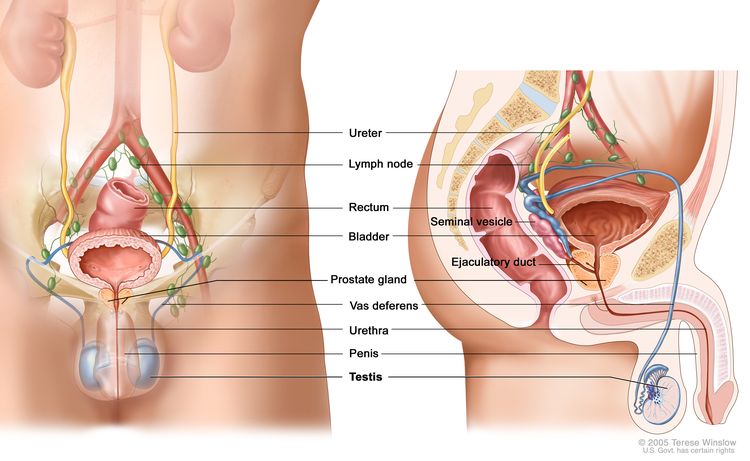
Extragonadal Germ Cell Tumors Treatment (PDQ®)–Patient Version

Extragonadal Germ Cell Tumors Treatment (PDQ®)–Patient Version

General Information About Extragonadal Germ Cell Tumors

Key Points

  • Extragonadal germ cell tumors form from developing sperm or egg cells that travel from the gonads to other parts of the body.
  • Age and sex can affect the risk of extragonadal germ cell tumors.
  • Signs and symptoms of extragonadal germ cell tumors include breathing problems and chest pain.
  • Imaging and blood tests are used to diagnose extragonadal germ cell tumors.
  • Some people decide to get a second opinion.
  • Certain factors affect prognosis (chance of recovery) and treatment options.

Extragonadal germ cell tumors form from developing sperm or egg cells that travel from the gonads to other parts of the body.

“Extragonadal” means outside of the gonads (sex organs). When cells that are meant to form sperm in the testicles or eggs in the ovaries travel to other parts of the body, they may grow into extragonadal germ cell tumors. These tumors may begin to grow anywhere in the body but usually begin in organs such as the pineal gland in the brain, in the mediastinum (area between the lungs), or in the retroperitoneum (the back wall of the abdomen).

EnlargeExtragonadal germ cell tumor; drawing shows parts of the body where extragonadal germ cell tumors may form, including the pineal gland in the brain, the mediastinum (the area between the lungs), and the retroperitoneum (the area behind the abdominal organs). Also shown are the heart and peritoneum.
Extragonadal germ cell tumors form in parts of the body other than the gonads (testicles or ovaries). This includes the pineal gland in the brain, the mediastinum (area between the lungs), and retroperitoneum (the back wall of the abdomen).

Extragonadal germ cell tumors can be benign (noncancer) or malignant (cancer). Benign extragonadal germ cell tumors are called benign teratomas. These are more common than malignant extragonadal germ cell tumors and often are very large.

Malignant extragonadal germ cell tumors are divided into two types, nonseminoma and seminoma. Nonseminomas tend to grow and spread more quickly than seminomas. They usually are large and cause signs and symptoms. If untreated, malignant extragonadal germ cell tumors may spread to the lungs, lymph nodes, bones, liver, or other parts of the body.

Age and sex can affect the risk of extragonadal germ cell tumors.

Anything that increases a person’s chance of getting a disease is called a risk factor. Not every person with one or more of these risk factors will develop an extragonadal germ cell tumor, and it will develop in some people who don’t have any known risk factors. Talk with your doctor if you think you may be at risk. Risk factors for malignant extragonadal germ cell tumors include:

Signs and symptoms of extragonadal germ cell tumors include breathing problems and chest pain.

Malignant extragonadal germ cell tumors may cause signs and symptoms as they grow into nearby areas. Other conditions may cause the same signs and symptoms. Check with your doctor if you have:

  • chest pain
  • breathing problems
  • cough
  • fever
  • headache
  • change in bowel habits
  • feeling very tired
  • trouble walking
  • trouble in seeing or moving the eyes

Imaging and blood tests are used to diagnose extragonadal germ cell tumors.

In addition to asking about your personal and family health history and doing a physical exam, your doctor may perform the following tests and procedures:

  • Chest x-ray is a type of energy beam that can go through the body and onto film, making a picture of areas inside the body.
  • Serum tumor marker test is a procedure in which a sample of blood is examined to measure the amounts of certain substances released into the blood by organs, tissues, or tumor cells in the body. Certain substances are linked to specific types of cancer when found in increased levels in the blood. These are called tumor markers. The following three tumor markers are used to detect extragonadal germ cell tumor:

    Blood levels of the tumor markers help determine if the tumor is a seminoma or nonseminoma.

  • CT scan (CAT scan) uses a computer linked to an x-ray machine to make a series of detailed pictures of areas inside the body. The pictures are taken from different angles and are used to create 3-D views of tissues and organs. A dye may be injected into a vein or swallowed to help the organs or tissues show up more clearly. This procedure is also called computed tomography, computerized tomography, or computerized axial tomography.

    Sometimes a CT scan and a PET scan are done at the same time. A PET scan uses a small amount of radioactive sugar (also called glucose) that is injected into a vein. Then a scanner rotates around the body to make detailed, computerized pictures of areas inside the body where the glucose is taken up. Because cancer cells often take up more glucose than normal cells, the pictures can be used to find cancer cells in the body. When a PET scan and CT scan are done at the same time, it is called a PET-CT.

  • A biopsy is the removal of cells or tissues so they can be viewed under a microscope by a pathologist to check for signs of cancer. The type of biopsy used depends on where the extragonadal germ cell tumor is found.
    • Excisional biopsy is the removal of an entire lump of tissue.
    • Incisional biopsy is the removal of part of a lump or sample of tissue.
    • Core biopsy is the removal of tissue using a wide needle.
    • Fine-needle aspiration (FNA) biopsy is the removal of tissue or fluid using a thin needle.

Some people decide to get a second opinion.

You may want to get a second opinion to confirm your diagnosis and treatment plan. If you seek a second opinion, you will need to get medical test results and reports from the first doctor to share with the second doctor. The second doctor will review the pathology report, slides, and scans. They may agree with the first doctor, suggest changes or another treatment approach, or provide more information about your cancer.

Learn more about choosing a doctor and getting a second opinion at Finding Cancer Care. You can contact NCI’s Cancer Information Service via chat, email, or phone (both in English and Spanish) for help finding a doctor, hospital, or getting a second opinion. For questions you might want to ask at your appointments, visit Questions to Ask Your Doctor About Cancer.

Certain factors affect prognosis (chance of recovery) and treatment options.

The prognosis and treatment options depend on:

  • whether the tumor is nonseminoma or seminoma
  • the size of the tumor and where it is in the body
  • the blood levels of AFP, beta-hCG, and LDH
  • whether the tumor has spread to other parts of the body
  • the way the tumor responds to initial treatment
  • whether the tumor has just been diagnosed or has recurred (come back)

Stages of Extragonadal Germ Cell Tumors

Key Points

  • After an extragonadal germ cell tumor has been diagnosed, tests are done to find out if cancer cells have spread to other parts of the body.
  • There are three ways that cancer spreads in the body.
  • Cancer may spread from where it began to other parts of the body.
  • The following prognostic groups are used for extragonadal germ cell tumors:
    • Good prognosis
    • Intermediate prognosis
    • Poor prognosis

After an extragonadal germ cell tumor has been diagnosed, tests are done to find out if cancer cells have spread to other parts of the body.

The extent or spread of cancer is usually described as stages. For extragonadal germ cell tumors, prognostic groups are used instead of stages. The tumors are grouped according to how well the cancer is expected to respond to treatment. It is important to know the prognostic group in order to plan treatment.

There are three ways that cancer spreads in the body.

Cancer can spread through tissue, the lymph system, and the blood:

  • Tissue. The cancer spreads from where it began by growing into nearby areas.
  • Lymph system. The cancer spreads from where it began by getting into the lymph system. The cancer travels through the lymph vessels to other parts of the body.
  • Blood. The cancer spreads from where it began by getting into the blood. The cancer travels through the blood vessels to other parts of the body.

Cancer may spread from where it began to other parts of the body.

When cancer spreads to another part of the body, it is called metastasis. Cancer cells break away from where they began (the primary tumor) and travel through the lymph system or blood.

  • Lymph system. The cancer gets into the lymph system, travels through the lymph vessels, and forms a tumor (metastatic tumor) in another part of the body.
  • Blood. The cancer gets into the blood, travels through the blood vessels, and forms a tumor (metastatic tumor) in another part of the body.

The metastatic tumor is the same type of tumor as the primary tumor. For example, if an extragonadal germ cell tumor spreads to the lung, the tumor cells in the lung are actually cancerous germ cells. The disease is metastatic extragonadal germ cell tumor, not lung cancer.

Many cancer deaths are caused when cancer moves from the original tumor and spreads to other tissues and organs. This is called metastatic cancer. This animation shows how cancer cells travel from the place in the body where they first formed to other parts of the body.

The following prognostic groups are used for extragonadal germ cell tumors:

Good prognosis

A nonseminoma extragonadal germ cell tumor is in the good prognosis group if:

  • the tumor is in the back of the abdomen; and
  • the tumor has not spread to organs other than the lungs; and
  • the levels of tumor markers AFP and beta-hCG are normal and LDH is slightly above normal.

A seminoma extragonadal germ cell tumor is in the good prognosis group if:

  • the tumor has not spread to organs other than the lungs; and
  • the level of AFP is normal; beta-hCG and LDH may be at any level.

Intermediate prognosis

A nonseminoma extragonadal germ cell tumor is in the intermediate prognosis group if:

  • the tumor is in the back of the abdomen; and
  • the tumor has not spread to organs other than the lungs; and
  • the level of any one of the tumor markers (AFP, beta-hCG, or LDH) is more than slightly above or below normal.

A seminoma extragonadal germ cell tumor is in the intermediate prognosis group if:

  • the tumor has spread to organs other than the lungs; and
  • the level of AFP is normal; beta-hCG and LDH may be at any level.

Poor prognosis

A nonseminoma extragonadal germ cell tumor is in the poor prognosis group if:

  • the tumor is in the chest; or
  • the tumor has spread to organs other than the lungs; or
  • the level of any one of the tumor markers (AFP, beta-hCG, or LDH) is high.

A seminoma extragonadal germ cell tumor does not have a poor prognosis group.

Treatment Option Overview

Key Points

  • There are different types of treatment for patients with extragonadal germ cell tumors.
  • The following types of treatment are used:
    • Radiation therapy
    • Chemotherapy
    • Surgery
  • New types of treatment are being tested in clinical trials.
    • High-dose chemotherapy with stem cell transplant
  • Treatment for extragonadal germ cell tumors may cause side effects.
  • Follow-up care may be needed.

There are different types of treatment for patients with extragonadal germ cell tumors.

Different types of treatments are available for extragonadal germ cell tumors. You and your cancer care team will work together to decide your treatment plan, which may include more than one type of treatment. Many factors will be considered, such as the tumor’s prognostic group, your overall health, and your preferences. Your plan will include information about your cancer, the goals of treatment, your treatment options and the possible side effects, and the expected length of treatment. 

Talking with your cancer care team before treatment begins about what to expect will be helpful. You’ll want to learn what you need to do before treatment begins, how you’ll feel while going through it, and what kind of help you will need. To learn more, visit Questions to Ask Your Doctor about Treatment.

The following types of treatment are used:

Radiation therapy

Radiation therapy uses high-energy x-rays or other types of radiation to kill cancer cells or keep them from growing. External radiation therapy uses a machine outside the body to send radiation toward the area of the body with cancer. External radiation therapy is used to treat seminoma.

Chemotherapy

Chemotherapy (also called chemo) uses drugs to stop the growth of cancer cells, either by killing the cells or by stopping them from dividing.

Chemotherapy for extragonadal germ cell tumors is usually systemic, meaning it is injected into a vein or given by mouth. When given this way, the drugs enter the bloodstream to reach cancer cells throughout the body.

Chemotherapy drugs used to treat extragonadal germ cell tumors may include:

Combinations of these drugs may be used. Other chemotherapy drugs not listed here may also be used.

Learn more about how chemotherapy works, how it is given, common side effects, and more at Chemotherapy to Treat Cancer and Chemotherapy and You: Support for People With Cancer.

Surgery

If you have benign tumors or tumor remaining after chemotherapy or radiation therapy, surgery may be needed.

New types of treatment are being tested in clinical trials.

For some people, joining a clinical trial may be an option. There are different types of clinical trials for people with cancer. For example, a treatment trial tests new treatments or new ways of using current treatments. Supportive care and palliative care trials look at ways to improve quality of life, especially for those who have side effects from cancer and its treatment.

You can use the clinical trial search to find NCI-supported cancer clinical trials accepting participants. The search allows you to filter trials based on the type of cancer, your age, and where the trials are being done. Clinical trials supported by other organizations can be found on the ClinicalTrials.gov website.

Learn more about clinical trials, including how to find and join one, at Clinical Trials Information for Patients and Caregivers.

This summary section describes treatments that are being studied in clinical trials. It may not mention every new treatment being studied. Information about clinical trials is available from the NCI website.

High-dose chemotherapy with stem cell transplant

High doses of chemotherapy are given to kill cancer cells. Healthy cells, including blood-forming cells, are also destroyed by the cancer treatment. Stem cell transplant is a treatment to replace the blood-forming cells. Stem cells (immature blood cells) are removed from the blood or bone marrow of the patient or a donor and are frozen and stored. After the patient completes chemotherapy, the stored stem cells are thawed and given back to the patient through an infusion. These reinfused stem cells grow into (and restore) the body’s blood cells.

Treatment for extragonadal germ cell tumors may cause side effects.

For information about side effects caused by treatment for cancer, visit our Side Effects page.

Follow-up care may be needed.

As you go through treatment, you will have follow-up tests or check-ups. Some tests that were done to diagnose or stage the cancer may be repeated to see how well the treatment is working. Decisions about whether to continue, change, or stop treatment may be based on the results of these tests.

Some of the tests will continue to be done from time to time after treatment has ended. The results of these tests can show if your condition has changed or if the cancer has recurred (come back).

After initial treatment for extragonadal germ cell tumors, your blood levels of AFP and other tumor markers will continue to be checked to find out how well the treatment is working.

Treatment of Benign Teratoma

Treatment of benign teratomas is surgery.

Learn more about this treatment in the Treatment Option Overview.

Use our clinical trial search to find NCI-supported cancer clinical trials that are accepting patients. You can search for trials based on the type of cancer, the age of the patient, and where the trials are being done. General information about clinical trials is also available.

Treatment of Seminoma

Treatment of seminoma extragonadal germ cell tumors may include:

  • Radiation therapy for small tumors in one area, followed by watchful waiting if there is tumor remaining after treatment.
  • Chemotherapy for larger tumors or tumors that have spread. If a tumor smaller than 3 centimeters remains after chemotherapy, watchful waiting follows. If a larger tumor remains after treatment, surgery or watchful waiting follow.

Learn more about these treatments in the Treatment Option Overview.

Use our clinical trial search to find NCI-supported cancer clinical trials that are accepting patients. You can search for trials based on the type of cancer, the age of the patient, and where the trials are being done. General information about clinical trials is also available.

Treatment of Nonseminoma

Treatment of nonseminoma extragonadal germ cell tumors may include:

Learn more about these treatments in the Treatment Option Overview.

Use our clinical trial search to find NCI-supported cancer clinical trials that are accepting patients. You can search for trials based on the type of cancer, the age of the patient, and where the trials are being done. General information about clinical trials is also available.

Treatment of Recurrent or Refractory Extragonadal Germ Cell Tumors

Treatment of extragonadal germ cell tumors that are recurrent (come back after being treated) or refractory (do not get better during treatment) may include:

Learn more about these treatments in the Treatment Option Overview.

Use our clinical trial search to find NCI-supported cancer clinical trials that are accepting patients. You can search for trials based on the type of cancer, the age of the patient, and where the trials are being done. General information about clinical trials is also available.

To Learn More About Extragonadal Germ Cell Tumors

About This PDQ Summary

About PDQ

Physician Data Query (PDQ) is the National Cancer Institute’s (NCI’s) comprehensive cancer information database. The PDQ database contains summaries of the latest published information on cancer prevention, detection, genetics, treatment, supportive care, and complementary and alternative medicine. Most summaries come in two versions. The health professional versions have detailed information written in technical language. The patient versions are written in easy-to-understand, nontechnical language. Both versions have cancer information that is accurate and up to date and most versions are also available in Spanish.

PDQ is a service of the NCI. The NCI is part of the National Institutes of Health (NIH). NIH is the federal government’s center of biomedical research. The PDQ summaries are based on an independent review of the medical literature. They are not policy statements of the NCI or the NIH.

Purpose of This Summary

This PDQ cancer information summary has current information about the treatment of extragonadal germ cell tumors. It is meant to inform and help patients, families, and caregivers. It does not give formal guidelines or recommendations for making decisions about health care.

Reviewers and Updates

Editorial Boards write the PDQ cancer information summaries and keep them up to date. These Boards are made up of experts in cancer treatment and other specialties related to cancer. The summaries are reviewed regularly and changes are made when there is new information. The date on each summary (“Updated”) is the date of the most recent change.

The information in this patient summary was taken from the health professional version, which is reviewed regularly and updated as needed, by the PDQ Adult Treatment Editorial Board.

Clinical Trial Information

A clinical trial is a study to answer a scientific question, such as whether one treatment is better than another. Trials are based on past studies and what has been learned in the laboratory. Each trial answers certain scientific questions in order to find new and better ways to help cancer patients. During treatment clinical trials, information is collected about the effects of a new treatment and how well it works. If a clinical trial shows that a new treatment is better than one currently being used, the new treatment may become “standard.” Patients may want to think about taking part in a clinical trial. Some clinical trials are open only to patients who have not started treatment.

Clinical trials can be found online at NCI’s website. For more information, call the Cancer Information Service (CIS), NCI’s contact center, at 1-800-4-CANCER (1-800-422-6237).

Permission to Use This Summary

PDQ is a registered trademark. The content of PDQ documents can be used freely as text. It cannot be identified as an NCI PDQ cancer information summary unless the whole summary is shown and it is updated regularly. However, a user would be allowed to write a sentence such as “NCI’s PDQ cancer information summary about breast cancer prevention states the risks in the following way: [include excerpt from the summary].”

The best way to cite this PDQ summary is:

PDQ® Adult Treatment Editorial Board. PDQ Extragonadal Germ Cell Tumors Treatment. Bethesda, MD: National Cancer Institute. Updated <MM/DD/YYYY>. Available at: /types/extragonadal-germ-cell/patient/extragonadal-treatment-pdq. Accessed <MM/DD/YYYY>. [PMID: 26389213]

Images in this summary are used with permission of the author(s), artist, and/or publisher for use in the PDQ summaries only. If you want to use an image from a PDQ summary and you are not using the whole summary, you must get permission from the owner. It cannot be given by the National Cancer Institute. Information about using the images in this summary, along with many other images related to cancer can be found in Visuals Online. Visuals Online is a collection of more than 3,000 scientific images.

Disclaimer

The information in these summaries should not be used to make decisions about insurance reimbursement. More information on insurance coverage is available on Cancer.gov on the Managing Cancer Care page.

Contact Us

More information about contacting us or receiving help with the Cancer.gov website can be found on our Contact Us for Help page. Questions can also be submitted to Cancer.gov through the website’s E-mail Us.

Childhood Testicular Cancer Treatment (PDQ®)–Health Professional Version

Childhood Testicular Cancer Treatment (PDQ®)–Health Professional Version

Incidence, Risk Factors, and Clinical Presentation

Testicular tumors are very rare in young boys and account for 1% to 2% of all childhood tumors.[1,2] The most common testicular tumors are benign teratomas, followed by malignant nonseminomatous germ cell tumors. For more information, see Childhood Extracranial Germ Cell Tumors Treatment.

Non–germ cell tumors such as sex cord–stromal tumors are exceedingly rare in prepubertal boys.[3] In a small series, gonadal stromal tumors accounted for 8% to 13% of pediatric testicular tumors.[4,5] Most gonadal stromal tumors present as painless testicular masses, while 10% to 20% of patients may have endocrine manifestations, such as precocious puberty.[6]

In newborns and infants, juvenile granulosa cell and Sertoli cell tumors are the most common stromal cell tumors. Sertoli cell tumors present later in infancy (median age, 7 months). Juvenile granulosa cell tumors usually present early in infancy (median age, 6 days).[6] These tumors account for less than 5% of all neoplasms in the prepubertal testis. Testicular juvenile granulosa cell tumors harbor recurrent loss of chromosome 10 and lack the GNAS and AKT1 variants described in their ovarian tumor counterparts.[7]

In older males, Leydig cell tumors are more common.[8] In a report of 12 patients with Leydig cell tumors (aged 4.2–14.7 years), precocious puberty was the presenting symptom in 7 of 12 patients.[9][Level of evidence C1]

Testicular Sertoli cell tumors and, possibly, Leydig cell tumors are associated with DICER1 syndrome. Patients with these tumors should undergo genetic testing for DICER1 germline pathogenic variants.[10]

Large-cell calcifying Sertoli cell tumors are rare testicular sex cord–stromal tumors that primarily affects young males. These tumors are usually benign, may occur in both testes, and often have slow and indolent courses.[11] One study included 18 patients with large-cell calcifying Sertoli cell tumors. Eight tumors were clinically benign (≥18 months of follow-up without metastasis), eight were clinically ambiguous (lacking sufficient follow-up to determine tumor behavior; <18 months of follow-up without metastasis), and two were clinically malignant (documented metastasis). For the patients with clinically benign tumors, median age at diagnosis was 15.5 years, and median tumor size was 1.9 cm. For the patients with clinically ambiguous tumors, median age at diagnosis was 19 years, and median tumor size was 1.6 cm. For the patients with clinically malignant tumors, median age at diagnosis was 28.5 years, and median tumor size was 2.3 cm. All patients survived except for one with a metastatic tumor (median follow-up, 33 months).[12] Large-cell calcifying Sertoli cell tumors may be indicative of an underlying genetic predisposition, such as Peutz-Jeghers syndrome or Carney complex.[13] Carney complex is an autosomal dominant, multisystem tumor disorder [14] that is most frequently caused by germline pathogenic variants in the PRKAR1A gene.[15] A retrospective multi-institutional analysis of 15 patients with large-cell calcifying Sertoli tumor (median age, 16 years) included 4 patients with Carney complex.[16] Loss of cytoplasmic PRKAR1A expression (evaluated by immunohistochemistry) was observed in all but one patient (14 of 15; 93%). PRKAR1A expression was retained in all other sex cord–stromal tumors, indicating that this testing may aid in diagnosis of this rare tumor.

References
  1. Hartke DM, Agarwal PK, Palmer JS: Testicular neoplasms in the prepubertal male. J Mens Health Gend 3 (2): 131-8, 2006.
  2. Ahmed HU, Arya M, Muneer A, et al.: Testicular and paratesticular tumours in the prepubertal population. Lancet Oncol 11 (5): 476-83, 2010. [PUBMED Abstract]
  3. Schultz KA, Schneider DT, Pashankar F, et al.: Management of ovarian and testicular sex cord-stromal tumors in children and adolescents. J Pediatr Hematol Oncol 34 (Suppl 2): S55-63, 2012. [PUBMED Abstract]
  4. Pohl HG, Shukla AR, Metcalf PD, et al.: Prepubertal testis tumors: actual prevalence rate of histological types. J Urol 172 (6 Pt 1): 2370-2, 2004. [PUBMED Abstract]
  5. Schwentner C, Oswald J, Rogatsch H, et al.: Stromal testis tumors in infants. a report of two cases. Urology 62 (6): 1121, 2003. [PUBMED Abstract]
  6. Cecchetto G, Alaggio R, Bisogno G, et al.: Sex cord-stromal tumors of the testis in children. A clinicopathologic report from the Italian TREP project. J Pediatr Surg 45 (9): 1868-73, 2010. [PUBMED Abstract]
  7. Collins K, Sholl LM, Vargas SO, et al.: Testicular Juvenile Granulosa Cell Tumors Demonstrate Recurrent Loss of Chromosome 10 and Absence of Molecular Alterations Described in Ovarian Counterparts. Mod Pathol 36 (6): 100142, 2023. [PUBMED Abstract]
  8. Carmignani L, Colombo R, Gadda F, et al.: Conservative surgical therapy for leydig cell tumor. J Urol 178 (2): 507-11; discussion 511, 2007. [PUBMED Abstract]
  9. Luckie TM, Danzig M, Zhou S, et al.: A Multicenter Retrospective Review of Pediatric Leydig Cell Tumor of the Testis. J Pediatr Hematol Oncol 41 (1): 74-76, 2019. [PUBMED Abstract]
  10. Golmard L, Vasta LM, Duflos V, et al.: Testicular Sertoli cell tumour and potentially testicular Leydig cell tumour are features of DICER1 syndrome. J Med Genet 59 (4): 346-350, 2022. [PUBMED Abstract]
  11. Lai JP, Lee CC, Crocker M, et al.: Isolated Large Cell Calcifying Sertoli Cell Tumor in a Young Boy, not Associated with Peutz-Jeghers Syndrome or Carney Complex. Ann Clin Lab Res 3 (1): 2, 2015. [PUBMED Abstract]
  12. Al-Obaidy KI, Idrees MT, Abdulfatah E, et al.: Large Cell Calcifying Sertoli Cell Tumor: A Clinicopathologic Study of 18 Cases With Comprehensive Review of the Literature and Reappraisal of Prognostic Features. Am J Surg Pathol 46 (5): 688-700, 2022. [PUBMED Abstract]
  13. Gourgari E, Saloustros E, Stratakis CA: Large-cell calcifying Sertoli cell tumors of the testes in pediatrics. Curr Opin Pediatr 24 (4): 518-22, 2012. [PUBMED Abstract]
  14. Carney JA: Carney complex: the complex of myxomas, spotty pigmentation, endocrine overactivity, and schwannomas. Semin Dermatol 14 (2): 90-8, 1995. [PUBMED Abstract]
  15. Kirschner LS, Carney JA, Pack SD, et al.: Mutations of the gene encoding the protein kinase A type I-alpha regulatory subunit in patients with the Carney complex. Nat Genet 26 (1): 89-92, 2000. [PUBMED Abstract]
  16. Anderson WJ, Gordetsky JB, Idrees MT, et al.: Large cell calcifying Sertoli cell tumour: a contemporary multi-institutional case series highlighting the diagnostic utility of PRKAR1A immunohistochemistry. Histopathology 80 (4): 677-685, 2022. [PUBMED Abstract]

Prognosis

The prognosis for patients with sex cord–stromal tumors is usually excellent after orchiectomy.[13]; [4][Level of evidence C1] In a review of the literature, 79 patients younger than 12 years were identified. No patient had high-risk pathological findings after orchiectomy, and none had evidence of occult metastatic disease, suggesting a role for a limited surveillance strategy.[5][Level of evidence C1]

References
  1. Agarwal PK, Palmer JS: Testicular and paratesticular neoplasms in prepubertal males. J Urol 176 (3): 875-81, 2006. [PUBMED Abstract]
  2. Dudani R, Giordano L, Sultania P, et al.: Juvenile granulosa cell tumor of testis: case report and review of literature. Am J Perinatol 25 (4): 229-31, 2008. [PUBMED Abstract]
  3. Cecchetto G, Alaggio R, Bisogno G, et al.: Sex cord-stromal tumors of the testis in children. A clinicopathologic report from the Italian TREP project. J Pediatr Surg 45 (9): 1868-73, 2010. [PUBMED Abstract]
  4. Hofmann M, Schlegel PG, Hippert F, et al.: Testicular sex cord stromal tumors: analysis of patients from the MAKEI study. Pediatr Blood Cancer 60 (10): 1651-5, 2013. [PUBMED Abstract]
  5. Rove KO, Maroni PD, Cost CR, et al.: Pathologic Risk Factors in Pediatric and Adolescent Patients With Clinical Stage I Testicular Stromal Tumors. J Pediatr Hematol Oncol 37 (8): e441-6, 2015. [PUBMED Abstract]

Treatment of Childhood Testicular Cancer

The European Cooperative Study Group for Pediatric Rare Tumors within the PARTNER project (Paediatric Rare Tumours Network – European Registry) has published comprehensive recommendations for the diagnosis and treatment of sex cord–stromal tumors in children and adolescents.[1]

Treatment options for childhood testicular cancer (non–germ cell tumors) include the following:

  1. Surgery.

There are conflicting data about malignant potential in older males. Most case reports suggest that in pediatric patients, these tumors can be treated with surgery alone.[2,3][Level of evidence C1]; [4][Level of evidence C2] It is prudent to check alpha-fetoprotein (AFP) levels before surgery. Elevated AFP levels usually indicate a malignant germ cell tumor. However, AFP levels and decay in levels are often difficult to interpret in infants younger than 1 year.[5]

Evidence (surgery):

  1. In a study of patients prospectively reported to the German Maligne Keimzelltumoren (MAKEI) registry, 42 patients with sex cord–stromal tumors were identified. All tumors were confined to the testes. Patients were treated with surgery alone, according to specific germ cell tumor guidelines.[6][Level of evidence C1]
    • There were no tumor recurrences.
  2. A French registry identified 11 boys with localized sex cord–stromal testicular tumors. All 11 boys were treated with surgery alone.[7][Level of evidence C1]
    • There were no tumor recurrences.
  3. The benign behavior of pediatric non–germ cell testicular tumors has led to reports of testis-sparing surgery.[812] In one series of 12 patients with Leydig cell tumors (aged 4.2–14.7 years), 3 were treated with enucleation alone, and 9 were treated with orchiectomy.[13][Level of evidence C1]
    • All patients were alive at the last follow-up.

Given the rarity of this tumor, the best surgical approach in pediatrics has not yet been defined.

References
  1. Schneider DT, Orbach D, Ben-Ami T, et al.: Consensus recommendations from the EXPeRT/PARTNER groups for the diagnosis and therapy of sex cord stromal tumors in children and adolescents. Pediatr Blood Cancer 68 (Suppl 4): e29017, 2021. [PUBMED Abstract]
  2. Agarwal PK, Palmer JS: Testicular and paratesticular neoplasms in prepubertal males. J Urol 176 (3): 875-81, 2006. [PUBMED Abstract]
  3. Thomas JC, Ross JH, Kay R: Stromal testis tumors in children: a report from the prepubertal testis tumor registry. J Urol 166 (6): 2338-40, 2001. [PUBMED Abstract]
  4. Cecchetto G, Alaggio R, Bisogno G, et al.: Sex cord-stromal tumors of the testis in children. A clinicopathologic report from the Italian TREP project. J Pediatr Surg 45 (9): 1868-73, 2010. [PUBMED Abstract]
  5. Blohm ME, Vesterling-Hörner D, Calaminus G, et al.: Alpha 1-fetoprotein (AFP) reference values in infants up to 2 years of age. Pediatr Hematol Oncol 15 (2): 135-42, 1998 Mar-Apr. [PUBMED Abstract]
  6. Hofmann M, Schlegel PG, Hippert F, et al.: Testicular sex cord stromal tumors: analysis of patients from the MAKEI study. Pediatr Blood Cancer 60 (10): 1651-5, 2013. [PUBMED Abstract]
  7. Fresneau B, Orbach D, Faure-Conter C, et al.: Sex-Cord Stromal Tumors in Children and Teenagers: Results of the TGM-95 Study. Pediatr Blood Cancer 62 (12): 2114-9, 2015. [PUBMED Abstract]
  8. Cosentino M, Algaba F, Saldaña L, et al.: Juvenile granulosa cell tumor of the testis: a bilateral and synchronous case. Should testis-sparing surgery be mandatory? Urology 84 (3): 694-6, 2014. [PUBMED Abstract]
  9. Kao CS, Cornejo KM, Ulbright TM, et al.: Juvenile granulosa cell tumors of the testis: a clinicopathologic study of 70 cases with emphasis on its wide morphologic spectrum. Am J Surg Pathol 39 (9): 1159-69, 2015. [PUBMED Abstract]
  10. Emre S, Ozcan R, Elicevik M, et al.: Testis sparing surgery for Leydig cell pathologies in children. J Pediatr Urol 13 (1): 51.e1-51.e4, 2017. [PUBMED Abstract]
  11. Bois JI, Vagni RL, de Badiola FI, et al.: Testis-sparing surgery for testicular tumors in children: a 20 year single center experience and systematic review of the literature. Pediatr Surg Int 37 (5): 607-616, 2021. [PUBMED Abstract]
  12. Woo LL, Ross JH: The role of testis-sparing surgery in children and adolescents with testicular tumors. Urol Oncol 34 (2): 76-83, 2016. [PUBMED Abstract]
  13. Luckie TM, Danzig M, Zhou S, et al.: A Multicenter Retrospective Review of Pediatric Leydig Cell Tumor of the Testis. J Pediatr Hematol Oncol 41 (1): 74-76, 2019. [PUBMED Abstract]

Treatment Options Under Clinical Evaluation for Childhood Testicular Cancer

Information about National Cancer Institute (NCI)–supported clinical trials can be found on the NCI website. For information about clinical trials sponsored by other organizations, see the ClinicalTrials.gov website.

Special Considerations for the Treatment of Children With Cancer

Cancer in children and adolescents is rare, although the overall incidence has slowly increased since 1975.[1] Children and adolescents with cancer should be referred to medical centers that have a multidisciplinary team of cancer specialists with experience treating the cancers that occur during childhood and adolescence. This multidisciplinary team approach incorporates the skills of the following pediatric specialists and others to ensure that children receive treatment, supportive care, and rehabilitation to achieve optimal survival and quality of life:

  • Primary care physicians.
  • Pediatric surgeons.
  • Pathologists.
  • Pediatric radiation oncologists.
  • Pediatric medical oncologists and hematologists.
  • Ophthalmologists.
  • Rehabilitation specialists.
  • Pediatric oncology nurses.
  • Social workers.
  • Child-life professionals.
  • Psychologists.
  • Nutritionists.

For specific information about supportive care for children and adolescents with cancer, see the summaries on Supportive and Palliative Care.

The American Academy of Pediatrics has outlined guidelines for pediatric cancer centers and their role in the treatment of children and adolescents with cancer.[2] At these centers, clinical trials are available for most types of cancer that occur in children and adolescents, and the opportunity to participate is offered to most patients and their families. Clinical trials for children and adolescents diagnosed with cancer are generally designed to compare potentially better therapy with current standard therapy. Other types of clinical trials test novel therapies when there is no standard therapy for a cancer diagnosis. Most of the progress in identifying curative therapies for childhood cancers has been achieved through clinical trials. Information about ongoing clinical trials is available from the NCI website.

Dramatic improvements in survival have been achieved for children and adolescents with cancer. Between 1975 and 2020, childhood cancer mortality decreased by more than 50%.[35] Childhood and adolescent cancer survivors require close monitoring because side effects of cancer therapy may persist or develop months or years after treatment. For information about the incidence, type, and monitoring of late effects in childhood and adolescent cancer survivors, see Late Effects of Treatment for Childhood Cancer.

Childhood cancer is a rare disease, with about 15,000 cases diagnosed annually in the United States in individuals younger than 20 years.[6] The U.S. Rare Diseases Act of 2002 defines a rare disease as one that affects populations smaller than 200,000 people in the United States. Therefore, all pediatric cancers are considered rare.

The designation of a rare tumor is not uniform among pediatric and adult groups. In adults, rare cancers are defined as those with an annual incidence of fewer than six cases per 100,000 people. They account for up to 24% of all cancers diagnosed in the European Union and about 20% of all cancers diagnosed in the United States.[7,8] In children and adolescents, the designation of a rare tumor is not uniform among international groups, as follows:

  • A consensus effort between the European Union Joint Action on Rare Cancers and the European Cooperative Study Group for Rare Pediatric Cancers estimated that 11% of all cancers in patients younger than 20 years could be categorized as very rare. This consensus group defined very rare cancers as those with annual incidences of fewer than two cases per 1 million people. However, three additional histologies (thyroid carcinoma, melanoma, and testicular cancer) with incidences of more than two cases per 1 million people were also included in the very rare group due to a lack of knowledge and expertise in the management of these tumors.[9]
  • The Children’s Oncology Group defines rare pediatric cancers as those listed in the International Classification of Childhood Cancer subgroup XI, which includes thyroid cancers, melanomas and nonmelanoma skin cancers, and multiple types of carcinomas (e.g., adrenocortical carcinomas, nasopharyngeal carcinomas, and most adult-type carcinomas such as breast cancers and colorectal cancers).[10] These diagnoses account for about 5% of the cancers diagnosed in children aged 0 to 14 years and about 27% of the cancers diagnosed in adolescents aged 15 to 19 years.[4]

    Most cancers in subgroup XI are either melanomas or thyroid cancers, with other cancer types accounting for only 2% of the cancers diagnosed in children aged 0 to 14 years and 9.3% of the cancers diagnosed in adolescents aged 15 to 19 years.

These rare cancers are extremely challenging to study because of the relatively few patients with any individual diagnosis, the predominance of rare cancers in the adolescent population, and the small number of clinical trials for adolescents with rare cancers.

Information about these tumors may also be found in sources relevant to adults with cancer, such as Testicular Cancer Treatment.

References
  1. Smith MA, Seibel NL, Altekruse SF, et al.: Outcomes for children and adolescents with cancer: challenges for the twenty-first century. J Clin Oncol 28 (15): 2625-34, 2010. [PUBMED Abstract]
  2. American Academy of Pediatrics: Standards for pediatric cancer centers. Pediatrics 134 (2): 410-4, 2014. Also available online. Last accessed February 25, 2025.
  3. Smith MA, Altekruse SF, Adamson PC, et al.: Declining childhood and adolescent cancer mortality. Cancer 120 (16): 2497-506, 2014. [PUBMED Abstract]
  4. National Cancer Institute: NCCR*Explorer: An interactive website for NCCR cancer statistics. Bethesda, MD: National Cancer Institute. Available online. Last accessed February 25, 2025.
  5. Surveillance Research Program, National Cancer Institute: SEER*Explorer: An interactive website for SEER cancer statistics. Bethesda, MD: National Cancer Institute. Available online. Last accessed December 30, 2024.
  6. Ward E, DeSantis C, Robbins A, et al.: Childhood and adolescent cancer statistics, 2014. CA Cancer J Clin 64 (2): 83-103, 2014 Mar-Apr. [PUBMED Abstract]
  7. Gatta G, Capocaccia R, Botta L, et al.: Burden and centralised treatment in Europe of rare tumours: results of RARECAREnet-a population-based study. Lancet Oncol 18 (8): 1022-1039, 2017. [PUBMED Abstract]
  8. DeSantis CE, Kramer JL, Jemal A: The burden of rare cancers in the United States. CA Cancer J Clin 67 (4): 261-272, 2017. [PUBMED Abstract]
  9. Ferrari A, Brecht IB, Gatta G, et al.: Defining and listing very rare cancers of paediatric age: consensus of the Joint Action on Rare Cancers in cooperation with the European Cooperative Study Group for Pediatric Rare Tumors. Eur J Cancer 110: 120-126, 2019. [PUBMED Abstract]
  10. Pappo AS, Krailo M, Chen Z, et al.: Infrequent tumor initiative of the Children’s Oncology Group: initial lessons learned and their impact on future plans. J Clin Oncol 28 (33): 5011-6, 2010. [PUBMED Abstract]

Latest Updates to This Summary (09/05/2024)

The PDQ cancer information summaries are reviewed regularly and updated as new information becomes available. This section describes the latest changes made to this summary as of the date above.

This summary was comprehensively reviewed.

This summary is written and maintained by the PDQ Pediatric Treatment Editorial Board, which is editorially independent of NCI. The summary reflects an independent review of the literature and does not represent a policy statement of NCI or NIH. More information about summary policies and the role of the PDQ Editorial Boards in maintaining the PDQ summaries can be found on the About This PDQ Summary and PDQ® Cancer Information for Health Professionals pages.

About This PDQ Summary

Purpose of This Summary

This PDQ cancer information summary for health professionals provides comprehensive, peer-reviewed, evidence-based information about the treatment of pediatric testicular cancer. It is intended as a resource to inform and assist clinicians in the care of their patients. It does not provide formal guidelines or recommendations for making health care decisions.

Reviewers and Updates

This summary is reviewed regularly and updated as necessary by the PDQ Pediatric Treatment Editorial Board, which is editorially independent of the National Cancer Institute (NCI). The summary reflects an independent review of the literature and does not represent a policy statement of NCI or the National Institutes of Health (NIH).

Board members review recently published articles each month to determine whether an article should:

  • be discussed at a meeting,
  • be cited with text, or
  • replace or update an existing article that is already cited.

Changes to the summaries are made through a consensus process in which Board members evaluate the strength of the evidence in the published articles and determine how the article should be included in the summary.

The lead reviewers for Childhood Testicular Cancer Treatment are:

  • Denise Adams, MD (Children’s Hospital Boston)
  • Karen J. Marcus, MD, FACR (Dana-Farber of Boston Children’s Cancer Center and Blood Disorders Harvard Medical School)
  • William H. Meyer, MD
  • Paul A. Meyers, MD (Memorial Sloan-Kettering Cancer Center)
  • Thomas A. Olson, MD (Aflac Cancer and Blood Disorders Center of Children’s Healthcare of Atlanta – Egleston Campus)
  • Alberto S. Pappo, MD (St. Jude Children’s Research Hospital)
  • Arthur Kim Ritchey, MD (Children’s Hospital of Pittsburgh of UPMC)
  • Carlos Rodriguez-Galindo, MD (St. Jude Children’s Research Hospital)
  • Stephen J. Shochat, MD (St. Jude Children’s Research Hospital)

Any comments or questions about the summary content should be submitted to Cancer.gov through the NCI website’s Email Us. Do not contact the individual Board Members with questions or comments about the summaries. Board members will not respond to individual inquiries.

Levels of Evidence

Some of the reference citations in this summary are accompanied by a level-of-evidence designation. These designations are intended to help readers assess the strength of the evidence supporting the use of specific interventions or approaches. The PDQ Pediatric Treatment Editorial Board uses a formal evidence ranking system in developing its level-of-evidence designations.

Permission to Use This Summary

PDQ is a registered trademark. Although the content of PDQ documents can be used freely as text, it cannot be identified as an NCI PDQ cancer information summary unless it is presented in its entirety and is regularly updated. However, an author would be permitted to write a sentence such as “NCI’s PDQ cancer information summary about breast cancer prevention states the risks succinctly: [include excerpt from the summary].”

The preferred citation for this PDQ summary is:

PDQ® Pediatric Treatment Editorial Board. PDQ Childhood Testicular Cancer Treatment. Bethesda, MD: National Cancer Institute. Updated <MM/DD/YYYY>. Available at: /types/testicular/hp/child-testicular-treatment-pdq. Accessed <MM/DD/YYYY>. [PMID: 31846265]

Images in this summary are used with permission of the author(s), artist, and/or publisher for use within the PDQ summaries only. Permission to use images outside the context of PDQ information must be obtained from the owner(s) and cannot be granted by the National Cancer Institute. Information about using the illustrations in this summary, along with many other cancer-related images, is available in Visuals Online, a collection of over 2,000 scientific images.

Disclaimer

Based on the strength of the available evidence, treatment options may be described as either “standard” or “under clinical evaluation.” These classifications should not be used as a basis for insurance reimbursement determinations. More information on insurance coverage is available on Cancer.gov on the Managing Cancer Care page.

Contact Us

More information about contacting us or receiving help with the Cancer.gov website can be found on our Contact Us for Help page. Questions can also be submitted to Cancer.gov through the website’s Email Us.
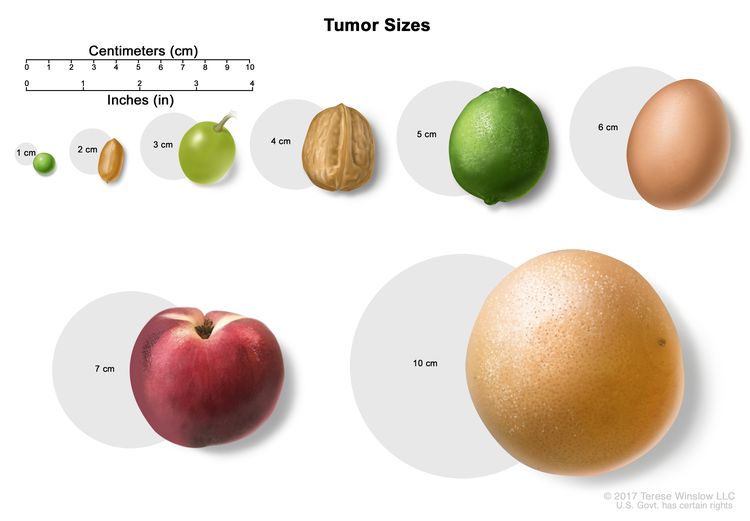
Extragonadal Germ Cell Tumors Treatment (PDQ®)–Health Professional Version

Extragonadal Germ Cell Tumors Treatment (PDQ®)–Health Professional Version

General Information About Extragonadal Germ Cell Tumors

Incidence and Mortality

Extragonadal germ cell tumors are rare and account for only a small percentage of all germ cell tumors. However, the true incidence of these tumors may conceivably be higher than originally thought because of failure to diagnose them properly.

Cellular Classification of Extragonadal Germ Cell Tumors

Extragonadal germ cell tumors can be benign (teratoma) or malignant. The latter group can be divided into seminoma and nonseminoma germ cell tumors, which include:

  • Embryonal carcinomas.
  • Malignant teratomas.
  • Endodermal sinus tumors.
  • Choriocarcinomas.
  • Mixed germ cell tumors.

Extragonadal germ cell tumors occur much more often in males than in females [1] and are usually seen in young adults. These aggressive neoplasms can arise virtually anywhere, but the site of origin is typically in the midline (mediastinum, retroperitoneum, or pineal gland). Gonadal origin should be excluded by careful testicular examination and ultrasound. The diagnosis can be difficult and should be considered in any patient with a poorly defined epithelial malignancy, particularly young individuals with midline masses.[2,3]

An international germ cell tumor prognostic classification has been developed based on a retrospective analysis of 5,202 patients with metastatic nonseminomatous germ cell tumors and 660 patients with metastatic seminomatous germ cell tumors.[4] All patients received treatment with cisplatin-containing or carboplatin-containing therapy as their first chemotherapy course. The prognostic classification, shown below, was agreed on in early 1997 by all major clinical trial groups worldwide and should be used for the reporting of clinical trial results of patients with extragonadal germ cell tumors.

Good Prognosis

Nonseminoma

  • Testis/retroperitoneal primary

    and

  • No nonpulmonary visceral metastases

    and

  • Good markers–all of:
    • Alpha-fetoprotein (AFP) less than 1,000 ng/mL

      and

    • Beta-human chorionic gonadotropin (beta-hCG) less than 5,000 IU/L (1,000 ng/mL)

      and

    • Lactate dehydrogenase (LDH) less than 1.5 × upper limit of normal
  • A total of 56% of nonseminomas are good prognosis. The 5-year progression-free survival (PFS) rate is 89%; the 5-year survival rate is 92%.

Seminoma

  • Any primary site

    and

  • No nonpulmonary visceral metastases

    and

  • Normal AFP, any beta-hCG, any LDH
  • A total of 90% of seminomas are good prognosis. The 5-year PFS rate is 82%; the 5-year survival rate is 86%.

Intermediate Prognosis

Nonseminoma

  • Testis/retroperitoneal primary

    and

  • No nonpulmonary visceral metastases

    and

  • Intermediate markers–any of:
    • AFP 1,000 ng/mL or greater and 10,000 ng/mL or less

      or

    • Beta-hCG 5,000 IU/L or greater and 50,000 IU/L or less

      or

    • LDH 1.5 × upper limit of normal or greater and 10 × upper limit of normal or less
  • A total of 28% of nonseminomas are intermediate prognosis. The 5-year PFS rate is 75%; the 5-year survival rate is 80%.

Seminoma

  • Any primary site

    and

  • Nonpulmonary visceral metastases

    and

  • Normal AFP, any beta-hCG, any LDH
  • A total of 10% of seminomas are intermediate prognosis. The 5-year PFS rate is 67%; the 5-year survival rate is 72%.

Poor Prognosis

Nonseminoma

  • Mediastinal primary

    or

  • Nonpulmonary visceral metastases

    or

  • Poor markers–any of:
    • AFP greater than 10,000 ng/mL

      or

    • Beta-hCG greater than 50,000 IU/L (1,000 ng/mL)

      or

    • LDH greater than 10 × upper limit of normal
  • A total of 16% of nonseminomas are poor prognosis. The 5-year PFS rate is 41%; the 5-year survival rate is 48%.

Seminoma

No patients are classified as poor prognosis.

References
  1. Mayordomo JI, Paz-Ares L, Rivera F, et al.: Ovarian and extragonadal malignant germ-cell tumors in females: a single-institution experience with 43 patients. Ann Oncol 5 (3): 225-31, 1994. [PUBMED Abstract]
  2. Greco FA, Vaughn WK, Hainsworth JD: Advanced poorly differentiated carcinoma of unknown primary site: recognition of a treatable syndrome. Ann Intern Med 104 (4): 547-53, 1986. [PUBMED Abstract]
  3. Hainsworth JD, Greco FA: Extragonadal germ cell tumors and unrecognized germ cell tumors. Semin Oncol 19 (2): 119-27, 1992. [PUBMED Abstract]
  4. International Germ Cell Consensus Classification: a prognostic factor-based staging system for metastatic germ cell cancers. International Germ Cell Cancer Collaborative Group. J Clin Oncol 15 (2): 594-603, 1997. [PUBMED Abstract]

Treatment of Benign Teratoma

Benign teratomas are treated with surgical excision only. These tumors are frequently very large, and the surgical procedure can be formidable.

Current Clinical Trials

Use our advanced clinical trial search to find NCI-supported cancer clinical trials that are now enrolling patients. The search can be narrowed by location of the trial, type of treatment, name of the drug, and other criteria. General information about clinical trials is also available.

Treatment of Seminoma

The diagnosis of seminoma requires that the serum alpha-fetoprotein be normal, with no other germ cells present. Management decisions in patients presenting with these tumors can be difficult.

As in testicular seminoma, these tumors are very radiosensitive. About 60% to 80% of patients will remain disease free after treatment with radiation therapy.[1] Craniospinal radiation therapy for intracranial germinomas (the intracranial counterpart of seminoma) is associated with relapse-free and overall survival rates of 90% to 95% at 5 years, respectively, as evidenced in the GER-GPO-MAKEI-86/89 trial, for example.[2][Level of evidence C1]

Initial chemotherapy with regimens used in nonseminoma testicular cancer is also efficacious. Practically speaking, patients with localized relatively small tumors are usually treated initially with radiation therapy, while those with very bulky tumors or nonlocalized tumors are treated with etoposide-based and cisplatin-based chemotherapy regimens.

As in testicular seminoma, many patients will be left with a residual mass posttreatment. If the residual mass is smaller than 3.0 cm, most experts agree that observation is appropriate. In those with larger residual masses, some experts favor surgical excision while others favor observation.[3,4]

Current Clinical Trials

Use our advanced clinical trial search to find NCI-supported cancer clinical trials that are now enrolling patients. The search can be narrowed by location of the trial, type of treatment, name of the drug, and other criteria. General information about clinical trials is also available.

References
  1. Clamon GH: Management of primary mediastinal seminoma. Chest 83 (2): 263-7, 1983. [PUBMED Abstract]
  2. Bamberg M, Kortmann RD, Calaminus G, et al.: Radiation therapy for intracranial germinoma: results of the German cooperative prospective trials MAKEI 83/86/89. J Clin Oncol 17 (8): 2585-92, 1999. [PUBMED Abstract]
  3. Motzer R, Bosl G, Heelan R, et al.: Residual mass: an indication for further therapy in patients with advanced seminoma following systemic chemotherapy. J Clin Oncol 5 (7): 1064-70, 1987. [PUBMED Abstract]
  4. Schultz SM, Einhorn LH, Conces DJ, et al.: Management of postchemotherapy residual mass in patients with advanced seminoma: Indiana University experience. J Clin Oncol 7 (10): 1497-503, 1989. [PUBMED Abstract]

Treatment of Nonseminoma

Patients with nonseminomas should receive chemotherapy at diagnosis. These patients tend to have a large tumor volume at diagnosis and are usually symptomatic. Initial debulking surgery is rarely useful. Many high-risk patients qualify for clinical trials. Standard therapy is generally four courses of BEP (bleomycin, etoposide, and cisplatin).[1,2]

A randomized study comparing four courses of BEP with four courses of VIP (etoposide, ifosfamide, and cisplatin) showed similar overall survival (OS) and time-to-treatment failure for the two regimens in patients with advanced disseminated germ cell tumors who had not received previous chemotherapy.[3,4][Level of evidence A1] Of the 304 patients in this study, 66 had extragonadal primary tumors. In this subset of patients, responses to the two regimens were similar. Hematologic toxic effects in OS were substantially worse with the VIP regimen than with the BEP regimen.

Patients with a residual mass after chemotherapy may achieve long-term disease-free survival after postchemotherapy surgery with resection of all residual disease.[5][Level of evidence C2] Patients with nonseminomatous extragonadal germ cell tumors who relapse after front-line chemotherapy generally have poor prognoses with poor responses to salvage chemotherapy regimens, including autologous bone marrow transplant, that have had success for recurrent testicular cancer.[68] Such patients are candidates for studies of new approaches.

Mediastinal Nonseminoma

Mediastinal nonseminomas have certain unique aspects. The tumors are more frequent in individuals with Klinefelter syndrome and are associated with a risk of subsequent development of hematologic neoplasia that is not treatment related.[9,10] Approximately 50% of patients with mediastinal nonseminomas will survive with appropriate management.[11] High risk is partially related to tumor bulk, chemotherapy resistance, and a predisposition to develop hematologic neoplasia and other nongerm cell malignancies. In an uncontrolled study, some patients with a postchemotherapy residual mediastinal mass achieved long-term disease-free survival after complete resection, even when serum tumor markers were elevated.[5][Level of evidence C2] Patient selection factors may play a role in these favorable outcomes.

Retroperitoneal Nonseminoma

The prognosis of retroperitoneal nonseminoma is reasonably good and, similar to the situation with nodal metastasis from a testicular primary tumor, is related to tumor volume.

Current Clinical Trials

Use our advanced clinical trial search to find NCI-supported cancer clinical trials that are now enrolling patients. The search can be narrowed by location of the trial, type of treatment, name of the drug, and other criteria. General information about clinical trials is also available.

References
  1. Williams SD, Birch R, Einhorn LH, et al.: Treatment of disseminated germ-cell tumors with cisplatin, bleomycin, and either vinblastine or etoposide. N Engl J Med 316 (23): 1435-40, 1987. [PUBMED Abstract]
  2. Bosl GJ, Gluckman R, Geller NL, et al.: VAB-6: an effective chemotherapy regimen for patients with germ-cell tumors. J Clin Oncol 4 (10): 1493-9, 1986. [PUBMED Abstract]
  3. Nichols CR, Catalano PJ, Crawford ED, et al.: Randomized comparison of cisplatin and etoposide and either bleomycin or ifosfamide in treatment of advanced disseminated germ cell tumors: an Eastern Cooperative Oncology Group, Southwest Oncology Group, and Cancer and Leukemia Group B Study. J Clin Oncol 16 (4): 1287-93, 1998. [PUBMED Abstract]
  4. Hinton S, Catalano PJ, Einhorn LH, et al.: Cisplatin, etoposide and either bleomycin or ifosfamide in the treatment of disseminated germ cell tumors: final analysis of an intergroup trial. Cancer 97 (8): 1869-75, 2003. [PUBMED Abstract]
  5. Schneider BP, Kesler KA, Brooks JA, et al.: Outcome of patients with residual germ cell or non-germ cell malignancy after resection of primary mediastinal nonseminomatous germ cell cancer. J Clin Oncol 22 (7): 1195-200, 2004. [PUBMED Abstract]
  6. Saxman SB, Nichols CR, Einhorn LH: Salvage chemotherapy in patients with extragonadal nonseminomatous germ cell tumors: the Indiana University experience. J Clin Oncol 12 (7): 1390-3, 1994. [PUBMED Abstract]
  7. Beyer J, Kramar A, Mandanas R, et al.: High-dose chemotherapy as salvage treatment in germ cell tumors: a multivariate analysis of prognostic variables. J Clin Oncol 14 (10): 2638-45, 1996. [PUBMED Abstract]
  8. Loehrer PJ, Gonin R, Nichols CR, et al.: Vinblastine plus ifosfamide plus cisplatin as initial salvage therapy in recurrent germ cell tumor. J Clin Oncol 16 (7): 2500-4, 1998. [PUBMED Abstract]
  9. Nichols CR, Heerema NA, Palmer C, et al.: Klinefelter’s syndrome associated with mediastinal germ cell neoplasms. J Clin Oncol 5 (8): 1290-4, 1987. [PUBMED Abstract]
  10. Nichols CR, Roth BJ, Heerema N, et al.: Hematologic neoplasia associated with primary mediastinal germ-cell tumors. N Engl J Med 322 (20): 1425-9, 1990. [PUBMED Abstract]
  11. Nichols CR, Saxman S, Williams SD, et al.: Primary mediastinal nonseminomatous germ cell tumors. A modern single institution experience. Cancer 65 (7): 1641-6, 1990. [PUBMED Abstract]

Treatment of Recurrent or Refractory Extragonadal Germ Cell Tumors

A randomized controlled trial compared conventional doses of salvage chemotherapy to high-dose chemotherapy with autologous marrow rescue in 263 patients with recurrent or refractory germ cell tumors. Of the 263 patients, 43 of whom had extragonadal primary tumors, more toxic effects and treatment-related deaths were seen in the high-dose arm, without any improvement in response rate or overall survival.[1][Level of evidence A1]

Current Clinical Trials

Use our advanced clinical trial search to find NCI-supported cancer clinical trials that are now enrolling patients. The search can be narrowed by location of the trial, type of treatment, name of the drug, and other criteria. General information about clinical trials is also available.

References
  1. Pico JL, Rosti G, Kramar A, et al.: A randomised trial of high-dose chemotherapy in the salvage treatment of patients failing first-line platinum chemotherapy for advanced germ cell tumours. Ann Oncol 16 (7): 1152-9, 2005. [PUBMED Abstract]

Latest Updates to This Summary (12/09/2024)

The PDQ cancer information summaries are reviewed regularly and updated as new information becomes available. This section describes the latest changes made to this summary as of the date above.

Editorial changes were made to this summary.

This summary is written and maintained by the PDQ Adult Treatment Editorial Board, which is editorially independent of NCI. The summary reflects an independent review of the literature and does not represent a policy statement of NCI or NIH. More information about summary policies and the role of the PDQ Editorial Boards in maintaining the PDQ summaries can be found on the About This PDQ Summary and PDQ® Cancer Information for Health Professionals pages.

About This PDQ Summary

Purpose of This Summary

This PDQ cancer information summary for health professionals provides comprehensive, peer-reviewed, evidence-based information about the treatment of extragonadal germ cell tumors. It is intended as a resource to inform and assist clinicians in the care of their patients. It does not provide formal guidelines or recommendations for making health care decisions.

Reviewers and Updates

This summary is reviewed regularly and updated as necessary by the PDQ Adult Treatment Editorial Board, which is editorially independent of the National Cancer Institute (NCI). The summary reflects an independent review of the literature and does not represent a policy statement of NCI or the National Institutes of Health (NIH).

Board members review recently published articles each month to determine whether an article should:

  • be discussed at a meeting,
  • be cited with text, or
  • replace or update an existing article that is already cited.

Changes to the summaries are made through a consensus process in which Board members evaluate the strength of the evidence in the published articles and determine how the article should be included in the summary.

The lead reviewer for Extragonadal Germ Cell Tumors Treatment is:

  • Timothy Gilligan, MD (Cleveland Clinic Taussig Cancer Institute)

Any comments or questions about the summary content should be submitted to Cancer.gov through the NCI website’s Email Us. Do not contact the individual Board Members with questions or comments about the summaries. Board members will not respond to individual inquiries.

Levels of Evidence

Some of the reference citations in this summary are accompanied by a level-of-evidence designation. These designations are intended to help readers assess the strength of the evidence supporting the use of specific interventions or approaches. The PDQ Adult Treatment Editorial Board uses a formal evidence ranking system in developing its level-of-evidence designations.

Permission to Use This Summary

PDQ is a registered trademark. Although the content of PDQ documents can be used freely as text, it cannot be identified as an NCI PDQ cancer information summary unless it is presented in its entirety and is regularly updated. However, an author would be permitted to write a sentence such as “NCI’s PDQ cancer information summary about breast cancer prevention states the risks succinctly: [include excerpt from the summary].”

The preferred citation for this PDQ summary is:

PDQ® Adult Treatment Editorial Board. PDQ Extragonadal Germ Cell Tumors Treatment. Bethesda, MD: National Cancer Institute. Updated <MM/DD/YYYY>. Available at: /types/extragonadal-germ-cell/hp/extragonadal-treatment-pdq. Accessed <MM/DD/YYYY>. [PMID: 26389346]

Images in this summary are used with permission of the author(s), artist, and/or publisher for use within the PDQ summaries only. Permission to use images outside the context of PDQ information must be obtained from the owner(s) and cannot be granted by the National Cancer Institute. Information about using the illustrations in this summary, along with many other cancer-related images, is available in Visuals Online, a collection of over 2,000 scientific images.

Disclaimer

Based on the strength of the available evidence, treatment options may be described as either “standard” or “under clinical evaluation.” These classifications should not be used as a basis for insurance reimbursement determinations. More information on insurance coverage is available on Cancer.gov on the Managing Cancer Care page.

Contact Us

More information about contacting us or receiving help with the Cancer.gov website can be found on our Contact Us for Help page. Questions can also be submitted to Cancer.gov through the website’s Email Us.
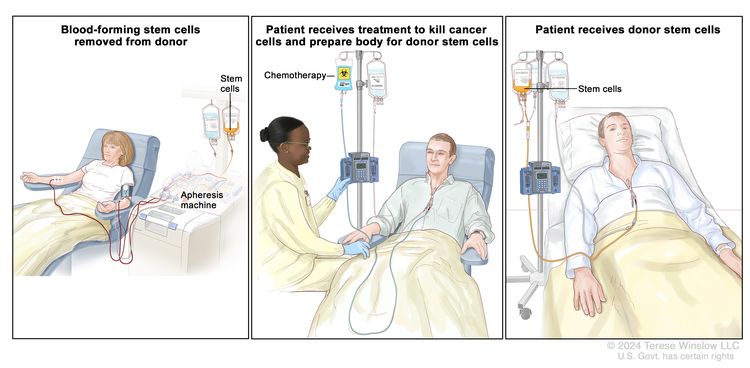
Testicular Cancer Treatment (PDQ®)–Patient Version

Testicular Cancer Treatment (PDQ®)–Patient Version

General Information About Testicular Cancer

Key Points

  • Testicular cancer is a disease in which malignant (cancer) cells form in the tissues of one or both testicles.
  • Health history can affect the risk of testicular cancer.
  • Signs and symptoms of testicular cancer include swelling or discomfort in the scrotum.
  • Tests that examine the testicles and blood are used to diagnose testicular cancer.
  • Certain factors affect prognosis (chance of recovery) and treatment options.
  • Treatment for testicular cancer can cause infertility.

Testicular cancer is a disease in which malignant (cancer) cells form in the tissues of one or both testicles.

The testicles are 2 egg-shaped glands located inside the scrotum (a sac of loose skin that lies directly below the penis). The testicles are held within the scrotum by the spermatic cord, which also contains the vas deferens and vessels and nerves of the testicles.

EnlargeAnatomy of the male reproductive and urinary systems; drawing shows front and side views of ureters, lymph nodes, rectum, bladder, prostate gland, vas deferens, urethra, penis, testicles, seminal vesicle, and ejaculatory duct.
Anatomy of the male reproductive and urinary systems, showing the testicles, prostate, bladder, and other organs.

The testicles are the male sex glands and produce testosterone and sperm. Germ cells within the testicles produce immature sperm that travel through a network of tubules (tiny tubes) and larger tubes into the epididymis (a long coiled tube next to the testicles) where the sperm mature and are stored.

Almost all testicular cancers start in the germ cells. The two main types of testicular germ cell tumors are seminomas and nonseminomas. These 2 types grow and spread differently and are treated differently. Nonseminomas tend to grow and spread more quickly than seminomas. Seminomas are more sensitive to radiation. A testicular tumor that contains both seminoma and nonseminoma cells is treated as a nonseminoma.

Testicular cancer is the most common cancer in men 20 to 35 years old.

Health history can affect the risk of testicular cancer.

Anything that increases a person’s chance of getting a disease is called a risk factor. Not every person with one or more of these risk factors will develop testicular cancer, and it will develop in people who don’t have any known risk factors. Talk with your doctor if you think you may be at risk. Risk factors for testicular cancer include:

Signs and symptoms of testicular cancer include swelling or discomfort in the scrotum.

These and other signs and symptoms may be caused by testicular cancer or by other conditions. Check with your doctor if you have any of the following:

  • A painless lump or swelling in either testicle.
  • A change in how the testicle feels.
  • A dull ache in the lower abdomen or the groin.
  • A sudden build-up of fluid in the scrotum.
  • Pain or discomfort in a testicle or in the scrotum.

Tests that examine the testicles and blood are used to diagnose testicular cancer.

In addition to asking about your personal and family health history and doing a physical exam, your doctor may perform the following tests and procedures:

  • Physical exam of the testes: An exam in which a doctor checks for lumps, swelling, or pain in the testicles.
  • Ultrasound exam of the testes: A procedure in which high-energy sound waves (ultrasound) are bounced off internal tissues or organs and make echoes. The echoes form a picture of body tissues called a sonogram.
  • Serum tumor marker test: A procedure in which a sample of blood is examined to measure the amounts of certain substances released into the blood by organs, tissues, or tumor cells in the body. Certain substances are linked to specific types of cancer when found in increased levels in the blood. These are called tumor markers. The following tumor markers are used to detect testicular cancer:

    Tumor marker levels are measured before inguinal orchiectomy and biopsy, to help diagnose testicular cancer.

  • Inguinal orchiectomy: A procedure to remove the entire testicle through an incision in the groin. A tissue sample from the testicle is then viewed under a microscope to check for cancer cells. (The surgeon does not cut through the scrotum into the testicle to remove a sample of tissue for biopsy, because if cancer is present, this procedure could cause it to spread into the scrotum and lymph nodes. It’s important to choose a surgeon who has experience with this kind of surgery.) If cancer is found, the cell type (seminoma or nonseminoma) is determined in order to help plan treatment.

Certain factors affect prognosis (chance of recovery) and treatment options.

The prognosis and treatment options depend on the following:

  • Stage of the cancer (whether it is in or near the testicle or has spread to other places in the body, and blood levels of AFP, beta-hCG, and LDH).
  • Type of cancer.
  • Size of the tumor.
  • Number and size of retroperitoneal lymph nodes.

Testicular cancer can usually be cured in patients who receive adjuvant chemotherapy or radiation therapy after their primary treatment.

Treatment for testicular cancer can cause infertility.

Certain treatments for testicular cancer can cause infertility that may be permanent. Patients who may wish to have children should consider sperm banking before having treatment. Sperm banking is the process of freezing sperm and storing it for later use.

Stages of Testicular Cancer

Key Points

  • After testicular cancer has been diagnosed, tests are done to find out if cancer cells have spread within the testicles or to other parts of the body.
  • There are three ways that cancer spreads in the body.
  • Cancer may spread from where it began to other parts of the body.
  • The following stages are used for testicular cancer:
    • Stage 0
    • Stage I
    • Stage II
    • Stage III
  • Testicular cancer can recur (come back) after it has been treated.

After testicular cancer has been diagnosed, tests are done to find out if cancer cells have spread within the testicles or to other parts of the body.

The process used to find out if cancer has spread within the testicles or to other parts of the body is called staging. The information gathered from the staging process determines the stage of the disease. It is important to know the stage in order to plan treatment.

The following tests and procedures may be used in the staging process:

  • Chest x-ray: An x-ray of the organs and bones inside the chest. An x-ray is a type of energy beam that can go through the body and onto film, making a picture of areas inside the body.
  • CT scan (CAT scan): A procedure that makes a series of detailed pictures of areas inside the body, such as the abdomen, taken from different angles. The pictures are made by a computer linked to an x-ray machine. A dye may be injected into a vein or swallowed to help the organs or tissues show up more clearly. This procedure is also called computed tomography, computerized tomography, or computerized axial tomography.
  • MRI (magnetic resonance imaging): A procedure that uses a magnet, radio waves, and a computer to make a series of detailed pictures of areas inside the body, such as the abdomen. This procedure is also called nuclear magnetic resonance imaging (NMRI).
  • Abdominal lymph node dissection: A surgical procedure in which lymph nodes in the abdomen are removed and a sample of tissue is checked under a microscope for signs of cancer. This procedure is also called lymphadenectomy. For patients with nonseminoma, removing the lymph nodes may help stop the spread of disease. Cancer cells in the lymph nodes of seminoma patients can be treated with radiation therapy.
  • Serum tumor marker test: A procedure in which a sample of blood is examined to measure the amounts of certain substances released into the blood by organs, tissues, or tumor cells in the body. Certain substances are linked to specific types of cancer when found in increased levels in the blood. These are called tumor markers. The following 3 tumor markers are used in staging testicular cancer:

    Tumor marker levels are measured again, after inguinal orchiectomy and biopsy, in order to determine the stage of the cancer. This helps to show if all of the cancer has been removed or if more treatment is needed. Tumor marker levels are also measured during follow-up as a way of checking if the cancer has come back.

There are three ways that cancer spreads in the body.

Cancer can spread through tissue, the lymph system, and the blood:

  • Tissue. The cancer spreads from where it began by growing into nearby areas.
  • Lymph system. The cancer spreads from where it began by getting into the lymph system. The cancer travels through the lymph vessels to other parts of the body.
  • Blood. The cancer spreads from where it began by getting into the blood. The cancer travels through the blood vessels to other parts of the body.

Cancer may spread from where it began to other parts of the body.

When cancer spreads to another part of the body, it is called metastasis. Cancer cells break away from where they began (the primary tumor) and travel through the lymph system or blood.

  • Lymph system. The cancer gets into the lymph system, travels through the lymph vessels, and forms a tumor (metastatic tumor) in another part of the body.
  • Blood. The cancer gets into the blood, travels through the blood vessels, and forms a tumor (metastatic tumor) in another part of the body.

The metastatic tumor is the same type of cancer as the primary tumor. For example, if testicular cancer spreads to the lung, the cancer cells in the lung are actually testicular cancer cells. The disease is metastatic testicular cancer, not lung cancer.

Many cancer deaths are caused when cancer moves from the original tumor and spreads to other tissues and organs. This is called metastatic cancer. This animation shows how cancer cells travel from the place in the body where they first formed to other parts of the body.

The following stages are used for testicular cancer:

Stage 0

In stage 0, abnormal cells are found in the tiny tubules where the sperm cells begin to develop. These abnormal cells may become cancer and spread into nearby normal tissue. All tumor marker levels are normal. Stage 0 is also called germ cell neoplasia in situ.

Stage I

In stage I, cancer has formed. Stage I is divided into stages IA, IB, and IS.

EnlargeDrawing shows different sizes of a tumor in centimeters (cm) compared to the size of a pea (1 cm), a peanut (2 cm), a grape (3 cm), a walnut (4 cm), a lime (5 cm), an egg (6 cm), a peach (7 cm), and a grapefruit (10 cm). Also shown is a 10-cm ruler and a 4-inch ruler.
Tumor sizes are often measured in centimeters (cm) or inches. Common food items that can be used to show tumor size in cm include: a pea (1 cm), a peanut (2 cm), a grape (3 cm), a walnut (4 cm), a lime (5 cm or 2 inches), an egg (6 cm), a peach (7 cm), and a grapefruit (10 cm or 4 inches).

Stage II

Stage II is divided into stages IIA, IIB, and IIC.

Stage III

Stage III is divided into stages IIIA, IIIB, and IIIC.

  • In stage IIIA, cancer is found anywhere in the testicle and may have spread into the spermatic cord or scrotum. Cancer may have spread to one or more nearby lymph nodes. Cancer has spread to distant lymph nodes or to the lungs.

    All tumor marker levels are normal or slightly above normal.

  • In stage IIIB, cancer is found anywhere in the testicle and may have spread into the spermatic cord or scrotum. Cancer has spread:
    • to one or more nearby lymph nodes and has not spread to other parts of the body; or
    • to one or more nearby lymph nodes. Cancer has spread to distant lymph nodes or to the lungs.

    The level of one or more tumor markers is moderately above normal.

  • In stage IIIC, cancer is found anywhere in the testicle and may have spread into the spermatic cord or scrotum. Cancer has spread:
    • to one or more nearby lymph nodes and has not spread to other parts of the body; or
    • to one or more nearby lymph nodes. Cancer has spread to distant lymph nodes or to the lungs.

    The level of one or more tumor markers is high.

    or

    Cancer is found anywhere in the testicle and may have spread into the spermatic cord or scrotum. Cancer has not spread to distant lymph nodes or the lung, but has spread to other parts of the body, such as the liver or bone.

    Tumor marker levels may range from normal to high.

Testicular cancer can recur (come back) after it has been treated.

The cancer may come back many years after the initial cancer, in the other testicle or in other parts of the body.

Treatment Option Overview

Key Points

  • There are different types of treatment for patients with testicular cancer.
  • Testicular tumors are divided into 3 groups, based on how well the tumors are expected to respond to treatment.
    • Good Prognosis
    • Intermediate Prognosis
    • Poor Prognosis
  • The following types of treatment are used:
    • Surgery
    • Radiation therapy
    • Chemotherapy
    • Surveillance
    • High-dose chemotherapy with stem cell transplant
  • New types of treatment are being tested in clinical trials.
  • Treatment for testicular cancer may cause side effects.
  • Patients may want to think about taking part in a clinical trial.
  • Patients can enter clinical trials before, during, or after starting their cancer treatment.
  • Follow-up tests may be needed.

There are different types of treatment for patients with testicular cancer.

Different types of treatments are available for patients with testicular cancer. Some treatments are standard (the currently used treatment), and some are being tested in clinical trials. A treatment clinical trial is a research study meant to help improve current treatments or obtain information on new treatments for patients with cancer. When clinical trials show that a new treatment is better than the standard treatment, the new treatment may become the standard treatment. Patients may want to think about taking part in a clinical trial. Some clinical trials are open only to patients who have not started treatment.

Testicular tumors are divided into 3 groups, based on how well the tumors are expected to respond to treatment.

Good Prognosis

For nonseminoma, all of the following must be true:

For seminoma, all of the following must be true:

Intermediate Prognosis

For nonseminoma, all of the following must be true:

  • The tumor is found in one testicle only or in the retroperitoneum (area outside or behind the abdominal wall); and
  • The tumor has not spread to organs other than the lungs; and
  • The level of any one of the tumor markers is more than slightly above normal.

For seminoma, all of the following must be true:

  • The tumor has spread to organs other than the lungs; and
  • The level of AFP is normal. Beta-hCG and LDH may be at any level.

Poor Prognosis

For nonseminoma, at least one of the following must be true:

  • The tumor is in the center of the chest between the lungs; or
  • The tumor has spread to organs other than the lungs; or
  • The level of any one of the tumor markers is high.

There is no poor prognosis grouping for seminoma testicular tumors.

The following types of treatment are used:

Surgery

Surgery to remove the testicle (inguinal orchiectomy) and some of the lymph nodes may be done at diagnosis and staging. (See the General Information and Stages sections of this summary.) Tumors that have spread to other places in the body may be partly or entirely removed by surgery.

After the doctor removes all the cancer that can be seen at the time of the surgery, some patients may be given chemotherapy or radiation therapy after surgery to kill any cancer cells that are left. Treatment given after the surgery, to lower the risk that the cancer will come back, is called adjuvant therapy.

Radiation therapy

Radiation therapy is a cancer treatment that uses high-energy x-rays or other types of radiation to kill cancer cells or keep them from growing. External radiation therapy uses a machine outside the body to send radiation toward the area of the body with cancer.

Chemotherapy

Chemotherapy is a cancer treatment that uses drugs to stop the growth of cancer cells, either by killing the cells or by stopping the cells from dividing. When chemotherapy is taken by mouth or injected into a vein or muscle, the drugs enter the bloodstream and can reach cancer cells throughout the body (systemic chemotherapy).

See Drugs Approved for Testicular Cancer for more information.

Surveillance

Surveillance is closely following a patient’s condition without giving any treatment unless there are changes in test results. It is used to find early signs that the cancer has recurred (come back). In surveillance, patients are given certain exams and tests on a regular schedule.

High-dose chemotherapy with stem cell transplant

High doses of chemotherapy are given to kill cancer cells. Healthy cells, including blood-forming cells, are also destroyed by the cancer treatment. Stem cell transplant is a treatment to replace the blood-forming cells. Stem cells (immature blood cells) are removed from the blood or bone marrow of the patient or a donor and are frozen and stored. After the patient completes chemotherapy, the stored stem cells are thawed and given back to the patient through an infusion. These reinfused stem cells grow into (and restore) the body’s blood cells.

See Drugs Approved for Testicular Cancer for more information.

EnlargeDonor stem cell transplant; (Panel 1): Drawing of stem cells being collected from a donor's bloodstream using an apheresis machine. Blood is removed from a vein in the donor's arm and flows through the machine where the stem cells are removed. The rest of the blood is then returned to the donor through a vein in their other arm. (Panel 2): Drawing of a health care provider giving a patient an infusion of chemotherapy through a catheter in the patient's chest. The chemotherapy is given to kill cancer cells and prepare the patient's body for the donor stem cells. (Panel 3): Drawing of a patient receiving an infusion of the donor stem cells through a catheter in the chest.
Donor stem cell transplant. (Step 1): Four to five days before donor stem cell collection, the donor receives a medicine to increase the number of stem cells circulating through their bloodstream (not shown). The blood-forming stem cells are then collected from the donor through a large vein in their arm. The blood flows through an apheresis machine that removes the stem cells. The rest of the blood is returned to the donor through a vein in their other arm. (Step 2): The patient receives chemotherapy to kill cancer cells and prepare their body for the donor stem cells. The patient may also receive radiation therapy (not shown). (Step 3): The patient receives an infusion of the donor stem cells.

New types of treatment are being tested in clinical trials.

Information about clinical trials is available from the NCI website.

Treatment for testicular cancer may cause side effects.

For information about side effects caused by treatment for cancer, visit our Side Effects page.

Patients may want to think about taking part in a clinical trial.

For some patients, taking part in a clinical trial may be the best treatment choice. Clinical trials are part of the cancer research process. Clinical trials are done to find out if new cancer treatments are safe and effective or better than the standard treatment.

Many of today’s standard treatments for cancer are based on earlier clinical trials. Patients who take part in a clinical trial may receive the standard treatment or be among the first to receive a new treatment.

Patients who take part in clinical trials also help improve the way cancer will be treated in the future. Even when clinical trials do not lead to effective new treatments, they often answer important questions and help move research forward.

Patients can enter clinical trials before, during, or after starting their cancer treatment.

Some clinical trials only include patients who have not yet received treatment. Other trials test treatments for patients whose cancer has not gotten better. There are also clinical trials that test new ways to stop cancer from recurring (coming back) or reduce the side effects of cancer treatment.

Clinical trials are taking place in many parts of the country. Information about clinical trials supported by NCI can be found on NCI’s clinical trials search webpage. Clinical trials supported by other organizations can be found on the ClinicalTrials.gov website.

Follow-up tests may be needed.

As you go through treatment, you will have follow-up tests or check-ups. Some tests that were done to diagnose or stage the cancer may be repeated to see how well the treatment is working. Decisions about whether to continue, change, or stop treatment may be based on the results of these tests.

Some of the tests will continue to be done from time to time after treatment has ended. The results of these tests can show if your condition has changed or if the cancer has recurred (come back).

Men who have had testicular cancer have an increased risk of developing cancer in the other testicle. A patient is advised to regularly check the other testicle and report any unusual symptoms to a doctor right away.

Long-term clinical exams are very important. The patient will probably have check-ups frequently during the first year after surgery and less often after that.

Treatment of Stage 0 (Testicular Intraepithelial Neoplasia)

For information about the treatments listed below, see the Treatment Option Overview section.

Treatment of stage 0 may include the following:

Use our clinical trial search to find NCI-supported cancer clinical trials that are accepting patients. You can search for trials based on the type of cancer, the age of the patient, and where the trials are being done. General information about clinical trials is also available.

Treatment of Stage I Testicular Cancer

For information about the treatments listed below, see the Treatment Option Overview section.

Treatment of stage I testicular cancer depends on whether the cancer is a seminoma or a nonseminoma.

Treatment of seminoma may include the following:

  • Surgery to remove the testicle, followed by surveillance.
  • For patients who want active treatment rather than surveillance, treatment may include:

Treatment of nonseminoma may include the following:

  • Surgery to remove the testicle, with long-term follow-up.
  • Surgery to remove the testicle and lymph nodes in the abdomen, with long-term follow-up.
  • Surgery followed by chemotherapy for patients at high risk of recurrence, with long-term follow-up.

Use our clinical trial search to find NCI-supported cancer clinical trials that are accepting patients. You can search for trials based on the type of cancer, the age of the patient, and where the trials are being done. General information about clinical trials is also available.

Treatment of Stage II Testicular Cancer

For information about the treatments listed below, see the Treatment Option Overview section.

Treatment of stage II testicular cancer depends on whether the cancer is a seminoma or a nonseminoma.

Treatment of seminoma may include the following:

Treatment of nonseminoma may include the following:

  • Surgery to remove the testicle and lymph nodes, with long-term follow-up.
  • Surgery to remove the testicle and lymph nodes, followed by combination chemotherapy and long-term follow-up.
  • Surgery to remove the testicle, followed by combination chemotherapy and a second surgery if cancer remains, with long-term follow-up.
  • Combination chemotherapy before surgery to remove the testicle, for cancer that has spread and is thought to be life-threatening.

Use our clinical trial search to find NCI-supported cancer clinical trials that are accepting patients. You can search for trials based on the type of cancer, the age of the patient, and where the trials are being done. General information about clinical trials is also available.

Treatment of Stage III Testicular Cancer

For information about the treatments listed below, see the Treatment Option Overview section.

Treatment of stage III testicular cancer depends on whether the cancer is a seminoma or a nonseminoma.

Treatment of seminoma may include the following:

Treatment of nonseminoma may include the following:

  • Surgery to remove the testicle, followed by combination chemotherapy.
  • Combination chemotherapy followed by surgery to remove the testicle and all remaining tumors. Additional chemotherapy may be given if the tumor tissue removed contains cancer cells that are growing or if follow-up tests show that cancer is progressing.
  • Combination chemotherapy before surgery to remove the testicle, for cancer that has spread and is thought to be life-threatening.
  • A clinical trial of chemotherapy.

Use our clinical trial search to find NCI-supported cancer clinical trials that are accepting patients. You can search for trials based on the type of cancer, the age of the patient, and where the trials are being done. General information about clinical trials is also available.

Treatment of Recurrent Testicular Cancer

For information about the treatments listed below, see the Treatment Option Overview section.

Treatment of recurrent testicular cancer may include the following:

Use our clinical trial search to find NCI-supported cancer clinical trials that are accepting patients. You can search for trials based on the type of cancer, the age of the patient, and where the trials are being done. General information about clinical trials is also available.

To Learn More About Testicular Cancer

About This PDQ Summary

About PDQ

Physician Data Query (PDQ) is the National Cancer Institute’s (NCI’s) comprehensive cancer information database. The PDQ database contains summaries of the latest published information on cancer prevention, detection, genetics, treatment, supportive care, and complementary and alternative medicine. Most summaries come in two versions. The health professional versions have detailed information written in technical language. The patient versions are written in easy-to-understand, nontechnical language. Both versions have cancer information that is accurate and up to date and most versions are also available in Spanish.

PDQ is a service of the NCI. The NCI is part of the National Institutes of Health (NIH). NIH is the federal government’s center of biomedical research. The PDQ summaries are based on an independent review of the medical literature. They are not policy statements of the NCI or the NIH.

Purpose of This Summary

This PDQ cancer information summary has current information about the treatment of testicular cancer. It is meant to inform and help patients, families, and caregivers. It does not give formal guidelines or recommendations for making decisions about health care.

Reviewers and Updates

Editorial Boards write the PDQ cancer information summaries and keep them up to date. These Boards are made up of experts in cancer treatment and other specialties related to cancer. The summaries are reviewed regularly and changes are made when there is new information. The date on each summary (“Updated”) is the date of the most recent change.

The information in this patient summary was taken from the health professional version, which is reviewed regularly and updated as needed, by the PDQ Adult Treatment Editorial Board.

Clinical Trial Information

A clinical trial is a study to answer a scientific question, such as whether one treatment is better than another. Trials are based on past studies and what has been learned in the laboratory. Each trial answers certain scientific questions in order to find new and better ways to help cancer patients. During treatment clinical trials, information is collected about the effects of a new treatment and how well it works. If a clinical trial shows that a new treatment is better than one currently being used, the new treatment may become “standard.” Patients may want to think about taking part in a clinical trial. Some clinical trials are open only to patients who have not started treatment.

Clinical trials can be found online at NCI’s website. For more information, call the Cancer Information Service (CIS), NCI’s contact center, at 1-800-4-CANCER (1-800-422-6237).

Permission to Use This Summary

PDQ is a registered trademark. The content of PDQ documents can be used freely as text. It cannot be identified as an NCI PDQ cancer information summary unless the whole summary is shown and it is updated regularly. However, a user would be allowed to write a sentence such as “NCI’s PDQ cancer information summary about breast cancer prevention states the risks in the following way: [include excerpt from the summary].”

The best way to cite this PDQ summary is:

PDQ® Adult Treatment Editorial Board. PDQ Testicular Cancer Treatment. Bethesda, MD: National Cancer Institute. Updated <MM/DD/YYYY>. Available at: /types/testicular/patient/testicular-treatment-pdq. Accessed <MM/DD/YYYY>. [PMID: 26389286]

Images in this summary are used with permission of the author(s), artist, and/or publisher for use in the PDQ summaries only. If you want to use an image from a PDQ summary and you are not using the whole summary, you must get permission from the owner. It cannot be given by the National Cancer Institute. Information about using the images in this summary, along with many other images related to cancer can be found in Visuals Online. Visuals Online is a collection of more than 3,000 scientific images.

Disclaimer

The information in these summaries should not be used to make decisions about insurance reimbursement. More information on insurance coverage is available on Cancer.gov on the Managing Cancer Care page.

Contact Us

More information about contacting us or receiving help with the Cancer.gov website can be found on our Contact Us for Help page. Questions can also be submitted to Cancer.gov through the website’s E-mail Us.

Testicular Cancer Treatment (PDQ®)–Health Professional Version

Testicular Cancer Treatment (PDQ®)–Health Professional Version

General Information About Testicular Cancer

Incidence and Mortality

Estimated new cases and deaths from testicular cancer in the United States in 2025:[1]

  • New cases: 9,720.
  • Deaths: 600.

Testicular cancer is a highly treatable, usually curable cancer that most often develops in young and middle-aged men. Most testicular cancers are germ cell tumors. For treatment planning, germ cell tumors are broadly divided into seminomas and nonseminomas because they have different prognostic and treatment algorithms. For patients with seminomas (all stages combined), the cure rate exceeds 90%. For patients with low-stage seminomas or nonseminomas, the cure rate approaches 100%.[26]

Risk Factors

Risk factors for testicular cancer include the following:[7]

  • An undescended testis (cryptorchidism).
  • A family history of testis cancer (particularly in a father or brother).
  • A personal history of testis cancer.

Surgical correction of an undescended testis (orchiopexy) before puberty appears to lower the risk of testicular cancer, but this is not certain.[8]

Histopathology

Types of testicular germ cell tumors: Seminomas versus nonseminomas

There are five histopathological subtypes of testicular germ cell tumors:

  • Seminomas.
  • Embryonal carcinomas.
  • Teratomas.
  • Yolk sac tumors.
  • Choriocarcinomas.

Tumors that are 100% seminoma are considered seminomas. All other tumors, including those that have a mixture of seminoma and nonseminoma components, are considered and should be managed as nonseminomas. Most nonseminomas consist of a mixture of the different germ cell tumor subtypes. Tumors that appear to have a seminoma histology but are accompanied by an elevated serum level of alpha-fetoprotein (AFP) should be treated as nonseminomas because seminomas do not produce AFP.

Prognosis and Staging

Serum tumor markers and testis cancer: AFP, beta-hCG, and LDH

Alpha-fetoprotein (AFP), beta-human chorionic gonadotropin (beta-hCG), and lactase dehydrogenase (LDH) play an important role as serum tumor markers in the staging and monitoring of germ cell tumors and should be measured prior to removing the involved testicle.[9] For patients with nonseminomas, one of the most significant predictors of prognosis is the degree of tumor-marker elevation after the cancerous testicle has been removed.[10] Elevated levels of serum tumor markers are often the earliest sign of relapse, making these markers useful for monitoring all stages of nonseminomas and metastatic seminomas.

AFP: Elevation of serum AFP is seen in 40% to 60% of men with nonseminomas. Seminomas do not produce AFP. Men who have an elevated serum AFP have a mixed germ cell tumor (i.e., nonseminomatous germ cell tumors [NSGCT]) even if the pathology shows a pure seminoma—unless there is a more persuasive explanation for the elevated AFP, such as liver disease.

Beta-hCG: Elevation of beta-hCG is found in approximately 14% of patients with stage I pure seminomas before orchiectomy and in about one-half of patients with metastatic seminomas.[1113] Approximately 40% to 60% of men with nonseminomas have an elevated serum beta-hCG.

Significant and unambiguously rising levels of AFP and/or beta-hCG signal relapsed germ cell tumor in most cases and are an indication for treatment even in the absence of radiological evidence of metastatic disease. Nonetheless, tumor marker elevations need to be interpreted with caution. For example, false-positive beta-hCG levels can result from cross reactivity of the assay with luteinizing hormone in which case an intramuscular injection of testosterone should result in normalization of beta-hCG values. There are also clinical reports of marijuana use resulting in elevations of serum beta-hCG and some experts recommend querying patients about drug use and retesting beta-hCG levels after a period of abstinence from marijuana use. Similarly, AFP is chronically mildly elevated in some individuals for unclear reasons and can be substantially elevated by liver disease.

LDH: Seminomas and nonseminomas alike may result in elevated LDH but such values are of unclear prognostic significance because LDH may be elevated in many conditions unrelated to cancer. A study evaluated the utility of LDH in 499 patients with a testicular germ cell tumor who were undergoing surveillance after orchiectomy or treatment of stage II or III disease. It found that 7.7% of patients had elevated LDH unrelated to cancer, while only 1.4% of patients had cancer-related increases in LDH.[14] Among 15 patients with relapsed disease, LDH was elevated in six patients and was the first sign of relapse in one patient. Over 9% of the men had a persistent false-positive increase in LDH. The positive predictive value for an elevated LDH was 12.8%.

A second study reported that among 494 patients with stage I germ cell tumors who subsequently had a relapse, 125 had an elevated LDH at the time of relapse. Of these 125 patients, all had other evidence of relapse: 112 had a concurrent rise in AFP and/or beta-hCG, one had computed tomography (CT) evidence of relapse before the elevation in LDH, one had palpable disease on examination, and one complained of back pain that led to imaging that revealed retroperitoneal relapse.[15] On one hand, measuring LDH appears to have little value for predicting relapse during surveillance of germ cell tumors. On the other hand, for patients with metastatic NSGCT, large studies of prognostic models have found the LDH level to be a significant independent predictor of survival.[10,16]

Staging and risk stratification

There are two major prognostic models for testicular cancer: staging[17] and, for risk stratification of men with distant and/or bulky retroperitoneal metastases, the International Germ Cell Cancer Consensus Group classification.[10] The prognosis of patients with testicular germ cell tumors is determined by the following factors:

  1. Histology (seminoma vs. nonseminoma).
  2. The extent to which the tumor has spread (testis only vs. retroperitoneal lymph node involvement vs. pulmonary or distant nodal metastasis vs. nonpulmonary visceral metastasis).
  3. For nonseminomas, the degree to which serum tumor markers are elevated.[10]

For men with disseminated seminomas, the main adverse prognostic variable is the presence of metastases to organs other than the lungs (e.g., bone, liver, or brain). For men with disseminated nonseminomas, the following variables are independently associated with poor prognosis:

  • Metastases to organs other than the lungs.
  • Highly elevated serum tumor markers.
  • Tumor that originated in the mediastinum rather than the testis.

Nonetheless, even patients with widespread metastases at presentation, including those with brain metastases, may have curable disease and should be treated with this intent.[18]

Radical inguinal orchiectomy with initial high ligation of the spermatic cord is the procedure of choice in diagnosing and treating a malignant testicular mass.[19] As noted above, serum AFP, LDH, and beta-hCG should be measured before an orchiectomy. Transscrotal biopsy is not considered appropriate because of the risk of local dissemination of tumor into the scrotum or its spread to inguinal lymph nodes. A retrospective analysis of reported series in which transscrotal approaches were used showed a small but statistically significant increase in local recurrence rates, compared with when the inguinal approach was used (2.9% vs. 0.4%).[20][Level of evidence C2] However, distant recurrence and survival rates were indistinguishable in the two approaches.

Diagnostics

Evaluation of the retroperitoneal lymph nodes, usually by CT scan, is an important aspect of staging and treatment planning in adults with testicular cancer.[21,22] Patients with a negative result have a substantial chance of having microscopic involvement of the lymph nodes. Nearly 20% of patients with seminoma and 30% of patients with nonseminoma who have normal CT scans and serum tumor markers will subsequently relapse if not given additional treatment after orchiectomy.[2325] For patients with nonseminoma, retroperitoneal lymph node dissection (RPLND) increases the accuracy of staging, but as many as 10% of men with normal imaging, normal tumor markers, and benign pathology at RPLND will still experience a relapse.[26] After RPLND, about 25% of patients with clinical stage I nonseminomatous testicular cancer are restaged as pathological stage II, and about 25% of clinical stage II patients are restaged as pathological stage I.[2628] In prepubertal children, the use of serial measurements of AFP has proven sufficient for monitoring response after initial orchiectomy. Lymphangiography and para-aortic lymph node dissection do not appear to be useful or necessary in the proper staging and management of testicular cancer in prepubertal boys.[29] For more information, see Childhood Testicular Cancer Treatment.

Follow-Up and Survivorship

Patients who have been cured of testicular cancer have approximately a 2% cumulative risk of developing cancer in the opposite testicle during the 15 years after initial diagnosis.[30,31] Within this range, men with nonseminomatous primary tumors appear to have a lower risk of subsequent contralateral testis tumors than men with seminomas.

Men with HIV are reported to be at increased risk of developing testicular seminomas.[32] Depending on comorbid conditions such as active infection, these men are generally managed similarly to patients without HIV.

Because most patients with testicular cancer who receive adjuvant chemotherapy or radiation therapy are curable, it is necessary to be aware of possible long-term effects of the various treatment modalities, such as the following:

  1. Fertility: Many patients have oligospermia or sperm abnormalities before therapy, but semen analysis results generally become more normal after treatment. The impact of standard chemotherapy on fertility in patients with testicular cancer is not well defined, although it is well documented that most men can father children after treatment, often without the use of cryopreserved semen. In two large studies, roughly 70% of patients fathered children after treatment for testicular cancer.[33,34] The likelihood of recovering fertility is related to the type of treatment received. The children do not appear to have an increased risk of congenital malformations, but the data are not adequate to properly investigate this issue.[35,36] It is recommended that men wait at least 3 months after completing chemotherapy before conceiving a child (unless using cryopreserved sperm collected before chemotherapy was administered).[36]

    Radiation therapy, used to treat pure seminomatous testicular cancers, can cause fertility problems because of radiation scatter to the remaining testicle during radiation therapy to retroperitoneal lymph nodes (as evidenced in the SWOG-8711 trial, for example).[37] Depending on scatter dose, sperm counts fall after radiation therapy but may recover over the course of 1 to 2 years. Shielding techniques can be used to decrease the radiation scatter to the remaining normal testicle. Because chemotherapy, RPLND, and radiation therapy can each result in infertility, men can be offered the opportunity to bank sperm before undergoing any treatment for testicular cancer other than orchiectomy.

  2. Secondary leukemias: Several reports of elevated risk of secondary acute leukemia, primarily nonlymphocytic, have appeared.[38,39] An increased risk of leukemia has been associated with platinum-based chemotherapy and radiation therapy.[38] Etoposide-containing regimens are also associated with a risk of secondary acute leukemias, usually in the myeloid lineage, and with a characteristic 11q23 translocation.[40,41] Etoposide-associated leukemias typically occur sooner after therapy than alkylating agent-associated leukemias and often show balanced chromosomal translocations on the long arm of chromosome 11. Standard etoposide dosages (<2 g/m2 cumulative dose) are associated with a relative risk of 15 to 25, but this translates into a cumulative incidence of leukemia of less than 0.5% at 5 years. Preliminary data suggest that cumulative doses of more than 2 g/m2 of etoposide may confer higher risk.
  3. Renal function: Minor decreases in creatinine clearance occur (about a 15% decrease, on average) during platinum-based therapy, but they appear to remain stable in the long term, without significant deterioration.[42]
  4. Hearing: Bilateral hearing deficits occur with cisplatin-based chemotherapy, but they generally occur at sound frequencies of 4 kHz to 8 kHz, which is outside the range of conversational tones. Therefore, hearing aids are rarely required if standard doses of cisplatin are given.[42]
  5. Lung function: A study of pulmonary function tests in 1,049 long-term survivors of testicular cancer reported a cisplatin-dose-dependent increase in the incidence of restrictive lung disease.[43] Whereas men receiving up to 850 mg of cisplatin had a normal risk of restrictive lung disease, men who received over 850 mg of cisplatin had a threefold increased risk. In absolute terms, patients who received no chemotherapy had an incidence of restrictive lung disease of less than 8%, whereas the incidence of restrictive lung disease among those receiving over 850 mg of cisplatin was nearly 18%. However, only 9.5% of those with pulmonary function testing indicative of restrictive lung disease reported dyspnea. Although cisplatin was more strongly associated with decreased lung function in this study, cumulative bleomycin dose was also associated with a decline in forced vital capacity and the 1-second forced expiratory volume (FEV1) but not with restrictive lung disease.

Although acute pulmonary toxic effects may occur with bleomycin, they are rarely fatal at total cumulative doses of less than 400 units. Because life-threatening pulmonary toxic effects can occur, the drug should be discontinued if early signs of pulmonary toxicity develop. Although decreases in pulmonary function are frequent, they are rarely symptomatic and are reversible after chemotherapy ends. Survivors of testis cancer who were treated with chemotherapy have been reported to be at increased risk of death from respiratory diseases, but it is unknown whether this finding is related to bleomycin exposure.[44]

Radiation therapy, often used in the management of pure seminomatous germ cell cancers, has been linked to the development of secondary cancers, especially solid tumors in the radiation portal, usually after a latency period of a decade or more.[45,46] These secondary cancers include melanoma and cancers of the stomach, bladder, colon, rectum, pancreas, lung, pleura, prostate, kidney, connective tissue, and thyroid. Chemotherapy has also been associated with an elevated risk of secondary cancers.

Other risk factors

Cardiovascular disease in testicular cancer survivors

Men with testicular cancer who have been treated with radiation therapy and/or chemotherapy are at increased risk of cardiovascular events.[4749] Other studies have reported that chemotherapy for testicular cancer is associated with an increased risk of developing metabolic syndrome and hypogonadism.[50,51] Moreover, an international population-based study reported that men treated with either radiation therapy or chemotherapy were at increased risk of death from circulatory diseases.[44]

In a retrospective series of 992 patients treated for testicular cancer between 1982 and 1992, cardiac events were increased approximately 2.5-fold in patients treated with radiation therapy and/or chemotherapy, compared with those who underwent surveillance for a median of 10.2 years. The actuarial risks of cardiac events were 7.2% for patients who received radiation therapy (92% of whom did not receive mediastinal radiation therapy), 3.4% for patients who received chemotherapy (primarily platinum-based), 4.1% for patients who received combined therapy, and 1.4% for patients who underwent surveillance management after 10 years of follow-up.[48]

A population-based retrospective study of 2,339 testicular cancer survivors in the Netherlands, treated between 1965 and 1995 and followed for a median of 18.4 years, found that the overall incidence of coronary heart disease (i.e., myocardial infarction and/or angina pectoris) was increased 1.17 times (95% confidence interval [CI], 1.04–1.31) compared with the general population.[49] Patients who received radiation therapy to the mediastinum had a 2.5-fold (95% CI, 1.8–3.4) increased risk of coronary heart disease, and those who also received chemotherapy had an almost threefold (95% CI, 1.7–4.8) increased risk. Patients who were treated with infradiaphragmatic radiation therapy alone had no significantly increased risk of coronary heart disease. In multivariate Cox regression analyses, the older chemotherapy regimen of cisplatin, vinblastine, and bleomycin, used until the mid-1980s, was associated with a significant 1.9-fold (95% CI, 1.2–2.9) increased risk of cardiovascular disease (i.e., myocardial infarction, angina pectoris, and heart failure combined). The newer regimen of bleomycin, etoposide, and cisplatin was associated with a borderline significant 1.5-fold (95% CI, 1.0–2.2) increased risk of cardiovascular disease. Similarly, an international pooled analysis of population-based databases reported that the risk of death from circulatory disease was increased in men treated with chemotherapy (standardized mortality ratio [SMR] = 1.58) or radiation therapy (SMR = 1.70).[44][Level of evidence C2]

Although testicular cancer is highly curable, all newly diagnosed patients are appropriate candidates for clinical trials designed to decrease morbidity of treatment while further improving cure rates.

References
  1. American Cancer Society: Cancer Facts and Figures 2025. American Cancer Society, 2025. Available online. Last accessed January 16, 2025.
  2. Ries LAG, Melbert D, Krapcho M, et al.: SEER Cancer Statistics Review, 1975-2005. National Cancer Institute, 2007. Also available online. Last accessed March 28, 2025.
  3. Krege S, Beyer J, Souchon R, et al.: European consensus conference on diagnosis and treatment of germ cell cancer: a report of the second meeting of the European Germ Cell Cancer Consensus group (EGCCCG): part I. Eur Urol 53 (3): 478-96, 2008. [PUBMED Abstract]
  4. Groll RJ, Warde P, Jewett MA: A comprehensive systematic review of testicular germ cell tumor surveillance. Crit Rev Oncol Hematol 64 (3): 182-97, 2007. [PUBMED Abstract]
  5. Neill M, Warde P, Fleshner N: Management of low-stage testicular seminoma. Urol Clin North Am 34 (2): 127-36; abstract vii-viii, 2007. [PUBMED Abstract]
  6. Tandstad T, Dahl O, Cohn-Cedermark G, et al.: Risk-adapted treatment in clinical stage I nonseminomatous germ cell testicular cancer: the SWENOTECA management program. J Clin Oncol 27 (13): 2122-8, 2009. [PUBMED Abstract]
  7. Holzik MF, Rapley EA, Hoekstra HJ, et al.: Genetic predisposition to testicular germ-cell tumours. Lancet Oncol 5 (6): 363-71, 2004. [PUBMED Abstract]
  8. Pettersson A, Richiardi L, Nordenskjold A, et al.: Age at surgery for undescended testis and risk of testicular cancer. N Engl J Med 356 (18): 1835-41, 2007. [PUBMED Abstract]
  9. Sturgeon CM, Duffy MJ, Stenman UH, et al.: National Academy of Clinical Biochemistry laboratory medicine practice guidelines for use of tumor markers in testicular, prostate, colorectal, breast, and ovarian cancers. Clin Chem 54 (12): e11-79, 2008. [PUBMED Abstract]
  10. International Germ Cell Consensus Classification: a prognostic factor-based staging system for metastatic germ cell cancers. International Germ Cell Cancer Collaborative Group. J Clin Oncol 15 (2): 594-603, 1997. [PUBMED Abstract]
  11. Gholam D, Fizazi K, Terrier-Lacombe MJ, et al.: Advanced seminoma–treatment results and prognostic factors for survival after first-line, cisplatin-based chemotherapy and for patients with recurrent disease: a single-institution experience in 145 patients. Cancer 98 (4): 745-52, 2003. [PUBMED Abstract]
  12. Oliver RT, Mason MD, Mead GM, et al.: Radiotherapy versus single-dose carboplatin in adjuvant treatment of stage I seminoma: a randomised trial. Lancet 366 (9482): 293-300, 2005 Jul 23-29. [PUBMED Abstract]
  13. Weissbach L, Bussar-Maatz R, Mann K: The value of tumor markers in testicular seminomas. Results of a prospective multicenter study. Eur Urol 32 (1): 16-22, 1997. [PUBMED Abstract]
  14. Venkitaraman R, Johnson B, Huddart RA, et al.: The utility of lactate dehydrogenase in the follow-up of testicular germ cell tumours. BJU Int 100 (1): 30-2, 2007. [PUBMED Abstract]
  15. Ackers C, Rustin GJ: Lactate dehydrogenase is not a useful marker for relapse in patients on surveillance for stage I germ cell tumours. Br J Cancer 94 (9): 1231-2, 2006. [PUBMED Abstract]
  16. van Dijk MR, Steyerberg EW, Habbema JD: Survival of non-seminomatous germ cell cancer patients according to the IGCC classification: An update based on meta-analysis. Eur J Cancer 42 (7): 820-6, 2006. [PUBMED Abstract]
  17. Brimo F, Srigley J, Ryan C: Testis. In: Amin MB, Edge SB, Greene FL, et al., eds.: AJCC Cancer Staging Manual. 8th ed. Springer; 2017, pp. 727–35.
  18. Krege S, Beyer J, Souchon R, et al.: European consensus conference on diagnosis and treatment of germ cell cancer: a report of the second meeting of the European Germ Cell Cancer Consensus Group (EGCCCG): part II. Eur Urol 53 (3): 497-513, 2008. [PUBMED Abstract]
  19. Leibovitch I, Baniel J, Foster RS, et al.: The clinical implications of procedural deviations during orchiectomy for nonseminomatous testis cancer. J Urol 154 (3): 935-9, 1995. [PUBMED Abstract]
  20. Capelouto CC, Clark PE, Ransil BJ, et al.: A review of scrotal violation in testicular cancer: is adjuvant local therapy necessary? J Urol 153 (3 Pt 2): 981-5, 1995. [PUBMED Abstract]
  21. Sohaib SA, Koh DM, Husband JE: The role of imaging in the diagnosis, staging, and management of testicular cancer. AJR Am J Roentgenol 191 (2): 387-95, 2008. [PUBMED Abstract]
  22. Leibovitch L, Foster RS, Kopecky KK, et al.: Improved accuracy of computerized tomography based clinical staging in low stage nonseminomatous germ cell cancer using size criteria of retroperitoneal lymph nodes. J Urol 154 (5): 1759-63, 1995. [PUBMED Abstract]
  23. Chung P, Warde P: Surveillance in stage I testicular seminoma. Urol Oncol 24 (1): 75-9, 2006 Jan-Feb. [PUBMED Abstract]
  24. Segal R: Surveillance programs for stage I nonseminomatous germ cell tumors of the testis. Urol Oncol 24 (1): 68-74, 2006 Jan-Feb. [PUBMED Abstract]
  25. Warde P, Specht L, Horwich A, et al.: Prognostic factors for relapse in stage I seminoma managed by surveillance: a pooled analysis. J Clin Oncol 20 (22): 4448-52, 2002. [PUBMED Abstract]
  26. Stephenson AJ, Bosl GJ, Motzer RJ, et al.: Retroperitoneal lymph node dissection for nonseminomatous germ cell testicular cancer: impact of patient selection factors on outcome. J Clin Oncol 23 (12): 2781-8, 2005. [PUBMED Abstract]
  27. Choueiri TK, Stephenson AJ, Gilligan T, et al.: Management of clinical stage I nonseminomatous germ cell testicular cancer. Urol Clin North Am 34 (2): 137-48; abstract viii, 2007. [PUBMED Abstract]
  28. Donohue JP, Thornhill JA, Foster RS, et al.: Clinical stage B non-seminomatous germ cell testis cancer: the Indiana University experience (1965-1989) using routine primary retroperitoneal lymph node dissection. Eur J Cancer 31A (10): 1599-604, 1995. [PUBMED Abstract]
  29. Huddart SN, Mann JR, Gornall P, et al.: The UK Children’s Cancer Study Group: testicular malignant germ cell tumours 1979-1988. J Pediatr Surg 25 (4): 406-10, 1990. [PUBMED Abstract]
  30. Fosså SD, Chen J, Schonfeld SJ, et al.: Risk of contralateral testicular cancer: a population-based study of 29,515 U.S. men. J Natl Cancer Inst 97 (14): 1056-66, 2005. [PUBMED Abstract]
  31. Theodore Ch, Terrier-Lacombe MJ, Laplanche A, et al.: Bilateral germ-cell tumours: 22-year experience at the Institut Gustave Roussy. Br J Cancer 90 (1): 55-9, 2004. [PUBMED Abstract]
  32. Goedert JJ, Purdue MP, McNeel TS, et al.: Risk of germ cell tumors among men with HIV/acquired immunodeficiency syndrome. Cancer Epidemiol Biomarkers Prev 16 (6): 1266-9, 2007. [PUBMED Abstract]
  33. Brydøy M, Fosså SD, Klepp O, et al.: Paternity following treatment for testicular cancer. J Natl Cancer Inst 97 (21): 1580-8, 2005. [PUBMED Abstract]
  34. Huyghe E, Matsuda T, Daudin M, et al.: Fertility after testicular cancer treatments: results of a large multicenter study. Cancer 100 (4): 732-7, 2004. [PUBMED Abstract]
  35. Babosa M, Baki M, Bodrogi I, et al.: A study of children, fathered by men treated for testicular cancer, conceived before, during, and after chemotherapy. Med Pediatr Oncol 22 (1): 33-8, 1994. [PUBMED Abstract]
  36. Spermon JR, Kiemeney LA, Meuleman EJ, et al.: Fertility in men with testicular germ cell tumors. Fertil Steril 79 (Suppl 3): 1543-9, 2003. [PUBMED Abstract]
  37. Gordon W, Siegmund K, Stanisic TH, et al.: A study of reproductive function in patients with seminoma treated with radiotherapy and orchidectomy: (SWOG-8711). Southwest Oncology Group. Int J Radiat Oncol Biol Phys 38 (1): 83-94, 1997. [PUBMED Abstract]
  38. Travis LB, Andersson M, Gospodarowicz M, et al.: Treatment-associated leukemia following testicular cancer. J Natl Cancer Inst 92 (14): 1165-71, 2000. [PUBMED Abstract]
  39. van Leeuwen FE, Stiggelbout AM, van den Belt-Dusebout AW, et al.: Second cancer risk following testicular cancer: a follow-up study of 1,909 patients. J Clin Oncol 11 (3): 415-24, 1993. [PUBMED Abstract]
  40. Houck W, Abonour R, Vance G, et al.: Secondary leukemias in refractory germ cell tumor patients undergoing autologous stem-cell transplantation using high-dose etoposide. J Clin Oncol 22 (11): 2155-8, 2004. [PUBMED Abstract]
  41. Kollmannsberger C, Hartmann JT, Kanz L, et al.: Therapy-related malignancies following treatment of germ cell cancer. Int J Cancer 83 (6): 860-3, 1999. [PUBMED Abstract]
  42. Osanto S, Bukman A, Van Hoek F, et al.: Long-term effects of chemotherapy in patients with testicular cancer. J Clin Oncol 10 (4): 574-9, 1992. [PUBMED Abstract]
  43. Haugnes HS, Aass N, Fosså SD, et al.: Pulmonary function in long-term survivors of testicular cancer. J Clin Oncol 27 (17): 2779-86, 2009. [PUBMED Abstract]
  44. Fosså SD, Gilbert E, Dores GM, et al.: Noncancer causes of death in survivors of testicular cancer. J Natl Cancer Inst 99 (7): 533-44, 2007. [PUBMED Abstract]
  45. Travis LB, Fosså SD, Schonfeld SJ, et al.: Second cancers among 40,576 testicular cancer patients: focus on long-term survivors. J Natl Cancer Inst 97 (18): 1354-65, 2005. [PUBMED Abstract]
  46. van den Belt-Dusebout AW, de Wit R, Gietema JA, et al.: Treatment-specific risks of second malignancies and cardiovascular disease in 5-year survivors of testicular cancer. J Clin Oncol 25 (28): 4370-8, 2007. [PUBMED Abstract]
  47. Meinardi MT, Gietema JA, van der Graaf WT, et al.: Cardiovascular morbidity in long-term survivors of metastatic testicular cancer. J Clin Oncol 18 (8): 1725-32, 2000. [PUBMED Abstract]
  48. Huddart RA, Norman A, Shahidi M, et al.: Cardiovascular disease as a long-term complication of treatment for testicular cancer. J Clin Oncol 21 (8): 1513-23, 2003. [PUBMED Abstract]
  49. van den Belt-Dusebout AW, Nuver J, de Wit R, et al.: Long-term risk of cardiovascular disease in 5-year survivors of testicular cancer. J Clin Oncol 24 (3): 467-75, 2006. [PUBMED Abstract]
  50. Haugnes HS, Aass N, Fosså SD, et al.: Components of the metabolic syndrome in long-term survivors of testicular cancer. Ann Oncol 18 (2): 241-8, 2007. [PUBMED Abstract]
  51. Nuver J, Smit AJ, Wolffenbuttel BH, et al.: The metabolic syndrome and disturbances in hormone levels in long-term survivors of disseminated testicular cancer. J Clin Oncol 23 (16): 3718-25, 2005. [PUBMED Abstract]

Cellular Classification of Testicular Cancer

The following histological classification of malignant testicular germ cell tumors (testicular cancer) reflects the classification used by the World Health Organization (WHO).[1] Less than 50% of malignant testicular germ cell tumors have a single cell type, approximately 50% of which are seminomas. The remaining tumors have more than one cell type, and the relative proportions of each cell type should be specified. The cell type of these tumors is important for estimating the risk of metastases and the response to chemotherapy. Polyembryoma presents an unusual growth pattern and is sometimes listed as a single histological type, although it might better be regarded as a mixed tumor.[13]

  1. Intratubular germ cell neoplasia, unclassified.
  2. Malignant pure germ cell tumor (showing a single-cell type):
    1. Seminoma.
    2. Embryonal carcinoma.
    3. Teratoma.
    4. Choriocarcinoma.
    5. Yolk sac tumor.
  3. Malignant mixed germ cell tumor (showing more than one histological pattern):
    1. Embryonal carcinoma and teratoma with or without seminoma.
    2. Embryonal carcinoma and yolk sac tumor with or without seminoma.
    3. Embryonal carcinoma and seminoma.
    4. Yolk sac tumor and teratoma with or without seminoma.
    5. Choriocarcinoma and any other element.
  4. Polyembryoma.
References
  1. Woodward PJ, Heidenreich A, Looijenga LHJ, et al.: Germ cell tumours. In: Eble JN, Sauter G, Epstein JI, et al.: Pathology and Genetics of Tumours of the Urinary System and Male Genital Organs. IARC Press, 2004, pp 221-49.
  2. Ulbright TM, Berney DM: Testicular and paratesticular tumors. In: Mills SE, Carter D, Greenson JK, et al., eds.: Sternberg’s Diagnostic Surgical Pathology. Lippincott Williams & Wilkins, 2010, pp 1944-2004.
  3. Bosi GJ, Feldman DR, Bajorin DE, et al.: Cancer of the testis. In: DeVita VT Jr, Lawrence TS, Rosenberg SA: Cancer: Principles and Practice of Oncology. 9th ed. Lippincott Williams & Wilkins, 2011, pp 1280-1301.

Stage Information for Testicular Cancer

AJCC Stage Groupings and TNM Definitions

The American Joint Committee on Cancer (AJCC) has designated staging by TNM (tumor, node, metastasis) classification to define testicular cancer.[1]

AJCC Prognostic Stage Groups-Pathological (pTNM)

Table 1. Definition of pTNM Stage 0a
Stage TNM/S Description
T = primary tumor; N = regional lymph node; M = distant metastasis; cN = clinical regional lymph node; pN = pathological regional lymph node; pT = pathological tumor; S = serum marker.
aReprinted with permission from AJCC: Testis. In: Brimo F, Srigley J, Ryan C, et al., eds.: AJCC Cancer Staging Manual. 8th ed. New York, NY: Springer, 2017, pp. 727–35.
bExcept for Tis confirmed by biopsy and T4, the extent of the primary tumor is classified by radical orchiectomy, TX may be used for other categories for clinical staging.
0 pTisb, N0, M0, S0 pTis = Germ cell neoplasia in situ.
cN0 = No regional lymph node metastasis.
pN0 = No regional lymph node metastasis.
M0 = No distant metastases.
S0 = Marker study levels within normal limits.
Table 2. Definition of pTNM Stages I, IA, IB, and ISa
Stage TNM/S Description
T = primary tumor; N = regional lymph node; M = distant metastasis; AFP = alpha-fetoprotein; cN = clinical regional lymph node; beta-hCG = beta-human chorionic gonadotropin; LDH = lactate dehydrogenase; pT = pathological tumor; S = serum marker.
aReprinted with permission from AJCC: Testis. In: Brimo F, Srigley J, Ryan C, et al., eds.: AJCC Cancer Staging Manual. 8th ed. New York, NY: Springer, 2017, pp. 727–35.
bSubclassification of pT1 applies only to pure seminoma.
cN indicates the upper limit of normal for the LDH assay.
I pT1–4, N0, M0, SX pT1 = Tumor limited to testis (including rete testis invasion) without lymphovascular invasion.
–pT1ab = Tumor <3 cm in size.
–pT1bb = Tumor ≥3 cm in size.
pT2 = Tumor limited to testis (including rete testis invasion) with lymphovascular invasion OR tumor invading hilar soft tissue or epididymis or penetrating visceral mesothelial layer covering the external surface of tunica albuginea with or without lymphovascular invasion.
pT3 = Tumor directly invades spermatic cord soft tissue with or without lymphovascular invasion.
pT4 = Tumor invades scrotum with or without lymphovascular invasion.
cN0 = No regional lymph node metastasis.
pN0 = No regional lymph node metastasis.
M0 = No distant metastases.
SX = Marker studies not available or not performed.
IA pT1, N0, M0, S0 pT1 = Tumor limited to testis (including rete testis invasion) without lymphovascular invasion.
–pT1aa = Tumor <3 cm in size.
–pT1bb = Tumor ≥3 cm in size.
cN0 = No regional lymph node metastasis.
pN0 = No regional lymph node metastasis.
M0 = No distant metastases.
S0 = Marker study levels within normal limits.
IB pT2, N0, M0, S0 pT2 = Tumor limited to testis (including rete testis invasion) with lymphovascular invasion OR tumor invading hilar soft tissue or epididymis or penetrating visceral mesothelial layer covering the external surface of tunica albuginea with or without lymphovascular invasion.
cN0 = No regional lymph node metastasis.
pN0 = No regional lymph node metastasis.
M0 = No distant metastases.
S0 = Marker study levels within normal limits.
pT3, N0, M0, S0 pT3 = Tumor directly invades spermatic cord soft tissue with or without lymphovascular invasion.
cN0 = No regional lymph node metastasis.
pN0 = No regional lymph node metastasis.
M0 = No distant metastases.
S0 = Marker study levels within normal limits.
pT4, N0, M0, S0 pT4 = Tumor invades scrotum with or without lymphovascular invasion.
cN0 = No regional lymph node metastasis.
pN0 = No regional lymph node metastasis.
M0 = No distant metastases.
S0 = Marker study levels within normal limits.
IS Any pT/TX, N0, M0, S1–3 pTX = Primary tumor cannot be assessed.
pT0 = No evidence of primary tumor.
pTis = Germ cell neoplasia in situ.
pT1 = Tumor limited to testis (including rete testis invasion) without lymphovascular invasion.
–pT1ab = Tumor 3 cm in size.
–pT1 bb = Tumor ≥3 cm in size.
pT2 = Tumor limited to testis (including rete testis invasion) with lymphovascular invasion OR tumor invading hilar soft tissue or epididymis or penetrating visceral mesothelial layer covering the external surface of tunica albuginea with or without lymphovascular invasion.
pT3 = Tumor directly invades spermatic cord soft tissue with or without lymphovascular invasion.
pT4 = Tumor invades scrotum with or without lymphovascular invasion.
cN0 = No regional lymph node metastasis.
pN0 = No regional lymph node metastasis.
M0 = No distant metastases.
S1 = LDH < 1.5 × Nc and beta-hCG (mIU/mL) <5,000 and AFP (ng/mL) <1,000.
S2 = LDH 1.5–10 × Nc or beta-hCG (mIU/mL) 5,000–50,000 or AFP (ng/mL) 1,000–10,000.
S3 = LDH > 10 × Nc or beta-hCG (mIU/mL) >50,000 or AFP (ng/mL) >10,000.
Table 3. Definition of pTNM Stages II, IIA, IIB, and IICa
Stage TNM/S Description
T = primary tumor; N = regional lymph node; M = distant metastasis; AFP = alpha-fetoprotein; cN = clinical regional lymph node; beta-hCG = beta-human chorionic gonadotropin; LDH = lactate dehydrogenase; pN = pathological regional lymph node; pT = pathological tumor; S = serum marker.
aReprinted with permission from AJCC: Testis. In: Brimo F, Srigley J, Ryan C, et al., eds.: AJCC Cancer Staging Manual. 8th ed. New York, NY: Springer, 2017, pp. 727–35.
bN indicates the upper limit of normal for the LDH assay.
II Any pT/TX, N1–3, M0, SX Any pT/TX = See descriptions in Table 2, Stage IS.
cN1 = Metastases with a lymph node mass ≤2 cm in greatest dimension OR multiple lymph nodes, none >2 cm in greatest dimension.
cN2 = Metastasis with a lymph node mass >2 cm but ≤5 cm in greatest dimension OR multiple lymph nodes, any one mass >2 cm but ≤5 cm in greatest dimension.
cN3 = Metastasis with a lymph node mass >5 cm in greatest dimension.
pN1 = Metastasis with a lymph node mass ≤2 cm in greatest dimension and ≤5 nodes positive, none >2 cm in greatest dimension.
pN2 = Metastasis with a lymph node mass >2 cm but ≤5 cm in greatest dimension; or >5 nodes positive, none >5 cm; or evidence of extranodal extension of tumor.
pN3 = Metastasis with a lymph node mass >5 cm in greatest dimension.
M0 = No distant metastases.
SX = Marker studies not available or not performed.
IIA Any pT/TX, N1, M0, S0 Any pT/TX = See descriptions in Table 2, Stage IS.
cN1 = Metastases with a lymph node mass ≤2 cm in greatest dimension OR multiple lymph nodes, none >2 cm in greatest dimension.
pN1 = Metastasis with a lymph node mass ≤2 cm in greatest dimension and ≤5 nodes positive, none >2 cm in greatest dimension.
M0 = No distant metastases.
S0 = Marker study levels within normal limits.
Any pT/TX, N1, M0, S1 Any pT/TX = See descriptions in Table 2, Stage IS.
cN1 = Metastases with a lymph node mass ≤2 cm in greatest dimension OR multiple lymph nodes, none >2 cm in greatest dimension.
pN1 = Metastasis with a lymph node mass ≤2 cm in greatest dimension and ≤5 nodes positive, none >2 cm in greatest dimension
M0 = No distant metastases.
S1 = LDH < 1.5 × Nb and beta-hCG (mIU/mL) <5,000 and AFP (ng/mL) <1,000.
IIB Any pT/TX, N2, M0, S0 Any pT/TX = See descriptions in Table 2, Stage IS.
cN2 = Metastasis with a lymph node mass >2 cm but ≤5 cm in greatest dimension OR multiple lymph nodes, any one mass >2 cm but ≤5 cm in greatest dimension.
pN2 = Metastasis with a lymph node mass >2 cm but ≤5 cm in greatest dimension; or >5 nodes positive, none >5 cm; or evidence of extranodal extension of tumor.
M0 = No distant metastases.
S0 = Marker study levels within normal limits.
Any pT/TX, N2, M0, S1 Any pT/TX = See descriptions in Table 2, Stage IS.
cN2 = Metastasis with a lymph node mass >2 cm but ≤5 cm in greatest dimension OR multiple lymph nodes, any one mass >2 cm but ≤5 cm in greatest dimension.
pN2 = Metastasis with a lymph node mass >2 cm but ≤5 cm in greatest dimension; or >5 nodes positive, none >5 cm; or evidence of extranodal extension of tumor.
M0 = No distant metastases.
S1 = LDH < 1.5 × Nb and beta-hCG (mIU/mL) <5,000 and AFP (ng/mL) <1,000.
IIC Any pT/TX, N3, M0, S0 Any pT/TX = See descriptions in Table 2, Stage IS.
cN3 = Metastasis with a lymph node mass >5 cm in greatest dimension.
pN3 = Metastasis with a lymph node mass >5 cm in greatest dimension.
M0 = No distant metastases.
S0 = Marker study levels within normal limits.
Any pT/TX, N3, M0, S1 Any pT/TX = See descriptions in Table 2, Stage IS.
cN3 = Metastasis with a lymph node mass >5 cm in greatest dimension.
pN3 = Metastasis with a lymph node mass >5 cm in greatest dimension.
M0 = No distant metastases.
S1 = LDH < 1.5 × Nb and beta-hCG (mIU/mL) <5,000 and AFP (ng/mL) <1,000.
Table 4. Definition of pTNM Stages III, IIIA, IIIB, and IIICa
Stage TNM/S Description
T = primary tumor; N = regional lymph node; M = distant metastasis; AFP = alpha-fetoprotein; cN = clinical regional lymph node; beta-hCG = beta-human chorionic gonadotropin; LDH = lactate dehydrogenase; pN = pathological regional lymph node; pT = pathological tumor; S = serum marker.
aReprinted with permission from AJCC: Testis. In: Brimo F, Srigley J, Ryan C, et al., eds.: AJCC Cancer Staging Manual. 8th ed. New York, NY: Springer, 2017, pp. 727–35.
bN indicates the upper limit of normal for the LDH assay.
III Any pT/TX, Any N, M1, SX Any pT/TX = See descriptions in Table 2, Stage IS.
cNX = Regional lymph nodes cannot be assessed.
cN0 = No regional lymph node metastasis.
cN1 = Metastases with a lymph node mass ≤2 cm in greatest dimension OR multiple lymph nodes, none >2 cm in greatest dimension.
cN2 = Metastasis with a lymph node mass >2 cm but ≤5 cm in greatest dimension OR multiple lymph nodes, any one mass >2 cm but ≤5 cm in greatest dimension.
cN3 = Metastasis with a lymph node mass >5 cm in greatest dimension.
pNX = Regional lymph nodes cannot be assessed.
pN0 = No regional lymph node metastasis.
pN1 = Metastasis with a lymph node mass ≤2 cm in greatest dimension and ≤5 nodes positive, none >2 cm in greatest dimension.
pN2 = Metastasis with a lymph node mass >2 cm but ≤5 cm in greatest dimension; or >5 nodes positive, none >5 cm; or evidence of extranodal extension of tumor.
pN3 = Metastasis with a lymph node mass >5 cm in greatest dimension.
M1 = Distant metastases.
–M1a = Nonretroperitoneal nodal or pulmonary metastases.
–M1b = Nonpulmonary visceral metastases.
SX = Marker studies not available or not performed.
IIIA Any pT/TX, Any N, M1a, S0 Any pT/TX = See descriptions in Table 2, Stage IS.
Any N = See descriptions in this table, Stage III.
M1a = Nonretroperitoneal nodal or pulmonary metastases.
S0 = Marker study levels within normal limits.
Any pT/TX, Any N, M1a, S1 Any pT/TX = See descriptions in Table 2, Stage IS.
Any N = See descriptions in this table, Stage III.
M1a = Nonretroperitoneal nodal or pulmonary metastases.
S1 = LDH < 1.5 × Nb and beta-hCG (mIU/mL) <5,000 and AFP (ng/mL) <1,000.
IIIB Any pT/TX, N1–3, M0, S2 Any pT/TX = See descriptions in Table 2, Stage IS.
cN1 = Metastases with a lymph node mass ≤2 cm in greatest dimension OR multiple lymph nodes, none >2 cm in greatest dimension.
cN2 = Metastasis with a lymph node mass >2 cm but ≤5 cm in greatest dimension OR multiple lymph nodes, any one mass >2 cm but ≤5 cm in greatest dimension.
cN3 = Metastasis with a lymph node mass >5 cm in greatest dimension.
pN1 = Metastasis with a lymph node mass ≤2 cm in greatest dimension and ≤5 nodes positive, none >2 cm in greatest dimension.
pN2 = Metastasis with a lymph node mass >2 cm but ≤5 cm in greatest dimension; or >5 nodes positive, none >5 cm; or evidence of extranodal extension of tumor.
pN3 = Metastasis with a lymph node mass >5 cm in greatest dimension.
M0 = Distant metastases.
S2 = LDH 1.5–10 × Nb or beta-hCG (mIU/mL) 5,000–50,000 or AFP (ng/mL) 1,000–10,000.
Any pT/TX, Any N, M1a, S2 Any pT/TX = See descriptions in Table 2, Stage IS.
Any N = See descriptions in this table, Stage III.
M1a = Nonretroperitoneal nodal or pulmonary metastases.
S2 = LDH 1.5–10 × Nb or beta-hCG (mIU/mL) 5,000–50,000 or AFP (ng/mL) 1,000–10,000.
IIIC Any pT/TX, N1–3, M0, S3 Any pT/TX = See descriptions in Table 2, Stage IS.
cN1 = Metastases with a lymph node mass ≤2 cm in greatest dimension OR multiple lymph nodes, none >2 cm in greatest dimension.
cN2 = Metastasis with a lymph node mass >2 cm but ≤5 cm in greatest dimension OR multiple lymph nodes, any one mass >2 cm but ≤5 cm in greatest dimension.
cN3 = Metastasis with a lymph node mass >5 cm in greatest dimension.
pN1 = Metastasis with a lymph node mass ≤2 cm in greatest dimension and ≤5 nodes positive, none >2 cm in greatest dimension.
pN2 = Metastasis with a lymph node mass >2 cm but ≤5 cm in greatest dimension; or >5 nodes positive, none >5 cm; or evidence of extranodal extension of tumor.
pN3 = Metastasis with a lymph node mass >5 cm in greatest dimension.
M0 = No distant metastases.
S3 = LDH > 10 × Nb or beta-hCG (mIU/mL) >50,000 or AFP (ng/mL) >10,000.
Any pT/TX, Any N, M1a, S3 Any pT/TX = See descriptions in Table 2, Stage IS.
Any N = See descriptions in this table, Stage III.
M1a = Nonretroperitoneal nodal or pulmonary metastases.
S3 = LDH > 10 × Nb or beta-hCG (mIU/mL) >50,000 or AFP (ng/mL) >10,000.
Any pT/TX, Any N, M1b, Any S Any pT/TX = See descriptions in Table 2, Stage IS.
Any N = See descriptions in this table, Stage III.
M1b = Nonpulmonary visceral metastases.
SX = Marker studies not available or not performed.
S0 = Marker study levels within normal limits.
S1 = LDH < 1.5 × Nb and beta-hCG (mIU/mL) <5,000 and AFP (ng/mL) <1,000.
S2 = LDH 1.5–10 × Nb or beta-hCG (mIU/mL) 5,000–50,000 or AFP (ng/mL) 1,000–10,000.
S3 = LDH > 10 × Nb or beta-hCG (mIU/mL) >50,000 or AFP (ng/mL) >10,000.

In addition to the clinical stage definitions, surgical stage may be designated based on the results of surgical removal and microscopic examination of tissue.

Stage 0

Stage 0 testicular cancer is testicular intraepithelial neoplasia (TIN), also referred to as intratubular germ cell neoplasia (ITGCN). TIN is analogous to carcinoma in situ. In most cases, TIN is diagnosed as a result of an orchiectomy that was performed to remove an invasive germ cell tumor (pT1–T4); generally, TIN has already been removed from the body at the time of diagnosis and requires no treatment. A more challenging situation arises if a biopsy is performed of the contralateral testis and TIN is discovered. Because of the low incidence and low mortality rates associated with contralateral germ cell tumors, such biopsies are performed rarely in the United States. Therefore, TIN is almost never diagnosed in testicles that do not also have an invasive tumor. Consequently, a treatment decision about TIN in stage 0 testicular cancer is rarely faced in the United States. Treatment options for ITGCN include radiation therapy, surveillance, and orchiectomy.

Stage I

Stage I testicular cancer is limited to the testis. Invasion of the scrotal wall by tumor or interruption of the scrotal wall by previous surgery does not change the stage but does increase the risk of spread to the inguinal lymph nodes, and this must be considered in treatment and follow-up. Invasion of the epididymis tunica albuginea and/or the rete testis does not change the stage. Invasion of the tunica vaginalis or lymphovascular invasion signifies a T2 tumor, while invasion of the spermatic cord signifies a T3 tumor, and invasion of the scrotum signifies a T4. Increases in T stage are associated with increased risk of occult metastatic disease and recurrence. Men with stage I disease who have persistently elevated serum tumor markers after orchiectomy are staged as IS, but stage IS nonseminomas are treated as stage III. Elevated serum tumor markers in stage I or II seminoma are of unclear significance except that a persistently elevated or rising beta-hCG usually indicates metastatic disease.

Stage II

Stage II testicular cancer involves the testis and the retroperitoneal or periaortic lymph nodes usually in the region of the kidney. Retroperitoneal involvement should be further characterized by the number of nodes involved and the size of involved nodes. The risk of recurrence is increased if more than five nodes are involved or if the size of one or more involved nodes is more than 2 cm. Bulky stage II disease (stage IIC) describes patients with extensive retroperitoneal nodes (>5 cm), which portends a less favorable prognosis.

Stage III

Stage III disease has spread beyond the retroperitoneal nodes based on physical examination, imaging studies, and/or blood tests (i.e., patients with retroperitoneal adenopathy and highly elevated serum tumor markers are stage III). Stage III can be further stratified based on the location of metastasis and the degree of elevation of serum tumor markers. In the favorable group (IIIA), metastases are limited to lymph nodes and lung, and serum tumor markers are no more than mildly elevated. Stage IIIB patients have moderately elevated tumor markers, while stage IIIC patients have highly elevated markers and/or metastases to liver, bone, brain, or some organ other than the lungs. These subclassifications of stage III correspond to the International Germ Cell Consensus Classification system for disseminated germ cell tumors.[2]

References
  1. Brimo F, Srigley J, Ryan C: Testis. In: Amin MB, Edge SB, Greene FL, et al., eds.: AJCC Cancer Staging Manual. 8th ed. Springer; 2017, pp. 727–35.
  2. International Germ Cell Consensus Classification: a prognostic factor-based staging system for metastatic germ cell cancers. International Germ Cell Cancer Collaborative Group. J Clin Oncol 15 (2): 594-603, 1997. [PUBMED Abstract]

Treatment Option Overview for Testicular Cancer

Testicular cancer is broadly divided into seminomas and nonseminomas for treatment planning. Seminomatous types of testicular cancer are more sensitive to radiation therapy and chemotherapy and are less prone to distant metastases than nonseminomatous types. Nonseminomas may include teratomatous elements, which tend to be resistant to chemotherapy and often require surgery for cure. By definition, pure seminomas do not contain elements of teratoma. Therefore, surgery plays a larger role in the management of nonseminomas than in the management of seminomas. Nonseminomatous testicular tumors include the following:

  • Embryonal carcinomas.
  • Yolk sac tumors.
  • Choriocarcinomas.
  • Teratomas.
  • Mixed germ cell tumors.

An international germ cell tumor prognostic classification has been developed based on a retrospective analysis of 5,202 patients with metastatic nonseminomatous and 660 patients with metastatic seminomatous germ cell tumors.[1] All patients received treatment with cisplatin- or carboplatin-containing therapy as their first chemotherapy course. The prognostic classification, shown below, was agreed on in 1997 by all major clinical trial groups worldwide. It is used for reporting clinical trial results of patients with germ cell tumors.

A meta-analysis of treatment outcomes for patients with advanced nonseminoma suggested that 5-year survival rates have improved for those patients with a poor prognosis during the period of 1989 to 2004.[2] In addition to improved therapy, the improvement in survival rates could be the result of publication bias, changes in patient selection in reported clinical trials, or more sensitive staging methods that could migrate less-advanced stages to more-advanced stage categories (i.e., stage migration).

Good Prognosis

Nonseminoma:

  • Testis/retroperitoneal primary, and
  • No nonpulmonary visceral metastases, and
  • Good markers–all of:
    • Alpha-fetoprotein (AFP) less than 1,000 ng/mL, and
    • Beta-human chorionic gonadotropin (beta-hCG) less than 5,000 IU/mL (1,000 ng/mL), and
    • Lactate dehydrogenase (LDH) less than 1.5 × the upper limit of normal
  • A total of 56% to 61% of nonseminomas are good prognosis. The 5-year progression-free survival (PFS) rate is 89%; the 5-year survival rate is 92%–94%.

Seminoma:

  • Any primary site, and
  • No nonpulmonary visceral metastases, and
  • Normal AFP, any beta-hCG, any LDH
  • A total of 90% of seminomas are good prognosis. The 5-year PFS rate is 82%; the 5-year survival rate is 86%.

Intermediate Prognosis

Nonseminoma:

  • Testis/retroperitoneal primary, and
  • No nonpulmonary visceral metastases, and
  • Intermediate markers–any of:
    • AFP 1,000 ng/mL or more and 10,000 ng/mL or less, or
    • Beta-hCG 5,000 IU/L or more and 50,000 IU/L or less, or
    • LDH 1.5 or more × N* and less than 10 × N*

    *[Note: N indicates the upper limit of normal for the LDH assay.]

  • A total of 13% to 28% of nonseminomas are intermediate prognosis. The 5-year PFS rate is 75%; the 5-year survival rate is 80%–83%.

Seminoma:

  • Any primary site, and
  • Nonpulmonary visceral metastases, and
  • Normal AFP, any beta-hCG, any LDH
  • A total of 10% of seminomas are intermediate prognosis. The 5-year PFS rate is 67%; the 5-year survival rate is 72%.

Poor Prognosis

Nonseminoma:

  • Mediastinal primary, or
  • Nonpulmonary visceral metastases, or
  • For markers–any of:
    • AFP more than 10,000 ng/mL, or
    • Beta-hCG more than 50,000 IU/mL (10,000 ng/mL), or
    • LDH more than 10 × the upper limit of normal
  • A total of 16% to 26% of nonseminomas are poor prognosis. The 5-year PFS rate is 41%; the 5-year survival rate is 71%.

Seminoma:

  • No patients are classified as poor prognosis.
References
  1. International Germ Cell Consensus Classification: a prognostic factor-based staging system for metastatic germ cell cancers. International Germ Cell Cancer Collaborative Group. J Clin Oncol 15 (2): 594-603, 1997. [PUBMED Abstract]
  2. van Dijk MR, Steyerberg EW, Habbema JD: Survival of non-seminomatous germ cell cancer patients according to the IGCC classification: An update based on meta-analysis. Eur J Cancer 42 (7): 820-6, 2006. [PUBMED Abstract]

Treatment of Stage 0 Testicular Cancer

Among men diagnosed with an invasive testicular germ cell tumor (stages I–III), 0.5% to 1.0% will present with tumors in both testes, and another 1% to 2% will develop a subsequent invasive germ cell tumor in the contralateral testis.[13] Death from metachronous contralateral germ cell tumors is rare. One study of 29,515 U.S. men with testicular germ cell tumors who were diagnosed between 1973 and 2001 reported that 287 men developed a metachronous contralateral testis cancer, one of whom died.[3] As a result, there is limited rationale for performing biopsies to search for testicular intraepithelial neoplasia (TIN) in men diagnosed with invasive testicular cancer.

If biopsies of the contralateral testis are performed in men with testicular cancer, 4% to 8% of men will be found to have contralateral TIN. The treatment is typically radiation therapy (18 Gy–20 Gy), surveillance, or orchiectomy. Men undergoing radiation therapy or orchiectomy will subsequently be sterile. Men undergoing orchiectomy will also be hypogonadal as will many men undergoing radiation therapy.[4]

Treatment options:

  1. Radiation therapy for TIN is associated with a low risk of relapse. One study of 122 patients with TIN treated with 18 Gy to 20 Gy of external-beam radiation therapy reported three relapses (2.5%).[4]
  2. Surveillance with annual transscrotal ultrasonography and monthly self-examinations are also options for men with TIN. Approximately one-half of the TIN cases will progress to invasive germ cell tumors with a median time to progression of roughly 3 years.[4]
  3. Chemotherapy does not appear to be very effective at preventing the development of invasive testicular germ cell tumors. One series reported progression to invasive cancers in 10 of 30 patients treated with two cycles of bleomycin, etoposide and cisplatin (BEP); the same progression was found in 7 of 51 patients treated with three or more cycles of BEP; 2 of 15 patients treated with carboplatin also showed a progression to invasive cancers.[4,5]

Current Clinical Trials

Use our advanced clinical trial search to find NCI-supported cancer clinical trials that are now enrolling patients. The search can be narrowed by location of the trial, type of treatment, name of the drug, and other criteria. General information about clinical trials is also available.

References
  1. Schaapveld M, van den Belt-Dusebout AW, Gietema JA, et al.: Risk and prognostic significance of metachronous contralateral testicular germ cell tumours. Br J Cancer 107 (9): 1637-43, 2012. [PUBMED Abstract]
  2. Tabernero J, Paz-Ares L, Salazar R, et al.: Incidence of contralateral germ cell testicular tumors in South Europe: report of the experience at 2 Spanish university hospitals and review of the literature. J Urol 171 (1): 164-7, 2004. [PUBMED Abstract]
  3. Fosså SD, Chen J, Schonfeld SJ, et al.: Risk of contralateral testicular cancer: a population-based study of 29,515 U.S. men. J Natl Cancer Inst 97 (14): 1056-66, 2005. [PUBMED Abstract]
  4. Dieckmann KP, Wilken S, Loy V, et al.: Treatment of testicular intraepithelial neoplasia (intratubular germ cell neoplasia unspecified) with local radiotherapy or with platinum-based chemotherapy: a survey of the German Testicular Cancer Study Group. Ann Oncol 24 (5): 1332-7, 2013. [PUBMED Abstract]
  5. Kleinschmidt K, Dieckmann KP, Georgiew A, et al.: Chemotherapy is of limited efficacy in the control of contralateral testicular intraepithelial neoplasia in patients with testicular germ cell cancer. Oncology 77 (1): 33-9, 2009. [PUBMED Abstract]

Treatment of Stage I Testicular Cancer

Stage I Seminoma

Patients with stage I seminomas have a cure rate that approaches 100%, regardless of whether postorchiectomy adjuvant therapy is given.

Treatment options:

  • Radical inguinal orchiectomy with no retroperitoneal node radiation therapy followed by chest x-rays and computed tomography (CT) scans of the abdomen and pelvis (surveillance). These studies are typically performed every 4 months for the first 3 years, then every 6 months for 3 years, and then annually for an additional 4 years.[1]

    Results of multiple clinical series, including more than 1,200 patients with stage I seminoma managed by postorchiectomy surveillance, have been reported.[29] The overall 10-year tumor recurrence rate is 15% to 20%, and nearly all patients whose disease recurred were cured by radiation therapy or chemotherapy. Thus, the overall cure rate is indistinguishable from that achieved with adjuvant radiation therapy or carboplatin chemotherapy. Relapses after 5 years are unusual but can occur in as many as 4% of patients.[6] Independent risk factors for relapse include tumor size greater than 4 cm and invasion of the rete testis.[2] The 5-year risk of relapse is about 10% without either risk factor, 16% with one risk factor, and 32% with both risk factors.

Treatment options when surveillance is not chosen:

The surveillance-after-orchiectomy treatment option is associated with a cure rate that approaches 100%. Relapses requiring additional therapy occur in about 15% of patients who are treated with the surveillance treatment option. The surveillance strategy avoids the need for radiation or chemotherapy in most patients. However, some patients are uncomfortable with surveillance only and wish to minimize the risk of relapse. For such patients, one of the following options may be used; however, there is controversy about which strategy is preferred:[10]

  1. Removal of the testicle via radical inguinal orchiectomy followed by radiation therapy is an approach that is associated with a 5-year relapse-free survival (RFS) rate of 95% to 96% and a 5-year disease-specific survival rate over 99% in multiple large series and randomized controlled trials.[1117]

    One of the following two treatment fields is typically used: a para-aortic strip covering the retroperitoneal nodes or a dog-leg field that includes the ipsilateral iliac lymph nodes as well as the retroperitoneum. The dose ranges from 20 Gy to 26 Gy. Relapse rates and toxic effects were studied in a randomized comparison (MRC-TE10) of para-aortic radiation therapy alone versus para-aortic radiation therapy with an added ipsilateral iliac lymph node field.[13,18] The 5-year RFS rates were virtually identical (96.1% for patients who were treated with the para-aortic strip vs. 96.2% for patients who were treated by a dog-leg field) as were overall survival (OS) rates (one death from seminoma occurred in the para-aortic radiation therapy arm). Pelvic RFS rates were 98.2% versus 100%; the 95% confidence interval (CI) for the difference in pelvic RFS rates was 0% to 3.7%. A statistically significant increase was observed in leukopenia and diarrhea associated with the ipsilateral iliac radiation therapy.

    In a randomized trial (MRC-TE18), a radiation dose of 20 Gy over 10 daily fractions was clinically equivalent to 30 Gy over 15 fractions after a median follow-up of 7 years in both RFS and OS. Patients reported that lethargy and their ability to perform normal work were better in the lower-dose regimen.[14,18][Level of evidence A1]

    Radiation therapy for clinical stage I testicular seminoma is no longer favored because of evidence that this treatment is associated with an increased risk of secondary malignancies and an increased risk of death from secondary malignancies. An analysis of data from the population-based Surveillance, Epidemiology, and End Results (SEER) Program registries in the United States between the years 1973 and 2001 indicated that among 7,179 men receiving radiation therapy for stage I seminoma, 246 had an increased risk of death from secondary cancers compared with the general population (standardized mortality ratio, 1.89; 95% CI, 1.67–2.14).[19] An international study of more than 40,000 testicular cancer survivors reported that among the 7,885 survivors who had been followed for 20 to 29 years, radiation therapy was associated with a doubling of the risk of secondary cancers (relative risk, 2.0; 95% CI, 1.8–2.3).[20]

  2. Radical inguinal orchiectomy followed by either one or two doses of carboplatin adjuvant therapy.

    In a large, randomized, controlled, noninferiority trial (MRC-TE19 [NCT00003014]), 1,477 men with stage I seminomas were assigned to undergo para-aortic (or dog-leg field, if clinically indicated) radiation therapy or to receive a single dose of carboplatin (concentration-versus-time or area-under-the-curve [AUC] × 7) after radical inguinal orchiectomy study participants were followed up for a median of 6.5 years.[18,21] The RFS rate at 5 years was 94.7% in the carboplatin arm and 96.0% in the radiation therapy arm (1.3% difference; 90% CI, 0.7%–3.5%; hazard ratio [HR], 1.25 [nonsignificant trend in favor of radiation therapy]; 90% CI, 0.83–1.89). The one death from seminoma occurred in the radiation therapy arm. There was a reduced number of contralateral testicular germ cell tumors in the carboplatin arm: 2 versus 15 (HR, 0.22; 95% CI, 0.05–0.95; P = .03).[21][Level of evidence A1] In this trial, AUC dosing was based on radioisotope measurement of glomerular filtration rate; dosing based on calculations of creatinine clearance is not equivalent, has not been validated in this setting, and is discouraged.

    Phase II studies, including several with more than 4 years median follow-up, have consistently reported lower relapse rates (0%–3.3%) when two doses of carboplatin were administered either 3 or 4 weeks apart and dosed either at 400 mg/m2 or at an AUC of 7.[3,4,2226] Administration of two doses of carboplatin has never been compared with a single dose nor with radiation therapy in a randomized trial.

Stage I Nonseminoma

Stage I nonseminoma is highly curable (>99%). Orchiectomy alone will cure about 70% of patients, but the remaining 30% will relapse and require additional treatment. The relapses are highly curable, and postorchiectomy surveillance is a standard treatment option, but some physicians and patients prefer to reduce the risk of relapse by having the patient undergo either a retroperitoneal lymph node dissection (RPLND) or one or two cycles of chemotherapy. Each of these three approaches has unique advantages and disadvantages, and none has been shown to result in longer survival or superior quality of life.

Treatment options:

  1. Radical inguinal orchiectomy followed by a regular and frequent surveillance schedule.

    Typically, patients are seen monthly during the first year, every 2 months during the second year, every 3 months during the third year, every 4 months during the fourth year, every 6 months during the fifth year, and annually for the subsequent 5 years.[2729] At each visit, the history is reviewed, a physical examination is given, determination of serum markers are performed, and a chest x-ray is obtained (sometimes at alternating visits). An additional key aspect of surveillance involves abdominal or abdominopelvic CT scans, but the preferred frequency of such scans is controversial.

    A randomized controlled trial (MRC-TE08 [NCT00003420]) compared a schedule that used only two scans at 3 months and 12 months with a schedule that used five scans at 3, 6, 9, 12, and 24 months.[30] With over 400 randomly assigned patients and a median follow-up of 40 months, all relapsing patients had either good- or intermediate-risk disease, and there were no differences in the stage or extent of disease at relapse between the two arms. No deaths were reported. Nonetheless, some organizations recommend CT scans every 3 to 4 months during the first 3 years of follow-up and continuing but less-frequent CT scans thereafter. While this study would appear to indicate that scans at 3 and 12 months are adequate during the first year, longer follow-up will be needed to assess whether discontinuing scans after 12 months is safe.[30][Level of evidence A1] With regard to chest imaging, disease recurrence is rarely detected by chest x-ray alone, so chest x-ray may play little or no role in routine surveillance but is nonetheless included in the mainstream surveillance schedules.[27]

    The need for long-term follow-up has not been adequately investigated. Surveillance series with long follow-up times have reported that fewer than 1% of clinical stage I patients relapse after 5 years.[31,32] Late relapses often occur in the retroperitoneum when they do occur. Therefore, some schedules discontinue CT scans after 12 months, while others recommend at least annual scans for 10 years.

    The option of a radical inguinal orchiectomy followed by a regular and frequent surveillance schedule should be considered only if:

    • CT scan and serum markers are negative.
    • The patient accepts the need for and commits to frequent surveillance visits. Children are adequately followed by alpha-fetoprotein serum markers, chest x-rays, and clinical examination.[33]
    • The physician accepts responsibility for seeing that a follow-up schedule is maintained as noted.
  2. Removal of the testicle through the groin followed (in adults) by RPLND.

    A nerve-sparing RPLND that preserves ejaculation in virtually every patient has been described in clinical stage I patients and appears to be as effective as the standard RPLND.[3436] Surgery should be followed by monthly determination of serum markers and chest x-rays for the first year and every-other-month determinations for the second year.[27]

    Men undergoing RPLND, who are found to have pathological stage I disease, have a roughly 10% risk of relapsing subsequently, whereas men with pathological stage II disease (i.e., those who are found to have lymph node metastases at RPLND) have as much as a 50% risk of relapse without further treatment.[37] Two cycles of post-RPLND chemotherapy using either bleomycin, etoposide, and cisplatin (BEP) or etoposide plus cisplatin (EP) lowers the risk of relapse in men with pathological stage II disease to about 1%.[38,39] Most patients in studies of RPLND underwent the operation at a center of excellence with a urological surgeon who had performed hundreds of such operations. The ability of less-experienced urologists to achieve similar results is unknown.

    In patients with pathological stage I disease after RPLND, the presence of lymphatic or venous invasion or a predominance of embryonal carcinoma in the primary tumor appears to predict for relapse.[4042] In a large, Testicular Cancer Intergroup Study, the relapse rate among men with pathological stage I disease was 19% in those with vascular invasion versus 6% in those without vascular invasion. One study reported that the relapse rate for men with pathological stage I disease was 21.2% (18 of 85 men relapsed), if their tumors were predominantly embryonal carcinoma and 29% if there was a predominance of embryonal carcinoma plus lymphovascular invasion versus 3% (5 of 141 men relapsed), if there was not a predominance of embryonal carcinoma.[40,41]

    Among pathological stage II patients, the relapse rate was 32% among men with embryonal carcinoma-predominant tumors compared with 15.6% in the other stage II patients. The risk of metastatic disease (i.e., either pathological stage II disease or relapsed pathological stage I disease) in men with tumors showing a predominance of embryonal carcinoma plus lymphovascular invasion was 62% compared with 16% in men with neither risk factor.

    These data have shown that high-risk patients undergoing RPLND have a substantial risk of subsequently receiving chemotherapy. Data from one institution have shown that about one-half of men with stage I pure embryonal carcinoma undergoing RPLND will subsequently receive cisplatin-based chemotherapy.[43]

    Retroperitoneal dissection of lymph nodes is not helpful in the management of children, and potential morbidity of the surgery is not justified by the information obtained.[33] In men who have undergone RPLND, chemotherapy is employed immediately on first evidence of recurrence.

  3. Adjuvant therapy consisting of one or two courses of BEP chemotherapy in patients with clinical stage I disease.

    A randomized controlled trial compared a single cycle of BEP chemotherapy with RPLND in 382 patients. The 2-year recurrence-free survival rates were 99.5% with chemotherapy versus 91.9% with RPLND (absolute difference, 7.6%; 95% CI, 3.1%–12.1%). There were no treatment-related or cancer-specific deaths in either arm of the study.[44]

    A Swedish and Norwegian study reported results of a risk-adapted therapy protocol in which patients with nonseminomas with lymphovascular invasion underwent postorchiectomy chemotherapy with one or two cycles of BEP chemotherapy, while those without lymphovascular invasion underwent either surveillance or a single cycle of BEP.[45] The study included 745 patients and, with a median follow-up of 4.7 years and 2-year follow-up of 89% of patients, there were no deaths from testicular cancer, although one patient died of a stroke immediately after completing chemotherapy for relapsed disease. OS was 98.9% and cause-specific survival was 99.9%. Both of these studies were conducted at community-based hospitals and demonstrated that postorchiectomy chemotherapy could be delivered at a regional or national level without depending on centers of excellence.

    Several phase II studies and case series reporting results after two cycles of BEP in patients with intermediate- or high-risk disease have identified relapse rates ranging from 0% to 4% (average, 2.4%).[46] Less than 1% of patients in these series died of testicular cancer. When compared with RPLND or surveillance, chemotherapy produces the lower relapse rate and a comparable disease-specific survival rate. However, it is unknown whether a brief course of chemotherapy results in late toxic effects or an increased risk of late relapse. Longer follow-up is awaited.

There is no consensus about the optimal management of men with stage I nonseminomas, but each of the three strategies above produces a disease-specific survival rate of about 99%. Some clinicians have advocated a risk-adapted approach such that patients with low-risk disease undergo surveillance, while others undergo either RPLND or chemotherapy. The goal of this approach is to minimize the side effects of treatment, but risk-adapted therapy has never been demonstrated to result in better outcomes. Some experts prefer a surveillance strategy generally so as to minimize unnecessary treatment. Others prefer RPLND to obtain more accurate staging, to reduce the risk of needing chemotherapy (and, therefore, chemotherapy’s side effects and toxicity) and to, theoretically, reduce the risk of late relapse. At the same time, many experts reject RPLND as insufficiently effective at lowering relapse rates and prefer chemotherapy. Surveillance and chemotherapy have been tested at the regional and national level with excellent results, however, the limited data concerning RPLND in patients with regional disease have shown higher than expected in-field relapse rates but no deaths.[44,45]

With regard to risk stratification, data suggest that relapse rates are higher in patients with histological evidence of lymphatic or venous invasion or a predominance of embryonal carcinoma.[12,31,40,41,47] Tumors that consist of mature teratoma appear to have a lower relapse rate.[48]

Current Clinical Trials

Use our advanced clinical trial search to find NCI-supported cancer clinical trials that are now enrolling patients. The search can be narrowed by location of the trial, type of treatment, name of the drug, and other criteria. General information about clinical trials is also available.

References
  1. Warde P, Gospodarowicz MK, Panzarella T, et al.: Long term outcome and cost in the management of stage I testicular seminoma. Can J Urol 7 (2): 967-72; discussion 973., 2000. [PUBMED Abstract]
  2. Warde P, Specht L, Horwich A, et al.: Prognostic factors for relapse in stage I seminoma managed by surveillance: a pooled analysis. J Clin Oncol 20 (22): 4448-52, 2002. [PUBMED Abstract]
  3. Aparicio J, García del Muro X, Maroto P, et al.: Multicenter study evaluating a dual policy of postorchiectomy surveillance and selective adjuvant single-agent carboplatin for patients with clinical stage I seminoma. Ann Oncol 14 (6): 867-72, 2003. [PUBMED Abstract]
  4. Aparicio J, Germà JR, García del Muro X, et al.: Risk-adapted management for patients with clinical stage I seminoma: the Second Spanish Germ Cell Cancer Cooperative Group study. J Clin Oncol 23 (34): 8717-23, 2005. [PUBMED Abstract]
  5. Choo R, Thomas G, Woo T, et al.: Long-term outcome of postorchiectomy surveillance for Stage I testicular seminoma. Int J Radiat Oncol Biol Phys 61 (3): 736-40, 2005. [PUBMED Abstract]
  6. Chung P, Parker C, Panzarella T, et al.: Surveillance in stage I testicular seminoma – risk of late relapse. Can J Urol 9 (5): 1637-40, 2002. [PUBMED Abstract]
  7. Daugaard G, Petersen PM, Rørth M: Surveillance in stage I testicular cancer. APMIS 111 (1): 76-83; discussion 83-5, 2003. [PUBMED Abstract]
  8. Horwich A, Alsanjari N, A’Hern R, et al.: Surveillance following orchidectomy for stage I testicular seminoma. Br J Cancer 65 (5): 775-8, 1992. [PUBMED Abstract]
  9. von der Maase H, Specht L, Jacobsen GK, et al.: Surveillance following orchidectomy for stage I seminoma of the testis. Eur J Cancer 29A (14): 1931-4, 1993. [PUBMED Abstract]
  10. Bosl GJ, Patil S: Carboplatin in clinical stage I seminoma: too much and too little at the same time. J Clin Oncol 29 (8): 949-52, 2011. [PUBMED Abstract]
  11. Bamberg M, Schmidberger H, Meisner C, et al.: Radiotherapy for stages I and IIA/B testicular seminoma. Int J Cancer 83 (6): 823-7, 1999. [PUBMED Abstract]
  12. Classen J, Schmidberger H, Meisner C, et al.: Para-aortic irradiation for stage I testicular seminoma: results of a prospective study in 675 patients. A trial of the German testicular cancer study group (GTCSG). Br J Cancer 90 (12): 2305-11, 2004. [PUBMED Abstract]
  13. Fosså SD, Horwich A, Russell JM, et al.: Optimal planning target volume for stage I testicular seminoma: A Medical Research Council randomized trial. Medical Research Council Testicular Tumor Working Group. J Clin Oncol 17 (4): 1146, 1999. [PUBMED Abstract]
  14. Jones WG, Fossa SD, Mead GM, et al.: Randomized trial of 30 versus 20 Gy in the adjuvant treatment of stage I Testicular Seminoma: a report on Medical Research Council Trial TE18, European Organisation for the Research and Treatment of Cancer Trial 30942 (ISRCTN18525328). J Clin Oncol 23 (6): 1200-8, 2005. [PUBMED Abstract]
  15. Logue JP, Harris MA, Livsey JE, et al.: Short course para-aortic radiation for stage I seminoma of the testis. Int J Radiat Oncol Biol Phys 57 (5): 1304-9, 2003. [PUBMED Abstract]
  16. Oliver RT, Mason M, Von der Masse H, et al.: A randomised comparison of single agent carboplatin with radiotherapy in the adjuvant treatment of stage I seminoma of the testis, following orchidectomy: MRC TE19/EORTC 30982. [Abstract] J Clin Oncol 22 (Suppl 14): A-4517, 386, 2004.
  17. Santoni R, Barbera F, Bertoni F, et al.: Stage I seminoma of the testis: a bi-institutional retrospective analysis of patients treated with radiation therapy only. BJU Int 92 (1): 47-52; discussion 52, 2003. [PUBMED Abstract]
  18. Mead GM, Fossa SD, Oliver RT, et al.: Randomized trials in 2466 patients with stage I seminoma: patterns of relapse and follow-up. J Natl Cancer Inst 103 (3): 241-9, 2011. [PUBMED Abstract]
  19. Beard CJ, Travis LB, Chen MH, et al.: Outcomes in stage I testicular seminoma: a population-based study of 9193 patients. Cancer 119 (15): 2771-7, 2013. [PUBMED Abstract]
  20. Travis LB, Fosså SD, Schonfeld SJ, et al.: Second cancers among 40,576 testicular cancer patients: focus on long-term survivors. J Natl Cancer Inst 97 (18): 1354-65, 2005. [PUBMED Abstract]
  21. Oliver RT, Mead GM, Rustin GJ, et al.: Randomized trial of carboplatin versus radiotherapy for stage I seminoma: mature results on relapse and contralateral testis cancer rates in MRC TE19/EORTC 30982 study (ISRCTN27163214). J Clin Oncol 29 (8): 957-62, 2011. [PUBMED Abstract]
  22. Dieckmann KP, Brüggeboes B, Pichlmeier U, et al.: Adjuvant treatment of clinical stage I seminoma: is a single course of carboplatin sufficient? Urology 55 (1): 102-6, 2000. [PUBMED Abstract]
  23. Krege S, Kalund G, Otto T, et al.: Phase II study: adjuvant single-agent carboplatin therapy for clinical stage I seminoma. Eur Urol 31 (4): 405-7, 1997. [PUBMED Abstract]
  24. Oliver RT, Boublikova L, Ong J, et al.: Fifteen year follow up of the Anglian Germ Cell Cancer Group adjuvant studies of carboplatin as an alternative to radiation or surveillance for stage I seminoma. [Abstract] Proceedings of the American Society of Clinical Oncology 20: A-780, 196a, 2001.
  25. Reiter WJ, Brodowicz T, Alavi S, et al.: Twelve-year experience with two courses of adjuvant single-agent carboplatin therapy for clinical stage I seminoma. J Clin Oncol 19 (1): 101-4, 2001. [PUBMED Abstract]
  26. Steiner H, Höltl L, Wirtenberger W, et al.: Long-term experience with carboplatin monotherapy for clinical stage I seminoma: a retrospective single-center study. Urology 60 (2): 324-8, 2002. [PUBMED Abstract]
  27. van As NJ, Gilbert DC, Money-Kyrle J, et al.: Evidence-based pragmatic guidelines for the follow-up of testicular cancer: optimising the detection of relapse. Br J Cancer 98 (12): 1894-902, 2008. [PUBMED Abstract]
  28. Krege S, Beyer J, Souchon R, et al.: European consensus conference on diagnosis and treatment of germ cell cancer: a report of the second meeting of the European Germ Cell Cancer Consensus group (EGCCCG): part I. Eur Urol 53 (3): 478-96, 2008. [PUBMED Abstract]
  29. National Comprehensive Cancer Network: NCCN Clinical Practice Guidelines in Oncology: Testicular Cancer. Version 1.2019. Plymouth Meeting, PA: National Comprehensive Cancer Network, 2019. Available Online. Last accessed October 25, 2018.
  30. Rustin GJ, Mead GM, Stenning SP, et al.: Randomized trial of two or five computed tomography scans in the surveillance of patients with stage I nonseminomatous germ cell tumors of the testis: Medical Research Council Trial TE08, ISRCTN56475197–the National Cancer Research Institute Testis Cancer Clinical Studies Group. J Clin Oncol 25 (11): 1310-5, 2007. [PUBMED Abstract]
  31. Colls BM, Harvey VJ, Skelton L, et al.: Late results of surveillance of clinical stage I nonseminoma germ cell testicular tumours: 17 years’ experience in a national study in New Zealand. BJU Int 83 (1): 76-82, 1999. [PUBMED Abstract]
  32. Shahidi M, Norman AR, Dearnaley DP, et al.: Late recurrence in 1263 men with testicular germ cell tumors. Multivariate analysis of risk factors and implications for management. Cancer 95 (3): 520-30, 2002. [PUBMED Abstract]
  33. Huddart SN, Mann JR, Gornall P, et al.: The UK Children’s Cancer Study Group: testicular malignant germ cell tumours 1979-1988. J Pediatr Surg 25 (4): 406-10, 1990. [PUBMED Abstract]
  34. Foster RS, McNulty A, Rubin LR, et al.: The fertility of patients with clinical stage I testis cancer managed by nerve sparing retroperitoneal lymph node dissection. J Urol 152 (4): 1139-42; discussion 1142-3, 1994. [PUBMED Abstract]
  35. Donohue JP: Evolution of retroperitoneal lymphadenectomy (RPLND) in the management of non-seminomatous testicular cancer (NSGCT). Urol Oncol 21 (2): 129-32, 2003 Mar-Apr. [PUBMED Abstract]
  36. Heidenreich A, Albers P, Hartmann M, et al.: Complications of primary nerve sparing retroperitoneal lymph node dissection for clinical stage I nonseminomatous germ cell tumors of the testis: experience of the German Testicular Cancer Study Group. J Urol 169 (5): 1710-4, 2003. [PUBMED Abstract]
  37. Williams SD, Stablein DM, Einhorn LH, et al.: Immediate adjuvant chemotherapy versus observation with treatment at relapse in pathological stage II testicular cancer. N Engl J Med 317 (23): 1433-8, 1987. [PUBMED Abstract]
  38. Behnia M, Foster R, Einhorn LH, et al.: Adjuvant bleomycin, etoposide and cisplatin in pathological stage II non-seminomatous testicular cancer. the Indiana University experience. Eur J Cancer 36 (4): 472-5, 2000. [PUBMED Abstract]
  39. Kondagunta GV, Sheinfeld J, Mazumdar M, et al.: Relapse-free and overall survival in patients with pathologic stage II nonseminomatous germ cell cancer treated with etoposide and cisplatin adjuvant chemotherapy. J Clin Oncol 22 (3): 464-7, 2004. [PUBMED Abstract]
  40. Hermans BP, Sweeney CJ, Foster RS, et al.: Risk of systemic metastases in clinical stage I nonseminoma germ cell testis tumor managed by retroperitoneal lymph node dissection. J Urol 163 (6): 1721-4, 2000. [PUBMED Abstract]
  41. Sweeney CJ, Hermans BP, Heilman DK, et al.: Results and outcome of retroperitoneal lymph node dissection for clinical stage I embryonal carcinoma–predominant testis cancer. J Clin Oncol 18 (2): 358-62, 2000. [PUBMED Abstract]
  42. Sesterhenn IA, Weiss RB, Mostofi FK, et al.: Prognosis and other clinical correlates of pathologic review in stage I and II testicular carcinoma: a report from the Testicular Cancer Intergroup Study. J Clin Oncol 10 (1): 69-78, 1992. [PUBMED Abstract]
  43. Stephenson AJ, Bosl GJ, Bajorin DF, et al.: Retroperitoneal lymph node dissection in patients with low stage testicular cancer with embryonal carcinoma predominance and/or lymphovascular invasion. J Urol 174 (2): 557-60; discussion 560, 2005. [PUBMED Abstract]
  44. Albers P, Siener R, Krege S, et al.: Randomized phase III trial comparing retroperitoneal lymph node dissection with one course of bleomycin and etoposide plus cisplatin chemotherapy in the adjuvant treatment of clinical stage I Nonseminomatous testicular germ cell tumors: AUO trial AH 01/94 by the German Testicular Cancer Study Group. J Clin Oncol 26 (18): 2966-72, 2008. [PUBMED Abstract]
  45. Tandstad T, Dahl O, Cohn-Cedermark G, et al.: Risk-adapted treatment in clinical stage I nonseminomatous germ cell testicular cancer: the SWENOTECA management program. J Clin Oncol 27 (13): 2122-8, 2009. [PUBMED Abstract]
  46. Choueiri TK, Stephenson AJ, Gilligan T, et al.: Management of clinical stage I nonseminomatous germ cell testicular cancer. Urol Clin North Am 34 (2): 137-48; abstract viii, 2007. [PUBMED Abstract]
  47. Heidenreich A, Sesterhenn IA, Mostofi FK, et al.: Prognostic risk factors that identify patients with clinical stage I nonseminomatous germ cell tumors at low risk and high risk for metastasis. Cancer 83 (5): 1002-11, 1998. [PUBMED Abstract]
  48. Alexandre J, Fizazi K, Mahé C, et al.: Stage I non-seminomatous germ-cell tumours of the testis: identification of a subgroup of patients with a very low risk of relapse. Eur J Cancer 37 (5): 576-82, 2001. [PUBMED Abstract]

Treatment of Stage II Testicular Cancer

Stage II Seminoma

Stage II seminoma is divided into bulky and nonbulky disease for treatment planning and expression of prognosis. Bulky disease is generally defined as tumors larger than 5 cm on a computed tomography (CT) scan (i.e., stage IIC disease). Nonbulky disease can be further subdivided into stage IIA, meaning no lymph node mass larger than 2 cm, and stage IIB, meaning a lymph node mass between 2 cm and 5 cm.

Nonbulky stage II disease has a cure rate of about 90% to 95% with radiation therapy alone at doses of 30 Gy to 36 Gy.[14] Most patients with relapsed disease can be cured with chemotherapy. Cure rates are slightly higher for patients with stage IIA disease than for those with IIB disease, but the figures are within the range given above. Risk factors for relapse include multiple enlarged nodes.

Results for patients with stage IIC disease have been less favorable. For example, one institution reported that among patients with stage IIC disease, 9 of 16 (56%) had a relapse following radiation therapy, compared with only 1 of 23 patients (4%) treated with chemotherapy.[3] A pooled analysis of earlier studies reported a 65% relapse-free survival (RFS) rate for men receiving radiation therapy for bulky stage II seminoma.[5] Unfortunately, only sparse contemporary data are available on the use of radiation therapy to treat bulky stage II seminomas, and there are no randomized trials comparing radiation therapy with chemotherapy in this population. Combination chemotherapy with cisplatin is effective therapy in patients with bulky stage II seminomas and has become the most widely accepted treatment option.[6,7]

Residual radiological abnormalities are common at the completion of chemotherapy. Many abnormalities gradually regress during a period of months. Some clinicians advocate empiric attempts to resect residual masses 3 cm or larger, while others advocate close surveillance, with intervention only if the residual mass increases in size. Postchemotherapy radiation therapy is no longer favored, in part because of a retrospective study of a consecutive series of 174 patients with seminoma and postchemotherapy residual disease seen at ten treatment centers. The study reported that empiric radiation was not associated with any medically significant improvement in progression-free survival after completion of platinum-based combination chemotherapy.[4][Level of evidence C2]

In some series, surgical resection of specific masses has yielded a significant number of patients with residual seminoma who require additional therapy.[5] Nevertheless, other reports indicate that the size of the residual mass does not correlate well with active residual disease, most residual masses do not grow, and frequent marker and CT scan evaluation is a viable option even when the residual mass is 3 cm or larger.[6]

A more recent approach has been to obtain a fluorine F 18-fludeoxyglucose positron emission tomography–computed tomography (18F-FDG PET-CT) scan following chemotherapy. A study of 56 patients reported that positron emission tomography (PET) scans correctly identified eight of ten patients with residual seminoma with no false positives among the 46 patients with benign masses.[8] In this study, PET scans were 100% accurate in patients with residual masses greater than 3 cm in greatest diameter whereas residual malignant masses less than 3 cm were only detected in one of three men. This study provides support for observing men with residual 18F-FDG PET-negative masses greater than 3 cm and for performing a biopsy or resection of any 18F-FDG PET-positive mass.

Treatment options for patients with nonbulky tumors:

  1. Radical inguinal orchiectomy followed by radiation therapy to the retroperitoneal and ipsilateral pelvic lymph nodes. Prophylactic radiation therapy to the mediastinum is contraindicated because of cardiovascular toxic effects, and prophylactic radiation to the supraclavicular fossa is not standard. Radiation therapy to inguinal nodes is not standard unless there has been some damage to the scrotum to put inguinal lymph nodes at risk.
  2. Systemic chemotherapy using three cycles of bleomycin, etoposide, and cisplatin (BEP) or four cycles of etoposide and cisplatin. This approach is generally reserved for stage IIA and IIB patients who have multiple areas of adenopathy in the retroperitoneum or a contraindication to radiation therapy such as a horseshoe or pelvic kidney, or inflammatory bowel disease.[7,911]
  3. Retroperitoneal lymph node dissection (RPLND) may be performed in those rare men who have contraindications to radiation therapy and chemotherapy.

Treatment options for patients with bulky tumors:

  1. Radical inguinal orchiectomy followed by combination chemotherapy (with a cisplatin-based regimen) using three cycles of BEP or four cycles of etoposide and cisplatin.[7,911]
  2. Radical inguinal orchiectomy followed by radiation therapy to the abdominal and pelvic lymph nodes. The recurrence rate is higher after radiation therapy for men with bulky stage II tumors than radiation therapy for nonbulky tumors, leading some authors to recommend primary chemotherapy for patients with bulky disease (≥5 cm–10 cm).[3,12]

Stage II Nonseminoma

Stage II nonseminoma is highly curable (>95%). Men with stage II disease and persistently elevated serum tumor markers are generally treated as having stage III disease and receive chemotherapy. For men with normal markers after orchiectomy, nonseminomas are divided into stages IIA, IIB, and IIC for treatment purposes. In general, stage IIA patients undergo RPLND to confirm the staging. As many as 40% of clinical stage IIA patients will have benign findings at RPLND and will be restaged as having pathological stage I disease.[13] RPLND can thus prevent a significant number of patients with clinical stage IIA disease from receiving unnecessary chemotherapy.

In contrast, patients with stage IIB and IIC nonseminoma are usually treated with systemic chemotherapy for disseminated disease because these patients have a higher relapse rate after RPLND. One study reported that by limiting RPLND to patients with earlier stage II disease and normal serum tumor markers, 5-year RFS rates increased from 78% to 100% after RPLND, while RFS did not change significantly among stage II patients receiving chemotherapy (100% vs. 98%).[14] However, the question of whether to treat patients with stage II nonseminoma germ cell tumors with RPLND or chemotherapy has never been subjected to a randomized trial.

Treatment options:

  1. For patients with clinical stage II disease and normal postorchiectomy serum tumor markers, radical inguinal orchiectomy followed by removal of retroperitoneal lymph nodes with or without fertility-preserving RPLND followed by monthly checkups, which include physical examination, chest x-ray, and serum marker tests (e.g., alpha-fetoprotein, human chorionic gonadotropin, and lactate dehydrogenase).

    This option of surgery and careful follow-up, reserving chemotherapy for relapse, is particularly attractive for patients who have pathological stage I or IIA disease (fewer than six positive nodes at RPLND, none of which are larger than 2 cm in diameter). Such patients appear to have a relapse rate of about 10% if followed without chemotherapy, and most are curable with standard chemotherapy if their disease relapses.[13,15] Presence of lymphatic or venous invasion and the proportion of the primary tumor that is embryonal carcinoma also help to predict which patients may have disease relapse.[1618] In one study, the relapse rate in men with pathological stage I disease was 3% in men with nonembryonal carcinoma-predominant tumors, 21% in men with embryonal carcinoma-predominant tumors, and 31% in those with embryonal carcinoma-predominant tumors and lymphovascular invasion.[17,18] In children, surgical resection of retroperitoneal nodes is generally not performed. Patients with clinical stage II disease are given chemotherapy.[19]

  2. For patients with clinical and pathological stage II disease and normal postorchiectomy serum tumor markers, radical inguinal orchiectomy followed by removal of retroperitoneal lymph nodes followed by two cycles of chemotherapy (i.e., etoposide and cisplatin either with or without bleomycin) and then monthly checkups.

    This option of RPLND plus adjuvant chemotherapy applies to patients who have pathologically confirmed lymph node metastases as a result of RPLND and is most attractive for patients with pathological stage IIB or IIC disease. The results of a large study comparing the first treatment option with the second treatment option were published.[20] Two courses of cisplatin-based chemotherapy (either cisplatin, vinblastine, bleomycin [PVB] or vinblastine, dactinomycin, bleomycin, cyclophosphamide, cisplatin [VAB VI]) prevented a relapse in more than 95% of patients. A 49% relapse rate was seen in patients assigned to observation; however, most of these patients could be effectively treated, and no significant differences were found in overall survival. The study concluded that adjuvant therapy will most often prevent relapse in patients treated with optimal surgery, follow-up, and chemotherapy. However, observation with chemotherapy only for relapse will lead to a similar cure rate.

  3. Radical inguinal orchiectomy followed by chemotherapy with subsequent surgery to remove any residual masses (if present) followed by monthly checkups.[13]

    This option is useful for patients with elevated serum tumor markers and/or clinical stage IIB or IIC disease. The combination of chemotherapy plus resection of residual masses in these patients results in cure in more than 95% of patients.[14,21]

    Chemotherapy regimens include:

    • BEP: Bleomycin plus etoposide plus cisplatin for three courses.[22,23] A modified regimen has been used in children.[19]
    • EP: Etoposide plus cisplatin for four courses in patients with a good prognosis.[24]

    A randomized study has shown that bleomycin is an essential component of the BEP regimen when only three courses are administered.[25]

    Other regimens that appear to produce similar survival outcomes but are no longer considered standard include:

    • PVB: Cisplatin plus vinblastine plus bleomycin.
    • VAB VI: Vinblastine plus dactinomycin plus bleomycin plus cyclophosphamide plus cisplatin.[26]
    • VPV: Vinblastine plus cisplatin plus etoposide.[27]

In a randomized comparison of PVB versus BEP, equivalent anticancer activity was seen but with less toxic effects with the use of BEP.[20,28]

If these patients do not achieve a complete response with chemotherapy, surgical removal of residual masses should be performed. The timing of such surgery requires clinical judgment but would occur most often after three or four cycles of combination chemotherapy and normalization or stabilization of serum markers. The presence of persistently elevated markers is not a contraindication to resection of residual masses, but patients with rising markers at the end of chemotherapy are generally treated with salvage chemotherapy. Despite numerous studies, no sufficiently accurate predictors of the histology of residual masses have been validated. Therefore, the standard of care is to resect all residual masses apparent on scans in patients who have normal or stable markers after responding to chemotherapy. The presence of persistent nonseminomatous germ-cell malignant elements in the resected specimen is a poor prognostic sign and is often a trigger for additional chemotherapy. However, men with only microscopic residual cancer have a much more favorable prognosis than men with more substantial residual disease.[29,30] Identifying the patients who benefit from additional chemotherapy is not possible from existing data.

In some cases, chemotherapy is initiated before orchiectomy because of life-threatening metastatic disease. When this is done, orchiectomy after initiation or completion of chemotherapy is advisable to remove the primary tumor. There is a higher incidence (approximately 50%) of residual cancer in the testicle than in remaining radiographically detectable retroperitoneal masses after platinum-based chemotherapy.[31]

Current Clinical Trials

Use our advanced clinical trial search to find NCI-supported cancer clinical trials that are now enrolling patients. The search can be narrowed by location of the trial, type of treatment, name of the drug, and other criteria. General information about clinical trials is also available.

References
  1. Bamberg M, Schmidberger H, Meisner C, et al.: Radiotherapy for stages I and IIA/B testicular seminoma. Int J Cancer 83 (6): 823-7, 1999. [PUBMED Abstract]
  2. Bauman GS, Venkatesan VM, Ago CT, et al.: Postoperative radiotherapy for Stage I/II seminoma: results for 212 patients. Int J Radiat Oncol Biol Phys 42 (2): 313-7, 1998. [PUBMED Abstract]
  3. Chung PW, Gospodarowicz MK, Panzarella T, et al.: Stage II testicular seminoma: patterns of recurrence and outcome of treatment. Eur Urol 45 (6): 754-59; discussion 759-60, 2004. [PUBMED Abstract]
  4. Classen J, Schmidberger H, Meisner C, et al.: Radiotherapy for stages IIA/B testicular seminoma: final report of a prospective multicenter clinical trial. J Clin Oncol 21 (6): 1101-6, 2003. [PUBMED Abstract]
  5. Thomas GM: Over 20 Years of Progress in Radiation Oncology: Seminoma. Semin Radiat Oncol 7 (2): 135-145, 1997. [PUBMED Abstract]
  6. Krege S, Beyer J, Souchon R, et al.: European consensus conference on diagnosis and treatment of germ cell cancer: a report of the second meeting of the European Germ Cell Cancer Consensus Group (EGCCCG): part II. Eur Urol 53 (3): 497-513, 2008. [PUBMED Abstract]
  7. Warde P, Gospodarowicz M, Panzarella T, et al.: Management of stage II seminoma. J Clin Oncol 16 (1): 290-4, 1998. [PUBMED Abstract]
  8. De Santis M, Becherer A, Bokemeyer C, et al.: 2-18fluoro-deoxy-D-glucose positron emission tomography is a reliable predictor for viable tumor in postchemotherapy seminoma: an update of the prospective multicentric SEMPET trial. J Clin Oncol 22 (6): 1034-9, 2004. [PUBMED Abstract]
  9. Mencel PJ, Motzer RJ, Mazumdar M, et al.: Advanced seminoma: treatment results, survival, and prognostic factors in 142 patients. J Clin Oncol 12 (1): 120-6, 1994. [PUBMED Abstract]
  10. Gholam D, Fizazi K, Terrier-Lacombe MJ, et al.: Advanced seminoma–treatment results and prognostic factors for survival after first-line, cisplatin-based chemotherapy and for patients with recurrent disease: a single-institution experience in 145 patients. Cancer 98 (4): 745-52, 2003. [PUBMED Abstract]
  11. Culine S, Abs L, Terrier-Lacombe MJ, et al.: Cisplatin-based chemotherapy in advanced seminoma: the Institut Gustave Roussy experience. Eur J Cancer 34 (3): 353-8, 1998. [PUBMED Abstract]
  12. Zagars GK, Pollack A: Radiotherapy for stage II testicular seminoma. Int J Radiat Oncol Biol Phys 51 (3): 643-9, 2001. [PUBMED Abstract]
  13. Stephenson AJ, Bosl GJ, Motzer RJ, et al.: Retroperitoneal lymph node dissection for nonseminomatous germ cell testicular cancer: impact of patient selection factors on outcome. J Clin Oncol 23 (12): 2781-8, 2005. [PUBMED Abstract]
  14. Stephenson AJ, Bosl GJ, Motzer RJ, et al.: Nonrandomized comparison of primary chemotherapy and retroperitoneal lymph node dissection for clinical stage IIA and IIB nonseminomatous germ cell testicular cancer. J Clin Oncol 25 (35): 5597-602, 2007. [PUBMED Abstract]
  15. Richie JP, Kantoff PW: Is adjuvant chemotherapy necessary for patients with stage B1 testicular cancer? J Clin Oncol 9 (8): 1393-6, 1991. [PUBMED Abstract]
  16. Heidenreich A, Sesterhenn IA, Mostofi FK, et al.: Prognostic risk factors that identify patients with clinical stage I nonseminomatous germ cell tumors at low risk and high risk for metastasis. Cancer 83 (5): 1002-11, 1998. [PUBMED Abstract]
  17. Hermans BP, Sweeney CJ, Foster RS, et al.: Risk of systemic metastases in clinical stage I nonseminoma germ cell testis tumor managed by retroperitoneal lymph node dissection. J Urol 163 (6): 1721-4, 2000. [PUBMED Abstract]
  18. Sweeney CJ, Hermans BP, Heilman DK, et al.: Results and outcome of retroperitoneal lymph node dissection for clinical stage I embryonal carcinoma–predominant testis cancer. J Clin Oncol 18 (2): 358-62, 2000. [PUBMED Abstract]
  19. Huddart SN, Mann JR, Gornall P, et al.: The UK Children’s Cancer Study Group: testicular malignant germ cell tumours 1979-1988. J Pediatr Surg 25 (4): 406-10, 1990. [PUBMED Abstract]
  20. Williams SD, Birch R, Einhorn LH, et al.: Treatment of disseminated germ-cell tumors with cisplatin, bleomycin, and either vinblastine or etoposide. N Engl J Med 316 (23): 1435-40, 1987. [PUBMED Abstract]
  21. Horwich A, Norman A, Fisher C, et al.: Primary chemotherapy for stage II nonseminomatous germ cell tumors of the testis. J Urol 151 (1): 72-7; discussion 77-8, 1994. [PUBMED Abstract]
  22. de Wit R, Roberts JT, Wilkinson PM, et al.: Equivalence of three or four cycles of bleomycin, etoposide, and cisplatin chemotherapy and of a 3- or 5-day schedule in good-prognosis germ cell cancer: a randomized study of the European Organization for Research and Treatment of Cancer Genitourinary Tract Cancer Cooperative Group and the Medical Research Council. J Clin Oncol 19 (6): 1629-40, 2001. [PUBMED Abstract]
  23. Einhorn LH, Williams SD, Loehrer PJ, et al.: Evaluation of optimal duration of chemotherapy in favorable-prognosis disseminated germ cell tumors: a Southeastern Cancer Study Group protocol. J Clin Oncol 7 (3): 387-91, 1989. [PUBMED Abstract]
  24. Xiao H, Mazumdar M, Bajorin DF, et al.: Long-term follow-up of patients with good-risk germ cell tumors treated with etoposide and cisplatin. J Clin Oncol 15 (7): 2553-8, 1997. [PUBMED Abstract]
  25. Loehrer PJ, Johnson D, Elson P, et al.: Importance of bleomycin in favorable-prognosis disseminated germ cell tumors: an Eastern Cooperative Oncology Group trial. J Clin Oncol 13 (2): 470-6, 1995. [PUBMED Abstract]
  26. Bosl GJ, Gluckman R, Geller NL, et al.: VAB-6: an effective chemotherapy regimen for patients with germ-cell tumors. J Clin Oncol 4 (10): 1493-9, 1986. [PUBMED Abstract]
  27. Wozniak AJ, Samson MK, Shah NT, et al.: A randomized trial of cisplatin, vinblastine, and bleomycin versus vinblastine, cisplatin, and etoposide in the treatment of advanced germ cell tumors of the testis: a Southwest Oncology Group study. J Clin Oncol 9 (1): 70-6, 1991. [PUBMED Abstract]
  28. Stoter G, Koopman A, Vendrik CP, et al.: Ten-year survival and late sequelae in testicular cancer patients treated with cisplatin, vinblastine, and bleomycin. J Clin Oncol 7 (8): 1099-104, 1989. [PUBMED Abstract]
  29. Fizazi K, Oldenburg J, Dunant A, et al.: Assessing prognosis and optimizing treatment in patients with postchemotherapy viable nonseminomatous germ-cell tumors (NSGCT): results of the sCR2 international study. Ann Oncol 19 (2): 259-64, 2008. [PUBMED Abstract]
  30. Spiess PE, Tannir NM, Tu SM, et al.: Viable germ cell tumor at postchemotherapy retroperitoneal lymph node dissection: can we predict patients at risk of disease progression? Cancer 110 (12): 2700-8, 2007. [PUBMED Abstract]
  31. Leibovitch I, Little JS, Foster RS, et al.: Delayed orchiectomy after chemotherapy for metastatic nonseminomatous germ cell tumors. J Urol 155 (3): 952-4, 1996. [PUBMED Abstract]

Treatment of Stage III Testicular Cancer

Stage III seminoma and nonseminomas are usually curable but have different criteria for estimating prognosis.

Patients with disseminated seminomas can be divided into good-risk and intermediate-risk groups based on whether nonpulmonary visceral metastases are present. Patients with good-risk disease (i.e., those with metastases only to lymph nodes and/or lungs) have 5-year progression-free survival (PFS) and overall survival (OS) rates of 82% and 86%, respectively. Patients with intermediate-risk seminoma have 5-year PFS and OS rates of 67% and 72%, respectively.[1]

Patients with disseminated nonseminomas can be divided into good-, intermediate-, and poor-risk groups based on whether nonpulmonary visceral metastases are present, the site of the primary tumor (i.e., mediastinal vs. either gonadal or retroperitoneal), and the level of serum tumor markers.[1]

  • Poor-risk: Men with mediastinal primary tumors, nonpulmonary visceral metastases, or very highly elevated serum tumor markers are considered to be at poor risk. For more information, see the Stage Information for Testicular Cancer section.
  • Intermediate-risk: Men with intermediate tumor markers levels are considered to be at intermediate risk.
  • Good-risk: Men with good-risk disease have a testis or retroperitoneal primary tumor, metastases limited to lymph nodes and/or lungs, and tumor markers that are in the good-risk range.

In the 1997 analysis that established these risk groups, the 5-year OS rates were 92%, 80% and 48% in the good-, intermediate-, and poor-risk groups, respectively. The PFS rates were 89%, 75% and 41% in the good-, intermediate-, and poor-risk groups, respectively. However, a 2006 pooled analysis of chemotherapy trials reported improved outcomes compared with the 1997 paper: survival rates in the good-, intermediate-, and poor-risk groups were 94%, 83%, and 71%, respectively.[2]

Clinical Trials of Chemotherapy for Disseminated Testis and Extragonadal Germ Cell Tumors

Four cycles of bleomycin, etoposide, and cisplatin (BEP) chemotherapy as a standard-of-care treatment option for patients with metastatic testicular germ cell tumors was established by a randomized trial showing that it produced similar outcomes with fewer toxic effects in comparison with cisplatin, vinblastine, and bleomycin (PVB).[3] Two randomized trials comparing four courses of BEP with four courses of etoposide plus ifosfamide plus cisplatin (VIP) showed similar OS and time-to-treatment failure for the two regimens in patients with intermediate- and poor-risk advanced disseminated germ cell tumors who had not received prior chemotherapy.[46][Level of evidence A1] Hematologic toxic effects were substantially worse with the VIP regimen. For good-risk patients, two randomized trials compared three versus four cycles of BEP and reported no significant benefit from longer treatment in that population.[79]

Numerous attempts have been made to develop a regimen superior to BEP for men with poor-prognosis germ cell tumors but none have been successful. Most recently, four cycles of BEP was compared with two cycles of BEP followed by two cycles of high-dose cyclophosphamide, etoposide, and carboplatin, but there was no difference in survival between the two arms.[10] Earlier trials of higher dose cisplatin or long-term maintenance chemotherapy were similarly disappointing.

For patients with good-risk disease, the goal of clinical trials has been to minimize the toxic effects of treatment without sacrificing the therapeutic effectiveness. As noted above, no difference in outcome was seen when comparing three versus four cycles of BEP chemotherapy. However, attempts to eliminate bleomycin produced more ambiguous and usually disappointing results. A randomized controlled trial comparing three cycles of BEP with three cycles of etoposide and cisplatin (EP) reported lower OS rates (95% vs. 86%, P = .01) in the EP arm.[11] Similarly, when three cycles of BEP was compared with four cycles of EP in a randomized trial in more than 260 patients, there were 6 relapses and 5 deaths in the bleomycin arm compared with 14 relapses and 12 deaths in the EP arm, but these differences were not statistically significant.[12] Several other studies have compared bleomycin-containing regimens to etoposide and cisplatin and in every trial, the trend in survival has favored the bleomycin arm, but the differences have not usually been statistically significant.[1315] These results have led to some controversy as to whether three cycles of BEP is superior to four cycles of EP.

Special Considerations During Chemotherapy

In most patients, an orchiectomy is performed before starting chemotherapy. If the diagnosis has been made by biopsy of a metastatic site (or on the basis of highly elevated serum tumor markers and radiological imaging consistent with an advanced-stage germ cell tumor) and chemotherapy has been initiated, subsequent orchiectomy is generally performed because chemotherapy may not eradicate the primary tumor. Case reports illustrate that viable tumor has been found on postchemotherapy orchiectomy despite complete response of metastatic lesions.[16]

Some retrospective data suggest that the experience of the treating institution may impact the outcome of patients with stage III nonseminoma. Data from 380 patients treated from 1990 to 1994 on the same study protocol at 49 institutions in the European Organisation for Research and Treatment of Cancer and the Medical Research Council were analyzed.[17] Overall, the 2-year survival rate for the 55 patients treated at institutions that entered fewer than five patients onto the protocol was 62% (95% confidence interval [CI], 48%–75%) versus 77% (95% CI, 72%–81%) in the institutions that entered five or more patients onto the protocol.

Similarly, a population-based study of testis cancer in Japan in the 1990s reported a significant association between survival and the number of testis cancer patients treated. The relative 5-year survival rate was 98.8% at high-volume hospitals compared with 79.7% at low-volume hospitals. After adjusting for stage and age, the hazard ratio for death in a high-volume hospital was 0.11 (95% CI, 0.025–0.495).[18] Several other studies have reported similar findings.[1921] As in any nonrandomized study design, patient selection factors and factors leading patients to choose treatment at one center versus another can make interpretation of these results difficult.

Many patients with poor-risk, nonseminomatous testicular germ cell tumors who have a serum beta-human chorionic gonadotropin (beta-hCG) level higher than 50,000 IU/mL at the initiation of cisplatin-based therapy (BEP or PVB) will still have an elevated beta-hCG level at the completion of therapy, showing an initial rapid decrease in beta-hCG followed by a plateau.[22] In the absence of other signs of progressing disease, monthly evaluation with initiation of salvage therapy, if and when there is serologic progression, may be appropriate. Many patients, however, will remain disease free without further therapy.[22][Level of evidence C3]

Residual Masses After Chemotherapy in Men With Seminomas

Residual radiological abnormalities are common at the completion of chemotherapy. Such masses are not treated unless they grow or are histopathologically shown to contain viable cancer. In a combined retrospective consecutive series of 174 seminoma patients with postchemotherapy residual disease seen at ten treatment centers, empiric radiation was not associated with any medically significant improvement in PFS after completion of platinum-based combination chemotherapy.[23][Level of evidence C2] In some series, surgical resection of specific masses has yielded a significant number of patients with residual seminoma that require additional therapy.[24] Larger masses are more likely to harbor viable cancer, but there is no size criteria with high sensitivity and specificity. Fluorine F 18-fludeoxyglucose-positron emission tomography (18F-FDG PET) scans have been shown to be helpful in identifying patients who harbor viable cancers, but the false-positive rate is substantial in some series.[2527] The strength of positron emission tomography (PET) scans in residual seminoma masses is that they have a very high sensitivity and a low false-negative rate. Thus, for men with residual masses for whom resection is being planned, a negative PET scan provides evidence that surgery is not necessary.

Although larger residual masses are more likely to harbor viable seminoma, the size of the residual mass is of limited prognostic value.[2426] Most residual masses do not grow, and regular marker and computed tomography (CT) scan evaluation is a viable management option for large or small masses.[28] An alternative approach is to operate on larger masses, to resect them when possible, and to perform biopsies of unresectable masses. Postchemotherapy masses are often difficult or impossible to resect because of a dense desmoplastic reaction. Historically, such surgery has been characterized by a high rate of complications or additional procedures such as nephrectomy or arterial or venous grafting.[29]

Residual Masses After Chemotherapy in Men With Nonseminomas

Residual masses following chemotherapy in men with nonseminomatous germ cell tumors often contain viable cancer or teratoma, and the standard of care is to resect all such masses when possible. However, there are no randomized controlled trials evaluating this issue. Instead, the practice is based on the fact that viable neoplasm is often found at surgery in these patients, and the presumption is that such tumors would progress if not resected. If serum tumor markers are rising, salvage chemotherapy is usually given, but stable or slowly declining tumor markers are not a contraindication to resection of residual masses.

Case series of men undergoing postchemotherapy resections have reported that roughly 10% will have viable germ cell cancer, 45% will have teratomas, and 45% will have no viable tumors.[30] Numerous attempts have been made to identify the patients who need surgery and the patients who can be safely observed. Variables predictive of finding only necrosis or fibrosis at surgery include the following:[31]

  • Absence of any teratoma in the primary tumor.
  • Normal prechemotherapy serum alpha-fetoprotein, beta-hCG, and lactase dehydrogenase.
  • A small, residual mass.
  • A large diminishment in mass size during chemotherapy.

However, only a small proportion of men have favorable enough features to have less than a 10% chance of having viable neoplasm in their residual masses, and thus the utility of current models has been questioned.[24,32]

When multiple sites of residual disease are present, all residual masses are generally resected. If it is not surgically feasible, resection is generally not performed. Some patients may have discordant pathological findings (e.g., fibrosis/necrosis, teratoma, or carcinoma) in residual masses in the abdomen versus the chest. Some medical centers perform simultaneous retroperitoneal and thoracic operations to remove residual masses,[28,33] but most do not. Although the agreement among the histologies of residual masses found after chemotherapy above the diaphragm versus those found below the diaphragm is only moderate (kappa statistic, 0.42), some evidence exists that if retroperitoneal resection is performed first, results can be used to guide decisions about whether to perform a thoracotomy.[34]

In a multi-institutional case series of surgery to remove postchemotherapy residual masses in 159 patients, necrosis only was found at thoracotomy in about 90% of patients who had necrosis only in their retroperitoneal masses. The figure was about 95% if the original testicular primary tumor had contained no teratomatous elements. Conversely, the histology of residual masses at thoracotomy did not predict nearly as well the histology of retroperitoneal masses.[34] Nonetheless, some centers continue to support resection of all residual masses, even if necrosis is found in the retroperitoneum.[35]

The presence of persistent malignant elements in the resected specimen is considered by some clinicians to be an indication for additional chemotherapy.[36] However, there are no prospective trials investigating the benefit of such treatment. In some cases, chemotherapy is initiated before the orchiectomy because of life-threatening metastatic disease. When this is done, orchiectomy after initiation or completion of chemotherapy is advisable to remove the primary tumor. A physiological blood-testis barrier seems to appear, and there is a higher incidence (approximately 50%) of residual cancer in the testicle than in remaining radiographically detectable retroperitoneal masses after platinum-based chemotherapy.[16] Some investigators have suggested that in children, 90% of whom have yolk sac tumors, radiation therapy should be given to residual masses after chemotherapy rather than surgery.[37]

Treatment options for initial treatment for nonseminoma patients with good-risk disease:

  • Radical inguinal orchiectomy followed by multidrug chemotherapy.[38]

    Chemotherapy combinations include:

    • BEP: Bleomycin plus etoposide plus cisplatin for three 21-day cycles.[79,11]
    • EP: Etoposide plus cisplatin for four 21-day cycles.[13,39,40] Four cycles of EP should be considered for men with good-risk metastatic seminoma who have a contraindication to receiving bleomycin.

Treatment options for initial treatment for nonseminoma patients with intermediate- and poor-risk disease:

  • Radical inguinal orchiectomy followed by multidrug chemotherapy.[38]

    Chemotherapy combinations include:

    • BEP: Bleomycin plus etoposide plus cisplatin.[3,4,41,42]
    • VIP: Etoposide plus ifosfamide plus cisplatin.[5,41] Four cycles of VIP should be considered for patients with intermediate-risk metastatic seminoma who have a contraindication to receiving bleomycin.

Management of residual masses following chemotherapy for patients with seminoma

  • In patients with seminoma, the residual masses after chemotherapy are usually fibrotic but may contain residual seminoma that requires additional therapy.[43,44] There are three standard management strategies:
    • Observation with no additional treatment or biopsies unless the residual mass(es) increase(s) in size.
    • Observation of masses smaller than 3 cm and surgical resection of masses larger than 3 cm.
    • 18F-FDG PET scan 2 months after chemotherapy is completed with observation of PET-negative masses and resection of PET-positive masses.

Management of residual masses following chemotherapy for patients with nonseminoma

  • Patients with residual masses following chemotherapy should have all such masses resected if technically feasible. If some, but not all, residual masses can be resected, surgery is not usually performed. The rationale for surgery in this setting is that about half of the masses will contain viable tumor, either teratoma or cancer.

Current Clinical Trials

Use our advanced clinical trial search to find NCI-supported cancer clinical trials that are now enrolling patients. The search can be narrowed by location of the trial, type of treatment, name of the drug, and other criteria. General information about clinical trials is also available.

References
  1. International Germ Cell Consensus Classification: a prognostic factor-based staging system for metastatic germ cell cancers. International Germ Cell Cancer Collaborative Group. J Clin Oncol 15 (2): 594-603, 1997. [PUBMED Abstract]
  2. van Dijk MR, Steyerberg EW, Habbema JD: Survival of non-seminomatous germ cell cancer patients according to the IGCC classification: An update based on meta-analysis. Eur J Cancer 42 (7): 820-6, 2006. [PUBMED Abstract]
  3. Williams SD, Birch R, Einhorn LH, et al.: Treatment of disseminated germ-cell tumors with cisplatin, bleomycin, and either vinblastine or etoposide. N Engl J Med 316 (23): 1435-40, 1987. [PUBMED Abstract]
  4. Nichols CR, Catalano PJ, Crawford ED, et al.: Randomized comparison of cisplatin and etoposide and either bleomycin or ifosfamide in treatment of advanced disseminated germ cell tumors: an Eastern Cooperative Oncology Group, Southwest Oncology Group, and Cancer and Leukemia Group B Study. J Clin Oncol 16 (4): 1287-93, 1998. [PUBMED Abstract]
  5. Hinton S, Catalano PJ, Einhorn LH, et al.: Cisplatin, etoposide and either bleomycin or ifosfamide in the treatment of disseminated germ cell tumors: final analysis of an intergroup trial. Cancer 97 (8): 1869-75, 2003. [PUBMED Abstract]
  6. de Wit R, Louwerens M, de Mulder PH, et al.: Management of intermediate-prognosis germ-cell cancer: results of a phase I/II study of Taxol-BEP. Int J Cancer 83 (6): 831-3, 1999. [PUBMED Abstract]
  7. Einhorn LH, Williams SD, Loehrer PJ, et al.: Evaluation of optimal duration of chemotherapy in favorable-prognosis disseminated germ cell tumors: a Southeastern Cancer Study Group protocol. J Clin Oncol 7 (3): 387-91, 1989. [PUBMED Abstract]
  8. Saxman SB, Finch D, Gonin R, et al.: Long-term follow-up of a phase III study of three versus four cycles of bleomycin, etoposide, and cisplatin in favorable-prognosis germ-cell tumors: the Indiana University experience. J Clin Oncol 16 (2): 702-6, 1998. [PUBMED Abstract]
  9. de Wit R, Roberts JT, Wilkinson PM, et al.: Equivalence of three or four cycles of bleomycin, etoposide, and cisplatin chemotherapy and of a 3- or 5-day schedule in good-prognosis germ cell cancer: a randomized study of the European Organization for Research and Treatment of Cancer Genitourinary Tract Cancer Cooperative Group and the Medical Research Council. J Clin Oncol 19 (6): 1629-40, 2001. [PUBMED Abstract]
  10. Motzer RJ, Nichols CJ, Margolin KA, et al.: Phase III randomized trial of conventional-dose chemotherapy with or without high-dose chemotherapy and autologous hematopoietic stem-cell rescue as first-line treatment for patients with poor-prognosis metastatic germ cell tumors. J Clin Oncol 25 (3): 247-56, 2007. [PUBMED Abstract]
  11. Loehrer PJ, Johnson D, Elson P, et al.: Importance of bleomycin in favorable-prognosis disseminated germ cell tumors: an Eastern Cooperative Oncology Group trial. J Clin Oncol 13 (2): 470-6, 1995. [PUBMED Abstract]
  12. Culine S, Kerbrat P, Kramar A, et al.: Refining the optimal chemotherapy regimen for good-risk metastatic nonseminomatous germ-cell tumors: a randomized trial of the Genito-Urinary Group of the French Federation of Cancer Centers (GETUG T93BP). Ann Oncol 18 (5): 917-24, 2007. [PUBMED Abstract]
  13. Bosl GJ, Geller NL, Bajorin D, et al.: A randomized trial of etoposide + cisplatin versus vinblastine + bleomycin + cisplatin + cyclophosphamide + dactinomycin in patients with good-prognosis germ cell tumors. J Clin Oncol 6 (8): 1231-8, 1988. [PUBMED Abstract]
  14. Levi JA, Raghavan D, Harvey V, et al.: The importance of bleomycin in combination chemotherapy for good-prognosis germ cell carcinoma. Australasian Germ Cell Trial Group. J Clin Oncol 11 (7): 1300-5, 1993. [PUBMED Abstract]
  15. de Wit R, Stoter G, Kaye SB, et al.: Importance of bleomycin in combination chemotherapy for good-prognosis testicular nonseminoma: a randomized study of the European Organization for Research and Treatment of Cancer Genitourinary Tract Cancer Cooperative Group. J Clin Oncol 15 (5): 1837-43, 1997. [PUBMED Abstract]
  16. Leibovitch I, Little JS, Foster RS, et al.: Delayed orchiectomy after chemotherapy for metastatic nonseminomatous germ cell tumors. J Urol 155 (3): 952-4, 1996. [PUBMED Abstract]
  17. Collette L, Sylvester RJ, Stenning SP, et al.: Impact of the treating institution on survival of patients with “poor-prognosis” metastatic nonseminoma. European Organization for Research and Treatment of Cancer Genito-Urinary Tract Cancer Collaborative Group and the Medical Research Council Testicular Cancer Working Party. J Natl Cancer Inst 91 (10): 839-46, 1999. [PUBMED Abstract]
  18. Suzumura S, Ioka A, Nakayama T, et al.: Hospital procedure volume and prognosis with respect to testicular cancer patients: a population-based study in Osaka, Japan. Cancer Sci 99 (11): 2260-3, 2008. [PUBMED Abstract]
  19. Aass N, Klepp O, Cavallin-Stahl E, et al.: Prognostic factors in unselected patients with nonseminomatous metastatic testicular cancer: a multicenter experience. J Clin Oncol 9 (5): 818-26, 1991. [PUBMED Abstract]
  20. Feuer EJ, Frey CM, Brawley OW, et al.: After a treatment breakthrough: a comparison of trial and population-based data for advanced testicular cancer. J Clin Oncol 12 (2): 368-77, 1994. [PUBMED Abstract]
  21. Harding MJ, Paul J, Gillis CR, et al.: Management of malignant teratoma: does referral to a specialist unit matter? Lancet 341 (8851): 999-1002, 1993. [PUBMED Abstract]
  22. Zon RT, Nichols C, Einhorn LH: Management strategies and outcomes of germ cell tumor patients with very high human chorionic gonadotropin levels. J Clin Oncol 16 (4): 1294-7, 1998. [PUBMED Abstract]
  23. Duchesne GM, Stenning SP, Aass N, et al.: Radiotherapy after chemotherapy for metastatic seminoma–a diminishing role. MRC Testicular Tumour Working Party. Eur J Cancer 33 (6): 829-35, 1997. [PUBMED Abstract]
  24. Heidenreich A, Thüer D, Polyakov S: Postchemotherapy retroperitoneal lymph node dissection in advanced germ cell tumours of the testis. Eur Urol 53 (2): 260-72, 2008. [PUBMED Abstract]
  25. De Santis M, Becherer A, Bokemeyer C, et al.: 2-18fluoro-deoxy-D-glucose positron emission tomography is a reliable predictor for viable tumor in postchemotherapy seminoma: an update of the prospective multicentric SEMPET trial. J Clin Oncol 22 (6): 1034-9, 2004. [PUBMED Abstract]
  26. Hinz S, Schrader M, Kempkensteffen C, et al.: The role of positron emission tomography in the evaluation of residual masses after chemotherapy for advanced stage seminoma. J Urol 179 (3): 936-40; discussion 940, 2008. [PUBMED Abstract]
  27. Lewis DA, Tann M, Kesler K, et al.: Positron emission tomography scans in postchemotherapy seminoma patients with residual masses: a retrospective review from Indiana University Hospital. J Clin Oncol 24 (34): e54-5, 2006. [PUBMED Abstract]
  28. Schultz SM, Einhorn LH, Conces DJ, et al.: Management of postchemotherapy residual mass in patients with advanced seminoma: Indiana University experience. J Clin Oncol 7 (10): 1497-503, 1989. [PUBMED Abstract]
  29. Mosharafa AA, Foster RS, Leibovich BC, et al.: Is post-chemotherapy resection of seminomatous elements associated with higher acute morbidity? J Urol 169 (6): 2126-8, 2003. [PUBMED Abstract]
  30. Steyerberg EW, Keizer HJ, Fosså SD, et al.: Prediction of residual retroperitoneal mass histology after chemotherapy for metastatic nonseminomatous germ cell tumor: multivariate analysis of individual patient data from six study groups. J Clin Oncol 13 (5): 1177-87, 1995. [PUBMED Abstract]
  31. Vergouwe Y, Steyerberg EW, Foster RS, et al.: Predicting retroperitoneal histology in postchemotherapy testicular germ cell cancer: a model update and multicentre validation with more than 1000 patients. Eur Urol 51 (2): 424-32, 2007. [PUBMED Abstract]
  32. Vergouwe Y, Steyerberg EW, de Wit R, et al.: External validity of a prediction rule for residual mass histology in testicular cancer: an evaluation for good prognosis patients. Br J Cancer 88 (6): 843-7, 2003. [PUBMED Abstract]
  33. Brenner PC, Herr HW, Morse MJ, et al.: Simultaneous retroperitoneal, thoracic, and cervical resection of postchemotherapy residual masses in patients with metastatic nonseminomatous germ cell tumors of the testis. J Clin Oncol 14 (6): 1765-9, 1996. [PUBMED Abstract]
  34. Steyerberg EW, Donohue JP, Gerl A, et al.: Residual masses after chemotherapy for metastatic testicular cancer: the clinical implications of the association between retroperitoneal and pulmonary histology. Re-analysis of Histology in Testicular Cancer (ReHiT) Study Group. J Urol 158 (2): 474-8, 1997. [PUBMED Abstract]
  35. Katz MH, McKiernan JM: Management of non-retroperitoneal residual germ cell tumor masses. Urol Clin North Am 34 (2): 235-43; abstract x, 2007. [PUBMED Abstract]
  36. Fox EP, Weathers TD, Williams SD, et al.: Outcome analysis for patients with persistent nonteratomatous germ cell tumor in postchemotherapy retroperitoneal lymph node dissections. J Clin Oncol 11 (7): 1294-9, 1993. [PUBMED Abstract]
  37. Huddart SN, Mann JR, Gornall P, et al.: The UK Children’s Cancer Study Group: testicular malignant germ cell tumours 1979-1988. J Pediatr Surg 25 (4): 406-10, 1990. [PUBMED Abstract]
  38. Gholam D, Fizazi K, Terrier-Lacombe MJ, et al.: Advanced seminoma–treatment results and prognostic factors for survival after first-line, cisplatin-based chemotherapy and for patients with recurrent disease: a single-institution experience in 145 patients. Cancer 98 (4): 745-52, 2003. [PUBMED Abstract]
  39. Bajorin DF, Geller NL, Weisen SF, et al.: Two-drug therapy in patients with metastatic germ cell tumors. Cancer 67 (1): 28-32, 1991. [PUBMED Abstract]
  40. Mencel PJ, Motzer RJ, Mazumdar M, et al.: Advanced seminoma: treatment results, survival, and prognostic factors in 142 patients. J Clin Oncol 12 (1): 120-6, 1994. [PUBMED Abstract]
  41. de Wit R, Stoter G, Sleijfer DT, et al.: Four cycles of BEP vs four cycles of VIP in patients with intermediate-prognosis metastatic testicular non-seminoma: a randomized study of the EORTC Genitourinary Tract Cancer Cooperative Group. European Organization for Research and Treatment of Cancer. Br J Cancer 78 (6): 828-32, 1998. [PUBMED Abstract]
  42. Culine S, Abs L, Terrier-Lacombe MJ, et al.: Cisplatin-based chemotherapy in advanced seminoma: the Institut Gustave Roussy experience. Eur J Cancer 34 (3): 353-8, 1998. [PUBMED Abstract]
  43. Quek ML, Simma-Chiang V, Stein JP, et al.: Postchemotherapy residual masses in advanced seminoma: current management and outcomes. Expert Rev Anticancer Ther 5 (5): 869-74, 2005. [PUBMED Abstract]
  44. Herr HW, Sheinfeld J, Puc HS, et al.: Surgery for a post-chemotherapy residual mass in seminoma. J Urol 157 (3): 860-2, 1997. [PUBMED Abstract]

Treatment of Recurrent Testicular Cancer

Deciding on further treatment depends on many factors, including the specific cancer, previous treatment, site of recurrence, and individual patient considerations. Salvage regimens consisting of ifosfamide, cisplatin, and either etoposide or vinblastine can induce long-term complete responses in about 25% of patients with disease that has persisted or recurred following other cisplatin-based regimens. Patients who have had an initial complete response to first-line chemotherapy and those without extensive disease have the most favorable outcomes.[1,2] This regimen is now the standard initial salvage regimen.[2,3] Few, if any, patients with recurrent nonseminomatous germ cell tumors of extragonadal origin, however, achieve long-term disease-free survival (DFS) using vinblastine, ifosfamide, and cisplatin if their disease recurred after they received an initial regimen containing etoposide and cisplatin.[2][Level of evidence C2]

High-dose chemotherapy with autologous marrow transplant has also been used in uncontrolled case series in patients with recurrent disease.[411] However, a randomized controlled trial comparing conventional doses of salvage chemotherapy with high-dose chemotherapy with autologous marrow rescue showed more toxic effects and treatment-related deaths in the high-dose arm without any improvement in response rate or overall survival.[12][Level of evidence A1] In some highly selected patients with chemorefractory disease confined to a single site, surgical resection may yield long-term DFS.[13,14] One case series suggested that a maintenance regimen of daily oral etoposide (taken 21 days out of 28 days) may benefit patients who achieve a complete remission after salvage therapy.[15]

A special case of late relapse may include patients who relapse more than 2 years after achieving complete remission; this population represents less than 5% of patients who are in complete remission after 2 years. Results with chemotherapy are poor in this patient subset, and surgical treatment appears to be superior, if technically feasible.[16] Teratoma may be amenable to surgery at relapse, and teratoma also has a better prognosis than carcinoma after late relapse. Teratoma is a relatively resistant histological subtype, so chemotherapy may not be appropriate.

Clinical trials are appropriate and should be considered whenever possible, including phase I and phase II studies for those patients who do not achieve a complete remission with induction therapy, or for those who do not achieve a complete remission following etoposide and cisplatin for their initial relapse, or for patients who have a second relapse.[17]

Current Clinical Trials

Use our advanced clinical trial search to find NCI-supported cancer clinical trials that are now enrolling patients. The search can be narrowed by location of the trial, type of treatment, name of the drug, and other criteria. General information about clinical trials is also available.

References
  1. Loehrer PJ, Lauer R, Roth BJ, et al.: Salvage therapy in recurrent germ cell cancer: ifosfamide and cisplatin plus either vinblastine or etoposide. Ann Intern Med 109 (7): 540-6, 1988. [PUBMED Abstract]
  2. Loehrer PJ, Gonin R, Nichols CR, et al.: Vinblastine plus ifosfamide plus cisplatin as initial salvage therapy in recurrent germ cell tumor. J Clin Oncol 16 (7): 2500-4, 1998. [PUBMED Abstract]
  3. Motzer RJ, Cooper K, Geller NL, et al.: The role of ifosfamide plus cisplatin-based chemotherapy as salvage therapy for patients with refractory germ cell tumors. Cancer 66 (12): 2476-81, 1990. [PUBMED Abstract]
  4. Broun ER, Nichols CR, Kneebone P, et al.: Long-term outcome of patients with relapsed and refractory germ cell tumors treated with high-dose chemotherapy and autologous bone marrow rescue. Ann Intern Med 117 (2): 124-8, 1992. [PUBMED Abstract]
  5. Droz JP, Pico JL, Ghosn M, et al.: Long-term survivors after salvage high dose chemotherapy with bone marrow rescue in refractory germ cell cancer. Eur J Cancer 27 (7): 831-5, 1991. [PUBMED Abstract]
  6. Cullen MH: Dose-response relationships in testicular cancer. Eur J Cancer 27 (7): 817-8, 1991. [PUBMED Abstract]
  7. Motzer RJ, Mazumdar M, Bosl GJ, et al.: High-dose carboplatin, etoposide, and cyclophosphamide for patients with refractory germ cell tumors: treatment results and prognostic factors for survival and toxicity. J Clin Oncol 14 (4): 1098-105, 1996. [PUBMED Abstract]
  8. Motzer RJ, Bosl GJ: High-dose chemotherapy for resistant germ cell tumors: recent advances and future directions. J Natl Cancer Inst 84 (22): 1703-9, 1992. [PUBMED Abstract]
  9. Bhatia S, Abonour R, Porcu P, et al.: High-dose chemotherapy as initial salvage chemotherapy in patients with relapsed testicular cancer. J Clin Oncol 18 (19): 3346-51, 2000. [PUBMED Abstract]
  10. Beyer J, Kramar A, Mandanas R, et al.: High-dose chemotherapy as salvage treatment in germ cell tumors: a multivariate analysis of prognostic variables. J Clin Oncol 14 (10): 2638-45, 1996. [PUBMED Abstract]
  11. Einhorn LH, Williams SD, Chamness A, et al.: High-dose chemotherapy and stem-cell rescue for metastatic germ-cell tumors. N Engl J Med 357 (4): 340-8, 2007. [PUBMED Abstract]
  12. Pico JL, Rosti G, Kramar A, et al.: A randomised trial of high-dose chemotherapy in the salvage treatment of patients failing first-line platinum chemotherapy for advanced germ cell tumours. Ann Oncol 16 (7): 1152-9, 2005. [PUBMED Abstract]
  13. Murphy BR, Breeden ES, Donohue JP, et al.: Surgical salvage of chemorefractory germ cell tumors. J Clin Oncol 11 (2): 324-9, 1993. [PUBMED Abstract]
  14. Fox EP, Weathers TD, Williams SD, et al.: Outcome analysis for patients with persistent nonteratomatous germ cell tumor in postchemotherapy retroperitoneal lymph node dissections. J Clin Oncol 11 (7): 1294-9, 1993. [PUBMED Abstract]
  15. Cooper MA, Einhorn LH: Maintenance chemotherapy with daily oral etoposide following salvage therapy in patients with germ cell tumors. J Clin Oncol 13 (5): 1167-9, 1995. [PUBMED Abstract]
  16. Baniel J, Foster RS, Gonin R, et al.: Late relapse of testicular cancer. J Clin Oncol 13 (5): 1170-6, 1995. [PUBMED Abstract]
  17. Motzer RJ, Geller NL, Tan CC, et al.: Salvage chemotherapy for patients with germ cell tumors. The Memorial Sloan-Kettering Cancer Center experience (1979-1989). Cancer 67 (5): 1305-10, 1991. [PUBMED Abstract]

Latest Updates to This Summary (05/16/2025)

The PDQ cancer information summaries are reviewed regularly and updated as new information becomes available. This section describes the latest changes made to this summary as of the date above.

Editorial changes were made to this summary.

This summary is written and maintained by the PDQ Adult Treatment Editorial Board, which is editorially independent of NCI. The summary reflects an independent review of the literature and does not represent a policy statement of NCI or NIH. More information about summary policies and the role of the PDQ Editorial Boards in maintaining the PDQ summaries can be found on the About This PDQ Summary and PDQ® Cancer Information for Health Professionals pages.

About This PDQ Summary

Purpose of This Summary

This PDQ cancer information summary for health professionals provides comprehensive, peer-reviewed, evidence-based information about the treatment of testicular cancer. It is intended as a resource to inform and assist clinicians in the care of their patients. It does not provide formal guidelines or recommendations for making health care decisions.

Reviewers and Updates

This summary is reviewed regularly and updated as necessary by the PDQ Adult Treatment Editorial Board, which is editorially independent of the National Cancer Institute (NCI). The summary reflects an independent review of the literature and does not represent a policy statement of NCI or the National Institutes of Health (NIH).

Board members review recently published articles each month to determine whether an article should:

  • be discussed at a meeting,
  • be cited with text, or
  • replace or update an existing article that is already cited.

Changes to the summaries are made through a consensus process in which Board members evaluate the strength of the evidence in the published articles and determine how the article should be included in the summary.

The lead reviewers for Testicular Cancer Treatment are:

  • Juskaran S. Chadha, DO (Moffitt Cancer Center)
  • Jad Chahoud, MD, MPH (Moffitt Cancer Center)
  • Timothy Gilligan, MD (Cleveland Clinic Taussig Cancer Institute)

Any comments or questions about the summary content should be submitted to Cancer.gov through the NCI website’s Email Us. Do not contact the individual Board Members with questions or comments about the summaries. Board members will not respond to individual inquiries.

Levels of Evidence

Some of the reference citations in this summary are accompanied by a level-of-evidence designation. These designations are intended to help readers assess the strength of the evidence supporting the use of specific interventions or approaches. The PDQ Adult Treatment Editorial Board uses a formal evidence ranking system in developing its level-of-evidence designations.

Permission to Use This Summary

PDQ is a registered trademark. Although the content of PDQ documents can be used freely as text, it cannot be identified as an NCI PDQ cancer information summary unless it is presented in its entirety and is regularly updated. However, an author would be permitted to write a sentence such as “NCI’s PDQ cancer information summary about breast cancer prevention states the risks succinctly: [include excerpt from the summary].”

The preferred citation for this PDQ summary is:

PDQ® Adult Treatment Editorial Board. PDQ Testicular Cancer Treatment. Bethesda, MD: National Cancer Institute. Updated <MM/DD/YYYY>. Available at: /types/testicular/hp/testicular-treatment-pdq. Accessed <MM/DD/YYYY>. [PMID: 26389220]

Images in this summary are used with permission of the author(s), artist, and/or publisher for use within the PDQ summaries only. Permission to use images outside the context of PDQ information must be obtained from the owner(s) and cannot be granted by the National Cancer Institute. Information about using the illustrations in this summary, along with many other cancer-related images, is available in Visuals Online, a collection of over 2,000 scientific images.

Disclaimer

Based on the strength of the available evidence, treatment options may be described as either “standard” or “under clinical evaluation.” These classifications should not be used as a basis for insurance reimbursement determinations. More information on insurance coverage is available on Cancer.gov on the Managing Cancer Care page.

Contact Us

More information about contacting us or receiving help with the Cancer.gov website can be found on our Contact Us for Help page. Questions can also be submitted to Cancer.gov through the website’s Email Us.
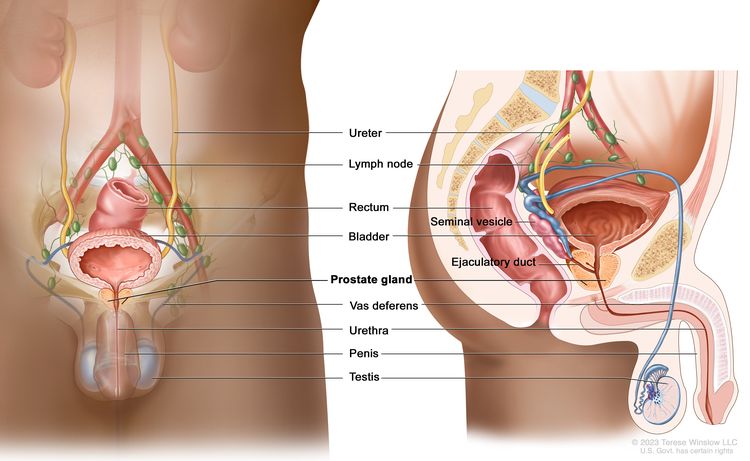
Prostate Cancer Screening (PDQ®)–Health Professional Version

Prostate Cancer Screening (PDQ®)–Health Professional Version

Overview

Note: The Overview section summarizes the published evidence on this topic. The rest of the summary describes the evidence in more detail.

Other PDQ summaries on Prostate Cancer Prevention; Prostate Cancer Treatment; and Levels of Evidence for Cancer Screening and Prevention Studies are also available.

Inadequate Evidence of Benefit Associated With Screening for Prostate Cancer Using Prostate-Specific Antigen (PSA) or Digital Rectal Exam (DRE)

The evidence is insufficient to determine whether screening for prostate cancer with prostate-specific antigen (PSA) or digital rectal exam (DRE) reduces mortality from prostate cancer. Screening tests can detect prostate cancer at an early stage, but it is not clear whether earlier detection and consequent earlier treatment leads to any change in the natural history and outcome of the disease. Observational evidence shows a trend toward lower mortality for prostate cancer in some countries, but the relationship between these trends and intensity of screening is not clear, and associations with screening patterns are inconsistent. The observed trends may be due to screening or to other factors such as improved treatment.[1] Results from randomized trials are inconsistent.

Magnitude of Effect: Uncertain.

  • Study Design: Evidence obtained from randomized trials and from observational and descriptive studies (e.g., international patterns studies, time series).
  • Internal Validity: Fair.
  • Consistency: Poor.
  • External Validity: Poor.

Harms

Based on solid evidence, screening with PSA and/or DRE results in overdiagnosis of prostate cancers and detection of some prostate cancers that would never have caused significant clinical problems. Thus, screening leads to some degree of overtreatment. Based on solid evidence, current prostate cancer treatments, including radical prostatectomy and radiation therapy, result in permanent side effects in many men. The most common of these side effects are erectile dysfunction and urinary incontinence.[14] Screening also leads to false-positive findings, with sequelae involving unnecessary diagnostic procedures. In addition, the screening process itself can lead to adverse psychological effects in men who have a prostate biopsy but do not have identified prostate cancer.[5] Prostatic biopsies are associated with complications, including fever, pain, hematospermia/hematuria, positive urine cultures, and, rarely, sepsis.[6]

Magnitude of Effect: 20% to 70% of men who had no problems before radical prostatectomy or external-beam radiation therapy will have reduced sexual function and/or urinary problems.[1]

  • Study Design: Evidence obtained from cohort studies, case-control studies, and randomized controlled trials.
  • Internal Validity: Good.
  • Consistency: Good.
  • External Validity: Good.
References
  1. Moyer VA; U.S. Preventive Services Task Force: Screening for prostate cancer: U.S. Preventive Services Task Force recommendation statement. Ann Intern Med 157 (2): 120-34, 2012. [PUBMED Abstract]
  2. Chou R, Croswell JM, Dana T, et al.: Screening for prostate cancer: a review of the evidence for the U.S. Preventive Services Task Force. Ann Intern Med 155 (11): 762-71, 2011. [PUBMED Abstract]
  3. Resnick MJ, Koyama T, Fan KH, et al.: Long-term functional outcomes after treatment for localized prostate cancer. N Engl J Med 368 (5): 436-45, 2013. [PUBMED Abstract]
  4. Johansson E, Steineck G, Holmberg L, et al.: Long-term quality-of-life outcomes after radical prostatectomy or watchful waiting: the Scandinavian Prostate Cancer Group-4 randomised trial. Lancet Oncol 12 (9): 891-9, 2011. [PUBMED Abstract]
  5. Fowler FJ, Barry MJ, Walker-Corkery B, et al.: The impact of a suspicious prostate biopsy on patients’ psychological, socio-behavioral, and medical care outcomes. J Gen Intern Med 21 (7): 715-21, 2006. [PUBMED Abstract]
  6. Loeb S, Vellekoop A, Ahmed HU, et al.: Systematic review of complications of prostate biopsy. Eur Urol 64 (6): 876-92, 2013. [PUBMED Abstract]

Incidence and Mortality of Prostate Cancer

Prostate cancer is the most common cancer diagnosed in North American men, excluding skin cancers. It is estimated that in 2025, approximately 313,780 new cases and 35,770 prostate cancer–related deaths will occur in the United States. Prostate cancer is now the second-leading cause of cancer death in men, after lung cancer. In males, it accounts for 30% of all cancers and 11% of cancer-related deaths.[1] For 2022, age-adjusted prostate cancer mortality rates per 100,000 were 18.7 overall, 17.9 for White men, and 36.4 for Black men.[2] Age-adjusted incidence rates increased steadily from 1975 through 1992, with particularly dramatic increases associated with the inception of widespread use of prostate-specific antigen (PSA) screening in the late 1980s and early 1990s, followed by a fall in incidence. A decline in early-stage prostate cancer incidence rates from 2011 to 2012 (19%) in men aged 50 years and older persisted through 2013 (6%) in Surveillance, Epidemiology, and End Results (SEER) Program registries following the 2012 U.S. Preventive Services Task Force recommendations against routine PSA testing of all men. Whether this pattern will lead to an increase in diagnosis of distant-stage disease and prostate cancer mortality is not yet known and will require long-term follow-up.[3] Between 1993 and 2022, mortality rates declined by about 50%. However, between 1993 and 2012, mortality rates decreased from 3.6% per year to 0.5% per year, respectively. This trend may reflect an increase in advanced-stage diagnoses.[1] It has been suggested that declines in mortality rates in certain jurisdictions reflect the benefit of PSA screening,[4] but others have noted that these observations may be explained by independent phenomena such as improved treatments.[5] The estimated lifetime risk of a prostate cancer diagnosis is between 12% and 13%,[1] and the lifetime risk of dying from this disease is 2.0%.[2]

Cancer statistics from the National Cancer Institute indicated that between 2014 and 2020, the proportion of disease diagnosed at a locoregional stage was 82%, and the proportion of disease diagnosed as distant disease was 8%.[6] Stage distribution of prostate cancer is affected substantially by the intensity of early detection efforts.

References
  1. American Cancer Society: Cancer Facts and Figures 2025. American Cancer Society, 2025. Available online. Last accessed January 16, 2025.
  2. Surveillance Research Program, National Cancer Institute: SEER*Explorer: An interactive website for SEER cancer statistics. Bethesda, MD: National Cancer Institute. Available online. Last accessed December 30, 2024.
  3. Jemal A, Ma J, Siegel R, et al.: Prostate Cancer Incidence Rates 2 Years After the US Preventive Services Task Force Recommendations Against Screening. JAMA Oncol 2 (12): 1657-1660, 2016. [PUBMED Abstract]
  4. Bartsch G, Horninger W, Klocker H, et al.: Prostate cancer mortality after introduction of prostate-specific antigen mass screening in the Federal State of Tyrol, Austria. Urology 58 (3): 417-24, 2001. [PUBMED Abstract]
  5. Etzioni R, Gulati R, Cooperberg MR, et al.: Limitations of basing screening policies on screening trials: The US Preventive Services Task Force and Prostate Cancer Screening. Med Care 51 (4): 295-300, 2013. [PUBMED Abstract]
  6. National Cancer Institute: SEER Stat Fact Sheets: Prostate. Bethesda, Md: National Cancer Institute. Available online. Last accessed April 8, 2025.

Biology and Natural History of Prostate Cancer

The biology and natural history of prostate cancer is not completely understood. Rigorous evaluation of any prostate cancer screening modality is desirable because the natural history of the disease is variable, and appropriate treatment is not clearly defined. Although the prevalence of prostate cancer and preneoplastic lesions found at autopsy steadily increases for each decade of age, most of these lesions remain clinically undetected.[1] An autopsy study of White and Asian men also found an increase in occult prostate cancer with age, reaching nearly 60% in men older than 80 years. More than 50% of cancers in Asian men and 25% of cancers in White men had a Gleason score of 7 or greater, suggesting that Gleason score may be an imprecise indicator of clinically insignificant prostate cancer.[2,3]

There is an association between primary tumor volume and local extent of disease, progression, and survival.[4] A review of a large number of prostate cancers in radical prostatectomy, cystectomy, and autopsy specimens showed that capsular penetration, seminal vesicle invasion, and lymph node metastases were usually found only with tumors larger than 1.4 mL.[5] Furthermore, the semiquantitative histopathological grading scheme proposed by Gleason is reasonably reproducible among pathologists and correlates with the incidence of nodal metastases and with patient survival in a number of reported studies.[6]

Pathological stage does not always reflect clinical stage and upstaging (owing to extracapsular extension, positive margins, seminal vesicle invasion, or lymph node involvement) occurs frequently. Of the prostate cancers detected by digital rectal exam (DRE) in the pre–prostate-specific antigen screening era, 67% to 88% were at a clinically localized stage (T1–2, NX, M0 [T = tumor size, N = lymph node involvement, and M = metastasis]).[7,8] However, in one series of 2,002 patients undergoing annual screening DRE, only one-third of men proved to have pathologically organ-confined disease.[8]

References
  1. Sakr WA, Haas GP, Cassin BF, et al.: The frequency of carcinoma and intraepithelial neoplasia of the prostate in young male patients. J Urol 150 (2 Pt 1): 379-85, 1993. [PUBMED Abstract]
  2. Zlotta AR, Egawa S, Pushkar D, et al.: Prevalence of prostate cancer on autopsy: cross-sectional study on unscreened Caucasian and Asian men. J Natl Cancer Inst 105 (14): 1050-8, 2013. [PUBMED Abstract]
  3. Bell KJ, Del Mar C, Wright G, et al.: Prevalence of incidental prostate cancer: A systematic review of autopsy studies. Int J Cancer 137 (7): 1749-57, 2015. [PUBMED Abstract]
  4. Freedland SJ, Humphreys EB, Mangold LA, et al.: Risk of prostate cancer-specific mortality following biochemical recurrence after radical prostatectomy. JAMA 294 (4): 433-9, 2005. [PUBMED Abstract]
  5. McNeal JE, Bostwick DG, Kindrachuk RA, et al.: Patterns of progression in prostate cancer. Lancet 1 (8472): 60-3, 1986. [PUBMED Abstract]
  6. Resnick MI: Background for screening–epidemiology and cost effectiveness. Prog Clin Biol Res 269: 111-22, 1988. [PUBMED Abstract]
  7. Chodak GW, Keller P, Schoenberg HW: Assessment of screening for prostate cancer using the digital rectal examination. J Urol 141 (5): 1136-8, 1989. [PUBMED Abstract]
  8. Thompson IM, Ernst JJ, Gangai MP, et al.: Adenocarcinoma of the prostate: results of routine urological screening. J Urol 132 (4): 690-2, 1984. [PUBMED Abstract]

Risk Factors for Prostate Cancer

Prostate cancer is not commonly seen in men younger than 50 years; the incidence rises rapidly each decade thereafter. The incidence rate is higher in Black men than in White men. From 2017 to 2021, the overall age-adjusted incidence rate was 188.7 per 100,000 for Black men and 114.9 per 100,000 for White men.[1] Black men have a higher mortality from prostate cancer, even after attempts to adjust for access-to-care factors.[2] Men with a family history of prostate cancer are at an increased risk of the disease compared with men without this history.[3,4]

Other potential risk factors besides age, race, and family history of prostate cancer include alcohol consumption, vitamin or mineral interactions, and other dietary habits.[59] A significant body of evidence suggests that a diet high in fat, especially saturated fats and fats of animal origin, is associated with a higher risk of prostate cancer.[10,11] Other possible dietary influences include selenium, vitamin E, vitamin D, lycopene, and isoflavones. For more information, see Prostate Cancer Prevention.

Evidence from a nested case-control study within the Physicians’ Health Study,[12] in addition to a case-control study [13] and a retrospective review of screened prostate cancer patients,[14] suggests that higher plasma insulin-like growth factor-I levels may be associated with a higher prostate cancer risk.[15] However, not all studies have confirmed this association.[16]

References
  1. Surveillance Research Program, National Cancer Institute: SEER*Explorer: An interactive website for SEER cancer statistics. Bethesda, MD: National Cancer Institute. Available online. Last accessed December 30, 2024.
  2. Robbins AS, Whittemore AS, Van Den Eeden SK: Race, prostate cancer survival, and membership in a large health maintenance organization. J Natl Cancer Inst 90 (13): 986-90, 1998. [PUBMED Abstract]
  3. Steinberg GD, Carter BS, Beaty TH, et al.: Family history and the risk of prostate cancer. Prostate 17 (4): 337-47, 1990. [PUBMED Abstract]
  4. Matikainen MP, Schleutker J, Mörsky P, et al.: Detection of subclinical cancers by prostate-specific antigen screening in asymptomatic men from high-risk prostate cancer families. Clin Cancer Res 5 (6): 1275-9, 1999. [PUBMED Abstract]
  5. Hayes RB, Brown LM, Schoenberg JB, et al.: Alcohol use and prostate cancer risk in US blacks and whites. Am J Epidemiol 143 (7): 692-7, 1996. [PUBMED Abstract]
  6. Platz EA, Leitzmann MF, Rimm EB, et al.: Alcohol intake, drinking patterns, and risk of prostate cancer in a large prospective cohort study. Am J Epidemiol 159 (5): 444-53, 2004. [PUBMED Abstract]
  7. Eichholzer M, Stähelin HB, Gey KF, et al.: Prediction of male cancer mortality by plasma levels of interacting vitamins: 17-year follow-up of the prospective Basel study. Int J Cancer 66 (2): 145-50, 1996. [PUBMED Abstract]
  8. Gann PH, Hennekens CH, Sacks FM, et al.: Prospective study of plasma fatty acids and risk of prostate cancer. J Natl Cancer Inst 86 (4): 281-6, 1994. [PUBMED Abstract]
  9. Morton MS, Griffiths K, Blacklock N: The preventive role of diet in prostatic disease. Br J Urol 77 (4): 481-93, 1996. [PUBMED Abstract]
  10. Fleshner NE, Klotz LH: Diet, androgens, oxidative stress and prostate cancer susceptibility. Cancer Metastasis Rev 17 (4): 325-30, 1998-99. [PUBMED Abstract]
  11. Clinton SK, Giovannucci E: Diet, nutrition, and prostate cancer. Annu Rev Nutr 18: 413-40, 1998. [PUBMED Abstract]
  12. Chan JM, Stampfer MJ, Giovannucci E, et al.: Plasma insulin-like growth factor-I and prostate cancer risk: a prospective study. Science 279 (5350): 563-6, 1998. [PUBMED Abstract]
  13. Oliver SE, Barrass B, Gunnell DJ, et al.: Serum insulin-like growth factor-I is positively associated with serum prostate-specific antigen in middle-aged men without evidence of prostate cancer. Cancer Epidemiol Biomarkers Prev 13 (1): 163-5, 2004. [PUBMED Abstract]
  14. Turkes A, Peeling WB, Griffiths K: Serum IGF-1 determination in relation to prostate cancer screening: possible differential diagnosis in relation to PSA assays. Prostate Cancer Prostatic Dis 3 (3): 173-175, 2000. [PUBMED Abstract]
  15. Stattin P, Rinaldi S, Biessy C, et al.: High levels of circulating insulin-like growth factor-I increase prostate cancer risk: a prospective study in a population-based nonscreened cohort. J Clin Oncol 22 (15): 3104-12, 2004. [PUBMED Abstract]
  16. Chen C, Lewis SK, Voigt L, et al.: Prostate carcinoma incidence in relation to prediagnostic circulating levels of insulin-like growth factor I, insulin-like growth factor binding protein 3, and insulin. Cancer 103 (1): 76-84, 2005. [PUBMED Abstract]

Screening by Serum PSA

The prostate-specific antigen (PSA) test has been examined in several observational settings for initial diagnosis of disease, as a tool in monitoring for recurrence after initial therapy, and for prognosis of outcomes after therapy. Numerous studies have also assessed its value as a screening intervention for the early detection of prostate cancer. The potential value of the test appears to be its simplicity, objectivity, reproducibility, relative lack of invasiveness, and relatively low cost. PSA testing has increased the detection rate of early-stage cancers, some of which may be curable by local-modality therapies, and others that do not require treatment.[14] The possibility of identifying an excessive number of false-positive results in the form of benign prostatic lesions requires that the test be evaluated carefully. Furthermore, there is a risk of overdiagnosis and overtreatment (i.e., the detection of a histological malignancy that, if left untreated, would have had a benign or indolent natural history and would have been of no clinical significance). Randomized trials have therefore been conducted.

Randomized Trials of PSA Screening

The Prostate, Lung, Colorectal, and Ovarian (PLCO) Cancer Screening Trial

The PLCO Cancer Screening Trial is a multicenter, randomized, two-armed trial designed to evaluate the effect of screening for prostate, lung, colorectal, and ovarian cancers on disease-specific mortality. From 1993 through 2001, 76,693 men at ten U.S. study centers were randomly assigned to receive annual screening (38,343 subjects) or usual care (38,350 control subjects). Men in the screening group were offered annual PSA testing for 6 years and digital rectal exam (DRE) for 4 years. The subjects and health care providers received the results and decided on the type of follow-up evaluation. Usual care sometimes included screening, as some organizations have recommended. [5]

In the screening group, rates of compliance were 85% for PSA testing and 86% for DRE. Self-reported rates of screening in the control group increased from 40% in the first year to 52% in the sixth year for PSA testing and ranged from 41% to 46% for DRE.[6]

After 7 years of follow-up, with vital status known for 98% of men, the incidence of prostate cancer per 10,000 person-years was 116 (2,820 cancers) in the screening group and 95 (2,322 cancers) in the control group (rate ratio, 1.22; 95% confidence interval [CI], 1.16–1.29). The incidence of death per 10,000 person-years was 2.0 (50 deaths) in the screening group and 1.7 (44 deaths) in the control group (ratio rate, 1.13; 95% CI, 0.75–1.70). The data at 10 years were 67% complete and consistent with these overall findings (incidence ratio rate, 1.17; 95% CI, 1.11–1.22 and mortality ratio rate, 1.11; 95% CI, 0.83–1.50). Thus, after 7 to 10 years of follow-up, the rate of death from prostate cancer was very low and did not differ significantly between the two study groups.[6]

Prostate cancer mortality data after 13 years of follow-up continued to show no reduction in mortality resulting from prostate cancer screening with PSA and DRE.[5] Organized screening in the intervention group of the trial did not produce a mortality reduction compared with opportunistic screening in the usual care group. There were 4,250 men diagnosed with prostate cancer in the intervention group and 3,815 men in the usual care group. Cumulative incidence rates were 108.4 per 10,000 person-years in the intervention group and 97.1 per 10,000 person-years in the usual care group (relative risk [RR], 1.12; 95% CI, 1.07–1.17). The cumulative prostate cancer mortality rates were 3.7 (158 deaths) per 10,000 person-years in the intervention group and 3.4 (145 deaths) per 10,000 person-years in the usual care group (RR, 1.09; 95% CI, 0.87–1.36).

There were no apparent associations with age, baseline comorbidity, or PSA testing before the trial, as hypothesized in an intervening analysis by a subgroup analysis. These results are consistent with the previous report at 7 to 10 years of follow-up described above.[6] All prostate cancer incidents and deaths through 13 years of follow-up or through December 31, 2009, were ascertained.[5]

The 13-year follow-up analysis reported 45% of men in the PLCO trial had at least one PSA test in the 3 years before randomization. Annual PSA screening in the usual care arm was estimated to be as high as 52% by the end of the screening period. The intensity of PSA screening in the usual care group was estimated to be one-half of that in the intervention group. Stage-specific treatment between the two arms was similar.[5]

An extended follow-up analysis for mortality, with median follow-up of almost 17 years (intervention group, 16.9 years; usual-care group, 16.7 years), showed prostate cancer mortality rates of 5.5 (333 deaths) per 10,000 person-years in the intervention group and 5.9 (352 deaths) per 10,000 person-years in the usual-care group, producing a rate ratio of 0.93 (95% CI, 0.81–1.08).[7] An analysis of nonprotocol screening during the postscreening phase of the trial showed that 78.7% of men in the usual-care group and 80.3% of men in the intervention group had received a PSA test within the past 3 years, and that 85.9% of men in the usual-care group and 98.9% of men in the intervention group had ever had a PSA test.[8]

Possible explanations for the lack of a significant reduction in mortality in this trial include the following:[6,9]

  • Annual screening with the PSA test using the standard U.S. threshold of 4 ng/L and DRE to trigger diagnostic evaluation may not be effective.
  • The substantial level of screening in the control group could have diluted any modest effect of annual screening in the intervention group.
  • Approximately 44% of the men in each study group had undergone one or more PSA tests at baseline, which would have eliminated some cancers detectable on screening from the randomly assigned population. Thus, the cumulative death rate from prostate cancer at 10 years in the two groups combined was 25% lower in those who had undergone two or more PSA tests at baseline than in those who had not been tested.
  • Improvement in therapy for prostate cancer during the trial may have resulted in fewer prostate-cancer deaths in the two study groups, which blunted any potential benefits of screening.
  • After a PSA finding greater than 4 ng/mL, within 1 year only 41% of men underwent prostate biopsy; within 3 years of this finding, only 64% of men underwent prostate biopsy. Such lower biopsy rates, associated with lower prostate cancer detection rates, may have blunted the impact of screening on mortality.

The European Randomized Study of Screening for Prostate Cancer (ERSPC)

The ERSPC was initiated in the early 1990s to evaluate the effect of screening with PSA testing on death rates from prostate cancer. Through registries in seven European countries, investigators identified 182,000 men between the ages of 50 and 74 years for inclusion in the study. Although the protocols differed considerably among countries, generally the men were randomly assigned to either a group that offered PSA screening at an average of once every 4 years or to a control group that did not receive screening. The predefined core age group for this study included 162,243 men between the ages of 55 years and 69 years. The primary outcome was the rate of death from prostate cancer. Mortality follow-up was identical for the two study groups and has been reported through 2010.[10]

The protocol, including recruitment, randomization procedures, and treatment definition and schedule, differed among countries and was developed in accordance with national regulations and standards. In Finland, Sweden, and Italy, the men in the trial were identified from population registries and were randomly assigned to the centers before written informed consent was provided. In the Netherlands, Belgium, Switzerland, and Spain, the target population was also identified from population lists, but when the men were invited to participate in the trial, only those who provided consent were randomly assigned. Randomization was 1:1 in all countries except Finland, in which it was 1:1.5. The definition of a positive test and the testing schedule also varied by country.

In the screening group, 82% of men accepted at least one offer of screening. At a median follow-up of 9 years, there were 5,990 prostate cancers diagnosed in the screening group (a cumulative incidence of 8.2%) and 4,307 prostate cancers in the control group (a cumulative incidence of 4.8%). There were 214 prostate-cancer deaths in the screening group and 326 prostate-cancer deaths in the control group in the core age group (RR, 0.80; 95% CI, 0.67–0.95). The rates of death in the two study groups began to diverge after 7 to 8 years and continued to diverge further over time.[11] With follow-up through 13 years, there were 7,408 prostate cancers in the intervention group during 775,527 person-years of follow-up and 6,107 cancers in the control group with 980,474 person-years of follow-up (RR, 1.57; 95% CI, 1.51–1.62). There were also 355 prostate cancer deaths over 825,018 person-years of follow-up in the intervention group and 545 deaths over 1,011,192 person-years of follow-up in the control group (RR, 0.79; 95% CI, 0.69–0.91). Consequently, 781 men needed to be invited for screening to avert one prostate cancer death, and 48 men needed to be biopsied.[10] At 16 years of follow-up, the prostate cancer mortality rate ratio was 0.80 (95% CI, 0.72–0.89), and the prostate cancer incidence rate ratio was 1.41 (95% CI, 1.36–1.45). Therefore, 570 men needed to be invited to prevent one prostate cancer death, and 18 men needed to be diagnosed to prevent one prostate cancer death.[12]

Overall, PSA-based screening was reported to reduce the rate of death from prostate cancer by about 20% but was associated with a high risk of overdiagnosis.[10]

Of the seven centers included in the study, two individually reported a significant mortality benefit associated with prostate cancer screening (the Netherlands and Sweden). It is not readily apparent which factors at these two centers (PSA thresholds or intervals between testing used, mean age of patients, sample size) might explain the observed difference. It is important to note that the trial was not designed for individual countries to have adequate statistical power to find a significant mortality reduction.

Important information that was not reported included the contamination rate in the entire control group. Further, there was some evidence that the treatment administered to the prostate cancer patients differed by stage and by randomly assigned group, with the screening group receiving radical prostatectomy (40.3%) more often than the control group (30.3%). Such a difference in treatment could have contributed to any mortality difference between the trial arms. To address this issue, an analysis was conducted for each treatment, separately in each trial arm, in which logistic regression models were fitted for treatment allocation and risk of prostate cancer death, then combined to estimate prostate cancer deaths. The differences in prostate cancer deaths when the screened arm model was applied to the control arm, and vice versa, were very small, leading the authors to conclude that differential treatment explains only a trivial proportion of the main trial findings.[13]

However, concerns with this analysis include the following:

  1. Data from only four of the trial countries were used.
  2. There was a considerable amount of missing data on clinical M and clinical N stage.
  3. The risk of prostate cancer death model from the screened arm was used in both comparisons, so that any enhanced survival bias caused by possibly better treatment quality in the screened arm was not accounted for.
  4. All prostate cancer cases were included in the analysis, with results averaged over all cases.

Most of these cases were early stage, including overdiagnosed cases, for which treatment differences would likely make little difference, and from which only a limited fraction of the prostate cancer deaths arise. Thus, any treatment difference effect on the advanced cases, and deaths, would likely be diluted by using this approach.

Possible harms included overdiagnosis, which was estimated at 30% in the Finnish center on the basis of excess cases in the screening arm if the cumulative risk of prostate cancer had been the same as the control arm.[14] The Spanish center also reported an excess of prostate cancers in the intervention arm (7.8%) versus the control arm (5.2%) after a median 21 years of follow-up.[15]

The Goteborg (Sweden) trial

In December 1994, 20,000 men born between 1930 and 1944 (aged 50–64 years) and living in Goteborg, Sweden, were randomly assigned in a 1:1 allocation to either a control group or a screened group and offered PSA testing every 2 years. The PSA threshold for biopsy was 2.5 ng/mL. Seventy-seven percent of men in the screened group attended at least one screen. At 18 years of follow-up, 1,396 men in the screened group and 962 in the control group had been diagnosed with prostate cancer (hazard ratio, 1.51; 95% CI, 1.39–1.64). There was an absolute reduction in prostate cancer mortality of 0.52% (95% CI, 0.17%–0.87%), with an RR of 0.65 (95% CI, 0.49–0.87).[16]

A concern with this trial is double reporting of information, because most participants were included in the ERSPC trial, but results have been reported separately for each trial. An initial publication indicated that in 1996 this study became associated with the ERSPC trial, and results from men born between 1930 and 1939 were published in a previous ERSPC report.[17] A later publication states that since 1996 the Goteborg trial has constituted the Swedish arm of ERSPC;[16] however, an ERSPC publication included about 12,000 participants from Sweden, or about 60% of the Goteborg trial population.[12]

Unlike the other ERSPC centers, not all the participants from the Goteborg center were included in the ERSPC study. Some have argued that the ERSPC trial should be treated as a meta-analysis.[18]

The Cluster Randomized Trial of PSA Testing for Prostate Cancer (CAP)

The CAP trial of PSA screening was conducted in the United Kingdom.[19] This was a primary care–based cluster randomized trial of an invitation to a single PSA test, followed by standardized prostate biopsy in men with PSA levels of 3 ng/mL or higher. The trial was designed to determine the effect of the intervention on prostate cancer mortality. The primary end point was definite, probable, or intervention-related prostate cancer mortality at a median follow-up of 10 years. Participants were aged 50 to 69 years at entry and were enrolled between 2001 and 2009, with passive follow-up through national database linkage completed on March 31, 2016. Randomization was stratified within geographical groups and block sizes of 10 to 12 neighboring practices using a computerized random number generator. Men with a positive PSA test diagnosed with clinically localized prostate cancer were recruited to the Prostate Testing for Cancer and Treatment (ProtecT) study for treatment. All other cancers received standard National Health Service management. The design called for 209,000 men in each group to provide sufficient events to allow a prostate cancer mortality RR of 0.87 to be detected with 80% power at a significance level of 0.05, assuming an uptake of PSA testing between 35% and 50%.

Nine hundred-eleven primary care practices were randomly assigned within 99 geographical areas in the United Kingdom; 466 practices were assigned to the intervention group, and 445 were assigned to the control group. After various exclusions among both practices and potential participants, the analyses were conducted using data from 189,386 men in 271 practices in the intervention group and 219,439 men in 302 practices in the control group. In the intervention group, 75,707 (40%) men attended a PSA testing clinic, and 67,313 (36%) men had a PSA blood sample taken. Among these men, 11% of men had a PSA level between 3 ng/mL and 19.9 ng/mL (eligible for the ProtecT trial); of whom, 85% of men had a prostate biopsy. Cumulative contamination in the control group was estimated to be 10% to 15% over 10 years.

After a median 10-year follow-up, there was no significant difference between the two groups in prostate cancer mortality. The prostate cancer death rates were 0.30 per 1,000 person-years (549 deaths) in the intervention group and 0.31 per 1,000 person-years (647 deaths) in the control group (rate difference, -0.013 per 1,000 person years [95% CI, -0.047 to 0.022]; RR, 0.96 [95% CI, 0.85–1.08]). Secondary analyses indicated no effect on all-cause mortality (RR, 0.99; 95% CI, 0.94–1.03), but there was a higher prostate cancer incidence rate in the intervention group (4.45 per 1,000 person-years) compared with the control group (3.80 per 1,000 person-years). There was no reduction in advanced prostate cancers (Gleason 8–10 or T4, N1, or M1). The increased detection was confined to lower Gleason grade or lower-stage cancers, emerged at the beginning of screening, and persisted throughout the duration of follow-up, suggesting overdiagnosis.

An update to the initial 10-year outcomes reported on four prespecified, secondary, 15-year outcomes (prostate cancer-specific mortality, all-cause mortality, prostate cancer stage, and prostate cancer grade at diagnosis).[20] The 15-year analysis included 98% of men from the initial 10-year report. At a median follow-up of 15 years, 0.69% (95% CI, 0.65%–0.73%) of men in the intervention group and 0.78% (95% CI, 0.73%–0.82%; P = .03) of men in the control group died of prostate cancer. There was no difference in all-cause mortality between the intervention group (76.8%; 95% CI, 76.6%–77%) and the control group (76.7%; 95% CI, 76.5%–76.9%; P = .11). The single PSA screening intervention increased detection of low-grade disease (Gleason score ≤6: 2.2% vs. 1.6%; P < .001) but not intermediate- or high-grade disease. Furthermore, PSA screening increased detection of localized disease (T1/T2: 3.6% vs. 3.1%; P < .001) but not locally advanced (T3) or distally advanced (T4, N1, M1) disease. While a relative difference in prostate cancer mortality favoring a single PSA screening test was observed, the absolute magnitude of this difference was small (0.09%). This finding did not translate into a difference in all-cause mortality. Furthermore, achieving this small difference in prostate cancer mortality came at the cost of overdiagnosis of low-grade localized disease, leading to additional medical interventions that did not impact all-cause mortality at a population level.

Limitations of the CAP trial include the following:[19]

  1. The intervention was only a single round of PSA testing, a different screening strategy than that typically used in the United States.
  2. There were many postrandomization exclusions that could lead to bias; however, there was little evidence of bias in comparing the characteristics of the groups.
  3. There were fewer prostate cancer deaths at the 10-year median follow-up than stipulated in the design.
  4. Compliance with screening was low.
  5. There is the possibility of a treatment difference by group because of the imbedded ProtecT trial; however, if a treatment difference exists, it is likely small because the results of the ProtecT trial were negative.
The Norrkoping (Sweden) study

The Norrkoping study is a population-based nonrandomized trial of prostate cancer screening. All men aged 50 to 69 years living in Norrkoping, Sweden, in 1987 were allocated to either an invited group (every sixth man allocated to invited group) or a not-invited group. The 1,494 men in the invited group were offered screening every 3 years from 1987 to 1996. The first two rounds were by DRE; the last two rounds were by both DRE and PSA. About 85% of men in the invited group attended at least one screening; contamination by screening in the not-invited group (n = 7,532) was thought to be low. After 20 years of follow-up, the invited group had a 46% relative increase in prostate cancer diagnosis. Over the period of the study, 30 men (2%) in the invited group died of prostate cancer, compared with 130 (1.7%) men in the not-invited group. The RR of prostate cancer mortality was 1.16 (95% CI, 0.78–1.73).[21]

The Quebec (Canada) trial

In the randomized prospective Quebec study, 46,486 men identified from the electoral rolls of Quebec City, Canada, and its metropolitan area were randomly assigned to be either approached or not approached for PSA and DRE screening. A total of 31,133 men were randomly assigned to screening, while a total of 15,353 men were randomly assigned to observation. Using an intention-to-treat analysis based on the study arm to which an individual was originally assigned, no difference in mortality was seen. There were 75 (0.49%) deaths among the 15,353 men who were randomly assigned to the observation group, compared with 153 (0.49%) deaths among the 31,133 men randomly assigned to the screening group (RR, 1.085).[22]

The Stockholm (Sweden) trial

In 1988, from a population of 27,464 men in the southern part of Stockholm, 2,400 men aged 55 to 70 years were randomly selected to undergo screening with DRE, transrectal ultrasound, and PSA (cutoff >10 ng/mL). Seventy-four percent of the men accepted the screening invitation. After 20 years of follow-up, there was no indication of a reduction in prostate cancer mortality (RR,1.05; 95% CI, 0.83–1.27) or in overall mortality (RR, 1.01; 95% CI, 0.95–1.06), but screening was limited to a single episode. There was an indication of excess prostate cancer incidence in the invited population (RR, 1.12; 95% CI, 0.99–1.25), suggesting overdiagnosis.[23]

The authors of a large, randomized, Swedish-based noninferiority trial that was designed to study the performance of magnetic resonance imaging (MRI) in prostate cancer screenings of general populations reported that MRI-targeted biopsy was noninferior to standard biopsy in detecting clinically significant cancers in men with elevated PSA levels. The authors also reported that MRI-targeted biopsy decreased unnecessary biopsies and diagnosis of clinically insignificant cancers. In this prospective, population-based, noninferiority trial, 1,532 men with a PSA level more than 3 ng/mL were randomly assigned in a 2:3 ratio; 603 underwent standard biopsy, and 929 underwent targeted and standard biopsy if MRI findings were concerning for prostate cancer. The primary outcome was the probability of detecting clinically significant cancer (Gleason score of >3+4). The key secondary outcome was the detection of clinically insignificant cancers (Gleason score of <6) and the number of biopsies.[24]

Key findings of the intention-to-treat analysis included the following:

  • Clinically significant cancer was diagnosed in 192 (21%) of 929 men in the MRI-targeted biopsy group versus 106 (18%) of 603 men in the standard-biopsy group (difference, 3%; 95% CI, −1% to 7%; P < .001 for noninferiority).
  • Clinically insignificant prostate cancer was diagnosed in 41 men in the MRI-targeted group versus 73 (12%) men in the standard-biopsy group (difference, −8%; 95% CI, −11% to 5%).
  • Biopsies were benign in 105 (11%) men in the MRI-targeted group versus 259 (43%) men in the standard-biopsy group (difference, −32%; 95% CI, −36% to −27%).
  • Antibiotic-treated postbiopsy infections occurred in 2% of the MRI-targeted group versus 4% of the standard-biopsy group (difference, −2%, 95% CI, −4% to 0.1%).
  • When normalized to 10,000 men, MRI-targeted biopsies resulted in 409 fewer men undergoing biopsy (48% lower incidence), 366 fewer men with benign biopsies (78% lower incidence), and 88 fewer men with clinically insignificant cancers (62% lower incidence).
  • The authors calculated that a detection of 1.7 clinically significant cancers would be delayed for each clinically insignificant cancer avoided and recommended use of standard biopsy, in addition to targeted biopsy, for men with positive MRI results.

In summary, initial results of this large randomized trial suggest that men older than 50 years with elevated PSA levels and negative MRI-targeted biopsy may be able to reduce overdiagnosis and overtreatment of low-risk cancer while maintaining the ability to detect clinically significant cancer. Study limitations included low uptake (26% of invited men participated in the trial). Additionally, some participants did not undergo the assigned intervention, and the true disease status of participants was unknown. Another challenge was implementing high-quality MRI screening because of variability of skill and experience among participating radiologists.

Post hoc analysis of randomized screening trials

The problems associated with drawing valid inferences from observational studies also apply to post hoc analyses of randomized trials. For example, analyzing randomized trial results in various ways is subject to the problem association caused by multiplicities. Statistical conclusions maintain their standard interpretations only when analyzing the trial’s primary end point according to the trial’s protocol or statistical analysis plan. In some settings, statistical adjustments are possible to account for multiplicities. But quite beyond problems of multiplicities, some analyses are so prone to bias that they are of limited value.

Randomization eliminates or at least minimizes many systematic biases. However, randomization shields an analysis from bias only if it considers a group randomly assigned to one intervention compared with a second group randomly assigned to another intervention. If an analysis mixes the two groups, then the virtue of randomization is lost.

Patients can deviate from the intervention to which they were assigned. This is sometimes called contamination. But to preserve the protection of randomization, they are counted within the group to which they were assigned: termed an intention-to-treat or intention-to-screen analysis. An alternative that is sometimes used is an as-treated or as-screened analysis, which is prone to important biases. In such analyses, participants who are screened are compared with those who were not screened, regardless of their assigned group. This is attractive to some investigators because it seems to address the right question. In addition, it seems to correct for contamination in both directions, and thereby, increases statistical power; but such an approach is flawed.

There are powerful biases associated with as-screened analyses; some are easily recognized, and some are not. A participant who chooses to be screened despite randomization to the control group differs from one who accepts an assignment to be screened. For example, such a person may be generally in better health or may have been screened previously, and so is less likely to be diagnosed with cancer. There are similar differences for participants who eschew invitations to be screened versus those who accept assignment to the control group.

In addition to preserving randomization, an intention-to-screen analysis is most relevant for informing a decision about instituting a screening program or recommendation in some populations. The following section considers two analyses that are subject to the as-screened flaw.

The Quebec study

As indicated above, the intention-to-screen analysis of this trial showed no detectable difference in prostate cancer mortality between the two groups. However, the investigators focused on as-screened analyses. They observed that there were 4 prostate cancer deaths (0.056%) among the 7,155 men who were screened and 44 prostate cancer deaths (0.31%) among the 14,255 men who were not screened, an RR of 5.5. Based on exposure times, the investigators attributed the 67.1% reduction in prostate cancer death rate to screening.[22] This conclusion is flawed, as pointed out by other investigators.[25] (see above)

Modeling the ERSPC combined with the PLCO Cancer Screening Trial

The PLCO cancer screening trial evinced greater contamination than did the ERSPC trials, especially in the control group. Three modeling groups attempted to account for the effect of differential contamination using a novel derived measure called mean lead time (MLT), which reflected the average intensity of screening in each arm in the two trials. The investigators found substantial reductions in prostate cancer mortality caused by screening. Moreover, they found very similar reductions per MLT in PLCO and ERSPC.[26] Both methods and conclusions are prone to biased conclusions and have been criticized by several groups of scientists.[27,28] This analysis also ignored the other potential shortcomings identified above (see above).

References
  1. Catalona WJ, Smith DS, Ratliff TL, et al.: Detection of organ-confined prostate cancer is increased through prostate-specific antigen-based screening. JAMA 270 (8): 948-54, 1993. [PUBMED Abstract]
  2. Babaian RJ, Mettlin C, Kane R, et al.: The relationship of prostate-specific antigen to digital rectal examination and transrectal ultrasonography. Findings of the American Cancer Society National Prostate Cancer Detection Project. Cancer 69 (5): 1195-200, 1992. [PUBMED Abstract]
  3. Brawer MK, Chetner MP, Beatie J, et al.: Screening for prostatic carcinoma with prostate specific antigen. J Urol 147 (3 Pt 2): 841-5, 1992. [PUBMED Abstract]
  4. Mettlin C, Murphy GP, Lee F, et al.: Characteristics of prostate cancers detected in a multimodality early detection program. The Investigators of the American Cancer Society-National Prostate Cancer Detection Project. Cancer 72 (5): 1701-8, 1993. [PUBMED Abstract]
  5. Andriole GL, Crawford ED, Grubb RL, et al.: Prostate cancer screening in the randomized Prostate, Lung, Colorectal, and Ovarian Cancer Screening Trial: mortality results after 13 years of follow-up. J Natl Cancer Inst 104 (2): 125-32, 2012. [PUBMED Abstract]
  6. Andriole GL, Grubb RL, Buys SS, et al.: Mortality results from a randomized prostate-cancer screening trial. N Engl J Med 360 (13): 1310-9, 2009. [PUBMED Abstract]
  7. Pinsky PF, Miller E, Prorok P, et al.: Extended follow-up for prostate cancer incidence and mortality among participants in the Prostate, Lung, Colorectal and Ovarian randomized cancer screening trial. BJU Int 123 (5): 854-860, 2019. [PUBMED Abstract]
  8. Pinsky PF, Prorok PC, Yu K, et al.: Extended mortality results for prostate cancer screening in the PLCO trial with median follow-up of 15 years. Cancer 123 (4): 592-599, 2017. [PUBMED Abstract]
  9. Pinsky PF, Andriole GL, Kramer BS, et al.: Prostate biopsy following a positive screen in the prostate, lung, colorectal and ovarian cancer screening trial. J Urol 173 (3): 746-50; discussion 750-1, 2005. [PUBMED Abstract]
  10. Schröder FH, Hugosson J, Roobol MJ, et al.: Screening and prostate cancer mortality: results of the European Randomised Study of Screening for Prostate Cancer (ERSPC) at 13 years of follow-up. Lancet 384 (9959): 2027-35, 2014. [PUBMED Abstract]
  11. Schröder FH, Hugosson J, Roobol MJ, et al.: Screening and prostate-cancer mortality in a randomized European study. N Engl J Med 360 (13): 1320-8, 2009. [PUBMED Abstract]
  12. Hugosson J, Roobol MJ, Månsson M, et al.: A 16-yr Follow-up of the European Randomized study of Screening for Prostate Cancer. Eur Urol 76 (1): 43-51, 2019. [PUBMED Abstract]
  13. Carlsson SV, Månsson M, Moss S, et al.: Could Differences in Treatment Between Trial Arms Explain the Reduction in Prostate Cancer Mortality in the European Randomized Study of Screening for Prostate Cancer? Eur Urol 75 (6): 1015-1022, 2019. [PUBMED Abstract]
  14. Kilpeläinen TP, Tammela TL, Malila N, et al.: Prostate cancer mortality in the Finnish randomized screening trial. J Natl Cancer Inst 105 (10): 719-25, 2013. [PUBMED Abstract]
  15. Luján Galán M, Páez Borda Á, Llanes González L, et al.: Results of the spanish section of the European Randomized Study of Screening for Prostate Cancer (ERSPC). Update after 21 years of follow-up. Actas Urol Esp (Engl Ed) 44 (6): 430-436, 2020 Jul – Aug. [PUBMED Abstract]
  16. Hugosson J, Godtman RA, Carlsson SV, et al.: Eighteen-year follow-up of the Göteborg Randomized Population-based Prostate Cancer Screening Trial: effect of sociodemographic variables on participation, prostate cancer incidence and mortality. Scand J Urol 52 (1): 27-37, 2018. [PUBMED Abstract]
  17. Hugosson J, Carlsson S, Aus G, et al.: Mortality results from the Göteborg randomised population-based prostate-cancer screening trial. Lancet Oncol 11 (8): 725-32, 2010. [PUBMED Abstract]
  18. Auvinen A, Moss SM, Tammela TL, et al.: Absolute Effect of Prostate Cancer Screening: Balance of Benefits and Harms by Center within the European Randomized Study of Prostate Cancer Screening. Clin Cancer Res 22 (1): 243-9, 2016. [PUBMED Abstract]
  19. Martin RM, Donovan JL, Turner EL, et al.: Effect of a Low-Intensity PSA-Based Screening Intervention on Prostate Cancer Mortality: The CAP Randomized Clinical Trial. JAMA 319 (9): 883-895, 2018. [PUBMED Abstract]
  20. Martin RM, Turner EL, Young GJ, et al.: Prostate-Specific Antigen Screening and 15-Year Prostate Cancer Mortality: A Secondary Analysis of the CAP Randomized Clinical Trial. JAMA 331 (17): 1460-1470, 2024. [PUBMED Abstract]
  21. Sandblom G, Varenhorst E, Rosell J, et al.: Randomised prostate cancer screening trial: 20 year follow-up. BMJ 342: d1539, 2011. [PUBMED Abstract]
  22. Labrie F, Candas B, Cusan L, et al.: Screening decreases prostate cancer mortality: 11-year follow-up of the 1988 Quebec prospective randomized controlled trial. Prostate 59 (3): 311-8, 2004. [PUBMED Abstract]
  23. Lundgren PO, Kjellman A, Norming U, et al.: Long-Term Outcome of a Single Intervention Population Based Prostate Cancer Screening Study. J Urol 200 (1): 82-88, 2018. [PUBMED Abstract]
  24. Nordström T, Discacciati A, Bergman M, et al.: Prostate cancer screening using a combination of risk-prediction, MRI, and targeted prostate biopsies (STHLM3-MRI): a prospective, population-based, randomised, open-label, non-inferiority trial. Lancet Oncol 22 (9): 1240-1249, 2021. [PUBMED Abstract]
  25. Pinsky PF: Results of a randomized controlled trail of prostate cancer screening. Prostate 61 (4): 371, 2004. [PUBMED Abstract]
  26. Tsodikov A, Gulati R, Heijnsdijk EAM, et al.: Reconciling the Effects of Screening on Prostate Cancer Mortality in the ERSPC and PLCO Trials. Ann Intern Med 167 (7): 449-455, 2017. [PUBMED Abstract]
  27. Prorok PC, Andriole GL, Bresalier RS, et al.: Design of the Prostate, Lung, Colorectal and Ovarian (PLCO) Cancer Screening Trial. Control Clin Trials 21 (6 Suppl): 273S-309S, 2000. [PUBMED Abstract]
  28. Boniol M, Autier P, Perrin P, et al.: Variation of Prostate-specific Antigen Value in Men and Risk of High-grade Prostate Cancer: Analysis of the Prostate, Lung, Colorectal, and Ovarian Cancer Screening Trial Study. Urology 85 (5): 1117-22, 2015. [PUBMED Abstract]

Prostate Cancer Diagnosis

Needle biopsy is the most common method used to diagnose prostate cancer. Most urologists perform a transrectal biopsy using a bioptic gun with ultrasound guidance. Less frequently, a transperineal ultrasound-guided approach can be used for patients who may be at increased risk of complications from a transrectal approach.[1] Over the years, there has been a trend toward taking eight to ten or more biopsy samples from several areas of the prostate with a consequent increased yield of cancer detection after an elevated prostate-specific antigen (PSA) blood test, with a 12-core biopsy now standard practice.[2]

Whether and how magnetic resonance imaging (MRI)−directed biopsy should be incorporated into the diagnostic evaluation of prostate cancer is also under evaluation, either as a replacement of, or in addition to, standard systematic prostate needle biopsies. A multiparametric MRI is performed initially to identify and localize abnormalities that are likely to represent clinically significant prostate cancer. The MRI results are summarized using the 5-point Prostate Imaging–Reporting and Data System (PI-RADS) classification scheme, with 1 being very low likelihood and 5 being very high likelihood of clinically significant prostate cancer.[3] Generally, men with a PI-RADS score of 3 or higher for any area of the prostate gland are recommended for MRI-guided biopsy, with the biopsy targeting those areas, and typically, systematic biopsy. Men without any area with a PI-RADS score of 3 or higher may undergo systematic biopsy alone or be followed up without immediate biopsy.

The data on MRI-guided biopsy have been reported primarily by experienced MRI radiologists and urologists in referral centers, and generalizability of results is uncertain. A multicenter trial randomly assigned 500 men with clinical suspicion of prostate cancer to either a systematic biopsy or MRI-guided biopsy. For the latter, men received MRI and then subsequent MRI-guided biopsy if the MRI was suggestive of prostate cancer. There were more men with a Gleason score of 7 or less (95 vs. 64) and fewer men with a Gleason score of less than 7 (23 vs. 55) in the MRI group compared with the systematic biopsy group, with fewer biopsies overall in the MRI group.[4] In this study, most of the participating investigators had modest experience with MRI-targeted biopsy. Since men received only systematic or MRI-guided biopsy (and not both), it is unknown how many of the men with Gleason scores less than 7 in the systematic biopsy group would have been upgraded to a Gleason score of 7+ if they had undergone an MRI-guided biopsy.

A large, single-arm, single-center study of 2,103 men with MRI-visible lesions who underwent both MRI-directed biopsies and standard systematic prostate needle biopsies under ultrasound visualization showed that MRI-directed biopsy alone detected more clinically significant (Gleason score of 4+3 or higher) disease than did systematic biopsy alone.[5] Of 466 men with clinically significant disease that was detected on either type of biopsy modality, MRI-guided biopsy correctly classified 91% of them as clinically significant, while systematic biopsy correctly classified 62% of them as clinically significant. Of all the men studied, 1.9% of men would have had clinically significant disease missed (or misclassified as clinically insignificant disease) if they underwent MRI-guided biopsy alone, compared with 8.3% of men if they underwent systematic biopsy alone. Both studies reported only on histology end points at the time of diagnosis, rather than health outcomes on follow-up.

A Swedish noninferiority trial randomly assigned 1,532 men with PSA levels more than 3 ng/mL to a standard-biopsy group (n = 603) versus experimental-biopsy group (n = 929).[6] In the experimental group, men received MRI and then standard biopsy plus targeted biopsy, if the MRI findings were suggestive of prostate cancer. The primary outcome was detection of clinically significant cancer (Gleason score ≥7). Detection rates of clinically significant cancer were 18% in the standard group versus 21% in the experimental group, with the experimental group meeting the noninferiority criterion. Biopsy rates were 73% in the standard-treatment group versus 36% in the experimental group.

A meta-analysis examined the efficacy of integrating MRI into the diagnostic pathway for prostate cancer screening when compared with standard PSA-based screening only.[7] The study analyzed data from 12 randomized clinical trials and prospective cohort studies involving 80,114 men and found that MRI-based screening reduced unnecessary biopsies and decreased the detection of clinically insignificant prostate cancer, while maintaining the detection of clinically significant cases. Compared with standard PSA-based screening, the MRI pathway (sequential screening, PI-RADS score ≥3 cutoff for biopsy) was associated with a greater likelihood of confirming clinically significant prostate cancer when tests results were positive (odds ratio [OR], 4.15; 95% confidence interval [CI], 2.93–5.88; P ≤ .001). The MRI pathway also decreased the chance of biopsies (OR, 0.28; 95% CI, 0.22–0.36; P ≤ .001) and the detection of clinically insignificant prostate cancers (OR, 0.34; 95% CI, 0.23–0.49; P = .002), without significant differences in the detection of clinically significant prostate cancer (OR, 1.02; 95% CI, 0.75–1.37; P = .86). Elevating the PI-RADS cutoff to a score of 4 or higher further reduced biopsy rates and the detection of clinically insignificant prostate cancers compared with PSA-based screening, with no significant difference in clinically significant prostate cancer detection. The study concluded that prostate MRI with targeted biopsies may enhance the accuracy of prostate cancer detection and reduce the risk of overdiagnosis, but further assessment of the type and timing of MRI and biopsy is needed.

Several blood- or urine-based markers have been developed to triage men with elevated PSA, especially those with PSA levels ranging from 4 ng/mL to 10 ng/mL. These men should receive biopsy or MRI. Some of these markers have been combined into predictive scores, including the 4K Score, the Prostate Health Index Score, and the Mi Prostate Score.[8]

Prophylactic antibiotics, especially fluoroquinolones, are often used before transrectal needle biopsies. There are reports of increasing rates of sepsis, particularly with fluoroquinolone-resistant Escherichia coli, and hospitalization after the procedure.[9,10] Therefore, men who undergo transrectal biopsy should be told to seek medical attention immediately if they experience fever after biopsy.

References
  1. Webb JA, Shanmuganathan K, McLean A: Complications of ultrasound-guided transperineal prostate biopsy. A prospective study. Br J Urol 72 (5 Pt 2): 775-7, 1993. [PUBMED Abstract]
  2. Bjurlin MA, Wysock JS, Taneja SS: Optimization of prostate biopsy: review of technique and complications. Urol Clin North Am 41 (2): 299-313, 2014. [PUBMED Abstract]
  3. Barentsz JO, Weinreb JC, Verma S, et al.: Synopsis of the PI-RADS v2 Guidelines for Multiparametric Prostate Magnetic Resonance Imaging and Recommendations for Use. Eur Urol 69 (1): 41-9, 2016. [PUBMED Abstract]
  4. Kasivisvanathan V, Rannikko AS, Borghi M, et al.: MRI-Targeted or Standard Biopsy for Prostate-Cancer Diagnosis. N Engl J Med 378 (19): 1767-1777, 2018. [PUBMED Abstract]
  5. Ahdoot M, Wilbur AR, Reese SE, et al.: MRI-Targeted, Systematic, and Combined Biopsy for Prostate Cancer Diagnosis. N Engl J Med 382 (10): 917-928, 2020. [PUBMED Abstract]
  6. Eklund M, Jäderling F, Discacciati A, et al.: MRI-Targeted or Standard Biopsy in Prostate Cancer Screening. N Engl J Med 385 (10): 908-920, 2021. [PUBMED Abstract]
  7. Fazekas T, Shim SR, Basile G, et al.: Magnetic Resonance Imaging in Prostate Cancer Screening: A Systematic Review and Meta-Analysis. JAMA Oncol 10 (6): 745-754, 2024. [PUBMED Abstract]
  8. Saltman A, Zegar J, Haj-Hamed M, et al.: Prostate cancer biomarkers and multiparametric MRI: is there a role for both in prostate cancer management? Ther Adv Urol 13: 1756287221997186, 2021 Jan-Dec. [PUBMED Abstract]
  9. Nam RK, Saskin R, Lee Y, et al.: Increasing hospital admission rates for urological complications after transrectal ultrasound guided prostate biopsy. J Urol 183 (3): 963-8, 2010. [PUBMED Abstract]
  10. Liss MA, Chang A, Santos R, et al.: Prevalence and significance of fluoroquinolone resistant Escherichia coli in patients undergoing transrectal ultrasound guided prostate needle biopsy. J Urol 185 (4): 1283-8, 2011. [PUBMED Abstract]

Treatment of Prostate Cancer

Because the efficacy of screening depends on the effectiveness of management of screen-detected lesions, studies of treatment efficacy in early-stage disease are relevant to the issue of screening. Treatment options for early-stage disease include radical prostatectomy, definitive radiation therapy, and active surveillance (no immediate treatment until indications of progression are present, but treatment is not designed with curative intent). Multiple series from various years and institutions have reported the outcomes of patients with localized prostate cancer who received no treatment but were followed with surveillance alone. Outcomes have also been reported for active treatments, but valid comparisons of efficacy between surgery, radiation therapy, and watchful waiting are seldom possible because of differences in reporting and selection factors in the various reported series.

A randomized trial in Scandinavian men published in 2002 explored the benefit of radical prostatectomy over watchful waiting in men with newly diagnosed, well-differentiated, or moderately well-differentiated prostate cancers of clinical stages T1b, T1c, or T2.[1] In this trial, 698 men younger than 75 years, most with clinically detected rather than screen-detected cancers (unlike most newly diagnosed patients in North America) were randomly assigned to the two-arm trial. After 5 years of follow-up, the difference in prostate cancer-specific mortality between radical prostatectomy and watchful waiting groups was 2%; after 10 years of follow-up, the difference was 5.3% (relative risk [RR], 0.56; 95% confidence interval [CI], 0.36–0.88). There was also a difference of about 5% in all-cause mortality that was apparent only after 10 years of follow-up (RR, 0.74; 95% CI, 0.56–0.99). Thus, to extend one life, 20 men with palpable, clinically localized prostate cancer would need to undergo radical prostatectomy rather than watchful waiting. Because most prostate cancers that are detected today with prostate-specific antigen (PSA) screening are not palpable, this study may not be directly generalizable to the average newly diagnosed patient in the United States.[2]

A Swedish retrospective study of a nationwide cohort of patients with localized prostate cancer aged 70 years or younger reported that 10-year prostate cancer-specific mortality was 2.4% among men diagnosed with clinically local stage T1a, T1b, or T1c, with a serum PSA of less than 10 ng/mL, and with a Gleason score of 2 to 6, referred to as low-risk cases, of which there were 2,686.[3] This subgroup analysis was derived from a cohort study of 6,849 men diagnosed between January 1, 1997 and December 31, 2002, aged 70 years or younger, who had local stage T1 to T2 with no signs of lymph node metastases or bone metastases, and a PSA serum level of less than 20 ng/mL, as was abstracted from the Swedish Cancer Registry, which captured 98% of solid tumors among men aged 75 years or younger. Cohort treatment options were surveillance (n = 2,021) or curative intent by radical prostatectomy (n = 3,399) or radiation therapy (n = 1,429), which were to be determined at the discretion of treating physicians. Surveillance or expectancy treatment was either active surveillance with curative treatment if progression occurred or watchful waiting—a strategy for administering hormonal treatment upon symptomatic progression.

Using all-cause mortality as the benchmark, the study calculated cumulative incidence mortality for the three treatment groups of the entire cohort and the low-risk subgroup. Surveillance was more common among men with high comorbidity and among men with low-risk tumors. The 10-year cumulative risk of death from prostate cancer for the entire 6,849-person cohort was 3.6% in the surveillance group and 2.7% in the curative-intent group, compared with the low-risk surveillance group (2.4%) and the low-risk curative-intent group (0.7%). Biases inherent in treatment assignment could not be accounted for adequately in the analysis, which prevented conclusions about the relative effectiveness of alternative treatments. However, a 10-year prostate cancer-specific mortality of 2.4% among patients with low-risk prostate cancer in the surveillance group suggested that surveillance may be a suitable treatment for many patients with low-risk disease compared, with the 19.2% 10-year risk of death from competing causes observed in the surveillance group and 10.2% in the curative-intent group of the total 6,849 person cohort.[3,4]

The Prostate Intervention Versus Observation Trial (PIVOT) was the first trial conducted in the PSA screening era that directly compared radical prostatectomy with watchful waiting.[5] From November 1994 through January 2002, 731 men aged 75 years or younger with localized prostate cancer were randomly assigned to one of the two management strategies. About 50% of the men had nonpalpable, screen-detected disease. After a median follow-up of 10 years (maximum up to about 15 years), there was no statistically significant difference in overall or prostate-specific mortality. For a more detailed description of the study and results, see the Treatment Option Overview for Prostate Cancer section in Prostate Cancer Treatment.

A second trial done in the PSA screening era, the Prostate Testing for Cancer and Treatment (ProtecT) study,[6] randomly assigned 1,643 men with localized prostate cancer equally to active monitoring, surgery, or radiation therapy. The primary end point was death from prostate cancer, and secondary outcomes were clinical (local) progression, metastases, and death from all causes. Active monitoring in this study, unlike the PIVOT and Scandinavian Prostate Cancer Group Trial 4 (SPCG-4) trials, used PSA levels to determine when more aggressive treatment would be administered. Within 9 months of randomization, compliance rates for the three groups were 88% for the monitoring group, 71% for the surgery group, and 74% for the radiation therapy group. By 10 years, 55% of men in the active monitoring group had undergone radical prostatectomy. Seventeen deaths occurred during the median 10 years of follow-up, and no significant differences were seen between the groups in prostate cancer-specific or all-cause mortality. More metastases (P = .004) and more disease progression (P < .001) were seen in the monitoring group. There were 62 cases of metastases and 204 cases of disease progression.

The results suggest that radical treatment has no effect on mortality, although the power to see cause-specific mortality effects was low. Avoidance of metastases or progression could be a rationale for more aggressive treatment, although another study [7] showed that active monitoring eliminated much of the pain and suffering caused by aggressive treatments.

In a substudy of ProtecT that examined patient-reported outcomes, the response rate was over 85% for most of the questionnaires used to examine quality of life. The study addressed urinary, bowel, and sexual function, and specific effects of treatment on quality of life, anxiety and depression, and general health. No methods were employed to deal with nonresponse or missing responses. In a quality-of-life study, nonresponse tends to be informative, so this is unusual.[7]

Results showed that men who had undergone prostatectomy reported more impotence and incontinence; men who received radiation therapy reported more bowel dysfunction; and men who received active monitoring reported the lowest levels of these adverse effects. In general, differences decreased over the 6 years that data were collected. Overall, mental and physical health did not differ by treatment.[7]

References
  1. Holmberg L, Bill-Axelson A, Helgesen F, et al.: A randomized trial comparing radical prostatectomy with watchful waiting in early prostate cancer. N Engl J Med 347 (11): 781-9, 2002. [PUBMED Abstract]
  2. Bill-Axelson A, Holmberg L, Ruutu M, et al.: Radical prostatectomy versus watchful waiting in early prostate cancer. N Engl J Med 352 (19): 1977-84, 2005. [PUBMED Abstract]
  3. Stattin P, Holmberg E, Johansson JE, et al.: Outcomes in localized prostate cancer: National Prostate Cancer Register of Sweden follow-up study. J Natl Cancer Inst 102 (13): 950-8, 2010. [PUBMED Abstract]
  4. Bokhorst LP, Kranse R, Venderbos LD, et al.: Differences in Treatment and Outcome After Treatment with Curative Intent in the Screening and Control Arms of the ERSPC Rotterdam. Eur Urol 68 (2): 179-82, 2015. [PUBMED Abstract]
  5. Wilt TJ, Brawer MK, Jones KM, et al.: Radical prostatectomy versus observation for localized prostate cancer. N Engl J Med 367 (3): 203-13, 2012. [PUBMED Abstract]
  6. Hamdy FC, Donovan JL, Lane JA, et al.: 10-Year Outcomes after Monitoring, Surgery, or Radiotherapy for Localized Prostate Cancer. N Engl J Med 375 (15): 1415-1424, 2016. [PUBMED Abstract]
  7. Donovan JL, Hamdy FC, Lane JA, et al.: Patient-Reported Outcomes after Monitoring, Surgery, or Radiotherapy for Prostate Cancer. N Engl J Med 375 (15): 1425-1437, 2016. [PUBMED Abstract]

Methods to Improve the Performance of Serum PSA Measurement for the Early Detection of Prostate Cancer

Various methods to improve prostate-specific antigen (PSA) testing in early cancer detection have been developed (see below). The proportion of men who have abnormal PSA test results that revert to normal after 1 year is high (65%–83%, depending on the method).[1] This is likely because of a substantial biological or other variability in PSA levels in individual men. Several variables can affect PSA levels. Besides normal biological fluctuations that appear to occur,[1,2] pharmaceuticals such as finasteride (which reduces PSA by approximately 50%) and over-the-counter agents such as PC-SPES (an herbal agent that appears to have estrogenic effects) can affect PSA levels.[3,4] Some authors have suggested that ejaculation and digital rectal exam (DRE) can also affect PSA levels, but subsequent examination of these variables has found that they do not have a clinically important effect on PSA.[5]

Complexed PSA and Percent-Free PSA

Serum PSA exists in both free form and complexed to several protease inhibitors, especially alpha-1-antichymotrypsin. Assays for total PSA measure both free and complexed forms. Assays for free PSA are available. Complexed PSA can be found by subtracting free PSA from the total PSA. Several studies have addressed whether complexed PSA or percent-free PSA (ratio of free to total) are more sensitive and specific than total PSA. One retrospective study evaluated total PSA, free/total, and complexed PSA in a group of 300 men, 75 of whom had prostate cancer. Large values of total, small values of free/total, and large values of complexed PSA were associated with the presence of cancer; the authors chose the cutoff of each measure to yield 95% sensitivity and found estimated specificities of 21.8% in total PSA, 15.6% in free/total PSA, and 26.7% in complexed PSA.[6] The preponderance of evidence concerning the utility of complexed and percent-free PSA is not clear; however, total PSA remains the standard.

Several authors have considered whether complexed PSA or percent-free PSA in conjunction with total PSA can improve total PSA sensitivity. Of special interest is the gray zone of total PSA, the range from 2.5 ng/mL to 4.0 ng/mL. A meta-analysis of 18 studies addressed the added diagnostic benefit of percent-free PSA. There was no uniformity of cutoff among these studies. For cutoffs ranging from 8% to 25% (free/total), results ranged from about 45% sensitivity/95% specificity to 95% sensitivity/15% specificity.[7]

Percent-free PSA may be related to biological activity of the tumor. One study compared the percent-free PSA with the pathological features of prostate cancer among 108 men with clinically localized disease who ultimately underwent radical prostatectomy. Lower percent-free PSA values were associated with higher risk of extracapsular disease and greater capsular volume.[8] Similar findings were reported in another large series.[9]

Third-Generation PSA

The third-generation (ultrasensitive) PSA test is an enzyme immunometric assay intended strictly (or solely) as an aid in the management of patients with prostate cancer. The clinical usefulness of this assay as a diagnostic or screening test is unproven.[10,11]

Age-Adjusted PSA

Many series have noted that PSA levels increase with age, such that men without prostate cancer will have higher PSA values as they grow older. One study examined the impact of the use of age-adjusted PSA values during screening and estimated that it would reduce the false-positive screenings by 27% and overdiagnosis by more than 33%, while retaining 95% of any survival advantage gained by early diagnosis.[12] While age adjustment tends to improve sensitivity for younger men and specificity for older men, the trade-off in terms of more biopsies in younger men and potentially missed cancers in older men has prevented uniform acceptance of this approach.

PSA Velocity

Several studies have examined the potential added value of PSA velocity (change over time) for the detection of prostate cancer with mixed results. In a definitive analysis of the Prostate Cancer Prevention Trial (PCPT) data, in which full ascertainment was attempted, regardless of PSA value, PSA velocity added no independent value to the prediction of prostate cancer after adjustment for family history, age, race and ethnicity, PSA, and history of prostate biopsy. For this reason, in the PCPT risk calculator, PSA velocity is not an included variable.[13,14]

Alteration of PSA Cutoff Level

Several authors have explored the possibility of using PSA levels lower than 4.0 ng/mL as the upper limit of normal for screening examinations. One study screened 14,209 White men and 1,004 Black men for prostate cancer using an upper limit of normal of 2.5 ng/mL for PSA. A major confounding factor of this study was that only 40% of those men in whom a prostate biopsy was recommended underwent biopsy. Nevertheless, 27% of all men undergoing biopsy were found to have prostate cancer.[15] Several collaborating European jurisdictions, including Rotterdam (the Netherlands) and Finland, are conducting prostate cancer screening trials. In Rotterdam, data for 7,943 screened men between the ages of 55 and 74 years have been reported. Of the 534 men who had PSA levels between 3.0 ng/mL and 3.9 ng/mL, 446 (83.5%) had biopsies and 96 (18%) of these had prostate cancer. In all, 4.7% of the screened population had prostate cancer.[16] In Finland, 15,685 men were screened and 14% of screened men had PSA levels of at least 3.0 ng/mL. All men with PSAs higher than 4.0 ng/mL were recommended for diagnostic follow-up by DRE, ultrasound, and biopsy; 92% complied, and 2.6% of the 15,685 men screened were diagnosed with prostate cancer. Of the 801 men with screening PSAs between 3.0 ng/mL and 3.9 ng/mL (all biopsied), 22 (3%) had cancer. Of the 1,116 men with screening PSAs between 4.0 ng/mL and 9.9 ng/mL, 247 (22%) had cancer. Of the 226 men with screening PSAs of at least 10 ng/mL, 139 (62%) had cancer.[17] Several factors could have contributed to these differences, including background prostate cancer prevalence, background screening levels, and details regarding diagnostic follow-up practices; the necessary comparative data are not available.

Another study adopted a change in the PSA cutoff to a level of 3.0 ng/mL to study the impact of this change in 243 men with PSA levels between 3.0 ng/mL and 4.0 ng/mL. Thirty-two of the men (13.2%) were ultimately found to have prostate cancer. An analysis of radical prostatectomy specimens from this series found a mean tumor volume of 1.8 mL (range, 0.6–4.4). The extent of disease was significant in a number of cases, with positive margins in five cases and pathological pT3 disease in six cases.[18]

References
  1. Eastham JA, Riedel E, Scardino PT, et al.: Variation of serum prostate-specific antigen levels: an evaluation of year-to-year fluctuations. JAMA 289 (20): 2695-700, 2003. [PUBMED Abstract]
  2. Carter HB, Pearson JD, Waclawiw Z, et al.: Prostate-specific antigen variability in men without prostate cancer: effect of sampling interval on prostate-specific antigen velocity. Urology 45 (4): 591-6, 1995. [PUBMED Abstract]
  3. Andriole GL, Guess HA, Epstein JI, et al.: Treatment with finasteride preserves usefulness of prostate-specific antigen in the detection of prostate cancer: results of a randomized, double-blind, placebo-controlled clinical trial. PLESS Study Group. Proscar Long-term Efficacy and Safety Study. Urology 52 (2): 195-201; discussion 201-2, 1998. [PUBMED Abstract]
  4. DiPaola RS, Zhang H, Lambert GH, et al.: Clinical and biologic activity of an estrogenic herbal combination (PC-SPES) in prostate cancer. N Engl J Med 339 (12): 785-91, 1998. [PUBMED Abstract]
  5. Stenner J, Holthaus K, Mackenzie SH, et al.: The effect of ejaculation on prostate-specific antigen in a prostate cancer-screening population. Urology 51 (3): 455-9, 1998. [PUBMED Abstract]
  6. Brawer MK, Meyer GE, Letran JL, et al.: Measurement of complexed PSA improves specificity for early detection of prostate cancer. Urology 52 (3): 372-8, 1998. [PUBMED Abstract]
  7. Hoffman RM, Clanon DL, Littenberg B, et al.: Using the free-to-total prostate-specific antigen ratio to detect prostate cancer in men with nonspecific elevations of prostate-specific antigen levels. J Gen Intern Med 15 (10): 739-48, 2000. [PUBMED Abstract]
  8. Arcangeli CG, Humphrey PA, Smith DS, et al.: Percentage of free serum prostate-specific antigen as a predictor of pathologic features of prostate cancer in a screening population. Urology 51 (4): 558-64; discussion 564-5, 1998. [PUBMED Abstract]
  9. Pannek J, Rittenhouse HG, Chan DW, et al.: The use of percent free prostate specific antigen for staging clinically localized prostate cancer. J Urol 159 (4): 1238-42, 1998. [PUBMED Abstract]
  10. Taylor JA, Koff SG, Dauser DA, et al.: The relationship of ultrasensitive measurements of prostate-specific antigen levels to prostate cancer recurrence after radical prostatectomy. BJU Int 98 (3): 540-3, 2006. [PUBMED Abstract]
  11. Sakai I, Harada K, Kurahashi T, et al.: Usefulness of the nadir value of serum prostate-specific antigen measured by an ultrasensitive assay as a predictor of biochemical recurrence after radical prostatectomy for clinically localized prostate cancer. Urol Int 76 (3): 227-31, 2006. [PUBMED Abstract]
  12. Etzioni R, Cha R, Cowen ME: Serial prostate specific antigen screening for prostate cancer: a computer model evaluates competing strategies. J Urol 162 (3 Pt 1): 741-8, 1999. [PUBMED Abstract]
  13. Thompson IM, Ankerst DP, Chi C, et al.: Assessing prostate cancer risk: results from the Prostate Cancer Prevention Trial. J Natl Cancer Inst 98 (8): 529-34, 2006. [PUBMED Abstract]
  14. Vickers AJ, Savage C, O’Brien MF, et al.: Systematic review of pretreatment prostate-specific antigen velocity and doubling time as predictors for prostate cancer. J Clin Oncol 27 (3): 398-403, 2009. [PUBMED Abstract]
  15. Smith DS, Carvalhal GF, Mager DE, et al.: Use of lower prostate specific antigen cutoffs for prostate cancer screening in black and white men. J Urol 160 (5): 1734-8, 1998. [PUBMED Abstract]
  16. Schröder FH, Roobol-Bouts M, Vis AN, et al.: Prostate-specific antigen-based early detection of prostate cancer–validation of screening without rectal examination. Urology 57 (1): 83-90, 2001. [PUBMED Abstract]
  17. Määttänen L, Auvinen A, Stenman UH, et al.: Three-year results of the Finnish prostate cancer screening trial. J Natl Cancer Inst 93 (7): 552-3, 2001. [PUBMED Abstract]
  18. Lodding P, Aus G, Bergdahl S, et al.: Characteristics of screening detected prostate cancer in men 50 to 66 years old with 3 to 4 ng./ml. Prostate specific antigen. J Urol 159 (3): 899-903, 1998. [PUBMED Abstract]

Population Observations of Early Detection, Incidence, and Prostate Cancer Mortality

While digital rectal exam has been a staple of medical practice for many decades, prostate-specific antigen (PSA) did not come into common use until the late 1980s for the early diagnosis of prostate cancer. Following widespread dissemination of PSA testing, incidence rates rose abruptly. In a study of Medicare beneficiaries, a first-time PSA test was associated with a 4.7% likelihood of a prostate cancer diagnosis within 3 months. Subsequent tests were associated with statistically significant lower rates of prostate cancer diagnosis.[1]

A study examined trends in prostate cancer detection and diagnosis among 140,936 White men and 15,662 African American men diagnosed with prostate cancer between 1973 and 1994 by analyzing data from the National Cancer Institute’s Surveillance, Epidemiology, and End Results (SEER) database.[2] Substantial changes were found beginning in the late 1980s as use of PSA spread throughout the United States. Age at diagnosis fell, stage of disease at diagnosis decreased, and most tumors were noted to be moderately differentiated. For African American men, however, a larger proportion of tumors were poorly differentiated.

Because the outset of PSA screening beginning around 1988, incidence rates initially rose dramatically and fell, presumably as the fraction of the population undergoing their first PSA screening initially rose and subsequently fell. There has also been an observed decrease in mortality rates. In Olmsted County, Minnesota, age-adjusted prostate cancer mortality rates increased from 25.8 per 100,000 men from 1980 to 1984 to a peak of 34 per 100,000 from 1989 to 1992; rates subsequently decreased to 19.4 per 100,000 from 1993 to 1997.[3] Similar observations have been made elsewhere in the world,[4,5] leading some to hypothesize that the mortality decline is related to PSA testing. In Quebec, Canada, however, examinations of the association between the size of the increase in incidence rates (1989–1993) and the size of the decrease in mortality rates (1995–1999), by birth cohort and residential grouping, showed no correlation between these two variables.[5] This study suggests that, at least during this time frame, the decline in mortality was not related to widespread PSA testing.

Cause-of-death misclassification has also been studied as a possible explanation for changes in prostate cancer mortality. A relatively fixed rate was found at which individuals who had been diagnosed with prostate cancer were mislabeled as having died from prostate cancer. As such, the substantial increase in prostate cancer diagnoses in the late 1980s and early 1990s would then explain the increased rate of prostate cancer death during those years. As the rate of prostate cancer diagnosis fell in the early 1990s, this reduced rate of mislabeling death due to prostate cancer would fall, as would the overall rate of prostate cancer death.[6] Because the evidence in this respect is inconsistent, it remains unclear whether the causes of these mortality trends are chance, misclassification, early detection, improved treatments, or a combination of effects.

The incidence of distant-stage prostate carcinoma was relatively flat until 1991 and then started declining rapidly. This decline probably was caused by the shift to earlier stage disease associated with the rapid dissemination of PSA screening. This stage shift can have a fairly sizable and rapid impact on population mortality, but it is possible that other factors such as hormonal therapy are responsible for much of the decline in mortality. Ongoing randomized clinical trials in the United States and Europe are designed to determine whether a mortality benefit is associated with PSA screening.[7]

The Gleason score is an important prognostic measure relying on the pathological assessment of the architectural growth patterns of prostate biopsy. The Gleason grading system assigns a grade to each of the two largest areas of prostate cancer in the tissue samples. A sampling of eight or more biopsy cores improves the pathological grading accuracy.[8] Grades range from 1 to 5, with 1 being the most differentiated and 5 the least differentiated. Grade 3 tumors seldom have associated metastases, but metastases are common with grade 4 or grade 5 tumors. The two grades are added together to produce a Gleason score. A score of 2 to 4 is rarely given, 5 to 6 is low grade, 7 is intermediate grade, and 8 to 10 is high grade. The overall rate of concordance between original interpretations and review of the needle biopsy specimens has been reported to be 60%, with accuracy improving with increased tumor grade and percentage of tumor involvement in the biopsy specimen.[9]

As of 2005, approximately 90% of prostate cancers detected were clinically localized and had more favorable tumor characteristics or grades than in the pre-PSA screening era.[10] A retrospective population-cohort study using the Connecticut Tumor registry reviewed the mortality probability from prostate cancer given the patient’s age at diagnosis and tumor grade.[11] Patients were treated with either observation or immediate or delayed androgen withdrawal therapy, with a median observation of 24 years. This study was initiated before the PSA screening era. Transurethral resection or open surgery for benign prostatic hyperplasia identified 71% of the tumors incidentally. The prostate cancer mortality rate was 33 per 1,000 person-years during the first 15 years of follow-up (95% confidence interval [CI], 28–38) and 18 per 1,000 person-years after 15 years of follow-up (95% CI, 10–29). Men with low-grade prostate cancers had a minimal risk of dying from prostate cancer during 20 years of follow-up (Gleason score of 2 to 4; six deaths per 1,000 person-years; 95% CI, 2–11). Men with high-grade prostate cancers had an increased probability of dying from prostate cancer within 10 years of diagnosis (Gleason score of 8 to 10, 121 deaths per 1,000 person-years; 95% CI, 90–156). Men with tumors that had a Gleason score of 5 or 6 had an intermediate risk of prostate cancer death. The annual mortality rate from prostate cancer appears to remain stable after 15 years from diagnosis.[11]

References
  1. Legler JM, Feuer EJ, Potosky AL, et al.: The role of prostate-specific antigen (PSA) testing patterns in the recent prostate cancer incidence decline in the United States. Cancer Causes Control 9 (5): 519-27, 1998. [PUBMED Abstract]
  2. Farkas A, Schneider D, Perrotti M, et al.: National trends in the epidemiology of prostate cancer, 1973 to 1994: evidence for the effectiveness of prostate-specific antigen screening. Urology 52 (3): 444-8; discussion 448-9, 1998. [PUBMED Abstract]
  3. Roberts RO, Bergstralh EJ, Katusic SK, et al.: Decline in prostate cancer mortality from 1980 to 1997, and an update on incidence trends in Olmsted County, Minnesota. J Urol 161 (2): 529-33, 1999. [PUBMED Abstract]
  4. Bartsch G, Horninger W, Klocker H, et al.: Prostate cancer mortality after introduction of prostate-specific antigen mass screening in the Federal State of Tyrol, Austria. Urology 58 (3): 417-24, 2001. [PUBMED Abstract]
  5. Perron L, Moore L, Bairati I, et al.: PSA screening and prostate cancer mortality. CMAJ 166 (5): 586-91, 2002. [PUBMED Abstract]
  6. Feuer EJ, Merrill RM, Hankey BF: Cancer surveillance series: interpreting trends in prostate cancer–part II: Cause of death misclassification and the recent rise and fall in prostate cancer mortality. J Natl Cancer Inst 91 (12): 1025-32, 1999. [PUBMED Abstract]
  7. Feuer EJ, Mariotto A, Merrill R: Modeling the impact of the decline in distant stage disease on prostate carcinoma mortality rates. Cancer 95 (4): 870-80, 2002. [PUBMED Abstract]
  8. Makhlouf AA, Krupski TL, Kunkle D, et al.: The effect of sampling more cores on the predictive accuracy of pathological grade and tumour distribution in the prostate biopsy. BJU Int 93 (3): 271-4, 2004. [PUBMED Abstract]
  9. Coard KC, Freeman VL: Gleason grading of prostate cancer: level of concordance between pathologists at the University Hospital of the West Indies. Am J Clin Pathol 122 (3): 373-6, 2004. [PUBMED Abstract]
  10. Carroll PR: Early stage prostate cancer–do we have a problem with over-detection, overtreatment or both? J Urol 173 (4): 1061-2, 2005. [PUBMED Abstract]
  11. Albertsen PC, Hanley JA, Fine J: 20-year outcomes following conservative management of clinically localized prostate cancer. JAMA 293 (17): 2095-101, 2005. [PUBMED Abstract]

Digital Rectal Exam

Although digital rectal exam (DRE) has been used for many years, careful evaluation of this modality has yet to take place. The examination is inexpensive, relatively noninvasive, and nonmorbid and can be taught to nonprofessional health workers; however, its effectiveness depends on the skill and experience of the examiner. The possible contribution of routine annual screening by rectal examination in reducing prostate cancer mortality remains to be determined.

Several observational studies have examined process measures such as sensitivity and case-survival data, but without appropriate controls and with no adjustment for lead-time and length biases.[1,2]

In 1984, one study reported on 811 unselected patients aged 50 to 80 years who underwent rectal examination and follow-up.[3] Of 43 patients with a palpable abnormality in the prostate, 38 agreed to undergo biopsy. The positive predictive value (PPV) of a palpable nodule, i.e., prostate cancer on biopsy, was 29% (11 of 38). Further evaluation revealed that 45% of the cases were stage B, 36% were stage C, and 18% were stage D. More results from the same investigators revealed a 25% PPV, with 68% of the detected tumors clinically localized but only approximately 30% pathologically localized after radical prostatectomy.[4] Some investigators reported a high proportion of clinically localized disease when prostate cancer is detected by routine rectal examination,[5] while others reported that even with annual rectal examination, only 20% of cases are localized at diagnosis.[6] It has been reported that 25% of men presenting with metastatic disease had a normal prostate examination.[7] Another case-control study examining screening with both DRE and prostate-specific antigen (PSA) found a reduction in prostate cancer mortality that was not statistically significant (odds ratio [OR], 0.7; 95% confidence interval [CI], 0.46–1.1). Most men in this study were screened with DRE rather than PSA.[8] All four of these case-control studies are consistent with a reduction of 20% to 30% in prostate cancer mortality. Potential biases inherent in this study design, however, limit the ability to draw conclusions on the basis of this evidence alone.

Since PSA assays became widely available in the late 1980s, DRE alone is rarely discussed as a screening modality. Several studies have found that DRE has a poor predictive value for prostate cancer if PSA is at very low levels. In the European Study on Screening for Prostate Cancer, it was found that if DRE is used only for a PSA higher than 1.5 ng/mL (thus, no DRE is performed with PSA <1.5 ng/mL), 29% of all biopsies would be eliminated while maintaining a 95% prostate cancer detection sensitivity. By applying DRE only for patients with a PSA higher than 2.0 ng/mL, the biopsy rate would decrease by 36%, while sensitivity would drop to only 92%.[9] A previous report from this same institution found DRE to have poor performance characteristics. Among 10,523 men randomly assigned to screening, it was reported that the overall prostate cancer detection rate using PSA, DRE, and transrectal ultrasound was 4.5%, compared with only 2.5% if DRE alone was used. Among men with a PSA lower than 3.0 ng/mL, the PPV of DRE was only 4% to 11%.[10] Despite the poor performance of DRE, a retrospective case-control study of men in Olmsted County, Minnesota, who died of prostate cancer found that case patients were less likely to have undergone DRE during the 10 years before diagnosis of prostate cancer (OR, 0.51; 95% CI, 0.31–0.84). These data suggested that screening DREs may prevent 50% to 70% of deaths from prostate cancer.[11] Contrary to these findings, results from a case-control study of 150 men who ultimately died of prostate cancer were compared with 299 controls without disease. In this different population, a similar number of cases and controls had undergone DRE during the 10-year interval before prostate cancer diagnosis.[12] One case-control study reported no statistically significant association between routine screening with DRE and occurrence of metastatic prostate cancer.[13] The Prostate Cancer Prevention Trial requested that all men undergo prostate biopsy at study end to address ascertainment bias; the sensitivity of DRE for prostate cancer was 16.7%. The sensitivity increased to 21.3% in men receiving finasteride.[14]

References
  1. Gilbertsen VA: Cancer of the prostate gland. Results of early diagnosis and therapy undertaken for cure of the disease. JAMA 215 (1): 81-4, 1971. [PUBMED Abstract]
  2. Jenson CB, Shahon DB, Wangensteen OH: Evaluation of annual examinations in the detection of cancer. Special reference to cancer of the gastrointestinal tract, prostate, breast, and female generative tract. JAMA 174: 1783-8, 1960. [PUBMED Abstract]
  3. Chodak GW, Schoenberg HW: Early detection of prostate cancer by routine screening. JAMA 252 (23): 3261-4, 1984. [PUBMED Abstract]
  4. Chodak GW, Keller P, Schoenberg HW: Assessment of screening for prostate cancer using the digital rectal examination. J Urol 141 (5): 1136-8, 1989. [PUBMED Abstract]
  5. Donohue RE, Fauver HE, Whitesel JA, et al.: Staging prostatic cancer: a different distribution. J Urol 122 (3): 327-9, 1979. [PUBMED Abstract]
  6. Wajsman Z, Chu TM: Detection and diagnosis of prostatic cancer. In: Murphy GP, ed.: Prostatic cancer. PSG Pub. Co., 1987, pp 94-99.
  7. Thompson IM, Zeidman EJ: Presentation and clinical course of patients ultimately succumbing to carcinoma of the prostate. Scand J Urol Nephrol 25 (2): 111-4, 1991. [PUBMED Abstract]
  8. Weinmann S, Richert-Boe K, Glass AG, et al.: Prostate cancer screening and mortality: a case-control study (United States). Cancer Causes Control 15 (2): 133-8, 2004. [PUBMED Abstract]
  9. Beemsterboer PM, Kranse R, de Koning HJ, et al.: Changing role of 3 screening modalities in the European randomized study of screening for prostate cancer (Rotterdam). Int J Cancer 84 (4): 437-41, 1999. [PUBMED Abstract]
  10. Schröder FH, van der Maas P, Beemsterboer P, et al.: Evaluation of the digital rectal examination as a screening test for prostate cancer. Rotterdam section of the European Randomized Study of Screening for Prostate Cancer. J Natl Cancer Inst 90 (23): 1817-23, 1998. [PUBMED Abstract]
  11. Jacobsen SJ, Bergstralh EJ, Katusic SK, et al.: Screening digital rectal examination and prostate cancer mortality: a population-based case-control study. Urology 52 (2): 173-9, 1998. [PUBMED Abstract]
  12. Richert-Boe KE, Humphrey LL, Glass AG, et al.: Screening digital rectal examination and prostate cancer mortality: a case-control study. J Med Screen 5 (2): 99-103, 1998. [PUBMED Abstract]
  13. Friedman GD, Hiatt RA, Quesenberry CP, et al.: Case-control study of screening for prostatic cancer by digital rectal examinations. Lancet 337 (8756): 1526-9, 1991. [PUBMED Abstract]
  14. Thompson IM, Tangen CM, Goodman PJ, et al.: Finasteride improves the sensitivity of digital rectal examination for prostate cancer detection. J Urol 177 (5): 1749-52, 2007. [PUBMED Abstract]

PCA3

The U.S. Food and Drug Administration approved the PCA3 gene assay in early 2012 to aid in the decision for repeat biopsy in men with a previous negative biopsy for an elevated prostate-specific antigen (PSA) and for whom a repeat biopsy is being considered for a persistently elevated PSA. This test is performed on a urine sample collected after an attentive digital rectal exam (several strokes applied firmly to the prostate to the right and left prostatic lobes). Using a threshold value of 60, this test enhances the detection of prostate cancer while reducing the number of biopsies in men who are expected to ultimately have a negative biopsy.[1]

References
  1. PROGENSA® PCA3 Assay – P100033. Silver Spring, Md: U.S. Food and Drug Administration, 2012. Available online. Last accessed April 8, 2025.

Frequency of Screening

The optimal frequency and age range for prostate-specific antigen (PSA) testing and digital rectal exam are unknown.[13] Cancer detection rates have been reported to be similar for intervals of 1 to 4 years.[4] With serial annual screening in the Prostate, Lung, Colorectal, and Ovarian (PLCO) Cancer Screening Trial, 8% of men with baseline PSA lower than 1 ng/mL had a prostate cancer diagnosis within 2 years.[5] In the same trial, 2-year intervals in screening produced average delays of 5.4 to 6.5 months, while 4-year screening intervals produced average delays of 15.6 months (baseline PSA, <1 ng/mL) to 20.9 months (baseline PSA, 3–4 ng/mL).[5] While the authors caution that an optimal prostate screening frequency cannot be determined from these data, they conclude that among men who choose to be screened, these data may provide a context for determining a PSA screening schedule.

A report from the European Randomized Study of Screening for Prostate Cancer (ERSPC) trial demonstrated that while more frequent screenings lead to more diagnosed cancers, the detection rate reported for aggressive interval cancers was very similar in the two countries despite their use of different screening frequencies (0.11 with a 4-year interval in Rotterdam and 0.12 with a 2-year interval in Gothenburg). The report suggests that mortality outcomes from the ERSPC (2- and 4-year intervals) and PLCO (1-year interval relative to opportunistic screening) trials should facilitate a more reliable assessment of the benefits and costs of different screening intervals.[6]

References
  1. Etzioni R, Cha R, Cowen ME: Serial prostate specific antigen screening for prostate cancer: a computer model evaluates competing strategies. J Urol 162 (3 Pt 1): 741-8, 1999. [PUBMED Abstract]
  2. Ross KS, Carter HB, Pearson JD, et al.: Comparative efficiency of prostate-specific antigen screening strategies for prostate cancer detection. JAMA 284 (11): 1399-405, 2000. [PUBMED Abstract]
  3. Carter HB, Landis PK, Metter EJ, et al.: Prostate-specific antigen testing of older men. J Natl Cancer Inst 91 (20): 1733-7, 1999. [PUBMED Abstract]
  4. van der Cruijsen-Koeter IW, Roobol MJ, Wildhagen MF, et al.: Tumor characteristics and prognostic factors in two subsequent screening rounds with four-year interval within prostate cancer screening trial, ERSPC Rotterdam. Urology 68 (3): 615-20, 2006. [PUBMED Abstract]
  5. Crawford ED, Pinsky PF, Chia D, et al.: Prostate specific antigen changes as related to the initial prostate specific antigen: data from the prostate, lung, colorectal and ovarian cancer screening trial. J Urol 175 (4): 1286-90; discussion 1290, 2006. [PUBMED Abstract]
  6. Roobol MJ, Grenabo A, Schröder FH, et al.: Interval cancers in prostate cancer screening: comparing 2- and 4-year screening intervals in the European Randomized Study of Screening for Prostate Cancer, Gothenburg and Rotterdam. J Natl Cancer Inst 99 (17): 1296-303, 2007. [PUBMED Abstract]

Types of Tumors Detected by Prostate Cancer Screening

Of serious concern regarding prostate cancer screening is the high prevalence of histologically defined cancer. It has been demonstrated that a considerable fraction (approximately one-third) of men in their fourth and fifth decades have histologically evident prostate cancer.[1] Most of these tumors are well-differentiated and microscopic in size. Conversely, evidence suggests that tumors of potential clinical importance are larger and of higher grade.[2] Since the inception of prostate-specific antigen (PSA) screening, the following events have occurred: (1) a contemporaneous but unrelated decrease in detection of transition-zone tumors, caused by a fall in the number of transurethral resections of the prostate due to the advent of effective treatment for benign prostatic hyperplasia (including alpha blockers and finasteride); and (2) an increase in detection of peripheral-zone tumors due to the incorporation of transrectal ultrasound-guided prostate biopsies. Because transition-zone tumors are predominantly low volume and low grade and because peripheral-zone tumors have a preponderance of moderate-grade and high-grade disease, the proportion of higher-grade tumors detected by current screening practices has increased substantially. A Detroit study found that between 1989 and 1996, poorly differentiated tumors remained stable and well-differentiated tumors fell in frequency while moderately differentiated disease increased in frequency. The largest rise in incidence was in clinically localized disease.[3] It is now known that systematic changes to the histological interpretation of biopsy specimens by anatomical pathologists has occurred during the PSA screening era (i.e., since about 1985) in the United States.[4] This phenomenon, sometimes called grade inflation, is the apparent increase in the distribution of high-grade tumors in the population over time but in the absence of a true biological or clinical change. It is possibly the result of an increasing tendency for pathologists to read tumor grade as more aggressive.[5]

Prostate biopsies in a small percentage of men will demonstrate prostatic intraepithelial neoplasia (PIN). High-grade PIN is not cancer but may predict an increased risk of prostate cancer. PSA does not appear to be elevated with PIN.[6,7]

References
  1. Sakr WA, Haas GP, Cassin BF, et al.: The frequency of carcinoma and intraepithelial neoplasia of the prostate in young male patients. J Urol 150 (2 Pt 1): 379-85, 1993. [PUBMED Abstract]
  2. Stamey TA, McNeal JE, Yemoto CM, et al.: Biological determinants of cancer progression in men with prostate cancer. JAMA 281 (15): 1395-400, 1999. [PUBMED Abstract]
  3. Schwartz KL, Grignon DJ, Sakr WA, et al.: Prostate cancer histologic trends in the metropolitan Detroit area, 1982 to 1996. Urology 53 (4): 769-74, 1999. [PUBMED Abstract]
  4. Albertsen PC, Hanley JA, Barrows GH, et al.: Prostate cancer and the Will Rogers phenomenon. J Natl Cancer Inst 97 (17): 1248-53, 2005. [PUBMED Abstract]
  5. Thompson IM, Canby-Hagino E, Lucia MS: Stage migration and grade inflation in prostate cancer: Will Rogers meets Garrison Keillor. J Natl Cancer Inst 97 (17): 1236-7, 2005. [PUBMED Abstract]
  6. Lefkowitz GK, Sidhu GS, Torre P, et al.: Is repeat prostate biopsy for high-grade prostatic intraepithelial neoplasia necessary after routine 12-core sampling? Urology 58 (6): 999-1003, 2001. [PUBMED Abstract]
  7. O’Shaughnessy JA, Kelloff GJ, Gordon GB, et al.: Treatment and prevention of intraepithelial neoplasia: an important target for accelerated new agent development. Clin Cancer Res 8 (2): 314-46, 2002. [PUBMED Abstract]

Simulation Models

Several computer simulation models have been developed to analyze trends in prostate cancer detection. The models were also developed to compare these trends with the reported decrease in prostate cancer deaths observed in the United States since the early 1990s, to investigate the cost-effectiveness of various screening strategies, and to attempt to estimate overdiagnosis resulting from screening.

One of the first models looked at trends in prostate cancer detection compared with prostate cancer deaths between 1992 and 1994. Changes in prostate cancer mortality could not be explained entirely by prostate-specific antigen (PSA) screening alone.[1] Simulation modeling from the National Cancer Institute’s Cancer Intervention and Surveillance Modeling Network (CISNET) program suggested that the combination of changes in prostate cancer treatment, improvements in disease management after primary therapy, and screening contributed to the drop in prostate cancer mortality.[2] CISNET models calibrated to Surveillance, Epidemiology, and End Results (SEER) Program incidence data were also used to estimate overdiagnosis caused by PSA screening in the United States, suggesting 23% to 42% of all screen-detected prostate cancers were overdiagnosed.[3] An analysis using the Microsimulation Screening Analysis (MISCAN) model and data from the European Randomized Study of Screening for Prostate Cancer trial predicted the numbers of prostate cancers diagnosed, the prostate cancer deaths averted, the quality-adjusted life years gained, and the cost-effectiveness of 68 screening strategies.[4]

An example of the underlying assumptions and concerns about models is provided by a microsimulation modeling effort that examined the comparative effectiveness of 35 screening strategies, which varied by start and stop ages, screening intervals, and thresholds for biopsy referral.[5] The CISNET model assumes prostate cancer progression from onset to metastasis to clinical diagnosis in the absence of screening, with risks of events indicated by PSA levels. Event rates through the progression states are identified by matching model incidence to observed incidence, although it is not clear that the rates so identified are unique. Survival depends on stage at diagnosis, and screening is assumed to identify some cancers at an earlier stage than without screening, leading to a reduction in mortality. This stage-shift model is virtually guaranteed to produce a benefit of screening.

References
  1. Etzioni R, Legler JM, Feuer EJ, et al.: Cancer surveillance series: interpreting trends in prostate cancer–part III: Quantifying the link between population prostate-specific antigen testing and recent declines in prostate cancer mortality. J Natl Cancer Inst 91 (12): 1033-9, 1999. [PUBMED Abstract]
  2. Etzioni R, Gulati R, Tsodikov A, et al.: The prostate cancer conundrum revisited: treatment changes and prostate cancer mortality declines. Cancer 118 (23): 5955-63, 2012. [PUBMED Abstract]
  3. Draisma G, Etzioni R, Tsodikov A, et al.: Lead time and overdiagnosis in prostate-specific antigen screening: importance of methods and context. J Natl Cancer Inst 101 (6): 374-83, 2009. [PUBMED Abstract]
  4. Heijnsdijk EA, de Carvalho TM, Auvinen A, et al.: Cost-effectiveness of prostate cancer screening: a simulation study based on ERSPC data. J Natl Cancer Inst 107 (1): 366, 2015. [PUBMED Abstract]
  5. Gulati R, Gore JL, Etzioni R: Comparative effectiveness of alternative prostate-specific antigen–based prostate cancer screening strategies: model estimates of potential benefits and harms. Ann Intern Med 158 (3): 145-53, 2013. [PUBMED Abstract]

Providing Information to the Public, Patients, and Their Families

While awaiting results of current studies, physicians and men (and their partners) are faced with the dilemma of whether to recommend or request a screening test. A qualitative study undertaken on focus groups of men, physician experts, and couples with screened and unscreened men has explored types of information that may help inform a man making a decision regarding prostate-specific antigen screening.[1] At a minimum, men should be informed about the possibility that false-positive or false-negative test results can occur, that it is not known whether regular screening will reduce the number of deaths from prostate cancer, and that among experts, the recommendation to screen is controversial.[2,3]

References
  1. Chan EC, Sulmasy DP: What should men know about prostate-specific antigen screening before giving informed consent? Am J Med 105 (4): 266-74, 1998. [PUBMED Abstract]
  2. O’Connor AM, Stacey D, Rovner D, et al.: Decision aids for people facing health treatment or screening decisions. Cochrane Database Syst Rev (3): CD001431, 2001. [PUBMED Abstract]
  3. Volk RJ, Hawley ST, Kneuper S, et al.: Trials of decision aids for prostate cancer screening: a systematic review. Am J Prev Med 33 (5): 428-434, 2007. [PUBMED Abstract]

Harms of Screening

Screening increases the detection of indolent, unsuspected, and asymptomatic prostate cancer. Any potential benefits derived from screening asymptomatic men need to be weighed against the harms of screening and diagnostic procedures and treatments for prostate cancer. These harms are particularly burdensome to men with false-positive screening results and men who are unnecessarily treated because of overdiagnosis.

An unintended consequence of screening and biopsy is the erroneous assumption that a screened population is at increased risk of developing significant disease. In a study that examined the magnitude of prostate cancer risk associated with specific factors across the Selenium and Vitamin E Cancer Prevention Trial (SELECT) and Prostate Cancer Prevention Trial cohorts, the authors demonstrated that the likelihood of undergoing screening and biopsy depends on certain known or suspected risk factors. In turn, differential screening and biopsy can result in spurious conclusions regarding risk factors for prostate cancer.[1] For example, the authors explained that the labeling of a random characteristic such as blue eyes as a risk factor may increase biopsy rates among men with blue eyes, resulting in detection of indolent prostate cancer and leading to the inaccurate conclusion that blue eyes are a risk factor for prostate cancer.

Negative impacts of screen detection on measures of risk may include the following:

  • Interventions that may have no effect on prostate cancer course and may have harmful side effects.
  • Time, cost, and anxiety associated with a diagnosis of inconsequential disease.
  • Misdirection of research focus and resources.

Measurements of risk in men who undergo screening differ from measurements of risk in men who do not undergo screening. Past and current screening and biopsy practices may misrepresent prostate cancer risk factors. Better methods for identifying consequential prostate cancer are needed to avoid unnecessary biopsies.[1]

Three cohort studies in Sweden and the United States linked databases to examine the association between a new diagnosis of prostate cancer and cardiovascular events/death or suicide. One Swedish study found that in the first year after a diagnosis of prostate cancer, the risk of death from cardiovascular disease (CVD) was increased in men diagnosed with prostate cancer compared with men who were not diagnosed with prostate cancer (relative risk [RR], 1.9; 95% confidence interval [CI], 1.9–2.0; adjusted for age, calendar period, and time since diagnosis). The risk of death from CVD was highest in the first week after diagnosis (RR, 11.2; 95% CI, 10.4–12.1) and was also higher in younger men (age <54 years). These risks were lower in men diagnosed in the most recent time periods. Also, in the first year after diagnosis, the risk of committing suicide was higher for men who had been diagnosed with prostate cancer (RR, 2.6; 95% CI, 2.1–3.0; adjusted for age, calendar period, marital status, educational level, and history of psychiatric hospitalization). Again, this was highest in the first week after diagnosis (RR, 8.4; 95% CI, 1.9–22.7).[2] A second Swedish study largely confirmed these findings.[3]

A U.S. cohort study explored the association between prostate cancer diagnosis and CVD mortality or suicide in men diagnosed with prostate cancer, compared with population-level expected rates during three different time periods (preprostate-specific antigen [pre-PSA], peri-PSA, and post-PSA). For CVD mortality, the standardized mortality ratio (SMR) was elevated for men diagnosed with prostate cancer in the first month after diagnosis in all time periods (overall SMR, 2.05; 95% CI, 1.89–2.22), but the SMR decreased in later months during the first year (decreasing to <1.0 in the PSA time period). This association was not changed significantly by age, race, or tumor grade. SMRs were higher for nonmarried men, for men who lived in lower educational status or higher poverty counties, and for men with metastatic disease at diagnosis. Also, in the first 3 months after diagnosis, the SMR for suicide was higher in men with prostate cancer (SMR, 1.9; 95% CI, 1.4–2.6). In months 4 to 12, the SMR was lower but still greater than 1.0. The SMR for suicide, however, was greater than 1.0 only in the pre-PSA and peri-PSA time periods, but not in the post-PSA time period. SMR was higher for nonmarried men but did not vary by education or poverty.[4]

These data lend credence to the concern that overdiagnosis of prostate cancer due to screening could lead to an increased risk of CVD mortality or suicide.

Although there is no literature suggesting serious complications of digital rectal examination (DRE) or transrectal sonography, and the harms associated with venipuncture for PSA testing can be regarded as trivial, prostatic biopsies are associated with important complications. Transient fever, pain, hematospermia, and hematuria are all common, as are positive urine cultures.[57] Sepsis occurs in approximately 0.4% of men.[6,8]

Long-term complications of radical prostatectomy include urinary incontinence, urethral stricture, erectile dysfunction, and the morbidity associated with general anesthesia and a major surgical procedure. Fecal incontinence can also occur. The associated mortality rate is reported to be 0.1% to 1%, depending on age. In the population-based Prostate Cancer Outcomes Study, 8.4% of 1,291 men were incontinent and 59.9% were impotent at 18 or 24 months following radical prostatectomy. More than 40% of men reported that their sexual performance was a moderate-to-large problem. Both sexual and urinary function varied by age, with younger men relatively less affected.[8,9]

Definitive external-beam radiation therapy can result in acute cystitis, proctitis, and sometimes enteritis. These conditions are generally reversible but may be chronic. In the short-term, potency is preserved with irradiation in most cases but may diminish over time. A systematic review of evidence radiation therapy complications shows that 20% to 40% of men who had no erectile dysfunction before treatment developed dysfunction 12 to 24 months afterward. Furthermore, 2% to 16% of men who had no urinary incontinence before treatment developed dysfunction 12 to 24 months afterward, and about 18% of men had some bowel dysfunction 1 year after treatment. The magnitude of effects of brachytherapy has not been determined, but the spectrum of complications are similar.[10] Radiation to the prostate has been reported to increase the risk of secondary malignancies, most notably of the rectum and bladder. While the relative risk in a large Surveillance, Epidemiology and End Results (SEER)-based study was 1.26 (95% CI, 1.21–1.30), the absolute increase in risk is low. The same review of evidence found hormone therapy with luteinizing hormone-releasing hormone (LHRH) agonists reduces sexual function by 40% to 70%, and hormone therapy is associated with breast swelling in 5% to 25% of men. Hot flashes occur in 50% to 60% of men taking LHRH agonists.[8] For more information, see Prostate Cancer Treatment.

The question of whether prostate cancer treatment contributes to symptoms among screened prostate cancer survivors was addressed in an analysis from the Prostate, Lung, Colorectal and Ovarian (PLCO) Cancer Screening Trial. The randomized controlled PLCO analysis compared 529 prostate cancer survivors, 5 to 10 years postdiagnosis, with 514 noncancer controls, regarding prostate cancer-specific symptomatology. There was poorer sexual and urinary function among prostate cancer survivors compared with noncancer controls, suggesting that these symptoms are related to prostate cancer treatment, not aging or comorbidities.[11]

Screening has increased the incidence of prostate cancer. In the current medical climate, most early-stage prostate cancers are treated by radical surgery or irradiation with intent to eradicate the pathology. There is evidence that not all patients diagnosed with prostate cancer because of screening are in immediate need of curative treatment. Death from other causes often occurs before screen detected, localized, and well-differentiated malignancies affect the survival of these patients. To avoid overtreatment and consequent morbid events, active surveillance (AS) is an emerging strategy applicable in these kinds of cases wherein curative treatment is delayed pending objective medical evidence of disease progression.[12]

The effectiveness of AS was investigated retrospectively in the European Randomized Study of Screening for Prostate Cancer (ERSPC) trial. Data from 577 men diagnosed with prostate cancer because of periodic screening between 1994 and 2007 at a mean age of 66.3 years in four participating clinical centers in the Netherlands, Sweden, and Finland were evaluated. Selection criteria for inclusion in the analysis were:

  • PSA less than or equal to 10 ng/mL.
  • PSA density less than 0.2 ng/mL.
  • Stage T1C/T2.
  • Gleason score less than or equal to 3 + 3 = 6.
  • No more than two positive biopsy cores.

Men with positive lymph nodes or distant metastases at the time of diagnosis were excluded from the analysis. These are the same thresholds being applied in the (yet unreported) prospective Prostate Cancer Research International: Active Surveillance study on AS originating from ERSPC and in the (also unreported) protocol-based prospective study of AS in Canada.

The mean follow-up time for the 577 men in the retrospective assessment was 4.35 years (0–11.63 years). The calculated 10-year prostate cancer-specific survival rate was 100%. The overall 10-year survival rate was 77%. The calculated 10-year deferred treatment-free survival rate was 43%.

After 7.75 years, 50% of men had received treatment. The median treatment-free survival was 2.5 years. Men treated during follow-up were slightly younger at diagnosis than men remaining untreated (64.7 years vs. 67.0 years; P < .001). Of the 110 men shifting to active treatment despite favorable PSA levels and PSA doubling times, DRE was known in 53 of the men and played a role in nine of them, whereas rebiopsies were known in 27 of the men and played a role in none of them. On the basis of PSA characteristics, 1.9% of patients who remained untreated may have been better candidates for active treatment, while 55.8% of men who received active treatment were not obvious candidates for radical treatment, and neither DRE nor rebiopsy explained the discrepancy. Factors like anxiety and urologic complaints may have been more explanatory, but the data were not available.

The authors concluded that their data confirmed previous studies’ findings, that many screen-detected prostate cancers may be actively followed (e.g., AS), and curative treatment delayed, thereby delaying or avoiding the morbid consequences of radical therapy without diminishing survival. The authors also noted that a considerable fraction of men do not comply with the AS regimen, apparently for psychological reasons, and AS often resulted in delay, not avoidance, of radical therapy.

In the Prostate Testing for Cancer and Treatment (ProtecT) study, 1,643 men with localized prostate cancer were randomly assigned equally to active monitoring, surgery, or radiation therapy. The primary end point was death from prostate cancer, and secondary outcomes were clinical (local) progression, metastases, and death from all causes.[13]

In a substudy of ProtecT that examined patient-reported outcomes, the response rate was over 85% for most of the questionnaires used to examine quality of life. The study addressed urinary, bowel, and sexual function and specific effects on quality of life, anxiety and depression, and general health. No methods were employed to deal with nonresponse or missing responses. In a quality-of-life study, nonresponse tends to be informative, so this lapse is unusual.[14]

Results showed that men who had undergone prostatectomy reported more impotence and incontinence; men who received radiation reported more bowel dysfunction; and men who received active monitoring reported the lowest levels of these adverse effects. In general, differences decreased over the 6 years that data were collected. Overall, mental and physical health did not differ by treatment.[14]

Whatever the screening modality, the screening process itself can lead to psychological effects in men who have a prostate biopsy but do not have prostate cancer. One study of these men at 12 months after their negative biopsy who reported worrying that they may develop cancer (P < .001), showed large increases in prostate-cancer worry compared with men with a normal PSA (26% vs. 6%).[15] In the same study, biopsied men were more likely than those in the normal PSA group to have had at least one follow-up PSA test in the first year (73% vs. 42%; P < .001), more likely to have had another biopsy (15% vs. 1%; P < .001), and more likely to have visited a urologist (71% vs. 13%; P < .001).

References
  1. Tangen CM, Goodman PJ, Till C, et al.: Biases in Recommendations for and Acceptance of Prostate Biopsy Significantly Affect Assessment of Prostate Cancer Risk Factors: Results From Two Large Randomized Clinical Trials. J Clin Oncol 34 (36): 4338-4344, 2016. [PUBMED Abstract]
  2. Fall K, Fang F, Mucci LA, et al.: Immediate risk for cardiovascular events and suicide following a prostate cancer diagnosis: prospective cohort study. PLoS Med 6 (12): e1000197, 2009. [PUBMED Abstract]
  3. Carlsson S, Sandin F, Fall K, et al.: Risk of suicide in men with low-risk prostate cancer. Eur J Cancer 49 (7): 1588-99, 2013. [PUBMED Abstract]
  4. Fang F, Keating NL, Mucci LA, et al.: Immediate risk of suicide and cardiovascular death after a prostate cancer diagnosis: cohort study in the United States. J Natl Cancer Inst 102 (5): 307-14, 2010. [PUBMED Abstract]
  5. Aus G, Ahlgren G, Bergdahl S, et al.: Infection after transrectal core biopsies of the prostate–risk factors and antibiotic prophylaxis. Br J Urol 77 (6): 851-5, 1996. [PUBMED Abstract]
  6. Rietbergen JB, Kruger AE, Kranse R, et al.: Complications of transrectal ultrasound-guided systematic sextant biopsies of the prostate: evaluation of complication rates and risk factors within a population-based screening program. Urology 49 (6): 875-80, 1997. [PUBMED Abstract]
  7. Sharpe JR, Sadlowski RW, Finney RP, et al.: Urinary tract infection after transrectal needle biopsy of the prostate. J Urol 127 (2): 255-6, 1982. [PUBMED Abstract]
  8. Walter LC, Fung KZ, Kirby KA, et al.: Five-year downstream outcomes following prostate-specific antigen screening in older men. JAMA Intern Med 173 (10): 866-73, 2013. [PUBMED Abstract]
  9. Stanford JL, Feng Z, Hamilton AS, et al.: Urinary and sexual function after radical prostatectomy for clinically localized prostate cancer: the Prostate Cancer Outcomes Study. JAMA 283 (3): 354-60, 2000. [PUBMED Abstract]
  10. Screening for Prostate Cancer. Rockville, Md: U.S. Preventive Services Task Force, 2011. Available online. Last accessed April 8, 2025.
  11. Taylor KL, Luta G, Miller AB, et al.: Long-term disease-specific functioning among prostate cancer survivors and noncancer controls in the prostate, lung, colorectal, and ovarian cancer screening trial. J Clin Oncol 30 (22): 2768-75, 2012. [PUBMED Abstract]
  12. Mahal BA, Butler S, Franco I, et al.: Use of Active Surveillance or Watchful Waiting for Low-Risk Prostate Cancer and Management Trends Across Risk Groups in the United States, 2010-2015. JAMA 321 (7): 704-706, 2019. [PUBMED Abstract]
  13. Hamdy FC, Donovan JL, Lane JA, et al.: 10-Year Outcomes after Monitoring, Surgery, or Radiotherapy for Localized Prostate Cancer. N Engl J Med 375 (15): 1415-1424, 2016. [PUBMED Abstract]
  14. Donovan JL, Hamdy FC, Lane JA, et al.: Patient-Reported Outcomes after Monitoring, Surgery, or Radiotherapy for Prostate Cancer. N Engl J Med 375 (15): 1425-1437, 2016. [PUBMED Abstract]
  15. Fowler FJ, Barry MJ, Walker-Corkery B, et al.: The impact of a suspicious prostate biopsy on patients’ psychological, socio-behavioral, and medical care outcomes. J Gen Intern Med 21 (7): 715-21, 2006. [PUBMED Abstract]

Latest Updates to This Summary (04/08/2025)

The PDQ cancer information summaries are reviewed regularly and updated as new information becomes available. This section describes the latest changes made to this summary as of the date above.

Incidence and Mortality of Prostate Cancer

Updated statistics with estimated new cases and deaths for 2025 (cited American Cancer Society as reference 1). Also revised text to state that between 1993 and 2022, prostate cancer mortality rates declined by about 50%. However, between 1993 and 2012, mortality rates decreased from 3.6% per year to 0.5% per year, respectively. This trend may reflect an increase in advanced-stage diagnoses.

This summary is written and maintained by the PDQ Screening and Prevention Editorial Board, which is editorially independent of NCI. The summary reflects an independent review of the literature and does not represent a policy statement of NCI or NIH. More information about summary policies and the role of the PDQ Editorial Boards in maintaining the PDQ summaries can be found on the About This PDQ Summary and PDQ® Cancer Information for Health Professionals pages.

About This PDQ Summary

Purpose of This Summary

This PDQ cancer information summary for health professionals provides comprehensive, peer-reviewed, evidence-based information about prostate cancer screening. It is intended as a resource to inform and assist clinicians in the care of their patients. It does not provide formal guidelines or recommendations for making health care decisions.

Reviewers and Updates

This summary is reviewed regularly and updated as necessary by the PDQ Screening and Prevention Editorial Board, which is editorially independent of the National Cancer Institute (NCI). The summary reflects an independent review of the literature and does not represent a policy statement of NCI or the National Institutes of Health (NIH).

Board members review recently published articles each month to determine whether an article should:

  • be discussed at a meeting,
  • be cited with text, or
  • replace or update an existing article that is already cited.

Changes to the summaries are made through a consensus process in which Board members evaluate the strength of the evidence in the published articles and determine how the article should be included in the summary.

Any comments or questions about the summary content should be submitted to Cancer.gov through the NCI website’s Email Us. Do not contact the individual Board Members with questions or comments about the summaries. Board members will not respond to individual inquiries.

Levels of Evidence

Some of the reference citations in this summary are accompanied by a level-of-evidence designation. These designations are intended to help readers assess the strength of the evidence supporting the use of specific interventions or approaches. The PDQ Screening and Prevention Editorial Board uses a formal evidence ranking system in developing its level-of-evidence designations.

Permission to Use This Summary

PDQ is a registered trademark. Although the content of PDQ documents can be used freely as text, it cannot be identified as an NCI PDQ cancer information summary unless it is presented in its entirety and is regularly updated. However, an author would be permitted to write a sentence such as “NCI’s PDQ cancer information summary about breast cancer prevention states the risks succinctly: [include excerpt from the summary].”

The preferred citation for this PDQ summary is:

PDQ® Screening and Prevention Editorial Board. PDQ Prostate Cancer Screening. Bethesda, MD: National Cancer Institute. Updated <MM/DD/YYYY>. Available at: /types/prostate/hp/prostate-screening-pdq. Accessed <MM/DD/YYYY>. [PMID: 26389383]

Images in this summary are used with permission of the author(s), artist, and/or publisher for use within the PDQ summaries only. Permission to use images outside the context of PDQ information must be obtained from the owner(s) and cannot be granted by the National Cancer Institute. Information about using the illustrations in this summary, along with many other cancer-related images, is available in Visuals Online, a collection of over 2,000 scientific images.

Disclaimer

The information in these summaries should not be used as a basis for insurance reimbursement determinations. More information on insurance coverage is available on Cancer.gov on the Managing Cancer Care page.

Contact Us

More information about contacting us or receiving help with the Cancer.gov website can be found on our Contact Us for Help page. Questions can also be submitted to Cancer.gov through the website’s Email Us.
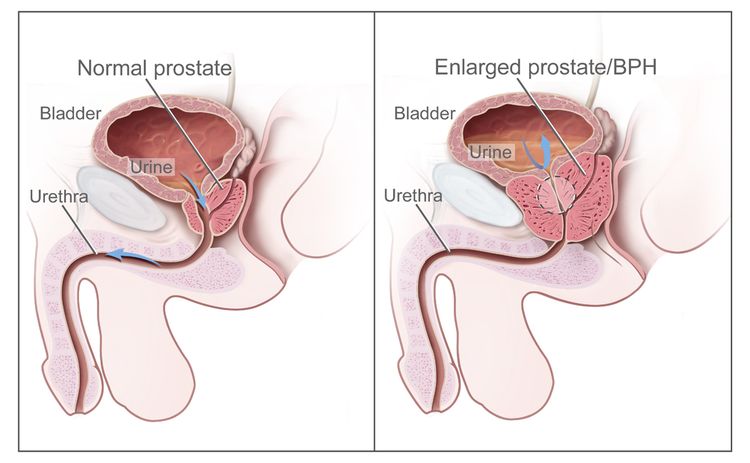
Prostate Cancer Treatment (PDQ®)–Patient Version

Prostate Cancer Treatment (PDQ®)–Patient Version

General Information About Prostate Cancer

Key Points

  • Prostate cancer is a type of cancer that forms in the tissues of the prostate.
  • Signs of prostate cancer include a weak flow of urine or frequent urination.
  • Tests that examine the prostate and blood are used to diagnose prostate cancer.
  • A biopsy is done to diagnose prostate cancer and find out the grade of the cancer (Gleason score).
  • Certain factors affect prognosis (chance of recovery) and treatment options.

Prostate cancer is a type of cancer that forms in the tissues of the prostate.

The prostate is a gland in the male reproductive system. It lies just below the bladder (the organ that collects and empties urine) and in front of the rectum (the lower part of the intestine). It is about the size of a walnut and surrounds part of the urethra (the tube that empties urine from the bladder). The prostate gland makes fluid that is part of the semen.

EnlargeDrawing of the male reproductive system and urinary system anatomy showing the front and side views of the ureters, bladder, prostate gland, vas deferens, urethra, penis, and testicles. A side view of the seminal vesicle and ejaculatory duct is also shown. The drawing also shows front and side views of the rectum and lymph nodes in the pelvis.
Anatomy of the male reproductive and urinary systems showing the ureters, bladder, prostate gland, urethra, penis, testicles, and other organs.

Prostate cancer is most common in older men. In the United States, about one out of eight men will be diagnosed with prostate cancer.

Signs of prostate cancer include a weak flow of urine or frequent urination.

These and other signs and symptoms may be caused by prostate cancer or by other conditions. Check with your doctor if you have:

  • Trouble starting the flow of urine.
  • Frequent urination (especially at night).
  • Trouble emptying the bladder completely.
  • Weak or interrupted (“stop-and-go”) flow of urine.

When prostate cancer is detected in an advanced stage, symptoms may include:

  • Pain in the back, hips, or pelvis that doesn’t go away.
  • Shortness of breath, feeling very tired, fast heartbeat, dizziness, or pale skin caused by anemia.

Other conditions may cause the same symptoms. As men age, the prostate may get bigger and block the urethra or bladder. This may cause trouble urinating or sexual problems. The condition is called benign prostatic hyperplasia (BPH), and although it is not cancer, surgery may be needed. The symptoms of benign prostatic hyperplasia or of other problems in the prostate may be like symptoms of prostate cancer.

EnlargeTwo-panel drawing shows normal male reproductive and urinary anatomy and benign prostatic hyperplasia (BPH). Panel on the left shows the normal prostate and flow of urine from the bladder through the urethra. Panel on the right shows an enlarged prostate pressing on the bladder and urethra, blocking the flow of urine.
Normal prostate and benign prostatic hyperplasia (BPH). A normal prostate does not block the flow of urine from the bladder. An enlarged prostate presses on the bladder and urethra and blocks the flow of urine.

Tests that examine the prostate and blood are used to diagnose prostate cancer.

In addition to asking about your personal and family health history and doing a physical exam, your doctor may perform the following tests and procedures:

  • Digital rectal exam (DRE): An exam of the rectum. The doctor or nurse inserts a lubricated, gloved finger into the rectum and feels the prostate through the rectal wall for lumps or abnormal areas.
    EnlargeDigital rectal exam; drawing shows a side view of the male reproductive anatomy and the urinary anatomy, including the prostate, rectum, and bladder. Also shown is a gloved, lubricated finger inserted into the rectum to feel the rectum, anus, and prostate.
    Digital rectal exam (DRE). The doctor inserts a gloved, lubricated finger into the rectum and feels the rectum, anus, and prostate (in males) to check for anything abnormal.
  • Prostate-specific antigen (PSA) test: A test that measures the level of PSA in the blood. PSA is a substance made by the prostate that may be found in higher than normal amounts in the blood of men who have prostate cancer. PSA levels may also be high in men who have an infection or inflammation of the prostate or BPH (an enlarged, but noncancerous, prostate).
  • PSMA PET scan: An imaging procedure that is used to help find prostate cancer cells that have spread outside of the prostate, into bone, lymph nodes, or other organs. For this procedure, a cell-targeting molecule linked to a radioactive substance is injected into the body and travels through the blood. It attaches to a protein called prostate-specific membrane antigen (PSMA) that is found on the surface of prostate cancer cells. A PET scanner detects high concentrations of the radioactive molecule and shows where the prostate cancer cells are in the body. A PSMA PET scan may be used to help diagnose prostate cancer that may have come back or spread to other parts of the body. It may also be used to help plan treatment.
  • Transrectal ultrasound: A procedure in which a probe that is about the size of a finger is inserted into the rectum to check the prostate. The probe is used to bounce high-energy sound waves (ultrasound) off internal tissues or organs and make echoes. The echoes form a picture of body tissues called a sonogram. Transrectal ultrasound may be used during a biopsy procedure. This is called transrectal ultrasound guided biopsy.
    EnlargeTransrectal ultrasound; drawing shows a side view of the male reproductive and urinary system anatomy, including the bladder and prostate. Also shown is the rectum and anus. There is also an ultrasound probe inserted into the rectum to check the prostate. An inset shows a provider inserting the ultrasound probe into the patient's rectum while viewing an image of the ultrasound on a computer screen. The patient is lying on their back on a table.
    Transrectal ultrasound. An ultrasound probe is inserted into the rectum to check the prostate. The probe bounces sound waves off body tissues to make echoes that form a sonogram (computer picture) of the prostate.
  • Transrectal magnetic resonance imaging (MRI): A procedure that uses a strong magnet, radio waves, and a computer to make a series of detailed pictures of areas inside the body. A probe that gives off radio waves is inserted into the rectum near the prostate. This helps the MRI machine make clearer pictures of the prostate and nearby tissue. A transrectal MRI is done to find out if the cancer has spread outside the prostate into nearby tissues. This procedure is also called nuclear magnetic resonance imaging (NMRI). Transrectal MRI may be used during a biopsy procedure. This is called transrectal MRI guided biopsy.

A biopsy is done to diagnose prostate cancer and find out the grade of the cancer (Gleason score).

A transrectal biopsy is used to diagnose prostate cancer. A transrectal biopsy is the removal of tissue from the prostate by inserting a thin needle through the rectum and into the prostate. This procedure may be done using transrectal ultrasound or transrectal MRI to help guide where samples of tissue are taken from. A pathologist views the tissue under a microscope to look for cancer cells.

EnlargeTransrectal biopsy; drawing shows a side view of the prostate, bladder, and rectum. Drawing also shows an ultrasound probe with a needle inserted into the rectum to remove a tissue sample from the prostate.
Transrectal biopsy. An ultrasound probe is inserted into the rectum to show where the tumor is. Then a needle is inserted through the rectum into the prostate to remove tissue from the prostate.

Sometimes a biopsy is done using a sample of tissue that was removed during a transurethral resection of the prostate (TURP) to treat benign prostatic hyperplasia.

If cancer is found, the pathologist will give the cancer a grade. The grade of the cancer describes how abnormal the cancer cells look under a microscope and how quickly the cancer is likely to grow and spread. The grade of the cancer is called the Gleason score.

To give the cancer a grade, the pathologist checks the prostate tissue samples to see how much the tumor tissue is like the normal prostate tissue and to find the two main cell patterns. The primary pattern describes the most common tissue pattern, and the secondary pattern describes the next most common pattern. Each pattern is given a grade from 3 to 5, with grade 3 looking the most like normal prostate tissue and grade 5 looking the most abnormal. The two grades are then added to get a Gleason score.

The Gleason score can range from 6 to 10. The higher the Gleason score, the more likely the cancer will grow and spread quickly. A Gleason score of 6 is a low-grade cancer; a score of 7 is a medium-grade cancer; and a score of 8, 9, or 10 is a high-grade cancer. For example, if the most common tissue pattern is grade 3 and the secondary pattern is grade 4, it means that most of the cancer is grade 3 and less of the cancer is grade 4. The grades are added for a Gleason score of 7, and it is a medium-grade cancer. The Gleason score may be written as 3+4=7, Gleason 7/10, or combined Gleason score of 7.

Certain factors affect prognosis (chance of recovery) and treatment options.

The prognosis and treatment options depend on:

  • The stage of the cancer (level of PSA, Gleason score, Grade Group, how much of the prostate is affected by the cancer, and whether the cancer has spread to other places in the body).
  • The patient’s age.
  • Whether the cancer has just been diagnosed or has recurred (come back).

Treatment options also may depend on:

  • Whether the patient has other health problems.
  • The expected side effects of treatment.
  • Past treatment for prostate cancer.
  • The wishes of the patient.

Most men diagnosed with prostate cancer do not die of it.

Stages of Prostate Cancer

Key Points

  • After prostate cancer has been diagnosed, tests are done to find out if cancer cells have spread within the prostate or to other parts of the body.
  • There are three ways that cancer spreads in the body.
  • Cancer may spread from where it began to other parts of the body.
  • The Grade Group and PSA level are used to stage prostate cancer.
  • The following stages are used for prostate cancer:
    • Stage I
    • Stage II
    • Stage III
    • Stage IV
  • Prostate cancer may recur (come back) after it has been treated.

After prostate cancer has been diagnosed, tests are done to find out if cancer cells have spread within the prostate or to other parts of the body.

The process used to find out if cancer has spread within the prostate or to other parts of the body is called staging. The information gathered from the staging process determines the stage of the disease. It is important to know the stage in order to plan treatment. The results of the tests used to diagnose prostate cancer are often also used to stage the disease. (See the General Information section.) In prostate cancer, staging tests may not be done unless the patient has symptoms or signs that the cancer has spread, such as bone pain, a high PSA level, or a high Gleason score.

The following tests and procedures also may be used in the staging process:

  • Bone scan: A procedure to check if there are rapidly dividing cells, such as cancer cells, in the bone. A very small amount of radioactive material is injected into a vein and travels through the bloodstream. The radioactive material collects in the bones with cancer and is detected by a scanner.
    EnlargeBone scan; drawing shows patient lying on a table that slides under the scanner, a technician operating the scanner, and a monitor that will show images made during the scan.
    Bone scan. A small amount of radioactive material is injected into the patient’s bloodstream and collects in abnormal cells in the bones. As the patient lies on a table that slides under the scanner, the radioactive material is detected and images are made on a computer screen or film.
  • MRI (magnetic resonance imaging): A procedure that uses a magnet, radio waves, and a computer to make a series of detailed pictures of areas inside the body. This procedure is also called nuclear magnetic resonance imaging (NMRI).
  • CT scan (CAT scan): A procedure that makes a series of detailed pictures of areas inside the body, taken from different angles. The pictures are made by a computer linked to an x-ray machine. A dye may be injected into a vein or swallowed to help the organs or tissues show up more clearly. This procedure is also called computed tomography, computerized tomography, or computerized axial tomography.
  • Pelvic lymphadenectomy: A surgical procedure to remove the lymph nodes in the pelvis. A pathologist views the tissue under a microscope to look for cancer cells.
  • Seminal vesicle biopsy: The removal of fluid from the seminal vesicles (glands that make semen) using a needle. A pathologist views the fluid under a microscope to look for cancer cells.
  • ProstaScint scan: A procedure to check for cancer that has spread from the prostate to other parts of the body, such as the lymph nodes. A very small amount of radioactive material is injected into a vein and travels through the bloodstream. The radioactive material attaches to prostate cancer cells and is detected by a scanner. The radioactive material shows up as a bright spot on the picture in areas where there are a lot of prostate cancer cells.

There are three ways that cancer spreads in the body.

Cancer can spread through tissue, the lymph system, and the blood:

  • Tissue. The cancer spreads from where it began by growing into nearby areas.
  • Lymph system. The cancer spreads from where it began by getting into the lymph system. The cancer travels through the lymph vessels to other parts of the body.
  • Blood. The cancer spreads from where it began by getting into the blood. The cancer travels through the blood vessels to other parts of the body.

Cancer may spread from where it began to other parts of the body.

When cancer spreads to another part of the body, it is called metastasis. Cancer cells break away from where they began (the primary tumor) and travel through the lymph system or blood.

  • Lymph system. The cancer gets into the lymph system, travels through the lymph vessels, and forms a tumor (metastatic tumor) in another part of the body.
  • Blood. The cancer gets into the blood, travels through the blood vessels, and forms a tumor (metastatic tumor) in another part of the body.

The metastatic tumor is the same type of cancer as the primary tumor. For example, if prostate cancer spreads to the bone, the cancer cells in the bone are actually prostate cancer cells. The disease is metastatic prostate cancer, not bone cancer.

Denosumab, a monoclonal antibody, may be used to prevent bone metastases.

Many cancer deaths are caused when cancer moves from the original tumor and spreads to other tissues and organs. This is called metastatic cancer. This animation shows how cancer cells travel from the place in the body where they first formed to other parts of the body.

The Grade Group and PSA level are used to stage prostate cancer.

The stage of the cancer is based on the results of the staging and diagnostic tests, including the prostate-specific antigen (PSA) test and the Grade Group. The tissue samples removed during the biopsy are used to find out the Gleason score. The Gleason score ranges from 2 to 10 and describes how different the cancer cells look from normal cells under a microscope and how likely it is that the tumor will spread. The lower the number, the more cancer cells look like normal cells and are likely to grow and spread slowly.

The Grade Group depends on the Gleason score. See the General Information section for more information about the Gleason score.

  • Grade Group 1 is a Gleason score of 6 or less.
  • Grade Group 2 or 3 is a Gleason score of 7.
  • Grade Group 4 is a Gleason score 8.
  • Grade Group 5 is a Gleason score of 9 or 10.

The PSA test measures the level of PSA in the blood. PSA is a substance made by the prostate that may be found in an increased amount in the blood of men who have prostate cancer.

The following stages are used for prostate cancer:

Stage I

EnlargeTwo panel drawing of stage I prostate cancer; the top panel shows cancer in less than one-half of the right side of the prostate found by needle biopsy. The bottom panel shows cancer in less than one-half of the left side of the prostate found by digital rectal exam. In both panels, the PSA level is less than 10 and the Grade Group is 1. The bladder, rectum, and urethra are also shown.
Stage I prostate cancer. Cancer is found in the prostate only. The cancer is not felt during a digital rectal exam and is found by needle biopsy done for high prostate-specific antigen (PSA) level or in a sample of tissue removed during surgery for other reasons. The PSA level is less than 10 and the Grade Group is 1; OR the cancer is felt during a digital rectal exam and is found in one-half or less of one side of the prostate. The PSA level is less than 10 and the Grade Group is 1.

In stage I, cancer is found in the prostate only. The cancer:

Stage II

In stage II, cancer is more advanced than in stage I, but has not spread outside the prostate. Stage II is divided into stages IIA, IIB, and IIC.

EnlargeTwo-panel drawing of stage IIA prostate cancer; the top panel shows cancer in one-half or less of one side of the prostate. The PSA level is at least 10 but less than 20 and the Grade Group is 1. The bottom panel shows cancer in more than one-half of one side of the prostate. The PSA level is less than 20 and the Grade Group is 1. In both panels, the bladder, rectum, and urethra are also shown.
Stage IIA prostate cancer. Cancer is found in the prostate only. Cancer is found in one-half or less of one side of the prostate. The prostate-specific antigen (PSA) level is at least 10 but less than 20 and the Grade Group is 1; OR cancer is found in more than one-half of one side of the prostate or in both sides of the prostate. The PSA level is less than 20 and the Grade Group is 1.

In stage IIA, cancer:

  • is found in one-half or less of one side of the prostate. The PSA level is at least 10 but lower than 20 and the Grade Group is 1; or
  • is found in more than one-half of one side of the prostate or in both sides of the prostate. The PSA level is lower than 20 and the Grade Group is 1.
EnlargeStage IIB prostate cancer; drawing shows cancer in one side of the prostate. The PSA level is less than 20 and the Grade Group is 2. Also shown are the bladder, rectum, and urethra.
Stage IIB prostate cancer. Cancer is found in the prostate only. Cancer is found in one or both sides of the prostate. The prostate-specific antigen level is less than 20 and the Grade Group is 2.

In stage IIB, cancer:

EnlargeStage IIC prostate cancer; drawing shows cancer in both sides of the prostate. The PSA level is less than 20 and the Grade Group is 3 or 4. Also shown are the bladder, rectum, and urethra.
Stage IIC prostate cancer. Cancer is found in the prostate only. Cancer is found in one or both sides of the prostate. The prostate-specific antigen level is less than 20 and the Grade Group is 3 or 4.

In stage IIC, cancer:

  • is found in one or both sides of the prostate. The PSA level is lower than 20 and the Grade Group is 3 or 4.

Stage III

Stage III is divided into stages IIIA, IIIB, and IIIC.

EnlargeStage IIIA prostate cancer; drawing shows cancer in one side of the prostate. The PSA level is at least 20 and the Grade Group is 1, 2, 3, or 4. Also shown are the bladder, rectum, and urethra.
Stage IIIA prostate cancer. Cancer is found in the prostate only. Cancer is found in one or both sides of the prostate. The prostate-specific antigen level is at least 20 and the Grade Group is 1, 2, 3, or 4.

In stage IIIA, cancer:

  • is found in one or both sides of the prostate. The PSA level is at least 20 and the Grade Group is 1, 2, 3, or 4.
EnlargeStage IIIB prostate cancer; drawing shows cancer that has spread from the prostate to the seminal vesicles and to nearby tissue. The PSA can be any level and the Grade Group is 1, 2, 3, or 4. Also shown are the pelvic wall, bladder, and rectum.
Stage IIIB prostate cancer. Cancer has spread from the prostate to the seminal vesicles or to nearby tissue or organs, such as the rectum, bladder, or pelvic wall. The prostate-specific antigen can be any level and the Grade Group is 1, 2, 3, or 4.

In stage IIIB, cancer:

EnlargeStage IIIC prostate cancer; drawing shows cancer in one side of the prostate. The PSA can be any level and the Grade Group is 5. Also shown are the bladder, rectum, and urethra.
Stage IIIC prostate cancer. Cancer is found in one or both sides of the prostate and may have spread to the seminal vesicles or to nearby tissue or organs, such as the rectum, bladder, or pelvic wall. The prostate-specific antigen can be any level and the Grade Group is 5.

In stage IIIC, cancer:

Stage IV

Stage IV is divided into stages IVA and IVB.

EnlargeStage IVA prostate cancer; drawing shows cancer in one side of the prostate and in nearby lymph nodes. The PSA can be any level and the Grade Group is 1 ,2, 3, 4, or 5. Also shown are the bladder, rectum, and urethra.
Stage IVA prostate cancer. Cancer is found in one or both sides of the prostate and may have spread to the seminal vesicles or to nearby tissue or organs, such as the rectum, bladder, or pelvic wall. Cancer has spread to nearby lymph nodes. The prostate-specific antigen can be any level and the Grade Group is 1, 2, 3, 4, or 5.

In stage IVA, cancer:

EnlargeStage IVB prostate cancer; drawing shows other parts of the body where prostate cancer may spread, including the distant lymph nodes and bones. An inset shows cancer cells spreading from the prostate, through the blood and lymph system, to another part of the body where metastatic cancer has formed.
Stage IVB prostate cancer. Cancer has spread to other parts of the body, such as the bones or distant lymph nodes.

In stage IVB, cancer:

Prostate cancer may recur (come back) after it has been treated.

The cancer may come back in the prostate or in other parts of the body.

Treatment Option Overview

Key Points

  • There are different types of treatment for people with prostate cancer.
  • The following types of treatment are used:
    • Watchful waiting or active surveillance
    • Surgery
    • Radiation therapy and radiopharmaceutical therapy
    • Hormone therapy
    • Chemotherapy
    • Targeted therapy
    • Immunotherapy
    • Bisphosphonate therapy
  • There are treatments for bone pain caused by bone metastases or hormone therapy.
  • New types of treatment are being tested in clinical trials.
    • Cryosurgery
    • High-intensity focused ultrasound therapy
    • Proton beam radiation therapy
    • Photodynamic therapy
  • Treatment for prostate cancer may cause side effects.
  • Patients may want to think about taking part in a clinical trial.
  • Patients can enter clinical trials before, during, or after starting their cancer treatment.
  • Follow-up care may be needed.

There are different types of treatment for people with prostate cancer.

Different types of treatment are available for patients with prostate cancer. Some treatments are standard (the currently used treatment), and some are being tested in clinical trials. A treatment clinical trial is a research study meant to help improve current treatments or obtain information on new treatments for patients with cancer. When clinical trials show that a new treatment is better than the standard treatment, the new treatment may become the standard treatment. Patients may want to think about taking part in a clinical trial. Some clinical trials are open only to patients who have not started treatment.

The following types of treatment are used:

Watchful waiting or active surveillance

Watchful waiting and active surveillance are treatments used for older men who do not have signs or symptoms or have other medical conditions and for men whose prostate cancer is found during a screening test.

Watchful waiting is closely monitoring a patient’s condition without giving any treatment until signs or symptoms appear or change. Treatment is given to relieve symptoms and improve quality of life.

Active surveillance is closely following a patient’s condition without giving any treatment unless there are changes in test results. It is used to find early signs that the condition is getting worse. In active surveillance, patients are given certain exams and tests, including digital rectal exam, PSA test, transrectal ultrasound, and transrectal needle biopsy, to check if the cancer is growing. When the cancer begins to grow, treatment is given to cure the cancer.

Other terms that are used to describe not giving treatment to cure prostate cancer right after diagnosis are observation, watch and wait, and expectant management.

Surgery

Patients in good health whose tumor is in the prostate gland only may be treated with surgery to remove the tumor. The following types of surgery are used:

  • Radical prostatectomy: A surgical procedure to remove the prostate, surrounding tissue, and seminal vesicles. Removal of nearby lymph nodes may be done at the same time. The main types of radical prostatectomy include:
    • Open radical prostatectomy: An incision (cut) is made in the retropubic area (lower abdomen) or the perineum (the area between the anus and scrotum). Surgery is performed through the incision. It is harder for the surgeon to spare the nerves near the prostate or to remove nearby lymph nodes with the perineum approach.
    • Radical laparoscopic prostatectomy: Several small incisions (cuts) are made in the wall of the abdomen. A laparoscope (a thin, tube-like instrument with a light and lens for viewing) is inserted through one opening to guide the surgery. Surgical instruments are inserted through the other openings to do the surgery.
    • Robot-assisted laparoscopic radical prostatectomy: Several small cuts are made in the wall of the abdomen, as in regular laparoscopic prostatectomy. The surgeon inserts an instrument with a camera through one of the openings and surgical instruments through the other openings using robotic arms. The camera gives the surgeon a 3-dimensional view of the prostate and surrounding structures. The surgeon uses the robotic arms to do the surgery while sitting at a computer monitor near the operating table.
    EnlargeTwo panel drawing showing two ways of doing a radical prostatectomy; in the first panel, dotted line shows where incision is made through the wall of the abdomen for a retropubic prostatectomy; in the second panel, dotted line shows where incision is made in area between the scrotum and the anus for a perineal prostatectomy.
    Two types of radical prostatectomy. In a retropubic prostatectomy, the prostate is removed through an incision in the wall of the abdomen. In a perineal prostatectomy, the prostate is removed through an incision in the area between the scrotum and the anus.
  • Pelvic lymphadenectomy: A surgical procedure to remove the lymph nodes in the pelvis. A pathologist views the tissue under a microscope to look for cancer cells. If the lymph nodes contain cancer, the doctor will not remove the prostate and may recommend other treatment.
  • Transurethral resection of the prostate (TURP): A surgical procedure to remove tissue from the prostate using a resectoscope (a thin, lighted tube with a cutting tool) inserted through the urethra. This procedure is done to treat benign prostatic hypertrophy and it is sometimes done to relieve symptoms caused by a tumor before other cancer treatment is given. TURP may also be done in men whose tumor is in the prostate only and who cannot have a radical prostatectomy.
    EnlargeTransurethral resection of the prostate; drawing shows removal of tissue from the prostate using a resectoscope (a thin, lighted tube with a cutting tool at the end) inserted through the urethra.
    Transurethral resection of the prostate (TURP). Tissue is removed from the prostate using a resectoscope (a thin, lighted tube with a cutting tool at the end) inserted through the urethra. Prostate tissue that is blocking the urethra is cut away and removed through the resectoscope.

In some cases, the nerves that control penile erection can be saved with nerve-sparing surgery. However, this may not be possible in men with large tumors or tumors that are very close to the nerves.

Possible problems after prostate cancer surgery include:

  • Impotence.
  • Leakage of urine from the bladder or stool from the rectum.
  • Shortening of the penis (1 to 2 centimeters). The exact reason for this is not known.
  • Inguinal hernia (bulging of fat or part of the small intestine through weak muscles into the groin). Inguinal hernia may occur more often in men treated with radical prostatectomy than in men who have some other types of prostate surgery, radiation therapy, or prostate biopsy alone. It is most likely to occur within the first 2 years after radical prostatectomy.

Radiation therapy and radiopharmaceutical therapy

Radiation therapy is a cancer treatment that uses high-energy x-rays or other types of radiation to kill cancer cells or keep them from growing. There are different types of radiation therapy:

  • External radiation therapy uses a machine outside the body to send radiation toward the area of the body with cancer. Conformal radiation is a type of external radiation therapy that uses a computer to make a 3-dimensional (3-D) picture of the tumor and shapes the radiation beams to fit the tumor. This allows a high dose of radiation to reach the tumor and causes less damage to nearby healthy tissue.

    Hypofractionated radiation therapy may be given because it has a more convenient treatment schedule. Hypofractionated radiation therapy is radiation treatment in which a larger than usual total dose of radiation is given once a day over a shorter period of time (fewer days) compared to standard radiation therapy. Hypofractionated radiation therapy may have worse side effects than standard radiation therapy, depending on the schedules used.

  • Internal radiation therapy uses a radioactive substance sealed in needles, seeds, wires, or catheters that are placed directly into or near the cancer. In early-stage prostate cancer, the radioactive seeds are placed in the prostate using needles that are inserted through the skin between the scrotum and rectum. The placement of the radioactive seeds in the prostate is guided by images from transrectal ultrasound or computed tomography (CT). The needles are removed after the radioactive seeds are placed in the prostate.
  • Radiopharmaceutical therapy uses a radioactive substance to treat cancer. Radiopharmaceutical therapy includes:
    • Alpha emitter radiation therapy uses a radioactive substance to treat prostate cancer that has spread to the bone. A radioactive substance called radium-223 is injected into a vein and travels through the bloodstream. The radium-223 collects in areas of bone with cancer and kills the cancer cells.

The way the radiation therapy is given depends on the type and stage of the cancer being treated. External radiation therapy, internal radiation therapy, and radiopharmaceutical therapy are used to treat prostate cancer.

Men treated with radiation therapy for prostate cancer have an increased risk of having bladder and/or gastrointestinal cancer.

Radiation therapy can cause impotence and urinary problems that may get worse with age.

Hormone therapy

Hormone therapy is a cancer treatment that removes hormones or blocks their action and stops cancer cells from growing. Hormones are substances made by glands in the body and circulated in the bloodstream. In prostate cancer, male sex hormones can cause prostate cancer to grow. Drugs, surgery, or other hormones are used to reduce the amount of male hormones or block them from working. This is called androgen deprivation therapy (ADT).

Hormone therapy for prostate cancer may include:

Hot flashes, impaired sexual function, loss of desire for sex, and weakened bones may occur in men treated with hormone therapy. Other side effects include diarrhea, nausea, and itching.

For more information, see Drugs Approved for Prostate Cancer.

Chemotherapy

Chemotherapy is a cancer treatment that uses drugs to stop the growth of cancer cells, either by killing the cells or by stopping them from dividing. When chemotherapy is taken by mouth or injected into a vein or muscle, the drugs enter the bloodstream and can reach cancer cells throughout the body (systemic chemotherapy).

For more information, see Drugs Approved for Prostate Cancer.

Targeted therapy

Targeted therapy is a type of treatment that uses drugs or other substances to identify and attack specific cancer cells.

  • PARP inhibitors block an enzyme involved in many cell functions, including the repair of DNA damage. Blocking this enzyme may help keep cancer cells from repairing their damaged DNA, causing them to die. Olaparib is a PARP inhibitor used to treat patients with prostate cancer that has spread to other parts of the body and has mutations in certain genes, such as BRCA1 or BRCA2.

Immunotherapy

Immunotherapy is a treatment that uses the patient’s immune system to fight cancer. Substances made by the body or made in a laboratory are used to boost, direct, or restore the body’s natural defenses against cancer. Sipuleucel-T is a type of immunotherapy used to treat prostate cancer that has metastasized (spread to other parts of the body).

For more information, see Drugs Approved for Prostate Cancer.

Bisphosphonate therapy

Bisphosphonate drugs, such as clodronate or zoledronate, reduce bone disease when cancer has spread to the bone. Men who are treated with antiandrogen therapy or orchiectomy are at an increased risk of bone loss. In these men, bisphosphonate drugs lessen the risk of bone fracture (breaks). The use of bisphosphonate drugs to prevent or slow the growth of bone metastases is being studied in clinical trials.

There are treatments for bone pain caused by bone metastases or hormone therapy.

Prostate cancer that has spread to the bone and certain types of hormone therapy can weaken bones and lead to bone pain. Treatments for bone pain include:

For more information, see Cancer Pain.

New types of treatment are being tested in clinical trials.

This summary section describes treatments that are being studied in clinical trials. It may not mention every new treatment being studied. Information about clinical trials is available from the NCI website.

Cryosurgery

Cryosurgery is a treatment that uses an instrument to freeze and destroy prostate cancer cells. Ultrasound is used to find the area that will be treated. This type of treatment is also called cryotherapy.

Cryosurgery can cause impotence and leakage of urine from the bladder or stool from the rectum.

High-intensity focused ultrasound therapy

High-intensity focused ultrasound therapy is a treatment that uses ultrasound (high-energy sound waves) to destroy cancer cells. To treat prostate cancer, an endorectal probe is used to make the sound waves.

Proton beam radiation therapy

Proton beam radiation therapy is a type of high-energy, external radiation therapy that uses streams of protons (tiny particles with a positive charge) to kill tumor cells. This type of treatment can lower the amount of radiation damage to healthy tissue near a tumor.

Photodynamic therapy

A cancer treatment that uses a drug and a certain type of laser light to kill cancer cells. A drug that is not active until it is exposed to light is injected into a vein. The drug collects more in cancer cells than in normal cells. Fiberoptic tubes are then used to carry the laser light to the cancer cells, where the drug becomes active and kills the cells. Photodynamic therapy causes little damage to healthy tissue. It is used mainly to treat tumors on or just under the skin or in the lining of internal organs.

Treatment for prostate cancer may cause side effects.

For information about side effects caused by treatment for cancer, visit our Side Effects page.

Patients may want to think about taking part in a clinical trial.

For some patients, taking part in a clinical trial may be the best treatment choice. Clinical trials are part of the cancer research process. Clinical trials are done to find out if new cancer treatments are safe and effective or better than the standard treatment.

Many of today’s standard treatments for cancer are based on earlier clinical trials. Patients who take part in a clinical trial may receive the standard treatment or be among the first to receive a new treatment.

Patients who take part in clinical trials also help improve the way cancer will be treated in the future. Even when clinical trials do not lead to effective new treatments, they often answer important questions and help move research forward.

Patients can enter clinical trials before, during, or after starting their cancer treatment.

Some clinical trials only include patients who have not yet received treatment. Other trials test treatments for patients whose cancer has not gotten better. There are also clinical trials that test new ways to stop cancer from recurring (coming back) or reduce the side effects of cancer treatment.

Clinical trials are taking place in many parts of the country. Information about clinical trials supported by NCI can be found on NCI’s clinical trials search webpage. Clinical trials supported by other organizations can be found on the ClinicalTrials.gov website.

Follow-up care may be needed.

As you go through treatment, you will have follow-up tests or check-ups. Some tests that were done to diagnose or stage the cancer may be repeated to see how well the treatment is working. Decisions about whether to continue, change, or stop treatment may be based on the results of these tests.

Some of the tests will continue to be done from time to time after treatment has ended. The results of these tests can show if your condition has changed or if the cancer has recurred (come back).

Treatment of Stage I Prostate Cancer

For information about the treatments listed below, see the Treatment Option Overview section.

Treatment of stage I prostate cancer may include:

Use our clinical trial search to find NCI-supported cancer clinical trials that are accepting patients. You can search for trials based on the type of cancer, the age of the patient, and where the trials are being done. General information about clinical trials is also available.

Treatment of Stage II Prostate Cancer

For information about the treatments listed below, see the Treatment Option Overview section.

Treatment of stage II prostate cancer may include:

Use our clinical trial search to find NCI-supported cancer clinical trials that are accepting patients. You can search for trials based on the type of cancer, the age of the patient, and where the trials are being done. General information about clinical trials is also available.

Treatment of Stage III Prostate Cancer

For information about the treatments listed below, see the Treatment Option Overview section.

Treatment of stage III prostate cancer may include:

Treatment to control cancer that is in the prostate and lessen urinary symptoms may include:

Use our clinical trial search to find NCI-supported cancer clinical trials that are accepting patients. You can search for trials based on the type of cancer, the age of the patient, and where the trials are being done. General information about clinical trials is also available.

Treatment of Stage IV Prostate Cancer

For information about the treatments listed below, see the Treatment Option Overview section.

Treatment of stage IV prostate cancer may include:

Treatment to control cancer that is in the prostate and lessen urinary symptoms may include:

Use our clinical trial search to find NCI-supported cancer clinical trials that are accepting patients. You can search for trials based on the type of cancer, the age of the patient, and where the trials are being done. General information about clinical trials is also available.

Treatment of Recurrent Hormone-Sensitive or Hormone-Resistant Prostate Cancer

For information about the treatments listed below, see the Treatment Option Overview section.

Treatment of recurrent hormone-sensitive or hormone-resistant prostate cancer may include:

Use our clinical trial search to find NCI-supported cancer clinical trials that are accepting patients. You can search for trials based on the type of cancer, the age of the patient, and where the trials are being done. General information about clinical trials is also available.

To Learn More About Prostate Cancer

About This PDQ Summary

About PDQ

Physician Data Query (PDQ) is the National Cancer Institute’s (NCI’s) comprehensive cancer information database. The PDQ database contains summaries of the latest published information on cancer prevention, detection, genetics, treatment, supportive care, and complementary and alternative medicine. Most summaries come in two versions. The health professional versions have detailed information written in technical language. The patient versions are written in easy-to-understand, nontechnical language. Both versions have cancer information that is accurate and up to date and most versions are also available in Spanish.

PDQ is a service of the NCI. The NCI is part of the National Institutes of Health (NIH). NIH is the federal government’s center of biomedical research. The PDQ summaries are based on an independent review of the medical literature. They are not policy statements of the NCI or the NIH.

Purpose of This Summary

This PDQ cancer information summary has current information about the treatment of prostate cancer. It is meant to inform and help patients, families, and caregivers. It does not give formal guidelines or recommendations for making decisions about health care.

Reviewers and Updates

Editorial Boards write the PDQ cancer information summaries and keep them up to date. These Boards are made up of experts in cancer treatment and other specialties related to cancer. The summaries are reviewed regularly and changes are made when there is new information. The date on each summary (“Updated”) is the date of the most recent change.

The information in this patient summary was taken from the health professional version, which is reviewed regularly and updated as needed, by the PDQ Adult Treatment Editorial Board.

Clinical Trial Information

A clinical trial is a study to answer a scientific question, such as whether one treatment is better than another. Trials are based on past studies and what has been learned in the laboratory. Each trial answers certain scientific questions in order to find new and better ways to help cancer patients. During treatment clinical trials, information is collected about the effects of a new treatment and how well it works. If a clinical trial shows that a new treatment is better than one currently being used, the new treatment may become “standard.” Patients may want to think about taking part in a clinical trial. Some clinical trials are open only to patients who have not started treatment.

Clinical trials can be found online at NCI’s website. For more information, call the Cancer Information Service (CIS), NCI’s contact center, at 1-800-4-CANCER (1-800-422-6237).

Permission to Use This Summary

PDQ is a registered trademark. The content of PDQ documents can be used freely as text. It cannot be identified as an NCI PDQ cancer information summary unless the whole summary is shown and it is updated regularly. However, a user would be allowed to write a sentence such as “NCI’s PDQ cancer information summary about breast cancer prevention states the risks in the following way: [include excerpt from the summary].”

The best way to cite this PDQ summary is:

PDQ® Adult Treatment Editorial Board. PDQ Prostate Cancer Treatment. Bethesda, MD: National Cancer Institute. Updated <MM/DD/YYYY>. Available at: /types/prostate/patient/prostate-treatment-pdq. Accessed <MM/DD/YYYY>. [PMID: 26389353]

Images in this summary are used with permission of the author(s), artist, and/or publisher for use in the PDQ summaries only. If you want to use an image from a PDQ summary and you are not using the whole summary, you must get permission from the owner. It cannot be given by the National Cancer Institute. Information about using the images in this summary, along with many other images related to cancer can be found in Visuals Online. Visuals Online is a collection of more than 3,000 scientific images.

Disclaimer

The information in these summaries should not be used to make decisions about insurance reimbursement. More information on insurance coverage is available on Cancer.gov on the Managing Cancer Care page.

Contact Us

More information about contacting us or receiving help with the Cancer.gov website can be found on our Contact Us for Help page. Questions can also be submitted to Cancer.gov through the website’s E-mail Us.

Prostate Cancer Treatment (PDQ®)–Health Professional Version

Prostate Cancer Treatment (PDQ®)–Health Professional Version

General Information About Prostate Cancer

The median age at diagnosis of prostate cancer is 67 years.[1] Prostate cancer may be cured when localized, and it frequently responds to treatment when widespread. The rate of tumor growth varies from very slow to moderately rapid, and some patients may have prolonged survival even after the cancer has metastasized to distant sites, such as bone. The 5-year relative survival rate for men diagnosed in the United States from 2014 to 2020 with local or regional disease was greater than 99%, and the rate for distant disease was 37%; a 97% survival rate was observed for all stages combined.[2] The approach to treatment is influenced by age and coexisting medical problems. Side effects of various forms of treatment should be considered in selecting appropriate management.

Many patients—especially those with localized tumors—may die of other illnesses without ever having suffered disability from prostate cancer, even if managed conservatively without an attempt at curative therapy.[3,4] In part, these favorable outcomes are likely the result of widespread screening with the prostate-specific antigen (PSA) test, which can identify patients with asymptomatic tumors that have little or no lethal potential.[5] The prevalence of clinically indolent tumors is estimated at 30% to 70% in men older than 60 years, based on autopsy series of men dying of causes unrelated to prostate cancer.[6,7]

Because diagnostic methods have changed over time, any analysis of survival after treatment of prostate cancer and comparison of the various treatment strategies is complicated by evidence of increasing diagnosis of nonlethal tumors. Nonrandomized comparisons of treatments may be confounded not only by patient selection factors but also by time trends.

For example, a population-based study in Sweden showed that, from 1960 to the late 1980s, before the use of PSA for screening purposes, long-term relative survival rates after the diagnosis of prostate cancer improved substantially as more sensitive methods of diagnosis were introduced. This occurred despite the use of watchful waiting or active surveillance or palliative hormonal treatment as the most common treatment strategies for localized prostate cancer during the entire era (<150 radical prostatectomies per year were performed in Sweden during the late 1980s). The investigators estimated that, if all prostate cancers diagnosed between 1960 and 1964 were of the lethal variety, then at least 33% of cancers diagnosed between 1980 and 1984 were of the nonlethal variety.[8][Level of evidence C1] With the advent of PSA screening as the most common method of detection in the United States, the ability to diagnose nonlethal prostate cancers has further increased.

Another issue complicating comparisons of outcomes among nonconcurrent series of patients is the possibility of changes in criteria for the histological diagnosis of prostate cancer.[9] This phenomenon creates a statistical artifact that can produce a false sense of therapeutic accomplishment and may also lead to more aggressive therapy.

Controversy exists about the value of screening, the most appropriate staging evaluation, and the optimal treatment of each stage of the disease.[1014]

Incidence and Mortality

Estimated new cases and deaths from prostate cancer in the United States in 2025:[1,2]

  • New cases: 313,780.
  • Deaths: 35,770.

Anatomy

EnlargeDrawing of the male reproductive system and urinary system anatomy showing the front and side views of the ureters, bladder, prostate gland, vas deferens, urethra, penis, and testicles. A side view of the seminal vesicle and ejaculatory duct is also shown. The drawing also shows front and side views of the rectum and lymph nodes in the pelvis.
Figure 1. Anatomy of the male reproductive and urinary systems.

Screening

Screening for prostate cancer is controversial. In the United States, most prostate cancers are diagnosed because of screening, either with a PSA blood test or, less frequently, with a digital rectal examination. Randomized trials have yielded conflicting results.[1517] Systematic literature reviews and meta-analyses have reported no clear evidence that screening for prostate cancer decreases the risk of death from prostate cancer, or that the benefits outweigh the harms of screening.[18,19]

For a detailed summary of evidence regarding the benefits and harms of screening for prostate cancer, see Prostate Cancer Screening.

Pathology

More than 95% of primary prostate cancers are adenocarcinomas. Prostate adenocarcinomas are frequently multifocal and heterogeneous in patterns of differentiation. Prostatic intraepithelial neoplasia (PIN) (noninvasive atypical epithelial cells within benign-appearing acini) is often present in association with prostatic adenocarcinoma. PIN is subdivided into low grade and high grade. The high-grade form may be a precursor of adenocarcinoma.[20]

Several rare tumors account for the rest of the cases. These include:

  • Small-cell tumors.
  • Intralobular acinar carcinomas.
  • Ductal carcinomas.
  • Clear cell carcinomas.
  • Mucinous carcinomas.[21]

Gleason score

The histological grade of prostate adenocarcinomas is usually reported according to one of the variations of the Gleason scoring system, which provides a useful, albeit crude, adjunct to tumor staging in determining prognosis.[21] The Gleason score is calculated based on the dominant histological grades, from grade 1 (well differentiated) to grade 5 (very poorly differentiated). The classical score is derived by adding the two most prevalent pattern grades, yielding a score ranging from 2 to 10. Because there is some evidence that the least-differentiated component of the specimen may provide independent prognostic information, the score is often provided by its separate components (e.g., Gleason score 3 + 4 = 7; or 4 + 3 = 7).[22]

There is evidence that, over time, pathologists have tended to award higher Gleason scores to the same histological patterns, a phenomenon sometimes termed grade inflation.[23,24] This phenomenon complicates comparisons of outcomes in current versus historical patient series. For example, prostate biopsies from a population-based cohort of 1,858 men diagnosed with prostate cancer from 1990 through 1992 were re-read in 2002 to 2004.[23,24] The contemporary Gleason score readings were an average of 0.85 points higher (95% confidence interval, 0.79–0.91; P < .001) than the same slides read a decade earlier. As a result, Gleason-score standardized prostate cancer mortality rates for these men were artifactually improved from 2.08 to 1.50 deaths per 100-person years—a 28% decrease even though overall outcomes were unchanged.

Molecular markers

A number of tumor markers are associated with the outcome of patients with prostate cancer, including:[20,21]

  • Markers of apoptosis including Bcl-2, Bax.
  • Markers of proliferation rate, such as Ki67.
  • TP53 variant or expression.
  • p27.
  • E-cadherin.
  • Microvessel density.
  • DNA ploidy.
  • p16.
  • PTEN gene hypermethylation and allelic losses.

However, none of these has been prospectively validated, and they are not a part of the routine management of patients.

Clinical Presentation

In the United States, most prostate cancers are diagnosed as a result of screening; therefore, symptoms of cancer are infrequent at the time of diagnosis.[21] Nevertheless, local growth of the tumor may produce symptoms of urinary obstruction such as:

  • Decreased urinary stream.
  • Urgency.
  • Hesitancy.
  • Nocturia.
  • Incomplete bladder emptying.

These symptoms are nonspecific and more indicative of benign prostatic hyperplasia than cancer.

Although rare in the current era of widespread screening, prostate cancer may also present with symptoms of metastases, including bone pain, pathological fractures, or symptoms caused by bone marrow involvement.

Diagnostic Evaluation

Needle biopsy is the most common method used to diagnose prostate cancer. Most urologists now perform a transrectal biopsy using a bioptic gun with ultrasound guidance. Less frequently, a transperineal ultrasound-guided approach can be used in patients who may be at increased risk of complications from a transrectal approach.[25] Over the years, there has been a trend toward taking eight to ten or more biopsy samples from several areas of the prostate with a consequent increased yield of cancer detection after an elevated PSA blood test.[21]

The use of magnetic resonance imaging (MRI)−directed biopsy in the initial diagnostic evaluation of prostate cancer is also being studied, either as a replacement for, or in addition to, standard systematic prostate needle biopsies. The data have been reported primarily by experienced MRI radiologists and urologists in referral centers, and generalizability of results is uncertain. A multicenter randomized trial of 500 patients has shown that, in experienced hands, a multiparametric MRI-directed biopsy is more accurate than a transrectal-guided biopsy to detect clinically significant cancers. MRI led to the detection of more Gleason score (≥7) lesions and fewer Gleason score (<7) lesions, with fewer biopsies overall.[26] The data suggested that MRI-directed biopsy can replace standard transrectal-guided biopsies. However, a large, single-arm, single-center study of 2,103 men with MRI-visible lesions who underwent both MRI-directed biopsies and standard systematic prostate needle biopsies under ultrasound visualization suggested otherwise.[27] In that study, MRI-directed biopsies alone led to misclassification of 8.8% of cancers defined as clinically significant (Gleason score 4 + 3 or higher) compared with the combination of both biopsy techniques. Both studies reported only on histology end points at the time of diagnosis, rather than health outcomes on follow-up.

Prophylactic antibiotics, especially fluoroquinolones, are often used before transrectal needle biopsies. There are reports of increasing rates of sepsis, particularly with fluoroquinolone-resistant Escherichia coli, and hospitalization after the procedure.[28,29] Therefore, men undergoing transrectal biopsy should be told to seek medical attention immediately if they experience fever after biopsy.

Prognostic Factors

The following factors influence the survival of patients with prostate cancer:[3034]

Extent of tumor

When the cancer is confined to the prostate gland, long-term prognosis is excellent. Locally advanced cancer is not usually curable, but 5-year survival is still very good. If prostate cancer has spread to distant organs, current therapy will not cure it. Median survival is usually 1 to 3 years, and most of these patients will die of prostate cancer. Even in this group of patients, indolent clinical courses lasting for many years may be observed.

Histological grade of tumor

Poorly differentiated tumors are more likely to have metastasized before diagnosis and are associated with a poorer prognosis. The most commonly used method to report tumor differentiation is the Gleason score. For more information, see the Pathology section.

Patient’s age and health

Any benefits of definitive local therapy with curative intent may take years to emerge. Therefore, therapy with curative intent is usually reserved for men with a sufficiently long life expectancy. For example, radical prostatectomy is often reserved for men with an estimated life expectancy of at least 10 years.

Prostate-specific antigen (PSA) level

PSA, an organ-specific marker, is often used as a tumor marker.[32,33,3540] The higher the level of PSA at baseline, the higher the risk of metastatic disease or subsequent disease progression. However, it is an imprecise marker of risk.

For example, baseline PSA and rate of PSA change were associated with subsequent metastasis or prostate cancer death in a cohort of 267 men with clinically localized prostate cancer who were managed by watchful waiting or active surveillance in the control arm of a randomized trial comparing radical prostatectomy with watchful waiting or active surveillance.[41,42] Nevertheless, the accuracy of classifying men into groups whose cancer remained indolent versus those whose cancer progressed was poor at all examined cut points of PSA or PSA rate of change.

Serum acid phosphatase levels

Elevations of serum acid phosphatase are associated with poor prognosis in both localized and disseminated disease. However, serum acid phosphatase levels are not incorporated into the American Joint Committee on Cancer’s staging system for prostate cancer.[35]

Use of nomograms as a prognostic tool

Several nomograms have been developed to predict outcomes either before radical prostatectomy [4346] or after radical prostatectomy [47,48] with intent to cure. Preoperative nomograms are based on clinical stage, PSA level, Gleason score, and the number of positive and negative prostate biopsy cores. One independently validated nomogram demonstrated increased accuracy in predicting biochemical recurrence-free survival by including preoperative plasma levels of transforming growth factor B1 and interleukin-6 soluble receptor.[49,50]

Postoperative nomograms add pathological findings, such as capsular invasion, surgical margins, seminal vesicle invasion, and lymph node involvement. The nomograms, however, were developed at academic centers and may not be as accurate when generalized to nonacademic hospitals, where most patients are treated.[51,52] In addition, the nomograms use nonhealth (intermediate) outcomes, such as PSA rise or pathological surgical findings, and subjective end points, such as the physician’s perceived need for additional therapy. In addition, the nomograms may be affected by changing methods of diagnosis or neoadjuvant therapy.[44]

Follow-Up After Treatment

The optimal follow-up strategy for men treated for prostate cancer is uncertain. Men should be interviewed and examined for symptoms or signs of recurrent or progressing disease, as well as side effects of therapy that can be managed by changes in therapy. However, using surrogate end points for clinical decision-making is controversial, and the evidence that changing therapy based on such end points translates into clinical benefit is weak. Often, rates of PSA change are thought to be markers of tumor progression. However, even though a tumor marker or characteristic may be consistently associated with a high risk of prostate cancer progression or death, it may be a poor predictor and of limited utility in making therapeutic decisions.

Although the PSA test is nearly universally used to follow patients, the diversity of recommendations on follow-up care reflects the lack of research evidence on which to base firm conclusions. A systematic review of international guidelines highlights the need for robust primary research to inform future evidence-based models of follow-up care for men with prostate cancer.[53]

Preliminary data from a retrospective cohort of 8,669 patients with clinically localized prostate cancer treated with either radical prostatectomy or radiation therapy suggested that short posttreatment PSA doubling time (<3 months in this study) fulfills some criteria as a surrogate end point for all-cause mortality and prostate cancer-specific mortality after surgery or radiation therapy.[54]

Likewise, a retrospective analysis (SWOG-S9916 [NCT00004001]) showed PSA declines of 20% to 40% (but not 50%) at 3 months and 30% or more at 2 months after initiation of chemotherapy for hormone-independent prostate cancer, and fulfilled several criteria of surrogacy for overall survival (OS).[55]

These observations should be independently confirmed in prospective study designs and may not apply to patients treated with hormonal therapy. In addition, there are no standardized criteria of surrogacy or standardized cut points for adequacy of surrogate end points, even in prospective trials.[56]

Follow-up after radical prostatectomy

After radical prostatectomy, a detectable PSA level identifies patients at elevated risk of local treatment failure or metastatic disease;[37] however, a substantial proportion of patients with an elevated or rising PSA level after surgery remain clinically free of symptoms for extended periods.[57] Biochemical evidence of failure on the basis of elevated or slowly rising PSA alone, therefore, may not be sufficient to initiate additional treatment.

For example, in a retrospective analysis of nearly 2,000 men who had undergone radical prostatectomy with curative intent and were followed for a mean of 5.3 years, 315 men (15%) demonstrated an abnormal PSA of 0.2 ng/mL or higher, which is considered evidence of biochemical recurrence. Among these 315 men, 103 (34%) developed clinical evidence of recurrence. The median time to the development of clinical metastasis after biochemical recurrence was 8 years. After the men developed metastatic disease, the median time to death was an additional 5 years.[58]

Follow-up after radiation therapy

For patients treated with radiation therapy, the combination of clinical tumor stage, Gleason score, and pretreatment PSA level is often used to estimate the risk of relapse.[59][Level of evidence C2] As is the case after prostatectomy, PSA is often followed for signs of tumor recurrence after radiation therapy. After radiation therapy with curative intent, persistently elevated or rising PSA may be a prognostic factor for clinical disease recurrence; however, reported case series have used a variety of definitions of PSA failure. The American Society for Therapeutic Radiology and Oncology Consensus Panel has developed criteria.[60,61] It is difficult to base decisions about initiating additional therapy on biochemical failure alone. The implication of the various definitions of PSA failure for OS is not known, and, as in the surgical series, many biochemical relapses (rising PSA only) may not be clinically manifested in patients treated with radiation therapy.[62,63]

Follow-up after hormonal therapy

After hormonal therapy, reduction of PSA to undetectable levels provides information regarding the duration of progression-free status; however, decreases in PSA of less than 80% may not be predictive.[32] Because PSA expression itself is under hormonal control, androgen deprivation therapy can decrease the serum level of PSA independent of tumor response. Clinicians, therefore, cannot rely solely on the serum PSA level to monitor a patient’s response to hormonal therapy; they must also follow clinical criteria.[64]

References
  1. National Cancer Institute: SEER Stat Fact Sheets: Prostate. Bethesda, Md: National Cancer Institute. Available online. Last accessed April 8, 2025.
  2. American Cancer Society: Cancer Facts and Figures 2025. American Cancer Society, 2025. Available online. Last accessed January 16, 2025.
  3. Lu-Yao GL, Albertsen PC, Moore DF, et al.: Outcomes of localized prostate cancer following conservative management. JAMA 302 (11): 1202-9, 2009. [PUBMED Abstract]
  4. Albertsen PC, Moore DF, Shih W, et al.: Impact of comorbidity on survival among men with localized prostate cancer. J Clin Oncol 29 (10): 1335-41, 2011. [PUBMED Abstract]
  5. Welch HG, Albertsen PC: Prostate cancer diagnosis and treatment after the introduction of prostate-specific antigen screening: 1986-2005. J Natl Cancer Inst 101 (19): 1325-9, 2009. [PUBMED Abstract]
  6. Welch HG, Black WC: Overdiagnosis in cancer. J Natl Cancer Inst 102 (9): 605-13, 2010. [PUBMED Abstract]
  7. Zlotta AR, Egawa S, Pushkar D, et al.: Prevalence of prostate cancer on autopsy: cross-sectional study on unscreened Caucasian and Asian men. J Natl Cancer Inst 105 (14): 1050-8, 2013. [PUBMED Abstract]
  8. Helgesen F, Holmberg L, Johansson JE, et al.: Trends in prostate cancer survival in Sweden, 1960 through 1988: evidence of increasing diagnosis of nonlethal tumors. J Natl Cancer Inst 88 (17): 1216-21, 1996. [PUBMED Abstract]
  9. Berner A, Harvei S, Skjorten FJ: Follow-up of localized prostate cancer, with emphasis on previous undiagnosed incidental cancer. BJU Int 83 (1): 47-52, 1999. [PUBMED Abstract]
  10. Garnick MB: Prostate cancer: screening, diagnosis, and management. Ann Intern Med 118 (10): 804-18, 1993. [PUBMED Abstract]
  11. Croswell JM, Kramer BS, Crawford ED: Screening for prostate cancer with PSA testing: current status and future directions. Oncology (Williston Park) 25 (6): 452-60, 463, 2011. [PUBMED Abstract]
  12. Bill-Axelson A, Holmberg L, Ruutu M, et al.: Radical prostatectomy versus watchful waiting in early prostate cancer. N Engl J Med 352 (19): 1977-84, 2005. [PUBMED Abstract]
  13. Wilt TJ, Brawer MK, Jones KM, et al.: Radical prostatectomy versus observation for localized prostate cancer. N Engl J Med 367 (3): 203-13, 2012. [PUBMED Abstract]
  14. Hegarty J, Beirne PV, Walsh E, et al.: Radical prostatectomy versus watchful waiting for prostate cancer. Cochrane Database Syst Rev (11): CD006590, 2010. [PUBMED Abstract]
  15. Andriole GL, Grubb RL, Buys SS, et al.: Mortality results from a randomized prostate-cancer screening trial. N Engl J Med 360 (13): 1310-9, 2009. [PUBMED Abstract]
  16. Schröder FH, Hugosson J, Roobol MJ, et al.: Screening and prostate-cancer mortality in a randomized European study. N Engl J Med 360 (13): 1320-8, 2009. [PUBMED Abstract]
  17. Sandblom G, Varenhorst E, Rosell J, et al.: Randomised prostate cancer screening trial: 20 year follow-up. BMJ 342: d1539, 2011. [PUBMED Abstract]
  18. Djulbegovic M, Beyth RJ, Neuberger MM, et al.: Screening for prostate cancer: systematic review and meta-analysis of randomised controlled trials. BMJ 341: c4543, 2010. [PUBMED Abstract]
  19. Ilic D, O’Connor D, Green S, et al.: Screening for prostate cancer: an updated Cochrane systematic review. BJU Int 107 (6): 882-91, 2011. [PUBMED Abstract]
  20. Nelson WG, De Marzo AM, Isaacs WB: Prostate cancer. N Engl J Med 349 (4): 366-81, 2003. [PUBMED Abstract]
  21. Zelefsky MJ, Eastham JA, Sartor AO: Cancer of the prostate. In: DeVita VT Jr, Lawrence TS, Rosenberg SA: Cancer: Principles and Practice of Oncology. 9th ed. Lippincott Williams & Wilkins, 2011, pp 1220-71.
  22. Chan TY, Partin AW, Walsh PC, et al.: Prognostic significance of Gleason score 3+4 versus Gleason score 4+3 tumor at radical prostatectomy. Urology 56 (5): 823-7, 2000. [PUBMED Abstract]
  23. Albertsen PC, Hanley JA, Barrows GH, et al.: Prostate cancer and the Will Rogers phenomenon. J Natl Cancer Inst 97 (17): 1248-53, 2005. [PUBMED Abstract]
  24. Thompson IM, Canby-Hagino E, Lucia MS: Stage migration and grade inflation in prostate cancer: Will Rogers meets Garrison Keillor. J Natl Cancer Inst 97 (17): 1236-7, 2005. [PUBMED Abstract]
  25. Webb JA, Shanmuganathan K, McLean A: Complications of ultrasound-guided transperineal prostate biopsy. A prospective study. Br J Urol 72 (5 Pt 2): 775-7, 1993. [PUBMED Abstract]
  26. Kasivisvanathan V, Rannikko AS, Borghi M, et al.: MRI-Targeted or Standard Biopsy for Prostate-Cancer Diagnosis. N Engl J Med 378 (19): 1767-1777, 2018. [PUBMED Abstract]
  27. Ahdoot M, Wilbur AR, Reese SE, et al.: MRI-Targeted, Systematic, and Combined Biopsy for Prostate Cancer Diagnosis. N Engl J Med 382 (10): 917-928, 2020. [PUBMED Abstract]
  28. Nam RK, Saskin R, Lee Y, et al.: Increasing hospital admission rates for urological complications after transrectal ultrasound guided prostate biopsy. J Urol 183 (3): 963-8, 2010. [PUBMED Abstract]
  29. Liss MA, Chang A, Santos R, et al.: Prevalence and significance of fluoroquinolone resistant Escherichia coli in patients undergoing transrectal ultrasound guided prostate needle biopsy. J Urol 185 (4): 1283-8, 2011. [PUBMED Abstract]
  30. Gittes RF: Carcinoma of the prostate. N Engl J Med 324 (4): 236-45, 1991. [PUBMED Abstract]
  31. Paulson DF, Moul JW, Walther PJ: Radical prostatectomy for clinical stage T1-2N0M0 prostatic adenocarcinoma: long-term results. J Urol 144 (5): 1180-4, 1990. [PUBMED Abstract]
  32. Matzkin H, Eber P, Todd B, et al.: Prognostic significance of changes in prostate-specific markers after endocrine treatment of stage D2 prostatic cancer. Cancer 70 (9): 2302-9, 1992. [PUBMED Abstract]
  33. Pisansky TM, Cha SS, Earle JD, et al.: Prostate-specific antigen as a pretherapy prognostic factor in patients treated with radiation therapy for clinically localized prostate cancer. J Clin Oncol 11 (11): 2158-66, 1993. [PUBMED Abstract]
  34. Chodak GW, Thisted RA, Gerber GS, et al.: Results of conservative management of clinically localized prostate cancer. N Engl J Med 330 (4): 242-8, 1994. [PUBMED Abstract]
  35. Carlton JC, Zagars GK, Oswald MJ: The role of serum prostatic acid phosphatase in the management of adenocarcinoma of the prostate with radiotherapy. Int J Radiat Oncol Biol Phys 19 (6): 1383-8, 1990. [PUBMED Abstract]
  36. Stamey TA, Yang N, Hay AR, et al.: Prostate-specific antigen as a serum marker for adenocarcinoma of the prostate. N Engl J Med 317 (15): 909-16, 1987. [PUBMED Abstract]
  37. Stamey TA, Kabalin JN: Prostate specific antigen in the diagnosis and treatment of adenocarcinoma of the prostate. I. Untreated patients. J Urol 141 (5): 1070-5, 1989. [PUBMED Abstract]
  38. Stamey TA, Kabalin JN, McNeal JE, et al.: Prostate specific antigen in the diagnosis and treatment of adenocarcinoma of the prostate. II. Radical prostatectomy treated patients. J Urol 141 (5): 1076-83, 1989. [PUBMED Abstract]
  39. Stamey TA, Kabalin JN, Ferrari M: Prostate specific antigen in the diagnosis and treatment of adenocarcinoma of the prostate. III. Radiation treated patients. J Urol 141 (5): 1084-7, 1989. [PUBMED Abstract]
  40. Andriole GL: Serum prostate-specific antigen: the most useful tumor marker. J Clin Oncol 10 (8): 1205-7, 1992. [PUBMED Abstract]
  41. Fall K, Garmo H, Andrén O, et al.: Prostate-specific antigen levels as a predictor of lethal prostate cancer. J Natl Cancer Inst 99 (7): 526-32, 2007. [PUBMED Abstract]
  42. Parekh DJ, Ankerst DP, Thompson IM: Prostate-specific antigen levels, prostate-specific antigen kinetics, and prostate cancer prognosis: a tocsin calling for prospective studies. J Natl Cancer Inst 99 (7): 496-7, 2007. [PUBMED Abstract]
  43. Partin AW, Kattan MW, Subong EN, et al.: Combination of prostate-specific antigen, clinical stage, and Gleason score to predict pathological stage of localized prostate cancer. A multi-institutional update. JAMA 277 (18): 1445-51, 1997. [PUBMED Abstract]
  44. Partin AW, Mangold LA, Lamm DM, et al.: Contemporary update of prostate cancer staging nomograms (Partin Tables) for the new millennium. Urology 58 (6): 843-8, 2001. [PUBMED Abstract]
  45. Kattan MW, Eastham JA, Stapleton AM, et al.: A preoperative nomogram for disease recurrence following radical prostatectomy for prostate cancer. J Natl Cancer Inst 90 (10): 766-71, 1998. [PUBMED Abstract]
  46. Stephenson AJ, Scardino PT, Eastham JA, et al.: Preoperative nomogram predicting the 10-year probability of prostate cancer recurrence after radical prostatectomy. J Natl Cancer Inst 98 (10): 715-7, 2006. [PUBMED Abstract]
  47. Kattan MW, Wheeler TM, Scardino PT: Postoperative nomogram for disease recurrence after radical prostatectomy for prostate cancer. J Clin Oncol 17 (5): 1499-507, 1999. [PUBMED Abstract]
  48. Stephenson AJ, Scardino PT, Eastham JA, et al.: Postoperative nomogram predicting the 10-year probability of prostate cancer recurrence after radical prostatectomy. J Clin Oncol 23 (28): 7005-12, 2005. [PUBMED Abstract]
  49. Shariat SF, Walz J, Roehrborn CG, et al.: External validation of a biomarker-based preoperative nomogram predicts biochemical recurrence after radical prostatectomy. J Clin Oncol 26 (9): 1526-31, 2008. [PUBMED Abstract]
  50. Kattan MW, Shariat SF, Andrews B, et al.: The addition of interleukin-6 soluble receptor and transforming growth factor beta1 improves a preoperative nomogram for predicting biochemical progression in patients with clinically localized prostate cancer. J Clin Oncol 21 (19): 3573-9, 2003. [PUBMED Abstract]
  51. Penson DF, Grossfeld GD, Li YP, et al.: How well does the Partin nomogram predict pathological stage after radical prostatectomy in a community based population? Results of the cancer of the prostate strategic urological research endeavor. J Urol 167 (4): 1653-7; discussion 1657-8, 2002. [PUBMED Abstract]
  52. Greene KL, Meng MV, Elkin EP, et al.: Validation of the Kattan preoperative nomogram for prostate cancer recurrence using a community based cohort: results from cancer of the prostate strategic urological research endeavor (capsure). J Urol 171 (6 Pt 1): 2255-9, 2004. [PUBMED Abstract]
  53. McIntosh HM, Neal RD, Rose P, et al.: Follow-up care for men with prostate cancer and the role of primary care: a systematic review of international guidelines. Br J Cancer 100 (12): 1852-60, 2009. [PUBMED Abstract]
  54. D’Amico AV, Moul JW, Carroll PR, et al.: Surrogate end point for prostate cancer-specific mortality after radical prostatectomy or radiation therapy. J Natl Cancer Inst 95 (18): 1376-83, 2003. [PUBMED Abstract]
  55. Petrylak DP, Ankerst DP, Jiang CS, et al.: Evaluation of prostate-specific antigen declines for surrogacy in patients treated on SWOG 99-16. J Natl Cancer Inst 98 (8): 516-21, 2006. [PUBMED Abstract]
  56. Baker SG: Surrogate endpoints: wishful thinking or reality? J Natl Cancer Inst 98 (8): 502-3, 2006. [PUBMED Abstract]
  57. Frazier HA, Robertson JE, Humphrey PA, et al.: Is prostate specific antigen of clinical importance in evaluating outcome after radical prostatectomy. J Urol 149 (3): 516-8, 1993. [PUBMED Abstract]
  58. Pound CR, Partin AW, Eisenberger MA, et al.: Natural history of progression after PSA elevation following radical prostatectomy. JAMA 281 (17): 1591-7, 1999. [PUBMED Abstract]
  59. Pisansky TM, Kahn MJ, Rasp GM, et al.: A multiple prognostic index predictive of disease outcome after irradiation for clinically localized prostate carcinoma. Cancer 79 (2): 337-44, 1997. [PUBMED Abstract]
  60. Consensus statement: guidelines for PSA following radiation therapy. American Society for Therapeutic Radiology and Oncology Consensus Panel. Int J Radiat Oncol Biol Phys 37 (5): 1035-41, 1997. [PUBMED Abstract]
  61. Roach M, Hanks G, Thames H, et al.: Defining biochemical failure following radiotherapy with or without hormonal therapy in men with clinically localized prostate cancer: recommendations of the RTOG-ASTRO Phoenix Consensus Conference. Int J Radiat Oncol Biol Phys 65 (4): 965-74, 2006. [PUBMED Abstract]
  62. Kuban DA, el-Mahdi AM, Schellhammer PF: Prostate-specific antigen for pretreatment prediction and posttreatment evaluation of outcome after definitive irradiation for prostate cancer. Int J Radiat Oncol Biol Phys 32 (2): 307-16, 1995. [PUBMED Abstract]
  63. Sandler HM, Dunn RL, McLaughlin PW, et al.: Overall survival after prostate-specific-antigen-detected recurrence following conformal radiation therapy. Int J Radiat Oncol Biol Phys 48 (3): 629-33, 2000. [PUBMED Abstract]
  64. Ruckle HC, Klee GG, Oesterling JE: Prostate-specific antigen: concepts for staging prostate cancer and monitoring response to therapy. Mayo Clin Proc 69 (1): 69-79, 1994. [PUBMED Abstract]

Stage Information for Prostate Cancer

Staging Tests

Most men are diagnosed with prostate cancer at an early clinical stage and do not have detectable metastases. They generally do not have to undergo staging tests, such as a bone scan, computed tomography (CT), or magnetic resonance imaging (MRI). However, staging studies are done if there is clinical suspicion of metastasis, such as bone pain, local tumor spread beyond the prostate capsule, or a substantial risk of metastasis (prostate-specific antigen [PSA] >20 ng/mL and Gleason score >7).[1]

Tests used to stage prostate cancer include:

Serum PSA level

Serum PSA can predict the results of radionuclide bone scans in newly diagnosed patients.

  • In one series, only 2 of 852 patients (0.23%) with a PSA of less than 20 ng/mL had a positive bone scan in the absence of bone pain.[2]
  • In another series of 265 patients with prostate cancer, 0 of 23 patients with a PSA of less than 4 ng/mL had a positive bone scan, and 2 of 114 patients with a PSA of less than 10 ng/mL had a positive bone scan.[3]

Magnetic resonance imaging (MRI)

Although MRI has been used to detect extracapsular extension of prostate cancer, a positive-predictive value of about 70% and considerable interobserver variation are problems that make its routine use in staging uncertain.[4] Ultrasound and MRI, however, can reduce clinical understaging and thereby improve patient selection for local therapy. MRI with an endorectal coil appears to be more accurate for identification of organ-confined and extracapsular disease, especially when combined with spectroscopy.[1] MRI is a poor tool for evaluating nodal disease.

MRI is more sensitive than radionuclide bone scans in the detection of bone metastases, but it is impractical for evaluating the entire skeletal system.

Positron emission tomography (PET)

It is becoming more common to use PET-CT with specific radionuclide tracers to stage prostate cancer. Several tracers have been tested and shown the ability to detect either lymph node or distant metastases in certain patients with prostate cancer.

68Ga-gozetotide and 18F-piflufolastat PET-CT

Prostate-specific membrane antigen (PSMA) is a transmembrane receptor expressed in high levels in prostate cancer. PSMA can be targeted for imaging with 68Ga-gozetotide and 18F-piflufolastat. These radionuclide tracers have been tested for the imaging of nodes and metastases in the initial staging of intermediate- and high-risk prostate cancer, as well as imaging of suspected posttreatment recurrent disease in patients with an elevated PSA.

A phase III trial included 764 patients with intermediate- or high-risk prostate cancer who underwent 68Ga-gozetotide PET-CT staging. The trial reported a sensitivity of 40% and a specificity of 95% in the detection of nodal disease as compared with PLND.[5]

68Ga-gozetotide PET-CT was studied alongside CT and bone scan for the detection of metastatic disease in men with high-risk prostate cancer. Compared with conventional imaging, 68Ga-gozetotide PET-CT provided increased sensitivity (85% vs. 38%) and specificity (98% vs. 91%).[6] 68Ga-gozetotide PET-CT was also evaluated to assess recurrent disease and showed a high positive predictive value (PPV) and detection rate.[7] 68Ga-gozetotide also had better results than 18F-fluciclovine in that context.[8]

18F-piflufolastat PET-CT had a sensitivity of 40% and a specificity of 98% in staging intermediate- or high-risk prostate cancer compared with PLND.[9] For the detection of recurrent or metastatic prostate cancer in the context of increasing PSA, 18F-piflufolastat PET-CT had a sensitivity of 95.8% and a PPV of 81.9%.[9]

Based on these data, the U.S. Food and Drug Administration (FDA) approved 68Ga-gozetotide and 18F-piflufolastat PET-CT for the initial staging of patients with prostate cancer and suspicion of metastatic disease, and for the evaluation of potential recurrence based on an elevated posttreatment PSA.[10,11]

18F-fluciclovine PET-CT

18F-fluciclovine PET-CT showed low sensitivity but high specificity in the initial lymph nodal staging of intermediate- and high-risk prostate cancer, compared with PLND.[1214] Compared with conventional imaging, its specificity was similar, but sensitivity was higher for detection of extraprostatic disease.[14]

18F-fluciclovine also detected more bone metastases and was more sensitive and specific than 99mTc-MDP bone scan.[15]

The FDA approved 18F-fluciclovine PET-CT for the assessment of suspected recurrent disease in men with a rising posttreatment PSA.

Pelvic lymph node dissection (PLND)

PLND remains the most accurate method to assess metastasis to the pelvic nodes, and laparoscopic PLND has been shown to accurately assess pelvic nodes as effectively as an open procedure.[16]

The determining factor in deciding whether any type of PLND is indicated is when definitive therapy may be altered. For example, radical prostatectomy is generally reserved for men without lymph node metastasis. Likewise, preoperative seminal vesicle biopsy may be useful in patients with palpable nodules who are being considered for radical prostatectomy (unless they have a low Gleason score) because seminal vesicle involvement could affect the choice of primary therapy and predicts for pelvic lymph node metastasis.[17]

In patients with clinically localized (stage I or stage II) prostate cancer, Gleason pathological grade and enzymatic serum prostatic acid phosphatase values (even within normal range) predict the likelihood of capsular penetration, seminal vesicle invasion, or regional lymph node involvement.[18] Analysis of a series of 166 patients with clinical stage I or stage II prostate cancer undergoing radical prostatectomy revealed an association between Gleason biopsy score and the risk of lymph node metastasis found at surgery. The risks of nodal metastasis for patients grouped according to their Gleason biopsy score was 2% for a Gleason score of 5, 13% for a Gleason score of 6, and 23% for a Gleason score of 8.[19]

Having all patients undergo a PLND is debatable, but in patients undergoing a radical retropubic prostatectomy, nodal status is usually ascertained as a matter of course. Evidence is mounting that PLND is likely unnecessary in patients with a PSA less than 20 ng/mL and a low Gleason score who are undergoing radical perineal prostatectomy. This is especially true for patients whose malignancy was not palpable but detected on ultrasound.[18,20]

Transrectal or transperineal biopsy

The most common means to establish a diagnosis and determine the Gleason score in cases of suspected prostate cancer is by needle biopsy. Most urologists now perform a transrectal biopsy using a bioptic gun with ultrasound guidance. Less frequently, a transperineal ultrasound-guided approach can be used for those patients who may be at increased risk of complications from a transrectal approach.[21] Over the years, there has been a trend toward taking eight to ten or more biopsy samples from several areas of the prostate with a consequent increased yield of cancer detection after an elevated PSA blood test.[1]

Transrectal ultrasound (TRUS)

TRUS may facilitate diagnosis by directing needle biopsy; however, ultrasound is operator dependent and does not assess lymph node size.

A prospective multi-institutional study of preoperative TRUS in men with clinically localized prostate cancer eligible for radical prostatectomy showed that TRUS was no better than digital rectal examination in predicting extracapsular tumor extension or seminal vesicle involvement.[22]

Computed tomography (CT) scans

CT scans can detect grossly enlarged lymph nodes but poorly define intraprostatic features;[23] therefore, it is not reliable for the staging of pelvic node disease when compared with surgical staging.[24]

Technetium Tc 99m (99mTc)-methylene diphosphonate (MDP) bone scan

A 99mTc-MDP bone scan is the most widely used test for metastasis to the bone, which is the most common site of distant tumor spread.

Staging Systems

Historically, two systems have been in common use for the staging of prostate cancer.

  • In 1975, the Jewett system (stage A through stage D) was described and has since been modified.[25] This staging system is no longer in common use, but older studies and publications may refer to it.
  • In 1997, the American Joint Committee on Cancer (AJCC) and the International Union Against Cancer adopted a revised TNM (tumor, node, metastasis) system, which used the same broad T-stage categories as the Jewett system but included subcategories of T stage, such as a stage to describe patients diagnosed through PSA screening. This revised TNM system more precisely stratifies newly diagnosed patients.

AJCC Stage Groupings and TNM Definitions

The AJCC has designated staging by TNM classification.[26]

Table 1. Definition of Histological Grade Groupa
Grade Group Gleason Score Gleason Pattern
aAdapted from AJCC: Prostate. In: Amin MB, Edge SB, Greene FL, et al., eds.: AJCC Cancer Staging Manual. 8th ed. New York, NY: Springer, 2017, pp. 715–26.
1 ≤6 ≤3+3
2 7 3+4
3 7 4+3
4 8 4+4, 3+5, or 5+3
5 9 or 10 4+5, 5+4, or 5+5
Table 2. Definitions of TNM Stage Ia
Stage TNM Descriptionb,c,d,e PSAf Gleason Score; Gleason Pattern (Grade Group)g Illustration
T = primary tumor; N = regional lymph nodes; M = distant metastasis; cT = clinical T; PSA = prostate-specific antigen; pT = pathological T.
aAdapted from AJCC: Prostate. In: Amin MB, Edge SB, Greene FL, et al., eds.: AJCC Cancer Staging Manual. 8th ed. New York, NY: Springer, 2017, pp. 715–26.
The explanations for superscripts b through g are at the end of Table 5.
I cT1a–c, cT2a, N0, M0 cT1 = Clinically inapparent tumor that is not palpable. <10 Gleason Score, ≤6; Gleason Pattern, ≤3+3 (1).
EnlargeTwo panel drawing of stage I prostate cancer; the top panel shows cancer in less than one-half of the right side of the prostate found by needle biopsy. The bottom panel shows cancer in less than one-half of the left side of the prostate found by digital rectal exam. In both panels, the PSA level is less than 10 and the Grade Group is 1. The bladder, rectum, and urethra are also shown.
–cT1a = Tumor incidental histological finding in ≤5% of tissue resected.
–cT1b = Tumor incidental histological finding in >5% of tissue resected.
–cT1c = Tumor identified by needle biopsy found in one or both sides, but not palpable.
cT2 = Tumor is palpable and confined within prostate.
–cT2a = Tumor involves ½ of one side or less.
N0 = No positive regional nodes.
M0 = No distant metastasis.
pT2, N0, M0 pT2 = Organ confined. <10 Gleason Score, ≤6; Gleason Pattern, ≤3+3 (1).
N0 = No positive regional nodes.
M0 = No distant metastasis.
Table 3. Definitions of TNM Stages IIA, IIB, and IICa
Stage TNM Descriptionb,c,d,e PSAf Gleason Score; Gleason Pattern (Grade Group)g Illustration
T = primary tumor; N = regional lymph nodes; M = distant metastasis; cT = clinical T; PSA = prostate-specific antigen; pT = pathological T.
aAdapted from AJCC: Prostate. In: Amin MB, Edge SB, Greene FL, et al., eds.: AJCC Cancer Staging Manual. 8th ed. New York, NY: Springer, 2017, pp. 715–26.
The explanations for superscripts b through g are at the end of Table 5.
IIA cT1a–c, cT2a, pT2, N0, M0 See cT1a–c, cT2a descriptions in Table 2, Stage I. ≥10 <20 Gleason Score, ≤6; Gleason Pattern, ≤3+3 (1).
EnlargeTwo-panel drawing of stage IIA prostate cancer; the top panel shows cancer in one-half or less of one side of the prostate. The PSA level is at least 10 but less than 20 and the Grade Group is 1. The bottom panel shows cancer in more than one-half of one side of the prostate. The PSA level is less than 20 and the Grade Group is 1. In both panels, the bladder, rectum, and urethra are also shown.
pT2 = Organ confined.
cT2b–c, N0, M0 cT2 = Tumor is palpable and confined within prostate. <20 Gleason Score, ≤6; Gleason Pattern, ≤3+3 (1).
cT2b = Tumor involves >½ of one side but not both sides.
cT2c = Tumor involves both sides.
N0 = No positive regional nodes.
M0 = No distant metastasis.
IIB T1–2, N0, M0 T1 = Clinically inapparent tumor that is not palpable. <20 Gleason Score, 7; Gleason Pattern 3+4 (2).
EnlargeStage IIB prostate cancer; drawing shows cancer in one side of the prostate. The PSA level is less than 20 and the Grade Group is 2. Also shown are the bladder, rectum, and urethra.
–T1a = Tumor incidental histological finding in ≤5% of tissue resected.
–T1b = Tumor incidental histological finding in >5% of tissue resected.
–T1c = Tumor identified by needle biopsy found in one or both sides, but not palpable.
cT2 = Tumor is palpable and confined within prostate.
–cT2a = Tumor involves ½ of one side or less.
–cT2b = Tumor involves >½ of one side but not both sides.
–cT2c = Tumor involves both sides.
pT2 = Organ confined.
N0 = No positive regional nodes.
M0 = No distant metastasis.
IIC T1–2, N0, M0 See T1–2, N0, M0 descriptions above in Stage IIB. <20 Gleason Score, 7; Gleason Pattern, 4 + 3 (3).
EnlargeStage IIC prostate cancer; drawing shows cancer in both sides of the prostate. The PSA level is less than 20 and the Grade Group is 3 or 4. Also shown are the bladder, rectum, and urethra.
T1–2, N0, M0 See T1–2, N0, M0 descriptions above in Stage IIB. <20 Gleason Score, 8; Gleason Pattern, 4+4, 3+5, or 5+3 (4).
Table 4. Definitions of TNM Stages IIIA, IIIB, and IIICa
Stage TNM Descriptionb,c,d,e PSAf Gleason Score; Gleason Pattern (Grade Group)g Illustration
T = primary tumor; N = regional lymph nodes; M = distant metastasis; cT = clinical T; PSA = prostate-specific antigen; pT = pathological T.
aAdapted from AJCC: Prostate. In: Amin MB, Edge SB, Greene FL, et al., eds.: AJCC Cancer Staging Manual. 8th ed. New York, NY: Springer, 2017, pp. 715–26.
The explanations for superscripts b through g are at the end of Table 5.
IIIA T1–2, N0, M0 See T1–2, N0, M0 descriptions in Table 3, Stage IIB. ≥20 Gleason Score, ≤6; Gleason Pattern, ≤3+3 (1).
EnlargeStage IIIA prostate cancer; drawing shows cancer in one side of the prostate. The PSA level is at least 20 and the Grade Group is 1, 2, 3, or 4. Also shown are the bladder, rectum, and urethra.
Gleason Score, 7; Gleason Pattern 3+4 (2).
Gleason Score, 7; Gleason Pattern, 4+3 (3).
Gleason Score, 8; Gleason Pattern, 4+4, 3+5, or 5+3 (4).
IIIB T3–4, N0, M0 cT3 = Extraprostatic tumor that is not fixed or does not invade adjacent structures. Any value Gleason Score, ≤6; Gleason Pattern, ≤3+3 (1).
EnlargeStage IIIB prostate cancer; drawing shows cancer that has spread from the prostate to the seminal vesicles and to nearby tissue. The PSA can be any level and the Grade Group is 1, 2, 3, or 4. Also shown are the pelvic wall, bladder, and rectum.
–cT3a = Extraprostatic extension (unilateral or bilateral). Gleason Score, 7; Gleason Pattern 3+4 (2).
–cT3b = Tumor invades seminal vesicle(s). Gleason Score, 7; Gleason Pattern, 4+3 (3).
pT3 = Extraprostatic extension. Gleason Score, 8; Gleason Pattern, 4+4, 3+5, or 5+3 (4).
–pT3a = Extraprostatic extension (unilateral or bilateral) or microscopic invasion of bladder neck.
–pT3b = Tumor invades seminal vesicle(s).
cT4 or pT4= Tumor is fixed or invades adjacent structures other than seminal vesicles such as external sphincter, rectum, bladder, levator muscles, and/or pelvic wall.
N0 = No positive regional nodes.
M0 = No distant metastasis.
IIIC Any T, N0, M0 TX = Primary tumor cannot be assessed. Any value Gleason Score, 9 or 10; Gleason Pattern, 4+5, 5+4, or 5+5 (5).
EnlargeStage IIIC prostate cancer; drawing shows cancer in one side of the prostate. The PSA can be any level and the Grade Group is 5. Also shown are the bladder, rectum, and urethra.
T0 = No evidence of primary tumor.
T1 = Clinically inapparent tumor that is not palpable.
–T1a = Tumor incidental histological finding in ≤5% of tissue resected.
–T1b = Tumor incidental histological finding in >5% of tissue resected.
–T1c = Tumor identified by needle biopsy found in one or both sides, but not palpable.
cT2 = Tumor is palpable and confined within prostate.
–cT2a = Tumor involves ½ of one side or less.
–cT2b = Tumor involves >½ of one side but not both sides.
–cT2c = Tumor involves both sides.
–pT2 = Organ confined.
cT3 = Extraprostatic tumor that is not fixed or does not invade adjacent structures.
–cT3a = Extraprostatic extension (unilateral or bilateral).
–cT3b = Tumor invades seminal vesicle(s).
pT3 = Extraprostatic extension.
–pT3a = Extraprostatic extension (unilateral or bilateral) or microscopic invasion of bladder neck.
–pT3b = Tumor invades seminal vesicle(s).
cT4 or pT4 = Tumor is fixed or invades adjacent structures other than seminal vesicles such as external sphincter, rectum, bladder, levator muscles, and/or pelvic wall.
N0 = No positive regional nodes.
M0 = No distant metastasis.
Table 5. Definitions of TNM Stages IVA and IVBa
Stage TNM Descriptionb,c,d,e PSAf Gleason Score; Gleason Pattern (Grade Group)g Illustration
T = primary tumor; N = regional lymph nodes; M = distant metastasis; cT = clinical T; PSA = prostate-specific antigen; pT = pathological T.
aAdapted from AJCC: Prostate. In: Amin MB, Edge SB, Greene FL, et al., eds.: AJCC Cancer Staging Manual. 8th ed. New York, NY: Springer, 2017, pp. 715–26.
bWhen either PSA or Grade Group is not available, grouping should be determined by T category and/or either PSA or Grade Group as available.
cThere is no pathological T1 classification.
dPositive surgical margin should be indicated by an R1 descriptor, indicating residual microscopic disease.
eWhen more than one site of metastasis is present, the most advanced category is used. M1c is most advanced.
fPSA values are used to assign this category.
gRecently the Gleason system has been compressed into so-called Grade Groups.[27]
IVA Any T, N1, M0 Any T = See descriptions in Table 4, Stage IIIC. See Any PSA values in Table 4, Stage IIIC. Gleason Score, ≤6; Gleason Pattern, ≤3+3 (1).
EnlargeStage IVA prostate cancer; drawing shows cancer in one side of the prostate and in nearby lymph nodes. The PSA can be any level and the Grade Group is 1 ,2, 3, 4, or 5. Also shown are the bladder, rectum, and urethra.
Gleason Score, 7; Gleason Pattern 3+4 (2).
Gleason Score, 7; Gleason Pattern, 4+3 (3).
N1 = Metastases in regional node(s). Gleason Score, 8; Gleason Pattern, 4+4, 3+5, or 5+3 (4).
M0 = No distant metastasis. Gleason Score, 9 or 10; Gleason Pattern, 4+5, 5+4, or 5+5 (5).
IVB Any T, Any N, M1 Any T = See descriptions in Table 4, Stage IIIC. See Any PSA values Table 4, Stage IIIC. Any Gleason Score; Gleason Pattern (Grade Group) = See above in Stage IVA.
EnlargeStage IVB prostate cancer; drawing shows other parts of the body where prostate cancer may spread, including the distant lymph nodes and bones. An inset shows cancer cells spreading from the prostate, through the blood and lymph system, to another part of the body where metastatic cancer has formed.
NX = Regional nodes were not assessed.
N0 = No positive regional nodes.
N1 = Metastases in regional node(s).
M1 = Distant metastasis.
–M1a = Nonregional lymph node(s).
–M1b = Bone(s).
–M1c = Other site(s) with or without bone disease.
References
  1. Zelefsky MJ, Eastham JA, Sartor AO: Cancer of the prostate. In: DeVita VT Jr, Lawrence TS, Rosenberg SA: Cancer: Principles and Practice of Oncology. 9th ed. Lippincott Williams & Wilkins, 2011, pp 1220-71.
  2. Oesterling JE, Martin SK, Bergstralh EJ, et al.: The use of prostate-specific antigen in staging patients with newly diagnosed prostate cancer. JAMA 269 (1): 57-60, 1993. [PUBMED Abstract]
  3. Huncharek M, Muscat J: Serum prostate-specific antigen as a predictor of radiographic staging studies in newly diagnosed prostate cancer. Cancer Invest 13 (1): 31-5, 1995. [PUBMED Abstract]
  4. Schiebler ML, Yankaskas BC, Tempany C, et al.: MR imaging in adenocarcinoma of the prostate: interobserver variation and efficacy for determining stage C disease. AJR Am J Roentgenol 158 (3): 559-62; discussion 563-4, 1992. [PUBMED Abstract]
  5. Hope TA, Eiber M, Armstrong WR, et al.: Diagnostic Accuracy of 68Ga-PSMA-11 PET for Pelvic Nodal Metastasis Detection Prior to Radical Prostatectomy and Pelvic Lymph Node Dissection: A Multicenter Prospective Phase 3 Imaging Trial. JAMA Oncol 7 (11): 1635-1642, 2021. [PUBMED Abstract]
  6. Hofman MS, Lawrentschuk N, Francis RJ, et al.: Prostate-specific membrane antigen PET-CT in patients with high-risk prostate cancer before curative-intent surgery or radiotherapy (proPSMA): a prospective, randomised, multicentre study. Lancet 395 (10231): 1208-1216, 2020. [PUBMED Abstract]
  7. Fendler WP, Calais J, Eiber M, et al.: Assessment of 68Ga-PSMA-11 PET Accuracy in Localizing Recurrent Prostate Cancer: A Prospective Single-Arm Clinical Trial. JAMA Oncol 5 (6): 856-863, 2019. [PUBMED Abstract]
  8. Calais J, Ceci F, Eiber M, et al.: 18F-fluciclovine PET-CT and 68Ga-PSMA-11 PET-CT in patients with early biochemical recurrence after prostatectomy: a prospective, single-centre, single-arm, comparative imaging trial. Lancet Oncol 20 (9): 1286-1294, 2019. [PUBMED Abstract]
  9. Pienta KJ, Gorin MA, Rowe SP, et al.: A Phase 2/3 Prospective Multicenter Study of the Diagnostic Accuracy of Prostate Specific Membrane Antigen PET/CT with 18F-DCFPyL in Prostate Cancer Patients (OSPREY). J Urol 206 (1): 52-61, 2021. [PUBMED Abstract]
  10. U.S. Food and Drug Administration: FDA approves first PSMA-targeted PET imaging drug for men with prostate cancer. Food and Drug Administration, 2020. Available online. Last accessed February 13, 2025.
  11. U.S. Food and Drug Administration: FDA approves second PSMA-targeted PET imaging drug for men with prostate cancer. Food and Drug Administration, 2021. Available online. Last accessed February 13, 2025.
  12. Selnæs KM, Krüger-Stokke B, Elschot M, et al.: 18F-Fluciclovine PET/MRI for preoperative lymph node staging in high-risk prostate cancer patients. Eur Radiol 28 (8): 3151-3159, 2018. [PUBMED Abstract]
  13. Suzuki H, Jinnouchi S, Kaji Y, et al.: Diagnostic performance of 18F-fluciclovine PET/CT for regional lymph node metastases in patients with primary prostate cancer: a multicenter phase II clinical trial. Jpn J Clin Oncol 49 (9): 803-811, 2019. [PUBMED Abstract]
  14. Alemozaffar M, Akintayo AA, Abiodun-Ojo OA, et al.: [18F]Fluciclovine Positron Emission Tomography/Computerized Tomography for Preoperative Staging in Patients with Intermediate to High Risk Primary Prostate Cancer. J Urol 204 (4): 734-740, 2020. [PUBMED Abstract]
  15. Chen B, Wei P, Macapinlac HA, et al.: Comparison of 18F-Fluciclovine PET/CT and 99mTc-MDP bone scan in detection of bone metastasis in prostate cancer. Nucl Med Commun 40 (9): 940-946, 2019. [PUBMED Abstract]
  16. Schuessler WW, Pharand D, Vancaillie TG: Laparoscopic standard pelvic node dissection for carcinoma of the prostate: is it accurate? J Urol 150 (3): 898-901, 1993. [PUBMED Abstract]
  17. Stone NN, Stock RG, Unger P: Indications for seminal vesicle biopsy and laparoscopic pelvic lymph node dissection in men with localized carcinoma of the prostate. J Urol 154 (4): 1392-6, 1995. [PUBMED Abstract]
  18. Oesterling JE, Brendler CB, Epstein JI, et al.: Correlation of clinical stage, serum prostatic acid phosphatase and preoperative Gleason grade with final pathological stage in 275 patients with clinically localized adenocarcinoma of the prostate. J Urol 138 (1): 92-8, 1987. [PUBMED Abstract]
  19. Fournier GR, Narayan P: Re-evaluation of the need for pelvic lymphadenectomy in low grade prostate cancer. Br J Urol 72 (4): 484-8, 1993. [PUBMED Abstract]
  20. Daniels GF, McNeal JE, Stamey TA: Predictive value of contralateral biopsies in unilaterally palpable prostate cancer. J Urol 147 (3 Pt 2): 870-4, 1992. [PUBMED Abstract]
  21. Webb JA, Shanmuganathan K, McLean A: Complications of ultrasound-guided transperineal prostate biopsy. A prospective study. Br J Urol 72 (5 Pt 2): 775-7, 1993. [PUBMED Abstract]
  22. Smith JA, Scardino PT, Resnick MI, et al.: Transrectal ultrasound versus digital rectal examination for the staging of carcinoma of the prostate: results of a prospective, multi-institutional trial. J Urol 157 (3): 902-6, 1997. [PUBMED Abstract]
  23. Gerber GS, Goldberg R, Chodak GW: Local staging of prostate cancer by tumor volume, prostate-specific antigen, and transrectal ultrasound. Urology 40 (4): 311-6, 1992. [PUBMED Abstract]
  24. Hanks GE, Krall JM, Pilepich MV, et al.: Comparison of pathologic and clinical evaluation of lymph nodes in prostate cancer: implications of RTOG data for patient management and trial design and stratification. Int J Radiat Oncol Biol Phys 23 (2): 293-8, 1992. [PUBMED Abstract]
  25. Jewett HJ: The present status of radical prostatectomy for stages A and B prostatic cancer. Urol Clin North Am 2 (1): 105-24, 1975. [PUBMED Abstract]
  26. Prostate. In: Amin MB, Edge SB, Greene FL, et al., eds.: AJCC Cancer Staging Manual. 8th ed. Springer; 2017, pp. 715–26.
  27. Epstein JI, Egevad L, Amin MB, et al.: The 2014 International Society of Urological Pathology (ISUP) Consensus Conference on Gleason Grading of Prostatic Carcinoma: Definition of Grading Patterns and Proposal for a New Grading System. Am J Surg Pathol 40 (2): 244-52, 2016. [PUBMED Abstract]

Treatment Option Overview for Prostate Cancer

Local treatment modalities are associated with prolonged disease-free survival (DFS) for many patients with localized prostate cancer but are rarely curative in patients with locally extensive tumors. Because of clinical understaging using current diagnostic techniques, even when the cancer appears clinically localized to the prostate gland, some patients develop disseminated tumors after local therapy with surgery or radiation.

Treatment options for each stage of prostate cancer are presented in Table 6.

Table 6. Treatment Options by Stage for Prostate Cancer
Stage (TNM Definitions) Treatment Options
EBRT = external-beam radiation therapy; LH-RH = luteinizing hormone-releasing hormone; mCRPC = metastatic castration-resistant prostate cancer; PARP = poly (ADP-ribose) polymerase; TURP = transurethral resection of the prostate.
Stage I Prostate Cancer Watchful waiting or active surveillance/active monitoring
Radical prostatectomy
External-beam radiation therapy (EBRT)
Interstitial implantation of radioisotopes
Photodynamic therapy (under clinical evaluation)
Bicalutamide (under clinical evaluation)
Stage II Prostate Cancer Watchful waiting or active surveillance/active monitoring
Radical prostatectomy
EBRT with or without hormonal therapy
Interstitial implantation of radioisotopes
Cryosurgery (under clinical evaluation)
Proton-beam therapy (under clinical evaluation)
Photodynamic therapy (under clinical evaluation)
Neoadjuvant hormonal therapy (under clinical evaluation)
Bicalutamide (under clinical evaluation)
Stage III Prostate Cancer EBRT with or without hormonal therapy
Hormonal manipulations with or without radiation therapy
Radical prostatectomy with or without EBRT
Watchful waiting or active surveillance/active monitoring
Cryosurgery (under clinical evaluation)
Proton-beam therapy (under clinical evaluation)
Bicalutamide (under clinical evaluation)
Stage IV Prostate Cancer Hormonal manipulations
Bisphosphonates
EBRT with or without hormonal therapy
Palliative radiation therapy
Palliative surgery with transurethral resection of the prostate (TURP)
Watchful waiting or active surveillance/active monitoring
Recurrent Prostate Cancer Chemotherapy for hormone-sensitive or hormone-resistant prostate cancer
Immunotherapy
Radiopharmaceutical therapy
PARP inhibitors for men with mCRPC and BRCA1, BRCA2, or ATM variants
Hormone therapy with PARP inhibitors for men with mCRPC and BRCA1, BRCA2, or ATM variants

Side effects of each treatment approach are covered in the relevant sections below. Patient-reported adverse effects differ substantially across the options for management of clinically localized disease, with few direct comparisons, and include watchful waiting/active surveillance/active monitoring, radical prostatectomy, and radiation therapy. The differences in adverse effects can play an important role in patient choice among treatment options. Detailed comparisons of these effects have been reported in population-based cohort studies, albeit with relatively short follow-up times of 2 to 3 years.[1,2]

Watchful Waiting or Active Surveillance/Active Monitoring

Asymptomatic patients of advanced age or with concomitant illness may warrant careful observation without immediate active treatment.[3,4] Watch and wait, observation, expectant management, and active surveillance/active monitoring are terms indicating a strategy that does not employ immediate therapy with curative intent.

Watchful waiting and active surveillance/active monitoring are the most commonly used terms, and the literature does not always clearly distinguish them, making the interpretation of results difficult. The general concept of watchful waiting is patient follow-up with the application of palliative care as needed to alleviate symptoms of tumor progression. There is no planned attempt at curative therapy at any point in follow-up. For example, transurethral resection of the prostate (TURP) or hormonal therapy may be used to alleviate tumor-related urethral obstruction should there be local tumor growth; hormonal therapy or bone radiation might be used to alleviate pain from metastases. Radical prostatectomy has been compared with watchful waiting or active surveillance/active monitoring in men with early-stage disease (i.e., clinical stages T1b, T1c, or T2).[5] For more information, see the Radical Prostatectomy section.

In contrast, the strategy behind active surveillance/active monitoring is to defer therapy for clinically localized disease but regularly follow the patient and initiate local therapy with curative intent if there are any signs of local tumor progression.[69] The intention is to avoid the morbidity of therapy in men who have indolent or nonprogressive disease but preserve the ability to cure them should the tumor progress. Active surveillance/active monitoring often involves:

  • Regular patient visits.
  • Digital rectal examinations.
  • Prostate-specific antigen (PSA) testing.
  • Transrectal ultrasound (in some series).
  • Transrectal needle biopsies (in some series).

Patient selection, testing intervals, and specific tests, as well as criteria for intervention, are arbitrary and not established in controlled trials.

In the United States, as in other settings with widespread PSA screening, the results of conservative management of localized prostate cancer are particularly favorable. In the aggregate, men managed by watchful waiting or active surveillance/active monitoring (using various criteria, depending upon the study) have had very favorable prostate–cancer-specific mortalities ranging from about 1% to 10% (with the most favorable rates in more recent series).[1018] Most men with screen-detected prostate cancer may, therefore, be candidates for active surveillance/active monitoring, with definitive therapy reserved for signs of tumor progression. This has been shown most clearly in the large Prostate Testing for Cancer Treatment (ProtecT [NCT02044172 and ISRCTN20141297]) randomized trial that compared active monitoring, radical prostatectomy, and radiation therapy.[19] For more information, see the Radical Prostatectomy section.

For more information, see the Treatment of Stage II Prostate Cancer section.

Radical Prostatectomy

A radical prostatectomy is usually reserved for patients who:[2022]

  • Are in good health and elect surgical intervention.
  • Have tumor confined to the prostate gland (stage I and stage II).

Open prostatectomy can be performed by the perineal or retropubic approach. The perineal approach requires a separate incision for lymph node dissection. Laparoscopic lymphadenectomy is technically possible.[23] Robot-assisted prostatectomy is an alternative to open prostatectomy and has become the most common technique in developed countries. In experienced hands, functional outcomes between open and robot-assisted prostatectomy appear very similar, at least in the short- to mid-term. In a randomized trial of 308 men suitable for prostatectomy, urinary, sexual, and bowel functional outcomes were similar between open retropubic and robotic surgeries at a median follow-up of 24 months.[24] The sample size and duration of follow-up were too small to detect meaningful differences in cancer outcomes.

For small, well-differentiated nodules, the incidence of positive pelvic nodes is less than 20%, and pelvic node dissection may be omitted.[25] With larger, less-differentiated tumors, a pelvic lymph node dissection is more important. In these cases, the value of open surgical or laparoscopic pelvic node dissection is not therapeutic, but it spares patients with positive nodes the morbidity of prostatectomy. Radical prostatectomy is usually not performed if a frozen-section evaluation of pelvic nodes reveals metastases; these patients should be considered for entry into existing clinical trials or receive radiation therapy to control local symptoms.

The role of preoperative (neoadjuvant) hormonal therapy is not established.[26,27]

After radical prostatectomy, pathological evaluation stratifies tumor extent into the following classes:

  • Margin-positive disease—The incidence of disease recurrence increases when the tumor margins are positive.[10,28,29] Results of the outcome of patients with positive surgical margins have not been systematically reported.
  • Specimen-confined disease—The incidence of disease recurrence increases when the tumor is not specimen-confined (extracapsular).[10,28]
  • Organ-confined disease—Patients with extraprostatic disease (not organ-confined) are suitable candidates for clinical trials of which the Radiation Therapy Oncology Group’s (RTOG) RTOG-9601 trial (NCT00002874), was an example. These trials have included evaluation of postoperative radiation delivery, cytotoxic agents, and hormonal treatment using luteinizing hormone-releasing hormone (LH-RH) agonists and/or antiandrogens.

Radical prostatectomy compared with other treatment options

In 1993, a structured literature review of 144 papers was done in an attempt to compare the three primary treatment strategies for clinically localized prostate cancer:[30]

  1. Radical prostatectomy.
  2. Definitive radiation therapy.
  3. Observation (watchful waiting or active surveillance/active monitoring).

The authors concluded that poor reporting and selection factors within all series precluded a valid comparison of efficacy for the three management strategies.

In a literature review of case series of patients with palpable, clinically localized disease, the authors found that 10-year prostate−cancer-specific survival rates were best in radical prostatectomy series (about 93%), worst in radiation therapy series (about 75%), and intermediate with deferred treatment (about 85%).[31] Because it is highly unlikely that radiation therapy would worsen disease-specific survival, the most likely explanation is that selection factors affect choice of treatment. Such selection factors make comparisons of therapeutic strategies imprecise.[32]

Radical prostatectomy has been compared with watchful waiting or active surveillance/active monitoring in men with early-stage disease (i.e., clinical stages T1b, T1c, or T2) in randomized trials, with conflicting results. The difference in results may be the result of differences in how the men were diagnosed with prostate cancer.

Evidence (radical prostatectomy vs. watchful waiting or active surveillance/active monitoring):

  1. In a randomized clinical trial performed in Sweden in the pre-PSA screening era, 695 men with prostate cancer were randomly assigned to radical prostatectomy versus watchful waiting. Only about 5% of the men in the trial had been diagnosed by PSA screening. Therefore, the men had more extensive local disease than is typically the case in men diagnosed with prostate cancer in the United States.[3335]
    • The cumulative overall mortality at 18 years was 56.1% in the radical prostatectomy arm and 68.9% in the watchful waiting study arm (absolute difference, 12.7%; 95% confidence interval [CI], 5.1–20.3 percentage points; relative risk [RR]death, 0.71; 95% CI, 0.59–0.86).[35][Level of evidence A1]
    • The cumulative incidence of prostate cancer deaths at 18 years was 17.7% versus 28.7% (absolute difference, 11.0%; 95% CI, 4.5–17.5 percentage points; RRdeath from prostate cancer, 0.56; 95% CI, 0.41–0.77).[35]
    • In a post-hoc–subset analysis, the improvement in overall and prostate cancer-specific mortality associated with radical prostatectomy was restricted to men younger than 65 years.
  2. The Prostate Intervention Versus Observation Trial (PIVOT-1 or VA-CSP-407) is a randomized trial conducted in the PSA screening era that directly compared radical prostatectomy with watchful waiting. From November 1994 through January 2002, 731 men aged 75 years or younger with localized prostate cancer (stage T1–2, NX, M0, with a blood PSA <50 ng/mL) and a life expectancy of at least 10 years were randomly assigned to radical prostatectomy or watchful waiting.[5,36,37][Level of evidence A1]
    • About 50% of the men had nonpalpable, screen-detected disease.
    • After a median follow-up of 12.7 years (range up to about 19.5 years), the all-cause mortality was 61.3% in the prostatectomy arm versus 66.8% in the watchful-waiting study arm, with an absolute difference of 5.5 percentage points (95% CI, -1.5–12.4) that was not statistically significant (hazard ratio [HR], 0.84; 95% CI, 0.70–1.01). Prostate cancer-specific mortality was 7.4% versus 11.4%, and it also was not statistically significant (HR, 0.63; 95% CI, 0.3–1.02).
    • Although treatment for disease progression was given more frequently in the observation arm of the study, most of the treatment was for asymptomatic, local, or biochemical (PSA) progression.
    • As expected, urinary incontinence and erectile/sexual dysfunction was more common in the prostatectomy group during at least 10 years of follow-up. Absolute differences in patient-reported use of absorbent urinary pads was greater in the surgery group by more than 30 percentage points at all time points for at least 10 years. Disease- or treatment-related limitations in activities of daily living were worse with surgery than with observation through 2 years, but then were similar in both study arms.
  3. In the ProtecT trial (NCT02044172 and ISRCTN20141297), 82,429 men were screened with PSA testing, and 2,664 were diagnosed with clinically localized prostate cancer. Among those diagnosed, 1,643 men (median age 62 years, range 50–69 years) consented to a randomly assigned comparison of active monitoring, radical prostatectomy (nerve-sparing when possible), or external-beam 3-dimensional (3D) conformal radiation therapy (74 Gy in 37 fractions). The primary end point was prostate cancer–specific mortality.[19]
    1. With a median follow-up of 10 years, there were 17 deaths from prostate cancer, with no statistically significant differences among the three study arms (P = .48). The 10-year prostate cancer–specific survival rates were 98.8% in the active monitoring arm, 99.0% in the radical prostatectomy arm, and 99.6% in the radiation therapy arm.[19][Level of evidence A1]
    2. Likewise, all-cause mortality was nearly identical in all three study arms: 10.9 deaths in the active monitoring arm, 10.1 in the radical prostatectomy arm, and 10.3 in the radiation therapy arm per 1,000 person-years (P = .87).[19][Level of evidence A1]
    3. There were statistically significant differences in progression to metastatic disease among the treatment arms (33 of 545 men in the active monitoring arm; 13 of 553 men in the radical prostatectomy arm; 16 of 545 men in the radiation therapy arm) that began to emerge after 4 years, but these differences had not translated into any difference in mortality after 10 years of follow-up. Over the course of 10 years, 52% of the patients required active intervention.
    4. As expected, there were substantial differences in patient-reported outcomes among the three management approaches.[38][Level of evidence A3] A substudy of patient-reported outcomes up to 6 years after randomization included the following results:
      • Men in the radical prostatectomy study arm had substantial rates of urinary incontinence (e.g., using one or more absorbent pads qd was reported by 46% at 6 months and by 17% at year 6) with very little incontinence in the other two study arms.
      • Sexual function was also worse in the radical prostatectomy group (e.g., at 6 months, 12% of men reported erections firm enough for intercourse versus 22% in the radiation therapy arm and 52% in the active monitoring arm).
      • Bowel function, however, was worse in the radiation therapy arm (e.g., about 5% reported bloody stools at least half the time at 2 years and beyond vs. none in the radical prostatectomy and active-monitoring study arms).

Complications of radical prostatectomy

Complications of radical prostatectomy include:

Functional outcomes of radical prostatectomy with respect to sexual, urinary, bowel function, and health-related quality of life (QOL), appear to be similar whether the procedure is open retropubic, laparoscopic, or robot-assisted radical prostatectomy.[59]

Morbidity and mortality associated with radical prostatectomy

An analysis of Medicare records on 101,604 radical prostatectomies performed from 1991 to 1994 showed the following results:[39]

  • A 30-day operative mortality rate of 0.5%.
  • A rehospitalization rate of 4.5%.
  • A major complication rate of 28.6%.

Over the study period, these rates decreased by 30%, 8%, and 12%, respectively.[39]

The following outcomes were associated with prostatectomies done at hospitals where fewer of the procedures were performed than those done at hospitals where more were performed:[40,41]

  • Higher rates of 30-day postoperative mortality.
  • Major acute surgical complications.
  • Longer hospital stays.
  • Higher rates of rehospitalization.

Operative morbidity and mortality rates increase with age. Comorbidity, especially underlying cardiovascular disease and a history of stroke, accounts for a portion of the age-related increase in 30-day mortality.

In a cohort of all men with prostate cancer who underwent radical prostatectomy from 1990 to 1999 in Ontario, 75-year-old men with no comorbidities had a predicted 30-day mortality of 0.74%. Thirty-day surgical complication rates also depended more on comorbidity than age (i.e., about 5% vs. 40% for men with 0 vs. ≥4 underlying comorbid conditions, respectively).[41]

Urinary incontinence and impotence

Urinary incontinence and impotence are complications that can result from radical prostatectomy and have been studied in multiple studies.

Evidence (urinary incontinence and impotence after radical prostatectomy):

  1. A large case series of men undergoing the anatomic (nerve-sparing) technique of radical prostatectomy reported the following results:[43]
    • Approximately 6% of the men required the use of pads for urinary incontinence, but an unknown additional proportion of men had occasional urinary dribbling.
    • About 40% to 65% of the men who were sexually potent before surgery retained potency adequate for vaginal penetration and sexual intercourse. Preservation of potency with this technique is dependent on tumor stage and patient age, but the operation probably induces at least a partial deficit in nearly all patients.
  2. A national survey of Medicare patients who underwent radical prostatectomy in 1988 to 1990 reported more morbidity than in the case series reported above.[44]
    • More than 30% of the men reported the need for pads or clamps for urinary wetness, and 63% of all patients reported a current problem with wetness.
    • About 60% of the men reported having no erections since surgery; about 90% of the men had no erections sufficient for intercourse during the month before the survey.
    • About 28% of the patients reported follow-up treatment of cancer with radiation therapy and/or hormonal therapy within 4 years after their prostatectomy.
  3. A population-based longitudinal cohort study (Prostate Cancer Outcomes Study) included 901 men aged 55 to 74 years who had recently undergone radical prostatectomy for prostate cancer.[45]
    • 15.4% of the men had either frequent urinary incontinence or no urinary control at 5 years after surgery.
    • 20.4% of those studied wore pads to stay dry.
    • 79.3% of men reported an inability to have an erection sufficient for intercourse.
  4. A cross-sectional survey of patients with prostate cancer who were treated with radical prostatectomy, radiation therapy, or watchful waiting and active surveillance in a managed care setting showed substantial sexual and urinary dysfunction in the prostatectomy group.[46]
    • Results reported by the patients were consistent with those from the national Medicare survey.
    • In addition, although statistical power was limited, differences in sexual and urinary dysfunction between men who had undergone either nerve-sparing or standard radical prostatectomy were not statistically significant. This issue requires more study.
  5. Case series of 93, 459, and 89 men who had undergone radical prostatectomy by experienced surgeons showed rates of impotence as high as those in the national Medicare survey when men were carefully questioned about sexual potency, although the men in these case series were on average younger than those in the Medicare survey.[4749] One of the case series used the same questionnaire as that used in the Medicare survey.[47] The urinary incontinence rate in that series was also similar to that in the Medicare survey.

Differences are often reported between population-based surveys and case series from individual centers. Reasons for these differences could include:

  • Age differences among the populations.
  • Surgical expertise at the major reporting centers.
  • Patient selection factors.
  • Publication bias of favorable series.
  • Different methods of collecting information from patients.
Penile shortening

Case series of men who have undergone radical prostatectomy have shown shortening of penile length (by an average of 1–2 cm).[5052] The functional consequence of the shortening is not well studied, but it is noticeable to some men.

In a registry of men with rising PSA after initial treatment of clinically localized prostate cancer, 19 of 510 men (3.7%) who had undergone radical prostatectomy complained of reduced penile size.[60] However, the data were based upon physician reporting of patients’ complaints rather than direct patient questioning or before-and-after measurement of penile length. Also, the study sample was restricted to patients with known or suspected tumor recurrence, making generalization difficult.

Recovery of penile length to preoperative measurements within 1 to 2 years has been reported in some, but not all, case series in which men were followed longitudinally.[61]

Inguinal hernia

Inguinal hernia has been reported as a complication of radical prostatectomy.

Evidence (inguinal hernia after radical prostatectomy):

  1. Retrospective cohort studies and case series have shown an increased incidence of inguinal hernia, ranging from 7% to 21%, in men undergoing radical prostatectomy, with rates peaking within 2 years of surgery.[5357]
  2. Observational studies suggest that the rates are higher than in comparable men who have undergone prostate biopsy alone, transurethral resections, and simple open prostatectomy for benign disease;[53,54] or in men with prostate cancer who have undergone pelvic lymph node dissection alone or radiation therapy.[53,55,56]

Although the observations of increased rates of inguinal hernia after radical prostatectomy are consistent, it is conceivable that men with prostate cancer who are being followed carefully by urologists could have higher detection rates of hernia because of frequent examinations or diagnostic imaging (i.e., detection bias). Men should be made aware of this potential complication of prostatectomy.

Fecal incontinence

Radical prostatectomy may cause fecal incontinence, and the incidence may vary with surgical method.[58]

Evidence (fecal incontinence after radical prostatectomy):

  1. In a national survey sample of 907 men who had undergone radical prostatectomy at least 1 year before the survey, 32% of the men who had undergone perineal (nerve-sparing) radical prostatectomy and 17% of the men who had undergone a retropubic radical prostatectomy reported accidents of fecal leakage. Ten percent of the respondents reported moderate amounts of fecal leakage, and 4% of the respondents reported large amounts of fecal leakage. Fewer than 15% of men with fecal incontinence had reported it to a physician or health care provider.[58]

Radiation Therapy and Radiopharmaceutical Therapy

External-beam radiation therapy (EBRT)

Candidates for definitive radiation therapy must have a confirmed pathological diagnosis of cancer that is clinically confined to the prostate and/or surrounding tissues (stage I, stage II, and stage III). Staging laparotomy and lymph node dissection are not required.

Radiation therapy may be a good option for patients who are considered poor medical candidates for radical prostatectomy. These patients can be treated with an acceptably low complication rate if care is given to the delivery technique.[62]

Long-term results with radiation therapy are dependent on stage and are associated with dosimetry of the radiation.

Evidence (EBRT):

  1. A retrospective review of 999 patients treated with megavoltage radiation therapy showed that cause-specific survival rates at 10 years varied substantially by T stage: T1 (79%), T2 (66%), T3 (55%), and T4 (22%).[63] An initial serum PSA level higher than 15 ng/mL is a predictor of probable failure with conventional radiation therapy.[64]
  2. Several randomized studies have demonstrated an improvement in freedom from biochemical (PSA-based) recurrence with higher doses of radiation therapy (74–79 Gy) as compared with lower doses (64–70 Gy).[6569][Level of evidence B1] None of the studies demonstrated a cause-specific survival benefit to higher doses.
    • The MRC-RT01 study (NCT00003290) enrolled 843 men with stage T1b through T3a, N0, M0 prostate cancer. Patients were randomly assigned to receive 64 Gy in 32 fractions versus 74 Gy in 37 fractions by conformal delivery.[68] Men in both study groups received neoadjuvant LH-RH agonist injections every 4 weeks for 3 to 6 months before the start of radiation therapy and throughout the radiation course. The study was powered to detect differences in both biochemical progression-free survival (PFS) and a 15% difference in overall survival (OS).
    • After a median follow-up of 10 years, despite a statistically significant improvement in biochemical PFS with the higher dose of radiation, the 10-year OS rate was the same in both groups: 71% (HR, 0.99; 95% CI, 0.77–1.28; P = .96). Likewise, there were no differences in prostate—cancer-specific survival.
    • Likewise, in the RTOG-0126 trial (NCT00033631), 1,532 men with stage cT1b to T2b (Gleason score 2 to 6 and PSA 10 to <20 ng/mL or Gleason score 7 and PSA <15 ng/mL) prostate cancer were randomly assigned to receive 79.2 Gy in 44 fractions compared with 70.2 Gy in 39 fractions (using 3D conformal or intensity-modulated radiation therapy [IMRT]).[69] With a median follow-up of 8.4 years (maximum, 13.0 years), 8-year OS rates were 76% and 75% (HR, 1.00; 95% CI, 0.83–1.20; P = .98). However, the high-dose radiation was associated with increased late-grade 2 or greater gastrointestinal and genitourinary toxicities (21% and 12% with 79.2 Gy and 15% and 7% with 70.2 Gy).

For more information, see the Radical prostatectomy compared with other treatment options section.

Prophylactic radiation therapy to clinically or pathologically uninvolved pelvic lymph nodes does not appear to improve OS or prostate cancer-specific survival as was seen in the RTOG-7706 trial, for example.[70][Level of evidence A1]

Conventional versus hypofractionated EBRT

The more convenient schedules of hypofractionated radiation therapy (using fewer fractions at higher doses per fraction) appear to yield similar outcomes to conventional schedules of radiation, at least with respect to the intermediate outcomes of DFS and failure-free survival (low levels of evidence not known to translate into health outcomes), and early data on OS rates. However, hypofractionated radiation may incur more toxicity than standard doses, depending on the schedules used.[71]

Evidence (conventional vs. hypofractionated EBRT):

  1. In a small randomized trial, primarily from one treatment center, conventional hypofractionation was not found to be superior to conventional fractionation.[72] In the trial, 303 assessable men were randomly assigned to receive IMRT for a total of 76 Gy in 38 fractions at 2.0 Gy per fraction (conventional IMRT [CIMRT]) versus IMRT for a total of 70.2 Gy in 26 fractions at 2.7 per fraction (hypofractionated IMRT [HIMRT]).
    • The primary end point was biochemical or clinical disease failure (BCDF). The 5-year BCDF rates in the two arms were 21.4% for the CIMRT arm (95% CI, 14.8%–28.7%) and 23.3% for the HIMRT arm (95% CI, 16.4%–31.0%; P = .75).
    • Likewise, there were no statistically significant differences in the secondary end points of overall mortality, prostate–cancer-specific mortality, prostate local failure, or distant failure, despite low mortality rates, and the trial was underpowered for mortality end points.[72][Level of evidence B1]
  2. The much larger, multicenter CHHiP trial (NCT00392535) evaluated conventional or hypofractionated high-dose intensity-modulated radiotherapy in 3,216 men with prostate cancer. The men had stages T1b–T3a, N0, M0 cancer and an estimated risk of seminal vesicle involvement of less than 30% and were randomly assigned in a 1:1:1 ratio to receive either 74 Gy in 37 fractions (the conventional-fraction arm), 60 Gy in 20 fractions, or 57 Gy in 19 fractions.[73,74] The trial was designed as a noninferiority study.
    • The primary end point of biochemical or clinical treatment failure was reported after a median follow-up of 62.4 months. The 5-year failure-free survival rates were 88.3% (conventional, 74 Gy group), 90.6% (60 Gy group), and 85.9% (57 Gy group). The 60 Gy hypofractionated group fulfilled noninferiority criteria compared with conventional 74 Gy fractionation, but the 57 Gy group did not.[74][Level of evidence B1]
    • Overall mortality rates were very similar in the three groups: 9%, 7%, and 8%.[74][Level of evidence A1]
    • A QOL substudy was conducted with 2,100 participants and showed nearly identical patient-reported outcomes in each of the three arms at 2 years after study entry (median follow-up, 50 months).[73][Level of evidence A3]
    • The primary patient-reported outcome was bowel bother. Frequency of moderate bother was 5%, 6%, and 5% in the three study groups. Severe bother was reported in less than 1% of men in each study group.
    • Likewise, there were no differences in any of the secondary outcomes, which included overall QOL, overall urinary bother, or overall sexual bother.
  3. The multicenter, randomized, phase III HYPRO trial (ISRCTN85138529) enrolled 820 men with intermediate- or high-risk prostate cancer (stages T1b–T4, NX–0, MX–0). The men were randomly assigned to receive either conventional radiation therapy (78 Gy in 39 fractions over 8 weeks) or hypofractionated radiation therapy (64.6 Gy in 19 fractions over 6.5 weeks) in a noninferiority design for hypofractionation.[75,76] Median follow-up was 60 months.
    • The primary end point, 5-year relapse-free survival, was similar in the two study arms: 80.5% (95% CI, 75.7%–84.4%) with hypofractionation versus 77.1% (95% CI, 71.9%–81.5%), with conventional fractionation (HR, 0.86; 95% CI, 0.63–1.16; P = .36).[76][Level of evidence B1] The overall 5-year survival rate in the two arms was also similar: 86.2% (95% CI, 82.3%–89.4%) with hypofractionation versus 85.9% (95% CI, 81.8%–89.2%) with conventional fractionation (HR, 1.02; 95% CI, 0.71–1.46; P = .92).[76][Level of evidence A1]
    • With respect to toxicity (key end points of genitourinary [GU] or gastrointestinal [GI] grade 2 or higher toxicities at 3 years), noninferiority for hypofractionated radiation therapy could not be established after a median follow-up of 5 years: cumulative GU toxicity of 41.3% with hypofractionated radiation therapy versus 39% with conventional radiation therapy doses (HR, 1.16; 90% CI, 0.98–1.38); GI toxicity of 21.9% versus 17.7% (HR, 1.19; 90% CI, 0.93–1.52).
    • Cumulative GU grade 3 or higher toxicity was more common in the hypofractionation group: 19.0% versus 12.9% (P = .02).
    • Stool frequency (≥6 qd) was higher in the hypofractionation group: 7% versus 3% (P = .034).
    • In a substudy of 322 men who had a baseline assessment and at least one follow-up assessment, and either no or short-term androgen therapy, erectile dysfunction was similar between the two study arms during 3 years of follow-up.[77]
  4. The RTOG reported a noninferiority trial of 1,115 men with low-risk prostate cancer (T1b–T2c) who were randomly assigned to receive hypofractionated radiation therapy (70 Gy in 28 fractions over 5.6 weeks) versus conventional radiation therapy doses (73.8 Gy in 41 fractions over 8.2 weeks).[78]
    • After a median follow-up of 5.8 years, the hypofractionated radiation therapy arm met the prospective noninferiority criterion with respect to DFS: 86.3% with hypofractionated radiation therapy versus 85.3% with conventional radiation therapy doses (consistent with HR, <1.52; P < .001 for the hypothesis of noninferiority).[78][Level of evidence B1]
    • There were 49 deaths in the hypofractionated radiation therapy arm and 51 deaths in the conventional radiation therapy doses arm (HR for OS, 0.95; conventional radiation therapy doses vs. hypofractionated radiation therapy; 95% CI, 0.64–1.41).
    • However, late GI grade 2 or higher toxicity was worse in the hypofractionated radiation therapy arm: 22.4% versus 14.0% (P = .002); there was also a trend toward worse late GU grade 2 or higher toxicity: 29.7% versus 22.8% (P = .06).
  5. In a multicenter trial (NCT00304759), 1,206 men with intermediate-risk prostate cancer (T1–2a Gleason score ≤6, PSA 10.1–20 ng/mL; T2b–2c Gleason ≤6, PSA ≤20 ng/mL; or T1–2 Gleason = 7, PSA ≤20 ng/mL) were randomly assigned in a noninferiority trial design to receive conventional radiation therapy (78 Gy in 39 fractions) versus hypofractionated radiation therapy (60 Gy over 20 fractions).[79]
    • After a median follow-up of 6 years (maximum 10 years), the primary end point of biochemical clinical failure (87%, PSA failure) was nearly identical with each radiation therapy schedule (85% in both arms; [DFS, 95% CI, 82%–88%]; HR, 0.96; 90% CI, 0.77–1.20).[79][Level of evidence B1]
    • The trial was severely underpowered to detect any differences in overall or prostate-specific mortality. Only 12 deaths in the conventional radiation therapy arm and 10 deaths in the hypofractionated radiation therapy arm were from prostate cancer. Only 14% of all deaths were attributed to prostate cancer.
    • Short- and long-term genitourinary and gastrointestinal toxicities were similar in both study groups.

Brachytherapy

Patients are often offered brachytherapy because of the following favorable characteristics:

  • Low Gleason score.
  • Low PSA level.
  • Stage T1 to T2 tumors.

More information and further study are required to better define the effects of modern interstitial brachytherapy on disease control and QOL and to determine the contribution of favorable patient selection to outcomes.[80][Level of evidence C3]

Information about ongoing clinical trials is available from the NCI website.

Radiopharmaceutical therapy

Alpha emitter radiation

Radium Ra 223 (223Ra) emits alpha particles (i.e., two protons and two neutrons bound together, identical to a helium nucleus) with a half-life of 11.4 days. It is administered intravenously and selectively taken up by newly formed bone stroma. The high-energy alpha particles have a short range of less than 100 mcM. 223Ra improved OS in patients with prostate cancer metastatic to bone. In a double-blind, randomized, controlled trial, 921 men with symptomatic castration-resistant prostate cancer, two or more metastases, and no known visceral metastases were randomly assigned in a 2:1 ratio to 223Ra versus placebo. 223Ra statistically significantly improved OS (median 14.9 months vs. 11.3 months), rate of symptomatic skeletal events (33% vs. 38%), and spinal cord compression (4% vs. 7%).[81,82][Level of evidence A1] With administration at a dose of 50kBq per kg body weight every 4 weeks for six injections, the side effects were similar to those of a placebo.

Complications of radiation therapy

Definitive EBRT can result in acute cystitis, proctitis, and enteritis.[20,42,49,8385] These conditions are generally reversible but may be chronic and rarely require surgical intervention.[85]

A cross-sectional survey of patients with prostate cancer who had been treated in a managed care setting by radical prostatectomy, radiation therapy, or watchful waiting and active surveillance showed substantial sexual and urinary dysfunction in the radiation therapy group.[46]

Radiation is also carcinogenic.[8688] EBRT for prostate cancer is associated with an increased risk of bladder and gastrointestinal cancer. Brachytherapy is associated with an increased risk of bladder cancer.

Reducing complications

Potency, in most cases, is preserved with radiation therapy in the short term but appears to diminish over time.[85] Sildenafil citrate may be effective in the management of sexual dysfunction after radiation therapy in some men.

Evidence (reducing complications):

  1. In a completed, randomized, placebo-controlled, crossover design study (RTOG-0215 [NCT00057759]) of 60 men who had undergone radiation therapy for clinically localized prostate cancer, and who reported erectile dysfunction that began after their radiation therapy, 55% reported successful intercourse after sildenafil versus 18% after placebo (P < .001).[89][Level of evidence A3]
  2. A randomized trial (RTOG-0831 [NCT00931528]) of 121 men with intact erectile function compared daily preventive tadalafil (5 mg PO qd) with placebo for 24 weeks beginning at the start of either EBRT or brachytherapy.[90][Level of evidence A3]
    • There were no statistically significant differences in spontaneous erectile function (the primary end point) or any other measures of sexual function.

Morbidity may be reduced with the employment of sophisticated radiation therapy techniques—such as the use of linear accelerators—and careful simulation and treatment planning.[91,92]

Evidence (3D conformal vs. conventional radiation therapy):

  1. The side effects of similar doses of 3D conformal radiation therapy and conventional radiation therapy (total dose, 60–64 Gy) have been compared in a randomized nonblinded study.[92][Level of evidence A3]
    • No differences were observed in acute morbidity, and late side effects serious enough to require hospitalization were infrequent with both techniques; however, the cumulative incidence of mild or greater proctitis was lower in the conformal radiation arm than in the standard therapy arm (37% vs. 56%; P = .004). Urinary symptoms were similar in the two treatment groups, as were local tumor control and OS rates at 5 years of follow-up.

Radiation therapy can be delivered after an extraperitoneal lymph node dissection without an increase in complications if careful attention is paid to radiation technique. The treatment field should not include the area that contained the dissected pelvic nodes. Previous TURP is associated with an increased risk of stricture above that seen with radiation therapy alone, but, if radiation therapy is delayed 4 to 6 weeks after the TURP, the risk of stricture is lower.[9395] Pretreatment TURP to relieve obstructive symptoms has been associated with tumor dissemination; however, multivariable analysis in pathologically staged cases indicates that this may be due to a worse underlying prognosis of the cases that require TURP rather than the result of the procedure itself.[96]

Comparison of complications from radiation therapy and from radical prostatectomy

In general, radical prostatectomy is associated with a higher rate of urinary incontinence and early sexual impotence but a lower rate of stool incontinence and rectal injury. However, over time, the differences in sexual impotence diminish because the risk rises with time since radiation. Many side effects of definitive local therapy for prostate cancer persist well beyond a decade after therapy, and urinary problems in addition to sexual impotence may worsen with age.[97]

Evidence (complications of radical prostatectomy vs. radiation therapy):

  1. A population-based survey of Medicare recipients who had received radiation therapy as primary treatment for prostate cancer (similar in design to the survey of Medicare patients who underwent radical prostatectomy,[44] described above) has been reported, showing substantial differences in posttreatment morbidity profiles between surgery and radiation therapy.[98]
    • Although the men who had undergone radiation therapy were older at the time of initial therapy, they were less likely to report the need for pads or clamps to control urinary wetness (7% vs. >30%).
    • A larger proportion of patients treated with radiation therapy before surgery reported the ability to have an erection sufficient for intercourse in the month before the survey (men <70 years, 33% who received radiation therapy vs. 11% who underwent surgery alone; men ≥70 years, 27% who received radiation therapy vs. 12% who underwent surgery alone).
    • Men receiving radiation therapy, however, were more likely to report problems with bowel function, especially frequent bowel movements (10% vs. 3%).
    • As in the results of the surgical patient survey, about 24% of patients who received radiation reported additional subsequent treatment for known or suspected cancer persistence or recurrence within 3 years of primary therapy.
  2. A prospective, community-based cohort study of men aged 55 to 74 years treated with radical prostatectomy (n = 1,156) or EBRT (n = 435) attempted to compare the acute and chronic complications of the two treatment strategies after adjusting for baseline differences in patient characteristics and underlying health.[99]
    • Regarding acute treatment-related morbidity, radical prostatectomy was associated with higher rates of cardiopulmonary complications (5.5% vs. 1.9%) and the need for treatment of urinary strictures (17.4% vs. 7.2%). Radiation therapy was associated with more acute rectal proctitis (18.7% vs. 1.6%).
    • With regard to chronic treatment-related morbidity, radical prostatectomy was associated with more urinary incontinence (9.6% vs. 3.5%) and impotence (80% vs. 62%). Radiation therapy was associated with slightly greater declines in bowel function.

Hormonal Therapy and Its Complications

Several different hormonal approaches are used in the management of various stages of prostate cancer.

These approaches include:

Abiraterone acetate

Abiraterone acetate has been shown to improve OS when added to ADT in men with advanced prostate cancer who have castration-sensitive disease. Abiraterone acetate is generally well-tolerated; however, it is associated with an increase in the mineralocorticoid effects of grade 3 or 4 hypertension and hypokalemia compared with ADT alone.[100] It may also be associated with a small increase in respiratory disorders.[101]

Bilateral orchiectomy

Benefits of bilateral orchiectomy include:[42]

  • Ease of the procedure.
  • Compliance.
  • Immediacy in lowering testosterone levels.
  • Low cost relative to the other forms of ADT.

Disadvantages of bilateral orchiectomy include:[42,102]

  • Psychological effects.
  • Loss of libido.
  • Less reversible impotence.
  • Hot flashes.
  • Osteoporosis.[102]

Bilateral orchiectomy has also been associated with an elevated risk of coronary heart disease and myocardial infarction.[103106]

For more information, see Hot Flashes and Night Sweats.

Estrogen therapy

Estrogens at a dose of 3 mg qd of diethylstilbestrol (DES) will achieve castrate levels of testosterone. Like orchiectomy, estrogens may cause loss of libido and impotence. Estrogens also cause gynecomastia, and prophylactic low-dose radiation therapy to the breasts is given to prevent this complication.

DES is no longer manufactured or marketed in the United States and is seldom used today because of the risk of serious side effects, including myocardial infarction, cerebrovascular accidents, and pulmonary embolism.

Luteinizing hormone-releasing hormone (LH-RH) agonist therapy

LH-RH agonists, such as leuprolide, goserelin, and buserelin, lower testosterone to castrate levels. Like orchiectomy and estrogens, LH-RH agonists cause impotence, hot flashes, and loss of libido. Tumor flare reactions may occur transiently but can be prevented by antiandrogens or short-term estrogens at a low dose for several weeks.

There is some evidence that LH-RH agonists are associated with increased risk of cardiovascular morbidity or mortality, although the results are conflicting.[103107]

Evidence (LH-RH agonists and cardiovascular disease):

  1. In a population-based study within the Department of Veterans Affairs’ system, LH-RH agonists were associated with an increased risk of diabetes as well as cardiovascular disease, including coronary heart disease, myocardial infarction, sudden death, and stroke.[103105]
  2. A systematic evidence review and meta-analysis of eight trials (4,141 patients) of men with nonmetastatic prostate cancer who were randomly assigned to receive or not to receive LH-RH agonists found no difference in cardiovascular death rates (11.0% vs. 11.2%; RRdeath, 0.93; 95% CI, 0.79–1.10; P = .41).[108] Median follow-up in those studies was 7.6 to 13.2 years. No excess risk of LH-RH agonists was found regardless of treatment duration or patient age (median age of <70 years or ≥70 years).

Antiandrogen therapy

Antiandrogen agents used in the treatment of prostate cancer include flutamide and bicalutamide. A systematic evidence review compared nonsteroidal antiandrogen monotherapy with surgical or medical castration from 11 randomized trials in 3,060 men with locally advanced, metastatic, or recurrent disease after local therapy.[109] Use of nonsteroidal antiandrogens as monotherapy decreased OS and increased the rate of clinical progression and treatment failure.[109][Level of evidence A1]

The pure antiandrogen, flutamide, may cause diarrhea, breast tenderness, and nausea. Case reports show fatal and nonfatal liver toxic effects.[110] For more information, see Gastrointestinal Complications.

Bicalutamide may cause nausea, breast tenderness, hot flashes, loss of libido, and impotence.[111] For more information, see Nausea and Vomiting Related to Cancer Treatment and Hot Flashes and Night Sweats.

The steroidal antiandrogen, megestrol acetate, suppresses androgen production incompletely and is generally not used as initial therapy.

Additional studies that evaluate the effects of various hormone therapies on QOL are required.[112]

ADT

A national Medicare survey of men who had undergone radical prostatectomy for prostate cancer and either had or had not undergone androgen depletion (either medically or surgically induced) showed a decrease with androgen depletion in all seven health-related QOL measures, including:[113][Level of evidence C1]

  • Impact of cancer and treatment.
  • Concern regarding body image.
  • Mental health.
  • General health.
  • Activity.
  • Worries about cancer and dying.
  • Energy.

ADT can cause osteoporosis and bone fractures. In a population-based sample of 50,613 Medicare patients aged 66 years or older followed for a median of 5.1 years, men who had been treated with either a gonadotropin-releasing hormone (GnRH) or orchiectomy had a 19.4% bone fracture rate compared with 12.6% in men who had not received hormone deprivation therapy. The effect was similar in men whether or not they had metastatic bone disease.[114]

The use of ADT may be associated with complaints of penile shortening, although the data are very limited.[60] In a registry study of men with rising PSA after initial treatment of clinically localized prostate cancer treated with radiation therapy plus ADT, 6 of 225 men (2.7%) complained of reduced penile size. Of the 213 men treated with radiation therapy but no ADT, none complained of changes in penile size. However, the data were based upon physician reporting of patients’ complaints rather than direct patient questioning or before-and-after measurement of penile length. Also, the study sample was restricted to patients with known or suspected tumor recurrence, making generalization difficult.

Placebo-controlled, randomized trials have shown that treatment of bone loss with bisphosphonates decreases the risk of bone fracture in men receiving ADT for prostate cancer (RR, 0.80 in a meta-analysis of 15 trials; 95% CI, 0.69–0.94). In the meta-analysis, zoledronate appeared to have the largest effect.[115]

The use of ADT has also been associated with an increased risk of colorectal cancer.

Evidence (increased risk of colorectal cancer):

  1. Using the Surveillance, Epidemiology, and End Results (SEER) Medicare database, investigators assessed the risk of subsequent colorectal cancer in 107,859 men aged 67 years and older after an initial diagnosis of prostate cancer.[116]
    • The rates of colorectal cancer per 1,000 person-years were 6.3 (95% CI, 5.3–7.5) in men who had orchiectomy, 4.4 (95% CI, 4.0–4.9) in men treated with GnRH agonists, and 3.7 (95% CI, 3.5–3.9) in men who had no androgen deprivation.
    • In men treated with GnRH agonists, the risk increased with increasing duration of treatment (P for trend = .01).

Antiadrenal therapy

Antiadrenal agents used in the treatment of prostate cancer include ketoconazole and aminoglutethimide. Long-term use of ketoconazole can result in impotence, pruritus, nail changes, and adrenal insufficiency. Aminoglutethimide commonly causes sedation and skin rashes. For more information, see Pruritus.

Cryosurgery

Cryosurgery, or cryotherapy, is under evaluation for the treatment of localized prostate cancer. It is a surgical technique that involves destruction of prostate cancer cells by intermittent freezing of the prostate with cryoprobes, followed by thawing.[117][Level of evidence C1]; [118,119][Level of evidence C3] There is limited evidence regarding its efficacy and safety compared with standard prostatectomy and radiation therapy, and the technique is evolving in an attempt to reduce local toxicity and normal tissue damage. The quality of evidence on efficacy is low, currently limited to case series of relatively small size, short follow-up, and surrogate outcomes of efficacy.[120]

Serious toxic effects associated with cryosurgery include bladder outlet injury, urinary incontinence, sexual impotence, and rectal injury. Impotence is common, ranging from about 47% to 100%.

The frequency of other side effects and the probability of cancer control at 5 years of follow-up have varied among reporting centers, and series are small compared with surgery and radiation therapy.[118,119] Other major complications include urethral sloughing, urinary fistula or stricture, and bladder neck obstruction.[120]

Proton-Beam Therapy

There is interest in the use of proton-beam therapy for the treatment of prostate cancer. Although the dose distribution of this form of charged-particle radiation could theoretically improve the therapeutic ratio of prostate radiation, allowing for an increase in dose to the tumor without a substantial increase in side effects, no randomized controlled trials have been reported that compare its efficacy and toxicity with those of other forms of radiation therapy.

Photodynamic Therapy

Vascular-targeted photodynamic therapy using a photosensitizing agent has been tested in men with low-risk prostate cancer.[121]

Neoadjuvant Hormonal Therapy

The role of neoadjuvant hormonal therapy is not established.[26,27]

Bicalutamide

Bicalutamide has not been shown to improve OS in patients with localized or locally advanced prostate cancer.

Evidence (bicalutamide):

  1. The Early Prostate Cancer program is a large, randomized, placebo-controlled, international trial that compared bicalutamide (150 mg PO qd) plus standard care (radical prostatectomy, radiation therapy, or watchful waiting, depending on local custom) with standard care alone for men with nonmetastatic localized or locally advanced prostate cancer (T1–2, N0, and NX; T3–4, any N; or any T, N+). Less than 2% of the 8,113 men had known nodal disease.[122][Level of evidence A1]
    • At a median follow-up of 7.4 years, there was no difference in OS between the bicalutamide and placebo groups (about 76% in both arms [HR, 0.99; CI, 95%, 0.91–1.09; P = .89]).

Information about ongoing clinical trials is available from the NCI website.

References
  1. Barocas DA, Alvarez J, Resnick MJ, et al.: Association Between Radiation Therapy, Surgery, or Observation for Localized Prostate Cancer and Patient-Reported Outcomes After 3 Years. JAMA 317 (11): 1126-1140, 2017. [PUBMED Abstract]
  2. Chen RC, Basak R, Meyer AM, et al.: Association Between Choice of Radical Prostatectomy, External Beam Radiotherapy, Brachytherapy, or Active Surveillance and Patient-Reported Quality of Life Among Men With Localized Prostate Cancer. JAMA 317 (11): 1141-1150, 2017. [PUBMED Abstract]
  3. Chodak GW, Thisted RA, Gerber GS, et al.: Results of conservative management of clinically localized prostate cancer. N Engl J Med 330 (4): 242-8, 1994. [PUBMED Abstract]
  4. Whitmore WF: Expectant management of clinically localized prostatic cancer. Semin Oncol 21 (5): 560-8, 1994. [PUBMED Abstract]
  5. Wilt TJ, Brawer MK, Jones KM, et al.: Radical prostatectomy versus observation for localized prostate cancer. N Engl J Med 367 (3): 203-13, 2012. [PUBMED Abstract]
  6. Shappley WV, Kenfield SA, Kasperzyk JL, et al.: Prospective study of determinants and outcomes of deferred treatment or watchful waiting among men with prostate cancer in a nationwide cohort. J Clin Oncol 27 (30): 4980-5, 2009. [PUBMED Abstract]
  7. Klotz L: Active surveillance with selective delayed intervention: using natural history to guide treatment in good risk prostate cancer. J Urol 172 (5 Pt 2): S48-50; discussion S50-1, 2004. [PUBMED Abstract]
  8. Carter HB, Walsh PC, Landis P, et al.: Expectant management of nonpalpable prostate cancer with curative intent: preliminary results. J Urol 167 (3): 1231-4, 2002. [PUBMED Abstract]
  9. Klotz L, Vesprini D, Sethukavalan P, et al.: Long-term follow-up of a large active surveillance cohort of patients with prostate cancer. J Clin Oncol 33 (3): 272-7, 2015. [PUBMED Abstract]
  10. Johansson JE, Holmberg L, Johansson S, et al.: Fifteen-year survival in prostate cancer. A prospective, population-based study in Sweden. JAMA 277 (6): 467-71, 1997. [PUBMED Abstract]
  11. Johansson JE, Andrén O, Andersson SO, et al.: Natural history of early, localized prostate cancer. JAMA 291 (22): 2713-9, 2004. [PUBMED Abstract]
  12. Waaler G, Stenwig AE: Prognosis of localised prostatic cancer managed by “watch and wait” policy. Br J Urol 72 (2): 214-9, 1993. [PUBMED Abstract]
  13. Lu-Yao GL, Albertsen PC, Moore DF, et al.: Outcomes of localized prostate cancer following conservative management. JAMA 302 (11): 1202-9, 2009. [PUBMED Abstract]
  14. Stattin P, Holmberg E, Johansson JE, et al.: Outcomes in localized prostate cancer: National Prostate Cancer Register of Sweden follow-up study. J Natl Cancer Inst 102 (13): 950-8, 2010. [PUBMED Abstract]
  15. Holmström B, Holmberg E, Egevad L, et al.: Outcome of primary versus deferred radical prostatectomy in the National Prostate Cancer Register of Sweden Follow-Up Study. J Urol 184 (4): 1322-7, 2010. [PUBMED Abstract]
  16. Barry MJ, Albertsen PC, Bagshaw MA, et al.: Outcomes for men with clinically nonmetastatic prostate carcinoma managed with radical prostactectomy, external beam radiotherapy, or expectant management: a retrospective analysis. Cancer 91 (12): 2302-14, 2001. [PUBMED Abstract]
  17. Lu-Yao GL, Yao SL: Population-based study of long-term survival in patients with clinically localised prostate cancer. Lancet 349 (9056): 906-10, 1997. [PUBMED Abstract]
  18. van den Bergh RC, Roemeling S, Roobol MJ, et al.: Outcomes of men with screen-detected prostate cancer eligible for active surveillance who were managed expectantly. Eur Urol 55 (1): 1-8, 2009. [PUBMED Abstract]
  19. Hamdy FC, Donovan JL, Lane JA, et al.: 10-Year Outcomes after Monitoring, Surgery, or Radiotherapy for Localized Prostate Cancer. N Engl J Med 375 (15): 1415-1424, 2016. [PUBMED Abstract]
  20. Catalona WJ, Bigg SW: Nerve-sparing radical prostatectomy: evaluation of results after 250 patients. J Urol 143 (3): 538-43; discussion 544, 1990. [PUBMED Abstract]
  21. Corral DA, Bahnson RR: Survival of men with clinically localized prostate cancer detected in the eighth decade of life. J Urol 151 (5): 1326-9, 1994. [PUBMED Abstract]
  22. Zincke H, Bergstralh EJ, Blute ML, et al.: Radical prostatectomy for clinically localized prostate cancer: long-term results of 1,143 patients from a single institution. J Clin Oncol 12 (11): 2254-63, 1994. [PUBMED Abstract]
  23. Schuessler WW, Vancaillie TG, Reich H, et al.: Transperitoneal endosurgical lymphadenectomy in patients with localized prostate cancer. J Urol 145 (5): 988-91, 1991. [PUBMED Abstract]
  24. Coughlin GD, Yaxley JW, Chambers SK, et al.: Robot-assisted laparoscopic prostatectomy versus open radical retropubic prostatectomy: 24-month outcomes from a randomised controlled study. Lancet Oncol 19 (8): 1051-1060, 2018. [PUBMED Abstract]
  25. Fournier GR, Narayan P: Re-evaluation of the need for pelvic lymphadenectomy in low grade prostate cancer. Br J Urol 72 (4): 484-8, 1993. [PUBMED Abstract]
  26. Witjes WP, Schulman CC, Debruyne FM: Preliminary results of a prospective randomized study comparing radical prostatectomy versus radical prostatectomy associated with neoadjuvant hormonal combination therapy in T2-3 N0 M0 prostatic carcinoma. The European Study Group on Neoadjuvant Treatment of Prostate Cancer. Urology 49 (3A Suppl): 65-9, 1997. [PUBMED Abstract]
  27. Fair WR, Cookson MS, Stroumbakis N, et al.: The indications, rationale, and results of neoadjuvant androgen deprivation in the treatment of prostatic cancer: Memorial Sloan-Kettering Cancer Center results. Urology 49 (3A Suppl): 46-55, 1997. [PUBMED Abstract]
  28. Adolfsson J, Rönström L, Löwhagen T, et al.: Deferred treatment of clinically localized low grade prostate cancer: the experience from a prospective series at the Karolinska Hospital. J Urol 152 (5 Pt 2): 1757-60, 1994. [PUBMED Abstract]
  29. Grossfeld GD, Chang JJ, Broering JM, et al.: Impact of positive surgical margins on prostate cancer recurrence and the use of secondary cancer treatment: data from the CaPSURE database. J Urol 163 (4): 1171-7; quiz 1295, 2000. [PUBMED Abstract]
  30. Wasson JH, Cushman CC, Bruskewitz RC, et al.: A structured literature review of treatment for localized prostate cancer. Prostate Disease Patient Outcome Research Team. Arch Fam Med 2 (5): 487-93, 1993. [PUBMED Abstract]
  31. Adolfsson J, Steineck G, Whitmore WF: Recent results of management of palpable clinically localized prostate cancer. Cancer 72 (2): 310-22, 1993. [PUBMED Abstract]
  32. Austenfeld MS, Thompson IM, Middleton RG: Meta-analysis of the literature: guideline development for prostate cancer treatment. American Urological Association Prostate Cancer Guideline Panel. J Urol 152 (5 Pt 2): 1866-9, 1994. [PUBMED Abstract]
  33. Holmberg L, Bill-Axelson A, Helgesen F, et al.: A randomized trial comparing radical prostatectomy with watchful waiting in early prostate cancer. N Engl J Med 347 (11): 781-9, 2002. [PUBMED Abstract]
  34. Bill-Axelson A, Holmberg L, Ruutu M, et al.: Radical prostatectomy versus watchful waiting in early prostate cancer. N Engl J Med 352 (19): 1977-84, 2005. [PUBMED Abstract]
  35. Bill-Axelson A, Holmberg L, Garmo H, et al.: Radical prostatectomy or watchful waiting in early prostate cancer. N Engl J Med 370 (10): 932-42, 2014. [PUBMED Abstract]
  36. Wilt TJ: The Prostate Cancer Intervention Versus Observation Trial: VA/NCI/AHRQ Cooperative Studies Program #407 (PIVOT): design and baseline results of a randomized controlled trial comparing radical prostatectomy with watchful waiting for men with clinically localized prostate cancer. J Natl Cancer Inst Monogr 2012 (45): 184-90, 2012. [PUBMED Abstract]
  37. Wilt TJ, Jones KM, Barry MJ, et al.: Follow-up of Prostatectomy versus Observation for Early Prostate Cancer. N Engl J Med 377 (2): 132-142, 2017. [PUBMED Abstract]
  38. Donovan JL, Hamdy FC, Lane JA, et al.: Patient-Reported Outcomes after Monitoring, Surgery, or Radiotherapy for Prostate Cancer. N Engl J Med 375 (15): 1425-1437, 2016. [PUBMED Abstract]
  39. Yao SL, Lu-Yao G: Population-based study of relationships between hospital volume of prostatectomies, patient outcomes, and length of hospital stay. J Natl Cancer Inst 91 (22): 1950-6, 1999. [PUBMED Abstract]
  40. Lu-Yao GL, McLerran D, Wasson J, et al.: An assessment of radical prostatectomy. Time trends, geographic variation, and outcomes. The Prostate Patient Outcomes Research Team. JAMA 269 (20): 2633-6, 1993. [PUBMED Abstract]
  41. Alibhai SM, Leach M, Tomlinson G, et al.: 30-day mortality and major complications after radical prostatectomy: influence of age and comorbidity. J Natl Cancer Inst 97 (20): 1525-32, 2005. [PUBMED Abstract]
  42. Sanda MG, Dunn RL, Michalski J, et al.: Quality of life and satisfaction with outcome among prostate-cancer survivors. N Engl J Med 358 (12): 1250-61, 2008. [PUBMED Abstract]
  43. Catalona WJ, Basler JW: Return of erections and urinary continence following nerve sparing radical retropubic prostatectomy. J Urol 150 (3): 905-7, 1993. [PUBMED Abstract]
  44. Fowler FJ, Barry MJ, Lu-Yao G, et al.: Patient-reported complications and follow-up treatment after radical prostatectomy. The National Medicare Experience: 1988-1990 (updated June 1993). Urology 42 (6): 622-9, 1993. [PUBMED Abstract]
  45. Potosky AL, Davis WW, Hoffman RM, et al.: Five-year outcomes after prostatectomy or radiotherapy for prostate cancer: the prostate cancer outcomes study. J Natl Cancer Inst 96 (18): 1358-67, 2004. [PUBMED Abstract]
  46. Litwin MS, Hays RD, Fink A, et al.: Quality-of-life outcomes in men treated for localized prostate cancer. JAMA 273 (2): 129-35, 1995. [PUBMED Abstract]
  47. Jønler M, Messing EM, Rhodes PR, et al.: Sequelae of radical prostatectomy. Br J Urol 74 (3): 352-8, 1994. [PUBMED Abstract]
  48. Geary ES, Dendinger TE, Freiha FS, et al.: Nerve sparing radical prostatectomy: a different view. J Urol 154 (1): 145-9, 1995. [PUBMED Abstract]
  49. Lim AJ, Brandon AH, Fiedler J, et al.: Quality of life: radical prostatectomy versus radiation therapy for prostate cancer. J Urol 154 (4): 1420-5, 1995. [PUBMED Abstract]
  50. Savoie M, Kim SS, Soloway MS: A prospective study measuring penile length in men treated with radical prostatectomy for prostate cancer. J Urol 169 (4): 1462-4, 2003. [PUBMED Abstract]
  51. Gontero P, Galzerano M, Bartoletti R, et al.: New insights into the pathogenesis of penile shortening after radical prostatectomy and the role of postoperative sexual function. J Urol 178 (2): 602-7, 2007. [PUBMED Abstract]
  52. McCullough A: Penile change following radical prostatectomy: size, smooth muscle atrophy, and curve. Curr Urol Rep 9 (6): 492-9, 2008. [PUBMED Abstract]
  53. Sun M, Lughezzani G, Alasker A, et al.: Comparative study of inguinal hernia repair after radical prostatectomy, prostate biopsy, transurethral resection of the prostate or pelvic lymph node dissection. J Urol 183 (3): 970-5, 2010. [PUBMED Abstract]
  54. Sekita N, Suzuki H, Kamijima S, et al.: Incidence of inguinal hernia after prostate surgery: open radical retropubic prostatectomy versus open simple prostatectomy versus transurethral resection of the prostate. Int J Urol 16 (1): 110-3, 2009. [PUBMED Abstract]
  55. Lughezzani G, Sun M, Perrotte P, et al.: Comparative study of inguinal hernia repair rates after radical prostatectomy or external beam radiotherapy. Int J Radiat Oncol Biol Phys 78 (5): 1307-13, 2010. [PUBMED Abstract]
  56. Lodding P, Bergdahl C, Nyberg M, et al.: Inguinal hernia after radical retropubic prostatectomy for prostate cancer: a study of incidence and risk factors in comparison to no operation and lymphadenectomy. J Urol 166 (3): 964-7, 2001. [PUBMED Abstract]
  57. Lepor H, Robbins D: Inguinal hernias in men undergoing open radical retropubic prostatectomy. Urology 70 (5): 961-4, 2007. [PUBMED Abstract]
  58. Bishoff JT, Motley G, Optenberg SA, et al.: Incidence of fecal and urinary incontinence following radical perineal and retropubic prostatectomy in a national population. J Urol 160 (2): 454-8, 1998. [PUBMED Abstract]
  59. Nossiter J, Sujenthiran A, Charman SC, et al.: Robot-assisted radical prostatectomy vs laparoscopic and open retropubic radical prostatectomy: functional outcomes 18 months after diagnosis from a national cohort study in England. Br J Cancer 118 (4): 489-494, 2018. [PUBMED Abstract]
  60. Parekh A, Chen MH, Hoffman KE, et al.: Reduced penile size and treatment regret in men with recurrent prostate cancer after surgery, radiotherapy plus androgen deprivation, or radiotherapy alone. Urology 81 (1): 130-4, 2013. [PUBMED Abstract]
  61. Kadono Y, Machioka K, Nakashima K, et al.: Changes in penile length after radical prostatectomy: investigation of the underlying anatomical mechanism. BJU Int 120 (2): 293-299, 2017. [PUBMED Abstract]
  62. Forman JD, Order SE, Zinreich ES, et al.: Carcinoma of the prostate in the elderly: the therapeutic ratio of definitive radiotherapy. J Urol 136 (6): 1238-41, 1986. [PUBMED Abstract]
  63. Duncan W, Warde P, Catton CN, et al.: Carcinoma of the prostate: results of radical radiotherapy (1970-1985) Int J Radiat Oncol Biol Phys 26 (2): 203-10, 1993. [PUBMED Abstract]
  64. Zietman AL, Coen JJ, Shipley WU, et al.: Radical radiation therapy in the management of prostatic adenocarcinoma: the initial prostate specific antigen value as a predictor of treatment outcome. J Urol 151 (3): 640-5, 1994. [PUBMED Abstract]
  65. Peeters ST, Heemsbergen WD, Koper PC, et al.: Dose-response in radiotherapy for localized prostate cancer: results of the Dutch multicenter randomized phase III trial comparing 68 Gy of radiotherapy with 78 Gy. J Clin Oncol 24 (13): 1990-6, 2006. [PUBMED Abstract]
  66. Zietman AL, DeSilvio ML, Slater JD, et al.: Comparison of conventional-dose vs high-dose conformal radiation therapy in clinically localized adenocarcinoma of the prostate: a randomized controlled trial. JAMA 294 (10): 1233-9, 2005. [PUBMED Abstract]
  67. Pollack A, Zagars GK, Starkschall G, et al.: Prostate cancer radiation dose response: results of the M. D. Anderson phase III randomized trial. Int J Radiat Oncol Biol Phys 53 (5): 1097-105, 2002. [PUBMED Abstract]
  68. Dearnaley DP, Jovic G, Syndikus I, et al.: Escalated-dose versus control-dose conformal radiotherapy for prostate cancer: long-term results from the MRC RT01 randomised controlled trial. Lancet Oncol 15 (4): 464-73, 2014. [PUBMED Abstract]
  69. Michalski JM, Moughan J, Purdy J, et al.: Effect of Standard vs Dose-Escalated Radiation Therapy for Patients With Intermediate-Risk Prostate Cancer: The NRG Oncology RTOG 0126 Randomized Clinical Trial. JAMA Oncol 4 (6): e180039, 2018. [PUBMED Abstract]
  70. Asbell SO, Martz KL, Shin KH, et al.: Impact of surgical staging in evaluating the radiotherapeutic outcome in RTOG #77-06, a phase III study for T1BN0M0 (A2) and T2N0M0 (B) prostate carcinoma. Int J Radiat Oncol Biol Phys 40 (4): 769-82, 1998. [PUBMED Abstract]
  71. Yu JB: Hypofractionated Radiotherapy for Prostate Cancer: Further Evidence to Tip the Scales. J Clin Oncol 35 (17): 1867-1869, 2017. [PUBMED Abstract]
  72. Pollack A, Walker G, Horwitz EM, et al.: Randomized trial of hypofractionated external-beam radiotherapy for prostate cancer. J Clin Oncol 31 (31): 3860-8, 2013. [PUBMED Abstract]
  73. Wilkins A, Mossop H, Syndikus I, et al.: Hypofractionated radiotherapy versus conventionally fractionated radiotherapy for patients with intermediate-risk localised prostate cancer: 2-year patient-reported outcomes of the randomised, non-inferiority, phase 3 CHHiP trial. Lancet Oncol 16 (16): 1605-16, 2015. [PUBMED Abstract]
  74. Dearnaley D, Syndikus I, Mossop H, et al.: Conventional versus hypofractionated high-dose intensity-modulated radiotherapy for prostate cancer: 5-year outcomes of the randomised, non-inferiority, phase 3 CHHiP trial. Lancet Oncol 17 (8): 1047-60, 2016. [PUBMED Abstract]
  75. Aluwini S, Pos F, Schimmel E, et al.: Hypofractionated versus conventionally fractionated radiotherapy for patients with prostate cancer (HYPRO): late toxicity results from a randomised, non-inferiority, phase 3 trial. Lancet Oncol 17 (4): 464-74, 2016. [PUBMED Abstract]
  76. Incrocci L, Wortel RC, Alemayehu WG, et al.: Hypofractionated versus conventionally fractionated radiotherapy for patients with localised prostate cancer (HYPRO): final efficacy results from a randomised, multicentre, open-label, phase 3 trial. Lancet Oncol 17 (8): 1061-9, 2016. [PUBMED Abstract]
  77. Wortel RC, Pos FJ, Heemsbergen WD, et al.: Sexual Function After Hypofractionated Versus Conventionally Fractionated Radiotherapy for Prostate Cancer: Results From the Randomized Phase III HYPRO Trial. J Sex Med 13 (11): 1695-1703, 2016. [PUBMED Abstract]
  78. Lee WR, Dignam JJ, Amin MB, et al.: Randomized Phase III Noninferiority Study Comparing Two Radiotherapy Fractionation Schedules in Patients With Low-Risk Prostate Cancer. J Clin Oncol 34 (20): 2325-32, 2016. [PUBMED Abstract]
  79. Catton CN, Lukka H, Gu CS, et al.: Randomized Trial of a Hypofractionated Radiation Regimen for the Treatment of Localized Prostate Cancer. J Clin Oncol 35 (17): 1884-1890, 2017. [PUBMED Abstract]
  80. Ragde H, Blasko JC, Grimm PD, et al.: Interstitial iodine-125 radiation without adjuvant therapy in the treatment of clinically localized prostate carcinoma. Cancer 80 (3): 442-53, 1997. [PUBMED Abstract]
  81. Parker C, Nilsson S, Heinrich D, et al.: Alpha emitter radium-223 and survival in metastatic prostate cancer. N Engl J Med 369 (3): 213-23, 2013. [PUBMED Abstract]
  82. Sartor O, Coleman R, Nilsson S, et al.: Effect of radium-223 dichloride on symptomatic skeletal events in patients with castration-resistant prostate cancer and bone metastases: results from a phase 3, double-blind, randomised trial. Lancet Oncol 15 (7): 738-46, 2014. [PUBMED Abstract]
  83. Schellhammer PF, Jordan GH, el-Mahdi AM: Pelvic complications after interstitial and external beam irradiation of urologic and gynecologic malignancy. World J Surg 10 (2): 259-68, 1986. [PUBMED Abstract]
  84. Lee JY, Daignault-Newton S, Heath G, et al.: Multinational Prospective Study of Patient-Reported Outcomes After Prostate Radiation Therapy: Detailed Assessment of Rectal Bleeding. Int J Radiat Oncol Biol Phys 96 (4): 770-777, 2016. [PUBMED Abstract]
  85. Hamilton AS, Stanford JL, Gilliland FD, et al.: Health outcomes after external-beam radiation therapy for clinically localized prostate cancer: results from the Prostate Cancer Outcomes Study. J Clin Oncol 19 (9): 2517-26, 2001. [PUBMED Abstract]
  86. Nieder AM, Porter MP, Soloway MS: Radiation therapy for prostate cancer increases subsequent risk of bladder and rectal cancer: a population based cohort study. J Urol 180 (5): 2005-9; discussion 2009-10, 2008. [PUBMED Abstract]
  87. Abdel-Wahab M, Reis IM, Wu J, et al.: Second primary cancer risk of radiation therapy after radical prostatectomy for prostate cancer: an analysis of SEER data. Urology 74 (4): 866-71, 2009. [PUBMED Abstract]
  88. Nam RK, Cheung P, Herschorn S, et al.: Incidence of complications other than urinary incontinence or erectile dysfunction after radical prostatectomy or radiotherapy for prostate cancer: a population-based cohort study. Lancet Oncol 15 (2): 223-31, 2014. [PUBMED Abstract]
  89. Incrocci L, Koper PC, Hop WC, et al.: Sildenafil citrate (Viagra) and erectile dysfunction following external beam radiotherapy for prostate cancer: a randomized, double-blind, placebo-controlled, cross-over study. Int J Radiat Oncol Biol Phys 51 (5): 1190-5, 2001. [PUBMED Abstract]
  90. Pisansky TM, Pugh SL, Greenberg RE, et al.: Tadalafil for prevention of erectile dysfunction after radiotherapy for prostate cancer: the Radiation Therapy Oncology Group [0831] randomized clinical trial. JAMA 311 (13): 1300-7, 2014. [PUBMED Abstract]
  91. Hanks GE, Hanlon AL, Schultheiss TE, et al.: Dose escalation with 3D conformal treatment: five year outcomes, treatment optimization, and future directions. Int J Radiat Oncol Biol Phys 41 (3): 501-10, 1998. [PUBMED Abstract]
  92. Dearnaley DP, Khoo VS, Norman AR, et al.: Comparison of radiation side-effects of conformal and conventional radiotherapy in prostate cancer: a randomised trial. Lancet 353 (9149): 267-72, 1999. [PUBMED Abstract]
  93. Greskovich FJ, Zagars GK, Sherman NE, et al.: Complications following external beam radiation therapy for prostate cancer: an analysis of patients treated with and without staging pelvic lymphadenectomy. J Urol 146 (3): 798-802, 1991. [PUBMED Abstract]
  94. Seymore CH, el-Mahdi AM, Schellhammer PF: The effect of prior transurethral resection of the prostate on post radiation urethral strictures and bladder neck contractures. Int J Radiat Oncol Biol Phys 12 (9): 1597-600, 1986. [PUBMED Abstract]
  95. Green N, Treible D, Wallack H, et al.: Prostate cancer–the impact of irradiation on urinary outlet obstruction. Br J Urol 70 (3): 310-3, 1992. [PUBMED Abstract]
  96. Zelefsky MJ, Whitmore WF, Leibel SA, et al.: Impact of transurethral resection on the long-term outcome of patients with prostatic carcinoma. J Urol 150 (6): 1860-4, 1993. [PUBMED Abstract]
  97. Jang JW, Drumm MR, Efstathiou JA, et al.: Long-term quality of life after definitive treatment for prostate cancer: patient-reported outcomes in the second posttreatment decade. Cancer Med 6 (7): 1827-1836, 2017. [PUBMED Abstract]
  98. Fowler FJ, Barry MJ, Lu-Yao G, et al.: Outcomes of external-beam radiation therapy for prostate cancer: a study of Medicare beneficiaries in three surveillance, epidemiology, and end results areas. J Clin Oncol 14 (8): 2258-65, 1996. [PUBMED Abstract]
  99. Potosky AL, Legler J, Albertsen PC, et al.: Health outcomes after prostatectomy or radiotherapy for prostate cancer: results from the Prostate Cancer Outcomes Study. J Natl Cancer Inst 92 (19): 1582-92, 2000. [PUBMED Abstract]
  100. Fizazi K, Tran N, Fein L, et al.: Abiraterone plus Prednisone in Metastatic, Castration-Sensitive Prostate Cancer. N Engl J Med 377 (4): 352-360, 2017. [PUBMED Abstract]
  101. James ND, de Bono JS, Spears MR, et al.: Abiraterone for Prostate Cancer Not Previously Treated with Hormone Therapy. N Engl J Med 377 (4): 338-351, 2017. [PUBMED Abstract]
  102. Daniell HW: Osteoporosis after orchiectomy for prostate cancer. J Urol 157 (2): 439-44, 1997. [PUBMED Abstract]
  103. Keating NL, O’Malley AJ, Freedland SJ, et al.: Diabetes and cardiovascular disease during androgen deprivation therapy: observational study of veterans with prostate cancer. J Natl Cancer Inst 102 (1): 39-46, 2010. [PUBMED Abstract]
  104. Keating NL, O’Malley AJ, Smith MR: Diabetes and cardiovascular disease during androgen deprivation therapy for prostate cancer. J Clin Oncol 24 (27): 4448-56, 2006. [PUBMED Abstract]
  105. D’Amico AV, Denham JW, Crook J, et al.: Influence of androgen suppression therapy for prostate cancer on the frequency and timing of fatal myocardial infarctions. J Clin Oncol 25 (17): 2420-5, 2007. [PUBMED Abstract]
  106. O’Farrell S, Garmo H, Holmberg L, et al.: Risk and timing of cardiovascular disease after androgen-deprivation therapy in men with prostate cancer. J Clin Oncol 33 (11): 1243-51, 2015. [PUBMED Abstract]
  107. Levine GN, D’Amico AV, Berger P, et al.: Androgen-deprivation therapy in prostate cancer and cardiovascular risk: a science advisory from the American Heart Association, American Cancer Society, and American Urological Association: endorsed by the American Society for Radiation Oncology. CA Cancer J Clin 60 (3): 194-201, 2010 May-Jun. [PUBMED Abstract]
  108. Nguyen PL, Je Y, Schutz FA, et al.: Association of androgen deprivation therapy with cardiovascular death in patients with prostate cancer: a meta-analysis of randomized trials. JAMA 306 (21): 2359-66, 2011. [PUBMED Abstract]
  109. Kunath F, Grobe HR, Rücker G, et al.: Non-steroidal antiandrogen monotherapy compared with luteinising hormone-releasing hormone agonists or surgical castration monotherapy for advanced prostate cancer. Cochrane Database Syst Rev (6): CD009266, 2014. [PUBMED Abstract]
  110. Wysowski DK, Freiman JP, Tourtelot JB, et al.: Fatal and nonfatal hepatotoxicity associated with flutamide. Ann Intern Med 118 (11): 860-4, 1993. [PUBMED Abstract]
  111. Soloway MS, Schellhammer PF, Smith JA, et al.: Bicalutamide in the treatment of advanced prostatic carcinoma: a phase II multicenter trial. Urology 47 (1A Suppl): 33-7; discussion 48-53, 1996. [PUBMED Abstract]
  112. Kirschenbaum A: Management of hormonal treatment effects. Cancer 75 (7 Suppl): 1983-86, 1995.
  113. Fowler FJ, McNaughton Collins M, Walker Corkery E, et al.: The impact of androgen deprivation on quality of life after radical prostatectomy for prostate carcinoma. Cancer 95 (2): 287-95, 2002. [PUBMED Abstract]
  114. Shahinian VB, Kuo YF, Freeman JL, et al.: Risk of fracture after androgen deprivation for prostate cancer. N Engl J Med 352 (2): 154-64, 2005. [PUBMED Abstract]
  115. Serpa Neto A, Tobias-Machado M, Esteves MA, et al.: Bisphosphonate therapy in patients under androgen deprivation therapy for prostate cancer: a systematic review and meta-analysis. Prostate Cancer Prostatic Dis 15 (1): 36-44, 2012. [PUBMED Abstract]
  116. Gillessen S, Templeton A, Marra G, et al.: Risk of colorectal cancer in men on long-term androgen deprivation therapy for prostate cancer. J Natl Cancer Inst 102 (23): 1760-70, 2010. [PUBMED Abstract]
  117. Robinson JW, Saliken JC, Donnelly BJ, et al.: Quality-of-life outcomes for men treated with cryosurgery for localized prostate carcinoma. Cancer 86 (9): 1793-801, 1999. [PUBMED Abstract]
  118. Donnelly BJ, Saliken JC, Ernst DS, et al.: Prospective trial of cryosurgical ablation of the prostate: five-year results. Urology 60 (4): 645-9, 2002. [PUBMED Abstract]
  119. Aus G, Pileblad E, Hugosson J: Cryosurgical ablation of the prostate: 5-year follow-up of a prospective study. Eur Urol 42 (2): 133-8, 2002. [PUBMED Abstract]
  120. Shelley M, Wilt TJ, Coles B, et al.: Cryotherapy for localised prostate cancer. Cochrane Database Syst Rev (3): CD005010, 2007. [PUBMED Abstract]
  121. Azzouzi AR, Vincendeau S, Barret E, et al.: Padeliporfin vascular-targeted photodynamic therapy versus active surveillance in men with low-risk prostate cancer (CLIN1001 PCM301): an open-label, phase 3, randomised controlled trial. Lancet Oncol 18 (2): 181-191, 2017. [PUBMED Abstract]
  122. McLeod DG, Iversen P, See WA, et al.: Bicalutamide 150 mg plus standard care vs standard care alone for early prostate cancer. BJU Int 97 (2): 247-54, 2006. [PUBMED Abstract]

Treatment of Stage I Prostate Cancer

Overview

Stage I prostate cancer is defined by the American Joint Committee on Cancer’s TNM (tumor, node, metastasis) classification system:[1]

  • cT1a–c, N0, M0, prostate-specific antigen (PSA) <10 ng/mL, Gleason ≤6.
  • cT2a, N0, M0, PSA <10 ng/mL, Gleason ≤6.
  • pT2, N0, M0, PSA <10 ng/mL, Gleason ≤6.

The frequency of clinically silent, nonmetastatic prostate cancer that can be found at autopsy greatly increases with age and may be as high as 50% to 60% in men aged 90 years and older. Undoubtedly, the incidental discovery of these occult cancers at prostatic surgery performed for other reasons accounts for the similar survival of men with stage I prostate cancer, compared with the normal male population, adjusted for age.

Many stage I cancers are well differentiated and only focally involve the gland (T1a, N0, M0); most require no treatment other than careful follow-up.[2]

In younger patients (aged 50–60 years) whose expected survival is long, treatment should be considered.[3] Radical prostatectomy, external-beam radiation therapy (EBRT), interstitial implantation of radioisotopes, and watchful waiting and active surveillance/active monitoring yield apparently similar survival rates in noncontrolled, selected series. The decision to treat should be made in the context of the patient’s age, associated medical illnesses, and personal desires.[3]

Treatment Options for Stage I Prostate Cancer

Treatment options for patients with stage I prostate cancer include:

Watchful waiting or active surveillance/active monitoring

Asymptomatic patients of advanced age or with concomitant illness may warrant consideration of careful observation without immediate active treatment.[810] Watch and wait, observation, expectant management, and active surveillance/active monitoring are terms indicating a strategy that does not employ immediate therapy with curative intent. For more information, see the Watchful Waiting or Active Surveillance/Active Monitoring section.

Evidence (observation with delayed hormonal therapy):

  1. In a retrospective pooled analysis, 828 men with clinically localized prostate cancer were managed by initial conservative therapy with subsequent hormonal therapy given at the time of symptomatic disease progression.
    • This study showed that the patients with grade 1 or grade 2 tumors experienced a disease-specific survival of 87% at 10 years and that their overall survival (OS) closely approximated the expected survival among men of similar ages in the general population.[8]

Radical prostatectomy

Radical prostatectomy, usually with pelvic lymphadenectomy (with or without the nerve-sparing technique designed to preserve potency) is the most commonly applied therapy with curative intent.[1113] Radical prostatectomy may be difficult after a transurethral resection of the prostate (TURP).

Because about 40% to 50% of men with clinically organ-confined disease are found to have pathological extension beyond the prostate capsule or surgical margins, the role of postprostatectomy adjuvant radiation therapy has been studied.

Consideration may also be given to postoperative radiation therapy (PORT) for patients who are found to have seminal vesicle invasion by tumor at the time of prostatectomy or who have a detectable level of PSA more than 3 weeks after surgery.[1416] Because duration of follow-up in available studies is still relatively short, the value of PORT has not been determined; however, PORT does reduce local recurrence.[14] Careful treatment planning is necessary to avoid morbidity.

Evidence (radical prostatectomy followed by radiation therapy):

  1. In a randomized trial of 425 men with pathological T3, N0, and M0 disease, postsurgical EBRT (60–64 Gy to the prostatic fossa over 30–32 fractions) was compared with observation.[15][Level of evidence A1]
    • The primary end point, metastasis-free survival, could be affected by serial PSA monitoring and resulting metastatic work-up for PSA increase. This could have biased the primary end point in favor of radiation therapy, which was associated with a lower rate of PSA rise. Nevertheless, metastasis-free survival was not statistically different between the two study arms (P = .06). After a median follow-up of about 10.6 years, the overall median survival was 14.7 years in the radiation therapy group versus 13.8 years in the observation group (P = .16).
    • Although the OS rates were not statistically different, complication rates were substantially higher in the radiation therapy group: overall complications were 23.8% versus 11.9%, rectal complications were 3.3% versus 0%, and urethral stricture was 17.8% versus 9.5%.
    • After a median follow-up of about 12.5 years, however, OS was better in the radiation therapy arm; hazard ratio (HR)death, 0.72 (95% confidence interval [CI], 0.55–0.96; P = .023). The 10-year estimated survival rates were 74% in the radiation therapy arm and 66% in the control arm. The 10-year estimated metastasis-free survivals were 73% and 65% (P = .016).[16][Level of evidence A1]
  2. Another randomized trial came to a different conclusion with respect to the effect of postoperative radiation therapy on OS.[17][Level of evidence A1] In the European Organisation for Research and Treatment of Cancer (EORTC) trial (EORTC-22911 [NCT00002511]), 1,005 men aged 75 years and younger with clinical T0 to T3 prostate cancer were randomly assigned after prostatectomy to receive PORT (60 Gy) or observation, with subsequent therapy delayed until the occurrence of either biochemical or clinical relapse. The recommended treatment for local recurrence was radiation.
    • With a median follow-up of 10.6 years (up to 16.6 years), the biochemical progression-free survival (PFS) rates were higher in the observation study arm (60.6% vs. 41.1%; HR, 0.49; 95% CI, 0.41–0.59; P < .0001). Locoregional relapse rates were 8.4% versus 17.3% in favor of immediate radiation (HR, 0.45; 95% CI, 0.32–0.68; P < .0001).
    • However, the large differences in biochemical relapse-free survival and local recurrence did not translate into an advantage in either distant metastasis (11.0% vs. 11.3%; HR, 0.99; 95% CI, 0.67–1.44; P = .94) or in OS (76.9% with immediate radiation vs. 80.7% with observation; HR, 1.18; 95% CI, 0.91–1.53; P = .2). Nor was there a difference in prostate– cancer-specific mortality (3.9% vs. 5.2%; HR, 0.78; 95% CI, 0.46–1.33; P = .34)
    • The 10-year cumulative risk of severe (grade 3) late toxicity in the immediate radiation study group was 5.3% versus 2.5% in the observation group (P = .052). Late adverse effects of any grade were also higher in the immediate radiation group (70.8% vs. 59.7%; P = .001).

Radical prostatectomy has been compared with watchful waiting or active surveillance/active monitoring. For more information, see the Radical prostatectomy compared with other treatment options section.

Evidence (radical prostatectomy compared with watchful waiting):

  1. The Prostate Intervention Versus Observation Trial (PIVOT-1 or VA-CSP-407 [NCT00007644]) is a randomized trial conducted in the PSA screening era that directly compared radical prostatectomy with watchful waiting. From November 1994 through January 2002, 731 men aged 75 years or younger with localized prostate cancer (stage T1–2, NX, M0, with a blood PSA <50 ng/mL) and a life expectancy of at least 10 years were randomly assigned to radical prostatectomy versus watchful waiting.[1820][Level of evidence A1]
    • About 50% of the men had nonpalpable, screen-detected disease.
    • After a median follow-up of 12.7 years (range up to about 19.5 years), the all-cause mortality was 61.3% versus 66.8% in the prostatectomy and watchful-waiting study arms, respectively, an absolute difference of 5.5 percentage points (95% CI -1.5 to 12.4) that was not statistically significant (HR, 0.84; 95% CI, 0.70–1.01). Prostate–cancer-specific mortality was 7.4% versus 11.4%, and it also was not statistically significant (HR, 0.63; 95% CI, 0.3–1.02).
    • Although treatment for disease progression was given more frequently in the observation arm of the study, most of the treatment was for asymptomatic, local, or biochemical (PSA) progression.
    • As expected, urinary incontinence and erectile/sexual dysfunction was more common in the prostatectomy group for at least 10 years of follow-up. Absolute differences in patient-reported use of absorbent urinary pads was greater in the surgery group by more than 30 percentage points at all time points for at least 10 years. Disease- or treatment-related limitations in activities of daily living were worse with surgery than with observation through 2 years, but then were similar in both study arms.

External-beam radiation therapy (EBRT)

EBRT is another treatment option used with curative intent.[2125] Definitive radiation therapy should be delayed 4 to 6 weeks after TURP to reduce the incidence of stricture.[26] Adjuvant hormonal therapy should be considered for patients with bulky T2b to T2c tumors.[27,28]

Evidence (EBRT with or without adjuvant hormonal therapy):

  1. In the Radiation Therapy Oncology Group (RTOG) trial RTOG-7706, prophylactic radiation therapy to clinically or pathologically uninvolved pelvic lymph nodes did not appear to improve OS or prostate cancer-specific survival.[29][Level of evidence A1]
  2. The phase III randomized RTOG-9413 trial (NCT00769548) included 1,323 men with localized prostate cancer, an elevated PSA, and an estimated risk of lymph node involvement of 15%. Patients were randomly assigned to one of four treatment arms: whole-pelvic radiation therapy plus neoadjuvant and concurrent hormonal therapy; prostate-only radiation therapy plus neoadjuvant and concurrent hormonal therapy; whole-pelvic radiation therapy plus adjuvant hormonal therapy; or pelvic-only radiation therapy plus adjuvant hormonal therapy.[30]; [31][Level of evidence B1]
    • Although RTOG-9413 showed increased PFS at 4 years for patients who had a 15% estimated risk of lymph node involvement and received whole-pelvic radiation therapy compared with prostate-only radiation therapy, OS and PSA failure rates were not significantly different.
  3. In a randomized trial, 875 men with locally advanced nonmetastatic prostate cancer (T1b–T2 moderately or poorly differentiated tumors; T3 tumors of any grade) were randomly assigned to receive 3 months of a luteinizing hormone-releasing hormone agonist plus long-term flutamide (250 mg PO tid) with or without EBRT.[28][Level of evidence A1]
    • Nineteen percent of the men had tumor stage T2, and 78% of the men had T3. At 10 years, both overall mortality (29.6% vs. 39.4%; 95% CI for the difference, 0.8%–18.8%) and the prostate–cancer-specific mortality (11.9% vs. 23.9%; 95% CI for the difference, 4.9%–19.1%) favored combined hormonal and radiation therapy.
    • Although flutamide might not be considered a standard hormonal monotherapy in the setting of T2 or T3 tumors, radiation therapy provided a disease-free survival or tumor-specific survival advantage even though this monotherapy was applied. This analysis rests on the assumption that flutamide does not shorten life expectancy and cancer-specific survival. Radiation therapy was not delivered by current standards of dose and technique.

Interstitial implantation of radioisotopes

Interstitial implantation of radioisotopes (i.e., iodine I 125 [125I], palladium, and iridium Ir 192) done through a transperineal technique with either ultrasound or computed-tomography guidance, is being used in patients with T1 or T2a tumors. Short-term results in these patients are similar to those for radical prostatectomy or EBRT.[32,33]; [34][Level of evidence C3]

Factors for consideration in the use of interstitial implants include:

  • The implant is performed as outpatient surgery.
  • The rate of maintenance of sexual potency with interstitial implants has been reported to be 86% to 92%.[32,34] In contrast, rates of maintenance of sexual potency with radical prostatectomy were 10% to 40% and 40% to 60% with EBRT.
  • Typical side effects from interstitial implants that subside with time include urinary tract frequency, urgency, and less commonly, urinary retention.
  • Rectal ulceration may also be seen. In one series, a 10% 2-year actuarial genitourinary grade 2 complication rate and a 12% risk of rectal ulceration were seen. This risk decreased with increased operator experience and modification of the implant technique.[32]

Long-term follow-up of these patients is necessary to assess treatment efficacy and side effects.

Retropubic freehand implantation with 125I has been associated with an increased local failure and complication rate [35,36] and is now rarely done.

Photodynamic therapy

Vascular-targeted photodynamic therapy using a photosensitizing agent has been tested in men with low-risk prostate cancer. In the CLIN1001 PCM301 (NCT01310894) randomized trial, 413 men with low-risk cancer (tumor stage T1–T2c, PSA ≤10 ng/mL, generally Gleason score 3 + 3) were randomly assigned in an open-label trial to receive either the photosensitizing agent, padeliporfin (4 mg/kg intravenously [IV] over 10 minutes, and optical fibers inserted into the target area of the prostate, then activated by 753 nm laser light at 150 mW/cm for 22 minutes 15 seconds), or active surveillance.[37] Median time to local disease progression was 28.3 months for patients who received padeliporfin and 14.1 months for patients who were assigned to active surveillance (HR, 0.34; 95% CI, 0.24–0.46; P < .0001).[37][Level of evidence B1] However, the appropriate population for photodynamic therapy may be quite narrow, as it may overtreat men with very low-risk disease and undertreat men with higher-risk disease.[38]

Current Clinical Trials

Use our advanced clinical trial search to find NCI-supported cancer clinical trials that are now enrolling patients. The search can be narrowed by location of the trial, type of treatment, name of the drug, and other criteria. General information about clinical trials is also available.

References
  1. Prostate. In: Amin MB, Edge SB, Greene FL, et al., eds.: AJCC Cancer Staging Manual. 8th ed. Springer; 2017, pp. 715–26.
  2. Consensus conference. The management of clinically localized prostate cancer. JAMA 258 (19): 2727-30, 1987. [PUBMED Abstract]
  3. Epstein JI, Paull G, Eggleston JC, et al.: Prognosis of untreated stage A1 prostatic carcinoma: a study of 94 cases with extended followup. J Urol 136 (4): 837-9, 1986. [PUBMED Abstract]
  4. Thüroff S, Chaussy C, Vallancien G, et al.: High-intensity focused ultrasound and localized prostate cancer: efficacy results from the European multicentric study. J Endourol 17 (8): 673-7, 2003. [PUBMED Abstract]
  5. Blana A, Murat FJ, Walter B, et al.: First analysis of the long-term results with transrectal HIFU in patients with localised prostate cancer. Eur Urol 53 (6): 1194-201, 2008. [PUBMED Abstract]
  6. Ficarra V, Novara G: Editorial comment on: first analysis of the long-term results with transrectal HIFU in patients with localized prostate cancer. Eur Urol 53 (6): 1201-2, 2008. [PUBMED Abstract]
  7. Eastham JA: Editorial comment on: first analysis of the long-term results with transrectal HIFU in patients with localized prostate cancer. Eur Urol 53 (6): 1202-3, 2008. [PUBMED Abstract]
  8. Chodak GW, Thisted RA, Gerber GS, et al.: Results of conservative management of clinically localized prostate cancer. N Engl J Med 330 (4): 242-8, 1994. [PUBMED Abstract]
  9. Whitmore WF: Expectant management of clinically localized prostatic cancer. Semin Oncol 21 (5): 560-8, 1994. [PUBMED Abstract]
  10. Shappley WV, Kenfield SA, Kasperzyk JL, et al.: Prospective study of determinants and outcomes of deferred treatment or watchful waiting among men with prostate cancer in a nationwide cohort. J Clin Oncol 27 (30): 4980-5, 2009. [PUBMED Abstract]
  11. Zincke H, Bergstralh EJ, Blute ML, et al.: Radical prostatectomy for clinically localized prostate cancer: long-term results of 1,143 patients from a single institution. J Clin Oncol 12 (11): 2254-63, 1994. [PUBMED Abstract]
  12. Catalona WJ, Bigg SW: Nerve-sparing radical prostatectomy: evaluation of results after 250 patients. J Urol 143 (3): 538-43; discussion 544, 1990. [PUBMED Abstract]
  13. Catalona WJ, Basler JW: Return of erections and urinary continence following nerve sparing radical retropubic prostatectomy. J Urol 150 (3): 905-7, 1993. [PUBMED Abstract]
  14. Paulson DF, Moul JW, Walther PJ: Radical prostatectomy for clinical stage T1-2N0M0 prostatic adenocarcinoma: long-term results. J Urol 144 (5): 1180-4, 1990. [PUBMED Abstract]
  15. Thompson IM, Tangen CM, Paradelo J, et al.: Adjuvant radiotherapy for pathologically advanced prostate cancer: a randomized clinical trial. JAMA 296 (19): 2329-35, 2006. [PUBMED Abstract]
  16. Thompson IM, Tangen CM, Paradelo J, et al.: Adjuvant radiotherapy for pathological T3N0M0 prostate cancer significantly reduces risk of metastases and improves survival: long-term followup of a randomized clinical trial. J Urol 181 (3): 956-62, 2009. [PUBMED Abstract]
  17. Bolla M, van Poppel H, Collette L, et al.: Postoperative radiotherapy after radical prostatectomy: a randomised controlled trial (EORTC trial 22911). Lancet 366 (9485): 572-8, 2005 Aug 13-19. [PUBMED Abstract]
  18. Wilt TJ, Brawer MK, Jones KM, et al.: Radical prostatectomy versus observation for localized prostate cancer. N Engl J Med 367 (3): 203-13, 2012. [PUBMED Abstract]
  19. Wilt TJ: The Prostate Cancer Intervention Versus Observation Trial: VA/NCI/AHRQ Cooperative Studies Program #407 (PIVOT): design and baseline results of a randomized controlled trial comparing radical prostatectomy with watchful waiting for men with clinically localized prostate cancer. J Natl Cancer Inst Monogr 2012 (45): 184-90, 2012. [PUBMED Abstract]
  20. Wilt TJ, Jones KM, Barry MJ, et al.: Follow-up of Prostatectomy versus Observation for Early Prostate Cancer. N Engl J Med 377 (2): 132-142, 2017. [PUBMED Abstract]
  21. Bagshaw MA: External radiation therapy of carcinoma of the prostate. Cancer 45 (7 Suppl): 1912-21, 1980. [PUBMED Abstract]
  22. Forman JD, Zinreich E, Lee DJ, et al.: Improving the therapeutic ratio of external beam irradiation for carcinoma of the prostate. Int J Radiat Oncol Biol Phys 11 (12): 2073-80, 1985. [PUBMED Abstract]
  23. Ploysongsang S, Aron BS, Shehata WM, et al.: Comparison of whole pelvis versus small-field radiation therapy for carcinoma of prostate. Urology 27 (1): 10-6, 1986. [PUBMED Abstract]
  24. Pilepich MV, Bagshaw MA, Asbell SO, et al.: Definitive radiotherapy in resectable (stage A2 and B) carcinoma of the prostate–results of a nationwide overview. Int J Radiat Oncol Biol Phys 13 (5): 659-63, 1987. [PUBMED Abstract]
  25. Amdur RJ, Parsons JT, Fitzgerald LT, et al.: The effect of overall treatment time on local control in patients with adenocarcinoma of the prostate treated with radiation therapy. Int J Radiat Oncol Biol Phys 19 (6): 1377-82, 1990. [PUBMED Abstract]
  26. Seymore CH, el-Mahdi AM, Schellhammer PF: The effect of prior transurethral resection of the prostate on post radiation urethral strictures and bladder neck contractures. Int J Radiat Oncol Biol Phys 12 (9): 1597-600, 1986. [PUBMED Abstract]
  27. Seidenfeld J, Samson DJ, Aronson N, et al.: Relative effectiveness and cost-effectiveness of methods of androgen suppression in the treatment of advanced prostate cancer. Evid Rep Technol Assess (Summ) (4): i-x, 1-246, I1-36, passim, 1999. [PUBMED Abstract]
  28. Widmark A, Klepp O, Solberg A, et al.: Endocrine treatment, with or without radiotherapy, in locally advanced prostate cancer (SPCG-7/SFUO-3): an open randomised phase III trial. Lancet 373 (9660): 301-8, 2009. [PUBMED Abstract]
  29. Asbell SO, Martz KL, Shin KH, et al.: Impact of surgical staging in evaluating the radiotherapeutic outcome in RTOG #77-06, a phase III study for T1BN0M0 (A2) and T2N0M0 (B) prostate carcinoma. Int J Radiat Oncol Biol Phys 40 (4): 769-82, 1998. [PUBMED Abstract]
  30. Roach M, DeSilvio M, Lawton C, et al.: Phase III trial comparing whole-pelvic versus prostate-only radiotherapy and neoadjuvant versus adjuvant combined androgen suppression: Radiation Therapy Oncology Group 9413. J Clin Oncol 21 (10): 1904-11, 2003. [PUBMED Abstract]
  31. Pollack A: A call for more with a desire for less: pelvic radiotherapy with androgen deprivation in the treatment of prostate cancer. J Clin Oncol 21 (10): 1899-901, 2003. [PUBMED Abstract]
  32. Wallner K, Roy J, Harrison L: Tumor control and morbidity following transperineal iodine 125 implantation for stage T1/T2 prostatic carcinoma. J Clin Oncol 14 (2): 449-53, 1996. [PUBMED Abstract]
  33. D’Amico AV, Coleman CN: Role of interstitial radiotherapy in the management of clinically organ-confined prostate cancer: the jury is still out. J Clin Oncol 14 (1): 304-15, 1996. [PUBMED Abstract]
  34. Ragde H, Blasko JC, Grimm PD, et al.: Interstitial iodine-125 radiation without adjuvant therapy in the treatment of clinically localized prostate carcinoma. Cancer 80 (3): 442-53, 1997. [PUBMED Abstract]
  35. Kuban DA, el-Mahdi AM, Schellhammer PF: I-125 interstitial implantation for prostate cancer. What have we learned 10 years later? Cancer 63 (12): 2415-20, 1989. [PUBMED Abstract]
  36. Fuks Z, Leibel SA, Wallner KE, et al.: The effect of local control on metastatic dissemination in carcinoma of the prostate: long-term results in patients treated with 125I implantation. Int J Radiat Oncol Biol Phys 21 (3): 537-47, 1991. [PUBMED Abstract]
  37. Azzouzi AR, Vincendeau S, Barret E, et al.: Padeliporfin vascular-targeted photodynamic therapy versus active surveillance in men with low-risk prostate cancer (CLIN1001 PCM301): an open-label, phase 3, randomised controlled trial. Lancet Oncol 18 (2): 181-191, 2017. [PUBMED Abstract]
  38. Freedland SJ: Low-risk prostate cancer: to treat or not to treat. Lancet Oncol 18 (2): 156-157, 2017. [PUBMED Abstract]

Treatment of Stage II Prostate Cancer

Overview

Stage II prostate cancer is defined by the American Joint Committee on Cancer’s TNM (tumor, node, metastasis) classification system:[1]

Stage IIA

  • cT1a–c, N0, M0, prostate-specific antigen (PSA) ≥10 <20 ng/mL, Gleason ≤6.
  • cT2a, N0, M0, PSA ≥10 <20 ng/mL, Gleason ≤6.
  • pT2, N0, M0, PSA ≥10 <20 ng/mL, Gleason ≤6.
  • cT2b–c, N0, M0, PSA <20 ng/mL, Gleason ≤6.

Stage IIB

  • T1–2, N0, M0, PSA <20 ng/mL, Gleason 7.

Stage IIC

  • T1–2, N0, M0, PSA <20, Gleason 7 or 8.

Radical prostatectomy, external-beam radiation therapy (EBRT), and interstitial implantation of radioisotopes are each employed in the treatment of stage II prostate cancer with apparently similar therapeutic effects. Radical prostatectomy and radiation therapy yield apparently similar survival rates with as many as 10 years of follow-up. For well-selected patients, radical prostatectomy is associated with a 15-year survival comparable with an age-matched population without prostate cancer.[2] Unfortunately, randomized comparative trials of these treatment methods with prolonged follow-up are lacking.

Patients with a small, palpable cancer (T2a, N0, and M0) fare better than patients in whom the disease involves both sides of the gland (T2c, N0, and M0). Patients proven free of node metastases by pelvic lymphadenectomy fare better than patients in whom this staging procedure is not performed; however, this is the result of selection of patients who have a more favorable prognosis.

Side effects of the various forms of therapy—including impotence, incontinence, and bowel injury—should be considered in determining the type of treatment to employ.

Prostate-specific antigen (PSA) changes as markers of tumor progression

Often, changes in PSA are thought to be markers of tumor progression. Even though a tumor marker or characteristic may be consistently associated with a high risk of prostate cancer progression or death, it may be a very poor predictor of very limited utility in making therapeutic decisions.

Baseline PSA and rate of PSA change were associated with subsequent metastasis or prostate cancer death in a cohort of 267 men with clinically localized prostate cancer who were managed by watchful waiting or active surveillance in the control arm of a randomized trial comparing radical prostatectomy with watchful waiting.[3,4] Nevertheless, the accuracy of classifying men into groups whose cancer remained indolent versus those whose cancer progressed was poor at all examined cut points of PSA or PSA rate of change.

Bisphosphonates and risk of bone metastases

Patients with locally advanced nonmetastatic disease (T2–T4, N0–N1, and M0) are at risk of developing bone metastases. Bisphosphonates are being studied as a strategy to decrease this risk.

Evidence (bisphosphonates and risk of bone metastases):

  1. A placebo-controlled randomized trial (MRC-PR04) evaluated a 5-year regimen of the first-generation bisphosphonate clodronate in high oral doses (2,080 mg qd). Clodronate therapy had no favorable impact on either time to symptomatic bone metastasis or survival.[5][Level of evidence A1]

Treatment Options for Stage II Prostate Cancer

Treatment options for patients with stage II prostate cancer include:

Patients with stage II prostate cancer are candidates for clinical trials, including trials of neoadjuvant hormonal therapy followed by radical prostatectomy.

Watchful waiting or active surveillance/active monitoring

Asymptomatic patients of advanced age or with concomitant illness may warrant consideration of careful observation without immediate active treatment.[68] Watch and wait, observation, expectant management, and active surveillance/active monitoring are terms indicating a strategy that does not employ immediate therapy with curative intent. For more information, see the Treatment Option Overview for Prostate Cancer section.

Evidence (observation with delayed hormonal therapy):

  1. In a retrospective pooled analysis, 828 men with clinically localized prostate cancer were managed by initial conservative therapy with subsequent hormonal therapy given at the time of symptomatic disease progression.[6]
    • Patients with well-differentiated tumors or moderately well-differentiated tumors experienced a disease-specific survival of 87% at 10 years. Overall survival (OS) closely approximated the expected survival among men of similar ages in the general population.
    • The decision to treat should be made in the context of the patient’s age, associated medical illnesses, and personal desires.

Radical prostatectomy

Radical prostatectomy, usually with pelvic lymphadenectomy (with or without the nerve-sparing technique designed to preserve potency) is the most commonly applied therapy with curative intent.[2,9,10] Radical prostatectomy may be difficult after a transurethral resection of the prostate (TURP).

Because about 40% to 50% of men with clinically organ-confined disease are found to have pathological extension beyond the prostate capsule or surgical margins, the role of postprostatectomy adjuvant radiation therapy has been studied.

Consideration may also be given to postoperative radiation therapy (PORT) for patients who are found to have seminal vesicle invasion by tumor at the time of prostatectomy or who have a detectable level of PSA more than 3 weeks after surgery.[1113] Because the duration of follow-up in available studies is relatively short, the value of PORT has not been determined; however, PORT does reduce local recurrence.[11] Careful treatment planning is necessary to avoid morbidity.

Evidence (radical prostatectomy followed by radiation therapy):

  1. In a randomized trial of 425 men with pathological T3, N0, M0 disease, postsurgical EBRT (60–64 Gy to the prostatic fossa over 30–32 fractions) was compared with observation.[12][Level of evidence A1]
    • The primary end point, metastasis-free survival, could be affected by serial PSA monitoring and resulting metastatic work-up for PSA increase. This could have biased the primary end point in favor of radiation therapy, which was associated with a lower rate of PSA rise. Nevertheless, metastasis-free survival was not statistically different between the two study arms (P = .06). After a median follow-up of about 10.6 years, overall median survival was 14.7 years in the radiation therapy group versus 13.8 years in the observation group (P = .16).
    • Although the OS rates were not statistically different, complication rates were substantially higher in the radiation therapy group compared with the observation group: overall complications were 23.8% versus 11.9%, rectal complications were 3.3% versus 0%, and urethral stricture was 17.8% versus 9.5%, respectively.
    • After a median follow-up of about 12.5 years, however, OS was better in the radiation therapy arm; hazard ratio (HR)death, 0.72 (95% confidence interval [CI], 0.55–0.96; P = .023). The 10-year estimated survival rates were 74% in the radiation therapy arm and 66% in the control arm. The 10-year estimated metastasis-free survivals were 73% and 65% (P = .016).[13][Level of evidence A1]

Evidence (radical prostatectomy compared directly with watchful waiting/active surveillance/active monitoring and/or external-beam radiation therapy):

  1. In a randomized clinical trial performed in Sweden in the pre-PSA screening era, 695 men with prostate cancer were randomly assigned to radical prostatectomy versus watchful waiting. Only about 5% of the men in the trial had been diagnosed by PSA screening. Therefore, the men had more extensive local disease than is typically the case in men diagnosed with prostate cancer in the United States.[1416]
    • The cumulative overall mortality at 18 years was 56.1% in the radical prostatectomy arm and 68.9% in the watchful waiting study arm (absolute difference, 12.7%; 95% CI, 5.1–20.3 percentage points; relative risk [RR]death, 0.71; 95% CI, 0.59–0.86.[16][Level of evidence A1]
    • The cumulative incidence of prostate cancer deaths at 18 years was 17.7% versus 28.7% (absolute difference, 11.0%; 95% CI, 4.5–17.5 percentage points; RRdeath from prostate cancer, 0.56; 95% CI, 0.41–0.77).[16]
    • In a post-hoc–subset analysis, the improvement in overall and prostate cancer-specific mortality associated with radical prostatectomy was restricted to men younger than 65 years.
  2. The Prostate Intervention Versus Observation Trial (PIVOT-1 or VA-CSP-407) is a randomized trial conducted in the PSA screening era that directly compared radical prostatectomy with watchful waiting. From November 1994 through January 2002, 731 men aged 75 years or younger with localized prostate cancer (stage T1–2, NX, M0, with a blood PSA <50 ng/mL) and a life expectancy of at least 10 years were randomly assigned to radical prostatectomy versus watchful waiting.[1719][Level of evidence A1]
    • About 50% of the men had palpable tumors.
    • After a median follow-up of 12.7 years (range up to about 19.5 years), the all-cause mortality was 61.3% versus 66.8% in the radical-prostatectomy and watchful-waiting study arms, respectively, an absolute difference of 5.5 percentage points (95% CI -1.5 to 12.4) that was not statistically significant (HR, 0.84; 95% CI, 0.70–1.01). Prostate cancer–specific mortality was 7.4% versus 11.4%, and it also was not statistically significant (HR, 0.63; 95% CI, 0.3–1.02).
    • Although treatment for disease progression was given more frequently in the observation arm of the study, most such treatment was for asymptomatic, local, or biochemical (PSA) progression.
    • As expected, urinary incontinence and erectile/sexual dysfunction was more common in the prostatectomy group for at least 10 years of follow-up. Absolute differences in patient-reported use of absorbent urinary pads was greater in the surgery group by more than 30 percentage points at all time points for at least 10 years. Disease- or treatment-related limitations in activities of daily living were worse with surgery than with observation through 2 years, but then were similar in both study arms.
  3. In the ProtecT trial (NCT02044172 and ISRCTN20141297), 82,429 men were screened with PSA testing, and 2,664 were diagnosed with clinically localized prostate cancer. Among those diagnosed, 1,643 men (median age 62 years, range 50–69 years) consented to a randomly assigned comparison of active monitoring, radical prostatectomy (nerve-sparing when possible), or external-beam 3D conformal radiation (74 Gy in 37 fractions). The primary end point was prostate cancer-specific mortality.[20]
    1. With a median follow-up of 10 years, there were a total of 17 deaths from prostate cancer, with no statistically significant differences among the three study arms (P = .48). The 10-year prostate cancer–specific survival rates were 98.8% in the active monitoring arm, 99.0% in the radical prostatectomy arm, and 99.6% radiation therapy arms.[20][Level of evidence A1]
    2. Likewise, all-cause mortality was nearly identical in all three study arms: 10.9 deaths in the active monitoring arm, 10.1 in the radical prostatectomy arm, and 10.3 in the radiation therapy arm per 1,000 person-years (P = .87).[20][Level of evidence A1]
    3. There were statistically significant differences in progression to metastatic disease among the treatment arms (33 of 545 men in the active monitoring arm; 13 of 553 men in the radical prostatectomy arm; 16 of 545 men in the radiation therapy arm) that began to emerge after 4 years, but these differences had not translated into any difference in mortality after 10-years of follow-up. Over the course of 10 years, 52% of the patients required active intervention.
    4. As expected, there were substantial differences in patient-reported outcomes among the three management approaches.[21][Level of evidence A3] A substudy of patient-reported outcomes up to 6 years after randomization reported the following results:
      • Men in the radical prostatectomy study arm had substantial rates of urinary incontinence (e.g., using one or more absorbent pads qd was reported by 46% at 6 months and by 17% at year 6) with very little incontinence in the other two study arms.
      • Sexual function was also worse in the radical prostatectomy group (e.g., at 6 months, 12% of men reported erections firm enough for intercourse vs. 22% in the radiation therapy arm and 52% in the active-monitoring arm).
      • Bowel function, however, was worse in the radiation therapy arm (e.g., about 5% reported bloody stools at least half the time at 2 years and beyond versus none in the radical prostatectomy and active-monitoring study arms).

External-beam radiation therapy (EBRT) with or without hormonal therapy

EBRT is another treatment option often used with curative intent.[2226] Definitive radiation therapy should be delayed 4 to 6 weeks after TURP to reduce the incidence of stricture.[27] Adjuvant hormonal therapy should be considered for patients with bulky T2b to T2c tumors.[28]

The role of adjuvant hormonal therapy in patients with locally advanced disease has been analyzed by the Agency for Health Care Policy and Research (now the Agency for Healthcare Research and Quality). Most patients had more advanced disease, but patients with bulky T2b to T2c tumors were included in the studies that were re-evaluating the role of adjuvant hormonal therapy in patients with locally advanced disease.

Evidence (EBRT with or without adjuvant hormonal therapy):

  1. The Radiation Therapy Oncology Group’s (RTOG) trial 7706 (RTOG-7706).[29][Level of evidence A1]
    • Prophylactic radiation therapy to clinically or pathologically uninvolved pelvic lymph nodes does not appear to improve OS or prostate cancer-specific survival.
  2. RTOG-9413 (RTOG-9413 [NCT00769548]) trial.[30,31][Level of evidence B1]
    • Although RTOG-9413 showed increased progression-free survival at 4 years for patients who had a 15% estimated risk of lymph node involvement and received whole-pelvic radiation therapy compared with prostate-only radiation therapy, OS and PSA failure rates were not significantly different.
  3. In a randomized trial, 875 men with locally advanced nonmetastatic prostate cancer (T1b–T2 moderately or poorly differentiated tumors; T3 tumors of any grade) were randomly assigned to receive 3 months of a luteinizing hormone-releasing hormone (LH-RH) agonist plus long-term flutamide (250 mg PO tid) with or without EBRT.[32][Level of evidence A1]
    • Nineteen percent of the men had tumor stage T2, and 78% of the men had tumor stage T3. At 10 years, both overall mortality (29.6% vs. 39.4%; 95% CI for the difference, 0.8%–18.8%) and prostate cancer-specific mortality (11.9% vs. 23.9%; 95% CI for the difference, 4.9%–19.1%) favored combined hormonal and radiation therapy.
    • Although flutamide might not be considered a standard hormonal monotherapy in the setting of T2 or T3 tumors, radiation therapy provided a disease-free survival or tumor-specific survival advantage even though this monotherapy was applied. This analysis rests on the assumption that flutamide does not shorten life expectancy and cancer-specific survival. Radiation therapy was not delivered by current standards of dose and technique.
  4. Another trial compared androgen deprivation therapy (ADT: an LH-RH agonist or orchiectomy) with ADT plus radiation therapy (65–69 Gy to the prostate by 4-field box technique, including 45 Gy to the whole pelvis, seminal vesicles, and external/internal iliac nodes unless the lymph nodes were histologically negative). This trial, NCIC CTG PR.3/MRC UKPRO7 [NCT00002633], from the National Cancer Institute of Canada randomly assigned 1,205 patients with high-risk (PSA >40 ng/mL or PSA >20 ng/mL and Gleason score ≥8), T2 (12%–13% of the patients), T3 (83% of the patients), and T4 (4%–5% of the patients) with clinical or pathologically staged N0, M0 disease.[33,34][Level of evidence A1]
    • At a median follow-up of 8 years (maximum, 13 years), OS was superior in the ADT-plus-radiation therapy group (HRdeath, 0.77; 95% CI, 0.57–0.85, P = .001). The OS rate at 10 years was 55% for the ADT-plus-radiation therapy group versus 49% for the ADT-alone group.
    • Although radiation therapy had the expected bowel and urinary side effects, quality of life was the same in each study group by 24 months and beyond.[35]
  5. A meta-analysis of randomized clinical trial evidence comparing radiation therapy with radiation therapy plus prolonged androgen suppression has been published. The meta-analysis found a difference in 5-year OS in favor of radiation therapy plus continued androgen suppression (LH-RH agonist or orchiectomy) as compared with radiation therapy alone (HR, 0.631; 95% CI, 0.479–0.831).[28][Level of evidence A1]
  6. In a randomized, prospective clinical trial, 18 months of androgen suppression with an LH-RH agonist appears to have provided results that were similar to 36 months with respect to OS and disease-specific survival.[36][Level of evidence A1] In a multicenter trial, 630 men with stage II to stage IVA cancer (clinical stage T3–T4, or PSA >20 ng/ml, or Gleason score >7) received 70 Gy of radiation in 35 fractions plus a total of either 18 or 36 months of goserelin acetate.
    • With a median follow-up of 9.4 years, OS was nearly identical in each study arm (62% at 10 years; HRdeath, 1.02; 95% CI, 0.81–1.29; P = .8), as was prostate cancer–specific survival (HRprostate death, 0.95; 95% CI, 0.58–0.55; P = .8).
    • Global quality of life was nearly identical on both study arms, but sexual activity and interest in sex was moderately better in the 18-month arm.[36][Level of evidence A3]
  7. A meta-analysis of seven randomized controlled trials comparing early hormonal treatment (adjuvant or neoadjuvant) to deferred hormonal treatment (LH-RH agonists and/or antiandrogens) in patients with locally advanced prostate cancer, whether treated with prostatectomy, radiation therapy, or watchful waiting or active surveillance/active monitoring, showed improved overall mortality for patients receiving early treatment (RR, 0.86; 95% CI, 0.82–0.91).[37][Level of evidence A1]
  8. Short-term neoadjuvant−androgen therapy administered before and during radiation therapy has shown benefit in at least some patients with clinically localized prostate cancer. In an open-label, randomized trial (RTOG-9408 [NCT00002597]), 1,979 men with nonmetastatic stage T1b–c, T2a, or T2b tumors and a PSA level of 20 ng/mL or less were randomly assigned to receive radiation therapy (66.6 Gy prostate dose in 1.8 Gy daily fractions) with or without 4 months of ADT (flutamide 250 mg PO tid plus either monthly goserelin 3.6 mg subcutaneously (SQ) or leuprolide 7.5 mg intramuscularly), beginning 2 months before radiation therapy. Median follow-up was about 9 years.[38][Level of evidence A1]
    • The 10-year OS rate was 57% in the radiation-only group versus 62% in the combined-therapy group (HRdeath, 1.17; 95% CI, 1.01–1.35; P = .03).
    • In a post-hoc analysis, there was no statistically significant interaction between the treatment effect and baseline-risk category of the patients. However, there appeared to be little, if any, benefit associated with combined therapy in the lowest-risk category of patients (Gleason score ≤6; PSA ≤10 ng/mL; and clinical stage ≤T2a).
    • The OS benefit was most apparent in men with intermediate-risk tumors (Gleason score 7; or Gleason score ≤6 and PSA >10 ng/mL; or clinical stage T2b).
  9. The duration of neoadjuvant hormonal therapy has been tested in a randomized trial (TROG 96.01 [ACTRN12607000237482]) involving 818 men with locally advanced (T2b, T2c, T3, and T4) nonmetastatic cancer treated with radiation therapy (i.e., 66 Gy in 2 Gy daily fractions to the prostate and seminal vesicles but not including regional lymph nodes).[39] In an open-label design, patients were randomly assigned to receive radiation therapy alone, 3 months of neoadjuvant androgen deprivation therapy (NADT) (goserelin 3.6 mg SQ each month plus flutamide 250 mg PO tid) for 2 months before and during radiation, or 6 months of NADT for 5 months before and during radiation.[39][Level of evidence A1]
    • After a median follow-up of 10.6 years, there were no statistically significant differences between the radiation-alone group and the radiation-plus-3-months-of NADT group.
    • However, the 6-month NADT arm showed better prostate–cancer-specific mortality and overall mortality than the radiation-alone group; 10-year all-cause mortality 29.2% versus 42.5% (HR, 0.63; 95% CI, 0.48–0.83, P = .0008).
  10. The duration of neoadjuvant hormonal therapy was tested in another trial (RTOG-9910 [NCT00005044]) of 1,489 eligible men with intermediate-risk prostate cancer (T1b–4, Gleason score 2–6, and PSA >10 but ≤100 ng/mL; T1b–4, Gleason score 7, and PSA <20; or T1b–1c, Gleason score 8–10, and PSA <20) and no evidence of metastases. The men were randomly assigned to receive short-course neoadjuvant–androgen suppression (an LH-RH agonist plus bicalutamide or flutamide for 8 weeks before and 8 weeks during radiation therapy) or long-course neoadjuvant–androgen suppression (28 weeks before and 8 weeks during radiation therapy). Both groups received 70.2 Gy radiation in 39 daily fractions to the prostate and 46.8 Gy to the iliac lymph nodes.[40][Level of evidence A1]
    • After a median of 9.4 years, 10-year prostate-specific mortality, the primary end point, was low in both study arms: 5% versus 4% (HR, 0.81; 95% CI, 0.48–1.39).[40][Level of evidence A1]
    • No statistically significant differences in overall mortality or in locoregional disease progression were found.[40][Level of evidence A1]
    • There was also no apparent differential effect of androgen suppression duration among any of the risk-group subsets.
  11. Addition of androgen suppression therapy to EBRT may benefit men who are at an elevated risk of disease recurrence and death from prostate cancer (RTOG-9202 [NCT00767286]).

Interstitial implantation of radioisotopes

Interstitial implantation of radioisotopes (i.e., iodine I 125 [125I], palladium, and iridium), using a transperineal technique with either ultrasound or computed tomography guidance, is being done in patients with T1 or T2a tumors. Short-term results in these patients are similar to those for radical prostatectomy or EBRT.[41,42]; [43][Level of evidence C3]

Factors for consideration in the use of interstitial implants include:

  • The implant is performed as outpatient surgery.
  • The rate of maintenance of sexual potency with interstitial implants has been reported to be 86% to 92%.[41,43] In contrast, rates of maintenance of sexual potency with radical prostatectomy were 10% to 40% and 40% to 60% with EBRT.
  • Typical side effects from interstitial implants that are seen in most patients but subside with time include urinary tract frequency, urgency, and less commonly, urinary retention.
  • Rectal ulceration may also be seen.[41] In one series, a 10% 2-year actuarial genitourinary grade 2 complication rate and a 12% risk of rectal ulceration were seen. This risk decreased with increased operator experience and modification of the implant technique.[44]

Long-term follow-up of these patients is necessary to assess treatment efficacy and side effects.

Retropubic freehand implantation with 125I has been associated with an increased local failure and complication rate [44,45] and is now rarely done.

Ultrasound-guided percutaneous cryosurgery

Cryosurgery is a surgical technique that involves destruction of prostate cancer cells by intermittent freezing of the prostate with cryoprobes followed by thawing.[46][Level of evidence C1]; [47,48][Level of evidence C3] Cryosurgery is less well established than standard prostatectomy, and long-term outcomes are not as well established as with prostatectomy or radiation therapy. Serious toxic effects include:

  • Bladder outlet injury.
  • Urinary incontinence.
  • Sexual impotence.
  • Rectal injury.

The frequency of other side effects and the probability of cancer control at 5 years of follow-up have varied among reporting centers, and series are small compared with surgery and radiation therapy.[47,48]

High-intensity focused ultrasound

High-intensity focused ultrasound has been reported in case series to produce good local disease control. However, it has not been directly compared with more standard therapies, and experience with it is more limited.[4951]

Proton-beam radiation therapy

There is growing interest in the use of proton-beam radiation therapy for the treatment of prostate cancer. Although the dose distribution of this form of charged-particle radiation has the potential to improve the therapeutic ratio of prostate radiation, allowing for an increase in dose to the tumor without a substantial increase in side effects, no randomized controlled trials have been reported that compare its efficacy and toxicity with those of other forms of radiation therapy.

Photodynamic therapy

Vascular-targeted photodynamic therapy using a photosensitizing agent has been tested in men with low-risk prostate cancer. In the CLIN1001 PCM301 (NCT01310894) randomized trial, 413 men with low-risk cancer (tumor stage T1–T2c, PSA ≤10 ng/mL, generally Gleason score 3 + 3) were randomly assigned in an open-label trial to receive either the photosensitizing agent, padeliporfin (4 mg/kg IV over 10 minutes, and optical fibers inserted into the target area of the prostate, then activated by 753 nm laser light at 150 mW/cm for 22 minutes 15 seconds), or active surveillance.[52] Median time to local disease progression was 28.3 months for patients who received padeliporfin and 14.1 months for patients who were assigned to active surveillance (HR, 0.34; 95% CI, 0.24–0.46; P < .0001).[52][Level of evidence B1] However, the appropriate population for photodynamic therapy may be quite narrow, as it may overtreat men with very low-risk disease and undertreat men with higher-risk disease.[53]

Current Clinical Trials

Use our advanced clinical trial search to find NCI-supported cancer clinical trials that are now enrolling patients. The search can be narrowed by location of the trial, type of treatment, name of the drug, and other criteria. General information about clinical trials is also available.

References
  1. Prostate. In: Amin MB, Edge SB, Greene FL, et al., eds.: AJCC Cancer Staging Manual. 8th ed. Springer; 2017, pp. 715–26.
  2. Zincke H, Bergstralh EJ, Blute ML, et al.: Radical prostatectomy for clinically localized prostate cancer: long-term results of 1,143 patients from a single institution. J Clin Oncol 12 (11): 2254-63, 1994. [PUBMED Abstract]
  3. Fall K, Garmo H, Andrén O, et al.: Prostate-specific antigen levels as a predictor of lethal prostate cancer. J Natl Cancer Inst 99 (7): 526-32, 2007. [PUBMED Abstract]
  4. Parekh DJ, Ankerst DP, Thompson IM: Prostate-specific antigen levels, prostate-specific antigen kinetics, and prostate cancer prognosis: a tocsin calling for prospective studies. J Natl Cancer Inst 99 (7): 496-7, 2007. [PUBMED Abstract]
  5. Mason MD, Sydes MR, Glaholm J, et al.: Oral sodium clodronate for nonmetastatic prostate cancer–results of a randomized double-blind placebo-controlled trial: Medical Research Council PR04 (ISRCTN61384873). J Natl Cancer Inst 99 (10): 765-76, 2007. [PUBMED Abstract]
  6. Chodak GW, Thisted RA, Gerber GS, et al.: Results of conservative management of clinically localized prostate cancer. N Engl J Med 330 (4): 242-8, 1994. [PUBMED Abstract]
  7. Whitmore WF: Expectant management of clinically localized prostatic cancer. Semin Oncol 21 (5): 560-8, 1994. [PUBMED Abstract]
  8. Shappley WV, Kenfield SA, Kasperzyk JL, et al.: Prospective study of determinants and outcomes of deferred treatment or watchful waiting among men with prostate cancer in a nationwide cohort. J Clin Oncol 27 (30): 4980-5, 2009. [PUBMED Abstract]
  9. Catalona WJ, Bigg SW: Nerve-sparing radical prostatectomy: evaluation of results after 250 patients. J Urol 143 (3): 538-43; discussion 544, 1990. [PUBMED Abstract]
  10. Catalona WJ, Basler JW: Return of erections and urinary continence following nerve sparing radical retropubic prostatectomy. J Urol 150 (3): 905-7, 1993. [PUBMED Abstract]
  11. Paulson DF, Moul JW, Walther PJ: Radical prostatectomy for clinical stage T1-2N0M0 prostatic adenocarcinoma: long-term results. J Urol 144 (5): 1180-4, 1990. [PUBMED Abstract]
  12. Thompson IM, Tangen CM, Paradelo J, et al.: Adjuvant radiotherapy for pathologically advanced prostate cancer: a randomized clinical trial. JAMA 296 (19): 2329-35, 2006. [PUBMED Abstract]
  13. Thompson IM, Tangen CM, Paradelo J, et al.: Adjuvant radiotherapy for pathological T3N0M0 prostate cancer significantly reduces risk of metastases and improves survival: long-term followup of a randomized clinical trial. J Urol 181 (3): 956-62, 2009. [PUBMED Abstract]
  14. Holmberg L, Bill-Axelson A, Helgesen F, et al.: A randomized trial comparing radical prostatectomy with watchful waiting in early prostate cancer. N Engl J Med 347 (11): 781-9, 2002. [PUBMED Abstract]
  15. Bill-Axelson A, Holmberg L, Ruutu M, et al.: Radical prostatectomy versus watchful waiting in early prostate cancer. N Engl J Med 352 (19): 1977-84, 2005. [PUBMED Abstract]
  16. Bill-Axelson A, Holmberg L, Garmo H, et al.: Radical prostatectomy or watchful waiting in early prostate cancer. N Engl J Med 370 (10): 932-42, 2014. [PUBMED Abstract]
  17. Wilt TJ, Brawer MK, Jones KM, et al.: Radical prostatectomy versus observation for localized prostate cancer. N Engl J Med 367 (3): 203-13, 2012. [PUBMED Abstract]
  18. Wilt TJ: The Prostate Cancer Intervention Versus Observation Trial: VA/NCI/AHRQ Cooperative Studies Program #407 (PIVOT): design and baseline results of a randomized controlled trial comparing radical prostatectomy with watchful waiting for men with clinically localized prostate cancer. J Natl Cancer Inst Monogr 2012 (45): 184-90, 2012. [PUBMED Abstract]
  19. Wilt TJ, Jones KM, Barry MJ, et al.: Follow-up of Prostatectomy versus Observation for Early Prostate Cancer. N Engl J Med 377 (2): 132-142, 2017. [PUBMED Abstract]
  20. Hamdy FC, Donovan JL, Lane JA, et al.: 10-Year Outcomes after Monitoring, Surgery, or Radiotherapy for Localized Prostate Cancer. N Engl J Med 375 (15): 1415-1424, 2016. [PUBMED Abstract]
  21. Donovan JL, Hamdy FC, Lane JA, et al.: Patient-Reported Outcomes after Monitoring, Surgery, or Radiotherapy for Prostate Cancer. N Engl J Med 375 (15): 1425-1437, 2016. [PUBMED Abstract]
  22. Bagshaw MA: External radiation therapy of carcinoma of the prostate. Cancer 45 (7 Suppl): 1912-21, 1980. [PUBMED Abstract]
  23. Forman JD, Zinreich E, Lee DJ, et al.: Improving the therapeutic ratio of external beam irradiation for carcinoma of the prostate. Int J Radiat Oncol Biol Phys 11 (12): 2073-80, 1985. [PUBMED Abstract]
  24. Ploysongsang S, Aron BS, Shehata WM, et al.: Comparison of whole pelvis versus small-field radiation therapy for carcinoma of prostate. Urology 27 (1): 10-6, 1986. [PUBMED Abstract]
  25. Pilepich MV, Bagshaw MA, Asbell SO, et al.: Definitive radiotherapy in resectable (stage A2 and B) carcinoma of the prostate–results of a nationwide overview. Int J Radiat Oncol Biol Phys 13 (5): 659-63, 1987. [PUBMED Abstract]
  26. Amdur RJ, Parsons JT, Fitzgerald LT, et al.: The effect of overall treatment time on local control in patients with adenocarcinoma of the prostate treated with radiation therapy. Int J Radiat Oncol Biol Phys 19 (6): 1377-82, 1990. [PUBMED Abstract]
  27. Seymore CH, el-Mahdi AM, Schellhammer PF: The effect of prior transurethral resection of the prostate on post radiation urethral strictures and bladder neck contractures. Int J Radiat Oncol Biol Phys 12 (9): 1597-600, 1986. [PUBMED Abstract]
  28. Seidenfeld J, Samson DJ, Aronson N, et al.: Relative effectiveness and cost-effectiveness of methods of androgen suppression in the treatment of advanced prostate cancer. Evid Rep Technol Assess (Summ) (4): i-x, 1-246, I1-36, passim, 1999. [PUBMED Abstract]
  29. Asbell SO, Martz KL, Shin KH, et al.: Impact of surgical staging in evaluating the radiotherapeutic outcome in RTOG #77-06, a phase III study for T1BN0M0 (A2) and T2N0M0 (B) prostate carcinoma. Int J Radiat Oncol Biol Phys 40 (4): 769-82, 1998. [PUBMED Abstract]
  30. Roach M, DeSilvio M, Lawton C, et al.: Phase III trial comparing whole-pelvic versus prostate-only radiotherapy and neoadjuvant versus adjuvant combined androgen suppression: Radiation Therapy Oncology Group 9413. J Clin Oncol 21 (10): 1904-11, 2003. [PUBMED Abstract]
  31. Pollack A: A call for more with a desire for less: pelvic radiotherapy with androgen deprivation in the treatment of prostate cancer. J Clin Oncol 21 (10): 1899-901, 2003. [PUBMED Abstract]
  32. Widmark A, Klepp O, Solberg A, et al.: Endocrine treatment, with or without radiotherapy, in locally advanced prostate cancer (SPCG-7/SFUO-3): an open randomised phase III trial. Lancet 373 (9660): 301-8, 2009. [PUBMED Abstract]
  33. Warde P, Mason M, Ding K, et al.: Combined androgen deprivation therapy and radiation therapy for locally advanced prostate cancer: a randomised, phase 3 trial. Lancet 378 (9809): 2104-11, 2011. [PUBMED Abstract]
  34. Mason MD, Parulekar WR, Sydes MR, et al.: Final Report of the Intergroup Randomized Study of Combined Androgen-Deprivation Therapy Plus Radiotherapy Versus Androgen-Deprivation Therapy Alone in Locally Advanced Prostate Cancer. J Clin Oncol 33 (19): 2143-50, 2015. [PUBMED Abstract]
  35. Brundage M, Sydes MR, Parulekar WR, et al.: Impact of Radiotherapy When Added to Androgen-Deprivation Therapy for Locally Advanced Prostate Cancer: Long-Term Quality-of-Life Outcomes From the NCIC CTG PR3/MRC PR07 Randomized Trial. J Clin Oncol 33 (19): 2151-7, 2015. [PUBMED Abstract]
  36. Nabid A, Carrier N, Martin AG, et al.: Duration of Androgen Deprivation Therapy in High-risk Prostate Cancer: A Randomized Phase III Trial. Eur Urol 74 (4): 432-441, 2018. [PUBMED Abstract]
  37. Boustead G, Edwards SJ: Systematic review of early vs deferred hormonal treatment of locally advanced prostate cancer: a meta-analysis of randomized controlled trials. BJU Int 99 (6): 1383-9, 2007. [PUBMED Abstract]
  38. Jones CU, Hunt D, McGowan DG, et al.: Radiotherapy and short-term androgen deprivation for localized prostate cancer. N Engl J Med 365 (2): 107-18, 2011. [PUBMED Abstract]
  39. Denham JW, Steigler A, Lamb DS, et al.: Short-term neoadjuvant androgen deprivation and radiotherapy for locally advanced prostate cancer: 10-year data from the TROG 96.01 randomised trial. Lancet Oncol 12 (5): 451-9, 2011. [PUBMED Abstract]
  40. Pisansky TM, Hunt D, Gomella LG, et al.: Duration of androgen suppression before radiotherapy for localized prostate cancer: radiation therapy oncology group randomized clinical trial 9910. J Clin Oncol 33 (4): 332-9, 2015. [PUBMED Abstract]
  41. Wallner K, Roy J, Harrison L: Tumor control and morbidity following transperineal iodine 125 implantation for stage T1/T2 prostatic carcinoma. J Clin Oncol 14 (2): 449-53, 1996. [PUBMED Abstract]
  42. D’Amico AV, Coleman CN: Role of interstitial radiotherapy in the management of clinically organ-confined prostate cancer: the jury is still out. J Clin Oncol 14 (1): 304-15, 1996. [PUBMED Abstract]
  43. Ragde H, Blasko JC, Grimm PD, et al.: Interstitial iodine-125 radiation without adjuvant therapy in the treatment of clinically localized prostate carcinoma. Cancer 80 (3): 442-53, 1997. [PUBMED Abstract]
  44. Kuban DA, el-Mahdi AM, Schellhammer PF: I-125 interstitial implantation for prostate cancer. What have we learned 10 years later? Cancer 63 (12): 2415-20, 1989. [PUBMED Abstract]
  45. Fuks Z, Leibel SA, Wallner KE, et al.: The effect of local control on metastatic dissemination in carcinoma of the prostate: long-term results in patients treated with 125I implantation. Int J Radiat Oncol Biol Phys 21 (3): 537-47, 1991. [PUBMED Abstract]
  46. Robinson JW, Saliken JC, Donnelly BJ, et al.: Quality-of-life outcomes for men treated with cryosurgery for localized prostate carcinoma. Cancer 86 (9): 1793-801, 1999. [PUBMED Abstract]
  47. Donnelly BJ, Saliken JC, Ernst DS, et al.: Prospective trial of cryosurgical ablation of the prostate: five-year results. Urology 60 (4): 645-9, 2002. [PUBMED Abstract]
  48. Aus G, Pileblad E, Hugosson J: Cryosurgical ablation of the prostate: 5-year follow-up of a prospective study. Eur Urol 42 (2): 133-8, 2002. [PUBMED Abstract]
  49. Blana A, Murat FJ, Walter B, et al.: First analysis of the long-term results with transrectal HIFU in patients with localised prostate cancer. Eur Urol 53 (6): 1194-201, 2008. [PUBMED Abstract]
  50. Ficarra V, Novara G: Editorial comment on: first analysis of the long-term results with transrectal HIFU in patients with localized prostate cancer. Eur Urol 53 (6): 1201-2, 2008. [PUBMED Abstract]
  51. Eastham JA: Editorial comment on: first analysis of the long-term results with transrectal HIFU in patients with localized prostate cancer. Eur Urol 53 (6): 1202-3, 2008. [PUBMED Abstract]
  52. Azzouzi AR, Vincendeau S, Barret E, et al.: Padeliporfin vascular-targeted photodynamic therapy versus active surveillance in men with low-risk prostate cancer (CLIN1001 PCM301): an open-label, phase 3, randomised controlled trial. Lancet Oncol 18 (2): 181-191, 2017. [PUBMED Abstract]
  53. Freedland SJ: Low-risk prostate cancer: to treat or not to treat. Lancet Oncol 18 (2): 156-157, 2017. [PUBMED Abstract]

Treatment of Stage III Prostate Cancer

Overview

Stage III prostate cancer is defined by the American Joint Committee on Cancer’s TNM (tumor, node, metastasis) classification system:[1]

Stage IIIA

  • T1–2, N0, M0, prostate-specific antigen (PSA) ≥20, Gleason ≤6–8.

Stage IIIB

  • T3–4, N0, M0, any PSA, Gleason ≤6–8.

Stage IIIC

  • Any T, N0, M0, any PSA, Gleason 9 or 10.

Extraprostatic extension with microscopic bladder neck invasion (T4) is included with T3a.

External-beam radiation therapy (EBRT), interstitial implantation of radioisotopes, and radical prostatectomy are used to treat stage III prostate cancer.[2] Prognosis is greatly affected by whether regional lymph nodes are evaluated and proven not to be involved.

EBRT using a linear accelerator is the most common treatment for patients with stage III prostate cancer, and large series support its success in achieving local disease control and disease-free survival (DFS).[3,4] The results of radical prostatectomy in stage III patients are greatly inferior compared with results in patients with stage II cancer. Interstitial implantation of radioisotopes is technically difficult in large tumors.

The patient’s symptoms related to cancer, age, and coexisting medical illnesses should be considered before deciding on a therapeutic plan. In a series of 372 patients treated with radiation therapy and followed for 20 years, 47% eventually died of prostate cancer, but 44% died of intercurrent illnesses without evidence of prostate cancer.[4]

Treatment Options for Stage III Prostate Cancer

Treatment options for patients with stage III prostate cancer include:

External-beam radiation therapy (EBRT) with or without hormonal therapy

EBRT alone,[37] luteinizing hormone-releasing hormone (LH-RH) agonist, or orchiectomy, in addition to EBRT, should be considered.[816] Definitive radiation therapy should be delayed until 4 to 6 weeks after transurethral resection to reduce the incidence of stricture.[17]

Hormonal therapy should be considered in conjunction with radiation therapy especially in men who do not have underlying moderate or severe comorbidities.[8,9] Several studies have investigated its use in patients with locally advanced disease.

Evidence (EBRT with or without hormonal therapy):

  1. Although patients in the Radiation Therapy Oncology Group (RTOG) RTOG-9413 trial (NCT00769548) showed a 15% estimated risk of lymph node involvement and received whole-pelvic radiation therapy compared with prostate-only radiation therapy, overall survival (OS) and PSA failure rates were not significantly different.[18]; [19][Level of evidence B1]
  2. In a randomized trial, 875 men with locally advanced nonmetastatic prostate cancer (T1b–T2 moderately or poorly differentiated tumors; T3 tumors of any grade) were randomly assigned to receive 3 months of an LH-RH agonist plus long-term flutamide (250 mg PO tid) with or without EBRT. Nineteen percent of the men had tumor stage T2, and 78% of the men had stage T3.[20][Level of evidence A1]
    • At 10 years, both overall mortality (29.6% vs. 39.4%; 95% confidence interval [CI] for the difference, 0.8%–8.8%) and the prostate cancer-specific mortality (11.9% vs. 23.9%; 95% CI for the difference, 4.9%–19.1%) favored combined hormonal and radiation therapy.
    • Although flutamide might not be considered a standard hormonal monotherapy in the setting of T2 or T3 tumors, radiation therapy provided a DFS or tumor-specific survival advantage even though this monotherapy was applied. This analysis rests on the assumption that flutamide does not shorten life expectancy and cancer-specific survival. Radiation therapy was not delivered by current standards of dose and technique.
  3. Another trial compared androgen deprivation therapy (ADT: an LH-RH agonist or orchiectomy) to ADT plus radiation therapy (65–69 Gy to the prostate by 4-field box technique, including 45 Gy to the whole pelvis, seminal vesicles, and external/internal iliac nodes unless the lymph nodes were histologically negative). This trial (NCIC CTG PR.3/MRC UKPRO7 [NCT00002633]) from the National Cancer Institute of Canada, randomly assigned 1,205 patients with high-risk (PSA >40 ng/mL or PSA >20 ng/mL and Gleason score ≥8), T2 (12%–13% of the patients), T3 (83% of the patients), and T4 (4%–5% of the patients) with clinical or pathologically staged N0, M0 disease.[21,22][Level of evidence A1]
    • At a median follow-up of 8 years (maximum, 13 years), OS was superior in the ADT-plus-radiation therapy group (hazard ratio [HR]death, 0.77; 95% CI, 0.57–0.85, P = .001). The OS rate at 10 years was 55% for the ADT-plus-radiation therapy group versus 49% for the ADT-alone group.
    • Although radiation therapy had the expected bowel and urinary side effects, quality of life (QOL) was the same in each study group by 24 months and beyond.[23]
  4. The RTOG performed a prospective randomized trial (RTOG-8531) in patients with T3, N0, or any T, N1, M0 disease who received prostatic and pelvic radiation therapy and then were randomly assigned to receive immediate adjuvant goserelin or observation with administration of goserelin at time of relapse. In patients assigned to receive adjuvant goserelin, the drug was started during the last week of the radiation therapy course and was continued indefinitely or until signs of progression.[24][Level of evidence A1]
    • The actuarial 10-year OS rate for the entire population of 945 analyzable patients was 49% on the adjuvant arm versus 39% on the observation arm (P = .002). There was also an improved actuarial 10-year local failure rate (23% vs. 38%, P < .001).
  5. A similar trial was performed by the European Organisation for Research and Treatment of Cancer (EORTC). Patients with T1, T2 (World Health Organization grade 3), N0–NX or T3, T4, N0 disease were randomly assigned to receive either pelvic/prostate radiation therapy or identical radiation therapy and adjuvant goserelin (with cyproterone acetate for 1 month) starting with radiation therapy and continuing for 3 years. The 401 patients available for analysis were followed for a median of 9.1 years.[10,25][Levels of evidence A1 and B1]
    • The Kaplan-Meier estimates of OS rates at 10 years were 58.1% in the adjuvant goserelin arm and 39.8% in the radiation alone arm (P = .0004). Similarly, 10-year DFS rates (47.7% vs. 22.7%, P < .0001) and local control rates (94.0% vs. 76.5%, P < .001) favored the adjuvant arm.[10,25]
    • Two smaller studies, with 78 and 91 patients each, have shown similar results.[26,27]
  6. The role of adjuvant hormonal therapy in patients with locally advanced disease has been analyzed by the Agency for Health Care Policy and Research (AHCPR; now the Agency for Healthcare Research and Quality). Randomized clinical trial evidence comparing radiation therapy with radiation therapy with prolonged androgen suppression (with an LH-RH agonist or orchiectomy) was evaluated in a meta-analysis. Most patients had more advanced disease, but patients with bulky T2b tumors were included in the study.[11][Level of evidence A1]
    • The meta-analysis found a difference in 5-year OS in favor of radiation therapy plus continued androgen suppression compared with radiation therapy alone (HR, 0.631; 95% CI, 0.479–0.831).[11]
  7. Additionally, the RTOG did a study (RTOG-8610) in patients with bulky local disease (T2b, T2c, T3, or T4), with or without nodal involvement below the common iliac chain: 456 men were randomly assigned to receive either radiation therapy alone or radiation therapy with androgen ablation, which was started 8 weeks before radiation therapy and continued for 16 weeks. This trial assessed only short-term hormonal therapy, not long-term therapy, as the studies analyzed by the AHCPR did.[12,28]
    • At 10 years, OS was not statistically significantly different; however, disease-specific mortality rates (23% vs. 36%) and DFS rates (11% vs. 3%) favored the combined treatment arm.[12][Level of evidence A1]
  8. A subset analysis of the RTOG-8610 trial and the RTOG-8531 trial that involved 575 patients with T3, N0, M0 disease indicated that long-term hormones compared with short-term hormones resulted in improved biochemical DFS and cause-specific survival.[29]
  9. This finding was confirmed by RTOG-9202 (NCT00767286), which reported that radiation therapy plus 28 months of androgen deprivation resulted in longer 10-year disease-specific survival rates (23% vs. 13%; P < .0001) but not OS rates (53.9% vs. 51.6%; P = .36).[13]
    • An unplanned post-hoc subgroup analysis found increased OS with longer androgen deprivation (28 months vs. 4 months) (45% vs. 32%; P = .0061) in men with high-grade cancers and Gleason scores of 8 through 10.
  10. In a randomized, prospective clinical trial, 18 months of androgen suppression with an LH-RH agonist appears to have provided results that were similar to 36 months with respect to OS and disease-specific survival.[30][Level of evidence A1] In the trial, 630 men with stage II to stage IVA cancer (clinical stage T3–T4, or PSA >20 ng/ml, or Gleason score >7) received 70 Gy of radiation in 35 fractions alone plus a total of either 18 or 36 months of goserelin acetate.
    • With a median follow-up of 9.4 years, OS was nearly identical in each study arm (62% at 10 years; HRdeath, 1.02; 95% CI, 0.81–1.29, P = .8), as was prostate cancer–specific survival (HRprostate death, 0.95; 95% CI, 0.58–1.55, P = .8).
    • Global quality of life was nearly identical on both study arms, but sexual activity and interest in sex was moderately better in the 18-month arm.[30][Level of evidence A3]
  11. Likewise, a meta-analysis of seven randomized controlled trials comparing early hormonal treatment (adjuvant or neoadjuvant) with deferred hormonal treatment (LH-RH agonists and/or antiandrogens) in patients with locally advanced prostate cancer, whether treated by prostatectomy, radiation therapy, or watchful waiting or active surveillance/active monitoring, showed improved overall mortality for patients receiving early treatment (relative risk, 0.86; 95% CI, 0.82–0.91).[31][Level of evidence A1]
  12. The duration of neoadjuvant hormonal therapy has been tested in a randomized trial (TROG 96.01 [ACTRN12607000237482]) involving 818 men with locally advanced (T2b, T2c, T3, and T4) nonmetastatic cancer treated with radiation therapy (i.e., 66 Gy in 2 Gy daily fractions to the prostate and seminal vesicles but not including regional lymph nodes). In an open-label design, patients were randomly assigned to radiation therapy alone, 3 months of neoadjuvant androgen deprivation therapy (NADT) (goserelin 3.6 mg subcutaneously each month plus flutamide 250 mg PO tid) for 2 months before and during radiation, or 6 months of NADT for 5 months before and during radiation.[14][Level of evidence A1]
    • After a median follow-up of 10.6 years, there were no statistically significant differences between the radiation-alone group and the radiation plus 3 months of NADT group.
    • However, the 6-month NADT arm showed better prostate cancer-specific mortality and overall mortality than radiation alone; 10-year all-cause mortality 29.2% versus 42.5% (HR, 0.63; 95% CI, 0.48–0.83, P = .0008).
  13. The duration of neoadjuvant hormonal therapy was tested in another trial (RTOG-9910 [NCT00005044]) of 1,489 eligible men with intermediate-risk prostate cancer (T1b–4, Gleason score 2–6, and PSA >10 but ≤100 ng/mL; T1b–4, Gleason score 7, and PSA <20; or T1b–1c, Gleason score 8–10, and PSA <20) and no evidence of metastases. The men were randomly assigned to receive short-course neoadjuvant–androgen suppression (an LH-RH agonist plus bicalutamide or flutamide for 8 weeks before and 8 weeks during radiation therapy) or long-course neoadjuvant–androgen suppression (28 weeks before and 8 weeks during radiation therapy). Both groups received 70.2 Gy radiation in 39 daily fractions to the prostate and 46.8 Gy to the iliac lymph nodes.[32][Level of evidence A1]
    • After a median of 9.4 years, 10-year prostate-specific mortality, the primary end point, was low in both study arms: 5% versus 4% (HR, 0.81; 95% CI, 0.48–1.39).[32][Level of evidence A1]
    • No statistically significant differences in overall mortality or in locoregional disease progression were found.[32][Level of evidence A1]
    • There was also no apparent differential effect of androgen suppression duration among any of the risk-group subsets.

Hormonal manipulations (with or without radiation therapy)

Hormonal manipulations (orchiectomy or LH-RH agonists) may be used in the treatment of stage III prostate cancer.[33][Level of evidence A1]

Some data suggest that the efficacy of orchiectomy or LH-RH agonists may be enhanced by the addition of abiraterone acetate in men with locally advanced tumors. In the randomized, open-label, STAMPEDE trial (NCT00268476) trial, 1,917 men (about 95% newly diagnosed; about 50% had metastatic disease and about 50% had locally advanced or node-positive disease) were treated with ADT alone or ADT plus abiraterone acetate (1,000 mg PO qd) and prednisolone (5 mg PO qd).[34] Local radiation therapy was mandated after 6 to 9 months for men with node-negative nonmetastatic disease and optional for those with node-positive nonmetastatic disease. Hormone therapy was curtailed at 2 years or until progression. Radiation therapy was planned in about 40% of the study participants.

  • With a median follow-up of 40 months, the 3-year OS rate was 83% in the abiraterone study group compared with 76% in the ADT-only study group (HRdeath, 0.63; 95% CI, 0.52–0.76; P < .001).[34][Level of evidence A1] Although there was no clear evidence of heterogeneity in relative treatment differences in metastatic disease versus nonmetastatic disease, absolute differences were much smaller in men with nonmetastatic disease and not statistically significant, perhaps because of the short follow-up (HRdeath, 0.75; 95% CI, 0.49–1.18).
  • The main additional differences in toxicity associated with abiraterone compared with ADT alone were hypertension (5% vs. 1%), mild increase in blood aminotransferase levels (6% vs. <1%), and respiratory disorders (5% vs. 2%).

Antiandrogen monotherapy has also been evaluated in men with locally advanced prostate cancer as an alternative to castration.

Evidence (nonsteroidal antiandrogen monotherapy vs. surgical or medical castration):

  1. A systematic evidence review compared nonsteroidal antiandrogen monotherapy with surgical or medical castration from 11 randomized trials in 3,060 men with locally advanced, metastatic, or recurrent disease after local therapy.[35] Use of nonsteroidal antiandrogens as monotherapy decreased OS and increased the rate of clinical progression and treatment failure.[35][Level of evidence A1]

Evidence (orchiectomy vs. LH-RH agonist):

  1. In a randomized equivalence study involving 480 men with locally advanced (T3 and T4) disease, those who were treated with castration had a median OS of 70 months, whereas those treated with bicalutamide (150 mg qd) had a median OS of 63.5 months (HR, 1.05; 95% CI, 0.81–1.36); these results failed to meet the prespecified criteria for equivalence.[36][Level of evidence A1]
Immediate versus deferred hormonal therapy

In patients who are not candidates for or who are unwilling to undergo radical prostatectomy or radiation therapy, immediate hormonal therapy has been compared with deferred treatment (i.e., watchful waiting or active surveillance/active monitoring with hormonal therapy at progression).

Evidence (immediate vs. deferred hormonal therapy):

  1. A randomized trial looked at immediate hormonal treatment (orchiectomy or LH-RH agonist) versus deferred treatment in men with locally advanced or asymptomatic metastatic prostate cancer.[33][Level of evidence A1]
    • Initial results showed better OS and prostate cancer-specific survival with the immediate treatment. This subsequently lost statistical significance as was recorded in abstract form.[37]
    • The incidence of pathological fractures, spinal cord compression, and ureteric obstruction were also lower in the immediate treatment arm.
  2. In another trial, 197 men with stage III or stage IV prostate cancer were randomly assigned to receive bilateral orchiectomy at diagnosis or at the time of symptomatic progression (or at the time of new metastases that were deemed likely to cause symptoms).[38][Level of evidence A1]
    • No statistically significant difference in OS was seen over a 12-year period of follow-up.
  3. In the EORTC-30891 trial (NCT01819285), 985 patients newly diagnosed with prostate cancer, stage T0–4, N0–2, M0, and a median age of 73 years were randomly assigned to receive androgen deprivation, either immediately or on symptomatic disease progression. The study was designed to demonstrate the noninferiority of deferred treatment as compared with immediate treatment in relation to OS.[39][Level of evidence A1]
    • At a median follow-up of 7.8 years, approximately 50% of the patients in the deferred treatment group had initiated androgen deprivation.
    • The median OS in the immediate treatment group was 7.4 years, and, in the deferred treatment group, it was 6.5 years, corresponding to a mortality HR of 1.25 (95% CI, 1.05–1.48), which failed to meet the criteria for noninferiority.
Continuous versus intermittent hormonal therapy

When used as the primary therapy for patients with stage III or stage IV prostate cancer, androgen suppression with hormonal therapy is usually given continuously until there is disease progression. Some investigators have proposed intermittent androgen suppression as a strategy to attain maximal tumor cytoreduction followed by a period without therapy to allow tumor repopulation by hormone-sensitive cells. Theoretically, this strategy might provide tumor hormone responsiveness for a longer period. An animal model suggested that intermittent androgen deprivation (IAD) could prolong the duration of androgen dependence of hormone-sensitive tumors.[40]

Evidence (continuous vs. intermittent hormonal therapy):

  1. A systematic review of 15 randomized trials that compared continuous androgen deprivation versus IAD therapy for patients with advanced or recurrent prostate cancer found no significant difference in OS, which was reported in eight of the trials (HR, 1.02; 95% CI, 0.93–1.11); prostate–cancer-specific survival, reported in five of the trials (HR, 1.02; 95% CI, 0.87–1.19); or progression-free survival, reported in four of the trials (HR, 0.94; 95% CI, 0.84–1.05). The meta-analysis fulfilled prespecified criteria for noninferiority of OS (upper bound of 1.15 for the HRdeath, 1.15).[41][Level of evidence A1] However, of the 15 trials, all but one had an unclear or high risk of bias according to prespecified criteria.
    • There was minimal difference in patient-reported QOL, but most trials found better physical and sexual functioning in patients in the IAD arms.

Radical prostatectomy with or without EBRT

Radical prostatectomy may be used with or without EBRT (in highly selected patients).[42] Because about 40% to 50% of men with clinically organ-confined disease are found to have pathological extension beyond the prostate capsule or surgical margins, the role of postprostatectomy adjuvant radiation therapy has been studied.

Evidence (radical prostatectomy with or without EBRT):

  1. In a randomized trial of 425 men with pathological T3, N0, M0 disease, postsurgical EBRT (60–64 Gy to the prostatic fossa over 30–32 fractions) was compared with observation.[43,44]
    • After a median follow-up of about 12.5 years, OS was better in the radiation therapy arm; HRdeath, 0.72 (95% CI, 0.55–0.96; P = .023). The 10-year estimated survival rates were 74% in the radiation therapy arm and 66% in the control arm.
    • The 10-year estimated metastasis-free survival rates were 73% and 65% (P = .016).[44][Level of evidence A1]
    • Short-term complication rates were substantially higher in the radiation therapy group: overall complications were 23.8% versus 11.9%, rectal complications were 3.3% versus 0%, and urethral stricture was 17.8% versus 9.5%.
    • The role of preoperative (neoadjuvant) hormonal therapy is not established.[45,46] Also, the morphologic changes induced by neoadjuvant androgen ablation may even complicate assessment of surgical margins and capsular involvement.[47]

Watchful waiting or active surveillance/active monitoring

Careful observation without further immediate treatment may be used in the treatment of stage III prostate cancer.[48,49]

Asymptomatic patients of advanced age or with concomitant illness may warrant consideration of careful observation without immediate active treatment.[5052] Watch and wait, observation, expectant management, and active surveillance/active monitoring are terms indicating a strategy that does not employ immediate therapy with curative intent. For more information, see the Treatment Option Overview for Prostate Cancer section.

Treatment of Symptoms

Because many stage III patients have urinary symptoms, control of symptoms is an important consideration in treatment. The following modalities may be used to improve local control of disease and subsequent symptoms:

Radiation therapy

Radiation therapy may be used.[36] EBRT designed to decrease exposure of normal tissues using methods such as computed tomography–based 3-dimensional conformal radiation therapy treatment planning is under clinical evaluation.

Hormonal manipulation

Hormonal manipulations effectively used as initial therapy for prostate cancer include:

  • Orchiectomy.
  • Leuprolide or other LH-RH agonists (e.g., goserelin) in daily or depot preparations. These agents may be associated with tumor flare.
  • Estrogens (diethylstilbestrol [DES] is no longer available in the United States).
  • Nonsteroidal antiandrogens (e.g., flutamide, nilutamide, and bicalutamide) or steroidal antiandrogen (e.g., cyproterone acetate).

A meta-analysis of randomized trials comparing various hormonal monotherapies in men with stage III or stage IV prostate cancer (predominantly stage IV) came to the following conclusions:[53][Level of evidence A1]

  • The OS at 2 years using any of the LH-RH agonists was similar to treatment with orchiectomy or 3 mg qd of DES (HR, 1.26; 95% CI, 0.92–1.39).
  • Survival rates at 2 years were similar or worse with nonsteroidal antiandrogens compared with orchiectomy (HR, 1.22; 95% CI, 0.99–1.50).
  • Treatment withdrawals, used as a surrogate for adverse effects, occurred less with LH-RH agonists (0%–4%) than with nonsteroidal antiandrogens (4%–10%).

Interstitial implantation combined with EBRT

Interstitial implantation combined with EBRT is being used in selected T3 patients, but little information is available.[54]

Alternative forms of radiation therapy

Alternative forms of radiation therapy are being employed in clinical trials.

  • A randomized trial from the RTOG reported improved local control and survival with mixed-beam (neutron/photon) radiation therapy compared with standard photon radiation therapy.[55]
  • A subsequent randomized study from the same group compared fast-neutron radiation therapy with standard photon radiation therapy. Local-regional control was improved with neutron treatment, but no difference in OS was seen, although follow-up was shorter in this trial. Fewer complications were seen with the use of a multileaf collimator.[56]

Proton-beam radiation therapy is also under investigation.[57]

Ultrasound-guided percutaneous cryosurgery

Ultrasound-guided percutaneous cryosurgery is under clinical evaluation.

Cryosurgery is a surgical technique under development that involves destruction of prostate cancer cells by intermittent freezing of the prostate with cryoprobes, followed by thawing.[58][Level of evidence C1]; [59]; [60][Level of evidence C3] Cryosurgery is less well established than standard prostatectomy, and long-term outcomes are not as well established as with prostatectomy or radiation therapy. Serious toxic effects include bladder outlet injury, urinary incontinence, sexual impotence, and rectal injury. The technique of cryosurgery is under development. Impotence is common. The frequency of other side effects and the probability of cancer control after 5 years of follow-up have varied among reporting centers, and series are small compared with surgery and radiation therapy.[59,60]

Current Clinical Trials

Use our advanced clinical trial search to find NCI-supported cancer clinical trials that are now enrolling patients. The search can be narrowed by location of the trial, type of treatment, name of the drug, and other criteria. General information about clinical trials is also available.

References
  1. Prostate. In: Amin MB, Edge SB, Greene FL, et al., eds.: AJCC Cancer Staging Manual. 8th ed. Springer; 2017, pp. 715–26.
  2. Paulson DF: Management of prostate malignancy. In: deKernion JB, Paulson DF, eds.: Genitourinary Cancer Management. Lea and Febiger, 1987, pp 107-160.
  3. Babaian RJ, Zagars GK, Ayala AG: Radiation therapy of stage C prostate cancer: significance of Gleason grade to survival. Semin Urol 8 (4): 225-31, 1990. [PUBMED Abstract]
  4. del Regato JA, Trailins AH, Pittman DD: Twenty years follow-up of patients with inoperable cancer of the prostate (stage C) treated by radiotherapy: report of a national cooperative study. Int J Radiat Oncol Biol Phys 26 (2): 197-201, 1993. [PUBMED Abstract]
  5. Pilepich MV, Johnson RJ, Perez CA, et al.: Prognostic significance of nodal involvement in locally advanced (stage C) carcinoma of prostate–RTOG experience. Urology 30 (6): 535-40, 1987. [PUBMED Abstract]
  6. Perez CA, Garcia D, Simpson JR, et al.: Factors influencing outcome of definitive radiotherapy for localized carcinoma of the prostate. Radiother Oncol 16 (1): 1-21, 1989. [PUBMED Abstract]
  7. Freeman JA, Lieskovsky G, Cook DW, et al.: Radical retropubic prostatectomy and postoperative adjuvant radiation for pathological stage C (PcN0) prostate cancer from 1976 to 1989: intermediate findings. J Urol 149 (5): 1029-34, 1993. [PUBMED Abstract]
  8. Kumar S, Shelley M, Harrison C, et al.: Neo-adjuvant and adjuvant hormone therapy for localised and locally advanced prostate cancer. Cochrane Database Syst Rev (4): CD006019, 2006. [PUBMED Abstract]
  9. D’Amico AV, Chen MH, Renshaw AA, et al.: Androgen suppression and radiation vs radiation alone for prostate cancer: a randomized trial. JAMA 299 (3): 289-95, 2008. [PUBMED Abstract]
  10. Bolla M, Van Tienhoven G, Warde P, et al.: External irradiation with or without long-term androgen suppression for prostate cancer with high metastatic risk: 10-year results of an EORTC randomised study. Lancet Oncol 11 (11): 1066-73, 2010. [PUBMED Abstract]
  11. Seidenfeld J, Samson DJ, Aronson N, et al.: Relative effectiveness and cost-effectiveness of methods of androgen suppression in the treatment of advanced prostate cancer. Evid Rep Technol Assess (Summ) (4): i-x, 1-246, I1-36, passim, 1999. [PUBMED Abstract]
  12. Roach M, Bae K, Speight J, et al.: Short-term neoadjuvant androgen deprivation therapy and external-beam radiotherapy for locally advanced prostate cancer: long-term results of RTOG 8610. J Clin Oncol 26 (4): 585-91, 2008. [PUBMED Abstract]
  13. Horwitz EM, Bae K, Hanks GE, et al.: Ten-year follow-up of radiation therapy oncology group protocol 92-02: a phase III trial of the duration of elective androgen deprivation in locally advanced prostate cancer. J Clin Oncol 26 (15): 2497-504, 2008. [PUBMED Abstract]
  14. Denham JW, Steigler A, Lamb DS, et al.: Short-term neoadjuvant androgen deprivation and radiotherapy for locally advanced prostate cancer: 10-year data from the TROG 96.01 randomised trial. Lancet Oncol 12 (5): 451-9, 2011. [PUBMED Abstract]
  15. Pilepich MV, Caplan R, Byhardt RW, et al.: Phase III trial of androgen suppression using goserelin in unfavorable-prognosis carcinoma of the prostate treated with definitive radiotherapy: report of Radiation Therapy Oncology Group Protocol 85-31. J Clin Oncol 15 (3): 1013-21, 1997. [PUBMED Abstract]
  16. Bolla M, Gonzalez D, Warde P, et al.: Improved survival in patients with locally advanced prostate cancer treated with radiotherapy and goserelin. N Engl J Med 337 (5): 295-300, 1997. [PUBMED Abstract]
  17. Seymore CH, el-Mahdi AM, Schellhammer PF: The effect of prior transurethral resection of the prostate on post radiation urethral strictures and bladder neck contractures. Int J Radiat Oncol Biol Phys 12 (9): 1597-600, 1986. [PUBMED Abstract]
  18. Roach M, DeSilvio M, Lawton C, et al.: Phase III trial comparing whole-pelvic versus prostate-only radiotherapy and neoadjuvant versus adjuvant combined androgen suppression: Radiation Therapy Oncology Group 9413. J Clin Oncol 21 (10): 1904-11, 2003. [PUBMED Abstract]
  19. Pollack A: A call for more with a desire for less: pelvic radiotherapy with androgen deprivation in the treatment of prostate cancer. J Clin Oncol 21 (10): 1899-901, 2003. [PUBMED Abstract]
  20. Widmark A, Klepp O, Solberg A, et al.: Endocrine treatment, with or without radiotherapy, in locally advanced prostate cancer (SPCG-7/SFUO-3): an open randomised phase III trial. Lancet 373 (9660): 301-8, 2009. [PUBMED Abstract]
  21. Warde P, Mason M, Ding K, et al.: Combined androgen deprivation therapy and radiation therapy for locally advanced prostate cancer: a randomised, phase 3 trial. Lancet 378 (9809): 2104-11, 2011. [PUBMED Abstract]
  22. Mason MD, Parulekar WR, Sydes MR, et al.: Final Report of the Intergroup Randomized Study of Combined Androgen-Deprivation Therapy Plus Radiotherapy Versus Androgen-Deprivation Therapy Alone in Locally Advanced Prostate Cancer. J Clin Oncol 33 (19): 2143-50, 2015. [PUBMED Abstract]
  23. Brundage M, Sydes MR, Parulekar WR, et al.: Impact of Radiotherapy When Added to Androgen-Deprivation Therapy for Locally Advanced Prostate Cancer: Long-Term Quality-of-Life Outcomes From the NCIC CTG PR3/MRC PR07 Randomized Trial. J Clin Oncol 33 (19): 2151-7, 2015. [PUBMED Abstract]
  24. Pilepich MV, Winter K, Lawton CA, et al.: Androgen suppression adjuvant to definitive radiotherapy in prostate carcinoma–long-term results of phase III RTOG 85-31. Int J Radiat Oncol Biol Phys 61 (5): 1285-90, 2005. [PUBMED Abstract]
  25. Bolla M, Collette L, Blank L, et al.: Long-term results with immediate androgen suppression and external irradiation in patients with locally advanced prostate cancer (an EORTC study): a phase III randomised trial. Lancet 360 (9327): 103-6, 2002. [PUBMED Abstract]
  26. Zagars GK, Johnson DE, von Eschenbach AC, et al.: Adjuvant estrogen following radiation therapy for stage C adenocarcinoma of the prostate: long-term results of a prospective randomized study. Int J Radiat Oncol Biol Phys 14 (6): 1085-91, 1988. [PUBMED Abstract]
  27. Granfors T, Modig H, Damber JE, et al.: Combined orchiectomy and external radiotherapy versus radiotherapy alone for nonmetastatic prostate cancer with or without pelvic lymph node involvement: a prospective randomized study. J Urol 159 (6): 2030-4, 1998. [PUBMED Abstract]
  28. Pilepich MV, Winter K, John MJ, et al.: Phase III radiation therapy oncology group (RTOG) trial 86-10 of androgen deprivation adjuvant to definitive radiotherapy in locally advanced carcinoma of the prostate. Int J Radiat Oncol Biol Phys 50 (5): 1243-52, 2001. [PUBMED Abstract]
  29. Horwitz EM, Winter K, Hanks GE, et al.: Subset analysis of RTOG 85-31 and 86-10 indicates an advantage for long-term vs. short-term adjuvant hormones for patients with locally advanced nonmetastatic prostate cancer treated with radiation therapy. Int J Radiat Oncol Biol Phys 49 (4): 947-56, 2001. [PUBMED Abstract]
  30. Nabid A, Carrier N, Martin AG, et al.: Duration of Androgen Deprivation Therapy in High-risk Prostate Cancer: A Randomized Phase III Trial. Eur Urol 74 (4): 432-441, 2018. [PUBMED Abstract]
  31. Boustead G, Edwards SJ: Systematic review of early vs deferred hormonal treatment of locally advanced prostate cancer: a meta-analysis of randomized controlled trials. BJU Int 99 (6): 1383-9, 2007. [PUBMED Abstract]
  32. Pisansky TM, Hunt D, Gomella LG, et al.: Duration of androgen suppression before radiotherapy for localized prostate cancer: radiation therapy oncology group randomized clinical trial 9910. J Clin Oncol 33 (4): 332-9, 2015. [PUBMED Abstract]
  33. Immediate versus deferred treatment for advanced prostatic cancer: initial results of the Medical Research Council Trial. The Medical Research Council Prostate Cancer Working Party Investigators Group. Br J Urol 79 (2): 235-46, 1997. [PUBMED Abstract]
  34. James ND, de Bono JS, Spears MR, et al.: Abiraterone for Prostate Cancer Not Previously Treated with Hormone Therapy. N Engl J Med 377 (4): 338-351, 2017. [PUBMED Abstract]
  35. Kunath F, Grobe HR, Rücker G, et al.: Non-steroidal antiandrogen monotherapy compared with luteinising hormone-releasing hormone agonists or surgical castration monotherapy for advanced prostate cancer. Cochrane Database Syst Rev (6): CD009266, 2014. [PUBMED Abstract]
  36. Iversen P, Tyrrell CJ, Kaisary AV, et al.: Bicalutamide monotherapy compared with castration in patients with nonmetastatic locally advanced prostate cancer: 6.3 years of followup. J Urol 164 (5): 1579-82, 2000. [PUBMED Abstract]
  37. Kirk D: Immediate vs. deferred hormone treatment for prostate cancer: how safe is androgen deprivation? [Abstract] BJU Int 86 (Suppl 3): 218-58, 2000.
  38. Studer UE, Hauri D, Hanselmann S, et al.: Immediate versus deferred hormonal treatment for patients with prostate cancer who are not suitable for curative local treatment: results of the randomized trial SAKK 08/88. J Clin Oncol 22 (20): 4109-18, 2004. [PUBMED Abstract]
  39. Studer UE, Whelan P, Albrecht W, et al.: Immediate or deferred androgen deprivation for patients with prostate cancer not suitable for local treatment with curative intent: European Organisation for Research and Treatment of Cancer (EORTC) Trial 30891. J Clin Oncol 24 (12): 1868-76, 2006. [PUBMED Abstract]
  40. Tombal B: Intermittent androgen deprivation therapy: conventional wisdom versus evidence. Eur Urol 55 (6): 1278-80, 2009. [PUBMED Abstract]
  41. Magnan S, Zarychanski R, Pilote L, et al.: Intermittent vs Continuous Androgen Deprivation Therapy for Prostate Cancer: A Systematic Review and Meta-analysis. JAMA Oncol 1 (9): 1261-9, 2015. [PUBMED Abstract]
  42. Walsh PC, Jewett HJ: Radical surgery for prostatic cancer. Cancer 45 (7 Suppl): 1906-11, 1980. [PUBMED Abstract]
  43. Thompson IM, Tangen CM, Paradelo J, et al.: Adjuvant radiotherapy for pathologically advanced prostate cancer: a randomized clinical trial. JAMA 296 (19): 2329-35, 2006. [PUBMED Abstract]
  44. Thompson IM, Tangen CM, Paradelo J, et al.: Adjuvant radiotherapy for pathological T3N0M0 prostate cancer significantly reduces risk of metastases and improves survival: long-term followup of a randomized clinical trial. J Urol 181 (3): 956-62, 2009. [PUBMED Abstract]
  45. Witjes WP, Schulman CC, Debruyne FM: Preliminary results of a prospective randomized study comparing radical prostatectomy versus radical prostatectomy associated with neoadjuvant hormonal combination therapy in T2-3 N0 M0 prostatic carcinoma. The European Study Group on Neoadjuvant Treatment of Prostate Cancer. Urology 49 (3A Suppl): 65-9, 1997. [PUBMED Abstract]
  46. Fair WR, Cookson MS, Stroumbakis N, et al.: The indications, rationale, and results of neoadjuvant androgen deprivation in the treatment of prostatic cancer: Memorial Sloan-Kettering Cancer Center results. Urology 49 (3A Suppl): 46-55, 1997. [PUBMED Abstract]
  47. Bazinet M, Zheng W, Bégin LR, et al.: Morphologic changes induced by neoadjuvant androgen ablation may result in underdetection of positive surgical margins and capsular involvement by prostatic adenocarcinoma. Urology 49 (5): 721-5, 1997. [PUBMED Abstract]
  48. Adolfsson J: Deferred treatment of low grade stage T3 prostate cancer without distant metastases. J Urol 149 (2): 326-8; discussion 328-9, 1993. [PUBMED Abstract]
  49. Stattin P, Holmberg E, Johansson JE, et al.: Outcomes in localized prostate cancer: National Prostate Cancer Register of Sweden follow-up study. J Natl Cancer Inst 102 (13): 950-8, 2010. [PUBMED Abstract]
  50. Chodak GW, Thisted RA, Gerber GS, et al.: Results of conservative management of clinically localized prostate cancer. N Engl J Med 330 (4): 242-8, 1994. [PUBMED Abstract]
  51. Whitmore WF: Expectant management of clinically localized prostatic cancer. Semin Oncol 21 (5): 560-8, 1994. [PUBMED Abstract]
  52. Shappley WV, Kenfield SA, Kasperzyk JL, et al.: Prospective study of determinants and outcomes of deferred treatment or watchful waiting among men with prostate cancer in a nationwide cohort. J Clin Oncol 27 (30): 4980-5, 2009. [PUBMED Abstract]
  53. Seidenfeld J, Samson DJ, Hasselblad V, et al.: Single-therapy androgen suppression in men with advanced prostate cancer: a systematic review and meta-analysis. Ann Intern Med 132 (7): 566-77, 2000. [PUBMED Abstract]
  54. Blasko JC, Grimm PD, Ragde H: Brachytherapy and Organ Preservation in the Management of Carcinoma of the Prostate. Semin Radiat Oncol 3 (4): 240-249, 1993. [PUBMED Abstract]
  55. Laramore GE, Krall JM, Thomas FJ, et al.: Fast neutron radiotherapy for locally advanced prostate cancer. Final report of Radiation Therapy Oncology Group randomized clinical trial. Am J Clin Oncol 16 (2): 164-7, 1993. [PUBMED Abstract]
  56. Russell KJ, Caplan RJ, Laramore GE, et al.: Photon versus fast neutron external beam radiotherapy in the treatment of locally advanced prostate cancer: results of a randomized prospective trial. Int J Radiat Oncol Biol Phys 28 (1): 47-54, 1994. [PUBMED Abstract]
  57. Shipley WU, Verhey LJ, Munzenrider JE, et al.: Advanced prostate cancer: the results of a randomized comparative trial of high dose irradiation boosting with conformal protons compared with conventional dose irradiation using photons alone. Int J Radiat Oncol Biol Phys 32 (1): 3-12, 1995. [PUBMED Abstract]
  58. Robinson JW, Saliken JC, Donnelly BJ, et al.: Quality-of-life outcomes for men treated with cryosurgery for localized prostate carcinoma. Cancer 86 (9): 1793-801, 1999. [PUBMED Abstract]
  59. Donnelly BJ, Saliken JC, Ernst DS, et al.: Prospective trial of cryosurgical ablation of the prostate: five-year results. Urology 60 (4): 645-9, 2002. [PUBMED Abstract]
  60. Aus G, Pileblad E, Hugosson J: Cryosurgical ablation of the prostate: 5-year follow-up of a prospective study. Eur Urol 42 (2): 133-8, 2002. [PUBMED Abstract]

Treatment of Stage IV Prostate Cancer

Overview

Stage IV prostate cancer is defined by the American Joint Committee on Cancer’s TNM (tumor, node, metastasis) classification system:[1]

Stage IVA

  • Any T, N1, M0, any prostate-specific antigen (PSA), any Gleason.

Stage IVB

  • Any T, N0, M1, any PSA, any Gleason.

Extraprostatic extension with microscopic bladder neck invasion (T4) is included with T3a.

Treatment selection depends on the following factors:

  • Age.
  • Coexisting medical illnesses.
  • Symptoms.
  • The presence of distant metastases (most often bone) or regional lymph node involvement only.

The most common symptoms originate from the urinary tract or from bone metastases. Palliation of symptoms from the urinary tract with transurethral resection of the prostate (TURP) or radiation therapy and palliation of symptoms from bone metastases with radiation therapy or hormonal therapy are an important part of the management of these patients. Bisphosphonates may also be used for the management of bone metastases.[2]

Treatment Options for Stage IV Prostate Cancer

Treatment options for patients with stage IV prostate cancer include:

Hormonal manipulations

Hormonal treatment is the mainstay of therapy for metastatic prostate cancer. Cure is rarely, if ever, possible, but striking subjective or objective responses to treatment occur in most patients. The cornerstone of hormonal therapy for prostate cancer is medical or surgical castration to stop the production of testosterone by the testes. This is commonly referred to as androgen deprivation therapy (ADT) and can be achieved with bilateral orchiectomy or with administration of gonadotropin-releasing hormone (GnRH) agonists or antagonists. The most effective purely hormonal approach employs a combination of ADT and one of the following agents:

  • Abiraterone acetate, an inhibitor of cytochrome P450c17, a critical enzyme in androgen biosynthesis.
  • Apalutamide, an androgen receptor antagonist.
  • Enzalutamide, an androgen receptor antagonist.

Randomized controlled trials have reported that combination therapy with any one of these drugs plus ADT results in longer overall survival than does ADT alone.

  1. In the randomized double-blind LATITUDE trial (NCT01715285), 1,199 men with high-risk metastatic castration-sensitive prostate cancer were given ADT plus either abiraterone acetate (1,000 mg PO qd) and prednisone (5 mg PO qd) or ADT plus abiraterone-prednisone placebos.[3] High-risk disease was defined as having at least two of the following three factors: Gleason score of 8 or higher, three or more bone lesions, or measurable visceral metastases.
    • After a median follow-up of 30.4 months, the trial was stopped because of a clear overall survival (OS) benefit in the abiraterone study group: median survival not reached versus 34.7 months OS (hazard ratio [HR], 0.62; 95% confidence interval [CI], 0.51–0.76; P < .001).[3][Level of evidence A1]
    • Abiraterone therapy was well tolerated, but there was an increase in the mineralocorticoid effects of grade 3 or 4 hypertension and hypokalemia compared with the placebo study group.
    • A collection of patient-reported outcomes and Health-Related Quality of Life (HRQOL) data showed clinical benefits in pain progression, prostate cancer–related symptoms, fatigue, functional decline, and overall HRQOL in the abiraterone-acetate study group compared with the placebo group.[4][Level of evidence A3]
  2. In the randomized open-label STAMPEDE trial (NCT00268476), 1,917 men (about 95% newly diagnosed; about 50% had metastatic disease and about 50% had locally advanced or node-positive disease) were treated with ADT alone or ADT plus abiraterone acetate (1,000 mg PO qd) and prednisolone (5 mg PO qd).[5] Local radiation therapy was mandated after 6 to 9 months for men with node-negative nonmetastatic disease and optional for those with node-positive nonmetastatic disease. Hormone therapy was curtailed at 2 years or until progression. Radiation therapy was planned in about 40% of study participants.
    • With a median follow-up of 40 months, the 3-year OS rate was 83% in the abiraterone study group compared with 76% in the ADT-only study group (HRdeath, 0.63; 95% CI, 0.52–0.76; P< .001).[5][Level of evidence A1] Although there was no clear evidence of heterogeneity in relative treatment differences in metastatic disease versus nonmetastatic disease, absolute differences were much smaller in men with nonmetastatic disease and not statistically significant, perhaps because of the short follow-up (HRdeath, 0.75; 95% CI, 0.49–1.18).
    • The main additional differences in toxicity associated with abiraterone compared with ADT alone were hypertension (5% vs. 1%), mild increase in blood aminotransferase levels (6% vs. < 1%), and respiratory disorders (5% vs. 2%).
  3. In the randomized, controlled, double-blind phase III TITAN trial (NCT02489318), 1,052 men with metastatic, castration-sensitive prostate cancer were randomly assigned to receive ADT alone or ADT plus either apalutamide (240 mg PO qd) or placebo.[6]
    • The 2-year OS rate was 82.4% in the apalutamide group and 73.5% in the placebo group (HR, 0.67; 95% CI, 0.51−0.89).
    • Radiographic progression-free survival (PFS) was 68.2% in the apalutamide group and 47.5% in the placebo group (HR, 0.48; 95% CI, 0.39−0.60).
    • Grade 3 or 4 adverse events were reported in 42.2% of patients in the apalutamide group and 40.8% of patients in the placebo group.
    • Apalutamide has been associated with an increased risk of seizure, so men with a history of or predisposition to seizures were excluded from this trial.
  4. In the randomized, controlled, open-label phase III ENZAMET trial (NCT02446405), 1,125 men with castrate-sensitive prostate cancer were randomly assigned to receive ADT alone or ADT plus enzalutamide (160 mg PO qd).[7]
    1. The 3-year OS rate was 80% in the combined-therapy arm and 72% in the ADT monotherapy arm (HR, 0.67; 95% CI, 0.52−0.86).
    2. PSA PFS (HR, 0.39, P < .001) and clinical PFS (HR, 0.40; P < .001) were also longer in the combined-therapy arm.
    3. Serious adverse events were reported in 42% of patients in the enzalutamide arm compared with 34% in the monotherapy arm.
      • Treatment was discontinued more frequently in the enzalutamide arm (33 vs. 14 events), and seizures and fatigue were more common in the enzalutamide arm: seven men (1%) had seizures in the enzalutamide arm versus none in the ADT-alone arm.
      • Six percent of men in the combined-therapy arm reported grade 3 to 4 fatigue compared with 1% in the ADT-alone arm.

Hormonal manipulations effectively used as initial therapy for prostate cancer include:[8]

  • Orchiectomy alone or with an androgen blocker as seen in the Southwest Oncology Group (SWOG-8894) trial.
  • Luteinizing hormone-releasing hormone (LH-RH) agonists, such as leuprolide in daily or depot preparations. These agents may be associated with tumor flare when used alone; therefore, the initial concomitant use of antiandrogens should be considered in the presence of liver pain, ureteral obstruction, or impending spinal cord compression.[912][Level of evidence A1]
  • Leuprolide plus flutamide;[13] however, the addition of an antiandrogen to leuprolide has not been clearly shown in a meta-analysis to improve survival.[14]
  • Estrogens (diethylstilboestrol [DES], chlorotrianisene, ethinyl estradiol, conjugated estrogens-USP and DES-diphosphate). DES is no longer commercially available in the United States.

In some series, pretreatment levels of PSA were inversely correlated with progression-free duration in patients with metastatic prostate cancer who received hormonal therapy. After hormonal therapy is initiated, a PSA reduction to beneath a detectable level provides information regarding the duration of progression-free status; however, decreases in PSA of less than 80% may not be very predictive.[15]

Orchiectomy and estrogens yield similar results, and selection of one or the other depends on patient preference and the morbidity of expected side effects. Estrogens are associated with the development or exacerbation of cardiovascular disease, especially in high doses. DES at a dose of 1 mg qd is not associated with cardiovascular complications as frequent as those found at higher doses; however, the use of DES has decreased because of cardiovascular toxic effects.

The psychological implications of orchiectomy are objectionable to many patients, and many will choose an alternative therapy if effective.[16] Combined orchiectomy and estrogens are not indicated to be superior to either treatment administered alone.[17]

A large proportion of men experience hot flushes after bilateral orchiectomy or treatment with LH-RH agonists. These hot flashes can persist for years.[18] Varying levels of success in the management of these symptoms have been reported with DES, clonidine, cyproterone acetate, or medroxyprogesterone acetate.

After tumor progression on one form of hormonal manipulation, an objective tumor response to any other form is uncommon.[19] Some studies, however, suggest that withdrawal of flutamide (with or without aminoglutethimide administration) is associated with a decline in PSA and that one may need to monitor for this response before initiating new therapy.[2022] Low-dose prednisone may palliate symptoms in about 33% of cases.[23] Newer hormonal approaches, such as inhibition of androgen receptors, have been shown to improve OS and quality of life (QOL) after tumor progression despite ADT. For more information, see the Treatment of Recurrent Hormone-Sensitive or Hormone-Resistant Prostate Cancer section.

Immediate versus deferred hormonal therapy

Some patients may be asymptomatic and careful observation without further immediate therapy may be appropriate.

Evidence (immediate vs. deferred hormonal therapy):

  1. A meta-analysis of seven randomized controlled trials comparing early (adjuvant or neoadjuvant) with deferred hormonal treatment (LH-RH agonists and/or antiandrogens) in patients with locally advanced prostate cancer, whether treated with prostatectomy, radiation therapy, or watchful waiting or active surveillance/active monitoring, showed improved overall mortality with early treatment (relative risk, 0.86; 95% CI, 0.82–0.91).[24][Level of evidence A1]
  2. In a small, randomized trial of 98 men who underwent radical prostatectomy plus pelvic lymphadenectomy and were found to have nodal metastases (stage T1–2, N1, M0), immediate continuous hormonal therapy with the LH-RH agonist goserelin or with orchiectomy was compared with deferred therapy until documentation of disease progression.[25][Level of evidence A1];[26]
    • After a median follow-up of 11.9 years, OS (P = .04) and prostate–cancer-specific survival (P = .004) were superior in the immediate adjuvant therapy arm.
    • At 10 years, the survival rate in the immediate therapy arm was about 80% versus about 60% in the deferred therapy arm.[27]
  3. Another trial (RTOG-8531) with twice as many randomly assigned patients showed no difference in OS with early versus late hormonal manipulation.[28]
  4. Immediate hormonal therapy with goserelin or orchiectomy has also been compared with deferred hormonal therapy for clinical disease progression in a randomized trial (EORTC-30846) of men with regional lymph node involvement but no clinical evidence of metastases (any T, N+, M0). None of the 234 men had a prostatectomy or prostatic radiation therapy.[29][Level of evidence A1]
    • After a median follow-up of 8.7 years, the HR for OS in the deferred versus immediate hormonal therapy arms was 1.23 (95% CI, 0.88–1.71).
    • No statistically significant difference in OS between deferred and immediate hormonal therapy was found, but the trial was underpowered to detect small or modest differences.
  5. Immediate hormonal treatment (e.g., orchiectomy or LH-RH agonist) versus deferred treatment (e.g., watchful waiting with hormonal therapy at progression) was examined in a randomized study in men with locally advanced or asymptomatic metastatic prostate cancer.[30][Level of evidence A1]
    • The initial results showed better OS and prostate–cancer-specific survival with immediate treatment.
    • The incidence of pathological fractures, spinal cord compression, and ureteric obstruction were also lower in the immediate treatment arm.
  6. In another trial, 197 men with stage III or stage IV prostate cancer were randomly assigned to have a bilateral orchiectomy at diagnosis or at the time of symptomatic progression (or at the time of new metastases that were deemed likely to cause symptoms).[31][Level of evidence A1]
    • After 12 years of follow-up, no statistically significant difference was observed in OS.
Luteinizing hormone-releasing hormone (LH-RH) agonists or antiandrogens

Approaches using LH-RH agonists or antiandrogens in patients with stage IV prostate cancer have produced response rates similar to other hormonal treatments.[9,32]

Evidence (LH-RH agonists or antiandrogens):

  1. In a randomized trial, the LH-RH agonist leuprolide (1 mg subcutaneously [SQ] qd) was as effective as DES (3 mg PO qd) in any T, any N, M1 patients, but caused less gynecomastia, nausea and vomiting, and thromboembolisms.[10]
  2. In other randomized studies, the depot LH-RH agonist goserelin was as effective as orchiectomy [11,33,34] or DES at a dose of 3 mg qd.[32] A depot preparation of leuprolide, which is therapeutically equivalent to daily leuprolide, is available as a monthly or 3-monthly depot.
  3. A systematic evidence review compared nonsteroidal antiandrogen monotherapy with surgical or medical castration from 11 randomized trials in 3,060 men with locally advanced, metastatic, or recurrent disease after local therapy.[35] Use of nonsteroidal antiandrogens as monotherapy decreased OS and increased the rate of clinical progression and treatment failure.[35][Level of evidence A1]
  4. A small randomized study comparing 1 mg DES PO tid with 250 mg of flutamide tid in patients with metastatic prostate cancer showed similar response rates with both regimens but superior survival with DES. More cardiovascular and/or thromboembolic toxic effects of borderline statistical significance were associated with DES treatment.[36][Level of evidence A1] A variety of combinations of hormonal therapy have been tested.
Maximal androgen blockade (MAB)

On the basis that the adrenal glands continue to produce androgens after surgical or medical castration, case series studies were performed in which antiandrogen therapy was added to castration. Promising results from the case series led to widespread use of the strategy, known as MAB or total androgen blockade. Subsequent randomized controlled trials, however, cast doubt on the efficacy of adding an antiandrogen to castration.

Evidence (MAB):

  1. In a large, randomized, controlled trial comparing treatment with bilateral orchiectomy plus either the antiandrogen flutamide or placebo, no difference in OS was reported.[37][Level of evidence A1]
    • Although it has been suggested that MAB may improve the more subjective end point of response rate, prospectively assessed QOL was worse in the flutamide arm than in the placebo arm primarily because of more diarrhea and worse emotional function in the flutamide-treated group.[38][Level of evidence A3]
  2. A meta-analysis of 27 randomized trials of 8,275 patients comparing conventional surgical or medical castration with MAB—castration plus prolonged use of an antiandrogen such as flutamide, cyproterone acetate, or nilutamide—did not show a statistically significant improvement in survival associated with MAB.[14][Level of evidence A1]

    When trials of androgen suppression versus androgen suppression plus either nilutamide or flutamide were examined in a subset analysis, the absolute survival rate at 5 years was better for the combined-therapy group (2.9% better, 95% CI, 0.3–5.5); however, when trials of androgen suppression versus androgen suppression plus cyproterone acetate were examined, the absolute survival trend at 5 years was worse for the combined-therapy group (2.8% worse, 95% CI, -7.6 to +2.0).[14]

  3. The Agency for Health Care Policy and Research (now the Agency for Healthcare Research and Quality) performed a systematic review of the available randomized, clinical trial evidence of single hormonal therapies and total androgen blockade performed by its Technology Evaluation Center, an evidence-based Practice Center of the Blue Cross and Blue Shield Association. A meta-analysis of randomized trials comparing various hormonal monotherapies in men with stage III or stage IV prostate cancer (predominantly stage IV) came to the following conclusions:[39][Level of evidence A1]
    • OS at 2 years using any of the LH-RH agonists was similar to treatment with orchiectomy or 3 mg every day of DES (HR, 1.26; 95% CI, 0.92–1.39).
    • Survival rates at 2 years were similar or worse with nonsteroidal antiandrogens compared with orchiectomy (HR, 1.22; 95% CI, 0.99–1.50).
    • Treatment withdrawals, used as a surrogate for adverse effects, occurred less with LH-RH agonists (0%–4%) than with nonsteroidal antiandrogens (4%–10%).

    Total androgen blockade was of no greater benefit than single hormonal therapy and with less patient tolerance. Also, the evidence was judged insufficient to determine whether men newly diagnosed with asymptomatic metastatic disease should have immediate androgen suppression therapy or should have therapy deferred until they have clinical signs or symptoms of progression.[40]

Continuous versus intermittent hormonal therapy

When used as the primary therapy for patients with stage III or stage IV prostate cancer, androgen suppression with hormonal therapy is often given continuously until there is disease progression. Another option is intermittent androgen suppression as a strategy to attain maximal tumor cytoreduction followed by a period without therapy to allow treatment-free periods. It was proposed that this strategy might provide tumor hormone responsiveness for a longer period. An animal model suggested that intermittent androgen deprivation (IAD) could prolong the duration of androgen dependence of hormone-sensitive tumors.[41] However, randomized controlled trials in humans have failed to support the hypothesis that IAD would delay the development of castration-resistant disease. If there are benefits from IAD, they appear to be in the realm of physical and sexual functioning.

Evidence (continuous vs. intermittent hormonal therapy):

  1. A systematic review of 15 randomized trials that compared continuous ADT versus IAD therapy for patients with advanced or recurrent prostate cancer found no significant difference in OS, which was reported in eight of the trials (HR, 1.02; 95% CI, 0.93–1.11); prostate cancer-specific survival, reported in five of the trials (HR, 1.02; 95% CI, 0.87–1.19); or PFS, reported in four of the trials (HR, 0.94; 95% CI, 0.84–1.05). The meta-analysis fulfilled prespecified criteria for noninferiority of OS (upper bound of 1.15 for the HRdeath, 1.15).[42][Level of evidence A1] However, of the 15 trials, all but one had an unclear or high risk of bias according to prespecified criteria.

    • There was minimal difference in patient-reported QOL, but most trials found better physical and sexual functioning in patients in the IAD arms.

Hormonal manipulations with chemotherapy

The addition of chemotherapy has been shown in randomized trials to improve OS compared with ADT alone, with efficacy that appears to be comparable with hormonal therapy, which includes ADT plus abiraterone acetate. However, the two approaches have not been directly compared in a randomized study.

The addition of docetaxel has been tested in combination with long-term hormone therapy in the first-line management of metastatic prostate cancer and has been shown to improve results more than hormone therapy alone. A systematic evidence review and meta-analysis of randomized trials in hormone-sensitive metastatic prostate cancer summarizes these data.[43]

Evidence (hormonal manipulations with chemotherapy):

  1. In the analysis of three randomized trials (3,206 men), the HRdeath associated with the addition of docetaxel to standard of care was 0.77 (95% CI, 0.68–0.87; P < .0001), representing an absolute improvement of 9% in 4-year survival (95% CI, 5–14).[43][Level of evidence A1]
  2. In the CHAARTED trial (NCT00309985), 790 patients with metastatic, hormone-sensitive disease were randomly assigned to receive ADT with or without docetaxel (75 mg/m2 intravenously [IV] every 3 weeks for 6 cycles).[44,45] Previous adjuvant ADT was permissible if it lasted 12 months or less and progression had occurred within 12 months of completion. Patients were prospectively stratified as having a high- versus low-volume disease, with high volume defined as presence of visceral metastases or at least four bone lesions, with at least one lying outside the vertebral column or pelvis. About 65% of patients had high-volume disease by this definition.
    • With a median follow-up of 53.7 months, median OS in the ADT-plus-docetaxel arm was 57.6 months and in the ADT-alone arm, it was 47.2 months (HRdeath, 0.72; 95% CI, 0.59–0.89; P = .0018).[45][Level of evidence A1]
    • The survival advantage was observed only in patients with high-volume disease. In the group with high-volume disease, there was a clear improvement in median OS (61.2 months vs. 34.4 months) (HR, 0.63; 95% CI, 0.50–0.79; P < .001). However, there was no observed difference in survival in men with low-volume disease (median OS, 63.5 months vs. not reached) (HR, 1.04; 95% CI, 0.70–1.55; P = .86). The test for heterogeneity of efficacy was statistically significant (P = .033).
    • Comparison of QOL between the two study groups, as measured by the Functional Assessment of Cancer Therapy-Prostate (FACT-P) scale, was not found to exceed the prospectively defined minimally important difference at any time point over the 12 months of planned assessment.[46]

Bisphosphonates

In addition to hormonal therapy, adjuvant treatment with bisphosphonates has been tested.[47]

Evidence (bisphosphonates):

  1. In MRC-PR05, 311 men with bone metastases who were starting or responding to standard hormonal therapy were randomly assigned to oral sodium clodronate (2,080 mg qd) or a matching placebo for up to 3 years.[47][Level of evidence A1]
    • At a median follow-up of 11.5 years, OS was better in the clodronate arm: HRdeath, 0.77 (95% CI, 0.60–0.98; P = .032).
    • Five- and 10-year survival rates were 30% and 17% in the clodronate arm versus 21% and 9% in the placebo arm.
  2. A parallel study (MRC-PR04) in men with locally advanced but nonmetastatic disease showed no benefit associated with clodronate.
  3. CALGB-90202 [NCT00079001] was a randomized controlled trial that compared zoledronic acid (4 mg IV every 4 weeks) with placebo in 645 men with androgen deprivation-sensitive prostate cancer that was metastatic to bone. Patients who progressed on hormone-therapy resistance received open-label, zoledronic acid.[48][Level of evidence B1]
    • There was no difference between the two study arms in risk of the primary end point of time to skeletal-related events (defined as the need for palliative bone radiation, clinical fracture, spinal cord compression, bone surgery, or death from prostate cancer) after up to 7 years of follow-up.
    • There were also no differences in PFS or OS.
  4. In another negative randomized trial (STAMPEDE [NCT00268476]), 1,245 men with locally advanced (M0) or metastatic (M1) prostate cancer, who were initiating long-term hormonal therapy, were randomly assigned in a 2:1:1 ratio to one of three arms: standard of care, celecoxib (400 mg bid for 1 year), and celecoxib plus zoledronic acid (4 mg IV for six 3-week cycles, then 4-week cycles for 2 years).[49]
    • After a median follow-up of 69 months, there was no detectable improvement in survival associated with either celecoxib or celecoxib plus zoledronic acid.
    • Although survival was better in patients with M disease who received celecoxib plus zoledronic acid than in patients with M1 disease who received the standard of care (HRdeath, 0.78; 95% CI, 0.62–0.98), a formal test for interaction with metastasis status was not statistically significant; therefore, the unexpected finding can only be considered hypothesis-generating.
Bisphosphonates and decreasing risk of bone metastases

Patients with locally advanced nonmetastatic disease (T2–T4, N0–N1, and M0) are at risk of developing bone metastases, and bisphosphonates are being studied as a strategy to decrease this risk. However, a placebo-controlled randomized trial (MRC-PR04) of a 5-year regimen of the first-generation bisphosphonate clodronate in high oral doses (2,080 mg qd) had no favorable impact on either time to symptomatic bone metastasis or survival.[50][Level of evidence A1]

External-beam radiation therapy (EBRT) with or without hormonal therapy

EBRT may be used for attempted cure in highly selected stage M0 patients.[51,52] Definitive radiation therapy should be delayed 4 to 6 weeks after TURP to reduce incidence of stricture.[53]

Hormonal therapy should be considered in addition to EBRT.[40,54]

Evidence (radiation therapy with or without hormonal therapy):

  1. The Blue Cross and Blue Shield Association Technology Evaluation Center, an evidence-based practice center of the Agency for Healthcare Research and Quality (AHRQ), performed a systematic review of the available randomized clinical trial evidence comparing radiation therapy with radiation therapy and prolonged androgen suppression.[40][Level of evidence A1] Some patients with bulky T2b tumors were included in the studied groups.
    • The meta-analysis found a difference in 5-year OS in favor of radiation therapy plus continued androgen suppression using an LH-RH agonist or orchiectomy compared with radiation therapy alone (HR, 0.63; 95% CI, 0.48–0.83).
  2. In a randomized, prospective clinical trial, 18 months of androgen suppression with an LH-RH agonist appears to have provided results that were similar to 36 months with respect to OS and disease-specific survival.[55][Level of evidence A1] In the trial, 630 men with stage II to stage IVA cancer (clinical stage T3–T4, or PSA >20 ng/ml, or Gleason score >7) received 70 Gy of radiation in 35 fractions alone plus a total of either 18 or 36 months of goserelin acetate.
    • With a median follow-up of 9.4 years, OS was nearly identical in each study arm (62% at 10 years; HRdeath, 1.02; 95% CI, 0.81–1.29, P = .8), as was prostate cancer–specific survival (HRprostate death, 0.95; 95% CI, 0.58–1.55, P = .8).
    • Global quality of life was nearly identical on both study arms, but sexual activity and interest in sex was moderately better in the 18-month arm.[55][Level of evidence A3]
  3. The optimal duration of neoadjuvant hormonal therapy has been studied. In a randomized trial (TROG 96.01 [ACTRN12607000237482]) of 818 men with locally advanced (T2b, T2c, T3, and T4), nonmetastatic cancer treated with radiation therapy (i.e., 66 Gy in 2 Gy daily fractions to the prostate and seminal vesicles but not including regional nodes). Patients were randomly assigned to radiation therapy alone, 3 months of neoadjuvant androgen deprivation therapy (NADT) (goserelin 3.6 mg SQ each month plus flutamide 250 mg PO tid) for 2 months before and during radiation, or 6 months of NADT for 5 months before and during radiation.[54][Level of evidence A1]
    • After a median follow-up of 10.6 years, there were no statistically significant differences between the radiation alone group and the radiation plus 3 months of NADT group.
    • However, the 6-month NADT arm showed better prostate cancer-specific mortality and overall mortality than radiation alone; 10-year all-cause mortality 29.2% versus 42.5% (HR, 0.63; 95% CI, 0.48–0.83, P = .0008).
  4. The duration of neoadjuvant hormonal therapy was tested in another trial (RTOG-9910 [NCT00005044]) of 1,489 eligible men with intermediate-risk prostate cancer (T1b–4, Gleason score 2–6, and PSA >10 but ≤100 ng/mL; T1b–4, Gleason score 7, and PSA <20; or T1b–1c, Gleason score 8–10, and PSA <20) and no evidence of metastases. The men were randomly assigned to receive short-course neoadjuvant–androgen suppression (an LH-RH agonist plus bicalutamide or flutamide for 8 weeks before and 8 weeks during radiation therapy) or long-course neoadjuvant-androgen suppression (28 weeks before and 8 weeks during radiation therapy). Both groups received 70.2 Gy radiation in 39 daily fractions to the prostate and 46.8 Gy to the iliac lymph nodes.[56][Level of evidence A1]
    • After a median of 9.4 years, 10-year prostate specific mortality, the primary end point, was low in both study arms: 5% versus 4% (HR, 0.81; 95% CI, 0.48–1.39).[56][Level of evidence A1]
    • No statistically significant differences in overall mortality or in locoregional disease progression were found.[56][Level of evidence A1]
    • There was also no apparent differential effect of androgen suppression duration among any of the risk-group subsets.

Palliative radiation therapy

A single fraction of 8 Gy has been shown to have similar benefits on bone pain relief and QOL as multiple fractions (3 Gy × 10) as was evidenced in the RTOG-9714 trial (NCT00003162).[57]; [58][Level of evidence A3] For more information, see Cancer Pain.

Palliative surgery with transurethral resection of the prostate (TURP)

Transurethral resection of the prostate may be useful in relieving urinary obstruction as part of palliative care in advanced prostate cancer.

Watchful waiting or active surveillance/active monitoring

Careful observation without further immediate treatment (in selected asymptomatic patients).[59]

Radical prostatectomy with immediate orchiectomy

An uncontrolled, retrospective review of a large series of patients with any T, N1–3, M0 disease treated at the Mayo Clinic with concurrent radical prostatectomy and orchiectomy was associated with intervals to local and distant progression; however, increase in OS has not been demonstrated.[60] Patient selection factors make such study designs difficult to interpret.

Current Clinical Trials

Use our advanced clinical trial search to find NCI-supported cancer clinical trials that are now enrolling patients. The search can be narrowed by location of the trial, type of treatment, name of the drug, and other criteria. General information about clinical trials is also available.

References
  1. Prostate. In: Amin MB, Edge SB, Greene FL, et al., eds.: AJCC Cancer Staging Manual. 8th ed. Springer; 2017, pp. 715–26.
  2. Dearnaley DP, Sydes MR, Mason MD, et al.: A double-blind, placebo-controlled, randomized trial of oral sodium clodronate for metastatic prostate cancer (MRC PR05 Trial). J Natl Cancer Inst 95 (17): 1300-11, 2003. [PUBMED Abstract]
  3. Fizazi K, Tran N, Fein L, et al.: Abiraterone plus Prednisone in Metastatic, Castration-Sensitive Prostate Cancer. N Engl J Med 377 (4): 352-360, 2017. [PUBMED Abstract]
  4. Chi KN, Protheroe A, Rodríguez-Antolín A, et al.: Patient-reported outcomes following abiraterone acetate plus prednisone added to androgen deprivation therapy in patients with newly diagnosed metastatic castration-naive prostate cancer (LATITUDE): an international, randomised phase 3 trial. Lancet Oncol 19 (2): 194-206, 2018. [PUBMED Abstract]
  5. James ND, de Bono JS, Spears MR, et al.: Abiraterone for Prostate Cancer Not Previously Treated with Hormone Therapy. N Engl J Med 377 (4): 338-351, 2017. [PUBMED Abstract]
  6. Chi KN, Agarwal N, Bjartell A, et al.: Apalutamide for Metastatic, Castration-Sensitive Prostate Cancer. N Engl J Med 381 (1): 13-24, 2019. [PUBMED Abstract]
  7. Davis ID, Martin AJ, Stockler MR, et al.: Enzalutamide with Standard First-Line Therapy in Metastatic Prostate Cancer. N Engl J Med 381 (2): 121-131, 2019. [PUBMED Abstract]
  8. Scott WW, Menon M, Walsh PC: Hormonal therapy of prostatic cancer. Cancer 45 (7 Suppl): 1929-36, 1980. [PUBMED Abstract]
  9. Parmar H, Edwards L, Phillips RH, et al.: Orchiectomy versus long-acting D-Trp-6-LHRH in advanced prostatic cancer. Br J Urol 59 (3): 248-54, 1987. [PUBMED Abstract]
  10. Leuprolide versus diethylstilbestrol for metastatic prostate cancer. The Leuprolide Study Group. N Engl J Med 311 (20): 1281-6, 1984. [PUBMED Abstract]
  11. Peeling WB: Phase III studies to compare goserelin (Zoladex) with orchiectomy and with diethylstilbestrol in treatment of prostatic carcinoma. Urology 33 (5 Suppl): 45-52, 1989. [PUBMED Abstract]
  12. Sharifi R, Soloway M: Clinical study of leuprolide depot formulation in the treatment of advanced prostate cancer.The Leuprolide Study Group. J Urol 143 (1): 68-71, 1990. [PUBMED Abstract]
  13. Crawford ED, Eisenberger MA, McLeod DG, et al.: A controlled trial of leuprolide with and without flutamide in prostatic carcinoma. N Engl J Med 321 (7): 419-24, 1989. [PUBMED Abstract]
  14. Maximum androgen blockade in advanced prostate cancer: an overview of the randomised trials. Prostate Cancer Trialists’ Collaborative Group. Lancet 355 (9214): 1491-8, 2000. [PUBMED Abstract]
  15. Matzkin H, Eber P, Todd B, et al.: Prognostic significance of changes in prostate-specific markers after endocrine treatment of stage D2 prostatic cancer. Cancer 70 (9): 2302-9, 1992. [PUBMED Abstract]
  16. Cassileth BR, Soloway MS, Vogelzang NJ, et al.: Patients’ choice of treatment in stage D prostate cancer. Urology 33 (5 Suppl): 57-62, 1989. [PUBMED Abstract]
  17. Byar DP: Proceedings: The Veterans Administration Cooperative Urological Research Group’s studies of cancer of the prostate. Cancer 32 (5): 1126-30, 1973. [PUBMED Abstract]
  18. Karling P, Hammar M, Varenhorst E: Prevalence and duration of hot flushes after surgical or medical castration in men with prostatic carcinoma. J Urol 152 (4): 1170-3, 1994. [PUBMED Abstract]
  19. Small EJ, Vogelzang NJ: Second-line hormonal therapy for advanced prostate cancer: a shifting paradigm. J Clin Oncol 15 (1): 382-8, 1997. [PUBMED Abstract]
  20. Scher HI, Kelly WK: Flutamide withdrawal syndrome: its impact on clinical trials in hormone-refractory prostate cancer. J Clin Oncol 11 (8): 1566-72, 1993. [PUBMED Abstract]
  21. Sartor O, Cooper M, Weinberger M, et al.: Surprising activity of flutamide withdrawal, when combined with aminoglutethimide, in treatment of “hormone-refractory” prostate cancer. J Natl Cancer Inst 86 (3): 222-7, 1994. [PUBMED Abstract]
  22. Small EJ, Srinivas S: The antiandrogen withdrawal syndrome. Experience in a large cohort of unselected patients with advanced prostate cancer. Cancer 76 (8): 1428-34, 1995. [PUBMED Abstract]
  23. Tannock I, Gospodarowicz M, Meakin W, et al.: Treatment of metastatic prostatic cancer with low-dose prednisone: evaluation of pain and quality of life as pragmatic indices of response. J Clin Oncol 7 (5): 590-7, 1989. [PUBMED Abstract]
  24. Boustead G, Edwards SJ: Systematic review of early vs deferred hormonal treatment of locally advanced prostate cancer: a meta-analysis of randomized controlled trials. BJU Int 99 (6): 1383-9, 2007. [PUBMED Abstract]
  25. Messing EM, Manola J, Sarosdy M, et al.: Immediate hormonal therapy compared with observation after radical prostatectomy and pelvic lymphadenectomy in men with node-positive prostate cancer. N Engl J Med 341 (24): 1781-8, 1999. [PUBMED Abstract]
  26. Eisenberger MA, Walsh PC: Early androgen deprivation for prostate cancer? N Engl J Med 341 (24): 1837-8, 1999. [PUBMED Abstract]
  27. Messing EM, Manola J, Yao J, et al.: Immediate versus deferred androgen deprivation treatment in patients with node-positive prostate cancer after radical prostatectomy and pelvic lymphadenectomy. Lancet Oncol 7 (6): 472-9, 2006. [PUBMED Abstract]
  28. Lawton CA, Winter K, Grignon D, et al.: Androgen suppression plus radiation versus radiation alone for patients with stage D1/pathologic node-positive adenocarcinoma of the prostate: updated results based on national prospective randomized trial Radiation Therapy Oncology Group 85-31. J Clin Oncol 23 (4): 800-7, 2005. [PUBMED Abstract]
  29. Schröder FH, Kurth KH, Fosså SD, et al.: Early versus delayed endocrine treatment of pN1-3 M0 prostate cancer without local treatment of the primary tumor: results of European Organisation for the Research and Treatment of Cancer 30846–a phase III study. J Urol 172 (3): 923-7, 2004. [PUBMED Abstract]
  30. Immediate versus deferred treatment for advanced prostatic cancer: initial results of the Medical Research Council Trial. The Medical Research Council Prostate Cancer Working Party Investigators Group. Br J Urol 79 (2): 235-46, 1997. [PUBMED Abstract]
  31. Studer UE, Hauri D, Hanselmann S, et al.: Immediate versus deferred hormonal treatment for patients with prostate cancer who are not suitable for curative local treatment: results of the randomized trial SAKK 08/88. J Clin Oncol 22 (20): 4109-18, 2004. [PUBMED Abstract]
  32. Waymont B, Lynch TH, Dunn JA, et al.: Phase III randomised study of zoladex versus stilboestrol in the treatment of advanced prostate cancer. Br J Urol 69 (6): 614-20, 1992. [PUBMED Abstract]
  33. Vogelzang NJ, Chodak GW, Soloway MS, et al.: Goserelin versus orchiectomy in the treatment of advanced prostate cancer: final results of a randomized trial. Zoladex Prostate Study Group. Urology 46 (2): 220-6, 1995. [PUBMED Abstract]
  34. Kaisary AV, Tyrrell CJ, Peeling WB, et al.: Comparison of LHRH analogue (Zoladex) with orchiectomy in patients with metastatic prostatic carcinoma. Br J Urol 67 (5): 502-8, 1991. [PUBMED Abstract]
  35. Kunath F, Grobe HR, Rücker G, et al.: Non-steroidal antiandrogen monotherapy compared with luteinising hormone-releasing hormone agonists or surgical castration monotherapy for advanced prostate cancer. Cochrane Database Syst Rev (6): CD009266, 2014. [PUBMED Abstract]
  36. Chang A, Yeap B, Davis T, et al.: Double-blind, randomized study of primary hormonal treatment of stage D2 prostate carcinoma: flutamide versus diethylstilbestrol. J Clin Oncol 14 (8): 2250-7, 1996. [PUBMED Abstract]
  37. Eisenberger MA, Blumenstein BA, Crawford ED, et al.: Bilateral orchiectomy with or without flutamide for metastatic prostate cancer. N Engl J Med 339 (15): 1036-42, 1998. [PUBMED Abstract]
  38. Moinpour CM, Savage MJ, Troxel A, et al.: Quality of life in advanced prostate cancer: results of a randomized therapeutic trial. J Natl Cancer Inst 90 (20): 1537-44, 1998. [PUBMED Abstract]
  39. Seidenfeld J, Samson DJ, Hasselblad V, et al.: Single-therapy androgen suppression in men with advanced prostate cancer: a systematic review and meta-analysis. Ann Intern Med 132 (7): 566-77, 2000. [PUBMED Abstract]
  40. Seidenfeld J, Samson DJ, Aronson N, et al.: Relative effectiveness and cost-effectiveness of methods of androgen suppression in the treatment of advanced prostate cancer. Evid Rep Technol Assess (Summ) (4): i-x, 1-246, I1-36, passim, 1999. [PUBMED Abstract]
  41. Calais da Silva FE, Bono AV, Whelan P, et al.: Intermittent androgen deprivation for locally advanced and metastatic prostate cancer: results from a randomised phase 3 study of the South European Uroncological Group. Eur Urol 55 (6): 1269-77, 2009. [PUBMED Abstract]
  42. Magnan S, Zarychanski R, Pilote L, et al.: Intermittent vs Continuous Androgen Deprivation Therapy for Prostate Cancer: A Systematic Review and Meta-analysis. JAMA Oncol 1 (9): 1261-9, 2015. [PUBMED Abstract]
  43. Vale CL, Burdett S, Rydzewska LH, et al.: Addition of docetaxel or bisphosphonates to standard of care in men with localised or metastatic, hormone-sensitive prostate cancer: a systematic review and meta-analyses of aggregate data. Lancet Oncol 17 (2): 243-56, 2016. [PUBMED Abstract]
  44. Sweeney CJ, Chen YH, Carducci M, et al.: Chemohormonal Therapy in Metastatic Hormone-Sensitive Prostate Cancer. N Engl J Med 373 (8): 737-46, 2015. [PUBMED Abstract]
  45. Kyriakopoulos CE, Chen YH, Carducci MA, et al.: Chemohormonal Therapy in Metastatic Hormone-Sensitive Prostate Cancer: Long-Term Survival Analysis of the Randomized Phase III E3805 CHAARTED Trial. J Clin Oncol 36 (11): 1080-1087, 2018. [PUBMED Abstract]
  46. Morgans AK, Chen YH, Sweeney CJ, et al.: Quality of Life During Treatment With Chemohormonal Therapy: Analysis of E3805 Chemohormonal Androgen Ablation Randomized Trial in Prostate Cancer. J Clin Oncol 36 (11): 1088-1095, 2018. [PUBMED Abstract]
  47. Dearnaley DP, Mason MD, Parmar MK, et al.: Adjuvant therapy with oral sodium clodronate in locally advanced and metastatic prostate cancer: long-term overall survival results from the MRC PR04 and PR05 randomised controlled trials. Lancet Oncol 10 (9): 872-6, 2009. [PUBMED Abstract]
  48. Smith MR, Halabi S, Ryan CJ, et al.: Randomized controlled trial of early zoledronic acid in men with castration-sensitive prostate cancer and bone metastases: results of CALGB 90202 (alliance). J Clin Oncol 32 (11): 1143-50, 2014. [PUBMED Abstract]
  49. Mason MD, Clarke NW, James ND, et al.: Adding Celecoxib With or Without Zoledronic Acid for Hormone-Naïve Prostate Cancer: Long-Term Survival Results From an Adaptive, Multiarm, Multistage, Platform, Randomized Controlled Trial. J Clin Oncol 35 (14): 1530-1541, 2017. [PUBMED Abstract]
  50. Mason MD, Sydes MR, Glaholm J, et al.: Oral sodium clodronate for nonmetastatic prostate cancer–results of a randomized double-blind placebo-controlled trial: Medical Research Council PR04 (ISRCTN61384873). J Natl Cancer Inst 99 (10): 765-76, 2007. [PUBMED Abstract]
  51. Bagshaw MA: External radiation therapy of carcinoma of the prostate. Cancer 45 (7 Suppl): 1912-21, 1980. [PUBMED Abstract]
  52. Ploysongsang S, Aron BS, Shehata WM, et al.: Comparison of whole pelvis versus small-field radiation therapy for carcinoma of prostate. Urology 27 (1): 10-6, 1986. [PUBMED Abstract]
  53. Seymore CH, el-Mahdi AM, Schellhammer PF: The effect of prior transurethral resection of the prostate on post radiation urethral strictures and bladder neck contractures. Int J Radiat Oncol Biol Phys 12 (9): 1597-600, 1986. [PUBMED Abstract]
  54. Denham JW, Steigler A, Lamb DS, et al.: Short-term neoadjuvant androgen deprivation and radiotherapy for locally advanced prostate cancer: 10-year data from the TROG 96.01 randomised trial. Lancet Oncol 12 (5): 451-9, 2011. [PUBMED Abstract]
  55. Nabid A, Carrier N, Martin AG, et al.: Duration of Androgen Deprivation Therapy in High-risk Prostate Cancer: A Randomized Phase III Trial. Eur Urol 74 (4): 432-441, 2018. [PUBMED Abstract]
  56. Pisansky TM, Hunt D, Gomella LG, et al.: Duration of androgen suppression before radiotherapy for localized prostate cancer: radiation therapy oncology group randomized clinical trial 9910. J Clin Oncol 33 (4): 332-9, 2015. [PUBMED Abstract]
  57. Kaasa S, Brenne E, Lund JA, et al.: Prospective randomised multicenter trial on single fraction radiotherapy (8 Gy x 1) versus multiple fractions (3 Gy x 10) in the treatment of painful bone metastases. Radiother Oncol 79 (3): 278-84, 2006. [PUBMED Abstract]
  58. Chow E, Harris K, Fan G, et al.: Palliative radiotherapy trials for bone metastases: a systematic review. J Clin Oncol 25 (11): 1423-36, 2007. [PUBMED Abstract]
  59. Stattin P, Holmberg E, Johansson JE, et al.: Outcomes in localized prostate cancer: National Prostate Cancer Register of Sweden follow-up study. J Natl Cancer Inst 102 (13): 950-8, 2010. [PUBMED Abstract]
  60. Zincke H: Extended experience with surgical treatment of stage D1 adenocarcinoma of prostate. Significant influences of immediate adjuvant hormonal treatment (orchiectomy) on outcome. Urology 33 (5 Suppl): 27-36, 1989. [PUBMED Abstract]

Treatment of Recurrent Hormone-Sensitive or Hormone-Resistant Prostate Cancer

Overview

In recurrent hormone-sensitive or hormone-resistant prostate cancer, the selection of further treatment depends on many factors, including:

  • Previous treatment.
  • Site of recurrence.
  • Coexistent illnesses.
  • Individual patient considerations.

Definitive radiation therapy can be given to patients with disease that fails only locally after prostatectomy.[14] A randomized trial (RTOG-9601 [NCT00002874]) has shown improved overall survival (OS) and prostate–cancer-specific survival with the addition of high-dose bicalutamide to radiation therapy compared with radiation therapy alone in men with locally recurrent prostate cancer after radical prostatectomy.[5]

  • In the trial, 760 men who were initially treated with radical prostatectomy for tumor stage T2 or T3, and who had a detectable prostate-specific antigen (PSA) level of 0.2 to 4.0 ng/mL, but no evidence of metastases, were randomly assigned to receive radiation (64.8 Gy over 36 fractions) and either bicalutamide (150 mg PO qd) or placebo for 24 months. The median interval from surgery to PSA detectability was 1.4 years and from surgery to randomization was 2.1 years. Median follow-up was 13 years.
  • Actuarial OS at 12 years was 76.3% in the bicalutamide group versus 71.3% in the placebo group (hazard ratio [HR], 0.77; 95% confidence interval [CI], 0.59–0.99; P = .04).[5][Level of evidence A1]
  • Prostate–cancer-specific mortality at 12 years was 5.8% (bicalutamide) versus 13.4% (placebo), (HR, 0.49; 95% CI, 0.32–0.74; P < .001).[5][Level of evidence A1]
  • Most treatment-related toxicities were similar between the two groups, except for gynecomastia, which occurred in 69.7% of the men who received bicalutamide versus 10.9% of those who received placebo. This side effect may be mitigated by prophylactic breast irradiation, which was not used in this study because of the double-blinded design.

Some patients with a local recurrence after definitive radiation therapy can undergo salvage prostatectomy.[6] However, only about 10% of patients treated initially with radiation therapy will have local relapse only. In these patients, prolonged disease control is often possible with hormonal therapy, with median cancer-specific survival of 6 years after local failure.[7]

Cryosurgical ablation of recurrence after radiation therapy is frequently associated with a high complication rate. This technique is still undergoing clinical evaluation.[8]

Hormonal therapy is used to manage most relapsing patients with disseminated disease who initially received locoregional therapy with surgery or radiation therapy. For more information, see the Treatment Options for Stage IV Prostate Cancer section.

Immediate Versus Deferred Hormonal Therapy

For more information on the use of immediate hormonal therapy (bicalutamide or luteinizing hormone-releasing hormone [LH-RH] agonists) plus radiation in patients with locally recurrent prostate cancer after radical prostatectomy, see the Treatment Option Overview for Prostate Cancer section.

PSA is often used to monitor patients after initial therapy with curative intent, and elevated or rising PSA is a common trigger for additional therapy even in asymptomatic men. Despite how common the situation is, it is not clear whether additional treatments given because of rising PSA in asymptomatic men with prostate cancer increase OS. The quality of evidence is limited.

  1. After radical prostatectomy, detectable PSA levels identify patients at elevated risk of local treatment failure or metastatic disease;[9] however, a substantial proportion of patients with elevated or rising PSA levels after initial therapy with curative intent may remain clinically free of symptoms for extended periods.[10] In a retrospective analysis of nearly 2,000 men who had undergone radical prostatectomy with curative intent and who were followed for a mean of 5.3 years, 315 men (15%) demonstrated an abnormal PSA of 0.2 ng/mL or higher, which is evidence of biochemical recurrence.[11]
    • Of these 315 men, 103 men (34%) developed clinical evidence of recurrence.
    • The median time to development of clinical metastasis after biochemical recurrence was 8 years.
    • After the men developed metastatic disease, the median time to death was an additional 5 years.
  2. After radiation therapy with curative intent, persistently elevated or rising PSA may be a prognostic factor for clinical disease recurrence. However, reported case series have used a variety of definitions of PSA failure. Criteria have been developed by the American Society for Therapeutic Radiology and Oncology Consensus Panel.[12,13] The implication of the various definitions of PSA failure for OS is not known, and as in the surgical series, many biochemical relapses (rising PSA alone) may not be clinically manifested in patients treated with radiation therapy.[14,15]
  3. A randomized trial (PMCC-VCOG-PR-0103 [NCT00110162]) of androgen deprivation therapy (ADT) in men who received curative therapy but had a rising PSA, provided some evidence of improved OS associated with immediate versus delayed therapy.[16] The study had important shortcomings.
    1. Two groups of men were randomly assigned to open-label, immediate-versus-delayed (at least 2-year delay) ADT:
      • Group 1 included men who had a PSA relapse after curative therapy (89% of the study population).
      • Group 2 included asymptomatic men who were considered unsuitable for curative treatment because of age, comorbidity, or locally advanced disease (11% of the study population).

      Planned accrual was 750 patients, but because of slow accrual, the trial closed at 293 patients.

    2. In groups 1 and 2 combined, with a median follow-up of 5 years, the 5-year OS rate was 86.4% in the delayed ADT study arm versus 91.2% in the immediate ADT study arm (log-rank P = .047).[16][Level of evidence A1] After full adjustment for baseline characteristics, the HR for OS was 0.54 (95% CI, 0.27–1.06; P = .074).
    3. For group 1 only (those with PSA relapse after curative therapy, N = 261), the estimated 5-year survival rate was 78.2% versus 84.3% with delayed-versus-immediate ADT (log-rank P = .10; fully adjusted HR, 0.59; 95% CI, 0.26–1.30, P = .19).
    4. Toxicity was greater in the immediate ADT study arm compared with delayed therapy. Serious (grade 4) adverse events were reported in 42% of patients in the immediate ADT study arm versus 31% of patients in the delayed therapy arm. Quality of life (QOL) fell by 6.1% (considered a small but clinically important drop) with immediate ADT versus 3% with delayed ADT (considered a trivial drop); this was not a statistically significant difference (P = .14).[16] Sexual activity was lower and hormone-related symptoms (hot flashes and sore or enlarged nipples) were clinically and statistically significantly worse in the immediate ADT arm compared with the delayed therapy arm.[17]

Hormonal Therapy for Recurring Disease

Continuous versus intermittent hormonal therapy

Most men who are treated for recurrence after initial local therapy are asymptomatic, and the recurrence is detected by a rising PSA. It is possible that intermittent androgen deprivation (IAD) therapy can be used as an alternative to continuous ADT (CAD) to improve QOL and decrease the amount of time during which the patient experiences the side effects of hormonal therapy, without decreasing the survival rate.

  1. This important clinical question was addressed in a noninferiority-designed, randomized, controlled trial with 1,386 men who had rising PSA levels (>3 ng/mL, with serum testosterone >5 nmol/L) more than 1 year after primary or salvage radiation therapy for localized prostate cancer.[18][Levels of evidence A1 and A3]
    • The ADT arm consisted of 8-month treatment cycles with an LH-RH agonist (combined with a nonsteroidal antiandrogen for at least the first 4 weeks) that was reinstituted if the PSA level exceeded 10 ng/mL. The study was powered to detect (with 95% confidence) an 8% lower OS rate in the IAD group compared with the CAD group at 7 years.
    • After a median follow-up of 6.9 years (maximum follow-up, 11.2 years), OS in the two groups was nearly identical, and the study was stopped (median survival, 8.8 vs. 9.1 years; HRdeath, 1.02; 95% CI, 0.86–1.21). This fulfilled the prospective criterion of noninferiority.
    • In a retrospective analysis, prostate–cancer-specific mortality was also similar in the two arms (HR, 1.18; 95% CI, 0.90–1.55; P = .24). In addition, IAD was statistically significantly better than CAD in several QOL domains, such as hot flashes, desire for sexual activity, and urinary symptoms. Patients on the IAD study arm received a median of 15.4 months of treatment versus 43.9 months on the CAD arm.
    • The study did not address whether the initiation of any ADT for an elevated PSA after initial local therapy extends survival compared with delay until clinically symptomatic progression. Of note, 59% of all deaths were unrelated to prostate cancer, and 14% of all patients died of prostate cancer.
  2. A systematic review evaluated 15 randomized trials that compared CAD versus IAD therapy for patients with advanced or recurrent prostate cancer. There was no significant difference in OS, which was reported in eight of the trials (HR, 1.02; 95% CI, 0.93–1.11); prostate–cancer-specific survival, reported in five of the trials (HR, 1.02; 95% CI, 0.87–1.19); or progression-free survival (PFS), reported in four of the trials (HR, 0.94; 95% CI, 0.84–1.05). The meta-analysis fulfilled prespecified criteria for noninferiority of OS (upper bound of 1.15 for the HR of 1.15).[19][Level of evidence A1] However, of the 15 trials, all but one had an unclear or high risk of bias according to prespecified criteria.
    • There was minimal difference in patient-reported QOL, but most trials found better physical and sexual functioning in patients in the IAD arms.

Nonsteroidal antiandrogen therapy with or without androgen deprivation therapy

Enzalutamide was tested with or without leuprolide in patients with clinically nonmetastatic, hormone–sensitive prostate cancer with high-risk biochemical recurrence (defined as a PSA doubling time ≤9 months and a PSA >2 ng/mL above nadir after radiation therapy, or PSA >1 ng/mL after radical prostatectomy with or without postoperative radiation therapy; M0 by conventional imaging). [Note: In practice, it is recommended that these patients undergo staging with prostate-specific membrane antigen (PSMA) positron emission tomography–computed tomography.]

  1. The phase III EMBARK trial (NCT02319837) included 1,068 men. Patients had received prior definitive therapy with radical prostatectomy and/or radiation therapy with curative intent, had a rapidly rising PSA, and were not candidates for salvage pelvic-directed therapy. Patients were randomly assigned in a 1:1:1 ratio to receive blinded enzalutamide (160 mg PO qd) with leuprolide, blinded placebo (PO qd) plus leuprolide, or open-label single-agent enzalutamide (160 mg PO qd).[20]
    • After a follow-up of 60.7 months, the enzalutamide-leuprolide combination was superior to leuprolide monotherapy for the primary end point of 5-year metastasis-free survival (87.3% vs. 71.4%; HR, 0.42; 95% CI, 0.30–0.61; P < .001). After a follow-up of 60.7 months, enzalutamide monotherapy was superior to leuprolide monotherapy for a key secondary end point of 5-year metastasis-free survival (80.0% vs. 71.4%; HR, 0.63; 95% CI, 0.46–0.87; P < .005).[20][Level of evidence B1]
    • OS data were not mature, but at the time of the report, 12% of deaths were in the overall population, 3.4% were in the enzalutamide-leuprolide combination group, 6.1% were in the leuprolide monotherapy group, and 5.4% were in the enzalutamide monotherapy group.
    • Treatment suspension in all arms occurred at 36 weeks if PSA reached undetectable levels (<0.2 ng/mL). Treatment could be restarted per assigned treatment arms when the PSA increased to >2.0 ng/mL for patients who had a prior prostatectomy, or >5.0 ng/mL for patients who had prior primary radiation therapy. In the enzalutamide-leuprolide combination group, 90.9% of patients had treatment suspended for a median of 20.2 months. In the leuprolide monotherapy arm, 67.8% of patients had treatment suspended for a median of 16.8 months. In the enzalutamide monotherapy arm, 85.9% of patients had treatment suspended for a median of 11.1 months.
    • There was no substantial between-group differences in QOL measures.
    • No new safety signals were reported.
    • Grade 3 or higher toxicities for any adverse event were 46.5% in the enzalutamide-leuprolide combination group, 42.7% in the leuprolide monotherapy group, and 50.0% in the enzalutamide monotherapy group.
    • The most common adverse events in the combination group and leuprolide monotherapy group were hot flashes and fatigue. The most common adverse events in the enzalutamide monotherapy group were gynecomastia, hot flashes, and fatigue.
    • Adverse events of special interest included fractures, cognitive and memory impairment, and seizures. Fractures occurred in 18.4% of patients in the combination group, 13.6% of patients in the leuprolide monotherapy group, and 11% of the patients in the enzalutamide monotherapy group. Cognitive and memory impairment occurred in 15% of patients in the combination group, 6.5% of patients in the leuprolide monotherapy group, and 14.1% of patients in the enzalutamide monotherapy group. Seizures occurred in 1.1% of patients in the combination group, 0% of patients in the leuprolide monotherapy group, and 0.8% of patients in the enzalutamide monotherapy group.

Nonsteroidal antiandrogen monotherapy versus surgical or medical castration

A systematic evidence review compared nonsteroidal antiandrogen monotherapy with surgical or medical castration from 11 randomized trials in 3,060 men with locally advanced, metastatic, or recurrent disease after local therapy.[21] The use of nonsteroidal antiandrogens as monotherapy decreased OS and increased the rate of clinical progression and treatment failure.[21][Level of evidence A1]

Hormonal approaches

As noted above, studies have shown that chemotherapy with docetaxel or cabazitaxel and immunotherapy with sipuleucel-T can prolong OS in patients with hormone-sensitive or hormone-resistant metastatic prostate cancer. Nevertheless, hormonal therapy has also been shown to improve survival even in men who have progressed after other forms of hormonal therapy as well as chemotherapy. Some forms of hormonal therapy are effective in the management of metastatic hormone-refractory prostate cancer.

Because there are no head-to-head comparisons, there are no trials to help decide which of these agents should be used first or in what sequence they should be used.

Even among patients with metastatic hormone-refractory prostate cancer, some heterogeneity is found in prognosis and in retained hormone sensitivity. In such patients who have symptomatic bone disease, several factors are associated with worsened prognosis: poor performance status, elevated alkaline phosphatase, abnormal serum creatinine, and short (<1 year) previous response to hormonal therapy.[22] The absolute level of PSA at the initiation of therapy in relapsed or hormone-refractory patients has not shown prognostic significance.[23]

Some patients whose disease has progressed on combined androgen blockade can respond to a variety of second-line hormonal therapies. Aminoglutethimide, hydrocortisone, flutamide withdrawal, progesterone, ketoconazole, and combinations of these therapies have produced PSA responses in 14% to 60% of patients and have also produced clinical responses of 0% to 25% when assessed. The duration of these PSA responses has ranged from 2 to 4 months.[24] Survival rates are similar whether ketoconazole plus hydrocortisone is initiated at the same time as antiandrogen (e.g., flutamide, bicalutamide, or nilutamide) withdrawal or when PSA has risen after an initial trial of antiandrogen withdrawal, as seen in the CLB-9583 trial (NCT00002760).[25][Level of evidence A1] There are conflicting data on whether PSA changes in men undergoing chemotherapy are predictive of survival.[23,26]

Patients treated with either luteinizing-hormone agonists or estrogens as primary therapy are generally maintained with castrate levels of testosterone. One study from the Eastern Cooperative Oncology Group (ECOG) showed that a superior survival resulted when patients were maintained on primary androgen deprivation;[9] however, another study from SWOG (formerly the Southwest Oncology Group) did not show an advantage to continued androgen blockade.[27]

Evidence (hormonal approaches for castration-resistant progressive disease with no previous chemotherapy):

  1. Abiraterone acetate is an inhibitor of androgen biosynthesis that works by blocking cytochrome P450c17 (CYP17). Abiraterone has mineralocorticoid effects, producing an increased incidence of fluid retention and edema, hypokalemia, hypertension, and cardiac dysfunction. In addition, abiraterone is associated with hepatotoxicity.[28] However, compared with other therapies, abiraterone toxicities are mild. In a double-blinded placebo-controlled trial, 1,088 men with progressing hormone-refractory disease (serum testosterone <50 ng per deciliter on previous antiandrogen therapy), no previous chemotherapy, and ECOG performance status (PS) 0 to 1 were given prednisone (5 mg PO bid) plus either abiraterone acetate (1,000 mg PO qd) or placebo.[29,30][Level of evidence A1] The coprimary end points were radiological PFS and OS. Four sequential analyses were planned.
    • At the second interim analysis, after a median follow-up of 22.2 months, the study was stopped and unblinded because of aggregate efficacy and safety as assessed by the data monitoring committee. At that point, the radiological PFS had reached the prespecified stopping boundary in favor of abiraterone (median PFS, 16.5 months vs. 8.3 months; HR, 0.53; 95% CI, 0.45–0.62; P < .001).
    • At the fourth (and final) analysis with a median follow-up of 49.2 months (maximum 60 months), 65% of patients in the abiraterone-acetate study arm had died, and 71% of patients in the placebo study arm had died (HR, 0.81; 95% CI, 0.70–0.93; P = .033). Median OS was 34.7 versus 30.3 months.[30][Level of evidence A1]
    • Median time to health-related QOL deterioration was long in the abiraterone study arm, as assessed by the Functional Assessment of Cancer Therapy-Prostate Version 4 (FACT-P) total score (12.7 months vs. 8.3 months; HR, 0.78; 95% CI, 0.66-0.92; P = .003) and by the prostate–cancer-specific subscale (11.1 months vs. 5.8 months; HR, 0.70; 95% CI, 0.60–0.83; P < .0001).[31][Level of evidence A3]
    • In addition, patients in the abiraterone study group had statistically significant longer median times to opiate use for pain, initiation of cytotoxic chemotherapy, decline in PS, and PSA progression.[29,31][Levels of evidence A3 and B1]
  2. Enzalutamide, an androgen receptor antagonist, has been shown to increase OS and QOL in men with metastatic prostate cancer that has progressed despite ADT. In the PREVAIL study (NCT01212991), 1,717 asymptomatic or mildly symptomatic men with recurrent metastatic prostate cancer despite ADT were randomly assigned to receive either enzalutamide (160 mg PO qd) or placebo.[3234][Levels of evidence A1 and A3]
    • After a median follow-up of 22 months, the study was stopped because of an OS benefit in the enzalutamide study arm (HR, 0.72; 95% CI, 0.6–0.84; P < .001). The proportion of men who had died was 28% versus 35%, and the median OS was 32.4 versus 30.2 months.
    • Median time until decline in global QOL, measured by the FACT-P score, was 11.3 months in the enzalutamide group and 5.6 months in the placebo group (P < .001). A delayed occurrence of first skeletal-related event requiring clinical intervention was also shown.[32,33][Levels of evidence A3 and B1]
    • Grade 3 or worse adverse events were more common in the enzalutamide group (43% vs. 37%), primarily because of differences in hypertension, fatigue, and falls. Because patients receiving enzalutamide were on assigned therapy for an average of 1 year longer than those on placebo, the duration of response was longer in patients receiving enzalutamide, and this difference may have contributed to the increase in adverse events.
  3. Enzalutamide has also been tested in patients with clinically nonmetastatic, hormone-resistant prostate cancer (defined as PSA doubling time ≤10 months while undergoing hormonal therapy).[35]
    • In the double-blind phase III PROSPER trial (NCT02003924), 1,401 men without clinical metastases on imaging, but with a rapidly rising PSA, were randomly assigned in a 2:1 ratio to receive either enzalutamide (160 mg PO qd) or placebo. After follow-up of up to 41 months, enzalutamide showed superiority in the primary end point, metastasis-free survival: 77% versus 51% (median 36.6 vs. 14.7 months; HR, 0.29; 95% CI, 0.24–0.35; P < .001).[35][Level of evidence B1]
    • OS data were not mature, but at the time of the report, 11% of the men had died in the enzalutamide arm versus 13% in the placebo arm.
    • The rate of decline in health-related QOL was the same in both arms.
    • Grade 3 or higher toxicities were more common in the enzalutamide group: 31% versus 23%.
    • There were also excesses in several adverse events of special interest because they had been reported previously in patients treated with enzalutamide. These events included hypertension (12% vs. 5%), major cardiovascular events (5% vs. 3%), and mental impairment disorders (5% vs. 2%).
  4. Continuing enzalutamide in patients who were switched to abiraterone because of progression, and who had metastatic castration-resistant prostate cancer (mCRPC) and a rising PSA while receiving enzalutamide, did not appear to improve the rate of PFS or of clinical progression. This strategy was tested in the randomized PLATO trial (NCT01995513).[36][Level of evidence B1]
  5. Apalutamide, an androgen receptor antagonist, was tested in patients with clinically nonmetastatic, castration-resistant prostate cancer (defined as PSA doubling time ≤10 months while undergoing androgen deprivation therapy).[37] In the trial, 1,207 men were randomly assigned in a 2:1 ratio to receive either daily apalutamide (240 mg PO) or a placebo. All patients continued their previous ADT.
    • With a median follow-up of 20.3 months, metastasis-free survival was 40.5 months in the apalutamide group compared with 16.2 months in the placebo group (HR, 0.28; 95% CI, 0.23–0.35; P < .001).[37][Level of evidence B1]
    • There was a trend toward improved OS in the apalutamide group, but it did not reach statistical significance at the time of the report (HR, 0.70; 95% CI, 0.47–1.04; P = .07).
    • There were increases in a number of toxicities associated with apalutamide treatment, which included the following: bone fractures (11.7% vs. 6.5%), hypothyroidism (8.1% vs. 2.0%), fatigue (30.4% vs. 21.1%), hypertension (24.8% vs. 19.8%), rash (23.8% vs. 5.5%), diarrhea (20.3% vs. 15.1%), weight loss (16.1% vs. 6.3%), arthralgias (15.9% vs. 7.5%), and falls (15.6% vs. 9.0%).
    • In a prespecified exploratory analysis, QOL over time was similar in the apalutamide and placebo arms. QOL was assessed overall and for all component subscale scores of the FACT-P and EuroQol five-dimension, three-level (EQ-5D-3L) questionnaires.[38][Level of evidence A3]
  6. Darolutamide, another androgen receptor antagonist, prolonged metastasis-free survival and OS in men with nonmetastatic castration-resistant prostate cancer.[39,40] A distinguishing characteristic of darolutamide is its low penetration of the blood-brain barrier. The U.S. Food and Drug Administration (FDA) approved darolutamide specifically for nonmetastatic castration-resistant prostate cancer, a more limited label compared with enzalutamide and apalutamide.

    A randomized controlled trial included 1,509 men with nonmetastatic castration-resistant prostate cancer, a rising PSA, and a castrate testosterone level. Patients were randomly assigned in a 2:1 ratio to receive darolutamide or placebo while continuing ADT.[39,40]

    • The 3-year OS rate was 83% for patients who received darolutamide (95% CI, 80%–86%) and 77% for patients who received placebo (95% CI, 72%–81%).[39,40][Level of evidence A1]
    • The darolutamide arm was also associated with longer metastasis-free survival (HR, 0.41; 95% CI, 0.34–0.50).
    • Patient-reported QOL was similar in the two arms and differences favored the darolutamide arm. There were statistically significant differences favoring darolutamide for measures of pain, well-being, and urinary symptoms, but the differences did not reach clinically meaningful levels.
    • In contrast to studies of enzalutamide and apalutamide, darolutamide was not associated with a higher incidence of falls or fractures, hypertension, or central nervous system–related adverse effects when compared with placebo.

Evidence (hormonal approaches for progressive disease with previous chemotherapy):

  1. Men with metastatic prostate cancer who had biochemical or clinical progression after treatment with docetaxel (N = 1,195) were randomly assigned in a 2:1 ratio to receive either abiraterone acetate (1,000 mg) (n = 797) or placebo (n = 398) by mouth every day (COU-AA-301 [NCT00638690]). Both groups received prednisone (5 mg PO bid).[41][Level of evidence A1]
    • After a median follow-up of 12.8 months, the trial was stopped when an interim analysis showed an OS advantage in the abiraterone group. The final report of the trial was published after a median follow-up of 20.2 months.
    • Median OS was 15.8 months in the abiraterone group versus 11.2 months in the placebo group (HRdeath, 0.74; 95% CI, 0.64–0.86; P < .0001).
    • Compared with placebo, abiraterone was also associated with a delay in median time to deterioration in the FACT-P QOL score (59.9 weeks vs. 36.1 weeks, P < .0001) and a clinically important improvement in QOL in men with functional status impairment at baseline (48% vs. 32%, P < .0001).[42][Level of evidence A3]
  2. Enzalutamide increased survival in patients with progressive prostate cancer who previously received ADT and docetaxel. In a double-blind, placebo-controlled trial, 1,129 men were randomly assigned in a 2:1 ratio to receive enzalutamide (160 mg PO qd) versus placebo.[4346][Levels of evidence A1 and A3]
    • After a median follow-up of 14.4 months, the study was stopped at the single-planned interim analysis because improved OS, the primary end point, occurred in the enzalutamide study group (median OS, 18.4 months; 95% CI, 17.3–not-yet-reached vs. 13.6 months; 95% CI, 11.3–15.8; HRdeath, 0.63; 95% CI, 0.53–0.75; P < .001). In addition, QOL, measured by the FACT-P questionnaire, was superior in the enzalutamide arm, as was time to first skeletal-related event.[44,46]
    • A seizure was reported in 5 of the 800 men in the enzalutamide study group versus none in the placebo group; however, the relationship to enzalutamide is not clear. Of the reported seizures, two patients had brain metastases, one patient had just received intravenous (IV) lidocaine, and one seizure was not witnessed.

Prevention of bone metastases

Painful bone metastases can be a major problem for patients with prostate cancer. Many strategies have been studied for palliation, including:[4751]

  • External-beam radiation therapy (EBRT).
  • Bone-seeking radionuclides (strontium chloride Sr 89 [89Sr]).
  • Denosumab (a monoclonal antibody that inhibits osteoclast function).
  • Pain medication.
  • Corticosteroids.
  • Bisphosphonates.

For more information, see Cancer Pain.

Evidence (palliation for bone metastases using radiation therapy):

  1. EBRT can be very useful for palliation of bone pain. A single fraction of 8 Gy has been shown to have similar benefits on bone pain relief and QOL as multiple fractions (3 Gy × 10), as in the RTOG-9714 trial (NCT00003162).[52,53][Level of evidence A3]

Evidence (palliation for bone metastases using strontium chloride):

The use of radioisotopes such as 89Sr has been effective as palliative treatment of some patients with osteoblastic metastases. As a single agent, 89Sr has been reported to decrease bone pain in 80% of patients treated.[54]

  1. A multicenter randomized trial of a single IV dose of 89Sr (150 MBq: 4 mCi) versus palliative EBRT was done in men with painful bone metastases from prostate cancer despite hormone treatment.[55][Level of evidence A1]; [56]
    • Similar subjective pain response rates were shown in both groups: 34.7% for 89Sr versus 33.3% for EBRT alone.
    • OS was better in the EBRT group than in the 89Sr group (P = .046; median survival, 11.0 months vs. 7.2 months).
    • No statistically significant differences in time to subjective progression or in PFS were seen.
    • When used as an adjunct to EBRT, 89Sr was shown to slow disease progression and to reduce analgesic requirements, compared with EBRT alone.

Evidence (palliation or prevention of bone metastases using denosumab):

  1. A placebo-controlled randomized trial (NCT00321620) compared denosumab with zoledronic acid for the prevention of skeletal events (pathological fractures, spinal cord compression, or the need for palliative bone radiation or surgery) in men with hormonal therapy-resistant prostate cancer with at least one bone metastasis.[47]
    • The median time to first on-study skeletal event was 20.7 months in the denosumab group and 17.1 months in the zoledronic acid group (HR, 0.82; 95% CI, 0.71–0.95).
    • Serious adverse events were reported in 63% of patients who received denosumab versus 60% in patients who received zoledronic acid. The cumulative incidence of osteonecrosis of the jaw was low in both study arms (2% in the denosumab arm vs. 1% in the zoledronic acid arm). There was grade 3 to 4 toxicity and no difference in survival. The incidence of hypocalcemia was higher in the denosumab arm (13% vs. 6%).[57]
  2. A randomized placebo-controlled trial included 1,432 men with castration-resistant prostate cancer with no evidence of any metastases. Patients were given denosumab (120 mg administered subcutaneously every 4 weeks) to prevent the first evidence of bone metastasis (whether symptomatic or not).[57][Level of evidence B1]
    • After a median follow-up of 20 months, median bone metastasis-free survival was 29.5 versus 25.2 months in the denosumab versus placebo arms (HR, 0.85; 95% CI, 0.73–0.98; P = .028).
    • Symptomatic bone metastases were reported in 69 (10%) denosumab patients versus 96 (13%) placebo patients (HR, 0.67; 95% CI, 0.49–0.92; P = .01).
    • There were no differences in OS between the two groups.
    • Osteonecrosis occurred in 33 (5%) of men on the denosumab arm versus none on the placebo arm. Hypocalcemia occurred in 12 (2%) versus 2 (<1%) men, and urinary retention in 54 (8%) of men on denosumab versus 31 (4%) of men on placebo.

Treatment Options for Recurrent Prostate Cancer

Treatment options for patients with recurrent prostate cancer include:

Chemotherapy for hormone-sensitive or hormone-resistant prostate cancer

Evidence (chemotherapy for hormone-sensitive or hormone-resistant prostate cancer):

  1. A randomized trial showed improved pain control in patients with hormone-resistant prostate cancer treated with mitoxantrone plus prednisone compared with those treated with prednisone alone.[58] Differences in OS or measured global QOL between the two treatments were not statistically significant.
  2. Docetaxel has been shown to improve OS compared with mitoxantrone. In a randomized trial involving patients with hormone-refractory prostate cancer, docetaxel (75 mg/m2 every 3 weeks) and docetaxel (30 mg/m2 weekly for 5 out of every 6 weeks) were compared with mitoxantrone (12 mg/m2 every 3 weeks). All patients received oral prednisone (5 mg bid). Patients in the docetaxel arms also received high-dose dexamethasone pretreatment for each docetaxel administration (8 mg given at 12 hours, 3 hours, and 1 hour before the 3-week regimen; 8 mg given at 1 hour before the 5 out-of-every-6 weeks’ regimen).[59]
    • OS at 3 years was statistically significantly better in the 3-weekly docetaxel arm (18.6%) than in the mitoxantrone arm (13.5%, HRdeath, 0.79; 95% CI, 0.67–0.93).
    • However, the OS rate for the 5 out-of-every-6 weeks docetaxel regimen was 16.8%, which was not statistically significantly better than mitoxantrone.
    • QOL was also superior in the docetaxel arms compared with mitoxantrone (P = .009).[60][Levels of evidence A1 and A3]
  3. In another randomized trial involving patients with hormone-refractory prostate cancer, a 3-week regimen of estramustine (280 mg PO tid for days 1 to 5, plus daily warfarin and 325 mg aspirin to prevent vascular thrombosis), and docetaxel (60 mg/m2 IV on day 2, preceded by dexamethasone [20 mg × 3 starting the night before]) was compared with mitoxantrone (12 mg/m2 IV every 3 weeks) plus prednisone (5 mg qd).[61][Level of evidence A1]
    • After a median follow-up of 32 months, median OS was 17.5 months in the estramustine/docetaxel arm versus 15.6 months in the mitoxantrone arm (HRdeath, 0.80; 95% CI, 0.67–0.97; P = .02).
    • Global QOL and pain palliation measures were similar in the two treatment arms.[62][Level of evidence A3]
  4. A 2-weekly regimen of docetaxel has been compared with a 3-weekly regimen. OS appeared to be better in the 2-week regimen, and hematologic toxicity was less.[63][Level of evidence A1]
    • In the trial, 361 men with metastatic hormone-resistant prostate cancer were randomly assigned to receive docetaxel either in a 2-weekly regimen (50 mg/m2 IV) or a 3-weekly regimen (75 mg/m2 IV) until progression. All patients were also to receive prednisolone (10 mg PO qd) and dexamethasone (7.5–8.0 mg qd), starting the day before and continuing for 1 to 2 days after each docetaxel dose. Fifteen randomly assigned patients (4.2%) were deemed ineligible in retrospect or withdrew consent, and they were dropped from the analysis.
    • With a median follow-up of 18 months, there was a small difference in time to treatment failure, the primary end point of the study (5.6 months [95% CI, 5.0–6.2] vs. 4.9 months [95% CI, 4.5–5.4]; P = .014). However, there was a larger difference in median OS, a secondary end point, in favor of the 2-week regimen (19.5 months [95% CI, 15.9–23.1] vs. 17.0 months [95% CI, 15.0 –19.1]; P = .02).
    • There was a lower rate of grade 3 to 4 neutropenia with the 2-week regimen (36% vs. 53%; P < .0001) and a lower rate of febrile neutropenia (4% vs. 14%; P = .001).
  5. In patients with mCRPC and no previous chemotherapy, cabazitaxel and docetaxel appeared to provide similar results with respect to OS.[64]
    • In the FIRSTANA trial (NCT01308567), 1,168 men with mCRPC were randomly assigned in a 1:1:1 ratio to receive cabazitaxel 20 mg/m2, cabazitaxel 25 mg/m2, or docetaxel 75 mg/m2 IV every 3 weeks (plus prednisone 10 mg PO qd) until disease progression. Median OS was similar across all three study arms and not statistically significantly different (24.5 vs. 25.2 vs. 24.3 months, respectively), with virtually overlapping survival curves.[64][Level of evidence A1]
    • However, toxicities varied across the study arms, with adverse event rates of 41.2%, 60.1%, and 46.0%, respectively, which required urgent treatment.
  6. In patients with mCRPC whose disease progressed during or after treatment with docetaxel, cabazitaxel was shown to improve survival compared with mitoxantrone in a randomized trial (NCT00417079).[65] In this trial, 755 such men were treated with prednisone (10 mg PO qd) and randomly assigned to receive either cabazitaxel (25 mg/m2 IV) or mitoxantrone (12 mg/m2 IV) every 3 weeks.[65][Level of evidence A1]
    • Median OS was 15.1 months in the cabazitaxel arm and 12.7 months in the mitoxantrone study arm (HRdeath, 0.70; 95% CI, 0.59–0.83; P < .0001).
  7. A noninferiority-design randomized trial compared cabazitaxel (20 mg/m2 IV every 3 weeks) with cabazitaxel (25 mg/m2 IV every 3 weeks) in a similar population of 1,200 men with mCRPC who had received previous docetaxel. The lower dose of cabazitaxel fulfilled noninferiority criteria with respect to OS (HRdeath, 1.024; upper boundary of CI, 1.184), but with less toxicity.[66][Level of evidence A1]

Other chemotherapy regimens reported to produce subjective improvement in symptoms and reduction in PSA level include:[67][Level of evidence C2]; [68]

  • Paclitaxel.
  • Estramustine/etoposide.
  • Estramustine/vinblastine.
  • Estramustine/paclitaxel.

A study suggested that tumors that exhibit neuroendocrine differentiation are more responsive to chemotherapy.[69]

Immunotherapy

Sipuleucel-T, an active cellular immunotherapy, has increased OS in patients with hormone-refractory metastatic prostate cancer. Sipuleucel-T consists of autologous peripheral blood mononuclear cells that have been exposed ex vivo to a recombinant fusion protein (PA2024) composed of prostatic acid phosphatase fused to granulocyte-macrophage colony-stimulating factor.

Side effects are generally consistent with cytokine release and include chills, fever, headache, myalgia, sweating, and influenza-like symptoms, usually within the first 24 hours of infusion. No increase in autoimmune disorders or secondary malignancies have been noted.[70]

Evidence (immunotherapy):

  1. In the largest trial (Immunotherapy for Prostate Adenocarcinoma Treatment: IMPACT trial [NCT00065442]), 512 patients with hormone-refractory metastatic disease were randomly assigned in a 2:1 ratio to receive sipuleucel-T (n = 341) versus placebo (n = 171) by IV in a 60-minute infusion every 2 weeks for a total of 3 doses.[71] Patients with visceral metastases, pathological bone fractures, or ECOG performance status worse than 0–1 were excluded from the study. At documented disease progression, patients in the placebo group could receive, at the physician’s discretion, infusions manufactured with the same specifications as sipuleucel-T but using cells that had been cryopreserved at the time that the placebo was prepared (63.7% of the placebo patients received these transfusions). Time to disease progression and time to development of disease-related pain were the initial primary end points, but the primary end point was changed before unblinding based upon survival differences in two previous trials of similar design (described below).[71][Level of evidence A1]
    • After a median follow-up of 34.1 months, the overall mortality was 61.6% in the sipuleucel-T group versus 70.8% in the placebo group (HRdeath, 0.78; 95% CI, 0.61–0.98; P = .03). However, the improved survival was not accompanied by measurable antitumor effects.
    • There was no difference between the study groups in rate of disease progression. In 2011, the estimated price of sipuleucel-T was $93,000 for a 1-month course of therapy. This translates into an estimated cost of about $276,000 per year-of-life saved.[72]
  2. The same investigators previously performed two smaller trials (D9901 and D9902A [NCT00005947]) of nearly identical design to the IMPACT trial.[73,74]
    • The combined results of the two smaller trials, involving a total of 225 patients randomly assigned in a 2:1 ratio of sipuleucel-T to placebo were like those in the IMPACT trial. The HRdeath was 0.67 (95% CI, 0.49–0.91), but the time-to-progression rates were not statistically significantly different.

Low-dose prednisone may palliate symptoms in some patients.[75]

Evidence (low-dose prednisone for palliation):

  1. A randomized comparison of prednisone (5 mg qid) with flutamide (250 mg tid) was conducted in patients with disease progression after androgen ablative therapy (castration or LH-RH agonist).[76]

Ongoing clinical trials continue to explore the value of chemotherapy for these patients.[1013,58,6769]

Radiopharmaceutical therapy

Alpha emitter radiation therapy

Radium Ra 223 (223Ra) emits alpha particles (i.e., two protons and two neutrons bound together, identical to a helium nucleus) with a half-life of 11.4 days. It is administered by IV and selectively taken up by newly formed bone stroma. The high-energy alpha particles have a short range of <100 mcM. 223Ra improved OS in patients with prostate cancer metastatic to the bone.

Evidence (alpha emitter radiation):

  1. In a placebo-controlled trial, 921 men with symptomatic castration-resistant prostate cancer, two or more bone metastases, and no known visceral metastases, were randomly assigned in a 2:1 ratio to receive 223Ra at a dose of 50kBq per kg body weight every 4 weeks for six injections versus placebo. All study participants had already received docetaxel, were not healthy enough to receive it, or declined it.[77,78]
    • Median OS was 14.9 months in the 223Ra study group versus 11.3 months in the placebo groups (HRmortality, 0.70; 95% CI, 0.58–0.83; P < .001).[77][Level of evidence A1]
    • The rates of symptomatic skeletal events (33% vs. 38%) and spinal cord compression (4% vs. 7%) were also statistically significantly improved.
    • Prospectively measured, QOL was also better in the 223Ra study group (25% vs. 16% had a ≥10 point improvement on a scale of 0 to 156; P = .02).[77][Level of evidence A3]
    • With administration of 223Ra at a dose of 50kBq per kg of body weight every 4 weeks for 6 injections, the side effects were like those of a placebo.
Beta emitter radiation therapy

Lutetium Lu 177 vipivotide tetraxetan (177Lu-PSMA-617) emits beta radiation. It is a therapeutic agent linked to a moiety that binds to PSMA. It is given IV at a dose of 7.4 GBq (200 mCi) every 6 weeks for up to six doses.

Evidence (beta emitter radiation):

  1. The phase III, international, open label VISION study (NCT03511664) enrolled 831 patients with mCRPC previously treated with androgen receptor-directed therapy as well as taxane-based chemotherapy. Eligible patients were required to have at least one PSMA-posi