Breast Cancer Screening (PDQ®)–Health Professional Version

Breast Cancer Screening (PDQ®)–Health Professional Version

Overview

Note: The Overview section summarizes the published evidence on this topic. The rest of the summary describes the evidence in more detail.

Other PDQ summaries with information related to breast cancer screening include the following:

Mammography is the most widely used screening modality for the detection of breast cancer. There is evidence that it decreases breast cancer mortality in women aged 50 to 69 years and that it is associated with harms, including the detection of clinically insignificant cancers that pose no threat to life (overdiagnosis). The benefit of mammography for women aged 40 to 49 years is uncertain.[1,2] Randomized trials in India, Iran, and Egypt have studied the use of clinical breast examination (CBE) as a screening test . Some of these studies suggested a shift in late-stage disease; however, there is still insufficient evidence to conclude a mortality benefit.[38]Breast self-examination has been shown to have no mortality benefit .

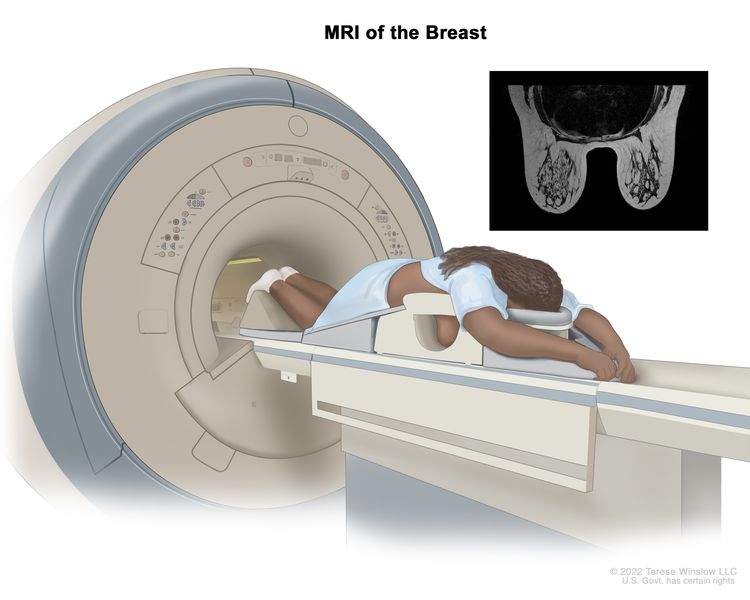
Technologies such as ultrasound, magnetic resonance imaging, and molecular breast imaging are being evaluated, usually as adjuncts to mammography. They are not primary screening tools in the average population.

Shared decision making is increasingly recommended for individuals who are considering cancer screening. Many different types and formats of decision aids have been studied. For more information, see Cancer Screening Overview.

Screening With Mammography

Benefits

Randomized controlled trials (RCTs) initiated 50 years ago provide evidence that screening mammography reduces breast cancer–specific mortality for women aged 60 to 69 years (solid evidence) and women aged 50 to 59 years (fair evidence). Population-based studies done more recently raise questions about the benefits for populations who participate in screening for longer time periods.

Magnitude of Effect: Based on a meta-analysis of RCTs, the number of women needed to invite for screening to prevent one breast cancer death depends on the woman’s age: for women aged 39 to 49 years, 1,904 women needed (95% confidence interval [CI], 929–6,378); for women aged 50 to 59 years, 1,339 women needed (95% CI, 322–7,455); and for women aged 60 to 69 years, 377 women needed (95% CI, 230–1,050).[9]

  • Study Design: RCTs, population-based evidence.
  • Internal Validity: Variable, but meta-analysis of RCTs is good.
  • Consistency: Poor.
  • External Validity: Uncertain.

The validity of meta-analyses of RCT demonstrating a mortality benefit is limited by improvements in medical imaging and treatment in the decades since their completion. The 25-year follow-up from the Canadian National Breast Screening Study (CNBSS),[10] completed in 2014, showed no mortality benefit associated with screening mammograms.

Harms

Based on solid evidence, screening mammography may lead to the following harms:

  • Overdiagnosis and Resulting Treatment of Insignificant Cancers: Some screen-detected cancers are life threatening and others are not, with no definitive way of discriminating between them. Therefore, standard cancer therapies, including surgery, radiation, endocrine therapy, chemotherapy, and therapies targeting the HER2 receptor, are recommended for all cases, even for patients who will not benefit.
    • Magnitude of Effect: Between 20% and 50% of screen-detected cancers represent overdiagnosis based on patient age, life expectancy, and tumor type (ductal carcinoma in situ and/or invasive).[11,12] These estimates are based on two imperfect analytic methods:[11,13]
      1. Long-term follow-up of RCTs of screening.
      2. The calculation of excess incidence in large screening programs.[11,12]
    • Study Design: RCTs, descriptive, population-based comparisons, autopsy series, and series of mammary reduction specimens.
  • False-Positives With Additional Testing and Anxiety.
    • Magnitude of Effect: In the United States, approximately 10% of women are recalled for further testing after a screening examination. However, only 0.5% of tested women have cancer. Thus, approximately 9.5% of tested women have a false-positive exam.[14,15] Approximately 50% of women screened annually for 10 years in the United States experience a false-positive exam; of these, 7% to 17% will undergo biopsies.[16,17] Additional testing is less likely when prior mammograms are available for comparison.
    • Study Design: Descriptive, population-based.
  • False-Negatives With False Sense of Security and Potential Delay in Cancer Diagnosis.
    • Magnitude of Effect: Invasive breast cancer is present but undetected by mammography (false-negative) in 6% to 46% of exams. False-negative exams are more likely for mucinous and lobular types of cancer and for rapidly growing interval tumors, which become detectable between regular mammograms and in dense breasts, which are common in younger women.[1820]
    • Study Design: Descriptive, population-based.
  • Radiation-Induced Breast Cancer: Radiation-induced mutations occur with radiation doses higher than those used in a single mammography examination, so the exposure associated with a typical two-view mammogram is extremely unlikely to cause cancer.[21,22]
    • Magnitude of Effect: Theoretically, annual mammograms in women aged 40 to 80 years may cause up to one breast cancer per 1,000 women.[21,22]
    • Study Design: Descriptive, population-based.

For all of these conclusions regarding potential harms from screening mammography, internal validity, consistency, and external validity are good.

Clinical Breast Examination (CBE)

Benefits

The CNBSS trial did not study the efficacy of CBE versus no screening. Ongoing randomized trials, two in India and one in Egypt, are designed to assess the efficacy of screening CBE but have not reported mortality data.[38]Thus, the efficacy of screening CBE cannot be assessed yet.

  • Magnitude of Effect: The current evidence is insufficient to assess the additional benefits and harms of CBE. The single RCT comparing high-quality CBE with screening mammography showed equivalent benefit. CBE accuracy in the community setting might be lower than in the RCT.[36]
  • Study Design: Single RCT, population cohort studies.
  • Internal Validity: Good.
  • Consistency and External Validity: Poor.

Harms

Screening by CBE may lead to the following harms:

  • False-Positives With Additional Testing and Anxiety.
    • Magnitude of Effect: Specificity in women aged 50 to 59 years was 88% to 99%, yielding a false-positive rate of 1% to 12% for all women screened.[23]
    • Study Design: Descriptive, population based.
    • Internal Validity, Consistency, and External Validity: Good.
  • False-Negatives With Potential False Reassurance and Delay in Cancer Diagnosis.
    • Magnitude of Effect: Of women with cancer, 17% to 43% have a negative CBE. Sensitivity is higher with longer duration and higher quality of the examination by trained personnel.
    • Study Design: Descriptive, population based.
    • Internal and External Validity: Good.
    • Consistency: Fair.

Breast Self-Examination (BSE)

Benefits

BSE has been compared with no screening and has been shown to have no benefit in reducing breast cancer mortality.

  • Magnitude of Effect: No effect.[24,25]
  • Study Design: Two RCTs.
  • Internal Validity and Consistency: Fair.
  • External Validity: Poor.

Harms

There is solid evidence that formal instruction and encouragement to perform BSE leads to more breast biopsies and more diagnoses of benign breast lesions.

  • Magnitude of Effects on Health Outcomes: Biopsy rate was 1.8% among the study population, compared with 1.0% among the control group.[24]
  • Study Design: Two RCTs, cohort studies.
  • Internal Validity: Good.
  • Consistency: Fair.
  • External Validity: Poor.
References
  1. Moss SM, Cuckle H, Evans A, et al.: Effect of mammographic screening from age 40 years on breast cancer mortality at 10 years’ follow-up: a randomised controlled trial. Lancet 368 (9552): 2053-60, 2006. [PUBMED Abstract]
  2. Moss SM, Wale C, Smith R, et al.: Effect of mammographic screening from age 40 years on breast cancer mortality in the UK Age trial at 17 years’ follow-up: a randomised controlled trial. Lancet Oncol 16 (9): 1123-32, 2015. [PUBMED Abstract]
  3. Hassan LM, Mahmoud N, Miller AB, et al.: Evaluation of effect of self-examination and physical examination on breast cancer. Breast 24 (4): 487-90, 2015. [PUBMED Abstract]
  4. Anderson BO, Bevers TB, Carlson RW: Clinical Breast Examination and Breast Cancer Screening Guideline. JAMA 315 (13): 1403-4, 2016. [PUBMED Abstract]
  5. Yen AM, Tsau HS, Fann JC, et al.: Population-Based Breast Cancer Screening With Risk-Based and Universal Mammography Screening Compared With Clinical Breast Examination: A Propensity Score Analysis of 1 429 890 Taiwanese Women. JAMA Oncol 2 (7): 915-21, 2016. [PUBMED Abstract]
  6. Myers ER, Moorman P, Gierisch JM, et al.: Benefits and Harms of Breast Cancer Screening: A Systematic Review. JAMA 314 (15): 1615-34, 2015. [PUBMED Abstract]
  7. Mittra I, Mishra GA, Singh S, et al.: A cluster randomized, controlled trial of breast and cervix cancer screening in Mumbai, India: methodology and interim results after three rounds of screening. Int J Cancer 126 (4): 976-84, 2010. [PUBMED Abstract]
  8. Sankaranarayanan R, Ramadas K, Thara S, et al.: Clinical breast examination: preliminary results from a cluster randomized controlled trial in India. J Natl Cancer Inst 103 (19): 1476-80, 2011. [PUBMED Abstract]
  9. Nelson HD, Tyne K, Naik A, et al.: Screening for breast cancer: an update for the U.S. Preventive Services Task Force. Ann Intern Med 151 (10): 727-37, W237-42, 2009. [PUBMED Abstract]
  10. Miller AB, Wall C, Baines CJ, et al.: Twenty five year follow-up for breast cancer incidence and mortality of the Canadian National Breast Screening Study: randomised screening trial. BMJ 348: g366, 2014. [PUBMED Abstract]
  11. Welch HG, Black WC: Overdiagnosis in cancer. J Natl Cancer Inst 102 (9): 605-13, 2010. [PUBMED Abstract]
  12. Bleyer A, Welch HG: Effect of three decades of screening mammography on breast-cancer incidence. N Engl J Med 367 (21): 1998-2005, 2012. [PUBMED Abstract]
  13. Yen MF, Tabár L, Vitak B, et al.: Quantifying the potential problem of overdiagnosis of ductal carcinoma in situ in breast cancer screening. Eur J Cancer 39 (12): 1746-54, 2003. [PUBMED Abstract]
  14. Jørgensen KJ, Gøtzsche PC: Overdiagnosis in publicly organised mammography screening programmes: systematic review of incidence trends. BMJ 339: b2587, 2009. [PUBMED Abstract]
  15. Rosenberg RD, Yankaskas BC, Abraham LA, et al.: Performance benchmarks for screening mammography. Radiology 241 (1): 55-66, 2006. [PUBMED Abstract]
  16. Elmore JG, Barton MB, Moceri VM, et al.: Ten-year risk of false positive screening mammograms and clinical breast examinations. N Engl J Med 338 (16): 1089-96, 1998. [PUBMED Abstract]
  17. Hubbard RA, Kerlikowske K, Flowers CI, et al.: Cumulative probability of false-positive recall or biopsy recommendation after 10 years of screening mammography: a cohort study. Ann Intern Med 155 (8): 481-92, 2011. [PUBMED Abstract]
  18. Rosenberg RD, Hunt WC, Williamson MR, et al.: Effects of age, breast density, ethnicity, and estrogen replacement therapy on screening mammographic sensitivity and cancer stage at diagnosis: review of 183,134 screening mammograms in Albuquerque, New Mexico. Radiology 209 (2): 511-8, 1998. [PUBMED Abstract]
  19. Kerlikowske K, Grady D, Barclay J, et al.: Likelihood ratios for modern screening mammography. Risk of breast cancer based on age and mammographic interpretation. JAMA 276 (1): 39-43, 1996. [PUBMED Abstract]
  20. Porter PL, El-Bastawissi AY, Mandelson MT, et al.: Breast tumor characteristics as predictors of mammographic detection: comparison of interval- and screen-detected cancers. J Natl Cancer Inst 91 (23): 2020-8, 1999. [PUBMED Abstract]
  21. Ronckers CM, Erdmann CA, Land CE: Radiation and breast cancer: a review of current evidence. Breast Cancer Res 7 (1): 21-32, 2005. [PUBMED Abstract]
  22. Goss PE, Sierra S: Current perspectives on radiation-induced breast cancer. J Clin Oncol 16 (1): 338-47, 1998. [PUBMED Abstract]
  23. Fenton JJ, Rolnick SJ, Harris EL, et al.: Specificity of clinical breast examination in community practice. J Gen Intern Med 22 (3): 332-7, 2007. [PUBMED Abstract]
  24. Thomas DB, Gao DL, Ray RM, et al.: Randomized trial of breast self-examination in Shanghai: final results. J Natl Cancer Inst 94 (19): 1445-57, 2002. [PUBMED Abstract]
  25. Semiglazov VF, Manikhas AG, Moiseenko VM, et al.: [Results of a prospective randomized investigation [Russia (St.Petersburg)/WHO] to evaluate the significance of self-examination for the early detection of breast cancer]. Vopr Onkol 49 (4): 434-41, 2003. [PUBMED Abstract]

Description of the Evidence

Breast Cancer Incidence and Mortality

Breast cancer is the most common noncutaneous cancer in U.S. women, with an estimated 316,950 cases of invasive disease, 59,080 cases of in situ disease, and 42,170 deaths expected in 2025.[1] Women with inherited risk, including BRCA1 and BRCA2 gene carriers, make up approximately 5% to 10% of breast cancer cases.[2] Men account for about 1% of breast cancer cases and breast cancer deaths.[1]

The biggest risk factor for breast cancer is being female followed by advancing age. Other risk factors include hormonal aspects (such as early menarche, late menopause, nulliparity, late first pregnancy, and postmenopausal hormone therapy use), alcohol consumption, and exposure to ionizing radiation.

Breast cancer incidence is higher in White women than in Black women, although Black women have a lower survival rate for every stage of disease.[3] This disparity may reflect differences in screening quality, timeliness of follow-up after abnormal screening results, quality of breast cancer treatment, and tumor type.[4] Hispanic women, Asian or Pacific Islander women, and American Indian or Alaska Native women have lower incidence and mortality rates than White or Black women.[5]

Breast cancer incidence depends on reproductive issues (such as early vs. late pregnancy, multiparity, and breastfeeding), participation in screening, and postmenopausal hormone usage. The incidence of breast cancer (especially ductal carcinoma in situ [DCIS]) increased dramatically after mammography was widely adopted in the United States and the United Kingdom.[6] Widespread use of postmenopausal hormone therapy was associated with a dramatic increase in breast cancer incidence, a trend that reversed when its use decreased.[7]

In any population, the adoption of screening is not followed by a decline in the incidence of advanced-stage cancer.

Evaluation of Breast Symptoms

Women with breast symptoms undergo diagnostic mammography as opposed to screening mammography, which is done in asymptomatic women. In a 10-year study of breast symptoms prompting medical attention, a breast mass led to a cancer diagnosis in 10.7% of cases, whereas pain was associated with cancer in only 1.8% of cases.[8]

Pathological Evaluation of Breast Tissue

Invasive breast cancer

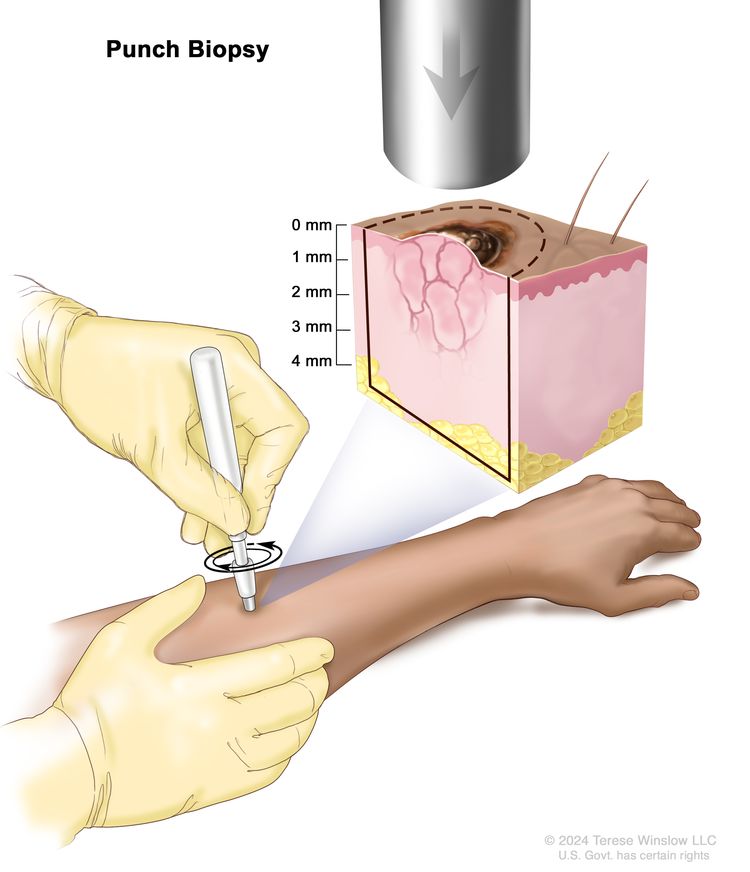
Breast cancer can be diagnosed when breast tissue cells removed during a biopsy are studied microscopically. The breast tissue to be sampled can be identified by an abnormality on an imaging study or because it is palpable. Breast biopsies can be performed with a thin needle attached to a syringe (fine-needle aspirate), a larger needle (core biopsy), or by excision (excisional biopsy). Image guidance can improve accuracy. Needle biopsies sample an abnormal area large enough to make a diagnosis. Excisional biopsies aim to remove the entire region of abnormality.

Ductal carcinoma in situ (DCIS)

DCIS is a noninvasive condition that can be associated with, or evolve into, invasive cancer, with variable frequency and time course.[9] Some authors include DCIS with invasive breast cancer statistics, but others argue that it would be better if the term were replaced with ductal intraepithelial neoplasia, similar to the terminology used for cervical and prostate precursor lesions, and that excluding DCIS from breast cancer statistics should be considered.

DCIS is most often diagnosed by mammography. In the United States, only 4,900 women were diagnosed with DCIS in 1983 before the adoption of mammography screening, compared with approximately 59,080 women who are expected to be diagnosed in 2025.[1,9,10] The Canadian National Breast Screening Study-2, which evaluated women aged 50 to 59 years, found a fourfold increase in DCIS cases in women screened by clinical breast examination (CBE) plus mammography, compared with those screened by CBE alone, with no difference in breast cancer mortality.[11] For more information, see Breast Cancer Treatment.

The natural history of DCIS is poorly understood because nearly all DCIS cases are detected by screening and nearly all are treated. Development of breast cancer after treatment of DCIS depends on the pathological characteristics of the lesion and on the treatment. In a randomized trial, 13.4% of women whose DCIS was excised by lumpectomy developed ipsilateral invasive breast cancer within 90 months, compared with 3.9% of those treated by both lumpectomy and radiation.[12] Among women diagnosed and treated for DCIS, the percentage of women who died of breast cancer is lower than that for the age-matched population at large.[13,14] This favorable outcome may reflect the benign nature of the condition, the benefits of treatment, or the volunteer effect (i.e., women who undergo breast cancer screening are generally healthier than those who do not do so).

Atypia

Atypia, which is a risk factor for breast cancer, is found in 4% to 10% of breast biopsies.[15,16] Atypia is a diagnostic classification with considerable variation among practicing pathologists.[17]

Variability of pathologists’ diagnoses on the interpretation of breast biopsy specimens

The range of pathologists’ diagnoses of breast tissue includes benign without atypia, atypia, DCIS, and invasive breast cancer. The incidence of atypia and DCIS breast lesions has increased over the past three decades as a result of widespread mammography screening, although atypia is generally mammographically occult.[18,19] Misclassification of breast lesions may contribute to either overtreatment or undertreatment of lesions—with variability especially in the diagnoses of atypia and DCIS.[17,2024]

The largest study on this topic, the B-Path study, involved 115 practicing U.S. pathologists who interpreted a single-breast biopsy slide per case, and it compared their interpretations with an expert consensus-derived reference diagnosis.[17] While the overall agreement between the individual pathologists’ interpretations and the expert reference diagnoses was highest for invasive carcinoma, there were markedly lower levels of agreement for DCIS and atypia.[17] As the B-Path study included higher proportions of cases of atypia and DCIS than typically seen in clinical practice, the authors expanded their work by applying Bayes’ theorem to estimate how diagnostic variability affects accuracy from the perspective of a U.S. woman aged 50 to 59 years having a breast biopsy.[20] At the U.S. population level, it is estimated that 92.3% (95% confidence interval [CI], 91.4%–93.1%) of breast biopsy diagnoses would be verified by an expert reference consensus diagnosis, with 4.6% (95% CI, 3.9%–5.3%) of initial breast biopsies estimated to be overinterpreted and 3.2% (95% CI, 2.7%–3.6%) under interpreted. Figure 1 shows the predicted outcomes per 100 breast biopsies, overall and by diagnostic category.
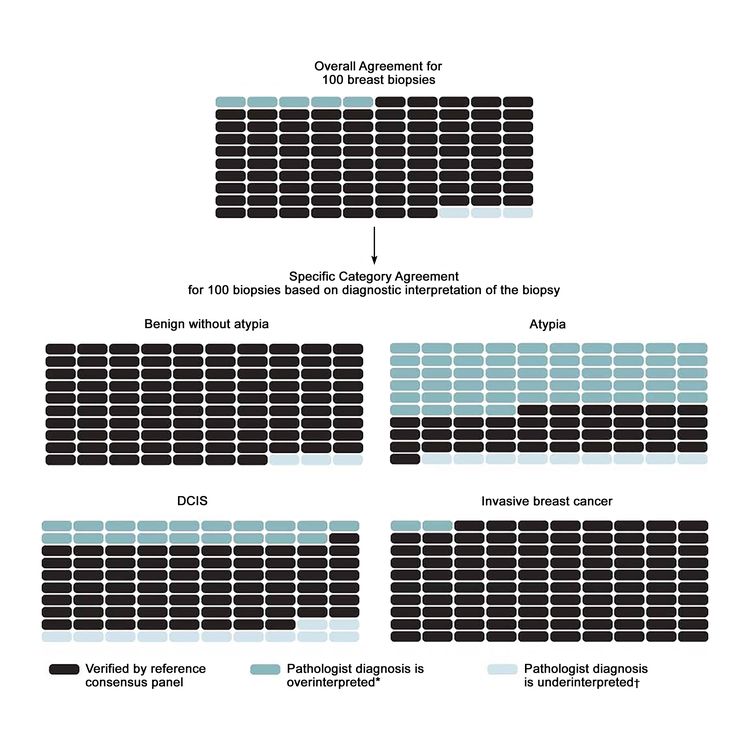
EnlargeCharts showing the predicted outcomes for 100 breast biopsies, overall and by diagnostic category.
Figure 1. Predicted outcomes per 100 breast biopsies, overall and by diagnostic category. From Annals of Internal Medicine, Elmore JG, Nelson HD, Pepe MS, Longton GM, Tosteson AN, Geller B, Onega T, Carney PA, Jackson SL, Allison KH, Weaver DL, Variability in Pathologists’ Interpretations of Individual Breast Biopsy Slides: A Population Perspective, Volume 164, Issue 10, Pages 649–55, Copyright © 2016 American College of Physicians. All Rights Reserved. Reprinted with the permission of American College of Physicians, Inc.

To address the high rates of discordance in breast tissue diagnosis, laboratory policies that require second opinions are becoming more common. A national survey of 252 breast pathologists participating in the B-Path study found that 65% of respondents reported having a laboratory policy that requires second opinions for all cases initially diagnosed as invasive disease. Additionally, 56% of respondents reported policies that require second opinions for initial diagnoses of DCIS, while 36% of respondents reported mandatory second opinion policies for cases initially diagnosed as atypical ductal hyperplasia.[25] In this same survey, pathologists overwhelmingly agreed that second opinions improved diagnostic accuracy (96%).

A simulation study that used B-Path study data evaluated 12 strategies for obtaining second opinions to improve interpretation of breast histopathology.[26] Accuracy improved significantly with all second-opinion strategies, except for the strategy limiting second opinions only to cases of invasive cancer. Accuracy improved regardless of the pathologists’ confidence in their diagnosis or their level of experience. While the second opinions improved accuracy, they did not completely eliminate diagnostic variability, especially in the challenging case of breast atypia.

Special Populations

Women at increased risk who may benefit more from screening

Women with BRCA1 and BRCA2 genetic mutations

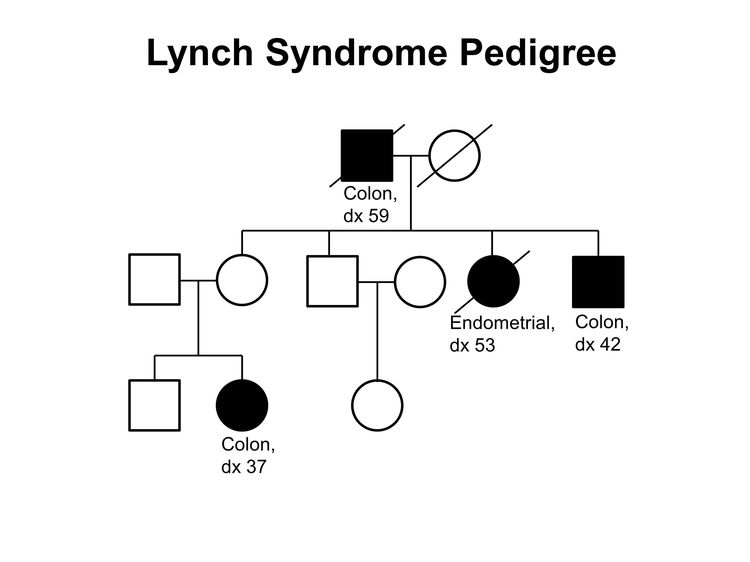
Women with an increased risk of breast cancer caused by a BRCA1 or BRCA2 genetic mutation might benefit from increased screening. For more information, see BRCA1 and BRCA2: Cancer Risks and Management.

Recipients of thoracic radiation

Women with Hodgkin and non-Hodgkin lymphoma who were treated with mantle irradiation have an increased risk of breast cancer, starting 10 years after completing therapy and continuing life-long. Therefore, screening mammography has been advocated, even though it may begin at a relatively young age.[27,28]

Black women

Women who self-identify as Black in the United States have a lower overall lifetime risk of developing breast cancer than White women, although they have a slightly higher breast cancer incidence in their 30s and 40s. However, Black women have a 40% higher breast cancer mortality than White women, a finding that is attributed to multiple factors, such as delayed follow-up of abnormal mammograms, later stage at diagnosis, inferior breast cancer treatment, and more aggressive tumor types.

To inform the U.S. Preventive Services Task Force (USPSTF) 2024 breast cancer screening recommendations, a modeling study was commissioned. This study used the six Cancer Intervention and Surveillance Modeling Network (CISNET) models to assess the benefits and harms of mammography screening at different starting ages and frequencies in the average-risk population of U.S. women, overall, and for Black women, specifically. The models incorporated race-specific data on breast cancer incidence, tumor subtypes, stage distribution, treatment quality/effectiveness, and mortality. Because of Black women’s inferior breast cancer outcomes, the models found that Black women experienced a slightly greater absolute benefit (i.e., more breast cancer deaths prevented) from mammography screening compared with the general population.[29] For example, the models estimated that screening 1,000 women in the general population every 2 years between the ages of 50 years and 74 years (as recommended by previous USPSTF guidelines) would avert an estimated 6.7 breast cancer deaths, while biennial screening starting at age 40 years would avert an additional 1.3 breast cancer deaths. Among Black women, screening every 2 years between the ages of 50 years and 74 years would avert an estimated 9.2 breast cancer deaths per 1,000 women screened, while biennial screening starting at age 40 years would avert an additional 1.8 breast cancer deaths. (See Table 1.)

In response to these findings and to address inequities in breast cancer outcomes, the USPSTF recommended that all average-risk women initiate screening at age 40 years (instead of at age 50 years, as previously recommended) and be screened every 2 years until age 74 years. Although this approach may result in additional lives saved, the models demonstrate that earlier screening also increases the likelihood of harm from mammography screening. In the general population of women, biennial screening from age 40 to 74 years, rather than age 50 to 74 years, would result in 503 additional false-positive results, 65 additional biopsies, and 2 additional overdiagnosed breast cancers per 1,000 women screened. Among Black women specifically, biennial screening starting at age 40 years, rather than at age 50 years, would result in 439 additional false-positive results, 75 additional biopsies, and 2 additional overdiagnosed breast cancers per 1,000 women screened. (See Table 1.)

Although mathematical modeling is increasingly used to estimate mammography’s benefits and harms, it has a number of limitations, as described later in this summary. Limitations include models’ reliance on multiple assumptions and their inability to predict and incorporate factors that are as highly dynamic as breast cancer diagnosis and treatment. The assumptions and methods used by mathematical models are difficult for nonmodelers to understand. Therefore, it can be risky to base policy decisions on the findings of mathematical models. Further, as the USPSTF has noted, to address higher breast cancer mortality in Black women, systematic approaches are needed to address existing inequities in screening quality, diagnostic processes, and treatment quality. It is not clear whether earlier screening initiation in the general population will improve outcomes among Black women without dedicated efforts to address such documented inequities.

Table 1. Lifetime Benefits and Harms of Screening 1,000 Women With Digital Breast Tomosynthesis Every 2 Years in Black Women Versus all Women, From CISNET Modeling Study to Inform the USPSTF 2024 Breast Cancer Screening Recommendationsa
Screening Group No. of Mammograms No. of Breast Cancer Deaths Averted No. of False Positives No. of Unnecessary Biopsies No. of Overdiagnosed Breast Cancers
CISNET = Cancer Intervention and Surveillance Modeling Network; No. = number; USPSTF = U.S. Preventive Services Task Force.
aAdapted from Trentham-Dietz et al.[29]
All Women  
Age 50–74 y (biennial) 11,192 6.7 873 136 12
Age 40–74 y (biennial) 16,116 8.2 1,376 201 14
Black Women  
Age 50–74 y (biennial) 10,905 9.2 814 158 16
Age 40–74 y (biennial) 15,801 10.7 1,253 233 18

Individuals who benefit less from screening

Women with limited life expectancy

The potential benefits of screening mammography occur well after the examination, often many years later, whereas the harms occur immediately. Therefore, women with limited life expectancy and comorbidities who suffer harms may do so without benefit. Nonetheless, many of these women undergo screening mammography.[30] In one study, approximately 9% of women with advanced cancer underwent cancer screening tests.[31]

Older women

Screening mammography may yield cancer diagnoses in approximately 1% of women aged 66 to 79 years, but most of these cancers are low risk.[32] The question remains whether the diagnosis and treatment of localized breast cancer in older women is beneficial.

Young women

There is no evidence of benefit in performing screening mammography in average-risk women younger than 40 years.

Men

Approximately 1% of all breast cancers occur in men.[33] Most cases are diagnosed during the evaluation of palpable lesions, which are generally easy to detect. Treatment consists of surgery, radiation, and systemic adjuvant hormone therapy or chemotherapy. For more information, see Male Breast Cancer Treatment. In this population, screening is unlikely to be beneficial.

References
  1. American Cancer Society: Cancer Facts and Figures 2025. American Cancer Society, 2025. Available online. Last accessed January 16, 2025.
  2. Kurian AW, Griffith KA, Hamilton AS, et al.: Genetic Testing and Counseling Among Patients With Newly Diagnosed Breast Cancer. JAMA 317 (5): 531-534, 2017. [PUBMED Abstract]
  3. Ellington TD, Henley SJ, Wilson RJ, et al.: Trends in breast cancer mortality by race/ethnicity, age, and US census region, United States─1999-2020. Cancer 129 (1): 32-38, 2023. [PUBMED Abstract]
  4. Jatoi I, Sung H, Jemal A: The Emergence of the Racial Disparity in U.S. Breast-Cancer Mortality. N Engl J Med 386 (25): 2349-2352, 2022. [PUBMED Abstract]
  5. Surveillance Research Program, National Cancer Institute: SEER*Explorer: An interactive website for SEER cancer statistics. Bethesda, MD: National Cancer Institute. Available online. Last accessed December 30, 2024.
  6. Johnson A, Shekhdar J: Breast cancer incidence: what do the figures mean? J Eval Clin Pract 11 (1): 27-31, 2005. [PUBMED Abstract]
  7. Haas JS, Kaplan CP, Gerstenberger EP, et al.: Changes in the use of postmenopausal hormone therapy after the publication of clinical trial results. Ann Intern Med 140 (3): 184-8, 2004. [PUBMED Abstract]
  8. Barton MB, Elmore JG, Fletcher SW: Breast symptoms among women enrolled in a health maintenance organization: frequency, evaluation, and outcome. Ann Intern Med 130 (8): 651-7, 1999. [PUBMED Abstract]
  9. Allegra CJ, Aberle DR, Ganschow P, et al.: National Institutes of Health State-of-the-Science Conference statement: Diagnosis and Management of Ductal Carcinoma In Situ September 22-24, 2009. J Natl Cancer Inst 102 (3): 161-9, 2010. [PUBMED Abstract]
  10. Virnig BA, Tuttle TM, Shamliyan T, et al.: Ductal carcinoma in situ of the breast: a systematic review of incidence, treatment, and outcomes. J Natl Cancer Inst 102 (3): 170-8, 2010. [PUBMED Abstract]
  11. Miller AB, To T, Baines CJ, et al.: Canadian National Breast Screening Study-2: 13-year results of a randomized trial in women aged 50-59 years. J Natl Cancer Inst 92 (18): 1490-9, 2000. [PUBMED Abstract]
  12. Fisher B, Dignam J, Wolmark N, et al.: Lumpectomy and radiation therapy for the treatment of intraductal breast cancer: findings from National Surgical Adjuvant Breast and Bowel Project B-17. J Clin Oncol 16 (2): 441-52, 1998. [PUBMED Abstract]
  13. Ernster VL, Barclay J, Kerlikowske K, et al.: Mortality among women with ductal carcinoma in situ of the breast in the population-based surveillance, epidemiology and end results program. Arch Intern Med 160 (7): 953-8, 2000. [PUBMED Abstract]
  14. Welch HG, Prorok PC, O’Malley AJ, et al.: Breast-Cancer Tumor Size, Overdiagnosis, and Mammography Screening Effectiveness. N Engl J Med 375 (15): 1438-1447, 2016. [PUBMED Abstract]
  15. Weaver DL, Rosenberg RD, Barlow WE, et al.: Pathologic findings from the Breast Cancer Surveillance Consortium: population-based outcomes in women undergoing biopsy after screening mammography. Cancer 106 (4): 732-42, 2006. [PUBMED Abstract]
  16. Rubin E, Visscher DW, Alexander RW, et al.: Proliferative disease and atypia in biopsies performed for nonpalpable lesions detected mammographically. Cancer 61 (10): 2077-82, 1988. [PUBMED Abstract]
  17. Elmore JG, Longton GM, Carney PA, et al.: Diagnostic concordance among pathologists interpreting breast biopsy specimens. JAMA 313 (11): 1122-32, 2015. [PUBMED Abstract]
  18. Bleyer A, Welch HG: Effect of three decades of screening mammography on breast-cancer incidence. N Engl J Med 367 (21): 1998-2005, 2012. [PUBMED Abstract]
  19. Hall FM: Identification, biopsy, and treatment of poorly understood premalignant, in situ, and indolent low-grade cancers: are we becoming victims of our own success? Radiology 254 (3): 655-9, 2010. [PUBMED Abstract]
  20. Elmore JG, Nelson HD, Pepe MS, et al.: Variability in Pathologists’ Interpretations of Individual Breast Biopsy Slides: A Population Perspective. Ann Intern Med 164 (10): 649-55, 2016. [PUBMED Abstract]
  21. Rosai J: Borderline epithelial lesions of the breast. Am J Surg Pathol 15 (3): 209-21, 1991. [PUBMED Abstract]
  22. Schnitt SJ, Connolly JL, Tavassoli FA, et al.: Interobserver reproducibility in the diagnosis of ductal proliferative breast lesions using standardized criteria. Am J Surg Pathol 16 (12): 1133-43, 1992. [PUBMED Abstract]
  23. Wells WA, Carney PA, Eliassen MS, et al.: Statewide study of diagnostic agreement in breast pathology. J Natl Cancer Inst 90 (2): 142-5, 1998. [PUBMED Abstract]
  24. Della Mea V, Puglisi F, Bonzanini M, et al.: Fine-needle aspiration cytology of the breast: a preliminary report on telepathology through Internet multimedia electronic mail. Mod Pathol 10 (6): 636-41, 1997. [PUBMED Abstract]
  25. Geller BM, Nelson HD, Carney PA, et al.: Second opinion in breast pathology: policy, practice and perception. J Clin Pathol 67 (11): 955-60, 2014. [PUBMED Abstract]
  26. Elmore JG, Tosteson AN, Pepe MS, et al.: Evaluation of 12 strategies for obtaining second opinions to improve interpretation of breast histopathology: simulation study. BMJ 353: i3069, 2016. [PUBMED Abstract]
  27. Mariscotti G, Belli P, Bernardi D, et al.: Mammography and MRI for screening women who underwent chest radiation therapy (lymphoma survivors): recommendations for surveillance from the Italian College of Breast Radiologists by SIRM. Radiol Med 121 (11): 834-837, 2016. [PUBMED Abstract]
  28. Allen SD, Wallis MG, Cooke R, et al.: Radiologic features of breast cancer after mantle radiation therapy for Hodgkin disease: a study of 230 cases. Radiology 272 (1): 73-8, 2014. [PUBMED Abstract]
  29. Trentham-Dietz A, Chapman CH, Jayasekera J, et al.: Collaborative Modeling to Compare Different Breast Cancer Screening Strategies: A Decision Analysis for the US Preventive Services Task Force. JAMA 331 (22): 1947-1960, 2024. [PUBMED Abstract]
  30. Walter LC, Lindquist K, Covinsky KE: Relationship between health status and use of screening mammography and Papanicolaou smears among women older than 70 years of age. Ann Intern Med 140 (9): 681-8, 2004. [PUBMED Abstract]
  31. Sima CS, Panageas KS, Schrag D: Cancer screening among patients with advanced cancer. JAMA 304 (14): 1584-91, 2010. [PUBMED Abstract]
  32. Smith-Bindman R, Kerlikowske K, Gebretsadik T, et al.: Is screening mammography effective in elderly women? Am J Med 108 (2): 112-9, 2000. [PUBMED Abstract]
  33. Fentiman IS, Fourquet A, Hortobagyi GN: Male breast cancer. Lancet 367 (9510): 595-604, 2006. [PUBMED Abstract]

Mammography

Description and Background

Mammography uses ionizing radiation to image breast tissue. The examination is performed by compressing the breast firmly between two plates, which spreads out overlapping tissues and reduces the amount of radiation needed for the image. For routine screening in the United States, examinations are taken in both mediolateral oblique and craniocaudal projections.[1] Both views will include breast tissue from the nipple to the pectoral muscle. Radiation exposure is 4 to 24 mSv per standard two-view screening examination. Two-view examinations have a lower recall rate than single-view examinations because they reduce concern about abnormalities caused by superimposition of normal breast structures.[2] Two-view exams have lower interval cancer rates than single-view exams.[3]

Under the Mammography Quality Standards Act (MQSA) enacted by Congress in 1992, all U.S. facilities that perform mammography must be certified by the U.S. Food and Drug Administration (FDA) to ensure the use of standardized training for personnel and a standardized mammography technique utilizing a low radiation dose.[4] (See the FDA’s web page on Mammography Facility Surveys, Mammography Equipment Evaluations, and Medical Physicist Qualification Requirement under MQSA.) The 1998 MQSA Reauthorization Act requires that patients receive a written lay-language summary of mammography results.

The following Breast Imaging Reporting and Data System (BI-RADS) categories are used for reporting mammographic results:[5]

  • 0: Incomplete—needs additional image evaluation and/or prior mammograms for comparison.
  • 1: Negative; the risk of cancer diagnosis within 1 year is 1%.
  • 2: Benign; the risk of cancer diagnosis within 1 year is 1%.
  • 3: Probably benign; the risk of cancer diagnosis within 1 year is 2%.
  • 4: Suspicious; the risk of cancer diagnosis within 1 year is 2%–95%.
    • 4a: 2%–10%.
    • 4b: 10%–50%.
    • 4c: 50%–95%.
  • 5: Highly suggestive of malignancy; the risk of cancer diagnosis within 1 year is 95%.
  • 6: Known biopsy—proven malignancy.

Most screening mammograms are interpreted as negative or benign (BI-RADS 1 or 2, respectively); about 10% of women in the United States are asked to return for additional evaluation.[6] The percentage of women asked to return for additional evaluation varies not only by the inherent characteristics of each woman but also by the mammography facility and radiologist.

Tumor detection has not been validated as a proper surrogate outcome measure for breast cancer mortality, and novel screening methods that simply increase tumor detection rates may not necessarily reduce the risk of dying from breast cancer. Nonetheless, there are numerous studies demonstrating improvements in breast tumor detection rates with modern imaging technology, with the absence of mortality data. Between 1963 and 1990, screening mammography was assessed in nine randomized trials with breast cancer-specific mortality as the primary end point, and screening mammography recommendations were largely based on the results of these trials. However, in more recent years, novel breast screening technologies have often been assessed in clinical trials and observational studies with end points that have not been validated as proper surrogate outcome measures for breast cancer mortality.[7]

A systematic review of studies with a total of 488,099 patients compared digital breast tomosynthesis (DBT) alone, combined DBT and digital mammography (DM), and DM alone. DBT alone and combined DBT and DM were more sensitive than DM alone for breast cancer detection, but there appeared to be no significant difference in diagnostic accuracy between DBT alone and the combination of DBT and DM. A subsequent systematic review and meta-analysis by the same authors seemed to support the replacement of DM by synthetic 2-dimensional mammography (S2D) combined with DBT for breast cancer screening, as combining S2D and DBT improved tumor detection rates, and reduced recall rates, radiation dose, and overall costs.[79]

Digital Mammography and Computer-Aided Detection

DM is more expensive than screen-film mammography (SFM) but is more amenable to data storage and sharing. Performance of both SFM and DM for cancer detection rate, sensitivity, specificity, and positive predictive value (PPV) has been compared directly in several trials, with similar results in most patient groups.

The Digital Mammographic Imaging Screening Trial (DMIST) compared the findings of digital and film mammograms in 42,760 women at 33 U.S. centers. Although DM detected more cancers in women younger than 50 years (area under the curve [AUC] of 0.84 +/- 0.03 for digital; AUC of 0.69 +/- 0.05 for film; P = .002), there was no difference in breast cancer detection overall.[10] A second DMIST report found a trend toward higher AUC for film mammography than for DM in women aged 65 years and older.[11]

Another large U.S. cohort study [12] also found slightly better sensitivity for film mammography for women younger than 50 years with similar specificity.

A Dutch study compared the findings of 1.5 million digital versus 4.5 million screen-film screening mammograms performed between 2004 and 2010. A higher recall and cancer detection rate was observed for the digital screens.[13] A meta-analysis [14] of 10 studies, including the DMIST [10,11] and the U.S. cohort study,[12] compared DM and film mammography in 82,573 women who underwent both types of the exam. In a random-effects model, there was no statistically significant difference in cancer detection between the two types of mammography (AUC of 0.92 for film and AUC of 0.91 for digital). For women younger than 50 years, all studies found that sensitivity was higher for DM, but specificity was either the same or higher for film mammography.

Computer-aided detection (CAD) systems highlight suspicious regions, such as clustered microcalcifications and masses,[15] generally increasing sensitivity, decreasing specificity,[16] and increasing detection of ductal carcinoma in situ (DCIS).[17] Several CAD systems are in use. One large population-based study that compared recall rates and breast cancer detection rates before and after the introduction of CAD systems, found no change in either rate.[15,18] Another large study noted an increase in recall rate and increased DCIS detection but no improvement in invasive cancer detection rate.[17,19] Another study, using a large database and DM in women aged 40 to 89 years, found that CAD did not improve sensitivity, specificity, or detection of interval cancers, but it did detect more DCIS.[20]

The use of new screening mammography modalities by more than 270,000 women aged 65 years and older in two time periods, 2001 to 2002 and 2008 to 2009, was examined, relying on a Surveillance, Epidemiology, and End Results (SEER)–Medicare-linked database. DM increased from 2% to 30%, CAD increased from 3% to 33%, and spending increased from $660 million to $962 million. CAD was used in 74% of screening mammograms paid for by Medicare in 2008, almost twice as many screening mammograms as in 2004. There was no difference in detection rates of early-stage (DCIS or stage I) or late-stage (stage IV) tumors.[21]

Digital Breast Tomosynthesis

DBT is a mammographic technique, which was approved by the FDA (April 2018).[22] Like conventional mammography, DBT compresses the breast and uses x-rays to create images. In DBT, an x-ray tube moves in an arc around the compressed breast, taking multiple images at different angles, which are then reconstructed or synthesized into a set of 3-dimensional images by a computer. Some cancers are better seen with this method than on conventional DM or ultrasound.

DBT has rapidly become a prominent method of breast cancer screening in the United States, especially in higher-income regions with larger White populations. Use of DBT for breast cancer screening increased from 13% in 2015 to over 40% in 2017.[23] Seventy-three percent of facilities now report use of DBT.[22]

Observational data from eight screening facilities in Vermont compared the findings from 86,379 DBT and 97,378 full-field DM screening examinations performed between 2012 and 2016. Women were included if they had no history of breast cancer or breast implants. Demographic and risk factor information was obtained by questionnaire, and pathology for all biopsies was obtained through the Vermont Breast Cancer Surveillance System. Recall rate was lower with DBT than with DM (7.9% vs. 10.9%; odds ratio [OR], 0.81; 95% confidence interval [CI], 0.77–0.85), but there was no difference in the rates of biopsy or the detection of benign or malignant disease.[24]

The Oslo Tomosynthesis Screening Trial was conducted between November 2010 and December 2012 and included 24,301 women with 281 cancers. The trial compared the sensitivity of DM with DM plus DBT and with DM plus computer-aided detection and of DM plus DBT with synthesized 2-dimensional mammography plus DBT. Researchers report that DBT plus DM detected more breast cancers than DM alone (230 vs. 177, a 22.7% relative increase [95% CI, 17%–28.6%]). The trial also reported somewhat fewer false-positive findings on DBT plus DM compared with DM alone (2,081 vs. 2,466, a 0.8% relative reduction [95% CI, -1.03 to -0.57]), except in women with extremely dense breasts.[25] Difference between CAD plus DM and DM alone were not statistically significant.

The Tomosynthesis Trial in Bergen (To-Be) compared DBT plus synthesized mammography (SM) with conventional DM in population-based screening, including all women aged 50 to 69 years who were invited for breast cancer screening in Bergen, Norway. Screening was performed with two-view DBT plus SM or two-view conventional DM. A pool of eight radiologists independently double read the screening mammograms. Interim results from the first year of the trial showed:[26]

  1. Longer interpretation times for DBT plus SM (71 vs. 41 seconds).
  2. Equivalent mean glandular radiation dose.
  3. Lower overall recall rate for DBT plus SM (3.6% vs. 3.0%), despite an equivalent recall rate for women with dense breasts (3.6%).

The primary outcome results were published later.[27] The authors suggested explanations for the difference between these results and those from previous studies. First, SM may produce inferior quality images when compared with conventional DM, including poor visualization of microcalcifications. Second, the eight radiologists had wide variations in experience (ranging from 0–19 years) reading screen film and/or DM and DBT in population-based breast cancer screening.

Another study used three different Cancer Intervention and Surveillance Modeling Network (CISNET) breast cancer models and incorporated DBT screening performance data into the models to determine the cost and benefits of DBT versus DM. The study concluded that the use of DBT screening instead of DM reduced false-positives and recall rates and was projected to reduce breast cancer deaths (0–0.21 deaths per 1,000 women) and increased quality-adjusted life-years (QALYs) (1.97–3.27 per 1,000 women). However, these improvements were generally small and were associated with high costs relative to benefits: cost-effectiveness ratios ranged from $195,026 to $270,135 per QALY gained. These are greater than commonly accepted thresholds of $50,000 to $150,000 per QALY.[28]

An important limitation of the available studies and statistical modeling is lack of evidence of the clinical significance of the additional breast cancers detected by DBT (with or without DM) versus DM alone. The extent to which DBT may contribute to overdiagnosis of non–life-threatening lesions or lesions that would have still been detected in an asymptomatic woman at the time of a future DM is unknown. To date, there are no studies of DBT that show a reduction in metastatic disease or other late-stage disease.

Five ongoing randomized controlled trials with a combined recruitment of 430,000 women in Europe, the United Kingdom, and the United States are expected to provide information about clinical breast cancer outcomes of mammographic screening using DBT compared with DM.[25,29]

The randomized TOSYMA trial assessed DBT plus synthesized mammography versus digital screening mammography alone for the detection of breast cancer. The primary end points were detection of invasive breast cancer and the interval invasive cancer detection rate at 24 months. However, neither of these end points has been validated as proper surrogate outcome measures for mortality. The detection of greater numbers of early-stage cancers may confer no mortality benefit, as many of these cancers may fail to progress or progress so slowly that they pose no threat to the patient’s life (i.e., result in overdiagnosis). Moreover, if the detection of nonlethal cancers substantially increases, then the interval cancer detection rates may decrease with no subsequent reduction in mortality.[7]

A cohort study comparing DBT with DM found that the two modalities were not associated with a significant difference in risk of interval invasive cancer. However, DBT was associated with a significantly lower risk of advanced breast cancer among women with extremely dense breasts at high risk of developing breast cancer.[30] Better clarification on this issue may come from the ongoing Tomosynthesis Mammographic Imaging Screening Trial (TMIST), in which women are randomly assigned to either standard digital breast imaging or DBT, and the primary outcome is rate of advanced cancers, a composite end point that includes distant metastases.

Characteristics of Cancers Detected by Breast Imaging

Regardless of stage, nodal status, and tumor size, screen-detected cancers have a better prognosis than those diagnosed outside of screening.[2] This suggests that they are biologically less lethal (perhaps slower growing and less likely to invade locally and metastasize). This is consistent with the length bias effect associated with screening. That is, screening is more likely to detect indolent (i.e., slow-growing) breast cancers, while the more aggressive cancers are detected in the intervals between screening sessions.

A 10-year follow-up study of 1,983 Finnish women with invasive breast cancer demonstrated that the method of cancer detection is an independent prognostic variable. When controlled for age, nodal status, and tumor size, screen-detected cancers had a lower risk of relapse and better overall survival. For women whose cancers were detected outside of screening, the hazard ratio (HR) for death was 1.90 (95% CI, 1.15–3.11), even though they were more likely to receive adjuvant systemic therapy.[31]

Similarly, an examination of the breast cancers found in three randomized screening trials (Health Insurance Plan, National Breast Screening Study [NBSS]-1, and NBSS-2) accounted for stage, nodal status, and tumor size and determined that patients whose cancer was found via screening had a more favorable prognosis. The relative risks (RRs) for death were 1.53 (95% CI, 1.17–2.00) for interval and incident cancers, compared with screen-detected cancers; and 1.36 (95% CI, 1.10–1.68) for cancers in the control group, compared with screen-detected cancers.[32]

A third study compared the outcomes of 5,604 English women with screen-detected cancers to those with symptomatic breast cancers diagnosed between 1998 and 2003. After controlling for tumor size, nodal status, grade, and patient age, researchers found that the women with screen-detected cancers fared better. The HR for survival of the symptomatic women was 0.79 (95% CI, 0.63–0.99).[31,33]

The findings of these studies are also consistent with the evidence that some screen-detected cancers are low risk and represent overdiagnosis.

Screening biases–concepts

Numerous uncontrolled trials and retrospective series have documented the ability of mammography to diagnose small, early-stage breast cancers, which have a favorable clinical course.[34] Individuals whose cancer is detected by screening show a higher survival rate than those whose cancers are not detected by screening even when screening has not prolonged any lives. This concept is explained by the following four types of statistical bias:

  1. Lead-time bias: Cancer detected by screening earlier than the cancer would have been detected based on symptoms does nothing but advance the date of diagnosis. Earlier detection and treatment do not alter the natural disease progression. The 5-year survival rate from the time of diagnosis is longer for a cancer caught early even when the screening has made no difference in how long the person lives.
  2. Length bias: Screening mammography detects slowly growing cancers that have a better prognosis than cancers presenting clinically (detected by the doctor or the person when he or she gets ill). Adding these nonprogressive cancers to the life-threatening cancers (whose outcome is not affected by earlier treatment) increases the 5-year survival rate, even though screening has made no difference in how many lives are saved.
  3. Overdiagnosis bias: Screening detects cancers that would never cause symptoms or death and will increase survival rates without changing length of life.
  4. Healthy volunteer bias: Those who volunteer to participate in screening may be the healthiest, and the most health-conscious women in the general population. Therefore, their outcomes will be better than those of women who are neither healthy nor health-conscious, regardless of possible benefits of early diagnosis. One study identified that women who accept invitations to screening are more health-conscious, have better access to health care, and have lower mortality from causes other than breast cancer.[35]

The impact of these biases is not known. A new randomized controlled trial (RCT) with cause-specific mortality as the end point is needed to determine both survival benefit and impact of overdiagnosis, lead time, length time, and healthy volunteer biases. This is not achievable; randomly assigning patients to screen and nonscreen groups would be unethical, and at least three decades of follow-up would be needed, during which time changes in treatment and imaging technology would invalidate the results. Decisions must therefore be based on available RCTs, despite their limitations, and on ecological or cohort studies with adequate control groups and adjustment for confounding. For more information, see Cancer Screening Overview.

Assessment of performance and accuracy

Performance benchmarks for screening mammography in the United States are described on the Breast Cancer Surveillance Consortium (BCSC) website. For more information, see Cancer Screening Overview.

Sensitivity

The sensitivity of mammography is the percentage of women with breast cancers detected by mammographic screening. Sensitivity depends on tumor size, conspicuity, hormone sensitivity, breast tissue density, patient age, timing within the menstrual cycle, overall image quality, and interpretive skill of the radiologist. Overall sensitivity is approximately 79% but is lower in younger women and in those with dense breast tissue (see the BCSC website).[3638] Sensitivity is not the same as benefit because some woman with possible breast cancer are harmed by overdiagnosis. According to the Physician’s Insurance Association of America (PIAA), delay in diagnosis of breast cancer and errors in diagnosis are common causes of medical malpractice litigation. PIAA data from 2002 through 2011 note that the largest total indemnity payments for breast cancer claims are for errors in diagnosis.[39]

Specificity and false-positive rate

The specificity of mammography is the percentage of all women without breast cancer whose mammograms are negative. The false-positive rate is the likelihood of a positive test in women without breast cancer. Low specificity and high rate of false-positives result in unnecessary follow-up examinations and procedures. Because specificity includes all women without cancer in the denominator, even a small percentage of false-positives turns out to be a large number in absolute terms. Thus—in screening—a good specificity must be very high. Even 95% specificity is quite low for a screening test.

Interval cancers

Interval cancers are cancers that are diagnosed in the interval between a normal screening examination and the anticipated date of the next screening mammogram. One study found interval cancers occurred more often in women younger than 50 years, and had mucinous or lobular histology, high histological grade, high proliferative activity with relatively benign mammographic features, and no calcifications. Conversely, screen-detected cancers often had tubular histology, small size, low stage, hormone sensitivity, and a major component of DCIS.[40] Overall, interval cancers have characteristics of rapid growth,[40,41] are diagnosed at an advanced stage, and carry a poor prognosis.[42]

Analysis of mammography screening length bias preferentially detects indolent cancers that grow more slowly (e.g., exist for a longer length of time in the preclinical phase). In contrast, the more aggressive cancers grow faster (e.g., spend a shorter length of time in the preclinical phase) and are often detected clinically in the intervals between screening sessions. For a more detailed explanation of length and lead-time bias in cancer screening, see Cancer Screening Overview.

In recent years, novel breast cancer screening technologies have been assessed in clinical trials with the interval cancer detection rate as the primary outcome of interest, and newer screening methods recommended on the basis of reductions in interval cancer detection rates. However, the interval cancer detection rate has not been validated as a proper surrogate for breast cancer mortality, and its use as a surrogate outcome measure in breast cancer screening trials remains controversial.

In breast cancer screening programs, screen-detected breast cancers tend to have a better prognosis than cancers detected during the intervals between screening sessions (interval breast cancers). This was confirmed in a registry-based cohort study from Manitoba in which interval breast cancers were more likely than were screen-detected breast cancers to be high-grade and estrogen receptor–negative, and associated with greater than a threefold increased risk of breast cancer death.[43]

The Nova Scotia Breast Screening Program defined missed cancers as those that were false-negatives on the previous screening exam, occurring less often than 1 per 1,000 women. It concluded that interval cancers occurred in approximately 1 per 1,000 women aged 40 to 49 years, and 3 per 1,000 women aged 50 to 59 years.[44]

Conversely, a larger trial found that interval cancers were more prevalent in women aged 40 to 49 years. Those appearing within 12 months of a negative screening mammogram were usually attributable to greater breast density. Those appearing within a 24-month interval were related to decreased mammographic sensitivity caused by greater breast density or to rapid tumor growth.[45]

Variables Associated With Accuracy

Patient characteristics

The accuracy of mammography has been noted to vary with patient characteristics, such as a woman’s age, breast density, whether it is her first or subsequent exam, and the time since her last mammogram. Younger women have lower sensitivity and higher false-positive rates than do older women.

The Million Women Study in the United Kingdom found decreased sensitivity and specificity in women aged 50 to 64 years if they used postmenopausal hormone therapy, had prior breast surgery, or had a body mass index below 25.[46] Increased time since the last mammogram increases sensitivity, recall rate, and cancer detection rate and decreases specificity.[47]

The United Kingdom Age Trial assessed the efficacy of mammography screening for women younger than 50 years. After a median follow-up of 22.8 years, there was no difference in breast cancer mortality between women randomly assigned to initiate screening at age 39 to 41 years until entry into the National Health Service (NHS) breast screening program at age 50 to 52 years, versus the group that did not initiate mammography screening until entry into the NHS breast screening program (RR, 0.98; 95% CI, 0.79–1.22; P = .86).[48]

Sensitivity may be improved by scheduling the exam after the initiation of menses or during an interruption from hormone therapy.[49] Obese women have more than a 20% increased risk of having false-positive mammography, although sensitivity is unchanged.[50]

Breast density

Dense breasts may obscure the detection of small masses on mammography, thereby reducing the sensitivity of mammography.[12] For women of all ages, high breast density is associated with 10% to 29% lower sensitivity.[37] High breast density is also associated with a modestly increased risk of developing breast cancer.[51] High breast density does not confer a higher risk of breast cancer death.

High breast density is an inherent trait, which can be inherited [52,53] or affected by age; endogenous [54] and exogenous [55,56] hormones;[57] selective estrogen receptor modulators, such as tamoxifen;[58] and diet.[59] Hormone therapy is associated with increased breast density, lower mammographic sensitivity, and an increased rate of interval cancers.[60]

Dense breast tissue is not abnormal. Breast density describes the proportion of dense versus fatty tissue in a mammographic image.[61] The American College of Radiology’s BI-RADS classifies breast density as follows:

  1. Almost entirely fatty.
  2. Scattered fibroglandular densities.
  3. Heterogeneously dense.
  4. Extremely dense.

The latter two categories are considered dense breast tissue, a description affecting 43% of women aged 40 to 74 years.[62] A radiologist’s assignment of breast density is subjective and may vary over time in any woman.[62,63]

There is limited high-quality evidence to guide optimal breast cancer screening in individuals with dense breasts. For dense breasts, digital breast tomosynthesis has improved sensitivity and modestly lowers false-positive rates compared with conventional digital mammography.[64]

Supplemental imaging with ultrasonography or breast magnetic resonance imaging (MRI) has been suggested by some groups for screening women with dense breasts, but there are no data showing that this strategy results in lower breast cancer mortality. The potential harm of adding these supplemental screening tests is the likelihood of producing more false-positives, leading to additional imaging and breast biopsies, with resultant anxiety and cost.[65] Supplemental screening may also increase overdiagnosis of breast cancer with resultant overtreatment.

A study examining cancer detection end points in women with dense breasts undergoing supplemental screening (e.g., ultrasound, MRI, digital resources) showed higher breast cancer detection, but it is not known if that translates into cancer protection.[66] An RCT of supplemental MRI versus mammography only in 40,373 individuals aged 50 to 75 years with extremely dense breasts in the Netherlands was performed.[67] The study showed lower incidence of interval cancers at 2 years of follow-up in the MRI group (2.5 per 1,000 screenings in the group invited to receive MRI, 0.8 per 1,000 in the group that actually received MRI, and 5.0 per 1,000 in the group that received mammography only). This finding suggests that at least some of the excess cancers detected by MRI in the MRI group were earlier diagnoses of cancers that would have become clinically apparent. However, whether earlier diagnoses facilitated by MRI resulted in improved clinical outcomes has not been shown. As would be expected, cancers detected by MRI were more likely to have favorable tumor characteristics than interval cancers. MRI screening was associated with 79.8 false-positive results per 1,000 screenings.[67]

A prospective multicenter study, known as the Dense Breast Tomosynthesis Ultrasound Screening Trial (DBTUST), investigated whether ultrasound improved cancer detection after DBT in women with dense breasts.[68] Between December 2015 and June 2021, 6,179 women at three Pennsylvania locations underwent three rounds of annual screening with DBT and technologist-performed handheld ultrasounds. The images were interpreted by two radiologists at baseline, 12 months, and 24 months. The study concluded that technologist-performed ultrasound screening modestly improved detection of cancer in women with dense breasts by 1.3 cases per 1,000 in year 1 and by 1 case per 1,000 in years 2 to 3. This screening also increased the false-positive recall rate. In 3 years, 1,007 (16.3%) women had a false-positive recall based on DBT, and an additional 761 (12.3%) women had a false-positive recall based on ultrasound.

The FDA mandates that mammography facilities report breast density to patients and suggest that patients speak with their primary care clinician about supplemental screening.[69] However, limited evidence, inconsistent guidelines, and wording of breast density reports have generated confusion and anxiety among patients and health care providers.[70]

Tumor characteristics

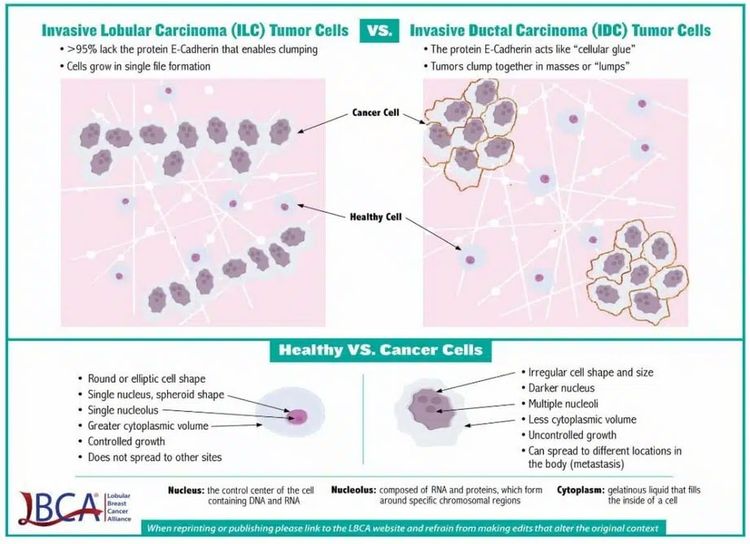
Mucinous and lobular cancers are more easily detected by mammography. Rapidly growing cancers can sometimes be mistaken for normal breast tissue (e.g., medullary carcinomas, an uncommon type of invasive ductal breast cancer that is often associated with the BRCA1 mutation and aggressive characteristics, but that may demonstrate comparatively favorable responses to treatment).[40,71] Some other cancers associated with BRCA1/2 mutations, which may appear indolent, can also be missed.[72,73]

Physician characteristics

Radiologists’ performance is variable, affected by levels of experience and the volume of mammograms they interpret.[74] Biopsy recommendations of radiologists in academic settings have a higher positive PPV than do community radiologists.[75] Fellowship training in breast imaging may improve detection.[10]

Performance also varies by facility. Mammographic screening accuracy was higher at facilities offering only screening examinations than at those also performing diagnostic tests. Accuracy was also better at facilities with a breast imaging specialist on staff, performing single rather than double readings, and reviewing performance audits two or more times each year.[76]

False-positive rates are higher at facilities where concern about malpractice is high and at facilities serving vulnerable women (racial or ethnic minority women and women with less education, limited household income, or rural residence).[77] These populations may have a higher cancer prevalence and a lack of follow-up.[78]

Artificial intelligence algorithms

Artificial intelligence (AI) algorithms are being developed to interpret screening mammograms and breast biopsy specimens.[7981] While such tools may improve interpretive speed and reproducibility in the future, it is unknown if they will exacerbate overdiagnosis [82] and how they might influence physicians’ final assessments.

International comparisons

International comparisons of screening mammography have found higher specificity in countries with more highly centralized screening systems and national quality assurance programs.[83,84]

The recall rate in the United States is twice that of the United Kingdom, with no difference in the rate of cancer detection.[83]

Prevalent versus subsequent examination and the interval between exams

The likelihood of diagnosing cancer is highest with the prevalent (first) screening examination, ranging from 9 to 26 cancers per 1,000 screens, depending on the woman’s age. The likelihood decreases for follow-up examinations, ranging from 1 to 3 cancers per 1,000 screens.[85]

The optimal interval between screening mammograms is unknown; there is little variability across the trials despite differences in protocols and screening intervals. A prospective U.K. trial randomly assigned women aged 50 to 62 years to receive mammograms annually or triennially. Although tumor grade and nodal status were similar in the two groups, more cancers of slightly smaller size were detected in the annual screening group than in the triennial screening group.[86]

A large observational study found a slightly increased risk of late-stage disease at diagnosis for women in their 40s who were adhering to a 2-year versus a 1-year schedule (28% vs. 21%; OR, 1.35; 95% CI, 1.01–1.81), but no difference was seen for women in their 50s or 60s based on schedule difference.[87,88]

A Finnish study of 14,765 women aged 40 to 49 years randomly assigned women to receive either annual screens or triennial screens. There were 18 deaths from breast cancer in 100,738 life-years in the triennial screening group and 18 deaths from breast cancer in 88,780 life-years in the annual screening group (HR, 0.88; 95% CI, 0.59–1.27).[89]

Benefit of Mammographic Screening on Breast Cancer Mortality

Randomized controlled trials (RCTs)

RCTs that studied the effect of screening mammography on breast cancer mortality were performed between 1963 and 2015, with participation by over half-a-million women in four countries. One trial, the Canadian NBSS-2, compared mammography plus clinical breast examination (CBE) to CBE alone; the other trials compared screening mammography with or without CBE to usual care. For a detailed description of the trials, see the Appendix of Randomized Controlled Trials section.

The trials differed in design, recruitment of participants, interventions (both screening and treatment), management of the control group, compliance with assignment to screening and control groups, and analysis of outcomes. Some trials used individual randomization, while others used cluster randomization in which cohorts were identified and then offered screening; one trial used nonrandomized allocation by day of birth in any given month. Cluster randomization sometimes led to imbalances between the intervention and control groups. Age differences have been identified in several trials, although the differences had no major effect on the trial outcome.[90] In the Edinburgh Trial, socioeconomic status, which correlates with the risk of breast cancer mortality, differed markedly between the intervention and control groups, rendering the results uninterpretable.

Breast cancer mortality was the major outcome parameter for each of these trials, so the attribution of cause of death required scrupulous attention. The use of a blinded monitoring committee (New York) and a linkage to independent data sources, such as national mortality registries (Swedish trials), were incorporated but could not ensure impartial attributions of cancer death for women in the screening or control arms. Possible misclassification of breast cancer deaths in the Two-County Trial biasing the results in favor of screening has been suggested.[91]

There were also differences in the methodology used to analyze the results of these trials. Four of the five Swedish trials were designed to include a single screening mammogram in the control group and were timed to correspond with the end of the series of screening mammograms in the study group. The initial analysis of these trials used an evaluation analysis, tallying only the breast cancer deaths that occurred in women whose cancer was discovered at or before the last study mammogram. In some of the trials, a delay occurred in the performance of the end-of-study mammogram, resulting in more time for members of the control group to develop or be diagnosed with breast cancer. Other trials used a follow-up analysis, which counts all deaths attributed to breast cancer, regardless of the time of diagnosis. This type of analysis was used in a meta-analysis of four of the five Swedish trials as a response to concerns about the evaluation analyses.[91]

The accessibility of the data for international audits and verification also varied, with a formal audit having been undertaken only in the Canadian trials. Other trials have been audited to varying degrees, but with less rigor.[92]

All of these studies were designed to study breast cancer mortality rather than all-cause mortality because breast cancer deaths contribute only a small proportion of total mortality in any given population. When all-cause mortality in these trials was examined retrospectively, only the Edinburgh Trial showed a difference attributable to the previously noted socioeconomic differences in the study groups. The meta-analysis (follow-up methods) of the four Swedish trials also showed a small improvement in all-cause mortality.

The relative improvement in breast cancer mortality attributable to screening is approximately 15% to 20%, and the absolute improvement at the individual level is much less. The potential benefit of breast cancer screening can be expressed as the number of lives extended because of early breast cancer detection.[93,94]

The RCT results represent experiences in a defined period of regular examinations, but in practice, women undergo 20 to 30 years of screening throughout their lifetimes.[88,95]

There are several problems with using these RCTs that were performed up to 50 years ago to estimate the current benefits of screening on breast cancer mortality. These problems include the following:

  1. Improvements in mammography technology, with the ability to identify increasingly subtle abnormalities.
  2. Enhanced breast cancer awareness in the general population, with women seeking evaluation and treatment earlier.
  3. Changes in the risk factors for breast cancer in the population (including age at menarche, age at first pregnancy, obesity, and use of postmenopausal hormone treatment).
  4. Improvements in breast cancer treatment, such that larger, more advanced cancers have higher cure rates than in the past.
  5. Applying results of short-term RCTs (e.g., 5 to 10 years) to make estimates of lifetime effects of breast cancer screening.

For these reasons, estimates of the breast cancer mortality reduction resulting from current screening are based on well-conducted cohort and ecological studies in addition to the RCTs.

Effectiveness of population-based screening programs

An estimate of screening effectiveness can be obtained from nonrandomized controlled studies of screened versus nonscreened populations, case-control studies of screening in real communities, and modeling studies that examine the impact of screening on large populations. These studies must be designed to minimize or exclude the effects of unrelated trends influencing breast cancer mortality such as improved treatment and heightened awareness of breast cancer in the community.

Three population-based, observational studies from Sweden compared breast cancer mortality in the presence and absence of screening mammography programs. One study compared two adjacent time periods in 7 of the 25 counties in Sweden and found a statistically significant breast cancer mortality reduction of 18% to 32% attributable to screening.[96] The most important bias in this study is that the advent of screening in these counties occurred over a period during which dramatic improvements in the effectiveness of adjuvant breast cancer therapy were being made, changes that were not addressed by the study authors. The second study considered an 11-year period comparing seven counties with screening programs with five counties without them.[97] There was a trend in favor of screening, but again, the authors did not consider the effect of adjuvant therapy or differences in geography (urban vs. rural) that might affect treatment practices.

The third study attempted to account for the effects of treatment by using a detailed analysis by county. It found screening had little impact, a conclusion weakened by several flaws in design and analysis.[98]

In Nijmegen, the Netherlands, where a population-based screening program was undertaken in 1975, a case-cohort study found that screened women had decreased mortality compared with unscreened women (OR, 0.48).[99] However, a subsequent study comparing Nijmegen breast cancer mortality rates with neighboring Arnhem in the Netherlands, which had no screening program, showed no difference in breast cancer mortality.[100]

A community-based case-control study of screening in high-quality U.S. health care systems between 1983 and 1998 found no association between previous screening and reduced breast cancer mortality, but the mammography screening rates were generally low.[101]

A well-conducted ecological study compared three pairs of neighboring European countries that were matched on similarity in health care systems and population structure, one of which had started a national screening program some years earlier than the others. The investigators found that each country had experienced a reduction in breast cancer mortality, with no difference between matched pairs that could be attributed to screening. The authors suggested that improvements in breast cancer treatment and/or health care organizations were more likely responsible for the reduction in mortality than was screening.[102]

A systematic review of ecological and large cohort studies published through March 2011 compared breast cancer mortality in large populations of women, aged 50 to 69 years, who started breast cancer screening at different times. Seventeen studies met inclusion criteria, but all studies had methodological problems, including control group dissimilarities, insufficient adjustment for differences between areas in breast cancer risk and breast cancer treatment, and problems with similarity of measurement of breast cancer mortality between compared areas. There was great variation in results among the studies, with four studies finding a relative reduction in breast cancer mortality of 33% or more (with wide CIs) and five studies finding no reduction in breast cancer mortality. Because only a part of the overall reduction in breast cancer mortality could possibly be attributed to screening, the review concluded that any relative reduction in breast cancer mortality resulting from screening would likely be no more than 10%.[103]

A U.S. ecological analysis conducted between 1976 and 2008 examined the incidence of early-stage versus late-stage breast cancer for women aged 40 years and older. To assess a screening effect, the authors compared the magnitude of increase in early-stage cancer with the magnitude of an expected decrease in late-stage cancer. Over the study, the absolute increase in the incidence of early-stage cancer was 122 cancers per 100,000 women, while the absolute decrease in late-stage cancers was 8 cases per 100,000 women. After adjusting for changes in incidence resulting from hormone therapy and other undefined causes, the authors concluded (1) the benefit of screening on breast cancer mortality was small, (2) between 22% and 31% of diagnosed breast cancers represented overdiagnosis, and (3) the observed improvement in breast cancer mortality was probably attributable to improved treatment rather than screening.[104]

An analytic approach was used to approximate the contributions of screening versus treatment to breast cancer mortality reduction and the magnitude of overdiagnosis.[105] The shift in the size distribution of breast cancers in the United States (before the introduction of mammography) to 2012 (after its widespread dissemination), was investigated using SEER data in women aged 40 years and older. The rate of clinically meaningful breast cancer was assumed to be stable during this time. The authors documented a lower incidence of larger (≥2 cm) tumors as well as a reduction in breast cancer case fatality. The lower mortality for women with larger tumors was attributed to improvements in therapy. Two-thirds of the decline in size-specific case fatality was ascribed to improved treatment.
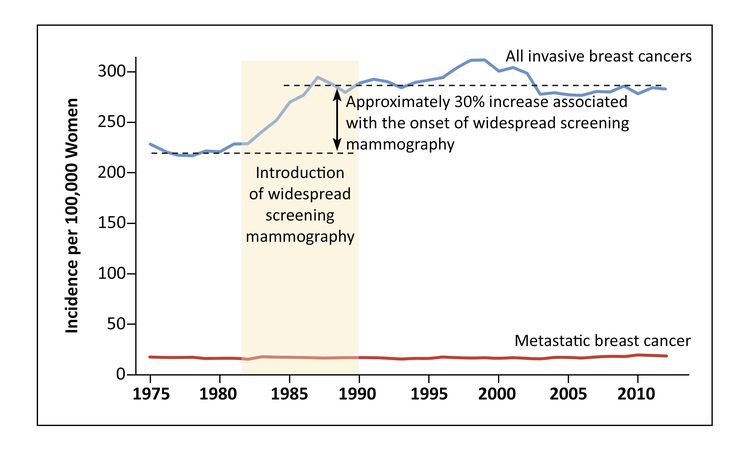
EnlargeChart showing the temporal relationship between the introduction of screening mammography and increased incidence of invasive breast cancer.
Figure 2. Screening mammography and increased incidence of invasive breast cancer. Shown are the incidences of overall invasive breast cancer and metastatic breast cancer among women 40 years of age or older at nine sites of the Surveillance, Epidemiology, and End Results (SEER) program, during the period from 1975 through 2012. From New England Journal of Medicine, Welch HG, Prorok PC, O’Malley AJ, Kramer BS, Breast-Cancer Tumor Size, Overdiagnosis, and Mammography Screening Effectiveness, Volume 375, Issue 15, Pages 1438-47, Copyright © 2016 Massachusetts Medical Society. Reprinted with permission from Massachusetts Medical Society.

A prospective cohort study of community-based screening programs in the United States found that annual compared with biennial screening mammography did not reduce the proportion of unfavorable breast cancers detected in women aged 50 to 74 years or in women aged 40 to 49 years without extremely dense breasts. Women aged 40 to 49 years with extremely dense breasts did have a reduction in cancers larger than 2.0 cm with annual screening (OR, 2.39; 95% CI, 1.37–4.18).[106]

An observational study of women aged 40 to 74 years conducted in 7 of 12 Canadian screening programs compared breast cancer mortality in those participants screened at least once between 1990 and 2009 (85% of the population) with those not screened (15% of the population). The abstract reported a 40% average breast cancer mortality among participants; however, it was likely intended to report a 40% reduction in breast cancer mortality on the basis of language used in the Discussion section.[107]

Limitations of this study included the lack of all-cause mortality data, the extent of screening, screening outside of the study, screening prior to the study, the method used for calculating expected mortality and the referent rates of nonparticipants, nonparticipant survival, province-specific population differences, the extent to which limitations of the database prevented correcting for age and other differences between participants, the generalizability of the substudy data of a single province (British Columbia), and the potentially large impact of selection bias. Overall, the study lacked important data and had limitations in methodology and data analysis.

Statistical modeling of breast cancer incidence and mortality in the United States

The optimal screening interval has been addressed by modelers. Modeling makes assumptions that may not be correct; however, the credibility of modeling is greater when the model produces overall results that are consistent with randomized trials and when the model is used to interpolate or extrapolate. For example, if a model’s output agrees with RCT outcomes for annual screening, it has greater credibility to compare the relative effectiveness of biennial versus annual screening.

In 2000, the National Cancer Institute formed a consortium of modeling groups (Cancer Intervention and Surveillance Modeling Network [CISNET]) to address the relative contribution of screening and adjuvant therapy to the observed decline in breast cancer mortality in the United States.[108] These models predicted reductions in breast cancer mortality similar to those expected in the circumstances of the RCTs but updated to the use of modern adjuvant therapy. In 2009, CISNET modelers addressed several questions related to the harms and benefits of mammography, including comparing annual versus biennial screening.[88] Women aged 50 to 74 years received most of the mortality benefit of annual screening by having a mammogram every 2 years. The reduction in breast cancer deaths that was maintained because of the move from annual to biennial screening ranged across the six models from 72% to 95%, with a median of 80%.

Data are limited as to how much of the reduction in mortality, seen over time from 1990 onward, is attributable to advances in imaging techniques for screening and as to how much is the result of the improved effectiveness of therapy. In one CISNET study of six simulation models, about one-third of the decrease in breast cancer mortality in 2012 was attributable to screening, with the balance attributed to treatment.[109] In this CISNET study, the mean estimated reduction in overall breast cancer mortality rate was 49% (model range, 39%–58%), relative to the estimated baseline rate in 2012 if there was no screening or treatment; 37% (model range, 26%–51%) of this reduction was associated with screening, and 63% (model range, 49%–74%) of this reduction was associated with treatment.

Harms of Mammographic Screening

The negative effects of screening mammography are overdiagnosis (true positives that will not become clinically significant), false-positives (related to the specificity of the test), false-negatives (related to the sensitivity of the test), discomfort associated with the test, radiation risk, psychological harm, financial stress, and opportunity costs.

Table 2 provides an overview of the estimated benefits and harms of screening mammography for 10,000 women who underwent annual screening mammography over a 10-year period.[110]

Table 2. Estimated Benefits and Harms of Mammography Screening for 10,000 Women Who Underwent Annual Screening Mammography During a 10-Year Perioda
Age, y No. of Breast Cancer Deaths Averted With Mammography Screening During the Next 15 yb No. (95% CI) With ≥1 False-Positive Result During the 10 yc No. (95% CI) With ≥1 False-Positive Resulting in a Biopsy During the 10 yc No. of Breast Cancers or DCIS Diagnosed During the 10 y That Would Never Become Clinically Important (Overdiagnosis)d
No. = number; CI = confidence interval; DCIS = ductal carcinoma in situ.
aAdapted from Pace and Keating.[110]
bNumber of deaths averted are from Welch and Passow.[111] The lower bound represents breast cancer mortality reduction if the breast cancer mortality relative risk were 0.95 (based on minimal benefit from the Canadian trials [112,113]), and the upper bound represents the breast cancer mortality reduction if the relative risk were 0.64 (based on the Swedish 2-County Trial [114]).
cFalse-positive and biopsy estimates and 95% confidence intervals are 10-year cumulative risks reported in Hubbard et al. [115] and Braithwaite et al.[116]
dThe number of overdiagnosed cases are calculated by Welch and Passow.[111] The lower bound represents overdiagnosis based on results from the Malmö trial,[117] whereas the upper bound represents the estimate from Bleyer and Welch.[104]
eThe lower-bound estimate for overdiagnosis reported by Welch and Passow [111] came from the Malmö study.[117] The study did not enroll women younger than 50 years.
40 1–16 6,130 (5,940–6,310) 700 (610–780) ?–104e
50 3–32 6,130 (5,800–6,470) 940 (740–1,150) 30–137
60 5–49 4,970 (4,780–5,150) 980 (840–1,130) 64–194

Overdiagnosis

Overdiagnosis occurs when screening procedures detect cancers that would never become clinically apparent in the absence of screening. It is a special concern because identification of the cancer does not benefit the individual, while the side effects of diagnostic procedures and cancer treatment may cause significant harm. The magnitude of overdiagnosis is debated, particularly regarding DCIS, a cancer precursor whose natural history is unknown. By reason of this inability to predict confidently the tumor behavior at time of diagnosis, standard treatment for invasive cancers and DCIS can cause overtreatment. The related harms include treatment-related side effects and the number of harms associated with a cancer diagnosis, which are immediate. Conversely, a mortality benefit would occur at an uncertain point in the future.

One approach to understanding overdiagnosis is to examine the prevalence of occult cancer in women who died of noncancer causes. In an overview of seven autopsy studies, the median prevalence of occult invasive breast cancer was 1.3% (range, 0%–1.8%) and of DCIS was 8.9% (range, 0%–14.7%).[118,119]

Overdiagnosis can be indirectly measured by comparing breast cancer incidence in screened versus unscreened populations. These comparisons can be confounded by differences in the populations, such as time, geography, health behaviors, and hormone usage. The calculations of overdiagnosis can vary in their adjustment for lead-time bias.[120,121] An overview of 29 studies found calculated rates of overdiagnosis to be 0%–54%, with rates from randomized studies between 11% and 22%.[122] In Denmark, where screened and unscreened populations existed concurrently, the rate of overdiagnosis of invasive cancer was calculated to be 14% and 39%, using two different methodologies. If DCIS cases were included, the overdiagnosis rates were 24% and 48%. The second methodology accounts for regional differences in women younger than the screening age and is likely more accurate.[123]

Theoretically, in a given population, the detection of more breast cancers at an early stage would result in a subsequent reduction in the incidence of advanced-stage cancers. This has not occurred in any of the populations studied to date. Thus, the detection of more early-stage cancers likely represents overdiagnosis. A population-based study in the Netherlands showed that about one-half of all screen-detected breast cancers, including DCIS, would represent overdiagnosis and is consistent with other studies, which showed substantial rates of overdiagnosis associated with screening.[124]

A cohort study in Norway compared the increase in cancer incidence in women who were eligible for screening with the cancer incidence in younger women who were not eligible for screening, eligibility was based on age and residence. Eligible women experienced a 60% increase in incidence of localized cancers (RR, 1.60; 95% CI, 1.42–1.79), while the incidence of advanced cancers remained similar in the two groups (RR, 1.08; 95% CI, 0.86–1.35).[125]

A population study that compared different counties in the United States showed that higher rates of screening mammography use were associated with higher rates of breast cancer diagnoses, yet there was no corresponding decrease in 10-year breast cancer mortality.[126] The strengths of this study include its very large size (16 million women) and the strength and consistency of correlation observed across counties. The limitations of this study include the self-reporting of mammograms, the use of a 2-year window to estimate screening prevalence, and the period of analysis (when menopausal hormone use was present).[126]

The extent of overdiagnosis has been estimated in the Canadian NBSS, a randomized clinical trial. At the end of the five screening rounds, 142 more invasive breast cancer cases were diagnosed in the mammography arm, compared with the control arm.[127] At 15 years, the excess number of cancer cases in the mammography arm versus the control arm was 106, representing an overdiagnosis rate of 22% for the 484 screen-detected invasive cancers.[127]

As a consequence of screening mammography, greater numbers of breast cancers with indolent behavior are now identified, resulting in potential overtreatment. In a secondary analysis of a randomized trial of tamoxifen versus no systemic therapy in patients with early breast cancer, the authors utilized the 70-gene MammaPrint assay and identified 15% of patients at ultra-low risk, with 20-year disease-specific survival rates of 97% in the tamoxifen group and 94% in the control group. Thus, these patients would likely have extremely good outcomes with surgery alone. The frequency of such ultra-low risk cancers in the screened population is likely around 25%. Tools such as the 70-gene MammaPrint assay might be utilized in the future to identify these cancers, and thereby, reduce the risk of overtreatment. However, additional studies are needed to confirm these findings.[128]

In 2016, the Canadian NBSS, a randomized screening trial with 25-year follow-up, re-estimated overdiagnosis of breast cancer from mammography screening by age group and concluded that approximately 30% of invasive screen-detected cancers in women aged 40 to 49 years and up to 20% of those detected in women aged 50 to 59 years were overdiagnosed. When in situ cancers are included, the estimated risks of overdiagnosis are 40% aged 40 to 49 years and 30% in women aged 50 to 59 years. Overdiagnosis was calculated as the persistent excess incidence in the screened arm versus the control arm divided by the number of screen-detected cases (excess incidence method). Requirements for adequate estimation of overdiagnosis utilizing this method included the following:

  1. Cessation of screening among participants in the screened arm when the trial screening protocol is completed.
  2. Follow-up after screening ceases needs to be as long as the longest lead time (the time between the identification of a screen-detected cancer until symptomatic diagnosis of that cancer in the absence of screening) among the screen-detected cases.
  3. The comparison population for the cancer incidence during screening and after screening cessation in the screened arm needs to comprise individuals with comparable cancer risk in the absence of screening, as in a randomized control arm.
  4. Compliance with screening is high in the screened arm during the trial protocol screening phase, and contamination (nonprotocol screening) in the control arm is low.

These conditions were largely met in the CNBSS because population-based screening did not become available throughout Canada until a minimum of 2 years later and in most instances 5 to 10 years later (thereby, allowing for cessation of screening after the trial screening period and follow-up longer than most estimates of lead time), because contamination is documented to have been minimal, and because individual randomization resulted in 44 almost identically distributed demographic factors and risk factors between the two trial arms.

Since the conclusion of the trial screening period in 1988, differences in screening quality, intensity, invited age range, and biopsy thresholds decrease the generalizability of these results. These factors and improved imaging technique/quality and low threshold for biopsy, likely contribute to lower estimates of overdiagnosis of in situ cancer than that of invasive cancer.[129]

Table 2 shows results from a 10-year period of screening 10,000 women, estimating the number of women with breast cancer or DCIS that would never become clinically important (overdiagnosis). There was likely no overdiagnosis in the Health Insurance Plan study, which used old-technology mammography and CBE. Overdiagnosis has become more prominent in the era of improved-technology mammography. The improved technology has not, however, been shown to make further reductions in mortality than the original technology. In summary, breast cancer overdiagnosis is a complex topic. Studies that used many different methods reported a wide range of estimates, and there is currently no way to assess whether new cancer cases are overdiagnosed or are of real harm to patients.[110]

False-positives leading to additional interventions

Because fewer than 5 per 1,000 women screened have breast cancer, most abnormal mammograms are false-positives, even given the 90% specificity of mammography (i.e., 90% of all women without breast cancer will have a negative mammogram).[85]

This high false-positive rate of mammography is underestimated and can seem counterintuitive because of a statistically based cognitive bias known as the base rate fallacy. Because the base rate of breast cancer is low, (5/1000), the false-positive rate vastly exceeds the true-positive rate, even when using a very accurate test.

Mammography’s true-positive rate of approximately 90% means that, of women with breast cancer, approximately 90% will test positive. The true-negative rate of 90% means that, of women without breast cancer, 90% will test negative. A 10% false-positive rate over 1,000 people means that there will be 100 false-positives in 1,000 people. If 5 in 1,000 women have breast cancer, then 4.5 women with breast cancer will have a positive test. In other words, there will approximately 100 false-positives for every 4.5 true positives.

Further, abnormal results from screening mammograms prompt additional tests and procedures, such as mammographic views of the region of concern, ultrasound, MRI, and tissue sampling (by fine-needle aspiration, core biopsy, or excisional biopsy). Overall, the harm from unnecessary tests and treatments must be weighed against the benefit of early detection.

A study of breast cancer screening in 2,400 women enrolled in a health maintenance organization found that over a decade, 88 cancers were diagnosed, 58 of which were identified by mammography. One-third of the women had an abnormal mammogram result that required additional testing: 539 additional mammograms, 186 ultrasound examinations, and 188 biopsies. The cumulative biopsy rate (the rate of true positives) resulting from mammographic findings was approximately 1 in 4 (23.6%). The PPV of an abnormal screening mammogram in this population was 6.3% for women aged 40 to 49 years, 6.6% for women aged 50 to 59 years, and 7.8% for women aged 60 to 69 years.[130] A subsequent analysis and modeling of data from the same cohort of women, estimated that the risk of having at least one false-positive mammogram was 7.4% (95% CI, 6.4%–8.5%) at the first mammogram, 26.0% (95% CI, 24.0%–28.2%) by the fifth mammogram, and 43.1% (95% CI, 36.6%–53.6%) by the ninth mammogram.[131] Cumulative risk of at least one false-positive result depended on four patient variables (younger age, higher number of previous breast biopsies, family history of breast cancer, and current estrogen use) and three radiologic variables (longer time between screenings, failure to compare the current and previous mammograms, and the individual radiologist’s tendency to interpret mammograms as abnormal). Overall, the factor most responsible for a false-positive mammogram was the individual radiologist’s tendency to read mammograms as abnormal.

A prospective cohort study of community-based screening found that a greater proportion of women undergoing annual screening had at least one false-positive screen after 10 years than did women undergoing biennial screening, regardless of breast density. For women with scattered fibroglandular densities, the difference was 68.9% (annual) versus 46.3% (biennial) for women in their 40s. For women aged 50 to 74 years, the difference for this density group was 49.8% (annual) versus 30.7% (biennial).[106]

As shown in Table 2, the estimated number of women out of 10,000 who underwent annual screening mammography during a 10-year period with at least one false-positive test result is 6,130 for women aged 40 to 50 years and 4,970 for women aged 60 years. The number of women with a false-positive test that results in a biopsy is estimated to range from 700 to 980, depending on age.[110]

Relationship between prior screening results and subsequent breast cancer diagnosis

A longitudinal Norwegian study correlated benign abnormal screening results with long-term breast cancer outcomes. Women with any abnormal screening examination had an increased risk of subsequent breast cancer, despite a negative evaluation (see Table 3). The features of the subsequent breast cancer were more favorable for the women who had prior screening abnormalities, possibly because the preexisting breast abnormality was a marker for slow-growing premalignant disease.[132]

Table 3. Relationship Between Prior Screening Results and Subsequent Breast Cancer Diagnosis
Screening Result Absolute Risk per 1,000 Women-Years Relative Risk vs. Women Who Screened Negative
Benign with additional imaging 4.4 1.8
Negative biopsy 4.7 2.0
Atypia 6.9 2.9
In situ cancer 9.5 3.8

False-negatives leading to a false sense of security

The sensitivity of mammography ranges from 70% to 90%, depending on characteristics of the interpreting radiologist (level of experience) and characteristics of the woman (age, breast density, hormone status, and diet). Assuming an average sensitivity of 80%, mammograms will miss approximately 20% of the breast cancers that are present at the time of screening (false-negatives). Many of these missed cancers are high risk, with adverse biological characteristics. If a normal mammogram dissuades or postpones a woman or her doctor from evaluating breast symptoms, she may suffer adverse consequences. Thus, a negative mammogram should never dissuade a woman or her physician from additional evaluation of breast symptoms.

Discomfort

Positioning of the woman and breast compression reduce motion artifact and improve mammogram image quality. Pain and/or discomfort was reported by 90% of women undergoing mammography, with 12% of women rating the sensation as intense or intolerable.[133] A systematic review of 22 studies investigating mammography-associated pain and discomfort found wide variations, some of which were associated with menstrual cycle stage, anxiety, and premammography anticipation of pain.[134]

Radiation exposure

The major risk factors for radiation-associated breast cancer are young age at exposure and dose; however, rarely there are women with an inherited susceptibility to radiation-induced damage who must avoid radiation exposure at any age.[135,136] For many women older than 40 years, the likely benefits of screening mammography outweigh the risks.[137,135,138] Standard two-view screening mammography exposes the breasts to a mean dose of 4 mSv, and the whole body to 0.29 mSv.[136,139] Thus, up to one breast cancer may be induced per 1,000 women undergoing annual mammograms from ages 40 to 80 years. Such risk is doubled in women with large breasts who require increased radiation doses and in women with breast augmentation who require additional views. Radiation-induced breast cancers may be reduced fivefold for women who begin biennial screening at age 50 years rather than annually at age 40 years.[140]

Psychological harms of false-positives

A telephone survey of 308 women performed 3 months after screening mammography revealed that about one-fourth of the 68 women recalled for additional testing were still experiencing worry that affected their mood or functioning, even though that testing had ruled out cancer.[141] Research into whether the psychological impact of a false-positive test is long-standing yields mixed results. A cohort study in Spain in 2002 found immediate psychological impact to a woman after receiving a false-positive mammogram, but these results dissipated within a few months.[142] A cohort study in Denmark in 2013 that measured the psychological effects of a false-positive test result several years after the event found long-term negative psychological consequences.[143] Several studies have shown that the anxiety after evaluation of a false-positive test leads to increased participation in future screening examinations.[144147]

Financial strain and opportunity costs

These potential harms of screening have not been well researched, but it is clear that they exist.

References
  1. Siu AL; U.S. Preventive Services Task Force: Screening for Breast Cancer: U.S. Preventive Services Task Force Recommendation Statement. Ann Intern Med 164 (4): 279-96, 2016. [PUBMED Abstract]
  2. Sickles EA: Findings at mammographic screening on only one standard projection: outcomes analysis. Radiology 208 (2): 471-5, 1998. [PUBMED Abstract]
  3. Dibden A, Offman J, Parmar D, et al.: Reduction in interval cancer rates following the introduction of two-view mammography in the UK breast screening programme. Br J Cancer 110 (3): 560-4, 2014. [PUBMED Abstract]
  4. Lillie-Blanton M: Mammography Quality Standards Act : X-ray Quality Improved, Access Unaffected, but Impact on Health Outcomes Unknown: Testimony Before the Subcommittee on Health and the Environment, Committee on Commerce, House of Representatives. Washington, D.C.: Committee on Commerce, 1998. Available online. Last accessed April 9, 2025.
  5. Magny SJ, Skikhman R, Keppke AL: Breast Imaging Reporting and Data System. StatPearls Publishing, 2025. Also available online. Last accessed April 10, 2025.
  6. Rosenberg RD, Yankaskas BC, Abraham LA, et al.: Performance benchmarks for screening mammography. Radiology 241 (1): 55-66, 2006. [PUBMED Abstract]
  7. Jatoi I, Pinsky PF: Breast Cancer Screening Trials: Endpoints and Overdiagnosis. J Natl Cancer Inst 113 (9): 1131-1135, 2021. [PUBMED Abstract]
  8. Alabousi M, Zha N, Salameh JP, et al.: Digital breast tomosynthesis for breast cancer detection: a diagnostic test accuracy systematic review and meta-analysis. Eur Radiol 30 (4): 2058-2071, 2020. [PUBMED Abstract]
  9. Alabousi M, Wadera A, Kashif Al-Ghita M, et al.: Performance of Digital Breast Tomosynthesis, Synthetic Mammography, and Digital Mammography in Breast Cancer Screening: A Systematic Review and Meta-Analysis. J Natl Cancer Inst 113 (6): 680-690, 2021. [PUBMED Abstract]
  10. Pisano ED, Gatsonis C, Hendrick E, et al.: Diagnostic performance of digital versus film mammography for breast-cancer screening. N Engl J Med 353 (17): 1773-83, 2005. [PUBMED Abstract]
  11. Pisano ED, Hendrick RE, Yaffe MJ, et al.: Diagnostic accuracy of digital versus film mammography: exploratory analysis of selected population subgroups in DMIST. Radiology 246 (2): 376-83, 2008. [PUBMED Abstract]
  12. Kerlikowske K, Hubbard RA, Miglioretti DL, et al.: Comparative effectiveness of digital versus film-screen mammography in community practice in the United States: a cohort study. Ann Intern Med 155 (8): 493-502, 2011. [PUBMED Abstract]
  13. van Luijt PA, Fracheboud J, Heijnsdijk EA, et al.: Nation-wide data on screening performance during the transition to digital mammography: observations in 6 million screens. Eur J Cancer 49 (16): 3517-25, 2013. [PUBMED Abstract]
  14. Souza FH, Wendland EM, Rosa MI, et al.: Is full-field digital mammography more accurate than screen-film mammography in overall population screening? A systematic review and meta-analysis. Breast 22 (3): 217-24, 2013. [PUBMED Abstract]
  15. Gur D, Sumkin JH, Rockette HE, et al.: Changes in breast cancer detection and mammography recall rates after the introduction of a computer-aided detection system. J Natl Cancer Inst 96 (3): 185-90, 2004. [PUBMED Abstract]
  16. Ciatto S, Del Turco MR, Risso G, et al.: Comparison of standard reading and computer aided detection (CAD) on a national proficiency test of screening mammography. Eur J Radiol 45 (2): 135-8, 2003. [PUBMED Abstract]
  17. Fenton JJ, Taplin SH, Carney PA, et al.: Influence of computer-aided detection on performance of screening mammography. N Engl J Med 356 (14): 1399-409, 2007. [PUBMED Abstract]
  18. Elmore JG, Carney PA: Computer-aided detection of breast cancer: has promise outstripped performance? J Natl Cancer Inst 96 (3): 162-3, 2004. [PUBMED Abstract]
  19. Fenton JJ, Xing G, Elmore JG, et al.: Short-term outcomes of screening mammography using computer-aided detection: a population-based study of medicare enrollees. Ann Intern Med 158 (8): 580-7, 2013. [PUBMED Abstract]
  20. Lehman CD, Wellman RD, Buist DS, et al.: Diagnostic Accuracy of Digital Screening Mammography With and Without Computer-Aided Detection. JAMA Intern Med 175 (11): 1828-37, 2015. [PUBMED Abstract]
  21. Killelea BK, Long JB, Chagpar AB, et al.: Evolution of breast cancer screening in the Medicare population: clinical and economic implications. J Natl Cancer Inst 106 (8): , 2014. [PUBMED Abstract]
  22. U.S. Food and Drug Administration: Mammography Quality Standards Act (MQSA) National Statistics. Silver Spring, Md: Food and Drug Administration, 2021. Available online. Last accessed April 9, 2025.
  23. Richman IB, Hoag JR, Xu X, et al.: Adoption of Digital Breast Tomosynthesis in Clinical Practice. JAMA Intern Med 179 (9): 1292-1295, 2019. [PUBMED Abstract]
  24. Fujii MH, Herschorn SD, Sowden M, et al.: Detection Rates for Benign and Malignant Diagnoses on Breast Cancer Screening With Digital Breast Tomosynthesis in a Statewide Mammography Registry Study. AJR Am J Roentgenol 212 (3): 706-711, 2019. [PUBMED Abstract]
  25. Østerås BH, Martinsen ACT, Gullien R, et al.: Digital Mammography versus Breast Tomosynthesis: Impact of Breast Density on Diagnostic Performance in Population-based Screening. Radiology 293 (1): 60-68, 2019. [PUBMED Abstract]
  26. Aase HS, Holen ÅS, Pedersen K, et al.: A randomized controlled trial of digital breast tomosynthesis versus digital mammography in population-based screening in Bergen: interim analysis of performance indicators from the To-Be trial. Eur Radiol 29 (3): 1175-1186, 2019. [PUBMED Abstract]
  27. Hofvind S, Holen ÅS, Aase HS, et al.: Two-view digital breast tomosynthesis versus digital mammography in a population-based breast cancer screening programme (To-Be): a randomised, controlled trial. Lancet Oncol 20 (6): 795-805, 2019. [PUBMED Abstract]
  28. Lowry KP, Trentham-Dietz A, Schechter CB, et al.: Long-Term Outcomes and Cost-Effectiveness of Breast Cancer Screening With Digital Breast Tomosynthesis in the United States. J Natl Cancer Inst 112 (6): 582-589, 2020. [PUBMED Abstract]
  29. Melnikow J, Fenton JJ: Digital Breast Tomosynthesis-Diffusion Into Practice Preceding Evidence. JAMA Intern Med 179 (9): 1295-1296, 2019. [PUBMED Abstract]
  30. Kerlikowske K, Su YR, Sprague BL, et al.: Association of Screening With Digital Breast Tomosynthesis vs Digital Mammography With Risk of Interval Invasive and Advanced Breast Cancer. JAMA 327 (22): 2220-2230, 2022. [PUBMED Abstract]
  31. Joensuu H, Lehtimäki T, Holli K, et al.: Risk for distant recurrence of breast cancer detected by mammography screening or other methods. JAMA 292 (9): 1064-73, 2004. [PUBMED Abstract]
  32. Shen Y, Yang Y, Inoue LY, et al.: Role of detection method in predicting breast cancer survival: analysis of randomized screening trials. J Natl Cancer Inst 97 (16): 1195-203, 2005. [PUBMED Abstract]
  33. Wishart GC, Greenberg DC, Britton PD, et al.: Screen-detected vs symptomatic breast cancer: is improved survival due to stage migration alone? Br J Cancer 98 (11): 1741-4, 2008. [PUBMED Abstract]
  34. Moody-Ayers SY, Wells CK, Feinstein AR: “Benign” tumors and “early detection” in mammography-screened patients of a natural cohort with breast cancer. Arch Intern Med 160 (8): 1109-15, 2000. [PUBMED Abstract]
  35. Walpole E, Dunn N, Youl P, et al.: Nonbreast cancer incidence, treatment received and outcomes: Are there differences in breast screening attendees versus nonattendees? Int J Cancer 147 (3): 856-865, 2020. [PUBMED Abstract]
  36. Carney PA, Miglioretti DL, Yankaskas BC, et al.: Individual and combined effects of age, breast density, and hormone replacement therapy use on the accuracy of screening mammography. Ann Intern Med 138 (3): 168-75, 2003. [PUBMED Abstract]
  37. Rosenberg RD, Hunt WC, Williamson MR, et al.: Effects of age, breast density, ethnicity, and estrogen replacement therapy on screening mammographic sensitivity and cancer stage at diagnosis: review of 183,134 screening mammograms in Albuquerque, New Mexico. Radiology 209 (2): 511-8, 1998. [PUBMED Abstract]
  38. Kerlikowske K, Grady D, Barclay J, et al.: Likelihood ratios for modern screening mammography. Risk of breast cancer based on age and mammographic interpretation. JAMA 276 (1): 39-43, 1996. [PUBMED Abstract]
  39. Lee MV, Konstantinoff K, Gegios A, et al.: Breast cancer malpractice litigation: A 10-year analysis and update in trends. Clin Imaging 60 (1): 26-32, 2020. [PUBMED Abstract]
  40. Porter PL, El-Bastawissi AY, Mandelson MT, et al.: Breast tumor characteristics as predictors of mammographic detection: comparison of interval- and screen-detected cancers. J Natl Cancer Inst 91 (23): 2020-8, 1999. [PUBMED Abstract]
  41. Hakama M, Holli K, Isola J, et al.: Aggressiveness of screen-detected breast cancers. Lancet 345 (8944): 221-4, 1995. [PUBMED Abstract]
  42. Tabár L, Faberberg G, Day NE, et al.: What is the optimum interval between mammographic screening examinations? An analysis based on the latest results of the Swedish two-county breast cancer screening trial. Br J Cancer 55 (5): 547-51, 1987. [PUBMED Abstract]
  43. Niraula S, Biswanger N, Hu P, et al.: Incidence, Characteristics, and Outcomes of Interval Breast Cancers Compared With Screening-Detected Breast Cancers. JAMA Netw Open 3 (9): e2018179, 2020. [PUBMED Abstract]
  44. Payne JI, Caines JS, Gallant J, et al.: A review of interval breast cancers diagnosed among participants of the Nova Scotia Breast Screening Program. Radiology 266 (1): 96-103, 2013. [PUBMED Abstract]
  45. Buist DS, Porter PL, Lehman C, et al.: Factors contributing to mammography failure in women aged 40-49 years. J Natl Cancer Inst 96 (19): 1432-40, 2004. [PUBMED Abstract]
  46. Banks E, Reeves G, Beral V, et al.: Influence of personal characteristics of individual women on sensitivity and specificity of mammography in the Million Women Study: cohort study. BMJ 329 (7464): 477, 2004. [PUBMED Abstract]
  47. Yankaskas BC, Taplin SH, Ichikawa L, et al.: Association between mammography timing and measures of screening performance in the United States. Radiology 234 (2): 363-73, 2005. [PUBMED Abstract]
  48. Duffy SW, Vulkan D, Cuckle H, et al.: Effect of mammographic screening from age 40 years on breast cancer mortality (UK Age trial): final results of a randomised, controlled trial. Lancet Oncol 21 (9): 1165-1172, 2020. [PUBMED Abstract]
  49. American Cancer Society: Breast Density and Your Mammogram Report. Atlanta, Ga: American Cancer Society, 2017. Available online. Last accessed date April 9, 2025.
  50. Elmore JG, Carney PA, Abraham LA, et al.: The association between obesity and screening mammography accuracy. Arch Intern Med 164 (10): 1140-7, 2004. [PUBMED Abstract]
  51. McCormack VA, dos Santos Silva I: Breast density and parenchymal patterns as markers of breast cancer risk: a meta-analysis. Cancer Epidemiol Biomarkers Prev 15 (6): 1159-69, 2006. [PUBMED Abstract]
  52. Pankow JS, Vachon CM, Kuni CC, et al.: Genetic analysis of mammographic breast density in adult women: evidence of a gene effect. J Natl Cancer Inst 89 (8): 549-56, 1997. [PUBMED Abstract]
  53. Boyd NF, Dite GS, Stone J, et al.: Heritability of mammographic density, a risk factor for breast cancer. N Engl J Med 347 (12): 886-94, 2002. [PUBMED Abstract]
  54. White E, Velentgas P, Mandelson MT, et al.: Variation in mammographic breast density by time in menstrual cycle among women aged 40-49 years. J Natl Cancer Inst 90 (12): 906-10, 1998. [PUBMED Abstract]
  55. Harvey JA, Pinkerton JV, Herman CR: Short-term cessation of hormone replacement therapy and improvement of mammographic specificity. J Natl Cancer Inst 89 (21): 1623-5, 1997. [PUBMED Abstract]
  56. Laya MB, Larson EB, Taplin SH, et al.: Effect of estrogen replacement therapy on the specificity and sensitivity of screening mammography. J Natl Cancer Inst 88 (10): 643-9, 1996. [PUBMED Abstract]
  57. Baines CJ, Dayan R: A tangled web: factors likely to affect the efficacy of screening mammography. J Natl Cancer Inst 91 (10): 833-8, 1999. [PUBMED Abstract]
  58. Brisson J, Brisson B, Coté G, et al.: Tamoxifen and mammographic breast densities. Cancer Epidemiol Biomarkers Prev 9 (9): 911-5, 2000. [PUBMED Abstract]
  59. Boyd NF, Greenberg C, Lockwood G, et al.: Effects at two years of a low-fat, high-carbohydrate diet on radiologic features of the breast: results from a randomized trial. Canadian Diet and Breast Cancer Prevention Study Group. J Natl Cancer Inst 89 (7): 488-96, 1997. [PUBMED Abstract]
  60. Crouchley K, Wylie E, Khong E: Hormone replacement therapy and mammographic screening outcomes in Western Australia. J Med Screen 13 (2): 93-7, 2006. [PUBMED Abstract]
  61. Melnikow J, Fenton JJ, Whitlock EP, et al.: Supplemental Screening for Breast Cancer in Women With Dense Breasts: A Systematic Review for the U.S. Preventive Services Task Force. Ann Intern Med 164 (4): 268-78, 2016. [PUBMED Abstract]
  62. Sprague BL, Gangnon RE, Burt V, et al.: Prevalence of mammographically dense breasts in the United States. J Natl Cancer Inst 106 (10): , 2014. [PUBMED Abstract]
  63. Ho JM, Jafferjee N, Covarrubias GM, et al.: Dense breasts: a review of reporting legislation and available supplemental screening options. AJR Am J Roentgenol 203 (2): 449-56, 2014. [PUBMED Abstract]
  64. Ho TH, Bissell MCS, Kerlikowske K, et al.: Cumulative Probability of False-Positive Results After 10 Years of Screening With Digital Breast Tomosynthesis vs Digital Mammography. JAMA Netw Open 5 (3): e222440, 2022. [PUBMED Abstract]
  65. Smetana GW, Elmore JG, Lee CI, et al.: Should This Woman With Dense Breasts Receive Supplemental Breast Cancer Screening?: Grand Rounds Discussion From Beth Israel Deaconess Medical Center. Ann Intern Med 169 (7): 474-484, 2018. [PUBMED Abstract]
  66. Comstock CE, Gatsonis C, Newstead GM, et al.: Comparison of Abbreviated Breast MRI vs Digital Breast Tomosynthesis for Breast Cancer Detection Among Women With Dense Breasts Undergoing Screening. JAMA 323 (8): 746-756, 2020. [PUBMED Abstract]
  67. Bakker MF, de Lange SV, Pijnappel RM, et al.: Supplemental MRI Screening for Women with Extremely Dense Breast Tissue. N Engl J Med 381 (22): 2091-2102, 2019. [PUBMED Abstract]
  68. Berg WA, Zuley ML, Chang TS, et al.: Prospective Multicenter Diagnostic Performance of Technologist-Performed Screening Breast Ultrasound After Tomosynthesis in Women With Dense Breasts (the DBTUST). J Clin Oncol 41 (13): 2403-2415, 2023. [PUBMED Abstract]
  69. U.S. Food and Drug Administration: Mammography Quality Standards Act. Food and Drug Administration, 2023. Available online. Last accessed April 9, 2025.
  70. DenseBreast-info: Legislation and Regulations for Dense Breast [News]. Deer Park, NY: DenseBreast-info, Inc., 2019. Available online. May 6, 2019.
  71. Wallis MG, Walsh MT, Lee JR: A review of false negative mammography in a symptomatic population. Clin Radiol 44 (1): 13-5, 1991. [PUBMED Abstract]
  72. Tilanus-Linthorst M, Verhoog L, Obdeijn IM, et al.: A BRCA1/2 mutation, high breast density and prominent pushing margins of a tumor independently contribute to a frequent false-negative mammography. Int J Cancer 102 (1): 91-5, 2002. [PUBMED Abstract]
  73. Ganott MA, Harris KM, Klaman HM, et al.: Analysis of False-Negative Cancer Cases Identified with a Mammography Audit. Breast J 5 (3): 166-175, 1999. [PUBMED Abstract]
  74. Elmore JG, Jackson SL, Abraham L, et al.: Variability in interpretive performance at screening mammography and radiologists’ characteristics associated with accuracy. Radiology 253 (3): 641-51, 2009. [PUBMED Abstract]
  75. Meyer JE, Eberlein TJ, Stomper PC, et al.: Biopsy of occult breast lesions. Analysis of 1261 abnormalities. JAMA 263 (17): 2341-3, 1990. [PUBMED Abstract]
  76. Taplin S, Abraham L, Barlow WE, et al.: Mammography facility characteristics associated with interpretive accuracy of screening mammography. J Natl Cancer Inst 100 (12): 876-87, 2008. [PUBMED Abstract]
  77. Jackson SL, Taplin SH, Sickles EA, et al.: Variability of interpretive accuracy among diagnostic mammography facilities. J Natl Cancer Inst 101 (11): 814-27, 2009. [PUBMED Abstract]
  78. Goldman LE, Walker R, Miglioretti DL, et al.: Accuracy of diagnostic mammography at facilities serving vulnerable women. Med Care 49 (1): 67-75, 2011. [PUBMED Abstract]
  79. Schaffter T, Buist DSM, Lee CI, et al.: Evaluation of Combined Artificial Intelligence and Radiologist Assessment to Interpret Screening Mammograms. JAMA Netw Open 3 (3): e200265, 2020. [PUBMED Abstract]
  80. McKinney SM, Sieniek M, Godbole V, et al.: International evaluation of an AI system for breast cancer screening. Nature 577 (7788): 89-94, 2020. [PUBMED Abstract]
  81. Mercan E, Mehta S, Bartlett J, et al.: Assessment of Machine Learning of Breast Pathology Structures for Automated Differentiation of Breast Cancer and High-Risk Proliferative Lesions. JAMA Netw Open 2 (8): e198777, 2019. [PUBMED Abstract]
  82. Adamson AS, Welch HG: Machine Learning and the Cancer-Diagnosis Problem – No Gold Standard. N Engl J Med 381 (24): 2285-2287, 2019. [PUBMED Abstract]
  83. Smith-Bindman R, Chu PW, Miglioretti DL, et al.: Comparison of screening mammography in the United States and the United kingdom. JAMA 290 (16): 2129-37, 2003. [PUBMED Abstract]
  84. Elmore JG, Nakano CY, Koepsell TD, et al.: International variation in screening mammography interpretations in community-based programs. J Natl Cancer Inst 95 (18): 1384-93, 2003. [PUBMED Abstract]
  85. Kerlikowske K, Grady D, Barclay J, et al.: Positive predictive value of screening mammography by age and family history of breast cancer. JAMA 270 (20): 2444-50, 1993. [PUBMED Abstract]
  86. The Breast Screening Frequency Trial Group: The frequency of breast cancer screening: results from the UKCCCR Randomised Trial. United Kingdom Co-ordinating Committee on Cancer Research. Eur J Cancer 38 (11): 1458-64, 2002. [PUBMED Abstract]
  87. White E, Miglioretti DL, Yankaskas BC, et al.: Biennial versus annual mammography and the risk of late-stage breast cancer. J Natl Cancer Inst 96 (24): 1832-9, 2004. [PUBMED Abstract]
  88. Mandelblatt JS, Cronin KA, Bailey S, et al.: Effects of mammography screening under different screening schedules: model estimates of potential benefits and harms. Ann Intern Med 151 (10): 738-47, 2009. [PUBMED Abstract]
  89. Parvinen I, Chiu S, Pylkkänen L, et al.: Effects of annual vs triennial mammography interval on breast cancer incidence and mortality in ages 40-49 in Finland. Br J Cancer 105 (9): 1388-91, 2011. [PUBMED Abstract]
  90. Gøtzsche PC, Olsen O: Is screening for breast cancer with mammography justifiable? Lancet 355 (9198): 129-34, 2000. [PUBMED Abstract]
  91. Gøtzsche PC, Nielsen M: Screening for breast cancer with mammography. Cochrane Database Syst Rev (4): CD001877, 2006. [PUBMED Abstract]
  92. Nyström L, Andersson I, Bjurstam N, et al.: Long-term effects of mammography screening: updated overview of the Swedish randomised trials. Lancet 359 (9310): 909-19, 2002. [PUBMED Abstract]
  93. Kerlikowske K: Efficacy of screening mammography among women aged 40 to 49 years and 50 to 69 years: comparison of relative and absolute benefit. J Natl Cancer Inst Monogr (22): 79-86, 1997. [PUBMED Abstract]
  94. Glasziou PP, Woodward AJ, Mahon CM: Mammographic screening trials for women aged under 50. A quality assessment and meta-analysis. Med J Aust 162 (12): 625-9, 1995. [PUBMED Abstract]
  95. Nelson HD, Tyne K, Naik A, et al.: Screening for breast cancer: an update for the U.S. Preventive Services Task Force. Ann Intern Med 151 (10): 727-37, W237-42, 2009. [PUBMED Abstract]
  96. Duffy SW, Tabár L, Chen HH, et al.: The impact of organized mammography service screening on breast carcinoma mortality in seven Swedish counties. Cancer 95 (3): 458-69, 2002. [PUBMED Abstract]
  97. Jonsson H, Nyström L, Törnberg S, et al.: Service screening with mammography of women aged 50-69 years in Sweden: effects on mortality from breast cancer. J Med Screen 8 (3): 152-60, 2001. [PUBMED Abstract]
  98. Autier P, Koechlin A, Smans M, et al.: Mammography screening and breast cancer mortality in Sweden. J Natl Cancer Inst 104 (14): 1080-93, 2012. [PUBMED Abstract]
  99. Broeders MJ, Peer PG, Straatman H, et al.: Diverging breast cancer mortality rates in relation to screening? A comparison of Nijmegen to Arnhem and the Netherlands, 1969-1997. Int J Cancer 92 (2): 303-8, 2001. [PUBMED Abstract]
  100. Verbeek AL, Hendriks JH, Holland R, et al.: Reduction of breast cancer mortality through mass screening with modern mammography. First results of the Nijmegen project, 1975-1981. Lancet 1 (8388): 1222-4, 1984. [PUBMED Abstract]
  101. Elmore JG, Reisch LM, Barton MB, et al.: Efficacy of breast cancer screening in the community according to risk level. J Natl Cancer Inst 97 (14): 1035-43, 2005. [PUBMED Abstract]
  102. Autier P, Boniol M, Gavin A, et al.: Breast cancer mortality in neighbouring European countries with different levels of screening but similar access to treatment: trend analysis of WHO mortality database. BMJ 343: d4411, 2011. [PUBMED Abstract]
  103. Harris R, Yeatts J, Kinsinger L: Breast cancer screening for women ages 50 to 69 years a systematic review of observational evidence. Prev Med 53 (3): 108-14, 2011. [PUBMED Abstract]
  104. Bleyer A, Welch HG: Effect of three decades of screening mammography on breast-cancer incidence. N Engl J Med 367 (21): 1998-2005, 2012. [PUBMED Abstract]
  105. Welch HG, Prorok PC, O’Malley AJ, et al.: Breast-Cancer Tumor Size, Overdiagnosis, and Mammography Screening Effectiveness. N Engl J Med 375 (15): 1438-1447, 2016. [PUBMED Abstract]
  106. Kerlikowske K, Zhu W, Hubbard RA, et al.: Outcomes of screening mammography by frequency, breast density, and postmenopausal hormone therapy. JAMA Intern Med 173 (9): 807-16, 2013. [PUBMED Abstract]
  107. Coldman A, Phillips N, Wilson C, et al.: Pan-Canadian study of mammography screening and mortality from breast cancer. J Natl Cancer Inst 106 (11): , 2014. [PUBMED Abstract]
  108. Berry DA, Cronin KA, Plevritis SK, et al.: Effect of screening and adjuvant therapy on mortality from breast cancer. N Engl J Med 353 (17): 1784-92, 2005. [PUBMED Abstract]
  109. Plevritis SK, Munoz D, Kurian AW, et al.: Association of Screening and Treatment With Breast Cancer Mortality by Molecular Subtype in US Women, 2000-2012. JAMA 319 (2): 154-164, 2018. [PUBMED Abstract]
  110. Pace LE, Keating NL: A systematic assessment of benefits and risks to guide breast cancer screening decisions. JAMA 311 (13): 1327-35, 2014. [PUBMED Abstract]
  111. Welch HG, Passow HJ: Quantifying the benefits and harms of screening mammography. JAMA Intern Med 174 (3): 448-54, 2014. [PUBMED Abstract]
  112. Miller AB, To T, Baines CJ, et al.: The Canadian National Breast Screening Study-1: breast cancer mortality after 11 to 16 years of follow-up. A randomized screening trial of mammography in women age 40 to 49 years. Ann Intern Med 137 (5 Part 1): 305-12, 2002. [PUBMED Abstract]
  113. Miller AB, To T, Baines CJ, et al.: Canadian National Breast Screening Study-2: 13-year results of a randomized trial in women aged 50-59 years. J Natl Cancer Inst 92 (18): 1490-9, 2000. [PUBMED Abstract]
  114. Tabár L, Vitak B, Chen TH, et al.: Swedish two-county trial: impact of mammographic screening on breast cancer mortality during 3 decades. Radiology 260 (3): 658-63, 2011. [PUBMED Abstract]
  115. Hubbard RA, Kerlikowske K, Flowers CI, et al.: Cumulative probability of false-positive recall or biopsy recommendation after 10 years of screening mammography: a cohort study. Ann Intern Med 155 (8): 481-92, 2011. [PUBMED Abstract]
  116. Braithwaite D, Zhu W, Hubbard RA, et al.: Screening outcomes in older US women undergoing multiple mammograms in community practice: does interval, age, or comorbidity score affect tumor characteristics or false positive rates? J Natl Cancer Inst 105 (5): 334-41, 2013. [PUBMED Abstract]
  117. Zackrisson S, Andersson I, Janzon L, et al.: Rate of over-diagnosis of breast cancer 15 years after end of Malmö mammographic screening trial: follow-up study. BMJ 332 (7543): 689-92, 2006. [PUBMED Abstract]
  118. Welch HG, Black WC: Using autopsy series to estimate the disease “reservoir” for ductal carcinoma in situ of the breast: how much more breast cancer can we find? Ann Intern Med 127 (11): 1023-8, 1997. [PUBMED Abstract]
  119. Black WC, Welch HG: Advances in diagnostic imaging and overestimations of disease prevalence and the benefits of therapy. N Engl J Med 328 (17): 1237-43, 1993. [PUBMED Abstract]
  120. Duffy SW, Lynge E, Jonsson H, et al.: Complexities in the estimation of overdiagnosis in breast cancer screening. Br J Cancer 99 (7): 1176-8, 2008. [PUBMED Abstract]
  121. Gøtzsche PC, Jørgensen KJ, Maehlen J, et al.: Estimation of lead time and overdiagnosis in breast cancer screening. Br J Cancer 100 (1): 219; author reply 220, 2009. [PUBMED Abstract]
  122. Nelson HD, Pappas M, Cantor A, et al.: Harms of Breast Cancer Screening: Systematic Review to Update the 2009 U.S. Preventive Services Task Force Recommendation. Ann Intern Med 164 (4): 256-67, 2016. [PUBMED Abstract]
  123. Jørgensen KJ, Gøtzsche PC, Kalager M, et al.: Breast Cancer Screening in Denmark: A Cohort Study of Tumor Size and Overdiagnosis. Ann Intern Med 166 (5): 313-323, 2017. [PUBMED Abstract]
  124. Autier P, Boniol M, Koechlin A, et al.: Effectiveness of and overdiagnosis from mammography screening in the Netherlands: population based study. BMJ 359: j5224, 2017. [PUBMED Abstract]
  125. Lousdal ML, Kristiansen IS, Møller B, et al.: Effect of organised mammography screening on stage-specific incidence in Norway: population study. Br J Cancer 114 (5): 590-6, 2016. [PUBMED Abstract]
  126. Harding C, Pompei F, Burmistrov D, et al.: Breast Cancer Screening, Incidence, and Mortality Across US Counties. JAMA Intern Med 175 (9): 1483-9, 2015. [PUBMED Abstract]
  127. Miller AB, Wall C, Baines CJ, et al.: Twenty five year follow-up for breast cancer incidence and mortality of the Canadian National Breast Screening Study: randomised screening trial. BMJ 348: g366, 2014. [PUBMED Abstract]
  128. Esserman LJ, Yau C, Thompson CK, et al.: Use of Molecular Tools to Identify Patients With Indolent Breast Cancers With Ultralow Risk Over 2 Decades. JAMA Oncol 3 (11): 1503-1510, 2017. [PUBMED Abstract]
  129. Baines CJ, To T, Miller AB: Revised estimates of overdiagnosis from the Canadian National Breast Screening Study. Prev Med 90: 66-71, 2016. [PUBMED Abstract]
  130. Elmore JG, Barton MB, Moceri VM, et al.: Ten-year risk of false positive screening mammograms and clinical breast examinations. N Engl J Med 338 (16): 1089-96, 1998. [PUBMED Abstract]
  131. Christiansen CL, Wang F, Barton MB, et al.: Predicting the cumulative risk of false-positive mammograms. J Natl Cancer Inst 92 (20): 1657-66, 2000. [PUBMED Abstract]
  132. Lilleborge M, Falk RS, Russnes H, et al.: Risk of breast cancer by prior screening results among women participating in BreastScreen Norway. Cancer 125 (19): 3330-3337, 2019. [PUBMED Abstract]
  133. Freitas R, Fiori WF, Ramos FJ, et al.: [Discomfort and pain during mammography]. Rev Assoc Med Bras 52 (5): 333-6, 2006 Sep-Oct. [PUBMED Abstract]
  134. Armstrong K, Moye E, Williams S, et al.: Screening mammography in women 40 to 49 years of age: a systematic review for the American College of Physicians. Ann Intern Med 146 (7): 516-26, 2007. [PUBMED Abstract]
  135. Swift M, Morrell D, Massey RB, et al.: Incidence of cancer in 161 families affected by ataxia-telangiectasia. N Engl J Med 325 (26): 1831-6, 1991. [PUBMED Abstract]
  136. Kopans DB: Mammography and radiation risk. In: Janower ML, Linton OW, eds.: Radiation Risk: a Primer. American College of Radiology, 1996, pp 21-22.
  137. Feig SA, Ehrlich SM: Estimation of radiation risk from screening mammography: recent trends and comparison with expected benefits. Radiology 174 (3 Pt 1): 638-47, 1990. [PUBMED Abstract]
  138. Helzlsouer KJ, Harris EL, Parshad R, et al.: Familial clustering of breast cancer: possible interaction between DNA repair proficiency and radiation exposure in the development of breast cancer. Int J Cancer 64 (1): 14-7, 1995. [PUBMED Abstract]
  139. Suleiman OH, Spelic DC, McCrohan JL, et al.: Mammography in the 1990s: the United States and Canada. Radiology 210 (2): 345-51, 1999. [PUBMED Abstract]
  140. Miglioretti DL, Lange J, van den Broek JJ, et al.: Radiation-Induced Breast Cancer Incidence and Mortality From Digital Mammography Screening: A Modeling Study. Ann Intern Med 164 (4): 205-14, 2016. [PUBMED Abstract]
  141. Lerman C, Trock B, Rimer BK, et al.: Psychological side effects of breast cancer screening. Health Psychol 10 (4): 259-67, 1991. [PUBMED Abstract]
  142. Sandin B, Chorot P, Valiente RM, et al.: Adverse psychological effects in women attending a second-stage breast cancer screening. J Psychosom Res 52 (5): 303-9, 2002. [PUBMED Abstract]
  143. Brodersen J, Siersma VD: Long-term psychosocial consequences of false-positive screening mammography. Ann Fam Med 11 (2): 106-15, 2013 Mar-Apr. [PUBMED Abstract]
  144. Gram IT, Lund E, Slenker SE: Quality of life following a false positive mammogram. Br J Cancer 62 (6): 1018-22, 1990. [PUBMED Abstract]
  145. Burman ML, Taplin SH, Herta DF, et al.: Effect of false-positive mammograms on interval breast cancer screening in a health maintenance organization. Ann Intern Med 131 (1): 1-6, 1999. [PUBMED Abstract]
  146. Pisano ED, Earp J, Schell M, et al.: Screening behavior of women after a false-positive mammogram. Radiology 208 (1): 245-9, 1998. [PUBMED Abstract]
  147. Brewer NT, Salz T, Lillie SE: Systematic review: the long-term effects of false-positive mammograms. Ann Intern Med 146 (7): 502-10, 2007. [PUBMED Abstract]

Other Imaging Modalities: Ultrasound, Magnetic Resonance Imaging (MRI), and Thermography

Ultrasound

Ultrasound is used for the diagnostic evaluation of palpable or mammographically identified masses, rather than serving as a primary screening modality. A review of the literature and expert opinion by the European Group for Breast Cancer Screening concluded that “there is little evidence to support the use of ultrasound in population breast cancer screening at any age.”[1] The Japan Strategic Anti-cancer Randomized Trial (J-START) is a screening trial that randomly assigned women aged 40 to 49 years to either mammography and ultrasound screening (intervention group) or mammography screening alone (control group). The initial results of this trial indicated that supplemental screening with ultrasound (i.e., mammography + ultrasound versus mammography alone) increased the detection rate of early-stage breast cancers, but its effect on mortality is not clear at this time.[2]

Breast MRI

Breast MRI is used in women for diagnostic evaluation, including evaluating the integrity of silicone breast implants, assessing palpable masses after surgery or radiation therapy, detecting mammographically and sonographically occult breast cancer in patients with axillary nodal metastasis, and preoperative planning for some patients with known breast cancer. There is no ionizing radiation exposure with this procedure. MRI has been promoted as a screening test for breast cancer among women at elevated risk of breast cancer based on BRCA1/2 mutation carriers, a strong family history of breast cancer, or several genetic syndromes, such as Li-Fraumeni syndrome or Cowden disease.[35] Breast MRI is more sensitive but less specific than screening mammography [6,7] and is up to 35 times as expensive.[812]

Thermography

Using infrared imaging techniques, thermography of the breast identifies temperature changes in the skin as a possible indicator of an underlying tumor, displaying these changes in color patterns. Thermographic devices have been approved by the U.S. Food and Drug Administration under the 510(k) process, but no randomized trials have compared thermography to other screening modalities. Small cohort studies do not suggest any additional benefit for the use of thermography as an adjunct modality.[13,14]

References
  1. Teh W, Wilson AR: The role of ultrasound in breast cancer screening. A consensus statement by the European Group for Breast Cancer Screening. Eur J Cancer 34 (4): 449-50, 1998. [PUBMED Abstract]
  2. Ohuchi N, Suzuki A, Sobue T, et al.: Sensitivity and specificity of mammography and adjunctive ultrasonography to screen for breast cancer in the Japan Strategic Anti-cancer Randomized Trial (J-START): a randomised controlled trial. Lancet 387 (10016): 341-348, 2016. [PUBMED Abstract]
  3. Warner E, Plewes DB, Hill KA, et al.: Surveillance of BRCA1 and BRCA2 mutation carriers with magnetic resonance imaging, ultrasound, mammography, and clinical breast examination. JAMA 292 (11): 1317-25, 2004. [PUBMED Abstract]
  4. Kriege M, Brekelmans CT, Boetes C, et al.: Efficacy of MRI and mammography for breast-cancer screening in women with a familial or genetic predisposition. N Engl J Med 351 (5): 427-37, 2004. [PUBMED Abstract]
  5. Warner E, Hill K, Causer P, et al.: Prospective study of breast cancer incidence in women with a BRCA1 or BRCA2 mutation under surveillance with and without magnetic resonance imaging. J Clin Oncol 29 (13): 1664-9, 2011. [PUBMED Abstract]
  6. Lord SJ, Lei W, Craft P, et al.: A systematic review of the effectiveness of magnetic resonance imaging (MRI) as an addition to mammography and ultrasound in screening young women at high risk of breast cancer. Eur J Cancer 43 (13): 1905-17, 2007. [PUBMED Abstract]
  7. Lehman CD, Gatsonis C, Kuhl CK, et al.: MRI evaluation of the contralateral breast in women with recently diagnosed breast cancer. N Engl J Med 356 (13): 1295-303, 2007. [PUBMED Abstract]
  8. Pataky R, Armstrong L, Chia S, et al.: Cost-effectiveness of MRI for breast cancer screening in BRCA1/2 mutation carriers. BMC Cancer 13: 339, 2013. [PUBMED Abstract]
  9. Saadatmand S, Tilanus-Linthorst MM, Rutgers EJ, et al.: Cost-effectiveness of screening women with familial risk for breast cancer with magnetic resonance imaging. J Natl Cancer Inst 105 (17): 1314-21, 2013. [PUBMED Abstract]
  10. Ahern CH, Shih YC, Dong W, et al.: Cost-effectiveness of alternative strategies for integrating MRI into breast cancer screening for women at high risk. Br J Cancer 111 (8): 1542-51, 2014. [PUBMED Abstract]
  11. Pistolese CA, Ciarrapico AM, della Gatta F, et al.: Inappropriateness of breast imaging: cost analysis. Radiol Med 118 (6): 984-94, 2013. [PUBMED Abstract]
  12. Cott Chubiz JE, Lee JM, Gilmore ME, et al.: Cost-effectiveness of alternating magnetic resonance imaging and digital mammography screening in BRCA1 and BRCA2 gene mutation carriers. Cancer 119 (6): 1266-76, 2013. [PUBMED Abstract]
  13. Wishart GC, Campisi M, Boswell M, et al.: The accuracy of digital infrared imaging for breast cancer detection in women undergoing breast biopsy. Eur J Surg Oncol 36 (6): 535-40, 2010. [PUBMED Abstract]
  14. Arora N, Martins D, Ruggerio D, et al.: Effectiveness of a noninvasive digital infrared thermal imaging system in the detection of breast cancer. Am J Surg 196 (4): 523-6, 2008. [PUBMED Abstract]

Nonimaging Screening Modalities

Clinical Breast Examination

The effect of screening clinical breast examination (CBE) on breast cancer mortality has not been fully established. The Canadian National Breast Screening Study (CNBSS) compared high-quality CBE plus mammography with CBE alone in women aged 50 to 59 years. CBE, lasting 5 to 10 minutes per breast, was conducted by trained health professionals, with periodic evaluations of performance quality. The frequency of cancer diagnosis, stage, interval cancers, and breast cancer mortality were similar in the two groups and similar to outcomes with mammography alone.[1] With a mean follow-up of 13 years, breast cancer mortality was similar in the two groups (mortality rate ratio, 1.02; 95% confidence interval [CI], 0.78–1.33).[2] The investigators estimated the operating characteristics for CBE alone; for 19,965 women aged 50 to 59 years, sensitivity was 83%, 71%, 57%, 83%, and 77% for years 1, 2, 3, 4, and 5 of the trial, respectively; specificity ranged between 88% and 96%. Positive predictive value (PPV), which is the proportion of cancers detected per abnormal examination, was estimated to be 3% to 4%. For 25,620 women aged 40 to 49 years who were examined only at entry, the estimated sensitivity was 71%, specificity was 84%, and PPV was 1.5%.[3]

In clinical trials involving community clinicians, CBE-type screening had higher specificity (97%–99%) [4] and lower sensitivity (22%–36%) than that experienced by examiners.[58] A study of screening in women with a positive family history of breast cancer showed that, after a normal initial evaluation, the patient herself, or her clinician performing a CBE, identified more cancers than did mammography.[9]

Another study examined the usefulness of adding CBE to screening mammography; among 61,688 women older than 40 years and screened by mammography and CBE, sensitivity for mammography was 78%, and combined mammography-CBE sensitivity was 82%. Specificity was lower for women undergoing both screening modalities than it was for women undergoing mammography alone (97% vs. 99%).[10] Another study reported the results of a large cluster randomized controlled trial in India that assessed the efficacy of screening with CBE versus no screening on breast cancer mortality.[11] This trial recruited 151,538 women aged 35 to 64 years with no history of breast cancer. After 20 years of follow-up, there was an overall statistically nonsignificant 15% reduction in breast cancer mortality in the screening with CBE arm versus the control arm, but a post hoc subset analysis demonstrated a statistically significant 30% relative reduction in mortality attributable to screening with CBE for women older than 50 years. However, the results of the subset analysis should be interpreted with caution, as this was a cluster randomized trial with only 20 clusters, which raises concerns about potential imbalances between the control and study arms of the trial. Other international trials of CBE are under way, one in India and one in Egypt.

Breast Self-Examination (BSE)

Monthly BSE has been promoted, but there is no evidence that it reduces breast cancer mortality.[12,13] The only large, randomized clinical trial of BSE assigned 266,064 female Shanghai factory workers to either BSE instruction with reinforcement and encouragement, or instruction on the prevention of lower back pain. Neither group underwent any other breast cancer screening. After 10 to 11 years of follow-up, 135 breast cancer deaths occurred in the instruction group, and 131 cancer deaths occurred in the control group (relative risk [RR], 1.04; 95% CI, 0.82–1.33). Although the number of invasive breast cancers diagnosed in the two groups was about the same, women in the instruction group had more breast biopsies and more benign lesions diagnosed than did women in the control group.[14]

Other research results on BSE come from three trials. First, more than 100,000 Leningrad women were assigned to BSE training or control by cluster randomization; the BSE group training had more breast biopsies without improved breast cancer mortality.[15] Second, in the United Kingdom Trial of Early Detection of Breast Cancer, more than 63,500 women aged 45 to 64 years were invited to educational sessions about BSE. After 10 years of follow-up, breast cancer mortality rates were similar to the rates in centers without organized BSE education (RR, 1.07; 95% CI, 0.93–1.22).[16] Thirdly, in contrast, a case-control study nested within the CNBSS compared self-reported BSE frequency before enrollment with breast cancer mortality. Women who examined their breasts visually, used their finger pads for palpation, and used their three middle fingers had a lower breast cancer mortality rate.[17]

Tissue Sampling (Fine-Needle Aspiration, Nipple Aspirate, Ductal Lavage)

Various methods to analyze breast tissue for malignancy have been proposed to screen for breast cancer, but none have been associated with mortality reduction.

References
  1. Baines CJ: The Canadian National Breast Screening Study: a perspective on criticisms. Ann Intern Med 120 (4): 326-34, 1994. [PUBMED Abstract]
  2. Miller AB, To T, Baines CJ, et al.: Canadian National Breast Screening Study-2: 13-year results of a randomized trial in women aged 50-59 years. J Natl Cancer Inst 92 (18): 1490-9, 2000. [PUBMED Abstract]
  3. Baines CJ, Miller AB, Bassett AA: Physical examination. Its role as a single screening modality in the Canadian National Breast Screening Study. Cancer 63 (9): 1816-22, 1989. [PUBMED Abstract]
  4. Fenton JJ, Rolnick SJ, Harris EL, et al.: Specificity of clinical breast examination in community practice. J Gen Intern Med 22 (3): 332-7, 2007. [PUBMED Abstract]
  5. Fenton JJ, Barton MB, Geiger AM, et al.: Screening clinical breast examination: how often does it miss lethal breast cancer? J Natl Cancer Inst Monogr (35): 67-71, 2005. [PUBMED Abstract]
  6. Bobo JK, Lee NC, Thames SF: Findings from 752,081 clinical breast examinations reported to a national screening program from 1995 through 1998. J Natl Cancer Inst 92 (12): 971-6, 2000. [PUBMED Abstract]
  7. Oestreicher N, White E, Lehman CD, et al.: Predictors of sensitivity of clinical breast examination (CBE). Breast Cancer Res Treat 76 (1): 73-81, 2002. [PUBMED Abstract]
  8. Kolb TM, Lichy J, Newhouse JH: Comparison of the performance of screening mammography, physical examination, and breast US and evaluation of factors that influence them: an analysis of 27,825 patient evaluations. Radiology 225 (1): 165-75, 2002. [PUBMED Abstract]
  9. Gui GP, Hogben RK, Walsh G, et al.: The incidence of breast cancer from screening women according to predicted family history risk: Does annual clinical examination add to mammography? Eur J Cancer 37 (13): 1668-73, 2001. [PUBMED Abstract]
  10. Oestreicher N, Lehman CD, Seger DJ, et al.: The incremental contribution of clinical breast examination to invasive cancer detection in a mammography screening program. AJR Am J Roentgenol 184 (2): 428-32, 2005. [PUBMED Abstract]
  11. Mittra I, Mishra GA, Dikshit RP, et al.: Effect of screening by clinical breast examination on breast cancer incidence and mortality after 20 years: prospective, cluster randomised controlled trial in Mumbai. BMJ 372: n256, 2021. [PUBMED Abstract]
  12. Baxter N; Canadian Task Force on Preventive Health Care: Preventive health care, 2001 update: should women be routinely taught breast self-examination to screen for breast cancer? CMAJ 164 (13): 1837-46, 2001. [PUBMED Abstract]
  13. Humphrey LL, Helfand M, Chan BK, et al.: Breast cancer screening: a summary of the evidence for the U.S. Preventive Services Task Force. Ann Intern Med 137 (5 Part 1): 347-60, 2002. [PUBMED Abstract]
  14. Thomas DB, Gao DL, Ray RM, et al.: Randomized trial of breast self-examination in Shanghai: final results. J Natl Cancer Inst 94 (19): 1445-57, 2002. [PUBMED Abstract]
  15. Semiglazov VF, Moiseyenko VM, Bavli JL, et al.: The role of breast self-examination in early breast cancer detection (results of the 5-years USSR/WHO randomized study in Leningrad). Eur J Epidemiol 8 (4): 498-502, 1992. [PUBMED Abstract]
  16. Ellman R, Moss SM, Coleman D, et al.: Breast cancer mortality after 10 years in the UK trial of early detection of breast cancer. UK Trial of Early Detection of Breast Cancer Group. The Breast 2 (1): 13-20, 1993.
  17. Harvey BJ, Miller AB, Baines CJ, et al.: Effect of breast self-examination techniques on the risk of death from breast cancer. CMAJ 157 (9): 1205-12, 1997. [PUBMED Abstract]

Appendix of Randomized Controlled Trials

Health Insurance Plan, United States 1963 [1,2]

  • Age at entry: 40 to 64 years.
  • Randomization: Individual, but with significant imbalances in the distribution of women between assigned arms, as evidenced by menopausal status (P < .0001) and education (P = .05).
  • Sample size: 30,000 to 31,092 in study group and 30,565 to 30,765 in control group.
  • Consistency of reports: Variation in sample size reports.
  • Intervention: Annual two-view mammography (MMG) and clinical breast examination (CBE) for 3 years.
  • Control: Usual care.
  • Compliance: Nonattenders to first screening (35% of the screened population) were not reinvited.
  • Contamination: Screening MMG was not available outside the trial; frequency of CBE performance among control women is unknown.
  • Cause of death attribution: Women who died of breast cancer that had been diagnosed before entry into the study were excluded from the comparison between the screening and control groups. However, these exclusions were determined differently within the two groups. Women in the screening group were excluded based on determinations made during the study period at their initial screening visits. These women were dropped from all further consideration in the study. By design, controls did not have regular clinic visits, so the prestudy cancer status of control patients was not determined. When a control patient died and her cause of death was determined to be breast cancer, a retrospective examination was made to determine the date of diagnosis of her disease. If the date preceded the study period, the control patient was excluded from the analysis. This difference in methodology has the potential for a substantial bias when comparing breast cancer mortality between the two groups, and this bias is likely to favor screening.
  • Analysis: Follow-up.
  • External audit: No.
  • Follow-up duration: 18 years.
  • Relative risk of breast cancer death, screening versus control (95% confidence interval [CI]): 0.71 (0.55–0.93) at 10 years and 0.77 (0.61–0.97) at 15 years.
  • Comments: The MMGs were of poor quality compared with those of later trials, because of outdated equipment and techniques. The intervention consisted of both MMG and CBE. Major concerns about trial performance are the validity of the initial randomization and the differential exclusion of women with a prior history of breast cancer.

Malmo, Sweden 1976 [3,4]

  • Age at entry: 45 to 69 years.
  • Randomization: Individual, within each birth-year cohort for the first phase, MMG screening trial (MMST I). Individual for the entire birth cohort 1933 to 1945 for MMST II but with variations imposed by limited resources. Validation by analysis of age in both groups shows no significant difference.
  • Exclusions: In a Swedish meta-analysis, there were 393 women with preexisting breast cancer excluded from the intervention group and 412 from the control group. Overall, however, 86 more women were excluded from the intervention group than from the control group.
  • Sample size: 21,088 study and 21,195 control.
  • Consistency of reports: No variation in patient numbers.
  • Intervention: Two-view MMG every 18 to 24 months × 5.
  • Control: Usual care, with MMG at study end.
  • Compliance: Participants migrating from Malmo (2% per year) were not followed. The participation rate of study women was 74% for the first round and 70% for subsequent rounds.
  • Contamination: 24% of all control women had at least one MMG, as did 35% of the control women aged 45 to 49 years.
  • Cause of death attribution: 76% autopsy rate in early report, lower rate later. Cause of death assessment blinded for women with a breast cancer diagnosis. Linked to Swedish Cause of Death Registry.
  • Analysis: Evaluation, initially. Follow-up analysis, as part of the Swedish meta-analysis.[5]
  • External audit: No.
  • Follow-up duration: 12 years.
  • Relative risk of breast cancer death, screening versus control (95% CI): 0.81 (0.62–1.07).
  • Comments: Evaluation analysis required a correction factor for the delay in the performance of MMG in the control group. The two Malmo trials, MMST I and MMST II, have been combined for most analyses.

Östergötland (County E of Two-County Trial), Sweden 1977 [68]

  • Age at entry: 40 to 74 years.
  • Randomization: Geographic cluster, with stratification for residence (urban or rural), socioeconomic factors, and size. Baseline breast cancer incidence and mortality were comparable between the randomly assigned geographic clusters. The study women were older than the control women, P < .0001, which would not have had a major effect on the outcome of the trial.
  • Exclusions: Women with preexisting breast cancer were excluded from both groups, but the numbers were reported differently in different publications. The Swedish meta-analysis excluded all women with a prior breast cancer diagnosis, regardless of group assignment.
  • Sample size: Variably reported, ranging from 38,405 to 39,034 in the study and from 37,145 to 37,936 in the control.
  • Consistency of reports: Variable.
  • Intervention: Three single-view MMGs every 2 years for women younger than 50 years and every 33 months for women 50 years and older.
  • Control: Usual care, with MMG at study end.
  • Compliance: 89% screened.
  • Contamination: 13% of women in the Two-County trial had MMG as part of routine care, mostly in 1983 and 1984.
  • Cause of death attribution: Determined by a team of local physicians. When results were recalculated in the Swedish meta-analysis, using data from the Swedish Cause of Death Registry, there was less benefit for screening than had been previously reported.
  • Analysis: Evaluation initially, with correction for delay in control group MMG. Follow-up analysis, as part of the Swedish meta-analysis.[5]
  • External audit: No. However, breast cancer cases and deaths were adjudicated by a Swedish panel that included the trial’s investigators.[9]
  • Follow-up duration: 12 years.
  • Relative risk of breast cancer death, screening versus control (95% CI): 0.82 (0.64–1.05), Östergötland.
  • Comments: Concerns were raised about the randomization methodology and the evaluation analysis, which required a correction for late performance of the control group MMG. The Swedish meta-analysis resolved these questions appropriately.

Kopparberg (County W of Two-County Trial), Sweden 1977 [68]

  • Age at entry: 40 to 74 years.
  • Randomization: Geographic cluster, with stratification for residence (urban or rural), socioeconomic factors, and size. The process for randomization has not been described. The study women were older than the control women, P < .0001, but this would not have had a major effect on the outcome of the trial.
  • Exclusions: Women with preexisting breast cancer were excluded from both groups, but the numbers were reported differently in different publications.
  • Sample size: Variably reported, ranging from 38,562 to 39,051 in intervention and from 18,478 to 18,846 in control.
  • Consistency of reports: Variable.
  • Intervention: Three single-view MMGs every 2 years for women younger than 50 years and every 33 months for women aged 50 years and older.
  • Control: Usual care, with MMG at study end.
  • Compliance: 89% participation.
  • Contamination: 13% of women in the Two-County trial had MMG as part of routine care, mostly between 1983 and 1984.
  • Cause of death attribution: Determined by a team of local physicians (see Östergötland).
  • Analysis: Evaluation.
  • External audit: No. However, breast cancer cases and deaths were adjudicated by a Swedish panel that included the trial’s investigators.[9]
  • Follow-up duration: 12 years.
  • Relative risk of breast cancer death, screening versus control (95% CI): 0.68 (0.52–0.89).

Edinburgh, United Kingdom 1976 [10]

  • Age at entry: 45 to 64 years.
  • Randomization: Cluster by physician practices, though many randomization assignments were changed after study start. Within each practice, there was inconsistent recruitment of women, according to the physician’s judgment about each woman’s suitability for the trial. Large differences in socioeconomic status between practices were not recognized until after the study end.
  • Exclusions: More women (338) with preexisting breast cancer were excluded from the intervention group than from the control group (177).
  • Sample size: 23,226 study and 21,904 control.
  • Consistency of reports: Good.
  • Intervention: Initially, two-view MMG and CBE; then annual CBE, with single-view MMG in years 3, 5, and 7.
  • Control: Usual care.
  • Compliance: 61% screened.
  • Contamination: None.
  • Cause of death attribution: Cancer Registry Data.
  • Analysis: Follow-up.
  • External audit: No.
  • Follow-up duration: 10 years.
  • Relative risk of breast cancer death, screening versus control (95% CI): 0.84 (0.63–1.12).
  • Comments: Randomization process was flawed. Socioeconomic differences between study and control groups probably account for the higher all-cause mortality in control women compared with screened women. This difference in all-cause mortality was four times greater than the breast cancer mortality in the control group, and therefore, may account for the higher breast cancer mortality in the control group compared with screened women. Although a correction factor was used in the final analysis, this may not adjust the analysis sufficiently.

The study design and conduct make these results difficult to assess or combine with the results of other trials.

National Breast Screening Study (NBSS)-1, Canada 1980 [11]

  • Age at entry: 40 to 49 years.
  • Randomization: Individual volunteers, with names entered successively on allocation lists. Although criticisms of the randomization procedure have been made, a thorough independent review found no evidence of subversion and that subversion on a scale large enough to affect the results was unlikely.[12]
  • Exclusions: Few, balanced between groups.
  • Sample size: 25,214 study (100% screened after entry CBE) and 25,216 control.
  • Consistency of reports: Good.
  • Intervention: Annual two-view MMG and CBE for 4 to 5 years.
  • Control: Usual care.
  • Compliance: Initially 100%, decreased to 85.5% by screen five.
  • Contamination: 26.4% in usual care group.
  • Cause of death attribution: Death certificates, with review of questionable cases by a blinded review panel. Also linked with the Canadian Mortality Data Base, Statistics Canada.
  • Analysis: Follow-up.
  • External audit: Yes. Independent, with analysis of data by several reviewers.
  • Follow-up duration: 25 years.
  • Relative risk of breast cancer death, screening versus control (95% CI): 1.09 (0.80–1.49).
  • Comments: This is the only trial specifically designed to study women aged 40 to 49 years. Cancers diagnosed at entry in both study and control groups were included. Concerns were expressed before the completion of the trial about the technical adequacy of the MMGs, the training of the radiologists, and the standardization of the equipment, which prompted an independent external review. The primary deficiency identified by this review was the use of the mediolateral view from 1980 to 1985 instead of the mediolateral oblique view, which was used after 1985.[13] Subsequent analyses found the size and stage of the cancers detected mammographically in this trial to be equivalent to those of other trials.[14] This trial and NBSS-2 differ from the other randomized controlled trials (RCTs) in the consistent use of adjuvant hormone therapy and chemotherapy following local breast cancer therapy in women with axillary node-positive disease.

NBSS-2, Canada 1980 [15]

  • Age at entry: 50 to 59 years.
  • Randomization: Individual volunteer (see NBSS-1).
  • Exclusions: Few, balanced between groups.
  • Sample size: 19,711 study (100% screened after entry CBE) and 19,694 control.
  • Intervention: Annual two-view MMG and CBE.
  • Control: Annual CBE.
  • Compliance: Initially 100%, decreased to 86.7% by screen five in the MMG and CBE group. Initially 100%, decreased to 85.4% by screen five in the CBE only group.
  • Contamination: 16.9% of the CBE only group.
  • Cause of death attribution: Death certificates, with review of questionable cases by a blinded review panel. Also linked with the Canadian Mortality Data Base, Statistics Canada.
  • Analysis: Follow-up.
  • External audit: Yes. Independent with analysis of data by several reviewers.
  • Follow-up duration: 25 years.
  • Relative risk of breast cancer death, screening versus control: 1.02 (95% CI, 0.77–1.36)
  • Comments: This trial is unique in that it compares one screening modality to another and does not include an unscreened control. Regarding criticisms and comments about this trial, see NBSS-1.

Stockholm, Sweden 1981 [16]

  • Age at entry: 40 to 64 years.
  • Randomization: Cluster by birth date. There were two subtrials with balanced randomization in the first and a significant imbalance in the second, with 508 more women in the screened group than the control.
  • Exclusions: Inconsistently reported.
  • Sample size: Between published reports, the size declined from 40,318 to 38,525 in the intervention group and rose from 19,943 to 20,978 in the control group.
  • Consistency of reports: Variable.
  • Intervention: Single-view MMG every 28 months × 2.
  • Control: MMG at year 5.
  • Compliance: 82% screened.
  • Contamination: 25% of women entering the study had MMG in the 3 years before entry.
  • Cause of death attribution: Linked to Swedish Cause of Death Registry.
  • Analysis: Evaluation, with 1-year delay in the post-trial MMG in the control group. Follow-up analysis as part of the Swedish meta-analysis.[5]
  • External audit: No.
  • Follow-up duration: 8 years.
  • Relative risk of breast cancer death, screening versus control (95% CI): 0.80 (0.53–1.22).
  • Comments: Concerns exist about randomization, especially in the second subtrial, exclusions, and the delay in control group MMG. Inclusion of these data in the Swedish meta-analysis resolves many of these questions.

Gothenburg, Sweden 1982

  • Age at entry: 39 to 59 years.
  • Randomization: Complex; cluster randomly assigned within birth year by day of birth for older group (aged 50–59 years) and by individual for younger group (aged 39–49 years); ratio of study to control varied by year depending on MMG availability (randomization took place, 1982–1984).
  • Exclusions: A similar proportion of women were excluded from both groups for prior breast cancer diagnosis (1.2% each).
  • Sample size: Most recent publication: 21,650 invited; 29,961 controls.
  • Consistency of reports: Variable.
  • Intervention: Initial two-view MMG, then single-view MMG every 18 months × 4. Single-read first three rounds, then double-read.
  • Control: Control group received one screening exam approximately 3 to 8 months after the final screen in study group.
  • Cause of death attribution: Linked to Swedish Cause of Death Registry; also used an independent end point committee.
  • Analysis: Both evaluation and follow-up methods.[5]
  • External audit: No.
  • Follow-up duration: 12 to 14 years.
  • Relative risk of breast cancer death, screening versus control (95% CI): Aged 39 to 59 years: 0.79 (0.58–1.08) [evaluation]; 0.77 (0.60–1.00) [follow-up].
  • Comments: No reduction for women aged 50 to 54 years, but similar reductions for other 5-year age groups.
  • Conclusions: Delay in the performance of MMG in the control group and unequal numbers of women in invited and control groups (complex randomization process) complicates interpretation.

AGE Trial [17,18]

  • Age at entry: 39 to 41 years.
  • Randomization: Individuals from lists of general practitioners in geographically defined areas of England, Wales, and Scotland; allocation was concealed.
  • Exclusions: Small (n = 30 in invited group and n = 51 in not invited group) number excluded in each group because individuals could not be located or were deceased.
  • Sample size: 160,921 (53,884 invited; 106,956 not invited).
  • Consistency of reports: Not applicable.
  • Intervention: Invited group aged 48 years and younger were offered annual screening by MMG (double-view first screen, then single mediolateral oblique view thereafter); 68% accepted first screening and 69% to 70% were reinvited (81% attended at least one screen).
  • Control: Those who were not invited received usual medical care, unaware of their participation, and few were screened before randomization.
  • Cause of death attribution: From the National Health Service (NHS) central register, death certificate code accepted.
  • Analysis: Follow-up method was intention-to-treat (although all women aged 50 years would be offered screening by NHS).
  • External audit: None.
  • Follow-up duration: 10.7 years.
  • Relative risk of breast cancer death, screening versus control (95% CI): 0.83 (0.66–1.04).
  • Conclusions: Not a statistically significant result but fits with other studies.
  • Follow-up duration: Restricted to 10 years from randomization.
  • Relative risk of breast cancer death, screening versus control (95% CI): 0.75 (0.58–0.97).
  • Conclusions: A statistically significant result.
  • Follow-up duration: Median 17.7 years.
  • Relative risk of breast cancer death, screening versus control (95% CI): 0.88 (0.74–1.04).
  • Conclusions: Not a statistically significant result.
  • Follow-up duration: Median 17.7 years.
  • Relative risk of all-cause mortality, screening versus control (95% CI): 0.98 (0.93–1.03).
  • Conclusions: Not a statistically significant result.

The United Kingdom Age Trial, a large RCT, compared the effect of mammographic screening on breast cancer mortality in women invited for annual mammography aged 40 years and older when compared with NHS screening programs that began at age 50 years. The primary end point of the AGE Trial was mortality from breast cancer diagnosed during the intervention period until immediately before participants’ first NHS screening. This trial remains the only trial designed specifically to study the effect of mammographic screening starting at age 40 years and is one of three RCTs, which the Cochrane group’s 2013 meta-analysis deemed adequately randomized.

In 2006, the AGE Trial published results of breast cancer mortality at a mean follow-up at 10.7 years: a reduction in breast cancer mortality in the intervention group, which did not reach statistical significance (105 breast cancer deaths in intervention group vs. 251 breast cancer death in control group).

In 2015, the AGE Trial published results of breast cancer mortality at a median follow-up of 17.7 years: no statistically significant reduction after more than 10 years of follow-up and no statistically significant decrease in all-cause mortality. At this time, it also published results of a reanalysis of the original data set: a small, transient, statistically significant reduction in breast cancer mortality in the intervention group during the first 10 years after randomization (83 breast cancer deaths in intervention group vs. 219 breast cancer death in control group).

In 2020, the AGE Trial published final results based on median follow-up of 22.9 years including:

  1. Positive effect in the first 10 years after randomization. The absolute difference in breast cancer mortality was -0.6 deaths per 1,667 women in the 40 to 49 years age group; 1,150 women would need to be screened to prevent one breast cancer death in this age group. A post hoc analysis showed that years of life lost caused by breast cancer mortality were 67.4 out of 1,000 women in the intervention group versus 78.9 out of 1,000 women in the control group; this is equivalent to 11.5 years of life saved per 1,000 women invited to screening in the intervention group and a total of 620 years of life saved.
  2. There was no statistically significant reduction in breast cancer mortality or all-cause mortality in the intervention group compared with the control group.
  3. In the intervention group, 18.1% of women had at least one false-positive result.

This evidence is inadequate to support the conclusion of a clinically significant breast cancer mortality reduction attributable to initiation of screening mammography among women aged 39 to 49 years. The reported mortality reduction is a small, transient reduction in breast cancer mortality based on post hoc, subset analysis, nonstandard imaging protocol, and nonstandard threshold for biopsy (microcalcifications were not biopsied). In absolute terms, the difference in breast cancer mortality was -0.6 deaths per 1,667 women in the 40 to 49 years age group based on a reanalysis of the original data set, which was not statistically significant, and the recalculation of breast cancer mortality in a subgroup restricted to 10 years of follow-up. At a median follow-up of 22.9 years, there was no statistically significant decrease in risk of breast cancer or all-cause mortality.[18]

This evidence is inadequate to make a clear determination of the magnitude of overdiagnosis. Because the evidence is based on subgroup analysis and nonstandard imaging schedule, nonstandard imaging protocol, and a nonstandard threshold for biopsy (microcalcifications were not biopsied) with uncertain relevance to the general population, it does not support the investigators’ conclusion of “at worst a small amount of overdiagnosis.”[18]

References
  1. Shapiro S, Venet W, Strax P, et al.: Ten- to fourteen-year effect of screening on breast cancer mortality. J Natl Cancer Inst 69 (2): 349-55, 1982. [PUBMED Abstract]
  2. Shapiro S: Periodic screening for breast cancer: the Health Insurance Plan project and its sequelae, 1963-1986. Johns Hopkins University Press, 1988.
  3. Andersson I, Aspegren K, Janzon L, et al.: Mammographic screening and mortality from breast cancer: the Malmö mammographic screening trial. BMJ 297 (6654): 943-8, 1988. [PUBMED Abstract]
  4. Nyström L, Rutqvist LE, Wall S, et al.: Breast cancer screening with mammography: overview of Swedish randomised trials. Lancet 341 (8851): 973-8, 1993. [PUBMED Abstract]
  5. Nyström L, Andersson I, Bjurstam N, et al.: Long-term effects of mammography screening: updated overview of the Swedish randomised trials. Lancet 359 (9310): 909-19, 2002. [PUBMED Abstract]
  6. Tabár L, Fagerberg CJ, Gad A, et al.: Reduction in mortality from breast cancer after mass screening with mammography. Randomised trial from the Breast Cancer Screening Working Group of the Swedish National Board of Health and Welfare. Lancet 1 (8433): 829-32, 1985. [PUBMED Abstract]
  7. Tabàr L, Fagerberg G, Duffy SW, et al.: Update of the Swedish two-county program of mammographic screening for breast cancer. Radiol Clin North Am 30 (1): 187-210, 1992. [PUBMED Abstract]
  8. Tabar L, Fagerberg G, Duffy SW, et al.: The Swedish two county trial of mammographic screening for breast cancer: recent results and calculation of benefit. J Epidemiol Community Health 43 (2): 107-14, 1989. [PUBMED Abstract]
  9. Holmberg L, Duffy SW, Yen AM, et al.: Differences in endpoints between the Swedish W-E (two county) trial of mammographic screening and the Swedish overview: methodological consequences. J Med Screen 16 (2): 73-80, 2009. [PUBMED Abstract]
  10. Roberts MM, Alexander FE, Anderson TJ, et al.: Edinburgh trial of screening for breast cancer: mortality at seven years. Lancet 335 (8684): 241-6, 1990. [PUBMED Abstract]
  11. Miller AB, To T, Baines CJ, et al.: The Canadian National Breast Screening Study-1: breast cancer mortality after 11 to 16 years of follow-up. A randomized screening trial of mammography in women age 40 to 49 years. Ann Intern Med 137 (5 Part 1): 305-12, 2002. [PUBMED Abstract]
  12. Bailar JC, MacMahon B: Randomization in the Canadian National Breast Screening Study: a review for evidence of subversion. CMAJ 156 (2): 193-9, 1997. [PUBMED Abstract]
  13. Baines CJ, Miller AB, Kopans DB, et al.: Canadian National Breast Screening Study: assessment of technical quality by external review. AJR Am J Roentgenol 155 (4): 743-7; discussion 748-9, 1990. [PUBMED Abstract]
  14. Fletcher SW, Black W, Harris R, et al.: Report of the International Workshop on Screening for Breast Cancer. J Natl Cancer Inst 85 (20): 1644-56, 1993. [PUBMED Abstract]
  15. Miller AB, Baines CJ, To T, et al.: Canadian National Breast Screening Study: 2. Breast cancer detection and death rates among women aged 50 to 59 years. CMAJ 147 (10): 1477-88, 1992. [PUBMED Abstract]
  16. Frisell J, Eklund G, Hellström L, et al.: Randomized study of mammography screening–preliminary report on mortality in the Stockholm trial. Breast Cancer Res Treat 18 (1): 49-56, 1991. [PUBMED Abstract]
  17. Moss SM, Cuckle H, Evans A, et al.: Effect of mammographic screening from age 40 years on breast cancer mortality at 10 years’ follow-up: a randomised controlled trial. Lancet 368 (9552): 2053-60, 2006. [PUBMED Abstract]
  18. Moss SM, Wale C, Smith R, et al.: Effect of mammographic screening from age 40 years on breast cancer mortality in the UK Age trial at 17 years’ follow-up: a randomised controlled trial. Lancet Oncol 16 (9): 1123-32, 2015. [PUBMED Abstract]

Latest Updates to This Summary (04/10/2025)

The PDQ cancer information summaries are reviewed regularly and updated as new information becomes available. This section describes the latest changes made to this summary as of the date above.

Description of the Evidence

Updated statistics with estimated new cases and deaths for 2025 (cited American Cancer Society as reference 1).

Mammography

Added Magny et al. as reference 5.

This summary is written and maintained by the PDQ Screening and Prevention Editorial Board, which is editorially independent of NCI. The summary reflects an independent review of the literature and does not represent a policy statement of NCI or NIH. More information about summary policies and the role of the PDQ Editorial Boards in maintaining the PDQ summaries can be found on the About This PDQ Summary and PDQ® Cancer Information for Health Professionals pages.

About This PDQ Summary

Purpose of This Summary

This PDQ cancer information summary for health professionals provides comprehensive, peer-reviewed, evidence-based information about breast cancer screening. It is intended as a resource to inform and assist clinicians in the care of their patients. It does not provide formal guidelines or recommendations for making health care decisions.

Reviewers and Updates

This summary is reviewed regularly and updated as necessary by the PDQ Screening and Prevention Editorial Board, which is editorially independent of the National Cancer Institute (NCI). The summary reflects an independent review of the literature and does not represent a policy statement of NCI or the National Institutes of Health (NIH).

Board members review recently published articles each month to determine whether an article should:

  • be discussed at a meeting,
  • be cited with text, or
  • replace or update an existing article that is already cited.

Changes to the summaries are made through a consensus process in which Board members evaluate the strength of the evidence in the published articles and determine how the article should be included in the summary.

Any comments or questions about the summary content should be submitted to Cancer.gov through the NCI website’s Email Us. Do not contact the individual Board Members with questions or comments about the summaries. Board members will not respond to individual inquiries.

Levels of Evidence

Some of the reference citations in this summary are accompanied by a level-of-evidence designation. These designations are intended to help readers assess the strength of the evidence supporting the use of specific interventions or approaches. The PDQ Screening and Prevention Editorial Board uses a formal evidence ranking system in developing its level-of-evidence designations.

Permission to Use This Summary

PDQ is a registered trademark. Although the content of PDQ documents can be used freely as text, it cannot be identified as an NCI PDQ cancer information summary unless it is presented in its entirety and is regularly updated. However, an author would be permitted to write a sentence such as “NCI’s PDQ cancer information summary about breast cancer prevention states the risks succinctly: [include excerpt from the summary].”

The preferred citation for this PDQ summary is:

PDQ® Screening and Prevention Editorial Board. PDQ Breast Cancer Screening. Bethesda, MD: National Cancer Institute. Updated <MM/DD/YYYY>. Available at: /types/breast/hp/breast-screening-pdq. Accessed <MM/DD/YYYY>. [PMID: 26389344]

Images in this summary are used with permission of the author(s), artist, and/or publisher for use within the PDQ summaries only. Permission to use images outside the context of PDQ information must be obtained from the owner(s) and cannot be granted by the National Cancer Institute. Information about using the illustrations in this summary, along with many other cancer-related images, is available in Visuals Online, a collection of over 2,000 scientific images.

Disclaimer

The information in these summaries should not be used as a basis for insurance reimbursement determinations. More information on insurance coverage is available on Cancer.gov on the Managing Cancer Care page.

Contact Us

More information about contacting us or receiving help with the Cancer.gov website can be found on our Contact Us for Help page. Questions can also be submitted to Cancer.gov through the website’s Email Us.
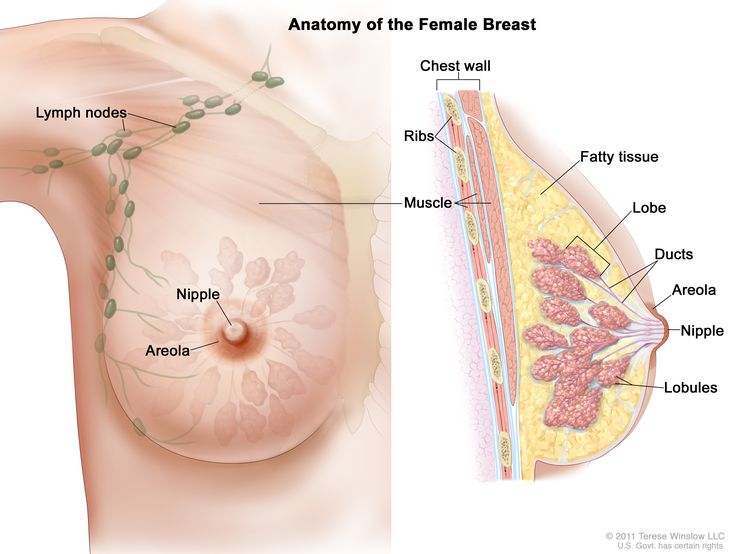
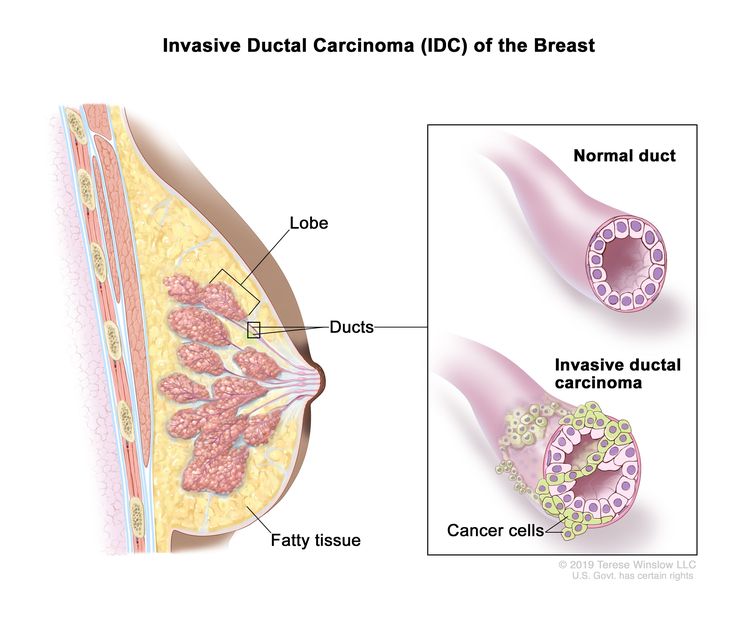
Breast Cancer Prevention (PDQ®)–Health Professional Version

Breast Cancer Prevention (PDQ®)–Health Professional Version

Who Is at Risk?

Besides female sex, advancing age is the biggest risk factor for breast cancer. Reproductive factors that increase exposure to endogenous estrogen, such as early menarche and late menopause, increase risk, as does the use of combination estrogen-progesterone hormones after menopause. Nulliparity and alcohol consumption also are associated with increased risk.

Women with a family history or personal history of invasive breast cancer, ductal carcinoma in situ or lobular carcinoma in situ, or a history of breast biopsies that show benign proliferative disease have an increased risk of breast cancer.[14]

Increased breast density is associated with increased risk. It is often a heritable trait but is also seen more frequently in nulliparous women, women whose first pregnancy occurs late in life, and women who use postmenopausal hormones and alcohol.

Exposure to ionizing radiation, especially during puberty or young adulthood, and the inheritance of detrimental genetic mutations increase breast cancer risk.

References
  1. Kotsopoulos J, Chen WY, Gates MA, et al.: Risk factors for ductal and lobular breast cancer: results from the nurses’ health study. Breast Cancer Res 12 (6): R106, 2010. [PUBMED Abstract]
  2. Goldacre MJ, Abisgold JD, Yeates DG, et al.: Benign breast disease and subsequent breast cancer: English record linkage studies. J Public Health (Oxf) 32 (4): 565-71, 2010. [PUBMED Abstract]
  3. Kabat GC, Jones JG, Olson N, et al.: A multi-center prospective cohort study of benign breast disease and risk of subsequent breast cancer. Cancer Causes Control 21 (6): 821-8, 2010. [PUBMED Abstract]
  4. Worsham MJ, Raju U, Lu M, et al.: Risk factors for breast cancer from benign breast disease in a diverse population. Breast Cancer Res Treat 118 (1): 1-7, 2009. [PUBMED Abstract]

Overview

Note: The Overview section summarizes the published evidence on this topic. The rest of the summary describes the evidence in more detail.

Other PDQ summaries with information related to breast cancer prevention include the following:

Factors With Adequate Evidence of Increased Risk of Breast Cancer

Sex and age

Based on solid evidence, female sex and increasing age are the major risk factors for the development of breast cancer.

Magnitude of Effect: Women have a lifetime risk of developing breast cancer that is approximately 100 times the risk for men. The short-term risk of breast cancer in a 70-year-old woman is about ten times that of a 30-year-old woman.

  • Study Design: Many epidemiological trials.
  • Internal Validity: Good.
  • Consistency: Good.
  • External Validity: Good.

Inherited risk

Based on solid evidence, women who have a family history of breast cancer, especially in a first-degree relative, have an increased risk of breast cancer.

Magnitude of Effect: Risk is doubled if a single first-degree relative is affected; risk is increased fivefold if two first-degree relatives are diagnosed.

  • Study Design: Population studies, cohort studies, and case-control studies.
  • Internal Validity: Good.
  • Consistency: Good.
  • External Validity: Good.

Based on solid evidence, women who inherit gene mutations associated with breast cancer have an increased risk.

Magnitude of Effect: Variable, depending on gene mutation, family history, and other risk factors affecting gene expression.

  • Study Design: Cohort or case-control studies.
  • Internal Validity: Good.
  • Consistency: Good.
  • External Validity: Good.

Breast density

Based on solid evidence, women with dense breasts have an increased risk of breast cancer. This is most often an inherent characteristic, to some extent modifiable by reproductive behavior, medications, and alcohol.[1]

Magnitude of Effect: Women with dense breasts have increased risk, proportionate to the degree of density. This increased relative risk (RR) ranges from 1.79 for women with slightly increased density to 4.64 for women with very dense breasts, compared with women who have the lowest breast density.[2]

  • Study Design: Cohort, case-control studies.
  • Internal Validity: Good.
  • Consistency: Good.
  • External Validity: Good.

Modifiable Factors With Adequate Evidence of Increased Risk of Breast Cancer

Menopausal hormone therapy (MHT)

Based on solid evidence, MHT is associated with an increased risk of developing breast cancer, especially hormone-sensitive cancers. Estrogen-progesterone use significantly increases breast cancer risk starting with 1 to 4 years of usage and increases with duration of use. For estrogen use alone, the breast cancer risk is less but also significant. The excess risk persists after cessation of MHT.

  • Study Design: Randomized controlled trials (RCTs), prospective studies and ecological observations.
  • Internal Validity: Good.
  • Consistency: Good.
  • External Validity: Good.

Combination hormone therapy

Based on solid evidence, combination hormone therapy (estrogen-progestin) is associated with an increased risk of developing breast cancer.

Magnitude of Effect: Approximately a 26% increase in incidence of invasive breast cancer; the number needed to produce one excess breast cancer is 237.

  • Study Design: RCTs and ecological observations. Furthermore, cohort and ecological studies show that cessation of combination HT is associated with a decrease in rates of breast cancer.
  • Internal Validity: Good.
  • Consistency: Good.
  • External Validity: Good.

Estrogen therapy

Based on solid evidence, estrogen therapy that began close to the time of menopause is associated with an increased risk of breast cancer. Estrogen therapy that began at or after menopause is associated with an increased risk of endometrial cancer and total cardiovascular disease, especially stroke.

Magnitude of Effect: The increased incidence of breast cancer associated with estrogen therapy that began at the time of menopause ranged from 17% to 33%, depending on duration of use. Breast cancer incidence in women who have undergone hysterectomy is 23% lower if estrogen use began many years after menopause.[3] There is a 39% increase in stroke (RR, 1.12; 95% confidence interval [CI], 1.1–1.77) and a 12% increase in cardiovascular disease (RR, 1.12; 95% CI, 1.01–1.24).[3]

  • Study Design: RCTs and ecological observations.
  • Internal Validity: Good.
  • Consistency: Good, although in women who have undergone hysterectomy, estrogen use that began many years after menopause was associated with a decrease in breast cancer incidence.
  • External Validity: Good.

Ionizing radiation

Based on solid evidence, exposure of the breast to ionizing radiation is associated with an increased risk of developing breast cancer, starting 10 years after exposure and persisting lifelong. Risk depends on radiation dose and age at exposure, and is especially high if exposure occurs during puberty, when the breast develops.

Magnitude of Effect: Variable but approximately a sixfold increase overall.

  • Study Design: Cohort or case-control studies.
  • Internal Validity: Good.
  • Consistency: Good.
  • External Validity: Good.

Obesity

Based on solid evidence, obesity is associated with an increased breast cancer risk in postmenopausal women who have not used HT. It is uncertain whether weight reduction decreases the risk of breast cancer in women with obesity.

Magnitude of Effect: The Women’s Health Initiative observational study of 85,917 postmenopausal women found body weight to be associated with breast cancer. Comparing women weighing more than 82.2 kg with those weighing less than 58.7 kg, the RR was 2.85 (95% CI, 1.81–4.49).

  • Study Design: Case-control and cohort studies.
  • Internal Validity: Good.
  • Consistency: Good.
  • External Validity: Good.

Alcohol

Based on solid evidence, alcohol consumption is associated with increased breast cancer risk in a dose-dependent fashion. It is uncertain whether decreasing alcohol intake by heavy drinkers reduces the risk.

Magnitude of Effect: The RR for women consuming approximately four alcoholic drinks per day compared with nondrinkers is 1.32 (95% CI, 1.19–1.45). The RR increases by 7% (95% CI, 5.5%–8.7%) for each drink per day.

  • Study Design: Case-control and cohort studies.
  • Internal Validity: Good.
  • Consistency: Good.
  • External Validity: Good.

Factors With Adequate Evidence of Decreased Risk of Breast Cancer

Early pregnancy

Based on solid evidence, women who have a full-term pregnancy before age 20 years have decreased breast cancer risk.

Magnitude of Effect: 50% decrease in breast cancer, compared with nulliparous women or women who give birth after age 35 years.

  • Study Design: Case-control and cohort studies.
  • Internal Validity: Good.
  • Consistency: Good.
  • External Validity: Good.

Breast-feeding

Based on solid evidence, women who breast-feed have a decreased risk of breast cancer.

Magnitude of Effect: The RR of breast cancer is decreased 4.3% for every 12 months of breast-feeding, in addition to 7% for each birth.[4]

  • Study Design: Case-control and cohort studies.
  • Internal Validity: Good.
  • Consistency: Good.
  • External Validity: Good.

Exercise

Based on solid evidence, physical exercise is associated with reduced breast cancer risk.

Magnitude of Effect: Average RR reduction association is 20% for both postmenopausal and premenopausal women and affects the risk of both hormone-sensitive and hormone-resistant cancers.

  • Study Design: Prospective observational and retrospective studies.
  • Internal Validity: Good.
  • Consistency: Good.
  • External Validity: Good.

Interventions With Adequate Evidence of Decreased Risk of Breast Cancer

Selective estrogen receptor modulators (SERMs): Benefits

Based on solid evidence, tamoxifen and raloxifene reduce the incidence of breast cancer in postmenopausal women, and tamoxifen reduces the risk of breast cancer in high-risk premenopausal women. The effects observed for tamoxifen and raloxifene persist several years after active treatment is discontinued, with longer duration of effect noted for tamoxifen than for raloxifene.[5]

All fractures were reduced by SERMs, primarily noted with raloxifene but not with tamoxifen. Reductions in vertebral fractures (34% reduction) and small reductions in nonvertebral fractures (7%) were noted.[5]

Magnitude of Effect: Tamoxifen reduced the incidence of estrogen receptor–positive (ER-positive) breast cancer and ductal carcinoma in situ (DCIS) in high-risk women by about 30% to 50% over 5 years of treatment. The reduction in ER-positive invasive breast cancer was maintained for at least 16 years after starting treatment (11 years after tamoxifen cessation). Breast cancer mortality was not affected.[6]

  • Study Design: RCTs.
  • Internal Validity: Good.
  • Consistency: Good.
  • External Validity: Good.

Selective estrogen receptor modulators: Harms

Based on solid evidence, tamoxifen increases the risk of endometrial cancer, thrombotic vascular events (i.e., pulmonary embolism, stroke, and deep venous thrombosis), and cataracts. The endometrial cancer risk persists for 5 years after tamoxifen cessation but not the risk of vascular events or cataracts. Based on solid evidence, raloxifene also increases venous pulmonary embolism and deep venous thrombosis but not endometrial cancer.

Magnitude of Effect: Meta-analysis showed RR of 2.4 (95% CI, 1.5–4.0) for endometrial cancer and 1.9 (95% CI, 1.4–2.6) for venous thromboembolic events. Meta-analysis showed the hazard ratio (HR) for endometrial cancer was 2.18 (95% CI, 1.39–3.42) for tamoxifen and 1.09 (95% CI, 0.74–1.62) for raloxifene. Overall, HR for venous thromboembolic events was 1.73 (95% CI, 1.47–2.05). Harms were significantly higher in women over 50 years than in younger women.

  • Study Design: RCTs.
  • Internal Validity: Good.
  • Consistency: Good.
  • External Validity: Good.

Aromatase inhibitors or inactivators: Benefits

Based on solid evidence, aromatase inhibitors or inactivators (AIs) reduce breast cancer incidence in postmenopausal women who have an increased risk.

Magnitude of Effect: In postmenopausal women treated with adjuvant tamoxifen for hormone-sensitive breast cancer, subsequent therapy with AIs reduced the incidence of new primary breast cancers by 50% to 67%, compared with controls. In postmenopausal women at high risk of developing breast cancer, 3 years of exemestane treatment reduced breast cancer incidence by 65%, compared with controls. A similar trial of 5 years of anastrozole treatment reduced breast cancer incidence by 53%, an effect persisting at 11 years.[7] After a median follow-up of 35 months, women aged 35 years and older who had at least one risk factor (age >60 years, a Gail 5-year risk >1.66%, or DCIS with mastectomy) and who took 25 mg of exemestane daily had a decreased risk of invasive breast cancer (HR, 0.35; 95% CI, 0.18–0.70) compared with controls. The absolute risk reduction was 21 cancers avoided out of 2,280 participants over 35 months. The number needed to treat was about 100.[8]

  • Study Design: Multiple RCTs.
  • Internal Validity: Good.
  • Consistency: Good.
  • External Validity: Good.

Aromatase inhibitors or inactivators: Harms

Based on fair evidence from a single RCT of 4,560 women over 35 months, exemestane is associated with hot flashes and fatigue compared with placebo.[8,9]

Magnitude of Effect: The absolute increase in hot flashes was 8% and the absolute increase in fatigue was 2%.

  • Study Design: One RCT.
  • Internal Validity: Good.
  • Consistency: Good.
  • External Validity: Good for women who meet inclusion criteria.

Prophylactic mastectomy: Benefits

Based on solid evidence, bilateral prophylactic mastectomy reduces the risk of breast cancer in women with a strong family history, and most women experience relief from anxiety about breast cancer risk. Based on strong evidence, bilateral prophylactic mastectomy reduces the risk of breast cancer in women with a strong family history of breast cancer or other factors putting them at high risk (e.g., certain previous chest-wall radiation or previous personal history of breast cancer). Most women experience relief from anxiety about breast cancer risk after undergoing prophylactic mastectomy. Although some studies have suggested a survival benefit associated with contralateral prophylactic mastectomy, these results are generally attributed to selection bias, and there are no high-quality studies demonstrating a clear survival advantage. For more information, see Genetics of Breast and Gynecologic Cancers.

Magnitude of Effect: Breast cancer risk after bilateral prophylactic mastectomy in women at high risk may be reduced as much as 90%.

  • Study Design: Evidence obtained from case-control and cohort studies.
  • Internal Validity: Good.
  • Consistency: Good.
  • External Validity: Good.

Prophylactic oophorectomy or ovarian ablation: Benefits

Based on solid evidence, prophylactic oophorectomy in premenopausal women with a BRCA gene mutation is associated with decreased breast cancer incidence. Similar results are seen for oophorectomy or ovarian ablation in normal premenopausal women and in women with increased breast cancer risk resulting from thoracic irradiation.

Magnitude of Effect: Breast cancer incidence may be decreased by up to 50%.

  • Study Design: Observational, case-control, and cohort studies.
  • Internal Validity: Good.
  • Consistency: Good.
  • External Validity: Good.

Prophylactic oophorectomy or ovarian ablation: Harms

Based on solid evidence, castration may cause the abrupt onset of menopausal symptoms such as hot flashes, insomnia, anxiety, and depression. Long-term effects include decreased libido, vaginal dryness, and decreased bone mineral density.

Magnitude of Effect: Nearly all women experience some sleep disturbances, mood changes, hot flashes, and bone demineralization, but the severity of these symptoms varies greatly.

  • Study Design: Observational, case-control, and cohort studies.
  • Internal Validity: Good.
  • Consistency: Good.
  • External Validity: Good.

Estrogen use by women with previous hysterectomy: Benefits

Based on fair evidence, women who have undergone a previous hysterectomy and who are treated with conjugated equine estrogen have a lower incidence of breast cancer.[3]

Magnitude of Effect: After 6.8 years, breast cancer incidence was 23% lower in women treated with estrogen in an RCT (0.27% per year, with a median of 5.9 years of use, compared with 0.35% per year among those taking a placebo). However, the risk was 30% higher in women treated with estrogen in an observational study. The difference in these results may be explained by different screening behaviors of the women in these studies.

  • Study Design: One RCT, observational studies.
  • Internal Validity: Fair.
  • Consistency: Poor.
  • External Validity: Poor.
References
  1. Boyd NF, Martin LJ, Rommens JM, et al.: Mammographic density: a heritable risk factor for breast cancer. Methods Mol Biol 472: 343-60, 2009. [PUBMED Abstract]
  2. McCormack VA, dos Santos Silva I: Breast density and parenchymal patterns as markers of breast cancer risk: a meta-analysis. Cancer Epidemiol Biomarkers Prev 15 (6): 1159-69, 2006. [PUBMED Abstract]
  3. Anderson GL, Limacher M, Assaf AR, et al.: Effects of conjugated equine estrogen in postmenopausal women with hysterectomy: the Women’s Health Initiative randomized controlled trial. JAMA 291 (14): 1701-12, 2004. [PUBMED Abstract]
  4. Col: Breast cancer and breastfeeding: collaborative reanalysis of individual data from 47 epidemiological studies in 30 countries, including 50302 women with breast cancer and 96973 women without the disease. Lancet 360 (9328): 187-95, 2002. [PUBMED Abstract]
  5. Cuzick J, Sestak I, Bonanni B, et al.: Selective oestrogen receptor modulators in prevention of breast cancer: an updated meta-analysis of individual participant data. Lancet 381 (9880): 1827-34, 2013. [PUBMED Abstract]
  6. Cuzick J, Sestak I, Cawthorn S, et al.: Tamoxifen for prevention of breast cancer: extended long-term follow-up of the IBIS-I breast cancer prevention trial. Lancet Oncol 16 (1): 67-75, 2015. [PUBMED Abstract]
  7. Batur P: In high-risk, postmenopausal women, 5 years of anastrozole reduced breast cancer incidence at 11 years. Ann Intern Med 172 (8): JC45, 2020. [PUBMED Abstract]
  8. Goss PE, Ingle JN, Alés-Martínez JE, et al.: Exemestane for breast-cancer prevention in postmenopausal women. N Engl J Med 364 (25): 2381-91, 2011. [PUBMED Abstract]
  9. Maunsell E, Goss PE, Chlebowski RT, et al.: Quality of life in MAP.3 (Mammary Prevention 3): a randomized, placebo-controlled trial evaluating exemestane for prevention of breast cancer. J Clin Oncol 32 (14): 1427-36, 2014. [PUBMED Abstract]

Incidence and Mortality

Breast cancer is the most frequently diagnosed nonskin malignancy in U.S. women and is second only to lung cancer in cancer deaths in women.[1] Estimates for the U.S. population in 2025 are that 316,950 women will be diagnosed with breast cancer, with 42,170 deaths from this disease, and 2,800 men will be diagnosed with breast cancer, with 510 deaths from this disease.[1] Breast cancer incidence in women had been gradually increasing for many years until the early 2000s, when it decreased rapidly, coincident with a drop in postmenopausal hormone therapy use. However, since the initial decrease between 2000 and 2005, there has been a small but steady increase in incidence, approaching incidence rates seen before that decrease.[2]

According to data from the Surveillance, Epidemiology, and End Results (SEER) Program, breast cancer mortality rates declined by 44% from 1989 to 2022. However, mortality rates in Black women remain about 38% higher than in White women.[1] Incidence rates are now similar between Black and White women.

The major risk factor for breast cancer is advancing age. A 30-year-old woman has about a 1 in 175 chance of being diagnosed with breast cancer in the next 10 years, whereas a 70-year-old woman has a 1 in 9 chance over the same time period.[2]

Screening by mammography decreases breast cancer mortality by identifying cases for treatment at an earlier stage. However, screening also identifies more cases than would become symptomatic in a woman’s lifetime, so screening increases breast cancer incidence. For more information, see the Overdiagnosis section in Breast Cancer Screening.

References
  1. American Cancer Society: Cancer Facts and Figures 2025. American Cancer Society, 2025. Available online. Last accessed January 16, 2025.
  2. Surveillance Research Program, National Cancer Institute: SEER*Explorer: An interactive website for SEER cancer statistics. Bethesda, MD: National Cancer Institute. Available online. Last accessed December 30, 2024.

Etiology and Pathogenesis of Breast Cancer

Breast cancer develops when a series of genetic mutations occurs.[1] Some cancer-associated mutations are inherited, but most are somatic mutations that occur as random events during a woman’s lifetime. Initially, mutations do not change the histological appearance of the tissue, but accumulated mutations will result in hyperplasia, dysplasia, carcinoma in situ, and eventually, invasive cancer.[2] The longer a woman lives, the more somatic mutations occur, and the more likely it is that these mutations will produce populations of cells that may eventually become malignancies. Estrogen and progestin hormones, whether endogenous or exogenous, stimulate growth and proliferation of breast cells, perhaps via growth factors such as transforming growth factor-alpha.[3] The stimulation by these hormones can promote the development and proliferation of breast cancer cells.

International variation in breast cancer rates may be explained by differences in genetics, reproductive factors, diet, exercise, and screening behavior. The relative importance of these factors was demonstrated in a study of breast cancer incidence of Japanese immigrants to the United States. Whereas Japanese women in Japan had a low breast cancer incidence, Japanese women in the United States had a much higher breast cancer incidence, similar to that of American women, within two generations of migration.[46]

References
  1. Boone CW, Kelloff GJ, Freedman LS: Intraepithelial and postinvasive neoplasia as a stochastic continuum of clonal evolution, and its relationship to mechanisms of chemopreventive drug action. J Cell Biochem Suppl 17G: 14-25, 1993. [PUBMED Abstract]
  2. Kelloff GJ, Boone CW, Steele VE, et al.: Progress in cancer chemoprevention: perspectives on agent selection and short-term clinical intervention trials. Cancer Res 54 (7 Suppl): 2015s-2024s, 1994. [PUBMED Abstract]
  3. Knabbe C, Lippman ME, Wakefield LM, et al.: Evidence that transforming growth factor-beta is a hormonally regulated negative growth factor in human breast cancer cells. Cell 48 (3): 417-28, 1987. [PUBMED Abstract]
  4. Parkin DM: Cancers of the breast, endometrium and ovary: geographic correlations. Eur J Cancer Clin Oncol 25 (12): 1917-25, 1989. [PUBMED Abstract]
  5. Dunn JE: Breast cancer among American Japanese in the San Francisco Bay area. Natl Cancer Inst Monogr 47: 157-60, 1977. [PUBMED Abstract]
  6. Kliewer EV, Smith KR: Breast cancer mortality among immigrants in Australia and Canada. J Natl Cancer Inst 87 (15): 1154-61, 1995. [PUBMED Abstract]

Endogenous Estrogen

Endogenous estrogen plays a role in the development of breast cancer. Women whose menarche occurred at or before age 11 years have about a 20% greater chance of developing breast cancer than do women whose menarche occurred at or after age 14 years.[13] Women who experience late menopause also have an increased risk. Women who develop breast cancer tend to have higher endogenous estrogen and androgen levels.[37]

Conversely, women who experience premature menopause have a lower risk of breast cancer. Following ovarian ablation, breast cancer risk may be reduced as much as 75% depending on age, weight, and parity, with the greatest reduction for young, thin, nulliparous women.[811] The removal of one ovary also reduces the risk of breast cancer but to a lesser degree.[12]

Other hormonal changes also influence breast cancer risk. For more information, see the sections on Early Pregnancy and Breast-feeding in the Factors With Adequate Evidence of Decreased Risk of Breast Cancer section.

The interaction of endogenous estrogen levels, insulin levels, and obesity—all of which affect breast cancer risk—are poorly understood but suggest strategies for interventions to decrease that risk. It is likely that reproductive risk factors interact with predisposing genotypes. For example, in the Nurses’ Health Study,[13] the associations between age at first birth, menarche, and menopause and the development of breast cancer were observed only among women without a family history of breast cancer in a mother or sister.

References
  1. Brinton LA, Schairer C, Hoover RN, et al.: Menstrual factors and risk of breast cancer. Cancer Invest 6 (3): 245-54, 1988. [PUBMED Abstract]
  2. Collaborative Group on Hormonal Factors in Breast Cancer: Menarche, menopause, and breast cancer risk: individual participant meta-analysis, including 118 964 women with breast cancer from 117 epidemiological studies. Lancet Oncol 13 (11): 1141-51, 2012. [PUBMED Abstract]
  3. Ritte R, Lukanova A, Tjønneland A, et al.: Height, age at menarche and risk of hormone receptor-positive and -negative breast cancer: a cohort study. Int J Cancer 132 (11): 2619-29, 2013. [PUBMED Abstract]
  4. Endogenous Hormones and Breast Cancer Collaborative Group: Endogenous sex hormones and breast cancer in postmenopausal women: reanalysis of nine prospective studies. J Natl Cancer Inst 94 (8): 606-16, 2002. [PUBMED Abstract]
  5. Key TJ, Appleby PN, Reeves GK, et al.: Circulating sex hormones and breast cancer risk factors in postmenopausal women: reanalysis of 13 studies. Br J Cancer 105 (5): 709-22, 2011. [PUBMED Abstract]
  6. Kaaks R, Rinaldi S, Key TJ, et al.: Postmenopausal serum androgens, oestrogens and breast cancer risk: the European prospective investigation into cancer and nutrition. Endocr Relat Cancer 12 (4): 1071-82, 2005. [PUBMED Abstract]
  7. Kaaks R, Berrino F, Key T, et al.: Serum sex steroids in premenopausal women and breast cancer risk within the European Prospective Investigation into Cancer and Nutrition (EPIC). J Natl Cancer Inst 97 (10): 755-65, 2005. [PUBMED Abstract]
  8. Smith PG, Doll R: Late effects of x irradiation in patients treated for metropathia haemorrhagica. Br J Radiol 49 (579): 224-32, 1976. [PUBMED Abstract]
  9. Trichopoulos D, MacMahon B, Cole P: Menopause and breast cancer risk. J Natl Cancer Inst 48 (3): 605-13, 1972. [PUBMED Abstract]
  10. Feinleib M: Breast cancer and artificial menopause: a cohort study. J Natl Cancer Inst 41 (2): 315-29, 1968. [PUBMED Abstract]
  11. Kampert JB, Whittemore AS, Paffenbarger RS: Combined effect of childbearing, menstrual events, and body size on age-specific breast cancer risk. Am J Epidemiol 128 (5): 962-79, 1988. [PUBMED Abstract]
  12. Hirayama T, Wynder EL: A study of the epidemiology of cancer of the breast. II. The influence of hysterectomy. Cancer 15: 28-38, 1962 Jan-Feb. [PUBMED Abstract]
  13. Colditz GA, Kaphingst KA, Hankinson SE, et al.: Family history and risk of breast cancer: nurses’ health study. Breast Cancer Res Treat 133 (3): 1097-104, 2012. [PUBMED Abstract]

Inherited Risk

Breast cancer risk increases in women with a positive family history, particularly if first-degree relatives are affected.[1] The following risk assessment models, derived from databases, cohort, and case-control studies, quantitate this risk:

Specific abnormal alleles are associated with approximately 5% of breast cancers. For more information, see Genetics of Breast and Gynecologic Cancers. Mutations in BRCA genes are inherited in an autosomal dominant fashion and are highly penetrant in causing cancer, often at a younger age.[24] Family history and mutation location within the BRCA1 or BRCA2 gene may contribute to the risk of cancer development among those with an inherited predisposition to breast cancer.[5] The lifetime risk of breast cancer is 55% to 65% for BRCA1 mutation carriers and 45% to 47% for BRCA2 mutation carriers.[6,7] In comparison, the lifetime risk of breast cancer is 13% in the general population.[8]

Some women inherit a susceptibility to mutagens or growth factors, which increase breast cancer risk.[9,10] For more information, see the Ionizing Radiation Exposure section.

References
  1. Colditz GA, Kaphingst KA, Hankinson SE, et al.: Family history and risk of breast cancer: nurses’ health study. Breast Cancer Res Treat 133 (3): 1097-104, 2012. [PUBMED Abstract]
  2. Miki Y, Swensen J, Shattuck-Eidens D, et al.: A strong candidate for the breast and ovarian cancer susceptibility gene BRCA1. Science 266 (5182): 66-71, 1994. [PUBMED Abstract]
  3. Futreal PA, Liu Q, Shattuck-Eidens D, et al.: BRCA1 mutations in primary breast and ovarian carcinomas. Science 266 (5182): 120-2, 1994. [PUBMED Abstract]
  4. Wooster R, Neuhausen SL, Mangion J, et al.: Localization of a breast cancer susceptibility gene, BRCA2, to chromosome 13q12-13. Science 265 (5181): 2088-90, 1994. [PUBMED Abstract]
  5. Kuchenbaecker KB, Hopper JL, Barnes DR, et al.: Risks of Breast, Ovarian, and Contralateral Breast Cancer for BRCA1 and BRCA2 Mutation Carriers. JAMA 317 (23): 2402-2416, 2017. [PUBMED Abstract]
  6. Antoniou A, Pharoah PD, Narod S, et al.: Average risks of breast and ovarian cancer associated with BRCA1 or BRCA2 mutations detected in case Series unselected for family history: a combined analysis of 22 studies. Am J Hum Genet 72 (5): 1117-30, 2003. [PUBMED Abstract]
  7. Chen S, Parmigiani G: Meta-analysis of BRCA1 and BRCA2 penetrance. J Clin Oncol 25 (11): 1329-33, 2007. [PUBMED Abstract]
  8. National Cancer Institute: SEER Cancer Stat Facts: Female Breast Cancer. Bethesda, Md: National Cancer Institute. Available online. Last accessed April 9, 2025.
  9. Swift M, Morrell D, Massey RB, et al.: Incidence of cancer in 161 families affected by ataxia-telangiectasia. N Engl J Med 325 (26): 1831-6, 1991. [PUBMED Abstract]
  10. Cybulski C, Wokołorczyk D, Jakubowska A, et al.: Risk of breast cancer in women with a CHEK2 mutation with and without a family history of breast cancer. J Clin Oncol 29 (28): 3747-52, 2011. [PUBMED Abstract]

Increased Breast Density

Widespread use of screening mammograms has demonstrated great variability in breast tissue density. Women with a greater proportion of dense tissue have a higher incidence of breast cancer. Mammographic density also confounds the identification of cancers by mammograms. The extent of increased risk was described in a report of three nested case-control studies in screened populations with 1,112 matched case-control pairs. Compared with women with density comprising less than 10% of breast tissue, women with density in 75% or more of their breast had an increased risk of breast cancer (odds ratio [OR], 4.7; 95% confidence interval [CI], 3.0–7.4), whether the cancer was detected by screening (OR, 3.5; 95% CI, 2.0–6.2) or detected less than 12 months after a negative screening examination (OR, 17.8; 95% CI, 4.8–65.9). Increased risk of breast cancer, whether detected by screening or other means, persisted for at least 8 years after study entry and was greater in younger women than in older women. For women younger than the median age of 56 years, 26% of all breast cancers and 50% of cancers detected less than 12 months after a negative screening test were identified in women with mammographic breast density of 50% or more.[1,2]

Compared with women who have the lowest breast density, women with dense breasts have increased risk, proportionate to the degree of density. This increased relative risk ranges from 1.79 for women with slightly increased breast density to 4.64 for women with very dense breasts.[3] There is no increased risk of breast cancer mortality among women with dense breast tissue.[4]

References
  1. Boyd NF, Guo H, Martin LJ, et al.: Mammographic density and the risk and detection of breast cancer. N Engl J Med 356 (3): 227-36, 2007. [PUBMED Abstract]
  2. Razzaghi H, Troester MA, Gierach GL, et al.: Mammographic density and breast cancer risk in White and African American Women. Breast Cancer Res Treat 135 (2): 571-80, 2012. [PUBMED Abstract]
  3. McCormack VA, dos Santos Silva I: Breast density and parenchymal patterns as markers of breast cancer risk: a meta-analysis. Cancer Epidemiol Biomarkers Prev 15 (6): 1159-69, 2006. [PUBMED Abstract]
  4. Gierach GL, Ichikawa L, Kerlikowske K, et al.: Relationship between mammographic density and breast cancer death in the Breast Cancer Surveillance Consortium. J Natl Cancer Inst 104 (16): 1218-27, 2012. [PUBMED Abstract]

Factors With Adequate Evidence of Increased Risk of Breast Cancer

Menopausal Hormone Therapy (MHT)

MHT has been used to alleviate hot flashes and other symptoms associated with menopause. Single-agent estrogen is associated with an increased incidence of uterine cancer, but estrogen-progesterone use is not. Women with intact uteri are prescribed the combination, with oral progesterone given continuously or intermittently, or intrauterine progesterone delivered locally by intrauterine device (IUD). Estrogen therapy that began close to the time of menopause is associated with an increased risk of developing breast cancer. Estrogen therapy that began at or after menopause is associated with an increased risk of developing endometrial cancer and total cardiovascular disease, especially stroke.[1] Women who have undergone hysterectomy often take unopposed estrogen.

In 1997, 51 epidemiological studies were reanalyzed, encompassing more than 150,000 women, and it was found that MHT was associated with increased breast cancer risk.[2]

The Heart and Estrogen/Progestin Replacement Study, published in 2002, extended these findings by randomly assigning 2,763 women, with coronary heart disease (median age, 67), to receive either estrogen-progestin or placebo.[3] At 6.8 years of follow-up, breast cancer incidence was higher for hormone users (relative risk [RR], 1.27; 95% confidence interval [CI], 0.84–1.94).

The Women’s Health Initiative (WHI), also published in 2002, randomly assigned over 16,000 women aged 50 to 79 years with intact uteri to receive either estrogen-progesterone or placebo.[4] The WHI was terminated early because the risk for coronary heart disease was unchanged, but the risk for stroke was increased with MHT. The incidence of invasive breast cancer was also increased in women who had taken MHT (hazard ratio, 1.24; 95% CI, 10.2–1.50). In addition to the randomized trial, the WHI conducted an observational study that examined women aged 50 to 79 years and found an increased risk of breast cancer, especially for those starting MHT at menopause. The WHI also randomly assigned 10,739 women who had undergone hysterectomy and were aged 50 to 79 years to receive either estrogen or placebo. Estrogen use was associated with an increased risk of stroke, so the trial was stopped early. After the publication of the WHI results, MHT use dropped worldwide, and breast cancer risk declined in countries where MHT usage had been high.

In 2003, the Cancer Surveillance System of Puget Sound reported results of a population-based survey of 965 women with breast cancer and 1,007 controls.[5] This study showed a 1.7-fold increased risk of invasive breast cancer with estrogen-progesterone use, but not with estrogen use alone.

While the association between estrogen-progesterone MHT and breast cancer risk was consistently observed, questions arose about the use of estrogen-only in women who had undergone hysterectomy, especially about the timing of therapy in relation to menopause and the participation in screening activities by MHT users.

The United Kingdom Million Women Study [6] recruited 1,084,110 women aged 50 to 64 years between 1996 and 2001. This study obtained information about MHT use, along with other health information, and followed them for breast cancer incidence and death. One-half of the women had used MHT. At 2.6 years of follow up, there were 9,364 invasive breast cancers, and at 4.1 years, there were 637 breast cancer deaths. At recruitment, current MHT users were more likely than were never-users to develop breast cancer (adjusted RR, 1.66; 95% CI, 1.58–1.75; P < .0001) and to die from the disease (adjusted RR, 1.22; 95% CI, 1.00–1.48; P = .05). Past MHT users had no increased risk of incident breast cancer (odds ratio [OR], 1.01; 95% CI, 0.94–1.09) or fatal breast cancer (OR, 1.05; 95% CI, 0.82–1.34). Incidence was increased for current users of estrogen (RR, 1.30; 95% CI, 1.21–1.40; P < .0001), combined MHT (RR, 2.00; 95% CI, 1.88–2.12; P < .0001), and tibolone (RR, 1.45; 95% CI, 1.25–1.68; P < .0001). The magnitude of the associated risk was greater for combined MHT than for other types of MHT (P < .0001). Tibolone is approved for use to manage menopausal symptoms or to prevent osteoporosis in many countries. However, it is not approved for use in Canada or the United States.

A population-based survey of 965 women with breast cancer and 1,007 controls was conducted by the Cancer Surveillance System of Puget Sound. It showed that combined MHT users had a 1.7-fold increased risk of invasive breast cancer, whereas estrogen-only users did not.[5]

In 2019, the Collaborative Group on Hormonal Factors in Breast Cancer reported results of a meta-analysis of 24 prospective and 34 retrospective studies of MHT and breast cancer risk, encompassing 143,887 women who developed breast cancer and 424,972 controls. Overall, MHT users had higher breast cancer risk, especially for hormone-sensitive tumors.[7]

Table 1. Breast Cancer Risk Among Menopausal Hormone Therapy Usersa
  Years 1–4 of Use Years 5–14 of Use
CI = confidence interval; RR = relative risk.
a [7]
Estrogen-progesterone RR, 1.60 (95% CI, 1.52–1.62) RR, 2.08 (95% CI, 2.02–2.15)
Estrogen-only RR, 1.17 (95% CI, 1.10–1.26) RR, 1.33 (95% CI, 1.28–1.37)

The associations between MHT and breast cancer were weaker for women starting MHT after age 60 years and for women with obesity. Women with obesity had minimal risk from estrogen MHT that began after age 60 years. In summary, women of average weight who used 5 years of MHT starting at 50 years have an increased risk of breast cancer incidence of 1 in 50 users for estrogen-progesterone, 1 in 70 users for estrogen plus intermittent progesterone, and 1 in 200 users for estrogen-only products.

This meta-analysis, confirming and expanding the understanding of estrogen-progesterone risk of breast cancer, also resolves the question of estrogen use in women who have undergone hysterectomy. If the estrogen use began at menopause, it is associated with an increase in breast cancer risk, but not if it began many years later. These findings, as well as the documented increase in stroke risk with estrogen therapy, should be considered when reviewing options to treat.

In 2022, an evidence review concluded that the use of combined estrogen and progestin for the primary prevention of chronic disease (i.e., cardiovascular disease, cancer, osteoporosis, and fracture) in postmenopausal women with an intact uterus was associated with some benefits. However, this combination therapy was also associated with an increased risk of harms. Therefore, it has no net benefit. Moreover, the systematic review concluded with moderate certainty that the use of estrogen alone for the primary prevention of chronic diseases in postmenopausal women who had a hysterectomy also has no net benefit.[8]

Ionizing Radiation Exposure

A well-established relationship exists between exposure to ionizing radiation and subsequent breast cancer.[9] Excess breast cancer risk has been observed in association with atomic bomb exposure, frequent fluoroscopy for tuberculosis, and radiation therapy for acne, tinea, thymic enlargement, postpartum mastitis, and lymphoma. Risk is higher for the young, especially around puberty. An estimate of the risk of breast cancer associated with medical radiology puts the figure at less than 1% of all breast cancer cases.[10] However, it has been theorized that certain populations, such as AT heterozygotes, are at an increased risk of breast cancer from radiation exposure.[11] A large cohort study of women who carry mutations of BRCA1 or BRCA2 concluded that chest x-rays, especially before age 20 years increased their risk of breast cancer beyond already increased levels (RR, 1.54; 95% CI, 1.1–2.1).[12]

Women treated for Hodgkin lymphoma with mantle radiation by age 16 years have a subsequent risk up to 35% of developing breast cancer by age 40 years.[1315] Higher radiation doses (median dose, 40 Gy in breast cancer cases) and treatment between the ages of 10 and 16 years are associated with higher risk.[13] Unlike the risk for secondary leukemia, the risk of treatment-related breast cancer does not abate with duration of follow-up, persisting more than 25 years after treatment.[13,15,16] In these studies, most patients (85%–100%) who developed breast cancer did so either within the field of radiation or at the margin.[13,14,16] A Dutch study examined 48 women who developed breast cancer at least 5 years after treatment for Hodgkin disease and compared them with 175 matched female Hodgkin disease patients who did not develop breast cancer. Patients treated with chemotherapy and mantle radiation were less likely to develop breast cancer than were those treated with mantle radiation alone, possibly because of chemotherapy-induced ovarian suppression (RR, 0.06; 95% CI, 0.01–0.45).[17] Another study of 105 radiation-associated breast cancer patients and 266 age-matched and radiation-matched controls showed a similar protective effect for ovarian radiation.[15] These studies suggest that reduction of ovarian hormones limits the proliferation of breast tissue with radiation-induced mutations.[15]

The question arises whether breast cancer patients treated with lumpectomy and radiation therapy (L-RT) are at higher risk for second breast malignancies or other malignancies than are those treated by mastectomy. Outcomes of 1,029 L-RT patients were compared with outcomes of 1,387 patients who underwent mastectomies. After a median follow-up of 15 years, there was no difference in the risk of second malignancies.[18] Further evidence from three RCTs is also reassuring. One report of 1,851 women randomly assigned to undergo total mastectomy, lumpectomy alone, or L-RT showed rates of contralateral breast cancer to be 8.5%, 8.8%, and 9.4%, respectively.[19] Another study of 701 women randomly assigned to undergo radical mastectomy or breast-conserving surgery followed by radiation therapy demonstrated the rate of contralateral breast carcinomas per 100 woman-years to be 10.2 versus 8.7, respectively.[20] The third study compared 25-year outcomes of 1,665 women randomly assigned to undergo radical mastectomy, total mastectomy, or total mastectomy with radiation. There was no significant difference in the rate of contralateral breast cancer according to treatment group, and the overall rate was 6%.[21]

Obesity

Obesity is associated with increased breast cancer risk, especially among postmenopausal women who do not use hormone therapy (HT). The WHI observed 85,917 women aged 50 to 79 years and collected information on weight history and known risk factors for breast cancer.[22,23] Height, weight, and waist and hip circumferences were measured. With a median follow-up of 34.8 months, 1,030 of the women developed invasive breast cancer. Among the women who never used HT, increased breast cancer risk was associated with weight at entry, body mass index (BMI) at entry, BMI at age 50 years, maximum BMI, adult and postmenopausal weight change, and waist and hip circumferences. Weight was the strongest predictor, with a RR of 2.85 (95% CI, 1.81–4.49) for women weighing more than 82.2 kg, compared with those weighing less than 58.7 kg.

The association between obesity, diabetes, and insulin levels with breast cancer risk have been studied but not clearly defined. The British Women’s Heart and Health Study of women aged 60 to 79 years compared 151 women who had a diagnosis of breast cancer with 3,690 women who did not. The age-adjusted OR was 1.34 (95% CI, 1.02–1.77) for each unit increase in log(e) insulin level among nondiabetic women. The association was observed, after adjustment for confounders and for potential mediating factors, for both pre- and postmenopausal breast cancers. In addition, fasting glucose level, homeostatic model assessment score (the product of fasting glucose and insulin levels divided by 22.5), diabetes, and a history of gestational glycosuria or diabetes were also associated with breast cancer.[24]

Alcohol

Alcohol consumption increases the risk of breast cancer. A British meta-analysis included individual data from 53 case-control and cohort studies.[25] Compared with the RR of breast cancer for women who reported no alcohol consumption, the RR of breast cancer was 1.32 (95% CI, 1.19–1.45; P < .001) for women consuming 35 g to 44 g of alcohol per day and 1.46 (95% CI, 1.33–1.61; P < .001) for those consuming at least 45 g of alcohol per day. The RR of breast cancer increases by about 7% (95% CI, 5.5%–8.7%; P < .001) for each 10 g of alcohol (i.e., one drink) consumed per day. These findings persist after stratification for race, education, family history, age at menarche, height, weight, BMI, breast-feeding, oral contraceptive use, menopausal hormone use and type, and age at menopause.

References
  1. Cuzick J, Sestak I, Forbes JF, et al.: Use of anastrozole for breast cancer prevention (IBIS-II): long-term results of a randomised controlled trial. Lancet 395 (10218): 117-122, 2020. [PUBMED Abstract]
  2. Breast cancer and hormone replacement therapy: collaborative reanalysis of data from 51 epidemiological studies of 52,705 women with breast cancer and 108,411 women without breast cancer. Collaborative Group on Hormonal Factors in Breast Cancer. Lancet 350 (9084): 1047-59, 1997. [PUBMED Abstract]
  3. Hulley S, Furberg C, Barrett-Connor E, et al.: Noncardiovascular disease outcomes during 6.8 years of hormone therapy: Heart and Estrogen/progestin Replacement Study follow-up (HERS II). JAMA 288 (1): 58-66, 2002. [PUBMED Abstract]
  4. Writing Group for the Women’s Health Initiative Investigators: Risks and benefits of estrogen plus progestin in healthy postmenopausal women: principal results From the Women’s Health Initiative randomized controlled trial. JAMA 288 (3): 321-33, 2002. [PUBMED Abstract]
  5. Li CI, Malone KE, Porter PL, et al.: Relationship between long durations and different regimens of hormone therapy and risk of breast cancer. JAMA 289 (24): 3254-63, 2003. [PUBMED Abstract]
  6. Beral V, Reeves G, Bull D, et al.: Breast cancer risk in relation to the interval between menopause and starting hormone therapy. J Natl Cancer Inst 103 (4): 296-305, 2011. [PUBMED Abstract]
  7. Collaborative Group on Hormonal Factors in Breast Cancer: Type and timing of menopausal hormone therapy and breast cancer risk: individual participant meta-analysis of the worldwide epidemiological evidence. Lancet 394 (10204): 1159-1168, 2019. [PUBMED Abstract]
  8. Gartlehner G, Patel SV, Reddy S, et al.: Hormone Therapy for the Primary Prevention of Chronic Conditions in Postmenopausal Persons: Updated Evidence Report and Systematic Review for the US Preventive Services Task Force. JAMA 328 (17): 1747-1765, 2022. [PUBMED Abstract]
  9. John EM, Kelsey JL: Radiation and other environmental exposures and breast cancer. Epidemiol Rev 15 (1): 157-62, 1993. [PUBMED Abstract]
  10. Evans JS, Wennberg JE, McNeil BJ: The influence of diagnostic radiography on the incidence of breast cancer and leukemia. N Engl J Med 315 (13): 810-5, 1986. [PUBMED Abstract]
  11. Swift M, Morrell D, Massey RB, et al.: Incidence of cancer in 161 families affected by ataxia-telangiectasia. N Engl J Med 325 (26): 1831-6, 1991. [PUBMED Abstract]
  12. Andrieu N, Easton DF, Chang-Claude J, et al.: Effect of chest X-rays on the risk of breast cancer among BRCA1/2 mutation carriers in the international BRCA1/2 carrier cohort study: a report from the EMBRACE, GENEPSO, GEO-HEBON, and IBCCS Collaborators’ Group. J Clin Oncol 24 (21): 3361-6, 2006. [PUBMED Abstract]
  13. Bhatia S, Robison LL, Oberlin O, et al.: Breast cancer and other second neoplasms after childhood Hodgkin’s disease. N Engl J Med 334 (12): 745-51, 1996. [PUBMED Abstract]
  14. Hancock SL, Tucker MA, Hoppe RT: Breast cancer after treatment of Hodgkin’s disease. J Natl Cancer Inst 85 (1): 25-31, 1993. [PUBMED Abstract]
  15. Travis LB, Hill DA, Dores GM, et al.: Breast cancer following radiotherapy and chemotherapy among young women with Hodgkin disease. JAMA 290 (4): 465-75, 2003. [PUBMED Abstract]
  16. Sankila R, Garwicz S, Olsen JH, et al.: Risk of subsequent malignant neoplasms among 1,641 Hodgkin’s disease patients diagnosed in childhood and adolescence: a population-based cohort study in the five Nordic countries. Association of the Nordic Cancer Registries and the Nordic Society of Pediatric Hematology and Oncology. J Clin Oncol 14 (5): 1442-6, 1996. [PUBMED Abstract]
  17. van Leeuwen FE, Klokman WJ, Stovall M, et al.: Roles of radiation dose, chemotherapy, and hormonal factors in breast cancer following Hodgkin’s disease. J Natl Cancer Inst 95 (13): 971-80, 2003. [PUBMED Abstract]
  18. Obedian E, Fischer DB, Haffty BG: Second malignancies after treatment of early-stage breast cancer: lumpectomy and radiation therapy versus mastectomy. J Clin Oncol 18 (12): 2406-12, 2000. [PUBMED Abstract]
  19. Fisher B, Anderson S, Bryant J, et al.: Twenty-year follow-up of a randomized trial comparing total mastectomy, lumpectomy, and lumpectomy plus irradiation for the treatment of invasive breast cancer. N Engl J Med 347 (16): 1233-41, 2002. [PUBMED Abstract]
  20. Veronesi U, Cascinelli N, Mariani L, et al.: Twenty-year follow-up of a randomized study comparing breast-conserving surgery with radical mastectomy for early breast cancer. N Engl J Med 347 (16): 1227-32, 2002. [PUBMED Abstract]
  21. Fisher B, Jeong JH, Anderson S, et al.: Twenty-five-year follow-up of a randomized trial comparing radical mastectomy, total mastectomy, and total mastectomy followed by irradiation. N Engl J Med 347 (8): 567-75, 2002. [PUBMED Abstract]
  22. Morimoto LM, White E, Chen Z, et al.: Obesity, body size, and risk of postmenopausal breast cancer: the Women’s Health Initiative (United States). Cancer Causes Control 13 (8): 741-51, 2002. [PUBMED Abstract]
  23. Wolin KY, Carson K, Colditz GA: Obesity and cancer. Oncologist 15 (6): 556-65, 2010. [PUBMED Abstract]
  24. Lawlor DA, Smith GD, Ebrahim S: Hyperinsulinaemia and increased risk of breast cancer: findings from the British Women’s Heart and Health Study. Cancer Causes Control 15 (3): 267-75, 2004. [PUBMED Abstract]
  25. Hamajima N, Hirose K, Tajima K, et al.: Alcohol, tobacco and breast cancer–collaborative reanalysis of individual data from 53 epidemiological studies, including 58,515 women with breast cancer and 95,067 women without the disease. Br J Cancer 87 (11): 1234-45, 2002. [PUBMED Abstract]

Factors With Adequate Evidence of Decreased Risk of Breast Cancer

Early Pregnancy

Childbirth is followed by an increase in risk of breast cancer for several years, and then a long-term reduction in risk, which is greater for younger women.[13] In one study, women who experienced a first full-term pregnancy before age 20 years were half as likely to develop breast cancer as nulliparous women or women whose first full-term pregnancy occurred at age 35 years or older.[4,5]

The effect of childbirth on breast cancer risk was demonstrated by the International Premenopausal Breast Cancer Collaborative Group, which undertook a pooled analysis of individual-level data from about 890,000 women from 15 prospective cohort studies. When compared with nulliparous women, parous women had an increased risk of developing both estrogen receptor–positive (ER–positive) and estrogen receptor–negative (ER–negative) breast cancer for up to 20 years after childbirth. However, after about 24 years, the risk of developing ER–positive breast cancer decreased, but the risk of developing ER–negative breast cancer remained elevated. Thus, the association between parity and breast cancer risk is complex and appears to be influenced by the time period after childbirth, as well as tumor phenotype.[6]

Breast-feeding

Breast-feeding is associated with a decreased risk of breast cancer.[7] A reanalysis of individual data from 47 epidemiological studies in 30 countries of 50,302 women with breast cancer and 96,973 controls revealed that breast cancer incidence was lower in parous women who had ever breast-fed than in parous women who had not. It was also proportionate to duration of breast-feeding.[8] The relative risk (RR) of breast cancer decreased by 4.3% (95%, confidence interval [CI], 2.9%–5.8%; P < .0001) for every 12 months of breast-feeding in addition to a decrease of 7.0% (95% CI, 5.0%–9.0%; P < .0001) for each birth.

Exercise

Many studies have shown an associated benefit between physical exercise and breast cancer risk. A French study of 59,308 women, averaging 8.5 years postmenopause, found that recreational activity greater than 12 metabolic equivalent task (MET) h/wk was associated with decreased risk of invasive breast cancer (hazard ratio [HR], 0.9; 95% CI, 0.83–0.99).[9] The Nurses’ Health Study included 95,396 postmenopausal women and found that women who exercised more than 27 MET h/wk (equivalent to 1 h/d of brisk walking) had decreased breast cancer incidence compared with those who had fewer than 3 MET h/wk (HR, 0.85; 95% CI, 0.78–0.93; P < .001 for trend). There was no difference in the association between exercise and breast cancer risk for hormone-positive or hormone-negative cancers.[10] Two meta-analyses yielded the same conclusions. One meta-analysis included 38 prospective trials performed from 1987 to 2014. The summary RR was 0.88 (95% CI, 0.85–0.90); results were similar for hormone-positive or hormone-negative cancers.[11] Another meta-analysis reviewed 139 studies encompassing 236,955 women with 3,963 controls. Women who exercised had a significant decrease in breast cancer (odds ratio, 0.78; 95% CI, 0.76–0.81), with a similar effect size for premenopausal and postmenopausal women.[12]

References
  1. Kampert JB, Whittemore AS, Paffenbarger RS: Combined effect of childbearing, menstrual events, and body size on age-specific breast cancer risk. Am J Epidemiol 128 (5): 962-79, 1988. [PUBMED Abstract]
  2. Pike MC, Krailo MD, Henderson BE, et al.: ‘Hormonal’ risk factors, ‘breast tissue age’ and the age-incidence of breast cancer. Nature 303 (5920): 767-70, 1983. [PUBMED Abstract]
  3. Lambe M, Hsieh C, Trichopoulos D, et al.: Transient increase in the risk of breast cancer after giving birth. N Engl J Med 331 (1): 5-9, 1994. [PUBMED Abstract]
  4. Henderson BE, Pike MC, Ross RK, et al.: Epidemiology and risk factors. In: Bonadonna G, ed.: Breast Cancer: Diagnosis and Management. John Wiley & Sons, 1984, pp 15-33.
  5. Gail MH, Brinton LA, Byar DP, et al.: Projecting individualized probabilities of developing breast cancer for white females who are being examined annually. J Natl Cancer Inst 81 (24): 1879-86, 1989. [PUBMED Abstract]
  6. Nichols HB, Schoemaker MJ, Cai J, et al.: Breast Cancer Risk After Recent Childbirth: A Pooled Analysis of 15 Prospective Studies. Ann Intern Med 170 (1): 22-30, 2019. [PUBMED Abstract]
  7. Col: Breast cancer and breastfeeding: collaborative reanalysis of individual data from 47 epidemiological studies in 30 countries, including 50302 women with breast cancer and 96973 women without the disease. Lancet 360 (9328): 187-95, 2002. [PUBMED Abstract]
  8. Furberg H, Newman B, Moorman P, et al.: Lactation and breast cancer risk. Int J Epidemiol 28 (3): 396-402, 1999. [PUBMED Abstract]
  9. Fournier A, Dos Santos G, Guillas G, et al.: Recent recreational physical activity and breast cancer risk in postmenopausal women in the E3N cohort. Cancer Epidemiol Biomarkers Prev 23 (9): 1893-902, 2014. [PUBMED Abstract]
  10. Eliassen AH, Hankinson SE, Rosner B, et al.: Physical activity and risk of breast cancer among postmenopausal women. Arch Intern Med 170 (19): 1758-64, 2010. [PUBMED Abstract]
  11. Pizot C, Boniol M, Mullie P, et al.: Physical activity, hormone replacement therapy and breast cancer risk: A meta-analysis of prospective studies. Eur J Cancer 52: 138-54, 2016. [PUBMED Abstract]
  12. Hardefeldt PJ, Penninkilampi R, Edirimanne S, et al.: Physical Activity and Weight Loss Reduce the Risk of Breast Cancer: A Meta-analysis of 139 Prospective and Retrospective Studies. Clin Breast Cancer 18 (4): e601-e612, 2018. [PUBMED Abstract]

Interventions With Adequate Evidence of Benefit

Selective Estrogen Receptor Modulators (SERMs)

Tamoxifen

Tamoxifen is used to treat metastatic breast cancer and to suppress local recurrences and new primary breast cancers after surgical excision of breast cancer.[1] Tamoxifen also maintains bone density among postmenopausal women with breast cancer.[26] Adverse effects include hot flashes, venous thromboembolic events, and endometrial cancer.[79]

The Breast Cancer Prevention Trial (BCPT) randomly assigned 13,388 patients at elevated risk of breast cancer to receive tamoxifen or placebo.[10,11] The study was closed early because the incidence of breast cancer for the tamoxifen group was 49% lower than for the control group (85 vs. 154 invasive breast cancer cases and 31 vs. 59 in situ cases at 4 years). Tamoxifen-treated women also had fewer fractures (47 vs. 71) but more endometrial cancer (33 vs. 14 cases) and thrombotic events (99 vs. 70), including pulmonary emboli (17 vs. 6).[11]

An update of the BCPT results after 7 years of follow-up confirmed and extended those results.[12] Benefits and risks of tamoxifen were not significantly different from those in the original report, with persistent benefit of fewer fractures and persistent increased risk of endometrial cancer, thrombosis, and cataract surgery. No overall mortality benefit was observed after 7 years of follow-up (relative risk [RR], 1.10; 95% confidence interval [CI], 0.85–1.43).

Three other trials of tamoxifen for primary prevention of breast cancer have been completed.[1315]

  • A study in the United Kingdom [13] enrolled 2,471 women at increased breast cancer risk because of a family history of breast and/or ovarian cancer. Risk of estrogen receptor–positive (ER-positive) breast cancer was significantly reduced in the tamoxifen arm (hazard ratio [HR], 0.61; 95% CI, 0.43–0.86), an effect noted predominantly in the posttreatment period. Overall, tamoxifen was associated with decreased breast cancer risk at 13 years (HR, 0.78; 95% CI, 0.58–1.04) but not at 6 years (RR, 1.06).[16]
  • An Italian study [14] focused on 5,408 women who had undergone hysterectomy and who were described as low to normal risk. After nearly 4 years of follow-up, no protective effect of tamoxifen was observed. Longer follow-up and subgroup analysis in this trial found a protective effect of tamoxifen among women at high risk for hormone receptor–positive breast cancer (RR, 0.24; 95% CI, 0.10–0.59) and among women who were taking HT during the trial (RR, 0.43; 95% CI, 0.20–0.95).[17,18]
  • The International Breast Cancer Intervention Study (IBIS-I) randomly assigned 7,152 women aged 35 to 70 years who were at an increased risk of breast cancer to receive tamoxifen (20 mg/day) or placebo for 5 years.[15] After a median follow-up of 50 months, fewer tamoxifen-treated women had developed invasive or in situ breast cancer (absolute rate, 4.6 vs. 6.75 per 1,000 woman-years; risk reduction, 32%; 95% CI, 8%–50%). The RR reduction in ER-positive invasive breast cancer was 31%; there was no reduction in estrogen receptor–negative (ER-negative) cancers. The nonsignificant increase in all-cause mortality in the tamoxifen group (25 vs. 11; P = .028) was attributed to chance. The beneficial effect of tamoxifen on breast cancer persisted beyond active treatment; 46 months after the 5-year treatment, fewer women in the tamoxifen arm developed breast cancer (142 vs. 195 cases; RR, 0.73; 95% CI, 0.58–0.91).[19]

A meta-analysis of these primary prevention tamoxifen trials showed a 38% reduction in the incidence of breast cancer without statistically significant heterogeneity.[9] Incidence rates of ER-positive tumors were reduced by 48%. Rates of endometrial cancer were increased (consensus RR, 2.4; 95% CI, 1.5–4.0), as were venous thromboembolic events (RR, 1.9; 95% CI, 1.4–2.6). None of these primary prevention trials was designed to detect differences in breast cancer mortality.

The Cochrane Database of Systematic Reviews found that tamoxifen administered at the standard dose of 20 mg/day for 5 years is effective in decreasing breast cancer incidence, but the increased risk of toxicity has limited its broad use.[20] This finding warrants further investigation because the clinical implications of the lower dose, whether it may prevent cancer or improve mortality, was not studied.

Women with a history of ductal carcinoma in situ (DCIS) are at increased risk of contralateral breast cancer. The National Surgical Adjuvant Breast and Bowel Project (NSABP) trial B-24 addressed the management of these patients. Women were randomly assigned to receive lumpectomy and radiation therapy either with or without adjuvant tamoxifen. At 6 years, the tamoxifen-treated women had fewer invasive and in situ breast cancers (8.2% vs. 13.4%; RR, 0.63; 95% CI, 0.47–0.83). The risk of contralateral breast cancer was also lower in women treated with tamoxifen (RR, 0.49; 95% CI, 0.26–0.87).[21]

Low-dose tamoxifen

The above-referenced clinical trials assessed tamoxifen use at a dose of 20 mg per day taken for 5 years. Because of the toxicity associated with tamoxifen and low adherence rates, several recent studies have examined the effects of lower-dose tamoxifen. In a double-blind, placebo-controlled, randomized controlled trial, researchers at the Karolinska Institutet found that a lower dose of 2.5 mg was similarly effective in reducing breast density as was a 20 mg dose. This effect was most pronounced in premenopausal women. In addition, vasomotor symptoms declined as the dose of tamoxifen decreased. The authors postulated that decreased mammographic density may be a surrogate for response to tamoxifen therapy and that adherence may improve with less severe symptoms.[22]

The TAM-01 randomized, placebo-controlled, double-blind study examined the use of low-dose (5 mg) tamoxifen as a strategy to prevent invasive breast cancer.[23] The study enrolled 500 women aged 75 years and younger with hormone-sensitive (67%) or unknown breast intraepithelial neoplasia, including atypical ductal hyperplasia, lobular carcinoma in situ, and DCIS (69%); 60% of the women were postmenopausal. Patients in the treatment group received tamoxifen 5 mg per day for 3 years. Of those with DCIS, 45% received radiation therapy. The following results were reported:

  • After a median follow-up of 9.7 years, there were 25 breast cancers in the tamoxifen group (41 invasive cancers) and 41 in the placebo group (59 invasive) (HR, 0.58; 95% CI, 0.35–0.95; log-rank P = .03).
  • For contralateral breast cancers, there were 6 events in the tamoxifen group and 16 in the placebo group (HR, 0.36; 95% CI, 0.14–0.92; P = .025). During the 3-year treatment period, there were 12 serious adverse events with tamoxifen and 16 with placebo. There was one deep vein thrombosis and one stage I endometrial cancer with tamoxifen treatment and one pulmonary embolism with placebo. A limitation of this study is the small sample size.
  • Post-hoc sub-group analyses suggested possible clinically important differences in effects by menopausal status. The study was also not powered to assess differences in effect by DCIS versus non-DCIS breast disease. However, particularly in the United States, DCIS is typically managed differently than atypia.

Raloxifene

Raloxifene hydrochloride (Evista) is a SERM that has antiestrogenic effects on breast and estrogenic effects on bone, lipid metabolism, and blood clotting. Unlike tamoxifen, it has antiestrogenic effects on the endometrium.[24] The Multiple Outcomes of Raloxifene Evaluation (MORE) trial was a randomized, double-blind trial that evaluated 7,705 postmenopausal women with osteoporosis from 1994 to 1998 at 180 clinical centers in the United States. Vertebral fractures were reduced. The effect on breast cancer incidence was a secondary end point. After a median follow-up of 47 months, the risk of invasive breast cancer was decreased in the raloxifene-treated women (RR, 0.25; 95% CI, 0.17–0.45).[25] As with tamoxifen, raloxifene reduced the risk of ER-positive breast cancer but not ER-negative breast cancer and was associated with an excess risk of hot flashes and thromboembolic events. No excess risk of endometrial cancer or hyperplasia was observed.[26]

An extension of the MORE trial was the Continuing Outcomes Relevant to Evista (CORE) trial, which studied about 80% of MORE participants in their randomly assigned groups for an additional 4 years. Although there was a median 10-month gap between the two studies, and only about 55% of women were adherent to their assigned medications, the raloxifene group continued to experience a lower incidence of invasive ER-positive breast cancer. The overall reduction in invasive breast cancer during the 8 years of MORE and CORE was 66% (HR, 0.34; 95% CI, 0.22–0.50); the reduction for ER-positive invasive breast cancer was 76% (HR, 0.24; 95% CI, 0.15–0.40).[27]

The Raloxifene Use for the Heart trial was a randomized, placebo-controlled trial to evaluate the effects of raloxifene on incidence of coronary events and invasive breast cancer. As in the MORE and CORE studies, raloxifene reduced the risk of invasive breast cancer (HR, 0.56; 95% CI, 0.38–0.83).[28]

The Study of Tamoxifen and Raloxifene (STAR) (NSABP P-2) compared tamoxifen and raloxifene in 19,747 high-risk women who were monitored for a mean of 3.9 years. Invasive breast cancer incidence was approximately the same for both drugs, but there were fewer noninvasive cancers in the tamoxifen group. Adverse events of uterine cancer, venous thromboembolic events, and cataracts were more common in tamoxifen-treated women, and there was no difference in ischemic heart disease events, strokes, or fractures.[29] Treatment-associated symptoms of dyspareunia, musculoskeletal problems, and weight gain occurred less frequently in tamoxifen-treated women, whereas vasomotor flushing, bladder control symptoms, gynecologic symptoms, and leg cramps occurred less frequently in those receiving raloxifene.[30]

Table 2. Incidence of Outcomes Per 1,000 Women
  Tamoxifen Raloxifene RR, 95% CI
CI = confidence interval; RR = relative risk; VTE = venous thromboembolism.
Invasive breast cancer 4.3 4.41 1.02, 0.82–1.28
Noninvasive breast cancer 1.51 2.11 1.4, 0.98–2.00
Uterine cancer 2.0 1.25 0.62, 0.35–1.08
VTE 3.8 2.6 0.7, 0.68–0.99
Cataracts 12.3 9.72 0.79, 0.68–0.92
Incidence of Symptoms (0–4 scale)
Favor Tamoxifen
Dyspareunia 0.68 0.78 P < .001
Musculoskeletal problems 1.10 1.15 P = .002
Weight gain 0.76 0.82 P < .001
Favor Raloxifene
Vasomotor symptoms 0.96 0.85 P < .001
Bladder control symptoms 0.88 0.73 P < .001
Leg cramps 1.10 0.91 P < .001
Gynecologic problems 0.29 0.19 P < .001

Aromatase Inhibitors or Inactivators (Als)

Another class of agents used to treat women with hormone-sensitive breast cancer may also prevent breast cancer. These drugs interfere with aromatase, the adrenal enzyme that allows estrogen production in postmenopausal women. Anastrozole and letrozole inhibit aromatase activity, whereas exemestane inactivates the enzyme. Side effects for all three drugs include fatigue, arthralgia, myalgia, decreased bone mineral density, and increased fracture rate.

Women with a previous diagnosis of breast cancer have a lower risk of recurrence and of new breast cancers when treated with AIs, as shown in the following studies:

  1. In the Arimidex, Tamoxifen, Alone or in Combination trial, which compared anastrozole with tamoxifen as adjuvant therapy for primary breast cancer, the rate of locoregional and distant recurrence was lower for anastrozole when compared with tamoxifen (7.1% vs. 8.5%) but higher for the combination (9.1%).[31] Anastrozole was also more effective in reducing the incidence of new contralateral breast cancer (0.4% vs. 1.1% vs. 0.9%).
  2. In another trial, 5,187 women who received 5 years of adjuvant tamoxifen were randomly assigned to receive either letrozole or placebo.[32] After only 2.5 years of median follow-up, the study was terminated because previously defined efficacy end points had been reached. Patients treated with letrozole had a lower incidence of locoregional and distant cancer recurrence and a lower incidence of new contralateral breast cancer (14 vs. 26).
  3. Another placebo-controlled trial of 1,918 women with breast cancer examined the effect of extending letrozole treatment for an additional 5 years in women who had received adjuvant tamoxifen followed by 5 years of letrozole.[33] At a median of 6.3 years from study entry, the extended letrozole group had an improved 5-year disease-free survival rate of 95% (95% CI, 93%–96%) compared with 91% (95% CI, 89%–93%) for the control group (HR, 0.66) but no difference in overall survival. The difference in new contralateral breast cancer diagnoses was statistically significant: 21% (95% CI, 10%–32%) for the extended letrozole group compared with 49% (32%–67%) for the control group (HR, 0.42). Women treated with letrozole had an increased risk of bone pain (18% vs. 14%), bone fracture (14% vs. 9%), and new-onset osteoporosis (11% vs. 6%).
  4. A trial randomly assigned 4,742 women who had received 2 years of adjuvant tamoxifen to either continue the tamoxifen or switch to exemestane.[34] After 2.4 years of median follow-up, the exemestane group had a decreased risk of local or metastatic recurrence and a decreased incidence of new contralateral breast cancer (9 vs. 20).

Aromatase inhibitors or inactivators also have been shown to prevent breast cancer in women at increased risk, as shown in the following studies:

  1. An RCT of primary prevention of breast cancer compared exemestane with placebo in 4,560 women with at least one risk factor (age >60 years, a Gail 5-year risk >1.66%, or a history of DCIS with mastectomy). After 35 months of median follow-up, invasive breast cancer was diagnosed less frequently in the exemestane group (11 vs. 32; HR, 0.35; 95% CI, 0.18–0.70; number needed-to-treat, about 100 for 35 months). Compared with the placebo group, the exemestane-treated women had more hot flashes (increase, 8%) and fatigue (increase, 2%) but no difference in fractures or cardiovascular events.[35]
  2. The International Breast Cancer Intervention Study II (IBIS-II) randomly assigned 3,864 postmenopausal women who were at increased risk of developing breast cancer to receive either daily anastrozole (1 mg) or placebo for 5 years.[36] After a median follow-up of 5 years, fewer breast cancers (invasive and DCIS) occurred in the anastrozole-treated group than in the placebo group (HR, 0.47; 95% CI, 0.32–0.68). The risk of hormone receptor–positive, but not hormone receptor–negative, breast cancer was reduced. Additional follow-up, up to a median of 131 months, showed continued benefit for women treated with anastrozole, who had a 49% reduction in breast cancer (HR, 0.51; 95% CI, 0.39–0.66). No difference in breast cancer mortality was observed.[37] Women treated with anastrozole were more likely than those taking placebo to have musculoskeletal symptoms, including arthralgias (51% vs. 46%), joint stiffness (7% vs. 5%), carpal tunnel syndrome (3% vs. 2%); hypertension (5% vs. 3%); vasomotor symptoms (57% vs. 49%); and dry eyes (4% vs. 2%).

Prophylactic Mastectomy

A retrospective cohort study evaluated the impact of bilateral prophylactic mastectomy on breast cancer incidence among women at high and moderate risk on the basis of family history.[38] BRCA mutation status was not known. Subcutaneous, rather than total, mastectomy was performed in 90% of these women. After a median follow-up of 14 years postsurgery, the risk reduction for the 425 moderate-risk women was 89%; for the 214 high-risk women, it was 90% to 94%, depending on the method used to calculate expected rates of breast cancer. The risk reduction for breast cancer mortality was 100% for moderate-risk women and 81% for high-risk women. Because the study used family history as a risk indicator rather than genetic testing, breast cancer risk may be overestimated.

Contralateral prophylactic mastectomy (CPM) refers to the surgical removal of the opposite uninvolved breast in women who present with unilateral breast cancer. Women who undergo CPM therefore generally undergo bilateral mastectomy for the treatment of unilateral breast cancer, and rates of this procedure among women with unilateral disease (DCIS and early-stage invasive breast cancer) was reported to have increased from 1.9% in 1998 to 11.2% in 2011 based on data from the U.S. National Cancer Data Base.[39]

Some observational studies have suggested that CPM is associated with reduced breast cancer mortality, but these results are generally attributed to selection bias. As of yet, there is no high-quality evidence that CPM is associated with improvements in overall survival. However, some women with unilateral breast cancer, who have a high risk of developing contralateral breast cancer, may reasonably choose CPM to reduce the risk of a new primary cancer in the opposite breast.[40]

Prophylactic Oophorectomy

Ovarian ablation and oophorectomy are associated with decreased breast cancer risk in average-risk women and in women with increased risk resulting from thoracic irradiation. For more information, see the Endogenous Estrogen section. Observational studies of women with high breast cancer risk resulting from BRCA1 or BRCA2 gene mutations showed that prophylactic oophorectomy to prevent ovarian cancer was also associated with a 50% decrease in breast cancer incidence.[4143] These studies are confounded by selection bias, family relationships between patients and controls, indications for oophorectomy, and inadequate information about hormone use. A prospective cohort study had similar findings, with a greater breast cancer risk reduction in BRCA2 mutation carriers than in BRCA1 carriers.[44]

References
  1. Nayfield SG, Karp JE, Ford LG, et al.: Potential role of tamoxifen in prevention of breast cancer. J Natl Cancer Inst 83 (20): 1450-9, 1991. [PUBMED Abstract]
  2. Love RR, Barden HS, Mazess RB, et al.: Effect of tamoxifen on lumbar spine bone mineral density in postmenopausal women after 5 years. Arch Intern Med 154 (22): 2585-8, 1994. [PUBMED Abstract]
  3. Powles TJ, Hickish T, Kanis JA, et al.: Effect of tamoxifen on bone mineral density measured by dual-energy x-ray absorptiometry in healthy premenopausal and postmenopausal women. J Clin Oncol 14 (1): 78-84, 1996. [PUBMED Abstract]
  4. Costantino JP, Kuller LH, Ives DG, et al.: Coronary heart disease mortality and adjuvant tamoxifen therapy. J Natl Cancer Inst 89 (11): 776-82, 1997. [PUBMED Abstract]
  5. McDonald CC, Stewart HJ: Fatal myocardial infarction in the Scottish adjuvant tamoxifen trial. The Scottish Breast Cancer Committee. BMJ 303 (6800): 435-7, 1991. [PUBMED Abstract]
  6. Rutqvist LE, Mattsson A: Cardiac and thromboembolic morbidity among postmenopausal women with early-stage breast cancer in a randomized trial of adjuvant tamoxifen. The Stockholm Breast Cancer Study Group. J Natl Cancer Inst 85 (17): 1398-406, 1993. [PUBMED Abstract]
  7. Fisher B, Costantino JP, Redmond CK, et al.: Endometrial cancer in tamoxifen-treated breast cancer patients: findings from the National Surgical Adjuvant Breast and Bowel Project (NSABP) B-14. J Natl Cancer Inst 86 (7): 527-37, 1994. [PUBMED Abstract]
  8. Bergman L, Beelen ML, Gallee MP, et al.: Risk and prognosis of endometrial cancer after tamoxifen for breast cancer. Comprehensive Cancer Centres’ ALERT Group. Assessment of Liver and Endometrial cancer Risk following Tamoxifen. Lancet 356 (9233): 881-7, 2000. [PUBMED Abstract]
  9. Cuzick J, Powles T, Veronesi U, et al.: Overview of the main outcomes in breast-cancer prevention trials. Lancet 361 (9354): 296-300, 2003. [PUBMED Abstract]
  10. Redmond CK, Wickerham DL, Cronin W, et al.: The NSABP breast cancer prevention trial (BCPT): a progress report. [Abstract] Proceedings of the American Society of Clinical Oncology 12: A-78, 69, 1993.
  11. Fisher B, Costantino JP, Wickerham DL, et al.: Tamoxifen for prevention of breast cancer: report of the National Surgical Adjuvant Breast and Bowel Project P-1 Study. J Natl Cancer Inst 90 (18): 1371-88, 1998. [PUBMED Abstract]
  12. Fisher B, Costantino JP, Wickerham DL, et al.: Tamoxifen for the prevention of breast cancer: current status of the National Surgical Adjuvant Breast and Bowel Project P-1 study. J Natl Cancer Inst 97 (22): 1652-62, 2005. [PUBMED Abstract]
  13. Powles T, Eeles R, Ashley S, et al.: Interim analysis of the incidence of breast cancer in the Royal Marsden Hospital tamoxifen randomised chemoprevention trial. Lancet 352 (9122): 98-101, 1998. [PUBMED Abstract]
  14. Veronesi U, Maisonneuve P, Costa A, et al.: Prevention of breast cancer with tamoxifen: preliminary findings from the Italian randomised trial among hysterectomised women. Italian Tamoxifen Prevention Study. Lancet 352 (9122): 93-7, 1998. [PUBMED Abstract]
  15. Cuzick J, Forbes J, Edwards R, et al.: First results from the International Breast Cancer Intervention Study (IBIS-I): a randomised prevention trial. Lancet 360 (9336): 817-24, 2002. [PUBMED Abstract]
  16. Powles TJ, Ashley S, Tidy A, et al.: Twenty-year follow-up of the Royal Marsden randomized, double-blinded tamoxifen breast cancer prevention trial. J Natl Cancer Inst 99 (4): 283-90, 2007. [PUBMED Abstract]
  17. Veronesi U, Maisonneuve P, Rotmensz N, et al.: Tamoxifen for the prevention of breast cancer: late results of the Italian Randomized Tamoxifen Prevention Trial among women with hysterectomy. J Natl Cancer Inst 99 (9): 727-37, 2007. [PUBMED Abstract]
  18. Martino S, Costantino J, McNabb M, et al.: The role of selective estrogen receptor modulators in the prevention of breast cancer: comparison of the clinical trials. Oncologist 9 (2): 116-25, 2004. [PUBMED Abstract]
  19. Cuzick J, Forbes JF, Sestak I, et al.: Long-term results of tamoxifen prophylaxis for breast cancer–96-month follow-up of the randomized IBIS-I trial. J Natl Cancer Inst 99 (4): 272-82, 2007. [PUBMED Abstract]
  20. Mocellin S, Goodwin A, Pasquali S: Risk-reducing medications for primary breast cancer: a network meta-analysis. Cochrane Database Syst Rev 4 (4): CD012191, 2019. [PUBMED Abstract]
  21. Fisher B, Dignam J, Wolmark N, et al.: Tamoxifen in treatment of intraductal breast cancer: National Surgical Adjuvant Breast and Bowel Project B-24 randomised controlled trial. Lancet 353 (9169): 1993-2000, 1999. [PUBMED Abstract]
  22. Eriksson M, Eklund M, Borgquist S, et al.: Low-Dose Tamoxifen for Mammographic Density Reduction: A Randomized Controlled Trial. J Clin Oncol 39 (17): 1899-1908, 2021. [PUBMED Abstract]
  23. Lazzeroni M, Puntoni M, Guerrieri-Gonzaga A, et al.: Randomized Placebo Controlled Trial of Low-Dose Tamoxifen to Prevent Recurrence in Breast Noninvasive Neoplasia: A 10-Year Follow-Up of TAM-01 Study. J Clin Oncol 41 (17): 3116-3121, 2023. [PUBMED Abstract]
  24. Khovidhunkit W, Shoback DM: Clinical effects of raloxifene hydrochloride in women. Ann Intern Med 130 (5): 431-9, 1999. [PUBMED Abstract]
  25. Cauley JA, Norton L, Lippman ME, et al.: Continued breast cancer risk reduction in postmenopausal women treated with raloxifene: 4-year results from the MORE trial. Multiple outcomes of raloxifene evaluation. Breast Cancer Res Treat 65 (2): 125-34, 2001. [PUBMED Abstract]
  26. Cummings SR, Eckert S, Krueger KA, et al.: The effect of raloxifene on risk of breast cancer in postmenopausal women: results from the MORE randomized trial. Multiple Outcomes of Raloxifene Evaluation. JAMA 281 (23): 2189-97, 1999. [PUBMED Abstract]
  27. Martino S, Cauley JA, Barrett-Connor E, et al.: Continuing outcomes relevant to Evista: breast cancer incidence in postmenopausal osteoporotic women in a randomized trial of raloxifene. J Natl Cancer Inst 96 (23): 1751-61, 2004. [PUBMED Abstract]
  28. Grady D, Cauley JA, Geiger MJ, et al.: Reduced incidence of invasive breast cancer with raloxifene among women at increased coronary risk. J Natl Cancer Inst 100 (12): 854-61, 2008. [PUBMED Abstract]
  29. Vogel VG, Costantino JP, Wickerham DL, et al.: Effects of tamoxifen vs raloxifene on the risk of developing invasive breast cancer and other disease outcomes: the NSABP Study of Tamoxifen and Raloxifene (STAR) P-2 trial. JAMA 295 (23): 2727-41, 2006. [PUBMED Abstract]
  30. Land SR, Wickerham DL, Costantino JP, et al.: Patient-reported symptoms and quality of life during treatment with tamoxifen or raloxifene for breast cancer prevention: the NSABP Study of Tamoxifen and Raloxifene (STAR) P-2 trial. JAMA 295 (23): 2742-51, 2006. [PUBMED Abstract]
  31. The ATAC Trialists’ Group. Arimidex, tamoxifen alone or in combination: Anastrozole alone or in combination with tamoxifen versus tamoxifen alone for adjuvant treatment of postmenopausal women with early breast cancer: first results of the ATAC randomised trial. Lancet 359 (9324): 2131-9, 2002. [PUBMED Abstract]
  32. Goss PE, Ingle JN, Martino S, et al.: A randomized trial of letrozole in postmenopausal women after five years of tamoxifen therapy for early-stage breast cancer. N Engl J Med 349 (19): 1793-802, 2003. [PUBMED Abstract]
  33. Goss PE, Ingle JN, Pritchard KI, et al.: Extending Aromatase-Inhibitor Adjuvant Therapy to 10 Years. N Engl J Med 375 (3): 209-19, 2016. [PUBMED Abstract]
  34. Coombes RC, Hall E, Gibson LJ, et al.: A randomized trial of exemestane after two to three years of tamoxifen therapy in postmenopausal women with primary breast cancer. N Engl J Med 350 (11): 1081-92, 2004. [PUBMED Abstract]
  35. Goss PE, Ingle JN, Alés-Martínez JE, et al.: Exemestane for breast-cancer prevention in postmenopausal women. N Engl J Med 364 (25): 2381-91, 2011. [PUBMED Abstract]
  36. Cuzick J, Sestak I, Forbes JF, et al.: Anastrozole for prevention of breast cancer in high-risk postmenopausal women (IBIS-II): an international, double-blind, randomised placebo-controlled trial. Lancet 383 (9922): 1041-8, 2014. [PUBMED Abstract]
  37. Batur P: In high-risk, postmenopausal women, 5 years of anastrozole reduced breast cancer incidence at 11 years. Ann Intern Med 172 (8): JC45, 2020. [PUBMED Abstract]
  38. Hartmann LC, Schaid DJ, Woods JE, et al.: Efficacy of bilateral prophylactic mastectomy in women with a family history of breast cancer. N Engl J Med 340 (2): 77-84, 1999. [PUBMED Abstract]
  39. Kummerow KL, Du L, Penson DF, et al.: Nationwide trends in mastectomy for early-stage breast cancer. JAMA Surg 150 (1): 9-16, 2015. [PUBMED Abstract]
  40. Carbine NE, Lostumbo L, Wallace J, et al.: Risk-reducing mastectomy for the prevention of primary breast cancer. Cochrane Database Syst Rev 4: CD002748, 2018. [PUBMED Abstract]
  41. Rebbeck TR, Levin AM, Eisen A, et al.: Breast cancer risk after bilateral prophylactic oophorectomy in BRCA1 mutation carriers. J Natl Cancer Inst 91 (17): 1475-9, 1999. [PUBMED Abstract]
  42. Kauff ND, Satagopan JM, Robson ME, et al.: Risk-reducing salpingo-oophorectomy in women with a BRCA1 or BRCA2 mutation. N Engl J Med 346 (21): 1609-15, 2002. [PUBMED Abstract]
  43. Rebbeck TR, Lynch HT, Neuhausen SL, et al.: Prophylactic oophorectomy in carriers of BRCA1 or BRCA2 mutations. N Engl J Med 346 (21): 1616-22, 2002. [PUBMED Abstract]
  44. Kauff ND, Domchek SM, Friebel TM, et al.: Risk-reducing salpingo-oophorectomy for the prevention of BRCA1- and BRCA2-associated breast and gynecologic cancer: a multicenter, prospective study. J Clin Oncol 26 (8): 1331-7, 2008. [PUBMED Abstract]

Factors and Interventions With Inadequate Evidence of an Association

Hormonal Contraceptives

Oral contraceptives have been associated with a small increased risk of breast cancer in current users that diminishes over time.[1] A well-conducted case-control study did not observe an association between breast cancer risk and oral contraceptive use for ever use, duration of use, or recent use.[2]

Another case-control study found no increased risk of breast cancer associated with the use of injectable or implantable progestin-only contraceptives in women aged 35 to 64 years.[3]

A nationwide prospective cohort study in Denmark found that women who currently or recently used hormonal contraceptives had a higher risk of breast cancer than did women who had never used hormonal contraceptives. Moreover, the risk of breast cancer increased with longer duration of hormonal contraceptive use. However, in absolute terms, the effect of oral contraceptives on breast cancer risk was very small; approximately one extra case of breast cancer may be expected for every 7,690 women using hormonal contraception for 1 year.[4]

Environmental Factors

Occupational, environmental, or chemical exposures have all been proposed as causes of breast cancer. Meta-analyses, describing up to 134 environmental chemicals, their sources, and biomarkers of their exposures, suggest that some may be associated with cancer.[5,6] Epidemiological and animal data summarized by the National Academy of Medicine [7] and the Interagency Breast Cancer and Environmental Research Coordinating Committee [8] for a wide range of metals, chemicals, and consumer products indicated that there may be biological plausibility for an association between breast cancer risk and environmental factors. However, the data were largely inconclusive as to whether or not definitive associations exist between specific exposures and increased breast cancer risk, particularly at levels relevant to the general population.

Clearly determining whether specific environmental exposures influence the risk of breast cancer in humans poses important challenges. People are exposed to a variable, difficult-to-measure mix of environmental factors over a lifetime; additionally, cancer can take decades to develop after a potential exposure, making accurate recall challenging. Therefore, teasing out the effects of any individual substance on breast cancer risk is not easy. Because so many factors must be considered, any observed associations can be easily confounded by the analytical problems of multiplicities, measurement challenges, and recall and publication bias.[9,10] Additionally, although a specific environmental exposure might be determined to have the potential to be harmful as observed in an animal model or other toxicological studies using high-dose exposures, this does not necessarily mean that the substance, under conditions in which the general human population is exposed, leads to adverse health outcomes. The ultimate risk to human health depends not only on the intrinsic toxic potential of the substance, but also on the dose or amount the population is exposed to and the timing or length of time of the exposure. Overall, available human studies evaluating potential associations between breast cancer and specific environmental exposures are not conclusive.

References
  1. Breast cancer and hormonal contraceptives: further results. Collaborative Group on Hormonal Factors in Breast Cancer. Contraception 54 (3 Suppl): 1S-106S, 1996. [PUBMED Abstract]
  2. Marchbanks PA, McDonald JA, Wilson HG, et al.: Oral contraceptives and the risk of breast cancer. N Engl J Med 346 (26): 2025-32, 2002. [PUBMED Abstract]
  3. Strom BL, Berlin JA, Weber AL, et al.: Absence of an effect of injectable and implantable progestin-only contraceptives on subsequent risk of breast cancer. Contraception 69 (5): 353-60, 2004. [PUBMED Abstract]
  4. Mørch LS, Skovlund CW, Hannaford PC, et al.: Contemporary Hormonal Contraception and the Risk of Breast Cancer. N Engl J Med 377 (23): 2228-2239, 2017. [PUBMED Abstract]
  5. Brody JG, Rudel RA, Michels KB, et al.: Environmental pollutants, diet, physical activity, body size, and breast cancer: where do we stand in research to identify opportunities for prevention? Cancer 109 (12 Suppl): 2627-34, 2007. [PUBMED Abstract]
  6. Rodgers KM, Udesky JO, Rudel RA, et al.: Environmental chemicals and breast cancer: An updated review of epidemiological literature informed by biological mechanisms. Environ Res 160: 152-182, 2018. [PUBMED Abstract]
  7. Institute of Medicine: Breast Cancer and the Environment: A Life Course Approach. The National Academies Press, 2012. Also available online. Last accessed April 9, 2025.
  8. Interagency Breast Cancer and Environmental Research Coordinating Committee: Breast Cancer and The Environment: Prioritizing Prevention. Bethesda, Md: National Institute of Environmental Health Sciences, 2013. Available online. Last accessed April 9, 2025.
  9. Berry D: Multiplicities in cancer research: ubiquitous and necessary evils. J Natl Cancer Inst 104 (15): 1124-32, 2012. [PUBMED Abstract]
  10. Dickersin K: The existence of publication bias and risk factors for its occurrence. JAMA 263 (10): 1385-9, 1990. [PUBMED Abstract]

Factors and Interventions With Adequate Evidence of Little or No Association

Abortion

Abortion has been proposed as a risk factor for breast cancer. Findings from observational studies have varied; some studies showed an association, while other studies did not. Observational studies that support this association were less rigorous and potentially biased because of differential recall by women on a socially sensitive issue.[14] For example, the impact of recall or reporting bias was demonstrated in a study that compared regions with different social attitudes on abortion.[5] The Committee on Gynecologic Practice of the American College of Obstetricians and Gynecologists has concluded that “more rigorous recent studies demonstrate no causal relationship between induced abortion and a subsequent increase in breast cancer risk.”[6] Studies that used prospectively recorded data regarding abortion, thereby avoiding recall bias, largely showed no association with the subsequent development of breast cancer.[712]

Diet

There is little evidence that dietary modifications of any kind have an impact on the incidence of breast cancer.

Very few randomized trials in humans compare cancer incidence for different diets. Most studies are observational—including post hoc analyses of randomized trials—and are subject to biases that may be so large as to render the observation difficult to interpret. In particular, P values and confidence intervals (CIs) do not have the same interpretation as when calculated for the primary end point in a randomized trial.

A summary of ecological studies published before 1975 showed a positive correlation between international age-adjusted breast cancer mortality rates and the estimated per capita consumption of dietary fat.[13] Results of case-control studies have been mixed. Twenty years later, a pooled analysis of results from seven cohort studies found no association between total dietary fat intake and breast cancer risk.[14]

A randomized, controlled, dietary modification study was undertaken among 48,835 postmenopausal women aged 50 to 79 years who were also enrolled in the Women’s Health Initiative. The intervention promoted a goal of reducing total fat intake by 20% by increasing vegetable, fruit, and grain consumption. The intervention group reduced fat intake by approximately 10% for more than 8.1 years of follow-up, resulting in lower estradiol and gamma-tocopherol levels, but no persistent weight loss. The incidence of invasive breast cancer was numerically, but not statistically lower in the intervention group, with a hazard ratio (HR) of 0.91 (95% CI, 0.83–1.01).[15] There was no difference in all-cause mortality, overall mortality, or the incidence of cardiovascular events.[16]

With regard to fruit and vegetable intake, a pooled analysis of eight cohort studies including more than 350,000 women with 7,377 incident breast cancers showed little or no association for various assumed statistical models.[17]

The Women’s Healthy Eating and Living Randomized Trial [18] examined the effect of diet on the incidence of new primary breast cancers in women previously diagnosed with breast cancer. More than 3,000 women were enrolled and randomly assigned to an intense regimen of increased fruit and vegetable intake, increased fiber intake, and decreased fat intake, or a comparison group receiving printed materials on the “5-A-Day” dietary guidelines. After a mean of 7.3 years of follow-up, there was no reduction in new primary cancers, no difference in disease-free survival, and no difference in overall survival.

A randomized trial in Spain [19] assigned participants who were at high cardiovascular risk to one of three diets: a Mediterranean diet supplemented with extra-virgin olive oil, a Mediterranean diet supplemented with mixed nuts, or a control Mediterranean diet (counseling to reduce dietary fat). The investigators reported a statistically significant reduction in major cardiovascular events, which was the trial’s primary end point.[20] The investigators also addressed other end points, including the incidence of breast cancer, although it is not specified how many were examined. Based on only 35 cases of invasive breast cancer (as compared with 288 major cardiovascular events), the respective rates of breast cancer were 8 of 1,476 (0.54%); 10 of 1,285 (0.78%); and 17 of 1,391 (1.22%) with respective average follow-up durations of 4.8, 4.3, and 4.2 years. The circumstances of the study make it difficult to determine the statistical significance of these differences.

Vitamins

The potential role of specific micronutrients for breast cancer risk reduction has been examined in clinical trials, with cardiovascular disease and cancer as outcomes. The Women’s Health Study, a randomized trial with 39,876 women, found no difference in breast cancer incidence at 2 years between women assigned to take either beta carotene or placebo.[21] In this same study, no overall effect on cancer was seen in women taking 600 IU of vitamin E every other day.[22] The Women’s Antioxidant Cardiovascular Study examined 8,171 women for incidence of total cancer and invasive breast cancer and found no effect for vitamin C, vitamin E, or beta carotene.[23] Two years later, a subset of 5,442 women were randomly assigned to take 1.5 mg of folic acid, 50 mg of vitamin B6, and 1 mg of vitamin B12, or placebo. After 7.3 years, there was no difference in the incidence of total invasive cancer or invasive breast cancer.[24]

Fenretinide [25] is a vitamin A analog that has been shown to reduce breast carcinogenesis in preclinical studies. A phase III Italian trial compared the efficacy of a 5-year intervention with fenretinide versus no treatment in 2,972 women, aged 30 to 70 years, with surgically removed stage I breast cancer or DCIS. At a median observation time of 97 months, there were no statistically significant differences in the occurrence of contralateral breast cancer (P = .642), ipsilateral breast cancer (P = .177), incidence of distant metastases, nonbreast malignancies, and all-cause mortality.[26]

Active and Passive Cigarette Smoking

The potential role of active cigarette smoking in the etiology of breast cancer has been studied for more than three decades, with no clear-cut evidence of an association.[27] Since the mid-1990s, studies of cigarette smoking and breast cancer have more carefully accounted for secondhand smoke exposure.[27,28] A recent meta-analysis suggests that there is no overall association between passive smoking and breast cancer and that study methodology (ascertainment of exposure after breast cancer diagnosis) may be responsible for the apparent risk associations seen in some studies.[29]

Underarm Deodorants/Antiperspirants

Despite warnings to women in lay publications that underarm deodorants and antiperspirants cause breast cancer, there is no evidence to support these concerns. A study based on interviews with 813 women who had breast cancer and 793 controls found no association between the risk of breast cancer and the use of antiperspirants, the use of deodorants, or the use of blade razors before these products were applied.[30] In contrast, a study of 437 breast cancer survivors found that women who used antiperspirants/deodorants and shaved their underarms more frequently had cancer diagnosed at a significantly younger age. It is likely that this finding could be explained by differences in endogenous hormones rather than shaving and antiperspirant/deodorant use. Early menarche and increased body hair are both associated with increased levels of endogenous hormones, known to be risk factors for breast cancer.[31]

Statins

Two well-conducted meta-analyses of randomized controlled trials (RCTs) [32] and RCTs plus observational studies [33] found no evidence that statin use either increases or decreases the risk of breast cancer.

Bisphosphonates

Oral and intravenous bisphosphonates for the treatment of hypercalcemia and osteoporosis have been studied for a possible beneficial effect on breast cancer prevention. Initial observational studies suggested that women who used these drugs for durations of approximately 1 to 4 years had a lower incidence of breast cancer.[3437] These findings are confounded by the fact that women with osteoporosis have lower breast cancer risk than those with normal bone density. Additional evidence came from studies of women with a breast cancer diagnosis; the use of these drugs was associated with fewer new contralateral cancers.[38] With this background, two large randomized placebo-controlled trials were done. The Fracture Intervention Trial (FIT) treated 6,194 postmenopausal osteopenic women with either alendronate or placebo and found no difference at 3.8 years in breast cancer incidence, with incidence of 1.8% and 1.5%, respectively (HR, 1.24; 95% CI, 0.84–1.83). The Health Outcomes and Reduced Incidence With Zoledronic Acid Once Yearly-Pivotal Fracture Trial (HORIZON-PRT) examined 7,580 postmenopausal osteoporotic women with either intravenous zoledronate or placebo and found no difference at 2.8 years in breast cancer incidence, with incidence of 0.8% and 0.9%, respectively (HR, 1.15; 95% CI, 0.7–1.89).[39]

Working Night Shifts

Based on evidence from animal studies, the World Health Organization’s International Agency for Research on Cancer (IARC) classified shift work that involves circadian disruption as a probable breast carcinogen.[40] In 2013, a meta-analysis of 15 epidemiological studies found only weak evidence of an increased incidence of breast cancer among women who had ever worked night shifts.[41] In 2016, the results from three recent prospective studies from the United Kingdom, involving nearly 800,000 women, were combined with results from seven other prospective studies and showed no evidence of any association between breast cancer incidence and night shift work. In particular, the confidence intervals for the incidence rate ratios were narrow, even for 20 years or more of night shift work (rate ratio, 1.01; 95% CI, 0.93–1.10). These results exclude a moderate association of breast cancer incidence with long duration of night shift work.[42]

The U.K. Generations Study was established in 2003 to address risk factors and causes of breast cancer. In a prospective cohort of 105,000 women, information was obtained by questionnaire on bedroom light levels at night at the time of study recruitment and at age 20 years. They followed women for an average of 6.1 years and observed 1,775 breast cancers. Adjusting for potentially confounding factors, including night shift work, they found no evidence that the amount of bedroom light at night was associated with breast cancer risk. For the highest-to-lowest levels of light at night, the HR of breast cancer incidence was 1.01 (95% CI, 0.88–1.15).[43]

References
  1. Huang Y, Zhang X, Li W, et al.: A meta-analysis of the association between induced abortion and breast cancer risk among Chinese females. Cancer Causes Control 25 (2): 227-36, 2014. [PUBMED Abstract]
  2. Sanderson M, Shu XO, Jin F, et al.: Abortion history and breast cancer risk: results from the Shanghai Breast Cancer Study. Int J Cancer 92 (6): 899-905, 2001. [PUBMED Abstract]
  3. Beral V, Bull D, Doll R, et al.: Breast cancer and abortion: collaborative reanalysis of data from 53 epidemiological studies, including 83,000 women with breast cancer from 16 countries. Lancet 363 (9414): 1007-16, 2004. [PUBMED Abstract]
  4. Melbye M, Wohlfahrt J, Olsen JH, et al.: Induced abortion and the risk of breast cancer. N Engl J Med 336 (2): 81-5, 1997. [PUBMED Abstract]
  5. Rookus MA, van Leeuwen FE: Induced abortion and risk for breast cancer: reporting (recall) bias in a Dutch case-control study. J Natl Cancer Inst 88 (23): 1759-64, 1996. [PUBMED Abstract]
  6. Committee on Gynecologic Practice: ACOG Committee Opinion No. 434: induced abortion and breast cancer risk. Obstet Gynecol 113 (6): 1417-8, 2009. [PUBMED Abstract]
  7. Henderson KD, Sullivan-Halley J, Reynolds P, et al.: Incomplete pregnancy is not associated with breast cancer risk: the California Teachers Study. Contraception 77 (6): 391-6, 2008. [PUBMED Abstract]
  8. Lash TL, Fink AK: Null association between pregnancy termination and breast cancer in a registry-based study of parous women. Int J Cancer 110 (3): 443-8, 2004. [PUBMED Abstract]
  9. Michels KB, Xue F, Colditz GA, et al.: Induced and spontaneous abortion and incidence of breast cancer among young women: a prospective cohort study. Arch Intern Med 167 (8): 814-20, 2007. [PUBMED Abstract]
  10. Wu JQ, Li YY, Ren JC, et al.: Induced abortion and breast cancer: results from a population-based case control study in China. Asian Pac J Cancer Prev 15 (8): 3635-40, 2014. [PUBMED Abstract]
  11. Braüner CM, Overvad K, Tjønneland A, et al.: Induced abortion and breast cancer among parous women: a Danish cohort study. Acta Obstet Gynecol Scand 92 (6): 700-5, 2013. [PUBMED Abstract]
  12. Guo J, Huang Y, Yang L, et al.: Association between abortion and breast cancer: an updated systematic review and meta-analysis based on prospective studies. Cancer Causes Control 26 (6): 811-9, 2015. [PUBMED Abstract]
  13. Carroll KK, Khor HT: Dietary fat in relation to tumorigenesis. Prog Biochem Pharmacol 10: 308-53, 1975. [PUBMED Abstract]
  14. Hunter DJ, Spiegelman D, Adami HO, et al.: Cohort studies of fat intake and the risk of breast cancer–a pooled analysis. N Engl J Med 334 (6): 356-61, 1996. [PUBMED Abstract]
  15. Prentice RL, Caan B, Chlebowski RT, et al.: Low-fat dietary pattern and risk of invasive breast cancer: the Women’s Health Initiative Randomized Controlled Dietary Modification Trial. JAMA 295 (6): 629-42, 2006. [PUBMED Abstract]
  16. Howard BV, Van Horn L, Hsia J, et al.: Low-fat dietary pattern and risk of cardiovascular disease: the Women’s Health Initiative Randomized Controlled Dietary Modification Trial. JAMA 295 (6): 655-66, 2006. [PUBMED Abstract]
  17. Smith-Warner SA, Spiegelman D, Yaun SS, et al.: Intake of fruits and vegetables and risk of breast cancer: a pooled analysis of cohort studies. JAMA 285 (6): 769-76, 2001. [PUBMED Abstract]
  18. Pierce JP, Natarajan L, Caan BJ, et al.: Influence of a diet very high in vegetables, fruit, and fiber and low in fat on prognosis following treatment for breast cancer: the Women’s Healthy Eating and Living (WHEL) randomized trial. JAMA 298 (3): 289-98, 2007. [PUBMED Abstract]
  19. Toledo E, Salas-Salvadó J, Donat-Vargas C, et al.: Mediterranean Diet and Invasive Breast Cancer Risk Among Women at High Cardiovascular Risk in the PREDIMED Trial: A Randomized Clinical Trial. JAMA Intern Med 175 (11): 1752-60, 2015. [PUBMED Abstract]
  20. Estruch R, Ros E, Salas-Salvadó J, et al.: Primary prevention of cardiovascular disease with a Mediterranean diet. N Engl J Med 368 (14): 1279-90, 2013. [PUBMED Abstract]
  21. Lee IM, Cook NR, Manson JE, et al.: Beta-carotene supplementation and incidence of cancer and cardiovascular disease: the Women’s Health Study. J Natl Cancer Inst 91 (24): 2102-6, 1999. [PUBMED Abstract]
  22. Lee IM, Cook NR, Gaziano JM, et al.: Vitamin E in the primary prevention of cardiovascular disease and cancer: the Women’s Health Study: a randomized controlled trial. JAMA 294 (1): 56-65, 2005. [PUBMED Abstract]
  23. Lin J, Cook NR, Albert C, et al.: Vitamins C and E and beta carotene supplementation and cancer risk: a randomized controlled trial. J Natl Cancer Inst 101 (1): 14-23, 2009. [PUBMED Abstract]
  24. Zhang SM, Cook NR, Albert CM, et al.: Effect of combined folic acid, vitamin B6, and vitamin B12 on cancer risk in women: a randomized trial. JAMA 300 (17): 2012-21, 2008. [PUBMED Abstract]
  25. Costa A, Formelli F, Chiesa F, et al.: Prospects of chemoprevention of human cancers with the synthetic retinoid fenretinide. Cancer Res 54 (7 Suppl): 2032s-2037s, 1994. [PUBMED Abstract]
  26. Veronesi U, De Palo G, Marubini E, et al.: Randomized trial of fenretinide to prevent second breast malignancy in women with early breast cancer. J Natl Cancer Inst 91 (21): 1847-56, 1999. [PUBMED Abstract]
  27. The Health Consequences of Smoking: A Report of the Surgeon General. U.S. Department of Health and Human Services, CDC, National Center for Chronic Disease Prevention and Health Promotion, Office on Smoking and Health, 2004. Also available online. Last accessed April 9, 2025.
  28. U.S. Department of Health and Human Services: The Health Consequences of Involuntary Exposure to Tobacco Smoke: A Report of the Surgeon General. U.S. Department of Health and Human Services, Centers for Disease Control and Prevention, Coordinating Center for Health Promotion, National Center for Chronic Disease Prevention and Health Promotion, Office on Smoking and Health, 2006. Also available online. Last accessed February 20, 2025.
  29. Pirie K, Beral V, Peto R, et al.: Passive smoking and breast cancer in never smokers: prospective study and meta-analysis. Int J Epidemiol 37 (5): 1069-79, 2008. [PUBMED Abstract]
  30. Mirick DK, Davis S, Thomas DB: Antiperspirant use and the risk of breast cancer. J Natl Cancer Inst 94 (20): 1578-80, 2002. [PUBMED Abstract]
  31. McGrath KG: An earlier age of breast cancer diagnosis related to more frequent use of antiperspirants/deodorants and underarm shaving. Eur J Cancer Prev 12 (6): 479-85, 2003. [PUBMED Abstract]
  32. Dale KM, Coleman CI, Henyan NN, et al.: Statins and cancer risk: a meta-analysis. JAMA 295 (1): 74-80, 2006. [PUBMED Abstract]
  33. Bonovas S, Filioussi K, Tsavaris N, et al.: Use of statins and breast cancer: a meta-analysis of seven randomized clinical trials and nine observational studies. J Clin Oncol 23 (34): 8606-12, 2005. [PUBMED Abstract]
  34. Newcomb PA, Trentham-Dietz A, Hampton JM: Bisphosphonates for osteoporosis treatment are associated with reduced breast cancer risk. Br J Cancer 102 (5): 799-802, 2010. [PUBMED Abstract]
  35. Rennert G, Pinchev M, Rennert HS: Use of bisphosphonates and risk of postmenopausal breast cancer. J Clin Oncol 28 (22): 3577-81, 2010. [PUBMED Abstract]
  36. Chlebowski RT, Chen Z, Cauley JA, et al.: Oral bisphosphonate use and breast cancer incidence in postmenopausal women. J Clin Oncol 28 (22): 3582-90, 2010. [PUBMED Abstract]
  37. Cardwell CR, Abnet CC, Veal P, et al.: Exposure to oral bisphosphonates and risk of cancer. Int J Cancer 131 (5): E717-25, 2012. [PUBMED Abstract]
  38. Monsees GM, Malone KE, Tang MT, et al.: Bisphosphonate use after estrogen receptor-positive breast cancer and risk of contralateral breast cancer. J Natl Cancer Inst 103 (23): 1752-60, 2011. [PUBMED Abstract]
  39. Hue TF, Cummings SR, Cauley JA, et al.: Effect of bisphosphonate use on risk of postmenopausal breast cancer: results from the randomized clinical trials of alendronate and zoledronic acid. JAMA Intern Med 174 (10): 1550-7, 2014. [PUBMED Abstract]
  40. Straif K, Baan R, Grosse Y, et al.: Carcinogenicity of shift-work, painting, and fire-fighting. Lancet Oncol 8 (12): 1065-1066, 2007. [PUBMED Abstract]
  41. Kamdar BB, Tergas AI, Mateen FJ, et al.: Night-shift work and risk of breast cancer: a systematic review and meta-analysis. Breast Cancer Res Treat 138 (1): 291-301, 2013. [PUBMED Abstract]
  42. Travis RC, Balkwill A, Fensom GK, et al.: Night Shift Work and Breast Cancer Incidence: Three Prospective Studies and Meta-analysis of Published Studies. J Natl Cancer Inst 108 (12): , 2016. [PUBMED Abstract]
  43. Johns LE, Jones ME, Schoemaker MJ, et al.: Domestic light at night and breast cancer risk: a prospective analysis of 105 000 UK women in the Generations Study. Br J Cancer 118 (4): 600-606, 2018. [PUBMED Abstract]

Latest Updates to This Summary (04/09/2025)

The PDQ cancer information summaries are reviewed regularly and updated as new information becomes available. This section describes the latest changes made to this summary as of the date above.

Incidence and Mortality

Updated statistics with estimated new cases and deaths for 2025 (cited American Cancer Society as reference 1).

Revised text to state that according to data from the Surveillance, Epidemiology, and End Results (SEER) Program, breast cancer mortality rates declined by 44% from 1989 to 2022. However, mortality rates in Black women remain about 38% higher than in White women.

This summary is written and maintained by the PDQ Screening and Prevention Editorial Board, which is editorially independent of NCI. The summary reflects an independent review of the literature and does not represent a policy statement of NCI or NIH. More information about summary policies and the role of the PDQ Editorial Boards in maintaining the PDQ summaries can be found on the About This PDQ Summary and PDQ® Cancer Information for Health Professionals pages.

About This PDQ Summary

Purpose of This Summary

This PDQ cancer information summary for health professionals provides comprehensive, peer-reviewed, evidence-based information about breast cancer prevention. It is intended as a resource to inform and assist clinicians in the care of their patients. It does not provide formal guidelines or recommendations for making health care decisions.

Reviewers and Updates

This summary is reviewed regularly and updated as necessary by the PDQ Screening and Prevention Editorial Board, which is editorially independent of the National Cancer Institute (NCI). The summary reflects an independent review of the literature and does not represent a policy statement of NCI or the National Institutes of Health (NIH).

Board members review recently published articles each month to determine whether an article should:

  • be discussed at a meeting,
  • be cited with text, or
  • replace or update an existing article that is already cited.

Changes to the summaries are made through a consensus process in which Board members evaluate the strength of the evidence in the published articles and determine how the article should be included in the summary.

Any comments or questions about the summary content should be submitted to Cancer.gov through the NCI website’s Email Us. Do not contact the individual Board Members with questions or comments about the summaries. Board members will not respond to individual inquiries.

Levels of Evidence

Some of the reference citations in this summary are accompanied by a level-of-evidence designation. These designations are intended to help readers assess the strength of the evidence supporting the use of specific interventions or approaches. The PDQ Screening and Prevention Editorial Board uses a formal evidence ranking system in developing its level-of-evidence designations.

Permission to Use This Summary

PDQ is a registered trademark. Although the content of PDQ documents can be used freely as text, it cannot be identified as an NCI PDQ cancer information summary unless it is presented in its entirety and is regularly updated. However, an author would be permitted to write a sentence such as “NCI’s PDQ cancer information summary about breast cancer prevention states the risks succinctly: [include excerpt from the summary].”

The preferred citation for this PDQ summary is:

PDQ® Screening and Prevention Editorial Board. PDQ Breast Cancer Prevention. Bethesda, MD: National Cancer Institute. Updated <MM/DD/YYYY>. Available at: /types/breast/hp/breast-prevention-pdq. Accessed <MM/DD/YYYY>. [PMID: 26389323]

Images in this summary are used with permission of the author(s), artist, and/or publisher for use within the PDQ summaries only. Permission to use images outside the context of PDQ information must be obtained from the owner(s) and cannot be granted by the National Cancer Institute. Information about using the illustrations in this summary, along with many other cancer-related images, is available in Visuals Online, a collection of over 2,000 scientific images.

Disclaimer

The information in these summaries should not be used as a basis for insurance reimbursement determinations. More information on insurance coverage is available on Cancer.gov on the Managing Cancer Care page.

Contact Us

More information about contacting us or receiving help with the Cancer.gov website can be found on our Contact Us for Help page. Questions can also be submitted to Cancer.gov through the website’s Email Us.
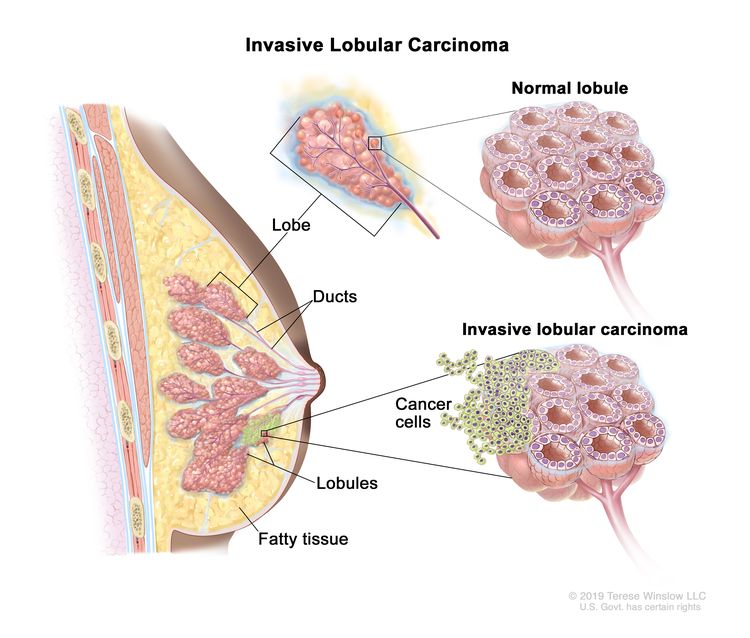
Breast Cancer Treatment (PDQ®)–Patient Version

Breast Cancer Treatment (PDQ®)–Patient Version

General Information About Breast Cancer

Key Points

  • Breast cancer is a disease in which malignant (cancer) cells form in the tissues of the breast.
  • A family history of breast cancer and other factors increase the risk of breast cancer.
  • Breast cancer is sometimes caused by inherited gene mutations (changes).
  • The use of certain medicines and other factors decrease the risk of breast cancer.
  • Signs of breast cancer include a lump or change in the breast.
  • Tests that examine the breasts are used to diagnose breast cancer.
  • If cancer is found, tests are done to study the cancer cells.
  • Certain factors affect prognosis (chance of recovery) and treatment options.

Breast cancer is a disease in which malignant (cancer) cells form in the tissues of the breast.

The breast is made up of lobes and ducts. Each breast has 15 to 20 sections called lobes. Each lobe has many smaller sections called lobules. Lobules end in dozens of tiny bulbs that can make milk. The lobes, lobules, and bulbs are linked by thin tubes called ducts.

EnlargeIllustration of the female breast anatomy. On the left, a front view shows lymph nodes inside the breast going from the breast to the armpit. On the right, a cross-section shows the chest wall, ribs, fatty tissue, lobes, ducts, and lobules. Also shown in both panels are the muscle, nipple, and areola.
The female breast contains lobes, lobules, and ducts that produce and transport milk to the nipple. Fatty tissue gives the breast its shape, while muscles and the chest wall provide support. The lymphatic system, including lymph nodes, filter lymph and store white blood cells that help fight infection and disease.

Each breast also has blood vessels and lymph vessels. The lymph vessels carry an almost colorless, watery fluid called lymph. Lymph vessels carry lymph between lymph nodes. Lymph nodes are small, bean-shaped structures found throughout the body. They filter lymph and store white blood cells that help fight infection and disease. Groups of lymph nodes are found near the breast in the axilla (under the arm), above the collarbone, and in the chest.

The most common type of breast cancer is ductal carcinoma, which begins in the cells of the ducts and makes up about 70% to 80% of all breast cancer cases. The second most common type of breast cancer is lobular carcinoma, which begins in the lobes or lobules and makes up 10% to 15% of all breast cancer cases. Lobular carcinoma is more often found in both breasts at the same time than are other types of breast cancer. Inflammatory breast cancer is a rare type of fast-growing breast cancer in which cancer cells block lymph vessels in the skin of the breast.

EnlargeInvasive ductal carcinoma (IDC) of the breast; drawing shows a lobe, ducts, and fatty tissue in a cross section of the breast. An inset shows a normal duct and a duct with IDC and cancer cells spreading outside it.
Invasive ductal carcinoma (IDC) of the breast begins in the lining of a breast duct (milk duct) and spreads outside the duct to other tissues in the breast. It can also spread through the blood and lymph system to other parts of the body. IDC is the most common type of invasive breast cancer.
EnlargeInvasive lobular carcinoma of the breast; drawing shows a lobe, ducts, lobules, and fatty tissue in a cross section of the breast. There are also three separate pullouts showing a normal lobe, a normal lobule, and a lobule with invasive lobular carcinoma and cancer cells spreading outside it.
Invasive lobular carcinoma begins in the lobules (milk glands) of the breast and spreads outside the lobules to other tissues in the breast. It can also spread through the blood and lymph systems to other parts of the body.

For more information about breast cancer, see:

A family history of breast cancer and other factors increase the risk of breast cancer.

Anything that increases your chance of getting a disease is called a risk factor. Having a risk factor does not mean that you will get cancer; not having risk factors doesn’t mean that you will not get cancer. Talk to your doctor if you think you may be at risk for breast cancer.

Risk factors for breast cancer include the following:

Older age is the main risk factor for most cancers. The chance of getting cancer increases as you get older.

NCI’s Breast Cancer Risk Assessment Tool uses a woman’s risk factors to estimate her risk for breast cancer during the next five years and up to age 90. This online tool is meant to be used by a health care provider. For more information on breast cancer risk, call 1-800-4-CANCER.

Breast cancer is sometimes caused by inherited gene mutations (changes).

The genes in cells carry the hereditary information that is received from a person’s parents. Hereditary breast cancer makes up about 5% to 10% of all breast cancer. Some mutated genes related to breast cancer are more common in certain ethnic groups.

Women who have certain gene mutations, such as a BRCA1 or BRCA2 mutation, have an increased risk of breast cancer. These women also have an increased risk of ovarian cancer, and may have an increased risk of other cancers. Men who have a mutated gene related to breast cancer also have an increased risk of breast cancer. For more information, see Male Breast Cancer Treatment.

There are tests that can detect (find) mutated genes. These genetic tests are sometimes done for members of families with a high risk of cancer. For more information, see Genetics of Breast and Gynecologic Cancers.

The use of certain medicines and other factors decrease the risk of breast cancer.

Anything that decreases your chance of getting a disease is called a protective factor.

Protective factors for breast cancer include the following:

Signs of breast cancer include a lump or change in the breast.

These and other signs may be caused by breast cancer or by other conditions. Check with your doctor if you have:

  • A lump or thickening in or near the breast or in the underarm area.
  • A change in the size or shape of the breast.
  • A dimple or puckering in the skin of the breast.
  • A nipple turned inward into the breast.
  • Fluid, other than breast milk, from the nipple, especially if it’s bloody.
  • Scaly, red, or swollen skin on the breast, nipple, or areola (the dark area of skin around the nipple).
  • Dimples in the breast that look like the skin of an orange, called peau d’orange.

Tests that examine the breasts are used to diagnose breast cancer.

Check with your doctor if you notice any changes in your breasts. The following tests and procedures may be used:

  • Physical exam and health history: An exam of the body to check general signs of health, including checking for signs of disease, such as lumps or anything else that seems unusual. A history of the patient’s health habits and past illnesses and treatments will also be taken.
  • Clinical breast exam (CBE): An exam of the breast by a doctor or other health professional. The doctor will carefully feel the breasts and under the arms for lumps or anything else that seems unusual.
  • Mammogram: An x-ray of the breast.
    EnlargeDrawing of a woman standing with her left breast pressed between two plates of a mammography machine. Behind her, a health professional uses an X-ray machine to take pictures of the breast. An inset shows the X-ray film image with an arrow pointed at abnormal tissue.
    Mammography is an imaging test used to screen for and diagnose breast cancer. It can detect abnormal breast tissue, including cancer, sometimes before symptoms appear.
  • Ultrasound exam: A procedure in which high-energy sound waves (ultrasound) are bounced off internal tissues or organs and make echoes. The echoes form a picture of body tissues called a sonogram. The picture can be printed to be looked at later.
  • MRI (magnetic resonance imaging): A procedure that uses a magnet, radio waves, and a computer to make a series of detailed pictures of both breasts. This procedure is also called nuclear magnetic resonance imaging (NMRI).
    EnlargeMRI of the breast; drawing shows a person lying face down on a narrow, padded table with their arms above their head. The person’s breasts hang down into an opening in the table. The table slides into the MRI machine, which takes detailed pictures of the inside of the breast. An inset shows an MRI image of the insides of both breasts.
    An MRI of the breast is a procedure that uses radio waves, a strong magnet, and a computer to create detailed pictures of the inside of the breast. A contrast dye may be injected into a vein (not shown) to make the breast tissues easier to see on the MRI pictures. An MRI may be used with other breast imaging tests to detect breast cancer or other abnormal changes in the breast. It may also be used to screen for breast cancer in some people who have a high risk of the disease. Note: The inset shows an MRI image of the insides of both breasts. Credit for inset: The Cancer Imaging Archive (TCIA).
  • Blood chemistry studies: A procedure in which a blood sample is checked to measure the amounts of certain substances released into the blood by organs and tissues in the body. An unusual (higher or lower than normal) amount of a substance can be a sign of disease.
  • Biopsy: The removal of cells or tissues so they can be viewed under a microscope by a pathologist to check for signs of cancer. If a lump in the breast is found, a biopsy may be done.

    There are four types of biopsy used to check for breast cancer:

If cancer is found, tests are done to study the cancer cells.

Decisions about the best treatment are based on the results of these tests. The tests give information about:

  • how quickly the cancer may grow.
  • how likely it is that the cancer will spread through the body.
  • how well certain treatments might work.
  • how likely the cancer is to recur (come back).

Tests include:

  • Estrogen and progesterone receptor test: A test to measure the amount of estrogen and progesterone (hormones) receptors in cancer tissue. If there are more estrogen and progesterone receptors than normal, the cancer is called estrogen and/or progesterone receptor positive. This type of breast cancer may grow more quickly. The test results show whether treatment to block estrogen and progesterone may stop the cancer from growing.
  • Human epidermal growth factor type 2 receptor (HER2/neu) test: A laboratory test to measure how many HER2/neu genes there are and how much HER2/neu protein is made in a sample of tissue. If there are more HER2/neu genes or higher levels of HER2/neu protein than normal, the cancer is called HER2/neu positive or HER2 positive. This type of breast cancer may grow more quickly and is more likely to spread to other parts of the body. The cancer may be treated with drugs that target the HER2/neu protein, such as trastuzumab and pertuzumab.
  • Multigene tests: Tests in which samples of tissue are studied to look at the activity of many genes at the same time. These tests may help predict whether cancer will spread to other parts of the body or recur (come back).

    There are many types of multigene tests. The following multigene tests have been studied in clinical trials:

    • Oncotype DX: This test helps predict whether early-stage breast cancer that is estrogen receptor positive and node negative will spread to other parts of the body. If the risk that the cancer will spread is high, chemotherapy may be given to lower the risk.
    • MammaPrint: A laboratory test in which the activity of 70 different genes is looked at in the breast cancer tissue of women who have early-stage invasive breast cancer that has not spread to lymph nodes or has spread to 3 or fewer lymph nodes. The activity level of these genes helps predict whether breast cancer will spread to other parts of the body or come back. If the test shows that the risk that the cancer will spread or come back is high, chemotherapy may be given to lower the risk.

Based on these tests, breast cancer is described as one of the following types:

This information helps the doctor decide which treatments will work best for your cancer.

Certain factors affect prognosis (chance of recovery) and treatment options.

The prognosis and treatment options depend on:

  • The stage of the cancer (the size of the tumor and whether it is in the breast only or has spread to lymph nodes or other places in the body).
  • The type of breast cancer.
  • Estrogen receptor and progesterone receptor levels in the tumor tissue.
  • Human epidermal growth factor type 2 receptor (HER2/neu) levels in the tumor tissue.
  • Whether the tumor tissue is triple-negative (cells that do not have estrogen receptors, progesterone receptors, or high levels of HER2/neu).
  • How fast the tumor is growing.
  • How likely the tumor is to recur (come back).
  • A woman’s age, general health, and menopausal status (whether a woman is still having menstrual periods).
  • Whether the cancer has just been diagnosed or has recurred (come back).

Stages of Breast Cancer

Key Points

  • After breast cancer has been diagnosed, tests are done to find out if cancer cells have spread within the breast or to other parts of the body.
  • There are three ways that cancer spreads in the body.
  • Cancer may spread from where it began to other parts of the body.
  • In breast cancer, stage is based on the size and location of the primary tumor, the spread of cancer to nearby lymph nodes or other parts of the body, tumor grade, and whether certain biomarkers are present.
  • The TNM system is used to describe the size of the primary tumor and the spread of cancer to nearby lymph nodes or other parts of the body.
    • Tumor (T). The size and location of the tumor.
    • Lymph Node (N). The size and location of lymph nodes where cancer has spread.
    • Metastasis (M). The spread of cancer to other parts of the body.
  • The grading system is used to describe how quickly a breast tumor is likely to grow and spread.
  • Biomarker testing is used to find out whether breast cancer cells have certain receptors.
  • The TNM system, the grading system, and biomarker status are combined to find out the breast cancer stage.
  • Talk to your doctor to find out what your breast cancer stage is and how it is used to plan the best treatment for you.
    • The treatment of breast cancer depends partly on the stage of the disease.

After breast cancer has been diagnosed, tests are done to find out if cancer cells have spread within the breast or to other parts of the body.

The process used to find out whether the cancer has spread within the breast or to other parts of the body is called staging. The information gathered from the staging process determines the stage of the disease. It is important to know the stage in order to plan treatment. The results of some of the tests used to diagnose breast cancer are also used to stage the disease. (See the General Information section.)

The following tests and procedures also may be used in the staging process:

  • Sentinel lymph node biopsy: The removal of the sentinel lymph node during surgery. The sentinel lymph node is the first lymph node in a group of lymph nodes to receive lymphatic drainage from the primary tumor. It is the first lymph node the cancer is likely to spread to from the primary tumor. A radioactive substance and/or blue dye is injected near the tumor. The substance or dye flows through the lymph ducts to the lymph nodes. The first lymph node to receive the substance or dye is removed. A pathologist views the tissue under a microscope to look for cancer cells. If cancer cells are not found, it may not be necessary to remove more lymph nodes. Sometimes, a sentinel lymph node is found in more than one group of nodes.
  • Chest x-ray: An x-ray of the organs and bones inside the chest. An x-ray is a type of energy beam that can go through the body and onto film, making a picture of areas inside the body.
  • CT scan (CAT scan): A procedure that makes a series of detailed pictures of areas inside the body, taken from different angles. The pictures are made by a computer linked to an x-ray machine. A dye may be injected into a vein or swallowed to help the organs or tissues show up more clearly. This procedure is also called computed tomography, computerized tomography, or computerized axial tomography.
  • Bone scan: A procedure to check if there are rapidly dividing cells, such as cancer cells, in the bone. A very small amount of radioactive material is injected into a vein and travels through the bloodstream. The radioactive material collects in the bones with cancer and is detected by a scanner.
  • PET scan (positron emission tomography scan): A procedure to find malignant tumor cells in the body. A small amount of radioactive glucose (sugar) is injected into a vein. The PET scanner rotates around the body and makes a picture of where glucose is being used in the body. Malignant tumor cells show up brighter in the picture because they are more active and take up more glucose than normal cells do.

There are three ways that cancer spreads in the body.

Cancer can spread through tissue, the lymph system, and the blood:

  • Tissue. The cancer spreads from where it began by growing into nearby areas.
  • Lymph system. The cancer spreads from where it began by getting into the lymph system. The cancer travels through the lymph vessels to other parts of the body.
  • Blood. The cancer spreads from where it began by getting into the blood. The cancer travels through the blood vessels to other parts of the body.

Cancer may spread from where it began to other parts of the body.

When cancer spreads to another part of the body, it is called metastasis. Cancer cells break away from where they began (the primary tumor) and travel through the lymph system or blood.

  • Lymph system. The cancer gets into the lymph system, travels through the lymph vessels, and forms a tumor (metastatic tumor) in another part of the body.
  • Blood. The cancer gets into the blood, travels through the blood vessels, and forms a tumor (metastatic tumor) in another part of the body.

The metastatic tumor is the same type of cancer as the primary tumor. For example, if breast cancer spreads to the bone, the cancer cells in the bone are actually breast cancer cells. The disease is metastatic breast cancer, not bone cancer.

Many cancer deaths are caused when cancer moves from the original tumor and spreads to other tissues and organs. This is called metastatic cancer. This animation shows how cancer cells travel from the place in the body where they first formed to other parts of the body.

In breast cancer, stage is based on the size and location of the primary tumor, the spread of cancer to nearby lymph nodes or other parts of the body, tumor grade, and whether certain biomarkers are present.

To plan the best treatment and understand your prognosis, it is important to know the breast cancer stage.

There are 3 types of breast cancer stage groups:

  • Clinical Prognostic Stage is used first to assign a stage for all patients based on health history, physical exam, imaging tests (if done), and biopsies. The Clinical Prognostic Stage is described by the TNM system, tumor grade, and biomarker status (ER, PR, HER2). In clinical staging, mammography or ultrasound is used to check the lymph nodes for signs of cancer.
  • Pathological Prognostic Stage is then used for patients who have surgery as their first treatment. The Pathological Prognostic Stage is based on all clinical information, biomarker status, and laboratory test results from breast tissue and lymph nodes removed during surgery.
  • Anatomic Stage is based on the size and the spread of cancer as described by the TNM system. The Anatomic Stage is used in parts of the world where biomarker testing is not available. It is not used in the United States.

The TNM system is used to describe the size of the primary tumor and the spread of cancer to nearby lymph nodes or other parts of the body.

For breast cancer, the TNM system describes the tumor as follows:

Tumor (T). The size and location of the tumor.

EnlargeDrawing shows different sizes of common items in millimeters (mm): a sharp pencil point (1 mm), a new crayon point (2 mm), a pencil-top eraser (5 mm), a pea (10 mm), a peanut (20 mm), and a lime (50 mm). Also shown is a 2-centimeter (cm) ruler that shows 10 mm is equal to 1 cm.
Tumor sizes are often measured in millimeters (mm) or centimeters. Common items that can be used to show tumor size in mm include: a sharp pencil point (1 mm), a new crayon point (2 mm), a pencil-top eraser (5 mm), a pea (10 mm), a peanut (20 mm), and a lime (50 mm).
  • TX: Primary tumor cannot be assessed.
  • T0: No sign of a primary tumor in the breast.
  • Tis: Carcinoma in situ. There are 2 types of breast carcinoma in situ:
    • Tis (DCIS): DCIS is a condition in which abnormal cells are found in the lining of a breast duct. The abnormal cells have not spread outside the duct to other tissues in the breast. In some cases, DCIS may become invasive breast cancer that is able to spread to other tissues. At this time, there is no way to know which lesions can become invasive.
    • Tis (Paget disease): Paget disease of the nipple is a condition in which abnormal cells are found in the skin cells of the nipple and may spread to the areola. It is not staged according to the TNM system. If Paget disease AND an invasive breast cancer are present, the TNM system is used to stage the invasive breast cancer.
  • T1: The tumor is 20 millimeters or smaller. There are 4 subtypes of a T1 tumor depending on the size of the tumor:
    • T1mi: the tumor is 1 millimeter or smaller.
    • T1a: the tumor is larger than 1 millimeter but not larger than 5 millimeters.
    • T1b: the tumor is larger than 5 millimeters but not larger than 10 millimeters.
    • T1c: the tumor is larger than 10 millimeters but not larger than 20 millimeters.
  • T2: The tumor is larger than 20 millimeters but not larger than 50 millimeters.
  • T3: The tumor is larger than 50 millimeters.
  • T4: The tumor is described as one of the following:
    • T4a: the tumor has grown into the chest wall.
    • T4b: the tumor has grown into the skin—an ulcer has formed on the surface of the skin on the breast, small tumor nodules have formed in the same breast as the primary tumor, and/or there is swelling of the skin on the breast.
    • T4c: the tumor has grown into the chest wall and the skin.
    • T4d: inflammatory breast cancer—one-third or more of the skin on the breast is red and swollen (called peau d’orange).

Lymph Node (N). The size and location of lymph nodes where cancer has spread.

When the lymph nodes are removed by surgery and studied under a microscope by a pathologist, pathologic staging is used to describe the lymph nodes. The pathologic staging of lymph nodes is described below.

  • NX: The lymph nodes cannot be assessed.
  • N0: No sign of cancer in the lymph nodes, or tiny clusters of cancer cells not larger than 0.2 millimeters in the lymph nodes.
  • N1: Cancer is described as one of the following:
    • N1mi: cancer has spread to the axillary (armpit area) lymph nodes and is larger than 0.2 millimeters but not larger than 2 millimeters.
    • N1a: cancer has spread to 1 to 3 axillary lymph nodes and the cancer in at least one of the lymph nodes is larger than 2 millimeters.
    • N1b: cancer has spread to lymph nodes near the breastbone on the same side of the body as the primary tumor, and the cancer is larger than 0.2 millimeters and is found by sentinel lymph node biopsy. Cancer is not found in the axillary lymph nodes.
    • N1c: cancer has spread to 1 to 3 axillary lymph nodes and the cancer in at least one of the lymph nodes is larger than 2 millimeters. Cancer is also found by sentinel lymph node biopsy in the lymph nodes near the breastbone on the same side of the body as the primary tumor.
  • N2: Cancer is described as one of the following:
    • N2a: cancer has spread to 4 to 9 axillary lymph nodes and the cancer in at least one of the lymph nodes is larger than 2 millimeters.
    • N2b: cancer has spread to lymph nodes near the breastbone and the cancer is found by imaging tests. Cancer is not found in the axillary lymph nodes by sentinel lymph node biopsy or lymph node dissection.
  • N3: Cancer is described as one of the following:
    • N3a: cancer has spread to 10 or more axillary lymph nodes and the cancer in at least one of the lymph nodes is larger than 2 millimeters, or cancer has spread to lymph nodes below the collarbone.
    • N3b: cancer has spread to 1 to 9 axillary lymph nodes and the cancer in at least one of the lymph nodes is larger than 2 millimeters. Cancer has also spread to lymph nodes near the breastbone and the cancer is found by imaging tests;

      or

      cancer has spread to 4 to 9 axillary lymph nodes and cancer in at least one of the lymph nodes is larger than 2 millimeters. Cancer has also spread to lymph nodes near the breastbone on the same side of the body as the primary tumor, and the cancer is larger than 0.2 millimeters and is found by sentinel lymph node biopsy.

    • N3c: cancer has spread to lymph nodes above the collarbone on the same side of the body as the primary tumor.

When the lymph nodes are checked using mammography or ultrasound, it is called clinical staging. The clinical staging of lymph nodes is not described here.

Metastasis (M). The spread of cancer to other parts of the body.

  • M0: There is no sign that cancer has spread to other parts of the body.
  • M1: Cancer has spread to other parts of the body, most often the bones, lungs, liver, or brain. If cancer has spread to distant lymph nodes, the cancer in the lymph nodes is larger than 0.2 millimeters. The cancer is called metastatic breast cancer.

The grading system is used to describe how quickly a breast tumor is likely to grow and spread.

The grading system describes a tumor based on how abnormal the cancer cells and tissue look under a microscope and how quickly the cancer cells are likely to grow and spread. Low-grade cancer cells look more like normal cells and tend to grow and spread more slowly than high-grade cancer cells. To describe how abnormal the cancer cells and tissue are, the pathologist will assess the following three features:

  • How much of the tumor tissue has normal breast ducts.
  • The size and shape of the nuclei in the tumor cells.
  • How many dividing cells are present, which is a measure of how fast the tumor cells are growing and dividing.

For each feature, the pathologist assigns a score of 1 to 3; a score of “1” means the cells and tumor tissue look the most like normal cells and tissue, and a score of “3” means the cells and tissue look the most abnormal. The scores for each feature are added together to get a total score between 3 and 9.

Three grades are possible:

  • Total score of 3 to 5: G1 (Low grade or well differentiated).
  • Total score of 6 to 7: G2 (Intermediate grade or moderately differentiated).
  • Total score of 8 to 9: G3 (High grade or poorly differentiated).

Biomarker testing is used to find out whether breast cancer cells have certain receptors.

Healthy breast cells, and some breast cancer cells, have receptors (biomarkers) that attach to the hormones estrogen and progesterone. These hormones are needed for healthy cells, and some breast cancer cells, to grow and divide. To check for these biomarkers, samples of tissue containing breast cancer cells are removed during a biopsy or surgery. The samples are tested in a laboratory to see whether the breast cancer cells have estrogen or progesterone receptors.

Another type of receptor (biomarker) that is found on the surface of all breast cancer cells is called HER2. HER2 receptors are needed for the breast cancer cells to grow and divide.

For breast cancer, biomarker testing includes:

  • Estrogen receptor (ER). If the breast cancer cells have estrogen receptors, the cancer cells are called ER positive (ER+). If the breast cancer cells do not have estrogen receptors, the cancer cells are called ER negative (ER-).
  • Progesterone receptor (PR). If the breast cancer cells have progesterone receptors, the cancer cells are called PR positive (PR+). If the breast cancer cells do not have progesterone receptors, the cancer cells are called PR negative (PR-).
  • Human epidermal growth factor type 2 receptor (HER2/neu or HER2). If the breast cancer cells have larger than normal amounts of HER2 receptors on their surface, the cancer cells are called HER2 positive (HER2+). If the breast cancer cells have a normal amount of HER2 on their surface, the cancer cells are called HER2 negative (HER2-). HER2+ breast cancer is more likely to grow and divide faster than HER2- breast cancer.

Sometimes the breast cancer cells will be described as triple-negative or triple-positive.

  • Triple-negative. If the breast cancer cells do not have estrogen receptors, progesterone receptors, or a larger than normal amount of HER2 receptors, the cancer cells are called triple-negative.
  • Triple-positive. If the breast cancer cells do have estrogen receptors, progesterone receptors, and a larger than normal amount of HER2 receptors, the cancer cells are called triple-positive.

It is important to know the estrogen receptor, progesterone receptor, and HER2 receptor status to choose the best treatment. There are drugs that can stop the receptors from attaching to the hormones estrogen and progesterone and stop the cancer from growing. Other drugs may be used to block the HER2 receptors on the surface of the breast cancer cells and stop the cancer from growing.

The TNM system, the grading system, and biomarker status are combined to find out the breast cancer stage.

Here are 3 examples that combine the TNM system, the grading system, and the biomarker status to find out the Pathological Prognostic breast cancer stage for a woman whose first treatment was surgery:

If the tumor size is 30 millimeters (T2), has not spread to nearby lymph nodes (N0), has not spread to distant parts of the body (M0), and is:

  • Grade 1
  • HER2+
  • ER-
  • PR-

The cancer is stage IIA.

If the tumor size is 53 millimeters (T3), has spread to 4 to 9 axillary lymph nodes (N2), has not spread to other parts of the body (M0), and is:

  • Grade 2
  • HER2+
  • ER+
  • PR-

The tumor is stage IIIA.

If the tumor size is 65 millimeters (T3), has spread to 3 axillary lymph nodes (N1a), has spread to the lungs (M1), and is:

  • Grade 1
  • HER2+
  • ER-
  • PR-

The cancer is stage IV (metastatic breast cancer).

Talk to your doctor to find out what your breast cancer stage is and how it is used to plan the best treatment for you.

After surgery, your doctor will receive a pathology report that describes the size and location of the primary tumor, the spread of cancer to nearby lymph nodes, tumor grade, and whether certain biomarkers are present. The pathology report and other test results are used to determine your breast cancer stage.

You are likely to have many questions. Ask your doctor to explain how staging is used to decide the best options to treat your cancer and whether there are clinical trials that might be right for you.

The treatment of breast cancer depends partly on the stage of the disease.

For ductal carcinoma in situ (DCIS) treatment options, see Treatment of Ductal Carcinoma in Situ.

For treatment options for stage I, stage II, stage IIIA, and operable stage IIIC breast cancer, see Treatment of Early, Localized or Operable Breast Cancer.

For treatment options for stage IIIB, inoperable stage IIIC, and inflammatory breast cancer, see Treatment of Locally Advanced Inflammatory Breast Cancer.

For treatment options for cancer that has recurred near the area where it first formed (such as in the breast, in the skin of the breast, in the chest wall, or in nearby lymph nodes), see Treatment of Locoregional Recurrent Breast Cancer.

For treatment options for stage IV (metastatic) breast cancer or breast cancer that has recurred in distant parts of the body, see Treatment of Metastatic Breast Cancer.

Inflammatory Breast Cancer

In inflammatory breast cancer, cancer has spread to the skin of the breast and the breast looks red and swollen and feels warm. The redness and warmth occur because the cancer cells block the lymph vessels in the skin. The skin of the breast may also show the dimpled appearance called peau d’orange (like the skin of an orange). There may not be any lumps in the breast that can be felt. Inflammatory breast cancer may be stage IIIB, stage IIIC, or stage IV.

EnlargeInflammatory breast cancer of the left breast showing redness, swelling, peau d'orange, and an inverted nipple.
Inflammatory breast cancer is a type of breast cancer in which the cancer cells block the lymph vessels in the skin of the breast. This causes the breast to look red and swollen. The skin may also appear dimpled or pitted, like the skin of an orange (peau d’orange), and the nipple may be inverted (facing inward).

Types of Treatment for Breast Cancer

Key Points

  • There are different types of treatment for patients with breast cancer.
  • The following types of treatment are used:
    • Surgery
    • Radiation therapy
    • Chemotherapy
    • Hormone therapy
    • Targeted therapy
    • Immunotherapy
  • New types of treatment are being tested in clinical trials.
  • Treatment for breast cancer may cause side effects.
  • Follow-up care may be needed.

There are different types of treatment for patients with breast cancer.

You and your cancer care team will work together to decide your treatment plan, which may include more than one type of treatment. Many factors will be considered, such as the stage and grade of the cancer, whether certain biomarkers are present, your overall health, and your preferences. Your plan will include information about your cancer, the goals of treatment, your treatment options and the possible side effects, and the expected length of treatment.

Talking with your cancer care team before treatment begins about what to expect will be helpful. You’ll want to learn what you need to do before treatment begins, how you’ll feel while going through it, and what kind of help you will need. To learn more, see Questions to Ask Your Doctor about Your Treatment.

The following types of treatment are used:

Surgery

Most patients with breast cancer have surgery to remove the cancer.

Sentinel lymph node biopsy is the removal of the sentinel lymph node during surgery. The sentinel lymph node is the first lymph node in a group of lymph nodes to receive lymphatic drainage from the primary tumor. It is the first lymph node the cancer is likely to spread to from the primary tumor. A radioactive substance and/or blue dye is injected near the tumor. The substance or dye flows through the lymph ducts to the lymph nodes. The first lymph node to receive the substance or dye is removed. A pathologist views the tissue under a microscope to look for cancer cells. If cancer cells are not found, it may not be necessary to remove more lymph nodes. Sometimes, a sentinel lymph node is found in more than one group of nodes. After the sentinel lymph node biopsy, the surgeon removes the tumor using breast-conserving surgery or mastectomy. If cancer cells were found, more lymph nodes will be removed through a separate incision (cut). This is called a lymph node dissection.

Types of surgery include:

  • Breast-conserving surgery is an operation to remove the cancer and some normal tissue around it, but not the breast itself. Part of the chest wall lining may also be removed if the cancer is near it. This type of surgery may also be called lumpectomy, partial mastectomy, segmental mastectomy, quadrantectomy, or breast-sparing surgery.
    EnlargeLumpectomy; the drawing on the left shows removal of the tumor and some of the normal tissue around it. The drawing on the right shows removal of some of the lymph nodes under the arm and removal of the tumor and part of the chest wall lining near the tumor. Also shown is fatty tissue in the breast.
    Lumpectomy. The tumor and some normal tissue around it are removed, but not the breast itself. Some lymph nodes under the arm may also be removed. If the cancer is near the chest wall, part of the chest wall lining may be removed as well.
  • Total mastectomy is surgery to remove the whole breast that has cancer. This procedure is also called a simple mastectomy. Some of the lymph nodes under the arm may be removed and checked for cancer. This may be done at the same time as the breast surgery or after. This is done through a separate incision.
    EnlargeTotal (simple) mastectomy; drawing shows removal of the whole breast and some of the lymph nodes under the arm.
    Total (simple) mastectomy. The whole breast is removed. Some of the lymph nodes under the arm may also be removed.
  • Modified radical mastectomy is surgery to remove the whole breast that has cancer. This may include removal of the nipple, areola (the dark-colored skin around the nipple), and skin over the breast. Most of the lymph nodes under the arm are also removed.
    EnlargeModified radical mastectomy; the drawing on the left shows the removal of the whole breast, including the lymph nodes under the arm. The drawing on the right shows a cross-section of the breast, including the fatty tissue and chest wall (ribs and muscle). A tumor in the breast is also shown.
    Modified radical mastectomy. The whole breast and most of the lymph nodes under the arm are removed.

Chemotherapy may be given before surgery to remove the tumor. When given before surgery, chemotherapy will shrink the tumor and reduce the amount of tissue that needs to be removed during surgery. Treatment given before surgery is called preoperative therapy or neoadjuvant therapy.

After the doctor removes all the cancer that can be seen at the time of the surgery, some patients may be given radiation therapy, chemotherapy, targeted therapy, or hormone therapy after surgery, to kill any cancer cells that are left. Treatment given after the surgery, to lower the risk that the cancer will come back, is called postoperative therapy or adjuvant therapy.

If a patient is going to have a mastectomy, breast reconstruction (surgery to rebuild a breast’s shape after a mastectomy) may be considered. Breast reconstruction may be done at the time of the mastectomy or at some time after. The reconstructed breast may be made with the patient’s own (nonbreast) tissue or by using implants filled with saline or silicone gel. Before the decision to get an implant is made, patients can call the Food and Drug Administration’s (FDA) Center for Devices and Radiologic Health at 1-888-INFO-FDA (1-888-463-6332) or visit the FDA website for more information on breast implants.

Radiation therapy

Radiation therapy is a cancer treatment that uses high-energy x-rays or other types of radiation to kill cancer cells or keep them from growing. There are two types of radiation therapy:

The way the radiation therapy is given depends on the type and stage of the cancer being treated. External radiation therapy is used to treat breast cancer. Internal radiation therapy with strontium-89 (a radionuclide) is used to relieve bone pain caused by breast cancer that has spread to the bones. Strontium-89 is injected into a vein and travels to the surface of the bones. Radiation is released and kills cancer cells in the bones.

Learn more about Radiation to Treat Cancer and Radiation Therapy Side Effects.

Chemotherapy

Chemotherapy (also called chemo) uses drugs to stop the growth of cancer cells, either by killing the cells or by stopping them from dividing. Chemotherapy for breast cancer is usually systemic, meaning it is injected into a vein or given by mouth. When given this way, the drugs enter the bloodstream to reach cancer cells throughout the body.

To learn more about how chemotherapy works, how it is given, common side effects, and more, see Chemotherapy to Treat Cancer and Chemotherapy and You: Support for People With Cancer. 

Learn more about Drugs Approved for Breast Cancer.

Hormone therapy

Hormone therapy (also called endocrine therapy) slows or stops the growth of hormone-sensitive tumors by blocking the body’s ability to produce hormones or by interfering with the effects of hormones on breast cancer cells. Hormones are substances made by glands in the body and circulated in the bloodstream. Some hormones can cause certain cancers to grow. If tests show that the cancer cells have places where hormones can attach (receptors), drugs, surgery, or radiation therapy is used to reduce the production of hormones or block them from working. This is called ovarian ablation.

Types of hormone therapy for breast cancer include:

Learn more about Hormone Therapy for Breast Cancer.

Targeted therapy

Targeted therapy uses drugs or other substances to identify and attack specific cancer cells. Your doctor may suggest biomarker tests to help predict your response to certain targeted therapy drugs. Learn more about Biomarker Testing for Cancer Treatment. Several types of targeted therapy are used to treat breast cancer.

  • Monoclonal antibodies are immune system proteins made in the laboratory to treat many diseases, including cancer. As a cancer treatment, these antibodies can attach to a specific target on cancer cells or other cells that may help cancer cells grow. The antibodies are able to then kill the cancer cells, block their growth, or keep them from spreading. Monoclonal antibodies are given by infusion. They may be used alone or to carry drugs, toxins, or radioactive material directly to cancer cells. Monoclonal antibodies may be used in combination with chemotherapy as adjuvant therapy.

    Monoclonal antibodies used to treat breast cancer include:

    How do monoclonal antibodies work to treat cancer? This video shows how monoclonal antibodies, such as trastuzumab, pembrolizumab, and rituximab, block molecules cancer cells need to grow, flag cancer cells for destruction by the body’s immune system, or deliver harmful substances to cancer cells.
  • Tyrosine kinase inhibitors block signals needed for tumors to grow. Tyrosine kinase inhibitors may be used with other anticancer drugs as adjuvant therapy. Tyrosine kinase inhibitors used to treat HER2-positive breast cancer include:
  • Cyclin-dependent kinase inhibitors block proteins called cyclin-dependent kinases, which cause the growth of cancer cells. CDK inhibitors may be given with hormone therapy, such as fulvestrant or letrozole, to treat hormone receptor–positive, HER2-negative breast cancer. CDK inhibitors used to treat breast cancer include:
  • Mammalian target of rapamycin (mTOR) inhibitors block a protein called mTOR, which may keep cancer cells from growing and prevent the growth of new blood vessels that tumors need to grow. mTOR inhibitors used to treat HER2-negative breast cancer that is hormone receptor positive include:

Learn more about Targeted Therapy to Treat Cancer.

Immunotherapy

Immunotherapy helps a person’s immune system fight cancer. Your doctor may suggest biomarker tests to help predict your response to certain immunotherapy drugs. Learn more about Biomarker Testing for Cancer Treatment.

Immune checkpoint inhibitors are a type of immunotherapy used to treat breast cancer:

  • Immune checkpoint inhibitors block proteins called checkpoints that are made by some types of immune system cells, such as T cells, and some cancer cells. These checkpoints help keep immune responses from being too strong and sometimes can keep T cells from killing cancer cells. When these checkpoints are blocked, T cells can kill cancer cells better. Immune checkpoint inhibitors used to treat breast cancer include:

    This drug works in more than one way to kill cancer cells. It is also considered targeted therapy because it targets specific changes or substances in cancer cells.

    Immunotherapy uses the body’s immune system to fight cancer. This animation explains one type of immunotherapy that uses immune checkpoint inhibitors to treat cancer.

 Learn more about Immunotherapy to Treat Cancer and Immunotherapy Side Effects.

New types of treatment are being tested in clinical trials.

For some people, joining a clinical trial may be an option. There are different types of clinical trials for people with cancer. For example, a treatment trial tests new treatments or new ways of using current treatments. Supportive care and palliative care trials look at ways to improve quality of life, especially for those who have side effects from cancer and its treatment.

You can use the clinical trial search to find NCI-supported cancer clinical trials accepting participants. The search allows you to filter trials based on the type of cancer, your age, and where the trials are being done. Clinical trials supported by other organizations can be found on the ClinicalTrials.gov website.

Learn more about clinical trials, including how to find and join one, at Clinical Trials Information for Patients and Caregivers.

Treatment for breast cancer may cause side effects.

To learn more about side effects that begin during treatment for cancer, visit Side Effects.

Some treatments for breast cancer may cause side effects that continue or appear months or years after treatment has ended. These are called late effects.

Late effects of radiation therapy are not common, but may include:

  • Inflammation of the lung after radiation therapy to the breast, especially when chemotherapy is given at the same time.
  • Arm lymphedema, especially when radiation therapy is given after lymph node dissection. For more information, see Lymphedema.
  • In women younger than 45 years who receive radiation therapy to the chest wall after mastectomy, there may be a higher risk of developing breast cancer in the other breast.

Late effects of chemotherapy depend on the drugs used, but may include:

Late effects of targeted therapy with trastuzumab, lapatinib, or pertuzumab may include:

  • heart problems, such as heart failure.

Follow-up care may be needed.

Some of the tests that were done to diagnose or stage the cancer may be repeated to see how well the treatment is working. Decisions about whether to continue, change, or stop treatment may be based on the results of these tests. These tests are sometimes called follow-up tests or check-ups.

Treatment of Early, Localized, or Operable Breast Cancer

For information about the treatments listed below, see the Treatment Option Overview section.

Treatment of early, localized, or operable breast cancer may include:

Surgery

Postoperative radiation therapy

For women who had breast-conserving surgery, radiation therapy is given to the whole breast to lessen the chance the cancer will come back. Radiation therapy may also be given to lymph nodes in the area.

For women who had a modified radical mastectomy, radiation therapy may be given to lessen the chance the cancer will come back if any of the following are true:

  • Cancer was found in 4 or more lymph nodes.
  • Cancer had spread to tissue around the lymph nodes.
  • The tumor was large.
  • There is tumor close to or remaining in the tissue near the edges of where the tumor was removed.

Postoperative systemic therapy

Systemic therapy is the use of drugs that can enter the bloodstream and reach cancer cells throughout the body. Postoperative systemic therapy is given to lessen the chance the cancer will come back after surgery to remove the tumor.

Postoperative systemic therapy is given depending on whether:

In premenopausal women with hormone receptor positive tumors, no more treatment may be needed, or postoperative therapy may include:

  • Tamoxifen  therapy with or without chemotherapy.
  • Tamoxifen therapy and treatment to stop or lessen how much estrogen is made by the ovaries. Drug therapy, surgery to remove the ovaries, or radiation therapy to the ovaries may be used.
  • Aromatase inhibitor therapy and treatment to stop or lessen how much estrogen is made by the ovaries. Drug therapy, surgery to remove the ovaries, or radiation therapy to the ovaries may be used.

In postmenopausal women with hormone receptor positive tumors, no more treatment may be needed, or postoperative therapy may include:

  • Aromatase inhibitor therapy with or without chemotherapy.
  • Tamoxifen followed by aromatase inhibitor therapy, with or without chemotherapy.

In women with hormone receptor negative tumors, no more treatment may be needed, or postoperative therapy may include chemotherapy.

In women with HER2 negative tumors, postoperative therapy may include chemotherapy.

In women with small, HER2 positive tumors, and no cancer in the lymph nodes, no more treatment may be needed. If there is cancer in the lymph nodes, or the tumor is large, postoperative therapy may include:

In women with small, hormone receptor negative and HER2 negative tumors (triple-negative) and no cancer in the lymph nodes, no more treatment may be needed. If there is cancer in the lymph nodes or the tumor is large, postoperative therapy may include:

Preoperative systemic therapy

Systemic therapy is the use of drugs that can enter the bloodstream and reach cancer cells throughout the body. Preoperative systemic therapy is given to shrink the tumor before surgery.

Preoperative chemotherapy may make breast-sparing surgery possible in patients who are not eligible otherwise. Preoperative chemotherapy may also lessen the need for lymph node dissection in patients with disease that has spread to the lymph nodes.

In postmenopausal women with hormone receptor positive tumors, preoperative therapy may include:

  • Chemotherapy.
  • Hormone therapy, such as tamoxifen or aromatase inhibitor therapy, for women who cannot have chemotherapy.

In premenopausal women with hormone receptor positive tumors, preoperative therapy may include a clinical trial of hormone therapy, such as tamoxifen or aromatase inhibitor therapy.

In women with HER2-positive tumors, preoperative therapy may include:

  • Chemotherapy and targeted therapy (trastuzumab).
  • Targeted therapy (pertuzumab).

In women with HER2-negative tumors or triple-negative tumors, preoperative therapy may include chemotherapy.

For patients with triple-negative or HER2-positive disease, the response to preoperative therapy may be used as a guide in choosing the best treatment after surgery.

Use our clinical trial search to find NCI-supported cancer clinical trials that are accepting patients. You can search for trials based on the type of cancer, the age of the patient, and where the trials are being done. General information about clinical trials is also available.

Treatment of Locally Advanced or Inflammatory Breast Cancer

For information about the treatments listed below, see the Treatment Option Overview section.

Treatment of locally advanced or inflammatory breast cancer is a combination of therapies that may include:

Use our clinical trial search to find NCI-supported cancer clinical trials that are accepting patients. You can search for trials based on the type of cancer, the age of the patient, and where the trials are being done. General information about clinical trials is also available.

Treatment of Locoregional Recurrent Breast Cancer

For information about the treatments listed below, see the Treatment Option Overview section.

Treatment of locoregional recurrent breast cancer (cancer that has come back after treatment in the breast, in the chest wall, or in nearby lymph nodes), may include:

For information about treatment options for breast cancer that has spread to parts of the body outside the breast, chest wall, or nearby lymph nodes, see the Treatment of Metastatic Breast Cancer section.

Use our clinical trial search to find NCI-supported cancer clinical trials that are accepting patients. You can search for trials based on the type of cancer, the age of the patient, and where the trials are being done. General information about clinical trials is also available.

Treatment of Metastatic Breast Cancer

For information about the treatments listed below, see the Treatment Option Overview section.

Treatment options for metastatic breast cancer (cancer that has spread to distant parts of the body) may include:

Hormone therapy

In postmenopausal women who have just been diagnosed with metastatic breast cancer that is hormone receptor positive or if the hormone receptor status is not known, treatment may include:

In premenopausal women who have just been diagnosed with metastatic breast cancer that is hormone receptor positive, treatment may include:

  • Tamoxifen, an LHRH agonist, or both.
  • Cyclin-dependent kinase inhibitor therapy (ribociclib).

In women whose tumors are hormone receptor positive or hormone receptor unknown, with spread to the bone or soft tissue only, and who have been treated with tamoxifen, treatment may include:

Targeted therapy

In women with metastatic breast cancer that is hormone receptor positive and has not responded to other treatments, options may include targeted therapy such as:

In women with metastatic breast cancer that is HER2 positive, treatment may include:

In women with metastatic breast cancer that is HER2 negative, with mutations in the BRCA1 or BRCA2 genes, and who have been treated with chemotherapy, treatment may include targeted therapy with a PARP inhibitor (olaparib or talazoparib).

Chemotherapy

In women with metastatic breast cancer that has not responded to hormone therapy, has spread to other organs, or has caused symptoms, treatment may include chemotherapy with one or more drugs.

Chemotherapy and immunotherapy

In women with locally recurrent, inoperable, or metastatic triple-negative breast tumors which express PD-L1, treatment may include chemotherapy and immunotherapy (pembrolizumab).

Surgery

  • Total mastectomy for women with open or painful breast lesions. Radiation therapy may be given after surgery.
  • Surgery to remove cancer that has spread to the brain or spine. Radiation therapy may be given after surgery.
  • Surgery to remove cancer that has spread to the lung.
  • Surgery to repair or help support weak or broken bones. Radiation therapy may be given after surgery.
  • Surgery to remove fluid that has collected around the lungs or heart.

Radiation therapy

Other treatment options

Other treatment options for metastatic breast cancer include:

Use our clinical trial search to find NCI-supported cancer clinical trials that are accepting patients. You can search for trials based on the type of cancer, the age of the patient, and where the trials are being done. General information about clinical trials is also available.

Treatment of Ductal Carcinoma In Situ (DCIS)

For information about the treatments listed below, see the Treatment Option Overview section.

Treatment of ductal carcinoma in situ may include:

Use our clinical trial search to find NCI-supported cancer clinical trials that are accepting patients. You can search for trials based on the type of cancer, the age of the patient, and where the trials are being done. General information about clinical trials is also available.

To Learn More About Breast Cancer

About This PDQ Summary

About PDQ

Physician Data Query (PDQ) is the National Cancer Institute’s (NCI’s) comprehensive cancer information database. The PDQ database contains summaries of the latest published information on cancer prevention, detection, genetics, treatment, supportive care, and complementary and alternative medicine. Most summaries come in two versions. The health professional versions have detailed information written in technical language. The patient versions are written in easy-to-understand, nontechnical language. Both versions have cancer information that is accurate and up to date and most versions are also available in Spanish.

PDQ is a service of the NCI. The NCI is part of the National Institutes of Health (NIH). NIH is the federal government’s center of biomedical research. The PDQ summaries are based on an independent review of the medical literature. They are not policy statements of the NCI or the NIH.

Purpose of This Summary

This PDQ cancer information summary has current information about the treatment of adult breast cancer. It is meant to inform and help patients, families, and caregivers. It does not give formal guidelines or recommendations for making decisions about health care.

Reviewers and Updates

Editorial Boards write the PDQ cancer information summaries and keep them up to date. These Boards are made up of experts in cancer treatment and other specialties related to cancer. The summaries are reviewed regularly and changes are made when there is new information. The date on each summary (“Updated”) is the date of the most recent change.

The information in this patient summary was taken from the health professional version, which is reviewed regularly and updated as needed, by the PDQ Adult Treatment Editorial Board.

Clinical Trial Information

A clinical trial is a study to answer a scientific question, such as whether one treatment is better than another. Trials are based on past studies and what has been learned in the laboratory. Each trial answers certain scientific questions in order to find new and better ways to help cancer patients. During treatment clinical trials, information is collected about the effects of a new treatment and how well it works. If a clinical trial shows that a new treatment is better than one currently being used, the new treatment may become “standard.” Patients may want to think about taking part in a clinical trial. Some clinical trials are open only to patients who have not started treatment.

Clinical trials can be found online at NCI’s website. For more information, call the Cancer Information Service (CIS), NCI’s contact center, at 1-800-4-CANCER (1-800-422-6237).

Permission to Use This Summary

PDQ is a registered trademark. The content of PDQ documents can be used freely as text. It cannot be identified as an NCI PDQ cancer information summary unless the whole summary is shown and it is updated regularly. However, a user would be allowed to write a sentence such as “NCI’s PDQ cancer information summary about breast cancer prevention states the risks in the following way: [include excerpt from the summary].”

The best way to cite this PDQ summary is:

PDQ® Adult Treatment Editorial Board. PDQ Breast Cancer Treatment. Bethesda, MD: National Cancer Institute. Updated <MM/DD/YYYY>. Available at: /types/breast/patient/breast-treatment-pdq. Accessed <MM/DD/YYYY>. [PMID: 26389406]

Images in this summary are used with permission of the author(s), artist, and/or publisher for use in the PDQ summaries only. If you want to use an image from a PDQ summary and you are not using the whole summary, you must get permission from the owner. It cannot be given by the National Cancer Institute. Information about using the images in this summary, along with many other images related to cancer can be found in Visuals Online. Visuals Online is a collection of more than 3,000 scientific images.

Disclaimer

The information in these summaries should not be used to make decisions about insurance reimbursement. More information on insurance coverage is available on Cancer.gov on the Managing Cancer Care page.

Contact Us

More information about contacting us or receiving help with the Cancer.gov website can be found on our Contact Us for Help page. Questions can also be submitted to Cancer.gov through the website’s E-mail Us.

Genetics of Breast and Gynecologic Cancers (PDQ®)–Health Professional Version

Genetics of Breast and Gynecologic Cancers (PDQ®)–Health Professional Version

Executive Summary

This executive summary reviews the topics covered in this PDQ summary on the genetics of breast and gynecologic cancers.

  • Associated Genes and Syndromes

    Breast and ovarian cancer are present in several autosomal dominant cancer syndromes, although they are most strongly associated with highly penetrant germline pathogenic variants in BRCA1 and BRCA2. Other genes, such as PALB2, TP53 (associated with Li-Fraumeni syndrome), PTEN (associated with PTEN hamartoma tumor syndromes, including Cowden syndrome), CDH1 (associated with diffuse gastric and lobular breast cancer syndrome), and STK11 (associated with Peutz-Jeghers syndrome), confer a risk to either or both of these cancers with relatively high penetrance.

    Inherited endometrial cancer is most commonly associated with Lynch syndrome, a condition caused by inherited pathogenic variants in the highly penetrant mismatch repair genes MLH1, MSH2, MSH6, PMS2, and EPCAM. Colorectal cancer (and, to a lesser extent, ovarian cancer and stomach cancer) is also associated with Lynch syndrome.

    CHEK2, BRIP1, RAD51C, RAD51D, and ATM are moderate penetrance genes that are associated with increased breast and/or gynecologic cancer risk. Genome-wide searches are showing promise in identifying common, low-penetrance susceptibility alleles for many complex diseases, including breast and gynecologic cancers, but the clinical utility of these findings remains uncertain.

  • Clinical Management

    Breast cancer screening strategies, including breast magnetic resonance imaging and mammography, are commonly performed in carriers of BRCA pathogenic variants and in individuals at increased risk of breast cancer. Initiation of screening is generally recommended at earlier ages and at more frequent intervals in individuals with an increased risk due to genetics and family history than in the general population. There is evidence to demonstrate that these strategies have utility in early detection of cancer. In contrast, there is currently no evidence to demonstrate that ovarian cancer screening using cancer antigen–125 testing and transvaginal ultrasound leads to early detection of cancer.

    Risk-reducing surgeries, including risk-reducing mastectomy (RRM) and risk-reducing salpingo-oophorectomy (RRSO), have been shown to significantly reduce the risk of developing breast and/or ovarian cancer and improve overall survival in carriers of BRCA1 and BRCA2 pathogenic variants. Chemoprevention strategies for breast cancer and chemoprevention strategies for ovarian cancer have been examined in this population. For example, tamoxifen use has been shown to reduce the risk of contralateral breast cancer among carriers of BRCA1 and BRCA2 pathogenic variants after treatment for breast cancer, but there are limited data in the primary cancer prevention setting to suggest that it reduces the risk of breast cancer among healthy female carriers of BRCA2 pathogenic variants. The use of oral contraceptives also has been associated with a protective effect on the risk of developing ovarian cancer, including in carriers of BRCA1 and BRCA2 pathogenic variants, with no association of increased risk of breast cancer when using formulations developed after 1975.

  • Psychosocial and Behavioral Issues

    Psychosocial factors influence decisions about genetic testing for inherited cancer risk and risk-management strategies. Uptake of genetic testing varies widely across studies. Psychological factors that have been associated with testing uptake include cancer-specific distress and perceived risk of developing breast or ovarian cancer. Studies have shown low levels of distress after genetic testing for both carriers and noncarriers, particularly in the longer term. Uptake of RRM and RRSO also varies across studies and may be influenced by factors such as cancer history, age, family history, recommendations of the health care provider, and pretreatment genetic education and counseling. Patients’ communication with their family members about an inherited risk of breast and gynecologic cancer is complex; gender, age, and the degree of relatedness are some elements that affect disclosure of this information. Research is ongoing to better understand and address psychosocial and behavioral issues in high-risk families.

Introduction

General Information

Among women in the United States, breast cancer is the most commonly diagnosed cancer after nonmelanoma skin cancer, and it is the second leading cause of cancer deaths after lung cancer. In 2025, an estimated 319,750 new cases of breast cancer (including 2,800 cases in men) will be diagnosed, and 42,680 deaths (including 510 deaths in men) will occur.[1] The incidence of breast cancer, particularly for estrogen receptor (ER)–positive cancers occurring after age 50 years, is declining and has declined at a faster rate since 2003. This may be temporally related to a decrease in hormone replacement therapy (HRT) after early reports from the Women’s Health Initiative (WHI).[2] An estimated 20,890 new cases of ovarian cancer are expected in the United States in 2025, with an estimated 12,730 deaths. Ovarian cancer is the sixth most deadly cancer in women.[1] An estimated 69,120 new cases of endometrial cancer are expected in the United States in 2025, with an estimated 13,860 deaths.[1] (Refer to the PDQ summaries on Breast Cancer Treatment; Ovarian Epithelial, Fallopian Tube, and Primary Peritoneal Cancer Treatment; and Endometrial Cancer Treatment for more information about breast, ovarian, and endometrial cancer rates, diagnosis, and management.)

A possible genetic contribution to both breast and ovarian cancer risk is indicated by the increased incidence of these cancers among women with a family history (refer to the Risk Factors for Breast Cancer, Risk Factors for Ovarian Cancer, and Risk Factors for Endometrial Cancer sections below for more information), and by the observation of some families in which multiple family members are affected with breast and/or ovarian cancer, in a pattern compatible with an inheritance of autosomal dominant cancer susceptibility. Formal studies of families (linkage analysis) have subsequently proven the existence of autosomal dominant predispositions to breast and ovarian cancer and have led to the identification of several highly penetrant genes as the cause of inherited cancer risk in many families. (Refer to the PDQ summary Cancer Genetics Overview for more information about linkage analysis.) Pathogenic variants in these genes are rare in the general population and are estimated to account for no more than 5% to 10% of breast and ovarian cancer cases overall. It is likely that other genetic factors contribute to the etiology of some of these cancers.

Risk Factors for Breast Cancer

This section discusses factors that can modify an individual’s risk of developing breast cancer. These risk factors can affect women in the general population, women who have a family histories of breast cancer, and women who carry pathogenic variants in breast cancer risk genes. For more information on breast cancer risk factors in the general population, see Breast Cancer Prevention, and for more information on risks associated with BRCA1/2 pathogenic variants, see the Cancer Risks, Spectrum, and Characteristics section in BRCA1 and BRCA2: Cancer Risks and Management.

The following breast cancer risk factors are discussed in this section:

These factors can increase or decrease breast cancer risk in all women. However, they may affect breast cancer risk differently in women with increased breast cancer susceptibility (i.e., women who have high-risk family histories and/or pathogenic variants in hereditary breast cancer genes). Factors that increase breast cancer risk in the general population may lower breast cancer risk, increase breast cancer risk more than expected, or have no effect on breast cancer risk in women with high breast cancer susceptibility. In some cases, these risk factors may affect high-risk women in the same way that they affect average-risk women. Furthermore, modifying risk factors has a greater effect on the absolute breast cancer risk in women with high breast cancer susceptibility than in women with low breast cancer susceptibility.[3] It is imperative that providers discuss breast cancer risk factors with high-susceptibility patients, since risk patterns deviate from those seen in women in the general population. Providers may also want to convey whether these risk factors increase, decrease, or do not affect breast cancer risk in women with high breast cancer susceptibility, based on available evidence. This information may change how providers approach breast cancer risk management in women with high breast cancer susceptibility.

Age

Like other cancer types, breast cancer’s cumulative risk increases with age. As individuals age, they encounter more environmental exposures and accumulate genomic changes. Hence, most breast cancers occur after age 50 years.[4] Women with pathogenic variants in breast cancer risk genes often develop breast cancer at younger ages than women with sporadic breast cancers.

Family history of breast cancer

A family history of breast cancer is a well-established, consistent risk factor for breast cancer. Approximately 5% to 10% of women with breast cancer also had a mother or sister with breast cancer in cross-sectional studies. About 10% to 20% of women had a first-degree relative (FDR) or a second-degree relative (SDR) with breast cancer.[58] A pooled analysis of 38 studies showed that women had increased breast cancer risk when they had at least one FDR with breast cancer (relative risk [RR], 2.1; 95% confidence interval [CI], 2.0–2.2).[9] A large population-based study that used the Swedish Family Cancer Database found that women had a significantly increased risk of breast cancer when they had a mother or a sister with breast cancer.[6,7,911]

The following factors can increase a woman’s breast cancer risk:

  • Large number of affected relatives.
  • Family members who were diagnosed with breast cancer at young ages.
  • Family members with bilateral breast cancers.
  • Family members with multiple ipsilateral breast cancers.
  • Male relatives with breast cancer.

Furthermore, women with family histories of multiple breast cancers had higher hazard ratios (HRs) (HR, 2.7; 95% CI, 2.6–2.9) than women who had a single breast cancer in their families (HR, 1.8; 95% CI, 1.8–1.9). When women had multiple breast cancers in their families (with one breast cancer occurring before age 40 years), the HR was 3.8 (95% CI, 3.1–4.8). However, breast cancer risk also significantly increased when a relative was diagnosed with breast cancer at 60 years or older, suggesting that having a relative with breast cancer at any age can increase risk.[11] Another study in women with unilateral versus contralateral breast cancer (CBC) evaluated CBC risk among family members.[12] Results indicated that women with at least one affected FDR had an 8.1% chance of developing CBC after 10 years. Participants’ risks also increased when relatives were diagnosed with breast cancer before age 40 years (10-year absolute risk [AR], 13.5%; 95% CI, 8.8%–20.8%) or if relatives had CBC (10-year AR, 14.1%; 95% CI, 9.5%–20.7%). These risks were similar to those seen among BRCA carriers (10-year AR, 18.4%; 95% CI, 16.0%–21.3%). These risk estimates remained unchanged when the analysis was restricted to women who tested negative for a pathogenic variant in BRCA1/BRCA2, ATM, CHEK2, or PALB2.

Albright et al. addressed how affected third-degree relatives (TDRs) can contribute to an individual’s breast cancer risk.[13] These researchers used the Utah Population Database and the Utah Cancer Registry to estimate RRs for participants to develop breast cancer. They collected family histories with FDRs, SDRs, and TDRs and included both paternal and maternal relatives. They confirmed that individuals with affected FDRs had the highest breast cancer risk, particularly if the FDR was diagnosed with breast cancer early in life. When participants had five or more affected TDRs (and no FDRs/SDRs with breast cancer), they had an RR of 1.32 (95% CI, 1.11–1.57).

One of the largest studies of twins ever conducted examined 80,309 monozygotic twins and 123,382 dizygotic twins. This study had a heritability estimate of 31% for breast cancer (95% CI, 11%–51%).[14] If a monozygotic twin had breast cancer, her twin sister had a 28.1% chance of developing breast cancer (95% CI, 23.9%–32.8%), and if a dizygotic twin had breast cancer, her twin sister had a 19.9% chance of developing breast cancer (95% CI, 17%–23.2%). These estimates suggest that monozygotic twins have a 10% higher risk of developing breast cancer than dizygotic twins. However, the high rate of discordance seen, even between monozygotic twins, suggests that environmental factors can also modify breast cancer risk.

Benign breast disease, mammographic density, and background parenchymal enhancement

Benign breast disease (BBD)

  • BBD is a broad group of conditions characterized by non-cancerous changes in breast tissue. BBD can be divided into three categories: nonproliferative lesions, proliferative lesions without atypia, and atypical hyperplasias. BBD is a consistent risk factor for breast cancer in the general population.[15,16]
  • BBD is also an important risk factor in women who have high breast cancer susceptibility due to family histories of cancer or pathogenic variants in breast cancer risk genes. For example, a study of 17,154 women found that women with a history of BBD have an increased risk of breast cancer that is independent of their underlying familial and genetic risks.[17] However, breast cancer risk associated with personal histories of BBD did not vary between women with BRCA1 pathogenic variants (RR, 1.64; 95% CI, 1.04–2.58), women with BRCA2 pathogenic variants (RR, 1.34; 95% CI, 0.78–2.3), and women who only had family histories of breast cancer (RR, 1.31; 95% CI, 1.13–1.53). In women with high breast cancer susceptibility, BBD can further increase breast cancer risk, because it multiplies their underlying familial and genetic risks.

Mammographic density

  • Women with dense breast tissue (assessed by mammogram) also have an increased risk of developing breast cancer.[15,18,19] Studies have shown that breast density likely has a genetic etiology.[2022]
  • A systematic review reported that women who had dense breast tissue and an FDR with breast cancer had an increased chance of developing breast cancer.[23] Two retrospective studies also investigated the association between mammographic density and breast cancer risk in BRCA1 and BRCA2 carriers.[24,25] These retrospective studies had samples of 206 and 691 BRCA pathogenic variant carriers. In these studies, 96 and 248 women developed breast cancer, respectively.[24,25] The studies found that mammographic density is an independent risk factor for breast cancer in both BRCA1 and BRCA2 pathogenic variant carriers. Associations between breast density and breast cancer risk were similar to those observed in the general population (RR, 2.30 for density ≥50% vs. <50%).

Background parenchymal enhancement (BPE)

  • Like breast density (assessed by mammogram), BPE (assessed by breast magnetic resonance imaging [MRI]) may increase breast cancer risk. Data have shown that moderate BPE (odds ratio [OR], 1.6; 95% CI, 1.0–2.6) and mild BPE (OR, 2.1; 95% CI, 1.5–3.0) can increase breast cancer risk in women with high breast cancer susceptibility. However, an association between mild/moderate BPE and breast cancer risk was not found in women with average breast cancer susceptibility.[26]

Parity, age at first birth, and breastfeeding

Parity

  • A large prospective study analyzed the relationship between parity and breast cancer risk in female BRCA1 and BRCA2 carriers. Results showed that parity affected breast cancer risk in BRCA1 and BRCA2 carriers differently. Breast cancer risk increased in uniparous BRCA1 carriers and parous BRCA2 carriers.[27] In BRCA1 carriers, there was no overall association between parity and breast cancer risk when compared with nulliparity and breast cancer risk. Uniparous BRCA1 carriers were at an increased risk of breast cancer in the prospective analysis (HRprospective, 1.69; 95% CI, 1.09–2.62) when compared with nulliparous BRCA1 carriers. The results also suggested that uniparous women who breastfed may have decreased breast cancer risk when compared with those who did not breastfeed. In BRCA2 carriers, being parous was associated with a 33% increase in breast cancer risk (HRcombined, 1.33; 95% CI, 1.05–1.69). Multiparity did not decrease breast cancer risk in BRCA2 carriers, unless they had at least four full-term pregnancies (HRcombined, 0.72; 95% CI, 0.54–0.98).

Age at first birth

  • In the general population, breast cancer risk increases when women have early menarche and/or late menopause. Breast cancer risk decreases when a woman’s first full-term pregnancy occurs at a young age. However, these risk factors can affect women with high breast cancer susceptibility differently than women in the general population. BRCA1 and BRCA2 pathogenic variant carriers who become pregnant prior to age 30 years may have increased breast cancer risk. This effect is even more significant in BRCA1 pathogenic variant carriers.[2830] BRCA1 and BRCA2 pathogenic variant carriers who developed breast cancer during pregnancy or became pregnant after developing breast cancer did not experience adverse survival outcomes.[31]

Breastfeeding

  • Breastfeeding can reduce breast cancer risk in BRCA1 (but not BRCA2) pathogenic variant carriers.[32] Breastfeeding for long periods of time was associated with decreased breast cancer risk in BRCA1 carriers (P-trend = .0003).[27]

Reproductive history can also affect a woman’s risk for ovarian cancer and endometrial cancer. For more information, see the Risk Factors for Ovarian Cancer and Risk Factors for Endometrial Cancer sections.

Contraceptives

Breast cancer risk is one of the factors to consider when prescribing contraceptives, which assist with pregnancy control, abnormal bleeding, and other gynecological symptoms. Oral contraceptives (OCs) may slightly increase breast cancer risk in long-term users, but this appears to be a short-term effect.[33]

Some studies show that OC use does not further increase breast cancer risk in women with high breast cancer susceptibility. For example, a meta-analysis with data from 54 studies showed that women with family histories of breast cancer did not have increased breast cancer risk from OC use.[33] Although the data are not entirely consistent, a meta-analysis of BRCA1/BRCA2 pathogenic variant carriers concluded that breast cancer risk did not significantly increase when participants used OCs.[34] More specifically, the International BRCA1/2 Carrier Cohort Study (IBCCS), the Kathleen Cuningham Foundation Consortium for Research into Familial Breast Cancer (kConFab) Follow-Up Study, and the Breast Cancer Family Registry (BCFR) did not report associations between OC use and increased breast cancer risk in women with BRCA1 pathogenic variants.[35] In fact, OCs are sometimes recommended for ovarian cancer prevention in BRCA1 and BRCA2 pathogenic variant carriers. For more information, see the Oral contraceptives and Risk Factors for Ovarian Cancer sections. However, in the prospective analyses of the IBCCS, kConFab, and BCFR studies mentioned above, women with BRCA2 pathogenic variants had increased breast cancer risk when they took OCs (HR, 1.75; 95% CI, 1.03–2.97). Additionally, a systematic review of the published data concluded that it is unclear if OC use increases breast cancer risk in BRCA1/2 carriers due to inconsistencies across studies.[36]

Some studies also suggest that the year an OC was made and a woman’s age when beginning OC use may matter. For example, OCs made before 1975 are associated with increased breast cancer risk in BRCA1/2 carriers (summary relative risk [SRR], 1.47; 95% CI, 1.06–2.04).[34] A case-control study of 2,492 matched pairs of women with a BRCA1 pathogenic variant also found that OC use significantly increased breast cancer risk when women began using OCs prior to age 20 years (OR, 1.45; 95% CI, 1.20–1.75).[37]

Other contraceptive methods have not been studied in women with pathogenic variants in breast cancer risk genes. However, studies have investigated associations between intrauterine devices and breast cancer risk in the general population. A meta-analysis and systematic review of seven studies examined the effect of the levonorgestrel-releasing intrauterine system (LNG-IUS) on breast cancer risk. The meta-analysis included studies that controlled for family history of breast cancer, but associations were not separately evaluated or stratified by family history of breast cancer. In LNG-IUS users, breast cancer risk increased in all women (OR, 1.16; 95% CI, 1.06–1.28), in women younger than 50 years (OR, 1.12; 95% CI, 1.02–1.22), and in women 50 years and older (OR, 1.52; 95% CI, 1.34–1.72).[38]

Hormone replacement therapy

Both observational studies and randomized clinical trials have examined the association between postmenopausal HRT and breast cancer. Short-term use of HRT for treatment of postmenopausal symptoms appears to confer little or no breast cancer risk.[39,40] A meta-analysis with data from 51 observational studies found a 1.35 RR for breast cancer (95% CI, 1.21–1.49) in women who used HRT for 5 or more years after menopause.[39] The WHI, a randomized, controlled trial of about 160,000 postmenopausal women, investigated the risks and benefits of HRT. The estrogen-plus-progestin arm of the study, in which more than 16,000 women were randomly assigned to receive combined estrogen and progestin or placebo, was halted early because health risks exceeded health benefits.[41,42] Significant increases in both total breast cancer cases (245 in the estrogen-plus-progestin group vs. 185 in the placebo group) and invasive breast cancer cases (199 in the estrogen-plus-progestin group vs. 150 in the placebo group) prompted early closure of the study (RR, 1.24; 95% CI, 1.02–1.5; P < .001). Risks for coronary heart disease, stroke, and pulmonary embolism also increased in the estrogen-plus-progestin group. The WHI study did not stratify data by participants’ family histories of breast cancer, and subjects were not systematically tested for BRCA1/BRCA2 pathogenic variants.[42] Similar findings were seen in the estrogen-progestin arm of the prospective, observational Million Women’s Study in the United Kingdom.[43] However, breast cancer risk was not elevated in women randomly assigned to the estrogen-only group when compared with those in the placebo group in the WHI study (RR, 0.77; 95% CI, 0.59–1.01). Hysterectomy was required for women to qualify for the estrogen-only arm of this study; 40% of these patients also had a bilateral oophorectomy, which can potentially decrease breast cancer risk.[44]

Among women with family histories of breast cancer, the associations between HRT and breast cancer risk have not been consistent. Some studies suggested risk was particularly elevated among women with family histories of breast cancer, while others did not report an interaction between these factors.[4549,39] A large meta-analysis found that women who used HRT had increased breast cancer risk. However, risk did not differ significantly between subjects with or without family histories of cancer.[49]

The effect of HRT on breast cancer risk among carriers of BRCA1 and BRCA2 pathogenic variants has been studied in the context of bilateral risk-reducing oophorectomy. Short-term HRT use does not seem to alter an oophorectomy’s protective effect on breast cancer risk.[50] For example, a prospective, longitudinal cohort study recruited BRCA1 carriers from 80 centers in 17 countries. This study found that HRT use after oophorectomy was not associated with increased breast cancer risk in BRCA1 carriers.[51] The HR was 0.97 (95% CI, 0.62–1.52) for individuals who used HRT when compared with individuals who had never used HRT. However, the effects of estrogen-only HRT and estrogen-plus-progesterone HRT differed. After a 10-year follow-up period, the cumulative breast cancer incidence was 12% in women who used estrogen-only HRT and 22% in women who used estrogen-plus-progesterone HRT. These associations were stronger for women who underwent oophorectomy before age 45 years. The study concluded that using estrogen-only HRT after oophorectomy did not increase risk of BRCA1-associated breast cancers. However, the potential harmful effects of progesterone-containing HRT warrant further study.[52] For more information, see the HRT in Carriers of BRCA1/BRCA2 Pathogenic Variants section in BRCA1 and BRCA2: Cancer Risks and Management.

HRT use may also increase a woman’s chance of developing endometrial cancer. For more information, see the Hormones section.

Radiation exposure

Radiation exposure can increase an individual’s breast cancer risk. This is demonstrated by the survivors of the atomic bombings in Hiroshima and Nagasaki and by women who have received therapeutic radiation treatments to the chest and upper body. However, it is unclear how much radiation exposure affects breast cancer risk in women with high breast cancer susceptibility.

Early data suggested that carriers of BRCA1 and BRCA2 pathogenic variants may have increased sensitivity to radiation, which may contribute to cancer susceptibility.[5356] Studies have shown that individuals with germline ATM and TP53 variants also have increased sensitivity to radiation.[57,58]

It is possible that radiation exposure from diagnostic procedures, including mammography, poses a greater risk to women with high breast cancer susceptibility than to women who are at average risk of developing breast cancer. Therapeutic radiation could also increase cancer risk in women with high breast cancer susceptibility. However, a cohort study of BRCA1 and BRCA2 pathogenic variant carriers treated with breast-conserving therapy did not show evidence of increased radiation sensitivity in participants. Sequelae were not observed in the breasts, lungs, or bone marrow of BRCA carriers.[59]

Conversely, tumors in women with pathogenic variants in breast cancer risk genes may be more responsive to radiation treatment than tumors in women at average breast cancer risk. Studies examining the impact of radiation exposure in carriers of BRCA1 and BRCA2 pathogenic variants have had conflicting results.[6065] A large European study showed a dose-response relationship, in which breast cancer risk increased with total radiation exposure. However, this occurred most often when patients had nonmammographic radiation exposure before age 20 years.[64] A significant association was not observed between prior mammography exposure and breast cancer risk in a prospective study of 1,844 BRCA1 carriers and 502 BRCA2 carriers without breast cancer diagnoses upon study entry. The average follow-up period in this study was 5.3 years.[65]

A retrospective cohort study estimated the effect of adjuvant radiation therapy (for primary breast cancer) on CBC risk in BRCA1 and BRCA2 carriers (N, 691; median follow-up period, 8.6 y).[66] An association was not found between radiation therapy and CBC risk (HR, 0.82; 95% CI, 0.45–1.45). This was also true in patients who were younger than 40 years when they were diagnosed with their primary breast cancers (HR, 1.36; 95% CI, 0.60–3.09). A study examined the impact of radiation therapy on CBC risk in ATM, BRCA1/2, and CHEK2 1100delC carriers. CBC risk was not modified by radiation therapy, even though these women had a higher baseline risk of CBC than women in the general population (BRCA1/2 pathogenic variant carriers without radiation therapy: RR, 3.52; 95% CI, 1.76–7.01; BRCA1/2 pathogenic variant carriers with radiation therapy: RR, 4.46; 95% CI, 2.96–6.71).[67] Thus, it is important to differentiate individuals with increased CBC risk due to pathogenic variants from individuals with increased CBC risk due to radiation therapy. For more information, see the Mammography section in BRCA1 and BRCA2: Cancer Risks and Management.

Alcohol and smoking

The risk of breast cancer increases by approximately 10% for each 10 g of daily alcohol intake (approximately one drink or less) in the general population.[68,69] Prior studies of BRCA1/BRCA2 pathogenic variant carriers have not found an association between alcohol consumption and increased breast cancer risk.[7072] The association between cigarette smoking and breast cancer risk in women with BRCA1/2 pathogenic variants is inconclusive.[73,74]

Recent studies have evaluated the association between alcohol consumption, tobacco smoking, and breast cancer risk in individuals with BRCA1/2 pathogenic variants or family histories of breast cancer. One study evaluated if tobacco smoking and alcohol consumption are associated with increased breast cancer risk in BRCA1 and BRCA2 carriers using pooled data from an international cohort.[75] This study did not find an association between alcohol consumption and increased breast cancer risk in BRCA1 and BRCA2 carriers. Parous BRCA carriers who smoked for more than 5 years before their first full-term pregnancy had a significantly increased breast cancer risk when compared with parous BRCA carriers who did not smoke. A prospective study evaluating a cohort of women with family histories of breast cancer found that alcohol consumption was associated with an increased number of ER-positive breast cancers in women at the lowest quantile of absolute breast cancer risk (HR, 1.46; 95% CI, 1.07–1.99).[76] Cigarette smoking was also associated with increased breast cancer risk in those at the highest quantile of absolute breast cancer risk.

Physical activity

Increased physical activity has been associated with reduced breast cancer risk in most epidemiological studies. This risk reduction has also been seen in studies of female BRCA1 or BRCA2 pathogenic variant carriers. For example, one study reported a 38% reduction in premenopausal breast cancer risk from moderate physical activity (OR for the top quartile of physical activity compared with the lowest level, 0.62; 95% CI, 0.40–0.96).[77] This reduction in breast cancer risk has been seen in women with varying levels of breast cancer susceptibility, including women who have family histories of breast cancer but do not have known BRCA1 or BRCA2 pathogenic variants.[78]

Risk Factors for Ovarian Cancer

Refer to the PDQ summary on Ovarian, Fallopian Tube, and Primary Peritoneal Cancers Prevention for information about risk factors for ovarian cancer in the general population.

Age

Ovarian cancer incidence rises in a linear fashion from age 30 years to age 50 years and continues to increase, though at a slower rate, thereafter. Before age 30 years, the risk of developing epithelial ovarian cancer is remote, even in hereditary cancer families.[79]

Family history including inherited cancer genes

Although reproductive, demographic, and lifestyle factors affect risk of ovarian cancer, the single greatest ovarian cancer risk factor is a family history of the disease. A large meta-analysis of 15 published studies estimated an OR of 3.1 for the risk of ovarian cancer associated with at least one FDR with ovarian cancer.[80]

Reproductive history

Nulliparity is consistently associated with an increased risk of ovarian cancer, including among carriers of BRCA/BRCA2 pathogenic variants, yet a meta-analysis identified a risk reduction only in women with four or more live births.[30] Risk may also be increased among women who have used fertility drugs, especially those who remain nulligravid.[81,82] Several studies have reported a risk reduction in ovarian cancer after OC use in carriers of BRCA/BRCA2 pathogenic variants;[8385] a risk reduction has also been shown after tubal ligation in BRCA1 carriers, with a statistically significant decreased risk of 22% to 80% after the procedure.[85,86] Breastfeeding for more than 12 months may also be associated with a reduction in ovarian cancer among carriers of BRCA1/BRCA2 pathogenic variants.[87] On the other hand, evidence is growing that the use of menopausal HRT is associated with an increased risk of ovarian cancer, particularly in long-time users and users of sequential estrogen-progesterone schedules.[8891]

Surgical history

Bilateral tubal ligation and hysterectomy are associated with reduced ovarian cancer risk,[81,92,93] including in carriers of BRCA/BRCA2 pathogenic variants.[94] Ovarian cancer risk is reduced more than 90% in women with documented BRCA1 or BRCA2 pathogenic variants who chose risk-reducing salpingo-oophorectomy (RRSO). In this same population, risk-reducing oophorectomy also resulted in a nearly 50% reduction in the risk of subsequent breast cancer.[95,96] While some studies have shown more benefit for breast cancer reduction in patients with BRCA2 versus BRCA1 pathogenic variants, others have shown no benefit for BRCA1 carriers. Additionally, many of the studies remain underpowered to demonstrate benefit.[97] (Refer to the Risk-reducing salpingo-oophorectomy for breast cancer risk reduction section in BRCA1 and BRCA2: Cancer Risks and Management for more information about these studies.)

Oral contraceptives (OCs)

Use of OCs for 4 or more years is associated with an approximately 50% reduction in ovarian cancer risk in the general population.[81,98] A majority of, but not all, studies also support OCs being protective among carriers of BRCA/BRCA2 pathogenic variants.[86,99102] A meta-analysis of 18 studies including 13,627 carriers of BRCA pathogenic variants reported a significantly reduced risk of ovarian cancer (SRR, 0.50; 95% CI, 0.33–0.75) associated with OC use.[34] (Refer to the Chemopreventive agents for reducing ovarian cancer risk section in BRCA1 and BRCA2: Cancer Risks and Management.)

Risk Factors for Endometrial Cancer

Refer to the PDQ summary on Endometrial Cancer Prevention for information about risk factors for endometrial cancer in the general population.

Age

Age is an important risk factor for endometrial cancer. Most women with endometrial cancer are diagnosed after menopause. Only 15% of women are diagnosed with endometrial cancer before age 50 years, and fewer than 5% are diagnosed before age 40 years.[103] Women with Lynch syndrome tend to develop endometrial cancer at an earlier age, with the median age at diagnosis of 48 years.[104]

Family history including inherited cancer genes

Although the hyperestrogenic state is the most common predisposing factor for endometrial cancer, family history also plays a significant role in a woman’s risk for disease. Approximately 3% to 5% of uterine cancer cases are attributable to a hereditary cause,[105] with the main hereditary endometrial cancer syndrome being Lynch syndrome, an autosomal dominant genetic condition with a population prevalence of 1 in 300 to 1 in 1,000 individuals.[106,107] (Refer to the Lynch Syndrome section in Genetics of Colorectal Cancer for more information.)

Non-Lynch syndrome genes may also contribute to endometrial cancer risk. In an unselected endometrial cancer cohort undergoing multigene panel testing, approximately 3% of patients tested positive for a germline pathogenic variant in non-Lynch syndrome genes, including CHEK2, APC, ATM, BARD1, BRCA1, BRCA2, BRIP1, NBN, PTEN, and RAD51C.[108] Notably, patients with pathogenic variants in non-Lynch syndrome genes were more likely to have serous tumor histology than were patients without pathogenic variants. Furthermore, although the overall risk of endometrial cancer after RRSO was not increased among carriers of BRCA1 pathogenic variants, these patients seemed to have an increased risk of serous and serous-like endometrial cancer.[109] These findings were supported by a Dutch multicenter cohort study in women with germline BRCA1 and BRCA2 pathogenic variants. This study concluded that participants’ AR for endometrial cancer was approximately 3%. Because some serous and p53-aberrant endometrial cancers may harbor germline or somatic BRCA1/BRCA2 variants, poly (ADP-ribose) polymerase (PARP) inhibitor therapy may also be a therapeutic option.[110]

Reproductive history

Reproductive factors such as multiparity, late menarche, and early menopause decrease the risk of endometrial cancer because of the lower cumulative exposure to estrogen and the higher relative exposure to progesterone.[111,112]

Hormones

Hormonal factors that increase the risk of type I endometrial cancer are better understood. All endometrial cancers share a predominance of estrogen relative to progesterone. Prolonged exposure to estrogen or unopposed estrogen increases the risk of endometrial cancer. Endogenous exposure to estrogen can result from obesity, polycystic ovary syndrome, and nulliparity, while exogenous estrogen can result from taking unopposed estrogen or tamoxifen. Unopposed estrogen increases the risk of developing endometrial cancer by twofold to twentyfold, proportional to the duration of use.[113,114] Tamoxifen, a selective estrogen receptor modulator, acts as an estrogen agonist on the endometrium while acting as an estrogen antagonist in breast tissue, and increases the risk of endometrial cancer.[115] In contrast, OCs, the LNG-IUS, and combination estrogen-progesterone HRT all reduce the risk of endometrial cancer through the antiproliferative effect of progesterone acting on the endometrium.[116119]

Autosomal Dominant Inheritance of Breast and Gynecologic Cancer Predisposition

Autosomal dominant inheritance of breast and gynecologic cancers is characterized by transmission of cancer predisposition from generation to generation, through either the mother’s or the father’s side of the family, with the following characteristics:

  • Inheritance risk of 50%. When a parent carries an autosomal dominant genetic predisposition, each child has a 50:50 chance of inheriting the predisposition. Although the risk of inheriting the predisposition is 50%, not everyone with the predisposition will develop cancer because of incomplete penetrance and/or gender-restricted or gender-related expression.
  • Both males and females can inherit and transmit an autosomal dominant cancer predisposition. A male who inherits a cancer predisposition can still pass the altered gene on to his sons and daughters.

Breast and ovarian cancer are components of several autosomal dominant cancer syndromes. The syndromes most strongly associated with both cancers are the syndromes associated with BRCA1 or BRCA2 pathogenic variants. Breast cancer is also a common feature of Li-Fraumeni syndrome due to TP53 pathogenic variants and of PTEN hamartoma tumor syndromes (including Cowden syndrome) due to PTEN pathogenic variants.[120] Other genetic syndromes that may include breast cancer as an associated feature include heterozygous carriers of the ATM gene and Peutz-Jeghers syndrome. Ovarian cancer has also been associated with Lynch syndrome, basal cell nevus (Gorlin) syndrome, and multiple endocrine neoplasia type 1.[120] Lynch syndrome is mainly associated with colorectal cancer and endometrial cancer, although several studies have demonstrated that patients with Lynch syndrome are also at risk of developing transitional cell carcinoma of the ureters and renal pelvis; cancers of the stomach, small intestine, liver and biliary tract, brain, breast, prostate, and adrenal cortex; and sebaceous skin tumors (Muir-Torre syndrome).[121127]

Germline pathogenic variants in the genes responsible for these autosomal dominant cancer syndromes produce different clinical phenotypes of characteristic malignancies and, in some instances, associated nonmalignant abnormalities.

The family characteristics that suggest hereditary cancer predisposition include the following:

  • Multiple cancers within a family.
  • Cancers typically occur at an earlier age than in sporadic cases (defined as cases not associated with genetic risk).
  • Two or more primary cancers in a single individual. These could be multiple primary cancers of the same type (e.g., bilateral breast cancer) or primary cancer of different types (e.g., breast cancer and ovarian cancer in the same individual or endometrial and colon cancer in the same individual).
  • Cases of male breast cancer. The inheritance risk for autosomal dominant genetic conditions is 50% for both males and females, but the differing penetrance of the genes may result in some unaffected individuals in the family.

Figure 1 and Figure 2 depict some of the classic inheritance features of a BRCA1 and BRCA2 pathogenic variant, respectively. Figure 3 depicts a classic family with Lynch syndrome. For more information about pedigree nomenclature, see the Family history section in Cancer Genetics Risk Assessment and Counseling.

EnlargePedigree showing some of the classic features of a family with a deleterious BRCA1 mutation across three generations, including transmission occurring through maternal and paternal lineages. The unaffected female proband is shown as having an affected mother (breast cancer diagnosed at age 42 y), female cousin (breast cancer diagnosed at age 38 y), maternal aunt (ovarian cancer diagnosed at age 53 y), and maternal grandmother (ovarian cancer diagnosed at age 49 y).
Figure 1. BRCA1 pedigree. This pedigree shows some of the classic features of a family with a BRCA1 pathogenic variant across three generations, including affected family members with breast cancer or ovarian cancer and a young age at onset. BRCA1 families may exhibit some or all of these features. As an autosomal dominant syndrome, a BRCA1 pathogenic variant can be transmitted through maternal or paternal lineages, as depicted in the figure.
EnlargePedigree showing some of the classic features of a family with a deleterious BRCA2 mutation across three generations, including transmission occurring through maternal and paternal lineages. The unaffected female proband is shown as having an affected brother (breast cancer diagnosed at age 52 y), mother (breast cancer diagnosed at age 45 y and pancreatic cancer diagnosed at age 55 y), maternal aunt (ovarian cancer diagnosed at age 58 y), and maternal grandfather (prostate cancer diagnosed at age 55 y).
Figure 2. BRCA2 pedigree. This pedigree shows some of the classic features of a family with a BRCA2 pathogenic variant across three generations, including affected family members with breast (including male breast cancer), ovarian, pancreatic, or prostate cancers and a relatively young age at onset. BRCA2 families may exhibit some or all of these features. As an autosomal dominant syndrome, a BRCA2 pathogenic variant can be transmitted through maternal or paternal lineages, as depicted in the figure.
EnlargePedigree showing some of the classic features of a family with Lynch syndrome across three generations, including transmission occurring through maternal and paternal lineages and the presence of both colon and endometrial cancers.
Figure 3. Lynch syndrome pedigree. This pedigree shows some of the classic features of a family with Lynch syndrome, including affected family members with colon cancer or endometrial cancer, a young age at onset in some individuals, and incomplete penetrance. Lynch syndrome families may exhibit some or all of these features. Lynch syndrome families may also include individuals with other gastrointestinal, gynecologic, and genitourinary cancers, or other extracolonic cancers. As an autosomal dominant syndrome, Lynch syndrome can be transmitted through maternal or paternal lineages, as depicted in the figure. Because the cancer risk is not 100%, individuals who have Lynch syndrome may not develop cancer, such as the mother of the female with colon cancer diagnosed at age 37 years in this pedigree (called incomplete penetrance).

There are no pathognomonic features distinguishing breast and ovarian cancers occurring in carriers of BRCA1 or BRCA2 pathogenic variants from those occurring in noncarriers. Breast cancers occurring in carriers of BRCA1 pathogenic variants are more likely to be ER-negative, progesterone receptor (PR)–negative, human epidermal growth factor receptor two (HER2/neu)–negative (i.e., triple-negative breast cancers [TNBC]), and have a basal phenotype. BRCA1-associated ovarian cancers are more likely to be high-grade and of serous histopathology. (Refer to the BRCA1/2-associated breast cancer pathology and Pathologies of BRCA1/2-associated ovarian, fallopian tube, and primary peritoneal cancers sections in BRCA1 and BRCA2: Cancer Risks and Management for more information.)

Some pathologic features distinguish carriers of Lynch syndrome–associated pathogenic variants from noncarriers. The hallmark feature of endometrial cancers occurring in Lynch syndrome is mismatch repair (MMR) deficiencies, including the presence of microsatellite instability (MSI), and the absence of specific MMR proteins. In addition to these molecular changes, there are also histologic changes including tumor-infiltrating lymphocytes, peritumoral lymphocytes, undifferentiated tumor histology, lower uterine segment origin, and synchronous tumors.

Considerations in Risk Assessment and in Identifying a Family History of Breast and Ovarian Cancer Risk

The accuracy and completeness of family histories must be considered when they are used to assess risk. A reported family history may be erroneous, or a person may be unaware of relatives affected with cancer. In addition, small family sizes and premature deaths may limit the information obtained from a family history. Breast or ovarian cancer on the paternal side of the family usually involves more distant relatives than does breast or ovarian cancer on the maternal side, so information may be more difficult to obtain. When self-reported information is compared with independently verified cases, the sensitivity of a history of breast cancer is relatively high, at 83% to 97%, but lower for ovarian cancer, at 60%.[128,129] Additional limitations of relying on family histories include adoption; families with a small number of women; limited access to family history information; and incidental removal of the uterus, ovaries, and/or fallopian tubes for noncancer indications. Family histories will evolve; therefore, it is important to update family histories from both parents over time. (Refer to the Accuracy of the family history section in Cancer Genetics Risk Assessment and Counseling for more information.)

Models for Prediction of Breast and Gynecologic Cancer Risk

Models to predict an individual’s risk of developing breast and/or gynecologic cancer are available.[130133] Risk models are evaluated based on two key metrics:

  • Calibration: How well the model predicts what will happen. When calibration statistics are close to 1, this means that the predicted value is similar to the actual value.
  • Discrimination: How well the model can differentiate between those with and without the outcome. When only case-control data are available, the discrimination of the model (which is often assessed by measuring the area under the receiver operator curve, AUROC or AUC for short) can be assessed but the calibration cannot. An AUC of 1.0 means that the model has perfect discriminatory accuracy. AUCs closer to 0.50 show that the model is poor at discrimination. Generally, an AUC of 0.80 or higher is good to excellent, while AUCs between 0.70 and 0.80 are poor.

There are several items to consider when using models, including (1) time horizon for the prediction, (2) variables included in the model, and (3) whether models can also predict the probability of carrying a pathogenic variant in breast cancer susceptibility genes like BRCA1 and BRCA2.

  • Time horizon of models: Most models can predict an individual’s lifetime risk of developing a specific cancer over a short time horizon (e.g., 1 year, 5 years, and 10 years). Although some clinical guidelines refer to lifetime risk cutoffs when assessing higher versus lower cancer risks, no model has been validated to predict full lifetime risk, since that would require following cohorts for a lifetime.[134] Using a shorter time horizon improved model performance, particularly for women under age 50 years, since many factors for risk models change over time.[135] For example, data from a large family-based cohort (n = 14,657 women; median follow-up of 10 years), showed that the 5-year incidence for breast cancer almost always had a higher specificity (i.e., fewer false positives) than that of lifetime risk from birth. For women aged 20 to 39 years, 5-year risk performed better than lifetime risk from birth. For women aged 40 years or older, receiver-operating characteristic curves were similar or superior for 5-year risk than for lifetime risk in multiple breast cancer models. Classifications based on remaining lifetime risk were inferior to 5-year risk estimates.
  • Variables included in models: In addition to a lack of validation for lifetime risk, cancer risk models are limited by the factors added to the models to help predict risk. Unlike risk models for diseases with shorter induction times (e.g., cardiovascular disease), cancer’s longer induction times can make updating models (based on known risk factors) lengthy, since prospective validation is needed to calibrate the models. Most breast cancer risk models include established reproductive risk factors for breast cancer (e.g., age at menarche, parity, etc.). Many risk models also include established risk factors like alcohol consumption and body size. Few risk models assess whether cessation or change in risk factors over time lead to a change in cancer risk.
  • Prediction of cancer susceptibility genes: In addition, models can predict an individual’s likelihood of having a pathogenic variant in BRCA1, BRCA2, or one of the MMR genes associated with Lynch syndrome. Not all models can be applied to all patients. Each model is appropriate only when the patient’s characteristics and family history are similar to those from the study population the model was based on. Different models may provide widely varying risk estimates for the same clinical scenario, and validation of these estimates has not been performed for many models.[131,136,137] For more information, see the Models for prediction of the likelihood of a BRCA1 or BRCA2 pathogenic variant section.

Limitations of risk models: Risk models only use a subset of risk factors for breast, ovarian, and endometrial cancer risk. Additionally, risk models are limited by moderate discrimination for these cancer types. Moderate discrimination means that when clinical cutoffs are used to define high- and low-risk individuals (e.g., individuals with >20% lifetime risk are defined as high-risk), people will be misclassified. This means that there will be both false positives (people at lower risk who follow high-risk protocols) and false negatives (people at higher risk who follow low-risk protocols).

Breast cancer risk assessment models

In general, breast cancer risk assessment models are designed for two types of populations: (1) women without pathogenic variants in breast cancer susceptibility genes or strong family histories of breast/ovarian cancer, and (2) women at higher risk because of personal or family histories of breast/ovarian cancer.[137] These two types of models require inputs from both prior literature and model development from large epidemiological studies, which include nongenetic risk factors like reproductive history. Some risk models also include information about prior breast biopsy and mammographic breast density. Only a few models include potentially modifiable factors, like alcohol use and exogenous hormone use.

Models of the first type designed for women (e.g., the Gail model, which is the basis for the Breast Cancer Risk Assessment Tool [BCRAT] [138], and the Colditz and Rosner model [139]) require only limited information about family history (e.g., number of FDRs with breast cancer). Although counting the number of FDRs is simpler to input into a model than the ages of all familial cancer diagnoses, risk may be overestimated in older individuals because the number of FDRs increases with age. Family histories of cancer in older individuals are also less predictive of risk as one ages. Most models of the first type, however, include built-in assumptions about competing risks of other outcomes. These assumptions are particularly important after age 60 years, when risk of other outcomes, like cardiovascular disease, is higher.

Models designed for women at higher risk require more detailed information about personal and family cancer histories of breast and ovarian cancers, including ages at onset of cancer and/or carrier status of specific breast cancer-susceptibility alleles. The genetic factors used by the latter models differ, with some assuming one risk locus (e.g., the Claus model [140]), others assuming two loci (e.g., the International Breast Cancer Intervention Study [IBIS] model [141] and the BRCAPRO model [142]), and still others assuming an additional polygenic component in addition to multiple loci (e.g., the Breast and Ovarian Analysis of Disease Incidence and Carrier Estimation Algorithm [BOADICEA]/CanRisk model [143145]). Prior to formally measuring polygenic risk scores (PRS), the BOADICEA/CanRisk model was the only risk model that captured underlying polygenic risk to explain the variance in risk levels. Now BOADICEA/CanRisk allows direct PRS inputs.[146] However, even with PRS included, as measured by individual single nucleotide polymorphisms (SNPs), there is still a large portion of the polygenic risk component that is not explained by PRS.

The models also differ in whether they include information about nongenetic risk factors. Three models (Gail/BCRAT, Pfeiffer,[133] and IBIS) include nongenetic risk factors but differ in the risk factors they include (e.g., the Pfeiffer model includes alcohol consumption, whereas the Gail/BCRAT does not). The BOADICEA/CanRisk model has also been updated to include nongenetic risk factors.[147] The nongenetic risk factors included in these models include age at menarche and reproductive factors (e.g., age at first birth, parity). Some, but not all, models also include modifiable factors like alcohol consumption. However, cancer risk models do not include social determinants of health or environmental/chemical exposures.

Breast cancer risk models have limited the ability to discriminate between individuals who are affected or unaffected with cancer. A model with high discrimination would be close to 1, and a model with little discrimination would be close to 0.5. Model discrimination is rarely above an AUC of 0.70.[148] Existing models are generally more accurate in prospective studies that have assessed how well they predict future cancers.[137,149151] Risk models now also include PRS and mammographic density.[146,147,152] For women at higher risk, an analysis comparing the 10-year performance of the BOADICEA/CanRisk, BRCAPRO, BCRAT, and IBIS models demonstrated that models with more detailed pedigree inclusion were superior—specifically, the BOADICEA/CanRisk and IBIS models.[153]

In the United States, the BRCAPRO, Claus,[140,154] and Gail/BCRAT models [138] are still widely used in clinical counseling, although the use of BOADICEA/CanRisk and IBIS models is becoming more common. Risk estimates derived from the models differ for an individual patient. Several other models that include more detailed family history information are also in use and are discussed below.

In addition to statistical and regression-based models, risk-assessment models are being developed based on artificial intelligence (AI), using imaging (primarily from mammography) and other clinical data from the electronic health record. Risk-assessment based on machine learning and AI algorithms (when applied to mammographic images) have produced AUCs in a similar or even higher range than some of the pedigree and regression-based risk models.[152] One such model has been replicated and validated in many different settings and populations (e.g., Mirai model). AI-based models may be advantageous in the future when using a single mammography screening for risk assessment. However, AI-based models cannot yet replace pedigree-based models when determining cancer risk, particularly in younger women and in women without prior mammography imaging.

Additional considerations for clinical use of breast cancer risk assessment models

The Gail model is the basis for the BCRAT, a computer program available from the National Cancer Institute by calling the Cancer Information Service at 1-800-4-CANCER (1-800-422-6237). This version of the Gail model estimates only the risk of invasive breast cancer. The Gail/BCRAT model has been found to be reasonably accurate at predicting breast cancer risk in women who undergo annual screening mammography; however, reliability varies depending on the cohort studied.[155160] Risk can be overestimated in the following populations:

  • Women who do not adhere to mammography screening recommendations.[155,156]
  • Women in the highest-risk strata (e.g., those with breast cancer family histories, particularly if FDRs are older when diagnosed with breast cancer).[158]

The Gail/BCRAT model is valid for women aged 35 years and older. The model was primarily developed for White women.[159] Extensions of the Gail model for African American women have been subsequently developed to calibrate risk estimates using data from more than 1,600 African American women with invasive breast cancer and more than 1,600 controls.[161] Additionally, extensions of the Gail model have incorporated high-risk single nucleotide variants (SNVs) and pathogenic variants; however, no software exists to calculate risk in these extended models.[162,163] Other risk assessment models incorporating breast density have been developed but are not ready for clinical use.[164,165]

Generally, the Gail/BCRAT model should not be the sole model used for families with one or more of the following characteristics:

  • Multiple affected individuals with breast cancer or ovarian cancer (especially when one or more breast cancers are diagnosed before age 50 y).
  • A woman with both breast and ovarian cancer.
  • Ashkenazi Jewish ancestry with at least one case of breast or ovarian cancer (as these families are more likely to have a hereditary cancer susceptibility syndrome).

Commonly used models that incorporate family history include the IBIS, BOADICEA/CanRisk, and BRCAPRO models. The IBIS/Tyrer-Cuzick model incorporates both genetic and nongenetic factors.[141] A three-generation pedigree is used to estimate the likelihood that an individual carries either a BRCA1/BRCA2 pathogenic variant or a hypothetical low-penetrance gene. In addition, the model incorporates personal risk factors such as mammographic density, parity, body mass index (BMI), height, and age at menarche, first live birth, menopause, and HRT use. Both genetic and nongenetic factors are combined to develop a risk estimate. The BOADICEA/CanRisk model examines family history to estimate breast cancer risk and also incorporates both BRCA1/BRCA2 and non-BRCA1/BRCA2 genetic risk factors.[144] The most important difference between BOADICEA/CanRisk and the other models using information on BRCA1/BRCA2 is that BOADICEA/CanRisk assumes an additional polygenic component in addition to multiple loci,[143145] which is more in line with what is known about the underlying genetics of breast cancer. The BOADICEA/CanRisk model has also been expanded to include additional pathogenic variants, including CHEK2, ATM, and PALB2.[166] However, the discrimination and calibration for these models differ significantly when compared in independent samples;[149] the IBIS and BOADICEA/CanRisk models are more comparable when estimating risk over a shorter fixed time horizon (e.g., 10 years),[149] than when estimating remaining lifetime risk. As all risk assessment models for cancers are typically validated over a shorter time horizon (e.g., 5 or 10 years), fixed time horizon estimates rather than remaining lifetime risk may be more accurate and useful measures to convey in a clinical setting.

In addition, readily available models that provide information about an individual woman’s risk in relation to the population-level risk depending on her risk factors may be useful in a clinical setting (e.g., Your Disease Risk). Although this tool was developed using information about average-risk women and does not calculate AR estimates, it still may be useful when counseling women about cancer prevention. Risk assessment models are being developed and validated in large cohorts to integrate genetic and nongenetic data, breast density, and other biomarkers.

Although most breast cancer risk models have been shown to be well calibrated overall, model performance can be different for subgroups of women. In particular, independent, prospective validation of risk models for women who tested negative for BRCA1 or BRCA2 pathogenic variants supported that the most commonly used clinical risk models underpredicted risk for this group of women.[167] The performance also differed based on whether the test results of relatives were known. The models also underpredicted risk by 26.3% to 56.7% in women who tested negative but whose relatives had not been tested.

Risk models in older individuals: As individuals age, the chance to have competing risks from other outcomes increases (e.g., cardiovascular disease). Some risk models incorporate the concept of competing risk into their calculations (e.g., BCRAT), while others do not (e.g., BOADICEA/CanRisk). Differences that occur due to competing risk are particularly important to consider, especially in older women with other comorbidities.

Ovarian cancer risk assessment models

Model development for prediction of ovarian cancer risk has been similar to that of breast cancer risk models with pedigree-based models and nonpedigree-based models. BOADICEA/CanRisk also can be used to predict ovarian cancer risk over a fixed time interval or an individual’s remaining lifetime. The Rosner and Pfeiffer risk models were developed without using pedigrees.[132,133] The Rosner model [132] included age at menopause, age at menarche, oral contraception use, and tubal ligation. The concordance statistic was 0.60 (0.57–0.62). The Pfeiffer model [133] included oral contraceptive use, menopausal HRT use, and family history of breast cancer or ovarian cancer, with a similar discriminatory power of 0.59 (0.56–0.62). Although both models were well calibrated, their modest discriminatory power limited their screening potential. Variations on these regression-based models have included interaction terms to account for modifications menopause can have on several ovarian cancer risk factors, including endometriosis, family history of ovarian cancer in an FDR, and breastfeeding.[168] AI-based models have been used for risk-stratification in ovarian cancer and other gynecological cancers, but they have not been used to predict risk of cancer onset.[169]

Endometrial cancer risk assessment models

Endometrial cancer risk models also can be divided into regression-based models, pedigree-based models, and AI-based models. The Pfeiffer model has been used to predict endometrial cancer risk in the general population.[133] For endometrial cancer, the RR model included BMI, menopausal HRT use, menopausal status, age at menopause, smoking status, and OC use. The discriminatory power of the model was 0.68 (0.66–0.70). It overestimated observed endometrial cancers in most subgroups but underestimated disease in women with the highest BMI category, in premenopausal women, and in women taking menopausal HRT for 10 years or more. The Endometrial Cancer Consortium developed a regression-based model using data from 19 case-control studies and validated it in three cohorts.[170] This analysis found an AUC with a range of 0.62 to 0.67.

Regression-based models differ from pedigree-based models, which require detailed information on the number of relatives with cancer, types of cancer, and ages of cancer diagnoses in family members. MMRpredict, PREMM5 (PREdiction Model for gene Mutations), and MMRpro are three quantitative predictive models used to identify individuals who may potentially have Lynch syndrome.[171173] MMRpredict incorporates only colorectal cancer patients but does include MSI and immunohistochemistry (IHC) tumor testing results. PREMM5 is an update of PREMM (1,2,6) and includes each of the five genes associated with Lynch syndrome. PREMM5 is a clinical prediction algorithm that estimates the cumulative probability of an individual carrying a germline pathogenic variant in MLH1, MSH2, MSH6, PMS2, or EPCAM genes. It accounts for other Lynch syndrome–associated tumors but does not include tumor testing results.[172] MMRpro incorporates tumor testing and germline testing results, but is more time intensive because it includes affected and unaffected individuals in the risk-quantification process. All three predictive models are comparable to the traditional Amsterdam and Bethesda criteria in identifying individuals with colorectal cancer who carry MMR gene pathogenic variants.[174] However, because these models were developed and validated in colorectal cancer patients, the discriminative abilities of these models to identify Lynch syndrome are lower among individuals with endometrial cancer than among those with colon cancer.[175] In fact, the sensitivity and specificity of MSI and IHC in identifying carriers of pathogenic variants are considerably higher than the prediction models and support the use of molecular tumor testing to screen for Lynch syndrome in women with endometrial cancer.

AI-based models have been used for risk-stratification and prognosis in endometrial cancer cases, but they have not been used to predict risk of endometrial cancer onset.[176]

Models for Predicting the Likelihood of a BRCA1/BRCA2 Pathogenic Variant

Many models have been developed to predict the probability of identifying germline BRCA1/BRCA2 pathogenic variants in individuals or families. These models include those using logistic regression,[142,177182] genetic models using Bayesian analysis (BRCAPRO and BOADICEA),[142,144] and empiric observations.[183188]

In addition to BOADICEA, BRCAPRO is commonly used for genetic counseling in the clinical setting. BRCAPRO and BOADICEA predict the probability of being a carrier and produce estimates of breast cancer risk (refer to Table 1). The discrimination and accuracy (factors used to evaluate the performance of prediction models) of these models are much higher for their ability to report on carrier status than for their ability to predict fixed or remaining lifetime risk.

BOADICEA is a polygenetic model that uses complex segregation analysis to examine both breast cancer risk and the probability of having a BRCA1 or BRCA2 pathogenic variant.[144] Even among experienced providers, the use of prediction models has been shown to increase the power to discriminate which patients are most likely to be carriers of BRCA1/BRCA2 pathogenic variants.[189,190] Most models do not include other cancers seen in the BRCA1 and BRCA2 spectrum, such as pancreatic cancer and prostate cancer. Interventions that decrease the likelihood that an individual will develop cancer (such as oophorectomy and mastectomy) may influence the ability to predict BRCA1 and BRCA2 pathogenic variant status.[191] One study has shown that the prediction models for genetic risk are sensitive to the amount of family history data available and do not perform as well with limited family information.[192] BOADICEA is being expanded to incorporate additional risk variants (genome-wide association studies [GWAS] and SNVs) to better predict pathogenic variant status and to improve the accuracy of breast cancer and ovarian cancer risk estimates.[193]

The performance of the models can vary in specific ethnic groups. The BRCAPRO model appeared to best fit a series of French Canadian families.[194] There have been variable results in the performance of the BRCAPRO model among Hispanic individuals,[195,196] and both the BRCAPRO model and Myriad tables underestimated the proportion of carriers of pathogenic variants in an Asian American population.[197] BOADICEA was developed and validated in British women. Thus, the major models used for both overall risk and genetic risk (Table 1) have not been developed or validated in large populations of racially and ethnically diverse women. Of the commonly used clinical models for assessing genetic risk, only the Tyrer-Cuzick model contains nongenetic risk factors.

The power of several of the models has been compared in different studies.[198201] Four breast cancer genetic-risk models, BOADICEA/CanRisk, BRCAPRO, IBIS, and eCLAUS, were evaluated for their diagnostic accuracy in predicting BRCA1/BRCA2 pathogenic variants in a cohort of 7,352 German families.[202] The family member with the highest likelihood of carrying a pathogenic variant from each family was screened for BRCA1/BRCA2 pathogenic variants. Carrier probabilities from each model were calculated and compared with the actual variants detected. BRCAPRO and BOADICEA/CanRisk had significantly higher diagnostic accuracy than IBIS or eCLAUS. Accuracy for the BOADICEA/CanRisk model was further improved when statuses of the tumor markers ER, PR, and HER2/neu were included in the model. The inclusion of these biomarkers has been shown to improve the performance of BRCAPRO.[203,204]

Table 1. Characteristics of Common Models for Estimating the Likelihood of a BRCA1/BRCA2 Pathogenic Variant
  Myriad Prevalence Tables [179] BRCAPRO [142,191] BOADICEA (now CanRisk) [142,144] Tyrer-Cuzick [141]
AJ = Ashkenazi Jewish; BOADICEA = Breast and Ovarian Analysis of Disease Incidence and Carrier Estimation Algorithm; FDR = first-degree relatives; SDR = second-degree relatives.
Method Empiric data from Myriad Genetics based on personal and family history reported on requisition forms Statistical model, assumes autosomal dominant inheritance Statistical model, assumes polygenic risk Statistical model, assumes autosomal dominant inheritance
Features of the model Proband may or may not have breast or ovarian cancer Proband may or may not have breast or ovarian cancer Proband may or may not have breast or ovarian cancer Proband must be unaffected
Considers age of breast cancer diagnosis as <50 y, >50 y Considers exact age at breast and ovarian cancer diagnosis Considers exact age at breast and ovarian cancer diagnosis Also includes reproductive factors and body mass index to estimate breast cancer risk
Considers breast cancer in ≥1 affected relative only if diagnosed <50 y Considers prior genetic testing in family (i.e., BRCA1/BRCA2 pathogenic variant–negative relatives) Includes all FDR and SDR with and without cancer  
Considers ovarian cancer in ≥1 relative at any age Considers oophorectomy status Includes AJ ancestry  
Includes AJ ancestry Includes all FDR and SDR with and without cancer    
Very easy to use Includes AJ ancestry    
Limitations Simplified/limited consideration of family structure Requires computer software and time-consuming data entry Requires computer software and time-consuming data entry Designed for individuals unaffected with breast cancer
Incorporates only FDR and SDR; may need to change proband to best capture risk and to account for disease in the paternal lineage
May overestimate risk in bilateral breast cancer [205]
Early age of breast cancer onset May perform better in White populations than in racial and ethnic minority populations [196,206] Incorporates only FDR and SDR; may need to change proband to best capture risk
May underestimate risk of BRCA pathogenic variant in high-grade serous ovarian cancers but overestimate the risk for other histologies [207]

Genetic testing for BRCA1 and BRCA2 pathogenic variants has been available to the public since 1996. As more individuals have undergone testing, risk assessment models have improved. This, in turn, gives providers better data to estimate an individual patient’s risk of carrying a pathogenic variant, but risk assessment continues to be an art. There are factors that might limit the ability to provide an accurate risk assessment (i.e., small family size, paucity of women, or ethnicity) including the specific circumstances of the individual patient (such as history of disease or risk-reducing surgeries).

Considerations When Conducting Genetic Testing

Indications for hereditary breast and gynecologic cancers genetic testing

Several professional organizations and expert panels—including the American Society of Clinical Oncology,[208] the National Comprehensive Cancer Network (NCCN),[209] the American Society of Human Genetics,[210] the American College of Medical Genetics and Genomics,[211] the National Society of Genetic Counselors,[211] the U.S. Preventive Services Task Force,[212] and the Society of Gynecologic Oncologists [213] —have developed clinical criteria and practice guidelines that can be helpful to health care providers in identifying individuals who may have a BRCA1 or BRCA2 pathogenic variant.

In 2019, the American Society of Breast Surgeons published a recommendation to make genetic testing for “BRCA1/BRCA2, and PALB2, with other genes as appropriate for the clinical scenario and family history” available to all breast cancer patients.[214] This recommendation was based on a study that suggested similar pathogenic variant rates identified through an extended multigene panel in patients with breast cancer who did or did not meet the NCCN guidelines for genetic testing.[215] This study had important methodologic challenges that need to be considered, including exclusion of participants previously tested, uncertain accuracy of the reported risk criteria for study participants, inclusion of genes with uncertain management guidelines, and difference in the specific genes in which pathogenic or likely pathogenic variants were identified across the two groups. For example, there was a statistically significant difference between participants who met and who did not meet NCCN criteria in the detection of BRCA1/BRCA2 variants.

Other studies have also found that the NCCN criteria have good sensitivity when predicting BRCA1/BRCA2 variants; however, less is known about many other genes. For example, one study showed that the NCCN criteria were able to detect 88.9% of the BRCA1/BRCA2 pathogenic variant carriers [216] and others have found that, if more than one NCCN criterion is met, then the positive predictive value does pass the 10% threshold (e.g., 12% for more than two NCCN criteria).[217]

As the cost of genetic testing continues to decrease, there is a need for unbiased evidence to guide indications for testing, including the cost-benefit impact on screening, prevention, and treatment. Efforts to generate less biased evidence include a single institution study of 3,907 unselected women with breast cancer tested for nine breast cancer genes, including BRCA1/BRCA2, ATM, CDH1, CHEK2, NF1, PALB2, PTEN, and TP53.[218] The study assessed the relative performance of NCCN genetic testing criteria as compared with the American Society of Breast Surgeons’ recommendation to test all women aged 65 years or younger with breast cancer. The sensitivity of the criteria was defined as the proportion of individuals who met testing criteria and tested positive for a pathogenic or likely pathogenic variant of the total population of pathogenic or likely pathogenic variant carriers in the study, while the specificity was defined as the proportion of individuals who did not meet testing criteria and tested negative for a pathogenic or likely pathogenic variant of the total population of noncarriers in the study. High sensitivity and specificity are both important considerations; however, higher sensitivity leads to lower specificity, so it is important to balance these two factors. Detection of BRCA1/BRCA2 pathogenic or likely pathogenic variants based on NCCN criteria had a sensitivity of 87% with a specificity of 53.5%; when expanded to the nine genes included in the study, sensitivity was 70% and specificity was 53.2%. When including all women diagnosed with breast cancer at age 65 or younger, the sensitivity to detect BRCA1/BRCA2 pathogenic or likely pathogenic variants increased to 98%, while the specificity dropped to 22%. Among those who did not meet NCCN criteria, 0.7% had pathogenic or likely pathogenic BRCA1/BRCA2 variants.

Another study to assess frequency of pathogenic or likely pathogenic variants among breast cancer patients included a nested case-control study conducted through the WHI cohort among women with (cases) and without (controls) invasive breast cancer. Participants were tested for pathogenic or likely pathogenic variants in ten breast cancer–associated genes, including BRCA1/BRCA2.[219] The prevalence of pathogenic or likely pathogenic BRCA1/BRCA2 variants among those diagnosed with invasive breast cancer before age 65 years was 2.21%, compared with 1.09% among those diagnosed at age 65 years or older. In comparison, the frequency of pathogenic or likely pathogenic BRCA1/BRCA2 variants was 0.22% in the control group. Current genetic testing criteria detect BRCA pathogenic variants. Although higher sensitivity is always desired, it is at the expense of specificity. Lower specificity leads to higher costs to achieve one positive genetic test.

Benefits of offering genetic testing at the time of cancer diagnosis

At the time of a new cancer diagnosis, genetic testing for inherited cancer predisposition may guide patient care including decisions about surgery, chemotherapy and other biologics, and radiation treatment.[220,221] Among high-risk patients, the option of genetic testing is an important part of the shared decision-making process regarding cancer treatments at the time of diagnosis. Tools are available to facilitate decision making about genetic testing in this context.[222]

Breast cancer diagnosis

Benefits of offering genetic testing at the time of breast cancer diagnosis include, but are not limited to, the following:

  1. Surgery: The identification of inherited susceptibility to breast cancer may influence surgical treatment decisions. As an example, the high risk of a second primary breast cancer among BRCA pathogenic variant carriers, particularly those diagnosed at an early age, may influence their decision to choose a bilateral mastectomy (versus a lumpectomy or unilateral/subtotal mastectomy) for surgical treatment of their breast cancer.[223] Discussion of RRSO is indicated,[224] and referral to a gynecologic provider may be considered.
  2. Chemotherapy and other biologics: Medical treatments may be guided by the identification of a pathogenic variant in an inherited cancer predisposing gene. As an example, among BRCA pathogenic variant carriers, breast cancer treatment may include the use of platinum-based agents.[225] Furthermore, novel agents such as PARP inhibitors may be used in the treatment of metastatic breast cancer.[226]
  3. Radiation therapy: Decisions about the use of radiation treatment may be guided by the presence of a pathogenic variant in an inherited breast cancer susceptibility gene. In particular, the poorer wound healing in irradiated breasts is an important consideration for those who may consider risk-reducing mastectomy with reconstruction. As an example, individuals with a pathogenic variant in TP53 may experience higher risks from radiation, including increased risks for subsequent new cancers.[227,228] Thus, identification of TP53 carriers in the context of an active breast cancer diagnosis may influence radiation treatment decisions and reconstruction options.
Ovarian cancer diagnosis

Benefits of offering genetic testing at the time of ovarian cancer diagnosis include, but are not limited to, the following:

  1. Surgery: In most cases, the decision for ovarian cancer surgery is made on the basis of an adnexal mass or abdominal symptoms. When possible, considering the likelihood of a heritable genetic variant at the time of diagnosis may add value to surgical decision-making. The identification of inherited susceptibility to ovarian/fallopian tube cancer may influence surgical treatment decisions. For a questionable adnexal mass in a younger woman who is at risk of carrying a pathogenic variant of a highly penetrant ovarian cancer gene, knowledge of this information may help guide a decision for risk-reducing or therapeutic surgery.[229,230] For women who may be considering fertility preservation surgery, genetic knowledge may motivate consideration of bilateral salpingo-oophorectomy, and in the case of carriers of BRCA1 pathogenic variants, a more detailed discussion regarding aggressive uterine cancer risk.
  2. Chemotherapy and other biologics: First-line chemotherapy for ovarian cancer still relies on a backbone of platinum and taxane chemotherapy. Current treatment options for optimally resected stage III ovarian carcinoma include intravenous (IV) chemotherapy, dose-dense IV chemotherapy, and a combination of IV paclitaxel plus intraperitoneal (IP) cisplatin, followed by IP paclitaxel 1 week later. Carriers of BRCA1 and BRCA2 pathogenic variants are considered more platinum sensitive, with longer progression-free survival times compared with BRCA1 and BRCA2 wild-type patients,[231,232] so it is unclear whether a particular treatment strategy is driven more by antiangiogenesis effects, peritoneal dose intensity, or platinum dose intensity. The advent of PARP as a biologic target (in combination with chemotherapy or as maintenance) may also increase the armory of first-line treatment of ovarian cancer.[233] (Refer to the Ovarian Cancer Treatment Strategies section in BRCA1 and BRCA2: Cancer Risks and Management for more information about PARP inhibitors in ovarian cancer treatment.)
Endometrial cancer diagnosis

Benefits of offering genetic testing at the time of endometrial cancer diagnosis include, but are not limited to, the following:

  1. Surgery: The most common treatment for a newly diagnosed endometrial cancer includes hysterectomy with removal of the ovaries and fallopian tubes, as well as assessment of lymph nodes.[234] An exception to this practice might apply to a younger woman who wishes to retain fertility or retain her adnexa. IHC of endometrial sampling may allow for an assessment of the likelihood of a heritable genetic variant at the time of diagnosis, which may add value to the surgical decision-making process. For a young woman who is found to have Lynch syndrome, knowledge of this information may help guide a decision for hormonal management of endometrial cancer to allow future childbearing, or RRSO if her risk of ovarian cancer is deemed high enough on the basis of a specific genetic variant. For a young woman who is found to carry a pathogenic variant in BRCA1/BRCA2, or one of the other homologous recombination deficiencies increasing ovarian cancer risk, she may wish to decide between salpingo-oophorectomy or, at least, salpingectomy.
  2. Chemotherapy and other biologics: Immune checkpoint inhibitors are now approved for use in endometrial cancers that have MSI or MMR deficiency.[235] While MSI and MMR status can be assessed at either the time of diagnosis or recurrent disease, it may be beneficial to perform tumor testing at diagnosis with the primary pathology processing, usually at the time of hysterectomy.

Multigene (panel) testing

Since the availability of next-generation sequencing and the Supreme Court of the United States ruling that human genes cannot be patented, several clinical laboratories now offer genetic testing through multigene panels at a cost comparable to that of single-gene testing. Even testing for BRCA1 and BRCA2 is a limited panel test of two genes. Approximately 25% of all ovarian/fallopian tube/peritoneal cancers are caused by a heritable genetic condition. Of these, about one-quarter (6% of all ovarian/fallopian tube/peritoneal cancers) are caused by genes other than BRCA1 and BRCA2, including many genes associated with the Fanconi anemia pathway or otherwise involved with homologous recombination.[236] In a population of ovarian cancer patients who test negative for BRCA1 and BRCA2 pathogenic variants, multigene panel testing can reveal actionable pathogenic variants.[237239]

In general, multigene panel testing increases the yield of non-BRCA pathogenic variants across a variety of populations.[221,240242] In an unselected population of breast cancer patients, the prevalence of BRCA1 and BRCA2 pathogenic variants was 6.1%, while the prevalence of pathogenic variants in other breast/ovarian cancer–predisposing genes was 4.6%.[243] In an unselected population of endometrial cancer patients, the prevalence of Lynch syndrome pathogenic variants (MLH1, MSH2, EPCAM-MSH2, MSH6, and PMS2) was 5.8%; the prevalence of pathogenic variants in other actionable genes was 3.4%.[108] Similarly, in a study of 35,409 women with breast cancer tested with the Myriad 25-gene panel, a pathogenic variant was found in 9.3% of women.[244] Among that 9.3%, 48.5% of the women carried a pathogenic variant in BRCA1 or BRCA2. The majority of other breast cancer genes with pathogenic variants identified included CHEK2 (11.7%), ATM (9.7%), and PALB2 (9.3%). The prevalence of pathogenic variants in the other breast cancer genes on the panel ranged from 0.05% to 0.31%. Pathogenic variants in Lynch syndrome genes accounted for 7.0% of variants identified; 3.7% were found in other genes included in the panel. The rate of pathogenic variants was higher in women with TNBC diagnosed before age 40 years. A similar trend of identifying pathogenic variants in non-BRCA susceptibility genes in male breast cancer patients has also been described.[245] In two studies of women who had previously tested negative for BRCA1/BRCA2, reflex testing with a multigene panel identified pathogenic variants in additional genes among 8% to 11% of cases.[246,247] In a study of 77,085 patients with breast cancer and 6,001 patients with ovarian cancer, 24.1% and 30.9% had genetic testing, respectively. Of those tested, pathogenic or likely pathogenic variants were identified in 7.8% of patients with breast cancer and 14.5% of patients with ovarian cancer. Prevalent non-BRCA pathogenic variants identified in patients with breast cancer included CHEK2 (1.6%), PALB2 (1.0%), ATM (0.7%), and NBN (0.4%). In patients with ovarian cancer, non-BRCA pathogenic variants included CHEK2 (1.4%), BRIP1 (0.9%), MSH2 (0.8%), and ATM (0.6%).[248] The potential utility of genetic testing in patients with ovarian tumors of all histologies was suggested in a study using a 32-gene panel that found 13.2% of 4,439 tumors harbored a pathogenic variant. Rates were highest among those with serous ovarian carcinoma (14.7%), although likely pathogenic variants were also seen in those with other histologies (borderline, germ cell, and sex cord stromal tumors), the significance of which is unclear to clinical management or etiology of disease.[249]

Multi-gene panel testing was conducted as part of two large efforts led by the worldwide Breast Cancer Association Consortium (BCAC) [250] and the United States–based CARRIERS consortium.[251] The BCAC study tested 113,927 women for 34 inherited cancer genes, while the CARRIERS study tested 64,791 women for 28 hereditary cancer genes. In both studies, significant associations were reported between eight genes and breast cancer development (BRCA1, BRCA2, PALB2, BARD1, RAD51C, RAD51D, ATM, and CHEK2). Associations were only reported between MSH6 and breast cancer development in the BCAC study. Similarly, associations were only reported between CDH1 and breast cancer development in the CARRIERS study. Both TP53 and PTEN (which are established breast cancer risk genes that are linked to early-onset disease) were not significantly associated with breast cancer development in these studies. This is presumably because TP53 and PTEN pathogenic variants are very rare.

NCCN recommends that women diagnosed with TNBC undergo BRCA1/BRCA2, CDH1, PALB2, PTEN, STK11, and TP53 testing to guide treatment decisions at any age.[209] A large study utilizing multigene (panel) testing comprising two separate cohorts reported that, in addition to BRCA1/BRCA2 genes, six other breast cancer susceptibility genes were also related to a higher risk of TNBC. Specifically, pathogenic variants in BARD1, PALB2, and RAD51D, in addition to BRCA1 and BRCA2, were each associated with more than a fivefold increase in breast cancer.[252] Pathogenic variants in three other genes —BRIP1, RAD51C, and TP53— were each associated with an increased TNBC risk of more than twofold. Pathogenic variants in these eight genes were reported in 12% of the TNBC cases (8.3% BRCA1/BRCA2, 3.7% non-BRCA1/BRCA2). The study was conducted in a clinical testing cohort of 140,449 individuals (8,753 TNBC cases) who received genetic testing using a 21-gene panel (sample A). In addition, a second sample (sample B) examined gene frequency rates in a pooled consortium of 2,143 individuals using a 17-gene panel. The overall frequency of pathogenic variants in the 21 genes examined in sample A was 14.4% (8.4% BRCA1/BRCA2, 6.0% non-BRCA1/BRCA2). The two samples had very consistent findings with respect to the risk estimates despite differences in age, race, ethnicity, and family history of cancer with sample A being younger, more racially and ethnically diverse, and more likely to have a family history of cancer. The pathogenic variant frequency detection in these 21 genes was also similar for White individuals (14% overall, 7.8% BRCA1/BRCA2, 6.2% non-BRCA1/BRCA2) and African American individuals (14.6% overall, 9.0% BRCA1/BRCA2, 5.6% non-BRCA1/BRCA2).

Multi-gene panel testing studies were conducted in women from the United States who had African ancestry, and results showed that certain genes were associated with increased breast cancer risk in this population. These genes were similar to the breast cancer risk genes found in individuals from the United States with European ancestry. A case-control study of 10,047 women with African ancestry found a pathogenic variant frequency of 10.3% in those with ER-negative breast cancer, 5.2% in those with ER-positive breast cancer, and 2.3% in those without breast cancer. BRCA1 (OR, 47), BRCA2 (OR, 7.25) and PALB2 (OR, 8.54) were associated with the highest breast cancer risks.[253] High ER-negative breast cancer risk was reported in individuals with pathogenic variants in RAD51D (OR, 7.82), while moderate ER-positive breast cancer risk was reported in individuals with pathogenic variants in CHEK2, ATM, ERCC3, and FANCC. Similarly, a case-control study of 3,286 women with African ancestry found significant associations between breast cancer risk and pathogenic variants in the following genes: BRCA1, BRCA2, PALB2, ATM, CHEK2, TP53, NF1, RAD51C, and RAD51D.[254]

There are caveats of multigene testing. Genes identified as part of multigene panel testing can be associated with varied breast cancer risk or confer no known risk.[239] There is also the possibility of finding a variant of uncertain significance (VUS). Even within a given gene, there may be differential risks on the basis of specific pathogenic variants.[255] A large population-based retrospective study using Surveillance, Epidemiology, and End Results (SEER) program data from Georgia and Los Angeles, California, found that multigene testing led to a twofold increase in the detection of pathogenic variants compared with BRCA-only testing in women with breast cancer.[256] VUS rates, however, were tenfold higher in the multigene panels, especially in African American women (44.5%) and Asian women (50.9%). Many centers now offer a multigene panel test instead of just BRCA1 and BRCA2 testing if there is a concerning family history of syndromes other than hereditary breast and ovarian cancer, or more importantly, to gain as much genetic information as possible with one test, particularly if there may be insurance limitations.

(Refer to the Multigene [panel] testing section in Cancer Genetics Risk Assessment and Counseling for more information about multigene testing, including genetic education and counseling considerations and research examining the use of multigene testing.)

References
  1. American Cancer Society: Cancer Facts and Figures 2025. American Cancer Society, 2025. Available online. Last accessed January 16, 2025.
  2. Ravdin PM, Cronin KA, Howlader N, et al.: The decrease in breast-cancer incidence in 2003 in the United States. N Engl J Med 356 (16): 1670-4, 2007. [PUBMED Abstract]
  3. Quante AS, Herz J, Whittemore AS, et al.: Assessing absolute changes in breast cancer risk due to modifiable risk factors. Breast Cancer Res Treat 152 (1): 193-7, 2015. [PUBMED Abstract]
  4. Feuer EJ, Wun LM, Boring CC, et al.: The lifetime risk of developing breast cancer. J Natl Cancer Inst 85 (11): 892-7, 1993. [PUBMED Abstract]
  5. Yang Q, Khoury MJ, Rodriguez C, et al.: Family history score as a predictor of breast cancer mortality: prospective data from the Cancer Prevention Study II, United States, 1982-1991. Am J Epidemiol 147 (7): 652-9, 1998. [PUBMED Abstract]
  6. Colditz GA, Willett WC, Hunter DJ, et al.: Family history, age, and risk of breast cancer. Prospective data from the Nurses’ Health Study. JAMA 270 (3): 338-43, 1993. [PUBMED Abstract]
  7. Slattery ML, Kerber RA: A comprehensive evaluation of family history and breast cancer risk. The Utah Population Database. JAMA 270 (13): 1563-8, 1993. [PUBMED Abstract]
  8. Johnson N, Lancaster T, Fuller A, et al.: The prevalence of a family history of cancer in general practice. Fam Pract 12 (3): 287-9, 1995. [PUBMED Abstract]
  9. Pharoah PD, Day NE, Duffy S, et al.: Family history and the risk of breast cancer: a systematic review and meta-analysis. Int J Cancer 71 (5): 800-9, 1997. [PUBMED Abstract]
  10. Bevier M, Sundquist K, Hemminki K: Risk of breast cancer in families of multiple affected women and men. Breast Cancer Res Treat 132 (2): 723-8, 2012. [PUBMED Abstract]
  11. Kharazmi E, Chen T, Narod S, et al.: Effect of multiplicity, laterality, and age at onset of breast cancer on familial risk of breast cancer: a nationwide prospective cohort study. Breast Cancer Res Treat 144 (1): 185-92, 2014. [PUBMED Abstract]
  12. Reiner AS, Sisti J, John EM, et al.: Breast Cancer Family History and Contralateral Breast Cancer Risk in Young Women: An Update From the Women’s Environmental Cancer and Radiation Epidemiology Study. J Clin Oncol 36 (15): 1513-1520, 2018. [PUBMED Abstract]
  13. Albright FS, Kohlmann W, Neumayer L, et al.: Population-based relative risks for specific family history constellations of breast cancer. Cancer Causes Control 30 (6): 581-590, 2019. [PUBMED Abstract]
  14. Mucci LA, Hjelmborg JB, Harris JR, et al.: Familial Risk and Heritability of Cancer Among Twins in Nordic Countries. JAMA 315 (1): 68-76, 2016. [PUBMED Abstract]
  15. Chen J, Pee D, Ayyagari R, et al.: Projecting absolute invasive breast cancer risk in white women with a model that includes mammographic density. J Natl Cancer Inst 98 (17): 1215-26, 2006. [PUBMED Abstract]
  16. Dupont WD, Page DL, Parl FF, et al.: Long-term risk of breast cancer in women with fibroadenoma. N Engl J Med 331 (1): 10-5, 1994. [PUBMED Abstract]
  17. Zeinomar N, Phillips KA, Daly MB, et al.: Benign breast disease increases breast cancer risk independent of underlying familial risk profile: Findings from a Prospective Family Study Cohort. Int J Cancer 145 (2): 370-379, 2019. [PUBMED Abstract]
  18. Boyd NF, Byng JW, Jong RA, et al.: Quantitative classification of mammographic densities and breast cancer risk: results from the Canadian National Breast Screening Study. J Natl Cancer Inst 87 (9): 670-5, 1995. [PUBMED Abstract]
  19. Byrne C, Schairer C, Wolfe J, et al.: Mammographic features and breast cancer risk: effects with time, age, and menopause status. J Natl Cancer Inst 87 (21): 1622-9, 1995. [PUBMED Abstract]
  20. Pankow JS, Vachon CM, Kuni CC, et al.: Genetic analysis of mammographic breast density in adult women: evidence of a gene effect. J Natl Cancer Inst 89 (8): 549-56, 1997. [PUBMED Abstract]
  21. Boyd NF, Lockwood GA, Martin LJ, et al.: Mammographic densities and risk of breast cancer among subjects with a family history of this disease. J Natl Cancer Inst 91 (16): 1404-8, 1999. [PUBMED Abstract]
  22. Vachon CM, King RA, Atwood LD, et al.: Preliminary sibpair linkage analysis of percent mammographic density. J Natl Cancer Inst 91 (20): 1778-9, 1999. [PUBMED Abstract]
  23. Vachon CM, van Gils CH, Sellers TA, et al.: Mammographic density, breast cancer risk and risk prediction. Breast Cancer Res 9 (6): 217, 2007. [PUBMED Abstract]
  24. Mitchell G, Antoniou AC, Warren R, et al.: Mammographic density and breast cancer risk in BRCA1 and BRCA2 mutation carriers. Cancer Res 66 (3): 1866-72, 2006. [PUBMED Abstract]
  25. Ramón Y Cajal T, Chirivella I, Miranda J, et al.: Mammographic density and breast cancer in women from high risk families. Breast Cancer Res 17: 93, 2015. [PUBMED Abstract]
  26. Thompson CM, Mallawaarachchi I, Dwivedi DK, et al.: The Association of Background Parenchymal Enhancement at Breast MRI with Breast Cancer: A Systematic Review and Meta-Analysis. Radiology 292 (3): 552-561, 2019. [PUBMED Abstract]
  27. Terry MB, Liao Y, Kast K, et al.: The Influence of Number and Timing of Pregnancies on Breast Cancer Risk for Women With BRCA1 or BRCA2 Mutations. JNCI Cancer Spectr 2 (4): pky078, 2018. [PUBMED Abstract]
  28. Johannsson O, Loman N, Borg A, et al.: Pregnancy-associated breast cancer in BRCA1 and BRCA2 germline mutation carriers. Lancet 352 (9137): 1359-60, 1998. [PUBMED Abstract]
  29. Jernström H, Lerman C, Ghadirian P, et al.: Pregnancy and risk of early breast cancer in carriers of BRCA1 and BRCA2. Lancet 354 (9193): 1846-50, 1999. [PUBMED Abstract]
  30. Friebel TM, Domchek SM, Rebbeck TR: Modifiers of cancer risk in BRCA1 and BRCA2 mutation carriers: systematic review and meta-analysis. J Natl Cancer Inst 106 (6): dju091, 2014. [PUBMED Abstract]
  31. Valentini A, Lubinski J, Byrski T, et al.: The impact of pregnancy on breast cancer survival in women who carry a BRCA1 or BRCA2 mutation. Breast Cancer Res Treat 142 (1): 177-85, 2013. [PUBMED Abstract]
  32. Jernström H, Lubinski J, Lynch HT, et al.: Breast-feeding and the risk of breast cancer in BRCA1 and BRCA2 mutation carriers. J Natl Cancer Inst 96 (14): 1094-8, 2004. [PUBMED Abstract]
  33. Breast cancer and hormonal contraceptives: collaborative reanalysis of individual data on 53 297 women with breast cancer and 100 239 women without breast cancer from 54 epidemiological studies. Collaborative Group on Hormonal Factors in Breast Cancer. Lancet 347 (9017): 1713-27, 1996. [PUBMED Abstract]
  34. Iodice S, Barile M, Rotmensz N, et al.: Oral contraceptive use and breast or ovarian cancer risk in BRCA1/2 carriers: a meta-analysis. Eur J Cancer 46 (12): 2275-84, 2010. [PUBMED Abstract]
  35. Schrijver LH, Olsson H, Phillips KA, et al.: Oral Contraceptive Use and Breast Cancer Risk: Retrospective and Prospective Analyses From a BRCA1 and BRCA2 Mutation Carrier Cohort Study. JNCI Cancer Spectr 2 (2): pky023, 2018. [PUBMED Abstract]
  36. Huber D, Seitz S, Kast K, et al.: Use of oral contraceptives in BRCA mutation carriers and risk for ovarian and breast cancer: a systematic review. Arch Gynecol Obstet 301 (4): 875-884, 2020. [PUBMED Abstract]
  37. Kotsopoulos J, Lubinski J, Moller P, et al.: Timing of oral contraceptive use and the risk of breast cancer in BRCA1 mutation carriers. Breast Cancer Res Treat 143 (3): 579-86, 2014. [PUBMED Abstract]
  38. Conz L, Mota BS, Bahamondes L, et al.: Levonorgestrel-releasing intrauterine system and breast cancer risk: A systematic review and meta-analysis. Acta Obstet Gynecol Scand 99 (8): 970-982, 2020. [PUBMED Abstract]
  39. Breast cancer and hormone replacement therapy: collaborative reanalysis of data from 51 epidemiological studies of 52,705 women with breast cancer and 108,411 women without breast cancer. Collaborative Group on Hormonal Factors in Breast Cancer. Lancet 350 (9084): 1047-59, 1997. [PUBMED Abstract]
  40. Gorsky RD, Koplan JP, Peterson HB, et al.: Relative risks and benefits of long-term estrogen replacement therapy: a decision analysis. Obstet Gynecol 83 (2): 161-6, 1994. [PUBMED Abstract]
  41. Writing Group for the Women’s Health Initiative Investigators: Risks and benefits of estrogen plus progestin in healthy postmenopausal women: principal results From the Women’s Health Initiative randomized controlled trial. JAMA 288 (3): 321-33, 2002. [PUBMED Abstract]
  42. Chlebowski RT, Hendrix SL, Langer RD, et al.: Influence of estrogen plus progestin on breast cancer and mammography in healthy postmenopausal women: the Women’s Health Initiative Randomized Trial. JAMA 289 (24): 3243-53, 2003. [PUBMED Abstract]
  43. Beral V; Million Women Study Collaborators: Breast cancer and hormone-replacement therapy in the Million Women Study. Lancet 362 (9382): 419-27, 2003. [PUBMED Abstract]
  44. Anderson GL, Limacher M, Assaf AR, et al.: Effects of conjugated equine estrogen in postmenopausal women with hysterectomy: the Women’s Health Initiative randomized controlled trial. JAMA 291 (14): 1701-12, 2004. [PUBMED Abstract]
  45. Schuurman AG, van den Brandt PA, Goldbohm RA: Exogenous hormone use and the risk of postmenopausal breast cancer: results from The Netherlands Cohort Study. Cancer Causes Control 6 (5): 416-24, 1995. [PUBMED Abstract]
  46. Steinberg KK, Thacker SB, Smith SJ, et al.: A meta-analysis of the effect of estrogen replacement therapy on the risk of breast cancer. JAMA 265 (15): 1985-90, 1991. [PUBMED Abstract]
  47. Sellers TA, Mink PJ, Cerhan JR, et al.: The role of hormone replacement therapy in the risk for breast cancer and total mortality in women with a family history of breast cancer. Ann Intern Med 127 (11): 973-80, 1997. [PUBMED Abstract]
  48. Stanford JL, Weiss NS, Voigt LF, et al.: Combined estrogen and progestin hormone replacement therapy in relation to risk of breast cancer in middle-aged women. JAMA 274 (2): 137-42, 1995. [PUBMED Abstract]
  49. Colditz GA, Egan KM, Stampfer MJ: Hormone replacement therapy and risk of breast cancer: results from epidemiologic studies. Am J Obstet Gynecol 168 (5): 1473-80, 1993. [PUBMED Abstract]
  50. Rebbeck TR, Friebel T, Wagner T, et al.: Effect of short-term hormone replacement therapy on breast cancer risk reduction after bilateral prophylactic oophorectomy in BRCA1 and BRCA2 mutation carriers: the PROSE Study Group. J Clin Oncol 23 (31): 7804-10, 2005. [PUBMED Abstract]
  51. Kotsopoulos J, Gronwald J, Karlan BY, et al.: Hormone Replacement Therapy After Oophorectomy and Breast Cancer Risk Among BRCA1 Mutation Carriers. JAMA Oncol 4 (8): 1059-1065, 2018. [PUBMED Abstract]
  52. Gordhandas S, Norquist BM, Pennington KP, et al.: Hormone replacement therapy after risk reducing salpingo-oophorectomy in patients with BRCA1 or BRCA2 mutations; a systematic review of risks and benefits. Gynecol Oncol 153 (1): 192-200, 2019. [PUBMED Abstract]
  53. Helzlsouer KJ, Harris EL, Parshad R, et al.: Familial clustering of breast cancer: possible interaction between DNA repair proficiency and radiation exposure in the development of breast cancer. Int J Cancer 64 (1): 14-7, 1995. [PUBMED Abstract]
  54. Helzlsouer KJ, Harris EL, Parshad R, et al.: DNA repair proficiency: potential susceptibility factor for breast cancer. J Natl Cancer Inst 88 (11): 754-5, 1996. [PUBMED Abstract]
  55. Abbott DW, Thompson ME, Robinson-Benion C, et al.: BRCA1 expression restores radiation resistance in BRCA1-defective cancer cells through enhancement of transcription-coupled DNA repair. J Biol Chem 274 (26): 18808-12, 1999. [PUBMED Abstract]
  56. Abbott DW, Freeman ML, Holt JT: Double-strand break repair deficiency and radiation sensitivity in BRCA2 mutant cancer cells. J Natl Cancer Inst 90 (13): 978-85, 1998. [PUBMED Abstract]
  57. Easton DF: Cancer risks in A-T heterozygotes. Int J Radiat Biol 66 (6 Suppl): S177-82, 1994. [PUBMED Abstract]
  58. Kleihues P, Schäuble B, zur Hausen A, et al.: Tumors associated with p53 germline mutations: a synopsis of 91 families. Am J Pathol 150 (1): 1-13, 1997. [PUBMED Abstract]
  59. Pierce LJ, Strawderman M, Narod SA, et al.: Effect of radiotherapy after breast-conserving treatment in women with breast cancer and germline BRCA1/2 mutations. J Clin Oncol 18 (19): 3360-9, 2000. [PUBMED Abstract]
  60. Narod SA, Lubinski J, Ghadirian P, et al.: Screening mammography and risk of breast cancer in BRCA1 and BRCA2 mutation carriers: a case-control study. Lancet Oncol 7 (5): 402-6, 2006. [PUBMED Abstract]
  61. Andrieu N, Easton DF, Chang-Claude J, et al.: Effect of chest X-rays on the risk of breast cancer among BRCA1/2 mutation carriers in the international BRCA1/2 carrier cohort study: a report from the EMBRACE, GENEPSO, GEO-HEBON, and IBCCS Collaborators’ Group. J Clin Oncol 24 (21): 3361-6, 2006. [PUBMED Abstract]
  62. Goldfrank D, Chuai S, Bernstein JL, et al.: Effect of mammography on breast cancer risk in women with mutations in BRCA1 or BRCA2. Cancer Epidemiol Biomarkers Prev 15 (11): 2311-3, 2006. [PUBMED Abstract]
  63. Gronwald J, Pijpe A, Byrski T, et al.: Early radiation exposures and BRCA1-associated breast cancer in young women from Poland. Breast Cancer Res Treat 112 (3): 581-4, 2008. [PUBMED Abstract]
  64. Pijpe A, Andrieu N, Easton DF, et al.: Exposure to diagnostic radiation and risk of breast cancer among carriers of BRCA1/2 mutations: retrospective cohort study (GENE-RAD-RISK). BMJ 345: e5660, 2012. [PUBMED Abstract]
  65. Giannakeas V, Lubinski J, Gronwald J, et al.: Mammography screening and the risk of breast cancer in BRCA1 and BRCA2 mutation carriers: a prospective study. Breast Cancer Res Treat 147 (1): 113-8, 2014. [PUBMED Abstract]
  66. Drooger J, Akdeniz D, Pignol JP, et al.: Adjuvant radiotherapy for primary breast cancer in BRCA1 and BRCA2 mutation carriers and risk of contralateral breast cancer with special attention to patients irradiated at younger age. Breast Cancer Res Treat 154 (1): 171-80, 2015. [PUBMED Abstract]
  67. Reiner AS, Robson ME, Mellemkjær L, et al.: Radiation Treatment, ATM, BRCA1/2, and CHEK2*1100delC Pathogenic Variants and Risk of Contralateral Breast Cancer. J Natl Cancer Inst 112 (12): 1275-1279, 2020. [PUBMED Abstract]
  68. Smith-Warner SA, Spiegelman D, Yaun SS, et al.: Alcohol and breast cancer in women: a pooled analysis of cohort studies. JAMA 279 (7): 535-40, 1998. [PUBMED Abstract]
  69. Hamajima N, Hirose K, Tajima K, et al.: Alcohol, tobacco and breast cancer–collaborative reanalysis of individual data from 53 epidemiological studies, including 58,515 women with breast cancer and 95,067 women without the disease. Br J Cancer 87 (11): 1234-45, 2002. [PUBMED Abstract]
  70. McGuire V, John EM, Felberg A, et al.: No increased risk of breast cancer associated with alcohol consumption among carriers of BRCA1 and BRCA2 mutations ages <50 years. Cancer Epidemiol Biomarkers Prev 15 (8): 1565-7, 2006. [PUBMED Abstract]
  71. Dennis J, Ghadirian P, Little J, et al.: Alcohol consumption and the risk of breast cancer among BRCA1 and BRCA2 mutation carriers. Breast 19 (6): 479-83, 2010. [PUBMED Abstract]
  72. Cybulski C, Lubinski J, Huzarski T, et al.: Prospective evaluation of alcohol consumption and the risk of breast cancer in BRCA1 and BRCA2 mutation carriers. Breast Cancer Res Treat 151 (2): 435-41, 2015. [PUBMED Abstract]
  73. Brunet JS, Ghadirian P, Rebbeck TR, et al.: Effect of smoking on breast cancer in carriers of mutant BRCA1 or BRCA2 genes. J Natl Cancer Inst 90 (10): 761-6, 1998. [PUBMED Abstract]
  74. Ghadirian P, Lubinski J, Lynch H, et al.: Smoking and the risk of breast cancer among carriers of BRCA mutations. Int J Cancer 110 (3): 413-6, 2004. [PUBMED Abstract]
  75. Li H, Terry MB, Antoniou AC, et al.: Alcohol Consumption, Cigarette Smoking, and Risk of Breast Cancer for BRCA1 and BRCA2 Mutation Carriers: Results from The BRCA1 and BRCA2 Cohort Consortium. Cancer Epidemiol Biomarkers Prev 29 (2): 368-378, 2020. [PUBMED Abstract]
  76. Zeinomar N, Knight JA, Genkinger JM, et al.: Alcohol consumption, cigarette smoking, and familial breast cancer risk: findings from the Prospective Family Study Cohort (ProF-SC). Breast Cancer Res 21 (1): 128, 2019. [PUBMED Abstract]
  77. Lammert J, Lubinski J, Gronwald J, et al.: Physical activity during adolescence and young adulthood and the risk of breast cancer in BRCA1 and BRCA2 mutation carriers. Breast Cancer Res Treat 169 (3): 561-571, 2018. [PUBMED Abstract]
  78. Kehm RD, Genkinger JM, MacInnis RJ, et al.: Recreational Physical Activity Is Associated with Reduced Breast Cancer Risk in Adult Women at High Risk for Breast Cancer: A Cohort Study of Women Selected for Familial and Genetic Risk. Cancer Res 80 (1): 116-125, 2020. [PUBMED Abstract]
  79. Amos CI, Struewing JP: Genetic epidemiology of epithelial ovarian cancer. Cancer 71 (2 Suppl): 566-72, 1993. [PUBMED Abstract]
  80. Stratton JF, Pharoah P, Smith SK, et al.: A systematic review and meta-analysis of family history and risk of ovarian cancer. Br J Obstet Gynaecol 105 (5): 493-9, 1998. [PUBMED Abstract]
  81. Whittemore AS, Harris R, Itnyre J: Characteristics relating to ovarian cancer risk: collaborative analysis of 12 US case-control studies. II. Invasive epithelial ovarian cancers in white women. Collaborative Ovarian Cancer Group. Am J Epidemiol 136 (10): 1184-203, 1992. [PUBMED Abstract]
  82. Brinton LA, Lamb EJ, Moghissi KS, et al.: Ovarian cancer risk after the use of ovulation-stimulating drugs. Obstet Gynecol 103 (6): 1194-203, 2004. [PUBMED Abstract]
  83. Gronwald J, Byrski T, Huzarski T, et al.: Influence of selected lifestyle factors on breast and ovarian cancer risk in BRCA1 mutation carriers from Poland. Breast Cancer Res Treat 95 (2): 105-9, 2006. [PUBMED Abstract]
  84. McLaughlin JR, Risch HA, Lubinski J, et al.: Reproductive risk factors for ovarian cancer in carriers of BRCA1 or BRCA2 mutations: a case-control study. Lancet Oncol 8 (1): 26-34, 2007. [PUBMED Abstract]
  85. Antoniou AC, Rookus M, Andrieu N, et al.: Reproductive and hormonal factors, and ovarian cancer risk for BRCA1 and BRCA2 mutation carriers: results from the International BRCA1/2 Carrier Cohort Study. Cancer Epidemiol Biomarkers Prev 18 (2): 601-10, 2009. [PUBMED Abstract]
  86. Narod SA, Sun P, Ghadirian P, et al.: Tubal ligation and risk of ovarian cancer in carriers of BRCA1 or BRCA2 mutations: a case-control study. Lancet 357 (9267): 1467-70, 2001. [PUBMED Abstract]
  87. Kotsopoulos J, Lubinski J, Gronwald J, et al.: Factors influencing ovulation and the risk of ovarian cancer in BRCA1 and BRCA2 mutation carriers. Int J Cancer 137 (5): 1136-46, 2015. [PUBMED Abstract]
  88. Rodriguez C, Patel AV, Calle EE, et al.: Estrogen replacement therapy and ovarian cancer mortality in a large prospective study of US women. JAMA 285 (11): 1460-5, 2001. [PUBMED Abstract]
  89. Riman T, Dickman PW, Nilsson S, et al.: Hormone replacement therapy and the risk of invasive epithelial ovarian cancer in Swedish women. J Natl Cancer Inst 94 (7): 497-504, 2002. [PUBMED Abstract]
  90. Lacey JV, Mink PJ, Lubin JH, et al.: Menopausal hormone replacement therapy and risk of ovarian cancer. JAMA 288 (3): 334-41, 2002. [PUBMED Abstract]
  91. Anderson GL, Judd HL, Kaunitz AM, et al.: Effects of estrogen plus progestin on gynecologic cancers and associated diagnostic procedures: the Women’s Health Initiative randomized trial. JAMA 290 (13): 1739-48, 2003. [PUBMED Abstract]
  92. Tortolero-Luna G, Mitchell MF: The epidemiology of ovarian cancer. J Cell Biochem Suppl 23: 200-7, 1995. [PUBMED Abstract]
  93. Hankinson SE, Hunter DJ, Colditz GA, et al.: Tubal ligation, hysterectomy, and risk of ovarian cancer. A prospective study. JAMA 270 (23): 2813-8, 1993. [PUBMED Abstract]
  94. Rutter JL, Wacholder S, Chetrit A, et al.: Gynecologic surgeries and risk of ovarian cancer in women with BRCA1 and BRCA2 Ashkenazi founder mutations: an Israeli population-based case-control study. J Natl Cancer Inst 95 (14): 1072-8, 2003. [PUBMED Abstract]
  95. Kauff ND, Satagopan JM, Robson ME, et al.: Risk-reducing salpingo-oophorectomy in women with a BRCA1 or BRCA2 mutation. N Engl J Med 346 (21): 1609-15, 2002. [PUBMED Abstract]
  96. Rebbeck TR, Lynch HT, Neuhausen SL, et al.: Prophylactic oophorectomy in carriers of BRCA1 or BRCA2 mutations. N Engl J Med 346 (21): 1616-22, 2002. [PUBMED Abstract]
  97. Kotsopoulos J, Huzarski T, Gronwald J, et al.: Bilateral Oophorectomy and Breast Cancer Risk in BRCA1 and BRCA2 Mutation Carriers. J Natl Cancer Inst 109 (1): , 2017. [PUBMED Abstract]
  98. John EM, Whittemore AS, Harris R, et al.: Characteristics relating to ovarian cancer risk: collaborative analysis of seven U.S. case-control studies. Epithelial ovarian cancer in black women. Collaborative Ovarian Cancer Group. J Natl Cancer Inst 85 (2): 142-7, 1993. [PUBMED Abstract]
  99. Narod SA, Risch H, Moslehi R, et al.: Oral contraceptives and the risk of hereditary ovarian cancer. Hereditary Ovarian Cancer Clinical Study Group. N Engl J Med 339 (7): 424-8, 1998. [PUBMED Abstract]
  100. Whittemore AS, Balise RR, Pharoah PD, et al.: Oral contraceptive use and ovarian cancer risk among carriers of BRCA1 or BRCA2 mutations. Br J Cancer 91 (11): 1911-5, 2004. [PUBMED Abstract]
  101. McGuire V, Felberg A, Mills M, et al.: Relation of contraceptive and reproductive history to ovarian cancer risk in carriers and noncarriers of BRCA1 gene mutations. Am J Epidemiol 160 (7): 613-8, 2004. [PUBMED Abstract]
  102. Modan B, Hartge P, Hirsh-Yechezkel G, et al.: Parity, oral contraceptives, and the risk of ovarian cancer among carriers and noncarriers of a BRCA1 or BRCA2 mutation. N Engl J Med 345 (4): 235-40, 2001. [PUBMED Abstract]
  103. Soliman PT, Oh JC, Schmeler KM, et al.: Risk factors for young premenopausal women with endometrial cancer. Obstet Gynecol 105 (3): 575-80, 2005. [PUBMED Abstract]
  104. Vasen HF, Stormorken A, Menko FH, et al.: MSH2 mutation carriers are at higher risk of cancer than MLH1 mutation carriers: a study of hereditary nonpolyposis colorectal cancer families. J Clin Oncol 19 (20): 4074-80, 2001. [PUBMED Abstract]
  105. Daniels MS: Genetic testing by cancer site: uterus. Cancer J 18 (4): 338-42, 2012 Jul-Aug. [PUBMED Abstract]
  106. Dunlop MG, Farrington SM, Nicholl I, et al.: Population carrier frequency of hMSH2 and hMLH1 mutations. Br J Cancer 83 (12): 1643-5, 2000. [PUBMED Abstract]
  107. de la Chapelle A: The incidence of Lynch syndrome. Fam Cancer 4 (3): 233-7, 2005. [PUBMED Abstract]
  108. Ring KL, Bruegl AS, Allen BA, et al.: Germline multi-gene hereditary cancer panel testing in an unselected endometrial cancer cohort. Mod Pathol 29 (11): 1381-1389, 2016. [PUBMED Abstract]
  109. Shu CA, Pike MC, Jotwani AR, et al.: Uterine Cancer After Risk-Reducing Salpingo-oophorectomy Without Hysterectomy in Women With BRCA Mutations. JAMA Oncol 2 (11): 1434-1440, 2016. [PUBMED Abstract]
  110. de Jonge MM, de Kroon CD, Jenner DJ, et al.: Endometrial Cancer Risk in Women With Germline BRCA1 or BRCA2 Mutations: Multicenter Cohort Study. J Natl Cancer Inst 113 (9): 1203-1211, 2021. [PUBMED Abstract]
  111. McPherson CP, Sellers TA, Potter JD, et al.: Reproductive factors and risk of endometrial cancer. The Iowa Women’s Health Study. Am J Epidemiol 143 (12): 1195-202, 1996. [PUBMED Abstract]
  112. Dossus L, Allen N, Kaaks R, et al.: Reproductive risk factors and endometrial cancer: the European Prospective Investigation into Cancer and Nutrition. Int J Cancer 127 (2): 442-51, 2010. [PUBMED Abstract]
  113. Shapiro S, Kelly JP, Rosenberg L, et al.: Risk of localized and widespread endometrial cancer in relation to recent and discontinued use of conjugated estrogens. N Engl J Med 313 (16): 969-72, 1985. [PUBMED Abstract]
  114. Ziel HK, Finkle WD: Increased risk of endometrial carcinoma among users of conjugated estrogens. N Engl J Med 293 (23): 1167-70, 1975. [PUBMED Abstract]
  115. Fisher B, Costantino JP, Redmond CK, et al.: Endometrial cancer in tamoxifen-treated breast cancer patients: findings from the National Surgical Adjuvant Breast and Bowel Project (NSABP) B-14. J Natl Cancer Inst 86 (7): 527-37, 1994. [PUBMED Abstract]
  116. Pike MC, Peters RK, Cozen W, et al.: Estrogen-progestin replacement therapy and endometrial cancer. J Natl Cancer Inst 89 (15): 1110-6, 1997. [PUBMED Abstract]
  117. Fournier A, Dossus L, Mesrine S, et al.: Risks of endometrial cancer associated with different hormone replacement therapies in the E3N cohort, 1992-2008. Am J Epidemiol 180 (5): 508-17, 2014. [PUBMED Abstract]
  118. Weiss NS, Sayvetz TA: Incidence of endometrial cancer in relation to the use of oral contraceptives. N Engl J Med 302 (10): 551-4, 1980. [PUBMED Abstract]
  119. Soini T, Hurskainen R, Grénman S, et al.: Cancer risk in women using the levonorgestrel-releasing intrauterine system in Finland. Obstet Gynecol 124 (2 Pt 1): 292-9, 2014. [PUBMED Abstract]
  120. Lindor NM, McMaster ML, Lindor CJ, et al.: Concise handbook of familial cancer susceptibility syndromes – second edition. J Natl Cancer Inst Monogr (38): 1-93, 2008. [PUBMED Abstract]
  121. Vasen HF, Offerhaus GJ, den Hartog Jager FC, et al.: The tumour spectrum in hereditary non-polyposis colorectal cancer: a study of 24 kindreds in the Netherlands. Int J Cancer 46 (1): 31-4, 1990. [PUBMED Abstract]
  122. Watson P, Lynch HT: Extracolonic cancer in hereditary nonpolyposis colorectal cancer. Cancer 71 (3): 677-85, 1993. [PUBMED Abstract]
  123. Watson P, Vasen HF, Mecklin JP, et al.: The risk of endometrial cancer in hereditary nonpolyposis colorectal cancer. Am J Med 96 (6): 516-20, 1994. [PUBMED Abstract]
  124. Aarnio M, Mecklin JP, Aaltonen LA, et al.: Life-time risk of different cancers in hereditary non-polyposis colorectal cancer (HNPCC) syndrome. Int J Cancer 64 (6): 430-3, 1995. [PUBMED Abstract]
  125. Raymond VM, Everett JN, Furtado LV, et al.: Adrenocortical carcinoma is a lynch syndrome-associated cancer. J Clin Oncol 31 (24): 3012-8, 2013. [PUBMED Abstract]
  126. Raymond VM, Mukherjee B, Wang F, et al.: Elevated risk of prostate cancer among men with Lynch syndrome. J Clin Oncol 31 (14): 1713-8, 2013. [PUBMED Abstract]
  127. Suspiro A, Fidalgo P, Cravo M, et al.: The Muir-Torre syndrome: a rare variant of hereditary nonpolyposis colorectal cancer associated with hMSH2 mutation. Am J Gastroenterol 93 (9): 1572-4, 1998. [PUBMED Abstract]
  128. Kerber RA, Slattery ML: Comparison of self-reported and database-linked family history of cancer data in a case-control study. Am J Epidemiol 146 (3): 244-8, 1997. [PUBMED Abstract]
  129. Parent ME, Ghadirian P, Lacroix A, et al.: The reliability of recollections of family history: implications for the medical provider. J Cancer Educ 12 (2): 114-20, 1997 Summer. [PUBMED Abstract]
  130. Ready K, Litton JK, Arun BK: Clinical application of breast cancer risk assessment models. Future Oncol 6 (3): 355-65, 2010. [PUBMED Abstract]
  131. Amir E, Freedman OC, Seruga B, et al.: Assessing women at high risk of breast cancer: a review of risk assessment models. J Natl Cancer Inst 102 (10): 680-91, 2010. [PUBMED Abstract]
  132. Rosner BA, Colditz GA, Webb PM, et al.: Mathematical models of ovarian cancer incidence. Epidemiology 16 (4): 508-15, 2005. [PUBMED Abstract]
  133. Pfeiffer RM, Park Y, Kreimer AR, et al.: Risk prediction for breast, endometrial, and ovarian cancer in white women aged 50 y or older: derivation and validation from population-based cohort studies. PLoS Med 10 (7): e1001492, 2013. [PUBMED Abstract]
  134. Quante AS, Whittemore AS, Shriver T, et al.: Practical problems with clinical guidelines for breast cancer prevention based on remaining lifetime risk. J Natl Cancer Inst 107 (7): , 2015. [PUBMED Abstract]
  135. MacInnis RJ, Knight JA, Chung WK, et al.: Comparing 5-Year and Lifetime Risks of Breast Cancer using the Prospective Family Study Cohort. J Natl Cancer Inst 113 (6): 785-791, 2021. [PUBMED Abstract]
  136. Gail MH, Mai PL: Comparing breast cancer risk assessment models. J Natl Cancer Inst 102 (10): 665-8, 2010. [PUBMED Abstract]
  137. Quante AS, Whittemore AS, Shriver T, et al.: Breast cancer risk assessment across the risk continuum: genetic and nongenetic risk factors contributing to differential model performance. Breast Cancer Res 14 (6): R144, 2012. [PUBMED Abstract]
  138. Gail MH, Brinton LA, Byar DP, et al.: Projecting individualized probabilities of developing breast cancer for white females who are being examined annually. J Natl Cancer Inst 81 (24): 1879-86, 1989. [PUBMED Abstract]
  139. Colditz GA, Rosner B: Cumulative risk of breast cancer to age 70 years according to risk factor status: data from the Nurses’ Health Study. Am J Epidemiol 152 (10): 950-64, 2000. [PUBMED Abstract]
  140. Claus EB, Risch N, Thompson WD: Autosomal dominant inheritance of early-onset breast cancer. Implications for risk prediction. Cancer 73 (3): 643-51, 1994. [PUBMED Abstract]
  141. Tyrer J, Duffy SW, Cuzick J: A breast cancer prediction model incorporating familial and personal risk factors. Stat Med 23 (7): 1111-30, 2004. [PUBMED Abstract]
  142. Parmigiani G, Berry D, Aguilar O: Determining carrier probabilities for breast cancer-susceptibility genes BRCA1 and BRCA2. Am J Hum Genet 62 (1): 145-58, 1998. [PUBMED Abstract]
  143. Antoniou AC, Pharoah PD, McMullan G, et al.: A comprehensive model for familial breast cancer incorporating BRCA1, BRCA2 and other genes. Br J Cancer 86 (1): 76-83, 2002. [PUBMED Abstract]
  144. Antoniou AC, Pharoah PP, Smith P, et al.: The BOADICEA model of genetic susceptibility to breast and ovarian cancer. Br J Cancer 91 (8): 1580-90, 2004. [PUBMED Abstract]
  145. Antoniou AC, Cunningham AP, Peto J, et al.: The BOADICEA model of genetic susceptibility to breast and ovarian cancers: updates and extensions. Br J Cancer 98 (8): 1457-66, 2008. [PUBMED Abstract]
  146. Mavaddat N, Ficorella L, Carver T, et al.: Incorporating Alternative Polygenic Risk Scores into the BOADICEA Breast Cancer Risk Prediction Model. Cancer Epidemiol Biomarkers Prev 32 (3): 422-427, 2023. [PUBMED Abstract]
  147. Carver T, Hartley S, Lee A, et al.: CanRisk Tool-A Web Interface for the Prediction of Breast and Ovarian Cancer Risk and the Likelihood of Carrying Genetic Pathogenic Variants. Cancer Epidemiol Biomarkers Prev 30 (3): 469-473, 2021. [PUBMED Abstract]
  148. Anothaisintawee T, Teerawattananon Y, Wiratkapun C, et al.: Risk prediction models of breast cancer: a systematic review of model performances. Breast Cancer Res Treat 133 (1): 1-10, 2012. [PUBMED Abstract]
  149. Amir E, Evans DG, Shenton A, et al.: Evaluation of breast cancer risk assessment packages in the family history evaluation and screening programme. J Med Genet 40 (11): 807-14, 2003. [PUBMED Abstract]
  150. Laitman Y, Simeonov M, Keinan-Boker L, et al.: Breast cancer risk prediction accuracy in Jewish Israeli high-risk women using the BOADICEA and IBIS risk models. Genet Res (Camb) 95 (6): 174-7, 2013. [PUBMED Abstract]
  151. MacInnis RJ, Bickerstaffe A, Apicella C, et al.: Prospective validation of the breast cancer risk prediction model BOADICEA and a batch-mode version BOADICEACentre. Br J Cancer 109 (5): 1296-301, 2013. [PUBMED Abstract]
  152. Vilmun BM, Vejborg I, Lynge E, et al.: Impact of adding breast density to breast cancer risk models: A systematic review. Eur J Radiol 127: 109019, 2020. [PUBMED Abstract]
  153. Terry MB, Liao Y, Whittemore AS, et al.: 10-year performance of four models of breast cancer risk: a validation study. Lancet Oncol 20 (4): 504-517, 2019. [PUBMED Abstract]
  154. Claus EB, Risch N, Thompson WD: The calculation of breast cancer risk for women with a first degree family history of ovarian cancer. Breast Cancer Res Treat 28 (2): 115-20, 1993. [PUBMED Abstract]
  155. Bondy ML, Lustbader ED, Halabi S, et al.: Validation of a breast cancer risk assessment model in women with a positive family history. J Natl Cancer Inst 86 (8): 620-5, 1994. [PUBMED Abstract]
  156. Spiegelman D, Colditz GA, Hunter D, et al.: Validation of the Gail et al. model for predicting individual breast cancer risk. J Natl Cancer Inst 86 (8): 600-7, 1994. [PUBMED Abstract]
  157. Rockhill B, Spiegelman D, Byrne C, et al.: Validation of the Gail et al. model of breast cancer risk prediction and implications for chemoprevention. J Natl Cancer Inst 93 (5): 358-66, 2001. [PUBMED Abstract]
  158. Costantino JP, Gail MH, Pee D, et al.: Validation studies for models projecting the risk of invasive and total breast cancer incidence. J Natl Cancer Inst 91 (18): 1541-8, 1999. [PUBMED Abstract]
  159. Bondy ML, Newman LA: Breast cancer risk assessment models: applicability to African-American women. Cancer 97 (1 Suppl): 230-5, 2003. [PUBMED Abstract]
  160. Schonfeld SJ, Pee D, Greenlee RT, et al.: Effect of changing breast cancer incidence rates on the calibration of the Gail model. J Clin Oncol 28 (14): 2411-7, 2010. [PUBMED Abstract]
  161. Gail MH, Costantino JP, Pee D, et al.: Projecting individualized absolute invasive breast cancer risk in African American women. J Natl Cancer Inst 99 (23): 1782-92, 2007. [PUBMED Abstract]
  162. Gail MH: Discriminatory accuracy from single-nucleotide polymorphisms in models to predict breast cancer risk. J Natl Cancer Inst 100 (14): 1037-41, 2008. [PUBMED Abstract]
  163. Gail MH: Value of adding single-nucleotide polymorphism genotypes to a breast cancer risk model. J Natl Cancer Inst 101 (13): 959-63, 2009. [PUBMED Abstract]
  164. Barlow WE, White E, Ballard-Barbash R, et al.: Prospective breast cancer risk prediction model for women undergoing screening mammography. J Natl Cancer Inst 98 (17): 1204-14, 2006. [PUBMED Abstract]
  165. Tice JA, Cummings SR, Ziv E, et al.: Mammographic breast density and the Gail model for breast cancer risk prediction in a screening population. Breast Cancer Res Treat 94 (2): 115-22, 2005. [PUBMED Abstract]
  166. Lee AJ, Cunningham AP, Tischkowitz M, et al.: Incorporating truncating variants in PALB2, CHEK2, and ATM into the BOADICEA breast cancer risk model. Genet Med 18 (12): 1190-1198, 2016. [PUBMED Abstract]
  167. MacInnis RJ, Liao Y, Knight JA, et al.: Considerations When Using Breast Cancer Risk Models for Women with Negative BRCA1/BRCA2 Mutation Results. J Natl Cancer Inst 112 (4): 418-422, 2020. [PUBMED Abstract]
  168. Liang X, Harris HR, Hendryx M, et al.: Sleep Characteristics and Risk of Ovarian Cancer Among Postmenopausal Women. Cancer Prev Res (Phila) 14 (1): 55-64, 2021. [PUBMED Abstract]
  169. Jiang Y, Wang C, Zhou S: Artificial intelligence-based risk stratification, accurate diagnosis and treatment prediction in gynecologic oncology. Semin Cancer Biol 96: 82-99, 2023. [PUBMED Abstract]
  170. Shi J, Kraft P, Rosner BA, et al.: Risk prediction models for endometrial cancer: development and validation in an international consortium. J Natl Cancer Inst 115 (5): 552-559, 2023. [PUBMED Abstract]
  171. Barnetson RA, Tenesa A, Farrington SM, et al.: Identification and survival of carriers of mutations in DNA mismatch-repair genes in colon cancer. N Engl J Med 354 (26): 2751-63, 2006. [PUBMED Abstract]
  172. Kastrinos F, Uno H, Ukaegbu C, et al.: Development and Validation of the PREMM5 Model for Comprehensive Risk Assessment of Lynch Syndrome. J Clin Oncol 35 (19): 2165-2172, 2017. [PUBMED Abstract]
  173. Chen S, Wang W, Lee S, et al.: Prediction of germline mutations and cancer risk in the Lynch syndrome. JAMA 296 (12): 1479-87, 2006. [PUBMED Abstract]
  174. Khan O, Blanco A, Conrad P, et al.: Performance of Lynch syndrome predictive models in a multi-center US referral population. Am J Gastroenterol 106 (10): 1822-7; quiz 1828, 2011. [PUBMED Abstract]
  175. Mercado RC, Hampel H, Kastrinos F, et al.: Performance of PREMM(1,2,6), MMRpredict, and MMRpro in detecting Lynch syndrome among endometrial cancer cases. Genet Med 14 (7): 670-80, 2012. [PUBMED Abstract]
  176. Shazly SA, Coronado PJ, Yılmaz E, et al.: Endometrial Cancer Individualized Scoring System (ECISS): A machine learning-based prediction model of endometrial cancer prognosis. Int J Gynaecol Obstet 161 (3): 760-768, 2023. [PUBMED Abstract]
  177. Couch FJ, DeShano ML, Blackwood MA, et al.: BRCA1 mutations in women attending clinics that evaluate the risk of breast cancer. N Engl J Med 336 (20): 1409-15, 1997. [PUBMED Abstract]
  178. Shattuck-Eidens D, Oliphant A, McClure M, et al.: BRCA1 sequence analysis in women at high risk for susceptibility mutations. Risk factor analysis and implications for genetic testing. JAMA 278 (15): 1242-50, 1997. [PUBMED Abstract]
  179. Frank TS, Manley SA, Olopade OI, et al.: Sequence analysis of BRCA1 and BRCA2: correlation of mutations with family history and ovarian cancer risk. J Clin Oncol 16 (7): 2417-25, 1998. [PUBMED Abstract]
  180. Frank TS, Deffenbaugh AM, Reid JE, et al.: Clinical characteristics of individuals with germline mutations in BRCA1 and BRCA2: analysis of 10,000 individuals. J Clin Oncol 20 (6): 1480-90, 2002. [PUBMED Abstract]
  181. Evans DG, Eccles DM, Rahman N, et al.: A new scoring system for the chances of identifying a BRCA1/2 mutation outperforms existing models including BRCAPRO. J Med Genet 41 (6): 474-80, 2004. [PUBMED Abstract]
  182. Apicella C, Dowty JG, Dite GS, et al.: Validation study of the LAMBDA model for predicting the BRCA1 or BRCA2 mutation carrier status of North American Ashkenazi Jewish women. Clin Genet 72 (2): 87-97, 2007. [PUBMED Abstract]
  183. Risch HA, McLaughlin JR, Cole DE, et al.: Prevalence and penetrance of germline BRCA1 and BRCA2 mutations in a population series of 649 women with ovarian cancer. Am J Hum Genet 68 (3): 700-10, 2001. [PUBMED Abstract]
  184. Malone KE, Daling JR, Doody DR, et al.: Prevalence and predictors of BRCA1 and BRCA2 mutations in a population-based study of breast cancer in white and black American women ages 35 to 64 years. Cancer Res 66 (16): 8297-308, 2006. [PUBMED Abstract]
  185. Struewing JP, Abeliovich D, Peretz T, et al.: The carrier frequency of the BRCA1 185delAG mutation is approximately 1 percent in Ashkenazi Jewish individuals. Nat Genet 11 (2): 198-200, 1995. [PUBMED Abstract]
  186. Oddoux C, Struewing JP, Clayton CM, et al.: The carrier frequency of the BRCA2 6174delT mutation among Ashkenazi Jewish individuals is approximately 1%. Nat Genet 14 (2): 188-90, 1996. [PUBMED Abstract]
  187. Warner E, Foulkes W, Goodwin P, et al.: Prevalence and penetrance of BRCA1 and BRCA2 gene mutations in unselected Ashkenazi Jewish women with breast cancer. J Natl Cancer Inst 91 (14): 1241-7, 1999. [PUBMED Abstract]
  188. Prevalence and penetrance of BRCA1 and BRCA2 mutations in a population-based series of breast cancer cases. Anglian Breast Cancer Study Group. Br J Cancer 83 (10): 1301-8, 2000. [PUBMED Abstract]
  189. Euhus DM, Smith KC, Robinson L, et al.: Pretest prediction of BRCA1 or BRCA2 mutation by risk counselors and the computer model BRCAPRO. J Natl Cancer Inst 94 (11): 844-51, 2002. [PUBMED Abstract]
  190. de la Hoya M, Díez O, Pérez-Segura P, et al.: Pre-test prediction models of BRCA1 or BRCA2 mutation in breast/ovarian families attending familial cancer clinics. J Med Genet 40 (7): 503-10, 2003. [PUBMED Abstract]
  191. Katki HA: Incorporating medical interventions into carrier probability estimation for genetic counseling. BMC Med Genet 8: 13, 2007. [PUBMED Abstract]
  192. Weitzel JN, Lagos VI, Cullinane CA, et al.: Limited family structure and BRCA gene mutation status in single cases of breast cancer. JAMA 297 (23): 2587-95, 2007. [PUBMED Abstract]
  193. Jervis S, Song H, Lee A, et al.: A risk prediction algorithm for ovarian cancer incorporating BRCA1, BRCA2, common alleles and other familial effects. J Med Genet 52 (7): 465-75, 2015. [PUBMED Abstract]
  194. Oros KK, Ghadirian P, Maugard CM, et al.: Application of BRCA1 and BRCA2 mutation carrier prediction models in breast and/or ovarian cancer families of French Canadian descent. Clin Genet 70 (4): 320-9, 2006. [PUBMED Abstract]
  195. Vogel KJ, Atchley DP, Erlichman J, et al.: BRCA1 and BRCA2 genetic testing in Hispanic patients: mutation prevalence and evaluation of the BRCAPRO risk assessment model. J Clin Oncol 25 (29): 4635-41, 2007. [PUBMED Abstract]
  196. Kurian AW, Gong GD, John EM, et al.: Performance of prediction models for BRCA mutation carriage in three racial/ethnic groups: findings from the Northern California Breast Cancer Family Registry. Cancer Epidemiol Biomarkers Prev 18 (4): 1084-91, 2009. [PUBMED Abstract]
  197. Kurian AW, Gong GD, Chun NM, et al.: Performance of BRCA1/2 mutation prediction models in Asian Americans. J Clin Oncol 26 (29): 4752-8, 2008. [PUBMED Abstract]
  198. Berry DA, Parmigiani G, Sanchez J, et al.: Probability of carrying a mutation of breast-ovarian cancer gene BRCA1 based on family history. J Natl Cancer Inst 89 (3): 227-38, 1997. [PUBMED Abstract]
  199. Barcenas CH, Hosain GM, Arun B, et al.: Assessing BRCA carrier probabilities in extended families. J Clin Oncol 24 (3): 354-60, 2006. [PUBMED Abstract]
  200. Kang HH, Williams R, Leary J, et al.: Evaluation of models to predict BRCA germline mutations. Br J Cancer 95 (7): 914-20, 2006. [PUBMED Abstract]
  201. Antoniou AC, Hardy R, Walker L, et al.: Predicting the likelihood of carrying a BRCA1 or BRCA2 mutation: validation of BOADICEA, BRCAPRO, IBIS, Myriad and the Manchester scoring system using data from UK genetics clinics. J Med Genet 45 (7): 425-31, 2008. [PUBMED Abstract]
  202. Fischer C, Kuchenbäcker K, Engel C, et al.: Evaluating the performance of the breast cancer genetic risk models BOADICEA, IBIS, BRCAPRO and Claus for predicting BRCA1/2 mutation carrier probabilities: a study based on 7352 families from the German Hereditary Breast and Ovarian Cancer Consortium. J Med Genet 50 (6): 360-7, 2013. [PUBMED Abstract]
  203. Biswas S, Tankhiwale N, Blackford A, et al.: Assessing the added value of breast tumor markers in genetic risk prediction model BRCAPRO. Breast Cancer Res Treat 133 (1): 347-55, 2012. [PUBMED Abstract]
  204. Tai YC, Chen S, Parmigiani G, et al.: Incorporating tumor immunohistochemical markers in BRCA1 and BRCA2 carrier prediction. Breast Cancer Res 10 (2): 401, 2008. [PUBMED Abstract]
  205. Ready KJ, Vogel KJ, Atchley DP, et al.: Accuracy of the BRCAPRO model among women with bilateral breast cancer. Cancer 115 (4): 725-30, 2009. [PUBMED Abstract]
  206. Huo D, Senie RT, Daly M, et al.: Prediction of BRCA Mutations Using the BRCAPRO Model in Clinic-Based African American, Hispanic, and Other Minority Families in the United States. J Clin Oncol 27 (8): 1184-90, 2009. [PUBMED Abstract]
  207. Daniels MS, Babb SA, King RH, et al.: Underestimation of risk of a BRCA1 or BRCA2 mutation in women with high-grade serous ovarian cancer by BRCAPRO: a multi-institution study. J Clin Oncol 32 (12): 1249-55, 2014. [PUBMED Abstract]
  208. Robson ME, Storm CD, Weitzel J, et al.: American Society of Clinical Oncology policy statement update: genetic and genomic testing for cancer susceptibility. J Clin Oncol 28 (5): 893-901, 2010. [PUBMED Abstract]
  209. National Comprehensive Cancer Network: NCCN Clinical Practice Guidelines in Oncology: Genetic/Familial High-Risk Assessment: Breast, Ovarian, and Pancreatic. Version 2.2024. Plymouth Meeting, Pa: National Comprehensive Cancer Network, 2023. Available online with free registration. Last accessed September 18, 2024.
  210. Statement of the American Society of Human Genetics on genetic testing for breast and ovarian cancer predisposition. Am J Hum Genet 55 (5): i-iv, 1994. [PUBMED Abstract]
  211. Hampel H, Bennett RL, Buchanan A, et al.: A practice guideline from the American College of Medical Genetics and Genomics and the National Society of Genetic Counselors: referral indications for cancer predisposition assessment. Genet Med 17 (1): 70-87, 2015. [PUBMED Abstract]
  212. Owens DK, Davidson KW, Krist AH, et al.: Risk Assessment, Genetic Counseling, and Genetic Testing for BRCA-Related Cancer: US Preventive Services Task Force Recommendation Statement. JAMA 322 (7): 652-665, 2019. [PUBMED Abstract]
  213. Lancaster JM, Powell CB, Kauff ND, et al.: Society of Gynecologic Oncologists Education Committee statement on risk assessment for inherited gynecologic cancer predispositions. Gynecol Oncol 107 (2): 159-62, 2007. [PUBMED Abstract]
  214. Manahan ER, Kuerer HM, Sebastian M, et al.: Consensus Guidelines on Genetic` Testing for Hereditary Breast Cancer from the American Society of Breast Surgeons. Ann Surg Oncol 26 (10): 3025-3031, 2019. [PUBMED Abstract]
  215. Beitsch PD, Whitworth PW, Hughes K, et al.: Underdiagnosis of Hereditary Breast Cancer: Are Genetic Testing Guidelines a Tool or an Obstacle? J Clin Oncol 37 (6): 453-460, 2019. [PUBMED Abstract]
  216. Cropper C, Woodson A, Arun B, et al.: Evaluating the NCCN Clinical Criteria for Recommending BRCA1 and BRCA2 Genetic Testing in Patients With Breast Cancer. J Natl Compr Canc Netw 15 (6): 797-803, 2017. [PUBMED Abstract]
  217. Grindedal EM, Heramb C, Karsrud I, et al.: Current guidelines for BRCA testing of breast cancer patients are insufficient to detect all mutation carriers. BMC Cancer 17 (1): 438, 2017. [PUBMED Abstract]
  218. Yadav S, Hu C, Hart SN, et al.: Evaluation of Germline Genetic Testing Criteria in a Hospital-Based Series of Women With Breast Cancer. J Clin Oncol 38 (13): 1409-1418, 2020. [PUBMED Abstract]
  219. Kurian AW, Bernhisel R, Larson K, et al.: Prevalence of Pathogenic Variants in Cancer Susceptibility Genes Among Women With Postmenopausal Breast Cancer. JAMA 323 (10): 995-997, 2020. [PUBMED Abstract]
  220. Couch FJ, Nathanson KL, Offit K: Two decades after BRCA: setting paradigms in personalized cancer care and prevention. Science 343 (6178): 1466-70, 2014. [PUBMED Abstract]
  221. Theobald KA, Susswein LR, Marshall ML, et al.: Utility of Expedited Hereditary Cancer Testing in the Surgical Management of Patients with a New Breast Cancer Diagnosis. Ann Surg Oncol 25 (12): 3556-3562, 2018. [PUBMED Abstract]
  222. Gornick MC, Kurian AW, An LC, et al.: Knowledge regarding and patterns of genetic testing in patients newly diagnosed with breast cancer participating in the iCanDecide trial. Cancer 124 (20): 4000-4009, 2018. [PUBMED Abstract]
  223. Chiba A, Hoskin TL, Hallberg EJ, et al.: Impact that Timing of Genetic Mutation Diagnosis has on Surgical Decision Making and Outcome for BRCA1/BRCA2 Mutation Carriers with Breast Cancer. Ann Surg Oncol 23 (10): 3232-8, 2016. [PUBMED Abstract]
  224. Obermair A, Youlden DR, Baade PD, et al.: The impact of risk-reducing hysterectomy and bilateral salpingo-oophorectomy on survival in patients with a history of breast cancer–a population-based data linkage study. Int J Cancer 134 (9): 2211-22, 2014. [PUBMED Abstract]
  225. Byrski T, Dent R, Blecharz P, et al.: Results of a phase II open-label, non-randomized trial of cisplatin chemotherapy in patients with BRCA1-positive metastatic breast cancer. Breast Cancer Res 14 (4): R110, 2012. [PUBMED Abstract]
  226. Robson M, Im SA, Senkus E, et al.: Olaparib for Metastatic Breast Cancer in Patients with a Germline BRCA Mutation. N Engl J Med 377 (6): 523-533, 2017. [PUBMED Abstract]
  227. Heymann S, Delaloge S, Rahal A, et al.: Radio-induced malignancies after breast cancer postoperative radiotherapy in patients with Li-Fraumeni syndrome. Radiat Oncol 5: 104, 2010. [PUBMED Abstract]
  228. Bougeard G, Renaux-Petel M, Flaman JM, et al.: Revisiting Li-Fraumeni Syndrome From TP53 Mutation Carriers. J Clin Oncol 33 (21): 2345-52, 2015. [PUBMED Abstract]
  229. Rebbeck TR, Kauff ND, Domchek SM: Meta-analysis of risk reduction estimates associated with risk-reducing salpingo-oophorectomy in BRCA1 or BRCA2 mutation carriers. J Natl Cancer Inst 101 (2): 80-7, 2009. [PUBMED Abstract]
  230. Kotsopoulos J, Lubinski J, Lynch HT, et al.: Oophorectomy after menopause and the risk of breast cancer in BRCA1 and BRCA2 mutation carriers. Cancer Epidemiol Biomarkers Prev 21 (7): 1089-96, 2012. [PUBMED Abstract]
  231. Cass I, Baldwin RL, Varkey T, et al.: Improved survival in women with BRCA-associated ovarian carcinoma. Cancer 97 (9): 2187-95, 2003. [PUBMED Abstract]
  232. Tan DS, Rothermundt C, Thomas K, et al.: “BRCAness” syndrome in ovarian cancer: a case-control study describing the clinical features and outcome of patients with epithelial ovarian cancer associated with BRCA1 and BRCA2 mutations. J Clin Oncol 26 (34): 5530-6, 2008. [PUBMED Abstract]
  233. Moore K, Colombo N, Scambia G, et al.: Maintenance Olaparib in Patients with Newly Diagnosed Advanced Ovarian Cancer. N Engl J Med 379 (26): 2495-2505, 2018. [PUBMED Abstract]
  234. Practice Bulletin No. 149: Endometrial cancer. Obstet Gynecol 125 (4): 1006-26, 2015. [PUBMED Abstract]
  235. Ott PA, Bang YJ, Berton-Rigaud D, et al.: Safety and Antitumor Activity of Pembrolizumab in Advanced Programmed Death Ligand 1-Positive Endometrial Cancer: Results From the KEYNOTE-028 Study. J Clin Oncol 35 (22): 2535-2541, 2017. [PUBMED Abstract]
  236. Walsh T, Casadei S, Lee MK, et al.: Mutations in 12 genes for inherited ovarian, fallopian tube, and peritoneal carcinoma identified by massively parallel sequencing. Proc Natl Acad Sci U S A 108 (44): 18032-7, 2011. [PUBMED Abstract]
  237. Frey MK, Kim SH, Bassett RY, et al.: Rescreening for genetic mutations using multi-gene panel testing in patients who previously underwent non-informative genetic screening. Gynecol Oncol 139 (2): 211-5, 2015. [PUBMED Abstract]
  238. Desmond A, Kurian AW, Gabree M, et al.: Clinical Actionability of Multigene Panel Testing for Hereditary Breast and Ovarian Cancer Risk Assessment. JAMA Oncol 1 (7): 943-51, 2015. [PUBMED Abstract]
  239. Couch FJ, Shimelis H, Hu C, et al.: Associations Between Cancer Predisposition Testing Panel Genes and Breast Cancer. JAMA Oncol 3 (9): 1190-1196, 2017. [PUBMED Abstract]
  240. Weitzel JN, Neuhausen SL, Adamson A, et al.: Pathogenic and likely pathogenic variants in PALB2, CHEK2, and other known breast cancer susceptibility genes among 1054 BRCA-negative Hispanics with breast cancer. Cancer 125 (16): 2829-2836, 2019. [PUBMED Abstract]
  241. Frey MK, Kopparam RV, Ni Zhou Z, et al.: Prevalence of nonfounder BRCA1/2 mutations in Ashkenazi Jewish patients presenting for genetic testing at a hereditary breast and ovarian cancer center. Cancer 125 (5): 690-697, 2019. [PUBMED Abstract]
  242. Eoh KJ, Kim JE, Park HS, et al.: Detection of Germline Mutations in Patients with Epithelial Ovarian Cancer Using Multi-gene Panels: Beyond BRCA1/2. Cancer Res Treat 50 (3): 917-925, 2018. [PUBMED Abstract]
  243. Tung N, Lin NU, Kidd J, et al.: Frequency of Germline Mutations in 25 Cancer Susceptibility Genes in a Sequential Series of Patients With Breast Cancer. J Clin Oncol 34 (13): 1460-8, 2016. [PUBMED Abstract]
  244. Buys SS, Sandbach JF, Gammon A, et al.: A study of over 35,000 women with breast cancer tested with a 25-gene panel of hereditary cancer genes. Cancer 123 (10): 1721-1730, 2017. [PUBMED Abstract]
  245. Pritzlaff M, Summerour P, McFarland R, et al.: Male breast cancer in a multi-gene panel testing cohort: insights and unexpected results. Breast Cancer Res Treat 161 (3): 575-586, 2017. [PUBMED Abstract]
  246. Yadav S, Reeves A, Campian S, et al.: Outcomes of retesting BRCA negative patients using multigene panels. Fam Cancer 16 (3): 319-328, 2017. [PUBMED Abstract]
  247. Crawford B, Adams SB, Sittler T, et al.: Multi-gene panel testing for hereditary cancer predisposition in unsolved high-risk breast and ovarian cancer patients. Breast Cancer Res Treat 163 (2): 383-390, 2017. [PUBMED Abstract]
  248. Kurian AW, Ward KC, Howlader N, et al.: Genetic Testing and Results in a Population-Based Cohort of Breast Cancer Patients and Ovarian Cancer Patients. J Clin Oncol 37 (15): 1305-1315, 2019. [PUBMED Abstract]
  249. Carter NJ, Marshall ML, Susswein LR, et al.: Germline pathogenic variants identified in women with ovarian tumors. Gynecol Oncol 151 (3): 481-488, 2018. [PUBMED Abstract]
  250. Dorling L, Carvalho S, Allen J, et al.: Breast Cancer Risk Genes – Association Analysis in More than 113,000 Women. N Engl J Med 384 (5): 428-439, 2021. [PUBMED Abstract]
  251. Hu C, Hart SN, Gnanaolivu R, et al.: A Population-Based Study of Genes Previously Implicated in Breast Cancer. N Engl J Med 384 (5): 440-451, 2021. [PUBMED Abstract]
  252. Shimelis H, LaDuca H, Hu C, et al.: Triple-Negative Breast Cancer Risk Genes Identified by Multigene Hereditary Cancer Panel Testing. J Natl Cancer Inst 110 (8): 855-862, 2018. [PUBMED Abstract]
  253. Palmer JR, Polley EC, Hu C, et al.: Contribution of Germline Predisposition Gene Mutations to Breast Cancer Risk in African American Women. J Natl Cancer Inst 112 (12): 1213-1221, 2020. [PUBMED Abstract]
  254. Díaz-Zabala H, Guo X, Ping J, et al.: Evaluating breast cancer predisposition genes in women of African ancestry. Genet Med 24 (7): 1468-1475, 2022. [PUBMED Abstract]
  255. Southey MC, Goldgar DE, Winqvist R, et al.: PALB2, CHEK2 and ATM rare variants and cancer risk: data from COGS. J Med Genet 53 (12): 800-811, 2016. [PUBMED Abstract]
  256. Kurian AW, Ward KC, Hamilton AS, et al.: Uptake, Results, and Outcomes of Germline Multiple-Gene Sequencing After Diagnosis of Breast Cancer. JAMA Oncol 4 (8): 1066-1072, 2018. [PUBMED Abstract]

Penetrance of Inherited Susceptibility to Hereditary Breast and/or Gynecologic Cancers

The proportion of individuals carrying a pathogenic variant who will manifest a certain disease is referred to as penetrance. In general, common genetic variants that are associated with cancer susceptibility have a lower penetrance than rare genetic variants. This is depicted in Figure 4. For adult-onset diseases, penetrance is usually described by the individual carrier’s age, sex, and organ site. For example, the penetrance for breast cancer in female carriers of BRCA1 pathogenic variants is often quoted by age 50 years and by age 70 years. Of the numerous methods for estimating penetrance, none are without potential biases, and determining an individual carrier’s risk of cancer involves some level of imprecision.

EnlargeGraph shows relative risk on the x-axis and allele frequency on the y-axis. A line depicts the general finding of a low relative risk associated with common, low-penetrance genetic variants and a higher relative risk associated with rare, high-penetrance genetic variants.
Figure 4. Genetic architecture of cancer risk. This graph depicts the general finding of a low relative risk associated with common, low-penetrance genetic variants, such as single-nucleotide polymorphisms identified in genome-wide association studies, and a higher relative risk associated with rare, high-penetrance genetic variants, such as pathogenic variants in the BRCA1/BRCA2 genes associated with hereditary breast and ovarian cancer and the mismatch repair genes associated with Lynch syndrome.

Throughout this summary, we discuss studies that report on relative and absolute risks (ARs). These are two important but different concepts. Relative risk (RR) refers to an estimate of risk relative to another group (e.g., risk of an outcome like breast cancer for women who are exposed to a risk factor relative to the risk of breast cancer for women who are unexposed to the same risk factor). RR measures that are greater than 1 mean that the risk for those captured in the numerator (i.e., the exposed) is higher than the risk for those captured in the denominator (i.e., the unexposed). RR measures that are less than 1 mean that the risk for those captured in the numerator (i.e., the exposed) is lower than the risk for those captured in the denominator (i.e., the unexposed). Measures with similar relative interpretations include the odds ratio (OR), hazard ratio, and risk ratio.

AR measures consider the number of people who have a particular outcome, the number of people in a population who could have the outcome, and person-time (the period of time during which an individual was at risk of having the outcome). AR measures also reflect the absolute burden of an outcome in a population. Absolute measures include risks and rates and can be expressed over a specific time frame (e.g., 1 year, 5 years) or overall lifetime. Cumulative risk is a measure of risk that occurs over a defined time period. For example, overall lifetime risk is a type of cumulative risk that is usually calculated on the basis of a given life expectancy (e.g., 80 or 90 years). Cumulative risk can also be presented over other time frames (e.g., up to age 50 years).

Large RR measures do not mean that there will be large effects in the actual number of individuals at a population level because the disease outcome may be quite rare. For example, the RR for smoking is much higher for lung cancer than for heart disease, but the absolute difference between smokers and nonsmokers is greater for heart disease, the more-common outcome, than for lung cancer, the more-rare outcome.

Therefore, in evaluating the effect of exposures and biological markers on disease prevention across the continuum, it is important to recognize the differences between relative and absolute effects in weighing the overall impact of a given risk factor. For example, the magnitude is in the range of 30% (e.g., ORs or RRs of 1.3) for many breast cancer risk factors, which means that women with a risk factor (e.g., alcohol consumption, late age at first birth, oral contraceptive use, postmenopausal body size) have a 30% relative increase in breast cancer in comparison with what they would have if they did not have that risk factor. But the absolute increase in risk is based on the underlying AR of disease. Figure 5 and Table 2 show the impact of a RR factor in the range of 1.3 on AR. As shown, women with a family history of breast cancer have a much higher benefit from risk factor reduction on an absolute scale.[1]

EnlargeFive pedigrees are shown depicting probands with varying degrees of family history of breast cancer ranging from no affected first-degree relatives and no known BRCA mutation in the family (family 1) to three affected first-degree relatives, including one relative with bilateral breast cancer, and a known BRCA1 mutation in the family (family 5).
Figure 5. These five pedigrees depict probands with varying degrees of family history. Table 2 accompanies this figure.
Table 2. Effect of Altering a Risk Factor With Relative Risk of 1.3 Across Women With Different Family Histories of Breast Cancera
Family History Lifetime Risk (%) Lifetime Risk After Risk Factor Modification (%) Absolute Risk Difference (%) Relative Risk
aRefer to Figure 5, which accompanies this table.
Low (Family 1) 10.9  8.4 2.50 1.29 (29% increased risk)
Moderate (Family 2) 21.6 16.8 4.80 1.28 (28% increased risk)
Moderate/high (Family 3) 27.1 21.3 5.80 1.27 (27% increased risk)
High (Family 4) 32.0 25.3 6.70 1.26 (26% increased risk)
BRCA1 pathogenic variant (Family 5) 53.7 44.2 9.50 1.21 (21% increased risk)

With the increasing use of multigene panel tests, a framework for cancer risk management among individuals with pathogenic variants detected in novel genes has been described [2] that incorporates data on age-specific, lifetime, and absolute cancer risks. The framework suggests initiating screening in these individuals at the age when their 5-year cancer risk approaches that at which screening is routinely initiated for women in the general population (approximately 1% for breast cancer in the United States). As a result, the age at which to begin screening will vary depending on the gene. (Refer to the Multigene [panel] testing section of this summary for more information on multigene panel tests.)

References
  1. Quante AS, Herz J, Whittemore AS, et al.: Assessing absolute changes in breast cancer risk due to modifiable risk factors. Breast Cancer Res Treat 152 (1): 193-7, 2015. [PUBMED Abstract]
  2. Tung N, Domchek SM, Stadler Z, et al.: Counselling framework for moderate-penetrance cancer-susceptibility mutations. Nat Rev Clin Oncol 13 (9): 581-8, 2016. [PUBMED Abstract]

Genes Associated With Breast and/or Gynecologic Cancer Susceptibility

Several genes are found to be associated with the development of breast and/or gynecologic cancers. These genes are categorized as high-penetrance, moderate-penetrance, and low-penetrance in this summary. The high- and moderate-penetrance genes are summarized in Table 3. Low-penetrance genes and loci primarily include polymorphisms that have been associated with cancer susceptibility. (Refer to the High-Penetrance Breast and/or Gynecologic Cancer Susceptibility Genes, Moderate-Penetrance Genes Associated With Breast and/or Gynecologic Cancer, and Single Nucleotide Variant–Associated Cancer Risks sections of this summary for more information.)

Table 3. Genes Associated With Breast and/or Gynecologic Cancer Susceptibility
Cancer Susceptibilitya Moderate-Penetrance Genesb High-Penetrance Genes
aOther cancers may be associated with the genes in this table.
bOther genes discussed in the Moderate-Penetrance Genes Associated With Breast and/or Gynecologic Cancers section of this summary but for which penetrance is unknown include CASP8, TGFB1, Abraxas, and RECQL.
Breast cancer ATM, BRIP1, CHEK2, FANCD2, RAD51C BRCA1, BRCA2, CDH1, PALB2, PTEN, STK11, TP53
Ovarian cancer ATM, BRIP1, EPCAM, MLH1, MSH2, MSH6, RAD51C BRCA1, BRCA2
Endometrial cancer   EPCAM, MLH1, MSH2, MSH6, PMS2, PTEN

High-Penetrance Breast and/or Gynecologic Cancer Susceptibility Genes

BRCA1 and BRCA2

Pathogenic variants in the BRCA1 and BRCA2 genes are associated with increased risks of breast, ovarian, prostate, pancreatic, and other cancers. For more information about BRCA1 and BRCA2 pathogenic variants and BRCA-associated cancer risks, see BRCA1 and BRCA2: Cancer Risks and Management.

Lynch Syndrome

Lynch syndrome is characterized by autosomal dominant inheritance of susceptibility to predominantly right-sided colon cancer, endometrial cancer, ovarian cancer, and other extracolonic cancers (including cancer of the renal pelvis, ureter, small bowel, and pancreas), multiple primary cancers, and a young age of onset of cancer.[1] The condition is caused by germline variants in the mismatch repair (MMR) genes, which are involved in repair of DNA mismatch variants.[2] The MLH1 and MSH2 genes are the most common susceptibility genes for Lynch syndrome, accounting for 80% to 90% of observed pathogenic variants,[3,4] followed by MSH6 and PMS2.[510] (Refer to the Lynch Syndrome section in Genetics of Colorectal Cancer for more information about this syndrome.)

After colorectal cancer, endometrial cancer is the second hallmark cancer of a family with Lynch syndrome. Even in the original Family G, described by Dr. Aldred Scott Warthin, numerous family members were noted to have extracolonic cancers including endometrial cancer. Although the first version of the Amsterdam criteria did not include endometrial cancer,[11] in 1999, the Amsterdam criteria were revised to include endometrial cancer as extracolonic tumors associated with Lynch syndrome to identify families at risk.[12] In addition, the Bethesda guidelines in 1997 (revised in 2004) did include endometrial and ovarian cancers as Lynch syndrome–related cancers to prompt tumor testing for Lynch syndrome.[13,14]

The lifetime risk of ovarian carcinoma in females with Lynch syndrome is estimated to be as high as 12%, and the reported relative risk (RR) of ovarian cancer has ranged from 3.6 to 13, based on families ascertained from high-risk clinics with known or suspected Lynch syndrome.[1520] There may be differences in ovarian cancer risk depending on the Lynch syndrome–associated pathogenic variant. In PMS2-associated Lynch syndrome, one study of 284 families was unable to identify an increased risk of ovarian cancer.[21] Another prospective registry of 3,119 Lynch syndrome–pathogenic variant carriers described the cumulative risk of ovarian cancer to range from 10% to 17% in MLH1, MSH2, and MSH6 carriers. In contrast, 0 of 67 women with a pathogenic variant in PMS2 developed ovarian cancer in 303 follow-up years.[22] Overall, there are too few cases of PMS2 pathogenic variant carriers to make definitive recommendations for ovarian cancer management. Characteristics of Lynch syndrome–associated ovarian cancers may include overrepresentation of the International Federation of Gynecology and Obstetrics stages I and II at diagnosis (reported as 81.5%), underrepresentation of serous subtypes (reported as 22.9%), and a better 10-year survival (reported as 80.6%) than reported both in population-based series and in carriers of BRCA pathogenic variants.[23,24]

The issue of breast cancer risk in Lynch syndrome has been controversial.

Retrospective studies have been inconsistent, but several have demonstrated microsatellite instability in a proportion of breast cancers from individuals with Lynch syndrome;[2528] one of these studies evaluated breast cancer risk in individuals with Lynch syndrome and found that it is not elevated.[28] However, the largest prospective study to date of 446 unaffected carriers of pathogenic variants from the Colon Cancer Family Registry [29] who were followed for up to 10 years reported an elevated SIR of 3.95 for breast cancer (95% CI, 1.59–8.13; P = .001).[29] The same group subsequently analyzed data on 764 carriers of MMR gene pathogenic variants with a prior diagnosis of colorectal cancer. Results showed that the 10-year risk of breast cancer following colorectal cancer was 2% (95% CI, 1%–4%) and that the SIR was 1.76 (95% CI, 1.07–2.59).[30] A series from the United Kingdom composed of clinically referred Lynch syndrome kindreds, with efforts to correct for ascertainment, showed a twofold increased risk of breast cancer in 157 MLH1 carriers but not in carriers of other MMR variants.[31] Results from a meta-analysis of breast cancer risk in Lynch syndrome among 15 studies with molecular tumor testing results revealed that 62 of 122 breast cancers (51%; 95% CI, 42%–60%) in MMR pathogenic variant carriers were MMR-deficient. In addition, breast cancer risk estimates among a total of 21 studies showed an increased risk of twofold to 18-fold in eight studies that compared MMR variant carriers with noncarriers, while 13 studies did not observe statistical evidence for an association of breast cancer risk with Lynch syndrome.[32]

A number of subsequent studies have suggested the presence of higher breast cancer risks than previously published,[3336] although this has not been consistently observed.[37] Through a study of 325 Canadian families with Lynch syndrome, primarily encompassing MLH1 and MSH2 carriers, the lifetime cumulative risk for breast cancer among MSH2 carriers was reported to be 22%.[33] Similarly, breast cancer risks were elevated in a study of 423 women with Lynch syndrome, with substantially higher risks among those with MSH6 and PMS2 pathogenic variants, compared with MLH1 and MSH2 pathogenic variants.[34] In fact, breast cancer risk to age 60 years was 37.7% for PMS2, 31.1% for MSH6, 16.1% for MSH2, and 15.5% for MLH1. These findings are consistent with another study of 528 patients with Lynch syndrome–associated pathogenic variants (including MLH1, MSH2, MSH6, PMS2, and EPCAM) in which PMS2 and MSH6 variants were much more frequent among patients with only breast cancer, compared with those with only colorectal cancer (P = 2.3 x 10⁻⁵).[35] Additional data to support an association of MSH6 with breast cancer were provided through a study of over 10,000 cancer patients across the United States who had genetic testing.[36] Findings indicated that MSH6 was associated with breast cancer with an odds ratio (OR) of 2.59 (95% CI, 1.35–5.44). Taken together, these studies highlight how the risk profile among patients with Lynch syndrome is continuing to evolve as more individuals are tested through multigene panel testing, with representation of larger numbers of individuals with PMS2 and MSH6 pathogenic variants compared with prior studies. In the absence of definitive risk estimates, individuals with Lynch syndrome are screened for breast cancer on the basis of family history.[38]

Li-Fraumeni Syndrome (LFS)

Breast cancer is also a component of the rare LFS, in which germline variants of the TP53 gene on chromosome 17p have been documented. Located on chromosome 17p, TP53 encodes a 53kd nuclear phosphoprotein that binds DNA sequences and functions as a negative regulator of cell growth and proliferation in the setting of DNA damage. It is also an active component of programmed cell death.[39] Inactivation of the TP53 gene or disruption of the protein product is thought to allow the persistence of damaged DNA and the possible development of malignant cells.[40,41] Widely used clinical diagnostic criteria for LFS were originally developed by Chompret et al. in 2001 (called the Chompret Criteria) [42] and revised in 2009 based on additional emerging data.[43]

LFS is characterized by premenopausal breast cancer in combination with childhood sarcoma, brain tumors, leukemia, and adrenocortical carcinoma.[40,44,45]

Germline variants in TP53 are thought to account for fewer than 1% of breast cancer cases.[46] TP53-associated breast cancer is often human epidermal growth factor receptor two (HER2/neu)–positive, in addition to being estrogen receptor (ER)–positive, progesterone receptor (PR)–positive, or both.[4749] Evidence also exists that patients treated for a TP53-related tumor with chemotherapy or radiation therapy may be at risk of a treatment-related second malignancy.

Historical criteria for defining LFS

The term LFS was used for the first time in 1982,[50] and the following criteria, which subsequently became the classical definition of the syndrome, were proposed by Li and Fraumeni in 1988 [51]:

  1. Sarcoma before age 45 years;
  2. A first-degree relative (FDR) with cancer before age 45 years; AND
  3. Another close relative (FDR or second-degree relative [SDR]) with either cancer before age 45 years or a sarcoma at any age.

Subsequently in 2001, Chompret et al. [42] systematically developed clinical criteria for recommending TP53 genetic testing, with the narrow LFS tumor spectrum defined as sarcoma, brain tumors, breast cancer, and adrenocortical carcinoma. The criteria were as follows:

  1. A proband affected by a narrow-spectrum tumor before age 36 years AND at least one FDR or SDR affected by a narrow-spectrum tumor (other than breast cancer if the proband is affected by breast cancer) before age 46 years or multiple primary tumors; OR
  2. A proband with multiple primary tumors, two of which belong to the narrow spectrum and the first of which occurred before age 36 years, irrespective of family history; OR
  3. A proband with adrenocortical carcinoma irrespective of the age at onset and family history.

These criteria were revised in 2009 [43] based on additional emerging data [41,52] as follows:

  1. A proband with a tumor belonging to the LFS tumor spectrum* before age 46 years AND at least one FDR or SDR with an LFS tumor (except breast cancer if proband has breast cancer) before age 56 years or with multiple tumors; OR
  2. A proband with multiple tumors (except multiple breast tumors), two of which belong to the LFS tumor spectrum and the first of which occurred before age 46 years; OR
  3. A patient with adrenocortical carcinoma or choroid plexus, irrespective of family history.

*The 2009 Chompret criteria defined the LFS tumor spectrum as including the following cancers: soft tissue sarcoma, osteosarcoma, brain tumor, premenopausal breast cancer, adrenocortical carcinoma, leukemia, and lung bronchoalveolar cancer.

In 2015, Bougeard et al. [45] revised the criteria based on data from 415 carriers of pathogenic variants, to include the presence of childhood anaplastic rhabdomyosarcoma and breast cancer before age 31 years as an indication for testing, similar to what is recommended for choroid plexus carcinoma and adrenocortical carcinoma. The criteria were revised as follows:

  1. A proband with a tumor belonging to the LFS tumor spectrum** before age 46 years AND at least one FDR or SDR with LFS tumor (except breast cancer if proband has breast cancer) before age 56 years or with multiple tumors; OR
  2. A proband with multiple tumors (except multiple breast tumors), two of which belong to the LFS tumor spectrum and the first of which occurred before age 46 years; OR
  3. A patient with adrenocortical carcinoma, choroid plexus tumor, or rhabdomyosarcoma of embryonal anaplastic subtype, irrespective of family history; OR
  4. Breast cancer before age 31 years.

**The 2015 Chompret criteria defined the LFS tumor spectrum as including the following cancers: premenopausal breast cancer, soft tissue sarcoma, osteosarcoma, central nervous system (CNS) tumor, and adrenocortical carcinoma.

Clinical characteristics of LFS

Germline TP53 pathogenic variants were identified in 17% (n = 91) of 525 samples submitted to City of Hope laboratories for clinical TP53 testing.[41] All families with a TP53 pathogenic variant had at least one family member with a sarcoma, breast cancer, brain cancer, or adrenocortical cancer (core cancers). In addition, all eight individuals with a choroid plexus tumor had a TP53 pathogenic variant, as did 14 of the 21 individuals with childhood adrenocortical cancer. In women aged 30 to 49 years who had breast cancer but no family history of other core cancers, no TP53 variants were found.

Subsequently, a large clinical series of patients from France who were tested primarily based on the 2009 version of the Chompret criteria [43] included 415 carriers of pathogenic variants from 214 families.[45] In this study, 43% of carriers had multiple malignancies, and the mean age at first tumor onset was 24.9 years. The childhood tumor spectrum was characterized by osteosarcomas, adrenocortical carcinomas, CNS tumors, and soft tissue sarcomas (present in 23%–30% collectively), whereas the adult tumor spectrum primarily encompassed breast cancer (79% of females) and soft tissue sarcomas (27% of carriers). The TP53 pathogenic variant detection rate was 6% among females younger than 31 years with breast cancer and no additional features suggestive of LFS. Evaluation of genotype-phenotype correlations indicated a gradient of clinical severity, with a significantly lower mean age at onset among those with dominant-negative missense variants (21.3 years), compared with those with all types of loss-of-function variants (28.5 years) or genomic rearrangements (35.8 years). With the exception of adrenocortical carcinoma, affected children mostly harbored dominant-negative missense pathogenic variants. Among 127 female carriers of pathogenic variants with breast cancer, 31% developed contralateral breast cancer (CBC). Receptor status information was available for 40 tumors, which indicated 55% were HER2-positive, and 37% were triple-positive (i.e., ER-positive, PR-positive, and HER2-positive). There was an exceptionally high rate of multiple malignancies (43%) among carriers of pathogenic variants, of which 83% were metachronous. Treatment records were available for 64 carriers who received radiation therapy for treatment of their first tumor; of these, 19 (30%) developed 26 secondary tumors within a radiation field, with a latency of 2 to 26 years (mean, 10.7 y).

Similarly, results of 286 TP53 pathogenic variant–positive individuals in the National Cancer Institute’s LFS Study indicated a cumulative cancer incidence of almost 100% by age 70 years for both males and females.[53] They reported substantial variations by sex, age, and cancer type. Specifically, cumulative cancer incidence reached 50% by age 31 years in females and age 46 years in males, although male risks were higher in childhood and late adulthood. Cumulative cancer incidence by sex for the top four cancers is included in Table 4. Of those with one cancer, 49% developed at least one additional cancer after a median of 10 years. Age-specific risks for developing first and second cancers were comparable.

Table 4. Cumulative Cancer Risks for the Most Common Li-Fraumeni Syndrome (LFS)-Associated Cancersa,b
  Cumulative Cancer Risk by Age 70 Years
aAdapted from Mai et al.[53]
bOther cancers, such as adrenocortical carcinoma, leukemia, and lung bronchoalveolar cancer, have been considered part of the LFS cancer spectrum.[43,45]
Cancer Type Females (%) Males (%)
Breast cancer 54
Soft tissue sarcoma 15 22
Brain cancer 6 19
Osteosarcoma 5 11

With the increasing use of multigene (panel) tests, it is important to recognize that pathogenic variants in TP53 are unexpectedly being identified in individuals without a family history characteristic of LFS.[54] The clinical significance of finding an isolated TP53 pathogenic variant in an individual or family who does not meet the Chompret criteria is uncertain. Consequently, it remains important to interpret cancer risks and determine optimal management strategies for individuals who are unexpectedly found to have a germline TP53 pathogenic variant, while considering their personal and family histories.

One cohort study evaluated 116 individuals with a germline TP53 pathogenic variant yearly at the National Institutes of Health Clinical Center using multimodality screening with and without gadolinium. Baseline screening identified a cancer in eight patients (6.9%) with a false-positive rate of 34.5% for MRI (n = 40).[55] Breast cancer screening with annual breast MRI with and without contrast is recommended.[56] Additional screening for other cancers has been studied and is evolving.[57,58]

PTEN Hamartoma Tumor Syndromes (Including Cowden Syndrome)

Cowden syndrome and Bannayan-Riley-Ruvalcaba syndrome (BRRS) are part of a spectrum of conditions known collectively as PTEN hamartoma tumor syndromes (PHTS). Approximately 85% of patients diagnosed with Cowden syndrome, and approximately 60% of patients with BRRS have an identifiable PTEN pathogenic variant.[59] In addition, PTEN pathogenic variants have been identified in patients with very diverse clinical phenotypes.[60] The term PHTS refers to any patient with a PTEN pathogenic variant, irrespective of clinical presentation.

PTEN functions as a dual-specificity phosphatase that removes phosphate groups from tyrosine, serine, and threonine. PTEN pathogenic variants are diverse and can present as nonsense, missense, frameshift, or splice-site variants. Approximately 40% of variants are found in exon 5, which encodes the phosphatase core motif; several recurrent pathogenic variants have been observed at this location.[61] Pathogenic variants in the 5’ end of PTEN or within the phosphatase core of PTEN tend to affect more organ systems.[62]

Operational criteria for the diagnosis of Cowden syndrome have been published and subsequently updated.[63,64] These include major, minor, and pathognomonic criteria that consist of certain mucocutaneous manifestations and adult-onset dysplastic gangliocytoma of the cerebellum (Lhermitte-Duclos disease). An updated set of criteria based on a systematic literature review has been suggested [65] and is currently utilized in the National Comprehensive Cancer Network (NCCN) guidelines.[66] Contrary to previous criteria, the authors concluded that there was insufficient evidence for any features to be classified as pathognomonic. Increased genetic testing (especially multigene panels) has identified individuals with germline PTEN pathogenic variants who do not meet diagnostic criteria for PHTS. Diagnostic criteria will need to be reconciled with these recently discovered phenotypes. Hence, it is unclear whether PHTS diagnoses should be based on clinical features or a positive PTEN genetic test result. The American College of Medical Genetics and Genomics (ACMG) suggests that referral for genetics consultation be considered for individuals with a personal history of or a first-degree relative with the following: 1) adult-onset Lhermitte-Duclos disease or 2) any three of the major or minor criteria that have been established for the diagnosis of Cowden syndrome.[67] Detailed recommendations, including diagnostic criteria for Cowden syndrome, can be found in the NCCN and ACMG guidelines.[66,67] Additionally, a predictive model that uses clinical criteria to estimate the probability of a PTEN pathogenic variant is available; a cost-effectiveness analysis suggests that germline PTEN testing is cost effective if the probability of a variant is greater than 10%.[68]

Over a 10-year period, the International Cowden Consortium (ICC) prospectively recruited a consecutive series of adult and pediatric patients meeting relaxed ICC criteria for PTEN testing in the United States, Europe, and Asia.[69] Most individuals did not meet the clinical criteria for a diagnosis of Cowden syndrome or BRRS. Of the 3,399 individuals recruited and tested, 295 probands (8.8%) and an additional 73 family members carried a germline PTEN pathogenic variant. The authors concluded that melanoma, kidney cancer, and colorectal cancer should be added to the spectrum of cancers associated with PTEN germline pathogenic variants (in addition to breast cancer, thyroid cancer, and endometrial cancer). This conclusion was based on the high melanoma, kidney, and colorectal cancer lifetime risk estimates found in individuals with PTEN pathogenic variants. A second study of approximately 100 patients with a germline PTEN pathogenic variant confirmed these findings and suggested a cumulative cancer risk of 85% by age 70 years.[70]

Although PTEN pathogenic variants, which are estimated to occur in 1 in 200,000 individuals,[63] account for a small fraction of hereditary breast cancer, the characterization of PTEN function will provide valuable insights into the signal pathway and the maintenance of normal cell physiology.[63,71] Lifetime breast cancer risk is estimated to be between 25% and 50% among women with Cowden syndrome.[72] Other studies have reported risks as high as 85%;[69,70,73,74] however, there are concerns regarding selection bias in these studies. As in other forms of hereditary breast cancer, onset is often at a young age and may be bilateral.[75] Lifetime risk of endometrial cancer is estimated to be between 19% and 28%, depending on the cohort studied, with an increased risk of premenopausal onset.[69,70,76] Because of the low prevalence of PTEN pathogenic variants in the population, the proportion of endometrial cancer attributable to Cowden syndrome is small. There are no data that link PTEN pathogenic variants to an increased risk of ovarian cancer. Skin manifestations include multiple trichilemmomas, oral fibromas and papillomas, and acral, palmar, and plantar keratoses. History or observation of the characteristic skin features raises a suspicion of Cowden syndrome. CNS manifestations include macrocephaly, developmental delay, and dysplastic gangliocytomas of the cerebellum.[77,78] (Refer to the PDQ summaries on Genetics of Colorectal Cancer and Genetics of Skin Cancer for more information about PTEN hamartoma tumor syndromes [including Cowden syndrome].)

Hereditary Diffuse Gastric Cancer (HDGC)

For more information about HDGC, see the following:

Peutz-Jeghers Syndrome (PJS)

PJS is an early-onset autosomal dominant disorder characterized by melanocytic macules on the lips, the perioral region, and buccal region; and multiple GI polyps, both hamartomatous and adenomatous.[7981] Germline pathogenic variants in the STK11 gene at chromosome 19p13.3 have been identified in the vast majority of PJS families.[8286] GI cancers (including colorectal adenocarcinoma, gastric adenocarcinoma, small intestinal adenocarcinoma, and pancreatic adenocarcinoma) are some of the most common malignancies seen in individuals with PJS. PJS also increases the risk of developing cancers in other organs. For example, the cumulative risks have been estimated to be 32% to 54% for breast cancer [8789] and 21% for ovarian cancer (mainly ovarian sex-cord tumors).[87] The risk of developing pancreatic cancer in individuals with PJS is estimated to be more than 100-fold higher than that of the general population (although these statistics are based on calculations from a small number of individuals with PJS).[87] A systematic review found a lifetime cumulative cancer risk, all sites combined, of up to 93% in patients with PJS.[87,90] Table 5 shows the cumulative risk of these tumors.

Females with PJS are also predisposed to the development of cervical adenoma malignum, a rare and very aggressive adenocarcinoma of the cervix.[91] In addition, females with PJS commonly develop benign ovarian sex-cord tumors with annular tubules, whereas males with PJS are predisposed to development of Sertoli-cell testicular tumors;[92] although neither of these two tumor types is malignant, they can cause symptoms related to increased estrogen production.

Although the risk of malignancy appears to be exceedingly high in individuals with PJS based on the published literature, the possibility that selection and referral biases have resulted in overestimates of these risks should be considered.

Table 5. Cumulative Cancer Risks in Peutz-Jeghers Syndrome Up To Specified Agea
Site Age (y) Cumulative Risk (%)b Reference(s)
GI = gastrointestinal.
aReprinted with permission from Macmillan Publishers Ltd: Gastroenterology [90], copyright 2010.
bAll cumulative risks were increased compared with the general population (P < .05), with the exception of cervix and testes.
cGI cancers include colorectal, small intestinal, gastric, esophageal, and pancreatic.
dWesterman et al.: GI cancer does not include pancreatic cancer.[93]
eDid not include adenoma malignum of the cervix or Sertoli cell tumors of the testes.
Any cancer 60–70 37–93 [8689,93,94]
Any GI cancerc,d 60–70 38–66 [88,89,93,94]
Gynecological cancer 60–70 13–18 [88,89]
Per origin      
Stomach 65 29 [87]
Small bowel 65 13 [87]
Colorectum 65 39 [87,88]
Pancreas 65–70 11–36 [87,88]
Lung 65–70 7–17 [8789]
Breast 60–70 32–54 [8789]
Uterus 65 9 [87]
Ovary 65 21 [87]
Cervixe 65 10 [87]
Testese 65 9 [87]

PJS is caused by pathogenic variants in the STK11 (also called LKB1) tumor suppressor gene located on chromosome 19p13.[83,84] Unlike the adenomas seen in familial adenomatous polyposis, the polyps arising in PJS are hamartomas. Studies of the hamartomatous polyps and cancers of PJS show allelic imbalance (LOH) consistent with the two-hit hypothesis, demonstrating that STK11 is a tumor suppressor gene.[95,96] However, heterozygous STK11 knockout mice develop hamartomas without inactivation of the remaining wild-type allele, suggesting that haploinsufficiency may be sufficient for initial tumor development in PJS.[97] Subsequently, the cancers that develop in STK11 +/- mice do show LOH;[98] indeed, compound mutant mice heterozygous for pathogenic variants in STK11 +/- and homozygous for pathogenic variants in TP53 -/- have accelerated development of both hamartomas and cancers.[99]

Germline variants of the STK11 gene represent a spectrum of nonsense, frameshift, and missense variants, and splice-site variants and large deletions.[82,88]

Approximately 85% of variants are localized to regions of the kinase domain of the expressed protein. No strong genotype-phenotype correlations have been identified.[88] Up to 30% of variants are large deletions involving one or more exons of STK11, underscoring the importance of deletion analysis in suspected cases of PJS.[82]

STK11 has been unequivocally demonstrated to cause PJS. Although earlier estimates using direct DNA sequencing showed a 50% pathogenic variant detection rate in STK11, studies adding techniques to detect large deletions have found pathogenic variants in up to 94% of individuals meeting clinical criteria for PJS.[82,90,100] Given the results of these studies, it is unlikely that other major genes cause PJS.

Clinical management

NCCN and the U.S. Multi-Society Task Force (USMSTF) on Colorectal Cancer recommend upper endoscopy and high-quality colonoscopy with polypectomy beginning between the ages of 8 to 10 years.[101,102]

Management of small bowel hamartomas is important because patients with PJS have risks of bleeding, intussusception, and malignancy. In PJS, cumulative lifetime risk of small bowel cancer is approximately 13%. NCCN guidelines recommend computed tomography enterography (CTE), magnetic resonance enterography (MRE), or video capsule endoscopy (VCE) beginning between the ages of 8 to 10 years for small bowel surveillance in PJS.[101] These studies are repeated at intervals that are based on study findings up to age 18 years. Afterwards, screening is repeated every 2 to 3 years. Few studies have directly compared yields of these different small bowel cancer surveillance tools. One Australian study of 20 patients with PJS undergoing paired VCE and MRE found that more small bowel polyps (>1 cm) were detected by VCE than MRE.[103] However, balloon enteroscopy detected more small bowel polyps (>1 cm) than both VCE and MRE. NCCN guidelines also include recommendations for other PJS manifestations.

PALB2

Pathogenic variants in the PALB2 gene are associated with increased risks of breast, pancreatic, and ovarian cancers. For more information about PALB2 cancer risks and management options, see PALB2: Cancer Risks and Management.

De Novo Pathogenic Variant Rate

Until the 1990s, the diagnosis of genetically inherited breast and ovarian cancer syndromes was based on clinical manifestations and family history. Now that some of the genes involved in these syndromes have been identified, a few studies have attempted to estimate the spontaneous pathogenic variant rate (de novo pathogenic variant rate) in these populations. Interestingly, PJS, PTEN hamartoma syndromes, and LFS are all thought to have high rates of spontaneous pathogenic variants, in the 10% to 30% range,[104107] while estimates of de novo pathogenic variants in the BRCA genes are thought to be low, primarily on the basis of the few case reports published.[108116] Additionally, there has been only one case series of breast cancer patients who were tested for BRCA pathogenic variants in which a de novo variant was identified. Specifically, in this study of 193 patients with sporadic breast cancer, 17 pathogenic variants were detected, one of which was confirmed to be a de novo pathogenic variant.[108] As such, the de novo pathogenic variant rate appears to be low and fall into the 5% or less range, based on the limited studies performed.[108116] Similarly, estimates of de novo pathogenic variants in the MMR genes associated with Lynch syndrome are thought to be low, in the 0.9% to 5% range.[117119] However, these estimates of spontaneous pathogenic variant rates in the BRCA genes and Lynch syndrome genes seem to overlap with the estimates of nonpaternity rates in various populations (0.6%–3.3%),[120122] making the de novo pathogenic variant rate for these genes relatively low.

References
  1. Vasen HF: Clinical description of the Lynch syndrome [hereditary nonpolyposis colorectal cancer (HNPCC)]. Fam Cancer 4 (3): 219-25, 2005. [PUBMED Abstract]
  2. Jascur T, Boland CR: Structure and function of the components of the human DNA mismatch repair system. Int J Cancer 119 (9): 2030-5, 2006. [PUBMED Abstract]
  3. Papadopoulos N, Nicolaides NC, Wei YF, et al.: Mutation of a mutL homolog in hereditary colon cancer. Science 263 (5153): 1625-9, 1994. [PUBMED Abstract]
  4. Peltomäki P, Vasen HF: Mutations predisposing to hereditary nonpolyposis colorectal cancer: database and results of a collaborative study. The International Collaborative Group on Hereditary Nonpolyposis Colorectal Cancer. Gastroenterology 113 (4): 1146-58, 1997. [PUBMED Abstract]
  5. Akiyama Y, Sato H, Yamada T, et al.: Germ-line mutation of the hMSH6/GTBP gene in an atypical hereditary nonpolyposis colorectal cancer kindred. Cancer Res 57 (18): 3920-3, 1997. [PUBMED Abstract]
  6. Miyaki M, Konishi M, Tanaka K, et al.: Germline mutation of MSH6 as the cause of hereditary nonpolyposis colorectal cancer. Nat Genet 17 (3): 271-2, 1997. [PUBMED Abstract]
  7. Huang J, Kuismanen SA, Liu T, et al.: MSH6 and MSH3 are rarely involved in genetic predisposition to nonpolypotic colon cancer. Cancer Res 61 (4): 1619-23, 2001. [PUBMED Abstract]
  8. Nicolaides NC, Papadopoulos N, Liu B, et al.: Mutations of two PMS homologues in hereditary nonpolyposis colon cancer. Nature 371 (6492): 75-80, 1994. [PUBMED Abstract]
  9. Hendriks YM, Jagmohan-Changur S, van der Klift HM, et al.: Heterozygous mutations in PMS2 cause hereditary nonpolyposis colorectal carcinoma (Lynch syndrome). Gastroenterology 130 (2): 312-22, 2006. [PUBMED Abstract]
  10. Worthley DL, Walsh MD, Barker M, et al.: Familial mutations in PMS2 can cause autosomal dominant hereditary nonpolyposis colorectal cancer. Gastroenterology 128 (5): 1431-6, 2005. [PUBMED Abstract]
  11. Vasen HF, Mecklin JP, Khan PM, et al.: The International Collaborative Group on Hereditary Non-Polyposis Colorectal Cancer (ICG-HNPCC). Dis Colon Rectum 34 (5): 424-5, 1991. [PUBMED Abstract]
  12. Vasen HF, Watson P, Mecklin JP, et al.: New clinical criteria for hereditary nonpolyposis colorectal cancer (HNPCC, Lynch syndrome) proposed by the International Collaborative group on HNPCC. Gastroenterology 116 (6): 1453-6, 1999. [PUBMED Abstract]
  13. Rodriguez-Bigas MA, Boland CR, Hamilton SR, et al.: A National Cancer Institute Workshop on Hereditary Nonpolyposis Colorectal Cancer Syndrome: meeting highlights and Bethesda guidelines. J Natl Cancer Inst 89 (23): 1758-62, 1997. [PUBMED Abstract]
  14. Umar A, Boland CR, Terdiman JP, et al.: Revised Bethesda Guidelines for hereditary nonpolyposis colorectal cancer (Lynch syndrome) and microsatellite instability. J Natl Cancer Inst 96 (4): 261-8, 2004. [PUBMED Abstract]
  15. Watson P, Lynch HT: Cancer risk in mismatch repair gene mutation carriers. Fam Cancer 1 (1): 57-60, 2001. [PUBMED Abstract]
  16. Vasen HF, Wijnen JT, Menko FH, et al.: Cancer risk in families with hereditary nonpolyposis colorectal cancer diagnosed by mutation analysis. Gastroenterology 110 (4): 1020-7, 1996. [PUBMED Abstract]
  17. Aarnio M, Mecklin JP, Aaltonen LA, et al.: Life-time risk of different cancers in hereditary non-polyposis colorectal cancer (HNPCC) syndrome. Int J Cancer 64 (6): 430-3, 1995. [PUBMED Abstract]
  18. Watson P, Lynch HT: Extracolonic cancer in hereditary nonpolyposis colorectal cancer. Cancer 71 (3): 677-85, 1993. [PUBMED Abstract]
  19. Brown GJ, St John DJ, Macrae FA, et al.: Cancer risk in young women at risk of hereditary nonpolyposis colorectal cancer: implications for gynecologic surveillance. Gynecol Oncol 80 (3): 346-9, 2001. [PUBMED Abstract]
  20. Aarnio M, Sankila R, Pukkala E, et al.: Cancer risk in mutation carriers of DNA-mismatch-repair genes. Int J Cancer 81 (2): 214-8, 1999. [PUBMED Abstract]
  21. Ten Broeke SW, van der Klift HM, Tops CMJ, et al.: Cancer Risks for PMS2-Associated Lynch Syndrome. J Clin Oncol 36 (29): 2961-2968, 2018. [PUBMED Abstract]
  22. Møller P, Seppälä TT, Bernstein I, et al.: Cancer risk and survival in path_MMR carriers by gene and gender up to 75 years of age: a report from the Prospective Lynch Syndrome Database. Gut 67 (7): 1306-1316, 2018. [PUBMED Abstract]
  23. Grindedal EM, Renkonen-Sinisalo L, Vasen H, et al.: Survival in women with MMR mutations and ovarian cancer: a multicentre study in Lynch syndrome kindreds. J Med Genet 47 (2): 99-102, 2010. [PUBMED Abstract]
  24. Pal T, Permuth-Wey J, Sellers TA: A review of the clinical relevance of mismatch-repair deficiency in ovarian cancer. Cancer 113 (4): 733-42, 2008. [PUBMED Abstract]
  25. Jensen UB, Sunde L, Timshel S, et al.: Mismatch repair defective breast cancer in the hereditary nonpolyposis colorectal cancer syndrome. Breast Cancer Res Treat 120 (3): 777-82, 2010. [PUBMED Abstract]
  26. Shanley S, Fung C, Milliken J, et al.: Breast cancer immunohistochemistry can be useful in triage of some HNPCC families. Fam Cancer 8 (3): 251-5, 2009. [PUBMED Abstract]
  27. Walsh MD, Buchanan DD, Cummings MC, et al.: Lynch syndrome-associated breast cancers: clinicopathologic characteristics of a case series from the colon cancer family registry. Clin Cancer Res 16 (7): 2214-24, 2010. [PUBMED Abstract]
  28. Buerki N, Gautier L, Kovac M, et al.: Evidence for breast cancer as an integral part of Lynch syndrome. Genes Chromosomes Cancer 51 (1): 83-91, 2012. [PUBMED Abstract]
  29. Win AK, Young JP, Lindor NM, et al.: Colorectal and other cancer risks for carriers and noncarriers from families with a DNA mismatch repair gene mutation: a prospective cohort study. J Clin Oncol 30 (9): 958-64, 2012. [PUBMED Abstract]
  30. Win AK, Lindor NM, Young JP, et al.: Risks of primary extracolonic cancers following colorectal cancer in lynch syndrome. J Natl Cancer Inst 104 (18): 1363-72, 2012. [PUBMED Abstract]
  31. Harkness EF, Barrow E, Newton K, et al.: Lynch syndrome caused by MLH1 mutations is associated with an increased risk of breast cancer: a cohort study. J Med Genet 52 (8): 553-6, 2015. [PUBMED Abstract]
  32. Win AK, Lindor NM, Jenkins MA: Risk of breast cancer in Lynch syndrome: a systematic review. Breast Cancer Res 15 (2): R27, 2013. [PUBMED Abstract]
  33. Goldberg M, Bell K, Aronson M, et al.: Association between the Lynch syndrome gene MSH2 and breast cancer susceptibility in a Canadian familial cancer registry. J Med Genet 54 (11): 742-746, 2017. [PUBMED Abstract]
  34. Roberts ME, Jackson SA, Susswein LR, et al.: MSH6 and PMS2 germ-line pathogenic variants implicated in Lynch syndrome are associated with breast cancer. Genet Med 20 (10): 1167-1174, 2018. [PUBMED Abstract]
  35. Espenschied CR, LaDuca H, Li S, et al.: Multigene Panel Testing Provides a New Perspective on Lynch Syndrome. J Clin Oncol 35 (22): 2568-2575, 2017. [PUBMED Abstract]
  36. Lu HM, Li S, Black MH, et al.: Association of Breast and Ovarian Cancers With Predisposition Genes Identified by Large-Scale Sequencing. JAMA Oncol 5 (1): 51-57, 2019. [PUBMED Abstract]
  37. Latham A, Srinivasan P, Kemel Y, et al.: Microsatellite Instability Is Associated With the Presence of Lynch Syndrome Pan-Cancer. J Clin Oncol 37 (4): 286-295, 2019. [PUBMED Abstract]
  38. National Comprehensive Cancer Network: NCCN Clinical Practice Guidelines in Oncology: Genetic/Familial High-Risk Assessment: Breast, Ovarian, and Pancreatic. Version 1.2021. Plymouth Meeting, Pa: National Comprehensive Cancer Network, 2020. Available online with free registration. Last accessed May 24, 2024.
  39. Harris CC, Hollstein M: Clinical implications of the p53 tumor-suppressor gene. N Engl J Med 329 (18): 1318-27, 1993. [PUBMED Abstract]
  40. Malkin D: The Li-Fraumeni syndrome. Cancer: Principles and Practice of Oncology Updates 7(7): 1-14, 1993.
  41. Gonzalez KD, Noltner KA, Buzin CH, et al.: Beyond Li Fraumeni Syndrome: clinical characteristics of families with p53 germline mutations. J Clin Oncol 27 (8): 1250-6, 2009. [PUBMED Abstract]
  42. Chompret A, Abel A, Stoppa-Lyonnet D, et al.: Sensitivity and predictive value of criteria for p53 germline mutation screening. J Med Genet 38 (1): 43-7, 2001. [PUBMED Abstract]
  43. Tinat J, Bougeard G, Baert-Desurmont S, et al.: 2009 version of the Chompret criteria for Li Fraumeni syndrome. J Clin Oncol 27 (26): e108-9; author reply e110, 2009. [PUBMED Abstract]
  44. Bottomley RH, Condit PT: Cancer families. Cancer Bull 20: 22-24, 1968.
  45. Bougeard G, Renaux-Petel M, Flaman JM, et al.: Revisiting Li-Fraumeni Syndrome From TP53 Mutation Carriers. J Clin Oncol 33 (21): 2345-52, 2015. [PUBMED Abstract]
  46. Sidransky D, Tokino T, Helzlsouer K, et al.: Inherited p53 gene mutations in breast cancer. Cancer Res 52 (10): 2984-6, 1992. [PUBMED Abstract]
  47. Wilson JR, Bateman AC, Hanson H, et al.: A novel HER2-positive breast cancer phenotype arising from germline TP53 mutations. J Med Genet 47 (11): 771-4, 2010. [PUBMED Abstract]
  48. Melhem-Bertrandt A, Bojadzieva J, Ready KJ, et al.: Early onset HER2-positive breast cancer is associated with germline TP53 mutations. Cancer 118 (4): 908-13, 2012. [PUBMED Abstract]
  49. Masciari S, Dillon DA, Rath M, et al.: Breast cancer phenotype in women with TP53 germline mutations: a Li-Fraumeni syndrome consortium effort. Breast Cancer Res Treat 133 (3): 1125-30, 2012. [PUBMED Abstract]
  50. Pearson AD, Craft AW, Ratcliffe JM, et al.: Two families with the Li-Fraumeni cancer family syndrome. J Med Genet 19 (5): 362-5, 1982. [PUBMED Abstract]
  51. Li FP, Fraumeni JF, Mulvihill JJ, et al.: A cancer family syndrome in twenty-four kindreds. Cancer Res 48 (18): 5358-62, 1988. [PUBMED Abstract]
  52. Bougeard G, Sesboüé R, Baert-Desurmont S, et al.: Molecular basis of the Li-Fraumeni syndrome: an update from the French LFS families. J Med Genet 45 (8): 535-8, 2008. [PUBMED Abstract]
  53. Mai PL, Best AF, Peters JA, et al.: Risks of first and subsequent cancers among TP53 mutation carriers in the National Cancer Institute Li-Fraumeni syndrome cohort. Cancer 122 (23): 3673-3681, 2016. [PUBMED Abstract]
  54. Kamihara J, Rana HQ, Garber JE: Germline TP53 mutations and the changing landscape of Li-Fraumeni syndrome. Hum Mutat 35 (6): 654-62, 2014. [PUBMED Abstract]
  55. Mai PL, Khincha PP, Loud JT, et al.: Prevalence of Cancer at Baseline Screening in the National Cancer Institute Li-Fraumeni Syndrome Cohort. JAMA Oncol 3 (12): 1640-1645, 2017. [PUBMED Abstract]
  56. National Comprehensive Cancer Network: NCCN Clinical Practice Guidelines in Oncology: Genetic/Familial High-Risk Assessment: Breast, Ovarian, and Pancreatic. Version 2.2024. Plymouth Meeting, Pa: National Comprehensive Cancer Network, 2023. Available online with free registration. Last accessed September 18, 2024.
  57. Villani A, Tabori U, Schiffman J, et al.: Biochemical and imaging surveillance in germline TP53 mutation carriers with Li-Fraumeni syndrome: a prospective observational study. Lancet Oncol 12 (6): 559-67, 2011. [PUBMED Abstract]
  58. Masciari S, Van den Abbeele AD, Diller LR, et al.: F18-fluorodeoxyglucose-positron emission tomography/computed tomography screening in Li-Fraumeni syndrome. JAMA 299 (11): 1315-9, 2008. [PUBMED Abstract]
  59. Zhou XP, Waite KA, Pilarski R, et al.: Germline PTEN promoter mutations and deletions in Cowden/Bannayan-Riley-Ruvalcaba syndrome result in aberrant PTEN protein and dysregulation of the phosphoinositol-3-kinase/Akt pathway. Am J Hum Genet 73 (2): 404-11, 2003. [PUBMED Abstract]
  60. Mester J, Eng C: When overgrowth bumps into cancer: the PTEN-opathies. Am J Med Genet C Semin Med Genet 163C (2): 114-21, 2013. [PUBMED Abstract]
  61. Eng C: PTEN: one gene, many syndromes. Hum Mutat 22 (3): 183-98, 2003. [PUBMED Abstract]
  62. Marsh DJ, Kum JB, Lunetta KL, et al.: PTEN mutation spectrum and genotype-phenotype correlations in Bannayan-Riley-Ruvalcaba syndrome suggest a single entity with Cowden syndrome. Hum Mol Genet 8 (8): 1461-72, 1999. [PUBMED Abstract]
  63. Pilarski R, Eng C: Will the real Cowden syndrome please stand up (again)? Expanding mutational and clinical spectra of the PTEN hamartoma tumour syndrome. J Med Genet 41 (5): 323-6, 2004. [PUBMED Abstract]
  64. Eng C: PTEN Hamartoma Tumor Syndrome (PHTS). In: Adam MP, Feldman J, Mirzaa GM, et al., eds.: GeneReviews. University of Washington, Seattle, 1993-2024, pp. Available online. Last accessed May 8, 2025.
  65. Pilarski R, Burt R, Kohlman W, et al.: Cowden syndrome and the PTEN hamartoma tumor syndrome: systematic review and revised diagnostic criteria. J Natl Cancer Inst 105 (21): 1607-16, 2013. [PUBMED Abstract]
  66. National Comprehensive Cancer Network: NCCN Clinical Practice Guidelines in Oncology: Genetic/Familial High-Risk Assessment: Breast, Ovarian, and Pancreatic. Version 2.2022. Plymouth Meeting, Pa: National Comprehensive Cancer Network, 2022. Available online with free registration. Last accessed May 24, 2024.
  67. Hampel H, Bennett RL, Buchanan A, et al.: A practice guideline from the American College of Medical Genetics and Genomics and the National Society of Genetic Counselors: referral indications for cancer predisposition assessment. Genet Med 17 (1): 70-87, 2015. [PUBMED Abstract]
  68. Ngeow J, Liu C, Zhou K, et al.: Detecting Germline PTEN Mutations Among At-Risk Patients With Cancer: An Age- and Sex-Specific Cost-Effectiveness Analysis. J Clin Oncol 33 (23): 2537-44, 2015. [PUBMED Abstract]
  69. Tan MH, Mester JL, Ngeow J, et al.: Lifetime cancer risks in individuals with germline PTEN mutations. Clin Cancer Res 18 (2): 400-7, 2012. [PUBMED Abstract]
  70. Bubien V, Bonnet F, Brouste V, et al.: High cumulative risks of cancer in patients with PTEN hamartoma tumour syndrome. J Med Genet 50 (4): 255-63, 2013. [PUBMED Abstract]
  71. Myers MP, Tonks NK: PTEN: sometimes taking it off can be better than putting it on. Am J Hum Genet 61 (6): 1234-8, 1997. [PUBMED Abstract]
  72. Hobert JA, Eng C: PTEN hamartoma tumor syndrome: an overview. Genet Med 11 (10): 687-94, 2009. [PUBMED Abstract]
  73. Nieuwenhuis MH, Kets CM, Murphy-Ryan M, et al.: Cancer risk and genotype-phenotype correlations in PTEN hamartoma tumor syndrome. Fam Cancer 13 (1): 57-63, 2014. [PUBMED Abstract]
  74. Ngeow J, Stanuch K, Mester JL, et al.: Second malignant neoplasms in patients with Cowden syndrome with underlying germline PTEN mutations. J Clin Oncol 32 (17): 1818-24, 2014. [PUBMED Abstract]
  75. Olopade OI, Weber BL: Breast cancer genetics: toward molecular characterization of individuals at increased risk for breast cancer: part I. Cancer: Principles and Practice of Oncology Updates 12 (10): 1-12, 1998.
  76. Pilarski R, Stephens JA, Noss R, et al.: Predicting PTEN mutations: an evaluation of Cowden syndrome and Bannayan-Riley-Ruvalcaba syndrome clinical features. J Med Genet 48 (8): 505-12, 2011. [PUBMED Abstract]
  77. Nelen MR, Padberg GW, Peeters EA, et al.: Localization of the gene for Cowden disease to chromosome 10q22-23. Nat Genet 13 (1): 114-6, 1996. [PUBMED Abstract]
  78. Lachlan KL, Lucassen AM, Bunyan D, et al.: Cowden syndrome and Bannayan Riley Ruvalcaba syndrome represent one condition with variable expression and age-related penetrance: results of a clinical study of PTEN mutation carriers. J Med Genet 44 (9): 579-85, 2007. [PUBMED Abstract]
  79. Peutz JL: Very remarkable case of familial polyposis of mucous membrane of intestinal tract and nasopharynx accompanied by peculiar pigmentations of skin and mucous membrane. Ned Tijdschr Geneeskd 10: 134-146, 1921.
  80. Jeghers H, McKusick VA, Katz KH: Generalized intestinal polyposis and melanin spots of the oral mucosa, lips and digits; a syndrome of diagnostic significance. N Engl J Med 241 (26): 1031-6, 1949. [PUBMED Abstract]
  81. Spigelman AD, Murday V, Phillips RK: Cancer and the Peutz-Jeghers syndrome. Gut 30 (11): 1588-90, 1989. [PUBMED Abstract]
  82. Aretz S, Stienen D, Uhlhaas S, et al.: High proportion of large genomic STK11 deletions in Peutz-Jeghers syndrome. Hum Mutat 26 (6): 513-9, 2005. [PUBMED Abstract]
  83. Hemminki A, Markie D, Tomlinson I, et al.: A serine/threonine kinase gene defective in Peutz-Jeghers syndrome. Nature 391 (6663): 184-7, 1998. [PUBMED Abstract]
  84. Jenne DE, Reimann H, Nezu J, et al.: Peutz-Jeghers syndrome is caused by mutations in a novel serine threonine kinase. Nat Genet 18 (1): 38-43, 1998. [PUBMED Abstract]
  85. Boudeau J, Kieloch A, Alessi DR, et al.: Functional analysis of LKB1/STK11 mutants and two aberrant isoforms found in Peutz-Jeghers Syndrome patients. Hum Mutat 21 (2): 172, 2003. [PUBMED Abstract]
  86. Lim W, Hearle N, Shah B, et al.: Further observations on LKB1/STK11 status and cancer risk in Peutz-Jeghers syndrome. Br J Cancer 89 (2): 308-13, 2003. [PUBMED Abstract]
  87. Giardiello FM, Brensinger JD, Tersmette AC, et al.: Very high risk of cancer in familial Peutz-Jeghers syndrome. Gastroenterology 119 (6): 1447-53, 2000. [PUBMED Abstract]
  88. Hearle N, Schumacher V, Menko FH, et al.: Frequency and spectrum of cancers in the Peutz-Jeghers syndrome. Clin Cancer Res 12 (10): 3209-15, 2006. [PUBMED Abstract]
  89. Lim W, Olschwang S, Keller JJ, et al.: Relative frequency and morphology of cancers in STK11 mutation carriers. Gastroenterology 126 (7): 1788-94, 2004. [PUBMED Abstract]
  90. van Lier MG, Wagner A, Mathus-Vliegen EM, et al.: High cancer risk in Peutz-Jeghers syndrome: a systematic review and surveillance recommendations. Am J Gastroenterol 105 (6): 1258-64; author reply 1265, 2010. [PUBMED Abstract]
  91. Srivatsa PJ, Keeney GL, Podratz KC: Disseminated cervical adenoma malignum and bilateral ovarian sex cord tumors with annular tubules associated with Peutz-Jeghers syndrome. Gynecol Oncol 53 (2): 256-64, 1994. [PUBMED Abstract]
  92. Scully RE: Sex cord tumor with annular tubules a distinctive ovarian tumor of the Peutz-Jeghers syndrome. Cancer 25 (5): 1107-21, 1970. [PUBMED Abstract]
  93. Westerman AM, Entius MM, de Baar E, et al.: Peutz-Jeghers syndrome: 78-year follow-up of the original family. Lancet 353 (9160): 1211-5, 1999. [PUBMED Abstract]
  94. Mehenni H, Resta N, Park JG, et al.: Cancer risks in LKB1 germline mutation carriers. Gut 55 (7): 984-90, 2006. [PUBMED Abstract]
  95. Gruber SB, Entius MM, Petersen GM, et al.: Pathogenesis of adenocarcinoma in Peutz-Jeghers syndrome. Cancer Res 58 (23): 5267-70, 1998. [PUBMED Abstract]
  96. Wang ZJ, Ellis I, Zauber P, et al.: Allelic imbalance at the LKB1 (STK11) locus in tumours from patients with Peutz-Jeghers’ syndrome provides evidence for a hamartoma-(adenoma)-carcinoma sequence. J Pathol 188 (1): 9-13, 1999. [PUBMED Abstract]
  97. Miyoshi H, Nakau M, Ishikawa TO, et al.: Gastrointestinal hamartomatous polyposis in Lkb1 heterozygous knockout mice. Cancer Res 62 (8): 2261-6, 2002. [PUBMED Abstract]
  98. Nakau M, Miyoshi H, Seldin MF, et al.: Hepatocellular carcinoma caused by loss of heterozygosity in Lkb1 gene knockout mice. Cancer Res 62 (16): 4549-53, 2002. [PUBMED Abstract]
  99. Takeda H, Miyoshi H, Kojima Y, et al.: Accelerated onsets of gastric hamartomas and hepatic adenomas/carcinomas in Lkb1+/-p53-/- compound mutant mice. Oncogene 25 (12): 1816-20, 2006. [PUBMED Abstract]
  100. Amos CI, Keitheri-Cheteri MB, Sabripour M, et al.: Genotype-phenotype correlations in Peutz-Jeghers syndrome. J Med Genet 41 (5): 327-33, 2004. [PUBMED Abstract]
  101. National Comprehensive Cancer Network: NCCN Clinical Practice Guidelines in Oncology: Genetic/Familial High-Risk Assessment: Colorectal. Version 2.2023 . Plymouth Meeting, PA: National Comprehensive Cancer Network, 2023. Available with free registration. Last accessed March 13, 2024.
  102. Boland CR, Idos GE, Durno C, et al.: Diagnosis and Management of Cancer Risk in the Gastrointestinal Hamartomatous Polyposis Syndromes: Recommendations From the US Multi-Society Task Force on Colorectal Cancer. Gastroenterology 162 (7): 2063-2085, 2022. [PUBMED Abstract]
  103. Urquhart P, Grimpen F, Lim GJ, et al.: Capsule endoscopy versus magnetic resonance enterography for the detection of small bowel polyps in Peutz-Jeghers syndrome. Fam Cancer 13 (2): 249-55, 2014. [PUBMED Abstract]
  104. Westerman AM, Entius MM, Boor PP, et al.: Novel mutations in the LKB1/STK11 gene in Dutch Peutz-Jeghers families. Hum Mutat 13 (6): 476-81, 1999. [PUBMED Abstract]
  105. Schreibman IR, Baker M, Amos C, et al.: The hamartomatous polyposis syndromes: a clinical and molecular review. Am J Gastroenterol 100 (2): 476-90, 2005. [PUBMED Abstract]
  106. Gonzalez KD, Buzin CH, Noltner KA, et al.: High frequency of de novo mutations in Li-Fraumeni syndrome. J Med Genet 46 (10): 689-93, 2009. [PUBMED Abstract]
  107. Bendig I, Mohr N, Kramer F, et al.: Identification of novel TP53 mutations in familial and sporadic cancer cases of German and Swiss origin. Cancer Genet Cytogenet 154 (1): 22-6, 2004. [PUBMED Abstract]
  108. De Leeneer K, Coene I, Crombez B, et al.: Prevalence of BRCA1/2 mutations in sporadic breast/ovarian cancer patients and identification of a novel de novo BRCA1 mutation in a patient diagnosed with late onset breast and ovarian cancer: implications for genetic testing. Breast Cancer Res Treat 132 (1): 87-95, 2012. [PUBMED Abstract]
  109. Diez O, Gutiérrez-Enríquez S, Mediano C, et al.: A novel de novo BRCA2 mutation of paternal origin identified in a Spanish woman with early onset bilateral breast cancer. Breast Cancer Res Treat 121 (1): 221-5, 2010. [PUBMED Abstract]
  110. Garcia-Casado Z, Romero I, Fernandez-Serra A, et al.: A de novo complete BRCA1 gene deletion identified in a Spanish woman with early bilateral breast cancer. BMC Med Genet 12: 134, 2011. [PUBMED Abstract]
  111. Hansen TV, Bisgaard ML, Jønson L, et al.: Novel de novo BRCA2 mutation in a patient with a family history of breast cancer. BMC Med Genet 9: 58, 2008. [PUBMED Abstract]
  112. Kwong A, Ng EK, Tang EY, et al.: A novel de novo BRCA1 mutation in a Chinese woman with early onset breast cancer. Fam Cancer 10 (2): 233-7, 2011. [PUBMED Abstract]
  113. Marshall M, Solomon S, Lawrence Wickerham D: Case report: de novo BRCA2 gene mutation in a 35-year-old woman with breast cancer. Clin Genet 76 (5): 427-30, 2009. [PUBMED Abstract]
  114. Robson M, Scheuer L, Nafa K, et al.: Unique de novo mutation of BRCA2 in a woman with early onset breast cancer. J Med Genet 39 (2): 126-8, 2002. [PUBMED Abstract]
  115. Tesoriero A, Andersen C, Southey M, et al.: De novo BRCA1 mutation in a patient with breast cancer and an inherited BRCA2 mutation. Am J Hum Genet 65 (2): 567-9, 1999. [PUBMED Abstract]
  116. van der Luijt RB, van Zon PH, Jansen RP, et al.: De novo recurrent germline mutation of the BRCA2 gene in a patient with early onset breast cancer. J Med Genet 38 (2): 102-5, 2001. [PUBMED Abstract]
  117. Morak M, Laner A, Scholz M, et al.: Report on de-novo mutation in the MSH2 gene as a rare event in hereditary nonpolyposis colorectal cancer. Eur J Gastroenterol Hepatol 20 (11): 1101-5, 2008. [PUBMED Abstract]
  118. Plasilova M, Zhang J, Okhowat R, et al.: A de novo MLH1 germ line mutation in a 31-year-old colorectal cancer patient. Genes Chromosomes Cancer 45 (12): 1106-10, 2006. [PUBMED Abstract]
  119. Win AK, Jenkins MA, Buchanan DD, et al.: Determining the frequency of de novo germline mutations in DNA mismatch repair genes. J Med Genet 48 (8): 530-4, 2011. [PUBMED Abstract]
  120. Anderson KG: How well does paternity confidence match actual paternity? Evidence from worldwide nonpaternity rates. Curr Anthropol 47 (3): 513-20, 2006. Also available online. Last accessed May 13, 2025.
  121. Sasse G, Müller H, Chakraborty R, et al.: Estimating the frequency of nonpaternity in Switzerland. Hum Hered 44 (6): 337-43, 1994 Nov-Dec. [PUBMED Abstract]
  122. Voracek M, Haubner T, Fisher ML: Recent decline in nonpaternity rates: a cross-temporal meta-analysis. Psychol Rep 103 (3): 799-811, 2008. [PUBMED Abstract]

Moderate-Penetrance Genes Associated With Breast and/or Gynecologic Cancers

Background

Pathogenic variants in BRCA1, BRCA2, PALB2, and the genes involved in other rare syndromes discussed in the High-Penetrance Breast and/or Gynecologic Cancer Susceptibility Genes section of this summary account for less than 25% of the familial risk of breast cancer.[1] Despite intensive genetic linkage studies, there do not appear to be other high-penetrance genes that account for a significant fraction of the remaining multiple-case familial clusters.[2] However, several moderate-penetrance genes associated with breast and/or gynecologic cancers have been identified. Genes such as CHEK2 and ATM are associated with a 20% or higher lifetime risk of breast cancer;[3,4] similarly, genes such as RAD51C, RAD51D, and BRIP1 are associated with a 5% to 10% risk of ovarian cancer.[5,6] Many of these genes are now included on multigene panels, although the clinical actionability of these findings remains uncertain and under investigation.

Breast and Gynecologic Cancer Susceptibility Genes Identified Through Candidate Gene Approaches

There is a very large literature of genetic epidemiology studies describing associations between various loci and breast cancer risk. Many of these studies suffer from significant design limitations. Perhaps as a consequence, most reported associations do not replicate in follow-up studies. This section is not a comprehensive review of all reported associations. This section describes associations that are believed by the editors to be clinically valid, in that they have been described in several studies or are supported by robust meta-analyses. The clinical utility of these observations remains unclear, however, as the risks associated with these variations usually fall below a threshold that would justify a clinical response.

Fanconi anemia genes

Fanconi anemia (FA) is a rare, inherited condition characterized by bone marrow failure, increased risk of malignancy, and physical abnormalities. To date, 16 FA-related genes, including BRCA1 and BRCA2, have been identified (as outlined in Table 6). FA is mainly an autosomal recessive condition, except when caused by pathogenic variants in FANCB, which is X-linked recessive. FANCA accounts for 60% to 70% of pathogenic variants, FANCC accounts for approximately 14%, and the remaining genes each account for 3% or fewer.[7]

Table 6. Fanconi Anemia Genes and Breast Cancer Risk
aRefer to the BRCA1 and BRCA2 summary for information about the cumulative risk of breast cancer in carriers of BRCA1 and BRCA2 pathogenic variants.
bRefer to the PALB2 section for information about the cumulative risk of breast cancer in carriers of PALB2 pathogenic variants.
cModerate risk is defined as a statistically significant, twofold or lower increased risk estimate.
High-Risk Genes
BRCA1 (FANCS)a
BRCA2 (FANCD1)a
PALB2 (FANCN)b
Moderate-Risk Genesc
BRIP1 (FANCJ/BACH1)
FANCD2
RAD51C (FANCO)
Genes With Uncertain or No Significantly Increased Risk
FANCA
FANCB
FANCC
FANCE
FANCF
FANCG (XRCC9)
FANCI (KIAA1794)
FANCL
SLX4 (FANCP)
ERCC4 (FANCQ/XPF)

Progressive bone marrow failure typically occurs in the first decade, with patients often presenting with thrombocytopenia or leucopenia. The incidence of bone marrow failure is 90% by age 40 to 50 years. The incidence is 10% to 30% for hematologic malignancies (primarily acute myeloid leukemia) and 25% to 30% for nonhematologic malignancies (solid tumors, particularly of the head and neck, skin, gastrointestinal [GI] tract, and genital tract). Physical abnormalities, including short stature, abnormal skin pigmentation, radial ray defects (including malformation of the thumbs), abnormalities of the urinary tract, eyes, ears, heart, GI system, and central nervous system, hypogonadism, and developmental delay are present in 60% to 75% of affected individuals.[7]

Variants in some of the FA genes, most notably BRCA1 and BRCA2, but also PALB2, RAD51C, and BRIP1, among others, may predispose to breast cancer in heterozygotes. Given the widespread availability of multigene (panel) tests, genetic testing of many of the FA genes is frequently performed despite uncertain cancer risks and the lack of available evidence-based medical management recommendations for many of these genes.

FA gene pathogenic variant carrier status can have implications for reproductive decision making because pathogenic variants in these genes can lead to serious childhood onset of disease if both parents are carriers of pathogenic variants in the same gene. Partner testing may be considered.

BRIP1

BRIP1 (also known as BACH1) encodes a helicase that interacts with the BRCA1 C-terminal domain. This gene also has a role in BRCA1-dependent DNA repair and cell cycle checkpoint function. Biallelic pathogenic variants in BRIP1 are a cause of FA,[810] much like such pathogenic variants in BRCA2.

Monoallelic pathogenic variants in BRIP1 have emerged as having a significant association with increased ovarian cancer risk. Nine-tenths to two and half percent of women with ovarian cancer carry a pathogenic variant in BRIP1.[11] Odds ratios (ORs) for ovarian cancer in individuals with a BRIP1 pathogenic variant range from 2.2 to 5.0.[12] The median age of ovarian cancer diagnosis in individuals with BRIP1 pathogenic variants ranges from the mid-50s to 70 years. BRIP1 pathogenic variants have been seen in high-grade serous, borderline, and endometrioid ovarian cancers, but not in clear-cell or mucinous types.[13] Per current National Comprehensive Cancer Network (NCCN) guidelines, risk-reducing salpingo-oophorectomy is recommended for women who carry a BRIP1 pathogenic variant.[14]

With respect to breast cancer risk, several studies consistently report ORs less than 2.0. A meta-analysis of 148 studies found an OR for breast cancer of 1.62 in individuals with BRIP1 pathogenic variants (95% confidence interval [CI], 1.20–2.20).[15] ORs for breast cancer in BRIP1 carriers ranged from 0.60 to 1.81 in other studies. There is a growing consensus that BRIP1 is not a moderate- to high-risk breast cancer susceptibility gene. However, studies are looking at the possible associations between BRIP1 pathogenic variants and certain subtypes of breast cancer, such as triple-negative breast cancer. Limitations of these BRIP1 association studies include the following: rarity of BRIP1 pathogenic variants, heterogeneity of study methodologies, and inconsistent reporting of family histories in many of the published studies.

CHEK2

CHEK2 is a gene involved in the DNA damage repair response pathway. Based on numerous studies, a polymorphism, 1100delC, appears to be a rare, moderate-penetrance cancer susceptibility allele.[1621] One study identified the pathogenic variant in 1.2% of the European controls, 4.2% of the European BRCA1/BRCA2-negative familial breast cancer cases, and 1.4% of unselected female breast cancer cases.[16] In a group of 1,479 Dutch women younger than 50 years with invasive breast cancer, 3.7% were found to have the CHEK2 1100delC pathogenic variant.[22] In additional European and U.S. (where the pathogenic variant appears to be slightly less common) studies, including a large prospective study,[23] the frequency of CHEK2 pathogenic variants detected in familial breast or ovarian cancer cases has ranged from 0% [24] to 11%; overall, these studies have found an approximately 1.5-fold to 3-fold increased risk of female breast cancer.[23,2528] A multicenter combined analysis and reanalysis of nearly 20,000 subjects from ten case-control studies, however, has verified a significant 2.3-fold excess of breast cancer among carriers of pathogenic variants.[29] A subsequent meta-analysis based on 29,154 cases and 37,064 controls from 25 case-control studies found a significant association between CHEK2 1100delC heterozygotes and breast cancer risk (OR, 2.75; 95% CI, 2.25–3.36). The ORs and CIs in unselected, familial, and early-onset breast cancer subgroups were 2.33 (1.79–3.05), 3.72 (2.61–5.31), and 2.78 (2.28–3.39), respectively. However, study limitations included pooling of populations without subgroup analysis, using a mix of population-based and hospital-based controls, and basing results on unadjusted estimates (as cases and controls were matched on only a few common factors); therefore, results should be interpreted in the context of these limitations.[30] In a series of male breast cancer patients, the CHEK2 1100delC variant was significantly more frequently identified than in controls, suggesting that this variant is also associated with an increased risk of male breast cancer.[31]

Two studies have suggested that the risk associated with a CHEK2 1100delC pathogenic variant was stronger in the families of probands ascertained because of bilateral breast cancer.[32,33] Furthermore, a meta-analysis of carriers of 1100delC pathogenic variants estimated the risk of breast cancer to be 42% by age 70 years in women with a family history of breast cancer.[34] Similarly, a Polish study reported that CHEK2 truncating pathogenic variants confer breast cancer risks based on a family history of breast cancer as follows: no family history, 20%; one second-degree relative (SDR), 28%; one first-degree relative (FDR), 34%; and both FDRs and SDRs, 44%.[3] Moreover, a Dutch study suggested that female homozygotes for the CHEK2 1100delC variant have a greater-than-twofold increased breast cancer risk compared with heterozygotes.[35] Although there have been conflicting reports regarding cancers other than breast cancer associated with CHEK2 pathogenic variants, this may be dependent on variant type (i.e., missense vs. truncating) or population studied and is not currently of clinical utility.[21,26,3641] The contribution of CHEK2 variants to breast cancer may depend on the population studied, with a potentially higher variant prevalence in Poland.[42] Carriers of CHEK2 variants in Poland may be more susceptible to estrogen receptor (ER)–positive breast cancer.[43]

A large Dutch study of 86,975 individuals reported an increased risk of cancers other than breast and colon for carriers of the CHEK2 1100delC pathogenic variant,[44] although additional studies are needed to further refine these risks.

(Refer to the CHEK2 section in Genetics of Colorectal Cancer for more information.)

ATM

Ataxia telangiectasia (AT) is an autosomal recessive disorder characterized by neurologic deterioration, telangiectasias, immunodeficiency states, and hypersensitivity to ionizing radiation. It is estimated that 1% of the general population may be heterozygote carriers of ATM variants.[45] More than 300 variants in the gene have been identified, most of which are truncating variants.[46] ATM proteins have been shown to play a role in cell cycle control.[4749] In vitro, AT-deficient cells are sensitive to ionizing radiation and radiomimetic drugs, and lack cell cycle regulatory properties after exposure to radiation.[50] There is insufficient evidence to recommend against radiation therapy in carriers of a single ATM pathogenic variant (heterozygotes).

Initial, large epidemiological studies demonstrated a statistically increased relative risk (RR) of approximately 2.0 for breast cancer among female ATM heterozygotes.[4,51] Subsequent, large international consortium-based studies have refined risk estimates.[52,53] An international study based on 113,000 females from 25 countries reported an OR of 2.10 (95% CI, 1.71–2.57) for breast cancer in ATM heterozygotes. ATM pathogenic variants were also associated with ER-positive tumors.[52] Domains specifically associated with higher breast cancer risks included the FRAP–ATM–TRRAP (FAT) domain (P = .00019 in all studies) and protein kinase domains (P = .00092 in all studies). Similarly, a United States–based study of 63,000 women reported an OR of 1.82 for breast cancer in ATM heterozygotes (95% CI, 1.46–2.27) and also reported an association between ATM pathogenic variants and ER-positive breast cancers.[53] A similar OR of 2.03 (95% CI, 1.89–2.19) was estimated for invasive ductal breast cancer through a commercial, lab-based study of 4,607 individuals with ATM pathogenic or likely pathogenic variants.[54]

Age-specific cumulative breast cancer risks modeled through a meta-analysis were reported to be 6.02% by age 50 years and 32.83% by age 80 years.[55] Another meta-analysis reported the RR for female breast cancer as 3.0 in ATM carriers (95% CI, 2.1–4.5).[56] A subsequent systematic review and meta-analysis estimated an adjusted OR of 1.67 for breast cancer risk in individuals with ATM pathogenic variants (95% CI, 0.73–3.82) based on seven adjusted case-control studies.[57] The crude OR was 2.27 (95% CI, 1.17–4.40) based on nine unadjusted case-control studies. The RR was estimated as 1.68 (95% CI, 1.17–2.40) based on two cohort studies. Overall, the findings suggested genotype-phenotype correlations, with the ATM c.7271T>G variant (also known as the ATM Val2424Gly variant) as the most predisposing factor and with limited predictive ability for Asp1853Val, Leu546Val, and Ser707Pro ATM variants. Per NCCN guidelines, it is recommended that women who carry an ATM pathogenic variant have annual mammograms starting at age 40 years with consideration of breast magnetic resonance imaging with and without contrast beginning at age 30 to 35 years.[14]

While multiple studies have reported that most ATM pathogenic variants impart moderate risks for breast cancer, the c.7271T>G missense variant has been shown to predispose individuals to higher breast cancer risks.[58,59] Specifically, in a commercial laboratory, data-based study of patients referred for hereditary cancer testing with a multi-gene panel (N = 627,742) including 4,607 ATM pathogenic or likely pathogenic variant carriers, risk of invasive ductal breast cancer was higher for the c.7271T>G missense variant (OR, 3.76; 95% CI, 2.76–5.12) than for other missense and truncating ATM variants.[54]

Some studies reported an association between ATM and ovarian cancer, with ovarian cancer lifetime risk approaching ~3%.[60,61] A commercial laboratory, data-based study reported an OR of 1.57 (95% CI, 1.35–1.83) for ovarian cancer in ATM pathogenic variant carriers.[54]

Pancreatic cancer has also been associated with ATM pathogenic variants, with an OR of 4.21 (95% CI, 3.24–5.47) reported through a commercial lab–based study.[54] Among 130 pancreatic cancer kindreds with a germline ATM pathogenic variant, the cumulative risk of pancreatic cancer was 1.1% (95% CI, 0.8%–1.3%) by age 50 years, 6.3% (95% CI, 3.9%–8.7%) by age 70 years, and 9.5% (95% CI, 5.0%–14.0%) by age 80 years.[62] Overall, the RR of pancreatic cancer was 6.5 (95% CI, 4.5–9.5) in ATM pathogenic variant carriers when compared with noncarriers. The average age at diagnosis was 64 years (range, 31–98 y).

The association between ATM pathogenic variants and prostate cancer risk have been inconclusive, with a commercial lab–based study reporting an OR of 2.58 (95% CI, 1.93–3.44).[54] For more information, see the ATM section in Genetics of Prostate Cancer.

RAD51

RAD51 and the family of RAD51-related genes, also known as RAD51 paralogs, are thought to encode proteins that are involved in DNA damage repair through homologous recombination and interaction with numerous other DNA repair proteins, including BRCA1 and BRCA2. The RAD51 protein plays a central role in single-strand annealing in the DNA damage response. RAD51 recruitment to break sites and recombinational DNA repair depend on the RAD51 paralogs, although their precise cellular functions are poorly characterized.[63] Variants in these genes are thought to result in loss of RAD51 focus formation in response to DNA damage.[64]

One of five RAD51-related genes, RAD51C has been reported to be linked to both FA-like disorders and familial breast and ovarian cancers. The literature, however, has produced contradictory findings. In a study of 480 German families characterized by breast and ovarian cancers who were negative for BRCA1 and BRCA2 pathogenic variants, six monoallelic variants in RAD51C were found (frequency of 1.3%).[65] Another study screened 286 BRCA1/BRCA2-negative patients with breast cancer and/or ovarian cancer and found one likely pathogenic variant in RAD51C-G153D.[66] RAD51C pathogenic variants have also been reported in Australian, British, Finnish, and Spanish non-BRCA1/BRCA2 ovarian cancer–only and breast/ovarian cancer families, and in unselected ovarian cancer cases, with frequencies ranging from 0% to 3% in these populations.[5,6773] In a sample of 206 high-risk Jewish women (including 79 of Ashkenazi origin) previously tested for the common Jewish pathogenic variants, two previously described and possibly pathogenic missense variants were detected.[74] Four additional studies were unable to confirm an association between the RAD51C gene and hereditary breast cancer or ovarian cancer.[7578]

In addition to carriers of RAD51C pathogenic variants, there are other RAD51 paralogs, including RAD51B, RAD51D, RAD51L1, XRCC2, and XRCC3, that may be associated with breast and/or ovarian cancer risk,[6,71,7983] although the clinical significance of these findings is unknown. In a case-control study of 3,429 ovarian cancer patients, RAD51C and RAD51D pathogenic variants were more commonly found in ovarian cancer cases (0.82%) than in controls (0.11%, P < .001).[84]

In addition to germline variants, different polymorphisms of RAD51 have been hypothesized to have reduced capacity to repair DNA defects, resulting in increased susceptibility to familial breast cancer. The Consortium of Investigators of Modifiers of BRCA1/BRCA2 (CIMBA) pooled data from 8,512 carriers of BRCA1 and BRCA2 pathogenic variants and found evidence of an increased risk of breast cancer among women who were BRCA2 carriers and who were homozygous for CC at the RAD51 135G→C SNV (hazard ratio, 1.17; 95% CI, 0.91–1.51).[85]

Several meta-analyses have investigated the association between the RAD51 135G→C polymorphism and breast cancer risk. There is significant overlap in the studies reported in these meta-analyses, significant variability in the characteristics of the populations included, and significant methodologic limitations to their findings.[8689] A meta-analysis of nine epidemiologic studies involving 13,241 cases and 13,203 controls of unknown BRCA1/BRCA2 status found that women carrying the CC genotype had an increased risk of breast cancer compared with women with the GG or GC genotype (OR, 1.35; 95% CI, 1.04–1.74). A meta-analysis of 14 case-control studies involving 12,183 cases and 10,183 controls confirmed an increased risk only for women who were known BRCA2 carriers (OR, 4.92; 95% CI, 1.10–21.83).[90] Another meta-analysis of 12 studies included only studies of known BRCA-negative cases and found no association between RAD51 135G→C and breast cancer.[91]

In summary, among this conflicting data is substantial evidence for a modest association between germline variants in RAD51C and breast cancer and ovarian cancer. There is also evidence of an association between polymorphisms in RAD51 135G→C among women with homozygous CC genotypes and breast cancer, particularly among BRCA2 carriers. These associations are plausible given the known role of RAD51 in the maintenance of genomic stability.

References
  1. Easton DF: How many more breast cancer predisposition genes are there? Breast Cancer Res 1 (1): 14-7, 1999. [PUBMED Abstract]
  2. Smith P, McGuffog L, Easton DF, et al.: A genome wide linkage search for breast cancer susceptibility genes. Genes Chromosomes Cancer 45 (7): 646-55, 2006. [PUBMED Abstract]
  3. Cybulski C, Wokołorczyk D, Jakubowska A, et al.: Risk of breast cancer in women with a CHEK2 mutation with and without a family history of breast cancer. J Clin Oncol 29 (28): 3747-52, 2011. [PUBMED Abstract]
  4. Thompson D, Duedal S, Kirner J, et al.: Cancer risks and mortality in heterozygous ATM mutation carriers. J Natl Cancer Inst 97 (11): 813-22, 2005. [PUBMED Abstract]
  5. Pelttari LM, Heikkinen T, Thompson D, et al.: RAD51C is a susceptibility gene for ovarian cancer. Hum Mol Genet 20 (16): 3278-88, 2011. [PUBMED Abstract]
  6. Loveday C, Turnbull C, Ramsay E, et al.: Germline mutations in RAD51D confer susceptibility to ovarian cancer. Nat Genet 43 (9): 879-82, 2011. [PUBMED Abstract]
  7. Mehta PA, Tolar J: Fanconi Anemia. In: Adam MP, Feldman J, Mirzaa GM, et al., eds.: GeneReviews. University of Washington, Seattle, 1993-2024, pp. Available online. Last accessed November 8, 2023.
  8. Levitus M, Waisfisz Q, Godthelp BC, et al.: The DNA helicase BRIP1 is defective in Fanconi anemia complementation group J. Nat Genet 37 (9): 934-5, 2005. [PUBMED Abstract]
  9. Levran O, Attwooll C, Henry RT, et al.: The BRCA1-interacting helicase BRIP1 is deficient in Fanconi anemia. Nat Genet 37 (9): 931-3, 2005. [PUBMED Abstract]
  10. Litman R, Peng M, Jin Z, et al.: BACH1 is critical for homologous recombination and appears to be the Fanconi anemia gene product FANCJ. Cancer Cell 8 (3): 255-65, 2005. [PUBMED Abstract]
  11. Moyer CL, Ivanovich J, Gillespie JL, et al.: Rare BRIP1 Missense Alleles Confer Risk for Ovarian and Breast Cancer. Cancer Res 80 (4): 857-867, 2020. [PUBMED Abstract]
  12. Suszynska M, Ratajska M, Kozlowski P: BRIP1, RAD51C, and RAD51D mutations are associated with high susceptibility to ovarian cancer: mutation prevalence and precise risk estimates based on a pooled analysis of ~30,000 cases. J Ovarian Res 13 (1): 50, 2020. [PUBMED Abstract]
  13. Lhotova K, Stolarova L, Zemankova P, et al.: Multigene Panel Germline Testing of 1333 Czech Patients with Ovarian Cancer. Cancers (Basel) 12 (4): , 2020. [PUBMED Abstract]
  14. National Comprehensive Cancer Network: NCCN Clinical Practice Guidelines in Oncology: Genetic/Familial High-Risk Assessment: Breast, Ovarian, and Pancreatic. Version 2.2024. Plymouth Meeting, Pa: National Comprehensive Cancer Network, 2023. Available online with free registration. Last accessed September 18, 2024.
  15. Alter BP, Best AF: Frequency of heterozygous germline pathogenic variants in genes for Fanconi anemia in patients with non-BRCA1/BRCA2 breast cancer: a meta-analysis. Breast Cancer Res Treat 182 (2): 465-476, 2020. [PUBMED Abstract]
  16. Meijers-Heijboer H, van den Ouweland A, Klijn J, et al.: Low-penetrance susceptibility to breast cancer due to CHEK2(*)1100delC in noncarriers of BRCA1 or BRCA2 mutations. Nat Genet 31 (1): 55-9, 2002. [PUBMED Abstract]
  17. Kuschel B, Auranen A, Gregory CS, et al.: Common polymorphisms in checkpoint kinase 2 are not associated with breast cancer risk. Cancer Epidemiol Biomarkers Prev 12 (8): 809-12, 2003. [PUBMED Abstract]
  18. Sodha N, Bullock S, Taylor R, et al.: CHEK2 variants in susceptibility to breast cancer and evidence of retention of the wild type allele in tumours. Br J Cancer 87 (12): 1445-8, 2002. [PUBMED Abstract]
  19. Ingvarsson S, Sigbjornsdottir BI, Huiping C, et al.: Mutation analysis of the CHK2 gene in breast carcinoma and other cancers. Breast Cancer Res 4 (3): R4, 2002. [PUBMED Abstract]
  20. Vahteristo P, Bartkova J, Eerola H, et al.: A CHEK2 genetic variant contributing to a substantial fraction of familial breast cancer. Am J Hum Genet 71 (2): 432-8, 2002. [PUBMED Abstract]
  21. Meijers-Heijboer H, Wijnen J, Vasen H, et al.: The CHEK2 1100delC mutation identifies families with a hereditary breast and colorectal cancer phenotype. Am J Hum Genet 72 (5): 1308-14, 2003. [PUBMED Abstract]
  22. Schmidt MK, Tollenaar RA, de Kemp SR, et al.: Breast cancer survival and tumor characteristics in premenopausal women carrying the CHEK2*1100delC germline mutation. J Clin Oncol 25 (1): 64-9, 2007. [PUBMED Abstract]
  23. Weischer M, Bojesen SE, Tybjaerg-Hansen A, et al.: Increased risk of breast cancer associated with CHEK2*1100delC. J Clin Oncol 25 (1): 57-63, 2007. [PUBMED Abstract]
  24. Iniesta MD, Gorin MA, Chien LC, et al.: Absence of CHEK2*1100delC mutation in families with hereditary breast cancer in North America. Cancer Genet Cytogenet 202 (2): 136-40, 2010. [PUBMED Abstract]
  25. Offit K, Pierce H, Kirchhoff T, et al.: Frequency of CHEK2*1100delC in New York breast cancer cases and controls. BMC Med Genet 4 (1): 1, 2003. [PUBMED Abstract]
  26. Oldenburg RA, Kroeze-Jansema K, Kraan J, et al.: The CHEK2*1100delC variant acts as a breast cancer risk modifier in non-BRCA1/BRCA2 multiple-case families. Cancer Res 63 (23): 8153-7, 2003. [PUBMED Abstract]
  27. Neuhausen S, Dunning A, Steele L, et al.: Role of CHEK2*1100delC in unselected series of non-BRCA1/2 male breast cancers. Int J Cancer 108 (3): 477-8, 2004. [PUBMED Abstract]
  28. Ohayon T, Gal I, Baruch RG, et al.: CHEK2*1100delC and male breast cancer risk in Israel. Int J Cancer 108 (3): 479-80, 2004. [PUBMED Abstract]
  29. CHEK2 Breast Cancer Case-Control Consortium: CHEK2*1100delC and susceptibility to breast cancer: a collaborative analysis involving 10,860 breast cancer cases and 9,065 controls from 10 studies. Am J Hum Genet 74 (6): 1175-82, 2004. [PUBMED Abstract]
  30. Yang Y, Zhang F, Wang Y, et al.: CHEK2 1100delC variant and breast cancer risk in Caucasians: a meta-analysis based on 25 studies with 29,154 cases and 37,064 controls. Asian Pac J Cancer Prev 13 (7): 3501-5, 2012. [PUBMED Abstract]
  31. Hallamies S, Pelttari LM, Poikonen-Saksela P, et al.: CHEK2 c.1100delC mutation is associated with an increased risk for male breast cancer in Finnish patient population. BMC Cancer 17 (1): 620, 2017. [PUBMED Abstract]
  32. Johnson N, Fletcher O, Naceur-Lombardelli C, et al.: Interaction between CHEK2*1100delC and other low-penetrance breast-cancer susceptibility genes: a familial study. Lancet 366 (9496): 1554-7, 2005 Oct 29-Nov 4. [PUBMED Abstract]
  33. Fletcher O, Johnson N, Dos Santos Silva I, et al.: Family history, genetic testing, and clinical risk prediction: pooled analysis of CHEK2 1100delC in 1,828 bilateral breast cancers and 7,030 controls. Cancer Epidemiol Biomarkers Prev 18 (1): 230-4, 2009. [PUBMED Abstract]
  34. Weischer M, Bojesen SE, Ellervik C, et al.: CHEK2*1100delC genotyping for clinical assessment of breast cancer risk: meta-analyses of 26,000 patient cases and 27,000 controls. J Clin Oncol 26 (4): 542-8, 2008. [PUBMED Abstract]
  35. Adank MA, Jonker MA, Kluijt I, et al.: CHEK2*1100delC homozygosity is associated with a high breast cancer risk in women. J Med Genet 48 (12): 860-3, 2011. [PUBMED Abstract]
  36. Gronwald J, Cybulski C, Piesiak W, et al.: Cancer risks in first-degree relatives of CHEK2 mutation carriers: effects of mutation type and cancer site in proband. Br J Cancer 100 (9): 1508-12, 2009. [PUBMED Abstract]
  37. Wasielewski M, den Bakker MA, van den Ouweland A, et al.: CHEK2 1100delC and male breast cancer in the Netherlands. Breast Cancer Res Treat 116 (2): 397-400, 2009. [PUBMED Abstract]
  38. Osorio A, Rodríguez-López R, Díez O, et al.: The breast cancer low-penetrance allele 1100delC in the CHEK2 gene is not present in Spanish familial breast cancer population. Int J Cancer 108 (1): 54-6, 2004. [PUBMED Abstract]
  39. Syrjäkoski K, Kuukasjärvi T, Auvinen A, et al.: CHEK2 1100delC is not a risk factor for male breast cancer population. Int J Cancer 108 (3): 475-6, 2004. [PUBMED Abstract]
  40. Tsou HC, Teng DH, Ping XL, et al.: The role of MMAC1 mutations in early-onset breast cancer: causative in association with Cowden syndrome and excluded in BRCA1-negative cases. Am J Hum Genet 61 (5): 1036-43, 1997. [PUBMED Abstract]
  41. Olopade OI, Weber BL: Breast cancer genetics: toward molecular characterization of individuals at increased risk for breast cancer: part I. Cancer: Principles and Practice of Oncology Updates 12 (10): 1-12, 1998.
  42. Cybulski C, Górski B, Huzarski T, et al.: CHEK2-positive breast cancers in young Polish women. Clin Cancer Res 12 (16): 4832-5, 2006. [PUBMED Abstract]
  43. Cybulski C, Huzarski T, Byrski T, et al.: Estrogen receptor status in CHEK2-positive breast cancers: implications for chemoprevention. Clin Genet 75 (1): 72-8, 2009. [PUBMED Abstract]
  44. Näslund-Koch C, Nordestgaard BG, Bojesen SE: Increased Risk for Other Cancers in Addition to Breast Cancer for CHEK2*1100delC Heterozygotes Estimated From the Copenhagen General Population Study. J Clin Oncol 34 (11): 1208-16, 2016. [PUBMED Abstract]
  45. Savitsky K, Bar-Shira A, Gilad S, et al.: A single ataxia telangiectasia gene with a product similar to PI-3 kinase. Science 268 (5218): 1749-53, 1995. [PUBMED Abstract]
  46. Telatar M, Teraoka S, Wang Z, et al.: Ataxia-telangiectasia: identification and detection of founder-effect mutations in the ATM gene in ethnic populations. Am J Hum Genet 62 (1): 86-97, 1998. [PUBMED Abstract]
  47. Uhrhammer N, Bay JO, Bignon YJ: Seventh International Workshop on Ataxia-Telangiectasia. Cancer Res 58 (15): 3480-5, 1998. [PUBMED Abstract]
  48. Ahmed M, Rahman N: ATM and breast cancer susceptibility. Oncogene 25 (43): 5906-11, 2006. [PUBMED Abstract]
  49. Khanna KK, Chenevix-Trench G: ATM and genome maintenance: defining its role in breast cancer susceptibility. J Mammary Gland Biol Neoplasia 9 (3): 247-62, 2004. [PUBMED Abstract]
  50. Gilad S, Chessa L, Khosravi R, et al.: Genotype-phenotype relationships in ataxia-telangiectasia and variants. Am J Hum Genet 62 (3): 551-61, 1998. [PUBMED Abstract]
  51. Renwick A, Thompson D, Seal S, et al.: ATM mutations that cause ataxia-telangiectasia are breast cancer susceptibility alleles. Nat Genet 38 (8): 873-5, 2006. [PUBMED Abstract]
  52. Dorling L, Carvalho S, Allen J, et al.: Breast Cancer Risk Genes – Association Analysis in More than 113,000 Women. N Engl J Med 384 (5): 428-439, 2021. [PUBMED Abstract]
  53. Hu C, Hart SN, Gnanaolivu R, et al.: A Population-Based Study of Genes Previously Implicated in Breast Cancer. N Engl J Med 384 (5): 440-451, 2021. [PUBMED Abstract]
  54. Hall MJ, Bernhisel R, Hughes E, et al.: Germline Pathogenic Variants in the Ataxia Telangiectasia Mutated (ATM) Gene are Associated with High and Moderate Risks for Multiple Cancers. Cancer Prev Res (Phila) 14 (4): 433-440, 2021. [PUBMED Abstract]
  55. Marabelli M, Cheng SC, Parmigiani G: Penetrance of ATM Gene Mutations in Breast Cancer: A Meta-Analysis of Different Measures of Risk. Genet Epidemiol 40 (5): 425-31, 2016. [PUBMED Abstract]
  56. van Os NJ, Roeleveld N, Weemaes CM, et al.: Health risks for ataxia-telangiectasia mutated heterozygotes: a systematic review, meta-analysis and evidence-based guideline. Clin Genet 90 (2): 105-17, 2016. [PUBMED Abstract]
  57. Moslemi M, Moradi Y, Dehghanbanadaki H, et al.: The association between ATM variants and risk of breast cancer: a systematic review and meta-analysis. BMC Cancer 21 (1): 27, 2021. [PUBMED Abstract]
  58. Bernstein JL, Teraoka S, Southey MC, et al.: Population-based estimates of breast cancer risks associated with ATM gene variants c.7271T>G and c.1066-6T>G (IVS10-6T>G) from the Breast Cancer Family Registry. Hum Mutat 27 (11): 1122-8, 2006. [PUBMED Abstract]
  59. Goldgar DE, Healey S, Dowty JG, et al.: Rare variants in the ATM gene and risk of breast cancer. Breast Cancer Res 13 (4): R73, 2011. [PUBMED Abstract]
  60. Lu HM, Li S, Black MH, et al.: Association of Breast and Ovarian Cancers With Predisposition Genes Identified by Large-Scale Sequencing. JAMA Oncol 5 (1): 51-57, 2019. [PUBMED Abstract]
  61. Pennington KP, Walsh T, Harrell MI, et al.: Germline and somatic mutations in homologous recombination genes predict platinum response and survival in ovarian, fallopian tube, and peritoneal carcinomas. Clin Cancer Res 20 (3): 764-75, 2014. [PUBMED Abstract]
  62. Hsu FC, Roberts NJ, Childs E, et al.: Risk of Pancreatic Cancer Among Individuals With Pathogenic Variants in the ATM Gene. JAMA Oncol 7 (11): 1664-1668, 2021. [PUBMED Abstract]
  63. Suwaki N, Klare K, Tarsounas M: RAD51 paralogs: roles in DNA damage signalling, recombinational repair and tumorigenesis. Semin Cell Dev Biol 22 (8): 898-905, 2011. [PUBMED Abstract]
  64. Vaz F, Hanenberg H, Schuster B, et al.: Mutation of the RAD51C gene in a Fanconi anemia-like disorder. Nat Genet 42 (5): 406-9, 2010. [PUBMED Abstract]
  65. Meindl A, Hellebrand H, Wiek C, et al.: Germline mutations in breast and ovarian cancer pedigrees establish RAD51C as a human cancer susceptibility gene. Nat Genet 42 (5): 410-4, 2010. [PUBMED Abstract]
  66. Clague J, Wilhoite G, Adamson A, et al.: RAD51C germline mutations in breast and ovarian cancer cases from high-risk families. PLoS One 6 (9): e25632, 2011. [PUBMED Abstract]
  67. Thompson ER, Boyle SE, Johnson J, et al.: Analysis of RAD51C germline mutations in high-risk breast and ovarian cancer families and ovarian cancer patients. Hum Mutat 33 (1): 95-9, 2012. [PUBMED Abstract]
  68. Vuorela M, Pylkäs K, Hartikainen JM, et al.: Further evidence for the contribution of the RAD51C gene in hereditary breast and ovarian cancer susceptibility. Breast Cancer Res Treat 130 (3): 1003-10, 2011. [PUBMED Abstract]
  69. Romero A, Pérez-Segura P, Tosar A, et al.: A HRM-based screening method detects RAD51C germ-line deleterious mutations in Spanish breast and ovarian cancer families. Breast Cancer Res Treat 129 (3): 939-46, 2011. [PUBMED Abstract]
  70. Osorio A, Endt D, Fernández F, et al.: Predominance of pathogenic missense variants in the RAD51C gene occurring in breast and ovarian cancer families. Hum Mol Genet 21 (13): 2889-98, 2012. [PUBMED Abstract]
  71. Ramus SJ, Song H, Dicks E, et al.: Germline Mutations in the BRIP1, BARD1, PALB2, and NBN Genes in Women With Ovarian Cancer. J Natl Cancer Inst 107 (11): , 2015. [PUBMED Abstract]
  72. Blanco A, Gutiérrez-Enríquez S, Santamariña M, et al.: RAD51C germline mutations found in Spanish site-specific breast cancer and breast-ovarian cancer families. Breast Cancer Res Treat 147 (1): 133-43, 2014. [PUBMED Abstract]
  73. Norquist BM, Harrell MI, Brady MF, et al.: Inherited Mutations in Women With Ovarian Carcinoma. JAMA Oncol 2 (4): 482-90, 2016. [PUBMED Abstract]
  74. Kushnir A, Laitman Y, Shimon SP, et al.: Germline mutations in RAD51C in Jewish high cancer risk families. Breast Cancer Res Treat 136 (3): 869-74, 2012. [PUBMED Abstract]
  75. Wong MW, Nordfors C, Mossman D, et al.: BRIP1, PALB2, and RAD51C mutation analysis reveals their relative importance as genetic susceptibility factors for breast cancer. Breast Cancer Res Treat 127 (3): 853-9, 2011. [PUBMED Abstract]
  76. Zheng Y, Zhang J, Hope K, et al.: Screening RAD51C nucleotide alterations in patients with a family history of breast and ovarian cancer. Breast Cancer Res Treat 124 (3): 857-61, 2010. [PUBMED Abstract]
  77. Akbari MR, Tonin P, Foulkes WD, et al.: RAD51C germline mutations in breast and ovarian cancer patients. Breast Cancer Res 12 (4): 404, 2010. [PUBMED Abstract]
  78. De Leeneer K, Van Bockstal M, De Brouwer S, et al.: Evaluation of RAD51C as cancer susceptibility gene in a large breast-ovarian cancer patient population referred for genetic testing. Breast Cancer Res Treat 133 (1): 393-8, 2012. [PUBMED Abstract]
  79. Thomas G, Jacobs KB, Kraft P, et al.: A multistage genome-wide association study in breast cancer identifies two new risk alleles at 1p11.2 and 14q24.1 (RAD51L1). Nat Genet 41 (5): 579-84, 2009. [PUBMED Abstract]
  80. Figueroa JD, Garcia-Closas M, Humphreys M, et al.: Associations of common variants at 1p11.2 and 14q24.1 (RAD51L1) with breast cancer risk and heterogeneity by tumor subtype: findings from the Breast Cancer Association Consortium. Hum Mol Genet 20 (23): 4693-706, 2011. [PUBMED Abstract]
  81. Osher DJ, De Leeneer K, Michils G, et al.: Mutation analysis of RAD51D in non-BRCA1/2 ovarian and breast cancer families. Br J Cancer 106 (8): 1460-3, 2012. [PUBMED Abstract]
  82. Pelttari LM, Kiiski J, Nurminen R, et al.: A Finnish founder mutation in RAD51D: analysis in breast, ovarian, prostate, and colorectal cancer. J Med Genet 49 (7): 429-32, 2012. [PUBMED Abstract]
  83. Golmard L, Castéra L, Krieger S, et al.: Contribution of germline deleterious variants in the RAD51 paralogs to breast and ovarian cancers. Eur J Hum Genet 25 (12): 1345-1353, 2017. [PUBMED Abstract]
  84. Song H, Dicks E, Ramus SJ, et al.: Contribution of Germline Mutations in the RAD51B, RAD51C, and RAD51D Genes to Ovarian Cancer in the Population. J Clin Oncol 33 (26): 2901-7, 2015. [PUBMED Abstract]
  85. Antoniou AC, Sinilnikova OM, Simard J, et al.: RAD51 135G–>C modifies breast cancer risk among BRCA2 mutation carriers: results from a combined analysis of 19 studies. Am J Hum Genet 81 (6): 1186-200, 2007. [PUBMED Abstract]
  86. He XF, Su J, Zhang Y, et al.: Need for clarification of data in the recent meta-analysis about RAD51 135G>C polymorphism and breast cancer risk. Breast Cancer Res Treat 129 (2): 649-51; author reply 652-3, 2011. [PUBMED Abstract]
  87. Lu W, Wang X, Lin H, et al.: Mutation screening of RAD51C in high-risk breast and ovarian cancer families. Fam Cancer 11 (3): 381-5, 2012. [PUBMED Abstract]
  88. Wang WW, Spurdle AB, Kolachana P, et al.: A single nucleotide polymorphism in the 5′ untranslated region of RAD51 and risk of cancer among BRCA1/2 mutation carriers. Cancer Epidemiol Biomarkers Prev 10 (9): 955-60, 2001. [PUBMED Abstract]
  89. Wang Z, Dong H, Fu Y, et al.: RAD51 135G>C polymorphism contributes to breast cancer susceptibility: a meta-analysis involving 26,444 subjects. Breast Cancer Res Treat 124 (3): 765-9, 2010. [PUBMED Abstract]
  90. Zhou GW, Hu J, Peng XD, et al.: RAD51 135G>C polymorphism and breast cancer risk: a meta-analysis. Breast Cancer Res Treat 125 (2): 529-35, 2011. [PUBMED Abstract]
  91. Yu KD, Yang C, Fan L, et al.: RAD51 135G>C does not modify breast cancer risk in non-BRCA1/2 mutation carriers: evidence from a meta-analysis of 12 studies. Breast Cancer Res Treat 126 (2): 365-71, 2011. [PUBMED Abstract]

Single Nucleotide Variant–Associated Cancer Risks

Polymorphisms underlying polygenic susceptibility to breast and gynecologic cancers are considered low penetrance, a term often applied to sequence variants associated with a minimal to moderate risk. This is in contrast to high-penetrance variants or alleles that are typically associated with more severe phenotypes, for example BRCA1/BRCA2 pathogenic variants leading to an autosomal dominant inheritance pattern in a family, and moderate-penetrance variants such as BRIP1, CHEK2, and RAD51C. (Refer to the High-Penetrance Breast and/or Gynecologic Cancer Susceptibility Genes and the Moderate-Penetrance Genes Associated With Breast and/or Gynecologic Cancer sections of this summary for more information.) Because these types of sequence variants (also called low-penetrance genes, alleles, variants, and polymorphisms) are relatively common in the general population, their overall contribution to cancer risk is estimated to be much greater than the attributable risk in the population from pathogenic variants in BRCA1 and BRCA2. For example, it is estimated by segregation analysis that half of all breast cancer occurs in 12% of the population that is deemed most susceptible.[1] There are no known low-penetrance variants in BRCA1/BRCA2. The N372H variation in BRCA2, initially thought to be a low-penetrance allele, was not verified in a large combined analysis.[2]

Two strategies have attempted to identify low-penetrance polymorphisms leading to breast cancer susceptibility: candidate gene and genome-wide searches. Both involve the epidemiologic case-control study design. The candidate gene approach involves selecting genes based on their known or presumed biological function, relevance to carcinogenesis or organ physiology, and then searching for or testing known genetic variants for an association with cancer risk. This strategy relies on imperfect and incomplete biological knowledge, and, despite some confirmed associations (described below), has been relatively disappointing.[2,3] The candidate gene approach has largely been replaced by genome-wide association studies (GWAS) in which a very large number of single nucleotide variants (SNVs) (approximately 1 million to 5 million) are chosen within the genome and tested, mostly without regard to their possible biological function, but instead to more uniformly capture all genetic variation throughout the genome.

Genome-Wide Searches

In contrast to assessing candidate genes and/or alleles, GWAS involve comparing a very large set of genetic variants spread throughout the genome. The current paradigm uses sets of as many as 5 million SNVs that are chosen to capture a large portion of common variation within the genome based on the HapMap and the 1000 Genomes Project.[4,5] By comparing allele frequencies between a large number of cases and controls, typically 1,000 or more of each, and validating promising signals in replication sets of subjects, very robust statistical signals of association have been obtained.[68] The strong correlation between many SNVs that are physically close to each other on the chromosome (linkage disequilibrium) allows one to “scan” the genome for susceptibility alleles even if the biologically relevant variant is not within the tested set of SNVs. Although this between-SNV correlation allows one to interrogate the majority of the genome without having to assay every SNV, when a validated association is obtained, it is not usually obvious which of the many correlated variants is causal.

Genome-wide searches are showing great promise in identifying common, low-penetrance susceptibility alleles for many complex diseases,[9] including breast cancer.[1013] The first study involved an initial scan in familial breast cancer cases followed by replication in two large sample sets of sporadic breast cancer, the final being a collection of over 20,000 cases and 20,000 controls from the Breast Cancer Association Consortium (BCAC).[10] Five distinct genomic regions were identified that were within or near the FGFR2, TNRC9, MAP3K1, and LSP1 genes or at the chromosome 8q region. The 8q region and others may harbor multiple independent loci associated with risk. Subsequent genome-wide studies have replicated these loci and identified additional ones.[11,12,1419] Numerous SNVs identified through large studies of sporadic breast cancer appear to be associated more strongly with estrogen receptor (ER)–positive disease;[20] however, some are associated primarily or exclusively with other subtypes, including triple-negative disease.[21,22] An online catalog is available of SNV-trait associations from published GWAS for use in investigating genomic characteristics of trait/disease-associated SNVs.

Although the statistical evidence for an association between genetic variation at these loci and breast and ovarian cancer risk is overwhelming, the biologically relevant variants and the mechanism by which they lead to increased risk are unknown and will require further genetic and functional characterization. Additionally, these loci are associated with very modest risk (typically, an odds ratio [OR] <1.5), with more risk variants likely to be identified. No interaction between the SNVs and epidemiologic risk factors for breast cancer have been identified.[23,24] Furthermore, theoretical models have suggested that common moderate-risk SNVs have limited potential to improve models for individualized risk assessment.[2527] These models used receiver operating characteristic (ROC) curve analysis to calculate the area under the curve (AUC) as a measure of discriminatory accuracy. A subsequent study used ROC curve analysis to examine the utility of SNVs in a clinical dataset of more than 5,500 breast cancer cases and nearly 6,000 controls, using a model with traditional risk factors compared with a model using both standard risk factors and ten previously identified SNVs. The addition of genetic information modestly changed the AUC from 58% to 61.8%, a result that was not felt to be clinically significant. Despite this, 32.5% of patients were in a higher quintile of breast cancer risk when genetic information was included, and 20.4% were in a lower quintile of risk. Whether such information has clinical utility is unclear.[25,28]

More limited data are available regarding ovarian cancer risk. Three GWAS involving staged analysis of more than 10,000 cases and 13,000 controls have been carried out for ovarian cancer.[2931] As in other GWAS, the ORs are modest, generally about 1.2 or weaker but implicate a number of genes with plausible biological ties to ovarian cancer, such as BABAM1, whose protein complexes with and may regulate BRCA1, and TIRAPR, which codes for a poly (ADP-ribose) polymerase, molecules that may be important in BRCA1/BRCA2-deficient cells.

Polygenic risk scores for breast and ovarian cancer

The collective influence of many genetic variants has more recently been evaluated using an aggregate score. In 2015, a polygenic risk score (PRS) comprising all of the known breast cancer risk genetic variants or SNVs was estimated in women of European ancestry using 41 studies in the BCAC, including more than 33,000 breast cancer cases and 33,000 controls.[32] This early attempt at estimating a PRS for breast cancer included 77 SNVs, which collectively conferred lifetime risks of developing breast cancer by age 80 years of 3.5% and 29% for women in the lowest and highest 1% of the PRS, respectively.[32] Since then, PRSs incorporating additional genetic variants and examining other breast cancer–related outcomes including tumor and pathological characteristics, mode of detection, and contralateral breast cancer (CBC) have been estimated.[3340] In 2019, the PRS with the highest discriminatory ability to date was developed and prospectively validated in the largest GWAS datasets available (79 studies in BCAC and more than 190,000 women in the U.K. Biobank), which incorporates information on 313 genetic variants and is optimized for ER-positive and ER-negative breast cancer.[39] Compared with women in the middle quintile, those in the highest 1% of PRS313 had 4.04-, 4.37-, and 2.78-fold risks of developing breast cancer overall, ER-positive disease, and ER-negative disease, respectively.[39] Lifetime absolute risk (AR) of breast cancer by age 80 years for women in the lowest and highest 1% of PRS313 ranged from 2% to 31% for ER-positive breast cancer, while for ER-negative disease, the ARs ranged from 0.55% to 4%.[39]

Common genomic variants associated with the development of a first primary breast cancer are also associated with the development of CBC.[40] Women in the highest quartile of the PRS had a 1.6-fold increased risk of developing CBC compared with the lowest quartile.[40] Moreover, PRSs of breast and ovarian cancers have been assessed in women who are carriers of BRCA1 and BRCA2 pathogenic variants, and have been found to be predictive of cancer risk in these women, supporting the hypothesis of a shared polygenic component of cancer risk between the general population and variant carriers.[36] The PRS for ER-negative disease had the strongest association with breast cancer risk in BRCA1 variant carriers, while the strongest association in BRCA2 variant carriers was seen for the overall breast cancer PRS. BRCA1 variant carriers had cumulative lifetime risks of 56% and 75% of developing breast cancer at the 10th and 90th percentile of the PRS, respectively. The ovarian cancer PRS was strongly associated with risk for both BRCA1 and BRCA2 variant carriers. For BRCA2 variant carriers, the ovarian cancer risk was 6% and 19% by age 80 years for those at the 10th and 90th percentile of PRS, respectively. The authors noted that the incorporation of the PRS into risk prediction models may better inform decisions on cancer risk management for this population.[36]

Two large studies have supported that PRSs can improve breast cancer risk stratification.[41,42] PRSs were most important in the breast cancer risk stratification of individuals with CHEK2 and ATM pathogenic variants. After PRSs were incorporated, 30% of individuals with a CHEK2 pathogenic variant and nearly half of the individuals with an ATM pathogenic variant dipped below a 20% lifetime risk of breast cancer. This is significant, since lifetime risk values greater than 20% can prompt more frequent breast cancer screening and other types of clinical management.[41] PRSs were also effective when stratifying breast cancer risk in noncarriers. Gallagher et al. analyzed case-control data from 150,962 women who had multigene hereditary cancer genetic testing. This study examined the impact of a PRS with 86 SNVs on individuals with pathogenic variants in BRCA1, BRCA2, CHEK2, ATM, and PALB2. The PRS was predictive of breast cancer in individuals with pathogenic variants. However, breast cancer risk stratification was more pronounced in noncarriers (OR, 1.47; 95% confidence interval [CI], 1.45–1.49) and CHEK2 pathogenic variant carriers (OR, 1.49; 95% CI, 1.36–1.64) than in carriers of BRCA1 (OR, 1.20; 95% CI, 1.10–1.32) or BRCA2 (OR, 1.23; 95% CI, 1.12–1.34) pathogenic variants. The ORs for ATM (OR, 1.37; 95% CI, 1.21–1.55) and PALB2 (OR, 1.34; 95% CI, 1.16–1.55) pathogenic variant carriers were intermediate when compared with those of BRCA1/2 pathogenic variant carriers, CHEK2 pathogenic variant carriers, and noncarriers. Even though the PRS improved breast cancer risk stratification across all groups, the PRS was most important for individuals with CHEK2 pathogenic variants and for noncarriers.[42] Similarly, Gao et al. analyzed case-control data from 26,798 non-Hispanic White individuals with breast cancer and 26,127 controls using a PRS based on 105 SNVs. More than 95% of BRCA1, BRCA2, and PALB2 pathogenic variant carriers had a 20% lifetime risk of breast cancer. In contrast, 52.5% of ATM pathogenic variant carriers and 69.7% of CHEK2 pathogenic variant carriers without first-degree relatives (FDRs) with breast cancer had a 20% lifetime risk of breast cancer. This was also true in 78.8% of ATM carriers and 89.9% of CHEK2 carriers with an FDR with breast cancer.[41]

Several studies have also examined the extent to which clinical breast cancer risk prediction models can be improved by including information on known susceptibility SNVs, and reporting improved discriminatory accuracy after inclusion of the PRS.[4348] For example, in a study combining PRS77 with clinical models, the AUC for predicting breast cancer before age 50 years improved by more than 20%.[44] Clinical trials, including WISDOM and MyPeBs, are in progress to study the potential clinical utility of the PRS for making screening decisions and understanding outcomes.[49] Because PRSs have been largely developed and validated in populations of European ancestry, the utility and prediction accuracy of these PRSs in non-European populations is unknown.

A large study examined whether known reproductive and lifestyle risk factors interact with PRSs to increase breast cancer risk and did not find a multiplicative interaction with established risk factors.[50]

Whole-Genome and Whole-Exome Sequencing

In addition to GWAS interrogating common genetic variants, sequencing-based studies involving whole-genome or whole-exome sequencing [51] are also identifying genes associated with breast cancer, such as XRCC2, a rare, moderate-penetrance breast cancer susceptibility gene.[52] (Refer to the Clinical Sequencing section in Cancer Genetics Overview for more information about whole-exome sequencing.)

References
  1. Pharoah PD, Antoniou A, Bobrow M, et al.: Polygenic susceptibility to breast cancer and implications for prevention. Nat Genet 31 (1): 33-6, 2002. [PUBMED Abstract]
  2. Breast Cancer Association Consortium: Commonly studied single-nucleotide polymorphisms and breast cancer: results from the Breast Cancer Association Consortium. J Natl Cancer Inst 98 (19): 1382-96, 2006. [PUBMED Abstract]
  3. Dunning AM, Healey CS, Pharoah PD, et al.: A systematic review of genetic polymorphisms and breast cancer risk. Cancer Epidemiol Biomarkers Prev 8 (10): 843-54, 1999. [PUBMED Abstract]
  4. Thorisson GA, Smith AV, Krishnan L, et al.: The International HapMap Project Web site. Genome Res 15 (11): 1592-3, 2005. [PUBMED Abstract]
  5. Clarke L, Zheng-Bradley X, Smith R, et al.: The 1000 Genomes Project: data management and community access. Nat Methods 9 (5): 459-62, 2012. [PUBMED Abstract]
  6. Evans DM, Cardon LR: Genome-wide association: a promising start to a long race. Trends Genet 22 (7): 350-4, 2006. [PUBMED Abstract]
  7. Cardon LR: Genetics. Delivering new disease genes. Science 314 (5804): 1403-5, 2006. [PUBMED Abstract]
  8. Chanock SJ, Manolio T, Boehnke M, et al.: Replicating genotype-phenotype associations. Nature 447 (7145): 655-60, 2007. [PUBMED Abstract]
  9. Wellcome Trust Case Control Consortium: Genome-wide association study of 14,000 cases of seven common diseases and 3,000 shared controls. Nature 447 (7145): 661-78, 2007. [PUBMED Abstract]
  10. Easton DF, Pooley KA, Dunning AM, et al.: Genome-wide association study identifies novel breast cancer susceptibility loci. Nature 447 (7148): 1087-93, 2007. [PUBMED Abstract]
  11. Stacey SN, Manolescu A, Sulem P, et al.: Common variants on chromosomes 2q35 and 16q12 confer susceptibility to estrogen receptor-positive breast cancer. Nat Genet 39 (7): 865-9, 2007. [PUBMED Abstract]
  12. Hunter DJ, Kraft P, Jacobs KB, et al.: A genome-wide association study identifies alleles in FGFR2 associated with risk of sporadic postmenopausal breast cancer. Nat Genet 39 (7): 870-4, 2007. [PUBMED Abstract]
  13. Turnbull C, Ahmed S, Morrison J, et al.: Genome-wide association study identifies five new breast cancer susceptibility loci. Nat Genet 42 (6): 504-7, 2010. [PUBMED Abstract]
  14. Gold B, Kirchhoff T, Stefanov S, et al.: Genome-wide association study provides evidence for a breast cancer risk locus at 6q22.33. Proc Natl Acad Sci U S A 105 (11): 4340-5, 2008. [PUBMED Abstract]
  15. Zheng W, Long J, Gao YT, et al.: Genome-wide association study identifies a new breast cancer susceptibility locus at 6q25.1. Nat Genet 41 (3): 324-8, 2009. [PUBMED Abstract]
  16. Kibriya MG, Jasmine F, Argos M, et al.: A pilot genome-wide association study of early-onset breast cancer. Breast Cancer Res Treat 114 (3): 463-77, 2009. [PUBMED Abstract]
  17. Murabito JM, Rosenberg CL, Finger D, et al.: A genome-wide association study of breast and prostate cancer in the NHLBI’s Framingham Heart Study. BMC Med Genet 8 (Suppl 1): S6, 2007. [PUBMED Abstract]
  18. Stacey SN, Manolescu A, Sulem P, et al.: Common variants on chromosome 5p12 confer susceptibility to estrogen receptor-positive breast cancer. Nat Genet 40 (6): 703-6, 2008. [PUBMED Abstract]
  19. Ahmed S, Thomas G, Ghoussaini M, et al.: Newly discovered breast cancer susceptibility loci on 3p24 and 17q23.2. Nat Genet 41 (5): 585-90, 2009. [PUBMED Abstract]
  20. Reeves GK, Travis RC, Green J, et al.: Incidence of breast cancer and its subtypes in relation to individual and multiple low-penetrance genetic susceptibility loci. JAMA 304 (4): 426-34, 2010. [PUBMED Abstract]
  21. Haiman CA, Chen GK, Vachon CM, et al.: A common variant at the TERT-CLPTM1L locus is associated with estrogen receptor-negative breast cancer. Nat Genet 43 (12): 1210-4, 2011. [PUBMED Abstract]
  22. Stevens KN, Fredericksen Z, Vachon CM, et al.: 19p13.1 is a triple-negative-specific breast cancer susceptibility locus. Cancer Res 72 (7): 1795-803, 2012. [PUBMED Abstract]
  23. Campa D, Kaaks R, Le Marchand L, et al.: Interactions between genetic variants and breast cancer risk factors in the breast and prostate cancer cohort consortium. J Natl Cancer Inst 103 (16): 1252-63, 2011. [PUBMED Abstract]
  24. Milne RL, Gaudet MM, Spurdle AB, et al.: Assessing interactions between the associations of common genetic susceptibility variants, reproductive history and body mass index with breast cancer risk in the breast cancer association consortium: a combined case-control study. Breast Cancer Res 12 (6): R110, 2010. [PUBMED Abstract]
  25. Pharoah PD, Antoniou AC, Easton DF, et al.: Polygenes, risk prediction, and targeted prevention of breast cancer. N Engl J Med 358 (26): 2796-803, 2008. [PUBMED Abstract]
  26. Gail MH: Discriminatory accuracy from single-nucleotide polymorphisms in models to predict breast cancer risk. J Natl Cancer Inst 100 (14): 1037-41, 2008. [PUBMED Abstract]
  27. Gail MH: Value of adding single-nucleotide polymorphism genotypes to a breast cancer risk model. J Natl Cancer Inst 101 (13): 959-63, 2009. [PUBMED Abstract]
  28. Wacholder S, Hartge P, Prentice R, et al.: Performance of common genetic variants in breast-cancer risk models. N Engl J Med 362 (11): 986-93, 2010. [PUBMED Abstract]
  29. Song H, Ramus SJ, Tyrer J, et al.: A genome-wide association study identifies a new ovarian cancer susceptibility locus on 9p22.2. Nat Genet 41 (9): 996-1000, 2009. [PUBMED Abstract]
  30. Goode EL, Chenevix-Trench G, Song H, et al.: A genome-wide association study identifies susceptibility loci for ovarian cancer at 2q31 and 8q24. Nat Genet 42 (10): 874-9, 2010. [PUBMED Abstract]
  31. Bolton KL, Tyrer J, Song H, et al.: Common variants at 19p13 are associated with susceptibility to ovarian cancer. Nat Genet 42 (10): 880-4, 2010. [PUBMED Abstract]
  32. Mavaddat N, Pharoah PD, Michailidou K, et al.: Prediction of breast cancer risk based on profiling with common genetic variants. J Natl Cancer Inst 107 (5): , 2015. [PUBMED Abstract]
  33. Curtit E, Pivot X, Henriques J, et al.: Assessment of the prognostic role of a 94-single nucleotide polymorphisms risk score in early breast cancer in the SIGNAL/PHARE prospective cohort: no correlation with clinico-pathological characteristics and outcomes. Breast Cancer Res 19 (1): 98, 2017. [PUBMED Abstract]
  34. Cuzick J, Brentnall AR, Segal C, et al.: Impact of a Panel of 88 Single Nucleotide Polymorphisms on the Risk of Breast Cancer in High-Risk Women: Results From Two Randomized Tamoxifen Prevention Trials. J Clin Oncol 35 (7): 743-750, 2017. [PUBMED Abstract]
  35. Khera AV, Chaffin M, Aragam KG, et al.: Genome-wide polygenic scores for common diseases identify individuals with risk equivalent to monogenic mutations. Nat Genet 50 (9): 1219-1224, 2018. [PUBMED Abstract]
  36. Kuchenbaecker KB, McGuffog L, Barrowdale D, et al.: Evaluation of Polygenic Risk Scores for Breast and Ovarian Cancer Risk Prediction in BRCA1 and BRCA2 Mutation Carriers. J Natl Cancer Inst 109 (7): , 2017. [PUBMED Abstract]
  37. Li H, Feng B, Miron A, et al.: Breast cancer risk prediction using a polygenic risk score in the familial setting: a prospective study from the Breast Cancer Family Registry and kConFab. Genet Med 19 (1): 30-35, 2017. [PUBMED Abstract]
  38. Li J, Ugalde-Morales E, Wen WX, et al.: Differential Burden of Rare and Common Variants on Tumor Characteristics, Survival, and Mode of Detection in Breast Cancer. Cancer Res 78 (21): 6329-6338, 2018. [PUBMED Abstract]
  39. Mavaddat N, Michailidou K, Dennis J, et al.: Polygenic Risk Scores for Prediction of Breast Cancer and Breast Cancer Subtypes. Am J Hum Genet 104 (1): 21-34, 2019. [PUBMED Abstract]
  40. Robson ME, Reiner AS, Brooks JD, et al.: Association of Common Genetic Variants With Contralateral Breast Cancer Risk in the WECARE Study. J Natl Cancer Inst 109 (10): , 2017. [PUBMED Abstract]
  41. Gao C, Polley EC, Hart SN, et al.: Risk of Breast Cancer Among Carriers of Pathogenic Variants in Breast Cancer Predisposition Genes Varies by Polygenic Risk Score. J Clin Oncol 39 (23): 2564-2573, 2021. [PUBMED Abstract]
  42. Gallagher S, Hughes E, Wagner S, et al.: Association of a Polygenic Risk Score With Breast Cancer Among Women Carriers of High- and Moderate-Risk Breast Cancer Genes. JAMA Netw Open 3 (7): e208501, 2020. [PUBMED Abstract]
  43. Allman R, Dite GS, Hopper JL, et al.: SNPs and breast cancer risk prediction for African American and Hispanic women. Breast Cancer Res Treat 154 (3): 583-9, 2015. [PUBMED Abstract]
  44. Dite GS, MacInnis RJ, Bickerstaffe A, et al.: Breast Cancer Risk Prediction Using Clinical Models and 77 Independent Risk-Associated SNPs for Women Aged Under 50 Years: Australian Breast Cancer Family Registry. Cancer Epidemiol Biomarkers Prev 25 (2): 359-65, 2016. [PUBMED Abstract]
  45. Shieh Y, Hu D, Ma L, et al.: Breast cancer risk prediction using a clinical risk model and polygenic risk score. Breast Cancer Res Treat 159 (3): 513-25, 2016. [PUBMED Abstract]
  46. Starlard-Davenport A, Allman R, Dite GS, et al.: Validation of a genetic risk score for Arkansas women of color. PLoS One 13 (10): e0204834, 2018. [PUBMED Abstract]
  47. van Veen EM, Brentnall AR, Byers H, et al.: Use of Single-Nucleotide Polymorphisms and Mammographic Density Plus Classic Risk Factors for Breast Cancer Risk Prediction. JAMA Oncol 4 (4): 476-482, 2018. [PUBMED Abstract]
  48. Zhang X, Rice M, Tworoger SS, et al.: Addition of a polygenic risk score, mammographic density, and endogenous hormones to existing breast cancer risk prediction models: A nested case-control study. PLoS Med 15 (9): e1002644, 2018. [PUBMED Abstract]
  49. Esserman LJ; WISDOM Study and Athena Investigators: The WISDOM Study: breaking the deadlock in the breast cancer screening debate. NPJ Breast Cancer 3: 34, 2017. [PUBMED Abstract]
  50. Rudolph A, Song M, Brook MN, et al.: Joint associations of a polygenic risk score and environmental risk factors for breast cancer in the Breast Cancer Association Consortium. Int J Epidemiol 47 (2): 526-536, 2018. [PUBMED Abstract]
  51. Shendure J: Next-generation human genetics. Genome Biol 12 (9): 408, 2011. [PUBMED Abstract]
  52. Park DJ, Lesueur F, Nguyen-Dumont T, et al.: Rare mutations in XRCC2 increase the risk of breast cancer. Am J Hum Genet 90 (4): 734-9, 2012. [PUBMED Abstract]

Psychosocial Issues in Hereditary Breast and Gynecologic Cancers

Introduction

Psychosocial research in the context of cancer genetic testing helps to define psychological outcomes, interpersonal and familial effects, and cultural and community responses. This type of research also identifies behavioral factors that encourage or impede screening and other health behaviors. It can enhance decision making about risk-reduction interventions, evaluate psychosocial interventions to reduce distress and/or other negative sequelae related to risk notification and genetic testing, provide data to help resolve ethical concerns, and predict the interest in testing of various groups.

Psychosocial and screening issues related to gynecologic cancers associated with Lynch syndrome are discussed in the Psychosocial Issues in Hereditary Colon Cancer Syndromes section in Genetics of Colorectal Cancer.

Uptake of Genetic Counseling and Genetic Testing

Degree of uptake of genetic counseling and genetic testing

Comparison of uptake rates among studies in which counseling and testing were offered is challenging because of differences in methodologies, including the sampling strategy used, the recruitment setting, and testing through a research protocol with high-risk cohorts or kindreds. In a systematic review of 40 studies conducted before 2002 that had assessed genetic testing utilization, uptake rates varied widely and ranged from 25% to 96%, with an average uptake rate of 59%.[1] Results of multivariate analysis found that BRCA1/BRCA2 genetic testing uptake was associated with having a personal or family history of breast or ovarian cancer, and with methodological features of the studies, including sampling strategies, recruitment settings, and how studies defined actual uptake versus the intention to have testing.

Other factors have been positively correlated with uptake of BRCA1/BRCA2 genetic testing, although these findings are not consistent across all studies. Psychological factors that have been positively correlated with testing uptake include greater cancer-specific distress and greater perceived risk of developing breast or ovarian cancer. Having more cancer-affected relatives also has been correlated with greater testing uptake.

Table 7 summarizes the uptake of genetic testing in clinical and research cohorts in the United States.

Table 7. Predictors Associated with Uptake of Genetic Testing (GT)
Study Citation Study Population Sample Size (N) Uptake of GT Predictors Associated With Uptake of GT Comments
GC = genetic counseling; HMO = health maintenance organization.
aSelf-report as data source.
bMedical records as data source.
Schwartz et al. (2005) [2] Newly diagnosed and locally untreated breast cancer patients with ≥10% risk of having a BRCA1/BRCA2 pathogenic variant a 231 177/231 (77%) underwent GT Having decided on definitive local treatment. Women who were undecided on a definitive local treatment were more likely to be tested Testing was offered free of charge
34/231 (15%) had baseline interview but declined GT
Physician recommendation for testing. Women whose physician had recommended GT were more likely to be tested 38/177 chose to proceed with treatment before receiving test results
20/231 declined baseline interview
Kieran et al. (2007) [3] Women who received GC between 2002 and 2004a 250 88/250 (35%) underwent GT Ability to pay for GT (entire cost or cost not covered by insurance). Nonuptake was 5.5 times more likely in women who could not afford testing 450 women received GC for breast and ovarian cancer risk during study period. 250 women were retrospectively identified as eligible and were mailed a study questionnaire
36/88 returned surveys
Ability to recall risk estimates that were provided post-GC. Nonuptake was 15.5 times more likely in women who could not recall their risk estimates All women had some form of insurance
162/250 (65%) eligible
65/162 returned surveys
Susswein et al. (2008) [4] African American women and White women with breast cancerb 768 529/768 (69%) underwent GT Race and ethnicity. African American women were less likely to be tested than White women Sample obtained from a clinical database. Testing was offered free of charge when it was not covered by insurance. This effect for time of diagnosis was significant in the African American subgroup but not in the White subgroup
African American women: 77/132 (58%) underwent GT
Recent diagnosis. African American women who were recently diagnosed were more likely to be tested
White women: 452/636 (71%) underwent GT
Olaya et al. (2009) [5] Patients referred for GT between 2001 and 2008b 213 111/213 (52%) underwent GT Personal history of breast cancer. Having a personal history was associated with 3 times greater odds of being tested Insurance coverage for testing was available for 91.1% (175/213) of patients. Of those who had coverage for GT, 51.4% underwent testing and 48.6% did not. Of those without coverage, 41.2% had GT and 58.9% did not
102/213 (48%) declined GT Higher level of education. Those with a high school education or less had one-third the odds of being tested, compared with those with at least some college
Levy et al. (2010) [6] Women aged 20–40 y with newly diagnosed early-onset breast cancer.b 1,474 446/1,474 (30%) underwent GT Race and ethnicity. Women of Jewish ethnicity were 3 times more likely to be tested than non-Jewish White women. African American and Hispanic women were significantly less likely to receive testing than non-Jewish White women Sample obtained from a national database of commercially insured individuals
Jewish women: 18/32 (56%) underwent GT Home location. Women living in the south were more likely to be tested than women living in the northeast
African American women: 10/82 (12%) underwent GT Insurance type. Women with point-of-service plans were more likely to be tested than women with HMO plans
Recent diagnosis. Women diagnosed in 2007 were 3.8 times more likely to be tested than women diagnosed in 2004

Several studies conducted in non-U.S. settings have examined the uptake of genetic testing.[711] In studies examining the uptake of testing among at-risk relatives of carriers of BRCA1/BRCA2 pathogenic variants, uptake rates have averaged below 50% (range, 36%–48%), with higher uptake reported among female relatives than in male relatives. Other factors associated with higher uptake of testing were not consistently reported among studies but have most commonly included being a parent and wanting to learn information about a child’s risk.

Factors influencing uptake of genetic counseling and genetic testing

In reviews that have examined the cumulative evidence concerning the predictors of uptake of BRCA1/BRCA2 genetic testing, important predictors of testing uptake include older age, Ashkenazi Jewish (AJ) heritage, unmarried status, a personal history of breast cancer, and a family history of breast cancer. Studies recruiting participants in hospital settings had significantly higher recruitment rates than did studies recruiting participants in community settings. Studies that required an immediate decision to test, rather than allowing delayed decision making, tended to report higher uptake rates.[1] However, there is evidence that women diagnosed with breast cancer are equally satisfied with genetic counseling (including information received and strength and timing of physician recommendations for counseling), whether they received genetic counseling before or after their definitive surgery for breast cancer.[12] Another review [13] found that uptake of genetic testing for BRCA1/BRCA2 pathogenic variants was related to psychological factors (e.g., anxiety about breast cancer and perceived risk of breast cancer) and demographic and medical factors (e.g., history of breast cancer or ovarian cancer, presence of children, and higher number of affected first-degree relatives [FDRs]). Family members with a known BRCA1/BRCA2 pathogenic variant were more likely to pursue testing; those with more extensive knowledge of BRCA1/BRCA2 testing, heightened risk perceptions, beliefs that mammography would promote health benefit, and high intentions to undergo testing were more likely to follow through with testing.[14]

In a review of racial and ethnic differences that affect the uptake of BRCA1/BRCA2 testing, intention to undergo genetic testing in African American women was related to having at least one FDR with breast cancer or ovarian cancer, higher perceived risk of being a carrier, and less anticipatory guilt about the possibility of being a gene carrier.[15] A systematic review found that certain racial and ethnic minority groups, including African American and Hispanic individuals, had more negative views and greater concerns about genetic counseling and testing when compared with White individuals. African American and Hispanic individuals were more likely to believe genetic testing could be used to show their ethnic group was inferior to other groups. Additionally, African American and Hispanic individuals were found to have low awareness and knowledge about the importance of genetics in cancer, BRCA status, and genetic testing.[16]

Reasons cited for following through with testing included a desire to learn about a child’s risk, to feel relief from uncertainty, to inform screening or risk-reducing surgery decisions, and to inform important life decisions such as marriage and childbearing.[14,17] Among African American women, the most important reason for testing included motivation to help other relatives decide on genetic testing.[15]

Physician recommendation may be another motivator for testing. In a retrospective study of 335 women considering genetic testing, 77% reported that they wanted the opinion of a genetics physician about whether they should be tested, and 49% wanted the opinion of their primary care provider.[18] However, there is some evidence of referral bias favoring those with a maternal family history of breast cancer or ovarian cancer. In a Canadian retrospective review of 315 patients, those with a maternal family history of breast cancer or ovarian cancer were 4.9 times (95% confidence interval, 3.6–6.7) more likely to be referred for a cancer genetics consultation by their physician than were those with a paternal family history (P < .001).[19] Studies have found that physicians may not adequately assess paternal family history [20] or may underestimate the significance of a paternal family history for genetic risk.[2022] Other studies have shown that physician referral of patients who meet U.S. Preventive Services Task Force guidelines for BRCA genetic counseling has been suboptimal.[23]

The uptake of BRCA testing to inform surgical treatment decisions when offered appears to be high in research cohorts;[2,24] however, findings from other studies suggest that testing is underutilized in clinical practice to inform breast cancer treatment decisions.[6,25,26] Barriers to the use of BRCA testing to inform surgical treatment decisions, including lack of physician referral of newly diagnosed patients for genetic counseling, type of insurance coverage (such as Medicare or Medicaid), and challenges in the timing and coordination of testing, have been reported.[6,2730] In a randomized trial that provided proactive rapid genetic counseling (delivery of genetic counseling prior to surgery) compared with usual care for patients with newly diagnosed breast cancer, results suggested that although genetic counseling uptake was higher in the intervention arm, this did not translate into higher rates of genetic testing, receipt of results before surgery, or bilateral mastectomy decisions.[31]

Insurance coverage

Insurance coverage is an important consideration for individuals deciding whether to undergo genetic testing. (Refer to the Insurance coverage section in the PDQ summary on Cancer Genetics Risk Assessment and Counseling for more information.)

Uptake of genetic counseling and genetic testing in diverse populations

Degree of uptake of genetic counseling and genetic testing in diverse populations

There are limited data on uptake of genetic counseling and testing among non-White populations, and further research will be needed to define factors influencing uptake in these populations.[32] The uptake of BRCA testing appears to vary across some racial and ethnic groups. A few studies have compared uptake rates between African American and White women.[4,33] In a case-control study of women who had been seen in a university-based primary care system, African American women with family histories of breast cancer or ovarian cancer were less likely to undergo BRCA1/BRCA2 testing than were White women who had similar histories.[33] In another study among breast cancer patients who were counseled about BRCA1/BRCA2 risk in a clinical setting, lower uptake was reported among African American women than among White women.[4]

Notably, the racial differences observed in these studies do not appear to be explained by factors related to cost, access to care, risk factors for carrying a BRCA1 or BRCA2 pathogenic variant, or differences in psychosocial factors, including risk perceptions, worry, or attitudes toward testing.

Factors influencing uptake of genetic counseling and genetic testing in diverse populations

Several studies have examined uptake or “acceptance” of BRCA testing among African American individuals enrolled in genetic research programs. Among study enrollees from an African American kindred in Utah, 83% underwent BRCA1 testing.[34] Age, perceived risk of being a carrier, and more extensive cancer knowledge predicted testing acceptance. Another study that recruited African American women through physician and community referrals reported a BRCA1/BRCA2 testing acceptance rate of 22%.[35] Predictors of test acceptance included having a higher probability of having a pathogenic variant, being married, and being less certain about one’s cancer risk. Finally, a third study that recruited at-risk African American women from an urban cancer screening clinic found that acceptors of BRCA testing were more knowledgeable about breast cancer genetics and perceived fewer barriers to testing, including negative emotional reactions, stigmatization concerns, and family-related guilt.[36] While these are independent predictors of genetic testing uptake, they do not explain the disparities in testing uptake across different ethnic groups. What may explain these differences are several attitudes and beliefs held about testing by individuals from diverse populations.

Work examining attitudes toward breast cancer genetic testing in Latino and African American populations indicates limited knowledge and awareness about testing but a generally receptive view once they are informed; in comparison with White populations, Latino and African American populations have relatively more concerns about testing.

For example, in a qualitative study with 51 Latino individuals unselected for risk status, important findings included the fact that participants were highly interested in genetic testing for inherited cancer susceptibility, despite very limited knowledge about genetics. One important barrier involved secrecy or embarrassment about family discussions of cancer and genetics, which could be addressed in intervention strategies.[37] Another qualitative study with 54 Latina women at risk of hereditary breast cancer showed that knowledge about BRCA1/BRCA2 counseling was low, although the women were interested in learning more about counseling to gain risk information for family members. Barriers to counseling included life demands, cost, and language issues.[38]

A telephone survey of 314 patients from an inner-city network of Pittsburgh, Pennsylvania, health centers, 50% of whom were African American, found that most participants (57%) (both African American and White participants) felt that genetic testing to evaluate disease risk was a good idea; however, more African American participants than White participants thought that genetic testing would lead to racial discrimination (37% vs. 22%, respectively) and that genetics research was unethical and tampered with nature (20% vs. 11%, respectively).[39] Finally, in a study of 222 women in Savannah, Georgia, where most had neither a personal history (70%) nor a family history (60%) of breast cancer, African American women (who comprised 26% of the sample) were less likely to be aware of breast cancer genes and genetic testing. Awareness was also related to higher income, higher education level, and having a family breast cancer history. However, 74% of the entire sample expressed willingness to be tested for breast cancer susceptibility.[40]

In a sample of 146 African American women meeting criteria for BRCA1/BRCA2 pathogenic variant testing, women born outside the United States reported higher levels of anticipated negative emotional reactions (e.g., fear, hopelessness, and lack of confidence that they could emotionally handle testing). Higher levels of breast cancer–specific distress were associated with anticipated negative emotional reactions, confidentiality concerns, and anticipated guilt regarding the family impact of breast cancer genetic testing.[41] A future orientation (e.g., “I often think about how my actions today will affect my health when I am older”) was associated with overall perceived benefits of breast cancer genetic testing in this population (n = 140); however, future orientation was also found to be positively associated with family-related cons of testing, including family guilt and worry regarding the impact of testing on the family.[42]

There are racial differences in provider discussion and patient uptake of genetic testing for variants in BRCA1/BRCA2. A study of women aged 18 to 64 years and diagnosed with invasive breast cancer between 2007 and 2009 found that, even after adjusting for pathogenic variant risk, African American women were less likely to report having received a physician recommendation for genetic testing. There was no difference across all races in concerns that BRCA1/BRCA2 testing was too expensive and only minimal differences in testing attitudes or insurance concerns were found, none of which influenced testing uptake.[43] A study of breast or ovarian cancer survivors (N = 50) eligible for BRCA1/BRCA2 genetic testing found that 48% were referred for genetic counseling and testing and/or had undergone genetic testing. Individuals with higher breast cancer genetics knowledge and higher self-efficacy were more likely to have engaged in genetic counseling and testing.[44] In a study of women with invasive breast cancer diagnosed before age 50 years between 2009 and 2012 who were identified through the Florida Cancer Data System state registry and eligible for BRCA1/BRCA2 genetic testing on the basis of existing guidelines, African American individuals were less likely to report a discussion with their health care provider and undergo genetic testing.[45] The same study found similar overall testing rates in Hispanic (61%) and non-Hispanic (65%) White individuals. However, testing rates were lower among Hispanic individuals who spoke primarily Spanish at home (50% Spanish speaking vs. 69% English speaking; P = .0009), and in general, Hispanic individuals were less likely to have been referred for genetic testing.[46] However, this finding is not consistent across all studies. In a study of women aged 20 to 79 years with ductal carcinoma in situ or invasive breast cancer identified through the Surveillance, Epidemiology, and End Results (SEER) registry in Georgia and Los Angeles County, all eligible for BRCA1/BRCA2 genetic testing on the basis of existing guidelines, no ethnic differences were detected in receipt of genetic counseling or physician-directed discussion about genetic testing.[30]

Factors associated with declining genetic counseling and testing

There is evidence that primary reasons for declining testing involves being childless, which reduces any family motivations for testing; and concerns about the negative ramifications of testing, including difficulty retaining insurance or concerns about personal health.

Limited data are available about the characteristics of at-risk individuals who decline to be tested or have never been tested. It is difficult to access samples of test decliners because they may be reluctant to participate in research studies. Studies of genetic testing uptake are difficult to compare because people may decline at different points and with different amounts of pretest education and counseling. One study found that 43% of affected and unaffected individuals from hereditary breast/ovarian cancer families who completed a baseline interview regarding testing declined to be tested. Most individuals who declined testing chose not to participate in educational sessions. Decliners were more likely to be male and be unmarried and have fewer relatives with breast cancer. Decliners who had high levels of cancer-related stress had higher levels of depression. Decliners lost to follow-up were significantly more likely to be affected with cancer.[47]

Another study looked at a small number (n = 13) of women decliners who carried a 25% to 50% probability of harboring a BRCA pathogenic variant; these nontested women were more likely to be childless and to have higher levels of education. This study showed that most women decided not to undergo the test after serious deliberation about the risks and benefits. Satisfaction with frequent surveillance was given as one reason for nontesting by most of these women.[48] Other reasons for declining included having no children and becoming acquainted with breast/ovarian cancer in the family relatively early in their lives.[47,48]

A third study evaluated characteristics of 34 individuals who declined BRCA1/BRCA2 testing in a large multicenter study in the United Kingdom. Decliners were younger than a national sample of test acceptors, and female decliners had lower mean scores on a measure of cancer worry. Although 78% of test decliners/deferrers felt that their health was at risk, they reported that learning about their BRCA1/BRCA2 pathogenic variant status would cause them to worry about the following:

  • Their children’s health (76%).
  • Their life insurance (60%).
  • Their own health (56%).
  • Loss of their job (5%).
  • Receiving less screening if they did not carry a BRCA1/BRCA2 pathogenic variant (62%).

Apprehension about the impact of the test result was a more important factor in the decision to decline testing than were concrete burdens such as time required to travel to a genetics clinic and time spent away from work, family, and social obligations.[49] In 15% (n = 31) of individuals from 13 hereditary breast and ovarian cancer (HBOC) families who underwent genetic education and counseling and declined testing for a documented pathogenic variant in the family, positive changes in family relationships were reported—specifically, greater expressiveness and cohesion—compared with those who pursued testing.[50]

Genetic counseling and testing in children

Testing for BRCA1/BRCA2 pathogenic variants has been almost universally limited to adults older than 18 years. The risks of testing children for adult-onset disorders, such as breast and ovarian cancers, as inferred from developmental data on children’s medical understanding and ability to provide informed consent, have been outlined in several reports.[5154]

Studies suggest that individuals who have undergone BRCA1/BRCA2 genetic testing or who are adult offspring of individuals who have had testing are generally not in favor of testing minors.[55,56] Although the data are limited, research suggests that males, pathogenic variant noncarriers, and those whose mothers did not have personal histories of breast cancer may be more likely to favor genetic testing in minors in general.[55] Of those who had minor children at the time the study was conducted, only 17% stated a preference for having their own children tested. Concerns regarding testing of minors included psychological risks and insufficient maturity. Potential benefits included the ability to influence health behaviors.[56]

No data exist on the testing of children for BRCA1/BRCA2 pathogenic variants, although some researchers believe it is necessary to test the validity of assumptions underlying the general prohibition of testing children for genetic variants associated with breast and ovarian cancers and other adult-onset diseases.[5759] In one study, 20 children (aged 11–17 y) of a selected group of mothers undergoing genetic testing (80% of whom previously had breast cancer and all of whom had discussed BRCA1/BRCA2 testing with their children) completed self-report questionnaires on their health beliefs and attitudes toward cancer, feelings related to cancer, and behavioral problems.[60] Ninety percent of children thought they would want cancer risk information as adults; half worried about themselves or a family member developing cancer. There was no evidence of emotional distress or behavioral problems.

What People Bring to Genetic Testing: Impact of Risk Perception, Health Beliefs, and Personality Characteristics

The emerging literature in this area suggests that risk perceptions, health beliefs, psychological status, and personality characteristics are important factors in decision making about breast/ovarian cancer genetic testing. Many women presenting at academic centers for BRCA1/BRCA2 testing arrive with a strong belief that they have a pathogenic variant, having decided they want genetic testing, but possessing little information about the risks or limitations of testing.[61] Most mean scores of psychological functioning at baseline for subjects in genetic counseling studies were within normal limits.[62] Nonetheless, a subset of subjects in many genetic counseling studies present with elevated anxiety, depression, or cancer worry.[63,64] Identification of these individuals is essential to prevent adverse outcomes. In a study of 205 women pursuing genetic counseling, interactions among cancer worry, breast cancer risk perception, and perceived severity of having a breast cancer genetic variant were found such that those with high worry, high breast cancer risk perception, and low perceived severity were twice as likely to follow through with BRCA1/BRCA2 testing than others.[65]

A general tendency to overestimate inherited risk of breast and ovarian cancer has been noted in at-risk populations,[6669] in cancer patients,[67,70,71] in spouses of breast and ovarian cancer patients,[72] and among women in the general population.[7375] but underestimation of breast cancer risk in higher-risk and average-risk women also has been reported.[76] This overestimation may encourage a belief that BRCA1/BRCA2 genetic testing will be more informative than it is currently thought to be. Some evidence exists that even counseling does not dissuade women at low to moderate risk from the belief that BRCA1 testing could be valuable.[32] Overestimation of both breast and ovarian cancer risk has been associated with nonadherence to physician-recommended screening practices.[77,78] A meta-analysis of 12 studies of outcomes of genetic counseling for breast/ovarian cancer showed that counseling improved the accuracy of risk perception.[79]

Women appear to be the prime communicators within families about the family history of breast cancer.[80] Higher numbers of maternal versus paternal transmission cases are reported,[81] likely due to family communication patterns, to the misconception that breast cancer risk can only be transmitted through the mother, and to the greater difficulty in recognizing paternal family histories because of the need to identify more distant relatives with cancer. In an analysis of 2,505 women participating in the Family Healthware Impact Trial,[82] not only was evidence of underreporting of paternal family history identified, but also women reported a lower level of perceived breast cancer risk with a paternal versus maternal breast cancer family history.[83] Physicians and counselors taking a family history are encouraged to elicit paternal and maternal family histories of breast, ovarian, or other associated cancers.[80]

The accuracy of reported family history of breast or ovarian cancer varies; some studies found levels of accuracy above 90%,[84,85] with others finding more errors in the reporting of cancer in second-degree relatives (SDRs) or more distant relatives [86] or in age of onset of cancer.[87] Less accuracy has been found in the reporting of cancers other than breast cancer. Ovarian cancer history was reported with 60% accuracy in one study compared with 83% accuracy in breast cancer history.[88] Providers should be aware that there are a few published cases of Munchausen syndrome in reporting of false family breast cancer history.[89] Much more common is erroneous reporting of family cancer history due to unintentional errors or gaps in knowledge, related in some cases to the early death of potential maternal informants about cancer family history.[80] (Refer to the Documenting the Family History section in Cancer Genetics Risk Assessment and Counseling for more information.)

Targeted written,[90,91] video, CD-ROM, interactive computer programs and websites,[9299] and culturally targeted educational materials [100102] may be effective and efficient methods of increasing knowledge about the pros and cons of genetic testing. Such supplemental materials may allow more efficient use of the time allotted for pretest education and counseling by genetics and primary care providers and may discourage individuals without appropriate indication of risk from seeking genetic testing.[90]

Genetic Counseling for Hereditary Predisposition to Breast Cancer

Counseling for breast cancer risk typically involves individuals with family histories that are potentially attributable to BRCA1 or BRCA2. It also, however, may include individuals with family histories of Li-Fraumeni syndrome, ataxia-telangiectasia, Cowden syndrome, or Peutz-Jeghers syndrome.[103] (Refer to the High-Penetrance Breast and/or Gynecologic Cancer Susceptibility Genes section of this summary for more information.)

Management strategies for carriers may involve decisions about the nature, frequency, and timing of screening and surveillance procedures, chemoprevention, risk-reducing surgery, and use of hormone replacement therapy (HRT). The utilization of breast conservation and radiation as cancer therapy for women who are carriers may be influenced by knowledge of pathogenic variant status. (Refer to the Management of Cancer Risks in BRCA1/2 Carriers section in BRCA1 and BRCA2: Cancer Risks and Management for more information.)

Counseling also includes consideration of related psychosocial concerns and discussion of planned family communication and the responsibility to warn other family members about the possibility of having an increased risk of breast, ovarian, and other cancers. Data suggest that individual responses to being tested as adults are influenced by the results status of other family members.[104,105] Management of anxiety and distress are important not only as quality-of-life factors, but also because high anxiety may interfere with the understanding and integration of complex genetic and medical information and adherence to screening.[106108] Formal, objective evaluation of these outcomes are well documented. (Refer to the Emotional Outcomes and Behaviora

Breast Cancer Treatment (PDQ®)–Health Professional Version

Breast Cancer Treatment (PDQ®)–Health Professional Version

General Information About Breast Cancer

Incidence and Mortality

Estimated new cases and deaths from breast cancer (women only) in the United States in 2025:[1]

  • New cases: 316,950.
  • Deaths: 42,170.

Breast cancer is the most common noncutaneous cancer in U.S. women, with an estimated 59,080 cases of female breast ductal carcinoma in situ (DCIS) and 316,950 cases of invasive disease in 2025.[1] About 42,170 women diagnosed with breast cancer—fewer than one in eight—will die of the disease. By comparison, about 60,540 American women will die of lung cancer in 2025.[1] Men account for 1% of breast cancer cases and breast cancer deaths. For more information, see the Special Populations section in Breast Cancer Screening.

Widespread adoption of screening increases breast cancer incidence in a given population and changes the characteristics of cancers detected, with increased incidence of lower-risk cancers, premalignant lesions, and DCIS. For more information, see the Ductal carcinoma in situ (DCIS) section in Breast Cancer Screening. Population studies from the United States [2] and the United Kingdom [3] demonstrate an increase in DCIS and invasive breast cancer incidence since the 1970s, attributable to the widespread adoption of both postmenopausal hormone therapy and screening mammography. In the last decade, women have refrained from using postmenopausal hormones, and breast cancer incidence has declined, but not to the levels seen before the widespread use of screening mammography.[4]

Anatomy

EnlargeIllustration of the female breast anatomy. On the left, a front view shows lymph nodes inside the breast going from the breast to the armpit. On the right, a cross-section shows the chest wall, ribs, fatty tissue, lobes, ducts, and lobules. Also shown in both panels are the muscle, nipple, and areola.
Figure 1. Anatomy of the female breast. The nipple and areola are shown on the outside of the breast. The lymph nodes, lobes, lobules, ducts, and other parts of the inside of the breast are also shown.

Risk Factors

Increasing age is the most important risk factor for most cancers. Other risk factors for breast cancer include:

  • Family health history.[5]
  • Major inheritance susceptibility.[6,7]
    • Germline pathogenic variant of the BRCA1 and BRCA2 genes and other breast cancer susceptibility genes.[8,9]
  • Alcohol intake.
  • Breast tissue density (mammographic).[10]
  • Estrogen (endogenous).[1113]
    • Menstrual history (early menarche/late menopause).[14,15]
    • Nulliparity.
    • Older age at first birth.
  • Hormone therapy history.
    • Combination estrogen plus progestin hormone replacement therapy.
  • Obesity (postmenopausal).[16]
  • Personal history of breast cancer.[17]
  • Personal history of benign proliferative breast disease.[1820]
  • Radiation exposure to breast/chest.[21]

Age-specific risk estimates are available to help design screening strategies for women with and without a family history of breast cancer. The most commonly used tools include the Gail model and the IBIS/Tyrer-Cuzick model, version 8 (which incorporates family history to a greater extent than the Gail model, as well as breast density).[22]

Of all women with breast cancer, 5% to 10% may have a germline pathogenic variant in the BRCA1 and BRCA2 genes.[23] Specific BRCA1 and BRCA2 variants are more common in women of Jewish ancestry.[24] In women with BRCA1 and BRCA2 pathogenic variants, the estimated lifetime risk of developing breast cancer is 40% to 85%. BRCA1 and BRCA2 carriers with a history of breast cancer have increased risk of contralateral disease that may be as high as 5% per year.[25] Men with BRCA1 and BRCA2 pathogenic variants also have increased breast cancer risk.[26]

BRCA1 and BRCA2 pathogenic variants also increase risk of ovarian cancer [26,27] and other primary cancers.[26,27] Once a BRCA1 or BRCA2 variant has been identified, other family members can be referred for genetic counseling and testing.[2831]

For more information, see Genetics of Breast and Gynecologic Cancers, Breast Cancer Prevention, and Breast Cancer Screening.

Protective Factors

The following protective factors and interventions reduce the risk of female breast cancer:

  • Estrogen use (after hysterectomy).[3234]
  • Exercise.[3537]
  • Early pregnancy.[3840]
  • Breastfeeding.[41]
  • Selective estrogen receptor modulators (SERMs).[42]
  • Aromatase inhibitors or inactivators.[43,44]
  • Risk-reducing mastectomy.[45]
  • Risk-reducing oophorectomy or ovarian ablation.[4649]

For more information about factors that decrease the risk of breast cancer, see Breast Cancer Prevention.

Screening

Clinical trials have established that screening asymptomatic women using mammography, with or without clinical breast examination, decreases breast cancer mortality. For more information, see Breast Cancer Screening.

Diagnosis

Patient evaluation

When breast cancer is suspected, patient management generally includes:

  • Confirmation of the diagnosis.
  • Evaluation of the stage of disease.
  • Selection of therapy.

The following tests and procedures are used to diagnose breast cancer:

  • Mammography.
  • Ultrasonography.
  • Breast magnetic resonance imaging (MRI), if clinically indicated.
  • Biopsy.

Contralateral disease

Pathologically, breast cancer can be a multicentric and bilateral disease. Synchronous bilateral disease is somewhat more common in patients with infiltrating lobular carcinoma. At 10 years after diagnosis, the risk of a primary breast cancer in the contralateral breast ranges from 3% to 5%, although endocrine therapy decreases that risk.[5053] The development of a contralateral breast cancer is associated with an increased risk of distant recurrence.[54] When patients with BRCA1 or BRCA2 pathogenic variants were diagnosed before age 40 years, the risk of a contralateral breast cancer reached nearly 50% in the ensuing 25 years.[55,56]

Patients who have breast cancer will undergo bilateral mammography at the time of diagnosis to rule out synchronous disease. To detect either recurrence in the ipsilateral breast in patients treated with breast-conserving surgery or a second primary cancer in the contralateral breast, patients will continue to have regular breast physical examinations and mammograms.

The role of MRI in screening the contralateral breast and monitoring women treated with breast-conserving therapy continues to evolve. Because an increased detection rate of mammographically occult disease has been demonstrated, the selective use of MRI for additional screening is occurring more frequently despite the absence of randomized, controlled data. Because only 25% of MRI-positive findings represent malignancy, pathological confirmation before treatment is recommended. Whether this increased detection rate will translate into improved treatment outcome is unknown.[5759]

Prognostic and Predictive Factors

Breast cancer is commonly treated by various combinations of surgery, radiation therapy, chemotherapy, and hormone therapy. Prognosis and selection of therapy may be influenced by the following clinical and pathological features (based on conventional histology and immunohistochemistry):[60]

  • Menopausal status of the patient.
  • Stage of the disease.
  • Grade of the primary tumor.
  • Estrogen receptor (ER) and progesterone receptor (PR) status of the tumor.
  • Human epidermal growth factor type 2 receptor (HER2) overexpression and/or amplification.
  • Histological type. Breast cancer is classified into a variety of histological types, some of which have prognostic importance. Favorable histological types include mucinous, medullary, and tubular carcinomas.[6163] Histological type can impact the treatment approach, including locoregional management decision-making. For more information about lobular carcinoma, see the Histopathological Classification of Breast Cancer section.

The use of molecular profiling in breast cancer includes:[64]

  • ER and PR status testing.
  • HER2 receptor status testing.
  • Gene profile testing by microarray assay or reverse transcription-polymerase chain reaction (e.g., MammaPrint, Oncotype DX, Breast Cancer Index [BCI]).

On the basis of ER, PR, and HER2 results, breast cancer is classified as one of the following types:

  • Hormone receptor positive.
  • HER2 positive.
  • Triple negative (ER, PR, and HER2 negative).

ER, PR, and HER2 status are important in determining prognosis and in predicting response to endocrine and HER2-directed therapy. The American Society of Clinical Oncology/College of American Pathologists consensus panel has published guidelines to help standardize the performance, interpretation, and reporting of assays used to assess the ER-PR status by immunohistochemistry and HER2 status by immunohistochemistry and in situ hybridization.[65,66]

Gene profile tests include:

  • MammaPrint: The first gene profile test to be approved by the U.S. Food and Drug Administration was the MammaPrint gene signature. The 70-gene signature classifies tumors into high- and low-risk prognostic categories.[6771] The aim of the MINDACT trial (NCT00433589) (see below) was to determine the clinical usefulness and patient benefit of adjuvant chemotherapy.
  • Oncotype DX: The Oncotype DX 21 gene assay is the gene profile test with the most extensive clinical validation thus far and applies to HER2-negative hormone receptor–positive breast cancer. A 21-gene recurrence score is generated based on the level of expression of each of the 21 genes. This recurrence score informs prognosis and treatment decision-making.

    In the node-negative population, the designated risk groups are as follows:

    • Recurrence score ≤11: low risk. Chemotherapy is not indicated for this group.
    • Recurrence score >11 and ≤25: intermediate risk. Chemotherapy decision-making is complex and personalized for this group. Patient age ( ≤50 vs. >50 years), clinicopathological features, patient preference, and more are incorporated into this decision.
    • Recurrence score >25: high risk. Chemotherapy is indicated for this group.

    In the postmenopausal node-positive population, the designated risk groups are as follows:

    • Recurrence score ≤25: low risk. Chemotherapy is not indicated for this group.
    • Recurrence score >25: high risk. Chemotherapy is indicated for this group.
  • BCI: The BCI is a combination of two profiles, the HOXB13/IL17BR expression ratio (H/I ratio) and the Molecular Grade Index. It has been both prognostic and predictive in patients with hormone receptor–positive breast cancer.

The following trials describe the prognostic and predictive value of multigene assays in early breast cancer:

  1. The prognostic ability of the Oncotype DX 21-gene assay was assessed in two randomized trials.
    • The National Surgical Adjuvant Breast and Bowel Project (NSABP B-14) trial randomly assigned patients to receive tamoxifen or placebo; the results favoring tamoxifen changed clinical practice in the late 1980s.[72] Formalin-fixed, paraffin-embedded tissue was available for 668 patients. The 10-year distant recurrence risk for patients treated with tamoxifen was 7% for those with a low recurrence score (defined in this trial as <18), 14% for those with an intermediate recurrence score (defined in this trial as 18–30), and 31% for those with high recurrence score (defined in this trial as ≥31) (P < .001).[73]
    • A community-based, case-control study examined the prognostic ability of the recurrence score to predict breast cancer deaths after 10 years in a group of tamoxifen-treated patients and observed a similar prognostic pattern to that seen in patients from NSABP B-14.[74]
  2. The use of Oncotype Dx to predict benefit from chemotherapy in patients with node-negative, ER-positive breast cancer was initially assessed in a prospective-retrospective way using the tamoxifen alone (n = 227) and the combination arms (n = 424) of the NSABP B-20 trial.[72] Patients in the NSABP B-20 trial were randomly assigned to receive tamoxifen alone or tamoxifen concurrently with methotrexate and fluorouracil (MF) or cyclophosphamide with MF.[75]
    • The 10-year distant disease-free survival (DFS) improved from 60% to 88% by adding chemotherapy to tamoxifen in the high-risk group (defined in this trial as ≥31), while no benefit was observed in the low recurrence score group.[76]
  3. Similar findings were reported in the prospective-retrospective evaluation of the SWOG-8814 trial (NCT00929591) in hormone receptor–positive, lymph node–positive, postmenopausal patients treated with tamoxifen with or without cyclophosphamide, doxorubicin, and fluorouracil.[77] However, the sample size in this analysis was small, follow-up was only 5 years, and the prognostic impact of having positive nodes needs to be taken into consideration.
    • Of note, both analyses (NSABP B-20 and S8814) were underpowered for any conclusive predictive analysis among patients identified as having an intermediate recurrence score.
  4. Results from the prospective, randomized TAILORx trial (NCT00310180) indicate that chemotherapy is unlikely to provide substantial benefit to patients older than 50 years with ER-PR–positive and node-negative disease and a recurrence score of 11 to 25.[78] In this study, a low-risk score was defined as less than 11, an intermediate score was 11 to 25, and a high-risk score was greater than 25. These cut points differ from those described above.

    Patients in this study with a low-risk score were found to have very low rates of recurrence at 5 years with endocrine therapy.[79]

    • The invasive DFS (IDFS) rate was 93.8% at 5 years and 84.0% at 9 years.
    • The rate of freedom from recurrence of breast cancer at a distant site was 99.3% at 5 years and 96.8% at 9 years.
    • The rate of freedom from recurrence of breast cancer at a distant or local-regional site was 98.7% at 5 years and 95.0% at 9 years.
    • The overall survival (OS) rate was 98.0% at 5 years and 93.7% at 9 years.

    In the middle-risk group in the TAILORx study (recurrence score, 11–25), 6,907 women were randomly assigned to endocrine therapy alone or endocrine therapy plus chemotherapy.[78] Of these, 3,399 women on the endocrine therapy-alone arm and 3,312 women on the endocrine therapy-plus-chemotherapy arm were available for an analysis according to the randomized treatment assignments. After a median follow-up of 90 months, the difference in IDFS, the main study end point, met the prespecified noninferiority criterion (P > .10 for a test of no difference after 835 events had occurred) suggesting the noninferiority of endocrine therapy compared with endocrine therapy plus chemotherapy.

    • In this population, the 9-year IDFS rate was 83.3% for endocrine therapy alone and 84.3% for endocrine therapy plus chemotherapy (hazard ratio [HR], 1.08; 95% confidence interval [CI], 0.94–1.24; P = .26).[78][Level of evidence B1]
    • One hundred eighty-five patients in the endocrine-only arm received chemotherapy, and 608 patients in the endocrine therapy-plus-chemotherapy arm did not receive their assigned chemotherapy. In an analysis based on the actual treatment received, the HR for IDFS was 1.14 (95% CI, 0.99–1.31; P = .06).
    • Outcomes for the other end points examined (freedom of distant breast cancer recurrence, freedom from local and distant recurrence, and OS) were similar between the two treatment arms and none were significant at P < .10.
    • There was a significant interaction between treatment assignment and age (P = .03) with respect to IDFS, suggesting that chemotherapy might be beneficial in women younger than 50 years with recurrence scores ranging from 11 to 25.
    • A secondary analysis of TAILORx demonstrated that integration of clinical risk (assessed by tumor size and grade) adds prognostic information to the recurrence score in women with a recurrence score of at least 11; however, clinical risk was not predictive of a chemotherapy benefit.[80] This secondary analysis further explored the interaction between age and chemotherapy benefit. Among women aged 50 years or younger, rates of distant recurrence were lower with chemotherapy for patients with recurrence scores of 16 to 20 and high clinical risk. Rates were also lower for patients with recurrence scores of 21 to 25, regardless of clinical risk.
    • Most women received tamoxifen as their endocrine therapy. It is not certain if any of the observed benefits of chemotherapy are attributable to ovarian function suppression and if they could be achieved through endocrine therapy.
  5. The MINDACT trial (NCT00433589) tested whether adding MammaPrint genomic risk to a clinical-risk classification (modified from Adjuvant! Online) might guide more appropriate choices of chemotherapy in women with node negative- or 1-to-3 node-positive disease.[81][Level of evidence C2] Unlike the TAILORx study, which only had hormone receptor–positive patients, this trial included hormone receptor–negative patients. In this prospective study, women with both genomic and clinical high-risk classification received chemotherapy, while those with both genomic and clinical low-risk classification did not receive chemotherapy. Participants with discordant results (clinical high-risk- with genomic low-risk classification, or clinical low-risk- with genomic high-risk classification) were randomly assigned to receive or not receive chemotherapy. A total of 1,550 women with high clinical risk and low genomic risk, and 592 women with low clinical risk and high genomic risk, were randomly assigned to receive or not receive chemotherapy. The primary goal of the study was to determine whether patients with high clinical risk, but low genomic risk, who did not receive chemotherapy had a 5-year survival rate without distant metastases (primary study end point) of 92% or lower (a noninferiority design).
    • This end point was met because the observed rate in the group was 94.7% (95% CI, 92.5%–96.2%). However, among patients with high clinical risk but low genomic risk, the rate of 5-year survival without distant metastases was 1.5% higher in the arm that did receive chemotherapy than in the arm that did not receive chemotherapy, although the study was not powered to detect a difference between these arms (HR chemotherapy vs. no chemotherapy, 0.78; 95% CI, 0.50–1.21; P = .27)
    • Patients in the low clinical risk group with high genomic risk did well, and there was little evidence of benefit from chemotherapy in this group (5-year survival without distant metastases, 95.8% with chemotherapy vs. 95.0% without; HR, 1.17; 95% CI, 0.59–2.28; P = .66).
  6. The RxPONDER trial (NCT01272037) included 3,350 postmenopausal and 1,665 premenopausal women with HER2-negative hormone receptor–positive breast cancer who had a recurrence score of 25 or less. Patients were randomly assigned to receive either endocrine therapy alone or endocrine therapy plus chemotherapy. Results have been reported in abstract form; the primary study end point was IDFS. Because a prespecified test for interaction between treatment assignment and menopausal status was significant (P = .004), the premenopausal and postmenopausal groups were analyzed separately.[82]
    • In postmenopausal patients, there was no evidence of a benefit with the addition of chemotherapy (HR for endocrine therapy plus chemotherapy vs. endocrine therapy, 0.97; 95% CI, 0.78–1.22; 5-year IDFS rate, 91.6% vs. 91.9%; P = .82).[82][Level of evidence B1]
    • In premenopausal patients, however, there was evidence of a benefit from the addition of chemotherapy to endocrine therapy (HR, 0.54; 95% CI, 0.38–0.76; 5-year IDFS rate, 94.2% vs. 89.0%; P = .0004). OS was also significantly improved in patients who received endocrine therapy plus chemotherapy (HR, 0.47; 95% CI, 0.24–0.94; P = .032).[Level of evidence A1]
  7. The West German Study Group Plan B trial (NCT01049425) compared two chemotherapy regimens in patients with node-positive (pN1) or high-risk node-negative disease. Chemotherapy was not offered to patients with recurrence scores below 12, but they were followed. For a full description of the chemotherapy regimens, see Postoperative systemic therapy for HER2-negative hormone receptor–positive breast cancer.
    • The 5-year DFS rates were very high in the 348 patients who did not receive chemotherapy and did not differ between node-negative patients (94.5%) and pN1 patients (94.9%).[83][Level of evidence C1]
  8. The prognostic ability of the BCI has been described in multiple trials.[8486]
    • The H/I expression ratio has been shown to predict DFS in patients with tamoxifen-treated, hormone receptor–positive, node-negative breast cancer.[84]
    • The prognostic ability of the H/I ratio regarding late recurrence and treatment benefit was evaluated in the MA.17 trial. A high H/I ratio was statistically significantly associated with a decrease in late recurrence in patients who received extended letrozole therapy compared with those who did not (odds ratio, 0.35; 95% CI, 0.16–0.75; P = .007).[85]
    • In a secondary analysis of the ATAC trial, the BCI was prognostic in patients with node-negative breast cancer for both early (years 0–5) and late (years 5–10) distant recurrence. For patients with stage I HER2-negative hormone receptor–positive tumors, a high H/I ratio predicted significant rates of late distant recurrence.[86]
  9. The BCI has also been evaluated for predictive capability.[87]
    • The BCI H/I ratio was evaluated for its ability to predict benefit from extended endocrine therapy in patients who participated in the aTTom trial (NCT00003678). A BCI H/I-high designation was predictive of endocrine response. A subset of patients with hormone receptor–positive, node-positive disease had significant benefit from 10 years (versus 5 years) of tamoxifen therapy. Patients with a BCI H/I-low designation showed no significant benefit from extended endocrine therapy.[87]
    • The BCI H/I ratio was evaluated as a predictive biomarker of extended endocrine therapy benefit in patients from the IDEAL trial. Tumor specimens from 908 patients randomly assigned to receive 2.5 years versus 5 years of extended letrozole were evaluated using the BCI. A BCI H/I-high designation significantly predicted benefit from extended aromatase inhibitor therapy, whereas patients with a BCI H/I-low designation did not derive significant benefit.[88]

Many other gene-based assays may guide treatment decisions in patients with early breast cancer (e.g., Predictor Analysis of Microarray 50 [PAM50] Risk of Recurrence score, EndoPredict).

Although certain rare inherited variants (like BRCA1 and BRCA2 variants) predispose women to breast cancer, prognostic data on BRCA1/BRCA2 carriers who developed breast cancer are conflicting. These women are at greater risk of developing contralateral breast cancer. For more information, see the Female Breast Cancer Risks section in BRCA1 and BRCA2: Cancer Risks and Management.

Posttherapy Considerations

Hormone replacement therapy

After careful consideration, certain patients with severe symptoms may be treated with hormone replacement therapy. For more information, see the Hormone Replacement Therapy section in Hot Flashes and Night Sweats and Breast Cancer Prevention.

References
  1. American Cancer Society: Cancer Facts and Figures 2025. American Cancer Society, 2025. Available online. Last accessed January 16, 2025.
  2. Altekruse SF, Kosary CL, Krapcho M, et al.: SEER Cancer Statistics Review, 1975-2007. National Cancer Institute, 2010. Also available online. Last accessed April 24, 2025.
  3. Johnson A, Shekhdar J: Breast cancer incidence: what do the figures mean? J Eval Clin Pract 11 (1): 27-31, 2005. [PUBMED Abstract]
  4. Haas JS, Kaplan CP, Gerstenberger EP, et al.: Changes in the use of postmenopausal hormone therapy after the publication of clinical trial results. Ann Intern Med 140 (3): 184-8, 2004. [PUBMED Abstract]
  5. Colditz GA, Kaphingst KA, Hankinson SE, et al.: Family history and risk of breast cancer: nurses’ health study. Breast Cancer Res Treat 133 (3): 1097-104, 2012. [PUBMED Abstract]
  6. Malone KE, Daling JR, Doody DR, et al.: Family history of breast cancer in relation to tumor characteristics and mortality in a population-based study of young women with invasive breast cancer. Cancer Epidemiol Biomarkers Prev 20 (12): 2560-71, 2011. [PUBMED Abstract]
  7. Cybulski C, Wokołorczyk D, Jakubowska A, et al.: Risk of breast cancer in women with a CHEK2 mutation with and without a family history of breast cancer. J Clin Oncol 29 (28): 3747-52, 2011. [PUBMED Abstract]
  8. Goodwin PJ, Phillips KA, West DW, et al.: Breast cancer prognosis in BRCA1 and BRCA2 mutation carriers: an International Prospective Breast Cancer Family Registry population-based cohort study. J Clin Oncol 30 (1): 19-26, 2012. [PUBMED Abstract]
  9. Mavaddat N, Barrowdale D, Andrulis IL, et al.: Pathology of breast and ovarian cancers among BRCA1 and BRCA2 mutation carriers: results from the Consortium of Investigators of Modifiers of BRCA1/2 (CIMBA). Cancer Epidemiol Biomarkers Prev 21 (1): 134-47, 2012. [PUBMED Abstract]
  10. Razzaghi H, Troester MA, Gierach GL, et al.: Mammographic density and breast cancer risk in White and African American Women. Breast Cancer Res Treat 135 (2): 571-80, 2012. [PUBMED Abstract]
  11. Key TJ, Appleby PN, Reeves GK, et al.: Circulating sex hormones and breast cancer risk factors in postmenopausal women: reanalysis of 13 studies. Br J Cancer 105 (5): 709-22, 2011. [PUBMED Abstract]
  12. Kaaks R, Rinaldi S, Key TJ, et al.: Postmenopausal serum androgens, oestrogens and breast cancer risk: the European prospective investigation into cancer and nutrition. Endocr Relat Cancer 12 (4): 1071-82, 2005. [PUBMED Abstract]
  13. Kaaks R, Berrino F, Key T, et al.: Serum sex steroids in premenopausal women and breast cancer risk within the European Prospective Investigation into Cancer and Nutrition (EPIC). J Natl Cancer Inst 97 (10): 755-65, 2005. [PUBMED Abstract]
  14. Collaborative Group on Hormonal Factors in Breast Cancer: Menarche, menopause, and breast cancer risk: individual participant meta-analysis, including 118 964 women with breast cancer from 117 epidemiological studies. Lancet Oncol 13 (11): 1141-51, 2012. [PUBMED Abstract]
  15. Ritte R, Lukanova A, Tjønneland A, et al.: Height, age at menarche and risk of hormone receptor-positive and -negative breast cancer: a cohort study. Int J Cancer 132 (11): 2619-29, 2013. [PUBMED Abstract]
  16. Wolin KY, Carson K, Colditz GA: Obesity and cancer. Oncologist 15 (6): 556-65, 2010. [PUBMED Abstract]
  17. Kotsopoulos J, Chen WY, Gates MA, et al.: Risk factors for ductal and lobular breast cancer: results from the nurses’ health study. Breast Cancer Res 12 (6): R106, 2010. [PUBMED Abstract]
  18. Goldacre MJ, Abisgold JD, Yeates DG, et al.: Benign breast disease and subsequent breast cancer: English record linkage studies. J Public Health (Oxf) 32 (4): 565-71, 2010. [PUBMED Abstract]
  19. Kabat GC, Jones JG, Olson N, et al.: A multi-center prospective cohort study of benign breast disease and risk of subsequent breast cancer. Cancer Causes Control 21 (6): 821-8, 2010. [PUBMED Abstract]
  20. Worsham MJ, Raju U, Lu M, et al.: Risk factors for breast cancer from benign breast disease in a diverse population. Breast Cancer Res Treat 118 (1): 1-7, 2009. [PUBMED Abstract]
  21. Travis LB, Hill DA, Dores GM, et al.: Breast cancer following radiotherapy and chemotherapy among young women with Hodgkin disease. JAMA 290 (4): 465-75, 2003. [PUBMED Abstract]
  22. Tyrer J, Duffy SW, Cuzick J: A breast cancer prediction model incorporating familial and personal risk factors. Stat Med 23 (7): 1111-30, 2004. [PUBMED Abstract]
  23. Blackwood MA, Weber BL: BRCA1 and BRCA2: from molecular genetics to clinical medicine. J Clin Oncol 16 (5): 1969-77, 1998. [PUBMED Abstract]
  24. Offit K, Gilewski T, McGuire P, et al.: Germline BRCA1 185delAG mutations in Jewish women with breast cancer. Lancet 347 (9016): 1643-5, 1996. [PUBMED Abstract]
  25. Frank TS, Manley SA, Olopade OI, et al.: Sequence analysis of BRCA1 and BRCA2: correlation of mutations with family history and ovarian cancer risk. J Clin Oncol 16 (7): 2417-25, 1998. [PUBMED Abstract]
  26. Cancer risks in BRCA2 mutation carriers. The Breast Cancer Linkage Consortium. J Natl Cancer Inst 91 (15): 1310-6, 1999. [PUBMED Abstract]
  27. Ford D, Easton DF, Bishop DT, et al.: Risks of cancer in BRCA1-mutation carriers. Breast Cancer Linkage Consortium. Lancet 343 (8899): 692-5, 1994. [PUBMED Abstract]
  28. Biesecker BB, Boehnke M, Calzone K, et al.: Genetic counseling for families with inherited susceptibility to breast and ovarian cancer. JAMA 269 (15): 1970-4, 1993. [PUBMED Abstract]
  29. Berry DA, Parmigiani G, Sanchez J, et al.: Probability of carrying a mutation of breast-ovarian cancer gene BRCA1 based on family history. J Natl Cancer Inst 89 (3): 227-38, 1997. [PUBMED Abstract]
  30. Hoskins KF, Stopfer JE, Calzone KA, et al.: Assessment and counseling for women with a family history of breast cancer. A guide for clinicians. JAMA 273 (7): 577-85, 1995. [PUBMED Abstract]
  31. Statement of the American Society of Clinical Oncology: genetic testing for cancer susceptibility, Adopted on February 20, 1996. J Clin Oncol 14 (5): 1730-6; discussion 1737-40, 1996. [PUBMED Abstract]
  32. Anderson GL, Limacher M, Assaf AR, et al.: Effects of conjugated equine estrogen in postmenopausal women with hysterectomy: the Women’s Health Initiative randomized controlled trial. JAMA 291 (14): 1701-12, 2004. [PUBMED Abstract]
  33. LaCroix AZ, Chlebowski RT, Manson JE, et al.: Health outcomes after stopping conjugated equine estrogens among postmenopausal women with prior hysterectomy: a randomized controlled trial. JAMA 305 (13): 1305-14, 2011. [PUBMED Abstract]
  34. Anderson GL, Chlebowski RT, Aragaki AK, et al.: Conjugated equine oestrogen and breast cancer incidence and mortality in postmenopausal women with hysterectomy: extended follow-up of the Women’s Health Initiative randomised placebo-controlled trial. Lancet Oncol 13 (5): 476-86, 2012. [PUBMED Abstract]
  35. Bernstein L, Henderson BE, Hanisch R, et al.: Physical exercise and reduced risk of breast cancer in young women. J Natl Cancer Inst 86 (18): 1403-8, 1994. [PUBMED Abstract]
  36. Thune I, Brenn T, Lund E, et al.: Physical activity and the risk of breast cancer. N Engl J Med 336 (18): 1269-75, 1997. [PUBMED Abstract]
  37. Adams-Campbell LL, Rosenberg L, Rao RS, et al.: Strenuous physical activity and breast cancer risk in African-American women. J Natl Med Assoc 93 (7-8): 267-75, 2001 Jul-Aug. [PUBMED Abstract]
  38. Kampert JB, Whittemore AS, Paffenbarger RS: Combined effect of childbearing, menstrual events, and body size on age-specific breast cancer risk. Am J Epidemiol 128 (5): 962-79, 1988. [PUBMED Abstract]
  39. Pike MC, Krailo MD, Henderson BE, et al.: ‘Hormonal’ risk factors, ‘breast tissue age’ and the age-incidence of breast cancer. Nature 303 (5920): 767-70, 1983. [PUBMED Abstract]
  40. Lambe M, Hsieh C, Trichopoulos D, et al.: Transient increase in the risk of breast cancer after giving birth. N Engl J Med 331 (1): 5-9, 1994. [PUBMED Abstract]
  41. Col: Breast cancer and breastfeeding: collaborative reanalysis of individual data from 47 epidemiological studies in 30 countries, including 50302 women with breast cancer and 96973 women without the disease. Lancet 360 (9328): 187-95, 2002. [PUBMED Abstract]
  42. Cuzick J, Sestak I, Bonanni B, et al.: Selective oestrogen receptor modulators in prevention of breast cancer: an updated meta-analysis of individual participant data. Lancet 381 (9880): 1827-34, 2013. [PUBMED Abstract]
  43. Goss PE, Ingle JN, Alés-Martínez JE, et al.: Exemestane for breast-cancer prevention in postmenopausal women. N Engl J Med 364 (25): 2381-91, 2011. [PUBMED Abstract]
  44. Cuzick J, Sestak I, Forbes JF, et al.: Anastrozole for prevention of breast cancer in high-risk postmenopausal women (IBIS-II): an international, double-blind, randomised placebo-controlled trial. Lancet 383 (9922): 1041-8, 2014. [PUBMED Abstract]
  45. Hartmann LC, Schaid DJ, Woods JE, et al.: Efficacy of bilateral prophylactic mastectomy in women with a family history of breast cancer. N Engl J Med 340 (2): 77-84, 1999. [PUBMED Abstract]
  46. Rebbeck TR, Levin AM, Eisen A, et al.: Breast cancer risk after bilateral prophylactic oophorectomy in BRCA1 mutation carriers. J Natl Cancer Inst 91 (17): 1475-9, 1999. [PUBMED Abstract]
  47. Kauff ND, Satagopan JM, Robson ME, et al.: Risk-reducing salpingo-oophorectomy in women with a BRCA1 or BRCA2 mutation. N Engl J Med 346 (21): 1609-15, 2002. [PUBMED Abstract]
  48. Rebbeck TR, Lynch HT, Neuhausen SL, et al.: Prophylactic oophorectomy in carriers of BRCA1 or BRCA2 mutations. N Engl J Med 346 (21): 1616-22, 2002. [PUBMED Abstract]
  49. Kauff ND, Domchek SM, Friebel TM, et al.: Risk-reducing salpingo-oophorectomy for the prevention of BRCA1- and BRCA2-associated breast and gynecologic cancer: a multicenter, prospective study. J Clin Oncol 26 (8): 1331-7, 2008. [PUBMED Abstract]
  50. Rosen PP, Groshen S, Kinne DW, et al.: Factors influencing prognosis in node-negative breast carcinoma: analysis of 767 T1N0M0/T2N0M0 patients with long-term follow-up. J Clin Oncol 11 (11): 2090-100, 1993. [PUBMED Abstract]
  51. Abbott A, Rueth N, Pappas-Varco S, et al.: Perceptions of contralateral breast cancer: an overestimation of risk. Ann Surg Oncol 18 (11): 3129-36, 2011. [PUBMED Abstract]
  52. Nichols HB, Berrington de González A, Lacey JV, et al.: Declining incidence of contralateral breast cancer in the United States from 1975 to 2006. J Clin Oncol 29 (12): 1564-9, 2011. [PUBMED Abstract]
  53. Giannakeas V, Lim DW, Narod SA: The risk of contralateral breast cancer: a SEER-based analysis. Br J Cancer 125 (4): 601-610, 2021. [PUBMED Abstract]
  54. Heron DE, Komarnicky LT, Hyslop T, et al.: Bilateral breast carcinoma: risk factors and outcomes for patients with synchronous and metachronous disease. Cancer 88 (12): 2739-50, 2000. [PUBMED Abstract]
  55. Graeser MK, Engel C, Rhiem K, et al.: Contralateral breast cancer risk in BRCA1 and BRCA2 mutation carriers. J Clin Oncol 27 (35): 5887-92, 2009. [PUBMED Abstract]
  56. Garber JE, Golshan M: Contralateral breast cancer in BRCA1/BRCA2 mutation carriers: the story of the other side. J Clin Oncol 27 (35): 5862-4, 2009. [PUBMED Abstract]
  57. Lehman CD, Gatsonis C, Kuhl CK, et al.: MRI evaluation of the contralateral breast in women with recently diagnosed breast cancer. N Engl J Med 356 (13): 1295-303, 2007. [PUBMED Abstract]
  58. Solin LJ, Orel SG, Hwang WT, et al.: Relationship of breast magnetic resonance imaging to outcome after breast-conservation treatment with radiation for women with early-stage invasive breast carcinoma or ductal carcinoma in situ. J Clin Oncol 26 (3): 386-91, 2008. [PUBMED Abstract]
  59. Morrow M: Magnetic resonance imaging in the breast cancer patient: curb your enthusiasm. J Clin Oncol 26 (3): 352-3, 2008. [PUBMED Abstract]
  60. Simpson JF, Gray R, Dressler LG, et al.: Prognostic value of histologic grade and proliferative activity in axillary node-positive breast cancer: results from the Eastern Cooperative Oncology Group Companion Study, EST 4189. J Clin Oncol 18 (10): 2059-69, 2000. [PUBMED Abstract]
  61. Rosen PP, Groshen S, Kinne DW: Prognosis in T2N0M0 stage I breast carcinoma: a 20-year follow-up study. J Clin Oncol 9 (9): 1650-61, 1991. [PUBMED Abstract]
  62. Diab SG, Clark GM, Osborne CK, et al.: Tumor characteristics and clinical outcome of tubular and mucinous breast carcinomas. J Clin Oncol 17 (5): 1442-8, 1999. [PUBMED Abstract]
  63. Rakha EA, Lee AH, Evans AJ, et al.: Tubular carcinoma of the breast: further evidence to support its excellent prognosis. J Clin Oncol 28 (1): 99-104, 2010. [PUBMED Abstract]
  64. Sørlie T, Perou CM, Tibshirani R, et al.: Gene expression patterns of breast carcinomas distinguish tumor subclasses with clinical implications. Proc Natl Acad Sci U S A 98 (19): 10869-74, 2001. [PUBMED Abstract]
  65. Wolff AC, Somerfield MR, Dowsett M, et al.: Human Epidermal Growth Factor Receptor 2 Testing in Breast Cancer: ASCO-College of American Pathologists Guideline Update. J Clin Oncol 41 (22): 3867-3872, 2023. [PUBMED Abstract]
  66. Allison KH, Hammond MEH, Dowsett M, et al.: Estrogen and Progesterone Receptor Testing in Breast Cancer: ASCO/CAP Guideline Update. J Clin Oncol 38 (12): 1346-1366, 2020. [PUBMED Abstract]
  67. Buyse M, Loi S, van’t Veer L, et al.: Validation and clinical utility of a 70-gene prognostic signature for women with node-negative breast cancer. J Natl Cancer Inst 98 (17): 1183-92, 2006. [PUBMED Abstract]
  68. Wittner BS, Sgroi DC, Ryan PD, et al.: Analysis of the MammaPrint breast cancer assay in a predominantly postmenopausal cohort. Clin Cancer Res 14 (10): 2988-93, 2008. [PUBMED Abstract]
  69. Mook S, Knauer M, Bueno-de-Mesquita JM, et al.: Metastatic potential of T1 breast cancer can be predicted by the 70-gene MammaPrint signature. Ann Surg Oncol 17 (5): 1406-13, 2010. [PUBMED Abstract]
  70. Ishitobi M, Goranova TE, Komoike Y, et al.: Clinical utility of the 70-gene MammaPrint profile in a Japanese population. Jpn J Clin Oncol 40 (6): 508-12, 2010. [PUBMED Abstract]
  71. Knauer M, Mook S, Rutgers EJ, et al.: The predictive value of the 70-gene signature for adjuvant chemotherapy in early breast cancer. Breast Cancer Res Treat 120 (3): 655-61, 2010. [PUBMED Abstract]
  72. Fisher B, Jeong JH, Bryant J, et al.: Treatment of lymph-node-negative, oestrogen-receptor-positive breast cancer: long-term findings from National Surgical Adjuvant Breast and Bowel Project randomised clinical trials. Lancet 364 (9437): 858-68, 2004. [PUBMED Abstract]
  73. Paik S, Shak S, Tang G, et al.: A multigene assay to predict recurrence of tamoxifen-treated, node-negative breast cancer. N Engl J Med 351 (27): 2817-26, 2004. [PUBMED Abstract]
  74. Habel LA, Shak S, Jacobs MK, et al.: A population-based study of tumor gene expression and risk of breast cancer death among lymph node-negative patients. Breast Cancer Res 8 (3): R25, 2006. [PUBMED Abstract]
  75. Mamounas EP, Tang G, Fisher B, et al.: Association between the 21-gene recurrence score assay and risk of locoregional recurrence in node-negative, estrogen receptor-positive breast cancer: results from NSABP B-14 and NSABP B-20. J Clin Oncol 28 (10): 1677-83, 2010. [PUBMED Abstract]
  76. Paik S, Tang G, Shak S, et al.: Gene expression and benefit of chemotherapy in women with node-negative, estrogen receptor-positive breast cancer. J Clin Oncol 24 (23): 3726-34, 2006. [PUBMED Abstract]
  77. Albain KS, Barlow WE, Shak S, et al.: Prognostic and predictive value of the 21-gene recurrence score assay in postmenopausal women with node-positive, oestrogen-receptor-positive breast cancer on chemotherapy: a retrospective analysis of a randomised trial. Lancet Oncol 11 (1): 55-65, 2010. [PUBMED Abstract]
  78. Sparano JA, Gray RJ, Makower DF, et al.: Adjuvant Chemotherapy Guided by a 21-Gene Expression Assay in Breast Cancer. N Engl J Med 379 (2): 111-121, 2018. [PUBMED Abstract]
  79. Sparano JA, Gray RJ, Makower DF, et al.: Prospective Validation of a 21-Gene Expression Assay in Breast Cancer. N Engl J Med 373 (21): 2005-14, 2015. [PUBMED Abstract]
  80. Sparano JA, Gray RJ, Ravdin PM, et al.: Clinical and Genomic Risk to Guide the Use of Adjuvant Therapy for Breast Cancer. N Engl J Med 380 (25): 2395-2405, 2019. [PUBMED Abstract]
  81. Cardoso F, van’t Veer LJ, Bogaerts J, et al.: 70-Gene Signature as an Aid to Treatment Decisions in Early-Stage Breast Cancer. N Engl J Med 375 (8): 717-29, 2016. [PUBMED Abstract]
  82. Kalinsky K, Barlow WE, Meric-Bernstam F, et al.: Abstract GS3-00: first results from a phase III randomized clinical trial of standard adjuvant endocrine therapy (ET) +/- chemotherapy (CT) in patients (pts) with 1-3 positive nodes, hormone receptor-positive (HR+) and HER2-negative (HER2-) breast cancer (BC) with recurrence score (RS) < 25: SWOG S1007 (RxPonder). [Abstract] Cancer Res 81 (4): A-GS3-00, 2021. Also available online. Last accessed April 24, 2025.
  83. Nitz U, Gluz O, Clemens M, et al.: West German Study PlanB Trial: Adjuvant Four Cycles of Epirubicin and Cyclophosphamide Plus Docetaxel Versus Six Cycles of Docetaxel and Cyclophosphamide in HER2-Negative Early Breast Cancer. J Clin Oncol 37 (10): 799-808, 2019. [PUBMED Abstract]
  84. Ma XJ, Wang Z, Ryan PD, et al.: A two-gene expression ratio predicts clinical outcome in breast cancer patients treated with tamoxifen. Cancer Cell 5 (6): 607-16, 2004. [PUBMED Abstract]
  85. Sgroi DC, Carney E, Zarrella E, et al.: Prediction of late disease recurrence and extended adjuvant letrozole benefit by the HOXB13/IL17BR biomarker. J Natl Cancer Inst 105 (14): 1036-42, 2013. [PUBMED Abstract]
  86. Sgroi DC, Sestak I, Cuzick J, et al.: Prediction of late distant recurrence in patients with oestrogen-receptor-positive breast cancer: a prospective comparison of the breast-cancer index (BCI) assay, 21-gene recurrence score, and IHC4 in the TransATAC study population. Lancet Oncol 14 (11): 1067-1076, 2013. [PUBMED Abstract]
  87. Bartlett JMS, Sgroi DC, Treuner K, et al.: Breast Cancer Index and prediction of benefit from extended endocrine therapy in breast cancer patients treated in the Adjuvant Tamoxifen-To Offer More? (aTTom) trial. Ann Oncol 30 (11): 1776-1783, 2019. [PUBMED Abstract]
  88. Noordhoek I, Treuner K, Putter H, et al.: Breast Cancer Index Predicts Extended Endocrine Benefit to Individualize Selection of Patients with HR+ Early-stage Breast Cancer for 10 Years of Endocrine Therapy. Clin Cancer Res 27 (1): 311-319, 2021. [PUBMED Abstract]

Histopathological Classification of Breast Cancer

Table 1 describes the histological classification of breast cancer based on tumor location.[1] Infiltrating or invasive ductal cancer is the most common breast cancer histological type and comprises 70% to 80% of all cases.

Table 1. Tumor Location and Related Histological Subtype
Tumor Location Histological Subtype
NOS = not otherwise specified.
Carcinoma, NOS  
Ductal Intraductal (in situ)
Invasive with predominant component
Invasive, NOS
Comedo
Inflammatory
Medullary with lymphocytic infiltrate
Mucinous (colloid)
Papillary
Scirrhous
Tubular
Other
Lobular Invasive with predominant in situ component
Invasive [2,3]
Nipple Paget disease, NOS
Paget disease with intraductal carcinoma
Paget disease with invasive ductal carcinoma
Other Undifferentiated carcinoma
Metaplastic

Lobular carcinoma is the second most common breast cancer histological type, comprising 10% to 15% of all cases. Lobular carcinoma has characteristics that define a natural history distinct from that of ductal carcinoma (see Figure 2).

EnlargeGraphic showing the differences between invasive lobular carcinoma tumor cells and invasive ductal carcinoma cells.
Figure 2. The differences between invasive lobular carcinoma (ILC) tumor cells and invasive ductal carcinoma (IDC) tumor cells. Reprinted with permission from the Lobular Breast Cancer Alliance (https://lobularbreastcancer.org/).

This cellular distinction leads to variation in imaging modality utility, pathological diagnostic criteria, metastatic pattern of spread, timing of metastatic presentation, and sensitivity to antineoplastic therapeutics. Lobular carcinoma characteristics include, but are not limited to, the following:[3]

  • Absence of E-cadherin expression, which can lead to a more linear, rather than mass-like, growth pattern. This pattern can make mammography less sensitive and increases breast magnetic resonance imaging utility in assessing extent of disease in the breast.
  • Less usual patterns of metastatic spread, including, but not limited to, pleural, gastrointestinal, genitourinary, and peritoneal metastatic involvement.
  • Higher likelihood of estrogen-receptor expression.
  • Lower sensitivity of positron emission tomography (PET) imaging for detection of disease. Compared with ductal carcinoma, lobular carcinoma has a lower level of fluorine F 18-fludeoxyglucose (18F-FDG) uptake on PET and is detected at a significantly lower sensitivity.[46]
    • One series demonstrated a mean maximum standard uptake value of 18F-FDG in invasive lobular carcinoma (1.99 ± 1.72) that was significantly lower compared with invasive ductal carcinoma (3.91 ± 3.99) (P = .032).[4,5]
    • In another series, the relative risk of PET-computed tomography revealing unsuspected distant metastases in patients with stage III invasive ductal carcinoma was 1.98 times (95% confidence interval, 0.98–3.98) that of patients with stage III invasive lobular carcinoma (P = .049).[6]
  • More frequent diagnoses at later stages and a greater likelihood of lymph node involvement.

The following tumor subtypes occur in the breast but are not considered typical breast cancers:

  • Phyllodes tumor.[7,8]
  • Angiosarcoma.
  • Primary lymphoma.
References
  1. Breast. In: Edge SB, Byrd DR, Compton CC, et al., eds.: AJCC Cancer Staging Manual. 7th ed. Springer, 2010, pp 347-76.
  2. Yeatman TJ, Cantor AB, Smith TJ, et al.: Tumor biology of infiltrating lobular carcinoma. Implications for management. Ann Surg 222 (4): 549-59; discussion 559-61, 1995. [PUBMED Abstract]
  3. Oesterreich S, Nasrazadani A, Zou J, et al.: Clinicopathological Features and Outcomes Comparing Patients With Invasive Ductal and Lobular Breast Cancer. J Natl Cancer Inst 114 (11): 1511-1522, 2022. [PUBMED Abstract]
  4. Fujii T, Yajima R, Kurozumi S, et al.: Clinical Significance of 18F-FDG-PET in Invasive Lobular Carcinoma. Anticancer Res 36 (10): 5481-5485, 2016. [PUBMED Abstract]
  5. Jung NY, Kim SH, Choi BB, et al.: Associations between the standardized uptake value of (18)F-FDG PET/CT and the prognostic factors of invasive lobular carcinoma: in comparison with invasive ductal carcinoma. World J Surg Oncol 13: 113, 2015. [PUBMED Abstract]
  6. Hogan MP, Goldman DA, Dashevsky B, et al.: Comparison of 18F-FDG PET/CT for Systemic Staging of Newly Diagnosed Invasive Lobular Carcinoma Versus Invasive Ductal Carcinoma. J Nucl Med 56 (11): 1674-80, 2015. [PUBMED Abstract]
  7. Chaney AW, Pollack A, McNeese MD, et al.: Primary treatment of cystosarcoma phyllodes of the breast. Cancer 89 (7): 1502-11, 2000. [PUBMED Abstract]
  8. Carter BA, Page DL: Phyllodes tumor of the breast: local recurrence versus metastatic capacity. Hum Pathol 35 (9): 1051-2, 2004. [PUBMED Abstract]

Stage Information for Breast Cancer

The American Joint Committee on Cancer (AJCC) staging system provides a strategy for grouping patients with respect to prognosis. Therapeutic decisions are formulated in part according to staging categories but also other clinical factors such as the following, some of which are included in the determination of stage:

  • Tumor size.
  • Lymph node status.
  • Estrogen-receptor and progesterone-receptor levels in the tumor tissue.
  • Human epidermal growth factor receptor 2 (HER2) status in the tumor.
  • Tumor grade.
  • Menopausal status.
  • General health of the patient.

The standards used to define biomarker status are described as follows:

  • Estrogen receptor (ER) expression: ER expression is measured primarily by immunohistochemistry (IHC). Any staining of 1% of cells or more is considered positive for ER.[1]
  • Progesterone receptor (PR) expression: PR expression is measured primarily by IHC. Any staining of 1% of cells or more is considered positive for PR.
  • HER2 expression: HER2 is measured primarily by either IHC to assess expression of the HER2 protein or by in situ hybridization (ISH) to assess gene copy number. The American Society of Clinical Oncology/College of American Pathologists consensus panel has published guidelines for cases when either IHC or ISH testing is equivocal.[2]

    IHC:

    • Negative: 0 or 1+ staining
    • Equivocal: 2+ staining
    • Positive: 3+ staining

    ISH (dual probe):

    • Possible negative results:
      • HER2/chromosome enumeration probe (CEP17) ratio <2.0 AND HER2 copy number <4
    • Possible equivocal results: (requires performing alternative ISH test to confirm equivocal or IHC if not previously performed)
      • HER2/CEP17 ratio <2.0 AND HER2 copy number ≥4 but <6
    • Possible positive results:
      • HER2/CEP17 ratio ≥2.0 by ISH
      • HER2 copy number ≥6 regardless of ratio by ISH

    ISH (single probe):

    • Negative: <4 HER2 copies
    • Equivocal: ≥4 but <6 HER2 copies
    • Positive: ≥6 HER2 copies

TNM Definitions

The AJCC has designated staging by TNM (tumor, node, metastasis) classification to define breast cancer.[3] The grade of the tumor is determined by its morphologic features, such as tubule formation, nuclear pleomorphism, and mitotic count.

Table 2. Definition of Primary Tumor (T) – Clinical and Pathologicala
T Category T Criteria
DCIS = ductal carcinoma in situ.
aReprinted with permission from AJCC: Breast, revised version. In: Amin MB, Edge SB, Greene FL, et al., eds.: AJCC Cancer Staging Manual. 8th ed. New York, NY: Springer, 2017, pp. 4–96.
bLobular carcinoma in situ is a benign entity and is removed from TNM staging in the AJCC Cancer Staging Manual, 8th ed.
cRules for Classification – The anatomical TNM system is a method for coding extent of disease. This is done by assigning a category of extent of disease for the tumor (T), regional lymph nodes (N), and distant metastases (M). T, N, and M are assigned by clinical means and by adding surgical findings and pathological information to the clinical information. The documented prognostic impact of postneoadjuvant extent of disease and response to therapy warrant clear definitions of the use of the yp prefix and response to therapy. The use of neoadjuvant therapy does not change the clinical (pretreatment) stage. As per TNM rules, the anatomical component of clinical stage is identified with the prefix c (e.g., cT). In addition, clinical staging can include the use of fine-needle aspiration (FNA) or core-needle biopsy and sentinel lymph node biopsy before neoadjuvant therapy. These are denoted with the postscripts f and sn, respectively. Nodal metastases confirmed by FNA or core-needle biopsy are classified as macrometastases (cN1), regardless of the size of the tumor focus in the final pathological specimen. For example, if, prior to neoadjuvant systemic therapy, a patient with a 1 cm primary has no palpable nodes but has an ultrasound-guided FNA biopsy of an axillary lymph node that is positive, the patient will be categorized as cN1 (f) for clinical (pretreatment) staging and is assigned to Stage IIA. Likewise, if the patient has a positive axillary sentinel node identified before neoadjuvant systemic therapy, the tumor is categorized as cN1 (sn) (Stage IIA). As per TNM rules, in the absence of pathological T evaluation (removal of the primary tumor), which is identified with prefix p (e.g., pT), microscopic evaluation of nodes before neoadjuvant therapy, even by complete removal such as sentinel node biopsy, is still classified as clinical (cN).
TX Primary tumor cannot be assessed.
T0 No evidence of primary tumor.
Tisb DCIS.
Tis (Paget) Paget disease of the nipple NOT associated with invasive carcinoma and/or DCIS in the underlying breast parenchyma. Carcinomas in the breast parenchyma associated with Paget disease are categorized based on the size and characteristics of the parenchymal disease, although the presence of Paget disease should still be noted.
T1 Tumor ≤20 mm in greatest dimension.
–T1mi Tumor ≤1 mm in greatest dimension.
–T1a Tumor >1 mm but ≤5 mm in greatest dimension (round any measurement >1.0–1.9 mm to 2 mm).
–T1b Tumor >5 mm but ≤10 mm in greatest dimension.
–T1c Tumor >10 mm but ≤20 mm in greatest dimension.
T2 Tumor >20 mm but ≤50 mm in greatest dimension.
T3 Tumor >50 mm in greatest dimension.
T4 Tumor of any size with direct extension to the chest wall and/or to the skin (ulceration or macroscopic nodules); invasion of the dermis alone does not qualify as T4.
–T4a Extension to the chest wall; invasion or adherence to pectoralis muscle in the absence of invasion of chest wall structures does not qualify as T4.
–T4b Ulceration and/or ipsilateral macroscopic satellite nodules and/or edema (including peau d’orange) of the skin that does not meet the criteria for inflammatory carcinoma.
–T4c Both T4a and T4b are present.
–T4d Inflammatory carcinoma (see Rules for Classificationc).
Table 3. Definition of Regional Lymph Nodes – Clinical (cN)a,b
cN Category cN Criteria
aReprinted with permission from AJCC: Breast, revised version. In: Amin MB, Edge SB, Greene FL, et al., eds.: AJCC Cancer Staging Manual. 8th ed. New York, NY: Springer, 2017, pp. 4–96.
b(sn) and (f) suffixes should be added to the N category to denote confirmation of metastasis by sentinel node biopsy or fine-needle aspiration/core needle biopsy, respectively.
cThe cNX category is used sparingly in cases where regional lymph nodes have previously been surgically removed or where there is no documentation of physical examination of the axilla.
dcN1mi is rarely used but may be appropriate in cases where sentinel node biopsy is performed before tumor resection, most likely to occur in cases treated with neoadjuvant therapy.
cNXc Regional lymph nodes cannot be assessed (e.g., previously removed).
cN0 No regional lymph node metastases (by imaging or clinical examination).
cN1 Metastases to movable ipsilateral Level I, II axillary lymph nodes(s).
–cN1mid Micrometastases (approximately 200 cells, >0.2 mm, but ≤2.0 mm).
cN2 Metastases in ipsilateral Level I, II axillary lymph nodes that are clinically fixed or matted;
or in ipsilateral internal mammary nodes in the absence of axillary lymph node metastases.
–cN2a Metastases in ipsilateral Level I, II axillary lymph nodes fixed to one another (matted) or to other structures.
–cN2b Metastases only in ipsilateral internal mammary nodes in the absence of axillary lymph node metastases.
cN3 Metastases in ipsilateral infraclavicular (Level Ill axillary) lymph node(s) with or without Level l, II axillary lymph node involvement; or in ipsilateral internal mammary lymph node(s) with Level l, II axillary lymph node metastases; or metastases in ipsilateral supraclavicular lymph node(s) with or without axillary or internal mammary lymph node involvement.
–cN3a Metastases in ipsilateral infraclavicular lymph node(s).
–cN3b Metastases in ipsilateral internal mammary lymph node(s) and axillary lymph node(s).
–cN3c Metastases in ipsilateral supraclavicular lymph node(s).
Table 4. Definition of Regional Lymph Nodes – Pathological (pN)a,b
pN Category pN Criteria
ITCs = isolated tumor cells; RT-PCR = reverse transcriptase-polymerase chain reaction.
aReprinted with permission from AJCC: Breast, revised version. In: Amin MB, Edge SB, Greene FL, et al., eds.: AJCC Cancer Staging Manual. 8th ed. New York, NY: Springer, 2017, pp. 4–96.
b(sn) and (f) suffixes should be added to the N category to denote confirmation of metastasis by sentinel node biopsy or fine-needle aspiration/core needle biopsy, respectively, with NO further resection of nodes.
pNX Regional lymph nodes cannot be assessed (e.g., not removed for pathological study or previously removed).
pN0 No regional lymph node metastasis identified or ITCs only.
–pN0(I+) ITCs only (malignant cell clusters ≤0.2 mm) in regional lymph node(s).
–pN0(mol+) Positive molecular findings by RT-PCR; no ITCs detected.
pN1 Micrometastases; or metastases in 1–3 axillary lymph nodes; and/or clinically negative internal mammary nodes with micrometastases or macrometastases by sentinel lymph node biopsy.
–pN1mi Micrometastases (~200 cells, >0.2 mm, but ≤2.0 mm).
–pN1a Metastases in 1–3 axillary lymph nodes, at least one metastasis >2.0 mm.
–pN1b Metastases in ipsilateral internal mammary sentinel nodes, excluding ITCs.
–pN1c pN1a and pN1b combined.
pN2 Metastases in 4–9 axillary lymph nodes; or positive ipsilateral internal mammary lymph nodes by imaging in the absence of axillary lymph node metastases.
–pN2a Metastases in 4–9 axillary lymph nodes (at least 1 tumor deposit >2.0 mm).
–pN2b Metastases in clinically detected internal mammary lymph nodes with or without microscopic confirmation; with pathologically negative axillary nodes.
pN3 Metastases in ≥10 axillary lymph nodes; or in infraclavicular (Level Ill axillary) lymph nodes; or positive ipsilateral internal mammary lymph nodes by imaging in the presence of one or more positive Level l, II axillary lymph nodes; or in >3 axillary lymph nodes and micrometastases or macrometastases by sentinel lymph node biopsy in clinically negative ipsilateral internal mammary lymph nodes; or in ipsilateral supraclavicular lymph nodes.
–pN3a Metastases in ≥10 axillary lymph nodes (at least 1 tumor deposit >2.0 mm); or metastases to the infraclavicular (Level III axillary lymph) nodes.
–pN3b pN1a or pN2a in the presence of cN2b (positive internal mammary nodes by imaging);
or pN2a in the presence of pN1b.
–pN3c Metastases in ipsilateral supraclavicular lymph nodes.
Table 5. Definition of Distant Metastasis (M)a
M Category M Criteria
aReprinted with permission from AJCC: Breast, revised version. In: Amin MB, Edge SB, Greene FL, et al., eds.: AJCC Cancer Staging Manual. 8th ed. New York, NY: Springer, 2017, pp. 4–96.
bNote that imaging studies are not required to assign the cM0 category.
M0 No clinical or radiographic evidence of distant metastases.b
cM0(I+) No clinical or radiographic evidence of distant metastases in the presence of tumor cells or deposits ≤0.2 mm detected microscopically or by molecular techniques in circulating blood, bone marrow, or other nonregional nodal tissue in a patient without symptoms or signs of metastases.
cM1 Distant metastases detected by clinical and radiographic means.
pM1 Any histologically proven metastases in distant organs; or if in nonregional nodes, metastases >0.2 mm.
Table 6. Definition of Histological Grade (G)a
G G Definition
SBR = Scarff-Bloom-Richardson grading system, Nottingham Modification.
aReprinted with permission from AJCC: Breast, revised version. In: Amin MB, Edge SB, Greene FL, et al., eds.: AJCC Cancer Staging Manual. 8th ed. New York, NY: Springer, 2017, pp. 4–96.
GX Grade cannot be assessed.
G1 Low combined histological grade (favorable), SBR score of 3–5 points.
G2 Intermediate combined histological grade (moderately favorable); SBR score of 6–7 points.
G3 High combined histological grade (unfavorable); SBR score of 8–9 points.
Table 7. Ductal Carcinoma in situ: Nuclear Gradea
G G Definition
aReprinted with permission from AJCC: Breast, revised version. In: Amin MB, Edge SB, Greene FL, et al., eds.: AJCC Cancer Staging Manual. 8th ed. New York, NY: Springer, 2017, pp. 4–96.
GX Grade cannot be assessed.
G1 Low nuclear grade.
G2 Intermediate nuclear grade.
G3 High nuclear grade.

AJCC Anatomical and Prognostic Stage Groups

There are three stage group tables for invasive cancer:[3]

  • Anatomical Stage Group. The Anatomical Stage Group table is used in regions of the world where tumor grading and/or biomarker testing for ER, PR, and HER2 are not routinely available. (See Table 8.)
  • Clinical Prognostic Stage Group. The Clinical Prognostic Stage Group table is used for all patients in the United States. Patients who have neoadjuvant therapy as their initial treatment should have the clinical prognostic stage and the observed degree of response to treatment recorded, but these patients are not assigned a pathological prognostic stage. (See Table 9.)
  • Pathological Prognostic Stage Group. The Pathological Prognostic Stage Group table is used for all patients in the United States who have surgery as initial treatment and have pathological T and N information reported. (See Table 10.)

In the United States, cancer registries and clinicians must use the Clinical and Pathological Prognostic Stage Group tables for reporting. It is expected that testing is performed for grade, HER2, ER, and PR status and that results are reported for all cases of invasive cancer in the United States.

AJCC Anatomical Stage Groups

Table 8. Definition of Anatomical Stage Groupsa
Stage TNM
T = primary tumor; N = regional lymph node; M = distant metastasis.
aAdapted with permission from AJCC: Breast, revised version. In: Amin MB, Edge SB, Greene FL, et al., eds.: AJCC Cancer Staging Manual. 8th ed. New York, NY: Springer, 2017, pp. 4–96.
Notes:
1. T1 includes T1mi.
2. T0 and T1 tumors with nodal micrometastases (N1mi) are staged as Stage IB.
3. T2, T3, and T4 tumors with nodal micrometastases (N1mi) are staged using the N1 category.
4. M0 includes M0(I+).
5. The designation pM0 is not valid; any M0 is clinical.
6. If a patient presents with M1 disease before receiving neoadjuvant systemic therapy, the stage is Stage IV and remains Stage IV regardless of response to neoadjuvant therapy.
7. Stage designation may be changed if postsurgical imaging studies reveal the presence of distant metastases, provided the studies are performed within 4 months of diagnosis in the absence of disease progression, and provided the patient has not received neoadjuvant therapy.
8. Staging following neoadjuvant therapy is denoted with a yc or ypn prefix to the T and N classification. There is no anatomical stage group assigned if there is a complete pathological response (pCR) to neoadjuvant therapy, for example, ypT0, ypN0, cM0.
0 Tis, N0, M0
IA T1, N0, M0
IB T0, N1mi, M0
T1, N1mi, M0
IIA T0, N1, M0
T1, N1, M0
T2, N0, M0
IIB T2, N1, M0
T3, N0, M0
IIIA T0, N2, M0
T1, N2, M0
T2, N2, M0
T3, N1, M0
T3, N2, M0
IIIB T4, N0, M0
T4, N1, M0
T4, N2, M0
IIIC Any T (Tis, T1, T0, T2, T3, T4), N3, M0
IV Any T (Tis, T1, T0, T2, T3, T4), Any N (N0, N1mi, N1, N2, N3), M1

AJCC Prognostic Stage Groups

The Clinical Prognostic Stage is used for clinical classification and staging of patients in the United States with invasive breast cancer. It uses TNM information based on the patient’s history, physical examination, imaging results (not required for clinical staging), and biopsies.

Table 9. Definition of Clinical Prognostic Stage Groupsa
TNM Grade HER2 Status ER Status PR Status Stage Group
T = primary tumor; N = regional lymph node; M = distant metastasis.
aAdapted with permission from AJCC: Breast, revised version. In: Amin MB, Edge SB, Greene FL, et al., eds.: AJCC Cancer Staging Manual. 8th ed. New York, NY: Springer, 2017, pp. 4–96.
bT1 includes T1mi.
cN1 does not include N1mi. T1, N1mi, M0, and T0, N1mi, M0 cancers are included for prognostic staging with T1, N0, M0 cancers of the same prognostic factor status.
dN1 includes N1mi. T2, T3, and T4 cancers and N1mi are included for prognostic staging with T2, N1; T3, N1; and T4, N1, respectively.
Notes:
1. Because N1mi categorization requires evaluation of the entire node, and cannot be assigned on the basis of a fine-needle aspiration or core biopsy, N1mi can only be used with Clinical Prognostic Staging when clinical staging is based on a resected lymph node in the absence of resection of the primary cancer, such as in the situation where sentinel node biopsy is performed before receiving neoadjuvant chemotherapy or endocrine therapy.
2. For cases with lymph node involvement with no evidence of primary tumor (e.g., T0, N1, etc.) or with breast ductal carcinoma in situ (e.g.,Tis, N1, etc.), the grade, human epidermal growth factor receptor 2 (HER2), estrogen receptor, and progesterone receptor information from the tumor in the lymph node should be used for assigning stage group.
3. For cases where HER2 is determined to be equivocal by in situ hybridization (fluorescence in situ hybridization or chromogenic in situ hybridization) testing under the 2013 American Society of Clinical Oncologists/College of American Pathologists HER2 testing guidelines, the HER2-negative category should be used for staging in the Pathological Prognostic Stage Group table.[4,5]
4. The prognostic value of these Prognostic Stage Groups is based on populations of persons with breast cancer that have been offered and mostly treated with appropriate endocrine and/or systemic chemotherapy (including anti–HER2 therapy).
Tis, N0, M0 Any (see Table 6 and Table 7) Any Any Any 0
T1b, N0, M0 G1 Positive Positive Positive IA
Negative IA
T0, N1mi, M0 Negative Positive IA
Negative IA
T1b, N1mi, M0 Negative Positive Positive IA
Negative IA
Negative Positive IA
Negative IB
G2 Positive Positive Positive IA
Negative IA
Negative Positive IA
Negative IA
Negative Positive Positive IA
Negative IA
Negative Positive IA
Negative IB
G3 Positive Positive Positive IA
Negative IA
Negative Positive IA
Negative IA
Negative Positive Positive IA
Negative IB
Negative Positive IB
Negative IB
T0, N1c, M0; T1b, N1c, M0; T2, N0, M0 G1 Positive Positive Positive IB
Negative IIA
Negative Positive IIA
Negative IIA
Negative Positive Positive IB
Negative IIA
Negative Positive IIA
Negative IIA
G2 Positive Positive Positive IB
Negative IIA
Negative Positive IIA
Negative IIA
Negative Positive Positive IB
Negative IIA
Negative Positive IIA
Negative IIB
G3 Positive Positive Positive IB
Negative IIA
Negative Positive IIA
Negative IIA
Negative Positive Positive IIA
Negative IIB
Negative Positive IIB
Negative IIB
T2, N1d, M0; T3, N0, M0 G1 Positive Positive Positive IB
Negative IIA
Negative Positive IIA
Negative IIB
Negative Positive Positive IIA
Negative IIB
Negative Positive IIB
Negative IIB
G2 Positive Positive Positive IB
Negative IIA
Negative Positive IIA
Negative IIB
Negative Positive Positive IIA
Negative IIB
Negative Positive IIB
Negative IIIB
G3 Positive Positive Positive IB
Negative IIB
Negative Positive IIB
Negative IIB
Negative Positive Positive IIB
Negative IIIA
Negative Positive IIIA
Negative IIIB
T0, N2, M0; T1b, N2, M0; T2, N2, M0; T3, N1d, M0; T3, N2, M0 G1 Positive Positive Positive IIA
Negative IIIA
Negative Positive IIIA
Negative IIIA
Negative Positive Positive IIA
Negative IIIA
Negative Positive IIIA
Negative IIIB
G2 Positive Positive Positive IIA
Negative IIIA
Negative Positive IIIA
Negative IIIA
Negative Positive Positive IIA
Negative IIIA
Negative Positive IIIA
Negative IIIB
G3 Positive Positive Positive IIB
Negative IIIA
Negative Positive IIIA
Negative IIIA
Negative Positive Positive IIIA
Negative IIIB
Negative Positive IIIB
Negative IIIC
T4, N0, M0; T4, N1d, M0; T4, N2, M0; Any T, N3, M0 G1 Positive Positive Positive IIIA
Negative IIIB
Negative Positive IIIB
Negative IIIB
Negative Positive Positive IIIB
Negative IIIB
Negative Positive IIIB
Negative IIIC
G2 Positive Positive Positive IIIA
Negative IIIB
Negative Positive IIIB
Negative IIIB
Negative Positive Positive IIIB
Negative IIIB
Negative Positive IIIB
Negative IIIC
G3 Positive Positive Positive IIIB
Negative IIIB
Negative Positive IIIB
Negative IIIB
Negative Positive Positive IIIB
Negative IIIC
Negative Positive IIIC
Negative IIIC
Any T, Any N, M1 Any (see Table 6 and Table 7) Any Any Any IV

AJCC Pathological Prognostic Stage Groups

The Pathological Prognostic Stage applies to patients with invasive breast cancer initially treated with surgery. It includes all information used for clinical staging, surgical findings, and pathological findings following surgery to remove the tumor. Pathological Prognostic Stage is not used for patients treated with neoadjuvant therapy before surgery to remove the tumor.[3]

Table 10. Definition of Pathological Prognostic Stage Groupsa
TNM Grade HER2 Status ER Status PR Status Stage Group
T = primary tumor; N = regional lymph node; M = distant metastasis.
aAdapted with permission from AJCC: Breast, revised version. In: Amin MB, Edge SB, Greene FL, et al., eds.: AJCC Cancer Staging Manual. 8th ed. New York, NY: Springer, 2017, pp. 4–96.
bT1 includes T1mi.
cN1 does not include N1mi. T1, N1mi, M0 and T0, N1mi, M0 cancers are included for prognostic staging with T1, N0, M0 cancers of the same prognostic factor status.
dN1 includes N1mi. T2, T3, and T4 cancers and N1mi are included for prognostic staging with T2, N1; T3, N1; and T4, N1, respectively.
Notes:
1. For cases with lymph node involvement with no evidence of primary tumor (e.g., T0, N1, etc.) or with breast ductal carcinoma in situ (e.g.,Tis, N1, etc.), the grade, human epidermal growth factor receptor 2 (HER2), estrogen receptor, and progesterone receptor information from the tumor in the lymph node should be used for assigning stage group.
2. For cases where HER2 is determined to be equivocal by in situ hybridization (fluorescence in situ hybridization or chromogenic in situ hybridization) testing under the 2013 American Society of Clinical Oncologists/College of American Pathologists HER2 testing guidelines, the HER2-negative category should be used for staging in the Pathological Prognostic Stage Group table.[4,5]
3. The prognostic value of these Prognostic Stage Groups is based on populations of persons with breast cancer that have been offered and mostly treated with appropriate endocrine and/or systemic chemotherapy (including anti–HER2 therapy).
Tis, N0, M0 Any (see Table 6 and Table 7) Any Any Any 0
T1b, N0, M0; T0, N1mi, M0; T1b, N1mi, M0 G1 Positive Positive Positive IA
Negative IA
Negative Positive IA
Negative IA
Negative Positive Positive IA
Negative IA
Negative Positive IA
Negative IA
G2 Positive Positive Positive IA
Negative IA
Negative Positive IA
Negative IA
Negative Positive Positive IA
Negative IA
Negative Positive IA
Negative IB
G3 Positive Positive Positive IA
Negative IA
Negative Positive IA
Negative IA
Negative Positive Positive IA
Negative IA
Negative Positive IA
Negative IB
T0, N1c , M0; T1b, N1c, M0; T2, N0, M0 G1 Positive Positive Positive IA
Negative IB
Negative Positive IB
Negative IIA
Negative Positive Positive IA
Negative IB
Negative Positive IB
Negative IIA
G2 Positive Positive Positive IA
Negative IB
Negative Positive IB
Negative IIA
Negative Positive Positive IA
Negative IIA
Negative Positive IIA
Negative IIA
G3 Positive Positive Positive IA
Negative IIA
Negative Positive IIA
Negative IIA
Negative Positive Positive IB
Negative IIA
Negative Positive IIA
Negative IIA
T2, N1c, M0; T3, N0, M0 G1 Positive Positive Positive IA
Negative IIB
Negative Positive IIB
Negative IIB
Negative Positive Positive IA
Negative IIB
Negative Positive IIB
Negative IIB
G2 Positive Positive Positive IB
Negative IIB
Negative Positive IIB
Negative IIB
Negative Positive Positive IB
Negative IIB
Negative Positive IIB
Negative IIB
G3 Positive Positive Positive IB
Negative IIB
Negative Positive IIB
Negative IIB
Negative Positive Positive IIA
Negative IIB
Negative Positive IIB
Negative IIIA
T0, N2, M0; T1b, N2, M0; T2, N2, M0, T3, N1d, M0; T3, N2, M0 G1 Positive Positive Positive IB
Negative IIIA
Negative Positive IIIA
Negative IIIA
Negative Positive Positive IB
Negative IIIA
Negative Positive IIIA
Negative IIIA
G2 Positive Positive Positive IB
Negative IIIA
Negative Positive IIIA
Negative IIIA
Negative Positive Positive IB
Negative IIIA
Negative Positive IIIA
Negative IIIB
G3 Positive Positive Positive IIA
Negative IIIA
Negative Positive IIIA
Negative IIIA
Negative Positive Positive IIB
Negative IIIA
Negative Positive IIIA
Negative IIIC
T4, N0, M0; T4, N1d, M0; T4, N2, M0; Any T, N3, M0 G1 Positive Positive Positive IIIA
Negative IIIB
Negative Positive IIIB
Negative IIIB
Negative Positive Positive IIIA
Negative IIIB
Negative Positive IIIB
Negative IIIB
G2 Positive Positive Positive IIIA
Negative IIIB
Negative Positive IIIB
Negative IIIB
Negative Positive Positive IIIA
Negative IIIB
Negative Positive IIIB
Negative IIIC
G3 Positive Positive Positive IIIB
Negative IIIB
Negative Positive IIIB
Negative IIIB
Negative Positive Positive IIIB
Negative IIIC
Negative Positive IIIC
Negative IIIC
Any T, Any N, M1 Any (see Table 6 and Table 7) Any Any Any IV
References
  1. Barnes DM, Harris WH, Smith P, et al.: Immunohistochemical determination of oestrogen receptor: comparison of different methods of assessment of staining and correlation with clinical outcome of breast cancer patients. Br J Cancer 74 (9): 1445-51, 1996. [PUBMED Abstract]
  2. Wolff AC, Somerfield MR, Dowsett M, et al.: Human Epidermal Growth Factor Receptor 2 Testing in Breast Cancer: ASCO-College of American Pathologists Guideline Update. J Clin Oncol 41 (22): 3867-3872, 2023. [PUBMED Abstract]
  3. Breast. In: Amin MB, Edge SB, Greene FL, et al., eds.: AJCC Cancer Staging Manual. 8th ed. Springer; 2017, pp. 589–628.
  4. Wolff AC, Hammond ME, Hicks DG, et al.: Recommendations for human epidermal growth factor receptor 2 testing in breast cancer: American Society of Clinical Oncology/College of American Pathologists clinical practice guideline update. J Clin Oncol 31 (31): 3997-4013, 2013. [PUBMED Abstract]
  5. Wolff AC, Hammond ME, Hicks DG, et al.: Recommendations for human epidermal growth factor receptor 2 testing in breast cancer: American Society of Clinical Oncology/College of American Pathologists clinical practice guideline update. Arch Pathol Lab Med 138 (2): 241-56, 2014. [PUBMED Abstract]

Surgical Treatment for Breast Cancer

Operable breast cancer requires a multimodal approach to treatment. After the presence of a malignancy is confirmed by biopsy, the following surgical treatment options can be discussed with the patient before a therapeutic procedure is selected:

  • Breast-conserving surgery.
  • Modified radical mastectomy (removal of the entire breast with axillary dissection of levels I and II) with or without breast reconstruction.

To guide the selection of neoadjuvant or adjuvant therapy, many factors including stage, grade, and molecular status of the tumor (e.g., estrogen receptor [ER], progesterone receptor [PR], human epidermal growth factor type 2 receptor [HER2], or triple-negative status) are considered.[15]

Surgical Staging of the Primary Tumor

Selection of a local therapeutic approach depends on the following factors:[6]

  • Location and size of the lesion.
  • Analysis of the mammogram and/or magnetic resonance imaging or additional imaging.
  • Breast size.
  • Patient’s desire to preserve the breast.

Options for surgical management of the primary tumor include:

  • Breast-conserving surgery (with consideration of radiation therapy). All histological types of invasive breast cancer may be treated with breast-conserving surgery plus radiation therapy.[7] However, the presence of inflammatory breast cancer, regardless of histological subtype, is a contraindication to breast-conserving therapy. The presence of multifocal disease in the breast and a history of collagen vascular disease are relative contraindications to breast-conserving therapy. Prior radiation to the breast was previously considered a contraindication to breast-conserving surgery. However, research has increasingly shown that repeat radiation therapy may be feasible and safe in select patient populations.[8]
  • Mastectomy with or without breast reconstruction.

Survival is equivalent with any of these options, as documented in the EORTC-10801 trial [9] and other prospective randomized trials.[1016] Also, a retrospective study of 753 patients who were divided into three groups based on hormone receptor status (ER positive or PR positive; ER negative and PR negative but HER2 positive; and triple negative) found no differences in disease control within the breast in patients treated with standard breast-conserving surgery; however, there are not yet substantive data to support this finding.[17]

The rate of local recurrence in the breast after conservative treatment is low and varies slightly with the surgical technique used (e.g., lumpectomy, quadrantectomy, segmental mastectomy, and others). Whether completely clear microscopic margins are necessary has been debated.[1820] However, a multidisciplinary consensus panel recently used margin width and ipsilateral breast tumor recurrence from a meta-analysis of 33 studies (N = 28,162 patients) as the primary evidence base for a new consensus regarding margins in patients with stage I and stage II breast cancer treated with breast-conserving surgery plus radiation therapy. Results of the meta-analysis include the following:[21]

  • Positive margins (ink on invasive carcinoma or ductal carcinoma in situ) were associated with a twofold increase in the risk of ipsilateral breast tumor recurrence compared with negative margins.
  • More widely clear margins were not found to significantly decrease the rate of ipsilateral breast tumor recurrence compared with no ink on tumor. Thus, it was recommended that the use of no ink on tumor be the new standard for an adequate margin in invasive cancer.
  • There was no evidence that more widely clear margins reduced ipsilateral breast tumor recurrence for young patients or for those with unfavorable biology, lobular cancers, or cancers with an extensive intraductal component.

For patients undergoing partial mastectomy, margins may be positive after primary surgery, often leading to re-excision. A clinical trial of 235 patients with stage 0 to III breast cancer who underwent partial mastectomy, with or without resection of selective margins, randomly assigned patients to have additional cavity shave margins resected (shave group) or not (no-shave group).[22] Patients in the shave group had a significantly lower rate of positive margins than those in the no-shave group (19% vs. 34%, P = .01) and a lower rate of second surgery for clearing margins (10% vs. 21%, P = .02).[22][Level of evidence B3]

Axillary Lymph Node Management

Axillary node status remains the most important predictor of outcome in patients with breast cancer. The axillary lymph nodes are staged to aid in determining prognosis and therapy.

Sentinel lymph node (SLN) biopsy is the initial standard axillary staging procedure performed in women with invasive breast cancer. The SLN is defined as any node that receives drainage directly from the primary tumor, allowing for more than one SLN, which is often the case. Studies have shown that the injection of technetium Tc 99m-labeled sulfur colloid, vital blue dye, or both around the tumor or biopsy cavity, or in the subareolar area, and subsequent drainage of these compounds to the axilla results in the identification of the SLN in 92% to 98% of patients.[23,24] These reports demonstrate a 97.5% to 100% concordance between SLN biopsy and complete axillary lymph node dissection (ALND). SLN biopsy alone is associated with less morbidity than axillary lymphadenectomy.[2528]

Evidence (SLN biopsy):

  1. ALMANAC, a randomized trial of 1,031 women compared SLN biopsy followed by ALND when the SLN was positive with ALND in all patients.[29][Level of evidence A3]
    • Quality of life at 1 year (as assessed by the frequency of patients experiencing a clinically significant deterioration in the Trial Outcome Index of the Functional Assessment of Cancer Therapy-Breast scale) was superior in the SLN biopsy group (23% deteriorating in the SLN biopsy group vs. 35% in the ALND group; P = .001). Arm function was also better in the SLN group.
  2. The National Surgical Adjuvant Breast and Bowel Project’s (NSABP-B-32 [NCT00003830]) multicenter, phase III trial randomly assigned women (N = 5,611) to undergo either SLN plus ALND or SLN resection alone. ALND was only performed if the SLNs were positive.[30][Level of evidence A1]
    • The study showed no detectable difference in overall survival (OS), disease-free survival (DFS), and regional control. The OS rate was 91.8% for SLN plus ALND versus 90.3% for SLN resection alone (P = .12).

Because of the following trial results, ALND is unnecessary after a positive SLN biopsy in patients with limited SLN-positive breast cancer treated with breast conservation or mastectomy, radiation therapy, and systemic therapy.

Evidence (ALND after a positive SLN biopsy in patients with limited SLN-positive breast cancer):

  1. ACOSOG Z0011 (Alliance, NCT00003855), a phase III, noninferiority, multicenter, randomized clinical trial, evaluated whether ALND is required after a positive SLN biopsy. Women were randomly assigned to undergo ALND or no further axillary treatment. Patients had clinical T1 or T2 invasive breast cancer without palpable adenopathy and one to two SLNs containing metastases identified by frozen section. All patients underwent lumpectomy, tangential whole-breast radiation therapy, and appropriate systemic therapy. OS was the primary end point, and DFS was the secondary end point. Because of enrollment challenges, a total of 891 women out of a target enrollment of 1,900 women were randomly assigned to one of the two treatment arms.[Level of evidence A1]
    • At a median follow-up of 6.3 years, the 5-year OS rate was 91.8% (95% confidence interval [CI], 89.1%–94.5%) with ALND and 92.5% (95% CI, 90.0%–95.1%) with SLN biopsy alone.
    • Detailed analysis of the radiation field design found that 15% of patients also received treatment to the supraclavicular region (in addition to standard tangents). Of those with detailed radiation records available for review, 43 patients (18.9%) received regional nodal radiation therapy.[31]
    • The 5-year DFS rate was 82.2% (95% CI, 78.3%–86.3%) with ALND and 83.9% (95% CI, 80.2%–87.9%) with SLN biopsy alone.
  2. In a similarly designed trial (IBCSG 23-01), 929 women with breast tumors smaller than 5 cm and SLN involvement smaller than 2 mm were randomly assigned to ALND or no ALND.[32][Level of evidence A1]
    • Patients without axillary dissection had fewer DFS events (hazard ratio [HR], 0.78; 95% CI, 0.55–1.11).
    • No difference in OS was observed.
  3. The AMAROS trial (NCT00014612) studied ALND and axillary radiation therapy after identification of a positive SLN.[33][Level of evidence A1]
    • ALND and axillary radiation therapy provided excellent and comparable axillary control for patients with T1 or T2 primary breast cancer and no palpable lymphadenopathy who underwent breast-conserving therapy or mastectomy.
    • The use of axillary radiation therapy was also associated with significantly less morbidity.

For patients who require an ALND, the standard evaluation usually involves only a level I and II dissection, thereby removing a satisfactory number of nodes for evaluation (i.e., at least 6–10), while reducing morbidity from the procedure.

Although SLN biopsy has been the standard for the axillary staging of patients with invasive breast cancer and a clinically negative axilla, two randomized controlled trials have identified populations for which SLN biopsy could be omitted.

Evidence (omission of SLN biopsy):

  1. The SOUND trial (NCT02167490), a multicenter, noninferiority, randomized clinical trial, evaluated omitting SLN biopsy in women with invasive breast cancer. Patients were of any age, had tumors smaller than 2 cm, had negative preoperative axillary ultrasonography, and planned to receive breast-conserving surgery and adjuvant radiation therapy. A total of 1,493 women were randomly assigned to undergo SLN biopsy or no axillary surgery. The median follow-up was 5.7 years.[34][Level of evidence A1]
    • The 5-year distant DFS rate was 97.7% in the SLN biopsy group and 98.0% in the no-surgery group (log-rank P = .67; HR, 0.84; 90% CI, 0.45–1.54; noninferiority P = .02).
    • A total of 12 locoregional relapses (1.7%), 13 distant metastases (1.8%), and 21 deaths (3.0%) were observed in the SLN biopsy group, compared with 11 locoregional relapses (1.6%), 14 distant metastases (2.0%), and 18 deaths (2.6%) in the no-surgery group.
  2. The multicenter, noninferiority, randomized INSEMA trial (NCT02466737) evaluated omitting SLN biopsy in 5,502 women with clinically node-negative invasive breast cancer. Tumors had to be smaller than 5 cm, and most patients had T1 disease and ER-positive tumors. Patients were scheduled to undergo breast-conserving surgery and whole-breast radiation therapy. Patients were randomly assigned in a 1:4 ratio to undergo no axillary surgery or SLN biopsy. The median follow-up was 6 years.[35][Level of evidence A1]
    • The 5-year invasive DFS rate was 91.9% in the no-surgery group and 91.7% in the SLN biopsy group (HR, 0.91; 95% CI, 0.73–1.14), which was below the prespecified noninferiority margin.
    • Patients in the no-surgery group had a lower incidence of lymphedema, greater arm mobility, and less pain with movement of the arm or shoulder than patients who underwent SLN biopsy.

Breast Reconstruction

For patients who opt for a total mastectomy, reconstructive surgery may be performed at the time of the mastectomy (immediate reconstruction) or at some subsequent time (delayed reconstruction).[3639] Breast contour can be restored by the following procedures:

  • Mastopexy.
  • Submuscular insertion of an artificial implant (silicone or saline filled). If an immediate implant cannot technically be performed, a tissue expander can be inserted beneath the pectoral muscle. Saline is injected into the expander to stretch the tissues for a period of weeks or months until the desired volume is obtained. The tissue expander is then replaced by a permanent implant. For more information on breast implants, see the U.S. Food and Drug Administration.
  • Rectus muscle or other flap. Muscle flaps require a considerably more complicated and prolonged operative procedure, and blood transfusions may be required.

After breast reconstruction, radiation therapy can be delivered to the chest wall and regional nodes if indicated in either the adjuvant or local recurrent disease setting. Radiation therapy after reconstruction with either a breast prosthesis or a tissue flap may affect cosmesis and symmetry. The incidence of capsular fibrosis, pain, or the need for implant removal may also be increased.[40]

Current Clinical Trials

Use our advanced clinical trial search to find NCI-supported cancer clinical trials that are now enrolling patients. The search can be narrowed by location of the trial, type of treatment, name of the drug, and other criteria. General information about clinical trials is also available.

References
  1. Fisher B, Fisher ER, Redmond C, et al.: Tumor nuclear grade, estrogen receptor, and progesterone receptor: their value alone or in combination as indicators of outcome following adjuvant therapy for breast cancer. Breast Cancer Res Treat 7 (3): 147-60, 1986. [PUBMED Abstract]
  2. Thor AD, Berry DA, Budman DR, et al.: erbB-2, p53, and efficacy of adjuvant therapy in lymph node-positive breast cancer. J Natl Cancer Inst 90 (18): 1346-60, 1998. [PUBMED Abstract]
  3. Paik S, Bryant J, Park C, et al.: erbB-2 and response to doxorubicin in patients with axillary lymph node-positive, hormone receptor-negative breast cancer. J Natl Cancer Inst 90 (18): 1361-70, 1998. [PUBMED Abstract]
  4. Simpson JF, Gray R, Dressler LG, et al.: Prognostic value of histologic grade and proliferative activity in axillary node-positive breast cancer: results from the Eastern Cooperative Oncology Group Companion Study, EST 4189. J Clin Oncol 18 (10): 2059-69, 2000. [PUBMED Abstract]
  5. Hutchins LF, Green SJ, Ravdin PM, et al.: Randomized, controlled trial of cyclophosphamide, methotrexate, and fluorouracil versus cyclophosphamide, doxorubicin, and fluorouracil with and without tamoxifen for high-risk, node-negative breast cancer: treatment results of Intergroup Protocol INT-0102. J Clin Oncol 23 (33): 8313-21, 2005. [PUBMED Abstract]
  6. Abrams JS, Phillips PH, Friedman MA: Meeting highlights: a reappraisal of research results for the local treatment of early stage breast cancer. J Natl Cancer Inst 87 (24): 1837-45, 1995. [PUBMED Abstract]
  7. Weiss MC, Fowble BL, Solin LJ, et al.: Outcome of conservative therapy for invasive breast cancer by histologic subtype. Int J Radiat Oncol Biol Phys 23 (5): 941-7, 1992. [PUBMED Abstract]
  8. Arthur DW, Winter KA, Kuerer HM, et al.: Effectiveness of Breast-Conserving Surgery and 3-Dimensional Conformal Partial Breast Reirradiation for Recurrence of Breast Cancer in the Ipsilateral Breast: The NRG Oncology/RTOG 1014 Phase 2 Clinical Trial. JAMA Oncol 6 (1): 75-82, 2020. [PUBMED Abstract]
  9. van Dongen JA, Voogd AC, Fentiman IS, et al.: Long-term results of a randomized trial comparing breast-conserving therapy with mastectomy: European Organization for Research and Treatment of Cancer 10801 trial. J Natl Cancer Inst 92 (14): 1143-50, 2000. [PUBMED Abstract]
  10. Fisher B, Anderson S, Bryant J, et al.: Twenty-year follow-up of a randomized trial comparing total mastectomy, lumpectomy, and lumpectomy plus irradiation for the treatment of invasive breast cancer. N Engl J Med 347 (16): 1233-41, 2002. [PUBMED Abstract]
  11. Blichert-Toft M, Rose C, Andersen JA, et al.: Danish randomized trial comparing breast conservation therapy with mastectomy: six years of life-table analysis. Danish Breast Cancer Cooperative Group. J Natl Cancer Inst Monogr (11): 19-25, 1992. [PUBMED Abstract]
  12. van Dongen JA, Bartelink H, Fentiman IS, et al.: Randomized clinical trial to assess the value of breast-conserving therapy in stage I and II breast cancer, EORTC 10801 trial. J Natl Cancer Inst Monogr (11): 15-8, 1992. [PUBMED Abstract]
  13. Sarrazin D, Lê MG, Arriagada R, et al.: Ten-year results of a randomized trial comparing a conservative treatment to mastectomy in early breast cancer. Radiother Oncol 14 (3): 177-84, 1989. [PUBMED Abstract]
  14. Jacobson JA, Danforth DN, Cowan KH, et al.: Ten-year results of a comparison of conservation with mastectomy in the treatment of stage I and II breast cancer. N Engl J Med 332 (14): 907-11, 1995. [PUBMED Abstract]
  15. Veronesi U, Cascinelli N, Mariani L, et al.: Twenty-year follow-up of a randomized study comparing breast-conserving surgery with radical mastectomy for early breast cancer. N Engl J Med 347 (16): 1227-32, 2002. [PUBMED Abstract]
  16. Veronesi U, Salvadori B, Luini A, et al.: Breast conservation is a safe method in patients with small cancer of the breast. Long-term results of three randomised trials on 1,973 patients. Eur J Cancer 31A (10): 1574-9, 1995. [PUBMED Abstract]
  17. Freedman GM, Anderson PR, Li T, et al.: Locoregional recurrence of triple-negative breast cancer after breast-conserving surgery and radiation. Cancer 115 (5): 946-51, 2009. [PUBMED Abstract]
  18. Schmidt-Ullrich R, Wazer DE, Tercilla O, et al.: Tumor margin assessment as a guide to optimal conservation surgery and irradiation in early stage breast carcinoma. Int J Radiat Oncol Biol Phys 17 (4): 733-8, 1989. [PUBMED Abstract]
  19. Solin LJ, Fowble BL, Schultz DJ, et al.: The significance of the pathology margins of the tumor excision on the outcome of patients treated with definitive irradiation for early stage breast cancer. Int J Radiat Oncol Biol Phys 21 (2): 279-87, 1991. [PUBMED Abstract]
  20. Wazer DE, Schmidt-Ullrich RK, Schmid CH, et al.: The value of breast lumpectomy margin assessment as a predictor of residual tumor burden. Int J Radiat Oncol Biol Phys 38 (2): 291-9, 1997. [PUBMED Abstract]
  21. Moran MS, Schnitt SJ, Giuliano AE, et al.: Society of Surgical Oncology-American Society for Radiation Oncology consensus guideline on margins for breast-conserving surgery with whole-breast irradiation in stages I and II invasive breast cancer. J Clin Oncol 32 (14): 1507-15, 2014. [PUBMED Abstract]
  22. Chagpar AB, Killelea BK, Tsangaris TN, et al.: A Randomized, Controlled Trial of Cavity Shave Margins in Breast Cancer. N Engl J Med 373 (6): 503-10, 2015. [PUBMED Abstract]
  23. Kern KA: Sentinel lymph node mapping in breast cancer using subareolar injection of blue dye. J Am Coll Surg 189 (6): 539-45, 1999. [PUBMED Abstract]
  24. Rubio IT, Korourian S, Cowan C, et al.: Sentinel lymph node biopsy for staging breast cancer. Am J Surg 176 (6): 532-7, 1998. [PUBMED Abstract]
  25. Veronesi U, Paganelli G, Galimberti V, et al.: Sentinel-node biopsy to avoid axillary dissection in breast cancer with clinically negative lymph-nodes. Lancet 349 (9069): 1864-7, 1997. [PUBMED Abstract]
  26. Albertini JJ, Lyman GH, Cox C, et al.: Lymphatic mapping and sentinel node biopsy in the patient with breast cancer. JAMA 276 (22): 1818-22, 1996. [PUBMED Abstract]
  27. Krag D, Weaver D, Ashikaga T, et al.: The sentinel node in breast cancer–a multicenter validation study. N Engl J Med 339 (14): 941-6, 1998. [PUBMED Abstract]
  28. Veronesi U, Paganelli G, Viale G, et al.: Sentinel lymph node biopsy and axillary dissection in breast cancer: results in a large series. J Natl Cancer Inst 91 (4): 368-73, 1999. [PUBMED Abstract]
  29. Mansel RE, Fallowfield L, Kissin M, et al.: Randomized multicenter trial of sentinel node biopsy versus standard axillary treatment in operable breast cancer: the ALMANAC Trial. J Natl Cancer Inst 98 (9): 599-609, 2006. [PUBMED Abstract]
  30. Krag DN, Anderson SJ, Julian TB, et al.: Sentinel-lymph-node resection compared with conventional axillary-lymph-node dissection in clinically node-negative patients with breast cancer: overall survival findings from the NSABP B-32 randomised phase 3 trial. Lancet Oncol 11 (10): 927-33, 2010. [PUBMED Abstract]
  31. Jagsi R, Chadha M, Moni J, et al.: Radiation field design in the ACOSOG Z0011 (Alliance) Trial. J Clin Oncol 32 (32): 3600-6, 2014. [PUBMED Abstract]
  32. Galimberti V, Cole BF, Zurrida S, et al.: Axillary dissection versus no axillary dissection in patients with sentinel-node micrometastases (IBCSG 23-01): a phase 3 randomised controlled trial. Lancet Oncol 14 (4): 297-305, 2013. [PUBMED Abstract]
  33. Donker M, van Tienhoven G, Straver ME, et al.: Radiotherapy or surgery of the axilla after a positive sentinel node in breast cancer (EORTC 10981-22023 AMAROS): a randomised, multicentre, open-label, phase 3 non-inferiority trial. Lancet Oncol 15 (12): 1303-10, 2014. [PUBMED Abstract]
  34. Gentilini OD, Botteri E, Sangalli C, et al.: Sentinel Lymph Node Biopsy vs No Axillary Surgery in Patients With Small Breast Cancer and Negative Results on Ultrasonography of Axillary Lymph Nodes: The SOUND Randomized Clinical Trial. JAMA Oncol 9 (11): 1557-1564, 2023. [PUBMED Abstract]
  35. Reimer T, Stachs A, Veselinovic K, et al.: Axillary Surgery in Breast Cancer – Primary Results of the INSEMA Trial. N Engl J Med 392 (11): 1051-1064, 2025. [PUBMED Abstract]
  36. Cunningham BL: Breast reconstruction following mastectomy. In: Najarian JS, Delaney JP, eds.: Advances in Breast and Endocrine Surgery. Year Book Medical Publishers, 1986, pp 213-226.
  37. Scanlon EF: The role of reconstruction in breast cancer. Cancer 68 (5 Suppl): 1144-7, 1991. [PUBMED Abstract]
  38. Hang-Fu L, Snyderman RK: State-of-the-art breast reconstruction. Cancer 68 (5 Suppl): 1148-56, 1991. [PUBMED Abstract]
  39. Feller WF, Holt R, Spear S, et al.: Modified radical mastectomy with immediate breast reconstruction. Am Surg 52 (3): 129-33, 1986. [PUBMED Abstract]
  40. Kuske RR, Schuster R, Klein E, et al.: Radiotherapy and breast reconstruction: clinical results and dosimetry. Int J Radiat Oncol Biol Phys 21 (2): 339-46, 1991. [PUBMED Abstract]

Radiation Therapy for Breast Cancer

Radiation therapy is standard after breast-conserving surgery as part of breast-conserving therapy. Radiation therapy is also considered for high-risk postmastectomy patients. The main goal of adjuvant radiation therapy is to eradicate residual disease, reducing local recurrence and increasing breast cancer–specific survival.[1]

Post–Breast-Conserving Surgery

For women who have breast-conserving surgery without radiation therapy, the risk of recurrence in the conserved breast is substantial (>20%) even in women with confirmed axillary lymph node–negative disease.[2] Although all trials assessing the role of radiation therapy in breast-conserving therapy have shown highly statistically significant reductions in local recurrence rate, no single trial has demonstrated a statistically significant reduction in mortality. However, a large meta-analysis demonstrated a significant reduction in risk of recurrence and breast cancer death.[3] Overall, evidence supports the use of whole-breast radiation therapy after breast-conserving surgery.

Evidence (breast-conserving surgery followed by radiation therapy):

  1. A 2011 meta-analysis of 17 clinical trials performed by the Early Breast Cancer Trialists’ Collaborative Group (EBCTCG), which included over 10,000 women with early-stage breast cancer, supported whole-breast radiation therapy after breast-conserving surgery.[3][Level of evidence A1]
    • Whole-breast radiation therapy resulted in a significant reduction in the 10-year risk of recurrence compared with breast-conserving surgery alone (19% for whole-breast radiation therapy vs. 35% for breast-conserving surgery alone; relative risk [RR], 0.52; 95% confidence interval [CI], 0.48–0.56) and a significant reduction in the 15-year risk of breast cancer death (21% for whole-breast radiation therapy vs. 25% for breast-conserving surgery alone; RR, 0.82; 95% CI, 0.75–0.90).

Regarding radiation dosing and schedule, the following has been noted:

  • Whole-breast radiation dose. Conventional whole-breast radiation therapy is delivered to the whole breast (with or without regional lymph nodes) in 1.8 Gy to 2 Gy daily fractions over 5 to 6.5 weeks to a total dose of 45 Gy to 50 Gy.
  • Radiation boost. A further radiation boost is commonly given to the tumor bed. Two randomized trials conducted in Europe have shown that boosts of 10 Gy to 16 Gy reduce the risk of local recurrence from 4.6% to 3.6% at 3 years (P = .044),[4][Level of evidence B1] and from 7.3% to 4.3% at 5 years (P < .001).[5][Level of evidence B1] Results were similar after a median follow-up of 17.2 years.[6][Level of evidence B1] If a boost is used, it can be delivered either by external-beam radiation therapy, generally with electrons, or by using an interstitial radioactive implant.[7] Administering a radiation boost may, however, be associated with unfavorable quality-of-life outcomes.[8]
  • Radiation schedule. Some studies show that a shorter fractionation schedule of 42.5 Gy over 3 to 4 weeks is a reasonable alternative for some patients with breast cancer.
    • A noninferiority trial of 1,234 randomly assigned patients with node-negative invasive breast cancer analyzed locoregional recurrence rates with conventional whole-breast radiation therapy versus a shorter fractionation schedule.[9] The 10-year locoregional relapse rate among women who received shorter fractionation was not inferior to conventional whole-breast radiation therapy (6.2% for a shorter fractionation schedule vs. 6.7% for whole-breast radiation therapy with absolute difference, 0.5 percentage points; 95% CI, −2.5 to 3.5).[9][Level of evidence B1
    • Similarly, a combined analysis of the randomized United Kingdom Standardisation of Breast Radiotherapy trials (START), (START-A [ISRCTN59368779]) and START-B [ISRCTN59368779]) revealed no difference in a 10-year locoregional relapse rate. These trials collectively randomly assigned 4,451 women with completely excised invasive (pT1–3a, pN0–1, M0) early-stage breast cancer after breast-conserving surgery to receive conventional whole-breast radiation therapy dosing or shorter fractionation.[10][Level of evidence B1]
    • A meta-analysis that included the three trials mentioned above plus six others confirmed that differences with respect to local recurrence or cosmesis between shorter and conventional fractionation schedules were neither statistically nor clinically significant.[11]

Additional studies are needed to determine whether shorter fractionation is appropriate for women with higher nodal disease burden.[10]

Omission of radiation therapy for favorable, early-stage breast cancer

The omission of radiation therapy after breast-conserving surgery has been tested in older patients with early-stage (T1 and small T2), hormone receptor–positive tumors after primary surgery. Two large trials found that radiation can be safely omitted without survival deficit, but with an increased risk of local recurrence of about 8% at 10 years, assuming that hormonal therapy is used.

  1. CALGB 9343 was a phase III randomized trial of radiation omission. A total of 636 women were enrolled; 317 women received tamoxifen plus radiation therapy, and 319 women received tamoxifen alone. Eligible women were aged 70 years or older and had clinical stage I estrogen receptor (ER)-positive breast cancer. Initial eligibility criteria included breast cancers measuring up to 4 cm regardless of ER status, but in August 1996 this was reduced to measuring up to 2 cm (T1) with ER-positive or indeterminate receptor status. Patients were required to have clinically negative axillae.[12][Level of evidence A1]
    • At 10 years, 98% of patients in the tamoxifen-plus-radiation group (95% CI, 96%–99%) were free from local and regional recurrences compared with 90% in the tamoxifen-alone group (95% CI, 85%–93%).
    • There were no significant differences in time-to-mastectomy, time-to-distant metastasis, breast cancer–specific survival, or survival between the two groups. The 10-year overall survival (OS) rate was 67% (95% CI, 62%–72%) in the tamoxifen-plus-radiation group, and 66% (95% CI, 61%–71%) in the tamoxifen-alone group.
  2. PRIME-II was a phase III trial of radiation omission. A total of 1,326 women were randomly assigned to receive either whole-breast irradiation (n = 658) or no irradiation (n = 668). Eligible women were aged 65 years or older and had hormone receptor–positive, node-negative, T1 or T2 primary breast cancer (with tumors measuring ≤3 cm in the largest dimension). Patients had previously undergone breast-conserving surgery with clear excision margins and adjuvant endocrine therapy.[13][Level of evidence A1]
    • At a median follow-up of 10 years, the cumulative incidence of local breast cancer recurrence was 9.5% (95% CI, 6.8%–12.3%) in the no-radiation therapy group and 0.9% (95% CI, 0.1%–1.7%) in the radiation therapy group. The 10-year OS rate was almost identical in the two groups, at 80.8% (95% CI, 77.2%–84.3%) in the no-radiation therapy group and 80.7% (95% CI, 76.9%–84.3%) in the radiation therapy group.

Partial breast irradiation

Guidelines that address identifying appropriate candidates for partial breast irradiation have been published.[14]

Evidence (partial breast irradiation):

  1. The RAPID trial (NCT00282035) randomly assigned 2,135 women aged 40 years or older with ductal carcinoma in situ or node-negative breast cancer treated by breast-conserving surgery to receive either external-beam accelerated partial breast irradiation (APBI) (38.5 Gy in ten fractions delivered twice per day over 5–8 days) or whole-breast radiation therapy (42.5 Gy in 16 fractions delivered once per day over 21 days, or 50 Gy in 25 fractions once per day over 35 days).[15] Sixty-five ipsilateral breast tumor recurrences were observed, 37 in the APBI group, and 28 in the whole-breast irradiation group.
    • In patients treated with APBI, the 5-year cumulative rate of ipsilateral breast tumor recurrence was 2.3% (95% CI, 1.4%–3.2%) and the 8-year cumulative rate was 3.0% (95% CI, 1.9%–4.0%).
    • In patients treated with whole-breast radiation therapy, the 5-year cumulative rate of ipsilateral breast tumor recurrence was 1.7% (range, 0.9%–2.5%) and the 8-year cumulative rate was 2.8% (range, 1.8%–3.9%).
    • The hazard ratio (HR) for APBI versus whole-breast radiation therapy was 1.27 (90% CI, 0.84–1.91).
    • Thus, the upper bound of the estimated 90% CI did not exceed the noninferiority margin of 2.02. The APBI arm was associated with less short-term but more long-term toxicity.[15][Level of evidence B1]
  2. The NSABP B-39/RTOG 0413 trial (NCT00103181) randomly assigned 4,216 women to whole-breast radiation therapy or APBI.[16] Whole-breast radiation therapy was delivered in 25 daily fractions of 50 Gy over 5 weeks, with or without a supplemental boost to the tumor bed, and APBI was delivered as 34 Gy of brachytherapy or 38.5 Gy of external-bream radiation therapy in 10 fractions, over 5 treatment days within an 8-day period.
    • At a median follow-up of 10.2 years (interquartile range, 7.5–11.5), 90 of 2,089 women (4%) eligible for the primary outcome in the APBI group and 71 of 2,036 women (3%) in the whole-breast radiation therapy group had an ipsilateral breast tumor recurrence (HR, 1.22; 90% CI, 0.94–1.58). The results did not meet the prespecified criterion for equivalence, an HR of 1.50 or less.
    • Toxicity was not substantially different between the arms.[16][Level of evidence B1]
  3. The randomized, phase III, single-center APBI-IMRT-Florence trial (NCT02104895) evaluated differences in ipsilateral breast tumor recurrence (IBTR) among patients who received APBI using either intensity-modulated radiation therapy, an advanced radiation technique, (30 Gy in five once-daily fractions) or whole-breast radiation therapy with tangents (50 Gy in 25 fractions with a tumor bed boost). Patients had previously undergone breast-conserving surgery. A total of 520 patients were randomly assigned (whole-breast radiation therapy, n = 260; APBI, n = 260).[17]
    • The 10-year cumulative incidence of IBTR was 2.5% in the whole-breast radiation therapy arm and 3.7% in the APBI arm (HR, 1.56; 95% CI, 0.55–4.37; P = .40).
    • The 10-year OS rate was 91.9% in both arms (HR, 0.95; 95% CI, 0.50–1.79; P = .86). Breast cancer–specific survival at 10 years was 96.7% in the whole-breast radiation therapy arm and 97.8% in the APBI arm (HR, 0.65; 95% CI, 0.21–1.99; P = .45).
    • There were fewer acute and late toxicities in the APBI arm (P = .0001 for both comparisons). The APBI arm had improved cosmetic outcomes as evaluated by both physicians and patients (P = .0001 for both comparisons).

Regional nodal irradiation

Regional nodal irradiation is routinely given postmastectomy to patients with involved lymph nodes; however, its role in patients who have breast-conserving surgery and whole-breast radiation therapy has been less clear. A randomized trial (NCT00005957) of 1,832 women showed that administering regional nodal irradiation after breast-conserving surgery and whole-breast radiation therapy reduced the risk of recurrence (10-year disease-free survival [DFS] rate, 82.0% vs. 77.0%; HR, 0.76; 95% CI, 0.61–0.94; P = .01) but did not affect survival (10-year OS rate, 82.8% vs. 81.8%; HR, 0.91; 95% CI, 0.72–1.13; P = .38).[18][Level of evidence A1]

Similar findings were reported from the EORTC trial (NCT00002851). Women with a centrally or medially located primary tumor with or without axillary node involvement, or an externally located tumor with axillary involvement, were randomly assigned to receive whole-breast or thoracic-wall radiation therapy in addition to regional nodal irradiation or not. Breast-conserving surgery was performed for 76.1% of the study population, and the remaining participants underwent mastectomy. No improvement in OS was seen at 10 years among patients who underwent regional nodal irradiation, compared with patients who did not undergo regional nodal radiation (82.3% vs. 80.7%, P = .06). Distant DFS was improved among patients who underwent regional nodal irradiation when compared with patients who did not undergo regional nodal irradiation (78% vs. 75%, P = .02).[19][Level of evidence A1]

A meta-analysis of individual patient data from all randomized trials of regional lymph node radiation therapy versus no regional lymph node radiation therapy in women with early breast cancer included 16 clinical trials involving 14,324 participants. It found that radiation therapy significantly reduced breast cancer mortality (RR, 0.87; 95% CI, 0.80–0.94; P = .0010), with no significant effect on non–breast cancer mortality (RR, 0.97; 0.84–1.11; P = .63), leading to significantly reduced all-cause mortality (RR, 0.90; 0.84–0.96; P = .0022). Estimated absolute reductions in 15-year breast cancer mortality were 1.6% for women with zero positive axillary nodes, 2.7% for those with one to three positive axillary nodes, and 4.5% for those with four or more positive axillary nodes.[20]

Postmastectomy

Postoperative chest wall and regional lymph node adjuvant radiation therapy has traditionally been given to selected patients considered at high risk of locoregional failure after mastectomy. Patients at highest risk of local recurrence meet one or more of the following criteria:[2123]

  • Four or more positive axillary nodes.
  • Grossly evident extracapsular nodal extension.
  • Lymphovascular space invasion.
  • Large primary tumors.
  • Very close or positive deep margins of resection of the primary tumor.

In this high-risk group, radiation therapy can decrease locoregional recurrence, even among patients who receive adjuvant chemotherapy.[24]

Patients with one to three involved nodes without any of the high-risk factors may be at a lower risk of local recurrence, and the value of routine use of adjuvant radiation therapy in this setting is an area of controversy.

Evidence (postoperative radiation therapy in patients with one to three involved lymph nodes):

  1. The 2005 EBCTCG meta-analysis of 42,000 women in 78 randomized treatment comparisons indicated that radiation therapy is beneficial, regardless of the number of lymph nodes involved.[1][Level of evidence A1]
    • For women with node-positive disease postmastectomy and axillary clearance (removal of axillary lymph nodes and surrounding fat), radiation therapy reduced the 5-year local recurrence risk from 23% to 6% (absolute gain, 17%; 95% CI, 15.2%–18.8%). This translated into a significant reduction (P = .002) in breast cancer mortality, 54.7% versus 60.1%, with an absolute gain of 5.4% (95% CI, 2.9%–7.9%).
    • In subgroup analyses, the 5-year local recurrence rate was reduced by 12% (95% CI, 8%–16%) for women with one to three involved lymph nodes and by 14% (95% CI, 10%–18%) for women with four or more involved lymph nodes. In an updated meta-analysis of 1,314 women with axillary dissection and one to three positive nodes, radiation therapy reduced locoregional recurrence (2-sided P < .00001), overall recurrence (RR, 0.68; 95% CI, 0.57–0.82; 2-sided P = .00006), and breast cancer mortality (RR, 0.80; 95% CI, 0.67–0.95; 2-sided P = .01).[25][Level of evidence A1]
    • In contrast, for women at low risk of local recurrence with node-negative disease, the absolute reduction in 5-year local recurrence was only 4% (P = .002; 95% CI, 1.8%–6.2%), and there was not a statistically significant reduction in 15-year breast cancer mortality (absolute gain, 1.0%; P > .1; 95% CI, -0.8%–2.8%).

Further, an analysis of National Surgical Adjuvant Breast and Bowel Project (NSABP) trials showed that even in patients with large (>5 cm) primary tumors and negative axillary lymph nodes, the risk of isolated locoregional recurrence was low enough (7.1%) that routine locoregional radiation therapy was not warranted.[26]

Timing of Postoperative Radiation Therapy

The optimal sequence of adjuvant chemotherapy and radiation therapy after breast-conserving surgery has been studied. Based on studies, delaying radiation therapy for several months after breast-conserving surgery until the completion of adjuvant chemotherapy does not appear to have a negative impact on overall outcome. Additionally, initiating chemotherapy soon after breast-conserving surgery may be preferable for patients at high risk of distant dissemination.

Evidence (timing of postoperative radiation therapy):

  1. In a randomized trial, patients received one of the following regimens:[27][Level of evidence A1]
    1. Chemotherapy first (n = 122), consisting of cyclophosphamide, methotrexate, fluorouracil (5-FU), and prednisone plus doxorubicin repeated every 21 days for four cycles, followed by breast radiation.
    2. Breast radiation first (n = 122), followed by the same chemotherapy.

    The following results were observed:

    • With a median follow-up of 5 years, OS was 73% for the radiation-first group and 81% for the chemotherapy-first group (P = .11).
    • The 5-year crude rate of first recurrence by site was 5% in the radiation-first group and 14% in the chemotherapy-first group for local recurrence and 32% in the radiation-first group and 20% in the chemotherapy-first group for distant or regional recurrence or both. This difference in the pattern of recurrence was of borderline statistical significance (P = .07).
    • Further analyses revealed that differences in recurrence patterns persisted for most subgroups except for those who had either negative tumor margins or one to three positive lymph nodes. For these two subgroups, sequence assignment made little difference in local or distant recurrence rates, although the statistical power of these subgroup analyses was low.
    • Potential explanations for the increase in distant recurrence noted in the radiation-first group are that chemotherapy was delayed for a median of 17 weeks after surgery, and that this group received lower chemotherapy dosages because of increased myelosuppression.
  2. Two additional randomized trials, though not specifically designed to address the timing of radiation therapy and adjuvant chemotherapy, do add useful information.
    • In the NSABP-B-15 trial, patients who had undergone breast-conserving surgery received either one course of cyclophosphamide, methotrexate, and 5-FU (CMF) (n = 194) followed by radiation therapy followed by five additional cycles of CMF, or they received four cycles of doxorubicin and cyclophosphamide (n = 199) followed by radiation therapy.[28][Level of evidence A1]
      • No differences in DFS, distant DFS, and OS were observed between these two arms.
    • The International Breast Cancer Study Group trials VI and VII also varied the timing of radiation therapy with CMF adjuvant chemotherapy and reported results similar to NSABP-B-15.[29]

These studies showed that delaying radiation therapy for 2 to 7 months after surgery had no effect on the rate of local recurrence. These findings have been confirmed in a meta-analysis.[30][Level of evidence A1]

In an unplanned analysis of patients treated on a phase III trial evaluating the benefit of adding trastuzumab in HER2-positive breast cancer patients, there was no associated increase in acute adverse events or frequency of cardiac events in patients who received concurrent adjuvant radiation therapy and trastuzumab.[31] Therefore, delivering radiation therapy concomitantly with trastuzumab appears to be safe and avoids additional delay in radiation therapy treatment initiation.

Acute and Late Toxicities of Radiation Therapy

Acute toxicities of radiation therapy include radiation dermatitis, breast swelling and/or itching, tightness in the axillary area, and fatigue. If regional nodes are being treated, patients can also experience nausea and a sore throat due to radiation esophagitis. Symptoms typically peak 1 to 2 weeks after radiation therapy, then decrease slowly over the next 4 to 6 weeks.[32]

Late toxicities of radiation therapy are uncommon and can be minimized with radiation delivery techniques and with careful delineation of the target volume. Late effects of radiation include:

  • Radiation pneumonitis. In a retrospective analysis of 1,624 women treated with conservative surgery and adjuvant breast radiation at a single institution, the overall incidence of symptomatic radiation pneumonitis was 1.0% at a median follow-up of 77 months.[33] The incidence of pneumonitis increased to 3.0% with the use of a supraclavicular radiation field and to 8.8% when concurrent chemotherapy was administered. The incidence was only 1.3% in patients who received sequential chemotherapy.[33][Level of evidence C1]
  • Cardiac events. Controversy existed as to whether adjuvant radiation therapy to the left chest wall or breast, with or without inclusion of the regional lymphatics, was associated with increased cardiac mortality. In women treated with radiation therapy before 1980, an increased cardiac death rate was noted after 10 to 15 years, compared with women with nonradiated or right-side-only radiated breast cancer.[24,3436] This was probably caused by the radiation received by the left myocardium.

    Modern radiation therapy techniques introduced in the 1990s minimized deep radiation to the underlying myocardium when left-sided chest wall or left-breast radiation was used. Cardiac mortality decreased accordingly.[37,38]

    An analysis of the National Cancer Institute’s Surveillance, Epidemiology, and End Results Program (SEER) data from 1973 to 1989 that reviewed deaths caused by ischemic heart disease in women who received breast or chest wall radiation showed that since 1980, no increased death rate resulting from ischemic heart disease in women who received left chest wall or breast radiation was found.[39,40][Level of evidence C1]

    A population-based case-control study evaluated major coronary events (i.e., myocardial infarction, coronary revascularization, or death from ischemic heart disease) in 2,168 women who underwent radiation therapy for breast cancer. The study found the overall average mean dose to the whole heart was 4.9 Gy (range, 0.03–27.72). The rates of major coronary events increased linearly with the mean dose to the heart by 7.4% per Gy (95% CI, 2.9%–14.5%; P < .001), with no apparent threshold.[41]

  • Arm lymphedema. Lymphedema remains a major quality-of-life concern for breast cancer patients. Single-modality treatment of the axilla (surgery or radiation) is associated with a low incidence of arm edema. In patients who receive axillary dissection, adjuvant radiation therapy increases the risk of arm edema. Edema occurs in 2% to 10% of patients who receive axillary dissection alone compared with 13% to 18% of patients who receive axillary dissection and adjuvant radiation therapy.[4244] For more information, see Lymphedema.
  • Brachial plexopathy. Radiation injury to the brachial plexus after adjuvant nodal radiation therapy is a rare clinical entity for breast cancer patients. In a single-institution study using current radiation techniques, 449 breast cancer patients treated with postoperative radiation therapy to the breast and regional lymphatics were monitored for 5.5 years to assess the rate of brachial plexus injury.[45] The diagnosis of such injury was made clinically with computed tomography to distinguish radiation injury from tumor recurrence. When 54 Gy in 30 fractions was delivered to the regional nodes, the incidence of symptomatic brachial plexus injury was 1.0%, compared with 5.9% when increased fraction sizes (45 Gy in 15 fractions) were used.
  • Contralateral breast cancer. One report suggested an increase in contralateral breast cancer for women younger than 45 years who received chest wall radiation therapy after mastectomy.[46] No increased risk of contralateral breast cancer occurred in women aged 45 years and older who received radiation therapy.[47] Techniques to minimize the radiation dose to the contralateral breast are used to keep the absolute risk as low as possible.[48]
  • Risk of second malignancy. The rate of second malignancy after adjuvant radiation therapy is very low. Sarcomas in the treated field are rare, with a long-term risk of 0.2% at 10 years.[49] In nonsmokers, the risk of lung cancer as a result of radiation exposure during treatment is minimal when current dosimetry techniques are used. Smokers, however, may have a small increased risk of lung cancer in the ipsilateral lung.[50]

Current Clinical Trials

Use our advanced clinical trial search to find NCI-supported cancer clinical trials that are now enrolling patients. The search can be narrowed by location of the trial, type of treatment, name of the drug, and other criteria. General information about clinical trials is also available.

References
  1. Clarke M, Collins R, Darby S, et al.: Effects of radiotherapy and of differences in the extent of surgery for early breast cancer on local recurrence and 15-year survival: an overview of the randomised trials. Lancet 366 (9503): 2087-106, 2005. [PUBMED Abstract]
  2. Eifel P, Axelson JA, Costa J, et al.: National Institutes of Health Consensus Development Conference Statement: adjuvant therapy for breast cancer, November 1-3, 2000. J Natl Cancer Inst 93 (13): 979-89, 2001. [PUBMED Abstract]
  3. Darby S, McGale P, Correa C, et al.: Effect of radiotherapy after breast-conserving surgery on 10-year recurrence and 15-year breast cancer death: meta-analysis of individual patient data for 10,801 women in 17 randomised trials. Lancet 378 (9804): 1707-16, 2011. [PUBMED Abstract]
  4. Romestaing P, Lehingue Y, Carrie C, et al.: Role of a 10-Gy boost in the conservative treatment of early breast cancer: results of a randomized clinical trial in Lyon, France. J Clin Oncol 15 (3): 963-8, 1997. [PUBMED Abstract]
  5. Bartelink H, Horiot JC, Poortmans P, et al.: Recurrence rates after treatment of breast cancer with standard radiotherapy with or without additional radiation. N Engl J Med 345 (19): 1378-87, 2001. [PUBMED Abstract]
  6. Bartelink H, Maingon P, Poortmans P, et al.: Whole-breast irradiation with or without a boost for patients treated with breast-conserving surgery for early breast cancer: 20-year follow-up of a randomised phase 3 trial. Lancet Oncol 16 (1): 47-56, 2015. [PUBMED Abstract]
  7. Wazer DE, Kramer B, Schmid C, et al.: Factors determining outcome in patients treated with interstitial implantation as a radiation boost for breast conservation therapy. Int J Radiat Oncol Biol Phys 39 (2): 381-93, 1997. [PUBMED Abstract]
  8. King MT, Link EK, Whelan TJ, et al.: Quality of life after breast-conserving therapy and adjuvant radiotherapy for non-low-risk ductal carcinoma in situ (BIG 3-07/TROG 07.01): 2-year results of a randomised, controlled, phase 3 trial. Lancet Oncol 21 (5): 685-698, 2020. [PUBMED Abstract]
  9. Whelan TJ, Pignol JP, Levine MN, et al.: Long-term results of hypofractionated radiation therapy for breast cancer. N Engl J Med 362 (6): 513-20, 2010. [PUBMED Abstract]
  10. Haviland JS, Owen JR, Dewar JA, et al.: The UK Standardisation of Breast Radiotherapy (START) trials of radiotherapy hypofractionation for treatment of early breast cancer: 10-year follow-up results of two randomised controlled trials. Lancet Oncol 14 (11): 1086-94, 2013. [PUBMED Abstract]
  11. Hickey BE, James ML, Lehman M, et al.: Fraction size in radiation therapy for breast conservation in early breast cancer. Cochrane Database Syst Rev 7: CD003860, 2016. [PUBMED Abstract]
  12. Hughes KS, Schnaper LA, Bellon JR, et al.: Lumpectomy plus tamoxifen with or without irradiation in women age 70 years or older with early breast cancer: long-term follow-up of CALGB 9343. J Clin Oncol 31 (19): 2382-7, 2013. [PUBMED Abstract]
  13. Kunkler IH, Williams LJ, Jack WJL, et al.: Breast-Conserving Surgery with or without Irradiation in Early Breast Cancer. N Engl J Med 388 (7): 585-594, 2023. [PUBMED Abstract]
  14. Shaitelman SF, Anderson BM, Arthur DW, et al.: Partial Breast Irradiation for Patients With Early-Stage Invasive Breast Cancer or Ductal Carcinoma In Situ: An ASTRO Clinical Practice Guideline. Pract Radiat Oncol 14 (2): 112-132, 2024. [PUBMED Abstract]
  15. Whelan TJ, Julian JA, Berrang TS, et al.: External beam accelerated partial breast irradiation versus whole breast irradiation after breast conserving surgery in women with ductal carcinoma in situ and node-negative breast cancer (RAPID): a randomised controlled trial. Lancet 394 (10215): 2165-2172, 2019. [PUBMED Abstract]
  16. Vicini FA, Cecchini RS, White JR, et al.: Long-term primary results of accelerated partial breast irradiation after breast-conserving surgery for early-stage breast cancer: a randomised, phase 3, equivalence trial. Lancet 394 (10215): 2155-2164, 2019. [PUBMED Abstract]
  17. Meattini I, Marrazzo L, Saieva C, et al.: Accelerated Partial-Breast Irradiation Compared With Whole-Breast Irradiation for Early Breast Cancer: Long-Term Results of the Randomized Phase III APBI-IMRT-Florence Trial. J Clin Oncol 38 (35): 4175-4183, 2020. [PUBMED Abstract]
  18. Whelan TJ, Olivotto IA, Parulekar WR, et al.: Regional Nodal Irradiation in Early-Stage Breast Cancer. N Engl J Med 373 (4): 307-16, 2015. [PUBMED Abstract]
  19. Poortmans PM, Collette S, Kirkove C, et al.: Internal Mammary and Medial Supraclavicular Irradiation in Breast Cancer. N Engl J Med 373 (4): 317-27, 2015. [PUBMED Abstract]
  20. Early Breast Cancer Trialists’ Collaborative Group (EBCTCG): Radiotherapy to regional nodes in early breast cancer: an individual patient data meta-analysis of 14 324 women in 16 trials. Lancet 402 (10416): 1991-2003, 2023. [PUBMED Abstract]
  21. Ragaz J, Jackson SM, Le N, et al.: Adjuvant radiotherapy and chemotherapy in node-positive premenopausal women with breast cancer. N Engl J Med 337 (14): 956-62, 1997. [PUBMED Abstract]
  22. Overgaard M, Hansen PS, Overgaard J, et al.: Postoperative radiotherapy in high-risk premenopausal women with breast cancer who receive adjuvant chemotherapy. Danish Breast Cancer Cooperative Group 82b Trial. N Engl J Med 337 (14): 949-55, 1997. [PUBMED Abstract]
  23. Fowble B, Gray R, Gilchrist K, et al.: Identification of a subgroup of patients with breast cancer and histologically positive axillary nodes receiving adjuvant chemotherapy who may benefit from postoperative radiotherapy. J Clin Oncol 6 (7): 1107-17, 1988. [PUBMED Abstract]
  24. Favourable and unfavourable effects on long-term survival of radiotherapy for early breast cancer: an overview of the randomised trials. Early Breast Cancer Trialists’ Collaborative Group. Lancet 355 (9217): 1757-70, 2000. [PUBMED Abstract]
  25. McGale P, Taylor C, Correa C, et al.: Effect of radiotherapy after mastectomy and axillary surgery on 10-year recurrence and 20-year breast cancer mortality: meta-analysis of individual patient data for 8135 women in 22 randomised trials. Lancet 383 (9935): 2127-35, 2014. [PUBMED Abstract]
  26. Taghian AG, Jeong JH, Mamounas EP, et al.: Low locoregional recurrence rate among node-negative breast cancer patients with tumors 5 cm or larger treated by mastectomy, with or without adjuvant systemic therapy and without radiotherapy: results from five national surgical adjuvant breast and bowel project randomized clinical trials. J Clin Oncol 24 (24): 3927-32, 2006. [PUBMED Abstract]
  27. Recht A, Come SE, Henderson IC, et al.: The sequencing of chemotherapy and radiation therapy after conservative surgery for early-stage breast cancer. N Engl J Med 334 (21): 1356-61, 1996. [PUBMED Abstract]
  28. Fisher B, Brown AM, Dimitrov NV, et al.: Two months of doxorubicin-cyclophosphamide with and without interval reinduction therapy compared with 6 months of cyclophosphamide, methotrexate, and fluorouracil in positive-node breast cancer patients with tamoxifen-nonresponsive tumors: results from the National Surgical Adjuvant Breast and Bowel Project B-15. J Clin Oncol 8 (9): 1483-96, 1990. [PUBMED Abstract]
  29. Wallgren A, Bernier J, Gelber RD, et al.: Timing of radiotherapy and chemotherapy following breast-conserving surgery for patients with node-positive breast cancer. International Breast Cancer Study Group. Int J Radiat Oncol Biol Phys 35 (4): 649-59, 1996. [PUBMED Abstract]
  30. Hickey BE, Francis DP, Lehman M: Sequencing of chemotherapy and radiotherapy for early breast cancer. Cochrane Database Syst Rev 4: CD005212, 2013. [PUBMED Abstract]
  31. Halyard MY, Pisansky TM, Dueck AC, et al.: Radiotherapy and adjuvant trastuzumab in operable breast cancer: tolerability and adverse event data from the NCCTG Phase III Trial N9831. J Clin Oncol 27 (16): 2638-44, 2009. [PUBMED Abstract]
  32. Lapen K, Sabol C, Tin AL, et al.: Development and Pilot Implementation of a Remote Monitoring System for Acute Toxicity Using Electronic Patient-Reported Outcomes for Patients Undergoing Radiation Therapy for Breast Cancer. Int J Radiat Oncol Biol Phys 111 (4): 979-991, 2021. [PUBMED Abstract]
  33. Lingos TI, Recht A, Vicini F, et al.: Radiation pneumonitis in breast cancer patients treated with conservative surgery and radiation therapy. Int J Radiat Oncol Biol Phys 21 (2): 355-60, 1991. [PUBMED Abstract]
  34. Paszat LF, Mackillop WJ, Groome PA, et al.: Mortality from myocardial infarction after adjuvant radiotherapy for breast cancer in the surveillance, epidemiology, and end-results cancer registries. J Clin Oncol 16 (8): 2625-31, 1998. [PUBMED Abstract]
  35. Rutqvist LE, Johansson H: Mortality by laterality of the primary tumour among 55,000 breast cancer patients from the Swedish Cancer Registry. Br J Cancer 61 (6): 866-8, 1990. [PUBMED Abstract]
  36. Darby SC, McGale P, Taylor CW, et al.: Long-term mortality from heart disease and lung cancer after radiotherapy for early breast cancer: prospective cohort study of about 300,000 women in US SEER cancer registries. Lancet Oncol 6 (8): 557-65, 2005. [PUBMED Abstract]
  37. Højris I, Overgaard M, Christensen JJ, et al.: Morbidity and mortality of ischaemic heart disease in high-risk breast-cancer patients after adjuvant postmastectomy systemic treatment with or without radiotherapy: analysis of DBCG 82b and 82c randomised trials. Radiotherapy Committee of the Danish Breast Cancer Cooperative Group. Lancet 354 (9188): 1425-30, 1999. [PUBMED Abstract]
  38. Nixon AJ, Manola J, Gelman R, et al.: No long-term increase in cardiac-related mortality after breast-conserving surgery and radiation therapy using modern techniques. J Clin Oncol 16 (4): 1374-9, 1998. [PUBMED Abstract]
  39. Giordano SH, Kuo YF, Freeman JL, et al.: Risk of cardiac death after adjuvant radiotherapy for breast cancer. J Natl Cancer Inst 97 (6): 419-24, 2005. [PUBMED Abstract]
  40. Harris EE, Correa C, Hwang WT, et al.: Late cardiac mortality and morbidity in early-stage breast cancer patients after breast-conservation treatment. J Clin Oncol 24 (25): 4100-6, 2006. [PUBMED Abstract]
  41. Darby SC, Ewertz M, McGale P, et al.: Risk of ischemic heart disease in women after radiotherapy for breast cancer. N Engl J Med 368 (11): 987-98, 2013. [PUBMED Abstract]
  42. Meek AG: Breast radiotherapy and lymphedema. Cancer 83 (12 Suppl American): 2788-97, 1998. [PUBMED Abstract]
  43. Larson D, Weinstein M, Goldberg I, et al.: Edema of the arm as a function of the extent of axillary surgery in patients with stage I-II carcinoma of the breast treated with primary radiotherapy. Int J Radiat Oncol Biol Phys 12 (9): 1575-82, 1986. [PUBMED Abstract]
  44. Swedborg I, Wallgren A: The effect of pre- and postmastectomy radiotherapy on the degree of edema, shoulder-joint mobility, and gripping force. Cancer 47 (5): 877-81, 1981. [PUBMED Abstract]
  45. Powell S, Cooke J, Parsons C: Radiation-induced brachial plexus injury: follow-up of two different fractionation schedules. Radiother Oncol 18 (3): 213-20, 1990. [PUBMED Abstract]
  46. Boice JD, Harvey EB, Blettner M, et al.: Cancer in the contralateral breast after radiotherapy for breast cancer. N Engl J Med 326 (12): 781-5, 1992. [PUBMED Abstract]
  47. Storm HH, Andersson M, Boice JD, et al.: Adjuvant radiotherapy and risk of contralateral breast cancer. J Natl Cancer Inst 84 (16): 1245-50, 1992. [PUBMED Abstract]
  48. Fraass BA, Roberson PL, Lichter AS: Dose to the contralateral breast due to primary breast irradiation. Int J Radiat Oncol Biol Phys 11 (3): 485-97, 1985. [PUBMED Abstract]
  49. Taghian A, de Vathaire F, Terrier P, et al.: Long-term risk of sarcoma following radiation treatment for breast cancer. Int J Radiat Oncol Biol Phys 21 (2): 361-7, 1991. [PUBMED Abstract]
  50. Inskip PD, Stovall M, Flannery JT: Lung cancer risk and radiation dose among women treated for breast cancer. J Natl Cancer Inst 86 (13): 983-8, 1994. [PUBMED Abstract]

Systemic Therapy for Stages I, II, and III Breast Cancer

The first decision about the use of systemic therapy in patients with stages I, II and III breast cancer is whether it should be given before or after surgery. This section outlines factors to consider when making this decision. Information about the treatment of locally advanced or inflammatory breast cancer is also included in this section.

Preoperative chemotherapy, also known as primary or neoadjuvant chemotherapy, has traditionally been given to patients with locally advanced breast cancer to reduce tumor volume and allow for definitive surgery. Treatment with preoperative chemotherapy can also allow for breast conservation therapy in patients who are not candidates for breast conservation at initial presentation. Preoperative chemotherapy may also reduce the need for an axillary lymph node dissection (ALND) in patients presenting with node-positive disease.

Much of the evidence presented in the following sections on preoperative chemotherapy is discussed in an American Society of Clinical Oncology guideline that describes the selection of options for the management of these patients.[1]

A 2005 meta-analysis of multiple randomized clinical trials demonstrated that preoperative chemotherapy is associated with identical disease-free survival (DFS) and overall survival (OS) as the same therapy in the adjuvant setting.[2][Level of evidence A1]

In 2019, the Early Breast Cancer Trialists’ Collaborative Group performed a meta-analysis using individual patient data from 4,756 women who participated in 10 trials that compared neoadjuvant chemotherapy with the same regimen given in the adjuvant setting.[3] Compared with adjuvant therapy, neoadjuvant therapy was associated with an increased frequency of breast conservation (65% vs. 49%). There were no differences between neoadjuvant chemotherapy and adjuvant therapy in distant recurrence, breast cancer mortality, or death from any cause. However, neoadjuvant therapy was associated with higher 15-year local recurrence rates (21.4% vs. 15.9%; relative risk [RR], 1.37; 95% confidence interval [CI], 1.17−1.61; P = .001).[3][Level of evidence A1]

Pathological complete response (pCR) has been used as a surrogate end point for long-term outcomes, such as DFS, event-free survival (EFS), and OS, in preoperative clinical trials in breast cancer. A pooled analysis (CTNeoBC) of 11 preoperative randomized trials (n = 11,955) determined that pCR, defined as no residual invasive cancer in the breast and axillary nodes with presence or absence of in situ cancer (ypT0/is ypN0 or ypT0 ypN0), was associated with improved outcomes compared with eradication of invasive tumor from the breast alone (ypT0/is).[4] pCR could not be validated in this study as a surrogate end point for improved EFS and OS.[4][Level of evidence C2] Because of a strong association between pCR and substantially improved outcomes in individual patients with more aggressive subtypes of breast cancer, the U.S. Food and Drug Administration (FDA) has supported use of pCR as an end point in preoperative clinical trials for patients with high-risk, early-stage breast cancer.

Unfortunately, categorizing patients as having pCR or residual disease offers no distinction among patients with varied amounts of residual disease. The residual cancer burden (RCB) method was designed to address this and other prognostic deficits. The RCB method provides a standard to evaluate and quantify the extent of residual disease in breast and axillary lymph nodes following neoadjuvant chemotherapy. It is reported as a continuous score, with pCR being scored as RCB-0. There are four RCB classes ranging from RCB-0 to RCB-3. Determining RCB after neoadjuvant treatment has been validated as a prognostic predictor in early breast cancer.

A pooled, multinational, multi-institutional analysis was performed, using participant-level RCB results and clinicopathological data. Data from 5,161 patients were analyzed to assess the association between the continuous RCB score and the primary study outcome, EFS. With a median follow-up of 56 months, the RCB score was prognostic within each breast cancer subtype, with a higher RCB score significantly associated with worse EFS. RCB score was prognostic for EFS in multivariable models adjusted for age, grade, T (tumor) category, and nodal status at baseline. The adjusted hazard ratio (HR) associated with a one-unit increase in RCB ranged from 1.52 in the HER2-negative hormone receptor–positive group to 2.09 in the HER2-positive hormone receptor–negative group (P < .0001 for all subtypes).[5]

Neoadjuvant therapy is particularly favored in patients with triple-negative or HER2-positive disease, when pathological response is used as a guide in choosing the optimal adjuvant therapy after surgery. For more information, see the sections on Stages I, II, and III Triple-Negative Breast Cancer and Stages I, II, and III HER2-Positive Breast Cancer.

Omission of postoperative radiation therapy to the regional nodes in patients who initially present as node positive and become node negative after neoadjuvant therapy is currently being evaluated.

Patient Selection, Staging, Treatment, and Follow-Up

Multidisciplinary management of patients undergoing preoperative therapy by an experienced team is essential to optimize the following:

  • Patient selection.
  • Choice of systemic therapy.
  • Management of the axilla and surgical approach.
  • Decision to administer adjuvant radiation therapy.

The tumor histology, grade, and hormone receptor status are carefully evaluated before preoperative therapy is initiated. Patients whose tumors have a pure lobular histology, low grade, or high hormone receptor expression and HER2-negative status are less likely to respond to chemotherapy and should consider primary surgery, especially if the nodes are clinically negative. Even if adjuvant chemotherapy is given after surgery in these cases, a third-generation regimen (anthracycline/taxane based) may be avoided.

Before beginning preoperative therapy, the extent of the disease within the breast and regional lymph nodes should be assessed. Staging of systemic disease may include:[6]

  • Computed tomography scan of the chest and abdomen and a bone scan.
  • Positron emission tomography.

When breast-conserving therapy is desired, baseline breast imaging is performed to identify the tumor location and exclude multicentric disease. Suspicious abnormalities are usually biopsied before beginning treatment, and a marker is placed at the center of the breast tumor(s). When possible, suspicious axillary nodes should be biopsied before initiation of systemic treatment.

In patients with clinically negative nodes who receive neoadjuvant chemotherapy, a sentinel lymph node (SLN) biopsy is typically performed at the time of surgery. In patients presenting with positive lymph nodes, detected by either clinical examination or imaging, SLN biopsy may be performed in a patient who becomes clinically node negative after preoperative therapy.[7] The use of dual mapping with both radiocolloid and blue dye and retrieval of at least three negative lymph nodes was associated with a lower false-negative rate and ALND may be omitted in these patients.[8][Level of evidence B4]; [9][Level of evidence C2]; [10][Level of evidence C3]

When considering preoperative therapy, treatment options include:

  • For HER2-negative breast tumors, an anthracycline/taxane-based chemotherapy regimen.
  • For HER2-positive disease, chemotherapy and HER2-targeted therapy.
  • Ideally, the entire treatment regimen is administered before surgery.
  • For postmenopausal women with hormone receptor–positive breast cancer, chemotherapy is an option. For those who cannot be given chemotherapy, preoperative endocrine therapy may be an option.
  • For premenopausal women with hormone-responsive cancer, the use of preoperative endocrine therapy is under investigation.

Regular clinical assessment of response to therapy is necessary after beginning preoperative therapy. Repeat radiographic assessment is also required if breast conservation is the surgical goal. Patients with progressive disease during preoperative therapy may either transition to a non–cross-resistant regimen or proceed to surgery, if feasible.[11,12] Although switching to a non–cross-resistant regimen results in a higher pCR rate than continuing the same therapy, there is no clear evidence that other breast cancer outcomes are improved with this approach.

Stages I, II, and III HER2-Negative Hormone Receptor–Positive Breast Cancer

Most studies that support the use of chemotherapy were conducted after patients had surgery and prior to the widespread use of preoperative therapy. In general, their results are still applicable to preoperative treatment, and these regimens are the ones most commonly used in the neoadjuvant space for this subtype. The following section describes studies that examined the use of chemotherapy in the preoperative setting.

Early trials examined whether anthracycline-based regimens used in the adjuvant setting would prolong DFS and OS when used in the preoperative setting. The evidence supports higher rates of breast-conserving therapy with the use of a preoperative anthracycline chemotherapy regimen than with postoperative use, but no improvement in survival was noted with the preoperative strategy.

Typically, an anthracycline-and-taxane–based regimen is used if chemotherapy is administered in the neoadjuvant setting for patients with HER2-negative breast cancer.

Evidence (anthracycline/taxane–based chemotherapy regimen):

  1. In an effort to improve on the results observed with doxorubicin and cyclophosphamide (AC) alone, the NSABP B-27 trial (NCT00002707) was conducted. Patients were randomly assigned to receive (1) four cycles of preoperative AC followed by surgery, (2) four cycles of AC followed by four cycles of docetaxel and then surgery, or (3) four cycles of AC followed by surgery and then four cycles of docetaxel.[13][Level of evidence B1]
    • The administration of preoperative AC followed by docetaxel was associated with a higher clinical complete response rate compared with the administration of AC alone (63.6% for AC followed by docetaxel and 40.1% for AC alone; P < .001); a higher pCR rate was also observed (26.1% for AC followed by docetaxel and 13.7% for AC alone; P < .001).
  2. Data from NSABP B-27 and the Aberdeen Breast Group Trial support the use of anthracycline/taxane–based regimens in women with initial response or with relative resistance to anthracyclines.[11]
  3. Alternative anthracycline/taxane schedules have also been evaluated (concurrent docetaxel, doxorubicin, and cyclophosphamide) and appear similar in efficacy to the sequential approach described above.[14][Level of evidence B3]
  4. The phase III GeparSepto trial (NCT01583426) investigated an alternative taxane (nab-paclitaxel) in patients with untreated primary breast cancer.[15] Patients (n = 1,229) were randomly assigned to receive 12 weeks of nab-paclitaxel or paclitaxel followed by epirubicin and cyclophosphamide for four cycles.
    • The pCR rate was higher in the nab-paclitaxel arm (233 patients, 38%; 95% CI, 35%–42%) when compared with the paclitaxel arm (174 patients, 29%; 95% CI, 25%–33%).[15][Level of evidence B3]
    • However, in the ETNA trial (NCT01822314) that compared neoadjuvant nab-paclitaxel with paclitaxel followed by anthracycline-based therapy, no significant difference in pCR was observed, and neutropenia and peripheral neuropathy were more frequent in the nab-paclitaxel arm.[16]
    • Differences in taxane dose and schedule may explain the different findings in the GeparSepto and ETNA trials.
  5. The incorporation of other cytotoxic agents to anthracycline/taxane–based regimens has not offered a significant additional benefit to breast conservation or pCR rate in unselected breast cancer populations.[17][Level of evidence B3]

Preoperative endocrine therapy for HER2-negative hormone receptor–positive breast cancer

Preoperative endocrine therapy may be an option for postmenopausal women with hormone receptor–positive breast cancer when chemotherapy is not a suitable option because of comorbidities or performance status. Although the toxicity profile of preoperative hormonal therapy over the course of 3 to 6 months is favorable, the pCR rates obtained (1%–8%) are far lower than have been reported with chemotherapy in unselected populations.[18][Level of evidence B3]

Longer duration of preoperative therapy may be required in this patient population. Preoperative tamoxifen was associated with an overall response rate of 33%, with maximum response occurring up to 12 months after therapy in some patients.[19] A randomized study of 4, 8, or 12 months of preoperative letrozole in older patients who were not fit for chemotherapy indicated that the longer duration of therapy resulted in the highest pCR rate (17.5% vs. 5% vs. 2.5%, P-value for trend < .04).[20][Level of evidence B3]

Aromatase inhibitors (AIs) have also been compared with tamoxifen in the preoperative setting. Overall objective response and breast-conserving therapy rates with 3 to 4 months of preoperative therapy were either statistically significantly improved in the AI-treated women [18] or comparable to tamoxifen-associated outcomes.[20]

The use of preoperative endocrine therapy in premenopausal women with hormone-responsive breast cancer remains investigational.

Postoperative systemic therapy for HER2-negative hormone receptor–positive breast cancer

Stage and molecular features determine the need for adjuvant systemic therapy and the choice of modalities for patients who have not been treated with preoperative systemic therapy. The selection of therapy is most appropriately based on knowledge of an individual’s risk of tumor recurrence balanced against the short-term and long-term risks of adjuvant treatment. This approach allows clinicians to help individuals determine if the gains anticipated from treatment are reasonable for their situation.

Anthracycline-containing chemotherapy

An Early Breast Cancer Trialists’ Collaborative Group (EBCTCG) meta-analysis included 11 trials that began from 1976 to 1989 in which women were randomly assigned to receive regimens containing anthracyclines (e.g., doxorubicin or epirubicin) or CMF (cyclophosphamide, methotrexate, and fluorouracil [5-FU]). The result of the overview analysis comparing CMF and anthracycline-containing regimens suggested a slight advantage for the anthracycline regimens in both premenopausal and postmenopausal women. The HER2 status of the women in these trials was unknown.[21]

Several trials have addressed the benefit of adding a taxane (paclitaxel or docetaxel) to an anthracycline-based adjuvant chemotherapy regimen.[2226]

A literature-based meta-analysis of 13 studies demonstrated that the inclusion of a taxane improved both DFS and OS (DFS: HR, 0.83; 95% CI, 0.79–0.87; P < .001; OS: HR, 0.85; 95% CI, 0.79–0.91; P < .001). Five-year absolute survival differences were 5% for DFS and 3% for OS, in favor of taxane-containing regimens.[22][Level of evidence A1]

A number of studies have addressed the optimal chemotherapy schedule and taxane selection.

An Eastern Cooperative Oncology Group–led intergroup trial (E1199 [NCT00004125]) involving 4,950 patients compared, in a factorial design, two schedules (weekly and every 3 weeks) of the two drugs (docetaxel vs. paclitaxel) after standard-dose AC chemotherapy given every 3 weeks.[27][Level of evidence A1] Study findings include the following:

  • There was no difference observed in the overall comparison of docetaxel to paclitaxel with regard to DFS (odds ratio [OR], 1.03; 95% CI, 0.91–1.16; P = .61) or between the 1-week and 3-week schedules (OR, 1.06; 95% CI, 0.94–1.20; P = .33).
  • There was a significant association between the drug administered and schedule for both DFS (0.003) and OS (0.01). Thus, compared with paclitaxel given every 3 weeks, paclitaxel given weekly improved both DFS (OR, 1.27; 95% CI, 1.01–1.57; P = .006) and OS (OR, 1.32; 95% CI, 1.02–1.72; P = .01).
  • Docetaxel given every 3 weeks was also superior in DFS to paclitaxel given every 3 weeks (OR, 1.23; 95% CI, 1.00–1.52; P = .02), but the difference was not statistically significant for OS (OR, 1.13; 95% CI, 0.88–1.46; P = .25).
  • Docetaxel given weekly was not superior to paclitaxel given every 3 weeks. There was no stated a priori basis for expecting that varying the schedule of administration would have opposite effects for the two drugs.

Several studies sought to determine whether decreasing the duration between chemotherapy cycles could improve clinical outcomes. The overall results of these studies support the use of dose-dense chemotherapy for women with HER2-negative breast cancer.

Evidence (administration of dose-dense chemotherapy in women with HER2-negative breast cancer):

  1. A U.S. intergroup trial (CALGB-9741 [NCT00003088]) of 2,005 node-positive patients compared, in a 2 × 2 factorial design, the use of concurrent AC followed by paclitaxel with sequential doxorubicin, paclitaxel, and cyclophosphamide given every 2 weeks with filgrastim or every 3 weeks.[28][Level of evidence A1]
    • At a median follow-up of 68 months, dose-dense treatment improved DFS, the primary end point, in all patient populations (HR, 0.80; P = .018), but not OS (HR, 0.85; P = .12).[29][Level of evidence A1]
    • There was no interaction between density and sequence.
    • Severe neutropenia was less frequent in patients who received the dose-dense regimens.[30][Level of evidence A1]
  2. An Italian trial (NCT00433420) compared two versus three weekly doses of epirubicin plus cyclophosphamide (with or without 5-FU) in a factorial design, with a result similar to a U.S. intergroup trial; however, this trial also demonstrated a difference in OS.[31]
    • For the dose-density comparison, the 5-year DFS rate was 81% (95% CI, 79%–84%) in patients treated every 2 weeks and 76% (95% CI, 74%–79%) in patients treated every 3 weeks (HR, 0.77; 95% CI, 0.65–0.92; P = .004).
    • Five-year OS rates were 94% (95% CI, 93%–96%) and 89% (95% CI, 87%–91%; HR, 0.65; 0.51–0.84; P = .001).[31][Level of evidence A1]
  3. A meta-analysis of 26 randomized trials that included 37,298 women treated with anthracycline- and taxane-containing chemotherapy compared standard regimens (given every 3–4 weeks) with more dose-intense regimens. Regimens that increased dose intensity by shortening the interval between cycles (i.e., dose-dense therapy or administration of the same dose over a shorter time period) and regimens that increased dose intensity by administering individual drugs in sequence to allow for higher doses (i.e., sequential scheduling).[32]
    • Patients who received more dose-intense regimens had superior recurrence-free survival (RFS) (28.0% vs. 31.4%; RR, 0.86; 95% CI, 0.82–0.89; P < .0001) and OS (18.9% vs. 21.3%; RR, 0.87; 95% CI, 0.83–0.92; P < .0001) at 10 years. The difference was present and statistically significant in receptor-positive and receptor-negative subgroups.
Non–anthracycline-containing regimens

Because of potential long-term toxicities from anthracyclines, the efficacy and toxicity of non–anthracycline-containing regimens have been studied. For more information, see the Toxicity of Adjuvant Chemotherapy section.

Data are inconsistent regarding whether an anthracycline-containing regimen is more efficacious than a non–anthracycline-containing regimen. Both types of regimens are acceptable, and the choice must be individualized on the basis of risk and other patient characteristics.

Evidence (non–anthracycline-containing regimens):

  1. The ABC trials were three open-label, randomized, phase III trials comparing TC (taxane and cyclophosphamide) with regimens containing an anthracycline/cyclophosphamide plus a taxane (TaxAC) for the adjuvant treatment of patients with HER2-negative early-stage breast cancer.[33] The three trials were analyzed together with a primary end point of invasive disease-free survival (IDFS). The primary aim was to determine if TC (the non-anthracycline arm) was noninferior to the TaxAC arms. Inferiority for TC was predefined as an HR exceeding 1.18 for the TC versus TaxAC arms. Participants were randomly assigned to receive TC (n = 2, 125) or TaxAC (n = 2,127).
    • In an interim futility analysis, the HR for IDFS was 1.202 (95% CI, 0.97–1.49) for TC versus TaxAC, which exceeded the predetermined limit to define TC as inferior.
    • The 4-year IDFS rate was 88.2% for patients who received TC and 90.7% for patients who received TaxAC (P = .04).
    • Although the findings favored treatment with regimens containing an anthracycline/cyclophosphamide plus a taxane, absolute differences between TC and TaxAC were small. Exploratory analyses suggested the greatest benefits from the TaxAC regimens were seen in patients with triple-negative disease and hormone receptor–positive disease with involved axillary lymph nodes, supporting a role for non–anthracycline-containing regimens in patients with lower-risk disease.
  2. The West German Plan B trial (NCT01049425) randomly assigned 2,499 women with node-positive or high-risk node-negative disease to receive either four cycles of epirubicin/cyclophosphamide plus four cycles of docetaxel (EC-T) or six cycles of TC.[34] After an early amendment, women with hormone receptor–positive disease and a recurrence score below 12 were excluded.
    • After a median follow-up of 60 months, 5-year outcomes were similar in the EC-T and TC arms for DFS (HR, 1.004; 95% CI, 0.776–1.299) and OS (HR, 0.937; 95% CI, 0.654–1.342).[34][Level of evidence B1]
    • The upper 90% confidence limit for DFS did not exceed the noninferiority boundary of 1.467.
    • There were five treatment-related deaths among patients who received TC and one death among those who received EC-T, but symptomatic adverse events were more frequent in patients who received EC-T.

Timing of postoperative chemotherapy

The optimal time to initiate adjuvant therapy is uncertain. Studies have reported the following:

  1. A retrospective, observational, single-institution study of patients with early-stage breast cancer who were diagnosed between 1997 and 2011 revealed that delays in initiation of adjuvant chemotherapy adversely affected survival outcomes.[35][Level of evidence C1]
    • Initiation of chemotherapy 61 days or more after surgery was associated with adverse outcomes among patients with stage II breast cancer (distant RFS [DRFS]: HR, 1.20; 95% CI, 1.02–1.43) and stage III breast cancer (OS: HR, 1.76; 95% CI, 1.26–2.46; RFS: HR, 1.34; 95% CI, 1.01–1.76; and DRFS: HR, 1.36; 95% CI, 1.02–1.80).
    • Patients with triple-negative breast cancer (TNBC) and those with HER2-positive tumors treated with trastuzumab who started chemotherapy 61 days or more after surgery had worse survival (TNBC: HR, 1.54; 95% CI, 1.09–2.18; HER2-positive: HR, 3.09; 95% CI, 1.49–6.39) than did those who initiated treatment in the first 30 days after surgery.
    • Because of the weaknesses and limitations of this study design, the optimal time to initiate adjuvant chemotherapy remains uncertain.
  2. A population-based study from California included 24,843 patients and found that delays in initiating adjuvant chemotherapy of 90 days or less had no impact on OS, but found a substantial effect for delays over 90 days (HR, 1.27; 95% CI, 1.05–1.53), particularly among patients with TNBC.[36][Level of evidence C1]
  3. Multiple other studies have examined the effect of treatment delays of 90 days or less and have reported inconsistent results, with the possible exception of patients with TNBC.[36]
Endocrine therapy

Much of the evidence presented in the following sections on therapy for women with hormone receptor–positive disease has been considered in an American Society of Clinical Oncology guideline that describes several options for the management of these patients.[37] Five years of adjuvant endocrine therapy has been shown to substantially reduce the risks of locoregional and distant recurrence, contralateral breast cancer, and death from breast cancer.

The optimal duration of endocrine therapy is unclear, with the preponderance of evidence supporting at least 5 years of endocrine therapy. A meta-analysis of 88 clinical trials involving 62,923 women with hormone receptor–positive breast cancer who were disease free after 5 years of endocrine therapy showed a steady risk of late recurrence 5 to 20 years after diagnosis.[38][Level of evidence C2] The risk of distant recurrence correlated with the original tumor (T) and node (N) status, with risks ranging from 10% to 41%.

Tamoxifen

Tamoxifen has been shown to benefit women with hormone receptor–positive breast cancer.

Evidence (tamoxifen for hormone receptor–positive early breast cancer):

  1. The EBCTCG performed a meta-analysis of systemic treatment of early breast cancer by hormone, cytotoxic, or biological therapy methods in randomized trials involving 144,939 women with stage I or stage II breast cancer. An analysis published in 2005 included information on 80,273 women in 71 trials of adjuvant tamoxifen.[21][Level of evidence A1]
    • In this analysis, the benefit of tamoxifen was found to be restricted to women with hormone receptor–positive or hormone receptor–unknown breast tumors. In these women, the 15-year absolute reduction associated with 5 years of use was 12% for recurrence and 9% for mortality.
    • Allocation to approximately 5 years of adjuvant tamoxifen reduces the annual breast cancer death rate by 31%, largely irrespective of the use of chemotherapy, age (<50 years, 50–69 years, ≥70 years), progesterone receptor (PR) status, or other tumor characteristics.
    • The meta-analysis also confirmed the benefit of adjuvant tamoxifen in hormone receptor–positive premenopausal women. Women younger than 50 years obtained a degree of benefit from 5 years of tamoxifen similar to that obtained by older women. In addition, the proportional reductions in both recurrence and mortality associated with tamoxifen use were similar in women with either node-negative or node-positive breast cancer, but the absolute improvement in survival at 10 years was greater in the node-positive breast cancer group (5.3% vs. 12.5% with 5 years of use).
  2. Similar results were found in the IBCSG-13-93 trial.[39] Of 1,246 women with stage II disease, only the women with hormone receptor–positive disease benefited from tamoxifen.

The optimal duration of tamoxifen use has been addressed by the EBCTCG meta-analysis and by several large randomized trials.[21,4043] Ten years of tamoxifen therapy has shown superiority to shorter durations of tamoxifen therapy.

Evidence (duration of tamoxifen therapy):

  1. The EBCTCG meta-analysis demonstrated that 5 years of tamoxifen was superior to shorter durations. The following results were reported:[21]
    • A highly significant advantage of 5 years versus 1 to 2 years of tamoxifen with respect to the risk of recurrence (proportionate reduction, 15.2%; P < .001) and a less significant advantage with respect to mortality (proportionate reduction, 7.9%; P = .01) was observed.
  2. Long-term follow-up of the Adjuvant Tamoxifen Longer Against Shorter (ATLAS [NCT00003016]) trial demonstrated that 10 years of tamoxifen therapy was superior to 5 years of tamoxifen therapy. Between 1996 and 2005, 12,894 women with early breast cancer were randomly assigned to receive 10 years or 5 years of tamoxifen therapy. The following results were reported:[43][Level of evidence A1]
    1. Study results revealed that 10 years of tamoxifen reduced the risk of breast cancer recurrence (617 recurrences for 10 years of tamoxifen vs. 711 recurrences for 5 years of tamoxifen; P = .002), reduced breast cancer mortality (331 deaths for 10 years of tamoxifen vs. 397 deaths for 5 years of tamoxifen; P = .01), and reduced overall mortality (639 deaths for 10 years of tamoxifen vs. 722 deaths for 5 years of tamoxifen; P = .01).
    2. Of note, from the time of the original breast cancer diagnosis, the benefits of 10 years of therapy were less extreme before than after year 10. At 15 years from the time of diagnosis, breast cancer mortality was 15% at 10 years and 12.2% at 5 years.
    3. Compared with 5 years, 10 years of tamoxifen therapy increased the risk of the following:
      • Pulmonary embolus: RR, 1.87 (95% CI, 1.13–3.07; P = .01).
      • Stroke: RR, 1.06 (95% CI, 0.83–1.36).
      • Ischemic heart disease: RR, 0.76 (95% CI, 0.6–0.95; P = .02).
      • Endometrial cancer: RR, 1.74 (95% CI, 1.30–2.34; P = .0002). Notably, the cumulative risk of endometrial cancer during years 5 to 14 from breast cancer diagnosis was 3.1% for women who received 10 years of tamoxifen versus 1.6% for women who received 5 years of tamoxifen. The mortality for years 5 to 14 was 12.2 versus 15 for an absolute mortality reduction of 2.8%.

    The results of the ATLAS trial indicated that for women who remained premenopausal after 5 years of adjuvant tamoxifen, continued tamoxifen for 5 more years was beneficial.[43] Women who have become menopausal after 5 years of tamoxifen may also be treated with AIs. For more information, see the Aromatase inhibitors section.

Tamoxifen and chemotherapy

Because of the results of an EBCTCG analysis, the use of tamoxifen in women who received adjuvant chemotherapy does not attenuate the benefit of chemotherapy.[21] However, concurrent use of tamoxifen with chemotherapy is less effective than sequential administration.[44]

Ovarian ablation, tamoxifen, and chemotherapy

Evidence suggests ovarian ablation alone is not an effective substitute for other systemic therapies.[4549] Further, the addition of ovarian ablation to chemotherapy and/or tamoxifen has not been found to significantly improve outcomes.[47,4952]

Evidence (tamoxifen plus ovarian suppression):

  1. The largest study (SOFT [NCT00066690]) to examine the addition of ovarian ablation to tamoxifen with or without chemotherapy randomly assigned 2,033 premenopausal women (53% of whom had received previous chemotherapy) to receive tamoxifen or tamoxifen plus ovarian suppression with triptorelin or ablation with surgery or radiation therapy.[53][Level of evidence B1]
    • Upon initial report, with a median follow-up of 5.6 years, there was no significant difference in the primary outcome of DFS (HR, 0.83; 95% CI, 0.66–1.04; P = .10); the 5-year DFS rate was 86% in the tamoxifen-plus-ovarian-suppression group versus 84.7% in the tamoxifen-alone group. However, updated results with a median follow-up of 8 years, demonstrated improved DFS with tamoxifen plus ovarian suppression compared with tamoxifen alone (HR, 0.76; 95% CI, 0.62–0.93; P = .009); the 8-year DFS rate was 83.2% in the tamoxifen-plus-ovarian-suppression group versus 78.9% in the tamoxifen-alone group.
    • In addition, OS at 8 years was improved with tamoxifen plus ovarian suppression compared with tamoxifen alone (HR, 0.67; 95% CI, 0.48–0.92; P = .01); the 8-year OS rate was 93.3% in the tamoxifen-plus-ovarian-suppression group versus 91.5% in the tamoxifen-alone group.

      Despite overall negative initial results, subgroup analysis suggested a benefit with ovarian suppression in women who underwent chemotherapy and remained premenopausal afterwards. Follow-up results at 8 years, however, did not demonstrate heterogeneity of treatment effect according to whether chemotherapy was administered, although recurrences were more frequent among patients who received chemotherapy.[54]

  2. A Korean Breast Cancer Study Group trial (NCT00912548) included 1,293 premenopausal women younger than 45 years, all of whom had received adjuvant chemotherapy and either retained ovarian function or regained it after 2 years of tamoxifen. Patients were randomly assigned to receive either ovarian function suppression with goserelin plus tamoxifen or tamoxifen alone.[55]
    • In the intent-to-treat analysis of 1,282 patients, the 5-year DFS rate was 89.8% for patients in the goserelin-plus-tamoxifen group and 87.3% for patients in the tamoxifen-alone group (HR, 0.69; 95% CI, 0.49–0.98; P = .036).
    • OS was a secondary end point and was also improved for patients in the goserelin-plus-tamoxifen group (HR, 0.31; 95% CI, 0.10–0.95; P = .039).[55][Level of evidence A1]

Aromatase inhibitors

Premenopausal women

AIs have been compared with tamoxifen in premenopausal women in whom ovarian function was suppressed or ablated. The results of these studies have been conflicting.

Evidence (comparison of an AI with tamoxifen in premenopausal women):

  1. In one study (NCT00295646), 1,803 women who received goserelin were randomly assigned to a 2 × 2 factorial design trial that compared anastrozole and tamoxifen, with or without zoledronic acid.[56]
    • At a median follow-up of 62 months, there was no difference in DFS (HR, 1.08; 95% CI, 0.81–1.44; P = .59).
    • OS was superior with tamoxifen (HR, 1.75; 95% CI, 1.08–2.83; P = .02).
  2. In two unblinded studies that were analyzed together (TEXT [NCT00066703] and SOFT [NCT00066690]), exemestane was also compared with tamoxifen in 4,690 premenopausal women who underwent ovarian ablation.[57]
    1. The use of exemestane resulted in a significant difference in DFS. The 8-year DFS rate was 86.8% in the exemestane-ovarian suppression group vs. 82.8% in the tamoxifen-ovarian suppression group (HR, 0.77; 95% CI, 0.67–0.90; P < .001).[57][Level of evidence B1]
    2. The 8-year rate of freedom from distant recurrence was also higher in the exemestane-ovarian suppression group (91.8% vs. 89.7%; HR, 0.80; 95% CI, 0.66–0.96; P = .02).
    3. Despite improvements in DFS and freedom from distant recurrence, no difference in OS was observed in the exemestane-ovarian suppression group compared with the tamoxifen-ovarian suppression group (93.4% vs. 93.3%; HR, 0.98; 95% CI, 0.79–1.22; P = .84).[57][Level of evidence A1] However, after a median follow-up of 12 years in the SOFT trial, the 12-year OS rate was 89.4% in the exemestane-ovarian suppression group and 86.8% in a tamoxifen-alone group from that study (HR, 0.80; 95% CI, 0.62–1.04).[58]
    4. A follow-up report on the differences in quality of life (QOL) for the exemestane-ovarian suppression group versus the tamoxifen-ovarian suppression group observed the following results (the differences cited below were all significant at P < .001 and occurred in patients who did and did not receive chemotherapy):[59]
      • Patients who received tamoxifen plus ovarian function suppression were more affected by hot flashes and sweats over 5 years than were those who received exemestane plus ovarian function suppression, although these symptoms improved.
      • Patients who received exemestane plus ovarian function suppression reported more vaginal dryness, greater loss of sexual interest, and more difficulties becoming aroused than did patients who received tamoxifen plus ovarian function suppression. These differences persisted over time.
      • An increase in bone or joint pain was more pronounced, particularly in the short term, in patients who received exemestane plus ovarian function suppression than in patients who received tamoxifen plus ovarian function suppression.
      • Changes in global QOL indicators from baseline were small and similar between treatments over the 5 years.[59][Level of evidence A3]
Postmenopausal women

In postmenopausal women, the use of AIs in sequence with or as a substitute for tamoxifen has been the subject of multiple studies, the results of which have been summarized in an individual patient-level meta-analysis.[60]

Initial therapy

Evidence (AI vs. tamoxifen as initial therapy in postmenopausal women):

  1. A large randomized trial of 9,366 patients compared the use of the AI anastrozole and the combination of anastrozole and tamoxifen with tamoxifen alone as adjuvant therapy for postmenopausal patients with lymph node–negative or lymph node–positive disease. Most (84%) of the patients in the study were hormone receptor–positive. Slightly more than 20% had received chemotherapy.[61]; [62][Level of evidence B1]
    • With a median follow-up of 33.3 months, no benefit in DFS was observed for the combination arm relative to tamoxifen alone.[61]
    • Patients on anastrozole, however, had a significantly longer DFS (HR, 0.83) than those on tamoxifen. In an analysis conducted after a median follow-up of 100 months among hormone receptor–positive patients, DFS was significantly (P = .003) longer in patients on anastrozole (HR, 0.85; 95% CI, 0.76–0.94), but OS was not improved (HR, 0.97; 95% CI, 0.86–1.11; P = .7).[62]
    • Patients on tamoxifen more frequently developed endometrial cancer and cerebrovascular accidents, whereas patients on anastrozole had more fracture episodes. The frequency of myocardial infarction was similar in both groups. Except for a continued increased frequency of endometrial cancer in the tamoxifen group, these differences did not persist in the posttreatment period.[62]
  2. A large, double-blind, randomized trial of 8,010 postmenopausal women with hormone receptor–positive breast cancer compared the use of letrozole with tamoxifen given continuously for 5 years or with crossover to the alternate drug at 2 years.[63] An updated analysis from the International Breast Cancer Study Group (IBCSG-1-98 [NCT00004205]) reported results on the 4,922 women who received tamoxifen or letrozole for 5 years at a median follow-up of 51 months.[64][Level of evidence B1]
    • DFS was significantly superior in patients treated with letrozole (HR, 0.82; 95% CI, 0.71–0.95; P = .007; 5-year DFS, 84.0% vs. 81.1%).
    • OS was not significantly different in patients treated with letrozole (HR, 0.91; 95% CI, 0.75–1.11; P = .35).
  3. In a meta-analysis, which included 9,885 women from multiple trials, the 10-year recurrence risk was 19.1% in the AI group versus 22.7% in the tamoxifen group (RR, 0.80; 95% CI, 0.73–0.88; P < .001). The overall 10-year mortality rate was also reduced from 24.0% to 21.3%. (RR, 0.89; 95% CI, 0.8–0.97; P = .01).[60][Level of evidence A2]
Sequential tamoxifen and AI versus 5 years of tamoxifen

Several trials and meta-analyses have examined the effect of switching to anastrozole or exemestane to complete a total of 5 years of therapy after 2 to 3 years of tamoxifen.[6567] The evidence, as described below, indicates that sequential tamoxifen and AI is superior to remaining on tamoxifen for 5 years.

Evidence (sequential tamoxifen and AI vs. 5 years of tamoxifen):

  1. Two trials carried out in sequence by the same group enrolled a total of 828 patients and were reported together; one trial used aminoglutethimide as the AI, and the other trial used anastrozole.[67]
    • After a median follow-up of 78 months, an improvement in all-cause mortality (HR, 0.61; 95% CI, 0.42–0.88; P = .007) was observed in the AI groups.[67][Level of evidence A1]
  2. Two other trials were reported together.[66] A total of 3,224 patients were randomly assigned after 2 years of tamoxifen to continue tamoxifen for a total of 5 years or to take anastrozole for 3 years.[67]
    • There was a significant difference in EFS (HR, 0.80; 95% CI; P = .0009), but not in OS (5-year OS, 97% CI for the switched arm vs. 96% CI for the tamoxifen-alone arm; P = .16).[67][Level of evidence B1]
  3. A large, double-blind, randomized trial (EORTC-10967 [ICCG-96OEXE031-C1396-BIG9702]) (NCT00003418) of 4,742 patients compared continuing tamoxifen with switching to exemestane for a total of 5 years of therapy in women who had received 2 to 3 years of tamoxifen.[68][Level of evidence B1]
    • After the second planned interim analysis, when median follow-up for patients on the study was 30.6 months, the results were released because of a highly significant (P < .005) difference in DFS (HR, 0.68) favoring the exemestane arm.[68]
    • After a median follow-up of 55.7 months, the HR for DFS was 0.76 (95% CI, 0.66–0.88; P = .001) in favor of exemestane.[69][Level of evidence A1]
    • At 2.5 years after random assignment, 3.3% fewer patients on exemestane had developed a DFS event (95% CI, 1.6–4.9). The HR for OS was 0.85 (95% CI, 0.7–1.02; P = .08).[69]
  4. In a meta-analysis, which included 11,798 patients from six trials, the 10-year recurrence rate was reduced from 19% to 17% in the AI-containing groups (RR, 0.82; 95% CI, 0.75–0.91; P = .0001). The 10-year overall mortality rate was 17.5% in the tamoxifen group and 14.6% in the AI-containing group (RR, 0.82; 95% CI, 0.73–0.91; P = .0002).[60][Level of evidence A2]
Sequential tamoxifen and AI for 5 years versus an AI for 5 years

The evidence indicates that there is no benefit to the sequential use of tamoxifen and an AI for 5 years over 5 years of an AI.

Evidence (sequential tamoxifen and AI vs. an AI for 5 years):

  1. A large, randomized trial of 9,779 patients compared DFS of postmenopausal women with hormone receptor–positive breast cancer between initial treatment with sequential tamoxifen for 2.5 to 3 years followed by exemestane for a total of 5 years versus exemestane alone for 5 years. The primary end points were DFS at 2.75 years and 5.0 years.[70][Level of evidence B1]
    • The 5-year DFS rate was 85% in the sequential group and 86% in the exemestane-alone group (HR, 0.97; 95% CI, 0.88–1.08; P = .60).
  2. Similarly in the IBCSG 1-98 trial (NCT00004205), two sequential arms were compared with 5 years of letrozole.[71][Level of evidence B1]
    • There was no difference in DFS when the two sequential arms were compared with 5 years of letrozole (letrozole to tamoxifen HR, 1.06; 95% CI, 0.91–1.23; P = .45 and tamoxifen to letrozole HR, 1.07; 95% CI, 0.92–1.25; P = .36).
  3. The FATA-GIM3 trial (NCT00541086), which was not included in the meta-analysis, compared 2 years of tamoxifen followed by 3 years of one of the three AIs with 5 years of an AI.[72]
    • No significant difference in the 5-year DFS rate was found between the two approaches (88.5% for switching; 89.8% for upfront AI; HR, 0.89; 95% CI, 0.73–1.08; P = .23).
  4. In a meta-analysis, which included 12,779 patients from the trials, the 7-year recurrence rate was slightly reduced from 14.5% to 13.8% in the groups that received 5 years of an AI (RR, 0.90; 95% CI, 0.81–0.99; P = .045). The overall mortality rate at 7 years was 9.3% in the tamoxifen-followed-by-AI groups and 8.2% in the AI-alone groups (RR, 0.89; 95% CI, 0.78–1.03; P = .11).[60][Level of evidence A2]
One AI versus another for 5 years
  1. The mild androgen activity of exemestane prompted a randomized trial that evaluated whether exemestane might be preferable to anastrozole, in terms of its efficacy (i.e., EFS) and toxicity, as upfront therapy for postmenopausal women diagnosed with hormone receptor–positive breast cancer.[73][Level of evidence A1] The MA27 trial (NCT00066573) randomly assigned 7,576 postmenopausal women to receive 5 years of anastrozole or exemestane.
    • At a median follow-up of 4.1 years, no difference in efficacy was seen (HR, 1.02; 95% CI, 0.87–1.18; P = .86).[73][Level of evidence B1]
    • The two therapies also were not significantly different in terms of impact on bone mineral density or fracture rates.[74][Level of evidence B1]
  2. In the Femara Versus Anastrozole Clinical Evaluation (FACE) study (NCT00248170), 4,136 patients with hormone receptor–positive disease were randomly assigned to receive either letrozole or anastrozole.[75]
    • There was no significant difference in DFS (HR, 0.93; 95% CI, 0.80–1.07; P = .3150) at the time of a final analysis that was conducted when there were 709 of the planned 959 events.
    • There were no substantial differences in adverse events between the arms.
  3. In the FATA-GIM3 trial, 3,697 patients with hormone receptor–positive disease were randomly assigned among the three AIs either for 5 years or after 2 years of tamoxifen.[72]
    • No significant difference in 5-year DFS (90.0% for anastrozole, 88.0% for exemestane, and 89.4% for letrozole; P = .24) was noted among the three AIs.
Switching to an AI after 5 years of tamoxifen

The evidence, as described below, indicates that switching to an AI after 5 years of tamoxifen is superior to stopping tamoxifen at that time.

  1. A large, double-blinded, randomized trial (CAN-NCIC-MA17 [NCT00003140]) of 5,187 patients compared the use of letrozole versus placebo in receptor-positive postmenopausal women who received tamoxifen for approximately 5 years (range, 4.5–6.0) years.[76][Level of evidence B1]
    • After the first planned interim analysis, when median follow-up for patients in the study was 2.4 years, the results were unblinded because of a highly significant (P < .008) difference in DFS (HR, 0.57), favoring the letrozole arm.[76]
    • After 3 years of follow-up, 4.8% of the women on the letrozole arm had developed recurrent disease or new primaries versus 9.8% on the placebo arm (95% CI for the difference, 2.7%–7.3%). Because of the early unblinding of the study, longer-term comparative data on the risks and benefits of letrozole in this setting will not be available.[77,78]
    • An updated analysis including all events before unblinding confirmed the results of the interim analysis.[79] In addition, a statistically significant improvement in distant DFS was found for patients who received letrozole (HR, 0.60; 95% CI, 0.43–0.84; P = .002). Although no statistically significant difference was found in the total study population, the lymph node-positive patients who received letrozole also experienced a statistically significant improvement in OS (HR, 0.61; 95% CI, 0.38–0.98; P = .04), although the P value was not corrected for multiple comparisons.
  2. The NSABP B-33 trial (NCT00016432) that was designed to compare 5 years of exemestane with placebo after 5 years of tamoxifen was stopped prematurely when the results of CAN-NCIC-MA17 became available. At the time of analysis, 560 of the 783 patients who were randomly assigned to receive exemestane remained on that drug and 344 of the 779 patients who were randomly assigned to receive placebo had crossed over to exemestane.[80][Level of evidence B1]
    • An intent-to-treat analysis of the primary study end point, DFS, demonstrated a nonsignificant benefit of exemestane (HR, 0.68; P = .07).
Duration of AI therapy

The optimal duration of AI therapy is uncertain, and multiple trials have evaluated courses longer than 5 years.

Evidence regarding extension of endocrine therapy beyond 5 years of initial AI-based adjuvant therapy:

  1. A double-blind, randomized, phase III trial assessed the effect of an additional 5 years of letrozole versus placebo in 1,918 women who had received 5 years of an AI.[81] Patients who received previous tamoxifen therapy were included. Most women on the study (70.6%) had received 4.5 to 6 years of adjuvant tamoxifen, but a significant proportion of them (20.7%) had been treated initially with an AI. The primary study end point was DFS.
    1. At a median follow-up of 6.3 years, DFS was significantly improved in patients randomly assigned to receive letrozole (HR, 0.66; 95% CI, 0.48–0.91; P = .01). The 5-year DFS rate was improved from 91% to 95%.[81][Level of evidence B1]
    2. OS rates showed no difference (HR, 0.97; 95% CI, 0.73–1.28; P = .83). More patients who received letrozole had fractures (14%) than did patients who received placebo (9%) (P = .001).
    3. QOL was assessed with the Medical Outcomes Study 36-Item Short-Form Health Survey (SF-36) and Menopause-Specific QOL (MENQOL) instruments. More than 85% of participants completed yearly assessments over a 5-year period.
      • No between-group differences were found on the four MENQOL subscales or on the SF-36 summary score.
      • SF-36 role-emotional and bodily pain scores were statistically significantly worse (P = .03) among patients receiving letrozole, but the differences observed were fewer than the minimum clinically important differences for the SF-36 instrument.
  2. A randomized phase III study assessed the effect of an additional 2.5 years of letrozole versus 5 years of letrozole in 1,824 women who received 5 years of an AI.[Level of evidence B1] [82]
    • DFS events were similar in both groups (HR, 0.92; 95% CI, 0.74–1.16). The distant metastasis-free interval was also similar (HR, 1.06; 95% CI, 0.78–1.45).
    • A subgroup analysis did not identify patients who benefited from 5-year extended therapy.
    • This study did not show that 10 years of AI therapy was superior to 7.5 years of AI therapy.
  3. A phase III trial (NSABP-B42 [NCT00382070]) randomly assigned, in a double-blind fashion, 3,966 women who received 5 years of initial adjuvant therapy with an AI or received tamoxifen for 2 to 3 years followed by an AI to receive 5 mg of letrozole or placebo for 5 additional years.[83][Level of evidence B1] The planned analysis of DFS was carried out after a median follow-up of 6.9 years.
    • The 7-year DFS rate was 81.3% in the placebo group and 84.7% in the letrozole group (HR, 0.85; 95% CI, 0.73–0.999; P = .048). The observed difference was not statistically significant when interim analyses were accounted for.
    • There were no statistically significant differences in adverse events between the arms.
  4. A phase III trial conducted by the IBCSG (SOLE [NCT00553410]) included 4,851 receptor-positive postmenopausal women who had completed 5 years of adjuvant therapy with an AI, a selective estrogen receptor (ER) modulator, or both. Patients were randomly assigned to receive 2.5 mg of letrozole daily for 5 years or to an intermittent schedule in which there was a 3-month break at the end of each of the first 4 years, but not in the final year.[84]
    • There was no observed advantage to the intermittent schedule with respect to DFS (HR, 1.08; 95% CI, 0.93–1.26; P = .31) or in the frequency of adverse events.[84][Level of evidence B1]
  5. A phase III trial conducted by the Dutch Breast Cancer Study Group (DATA [NCT00301457]) randomly assigned 1,860 eligible receptor-positive postmenopausal women who had received 2 to 3 years of tamoxifen to receive either 3 or 6 years of anastrozole (1 mg daily).[85]
    • At 3 years, 1,660 of these women were free of disease: among them, DFS was observed to be improved, but not statistically significantly so, on the extended-therapy arm (HR, 0.79; 95% CI, 0.62–1.02).[85][Level of evidence B1] Myalgia and osteoporosis/osteopenia were more frequent on the extended-therapy arm.
  6. A phase III, open-label, Italian trial (NCT01064635) included 2,056 hormone receptor–positive postmenopausal women who had received 2 to 3 years of tamoxifen treatment. Patients were randomly assigned to receive letrozole for either 2 to 3 years (control) or 5 years (extended therapy). The primary end point was IDFS.[86]
    • After 11.7 years of follow-up, the 12-year DFS rate was 62% in the control group and 67% in the extended-therapy group (HR, 0.78; 95% CI, 0.65–0.93; P = .0064). These results were confirmed in a landmark analysis that excluded patients who experienced a DFS event or who were lost to follow-up before treatment divergence (2–3 years after randomization).
    • The 12-year OS rate was 84% in the control group and 88% in the extended-therapy group (HR, 0.77; 95% CI, 0.60–0.98; P = .036).[86][Level of evidence A1]
    • Grade 3 or greater arthralgia and myalgia were slightly more frequent in the extended-therapy group than in the control group (3.0% vs. 2.2% and 0.9% vs. 0.7%, respectively).
  7. The phase III ABCSG-16 study enrolled 3,484 postmenopausal women with hormone receptor–positive breast cancer who had completed 5 years of endocrine therapy with tamoxifen and/or an AI to either 2 or 5 years of extended therapy with anastrozole. The primary end point was DFS in the 3,208 patients who remained in the study after 2 years. Secondary end points included OS, time to contralateral breast cancer, time to second primary cancer, fractures, and toxicity.[87]
    • After 10 years of follow-up, there was no difference in DFS between the two arms (73.6% for the 2-year course vs. 73.9% for the 5-year course [HR, 0.99; 95% CI, 0.85–1.15; P = .90]). In addition, there was no difference in OS, time to second primary cancer, and time to contralateral breast cancer between the arms.[87][Level of evidence B1]
    • There was a trend toward more fractures in the 5-year arm (4.7% vs. 6.3%; HR, 1.35; 95% CI, 1.00–1.84).
  8. An open-label trial in Japan included 1,697 patients who had received either (1) 5 years of anastrozole or (2) 2 to 3 years of tamoxifen, followed by 2 to 3 years of anastrozole. Patients were randomly assigned to either discontinue anastrozole or continue it for 5 years. The primary end point was DFS.[88]
    • In an analysis done after all patients had completed protocol therapy, DFS was improved in the continued-therapy group (5-year DFS rate, 91% vs. 86%; HR, 0.62; 95% CI, 0.46–0.83; P < .0010).[88][Level of evidence B1]
    • There was no difference in distant DFS or OS.

Endocrine therapy and cyclin-dependent kinase (CDK) inhibitor therapy

CDK4 and CDK6 have been implicated in the continued proliferation of hormone receptor–positive breast cancer that is resistant to endocrine therapy. CDK inhibitors, in combination with endocrine therapy, have been approved by the FDA in both first-line and later-line treatment of patients with advanced, HER2-negative, hormone receptor–positive breast cancer and are now being studied in the adjuvant setting. Abemaciclib is currently the only FDA-approved CDK inhibitor in the adjuvant setting.

Evidence (CDK inhibitors in the adjuvant setting):

  1. The monarchE trial (NCT03155997) examined the effect of adding abemaciclib to standard endocrine therapy in women with HER2-negative hormone receptor–positive breast cancer who were at high risk of recurrence.[89] The trial enrolled 5,637 women who met one of the following criteria: four or more positive nodes; or one to three positive nodes and either tumor size 5 cm or larger, histological grade 3, or central Ki67 20% or greater. The women were randomly assigned in a 1:1 ratio to standard-of-care adjuvant endocrine therapy with or without open-label abemaciclib (150 mg twice daily for 2 years). The primary end point was IDFS and secondary end points included DRFS, OS, and safety.
    • At a median follow-up of 54 months, an analysis showed that adding abemaciclib resulted in a substantial improvement in IDFS (5-year IDFS: 76% vs. 83.6%; HR, 0.680; 95% CI, 0.599–0.772; P < .001) and DRFS (5-year DRFS: 79.2% vs. 86%; HR, 0.675; 95% CI, 0.588–0.774; P < .001).
    • There were 208 deaths in the abemaciclib arm and 234 deaths in the endocrine therapy-alone arm. This difference was not statistically significant.[90][Level of evidence B1]
    • Because of adverse events, abemaciclib dose adjustments occurred in 1,901 patients (68.1%); 56.9% of these patients had dose omissions and 41.2% had dose reductions. In the abemaciclib arm, 463 patients (16.6%) discontinued abemaciclib because of adverse events, 306 of whom remained on endocrine therapy.[89]
    • Similar results were found in a prespecified subgroup analysis of patients who had received neoadjuvant chemotherapy and had residual disease after surgery.[91]
  2. The NATALEE trial (NCT03701334) evaluated adding ribociclib to standard adjuvant therapy in women and men with stage II to stage III HER2-negative hormone receptor–positive breast cancer.[92] A total of 5,101 patients were randomly assigned without blinding to receive either a nonsteroidal AI alone or in combination with ribociclib within 12 months of starting a nonsteroidal AI. The primary end point was IDFS.
    • At the time of the second planned interim analysis, when the median duration of follow-up was 28 months, there was a significant difference in IDFS favoring the ribociclib arm (3-year IDFS, 90.4% for ribociclib plus nonsteroidal AI vs 87.1% for nonsteroidal AI alone) (HR, 0.75; 95% CI, 0.62–0.91; P = .003). This P-value exceeded the prespecified cutoff of .0256.[92][Level of evidence B1]
    • The exploratory end points of distant DFS, RFS, DRFS, and OS favored the ribociclib arm, but the differences were not formally tested for significance in this analysis.
    • Neutropenia (62.15% vs. 4.5%) and liver-related events (25.4% vs. 10.6%) were more common in the ribociclib-plus-nonsteroidal AI group than the nonsteroidal AI-alone group. A total of 477 patients discontinued ribociclib, and 554 patients had dose reductions. There were no treatment-related deaths.
  3. The PALLAS trial (NCT02513394) studied the effect of adding palbociclib to standard adjuvant therapy in women with stage II to stage III HER2-negative hormone receptor–positive breast cancer.[93] In the trial, 5,760 women who were within 6 months of initiating adjuvant endocrine therapy were randomly assigned in a 1:1 ratio without blinding to receive palbociclib plus endocrine therapy or to continue endocrine therapy alone. The primary end point was IDFS.
    • At the time of the second interim analysis, no significant difference between the treatment arms was found (HR, 0.93; 95% CI, 0.76–1.15; 3-year IDFS rates, 88.2% vs. 88.5%; P = .51).[93][Level of evidence B1] The planned final analysis yielded similar results.[94]
    • As the test statistic for futility crossed the prespecified boundary, the data safety monitoring committee recommended that patients discontinue palbociclib therapy.
    • Neutropenia and leukopenia were much more common in patients on the palbociclib arm, and fatigue was slightly more common. There were no treatment-related deaths.

Bone-Modifying Therapy for Stages I, II, and III Breast Cancer

Both bisphosphonates and denosumab have been evaluated as adjuvant therapies for early-stage breast cancer; however, their role is unclear. Compared with denosumab, the amount of evidence supporting bisphosphonates is greater, and there is evidence supporting a reduction in breast cancer mortality—an end point that is more clinically relevant. The optimal duration of bisphosphonate therapy is uncertain.

Evidence (bisphosphonates in the treatment of early breast cancer):

  1. A meta-analysis included data from 18,766 patients from 26 adjuvant trials of bisphosphonates of any type.[95] Overall, reductions associated with bisphosphonate use in recurrence (RR, 0.94; 95% CI, 0.87–1.01; 2-sided P = .08), distant recurrence (RR, 0.92; 95% CI, 0.85–0.99; 2-sided P = .03), and breast cancer mortality (RR, 0.91; 95% CI, 0.83–0.99; 2-sided P = .04) were of only borderline significance, but the reduction in bone recurrence was more definite (RR, 0.83; 95% CI, 0.73–0.94; 2-sided P = .004).

    • In a prespecified subgroup analysis among premenopausal women, treatment had no apparent effect on any outcome, but among 11,767 postmenopausal women, it produced highly significant reductions in recurrence (RR, 0.86; 95% CI, 0.78–0.94; 2-sided P = .002), distant recurrence (RR, 0.82; 95% CI, 0.74–0.92; 2-sided P = .0003), bone recurrence (RR, 0.72; 95% CI, 0.60–0.86; 2-sided P = .0002), and breast cancer mortality (RR, 0.82; 95% CI, 0.73–0.93; 2-sided P = .002).[95]
  2. The ABCSG-18 trial (NCT00556374) included 3,435 postmenopausal women with receptor-positive breast cancer who were receiving an AI. Patients were randomly assigned to receive denosumab or a placebo every 6 months during AI therapy.[96] The patients were unblinded when results related to bone events were reported, and patients on placebo were allowed to cross over to the active drug.
    • In an intent-to-treat analysis according to the original assignment, DFS, a secondary end point, was improved in patients who received denosumab (5-year DFS rate, 89.2% vs. 87.3%; HR, 0.82; 95% CI, 0.69–0.98; P = .0260).[96][Level of evidence B1]
    • The frequency of adverse events was similar in the two groups.
  3. The D-CARE trial (NCT01077154) randomly assigned 4,509 women with stage II or stage III breast cancer to receive denosumab or placebo.[97]
    • The primary end point of bone metastasis–free survival was not significantly different between the groups (median, not reached in either group; HR, 0.97; 95% CI, 0.82−1.14; P = .70).[97][Level of evidence B1]
  4. The SUCCESS trial (NCT02181101) included 3,421 patients with node-positive or high-risk (≥pT2, grade 3, hormone receptor–negative, or aged 35 years or younger) node-negative breast cancer who completed adjuvant chemotherapy. Patients were randomly assigned to receive zoledronate 4 mg intravenously (IV) for either 2 years (every 3 months) or 5 years (every 3 months for 2 years and then every 6 months for 3 years). Only those patients who completed 2 years of zoledronate treatment (1,447 on the 2-year arm; 1,729 on the 5-year arm) were included in the final analysis. The main study end points were DFS and OS.[98]
    • Outcomes were similar between the two arms for DFS (HR, 0.97; 95% CI, 0.76–1.25; P = .83) and OS (HR, 0.93; 95% CI, 0.65–1.34; P = .71).[98][Level of evidence A1]
    • An accompanying editorial explained why the results of this study do not definitively establish how long bisphosphonates should be administered.[99]

Adjuvant PARP Inhibitors for Patients with Germline BRCA1 and BRCA2 Variants

The role of adjuvant poly (ADP-ribose) polymerase (PARP) inhibition has been evaluated in patients with early-onset breast cancer and germline BRCA1 or BRCA2 pathogenic variants. BRCA1 and BRCA2 are tumor suppressor genes that encode proteins involved in DNA repair (via the homologous recombination repair pathway). PARP plays a critical role in DNA repair.

Evidence (olaparib):

  1. The OlympiA trial (NCT02032823) randomly assigned 1,836 patients with HER2-negative breast cancer and germline BRCA1 or BRCA2 pathogenic variants to receive either 1 year of adjuvant olaparib (300 mg twice daily) or placebo. All women completed surgery and adjuvant or neoadjuvant chemotherapy or radiation therapy. Patients were considered at higher risk of recurrence on the basis of tumor size, node involvement, or the presence of residual cancer after neoadjuvant therapy.[100]

    Eligibility criteria for patients who underwent initial surgery and received adjuvant chemotherapy

    • Patients with triple-negative breast cancer (TNBC) had axillary node-positive (≥pN1, any tumor size) disease OR axillary node-negative disease with an invasive primary tumor larger than 2 cm (pN0, ≥pT2).
    • At least four pathologically confirmed positive lymph nodes were required for ER- and/or PR-positive/HER2-negative patients.

    Eligibility criteria for patients who underwent neoadjuvant chemotherapy followed by surgery

    • Patients with TNBC had residual invasive cancer in the breast and/or resected lymph nodes (i.e., no pCR).
    • ER- and/or PR-positive/HER2-negative patients had residual invasive cancer in the breast and/or resected lymph nodes (i.e., no pCR) AND a CPS+EG (Clinical stage/Pathological Stage + ER status/nuclear Grade) score of 3 or higher.[101]

    The primary study end point was invasive disease-free survival (IDFS).[100][Level of evidence B1]

    1. At the time of the first (and only) planned interim analysis, when 284 events (i.e., invasive disease or death) had occurred, the HR for IDFS strongly favored the olaparib arm, and the prespecified stopping boundary for significance was exceeded (3-year IDFS rate, 85.9% vs 77.1%; HR, 0.58; 99.5% CI, 0.41–0.82; P < .001).[100][Level of evidence B1]
    2. Distant DFS was also statistically significantly improved for patients who received olaparib (HR, 0.57; 99.5% CI, 0.39–0.83; P < .001).
    3. A difference in OS was also observed (HR, 0.68; 99% CI, 0.44–1.05; P = .02), but it did not meet the prespecified level of significance when corrected for multiple testing (P < .01).
    4. Grade 3 or higher adverse events that occurred in more than 1% of patients on the olaparib arm included anemia (8.7%), decreased neutrophil count (4.8%), decreased white cell count (3.0%), fatigue (1.8%), and lymphopenia (1.2%). No adverse events of grade 3 or higher occurred in more than 1% of the patients on the placebo arm.
    5. Patient-reported outcomes were assessed among the 1,538 patients who completed both a baseline questionnaire and at least one subsequent questionnaire.[102]
      • Patients who received olaparib experienced statistically significant greater fatigue than patients who received placebo, but the differences did not meet the criteria for clinical significance. The fatigue resolved over time after cessation of therapy.
      • Patients who received olaparib had small but statistically and clinically significant increases in nausea, vomiting, and appetite loss scores during treatment.[102][Level of evidence A3]

Stages I, II, and III Triple-Negative Breast Cancer (TNBC)

TNBC is defined as the absence of staining for ER, PR, and HER2. TNBC is insensitive to some of the most effective therapies for patients with breast cancer, including HER2-directed therapy such as trastuzumab and endocrine therapies such as tamoxifen or AIs.

Preoperative therapy for TNBC

Patients with TNBC are frequently treated with preoperative systemic therapy.

Chemotherapy

Promising results have been observed with the addition of carboplatin to anthracycline/taxane combination chemotherapy regimens in patients with TNBC.

Evidence (adding carboplatin to an anthracycline/taxane–based chemotherapy regimen in patients with TNBC):

  1. In the GeparSixto trial (NCT01426880), carboplatin was added to an anthracycline/taxane–based backbone.[103][Level of evidence B3]
    • Higher pCR rates were observed with the addition of carboplatin to an anthracycline/taxane–based backbone compared with anthracycline/taxane alone (36.9% vs. 53.2%; P = .005) in patients with TNBC.
    • Patients with BRCA1 or BRCA2 variants had a higher rate of pCR, which was not increased by the addition of carboplatin (66.7% in the nonplatinum arm vs. 65.7% in the platinum-containing arm).
    • The 3-year DFS rate was higher for patients with TNBC randomly assigned to the carboplatin arm (86.1% vs. 75.8%; HR, 0.56; 95% CI, 0.34−0.93), but OS did not differ.[104]
    • The more intensive regimen was also associated with increased toxicity and treatment discontinuations (39% vs. 48%).
  2. The CALGB 40603 trial (NCT00861705) compared an anthracycline/taxane backbone alone with an anthracycline/taxane backbone plus carboplatin in patients with stage II and stage III TNBC.[105][Level of evidence B3]
    • The pCR rate for the breast and axilla was 54% for the anthracycline/taxane backbone-plus-carboplatin group versus 41% for the anthracycline/taxane backbone-alone group (P = .0029).
Immunotherapy

Evidence (adding pembrolizumab to a chemotherapy regimen in patients with stage II or stage III TNBC):

  1. The randomized, double blind, phase III KEYNOTE-522 trial (NCT03036488) evaluated the addition of immunotherapy to neoadjuvant chemotherapy for patients with stage II and stage III TNBC.[106][Level of evidence B1] Participants were randomly assigned in a 2:1 ratio to receive neoadjuvant chemotherapy (paclitaxel plus carboplatin, followed by doxorubicin plus cyclophosphamide) with either neoadjuvant and adjuvant pembrolizumab or neoadjuvant and adjuvant placebo. Co-primary end points were pCR rate and EFS. The pCR rate, as reported at the time of the first interim analysis for the first 602 participants (pembrolizumab arm, n = 401; placebo arm, n = 201), favored the pembrolizumab arm.
    • A pCR was observed in 64.8% of patients in the pembrolizumab arm and 51.2% of patients in the placebo arm (estimated treatment difference, 13.6%; 95% CI, 5.4%−21.8%; P < .001). Approximately 80% of tumors were positive for programmed death-ligand 1 (PD-L1), but the benefits of pembrolizumab regarding pCR were observed regardless of PD-L1 status.
    • At the time of the fourth interim analysis, when the median follow-up was 39 months, an improved EFS was observed in patients who received pembrolizumab. The 36-month EFS rate was 84.5% for patients who received pembrolizumab and 76.8% for patients who received placebo. (HR, 0.63; 95% CI, 0.48–0.82; P < .001).[107][Level of evidence B1]
    • EFS data are immature.
    • Grade 3 or higher adverse events occurred in 76.8% of participants in the pembrolizumab arm and 72.2% of participants in the placebo arm. Serious treatment-related adverse events occurred in 32.5% of participants in the pembrolizumab arm and 19.5% of participants in the placebo arm. Grade 3 or higher skin rashes, infusion reactions, and adrenal insufficiency were more frequent in the pembrolizumab arm.

Postoperative therapy for TNBC

For patients who undergo surgery first, combination chemotherapy is typically given in the adjuvant setting. While there is no established standard therapy in this setting, the following trial provides evidence that a non–anthracycline-based regimen may be suitable:

Evidence (adjuvant non–anthracycline-containing regimens):

  1. The PATTERN trial (NCT01216111) compared an anthracycline-based regimen (cyclophosphamide, 5-FU, epirubicin, and docetaxel [CEF-T]) with paclitaxel and carboplatin (PCb) in 647 Chinese women with TNBC who had completed definitive surgery. The primary end point was DFS.[108]
    • At a median follow-up of 62 months, the 5-year DFS rate was 86.5% for patients who received PCb and 80.3% for patients who received CEF-T (HR, 0.65; 95% CI, 0.44–0.96; P = .03).[108][Level of evidence B1]
    • There was no statistically significant difference in OS between the groups (HR, 0.71; 95% CI, 0.42–1.22; P = .22).
Capecitabine therapy

Capecitabine therapy increased DFS when given after conventional adjuvant therapy.

Evidence (capecitabine therapy for patients who have not been treated with preoperative systemic therapy):

  1. The SYSUCC-001 trial (NCT01112826) included 443 women (434 analyzed) with TNBC from 13 Chinese institutions. The women had received adjuvant chemotherapy and were randomly assigned to receive either no further therapy or capecitabine at a dose of 650 mg/m2 twice daily for 1 year. The primary study end point was DFS.[109]
    • After a median follow-up of 61 months, the 5-year DFS rate was 82.5% for patients who received capecitabine maintenance therapy compared with 73.0% for patients who received no further therapy (HR, 0.64; 95% CI, 0.42–0.95; P = .03).[109][Level of evidence B1]
    • Forty-five percent of patients who received capecitabine developed hand-foot syndrome, which was grade 3 in 7.7% of patients.
    • The rate of patients who completed 1 year of therapy was 82.8%.

Evidence (capecitabine therapy for patients who have been treated with preoperative systemic therapy):

  1. In a study conducted in Japan and Korea, 910 women with HER2-negative breast cancers were randomly assigned in a nonblinded fashion to receive six to eight 3-week cycles of capecitabine or no further chemotherapy. Patients had residual disease after preoperative chemotherapy with anthracyclines, taxanes, or both, and 30% of the patients also had hormone receptor–negative disease. The primary end point was DFS.[110] The study was terminated because of the results of a planned interim analysis, and a final analysis was done.
    • In the final analysis, which included 887 eligible patients the 5-year DFS rate was 74.1% in the capecitabine group and 67.6% in the no-further-chemotherapy group (HR, 0.70; 95% CI, 0.53–0.92; P = .01).[Level of evidence B1]
    • OS was a secondary end point. The 5-year OS rate was 89.2% in the capecitabine group and 83.6% in the no-further-chemotherapy group (HR, 0.59; 95% CI, 0.39–0.90; P = .01).
    • In a subset analysis, OS was significantly prolonged only in the patients with hormone receptor–negative disease. Among those patients, the 5-year OS rate was 78.8% in the capecitabine group and 70.3% in the no-further-chemotherapy group (HR, 0.52; 95% CI, 0.30–0.90).
    • In the capecitabine group, 73.4% of the patients experienced hand-foot syndrome of varying degrees of severity.

These approaches should be considered for patients with residual disease after preoperative therapy. Patients may also consider participation in clinical trials of novel therapies. Clinical trials for this patient population have included EA1131 (NCT02445391), a phase III clinical trial that randomly assigned patients with residual basal-like TNBC after preoperative therapy to receive either platinum-based chemotherapy or capecitabine, and S1418/BR006 (NCT02954874), a phase III trial that evaluated the efficacy of pembrolizumab as adjuvant therapy for patients with residual TNBC (≥1 cm invasive cancer or residual nodes) after preoperative therapy. Information about ongoing clinical trials is available from the NCI website.

Immunotherapy

One completed trial showed no benefit to adding atezolizumab to postoperative chemotherapy.

Evidence (postoperative atezolizumab):

  1. In the ALEXANDRA/IMpassion030 trial (NCT03498716), 2,199 women who had not received preoperative systemic therapy were randomly assigned postoperatively to receive chemotherapy with or without atezolizumab. The chemotherapy regimen included paclitaxel and cyclophosphamide with doxorubicin or epirubicin. The primary end point was IDFS. Trial accrual was prematurely terminated by the data safety monitoring committee for futility.[111]
    • The final analysis demonstrated no benefit in IDFS with the addition of atezolizumab (HR, 1.11; 95% CI, 0.87–1.42; P = .38).[111][Level of evidence B1]

Stages I, II, and III HER2-Positive Breast Cancer

Patients with HER2-positive breast cancer who are also hormone receptor–positive receive hormone therapy as described in the Stages I, II, and III HER2-Negative Hormone Receptor–Positive Breast Cancer section.

Preoperative therapy for HER2-positive breast cancer

After the success in the adjuvant setting, initial reports from phase II studies indicated improved pCR rates when trastuzumab, a monoclonal antibody that binds the extracellular domain of HER2, was added to preoperative anthracycline/taxane–based regimens.[112][Level of evidence B3] This has been confirmed in phase III studies.[113,114]

Trastuzumab

Evidence (trastuzumab):

  1. The phase III NeOAdjuvant Herceptin (NOAH) study randomly assigned patients with HER2-positive locally advanced or inflammatory breast cancers to undergo preoperative chemotherapy with or without 1 year of trastuzumab therapy.[114][Level of evidence A1]
    • Study results confirmed that the addition of trastuzumab to preoperative chemotherapy resulted not only in improved clinical responses (87% vs. 74%) and pathological responses (breast and axilla, 38% vs. 19%) but also in EFS, the primary outcome.[114][Level of evidence A1]
    • After a median follow-up of 5.4 years, the EFS benefit was 58% with the addition of trastuzumab to chemotherapy (95% CI, 48%–66%) and 43% (95% CI, 34%–52%) in patients in the chemotherapy group. The unadjusted HR for EFS between the two randomized HER2-positive treatment groups was 0.64 (95% CI, 0.44–0.93; two-sided log-rank P = .016). EFS was strongly associated with pCR in patients who received trastuzumab.[115]
    • Symptomatic cardiac failure occurred in two patients who received concurrent doxorubicin and trastuzumab for two cycles. Close cardiac monitoring of left ventricular ejection fraction (LVEF) and the total dose of doxorubicin not exceeding 180 mg/m2 accounted for the relatively low number of declines in LVEF and only two cardiac events. For more information, see the Cardiac Toxic Effects With Adjuvant Trastuzumab section.[114][Level of evidence B1]
  2. Due to concern about coadministration of trastuzumab and anthracyclines, a phase III trial (Z1041 [NCT00513292]) randomly assigned patients with operable HER2-positive breast cancer to receive trastuzumab sequential to or concurrent with the anthracycline component (5-FU, epirubicin, and cyclophosphamide [FEC]) of the preoperative chemotherapy regimen.[116][Level of evidence B3]
    • The primary outcome was pCR. There was no significant difference in pCR rate in the breast between the arms (56.5% sequential, 54.2% concurrent; difference, 2.3%; 95% CI, -9.3 to 13.9).
    • Asymptomatic declines in LVEF during preoperative chemotherapy were identified in similar proportions of patients in each arm.
    • DFS and OS were secondary outcomes. After median follow-up of 5.1 years, there was no difference in DFS (HR, 1.02; 95% CI, 0.56−1.83; P = .96) or OS (HR, 1.17; 95% CI, 0.48−2.88; P = .73) between the sequential and concurrent arms.[117]
    • Based on these findings, concurrent administration of trastuzumab with anthracyclines is not warranted.

A subcutaneous (SQ) formulation of trastuzumab has also been approved.

The SafeHer trial (NCT01566721) evaluated the safety and tolerability of self-administered versus clinician-administered SQ trastuzumab in patients with stage I to stage III HER2-positive breast cancer.[118] Chemotherapy was administered concurrently or sequentially.

A phase III (HannaH [NCT00950300]) trial also demonstrated that the pharmacokinetics and efficacy of preoperative SQ trastuzumab is noninferior to the IV formulation. This international open-label trial (n = 596) randomly assigned women with operable, locally advanced, or inflammatory HER2-positive breast cancer to undergo preoperative chemotherapy (anthracycline/taxane–based), with either SQ-administered or IV-administered trastuzumab every 3 weeks before surgery. Patients received adjuvant trastuzumab to complete 1 year of therapy.[119][Level of evidence B1] The pCR rates between the arms differed by 4.7% (95% CI, 4.0%–13.4%); 40.7% in the IV-administered group versus 45.4% in the SQ-administered group, demonstrating noninferiority for the SQ formulation. EFS and OS were secondary end points. The 6-year EFS rate was 65% in both arms (HR, 0.98; 95% CI, 0.74−1.29). The 6-year OS rate was 84% in both arms (HR, 0.94; 95% CI, 0.61−1.45).[120]

Newer HER2-targeted therapies (lapatinib, pertuzumab) have also been investigated. It appears that dual targeting of the HER2 receptor results in an increase in pCR rate. However, no survival advantage has been demonstrated to date with this approach.[121,122]

Pertuzumab

Pertuzumab is a humanized monoclonal antibody that binds to a distinct epitope on the extracellular domain of the HER2 receptor and inhibits dimerization. Pertuzumab, in combination with trastuzumab with or without chemotherapy, has been evaluated in two preoperative clinical trials to improve on the pCR rates observed with trastuzumab and chemotherapy.

Evidence (pertuzumab):

  1. In the open-label, randomized, phase II NeoSPHERE trial (NCT00545688),[121] 417 women with tumors that were larger than 2 cm or node-positive, and who had HER2-positive breast cancer, were randomly assigned to one of four preoperative regimens:[121][Level of evidence B3]
    1. Docetaxel plus trastuzumab.
    2. Docetaxel plus trastuzumab and pertuzumab.
    3. Pertuzumab plus trastuzumab.
    4. Docetaxel plus pertuzumab.

    The following results were observed:

    • The pCR rates were 29% for docetaxel plus trastuzumab, 46% for docetaxel plus trastuzumab and pertuzumab, 17% for pertuzumab plus trastuzumab, and 24% for docetaxel plus pertuzumab. Therefore, the highest pCR rate was seen in the preoperative treatment arm with dual HER2 blockade plus chemotherapy.
    • The addition of pertuzumab to the docetaxel-plus-trastuzumab combination did not appear to increase toxic effects, including the risk of cardiac adverse events.
    • Despite the high pCR rate observed with dual HER2 blockade plus chemotherapy, PFS and DFS rates were not improved, although the NeoSPHERE trial was not powered to detect differences in long-term efficacy outcomes.[123]
  2. The open-label, randomized, phase II TRYPHAENA trial (NCT00976989) sought to evaluate the tolerability and activity associated with trastuzumab and pertuzumab.[124][Level of evidence B3] All 225 women with tumors that were larger than 2 cm or node positive, and who had operable, locally advanced, or inflammatory HER2-positive breast cancer, were randomly assigned to one of three preoperative regimens:
    1. Concurrent FEC plus trastuzumab plus pertuzumab (×3) followed by concurrent docetaxel plus trastuzumab plus pertuzumab.
    2. FEC alone (×3) followed by concurrent docetaxel plus trastuzumab plus pertuzumab (×3).
    3. Concurrent docetaxel and carboplatin plus trastuzumab plus pertuzumab (×6).

    The following results were observed:

    • The pCR rate was equivalent across all three treatment arms: (62% for concurrent FEC plus trastuzumab plus pertuzumab followed by concurrent docetaxel plus trastuzumab plus pertuzumab; 57% for FEC alone followed by concurrent docetaxel plus trastuzumab plus pertuzumab; and 66% for concurrent docetaxel and carboplatin plus trastuzumab plus pertuzumab).
    • All three arms were associated with a low incidence of cardiac adverse events of 5% or less.

Because of these studies, the FDA granted accelerated approval of pertuzumab as part of a preoperative treatment for women with early-stage, HER2-positive breast cancer whose tumors are larger than 2 cm or node-positive.

The FDA approval of pertuzumab was subsequently converted to regular approval following the results of the confirmatory APHINITY trial (NCT01358877), a randomized, phase III, adjuvant study for women with HER2-positive breast cancer. Study results demonstrated improved IDFS with the combination of chemotherapy and dual HER2-targeted therapy with pertuzumab plus trastuzumab compared with chemotherapy and trastuzumab alone.[125] Pertuzumab is now approved both in combination with trastuzumab and chemotherapy for the neoadjuvant therapy of locally advanced, inflammatory, or early-stage HER2-positive breast cancer, which is larger than 2 cm or node-positive, as part of a complete treatment regimen and in combination with chemotherapy and trastuzumab as adjuvant treatment for HER2-positive early breast cancer at a high risk of recurrence.

The randomized, open-label, multicenter TRAIN-2 trial (NCT01996267) evaluated the optimal chemotherapy backbone to use with neoadjuvant pertuzumab and trastuzumab in patients with stage II to stage III HER2-positive breast cancer (i.e., an anthracycline-containing or non–anthracycline-containing regimen).[126,127][Level of evidence B3] A total of 438 patients were randomly assigned to receive one of the following regimens:

  1. FEC every 3 weeks for three cycles followed by paclitaxel and carboplatin every 3 weeks for six cycles. Paclitaxel was administered on days 1 and 8 and carboplatin was administered either on day 1 alone or on days 1 and 8. Trastuzumab and pertuzumab were given every 3 weeks throughout chemotherapy. Primary prophylaxis with filgrastim was not administered during the FEC portion of therapy.
  2. Paclitaxel and carboplatin according to the same schedule for nine cycles. Trastuzumab and pertuzumab were given every 3 weeks throughout chemotherapy.

The primary end point was pCR (ypT0/is, ypN0). Secondary end point data on EFS, OS, toxicity, and breast conservation are available. The following results were observed:

  • There was no statistically significant difference in the proportion of patients with pCR between the anthracycline (67%) and non-anthracycline (68%) arm.
  • There was no difference in the proportion of patients in each arm who underwent breast-conserving surgery.
  • Irrespective of hormone receptor and nodal status, 3-year EFS estimates were 92.7% in the anthracycline group and 93.6% in the non-anthracycline group. The 3-year OS estimates were 97.7% in the anthracycline group and 98.2% in the non-anthracycline group.
  • A decline in LVEF of 10% or more from baseline to less than 50% was more common in patients who received anthracyclines than those who did not (7.7% vs. 3.2%; P = .04).
  • Two patients treated with anthracyclines developed acute leukemia.
  • There was no difference in the proportion of patients in each arm with at least grade 2 peripheral neuropathy: 66 patients (30%) in the anthracycline arm versus 68 patients (31%) in the non-anthracycline arm.
  • Grade 4 neutropenia and febrile neutropenia were more common in the anthracycline arm (23 patients [10%]) than in the non-anthracycline arm (3 patients [1%], P < .0001).

Postoperative therapy for HER2-positive breast cancer

Patients who have not been treated with preoperative systemic therapy.

Standard treatment for HER2-positive early breast cancer is 1 year of adjuvant HER2-targeted therapy.

Trastuzumab

Several phase III clinical trials have addressed the role of the anti-HER2 antibody, trastuzumab, as adjuvant therapy for patients with HER2-overexpressing cancers. Study results confirm the benefit of 1 year of adjuvant trastuzumab therapy.

Evidence (including duration of trastuzumab therapy for patients who have not been treated with preoperative systemic therapy):

  1. The Herceptin Adjuvant (HERA) (BIG-01-01 [NCT00045032]) trial examined the efficacy of trastuzumab as adjuvant treatment for HER2-positive breast cancer if used after completion of the primary treatment. For most patients, primary treatment consisted of an anthracycline-containing chemotherapy regimen given preoperatively or postoperatively, with or without locoregional radiation therapy. Trastuzumab was given every 3 weeks starting within 7 weeks of the completion of primary treatment.[128][Level of evidence A1] Patients were randomly assigned to one of three study arms:
    1. Observation (n = 1,693).
    2. 1 year of trastuzumab (n = 1,694).
    3. 2 years of trastuzumab (n = 1,694).

    Of the patients in the group comparing 1 year of trastuzumab versus observation, the median age was 49 years, about 33% had node-negative disease, and nearly 50% had hormone receptor–negative disease.[129]

    The following results were observed for patients assigned to 1 year of trastuzumab versus patients assigned to observation:

    • After a median follow-up of 11 years,[129] 1 year of trastuzumab improved DFS (10-year DFS rate, 72% vs. 66%; HR, 0.76; 95% CI, 0.68–0.86; P < .0001), despite a crossover of 52% of the patients on observation.
    • One year of trastuzumab also improved OS (12-year OS rate, 79% vs. 73%; HR, 0.74; 95% CI, 0.64–0.86; P < .0001).[129][Level of evidence A1]

    The following results were observed for patients assigned to 1 year of trastuzumab versus patients assigned to 2 years of trastuzumab:

    • After a median follow-up of 11 years, there was no DFS benefit to an additional year of trastuzumab (HR, 1.02; 95% CI, 0.89–1.17).

    Symptomatic cardiac events occurred in 1% of the patients who received trastuzumab and in 0.1% of the observation group.

  2. In the combined analysis of the NSABP-B-31 (NCT00004067) and intergroup NCCTG-N9831 (NCT00005970) trials, trastuzumab was given weekly, concurrently, or immediately after the paclitaxel component of the AC with paclitaxel regimen.[130,131][Level of evidence A1]
    • The HERA results were confirmed in a joint analysis of the two studies, with a combined enrollment of 3,676 patients. A highly statistically significant improvement in DFS (3-year DFS rate, 87% vs. 75%; HR, 0.48; P < .001) was observed, as was a significant improvement in OS (3-year OS rate, 94.3% in the trastuzumab group vs. 91.7% in the control group; 4-year OS rate, 91.4% in the trastuzumab group vs. 86.6% in the control group; HR, 0.67; P = .015).[130]
    • Patients treated with trastuzumab experienced a longer DFS, with a 52% lower risk of a DFS event (HR, 0.48; 95% CI, 0.39–0.59; P < .001), corresponding to an absolute difference in DFS of 11.8% at 3 years and 18% at 4 years. The risk of distant recurrence in patients treated with trastuzumab was 53% lower (HR, 0.47; 95% CI, 0.37–0.61; P < .001), and the risk of death was 33% lower (HR, 0.67; 95% CI, 0.48–0.93; P = .015).[130]
    • In an updated analysis with a median follow-up of 8.4 years, the addition of trastuzumab to chemotherapy led to a 37% relative improvement in OS (HR, 0.63; 95% CI, 0.54–0.73; P < .001) and an increase in the 10-year OS rate from 75.2% to 84%.[132]
  3. In the BCIRG-006 trial (NCT00021255), 3,222 women with early-stage HER2-overexpressing breast cancer were randomly assigned to receive AC followed by docetaxel (AC-T), AC followed by docetaxel plus trastuzumab (AC-T plus trastuzumab), or docetaxel, carboplatin, plus trastuzumab (TCH, a non–anthracycline-containing regimen).[133][Level of evidence A1]
    • A significant DFS and OS benefit was seen in both groups treated with trastuzumab compared with the control group that did not receive trastuzumab.
    • For patients receiving AC-T plus trastuzumab, the 5-year DFS rate was 84% (HR for the comparison with AC-T, 0.64; P < .001), and the OS rate was 92% (HR, 0.63; P < .001). For patients receiving TCH, the 5-year DFS rate was 81% (HR, 0.75; P = .04), and the OS rate was 91% (HR, 0.77; P = .04). The control group had a 5-year DFS rate of 75% and an OS rate of 87%.
    • The authors stated that there was no significant difference in DFS or OS between the two trastuzumab-containing regimens. However, the study was not powered to detect equivalence between the two trastuzumab-containing regimens.
    • The rates of congestive heart failure and cardiac dysfunction were significantly higher in the group receiving AC-T plus trastuzumab than in the TCH group (P < .001).
    • These trial findings raise the question of whether anthracyclines are needed for the adjuvant treatment of HER2-overexpressing breast cancer. The group receiving AC-trastuzumab showed a small but not statistically significant benefit over TCH.
    • This trial supports the use of TCH as an alternative adjuvant regimen for women with early-stage HER2-overexpressing breast cancer, particularly in those with concerns about cardiac toxic effects.
  4. The Finland Herceptin (FINHER) study assessed the impact of a much shorter course of trastuzumab. In this trial, 232 women younger than 67 years with node-positive or high-risk (>2 cm tumor size) node-negative HER2-overexpressing breast cancer were given nine weekly infusions of trastuzumab concurrently with docetaxel or vinorelbine followed by FEC.[134][Level of evidence A1]
    • At a 3-year median follow-up, the risk of recurrence and/or death was significantly reduced in patients receiving trastuzumab (3-year DFS rate, 89% vs. 78%; HR, 0.41; P = .01; 95% CI, 0.21–0.83).
    • The difference in OS (HR, 0.41) was not statistically significant (P = .07; 95% CI, 0.16–1.08).
  5. Several studies have compared 6 months of trastuzumab administration to 12 months.[135137]
    1. In an interim analysis of the PHARE trial (NCT00381901), the 2-year DFS rate was 93.8% (95% CI, 92.6%–94.9%) in the 12-month group and 91.1% (89.7%–92.4%) in the 6-month group (HR, 1.28; 95% CI, 1.05–1.56; noninferiority, P = .29).[135][Level of evidence A1]
      • In the final analysis, after 704 events were observed, the adjusted HR was 1.08 (95% CI, 0.93–1.25), and the prespecified noninferiority HR of 1.15 was not excluded.
    2. Similar results were noted in a much smaller study of 481 patients led by the Hellenic Oncology Research Group.[136][Level of evidence A1]
    3. In contrast, the PERSEPHONE trial (NCT00712140), which enrolled 4,088 patients who experienced 512 DFS events at the time of analysis, excluded its prespecified noninferiority margin (HR, 1.07; 90% CI, 0.93−1.24; noninferiority, P = .011).[137][Level of evidence A1]
  6. The SOLD trial (NCT00593697) compared 9 weeks of trastuzumab with 1 year of trastuzumab in 2,174 women with HER2-positive breast cancer.[138]
    • Noninferiority of the 9-week treatment could not be demonstrated for DFS (HR, 1.39; 2-sided 90% CI, 1.12−1.72).[138][Level of evidence B1]
  7. A meta-analysis that included these trials concluded that, with respect to OS, 1 year of trastuzumab was superior to a shorter duration of therapy; however, there was no significant benefit of 1 year of therapy in patients with low-risk disease.[139][Level of evidence A1]

Several studies have evaluated the use of SQ trastuzumab in the neoadjuvant and adjuvant settings.

Pertuzumab

Pertuzumab is a humanized monoclonal antibody that binds to a distinct epitope on the extracellular domain of the HER2 receptor and inhibits dimerization. Its use, in combination with trastuzumab, has been evaluated in a randomized trial in the postoperative setting.

Evidence (pertuzumab):

  1. The Breast Intergroup (BIG) trial enrolled 4,805 women with HER2-positive cancer in a blinded comparison study. Patients received 12 months of trastuzumab plus placebo versus 12 months of trastuzumab plus pertuzumab, which were given in conjunction with standard chemotherapy and hormone therapy. The primary end point was IDFS.[125]
    • At the time of the final analysis, the 3-year IDFS rate was 94.1% in the trastuzumab-pertuzumab group and 93.2% in the trastuzumab-placebo group (HR, 0.81; 95% CI, 0.66–1.00; P = .045).
    • There was no statistically significant difference in OS (a secondary end point) at the first interim analysis. The same observation was made at the third interim analysis.[140]
    • Patients who received pertuzumab had more grade 3 diarrhea (9.8% vs. 3.7%) and were more likely to develop heart failure (0.6% vs. 0.2%) than those who received placebo.
Trastuzumab emtansine (T-DM1)

Evidence (T-DM1 for patients who have received preoperative HER2-targeted therapy.):

  1. In a phase III trial (KATHERINE [NCT01772472]), 1,486 women with HER2-positive disease who received a preoperative taxane-containing chemotherapy (with or without an anthracycline) along with trastuzumab with or without a second HER2 targeted agent, but who had residual disease after surgery, were randomly assigned to receive 14 cycles of adjuvant trastuzumab or T-DM1. The primary end point was IDFS.[141][Level of evidence B1]
    • At the time of a planned interim analysis, IDFS was significantly higher in the T-DM1 group than in the trastuzumab group (HRinvasive disease or death, 0.50; 95% CI, 0.39–0.64; P < .001; IDFS at 3 years, 88.3% vs. 77%).
    • Data on OS are immature and not significant (HR, 0.70; 95% CI, 0.47–1.05).
    • Patients receiving T-DM1 were more likely to discontinue treatment because of an adverse event (18% vs. 2.1%) and had a higher frequency of sensory neuropathy (18.6% vs. 6.9%), most cases of which had resolved at the time of the analysis.
    • On subgroup analysis, the benefit of T-DM1 was observed in all subgroups, including participants who received dual HER2-targeted therapy in the preoperative setting.
Neratinib

Neratinib is an irreversible tyrosine kinase inhibitor of HER1, HER2, and HER4, which has been approved by the FDA for the extended adjuvant treatment of patients with early-stage HER2-positive breast cancer, to follow adjuvant trastuzumab-based therapy.

Evidence (neratinib):

  1. In the ExteNET trial (NCT00878709), the safety and efficacy of 12 months of adjuvant neratinib was investigated in patients with early-stage HER2-positive breast cancer (n = 2,840) who had completed neoadjuvant trastuzumab up to 2 years before randomization. Patients received 240 mg of oral neratinib daily for 1 year or a placebo. The primary end point was IDFS.[142][Level of evidence A1]
    • After a median follow-up of 5.2 years (interquartile range, 2.1–5.3), patients in the neratinib group had significantly fewer IDFS events than those in the placebo group (neratinib group, 116 events vs. placebo group, 163 events; stratified HR, 0.73; 95% CI, 0.57–0.92; P = .0083). The 5-year IDFS rate was 90.2% (95% CI, 88.3%–91.8%) in the neratinib group and 87.7% (85.7%–89.4%) in the placebo group.[143]
    • OS data are not mature.
    • The most common grade 1 to 2 adverse events included diarrhea (neratinib, 55% vs. placebo, 34%), nausea (41% vs. 21%), fatigue (25% vs. 20%), vomiting (23% vs. 8%), and abdominal pain (22% vs. 10%). The FDA label recommends prophylactic loperamide during the first 56 days of therapy, and as needed thereafter to help manage diarrhea.
    • The most common grade 3 to 4 adverse event was diarrhea (neratinib, 40% vs. placebo, 2%). All other grade 3 to 4 adverse events occurred in 2% or less of patients.

Node-negative, small, HER2-positive breast cancer

There are no studies comparing different regimens in patients with node-negative, small, HER2-positive breast tumors. The following two large single-arm studies demonstrated outcomes that appear to be superior to previous results in similar patients who did not receive adjuvant therapy.

Evidence (combination regimens for node-negative, small, HER2-positive tumors):

  1. The single-arm Adjuvant Paclitaxel and Trastuzumab (APT) trial (NCT00542451) evaluated a non–anthracycline-containing regimen, paclitaxel and trastuzumab. The trial enrolled 410 women with node-negative, small (≤3 cm), HER2-positive tumors.[144]
    • After 6.5 years of follow-up, the DFS rate was 93% (95% CI, 90.4%–96.2%).[144][Level of evidence C2]
    • The 10-year DFS rate was 91.3% (95% CI, 88.3%–94.4%).[145]
  2. The ATEMPT trial (NCT01853748) compared paclitaxel and trastuzumab with T-DM1 in patients with node-negative HER2-positive tumors measuring 2 cm or smaller (patients with a single micrometastatic node were eligible). The goals of the trial were to determine if T-DM1 produced fewer clinically relevant toxicities and was associated with an acceptable 3-year IDFS rate. The trial randomly assigned 383 patients to the T-DM1 arm and 114 patients to the paclitaxel and trastuzumab arm.[146]
    • Although the types of toxicities differed in the two treatment arms, the total number of clinically relevant toxicities was nearly identical (46% in the T-DM1 arm vs. 47% in the paclitaxel and trastuzumab arm; P = .83). However, patients who received T-DM1 reported more favorable outcomes during treatment.
    • The 3-year IDFS rate for patients who received T-DM1 was 97.8% (95% CI, 96.3%–99.3%), which exceeded the protocol-specified rate of 95% to reject the null hypothesis (P = .0001).[146][Level of evidence C1] Results were similar at 5 years.[147]

Current Clinical Trials

Use our advanced clinical trial search to find NCI-supported cancer clinical trials that are now enrolling patients. The search can be narrowed by location of the trial, type of treatment, name of the drug, and other criteria. General information about clinical trials is also available.

References
  1. Korde LA, Somerfield MR, Carey LA, et al.: Neoadjuvant Chemotherapy, Endocrine Therapy, and Targeted Therapy for Breast Cancer: ASCO Guideline. J Clin Oncol 39 (13): 1485-1505, 2021. [PUBMED Abstract]
  2. Mauri D, Pavlidis N, Ioannidis JP: Neoadjuvant versus adjuvant systemic treatment in breast cancer: a meta-analysis. J Natl Cancer Inst 97 (3): 188-94, 2005. [PUBMED Abstract]
  3. Early Breast Cancer Trialists’ Collaborative Group (EBCTCG): Long-term outcomes for neoadjuvant versus adjuvant chemotherapy in early breast cancer: meta-analysis of individual patient data from ten randomised trials. Lancet Oncol 19 (1): 27-39, 2018. [PUBMED Abstract]
  4. Cortazar P, Zhang L, Untch M, et al.: Pathological complete response and long-term clinical benefit in breast cancer: the CTNeoBC pooled analysis. Lancet 384 (9938): 164-72, 2014. [PUBMED Abstract]
  5. Yau C, Osdoit M, van der Noordaa M, et al.: Residual cancer burden after neoadjuvant chemotherapy and long-term survival outcomes in breast cancer: a multicentre pooled analysis of 5161 patients. Lancet Oncol 23 (1): 149-160, 2022. [PUBMED Abstract]
  6. Carlson RW, Allred DC, Anderson BO, et al.: Breast cancer. Clinical practice guidelines in oncology. J Natl Compr Canc Netw 7 (2): 122-92, 2009. [PUBMED Abstract]
  7. Lyman GH, Temin S, Edge SB, et al.: Sentinel lymph node biopsy for patients with early-stage breast cancer: American Society of Clinical Oncology clinical practice guideline update. J Clin Oncol 32 (13): 1365-83, 2014. [PUBMED Abstract]
  8. Boughey JC, Suman VJ, Mittendorf EA, et al.: Sentinel lymph node surgery after neoadjuvant chemotherapy in patients with node-positive breast cancer: the ACOSOG Z1071 (Alliance) clinical trial. JAMA 310 (14): 1455-61, 2013. [PUBMED Abstract]
  9. Kuehn T, Bauerfeind I, Fehm T, et al.: Sentinel-lymph-node biopsy in patients with breast cancer before and after neoadjuvant chemotherapy (SENTINA): a prospective, multicentre cohort study. Lancet Oncol 14 (7): 609-18, 2013. [PUBMED Abstract]
  10. Alvarado R, Yi M, Le-Petross H, et al.: The role for sentinel lymph node dissection after neoadjuvant chemotherapy in patients who present with node-positive breast cancer. Ann Surg Oncol 19 (10): 3177-84, 2012. [PUBMED Abstract]
  11. Smith IC, Heys SD, Hutcheon AW, et al.: Neoadjuvant chemotherapy in breast cancer: significantly enhanced response with docetaxel. J Clin Oncol 20 (6): 1456-66, 2002. [PUBMED Abstract]
  12. von Minckwitz G, Kümmel S, Vogel P, et al.: Intensified neoadjuvant chemotherapy in early-responding breast cancer: phase III randomized GeparTrio study. J Natl Cancer Inst 100 (8): 552-62, 2008. [PUBMED Abstract]
  13. Bear HD, Anderson S, Brown A, et al.: The effect on tumor response of adding sequential preoperative docetaxel to preoperative doxorubicin and cyclophosphamide: preliminary results from National Surgical Adjuvant Breast and Bowel Project Protocol B-27. J Clin Oncol 21 (22): 4165-74, 2003. [PUBMED Abstract]
  14. Vriens BE, Aarts MJ, de Vries B, et al.: Doxorubicin/cyclophosphamide with concurrent versus sequential docetaxel as neoadjuvant treatment in patients with breast cancer. Eur J Cancer 49 (15): 3102-10, 2013. [PUBMED Abstract]
  15. Untch M, Jackisch C, Schneeweiss A, et al.: Nab-paclitaxel versus solvent-based paclitaxel in neoadjuvant chemotherapy for early breast cancer (GeparSepto-GBG 69): a randomised, phase 3 trial. Lancet Oncol 17 (3): 345-56, 2016. [PUBMED Abstract]
  16. Gianni L, Mansutti M, Anton A, et al.: Comparing Neoadjuvant Nab-paclitaxel vs Paclitaxel Both Followed by Anthracycline Regimens in Women With ERBB2/HER2-Negative Breast Cancer-The Evaluating Treatment With Neoadjuvant Abraxane (ETNA) Trial: A Randomized Phase 3 Clinical Trial. JAMA Oncol 4 (3): 302-308, 2018. [PUBMED Abstract]
  17. von Minckwitz G, Rezai M, Loibl S, et al.: Capecitabine in addition to anthracycline- and taxane-based neoadjuvant treatment in patients with primary breast cancer: phase III GeparQuattro study. J Clin Oncol 28 (12): 2015-23, 2010. [PUBMED Abstract]
  18. Eiermann W, Paepke S, Appfelstaedt J, et al.: Preoperative treatment of postmenopausal breast cancer patients with letrozole: A randomized double-blind multicenter study. Ann Oncol 12 (11): 1527-32, 2001. [PUBMED Abstract]
  19. Preece PE, Wood RA, Mackie CR, et al.: Tamoxifen as initial sole treatment of localised breast cancer in elderly women: a pilot study. Br Med J (Clin Res Ed) 284 (6319): 869-70, 1982. [PUBMED Abstract]
  20. Smith IE, Dowsett M, Ebbs SR, et al.: Neoadjuvant treatment of postmenopausal breast cancer with anastrozole, tamoxifen, or both in combination: the Immediate Preoperative Anastrozole, Tamoxifen, or Combined with Tamoxifen (IMPACT) multicenter double-blind randomized trial. J Clin Oncol 23 (22): 5108-16, 2005. [PUBMED Abstract]
  21. Early Breast Cancer Trialists’ Collaborative Group (EBCTCG): Effects of chemotherapy and hormonal therapy for early breast cancer on recurrence and 15-year survival: an overview of the randomised trials. Lancet 365 (9472): 1687-717, 2005. [PUBMED Abstract]
  22. De Laurentiis M, Cancello G, D’Agostino D, et al.: Taxane-based combinations as adjuvant chemotherapy of early breast cancer: a meta-analysis of randomized trials. J Clin Oncol 26 (1): 44-53, 2008. [PUBMED Abstract]
  23. Henderson IC, Berry DA, Demetri GD, et al.: Improved outcomes from adding sequential Paclitaxel but not from escalating Doxorubicin dose in an adjuvant chemotherapy regimen for patients with node-positive primary breast cancer. J Clin Oncol 21 (6): 976-83, 2003. [PUBMED Abstract]
  24. Mamounas EP, Bryant J, Lembersky B, et al.: Paclitaxel after doxorubicin plus cyclophosphamide as adjuvant chemotherapy for node-positive breast cancer: results from NSABP B-28. J Clin Oncol 23 (16): 3686-96, 2005. [PUBMED Abstract]
  25. Martin M, Pienkowski T, Mackey J, et al.: Adjuvant docetaxel for node-positive breast cancer. N Engl J Med 352 (22): 2302-13, 2005. [PUBMED Abstract]
  26. Perez EA: TAC–a new standard in adjuvant therapy for breast cancer? N Engl J Med 352 (22): 2346-8, 2005. [PUBMED Abstract]
  27. Sparano JA, Wang M, Martino S, et al.: Weekly paclitaxel in the adjuvant treatment of breast cancer. N Engl J Med 358 (16): 1663-71, 2008. [PUBMED Abstract]
  28. Citron ML, Berry DA, Cirrincione C, et al.: Randomized trial of dose-dense versus conventionally scheduled and sequential versus concurrent combination chemotherapy as postoperative adjuvant treatment of node-positive primary breast cancer: first report of Intergroup Trial C9741/Cancer and Leukemia Group B Trial 9741. J Clin Oncol 21 (8): 1431-9, 2003. [PUBMED Abstract]
  29. Hudis C, Citron M, Berry D, et al.: Five year follow-up of INT C9741: dose-dense (DD) chemotherapy (CRx) is safe and effective. [Abstract] Breast Cancer Research and Treatment 94 (Suppl 1): A-41, 2005.
  30. Citron ML, Berry DA, Cirrincione C, et al.: Dose-dense (DD) AC followed by paclitaxel is associated with moderate, frequent anemia compared to sequential (S) and/or less DD treatment: update by CALGB on Breast Cancer Intergroup Trial C9741 with ECOG, SWOG, & NCCTG. [Abstract] J Clin Oncol 23 (Suppl 16): A-620, 33s, 2005.
  31. Del Mastro L, De Placido S, Bruzzi P, et al.: Fluorouracil and dose-dense chemotherapy in adjuvant treatment of patients with early-stage breast cancer: an open-label, 2 × 2 factorial, randomised phase 3 trial. Lancet 385 (9980): 1863-72, 2015. [PUBMED Abstract]
  32. Early Breast Cancer Trialists’ Collaborative Group (EBCTCG): Increasing the dose intensity of chemotherapy by more frequent administration or sequential scheduling: a patient-level meta-analysis of 37 298 women with early breast cancer in 26 randomised trials. Lancet 393 (10179): 1440-1452, 2019. [PUBMED Abstract]
  33. Blum JL, Flynn PJ, Yothers G, et al.: Anthracyclines in Early Breast Cancer: The ABC Trials-USOR 06-090, NSABP B-46-I/USOR 07132, and NSABP B-49 (NRG Oncology). J Clin Oncol 35 (23): 2647-2655, 2017. [PUBMED Abstract]
  34. Nitz U, Gluz O, Clemens M, et al.: West German Study PlanB Trial: Adjuvant Four Cycles of Epirubicin and Cyclophosphamide Plus Docetaxel Versus Six Cycles of Docetaxel and Cyclophosphamide in HER2-Negative Early Breast Cancer. J Clin Oncol 37 (10): 799-808, 2019. [PUBMED Abstract]
  35. Gagliato Dde M, Gonzalez-Angulo AM, Lei X, et al.: Clinical impact of delaying initiation of adjuvant chemotherapy in patients with breast cancer. J Clin Oncol 32 (8): 735-44, 2014. [PUBMED Abstract]
  36. Chavez-MacGregor M, Clarke CA, Lichtensztajn DY, et al.: Delayed Initiation of Adjuvant Chemotherapy Among Patients With Breast Cancer. JAMA Oncol 2 (3): 322-9, 2016. [PUBMED Abstract]
  37. Burstein HJ, Temin S, Anderson H, et al.: Adjuvant endocrine therapy for women with hormone receptor-positive breast cancer: american society of clinical oncology clinical practice guideline focused update. J Clin Oncol 32 (21): 2255-69, 2014. [PUBMED Abstract]
  38. Pan H, Gray R, Braybrooke J, et al.: 20-Year Risks of Breast-Cancer Recurrence after Stopping Endocrine Therapy at 5 Years. N Engl J Med 377 (19): 1836-1846, 2017. [PUBMED Abstract]
  39. Colleoni M, Gelber S, Goldhirsch A, et al.: Tamoxifen after adjuvant chemotherapy for premenopausal women with lymph node-positive breast cancer: International Breast Cancer Study Group Trial 13-93. J Clin Oncol 24 (9): 1332-41, 2006. [PUBMED Abstract]
  40. Fisher B, Dignam J, Bryant J, et al.: Five versus more than five years of tamoxifen for lymph node-negative breast cancer: updated findings from the National Surgical Adjuvant Breast and Bowel Project B-14 randomized trial. J Natl Cancer Inst 93 (9): 684-90, 2001. [PUBMED Abstract]
  41. Stewart HJ, Prescott RJ, Forrest AP: Scottish adjuvant tamoxifen trial: a randomized study updated to 15 years. J Natl Cancer Inst 93 (6): 456-62, 2001. [PUBMED Abstract]
  42. Tormey DC, Gray R, Falkson HC: Postchemotherapy adjuvant tamoxifen therapy beyond five years in patients with lymph node-positive breast cancer. Eastern Cooperative Oncology Group. J Natl Cancer Inst 88 (24): 1828-33, 1996. [PUBMED Abstract]
  43. Davies C, Pan H, Godwin J, et al.: Long-term effects of continuing adjuvant tamoxifen to 10 years versus stopping at 5 years after diagnosis of oestrogen receptor-positive breast cancer: ATLAS, a randomised trial. Lancet 381 (9869): 805-16, 2013. [PUBMED Abstract]
  44. Albain KS, Barlow WE, Ravdin PM, et al.: Adjuvant chemotherapy and timing of tamoxifen in postmenopausal patients with endocrine-responsive, node-positive breast cancer: a phase 3, open-label, randomised controlled trial. Lancet 374 (9707): 2055-63, 2009. [PUBMED Abstract]
  45. Eisen A, Messersmith J, Franek M, et al.: Adjuvant ovarian ablation in the treatment of premenopausal women with early stage invasive breast cancer. Ontario, Canada: Cancer Care, 2010. Evidence-based Series # 1-9: Section 1. Available online. Last accessed April 24, 2025.
  46. Adjuvant ovarian ablation versus CMF chemotherapy in premenopausal women with pathological stage II breast carcinoma: the Scottish trial. Scottish Cancer Trials Breast Group and ICRF Breast Unit, Guy’s Hospital, London. Lancet 341 (8856): 1293-8, 1993. [PUBMED Abstract]
  47. Schmid P, Untch M, Kossé V, et al.: Leuprorelin acetate every-3-months depot versus cyclophosphamide, methotrexate, and fluorouracil as adjuvant treatment in premenopausal patients with node-positive breast cancer: the TABLE study. J Clin Oncol 25 (18): 2509-15, 2007. [PUBMED Abstract]
  48. Ejlertsen B, Mouridsen HT, Jensen MB, et al.: Similar efficacy for ovarian ablation compared with cyclophosphamide, methotrexate, and fluorouracil: from a randomized comparison of premenopausal patients with node-positive, hormone receptor-positive breast cancer. J Clin Oncol 24 (31): 4956-62, 2006. [PUBMED Abstract]
  49. Wolff AC, Davidson NE: Still waiting after 110 years: the optimal use of ovarian ablation as adjuvant therapy for breast cancer. J Clin Oncol 24 (31): 4949-51, 2006. [PUBMED Abstract]
  50. Boccardo F, Rubagotti A, Amoroso D, et al.: Cyclophosphamide, methotrexate, and fluorouracil versus tamoxifen plus ovarian suppression as adjuvant treatment of estrogen receptor-positive pre-/perimenopausal breast cancer patients: results of the Italian Breast Cancer Adjuvant Study Group 02 randomized trial. boccardo@hp380.ist.unige.it. J Clin Oncol 18 (14): 2718-27, 2000. [PUBMED Abstract]
  51. Winer EP, Hudis C, Burstein HJ, et al.: American Society of Clinical Oncology technology assessment on the use of aromatase inhibitors as adjuvant therapy for women with hormone receptor-positive breast cancer: status report 2002. J Clin Oncol 20 (15): 3317-27, 2002. [PUBMED Abstract]
  52. Tevaarwerk AJ, Wang M, Zhao F, et al.: Phase III comparison of tamoxifen versus tamoxifen plus ovarian function suppression in premenopausal women with node-negative, hormone receptor-positive breast cancer (E-3193, INT-0142): a trial of the Eastern Cooperative Oncology Group. J Clin Oncol 32 (35): 3948-58, 2014. [PUBMED Abstract]
  53. Francis PA, Regan MM, Fleming GF, et al.: Adjuvant ovarian suppression in premenopausal breast cancer. N Engl J Med 372 (5): 436-46, 2015. [PUBMED Abstract]
  54. Francis PA, Pagani O, Fleming GF, et al.: Tailoring Adjuvant Endocrine Therapy for Premenopausal Breast Cancer. N Engl J Med 379 (2): 122-137, 2018. [PUBMED Abstract]
  55. Kim HA, Lee JW, Nam SJ, et al.: Adding Ovarian Suppression to Tamoxifen for Premenopausal Breast Cancer: A Randomized Phase III Trial. J Clin Oncol 38 (5): 434-443, 2020. [PUBMED Abstract]
  56. Gnant M, Mlineritsch B, Stoeger H, et al.: Adjuvant endocrine therapy plus zoledronic acid in premenopausal women with early-stage breast cancer: 62-month follow-up from the ABCSG-12 randomised trial. Lancet Oncol 12 (7): 631-41, 2011. [PUBMED Abstract]
  57. Pagani O, Regan MM, Walley BA, et al.: Adjuvant exemestane with ovarian suppression in premenopausal breast cancer. N Engl J Med 371 (2): 107-18, 2014. [PUBMED Abstract]
  58. Francis PA, Fleming GF, Láng I, et al.: Adjuvant Endocrine Therapy in Premenopausal Breast Cancer: 12-Year Results From SOFT. J Clin Oncol 41 (7): 1370-1375, 2023. [PUBMED Abstract]
  59. Bernhard J, Luo W, Ribi K, et al.: Patient-reported outcomes with adjuvant exemestane versus tamoxifen in premenopausal women with early breast cancer undergoing ovarian suppression (TEXT and SOFT): a combined analysis of two phase 3 randomised trials. Lancet Oncol 16 (7): 848-58, 2015. [PUBMED Abstract]
  60. Dowsett M, Forbes JF, Bradley R, et al.: Aromatase inhibitors versus tamoxifen in early breast cancer: patient-level meta-analysis of the randomised trials. Lancet 386 (10001): 1341-52, 2015. [PUBMED Abstract]
  61. The ATAC Trialists’ Group. Arimidex, tamoxifen alone or in combination: Anastrozole alone or in combination with tamoxifen versus tamoxifen alone for adjuvant treatment of postmenopausal women with early breast cancer: first results of the ATAC randomised trial. Lancet 359 (9324): 2131-9, 2002. [PUBMED Abstract]
  62. Howell A, Cuzick J, Baum M, et al.: Results of the ATAC (Arimidex, Tamoxifen, Alone or in Combination) trial after completion of 5 years’ adjuvant treatment for breast cancer. Lancet 365 (9453): 60-2, 2005. [PUBMED Abstract]
  63. Thürlimann B, Keshaviah A, Coates AS, et al.: A comparison of letrozole and tamoxifen in postmenopausal women with early breast cancer. N Engl J Med 353 (26): 2747-57, 2005. [PUBMED Abstract]
  64. Coates AS, Keshaviah A, Thürlimann B, et al.: Five years of letrozole compared with tamoxifen as initial adjuvant therapy for postmenopausal women with endocrine-responsive early breast cancer: update of study BIG 1-98. J Clin Oncol 25 (5): 486-92, 2007. [PUBMED Abstract]
  65. Boccardo F, Rubagotti A, Guglielmini P, et al.: Switching to anastrozole versus continued tamoxifen treatment of early breast cancer. Updated results of the Italian tamoxifen anastrozole (ITA) trial. Ann Oncol 17 (Suppl 7): vii10-4, 2006. [PUBMED Abstract]
  66. Jakesz R, Jonat W, Gnant M, et al.: Switching of postmenopausal women with endocrine-responsive early breast cancer to anastrozole after 2 years’ adjuvant tamoxifen: combined results of ABCSG trial 8 and ARNO 95 trial. Lancet 366 (9484): 455-62, 2005 Aug 6-12. [PUBMED Abstract]
  67. Boccardo F, Rubagotti A, Aldrighetti D, et al.: Switching to an aromatase inhibitor provides mortality benefit in early breast carcinoma: pooled analysis of 2 consecutive trials. Cancer 109 (6): 1060-7, 2007. [PUBMED Abstract]
  68. Coombes RC, Hall E, Gibson LJ, et al.: A randomized trial of exemestane after two to three years of tamoxifen therapy in postmenopausal women with primary breast cancer. N Engl J Med 350 (11): 1081-92, 2004. [PUBMED Abstract]
  69. Coombes RC, Kilburn LS, Snowdon CF, et al.: Survival and safety of exemestane versus tamoxifen after 2-3 years’ tamoxifen treatment (Intergroup Exemestane Study): a randomised controlled trial. Lancet 369 (9561): 559-70, 2007. [PUBMED Abstract]
  70. van de Velde CJ, Rea D, Seynaeve C, et al.: Adjuvant tamoxifen and exemestane in early breast cancer (TEAM): a randomised phase 3 trial. Lancet 377 (9762): 321-31, 2011. [PUBMED Abstract]
  71. Regan MM, Neven P, Giobbie-Hurder A, et al.: Assessment of letrozole and tamoxifen alone and in sequence for postmenopausal women with steroid hormone receptor-positive breast cancer: the BIG 1-98 randomised clinical trial at 8·1 years median follow-up. Lancet Oncol 12 (12): 1101-8, 2011. [PUBMED Abstract]
  72. De Placido S, Gallo C, De Laurentiis M, et al.: Adjuvant anastrozole versus exemestane versus letrozole, upfront or after 2 years of tamoxifen, in endocrine-sensitive breast cancer (FATA-GIM3): a randomised, phase 3 trial. Lancet Oncol 19 (4): 474-485, 2018. [PUBMED Abstract]
  73. Goss PE, Ingle JN, Pritchard KI, et al.: Exemestane versus anastrozole in postmenopausal women with early breast cancer: NCIC CTG MA.27–a randomized controlled phase III trial. J Clin Oncol 31 (11): 1398-404, 2013. [PUBMED Abstract]
  74. Goss PE, Hershman DL, Cheung AM, et al.: Effects of adjuvant exemestane versus anastrozole on bone mineral density for women with early breast cancer (MA.27B): a companion analysis of a randomised controlled trial. Lancet Oncol 15 (4): 474-82, 2014. [PUBMED Abstract]
  75. Smith I, Yardley D, Burris H, et al.: Comparative Efficacy and Safety of Adjuvant Letrozole Versus Anastrozole in Postmenopausal Patients With Hormone Receptor-Positive, Node-Positive Early Breast Cancer: Final Results of the Randomized Phase III Femara Versus Anastrozole Clinical Evaluation (FACE) Trial. J Clin Oncol 35 (10): 1041-1048, 2017. [PUBMED Abstract]
  76. Goss PE, Ingle JN, Martino S, et al.: A randomized trial of letrozole in postmenopausal women after five years of tamoxifen therapy for early-stage breast cancer. N Engl J Med 349 (19): 1793-802, 2003. [PUBMED Abstract]
  77. Bryant J, Wolmark N: Letrozole after tamoxifen for breast cancer–what is the price of success? N Engl J Med 349 (19): 1855-7, 2003. [PUBMED Abstract]
  78. Burstein HJ: Beyond tamoxifen–extending endocrine treatment for early-stage breast cancer. N Engl J Med 349 (19): 1857-9, 2003. [PUBMED Abstract]
  79. Goss PE, Ingle JN, Martino S, et al.: Randomized trial of letrozole following tamoxifen as extended adjuvant therapy in receptor-positive breast cancer: updated findings from NCIC CTG MA.17. J Natl Cancer Inst 97 (17): 1262-71, 2005. [PUBMED Abstract]
  80. Mamounas EP, Jeong JH, Wickerham DL, et al.: Benefit from exemestane as extended adjuvant therapy after 5 years of adjuvant tamoxifen: intention-to-treat analysis of the National Surgical Adjuvant Breast And Bowel Project B-33 trial. J Clin Oncol 26 (12): 1965-71, 2008. [PUBMED Abstract]
  81. Goss PE, Ingle JN, Pritchard KI, et al.: Extending Aromatase-Inhibitor Adjuvant Therapy to 10 Years. N Engl J Med 375 (3): 209-19, 2016. [PUBMED Abstract]
  82. Blok EJ, Kroep JR, Meershoek-Klein Kranenbarg E, et al.: Optimal Duration of Extended Adjuvant Endocrine Therapy for Early Breast Cancer; Results of the IDEAL Trial (BOOG 2006-05). J Natl Cancer Inst 110 (1): , 2018. [PUBMED Abstract]
  83. Mamounas EP, Bandos H, Lembersky BC, et al.: Use of letrozole after aromatase inhibitor-based therapy in postmenopausal breast cancer (NRG Oncology/NSABP B-42): a randomised, double-blind, placebo-controlled, phase 3 trial. Lancet Oncol 20 (1): 88-99, 2019. [PUBMED Abstract]
  84. Colleoni M, Luo W, Karlsson P, et al.: Extended adjuvant intermittent letrozole versus continuous letrozole in postmenopausal women with breast cancer (SOLE): a multicentre, open-label, randomised, phase 3 trial. Lancet Oncol 19 (1): 127-138, 2018. [PUBMED Abstract]
  85. Tjan-Heijnen VCG, van Hellemond IEG, Peer PGM, et al.: Extended adjuvant aromatase inhibition after sequential endocrine therapy (DATA): a randomised, phase 3 trial. Lancet Oncol 18 (11): 1502-1511, 2017. [PUBMED Abstract]
  86. Del Mastro L, Mansutti M, Bisagni G, et al.: Extended therapy with letrozole as adjuvant treatment of postmenopausal patients with early-stage breast cancer: a multicentre, open-label, randomised, phase 3 trial. Lancet Oncol 22 (10): 1458-1467, 2021. [PUBMED Abstract]
  87. Gnant M, Fitzal F, Rinnerthaler G, et al.: Duration of Adjuvant Aromatase-Inhibitor Therapy in Postmenopausal Breast Cancer. N Engl J Med 385 (5): 395-405, 2021. [PUBMED Abstract]
  88. Iwase T, Saji S, Iijima K, et al.: Postoperative Adjuvant Anastrozole for 10 or 5 Years in Patients With Hormone Receptor-Positive Breast Cancer: AERAS, a Randomized Multicenter Open-Label Phase III Trial. J Clin Oncol 41 (18): 3329-3338, 2023. [PUBMED Abstract]
  89. Johnston SRD, Harbeck N, Hegg R, et al.: Abemaciclib Combined With Endocrine Therapy for the Adjuvant Treatment of HR+, HER2-, Node-Positive, High-Risk, Early Breast Cancer (monarchE). J Clin Oncol 38 (34): 3987-3998, 2020. [PUBMED Abstract]
  90. Rastogi P, O’Shaughnessy J, Martin M, et al.: Adjuvant Abemaciclib Plus Endocrine Therapy for Hormone Receptor-Positive, Human Epidermal Growth Factor Receptor 2-Negative, High-Risk Early Breast Cancer: Results From a Preplanned monarchE Overall Survival Interim Analysis, Including 5-Year Efficacy Outcomes. J Clin Oncol 42 (9): 987-993, 2024. [PUBMED Abstract]
  91. Martin M, Hegg R, Kim SB, et al.: Treatment With Adjuvant Abemaciclib Plus Endocrine Therapy in Patients With High-risk Early Breast Cancer Who Received Neoadjuvant Chemotherapy: A Prespecified Analysis of the monarchE Randomized Clinical Trial. JAMA Oncol 8 (8): 1190-1194, 2022. [PUBMED Abstract]
  92. Slamon D, Lipatov O, Nowecki Z, et al.: Ribociclib plus Endocrine Therapy in Early Breast Cancer. N Engl J Med 390 (12): 1080-1091, 2024. [PUBMED Abstract]
  93. Mayer EL, Dueck AC, Martin M, et al.: Palbociclib with adjuvant endocrine therapy in early breast cancer (PALLAS): interim analysis of a multicentre, open-label, randomised, phase 3 study. Lancet Oncol 22 (2): 212-222, 2021. [PUBMED Abstract]
  94. Gnant M, Dueck AC, Frantal S, et al.: Adjuvant Palbociclib for Early Breast Cancer: The PALLAS Trial Results (ABCSG-42/AFT-05/BIG-14-03). J Clin Oncol 40 (3): 282-293, 2022. [PUBMED Abstract]
  95. Coleman R, Powles T, Paterson A, et al.: Adjuvant bisphosphonate treatment in early breast cancer: meta-analyses of individual patient data from randomised trials. Lancet 386 (10001): 1353-61, 2015. [PUBMED Abstract]
  96. Gnant M, Pfeiler G, Steger GG, et al.: Adjuvant denosumab in postmenopausal patients with hormone receptor-positive breast cancer (ABCSG-18): disease-free survival results from a randomised, double-blind, placebo-controlled, phase 3 trial. Lancet Oncol 20 (3): 339-351, 2019. [PUBMED Abstract]
  97. Coleman R, Finkelstein DM, Barrios C, et al.: Adjuvant denosumab in early breast cancer (D-CARE): an international, multicentre, randomised, controlled, phase 3 trial. Lancet Oncol 21 (1): 60-72, 2020. [PUBMED Abstract]
  98. Friedl TWP, Fehm T, Müller V, et al.: Prognosis of Patients With Early Breast Cancer Receiving 5 Years vs 2 Years of Adjuvant Bisphosphonate Treatment: A Phase 3 Randomized Clinical Trial. JAMA Oncol 7 (8): 1149-1157, 2021. [PUBMED Abstract]
  99. Desnoyers A, Amir E, Tannock IF: Adjuvant Zoledronate Therapy for Women With Breast Cancer-Effective Treatment or Fool’s Gold? JAMA Oncol 7 (8): 1121-1123, 2021. [PUBMED Abstract]
  100. Tutt ANJ, Garber JE, Kaufman B, et al.: Adjuvant Olaparib for Patients with BRCA1- or BRCA2-Mutated Breast Cancer. N Engl J Med 384 (25): 2394-2405, 2021. [PUBMED Abstract]
  101. Mittendorf EA, Jeruss JS, Tucker SL, et al.: Validation of a novel staging system for disease-specific survival in patients with breast cancer treated with neoadjuvant chemotherapy. J Clin Oncol 29 (15): 1956-62, 2011. [PUBMED Abstract]
  102. Ganz PA, Bandos H, Španić T, et al.: Patient-Reported Outcomes in OlympiA: A Phase III, Randomized, Placebo-Controlled Trial of Adjuvant Olaparib in gBRCA1/2 Mutations and High-Risk Human Epidermal Growth Factor Receptor 2-Negative Early Breast Cancer. J Clin Oncol 42 (11): 1288-1300, 2024. [PUBMED Abstract]
  103. von Minckwitz G, Schneeweiss A, Loibl S, et al.: Neoadjuvant carboplatin in patients with triple-negative and HER2-positive early breast cancer (GeparSixto; GBG 66): a randomised phase 2 trial. Lancet Oncol 15 (7): 747-56, 2014. [PUBMED Abstract]
  104. Loibl S, Weber KE, Timms KM, et al.: Survival analysis of carboplatin added to an anthracycline/taxane-based neoadjuvant chemotherapy and HRD score as predictor of response-final results from GeparSixto. Ann Oncol 29 (12): 2341-2347, 2018. [PUBMED Abstract]
  105. Sikov WM, Berry DA, Perou CM, et al.: Impact of the addition of carboplatin and/or bevacizumab to neoadjuvant once-per-week paclitaxel followed by dose-dense doxorubicin and cyclophosphamide on pathologic complete response rates in stage II to III triple-negative breast cancer: CALGB 40603 (Alliance). J Clin Oncol 33 (1): 13-21, 2015. [PUBMED Abstract]
  106. Schmid P, Cortes J, Pusztai L, et al.: Pembrolizumab for Early Triple-Negative Breast Cancer. N Engl J Med 382 (9): 810-821, 2020. [PUBMED Abstract]
  107. Schmid P, Cortes J, Dent R, et al.: Event-free Survival with Pembrolizumab in Early Triple-Negative Breast Cancer. N Engl J Med 386 (6): 556-567, 2022. [PUBMED Abstract]
  108. Yu KD, Ye FG, He M, et al.: Effect of Adjuvant Paclitaxel and Carboplatin on Survival in Women With Triple-Negative Breast Cancer: A Phase 3 Randomized Clinical Trial. JAMA Oncol 6 (9): 1390-1396, 2020. [PUBMED Abstract]
  109. Wang X, Wang SS, Huang H, et al.: Effect of Capecitabine Maintenance Therapy Using Lower Dosage and Higher Frequency vs Observation on Disease-Free Survival Among Patients With Early-Stage Triple-Negative Breast Cancer Who Had Received Standard Treatment: The SYSUCC-001 Randomized Clinical Trial. JAMA 325 (1): 50-58, 2021. [PUBMED Abstract]
  110. Masuda N, Lee SJ, Ohtani S, et al.: Adjuvant Capecitabine for Breast Cancer after Preoperative Chemotherapy. N Engl J Med 376 (22): 2147-2159, 2017. [PUBMED Abstract]
  111. Ignatiadis M, Bailey A, McArthur H, et al.: Adjuvant Atezolizumab for Early Triple-Negative Breast Cancer: The ALEXANDRA/IMpassion030 Randomized Clinical Trial. JAMA 333 (13): 1150-60, 2025. [PUBMED Abstract]
  112. Buzdar AU, Ibrahim NK, Francis D, et al.: Significantly higher pathologic complete remission rate after neoadjuvant therapy with trastuzumab, paclitaxel, and epirubicin chemotherapy: results of a randomized trial in human epidermal growth factor receptor 2-positive operable breast cancer. J Clin Oncol 23 (16): 3676-85, 2005. [PUBMED Abstract]
  113. Untch M, Rezai M, Loibl S, et al.: Neoadjuvant treatment with trastuzumab in HER2-positive breast cancer: results from the GeparQuattro study. J Clin Oncol 28 (12): 2024-31, 2010. [PUBMED Abstract]
  114. Gianni L, Eiermann W, Semiglazov V, et al.: Neoadjuvant chemotherapy with trastuzumab followed by adjuvant trastuzumab versus neoadjuvant chemotherapy alone, in patients with HER2-positive locally advanced breast cancer (the NOAH trial): a randomised controlled superiority trial with a parallel HER2-negative cohort. Lancet 375 (9712): 377-84, 2010. [PUBMED Abstract]
  115. Gianni L, Eiermann W, Semiglazov V, et al.: Neoadjuvant and adjuvant trastuzumab in patients with HER2-positive locally advanced breast cancer (NOAH): follow-up of a randomised controlled superiority trial with a parallel HER2-negative cohort. Lancet Oncol 15 (6): 640-7, 2014. [PUBMED Abstract]
  116. Buzdar AU, Suman VJ, Meric-Bernstam F, et al.: Fluorouracil, epirubicin, and cyclophosphamide (FEC-75) followed by paclitaxel plus trastuzumab versus paclitaxel plus trastuzumab followed by FEC-75 plus trastuzumab as neoadjuvant treatment for patients with HER2-positive breast cancer (Z1041): a randomised, controlled, phase 3 trial. Lancet Oncol 14 (13): 1317-25, 2013. [PUBMED Abstract]
  117. Buzdar AU, Suman VJ, Meric-Bernstam F, et al.: Disease-Free and Overall Survival Among Patients With Operable HER2-Positive Breast Cancer Treated With Sequential vs Concurrent Chemotherapy: The ACOSOG Z1041 (Alliance) Randomized Clinical Trial. JAMA Oncol 5 (1): 45-50, 2019. [PUBMED Abstract]
  118. Gligorov J, Ataseven B, Verrill M, et al.: Safety and tolerability of subcutaneous trastuzumab for the adjuvant treatment of human epidermal growth factor receptor 2-positive early breast cancer: SafeHer phase III study’s primary analysis of 2573 patients. Eur J Cancer 82: 237-246, 2017. [PUBMED Abstract]
  119. Ismael G, Hegg R, Muehlbauer S, et al.: Subcutaneous versus intravenous administration of (neo)adjuvant trastuzumab in patients with HER2-positive, clinical stage I-III breast cancer (HannaH study): a phase 3, open-label, multicentre, randomised trial. Lancet Oncol 13 (9): 869-78, 2012. [PUBMED Abstract]
  120. Jackisch C, Stroyakovskiy D, Pivot X, et al.: Subcutaneous vs Intravenous Trastuzumab for Patients With ERBB2-Positive Early Breast Cancer: Final Analysis of the HannaH Phase 3 Randomized Clinical Trial. JAMA Oncol 5 (5): e190339, 2019. [PUBMED Abstract]
  121. Gianni L, Pienkowski T, Im YH, et al.: Efficacy and safety of neoadjuvant pertuzumab and trastuzumab in women with locally advanced, inflammatory, or early HER2-positive breast cancer (NeoSphere): a randomised multicentre, open-label, phase 2 trial. Lancet Oncol 13 (1): 25-32, 2012. [PUBMED Abstract]
  122. Baselga J, Bradbury I, Eidtmann H, et al.: Lapatinib with trastuzumab for HER2-positive early breast cancer (NeoALTTO): a randomised, open-label, multicentre, phase 3 trial. Lancet 379 (9816): 633-40, 2012. [PUBMED Abstract]
  123. Gianni L, Pienkowski T, Im YH, et al.: 5-year analysis of neoadjuvant pertuzumab and trastuzumab in patients with locally advanced, inflammatory, or early-stage HER2-positive breast cancer (NeoSphere): a multicentre, open-label, phase 2 randomised trial. Lancet Oncol 17 (6): 791-800, 2016. [PUBMED Abstract]
  124. Schneeweiss A, Chia S, Hickish T, et al.: Pertuzumab plus trastuzumab in combination with standard neoadjuvant anthracycline-containing and anthracycline-free chemotherapy regimens in patients with HER2-positive early breast cancer: a randomized phase II cardiac safety study (TRYPHAENA). Ann Oncol 24 (9): 2278-84, 2013. [PUBMED Abstract]
  125. von Minckwitz G, Procter M, de Azambuja E, et al.: Adjuvant Pertuzumab and Trastuzumab in Early HER2-Positive Breast Cancer. N Engl J Med 377 (2): 122-131, 2017. [PUBMED Abstract]
  126. van Ramshorst MS, van der Voort A, van Werkhoven ED, et al.: Neoadjuvant chemotherapy with or without anthracyclines in the presence of dual HER2 blockade for HER2-positive breast cancer (TRAIN-2): a multicentre, open-label, randomised, phase 3 trial. Lancet Oncol 19 (12): 1630-1640, 2018. [PUBMED Abstract]
  127. van der Voort A, van Ramshorst MS, van Werkhoven ED, et al.: Three-Year Follow-up of Neoadjuvant Chemotherapy With or Without Anthracyclines in the Presence of Dual ERBB2 Blockade in Patients With ERBB2-Positive Breast Cancer: A Secondary Analysis of the TRAIN-2 Randomized, Phase 3 Trial. JAMA Oncol 7 (7): 978-984, 2021. [PUBMED Abstract]
  128. Piccart-Gebhart MJ, Procter M, Leyland-Jones B, et al.: Trastuzumab after adjuvant chemotherapy in HER2-positive breast cancer. N Engl J Med 353 (16): 1659-72, 2005. [PUBMED Abstract]
  129. Cameron D, Piccart-Gebhart MJ, Gelber RD, et al.: 11 years’ follow-up of trastuzumab after adjuvant chemotherapy in HER2-positive early breast cancer: final analysis of the HERceptin Adjuvant (HERA) trial. Lancet 389 (10075): 1195-1205, 2017. [PUBMED Abstract]
  130. Romond EH, Perez EA, Bryant J, et al.: Trastuzumab plus adjuvant chemotherapy for operable HER2-positive breast cancer. N Engl J Med 353 (16): 1673-84, 2005. [PUBMED Abstract]
  131. Perez E, Romond E, Suman V, et al.: Updated results of the combined analysis of NCCTG N9831 and NSABP B-31 adjuvant chemotherapy with/without trastuzumab in patiens with HER2-positive breast cancer. [Abstract] J Clin Oncol 25 (Suppl 18): 512, 6s, 2007.
  132. Perez EA, Romond EH, Suman VJ, et al.: Trastuzumab plus adjuvant chemotherapy for human epidermal growth factor receptor 2-positive breast cancer: planned joint analysis of overall survival from NSABP B-31 and NCCTG N9831. J Clin Oncol 32 (33): 3744-52, 2014. [PUBMED Abstract]
  133. Slamon D, Eiermann W, Robert N, et al.: Adjuvant trastuzumab in HER2-positive breast cancer. N Engl J Med 365 (14): 1273-83, 2011. [PUBMED Abstract]
  134. Joensuu H, Kellokumpu-Lehtinen PL, Bono P, et al.: Adjuvant docetaxel or vinorelbine with or without trastuzumab for breast cancer. N Engl J Med 354 (8): 809-20, 2006. [PUBMED Abstract]
  135. Pivot X, Romieu G, Debled M, et al.: 6 months versus 12 months of adjuvant trastuzumab in early breast cancer (PHARE): final analysis of a multicentre, open-label, phase 3 randomised trial. Lancet 393 (10191): 2591-2598, 2019. [PUBMED Abstract]
  136. Mavroudis D, Saloustros E, Malamos N, et al.: Six versus 12 months of adjuvant trastuzumab in combination with dose-dense chemotherapy for women with HER2-positive breast cancer: a multicenter randomized study by the Hellenic Oncology Research Group (HORG). Ann Oncol 26 (7): 1333-40, 2015. [PUBMED Abstract]
  137. Earl HM, Hiller L, Vallier AL, et al.: 6 versus 12 months of adjuvant trastuzumab for HER2-positive early breast cancer (PERSEPHONE): 4-year disease-free survival results of a randomised phase 3 non-inferiority trial. Lancet 393 (10191): 2599-2612, 2019. [PUBMED Abstract]
  138. Joensuu H, Fraser J, Wildiers H, et al.: Effect of Adjuvant Trastuzumab for a Duration of 9 Weeks vs 1 Year With Concomitant Chemotherapy for Early Human Epidermal Growth Factor Receptor 2-Positive Breast Cancer: The SOLD Randomized Clinical Trial. JAMA Oncol 4 (9): 1199-1206, 2018. [PUBMED Abstract]
  139. Inno A, Barni S, Ghidini A, et al.: One year versus a shorter duration of adjuvant trastuzumab for HER2-positive early breast cancer: a systematic review and meta-analysis. Breast Cancer Res Treat 173 (2): 247-254, 2019. [PUBMED Abstract]
  140. Loibl S, Jassem J, Sonnenblick A, et al.: Adjuvant Pertuzumab and Trastuzumab in Early Human Epidermal Growth Factor Receptor 2-Positive Breast Cancer in the APHINITY Trial: Third Interim Overall Survival Analysis With Efficacy Update. J Clin Oncol 42 (31): 3643-3651, 2024. [PUBMED Abstract]
  141. von Minckwitz G, Huang CS, Mano MS, et al.: Trastuzumab Emtansine for Residual Invasive HER2-Positive Breast Cancer. N Engl J Med 380 (7): 617-628, 2019. [PUBMED Abstract]
  142. Chan A, Delaloge S, Holmes FA, et al.: Neratinib after trastuzumab-based adjuvant therapy in patients with HER2-positive breast cancer (ExteNET): a multicentre, randomised, double-blind, placebo-controlled, phase 3 trial. Lancet Oncol 17 (3): 367-77, 2016. [PUBMED Abstract]
  143. Martin M, Holmes FA, Ejlertsen B, et al.: Neratinib after trastuzumab-based adjuvant therapy in HER2-positive breast cancer (ExteNET): 5-year analysis of a randomised, double-blind, placebo-controlled, phase 3 trial. Lancet Oncol 18 (12): 1688-1700, 2017. [PUBMED Abstract]
  144. Tolaney SM, Guo H, Pernas S, et al.: Seven-Year Follow-Up Analysis of Adjuvant Paclitaxel and Trastuzumab Trial for Node-Negative, Human Epidermal Growth Factor Receptor 2-Positive Breast Cancer. J Clin Oncol 37 (22): 1868-1875, 2019. [PUBMED Abstract]
  145. Tolaney SM, Tarantino P, Graham N, et al.: Adjuvant paclitaxel and trastuzumab for node-negative, HER2-positive breast cancer: final 10-year analysis of the open-label, single-arm, phase 2 APT trial. Lancet Oncol 24 (3): 273-285, 2023. [PUBMED Abstract]
  146. Tolaney SM, Tayob N, Dang C, et al.: Adjuvant Trastuzumab Emtansine Versus Paclitaxel in Combination With Trastuzumab for Stage I HER2-Positive Breast Cancer (ATEMPT): A Randomized Clinical Trial. J Clin Oncol 39 (21): 2375-2385, 2021. [PUBMED Abstract]
  147. Tarantino P, Tayob N, Villacampa G, et al.: Adjuvant Trastuzumab Emtansine Versus Paclitaxel Plus Trastuzumab for Stage I Human Epidermal Growth Factor Receptor 2-Positive Breast Cancer: 5-Year Results and Correlative Analyses From ATEMPT. J Clin Oncol 42 (31): 3652-3665, 2024. [PUBMED Abstract]

Toxicity of Systemic Therapy

Capecitabine and Fluorouracil Dosing

The DPYD gene encodes an enzyme that catabolizes pyrimidines and fluoropyrimidines, like capecitabine and fluorouracil. An estimated 1% to 2% of the population has germline pathogenic variants in DPYD, which lead to reduced DPD protein function and an accumulation of pyrimidines and fluoropyrimidines in the body.[1,2] Patients with the DPYD*2A variant who receive fluoropyrimidines may experience severe, life-threatening toxicities that are sometimes fatal. Many other DPYD variants have been identified, with a range of clinical effects.[13] Fluoropyrimidine avoidance or a dose reduction of 50% may be recommended based on the patient’s DPYD genotype and number of functioning DPYD alleles.[46] DPYD genetic testing costs less than $200, but insurance coverage varies due to a lack of national guidelines.[7] In addition, testing may delay therapy by 2 weeks, which would not be advisable in urgent situations. This controversial issue requires further evaluation.[8]

Toxicity of Adjuvant Chemotherapy

The acute toxicities of the drugs used for adjuvant chemotherapy are the same as those observed when these drugs are used in other treatment settings. However, because many patients with early breast cancer have prolonged survival, long-term adverse effects are particularly important in this setting. The following two toxicities are of special concern:

  1. Cardiotoxicity from anthracyclines.
  2. Marrow neoplasia. A study of 20,063 patients treated in National Comprehensive Cancer Network centers found an incidence of marrow neoplasia of 0.46 per 1,000 person-years in women treated with anthracycline- and/or cyclophosphamide-containing chemotherapy. This rate was significantly higher than the rate observed in women who were treated with surgery alone (hazard ratio, 6.8; 95% confidence interval [CI], 1.3–36.1).[9]

Cardiac Toxic Effects With Adjuvant Trastuzumab

Cardiac events associated with adjuvant trastuzumab have been reported in multiple studies. Key study results include the following:

  • In the HERA (BIG-01-01) trial, severe congestive heart failure (CHF) (New York Heart Association class III–IV) occurred in 0.6% of patients treated with trastuzumab.[10] Symptomatic CHF occurred in 1.7% of patients in the trastuzumab arm and 0.06% of patients in the observation arm.
  • In the NSABP B-31 trial (NCT00004067), 31 of 850 patients in the trastuzumab arm had confirmed symptomatic cardiac events, compared with 5 of 814 patients in the control arm.[11] The 3-year cumulative incidence of cardiac events for trastuzumab-treated patients was 4.1%, compared with 0.8% of patients in the control arm (95% CI, 1.7%–4.9%).
  • In the NCCTG-N9831 trial, 39 cardiac events were reported in the three arms over a 3-year period. The 3-year cumulative incidence of cardiac events was 0.35% in arm A (no trastuzumab), 3.5% in arm B (trastuzumab after paclitaxel), and 2.5% in arm C, (trastuzumab concomitant with paclitaxel).
  • In the AVENTIS-TAX-GMA-302 (BCIRG 006) trial (NCT00021255), clinically symptomatic cardiac events were detected in 0.38% of patients in the doxorubicin and cyclophosphamide (AC)/docetaxel (AC-D) arm, 1.87% of patients in the AC/docetaxel/trastuzumab (AC-DH) arm, and 0.37% of patients in the docetaxel/carboplatin/trastuzumab (DCbH) arm.[12] There was also a statistically significant higher incidence of asymptomatic and persistent decrease in left ventricular ejection fraction (LVEF) in the AC-DH arm than with either the AC-D or DCbH arms.
  • In the FINHER trial, none of the patients who received trastuzumab experienced clinically significant cardiac events. LVEF was preserved in all of the women receiving trastuzumab, but the number of patients receiving adjuvant trastuzumab was very low.[13]

Cardiac Toxic Effects With Pertuzumab and Lapatinib

Evidence (cardiac toxic effects with pertuzumab and lapatinib):

  1. A pooled analysis of cardiac safety in 598 cancer patients treated with pertuzumab was performed using data supplied by Roche and Genentech.[14][Level of evidence C2]
    • Asymptomatic left ventricular systolic dysfunction was observed in 6.9% of patients receiving pertuzumab alone (n = 331; 95% CI, 4.5%–10.2%), 3.4% of patients receiving pertuzumab in combination with a non–anthracycline-containing chemotherapy (n = 175; 95% CI, 1.3%–7.3%), and 6.5% of patients receiving pertuzumab in combination with trastuzumab (n = 93; 95% CI, 2.4%–13.5%).
    • Symptomatic heart failure was observed in one patient (0.3%) who received pertuzumab alone, two patients (1.1%) who received pertuzumab in combination with a non–anthracycline-containing chemotherapy, and one patient (1.1%) who received pertuzumab in combination with trastuzumab.
  2. A meta-analysis of randomized trials (n = 6) that evaluated the administration of anti-HER2 monotherapy (trastuzumab or lapatinib or pertuzumab) versus dual anti-HER2 therapy (trastuzumab plus lapatinib or trastuzumab plus pertuzumab) was performed.[15][Level of evidence C2]
    • LVEF decline was observed in 3.1% of the patients who received monotherapy (95% CI, 2.2%–4.4%) and 2.9% of the patients who received dual therapy (95% CI, 2.1%–4.1%).
    • Symptomatic heart failure was observed in 0.88% of the patients who received monotherapy (95% CI, 0.47%–1.64%) and 1.49% of the patients who received dual therapy (95% CI, 0.98%–2.23%).

Toxicity of Endocrine Therapy

Tamoxifen

  1. Long-term follow-up of the ATLAS trial (NCT00003016) included toxicity data. Compared with 5 years, 10 years of tamoxifen therapy increased the risk of the following:[16]
    • Pulmonary embolus: relative risk (RR), 1.87 (95% CI, 1.13–3.07; P = .01).
    • Stroke: RR, 1.06 (95% CI, 0.83–1.36).
    • Ischemic heart disease: RR, 0.76 (95% CI, 0.6–0.95; P = .02).
    • Endometrial cancer: RR, 1.74 (95% CI, 1.30–2.34; P = .0002). Notably, the cumulative risk of endometrial cancer during years 5 to 14 from breast cancer diagnosis was 3.1% for women who received 10 years of tamoxifen versus 1.6% for women who received 5 years of tamoxifen. The mortality rate for years 5 to 14 was 12.2% for women who received 10 years of tamoxifen versus 15% for women who received 5 years of tamoxifen, for an absolute mortality reduction of 2.8%.

Aromatase Inhibitors

Patients on tamoxifen more frequently developed endometrial cancer and cerebrovascular accidents, whereas patients on anastrozole had more fracture episodes. The frequency of myocardial infarction was similar in both groups. Except for a continued increased frequency of endometrial cancer in the tamoxifen group, these differences did not persist in the posttreatment period.[17]

References
  1. Sharma BB, Rai K, Blunt H, et al.: Pathogenic DPYD Variants and Treatment-Related Mortality in Patients Receiving Fluoropyrimidine Chemotherapy: A Systematic Review and Meta-Analysis. Oncologist 26 (12): 1008-1016, 2021. [PUBMED Abstract]
  2. Lam SW, Guchelaar HJ, Boven E: The role of pharmacogenetics in capecitabine efficacy and toxicity. Cancer Treat Rev 50: 9-22, 2016. [PUBMED Abstract]
  3. Shakeel F, Fang F, Kwon JW, et al.: Patients carrying DPYD variant alleles have increased risk of severe toxicity and related treatment modifications during fluoropyrimidine chemotherapy. Pharmacogenomics 22 (3): 145-155, 2021. [PUBMED Abstract]
  4. Amstutz U, Henricks LM, Offer SM, et al.: Clinical Pharmacogenetics Implementation Consortium (CPIC) Guideline for Dihydropyrimidine Dehydrogenase Genotype and Fluoropyrimidine Dosing: 2017 Update. Clin Pharmacol Ther 103 (2): 210-216, 2018. [PUBMED Abstract]
  5. Henricks LM, Lunenburg CATC, de Man FM, et al.: DPYD genotype-guided dose individualisation of fluoropyrimidine therapy in patients with cancer: a prospective safety analysis. Lancet Oncol 19 (11): 1459-1467, 2018. [PUBMED Abstract]
  6. Lau-Min KS, Varughese LA, Nelson MN, et al.: Preemptive pharmacogenetic testing to guide chemotherapy dosing in patients with gastrointestinal malignancies: a qualitative study of barriers to implementation. BMC Cancer 22 (1): 47, 2022. [PUBMED Abstract]
  7. Brooks GA, Tapp S, Daly AT, et al.: Cost-effectiveness of DPYD Genotyping Prior to Fluoropyrimidine-based Adjuvant Chemotherapy for Colon Cancer. Clin Colorectal Cancer 21 (3): e189-e195, 2022. [PUBMED Abstract]
  8. Baker SD, Bates SE, Brooks GA, et al.: DPYD Testing: Time to Put Patient Safety First. J Clin Oncol 41 (15): 2701-2705, 2023. [PUBMED Abstract]
  9. Wolff AC, Blackford AL, Visvanathan K, et al.: Risk of marrow neoplasms after adjuvant breast cancer therapy: the national comprehensive cancer network experience. J Clin Oncol 33 (4): 340-8, 2015. [PUBMED Abstract]
  10. Piccart-Gebhart MJ, Procter M, Leyland-Jones B, et al.: Trastuzumab after adjuvant chemotherapy in HER2-positive breast cancer. N Engl J Med 353 (16): 1659-72, 2005. [PUBMED Abstract]
  11. Tan-Chiu E, Yothers G, Romond E, et al.: Assessment of cardiac dysfunction in a randomized trial comparing doxorubicin and cyclophosphamide followed by paclitaxel, with or without trastuzumab as adjuvant therapy in node-positive, human epidermal growth factor receptor 2-overexpressing breast cancer: NSABP B-31. J Clin Oncol 23 (31): 7811-9, 2005. [PUBMED Abstract]
  12. Slamon D, Eiermann W, Robert N, et al.: BCIRG 006: 2nd interim analysis phase III randomized trial comparing doxorubicin and cyclophosphamide followed by docetaxel (AC->T) with doxorubicin and cyclophosphamide followed by docetaxel and trastuzumab (AC->TH) with docetaxel, carboplatin and trastuzumab (TCH) in Her2neu positive early breast cancer patients. [Abstract] 29th Annual San Antonio Breast Cancer Symposium, December 14-17, 2006, San Antonio, Texas. A-52, 2006.
  13. Joensuu H, Kellokumpu-Lehtinen PL, Bono P, et al.: Adjuvant docetaxel or vinorelbine with or without trastuzumab for breast cancer. N Engl J Med 354 (8): 809-20, 2006. [PUBMED Abstract]
  14. Lenihan D, Suter T, Brammer M, et al.: Pooled analysis of cardiac safety in patients with cancer treated with pertuzumab. Ann Oncol 23 (3): 791-800, 2012. [PUBMED Abstract]
  15. Valachis A, Nearchou A, Polyzos NP, et al.: Cardiac toxicity in breast cancer patients treated with dual HER2 blockade. Int J Cancer 133 (9): 2245-52, 2013. [PUBMED Abstract]
  16. Davies C, Pan H, Godwin J, et al.: Long-term effects of continuing adjuvant tamoxifen to 10 years versus stopping at 5 years after diagnosis of oestrogen receptor-positive breast cancer: ATLAS, a randomised trial. Lancet 381 (9869): 805-16, 2013. [PUBMED Abstract]
  17. Howell A, Cuzick J, Baum M, et al.: Results of the ATAC (Arimidex, Tamoxifen, Alone or in Combination) trial after completion of 5 years’ adjuvant treatment for breast cancer. Lancet 365 (9453): 60-2, 2005. [PUBMED Abstract]

Posttherapy Surveillance of Stages I, II, and III Breast Cancer

The frequency of follow-up and the appropriateness of screening tests after the completion of primary treatment for stage I, stage II, or stage III breast cancer remain controversial.

Evidence from randomized trials indicates that periodic follow-up with bone scans, liver sonography, chest x-rays, and blood tests of liver function does not improve survival or quality of life when compared with routine physical examinations.[13] Even when these tests permit earlier detection of recurrent disease, patient survival is unaffected.[2] On the basis of these data, acceptable follow-up can be limited to the following for asymptomatic patients who complete treatment for stages I to III breast cancer:

  • Physical examination.
  • Annual mammography.
References
  1. Impact of follow-up testing on survival and health-related quality of life in breast cancer patients. A multicenter randomized controlled trial. The GIVIO Investigators. JAMA 271 (20): 1587-92, 1994. [PUBMED Abstract]
  2. Rosselli Del Turco M, Palli D, Cariddi A, et al.: Intensive diagnostic follow-up after treatment of primary breast cancer. A randomized trial. National Research Council Project on Breast Cancer follow-up. JAMA 271 (20): 1593-7, 1994. [PUBMED Abstract]
  3. Khatcheressian JL, Wolff AC, Smith TJ, et al.: American Society of Clinical Oncology 2006 update of the breast cancer follow-up and management guidelines in the adjuvant setting. J Clin Oncol 24 (31): 5091-7, 2006. [PUBMED Abstract]

Treatment of Locoregional Recurrent Breast Cancer

Recurrent breast cancer often responds to therapy, although treatment is rarely curative at this stage of disease. Patients with locoregional breast cancer recurrence may become long-term survivors with appropriate therapy.

The rates of locoregional recurrence have declined over time, and a meta-analysis suggests a recurrence rate of less than 3% in patients treated with breast-conserving surgery and radiation therapy.[1] The rates are somewhat higher (up to 10%) for those treated with mastectomy.[2] Nine percent to 25% of patients with locoregional recurrence will have distant metastases or locally extensive disease at the time of recurrence.[35]

Before treatment for recurrent breast cancer, restaging to evaluate the extent of disease is indicated. Cytological or histological documentation of recurrent disease is obtained whenever possible. When therapy is selected, the estrogen-receptor (ER) status, progesterone-receptor (PR) status, and human epidermal growth factor receptor 2 (HER2) status at the time of recurrence and previous treatment are considered, if known.

ER status may change at the time of recurrence. In a single small study by the Cancer and Leukemia Group B (MDA-MBDT-8081), 36% of hormone receptor–positive tumors were found to be receptor negative in biopsy specimens isolated at the time of recurrence.[6] Patients in this study had no interval treatment. If ER and PR statuses are unknown, then the site(s) of recurrence, disease-free interval, response to previous treatment, and menopausal status are useful in the selection of chemotherapy or hormone therapy.[7]

Patients with locoregional recurrence should be considered for further local treatment (e.g., mastectomy). In one series, the 5-year actuarial rate of relapse for patients treated for invasive recurrence after initial breast conservation and radiation therapy was 52%.[4]

Treatment options also depend on the site of recurrence, as follows:

  • Chest wall: Local chest wall recurrence after mastectomy is often a sign of widespread disease, but, in a subset of patients, it may be the only site of recurrence. For patients in this subset, surgery and/or radiation therapy may be curative.[8,9] Patients with chest wall recurrences of less than 3 cm, axillary and internal mammary node recurrence (not supraclavicular, which has a poorer survival), and a greater-than-2-year disease-free interval before recurrence have the best chance for prolonged survival.[9] The 5-year disease-free survival (DFS) rate in one series of such patients was 25%, with a 10-year rate of 15%.[10] The locoregional control rate was 57% at 10 years. Systemic therapy should be considered in patients with locoregional recurrence.
  • Breast: In the Chemotherapy as Adjuvant for Locally Recurrent Breast Cancer (CALOR [NCT00074152]) trial, patients with a history of breast-conserving surgery or mastectomy with clear margins and complete excision of an isolated local recurrence of their breast cancer were randomly assigned to receive either chemotherapy of the physician’s choice or no chemotherapy. The study was closed early because of poor accrual. The original sample size for a hazard ratio (HR) of 0.74 was 977 patients (347 DFS events) and was revised subsequently to 265 patients (HR, 0.6; 124 DFS events), with only 162 enrolled at the time of study closure.[11][Level of evidence B1]
    • In ER-negative patients, the HR for DFS for chemotherapy versus no chemotherapy was 0.29 (95% confidence interval [CI], 0.13–0.67; 10-year DFS, 70% vs. 34%), whereas in ER-positive patients, the HR was 1.07 (95% CI, 0.57–2.00; 10-year DFS, 50% vs. 59%). The interaction between chemotherapy and ER status with respect to DFS was significant (P = .013).[12]
    • This trial supports consideration of adjuvant chemotherapy after complete resection of isolated locoregional recurrence of breast cancer in patients with ER-negative tumors.

All patients with recurrent breast cancer are considered candidates for ongoing clinical trials. For more information, see the Treatment of Metastatic Breast Cancer section.

Current Clinical Trials

Use our advanced clinical trial search to find NCI-supported cancer clinical trials that are now enrolling patients. The search can be narrowed by location of the trial, type of treatment, name of the drug, and other criteria. General information about clinical trials is also available.

References
  1. Darby S, McGale P, Correa C, et al.: Effect of radiotherapy after breast-conserving surgery on 10-year recurrence and 15-year breast cancer death: meta-analysis of individual patient data for 10,801 women in 17 randomised trials. Lancet 378 (9804): 1707-16, 2011. [PUBMED Abstract]
  2. Buchanan CL, Dorn PL, Fey J, et al.: Locoregional recurrence after mastectomy: incidence and outcomes. J Am Coll Surg 203 (4): 469-74, 2006. [PUBMED Abstract]
  3. Aberizk WJ, Silver B, Henderson IC, et al.: The use of radiotherapy for treatment of isolated locoregional recurrence of breast carcinoma after mastectomy. Cancer 58 (6): 1214-8, 1986. [PUBMED Abstract]
  4. Abner AL, Recht A, Eberlein T, et al.: Prognosis following salvage mastectomy for recurrence in the breast after conservative surgery and radiation therapy for early-stage breast cancer. J Clin Oncol 11 (1): 44-8, 1993. [PUBMED Abstract]
  5. Haffty BG, Fischer D, Beinfield M, et al.: Prognosis following local recurrence in the conservatively treated breast cancer patient. Int J Radiat Oncol Biol Phys 21 (2): 293-8, 1991. [PUBMED Abstract]
  6. Kuukasjärvi T, Kononen J, Helin H, et al.: Loss of estrogen receptor in recurrent breast cancer is associated with poor response to endocrine therapy. J Clin Oncol 14 (9): 2584-9, 1996. [PUBMED Abstract]
  7. Perry MC, Kardinal CG, Korzun AH, et al.: Chemohormonal therapy in advanced carcinoma of the breast: Cancer and Leukemia Group B protocol 8081. J Clin Oncol 5 (10): 1534-45, 1987. [PUBMED Abstract]
  8. Schwaibold F, Fowble BL, Solin LJ, et al.: The results of radiation therapy for isolated local regional recurrence after mastectomy. Int J Radiat Oncol Biol Phys 21 (2): 299-310, 1991. [PUBMED Abstract]
  9. Halverson KJ, Perez CA, Kuske RR, et al.: Survival following locoregional recurrence of breast cancer: univariate and multivariate analysis. Int J Radiat Oncol Biol Phys 23 (2): 285-91, 1992. [PUBMED Abstract]
  10. Halverson KJ, Perez CA, Kuske RR, et al.: Isolated local-regional recurrence of breast cancer following mastectomy: radiotherapeutic management. Int J Radiat Oncol Biol Phys 19 (4): 851-8, 1990. [PUBMED Abstract]
  11. Aebi S, Gelber S, Anderson SJ, et al.: Chemotherapy for isolated locoregional recurrence of breast cancer (CALOR): a randomised trial. Lancet Oncol 15 (2): 156-63, 2014. [PUBMED Abstract]
  12. Wapnir IL, Price KN, Anderson SJ, et al.: Efficacy of Chemotherapy for ER-Negative and ER-Positive Isolated Locoregional Recurrence of Breast Cancer: Final Analysis of the CALOR Trial. J Clin Oncol 36 (11): 1073-1079, 2018. [PUBMED Abstract]

Treatment of Metastatic Breast Cancer

Treatment of metastatic disease is palliative in intent. Goals of treatment include prolonging life and improving quality of life. The 5-year relative survival rate for women with metastatic breast cancer is 31.9%.[1] The longest median survival outcomes have been observed in patients with human epidermal growth factor receptor 2 (HER2)-positive and hormone receptor–positive metastatic breast cancer, and less favorable outcomes have been observed in patients with metastatic triple-negative breast cancer (TNBC).[2]

Treatment Option Overview for Metastatic Breast Cancer

Treatment options for metastatic breast cancer include:

  1. Hormone therapy (tamoxifen, aromatase inhibitors, selective estrogen receptor [ER] degraders).
  2. HER2-targeted therapy.
  3. CDK4/6 inhibitors.
  4. mTOR inhibitors.
  5. PIK3CA inhibitors.
  6. Chemotherapy.
  7. Immunotherapy.
  8. Surgery for patients with limited symptomatic metastases.
  9. Radiation therapy for patients with limited symptomatic metastases.
  10. Bone-modifying therapy for patients with bone metastases.

In many cases, these therapies are given in sequence and used in various combinations.

Cytological or histological documentation of metastatic disease, with testing of ER, progesterone receptor, and HER2 statuses, should be obtained at the time of metastatic presentation, if possible. If not possible, it is appropriate to consider liquid biopsy (via circulating tumor cell and/or circulating tumor DNA testing).

All patients with metastatic breast cancer are considered candidates for ongoing clinical trials.

Metastatic HER2-Negative Hormone Receptor–Positive Breast Cancer

Endocrine therapy and cyclin-dependent kinase (CDK) inhibitor therapy

CDK4 and CDK6 have been implicated in the continued proliferation of hormone receptor–positive breast cancer resistant to endocrine therapy. CDK inhibitors have been approved by the U.S. Food and Drug Administration (FDA) in combination with endocrine therapy in both first-line and later-line treatment of advanced, HER2-negative hormone receptor–positive breast cancer. Three oral CDK4/6 inhibitors are currently available: palbociclib, ribociclib, and abemaciclib.

Overall, the addition of CDK4/6 inhibitors to endocrine therapy is associated with improved breast cancer outcomes and, in general, either maintained or improved quality of life.[38] This benefit was observed across multiple clinicopathological subgroups of breast cancer.[9]

First-line palbociclib and endocrine therapy

Evidence (first-line palbociclib and endocrine therapy):

  1. PALOMA-2 (NCT01740427) confirmed the results of the phase II PALOMA-1 trial.[10] This phase III, double-blind trial compared placebo plus letrozole with palbociclib plus letrozole as initial therapy for ER-positive postmenopausal patients with advanced disease (n = 666). The primary end point was investigator-assessed progression-free survival (PFS).[11]
    • The median PFS was 24.8 months in the palbociclib-plus-letrozole group compared with 14.5 months in the placebo-plus-letrozole group (hazard ratio [HR], 0.58; 95% confidence interval [CI], 0.46–0.72; P < .001).[11][Level of evidence B1]
    • Overall survival (OS) data are not yet mature.
    • Patients who received palbociclib experienced more frequent cytopenias (66.4% grade 3 to 4 in palbociclib-treated patients vs. 1.4% in placebo-treated patients). Other common adverse events included nausea, arthralgia, fatigue, and alopecia. The most common grade 3 to 4 adverse events other than neutropenia included leukopenia (24.8% vs. 0%), anemia (5.4% vs. 1.8%), and fatigue (1.8% vs. 0.5%).
First-line ribociclib and endocrine therapy

Ribociclib, another CDK4/6 inhibitor, has also been tested in the first-line setting for postmenopausal patients and premenopausal patients with HER2-negative hormone receptor–positive, recurrent or metastatic breast cancer.

Evidence (first-line ribociclib and endocrine therapy):

  1. The phase III placebo-controlled MONALEESA-2 trial (NCT01958021) randomly assigned 668 patients to receive either first-line ribociclib plus letrozole or placebo plus letrozole.[12,13]
    • The primary end point (investigator-assessed PFS) was met. A preplanned interim analysis was performed after 243 patients had disease progression or died, and median duration of follow-up was 15.3 months. After 18 months, the PFS rate was 63.0% (95% CI, 54.6%–70.3%) in the ribociclib group and 42.2% (95% CI, 34.8%–49.5%) in the placebo group.[12]
    • OS was a secondary end point. A protocol-specified final analysis of OS was published after 400 deaths and a median follow-up of 6.6 years. Patients who received ribociclib plus letrozole had a significant OS benefit compared with patients who received placebo plus letrozole. Median OS was 63.9 months in the ribociclib group and 51.4 months in the placebo group (HRdeath, 0.76; 95% CI, 0.63–0.93; two-sided P = .008).[14][Level of evidence A1]
    • Grade 3 to 4 neutropenia occurred in 63.8% of patients in the ribociclib group and 1.2% of patients in the placebo group. Grade 1 to 2 nausea, infection, fatigue, and diarrhea were also noted. Grade 3 to 4 hepatobiliary toxic effects occurred in 14.4% of patients who received ribociclib and 4.8% of patients who received placebo. Prolonged QTcF interval occurred in 4.5% of patients in the ribociclib group and 2.1% of patients in the placebo group.
  2. Ribociclib has also been tested in combination with fulvestrant in postmenopausal patients with HER2-negative hormone receptor–positive, recurrent or metastatic breast cancer. The MONALEESA-3 trial (NCT02422615) included patients receiving first-line or second-line therapy. This phase III, placebo-controlled trial randomly assigned 726 patients in a 2:1 ratio to receive ribociclib plus fulvestrant or placebo plus fulvestrant.[15]
    1. The primary end point (investigator-assessed PFS) was met. At the time of final analysis for PFS, the median PFS for the ribociclib group was 20.5 months versus 12.8 months in the placebo group (HR, 0.593; 95% CI, 0.480–0.732; P < .001).[15][Level of evidence B1]
    2. OS was superior in the ribociclib group (HR, 0.724; 95% CI, 0.568–0.924; P = .004). The result crossed the prespecified stopping boundary (P = .011) for superior efficacy. Results were similar in all subgroups.[16][Level of evidence A1]
    3. Adverse events were similar to those in other studies of CDK4/6 inhibitors.
      • Grade 3 to 4 neutropenia occurred in 53.4% of patients in the ribociclib group and 0.0% of patients in the placebo group.
      • The rate of febrile neutropenia was 1.0% in the ribociclib group and 0% in the placebo group.
      • An increase in QTcF interval of more than 60 milliseconds from baseline was observed in 6.5% of patients in the ribociclib arm and 0.4% in the placebo arm.
  3. Ribociclib was also assessed in the first-line setting in a study conducted solely in premenopausal or perimenopausal women receiving either tamoxifen or a nonsteroidal aromatase inhibitor (AI) plus goserelin.[17] In the MONALEESA-7 trial (NCT02278120), 672 premenopausal patients with HER2-negative hormone receptor–positive, recurrent or metastatic breast cancer, who had not received endocrine therapy for advanced disease, were randomly assigned in a 1:1 ratio to ribociclib or placebo.
    1. The primary end point (investigator-assessed PFS) was met. At the time of final analysis for PFS, the median PFS for the ribociclib group was 23.8 months versus 13.0 months in the placebo group (HR, 0.55; 95% CI, 0.44–0.69; P < .0001).[17][Level of evidence A3]
    2. OS was a secondary end point. The combination of ribociclib plus endocrine therapy was associated with longer OS than was endocrine therapy alone (42-month OS, 70.2% vs. 46%; HRdeath, 0.71; 95% CI, 0.54−0.95; P = .01).[18][Level of evidence A1] The survival benefit was observed both in patients who received an AI plus goserelin and in those who received tamoxifen, but it was not statistically significant in the much-smaller tamoxifen group.
    3. Adverse events were similar to those in other studies of CDK4/6 inhibitors.
      • Grade 3 to 4 neutropenia occurred in 61% of patients in the ribociclib group and 4% of patients in the placebo group.
      • The rate of febrile neutropenia was 2.0% in the ribociclib group and 1.0% in the placebo group.
      • An increase in QTcF interval of more than 60 milliseconds from baseline was observed in 10.0 % of patients in the ribociclib arm and 2.0% in the placebo arm. Sixty-millisecond increases were more common in patients receiving tamoxifen (16% on ribociclib and 7% on placebo).
First-line abemaciclib and endocrine therapy

Abemaciclib, another CDK4/6 inhibitor, has also been tested in the first-line setting for postmenopausal patients with HER2-negative hormone receptor–positive, recurrent or metastatic breast cancer.

Evidence (first-line abemaciclib and endocrine therapy):

  1. MONARCH 3 (NCT02246621) was a randomized, double-blind, phase III trial that evaluated first-line abemaciclib or placebo plus a nonsteroidal AI in 493 postmenopausal women with HER2-negative hormone receptor–positive, advanced breast cancer.[19]
    • The primary end point, investigator-assessed PFS, was met. After a median follow-up of 17.8 months, the PFS was not reached in the abemaciclib arm and was reached at 14.7 months in the placebo arm (HR, 0.54; 95% CI, 0.41–0.72; P = .000021).
    • In the final analysis of OS, there was a nonsignificant difference in median survival (median OS, 66.8 months [abemaciclib arm] vs. 53.7 months [placebo arm]; HR, 0.804; 95% CI, 0.637–1.015; P = .066).[20][Level of evidence B1]
    • The side effect profile of abemaciclib differs from the other CDK4/6 inhibitors. Diarrhea was the most frequent adverse event in the abemaciclib arm, although most of the diarrhea cases were grade 1.
    • Neutropenia was more common in the abemaciclib arm; however, only 21.1% of participants experienced grade 3 to 4 neutropenia.
Second-line palbociclib and endocrine therapy

Evidence (second-line palbociclib and endocrine therapy):

  1. PALOMA-3 (NCT01942135) was a double-blind, phase III trial of 521 patients with HER2-negative hormone receptor–positive, advanced breast cancer who had relapsed after or progressed on previous endocrine therapy and were randomly assigned to receive either fulvestrant plus placebo or fulvestrant plus palbociclib. Premenopausal and postmenopausal patients were eligible. Premenopausal patients received goserelin.[5][Level of evidence A3]
    • The final PFS analysis showed a median PFS of 9.5 months on the palbociclib-fulvestrant arm versus 4.6 months on the placebo-fulvestrant arm (HR, 0.46; 95% CI, 0.36–0.59; P < .0001).[21][Level of evidence A3]
    • Cytopenias, particularly neutropenia, were much more frequent on the palbociclib-containing arm, but febrile neutropenia was very uncommon (1%) in both groups. Patients receiving palbociclib had more-frequent fatigue, nausea, and headache.
    • A prespecified analysis of OS was made after 310 patients had died. A 6.9 month difference in median OS favoring the palbociclib-fulvestrant arm (34.9 months vs. 28.0 months) was found, which did not reach statistical significance (HR, 0.81; 95% CI, 0.64–1.03; P = .09).[22]
    • In a preplanned subgroup analysis, improved OS was observed in patients who had demonstrated sensitivity to hormone therapy (HR, 0.72; 95% CI, 0.55−0.94), whereas in patients without sensitivity, OS was not improved in the palbociclib group (HR, 1.14; 95% CI, 0.71−1.84; P = .12 for interaction).
Second-line ribociclib and endocrine therapy

The MONALEESA-3 trial included patients receiving second-line therapy. For more information, see the evidence on first-line ribociclib and endocrine therapy above.

Second-line abemaciclib and endocrine therapy

Evidence:

  1. The MONARCH 2 study (NCT02107703) tested abemaciclib (CDK4/6 inhibitor) in a phase III, placebo-controlled trial that randomly assigned 669 patients with HER2-negative, hormone receptor–positive, advanced breast cancer (with previous progression on endocrine therapy) to receive abemaciclib plus fulvestrant or placebo plus fulvestrant.[23]
    1. The primary end point (investigator-assessed PFS) was met, with median duration of follow-up of 19.5 months. The median PFS was 16.4 months for the abemaciclib-fulvestrant arm versus 9.3 months for the placebo-fulvestrant arm (HR, 0.55; 95% CI, 0.45–0.68; P < .001).[23][Level of evidence B1]
    2. OS data are mature and demonstrate an improvement in OS for patients receiving abemaciclib, and showed a median OS of 46.7 months for abemaciclib plus fulvestrant versus 37.3 months for placebo (HR, 0.757; 95% CI, 0.606–0.945; P = .01).[24][Level of evidence A1]
    3. Adverse events included diarrhea in the abemaciclib group (86.4%) and in the placebo group (24.7%), neutropenia (46% and 4%), nausea (45.1% and 22.9%), fatigue (39.9% and 26.9%), and abdominal pain (35.4% and 15.7%).
      • These events were mostly grade 1 to 2. Grade 1 to 2 diarrhea occurred in 73% of the patients in the abemaciclib group and in 24.2% of the placebo group. Anti-diarrheal medicine effectively managed this symptom in most cases, according to the study report.
      • Grade 3 diarrhea occurred in 13.4% of patients in the abemaciclib group and 0.4% of patients in the placebo group. No grade 4 diarrhea was reported.
      • Grade 3 to 4 neutropenia occurred in 25.5% of patients in the abemaciclib group and 1.7% of patients in the placebo group. Febrile neutropenia was reported in six patients in the abemaciclib arm.
CDK inhibitor therapy after disease progression on a prior CDK inhibitor

Evidence (CDK inhibitor therapy after disease progression on a prior CDK inhibitor):

  1. The global, double-blind, placebo-controlled postMONARCH trial (NCT05169567), reported in abstract form, included 368 patients with HER2-negative ER-positive advanced breast cancer. Patients were randomly assigned in a 1:1 ratio to receive either abemaciclib plus fulvestrant or fulvestrant alone. Eligible patients had (1) disease progression during initial therapy for metastatic breast cancer, which included a CDK4/6 inhibitor and aromatase inhibitor (99% of patients), or (2) disease relapse during or after adjuvant therapy for early breast cancer with a CDK4/6 inhibitor plus endocrine therapy. The CDK inhibitor was palbociclib in 59% of patients, ribociclib in 33% of patients, and abemaciclib in 8% of patients. No other prior treatment was permitted for metastatic disease. The primary end point was investigator-assessed PFS.[25]
    • The 6-month PFS rate was 50% in the abemaciclib-plus-fulvestrant group and 37% in the fulvestrant-alone group (HR, 0.73; 95% CI, 0.57–0.95).[25][Level of evidence B1]
    • Overall response rate, a secondary end point, was 17% in the abemaciclib-plus-fulvestrant group and 7% in the fulvestrant-alone group.
Single-agent CDK inhibitor therapy

Evidence (single-agent CDK inhibitor therapy):

  1. Single-agent abemaciclib was approved by the FDA for use in HER2-negative hormone receptor–positive breast cancer with disease progression on or after endocrine therapy and chemotherapy on the basis of results of the MONARCH 1 trial (NCT02102490).[26] Abemaciclib is the only CDK4/6 inhibitor approved as a single agent. MONARCH 1 was a single-arm phase II study of single-agent abemaciclib in 132 women with HER2-negative hormone receptor–positive, advanced breast cancer that had progressed on at least one line of previous endocrine therapy and at least two lines of previous chemotherapy. The study population was heavily pretreated, and most participants had visceral disease. Patients who had previous CDK inhibitors were excluded. The primary end point was investigator-assessed objective response rate.
    • The objective response rate was 19.7% at 12 months (95% CI, 13.3%–27.5%).
    • The clinical benefit rate was 42.4%.
    • Median PFS was 6.0 months (95% CI, 4.2–7.5).
    • The most common adverse event was diarrhea, which occurred in 90.2% of the participants. However, the majority was grade 1 to 2, and only 19.7% of participants experienced grade 3 diarrhea. There was no grade 4 diarrhea.
    • Neutropenia occurred in 97.7% of participants; however, the majority was grade 1 to 2, and only 26.9% of participants experienced grade 3 to 4 neutropenia.

Mammalian target of rapamycin (mTOR) inhibitor therapy plus endocrine therapy

Preclinical models and clinical studies suggest that mTOR inhibitors might overcome endocrine resistance.

Evidence (mTOR inhibitor therapy):

  1. The Breast Cancer Trial of Oral Everolimus (BOLERO-2 [NCT00863655]) was a randomized, phase III, placebo-controlled trial in which patients with hormone receptor–positive metastatic breast cancer that is resistant to nonsteroidal aromatase inhibition were randomly assigned to receive either the mTOR inhibitor everolimus plus exemestane, or placebo plus exemestane.[27][Level of evidence B1]
    • At the interim analysis, median PFS was 6.9 months for everolimus plus exemestane and 2.8 months for placebo plus exemestane (HR, 0.43; 95% CI, 0.35–0.54; P < .001).
    • The addition of everolimus to exemestane was more toxic than was placebo plus exemestane, with the most-common grade 3 or 4 adverse events being stomatitis (8% vs. 1%), anemia (6% vs. <1%), dyspnea (4% vs. 1%), hyperglycemia (4% vs. <1%), fatigue (4% vs. 1%), and pneumonitis (3% vs. 0%).
    • OS differences were not significant after further follow-up.[28]
  2. TAMRAD (NCT01298713) was an open-label, randomized, phase II trial comparing tamoxifen with tamoxifen plus everolimus in postmenopausal women whose disease had progressed after receiving an AI in the adjuvant or metastatic setting. The trial randomly assigned 57 women to receive tamoxifen and 54 women to receive the combination therapy.[29]
    • Median time to progression was 8.6 months in the combination group and 4.5 months in the tamoxifen group (HR, 0.54; 95% CI, 0.56−0.81; P = .002).
    • Toxicities were greater on the everolimus arm and similar to those in the BOLERO2 trial.
    • In an exploratory analysis, OS was 32.9 months in the tamoxifen group and not reached in the combination group (HR, 0.45; 95% CI, 0.24−0.81; P = .007).[29][Level of evidence A1]
  3. PrE0102 (NCT01797120) was a double-blind, randomized, phase II trial comparing fulvestrant with fulvestrant plus everolimus in postmenopausal women whose disease had progressed after receiving an AI in the adjuvant or metastatic setting. Sixty-six women were randomly assigned to the combination arm and 65 to fulvestrant alone.[30]
    • Median PFS was 10.3 months on the combination arm and 5.1 months on the fulvestrant-alone arm (HR, 0.61; 95% CI, 0.40−0.92; P = .02).[30][Level of evidence B1]
    • Toxicities were similar to those in previous studies.
    • The was no observed difference in OS between the arms.
  4. The single-arm SWISH trial (NCT02069093) assessed the efficacy of a dexamethasone oral solution (0.5 mg per 5 mL) in the prevention of stomatitis in women receiving exemestane plus everolimus.[31] The incidence of grade 2 or worse stomatitis was 2% in the 85 evaluable patients in this study compared with 33% in the BOLERO-2 trial.

AKT inhibitor therapy

Activating AKT1 variants are found in 5% to 10% of advanced breast cancers. AKT is downstream from both PIK3CA and PTEN in the PIK3CA/AKT/PTEN pathway.

Capivasertib

Overactivation of the PIK3CA/AKT/PTEN signaling pathway occurs in approximately one-half of HER2-negative hormone receptor–positive breast cancers. Activating PIK3CA and AKT1 variants and inactivating alterations in PTEN can cause this overactivation. Capivasertib is an oral small-molecule inhibitor of all three AKT isoforms (AKT1, AKT2, and AKT3).

Evidence (capivasertib):

  1. The phase III, randomized, double-blind CAPITELLO-291 trial (NCT04305496) enrolled women and men with HER2-negative ER-positive advanced breast cancer. Patients had disease relapse or progression during or after treatment with an aromatase inhibitor, with or without previous CDK4/6 inhibitor therapy. The trial included 708 patients: 289 patients (40.8%) had PIK3CA/AKT/PTEN pathway alterations and 489 (69.1%) received a prior CDK4/6 inhibitor for advanced breast cancer. Patients were randomly assigned in a 1:1 ratio to receive either capivasertib plus fulvestrant or placebo plus fulvestrant. The dual primary end point was investigator-assessed PFS which was measured both in the overall population and in patients with PIK3CA/AKT/PTEN pathway–altered tumors.[32]
    • In the overall population, the median PFS was 7.2 months in the capivasertib-fulvestrant group versus 3.6 months in the placebo-fulvestrant group (HR, 0.60; 95% CI, 0.51–0.71; P < .001).[32][Level of evidence B1]
    • In the PIK3CA/AKT/PTEN pathway-altered population, the median PFS was 7.3 months in the capivasertib-fulvestrant group and 3.1 months in the placebo-fulvestrant group (HR, 0.50; 95% CI, 0.38–0.65; P < .001).
    • In patients who received capivasertib and fulvestrant, the most frequent grade 3 or higher adverse events were rash (12.1%) and diarrhea (9.3%). Grade 3 or higher rash and diarrhea occurred in 0.3% of patients who received placebo and fulvestrant. Adverse events sometimes led to treatment discontinuation. This occurred in 13.0% of the capivasertib-fulvestrant group and 2.3% of the placebo-fulvestrant group.

Based on this trial, the FDA approved capivasertib in 2023.

Alpelisib plus endocrine therapy

Activating PIK3CA variants are identified in approximately 40% of HER2-negative hormone receptor–positive breast cancers. Alpelisib is an alpha-specific PIK3CA inhibitor.

Evidence (alpelisib plus endocrine therapy):

  1. SOLAR-1 (NCT02437318) was a randomized phase III trial comparing alpelisib plus fulvestrant with placebo plus fulvestrant. The trial included 572 postmenopausal women with HER2-negative hormone receptor–positive advanced breast cancer who had received previous endocrine therapy.[33][Level of evidence B1]

    PIK3CA variants were confirmed in 341 participants. The primary end point was PFS in the cohort of patients with PIK3CA variants.

    • In this cohort, median PFS was 11 months in the alpelisib-plus-fulvestrant arm compared with 5.7 months in the placebo-plus-fulvestrant arm (HRprogression or HRdeath, 0.65; 95% CI, 0.50−0.85; P < .001).
    • PFS did not differ between arms in the cohort of participants without PIK3CA variants (median PFS, 7.4 months in the alpelisib-plus-fulvestrant arm vs. 5.6 months in the placebo-plus-fulvestrant arm).
    • OS in the cohort with PIK3CA variants was a secondary end point. OS data are not yet mature.
    • Very few study participants had received previous CDK4/6 inhibitor therapy.
    • Common toxicities associated with alpelisib included hyperglycemia, diarrhea, nausea, anorexia, and rash. Careful monitoring and management of hyperglycemia are required during alpelisib use.

    The FDA approved alpelisib for use in combination with fulvestrant in advanced PIK3CA-mutated, HER2-negative hormone receptor–positive breast cancer after previous endocrine therapy.

Elacestrant

Elacestrant is an oral selective ER degrader (SERD). It degrades ER alpha in a dose-dependent manner and inhibits estradiol-dependent ER-directed gene transcription and tumor growth, including in cells with ESR1 variants. ESR1 variants result in estrogen-independent ER activation and, consequently, resistance to AIs, but not necessarily to SERDs and selective ER modulators.

Evidence (elacestrant):

  1. A randomized, open-label, phase III trial (EMERALD [NCT03778931]) enrolled patients with ER-positive HER2-negative metastatic breast cancer. Eligible patients had previously received one or two lines of endocrine therapy, a CDK4/6 inhibitor, and no more than one line of chemotherapy. A total of 477 patients were randomly assigned in a 1:1 ratio to receive either elacestrant 400 mg orally once daily or standard-of-care endocrine monotherapy. Primary end points were PFS by blinded independent central review in all patients and in patients with detectable ESR1 variants. ESR1 variants were found in 47.8% of patients, and 43.4% of patients had received two prior endocrine therapies. Twenty-nine percent of patients in the elacestrant arm and 31% of patients in the standard-of-care arm had received prior fulvestrant therapy. Less than 5% of patients in either arm had received prior mTOR inhibitor therapy.[34]
    • PFS was prolonged in the elacestrant arm in all patients (HR, 0.70; 95% CI, 0.55–0.88; P = .002) and in elacestrant-treated patients with ESR1 variants (HR, 0.55; 95% CI, 0.39–0.77; P = .0005). Among all patients, 6-month PFS rates were 34.3% for patients in the elacestrant arm and 20.4% for patients in the standard-of-care arm. In patients with ESR1 variants, 6-month PFS rates were 40.8% for patients in the elacestrant arm and 19.1% for patients in the standard-of-care arm. Similarly, for all patients, 12-month PFS rates were 22.3% for patients in the elacestrant arm and 9.4% for patients in the standard-of-care arm. For patients with ESR1 variants, 12-month PFS rates were 26.8% for patients in the elacestrant arm and 8.2% for patients in the standard-of-care arm.[34][Level of evidence B1]
    • The most common adverse events observed with elacestrant versus standard-of-care therapy included nausea (35.0% vs. 18.8%), fatigue (19.0% vs. 18.8%), vomiting (19.0% vs. 8.3%), decreased appetite (14.8% vs. 9.2%), and arthralgia (14.3% vs. 16.2%). Grade 3 or 4 adverse events occurred in 64 patients (27.0%) who received elacestrant and 47 patients (20.5%) who received standard-of-care therapy. The most common grade 3 or 4 adverse events in the elacestrant arm were nausea (six patients, 2.5%), back pain (six patients, 2.5%), and increased alanine aminotransferase (five patients, 2.1%). The most common grade 3 or 4 adverse events in the standard-of-care arm were nausea, fatigue, diarrhea, and increased aspartate aminotransferase (each occurring in two patients, 0.9%). Adverse events led to treatment discontinuation in 15 patients (6.3%) in the elacestrant arm and 10 patients (4.4%) in the standard-of-care arm.

HDAC inhibitor therapy

Epigenetic modification alters gene expression. This can lead to endocrine therapy resistance and may be reversed by epigenetic modifiers such as histone deacetylase (HDAC) inhibitors. Entinostat, an oral HDAC inhibitor, induces downregulation of estrogen-independent growth factor signaling pathways and normalization of estrogen receptor levels. Entinostat was evaluated in a phase III trial and showed no benefit.[35,36]

Endocrine therapy alone

With the PFS and OS advantages associated with combination therapy with targeted agents and endocrine therapy as discussed above, single-agent endocrine therapy is less frequently used, especially in the first-line setting. However, its use remains appropriate in select cases as first-line therapy and in later-line therapy after progression on targeted therapies and before the use of chemotherapy in cases in which endocrine-sensitive disease is still thought to be present.

Commonly used single-agent endocrine therapies include tamoxifen, nonsteroidal AI (letrozole, anastrozole), the steroidal AI exemestane, and fulvestrant. In general, premenopausal women with metastatic breast cancer undergo ovarian suppression or ablation and are treated in the same manner as postmenopausal women.

Tamoxifen and AI therapy

While tamoxifen has been used for many years in treating postmenopausal women with newly metastatic disease that is ER positive, PR positive, or ER/PR unknown, several randomized trials suggest equivalent or superior response rates and PFS for AIs compared with tamoxifen.[3739][Level of evidence B1]

Evidence (tamoxifen and AI therapy):

  1. A meta-analysis evaluated patients with metastatic disease who were randomly assigned to receive either an AI as their first or second hormone therapy, or standard therapy (tamoxifen or a progestational agent).[40][Level of evidence A1]
    • Patients who received an AI as either their first or second hormone therapy for metastatic disease and were randomly assigned to receive a third-generation drug (anastrozole, letrozole, exemestane, or vorozole) lived longer (HRdeath, 0.87; 95% CI, 0.82–0.93) than those who received standard therapy (tamoxifen or a progestational agent).
Fulvestrant

Fulvestrant is a selective estrogen receptor degrader that has been studied in the first-line and second-line setting in women with advanced or metastatic breast cancer.

First-line fulvestrant

Evidence (first-line fulvestrant):

  1. FALCON (NCT01602380) was a phase III, double-blind, randomized trial that compared fulvestrant (500 mg) with anastrozole (1 mg) in patients with advanced or metastatic receptor-positive breast cancer who had not received previous endocrine therapy.[41] The trial randomly assigned 230 patients to receive fulvestrant and 232 patients to receive anastrozole.
    • Median PFS was 16.6 months in the fulvestrant group and 13.8 months in the anastrozole group (HR, 0.797; 95% CI, 0.637−0.999; P = .049).[41][Level of evidence B1]
    • The frequency of adverse events was similar in the two groups, and there was no difference in quality of life.
    • OS results were not reported.
Second-line fulvestrant

Evidence (second-line fulvestrant):

  1. Two randomized trials that enrolled 400 and 451 patients whose disease had progressed after they received tamoxifen demonstrated that fulvestrant yielded results similar to those of anastrozole in terms of its impact on PFS.[42,43] The proper sequence of these therapies is not known.[44,45]
  2. EFECT (NCT00065325) was a phase III, double-blind, randomized trial that compared fulvestrant given in a loading-dose regimen (500 mg day 0, 250 mg days 14 and 28, and 250 mg every 28 days thereafter) with exemestane (25 mg) in women who had developed progressive disease after previous nonsteroidal AI (anastrozole or letrozole) therapy.[46] The trial randomly assigned 351 women to receive fulvestrant and 342 women to receive exemestane.
    • Median time to progression was 3.7 months in both groups (HR, 0.93; 95% CI, 0.819−1.133; P = .65).[46][Level of evidence B1]
    • The frequency of adverse events was similar in both groups, and there was no difference in quality of life.
    • OS results were not reported.
  3. CONFIRM (NCT00099437) was a double-blind phase III trial that compared two doses of fulvestrant (500 mg vs. 250 mg, each given in a loading-dose schedule) in 736 women whose disease had progressed on previous endocrine therapy.[47]
    • PFS was significantly better on the higher-dose arm (HR, 0.80; 95% CI, 0.68–0.94; P = .006).[47][Level of evidence B1]
    • Adverse events and quality of life were similar on the two arms.
Combination endocrine therapy with an AI and fulvestrant

Conflicting results were found in two trials that compared the combination of the antiestrogen fulvestrant and anastrozole with anastrozole alone in the first-line treatment of hormone receptor–positive postmenopausal patients with recurrent or metastatic disease. For more information, see the Fulvestrant section.[48,49] In both studies, fulvestrant was given as a 500-mg loading dose on day 1; 250 mg was given on days 15 and 29, and monthly thereafter; plus, 1 mg of anastrozole was given daily. The Southwest Oncology Group (SWOG) trial included more patients who presented with metastatic disease; the Fulvestrant and Anastrozole Combination Therapy (FACT [NCT00256698]) study enrolled more patients who had previously received tamoxifen.[48,49]

Evidence (combination endocrine therapy with an AI and fulvestrant):

  1. The SWOG-0226 trial (NCT00075764), which enrolled 707 patients, demonstrated a statistically significant difference in PFS (HR, 0.80; 95% CI, 0.68–0.94; P = .007) and OS (HR, 0.81; 95% CI, 0.65–1.00; P = .05).[48][Level of evidence A1]
  2. In an analysis done after 5 more years of follow-up, the observed benefits of combined therapy were still present, and the level of significance with respect to OS was greater (HR, 0.82; 95% CI, 0.69–0.98; P = .03).[50][Level of evidence A1]
  3. In contrast, the FACT trial, which enrolled 514 patients, found no difference in either disease-free survival (DFS) (HR, 0.99; 95% CI, 0.81–1.20; P = .91) or OS (HR, 1.0; 95% CI, 0.76–1.32; P = 1.00).[49][Level of evidence A1]

Sequencing therapy for hormone receptor–positive metastatic breast cancer

The optimal sequence of therapies for hormone receptor–positive metastatic breast cancer is not known. In general, in the absence of a visceral crisis, most patients receive sequential endocrine-based regimens before transitioning to chemotherapy. On the basis of the PFS and OS improvements mentioned above, a combination of a CDK4/6 inhibitor therapy and endocrine therapy in the first line is an appropriate choice.

Poly (ADP-ribose) polymerase (PARP) inhibitor therapy

Patients with hormone receptor-positive metastatic breast cancer and a germline BRCA variant are eligible for PARP inhibitor therapy. For more information, see the Germline BRCA-Mutated Metastatic Breast Cancer section.

Sacituzumab govitecan

Sacituzumab govitecan is an antibody-drug conjugate that combines an anti–trophoblast cell-surface antigen 2 (TROP2) antibody with an active metabolite of irinotecan (SN-38). TROP2 is a transmembrane calcium signal transducer highly expressed in HER2-negative ER-positive breast cancer. Internalization of TROP2–bound sacituzumab govitecan delivers SN-38 into the tumor cell through hydrolysis of the linker.[51]

Evidence (sacituzumab govitecan):

  1. The global phase III TROPiCS-02 trial (NCT03901339) randomly assigned 543 patients to receive either sacituzumab govitecan or physician’s choice chemo

Metastatic Squamous Neck Cancer With Occult Primary Treatment (PDQ®)–Health Professional Version

Metastatic Squamous Neck Cancer With Occult Primary Treatment (PDQ®)–Health Professional Version

General Information About Metastatic Squamous Neck Cancer With Occult Primary

Diagnosis

The diagnosis of an occult primary tumor is made only when no primary tumor is detected after careful search and when a primary tumor is not revealed during therapy. Patients with cervical lymph node metastases histologically related to a previously treated primary tumor and patients with lymphomas and adenocarcinoma are excluded from this diagnosis. If the biopsy is an undifferentiated carcinoma (in particular, a lymphoepithelioma), the most probable primary site is in the Waldeyer ring; for example, the nasopharynx, base of tongue, or tonsil. Most epidermoid carcinomas that are metastatic to lymph nodes of the upper half of the neck will originate from a head and neck primary site. Squamous carcinomas that are metastatic to the lower neck may represent a primary site in the head and neck, esophagus, lung, or genitourinary tract. A search for primary tumors in these areas must be undertaken before assuming that the primary is occult. Primary tumors arising in the nasopharynx may be secondary to Epstein-Barr virus (EBV) infection, and EBV genomic material may be detectable in cervical nodal tissue after DNA amplification using the polymerase chain reaction. Such a finding should lead to an in-depth search for a primary in the nasopharynx.[1]

The extent of investigation and type of treatment must be individualized depending on the patient’s age and wishes, and on the site, histology, and extent of metastatic lymph node involvement of the tumor. A patient with a squamous carcinoma of the neck with occult primary should be checked for other obvious metastatic disease—for example, involving the lung, liver, or bone—because this would affect the locoregional approach to therapy.[2]

Survival

Three-year disease-free survival rates following surgery and/or radiation therapy for unknown squamous primary tumors range from 40% to 50% in patients with N1 disease to 38% and 26% for patients with N2 and N3 disease, respectively. Patients who later develop primary lesions have poor survival rates compared with patients whose primaries remain occult (30% vs. 60%).

Follow-Up

Patients with neck metastases from an undetectable primary should be given the benefit of definitive treatment. Despite the ominous situation of an undiscovered primary malignancy, a significant number of patients do achieve cure by both surgical and radiotherapeutic approaches. In some patients, long-term repeat examinations will eventually disclose the primary tumor, and at a treatable stage.

References
  1. Feinmesser R, Miyazaki I, Cheung R, et al.: Diagnosis of nasopharyngeal carcinoma by DNA amplification of tissue obtained by fine-needle aspiration. N Engl J Med 326 (1): 17-21, 1992. [PUBMED Abstract]
  2. de Braud F, al-Sarraf M: Diagnosis and management of squamous cell carcinoma of unknown primary tumor site of the neck. Semin Oncol 20 (3): 273-8, 1993. [PUBMED Abstract]

Cellular Classification of Metastatic Squamous Neck Cancer With Occult Primary

This section helps lead the clinician and pathologist through a differential diagnosis for an unknown primary presenting with cervical node metastases. The therapeutic section, however, relates only to squamous carcinoma and assumes that the primary physician has worked with the pathologist to eliminate other possibilities that would require alternative therapies.

The pathologist plays a central role in evaluating an occult primary tumor. A thorough evaluation of an adequate specimen through histological or immunohistochemical techniques, and, when appropriate, electron microscopy provides guidance for the clinical evaluation that ensues. The pathologist, oncologist, and primary physician should interact closely in conducting this evaluation.

The complexity of the pathological evaluation tends to be inversely related to the degree of differentiation of the tumor. For instance, for tumors that are well or moderately differentiated, the pathological diagnosis of an epithelial cancer is often readily apparent. In contrast, lymphoma, sarcoma, melanoma, or a germ cell tumor are often poorly differentiated and harder to diagnose. Commonly used stains such as mucicarmine or diastase-sensitive Periodic Acid Schiff can be important in confirming the diagnosis of certain tumors of gastrointestinal or renal origin.

For a male patient younger than 50 years with a poorly differentiated tumor, serum levels of beta-human chorionic gonadotropin (beta-hCG) and alpha-fetoprotein (AFP) should be obtained and specimens should be evaluated with immunohistochemical stains for beta-hCG and AFP. Some of these tumors respond to platinum-based combination chemotherapy in a manner similar to extragonadal germ cell malignancies, and this group of patients should consider this treatment unless alternative diagnoses are made.[1]

Special studies can differentiate more poorly differentiated tumors. Often, a generic distinction is important between a poorly differentiated tumor of epithelial, hematopoietic, neuroendocrine, or neuroectodermal origin (i.e., melanoma). These studies include:

  • Immunohistochemical. Immunohistochemical studies can be important in making these broad distinctions, in particular, studies that evaluate staining for keratins, leukocyte common antigen, and S-100, a neuroectodermal antigen expressed in melanomas.[2]
  • Polymerase chain reaction. In patients with suspected nasopharyngeal carcinoma, DNA amplification of Epstein-Barr virus (EBV) genomes can be used for diagnosis with tissue provided by fine-needle aspiration biopsy. The presence of EBV in metastases from an occult primary tumor suggests the development of overt nasopharyngeal carcinoma.[3]

    Acinar spaces and microacini are seen with adenocarcinomas. Electron dense secretory granules are seen in tumors of neuroectodermal origin. Premelanosomes can be found in most amelanotic melanomas. But these features are generally associated with differentiation along a particular line. Often poorly differentiated tumors do not display such characteristics, and electron microscopy evaluation would be of little value. Approximately 10% of the time, electron microscopy may help distinguish a primary diagnosis not obtained by light microscopy.[46]

References
  1. Hainsworth JD, Wright EP, Gray GF, et al.: Poorly differentiated carcinoma of unknown primary site: correlation of light microscopic findings with response to cisplatin-based combination chemotherapy. J Clin Oncol 5 (8): 1275-80, 1987. [PUBMED Abstract]
  2. Battifora H: Recent progress in the immunohistochemistry of solid tumors. Semin Diagn Pathol 1 (4): 251-71, 1984. [PUBMED Abstract]
  3. Feinmesser R, Miyazaki I, Cheung R, et al.: Diagnosis of nasopharyngeal carcinoma by DNA amplification of tissue obtained by fine-needle aspiration. N Engl J Med 326 (1): 17-21, 1992. [PUBMED Abstract]
  4. Hanna W, Kahn HJ: The ultrastructure of metastatic adenocarcinoma in serous fluids. An aid in identification of the primary site of the neoplasm. Acta Cytol 29 (3): 202-10, 1985 May-Jun. [PUBMED Abstract]
  5. Herrera GA, Reimann BE: Electron microscopy in determining origin of metastatic adenocarcinomas. South Med J 77 (12): 1557-66, 1984. [PUBMED Abstract]
  6. Mackay B, Ordonez NG: The role of the pathologist in the evaluation of poorly differentiated tumors. Semin Oncol 9 (4): 396-415, 1982. [PUBMED Abstract]

Stage Information for Metastatic Squamous Neck Cancer With Occult Primary

American Joint Committee on Cancer (AJCC) Stage Groupings and TNM Definitions

For metastatic squamous neck cancer with occult primary, the patient’s human papilloma virus (HPV) p16 status or Epstein-Barr virus (EBV) status is used to determine which AJCC staging system is used, as follows:

Treatment of Untreated Metastatic Squamous Neck Cancer With Occult Primary

Patients with untreated metastatic squamous neck cancer with occult primary have had no previous treatment except supportive care. Patients with neck nodes from a presumed unknown primary tumor should be evaluated as follows:

  1. Surgical biopsy or excision to establish a histological diagnosis, but only after an aerodigestive tract primary has been carefully ruled out by the following procedures:
    • Direct nasopharyngoscopy, laryngoscopy, bronchoscopy, and esophagoscopy, with biopsy of any suspicious area.
      • If no suspicious lesions are found, random biopsies of the nasopharynx, base of tongue, tonsil, and pyriform sinus on the side of the lesion should be performed.
      • If the tonsil is not present, biopsy of the tonsillar fossa should be performed.
      • Sinus x-rays are probably indicated; if an abnormality is found, it should be biopsied as well.
  2. Selected other studies if indicated. Magnetic resonance imaging offers an advantage over computed tomography scans to detect head and neck tumors and to distinguish lymph nodes from blood vessels. It should be considered in the initial evaluation of the patient with metastatic squamous cell cancer in cervical lymph nodes.[1] Positron emission tomography may help determine the primary site.[2]

    Patients should undergo a full course of radiation therapy or adequate neck dissection, when possible. In cases of fixed massive homolateral adenopathy or bilateral nodes, radiation therapy should be administered first. The radiation fields should also include the nasopharynx, base of tongue, and pyriform sinuses. If radiation therapy is the primary mode of treatment and the neck mass persists upon completion of radiation therapy, cervical lymph node dissection should be performed. Patients with metastatic carcinoma in the supraclavicular region are best managed with a full course of radiation therapy, followed by surgical dissection if palpable tumor persists. Careful continued follow-up of these patients is of utmost importance. Depending on the likely site of origin and histology, chemotherapy appropriate to the most treatable site may be indicated.

    Accumulating evidence has demonstrated a high incidence (>30%–40%) of hypothyroidism in patients who receive external-beam radiation therapy to the entire thyroid gland or the pituitary gland. Thyroid function testing of patients should be considered before therapy and as part of posttreatment follow-up.[3,4]

Treatment options for untreated metastatic squamous neck cancer with occult primary include:

  1. Radical neck dissection.
  2. Radiation therapy.[5,6] Intensity-modulated radiation therapy may have less short- and long-term toxicity than conventional radiation therapy in terms of xerostomia, acute dysphagia, and skin fibrosis.[7,8]
  3. Combined surgery and radiation therapy.[9]
  4. Chemotherapy followed by radiation therapy (under clinical evaluation).[10]
  5. Simultaneous chemotherapy and hyperfractionated radiation therapy (under clinical evaluation).[11]
  6. Clinical trials for advanced tumors should be considered.

Current Clinical Trials

Use our advanced clinical trial search to find NCI-supported cancer clinical trials that are now enrolling patients. The search can be narrowed by location of the trial, type of treatment, name of the drug, and other criteria. General information about clinical trials is also available.

References
  1. Consensus conference. Magnetic resonance imaging. JAMA 259 (14): 2132-8, 1988. [PUBMED Abstract]
  2. Rege S, Maass A, Chaiken L, et al.: Use of positron emission tomography with fluorodeoxyglucose in patients with extracranial head and neck cancers. Cancer 73 (12): 3047-58, 1994. [PUBMED Abstract]
  3. Turner SL, Tiver KW, Boyages SC: Thyroid dysfunction following radiotherapy for head and neck cancer. Int J Radiat Oncol Biol Phys 31 (2): 279-83, 1995. [PUBMED Abstract]
  4. Constine LS: What else don’t we know about the late effects of radiation in patients treated for head and neck cancer? Int J Radiat Oncol Biol Phys 31 (2): 427-9, 1995. [PUBMED Abstract]
  5. Carlson LS, Fletcher GH, Oswald MJ: Guidelines for radiotherapeutic techniques for cervical metastases from an unknown primary. Int J Radiat Oncol Biol Phys 12 (12): 2101-10, 1986. [PUBMED Abstract]
  6. Mack Y, Parsons JT, Mendenhall WM, et al.: Squamous cell carcinoma of the head and neck: management after excisional biopsy of a solitary metastatic neck node. Int J Radiat Oncol Biol Phys 25 (4): 619-22, 1993. [PUBMED Abstract]
  7. Madani I, Vakaet L, Bonte K, et al.: Intensity-modulated radiotherapy for cervical lymph node metastases from unknown primary cancer. Int J Radiat Oncol Biol Phys 71 (4): 1158-66, 2008. [PUBMED Abstract]
  8. Sher DJ, Balboni TA, Haddad RI, et al.: Efficacy and toxicity of chemoradiotherapy using intensity-modulated radiotherapy for unknown primary of head and neck. Int J Radiat Oncol Biol Phys 80 (5): 1405-11, 2011. [PUBMED Abstract]
  9. Maulard C, Housset M, Brunel P, et al.: Postoperative radiation therapy for cervical lymph node metastases from an occult squamous cell carcinoma. Laryngoscope 102 (8): 884-90, 1992. [PUBMED Abstract]
  10. Thyss A, Schneider M, Santini J, et al.: Induction chemotherapy with cis-platinum and 5-fluorouracil for squamous cell carcinoma of the head and neck. Br J Cancer 54 (5): 755-60, 1986. [PUBMED Abstract]
  11. Weissler MC, Melin S, Sailer SL, et al.: Simultaneous chemoradiation in the treatment of advanced head and neck cancer. Arch Otolaryngol Head Neck Surg 118 (8): 806-10, 1992. [PUBMED Abstract]

Treatment of Recurrent Metastatic Squamous Neck Cancer With Occult Primary

The prognosis for most treated patients with progressing, recurring, or relapsing cancer is poor, regardless of cell type or stage. Deciding on further treatment depends on many factors, including the specific cancer, previous treatment, site of recurrence, and individual patient considerations. Treatments that are under clinical evaluation are appropriate and should be considered when possible.

Current Clinical Trials

Use our advanced clinical trial search to find NCI-supported cancer clinical trials that are now enrolling patients. The search can be narrowed by location of the trial, type of treatment, name of the drug, and other criteria. General information about clinical trials is also available.

Latest Updates to This Summary (05/14/2025)

The PDQ cancer information summaries are reviewed regularly and updated as new information becomes available. This section describes the latest changes made to this summary as of the date above.

Editorial changes were made to this summary.

This summary is written and maintained by the PDQ Adult Treatment Editorial Board, which is editorially independent of NCI. The summary reflects an independent review of the literature and does not represent a policy statement of NCI or NIH. More information about summary policies and the role of the PDQ Editorial Boards in maintaining the PDQ summaries can be found on the About This PDQ Summary and PDQ® Cancer Information for Health Professionals pages.

About This PDQ Summary

Purpose of This Summary

This PDQ cancer information summary for health professionals provides comprehensive, peer-reviewed, evidence-based information about the treatment of adult metastatic squamous neck cancer with occult primary. It is intended as a resource to inform and assist clinicians in the care of their patients. It does not provide formal guidelines or recommendations for making health care decisions.

Reviewers and Updates

This summary is reviewed regularly and updated as necessary by the PDQ Adult Treatment Editorial Board, which is editorially independent of the National Cancer Institute (NCI). The summary reflects an independent review of the literature and does not represent a policy statement of NCI or the National Institutes of Health (NIH).

Board members review recently published articles each month to determine whether an article should:

  • be discussed at a meeting,
  • be cited with text, or
  • replace or update an existing article that is already cited.

Changes to the summaries are made through a consensus process in which Board members evaluate the strength of the evidence in the published articles and determine how the article should be included in the summary.

The lead reviewers for Metastatic Squamous Neck Cancer With Occult Primary Treatment are:

  • Andrea Bonetti, MD (Pederzoli Hospital)
  • Minh Tam Truong, MD (Boston University Medical Center)

Any comments or questions about the summary content should be submitted to Cancer.gov through the NCI website’s Email Us. Do not contact the individual Board Members with questions or comments about the summaries. Board members will not respond to individual inquiries.

Levels of Evidence

Some of the reference citations in this summary are accompanied by a level-of-evidence designation. These designations are intended to help readers assess the strength of the evidence supporting the use of specific interventions or approaches. The PDQ Adult Treatment Editorial Board uses a formal evidence ranking system in developing its level-of-evidence designations.

Permission to Use This Summary

PDQ is a registered trademark. Although the content of PDQ documents can be used freely as text, it cannot be identified as an NCI PDQ cancer information summary unless it is presented in its entirety and is regularly updated. However, an author would be permitted to write a sentence such as “NCI’s PDQ cancer information summary about breast cancer prevention states the risks succinctly: [include excerpt from the summary].”

The preferred citation for this PDQ summary is:

PDQ® Adult Treatment Editorial Board. PDQ Metastatic Squamous Neck Cancer With Occult Primary Treatment. Bethesda, MD: National Cancer Institute. Updated <MM/DD/YYYY>. Available at: /types/head-and-neck/hp/adult/metastatic-squamous-neck-treatment-pdq. Accessed <MM/DD/YYYY>. [PMID: 26389364]

Images in this summary are used with permission of the author(s), artist, and/or publisher for use within the PDQ summaries only. Permission to use images outside the context of PDQ information must be obtained from the owner(s) and cannot be granted by the National Cancer Institute. Information about using the illustrations in this summary, along with many other cancer-related images, is available in Visuals Online, a collection of over 2,000 scientific images.

Disclaimer

Based on the strength of the available evidence, treatment options may be described as either “standard” or “under clinical evaluation.” These classifications should not be used as a basis for insurance reimbursement determinations. More information on insurance coverage is available on Cancer.gov on the Managing Cancer Care page.

Contact Us

More information about contacting us or receiving help with the Cancer.gov website can be found on our Contact Us for Help page. Questions can also be submitted to Cancer.gov through the website’s Email Us.
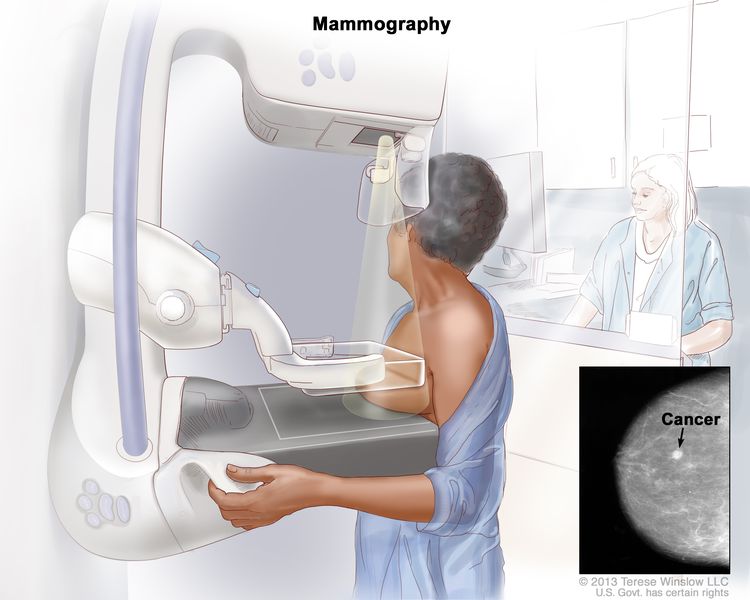
Melanoma Treatment (PDQ®)–Patient Version

Melanoma Treatment (PDQ®)–Patient Version

General Information About Melanoma

Key Points

  • Melanoma is a disease in which malignant (cancer) cells form in melanocytes (cells that color the skin).
  • There are different types of cancer that start in the skin.
  • Melanoma can occur anywhere on the skin.
  • Unusual moles, exposure to sunlight, and health history can affect the risk of melanoma.
  • Signs of melanoma include a change in the way a mole or pigmented area looks.
  • Tests that examine the skin are used to diagnose melanoma.
  • After melanoma has been diagnosed, tests may be done to find out if cancer cells have spread within the skin or to other parts of the body.
  • Some people decide to get a second opinion.
  • Certain factors affect prognosis (chance of recovery) and treatment options.

Melanoma is a disease in which malignant (cancer) cells form in melanocytes (cells that color the skin).

The skin is the body’s largest organ. It protects against heat, sunlight, injury, and infection. Skin also helps control body temperature and stores water, fat, and vitamin D. The skin has several layers, but the two main layers are the epidermis (upper or outer layer) and the dermis (lower or inner layer). Skin cancer begins in the epidermis, which is made up of three kinds of cells:

  • Squamous cells: Thin, flat cells that form the top layer of the epidermis.
  • Basal cells: Round cells under the squamous cells.
  • Melanocytes: Cells that make melanin and are found in the lower part of the epidermis. Melanin is the pigment that gives skin its natural color. When skin is exposed to the sun or artificial light, melanocytes make more pigment and cause the skin to darken.
EnlargeAnatomy of the skin with melanocytes; drawing shows normal skin anatomy, including the epidermis, dermis, hair follicles, sweat glands, hair shafts, veins, arteries, fatty tissue, nerves, lymph vessels, oil glands, and subcutaneous tissue. The pullout shows a close-up of the squamous cell and basal cell layers of the epidermis above the dermis with blood vessels. Melanin is shown in the cells. A melanocyte is shown in the layer of basal cells at the deepest part of the epidermis.
Anatomy of the skin, showing the epidermis, dermis, and subcutaneous tissue. Melanocytes are in the layer of basal cells at the deepest part of the epidermis.

There are different types of cancer that start in the skin.

There are two main forms of skin cancer: melanoma and nonmelanoma.

Melanoma is a rare form of skin cancer. It is more likely to invade nearby tissues and spread to other parts of the body than other types of skin cancer. When melanoma starts in the skin, it is called cutaneous melanoma. Melanoma may also occur in mucous membranes (thin, moist layers of tissue that cover surfaces such as the lips). This summary is about cutaneous (skin) melanoma and melanoma that affects the mucous membranes.

Before age 50, rates of melanoma are higher in women than in men. After age 50, rates of melanoma are much higher in men. Melanoma is most common in adults, but it is sometimes found in children and adolescents. Learn more about Childhood Melanoma Treatment.

The most common types of skin cancer are basal cell carcinoma and squamous cell carcinoma. They are nonmelanoma skin cancers. Nonmelanoma skin cancers rarely spread to other parts of the body. Learn more about Skin Cancer Treatment.

Melanoma can occur anywhere on the skin.

In men, melanoma is often found on the trunk (the area from the shoulders to the hips) or the head and neck. In women, melanoma forms most often on the arms and legs.

When melanoma occurs in the eye, it is called intraocular or ocular melanoma. Learn more about Intraocular (Uveal) Melanoma Treatment.

Unusual moles, exposure to sunlight, and health history can affect the risk of melanoma.

A risk factor is anything that increases the chance of getting a disease. Some risk factors for melanoma, such as tanning bed use, can be changed. However, risk factors also include things people cannot change, like their genetics and their family history. Learning about risk factors for melanoma can help you make changes that might lower your risk of getting it.

Risk factors for melanoma include:

  • having a fair complexion, which includes:
    • fair skin that freckles and burns easily, does not tan, or tans poorly
    • blue or green or other light-colored eyes
    • red or blond hair
  • being exposed to natural sunlight or artificial sunlight (such as from tanning beds)
  • being exposed to certain factors, such as radiation, solvents, vinyl chloride, and PCBs, in the environment (the air, your home or workplace, and your food and water)
  • having a history of many blistering sunburns, especially as a child or teenager
  • having several large or many small moles
  • having a family history of unusual moles (atypical nevus syndrome)
  • having a family or personal history of melanoma
  • being White
  • having a weakened immune system
  • having certain changes in the genes that are linked to melanoma

Being White or having a fair complexion increases the risk of melanoma, but anyone can have melanoma, including people with dark skin.

Learn more about risk factors for melanoma at Genetics of Skin Cancer and Skin Cancer Prevention.

Signs of melanoma include a change in the way a mole or pigmented area looks.

These and other signs and symptoms may be caused by melanoma or by other conditions. Check with your doctor if you have:

  • a mole that:
    • changes in size, shape, or color
    • has irregular edges or borders
    • is more than one color
    • is asymmetrical (if the mole is divided in half, the 2 halves are different in size or shape)
    • itches
    • oozes, bleeds, or is ulcerated (a hole forms in the skin when the top layer of cells breaks down and the tissue below shows through)
  • a change in pigmented (colored) skin
  • satellite moles (new moles that grow near an existing mole)

The acronym ABCDE can help you remember the signs of melanoma:

  • Asymmetrical
  • Border
  • Color
  • Diameter (melanoma is usually larger than 6 millimeters)
  • Evolving (the mole changes in size, shape, or color over time

Find pictures and descriptions of common moles and melanoma at Common Moles, Dysplastic Nevi, and Risk of Melanoma.

Tests that examine the skin are used to diagnose melanoma.

Melanoma is usually diagnosed with tests that examine the skin. The process used to find out if cancer cells have spread beyond the skin is called staging. To plan treatment, it is important to know the stage of the disease.

In addition to asking about your personal and family health history and doing a physical exam, your doctor may perform the following tests and procedures to find and diagnose melanoma:

  • Skin exam is an exam where a doctor or nurse checks the skin for moles, birthmarks, or other pigmented areas that look abnormal in color, size, shape, or texture.
  • Biopsy is the removal of cells or tissues so they can be viewed under a microscope to check for signs of cancer. It can be hard to tell the difference between a colored mole and an early melanoma lesion. Patients may want to have the sample of tissue checked by a second pathologist. If the abnormal mole or lesion is cancer, the sample of tissue may also be tested for certain gene changes. This may help to plan treatment. Learn about the type of information that can be found in a pathologist’s report about the cells or tissue removed during a biopsy at Pathology Reports.

    There are four main types of skin biopsies. The type of biopsy done depends on where the abnormal area formed and the size of the area.

    • Shave biopsy uses a sterile razor blade to “shave off” the growth.
    • Punch biopsy uses a special instrument called a punch or a trephine to remove a circle of tissue from the growth.
      EnlargePunch biopsy; drawing shows a sharp, hollow, circular instrument being inserted into a lesion on the skin of a patient’s forearm. The instrument is turned clockwise and counterclockwise to cut into the skin and remove a small, round piece of tissue. A pullout shows that the instrument cuts about 4 millimeters (mm) down to the layer of fatty tissue below the skin.
      Punch biopsy. A sharp, hollow, circular instrument is used to remove a small, round piece of tissue from a lesion on the skin. The instrument is turned clockwise and counterclockwise to cut about 4 millimeters (mm) down to the layer of fatty tissue below the skin and remove the sample of tissue. Skin thickness is different on different parts of the body.
    • Incisional biopsy uses a scalpel to remove part of a growth.
    • Excisional biopsy uses a scalpel to remove the entire growth.

After melanoma has been diagnosed, tests may be done to find out if cancer cells have spread within the skin or to other parts of the body.

The process used to find out whether cancer has spread within the skin or to other parts of the body is called staging. The information gathered from the staging process determines the stage of the disease. It is important to know the stage in order to plan treatment.

For melanoma that is not likely to spread to other parts of the body or recur, more tests may not be needed. For melanoma that is likely to spread to other parts of the body or recur, the following tests and procedures may be done after surgery to remove the melanoma:

  • Lymph node mapping and sentinel lymph node biopsy includes the removal of the sentinel lymph node during surgery. The sentinel lymph node is the first lymph node in a group of lymph nodes to receive lymphatic drainage from the primary tumor. It is the first lymph node the cancer is likely to spread to from the primary tumor. A radioactive substance or blue dye is injected near the tumor. The substance or dye flows through the lymph ducts to the lymph nodes. The first lymph node to receive the substance or dye is removed. A pathologist views the tissue under a microscope to look for cancer cells. If cancer cells are not found, it may not be necessary to remove more lymph nodes. Sometimes, a sentinel lymph node is found in more than one group of nodes.
  • CT scan (CAT scan) is a procedure that makes a series of detailed pictures of areas inside the body taken from different angles. The pictures are made by a computer linked to an x-ray machine. A dye may be injected into a vein or swallowed to help the organs or tissues show up more clearly. This procedure is also called computed tomography, computerized tomography, or computerized axial tomography. For melanoma, pictures may be taken of the neck, chest, abdomen, and pelvis.
  • PET scan (positron emission tomography scan) is a procedure to find malignant tumor cells in the body. A small amount of radioactive glucose (sugar) is injected into a vein. The PET scanner rotates around the body and makes a picture of where glucose is being used in the body. Malignant tumor cells show up brighter in the picture because they are more active and take up more glucose than normal cells do.
  • MRI (magnetic resonance imaging) with gadolinium is a procedure that uses a magnet, radio waves, and a computer to make a series of detailed pictures of areas inside the body, such as the brain. A substance called gadolinium is injected into a vein. The gadolinium collects around the cancer cells so they show up brighter in the picture. This procedure is also called nuclear magnetic resonance imaging (NMRI).
  • Ultrasound exam is a procedure in which high-energy sound waves (ultrasound) are bounced off internal tissues, such as lymph nodes, or organs and make echoes. The echoes form a picture of body tissues called a sonogram. The picture can be printed to be looked at later.
  • Blood chemistry studies is a procedure in which a blood sample is checked to measure the amounts of certain substances released into the blood by organs and tissues in the body. For melanoma, the blood is checked for an enzyme called lactate dehydrogenase (LDH). High LDH levels may predict a poor response to treatment in people with metastatic disease.

The results of these tests are viewed together with the results of the tumor biopsy to find out the stage of the melanoma.

Some people decide to get a second opinion.

You may want to get a second opinion to confirm your melanoma diagnosis and treatment plan. If you seek a second opinion, you will need to get medical test results and reports from the first doctor to share with the second doctor. The second doctor will review the pathology report, slides, and scans. They may agree with the first doctor, suggest changes or another treatment approach, or provide more information about your cancer.

To learn more about choosing a doctor and getting a second opinion, see Finding Cancer Care. You can contact NCI’s Cancer Information Service via chat, email, or phone (both in English and Spanish) for help finding a doctor, hospital, or getting a second opinion. For questions you might want to ask at your appointments, see Questions to Ask Your Doctor about Cancer.

Certain factors affect prognosis (chance of recovery) and treatment options.

The prognosis and treatment options depend on:

  • the thickness of the tumor and where it is in the body
  • whether there was bleeding or ulceration of the tumor
  • how much cancer is in the lymph nodes
  • the number of places and where cancer has spread to in the body
  • the level of lactate dehydrogenase (LDH) in the blood
  • whether the cancer has certain mutations (changes) in a gene called BRAF
  • your age and general health

Stages of Melanoma

Key Points

  • The stage of melanoma depends on the thickness of the tumor, whether cancer has spread to lymph nodes or other parts of the body, and other factors.
  • The following stages are used for melanoma:
    • Stage 0 (melanoma in situ)
    • Stage I (also called stage 1) melanoma
    • Stage II (also called stage 2) melanoma
    • Stage III (also called stage 3) melanoma
    • Stage IV (also called stage 4) melanoma
  • Melanoma can recur (come back) after it has been treated.

Cancer stage describes the extent of cancer in the body, such as the size of the tumor, whether it has spread, and how far it has spread from where it first formed. It is important to know the melanoma stage to plan treatment.

There are several staging systems for cancer that describe the extent of the cancer. Melanoma staging usually uses the TNM staging system. The cancer may be described by this staging system in your pathology report. Based on the TNM results, a stage (I, II, III, or IV, also written as 1, 2, 3, or 4) is assigned to your cancer. When talking to you about your diagnosis, your doctor may describe the cancer as one of these stages.

Learn about tests to stage melanoma. Learn more about Cancer Staging.

The stage of melanoma depends on the thickness of the tumor, whether cancer has spread to lymph nodes or other parts of the body, and other factors.

To find out the stage of melanoma, the tumor is completely removed and nearby lymph nodes are checked for signs of cancer. The stage of the cancer is used to determine which treatment is best. Check with your doctor to find out which stage of cancer you have.

The stage of melanoma depends on:

  • The tumor’s thickness, which is measured from the surface of the skin to the deepest part of the tumor.
    EnlargeMelanoma staging (tumor thickness); drawing shows different depths of cancer invasion (0, 1.0, 2.0, 3.0, 4.0, and 5.0 mm) into the epidermis (outer layer of the skin), the dermis (inner layer of the skin), and the subcutaneous tissue below the dermis.
  • Whether the tumor is ulcerated (has broken through the skin).
    EnlargeMelanoma staging (tumor ulceration); drawing shows a tumor that is ulcerated (has broken through the skin) and a tumor that is not ulcerated.
  • Whether cancer is found in lymph nodes by a physical exam, imaging tests, or a sentinel lymph node biopsy.
    EnlargeMelanoma staging (lymph node involvement); drawing shows cancer that has spread from the primary tumor to the lymph nodes.
  • Whether the lymph nodes are matted (joined together).
    EnlargeMelanoma staging (matted lymph nodes); drawing shows matted lymph nodes with cancer.
  • Whether there are:
    EnlargeMelanoma staging (in-transit metastases, satellite tumors, and microsatellite tumors); drawing shows in-transit metastases in a lymph vessel more than 2 centimeters away from the primary tumor and satellite tumors within 2 centimeters of the primary tumor. Microsatellite tumors are not shown because they can only be seen with a microscope.
  • Whether the cancer has spread to other parts of the body, such as the lung, liver, brain, soft tissue (including muscle), digestive tract, and/or distant lymph nodes.
    EnlargeMelanoma staging (cancer spread to other parts of the body); drawing shows cancer cells spreading from the primary cancer, through the blood and lymph system, to another part of the body where a metastatic tumor has formed.

The following stages are used for melanoma:

Stage 0 (melanoma in situ)

In stage 0, abnormal melanocytes are found in the epidermis. These abnormal melanocytes may become cancer and spread into nearby normal tissue. Stage 0 is also called melanoma in situ.

EnlargeStage 0 melanoma; drawing shows an abnormal area on the surface of the skin and abnormal melanocytes in the epidermis (outer layer of the skin). Also shown are the dermis (inner layer of the skin) and the subcutaneous tissue below the dermis.
Stage 0 melanoma. Abnormal melanocytes are found in the epidermis (outer layer of the skin). These abnormal melanocytes may become cancer and spread into nearby normal tissue.

Stage I (also called stage 1) melanoma

In stage I, cancer has formed. Stage I is divided into stages IA and IB.

EnlargeMillimeters; drawing shows millimeters (mm) using everyday objects. A sharp pencil point shows 1 mm, a new crayon point shows 2 mm, and a new pencil-top eraser shows 5 mm.
Millimeters (mm). A sharp pencil point is about 1 mm, a new crayon point is about 2 mm, and a new pencil eraser is about 5 mm.
  • Stage IA: The tumor is not more than 1 millimeter thick, with or without ulceration.
  • Stage IB: The tumor is more than 1 but not more than 2 millimeters thick, without ulceration.
    EnlargeTwo-panel drawing of stage I melanoma; the panel on the left shows a stage IA tumor that is not more than 1 millimeter thick, with ulceration (a break in the skin) and without ulceration. The panel on the right shows a stage IB tumor that is more than 1 but not more than 2 millimeters thick, without ulceration. Also shown are the epidermis (outer layer of the skin), the dermis (inner layer of the skin), and the subcutaneous tissue below the dermis.
    Stage I melanoma. In stage IA, the tumor is not more than 1 millimeter thick, with or without ulceration (a break in the skin). In stage IB, the tumor is more than 1 but not more than 2 millimeters thick, without ulceration. Skin thickness is different on different parts of the body.

Stage II (also called stage 2) melanoma

Stage II is divided into stages IIA, IIB, and IIC.

  • Stage IIA: The tumor is either:
    • more than 1 but not more than 2 millimeters thick, with ulceration; or
    • more than 2 but not more than 4 millimeters thick, without ulceration.
      EnlargeTwo-panel drawing of stage IIA melanoma; the panel on the left shows a tumor that is more than 1 but not more than 2 millimeters thick, with ulceration (a break in the skin). The panel on the right shows a tumor that is more than 2 but not more than 4 millimeters thick, without ulceration. Also shown are the epidermis (outer layer of the skin), the dermis (inner layer of the skin), and the subcutaneous tissue below the dermis.
      Stage IIA melanoma. The tumor is more than 1 but not more than 2 millimeters thick, with ulceration (a break in the skin); OR it is more than 2 but not more than 4 millimeters thick, without ulceration. Skin thickness is different on different parts of the body.
  • Stage IIB: The tumor is either:
    • more than 2 but not more than 4 millimeters thick, with ulceration; or
    • more than 4 millimeters thick, without ulceration.
      EnlargeTwo-panel drawing of stage IIB melanoma; the panel on the left shows a tumor that is more than 2 but not more than 4 millimeters thick, with ulceration (a break in the skin). There is also an inset that shows 2 millimeters is about the size of a new crayon point and 5 millimeters is about the size of a pencil-top eraser. The panel on the right shows a tumor that is more than 4 millimeters thick, without ulceration. There is also an inset that shows 5 millimeters is about the size of a pencil-top eraser. Also shown are the epidermis (outer layer of the skin), the dermis (inner layer of the skin), and the subcutaneous tissue below the dermis.
      Stage IIB melanoma. The tumor is more than 2 but not more than 4 millimeters thick, with ulceration (a break in the skin); OR it is more than 4 millimeters thick, without ulceration. Skin thickness is different on different parts of the body.
  • Stage IIC: The tumor is more than 4 millimeters thick, with ulceration.
    EnlargeStage IIC melanoma; drawing shows a tumor that is more than 4 millimeters thick, with ulceration (a break in the skin). Also shown are the epidermis (outer layer of the skin), the dermis (inner layer of the skin), and the subcutaneous tissue below the dermis.
    Stage IIC melanoma. The tumor is more than 4 millimeters thick, with ulceration (a break in the skin). Skin thickness is different on different parts of the body.

Stage III (also called stage 3) melanoma

Stage III is divided into stages IIIA, IIIB, IIIC, and IIID.

  • Stage IIIA: The tumor is not more than 1 millimeter thick, with ulceration, or not more than 2 millimeters thick, without ulceration. Cancer is found in 1 to 3 lymph nodes by sentinel lymph node biopsy.
  • Stage IIIB:
    • (2) The tumor is not more than 1 millimeter thick, with ulceration, or not more than 2 millimeters thick, without ulceration, and one of the following is true:
      • cancer is found in 1 to 3 lymph nodes by physical exam or imaging tests; or
      • there are microsatellite tumors, satellite tumors, and/or in-transit metastases on or under the skin.

        or

    • (3) The tumor is more than 1 but not more than 2 millimeters thick, with ulceration, or more than 2 but not more than 4 millimeters thick, without ulceration, and one of the following is true:
      • cancer is found in 1 to 3 lymph nodes; or
      • there are microsatellite tumors, satellite tumors, and/or in-transit metastases on or under the skin.
  • Stage IIIC:
    • (1) It is not known where the cancer began, or the primary tumor can no longer be seen. Cancer is found:
      • in 2 or 3 lymph nodes; or
      • in 1 lymph node and there are microsatellite tumors, satellite tumors, and/or in-transit metastases on or under the skin; or
      • in 4 or more lymph nodes, or in any lymph nodes that are matted together; or
      • in 2 or more lymph nodes and/or in any lymph nodes that are matted together. There are microsatellite tumors, satellite tumors, and/or in-transit metastases on or under the skin.

        or

    • (2) The tumor is not more than 2 millimeters thick, with or without ulceration, or not more than 4 millimeters thick, without ulceration. Cancer is found:
      • in 1 lymph node and there are microsatellite tumors, satellite tumors, and/or in-transit metastases on or under the skin; or
      • in 4 or more lymph nodes, or in any lymph nodes that are matted together; or
      • in 2 or more lymph nodes and/or in any lymph nodes that are matted together. There are microsatellite tumors, satellite tumors, and/or in-transit metastases on or under the skin.

        or

    • (3) The tumor is more than 2 but not more than 4 millimeters thick, with ulceration, or more than 4 millimeters thick, without ulceration. Cancer is found in 1 or more lymph nodes and/or in any lymph nodes that are matted together. There may be microsatellite tumors, satellite tumors, and/or in-transit metastases on or under the skin.

      or

    • (4) The tumor is more than 4 millimeters thick, with ulceration. Cancer is found in 1 or more lymph nodes and/or there are microsatellite tumors, satellite tumors, and/or in-transit metastases on or under the skin.
  • Stage IIID: The tumor is more than 4 millimeters thick, with ulceration. Cancer is found:

Stage IV (also called stage 4) melanoma

In stage IV, the cancer has spread to other parts of the body, such as the lung, liver, brain, spinal cord, bone, soft tissue (including muscle), digestive tract, and/or distant lymph nodes. Cancer may have spread to places in the skin far away from where it first started.

Stage IV melanoma is also called metastatic melanoma. Metastatic cancer happens when cancer cells travel through the lymphatic system or blood and form tumors in other parts of the body. The metastatic tumor is the same type of cancer as the primary tumor. For example, if melanoma spreads to the lung, the cancer cells in the lung are actually melanoma cells. The disease is called metastatic melanoma, not lung cancer. Learn more in Metastatic Cancer: When Cancer Spreads.

EnlargeStage IV melanoma; drawing shows other parts of the body where melanoma may spread, including the brain, spinal cord, lung, liver, gastrointestinal (GI) tract, bone, muscle, and distant lymph nodes. An inset shows cancer cells spreading through the blood and lymph system to another part of the body where a metastatic tumor has formed.
Stage IV melanoma. Cancer has spread to other parts of the body, such as the brain, spinal cord, lung, liver, gastrointestinal (GI) tract, bone, muscle, and/or distant lymph nodes. Cancer may have spread to places in the skin far away from where it first started.

Melanoma can recur (come back) after it has been treated.

Recurrent melanoma is melanoma that has come back after it has been treated. If melanoma comes back, it may come back in the area where it first started or in other parts of the body, such as the lungs or liver. Tests will help determine where in the body the cancer has returned. The type of treatment that you have for recurrent melanoma will depend on where it has come back.

Learn more in Recurrent Cancer: When Cancer Comes Back.

Treatment Option Overview

Key Points

  • There are different types of treatment for people with melanoma.
  • The following types of treatment are used:
    • Surgery
    • Chemotherapy
    • Radiation therapy
    • Immunotherapy
    • Targeted therapy
  • New types of treatment are being tested in clinical trials.
    • Vaccine therapy
  • Treatment for melanoma may cause side effects.
  • Follow-up care may be needed.

There are different types of treatment for people with melanoma.

Different types of treatment are available for people with melanoma. Some treatments are standard (the currently used treatment), and some are being tested in clinical trials. A treatment clinical trial is a research study meant to help improve current treatments or obtain information on new treatments for people with cancer. When clinical trials show that a new treatment is better than the standard treatment, the new treatment may become the standard treatment. People may want to think about taking part in a clinical trial. Some clinical trials are open only to people who have not started treatment.

The following types of treatment are used:

Surgery

Surgery to remove the tumor is the primary treatment for all stages of melanoma. A wide local excision is used to remove the melanoma and some of the normal tissue around it. Skin grafting (taking skin from another part of the body to replace the skin that is removed) may be done to cover the wound caused by surgery.

Sometimes, it is important to know whether cancer has spread to the lymph nodes. Lymph node mapping and sentinel lymph node biopsy are done to check for cancer in the sentinel lymph node, which is the first lymph node the cancer is likely to spread to from the primary tumor.

If only a small amount of cancer cells are found during a sentinel lymph node biopsy, active surveillance with ultrasound may be recommended instead of more surgery.

After the doctor removes all the melanoma that can be seen at the time of the surgery, some people may be given chemotherapy after surgery to kill any cancer cells that are left. Chemotherapy given after the surgery to lower the risk that the cancer will come back is called adjuvant therapy.

Surgery to remove cancer that has spread to the lymph nodes, lung, digestive tract, bone, or brain may be done to improve quality of life by controlling symptoms.

Chemotherapy

Chemotherapy (also called chemo) uses drugs to stop the growth of cancer cells, either by killing the cells or by stopping them from dividing. When chemotherapy is taken by mouth or injected into a vein or muscle, the drugs enter the bloodstream and can reach cancer cells throughout the body (systemic chemotherapy). When chemotherapy is placed directly into the cerebrospinal fluid, an organ, or a body cavity such as the abdomen, the drugs mainly affect cancer cells in those areas (regional chemotherapy).

One type of regional chemotherapy is hyperthermic isolated limb perfusion. With this method, anticancer drugs go directly to the arm or leg the cancer is in. The flow of blood to and from the limb is temporarily stopped with a tourniquet. A warm solution with the anticancer drug is put directly into the blood of the limb. This gives a high dose of drugs to the area where the cancer is.

The way the chemotherapy is given depends on the type and stage of the cancer being treated.

Learn more about how chemotherapy works, how it is given, common side effects, and more at Chemotherapy to Treat Cancer and Chemotherapy and You: Support for People With Cancer.

Radiation therapy

Radiation therapy uses high-energy x-rays or other types of radiation to kill cancer cells or keep them from growing. External radiation therapy uses a machine outside the body to send radiation toward the area of the body with cancer. External radiation therapy is used to treat melanoma and may also be used as palliative therapy to relieve symptoms and improve quality of life.

Learn more about External Beam Radiation Therapy for Cancer and Radiation Therapy Side Effects.

Immunotherapy

Immunotherapy helps a person’s immune system fight cancer. Your doctor may suggest biomarker tests to help predict your response to certain immunotherapy drugs. Learn more about Biomarker Testing for Cancer Treatment.

Immunotherapy drugs used to treat melanoma include:

Learn more about Immunotherapy to Treat Cancer.

Targeted therapy

Targeted therapy uses drugs or other substances to identify and attack specific cancer cells. Your doctor may suggest biomarker tests to help predict your response to certain targeted therapy drugs. Learn more about Biomarker Testing for Cancer Treatment.

Targeted therapies used to treat melanoma include:

Learn more about Targeted Therapy to Treat Cancer.

New types of treatment are being tested in clinical trials.

Vaccine therapy

Vaccine therapy is a cancer treatment that uses a substance or group of substances to stimulate the immune system to find the tumor and kill it. Vaccine therapy is being studied in the treatment of stage III melanoma that can be removed by surgery.

Treatment for melanoma may cause side effects.

For information about side effects caused by treatment for cancer, visit our Side Effects page.

Follow-up care may be needed.

As you go through treatment, you will have follow-up tests or check-ups. Some tests that were done to diagnose or stage the cancer may be repeated to see how well the treatment is working. Decisions about whether to continue, change, or stop treatment may be based on the results of these tests.

Some of the tests will continue to be done from time to time after treatment has ended. The results of these tests can show if your condition has changed or if the cancer has recurred (come back).

Treatment of Stage 0 (Melanoma in Situ)

Treatment of stage 0 is usually surgery to remove the area of abnormal cells and a small amount of normal tissue around it.

Learn more about these treatments in the Treatment Option Overview.

Use our clinical trial search to find NCI-supported cancer clinical trials that are accepting patients. You can search for trials based on the type of cancer, the age of the patient, and where the trials are being done. General information about clinical trials is also available.

Treatment of Stage I Melanoma

Treatment of stage I melanoma is usually surgery to remove the tumor and some of the normal tissue around it, with or without lymph node mapping and sentinel lymph node biopsy.

Learn more about these treatments in the Treatment Option Overview.

Use our clinical trial search to find NCI-supported cancer clinical trials that are accepting patients. You can search for trials based on the type of cancer, the age of the patient, and where the trials are being done. General information about clinical trials is also available.

Treatment of Stage II Melanoma

Treatment of stage II melanoma may include:

Learn more about these treatments in the Treatment Option Overview.

Use our clinical trial search to find NCI-supported cancer clinical trials that are accepting patients. You can search for trials based on the type of cancer, the age of the patient, and where the trials are being done. General information about clinical trials is also available.

Treatment of Stage III Melanoma That Can Be Removed By Surgery

Treatment of stage III melanoma that can be removed by surgery may include:

Learn more about these treatments in the Treatment Option Overview.

Use our clinical trial search to find NCI-supported cancer clinical trials that are accepting patients. You can search for trials based on the type of cancer, the age of the patient, and where the trials are being done. General information about clinical trials is also available.

Treatment of Stage III Melanoma That Cannot Be Removed By Surgery, Stage IV Melanoma, and Recurrent Melanoma

Treatment of stage III melanoma that cannot be removed by surgery, stage IV melanoma, and recurrent melanoma may include:

Learn more about these treatments in the Treatment Option Overview.

Use our clinical trial search to find NCI-supported cancer clinical trials that are accepting patients. You can search for trials based on the type of cancer, the age of the patient, and where the trials are being done. General information about clinical trials is also available.

To Learn More About Melanoma

About This PDQ Summary

About PDQ

Physician Data Query (PDQ) is the National Cancer Institute’s (NCI’s) comprehensive cancer information database. The PDQ database contains summaries of the latest published information on cancer prevention, detection, genetics, treatment, supportive care, and complementary and alternative medicine. Most summaries come in two versions. The health professional versions have detailed information written in technical language. The patient versions are written in easy-to-understand, nontechnical language. Both versions have cancer information that is accurate and up to date and most versions are also available in Spanish.

PDQ is a service of the NCI. The NCI is part of the National Institutes of Health (NIH). NIH is the federal government’s center of biomedical research. The PDQ summaries are based on an independent review of the medical literature. They are not policy statements of the NCI or the NIH.

Purpose of This Summary

This PDQ cancer information summary has current information about the treatment of melanoma. It is meant to inform and help patients, families, and caregivers. It does not give formal guidelines or recommendations for making decisions about health care.

Reviewers and Updates

Editorial Boards write the PDQ cancer information summaries and keep them up to date. These Boards are made up of experts in cancer treatment and other specialties related to cancer. The summaries are reviewed regularly and changes are made when there is new information. The date on each summary (“Updated”) is the date of the most recent change.

The information in this patient summary was taken from the health professional version, which is reviewed regularly and updated as needed, by the PDQ Adult Treatment Editorial Board.

Clinical Trial Information

A clinical trial is a study to answer a scientific question, such as whether one treatment is better than another. Trials are based on past studies and what has been learned in the laboratory. Each trial answers certain scientific questions in order to find new and better ways to help cancer patients. During treatment clinical trials, information is collected about the effects of a new treatment and how well it works. If a clinical trial shows that a new treatment is better than one currently being used, the new treatment may become “standard.” Patients may want to think about taking part in a clinical trial. Some clinical trials are open only to patients who have not started treatment.

Clinical trials can be found online at NCI’s website. For more information, call the Cancer Information Service (CIS), NCI’s contact center, at 1-800-4-CANCER (1-800-422-6237).

Permission to Use This Summary

PDQ is a registered trademark. The content of PDQ documents can be used freely as text. It cannot be identified as an NCI PDQ cancer information summary unless the whole summary is shown and it is updated regularly. However, a user would be allowed to write a sentence such as “NCI’s PDQ cancer information summary about breast cancer prevention states the risks in the following way: [include excerpt from the summary].”

The best way to cite this PDQ summary is:

PDQ® Adult Treatment Editorial Board. PDQ Melanoma Treatment. Bethesda, MD: National Cancer Institute. Updated <MM/DD/YYYY>. Available at: /types/skin/patient/melanoma-treatment-pdq. Accessed <MM/DD/YYYY>. [PMID: 26389388]

Images in this summary are used with permission of the author(s), artist, and/or publisher for use in the PDQ summaries only. If you want to use an image from a PDQ summary and you are not using the whole summary, you must get permission from the owner. It cannot be given by the National Cancer Institute. Information about using the images in this summary, along with many other images related to cancer can be found in Visuals Online. Visuals Online is a collection of more than 3,000 scientific images.

Disclaimer

The information in these summaries should not be used to make decisions about insurance reimbursement. More information on insurance coverage is available on Cancer.gov on the Managing Cancer Care page.

Contact Us

More information about contacting us or receiving help with the Cancer.gov website can be found on our Contact Us for Help page. Questions can also be submitted to Cancer.gov through the website’s E-mail Us.
Ovarian Epithelial, Fallopian Tube, and Primary Peritoneal Cancers Treatment (PDQ®)–Patient Version

Ovarian Epithelial, Fallopian Tube, and Primary Peritoneal Cancers Treatment (PDQ®)–Patient Version

General Information About Ovarian Epithelial, Fallopian Tube, and Primary Peritoneal Cancers

Key Points

  • Ovarian epithelial cancer, fallopian tube cancer, and primary peritoneal cancer are diseases in which malignant (cancer) cells form in the tissue covering the ovary or lining the fallopian tube or peritoneum.
  • Ovarian epithelial cancer, fallopian tube cancer, and primary peritoneal cancer form in the same type of tissue and are treated the same way.
  • Women who have a family history of ovarian cancer are at an increased risk of ovarian cancer.
  • Some ovarian, fallopian tube, and primary peritoneal cancers are caused by inherited gene mutations (changes).
  • Women with an increased risk of ovarian cancer may consider surgery to lessen the risk.
  • Signs and symptoms of ovarian epithelial, fallopian tube, or peritoneal cancer include pain or swelling in the abdomen.
  • Tests that examine the ovaries and pelvic area are used to diagnose and stage ovarian epithelial, fallopian tube, and peritoneal cancers.
  • Certain factors affect treatment options and prognosis (chance of recovery).

Ovarian epithelial cancer, fallopian tube cancer, and primary peritoneal cancer are diseases in which malignant (cancer) cells form in the tissue covering the ovary or lining the fallopian tube or peritoneum.

The ovaries are a pair of organs in the female reproductive system. They are in the pelvis, one on each side of the uterus (the hollow, pear-shaped organ where a fetus grows). Each ovary is about the size and shape of an almond. The ovaries make eggs and female hormones (chemicals that control the way certain cells or organs work).

The fallopian tubes are a pair of long, slender tubes, one on each side of the uterus. Eggs pass from the ovaries, through the fallopian tubes, to the uterus. Cancer sometimes begins at the end of the fallopian tube near the ovary and spreads to the ovary.

The peritoneum is the tissue that lines the abdominal wall and covers organs in the abdomen. Primary peritoneal cancer is cancer that forms in the peritoneum and has not spread there from another part of the body. Cancer sometimes begins in the peritoneum and spreads to the ovary.

EnlargeAnatomy of the female reproductive system; drawing shows the uterus, myometrium (muscular outer layer of the uterus), endometrium (inner lining of the uterus), ovaries, fallopian tubes, cervix, and vagina.
Anatomy of the female reproductive system. The organs in the female reproductive system include the uterus, ovaries, fallopian tubes, cervix, and vagina. The uterus has a muscular outer layer called the myometrium and an inner lining called the endometrium.

Ovarian epithelial cancer is one type of cancer that affects the ovary. For information about other types of ovarian tumors, see the following PDQ summaries:

Ovarian epithelial cancer, fallopian tube cancer, and primary peritoneal cancer form in the same type of tissue and are treated the same way.

Women who have a family history of ovarian cancer are at an increased risk of ovarian cancer.

Anything that increases your chance of getting a disease is called a risk factor. Having a risk factor does not mean that you will get cancer; not having risk factors doesn’t mean that you will not get cancer. Talk to your doctor if you think you may be at risk for ovarian cancer.

Risk factors for ovarian cancer include the following:

Older age is the main risk factor for most cancers. The chance of getting cancer increases as you get older.

Some ovarian, fallopian tube, and primary peritoneal cancers are caused by inherited gene mutations (changes).

The genes in cells carry the hereditary information that is received from a person’s parents. Hereditary ovarian cancer makes up about 20% of all cases of ovarian cancer. There are three hereditary patterns: ovarian cancer alone, ovarian and breast cancers, and ovarian and colon cancers.

Fallopian tube cancer and peritoneal cancer may also be caused by certain inherited gene mutations.

There are tests that can detect gene mutations. These genetic tests are sometimes done for members of families with a high risk of cancer. For more information, see the following PDQ summaries:

Women with an increased risk of ovarian cancer may consider surgery to lessen the risk.

Some women who have an increased risk of ovarian cancer may choose to have a risk-reducing oophorectomy (the removal of healthy ovaries so that cancer cannot grow in them). In high-risk women, this procedure has been shown to greatly decrease the risk of ovarian cancer. For more information, see Ovarian, Fallopian Tube, and Primary Peritoneal Cancers Prevention.

Signs and symptoms of ovarian epithelial, fallopian tube, or peritoneal cancer include pain or swelling in the abdomen.

Ovarian epithelial, fallopian tube, or peritoneal cancer may not cause early signs or symptoms. When signs or symptoms do appear, the cancer is often advanced. Signs and symptoms may include:

  • Pain, swelling, or a feeling of pressure in the abdomen or pelvis.
  • Sudden or frequent urge to urinate.
  • Trouble eating or feeling full.
  • A lump in the pelvic area.
  • Gastrointestinal problems, such as gas, bloating, or constipation.

These signs and symptoms also may be caused by other conditions and not by ovarian, fallopian tube, or peritoneal cancer. If the signs or symptoms get worse or do not go away on their own, check with your doctor so that any problem can be diagnosed and treated as early as possible.

Tests that examine the ovaries and pelvic area are used to diagnose and stage ovarian epithelial, fallopian tube, and peritoneal cancers.

The following tests and procedures may be used to diagnose and stage ovarian epithelial, fallopian tube, and peritoneal cancers:

  • Physical exam and health history: An exam of the body to check general signs of health, including checking for signs of disease, such as lumps or anything else that seems unusual. A history of the patient’s health habits and past illnesses and treatments will also be taken.
  • Pelvic exam: An exam of the vagina, cervix, uterus, fallopian tubes, ovaries, and rectum. A speculum is inserted into the vagina and the doctor or nurse looks at the vagina and cervix for signs of disease. A Pap test of the cervix is usually done. The doctor or nurse also inserts one or two lubricated, gloved fingers of one hand into the vagina and places the other hand over the lower abdomen to feel the size, shape, and position of the uterus and ovaries. The doctor or nurse also inserts a lubricated, gloved finger into the rectum to feel for lumps or abnormal areas.
    EnlargePelvic exam; drawing shows a side view of the female reproductive anatomy during a pelvic exam. The uterus, left fallopian tube, left ovary, cervix, vagina, bladder, and rectum are shown. Two gloved fingers of one hand of the doctor or nurse are shown inserted into the vagina, while the other hand is shown pressing on the lower abdomen. The inset shows a woman covered by a drape on an exam table with her legs apart and her feet in stirrups.
    Pelvic exam. A doctor or nurse inserts one or two lubricated, gloved fingers of one hand into the vagina and presses on the lower abdomen with the other hand. This is done to feel the size, shape, and position of the uterus and ovaries. The vagina, cervix, fallopian tubes, and rectum are also checked.
  • CA-125 assay: A test that measures the level of CA-125 in the blood. CA-125 is a substance released by cells into the bloodstream. An increased CA-125 level can be a sign of cancer or another condition such as endometriosis.
  • Ultrasound exam: A procedure in which high-energy sound waves (ultrasound) are bounced off internal tissues or organs in the abdomen, and make echoes. The echoes form a picture of body tissues called a sonogram. The picture can be printed to be looked at later.
    EnlargeAbdominal ultrasound; drawing shows a woman on an exam table during an abdominal ultrasound procedure. A diagnostic sonographer (a person trained to perform ultrasound procedures) is shown passing a transducer (a device that makes sound waves that bounce off tissues inside the body) over the surface of the patient’s abdomen. A computer screen shows a sonogram (computer picture).
    Abdominal ultrasound. An ultrasound transducer connected to a computer is passed over the surface of the abdomen. The ultrasound transducer bounces sound waves off internal organs and tissues to make echoes that form a sonogram (computer picture).

    Some patients may have a transvaginal ultrasound.

    EnlargeTransvaginal ultrasound; drawing shows a side view of the female reproductive anatomy during a transvaginal ultrasound procedure. An ultrasound probe (a device that makes sound waves that bounce off tissues inside the body) is shown inserted into the vagina. The bladder, uterus, right fallopian tube, and right ovary are also shown. The inset shows the diagnostic sonographer (a person trained to perform ultrasound procedures) examining a woman on a table, and a computer screen shows an image of the patient’s internal tissues.
    Transvaginal ultrasound. An ultrasound probe connected to a computer is inserted into the vagina and is gently moved to show different organs. The probe bounces sound waves off internal organs and tissues to make echoes that form a sonogram (computer picture).
  • CT scan (CAT scan): A procedure that makes a series of detailed pictures of areas inside the body, taken from different angles. The pictures are made by a computer linked to an x-ray machine. A dye may be injected into a vein or swallowed to help the organs or tissues show up more clearly. This procedure is also called computed tomography, computerized tomography, or computerized axial tomography.
  • PET scan (positron emission tomography scan): A procedure to find malignant tumor cells in the body. A very small amount of radioactive glucose (sugar) is injected into a vein. The PET scanner rotates around the body and makes a picture of where glucose is being used in the body. Malignant tumor cells show up brighter in the picture because they are more active and take up more glucose than normal cells do.
  • MRI (magnetic resonance imaging): A procedure that uses a magnet, radio waves, and a computer to make a series of detailed pictures of areas inside the body. This procedure is also called nuclear magnetic resonance imaging (NMRI).
  • Chest x-ray: An x-ray of the organs and bones inside the chest. An x-ray is a type of energy beam that can go through the body and onto film, making a picture of areas inside the body.
  • Biopsy: The removal of cells or tissues so they can be viewed under a microscope by a pathologist to check for signs of cancer. The tissue is usually removed during surgery to remove the tumor.

Certain factors affect treatment options and prognosis (chance of recovery).

The prognosis and treatment options depend on:

  • The type of ovarian cancer and how much cancer there is.
  • The stage and grade of the cancer.
  • Whether the patient has extra fluid in the abdomen that causes swelling.
  • Whether all of the tumor can be removed by surgery.
  • Whether there are changes in the BRCA1 or BRCA2 genes.
  • The patient’s age and general health.
  • Whether the cancer has just been diagnosed or has recurred (come back).

Stages of Ovarian Epithelial, Fallopian Tube, and Primary Peritoneal Cancers

Key Points

  • After ovarian epithelial, fallopian tube, or peritoneal cancer has been diagnosed, tests are done to find out if cancer cells have spread within the ovaries or to other parts of the body.
  • There are three ways that cancer spreads in the body.
  • Cancer may spread from where it began to other parts of the body.
  • The following stages are used for ovarian epithelial, fallopian tube, and primary peritoneal cancers:
    • Stage I
    • Stage II
    • Stage III
    • Stage IV
  • Ovarian epithelial, fallopian tube, and primary peritoneal cancers are grouped for treatment as early or advanced cancer.
  • Ovarian epithelial, fallopian tube, and primary peritoneal cancers can recur (come back) after treatment.

After ovarian epithelial, fallopian tube, or peritoneal cancer has been diagnosed, tests are done to find out if cancer cells have spread within the ovaries or to other parts of the body.

The process used to find out whether cancer has spread within the organ or to other parts of the body is called staging. The information gathered from the staging process determines the stage of the disease. It is important to know the stage in order to plan treatment. The results of the tests used to diagnose cancer are often also used to stage the disease. For a description of tests and procedures used to diagnose and stage ovarian epithelial cancer, fallopian tube cancer, and peritoneal cancer, see the General Information section.

There are three ways that cancer spreads in the body.

Cancer can spread through tissue, the lymph system, and the blood:

  • Tissue. The cancer spreads from where it began by growing into nearby areas.
  • Lymph system. The cancer spreads from where it began by getting into the lymph system. The cancer travels through the lymph vessels to other parts of the body.
  • Blood. The cancer spreads from where it began by getting into the blood. The cancer travels through the blood vessels to other parts of the body.

Cancer may spread from where it began to other parts of the body.

When cancer spreads to another part of the body, it is called metastasis. Cancer cells break away from where they began (the primary tumor) and travel through the lymph system or blood.

  • Lymph system. The cancer gets into the lymph system, travels through the lymph vessels, and forms a tumor (metastatic tumor) in another part of the body.
  • Blood. The cancer gets into the blood, travels through the blood vessels, and forms a tumor (metastatic tumor) in another part of the body.

The metastatic tumor is the same type of cancer as the primary tumor. For example, if ovarian epithelial cancer spreads to the lung, the cancer cells in the lung are actually ovarian epithelial cancer cells. The disease is metastatic ovarian epithelial cancer, not lung cancer.

Many cancer deaths are caused when cancer moves from the original tumor and spreads to other tissues and organs. This is called metastatic cancer. This animation shows how cancer cells travel from the place in the body where they first formed to other parts of the body.

The following stages are used for ovarian epithelial, fallopian tube, and primary peritoneal cancers:

Stage I

EnlargeThree-panel drawing of stage IA, stage IB, and stage IC; each panel shows the ovaries, fallopian tubes, uterus, cervix, and vagina. The first panel (stage IA) shows cancer inside one ovary. The second panel (stage IB) shows cancer inside both ovaries. The third panel (stage IC) shows cancer inside both ovaries and (a) the tumor in the ovary on the left has ruptured (broken open), (b) there is cancer on the surface of the ovary on the right, and (c) there are cancer cells in the pelvic peritoneal fluid (inset).
In stage IA, cancer is found inside a single ovary or fallopian tube. In stage IB, cancer is found inside both ovaries or fallopian tubes. In stage IC, cancer is found inside one or both ovaries or fallopian tubes and one of the following is true: (a) either the tumor or the capsule (outer covering) of the ovary has ruptured (broken open), or (b) cancer is also found on the surface of the ovary or fallopian tube, or (c) cancer cells are found in the pelvic peritoneal fluid.

In stage I, cancer is found in one or both ovaries or fallopian tubes. Stage I is divided into stage IA, stage IB, and stage IC.

  • Stage IA: Cancer is found inside a single ovary or fallopian tube.
  • Stage IB: Cancer is found inside both ovaries or fallopian tubes.
  • Stage IC: Cancer is found inside one or both ovaries or fallopian tubes and one of the following is true:
    • the tumor ruptured (broke open) during surgery; or
    • the capsule (outer covering) of the ovary ruptured before surgery, or there is cancer on the surface of the ovary or fallopian tube; or
    • cancer cells are found in the fluid of the peritoneal cavity (the body cavity that contains most of the organs in the abdomen) or in washings of the peritoneum (tissue lining the peritoneal cavity).

Stage II

EnlargeThree-panel drawing of stage IIA, stage IIB, and stage II primary peritoneal cancer; the first panel (stage IIA) shows cancer inside both ovaries that has spread to the fallopian tube and uterus. Also shown are the cervix and vagina. The second panel (stage IIB) shows cancer inside both ovaries that has spread to the colon. The third panel (primary peritoneal cancer) shows cancer in the pelvic peritoneum.
In stage IIA, cancer is found in one or both ovaries or fallopian tubes and has spread to the uterus and/or the fallopian tubes and/or the ovaries. In stage IIB, cancer is found in one or both ovaries or fallopian tubes and has spread to organs in the peritoneal cavity, such as the colon. In primary peritoneal cancer, cancer is found in the pelvic peritoneum and has not spread there from another part of the body.

In stage II, cancer is found in one or both ovaries or fallopian tubes and has spread into other areas of the pelvis, or primary peritoneal cancer is found within the pelvis. Stage II is divided into stage IIA and stage IIB.

  • Stage IIA: Cancer has spread from where it first formed to the uterus and/or the fallopian tubes and/or the ovaries.
  • Stage IIB: Cancer has spread from the ovary or fallopian tube to organs in the peritoneal cavity (the body cavity that contains most of the organs in the abdomen).
EnlargeDrawing shows different sizes of a tumor in centimeters (cm) compared to the size of a pea (1 cm), a peanut (2 cm), a grape (3 cm), a walnut (4 cm), a lime (5 cm), an egg (6 cm), a peach (7 cm), and a grapefruit (10 cm). Also shown is a 10-cm ruler and a 4-inch ruler.
Tumor sizes are often measured in centimeters (cm) or inches. Common food items that can be used to show tumor size in cm include: a pea (1 cm), a peanut (2 cm), a grape (3 cm), a walnut (4 cm), a lime (5 cm or 2 inches), an egg (6 cm), a peach (7 cm), and a grapefruit (10 cm or 4 inches).

Stage III

In stage III, cancer is found in one or both ovaries or fallopian tubes, or is primary peritoneal cancer, and has spread outside the pelvis to other parts of the abdomen and/or to nearby lymph nodes. Stage III is divided into stage IIIA, stage IIIB, and stage IIIC.

  • In stage IIIA, one of the following is true:
    • Cancer has spread to lymph nodes behind the peritoneum only; or
    • Cancer cells that can be seen only with a microscope have spread to the surface of the peritoneum outside the pelvis, such as the omentum (a fold of the peritoneum that surrounds the stomach and other organs in the abdomen). Cancer may have spread to nearby lymph nodes.
    EnlargeDrawing of stage IIIA shows cancer inside both ovaries that has spread to (a) lymph nodes behind the peritoneum and (b) the omentum. The small intestine, colon, fallopian tubes, uterus, and bladder are also shown.
    In stage IIIA, cancer is found in one or both ovaries or fallopian tubes and (a) cancer has spread to lymph nodes behind the peritoneum only, or (b) cancer cells that can be seen only with a microscope have spread to the surface of the peritoneum outside the pelvis, such as the omentum. Cancer may have also spread to nearby lymph nodes.
  • Stage IIIB: Cancer has spread to the peritoneum outside the pelvis, such as the omentum, and the cancer in the peritoneum is 2 centimeters or smaller. Cancer may have spread to lymph nodes behind the peritoneum.
    EnlargeDrawing of stage IIIB shows cancer inside both ovaries that has spread to the omentum. The cancer in the omentum is 2 centimeters or smaller. An inset shows 2 centimeters is about the size of a peanut. Also shown are the small intestine, colon, fallopian tubes, uterus, bladder, and lymph nodes behind the peritoneum.
    In stage IIIB, cancer is found in one or both ovaries or fallopian tubes and has spread to the peritoneum outside the pelvis, such as the omentum. The cancer in the omentum is 2 centimeters or smaller. Cancer may have also spread to lymph nodes behind the peritoneum.
  • Stage IIIC: Cancer has spread to the peritoneum outside the pelvis, such as the omentum, and the cancer in the peritoneum is larger than 2 centimeters. Cancer may have spread to lymph nodes behind the peritoneum or to the surface of the liver or spleen.
    EnlargeDrawing of stage IIIC shows cancer inside both ovaries that has spread to the omentum. The cancer in the omentum is larger than 2 centimeters. An inset shows 2 centimeters is about the size of a peanut. Also shown are the small intestine, colon, fallopian tubes, uterus, bladder, and lymph nodes behind the peritoneum.
    In stage IIIC, cancer is found in one or both ovaries or fallopian tubes and has spread to the peritoneum outside the pelvis, such as the omentum. The cancer in the omentum is larger than 2 centimeters. Cancer may have also spread to lymph nodes behind the peritoneum or to the surface of the liver or spleen (not shown).

Stage IV

EnlargeDrawing of stage IV shows other parts of the body where ovarian cancer may spread, including the lung, liver, and lymph nodes in the groin. An inset on the top shows extra fluid around the lung. An inset on the bottom shows cancer cells spreading through the blood and lymph system to another part of the body where metastatic cancer has formed.
In stage IV, cancer has spread beyond the abdomen to other parts of the body. In stage IVA, cancer cells are found in extra fluid that builds up around the lungs. In stage IVB, cancer has spread to organs and tissues outside the abdomen, including the lung, liver, and lymph nodes in the groin.

In stage IV, cancer has spread beyond the abdomen to other parts of the body. Stage IV is divided into stage IVA and stage IVB.

Ovarian epithelial, fallopian tube, and primary peritoneal cancers are grouped for treatment as early or advanced cancer.

Stage I ovarian epithelial and fallopian tube cancers are treated as early cancers.

Stages II, III, and IV ovarian epithelial, fallopian tube, and primary peritoneal cancers are treated as advanced cancers.

Ovarian epithelial, fallopian tube, and primary peritoneal cancers can recur (come back) after treatment.

The cancer may come back in the same place or in other parts of the body. Persistent cancer is cancer that does not go away with treatment.

Treatment Option Overview

Key Points

  • There are different types of treatment for patients with ovarian epithelial cancer.
  • The following types of treatment are used:
    • Surgery
    • Chemotherapy
    • Targeted therapy
  • New types of treatment are being tested in clinical trials.
    • Radiation therapy
    • Immunotherapy
  • Treatment for ovarian epithelial, fallopian tube, and primary peritoneal cancers may cause side effects.
  • Patients may want to think about taking part in a clinical trial.
  • Follow-up care may be needed.

There are different types of treatment for patients with ovarian epithelial cancer.

Different types of treatment are available for patients with ovarian epithelial cancer. Some treatments are standard, and some are being tested in clinical trials. A treatment clinical trial is a research study meant to help improve current treatments or obtain information on new treatments for patients with cancer. When clinical trials show that a new treatment is better than the treatment currently used as standard treatment, the new treatment may become the standard treatment. Patients with any stage of ovarian cancer may want to think about taking part in a clinical trial. Some clinical trials are open only to patients who have not started treatment.

The following types of treatment are used:

Surgery

Most patients have surgery to remove as much of the tumor as possible. Different types of surgery may include:

  • Hysterectomy: Surgery to remove the uterus and, sometimes, the cervix. When only the uterus is removed, it is called a partial hysterectomy. When both the uterus and the cervix are removed, it is called a total hysterectomy. If the uterus and cervix are taken out through the vagina, the operation is called a vaginal hysterectomy. If the uterus and cervix are taken out through a large incision (cut) in the abdomen, the operation is called a total abdominal hysterectomy. If the uterus and cervix are taken out through a small incision (cut) in the abdomen using a laparoscope, the operation is called a total laparoscopic hysterectomy.
    EnlargeHysterectomy; drawing shows the female reproductive anatomy, including the ovaries, uterus, vagina, fallopian tubes, and cervix. Dotted lines show which organs and tissues are removed in a total hysterectomy, a total hysterectomy with salpingo-oophorectomy, and a radical hysterectomy. An inset shows the location of two possible incisions on the abdomen: a low transverse incision is just above the pubic area and a vertical incision is between the navel and the pubic area.
    Hysterectomy. The uterus is surgically removed with or without other organs or tissues. In a total hysterectomy, the uterus and cervix are removed. In a total hysterectomy with salpingo-oophorectomy, (a) the uterus plus one (unilateral) ovary and fallopian tube are removed; or (b) the uterus plus both (bilateral) ovaries and fallopian tubes are removed. In a radical hysterectomy, the uterus, cervix, both ovaries, both fallopian tubes, and nearby tissue are removed. These procedures are done using a low transverse incision or a vertical incision.
  • Unilateral salpingo-oophorectomy: A surgical procedure to remove one ovary and one fallopian tube.
  • Bilateral salpingo-oophorectomy: A surgical procedure to remove both ovaries and both fallopian tubes.
  • Omentectomy: A surgical procedure to remove the omentum (tissue in the peritoneum that contains blood vessels, nerves, lymph vessels, and lymph nodes).
  • Lymph node biopsy: The removal of all or part of a lymph node. A pathologist views the lymph node tissue under a microscope to check for cancer cells.

Chemotherapy

Chemotherapy is a cancer treatment that uses drugs to stop the growth of cancer cells, either by killing the cells or by stopping them from dividing. When chemotherapy is taken by mouth or injected into a vein or muscle, the drugs enter the bloodstream and can reach cancer cells throughout the body (systemic chemotherapy). When chemotherapy is placed directly into the cerebrospinal fluid, an organ, or a body cavity such as the abdomen, the drugs mainly affect cancer cells in those areas (regional chemotherapy).

A type of regional chemotherapy used to treat ovarian cancer is intraperitoneal (IP) chemotherapy. In IP chemotherapy, the anticancer drugs are carried directly into the peritoneal cavity (the space that contains the abdominal organs) through a thin tube.

Hyperthermic intraperitoneal chemotherapy (HIPEC) is a treatment used during surgery that is being studied for ovarian cancer. After the surgeon has removed as much tumor tissue as possible, warmed chemotherapy is sent directly into the peritoneal cavity.

Treatment with more than one anticancer drug is called combination chemotherapy.

The way the chemotherapy is given depends on the type and stage of the cancer being treated.

For more information, see Drugs Approved for Ovarian, Fallopian Tube, or Primary Peritoneal Cancer.

Targeted therapy

Targeted therapy is a type of treatment that uses drugs or other substances to identify and attack specific cancer cells.

Monoclonal antibodies are immune system proteins made in the laboratory to treat many diseases, including cancer. As a cancer treatment, these antibodies can attach to a specific target on cancer cells or other cells that may help cancer cells grow. The antibodies are able to then kill the cancer cells, block their growth, or keep them from spreading. Monoclonal antibodies are given by infusion. They may be used alone or to carry drugs, toxins, or radioactive material directly to cancer cells. Monoclonal antibodies may be used in combination with chemotherapy as adjuvant therapy.

Bevacizumab is a monoclonal antibody and angiogenesis inhibitor that may be used with chemotherapy to treat ovarian epithelial cancer, fallopian tube cancer, or primary peritoneal cancer that has recurred (come back). It binds to a protein called vascular endothelial growth factor (VEGF) and may prevent the growth of new blood vessels that tumors need to grow. Other angiogenesis inhibitors are being studied in the treatment of advanced or recurrent ovarian cancer.

How do monoclonal antibodies work to treat cancer? This video shows how monoclonal antibodies, such as trastuzumab, pembrolizumab, and rituximab, block molecules cancer cells need to grow, flag cancer cells for destruction by the body’s immune system, or deliver harmful substances to cancer cells.

Poly (ADP-ribose) polymerase inhibitors (PARP inhibitors) are targeted therapy drugs that block DNA repair and may cause cancer cells to die. Olaparib, rucaparib, and niraparib are PARP inhibitors that may be used as maintenance therapy to treat certain types of ovarian epithelial cancer, fallopian tube cancer, or primary peritoneal cancer that have recurred. Veliparib is a PARP inhibitor that is being studied in combination with chemotherapy to treat advanced ovarian cancer.

For more information, see Drugs Approved for Ovarian, Fallopian Tube, or Primary Peritoneal Cancer.

New types of treatment are being tested in clinical trials.

This summary section describes treatments that are being studied in clinical trials. It may not mention every new treatment being studied. Information about clinical trials is available from the NCI website.

Radiation therapy

Radiation therapy is a cancer treatment that uses high-energy x-rays or other types of radiation to kill cancer cells or keep them from growing. Some women receive a treatment called intraperitoneal radiation therapy, in which radioactive liquid is put directly in the abdomen through a catheter. Intraperitoneal radiation therapy is being studied to treat advanced ovarian cancer.

Immunotherapy

Immunotherapy is a treatment that uses the patient’s immune system to fight cancer. Substances made by the body or made in a laboratory are used to boost, direct, or restore the body’s natural defenses against cancer.

Vaccine therapy is a cancer treatment that uses a substance or group of substances to stimulate the immune system to find the tumor and kill it. Vaccine therapy is being studied to treat advanced ovarian cancer.

Treatment for ovarian epithelial, fallopian tube, and primary peritoneal cancers may cause side effects.

For information about side effects caused by treatment for cancer, visit our Side Effects page.

Patients may want to think about taking part in a clinical trial.

For some people, joining a clinical trial may be an option. There are different types of clinical trials for people with cancer. For example, a treatment trial tests new treatments or new ways of using current treatments. Supportive care and palliative care trials look at ways to improve quality of life, especially for those who have side effects from cancer and its treatment.

You can use the clinical trial search to find NCI-supported cancer clinical trials accepting participants. The search allows you to filter trials based on the type of cancer, your age, and where the trials are being done. Clinical trials supported by other organizations can be found on the ClinicalTrials.gov website.

Learn more about clinical trials, including how to find and join one, at Clinical Trials Information for Patients and Caregivers.

Follow-up care may be needed.

As you go through treatment, you will have follow-up tests or check-ups. Some tests that were done to diagnose or stage the cancer may be repeated to see how well the treatment is working. Decisions about whether to continue, change, or stop treatment may be based on the results of these tests.

Some of the tests will continue to be done from time to time after treatment has ended. The results of these tests can show if your condition has changed or if the cancer has recurred (come back).

Treatment of Early Ovarian Epithelial and Fallopian Tube Cancers

For information about the treatments listed below, see the Treatment Option Overview section.

Treatment of early ovarian epithelial cancer or fallopian tube cancer may include:

Use our clinical trial search to find NCI-supported cancer clinical trials that are accepting patients. You can search for trials based on the type of cancer, the age of the patient, and where the trials are being done. General information about clinical trials is also available.

Treatment of Advanced Ovarian Epithelial, Fallopian Tube, and Primary Peritoneal Cancers

For information about the treatments listed below, see the Treatment Option Overview section.

Treatment of advanced ovarian epithelial cancer, fallopian tube cancer, or primary peritoneal cancer may include:

Use our clinical trial search to find NCI-supported cancer clinical trials that are accepting patients. You can search for trials based on the type of cancer, the age of the patient, and where the trials are being done. General information about clinical trials is also available.

Treatment of Recurrent or Persistent Ovarian Epithelial, Fallopian Tube, and Primary Peritoneal Cancers

For information about the treatments listed below, see the Treatment Option Overview section.

Treatment of recurrent ovarian epithelial cancer, fallopian tube cancer, or primary peritoneal cancer may include:

Use our clinical trial search to find NCI-supported cancer clinical trials that are accepting patients. You can search for trials based on the type of cancer, the age of the patient, and where the trials are being done. General information about clinical trials is also available.

To Learn More About Ovarian Epithelial, Fallopian Tube, and Primary Peritoneal Cancers

About This PDQ Summary

About PDQ

Physician Data Query (PDQ) is the National Cancer Institute’s (NCI’s) comprehensive cancer information database. The PDQ database contains summaries of the latest published information on cancer prevention, detection, genetics, treatment, supportive care, and complementary and alternative medicine. Most summaries come in two versions. The health professional versions have detailed information written in technical language. The patient versions are written in easy-to-understand, nontechnical language. Both versions have cancer information that is accurate and up to date and most versions are also available in Spanish.

PDQ is a service of the NCI. The NCI is part of the National Institutes of Health (NIH). NIH is the federal government’s center of biomedical research. The PDQ summaries are based on an independent review of the medical literature. They are not policy statements of the NCI or the NIH.

Purpose of This Summary

This PDQ cancer information summary has current information about the treatment of ovarian epithelial, fallopian tube, and primary peritoneal cancers. It is meant to inform and help patients, families, and caregivers. It does not give formal guidelines or recommendations for making decisions about health care.

Reviewers and Updates

Editorial Boards write the PDQ cancer information summaries and keep them up to date. These Boards are made up of experts in cancer treatment and other specialties related to cancer. The summaries are reviewed regularly and changes are made when there is new information. The date on each summary (“Updated”) is the date of the most recent change.

The information in this patient summary was taken from the health professional version, which is reviewed regularly and updated as needed, by the PDQ Adult Treatment Editorial Board.

Clinical Trial Information

A clinical trial is a study to answer a scientific question, such as whether one treatment is better than another. Trials are based on past studies and what has been learned in the laboratory. Each trial answers certain scientific questions in order to find new and better ways to help cancer patients. During treatment clinical trials, information is collected about the effects of a new treatment and how well it works. If a clinical trial shows that a new treatment is better than one currently being used, the new treatment may become “standard.” Patients may want to think about taking part in a clinical trial. Some clinical trials are open only to patients who have not started treatment.

Clinical trials can be found online at NCI’s website. For more information, call the Cancer Information Service (CIS), NCI’s contact center, at 1-800-4-CANCER (1-800-422-6237).

Permission to Use This Summary

PDQ is a registered trademark. The content of PDQ documents can be used freely as text. It cannot be identified as an NCI PDQ cancer information summary unless the whole summary is shown and it is updated regularly. However, a user would be allowed to write a sentence such as “NCI’s PDQ cancer information summary about breast cancer prevention states the risks in the following way: [include excerpt from the summary].”

The best way to cite this PDQ summary is:

PDQ® Adult Treatment Editorial Board. PDQ Ovarian Epithelial, Fallopian Tube, and Primary Peritoneal Cancers Treatment. Bethesda, MD: National Cancer Institute. Updated <MM/DD/YYYY>. Available at: /types/ovarian/patient/ovarian-epithelial-treatment-pdq. Accessed <MM/DD/YYYY>. [PMID: 26389163]

Images in this summary are used with permission of the author(s), artist, and/or publisher for use in the PDQ summaries only. If you want to use an image from a PDQ summary and you are not using the whole summary, you must get permission from the owner. It cannot be given by the National Cancer Institute. Information about using the images in this summary, along with many other images related to cancer can be found in Visuals Online. Visuals Online is a collection of more than 3,000 scientific images.

Disclaimer

The information in these summaries should not be used to make decisions about insurance reimbursement. More information on insurance coverage is available on Cancer.gov on the Managing Cancer Care page.

Contact Us

More information about contacting us or receiving help with the Cancer.gov website can be found on our Contact Us for Help page. Questions can also be submitted to Cancer.gov through the website’s E-mail Us.
Metastatic Squamous Neck Cancer with Occult Primary Treatment (PDQ®)–Patient Version

Metastatic Squamous Neck Cancer with Occult Primary Treatment (PDQ®)–Patient Version

General Information About Metastatic Squamous Neck Cancer with Occult Primary

Key Points

  • Metastatic squamous neck cancer with occult primary is a disease in which squamous cell cancer spreads to lymph nodes in the neck and it is not known where the cancer first formed in the body.
  • Signs and symptoms of metastatic squamous neck cancer with occult primary include a lump or pain in the neck or throat.
  • Tests that examine the tissues of the neck, respiratory tract, and upper part of the digestive tract are used to detect (find) and diagnose metastatic squamous neck cancer and the primary tumor.
  • Certain factors affect prognosis (chance of recovery) and treatment options.

Metastatic squamous neck cancer with occult primary is a disease in which squamous cell cancer spreads to lymph nodes in the neck and it is not known where the cancer first formed in the body.

Squamous cells are thin, flat cells found in tissues that form the surface of the skin and the lining of body cavities such as the mouth, hollow organs such as the uterus and blood vessels, and the lining of the respiratory (breathing) and digestive tracts. Some organs with squamous cells are the esophagus, lungs, kidneys, and uterus. Cancer can begin in squamous cells anywhere in the body and metastasize (spread) through the blood or lymph system to other parts of the body.

When squamous cell cancer spreads to lymph nodes in the neck or around the collarbone, it is called metastatic squamous neck cancer. The doctor will try to find the primary tumor (the cancer that first formed in the body), because treatment for metastatic cancer is the same as treatment for the primary tumor. For example, when lung cancer spreads to the neck, the cancer cells in the neck are lung cancer cells and they are treated the same as the cancer in the lung. Sometimes doctors cannot find where in the body the cancer first began to grow. When tests cannot find a primary tumor, it is called an occult (hidden) primary tumor. In many cases, the primary tumor is never found.

Signs and symptoms of metastatic squamous neck cancer with occult primary include a lump or pain in the neck or throat.

Check with your doctor if you have a lump or pain in your neck or throat that doesn’t go away. These and other signs and symptoms may be caused by metastatic squamous neck cancer with occult primary. Other conditions may cause the same signs and symptoms.

Tests that examine the tissues of the neck, respiratory tract, and upper part of the digestive tract are used to detect (find) and diagnose metastatic squamous neck cancer and the primary tumor.

Tests will include checking for a primary tumor in the organs and tissues of the respiratory tract (part of the trachea), the upper part of the digestive tract (including the lips, mouth, tongue, nose, throat, vocal cords, and part of the esophagus), and the genitourinary system. In addition to asking about your personal and family health history and doing a physical exam, your doctor may perform the following tests and procedures:

  • Biopsy: The removal of cells or tissues so they can be viewed under a microscope by a pathologist or tested in the laboratory to check for signs of cancer.

    Three types of biopsy may be done:

    The following procedures are used to remove samples of cells or tissue:

    • Tonsillectomy: Surgery to remove both tonsils.
    • Endoscopy: A procedure to look at organs and tissues inside the body to check for abnormal areas. An endoscope is inserted through an incision (cut) in the skin or opening in the body, such as the mouth or nose. An endoscope is a thin, tube-like instrument with a light and a lens for viewing. It may also have a tool to remove abnormal tissue or lymph node samples, which are checked under a microscope for signs of disease. The nose, throat, back of the tongue, esophagus, stomach, voice box, windpipe, and large airways will be checked.

    One or more of the following laboratory tests may be done to study the tissue samples:

    • Immunohistochemistry: A laboratory test that uses antibodies to check for certain antigens (markers) in a sample of a patient’s blood or bone marrow. The antibodies are usually linked to an enzyme or a fluorescent dye. After the antibodies bind to a specific antigen in the blood or bone marrow, the enzyme or dye is activated, and the antigen can then be seen under a microscope. This type of test is used to help diagnose cancer and to help tell one type of cancer from another type of cancer.
    • Light and electron microscopy: A test in which cells in a sample of tissue are viewed under regular and high-powered microscopes to look for certain changes in the cells.
    • Epstein-Barr virus (EBV) and human papillomavirus (HPV) test: A test that checks the cells in a sample of tissue for EBV and HPV DNA.
  • MRI (magnetic resonance imaging): A procedure that uses a magnet, radio waves, and a computer to make a series of detailed pictures of areas inside the body. This procedure is also called nuclear magnetic resonance imaging (NMRI).
  • CT scan (CAT scan): A procedure that makes a series of detailed pictures of areas inside the body, taken from different angles. The pictures are made by a computer linked to an x-ray machine. A dye may be injected into a vein or swallowed to help the organs or tissues show up more clearly. This procedure is also called computed tomography, computerized tomography, or computerized axial tomography.
    EnlargeComputed tomography (CT) scan of the head and neck; drawing shows a patient lying on a table that slides through the CT scanner, which takes x-ray pictures of the inside of the head and neck.
    Computed tomography (CT) scan of the head and neck. The patient lies on a table that slides through the CT scanner, which takes x-ray pictures of the inside of the head and neck.
  • PET scan (positron emission tomography scan): A procedure to find malignant tumor cells in the body. A small amount of radioactive glucose (sugar) is injected into a vein. The PET scanner rotates around the body and makes a picture of where glucose is being used in the body. Malignant tumor cells show up brighter in the picture because they are more active and take up more glucose than normal cells do. A whole body PET scan and a CT scan are done at the same time to look for where the cancer first formed. If there is any cancer, this increases the chance that it will be found.

A diagnosis of occult primary tumor is made if the primary tumor is not found during testing or treatment.

Certain factors affect prognosis (chance of recovery) and treatment options.

The prognosis and treatment options depend on:

  • The number and size of lymph nodes that have cancer in them.
  • Whether the cancer has responded to treatment or has recurred (come back).
  • How different from normal the cancer cells look under a microscope.
  • The patient’s age and general health.

Treatment options also depend on:

  • Which part of the neck the cancer is in.
  • Whether certain tumor markers are found.

Stages of Metastatic Squamous Neck Cancer with Occult
Primary

Key Points

  • After metastatic squamous neck cancer with occult primary has been diagnosed, tests are done to find out if cancer cells have spread to other parts of the body.
  • There are three ways that cancer spreads in the body.
  • Metastatic squamous neck cancer with occult primary can recur (come back) after it has been treated.

After metastatic squamous neck cancer with occult primary has been diagnosed, tests are done to find out if cancer cells have spread to other parts of the body.

The process used to find out if cancer has spread to other parts of the body is called staging. There is no standard staging system for metastatic squamous neck cancer with occult primary. Depending on whether the cancer was caused by human papillomavirus 16 or Epstein-Barr virus, oropharyngeal or nasopharyngeal cancer staging may be used. To learn more, visit the section called Stage Information for Metastatic Squamous Neck Cancer with Occult Primary in the health professional version of this page.

The results from tests and procedures used to detect and diagnose the primary tumor are also used to find out if cancer has spread to other parts of the body.

There are three ways that cancer spreads in the body.

Cancer can spread through tissue, the lymph system, and the blood:

  • Tissue. The cancer spreads from where it began by growing into nearby areas.
  • Lymph system. The cancer spreads from where it began by getting into the lymph system. The cancer travels through the lymph vessels to other parts of the body.
  • Blood. The cancer spreads from where it began by getting into the blood. The cancer travels through the blood vessels to other parts of the body.

Metastatic squamous neck cancer with occult primary can recur (come back) after it has been treated.

The cancer may come back in the neck or in other parts of the body.

Treatment Option Overview

Key Points

  • There are different types of treatment for patients with metastatic squamous neck cancer with occult primary.
  • The following types of treatment are used:
    • Surgery
    • Radiation therapy
  • New types of treatment are being tested in clinical trials.
    • Chemotherapy
    • Hyperfractionated radiation therapy
  • Treatment for metastatic squamous neck cancer with occult primary may cause side effects.
  • Patients may want to think about taking part in a clinical trial.
  • Patients can enter clinical trials before, during, or after starting their cancer treatment.
  • Follow-up care may be needed.

There are different types of treatment for patients with metastatic squamous neck cancer with occult primary.

Different types of treatment are available for patients with metastatic squamous neck cancer with occult primary. Some treatments are standard (the currently used treatment), and some are being tested in clinical trials. A treatment clinical trial is a research study meant to help improve current treatments or obtain information on new treatments for patients with cancer. When clinical trials show that a new treatment is better than the standard treatment, the new treatment may become the standard treatment. Patients may want to think about taking part in a clinical trial. Some clinical trials are open only to patients who have not started treatment.

The following types of treatment are used:

Surgery

Surgery may include neck dissection. There are different types of neck dissection, based on the amount of tissue that is removed.

  • Radical neck dissection: Surgery to remove tissues in one or both sides of the neck between the jawbone and the collarbone, including:
    • All lymph nodes.
    • The jugular vein.
    • Muscles and nerves that are used for face, neck, and shoulder movement, speech, and swallowing.

    The patient may need physical therapy of the throat, neck, shoulder, and/or arm after radical neck dissection. Radical neck dissection may be used when cancer has spread widely in the neck.

  • Modified radical neck dissection: Surgery to remove all the lymph nodes in one or both sides of the neck without removing the neck muscles. The nerves and/or the jugular vein may be removed.
  • Partial neck dissection: Surgery to remove some of the lymph nodes in the neck. This is also called selective neck dissection.

After the doctor removes all the cancer that can be seen at the time of surgery, some patients may be given radiation therapy after surgery to kill any cancer cells that are left. Treatment given after surgery, to lower the risk that the cancer will come back, is called adjuvant therapy.

Radiation therapy

Radiation therapy is a cancer treatment that uses high-energy x-rays or other types of radiation to kill cancer cells or keep them from growing. External radiation therapy uses a machine outside the body to send radiation toward the area of the body with cancer. Intensity-modulated radiation therapy (IMRT) is a type of 3-dimensional (3-D) external radiation therapy that uses a computer to make pictures of the size and shape of the tumor. Thin beams of radiation of different intensities (strengths) are aimed at the tumor from many angles. This type of radiation therapy is less likely to cause dry mouth, trouble swallowing, and damage to the skin.

EnlargeExternal-beam radiation therapy of the head and neck; drawing shows a patient lying on a table under a machine that is used to aim high-energy radiation at the cancer. An inset shows a mesh mask that helps keep the patient's head and neck from moving during treatment. The mask has pieces of white tape with small ink marks on it. The ink marks are used to line up the radiation machine in the same position before each treatment.
External-beam radiation therapy of the head and neck. A machine is used to aim high-energy radiation at the cancer. The machine can rotate around the patient, delivering radiation from many different angles to provide highly conformal treatment. A mesh mask helps keep the patient’s head and neck from moving during treatment. Small ink marks are put on the mask. The ink marks are used to line up the radiation machine in the same position before each treatment.

Radiation therapy to the neck may change the way the thyroid gland works. Blood tests may be done to check the thyroid hormone level in the body before treatment and at regular checkups after treatment.

New types of treatment are being tested in clinical trials.

This summary section describes treatments that are being studied in clinical trials. It may not mention every new treatment being studied. Information about clinical trials is available from the NCI website.

Chemotherapy

Chemotherapy is a cancer treatment that uses drugs to stop the growth of cancer cells, either by killing the cells or by stopping them from dividing. When chemotherapy is taken by mouth or injected into a vein or muscle, the drugs enter the bloodstream and can reach cancer cells throughout the body (systemic chemotherapy).

Hyperfractionated radiation therapy

Hyperfractionated radiation therapy is a type of external radiation treatment in which a smaller than usual total daily dose of radiation is divided into two doses and the treatments are given twice a day. Hyperfractionated radiation therapy is given over the same period of time (days or weeks) as standard radiation therapy.

Treatment for metastatic squamous neck cancer with occult primary may cause side effects.

For information about side effects caused by treatment for cancer, visit our Side Effects page.

Patients may want to think about taking part in a clinical trial.

For some patients, taking part in a clinical trial may be the best treatment choice. Clinical trials are part of the cancer research process. Clinical trials are done to find out if new cancer treatments are safe and effective or better than the standard treatment.

Many of today’s standard treatments for cancer are based on earlier clinical trials. Patients who take part in a clinical trial may receive the standard treatment or be among the first to receive a new treatment.

Patients who take part in clinical trials also help improve the way cancer will be treated in the future. Even when clinical trials do not lead to effective new treatments, they often answer important questions and help move research forward.

Patients can enter clinical trials before, during, or after starting their cancer treatment.

Some clinical trials only include patients who have not yet received treatment. Other trials test treatments for patients whose cancer has not gotten better. There are also clinical trials that test new ways to stop cancer from recurring (coming back) or reduce the side effects of cancer treatment.

Clinical trials are taking place in many parts of the country. Information about clinical trials supported by NCI can be found on NCI’s clinical trials search webpage. Clinical trials supported by other organizations can be found on the ClinicalTrials.gov website.

Follow-up care may be needed.

As you go through treatment, you will have follow-up tests or check-ups. Some tests that were done to diagnose or stage the cancer may be repeated to see how well the treatment is working. Decisions about whether to continue, change, or stop treatment may be based on the results of these tests.

Some of the tests will continue to be done from time to time after treatment has ended. The results of these tests can show if your condition has changed or if the cancer has recurred (come back).

Treatment of Untreated Metastatic Squamous Neck Cancer with Occult Primary

Patients with untreated metastatic squamous neck cancer with occult primary have not been treated, except to relieve signs and symptoms caused by the cancer. For information about the treatments listed below, visit the Treatment Option Overview section.

Treatment of untreated metastatic squamous neck cancer with occult primary may include:

Use our clinical trial search to find NCI-supported cancer clinical trials that are accepting patients. You can search for trials based on the type of cancer, the age of the patient, and where the trials are being done. General information about clinical trials is also available.

Treatment of Recurrent Metastatic Squamous Neck Cancer with Occult Primary

For information about the treatments listed below, visit the Treatment Option Overview section.

Treatment of metastatic squamous neck cancer with occult primary that recurs (comes back) after treatment is usually within a clinical trial.

Use our clinical trial search to find NCI-supported cancer clinical trials that are accepting patients. You can search for trials based on the type of cancer, the age of the patient, and where the trials are being done. General information about clinical trials is also available.

To Learn More About Metastatic Squamous Neck Cancer with Occult Primary

About This PDQ Summary

About PDQ

Physician Data Query (PDQ) is the National Cancer Institute’s (NCI’s) comprehensive cancer information database. The PDQ database contains summaries of the latest published information on cancer prevention, detection, genetics, treatment, supportive care, and complementary and alternative medicine. Most summaries come in two versions. The health professional versions have detailed information written in technical language. The patient versions are written in easy-to-understand, nontechnical language. Both versions have cancer information that is accurate and up to date and most versions are also available in Spanish.

PDQ is a service of the NCI. The NCI is part of the National Institutes of Health (NIH). NIH is the federal government’s center of biomedical research. The PDQ summaries are based on an independent review of the medical literature. They are not policy statements of the NCI or the NIH.

Purpose of This Summary

This PDQ cancer information summary has current information about the treatment of metastatic squamous neck cancer with occult primary. It is meant to inform and help patients, families, and caregivers. It does not give formal guidelines or recommendations for making decisions about health care.

Reviewers and Updates

Editorial Boards write the PDQ cancer information summaries and keep them up to date. These Boards are made up of experts in cancer treatment and other specialties related to cancer. The summaries are reviewed regularly and changes are made when there is new information. The date on each summary (“Updated”) is the date of the most recent change.

The information in this patient summary was taken from the health professional version, which is reviewed regularly and updated as needed, by the PDQ Adult Treatment Editorial Board.

Clinical Trial Information

A clinical trial is a study to answer a scientific question, such as whether one treatment is better than another. Trials are based on past studies and what has been learned in the laboratory. Each trial answers certain scientific questions in order to find new and better ways to help cancer patients. During treatment clinical trials, information is collected about the effects of a new treatment and how well it works. If a clinical trial shows that a new treatment is better than one currently being used, the new treatment may become “standard.” Patients may want to think about taking part in a clinical trial. Some clinical trials are open only to patients who have not started treatment.

Clinical trials can be found online at NCI’s website. For more information, call the Cancer Information Service (CIS), NCI’s contact center, at 1-800-4-CANCER (1-800-422-6237).

Permission to Use This Summary

PDQ is a registered trademark. The content of PDQ documents can be used freely as text. It cannot be identified as an NCI PDQ cancer information summary unless the whole summary is shown and it is updated regularly. However, a user would be allowed to write a sentence such as “NCI’s PDQ cancer information summary about breast cancer prevention states the risks in the following way: [include excerpt from the summary].”

The best way to cite this PDQ summary is:

PDQ® Adult Treatment Editorial Board. PDQ Metastatic Squamous Neck Cancer with Occult Primary Treatment. Bethesda, MD: National Cancer Institute. Updated <MM/DD/YYYY>. Available at: /types/head-and-neck/patient/adult/metastatic-squamous-neck-treatment-pdq. Accessed <MM/DD/YYYY>. [PMID: 26389176]

Images in this summary are used with permission of the author(s), artist, and/or publisher for use in the PDQ summaries only. If you want to use an image from a PDQ summary and you are not using the whole summary, you must get permission from the owner. It cannot be given by the National Cancer Institute. Information about using the images in this summary, along with many other images related to cancer can be found in Visuals Online. Visuals Online is a collection of more than 3,000 scientific images.

Disclaimer

The information in these summaries should not be used to make decisions about insurance reimbursement. More information on insurance coverage is available on Cancer.gov on the Managing Cancer Care page.

Contact Us

More information about contacting us or receiving help with the Cancer.gov website can be found on our Contact Us for Help page. Questions can also be submitted to Cancer.gov through the website’s E-mail Us.
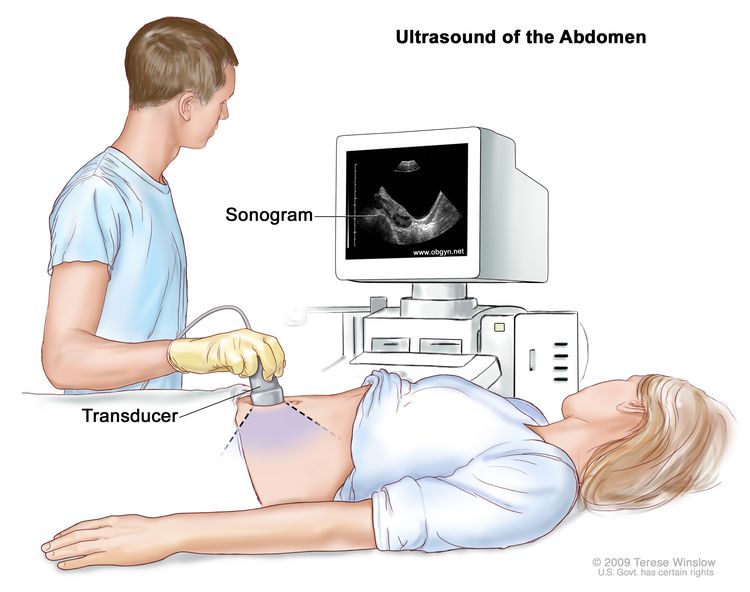
Carcinoma of Unknown Primary Treatment (PDQ®)–Patient Version

Carcinoma of Unknown Primary Treatment (PDQ®)–Patient Version

General Information About Carcinoma of Unknown Primary

Key Points

  • Carcinoma of unknown primary (CUP) is a rare disease in which malignant (cancer) cells are found in the body but the place the cancer began is not known.
  • Sometimes the primary cancer is never found.
  • The signs and symptoms of CUP are different, depending on where the cancer has spread in the body.
  • Because the place where the cancer started is not known, many tests and procedures may be done to search for the primary cancer.
  • If tests show there may be cancer, a biopsy is done.
  • When the type of cancer cells or tissue removed is different from the type of cancer cells expected to be found, a diagnosis of CUP may be made.
  • Tests and procedures used to find the primary cancer depend on where the cancer has spread.
  • Certain factors affect prognosis (chance of recovery).

Carcinoma of unknown primary (CUP) is a rare disease in which malignant (cancer) cells are found in the body but the place the cancer began is not known.

Cancer can form in any tissue of the body. The primary cancer (the cancer that first formed) can spread to other parts of the body. This process is called metastasis. Cancer cells usually look like the cells in the type of tissue in which the cancer began. For example, breast cancer cells may spread to the lung. Because the cancer began in the breast, the cancer cells in the lung look like breast cancer cells.
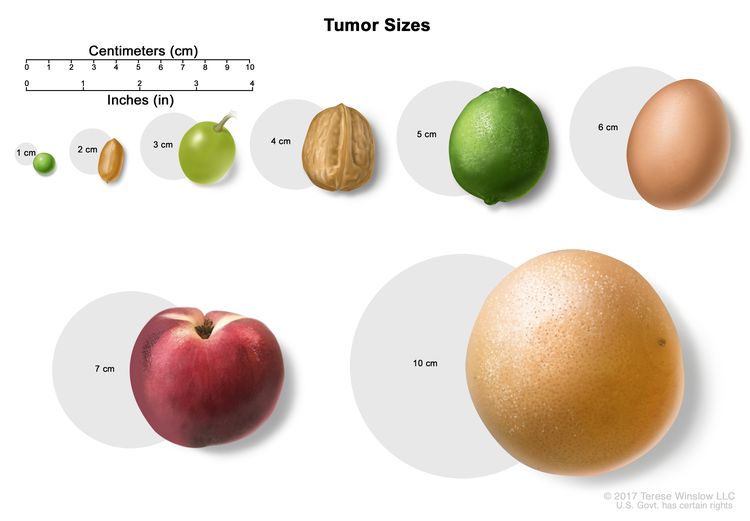
Sometimes doctors find where the cancer has spread but cannot find where in the body the cancer first began to grow. This type of cancer is called a cancer of unknown primary (CUP) or occult primary tumor.

EnlargeCancer of unknown primary; drawing shows a primary tumor that has spread from an unknown site to other parts of the body (the lung and the brain). An inset shows cancer cells spreading from the primary cancer, through the blood and lymph systems, to another part of the body where a metastatic tumor has formed.
In cancer of unknown primary, cancer cells have spread in the body but the place where the primary cancer began is not known.

Tests are done to find where the primary cancer began and to get information about where the cancer has spread. When tests are able to find the primary cancer, the cancer is no longer a CUP and treatment is based on the type of primary cancer.

Sometimes the primary cancer is never found.

The primary cancer (the cancer that first formed) may not be found for one of the following reasons:

  • The primary cancer is very small and grows slowly.
  • The body’s immune system killed the primary cancer.
  • The primary cancer was removed during surgery for another condition and doctors didn’t know cancer had formed. For example, a uterus with cancer may be removed during a hysterectomy to treat a serious infection.

The signs and symptoms of CUP are different, depending on where the cancer has spread in the body.

Sometimes CUP does not cause any signs or symptoms. Signs and symptoms may be caused by CUP or by other conditions. Check with your doctor if you have any of the following:

Because the place where the cancer started is not known, many tests and procedures may be done to search for the primary cancer.

The following tests and procedures may be used:

  • Physical exam and health history: An exam of the body to check general signs of health, including checking for signs of disease, such as lumps or anything else that seems unusual. A history of the patient’s health habits and past illnesses and treatments will also be taken.
  • Urinalysis: A test to check the color of urine and its contents, such as sugar, protein, blood, and bacteria.
  • Blood chemistry studies: A procedure in which a blood sample is checked to measure the amounts of certain substances released into the blood by organs and tissues in the body. An unusual (higher or lower than normal) amount of a substance can be a sign of disease.
  • Complete blood count: A procedure in which a sample of blood is drawn and checked for the following:
  • Fecal occult blood test: A test to check stool (solid waste) for blood that can only be seen with a microscope. Small samples of stool are placed on special cards and returned to the doctor or laboratory for testing. Because some cancers bleed, blood in the stool may be a sign of cancer in the colon or rectum.

If tests show there may be cancer, a biopsy is done.

A biopsy is the removal of cells or tissues so they can be viewed under a microscope by a pathologist. The pathologist views the tissue under a microscope to look for cancer cells and to find out the type of cancer. The type of biopsy that is done depends on the part of the body being tested for cancer. One of the following types of biopsies may be used:

If cancer is found, one or more of the following laboratory tests may be used to study the tissue samples and find out the type of cancer:

  • Genetic analysis: A laboratory test in which the DNA in a sample of cancer cells or tissue is studied to check for mutations (changes) that may help predict the best treatment for carcinoma of unknown primary.
  • Histologic study: A laboratory test in which stains are added to a sample of cancer cells or tissue and viewed under a microscope to look for certain changes in the cells. Certain changes in the cells are linked to certain types of cancer.
  • Immunohistochemistry: A laboratory test that uses antibodies to check for certain antigens (markers) in a sample of a patient’s tissue. The antibodies are usually linked to an enzyme or a fluorescent dye. After the antibodies bind to a specific antigen in the tissue sample, the enzyme or dye is activated, and the antigen can then be seen under a microscope. This type of test is used to help diagnose cancer and to help tell one type of cancer from another type of cancer.
  • Reverse transcription–polymerase chain reaction (RT–PCR) test: A laboratory test in which the amount of a genetic substance called mRNA made by a specific gene is measured. An enzyme called reverse transcriptase is used to convert a specific piece of RNA into a matching piece of DNA, which can be amplified (made in large numbers) by another enzyme called DNA polymerase. The amplified DNA copies help tell whether a specific mRNA is being made by a gene. RT–PCR can be used to check the activation of certain genes that may indicate the presence of cancer cells. This test may be used to look for certain changes in a gene or chromosome, which may help diagnose cancer.
  • Cytogenetic analysis: A laboratory test in which the chromosomes of cells in a sample of tumor tissue are counted and checked for any changes, such as broken, missing, rearranged, or extra chromosomes. Changes in certain chromosomes may be a sign of cancer. Cytogenetic analysis is used to help diagnose cancer, plan treatment, or find out how well treatment is working. Changes in certain chromosomes are linked to certain types of cancer.
  • Light and electron microscopy: A laboratory test in which cells in a sample of tissue are viewed under regular and high-powered microscopes to look for certain changes in the cells.

When the type of cancer cells or tissue removed is different from the type of cancer cells expected to be found, a diagnosis of CUP may be made.

The cells in the body have a certain look that depends on the type of tissue they come from. For example, a sample of cancer tissue taken from the breast is expected to be made up of breast cells. However, if the sample of tissue is a different type of cell (not made up of breast cells), it is likely that the cells have spread to the breast from another part of the body. In order to plan treatment, doctors first try to find the primary cancer (the cancer that first formed).

Tests and procedures used to find the primary cancer depend on where the cancer has spread.

In some cases, the part of the body where cancer cells are first found helps the doctor decide which diagnostic tests will be most helpful.

  • When cancer is found above the diaphragm (the thin muscle under the lungs that helps with breathing), the primary cancer site is likely to be in the upper part of the body, such as in the lung or breast.
  • When cancer is found below the diaphragm, the primary cancer site is likely to be in the lower part of the body, such as the pancreas, liver, or other organ in the abdomen.
  • Some cancers commonly spread to certain areas of the body. For cancer found in the lymph nodes in the neck, the primary cancer site is likely to be in the head or neck, because head and neck cancers often spread to the lymph nodes in the neck.

The following tests and procedures may be done to find where the cancer first began:

  • CT scan (CAT scan): A procedure that makes a series of detailed pictures of areas inside the body, such as the chest or abdomen, taken from different angles. The pictures are made by a computer linked to an x-ray machine. A dye may be injected into a vein or swallowed to help the organs or tissues show up more clearly. This procedure is also called computed tomography, computerized tomography, or computerized axial tomography.
  • MRI (magnetic resonance imaging): A procedure that uses a magnet, radio waves, and a computer to make a series of detailed pictures of areas inside the body. This procedure is also called nuclear magnetic resonance imaging (NMRI).
  • PET scan (positron emission tomography scan): A procedure to find malignant tumor cells in the body. A small amount of radioactive glucose (sugar) is injected into a vein. The PET scanner rotates around the body and makes a picture of where glucose is being used in the body. Malignant tumor cells show up brighter in the picture because they are more active and take up more glucose than normal cells do.
  • Mammogram: An x-ray of the breast.
  • Endoscopy: A procedure to look at organs and tissues inside the body to check for abnormal areas. An endoscope is inserted through an incision (cut) in the skin or opening in the body, such as the mouth. An endoscope is a thin, tube-like instrument with a light and a lens for viewing. It may also have a tool to remove tissue or lymph node samples, which are checked under a microscope for signs of disease. For example, a colonoscopy may be done.
  • Tumor marker test: A procedure in which a sample of blood, urine, or tissue is checked to measure the amounts of certain substances made by organs, tissues, or tumor cells in the body. Certain substances are linked to specific types of cancer when found in increased levels in the body. These are called tumor markers. The blood may be checked for the levels of CA-125, CgA, alpha-fetoprotein (AFP), beta human chorionic gonadotropin (beta-hCG), or prostate-specific antigen (PSA).

Sometimes, none of the tests can find the primary cancer site. In these cases, treatment may be based on what the doctor thinks is the most likely type of cancer.

Certain factors affect prognosis (chance of recovery).

The prognosis depends on the following:

  • Where the cancer began in the body and where it has spread.
  • The number of organs with cancer in them.
  • The way the tumor cells look when viewed under a microscope.
  • Whether the patient is male or female.
  • Whether the cancer has just been diagnosed or has recurred (come back).

For most patients with CUP, current treatments do not cure the cancer. Patients may want to take part in one of the many clinical trials being done to improve treatment. Clinical trials for CUP are taking place in many parts of the country. Information about clinical trials is available from the NCI website.

Stages of Carcinoma of Unknown Primary

Key Points

  • There is no standard staging system for carcinoma of unknown primary (CUP).
  • The information that is known about the cancer is used to plan treatment.

There is no standard staging system for carcinoma of unknown primary (CUP).

The extent or spread of cancer is usually described as stages. The stage of the cancer is usually used to plan treatment. However, carcinoma of unknown primary (CUP) has already spread to other parts of the body when it is found. There is no standard staging system for CUP.

Sometimes CUP recurs (comes back) after treatment.

The information that is known about the cancer is used to plan treatment.

Doctors use the following types of information to plan treatment:

Treatment Option Overview

Key Points

  • There are different types of treatment for patients with carcinoma of unknown primary (CUP).
  • Four types of standard treatment are used:
    • Surgery
    • Radiation therapy
    • Chemotherapy
    • Hormone therapy
  • New types of treatment are being tested in clinical trials.
  • Treatment for carcinoma of unknown primary may cause side effects.
  • Patients may want to think about taking part in a clinical trial.
  • Patients can enter clinical trials before, during, or after starting their cancer treatment.

There are different types of treatment for patients with carcinoma of unknown primary (CUP).

Different types of treatment are available for patients with CUP. Some treatments are standard (the currently used treatment), and some are being tested in clinical trials. A treatment clinical trial is a research study meant to help improve current treatments or obtain information on new treatments for patients with cancer. When clinical trials show that a new treatment is better than the standard treatment, the new treatment may become the standard treatment. Patients may want to think about taking part in a clinical trial. Some clinical trials are open only to patients who have not started treatment.

Four types of standard treatment are used:

Surgery

Surgery is a common treatment for CUP. A doctor may remove the cancer and some of the healthy tissue around it.

After the doctor removes all the cancer that can be seen at the time of the surgery, some patients may be given chemotherapy or radiation therapy after surgery to kill any cancer cells that are left. Treatment given after the surgery, to lower the risk that cancer will come back, is called adjuvant therapy.

Radiation therapy

Radiation therapy is a cancer treatment that uses high-energy x-rays or other types of radiation to kill cancer cells or keep them from growing. There are two types of radiation therapy:

  • External radiation therapy uses a machine outside the body to send radiation toward the area of the body with cancer. Certain ways of giving radiation therapy can help keep radiation from damaging nearby healthy tissue. This type of radiation therapy may include the following:
    • Intensity-modulated radiation therapy (IMRT): IMRT is a type of 3-dimensional (3-D) radiation therapy that uses a computer to make pictures of the size and shape of the tumor. Thin beams of radiation of different intensities (strengths) are aimed at the tumor from many angles. This type of external radiation therapy causes less damage to nearby healthy tissue and is less likely to cause dry mouth, trouble swallowing, and damage to the skin.
  • Internal radiation therapy uses a radioactive substance sealed in needles, seeds, wires, or catheters that are placed directly into or near the cancer.

The way the radiation therapy is given depends on the type and stage of the cancer being treated. External and internal radiation therapy are used to treat carcinoma of unknown primary.

Chemotherapy

Chemotherapy is a cancer treatment that uses drugs to stop the growth of cancer cells, either by killing the cells or by stopping them from dividing. When chemotherapy is taken by mouth or injected into a vein or muscle, the drugs enter the bloodstream and can reach cancer cells throughout the body (systemic chemotherapy). When chemotherapy is placed directly into the cerebrospinal fluid, an organ, or a body cavity such as the abdomen, the drugs mainly affect cancer cells in those areas (regional chemotherapy). Combination chemotherapy is the use of two or more anticancer drugs.

Hormone therapy

Hormone therapy is a cancer treatment that removes hormones or blocks their action and stops cancer cells from growing. Hormones are substances made by glands in the body and circulated in the bloodstream. Some hormones can cause certain cancers to grow. If tests show that the cancer cells have places where hormones can attach (receptors), drugs, surgery, or radiation therapy are used to reduce the production of hormones or block them from working.

New types of treatment are being tested in clinical trials.

Information about clinical trials is available from the NCI website.

Treatment for carcinoma of unknown primary may cause side effects.

For information about side effects caused by treatment for cancer, visit our Side Effects page.

Patients may want to think about taking part in a clinical trial.

For some patients, taking part in a clinical trial may be the best treatment choice. Clinical trials are part of the cancer research process. Clinical trials are done to find out if new cancer treatments are safe and effective or better than the standard treatment.

Many of today’s standard treatments for cancer are based on earlier clinical trials. Patients who take part in a clinical trial may receive the standard treatment or be among the first to receive a new treatment.

Patients who take part in clinical trials also help improve the way cancer will be treated in the future. Even when clinical trials do not lead to effective new treatments, they often answer important questions and help move research forward.

Patients can enter clinical trials before, during, or after starting their cancer treatment.

Some clinical trials only include patients who have not yet received treatment. Other trials test treatments for patients whose cancer has not gotten better. There are also clinical trials that test new ways to stop cancer from recurring (coming back) or reduce the side effects of cancer treatment.

Clinical trials are taking place in many parts of the country. Information about clinical trials supported by NCI can be found on NCI’s clinical trials search webpage. Clinical trials supported by other organizations can be found on the ClinicalTrials.gov website.

Treatment of Newly Diagnosed Carcinoma of Unknown Primary

Cervical (Neck) Lymph Nodes

For information about the treatments listed below, see the Treatment Option Overview section.

Cancer found in cervical (neck) lymph nodes may have spread from a tumor in the head or neck. Treatment of cervical lymph node carcinoma of unknown primary (CUP) may include the following:

See the PDQ summary on Metastatic Squamous Neck Cancer with Occult Primary Treatment for more information.

Poorly Differentiated Carcinomas

For information about the treatments listed below, see the Treatment Option Overview section.

Cancer cells that are poorly differentiated look very different from normal cells. The type of cell they came from is not known. Treatment of poorly differentiated carcinoma of unknown primary, including tumors in the neuroendocrine system (the part of the brain that controls hormone-producing glands throughout the body) may include the following:

Women with Peritoneal Cancer

For information about the treatments listed below, see the Treatment Option Overview section.

Treatment for women who have peritoneal (lining of the abdomen) carcinoma of unknown primary may be the same as for ovarian cancer. Treatment may include the following:

See the PDQ summary on Ovarian Epithelial, Fallopian Tube, and Primary Peritoneal Cancer Treatment for more information.

Isolated Axillary Lymph Node Metastasis

For information about the treatments listed below, see the Treatment Option Overview section.

Cancer found only in the axillary (armpit) lymph nodes may have spread from a tumor in the breast.

Treatment of axillary lymph node metastasis is usually:

  • Surgery to remove the lymph nodes.

Treatment also may include one or more of the following:

Inguinal Lymph Node Metastasis

For information about the treatments listed below, see the Treatment Option Overview section.

Cancer found only in the inguinal (groin) lymph nodes most likely began in the genital, anal, or rectal area. Treatment of inguinal lymph node metastasis may include the following:

Melanoma in a Single Lymph Node Area

For information about the treatments listed below, see the Treatment Option Overview section.

Treatment of melanoma that is found only in a single lymph node area is usually:

  • Surgery to remove the lymph nodes.

See PDQ summary on Melanoma Treatment for more information.

Multiple Involvement

For information about the treatments listed below, see the Treatment Option Overview section.

There is no standard treatment for carcinoma of unknown primary that is found in several different areas of the body. Treatment may include the following:

Use our clinical trial search to find NCI-supported cancer clinical trials that are accepting patients. You can search for trials based on the type of cancer, the age of the patient, and where the trials are being done. General information about clinical trials is also available.

Treatment of Recurrent Carcinoma of Unknown Primary

For information about the treatments listed below, see the Treatment Option Overview section.

Treatment for recurrent carcinoma of unknown primary is usually within a clinical trial. Treatment depends on the following:

  • The type of cancer.
  • How the cancer was treated before.
  • Where the cancer has come back in the body.
  • The condition and wishes of the patient.

Use our clinical trial search to find NCI-supported cancer clinical trials that are accepting patients. You can search for trials based on the type of cancer, the age of the patient, and where the trials are being done. General information about clinical trials is also available.

To Learn More About Carcinoma of Unknown Primary

About This PDQ Summary

About PDQ

Physician Data Query (PDQ) is the National Cancer Institute’s (NCI’s) comprehensive cancer information database. The PDQ database contains summaries of the latest published information on cancer prevention, detection, genetics, treatment, supportive care, and complementary and alternative medicine. Most summaries come in two versions. The health professional versions have detailed information written in technical language. The patient versions are written in easy-to-understand, nontechnical language. Both versions have cancer information that is accurate and up to date and most versions are also available in Spanish.

PDQ is a service of the NCI. The NCI is part of the National Institutes of Health (NIH). NIH is the federal government’s center of biomedical research. The PDQ summaries are based on an independent review of the medical literature. They are not policy statements of the NCI or the NIH.

Purpose of This Summary

This PDQ cancer information summary has current information about the treatment of carcinoma of unknown primary. It is meant to inform and help patients, families, and caregivers. It does not give formal guidelines or recommendations for making decisions about health care.

Reviewers and Updates

Editorial Boards write the PDQ cancer information summaries and keep them up to date. These Boards are made up of experts in cancer treatment and other specialties related to cancer. The summaries are reviewed regularly and changes are made when there is new information. The date on each summary (“Updated”) is the date of the most recent change.

The information in this patient summary was taken from the health professional version, which is reviewed regularly and updated as needed, by the PDQ Adult Treatment Editorial Board.

Clinical Trial Information

A clinical trial is a study to answer a scientific question, such as whether one treatment is better than another. Trials are based on past studies and what has been learned in the laboratory. Each trial answers certain scientific questions in order to find new and better ways to help cancer patients. During treatment clinical trials, information is collected about the effects of a new treatment and how well it works. If a clinical trial shows that a new treatment is better than one currently being used, the new treatment may become “standard.” Patients may want to think about taking part in a clinical trial. Some clinical trials are open only to patients who have not started treatment.

Clinical trials can be found online at NCI’s website. For more information, call the Cancer Information Service (CIS), NCI’s contact center, at 1-800-4-CANCER (1-800-422-6237).

Permission to Use This Summary

PDQ is a registered trademark. The content of PDQ documents can be used freely as text. It cannot be identified as an NCI PDQ cancer information summary unless the whole summary is shown and it is updated regularly. However, a user would be allowed to write a sentence such as “NCI’s PDQ cancer information summary about breast cancer prevention states the risks in the following way: [include excerpt from the summary].”

The best way to cite this PDQ summary is:

PDQ® Adult Treatment Editorial Board. PDQ Carcinoma of Unknown Primary Treatment. Bethesda, MD: National Cancer Institute. Updated <MM/DD/YYYY>. Available at: /types/unknown-primary/patient/unknown-primary-treatment-pdq. Accessed <MM/DD/YYYY>. [PMID: 26389238]

Images in this summary are used with permission of the author(s), artist, and/or publisher for use in the PDQ summaries only. If you want to use an image from a PDQ summary and you are not using the whole summary, you must get permission from the owner. It cannot be given by the National Cancer Institute. Information about using the images in this summary, along with many other images related to cancer can be found in Visuals Online. Visuals Online is a collection of more than 3,000 scientific images.

Disclaimer

The information in these summaries should not be used to make decisions about insurance reimbursement. More information on insurance coverage is available on Cancer.gov on the Managing Cancer Care page.

Contact Us

More information about contacting us or receiving help with the Cancer.gov website can be found on our Contact Us for Help page. Questions can also be submitted to Cancer.gov through the website’s E-mail Us.