Nutrition in Cancer Care (PDQ®)–Health Professional Version

Nutrition in Cancer Care (PDQ®)–Health Professional Version

Basic Principles of Nutrition in Patients With Cancer

The nutrition status of patients with cancer can vary at presentation and through the continuum of cancer care. Many patients experience unintentional weight loss leading to a diagnosis of cancer.[1,2] Studies have reported malnutrition in 30% to 85% of patients with cancer.[3,4] In addition, malnutrition increases treatment toxicities, diminishes quality of life, and accounts for 10% to 20% of mortality in patients with cancer.[5][Level of evidence: IV] Because there has previously been no universal definition of malnutrition, reports of malnutrition occurrence vary and may be underreported or overreported in different populations. Historically, weight loss, low body mass index (BMI), and serum albumin levels have been used as surrogate markers for malnutrition.[6,7]

Emerging evidence supports that loss of lean body mass (sarcopenia) in patients with cancer is an independent risk factor for poorer outcomes, and that in the setting of obesity, unlike in other diseases where weight loss may be welcomed, inappropriate loss of weight may lead to loss of muscle mass and poorer outcomes.[1,2,8,9] However, there is no universal definition of sarcopenia, and there are no simple methods to identify the condition, limiting application in clinical practice.[10]

The leading nutrition societies of the United States and Europe have developed consensus guidelines regarding standardized definitions of malnutrition, and the U.S. societies have developed criteria for assessment of malnutrition including weight loss.[7,11,12]

Malnutrition

In 2010, the American Society for Parenteral and Enteral Nutrition (ASPEN) and the European Society for Clinical Nutrition and Metabolism published their proposed etiology-based definitions of malnutrition. These have been accepted by both groups and the Academy of Nutrition and Dietetics (the Academy).[7,11,13] The definitions and characteristics of malnutrition have also been accepted by the Academy’s Oncology Nutrition Evidence Analysis Library Work Group.[14]

Etiology-based definitions of malnutrition include the following:

  • Starvation-related malnutrition: pure chronic starvation (e.g., anorexia nervosa).
  • Chronic disease–related malnutrition (e.g., organ failure, pancreatic cancer, rheumatoid arthritis, and sarcopenic obesity, resulting in mild to moderate inflammation).
  • Acute disease–related or injury-related malnutrition (e.g., major infection, burns, trauma, and closed head injury, resulting in moderate to severe inflammation).

In 2012, ASPEN and the Academy released a joint statement regarding assessment of malnutrition.[12] The statement serves as a guide for nutrition assessment, including nutrition-focused physical assessment, to determine nutrition status. The assessment takes into consideration that obesity may mask malnutrition and that weight and BMI alone are not good surrogates for nutrition status.[13] The consensus statement provides the criteria for evaluating each of the following six potential indicators of malnutrition, with the recommendation that if two or more characteristics are present, the diagnosis of malnutrition is warranted.

  • Insufficient energy intake.
  • Weight loss.
  • Loss of muscle mass.
  • Loss of subcutaneous fat.
  • Localized or generalized fluid accumulation that may sometimes mask weight loss.
  • Diminished functional status as measured by hand grip strength.

Significant Weight Loss

Weight loss is often used as a surrogate for malnutrition. It has been correlated with adverse outcomes, including increased incidence and severity of treatment side effects and increased risk of infection, thereby reducing chances for survival.[15] Weight loss has been used as an indicator of poor prognosis in cancer patients.[16] One limitation of using weight loss as a surrogate for malnutrition is that it does not take into account the time course of the weight loss or the type of tissue loss.[7] In addition, weight may be affected by fluid shifts and may represent changes in hydration status, edema, or ascites rather than actual changes in fat and lean body mass.

The major nutrition societies in the United States have published criteria for the evaluation of weight loss over time and classifications as moderate or severe [12] (see Table 1). It is important that changes in weight be evaluated in the context of other clinical characteristics of underhydration or overhydration.

Table 1. Interpretation of Adult Weight Lossa
Time % Weight Loss for Non-Severe (Moderate) Malnutrition % Weight Loss for Severe Malnutrition
aAdapted from White et al.[12]
1 week 1–2 >2
1 month 5 >5
3 months 7.5 >7.5
6 months 10 >10
1 year 20 >20

Anorexia and Cachexia

Anorexia, the loss of appetite or desire to eat, is typically present in 15% to 25% of all patients with cancer at diagnosis and may also occur as a side effect of treatments or related to the tumor itself. In an observational study of patients in outpatient clinics, anorexia was reported by 26% of patients receiving chemotherapy.[17] Anorexia can be exacerbated by chemotherapy and radiation therapy side effects such as taste and smell changes, nausea, and vomiting. Surgical procedures, including esophagectomy and gastrectomy, may produce early satiety, a premature feeling of fullness.[18] Depression, loss of personal interests or hope, and anxious thoughts may be enough to bring about anorexia and result in malnutrition.[19] Anorexia is an almost-universal symptom in individuals with widely metastatic disease [20,21] because of physiologic alterations in metabolism during carcinogenesis.

Anorexia can hasten the course of cachexia,[19] a progressive wasting syndrome evidenced by weakness and a marked and progressive loss of body weight, fat, and muscle. It can develop in individuals who have adequate protein and calorie intake but have primary cachexia whereby tumor-related factors prevent maintenance of fat and muscle. Patients with diseases of the gastrointestinal tract are particularly at risk of developing anorexia. For more information, see the Tumor metabolism section.

Sarcopenia

Sarcopenia is the condition of severe muscle depletion.[1] The importance of lean body mass is shown in studies of sarcopenia in cancer. A meta-analysis of 38 studies found that a low skeletal muscle index at cancer diagnosis was associated with worse survival in patients with solid tumors.[8] Other studies have also reported poorer overall survival and increased chemotherapy toxicity in patients with sarcopenia.[1,2,9] Sarcopenic obesity may represent a chronic low-level inflammatory state that, as with disease-related malnutrition, often limits the effectiveness of nutrition interventions and requires successful treatment of the underlying disease or condition.[11] Sarcopenia is associated with increased toxicity of treatment and therefore treatment interruptions and dose reductions. It is reported to occur in 50% of patients with advanced cancer.[2224]

Sarcopenic obesity is the presence of sarcopenia in individuals with a high BMI (≥25 kg/m2), often precipitated by the loss of skeletal muscle and gain of adipose tissue. Sarcopenic obesity is an independent risk factor for poor prognosis.[1,25,26]

It is important to identify and anticipate malnutrition and other nutrition impact symptoms early. (Nutrition impact symptoms are a range of side effects of cancer and cancer treatment that impede oral intake, e.g., alterations in taste and smell, mucositis, dysphagia, stomatitis, nausea, vomiting, diarrhea, constipation, malabsorption, pain, depression, and anxiety.) Nutrition intervention improves outcomes by helping a patient do the following:[4,6,16,22,2729]

  • Maintain weight.
  • Maintain the ability to stay on the intended treatment regimen with fewer changes.
  • Improve quality of life.
  • Produce better surgical outcomes.

It is suggested that the treating clinician assess baseline nutrition status and be aware of the possible implications of the various therapies. Patients receiving aggressive cancer therapies typically need aggressive nutrition management. For more information, see the Nutrition Screening and Assessment section.

In this summary, unless otherwise stated, evidence and practice issues as they relate to adults are discussed. The evidence and application to practice related to children may differ significantly from information related to adults. When specific information about the care of children is available, it is summarized under its own heading.

References
  1. Martin L, Birdsell L, Macdonald N, et al.: Cancer cachexia in the age of obesity: skeletal muscle depletion is a powerful prognostic factor, independent of body mass index. J Clin Oncol 31 (12): 1539-47, 2013. [PUBMED Abstract]
  2. Prado CM, Baracos VE, McCargar LJ, et al.: Sarcopenia as a determinant of chemotherapy toxicity and time to tumor progression in metastatic breast cancer patients receiving capecitabine treatment. Clin Cancer Res 15 (8): 2920-6, 2009. [PUBMED Abstract]
  3. Bozzetti F, Mariani L, Lo Vullo S, et al.: The nutritional risk in oncology: a study of 1,453 cancer outpatients. Support Care Cancer 20 (8): 1919-28, 2012. [PUBMED Abstract]
  4. Hébuterne X, Lemarié E, Michallet M, et al.: Prevalence of malnutrition and current use of nutrition support in patients with cancer. JPEN J Parenter Enteral Nutr 38 (2): 196-204, 2014. [PUBMED Abstract]
  5. Muscaritoli M, Arends J, Bachmann P, et al.: ESPEN practical guideline: Clinical Nutrition in cancer. Clin Nutr 40 (5): 2898-2913, 2021. [PUBMED Abstract]
  6. Baldwin C, Spiro A, Ahern R, et al.: Oral nutritional interventions in malnourished patients with cancer: a systematic review and meta-analysis. J Natl Cancer Inst 104 (5): 371-85, 2012. [PUBMED Abstract]
  7. Marian M, August DA: Prevalence of malnutrition and current use of nutrition support in cancer patient study. JPEN J Parenter Enteral Nutr 38 (2): 163-5, 2014. [PUBMED Abstract]
  8. Shachar SS, Williams GR, Muss HB, et al.: Prognostic value of sarcopenia in adults with solid tumours: A meta-analysis and systematic review. Eur J Cancer 57: 58-67, 2016. [PUBMED Abstract]
  9. Kazemi-Bajestani SM, Mazurak VC, Baracos V: Computed tomography-defined muscle and fat wasting are associated with cancer clinical outcomes. Semin Cell Dev Biol 54: 2-10, 2016. [PUBMED Abstract]
  10. Beaudart C, McCloskey E, Bruyère O, et al.: Sarcopenia in daily practice: assessment and management. BMC Geriatr 16 (1): 170, 2016. [PUBMED Abstract]
  11. Jensen GL, Mirtallo J, Compher C, et al.: Adult starvation and disease-related malnutrition: a proposal for etiology-based diagnosis in the clinical practice setting from the International Consensus Guideline Committee. JPEN J Parenter Enteral Nutr 34 (2): 156-9, 2010 Mar-Apr. [PUBMED Abstract]
  12. White JV, Guenter P, Jensen G, et al.: Consensus statement: Academy of Nutrition and Dietetics and American Society for Parenteral and Enteral Nutrition: characteristics recommended for the identification and documentation of adult malnutrition (undernutrition). JPEN J Parenter Enteral Nutr 36 (3): 275-83, 2012. [PUBMED Abstract]
  13. White JV, Guenter P, Jensen G, et al.: Consensus statement of the Academy of Nutrition and Dietetics/American Society for Parenteral and Enteral Nutrition: characteristics recommended for the identification and documentation of adult malnutrition (undernutrition). J Acad Nutr Diet 112 (5): 730-8, 2012. [PUBMED Abstract]
  14. Levin R: Nutrition risk screening and assessment of the oncology patient. In: Leser M, Ledesma N, Bergerson S, et al., eds.: Oncology Nutrition for Clinical Practice. Oncology Nutrition Dietetic Practice Group, 2018, pp 25-32.
  15. Vigano A, Watanabe S, Bruera E: Anorexia and cachexia in advanced cancer patients. Cancer Surv 21: 99-115, 1994. [PUBMED Abstract]
  16. McMahon K, Decker G, Ottery FD: Integrating proactive nutritional assessment in clinical practices to prevent complications and cost. Semin Oncol 25 (2 Suppl 6): 20-7, 1998. [PUBMED Abstract]
  17. Tong H, Isenring E, Yates P: The prevalence of nutrition impact symptoms and their relationship to quality of life and clinical outcomes in medical oncology patients. Support Care Cancer 17 (1): 83-90, 2009. [PUBMED Abstract]
  18. Rivadeneira DE, Evoy D, Fahey TJ, et al.: Nutritional support of the cancer patient. CA Cancer J Clin 48 (2): 69-80, 1998 Mar-Apr. [PUBMED Abstract]
  19. Bruera E: ABC of palliative care. Anorexia, cachexia, and nutrition. BMJ 315 (7117): 1219-22, 1997. [PUBMED Abstract]
  20. Langstein HN, Norton JA: Mechanisms of cancer cachexia. Hematol Oncol Clin North Am 5 (1): 103-23, 1991. [PUBMED Abstract]
  21. Tisdale MJ: Cancer cachexia. Anticancer Drugs 4 (2): 115-25, 1993. [PUBMED Abstract]
  22. Academy of Nutrition and Dietetics Oncology Expert Work Group: Nutrition and the Adult Oncology Patient. Chicago, Ill: Academy of Nutrition and Dietetics Evidence Analysis Library, 2013.
  23. Cushen SJ, Power DG, Ryan AM: Nutrition assessment in oncology. Top Clin Nutr 30 (1): 103-19, 2015.
  24. de van der Schueren M, Elia M, Gramlich L, et al.: Clinical and economic outcomes of nutrition interventions across the continuum of care. Ann N Y Acad Sci 1321: 20-40, 2014. [PUBMED Abstract]
  25. Prado CM, Lieffers JR, McCargar LJ, et al.: Prevalence and clinical implications of sarcopenic obesity in patients with solid tumours of the respiratory and gastrointestinal tracts: a population-based study. Lancet Oncol 9 (7): 629-35, 2008. [PUBMED Abstract]
  26. Carneiro IP, Mazurak VC, Prado CM: Clinical Implications of Sarcopenic Obesity in Cancer. Curr Oncol Rep 18 (10): 62, 2016. [PUBMED Abstract]
  27. Aapro M, Arends J, Bozzetti F, et al.: Early recognition of malnutrition and cachexia in the cancer patient: a position paper of a European School of Oncology Task Force. Ann Oncol 25 (8): 1492-9, 2014. [PUBMED Abstract]
  28. Baldwin C, Weekes CE: Dietary counselling with or without oral nutritional supplements in the management of malnourished patients: a systematic review and meta-analysis of randomised controlled trials. J Hum Nutr Diet 25 (5): 411-26, 2012. [PUBMED Abstract]
  29. Ravasco P, Monteiro-Grillo I, Vidal PM, et al.: Dietary counseling improves patient outcomes: a prospective, randomized, controlled trial in colorectal cancer patients undergoing radiotherapy. J Clin Oncol 23 (7): 1431-8, 2005. [PUBMED Abstract]

Impediments to Adequate Nutrition

Influences on nutrition status and risk of malnutrition include the following:[1]

  • Baseline nutrition status.
  • Disease site.
  • Stage of disease.
  • Treatment approach.

Treatment approaches, including surgery, chemotherapy, and radiation therapy, can have a direct (mechanical) negative effect and/or an indirect (metabolic) negative effect on nutrition status. The success of anticancer therapy is affected by the patient’s nutrition status before and during treatment, which influences the patient’s ability to tolerate therapy.

Oral intake is impeded by the following nutrition impact symptoms:[2]

  • Anorexia.
  • Alterations in taste and smell.
  • Mucositis.
  • Dysphagia.
  • Stomatitis.
  • Nausea.
  • Vomiting.
  • Diarrhea.
  • Constipation.
  • Malabsorption.
  • Pain.
  • Depression.
  • Anxiety.

Preexisting comorbidities may also play a role in the development of cancer, e.g., alcohol abuse (head and neck cancer) and obesity (breast or prostate cancer), or may increase the risk of malnutrition at presentation.[3,4]

Tumor-Induced Effects on Nutrition Status

Tumors may have systemic or local effects that affect nutrition status, including hypermetabolism, malabsorption, dysmotility, and obstructions.[5]

Disease site

Nutrition complications are usually most notable and severe with tumors involving the digestive tract or head and neck, owing to mechanical obstruction or dysfunction. See Table 2 for common side effects of tumor locations.

Table 2. Common Side Effects Related to Tumor Locationa
Common Side Effects Tumor Location
aAdapted from McGuire,[6] Leser,[7] Gill,[8] Nguyen et al.,[9] and Petzel.[10]
  Head/Neck Esophagus, Stomach Pancreas, Liver, Small Intestine Large Intestine
Dysphagia/odynophagia X X    
Xerostomia X      
Taste changes X      
Early satiety   X X  
Nausea/vomiting   X X  
Abdominal pain   X X  
Diarrhea/malabsorption   X X X
Constipation/obstruction     X X
Anorexia/weight loss   X X X

Tumor metabolism

Nutrition status can be compromised in direct response to tumor-induced alterations in metabolism (i.e., cachexia). Tumor-induced weight loss occurs frequently in patients with solid tumors of the lung, pancreas, and upper gastrointestinal (GI) tract and less often in patients with breast cancer or lower GI cancer. Cachexia is also more common with more-advanced disease.

In 2011, an international group of experts developed a consensus definition of cachexia as “a multifactorial syndrome defined by an ongoing loss of skeletal muscle mass…that cannot be fully reversed by conventional nutrition support and leads to progressive functional impairment.”[11] They classified three stages of cachexia and provided diagnostic criteria:

  • Precachexia: early signs (clinical and metabolic) that precede substantial weight loss.
  • Cachexia: the presence of significant weight loss or sarcopenia in the absence of simple starvation.
    • Weight loss >5% over the past 6 months or
    • Body mass index <20 kg/m2 and degree of weight loss >2% or
    • Sarcopenia and any degree of weight loss >2%.
  • Refractory cachexia: cachexia that is clinically refractory, usually associated with advanced-stage cancer or rapid progression of disease that is unresponsive to treatment.

Although anorexia may also be present, the energy deficit alone does not explain the pathogenesis of cachexia. The etiology of cancer cachexia is not entirely understood, but several factors have been proposed.[12] Mediators, including cytokines, neuropeptides, neurotransmitters, and tumor-derived factors, are postulated to contribute to this syndrome.[13] Products of host tissues (e.g., tumor necrosis factor-alpha, interleukin-1, interleukin-6, interferon-gamma, and leukemia inhibitor factor) have been identified as mediators of this complex syndrome; also, tumor products (e.g., lipid-mobilizing factor and proteolysis-inducing factor [not established as definite in humans]) have a direct catabolic effect on host tissues.[14]

Altered metabolism of fats, proteins, and carbohydrates is evident in patients with cancer cachexia. Tumors may impair glucose uptake and glucose oxidation, leading to an increased glycolysis.[15] Weight loss can occur from a decrease in energy intake and/or an increase in energy expenditure. Although anorexia is a common symptom of patients with cancer, studies have shown that increased caloric intake, whether by the oral route or by supplementation with total parenteral nutrition, has failed to counteract the wasting process. This aberrant metabolic rate appears to be a direct response by the tumor and immune system to disrupt the pathways that regulate the body-weight regulation homeostasis loop.[13]

Treatment-Induced Effects on Nutrition Status

Cancer treatments may cause acute and chronic effects. Nutrition intervention is based on symptom management. Patients who maintain good nutrition are more likely to tolerate the side effects of treatment. Adequate calories and protein can help maintain patient strength and prevent body tissues from further catabolism. Side effects of cancer treatments vary among patients, depending on the type, length, and dose of treatments and the type of cancer being treated (see Table 3). Cancer treatment has toxic effects on the GI tract, including the following:

  • Nausea.
  • Vomiting.
  • Constipation.
  • Diarrhea.
  • Xerostomia.
  • Mucositis.
  • Dysphagia.
  • Loss of appetite.
Table 3. Treatment-Induced Effects on Nutrition Statusa
Effect Treatment
aAdapted from Grant [16] and American Cancer Society.[17]
  Chemotherapy Radiation Therapy Biotherapy Hormone Therapy Surgery
Dysphagia X X      
Xerostomia X X      
Mucositis X X      
Taste changes X X      
Early satiety X       X
Nausea/vomiting X X X X X
Diarrhea X X X   X
Constipation X X X   X
Anorexia/weight loss X   X   X
Weight gain       X  

Chemotherapy and hormone therapy

Chemotherapy and hormone therapy can be used as single agents or in combination, depending on the disease type and patient’s health condition.[16,18] These agents are divided into several functional categories. For example, chemotherapy is a systemic treatment (not a localized treatment) that affects the whole body (not just a specific part) [19] and potentially causes more side effects when compared with localized treatments such as surgery and radiation therapy.

Common nutrition-related side effects include the following:

  • Anorexia.
  • Taste changes.
  • Early satiety.
  • Nausea.
  • Vomiting.
  • Mucositis/esophagitis.
  • Diarrhea.
  • Constipation.

Because cancer and the side effects of chemotherapy can greatly affect nutrition status, health care providers must anticipate possible problems and formulate a plan with the patient to prevent malnutrition and weight loss. Malnutrition and weight loss can affect a patient’s ability to regain health and acceptable blood counts between chemotherapy cycles; this can directly affect the patient’s ability to stay on treatment schedules, which is important for achieving a successful outcome. For more information, see the sections on Nutrition Screening and Assessment and Behavioral strategies for symptom management.

Patients receiving hormone suppression therapies are at risk of weight gain rather than weight loss. These patients may benefit from directed education to minimize weight gain and help reduce the risk of developing comorbidities associated with excess body weight.[20]

Radiation therapy

Radiation therapy causes localized symptoms. Some of the common nutrition-related side effects caused by irradiation include the following:[16]

  • Changes in taste or ability to swallow.
  • Nausea/vomiting.
  • Changes in bowel movements (usually diarrhea).
  • GI symptoms such as gas.

The side effects of radiation therapy depend on the area that is irradiated, total dose, fractionation, duration, and volume irradiated (see Table 4). Most side effects are acute, begin around the second or third week of treatment, and diminish 2 or 3 weeks after radiation therapy has been completed. Some side effects can be chronic and continue or occur after treatment has been completed.[21] For more information, see the Behavioral strategies for symptom management section.

Nutrition support during radiation therapy is vital. The effect of radiation therapy on healthy tissue in the treatment field can produce changes in normal physiologic function that may ultimately diminish a patient’s nutrition status by interfering with ingestion, digestion, or absorption of nutrients.

Many nutrition-related side effects result from radiation therapy. Quality of life and nutrition intake can be improved by managing these side effects through appropriate medical nutrition therapy and dietary modifications. For example, medications such as pilocarpine (Salagen) may be useful in treating the xerostomia that accompanies radiation therapy targeting the head and neck.[22] This medicine may reduce the need for artificial saliva agents or other oral comfort agents such as hard candy or sugarless gum.

Table 4. Radiation-Induced Effects on Nutrition Status by Treatment Sitea
Treatment Site Effect
aAdapted from Grant (tables 11-14–11-16),[16] Romano,[23] and Harris et al.[24]
  Xerostomia, mucositis, taste changes Dysphagia, odynophagia, esophagitis Nausea, vomiting Diarrhea Other acute Late side effects
Brain   X X   Loss of appetite Dysphagia
Head and neck X X     Thick saliva Trismus, dysphagia, xerostomia
Chest   X X   Loss of appetite Esophageal stenosis, fibrosis, or necrosis
Abdomen     X X   Chronic enteritis/colitis, intestinal stricture or obstruction
Pelvis and rectum     X X    

Surgery

For patients with most types of solid tumors, surgery is the only chance for a cure.[17] Although a tumor may be technically resectable, a meaningful recovery can depend on a patient’s preoperative nutrition status. Patients who are malnourished at the time of surgery are at higher risk of postoperative morbidity and mortality and longer hospital stays.[25,26] If time permits or if the surgical procedure may be delayed safely, steps can be taken to identify patients who are moderately to severely malnourished before surgery and to correct macronutrient and micronutrient deficiencies before surgery.[6,25] Choosing the best method to correct a nutrition deficiency depends on GI tract function; options include oral liquid nutrition supplements, and enteral or parenteral nutrition support. For more information, see the Nutrition Screening and Assessment section.

Surgical treatment can increase occurrence of or worsen malnutrition. Common side effects of surgery, especially to the GI tract or head and neck, include decreased appetite, decreased ability to take food by mouth, and early satiety, all of which can lead to worsening preexisting malnutrition or may cause previously adequately nourished patients to become malnourished after surgery.[26]

Depending on the procedure, surgery can cause mechanical or physiologic barriers to adequate nutrition, such as a short gut that results in malabsorption after bowel resection.[6] In addition to these mechanical barriers, surgery frequently leads to an immediate catabolic response and changes the nutrient requirements necessary for wound healing and recovery at a time when baseline needs and requirements are often not being met.[4]

For more information about approaches to nutrition intervention and the appropriate use of enteral and parenteral nutrition support, see the Nutrition support section.

Biotherapy

Biotherapy is treatment to boost the immune system to help enhance the body’s own response against cancer or to help repair normal cells damaged as a side effect of treatment.[18] Biotherapy includes growth factors, monoclonal antibodies, and vaccines. The symptoms of biotherapy that are most likely to impact nutrition status are fatigue, fever, nausea, vomiting, and diarrhea.[27]

Hemopoietic cell transplant (HCT)

Patients receiving HCT can have special nutrition requirements. Before cell transplant, patients receive high-dose chemotherapy and may be treated with total-body irradiation.[28,29] In addition to the medications used during transplant, these treatments frequently result in nutrition-related side effects, including mucositis and significant diarrhea, which may affect the ability to consume an adequate diet. Patients may also experience acute or chronic graft-versus-host disease (GVHD). GVHD may target the GI tract, liver, or skin, altering the body’s ability to ingest and process adequate calories and protein.[28]

The goal of nutrition support is to maintain adequate nutrition status and protein stores. The American Society for Parenteral and Enteral Nutrition recommends that patients undergoing HCT who are malnourished and expected to be unable to ingest or absorb adequate nutrients for a prolonged period of time (>7–14 days) receive nutrition support; if a patient has a functioning GI tract, enteral nutrition is recommended.[28,29]

In addition, patients undergoing transplant are at very high risk of neutropenia, an abnormally small number of neutrophils in the blood that increases susceptibility to multiple infections. To reduce the risk of infections related to HCT, patients can receive dietary counseling regarding safe food handling and avoidance of foods that may pose an infection risk.[28,29] For more information about diet for immunocompromised patients, see the Reducing Risk of Foodborne Illness in Cancer Patients section.

References
  1. Levin R: Nutrition risk screening and assessment of the oncology patient. In: Leser M, Ledesma N, Bergerson S, et al., eds.: Oncology Nutrition for Clinical Practice. Oncology Nutrition Dietetic Practice Group, 2018, pp 25-32.
  2. Wojtaszek CA, Kochis LM, Cunningham RS: Nutrition impact symptoms in the oncology patient. Oncology Issues 17 (2): 15-7, 2002.
  3. Martin L, Birdsell L, Macdonald N, et al.: Cancer cachexia in the age of obesity: skeletal muscle depletion is a powerful prognostic factor, independent of body mass index. J Clin Oncol 31 (12): 1539-47, 2013. [PUBMED Abstract]
  4. Huhmann M: Nutrition management of the surgical oncology patient. In: Leser M, Ledesma N, Bergerson S, et al., eds.: Oncology Nutrition for Clinical Practice. Oncology Nutrition Dietetic Practice Group, 2018, pp 135-42.
  5. August DA, Huhmann M: Nutrition support of the cancer patient. In: Ross AC, Caballero B, Cousins RJ, et al., eds.: Modern Nutrition in Health and Disease. 11th ed. Wolters Kluwer Health/Lippincott Williams & Wilkins, 2014, pp 1194-1213.
  6. McGuire M: Nutritional care of surgical oncology patients. Semin Oncol Nurs 16 (2): 128-34, 2000. [PUBMED Abstract]
  7. Leser M: Medical nutrition therapy for esophageal cancer. In: Leser M, Ledesma N, Bergerson S, et al., eds.: Oncology Nutrition for Clinical Practice. Oncology Nutrition Dietetic Practice Group, 2018, pp 181-6.
  8. Gill C: Nutrition management for cancers of the gastrointestinal tract. In: Leser M, Ledesma N, Bergerson S, et al., eds.: Oncology Nutrition for Clinical Practice. Oncology Nutrition Dietetic Practice Group, 2018, pp 187-200.
  9. Nguyen A, Nadler E: Medical nutrition therapy for head and neck cancer. In: Leser M, Ledesma N, Bergerson S, et al., eds.: Oncology Nutrition for Clinical Practice. Oncology Nutrition Dietetic Practice Group, 2018, pp 201-8.
  10. Petzel MQB: Medical nutrition therapy for pancreatic and bile duct cancer. In: Leser M, Ledesma N, Bergerson S, et al., eds.: Oncology Nutrition for Clinical Practice. Oncology Nutrition Dietetic Practice Group, 2018, pp 219-28.
  11. Fearon K, Strasser F, Anker SD, et al.: Definition and classification of cancer cachexia: an international consensus. Lancet Oncol 12 (5): 489-95, 2011. [PUBMED Abstract]
  12. Tisdale MJ: Pathogenesis of cancer cachexia. J Support Oncol 1 (3): 159-68, 2003 Sep-Oct. [PUBMED Abstract]
  13. Ramos EJ, Suzuki S, Marks D, et al.: Cancer anorexia-cachexia syndrome: cytokines and neuropeptides. Curr Opin Clin Nutr Metab Care 7 (4): 427-34, 2004. [PUBMED Abstract]
  14. Strasser F, Bruera ED: Update on anorexia and cachexia. Hematol Oncol Clin North Am 16 (3): 589-617, 2002. [PUBMED Abstract]
  15. Gambardella A, Tortoriello R, Tagliamonte MR, et al.: Metabolic changes in elderly cancer patients after glucose ingestion. The role of tumor necrosis factor-alpha. Cancer 79 (1): 177-84, 1997. [PUBMED Abstract]
  16. Grant BL: Nutritional effects of cancer treatment: chemotherapy, biotherapy, hormone therapy and radiation therapy. In: Leser M, Ledesma N, Bergerson S, et al., eds.: Oncology Nutrition for Clinical Practice. Oncology Nutrition Dietetic Practice Group, 2018, pp 97-114.
  17. American Cancer Society: Cancer Surgery. Atlanta, Ga: American Cancer Society, 2019. Available online. Last accessed May 15, 2024.
  18. LeFebvre KB, Stiver W: Overview of cancer and cancer treatment. In: Polovich M, Olsen M, LeFebvre KB, eds.: Chemotherapy and Biotherapy Guidelines and Recommendations for Practice. 4th ed. Oncology Nursing Society, 2014, pp 1-16.
  19. Fishman M, Mrozek-Orlowski M, eds.: Cancer Chemotherapy Guidelines and Recommendations for Practice. Oncology Nursing Press, 1999.
  20. Olsen M, Davis PF, Douglas TT, et al.: Side effects of cancer therapy. In: Polovich M, Olsen M, LeFebvre KB, eds.: Chemotherapy and Biotherapy Guidelines and Recommendations for Practice. 4th ed. Oncology Nursing Society, 2014, pp 171-436.
  21. Donaldson SS: Nutritional consequences of radiotherapy. Cancer Res 37 (7 Pt 2): 2407-13, 1977. [PUBMED Abstract]
  22. Scarantino C, LeVeque F, Swann RS, et al.: Effect of pilocarpine during radiation therapy: results of RTOG 97-09, a phase III randomized study in head and neck cancer patients. J Support Oncol 4 (5): 252-8, 2006. [PUBMED Abstract]
  23. Romano MC: General symptom management: nutritional issues. In: Iwamoto RR, Haas ML, Gosselin TK, eds.: Manual for Radiation Oncology Nursing Practice and Education. 4th ed. Oncology Nursing Society, 2012, pp 80-94.
  24. Harris DJ, Witt ME: Site-specific management: head and neck. In: Iwamoto RR, Haas ML, Gosselin TK, eds.: Manual for Radiation Oncology Nursing Practice and Education. 4th ed. Oncology Nursing Society, 2012, pp 122-44.
  25. Huhmann MB, August DA: Perioperative nutrition support in cancer patients. Nutr Clin Pract 27 (5): 586-92, 2012. [PUBMED Abstract]
  26. Shim H, Cheong JH, Lee KY, et al.: Perioperative nutritional status changes in gastrointestinal cancer patients. Yonsei Med J 54 (6): 1370-6, 2013. [PUBMED Abstract]
  27. American Cancer Society Website. Atlanta, Ga: American Cancer Society, 2024. Available online. Last accessed May 15, 2024.
  28. August DA, Huhmann MB; American Society for Parenteral and Enteral Nutrition (A.S.P.E.N.) Board of Directors: A.S.P.E.N. clinical guidelines: nutrition support therapy during adult anticancer treatment and in hematopoietic cell transplantation. JPEN J Parenter Enteral Nutr 33 (5): 472-500, 2009 Sep-Oct. [PUBMED Abstract]
  29. Macris PC: Medical nutrition therapy for hematopoietic cell transplantation. In: Leser M, Ledesma N, Bergerson S, et al., eds.: Oncology Nutrition for Clinical Practice. Oncology Nutrition Dietetic Practice Group, 2018, pp 157-64.

Nutrition Screening and Assessment

Optimizing nutrition for patients with cancer involves early detection of malnutrition or risk of malnutrition so that intervention may be initiated in the early stages of disease or treatment. The goal of nutrition screening is to rapidly identify patients who are at risk of developing malnutrition and refer them to a health care professional, ideally a registered dietitian, who can perform a complete nutrition assessment and implement a nutrition care plan.[1,2]

There are no standard definitions or indices of malnutrition. Historically, loss of weight or body mass index (BMI), low BMI, and low serum protein (e.g., albumin) have been used to identify patients with malnutrition. Without more context, these characteristics are not acceptable measures by which to determine malnutrition.[35] Weight changes alone cannot be used to determine nutrition status because weight changes do not account for fluid changes (dehydration, ascites, and edema) or disproportionate loss of lean body mass.[4,6] Likewise, evidence demonstrates that BMI is deceiving because it does not account for body composition (lean body mass vs. fat mass), and many patients with cancer may present with a normal or high body weight/BMI but have severe muscle depletion (i.e., sarcopenia).[7] The use of albumin, which is now recognized as being significantly influenced by inflammation, is also a poor measure of nutrition status and more likely suggestive of disease severity, not nutrition status.[4,8] Standardized definitions and cutoff points that designate malnutrition or cachexia are being developed; however, the true prevalence of malnutrition in the oncology population is unknown.

A growing body of literature examines the prevalence of malnutrition in cancer patients with obesity. In a study of clinical data obtained from 1,469 patients with metastatic primary cancers, 41.9% were identified as overweight or obese.[9] Upon assessment, 50% were at risk of being malnourished, and 12% were already malnourished at presentation. Malnutrition, even in the presence of obesity, has been found to be an independent predictor of survival,[9] with patients presenting with sarcopenic obesity having the poorest prognosis.[10] Therefore, these data suggest that the assessment of malnutrition among patients of every weight status is important.

Obesity has been shown to increase the risk of cancer recurrence, and it negatively impacts overall survival.[1,11,12] The prevalence of obesity is higher in adult cancer survivors than in those without a cancer history. Cancer survivors with the highest rates of increasing obesity are colorectal and breast cancer survivors and non-Hispanic Black individuals.[13] Emerging evidence supports the efficacy of intentional weight loss in overweight or obese cancer patients and survivors to reduce the risk of recurrent disease and improve prognosis, particularly among breast cancer patients.[1416] Similar research is under way for patients with other obesity-related cancers.

Screening

Early recognition of nutrition-related issues is necessary for appropriate nutrition management of cancer patients. Nutrition screening can be performed with a validated tool before treatment begins and at regular intervals over the course of treatment.

Nutrition screening can be a simple process that may be completed by hospital staff or members of the community/ambulatory health care team, with the goal of early identification of individuals with or at risk of malnutrition.[1,5,17,18] Leading nutrition organizations—including the American Society for Parenteral and Enteral Nutrition, the European Society for Clinical Nutrition and Metabolism, and the Academy of Nutrition and Dietetics (the Academy)—recommend screening patients in both acute and ambulatory settings for risk of malnutrition.[8,17,18] The Academy’s Oncology Nutrition Dietetic Practice Group, the Oncology Nursing Society, and the Association of Community Cancer Centers recommend screening all patients with cancer in the outpatient setting.[1,5] Because of a mandate from The Joint Commission that all patients admitted to the hospital undergo nutrition screening,[19] most acute care facilities have a screening system set up,[17] although such a system may not be specific to or validated in the oncology setting.

In the outpatient oncology setting, it is recommended that patients be screened initially before treatment begins and rescreened at planned intervals. Screening can most often coincide with the patient’s treatment schedule, such as weekly during radiation therapy and as frequently as every 2 to 3 weeks during chemotherapy, before surgery, and at follow-up visits after completion of treatment or surgical recovery.[1,2,5]

The following five screening tools are validated for use in oncology:[5,2024]

  • The Malnutrition Screening Tool for Cancer Patients.
  • The Malnutrition Universal Screening Tool.
  • The Malnutrition Screening Tool (MST).
  • The Patient-Generated Subjective Global Assessment (PG-SGA).
  • The NUTRISCORE tool.

Only the MST and the PG-SGA have been validated for use in both inpatient and outpatient oncology settings. Several studies have validated use of the abridged PG-SGA (abPG-SGA) or short-form PG-SGA (PG-SGAsf), each of which is simply the section of the PG-SGA completed by the patient.[25,26]

The Nutrition Risk Screening-2002 has not been validated in the oncology setting, but it has been used in several studies of oncology patients. Scores are correlated to general outcomes associated with malnutrition, such as hospital length of stay, complications, and mortality.[2,3,18,27,28]

The NUTRISCORE tool utilizes the MST as a base but has additional items, including tumor location and treatment, that help improve sensitivity (97.3% vs. 84%) and specificity (95.9% vs. 85.6%). The authors used the PG-SGA as the reference for validation in the outpatient oncology setting, also finding that it took less time to complete the NUTRISCORE than it did to complete the PG-SGA.[24] When choosing a screening method, consider who will perform the screen, how much time may be devoted to the process, and what the process will be for referring the patient for a full nutrition assessment.[1] It is also ideal to use a validated tool. The two tools validated for both inpatient and outpatient in oncology settings are presented in further detail below.

MST

The MST is a short questionnaire comprising two questions. Depending on the answers, patients are stratified into two categories: at risk or not at risk.[23] The advantage of the MST is that it is quick to perform and may be completed by health care or administrative staff. It is well validated and consistently shows high sensitivity and specificity in identifying patients at risk of malnutrition.[29]

In screening, it is important to use a validated tool and to consider the needs of the clinical practice. In centers where a registered dietitian is available, the MST may be the screening tool of choice because it is quick and can be performed by many members of the office and practice staff. Patients found to be at risk may be referred to the dietitian for further assessment.

PG-SGA

The PG-SGA is the most commonly accepted tool for screening and assessment, backed by many studies and validated in both inpatient and outpatient oncology settings.[2,29] It is an in-depth tool, and most of the items are completed by the patient. There are four sections comprising 17 data points evaluating the following:

  • Weight/weight history.
  • Food intake.
  • Symptoms.
  • Activities/function.

The remainder of the PG-SGA is completed by a health care practitioner, accounting for information about disease and metabolic demand and the completion of a physical examination. The abPG-SGA and PG-SGAsf use only the section completed by the patient. Responses are then scored, and patients are stratified into the following four nutrition triage categories:[1,5]

  • No intervention.
  • Education by registered dietitian or other clinician.
  • Intervention by registered dietitian.
  • Critical need for improved symptom management.

The benefit of the PG-SGA (PG-SGAsf) is that it collects clinical information that can be helpful in the nutrition assessment. The drawback is that the PG-SGA takes more time to administer and requires a trained health care practitioner to complete the physical assessment portion. With validation of the short form, the need for physical examination is eliminated, and the practitioner’s administration time is reduced.

In practices where a registered dietitian is not available, the PG-SGAsf may be more appropriate because it helps better determine which patients may receive sufficient information from the nurse, advanced-practice provider, or physician and which patients would best be referred to a registered dietitian for more in-depth assessment and intervention.

Assessment

Nutrition assessment is a comprehensive approach to evaluating and diagnosing nutrition problems and designing interventions.[17] A full nutrition assessment involves evaluation of the following six components:

  • Food- and nutrition-related history.
  • Anthropometric measurements.
  • Biochemical data, medical tests, and procedures.
  • Nutrition-focused physical assessment.
  • Medical history.
  • Treatment plan.

The assessment of anthropometric measurements evaluates weight loss, takes into account the time frame of weight loss, and is considered in the context of physical findings such as dehydration or fluid retention. Evaluation of food- and nutrition-related history ideally involves a dietitian obtaining a diet history and comparing intake with the patient’s calculated energy needs.[2,6] The nutrition-focused physical assessment evaluates loss of muscle mass and subcutaneous fat, fluid accumulation, and potential micronutrient deficiencies. The physical examination of the following areas determines loss of subcutaneous fat or muscle:

Subcutaneous fat loss

  • Orbit.
  • Upper arm.
  • Thoracic and lumbar regions.

Subcutaneous muscle loss

  • Temple.
  • Clavicle.
  • Clavicle and acromion.
  • Scapula.
  • Dorsal hand.
  • Patella.
  • Anterior thigh.
  • Posterior calf.

Within the nutrition assessment, the following factors are considered in diagnosing malnutrition:[8]

  • Insufficient energy intake.
  • Weight loss.
  • Loss of muscle mass.
  • Loss of subcutaneous fat.
  • Localized or generalized fluid accumulation.
  • Diminished functional status (e.g., grip strength).

In addition to the issues described above, the oncology nutrition assessment also takes into account the following:[5]

  • Tumor location (current or anticipated mechanical function impairment).
  • Current side effects/symptoms.
  • Anticipated treatment/side effects.
  • Anticipated duration of symptoms.
  • Intent of treatment.

The goal of an oncology nutrition assessment is to collect the information necessary to determine current or anticipated nutrition issues and to formulate a plan with the patient, caregivers, and other members of the health care team involved with nutrition interventions. Additionally, this multidisciplinary team approach may also include metabolic, pharmacologic, and functional interventions to address and prevent the identified or anticipated nutrition issues.[1,5,30]

References
  1. Levin R: Nutrition risk screening and assessment of the oncology patient. In: Leser M, Ledesma N, Bergerson S, et al., eds.: Oncology Nutrition for Clinical Practice. Oncology Nutrition Dietetic Practice Group, 2018, pp 25-32.
  2. Cushen SJ, Power DG, Ryan AM: Nutrition assessment in oncology. Top Clin Nutr 30 (1): 103-19, 2015.
  3. Baldwin C, Spiro A, Ahern R, et al.: Oral nutritional interventions in malnourished patients with cancer: a systematic review and meta-analysis. J Natl Cancer Inst 104 (5): 371-85, 2012. [PUBMED Abstract]
  4. Marian M, August DA: Prevalence of malnutrition and current use of nutrition support in cancer patient study. JPEN J Parenter Enteral Nutr 38 (2): 163-5, 2014. [PUBMED Abstract]
  5. Academy of Nutrition and Dietetics Oncology Expert Work Group: Nutrition and the Adult Oncology Patient. Chicago, Ill: Academy of Nutrition and Dietetics Evidence Analysis Library, 2013.
  6. Aapro M, Arends J, Bozzetti F, et al.: Early recognition of malnutrition and cachexia in the cancer patient: a position paper of a European School of Oncology Task Force. Ann Oncol 25 (8): 1492-9, 2014. [PUBMED Abstract]
  7. de van der Schueren M, Elia M, Gramlich L, et al.: Clinical and economic outcomes of nutrition interventions across the continuum of care. Ann N Y Acad Sci 1321: 20-40, 2014. [PUBMED Abstract]
  8. White JV, Guenter P, Jensen G, et al.: Consensus statement of the Academy of Nutrition and Dietetics/American Society for Parenteral and Enteral Nutrition: characteristics recommended for the identification and documentation of adult malnutrition (undernutrition). J Acad Nutr Diet 112 (5): 730-8, 2012. [PUBMED Abstract]
  9. Gioulbasanis I, Martin L, Baracos VE, et al.: Nutritional assessment in overweight and obese patients with metastatic cancer: does it make sense? Ann Oncol 26 (1): 217-21, 2015. [PUBMED Abstract]
  10. Gonzalez MC, Pastore CA, Orlandi SP, et al.: Obesity paradox in cancer: new insights provided by body composition. Am J Clin Nutr 99 (5): 999-1005, 2014. [PUBMED Abstract]
  11. Rock CL, Doyle C, Demark-Wahnefried W, et al.: Nutrition and physical activity guidelines for cancer survivors. CA Cancer J Clin 62 (4): 243-74, 2012 Jul-Aug. [PUBMED Abstract]
  12. Daniel CR, Shu X, Ye Y, et al.: Severe obesity prior to diagnosis limits survival in colorectal cancer patients evaluated at a large cancer centre. Br J Cancer 114 (1): 103-9, 2016. [PUBMED Abstract]
  13. Greenlee H, Shi Z, Sardo Molmenti CL, et al.: Trends in Obesity Prevalence in Adults With a History of Cancer: Results From the US National Health Interview Survey, 1997 to 2014. J Clin Oncol 34 (26): 3133-40, 2016. [PUBMED Abstract]
  14. Rock CL, Byers TE, Colditz GA, et al.: Reducing breast cancer recurrence with weight loss, a vanguard trial: the Exercise and Nutrition to Enhance Recovery and Good Health for You (ENERGY) Trial. Contemp Clin Trials 34 (2): 282-95, 2013. [PUBMED Abstract]
  15. Rock CL, Flatt SW, Byers TE, et al.: Results of the Exercise and Nutrition to Enhance Recovery and Good Health for You (ENERGY) Trial: A Behavioral Weight Loss Intervention in Overweight or Obese Breast Cancer Survivors. J Clin Oncol 33 (28): 3169-76, 2015. [PUBMED Abstract]
  16. Rock CL, Pande C, Flatt SW, et al.: Favorable changes in serum estrogens and other biologic factors after weight loss in breast cancer survivors who are overweight or obese. Clin Breast Cancer 13 (3): 188-95, 2013. [PUBMED Abstract]
  17. Mueller C, Compher C, Ellen DM, et al.: A.S.P.E.N. clinical guidelines: Nutrition screening, assessment, and intervention in adults. JPEN J Parenter Enteral Nutr 35 (1): 16-24, 2011. [PUBMED Abstract]
  18. Kondrup J, Allison SP, Elia M, et al.: ESPEN guidelines for nutrition screening 2002. Clin Nutr 22 (4): 415-21, 2003. [PUBMED Abstract]
  19. The Joint Commission: 2017 Comprehensive Accreditation Manual for Hospitals (CAMH). Joint Commission Resources, 2016.
  20. Isenring E, Cross G, Daniels L, et al.: Validity of the malnutrition screening tool as an effective predictor of nutritional risk in oncology outpatients receiving chemotherapy. Support Care Cancer 14 (11): 1152-6, 2006. [PUBMED Abstract]
  21. Ottery FD: Rethinking nutritional support of the cancer patient: the new field of nutritional oncology. Semin Oncol 21 (6): 770-8, 1994. [PUBMED Abstract]
  22. Bauer J, Capra S, Ferguson M: Use of the scored Patient-Generated Subjective Global Assessment (PG-SGA) as a nutrition assessment tool in patients with cancer. Eur J Clin Nutr 56 (8): 779-85, 2002. [PUBMED Abstract]
  23. Ferguson M, Capra S, Bauer J, et al.: Development of a valid and reliable malnutrition screening tool for adult acute hospital patients. Nutrition 15 (6): 458-64, 1999. [PUBMED Abstract]
  24. Arribas L, Hurtós L, Sendrós MJ, et al.: NUTRISCORE: A new nutritional screening tool for oncological outpatients. Nutrition 33: 297-303, 2017. [PUBMED Abstract]
  25. Vigano AL, di Tomasso J, Kilgour RD, et al.: The abridged patient-generated subjective global assessment is a useful tool for early detection and characterization of cancer cachexia. J Acad Nutr Diet 114 (7): 1088-98, 2014. [PUBMED Abstract]
  26. Gabrielson DK, Scaffidi D, Leung E, et al.: Use of an abridged scored Patient-Generated Subjective Global Assessment (abPG-SGA) as a nutritional screening tool for cancer patients in an outpatient setting. Nutr Cancer 65 (2): 234-9, 2013. [PUBMED Abstract]
  27. Kondrup J, Rasmussen HH, Hamberg O, et al.: Nutritional risk screening (NRS 2002): a new method based on an analysis of controlled clinical trials. Clin Nutr 22 (3): 321-36, 2003. [PUBMED Abstract]
  28. Orell-Kotikangas H, Österlund P, Saarilahti K, et al.: NRS-2002 for pre-treatment nutritional risk screening and nutritional status assessment in head and neck cancer patients. Support Care Cancer 23 (6): 1495-502, 2015. [PUBMED Abstract]
  29. Leuenberger M, Kurmann S, Stanga Z: Nutritional screening tools in daily clinical practice: the focus on cancer. Support Care Cancer 18 (Suppl 2): S17-27, 2010. [PUBMED Abstract]
  30. Huhmann MB, August DA: Review of American Society for Parenteral and Enteral Nutrition (ASPEN) Clinical Guidelines for Nutrition Support in Cancer Patients: nutrition screening and assessment. Nutr Clin Pract 23 (2): 182-8, 2008 Apr-May. [PUBMED Abstract]

Nutrition Therapy

Goals of Nutrition Therapy

The goals of medical nutrition therapy are to do the following:[1]

  • Address current cancer- and treatment-related issues.
  • Minimize treatment-related side effects.
  • Anticipate and manage acute, delayed, and late-occurring side effects of cancer and/or cancer treatment.

Goals must be individualized for each patient on the basis of the following:

  • Nutrition status.
  • Type and stage of disease.
  • Comorbid conditions.
  • Overall medical treatment plan.

Decisions about the best approach for therapy are informed by symptom severity and function of the gastrointestinal (GI) tract. Treatment could include multiple strategies based on these factors.

Nutrition goals during and after cancer therapy are integrated with goals related to nutrition status and the presence of malnutrition.[2] Table 5 summarizes nutrition goals on the basis of nutrition status, malnutrition as defined by current guidelines,[3] and stage of cancer treatment.

A healthy diet with an emphasis on plant-based foods, regular physical activity, and achievement of a healthy weight has been recommended for all patients after cancer treatment on the basis of extensive reviews of the evidence.[4,5] Evidence-based guidelines for a healthy diet for cancer risk reduction are available online from the American Institute for Cancer Research (AICR) and the American Cancer Society (ACS).

Table 5. Nutrition Goals During Treatmenta
Weight/Nutrition Status During Treatment
aAdapted from Hamilton et al.,[2] Kushi et al.,[4] and Rock et al.[6]
Healthy weight and nutrition status Maintain lean body mass
Maintain healthy weight
Malnutrition  
– Acute disease related Support vital organ function
Preserve host response though acute episode
May have increased energy and protein requirements
– Chronic disease related Maintain and improve lean body mass and fat
Obesity (no malnutrition) Maintain lean body mass
Consider modest weight reduction (≤2 lbs/wk)

Methods of Nutrition Therapy

Prompt and aggressive nutrition intervention is required for patients with precachexia or cancer cachexia. Intervention is more likely to be effective when started early. Interventions include an individualized approach to oral, enteral, and parenteral nutrition using evidence-based recommendations, guidelines, and program and regulatory standards.

The dietitian works with the patient, caregivers, and members of the health care team to (1) improve compliance and the effectiveness of pharmacotherapy interventions prescribed to manage cancer and cancer treatment–related symptoms; and (2) counsel patients about behavioral strategies to alleviate nutrition impact symptoms.[1]

Counseling by a registered dietitian

The registered dietitian/nutritionist is an integral member of the oncology team in hospital and ambulatory settings. The Association of Community Cancer Centers Cancer Program Guidelines [7] specify having a registered dietitian work with patients and their families, especially those at risk of developing nutrition problems. Registered dietitians work with the patient, family, and medical team to manage nutrition and hydration status and maintain optimal nutrition status across the continuum of care through appropriate screening, assessment, and intervention.[8]

The registered dietitian does the following:[8,9]

  • Provides individualized care to each patient with nutrition- and diet-related needs.
  • Incorporates current research and utilizes evidence-based nutrition practice.
  • Collaborates with the medical team to ensure integration of care with the overall treatment plan during active treatment and into survivorship.

Registered dietitians also serve as a resource for patients and communities, providing education related to reducing cancer risk and the risk of recurrence.[8,9] Intensive, individualized nutrition counseling requires nutrition professionals with specific experience in oncology.[9,10]

A systematic review of randomized controlled trials led to the recommendation that patients be referred for nutrition counseling because of strong evidence of its beneficial effects on the prevention and reduction of malnutrition.[11] Evidence also suggests that dietitian-led intervention is associated with increased survival.[12][Level of evidence: I][13]

A randomized controlled trial of 328 patients at a single institution in China assessed the inclusion of a dietitian and psychologist as part of the interdisciplinary team versus the standard of care. The standard of care team included the medical oncologist and oncology nurse, with referral, as needed, to a dietitian and/or psychologist. The patients in the intervention group met with the interdisciplinary team before starting chemotherapy and had follow-up visits at defined intervals throughout treatment until the time of death. Nutrition intervention (diet counseling and side-effect management, with or without oral nutrition supplements and tube feeding) and follow-up by the dietitian was standardized, based on initial nutrition risk screening scores. All participants received chemotherapy per standardized guidelines (including National Comprehensive Cancer Network), and there were no significant differences in patient demographics. Improvement in overall survival (median, 14.8 months vs. 11.9 months) occurred despite no statistically significant difference in progression-free survival. Secondary analysis also showed significant improvements in nutrition assessment scores at 9 weeks.[12][Level of evidence: I]

Another randomized controlled trial studied 383 patients newly diagnosed with primary adenocarcinoma colorectal cancer (CRC) in Oslo, Norway (CRC-NORDIET study). An intervention group (n = 192) received tailored dietary counseling, discount cards for healthy foods, delivery of free food, and an invitation to attend a cooking course. A control group (n = 191) received no dietary intervention. At 6 months, the intervention group had a weight gain and fat mass gain that were 0.7 kg and 0.6 kg less than those of the control group, respectively (P = .020 and P = .019). At both 6 and 12 months, the intervention group had a lower increase in the ratio of fat mass to fat-free mass compared with the control group (P = .025 and P = .021, respectively). The findings suggest that this type of focused and tailored dietary intervention may contribute to a more favorable body composition profile for patients with CRC.[14]

In a study of patients with unresectable pancreatic adenocarcinoma, participants had a weekly phone call with a registered dietitian for 8 weeks to discuss diet and management of disease-related side effects. They were also given oral nutritional supplements. Median survival was found to be significantly longer in weight-stable versus weight-losing subjects (8.6 months vs. 5.5 months).[13]

Despite consensus that referral for nutrition intervention should be early,[15] a multisite prospective study of clinical practice in Ireland found that the median time from cancer diagnosis to dietitian referral was 61 days. Moreover, by the time of referral to the dietitian, 66% of patients lost at least 5% body weight in the previous 3 to 6 months (36% of patients had at least 10% weight loss in the same time period). Considering weight loss history, patient clinical status, and known prior contacts with health care providers, dietitians determined that 45% of patients studied had “earlier opportunities for referral.”[16]

Behavioral strategies for symptom management

Cancer and cancer treatment result in a range of side effects, described as nutrition impact symptoms, that impede oral intake. While some patients experience few of these effects, others may have multiple symptoms, including:

  • Anorexia.
  • Early satiety.
  • Constipation.
  • Diarrhea.
  • Dysphagia.
  • Fatigue.
  • Mucositis.
  • Nausea.
  • Taste and smell changes.
  • Xerostomia.

These symptoms can result in a decline in nutrition status and quality of life. Behavioral strategies are essential for alleviating the impact of these symptoms and promoting adequate nutrient intake; pharmacologic interventions may be used in combination with these strategies to minimize symptom severity.

The following lists describe behavioral strategies to help alleviate nutrition-related symptoms of cancer treatment. The information is based on the National Cancer Institute’s (NCI’s) Eating Hints: Before, During, and After Cancer Treatment and AICR’s Dealing With Treatment Side Effects. Additional information about nutrition strategies during treatment is available from oncology-focused organizations such as ACS and AICR.[4,5,17]

  • Loss of Appetite and Weight Loss
    • Eat small, frequent meals and healthy snacks throughout the day.
    • Eat foods that are high in protein and calories.
    • Eat high-protein foods first in your meal while your appetite is strongest—foods such as beans, chicken, fish, meat, yogurt, and eggs.
    • Add extra protein and calories to food. Cook with protein-fortified milk.
    • Drink milkshakes, smoothies, juices, or soups if you do not feel like eating solid foods.
    • Prepare and store small portions of favorite foods.
    • Seek foods that appeal to the sense of smell.
    • Experiment with different foods.
    • Eat larger meals when you feel well and are rested.
    • Sip only small amounts of liquids during meals.
    • Eat your largest meal when you feel hungriest, whether at breakfast, lunch, or dinner.
    • Be as active as possible to help develop a bigger appetite.
    • Consider asking your health practitioner about blenderized drinks with a high nutrient density.
    • Tell your doctor if you have eating problems such as nausea, vomiting, or changes in how foods taste and smell.
    • Perform frequent mouth care to relieve symptoms and decrease aftertastes.
    • Consider tube feedings if you are unable to sustain a certain amount of caloric intake to maintain strength.
  • Constipation
    • Drink plenty of fluids each day, including water, warm juices, and prune juice.
    • Be active each day; take walks regularly.
    • Eat more fiber-containing foods.
    • Drink hot liquids to help relieve constipation, including coffee, tea, and warm milk.
    • Talk with your doctor before taking laxatives, stool softeners, or any medicine to relieve constipation.
    • Limit certain foods if you develop gas, including broccoli, cabbage, cauliflower, beans, and cucumbers.
    • Eat a large breakfast, including a hot drink and high-fiber foods.
    • Consider a fiber supplement.
  • Diarrhea
    • Drink plenty of fluids to replace those lost from diarrhea, including water, ginger ale, and sports drinks.
    • Let carbonated drinks lose their fizz before you drink them.
    • Eat foods and liquids that are high in sodium and potassium.
      • Liquids: bouillon or fat-free broth.
      • Foods: bananas; canned apricots; and baked, boiled, or mashed potatoes.
    • Eat low-fiber foods.
    • Have foods and drinks at room temperature (neither too hot nor too cold).
    • Avoid foods such as:
      • High-fiber foods.
      • High-sugar foods.
      • Very hot or cold drinks.
      • Greasy, fatty, and fried foods.
      • Foods that can cause gas, such as carbonated beverages, cruciferous vegetables, legumes and lentils, and chewing gum.
      • Milk products (unless low lactose or lactose free).
      • Alcohol.
      • Spicy foods.
      • Caffeinated drinks.
      • Sugar-free products sweetened with xylitol or sorbitol.
  • Dry Mouth
    • Sip water throughout the day.
    • Have very sweet or tart foods and drinks, such as lemonade, to help make more saliva.
    • Chew gum or suck on hard candy, ice pops, or ice chips; sugar free is best, but consult your doctor if you also have diarrhea.
    • Eat foods that are easy to swallow.
    • Moisten food with sauce, gravy, or salad dressing.
    • Do not drink any type of alcohol, beer, or wine.
    • Avoid foods that can hurt your mouth (i.e., spicy, sour, salty, hard, or crunchy foods).
    • Keep your lips moist with lip balm.
    • Rinse your mouth every 1 to 2 hours.
    • Do not use mouthwash that contains alcohol.
    • Do not use tobacco products, and avoid secondhand smoke.
    • Talk with your doctor or dentist about artificial saliva or other products to coat, protect, and moisten your throat and mouth.
  • Lactose Intolerance
    • Prepare your own low-lactose or lactose-free foods.
    • Choose lactose-free or low-lactose milk products. Most grocery stores carry products (such as milk and ice cream) labeled “lactose free” or “low lactose.”
    • Try products made with soy or rice (such as soy or rice milk and frozen desserts). These products do not contain any lactose.
    • Choose milk products that are low in lactose. Hard cheeses (such as cheddar) and yogurt are less likely to cause problems.
    • Try using lactase tablets when consuming dairy products. Lactase is an enzyme that breaks down lactose.
    • Avoid only the milk products that give you problems. Try small portions of milk, yogurt, or cheese to see if you can tolerate them.
    • Try calcium-fortified nondairy drinks and foods, which you can identify by food labels.
    • Eat more calcium-rich vegetables, including broccoli and greens.
  • Nausea
    • Eat bland, soft, easy-to-digest foods rather than heavy meals.
    • Eat dry foods such as crackers, breadsticks, or toast throughout the day.
    • Eat foods that are easy on your stomach: white toast, plain yogurt, and clear broth.
    • Avoid strong food and drink smells.
    • Avoid eating in a room that has cooking odors or is overly warm; keep the living space comfortable but well ventilated.
    • Sit up or recline with your head raised for 1 hour after eating.
    • Rinse your mouth before and after eating.
    • Suck on hard candies such as peppermints or lemon drops if your mouth has a bad taste.
    • Eat five or six small meals each day instead of three large meals.
    • Do not skip meals and snacks; for many people, having an empty stomach makes nausea worse.
    • Choose foods that appeal to you. Do not force yourself to eat any food that makes you feel sick. Do not eat your favorite foods, to avoid linking them to being sick.
    • Have liquids throughout the day and drink slowly.
    • Sip only small amounts of liquids during meals because many people feel full or bloated if they eat and drink at the same time.
    • Have foods that are neither too hot nor too cold.
    • Eat dry toast or crackers before getting out of bed if you have nausea in the morning.
    • Plan the best times for you to eat and drink.
    • Relax before each cancer treatment.
    • Wear clothes that are loose and comfortable.
    • Keep a record of when you feel nausea and why.
    • Talk with your doctor about the use of antinausea medications.
  • Sore Mouth
    • Choose foods that are easy to chew (i.e., soft foods such as milkshakes, scrambled eggs, and custards).
    • Cook foods until they are soft and tender.
    • Cut food into small pieces and use a blender or food processor to puree foods.
    • Drink with a straw to help push the drinks beyond the painful parts of your mouth.
    • Use a very small spoon to help you take smaller bites, which may be easier to chew.
    • Eat cold or room-temperature foods to avoid hurting your mouth with food that is too hot.
    • Suck on ice chips to help numb and soothe your mouth.
    • Avoid certain foods and drinks when your mouth is sore, such as:
      • Citrus foods.
      • Spicy foods.
      • Tomatoes and ketchup.
      • Salty foods.
      • Raw vegetables.
      • Sharp, crunchy foods.
      • Drinks that contain alcohol.
    • Do not use tobacco products.
    • Visit a dentist at least 2 weeks before starting biological therapy, chemotherapy, or radiation therapy to the head or neck.
    • Rinse your mouth 3 to 4 times a day. Mix ¼ teaspoon baking soda, ⅛ teaspoon salt, and 1 cup warm water for a mouth rinse.
    • Check your mouth each day for sores, white patches, or puffy and red areas.
    • Avoid items that can hurt or burn your mouth, such as:
      • Mouthwash containing alcohol.
      • Toothpicks or other sharp objects.
      • Tobacco products.
      • Alcohol.
  • Sore Throat and Trouble Swallowing
    • Eat five or six small meals each day instead of three large meals.
    • Choose foods that are easy to swallow (e.g., milkshakes, scrambled eggs, and cooked cereal).
    • Choose foods and drinks that are high in protein and calories.
    • Cook foods until they are soft and tender.
    • Cut food into small pieces; use a blender or food processor to puree foods.
    • Moisten and soften foods with gravy, sauces, broth, or yogurt.
    • Sip drinks through a straw to make them easier to swallow.
    • Do not eat or drink things that can burn or scrape your throat, such as:
      • Hot foods and drinks.
      • Spicy foods.
      • Foods and juices that are high in acid.
      • Sharp or crunchy foods.
      • Drinks that contain alcohol.
    • Sit upright and bend your head slightly forward when eating or drinking, and stay upright for at least 30 minutes after eating.
    • Do not use tobacco products.
    • Consider tube feedings if your inability to eat is severely affecting your strength.
  • Taste Changes
    • Use plastic utensils, and do not drink directly from metal containers if foods taste metallic.
    • Substitute poultry, fish, eggs, and cheese for red meat.
    • Consult a vegetarian or Chinese cookbook for useful nonmeat, high-protein recipes.
    • Add spices and sauces to foods; marinate foods.
    • Eat meat with something sweet, such as cranberry sauce, jelly, or applesauce.
    • Try tart foods and drinks.
    • Try to eat your favorite foods, if you are not nauseated. Try new foods when feeling your best.
    • If tastes are dull but not unpleasant, chew food longer to allow more contact with taste receptors.
    • If smells are an issue, keep foods covered, use cups with lids, drink through a straw, use a kitchen fan when cooking, or cook outdoors.
    • Use sugar-free lemon drops, gum, or mints when experiencing a metallic or bitter taste in the mouth. Use special mouthwashes.
    • Visit your dentist and maintain good oral hygiene.
  • Vomiting
    • Do not eat or drink until vomiting stops.
    • Drink small amounts of clear liquids after vomiting stops.
    • Once you can drink clear liquids without vomiting, try full-liquid foods and drinks or those that are easy on your stomach.
    • Eat five or six small meals each day instead of three large meals.
    • Ask your doctor to prescribe medicine to prevent or control vomiting (antiemetic or antinausea medicines).
    • Sit upright and bend forward after vomiting.
  • Weight Gain
    • Eat lots of fruits and vegetables, which are high in fiber and low in calories.
    • Eat foods that are high in fiber, such as whole-grain breads, cereals, and pasta.
    • Choose lean meats such as lean beef, pork trimmed of fat, or poultry without skin.
    • Choose low-fat milk products.
    • Eat less fat; limit amounts of butter, mayonnaise, desserts, fried foods, and other high-calorie foods.
    • Cook with low-fat methods such as broiling, steaming, grilling, or roasting.
    • Eat small portion sizes.
    • Eat less salt. Limiting salt will help you not retain water if your weight gain results from water retention.
    • Exercise daily.
    • Talk with your doctor before going on a diet to lose weight.
    • Pay attention to portion sizes; check food labels and the serving sizes listed.
    • Include and savor foods that you enjoy most so you feel satisfied.
    • Eat only when hungry. Consider psychological counseling or medications if you find yourself eating to address feelings of stress, fear, or depression, and try to find alternatives to eating out of boredom.

Oral nutrition supplements

Commercially available oral nutrition supplements (e.g., Boost, Ensure) are often used to improve the adequacy of nutrient intake.[8] These medical food products are not intended to serve as the sole source of nutrition, but to supplement energy, protein, fat, carbohydrate, and/or fiber intake, and also contribute to vitamin and mineral intake.[1] Recommendations for oral nutrition supplements are based on assessment of a patient’s nutrition status, nutrient needs, GI function, clinical condition, diet, food preferences, comorbid conditions, and resources.

Patients with cancer need adequate protein to maintain and rebuild lean body mass. A systematic review of multinutrient, high-protein oral nutrition supplements found significant improvement in total energy and protein intake and reduced incidence of complications.[18] Specialized products are also available for use in clinical conditions requiring diet modifications. Research related to oral nutrition supplements and cancer patients has primarily focused on products containing fish oil/omega-3 fatty acids.[1921] A systematic review of 38 studies did not find evidence to support a benefit of fish oil (supplements or enriched oral nutrition drinks) for the treatment of cachexia in advanced cancer.[22] A randomized trial evaluated the perioperative use of an oral nutrition drink enriched with eicosapentaenoic acid (EPA) (fish oil). In patients with resectable gastric cancer, supplementation did not change postoperative weight loss or complication rates.[23]

Although supplements containing fish oil alone do not seem to be beneficial in cachexia or surgery recovery, studies of immune-enhancing (IE) formulas containing fish oil, as well as arginine and nucleotides, suggest benefit for individuals undergoing GI surgery. A 2012 Cochrane review found significant reduction in postoperative complications and infections when IE oral supplements or enteral feeding were given before GI surgery.[24] A 2015 Bayesian network meta-analysis of randomized controlled trials also demonstrated reduction in postoperative infectious complications when IE formulas were used preoperatively. Studies of both preoperative and postoperative use found that noninfectious complications and hospital length of stay were also reduced.[25]

There is concern that long-term use of oral nutrition supplements can result in taste fatigue and decreased compliance with recommendations. A systematic review of compliance with oral nutrition supplements suggested that compliance is good, especially with higher-energy-density supplements.[26] Weaknesses of the review were that compliance was not the primary outcome variable of most of the evaluated studies, the analysis involved mean results from groups of subjects rather than individual compliance, and only 11% of the studies involved patients with cancer.

When oral supplements do not achieve nutrition goals, enteral and/or parenteral nutrition can be considered in the context of a patient’s nutrition status and the overall medical treatment plan.[15,27]

Nutrition support

Nutrition support is the delivery of nutrition that bypasses oral intake. Every measure is employed to sustain patients and improve their condition through oral intake before nutrition support is considered.

  • Enteral nutrition (tube feeding) provides nutrition directly into the GI tract.
  • Parenteral nutrition is the intravenous (IV) infusion of nutrients.

The use of enteral and parenteral nutrition in the oncology population may be indicated when oral nutrition strategies are not possible or fail because of tumor location or severe side effects. Although nutrition support is not recommended as standard treatment, it may be beneficial for patients who are malnourished and expected to become unable to take in adequate nutrition by mouth for an extended period of time.[15,27] There are concerns that use of nutrition support will stimulate tumor growth and metastasis, but studies in humans are limited and show mixed results. However, if nutrition support is clinically indicated, it should not be withheld because of concerns about tumor promotion.[27,28]

Enteral nutrition is preferred over parenteral nutrition in most instances. Enteral nutrition continues to use the gut, is associated with fewer infectious complications, is often easier to administer, and is more cost-effective than parenteral nutrition.[2729] Parenteral nutrition is indicated for patients with a malfunctioning GI tract, malabsorptive conditions, mechanical obstructions, severe bleeding, severe diarrhea, intractable vomiting, GI fistulas in locations difficult to bypass with an enteral tube, or inflammatory bowel processes such as prolonged ileus and severe enterocolitis.[28,29]

Indications for nutrition support include the following:[27,30]

  • Patient is moderately to severely malnourished, will undergo major surgery, and is anticipated to not achieve adequate oral nutrition for at least 7 to 14 days postsurgery.
  • Patient is malnourished and anticipated to have inadequate ingestion or absorption for 7 to 14 days or longer.
  • Patient has a mechanical obstruction preventing food from reaching the small bowel for proper digestion and absorption.

Providing nutrition support routinely to patients undergoing chemotherapy or radiation therapy is not recommended; rather, nutrition support is reserved for patients who meet any of the criteria listed above. It is sometimes difficult to know which patients will have a prolonged period of inadequate oral intake or malabsorption and will benefit from nutrition support.[30] For patients undergoing head and neck radiation, investigators have validated an evidenced-based protocol for determining which patients are at high risk of nutrition deficiency and proactive placement of a gastrostomy tube.[31,32]

Although aggressive nutrition support has been shown to improve quality of life in patients with advanced cancer,[33] it is generally not recommended if life expectancy is less than a few weeks.[27] For some patients who have incurable disease and are undergoing anticancer treatment—such as those with bowel obstruction—nutrition support may be appropriate.[33] Practice guidelines are available from multinational groups, including the European Society for Clinical Nutrition and Metabolism (ESPEN) and the Multinational Association of Supportive Care in Cancer (MASCC). These guidelines endorse the use of nutrition support for individuals with advanced cancer who cannot ingest or absorb sufficient nutrients if their prognosis is more than 1 month, they are interested, and they have adequate cognitive and physical abilities.[34][Level of evidence: IV]

Potential benefits of nutrition support include the following:

  • Improved quality of life.
  • Decreased risk of death due to malnutrition.
  • Decreased physical, cognitive, and psychological problems.

Investigators have suggested the following additional criteria for withholding nutrition support in patients with advanced disease:[33]

  • Short estimated life expectancy (fewer than 2–3 months).
  • Poor performance status as determined by a Karnofsky Performance Status score lower than 50% [35] or an Eastern Cooperative Oncology Group Performance Status grade of 3 or 4.[36]
  • Severe organ dysfunction.
  • Uncontrolled symptoms.
  • Patient choice.
Enteral route and administration

Several effective methods for the delivery of enteral nutrition exist. Factors affecting a choice of the enteral route include the following:

  • Anticipated length of need.
  • Aspiration risk.
  • Tumor location.
  • Side effects.

Assessment of need is best performed early. If a malnourished patient requires surgery for an unrelated event, a feeding tube may be placed at that time to avoid an additional procedure.

Short-term feeding

For short-term feeding (<2 weeks), a nasoenteric tube may be best. The risk of aspiration is considered in the determination of the proper termination point of the tube, as follows:

  • Stomach (nasogastric tube).
  • Duodenum (nasoduodenal tube).
  • Jejunum (nasojejunal tube). This is used for patients with an aspiration risk.

Tubes are constructed of silicone or polyurethane and can vary in length from 30 to 43 inches, with the shorter tubes used for nasogastric feedings. Diameters range from 5F catheters to 16F catheters. Tubes may have weighted tips to help passage through the gut. If a patient with cancer is at very high risk of aspiration, enteral nutrition may be contraindicated, and parenteral nutrition can be considered. Immunocompromised patients with mucositis, esophagitis, and/or herpetic, fungal, or candidiasis lesions in the mouth or throat may not be able to tolerate the presence of a nasoenteric tube.[28]

Longer-term feeding

For longer-term feeding (>4 weeks), direct enteral access is recommended. Percutaneous tubes may be placed endoscopically, surgically, or with fluoroscopy by interventional radiology.

Percutaneous tube placement has a number of advantages, including the following:[28]

  • The diameter of the tube may be larger (15F–24F catheters), allowing easier and faster passage of formulas and medications.
  • The risk of aspiration is lower because the tube is less likely to migrate into the esophagus.
  • The risk of sinusitis or naso-esophageal erosion is lower.
  • This route is more convenient and aesthetically pleasing to patients because they can conceal the tube.

Conversion to a skin-level button gastrostomy or jejunostomy may also be considered when longer-term support is anticipated.[28]

Infusion methods and formulas

Administration methods vary depending on where in the GI tract the tube terminates and may be affected by treatment side effects.

For tubes terminating in the stomach, a bolus or intermittent (gravity) drip may be possible and is preferable because it mimics normal feeding, requires less time and equipment, and offers greater flexibility to the patient. For tubes terminating in the duodenum or jejunum, an infusion pump is required because a slower administration rate is necessary. Feedings via a pump may be administered cyclically (<24 hours per day) or continuously.[28]

The following lists summarize infusion methods and considerations for initiation and administration of enteral nutrition.[28]

Bolus and Intermittent Feeding

  • Caloric/nutrient and free-water requirements need to be determined to plan the feeding schedule.
  • Bolus feedings can be offered 3 to 6 times each day; as much as 250 to 500 cc can be given over 10 to 15 minutes.
  • Bolus feeding should be used only when the endpoint of the tube is in the stomach; it should never be used when feedings are delivered into the duodenum or jejunum. This precaution protects against gastric distention and dumping.
  • A gravity drip from a bag or syringe with a slow push can be used to administer the formula.
  • Diarrhea is a common side effect of this infusion method but can be controlled with a change in formula, additions to the formula, and a change in the amount of formula given over a finite period of time.

Continuous or Cyclic Drip Feeding

  • Caloric/nutrient and free-water requirements need to be determined first to plan rate and time recommendations.
  • Enteral feeding pumps provide reliable, constant infusion rates and decrease the risk of gastric retention.
  • When no compounding factors are present, feeding into the stomach (25–30 cc/h) can start at a higher rate than feeding into the jejunum (10 cc/h); rates can be increased, with tolerance, every 4 to 6 hours until the rate reaches that needed to deliver the required caloric/nutrient needs.
  • Continuous feeds can be cycled to run at night to allow greater flexibility and comfort. If it is physically possible, these nocturnal feeds can allow daytime oral or bolus feedings to meet nutrition goals and provide a more normal lifestyle.

Enteral formulas vary in nutrient composition and source. Most commercially available formulas are lactose free, kosher, and halal. Standard/polymeric formulations are appropriate for most patients. Semi-elemental and elemental formulas are available for patients with malabsorption who do not or will not tolerate standard formulas. In some cases, disease-specific (renal, pulmonary, and diabetic) formulas may be appropriate but in general are not necessary unless the patient has a demonstrated “failure” with standard formulas.

The use of whole-food blenderized formulas is gaining in popularity. Some products are commercially available, and there are published recipes for home-made formula. It is important for a dietitian to thoroughly review the nutrient content of these home-blenderized formulas to ensure adequacy.[28]

For patients in the perioperative setting, evidence supports the use of IE formulas. The most widely studied formula in this category contains a combination of arginine, omega-3 fatty acids, and nucleotides.[27,30] Studies suggest that use of these formulas for a very short time can reduce the incidence of surgical complications (infectious and noninfectious) and decrease the length of hospital stays.[24,27,37]

Parenteral route and administration

If parenteral nutrition is determined to be beneficial and appropriate, it can be administered via central or peripheral venous access. Many patients with cancer already have central IV catheters to accommodate multiple IV therapies. For patients who do not already have central line access or will not have it for a period of time, a peripheral catheter can be placed; however, care must be taken to avoid overuse of the peripheral IVs, as this can result in vessel sclerosis. To minimize venous complications, the use of peripheral parenteral nutrition is limited.[28]

Parenteral nutrition is a combination of dextrose (carbohydrate), amino acids (protein), and lipid emulsions (fat) with added electrolytes, vitamins, and trace elements. It is recommended that parenteral nutrition management include clinicians with expertise in nutrition support and be made up of a multidisciplinary team, including a registered dietitian and clinical pharmacist.[38]

Parenteral nutrition is typically initiated as a 24-hour infusion. After tolerance is established and generally after daily macronutrient goals are achieved, parenteral nutrition may be cycled (typically to an infusion time of 10–14 hours). For patients who will receive home parenteral nutrition, a cyclic infusion is preferred.[28] It is generally recommended that parenteral nutrition be initiated in the hospital and not at home. Only if the benefits of home initiation far outweigh the risks should it be considered, and only for patients who are hemodynamically stable, at low risk of refeeding syndrome, and nondiabetic.[39]

Pharmaceutical management of cancer-associated cachexia and weight loss

Many treatments have been suggested for cachexia-anorexia syndrome (CAS), but few of these treatments have resulted in consistent improvement, probably because of the multifactorial mechanisms involved.[4042] Treatment must both reverse the metabolic disturbances in carbohydrate, lipid, and protein metabolism and treat the associated decrease in caloric intake.[43] Although most studies have examined single agents targeting one part of the multifactorial issues associated with CAS, many investigators have suggested that a multidrug approach might be more beneficial.[4345] A summary of selected agents can be found in Table 6.

Appetite stimulants

The first widely studied treatment issue has been anorexia associated with CAS. The use of agents that improve appetite and resultant caloric intake have been widely studied; these agents include corticosteroids, progesterone analogues, androgens, cannabinoids, and cyproheptadine.

Corticosteroids

Perhaps the earliest agents studied for the management of cancer cachexia are dexamethasone and prednisolone. Used in cancer treatment for their anti-inflammatory, antimalignancy, and antiemetic properties, steroids have produced side effects such as increased appetite and weight gain, probably because of their effects on the hypothalamus.

Several large placebo-controlled studies have shown increases in appetite and weight gain associated with steroid use in this setting.[46] However, the palliative effects on CAS have typically been short lived, and prolonged use is associated with significant side effects such as furthering catabolic effects on muscle, myopathy, joint disease, hyperglycemia, and hypertension.[47,48]

Progesterone analogues

Like steroids, progesterone antagonists are effective in improving appetite and weight in patients with AIDS-related cachexia and CAS.[49,50] A Cochrane review of 38 trials involving 4,304 patients reported the use of megestrol at doses of 160 to 800 mg per day for the treatment of CAS.[51] The only consistent benefits seen were weight gain and improved appetite. No definitive conclusions about other outcomes related to lean body mass, quality of life, or fatigue could be drawn. No improvement in survival was found.[51] In some clinical trials, the improvement was shown to be temporary increases in fat and water mass without concomitant improvements in lean body mass or quality of life.[52,53] However, another trial showed statistically significant improvements in weight, quality of life (as measured by the European Organisation for Research and Treatment of Cancer Quality of Life Questionnaire Core 30), appetite, and grip strength at 1- and 2-month intervals, compared with baseline.[54] In contrast, a 2022 meta-analysis of eight trials providing sufficient anthropometric data in the evaluation of megestrol in cancer-related anorexia concluded that megestrol acetate did not provide symptomatic improvement of anorexia/cachexia in patients with advanced cancer.[55] The overall pooled mean change in weight was 0.75 kg (95% confidence interval, -1.64 to 3.15).

A placebo-controlled study looked at megestrol acetate at a dose of 7.5 mg/kg per day in 26 children with weight loss exceeding 5%. The megestrol group had a mean weight gain of 19.7% compared with weight loss of 1.2% (P = .003) in the placebo group.[56] Megestrol has also been studied in prophylaxis of weight loss, but again there was no demonstrated improvement in quality of life, lean muscle mass, or survival.[5759] Concerns have also been raised about a possible increase in thromboembolic phenomena, sex hormone dysregulation, and suppression of the hypothalamic-pituitary axis, resulting in symptomatic adrenal insufficiency.[60]

Cannabinoids

Interest in the use of cannabinoids in CAS is ongoing because of their effects on appetite and potential benefit in HIV-related cachexia.[61] However, in a study of 469 patients comparing dronabinol alone versus megestrol acetate alone versus dronabinol plus megestrol acetate, dronabinol was inferior to megestrol acetate, and there was no additive effect when the drugs were used together.[62] A similar European trial of 243 patients comparing dronabinol with placebo also found no benefit.[63] For more information, see Cannabis and Cannabinoids.

Cyproheptadine

Cyproheptadine is a serotonin and histamine antagonist developed as an antihistamine. Side effects include increased appetite and weight gain.[64] A number of studies, mostly in children with a wide range of disorders associated with anorexia and weight loss, have shown that cyproheptadine results in significant improvements in weight in a number of studies.[6567]

In a study of cyproheptadine use in children with CAS, one group of investigators evaluated 66 children with weight loss exceeding 5%.[66] The children received cyproheptadine at a daily dosage of 0.25 mg/kg. A total of 76% of the patients were classified as responders, experiencing either weight gain or no further weight loss. Patients also showed a significant increase in serum leptin levels.[66] Leptin is a protein hormone produced by adipocytes and is associated with body mass, particularly body fat. An increase in serum leptin has been correlated with an increase in body mass index.[66]

Anti-inflammatory agents

CAS is a multifactorial disorder that occurs in more than 50% of patients with advanced cancer. Increases in cytokines associated with cancer—including tumor necrosis factor-alpha (TNF-alpha), interleukin-6 (IL-6), and interleukin-1—have been shown to be important in the etiology of this disorder.[68] Pharmaceutical agents that inhibit the cytokine increases seen with cancer have been studied in patients with CAS.[6971] EPA, an omega-3 fatty acid found in fish oil, has been used in a number of trials.[72] However, a meta-analysis failed to show a consistent improvement in CAS.[22] Similarly, several literature reviews of studies using nonsteroidal anti-inflammatory agents have failed to show conclusive evidence of efficacy.[73,74]

Specific targeted agents have also been studied. These include agents targeting TNF-alpha, such as etanercept, infliximab, and pentoxifylline, which, in small trials, have not had a significant impact.[75]

Several studies using thalidomide, a nonspecific antagonist to TNF, have been performed.[7680] Thalidomide is of interest as a treatment for CAS because of its immunomodulatory properties.[77] A single-center, double-blind trial randomly assigned 50 pancreatic cancer patients who had lost at least 10% of their body weight to receive thalidomide 200 mg or placebo for 24 weeks. Patients who took thalidomide had a statistically significant reduction in weight loss compared with those who took a placebo.[79] A similarly sized trial of thalidomide 100 mg demonstrated no significant treatment effect.[77] Additionally, a Cochrane review on this topic reported insufficient evidence to support the use of thalidomide in patients with advanced cancer.[81]

Olanzapine

Olanzapine is an antipsychotic that blocks multiple neurotransmitters, including dopamine, serotonin, catecholamines, acetylcholine, and histamine.[82] Side effects of increased appetite and weight gain have been investigated in CAS with varying degrees of success. A single-center dose escalation trial evaluated the effect of olanzapine 2.5 mg to 20 mg daily on CAS and metabolic cytokines in 31 patients with advanced cancer receiving antineoplastic treatments.[83] A nonsignificant trend in attenuation of weight loss did not correlate with changes in metabolic cytokines. In contrast, a retrospective review evaluated food intake 3 days before and after initiation of olanzapine in 80 cancer patients hospitalized due to anorexia.[84] The average dose of olanzapine was 2.28 mg, which resulted in an increase in average relative food intake of 149%. Interestingly, olanzapine increased food intake by 143% in the cohort of patients who did not have preexisting nausea/vomiting.

A prospective trial randomly assigned 124 patients starting chemotherapy for untreated, locally advanced, or metastatic gastric, hepatopancreaticobiliary, and lung cancers to receive olanzapine 2.5 mg daily or placebo to evaluate appetite stimulation and weight gain.[85] At baseline, one-third of patients were underweight, almost all had anorexia, and over half reported greater than 5% weight loss from their prediagnosis weight. After 12 weeks, a greater proportion of patients in the olanzapine group versus the placebo group achieved more than 5% weight gain (60% vs. 9%, respectively). The olanzapine group also experienced a statistically significant improvement in appetite using a visual analog scale (43% vs. 13%, P < .001). The fraction of patients with grade 3 or greater adverse effects was lower with olanzapine than placebo (12% vs. 37%, P = .002), which resulted in the ability to increase chemotherapy to full dose in 12 of 16 patients.

Table 6. Commonly Prescribed Medications for Cachexia-Anorexia Syndromea
Drug Dose Comments Benefit in Appetite, Cachexia, or Both Reference/Level of Evidence
bid = twice a day; qid = 4 times a day; tid = 3 times a day; VTE = venous thromboembolism.
aAdapted from Lexicomp Online [86] and other references.
Progestational agents
Megestrol acetate 160–800 mg daily (most-common dose: 400 or 800 mg) Doses >160 mg/d associated with better weight gain; 800 mg may be optimal. More benefit seen than with dronabinol in comparative study. Addition of thalidomide to megestrol increased benefit. Appetite and cachexia [62][Level of evidence: I]; [57][Level of evidence: I][87]
Medroxyprogesterone 500 mg bid Notable for a VTE-related death. Both [58][Level of evidence: I]
Glucocorticoids
Dexamethasone 0.75 mg qid Benefit similar to that seen with megestrol with increased toxicity. Both [88][Level of evidence: I]
Methylprednisolone 16 mg bid Small trial (N = 40). Appetite [48][Level of evidence: I]
Prednisolone 5 mg tid   Appetite [89][Level of evidence: I]
Antihistamines
Cyproheptadine 2 mg qid, maximum 16 daily Has been used up to 24 mg daily. Adults: appetite; children: both [64][Level of evidence: I]; [66][Level of evidence: II]; [65][Level of evidence: II]
Antidepressants/antipsychotics
Olanzapine 2.5–20 mg daily Effects on cachexia-anorexia syndrome may be more significant in patients with concomitant nausea or vomiting. Both [83][Level of evidence: II]; [84,85]
Combination therapy

Given the multifactorial etiology of and multiple mechanisms involved in the development of CAS, it is possible that combining agents with different mechanisms of action might result in greater efficacy.[90,91] In one study, 332 patients diagnosed with CAS were randomly assigned to one of five treatment arms: medroxyprogesterone alone, oral supplementation with EPA, L-carnitine, thalidomide, or a combination of all four agents.[80] Investigators looked at lean body mass, resting energy expenditure, and fatigue. In this study, the combination arm was found to be superior. Another trial used megestrol alone versus megestrol plus L-carnitine, celecoxib, and antioxidants to treat 104 women with gynecologic malignancies.[90] Again, the combination arm was found to be superior. Conversely, a randomized placebo-controlled trial of megestrol acetate and placebo versus megestrol acetate and celecoxib found no significant difference in weight gain, quality of life, appetite score, or grip strength between the two groups. However, both groups showed improvements, suggesting a benefit of the single-agent use of megestrol acetate.[54]

Researchers also looked at the combination of formoterol, an anabolic beta-2 adrenergic agonist, and megestrol acetate in 13 patients. Six of seven evaluable patients achieved a major response, with increases in muscle mass.[49] Conversely, another study looking at megestrol plus meloxicam versus meloxicam plus EPA versus megestrol plus meloxicam and EPA showed no advantage to the three-drug regimen.[92] However, such combinations also may result in increased cumulative toxicity. For these reasons, there is no recommended combination at this time. In addition, combining drug therapy with nutrition support and increased physical activity may have even greater efficacy.

Summary of pharmaceutical treatment strategies

CAS is a complex, multifactorial complication of cancer and its therapy, resulting in weight loss and decreased lean body mass. As understanding of the mechanisms of CAS improves and new agents that selectively target proposed pathways become available, more efficacious treatments are expected to become available. Trials of new agents must be able to compare similar groups of patients. In addition, treating preventively in high-risk patients, as opposed to treating patients already experiencing CAS, may have better outcomes. Further clinical trials are essential to determine the best possible therapies.

References
  1. Grant BL: Academy of Nutrition and Dietetics Pocket Guide to the Nutrition Care Process and Cancer. Academy of Nutrition and Dietetics, 2015.
  2. Hamilton C, Boyce VJ: Addressing malnutrition in hospitalized adults. JPEN J Parenter Enteral Nutr 37 (6): 808-15, 2013. [PUBMED Abstract]
  3. White JV, Guenter P, Jensen G, et al.: Consensus statement: Academy of Nutrition and Dietetics and American Society for Parenteral and Enteral Nutrition: characteristics recommended for the identification and documentation of adult malnutrition (undernutrition). JPEN J Parenter Enteral Nutr 36 (3): 275-83, 2012. [PUBMED Abstract]
  4. Kushi LH, Doyle C, McCullough M, et al.: American Cancer Society Guidelines on nutrition and physical activity for cancer prevention: reducing the risk of cancer with healthy food choices and physical activity. CA Cancer J Clin 62 (1): 30-67, 2012 Jan-Feb. [PUBMED Abstract]
  5. World Cancer Research Fund International: Cancer Prevention Recommendations. London, England: World Cancer Research Fund International, 2024. Available online. Last accessed May 15, 2024.
  6. Rock CL, Doyle C, Demark-Wahnefried W, et al.: Nutrition and physical activity guidelines for cancer survivors. CA Cancer J Clin 62 (4): 243-74, 2012 Jul-Aug. [PUBMED Abstract]
  7. Association of Community Cancer Centers: Cancer Program Guidelines. Association of Community Cancer Centers, 2012. Also available online. Last accessed May 15, 2024.
  8. Clinical management and supportive care services. In: Association of Community Cancer Centers: Cancer Program Guidelines. Association of Community Cancer Centers, 2012, pp 10-25.
  9. Robien K, Bechard L, Elliott L, et al.: American Dietetic Association: Revised standards of practice and standards of professional performance for registered dietitians (generalist, specialty, and advanced) in oncology nutrition care. J Am Diet Assoc 110 (2): 310-7, 317.e1-23, 2010. [PUBMED Abstract]
  10. Ravasco P: Nutritional approaches in cancer: relevance of individualized counseling and supplementation. Nutrition 31 (4): 603-4, 2015. [PUBMED Abstract]
  11. Lee JL, Leong LP, Lim SL: Nutrition intervention approaches to reduce malnutrition in oncology patients: a systematic review. Support Care Cancer 24 (1): 469-80, 2016. [PUBMED Abstract]
  12. Lu Z, Fang Y, Liu C, et al.: Early Interdisciplinary Supportive Care in Patients With Previously Untreated Metastatic Esophagogastric Cancer: A Phase III Randomized Controlled Trial. J Clin Oncol 39 (7): 748-756, 2021. [PUBMED Abstract]
  13. Davidson W, Ash S, Capra S, et al.: Weight stabilisation is associated with improved survival duration and quality of life in unresectable pancreatic cancer. Clin Nutr 23 (2): 239-47, 2004. [PUBMED Abstract]
  14. Alavi DT, Henriksen HB, Lauritzen PM, et al.: Effect of a one-year personalized intensive dietary intervention on body composition in colorectal cancer patients: Results from a randomized controlled trial. Clin Nutr ESPEN 57: 414-422, 2023. [PUBMED Abstract]
  15. Arends J, Bachmann P, Baracos V, et al.: ESPEN guidelines on nutrition in cancer patients. Clin Nutr 36 (1): 11-48, 2017. [PUBMED Abstract]
  16. Lorton CM, Griffin O, Higgins K, et al.: Late referral of cancer patients with malnutrition to dietitians: a prospective study of clinical practice. Support Care Cancer 28 (5): 2351-2360, 2020. [PUBMED Abstract]
  17. Thompson KL, Elliott L, Fuchs-Tarlovsky V, et al.: Oncology Evidence-Based Nutrition Practice Guideline for Adults. J Acad Nutr Diet 117 (2): 297-310.e47, 2017. [PUBMED Abstract]
  18. Cawood AL, Elia M, Stratton RJ: Systematic review and meta-analysis of the effects of high protein oral nutritional supplements. Ageing Res Rev 11 (2): 278-96, 2012. [PUBMED Abstract]
  19. Sánchez-Lara K, Turcott JG, Juárez-Hernández E, et al.: Effects of an oral nutritional supplement containing eicosapentaenoic acid on nutritional and clinical outcomes in patients with advanced non-small cell lung cancer: randomised trial. Clin Nutr 33 (6): 1017-23, 2014. [PUBMED Abstract]
  20. van der Meij BS, Langius JA, Smit EF, et al.: Oral nutritional supplements containing (n-3) polyunsaturated fatty acids affect the nutritional status of patients with stage III non-small cell lung cancer during multimodality treatment. J Nutr 140 (10): 1774-80, 2010. [PUBMED Abstract]
  21. de Aguiar Pastore Silva J, Emilia de Souza Fabre M, Waitzberg DL: Omega-3 supplements for patients in chemotherapy and/or radiotherapy: A systematic review. Clin Nutr 34 (3): 359-66, 2015. [PUBMED Abstract]
  22. Ries A, Trottenberg P, Elsner F, et al.: A systematic review on the role of fish oil for the treatment of cachexia in advanced cancer: an EPCRC cachexia guidelines project. Palliat Med 26 (4): 294-304, 2012. [PUBMED Abstract]
  23. Ida S, Hiki N, Cho H, et al.: Randomized clinical trial comparing standard diet with perioperative oral immunonutrition in total gastrectomy for gastric cancer. Br J Surg 104 (4): 377-383, 2017. [PUBMED Abstract]
  24. Burden S, Todd C, Hill J, et al.: Pre-operative nutrition support in patients undergoing gastrointestinal surgery. Cochrane Database Syst Rev 11: CD008879, 2012. [PUBMED Abstract]
  25. Song GM, Tian X, Zhang L, et al.: Immunonutrition Support for Patients Undergoing Surgery for Gastrointestinal Malignancy: Preoperative, Postoperative, or Perioperative? A Bayesian Network Meta-Analysis of Randomized Controlled Trials. Medicine (Baltimore) 94 (29): e1225, 2015. [PUBMED Abstract]
  26. Hubbard GP, Elia M, Holdoway A, et al.: A systematic review of compliance to oral nutritional supplements. Clin Nutr 31 (3): 293-312, 2012. [PUBMED Abstract]
  27. Huhmann MB, August DA: Perioperative nutrition support in cancer patients. Nutr Clin Pract 27 (5): 586-92, 2012. [PUBMED Abstract]
  28. Ryan A: Nutrition support in the oncology setting. In: Leser M, Ledesma N, Bergerson S, et al., eds.: Oncology Nutrition for Clinical Practice. Oncology Nutrition Dietetic Practice Group, 2018, pp 123-34.
  29. Chow R, Bruera E, Chiu L, et al.: Enteral and parenteral nutrition in cancer patients: a systematic review and meta-analysis. Ann Palliat Med 5 (1): 30-41, 2016. [PUBMED Abstract]
  30. August DA, Huhmann MB; American Society for Parenteral and Enteral Nutrition (A.S.P.E.N.) Board of Directors: A.S.P.E.N. clinical guidelines: nutrition support therapy during adult anticancer treatment and in hematopoietic cell transplantation. JPEN J Parenter Enteral Nutr 33 (5): 472-500, 2009 Sep-Oct. [PUBMED Abstract]
  31. Brown TE, Crombie J, Spurgin AL, et al.: Improving guideline sensitivity and specificity for the identification of proactive gastrostomy placement in patients with head and neck cancer. Head Neck 38 (Suppl 1): E1163-71, 2016. [PUBMED Abstract]
  32. Brown TE, Getliffe V, Banks MD, et al.: Validation of an updated evidence-based protocol for proactive gastrostomy tube insertion in patients with head and neck cancer. Eur J Clin Nutr 70 (5): 574-81, 2016. [PUBMED Abstract]
  33. Cotogni P: Enteral versus parenteral nutrition in cancer patients: evidences and controversies. Ann Palliat Med 5 (1): 42-9, 2016. [PUBMED Abstract]
  34. Alderman B, Allan L, Amano K, et al.: Multinational Association of Supportive Care in Cancer (MASCC) expert opinion/guidance on the use of clinically assisted nutrition in patients with advanced cancer. Support Care Cancer 30 (4): 2983-2992, 2022. [PUBMED Abstract]
  35. Karnofsky DA, Abelmann WH, Craver LF, et al.: The use of the nitrogen mustards in the palliative treatment of carcinoma: with particular reference to bronchogenic carcinoma. Cancer 1 (4): 634-56, 1948.
  36. Oken MM, Creech RH, Tormey DC, et al.: Toxicity and response criteria of the Eastern Cooperative Oncology Group. Am J Clin Oncol 5 (6): 649-55, 1982. [PUBMED Abstract]
  37. Drover JW, Dhaliwal R, Weitzel L, et al.: Perioperative use of arginine-supplemented diets: a systematic review of the evidence. J Am Coll Surg 212 (3): 385-99, 399.e1, 2011. [PUBMED Abstract]
  38. Ayers P, Adams S, Boullata J, et al.: A.S.P.E.N. parenteral nutrition safety consensus recommendations. JPEN J Parenter Enteral Nutr 38 (3): 296-333, 2014 Mar-Apr. [PUBMED Abstract]
  39. Durfee SM, Adams SC, Arthur E, et al.: A.S.P.E.N. Standards for Nutrition Support: Home and Alternate Site Care. Nutr Clin Pract 29 (4): 542-555, 2014. [PUBMED Abstract]
  40. Molfino A, Formiconi A, Rossi Fanelli F, et al.: Cancer cachexia: towards integrated therapeutic interventions. Expert Opin Biol Ther 14 (10): 1379-81, 2014. [PUBMED Abstract]
  41. Mondello P, Mian M, Aloisi C, et al.: Cancer cachexia syndrome: pathogenesis, diagnosis, and new therapeutic options. Nutr Cancer 67 (1): 12-26, 2015. [PUBMED Abstract]
  42. von Haehling S, Anker SD: Treatment of cachexia: an overview of recent developments. J Am Med Dir Assoc 15 (12): 866-72, 2014. [PUBMED Abstract]
  43. Dingemans AM, de Vos-Geelen J, Langen R, et al.: Phase II drugs that are currently in development for the treatment of cachexia. Expert Opin Investig Drugs 23 (12): 1655-69, 2014. [PUBMED Abstract]
  44. Ma JD, Heavey SF, Revta C, et al.: Novel investigational biologics for the treatment of cancer cachexia. Expert Opin Biol Ther 14 (8): 1113-20, 2014. [PUBMED Abstract]
  45. Tuca A, Jimenez-Fonseca P, Gascón P: Clinical evaluation and optimal management of cancer cachexia. Crit Rev Oncol Hematol 88 (3): 625-36, 2013. [PUBMED Abstract]
  46. Kumar NB, Kazi A, Smith T, et al.: Cancer cachexia: traditional therapies and novel molecular mechanism-based approaches to treatment. Curr Treat Options Oncol 11 (3-4): 107-17, 2010. [PUBMED Abstract]
  47. Moertel CG, Schutt AJ, Reitemeier RJ, et al.: Corticosteroid therapy of preterminal gastrointestinal cancer. Cancer 33 (6): 1607-9, 1974. [PUBMED Abstract]
  48. Bruera E, Roca E, Cedaro L, et al.: Action of oral methylprednisolone in terminal cancer patients: a prospective randomized double-blind study. Cancer Treat Rep 69 (7-8): 751-4, 1985 Jul-Aug. [PUBMED Abstract]
  49. Greig CA, Johns N, Gray C, et al.: Phase I/II trial of formoterol fumarate combined with megestrol acetate in cachectic patients with advanced malignancy. Support Care Cancer 22 (5): 1269-75, 2014. [PUBMED Abstract]
  50. Hong S, Jeong IG, You D, et al.: Safety of megestrol acetate in palliating anorexia-cachexia syndrome in patients with castration-resistant prostate cancer. J Korean Med Sci 28 (5): 687-92, 2013. [PUBMED Abstract]
  51. Ruiz-García V, López-Briz E, Carbonell-Sanchis R, et al.: Megestrol acetate for cachexia-anorexia syndrome. A systematic review. J Cachexia Sarcopenia Muscle 9 (3): 444-452, 2018. [PUBMED Abstract]
  52. Malone M: Medications associated with weight gain. Ann Pharmacother 39 (12): 2046-55, 2005. [PUBMED Abstract]
  53. Busquets S, Serpe R, Sirisi S, et al.: Megestrol acetate: its impact on muscle protein metabolism supports its use in cancer cachexia. Clin Nutr 29 (6): 733-7, 2010. [PUBMED Abstract]
  54. Kouchaki B, Janbabai G, Alipour A, et al.: Randomized double-blind clinical trial of combined treatment with megestrol acetate plus celecoxib versus megestrol acetate alone in cachexia-anorexia syndrome induced by GI cancers. Support Care Cancer 26 (7): 2479-2489, 2018. [PUBMED Abstract]
  55. Lim YL, Teoh SE, Yaow CYL, et al.: A Systematic Review and Meta-Analysis of the Clinical Use of Megestrol Acetate for Cancer-Related Anorexia/Cachexia. J Clin Med 11 (13): , 2022. [PUBMED Abstract]
  56. Cuvelier GD, Baker TJ, Peddie EF, et al.: A randomized, double-blind, placebo-controlled clinical trial of megestrol acetate as an appetite stimulant in children with weight loss due to cancer and/or cancer therapy. Pediatr Blood Cancer 61 (4): 672-9, 2014. [PUBMED Abstract]
  57. Wen HS, Li X, Cao YZ, et al.: Clinical studies on the treatment of cancer cachexia with megestrol acetate plus thalidomide. Chemotherapy 58 (6): 461-7, 2012. [PUBMED Abstract]
  58. Simons JP, Aaronson NK, Vansteenkiste JF, et al.: Effects of medroxyprogesterone acetate on appetite, weight, and quality of life in advanced-stage non-hormone-sensitive cancer: a placebo-controlled multicenter study. J Clin Oncol 14 (4): 1077-84, 1996. [PUBMED Abstract]
  59. Argilés JM, Anguera A, Stemmler B: A new look at an old drug for the treatment of cancer cachexia: megestrol acetate. Clin Nutr 32 (3): 319-24, 2013. [PUBMED Abstract]
  60. Baracos VE: Clinical trials of cancer cachexia therapy, now and hereafter. J Clin Oncol 31 (10): 1257-8, 2013. [PUBMED Abstract]
  61. Gorter R: Management of anorexia-cachexia associated with cancer and HIV infection. Oncology (Williston Park) 5 (9 Suppl): 13-7, 1991. [PUBMED Abstract]
  62. Jatoi A, Windschitl HE, Loprinzi CL, et al.: Dronabinol versus megestrol acetate versus combination therapy for cancer-associated anorexia: a North Central Cancer Treatment Group study. J Clin Oncol 20 (2): 567-73, 2002. [PUBMED Abstract]
  63. Strasser F, Luftner D, Possinger K, et al.: Comparison of orally administered cannabis extract and delta-9-tetrahydrocannabinol in treating patients with cancer-related anorexia-cachexia syndrome: a multicenter, phase III, randomized, double-blind, placebo-controlled clinical trial from the Cannabis-In-Cachexia-Study-Group. J Clin Oncol 24 (21): 3394-400, 2006. [PUBMED Abstract]
  64. Kardinal CG, Loprinzi CL, Schaid DJ, et al.: A controlled trial of cyproheptadine in cancer patients with anorexia and/or cachexia. Cancer 65 (12): 2657-62, 1990. [PUBMED Abstract]
  65. Moertel CG, Kvols LK, Rubin J: A study of cyproheptadine in the treatment of metastatic carcinoid tumor and the malignant carcinoid syndrome. Cancer 67 (1): 33-6, 1991. [PUBMED Abstract]
  66. Couluris M, Mayer JL, Freyer DR, et al.: The effect of cyproheptadine hydrochloride (periactin) and megestrol acetate (megace) on weight in children with cancer/treatment-related cachexia. J Pediatr Hematol Oncol 30 (11): 791-7, 2008. [PUBMED Abstract]
  67. Rodriguez L, Diaz J, Nurko S: Safety and efficacy of cyproheptadine for treating dyspeptic symptoms in children. J Pediatr 163 (1): 261-7, 2013. [PUBMED Abstract]
  68. Argilés JM, Olivan M, Busquets S, et al.: Optimal management of cancer anorexia-cachexia syndrome. Cancer Manag Res 2: 27-38, 2010. [PUBMED Abstract]
  69. Chasen M, Bhargava R, Hirschman S: Immunomodulatory agents for the treatment of cachexia. Curr Opin Support Palliat Care 8 (4): 328-33, 2014. [PUBMED Abstract]
  70. Solheim TS, Fearon KC, Blum D, et al.: Non-steroidal anti-inflammatory treatment in cancer cachexia: a systematic literature review. Acta Oncol 52 (1): 6-17, 2013. [PUBMED Abstract]
  71. Palus S, von Haehling S, Flach VC, et al.: Simvastatin reduces wasting and improves cardiac function as well as outcome in experimental cancer cachexia. Int J Cardiol 168 (4): 3412-8, 2013. [PUBMED Abstract]
  72. Di Girolamo FG, Situlin R, Mazzucco S, et al.: Omega-3 fatty acids and protein metabolism: enhancement of anabolic interventions for sarcopenia. Curr Opin Clin Nutr Metab Care 17 (2): 145-50, 2014. [PUBMED Abstract]
  73. Christoffersen T: Cancer, cachexia, prostanoids, and NSAIDs. Acta Oncol 52 (1): 3-5, 2013. [PUBMED Abstract]
  74. Reid J, Hughes CM, Murray LJ, et al.: Non-steroidal anti-inflammatory drugs for the treatment of cancer cachexia: a systematic review. Palliat Med 27 (4): 295-303, 2013. [PUBMED Abstract]
  75. Gueta I, Altman A, Shoenfeld Y: [The effect of blocking TNF-alpha in patients with cancer-related cachexia and anorexia]. Harefuah 149 (8): 512-4, 551, 550, 2010. [PUBMED Abstract]
  76. Tassinari D, Santelmo C, Tombesi P, et al.: Thalidomide in the treatment of cancer cachexia. J Palliat Care 24 (3): 187-9, 2008. [PUBMED Abstract]
  77. Yennurajalingam S, Willey JS, Palmer JL, et al.: The role of thalidomide and placebo for the treatment of cancer-related anorexia-cachexia symptoms: results of a double-blind placebo-controlled randomized study. J Palliat Med 15 (10): 1059-64, 2012. [PUBMED Abstract]
  78. Davis M, Lasheen W, Walsh D, et al.: A Phase II dose titration study of thalidomide for cancer-associated anorexia. J Pain Symptom Manage 43 (1): 78-86, 2012. [PUBMED Abstract]
  79. Gordon JN, Trebble TM, Ellis RD, et al.: Thalidomide in the treatment of cancer cachexia: a randomised placebo controlled trial. Gut 54 (4): 540-5, 2005. [PUBMED Abstract]
  80. Mantovani G, Macciò A, Madeddu C, et al.: Randomized phase III clinical trial of five different arms of treatment in 332 patients with cancer cachexia. Oncologist 15 (2): 200-11, 2010. [PUBMED Abstract]
  81. Reid J, Mills M, Cantwell M, et al.: Thalidomide for managing cancer cachexia. Cochrane Database Syst Rev (4): CD008664, 2012. [PUBMED Abstract]
  82. Bymaster FP, Falcone JF, Bauzon D, et al.: Potent antagonism of 5-HT(3) and 5-HT(6) receptors by olanzapine. Eur J Pharmacol 430 (2-3): 341-9, 2001. [PUBMED Abstract]
  83. Naing A, Dalal S, Abdelrahim M, et al.: Olanzapine for cachexia in patients with advanced cancer: an exploratory study of effects on weight and metabolic cytokines. Support Care Cancer 23 (9): 2649-54, 2015. [PUBMED Abstract]
  84. Okamoto H, Shono K, Nozaki-Taguchi N: Low-dose of olanzapine has ameliorating effects on cancer-related anorexia. Cancer Manag Res 11: 2233-2239, 2019. [PUBMED Abstract]
  85. Sandhya L, Devi Sreenivasan N, Goenka L, et al.: Randomized Double-Blind Placebo-Controlled Study of Olanzapine for Chemotherapy-Related Anorexia in Patients With Locally Advanced or Metastatic Gastric, Hepatopancreaticobiliary, and Lung Cancer. J Clin Oncol 41 (14): 2617-2627, 2023. [PUBMED Abstract]
  86. Lexicomp Online. Hudson, Ohio: Lexi-Comp, Inc., 2025. Available online with subscription. Last accessed Jan. 15, 2025.
  87. Ruiz Garcia V, López-Briz E, Carbonell Sanchis R, et al.: Megestrol acetate for treatment of anorexia-cachexia syndrome. Cochrane Database Syst Rev (3): CD004310, 2013. [PUBMED Abstract]
  88. Loprinzi CL, Kugler JW, Sloan JA, et al.: Randomized comparison of megestrol acetate versus dexamethasone versus fluoxymesterone for the treatment of cancer anorexia/cachexia. J Clin Oncol 17 (10): 3299-306, 1999. [PUBMED Abstract]
  89. Willox JC, Corr J, Shaw J, et al.: Prednisolone as an appetite stimulant in patients with cancer. Br Med J (Clin Res Ed) 288 (6410): 27, 1984. [PUBMED Abstract]
  90. Macciò A, Madeddu C, Gramignano G, et al.: A randomized phase III clinical trial of a combined treatment for cachexia in patients with gynecological cancers: evaluating the impact on metabolic and inflammatory profiles and quality of life. Gynecol Oncol 124 (3): 417-25, 2012. [PUBMED Abstract]
  91. Vaughan VC, Martin P, Lewandowski PA: Cancer cachexia: impact, mechanisms and emerging treatments. J Cachexia Sarcopenia Muscle 4 (2): 95-109, 2013. [PUBMED Abstract]
  92. Kanat O, Cubukcu E, Avci N, et al.: Comparison of three different treatment modalities in the management of cancer cachexia. Tumori 99 (2): 229-33, 2013 Mar-Apr. [PUBMED Abstract]

Nutrition in Advanced or Terminal Cancer

Patients with advanced disease often develop new or worsening nutrition-related side effects associated with disease progression, treatment, or both. In a large systematic review of symptom prevalence in patients with incurable cancer, the most common nutrition impact symptoms were the following:[1]

  • Anorexia.
  • Xerostomia.
  • Constipation.
  • Nausea.

These symptoms were present in a large subset of patients receiving care in various settings and in a small subset of patients in their last 2 weeks of life. Other symptoms among advanced-cancer patients receiving care in inpatient palliative care units,[2,3] cancer cachexia specialty clinics,[4] hospice, or nonhospice settings [3] included the following:[14]

  • Bloating.
  • Constipation.
  • Dysphagia.
  • Chewing difficulties.
  • Early satiety.
  • Mucositis.
  • Taste changes.
  • Vomiting.

In addition, advanced-cancer patients with pain and opioid-induced constipation (OIC) reported both physical and psychological distress related to the OIC.[5]

Clinically refractory cachexia develops as a result of very advanced cancer or rapidly progressive disease that is unresponsive to antineoplastic therapy. It is associated with active catabolism and weight loss that is unresponsive to nutrition therapy. At the end of life, patients often have severely restricted oral intake of food and fluids as part of the normal dying process.[6,7]

The primary objective of nutrition intervention in patients with advanced cancer is to conserve or restore the best possible quality of life and control any nutrition-related symptoms that cause distress.[7] However, issues related to nutrition and hydration for patients with advanced cancer may be a source of conflict among patients and their families and between patients and their health care teams.[7] Providers may need to address the natural history of cachexia in end-stage cancer and help patients cope with the emotional implications of cancer cachexia-anorexia.[8]

Goals of Nutrition Therapy in Advanced Cancer

Nutrition goals for a patient with advanced cancer may depend on the overall plan of care. These patients may be receiving anticancer therapy (with or without concurrent palliative care), may be receiving palliative care alone, or may be enrolled in hospice. Regardless of the care setting, patients are screened to determine the need for nutrition intervention. The Patient-Generated Subjective Global Assessment (PG-SGA) has been validated in cancer patients and addresses body weight history, food intake, symptoms, and functional status.[9,10] When palliative care is initiated early in the disease process, nutrition goals focus on supporting active treatment and aim to improve treatment outcomes, body composition, physical function, and symptom palliation.

As the focus of care shifts from cancer-modifying therapy to hospice or end-of-life care, nutrition goals may become less aggressive, with a shift toward comfort. Continued assessment and adjustment of nutrition goals and interventions is required throughout this continuum to meet the changing needs of the patient receiving palliative or hospice care services.[9]

Nutrition Intervention in Advanced Cancer

Ethical issues may arise when patients, families, or caregivers request artificial nutrition and hydration when there is no prospect of recovering from the underlying illness or benefiting appreciably from the intervention. When there is uncertainty about whether a patient will benefit from artificial nutrition, hydration, or both, a time-limited trial with clear, measurable endpoints may be useful. The caregiving team will explain that, as with other medical therapies, artificial nutrition and hydration can be stopped if the desired nutrition effects do not occur.[11]

Randomized controlled trials of enteral or parenteral nutrition in cancer patients receiving formal palliative care are lacking.[12] On the basis of available evidence and expert consensus, clinical guidelines recommend that the use of nutrition support therapy in advanced cancer be limited to carefully selected patients.[13,14] Patients who have demonstrated a favorable response to parenteral nutrition include those with the following:[15,13,16]

  • A good performance status, such as a Karnofsky Performance Status score higher than 50%.
  • Inoperable bowel obstruction.
  • Minimal symptoms from disease involving major organs.
  • Indolent disease.

If patients are to benefit from parenteral nutrition, they must be physically and emotionally capable of participating in their own care and have the following:[13]

  • A life expectancy longer than 40 to 60 days.
  • Strong social and financial support at home, including a dedicated informal caregiver.
  • Failed trials of less-invasive medical therapies such as appetite stimulants and enteral feedings.

Patients with a life expectancy shorter than 40 days may be palliated with home intravenous (IV) fluid therapy, although this practice is controversial.[13]

Nutrition Considerations for the End of Life

Patients and caregivers often consider the provision of food and fluids to be basic care. However, the use of artificial nutrition and hydration at the end of life is a complex and controversial intervention that is influenced by clinical, cultural, religious, ethical, and legal factors. Patients and families often believe these interventions will improve quality and length of life, but evidence of clear benefit is lacking.[12,17] There are also potential burdens associated with this care, including the following:

  • Sepsis (a risk of parenteral nutrition).
  • Aspiration and diarrhea (a risk of tube feeding).
  • Pressure sores and skin breakdown.
  • Complications caused by fluid overload.

In addition, agitated or confused patients receiving artificial nutrition and hydration may need to be physically restrained to prevent them from removing a gastrostomy tube, nasogastric tube, or central IV line.[18]

Patients at the end of life who have increased difficulty with swallowing have less risk of aspiration with thick liquids than with thin liquids.[7] Thirst can often be alleviated with sips of water, ice chips, and good mouth care. In the last few days of life, the incidence of swallowing problems can be as high as 79% and include frequent coughing, anorexia, and problems with oral secretions.[19] Communication within the health care team and support of the family and caregivers is important in alleviating the distress concerning decreased food and fluid intake and in eliminating unrealistic expectations.[7]

For patients at the end of life, the goal of nutrition therapy is to alleviate symptoms rather than reverse nutrition deficits. The pleasure of tasting food and the social benefits of participating in meals with family and friends can be emphasized over increasing caloric intake.[6] A systematic review of practices and effects on cancer patients in the last week of life found no study supporting the use of artificial nutrition, and studies with artificial hydration had mixed results.[20] Studies on hydration with positive effects reported less chronic nausea and physical signs of dehydration, while studies with negative effects found more ascites and intestinal drainage. Other studies found no effect on terminal delirium, thirst, chronic nausea, or fluid overload.[20]

A well-designed randomized trial reported that hydration at 1 L/d for a week did not improve dehydration symptoms (fatigue, myoclonus, sedation, hallucinations) and provided no benefit in quality of life or survival.[21] A prospective evaluation of Japanese national guidelines for parenteral hydration at the end of life suggests little harm or benefit; however, patients expressed a high level of satisfaction and felt it was beneficial.[22] A subsequent study utilizing the Japanese guidelines reported that hydration-related symptoms (nausea, edema, dyspnea, abdominal pain/distention) were significantly improved, as were quality of life, global satisfaction, and feeling of benefit.[23]

The American Academy of Hospice and Palliative Medicine suggests that providers facilitate respectful and informed discussions about the effects of artificial nutrition and hydration near the end of life among physicians, other health care professionals, patients, and families.[11] It is incumbent on physicians and other health care providers to describe the options when the implementation, continuation, or discontinuation of artificial nutrition and hydration is being considered, and to establish goals of care with the patient and/or surrogate decision-maker. Ideally, patients will make their own decisions on the basis of a careful assessment of potential benefits and burdens, consistent with legal and ethical norms that permit patients to accept or forgo specific medical interventions.[11]

Ethical, Cultural, and Religious Issues in Medically Assisted Nutrition and Hydration in Advanced Cancer

Decisions about whether to provide artificial nutrition and hydration to patients in the late stages of life are complex and influenced by ethical, cultural, and religious issues, as well as by legal issues, clinical considerations, and patient and family preferences. The event of death itself, the manner in which it occurs, and the patient’s quality of life are significant matters that have spiritual and psychological consequences for each person involved.[24]

A number of organizations have published guidelines on the ethical considerations about whether to forgo or discontinue hydration and nutrition support, including the following:

  • American Medical Association.[25]
  • American Academy of Hospice and Palliative Medicine.[11]
  • Hospice and Palliative Nurses Association.[18]
  • American Society for Parenteral and Enteral Nutrition.[26,27]
  • Academy of Nutrition and Dietetics.[28]

These guidelines reflect judicial decisions that have supported the authority and liberty of the competent individual to refuse life-saving hydration and nutrition, the role of medical expertise, and respect for the dignity and values of the patient and family. For more information, see the sections on Artificial Hydration and Artificial Nutrition in Last Days of Life.

Religion and religious traditions provide a set of core beliefs about life events and an ethical foundation for clinical decision-making.[24] Although the fundamental principles of major religions provide perspectives on death and dying, decisions related to artificial nutrition and hydration remain complicated, varying even within the same major religion or faith tradition.

To provide an optimal and inclusive healing environment, all palliative team members need to be aware of their own spirituality and how it may differ from that of fellow team members and the patients and families they serve.[29] Clinical practice guidelines established by the National Consensus Project for Quality Palliative Care address spiritual, religious, and existential aspects of care.[30] One group of researchers [24] has provided insight into the principles and perspectives held by Roman Catholic, Jewish, Buddhist, and Islamic faith traditions. Another group [31] has provided an extensive analysis of how world religions formulate ethical decisions related to withdrawing treatment and determining when death has occurred.

Religious beliefs are often closely related to cultural views. Individuals living in the midst of a particular tradition can continue to be influenced by it, even if they have stopped believing in or practicing it.[31] In some cultures, individual autonomy is not the prevailing or predominant principle; some Asian, American Indian/Alaska Native, and Hispanic cultures favor family or community autonomy.[26] Distinguishing between majority and minority cultures is important. Patients may rely on religion and spirituality as important means to interpret and cope with illness.[32]

Religious and cultural preferences about artificial nutrition and hydration are expressions of a patient’s autonomy and, in many cases, may outweigh clinical considerations. When these values conflict with clinical judgment, practitioners may work with the patient and/or surrogate in consulting with faith leaders and the patient’s ethnic community, as well as the institutional ethics committee, to facilitate resolution.[26,27]

References
  1. Teunissen SC, Wesker W, Kruitwagen C, et al.: Symptom prevalence in patients with incurable cancer: a systematic review. J Pain Symptom Manage 34 (1): 94-104, 2007. [PUBMED Abstract]
  2. Bovio G, Montagna G, Bariani C, et al.: Upper gastrointestinal symptoms in patients with advanced cancer: relationship to nutritional and performance status. Support Care Cancer 17 (10): 1317-24, 2009. [PUBMED Abstract]
  3. Mercadante S, Aielli F, Adile C, et al.: Prevalence of oral mucositis, dry mouth, and dysphagia in advanced cancer patients. Support Care Cancer 23 (11): 3249-55, 2015. [PUBMED Abstract]
  4. Del Fabbro E, Hui D, Dalal S, et al.: Clinical outcomes and contributors to weight loss in a cancer cachexia clinic. J Palliat Med 14 (9): 1004-8, 2011. [PUBMED Abstract]
  5. Dhingra L, Shuk E, Grossman B, et al.: A qualitative study to explore psychological distress and illness burden associated with opioid-induced constipation in cancer patients with advanced disease. Palliat Med 27 (5): 447-56, 2013. [PUBMED Abstract]
  6. Dev R, Hui D, Chisholm G, et al.: Hypermetabolism and symptom burden in advanced cancer patients evaluated in a cachexia clinic. J Cachexia Sarcopenia Muscle 6 (1): 95-8, 2015. [PUBMED Abstract]
  7. Orrevall Y: Nutritional support at the end of life. Nutrition 31 (4): 615-6, 2015. [PUBMED Abstract]
  8. Hopkinson JB: The emotional aspects of cancer anorexia. Curr Opin Support Palliat Care 4 (4): 254-8, 2010. [PUBMED Abstract]
  9. Trentham K: Nutrition management of oncology patients in palliative and hospice settings. In: Leser M, Ledesma N, Bergerson S, et al., eds.: Oncology Nutrition for Clinical Practice. Oncology Nutrition Dietetic Practice Group, 2018, pp 241-8.
  10. Nutrition screening and determining malnutrition risk in adults with cancer. In: Grant BL: Academy of Nutrition and Dietetics Pocket Guide to the Nutrition Care Process and Cancer. Academy of Nutrition and Dietetics, 2015, pp 15-27.
  11. Statement on Artificial Nutrition and Hydration Near the End of Life. American Academy of Hospice and Palliative Medicine, 2013. Available online. Last accessed Jan. 24, 2025.
  12. Good P, Richard R, Syrmis W, et al.: Medically assisted nutrition for adult palliative care patients. Cochrane Database Syst Rev (4): CD006274, 2014. [PUBMED Abstract]
  13. August DA, Huhmann MB; American Society for Parenteral and Enteral Nutrition (A.S.P.E.N.) Board of Directors: A.S.P.E.N. clinical guidelines: nutrition support therapy during adult anticancer treatment and in hematopoietic cell transplantation. JPEN J Parenter Enteral Nutr 33 (5): 472-500, 2009 Sep-Oct. [PUBMED Abstract]
  14. Bozzetti F, Arends J, Lundholm K, et al.: ESPEN Guidelines on Parenteral Nutrition: non-surgical oncology. Clin Nutr 28 (4): 445-54, 2009. [PUBMED Abstract]
  15. Karnofsky DA, Abelmann WH, Craver LF, et al.: The use of the nitrogen mustards in the palliative treatment of carcinoma: with particular reference to bronchogenic carcinoma. Cancer 1 (4): 634-56, 1948.
  16. Soo I, Gramlich L: Use of parenteral nutrition in patients with advanced cancer. Appl Physiol Nutr Metab 33 (1): 102-6, 2008. [PUBMED Abstract]
  17. Good P, Richard R, Syrmis W, et al.: Medically assisted hydration for adult palliative care patients. Cochrane Database Syst Rev (4): CD006273, 2014. [PUBMED Abstract]
  18. HPNA position statement: artificial nutrition and hydration in advanced illness. J Hosp Palliat Nurs 14 (3): 173-6, 2012.
  19. Bogaardt H, Veerbeek L, Kelly K, et al.: Swallowing problems at the end of the palliative phase: incidence and severity in 164 unsedated patients. Dysphagia 30 (2): 145-51, 2015. [PUBMED Abstract]
  20. Raijmakers NJ, van Zuylen L, Costantini M, et al.: Artificial nutrition and hydration in the last week of life in cancer patients. A systematic literature review of practices and effects. Ann Oncol 22 (7): 1478-86, 2011. [PUBMED Abstract]
  21. Bruera E, Hui D, Dalal S, et al.: Parenteral hydration in patients with advanced cancer: a multicenter, double-blind, placebo-controlled randomized trial. J Clin Oncol 31 (1): 111-8, 2013. [PUBMED Abstract]
  22. Yamaguchi T, Morita T, Shinjo T, et al.: Effect of parenteral hydration therapy based on the Japanese national clinical guideline on quality of life, discomfort, and symptom intensity in patients with advanced cancer. J Pain Symptom Manage 43 (6): 1001-12, 2012. [PUBMED Abstract]
  23. Nakajima N, Takahashi Y, Ishitani K: The volume of hydration in terminally ill cancer patients with hydration-related symptoms: a prospective study. J Palliat Med 17 (9): 1037-41, 2014. [PUBMED Abstract]
  24. Jahn Kassim PN, Alias F: Religious, Ethical and Legal Considerations in End-of-Life Issues: Fundamental Requisites for Medical Decision Making. J Relig Health 55 (1): 119-34, 2016. [PUBMED Abstract]
  25. AMA Code of Medical Ethics’ Opinions on Care at the End of Life. Opinion 2.20 – Withholding or Withdrawing Life-Sustaining Medical Treatment. Virtual Mentor 13 (12): 1038-40, 2013. Also available online. Last accessed May 15, 2024.
  26. Geppert CM, Andrews MR, Druyan ME: Ethical issues in artificial nutrition and hydration: a review. JPEN J Parenter Enteral Nutr 34 (1): 79-88, 2010 Jan-Feb. [PUBMED Abstract]
  27. Barrocas A, Geppert C, Durfee SM, et al.: A.S.P.E.N. ethics position paper. Nutr Clin Pract 25 (6): 672-9, 2010. [PUBMED Abstract]
  28. O’Sullivan Maillet J, Baird Schwartz D, Posthauer ME, et al.: Position of the academy of nutrition and dietetics: ethical and legal issues in feeding and hydration. J Acad Nutr Diet 113 (6): 828-33, 2013. [PUBMED Abstract]
  29. Ferrell B, Otis-Green S, Economou D: Spirituality in cancer care at the end of life. Cancer J 19 (5): 431-7, 2013 Sep-Oct. [PUBMED Abstract]
  30. National Consensus Project for Quality Palliative Care: Clinical Practice Guidelines for Quality Palliative Care. 4th ed. National Coalition for Hospice and Palliative Care, 2018. Also available online. Last accessed Jan. 24, 2025.
  31. Setta SM, Shemie SD: An explanation and analysis of how world religions formulate their ethical decisions on withdrawing treatment and determining death. Philos Ethics Humanit Med 10: 6, 2015. [PUBMED Abstract]
  32. El Nawawi NM, Balboni MJ, Balboni TA: Palliative care and spiritual care: the crucial role of spiritual care in the care of patients with advanced illness. Curr Opin Support Palliat Care 6 (2): 269-74, 2012. [PUBMED Abstract]

Reducing Risk of Foodborne Illness in Cancer Patients

The wide range of practices related to neutropenic diets reflects the lack of evidence regarding the efficacy of dietary restrictions in preventing infectious complications in cancer patients. Studies evaluating various approaches to diet restrictions have not shown clear benefit.

A meta-analysis and a systematic review of articles evaluating the effect of a neutropenic diet on infection and mortality rates in cancer patients found no superiority or advantage in using a neutropenic diet over a regular diet in neutropenic cancer patients.[1,2] Four studies were identified in the meta-analysis, one observational study and three randomized controlled trials, including 918 patients with cancer or stem cell transplant. Even after the observational study was omitted from the analysis, the results persisted.[1] The systematic review identified only three randomized controlled trials,[35] which compared different diets in 192 children and adults. The review concluded that these individual studies provided no evidence showing that the use of a low-bacterial diet prevents infections.[2]

Other studies have demonstrated potential adverse effects of neutropenic diets. One group of investigators [6] conducted a retrospective review of 726 patients who had undergone hematopoietic cell transplant (HCT). The 363 patients who received the neutropenic diet experienced significantly more documented infections than did the 363 patients receiving the general hospital diet, which permitted black pepper and well-washed fruits and vegetables and excluded raw tomatoes, seeds, and nuts. The difference in infection rates was especially evident after the resolution of neutropenia (P < .008). The neutropenic diet group had a significantly higher rate of infections that could be attributed to a gastrointestinal source, as well as a trend toward a higher rate of vancomycin-resistant enterococci infections.[6]

Without clinical evidence to define the dietary restrictions required to prevent foodborne infection in immunocompromised cancer patients, recommendations for food safety are based on general food safety guidelines and the avoidance of foods most likely to contain pathogenic organisms. The effectiveness of these guidelines depends on patient and caregiver knowledge about, and adherence to, safe food handling practices and avoidance of higher-risk foods. Leading cancer centers provide guidelines for HCT patients and information about food safety practices related to food purchase, storage, and preparation (e.g., the University of Pittsburgh Medical Center’s ​Stem Cell Transplant Diet and Memorial Sloan Kettering Cancer Center’s Neutropenic Diet). Patients can be referred to FoodSafety.gov for up-to-date information about food recalls and alerts.

Recommendations support the use of safe food-handling procedures and avoiding consumption of foods that pose a high risk of infection, as noted in Table 7.

Table 7. Dietary Considerations to Prevent Foodborne Infectiona
Food Group May Eat Do Not Eat
aAdapted from Tomblyn et al.[7] and Lund.[8]
bAlthough eating cooked soft cheese is not completely risk free, the risk of foodborne illness is low.
cRinse under clean running water before use, including produce that is to be cooked or peeled, such as bananas, oranges, and melons.
dShelf stable refers to unopened canned, bottled, or packaged food products that can be stored at room temperature before being opened; container may require refrigeration after being opened.
eBring tap water to a rolling boil and boil for 15–20 minutes. Store boiled water in the refrigerator; discard unused water after 48 hours. Hematopoietic cell transplant patients are advised not to use well water from private wells or from public wells in communities with limited populations because tests for bacterial contamination are performed too infrequently.
fTap water from a city water service in a highly populated area that is tested >2 times/day for bacterial contamination. Listen for media alerts for a “boil water advisory,” which means all tap water should be boiled >1 minute before being consumed. In addition, use a home water filter capable of removing particles >1 µm in diameter or filter by reverse osmosis to reduce risk of exposure to Cryptosporidium.
gBottled water can be used if it conforms to U.S. Food and Drug Administration standards and has been processed to remove Cryptosporidium by reverse osmosis, distillation, or 1-μm-particulate absolute filtration. Contact the bottler directly to confirm which process is used.
Dairy All pasteurized grade “A” milk, milk products Unpasteurized or raw milk
Dry, refrigerated, or frozen pasteurized whipped topping Foods made from unpasteurized or raw milk
Commercially packaged hard and semisoft cheeses such as cheddar, mozzarella, Parmesan, Swiss, Monterey Jack Cheeses from delicatessens
Cooked soft cheese such as brie, Camembert, feta, farmer’sb Cheese containing chili peppers or other uncooked vegetables
Commercially sterile ready-to-feed and liquid-concentrate infant formulas Cheeses with molds, such as blue, Stilton
Mexican-style soft cheeses such as queso fresco, queso blanco
Powdered infant formulas, if a ready-to-feed or liquid-concentrate alternative is available
Meat and meat substitutes All meats, poultry, fish cooked to well-done (poultry >180°F; other meats >160°F) Raw or undercooked meat, poultry, fish, game, tofu
Canned meats Raw or undercooked (over easy, soft boiled, poached) eggs and unpasteurized egg substitutes
Eggs cooked until both white and yolk are firm Meats & cold cuts from delicatessens
Pasteurized eggs and egg substitutes and powdered egg white (can be used undercooked) Hard-cured salami in natural wrap
Commercially packaged salami, bologna, hot dogs, ham, other lunch meats (heated until steaming) Refrigerated pâtés or meat spreads
Canned and shelf-stable smoked fish (refrigerate after opening) Uncooked, refrigerated smoked seafood such as salmon or trout labeled nova-style, lox, kippered, smoked, or jerky
Pasteurized or cooked tofu Pickled fish
Refrigerated smoked seafood such as salmon or trout if cooked to 160°F or contained in a cooked dish or casserole Tempe (tempeh) products
Fruits and nuts Well-washedc, raw, and frozen fruit, except berries Unwashed raw fruits
Cooked, canned, and frozen fruit Fresh or frozen berries
Pasteurized juices and frozen juice concentrates Unpasteurized fruit and vegetable juices
Dried fruits Fresh fruit salsa and unpasteurized raw-fruit–containing items found in grocery refrigerated case
Canned or bottled roasted nuts Raw nuts
Shelled, roasted nuts and nuts in baked products Roasted nuts in the shell
Commercially packaged nut butters (peanut, almond, soy nut)
Entrees and soups All cooked entrees and soups All miso products
Vegetables Well-washedc raw and frozen vegetables Unwashed raw vegetables or herbs
All cooked fresh, frozen, or canned vegetables, including potatoes Fresh, unpasteurized vegetable salsa and unpasteurized raw-vegetable–containing items found in grocery refrigerated case
Shelf-stabled bottled salsa (refrigerate after opening) All raw vegetable sprouts (alfalfa, clover, mung bean)
Cooked vegetable sprouts such as mung bean sprouts Salads from delicatessens
Fresh, well-washedc herbs, dried herbs, and spices (added to raw or cooked foods)
Breads, grains, and cereal products All breads, bagels, rolls, English muffins, muffins, pancakes, sweet rolls, waffles, French toast Raw (not baked or cooked) grain products, such as raw oats
Potato chips, corn chips, tortilla chips, pretzels, popcorn
Cooked grains and grain products, including pasta and rice
All cereals, cooked and ready-to-eat
Beverages Boiled well watere Unboiled well water
Tap water and ice made from tap waterf Cold-brewed tea made with warm or cold water
Commercially bottled distilled, spring, and natural watersg Mate tea
All canned, bottled, and powdered beverages Wine, unpasteurized beer (Note: all alcoholic beverages can be consumed if approved by physician.)
Instant and brewed coffee and tea; cold-brewed tea made with boiling water Unpasteurized fruit and vegetable juices
Herbal teas brewed from commercially packaged tea bags Powdered infant formulas, if a ready-to-feed or liquid-concentrate alternative is available
Commercial nutrition supplements, both liquid and powdered
Commercially sterile ready-to-feed and liquid-concentrate infant formulas
Desserts Refrigerated commercial and homemade cakes, pies, pastries, and puddings Unrefrigerated cream-filled pasty products (not shelf-stabled)
Refrigerated cream-filled pastries
Cookies, both homemade and commercially prepared
Shelf-stabled cream-filled cupcakes and fruit pies
Canned and refrigerated puddings
Ices, ice pops, and similar products
Candy, gum
Fats Vegetable oils and shortening Fresh salad dressings (stored in grocery refrigerated case) containing raw eggs or cheeses listed as “Do Not Eat” under “Dairy”
Refrigerated lard, margarine, and butter
Commercial, shelf-stabled mayonnaise and salad dressings, including blue cheese and other cheese-based salad dressings (refrigerate after opening)
Cooked gravies and sauces
Other Commercial pasteurized grade “A” honey Raw honey, honey in the comb
Salt, granulated sugar, brown sugar Herb and nutrient supplement preparations
Jams, jellies, syrups (refrigerate after opening) Brewer’s yeast, if uncooked
Catsup, mustard, barbecue sauce, soy sauce, other condiments (refrigerate after opening)
Pickles, pickle relish, olives (refrigerate after opening)
Vinegar
References
  1. Sonbol MB, Firwana B, Diab M, et al.: The Effect of a Neutropenic Diet on Infection and Mortality Rates in Cancer Patients: A Meta-Analysis. Nutr Cancer 67 (8): 1230-8, 2015. [PUBMED Abstract]
  2. van Dalen EC, Mank A, Leclercq E, et al.: Low bacterial diet versus control diet to prevent infection in cancer patients treated with chemotherapy causing episodes of neutropenia. Cochrane Database Syst Rev (9): CD006247, 2012. [PUBMED Abstract]
  3. van Tiel F, Harbers MM, Terporten PH, et al.: Normal hospital and low-bacterial diet in patients with cytopenia after intensive chemotherapy for hematological malignancy: a study of safety. Ann Oncol 18 (6): 1080-4, 2007. [PUBMED Abstract]
  4. Moody K, Finlay J, Mancuso C, et al.: Feasibility and safety of a pilot randomized trial of infection rate: neutropenic diet versus standard food safety guidelines. J Pediatr Hematol Oncol 28 (3): 126-33, 2006. [PUBMED Abstract]
  5. Gardner A, Mattiuzzi G, Faderl S, et al.: Randomized comparison of cooked and noncooked diets in patients undergoing remission induction therapy for acute myeloid leukemia. J Clin Oncol 26 (35): 5684-8, 2008. [PUBMED Abstract]
  6. Trifilio S, Helenowski I, Giel M, et al.: Questioning the role of a neutropenic diet following hematopoetic stem cell transplantation. Biol Blood Marrow Transplant 18 (9): 1385-90, 2012. [PUBMED Abstract]
  7. Tomblyn M, Chiller T, Einsele H, et al.: Guidelines for preventing infectious complications among hematopoietic cell transplantation recipients: a global perspective. Biol Blood Marrow Transplant 15 (10): 1143-238, 2009. [PUBMED Abstract]
  8. Lund BM: Microbiological food safety and a low-microbial diet to protect vulnerable people. Foodborne Pathog Dis 11 (6): 413-24, 2014. [PUBMED Abstract]

Nutrition Trends in Cancer

Special Diets

Maintaining adequate nutrition while undergoing treatment for cancer is imperative because it can reduce treatment-related side effects, prevent delays in treatment, and help maintain quality of life.[1] However, many patients view their diet as a way to enhance treatment effectiveness, minimize treatment-related toxicities, or target the cancer itself, often by following a specific diet with supposed cancer-fighting benefits or by taking dietary supplements. Patients are likely to search the internet and other lay sources of information for dietary approaches to manage cancer risk and to improve prognosis. Unfortunately, much of this information is not supported by a sufficient evidence base.

However, some notable evidence-based information exists. For example, the Southwest Oncology Group conducted the Diet, Exercise, Lifestyle, and Cancer Prognosis study. Through self-reported questionnaires, the researchers evaluated dietary components and associations with chemotherapy-induced peripheral neuropathy (CIPN).[2][Level of evidence: III] The study included individuals with stage II or III invasive breast cancer (n = 900) who were treated with doxorubicin, cyclophosphamide, and filgrastim, followed by paclitaxel and pegfilgrastim. Participants completed baseline and 6-month diet and lifestyle questionnaires. Food consumption was categorized as frequency of servings per month, week, and day with small, medium, and large servings. While the amount of grains in grams was not reported, based on the frequency and size of consumption, for each increase in tertile of grain consumption, the odds ratio (OR) was 0.79 (95% confidence interval [CI], 0.66–0.94; P = .009) for decreased CIPN. Interestingly, there was a slight increase in the odds of having worse neuropathy with higher citrus fruit consumption (OR, 1.19; 95% CI, 1.01–1.40; P = .050).[2][Level of evidence: III] While further investigation is warranted, these findings are clinically informative in providing dietary guidance to this patient population.

In another study, individuals with stage I to III breast cancer (n = 9,621) enrolled in the Nurses’ Health Study and Nurses’ Health Study II were followed up for a median of 12.4 years. Data were analyzed by quintiles of low-carbohydrate diet scores based on overall, animal-rich, and plant-rich low-carbohydrate diet scores from prediagnosis, first postdiagnosis, and cumulative average postdiagnosis assessments. Quintile (Q) 5 was compared with Q1. Participants who had greater adherence to an overall low-carbohydrate diet (hazard ratio [HR], Q5 vs. Q1, 0.82; 95% CI, 0.74–0.91; Ptrend = .0001) or a plant-rich, low-carbohydrate diet (HR, Q5 vs. Q1, 0.73; 95% CI, 0.66–0.82; Ptrend < .0001) were at lower risk of overall mortality.[3][Level of evidence: III] Of note, there was no difference in breast cancer–specific survival among participants on these diets.

The sections below summarize the state of the science on some of the most popular diets and dietary supplements.

Vegetarian or vegan diet

A vegetarian diet is popular, is easy to implement, and, if followed carefully, does not result in nutritional deficiencies. There is strong evidence that a vegetarian diet reduces the incidence of many types of cancer, especially cancers of the gastrointestinal (GI) tract.[4] However, it is unknown how following a vegetarian or vegan diet can affect treatment-induced symptoms, cancer therapies, or outcomes for someone undergoing cancer therapy. There are no published clinical trials, pilot studies, or case reports on the effectiveness of a vegetarian diet for the management of cancer therapy and symptoms. There is no evidence suggesting a benefit of adopting a vegetarian or vegan diet upon diagnosis or while undergoing cancer therapy. On the other hand, there is no evidence that an individual who follows a vegetarian or vegan diet before cancer therapy should abandon it upon starting treatment.

The Men’s Eating and Living (MEAL) Study (CALGB 70807 [Alliance]) was a randomized trial of men with early-stage prostate cancer. It compared participants who were managed with active surveillance and behavioral counseling with a control group who received no counseling.[5][Level of evidence: I] The study found that the intervention to increase vegetable intake was successful—there was a statistically significant increase in consumption. However, time to cancer progression did not differ between the two groups.

Potential benefits of dietary isothiocyanates (ITC), a phytochemical, were observed in the Be-Well study. Results from 1,143 participants in this study who had non–muscle-invasive bladder cancer indicated some benefits from dietary ITC consumption through cruciferous vegetables.[6][Level of evidence: II] Levels of self-reported cruciferous vegetable consumption, estimated ITC intake levels (calculated from self-reported cruciferous vegetable consumption), ITC urine metabolites levels, and plasma ITC-albumin adducts levels were analyzed in association with disease progression. Compared with having one recurrence, participants with higher raw cruciferous vegetable consumption were less likely to have two or more recurrences (OR, 0.34; 95% CI, 0.16–0.68). Participants with higher levels of plasma ITC-albumin adducts had a lower risk of disease progression, and a lower risk of progression to muscle-invasive disease was observed in participants with higher benzyl ITC levels (HR, 0.40; 95% CI, 0.17–0.93) or higher phenethyl ITC levels (HR, 0.40; 95% CI, 0.19–0.86).[6][Level of evidence: II] Further research on benefits of phytochemicals is warranted.

Macrobiotic diet

A macrobiotic diet varies according to a person’s sex, their level of activity, and the climate (and season) where they live, among other variables. It is a high-carbohydrate, low-fat, plant-based diet stemming from philosophical principles promoting a healthy way of living. The diet consists of 35% to 50% (by weight) whole grains, 25% to 35% vegetables, 5% to 10% soup, 5% to 10% cooked vegetables and sea vegetables, and 5% to 10% fish.

Although there are anecdotal reports of the effectiveness of a macrobiotic diet as an alternative cancer therapy, none has been published in peer-reviewed, scientific journals. No clinical trials, observational studies, or pilot studies have examined the diet as a complementary or alternative therapy for cancer. In fact, two reviews of the diet concluded that there is no scientific evidence for the use of a macrobiotic diet in cancer treatment.[7,8] Because the current research is severely lacking, recommendations for or against the diet in conjunction with standard cancer treatment cannot be made. No current clinical trials are studying the role of the macrobiotic diet in cancer therapy.

Ketogenic diet

A ketogenic diet has been well established as an effective alternative treatment for some cases of epilepsy and has gained popularity for use in conjunction with standard treatments for glioblastoma. The theory behind the diet as cancer treatment is that reducing glucose availability to a tumor can reduce tumor activity, and that this reduction can be achieved through entering a state of ketosis via the ketogenic diet’s increased fat intake and restriction of carbohydrates.

The ketogenic diet can be difficult to follow and relies more on exact proportions of macronutrients (typically a 4:1 ratio of fat to carbohydrates and protein) than other complementary and alternative medicine (CAM) diets.

Most studies have focused on the diet’s feasibility, tolerability, and safety, all of which have been shown for patients with glioblastoma at various stages of the disease.[911] Because safety and feasibility have been proven, several trials are recruiting patients to study the effectiveness of the ketogenic diet on glioblastoma. Therefore, it is safe for a patient diagnosed with glioblastoma to start a ketogenic diet if implemented properly and under the guidance of a registered dietitian.[12] However, effectiveness for symptom and disease management remains unknown.

Similarly, findings from a study that compared the acceptability and adverse effects of a ketogenic diet to the American Cancer Society’s high-fiber, low-fat diet among women with ovarian or endometrial cancer found no differences between groups over 12 weeks. Further, the findings indicated that the ketogenic diet was both safe and acceptable.[13] The effectiveness for symptom and disease management for ovarian or endometrial cancer also remains unknown.

Dietary Supplements

Vitamin C

For information about the use of intravenous vitamin C as a treatment for people with cancer, see Intravenous Vitamin C.

Probiotics

The use of probiotics has become prevalent within and outside of cancer therapy. Strong research has shown that probiotic supplementation during radiation therapy, chemotherapy, or both is well tolerated and can help prevent radiation- and chemotherapy-induced diarrhea, especially in those receiving radiation to the abdomen.[1416] If a patient is undergoing radiation to the abdomen or receiving a chemotherapy agent with diarrhea as a common side effect, starting a probiotic supplement upon initiation of therapy could be beneficial. Evidence is also emerging for possible benefits of probiotics for immunotherapy-induced toxicities, particularly in the colon.[17]

Melatonin

Melatonin is a hormone produced endogenously that has been used as a CAM supplement (along with chemotherapy or radiation therapy) for targeting tumor activity and for reducing treatment-related symptoms, primarily for solid tumors.

Several studies have shown tumor response to, or disease control with, chemotherapy alongside oral melatonin, as opposed to chemotherapy alone. One study has shown tumor response with melatonin in conjunction with radiation therapy.[1823] The combination of melatonin and chemotherapy may, in fact, increase survival time by up to 5 years compared with chemotherapy alone. However, another study did not demonstrate increased survival with melatonin, but did demonstrate improved quality of life.[24]

Melatonin taken in conjunction with chemotherapy may help reduce or prevent some treatment-related side effects and toxicities that can delay treatment, reduce doses, and negatively affect quality of life. Melatonin supplementation has been associated with significant reductions in neuropathy and neurotoxicity, myelosuppression, thrombocytopenia, cardiotoxicity, stomatitis, asthenia, and malaise.[19,20,22,25] However, one study found no benefit in taking supplemental melatonin for reducing toxicities or improving quality of life.[26]

Overall, several small studies show some evidence supporting melatonin supplementation alongside chemotherapy, radiation therapy, or both for solid tumor treatment, aiding tumor response, and reducing toxicities. Negative side effects for melatonin supplementation have not been found. Therefore, it may be appropriate to provide oral melatonin in conjunction with chemotherapy or radiation therapy to a patient with an advanced solid tumor.

Oral glutamine

Glutamine is an amino acid that is especially important for GI mucosal cells and their replication. Chemotherapy and radiation therapy often damage these cells, causing mucositis and diarrhea, which can lead to treatment delays and dose reductions and severely affect quality of life. Some evidence suggests that oral glutamine can reduce both of those toxicities by aiding in faster healing of the mucosal cells and entire GI tract.

For patients receiving chemotherapy who are at high risk of developing mucositis, either because of previous mucositis or having received known mucositis-causing chemotherapy, oral glutamine may reduce the severity and incidence of mucositis.[2729]

For patients receiving radiation therapy to the abdomen, oral glutamine may reduce the severity of diarrhea and can lead to fewer treatment delays.[30,31] However, one study found no benefit to oral glutamine for preventing chemotherapy-related diarrhea.[32]

In addition to reducing GI toxicities, oral glutamine may also reduce peripheral neuropathy in patients receiving the chemotherapy agent paclitaxel.[33] Larger randomized controlled trials are needed to further determine the effectiveness of oral glutamine in treating peripheral neuropathy.

Oral glutamine is a safe, simple, and relatively low-cost supplement that may reduce severe chemotherapy- and radiation-induced toxicities.

References
  1. Lis CG, Gupta D, Lammersfeld CA, et al.: Role of nutritional status in predicting quality of life outcomes in cancer–a systematic review of the epidemiological literature. Nutr J 11: 27, 2012. [PUBMED Abstract]
  2. Mongiovi JM, Zirpoli GR, Cannioto R, et al.: Associations between self-reported diet during treatment and chemotherapy-induced peripheral neuropathy in a cooperative group trial (S0221). Breast Cancer Res 20 (1): 146, 2018. [PUBMED Abstract]
  3. Farvid MS, Spence ND, Rosner BA, et al.: Associations of low-carbohydrate diets with breast cancer survival. Cancer 129 (17): 2694-2704, 2023. [PUBMED Abstract]
  4. Tantamango-Bartley Y, Jaceldo-Siegl K, Fan J, et al.: Vegetarian diets and the incidence of cancer in a low-risk population. Cancer Epidemiol Biomarkers Prev 22 (2): 286-94, 2013. [PUBMED Abstract]
  5. Parsons JK, Zahrieh D, Mohler JL, et al.: Effect of a Behavioral Intervention to Increase Vegetable Consumption on Cancer Progression Among Men With Early-Stage Prostate Cancer: The MEAL Randomized Clinical Trial. JAMA 323 (2): 140-148, 2020. [PUBMED Abstract]
  6. Wang Z, Kwan ML, Haque R, et al.: Associations of dietary isothiocyanate exposure from cruciferous vegetable consumption with recurrence and progression of non-muscle-invasive bladder cancer: findings from the Be-Well Study. Am J Clin Nutr 117 (6): 1110-1120, 2023. [PUBMED Abstract]
  7. Lerman RH: The macrobiotic diet in chronic disease. Nutr Clin Pract 25 (6): 621-6, 2010. [PUBMED Abstract]
  8. Kushi LH, Cunningham JE, Hebert JR, et al.: The macrobiotic diet in cancer. J Nutr 131 (11 Suppl): 3056S-64S, 2001. [PUBMED Abstract]
  9. Rieger J, Bähr O, Maurer GD, et al.: ERGO: a pilot study of ketogenic diet in recurrent glioblastoma. Int J Oncol 44 (6): 1843-52, 2014. [PUBMED Abstract]
  10. Champ CE, Palmer JD, Volek JS, et al.: Targeting metabolism with a ketogenic diet during the treatment of glioblastoma multiforme. J Neurooncol 117 (1): 125-31, 2014. [PUBMED Abstract]
  11. Schmidt M, Pfetzer N, Schwab M, et al.: Effects of a ketogenic diet on the quality of life in 16 patients with advanced cancer: A pilot trial. Nutr Metab (Lond) 8 (1): 54, 2011. [PUBMED Abstract]
  12. Kossoff EH, Zupec-Kania BA, Amark PE, et al.: Optimal clinical management of children receiving the ketogenic diet: recommendations of the International Ketogenic Diet Study Group. Epilepsia 50 (2): 304-17, 2009. [PUBMED Abstract]
  13. Cohen CW, Fontaine KR, Arend RC, et al.: A Ketogenic Diet Is Acceptable in Women with Ovarian and Endometrial Cancer and Has No Adverse Effects on Blood Lipids: A Randomized, Controlled Trial. Nutr Cancer 72 (4): 584-594, 2020. [PUBMED Abstract]
  14. Delia P, Sansotta G, Donato V, et al.: Use of probiotics for prevention of radiation-induced diarrhea. World J Gastroenterol 13 (6): 912-5, 2007. [PUBMED Abstract]
  15. Chitapanarux I, Chitapanarux T, Traisathit P, et al.: Randomized controlled trial of live lactobacillus acidophilus plus bifidobacterium bifidum in prophylaxis of diarrhea during radiotherapy in cervical cancer patients. Radiat Oncol 5: 31, 2010. [PUBMED Abstract]
  16. Osterlund P, Ruotsalainen T, Korpela R, et al.: Lactobacillus supplementation for diarrhoea related to chemotherapy of colorectal cancer: a randomised study. Br J Cancer 97 (8): 1028-34, 2007. [PUBMED Abstract]
  17. Badgeley A, Anwar H, Modi K, et al.: Effect of probiotics and gut microbiota on anti-cancer drugs: Mechanistic perspectives. Biochim Biophys Acta Rev Cancer 1875 (1): 188494, 2021. [PUBMED Abstract]
  18. Cerea G, Vaghi M, Ardizzoia A, et al.: Biomodulation of cancer chemotherapy for metastatic colorectal cancer: a randomized study of weekly low-dose irinotecan alone versus irinotecan plus the oncostatic pineal hormone melatonin in metastatic colorectal cancer patients progressing on 5-fluorouracil-containing combinations. Anticancer Res 23 (2C): 1951-4, 2003 Mar-Apr. [PUBMED Abstract]
  19. Lissoni P, Barni S, Mandalà M, et al.: Decreased toxicity and increased efficacy of cancer chemotherapy using the pineal hormone melatonin in metastatic solid tumour patients with poor clinical status. Eur J Cancer 35 (12): 1688-92, 1999. [PUBMED Abstract]
  20. Lissoni P, Chilelli M, Villa S, et al.: Five years survival in metastatic non-small cell lung cancer patients treated with chemotherapy alone or chemotherapy and melatonin: a randomized trial. J Pineal Res 35 (1): 12-5, 2003. [PUBMED Abstract]
  21. Lissoni P, Meregalli S, Nosetto L, et al.: Increased survival time in brain glioblastomas by a radioneuroendocrine strategy with radiotherapy plus melatonin compared to radiotherapy alone. Oncology 53 (1): 43-6, 1996 Jan-Feb. [PUBMED Abstract]
  22. Lissoni P, Paolorossi F, Ardizzoia A, et al.: A randomized study of chemotherapy with cisplatin plus etoposide versus chemoendocrine therapy with cisplatin, etoposide and the pineal hormone melatonin as a first-line treatment of advanced non-small cell lung cancer patients in a poor clinical state. J Pineal Res 23 (1): 15-9, 1997. [PUBMED Abstract]
  23. Lissoni P, Paolorossi F, Tancini G, et al.: A phase II study of tamoxifen plus melatonin in metastatic solid tumour patients. Br J Cancer 74 (9): 1466-8, 1996. [PUBMED Abstract]
  24. Sookprasert A, Johns NP, Phunmanee A, et al.: Melatonin in patients with cancer receiving chemotherapy: a randomized, double-blind, placebo-controlled trial. Anticancer Res 34 (12): 7327-37, 2014. [PUBMED Abstract]
  25. Lissoni P, Tancini G, Barni S, et al.: Treatment of cancer chemotherapy-induced toxicity with the pineal hormone melatonin. Support Care Cancer 5 (2): 126-9, 1997. [PUBMED Abstract]
  26. Del Fabbro E, Dev R, Hui D, et al.: Effects of melatonin on appetite and other symptoms in patients with advanced cancer and cachexia: a double-blind placebo-controlled trial. J Clin Oncol 31 (10): 1271-6, 2013. [PUBMED Abstract]
  27. Anderson PM, Schroeder G, Skubitz KM: Oral glutamine reduces the duration and severity of stomatitis after cytotoxic cancer chemotherapy. Cancer 83 (7): 1433-9, 1998. [PUBMED Abstract]
  28. Skubitz KM, Anderson PM: Oral glutamine to prevent chemotherapy induced stomatitis: a pilot study. J Lab Clin Med 127 (2): 223-8, 1996. [PUBMED Abstract]
  29. Peterson DE, Jones JB, Petit RG: Randomized, placebo-controlled trial of Saforis for prevention and treatment of oral mucositis in breast cancer patients receiving anthracycline-based chemotherapy. Cancer 109 (2): 322-31, 2007. [PUBMED Abstract]
  30. Kucuktulu E, Guner A, Kahraman I, et al.: The protective effects of glutamine on radiation-induced diarrhea. Support Care Cancer 21 (4): 1071-5, 2013. [PUBMED Abstract]
  31. Rotovnik Kozjek N, Kompan L, Soeters P, et al.: Oral glutamine supplementation during preoperative radiochemotherapy in patients with rectal cancer: a randomised double blinded, placebo controlled pilot study. Clin Nutr 30 (5): 567-70, 2011. [PUBMED Abstract]
  32. Bozzetti F, Biganzoli L, Gavazzi C, et al.: Glutamine supplementation in cancer patients receiving chemotherapy: a double-blind randomized study. Nutrition 13 (7-8): 748-51, 1997 Jul-Aug. [PUBMED Abstract]
  33. Vahdat L, Papadopoulos K, Lange D, et al.: Reduction of paclitaxel-induced peripheral neuropathy with glutamine. Clin Cancer Res 7 (5): 1192-7, 2001. [PUBMED Abstract]

Latest Updates to This Summary (09/20/2024)

The PDQ cancer information summaries are reviewed regularly and updated as new information becomes available. This section describes the latest changes made to this summary as of the date above.

Goals of Nutrition Therapy

Added text about the results of a randomized controlled trial that studied 383 patients newly diagnosed with primary adenocarcinoma colorectal cancer in Oslo, Norway. An intervention group received tailored dietary counseling, discount cards for healthy foods, delivery of free food, and an invitation to attend a cooking course. A control group received no dietary intervention. At 6 months, the intervention group had a lower weight gain and fat mass gain than the control group. At both 6 and 12 months, the intervention group had a lower increase in the ratio of fat mass to fat-free mass compared with the control group (cited Alavi et al. as reference 14).

This summary is written and maintained by the PDQ Supportive and Palliative Care Editorial Board, which is editorially independent of NCI. The summary reflects an independent review of the literature and does not represent a policy statement of NCI or NIH. More information about summary policies and the role of the PDQ Editorial Boards in maintaining the PDQ summaries can be found on the About This PDQ Summary and PDQ® Cancer Information for Health Professionals pages.

About This PDQ Summary

Purpose of This Summary

This PDQ cancer information summary for health professionals provides comprehensive, peer-reviewed, evidence-based information about nutrition before, during, and after cancer treatment. It is intended as a resource to inform and assist clinicians in the care of their patients. It does not provide formal guidelines or recommendations for making health care decisions.

Reviewers and Updates

This summary is reviewed regularly and updated as necessary by the PDQ Supportive and Palliative Care Editorial Board, which is editorially independent of the National Cancer Institute (NCI). The summary reflects an independent review of the literature and does not represent a policy statement of NCI or the National Institutes of Health (NIH).

Board members review recently published articles each month to determine whether an article should:

  • be discussed at a meeting,
  • be cited with text, or
  • replace or update an existing article that is already cited.

Changes to the summaries are made through a consensus process in which Board members evaluate the strength of the evidence in the published articles and determine how the article should be included in the summary.

The lead reviewers for Nutrition in Cancer Care are:

  • Marilyn J. Hammer, PhD, DC, RN, FAAN (Dana-Farber Cancer Institute)
  • Jared R. Lowe, MD, HMDC (University of North Carolina School of Medicine)
  • Maria Petzel, RD, CSO, LD, CNSC, FAND (University of TX MD Anderson Cancer Center)

Any comments or questions about the summary content should be submitted to Cancer.gov through the NCI website’s Email Us. Do not contact the individual Board Members with questions or comments about the summaries. Board members will not respond to individual inquiries.

Levels of Evidence

Some of the reference citations in this summary are accompanied by a level-of-evidence designation. These designations are intended to help readers assess the strength of the evidence supporting the use of specific interventions or approaches. The PDQ Supportive and Palliative Care Editorial Board uses a formal evidence ranking system in developing its level-of-evidence designations.

Permission to Use This Summary

PDQ is a registered trademark. Although the content of PDQ documents can be used freely as text, it cannot be identified as an NCI PDQ cancer information summary unless it is presented in its entirety and is regularly updated. However, an author would be permitted to write a sentence such as “NCI’s PDQ cancer information summary about breast cancer prevention states the risks succinctly: [include excerpt from the summary].”

The preferred citation for this PDQ summary is:

PDQ® Supportive and Palliative Care Editorial Board. PDQ Nutrition in Cancer Care. Bethesda, MD: National Cancer Institute. Updated <MM/DD/YYYY>. Available at: /side-effects/appetite-loss/nutrition-hp-pdq. Accessed <MM/DD/YYYY>. [PMID: 26389293]

Images in this summary are used with permission of the author(s), artist, and/or publisher for use within the PDQ summaries only. Permission to use images outside the context of PDQ information must be obtained from the owner(s) and cannot be granted by the National Cancer Institute. Information about using the illustrations in this summary, along with many other cancer-related images, is available in Visuals Online, a collection of over 2,000 scientific images.

Disclaimer

The information in these summaries should not be used as a basis for insurance reimbursement determinations. More information on insurance coverage is available on Cancer.gov on the Managing Cancer Care page.

Contact Us

More information about contacting us or receiving help with the Cancer.gov website can be found on our Contact Us for Help page. Questions can also be submitted to Cancer.gov through the website’s Email Us.
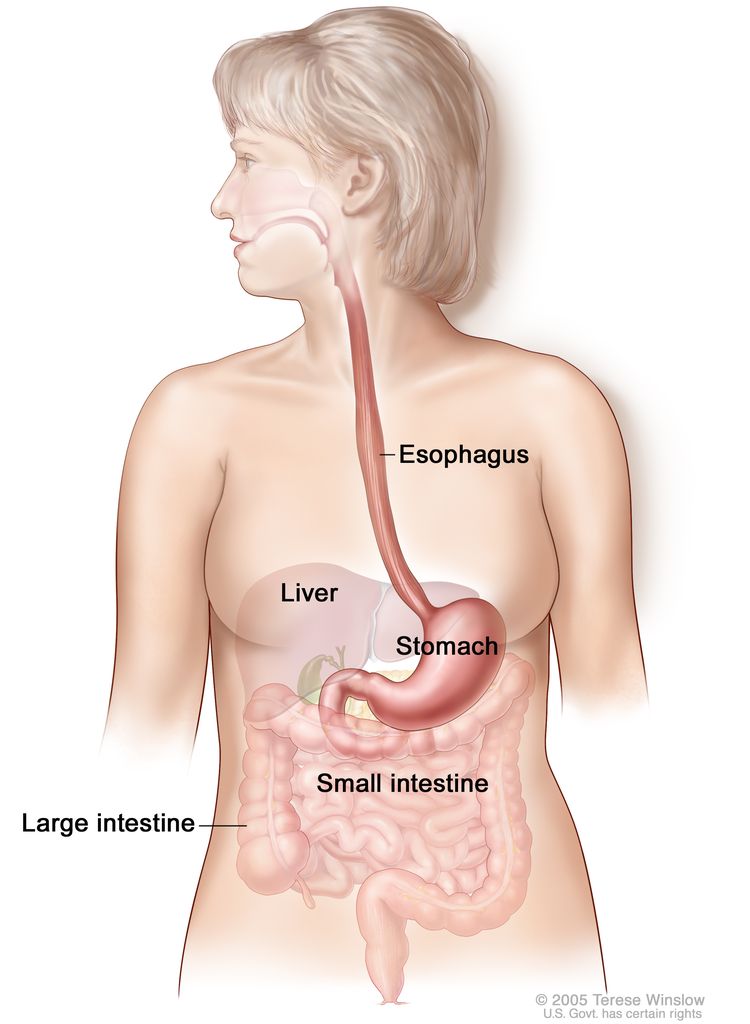
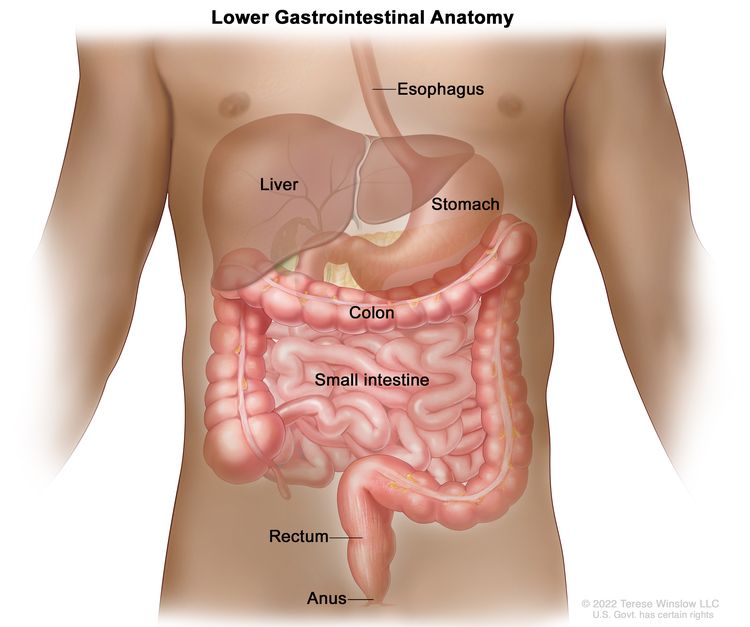
Nausea and Vomiting Related to Cancer Treatment (PDQ®)–Health Professional Version

Nausea and Vomiting Related to Cancer Treatment (PDQ®)–Health Professional Version

Overview

Prevention and control of nausea and vomiting (N&V) are paramount in the treatment of patients with cancer. Chemotherapy-induced N&V is one of the most common and distressing acute side effects of cancer treatment. It occurs in up to 80% of patients and can have a significant impact on a patient’s quality of life. N&V can also result in the following:

  • Serious metabolic derangements.
  • Nutritional depletion and anorexia.
  • Deterioration of the patient’s physical and mental status.
  • Esophageal tears.
  • Fractures.
  • Wound dehiscence.
  • Withdrawal from potentially useful and curative antineoplastic treatment.
  • Degeneration of self-care and functional ability.

In this summary, unless otherwise stated, evidence and practice issues as they relate to adults are discussed. The evidence and application to practice related to children may differ significantly from information related to adults. When specific information about the care of children is available, it is summarized under its own heading.

Pathophysiology of N&V

Nausea is the subjective experience of an unpleasant, wavelike sensation in the back of the throat and/or the epigastrium that may culminate in vomiting. Vomiting (emesis) is the forceful expulsion of the contents of the stomach, duodenum, or jejunum through the oral cavity. Retching (dry heaves) involves the gastric and esophageal movements of vomiting without expulsion of vomitus.

Progress has been made in understanding the neurophysiological mechanisms that control nausea and vomiting (N&V). Both are controlled or mediated by the central nervous system but by different mechanisms. Nausea is mediated through the autonomic nervous system. Vomiting results from stimulation of a complex reflex that includes a convergence of afferent stimulation from the following:[1,2]

  • A chemoreceptor trigger zone (CTZ, area postrema).
  • The cerebral cortex and the limbic system in response to sensory stimulation (particularly smell and taste), psychological distress, and pain.
  • The vestibular-labyrinthine apparatus of the inner ear in response to body motion.
  • Peripheral stimuli from visceral organs and vasculature (via vagal and spinal sympathetic nerves) as a result of exogenous chemicals and endogenous substances that accumulate during inflammation, ischemia, and irritation.

Neurotransmitters (including serotonin, substance P, and dopamine) found in the CTZ, the vomiting center (thought to be located in the nucleus tractus solitarius), and enterochromaffin cells in the gastrointestinal tract release efferent impulses. These impulses are transmitted to the abdominal musculature, salivation center, and respiratory center. The relative contribution from these multiple pathways, culminating in N&V symptoms, is complex. It is postulated to account for agents’ variable emetogenicity (intrinsic emetogenicity and mitigating factors such as dosage, administration route, and exposure duration) and emetogenic profile (i.e., time to onset, symptom severity, and duration).[3,4]

References
  1. Wickham R: Evolving treatment paradigms for chemotherapy-induced nausea and vomiting. Cancer Control 19 (2 Suppl): 3-9, 2012. [PUBMED Abstract]
  2. Navari RM: Antiemetic control: toward a new standard of care for emetogenic chemotherapy. Expert Opin Pharmacother 10 (4): 629-44, 2009. [PUBMED Abstract]
  3. Cefalo MG, Ruggiero A, Maurizi P, et al.: Pharmacological management of chemotherapy-induced nausea and vomiting in children with cancer. J Chemother 21 (6): 605-10, 2009. [PUBMED Abstract]
  4. Darmani NA, Crim JL, Janoyan JJ, et al.: A re-evaluation of the neurotransmitter basis of chemotherapy-induced immediate and delayed vomiting: evidence from the least shrew. Brain Res 1248: 40-58, 2009. [PUBMED Abstract]

General Risk Factors and Etiologies

Although most patients receiving chemotherapy are at risk of nausea and vomiting (N&V), the onset, severity, triggers, and duration vary. Factors related to the tumor, treatment, and patient all contribute to N&V, including tumor location, chemotherapy agents used, and radiation exposure.[13]

Patient-related factors may include the following:

  • Incidence and severity of N&V during past courses of chemotherapy. Patients with poor control of N&V during past chemotherapy cycles are likely to experience N&V in subsequent cycles.
  • History of chronic alcohol use. Patients with a history of chronic high intake of alcohol are less likely to experience cisplatin-induced N&V.[4]
  • Age. N&V is more likely to occur in patients younger than 50 years.[5]
  • Gender. N&V is more likely to occur in women.[5,6]
  • History of morning sickness or emesis during pregnancy.

Additional causal factors may include the following:

  • Fluid and electrolyte imbalances, such as hypercalcemia, volume depletion, or water intoxication.
  • Tumor invasion or growth in the gastrointestinal tract, liver, or central nervous system, especially the posterior fossa.
  • Constipation.
  • Certain drugs, such as opioids.
  • Infection or septicemia.
  • Uremia.

Clinicians must be aware of all potential causes and factors of N&V, especially in patients with cancer who may receive several treatments and medications. For more information about opioid-induced N&V, see the Adverse effects section in Cancer Pain.

Classifications

N&V have been classified as acute, delayed, anticipatory, breakthrough, refractory, and chronic, as outlined below:[79]

  • Acute N&V: N&V experienced during the first 24 hours after chemotherapy administration.[10]
  • Delayed (or late) N&V: N&V that occurs more than 24 hours after chemotherapy administration. Delayed N&V is associated with cisplatin, cyclophosphamide, and other drugs (e.g., doxorubicin and ifosfamide) given at high doses or on 2 or more consecutive days.
  • Anticipatory N&V (ANV): N&V that occurs before a new cycle of chemotherapy in response to conditioned stimuli such as the smells, sights, and sounds of the treatment room. ANV is a classically conditioned response that typically occurs after three or four chemotherapy treatments that led to acute or delayed N&V.
  • Breakthrough N&V: Vomiting that occurs within 5 days of prophylactic use of antiemetics and requires rescue.
  • Refractory N&V: N&V that does not respond to treatment.
  • Chronic N&V in patients with advanced cancer: N&V associated with a variety of potential etiologies. These etiologies are neither well known nor well researched, but potential causal factors include gastrointestinal, cranial, metabolic, drug-induced (e.g., morphine), cytotoxic chemotherapy–induced, and radiation-induced mechanisms.[11]

The National Cancer Institute has published a descriptive terminology for adverse event reporting (see Table 1). A grading (severity) scale is provided for each term.

Table 1. National Cancer Institute’s Common Terminology Criteria for Adverse Events: N&Va
Adverse Event Grade Description
IV = intravenous; N&V = nausea and vomiting (emesis); TPN = total parenteral nutrition.
aAdapted from National Cancer Institute.[12]
bDefinition: A disorder characterized by a queasy sensation and/or the urge to vomit.
cDefinition: A disorder characterized by the reflexive act of ejecting the contents of the stomach through the mouth.
Nauseab 1 Loss of appetite without alteration in eating habits
2 Oral intake decreased without significant weight loss, dehydration, or malnutrition
3 Inadequate oral caloric or fluid intake; tube feeding, TPN, or hospitalization indicated
4 Grade not assigned
5 Grade not assigned
Vomitingc 1 Intervention not indicated
2 Outpatient IV hydration; medical intervention indicated
3 Tube feeding, TPN, or hospitalization indicated
4 Life-threatening consequences; urgent intervention indicated
5 Death
References
  1. Farrell C, Brearley SG, Pilling M, et al.: The impact of chemotherapy-related nausea on patients’ nutritional status, psychological distress and quality of life. Support Care Cancer 21 (1): 59-66, 2013. [PUBMED Abstract]
  2. Dranitsaris G, Bouganim N, Milano C, et al.: Prospective validation of a prediction tool for identifying patients at high risk for chemotherapy-induced nausea and vomiting. J Support Oncol 11 (1): 14-21, 2013. [PUBMED Abstract]
  3. Bouganim N, Dranitsaris G, Hopkins S, et al.: Prospective validation of risk prediction indexes for acute and delayed chemotherapy-induced nausea and vomiting. Curr Oncol 19 (6): e414-21, 2012. [PUBMED Abstract]
  4. Sullivan JR, Leyden MJ, Bell R: Decreased cisplatin-induced nausea and vomiting with chronic alcohol ingestion. N Engl J Med 309 (13): 796, 1983. [PUBMED Abstract]
  5. Tonato M, Roila F, Del Favero A: Methodology of antiemetic trials: a review. Ann Oncol 2 (2): 107-14, 1991. [PUBMED Abstract]
  6. Roila F, Tonato M, Basurto C, et al.: Antiemetic activity of high doses of metoclopramide combined with methylprednisolone versus metoclopramide alone in cisplatin-treated cancer patients: a randomized double-blind trial of the Italian Oncology Group for Clinical Research. J Clin Oncol 5 (1): 141-9, 1987. [PUBMED Abstract]
  7. Kris MG, Urba SG, Schwartzberg LS: Clinical roundtable monograph. Treatment of chemotherapy-induced nausea and vomiting: a post-MASCC 2010 discussion. Clin Adv Hematol Oncol 9 (1): suppl 1-15, 2011. [PUBMED Abstract]
  8. Hesketh PJ: Chemotherapy-induced nausea and vomiting. N Engl J Med 358 (23): 2482-94, 2008. [PUBMED Abstract]
  9. Grunberg SM, Osoba D, Hesketh PJ, et al.: Evaluation of new antiemetic agents and definition of antineoplastic agent emetogenicity–an update. Support Care Cancer 13 (2): 80-4, 2005. [PUBMED Abstract]
  10. Wickham R: Nausea and vomiting. In: Yarbo CH, Frogge MH, Goodman M, eds.: Cancer Symptom Management. 2nd ed. Jones and Bartlett Publishers, 1999, pp 228-263.
  11. Schwartzberg L: Chemotherapy-induced nausea and vomiting: state of the art in 2006. J Support Oncol 4 (2 Suppl 1): 3-8, 2006. [PUBMED Abstract]
  12. National Cancer Institute: Common Terminology Criteria for Adverse Events (CTCAE), Version 5.0. Bethesda, Md: U.S. Department of Health and Human Services, National Institutes of Health, 2017. Available online. Last accessed Dec. 18, 2024.

Anticipatory Nausea and Vomiting

Prevalence

The prevalence of anticipatory nausea and vomiting (ANV) has varied because of changing definitions and assessment methods.[1] Anticipatory nausea appears to occur in approximately 29% of patients receiving chemotherapy, while anticipatory vomiting appears to occur in 11% of patients.[2] With the introduction of pharmacological agents such as 5-hydroxytryptamine-3 (5-HT3) receptor antagonists, the prevalence of ANV was expected to decline, but studies have shown mixed results. One study found a lower incidence of ANV,[3] and three studies found comparable incidence rates.[2,4,5] It appears that the 5-HT3 agents reduce postchemotherapy vomiting but not postchemotherapy nausea,[2,5] and the resulting impact on ANV is unclear.

Classical Conditioning

Although other theoretical mechanisms have been proposed,[6] ANV appears to be best explained by classical conditioning, also known as Pavlovian or respondent conditioning.[7] In classical conditioning, a previously neutral stimulus (e.g., smells of the chemotherapy environment) elicits a conditioned response (e.g., ANV) after a number of pairings or learning trials. In cancer chemotherapy, the first few chemotherapy infusions are the learning trials. The chemotherapy drugs are the unconditioned stimuli that elicit postchemotherapy nausea and vomiting (N&V) in some patients. The drugs are paired with a variety of other neutral, environmental stimuli (e.g., smells of the setting, presence of the oncology nurse, chemotherapy room). These previously neutral stimuli then become conditioned stimuli and elicit ANV in future chemotherapy cycles. ANV is not an indication of psychopathology. It is a learned response that, in other life situations (e.g., food poisoning), results in adaptive avoidance.

A variety of correlational studies provide empirical support for classical conditioning. For example, the prevalence of ANV before treatment with any chemotherapy is rare, and few patients ever experience ANV without previous postchemotherapy nausea.[8] Also, most studies have found (1) a higher probability of ANV with an increasing number of chemotherapy infusions and (2) the intensity of ANV increasing as patients get closer to the time of their infusion.[9] In one experimental study, it was shown that a novel beverage could become a conditioned stimulus to nausea when paired with several chemotherapy treatments.[10]

Variables Correlated with ANV

Many variables have been investigated as potential risk factors that correlate with the incidence of ANV. There is no agreement on which factors predict ANV. However, a patient with fewer than three of the first eight characteristics listed below is unlikely to develop ANV. Screening after the first chemotherapy infusion could identify patients at increased risk.[11]

Variables Found to Correlate With ANV

  1. Age younger than 50 years.
  2. N&V after the last chemotherapy session.
  3. Posttreatment nausea described as moderate, severe, or intolerable.
  4. Posttreatment vomiting described as moderate, severe, or intolerable.
  5. Feeling warm or hot all over after the last chemotherapy session.
  6. Susceptibility to motion sickness.
  7. Female gender.
  8. High-state anxiety (anxiety reactive to specific situations).[12,13]
  9. Greater reactivity of the autonomic nervous system and slower reaction time.[14]
  10. Patient expectations of chemotherapy-related nausea before beginning treatment.[15,16]
  11. Percentage of chemotherapy infusions followed by nausea.[17]
  12. Postchemotherapy dizziness.
  13. Longer latency of onset of posttreatment N&V.[18]
  14. Emetogenic potential of various chemotherapeutic agents. Patients receiving drugs with a moderate to severe potential for posttreatment N&V are more likely to develop ANV.[12]
  15. History of morning sickness during pregnancy.

Treatment of ANV

Antiemetic drugs do not seem to control ANV once it has developed;[2] however, a variety of behavioral interventions has been investigated.[19] These interventions include the following:

  • Progressive muscle relaxation with guided imagery.[20]
  • Hypnosis.[21]
  • Systematic desensitization.[22]
  • Electromyography and thermal biofeedback.[23]
  • Distraction via the use of video games.[24,25]

Progressive muscle relaxation with guided imagery, hypnosis, and systematic desensitization has been studied the most and should be considered as treatment. Referral to a psychologist or other mental health professional with specific training and experience in working with cancer patients should be considered when ANV is identified. The earlier ANV is identified, the more likely treatment will be effective, so early screening and referral are essential. However, physicians and nurses often underestimate the incidence of chemotherapy-induced N&V.[26][Level of evidence: II]

Clearly, the most important aspect of ANV is prevention of acute and delayed N&V associated with chemotherapy. Most antiemetics have not shown benefit for the treatment of ANV, but their use during chemotherapy may markedly decrease the incidence of ANV. The only class of medication that has shown benefit in some studies is benzodiazepines, most commonly lorazepam.[27][Level of evidence: IV]

References
  1. Andrykowski MA: Defining anticipatory nausea and vomiting: differences among cancer chemotherapy patients who report pretreatment nausea. J Behav Med 11 (1): 59-69, 1988. [PUBMED Abstract]
  2. Morrow GR, Roscoe JA, Kirshner JJ, et al.: Anticipatory nausea and vomiting in the era of 5-HT3 antiemetics. Support Care Cancer 6 (3): 244-7, 1998. [PUBMED Abstract]
  3. Aapro MS, Kirchner V, Terrey JP: The incidence of anticipatory nausea and vomiting after repeat cycle chemotherapy: the effect of granisetron. Br J Cancer 69 (5): 957-60, 1994. [PUBMED Abstract]
  4. Fernández-Marcos A, Martín M, Sanchez JJ, et al.: Acute and anticipatory emesis in breast cancer patients. Support Care Cancer 4 (5): 370-7, 1996. [PUBMED Abstract]
  5. Roscoe JA, Morrow GR, Hickok JT, et al.: Nausea and vomiting remain a significant clinical problem: trends over time in controlling chemotherapy-induced nausea and vomiting in 1413 patients treated in community clinical practices. J Pain Symptom Manage 20 (2): 113-21, 2000. [PUBMED Abstract]
  6. Reesal RT, Bajramovic H, Mai F: Anticipatory nausea and vomiting: a form of chemotherapy phobia? Can J Psychiatry 35 (1): 80-2, 1990. [PUBMED Abstract]
  7. Stockhorst U, Klosterhalfen S, Steingruber HJ: Conditioned nausea and further side-effects in cancer chemotherapy: a review. Journal of Psychophysiology 12 (suppl 1): 14-33, 1998.
  8. Morrow GR, Rosenthal SN: Models, mechanisms and management of anticipatory nausea and emesis. Oncology 53 (Suppl 1): 4-7, 1996. [PUBMED Abstract]
  9. Montgomery GH, Bovbjerg DH: The development of anticipatory nausea in patients receiving adjuvant chemotherapy for breast cancer. Physiol Behav 61 (5): 737-41, 1997. [PUBMED Abstract]
  10. Bovbjerg DH, Redd WH, Jacobsen PB, et al.: An experimental analysis of classically conditioned nausea during cancer chemotherapy. Psychosom Med 54 (6): 623-37, 1992 Nov-Dec. [PUBMED Abstract]
  11. Morrow GR, Roscoe JA, Hickok JT: Nausea and vomiting. In: Holland JC, Breitbart W, Jacobsen PB, et al., eds.: Psycho-oncology. Oxford University Press, 1998, pp 476-484.
  12. Andrykowski MA, Redd WH, Hatfield AK: Development of anticipatory nausea: a prospective analysis. J Consult Clin Psychol 53 (4): 447-54, 1985. [PUBMED Abstract]
  13. Roscoe JA, Morrow GR, Hickok JT, et al.: Biobehavioral factors in chemotherapy-induced nausea and vomiting. J Natl Compr Canc Netw 2 (5): 501-8, 2004. [PUBMED Abstract]
  14. Kvale G, Psychol C, Hugdahl K: Cardiovascular conditioning and anticipatory nausea and vomiting in cancer patients. Behav Med 20 (2): 78-83, 1994 Summer. [PUBMED Abstract]
  15. Montgomery GH, Tomoyasu N, Bovbjerg DH, et al.: Patients’ pretreatment expectations of chemotherapy-related nausea are an independent predictor of anticipatory nausea. Ann Behav Med 20 (2): 104-9, 1998 Spring. [PUBMED Abstract]
  16. Shelke AR, Roscoe JA, Morrow GR, et al.: Effect of a nausea expectancy manipulation on chemotherapy-induced nausea: a university of Rochester cancer center community clinical oncology program study. J Pain Symptom Manage 35 (4): 381-7, 2008. [PUBMED Abstract]
  17. Tomoyasu N, Bovbjerg DH, Jacobsen PB: Conditioned reactions to cancer chemotherapy: percent reinforcement predicts anticipatory nausea. Physiol Behav 59 (2): 273-6, 1996. [PUBMED Abstract]
  18. Chin SB, Kucuk O, Peterson R, et al.: Variables contributing to anticipatory nausea and vomiting in cancer chemotherapy. Am J Clin Oncol 15 (3): 262-7, 1992. [PUBMED Abstract]
  19. Carey MP, Burish TG: Etiology and treatment of the psychological side effects associated with cancer chemotherapy: a critical review and discussion. Psychol Bull 104 (3): 307-25, 1988. [PUBMED Abstract]
  20. Lyles JN, Burish TG, Krozely MG, et al.: Efficacy of relaxation training and guided imagery in reducing the aversiveness of cancer chemotherapy. J Consult Clin Psychol 50 (4): 509-24, 1982. [PUBMED Abstract]
  21. Redd WH, Andresen GV, Minagawa RY: Hypnotic control of anticipatory emesis in patients receiving cancer chemotherapy. J Consult Clin Psychol 50 (1): 14-9, 1982. [PUBMED Abstract]
  22. Morrow GR, Morrell C: Behavioral treatment for the anticipatory nausea and vomiting induced by cancer chemotherapy. N Engl J Med 307 (24): 1476-80, 1982. [PUBMED Abstract]
  23. Burish TG, Shartner CD, Lyles JN: Effectiveness of multiple muscle-site EMG biofeedback and relaxation training in reducing the aversiveness of cancer chemotherapy. Biofeedback Self Regul 6 (4): 523-35, 1981. [PUBMED Abstract]
  24. Kolko DJ, Rickard-Figueroa JL: Effects of video games on the adverse corollaries of chemotherapy in pediatric oncology patients: a single-case analysis. J Consult Clin Psychol 53 (2): 223-8, 1985. [PUBMED Abstract]
  25. Vasterling J, Jenkins RA, Tope DM, et al.: Cognitive distraction and relaxation training for the control of side effects due to cancer chemotherapy. J Behav Med 16 (1): 65-80, 1993. [PUBMED Abstract]
  26. Chan CW, Cheng KK, Lam LW, et al.: Psycho-educational intervention for chemotherapy-associated nausea and vomiting in paediatric oncology patients: a pilot study. Hong Kong Med J 14 (5 Suppl): 32-5, 2008. [PUBMED Abstract]
  27. Rock EM, Limebeer CL, Parker LA: Anticipatory nausea in animal models: a review of potential novel therapeutic treatments. Exp Brain Res 232 (8): 2511-34, 2014. [PUBMED Abstract]

Etiology of Acute or Delayed Chemotherapy-Induced Nausea and Vomiting

Acute Nausea and Vomiting (N&V)

The incidence of acute N&V with moderate- or high-risk chemotherapy ranges from 30% to 90%.[13] It can result in significant morbidity and can negatively affect quality of life. However, in recent years many new antiemetic medications and combinations have become available, dramatically decreasing the incidence and severity of this dreaded complication. Risk factors include the following:

  • The emetogenic potential of the specific drug.
  • The dose used.
  • The treatment schedule.
  • How chemotherapy agents are combined.

A drug with a low emetogenic potential given in high doses may cause a dramatic increase in the potential to induce N&V.[4] For example, standard doses of cytarabine rarely produce N&V, but high doses often do. Another influence is the use of drug combinations. Because most patients receive combination chemotherapy, the emetogenic potential of all of the drugs combined and individual drug doses needs to be considered.[59]

Other risk factors include the following:[10]

  • Poor control with previous chemotherapy.
  • Female gender.
  • Age younger than 50 years.
  • Experience with previous chemotherapy.
  • History of motion sickness.
  • History of morning sickness during pregnancy.
  • Dehydration.
  • Malnutrition.
  • Recent surgery.
  • Radiation therapy.

The American Society of Clinical Oncology (ASCO) provides a summary of intravenous chemotherapeutic agents and their respective risk of acute and delayed emesis.[10] For more information, see Table 2.

Table 2. Intravenous Chemotherapeutic Agents and Their Risk of Acute and Delayed Emesisa
High Risk Moderate Risk Low Risk Minimal Risk
aFrom Hesketh et al.[10]
Emesis has been documented in >90% of patients. Emesis has been documented in 30%–90% of patients. Emesis has been documented in 10%–30% of patients. Emesis has been documented in <10% of patients.
Anthracycline/cyclophosphamide combination Alemtuzumab Aflibercept Bevacizumab
Carmustine Azacitidine Atezolizumab Bleomycin
Cisplatin Bendamustine Belinostat Busulfan
Cyclophosphamide (≥1,500 mg/m2) Carboplatin Blinatumomab Cladribine
Dacarbazine Clofarabine Bortezomib Daratumumab
Dactinomycin Cyclophosphamide (<1,500 mg/m2) Brentuximab. Fludarabine
Mechlorethamine Cytarabine (>1,000 mg/m2) Cabazitaxel Nivolumab
Streptozotocin Daunorubicin Carfilzomib Obinutuzumab
  Doxorubicin Cetuximab Ofatumumab
  Epirubicin Cytarabine (<1,000 mg/m2) Pembrolizumab
  Idarubicin Docetaxel Pralatrexate
  Ifosfamide Elotuzumab Ramucirumab
  Irinotecan Eribulin Rituximab
  Irinotecan liposomal injection Etoposide Trastuzumab
  Oxaliplatin Fluorouracil Vinblastine
  Romidepsin Gemcitabine Vincristine
  Temozolomide Ipilimumab Vinorelbine
  Thiotepa Ixabepilone  
  Trabectedin Methotrexate  
    Mitomycin  
    Mitoxantrone  
    Nab-paclitaxel  
    Necitumumab  
    Paclitaxel  
    Panitumumab  
    Pegylated liposomal doxorubicin  
    Pemetrexed  
    Pertuzumab  
    Temsirolimus  
    Topotecan  
    Trastuzumab-emtansine  

ASCO also provides a summary of oral chemotherapeutic agents and their respective risk of acute and delayed emesis.[10] For more information, see Table 3.

Table 3. Oral Chemotherapeutic Agents and Their Risk of Acute and Delayed Emesisa
High Risk Moderate Risk Low Risk Minimal Risk
aFrom Hesketh et al.[10]
Emesis has been documented in >90% of patients. Emesis has been documented in 30%–90% of patients. Emesis has been documented in 10%–30% of patients. Emesis has been documented in <10% of patients.
Altretamine Bosutinib Afatinib Chlorambucil
Procarbazine Cabozantinib Alectinib Erlotinib
  Ceritinib Axitinib Gefitinib
  Crizotinib Capecitabine Hydroxyurea
  Cyclophosphamide Cobimetinib Melphalan
  Imatinib Dabrafenib Methotrexate
  Lenvatinib Dasatinib Pomalidomide
  Temozolomide Etoposide Ruxolitinib
  Trifluridine-tipiracil Everolimus Sorafenib
  Vinorelbine Fludarabine Thioguanine
    Ibrutinib Vemurafenib
    Idelalisib Vismodegib
    Ixazomib  
    Lapatinib  
    Lenalidomide  
    Olaparib  
    Osimertinib  
    Nilotinib  
    Palbociclib  
    Panobinostat  
    Pazopanib  
    Ponatinib  
    Regorafenib  
    Sonidegib  
    Sunitinib  
    Thalidomide  
    Trametinib  
    Vandetanib  
    Venetoclax  
    Vorinostat  

Delayed N&V

Delayed (or late) N&V occurs more than 24 hours after chemotherapy administration. Delayed N&V is associated with cisplatin, cyclophosphamide, and other drugs (e.g., doxorubicin and ifosfamide) given at high doses or given on 2 or more consecutive days.[1,11,12]

  • Etiologies: Patients who experience acute emesis with chemotherapy are significantly more likely to have delayed emesis.
  • Risk factors: All predictive characteristics for acute emesis are considered risk factors for delayed emesis.
  • Emetic classifications: For more information, see the Acute Nausea and Vomiting (N&V) section.
References
  1. Hesketh PJ, Sanz-Altamira P, Bushey J, et al.: Prospective evaluation of the incidence of delayed nausea and vomiting in patients with colorectal cancer receiving oxaliplatin-based chemotherapy. Support Care Cancer 20 (5): 1043-7, 2012. [PUBMED Abstract]
  2. Schwartzberg L: Addressing the value of novel therapies in chemotherapy-induced nausea and vomiting. Expert Rev Pharmacoecon Outcomes Res 14 (6): 825-34, 2014. [PUBMED Abstract]
  3. Sekine I, Segawa Y, Kubota K, et al.: Risk factors of chemotherapy-induced nausea and vomiting: index for personalized antiemetic prophylaxis. Cancer Sci 104 (6): 711-7, 2013. [PUBMED Abstract]
  4. Roscoe JA, Morrow GR, Hickok JT, et al.: Nausea and vomiting remain a significant clinical problem: trends over time in controlling chemotherapy-induced nausea and vomiting in 1413 patients treated in community clinical practices. J Pain Symptom Manage 20 (2): 113-21, 2000. [PUBMED Abstract]
  5. Viale PH, Grande C, Moore S: Efficacy and cost: avoiding undertreatment of chemotherapy-induced nausea and vomiting. Clin J Oncol Nurs 16 (4): E133-41, 2012. [PUBMED Abstract]
  6. Dranitsaris G, Bouganim N, Milano C, et al.: Prospective validation of a prediction tool for identifying patients at high risk for chemotherapy-induced nausea and vomiting. J Support Oncol 11 (1): 14-21, 2013. [PUBMED Abstract]
  7. Kris MG, Urba SG, Schwartzberg LS: Clinical roundtable monograph. Treatment of chemotherapy-induced nausea and vomiting: a post-MASCC 2010 discussion. Clin Adv Hematol Oncol 9 (1): suppl 1-15, 2011. [PUBMED Abstract]
  8. Phillips RS, Gopaul S, Gibson F, et al.: Antiemetic medication for prevention and treatment of chemotherapy induced nausea and vomiting in childhood. Cochrane Database Syst Rev (9): CD007786, 2010. [PUBMED Abstract]
  9. Olver I, Clark-Snow RA, Ballatori E, et al.: Guidelines for the control of nausea and vomiting with chemotherapy of low or minimal emetic potential. Support Care Cancer 19 (Suppl 1): S33-6, 2011. [PUBMED Abstract]
  10. Hesketh PJ, Kris MG, Basch E, et al.: Antiemetics: American Society of Clinical Oncology Clinical Practice Guideline Update. J Clin Oncol 35 (28): 3240-3261, 2017. [PUBMED Abstract]
  11. Geling O, Eichler HG: Should 5-hydroxytryptamine-3 receptor antagonists be administered beyond 24 hours after chemotherapy to prevent delayed emesis? Systematic re-evaluation of clinical evidence and drug cost implications. J Clin Oncol 23 (6): 1289-94, 2005. [PUBMED Abstract]
  12. Fleishman SB, Mahajan D, Rosenwald V, et al.: Prevalence of Delayed Nausea and/or Vomiting in Patients Treated With Oxaliplatin-Based Regimens for Colorectal Cancer. J Oncol Pract 8 (3): 136-40, 2012. [PUBMED Abstract]

Prevention and Management of Acute or Delayed Nausea and Vomiting

Several organizations—including the American Society of Clinical Oncology, the National Comprehensive Cancer Network, and the Pediatric Oncology Group of Ontario—have published antiemetic guidelines for their members. PDQ does not endorse specific guidelines, but examples can be found in the literature.[14]

Antiemetic agents are the most common intervention for treatment-related nausea and vomiting (N&V). The basis for antiemetic therapy is the neurochemical control of vomiting. Although the exact mechanism is not well understood, peripheral neuroreceptors and the chemoreceptor trigger zone (CTZ) are known to contain receptors for serotonin, histamine (H1 and H2), dopamine, acetylcholine, opioids, and numerous other endogenous neurotransmitters.[5,6] Many antiemetics act by competitively blocking receptors for these substances, which inhibit stimulation of peripheral nerves at the CTZ and possibly at the vomiting center.

Current guidelines [2,7] recommend that prechemotherapy management of chemotherapy-induced N&V (CINV) be based on the emetogenic potential of the chemotherapy agent(s) selected. For patients receiving regimens with high emetogenic potential, the combination of a 5-hydroxytryptamine-3 (5-HT3) receptor antagonist, neurokinin-1 (NK-1) receptor antagonist, and dexamethasone with or without olanzapine is recommended prechemotherapy. Aprepitant (if chosen as the NK-1 receptor antagonist prechemotherapy), olanzapine, and dexamethasone are recommended for the prevention of delayed emesis. Guidelines differ with respect to using a three- or four-drug regimen for prophylaxis for highly emetogenic chemotherapy. One guideline includes the option of omitting an NK-1 antagonist completely if dexamethasone, palonosetron, and olanzapine are used.[7]

For patients receiving moderately emetogenic chemotherapy, the combination of a 5-HT3 receptor antagonist and dexamethasone is used prechemotherapy. Patients receiving carboplatin (area under the curve ≥4 mg/mL) may also receive an NK-1 receptor antagonist. Postchemotherapy, a 5-HT3 receptor antagonist, dexamethasone, or both are recommended for the prevention of delayed emesis.

For regimens with low emetogenic potential, dexamethasone or a 5-HT3 receptor antagonist is recommended. For regimens with minimal emetogenic risk, no prophylaxis is recommended.[2,7]

Antiemetic guidelines [2,7] have included oral 5-HT3 receptor antagonists as optional therapy for the prevention of delayed emesis, but the level of evidence supporting this practice is low.[8]

Studies have strongly suggested that patients experience more acute and delayed CINV than is perceived by practitioners.[810] One study suggested that patients who are highly expectant of nausea appear to experience more postchemotherapy nausea.[11] In addition, the current and new agents that have been used as prophylaxis for acute and delayed CINV have not been studied for use in established CINV. One study reported the effective use of intravenous (IV) palonosetron and dexamethasone to prevent CINV in patients receiving multiple-day chemotherapy.[12]

Table 4 summarizes prechemotherapy and postchemotherapy recommendations by emetogenic potential.

Table 4. Antiemetic Recommendations by Emetic Risk Categoriesa,b
Emetic Risk Category ASCO Guidelines MASCC Guidelines NCCN Guidelines
5-HT3 = 5-hydroxytryptamine-3; ASCO = American Society of Clinical Oncology; AUC = area under the curve; MASCC = Multinational Association of Supportive Care in Cancer; NCCN = National Comprehensive Cancer Network; NK-1 = neurokinin-1.
aAdapted from National Comprehensive Cancer Network,[7] Roila et al.,[13] and Hesketh et al.[2]
bOrder of listed antiemetics does not reflect preference.
High risk (>90%) 4-drug combination of NK-1 antagonist, 5-HT3 receptor antagonist, dexamethasone, and olanzapine recommended prechemotherapy 3-drug combination of NK-1 antagonist, 5-HT3 receptor antagonist, and dexamethasone recommended prechemotherapy 3-drug combination of NK-1 antagonist, 5-HT3 receptor antagonist, and dexamethasone prechemotherapy
Note: Depending on NK-1 antagonist, dosing may be ≥1 day
Olanzapine and dexamethasone to be continued on days 2–4 OR: Olanzapine (5–10 mg), palonosetron (0.25 mg), and dexamethasone (12 mg) prechemotherapy, followed by olanzapine (5–10 mg) daily on days 2–4
For anthracycline and cyclophosphamide combinations only, olanzapine to be continued on days 2–4 OR: Four-drug combination of NK-1 antagonist, 5-HT3 receptor antagonist, dexamethasone, and olanzapine recommended prechemotherapy
Note: Depending on NK-1 antagonist, dosing may be ≥1 day Olanzapine and dexamethasone to be continued on days 2–4
Note: Depending on NK-1 antagonist, dosing may be ≥1 day
Moderate risk (30%–90%) Carboplatin AUC ≥4 mg/mL per min; 3-drug combination of NK-1 antagonist, 5-HT3 receptor antagonist, and dexamethasone recommended prechemotherapy For carboplatin-containing regimens, 3-drug combination of NK-1 antagonist, 5-HT3 receptor antagonist, and dexamethasone recommended prechemotherapy 2-drug combination of 5-HT3 receptor antagonist and dexamethasone followed by dexamethasone (8 mg) on days 2–3 OR: 5-HT3 receptor antagonist monotherapy on days 2–3
For patients receiving chemotherapies of moderate emetic risk excluding carboplatin AUC ≥4 mg/mL per min, 2-drug combination of 5-HT3 receptor antagonist and dexamethasone recommended prechemotherapy For patients receiving chemotherapies of moderate emetic risk excluding carboplatin, 2-drug combination of 5-HT3 receptor antagonist and dexamethasone recommended prechemotherapy OR: Olanzapine (5–10 mg), palonosetron (0.25 mg), and dexamethasone (12 mg) prechemotherapy, followed by olanzapine (5–10 mg daily) on days 2–3
For patients receiving cyclophosphamide, doxorubicin, oxaliplatin, and other moderate-emetic-risk antineoplastic agents known to cause delayed nausea, dexamethasone may be offered on days 2–3 for prevention of delayed emesis For patients receiving cyclophosphamide, doxorubicin, or oxaliplatin, dexamethasone may be offered on days 2–3 for prevention of delayed emesis OR: 3-drug combination of NK-1 antagonist, 5-HT3 receptor antagonist, and dexamethasone recommended prechemotherapy, followed by dexamethasone (8 mg) on days 2–3
Note: depending on NK-1 antagonist, dosing may be ≥1 day
Low risk (10%–30%) Single dose of 5-HT3 receptor antagonist or dexamethasone (8 mg) recommended Single dose of 5-HT3 receptor antagonist or dexamethasone or dopamine antagonist recommended Single dose of 5-HT3 receptor antagonist or dexamethasone (8–12 mg) or metoclopramide (10–20 mg) or prochlorperazine (10 mg) recommended
Minimal risk (<10%) No antiemetic administered routinely pre- or postchemotherapy No routine prophylaxis recommended No routine prophylaxis recommended

Most drugs with proven antiemetic activity can be categorized into one of the following groups:

  • Competitive antagonists at dopaminergic (D2 subtype) receptors:
    • Phenothiazines.
    • Butyrophenones (droperidol, haloperidol).
    • Substituted benzamides (metoclopramide).
  • Competitive antagonists at serotonergic (5-hydroxytryptamine-3 or 5-HT3 subtype) receptors.
  • Substance P antagonists (NK-1 receptor antagonists).
  • Corticosteroids.
  • Benzodiazepines (lorazepam).
  • Cannabinoids.

Although Table 5 lists all routes of administration, the intramuscular (IM) route is used only when no other access is available. IM delivery is painful, is associated with erratic absorption of drug, and may lead to sterile abscess formation or fibrosis of the tissues. This is particularly important when more than one or two doses of a drug are to be given.

Table 5. Prevention of Acute or Delayed CINV
Drug Category Medication Dose Available Route Comment(s) Reference(s)
5-HT3 = 5-hydroxytryptamine-3; bid = twice a day; CINV = chemotherapy-induced nausea and vomiting; EPS = extrapyramidal symptoms; IM = intramuscular; IV = intravenous; NK-1 = neurokinin-1; PO = oral; PR = rectal; qd = every day; SL = sublingual; SQ = subcutaneous.
aDolasetron may be difficult to obtain from the manufacturer.
Dopamine antagonists: phenothiazines Chlorpromazine 10–25 mg PO q4–6h PO, IM Prolongs QT interval [14,15][Level of evidence: II]
25–50 mg IM q3–4h
Prochlorperazine 25 mg PR q12h PO, IM, IV, PR Less sedation but increased risk of EPS [14]
5–10 mg PO/IM/IV q6–8h
Promethazine 12.5–25 mg q4–6h PO, IM, IV, PR Vesicant [14][Level of evidence: IV]
Weak antiemetic
Dopamine antagonists: butyrophenones Haloperidol 0.5–5 mg q24h in divided doses PO, IV, IM Used for treatment [16][Level of evidence: III]
Rarely used for prophylaxis
Prolongs QT interval
Droperidol 1–2.5 mg/dose q2–6h IV, IM Prolongs QT interval [14,16][Level of evidence: III]
Used primarily for treatment
Dopamine antagonists: substituted benzamides Metoclopramide Prevention of CINV: 1–2 mg/kg IV x1 dose prechemotherapy; then x2 doses q2h; then x3 doses q3h PO, IM, IV EPS associated with higher doses; patients <30 y [14]
Pretreat with diphenhydramine to prevent EPS
Treatment of CINV: 10–40 mg PO q4–6h; up to 0.5 mg/kg PO q6h Enhances gastric emptying
Trimethobenzamide 300 mg PO q6–8h PO, IM Unavailable in the United States [14,17][Level of evidence: II]
200 mg IM q6–8h
Serotonin (5-HT3) receptor antagonists Dolasetrona 100 mg within 1 h prechemotherapy PO IV form withdrawn from market due to QTc prolongation [14]
Granisetron 1–2 mg PO or 10 µg/kg up to 1 mg IV within 1 h of chemotherapy IV, PO, topical, SQ Transdermal patch applied 24 h prechemotherapy; may be left in place ≤1 wk [14]
3.1 mg/24 h transdermally
10 mg SQ ≥30 min prechemotherapy SQ extended release should not be given more than once q7d
Ondansetron 0.15 mg/kg IV 30 min prechemotherapy; then may be repeated 4 and 8 h later; maximum: 16 mg/24 h PO, IV Doses >16 mg not recommended due to QTc prolongation [14,16][Level of evidence: I]
24 mg PO 30 min before highly emetogenic single-day chemotherapy
8 mg PO 30 min before moderate-emetogenic-risk chemotherapy, followed in 8 h by 8 mg then 8 mg PO q12h for 1–2 d Post-approval studies show 8 mg IV equivalent to larger doses
Palonosetron 0.25 mg IV or 0.5 mg PO 30 min prechemotherapy day 1 IV, PO   [14]
Substance P antagonists (NK-1 receptor antagonists) Aprepitant 125 mg prechemotherapy day 1, then 80 mg daily x2 d PO CYP3A4 enzyme inhibitor [14]
CYP2C9 enzyme inducer
Aprepitant, emulsion 130 mg prechemotherapy day 1 IV Dose equivalent to fosaprepitant 150 mg [14]
CYP3A4 enzyme inhibitor
CYP2C9 enzyme inducer
Fosaprepitant 150 mg prechemotherapy day 1 IV CYP3A4 enzyme inhibitor [14]
CYP2C9 enzyme inducer
Netupitant (combined with palonosetron) Netupitant 300 mg/palonosetron 0.5 mg prechemotherapy day 1 PO CYP3A4 enzyme inhibitor [14]
Fosnetupitant (combined with palonosetron) Fosnetupitant 235 mg/palonosetron 0.25 mg prechemotherapy day 1 IV CYP3A4 enzyme inhibitor [14,18]
Rolapitant 180 mg prechemotherapy day 1 PO/IV Anaphylactic reactions have occurred with IV infusion [14]
Doses must be separated by ≥14 d
CYP2D6 enzyme inhibitor
Corticosteroids Dexamethasone 12–20 mg before high-emetic-risk chemotherapy, followed by 8 mg 1–2 times/d for 3 d PO, IV Combined with a 5-HT3 receptor antagonist [14]
8 mg before moderate-emetic-risk chemotherapy, followed by 8 mg/d for 2 d When given with (fos)aprepitant or (fos)netupitant, 12 mg = 20 mg on day 1, and 8 mg is equivalent on subsequent days due to drug interaction
Methylprednisolone 0.5–1 mg/kg 30 min pre- and 4 and 8 h postchemotherapy PO, IV Maximum 4 mg/kg/d; may also be given as single dose prechemotherapy [16][Level of evidence: III]
Benzodiazepines Alprazolam 0.25–1 mg q6–8h PO Shortest half-life in drug class [14,19][Level of evidence: I]
Lorazepam 0.5–2 mg q6h PO, SL, IM, IV Most-commonly used in drug class [14]
Atypical antipsychotics Olanzapine Prevention of acute and delayed CINV in combination with 5-HT3 receptor antagonist, dexamethasone, and NK-1 antagonist: 10 mg PO qd days 1–4 PO Consider giving at bedtime due to sedation [20][Level of evidence: I]
Treatment of breakthrough CINV: 10 mg PO daily x3 d [21][Level of evidence: I]
Other pharmacological agents Dronabinol 5 mg/m2 PO 1–3 h prechemotherapy, followed every 2–4 h by same dose, up to 4–6 doses/d PO   [14]
Dose may be increased in increments of 2.5 mg/m2, up to maximum 15 mg/m2
Nabilone 1–2 mg bid, maximum 6 mg/d in 3 doses PO May be continued up to 48 h postchemotherapy [14]
Cannabis No current data on dosing Inhaled, PO Currently, not enough data to recommend Cannabis products for prevention/treatment of CINV [22][Level of evidence: IV]
Ginger 0.5–2 g/d prechemotherapy PO Current literature demonstrates conflicting efficacy results [23,24][Level of evidence: II]

Competitive Dopamine (D2) Antagonists

Phenothiazines

Phenothiazines act on dopaminergic receptors at the CTZ, possibly at other central nervous system (CNS) centers, and peripherally.

In selecting phenothiazines, the primary consideration is assessing differences in adverse effect profiles, which correlate with the structural classes of the drugs. Generally, aliphatic phenothiazines (e.g., chlorpromazine) produce sedation and anticholinergic effects, while piperazines (e.g., prochlorperazine) are associated with less sedation but higher incidence of extrapyramidal symptoms (EPS) such as acute dystonias, akathisia, neuroleptic malignant syndrome (uncommon), and, rarely, akinesias and dyskinesias. Marked hypotension may also result if IV doses are administered rapidly at high doses. The concomitant use of H1 blockers, such as diphenhydramine, can often decrease the risk and severity of EPS. Phenothiazines may be of particular value in treating patients who experience delayed N&V with cisplatin regimens.[2529][Level of evidence: I] Given their anticholinergic properties, phenothiazines are listed in the American Geriatrics Society Beers Criteria for Potentially Inappropriate Medication Use in Older Adults.[30]

Butyrophenones

Droperidol and haloperidol represent butyrophenones, another class of dopaminergic (D2 subtype) receptor antagonists that are structurally and pharmacologically similar to the phenothiazines. While droperidol is used primarily as an adjunct to anesthesia induction, haloperidol is indicated as a neuroleptic antipsychotic drug. However, both agents have some antiemetic activity. Results of small, uncontrolled, open-label studies show some efficacy for haloperidol in patients receiving palliative care.[31,32] Both agents may produce EPS, akathisia, hypotension, and sedation.

Substituted benzamides

Metoclopramide is a substituted benzamide, which, before serotonin (5-HT3) receptor antagonists were introduced, was considered the most effective antiemetic agent against highly emetogenic chemotherapy. Although metoclopramide is a competitive antagonist at dopaminergic (D2) receptors, it is most effective against acute vomiting when given IV at high doses, probably because it is a weak competitive antagonist (relative to other serotonin antagonists) at 5-HT3 receptors. It may act on the CTZ and the periphery. Metoclopramide also increases lower esophageal sphincter pressure and enhances the rate of gastric emptying, which may factor into its overall antiemetic effect. Metoclopramide has also been safely given by IV bolus injection at higher single doses (up to 6 mg/kg) and by continuous IV infusion, with or without a loading bolus dose, with efficacy comparable to that of multiple intermittent dosing schedules.[3335]

Metoclopramide is associated with akathisia and dystonic EPS. Akathisia is seen more frequently in patients older than 30 years, and dystonic EPS are seen more commonly in patients younger than 30 years. Diphenhydramine, benztropine mesylate, and trihexyphenidyl are commonly used prophylactically or therapeutically to pharmacologically antagonize EPS.[36] While cogwheeling rigidity, acute dystonia, and tremor are responsive to anticholinergic medications, akathisia is best treated by lowering the metoclopramide dose, changing to a different agent, or adding a benzodiazepine.

Trimethobenzamide is believed to act centrally on the CTZ by blocking emetic impulses. It has been studied in a limited number of oncology patients experiencing nausea from various chemotherapy regimens. Compared with placebo, trimethobenzamide, 200 mg IM every 6 hours for 2 days, significantly reduced episodes of N&V.[17]

5-HT3 Receptor Antagonists

Four serotonin receptor antagonists—ondansetron, granisetron, dolasetron, and palonosetron—are available in the United States. Agents in this class are thought to prevent N&V by preventing serotonin, which is released from enterochromaffin cells in the gastrointestinal (GI) mucosa, from initiating afferent transmission to the CNS via vagal and spinal sympathetic nerves.[3739] The 5-HT3 receptor antagonists may also block serotonin stimulation at the CTZ and other CNS structures. Major side effects of this class of medications include mild headache and constipation. Multiple studies have shown that the 5-HT3 receptor antagonists are most effective when given in conjunction with steroids.

Comparison of agents

Studies suggest that there are no major differences in efficacy or toxicity of the three first-generation 5-HT3 receptor antagonists (dolasetron, granisetron, and ondansetron) in the treatment of acute CINV. These three agents are equivalent in efficacy and toxicity when used in appropriate doses.[40,41]; [42][Level of evidence: I] These agents have been shown to be effective in the first 24 hours postchemotherapy (acute phase), but not on days 2 to 5 postchemotherapy (delayed phase).

Palonosetron, the second-generation 5-HT3 receptor antagonist, has been approved for acute emesis with highly and moderately emetogenic chemotherapy and for delayed emesis in patients receiving moderately emetogenic chemotherapy.[43]; [44][Level of evidence: I]

Despite the use of both first- and second-generation 5-HT3 receptor antagonists, the control of acute CINV, especially delayed N&V, is suboptimal. There is considerable opportunity for improvement with either the addition or substitution of new agents in current regimens.[8,4547]

Ondansetron

Several studies have demonstrated that ondansetron produces an antiemetic response that is equal or superior to that of high doses of metoclopramide, but with an improved toxicity profile, compared with that of dopaminergic antagonist agents.[4851][Level of evidence: I]; [52,53] A randomized trial of ondansetron, 8 mg and 32 mg, given prophylactically to patients receiving cisplatin found no difference between the doses.[54] A single-center, retrospective chart review has reported ondansetron-loading doses of 16 mg/m2 IV (maximum, 24 mg) to be safe in infants, children, and adolescents.[55] However, data reported to the U.S. Food and Drug Administration (FDA) raise concerns about QT prolongation and potentially fatal arrhythmias with a single 32-mg IV dose. Current drug labeling calls for a maximum single 16-mg IV dose.[56]

Currently, oral and injectable ondansetron formulations are approved for use without dosage modification in patients older than 4 years, including elderly patients and patients with renal insufficiency. Oral ondansetron is given 3 times daily starting 30 minutes before chemotherapy and continuing for up to 2 days after chemotherapy is completed. Ondansetron clearance is diminished in patients with severe hepatic insufficiency; these patients receive a single injectable or oral dose no higher than 8 mg. There is currently no information evaluating the safety of repeated daily ondansetron doses in patients with hepatic insufficiency. Other effective dosing schedules, such as a continuous IV infusion (e.g., 1 mg/h for 24 h) or oral administration, have also been evaluated.[57]

The major adverse effects of ondansetron include the following:[58]

  • Headache (which can be treated with mild analgesics).
  • Constipation.
  • Fatigue.
  • Dry mouth.
  • Transient asymptomatic elevations in liver function tests (alanine and aspartate transaminases), which may be related to concurrent cisplatin administration.

Ondansetron has been etiologically implicated in a few case studies involving thrombocytopenia, renal insufficiency, and thrombotic events.[59] Rare electrocardiogram changes in the form of QTc prolongation may occur. In addition, a few case reports have implicated ondansetron in causing EPS. However, it is not clear whether the events described were in fact EPS. In other reports, the evidence is confounded by concurrent use of other agents that are known to produce EPS. Nevertheless, the greatest advantage of serotonin receptor antagonists over dopaminergic receptor antagonists is that they have fewer adverse effects. Despite prophylaxis with ondansetron, many patients receiving doxorubicin, cisplatin, or carboplatin will experience acute and delayed N&V.[60] Randomized, double-blind, placebo-controlled trials support the addition of aprepitant, an NK-1 receptor antagonist, for additional mitigation of N&V.[61,62][Level of evidence: I]

Granisetron

Granisetron has shown efficacy in preventing and controlling N&V at a broad range of doses. In the United States, granisetron injection, extended-release injection, transdermal patch, and oral tablets are approved for initial and repeat prophylaxis for patients receiving emetogenic chemotherapy, including high-dose cisplatin. Granisetron is pharmacologically and pharmacokinetically distinct from ondansetron. However, clinically it is equally efficacious and equally safe.[6063][Level of evidence: I]

The subcutaneous extended-release formulation of granisetron was compared with palonosetron to prevent CINV for patients receiving moderately or highly emetogenic chemotherapy in a randomized, double-blind noninferiority phase III trial.[64] Patients were randomly assigned to receive IV palonosetron, 0.25 mg; or subcutaneous granisetron, 5 mg or 10 mg. Patients who received palonosetron in cycle 1 were then randomly assigned to receive granisetron in cycles 2 through 4. Both subcutaneous doses of granisetron were noninferior to palonosetron in cycle 1 of moderately emetogenic chemotherapy (74.8% and 76.9% for granisetron 5 mg and 10 mg, respectively, vs. 75.0% for palonosetron) and highly emetogenic chemotherapy (77.7% and 81.3% for granisetron 5 mg and 10 mg, respectively, vs. 80.7% for palonosetron). Subcutaneous granisetron was not superior to palonosetron in the prevention of delayed CINV after highly emetogenic chemotherapy.

Currently, granisetron is approved for use without dosage modification in patients older than 2 years, including elderly patients and patients with hepatic and renal insufficiency.

Dolasetron

Oral formulations of dolasetron are indicated for the prevention of N&V associated with moderately emetogenic cancer chemotherapy, including initial and repeat courses. However, the drug may be difficult to obtain from the manufacturer. Oral dolasetron may be dosed as 100 mg within 1 hour before chemotherapy. Dolasetron was given IV or orally at 1.8 mg/kg as a single dose approximately 30 minutes before chemotherapy. However, injection formulations are no longer approved for CINV because of the risk of QTc interval prolongation.[65]

The effectiveness of oral dolasetron in the prevention of CINV has been proven in a large randomized, double-blind, comparative trial of 399 patients.[66][Level of evidence: I] Oral dolasetron was administered in the range of 25 to 200 mg 1 hour before chemotherapy. The other study arm consisted of oral ondansetron (8 mg) administered 1.5 hours before chemotherapy and every 8 hours after chemotherapy for a total of three doses. Rates of complete response (CR), defined as no emetic episodes and no use of escape antiemetic medications, improved with increasing doses of dolasetron. Both dolasetron 200 mg and ondansetron had significantly higher CR rates than did dolasetron 25 or 50 mg.

Palonosetron

Palonosetron is a 5-HT3 receptor antagonist (second generation) that has antiemetic activity at both central and GI sites. Palonosetron is FDA approved for the prevention of acute N&V associated with initial and repeat courses of moderately and highly emetogenic cancer chemotherapy and for the prevention of delayed N&V associated with initial and repeat courses of moderately emetogenic cancer chemotherapy. Compared with the older 5-HT3 receptor antagonists, palonosetron has a higher binding affinity to the 5-HT3 receptors, a higher potency, a significantly longer half-life (approximately 40 hours, four to five times longer than that of dolasetron, granisetron, or ondansetron), and an excellent safety profile.[67][Level of evidence: I] A dose-finding study demonstrated that the effective dose was 0.25 mg or higher.[6872]

In two large studies of patients receiving moderately emetogenic chemotherapy, CR (no emesis, no rescue) was significantly improved in the acute and delayed periods for patients who received 0.25 mg of palonosetron alone, compared with either ondansetron or dolasetron alone.[43]; [44][Level of evidence: I] Dexamethasone was not given with the 5-HT3 receptor antagonists in these studies, and it is not yet known whether the differences in CR would persist if it were used.

In another study,[73][Level of evidence: I] 650 patients receiving highly emetogenic chemotherapy (cisplatin ≥60 mg/m2) also received either dexamethasone and one of two doses of palonosetron (0.25 mg or 0.75 mg) or dexamethasone and ondansetron (32 mg). Single-dose palonosetron was as effective as ondansetron in preventing acute CINV with dexamethasone pretreatment. It was significantly more effective than ondansetron throughout the 5-day postchemotherapy period. In an analysis of the patients in the above studies who received repeated cycles of chemotherapy, one study [74] reported that the CR rates for both acute and delayed CINV were maintained with single IV doses of palonosetron without concomitant corticosteroids.

NK-1 Receptor Antagonists (Substance P Antagonists)

Substance P, found in the vagal afferent neurons in the nucleus tractus solitarius, the abdominal vagus, and the area postrema, induces vomiting. NK-1 receptor antagonists, including aprepitant, fosaprepitant, netupitant, fosnetupitant, and rolapitant, block substance P from binding to the NK-1 receptor. In combination with a 5-HT3 receptor antagonist and a corticosteroid, NK-1 receptor antagonists are indicated for the prevention of acute and delayed N&V associated with initial and repeat courses of highly and moderately emetogenic chemotherapy. There have been no randomized trials comparing the individual NK-1 receptor antagonists. All are considered effective at their FDA-approved doses.

Aprepitant and fosaprepitant

Clinical trials [7578] demonstrated that the addition of aprepitant to a 5-HT3 receptor antagonist plus dexamethasone before cisplatin chemotherapy improved the control of acute emesis, compared with a 5-HT3 receptor antagonist plus dexamethasone. This regimen also improved the control of delayed emesis, compared with placebo. In two randomized, double-blind, parallel, controlled studies, patients received cisplatin (≥70 mg/m2) and were randomly assigned to receive either (1) standard therapy with ondansetron and dexamethasone prechemotherapy and dexamethasone on days 2 to 4 postchemotherapy or (2) standard therapy plus aprepitant prechemotherapy on days 2 and 3.[79,80][Level of evidence: I] The CR (no emesis, no rescue) of the aprepitant group in both studies was significantly higher in both the acute and the delayed periods. An additional study confirmed the efficacy of aprepitant in the delayed period, when it was compared with ondansetron.[81][Level of evidence: I] Finally, aprepitant has been shown to be efficacious in preventing N&V in breast cancer patients receiving highly emetogenic chemotherapy with cyclophosphamide and doxorubicin.[82]

The benefit of aprepitant has also been demonstrated outside of highly emetogenic chemotherapy. The addition of aprepitant to ondansetron and dexamethasone before moderately emetogenic chemotherapy versus ondansetron and dexamethasone alone resulted in improved CINV outcomes.[8385] An alternative dosing strategy was evaluated in a randomized, double-blind, placebo-controlled, phase III crossover study in patients receiving 5-day cisplatin combination chemotherapy for germ cell tumors.[86] In addition to standard antiemetic therapy, patients received aprepitant 125 mg on day 3, followed by aprepitant 80 mg on days 4 through 7. There was a significant improvement in CINV CR with the three-drug regimen.

Fosaprepitant dimeglumine, a water-soluble, phosphorylated analog of aprepitant, is rapidly converted to aprepitant after IV administration.[87] Fosaprepitant is approved as a single dose of 150 mg before chemotherapy on day 1, as an alternative to the 3-day oral aprepitant regimen. As demonstrated in a randomized, double-blind study of patients receiving cisplatin chemotherapy, single-dose IV fosaprepitant (150 mg) given with ondansetron and dexamethasone was noninferior to the standard 3-day dosing of oral aprepitant in preventing CINV.[87] Fosaprepitant is formulated with polysorbate 80, a solubilizing agent, which can cause rare but serious hypersensitivity reactions.[88,89] Aprepitant is also available in a parenteral emulsion form, which has a reduced risk of thrombophlebitis and hypersensitivity reactions.[90]

Netupitant and fosnetupitant

Netupitant is a competitive antagonist to the NK-1 receptor that is marketed as either an oral fixed-combination product containing 300 mg of netupitant and 0.5 mg of palonosetron (NEPA) or an IV fixed-combination product containing 235 mg of fosnetupitant and 0.25 mg of palonosetron. Of note, the IV formulation of NEPA does not contain the surfactant polysorbate 80 or any other allergenic excipients and could be considered for patients who have had hypersensitivity reactions to fosaprepitant.[91][Level of evidence: I] It is given with dexamethasone before chemotherapy to prevent both acute and delayed CINV. This drug combination has been used successfully for prevention of CINV in a single cycle of both highly and moderately emetogenic chemotherapy regimens.[92,93]

The antiemetic benefit of NEPA was demonstrated throughout multiple cycles of chemotherapy in a randomized, double-blind, controlled trial.[94][Level of evidence: I] Patients starting combination anthracycline/cyclophosphamide regimens were randomly assigned to receive oral fixed-dose NEPA with 12 mg of dexamethasone or 0.5 mg of oral palonosetron with 20 mg of dexamethasone. The percentage of patients with a CR was significantly greater for NEPA than for oral palonosetron for cycles 1 to 4. The most common treatment-related side effects, headache and constipation, were similar between the two arms.

A Japanese study compared single-agent fosnetupitant to fosaprepitant combined with palonosetron and dexamethasone in patients receiving highly emetic chemotherapy.[95][Level of evidence: I] Fosnetupitant was found to be noninferior to the fosaprepitant regimen. Additionally, fosnetupitant had an improved safety profile with fewer injection site reactions (11% vs. 20.6%, P < .001). Single-agent fosnetupitant is not currently FDA approved in the United States.

Similarly, NEPA has been compared with granisetron and aprepitant in patients receiving highly emetogenic chemotherapy. In a phase III, randomized, double-blind study, a single dose of NEPA was shown to be noninferior to a 3-day regimen of granisetron and aprepitant. Additionally, significantly more patients did not need rescue medications when they received NEPA (96.6%), compared with those who received granisetron plus aprepitant (93.5%). Toxicities were similar between treatment arms.[96][Level of evidence: I]

Rolapitant

Rolapitant is an oral competitive NK-1 receptor inhibitor. It is approved for the prevention of delayed N&V associated with highly and moderately emetogenic chemotherapy. In addition to granisetron and dexamethasone, rolapitant significantly increases CINV CR versus standard therapy plus placebo for patients receiving both highly and moderately emetogenic chemotherapy. Unlike other drugs in its class, rolapitant has no effect on cytochrome P450 3A4 enzymes; therefore, no dose adjustment for dexamethasone is required.[9799] The IV formulation has been associated with hypersensitivity reactions, including anaphylaxis, which have limited its use.[100]

Corticosteroids

Steroids are commonly used in combination with other antiemetics. Their antiemetic mechanism of action is not fully understood, but they may affect prostaglandin activity in the brain. Clinically, steroids quantitatively decrease or eliminate episodes of N&V and may improve patients’ mood, producing a subjective sense of well-being or euphoria (although they also can cause depression and anxiety). Steroids are sometimes used as single agents against mildly emetogenic chemotherapy but are more often used in antiemetic drug combinations.[101,102][Level of evidence: I];[103]

Steroids are given orally or intravenously before chemotherapy and may be repeated. Dosages and administration schedules are selected empirically. Dexamethasone is often the treatment of choice for N&V in patients receiving radiation to the brain, as it also reduces cerebral edema. It is administered orally or intravenously in the dose range of 8 mg to 40 mg (pediatric dose, 0.25–0.5 mg/kg).[104,105] Methylprednisolone is also administered orally or intravenously at doses and schedules that vary from 40 mg to 500 mg every 6 to 12 hours for up to 20 doses.[102,106]

Dexamethasone is also used orally for delayed N&V. Long-term corticosteroid use, however, is inappropriate and may cause substantial morbidity, including the following:[107109]

  • Immunosuppression.
  • Proximal muscle weakness (especially involving the thighs and upper arms).
  • Aseptic necrosis of the long bones.
  • Cataract formation.
  • Hyperglycemia and exacerbation of preexisting diabetes or escalation of subclinical diabetes to clinical pathology.
  • Adrenal suppression with hypocortisolism.
  • Lethargy.
  • Weight gain.
  • GI irritation.
  • Insomnia.
  • Anxiety.
  • Mood changes.
  • Psychosis.

A study that examined chemotherapy in a group of patients with ovarian cancer found that short-term use of glucocorticoids as antiemetics had no negative effects on outcomes (e.g., overall survival or efficacy of chemotherapy).[110] As previously shown with metoclopramide, numerous studies have demonstrated that dexamethasone potentiates the antiemetic properties of 5-HT3 receptor–blocking agents.[107,111] If administered intravenously, dexamethasone may be given over 10 to 15 minutes because rapid administration may cause sensations of generalized warmth, pharyngeal tingling or burning, or acute transient perineal and/or rectal pain.[112115]

Benzodiazepines

Benzodiazepines, such as lorazepam and alprazolam, are valuable adjuncts in the prevention and treatment of anxiety and the symptoms of anticipatory N&V associated with chemotherapy, especially with the highly emetogenic regimens given to children.[107109] Benzodiazepines have not demonstrated intrinsic antiemetic activity as single agents, so they are adjuncts to other antiemetic agents in antiemetic prophylaxis and treatment.[116] Benzodiazepines presumably act on higher CNS structures, the brainstem, and spinal cord, and they produce anxiolytic, sedative, and anterograde amnesic effects. In addition, these drugs markedly decrease the severity of EPS, especially akathisia, associated with dopaminergic receptor antagonist antiemetics.

The adverse effects of lorazepam include sedation, perceptual and vision disturbances, anterograde amnesia, confusion, ataxia, and depressed mental acuity.[117];[118][Level of evidence: I];[119,120] Alprazolam has been shown to be effective when given in combination with metoclopramide and methylprednisolone.[19]

Olanzapine

Olanzapine is an antipsychotic in the thienobenzodiazepine drug class that blocks multiple neurotransmitters: dopamine at D1, D2, D3, and D4 brain receptors; serotonin at 5-HT2a, 5-HT2c, 5-HT3, and 5-HT6 receptors; catecholamines at alpha-1 adrenergic receptors; acetylcholine at muscarinic receptors; and histamine at H1 receptors.[121] Common side effects include the following:[122,123]

  • Sedation.
  • Dry mouth.
  • Increased appetite.
  • Weight gain.
  • Postural hypotension.
  • Dizziness.

Olanzapine’s activity at multiple receptors, particularly at the D2 and 5-HT3 receptors that appear to be involved in N&V, suggests that it may have significant antiemetic properties.[124][Level of evidence: II] Subsequent studies have shown its effectiveness as a CINV antiemetic.[125,126][Level of evidence: II] A large study [127][Level of evidence: I] demonstrated that in patients receiving either highly emetogenic chemotherapy or moderately emetogenic chemotherapy, the addition of olanzapine to azasetron and dexamethasone improved the CR of delayed CINV.

A randomized, double-blind, phase III trial evaluated olanzapine versus placebo in addition to standard antiemetics for the prevention of CINV associated with highly emetogenic chemotherapy.[20][Level of evidence: I] Chemotherapy-naïve patients receiving either (1) cisplatin at least 70 mg/m2 of body surface area (BSA) with or without additional agents or (2) doxorubicin 60 mg/m2 of BSA with cyclophosphamide 600 mg/m2 of BSA were randomly assigned to receive olanzapine 10 mg orally on days 1 through 4 or matching placebo with guideline-directed antiemetics. The antiemetic regimen included an NK-1 antagonist (fosaprepitant or aprepitant), 5-HT3 receptor antagonist (palonosetron, granisetron, or ondansetron), and dexamethasone 12 mg on day 1, followed by 8 mg orally daily on days 2 through 4. Patients were stratified by sex, chemotherapy regimen, and the specific 5-HT3 receptor antagonist chosen. The primary endpoint, no nausea, was defined as a score of 0 on the visual analogue scale of 0 to 10 and assessed at three time points postchemotherapy:

  • Early, 0 to 24 hours.
  • Later, 25 to 120 hours.
  • Overall, 0 to 120 hours.

The percentage of patients experiencing no nausea was significantly higher in the olanzapine group than in the placebo group at the early (74% vs. 45%; P = .002), later (42% vs. 25%; P = .002), and overall time points (37% vs. 22%; P = .002). CR rate and freedom from clinically significant nausea (a score lower than 3 on the visual analog scale of 0–10) were also significantly improved with the addition of olanzapine at all time points. Patients receiving olanzapine reported increased sedation from baseline on day 2, which resolved on days 3 through 5. Based on these data and additional clinical trials, olanzapine appears to be safe and effective in controlling acute and delayed CINV in patients receiving highly emetogenic and moderately emetogenic chemotherapy.[128,129]

Other Pharmacological Agents

Cannabis

The plant Cannabis contains more than 60 different types of cannabinoids, or components that have physiological activity. The most popular, and perhaps the most psychoactive, is delta-9-tetrahydrocannabinol (delta-9-THC).[130] There are two FDA-approved Cannabis products for CINV:

  • Dronabinol (a synthetic delta-9-THC), as prophylaxis for CINV, 5 mg/m2 orally 1 to 3 hours before chemotherapy and every 2 to 4 hours after chemotherapy, for a total of no more than 6 doses per day.
  • Nabilone, for CINV that has failed to respond to other antiemetics, 1 to 2 mg orally twice a day.

With respect to CINV, Cannabis products probably target cannabinoid-1 and cannabinoid-2 receptors, which are in the CNS.[131]

Much of the research on agents in this class, conducted in the late 1970s and 1980s, compared nabilone, dronabinol, or levonantradol to older antiemetic agents that targeted the dopamine receptor, such as prochlorperazine (Compazine) and metoclopramide (Reglan).[132136] This group of studies demonstrated that cannabinoids were as effective as dopaminergic antiemetics for moderately emetogenic chemotherapy or were more effective than placebo.[130] Side effects included euphoria, dizziness, dysphoria, hallucinations, and hypotension.[130] Despite earlier reports of efficacy, in at least one study, patients did not significantly prefer nabilone because of the side effects.[132]

Since the 1990s, research in N&V has elucidated newer and more physiological targets, namely 5-HT3 and NK-1 receptors. Subsequently, 5-HT3 and NK-1 receptor antagonists have become standard prophylactic therapy for CINV. Few studies have investigated the role of Cannabis extract and cannabinoids with these newer agents, so only limited conclusions can be drawn. In published trials, however, Cannabis extract and cannabinoids have not demonstrated more efficacy than 5-HT3 receptor antagonists, and synergistic or additive effects have not been fully investigated.[137,138]

In summary, Cannabis and cannabinoids’ role in the prevention and treatment of CINV is not fully known. Discussions with patients about their use may include responses to available agents, known side effects of Cannabis, and an assessment of the risks versus benefits of this therapy.[139] For more information, see Cannabis and Cannabinoids.

Ginger

There are conflicting data on the efficacy of ginger for prophylaxis of CINV. A phase III, randomized, dose-finding trial of 576 patients with cancer evaluated 0.5 g, 1 g, and 1.5 g of ginger versus placebo in twice-a-day dosing for the prevention of acute nausea (defined as day 1 postchemotherapy). Patients experienced some level of nausea (as measured on an 11-point scale) caused by their current chemotherapy regimen, despite standard prophylaxis with a 5-HT3 receptor antagonist. Patients began taking ginger or placebo capsules 3 days before each chemotherapy treatment and continued them for 6 days. For average nausea severity, 0.5 g of ginger was significantly better than placebo. For maximum nausea severity, both 0.5 g and 1 g were significantly better than placebo. Effects for delayed N&V were not significant. This trial did not control for emetogenicity of the chemotherapy regimens. Adverse events were infrequent and were not severe.[23]

Conversely, data on ginger used to prevent N&V have not been as promising. A randomized, double-blind, placebo-controlled study evaluated the use of ginger 160 mg per day in patients receiving high-dose cisplatin (>50 mg/m2). Patients (N = 251) were assigned to receive either ginger or placebo. The incidence of delayed nausea, intercycle nausea, and anticipatory nausea did not differ between the two treatment arms.[140]

Multiday Chemotherapy

Regimens that include chemotherapy doses on multiple sequential days (multiday chemotherapy) present a unique challenge to preventing CINV because after the first dose of chemotherapy, nausea may be both acute and delayed. Although there is no standard antiemetic regimen for multiday chemotherapy, a corticosteroid and a 5-HT3 receptor antagonist should be given with each day of highly and moderately emetogenic chemotherapy.[7,141] Evidence demonstrates benefit for the addition of an NK-1 antagonist to highly and moderately emetogenic multiday chemotherapy.[2,7,13,141] The choice of antiemetic drugs and their schedule should be matched to the emetogenicity of the individual chemotherapy agents and their sequence. In addition, the length of delayed nausea varies and will depend on the emetogenicity of the last day’s chemotherapy.

Dexamethasone is scheduled on each day of a multiday chemotherapy regimen and for 2 to 3 days after if there is a risk of delayed nausea. Additional dexamethasone is not necessary if the chemotherapy regimen contains a corticosteroid. It is not known whether dexamethasone 20 mg given each day of a 5-day cisplatin regimen provides additional antiemetic benefit, and it may add toxicity.[13,142] Therefore, an alternative dexamethasone schedule (20 mg on days 1 and 2, followed by 8 mg twice daily on days 6 and 7, and 4 mg twice daily on day 8), based on the timing of CINV and to reduce the total steroid dose, has been studied in patients receiving 5-day cisplatin regimens.[12,13]

Standard antiemetic prophylaxis includes a 5-HT3 receptor antagonist given before the first chemotherapy dose each day of a multiday chemotherapy regimen.[2,7,13,141] No 5-HT3 receptor antagonist is favored over other agents in the class for multiday chemotherapy. Palonosetron is a 5-HT3 receptor antagonist with a longer half-life and higher receptor-binding affinity than other members in its class, allowing it to be given less frequently.[71] A prospective, uncontrolled trial demonstrated that palonosetron, as a single IV dose with dexamethasone 20 mg before two 3-day chemotherapy regimens, resulted in an 80% CR.[143] Palonosetron was also studied with dexamethasone as prophylaxis for a 5-day cisplatin-based regimen for germ cell tumors.[12] When palonosetron plus dexamethasone was given on days 1, 3, and 5, 51% of patients experienced no emesis on days 1 to 5, and 83% experienced no emesis on days 6 to 9.

Alternative methods of 5-HT3 receptor antagonist delivery have been studied. Granisetron as a 7-day continuous transdermal patch was compared with daily oral granisetron in patients receiving multiday chemotherapy in a double-blind, phase III, noninferiority study.[63] The patch demonstrated complete control in 60% of patients, while the oral formulation did so in 65% of patients, achieving noninferiority.

The NK-1 antagonist aprepitant and its IV formulation, fosaprepitant, have been studied with multiday chemotherapy in dosing schedules that differ from their FDA-approved schedules. A nonrandomized trial evaluated the use of aprepitant, granisetron, and dexamethasone for CINV prophylaxis with 3- and 5-day highly and moderately emetogenic chemotherapy.[144] Aprepitant was given at 125 mg orally before the first dose of chemotherapy, then 80 mg orally on each day of chemotherapy and for 2 following days (total, 5–7 days). CR was seen in 57.9% and 72.5% of patients receiving highly and moderately emetogenic chemotherapy, respectively. Similarly promising results were found in a subsequent single-arm trial looking at a 7-day oral aprepitant regimen with dexamethasone and a 5-HT3 receptor antagonist for 5-day cisplatin-based chemotherapy.[145]

A randomized, double-blind, placebo-controlled crossover trial of aprepitant, a 5-HT3 receptor antagonist, and dexamethasone was conducted in patients receiving 5-day cisplatin-based chemotherapy for germ cell tumors.[86] Oral aprepitant 125 mg was given on day 3, followed by oral aprepitant 80 mg daily on days 4 to 7. More patients achieved CR with aprepitant than with placebo, 42% versus 13% (P < .001). IV fosaprepitant 150 mg given on days 3 and 5 was studied in a small phase II trial evaluating its use with a 5-HT3 receptor antagonist and dexamethasone in 5-day cisplatin-based chemotherapy.[146] Preliminary results showed a CR rate of 28.1%, lower than results of the oral aprepitant trial conducted by the same institution.

High-Dose Chemotherapy With Stem Cell Transplant

Prevention of emesis during high doses of chemotherapy, with or without total-body irradiation, continues to be a challenging area of patient care.[147] Current guidelines primarily address single-day therapies. In addition, while emesis prevention for the multiple days of chemotherapy or radiation therapy used in this setting is based on single-day experiences, additional research is needed to improve symptom control for these patients.[147] This has led to the addition of NK-1 antagonists to the daily dosing of a serotonin antagonist plus dexamethasone.[147149] Additional evidence is needed to determine optimal combinations, as CR rates range as low as 30%.[149] Also, experience has primarily been with aprepitant. The newer NK-1 antagonists may offer additional benefit.

Overall, these antiemetic combinations are well tolerated, with most side effects involving the dexamethasone component. In addition, while drug interactions were originally a concern, they do not appear to be clinically significant.[150] Also, emesis is controlled to a much greater extent than is nausea, which continues to be challenging for many patients.[147,151] Finally, a randomized phase III trial studied the use of aprepitant, granisetron, and dexamethasone for the prevention of CINV in multiple myeloma patients receiving high-dose melphalan with autologous stem cell transplant. A statistically positive benefit, without an increase in side effects, was seen in patients who received the three-drug regimen.[148]

Current Clinical Trials

Use our advanced clinical trial search to find NCI-supported cancer clinical trials that are now enrolling patients. The search can be narrowed by location of the trial, type of treatment, name of the drug, and other criteria. General information about clinical trials is also available.

References
  1. García Gómez J, Pérez López ME, García Mata J, et al.: SEOM clinical guidelines for the treatment of antiemetic prophylaxis in cancer patients receiving chemotherapy. Clin Transl Oncol 12 (11): 770-4, 2010. [PUBMED Abstract]
  2. Hesketh PJ, Kris MG, Basch E, et al.: Antiemetics: American Society of Clinical Oncology Clinical Practice Guideline Update. J Clin Oncol 35 (28): 3240-3261, 2017. [PUBMED Abstract]
  3. Dupuis LL, Boodhan S, Holdsworth M, et al.: Guideline for the prevention of acute nausea and vomiting due to antineoplastic medication in pediatric cancer patients. Pediatr Blood Cancer 60 (7): 1073-82, 2013. [PUBMED Abstract]
  4. Dupuis LL, Robinson PD, Boodhan S, et al.: Guideline for the prevention and treatment of anticipatory nausea and vomiting due to chemotherapy in pediatric cancer patients. Pediatr Blood Cancer 61 (8): 1506-12, 2014. [PUBMED Abstract]
  5. Hesketh PJ: Understanding the pathobiology of chemotherapy-induced nausea and vomiting. Providing a basis for therapeutic progress. Oncology (Williston Park) 18 (10 Suppl 6): 9-14, 2004. [PUBMED Abstract]
  6. Rudd JA, Andrews PLR: Mechanisms of acute, delayed, and anticipatory emesis induced by anticancer therapies. In: Hesketh PJ, ed.: Management of Nausea and Vomiting in Cancer and Cancer Treatment. Jones and Bartlett Publishers, Inc., 2005, pp 15-66.
  7. National Comprehensive Cancer Network: NCCN Clinical Practice Guidelines in Oncology: Antiemesis. Version 2.2024. Plymouth Meeting, Pa: National Comprehensive Cancer Network, 2024. Available online with free registration. Last accessed March 4, 2025.
  8. Navari RM: Pathogenesis-based treatment of chemotherapy-induced nausea and vomiting–two new agents. J Support Oncol 1 (2): 89-103, 2003 Jul-Aug. [PUBMED Abstract]
  9. Grunberg SM, Deuson RR, Mavros P, et al.: Incidence of chemotherapy-induced nausea and emesis after modern antiemetics. Cancer 100 (10): 2261-8, 2004. [PUBMED Abstract]
  10. Fabi A, Barduagni M, Lauro S, et al.: Is delayed chemotherapy-induced emesis well managed in oncological clinical practice? An observational study. Support Care Cancer 11 (3): 156-61, 2003. [PUBMED Abstract]
  11. Colagiuri B, Roscoe JA, Morrow GR, et al.: How do patient expectancies, quality of life, and postchemotherapy nausea interrelate? Cancer 113 (3): 654-61, 2008. [PUBMED Abstract]
  12. Einhorn LH, Brames MJ, Dreicer R, et al.: Palonosetron plus dexamethasone for prevention of chemotherapy-induced nausea and vomiting in patients receiving multiple-day cisplatin chemotherapy for germ cell cancer. Support Care Cancer 15 (11): 1293-300, 2007. [PUBMED Abstract]
  13. Roila F, Molassiotis A, Herrstedt J, et al.: 2016 MASCC and ESMO guideline update for the prevention of chemotherapy- and radiotherapy-induced nausea and vomiting and of nausea and vomiting in advanced cancer patients. Ann Oncol 27 (suppl 5): v119-v133, 2016. [PUBMED Abstract]
  14. Lexicomp Online. Hudson, Ohio: Lexi-Comp, Inc., 2025. Available online with subscription. Last accessed Jan. 15, 2025.
  15. Gez E, Brufman G, Kaufman B, et al.: Methylprednisolone and chlorpromazine in patients receiving cancer chemotherapy: a prospective non-randomized study. J Chemother 1 (2): 140-3, 1989. [PUBMED Abstract]
  16. ASHP Therapeutic Guidelines on the Pharmacologic Management of Nausea and Vomiting in Adult and Pediatric Patients Receiving Chemotherapy or Radiation Therapy or Undergoing Surgery. Am J Health Syst Pharm 56 (8): 729-64, 1999. [PUBMED Abstract]
  17. Hurley JD, Eshelman FN: Trimethobenzamide HCl in the treatment of nausea and vomiting associated with antineoplastic chemotherapy. J Clin Pharmacol 20 (5-6 Pt 1): 352-6, 1980 May-Jun. [PUBMED Abstract]
  18. Schwartzberg L, Roeland E, Andric Z, et al.: Phase III safety study of intravenous NEPA: a novel fixed antiemetic combination of fosnetupitant and palonosetron in patients receiving highly emetogenic chemotherapy. Ann Oncol 29 (7): 1535-1540, 2018. [PUBMED Abstract]
  19. Mori K, Saito Y, Tominaga K: Antiemetic efficacy of alprazolam in the combination of metoclopramide plus methylprednisolone. Double-blind randomized crossover study in patients with cisplatin-induced emesis. Am J Clin Oncol 16 (4): 338-41, 1993. [PUBMED Abstract]
  20. Navari RM, Qin R, Ruddy KJ, et al.: Olanzapine for the Prevention of Chemotherapy-Induced Nausea and Vomiting. N Engl J Med 375 (2): 134-42, 2016. [PUBMED Abstract]
  21. Navari RM, Nagy CK, Gray SE: The use of olanzapine versus metoclopramide for the treatment of breakthrough chemotherapy-induced nausea and vomiting in patients receiving highly emetogenic chemotherapy. Support Care Cancer 21 (6): 1655-63, 2013. [PUBMED Abstract]
  22. Todaro B: Cannabinoids in the treatment of chemotherapy-induced nausea and vomiting. J Natl Compr Canc Netw 10 (4): 487-92, 2012. [PUBMED Abstract]
  23. Ryan JL, Heckler CE, Roscoe JA, et al.: Ginger (Zingiber officinale) reduces acute chemotherapy-induced nausea: a URCC CCOP study of 576 patients. Support Care Cancer 20 (7): 1479-89, 2012. [PUBMED Abstract]
  24. Marx WM, Teleni L, McCarthy AL, et al.: Ginger (Zingiber officinale) and chemotherapy-induced nausea and vomiting: a systematic literature review. Nutr Rev 71 (4): 245-54, 2013. [PUBMED Abstract]
  25. Olver IN, Webster LK, Bishop JF, et al.: A dose finding study of prochlorperazine as an antiemetic for cancer chemotherapy. Eur J Cancer Clin Oncol 25 (10): 1457-61, 1989. [PUBMED Abstract]
  26. Carr BI, Bertrand M, Browning S, et al.: A comparison of the antiemetic efficacy of prochlorperazine and metoclopramide for the treatment of cisplatin-induced emesis: a prospective, randomized, double-blind study. J Clin Oncol 3 (8): 1127-32, 1985. [PUBMED Abstract]
  27. Olver IN, Wolf M, Laidlaw C, et al.: A randomised double-blind study of high-dose intravenous prochlorperazine versus high-dose metoclopramide as antiemetics for cancer chemotherapy. Eur J Cancer 28A (11): 1798-802, 1992. [PUBMED Abstract]
  28. Levinson DF, Simpson GM: Neuroleptic-induced extrapyramidal symptoms with fever. Heterogeneity of the ‘neuroleptic malignant syndrome’. Arch Gen Psychiatry 43 (9): 839-48, 1986. [PUBMED Abstract]
  29. Wampler G: The pharmacology and clinical effectiveness of phenothiazines and related drugs for managing chemotherapy-induced emesis. Drugs 25 (Suppl 1): 35-51, 1983. [PUBMED Abstract]
  30. American Geriatrics Society 2012 Beers Criteria Update Expert Panel: American Geriatrics Society updated Beers Criteria for potentially inappropriate medication use in older adults. J Am Geriatr Soc 60 (4): 616-31, 2012. [PUBMED Abstract]
  31. Hardy JR, O’Shea A, White C, et al.: The efficacy of haloperidol in the management of nausea and vomiting in patients with cancer. J Pain Symptom Manage 40 (1): 111-6, 2010. [PUBMED Abstract]
  32. Digges M, Hussein A, Wilcock A, et al.: Pharmacovigilance in Hospice/Palliative Care: Net Effect of Haloperidol for Nausea or Vomiting. J Palliat Med 21 (1): 37-43, 2018. [PUBMED Abstract]
  33. Navari RM: Comparison of intermittent versus continuous infusion metoclopramide in control of acute nausea induced by cisplatin chemotherapy. J Clin Oncol 7 (7): 943-6, 1989. [PUBMED Abstract]
  34. Agostinucci WA, Gannon RH, Golub GR, et al.: Continuous i.v. infusion versus multiple bolus doses of metoclopramide for prevention of cisplatin-induced emesis. Clin Pharm 7 (6): 454-7, 1988. [PUBMED Abstract]
  35. Kris MG, Gralla RJ, Tyson LB, et al.: Improved control of cisplatin-induced emesis with high-dose metoclopramide and with combinations of metoclopramide, dexamethasone, and diphenhydramine. Results of consecutive trials in 255 patients. Cancer 55 (3): 527-34, 1985. [PUBMED Abstract]
  36. Kris MG, Tyson LB, Gralla RJ, et al.: Extrapyramidal reactions with high-dose metoclopramide. N Engl J Med 309 (7): 433-4, 1983. [PUBMED Abstract]
  37. Hsu ES: A review of granisetron, 5-hydroxytryptamine3 receptor antagonists, and other antiemetics. Am J Ther 17 (5): 476-86, 2010 Sep-Oct. [PUBMED Abstract]
  38. Trammel M, Roederer M, Patel J, et al.: Does pharmacogenomics account for variability in control of acute chemotherapy-induced nausea and vomiting with 5-hydroxytryptamine type 3 receptor antagonists? Curr Oncol Rep 15 (3): 276-85, 2013. [PUBMED Abstract]
  39. Hatoum HT, Lin SJ, Buchner D, et al.: Comparative clinical effectiveness of various 5-HT3 RA antiemetic regimens on chemotherapy-induced nausea and vomiting associated with hospital and emergency department visits in real world practice. Support Care Cancer 20 (5): 941-9, 2012. [PUBMED Abstract]
  40. Aogi K, Sakai H, Yoshizawa H, et al.: A phase III open-label study to assess safety and efficacy of palonosetron for preventing chemotherapy-induced nausea and vomiting (CINV) in repeated cycles of emetogenic chemotherapy. Support Care Cancer 20 (7): 1507-14, 2012. [PUBMED Abstract]
  41. Hesketh PJ: Comparative review of 5-HT3 receptor antagonists in the treatment of acute chemotherapy-induced nausea and vomiting. Cancer Invest 18 (2): 163-73, 2000. [PUBMED Abstract]
  42. Navari R, Gandara D, Hesketh P, et al.: Comparative clinical trial of granisetron and ondansetron in the prophylaxis of cisplatin-induced emesis. The Granisetron Study Group. J Clin Oncol 13 (5): 1242-8, 1995. [PUBMED Abstract]
  43. Eisenberg P, Figueroa-Vadillo J, Zamora R, et al.: Improved prevention of moderately emetogenic chemotherapy-induced nausea and vomiting with palonosetron, a pharmacologically novel 5-HT3 receptor antagonist: results of a phase III, single-dose trial versus dolasetron. Cancer 98 (11): 2473-82, 2003. [PUBMED Abstract]
  44. Gralla R, Lichinitser M, Van Der Vegt S, et al.: Palonosetron improves prevention of chemotherapy-induced nausea and vomiting following moderately emetogenic chemotherapy: results of a double-blind randomized phase III trial comparing single doses of palonosetron with ondansetron. Ann Oncol 14 (10): 1570-7, 2003. [PUBMED Abstract]
  45. Boccia R, Grunberg S, Franco-Gonzales E, et al.: Efficacy of oral palonosetron compared to intravenous palonosetron for the prevention of chemotherapy-induced nausea and vomiting associated with moderately emetogenic chemotherapy: a phase 3 trial. Support Care Cancer 21 (5): 1453-60, 2013. [PUBMED Abstract]
  46. Hickok JT, Roscoe JA, Morrow GR, et al.: 5-Hydroxytryptamine-receptor antagonists versus prochlorperazine for control of delayed nausea caused by doxorubicin: a URCC CCOP randomised controlled trial. Lancet Oncol 6 (10): 765-72, 2005. [PUBMED Abstract]
  47. Kris MG: Why do we need another antiemetic? Just ask. J Clin Oncol 21 (22): 4077-80, 2003. [PUBMED Abstract]
  48. Tyers MB: Pharmacology and preclinical antiemetic properties of ondansetron. Semin Oncol 19 (4 Suppl 10): 1-8, 1992. [PUBMED Abstract]
  49. Kaasa S, Kvaløy S, Dicato MA, et al.: A comparison of ondansetron with metoclopramide in the prophylaxis of chemotherapy-induced nausea and vomiting: a randomized, double-blind study. International Emesis Study Group. Eur J Cancer 26 (3): 311-4, 1990. [PUBMED Abstract]
  50. Hainsworth J, Harvey W, Pendergrass K, et al.: A single-blind comparison of intravenous ondansetron, a selective serotonin antagonist, with intravenous metoclopramide in the prevention of nausea and vomiting associated with high-dose cisplatin chemotherapy. J Clin Oncol 9 (5): 721-8, 1991. [PUBMED Abstract]
  51. De Mulder PH, Seynaeve C, Vermorken JB, et al.: Ondansetron compared with high-dose metoclopramide in prophylaxis of acute and delayed cisplatin-induced nausea and vomiting. A multicenter, randomized, double-blind, crossover study. Ann Intern Med 113 (11): 834-40, 1990. [PUBMED Abstract]
  52. Marty M, Pouillart P, Scholl S, et al.: Comparison of the 5-hydroxytryptamine3 (serotonin) antagonist ondansetron (GR 38032F) with high-dose metoclopramide in the control of cisplatin-induced emesis. N Engl J Med 322 (12): 816-21, 1990. [PUBMED Abstract]
  53. Hesketh PJ: Comparative trials of ondansetron versus metoclopramide in the prevention of acute cisplatin-induced emesis. Semin Oncol 19 (4 Suppl 10): 33-40, 1992. [PUBMED Abstract]
  54. Pectasides D, Mylonakis A, Varthalitis J, et al.: Comparison of two different doses of ondansetron plus dexamethasone in the prophylaxis of cisplatin-induced emesis. Oncology 54 (1): 1-6, 1997 Jan-Feb. [PUBMED Abstract]
  55. Hasler SB, Hirt A, Ridolfi Luethy A, et al.: Safety of ondansetron loading doses in children with cancer. Support Care Cancer 16 (5): 469-75, 2008. [PUBMED Abstract]
  56. U.S. Food and Drug Administration: FDA Drug Safety Communication: New information regarding QT prolongation with ondansetron (Zofran). Silver Spring, Md: U.S. Food and Drug Administration, 2012. Available online. Last accessed March 4, 2025.
  57. Beck TM, Hesketh PJ, Madajewicz S, et al.: Stratified, randomized, double-blind comparison of intravenous ondansetron administered as a multiple-dose regimen versus two single-dose regimens in the prevention of cisplatin-induced nausea and vomiting. J Clin Oncol 10 (12): 1969-75, 1992. [PUBMED Abstract]
  58. Finn AL: Toxicity and side effects of ondansetron. Semin Oncol 19 (4 Suppl 10): 53-60, 1992. [PUBMED Abstract]
  59. Coates AS, Childs A, Cox K, et al.: Severe vascular adverse effects with thrombocytopenia and renal failure following emetogenic chemotherapy and ondansetron. Ann Oncol 3 (9): 719-22, 1992. [PUBMED Abstract]
  60. Ruff P, Paska W, Goedhals L, et al.: Ondansetron compared with granisetron in the prophylaxis of cisplatin-induced acute emesis: a multicentre double-blind, randomised, parallel-group study. The Ondansetron and Granisetron Emesis Study Group. Oncology 51 (1): 113-8, 1994 Jan-Feb. [PUBMED Abstract]
  61. Jantunen IT, Muhonen TT, Kataja VV, et al.: 5-HT3 receptor antagonists in the prophylaxis of acute vomiting induced by moderately emetogenic chemotherapy–a randomised study. Eur J Cancer 29A (12): 1669-72, 1993. [PUBMED Abstract]
  62. Gebbia V, Cannata G, Testa A, et al.: Ondansetron versus granisetron in the prevention of chemotherapy-induced nausea and vomiting. Results of a prospective randomized trial. Cancer 74 (7): 1945-52, 1994. [PUBMED Abstract]
  63. Boccia RV, Gordan LN, Clark G, et al.: Efficacy and tolerability of transdermal granisetron for the control of chemotherapy-induced nausea and vomiting associated with moderately and highly emetogenic multi-day chemotherapy: a randomized, double-blind, phase III study. Support Care Cancer 19 (10): 1609-17, 2011. [PUBMED Abstract]
  64. Raftopoulos H, Cooper W, O’Boyle E, et al.: Comparison of an extended-release formulation of granisetron (APF530) versus palonosetron for the prevention of chemotherapy-induced nausea and vomiting associated with moderately or highly emetogenic chemotherapy: results of a prospective, randomized, double-blind, noninferiority phase 3 trial. Support Care Cancer 23 (3): 723-32, 2015. [PUBMED Abstract]
  65. U.S. Food and Drug Administration: FDA Drug Safety Communication: Abnormal heart rhythms associated with use of Anzemet (dolasetron mesylate). Silver Spring, Md: U.S. Food and Drug Administration, 2010. Available online. Last accessed March 4, 2025.
  66. Fauser AA, Duclos B, Chemaissani A, et al.: Therapeutic equivalence of single oral doses of dolasetron mesilate and multiple doses of ondansetron for the prevention of emesis after moderately emetogenic chemotherapy. European Dolasetron Comparative Study Group. Eur J Cancer 32A (9): 1523-9, 1996. [PUBMED Abstract]
  67. Eisenberg P, MacKintosh FR, Ritch P, et al.: Efficacy, safety and pharmacokinetics of palonosetron in patients receiving highly emetogenic cisplatin-based chemotherapy: a dose-ranging clinical study. Ann Oncol 15 (2): 330-7, 2004. [PUBMED Abstract]
  68. Tricco AC, Soobiah C, Antony J, et al.: Safety of serotonin (5-HT3) receptor antagonists in patients undergoing surgery and chemotherapy: protocol for a systematic review and network meta-analysis. Syst Rev 2: 46, 2013. [PUBMED Abstract]
  69. Faria C, Li X, Nagl N, et al.: Outcomes Associated with 5-HT3-RA Therapy Selection in Patients with Chemotherapy-Induced Nausea and Vomiting: A Retrospective Claims Analysis. Am Health Drug Benefits 7 (1): 50-8, 2014. [PUBMED Abstract]
  70. Schwartzberg L, Barbour SY, Morrow GR, et al.: Pooled analysis of phase III clinical studies of palonosetron versus ondansetron, dolasetron, and granisetron in the prevention of chemotherapy-induced nausea and vomiting (CINV). Support Care Cancer 22 (2): 469-77, 2014. [PUBMED Abstract]
  71. Affronti ML, Bubalo J: Palonosetron in the management of chemotherapy-induced nausea and vomiting in patients receiving multiple-day chemotherapy. Cancer Manag Res 6: 329-37, 2014. [PUBMED Abstract]
  72. Navari RM: Palonosetron for the prevention of chemotherapy-induced nausea and vomiting: approval and efficacy. Cancer Manag Res 1: 167-76, 2009. [PUBMED Abstract]
  73. Aapro MS, Grunberg SM, Manikhas GM, et al.: A phase III, double-blind, randomized trial of palonosetron compared with ondansetron in preventing chemotherapy-induced nausea and vomiting following highly emetogenic chemotherapy. Ann Oncol 17 (9): 1441-9, 2006. [PUBMED Abstract]
  74. Navari RM: Palonosetron: a second-generation 5-hydroxytryptamine receptor antagonist. Future Oncol 2 (5): 591-602, 2006. [PUBMED Abstract]
  75. Humphreys S, Pellissier J, Jones A: Cost-effectiveness of an aprepitant regimen for prevention of chemotherapy-induced nausea and vomiting in patients with breast cancer in the UK. Cancer Manag Res 5: 215-24, 2013. [PUBMED Abstract]
  76. Warr DG, Street JC, Carides AD: Evaluation of risk factors predictive of nausea and vomiting with current standard-of-care antiemetic treatment: analysis of phase 3 trial of aprepitant in patients receiving adriamycin-cyclophosphamide-based chemotherapy. Support Care Cancer 19 (6): 807-13, 2011. [PUBMED Abstract]
  77. Hesketh PJ, Aapro M, Street JC, et al.: Evaluation of risk factors predictive of nausea and vomiting with current standard-of-care antiemetic treatment: analysis of two phase III trials of aprepitant in patients receiving cisplatin-based chemotherapy. Support Care Cancer 18 (9): 1171-7, 2010. [PUBMED Abstract]
  78. Hu W, Fang J, Nie J, et al.: Addition of aprepitant improves protection against cisplatin-induced emesis when a conventional anti-emetic regimen fails. Cancer Chemother Pharmacol 73 (6): 1129-36, 2014. [PUBMED Abstract]
  79. Poli-Bigelli S, Rodrigues-Pereira J, Carides AD, et al.: Addition of the neurokinin 1 receptor antagonist aprepitant to standard antiemetic therapy improves control of chemotherapy-induced nausea and vomiting. Results from a randomized, double-blind, placebo-controlled trial in Latin America. Cancer 97 (12): 3090-8, 2003. [PUBMED Abstract]
  80. Hesketh PJ, Grunberg SM, Gralla RJ, et al.: The oral neurokinin-1 antagonist aprepitant for the prevention of chemotherapy-induced nausea and vomiting: a multinational, randomized, double-blind, placebo-controlled trial in patients receiving high-dose cisplatin–the Aprepitant Protocol 052 Study Group. J Clin Oncol 21 (22): 4112-9, 2003. [PUBMED Abstract]
  81. Schmoll HJ, Aapro MS, Poli-Bigelli S, et al.: Comparison of an aprepitant regimen with a multiple-day ondansetron regimen, both with dexamethasone, for antiemetic efficacy in high-dose cisplatin treatment. Ann Oncol 17 (6): 1000-6, 2006. [PUBMED Abstract]
  82. Warr DG, Hesketh PJ, Gralla RJ, et al.: Efficacy and tolerability of aprepitant for the prevention of chemotherapy-induced nausea and vomiting in patients with breast cancer after moderately emetogenic chemotherapy. J Clin Oncol 23 (12): 2822-30, 2005. [PUBMED Abstract]
  83. Bubalo JS, Herrington JD, Takemoto M, et al.: Phase II open label pilot trial of aprepitant and palonosetron for the prevention of chemotherapy-induced nausea and vomiting (CINV) in patients receiving moderately emetogenic FOLFOX chemotherapy for the treatment of colorectal cancer. Support Care Cancer 26 (4): 1273-1279, 2018. [PUBMED Abstract]
  84. Rapoport BL, Jordan K, Boice JA, et al.: Aprepitant for the prevention of chemotherapy-induced nausea and vomiting associated with a broad range of moderately emetogenic chemotherapies and tumor types: a randomized, double-blind study. Support Care Cancer 18 (4): 423-31, 2010. [PUBMED Abstract]
  85. Aapro MS, Schmoll HJ, Jahn F, et al.: Review of the efficacy of aprepitant for the prevention of chemotherapy-induced nausea and vomiting in a range of tumor types. Cancer Treat Rev 39 (1): 113-7, 2013. [PUBMED Abstract]
  86. Albany C, Brames MJ, Fausel C, et al.: Randomized, double-blind, placebo-controlled, phase III cross-over study evaluating the oral neurokinin-1 antagonist aprepitant in combination with a 5HT3 receptor antagonist and dexamethasone in patients with germ cell tumors receiving 5-day cisplatin combination chemotherapy regimens: a hoosier oncology group study. J Clin Oncol 30 (32): 3998-4003, 2012. [PUBMED Abstract]
  87. Grunberg S, Chua D, Maru A, et al.: Single-dose fosaprepitant for the prevention of chemotherapy-induced nausea and vomiting associated with cisplatin therapy: randomized, double-blind study protocol–EASE. J Clin Oncol 29 (11): 1495-501, 2011. [PUBMED Abstract]
  88. EMEND (Fosaprepitant Dimeglumine) for Injection, for Intravenous Use. Whitehouse Station, NJ: Merck & Co., Inc., 2022. Available online. Last accessed March 4, 2025.
  89. Shelley WB, Talanin N, Shelley ED: Polysorbate 80 hypersensitivity. Lancet 345 (8960): 1312-3, 1995. [PUBMED Abstract]
  90. CINVANTI (aprepitant): highlights of prescribing information. San Diego, Calif: Heron Therapeutics, 2024. Available online. Last accessed March 4, 2025.
  91. Schwartzberg L, Navari R, Clark-Snow R, et al.: Phase IIIb Safety and Efficacy of Intravenous NEPA for Prevention of Chemotherapy-Induced Nausea and Vomiting (CINV) in Patients with Breast Cancer Receiving Initial and Repeat Cycles of Anthracycline and Cyclophosphamide (AC) Chemotherapy. Oncologist 25 (3): e589-e597, 2020. [PUBMED Abstract]
  92. Hesketh PJ, Rossi G, Rizzi G, et al.: Efficacy and safety of NEPA, an oral combination of netupitant and palonosetron, for prevention of chemotherapy-induced nausea and vomiting following highly emetogenic chemotherapy: a randomized dose-ranging pivotal study. Ann Oncol 25 (7): 1340-6, 2014. [PUBMED Abstract]
  93. Aapro M, Rugo H, Rossi G, et al.: A randomized phase III study evaluating the efficacy and safety of NEPA, a fixed-dose combination of netupitant and palonosetron, for prevention of chemotherapy-induced nausea and vomiting following moderately emetogenic chemotherapy. Ann Oncol 25 (7): 1328-33, 2014. [PUBMED Abstract]
  94. Aapro M, Karthaus M, Schwartzberg L, et al.: NEPA, a fixed oral combination of netupitant and palonosetron, improves control of chemotherapy-induced nausea and vomiting (CINV) over multiple cycles of chemotherapy: results of a randomized, double-blind, phase 3 trial versus oral palonosetron. Support Care Cancer 25 (4): 1127-1135, 2017. [PUBMED Abstract]
  95. Hata A, Okamoto I, Inui N, et al.: Randomized, Double-Blind, Phase III Study of Fosnetupitant Versus Fosaprepitant for Prevention of Highly Emetogenic Chemotherapy-Induced Nausea and Vomiting: CONSOLE. J Clin Oncol 40 (2): 180-188, 2022. [PUBMED Abstract]
  96. Zhang L, Lu S, Feng J, et al.: A randomized phase III study evaluating the efficacy of single-dose NEPA, a fixed antiemetic combination of netupitant and palonosetron, versus an aprepitant regimen for prevention of chemotherapy-induced nausea and vomiting (CINV) in patients receiving highly emetogenic chemotherapy (HEC). Ann Oncol 29 (2): 452-458, 2018. [PUBMED Abstract]
  97. Schwartzberg LS, Modiano MR, Rapoport BL, et al.: Safety and efficacy of rolapitant for prevention of chemotherapy-induced nausea and vomiting after administration of moderately emetogenic chemotherapy or anthracycline and cyclophosphamide regimens in patients with cancer: a randomised, active-controlled, double-blind, phase 3 trial. Lancet Oncol 16 (9): 1071-8, 2015. [PUBMED Abstract]
  98. Rapoport BL, Chasen MR, Gridelli C, et al.: Safety and efficacy of rolapitant for prevention of chemotherapy-induced nausea and vomiting after administration of cisplatin-based highly emetogenic chemotherapy in patients with cancer: two randomised, active-controlled, double-blind, phase 3 trials. Lancet Oncol 16 (9): 1079-89, 2015. [PUBMED Abstract]
  99. VARUBI (rolapitant): highlights of prescribing information. Lake Forest, Ill: TerSera Therapeutics LLC, 2020. Available online. Last accessed March 4, 2025.
  100. U.S. Food and Drug Administration: Postmarket Drug Safety Information for Patients and Providers: Varubi (rolapitant) injectable emulsion. Silver Spring, Md: U.S. Food and Drug Administration, 2018. Available online. Last accessed March 4, 2025.
  101. Bishop JF, Matthews JP, Wolf MM, et al.: A randomised trial of dexamethasone, lorazepam and prochlorperazine for emesis in patients receiving chemotherapy. Eur J Cancer 28 (1): 47-50, 1992. [PUBMED Abstract]
  102. Chiara S, Campora E, Lionetto R, et al.: Methylprednisolone for the control of CMF-induced emesis. Am J Clin Oncol 10 (3): 264-7, 1987. [PUBMED Abstract]
  103. Parry H, Martin K: Single-dose i.v. dexamethasone–an effective anti-emetic in cancer chemotherapy. Cancer Chemother Pharmacol 28 (3): 231-2, 1991. [PUBMED Abstract]
  104. Cassileth PA, Lusk EJ, Torri S, et al.: Antiemetic efficacy of high-dose dexamethasone in induction therapy in acute nonlymphocytic leukemia. Ann Intern Med 100 (5): 701-2, 1984. [PUBMED Abstract]
  105. Aapro MS, Plezia PM, Alberts DS, et al.: Double-blind crossover study of the antiemetic efficacy of high-dose dexamethasone versus high-dose metoclopramide. J Clin Oncol 2 (5): 466-71, 1984. [PUBMED Abstract]
  106. Schallier D, Van Belle S, De Greve J, et al.: Methylprednisolone as an antiemetic drug. A randomised double blind study. Cancer Chemother Pharmacol 14 (3): 235-7, 1985. [PUBMED Abstract]
  107. Kris MG, Gralla RJ, Clark RA, et al.: Consecutive dose-finding trials adding lorazepam to the combination of metoclopramide plus dexamethasone: improved subjective effectiveness over the combination of diphenhydramine plus metoclopramide plus dexamethasone. Cancer Treat Rep 69 (11): 1257-62, 1985. [PUBMED Abstract]
  108. Greenberg DB, Surman OS, Clarke J, et al.: Alprazolam for phobic nausea and vomiting related to cancer chemotherapy. Cancer Treat Rep 71 (5): 549-50, 1987. [PUBMED Abstract]
  109. Hockenberry-Eaton M, Benner A: Patterns of nausea and vomiting in children: nursing assessment and intervention. Oncol Nurs Forum 17 (4): 575-84, 1990 Jul-Aug. [PUBMED Abstract]
  110. Münstedt K, Borces D, Bohlmann MK, et al.: Glucocorticoid administration in antiemetic therapy: is it safe? Cancer 101 (7): 1696-702, 2004. [PUBMED Abstract]
  111. Roila F, Tonato M, Cognetti F, et al.: Prevention of cisplatin-induced emesis: a double-blind multicenter randomized crossover study comparing ondansetron and ondansetron plus dexamethasone. J Clin Oncol 9 (4): 675-8, 1991. [PUBMED Abstract]
  112. Zaglama NE, Rosenblum SL, Sartiano GP, et al.: Single, high-dose intravenous dexamethasone as an antiemetic in cancer chemotherapy. Oncology 43 (1): 27-32, 1986. [PUBMED Abstract]
  113. Klygis LM: Dexamethasone-induced perineal irritation in head injury. Am J Emerg Med 10 (3): 268, 1992. [PUBMED Abstract]
  114. More on dexamethasone-induced perineal irritation. N Engl J Med 314 (25): 1643-4, 1986. [PUBMED Abstract]
  115. Baharav E, Harpaz D, Mittelman M, et al.: Dexamethasone-induced perineal irritation. N Engl J Med 314 (8): 515-6, 1986. [PUBMED Abstract]
  116. Triozzi PL, Goldstein D, Laszlo J: Contributions of benzodiazepines to cancer therapy. Cancer Invest 6 (1): 103-11, 1988. [PUBMED Abstract]
  117. Laszlo J, Clark RA, Hanson DC, et al.: Lorazepam in cancer patients treated with cisplatin: a drug having antiemetic, amnesic, and anxiolytic effects. J Clin Oncol 3 (6): 864-9, 1985. [PUBMED Abstract]
  118. Bishop JF, Olver IN, Wolf MM, et al.: Lorazepam: a randomized, double-blind, crossover study of a new antiemetic in patients receiving cytotoxic chemotherapy and prochlorperazine. J Clin Oncol 2 (6): 691-5, 1984. [PUBMED Abstract]
  119. Henry DW, Burwinkle JW, Klutman NE: Determination of sedative and amnestic doses of lorazepam in children. Clin Pharm 10 (8): 625-9, 1991. [PUBMED Abstract]
  120. van Hoff J, Olszewski D: Lorazepam for the control of chemotherapy-related nausea and vomiting in children. J Pediatr 113 (1 Pt 1): 146-9, 1988. [PUBMED Abstract]
  121. Bymaster FP, Falcone JF, Bauzon D, et al.: Potent antagonism of 5-HT(3) and 5-HT(6) receptors by olanzapine. Eur J Pharmacol 430 (2-3): 341-9, 2001. [PUBMED Abstract]
  122. ZYPREXA (olanzapine): highlights of prescribing information. Indianapolis, Ind: Eli Lilly and Company, 2021. Available online. Last accessed March 4, 2025.
  123. Hocking CM, Kichenadasse G: Olanzapine for chemotherapy-induced nausea and vomiting: a systematic review. Support Care Cancer 22 (4): 1143-51, 2014. [PUBMED Abstract]
  124. Passik SD, Lundberg J, Kirsh KL, et al.: A pilot exploration of the antiemetic activity of olanzapine for the relief of nausea in patients with advanced cancer and pain. J Pain Symptom Manage 23 (6): 526-32, 2002. [PUBMED Abstract]
  125. Navari RM, Einhorn LH, Passik SD, et al.: A phase II trial of olanzapine for the prevention of chemotherapy-induced nausea and vomiting: a Hoosier Oncology Group study. Support Care Cancer 13 (7): 529-34, 2005. [PUBMED Abstract]
  126. Navari RM, Einhorn LH, Loehrer PJ, et al.: A phase II trial of olanzapine, dexamethasone, and palonosetron for the prevention of chemotherapy-induced nausea and vomiting: a Hoosier oncology group study. Support Care Cancer 15 (11): 1285-91, 2007. [PUBMED Abstract]
  127. Tan L, Liu J, Liu X, et al.: Clinical research of Olanzapine for prevention of chemotherapy-induced nausea and vomiting. J Exp Clin Cancer Res 28: 131, 2009. [PUBMED Abstract]
  128. Navari RM, Gray SE, Kerr AC: Olanzapine versus aprepitant for the prevention of chemotherapy-induced nausea and vomiting: a randomized phase III trial. J Support Oncol 9 (5): 188-95, 2011 Sep-Oct. [PUBMED Abstract]
  129. Mizukami N, Yamauchi M, Koike K, et al.: Olanzapine for the prevention of chemotherapy-induced nausea and vomiting in patients receiving highly or moderately emetogenic chemotherapy: a randomized, double-blind, placebo-controlled study. J Pain Symptom Manage 47 (3): 542-50, 2014. [PUBMED Abstract]
  130. Ben Amar M: Cannabinoids in medicine: A review of their therapeutic potential. J Ethnopharmacol 105 (1-2): 1-25, 2006. [PUBMED Abstract]
  131. Davis MP: Oral nabilone capsules in the treatment of chemotherapy-induced nausea and vomiting and pain. Expert Opin Investig Drugs 17 (1): 85-95, 2008. [PUBMED Abstract]
  132. Ahmedzai S, Carlyle DL, Calder IT, et al.: Anti-emetic efficacy and toxicity of nabilone, a synthetic cannabinoid, in lung cancer chemotherapy. Br J Cancer 48 (5): 657-63, 1983. [PUBMED Abstract]
  133. Chan HS, Correia JA, MacLeod SM: Nabilone versus prochlorperazine for control of cancer chemotherapy-induced emesis in children: a double-blind, crossover trial. Pediatrics 79 (6): 946-52, 1987. [PUBMED Abstract]
  134. Johansson R, Kilkku P, Groenroos M: A double-blind, controlled trial of nabilone vs. prochlorperazine for refractory emesis induced by cancer chemotherapy. Cancer Treat Rev 9 (Suppl B): 25-33, 1982. [PUBMED Abstract]
  135. Niiranen A, Mattson K: A cross-over comparison of nabilone and prochlorperazine for emesis induced by cancer chemotherapy. Am J Clin Oncol 8 (4): 336-40, 1985. [PUBMED Abstract]
  136. Tramèr MR, Carroll D, Campbell FA, et al.: Cannabinoids for control of chemotherapy induced nausea and vomiting: quantitative systematic review. BMJ 323 (7303): 16-21, 2001. [PUBMED Abstract]
  137. Meiri E, Jhangiani H, Vredenburgh JJ, et al.: Efficacy of dronabinol alone and in combination with ondansetron versus ondansetron alone for delayed chemotherapy-induced nausea and vomiting. Curr Med Res Opin 23 (3): 533-43, 2007. [PUBMED Abstract]
  138. Strasser F, Luftner D, Possinger K, et al.: Comparison of orally administered cannabis extract and delta-9-tetrahydrocannabinol in treating patients with cancer-related anorexia-cachexia syndrome: a multicenter, phase III, randomized, double-blind, placebo-controlled clinical trial from the Cannabis-In-Cachexia-Study-Group. J Clin Oncol 24 (21): 3394-400, 2006. [PUBMED Abstract]
  139. Coffman KL: The debate about marijuana usage in transplant candidates: recent medical evidence on marijuana health effects. Curr Opin Organ Transplant 13 (2): 189-95, 2008. [PUBMED Abstract]
  140. Bossi P, Cortinovis D, Fatigoni S, et al.: A randomized, double-blind, placebo-controlled, multicenter study of a ginger extract in the management of chemotherapy-induced nausea and vomiting (CINV) in patients receiving high-dose cisplatin. Ann Oncol 28 (10): 2547-2551, 2017. [PUBMED Abstract]
  141. Einhorn LH, Rapoport B, Koeller J, et al.: Antiemetic therapy for multiple-day chemotherapy and high-dose chemotherapy with stem cell transplant: review and consensus statement. Support Care Cancer 13 (2): 112-6, 2005. [PUBMED Abstract]
  142. Baltzer L, Pisters KM, Kris MG, et al.: High dose ondansetron (OND) plus dexamethasone (DEX) for the prevention of nausea and vomiting with multiple day cisplatin chemotherapy. [Abstract] Proceedings of the American Society of Clinical Oncology 12: A-1607, 462, 1993.
  143. Lorusso V, Giampaglia M, Petrucelli L, et al.: Antiemetic efficacy of single-dose palonosetron and dexamethasone in patients receiving multiple cycles of multiple day-based chemotherapy. Support Care Cancer 20 (12): 3241-6, 2012. [PUBMED Abstract]
  144. Jordan K, Kinitz I, Voigt W, et al.: Safety and efficacy of a triple antiemetic combination with the NK-1 antagonist aprepitant in highly and moderately emetogenic multiple-day chemotherapy. Eur J Cancer 45 (7): 1184-7, 2009. [PUBMED Abstract]
  145. Olver IN, Grimison P, Chatfield M, et al.: Results of a 7-day aprepitant schedule for the prevention of nausea and vomiting in 5-day cisplatin-based germ cell tumor chemotherapy. Support Care Cancer 21 (6): 1561-8, 2013. [PUBMED Abstract]
  146. Adra N, Albany C, Brames MJ, et al.: Phase II study of fosaprepitant + 5HT3 receptor antagonist + dexamethasone in patients with germ cell tumors undergoing 5-day cisplatin-based chemotherapy: a Hoosier Cancer Research Network study. Support Care Cancer 24 (7): 2837-42, 2016. [PUBMED Abstract]
  147. Stiff PJ, Fox-Geiman MP, Kiley K, et al.: Prevention of nausea and vomiting associated with stem cell transplant: results of a prospective, randomized trial of aprepitant used with highly emetogenic preparative regimens. Biol Blood Marrow Transplant 19 (1): 49-55.e1, 2013. [PUBMED Abstract]
  148. Schmitt T, Goldschmidt H, Neben K, et al.: Aprepitant, granisetron, and dexamethasone for prevention of chemotherapy-induced nausea and vomiting after high-dose melphalan in autologous transplantation for multiple myeloma: results of a randomized, placebo-controlled phase III trial. J Clin Oncol 32 (30): 3413-20, 2014. [PUBMED Abstract]
  149. Sakurai M, Mori T, Kato J, et al.: Efficacy of aprepitant in preventing nausea and vomiting due to high-dose melphalan-based conditioning for allogeneic hematopoietic stem cell transplantation. Int J Hematol 99 (4): 457-62, 2014. [PUBMED Abstract]
  150. Bubalo JS, Cherala G, McCune JS, et al.: Aprepitant pharmacokinetics and assessing the impact of aprepitant on cyclophosphamide metabolism in cancer patients undergoing hematopoietic stem cell transplantation. J Clin Pharmacol 52 (4): 586-94, 2012. [PUBMED Abstract]
  151. Yeh SP, Lo WC, Hsieh CY, et al.: Palonosetron and dexamethasone for the prevention of nausea and vomiting in patients receiving allogeneic hematopoietic stem cell transplantation. Support Care Cancer 22 (5): 1199-206, 2014. [PUBMED Abstract]

Nonpharmacological Management of Nausea and Vomiting

Nonpharmacological strategies are also used to manage nausea and vomiting (N&V). These strategies include the following:

Guided imagery, hypnosis, and systematic desensitization as means to progressive muscle relaxation have been the most frequently studied treatments for anticipatory N&V (ANV). They are the recommended treatments for this classically conditioned response. For more information, see the Treatment of ANV section.

Radiation-Induced Nausea and Vomiting

Radiation therapy (RT) is an important cause of nausea and vomiting (N&V) in patients with cancer. Observational studies suggest that some degree of N&V occurs in 80% of patients undergoing RT.[1] Risk factors for developing N&V are known. Radiation-induced N&V (RINV) worsen quality of life, leading to treatment delays and cancelled appointments and compromising cancer control.[2,3]

Epidemiology

Two large prospective observational studies provide information on the frequency of RINV and antiemetic measures. The Italian Group for Antiemetic Research in Radiotherapy analyzed the incidence of RINV in 1,020 patients receiving various kinds of RT.[4] Overall, 28% of patients reported nausea, vomiting, or both. The median time to the first episode of vomiting was 3 days. Antiemetic drugs were administered to 17% of the patients, including 12% treated prophylactically and 5% given rescue therapy. In a second cohort of 368 patients receiving RT, the overall incidence rate for nausea was 39% and for vomiting, 7%.[5] Nausea was more frequent in patients receiving RT to the lower abdomen or pelvis (66%), compared with patients receiving RT to the head-and-neck area (48%). Antiemetics during RT are underprescribed.[6]

Pathophysiology of RINV

The pathophysiology of RINV is incompletely understood. Serotonin, substance P, and dopamine are neurotransmitters involved in radiation-induced emesis.[7] RINV bears a close similarity to chemotherapy-induced N&V (CINV). The effectiveness of serotonin antagonists in RINV supports a role for serotonin in radiation-induced emesis.[7] Substance P antagonists have not been used in RINV as extensively as in CINV. Preclinical work suggests a role for substance P in RINV.[8] Substance P antagonists are only beginning to be studied for RINV. Substance P may play a role in prolonged N&V after the administration of RT.

Risk Stratification

The incidence and severity of RINV are determined by:

  • Radiation site.
  • Volume.
  • Fractionation schedule.
  • Single and total dose.

The most important factor appears to be the radiation field. The risk of N&V for a patient being treated with RT depends on multiple other factors in addition to the emetogenicity of the specific RT regimen. Patient-specific factors include the following:[3]

  • Simultaneous administration of chemotherapy.
  • Age.
  • Gender.
  • Alcohol consumption.
  • Anxiety.
  • Previous experience of RINV or CINV.

Prevention and Treatment of RINV

The body of literature describing treatments for RINV is much smaller than for CINV.[9] Most of the studies were for patients with moderate- to high-risk features for RINV.

Antiemetic therapy: Prevention and treatment of N&V

Several studies show the superiority of serotonin antagonists for the prophylaxis of RINV.[1015] For example, ondansetron and dolasetron have shown superiority over placebo or metoclopramide. Dosing of the serotonin antagonists has been single-dose pretreatment or for consecutive days (up to 5–7 days total). Most studies have been conducted in patients at moderate to high risk of RINV.

Recommended dosing is ondansetron 8 mg, regardless of schedule given.[3] Granisetron dosing is 2 mg orally per day.[3] A recent meta-analysis covering nine clinical trials showed differing rates of control when emesis versus nausea is considered. Compared with placebo, fewer patients had residual emesis (40% vs. 57%; relative risk [RR], 0.7), and fewer patients required rescue medication (6.5% vs. 36%; RR, 0.18).[16] The control of nausea seems to be more difficult. Most patients developed RT-induced nausea despite treatment (70% vs. 83% with placebo; RR, 0.84).[17] In summary, these trials show that patients receiving upper-abdomen irradiation are more likely to control RINV with 5-hydroxytryptamine-3 (5-HT3) receptor antagonists than metoclopramide, phenothiazines, or placebo.[1015]

The adverse effects of 5-HT3 receptor antagonists are generally mild, consisting mainly of headache, constipation, and asthenia.[18] Randomized trials in RINV have examined the use of different 5-HT3 receptor antagonists, but there are no data comparing them and no consensus on optimal dosing for RINV.[19] A systematic review of 25 randomized and nonrandomized trials revealed that 5-HT3 receptor antagonists were most commonly administered for the entire duration of a course of RT. Optimal duration and timing of 5-HT3 use before, during, and after RT administration needs to be determined.[20] With regard to palonosetron, the appropriate dosing and frequency in the RINV setting are still unclear, with once-weekly dosing possible when the drug is combined with other agents.[21]

Corticosteroids

Corticosteroids are an attractive therapeutic antiemetic option because of their widespread availability and low cost. For short-term use, the side effects are few and do not outweigh the benefit of these agents. One randomized trial showed that dexamethasone was significantly more effective than placebo in patients receiving RT to the upper abdomen.[22] Combining corticosteroids with a 5-HT3 receptor antagonist was assessed in a well-designed randomized trial, in which a 5-day course of dexamethasone plus ondansetron was compared with ondansetron plus placebo in 211 patients who received RT to the upper abdomen.[23] During the first 5 days, there was a statistically nonsignificant trend toward complete control of nausea (50% vs. 38% with placebo) and vomiting (78% vs. 71%), which was the primary objective of the trial. The effects of dexamethasone extended beyond the initial 5-day period, and significantly more patients had complete control of emesis over the entire course of RT (23% vs. 12% with placebo), a secondary objective of the trial. The addition of dexamethasone has a modest effect on RINV and is potentially a useful addition to a 5-HT3 receptor antagonist in this setting.[23]

Neurokinin-1 (NK-1) receptor antagonists

NK-1 receptor antagonists have an established role in the management of CINV; however, no studies have evaluated their impact solely on the risk of RINV. Although preclinical data indicate that RINV is mediated in part by substance P,[8] recommendation of these agents is premature, and NK-1 receptor antagonists are not included in the antiemetic guidelines for RINV.[3] A phase III, randomized, placebo-controlled trial compared an NK-1 receptor antagonist, fosaprepitant, combined with palonosetron and dexamethasone, with palonosetron and dexamethasone alone in the prevention of N&V in patients who received concomitant RT and cisplatin.[21][Level of evidence: I] Patients received fractionated radiation therapy with weekly cisplatin, 40 mg/m2. All patients received dexamethasone on the same schedule: 16 mg on day 1, 8 mg twice a day on day 2, 4 mg twice a day on day 3, and 4 mg once on day 4. More patients who received the three-drug regimen reached a complete response (65.7% for the fosaprepitant group vs. 48.7% for the placebo group).

Fosaprepitant has also been compared with olanzapine for the prevention of N&V in patients with head and neck or esophageal cancer who received RT concurrently with highly emetogenic chemotherapy.[24] For those who received olanzapine, palonosetron, and dexamethasone (OPD), dosing was as follows: dexamethasone 20 mg and palonosetron 0.25 mg intravenously (IV) on day 1 of chemotherapy, and olanzapine 10 mg on days 1 to 4 of chemotherapy. For those who received fosaprepitant, palonosetron, and dexamethasone (FPD), dosing was as follows: dexamethasone 12 mg, palonosetron 0.25 mg IV, and fosaprepitant 150 mg IV on day 1 of chemotherapy, followed by dexamethasone 4 mg bid on days 2 to 3 of chemotherapy. Complete response was similar between the two groups, with a rate of 76% overall in the OPD arm and 74% overall in the FPD arm. This suggests that NK-1 receptor antagonists may play a role in patients receiving highly emetogenic chemotherapy.[24]

Other agents

Older, less-specific antiemetic drugs, such as prochlorperazine, metoclopramide, and cannabinoids, have shown limited efficacy in the prevention or treatment of RINV, although they may have a role in treating patients with milder symptoms and as rescue agents.[25]

Duration of Prophylaxis

The appropriate duration of antiemetic prophylaxis for patients receiving fractionated RT is not clear. There have been no randomized trials using 5-HT3 receptor antagonists that compared a 5-day course of treatment with a more protracted course.[7] A systematic review that included 25 randomized and nonrandomized trials revealed that 5-HT3 receptor antagonists were most commonly administered for the entire duration of a course of RT.[20]

Rescue Therapy

Studies suggest the benefit of 5-HT3 receptor antagonists once nausea or vomiting occurs, but there are no trials specifically in this setting.[26] The emerging role of olanzapine in breakthrough emesis in patients with CINV has not been studied in RINV.[27]

Guidelines and Patient Management

For patients at high risk of developing RINV, prophylaxis with a 5-HT3 receptor antagonist is recommended in the clinical practice guidelines from the Multinational Association of Supportive Care in Cancer (MASCC) and American Society of Clinical Oncology (ASCO). Based on results from patients receiving highly emetogenic chemotherapy, the addition of dexamethasone to the 5-HT3 receptor antagonist is suggested. The antiemetic clinical practice guidelines from both MASCC and ASCO also recommend that patients receiving moderately emetogenic RT be given with a 5-HT3 receptor antagonist, with or without a short course of dexamethasone.[7] There are no fully published comparative clinical trials on the use of NK-1 receptor antagonists in preventing RINV; therefore, its use cannot be recommended.

Antiemetic dosing suggestions for the prevention of RINV are summarized in Table 6.

Table 6. Antiemetic Dosing for Radiation Therapya
Drug Category Antiemetic Dose Comment Reference
5-HT3 = 5-hydroxytryptamine-3; bid = twice a day; IV = intravenously; PO = by mouth; prn = as needed; RT = radiation therapy; TBI = total-body irradiation; tid = 3 times a day.
aAdapted from Roila et al.[3] and Hesketh et al.[28]
Serotonin (5-HT3) receptor antagonists Granisetron 2 mg PO daily   [14][Level of evidence: I]
Ondansetron 8 mg PO or 0.15 mg/kg IV daily bid–tid with TBI [19][Level of evidence: I]
Palonosetron 0.25 mg IV or 0.5 mg PO Not studied in RT; no data available on frequency of administration [28]
Dolasetron 100 mg PO only   [11][Level of evidence: I]
Corticosteroids Dexamethasone 4 mg PO or IV During fractions 1–5 [23][Level of evidence: I]
Dopamine receptor antagonists Metoclopramide 20 mg PO prn during minimal-emetic-risk RT; inferior to 5-HT3 receptor antagonists [19][Level of evidence: I]
Prochlorperazine 10 mg PO or IV prn during minimal-emetic-risk RT [28]
References
  1. Dennis K, Maranzano E, De Angelis C, et al.: Radiotherapy-induced nausea and vomiting. Expert Rev Pharmacoecon Outcomes Res 11 (6): 685-92, 2011. [PUBMED Abstract]
  2. Maranzano E: Radiation-induced emesis: a problem with many open questions. Tumori 87 (4): 213-8, 2001 Jul-Aug. [PUBMED Abstract]
  3. Roila F, Molassiotis A, Herrstedt J, et al.: 2016 MASCC and ESMO guideline update for the prevention of chemotherapy- and radiotherapy-induced nausea and vomiting and of nausea and vomiting in advanced cancer patients. Ann Oncol 27 (suppl 5): v119-v133, 2016. [PUBMED Abstract]
  4. Maranzano E, De Angelis V, Pergolizzi S, et al.: A prospective observational trial on emesis in radiotherapy: analysis of 1020 patients recruited in 45 Italian radiation oncology centres. Radiother Oncol 94 (1): 36-41, 2010. [PUBMED Abstract]
  5. Enblom A, Bergius Axelsson B, Steineck G, et al.: One third of patients with radiotherapy-induced nausea consider their antiemetic treatment insufficient. Support Care Cancer 17 (1): 23-32, 2009. [PUBMED Abstract]
  6. Horiot JC: Prophylaxis versus treatment: is there a better way to manage radiotherapy-induced nausea and vomiting? Int J Radiat Oncol Biol Phys 60 (4): 1018-25, 2004. [PUBMED Abstract]
  7. Feyer P, Jahn F, Jordan K: Radiation induced nausea and vomiting. Eur J Pharmacol 722: 165-71, 2014. [PUBMED Abstract]
  8. Yamamoto K, Nohara K, Furuya T, et al.: Ondansetron, dexamethasone and an NK1 antagonist block radiation sickness in mice. Pharmacol Biochem Behav 82 (1): 24-9, 2005. [PUBMED Abstract]
  9. Chow E, Meyer RM, Ding K, et al.: Dexamethasone in the prophylaxis of radiation-induced pain flare after palliative radiotherapy for bone metastases: a double-blind, randomised placebo-controlled, phase 3 trial. Lancet Oncol 16 (15): 1463-72, 2015. [PUBMED Abstract]
  10. Aass N, Håtun DE, Thoresen M, et al.: Prophylactic use of tropisetron or metoclopramide during adjuvant abdominal radiotherapy of seminoma stage I: a randomised, open trial in 23 patients. Radiother Oncol 45 (2): 125-8, 1997. [PUBMED Abstract]
  11. Bey P, Wilkinson PM, Resbeut M, et al.: A double-blind, placebo-controlled trial of i.v. dolasetron mesilate in the prevention of radiotherapy-induced nausea and vomiting in cancer patients. Support Care Cancer 4 (5): 378-83, 1996. [PUBMED Abstract]
  12. Volk A, Kersting S, Konopke R, et al.: Surgical therapy of intrapancreatic metastasis from renal cell carcinoma. Pancreatology 9 (4): 392-7, 2009. [PUBMED Abstract]
  13. Franzén L, Nyman J, Hagberg H, et al.: A randomised placebo controlled study with ondansetron in patients undergoing fractionated radiotherapy. Ann Oncol 7 (6): 587-92, 1996. [PUBMED Abstract]
  14. Lanciano R, Sherman DM, Michalski J, et al.: The efficacy and safety of once-daily Kytril (granisetron hydrochloride) tablets in the prophylaxis of nausea and emesis following fractionated upper abdominal radiotherapy. Cancer Invest 19 (8): 763-72, 2001. [PUBMED Abstract]
  15. Priestman TJ, Dunn J, Brada M, et al.: Final results of the Royal College of Radiologists’ trial comparing two different radiotherapy schedules in the treatment of cerebral metastases. Clin Oncol (R Coll Radiol) 8 (5): 308-15, 1996. [PUBMED Abstract]
  16. Priestman TJ, Roberts JT, Upadhyaya BK: A prospective randomized double-blind trial comparing ondansetron versus prochlorperazine for the prevention of nausea and vomiting in patients undergoing fractionated radiotherapy. Clin Oncol (R Coll Radiol) 5 (6): 358-63, 1993. [PUBMED Abstract]
  17. Chow E, Zeng L, Salvo N, et al.: Update on the systematic review of palliative radiotherapy trials for bone metastases. Clin Oncol (R Coll Radiol) 24 (2): 112-24, 2012. [PUBMED Abstract]
  18. Goodin S, Cunningham R: 5-HT(3)-receptor antagonists for the treatment of nausea and vomiting: a reappraisal of their side-effect profile. Oncologist 7 (5): 424-36, 2002. [PUBMED Abstract]
  19. Salvo N, Doble B, Khan L, et al.: Prophylaxis of radiation-induced nausea and vomiting using 5-hydroxytryptamine-3 serotonin receptor antagonists: a systematic review of randomized trials. Int J Radiat Oncol Biol Phys 82 (1): 408-17, 2012. [PUBMED Abstract]
  20. Dennis K, Nguyen J, Presutti R, et al.: Prophylaxis of radiotherapy-induced nausea and vomiting in the palliative treatment of bone metastases. Support Care Cancer 20 (8): 1673-8, 2012. [PUBMED Abstract]
  21. Ruhlmann CH, Christensen TB, Dohn LH, et al.: Efficacy and safety of fosaprepitant for the prevention of nausea and emesis during 5 weeks of chemoradiotherapy for cervical cancer (the GAND-emesis study): a multinational, randomised, placebo-controlled, double-blind, phase 3 trial. Lancet Oncol 17 (4): 509-18, 2016. [PUBMED Abstract]
  22. Kirkbride P, Bezjak A, Pater J, et al.: Dexamethasone for the prophylaxis of radiation-induced emesis: a National Cancer Institute of Canada Clinical Trials Group phase III study. J Clin Oncol 18 (9): 1960-6, 2000. [PUBMED Abstract]
  23. Wong RK, Paul N, Ding K, et al.: 5-hydroxytryptamine-3 receptor antagonist with or without short-course dexamethasone in the prophylaxis of radiation induced emesis: a placebo-controlled randomized trial of the National Cancer Institute of Canada Clinical Trials Group (SC19). J Clin Oncol 24 (21): 3458-64, 2006. [PUBMED Abstract]
  24. Navari RM, Nagy CK, Le-Rademacher J, et al.: Olanzapine versus fosaprepitant for the prevention of concurrent chemotherapy radiotherapy-induced nausea and vomiting. J Community Support Oncol 14 (4): 141-7, 2016. [PUBMED Abstract]
  25. Roila F, Herrstedt J, Gralla RJ, et al.: Prevention of chemotherapy- and radiotherapy-induced nausea and vomiting: guideline update and results of the Perugia consensus conference. Support Care Cancer 19 (Suppl 1): S63-5, 2011. [PUBMED Abstract]
  26. Mystakidou K, Katsouda E, Linou A, et al.: Prophylactic tropisetron versus rescue tropisetron in fractionated radiotherapy to moderate or high emetogenic areas: a prospective randomized open label study in cancer patients. Med Oncol 23 (2): 251-62, 2006. [PUBMED Abstract]
  27. Navari RM, Nagy CK, Gray SE: The use of olanzapine versus metoclopramide for the treatment of breakthrough chemotherapy-induced nausea and vomiting in patients receiving highly emetogenic chemotherapy. Support Care Cancer 21 (6): 1655-63, 2013. [PUBMED Abstract]
  28. Hesketh PJ, Kris MG, Basch E, et al.: Antiemetics: American Society of Clinical Oncology Clinical Practice Guideline Update. J Clin Oncol 35 (28): 3240-3261, 2017. [PUBMED Abstract]

Pediatric Chemotherapy-Induced Acute Nausea and Vomiting

Pediatric Guidelines for Acute Nausea and Vomiting (N&V)

Chemotherapy-induced N&V (CINV) is an important problem in the pediatric population. As in adults, nausea in children is more of a problem than vomiting. Parents of children who received active antineoplastic therapy in Ontario, Canada, identified nausea as the fourth most prevalent and bothersome treatment-related symptom.[1] Current approaches to prevent CINV are based on an accurate description of the potential of antineoplastic therapies to cause N&V. Current recommendations, based on published guidelines,[2] include patients aged 1 month to 18 years who are about to receive their first-ever course of antineoplastic therapy. These recommendations focus on the prevention of acute CINV (i.e., within 24 hours of administration of an antineoplastic agent).

Guidelines define optimal control of acute CINV as no vomiting, no retching, no nausea, no use of antiemetic agents other than those given for CINV prevention, and no nausea-related change in the child’s usual appetite and diet. This level of CINV control is to be achieved on each day that antineoplastic therapy is administered and for 24 hours after administration of the last agent in the antineoplastic therapy cycle.

Emetic Risk

In children receiving antineoplastic agents who were not given antiemetic prophylaxis or who were given ineffective prophylaxis, expected rates of complete CINV control were as follows:[2]

  • High emetic risk, less than 10%.
  • Moderate emetic risk, 10% to less than 30%.
  • Low emetic risk, 30% to less than 90%.
  • Minimal emetic risk, more than 90%.

The expected rate of complete CINV control in children receiving antiemetic prophylaxis (5-hydroxytryptamine-3 [5-HT3] receptor antagonist with or without dexamethasone) is more than 70% to 80%.[2] Each chemotherapy agent carries an inherent risk of emesis, which is the first issue to consider when planning chemotherapy treatment. For more information about preventing acute or delayed CINV, see Table 5.

Acute Chemotherapy-Induced Nausea and Vomiting—Antiemetic Prophylaxis

Highly emetogenic chemotherapy

Guidelines [2,3] recommend that children aged 6 months and older who are receiving antineoplastic agents of high emetic risk that are not known or suspected to interact with aprepitant receive aprepitant, a 5-HT3 receptor antagonist, and dexamethasone. Children older than 6 months who cannot receive dexamethasone should receive a 5-HT3 receptor antagonist plus aprepitant. Children who cannot receive aprepitant should receive a 5-HT3 receptor antagonist plus dexamethasone.[4][Level of evidence: IV]

Moderately emetogenic chemotherapy

Children receiving antineoplastic agents of moderate emetogenicity should receive ondansetron, granisetron, or palonosetron plus dexamethasone. Children aged 6 months and older and whose antineoplastic agents do not interact with aprepitant and who cannot receive dexamethasone should receive a 5-HT3 receptor antagonist plus aprepitant.[3,4][Level of evidence: IV]

Low emetogenic chemotherapy

Children receiving antineoplastic agents of low emetogenicity should receive a 5-HT3 receptor antagonist.[3]

Minimal emetogenic potential

Children receiving antineoplastic agents of minimal emetogenicity should receive no routine prophylaxis.[3]

Other Antiemetic Modalities

Current consensus is that the following modalities may be effective in children receiving antineoplastic agents:[2]

  • Acupuncture.
  • Acupressure.
  • Guided imagery.
  • Music therapy.
  • Progressive muscle relaxation.
  • Psychoeducational support and information.

In addition, virtual reality may convey some benefit. Other recommendations (low level of evidence) include the following:

  • Eating smaller, more-frequent meals.
  • Reducing food aromas and other stimuli with strong odors.
  • Avoiding foods that are spicy, fatty, or highly salty.
  • Taking antiemetics before meals so that the effect is present during and after meals.
  • Using measures and foods (e.g., “comfort foods”) that previously helped minimize nausea.

Despite a lack of strong evidence, most experts think that these recommendations are unlikely to result in undesirable effects or to adversely affect quality of life, and they may convey benefit.[2]

Antiemetics

Prophylaxis with a 5-HT3 receptor antagonist alone leads to poor CINV control in pediatric patients receiving antineoplastic agents of moderate and high emetic risk. A synthesis of three studies that evaluated alternative antiemetic agents (chlorpromazine and metoclopramide) in children receiving highly emetogenic chemotherapy observed a complete CINV control rate of 9% (95% confidence interval: 0, 20).[2] When corticosteroids are contraindicated, it is recommended that nabilone or chlorpromazine be administered together with ondansetron or granisetron to children receiving highly emetogenic chemotherapy. Metoclopramide is a third option for children receiving moderately emetogenic chemotherapy. Corticosteroids combined with a serotonin antagonist are recommended for patients receiving highly and moderately emetogenic chemotherapy.[5]

Antiemetic dosing suggestions for pediatric patients are summarized in Table 7.

Table 7. Pediatric Antiemetic Dosing
Drug Category Medication Dose Available Route Comment Reference
5-HT3 = 5-hydroxytryptamine-3; bid = twice a day; BSA = body surface area; EPS = extrapyramidal symptoms; IM = intramuscular; IV = intravenous; NK-1 = neurokinin-1; PO = oral; PR = rectal; prn = as needed; qd = every day; SL = sublingual; tid = 3 times a day.
aPalonosetron prescribing information lists the pediatric maximum dose at 1.5 mg.
Phenothiazines Chlorpromazine 0.5 mg/kg/dose q6h; may increase to 1 mg/kg/dose q6h; maximum dose: 50 mg IV Prolongs QTc interval; use with 5-HT3 receptor antagonist when corticosteroid contraindicated; dose adjustments based on efficacy and sedation [6]; [2][Level of evidence: IV]; [7][Level of evidence: I]
Prochlorperazine 9–13 kg: 2.5 mg PO qd–bid; maximum dose: 7.5 mg/d PO, IM, IV Less sedation, but increased risk of EPS [6]; [8][Level of evidence: I]
13–18 kg: 2.5 mg PO bid–tid; maximum dose: 10 mg/d
18–39 kg: 2.5 mg tid or 5 mg bid; maximum dose: 15 mg/d
Promethazine Age >2 y: 0.25–1 mg/kg/dose q4–6h; maximum dose: 25 mg PO, IM, IV, PR Vesicant [6]
Substituted benzamides Metoclopramide Moderately emetogenic chemotherapy: 1 mg/kg/dose IV once prechemotherapy, then 0.0375 mg/kg/dose PO q6h PO, IM, IV EPS associated with higher doses; pretreat with benztropine or diphenhydramine to prevent EPS; enhances gastric emptying [6]; [9][Level of evidence: I]
Serotonin (5-HT3) receptor antagonists Granisetron 40 μg/kg IV daily; 40 μg/kg PO q12h; maximum: 1 mg/dose IV, PO   [10][Level of evidence: I]
Ondansetron Age 0–<12 y: 0.15 mg/kg/dose (5 mg/m2/dose) prechemotherapy, then q8h for highly emetogenic or q12h for moderately emetogenic chemotherapy PO, IV Avoid IV doses >16 mg due to QTc prolongation; age >12 y: follow adult dosing [6]; [2][Level of evidence: IV]
Low emetogenic chemotherapy: 0.3 mg/kg/dose (10 mg/m2/dose) once prechemotherapy
Maximum PO dose: 24 mg; maximum IV dose: 16 mg
Palonosetron Age 1 mo–17 y: 20 μg/kg; maximum dose: 0.75 mga IV, PO Due to pediatric half-life of 30 h, administered q2–3d during multiday chemotherapy [2][Level of evidence: I]; maximum dose: [11]
Substance P antagonists (NK-1 receptor antagonists) Aprepitant Capsule: Age >12 y: 125 mg prechemotherapy day 1, then 80 mg qd x2 d PO CYP3A4 enzyme inhibitor; CYP2C9 enzyme inducer [12][Level of evidence: I]
Suspension: Age 6 mo–12 y (and >6 kg): 3 mg/kg prechemotherapy day 1, then 2 mg/kg qd x2 d Suspension: Maximum dose day 1: 125 mg; maximum dose days 2–3: 80 mg
Fosaprepitant Age 13–17 y: 150 mg IV CYP3A4 enzyme inhibitor; CYP2C9 enzyme inducer [13][Level of evidence: III]
Corticosteroids Dexamethasone Highly emetogenic chemotherapy: 6 mg/m2/dose q6h PO, IV May be omitted in some brain tumor, osteosarcoma, and carcinoma protocols due to fear of reducing cytotoxic effects of chemotherapy [6]; [2][Level of evidence: IV]
Moderately emetogenic chemotherapy: BSA ≤0.6 m2: 2 mg q12h Combined with 5-HT3 receptor antagonist
BSA >0.6 m2: 4 mg q12h When given with aprepitant or fosaprepitant, reduce dose by 50%
Maximum: 20 mg/dose Most effective for delayed nausea
Methylprednisolone 4–10 mg/kg/dose PO, IV Given with 5-HT3 receptor antagonist [14,15][Level of evidence: I]
Benzodiazepines Lorazepam Anticipatory: 0.02–0.05 mg/kg/dose (maximum: 2 mg/dose) once at bedtime the night before chemotherapy and once prechemotherapy PO, SL, IM, IV Most-commonly used drug in class [6]
Breakthrough: 0.02–0.05 mg/kg/dose IV (maximum: 2 mg) q6h prn [16][Level of evidence: IV]
Atypical antipsychotics Olanzapine 0.1–0.14 mg/kg/dose qd; maximum: 10 mg PO   [17][Level of evidence: III]
Other pharmacological agents Dronabinol Age 6–18 y: 2.1 mg/m2 1–3 h prechemotherapy PO Single-institution experience only; benefit of appetite stimulant properties [18][Level of evidence: III]
Nabilone Age >4 y: PO May be continued up to 48 h postchemotherapy; has not been compared with 5-HT3 receptor antagonist with or without corticosteroid; use with 5-HT3 receptor antagonist when corticosteroid contraindicated [19][Level of evidence: I]; [8]
<18 kg: 0.5 mg q12h
18–30 kg: 1 mg q12h
>30 kg: 1 mg q8–12h
Maximum dose: 0.06 mg/kg/d

Multiagent, single-day chemotherapy regimens

Experience in pediatrics and guidelines recommend basing the emetogenicity of combination antineoplastic regimens on that of the agent of highest emetic risk.[20] The emetogenicity of the antineoplastic combinations in the following list appears to be higher than would be appreciated by assessment of the emetic risk of the individual agents.[21]

High Level of Emetic Risk (>90% Frequency of Emesis in Absence of Prophylaxis)

  • Cyclophosphamide + anthracycline.
  • Cyclophosphamide + etoposide.
  • Cytarabine (150–200 mg/m2) + daunorubicin.
  • Cytarabine (300 mg/m2) + etoposide.
  • Cytarabine (300 mg/m2) + teniposide.
  • Doxorubicin + ifosfamide.
  • Doxorubicin + methotrexate (5 g/m2).
  • Etoposide + ifosfamide.
References
  1. Dupuis LL, Milne-Wren C, Cassidy M, et al.: Symptom assessment in children receiving cancer therapy: the parents’ perspective. Support Care Cancer 18 (3): 281-99, 2010. [PUBMED Abstract]
  2. Dupuis LL, Boodhan S, Holdsworth M, et al.: Guideline for the prevention of acute nausea and vomiting due to antineoplastic medication in pediatric cancer patients. Pediatr Blood Cancer 60 (7): 1073-82, 2013. [PUBMED Abstract]
  3. Dupuis LL, Sung L, Molassiotis A, et al.: 2016 updated MASCC/ESMO consensus recommendations: Prevention of acute chemotherapy-induced nausea and vomiting in children. Support Care Cancer 25 (1): 323-331, 2017. [PUBMED Abstract]
  4. Patel P, Robinson PD, Cohen M, et al.: Prevention of acute and delayed chemotherapy-induced nausea and vomiting in pediatric cancer patients: A clinical practice guideline. Pediatr Blood Cancer 69 (12): e30001, 2022. [PUBMED Abstract]
  5. White L, Daly SA, McKenna CJ, et al.: A comparison of oral ondansetron syrup or intravenous ondansetron loading dose regimens given in combination with dexamethasone for the prevention of nausea and emesis in pediatric and adolescent patients receiving moderately/highly emetogenic chemotherapy. Pediatr Hematol Oncol 17 (6): 445-55, 2000. [PUBMED Abstract]
  6. Lexicomp Online. Hudson, Ohio: Lexi-Comp, Inc., 2025. Available online with subscription. Last accessed Jan. 15, 2025.
  7. Relling MV, Mulhern RK, Fairclough D, et al.: Chlorpromazine with and without lorazepam as antiemetic therapy in children receiving uniform chemotherapy. J Pediatr 123 (5): 811-6, 1993. [PUBMED Abstract]
  8. Chan HS, Correia JA, MacLeod SM: Nabilone versus prochlorperazine for control of cancer chemotherapy-induced emesis in children: a double-blind, crossover trial. Pediatrics 79 (6): 946-52, 1987. [PUBMED Abstract]
  9. Köseoglu V, Kürekçi AE, Sarici U, et al.: Comparison of the efficacy and side-effects of ondansetron and metoclopramide-diphenhydramine administered to control nausea and vomiting in children treated with antineoplastic chemotherapy: a prospective randomized study. Eur J Pediatr 157 (10): 806-10, 1998. [PUBMED Abstract]
  10. Berrak SG, Ozdemir N, Bakirci N, et al.: A double-blind, crossover, randomized dose-comparison trial of granisetron for the prevention of acute and delayed nausea and emesis in children receiving moderately emetogenic carboplatin-based chemotherapy. Support Care Cancer 15 (10): 1163-8, 2007. [PUBMED Abstract]
  11. Kadota R, Shen V, Messinger Y: Safety, pharmacokinetics, and efficacy of palonosetron in pediatric patients: a multicenter, stratified, double-blind, phase 3, randomized study. [Abstract] J Clin Oncol 25 (18 suppl): A-9570, 2007.
  12. Kang HJ, Loftus S, Taylor A, et al.: Aprepitant for the prevention of chemotherapy-induced nausea and vomiting in children: a randomised, double-blind, phase 3 trial. Lancet Oncol 16 (4): 385-94, 2015. [PUBMED Abstract]
  13. Siddiqui MA, Ghaznawi HI: Some observations on intestinal parasites in Hajis visiting Saudi Arabia, during 1983 G (1403 H.) Pilgrimage. J Egypt Soc Parasitol 15 (2): 705-12, 1985. [PUBMED Abstract]
  14. Small BE, Holdsworth MT, Raisch DW, et al.: Survey ranking of emetogenic control in children receiving chemotherapy. J Pediatr Hematol Oncol 22 (2): 125-32, 2000 Mar-Apr. [PUBMED Abstract]
  15. Hirota T, Honjo T, Kuroda R, et al.: [Antiemetic efficacy of granisetron in pediatric cancer treatment–(2). Comparison of granisetron and granisetron plus methylprednisolone as antiemetic prophylaxis]. Gan To Kagaku Ryoho 20 (15): 2369-73, 1993. [PUBMED Abstract]
  16. Dupuis LL, Nathan PC: Options for the prevention and management of acute chemotherapy-induced nausea and vomiting in children. Paediatr Drugs 5 (9): 597-613, 2003. [PUBMED Abstract]
  17. Flank J, Thackray J, Nielson D, et al.: Olanzapine for treatment and prevention of acute chemotherapy-induced vomiting in children: a retrospective, multi-center review. Pediatr Blood Cancer 62 (3): 496-501, 2015. [PUBMED Abstract]
  18. Elder JJ, Knoderer HM: Characterization of Dronabinol Usage in a Pediatric Oncology Population. J Pediatr Pharmacol Ther 20 (6): 462-7, 2015 Nov-Dec. [PUBMED Abstract]
  19. Dalzell AM, Bartlett H, Lilleyman JS: Nabilone: an alternative antiemetic for cancer chemotherapy. Arch Dis Child 61 (5): 502-5, 1986. [PUBMED Abstract]
  20. Dupuis LL, Boodhan S, Sung L, et al.: Guideline for the classification of the acute emetogenic potential of antineoplastic medication in pediatric cancer patients. Pediatr Blood Cancer 57 (2): 191-8, 2011. [PUBMED Abstract]
  21. Holdsworth MT, Raisch DW, Frost J: Acute and delayed nausea and emesis control in pediatric oncology patients. Cancer 106 (4): 931-40, 2006. [PUBMED Abstract]

Pediatric Delayed Nausea and Vomiting

The nature and prevalence of delayed nausea and vomiting (N&V) in children after administration of antineoplastic agents have not been well described.[1] Additionally, most pediatric chemotherapy regimens are given over multiple days, making the onset and duration of risk of delayed versus acute N&V unclear.

Research on chemotherapy-induced N&V (CINV) in children has been limited in part by the lack of assessment tools and the subjective nature of nausea. In the pediatric population, vomiting is more easily recognizable and measurable than nausea.[1] Difficulties in assessing nausea in young children may contribute to the common perception that young children experience CINV less frequently than older children. In addition, caregivers may have a higher tolerance for vomiting in young children and may miss detecting nausea.[1] In view of these limitations, studies often use dietary intake to assess the extent of nausea.

Several investigators have attempted to determine the prevalence of delayed N&V in the pediatric population. One early study suggested a low incidence.[2] A large study assessed the nature and prevalence of delayed CINV in children.[1] Nausea was self-assessed daily using a numeric scale reflecting the effect of nausea on activities and a faces scale for children aged 3 to 6 years. Diet was also assessed daily. Results showed a 33% rate of delayed vomiting in patients who received cyclophosphamide, cisplatin, or carboplatin and an 11% rate in those who received other antineoplastic agents. No antiemetics were given on 412 (79%) of 522 study days. Nevertheless, on 381 (93%) of those 412 study days, patients were completely free from vomiting. Antiemetics were most often given as single agents (ondansetron, on 54 study days; dimenhydrinate, on 17 study days; dexamethasone, on 6 study days). Diet was not affected. The authors concluded that antineoplastic-induced delayed N&V may be less prevalent in children than in adults.[1] The high percentage of children who did not experience delayed vomiting may reflect a lack of significant emetogenic potential among many of the regimens in the study. In 100 of 174 chemotherapy cycles, no antiemetics were administered. In addition, there was no characterization of antiemetic response in moderate and severe chemotherapy regimens.

Another study evaluated the incidence of delayed N&V in pediatric patients receiving moderately and highly emetogenic chemotherapy as well as premedications (ondansetron alone or with dexamethasone, depending on a treatment’s emetogenic potential).[3] Investigators measured nausea severity and duration, vomiting severity, the number of vomiting episodes, interference with daily activities, and assessment of appetite. The authors found that delayed N&V occurred with both moderately and highly emetogenic chemotherapy regimens, but that the severity of N&V varied. In addition, toddlers had better antiemetic control than older children, which may be the result of anxiety differences between the age groups. The reasons for toddler patients’ greater complete control are unclear but are consistent with a previous study of N&V control rates in children.[4] Anxiety and patient perception may be important contributors to N&V in older children; a relationship between control of acute N&V and the occurrence of delayed N&V was found.

Another study suggested a higher incidence of delayed N&V than was previously found in a pediatric population.[5] In 40 pediatric cancer patients receiving chemotherapy, N&V was measured from the child’s perspective using the Adapted Rhodes Index of Nausea and Vomiting for Pediatrics; from the primary caregiver’s perspective using the Adapted Rhodes Index of Nausea and Vomiting for Parents; and from the nurses’ perspective using the National Cancer Institute Nausea and Vomiting Grading Criteria. The highest frequency of nausea occurred in the delayed period, with 60% of patients (n = 24) reporting delayed nausea. The authors concluded that CINV occurred throughout the chemotherapy course, with delayed N&V occurring most frequently and with greater severity and distress. Delayed N&V in the pediatric population requires further study.

Because well-designed studies on the prevention of delayed N&V in children are not available, the best available evidence comes from adult data and a pediatric clinical practice guideline.[6][Level of evidence: IV]; [7]

Delayed Chemotherapy-Induced Nausea and Vomiting—Antiemetic Prophylaxis

Highly emetogenic chemotherapy

Palonosetron is the preferred 5-hydroxytryptamine-3 (5-HT3) receptor antagonist in the acute phase in patients at high risk of delayed CINV. Guidelines recommend that children who can receive aprepitant and dexamethasone continue to do so during the delayed phase. If dexamethasone cannot be used, aprepitant should be continued. If aprepitant cannot be used, dexamethasone should be continued. If olanzapine was started during the acute phase, it should be continued during the delayed phase.[6][Level of evidence: IV]

In a phase III, double-blind, randomized controlled trial, 128 patients aged 3 to 18 years receiving highly emetogenic chemotherapy were randomly assigned to receive intravenous ondansetron and dexamethasone plus olanzapine or placebo on days 1 and 2. More patients in the olanzapine group had complete control of vomiting in the delayed phase (73% vs. 48%; P = .005), although there was no difference in control in the acute phase or overall. More patients in the placebo group required rescue medications for vomiting than in the olanzapine group (29% vs. 14%; P = .025). Grade 1/2 sedation was greater in the olanzapine group than in the placebo group (46% vs. 14%).[8]

Moderately emetogenic chemotherapy

In the delayed phase, children receiving antineoplastic agents of moderate emetogenicity who received a 5-HT3 receptor inhibitor and dexamethasone in the acute phase should consider dexamethasone during the delayed phase.

Children receiving a 1-day regimen of antineoplastic agents of moderate emetogenicity who received a 5-HT3 receptor inhibitor and fosaprepitant or aprepitant in the acute phase should continue oral aprepitant in the delayed phase. Children receiving a multiday regimen of antineoplastic agents of moderate emetogenicity who received a 5-HT3 receptor inhibitor and fosaprepitant or aprepitant in the acute phase should consider not using oral aprepitant in the delayed phase.

Children receiving a 5-HT3 receptor inhibitor with olanzapine during the acute phase should consider continuing olanzapine during the delayed phase.[6][Level of evidence: IV]

Low emetogenic chemotherapy

Children receiving antineoplastic agents of low emetogenicity should not receive routine prophylaxis during the delayed phase.[6][Level of evidence: IV]

Minimal emetogenic potential

Children receiving antineoplastic agents of minimal emetogenicity should not receive routine prophylaxis during the delayed phase.[6][Level of evidence: IV]

References
  1. Dupuis LL, Lau R, Greenberg ML: Delayed nausea and vomiting in children receiving antineoplastics. Med Pediatr Oncol 37 (2): 115-21, 2001. [PUBMED Abstract]
  2. Foot AB, Hayes C: Audit of guidelines for effective control of chemotherapy and radiotherapy induced emesis. Arch Dis Child 71 (5): 475-80, 1994. [PUBMED Abstract]
  3. Holdsworth MT, Raisch DW, Frost J: Acute and delayed nausea and emesis control in pediatric oncology patients. Cancer 106 (4): 931-40, 2006. [PUBMED Abstract]
  4. Small BE, Holdsworth MT, Raisch DW, et al.: Survey ranking of emetogenic control in children receiving chemotherapy. J Pediatr Hematol Oncol 22 (2): 125-32, 2000 Mar-Apr. [PUBMED Abstract]
  5. Rodgers C, Kollar D, Taylor O, et al.: Nausea and vomiting perspectives among children receiving moderate to highly emetogenic chemotherapy treatment. Cancer Nurs 35 (3): 203-10, 2012 May-Jun. [PUBMED Abstract]
  6. Patel P, Robinson PD, Cohen M, et al.: Prevention of acute and delayed chemotherapy-induced nausea and vomiting in pediatric cancer patients: A clinical practice guideline. Pediatr Blood Cancer 69 (12): e30001, 2022. [PUBMED Abstract]
  7. Dupuis LL, Sung L, Molassiotis A, et al.: 2016 updated MASCC/ESMO consensus recommendations: Prevention of acute chemotherapy-induced nausea and vomiting in children. Support Care Cancer 25 (1): 323-331, 2017. [PUBMED Abstract]
  8. Moothedath AW, Meena JP, Gupta AK, et al.: Efficacy and Safety of Olanzapine in Children Receiving Highly Emetogenic Chemotherapy: A Randomized, Double-blind Placebo-controlled Phase 3 Trial. J Pediatr Hematol Oncol 44 (8): 446-453, 2022. [PUBMED Abstract]

Pediatric Anticipatory Nausea and Vomiting

Patients with cancer who have received chemotherapy may experience nausea and vomiting (N&V) when anticipating further chemotherapy. Study differences in methodology, timing, and assessment instruments; small samples; and a focus on nausea or vomiting but not both has led to difficulties in capturing the prevalence of anticipatory N&V (ANV) in children. Accurate prevalence is also stymied by using parent or caregiver proxy reports of nausea and nonvalidated nausea assessment tools.

In patients receiving 5-hydroxytryptamine-3 (5-HT3) receptor antagonists and corticosteroids as antiemetic agents, approximately one-third of adults experienced ANV, while 6% to 11% reported anticipatory vomiting.[1] A study of children in the pre–5-HT3 receptor antagonist era reported anticipatory nausea in 23 (29%) of 80 children and anticipatory vomiting in 16 (20%) of 80 children who had received 11 cycles of antineoplastic therapy, on average, before evaluation.[2] In the post–5-HT3 receptor antagonist era, the reported prevalence of anticipatory nausea in children has ranged from 0% to 59%.[3] Similar to observations in adult patients, the reported prevalence of anticipatory nausea is always higher than that of anticipatory vomiting in children, although one study reported an equivalent prevalence (5 [26%] of 19 patients) for these conditions.[4]

This section focuses on the management of ANV in children aged 1 month to 18 years who are receiving antineoplastic medication. Optimal control of ANV is defined as no vomiting, no retching, no nausea, no use of antiemetic agents other than those given for the prevention or treatment of chemotherapy-induced N&V (CINV), and no nausea-related change in the child’s usual appetite and diet. This level of ANV control is to be achieved during the 24 hours before administration of the first antineoplastic agent of the upcoming planned antineoplastic cycle.

Approaches to Prevent ANV in Children

ANV appears to be a conditioned response to CINV experienced in the acute phase (24 hours after administration of chemotherapy) and delayed phase (more than 24 hours after and within 7 days of administration of chemotherapy).[3] The anxiety and distress attendant to CINV reinforce the conditioned response.[3] It follows, then, that a higher rate of complete control of acute and delayed CINV would result in lower rates of ANV. Adherence to evidence-based recommendations for CINV prevention has been shown to substantially improve complete control of acute CINV.[5]

Optimized control of acute and delayed CINV may help minimize exposure to the negative stimuli required for conditioning to occur. Consensus recommendations call for antiemetic interventions to be based on published guidelines for the prevention of acute CINV in children receiving antineoplastic agents,[6,7] including antineoplastic agent–naïve patients. Once antineoplastic therapy has been initiated, the selection of antiemetic interventions should be informed by evidence-based guidelines and tailored to the patient’s CINV control and any adverse effects associated with antiemetic agents.

Interventions to Control ANV in Children

Hypnosis

Hypnosis has been defined as an intervention that “provides suggestions for changes in sensation, perception, cognition, affect, mood, or behavior.”[8] Two trials evaluated the role of hypnosis in controlling ANV in children. One study recruited 54 children aged 5 to 17 years who had reported experiencing anticipatory nausea, anticipatory vomiting, or both in a previous study and who were about to receive at least two identical antineoplastic treatment courses.[9] On average, children were 15.8 months (range, 0.5–118 months) from their cancer diagnosis at the time of the study. The control group had received antineoplastic therapy for much longer than the other two groups (29.5 months vs. 8 or 11.5 months).

Although it is not possible to precisely ascertain the emetogenicity of the antineoplastic therapy these children received, it appears that most received highly emetogenic treatment. The antiemetic agents taken for prophylaxis were not reported, but children’s antiemetic regimens were unchanged during the trial. The severity of N&V was assessed through semistructured interviews. Children were randomly assigned to receive one of three possible interventions: hypnosis training (imagination-focused therapy), active cognitive distraction (relaxation), or contact with a therapist (control). The authors reported a significant improvement in complete control of anticipatory vomiting in the group who received hypnosis training (12 [57%] of 21 patients at baseline vs. 18 [86%] of 21 patients after hypnosis training; P < .05). Complete control of anticipatory nausea increased from 5 (24%) of 21 patients at baseline to 8 (38%) of 21 patients after hypnosis training.[9]

Another study evaluated hypnosis as a means of preventing ANV in 20 children aged 6 to 18 years who were naïve to chemotherapy.[10] Controls were matched for age (±3 years) and the emetogenicity of their antineoplastic treatment. Insufficient information is available to determine the emetogenicity of the antineoplastic regimens. Children randomly assigned to receive hypnosis did not receive antiemetic prophylaxis but did receive antiemetic agents as needed. Children in the control group received standard antiemetic prophylaxis for 4 to 6 hours after antineoplastic therapy. Ondansetron was given to more children in the control group (7 of 10 patients) than in the hypnosis group (3 of 10 patients).

Children randomly assigned to receive hypnosis were taught self-hypnosis during the initial antineoplastic treatment, while children in the control group spent equivalent time in conversation with a therapist. Researchers used a daily structured interview with the children to assess ANV at 1 to 2 months, and at 4 to 6 months after diagnosis. At the time of first assessment, children who had been taught self-hypnosis reported significantly less anticipatory nausea than did the control group, although the incidence was not reported. The rate of anticipatory vomiting was identical in each group (1 of 10 patients). By the time of the second assessment, there was no difference between the groups in the rate of anticipatory nausea. The rate of anticipatory vomiting between the groups was also similar (hypnosis, 0 of 10 patients vs. control, 2 of 10 patients).[10]

Pharmacological interventions

Studies of pharmacological interventions for ANV have been conducted only in adults and are limited to benzodiazepines. Because patients who experience ANV have been observed to be more anxious than patients who do not experience ANV,[11] anxiolytics have been studied. Studies in adults have evaluated benzodiazepines as a treatment for ANV.[12,13] In one randomized trial, adult patients with cancer received a placebo or lorazepam 2 mg by mouth the night before antineoplastic treatment, the morning of treatment, and at bedtime for the next 5 days during 180 antineoplastic treatment courses containing cisplatin.[12] Patients also received metoclopramide 2 mg/kg per dose, clemastine, and dexamethasone for antiemetic prophylaxis. At the time of randomization, approximately two-thirds of patients were naïve to antineoplastic agents. ANV was defined as nausea, vomiting, or both that occurred within 12 hours before antineoplastic therapy or 1 hour after the start of antineoplastic therapy. A significantly higher proportion of treatments with lorazepam were associated with complete ANV control, compared with the control group (52% vs. 32%; P < .05). Few adverse effects occurred; 76% of the patients who received lorazepam and 32% of the controls had mild sedation.

Women with breast cancer who were naïve to antineoplastic treatment were enrolled in a double-blind placebo-controlled trial comparing the incidence of ANV after relaxation training and either alprazolam (n = 29) or placebo (n = 28). Alprazolam 0.25 mg or placebo was given twice daily by mouth for 6 to 12 months. Triazolam was also given as needed to patients in both study arms to manage insomnia. The proportion of patients who experienced complete control of anticipatory nausea and anticipatory vomiting before the fourth antineoplastic treatment was similar in both study arms (26% vs. 25% and 4% vs. 0%, respectively). Diazepam 5 mg twice daily was given to 29 adult cancer patients with ANV for 3 days before each of four consecutive antineoplastic treatment courses.[13] Thirteen patients (45%) experienced complete ANV control at some time over the four antineoplastic treatment courses.

Conclusions

While the improvement in complete control of ANV provided by psychological interventions such as hypnosis or systematic desensitization may not be dramatic, these interventions may benefit individual patients with minimal risk. For this reason, one guideline development panel recommends that such interventions be offered to age-appropriate patients who experience ANV where the expertise and resources exist to deliver them.[6]

Despite the lack of evidence supporting the use of benzodiazepines to treat ANV in children, guidelines based on clinical experience recommend using lorazepam for ANV in children.[14] The recommended initial dose was based on current pediatric dosing recommendations, with the usual adult dose as the maximum dose.[15] This dose should be titrated to the needs of each child, with dose lowering recommended for excessive sedation.

References
  1. Morrow GR, Roscoe JA, Hynes HE, et al.: Progress in reducing anticipatory nausea and vomiting: a study of community practice. Support Care Cancer 6 (1): 46-50, 1998. [PUBMED Abstract]
  2. Dolgin MJ, Katz ER, McGinty K, et al.: Anticipatory nausea and vomiting in pediatric cancer patients. Pediatrics 75 (3): 547-52, 1985. [PUBMED Abstract]
  3. Tyc VL, Mulhern RK, Bieberich AA: Anticipatory nausea and vomiting in pediatric cancer patients: an analysis of conditioning and coping variables. J Dev Behav Pediatr 18 (1): 27-33, 1997. [PUBMED Abstract]
  4. Stockhorst U, Spennes-Saleh S, Körholz D, et al.: Anticipatory symptoms and anticipatory immune responses in pediatric cancer patients receiving chemotherapy: features of a classically conditioned response? Brain Behav Immun 14 (3): 198-218, 2000. [PUBMED Abstract]
  5. Aapro M, Molassiotis A, Dicato M, et al.: The effect of guideline-consistent antiemetic therapy on chemotherapy-induced nausea and vomiting (CINV): the Pan European Emesis Registry (PEER). Ann Oncol 23 (8): 1986-92, 2012. [PUBMED Abstract]
  6. Dupuis LL, Boodhan S, Holdsworth M, et al.: Guideline for the prevention of acute nausea and vomiting due to antineoplastic medication in pediatric cancer patients. Pediatr Blood Cancer 60 (7): 1073-82, 2013. [PUBMED Abstract]
  7. Patel P, Robinson PD, Devine KA, et al.: Prevention and treatment of anticipatory chemotherapy-induced nausea and vomiting in pediatric cancer patients and hematopoietic stem cell recipients: Clinical practice guideline update. Pediatr Blood Cancer 68 (5): e28947, 2021. [PUBMED Abstract]
  8. Montgomery GH, Schnur JB, Kravits K: Hypnosis for cancer care: over 200 years young. CA Cancer J Clin 63 (1): 31-44, 2013. [PUBMED Abstract]
  9. Zeltzer LK, Dolgin MJ, LeBaron S, et al.: A randomized, controlled study of behavioral intervention for chemotherapy distress in children with cancer. Pediatrics 88 (1): 34-42, 1991. [PUBMED Abstract]
  10. Jacknow DS, Tschann JM, Link MP, et al.: Hypnosis in the prevention of chemotherapy-related nausea and vomiting in children: a prospective study. J Dev Behav Pediatr 15 (4): 258-64, 1994. [PUBMED Abstract]
  11. Andrykowski MA: The role of anxiety in the development of anticipatory nausea in cancer chemotherapy: a review and synthesis. Psychosom Med 52 (4): 458-75, 1990 Jul-Aug. [PUBMED Abstract]
  12. Malik IA, Khan WA, Qazilbash M, et al.: Clinical efficacy of lorazepam in prophylaxis of anticipatory, acute, and delayed nausea and vomiting induced by high doses of cisplatin. A prospective randomized trial. Am J Clin Oncol 18 (2): 170-5, 1995. [PUBMED Abstract]
  13. Razavi D, Delvaux N, Farvacques C, et al.: Prevention of adjustment disorders and anticipatory nausea secondary to adjuvant chemotherapy: a double-blind, placebo-controlled study assessing the usefulness of alprazolam. J Clin Oncol 11 (7): 1384-90, 1993. [PUBMED Abstract]
  14. van Hoff J, Olszewski D: Lorazepam for the control of chemotherapy-related nausea and vomiting in children. J Pediatr 113 (1 Pt 1): 146-9, 1988. [PUBMED Abstract]
  15. National Comprehensive Cancer Network: NCCN Clinical Practice Guidelines in Oncology: Antiemesis. Version 2.2024. Plymouth Meeting, Pa: National Comprehensive Cancer Network, 2024. Available online with free registration. Last accessed March 4, 2025.

Latest Updates to This Summary (03/10/2025)

The PDQ cancer information summaries are reviewed regularly and updated as new information becomes available. This section describes the latest changes made to this summary as of the date above.

Editorial changes were made to this summary.

This summary is written and maintained by the PDQ Supportive and Palliative Care Editorial Board, which is editorially independent of NCI. The summary reflects an independent review of the literature and does not represent a policy statement of NCI or NIH. More information about summary policies and the role of the PDQ Editorial Boards in maintaining the PDQ summaries can be found on the About This PDQ Summary and PDQ® Cancer Information for Health Professionals pages.

About This PDQ Summary

Purpose of This Summary

This PDQ cancer information summary for health professionals provides comprehensive, peer-reviewed, evidence-based information about the prevention and control of treatment-related nausea and vomiting in cancer patients. It is intended as a resource to inform and assist clinicians in the care of their patients. It does not provide formal guidelines or recommendations for making health care decisions.

Reviewers and Updates

This summary is reviewed regularly and updated as necessary by the PDQ Supportive and Palliative Care Editorial Board, which is editorially independent of the National Cancer Institute (NCI). The summary reflects an independent review of the literature and does not represent a policy statement of NCI or the National Institutes of Health (NIH).

Board members review recently published articles each month to determine whether an article should:

  • be discussed at a meeting,
  • be cited with text, or
  • replace or update an existing article that is already cited.

Changes to the summaries are made through a consensus process in which Board members evaluate the strength of the evidence in the published articles and determine how the article should be included in the summary.

The lead reviewers for Nausea and Vomiting Related to Cancer Treatment are:

  • Jared R. Lowe, MD, HMDC (University of North Carolina School of Medicine)
  • Maria Petzel, RD, CSO, LD, CNSC, FAND (University of TX MD Anderson Cancer Center)

Any comments or questions about the summary content should be submitted to Cancer.gov through the NCI website’s Email Us. Do not contact the individual Board Members with questions or comments about the summaries. Board members will not respond to individual inquiries.

Levels of Evidence

Some of the reference citations in this summary are accompanied by a level-of-evidence designation. These designations are intended to help readers assess the strength of the evidence supporting the use of specific interventions or approaches. The PDQ Supportive and Palliative Care Editorial Board uses a formal evidence ranking system in developing its level-of-evidence designations.

Permission to Use This Summary

PDQ is a registered trademark. Although the content of PDQ documents can be used freely as text, it cannot be identified as an NCI PDQ cancer information summary unless it is presented in its entirety and is regularly updated. However, an author would be permitted to write a sentence such as “NCI’s PDQ cancer information summary about breast cancer prevention states the risks succinctly: [include excerpt from the summary].”

The preferred citation for this PDQ summary is:

PDQ® Supportive and Palliative Care Editorial Board. PDQ Nausea and Vomiting Related to Cancer Treatment. Bethesda, MD: National Cancer Institute. Updated <MM/DD/YYYY>. Available at: /side-effects/nausea/nausea-hp-pdq. Accessed <MM/DD/YYYY>. [PMID: 26389491]

Images in this summary are used with permission of the author(s), artist, and/or publisher for use within the PDQ summaries only. Permission to use images outside the context of PDQ information must be obtained from the owner(s) and cannot be granted by the National Cancer Institute. Information about using the illustrations in this summary, along with many other cancer-related images, is available in Visuals Online, a collection of over 2,000 scientific images.

Disclaimer

The information in these summaries should not be used as a basis for insurance reimbursement determinations. More information on insurance coverage is available on Cancer.gov on the Managing Cancer Care page.

Contact Us

More information about contacting us or receiving help with the Cancer.gov website can be found on our Contact Us for Help page. Questions can also be submitted to Cancer.gov through the website’s Email Us.

Gastrointestinal Complications (PDQ®)–Health Professional Version

Gastrointestinal Complications (PDQ®)–Health Professional Version

Overview

Gastrointestinal complications such as constipation, fecal impaction, bowel obstruction, diarrhea, and radiation enteritis are common problems in patients with cancer. The growth and spread of cancer, as well as its treatment, contribute to these conditions.

This summary reviews the definitions, causes, assessment, and treatment of each of these common gastrointestinal side effects. For information about treatment-related nausea and vomiting, see Nausea and Vomiting Related to Cancer Treatment.

Constipation is the slow movement of feces through the large intestine that results in the passage of dry, hard stool. This condition can result in discomfort or pain.[1] The longer the transit time of stool in the large intestine, the greater the fluid absorption and the drier and harder the stool becomes.

Constipation may be annoying and uncomfortable, but fecal impaction can be life-threatening. Impaction is the accumulation of dry, hardened feces in the rectum or colon. The patient with a fecal impaction may present with circulatory, cardiac, or respiratory symptoms rather than with gastrointestinal symptoms.[2] If the fecal impaction is not recognized, the signs and symptoms may progress and result in death.

In contrast to constipation and fecal impaction, a bowel obstruction is a partial or complete occlusion of the bowel lumen by a process other than fecal impaction. Intestinal obstructions can be classified by the type of obstruction, the obstructing mechanism, and the part of the bowel involved.

Diarrhea can occur throughout cancer care, and the effects can be physically and emotionally devastating. Although less prevalent than constipation, diarrhea remains a significant symptom burden for people with cancer. Specific definitions of diarrhea vary widely. Acute diarrhea is generally considered to be an abnormal increase in stool liquid and the passage of more than three unformed stools during a 24-hour period.[3] Diarrhea is considered chronic when it persists longer than 4 weeks. This condition can have a significant impact on quality of life and, if severe, could be life-threatening. Furthermore, diarrhea can lead to increased caregiver burden.

Radiation enteritis is a functional disorder of the large and small bowel that occurs during or after a course of radiation therapy to the abdomen, pelvis, or rectum. One report also documented radiation-induced diarrhea in individuals with lung or head and neck cancers who were receiving radiation with or without chemotherapy.[4]

In this summary, unless otherwise stated, evidence and practice issues as they relate to adults are discussed. The evidence and application to practice related to children may differ significantly from information related to adults. When specific information about the care of children is available, it is summarized under its own heading.

References
  1. Larkin PJ, Cherny NI, La Carpia D, et al.: Diagnosis, assessment and management of constipation in advanced cancer: ESMO Clinical Practice Guidelines. Ann Oncol 29 (Suppl 4): iv111-iv125, 2018. [PUBMED Abstract]
  2. Hussain ZH, Whitehead DA, Lacy BE: Fecal impaction. Curr Gastroenterol Rep 16 (9): 404, 2014. [PUBMED Abstract]
  3. Moschen AR, Sammy Y, Marjenberg Z, et al.: The Underestimated and Overlooked Burden of Diarrhea and Constipation in Cancer Patients. Curr Oncol Rep 24 (7): 861-874, 2022. [PUBMED Abstract]
  4. Sonis S, Elting L, Keefe D, et al.: Unanticipated frequency and consequences of regimen-related diarrhea in patients being treated with radiation or chemoradiation regimens for cancers of the head and neck or lung. Support Care Cancer 23 (2): 433-9, 2015. [PUBMED Abstract]

Constipation

Causes of Constipation

Constipation can be a presenting symptom of cancer, or it can occur later as a side effect of a growing tumor or treatment of the tumor. For patients with cancer, other causative factors include the following:[1,2]

  • Medications (e.g., chemotherapy drugs, opioids, antacids, diuretics).
  • Diet (inadequate fluid intake, inadequate intake of dietary fiber, decreased appetite).
  • Prolonged immobility and/or inadequate exercise.
  • Bowel disorders (e.g., inflammatory bowel disease, diverticulitis).
  • Neuromuscular disorders (disruption of innervation leading to atony of the bowel, spinal cord injury or compression).
  • Metabolic disorders (e.g., dehydration, hypercalcemia, hypokalemia, uremia).
  • Depression.
  • Environmental factors (lack of privacy, change in bathroom habits, assistance to get to the bathroom).

Any of these factors can occur because of the disease process, aging, debilitation, or treatment.

Constipation is frequently the result of autonomic neuropathy caused by vinca alkaloids, oxaliplatin, taxanes, and thalidomide. Other drugs, such as opioid analgesics and anticholinergics (including antidepressants and antihistamines), may lead to constipation by causing decreased sensitivity to the defecation reflex and decreased gut motility. Because constipation is common with the use of opioids, a bowel regimen should be initiated when opioids are prescribed and continued for as long as the patient takes them. Opioids produce varying degrees of constipation, suggesting a dose-related phenomenon. One study suggested that clinicians should not prescribe laxatives based on the opioid dose, but rather should titrate the laxative according to bowel function. Lower doses of opioids or weaker opioids, such as codeine, are just as likely to cause constipation as higher doses and stronger opioids.[3] For more information about opioid-induced constipation, see the Constipation section in Cancer Pain.

Assessment of Constipation

A normal bowel pattern is having at least three stools per week and no more than three stools per day; however, these criteria may be inappropriate for patients with cancer.[4,5]

The following questions may provide a useful assessment guide:

  1. What is normal for the patient (frequency, amount, and timing)?
  2. When was the last bowel movement? What was the amount, consistency, and color? Was blood passed with it?
  3. Has the patient been having any abdominal discomfort, cramping, nausea or vomiting, pain, excessive gas, or rectal fullness?
  4. Does the patient regularly use laxatives or enemas? What does the patient usually do to relieve constipation? Does it usually work?
  5. What type of diet does the patient follow? How much and what type of fluids are taken on a regular basis?
  6. What medications (dose and frequency) is the patient taking?
  7. Is this symptom a recent change?
  8. How many times a day is flatus passed?

A thorough history of the patient’s bowel pattern, dietary changes, and medications, along with a physical examination, can identify possible causes of constipation. The evaluation also includes assessment of associated symptoms such as distention, flatus, cramping, or rectal fullness. The following tests may be part of the clinical evaluation:[6]

  • Digital rectal exam: Done to rule out fecal impaction at the level of the rectum.
  • Fecal occult blood test: Helpful in determining a possible intraluminal lesion.
  • Colonoscopy or sigmoidoscopy: Necessary if cancer is suspected.

Physical assessment will determine the presence or absence of bowel sounds, flatus, or abdominal distention. Patients with colostomies are assessed for constipation. Dietary habits, fluid intake, activity levels, and use of opioids in these patients are examined.

Management of Constipation

Comprehensive management of constipation includes prevention (if possible), elimination of causative factors, and judicious use of laxatives. Some patients can be encouraged to increase dietary fiber (fruits; green, leafy vegetables; 100% whole-grain cereals and breads; and bran) and to drink eight 8-oz. (240-mL) glasses of fluid daily unless contraindicated. For more information, see Nutrition in Cancer Care.

Nonpharmacological interventions

The following interventions may be done before or with the use of pharmacological agents:

  • Record bowel movements daily.
  • Encourage patient to increase fluid intake, unless contraindicated.
  • Encourage regular exercise, including abdominal exercises in bed or moving from bed to chair if the patient is not ambulatory.
  • Encourage adequate fiber intake.
  • Provide a warm or hot drink approximately one-half hour before time of patient’s usual defecation.
  • Provide privacy and quiet time at the patient’s usual or planned time for defecation.
  • Provide a toilet or bedside commode and appropriate assistive devices; avoid bedpan use whenever possible.

Contraindications

Rectal agents should be avoided in patients with cancer at risk of thrombocytopenia, leukopenia, and/or mucositis from cancer and its treatment. In immunocompromised patients, manipulation of the rectum and anus should be avoided (i.e., no rectal examinations, no suppositories, and no enemas). These actions can lead to the development of anal fissures or abscesses, which are portals of entry for infection. Also, the stoma of a patient with neutropenia should not be manipulated unnecessarily.

Transanal irrigation is a procedure in which water is introduced into the bowel through the anus. A systematic review suggested that this procedure may be beneficial for patients with neurogenic bowel disease, low anterior resection syndrome, fecal incontinence, and chronic constipation. However, its efficacy is unknown in patients with cancer who have constipation.[7]

Medical agents for constipation

There are different medical agents used to treat constipation. Table 1 lists these agents in more detail.

Table 1. Medical Agents for Constipation
Name Action Caution/Side Effects Onset Selected Drugs/Dosages
GI = gastrointestinal; IBS = irritable bowel syndrome; N/A = not applicable; PO = orally.
Bulk producers Natural or semisynthetic polysaccharide and cellulose that work with the body’s natural processes to hold water in intestinal tract, soften stool, and increase frequency of stool passage. To reduce risk of bowel obstruction, take with two 8-oz. (240-mL) glasses of water and maintain adequate hydration. 12–24 h (may be delayed up to 72 h) Methylcellulose: 2 g dissolved in 8-oz. (240-mL) glass of water PO up to three times daily. Increase as needed by 2 g.
Avoid if fecal impaction or intestinal obstruction is suspected.
Not advised for opioid-induced constipation. Psyllium: 2.5-30 g PO daily in divided doses.
Saline laxatives High osmolarity attracts water into lumen of the intestines. Fluid accumulation alters stool consistency, distends bowel, and induces peristaltic movement. Repeated use can alter fluid and electrolyte balance. 0.5–6 h Magnesium sulfate: 10–20 g dissolved in 8-oz. (240-mL) glass of water orally. May repeat in 4 h. Do not exceed two doses daily.
Magnesium hydroxide:
  – 400 mg/5 mL liquid: 30–60 mL/day once daily at bedtime or divided.
– 800 mg/5 mL liquid: 15–30 mL/day once daily at bedtime or divided.
– 1,200 mg/5 mL liquid: 10–20 mL/day once daily at bedtime or divided.
Avoid magnesium-containing laxatives in patients with renal dysfunction. Avoid sodium-containing laxatives in patients with edema, congestive heart failure, megacolon, or hypertension. Magnesium citrate: 195–300 mL as single dose or divided doses over 24 h.
Used to clear bowels for rectal or bowel examination. Sodium phosphate enemas can cause acute phosphate nephropathy. Cramps may occur. Sodium phosphate: 4.5-oz. enema as single dose.
Stimulant laxatives Increase motor activity of bowels by direct action on smooth muscle of the intestine. Prolonged use causes laxative dependency and loss of normal bowel function. 6–24 h (oral), 0.25-1 h (bisacodyl suppository) Sennosides: 17.2–34.4 mg PO once or twice daily.
Bisacodyl must be excreted in bile to be active and is not effective with biliary obstruction or diversion. Avoid bisacodyl with known or suspected ulcerative lesions of the colon. May cause cramping.
Used to clear bowels for rectal or bowel examination. Avoid taking bisacodyl within 1 h of taking antacids, milk, or cimetidine; causes premature dissolving of enteric coating, which results in gastric or duodenal stimulation. Bisacodyl: 5–15 mg PO once daily or 10-mg suppository once daily.
Lubricant laxatives Lubricate intestinal mucosa and soften stool to help prevent straining in patients for whom straining would be dangerous. Give on empty stomach at bedtime. Mineral oil prevents absorption of oil-soluble vitamins and drugs. 6–8 h (oral), 2-15 min (rectal) Mineral oil (oral):
With older patients, avoid mineral oil due to aspiration potential that can cause lipid pneumonitis.
Can interfere with postoperative healing of anorectal surgery.   – Nonemulsified: 15–45 mL in 24 h.
– Emulsified: 30–90 mL daily as single dose or divided.
Avoid giving with docusate sodium, which causes increased systemic absorption of mineral oil. Mineral oil (rectal): 118 mL as single dose.
Fecal softeners Promote water retention, softening stool to prevent straining; most beneficial when stool is hard. Stool softeners and emollient laxatives are of limited use because of colonic resorption of water from the forming stool. May increase systemic absorption of mineral oil when administered together. Up to 3 d Docusate sodium: 50–240 mg taken with full glass of water.
Docusate calcium: 240 mg daily until bowel movement is normal.
Not used as sole regimen but may be useful in combination with stimulant laxatives. Docusate potassium: 100–300 mg daily until bowel movement is normal; increase daily fluid intake.
Lactulose Synthetic disaccharide that passes to colon undigested. When broken down in colon, it produces lactic acid, formic acid, acetic acid, and carbon dioxide. These products increase osmotic pressure, increasing amount of water held in stool, which softens stool and increases frequency of passage. Excessive amounts may cause diarrhea with electrolyte losses. 24–48 h 10–20 g PO daily; may increase to 40 g daily.
Avoid in patients with acute abdomen, fecal impaction, or bowel obstruction.
Polyethylene glycol and electrolytes Used to clear bowel with minimal water and sodium loss or gain. Contraindicated in patients with bowel obstruction. 24–96 h 17 g dissolved in 4-8 oz. (120–240 mL) of beverage once daily.
Opioid antagonists Restricted ability to cross blood-brain barrier. Give only if other drugs have failed. Contraindicated in patients with bowel obstruction. In a study of patients with advanced, cancer and other diseases, about 50% of patients defecated within 4 h of receiving the injection.[8,9] Naloxone: Oral oxycodone: naloxone combination in ratio of 2:1[10]
Methylnaltrexone: Subcutaneous 0.15 mg/kg daily or every other day to treat opioid-induced constipation.
Naldemedine: 0.2 mg PO daily for 2 wk[11]
Block opioid receptors peripherally in the GI tract to reverse opioid-induced decreases in intestinal motility. Side effects: Dizziness, nausea, abdominal pain, flatulence, diarrhea. No evidence of withdrawal or other central effects of the opioid; pain scores remained unchanged. Naloxegol: 12.5–25 mg PO daily
Lubiprostone Chloride channel activator that acts to increase intestinal fluid secretion and improve fecal transit, bypassing antisecretory effects of opiates. Contraindicated in patients with bowel obstruction. 24–48 h in chronic constipation.[12] 24 µg PO twice daily (8 µg PO twice daily in IBS).
Dyspnea and chest tightness may occur within 30-60 min of first dose and resolve within a few hours. Syncope and hypotension, some requiring hospitalization, may also occur.
Used for chronic idiopathic constipation, IBS with constipation, and opioid-induced constipation. Side effects: Diarrhea, nausea, headache, abdominal pain.
Linaclotide Guanylate cyclase-C agonist that causes increased chloride and bicarbonate secretion into the intestinal lumen, leading to increased intestinal fluid and GI transit. Contraindicated in patients <2 y and in patients with mechanical GI obstruction. N/A 145 µg PO daily (72 µg PO daily for tolerability or 290 µg PO daily in IBS).
May cause severe diarrhea associated with syncope, hypertension, and electrolyte abnormalities.
Used for chronic idiopathic constipation, IBS with constipation. Side effects: Diarrhea, headache, abdominal pain.
Prucalopride Selective 5-HT4 receptor agonist that stimulates peristaltic reflux and increases intestinal secretions and GI motility. Contraindicated in patients with intestinal perforation or obstruction due to structural or functional disorder of the gut wall, obstructive ileus, or severe inflammatory conditions of the GI tract. N/A 2 mg PO daily
Used for chronic idiopathic constipation. Side effects: Diarrhea, nausea, headache, abdominal pain.

Current Clinical Trials

Use our advanced clinical trial search to find NCI-supported cancer clinical trials that are now enrolling patients. The search can be narrowed by location of the trial, type of treatment, name of the drug, and other criteria. General information about clinical trials is also available.

References
  1. Lindberg G, Hamid SS, Malfertheiner P, et al.: World Gastroenterology Organisation global guideline: Constipation–a global perspective. J Clin Gastroenterol 45 (6): 483-7, 2011. [PUBMED Abstract]
  2. Davies A, Leach C, Caponero R, et al.: MASCC recommendations on the management of constipation in patients with advanced cancer. Support Care Cancer 28 (1): 23-33, 2020. [PUBMED Abstract]
  3. Bennett M, Cresswell H: Factors influencing constipation in advanced cancer patients: a prospective study of opioid dose, dantron dose and physical functioning. Palliat Med 17 (5): 418-22, 2003. [PUBMED Abstract]
  4. Portenoy RK: Constipation in the cancer patient: causes and management. Med Clin North Am 71 (2): 303-11, 1987. [PUBMED Abstract]
  5. McShane RE, McLane AM: Constipation. Consensual and empirical validation. Nurs Clin North Am 20 (4): 801-8, 1985. [PUBMED Abstract]
  6. Bruera E, Suarez-Almazor M, Velasco A, et al.: The assessment of constipation in terminal cancer patients admitted to a palliative care unit: a retrospective review. J Pain Symptom Manage 9 (8): 515-9, 1994. [PUBMED Abstract]
  7. Mekhael M, Kristensen HØ, Larsen HM, et al.: Transanal Irrigation for Neurogenic Bowel Disease, Low Anterior Resection Syndrome, Faecal Incontinence and Chronic Constipation: A Systematic Review. J Clin Med 10 (4): , 2021. [PUBMED Abstract]
  8. Thomas J, Karver S, Cooney GA, et al.: Methylnaltrexone for opioid-induced constipation in advanced illness. N Engl J Med 358 (22): 2332-43, 2008. [PUBMED Abstract]
  9. Portenoy RK, Thomas J, Moehl Boatwright ML, et al.: Subcutaneous methylnaltrexone for the treatment of opioid-induced constipation in patients with advanced illness: a double-blind, randomized, parallel group, dose-ranging study. J Pain Symptom Manage 35 (5): 458-68, 2008. [PUBMED Abstract]
  10. Meissner W, Leyendecker P, Mueller-Lissner S, et al.: A randomised controlled trial with prolonged-release oral oxycodone and naloxone to prevent and reverse opioid-induced constipation. Eur J Pain 13 (1): 56-64, 2009. [PUBMED Abstract]
  11. Katakami N, Harada T, Murata T, et al.: Randomized Phase III and Extension Studies of Naldemedine in Patients With Opioid-Induced Constipation and Cancer. J Clin Oncol 35 (34): 3859-3866, 2017. [PUBMED Abstract]
  12. Thayalasekeran S, Ali H, Tsai HH: Novel therapies for constipation. World J Gastroenterol 19 (45): 8247-51, 2013. [PUBMED Abstract]

Fecal Impaction

Causes of Fecal Impaction

Constipation, if left untreated, may lead to fecal impaction. The causes of impaction are the same as the causes of constipation.[1] For more information, see the Causes of Constipation section.

Signs and Symptoms of Fecal Impaction

The patient may exhibit symptoms similar to those of constipation or present with symptoms unrelated to the gastrointestinal system. If the fecal impaction presses on the sacral nerves, the patient may experience back pain. If the impaction presses on the ureters, bladder, or urethra, urinary symptoms, such as urinary retention or increased or decreased frequency or urgency of urination, may develop.

When abdominal distention occurs, movement of the diaphragm may be compromised, which can lead to insufficient aeration with subsequent hypoxia and/or left ventricular dysfunction. Hypoxia can, in turn, precipitate angina or tachycardia. If the vasovagal response is stimulated by the pressure of impaction, the patient may become dizzy and hypotensive.

Movement of stool around the impaction may result in diarrhea, which can be explosive. Coughing or activities that increase intra-abdominal pressure may cause leakage of stool. The leakage may be accompanied by nausea, vomiting, abdominal pain, and dehydration and is virtually diagnostic of the condition. The patient with an impaction may present in an acutely confused and disoriented state, with signs of tachycardia, diaphoresis, fever, elevated or low blood pressure, and/or abdominal fullness or rigidity.

Assessment of Fecal Impaction

Assessment of fecal impaction includes the same questions as for the patient with constipation. Additional assessment includes auscultation of bowel sounds to determine if they are present, absent, hyperactive, or hypoactive. The abdomen is inspected for distention and gently palpated for any masses, rigidity, or tenderness. A rectal examination will determine the presence of stool in the rectum or sigmoid colon. An abdominal x-ray (flat and upright) will show loss of haustral markings, gas patterns reflecting gross amounts of stool, and dilatation proximal to the impaction.[2] For more information, see the Assessment of Constipation section.

Treatment of Fecal Impaction

The primary treatment of impaction is to hydrate and soften the stool so that it can be removed or passed. Enemas (oil retention, tap water, or hypertonic phosphate) lubricate the bowel and soften the stool. Caution must be exercised in that fecal impaction can irritate the bowel wall, and excess enemas may perforate the bowel. The patient may need to be digitally disimpacted if the stool is within reach. This is best done after administering an enema to lubricate the bowel.

Current Clinical Trials

Use our advanced clinical trial search to find NCI-supported cancer clinical trials that are now enrolling patients. The search can be narrowed by location of the trial, type of treatment, name of the drug, and other criteria. General information about clinical trials is also available.

References
  1. Davies A, Leach C, Caponero R, et al.: MASCC recommendations on the management of constipation in patients with advanced cancer. Support Care Cancer 28 (1): 23-33, 2020. [PUBMED Abstract]
  2. Bruera E, Suarez-Almazor M, Velasco A, et al.: The assessment of constipation in terminal cancer patients admitted to a palliative care unit: a retrospective review. J Pain Symptom Manage 9 (8): 515-9, 1994. [PUBMED Abstract]

Large or Small Bowel Obstruction

There are four types of bowel obstruction that include the following:

  1. Simple. An obstruction is blocked in one place.
  2. Closed-loop. An obstruction is blocked in two places. This type may develop when the bowel twists around on itself, isolating the looped section of the bowel and obstructing the portion above it.
  3. Strangulated. There is decreased blood flow to the bowel that, if not relieved, will develop into an incarcerated obstruction.
  4. Incarcerated. The bowel becomes necrotic.

Causes of Bowel Obstruction

The obstructing mechanism can be extrinsic or intrinsic.[1]

Extrinsic causes include the following:

  • Inflammation or trauma to the bowel.
  • Neoplasms.
  • Adhesions.
  • Hernias.
  • Volvulus.
  • Compression from outside the intestinal tract.

Intrinsic causes include the following:

  • Paralytic ileus.
  • Mesenteric embolus or thrombus.
  • Tumor infiltration of the mesentery, bowel muscle, or celiac and enteric plexuses.[2]
  • Endometriosis.

Bowel obstructions are more common in the small intestine than in the colon.[3] Bowel obstructions are frequently seen in the ileum. Small bowel obstructions are often caused by adhesions or hernias, while large bowel obstructions are usually caused by carcinomas, volvulus, or diverticulitis. The presentation of obstruction will relate to whether the small or large intestine is involved.

The most common malignancies that cause bowel obstruction are cancers of the colon, stomach, and ovary.[3] Patients who have had abdominal surgery or abdominal radiation are also at higher risk of developing bowel obstruction. Bowel obstructions are most common during advanced stages of disease.

Assessment and Diagnosis of Bowel Obstruction

Possible symptoms of malignant bowel obstruction include abdominal pain, cramps, distention, nausea, vomiting, absence of gas and stool passage, and, rarely, overflow diarrhea.[3] A complete blood cell count, electrolyte panel, and urinalysis are obtained to evaluate fluid and electrolyte imbalance and/or sepsis. An elevated white blood cell count (15,000–20,000/mm3) suggests bowel necrosis.

Traditionally, flat and upright abdominal films have been used for diagnosis. However, x-rays have only modest sensitivity to detect a bowel obstruction and limited ability to detect the exact site, cause, or complications. Contrast computed tomography (CT) delivers enhanced diagnostic precision. A CT of the abdomen and pelvis with intravenous contrast and/or a CT enterography may be used to diagnose patients suspected of having a small bowel obstruction.[4,5]

Treatment of Acute Bowel Obstruction

Careful serial examinations are necessary to manage patients with progressive abdominal symptoms that may be due to acute bowel obstruction. The principles of supportive care in this setting include bowel rest, volume resuscitation, correction of electrolyte imbalances, and transfusion support if necessary. These measures may precede or accompany decompression efforts.

When bowel obstruction is partial, decompression of the distended bowel may be attempted with nasogastric tubes (NGTs) or intestinal tubes. The use of these tubes may reduce edema, relieve fluid and gas accumulation, or decrease the need for multiple stage procedures.[6] However, surgery may be necessary within 24 hours if there is complete, acute obstruction. The use of self-expandable stents to decompress complete, acute malignant bowel obstruction has been noted to decrease the frequency of unnecessary surgery. The stents permit staging of the disease, increase the rate of primary anastomosis relative to colostomy, and decrease morbidity in patients with left-sided colon and rectal malignancies. Further study is warranted, including cost analysis.[7]

Management of Chronic, Malignant Bowel Obstruction

Patients with advanced cancer may have chronic, progressive bowel obstruction that is inoperable.[8,9] The most frequent causes of inoperability are extensive tumor and multiple partial obstructions.[10,11][Level of evidence: II][12] A retrospective review evaluated surgical palliation of malignant bowel obstruction secondary to peritoneal carcinomatosis in 63 patients with nongynecological cancers. The ability to tolerate solid food at hospital discharge was the criterion for successful palliation. Multiple logistic regression analysis identified the absence of ascites and obstruction not involving the small bowel as predictors of successful surgical palliation in this population. Successful palliation was achieved in 45% of patients and was maintained in 76% of this group at a median follow-up of 78 days, for an overall success rate of 35%. The postoperative mortality rate was 15%, and postoperative complications occurred in 44% of patients.[13]

For some patients with malignant obstructions of the gastrointestinal tract, the use of expandable metal stents may provide palliation of obstructive symptoms. Esophageal, biliary, gastroduodenal, and colorectal stents are available.[7,1419] They may be placed under endoscopic guidance, with or without fluoroscopy, or by an interventional radiologist using fluoroscopy. Morbidity with stent placement may be lower than with surgery. Adequate imaging of the stricture itself and the gastrointestinal tract distal to the stricture is recommended to assess stricture length, detect multifocal disease, and determine the appropriateness of stenting.[20,21][Level of evidence: II][22]

When neither surgery nor stenting is possible, the accumulation of the unabsorbed secretions produce nausea, vomiting, pain, and colicky activity as a result of the partial or complete occlusion of the lumen. In this case, temporary decompression may be accomplished using an NGT; however, NGTs are not favored as a long-term solution.[3] Instead, a gastrostomy tube is commonly used to provide decompression of air and fluid that may accumulate and cause visceral distention and pain. The gastrostomy tube is placed into the stomach and is attached to a drainage bag that can be easily concealed under clothing. When the valve between the gastrostomy tube and the bag is open, the patient may be able to eat or drink by mouth without creating discomfort since the food is drained directly into the bag. Dietary discretion is advised to minimize the risk of tube obstruction by solid food. If the obstruction improves, the valve can be closed, and the patient may once again benefit from enteral nutrition.

Sometimes, decompression is difficult even with a gastrostomy tube in place. Accumulation of fluid may interfere with decompression because several liters of gastrointestinal secretions may be produced per day. Pharmacological symptom management may be necessary. In the case of complete obstruction, avoid oral administration of medications if possible. To relieve continuous abdominal pain, opioid analgesics may be necessary. Associated nausea and vomiting may be treated with several different medications, including scopolamine, octreotide, dexamethasone, haloperidol, metoclopramide, dimenhydrinate, prochlorperazine, serotonin antagonists, and olanzapine.[3] Effective antispasmodics in this situation include anticholinergics (such as scopolamine) [23] and possibly corticosteroids, as well as centrally acting agents.

Careful use of laxatives may be considered for constipation associated with partial bowel obstruction. However, a 2022 systematic review did not identify any studies that examined laxatives in this setting.[3] Osmotic laxatives, such as polyethylene glycol 3350, pull water into the lumen of the bowel, softening stool and increasing peristalsis. Bulk-forming laxatives such as psyllium should be avoided because they increase stool volume and can worsen the obstruction. Finally, manual disimpaction may be necessary if fecal impaction is noted during physical examination.

Another option for management of refractory pain and/or nausea is the synthetic somatostatin analogue octreotide. This agent inhibits the release of several gastrointestinal hormones and reduces gastrointestinal secretions.[24,25][Level of evidence: I][26]

Octreotide is usually given subcutaneously at 50 to 200 µg three times per day and may reduce the nausea, vomiting, and abdominal pain of malignant bowel obstruction. For select patients in whom octreotide alone is ineffective, the addition of an anticholinergic such as scopolamine may help reduce the associated painful colic of malignant bowel obstruction. When either scopolamine or octreotide is used alone, each is ineffective.[14,2729] Corticosteroids are widely used to treat bowel obstruction, but empirical support is limited.[30]

Current Clinical Trials

Use our advanced clinical trial search to find NCI-supported cancer clinical trials that are now enrolling patients. The search can be narrowed by location of the trial, type of treatment, name of the drug, and other criteria. General information about clinical trials is also available.

References
  1. Rami Reddy SR, Cappell MS: A Systematic Review of the Clinical Presentation, Diagnosis, and Treatment of Small Bowel Obstruction. Curr Gastroenterol Rep 19 (6): 28, 2017. [PUBMED Abstract]
  2. Cousins SE, Tempest E, Feuer DJ: Surgery for the resolution of symptoms in malignant bowel obstruction in advanced gynaecological and gastrointestinal cancer. Cochrane Database Syst Rev (1): CD002764, 2016. [PUBMED Abstract]
  3. Madariaga A, Lau J, Ghoshal A, et al.: MASCC multidisciplinary evidence-based recommendations for the management of malignant bowel obstruction in advanced cancer. Support Care Cancer 30 (6): 4711-4728, 2022. [PUBMED Abstract]
  4. Lee YC, Jivraj N, O’Brien C, et al.: Malignant Bowel Obstruction in Advanced Gynecologic Cancers: An Updated Review from a Multidisciplinary Perspective. Obstet Gynecol Int 2018: 1867238, 2018. [PUBMED Abstract]
  5. Chang KJ, Marin D, Kim DH, et al.: ACR Appropriateness Criteria® Suspected Small-Bowel Obstruction. J Am Coll Radiol 17 (5S): S305-S314, 2020. [PUBMED Abstract]
  6. Horiuchi A, Maeyama H, Ochi Y, et al.: Usefulness of Dennis Colorectal Tube in endoscopic decompression of acute, malignant colonic obstruction. Gastrointest Endosc 54 (2): 229-32, 2001. [PUBMED Abstract]
  7. Martinez-Santos C, Lobato RF, Fradejas JM, et al.: Self-expandable stent before elective surgery vs. emergency surgery for the treatment of malignant colorectal obstructions: comparison of primary anastomosis and morbidity rates. Dis Colon Rectum 45 (3): 401-6, 2002. [PUBMED Abstract]
  8. Ripamonti C, Bruera E: Palliative management of malignant bowel obstruction. Int J Gynecol Cancer 12 (2): 135-43, 2002 Mar-Apr. [PUBMED Abstract]
  9. Potluri V, Zhukovsky DS: Recent advances in malignant bowel obstruction: an interface of old and new. Curr Pain Headache Rep 7 (4): 270-8, 2003. [PUBMED Abstract]
  10. Jung GS, Song HY, Kang SG, et al.: Malignant gastroduodenal obstructions: treatment by means of a covered expandable metallic stent-initial experience. Radiology 216 (3): 758-63, 2000. [PUBMED Abstract]
  11. Camúñez F, Echenagusia A, Simó G, et al.: Malignant colorectal obstruction treated by means of self-expanding metallic stents: effectiveness before surgery and in palliation. Radiology 216 (2): 492-7, 2000. [PUBMED Abstract]
  12. Coco C, Cogliandolo S, Riccioni ME, et al.: Use of a self-expanding stent in the palliation of rectal cancer recurrences. A report of three cases. Surg Endosc 14 (8): 708-11, 2000. [PUBMED Abstract]
  13. Blair SL, Chu DZ, Schwarz RE: Outcome of palliative operations for malignant bowel obstruction in patients with peritoneal carcinomatosis from nongynecological cancer. Ann Surg Oncol 8 (8): 632-7, 2001. [PUBMED Abstract]
  14. Baron TH: Expandable metal stents for the treatment of cancerous obstruction of the gastrointestinal tract. N Engl J Med 344 (22): 1681-7, 2001. [PUBMED Abstract]
  15. Law WL, Chu KW, Ho JW, et al.: Self-expanding metallic stent in the treatment of colonic obstruction caused by advanced malignancies. Dis Colon Rectum 43 (11): 1522-7, 2000. [PUBMED Abstract]
  16. Repici A, Reggio D, De Angelis C, et al.: Covered metal stents for management of inoperable malignant colorectal strictures. Gastrointest Endosc 52 (6): 735-40, 2000. [PUBMED Abstract]
  17. Harris GJ, Senagore AJ, Lavery IC, et al.: The management of neoplastic colorectal obstruction with colonic endolumenal stenting devices. Am J Surg 181 (6): 499-506, 2001. [PUBMED Abstract]
  18. Aviv RI, Shyamalan G, Watkinson A, et al.: Radiological palliation of malignant colonic obstruction. Clin Radiol 57 (5): 347-51, 2002. [PUBMED Abstract]
  19. Dauphine CE, Tan P, Beart RW, et al.: Placement of self-expanding metal stents for acute malignant large-bowel obstruction: a collective review. Ann Surg Oncol 9 (6): 574-9, 2002. [PUBMED Abstract]
  20. Lopera JE, Alvarez O, Castaño R, et al.: Initial experience with Song’s covered duodenal stent in the treatment of malignant gastroduodenal obstruction. J Vasc Interv Radiol 12 (11): 1297-303, 2001. [PUBMED Abstract]
  21. Razzaq R, Laasch HU, England R, et al.: Expandable metal stents for the palliation of malignant gastroduodenal obstruction. Cardiovasc Intervent Radiol 24 (5): 313-8, 2001 Sep-Oct. [PUBMED Abstract]
  22. Baron TH, Rey JF, Spinelli P: Expandable metal stent placement for malignant colorectal obstruction. Endoscopy 34 (10): 823-30, 2002. [PUBMED Abstract]
  23. De Conno F, Caraceni A, Zecca E, et al.: Continuous subcutaneous infusion of hyoscine butylbromide reduces secretions in patients with gastrointestinal obstruction. J Pain Symptom Manage 6 (8): 484-6, 1991. [PUBMED Abstract]
  24. Ripamonti C, Mercadante S, Groff L, et al.: Role of octreotide, scopolamine butylbromide, and hydration in symptom control of patients with inoperable bowel obstruction and nasogastric tubes: a prospective randomized trial. J Pain Symptom Manage 19 (1): 23-34, 2000. [PUBMED Abstract]
  25. Mystakidou K, Tsilika E, Kalaidopoulou O, et al.: Comparison of octreotide administration vs conservative treatment in the management of inoperable bowel obstruction in patients with far advanced cancer: a randomized, double- blind, controlled clinical trial. Anticancer Res 22 (2B): 1187-92, 2002 Mar-Apr. [PUBMED Abstract]
  26. Fallon MT: The physiology of somatostatin and its synthetic analogue, octreotide. European Journal of Palliative Care 1 (1): 20-2, 1994.
  27. Mercadante S: Assessment and management of mechanical bowel obstruction. In: Portenoy RK, Bruera E, eds.: Topics in Palliative Care. Volume 1. Oxford University Press, 1997, pp. 113-30.
  28. Fainsinger RL: Integrating medical and surgical treatments in gastrointestinal, genitourinary, and biliary obstruction in patients with cancer. Hematol Oncol Clin North Am 10 (1): 173-88, 1996. [PUBMED Abstract]
  29. Ripamonti C, Panzeri C, Groff L, et al.: The role of somatostatin and octreotide in bowel obstruction: pre-clinical and clinical results. Tumori 87 (1): 1-9, 2001 Jan-Feb. [PUBMED Abstract]
  30. Davis M, Hui D, Davies A, et al.: Medical management of malignant bowel obstruction in patients with advanced cancer: 2021 MASCC guideline update. Support Care Cancer 29 (12): 8089-8096, 2021. [PUBMED Abstract]

Diarrhea

The prevalence and severity of diarrhea in patients with cancer vary greatly. Some chemotherapeutic regimens, particularly those containing fluoropyrimidines or irinotecan, are associated with diarrhea rates as high as 50% to 80%.[1] Gastrointestinal toxicity, ranging from diarrhea to severe colitis, is an immune-related adverse effect associated with immune checkpoint inhibitor (ICI) treatment. The rate of diarrhea appears to be dose dependent with anti-CTLA-4 inhibitors and greater with dual checkpoint inhibitor regimens compared with a single agent.[2,3] Rates of any grade diarrhea are 16% to 37% for single-agent PD-L and PD-L1, 32% to 49% for single-agent anti-CTLA-4, and 17% to 44% for dual ICI regimens.[46] Diarrhea is also commonly observed in patients with carcinoid tumors who are receiving radiation therapy to abdominal/pelvic fields or undergoing bone marrow transplantation or surgical intervention of the gastrointestinal tract.[7] In a large heterogeneous sample of patients with cancer in various stages of treatment, the prevalence of moderate-to-severe diarrhea was 14%.[8] Among children with cancer during the last month of life, 19% experienced diarrhea.[9]

The consequences of diarrhea can be significant and life-threatening. According to the National Cancer Institute’s (NCI’s) Common Terminology Criteria for Adverse Events, more than half of patients who received chemotherapy for colorectal cancer experienced diarrhea of grade 3 or 4, requiring treatment changes or the reduction, delay, or discontinuation of therapy (see Table 2).[10,11] A review of several clinical trials of irinotecan plus high-dose fluorouracil and leucovorin for colorectal cancer treatment revealed early death rates of 2.2% to 4.8%, primarily due to gastrointestinal toxicity.[12] With the advent of more aggressive anticancer therapies, the potential physical and psychosocial consequences of diarrhea and its indirect effect on cancer treatment outcomes are likely to expand.[13]

Table 2. National Cancer Institute’s Common Terminology Criteria for Adverse Events: Diarrheaa,b
Grade Description
ADL = activities of daily living.
aAdapted from National Cancer Institute.[11]
bDefinition: A disorder characterized by an increase in frequency and/or loose or watery bowel movements.
cInstrumental ADL refers to preparing meals, shopping for groceries or clothes, using the telephone, managing money, etc.
dSelf-care ADL refers to bathing, dressing and undressing, feeding oneself, using the toilet, taking medications, and not being bedridden.
1 Increase of <4 stools/day over baseline; mild increase in ostomy output compared with baseline
2 Increase of 4–6 stools/day over baseline; moderate increase in ostomy output compared with baseline; limiting instrumental ADLc
3 Increase of ≥7 stools/day over baseline; hospitalization indicated; severe increase in ostomy output compared with baseline; limiting self-care ADLd
4 Life-threatening consequences; urgent intervention indicated
5 Death

Causes of Diarrhea

In patients being treated for cancer, diarrhea is most commonly induced by therapy.[14] Conventional methods of diarrhea-causing treatment include the following:

  • Surgery.
  • Chemotherapy.
  • Immunotherapy.
  • Radiation therapy.
  • Bone marrow transplant.

Other causes of acute diarrhea include the following:[15]

  • Antibiotic therapy.
  • Tube feeding.
  • Stress and anxiety associated with cancer diagnosis and treatment.
  • Infection.

Typical infections are of viral, bacterial, protozoan, parasitic, or fungal etiology. They may also be caused by pseudomembranous colitis, which often does not respond to treatment.[7] Clostridium difficile is a common cause of pseudomembranous colitis.

Other causes of diarrhea in patients with cancer include the underlying cancer, responses to diet, or concomitant diseases (see Table 3). Common causes of diarrhea in patients receiving palliative care are difficulty adjusting the laxative regimen and impaction leading to leakage of stool around the fecal obstruction.

Surgery, a primary treatment modality for many cancers, can affect the body by mechanical, functional, and physiological alterations. Postsurgical complications of gastrointestinal surgery that affect normal bowel function may contribute to diarrhea.[16]

Certain chemotherapeutic agents can alter normal absorption and secretion functions of the small bowel, resulting in treatment-related diarrhea (see Table 3 and Table 5). Patients who are receiving concomitant abdominal or pelvic radiation therapy or recovering from recent gastrointestinal surgery will often experience more severe diarrhea.

Radiation therapy to abdominal, pelvic, lumbar, or para-aortic fields can result in changes to normal bowel function. Factors contributing to the occurrence and severity of intestinal complications include the following:

  • Total dose of radiation.
  • Fractionation of radiation.
  • Volume of bowel irradiated.
  • Concomitant chemotherapy.

Acute intestinal side effects occur at approximately 10 Gy and may last up to 8 to 12 weeks posttherapy. Chronic radiation enteritis may occur months to years after therapy ends. This condition necessitates dietary modification, pharmacological management, and, in some instances, surgical intervention. For more information, see the Radiation Enteritis section.

Graft-versus-host disease (GVHD) is a major complication of allogeneic transplant. It commonly affects the intestinal tract, skin, and liver. Symptoms of gastrointestinal GVHD include nausea and vomiting, severe abdominal pain and cramping, and watery diarrhea.[17] The volume of accompanying GVHD-associated diarrhea may reach up to several liters per day and is an indicator of the degree and extent of mucosal damage.[17] Acute GVHD is usually manifested within 100 days posttransplant, although it can occur as early as 7 to 10 days posttransplant. It may resolve or develop into a chronic form requiring long-term treatment and dietary management.

Table 3. Possible Contributors to Diarrhea in Patients With Cancer
Cancer [18,19] Carcinoid syndrome
Colon cancer
Lymphoma
Medullary carcinoma of the thyroid
Pancreatic cancer, particularly islet cell tumors (Zollinger-Ellison syndrome)
Pheochromocytoma
Surgery or procedure [20] Celiac plexus block
Cholecystectomy, esophagogastrectomy
Gastrectomy, pancreaticoduodenectomy (Whipple procedure)
Intestinal resection (malabsorption due to short bowel syndrome)
Vagotomy
Chemotherapy See Table 4 for more information.
Radiation therapy (For more information, see the Radiation Enteritis section.) [21] Irradiation to the abdomen, para-aortics, lumbar, and pelvis or radiation for lung and head and neck cancers
Bone marrow transplantation [22] Conditioning chemotherapy, total-body irradiation, graft-versus-host disease after allogeneic bone marrow or peripheral blood stem cell transplants
Drug adverse effects [18,19] Antibiotics, magnesium-containing antacids, antihypertensives, colchicine, digoxin, lactulose, laxatives, methyldopa, metoclopramide, misoprostol, potassium supplements, propranolol, theophylline
Concurrent disease [18,19] Diabetes, hyperthyroidism, inflammatory bowel disease (Crohn disease, diverticulitis, gastroenteritis, HIV/AIDS, ulcerative colitis), obstruction (tumor related)
Infection [23] Clostridium difficile, Clostridium perfringens, Bacillus cereus, Giardia lamblia, Cryptosporidium, Salmonella, Shigella, Campylobacter, Rotavirus
Fecal impaction [18,19] Constipation leading to obstruction
Diet [18,19] Alcohol, milk, dairy products (particularly in patients with lactose intolerance)
Caffeine-containing products (coffee, tea, chocolate); specific fruit juices (prune juice, unfiltered apple juice, sauerkraut juice)
High-fiber foods (raw fruits and vegetables, nuts, seeds, whole-grain products, dried legumes); high-fat foods (deep-fried foods, high fat–containing foods)
Lactulose intolerance or food allergies
Sorbitol-containing foods (candy and chewing gum); hot and spicy foods; gas-forming foods and beverages (cruciferous vegetables, dried legumes, melons, carbonated beverages)
Psychological factors [19] Stress

Some chemotherapeutic agents result in grade 3 or 4 treatment-related diarrhea. Table 4 and Table 5 list the toxicity of intravenous and oral agents used to treat cancer, respectively.

Table 4. Rate of Grade 3 or 4 Diarrhea Associated With Intravenous Chemotherapya
Chemotherapy Agent Grade 3 or 4 Diarrhea Rate (%)b Reference
aIncludes drugs with 5% or greater grade 3 or 4 toxicity.
bHighest percentage listed in current manufacturer prescribing information (single-agent rate of diarrhea listed if provided; excludes irinotecan-based combinations).
Irinotecan 31 [24]
Ziv-aflibercept 19 [24]
Irinotecan, liposomal 13 [24]
Fluorouracil 12.7 [25]
Clofarabine 12 [24]
Pertuzumab 12 [24]
Ipilimumab + nivolumab 11 [24]
Bortezomib 7 [24]
Atezolizumab 6 [24]
Azacitidine 6 [24]
Brentuximab vedotin 6 [24]
Cabazitaxel 6 [24]
Docetaxel 6 [24]
Nab-paclitaxel 6 [24]
Cetuximab 5 [24]
Copanlisib 5 [24]
Elotuzumab 5 [24]
Ipilimumab 5 [24]
Nivolumab 5 [24]
Busulfan 5 [26]
·Table 5. Rate of Grade 3 or 4 Diarrhea Associated With Oral Chemotherapya
Chemotherapy Agent Grade 3 or 4 Diarrhea Rate (%)b Reference
aIncludes drugs with 5% or greater grade 3 or 4 toxicity.
bHighest percentage listed in current manufacturer prescribing information (single-agent rate of diarrhea listed if provided; excludes irinotecan-based combinations).
Selumetinib 24 [24]
Tucatinib (with capecitabine/trastuzumab) 13 [27,28]
Vandetanib 10–11 [29,30]
Umbralisib 10 [31]
Vorinostat 5–8 [32,33]
Sunitinib 4–10 [24]
Sotorasib 4 [34,35]
Selinexor 3–7 [3638]
Sorafenib 2–8 [3941]

Assessment of Diarrhea

Rapid yet thorough assessment of diarrhea is imperative because of its potentially life-threatening nature. Few standardized assessment tools are available. As a result, standardized assessment is rare in the clinical setting.[7] For a complete assessment, one author suggests obtaining background information from the patient that includes the type and extent of the patient’s cancer, anticancer treatment, comorbid factors, coexisting symptoms, patient and provider perceptions, and a thorough description of the diarrhea. Stringent monitoring conducted at least weekly is indicated during therapy using chemotherapeutic agents known to cause diarrhea.[12] The NCI’s Common Terminology Criteria for Adverse Events (see Table 2) evaluate diarrhea by the following:[11]

  • Number of stools per day.
  • Incontinence.
  • Increase in ostomy output compared with baseline.
  • Interference with activities of daily living.
  • Hospitalization.

The patient history also includes questions regarding the frequency of bowel movements during the past 24 hours, the character of the fecal material, and the time course of the development of diarrhea.[42] A visual tool to assist patients and families in characterizing the consistency of the stool has been developed.[43] Six diagrams illustrate fecal material consistency ranging from well-formed, formed, and semiformed to loose, very loose, and liquid.

Patients are questioned regarding related symptoms that might indicate hemodynamic compromise or the underlying etiology. Specific questions include information about the following:

  • Dizziness.
  • Orthostatic symptoms.
  • Lethargy.
  • Cramping.
  • Abdominal pain.
  • Nausea.
  • Vomiting.
  • Fever.
  • Rectal bleeding.

These symptoms are classified as complicated or uncomplicated, with therapy based on these classifications.[44]

Uncomplicated diarrhea includes grade 1 or 2 diarrhea with no other signs or symptoms. Management is conservative.

Complicated diarrhea includes grade 1 or 2 diarrhea with any one of the following risk factors:

  • Moderate to severe cramping.
  • Grade 2 or higher nausea/vomiting (see Table 1 in Nausea and Vomiting).
  • Decreased performance status.
  • Fever.
  • Sepsis.
  • Neutropenia.
  • Frank bleeding.
  • Dehydration.

Grade 3 or 4 diarrhea is also classified as complicated. Thorough evaluation and close monitoring is warranted.[44]

The time course of diarrhea and concomitant symptom development are key to determining the underlying etiology.[42] Medication and dietary intake, as well as a history of recent travel, may provide additional clues. Weight loss and reduced urine output provide additional data regarding the severity of the effects of diarrhea.

The goal of physical examination is to identify potential causes of diarrhea and its complications as quickly as possible to reduce morbidity. The physical examination includes vital signs and evaluation of skin turgor and oral mucosa to assess hemodynamic status and dehydration. Abdominal examination includes evaluation for rebound tenderness, guarding, hypoactive or hyperactive bowel sounds, and stool collection. A rectal exam can rule out fecal impaction but is performed judiciously in neutropenic or thrombocytopenic patients.[18]

Laboratory tests may include the following:[18]

  • Stool cultures for bacterial, fungal, and viral pathogens.
  • A complete chemistry panel and hematologic profile. This will provide information regarding the effect of diarrhea on kidney function and electrolytes and identify changes in white blood cell count in response to infection.
  • Urinalysis with specific gravity to provide information regarding hydration status.
  • Stool osmolality may also be measured.

In some cases, radiographic procedures are conducted to identify ileus, obstruction, or other abnormalities. In rare cases, endoscopy may be indicated.

Management of Diarrhea

A review analyzed early toxic deaths in two NCI-sponsored cooperative trials of irinotecan plus high-dose fluorouracil and leucovorin for advanced colorectal cancer. It led to the revision of clinical practice guidelines for the treatment of cancer treatment–induced diarrhea, with a heightened emphasis on assessment and early aggressive interventions. The guidelines distinguish between uncomplicated and complicated diarrhea.[44]

Uncomplicated diarrhea

The treatment of cancer-related diarrhea is often empiric and nonspecific. Whenever possible, treat underlying causes such as fecal impaction or modify the stimulant laxative regimen as necessary. Medications such as bulk laxatives and promotility agents (e.g., metoclopramide) are discontinued. Dietary changes are commonly made to stop or lessen the severity of cancer treatment–related diarrhea.[10,22,45] In some cases, these changes include advising patients to eat small, frequent meals and avoid the following:[46]

  • Lactose-containing foods and beverages (milk and dairy products).
  • Spicy foods.
  • Alcohol.
  • Caffeine-containing foods and beverages.
  • Certain fruit juices.
  • Gas-forming foods and beverages.
  • High-fiber foods.
  • High-fat foods.

When experiencing diarrhea, patients are encouraged to increase their intake of clear liquids to at least 3 L per day (e.g., water, sports drinks, broth, weak decaffeinated teas, caffeine-free soft drinks, clear juices, and gelatin).[15,47] For more information, see the Behavioral strategies for symptom management section in Nutrition in Cancer Care.

Some case reports suggest the efficacy of glutamine in relieving diarrhea and other gastrointestinal symptoms associated with cancer therapy. However, a randomized controlled trial that used oral glutamine to prevent pelvic radiation-induced diarrhea did not show any benefit.[48][Level of evidence: I][49,50]

Pharmacological therapy

The goals of pharmacological therapy include inhibition of intestinal motility, reduction in intestinal secretions, and promotion of absorption. Absorbents include agents that form a gelatinous mass that gives density to fecal material. Methylcellulose and pectin are most commonly used, but little data support their efficacy. Some patients may not tolerate these bulk-forming agents because of the large volume required for therapeutic effect and the associated abdominal discomfort and bloating. Adsorbents such as kaolin, clays, and activated charcoals have been used extensively, but no data support their use. Furthermore, they may inhibit absorption of other oral antidiarrheals.

Opioids bind to receptors within the gastrointestinal tract and reduce diarrhea by reducing transit time. Loperamide is the most common opioid used, due to its availability and reduced effect on cognition, although codeine and other opioids can also be effective.[42] Common loperamide doses begin with 4 mg, followed by 2 mg after each unformed stool, with a maximum of approximately 12 mg/day.[18,42] Regardless of the dose, however, loperamide may be less effective in patients with grade 3 or 4 diarrhea.[51][Level of evidence: I]

Mucosal prostaglandin inhibitors, also referred to as antisecretory agents, include the following:

  • Aspirin may be useful for radiation-induced diarrhea.
  • Bismuth subsalicylate is believed to have direct antimicrobial effects on Escherichia coli, so it is used to prevent traveler’s diarrhea. This agent is contraindicated in patients who should not take aspirin, and large doses can produce toxic salicylate levels.
  • Corticosteroids reduce edema associated with bowel obstruction and radiation colitis and can reduce the hormonal influences of some endocrine tumors.
  • Octreotide.

Other pharmacological therapies for the relief of diarrhea may be specific to the underlying mechanism. Delayed diarrhea (>24 hours) occurs with irinotecan. In a small study, six of seven patients obtained relief with oral neomycin (1,000 mg three times daily). This relief occurred without reduction in the active metabolite of irinotecan, SN-38. Thus, the poorly metabolized antibiotic did not alter the efficacy of the chemotherapeutic agent.[52][Level of evidence: II] In another small study, 37 patients with non-small cell lung cancer received irinotecan. Investigators alkalized the patients’ feces through oral administration of sodium bicarbonate, basic water, and ursodeoxycholic acid, while speeding transit time of the drug metabolites (thought to reduce damage to the intestinal lumen by reducing stasis of the drug) using magnesium oxide. The incidence of delayed diarrhea was significantly reduced in this group when compared with 32 patients who received the same chemotherapeutic regimen without oral alkalization and controlled defecation.[53][Level of evidence: III]

In addition to antidiarrheal agents and immunosuppressive medications, a specialized, five-phase dietary regimen may be started to effectively manage diarrhea associated with GVHD:[22]

  1. Phase 1 consists of total bowel rest until diarrhea is reduced. Nitrogen losses associated with diarrhea can be severe and are compounded by the high-dose corticosteroids used to treat GVHD.
  2. Phase 2 reintroduces oral feedings consisting of beverages that are isotonic, low residue, and lactose free to compensate for the loss of intestinal enzymes secondary to alterations in the intestinal villi and mucosa.
  3. If the beverages in phase 2 are well tolerated, phase 3 may reintroduce solids containing minimal lactose, low fiber, low fat, low total acidity, and no gastric irritants.
  4. In phase 4, dietary restrictions are progressively reduced as foods are gradually reintroduced and tolerance is established.
  5. Phase 5 includes resumption of the patient’s regular diet; however, most patients usually remain lactose intolerant.
Probiotics

Probiotics are nutritional supplements that contain a defined amount of viable microorganisms and, upon administration, confer a benefit to the patient.[54] The use of probiotic functional foods (beneficial live microorganisms) to modify gut microflora has been suggested in clinical conditions associated with diarrhea, gut-barrier dysfunction, and inflammatory response.[55] There are a vast number of different strains of probiotics; however, much of the clinical research has investigated species belonging to the families of Lactobacillus and Bifidobacterium. Probiotics have been promoted for the following:[5662][Level of evidence: I]

  • Prevention of antibiotic-induced diarrhea and rotavirus.
  • Treatment or prevention of inflammatory bowel disease, irritable bowel syndrome, and gastroenteritis.
  • Treatment of necrotizing enterocolitis in premature infants.

In a double-blind, randomized, controlled trial, 450 adults with cancer who were receiving radiation to the pelvic region were randomly assigned to receive the blend probiotic product VSL #3 or placebo during radiation therapy. In this study, the incidence and severity of diarrhea decreased. No adverse events were reported.[63]

Complicated diarrhea

Patients with complicated diarrhea may require further evaluation and more aggressive management. When patients are receiving chemotherapy, additional evaluation includes stool testing (including blood, fecal leukocytes, C. difficile, Salmonella, E. coli, Campylobacter, and infectious colitis), complete blood count, and electrolyte profile.[44] This workup and treatment are also considered for patients who progress to grade 3 or 4 diarrhea while taking loperamide.

The patient’s symptoms will determine the level of care and type of treatments. A panel of experts suggested that severe radiation therapy–induced diarrhea may not require hospitalization. An alternative outpatient unit or intensive home care nursing may be able to provide the same level of care and monitoring.[44] The same panel recommended intravenous fluids, subcutaneous octreotide, and antibiotics for complicated diarrhea. While the optimal dose of octreotide has not been determined, this medication may be started at 100 to 150 μg subcutaneously (SC) three times a day or 25 to 50 μg/hour intravenously (IV), with a dose escalation to 500 μg three times a day. This regimen continues until the patient has been diarrhea free for 24 hours.[44]

Octreotide, a somatostatin analogue, is currently the most promising agent in the management of severe diarrhea caused by a variety of diseases and treatments. The doses used in clinical trials have varied widely, and there is no consensus regarding the optimal dose. Nevertheless, octreotide has been shown to be effective in relieving diarrhea associated with AIDS, carcinoid syndrome, and vasoactive intestinal polypeptide tumors.[64][Level of evidence: II][19]

Several open-label and randomized controlled studies of octreotide for chemotherapy-induced diarrhea have demonstrated the efficacy of this therapy.[6567][Level of evidence: I];[6870][Level of evidence: II] In a prospective trial of 32 patients who had chemotherapy-induced diarrhea that was refractory to loperamide, octreotide 100 µg SC three times a day produced complete resolution in 30 patients. Resolution occurred rapidly, with 5 patients responding within 24 hours after beginning treatment, 14 patients responding within 48 hours, and 11 patients responding within 72 hours. No adverse effects were noted.[71] Octreotide has also been shown to be effective for treating diarrhea associated with GVHD.[72,73]

An expert panel recommended using high-dose loperamide (2 mg q2h) for the first day of chemotherapy-induced, low-grade diarrhea (grade 1 or 2), followed by octreotide (100–150 µg q8h).[42] If the patient presents with severe diarrhea (grade 3 or 4), octreotide (500–1,500 µg SC or IV q8h) may be given as first-line therapy. A phase III, double-blind study of depot octreotide for the prevention of diarrhea during pelvic radiation treatment did not show any benefit.[74] In fact, some gastrointestinal symptoms, such as cramping, may have been worse. Parenteral hydration and electrolyte supplementation may be indicated, and in severe cases, total parenteral nutrition may be initiated. For more information, see Nutrition in Cancer Care.

Unique scenarios

Irinotecan

Irinotecan is notorious for causing diarrhea. Irinotecan is associated with both acute diarrhea (occurring immediately after drug administration) and delayed diarrhea (occurring more than 24 hours after drug administration). Acute diarrhea is related to acute cholinergic excess and responds well to atropine. Delayed diarrhea, however, is typically managed with antidiarrheals and other supportive measures, as outlined above.[1]

Immune checkpoint inhibitors

Immune-mediated colitis is a potential side effect of ICIs. CTLA-4 inhibitors typically cause diarrhea and colitis more frequently than PD-1 and PD-L1 inhibitors, with the highest rates of colitis seen in patients receiving a combination of ICIs.[75] The onset of these events can be unpredictable, but they typically occur within the first ten doses of an ICI and may occur after cessation of an ICI.[76] Symptoms are treated according to the grade of diarrhea/colitis. Patients with mild diarrhea/colitis may be managed symptomatically with fluids and antidiarrheals. More severe diarrhea/colitis may necessitate treatment with systemic steroids and even permanent discontinuation of ICI therapy. Detailed management of ICI-induced diarrhea is further outlined in National Comprehensive Cancer Network guidelines for the management of immunotherapy-related toxicities.[77]

Phosphatidylinositol 3-kinase (PI3K) inhibitors

The U.S. Food and Drug Administration has approved four PI3K inhibitors, two of which (idelalisib and duvelisib) carry a boxed warning for gastrointestinal complications, including diarrhea.[78,79] Given the severity of diarrhea that may be seen with idelalisib, an expert panel convened to develop management strategies for idelalisib-associated diarrhea.[80] Panelists commented that it is not clear whether diarrhea is a class effect of PI3K inhibitors. The authors noted that for idelalisib, two types of diarrhea may be seen. The first type appears to be self-limiting, occurring within the first 8 weeks of treatment. The second type tends to respond poorly to antidiarrheal therapy and occurs later, approximately 7 months after the start of treatment. In the second type of diarrhea, the histological appearance of the colon is consistent with lymphocytic colitis. In this case, the panel recommended considering treatment with steroids or budesonide.[80]

Current Clinical Trials

Use our advanced clinical trial search to find NCI-supported cancer clinical trials that are now enrolling patients. The search can be narrowed by location of the trial, type of treatment, name of the drug, and other criteria. General information about clinical trials is also available.

References
  1. Stein A, Voigt W, Jordan K: Chemotherapy-induced diarrhea: pathophysiology, frequency and guideline-based management. Ther Adv Med Oncol 2 (1): 51-63, 2010. [PUBMED Abstract]
  2. Ascierto PA, Del Vecchio M, Robert C, et al.: Ipilimumab 10 mg/kg versus ipilimumab 3 mg/kg in patients with unresectable or metastatic melanoma: a randomised, double-blind, multicentre, phase 3 trial. Lancet Oncol 18 (5): 611-622, 2017. [PUBMED Abstract]
  3. Wang DY, Ye F, Zhao S, et al.: Incidence of immune checkpoint inhibitor-related colitis in solid tumor patients: A systematic review and meta-analysis. Oncoimmunology 6 (10): e1344805, 2017. [PUBMED Abstract]
  4. Hellmann MD, Paz-Ares L, Bernabe Caro R, et al.: Nivolumab plus Ipilimumab in Advanced Non-Small-Cell Lung Cancer. N Engl J Med 381 (21): 2020-2031, 2019. [PUBMED Abstract]
  5. Larkin J, Chiarion-Sileni V, Gonzalez R, et al.: Combined Nivolumab and Ipilimumab or Monotherapy in Untreated Melanoma. N Engl J Med 373 (1): 23-34, 2015. [PUBMED Abstract]
  6. Motzer RJ, Tannir NM, McDermott DF, et al.: Nivolumab plus Ipilimumab versus Sunitinib in Advanced Renal-Cell Carcinoma. N Engl J Med 378 (14): 1277-1290, 2018. [PUBMED Abstract]
  7. Rutledge DN, Engelking C: Cancer-related diarrhea: selected findings of a national survey of oncology nurse experiences. Oncol Nurs Forum 25 (5): 861-73, 1998. [PUBMED Abstract]
  8. Cleeland CS, Mendoza TR, Wang XS, et al.: Assessing symptom distress in cancer patients: the M.D. Anderson Symptom Inventory. Cancer 89 (7): 1634-46, 2000. [PUBMED Abstract]
  9. Wolfe J, Grier HE, Klar N, et al.: Symptoms and suffering at the end of life in children with cancer. N Engl J Med 342 (5): 326-33, 2000. [PUBMED Abstract]
  10. Arbuckle RB, Huber SL, Zacker C: The consequences of diarrhea occurring during chemotherapy for colorectal cancer: a retrospective study. Oncologist 5 (3): 250-9, 2000. [PUBMED Abstract]
  11. National Cancer Institute: Common Terminology Criteria for Adverse Events (CTCAE), Version 5.0. Bethesda, Md: U.S. Department of Health and Human Services, National Institutes of Health, 2017. Available online. Last accessed Dec. 18, 2024.
  12. Rothenberg ML, Meropol NJ, Poplin EA, et al.: Mortality associated with irinotecan plus bolus fluorouracil/leucovorin: summary findings of an independent panel. J Clin Oncol 19 (18): 3801-7, 2001. [PUBMED Abstract]
  13. Arnold RJ, Gabrail N, Raut M, et al.: Clinical implications of chemotherapy-induced diarrhea in patients with cancer. J Support Oncol 3 (3): 227-32, 2005 May-Jun. [PUBMED Abstract]
  14. Cartoni C, Dragoni F, Micozzi A, et al.: Neutropenic enterocolitis in patients with acute leukemia: prognostic significance of bowel wall thickening detected by ultrasonography. J Clin Oncol 19 (3): 756-61, 2001. [PUBMED Abstract]
  15. Tuchmann L, Engelking C: Cancer-related diarrhea. In: Gates RA, Fink RM, eds.: Oncology Nursing Secrets. 2nd ed. Hanley and Belfus, 2001, pp 310-22.
  16. Yde J, Larsen HM, Laurberg S, et al.: Chronic diarrhoea following surgery for colon cancer-frequency, causes and treatment options. Int J Colorectal Dis 33 (6): 683-694, 2018. [PUBMED Abstract]
  17. Naymagon S, Naymagon L, Wong SY, et al.: Acute graft-versus-host disease of the gut: considerations for the gastroenterologist. Nat Rev Gastroenterol Hepatol 14 (12): 711-726, 2017. [PUBMED Abstract]
  18. Sykes NP: Constipation and diarrhoea. In: Doyle D, Hanks GW, MacDonald N, eds.: Oxford Textbook of Palliative Medicine. Oxford University Press, 1998, pp 513-26.
  19. Mercadante S: Diarrhea in terminally ill patients: pathophysiology and treatment. J Pain Symptom Manage 10 (4): 298-309, 1995. [PUBMED Abstract]
  20. Yahanda AM: Hepatobiliary cancers. In: Berger DH, Feig BW, Fuhrman GM, eds.: The M.D. Anderson Surgical Oncology Handbook. Little, Brown, 1995, pp 194-224.
  21. Sonis S, Elting L, Keefe D, et al.: Unanticipated frequency and consequences of regimen-related diarrhea in patients being treated with radiation or chemoradiation regimens for cancers of the head and neck or lung. Support Care Cancer 23 (2): 433-9, 2015. [PUBMED Abstract]
  22. Charuhas PM: Medical nutrition therapy in bone marrow transplantation. In: McCallum PD, Polisena CG, eds.: The Clinical Guide to Oncology Nutrition. The American Dietetic Association, 2000, pp 90-8.
  23. DuPont HL: Guidelines on acute infectious diarrhea in adults. The Practice Parameters Committee of the American College of Gastroenterology. Am J Gastroenterol 92 (11): 1962-75, 1997. [PUBMED Abstract]
  24. Lexicomp Online. Hudson, Ohio: Lexi-Comp, Inc., 2025. Available online with subscription. Last accessed Jan. 15, 2025.
  25. Iacovelli R, Pietrantonio F, Palazzo A, et al.: Incidence and relative risk of grade 3 and 4 diarrhoea in patients treated with capecitabine or 5-fluorouracil: a meta-analysis of published trials. Br J Clin Pharmacol 78 (6): 1228-37, 2014. [PUBMED Abstract]
  26. NDA 20-954 Busulfex (busulfan) Injection. Minnetonka, Minn.: Orphan Medical, Inc., 1999. Available online. Last accessed Aug. 24, 2023.
  27. Murthy RK, Loi S, Okines A, et al.: Tucatinib, Trastuzumab, and Capecitabine for HER2-Positive Metastatic Breast Cancer. N Engl J Med 382 (7): 597-609, 2020. [PUBMED Abstract]
  28. Curigliano G, Mueller V, Borges V, et al.: Tucatinib versus placebo added to trastuzumab and capecitabine for patients with pretreated HER2+ metastatic breast cancer with and without brain metastases (HER2CLIMB): final overall survival analysis. Ann Oncol 33 (3): 321-329, 2022. [PUBMED Abstract]
  29. Leboulleux S, Bastholt L, Krause T, et al.: Vandetanib in locally advanced or metastatic differentiated thyroid cancer: a randomised, double-blind, phase 2 trial. Lancet Oncol 13 (9): 897-905, 2012. [PUBMED Abstract]
  30. Wells SA, Robinson BG, Gagel RF, et al.: Vandetanib in patients with locally advanced or metastatic medullary thyroid cancer: a randomized, double-blind phase III trial. J Clin Oncol 30 (2): 134-41, 2012. [PUBMED Abstract]
  31. Fowler NH, Samaniego F, Jurczak W, et al.: Umbralisib, a Dual PI3Kδ/CK1ε Inhibitor in Patients With Relapsed or Refractory Indolent Lymphoma. J Clin Oncol 39 (15): 1609-1618, 2021. [PUBMED Abstract]
  32. Kim YH, Bagot M, Pinter-Brown L, et al.: Mogamulizumab versus vorinostat in previously treated cutaneous T-cell lymphoma (MAVORIC): an international, open-label, randomised, controlled phase 3 trial. Lancet Oncol 19 (9): 1192-1204, 2018. [PUBMED Abstract]
  33. Schmitt T, Mayer-Steinacker R, Mayer F, et al.: Vorinostat in refractory soft tissue sarcomas – Results of a multi-centre phase II trial of the German Soft Tissue Sarcoma and Bone Tumour Working Group (AIO). Eur J Cancer 64: 74-82, 2016. [PUBMED Abstract]
  34. Hong DS, Fakih MG, Strickler JH, et al.: KRASG12C Inhibition with Sotorasib in Advanced Solid Tumors. N Engl J Med 383 (13): 1207-1217, 2020. [PUBMED Abstract]
  35. Skoulidis F, Li BT, Dy GK, et al.: Sotorasib for Lung Cancers with KRAS p.G12C Mutation. N Engl J Med 384 (25): 2371-2381, 2021. [PUBMED Abstract]
  36. Gounder MM, Razak AA, Somaiah N, et al.: Selinexor in Advanced, Metastatic Dedifferentiated Liposarcoma: A Multinational, Randomized, Double-Blind, Placebo-Controlled Trial. J Clin Oncol 40 (22): 2479-2490, 2022. [PUBMED Abstract]
  37. Kalakonda N, Maerevoet M, Cavallo F, et al.: Selinexor in patients with relapsed or refractory diffuse large B-cell lymphoma (SADAL): a single-arm, multinational, multicentre, open-label, phase 2 trial. Lancet Haematol 7 (7): e511-e522, 2020. [PUBMED Abstract]
  38. Chari A, Vogl DT, Gavriatopoulou M, et al.: Oral Selinexor-Dexamethasone for Triple-Class Refractory Multiple Myeloma. N Engl J Med 381 (8): 727-738, 2019. [PUBMED Abstract]
  39. Escudier B, Eisen T, Stadler WM, et al.: Sorafenib in advanced clear-cell renal-cell carcinoma. N Engl J Med 356 (2): 125-34, 2007. [PUBMED Abstract]
  40. Eisen T, Frangou E, Oza B, et al.: Adjuvant Sorafenib for Renal Cell Carcinoma at Intermediate or High Risk of Relapse: Results From the SORCE Randomized Phase III Intergroup Trial. J Clin Oncol 38 (34): 4064-4075, 2020. [PUBMED Abstract]
  41. Llovet JM, Ricci S, Mazzaferro V, et al.: Sorafenib in advanced hepatocellular carcinoma. N Engl J Med 359 (4): 378-90, 2008. [PUBMED Abstract]
  42. Kornblau S, Benson AB, Catalano R, et al.: Management of cancer treatment-related diarrhea. Issues and therapeutic strategies. J Pain Symptom Manage 19 (2): 118-29, 2000. [PUBMED Abstract]
  43. Mertz HR, Beck CK, Dixon W, et al.: Validation of a new measure of diarrhea. Dig Dis Sci 40 (9): 1873-82, 1995. [PUBMED Abstract]
  44. Benson AB, Ajani JA, Catalano RB, et al.: Recommended guidelines for the treatment of cancer treatment-induced diarrhea. J Clin Oncol 22 (14): 2918-26, 2004. [PUBMED Abstract]
  45. Polisena CG: Nutrition concerns with the radiation therapy patient. In: McCallum PD, Polisena CG, eds.: The Clinical Guide to Oncology Nutrition. The American Dietetic Association, 2000, pp 70-8.
  46. McCallum PD, Polisena CG, eds.: The Clinical Guide to Oncology Nutrition. The American Dietetic Association, 2000.
  47. Hogan CM: The nurse’s role in diarrhea management. Oncol Nurs Forum 25 (5): 879-86, 1998. [PUBMED Abstract]
  48. Kozelsky TF, Meyers GE, Sloan JA, et al.: Phase III double-blind study of glutamine versus placebo for the prevention of acute diarrhea in patients receiving pelvic radiation therapy. J Clin Oncol 21 (9): 1669-74, 2003. [PUBMED Abstract]
  49. Savy GK: Glutamine supplementation. Heal the gut, help the patient. J Infus Nurs 25 (1): 65-9, 2002 Jan-Feb. [PUBMED Abstract]
  50. Ziegler TR, Bye RL, Persinger RL, et al.: Effects of glutamine supplementation on circulating lymphocytes after bone marrow transplantation: a pilot study. Am J Med Sci 315 (1): 4-10, 1998. [PUBMED Abstract]
  51. Cascinu S, Bichisao E, Amadori D, et al.: High-dose loperamide in the treatment of 5-fluorouracil-induced diarrhea in colorectal cancer patients. Support Care Cancer 8 (1): 65-7, 2000. [PUBMED Abstract]
  52. Kehrer DF, Sparreboom A, Verweij J, et al.: Modulation of irinotecan-induced diarrhea by cotreatment with neomycin in cancer patients. Clin Cancer Res 7 (5): 1136-41, 2001. [PUBMED Abstract]
  53. Takeda Y, Kobayashi K, Akiyama Y, et al.: Prevention of irinotecan (CPT-11)-induced diarrhea by oral alkalization combined with control of defecation in cancer patients. Int J Cancer 92 (2): 269-75, 2001. [PUBMED Abstract]
  54. de Vrese M, Schrezenmeir J: Probiotics, prebiotics, and synbiotics. Adv Biochem Eng Biotechnol 111: 1-66, 2008. [PUBMED Abstract]
  55. Isolauri E: Probiotics in human disease. Am J Clin Nutr 73 (6): 1142S-1146S, 2001. [PUBMED Abstract]
  56. Johnston BC, Supina AL, Ospina M, et al.: Probiotics for the prevention of pediatric antibiotic-associated diarrhea. Cochrane Database Syst Rev (2): CD004827, 2007. [PUBMED Abstract]
  57. Pillai A, Nelson R: Probiotics for treatment of Clostridium difficile-associated colitis in adults. Cochrane Database Syst Rev (1): CD004611, 2008. [PUBMED Abstract]
  58. Huertas-Ceballos A, Logan S, Bennett C, et al.: Dietary interventions for recurrent abdominal pain (RAP) and irritable bowel syndrome (IBS) in childhood. Cochrane Database Syst Rev (1): CD003019, 2008. [PUBMED Abstract]
  59. Alfaleh K, Bassler D: Probiotics for prevention of necrotizing enterocolitis in preterm infants. Cochrane Database Syst Rev (1): CD005496, 2008. [PUBMED Abstract]
  60. Karimi O, Peña AS: Indications and challenges of probiotics, prebiotics, and synbiotics in the management of arthralgias and spondyloarthropathies in inflammatory bowel disease. J Clin Gastroenterol 42 (Suppl 3 Pt 1): S136-41, 2008. [PUBMED Abstract]
  61. Butterworth AD, Thomas AG, Akobeng AK: Probiotics for induction of remission in Crohn’s disease. Cochrane Database Syst Rev (3): CD006634, 2008. [PUBMED Abstract]
  62. Eghbali A, Ghaffari K, Khalilpour A, et al.: The effects of LactoCare synbiotic administration on chemotherapy-induced nausea, vomiting, diarrhea, and constipation in children with ALL: A double-blind randomized clinical trial. Pediatr Blood Cancer 70 (6): e30328, 2023. [PUBMED Abstract]
  63. Delia P, Sansotta G, Donato V, et al.: Use of probiotics for prevention of radiation-induced diarrhea. World J Gastroenterol 13 (6): 912-5, 2007. [PUBMED Abstract]
  64. Cello JP, Grendell JH, Basuk P, et al.: Effect of octreotide on refractory AIDS-associated diarrhea. A prospective, multicenter clinical trial. Ann Intern Med 115 (9): 705-10, 1991. [PUBMED Abstract]
  65. Cascinu S, Fedeli A, Fedeli SL, et al.: Octreotide versus loperamide in the treatment of fluorouracil-induced diarrhea: a randomized trial. J Clin Oncol 11 (1): 148-51, 1993. [PUBMED Abstract]
  66. Cascinu S, Fedeli A, Fedeli SL, et al.: Control of chemotherapy-induced diarrhea with octreotide. A randomized trial with placebo in patients receiving cisplatin. Oncology 51 (1): 70-3, 1994 Jan-Feb. [PUBMED Abstract]
  67. Gebbia V, Carreca I, Testa A, et al.: Subcutaneous octreotide versus oral loperamide in the treatment of diarrhea following chemotherapy. Anticancer Drugs 4 (4): 443-5, 1993. [PUBMED Abstract]
  68. Petrelli NJ, Rodriguez-Bigas M, Rustum Y, et al.: Bowel rest, intravenous hydration, and continuous high-dose infusion of octreotide acetate for the treatment of chemotherapy-induced diarrhea in patients with colorectal carcinoma. Cancer 72 (5): 1543-6, 1993. [PUBMED Abstract]
  69. Wadler S, Haynes H, Wiernik PH: Phase I trial of the somatostatin analog octreotide acetate in the treatment of fluoropyrimidine-induced diarrhea. J Clin Oncol 13 (1): 222-6, 1995. [PUBMED Abstract]
  70. Cascinu S, Fedeli A, Fedeli SL, et al.: Control of chemotherapy-induced diarrhoea with octreotide in patients receiving 5-fluorouracil. Eur J Cancer 28 (2-3): 482-3, 1992. [PUBMED Abstract]
  71. Zidan J, Haim N, Beny A, et al.: Octreotide in the treatment of severe chemotherapy-induced diarrhea. Ann Oncol 12 (2): 227-9, 2001. [PUBMED Abstract]
  72. Ippoliti C, Champlin R, Bugazia N, et al.: Use of octreotide in the symptomatic management of diarrhea induced by graft-versus-host disease in patients with hematologic malignancies. J Clin Oncol 15 (11): 3350-4, 1997. [PUBMED Abstract]
  73. Morton AJ, Durrant ST: Efficacy of octreotide in controlling refractory diarrhea following bone marrow transplantation. Clin Transplant 9 (3 Pt 1): 205-8, 1995. [PUBMED Abstract]
  74. Martenson JA, Halyard MY, Sloan JA, et al.: Phase III, double-blind study of depot octreotide versus placebo in the prevention of acute diarrhea in patients receiving pelvic radiation therapy: results of North Central Cancer Treatment Group N00CA. J Clin Oncol 26 (32): 5248-53, 2008. [PUBMED Abstract]
  75. Tandon P, Bourassa-Blanchette S, Bishay K, et al.: The Risk of Diarrhea and Colitis in Patients With Advanced Melanoma Undergoing Immune Checkpoint Inhibitor Therapy: A Systematic Review and Meta-Analysis. J Immunother 41 (3): 101-108, 2018. [PUBMED Abstract]
  76. Rocha M, Correia de Sousa J, Salgado M, et al.: Management of Gastrointestinal Toxicity from Immune Checkpoint Inhibitor. GE Port J Gastroenterol 26 (4): 268-274, 2019. [PUBMED Abstract]
  77. National Comprehensive Cancer Network: NCCN Clinical Practice Guidelines in Oncology: Management of Immunotherapy-Related Toxicities. Version 1.2025. Plymouth Meeting, Pa: National Comprehensive Cancer Network, 2024. Available with free registration. Last accessed April 2, 2025.
  78. ZYDELIG (idelalisib): highlights of prescribing information. Foster City, Calif: Gilead Sciences, Inc., 2022. Available online. Last accessed April 2, 2025.
  79. COPIKTRA (duvelisib): highlights of prescribing information. Secura Bio, Inc., 2024. Available online. Last accessed April 2, 2025.
  80. Coutré SE, Barrientos JC, Brown JR, et al.: Management of adverse events associated with idelalisib treatment: expert panel opinion. Leuk Lymphoma 56 (10): 2779-86, 2015. [PUBMED Abstract]

Radiation Enteritis

Causes of Radiation Enteritis

Almost all patients undergoing radiation to the abdomen, pelvis, or rectum will show signs of acute enteritis. Injuries are clinically evident during or within 3 months after irradiation, with the greatest prevalence during the fourth and fifth weeks.[1] Chronic radiation enteritis may present months to years after the completion of therapy, or it may begin as acute enteritis and persist after treatment ends. Only 10% to 20% of people treated with radiation to the abdomen develop chronic problems.[2]

The large and small bowel are sensitive to ionizing radiation. Although the probability of tumor control increases with the radiation dose, so does the damage to normal tissues. Acute side effects to the intestines occur with an exposure of approximately 10 Gy. Because curative radiation doses for many abdominal or pelvic tumors range between 25 and 76 Gy, enteritis is likely to occur.[2]

Factors that influence the occurrence and severity of radiation enteritis include the following:[2]

  • Dose and fractionation of radiation.
  • Modality of radiation.
  • Tumor size and extent.
  • Volume of normal bowel treated.
  • Concomitant chemotherapy.
  • Individual patient variables (e.g., previous abdominal or pelvic surgery, hypertension, diabetes mellitus, smoking, inadequate nutrition).

In general, the higher the daily and total dose delivered to the normal bowel and the greater the volume of normal bowel treated, the greater the risk of radiation enteritis. In addition, the individual patient variables listed above can decrease vascular flow to the bowel wall and impair bowel motility, increasing the chance of radiation injury.

Acute Radiation Enteritis

Diagnosis of acute radiation enteritis

Radiation therapy exerts a cytotoxic effect mainly on rapidly proliferating epithelial cells, like those lining the large and small bowel. Crypt cell wall necrosis can be observed 12 to 24 hours after a daily dose of 1.5 to 3 Gy.[3] Progressive loss of cells, villous atrophy, and cystic crypt dilation occur in the ensuing days and weeks. Patients suffering from acute enteritis may complain of nausea, vomiting, abdominal cramping, tenesmus, and watery diarrhea.[1,2] With diarrhea, the digestive and absorptive functions of the gastrointestinal tract are altered or lost, resulting in malabsorption of fat, lactose, bile salts, and vitamin B12. Symptoms of proctitis—including mucoid rectal discharge, rectal pain, and rectal bleeding (if mucosal ulceration is present)—may result from radiation damage to the anus or rectum.

One study of radiation therapy for lung and head and neck cancers, with or without chemotherapy, noted significant diarrhea despite no direct radiation to the large or small intestine. Chemoradiation produced higher rates of diarrhea (42%) than radiation therapy alone (29%). Additionally, this radiation therapy–induced diarrhea was associated with worse health outcomes and increased resource utilization. Individuals with moderate or severe diarrhea were more likely to have a gastrostomy tube placement, weight loss, unplanned office visits, more inpatient days, and longer radiation therapy breaks. This early report requires additional validation studies to fully evaluate the prevalence and impact of this phenomenon.[4]

Acute enteritis occurs during or within 3 months after irradiation, with the greatest prevalence during the fourth and fifth weeks. Acute enteritis symptoms usually resolve 2 to 3 weeks after the completion of treatment, and the mucosa may appear nearly normal.[1]

Management of acute radiation enteritis

Medical management includes treating diarrhea, dehydration, malabsorption, and abdominal or rectal discomfort. Symptoms usually resolve with medications, dietary changes, and rest. If symptoms become severe despite these measures, a treatment break may be warranted.

Medications may include the following:[1,5]

  • Loperamide hydrochloride, a synthetic antidiarrheal agent. Recommended initial dose: Two capsules (4 mg) by mouth every 4 hours, followed by one capsule (2 mg) by mouth after each unformed stool. Daily total dose should not exceed 16 mg (eight capsules).
  • Cholestyramine, a bile salt sequestering agent. Dose: One package by mouth after each meal and at bedtime.
  • Antibiotics.
  • Pentoxifylline.
  • Tocopherol.
  • Steroids.
  • Probiotics.

The role of nutrition

Damage to the intestinal villi from radiation therapy results in a reduction or loss of enzymes, such as lactase. Lactase is essential in the digestion of milk and milk products. Although there is no evidence that a lactose-restricted diet will prevent radiation enteritis, a diet that is lactose free, low fat, and low residue can help manage symptoms.[6][Level of evidence: I]

Foods to avoid

  • Milk and milk products. Exceptions are buttermilk and yogurt, which are often tolerated because lactose is altered by the presence of Lactobacillus. Processed cheese may also be tolerated because the lactose is removed with the whey when it is separated from the cheese curd. Milkshake supplements such as Ensure are lactose free and may be used.
  • Whole-bran bread and cereal.
  • Nuts, seeds, and coconuts.
  • Fried, greasy, or fatty foods.
  • Fresh and dried fruit and some fruit juices such as prune juice.
  • Raw vegetables.
  • Rich pastries.
  • Popcorn, potato chips, and pretzels.
  • Strong spices and herbs.
  • Chocolate, coffee, tea, and soft drinks with caffeine.
  • Alcohol and tobacco.

Foods to encourage

  • Fish, poultry, and meat that are cooked, broiled, or roasted.
  • Bananas, applesauce, peeled apples, and apple and grape juices.
  • White bread and toast.
  • Macaroni and noodles.
  • Baked, boiled, or mashed potatoes.
  • Cooked vegetables that are mild, such as asparagus tips, green and waxed beans, carrots, spinach, and squash.
  • Mild processed cheese, eggs, smooth peanut butter, buttermilk, and yogurt.

Helpful hints

  • Ingest food at room temperature.[7]
  • Drink 3 liters of fluid per day. Allow carbonated beverages to lose carbonation before being ingested.
  • Add nutmeg to food, which helps decrease mobility of the gastrointestinal tract.
  • Start a low-residue diet on day 1 of radiation therapy treatment.[Level of evidence: IV]

Chronic Radiation Enteritis

Diagnosis of chronic radiation enteritis

Only 10% to 20% of patients who receive abdominal or pelvic irradiation develop chronic radiation enteritis. Signs and symptoms include the following:[2]

  • Colicky abdominal pain.
  • Bloody diarrhea.
  • Steatorrhea.
  • Weight loss.
  • Nausea and vomiting.

Less common symptoms are bowel obstruction, fistulas, bowel perforation, and massive rectal bleeding.

The initial signs and symptoms occur 6 to 18 months after radiation therapy. Radiological findings include submucosal thickening, single or multiple stenoses, adhesions, and sinus or fistula formation.[8] Microscopic findings include villi that are fibrotic or may be lost altogether. Ulceration is common, varying from simple loss of epithelial layers to ulcers that may penetrate to different depths of the intestinal wall, even to the serosa. Lymphatic tissue is often atrophic or absent. The submucosa is severely diseased. Arterioles and small arteries show profound changes, with hyalinization of the entire wall thickness. The muscularis is often distorted or focally replaced by fibrosis.

The diagnosis of chronic radiation enteritis may be difficult to make. Clinically and radiologically recurrent tumor needs to be ruled out. Because of the possible latency of the illness, it is essential to obtain a detailed history of the patient’s radiation therapy course. It is often advisable to include the radiation therapy physician in managing the patient’s care.

Treatment of chronic radiation enteritis

Medical management of the patient’s symptoms (which are similar to symptoms of acute radiation enteritis) is indicated, with surgical management reserved for severe damage.[6][Level of evidence: I]

The timing and choice of surgical techniques remain somewhat controversial. A lower operative mortality rate (21% vs. 10%) and incidence of anatomic dehiscence (36% vs. 6%) have been reported with intestinal bypass compared with resection.[9][Level of evidence: II][10] Clinicians who favor resection point out that the removal of diseased bowel decreases the mortality rate for resection and is comparable to the bypass procedure.[9] All agree that simple lysis of adhesions is inadequate and that fistulas require bypass.

Surgery is undertaken only after careful assessment of the patient’s clinical condition and extent of radiation damage. Wound healing is often delayed, necessitating prolonged parenteral feeding after surgery. Even after apparently successful operations, symptoms may persist in a significant share of patients.[11]

Prevention of chronic radiation enteritis

Treatment techniques that can minimize the risk of severe radiation enteritis include the following:

  1. Radiation therapy techniques.
    1. Use of a three- or four-field technique (as opposed to a two-field technique) to minimize the amount of small bowel exposed to treatment.
    2. Treatment of the patient in a physical position that will aid in removing as much small bowel from the treatment field as possible (e.g., treating a patient with a full bladder each day to aid in pushing the small bowel up and out of the pelvis when pelvic radiation is given).
    3. Daily treatment of all fields, resulting in a lower integral dose and more homogenous dose distribution.
    4. Use of computerized radiation dosimetry to best design the treatment plan and use of high-energy treatment machines such as linear accelerators that deliver a high dose-to-tumor volume while sparing normal structures.[12]
  2. Surgery. Placing clips in high-risk areas to better define the location or former location of the tumor and aid in radiation treatment planning.
  3. Modification of treatment sequencing. An area for exploration is the sequencing of radiation, chemotherapy, and surgery and its influence on the severity of enteritis.
References
  1. Harb AH, Abou Fadel C, Sharara AI: Radiation enteritis. Curr Gastroenterol Rep 16 (5): 383, 2014. [PUBMED Abstract]
  2. Loge L, Florescu C, Alves A, et al.: Radiation enteritis: Diagnostic and therapeutic issues. J Visc Surg 157 (6): 475-485, 2020. [PUBMED Abstract]
  3. Gusev IA, Guskova AK, Mettler FA: Medical Management of Radiation Accidents. 2nd ed. CRC Press/Taylor & Francis Group, 2001. Also available online. Last accessed April 2, 2025.
  4. Sonis S, Elting L, Keefe D, et al.: Unanticipated frequency and consequences of regimen-related diarrhea in patients being treated with radiation or chemoradiation regimens for cancers of the head and neck or lung. Support Care Cancer 23 (2): 433-9, 2015. [PUBMED Abstract]
  5. Hille A, Christiansen H, Pradier O, et al.: Effect of pentoxifylline and tocopherol on radiation proctitis/enteritis. Strahlenther Onkol 181 (9): 606-14, 2005. [PUBMED Abstract]
  6. Stryker JA, Bartholomew M: Failure of lactose-restricted diets to prevent radiation-induced diarrhea in patients undergoing whole pelvis irradiation. Int J Radiat Oncol Biol Phys 12 (5): 789-92, 1986. [PUBMED Abstract]
  7. Yasko JM: Care of the Client Receiving External Radiation Therapy. Reston Publishing Company, Inc., 1982.
  8. Mendelson RM, Nolan DJ: The radiological features of chronic radiation enteritis. Clin Radiol 36 (2): 141-8, 1985. [PUBMED Abstract]
  9. Lillemoe KD, Brigham RA, Harmon JW, et al.: Surgical management of small-bowel radiation enteritis. Arch Surg 118 (8): 905-7, 1983. [PUBMED Abstract]
  10. Wobbes T, Verschueren RC, Lubbers EJ, et al.: Surgical aspects of radiation enteritis of the small bowel. Dis Colon Rectum 27 (2): 89-92, 1984. [PUBMED Abstract]
  11. Wellwood JM, Jackson BT: The intestinal complications of radiotherapy. Br J Surg 60 (10): 814-8, 1973. [PUBMED Abstract]
  12. Minsky BD, Cohen AM: Minimizing the toxicity of pelvic radiation therapy in rectal cancer. Oncology (Huntingt) 2 (8): 21-5, 28-9, 1988. [PUBMED Abstract]

Latest Updates to This Summary (04/03/2025)

The PDQ cancer information summaries are reviewed regularly and updated as new information becomes available. This section describes the latest changes made to this summary as of the date above.

Editorial changes were made to this summary.

This summary is written and maintained by the PDQ Supportive and Palliative Care Editorial Board, which is editorially independent of NCI. The summary reflects an independent review of the literature and does not represent a policy statement of NCI or NIH. More information about summary policies and the role of the PDQ Editorial Boards in maintaining the PDQ summaries can be found on the About This PDQ Summary and PDQ® Cancer Information for Health Professionals pages.

About This PDQ Summary

Purpose of This Summary

This PDQ cancer information summary for health professionals provides comprehensive, peer-reviewed, evidence-based information about the pathophysiology and treatment of gastrointestinal complications, including constipation, impaction, bowel obstruction, diarrhea, and radiation enteritis. It is intended as a resource to inform and assist clinicians in the care of their patients. It does not provide formal guidelines or recommendations for making health care decisions.

Reviewers and Updates

This summary is reviewed regularly and updated as necessary by the PDQ Supportive and Palliative Care Editorial Board, which is editorially independent of the National Cancer Institute (NCI). The summary reflects an independent review of the literature and does not represent a policy statement of NCI or the National Institutes of Health (NIH).

Board members review recently published articles each month to determine whether an article should:

  • be discussed at a meeting,
  • be cited with text, or
  • replace or update an existing article that is already cited.

Changes to the summaries are made through a consensus process in which Board members evaluate the strength of the evidence in the published articles and determine how the article should be included in the summary.

The lead reviewer for Gastrointestinal Complications is:

  • Maria Petzel, RD, CSO, LD, CNSC, FAND (University of TX MD Anderson Cancer Center)

Any comments or questions about the summary content should be submitted to Cancer.gov through the NCI website’s Email Us. Do not contact the individual Board Members with questions or comments about the summaries. Board members will not respond to individual inquiries.

Levels of Evidence

Some of the reference citations in this summary are accompanied by a level-of-evidence designation. These designations are intended to help readers assess the strength of the evidence supporting the use of specific interventions or approaches. The PDQ Supportive and Palliative Care Editorial Board uses a formal evidence ranking system in developing its level-of-evidence designations.

Permission to Use This Summary

PDQ is a registered trademark. Although the content of PDQ documents can be used freely as text, it cannot be identified as an NCI PDQ cancer information summary unless it is presented in its entirety and is regularly updated. However, an author would be permitted to write a sentence such as “NCI’s PDQ cancer information summary about breast cancer prevention states the risks succinctly: [include excerpt from the summary].”

The preferred citation for this PDQ summary is:

PDQ® Supportive and Palliative Care Editorial Board. PDQ Gastrointestinal Complications. Bethesda, MD: National Cancer Institute. Updated <MM/DD/YYYY>. Available at: /side-effects/constipation/GI-complications-hp-pdq. Accessed <MM/DD/YYYY>. [PMID: 26389211]

Images in this summary are used with permission of the author(s), artist, and/or publisher for use within the PDQ summaries only. Permission to use images outside the context of PDQ information must be obtained from the owner(s) and cannot be granted by the National Cancer Institute. Information about using the illustrations in this summary, along with many other cancer-related images, is available in Visuals Online, a collection of over 2,000 scientific images.

Disclaimer

The information in these summaries should not be used as a basis for insurance reimbursement determinations. More information on insurance coverage is available on Cancer.gov on the Managing Cancer Care page.

Contact Us

More information about contacting us or receiving help with the Cancer.gov website can be found on our Contact Us for Help page. Questions can also be submitted to Cancer.gov through the website’s Email Us.
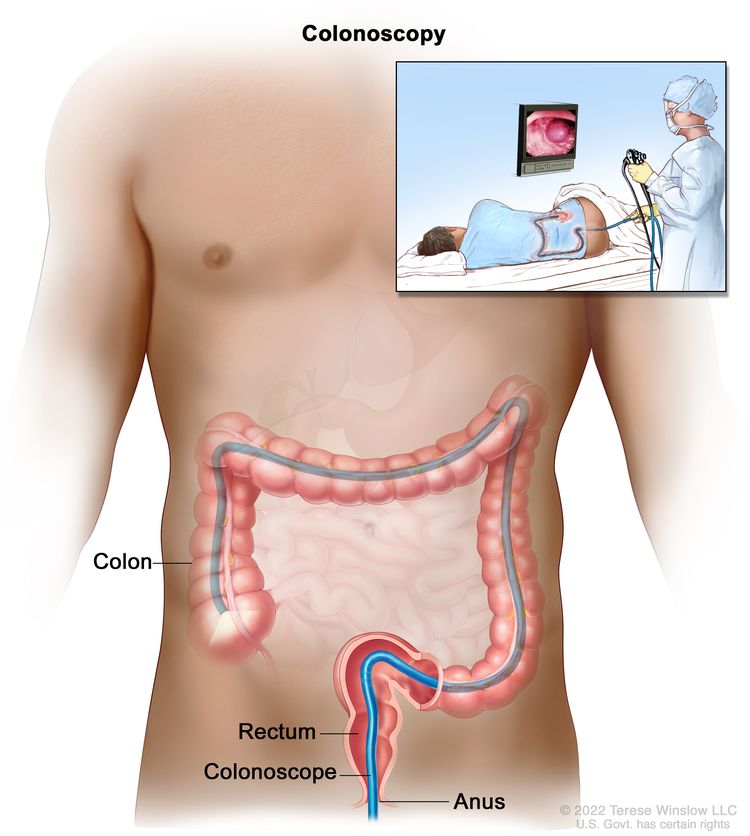
Gastrointestinal Complications (PDQ®)–Patient Version


Gastrointestinal Complications (PDQ®)–Patient Version

General Information

The gastrointestinal (GI) tract is part of the digestive system, which processes nutrients in foods that are eaten and helps pass waste material out of the body. The GI tract includes the stomach and intestines (bowels).

EnlargeGastrointestinal (digestive) system anatomy; drawing shows the esophagus, liver, stomach, small intestine, and large intestine.
The esophagus and stomach are part of the upper gastrointestinal (digestive) system.
  • Food moves from the throat to the stomach through a tube called the esophagus.
  • After food enters the stomach, it is broken down by stomach muscles that mix the food and liquid with digestive juices.
  • After leaving the stomach, partly digested food passes into the small intestine and then into the large intestine.
  • The end of the large intestine, called the rectum, stores the waste from the digested food until it is pushed out of the anus during a bowel movement.
EnlargeGastrointestinal (digestive) system anatomy; drawing shows the esophagus, liver, stomach, colon, small intestine, rectum, and anus.
Anatomy of the lower gastrointestinal (digestive) system showing the colon, rectum, and anus. Other organs that make up the digestive system are also shown.

GI complications refer to a range of problems that can affect the digestive system. GI complications are common in people with cancer and may be caused by the cancer itself, or it can be an effect of cancer treatment or the medicines used to manage symptoms.

Children and adults with cancer may experience similar types of GI complications, but the causes and treatment approaches differ based on age and other factors. This page describes the following GI complications in adults, their causes, and treatments:

Constipation

Key Points

  • Constipation is a condition in which bowel movements are difficult or painful to pass and don’t happen very often.
  • Constipation is a common problem for people with cancer.
  • Assessment of constipation includes a health history, physical exam, and other tests.
  • It is important to prevent and treat constipation to avoid serious problems.

Constipation is a condition in which bowel movements are difficult or painful to pass and don’t happen very often.

Constipation is caused by the slow movement of stool through the large intestine. As the stool slowly moves through the large intestine, it loses fluid and becomes harder.

A person with constipation may be unable to have a bowel movement, have to push harder to have a bowel movement, or have infrequent bowel movements.

There is no “normal” number of bowel movements for a person with cancer. Each person is different. However, if you have infrequent bowel movements, you may be constipated.

Constipation is a common problem for people with cancer.

Common causes of constipation include older age, changes in diet and fluid intake, and not getting enough exercise. In addition to these common causes of constipation, other causes in people with cancer include:

  • Medicines. Chemotherapy, opioids, antidepressants, antacids, and diuretics can cause constipation by affecting the nerves and muscles in the digestive tract, slowing down bowel movements.
  • Changes in your bathroom habits. You may have little or no privacy and need help to get to the bathroom.
  • Limited mobility. Long periods of inactivity due to cancer can cause constipation.
  • Bowel disorders. This includes disorders such as irritable bowel and diverticulitis.
  • Muscle and nerve disorders. A spinal cord injury or pressure on the spinal cord from a tumor can cause constipation.
  • Metabolic changes. Some cancers can affect your appetite and ability to absorb, store, and use nutrients.
  • Depression. Depression can lead to lower levels of activity and changes in bodily functions. Constipation can also be a side effect of medicines that treat depression.

Assessment of constipation includes a health history, physical exam, and other tests.

The following tests and procedures may be done to help diagnose constipation:

  • Health history: A discussion with your doctor about your bowel habits, including frequency, stool consistency, and whether you are experiencing symptoms such as pain, bloating, or nausea when you are constipated. The doctor will also ask about your diet, fluid intake, and medicines you are taking and whether there have been recent changes in any of these areas. For people who have colostomies, care of the colostomy will be discussed.
  • Physical exam: An exam of the body to check general signs of health, including checking for signs of disease, such as lumps or anything else that seems unusual. The doctor will check the abdomen to see if it is swollen, listen for bowel sounds, and feel for painful areas in the abdomen.

If the cause of the constipation isn’t clear from the health history and physical exam, your doctor may order more tests to find out if another problem is causing the constipation:

  • Digital rectal exam (DRE): An exam of the rectum. The doctor or nurse inserts a lubricated, gloved finger into the lower part of the rectum to feel for lumps or anything else that seems unusual. In women, the vagina may also be examined.
  • Fecal occult blood test: A test to check stool for blood that can only be seen with a microscope. Small samples of stool are placed on special cards and returned to the doctor or laboratory for testing.
    EnlargeGuaiac fecal occult blood test (FOBT) kit; shows card, applicator, and return envelope.
    A guaiac fecal occult blood test (FOBT) checks for occult (hidden) blood in the stool. Small samples of stool are placed on a special card and returned to a doctor or laboratory for testing.
  • Abdominal x-ray: An x-ray of the organs inside the abdomen. An x-ray is a type of high-energy radiation that can go through the body and onto film, making a picture of areas inside the body.
  • Sigmoidoscopy: A procedure to look inside the rectum and sigmoid (lower) colon for polyps, abnormal areas, or cancer. A sigmoidoscope is inserted through the rectum into the sigmoid colon. A sigmoidoscope is a thin, tube-like instrument with a light and a lens for viewing. It may also have a tool to remove polyps or tissue samples, which are checked under a microscope for signs of cancer.
  • Colonoscopy: A procedure to look inside the rectum and colon for polyps, abnormal areas, or cancer. A colonoscope is inserted through the rectum into the colon. A colonoscope is a thin, tube-like instrument with a light and a lens for viewing. It may also have a tool to remove polyps or tissue samples, which are checked under a microscope for signs of cancer.
    EnlargeColonoscopy; drawing shows a colonoscope inserted through the anus and rectum and into the colon. An inset shows a patient lying on a table having a colonoscopy.
    Colonoscopy. A thin, lighted tube is inserted through the anus and rectum and into the colon to look for abnormal areas.

It is important to prevent and treat constipation to avoid serious problems.

The health care team will talk to you about ways to prevent and treat constipation. Constipation can be uncomfortable and cause distress. If left untreated, constipation may lead to fecal impaction. This is a serious condition in which stool will not pass out of the colon or rectum. It’s important to treat constipation to prevent fecal impaction.

Prevention and treatment of constipation are not the same for every person. Keep track of how often you have a bowel movement and do the following to prevent and treat constipation:

  • Drink more fluid each day unless you have a medical condition that restricts fluid intake.
  • Get regular exercise. People who cannot walk may do abdominal exercises in bed or move from the bed to a chair.
  • Increase the amount of fiber in the diet. It’s important to drink more fluids when eating more high-fiber foods, to avoid making constipation worse. People who have had a small or large intestinal obstruction or have had intestinal surgery (for example, a colostomy) should not eat a high-fiber diet.
  • Drink a warm or hot drink about one half-hour before the usual time for a bowel movement.
  • Find privacy and quiet when it is time for a bowel movement.
  • Use the toilet or a bedside commode instead of a bedpan.
  • People who take opioids may need to start taking laxatives right away to prevent constipation. Other drugs may be given to prevent constipation.

People at risk of bleeding or infection should talk with their doctor before using suppositories or enemas.

Fecal Impaction

Key Points

  • Fecal impaction is a severe form of constipation in which dry, hard stool cannot pass out of the colon or rectum.
  • Fecal impaction and constipation share similar symptoms, but fecal impaction may cause other severe symptoms, such as breathing problems, dizziness, or low blood pressure.
  • Assessment of constipation includes a health history, physical exam, and other tests.
  • Fecal impaction is usually treated with an enema.

Fecal impaction is a severe form of constipation in which dry, hard stool cannot pass out of the colon or rectum.

Fecal impaction is dry stool that cannot pass out of the body. Constipation that is not treated can lead to fecal impaction. For this reason, the causes of fecal impaction are the same as those of constipation. To learn more, see the section on causes of constipation.

Fecal impaction and constipation share similar symptoms, but fecal impaction may cause other severe symptoms, such as breathing problems, dizziness, or low blood pressure.

Symptoms of fecal impaction include:

  • being unable to have a bowel movement
  • having to push harder to have a bowel movement of small amounts of hard, dry stool
  • having fewer than the usual number of bowel movements
  • having a swollen abdomen
  • having pain in the back or abdomen
  • urinating more or less often than usual, or being unable to urinate
  • having breathing problems
  • having a rapid heartbeat or chest pain
  • dizziness or low blood pressure
  • having sudden, explosive diarrhea (as stool moves around the impaction)
  • leaking stool when coughing
  • nausea and vomiting
  • dehydration
  • being confused and losing a sense of time and place, with a rapid heartbeat, sweating, fever, and high or low blood pressure

It’s important to talk with your health care provider if you have these symptoms.

Assessment of constipation includes a health history, physical exam, and other tests.

The following tests and procedures may be done to help diagnose fecal impaction:

  • Health history: A discussion with your doctor about your bowel habits, including frequency, stool consistency, and whether you are experiencing symptoms such as pain, bloating, or nausea when you are constipated. The doctor will also ask about your diet, fluid intake, and medicines you are taking and whether there have been recent changes in any of these areas.
  • Physical exam: An exam of the body to check general signs of health, including checking for signs of disease, such as lumps or anything else that seems unusual. The doctor will check the abdomen to see if it is swollen, listen for bowel sounds, and feel for painful areas in the abdomen.
  • Abdominal x-rays: An x-ray of the organs inside the abdomen. An x-ray is a type of high energy radiation that can go through the body and onto film, making a picture of areas inside the body to check for fecal impaction.
  • Digital rectal exam (DRE): An exam of the rectum. The doctor or nurse inserts a lubricated, gloved finger into the lower part of the rectum to feel for a fecal impaction, lumps, or anything else that seems unusual.
  • Sigmoidoscopy: A procedure to look inside the rectum and sigmoid (lower) colon for a fecal impaction, polyps, abnormal areas, or cancer. A sigmoidoscope is inserted through the rectum into the sigmoid colon. A sigmoidoscope is a thin, tube-like instrument with a light and a lens for viewing. It may also have a tool to remove polyps or tissue samples, which are checked under a microscope for signs of cancer.
    EnlargeSigmoidoscopy; drawing shows a sigmoidoscope inserted through the anus and rectum and into the sigmoid colon. An inset shows a patient lying on a table having a sigmoidoscopy.
    Sigmoidoscopy. A thin, lighted tube is inserted through the anus and rectum and into the lower part of the colon to look for abnormal areas.

Fecal impaction is usually treated with an enema.

The main treatment for impaction is to moisten and soften the stool so it can be removed or passed out of the body. This is usually done with an enema. Enemas are given only as prescribed by the doctor to reduce the risk of bleeding or infection for patients with low blood counts and because too many enemas can damage the intestine. Some people may need to have stool manually removed from the rectum after it is softened.

Bowel Obstruction

Key Points

  • A bowel obstruction is a blockage of the small or large intestine by something other than fecal impaction.
  • A bowel obstruction can cause pain.
  • Assessment of a bowel obstruction includes a physical exam and imaging tests.
  • Treatment for acute bowel obstruction may include surgery.
  • Treatment of a chronic, malignant bowel obstruction may include surgery to improve quality of life.

A bowel obstruction is a blockage of the small or large intestine by something other than fecal impaction.

A bowel obstruction (blockage) may be caused by a twist in an intestine, a hernia, inflammation, scar tissue from surgery, or cancer. The obstruction keeps the stool from moving through the small or large intestines. The intestine may be partly or completely blocked and can sometimes be blocked in two places.

A bowel obstruction may cause decreased blood flow to an area of the intestines. Blood flow needs to be corrected or the affected tissue may die.

Cancers in the stomach, colon, and ovary can spread to the abdomen and cause an obstruction. People with these cancers or those who have had surgery or radiation therapy to the abdomen have a higher risk of a bowel obstruction. Bowel obstructions are most common during the advanced stages of cancer.

A bowel obstruction can cause pain.

The following may be symptoms of a bowel obstruction:

  • abdominal pain or cramps
  • swelling in the abdomen
  • constipation
  • diarrhea
  • nausea or vomiting
  • problems passing gas
  • loss of appetite

It’s important to talk with your health care provider if you have these symptoms.

Assessment of a bowel obstruction includes a physical exam and imaging tests.

The following tests and procedures may be done to diagnose a bowel obstruction:

  • Physical exam: An exam of the body to check general signs of health, including checking for signs of disease, such as lumps or anything else that seems unusual.
  • Complete blood count (CBC): A procedure in which a sample of blood is drawn and checked for the following:
  • Electrolyte panel: A blood test that measures the levels of electrolytes, such as sodium, potassium, and chloride.
  • Urinalysis: A test to check the color of urine and its contents, such as sugar, protein, red blood cells, and white blood cells.
  • CT scan (CAT scan): This procedure uses a computer linked to an x-ray machine to make a series of detailed pictures of areas inside the body, such as the abdomen, taken from different angles. A dye may be injected into a vein or swallowed to help the organs or tissues show up more clearly. This procedure is also called computed tomography, computerized tomography, or computerized axial tomography.
  • Abdominal x-ray: An x-ray of the organs inside the abdomen. An x-ray is a type of energy beam that can go through the body and onto film, making a picture of areas inside the body.
  • Barium enema: A series of x-rays of the lower gastrointestinal tract. A liquid that contains barium (a silver-white metallic compound) is put into the rectum. The barium coats the lower gastrointestinal tract and x-rays are taken. This procedure is also called a lower GI series. This test may show what part of the intestine is blocked.
    EnlargeBarium enema procedure; shows barium liquid being put into the rectum and flowing through the colon. Inset shows person on table having a barium enema.
    Barium enema procedure. The patient lies on an x-ray table. Barium liquid is put into the rectum and flows through the colon. X-rays are taken to look for abnormal areas.

Treatment for acute bowel obstruction may include surgery.

Acute bowel obstructions occur suddenly and can be treated. Treatment may include the following:

  • Fluid replacement therapy: A treatment to get the fluids in the body back to normal amounts. Intravenous (IV) fluids may be given and medicines may be prescribed.
  • Electrolyte correction: A treatment to get the right amounts of chemicals in the blood, such as sodium, potassium, and chloride. Fluids with electrolytes may be given by infusion.
  • Blood transfusion: A procedure in which a person is given an infusion of whole blood or parts of blood.
  • Bowel rest: Food and sometimes fluid are held to give the intestines time to heal.
  • Nasogastric or colorectal tube: A nasogastric tube is inserted through the nose and esophagus into the stomach. A colorectal tube is inserted through the rectum into the colon. This is done to decrease swelling, remove fluid and gas buildup, and relieve pressure.
  • Stents: A metal tube inserted into the intestine to open the area that is blocked to relieve symptoms caused by the blockage.
  • Surgery: Surgery to relieve the obstruction may be done if it causes serious symptoms that are not relieved by other treatments.

People with symptoms that keep getting worse will have follow-up exams to check for signs and symptoms of shock and to make sure the obstruction isn’t getting worse.

Treatment of a chronic, malignant bowel obstruction may include surgery to improve quality of life.

Chronic, malignant bowel obstructions may worsen over time. People with advanced cancer may have chronic bowel obstructions that cannot be removed with surgery. The intestine may be blocked or narrowed in more than one place or the tumor may be too large to remove completely. Treatments include the following:

  • Surgery: The obstruction is removed to relieve pain and improve the patient’s quality of life.
  • Stent: A metal tube inserted into the intestine to open the area that is blocked to relieve symptoms and improve the patient’s quality of life.
  • Gastrostomy tube: A tube inserted through the wall of the abdomen directly into the stomach. The gastrostomy tube can be attached to a drainage bag with a valve. When the valve is open the built-up fluid and air can leave the stomach to relieve symptoms caused by the obstruction. People may also be able to eat or drink by mouth because the food drains directly into the bag. This gives the person the experience of tasting the food and keeping the mouth moist. Solid food is avoided because it may block the tubing to the drainage bag. If the person has an obstruction that is not completely blocking the intestine, they may also use the gastrostomy tube to pour medications directly into the stomach.
  • Medicines: Injections or infusions of medicines for pain, nausea and vomiting, and/or to make the intestines empty. This may be prescribed for people who cannot have surgery or be helped with a stent or gastrostomy tube.

Diarrhea

Key Points

  • Diarrhea is frequent, loose, and watery bowel movements.
  • Cancer treatment is the most common cause of diarrhea in people with cancer.
  • Assessment of diarrhea includes a health history, physical exam, and lab tests.
  • Treatment of diarrhea depends on what is causing it.

Diarrhea is frequent, loose, and watery bowel movements.

Acute diarrhea is three or more loose or watery bowel movements in one day. Acute diarrhea may last more than 4 days but less than 2 weeks. Frequent, watery stools that last for more than 2 months is called chronic diarrhea. Diarrhea can occur at any time during cancer treatment. It can be physically and emotionally stressful for people with cancer.

Cancer treatment is the most common cause of diarrhea in people with cancer.

Causes of diarrhea in people with cancer include the following:

Assessment of diarrhea includes a health history, physical exam, and lab tests.

Diarrhea can cause life-threatening complications in people with cancer. It is important to find out the cause so treatment can begin as soon as possible.

The following tests and procedures may be done to diagnose diarrhea and help plan treatment:

  • Health history: A discussion with your doctor about your urine habits and bowel habits, including frequency, stool consistency, and whether you are experiencing symptoms such as dizziness, drowsiness, pain, nausea and vomiting, or fever. The doctor will also ask about your recent diet and fluid intake, recent travels, and medicines you are taking and how often.
  • Physical exam: An exam of the body to check general signs of health, including checking for signs of disease, such as lumps or anything else that seems unusual. The doctor will check the abdomen for painful areas and listen for bowel sounds.
  • Digital rectal exam (DRE): An exam of the rectum. The doctor or nurse inserts a lubricated, gloved finger into the lower part of the rectum to feel for lumps or anything else that seems unusual. The exam will check for signs of fecal impaction. Stool may be collected for laboratory tests.
  • Fecal occult blood test: A test to check stool for blood that can only be seen with a microscope. Small samples of stool are placed on special cards and returned to the doctor or laboratory for testing.
  • Stool tests: Laboratory tests to check the water and sodium levels in stool, and to find substances that may be causing diarrhea. Stool is also checked for bacterial, fungal, or viral infections.
  • Complete blood count (CBC): A procedure in which a sample of blood is drawn and checked for the following:
  • Electrolyte panel: A blood test that measures the levels of electrolytes, such as sodium, potassium, and chloride.
  • Urinalysis: A test to check the color of urine and its contents, such as sugar, protein, red blood cells, and white blood cells.
  • Abdominal x-ray: An x-ray of the organs inside the abdomen. An x-ray is a type of high-energy radiation that can go through the body and onto film, making a picture of areas inside the body. Abdominal x-rays may also be done to look for a bowel obstruction or other problems.

Treatment of diarrhea depends on what is causing it.

Treatment depends on the cause of the diarrhea. The doctor may make changes to your medicines, diet, and/or fluids. Treatment of diarrhea may include the following:

  • A change in the use of laxatives may be needed.
  • Medicine to treat diarrhea may be prescribed to slow down the intestines, decrease fluid secreted by the intestines, and help nutrients be absorbed.
  • Diarrhea caused by cancer treatment may be treated by changes in diet. Eat small frequent meals and avoid the following foods:
    • milk and dairy products
    • spicy foods
    • alcohol
    • foods and drinks that have caffeine
    • certain fruit juices
    • foods and drinks that cause gas
    • foods high in fiber or fat
  • Drink more clear liquids to help stay hydrated. These include water, sports drinks, broth, weak decaffeinated tea, caffeine-free soft drinks, clear juices, and gelatin. For severe diarrhea, the person may need intravenous (IV) fluids or other forms of IV nutrition.
  • Diarrhea caused by graft-versus-host-disease (GVHD) is often treated with a special diet. Some people may need long-term treatment and diet management.
  • Probiotics may be suggested. Probiotics are live microorganisms used as a dietary supplement to help with digestion and normal bowel function. Research on the use of Lactobacillus acidophilus and Bifidobacterium has reported benefits in treating diarrhea.
  • People who have diarrhea with other symptoms may need fluids and medicine given by IV.

Radiation Enteritis

Key Points

  • Radiation enteritis is inflammation of the intestine caused by radiation therapy.
  • The total dose of radiation and other factors affect the risk of radiation enteritis.
  • Acute and chronic radiation enteritis have similar symptoms.
  • Assessment of radiation enteritis includes a physical exam and health history.
  • Treatment of acute radiation enteritis includes treating the symptoms.
  • Treatment of chronic radiation enteritis may include the same treatments for acute radiation enteritis.

Radiation enteritis is inflammation of the intestine caused by radiation therapy.

The small and large intestine are sensitive to radiation. Radiation therapy given to kill cancer cells in the abdomen and pelvis affects normal cells in the lining of the intestines. Radiation therapy stops the growth of cancer cells and other fast-growing cells. Since normal cells in the lining of the intestines grow quickly, radiation treatment to that area can stop those cells from growing. This makes it hard for tissue to repair itself. As cells die and are not replaced, gastrointestinal problems occur over the next few days and weeks.

Radiation enteritis is a condition in which the lining of the intestine becomes swollen and inflamed during or after radiation therapy to the abdomen, pelvis, or rectum. The larger the dose of radiation, the more damage may be done to normal tissue.

Radiation enteritis may be acute or chronic:

  • Acute radiation enteritis occurs during radiation therapy or within three months after finishing radiation therapy.
  • Chronic radiation enteritis may appear months after radiation therapy ends.

The total dose of radiation and other factors affect the risk of radiation enteritis.

The amount of time the enteritis lasts and how severe it is depend on the following:

  • the type and total dose of radiation received
  • the amount of normal intestine treated
  • the tumor size and how much it has spread
  • if chemotherapy was given at the same time as the radiation therapy
  • if the person has had surgery to the abdomen or pelvis
  • if the person has high blood pressure, diabetes, a smoking history, or poor nutrition

About 10% to 20% of people treated with radiation to the abdomen will have chronic problems.

Acute and chronic radiation enteritis have similar symptoms.

People with acute radiation enteritis may have the following symptoms:

Symptoms of acute enteritis usually go away 2 to 3 weeks after treatment ends.

Symptoms of chronic radiation enteritis usually appear 6 to 18 months after radiation therapy ends. It can be hard to diagnose. The doctor will first check to see if the symptoms are being caused by a recurrent tumor in the intestine. The doctor will also need to know the person’s full history of radiation treatments.

People with chronic radiation enteritis may have the following signs and symptoms:

  • abdominal pain
  • bloody diarrhea
  • greasy and fatty stools
  • weight loss
  • nausea
  • vomiting

It’s important to talk with your health care provider if you have these symptoms.

Assessment of radiation enteritis includes a physical exam and health history.

A doctor will do a physical exam and ask questions about the following:

  • usual pattern of bowel movements
  • pattern of diarrhea:
    • when it started
    • how long it has lasted
    • how often it occurs
    • amount and type of stools
    • other symptoms with the diarrhea (such as gas, cramping, bloating, urgency, bleeding, and rectal soreness)
  • nutrition health:
    • height and weight
    • usual eating habits
    • changes in eating habits
    • amount of fiber in the diet
    • signs of dehydration (such as poor skin tone, increased weakness, or feeling very tired)
  • stress levels and ability to cope
  • changes in lifestyle caused by the enteritis

Treatment of acute radiation enteritis includes treating the symptoms.

The symptoms of radiation enteritis usually get better with treatment, but if symptoms get worse, then cancer treatment may have to be stopped for a while.

Treatment of acute radiation enteritis or the symptoms may include:

  • anti-inflammatory medicines that improve the flow of blood through the body
  • antibiotics
  • steroids
  • medicines to stop diarrhea and to lower cholesterol in the blood
  • vitamin E
  • probiotic
  • diet changes
    • Intestines damaged by radiation therapy may not make enough of certain enzymes needed for digestion, especially lactase. Lactase is needed to digest lactose, which is found in milk and milk products. A lactose-free, low-fat, and low-fiber diet may help control symptoms of acute enteritis. Foods to avoid:
      • milk and some milk products
      • whole-bran bread and cereal
      • nuts, seeds, and coconut
      • fried, greasy, or fatty foods
      • fresh and dried fruit and some fruit juices (such as prune juice)
      • raw vegetables
      • rich pastries
      • popcorn, potato chips, and pretzels
      • strong spices and herbs
      • chocolate, coffee, tea, and soft drinks with caffeine
      • alcohol and tobacco
    • Foods to choose:
      • fish, poultry, and meat that are broiled or roasted
      • bananas
      • applesauce and peeled apples
      • apple and grape juices
      • white bread and toast
      • pasta
      • baked, boiled, or mashed potatoes
      • cooked vegetables that are mild, such as asparagus tips, green and waxed beans, carrots, spinach, and squash
      • mild processed cheese, which may not cause problems because the lactose is removed when it is made
      • buttermilk, yogurt, and lactose-free milkshake supplements, such as Ensure
      • eggs
      • smooth peanut butter
    • Helpful hints:
      • Eat food at room temperature.
      • Drink about 12 eight-ounce glasses of fluid a day.
      • Let sodas lose their fizz before drinking them.
      • Add nutmeg to food. This helps slow down movement of digested food in the intestines.
      • Start a low-fiber diet on the first day of radiation therapy.

Treatment of chronic radiation enteritis may include the same treatments for acute radiation enteritis.

Treatment of chronic radiation enteritis may include the following:

  • same treatments as for acute radiation enteritis symptoms
  • surgery may be needed to control symptoms in some patients. Two types of surgery may be used:
    • Intestinal bypass: A procedure in which the doctor creates a new pathway for the flow of intestinal contents around the damaged tissue.
    • Total intestinal resection: Surgery to completely remove the intestines.

    Doctors look at the person’s general health and the amount of damaged tissue before deciding if surgery will be needed. Healing after surgery is often slow and long-term tubefeeding may be needed. Even after surgery, many people still have symptoms.

Current Clinical Trials

Use our clinical trial search to find NCI-supported cancer clinical trials that are accepting patients. You can search for trials based on the type of cancer, the age of the patient, and where the trials are being done. General information about clinical trials is also available.

To Learn More About Gastrointestinal Complications

For more information from the National Cancer Institute about constipation or diarrhea, see the following:

About This PDQ Summary

About PDQ

Physician Data Query (PDQ) is the National Cancer Institute’s (NCI’s) comprehensive cancer information database. The PDQ database contains summaries of the latest published information on cancer prevention, detection, genetics, treatment, supportive care, and complementary and alternative medicine. Most summaries come in two versions. The health professional versions have detailed information written in technical language. The patient versions are written in easy-to-understand, nontechnical language. Both versions have cancer information that is accurate and up to date and most versions are also available in Spanish.

PDQ is a service of the NCI. The NCI is part of the National Institutes of Health (NIH). NIH is the federal government’s center of biomedical research. The PDQ summaries are based on an independent review of the medical literature. They are not policy statements of the NCI or the NIH.

Purpose of This Summary

This PDQ cancer information summary has current information about the causes and treatment of gastrointestinal complications, including constipation, impaction, bowel obstruction, diarrhea, and radiation enteritis. It is meant to inform and help patients, families, and caregivers. It does not give formal guidelines or recommendations for making decisions about health care.

Reviewers and Updates

Editorial Boards write the PDQ cancer information summaries and keep them up to date. These Boards are made up of experts in cancer treatment and other specialties related to cancer. The summaries are reviewed regularly and changes are made when there is new information. The date on each summary (“Updated”) is the date of the most recent change.

The information in this patient summary was taken from the health professional version, which is reviewed regularly and updated as needed, by the PDQ Supportive and Palliative Care Editorial Board.

Clinical Trial Information

A clinical trial is a study to answer a scientific question, such as whether one treatment is better than another. Trials are based on past studies and what has been learned in the laboratory. Each trial answers certain scientific questions in order to find new and better ways to help cancer patients. During treatment clinical trials, information is collected about the effects of a new treatment and how well it works. If a clinical trial shows that a new treatment is better than one currently being used, the new treatment may become “standard.” Patients may want to think about taking part in a clinical trial. Some clinical trials are open only to patients who have not started treatment.

Clinical trials can be found online at NCI’s website. For more information, call the Cancer Information Service (CIS), NCI’s contact center, at 1-800-4-CANCER (1-800-422-6237).

Permission to Use This Summary

PDQ is a registered trademark. The content of PDQ documents can be used freely as text. It cannot be identified as an NCI PDQ cancer information summary unless the whole summary is shown and it is updated regularly. However, a user would be allowed to write a sentence such as “NCI’s PDQ cancer information summary about breast cancer prevention states the risks in the following way: [include excerpt from the summary].”

The best way to cite this PDQ summary is:

PDQ® Supportive and Palliative Care Editorial Board. PDQ Gastrointestinal Complications. Bethesda, MD: National Cancer Institute. Updated <MM/DD/YYYY>. Available at: /side-effects/constipation/GI-complications-pdq. Accessed <MM/DD/YYYY>. [PMID: 26389438]

Images in this summary are used with permission of the author(s), artist, and/or publisher for use in the PDQ summaries only. If you want to use an image from a PDQ summary and you are not using the whole summary, you must get permission from the owner. It cannot be given by the National Cancer Institute. Information about using the images in this summary, along with many other images related to cancer can be found in Visuals Online. Visuals Online is a collection of more than 3,000 scientific images.

Disclaimer

The information in these summaries should not be used to make decisions about insurance reimbursement. More information on insurance coverage is available on Cancer.gov on the Managing Cancer Care page.

Contact Us

More information about contacting us or receiving help with the Cancer.gov website can be found on our Contact Us for Help page. Questions can also be submitted to Cancer.gov through the website’s E-mail Us.

Skin and Nail Changes during Cancer Treatment

Person with cancer applying lotion to prevent dry and itchy skin.

When cancer treatments cause skin and nail problems, there are creams and lotions that can help your skin to feel better.

Credit: iStock

Cancer treatments may cause skin and nail changes. Talk with your health care team to learn what side effects your treatment may cause. While skin problems caused by radiation therapy and chemotherapy are often mild, they may be more severe if you are receiving a stem cell transplant, targeted therapy, or immunotherapy. Let your health care team know if you notice any skin changes so they can be treated promptly.

  • Sometimes radiation therapy can cause the skin on the part of your body receiving radiation to become dry and peel, itch (called pruritus), and turn red or darker. Your skin may look sunburned or become swollen or puffy. You may develop sores that become painful, wet, and infected. This is called a moist reaction.
  • Some types of chemotherapy can cause your skin to become dry, itchy, red or darker, or peel. You may develop a minor rash or sunburn easily; this is called photosensitivity. Some people also have skin pigmentation changes. Your nails may be dark and cracked, and your cuticles may hurt. If you received radiation therapy in the past, the area of skin where you received radiation may become red, blister, peel, or hurt. This is called radiation recall. Signs of an allergic response to chemotherapy may include a sudden or severe rash or hives or a burning sensation.
  • Stem cell transplants can cause graft-versus-host disease (GVHD), which may cause skin problems such as a rash, blisters, or thickening of the skin.
  • Some types of immunotherapy can cause a severe and sometimes extensive rash. Your skin may be dry or blister.
  • Some types of targeted therapy may cause dry skin, a rash, and nail problems. If you develop a rash, it is important to talk with your doctor before stopping targeted therapy.
Ask Your Health Care Team about Skin and Nail Changes
  • What skin and nail changes might I have, based on the cancer treatment I am receiving?
  • Which symptoms can be managed at home? Which symptoms need urgent medical care?

If you have a severe, extensive, blistering, or painful rash and are receiving immunotherapy, call your doctor to get their advice. It’s especially important to call about rashes that involve the eyes or a mucous membrane, such as your mouth, caused by immunotherapy.

Make note of all problems you should call your health care team about.

Skin changes:

Nail changes:

  • cracked nails
  • cuticles that are swollen and/or painful
  • nail infections (acute paronychia)
  • yellow nails

Ways to prevent or manage mild skin and nail changes during cancer treatment

Talk with your health care team to learn if you should manage these problems at home. Depending upon the treatment you are receiving, your health care team may advise you to take these steps:

  • Use only recommended skin products. Use mild soaps that are gentle on your skin. Ask your nurse to recommend specific skin products. If you are receiving radiation therapy, ask about skin products, such as powder or antiperspirant, that you should avoid using before treatment.
  • Prevent infection. Radiation therapy can cause skin in the treatment area to peel, become painful, and wet. Most often this happens in areas where the skin folds, such as around your ears, breast, or bottom. Try to keep the area clean and dry so it does not become infected. Your nurse will talk with you about how to clean the area and may prescribe special dressings that you can apply to the area and/or antibiotics.
  • Moisturize your skin. Use recommended creams or lotions to prevent your skin from becoming dry and itchy. Irritated skin can become infected. Ask about special creams or ointments for severely dry, itchy, or painful skin.
  • Protect your skin. Use sunscreen and sun-protective lip balm. Wear a loose-fitting long-sleeved shirt, pants, and a hat with a wide brim when outdoors to prevent sunburn. If you are receiving radiation therapy, don’t use heating pads, ice packs, or bandages on the treatment area. You may want to shave less often and use an electric razor or stop shaving if your skin is tender and sore.
  • Prevent or treat dry, itchy skin. Avoid products that list alcohol or fragrance as an ingredient, since they can dry or irritate your skin. Your nurse may suggest you add colloidal oatmeal to your baths, as it can reduce itching. Take short showers or baths in lukewarm, not hot, water. Put on skin cream or ointment that is recommended by your nurse after drying off from a shower but while your skin is still a little damp. Apply a cool washcloth or ice to dry, itchy skin.
  • Prevent or treat minor nail problems. Keep your nails clean and cut short to avoid accidentally tearing them. Protect your hands and nails by wearing gloves when you wash the dishes, or clean the house, for example. Avoid getting manicures and pedicures. Don’t wear tight-fitting shoes. Ask your nurse to recommend products that can be used to treat nail problems.
  • Learn about treatments for irritating or painful skin rashes. Sometimes skin problems need medical treatment. Your rash may be treated with a medicated cream (topical corticosteroids) or with medicine that you take as a pill (oral corticosteroids or antibiotics).

Talking with your health care team about skin and nail changes

Prepare for your visit by making a list of questions to ask. Consider adding these questions to your list:

  • What skin-and nail related side effects are common for the type of treatment I’m receiving?
  • Are there steps I can take to prevent any of these problems?
  • What problems should I call you about? Are there any problems that need urgent medical care?
  • When might these problems start? How long might they last?
  • What brands of soap and lotion would you advise me to use on my skin? On my nails?
  • Are there skin and nail products I should avoid?
  • Should I see a dermatologist so I can learn more about how to prevent or manage skin problems?

Sleep Problems in People with Cancer

Man with cancer who is getting good night’s sleep in a comfortable bed.

People going through treatment for cancer may have changes in their sleep patterns or difficulty sleeping. Tell your nurse about any difficulties you are having, so you can get the help you need to sleep better at night. 

Credit: iStock

What sleep problems are common in people being treated for cancer?

Sleep problems such as being unable to fall asleep and/or stay asleep, also called insomnia, are common among people being treated for cancer.

What causes sleep problems?

Sleep problems may be caused by the side effects of treatment, medicines you are taking, long hospital stays, stress, and other factors. Studies show that as many as half of all people have sleep-related problems during treatment for cancer.

How are sleep problems assessed?

Your doctor, or a sleep specialist, can do an assessment, which may include a polysomnogram (recordings taken during sleep that show brain waves, breathing rate, and other activities such as heart rate) to correctly diagnose and treat sleep problems. Assessments may be repeated from time to time, since sleeping problems may change over time. Learn more about when a sleep study may be useful, what to expect, and what your doctor may recommend after a sleep study. 

Why is a good night’s sleep important?

Sleeping well is important for your physical and mental health. A good night’s sleep may help you to think more clearly, lower your blood pressure, help your appetite, and strengthen your immune system. Sleep problems that go on for a long time may increase the risk of anxiety or depression.

Ways to manage sleep problems 

Talk with your health care team if you have difficulty sleeping, so you can get the help you need. There are steps that you and your health care team can take to help you sleep well again.

  • Tell your doctor about problems that interfere with sleep. Getting treatment to lower problems such as pain or other side effects such as urinary and bladder problems, or diarrhea, may help you sleep better.
  • Cognitive behavioral therapy (CBT) and relaxation therapy may help. Practicing these therapies can help you to relax. For example, a CBT therapist can help you learn to change negative thoughts and beliefs about sleep into positive ones. Strategies such as muscle relaxation, guided imagery, and self-hypnosis may also help you.
  • Set good bedtime habits. Go to bed only when sleepy, in a quiet and dark room, and in a comfortable bed. If you do not fall asleep, get out of bed and return to bed when you are sleepy. Stop watching television or using other electrical devices a couple of hours before going to bed. Don’t drink or eat a lot before bedtime. While it’s important to keep active during the day with regular exercise, exercising a few hours before bedtime may make sleep more difficult.
  • Sleep medicine may be prescribed. Your doctor may prescribe sleep medicine, for a short period if other strategies don’t work. The sleep medicine prescribed will depend on your specific problem (such as trouble falling asleep or trouble staying asleep) as well as other medicines you are taking.

Talking with your health care team about sleep problems

Prepare for your visit by making a list of questions to ask. Consider adding these questions to your list:

  • Why am I having trouble sleeping?
  • What problems should I call you about?
  • What steps can I take to sleep better?
  • Would you recommend a sleep therapist who could help with the problems I am having?
  • Would sleep medicine be advised for me?

Urinary and Bladder Problems

Older man who is drinking a full glass of water.

For urinary and bladder problems caused by cancer treatments, drink plenty of water. Ask your doctor what symptoms to call about—such as fever or pain, for example.

Credit: iStock

Some cancer treatments, such as those listed below, may cause urinary and bladder problems:

Symptoms of a urinary problem

Talk with your doctor or nurse to learn what symptoms you may experience and ask which ones to call about. Some urinary or bladder changes may be normal, such as changes to the color or smell of your urine caused by some types of chemotherapy. Your health care team will determine what is causing your symptoms and will advise on steps to take to feel better.

Irritation of the bladder lining (radiation cystitis):

  • pain or a burning feeling when you urinate
  • blood in your urine (hematuria)
  • trouble starting to urinate
  • trouble emptying your bladder completely (urinary retention)
  • feeling that you need to urinate urgently or frequently
  • leaking a little urine when you sneeze or cough
  • bladder spasms, cramps, or discomfort in the pelvic area

Urinary tract infection (UTI):

  • pain or a burning feeling when you urinate
  • urine that is cloudy or red
  • a fever of 100.5 °F (38 °C) or higher, chills, and fatigue
  • pain in your back or abdomen
  • difficulty urinating or not being able to urinate

In people being treated for cancer, a UTI can turn into a serious condition that needs immediate medical care. Antibiotics will be prescribed if you have a bacterial infection.

Symptoms that may occur after surgery:

Ways to prevent or manage

Here are some steps you may be advised to take to feel better and to prevent problems:

  • Drink plenty of liquids. Most people need to drink at least 8 cups of fluid each day, so that urine is light yellow or clear. You’ll want to stay away from things that can make bladder problems worse. These include caffeine, drinks with alcohol, spicy foods, and tobacco products.
  • Prevent urinary tract infections. Your doctor or nurse will talk with you about ways to lower your chances of getting a urinary tract infection. These may include going to the bathroom often, wearing cotton underwear and loose fitting pants, learning about safe and sanitary practices for catheterization, taking showers instead of baths, and checking with your nurse before using products such as creams or lotions near your genital area.

Talking with your health care team

Prepare for your visit by making a list of questions to ask. Consider adding these questions to your list:

  • What symptoms or problems should I call you about?
  • What steps can I take to feel better?
  • How much should I drink each day? What liquids are best for me?
  • Are there certain drinks or foods that I should avoid?

Sexual Health Issues in Women with Cancer

Man and woman holding hands as they walk in the sunshine.

Talk with your doctor to learn what to expect and how to manage changes that may affect your sexual life.

Credit: iStock

Women being treated for cancer may experience changes that affect their sexual life during, and sometimes after, treatment. While you may not have the energy or interest in sexual activity that you did before treatment, feeling close to and being intimate with your spouse or partner is probably still important.

Your doctor or nurse may talk with you about how cancer treatment might affect your sexual life, or you may need to be proactive and ask questions such as: What sexual changes or problems are common among women receiving this type of treatment? What methods of birth control or contraception are recommended during treatment?

Other questions to consider asking are listed at the end of this page. For more information about how treatment may affect your fertility, see Fertility Issues in Girls and Women.

Whether or not your sexual health will be affected by treatment depends on factors such as:

  • the type of cancer
  • the type of treatment(s)
  • the amount (dose) of treatment
  • the length (duration) of treatment
  • your age at time of treatment
  • the amount of time that has passed since treatment
  • other personal health factors

Cancer treatments may cause sexual problems in women

Some problems that affect a woman’s sexual health during treatment are temporary and improve once treatment has ended. Other side effects may be long term or may start after treatment. Your doctor will talk with you about side effects you may have based on your treatment(s):

Ways to manage sexual health issues

People on your health care team have helped others to cope during this difficult time and can offer valuable suggestions. You may also want to talk with a sexual health expert to get answers to any questions or concerns.

Most women can be sexually active during treatment, but you’ll want to confirm this with your doctor. For example, there may be times during treatment when you are at increased risk of infection or bleeding and may be advised to abstain from sexual intercourse.

Your health care team can help you:

  • Learn about medicine and exercises to make sex more comfortable, including:
    • vaginal gels or creams to stop a dry, itchy, or burning feeling
    • vaginal lubricants or moisturizers
    • vaginal estrogen cream that may be appropriate for some types of cancer
    • a dilator to help prevent or reverse scarring, if radiation therapy or graft-versus-host disease has affected your vagina
    • exercises for pelvic muscles to lower pain, improve bladder retention, improve bowel function, and increase the flow of blood to the area, which can improve your sexual health
  • Manage related side effects: Talk with your doctor or nurse about problems such as pain, fatigue, hair loss, loss of interest in activities, sadness, or trouble sleeping, that may affect your sex life. Speaking up about side effects can help you get the treatment and support you need to feel better.
  • Learn about condoms and/or contraceptives: Condoms may be advised to prevent your partner’s exposure to some types of chemotherapy that may remain in vaginal secretions. If you are of childbearing age, contraceptives may be advised to prevent pregnancy while you are receiving treatment and for a period of time following treatment. For more information, see Fertility Issues in Girls and Women.
  • Get support and counseling: During this time, you can gain strength and support by sharing your concerns with people you are close to. You may also benefit from participating in a professionally moderated or led support group. Your nurse or social worker can recommend support groups and counselors in your area.

Talking with your health care team about sexual health issues

As you think about the changes that treatment has brought into your life, make a list of questions to discuss with your doctor, nurse, or social worker. Consider adding these to your list:

  • What sexual problems are common among women receiving this treatment?
  • What sexual problems might I have during treatment?
  • When might these changes occur?
  • How long might these problems last? Will any of these problems be permanent?
  • How can these problems be prevented, treated, or managed?
  • What specialist(s) would you suggest that I talk with to learn more?
  • Are there support groups in this area that you recommend?
  • What method(s) of birth control are advised?
  • What precautions do I need to take during treatment? For example, should my partner use a condom? Are there times when I should avoid sexual activity?

Sexual Health Issues in Men with Cancer

Man with cancer who is resting and being gently held by his wife.

Talk with your doctor to learn what to expect and how to manage changes that may affect your sexual life.

Credit: iStock

Men being treated for cancer may experience changes that affect their sexual life during, and sometimes after, treatment. While you may not have the energy or interest in sexual activity that you did before treatment, being intimate with and feeling close to your spouse or partner is probably still important.

Your doctor or nurse may talk with you about how cancer treatment might affect your sexual life or you may need to be proactive and ask questions such as: What sexual changes or problems are common among men receiving this type of treatment? What methods of birth control or protection are recommended during treatment?

Other questions to consider asking are listed at the end of this page. For more information about how treatment may affect your fertility, see Fertility Issues in Boys and Men

Whether or not you’ll have problems that affect your sexual health depends on factors such as:

  • the type of cancer
  • the type of treatment(s)
  • the amount (dose) of treatment
  • the length (duration) of treatment
  • your age at time of treatment
  • the amount of time that has passed since treatment
  • other personal health factors

Cancer treatments may cause sexual problems in men

Many problems that affect a man’s sexual activity during treatment are temporary and improve once treatment has ended. Other side effects may be long term or may start after treatment.

Your doctor will talk with you about side effects you may have based on your treatment(s):

Health problems, such as heart disease, high blood pressure, diabetes, and smoking, can also contribute to changes in your sexual health.

Ways to manage sexual health issues

People on your health care team have helped others cope during this difficult time and can offer valuable suggestions. You may also want to talk with a sexual health expert to get answers to any questions or concerns.

Most men can be sexually active during treatment, but you’ll want to confirm this with your doctor. For example, there may be times during treatment when you are at increased risk of infection or bleeding and may be advised to abstain from sexual activity. Depending on the type of treatment you are receiving, condom use may be advised.

Your health care team can help you:

  • Learn about treatments: Based on symptoms you are having, your oncologist or a urologist will advise you on treatment options. For example, there are medicines and devices that may be prescribed once a sexual health problem has been diagnosed. Medicines can be given to increase blood flow to the penis. There are also surgical procedures in which a firm rod or inflatable device (penile implant) is placed in the penis, making it possible to get and keep an erection.
  • Learn about condoms and/or contraceptives: Condoms may be advised to prevent your partner’s exposure to chemotherapy drugs that may remain in semen. Based on your partner’s age, contraception may be advised to prevent pregnancy. For more information, see Fertility Issues in Boys and Men.
  • Manage related side effects: Talk with your doctor or nurse about problems such as pain, fatigue, hair loss, loss of interest in activities, sadness, or trouble sleeping, that may affect your sex life. Speaking up about side effects can help you get the treatment and support you need to feel better.
  • Get support and counseling: During this time, it will help to share your feelings and concerns with people you are close to. You may also benefit from participating in a professionally moderated or led support group. Your nurse or social worker can recommend support groups and counselors in your area.

Talking with your health care team about sexual health issues

As you think about the changes that treatment has brought into your life, make a list of questions to ask your doctor, nurse, or social worker. Consider adding these to your list:

  • What sexual problems are common among men receiving this treatment?
  • What sexual problems might I have during treatment?
  • When might these changes occur?
  • How long might these problems last? Will any of these problems be permanent?
  • How can these problems be prevented, treated, or managed?
  • What precautions do I need to take during treatment? For example, do I need to use a condom to protect my partner?
  • Should my partners and I use contraception to avoid a pregnancy? What types of contraception (birth control) do you recommend?
  • Is there a support group that you recommend?
  • What specialist(s) would you suggest that that I talk with to learn more?

Pain and Cancer

Doctor explaining when and how often to take medicine for pain, to a man with cancer.

Taking pain medicine is an important part of your cancer treatment plan.

Credit: iStock

Having cancer doesn’t mean that you’ll have pain. But if you do, pain can usually be controlled with pain medicine and non-drug approaches. Pain may be caused by cancer or cancer treatment. The information on this page will help you talk with your doctor to develop a pain management strategy to relieve your pain.

Key facts about pain for people with cancer

  • Controlling pain is an important part of your cancer treatment plan. You may have pain that feels more intense at times than others. Therefore, sometimes you may need stronger medicines or different approaches to control the pain.
  • Your doctor will develop a pain control plan that is unique to you, based on your symptoms and what is causing the pain.
  • Tell your health care team how the plan to control pain is working. Trying to “deal with” the pain can make it harder to control in the future.
  • Effectively treating pain can make a big difference in your everyday life, as well as improve your mood, help you sleep better, and give you energy.

Common types of pain in people with cancer

  • Acute pain, which may feel sharp and come on quickly. It often lasts for only a short time.
  • Breakthrough pain, which may come on suddenly, is pain that may occur while you are taking medicine to manage chronic pain. It usually lasts for a short time and may be intense. Breakthrough pain may happen even when you’re taking the correct amount of pain medicine, if the current medicine is wearing off, for example.
  • Chronic pain, also called persistent pain, is pain that usually lasts more than three months. It may be mild or severe. Chronic pain may come and go or be constant. Chronic pain levels may also stay the same, or get worse, over time.

Causes of cancer-related pain

There are different causes of pain in people being treated for cancer. Sometimes cancer is the cause of your pain. This may happen if a tumor presses on nerves or other parts of your body. Some cancer treatments or tests cause pain, such as surgery or bone marrow aspiration. Another cause of pain may be the side effects of cancer treatment, such as mouth sores, peripheral neuropathy, or skin reactions.

Specialists who treat people with pain

Some hospitals have pain specialists. These specialists often work together as a team to treat pain. Your pain control team may be led by your doctor or a palliative care specialist. Other specialists on the team may include experts such as a nurse, an acupuncturist, a pharmacist, a surgeon, a psychiatrist or a psychologist.

Developing a pain control plan 

Based on your description of the pain, your symptoms, a physical exam, and sometimes imaging tests, your doctor will develop a plan to control your pain. This plan usually includes pain control medicine and may include other practices such as those listed in the integrative medicine section below.

Describing your pain: When you talk with your doctor or nurse, be as specific as you can about the pain. Your health care team may ask you questions like these to better understand and treat your pain: 

Pain occurs in up to 50% of people with cancer. Source: van den Beuken-van Everdingen MHJ et al. Cancers (Basel). 2018 Dec; 10(12). cancer.gov

  • Where do you feel pain? 
  • What does the pain feel like (is it sharp, burning, shooting, or throbbing)? Here are words you can use to help describe pain.
  • Does the pain come and go, or is it constant?
  • When does the pain start? How long does the pain last?
  • How bad is the pain, on a scale of 1 to 10, where “10” is the most pain and “1” the least?
  • What helps to lower the pain or make it go away?
  • What makes the pain get worse?
  • Does the pain interfere with eating, sleeping, exercise, or other daily activities? 
  • How does pain affect your mood and mental health?

Ask your nurse how to track pain-related information. Some people write down their levels of pain and the medicine they took for it, in a notebook. Others may get a chart from their nurse or use a pain app on their phone.    

Getting a pain control plan that works for you: Once a pain control plan has been developed, your health care team will talk with you about whether your pain is going down. They may ask you questions:

  • Is your pain medicine helping to lower the pain?
  • How much medicine do you take?
  • When and how often do you take it?
  • Is the pain medicine causing side effects that are bothering you?
  • Would you like to try other practices that may help with your pain? For example, acupuncture, mindfulness, hypnosis, or guided imagery.

Based on your answers to these questions, your doctor may change the type or amount of pain medicine and make other suggestions.

When to call your doctor: Contact your doctor or nurse if you feel new pain, if your pain isn’t decreasing or going away with pain medicine, or if you have side effects from the pain medicine. Pain is not something that you have to “put up with.” Ask your doctor about any other times you should call.

Taking your pain control medicine

Different types of pain medicine (also called painkillers, pain relievers, and analgesics) are used to control pain. Your doctor will explain what medicine is recommended for you, when to take it, and exactly how much to take (dose) at one time. It’s also important to learn about side effects and how to manage them.

Types of pain medicine

These different types of medicine may be used to control pain:

Learn more about these and other drugs in the NCI Drug Dictionary

How much and when to take pain control medicine

Take the prescribed amount of medicine, at the scheduled time. If you aren’t sure exactly when to take your pain medicine, ask your doctor.

  • Don’t wait until your pain gets bad before taking pain medicine. If you wait to take your medicine, the pain may take longer to go away, or you may need to take more medicine. The best way to control pain is to stop it from starting or keep it from getting worse.  
  • Tell your doctor if the medicine is not working. The type of pain medicine or the amount you are taking may need to be changed.
  • Never stop taking your pain medicine without first talking to your doctor. Taking less pain medicine than your doctor has prescribed or stopping the medication abruptly could cause a condition called withdrawal. Symptoms of withdrawal may include anxiety, sweating, nausea, and vomiting.
  • Sometimes your body gets used to a medicine and it no longer works as it first did. This is called drug tolerance. Either more medicine or a different type of medicine may be prescribed.

Side effects of pain control medicines

It’s important to ask about side effects that pain medicine may cause so you know what to expect and how to manage them. Common side effects of pain medicine include constipation, drowsiness, nausea, or vomiting. Some of these may go away as your body gets used to the pain medicine. Talk with your doctor to learn about any reactions you should seek emergency medical care for or call about.

What to know about drug tolerance, physical dependence, and addiction

People with cancer often need to take strong pain medicine, such as opioids. Ask your health care team about drug tolerance, physical dependence, and addiction, especially if you were prescribed opioids to control pain.

Drug tolerance is a condition that happens when your body gets used to medicine. Some people with cancer pain stop getting pain relief from pain medicine over time. If drug tolerance happens, your doctor may increase the dose or prescribe a different pain medicine.

Physical dependence is a condition in which a person takes a drug over time and has unpleasant physical symptoms if the drug is suddenly stopped, or the dose is significantly reduced. It happens when the body gets used to a certain level of the medicine. Physical dependence can happen with the chronic use of a drug, even when taken as instructed.

Addiction involves compulsive drug seeking behavior and the inability to stop taking the drug, despite harmful consequences—such as not meeting important family, work, or social obligations. Know that addiction can happen to anyone, regardless of age, race, or income levels.

It’s common for people with cancer to worry about becoming addicted to pain medicines. Know that needing a higher dose of pain medicine or having symptoms when the dose is decreased or stopped is not the same as addiction. Your doctor will carefully prescribe your pain medicine and monitor you, so that your pain is safely treated. Each person’s pain control plan is tailored to them. Most people with cancer who take strong pain medicine, such as opioids, use them safely and effectively.

Complementary and integrative medicine practices to manage pain

In addition to prescribing medicine to manage pain, your health care team may suggest other practices. These non-drug practices are often called complementary medicine, integrative medicine, and whole person health. Some examples of natural pain relief include:

  • Acupuncture is the technique of inserting very thin needles about the thickness of a hair into specific points on your body. It can help to relieve discomfort and pain. Learn about acupuncture.
  • Biofeedback is a technique that helps you learn how to control functions such as heartbeat, blood pressure, and muscle tension to reduce pain. Learn about biofeedback-assisted relaxation.
  • Distraction is a technique that can help you take your attention away from the pain by focusing on something else, such as listening to music, walking outside, or watching a movie.
  • Guided imagery, also called visualization, is a technique in which you focus on positive scenes, pictures, or experiences to lower pain. Learn about guided imagery.
  • Hypnosis is a trance-like state of deep relaxation that can be used to relieve pain. Learn about hypnosis.
  • Meditation can help to relax your mind and body, which can improve your overall sense of well-being and lower pain. Learn about meditation and mindfulness.

These and other integrative medicine practices are available in communities and hospitals. There are also online programs. Ask your health care team to suggest the best options for you.  

Questions to ask doctors about pain 

  • What symptoms should I call you about?
  • What symptoms should I go to the emergency room for?
  • Which medicine(s) do you recommend for me?
  • What side effects may I have from the pain medicine?
  • If the pain doesn’t go away, can I take more pain medicine or take it more frequently?
  • If so, how much and how often can I take the pain medicine?
  • Is there a pain specialist that you could refer me to for more information?
  • Are there approaches other than or in addition to pain medication that may help my pain? 

NCI’s Cancer Pain PDQ summary has in-depth information on managing and treating cancer-associated pain. View the patient or health professional version.

Related resources