HIV Infection and Cancer Risk

Does human immunodeficiency virus (HIV) infection increase the risk of cancer?

Yes. People living with HIV have a higher risk of some types of cancer compared with the general population (1). These are called “HIV-associated cancers.” 
 
The risk of some HIV-associated cancers is strongly associated with HIV-related immunosuppression. In particular, Kaposi sarcoma and certain aggressive non-Hodgkin lymphomas are much more likely to develop in people whose immune systems are severely damaged by HIV than in those whose immune function is only slightly reduced. With other HIV-associated cancers, risk is increased in people with HIV even if their immune function is nearly normal. For example, cervical cancer risk is increased in women with HIV even if they have minimal immunosuppression.
 
In the past, Kaposi sarcoma, aggressive non-Hodgkin lymphoma, and cervical cancer were considered “AIDS-defining cancers,” meaning that they conferred a diagnosis of AIDS when they occurred in someone living with HIV. However, this terminology is being abandoned, in part because of the weak association between cervical cancer and HIV-related immunosuppression. 
 
According to recent research (2), during 2015–2019, compared with the general population, people living with HIV were more likely to be diagnosed with

  • Kaposi sarcoma (more than 800 times as likely as the general population)
  • Anal cancer (nearly 20 times as likely)
  • Burkitt lymphoma (about 15 times as likely)
  • Diffuse large B-cell lymphoma (about 6 times as likely)
  • Hodgkin lymphoma (about 6 times as likely)
  • Cervical cancer (3-4 times as likely)
  • Liver cancer (twice as likely)
  • Lung cancer (1.6 times as likely). However, because lung cancer is relatively common in the general population, it represents the second-most-common cancer in people living with HIV. 

HIV infection is also associated with an increased risk of dying from cancer after a cancer diagnosis (36). 

Why do people living with HIV have a higher risk of some types of cancer?

Most of the cancers with increased incidence in people living with HIV are caused by viruses. That is because infection with HIV weakens the immune system, reducing the body’s ability to fight viral infections or viral-infected cancer precursor cells that may lead to cancer (710). The viruses that are most likely to cause cancer in people living with HIV are (11)

People with HIV may be more likely to be infected with these viruses because of shared routes of transmission with HIV. Also, because of their weakened immune systems, people living with HIV are less able to clear or suppress the infections (1215).

Both immunosuppression and inflammation may also have other direct or indirect roles in the development of some cancers that are elevated in people living with HIV (7, 11).

In addition, people living with HIV are more likely than those in the general population to smoke or use alcohol heavily, both of which increase the risk of cancer (14, 16).

The poorer cancer survival of HIV-infected people may result, at least in part, from their weakened immune systems. The increased risk of death could also result from the cancer being more advanced at diagnosis (5), delays in cancer treatment, or poorer access to appropriate cancer treatment. For example, in a study that looked at cancer treatment disparities during 2001 to 2019, people living with HIV were less likely than those without HIV to receive cancer treatment for lymphoma or cancers of the lung, cervix, prostate, colon, or breast (17).
 

Has the introduction of antiretroviral therapy changed the cancer risk of people infected with HIV?

The introduction of combination antiretroviral therapy (cART) starting in the mid-1990s greatly reduced the incidence of certain cancers, especially Kaposi sarcoma and non-Hodgkin lymphoma, in people living with HIV (7).

However, people living with HIV continue to have a much higher risk of these cancers than the general population (18). This persistently high risk may reflect the fact that cART does not completely restore immune system functioning. Also, many people living with HIV are not receiving adequate antiretroviral therapy because they are not aware they are infected, have had difficulty in accessing medical care, or for other reasons.

The number of cases for many cancers has increased over time in people living with HIV, which reflects the aging and growth of this population, as cART has reduced deaths from AIDS. The fastest growing proportion of the HIV population is the over-40 age group. These individuals are also now developing cancers that are commonly seen in the general population as people age (19). 

What can people living with HIV do to reduce their risk of cancer or to find cancer early?

People living with HIV can reduce their risk of cancer by

  • Taking cART as recommended. Based on current HIV treatment guidelines, cART lowers the risk of Kaposi sarcoma and non-Hodgkin lymphoma and increases overall survival.
  • Quitting smoking. The risk of lung, oral, and other cancers can be reduced by quitting smoking. Because HIV-infected people have a higher risk of lung cancer, it is especially important that they do not smoke.
  • Getting tested and treated for hepatitis virus infection. The higher incidence of liver cancer among people living with HIV appears to be related to more frequent infection with hepatitis virus (particularly HCV in the United States) (14, 20). Therefore, people living with HIV should be tested for hepatitis virus infection. Those who are found to have a hepatitis virus infection should discuss with their health care provider whether antiviral treatment is an option for them (21, 22). Some drugs may be used for both HBV-suppressing therapy and cART (20).
  • Getting screened for cervical cancer. Because HIV infection increases the risk of cervical cancer, it is important that women living with HIV be screened regularly for this disease. National guidelines call for screening with cytology (Pap test) at the time of initial HIV diagnosis and throughout a woman’s lifetime. As in the general population, co-testing with both cytology and testing for high-risk types of human papillomavirus (HPV) can be performed starting at age 30; co-testing may also be considered for women ages 25 to 29 who are living with HIV.
  • Getting screened for anal cancer. People living with HIV have a high incidence of anal cancer and a high prevalence of anal high-grade squamous intraepithelial lesion (HSIL), the precursor to anal cancer. The Department of Health and Human Services recommends that people living with HIV have anal cancer screening beginning at age 35 for men who have sex with men and certain other high-risk groups, and beginning at age 45 for all others. Methods used for anal cancer screening include digital anorectal examination, standard anoscopy, and high-resolution anoscopy. Laboratory tests include anal cytology done alone or in combination with HPV testing. The NCI-sponsored ANCHOR trial found that treating anal HSIL in people living with HIV reduces their risk of anal cancer (23).
  • HPV vaccination. People living with HIV are more likely to develop persistent HPV infections, which can lead to several kinds of cancer, than those who are not HIV infected. The Centers for Disease Control and Prevention (CDC) recommends three doses of the human papillomavirus (HPV) vaccine for people ages 9 through 26 years who are living with HIV or are immunocompromised. Vaccination is approved but not routinely recommended for people living with HIV who are ages 27 to 45; however, such people may want to discuss with their doctor whether vaccination is appropriate for them.
  • Avoiding heavy alcohol consumption. People living with HIV are already at increased risk for liver cancer. Consumption of alcohol further increases this risk.
  • Reducing contact with saliva. Because KSHV is secreted in saliva, the virus may be transmitted through deep kissing, the use of saliva as a lubricant in sex, or oral–anal sex.

How does NCI support research on HIV/AIDS-related cancers?

The Office of HIV and AIDS Malignancy (OHAM) coordinates and oversees NCI-sponsored research on AIDS-related cancers and HIV/AIDS. OHAM also acts as a point of contact for the National Institutes of Health (NIH) Office of AIDS Research (OAR).

The two intramural divisions of NCI, the Center for Cancer Research (CCR) and the Division of Cancer Epidemiology and Genetics (DCEG), conduct research on both HIV and HIV/AIDS-associated cancers. For example, DCEG is conducting the HIV/AIDS Cancer Match Study, which uses data previously collected by public health agencies to examine cancer risk in people with HIV. Nearly all other NCI divisions, offices, and centers also support HIV/AIDS research.
Tobacco

Tobacco use is a leading cause of cancer and of death from cancer. People who use tobacco products or who are regularly around environmental tobacco smoke (also called secondhand smoke) have an increased risk of cancer because tobacco products and secondhand smoke have many chemicals that damage DNA.

Tobacco use causes many types of cancer, including cancer of the lung, larynx (voice box), mouth, esophagus, throat, bladder, kidney, liver, stomach, pancreas, colon and rectum, and cervix, as well as acute myeloid leukemia. People who use smokeless tobacco (snuff or chewing tobacco) have increased risks of cancers of the mouth, esophagus, and pancreas.

There is no safe level of tobacco use. People who use any type of tobacco product are strongly urged to quit.  People who quit smoking, regardless of their age, have substantial gains in life expectancy compared with those who continue to smoke. Also, quitting smoking at the time of a cancer diagnosis reduces the risk of death.

For more information about the harms of tobacco use, see:

For help quitting, see:

Also, NCI offers free, confidential information about quitting tobacco by phone and online:

  • The NCI quitline, 1-877-44U-QUIT (1-877-448-7848), is available Monday through Friday, 9:00 a.m. to 9:00 p.m. ET.
  • Smoking cessation counselors are available online by clicking the “Quitting Smoking” button in the LiveHelp pop-up, Monday through Friday, 9:00 a.m. to 9:00 p.m. ET.

Infectious Agents

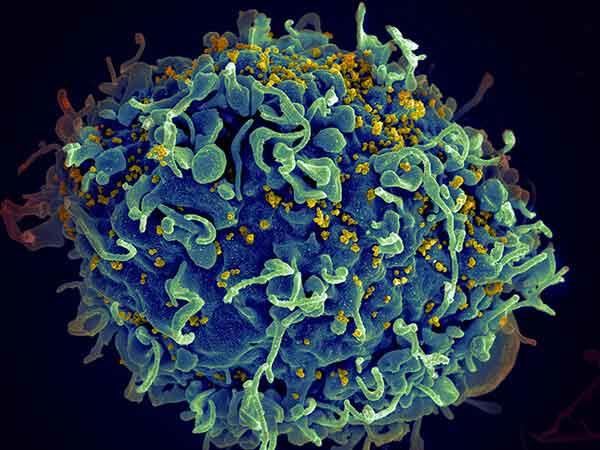
A human T cell being attacked by the human immunodeficiency virus (HIV).

A human T cell (blue) under attack by HIV (yellow), the virus that causes AIDS.

Credit: National Cancer Institute

Certain infectious agents, including viruses, bacteria, and parasites, can cause cancer or increase the risk that cancer will form. Some viruses can disrupt signaling that normally keeps cell growth and proliferation in check. Also, some infections weaken the immune system, making the body less able to fight off other cancer-causing infections. And some viruses, bacteria, and parasites also cause chronic inflammation, which may lead to cancer.

Most of the viruses that are linked to an increased risk of cancer can be passed from one person to another through blood and/or other body fluids. As described below, you can lower your risk of infection by getting vaccinated, not having unprotected sex, and not sharing needles.

Epstein-Barr Virus (EBV)

EBV, a type of herpes virus, causes mononucleosis as well as certain types of lymphoma and cancers of the nose and throat. EBV is most commonly transmitted by contact with saliva, such as through kissing or by sharing toothbrushes or drinking glasses. It can also be spread by sexual contact, blood transfusions, and organ transplantation. EBV infection is lifelong. More than 90% of people worldwide will be infected with EBV during their lifetime, and most do not develop any symptoms. There is no vaccine to prevent EBV infection and no specific treatment for EBV infection. New research shows that EBV may lead to cancer by causing breaks in human DNA.

Hepatitis B Virus and Hepatitis C Virus (HBV and HCV)

Chronic infections with HBV or HCV can cause liver cancer. Both viruses can be transmitted via blood (for example, by sharing needles or through blood transfusions) and from mother to baby at birth. In addition, HBV can be transmitted via sexual contact.

Since the 1980s, infants in the United States and most other countries have been routinely vaccinated against HBV infection. Experts recommend that adults who have not been vaccinated against HBV and are at increased risk of HBV infection get vaccinated as soon as possible. Vaccination is especially important for health care workers and other professionals who come into contact with human blood.

The U.S. Centers for Disease Control and Prevention (CDC) also recommends that everyone in the United States born from 1945 through 1965, and other populations at increased risk for HCV infection, be tested for HCV. Although there is not currently a vaccine against HCV, new therapies can cure people of HCV infection. If you think you may be at risk for HBV or HCV infection, ask your doctor about being tested. These infections do not always cause symptoms, but tests can show whether you have the virus. If so, your doctor may suggest treatment. Also, your doctor can tell you how to keep from infecting other people.

Human Immunodeficiency Virus (HIV)

HIV is the virus that causes acquired immunodeficiency syndrome (AIDS). HIV does not cause cancer itself, but infection with HIV weakens the immune system and makes the body less able to fight off other infections that cause cancer. People infected with HIV have increased risks of a number of cancers, especially Kaposi sarcoma, lymphomas (including both non-Hodgkin lymphoma and Hodgkin disease), and cancers of the cervix, anus, lung, liver, and throat.

HIV can be transmitted via blood and through sexual contact. Men who have unprotected sex with other men and people who share needles for injection drug use are at the highest risk of acquiring HIV infection; heterosexual individuals who have unprotected sex with multiple partners are at the next highest risk.

People can be infected with HIV for years before they begin to develop symptoms. If you think you may be at risk for HIV infection, ask your doctor about being tested. If you test positive, your doctor can prescribe highly effective antiviral treatment and can tell you how to keep from infecting other people. For more information, see the HIV Infection and Cancer Risk fact sheet.

Human Papillomaviruses (HPVs)

Infection with high-risk types of HPV cause nearly all cervical cancers. They also cause most anal cancers and many oropharyngeal, vaginal, vulvar, and penile cancers. High-risk HPVs spread easily through direct sexual contact, including vaginal, oral, and anal sex. Several vaccines have been developed that prevent infection with the types of HPV that cause most HPV-associated cancers. In the United States, experts recommend that children be vaccinated at age 11 or 12, but children as young as age 9 and adults as old as 26 can also be vaccinated.

Cervical cancer screening can be used to detect signs of HPV infections in the cervix. Although HPV infections themselves cannot be treated, the cervical abnormalities that these infections can cause over time can be treated. For more information, see HPV and Pap Test ResultsHPV and Cancer, and the Human Papillomavirus (HPV) Vaccines fact sheet.

Human T-Cell Leukemia/Lymphoma Virus Type 1 (HTLV-1)

HTLV-1 can cause an aggressive type of non-Hodgkin lymphoma called adult T-cell leukemia/lymphoma (ATLL). This virus spreads via blood (by sharing needles or through transfusions), through sexual contact, and from mother to child in the womb or via breastfeeding. Infection with this virus is more common in Japan, Africa, the Caribbean, and South America than in the United States. Most people with HTLV-1 infection do not have any symptoms or develop disease.

Blood is routinely screened for HTLV-1 in the United States. There is no vaccine to prevent infection with this virus and no treatment if you are infected. If you think you may be at risk for HTLV-1 infection, ask your doctor about being tested. If you test positive, your doctor can tell you how to keep from infecting other people and monitor you for HTLV-1-induced disease.

Kaposi Sarcoma-Associated Herpesvirus (KSHV)

Kaposi sarcoma-associated herpesvirus (KSHV), also known as human herpesvirus-8 (HHV-8), can cause Kaposi sarcoma. KSHV can also cause primary effusion lymphoma and multicentric Castleman disease.

KSHV is most commonly spread through saliva. It can also be spread through organ or bone marrow transplantation, and there is some evidence that it can be spread by blood transfusion, although this risk is minimized by practices followed in the United States such as blood storage and removal of white cells.

KSHV infection is generally limited to certain populations, and the way KSHV is spread varies among these populations. In sub-Saharan Africa and certain regions of Central and South America, where KSHV infection is relatively common, it is believed to spread by contact with saliva among family members. In Mediterranean countries (Italy, Greece, Israel, Saudi Arabia), where KSHV infection is present at intermediate levels, it is thought to spread by contact among children and by ill-defined routes among adults. Finally, in regions where KSHV infection is uncommon, such as the United States and Northern Europe, it appears to be mostly transmitted sexually, especially among men who have sex with men.

Most people infected with KSHV do not develop cancer or show any symptoms, although those who also have HIV infection or are immunosuppressed for other reasons are more likely to develop KSHV-caused diseases. There is no vaccine to prevent KSHV infection and no therapy to treat infection. Men who have sex with men may be advised to avoid oral–anal contact (including use of saliva as a personal lubricant). And people who are infected with HIV can lower their risk of KSHV-related complications by using antiretroviral therapy.

Merkel Cell Polyomavirus (MCPyV)

MCPyV can cause Merkel cell carcinoma, a rare type of skin cancer. Most adults are infected with MCPyV, with transmission most likely occurring through casual direct (i.e., skin-to-skin) or indirect (i.e., touching a surface that an infected person has touched) contact in early childhood. The risk of Merkel cell carcinoma is greatly increased in elderly people and in younger adults with who are infected with HIV or are immunosuppressed for other reasons. Infection does not generally cause symptoms, and there are no treatments for MCPyV.

Helicobacter pylori (H. pylori)

H. pylori is a type of bacterium that can cause noncardia gastric cancer (a type of stomach cancer) and a type of lymphoma in the stomach lining, gastric MALT lymphoma. It can also cause stomach ulcers. The bacterium is thought to spread through consumption of contaminated food or water and direct mouth-to-mouth contact. The CDC estimates that approximately two-thirds of the world’s population harbors H. pylori, with infection rates much higher in developing countries than in developed nations. In most populations, the bacterium is first acquired during childhood.

If you have stomach problems, see a doctor. Infection with H. pylori can be detected and treated with antibiotics.

For more information, see the Helicobacter pylori and Cancer fact sheet.

Opisthorchis viverrini

This parasitic flatworm (fluke), which is found in Southeast Asia, can cause cholangiocarcinoma (cancer of the bile ducts in the liver). People become infected when they eat raw or undercooked freshwater fish that contain the larvae. Antiparasitic drugs are used to treat the infection.

Schistosoma hematobium

This parasitic flatworm (fluke), which lives in certain types of freshwater snails found in Africa and the Middle East, can cause bladder cancer. People become infected when infectious free-swimming flatworm larvae burrow into skin that has come into contact with contaminated fresh water. Antiparasitic drugs are used to treat the infection.

Human Papillomavirus (HPV) Vaccines

What are HPV vaccines?

HPV vaccines protect against infection with human papillomaviruses (HPV). HPV is a group of more than 200 related viruses, of which more than 40 are spread through direct sexual contact. Among these, two HPV types cause genital warts, and about a dozen HPV types can cause certain types of cancer—cervical, anal, oropharyngeal, penile, vulvar, and vaginal.

Three vaccines that prevent infection with disease-causing HPV have been licensed in the United States: Gardasil, Gardasil 9, and Cervarix. Gardasil 9 has, since 2016, been the only HPV vaccine used in the United States. It prevents infection with the following nine HPV types:

  • HPV types 6 and 11, which cause 90% of genital warts (1)
  • HPV types 16 and 18, two high-risk HPVs that cause about 70% of cervical cancers and an even higher percentage of some of the other HPV-caused cancers (24
  • HPV types 31, 33, 45, 52, and 58, high-risk HPVs that account for an additional 10% to 20% of cervical cancers 

Cervarix prevents infection with types 16 and 18, and Gardasil prevents infection with types 6, 11, 16, and 18. Both vaccines are still used in some other countries.

Who should get HPV vaccination?

The Centers for Disease Control and Prevention’s (CDC) Advisory Committee on Immunization Practices (ACIP) develops recommendations regarding all vaccination in the United States, including HPV vaccination. The current ACIP recommendations for HPV vaccination are (5):

  • Children and adults ages 9 through 26 years. HPV vaccination is routinely recommended at age 11 or 12 years; vaccination can be started at age 9 years. HPV vaccination is recommended for all persons through age 26 years who were not adequately vaccinated earlier. 
  • Adults ages 27 through 45 years. Although the HPV vaccine is Food and Drug Administration (FDA) approved to be given through age 45 years, HPV vaccination is not recommended for all adults ages 27 through 45 years. Instead, ACIP recommends that clinicians consider discussing with their patients in this age group who were not adequately vaccinated earlier whether HPV vaccination is right for them. HPV vaccination in this age range provides less benefit because more people have already been exposed to the virus. 
  • Persons who are pregnant. HPV vaccination should be delayed until after pregnancy, but pregnancy testing is not required before vaccination. There is no evidence that vaccination will affect a pregnancy or harm a fetus

How many doses of HPV vaccine are needed?

The HPV vaccine is given as a series of shots. ACIP specifies different dosing schedules, depending on the age when the vaccination series is started (6). Children who start the vaccine series before their 15th birthday need only two doses to be fully protected. People who start the series at age 15 or older and people who have certain conditions that weaken the immune system need three doses to be fully protected. 

Researchers are currently investigating whether a single dose of HPV vaccine might be effective. See What research is being done on strategies to prevent HPV infection?

How effective are HPV vaccines?

Clinical trials have shown that HPV vaccines are highly effective in preventing cervical infection with the types of HPV they target when given before first exposure to the virus—that is, before individuals begin to engage in sexual activity. HPV vaccines have also been found to reduce infections in other tissues that HPV infects, including the anus (7) and oral region (8, 9).

Because the cell changes and cancers caused by HPV take years to develop, it has only recently been confirmed that the vaccines reduce the risk of these outcomes as well. Trials and real-world data from population-based studies have now demonstrated that the vaccines greatly reduce the risk of precancers and cancers of the cervix, vagina, and vulva in vaccinated women (1013). A clinical trial of Gardasil in men indicated that it can prevent anal cell changes caused by persistent infection (14). The trials that led to approval of Gardasil 9 found it to be nearly 100% effective in preventing cervical, vulvar, and vaginal infections and precancers caused by all seven cancer-causing HPV types (16, 18, 31, 33, 45, 52, and 58) that it targets (10).

Although Cervarix and Gardasil prevent infection with just two high-risk HPV types, HPV16 and HPV18, these two HPV types are responsible for most HPV-caused cancers. In a 2017 position paper, the World Health Organization stated that the HPV vaccines have comparable efficacy (15). In addition, Cervarix has been found to provide substantial protection against a few additional cancer-causing HPV types, a phenomenon called cross-protection (16). Women who received three doses of Cervarix experienced strong protection against new infections with HPV types 31, 33, and 45 (17). 

To date, protection against infections with the targeted HPV types has been found to last for at least 10 years with Gardasil (18), up to 11 years with Cervarix (17), and at least 6 years with Gardasil 9 (19). Long-term studies of vaccine efficacy that are still in progress will help scientists better understand how long protection lasts (20).

How do HPV vaccines work?

Like other immunizations that guard against viral infection, HPV vaccines stimulate the body to produce antibodies that, in future encounters with HPV, bind to the virus and prevent it from infecting cells.

The current HPV vaccines are based on virus-like particles (VLPs) that are formed by HPV surface components. VLPs are not infectious because they lack the virus’s DNA. However, they closely resemble the natural virus, and antibodies against the VLPs also have activity against the natural virus. The VLPs have been found to be strongly immunogenic, which means that they induce high levels of antibody production by the body. This makes the vaccines highly effective.

The vaccines do not prevent other sexually transmitted diseases, nor do they treat existing HPV infections or HPV-caused disease.

Why is HPV vaccination important?

The combination of HPV vaccination and cervical screening can provide the greatest protection against cervical cancer. Also, HPV vaccination reduces the risk of developing cancers caused by HPV at sites other than the cervix.

Not only does vaccination protect vaccinated individuals against infection by the HPV types targeted by the vaccine that is used (and possibly other types, depending on the extent of cross protection), but vaccination can also reduce the prevalence of the vaccine-targeted HPV types in the population, thereby reducing infection in individuals who are not vaccinated (a phenomenon called herd protection, or herd immunity). For example, in Australia, where a high proportion of girls are vaccinated with Gardasil, the incidence of genital warts went down during the first 4 years of the vaccination program among young males—who were not being vaccinated at the time—as well as among young females (21).

Further evidence that large-scale HPV vaccination confers protection for unvaccinated individuals comes from a 2019 meta-analysis of girls-only HPV vaccination programs in 14 high-income countries that included 60 million vaccinated people (22). That analysis showed that, up to 8 years after the start of vaccination, diagnoses of anogenital warts decreased by 31% among women aged 25–29 years, by 48% among boys aged 15–19 years, and by 32% among men aged 20–24 years, compared with the period before vaccination began.

Similarly, a study of women aged 20–29 years in one US region found that within about 10 years of vaccine introduction, the prevalence of HPV types targeted by the vaccine decreased in both vaccinated and unvaccinated women, providing evidence of both direct and herd protection (23).

Widespread HPV vaccination has the potential to reduce cervical cancer incidence around the world by as much as 90% (16, 19). In addition, the vaccines may reduce the need for screening and subsequent medical care, biopsies, and invasive procedures associated with follow-up from abnormal cervical screening, thus helping to reduce health care costs and anxieties related to follow-up procedures (24).

As the incidence of cervical cancer has declined in the United States, due mainly to cervical cancer screening, the incidence of HPV-associated oropharyngeal, vulvar, and anal cancers has been increasing (25). Indeed, analyses of data for 2012–2016 found that HPV caused more oropharyngeal cancers than cervical cancers in the United States (2). There are no formal screening programs for the non-cervical cancers, so universal HPV vaccination could have a large public health impact.

Are HPV vaccines safe?

Yes. More than 12 years of safety monitoring show that the vaccines have caused no serious side effects. The most common problems have been brief soreness and other local symptoms at the injection site. These problems are similar to those commonly experienced with other vaccines.

The FDA and the CDC conducted a safety review of adverse side effect s related to Gardasil immunization that have been reported to the Vaccine Adverse Events Reporting System since the vaccine was licensed (2628). The rates of adverse side effects were consistent with what was seen in safety studies carried out before the vaccine was approved and were similar to those seen with other vaccines. The most recent safety data review for HPV vaccines continues to indicate that these vaccines are safe (29, 30).

Syncope (fainting) is sometimes observed with Gardasil, as with other vaccines. Falls after fainting may sometimes cause serious injuries, such as head injuries. These can largely be prevented by keeping the person seated for up to 15 minutes after vaccination. The FDA and CDC have reminded health care providers that, to prevent falls and injuries, all vaccine recipients should remain seated or lying down and be closely observed for 15 minutes after vaccination. More information is available from the CDC on its HPV Vaccine page.

Should HPV vaccines be given to people who are already infected with HPV or have cervical cell changes?

ACIP recommends that people who have an HPV infection and/or an abnormal Pap test result that may indicate an HPV infection should still receive the HPV vaccine if they are in the appropriate age group (9 through 26 years) because the vaccine may protect them against high-risk HPV types that they have not yet acquired. However, these people should be told that the vaccination will not cure them of current HPV infections or treat the abnormal results of their Pap test (31).

Although HPV vaccines have been found to be safe when given to people who are already infected with HPV, the vaccines provide maximum benefit if a person receives them before he or she is sexually active (32, 33).

It is likely that someone previously infected with HPV will still get some residual benefit from vaccination, even if he or she has already been infected with one or more of the HPV types included in the vaccines.

Do women who have been vaccinated against HPV still need to be screened for cervical cancer?

Yes. Because HPV vaccines do not protect against all HPV types that can cause cancer, women who have been vaccinated are advised to follow the same screening recommendations as unvaccinated women. There could be future changes in screening recommendations for vaccinated women.

How much does HPV vaccination cost, and will insurance pay for it?

Most private insurance plans cover HPV vaccination. The federal Affordable Care Act requires most private insurance plans to cover recommended preventive services (including HPV vaccination) with no copay or deductible.

Medicaid covers HPV vaccination in accordance with ACIP recommendations, and immunizations are a mandatory service under Medicaid for eligible individuals under age 21. In addition, the federal Vaccines for Children Program provides immunization services for children younger than 19 years who are Medicaid eligible, uninsured, underinsured, or Native American or Alaska Native.

Merck, the manufacturer of Gardasil 9, offers the Merck Vaccine Patient Assistance Program, which provides Gardasil 9 for free to people aged 19 to 45 years who live in the United States, do not have health insurance, and have an annual household income less than a certain amount.

What research is being done on strategies to prevent HPV infection?

If a single dose of HPV vaccine were effective, that would be an important advance. A large observational study using national data from women across Australia found that one dose of HPV vaccine was as effective as two or three doses in preventing high-grade cervical lesions (34). An analysis of data from a community-based clinical trial of Cervarix in Costa Rica, found that even one dose of the vaccine caused the body to produce approximately nine times more antibodies against HPV than the body produces in response to a natural HPV infection, and those antibody levels persisted for 11 years (35). In addition, the rates of HPV infection remained low for at least 10 years (35). 

Two NCI-led clinical trials have been launched in Costa Rica to confirm and extend these findings. The ESCUDDO study, a randomized double-blind controlled trial involving 20,000 girls ages 12–16 years, is testing whether one dose of either Cervarix or Gardasil 9 is as effective as two doses at preventing persistent cervical infection with HPV. PRIMAVERA-ESCUDDO, a non-randomized open-label trial, will provide earlier and complementary results to ESCUDDO about the immunogenicity of one dose of Cervarix in girls ages 9–14 years compared with three doses of Gardasil in women ages 18–25 years.

Another prevention strategy that is being explored is topical microbicides. Carrageenan, a compound that is extracted from a type of seaweed and used widely in foods and other products, has been found to inhibit HPV infection in laboratory studies. An interim analysis of data from a randomized clinical trial showed that consistent use of a lubricant gel that contains carrageenan reduced the risk of genital HPV infection in healthy women (36). 

Researchers are working to develop therapeutic HPV vaccines, which instead of preventing HPV infection would prevent cancer from developing among women previously infected with HPV (3740). These vaccines work by stimulating the immune system to specifically target and kill infected cells. Ongoing clinical trials are testing the safety and efficacy of a therapeutic DNA vaccine to treat HPV-related cervical and vulvar lesions.  

Obesity

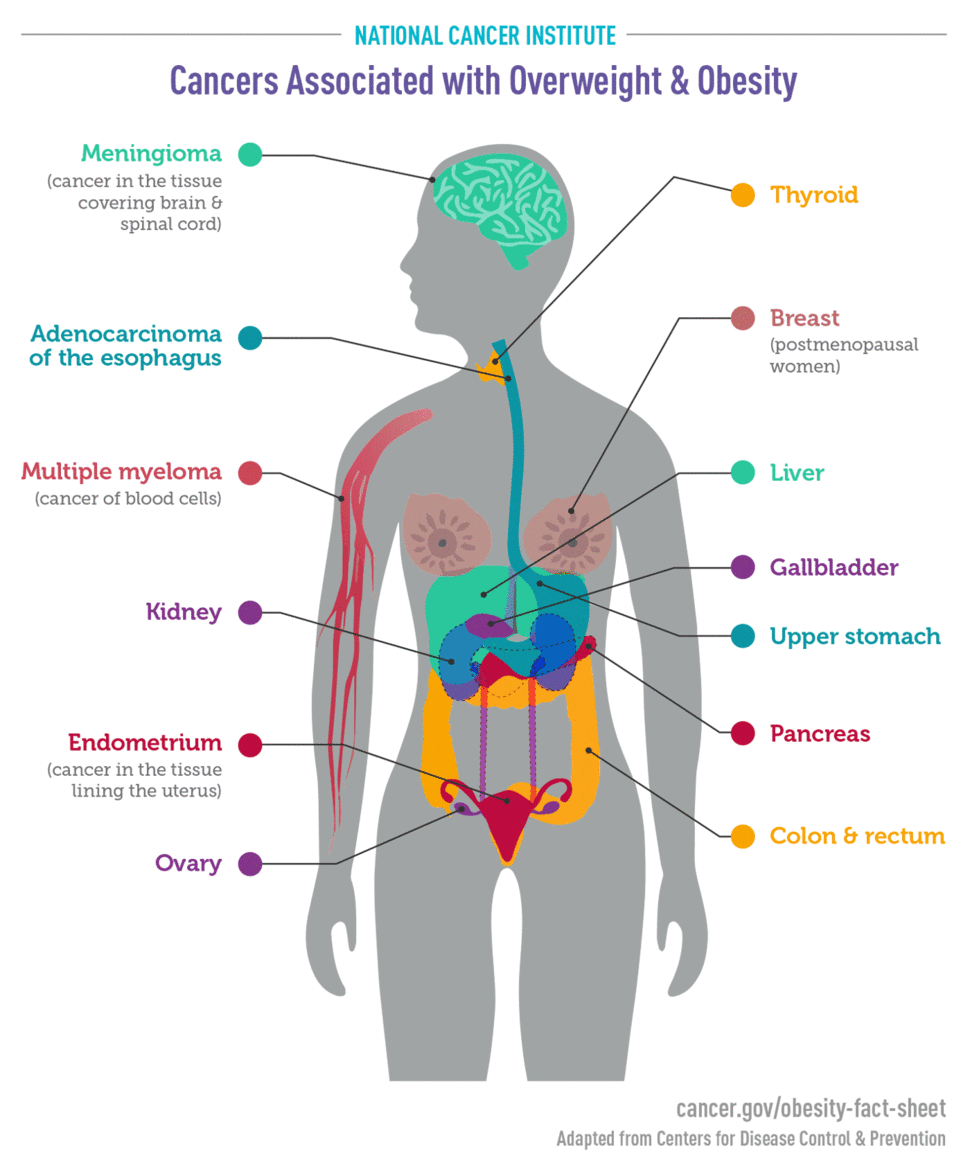
People with obesity may have an increased risk of several types of cancer, including cancers of the breast (in women who have been through menopause), colon, rectum, endometrium (lining of the uterus), esophagus, kidney, pancreas, and gallbladder.

Conversely, eating a healthy diet, being physically active, and keeping a healthy weight may help reduce risk of some cancers. These healthy behaviors are also important to lessen the risk of other illnesses, such as heart disease, type II diabetes, and high blood pressure.

For more information, see the Obesity and Cancer and Physical Activity and Cancer fact sheets.

For more information on keeping a healthy weight, see the National Heart, Lung, and Blood Institute’s Overweight and Obesity.

Helicobacter pylori (H. pylori) and Cancer

What is Helicobacter pylori?

Helicobacter pylori (H. pylori) is a spiral-shaped bacterium that grows in the mucus layer that coats the inside of the human stomach. Although many bacteria cannot survive the stomach’s acid environment, H. pylori is able to neutralize the acidity of its local environment in the stomach, though not the stomach as a whole. This local neutralization helps the bacterium survive.

Another way H. pylori survives in the stomach’s acidic environment is by burrowing into the mucus layer and attaching to the cells that line its inner surface. This also helps it avoid immune destruction, because even though immune cells that normally recognize and attack invading bacteria accumulate near sites of H. pylori infection, they are unable to reach the stomach lining. 

H. pylori also interferes with local immune responses, making them ineffective in eliminating this bacterium (1, 2).

Infection with H. pylori is common, especially in low- and middle-income countries. The Centers for Disease Control and Prevention estimates that about two-thirds of the world’s population harbors the bacterium. In the United States, the prevalence of H. pylori varies across racial and ethnic groups. For example, in 1999–2000, about 21% of non-Hispanic Whites, 52% of non-Hispanic Blacks, and 64% of Mexican Americans harbored the bacterium (3). 

H. pylori mainly spreads from person to person through oral contact with stool (fecal–oral), saliva (oral–oral), or vomit (gastric–oral) (4). In most populations, the bacterium is first acquired during childhood. Infection is more likely in children living in poverty, in crowded conditions, and in areas with poor sanitation.

Does H. pylori cause cancer or other diseases?

Yes. Although H. pylori infection does not itself cause illness, chronic infection causes long-lasting inflammation in the stomach (called non-atrophic gastritis) in most people. This inflammation can lead to several possible conditions, including atrophic gastritis (thinning of the stomach lining caused by long-term inflammation) and certain types of stomach (gastric) cancer, particularly gastric adenocarcinoma and gastric mucosa-associated lymphoid tissue (MALT) lymphoma, which is a rare type of non-Hodgkin lymphoma. 

Because of its role in causing stomach cancer, in 1994 H. pylori was classified as a human carcinogen, or cancer-causing agent, by the World Health Organization’s International Agency for Research on Cancer (5). In 2021, the National Toxicology Program’s 15th Report on Carcinogens added chronic infection with H. pylori to its list of substances that are known or reasonably anticipated to cause cancer in humans. 

It remains unclear whether chronic H. pylori infection is associated with an increased risk of other cancers. Although some studies have found a possible association between H. pylori infection and an increased risk of pancreatic cancer, a 2023 meta-analysis of observational studies found insufficient evidence to support such an association (6). Growing evidence suggests a link between H. pylori infection and an increased risk of colorectal cancer (79).

However, infection with H. pylori is also associated with a reduced risk of esophageal adenocarcinoma, a type of esophageal cancer that is associated with Barrett esophagus and gastroesophageal reflux disease. 

Chronic H. pylori infection can also cause peptic ulcers (ulcers of the stomach and upper small intestine). More information about peptic ulcers is available from the National Institute of Diabetes and Digestive and Kidney Diseases.

What is the evidence that H. pylori causes stomach cancer?

Many studies have provided consistent evidence that chronic H. pylori infection causes gastric adenocarcinoma and gastric MALT lymphoma.

  • Gastric adenocarcinoma: Epidemiologic studies have shown that people who have chronic H. pylori infections have an increased risk of developing non-cardia gastric adenocarcinoma—that is, cancer in the main part of the stomach, excluding the part closest to the esophagus (1017).

    Epidemiologic studies have also shown that in geographic areas where stomach cancer is common, especially in Asia, people with chronic H. pylori infections have an increased risk of developing gastric cardia cancer—that is, cancer in the part of the stomach that is closest to the esophagus (18, 19).

    In addition, studies have shown that treatment to eradicate H. pylori infection reduces the risk of gastric cancer in asymptomatic individuals (20), in individuals at increased risk due to family history (21), and in those who have had surgery for early gastric cancer (22).
     

  • Gastric MALT lymphoma: Nearly all patients with gastric MALT lymphoma show signs of H. pylori infection, and the risk of developing this cancer is substantially greater in infected people than in uninfected people (23, 24).

    The strongest evidence linking H. pylori infection with gastric MALT lymphoma comes from studies showing that when people with gastric MALT lymphoma are treated with antibiotics to eliminate H. pylori, their tumors shrink (25, 26). 

How common are cancers linked to chronic infection with H. pylori?

In the United States, gastric (stomach) cancer represents 1.4% of all new cancers diagnosed and mainly affects racial and ethnic minority groups. In 2023, an estimated 26,500 people in the United States will be diagnosed with gastric cancer and 11,130 people will die of this cancer (27). 

Gastric cancer is more common in countries in Eastern Asia, Eastern Europe, and Central and South America than in the United States and other Western countries. 

Globally, gastric cancer is the fifth most common cancer (28, 29). It is the fourth most common cause of cancer-related deaths in the world, killing about 769,000 people in 2020 (28). 

Gastric cancer incidence is declining in most of the world (30, 31). In the United States, the decline in gastric cancer incidence is mainly among people older than 64 years and for non-cardia gastric cancer (31). However, an unexplained increase in incidence of non-cardia gastric cancer has been observed in young non-Hispanic White and Hispanic individuals (32). Worldwide, the incidence of gastric cardia cancer, which was once very uncommon, has risen in recent decades (31, 33).

In the United States, gastric MALT lymphoma is rare; during 1999–2003, the annual incidence of gastric MALT lymphoma was about one case for every 100,000 persons. It accounts for only 2%–8% of all cases of stomach cancers and represents about 12% of the extranodal (outside of lymph nodes) non-Hodgkin lymphoma that occurs among men and about 18% of extranodal non-Hodgkin lymphoma among women (34). 

The majority of cases of gastric adenocarcinoma and gastric MALT lymphoma are attributed to H. pylori infection (35).

What is the evidence that H. pylori may reduce the risk of some cancers?

Multiple epidemiologic studies have shown a reduced risk of esophageal adenocarcinoma (but not of esophageal squamous cell carcinoma, the other main type of esophageal cancer) in H. pylori–infected individuals (3638). 

For example, in large case–control studies carried out in Sweden and Australia, H. pylori infection was strongly associated with a reduced risk of esophageal adenocarcinoma (39, 40). 

Supporting evidence that H. pylori infection plays a role in reducing the risk of esophageal adenocarcinoma comes from the finding that the rate of this cancer has increased dramatically in several Western countries over the last century as H. pylori infection rates have declined with improved hygiene and widespread antibiotic use.

How might H. pylori infection decrease the risk of some cancers but increase the risk of other cancers?

Although it is not known for certain how H. pylori infection causes stomach cancer, some researchers speculate that the long-term presence of an inflammatory response predisposes cells in the stomach lining to become cancer (41). This idea is supported by the finding that increased expression of a single cytokine (interleukin-1-beta) in the stomach of transgenic mice causes sporadic gastric inflammation and cancer (42). The increased cell turnover resulting from ongoing cellular damage could increase the likelihood that cells will develop harmful mutations.

The reduced risk of esophageal cancer in H. pylori–infected individuals may relate to the decline in stomach acidity that is often seen after decades of H. pylori colonization (15). This decline would reduce acid reflux into the esophagus, which is a major risk factor for adenocarcinomas affecting the esophagus.

What factors increase the likelihood that H. pylori infections will be harmful?

Several factors affect the likelihood that an infection with H. pylori will cause cancer. Some of these factors are features of the bacterium itself. For example, some strains of H. pylori make a toxin called CagA that gets injected into the junctions where cells of the stomach lining meet. Once inside cells, CagA can cause them to become cancerous by removing controls on cell growth and enhancing cell motility (43). Long-term exposure of cells to the toxin causes chronic inflammation. Epidemiology studies suggest that CagA-positive strains have a stronger association with non-cardia gastric cancer than CagA-negative strains (44).

Some evidence also suggests that certain lifestyle exposures may modify H. pylori–induced stomach cancer risk. For example, H. pylori–infected individuals who smoke have a higher risk of stomach cancer than H. pylori–infected individuals who do not smoke (45). Also, a high intake of salt and processed meat is associated with an increased risk of stomach cancer (29), possibly by increasing the risk that H. pylori will colonize the stomach or that CagA will enter gastric cells (46, 47).

Does treatment of H. pylori infection reduce the risk of gastric cancer?

Yes. Long-term follow-up data from a randomized clinical trial carried out in Shandong, China—an area where rates of gastric cancer are very high—showed that 2 weeks of treatment with antibiotics to eradicate H. pylori significantly reduced the incidence of gastric cancer by nearly 50% over 22 years of follow-up after treatment (20). Other studies in Asian populations have similarly found that eradicating H. pylori reduces the incidence of gastric cancer in healthy asymptomatic infected individuals (48, 49).

Another randomized clinical trial, carried out among patients undergoing surgery for early gastric cancer, found that those who received H. pylori eradication treatment were half as likely to develop additional gastric cancer lesions (called metachronous gastric cancer) as those who received placebo (50). Importantly, a nationwide population-based cohort study in Sweden found no evidence of an increase in esophageal adenocarcinoma after eradication treatment for H. pylori (51).

Who should be tested and treated for an H. pylori infection?

According to the Centers for Disease Control and Prevention, people with an active gastric or duodenal ulcers or a documented history of ulcers should be tested for H. pylori, and, if they have an infection, should be treated. Testing for and treating H. pylori infection is also recommended after surgery for early gastric cancer or low-grade gastric MALT lymphoma (5254). However, most experts agree that the available evidence does not support widespread testing for and eradication of H. pylori infection (52, 55). Unnecessary or inappropriate eradication treatment may be contributing to the increase in H. pylori resistance to several antibiotics in the United States (56).

HPV and Cancer

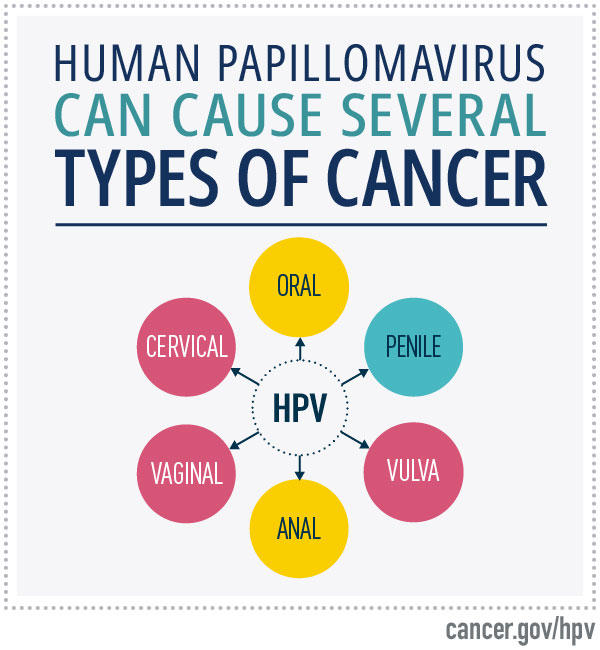
Human Papillomavirus (HPV) can cause oral cancer, penile cancer, vulva cancer, anal cancer, vaginal cancer, and cervical cancer.

What is HPV (human papillomavirus)?

HPV is a group of more than 200 related viruses, some of which are spread through vaginal, anal, or oral sex. Sexually transmitted HPV types fall into two groups: low risk and high risk.

  • High-risk HPVs can cause several types of cancer. There are 12 high-risk HPV types: HPV 16, 18, 31, 33, 35, 39, 45, 51, 52, 56, 58, and 59. Two of these, HPV 16 and HPV 18, are responsible for most HPV-related cancers.
  • Low-risk HPV types rarely cause cancer, although a few low-risk HPV types can cause warts on or around the genitals, anus, mouth, or throat. When warts form in the larynx or respiratory tract, you may have a condition called respiratory papillomatosis, which can cause breathing problems.

Facts about HPV

HPV infection is common: Nearly all sexually active people are infected with HPV within months to a few years of becoming sexually active. Around half of these infections are with a high-risk HPV type. 

Most HPV infections go away on their own without causing cancer: Your immune system usually controls HPV infections so they are cleared by your body, within a year or two.

High-risk HPV infections that persist can cause cancer: Sometimes HPV infections are not successfully controlled by your immune system. When a high-risk HPV infection persists for many years, it can lead to cell changes that, if untreated, may get worse over time and become precancerous and then cancerous. 

HPV can cause six types of cancer: These include anal cancer, cervical cancer, oropharyngeal cancer, penile cancer, vaginal cancer, and vulvar cancer.

HPV vaccination can prevent cancer: HPV vaccines can prevent infection with disease-causing HPV types, preventing many HPV-related cancers and cases of genital warts.

What cancers are caused by HPV Infection?

Long-lasting infections with high-risk HPVs can cause cancer in parts of the body where HPV infects cells. HPV infects the thin, flat cells (squamous cells) that line the inner surfaces of these organs. Most HPV-related cancers are called squamous cell carcinomas. Some cervical cancers come from HPV infection of glandular cells in the cervix and are called adenocarcinomas

HPV-related cancers include:

HPV-related cancers in the United States: Each year in the United States there are over 47,900 new cases of cancer in parts of the body where HPV is often found. HPV is estimated to cause about 37,800 of these cancers, according to data from the Centers for Disease Control and Prevention

HPV-related cancers worldwide: Every year HPV causes an estimated 690,000 cancers worldwide and 350,000 women die from cervical cancer

How is HPV transmitted?

HPV infection passes easily between sexual partners. It can be transmitted through any intimate skin-to-skin contact, including vaginal–penile sex, penile–anal sex, penile–oral sex, and vaginal–oral sex. Correctly using condoms can lower the chance of HPV transmission, but does not prevent it completely. 

Does HPV infection cause symptoms?

Infection with low-risk HPV: Infection with low-risk HPV may cause warts on or around the genitals, anus, mouth, or throat.

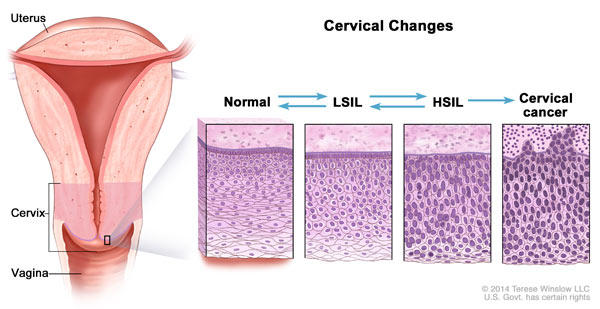
Cervical changes; drawing shows a cross-section of the uterus, cervix, and vagina. Also shown are four panels showing cell changes inside the cervix. The first panel shows normal cells. The second and third panels show abnormal cells called LSIL and HSIL. The fourth panel shows cervical cancer cells. Arrows are used between the panels to show that normal cells may become LSIL or HSIL, which may or may not become cancer.

Infection with high-risk HPV: Infection with high-risk HPV does not cause symptoms. However, depending on the site of infection, the precancers and cancers caused by a high-risk HPV infection that persists for many years may cause symptoms such as lumps, bleeding, and pain.

Normal cells may become cancer cells. Before cancer cells form in tissues of the body, the cells go through abnormal changes called hyperplasia and dysplasia. Hyperplasia and dysplasia may or may not become cancer.

Learn about signs and symptoms for anal cancer, cervical cancer, oropharyngeal cancerpenile cancervaginal cancer, and vulvar cancer

HPV vaccine: Preventing HPV infection

The HPV vaccine Gardasil 9 protects against infection from nine HPV types, including the seven types that cause most HPV-related cancers (types 16, 18, 31, 33, 45, 52, and 58) and the two low-risk types that cause most genital warts (types 6 and 11).

Key facts about the efficacy and safety of the HPV vaccine:

Who should get the HPV vaccine?

The HPV vaccine series is recommended for girls and boys at the age of 11 or 12, and the series can be started at age 9. It is important for everyone to get vaccinated, because anyone, regardless of their sex, can develop HPV-related cancers. Vaccination can also reduce the spread of HPV that causes cancer to other people. 

In the United States, those who start the vaccine series before age 15 should receive two vaccine doses, and those who receive their first dose at age 15 or older should receive three doses. For young people who weren’t vaccinated within the age recommendations, HPV vaccination is recommended up to age 26.

Can the HPV vaccine be given at older ages?

Yes, the vaccine has FDA approval to be given through age 45 years. However, it is not routinely recommended for most people ages 27 to 45. People in this age group are unlikely to benefit from the vaccine because they have likely been exposed to HPV already. If you are concerned that you are at risk for a new HPV infection, talk with your health care provider about whether HPV vaccination may be right for you. Learn more about Human Papillomavirus (HPV) Vaccines.

Screening to detect cell changes caused by HPV

Screening tests are used to check for a disease or condition when there are no symptoms. The goal of screening is to find health problems early, when they may be easier to treat. Cervical cancer is currently the only HPV-caused cancer for which FDA-approved screening tests are available. Because there are not effective screening tests to find HPV-related cancers other than cervical cancer, it’s important to follow up with your health care provider about unusual symptoms. When caught early, many of these cancers can be successfully treated.

  • Cervical cancer screening: Cervical cancer screening is an important part of routine health care. Cervical cancer screening tests include the HPV test that checks cervical cells for high-risk HPV, the Pap smear that checks for cervical cell changes that can be caused by high-risk HPV, and the HPV/Pap cotest that checks for both high-risk HPV and cervical cell changes. Learn more about cervical cancer screening.
  • Anal cancer screening: Although there are no standard anal cancer screening tests for the general public, among populations at higher risk for anal HPV infection (men who have sex with men, women who have had cervical or vulvar cancer, people who are HIV positive, and organ transplant recipients), an anal Pap test (also called an anal Pap smear) is sometimes used to find precancerous anal lesions. A recent clinical trial found that treating precancerous anal lesions (called high-grade squamous intraepithelial lesions, or HSIL) in people living with HIV cut their risk of developing anal cancer by more than half.
  • Oropharyngeal cancer screening: There are no standard screening tests for oropharyngeal cancer (also called throat cancer). The oral cancer exam that your dentist may conduct as part of a routine dental check-up checks the oral cavity, which is a different part in the mouth.
  • Penile cancer screening: There are no standard screening tests for penile cancer.
  • Vaginal cancer and vulvar cancer screening: There are no standard screening tests for vaginal or vulvar cancer. Although the Pap smear does not check for these cancers, vaginal cancer may sometimes be found on a Pap test or during a colposcopy

Screening and early detection clinical trials for HPV

These databases include clinical trials that are currently available for HPV-related screening and treatment: 

Dysplasia and precancers caused by HPV

Dysplasia is the abnormal growth of cells within a tissue or organ. Abnormal changes to epithelial cells caused by HPV infection can lead to dysplasia of the cervix, anus, oropharynx, penis, vagina, and vulva. Epithelial cell dysplasia is also known as intraepithelial neoplasia

Dysplasia is a condition that is categorized (graded) as mild, moderate, or high grade. 

  • HPV infection can cause mild, or low-grade, dysplasia. Low-grade dysplasia usually goes away on its own as the viral infection clears.
  • HPV infections that persist can cause precancers (moderate dysplasia and high-grade dysplasia) that need to be treated to prevent them from becoming cancer. Since not all precancers go on to become cancer, researchers are working to discover biomarkers that predict which precancers will become cancerous.

Treatment of dysplasia

If you have been diagnosed with moderate or high-grade dysplasia, your health care provider will talk with you about your treatment options. 

Moderate and high-grade cervical dysplasia

Cervical dysplasia is referred to as cervical intraepithelial neoplasia (CIN). Most people with moderate cervical dysplasia (CIN 2) or high-grade cervical dysplasia (CIN 3) are treated with loop electrosurgical excision procedure (LEEP) or cold knife conization. Talk with your health care provider to learn about the best treatment option for you. 

Moderate and high-grade anal, penile, vaginal, and vulvar dysplasia

These types of moderate or high-grade dysplasia may be treated with surgery (such as wide local excision) or topical treatments: anal dysplasia (also called anal intraepithelial neoplasia, or AIN), penile dysplasia (also called penile intraepithelial neoplasia, or PeIN), vaginal dysplasia (also called vaginal intraepithelial neoplasia, or VAIN), and vulvar dysplasia (also called vulvar intraepithelial neoplasia, or VIN).

How does HPV cause cancer?

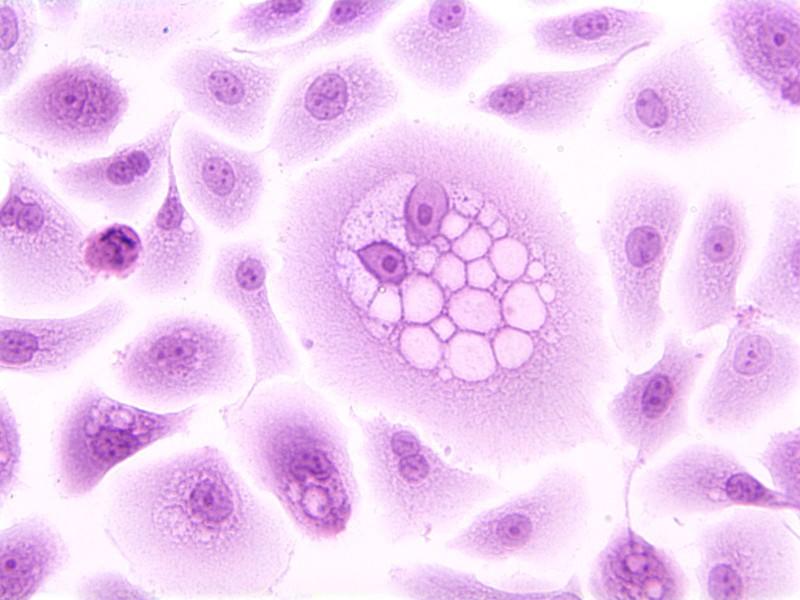
Microscopic image showing how cells infected by HPV can change.

HPV infection causes cells to undergo changes. If not treated these cells can, over time, become cancer cells.

Credit: National Cancer Institute

Once high-risk HPV infects cervical cells, it interferes with the ways in which these cells replicate, divide, and communicate with one another, causing infected cells to multiply in an uncontrolled manner. These infected cells are usually recognized and controlled by the immune system. However, sometimes the infected cells remain and continue to grow, eventually forming an area of precancerous cells that, if not treated, can become cancer. Although research has focused on how high-risk HPV causes cancer in the cervix, HPV-caused cancers at other sites are likely to arise through similar mechanisms.

Research has found that it can take 5 to 10 years for HPV-infected cervical cells to develop into precancers and about 20 years to develop into cancer. 

When cervical cells are infected with high-risk HPV, several factors increase the chance that the HPV infection will be long-lasting and lead to precancerous cervical cells:

Because smoking may increase the chance that high-grade dysplasia progresses to cancer, it’s important to quit. All states have quitlines with counselors who are trained to help smokers quit. Call 1-800-QUIT-NOW (800-784-8669) to talk with a counselor today. Find tools and tips to help you stop smoking.

NCI and HPV-related research

Clinical trials are an important step in learning about better ways to prevent, diagnose, and treat diseases, such as cancers caused by HPV. NCI’s Cancer Information Service can help you learn about HPV-related trials in the United States.

NCI is also conducting and funding research to learn more about HPV:

Physical Activity and Cancer

What is physical activity?

Physical activity is defined as any movement that uses skeletal muscles and requires more energy than resting. Physical activity can include walking, running, dancing, biking, swimming, performing household chores, exercising, and engaging in sports activities.

A measure called the metabolic equivalent of task, or MET, is used to characterize the intensity of physical activity. One MET is the rate of energy expended by a person sitting at rest. Light-intensity activities expend less than 3 METs, moderate-intensity activities expend 3 to 6 METs, and vigorous activities expend 6 or more METs (1).

Sedentary behavior is any waking behavior characterized by an energy expenditure of 1.5 or fewer METs while sitting, reclining, or lying down (1). Examples of sedentary behaviors include most office work, driving a vehicle, and sitting while watching television.

A person can be physically active and yet spend a substantial amount of time being sedentary.

What is known about the relationship between physical activity and cancer risk?

Evidence linking higher physical activity to lower cancer risk comes mainly from observational studies, in which individuals report on their physical activity and are followed for years for diagnoses of cancer. Although observational studies cannot prove a causal relationship, when studies in different populations have similar results and when a possible mechanism for a causal relationship exists, this provides evidence of a causal connection. 

There is strong evidence that higher levels of physical activity are linked to lower risk of several types of cancer (24). 

  • Bladder cancer: In a 2014 meta-analysis of 11 cohort studies and 4 case-control studies, the risk of bladder cancer was 15% lower for individuals with the highest level of recreational or occupational physical activity than in those with the lowest level (5). A pooled analysis of over 1 million individuals found that leisure-time physical activity was linked to a 13% reduced risk of bladder cancer (6).
  • Breast cancer: Many studies have shown that physically active women have a lower risk of breast cancer than inactive women. In a 2016 meta-analysis that included 38 cohort studies, the most physically active women had a 12–21% lower risk of breast cancer than those who were least physically active (7). Physical activity has been associated with similar reductions in risk of breast cancer among both premenopausal and postmenopausal women (7, 8). Women who increase their physical activity after menopause may also have a lower risk of breast cancer than women who do not (9, 10).
  • Colon cancer: In a 2016 meta-analysis of 126 studies, individuals who engaged in the highest level of physical activity had a 19% lower risk of colon cancer than those who were the least physically active (11). 
  • Endometrial cancer: Several meta-analyses and cohort studies have examined the relationship between physical activity and the risk of endometrial cancer (cancer of the lining of the uterus) (1215). In a meta-analysis of 33 studies, highly physically active women had a 20% lower risk of endometrial cancer than women with low levels of physical activity (12). There is some evidence that the association is indirect, in that physical activity would have to reduce obesity for the benefits to be observed. Obesity is a strong risk factor for endometrial cancer (1214).
  • Esophageal cancer: A 2014 meta-analysis of nine cohort and 15 case–control studies found that the individuals who were most physically active had a 21% lower risk of esophageal adenocarcinoma than those who were least physically active (16). 
  • Kidney (renal cell) cancer: In a 2013 meta-analysis of 11 cohort studies and 8 case–control studies, individuals who were the most physically active had a 12% lower risk of renal cancer than those who were the least active (17). A pooled analysis of over 1 million individuals found that leisure-time physical activity was linked to a 23% reduced risk of kidney cancer (6).
  • Stomach (gastric) cancer: A 2016 meta-analysis of 10 cohort studies and 12 case–control studies reported that individuals who were the most physically active had a 19% lower risk of stomach cancer than those who were least active (18).

There is some evidence that physical activity is associated with a reduced risk of lung cancer (2, 4). However, it is possible that differences in smoking, rather than in physical activity, are what explain the association of physical activity with reduced risk of lung cancer. In a 2016 meta-analysis of 25 observational studies, physical activity was associated with reduced risk of lung cancer among former and current smokers but was not associated with risk of lung cancer among never smokers (19). 

For several other cancers, there is more limited evidence of an association. These include certain cancers of the blood, as well as cancers of the pancreas, prostate, ovaries, thyroid, liver, and rectum (2, 6). 


How might physical activity be linked to reduced risks of cancer?

Exercise has many biological effects on the body, some of which have been proposed to explain associations with specific cancers. These include:

What is known about the relationship between being sedentary and the risk of cancer?

Although there are fewer studies of sedentary behavior and cancer risk than of physical activity and cancer risk, sedentary behavior—sitting, reclining, or lying down for extended periods of time (other than sleeping)—is a risk factor for developing many chronic conditions and premature death (4, 23, 24). It may also be associated with increased risk for certain cancers (23, 25).

How much physical activity is recommended?

The U.S. Department of Health and Human Services Physical Activity Guidelines for Americans, 2nd edition, released in 2018 (1), recommends that, for substantial health benefits and to reduce the risk of chronic diseases, including cancer, adults engage in

  • 150 to 300 minutes of moderate-intensity aerobic activity, 75 to 100 minutes of vigorous aerobic activity, or an equivalent combination of each intensity each week. This physical activity can be done in episodes of any length.
  • muscle-strengthening activities at least 2 days a week
  • balance training, in addition to aerobic and muscle-strengthening activity

Is physical activity beneficial for cancer survivors?

Yes. A report of the 2018 American College of Sports Medicine International Multidisciplinary Roundtable on Physical Activity and Cancer Prevention and Control (26) concluded that exercise training and testing are generally safe for cancer survivors and that every survivor should maintain some level of physical activity. 

The Roundtable also found

  • strong evidence that moderate-intensity aerobic training and/or resistance exercise during and after cancer treatment can reduce anxiety, depressive symptoms, and fatigue and improve health-related quality of life and physical function 
  • strong evidence that exercise training is safe in persons who have or might develop breast-cancer-related lymphedema
  • some evidence that exercise is beneficial for bone health and sleep quality 
  • insufficient evidence that physical activity can help prevent cardiotoxicity or chemotherapy-induced peripheral neuropathy or improve cognitive function, falls, nausea, pain, sexual function, or treatment tolerance

In addition, research findings have raised the possibility that physical activity may have beneficial effects on survival for patients with breast, colorectal, and prostate cancers (26, 27). 

  • Breast cancer: In a 2019 systematic review and meta-analysis of observational studies, breast cancer survivors who were the most physically active had a 42% lower risk of death from any cause and a 40% lower risk of death from breast cancer than those who were the least physically active (28). 
  • Colorectal cancer: Evidence from multiple epidemiologic studies suggests that physical activity after a colorectal cancer diagnosis is associated with a 30% lower risk of death from colorectal cancer and a 38% lower risk of death from any cause (4). 
  • Prostate cancer: Limited evidence from a few epidemiologic studies suggests that physical activity after a prostate cancer diagnosis is associated with a 33% lower risk of death from prostate cancer and a 45% lower risk of death from any cause (4). 

There is very limited evidence for beneficial effects of physical activity on survival for other cancers, including non-Hodgkin lymphoma, stomach cancer, and malignant glioma (4). 

What additional research is under way on the relationship between physical activity and cancer?

Findings from observational studies provide much evidence for a link between higher levels of physical activity and lower risk of cancer. However, these studies cannot fully rule out the possibility that active people have lower cancer risk because they engage in other healthy lifestyle behaviors. For this reason, clinical trials that randomly assign participants to exercise interventions provide the strongest evidence because they eliminate bias caused by pre-existing illness and attendant physical inactivity. 

To confirm the observational evidence and define the potential magnitude of the effect, several large clinical trials are examining physical activity and/or exercise interventions in cancer patients and survivors. These include the Breast Cancer Weight Loss (BWEL) trial in newly diagnosed breast cancer patients, the CHALLENGE trial in colon cancer patients who have recently completed chemotherapy (29), and the INTERVAL-GAP4 trial in men with metastatic, castrate-resistant prostate cancer (30). 

Many additional questions have yet to be answered in several broad areas of research on physical activity and cancer:

  • What are the mechanisms by which physical activity reduces cancer risk? 
  • What is the optimal time in life, intensity, duration, and/or frequency of physical activity needed to reduce the risk of cancer, both overall and for specific sites?
  • Is sedentary behavior associated with increased risk of cancer?
  • Does the association between physical activity and cancer differ by age or race/ethnicity?
  • Does physical activity reduce the risk of cancer in people who have inherited a genetic variant that increases cancer risk?

Obesity and Cancer

What is obesity?

Obesity is a disease in which a person has an unhealthy amount and/or distribution of body fat (1). Compared with people of healthy weight, those with overweight or obesity are at greater risk for many diseases, including diabetes, high blood pressure, cardiovascular disease, stroke, and at least 13 types of cancer, as well as having an elevated risk of death from all causes (25).

To determine someone’s level of body fat, doctors commonly use a measure known as the body mass index (BMI). BMI is calculated by dividing a person’s weight (in kilograms) by their height (in meters) squared (commonly expressed as kg/m2). BMI is not a direct measure of body fat, but it provides a more accurate assessment of obesity than weight alone. It is a useful estimate of body fatness in populations but cannot be used on its own to  indicate obesity-related disease risks in individuals (6).

The National Heart Lung and Blood Institute has a BMI calculator for adults. The standard weight categories based on BMI for adults ages 20 years or older are:

BMI in kg/m2  Weight category
Below 18.5 Underweight
18.5 to 24.9 Healthy
25.0 to 29.9 Overweight
30.0 to 39.9 Obese
40.0 or higher Severely obese

The Centers for Disease Control and Prevention (CDC) has a BMI percentile calculator for children and teens. Overweight and obesity for people younger than 20 years old, whose BMI can change significantly as they grow, are based on CDC’s BMI-for-age growth charts

BMI Weight category
BMI-for-age below the sex-specific 5th percentile  Underweight
BMI-for-age at or above the sex-specific 5th percentile, but less than the 85th percentile Healthy
BMI-for-age at or above the sex-specific 85th percentile, but less than the 95th percentile  Overweight
BMI-for-age at or above the sex-specific 95th percentile Obese
BMI-for-age at or above 120% of the sex-specific 95th percentile* Severe obesity
*Based on recommendations from experts (7)  

Measurements that reflect the distribution of body fat are sometimes used along with BMI as indicators of obesity and disease risks. These measurements include waist circumference, waist-to-hip ratio (the waist circumference divided by the hip circumference), waist-to-height ratio, and fat distribution as measured by dual energy X-ray absorptiometry (DXA or DEXA), imaging with CT or PET, or measurements of body shape (8).

These measures are used because the distribution of fat is increasingly understood to be relevant to disease risks. In particular, visceral fat—fat that surrounds internal organs—seems to be more dangerous, in terms of disease risks, than overall fat or subcutaneous fat (the layer just under the skin).

How common are overweight and obesity?

Obesity has become more common in the United States in recent years—so common that it is sometimes referred to as an obesity epidemic. According to the CDC (9), 

  • In 2011, 27.4% of adults ages 18 or older had obesity.
  • In 2023, 32.8% of adults ages 18 or older had obesity. 

The prevalence of obesity in the United States differs among racial and ethnic groups (9). In 2023, according to the CDC, the proportions of adults ages 18 years or older with obesity were:

  • Non-Hispanic Black, 42.0%
  • American Indian/Alaska Native, 39.6%
  • Hawaiian/Pacific Islander, 31.8%
  • Hispanic, 35.1%
  • Non-Hispanic White, 32.2%
  • Asian, 13.4% 

An analysis of changes in the prevalence of overweight and obesity combined in the United States from 1990 to 2021 found that it has increased in all age groups examined (10). For example,

Among adults ages 25 or older

  • 49.1% of females and 60.5% of males had overweight or obesity in 1990
  • 72.6% of females and 75.9% of males had overweight or obesity in 2021

Among adolescents ages 15–24 years

  • 26.0% of females and 31.4% of males had overweight or obesity in 1990
  • 50.8% of females and 46.7% of males had overweight or obesity in 2021

Among children ages 10–14 years

  • 22.3% of females and 23% of males had overweight or obesity in 1990
  • 41.7% of females and 41.9% of males had overweight or obesity in 2021

What is known about the relationship between overweight and obesity and cancer?

The best evidence linking overweight and obesity to cancer risk comes from large cohort studies, a type of observational study

An International Agency for Research on Cancer (IARC) Working Group concluded, based on a review of more than 1000 such studies, that there is consistent evidence that higher amounts of body fat are associated with an increased risk of a number of cancers. Cancers that have been found to be linked to obesity or overweight include


The risk increases associated with obesity are highest for endometrial and esophageal cancers.

  • For type 1 endometrial cancers (those linked to excess estrogen), people with severe obesity have about seven times the risk and those with overweight or obesity have two to four times the risk, compared with people of healthy weight.
  • For esophageal cancer, those with severe obesity have nearly five times the risk and those with obesity have more than twice the risk, compared with people of healthy weight.
  • For the other obesity-associated cancer types, risk increases in people with obesity range from about a 10% increase in risk to a doubling of risk. 

A recent study of more than 2 million people in Spain who were followed for a median of 9 years found evidence that overweight and obesity are linked to 18 cancers, including some not yet considered to be related to obesity (30). 

People who have a higher BMI at the time of cancer diagnosis have higher risks of developing a second primary cancer (a cancer not related to the first cancer) in the future (3134).

How might obesity increase the risk of cancer?

Several possible mechanisms have been suggested to explain how obesity might increase the risks of some cancers (35, 36).

  • Fat tissue (also called adipose tissue) produces excess amounts of estrogen, which is known to cause cancer. High levels of estrogen have been associated with increased risks of breast, endometrial, ovarian, and some other cancers.
  • People with obesity often have increased blood levels of insulin and insulin-like growth factor-1 (IGF-1). High levels of insulin, a condition known as hyperinsulinemia, is due to insulin resistance and precedes the development of type 2 diabetes, another known cancer risk factor. High levels of insulin and IGF-1 are associated with increased risks of colorectal, thyroid, breast, prostate, ovarian, and endometrial cancers (37, 38).
  • People with obesity often have chronic inflammation, which directly promotes tumor growth by several mechanisms (39).
  • Fat cells produce hormones called adipokines, which can stimulate or inhibit cell growth (40). For example, the blood level of an adipokine called leptin increases with increasing body fat, and high levels of leptin can promote aberrant cell proliferation. Another adipokine, adiponectin, which may have antiproliferative effects that protect against tumor growth, is less abundant in people with obesity than in people with a healthy weight.
  • Fat cells may also have direct and indirect effects on other cell growth and metabolic regulators. These include mammalian target of rapamycin (mTOR) and AMP-activated protein kinase, both of which are involved in regulating autophagy, which when impaired can lead to cancer (41).

Other possible mechanisms by which obesity could affect cancer risk include a mechanical effect on the lower esophageal sphincter that induces gastroesophageal reflux disease (a risk factor for esophageal adenocarcinoma); impaired tumor immunity; and changes in the structure of the tissue that surrounds developing tumors (42, 43).

In addition to its biological effects, obesity can lead to challenges in screening and management. For example, women with overweight or obesity have a higher risk of cervical cancer than women of healthy weight, likely because cervical cancer screening is less effective in these individuals (44).

How many cancer cases may be due to excess body weight?

A study that used nationally representative data on cancer incidence and mortality and risk factor prevalence estimated that in 2019 among people ages 30 and older in the United States, about 43,720 new cancer cases in men (4.8%) and 92,200 new cancer cases in women (10.6%) were due to excess body weight (overweight and obesity) (45). The percentage of cases attributed to excess body weight varied widely across cancer types and was as high as 34.9% for liver cancer and 53.1% for endometrial cancer in women and 37.1% for gallbladder cancer and 37.8% for esophageal adenocarcinoma in men.

A 2024 study examined whether the increasing incidence of early-onset cancers over the period 2000 to 2012 worldwide could be explained by increasing rates of obesity among young adults over this period (46). Six of nine obesity-related cancers increased in incidence among young adults during this period, and for four of these cancers (colon, rectal, pancreatic, and kidney), this rise was associated with increases in body weight. This finding suggests a possible link between the obesity epidemic and the rising incidence in these early-onset cancers worldwide (46).  Obesity has also been linked to increased risks of early-onset breast cancer in Black women (47, 48).

Does losing weight lower the risk of cancer?

Most of the data about whether losing weight reduces cancer risk comes from observational studies such as cohort  and case–control studies. Randomized controlled studies of weight loss diets have been done, but they sometimes failed to produce substantial weight change, and did not appear to reduce cancer risk (49). Observational studies of weight loss and cancer risk should be interpreted with caution because other differences between people who lose weight and those who don’t may account for their different cancer risks.

Some of these studies have found lower risks of breast, endometrial, colon, and prostate cancers among people with obesity who had lost weight. For example, in one large prospective study of postmenopausal women, those who intentionally lost more than 5% of body weight had a lower risk of obesity-related cancers, especially endometrial cancer (50).

And among postmenopausal women in the Women’s Health Initiative Observational Study, those who lost at least 5% of their body weight during study follow up had a lower risk of invasive breast cancer than those whose weight was stable (51). Also, results of a study that pooled data from 10 cohorts suggested that sustained weight loss was associated with lower breast cancer risk among women 50 years and older (52).

Weight loss through bariatric surgery (surgery performed on the stomach or intestines to provide maximum and sustained weight loss) has also been found to be associated with reduced cancer risks (53). Studies have found that people with obesity, particularly women, who had bariatric surgery had lower risks of cancer overall (54); of hormone-related cancers, such as breast (55), endometrial, and prostate cancers (56); and of obesity-related cancers, such as postmenopausal breast cancer, endometrial cancer, esophageal, gastric, and colon cancer (5759).

Weight loss through medications approved to treat obesity (including the GLP-1 receptor agonists tirzepatide, semaglutide, and liraglutide) has also been found to be associated with reduced risks of some obesity-related cancers. For example, in a large nationwide retrospective cohort study, people with type 2 diabetes with no prior diagnosis of an obesity-related cancer who were prescribed GLP-1 receptor agonists had lower risks of 10 of 13 obesity-related cancers, including esophageal, colorectal, kidney, pancreatic, gallbladder, ovarian, endometrial, and liver cancers as well as meningioma and multiple myeloma (60). However, a meta-analysis of randomized controlled trials with an average of 3 years of follow-up per participant found no association between GLP-1 receptor agonists and the risk of any gastrointestinal cancer, including colorectal, pancreatic, liver, or gallbladder cancers (61).

How does obesity affect cancer survivors?

Most of the evidence about obesity in cancer survivors comes from people who were diagnosed with breast, prostate, or colorectal cancer. Research indicates that obesity may worsen several aspects of cancer survivorship, including quality of life, cancer recurrence, cancer progression, prognosis (survival), and risk of certain second primary cancers (31, 32, 34, 62, 63).

For example, obesity is associated with increased risks of treatment-related lymphedema in breast cancer survivors (64) and of incontinence in prostate cancer survivors treated with radical prostatectomy (65). In a large clinical trial of patients with stage II and stage III rectal cancer, those with a higher baseline BMI (particularly men) had an increased risk of local recurrence (66). In a large analysis that included 1.5 million people with multiple myeloma, those with the highest levels of obesity were 50% more likely to die from their disease than those at healthy weight (67).

Is weight loss after a cancer diagnosis beneficial for people with overweight or obesity?

Most studies of how weight loss affects outcomes in people with cancer have focused on breast cancer. Several randomized clinical trials in breast cancer survivors have reported that weight loss interventions resulted in both weight loss and beneficial changes in biomarkers that have been linked to the association between obesity and prognosis (68, 69).

However, there is little evidence about whether weight loss reduces the risk of breast cancer recurrence or death (70). The NCI-sponsored Breast Cancer WEight Loss (BWEL) Study, an ongoing randomized phase 3 trial, is examining whether participating in a weight loss program after breast cancer diagnosis lowers the risk of recurrence among overweight and obese women (71).

What research is being done on obesity and cancer?

In addition to studies of the mechanisms by which obesity influences cancer risk, researchers are exploring whether associations vary by race or ethnicity (72). Also, researchers are investigating whether different cutoffs for overweight and obesity should be used for different racial/ethnic groups. For example, the World Health Organization (WHO) has suggested the alternate thresholds of 23.0 and 27.5 kg/m2 for overweight and obesity for people of Asian ancestry (73).

The NCI Cohort Consortium is an extramural–intramural partnership that combines more than 50 prospective cohort studies from around the world with more than 7 million participants. The studies are gathering information on diet and physical activity and body mass index, waist circumference, and other measures of adiposity from each cohort. The large size of the consortium will allow researchers to get a better sense of how obesity-related factors relate to less common cancers, such as cancers of the thyroid, gallbladder, head and neck, and kidney.

Another area of study is focused on developing more precise and effective interventions to prevent weight gain and weight regain after weight loss. This area of research includes two NIH-based initiatives—the Accumulating Data to Optimally Predict Obesity Treatment (ADOPT) Core Measures (74) and the Trans-NIH Consortium of Randomized Controlled Trials of Lifestyle Weight Loss Interventions (75)—both of which aim to identify predictors of successful weight loss and maintenance and to incorporate information on genetic, psychosocial, behavioral, biological, and environmental factors into predictive profiles to enable more precise and, ultimately, more effective weight loss interventions.

NCI supports research on obesity and cancer risk through a variety of activities, including large cooperative initiatives, web and data resources, epidemiologic and basic science studies, and dissemination and implementation resources. For example, the Transdisciplinary Research on Energetics and Cancer (TREC) initiative supports ongoing training workshops for postdocs and early career investigators to enhance the ability to produce innovative and impactful transdisciplinary research in energetics and cancer and clinical care. The NCI Metabolic Dysregulation and Cancer Risk Program supports research into the biological mechanisms underlying the development of obesity-related cancers and identifies potential markers to enhance cancer risk prediction, improve screening for high-risk individuals, and identify targets for preventive and therapeutic interventions of obesity-related cancers.

The Exercise and Nutrition Interventions to Improve Cancer Treatment-Related Outcomes (ENICTO) in Cancer Survivors consortium is a collaborative NCI-funded research program whose goal is to improve the future of cancer care through exercise and dietary approaches.

Common Cancer Myths and Misconceptions

Certain popular ideas about how cancer starts and spreads—though scientifically wrong—can seem to make sense, especially when those ideas are rooted in old theories. But wrong ideas about cancer can lead to needless worry and even hinder good prevention and treatment decisions. This page provides the latest science-based information about some common cancer myths and misconceptions.

Is cancer a death sentence?

In the United States, the likelihood of dying from cancer has dropped steadily since the 1990s. Five-year survival rates for some cancers, such as breast, prostate, and thyroid cancers, now are 90 percent or better. The 5-year survival rate for all cancers combined is currently about 69 percent. For more information, see the Annual Report to the Nation on the Status of Cancer.

It is important to note, however, that these rates are based on data from large numbers of people. How long an individual cancer patient will live and whether he or she will die from the disease depend on many factors, including whether the cancer is slow or fast growing, how much the cancer has spread in the body, whether effective treatments are available, the person’s overall health, and more.

Will eating sugar make my cancer worse?

Stack of cookies

No. Although research has shown that cancer cells consume more sugar (glucose) than normal cells, no studies have shown that eating sugar will make your cancer worse or that, if you stop eating sugar, your cancer will shrink or disappear. However, a high-sugar diet may contribute to excess weight gain, and obesity is associated with an increased risk of developing several types of cancer. For more information, see the NCI fact sheet on Obesity and Cancer.

Is cancer contagious?

In general, no. Cancer is not a contagious disease that easily spreads from person to person. The only situation in which cancer can spread from one person to another is in the case of organ or tissue transplantation. A person who receives an organ or tissue from a donor who had cancer in the past may be at increased risk of developing a transplant-related cancer in the future. However, that risk is extremely low—about two cases of cancer per 10,000 organ transplants. Doctors avoid the use of organs or tissue from donors who have a history of cancer.

In some people, cancers may be caused by certain viruses (some types of human papillomavirus, or HPV, for example) and bacteria (such as Helicobacter pylori). While a virus or bacterium can spread from person to person, the cancers they sometimes cause cannot spread from person to person. For more information about cancer-causing viruses and bacteria, see the NCI fact sheet on Helicobacter pylori and Cancer and our pages on HPV and Cancer and Infectious Agents.

Can cancer surgery or a tumor biopsy cause cancer to spread in the body?

Several doctors and nurses performing surgery.

The chance that surgery will cause cancer to spread to other parts of the body is extremely low. Following standard procedures, surgeons use special methods and take many steps to prevent cancer cells from spreading during biopsies or surgery to remove tumors. For example, if they must remove tissue from more than one area of the body, they use different surgical tools for each area. For information about how cancer spreads in the body, see our page on Metastatic Cancer.

Does my attitude—positive or negative—determine my risk of getting or surviving cancer?

Pile of yellow smiley face balls with different facial expressions.

To date, there is no convincing scientific evidence that links a person’s “attitude” to their risk of developing or dying from cancer. If you have cancer, it’s normal to feel sad, angry, or discouraged sometimes and positive or upbeat at other times. People with a positive attitude may be more likely to maintain social connections and stay active, and physical activity and emotional support may help you cope with your cancer. For more information, see the NCI fact sheet on Stress and Cancer.

Will cancer get worse if exposed to air?

No. Exposure to air will not make tumors grow faster or cause cancer to spread to other parts of the body. For information about how cancer spreads in the body, see our page on Metastatic Cancer.

Male holding a cell phone to his ear.

Do cell phones cause cancer?

No, not according to the best studies completed so far. Cancer is caused by genetic mutations, and cell phones emit a type of low-frequency energy that does not damage genes. For more information, see the NCI fact sheet on Cell Phones and Cancer Risk.

Do power lines cause cancer?

No, not according to the best studies completed so far. Power lines emit both electric and magnetic energy. The electric energy emitted by power lines is easily shielded or weakened by walls and other objects. The magnetic energy emitted by power lines is a low-frequency form of radiation that does not damage genes. For more information, see the NCI fact sheet on Electromagnetic Fields and Cancer.

Are there herbal products that can cure cancer?

Several capsules containing herbal compounds.

No. Although some studies suggest that alternative or complementary therapies, including some herbs, may help patients cope with the side effects of cancer treatment, no herbal products have been shown to be effective for treating cancer. In fact, some herbal products may be harmful when taken during chemotherapy or radiation therapy because they may interfere with how these treatments work. Cancer patients should talk with their doctor about any complementary and alternative medicine products—including vitamins and herbal supplements—they may be using. For more information, see Complementary and Alternative Medicine.

If someone in my family has cancer, am I likely to get cancer, too?

Three generations of family members walking together outdoors.

Not necessarily. Cancer is caused by harmful changes (mutations) in genes. Only about 5 to 10 percent of cancers are caused by harmful mutations that are inherited from a person’s parents. In families with an inherited cancer-causing mutation, multiple family members will often develop the same type of cancer. These cancers are called “familial” or “hereditary” cancers.

The remaining 90 to 95 percent of cancers are caused by mutations that happen during a person’s lifetime as a natural result of aging and exposure to environmental factors, such as tobacco smoke and radiation. These cancers are called “non-hereditary” or “spontaneous” cancers. For more information about the risk of getting cancer, see the NCI fact sheet on Genetic Testing for Inherited Cancer Risk and Cancer Causes and Risk Factors.

If no one in my family has had cancer, does that mean I’m risk-free?

No. Based on the most recent data, about 39 percent of men and women will be diagnosed with cancer at some point during their lives. Most cancers are caused by genetic changes that occur throughout a person’s lifetime as a natural result of aging and exposure to environmental factors, such as tobacco smoke and radiation. Other factors, such as what kind of food you eat, how much you eat, and whether you exercise, may also influence your risk of developing cancer. For more information, see Cancer Causes and Risk Factors.

Do antiperspirants or deodorants cause breast cancer?

Female applying deodorant under a raised arm.

No. The best studies so far have found no evidence linking the chemicals typically found in antiperspirants and deodorants with changes in breast tissue. For more information, see the NCI fact sheet on Antiperspirants/Deodorants and Breast Cancer.