Childhood Salivary Gland Tumors Treatment (PDQ®)–Health Professional Version

Childhood Salivary Gland Tumors Treatment (PDQ®)–Health Professional Version

Salivary Gland Tumors

Incidence

Salivary gland tumors are rare and account for 0.5% of all malignancies in children and adolescents. After rhabdomyosarcoma, they are the most common tumor in the head and neck.[1,2] Salivary gland tumors may occur after radiation therapy and chemotherapy are given for the treatment of primary leukemia or solid tumors.[3,4]

Clinical Presentation

Most salivary gland neoplasms arise in the parotid gland.[510] About 15% of these tumors arise in the submandibular glands or in the minor salivary glands under the tongue and jaw.[8] These tumors are most frequently benign but may be malignant, especially in young children.[11] In a systematic review of pediatric salivary gland tumors, the median age of patients was 13.3 years, and most tumors occurred in the second decade of life. There is a slight female predominance.[12]

Histology and Molecular Features

The most common malignant salivary gland tumor in children is mucoepidermoid carcinoma, followed by acinic cell carcinoma and adenoid cystic carcinoma. Less common malignancies include rhabdomyosarcoma, adenocarcinoma, and undifferentiated carcinoma.[1,8,10,1315] Mucoepidermoid carcinoma is usually low or intermediate grade, although high-grade tumors do occur. Recurrent CRTC1::MAML2 fusion genes have been detected in pediatric mucoepidermoid carcinomas, reflecting the common chromosome translocation t(11;19)(q21;p13) that is also seen in adults with salivary gland tumors.[16] In one study, 12 of 12 tumors were positive for CRTC1::MAML2 fusion transcripts.[17]

Mammary analogue secretory carcinoma (MASC) of the salivary gland, also called salivary gland secretory carcinoma,[18] is a newly described pathological entity that has been seen in children.[19][Level of evidence C1] In one review, it was estimated that 12% of MASC cases occurred in the pediatric population.[20,21] MASC (salivary gland secretory carcinoma) is characterized by an ETV6::NTRK3 fusion gene.[22]

Metachronous mucoepidermoid carcinomas may occur in association with childhood leukemias and lymphomas.[23] One retrospective study compared 12 pediatric patients with metachronous mucoepidermoid carcinomas secondary to acute lymphoblastic leukemia (ALL) and 6 pediatric and young adult patients with primary mucoepidermoid carcinomas. KMT2A rearrangements were detected in pediatric metachronous mucoepidermoid carcinomas, and KMT2A rearrangements were detected in the leukemia that preceded the mucoepidermoid carcinoma in 7 of the 12 patients. The prognosis of patients with concomitant metachronous mucoepidermoid carcinomas and ALL was worse than the prognosis of patients with primary mucoepidermoid carcinomas.

Prognosis

The 5-year overall survival (OS) rate for pediatric patients with salivary gland tumors is approximately 95%.[24] A review of the Surveillance, Epidemiology, and End Results (SEER) Program database identified 284 patients younger than 20 years with tumors of the parotid gland.[25][Level of evidence C1] The OS rate was 96% at 5 years, 95% at 10 years, and 83% at 20 years. Adolescents had higher mortality rates (7.1%) than children younger than 15 years (1.6%; P = .23).

In an international systematic review of primary pediatric salivary gland tumors, there were 2,215 patients with malignant tumors between the ages of 0.3 and 19 years (mean age, 13.3 years). The 5-year OS rate was 93.1%, and the local recurrence rate was 18.1% in patients with malignant neoplasms.[12]

A retrospective multi-institutional survey identified 103 patients younger than 18 years with parotid gland cancer. Mucoepidermoid carcinoma was the most common histology (71 patients).[26][Level of evidence C1] The authors did not report if patients underwent previous therapies. However, they mentioned that 12 of 103 patients had a history of lymphoma. The 10-year relapse-free survival (RFS) rate for the entire group was 91%. Presence of intraparotid lymph node metastasis (LNM) was associated with significantly worse event-free survival and OS, as was history of previous therapy for lymphoma. The 10-year RFS rate was 91% for patients without intraparotid LNM and 37% for patients with intraparotid LNM.

Mucoepidermoid carcinoma is the most common type of treatment-related salivary gland tumor. With standard therapy, the 5-year survival rate is about 95% for patients with this tumor.[15,27,28]

A retrospective review identified 57 pediatric patients (aged <18 years) (4.6%) and 1,192 adult patients (95.4%) with acinic cell carcinoma.[29] Clinical LNMs were rare in children (n < 10) and adults (n = 88; 7.4%). Occult LNMs were uncommon in pediatric patients (n < 5) and adult patients (n = 41; 4.6%). The 3-year OS rate was 97.8% for pediatric patients. Adult patients with LNMs had worse 3-year OS rates than those without LNMs (66.0% vs. 96.3%; P < .001).

A retrospective study used the National Cancer Database to identify 72 patients between the ages of 0 and 21 years with adenoid cystic carcinoma of parotid and submandibular glands. The median age was 18 years, and 72.2% of patients were between the ages of 16 and 21 years. All patients had primary surgery. Most of the patients underwent lymph node dissection, and 70.8% of patients received radiation therapy. The 5-year OS rate was 93.2%, and the 10-year OS rate was 85.0%.[30]

Treatment of Childhood Salivary Gland Tumors

The European Cooperative Study Group for Pediatric Rare Tumors within the PARTNER project (Paediatric Rare Tumours Network – European Registry) has published consensus guidelines for the diagnosis and treatment of childhood salivary gland tumors.[31]

Treatment options for childhood salivary gland tumors include the following:

Surgery

Radical surgical removal is the treatment of choice for salivary gland tumors whenever possible, with additional use of radiation therapy for high-grade tumors or tumors that have invasive characteristics such as LNM, positive surgical margins, extracapsular extension, or perineural extension.[24,32,33]; [9][Level of evidence C1] Parotid gland tumors are removed with the aid of neurological monitoring to prevent damage to the facial nerve.

Radiation therapy

In an international systematic review of 2,215 pediatric patients with malignant salivary tumors, 28.9% received surgery and radiation therapy, 1.8% received surgery, radiation therapy, and chemotherapy, and 0.2% received radiation therapy alone.[12] One retrospective study compared proton therapy with conventional radiation therapy and found that proton therapy had a favorable acute toxicity and dosimetric profile.[34] Another retrospective study used brachytherapy with iodine I 125 seeds to treat 24 children with mucoepidermoid carcinoma who had high-risk factors. Seeds were implanted within 4 weeks of surgical resection. With a median follow-up of 7.2 years, the disease-free survival and OS rates were 100%. No severe radiation-associated complications were reported.[35][Level of evidence C2]

Targeted therapy

Objective responses have been observed in all reported patients with recurrent NTRK fusion–positive MASC who were treated with entrectinib or larotrectinib.[36,37] Ten of 11 adolescent or adult patients with TRK fusion–positive salivary gland tumors who were treated with larotrectinib experienced partial or complete responses.[37]

For more information, see Salivary Gland Cancer Treatment.

Treatment Options Under Clinical Evaluation for Childhood Salivary Gland Tumors

Information about National Cancer Institute (NCI)–supported clinical trials can be found on the NCI website. For information about clinical trials sponsored by other organizations, see the ClinicalTrials.gov website.

References
  1. Sultan I, Rodriguez-Galindo C, Al-Sharabati S, et al.: Salivary gland carcinomas in children and adolescents: a population-based study, with comparison to adult cases. Head Neck 33 (10): 1476-81, 2011. [PUBMED Abstract]
  2. Cesmebasi A, Gabriel A, Niku D, et al.: Pediatric head and neck tumors: an intra-demographic analysis using the SEER* database. Med Sci Monit 20: 2536-42, 2014. [PUBMED Abstract]
  3. Chowdhry AK, McHugh C, Fung C, et al.: Second primary head and neck cancer after Hodgkin lymphoma: a population-based study of 44,879 survivors of Hodgkin lymphoma. Cancer 121 (9): 1436-45, 2015. [PUBMED Abstract]
  4. Boukheris H, Stovall M, Gilbert ES, et al.: Risk of salivary gland cancer after childhood cancer: a report from the Childhood Cancer Survivor Study. Int J Radiat Oncol Biol Phys 85 (3): 776-83, 2013. [PUBMED Abstract]
  5. da Cruz Perez DE, Pires FR, Alves FA, et al.: Salivary gland tumors in children and adolescents: a clinicopathologic and immunohistochemical study of fifty-three cases. Int J Pediatr Otorhinolaryngol 68 (7): 895-902, 2004. [PUBMED Abstract]
  6. Muenscher A, Diegel T, Jaehne M, et al.: Benign and malignant salivary gland diseases in children A retrospective study of 549 cases from the Salivary Gland Registry, Hamburg. Auris Nasus Larynx 36 (3): 326-31, 2009. [PUBMED Abstract]
  7. Fu H, Wang J, Wang L, et al.: Pleomorphic adenoma of the salivary glands in children and adolescents. J Pediatr Surg 47 (4): 715-9, 2012. [PUBMED Abstract]
  8. Galer C, Santillan AA, Chelius D, et al.: Minor salivary gland malignancies in the pediatric population. Head Neck 34 (11): 1648-51, 2012. [PUBMED Abstract]
  9. Thariat J, Vedrine PO, Temam S, et al.: The role of radiation therapy in pediatric mucoepidermoid carcinomas of the salivary glands. J Pediatr 162 (4): 839-43, 2013. [PUBMED Abstract]
  10. Chiaravalli S, Guzzo M, Bisogno G, et al.: Salivary gland carcinomas in children and adolescents: the Italian TREP project experience. Pediatr Blood Cancer 61 (11): 1961-8, 2014. [PUBMED Abstract]
  11. Laikui L, Hongwei L, Hongbing J, et al.: Epithelial salivary gland tumors of children and adolescents in west China population: a clinicopathologic study of 79 cases. J Oral Pathol Med 37 (4): 201-5, 2008. [PUBMED Abstract]
  12. Louredo BVR, Santos-Silva AR, Vargas PA, et al.: Clinicopathological analysis and survival outcomes of primary salivary gland tumors in pediatric patients: A systematic review. J Oral Pathol Med 50 (5): 435-443, 2021. [PUBMED Abstract]
  13. Rahbar R, Grimmer JF, Vargas SO, et al.: Mucoepidermoid carcinoma of the parotid gland in children: A 10-year experience. Arch Otolaryngol Head Neck Surg 132 (4): 375-80, 2006. [PUBMED Abstract]
  14. Kupferman ME, de la Garza GO, Santillan AA, et al.: Outcomes of pediatric patients with malignancies of the major salivary glands. Ann Surg Oncol 17 (12): 3301-7, 2010. [PUBMED Abstract]
  15. Aro K, Leivo I, Mäkitie A: Management of salivary gland malignancies in the pediatric population. Curr Opin Otolaryngol Head Neck Surg 22 (2): 116-20, 2014. [PUBMED Abstract]
  16. Locati LD, Collini P, Imbimbo M, et al.: Immunohistochemical and molecular profile of salivary gland cancer in children. Pediatr Blood Cancer 64 (9): , 2017. [PUBMED Abstract]
  17. Techavichit P, Hicks MJ, López-Terrada DH, et al.: Mucoepidermoid Carcinoma in Children: A Single Institutional Experience. Pediatr Blood Cancer 63 (1): 27-31, 2016. [PUBMED Abstract]
  18. Baněčková M, Thompson LDR, Hyrcza MD, et al.: Salivary Gland Secretory Carcinoma: Clinicopathologic and Genetic Characteristics of 215 Cases and Proposal for a Grading System. Am J Surg Pathol 47 (6): 661-677, 2023. [PUBMED Abstract]
  19. Simon CT, McHugh JB, Rabah R, et al.: Secretory Carcinoma in Children and Young Adults: A Case Series. Pediatr Dev Pathol 25 (2): 155-161, 2022 Mar-Apr. [PUBMED Abstract]
  20. Ngouajio AL, Drejet SM, Phillips DR, et al.: A systematic review including an additional pediatric case report: Pediatric cases of mammary analogue secretory carcinoma. Int J Pediatr Otorhinolaryngol 100: 187-193, 2017. [PUBMED Abstract]
  21. Khalele BA: Systematic review of mammary analog secretory carcinoma of salivary glands at 7 years after description. Head Neck 39 (6): 1243-1248, 2017. [PUBMED Abstract]
  22. Skálová A, Vanecek T, Sima R, et al.: Mammary analogue secretory carcinoma of salivary glands, containing the ETV6-NTRK3 fusion gene: a hitherto undescribed salivary gland tumor entity. Am J Surg Pathol 34 (5): 599-608, 2010. [PUBMED Abstract]
  23. Othman BK, Steiner P, Leivo I, et al.: Rearrangement of KMT2A Characterizes a Subset of Pediatric Parotid Mucoepidermoid Carcinomas Arising Metachronous to Acute Lymphoblastic Leukemia. Fetal Pediatr Pathol 42 (5): 796-807, 2023. [PUBMED Abstract]
  24. Rutt AL, Hawkshaw MJ, Lurie D, et al.: Salivary gland cancer in patients younger than 30 years. Ear Nose Throat J 90 (4): 174-84, 2011. [PUBMED Abstract]
  25. Allan BJ, Tashiro J, Diaz S, et al.: Malignant tumors of the parotid gland in children: incidence and outcomes. J Craniofac Surg 24 (5): 1660-4, 2013. [PUBMED Abstract]
  26. Seng D, Fang Q, Liu F, et al.: Intraparotid Lymph Node Metastasis Decreases Survival in Pediatric Patients With Parotid Cancer. J Oral Maxillofac Surg 78 (5): 852.e1-852.e6, 2020. [PUBMED Abstract]
  27. Verma J, Teh BS, Paulino AC: Characteristics and outcome of radiation and chemotherapy-related mucoepidermoid carcinoma of the salivary glands. Pediatr Blood Cancer 57 (7): 1137-41, 2011. [PUBMED Abstract]
  28. Védrine PO, Coffinet L, Temam S, et al.: Mucoepidermoid carcinoma of salivary glands in the pediatric age group: 18 clinical cases, including 11 second malignant neoplasms. Head Neck 28 (9): 827-33, 2006. [PUBMED Abstract]
  29. Dublin JC, Oliver JR, Tam MM, et al.: Nodal Metastases in Pediatric and Adult Acinic Cell Carcinoma of the Major Salivary Glands. Otolaryngol Head Neck Surg 167 (6): 941-951, 2022. [PUBMED Abstract]
  30. Phillips AL, Li C, Liang J, et al.: Adenoid cystic carcinoma of the parotid and submandibular glands in children and young adults: A population-based study. Pediatr Blood Cancer 71 (5): e30928, 2024. [PUBMED Abstract]
  31. Surun A, Schneider DT, Ferrari A, et al.: Salivary gland carcinoma in children and adolescents: The EXPeRT/PARTNER diagnosis and treatment recommendations. Pediatr Blood Cancer 68 (Suppl 4): e29058, 2021. [PUBMED Abstract]
  32. Ryan JT, El-Naggar AK, Huh W, et al.: Primacy of surgery in the management of mucoepidermoid carcinoma in children. Head Neck 33 (12): 1769-73, 2011. [PUBMED Abstract]
  33. Morse E, Fujiwara RJT, Husain Z, et al.: Pediatric Salivary Cancer: Epidemiology, Treatment Trends, and Association of Treatment Modality with Survival. Otolaryngol Head Neck Surg 159 (3): 553-563, 2018. [PUBMED Abstract]
  34. Grant SR, Grosshans DR, Bilton SD, et al.: Proton versus conventional radiotherapy for pediatric salivary gland tumors: Acute toxicity and dosimetric characteristics. Radiother Oncol 116 (2): 309-15, 2015. [PUBMED Abstract]
  35. Mao MH, Zheng L, Wang XM, et al.: Surgery combined with postoperative (125) I seed brachytherapy for the treatment of mucoepidermoid carcinoma of the parotid gland in pediatric patients. Pediatr Blood Cancer 64 (1): 57-63, 2017. [PUBMED Abstract]
  36. Drilon A, Siena S, Ou SI, et al.: Safety and Antitumor Activity of the Multitargeted Pan-TRK, ROS1, and ALK Inhibitor Entrectinib: Combined Results from Two Phase I Trials (ALKA-372-001 and STARTRK-1). Cancer Discov 7 (4): 400-409, 2017. [PUBMED Abstract]
  37. Drilon A, Laetsch TW, Kummar S, et al.: Efficacy of Larotrectinib in TRK Fusion-Positive Cancers in Adults and Children. N Engl J Med 378 (8): 731-739, 2018. [PUBMED Abstract]

Sialoblastoma

Sialoblastoma is usually a benign tumor presenting in the neonatal period, but it has been reported to present as late as age 15 years. Sialoblastoma rarely metastasizes to the lungs, lymph nodes, or bones.[1]

The main treatment for patients with sialoblastoma is surgical resection. However, it has been suggested that neoadjuvant chemotherapy may be indicated as an alternative to mutilating surgery. Chemotherapy regimens with carboplatin, epirubicin, vincristine, etoposide, dactinomycin, doxorubicin, and ifosfamide have produced responses in two children with sialoblastoma.[2]; [3][Level of evidence C3]

References
  1. Irace AL, Adil EA, Archer NM, et al.: Pediatric sialoblastoma: Evaluation and management. Int J Pediatr Otorhinolaryngol 87: 44-9, 2016. [PUBMED Abstract]
  2. Prigent M, Teissier N, Peuchmaur M, et al.: Sialoblastoma of salivary glands in children: chemotherapy should be discussed as an alternative to mutilating surgery. Int J Pediatr Otorhinolaryngol 74 (8): 942-5, 2010. [PUBMED Abstract]
  3. Scott JX, Krishnan S, Bourne AJ, et al.: Treatment of metastatic sialoblastoma with chemotherapy and surgery. Pediatr Blood Cancer 50 (1): 134-7, 2008. [PUBMED Abstract]

Special Considerations for the Treatment of Children With Cancer

Cancer in children and adolescents is rare, although the overall incidence has slowly increased since 1975.[1] Children and adolescents with cancer should be referred to medical centers that have a multidisciplinary team of cancer specialists with experience treating the cancers that occur during childhood and adolescence. This multidisciplinary team approach incorporates the skills of the following pediatric specialists and others to ensure that children receive treatment, supportive care, and rehabilitation to achieve optimal survival and quality of life:

  • Primary care physicians.
  • Pediatric surgeons.
  • Pathologists.
  • Pediatric radiation oncologists.
  • Pediatric medical oncologists and hematologists.
  • Ophthalmologists.
  • Rehabilitation specialists.
  • Pediatric oncology nurses.
  • Social workers.
  • Child-life professionals.
  • Psychologists.
  • Nutritionists.

For specific information about supportive care for children and adolescents with cancer, see the summaries on Supportive and Palliative Care.

The American Academy of Pediatrics has outlined guidelines for pediatric cancer centers and their role in the treatment of children and adolescents with cancer.[2] At these centers, clinical trials are available for most types of cancer that occur in children and adolescents, and the opportunity to participate is offered to most patients and their families. Clinical trials for children and adolescents diagnosed with cancer are generally designed to compare potentially better therapy with current standard therapy. Other types of clinical trials test novel therapies when there is no standard therapy for a cancer diagnosis. Most of the progress in identifying curative therapies for childhood cancers has been achieved through clinical trials. Information about ongoing clinical trials is available from the NCI website.

Dramatic improvements in survival have been achieved for children and adolescents with cancer. Between 1975 and 2020, childhood cancer mortality decreased by more than 50%.[35] Childhood and adolescent cancer survivors require close monitoring because side effects of cancer therapy may persist or develop months or years after treatment. For information about the incidence, type, and monitoring of late effects in childhood and adolescent cancer survivors, see Late Effects of Treatment for Childhood Cancer.

Childhood cancer is a rare disease, with about 15,000 cases diagnosed annually in the United States in individuals younger than 20 years.[6] The U.S. Rare Diseases Act of 2002 defines a rare disease as one that affects populations smaller than 200,000 people in the United States. Therefore, all pediatric cancers are considered rare.

The designation of a rare tumor is not uniform among pediatric and adult groups. In adults, rare cancers are defined as those with an annual incidence of fewer than six cases per 100,000 people. They account for up to 24% of all cancers diagnosed in the European Union and about 20% of all cancers diagnosed in the United States.[7,8] In children and adolescents, the designation of a rare tumor is not uniform among international groups, as follows:

  • A consensus effort between the European Union Joint Action on Rare Cancers and the European Cooperative Study Group for Rare Pediatric Cancers estimated that 11% of all cancers in patients younger than 20 years could be categorized as very rare. This consensus group defined very rare cancers as those with annual incidences of fewer than two cases per 1 million people. However, three additional histologies (thyroid carcinoma, melanoma, and testicular cancer) with incidences of more than two cases per 1 million people were also included in the very rare group due to a lack of knowledge and expertise in the management of these tumors.[9]
  • The Children’s Oncology Group defines rare pediatric cancers as those listed in the International Classification of Childhood Cancer subgroup XI, which includes thyroid cancers, melanomas and nonmelanoma skin cancers, and multiple types of carcinomas (e.g., adrenocortical carcinomas, nasopharyngeal carcinomas, and most adult-type carcinomas such as breast cancers and colorectal cancers).[10] These diagnoses account for about 5% of the cancers diagnosed in children aged 0 to 14 years and about 27% of the cancers diagnosed in adolescents aged 15 to 19 years.[4]

    Most cancers in subgroup XI are either melanomas or thyroid cancers, with other cancer types accounting for only 2% of the cancers diagnosed in children aged 0 to 14 years and 9.3% of the cancers diagnosed in adolescents aged 15 to 19 years.

These rare cancers are extremely challenging to study because of the relatively few patients with any individual diagnosis, the predominance of rare cancers in the adolescent population, and the small number of clinical trials for adolescents with rare cancers.

Information about these tumors may also be found in sources relevant to adults with cancer, such as Salivary Gland Cancer Treatment.

References
  1. Smith MA, Seibel NL, Altekruse SF, et al.: Outcomes for children and adolescents with cancer: challenges for the twenty-first century. J Clin Oncol 28 (15): 2625-34, 2010. [PUBMED Abstract]
  2. American Academy of Pediatrics: Standards for pediatric cancer centers. Pediatrics 134 (2): 410-4, 2014. Also available online. Last accessed February 25, 2025.
  3. Smith MA, Altekruse SF, Adamson PC, et al.: Declining childhood and adolescent cancer mortality. Cancer 120 (16): 2497-506, 2014. [PUBMED Abstract]
  4. National Cancer Institute: NCCR*Explorer: An interactive website for NCCR cancer statistics. Bethesda, MD: National Cancer Institute. Available online. Last accessed February 25, 2025.
  5. Surveillance Research Program, National Cancer Institute: SEER*Explorer: An interactive website for SEER cancer statistics. Bethesda, MD: National Cancer Institute. Available online. Last accessed December 30, 2024.
  6. Ward E, DeSantis C, Robbins A, et al.: Childhood and adolescent cancer statistics, 2014. CA Cancer J Clin 64 (2): 83-103, 2014 Mar-Apr. [PUBMED Abstract]
  7. Gatta G, Capocaccia R, Botta L, et al.: Burden and centralised treatment in Europe of rare tumours: results of RARECAREnet-a population-based study. Lancet Oncol 18 (8): 1022-1039, 2017. [PUBMED Abstract]
  8. DeSantis CE, Kramer JL, Jemal A: The burden of rare cancers in the United States. CA Cancer J Clin 67 (4): 261-272, 2017. [PUBMED Abstract]
  9. Ferrari A, Brecht IB, Gatta G, et al.: Defining and listing very rare cancers of paediatric age: consensus of the Joint Action on Rare Cancers in cooperation with the European Cooperative Study Group for Pediatric Rare Tumors. Eur J Cancer 110: 120-126, 2019. [PUBMED Abstract]
  10. Pappo AS, Krailo M, Chen Z, et al.: Infrequent tumor initiative of the Children’s Oncology Group: initial lessons learned and their impact on future plans. J Clin Oncol 28 (33): 5011-6, 2010. [PUBMED Abstract]

Latest Updates to This Summary (08/23/2024)

The PDQ cancer information summaries are reviewed regularly and updated as new information becomes available. This section describes the latest changes made to this summary as of the date above.

This summary was comprehensively reviewed.

This summary is written and maintained by the PDQ Pediatric Treatment Editorial Board, which is editorially independent of NCI. The summary reflects an independent review of the literature and does not represent a policy statement of NCI or NIH. More information about summary policies and the role of the PDQ Editorial Boards in maintaining the PDQ summaries can be found on the About This PDQ Summary and PDQ® Cancer Information for Health Professionals pages.

About This PDQ Summary

Purpose of This Summary

This PDQ cancer information summary for health professionals provides comprehensive, peer-reviewed, evidence-based information about the treatment of childhood salivary gland tumors. It is intended as a resource to inform and assist clinicians in the care of their patients. It does not provide formal guidelines or recommendations for making health care decisions.

Reviewers and Updates

This summary is reviewed regularly and updated as necessary by the PDQ Pediatric Treatment Editorial Board, which is editorially independent of the National Cancer Institute (NCI). The summary reflects an independent review of the literature and does not represent a policy statement of NCI or the National Institutes of Health (NIH).

Board members review recently published articles each month to determine whether an article should:

  • be discussed at a meeting,
  • be cited with text, or
  • replace or update an existing article that is already cited.

Changes to the summaries are made through a consensus process in which Board members evaluate the strength of the evidence in the published articles and determine how the article should be included in the summary.

The lead reviewers for Childhood Salivary Gland Tumors Treatment are:

  • Denise Adams, MD (Children’s Hospital Boston)
  • Karen J. Marcus, MD, FACR (Dana-Farber of Boston Children’s Cancer Center and Blood Disorders Harvard Medical School)
  • William H. Meyer, MD
  • Paul A. Meyers, MD (Memorial Sloan-Kettering Cancer Center)
  • Thomas A. Olson, MD (Aflac Cancer and Blood Disorders Center of Children’s Healthcare of Atlanta – Egleston Campus)
  • Alberto S. Pappo, MD (St. Jude Children’s Research Hospital)
  • D. Williams Parsons, MD, PhD (Texas Children’s Hospital)
  • Arthur Kim Ritchey, MD (Children’s Hospital of Pittsburgh of UPMC)
  • Carlos Rodriguez-Galindo, MD (St. Jude Children’s Research Hospital)
  • Stephen J. Shochat, MD (St. Jude Children’s Research Hospital)

Any comments or questions about the summary content should be submitted to Cancer.gov through the NCI website’s Email Us. Do not contact the individual Board Members with questions or comments about the summaries. Board members will not respond to individual inquiries.

Levels of Evidence

Some of the reference citations in this summary are accompanied by a level-of-evidence designation. These designations are intended to help readers assess the strength of the evidence supporting the use of specific interventions or approaches. The PDQ Pediatric Treatment Editorial Board uses a formal evidence ranking system in developing its level-of-evidence designations.

Permission to Use This Summary

PDQ is a registered trademark. Although the content of PDQ documents can be used freely as text, it cannot be identified as an NCI PDQ cancer information summary unless it is presented in its entirety and is regularly updated. However, an author would be permitted to write a sentence such as “NCI’s PDQ cancer information summary about breast cancer prevention states the risks succinctly: [include excerpt from the summary].”

The preferred citation for this PDQ summary is:

PDQ® Pediatric Treatment Editorial Board. PDQ Childhood Salivary Gland Tumors Treatment. Bethesda, MD: National Cancer Institute. Updated <MM/DD/YYYY>. Available at: /types/head-and-neck/hp/child/salivary-gland-treatment-pdq. Accessed <MM/DD/YYYY>. [PMID: 29337478]

Images in this summary are used with permission of the author(s), artist, and/or publisher for use within the PDQ summaries only. Permission to use images outside the context of PDQ information must be obtained from the owner(s) and cannot be granted by the National Cancer Institute. Information about using the illustrations in this summary, along with many other cancer-related images, is available in Visuals Online, a collection of over 2,000 scientific images.

Disclaimer

Based on the strength of the available evidence, treatment options may be described as either “standard” or “under clinical evaluation.” These classifications should not be used as a basis for insurance reimbursement determinations. More information on insurance coverage is available on Cancer.gov on the Managing Cancer Care page.

Contact Us

More information about contacting us or receiving help with the Cancer.gov website can be found on our Contact Us for Help page. Questions can also be submitted to Cancer.gov through the website’s Email Us.
Childhood Oral Cavity Cancer Treatment (PDQ®)–Health Professional Version

Childhood Oral Cavity Cancer Treatment (PDQ®)–Health Professional Version

Incidence

More than 90% of tumors and tumor-like lesions in the oral cavity are benign.[14] Oral cavity cancer is extremely rare in children and adolescents.[5,6] According to the Surveillance, Epidemiology, and End Results Program Stat Fact Sheets, only 0.4% of all cases are diagnosed in patients younger than 20 years. From 2017 to 2021, the age-adjusted incidence rate for this population was 0.2 cases per 100,000.[7]

The incidence of oral cavity and pharynx cancers has increased in adolescent and young adult females. This pattern is consistent with the national increase in orogenital sexual intercourse in younger females and human papillomavirus (HPV) infection.[8] It is currently estimated that the prevalence of oral HPV infection in the United States is 6.9% in people aged 14 to 69 years and that HPV causes about 30,000 oropharyngeal cancers. Furthermore, from 1999 to 2008, the incidence rates for HPV-related oropharyngeal cancer increased by 4.4% per year in White men and 1.9% in White women.[911] Current practices to increase HPV immunization rates in both boys and girls may reduce the burden of HPV-related cancers.[12,13] For more information about HPV vaccines and oral cavity cancer prevention, see Oral Cavity, Oropharyngeal, Hypopharyngeal, and Laryngeal Cancers Prevention.

References
  1. Das S, Das AK: A review of pediatric oral biopsies from a surgical pathology service in a dental school. Pediatr Dent 15 (3): 208-11, 1993 May-Jun. [PUBMED Abstract]
  2. Ulmansky M, Lustmann J, Balkin N: Tumors and tumor-like lesions of the oral cavity and related structures in Israeli children. Int J Oral Maxillofac Surg 28 (4): 291-4, 1999. [PUBMED Abstract]
  3. Tröbs RB, Mader E, Friedrich T, et al.: Oral tumors and tumor-like lesions in infants and children. Pediatr Surg Int 19 (9-10): 639-45, 2003. [PUBMED Abstract]
  4. Tanaka N, Murata A, Yamaguchi A, et al.: Clinical features and management of oral and maxillofacial tumors in children. Oral Surg Oral Med Oral Pathol Oral Radiol Endod 88 (1): 11-5, 1999. [PUBMED Abstract]
  5. Young JL, Miller RW: Incidence of malignant tumors in U. S. children. J Pediatr 86 (2): 254-8, 1975. [PUBMED Abstract]
  6. Berstein L, Gurney JG: Carcinomas and other malignant epithelial neoplasms. In: Ries LA, Smith MA, Gurney JG, et al., eds.: Cancer incidence and survival among children and adolescents: United States SEER Program 1975-1995. National Cancer Institute, SEER Program, 1999. NIH Pub.No. 99-4649, Chapter 11, pp 139-148. Also available online. Last accessed August 23, 2022.
  7. Surveillance Research Program, National Cancer Institute: SEER*Explorer: An interactive website for SEER cancer statistics. Bethesda, MD: National Cancer Institute. Available online. Last accessed December 30, 2024.
  8. Bleyer A: Cancer of the oral cavity and pharynx in young females: increasing incidence, role of human papilloma virus, and lack of survival improvement. Semin Oncol 36 (5): 451-9, 2009. [PUBMED Abstract]
  9. D’Souza G, Dempsey A: The role of HPV in head and neck cancer and review of the HPV vaccine. Prev Med 53 (Suppl 1): S5-S11, 2011. [PUBMED Abstract]
  10. Gillison ML, Broutian T, Pickard RK, et al.: Prevalence of oral HPV infection in the United States, 2009-2010. JAMA 307 (7): 693-703, 2012. [PUBMED Abstract]
  11. Simard EP, Ward EM, Siegel R, et al.: Cancers with increasing incidence trends in the United States: 1999 through 2008. CA Cancer J Clin 62 (2): 118-28, 2012 Mar-Apr. [PUBMED Abstract]
  12. Gillison ML, Chaturvedi AK, Lowy DR: HPV prophylactic vaccines and the potential prevention of noncervical cancers in both men and women. Cancer 113 (10 Suppl): 3036-46, 2008. [PUBMED Abstract]
  13. Guo T, Eisele DW, Fakhry C: The potential impact of prophylactic human papillomavirus vaccination on oropharyngeal cancer. Cancer 122 (15): 2313-23, 2016. [PUBMED Abstract]

Risk Factors

Acquired conditions and genetic syndromes associated with the development of oral cavity and/or head and neck squamous cell carcinoma include the following:[18]

  • Fanconi anemia.
  • Dyskeratosis congenita.
  • Connexin variants.
  • Chronic graft-versus-host disease.
  • Epidermolysis bullosa.
  • Xeroderma pigmentosum.
  • Human papillomavirus infection.
References
  1. Oksüzoğlu B, Yalçin S: Squamous cell carcinoma of the tongue in a patient with Fanconi’s anemia: a case report and review of the literature. Ann Hematol 81 (5): 294-8, 2002. [PUBMED Abstract]
  2. Reinhard H, Peters I, Gottschling S, et al.: Squamous cell carcinoma of the tongue in a 13-year-old girl with Fanconi anemia. J Pediatr Hematol Oncol 29 (7): 488-91, 2007. [PUBMED Abstract]
  3. Ragin CC, Modugno F, Gollin SM: The epidemiology and risk factors of head and neck cancer: a focus on human papillomavirus. J Dent Res 86 (2): 104-14, 2007. [PUBMED Abstract]
  4. Fine JD, Johnson LB, Weiner M, et al.: Epidermolysis bullosa and the risk of life-threatening cancers: the National EB Registry experience, 1986-2006. J Am Acad Dermatol 60 (2): 203-11, 2009. [PUBMED Abstract]
  5. Kraemer KH, Lee MM, Scotto J: Xeroderma pigmentosum. Cutaneous, ocular, and neurologic abnormalities in 830 published cases. Arch Dermatol 123 (2): 241-50, 1987. [PUBMED Abstract]
  6. Alter BP: Cancer in Fanconi anemia, 1927-2001. Cancer 97 (2): 425-40, 2003. [PUBMED Abstract]
  7. Mazereeuw-Hautier J, Bitoun E, Chevrant-Breton J, et al.: Keratitis-ichthyosis-deafness syndrome: disease expression and spectrum of connexin 26 (GJB2) mutations in 14 patients. Br J Dermatol 156 (5): 1015-9, 2007. [PUBMED Abstract]
  8. Alter BP, Giri N, Savage SA, et al.: Cancer in dyskeratosis congenita. Blood 113 (26): 6549-57, 2009. [PUBMED Abstract]

Histology

Benign odontogenic neoplasms of the oral cavity include odontoma and ameloblastoma. The most common nonodontogenic neoplasms of the oral cavity are fibromas, hemangiomas, vascular malformations, and papillomas. Tumor-like lesions of the oral cavity include granulomas and Langerhans cell histiocytosis.[14] For more information about Langerhans cell histiocytosis of the oral cavity, see the Oral cavity section in Langerhans Cell Histiocytosis Treatment.

Malignant lesions of the oral cavity were found in 0.1% to 2% of a series of oral biopsies performed in children and 3% to 13% of oral tumor biopsies.[37] Malignant tumor types include lymphomas (especially Burkitt), sarcomas (including rhabdomyosarcoma and fibrosarcoma), and oral cavity squamous cell carcinoma. Mucoepidermoid carcinomas of the oral cavity have also been reported in the pediatric and adolescent age groups.[58]

References
  1. Das S, Das AK: A review of pediatric oral biopsies from a surgical pathology service in a dental school. Pediatr Dent 15 (3): 208-11, 1993 May-Jun. [PUBMED Abstract]
  2. Ulmansky M, Lustmann J, Balkin N: Tumors and tumor-like lesions of the oral cavity and related structures in Israeli children. Int J Oral Maxillofac Surg 28 (4): 291-4, 1999. [PUBMED Abstract]
  3. Tröbs RB, Mader E, Friedrich T, et al.: Oral tumors and tumor-like lesions in infants and children. Pediatr Surg Int 19 (9-10): 639-45, 2003. [PUBMED Abstract]
  4. Tanaka N, Murata A, Yamaguchi A, et al.: Clinical features and management of oral and maxillofacial tumors in children. Oral Surg Oral Med Oral Pathol Oral Radiol Endod 88 (1): 11-5, 1999. [PUBMED Abstract]
  5. da Silva Barros CC, da Silva LP, Gonzaga AKG, et al.: Neoplasms and non-neoplastic pathologies in the oral and maxillofacial regions in children and adolescents of a Brazilian population. Clin Oral Investig 23 (4): 1587-1593, 2019. [PUBMED Abstract]
  6. Zhang JL, Liu Y, Shan XF, et al.: Clinical Characterization of Oral and Maxillofacial Tumors and Tumor-Like Lesions in Children and Adolescents. J Craniofac Surg 34 (5): 1496-1502, 2023 Jul-Aug 01. [PUBMED Abstract]
  7. Park SH, Kim H, Song JS, et al.: A 20-year retrospective study of pediatric oral lesion biopsy. J Korean Acad Pediatr Dent 48(4): 425-6, 2021. Also available online. Last accessed July 11, 2024.
  8. Perez DE, Pires FR, Alves Fde A, et al.: Juvenile intraoral mucoepidermoid carcinoma. J Oral Maxillofac Surg 66 (2): 308-11, 2008. [PUBMED Abstract]

Prognosis

The prognosis for patients with oral cavity tumors varies based on histology and disease staging.

Review of the Surveillance, Epidemiology, and End Results (SEER) Program database identified 54 patients younger than 20 years with oral cavity squamous cell carcinoma (SCC) between 1973 and 2006. Pediatric patients with oral cavity SCC were more often female and had better survival than adult patients. When differences in patient, tumor, and treatment-related characteristics were adjusted for, the pediatric and adult groups experienced equivalent survival rates.[1][Level of evidence C1] Most tumors have a low or intermediate grade and are often cured with surgery alone.[1]; [2][Level of evidence C1] A retrospective study of the National Cancer Database identified 159 patients younger than 20 years with SCC of the head and neck. Of these tumors, 55% originated in the oral cavity, and patients with laryngeal tumors had a better survival rate than did those who presented with oral cavity primary tumors.[3]

A review of 102 intraoral mucoepidermoid carcinomas identified nine patients younger than 18 years. All patients were treated with surgical resection, and eight patients were disease free after a mean follow-up of 98.4 months. One patient died after developing recurrent disease 15 years after their initial treatment.[2]

References
  1. Morris LG, Ganly I: Outcomes of oral cavity squamous cell carcinoma in pediatric patients. Oral Oncol 46 (4): 292-6, 2010. [PUBMED Abstract]
  2. Perez DE, Pires FR, Alves Fde A, et al.: Juvenile intraoral mucoepidermoid carcinoma. J Oral Maxillofac Surg 66 (2): 308-11, 2008. [PUBMED Abstract]
  3. Modh A, Gayar OH, Elshaikh MA, et al.: Pediatric head and neck squamous cell carcinoma: Patient demographics, treatment trends and outcomes. Int J Pediatr Otorhinolaryngol 106: 21-25, 2018. [PUBMED Abstract]

Special Considerations for the Treatment of Children With Cancer

Cancer in children and adolescents is rare, although the overall incidence has slowly increased since 1975.[1] Children and adolescents with cancer should be referred to medical centers that have a multidisciplinary team of cancer specialists with experience treating the cancers that occur during childhood and adolescence. This multidisciplinary team approach incorporates the skills of the following pediatric specialists and others to ensure that children receive treatment, supportive care, and rehabilitation to achieve optimal survival and quality of life:

  • Primary care physicians.
  • Pediatric surgeons.
  • Pathologists.
  • Pediatric radiation oncologists.
  • Pediatric medical oncologists and hematologists.
  • Ophthalmologists.
  • Rehabilitation specialists.
  • Pediatric oncology nurses.
  • Social workers.
  • Child-life professionals.
  • Psychologists.
  • Nutritionists.

For specific information about supportive care for children and adolescents with cancer, see the summaries on Supportive and Palliative Care.

The American Academy of Pediatrics has outlined guidelines for pediatric cancer centers and their role in the treatment of children and adolescents with cancer.[2] At these centers, clinical trials are available for most types of cancer that occur in children and adolescents, and the opportunity to participate is offered to most patients and their families. Clinical trials for children and adolescents diagnosed with cancer are generally designed to compare potentially better therapy with current standard therapy. Other types of clinical trials test novel therapies when there is no standard therapy for a cancer diagnosis. Most of the progress in identifying curative therapies for childhood cancers has been achieved through clinical trials. Information about ongoing clinical trials is available from the NCI website.

Dramatic improvements in survival have been achieved for children and adolescents with cancer. Between 1975 and 2020, childhood cancer mortality decreased by more than 50%.[35] Childhood and adolescent cancer survivors require close monitoring because side effects of cancer therapy may persist or develop months or years after treatment. For information about the incidence, type, and monitoring of late effects in childhood and adolescent cancer survivors, see Late Effects of Treatment for Childhood Cancer.

Childhood cancer is a rare disease, with about 15,000 cases diagnosed annually in the United States in individuals younger than 20 years.[6] The U.S. Rare Diseases Act of 2002 defines a rare disease as one that affects populations smaller than 200,000 people in the United States. Therefore, all pediatric cancers are considered rare.

The designation of a rare tumor is not uniform among pediatric and adult groups. In adults, rare cancers are defined as those with an annual incidence of fewer than six cases per 100,000 people. They account for up to 24% of all cancers diagnosed in the European Union and about 20% of all cancers diagnosed in the United States.[7,8] In children and adolescents, the designation of a rare tumor is not uniform among international groups, as follows:

  • A consensus effort between the European Union Joint Action on Rare Cancers and the European Cooperative Study Group for Rare Pediatric Cancers estimated that 11% of all cancers in patients younger than 20 years could be categorized as very rare. This consensus group defined very rare cancers as those with annual incidences of fewer than two cases per 1 million people. However, three additional histologies (thyroid carcinoma, melanoma, and testicular cancer) with incidences of more than two cases per 1 million people were also included in the very rare group due to a lack of knowledge and expertise in the management of these tumors.[9]
  • The Children’s Oncology Group defines rare pediatric cancers as those listed in the International Classification of Childhood Cancer subgroup XI, which includes thyroid cancers, melanomas and nonmelanoma skin cancers, and multiple types of carcinomas (e.g., adrenocortical carcinomas, nasopharyngeal carcinomas, and most adult-type carcinomas such as breast cancers and colorectal cancers).[10] These diagnoses account for about 5% of the cancers diagnosed in children aged 0 to 14 years and about 27% of the cancers diagnosed in adolescents aged 15 to 19 years.[4]

    Most cancers in subgroup XI are either melanomas or thyroid cancers, with other cancer types accounting for only 2% of the cancers diagnosed in children aged 0 to 14 years and 9.3% of the cancers diagnosed in adolescents aged 15 to 19 years.

These rare cancers are extremely challenging to study because of the relatively few patients with any individual diagnosis, the predominance of rare cancers in the adolescent population, and the small number of clinical trials for adolescents with rare cancers.

Information about these tumors may also be found in sources relevant to adults with cancer, such as Lip and Oral Cavity Cancer Treatment.

References
  1. Smith MA, Seibel NL, Altekruse SF, et al.: Outcomes for children and adolescents with cancer: challenges for the twenty-first century. J Clin Oncol 28 (15): 2625-34, 2010. [PUBMED Abstract]
  2. American Academy of Pediatrics: Standards for pediatric cancer centers. Pediatrics 134 (2): 410-4, 2014. Also available online. Last accessed February 25, 2025.
  3. Smith MA, Altekruse SF, Adamson PC, et al.: Declining childhood and adolescent cancer mortality. Cancer 120 (16): 2497-506, 2014. [PUBMED Abstract]
  4. National Cancer Institute: NCCR*Explorer: An interactive website for NCCR cancer statistics. Bethesda, MD: National Cancer Institute. Available online. Last accessed February 25, 2025.
  5. Surveillance Research Program, National Cancer Institute: SEER*Explorer: An interactive website for SEER cancer statistics. Bethesda, MD: National Cancer Institute. Available online. Last accessed December 30, 2024.
  6. Ward E, DeSantis C, Robbins A, et al.: Childhood and adolescent cancer statistics, 2014. CA Cancer J Clin 64 (2): 83-103, 2014 Mar-Apr. [PUBMED Abstract]
  7. Gatta G, Capocaccia R, Botta L, et al.: Burden and centralised treatment in Europe of rare tumours: results of RARECAREnet-a population-based study. Lancet Oncol 18 (8): 1022-1039, 2017. [PUBMED Abstract]
  8. DeSantis CE, Kramer JL, Jemal A: The burden of rare cancers in the United States. CA Cancer J Clin 67 (4): 261-272, 2017. [PUBMED Abstract]
  9. Ferrari A, Brecht IB, Gatta G, et al.: Defining and listing very rare cancers of paediatric age: consensus of the Joint Action on Rare Cancers in cooperation with the European Cooperative Study Group for Pediatric Rare Tumors. Eur J Cancer 110: 120-126, 2019. [PUBMED Abstract]
  10. Pappo AS, Krailo M, Chen Z, et al.: Infrequent tumor initiative of the Children’s Oncology Group: initial lessons learned and their impact on future plans. J Clin Oncol 28 (33): 5011-6, 2010. [PUBMED Abstract]

Treatment of Childhood Oral Cavity Cancer

Treatment options for childhood oral cavity cancer include the following:

  1. Surgery.
  2. Chemotherapy.
  3. Radiation therapy.

The management of malignant tumors of the oral cavity depends on histology.[1] Most patients with oral cavity squamous cell carcinoma and intraoral mucoepidermoid carcinoma who were managed with surgery alone have a good prognosis and do not experience recurrences.[24] For more information, see Lip and Oral Cavity Cancer Treatment.

Langerhans cell histiocytosis of the oral cavity may require treatment in addition to surgery. For more information, see Langerhans Cell Histiocytosis Treatment.

Surgery is the primary treatment modality for benign oral cavity tumors.

References
  1. Sturgis EM, Moore BA, Glisson BS, et al.: Neoadjuvant chemotherapy for squamous cell carcinoma of the oral tongue in young adults: a case series. Head Neck 27 (9): 748-56, 2005. [PUBMED Abstract]
  2. Woo VL, Kelsch RD, Su L, et al.: Gingival squamous cell carcinoma in adolescence. Oral Surg Oral Med Oral Pathol Oral Radiol Endod 107 (1): 92-9, 2009. [PUBMED Abstract]
  3. Morris LG, Ganly I: Outcomes of oral cavity squamous cell carcinoma in pediatric patients. Oral Oncol 46 (4): 292-6, 2010. [PUBMED Abstract]
  4. Ryan JT, El-Naggar AK, Huh W, et al.: Primacy of surgery in the management of mucoepidermoid carcinoma in children. Head Neck 33 (12): 1769-73, 2011. [PUBMED Abstract]

Treatment Options Under Clinical Evaluation for Childhood Oral Cavity Cancer

Information about National Cancer Institute (NCI)–supported clinical trials can be found on the NCI website. For information about clinical trials sponsored by other organizations, see the ClinicalTrials.gov website.

Latest Updates to This Summary (09/16/2024)

The PDQ cancer information summaries are reviewed regularly and updated as new information becomes available. This section describes the latest changes made to this summary as of the date above.

This summary was comprehensively reviewed.

This summary is written and maintained by the PDQ Pediatric Treatment Editorial Board, which is editorially independent of NCI. The summary reflects an independent review of the literature and does not represent a policy statement of NCI or NIH. More information about summary policies and the role of the PDQ Editorial Boards in maintaining the PDQ summaries can be found on the About This PDQ Summary and PDQ® Cancer Information for Health Professionals pages.

About This PDQ Summary

Purpose of This Summary

This PDQ cancer information summary for health professionals provides comprehensive, peer-reviewed, evidence-based information about the treatment of childhood oral cavity cancer. It is intended as a resource to inform and assist clinicians in the care of their patients. It does not provide formal guidelines or recommendations for making health care decisions.

Reviewers and Updates

This summary is reviewed regularly and updated as necessary by the PDQ Pediatric Treatment Editorial Board, which is editorially independent of the National Cancer Institute (NCI). The summary reflects an independent review of the literature and does not represent a policy statement of NCI or the National Institutes of Health (NIH).

Board members review recently published articles each month to determine whether an article should:

  • be discussed at a meeting,
  • be cited with text, or
  • replace or update an existing article that is already cited.

Changes to the summaries are made through a consensus process in which Board members evaluate the strength of the evidence in the published articles and determine how the article should be included in the summary.

The lead reviewers for Childhood Oral Cavity Cancer Treatment are:

  • Denise Adams, MD (Children’s Hospital Boston)
  • Karen J. Marcus, MD, FACR (Dana-Farber of Boston Children’s Cancer Center and Blood Disorders Harvard Medical School)
  • William H. Meyer, MD
  • Paul A. Meyers, MD (Memorial Sloan-Kettering Cancer Center)
  • Thomas A. Olson, MD (Aflac Cancer and Blood Disorders Center of Children’s Healthcare of Atlanta – Egleston Campus)
  • Alberto S. Pappo, MD (St. Jude Children’s Research Hospital)
  • Arthur Kim Ritchey, MD (Children’s Hospital of Pittsburgh of UPMC)
  • Carlos Rodriguez-Galindo, MD (St. Jude Children’s Research Hospital)
  • Stephen J. Shochat, MD (St. Jude Children’s Research Hospital)

Any comments or questions about the summary content should be submitted to Cancer.gov through the NCI website’s Email Us. Do not contact the individual Board Members with questions or comments about the summaries. Board members will not respond to individual inquiries.

Levels of Evidence

Some of the reference citations in this summary are accompanied by a level-of-evidence designation. These designations are intended to help readers assess the strength of the evidence supporting the use of specific interventions or approaches. The PDQ Pediatric Treatment Editorial Board uses a formal evidence ranking system in developing its level-of-evidence designations.

Permission to Use This Summary

PDQ is a registered trademark. Although the content of PDQ documents can be used freely as text, it cannot be identified as an NCI PDQ cancer information summary unless it is presented in its entirety and is regularly updated. However, an author would be permitted to write a sentence such as “NCI’s PDQ cancer information summary about breast cancer prevention states the risks succinctly: [include excerpt from the summary].”

The preferred citation for this PDQ summary is:

PDQ® Pediatric Treatment Editorial Board. PDQ Childhood Oral Cavity Cancer Treatment. Bethesda, MD: National Cancer Institute. Updated <MM/DD/YYYY>. Available at: /types/head-and-neck/hp/child/oral-cavity-treatment-pdq. Accessed <MM/DD/YYYY>. [PMID: 26389315]

Images in this summary are used with permission of the author(s), artist, and/or publisher for use within the PDQ summaries only. Permission to use images outside the context of PDQ information must be obtained from the owner(s) and cannot be granted by the National Cancer Institute. Information about using the illustrations in this summary, along with many other cancer-related images, is available in Visuals Online, a collection of over 2,000 scientific images.

Disclaimer

Based on the strength of the available evidence, treatment options may be described as either “standard” or “under clinical evaluation.” These classifications should not be used as a basis for insurance reimbursement determinations. More information on insurance coverage is available on Cancer.gov on the Managing Cancer Care page.

Contact Us

More information about contacting us or receiving help with the Cancer.gov website can be found on our Contact Us for Help page. Questions can also be submitted to Cancer.gov through the website’s Email Us.
Childhood Thyroid Cancer Treatment (PDQ®)–Health Professional Version

Childhood Thyroid Cancer Treatment (PDQ®)–Health Professional Version

General Information About Childhood Thyroid Cancer

Incidence

In the United States, the annual incidence of thyroid cancers is 10.7 cases per 1 million in people aged 0 to 19 years. The incidence is higher in females than in males (17.6 vs. 4.1 cases per 1 million people, respectively) and lower in Black people than in White people (3.9 vs. 11.8 cases per 1 million people, respectively). It accounts for approximately 6% of all cancers in this age group.[1] Thyroid cancer incidence is higher in children aged 15 to 19 years (34.4 cases per 1 million people), and it accounts for approximately 14% of all cancers arising in this older age group.[1] The trend toward larger tumors suggests that diagnostic scrutiny is not the only explanation for the observed results.[2]

Two time-trend studies using the Surveillance, Epidemiology, and End Results (SEER) Program database have shown a 2% and 3.8% annual increase in the incidence of differentiated thyroid carcinoma in the United States among children, adolescents, and young adults in the 1973 to 2011 and 1984 to 2010 periods, respectively.[2,3] Newer data from the National Childhood Cancer Registry show an average annual increase in incidence rates of 1.2% between 2012 and 2021, without changes in survival.[1] A similar trend has been documented in other countries.[4,5]

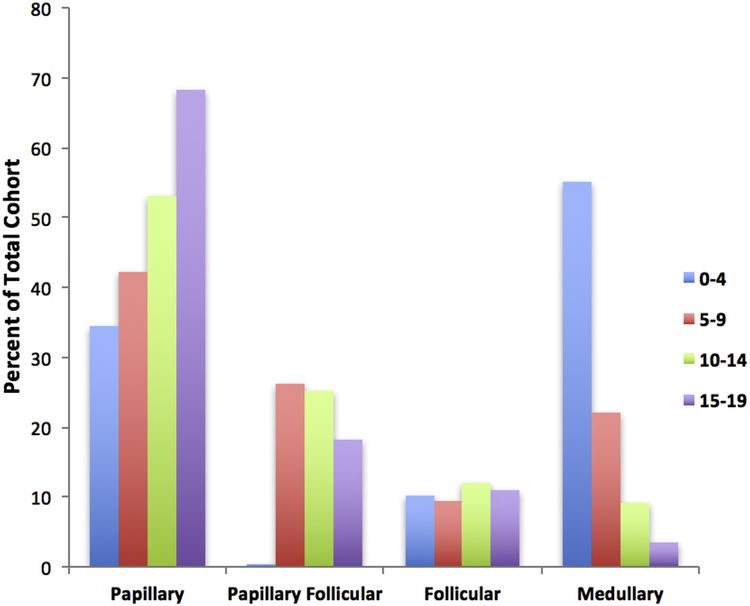
The papillary subtype is the most common subtype of childhood thyroid cancer, accounting for approximately 60% of cases, followed by the papillary follicular variant subtype (20%–25%), the follicular subtype (10%), and the medullary subtype (<10%). The anaplastic subtype occurs in less than 1% of pediatric thyroid carcinomas. The incidence of the papillary subtype and its follicular variant peaks between the ages of 15 and 19 years. The incidence of medullary thyroid cancer is the highest in children aged 0 to 4 years and declines at older ages (see Figure 1).[6]

EnlargeChart showing the incidence of pediatric thyroid carcinoma based on most frequent subtype per 100,000 as a percent of total cohort.
Figure 1. Incidence of pediatric thyroid carcinoma based on most frequent subtype per 100,000 as a percent of total cohort. Reprinted from International Journal of Pediatric Otorhinolaryngology, Volume 89, Sarah Dermody, Andrew Walls, Earl H. Harley Jr., Pediatric thyroid cancer: An update from the SEER database 2007–2012, Pages 121–126, Copyright (2016), with permission from Elsevier.

Diagnostic Evaluation

The prevalence of benign thyroid nodules in childhood has been estimated at about 0.5% to 2%.[7] However, thyroid nodules in children have a higher risk of malignancy (22%–26%) than thyroid nodules in adults (5%–15%).[8] Initial evaluation of a child or adolescent with a thyroid nodule includes the following:

  • Ultrasonography of the thyroid and neck. Common ultrasonographic features of malignancy include hypoechogenicity, invasive margins, increased intranodular blood flow, microcalcifications, and abnormal cervical lymph nodes. Based on ultrasonographic characteristics, scoring systems have been developed to facilitate selection of nodules that require fine-needle aspiration (FNA) in adults. The most popular of these scoring systems is the Thyroid Imaging Reporting and Data System. However, the higher incidence of differentiated thyroid carcinoma in pediatric thyroid nodules and the lack of validation in the pediatric population limits the extrapolation of these criteria to children.[7,8]
  • Serum thyroid-stimulating hormone (TSH) level. Thyroid function is usually normal. Hyperfunctioning nodules have a very low risk of malignancy (2%–6%).[8]
  • Serum thyroglobulin level, which is usually elevated in differentiated thyroid carcinoma.
  • FNA. The sensitivity, specificity, and accuracy of FNA in children are similar to those in adults, but there is a greater risk of false-negative findings in nodules larger than 4 cm.[8]

    FNA results are categorized according to the six tiers of The Bethesda System for Reporting Thyroid Cytopathology (see Table 1).[8]

    Table 1. Bethesda System for Reporting Thyroid Cytopathologya
    Bethesda Category Cytopathological Category Malignancy Rate Suggested Treatment
    FNA = fine-needle aspiration; US = ultrasonography.
    aReprinted from Journal of Pediatric Surgery, Volume 55, Issue 11, Emily R. Christison-Lagay, Reto M. Baertschiger, Catherine Dinauer, Gary L. Francis, Marcus M. Malek, Timothy B Lautz, Jennifer H. Aldrink, Christa Grant, Daniel S. Rhee, Peter Ehrlich, Roshni Dasgupta, Shahab Abdessalam, Pediatric differentiated thyroid carcinoma: An update from the APSA Cancer Committee, Pages 2273–2283, Copyright (2020), with permission from Elsevier.[8]
    I Nondiagnostic/inadequate 1%–5% Repeat FNA (other options: continued US surveillance, lobectomy)
    II Benign 0%–10% Serial US if small, lobectomy if >4 cm
    III Atypia/follicular lesion of undetermined significance 0%–44% Molecular genetics, lobectomy if no concerning mutation, thyroidectomy if BRAF or fusion mutation
    IV Follicular neoplasm 60%–71% Molecular genetics, lobectomy if no concerning mutation, thyroidectomy if BRAF or fusion mutation
    V Suspicious for malignancy 70%–86% Total thyroidectomy +/− central neck dissection
    VI Malignant 97%–100% Total thyroidectomy +/− central neck dissection

    While molecular testing of thyroid nodules could be helpful in the diagnosis of papillary thyroid carcinoma, there is no evidence to support its use.[7]

  • Lymph node evaluation. Examination of the cervical lymph nodes is critically important in stratifying risk and determining operative strategies. Architecturally concerning features found on ultrasound in adults include round shape, irregular margins, calcifications, cystic change, peripheral vascularity, loss of fatty hilum, and heterogeneous echotexture. FNA should be performed on any suspicious lymph nodes in the lateral neck as confirmation of metastatic involvement before lateral neck dissection.[8]
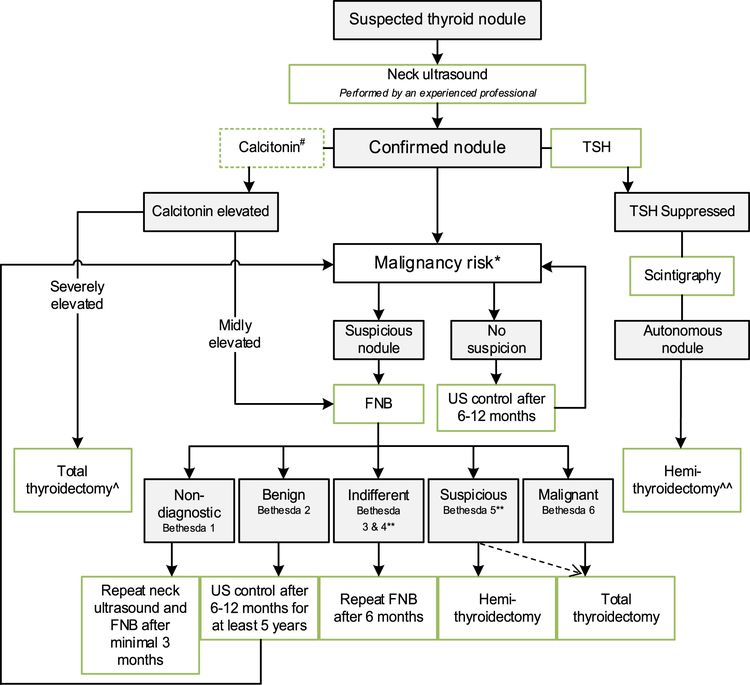
EnlargeFlowchart showing the initial evaluation, treatment, and follow-up of pediatric thyroid nodules.
Figure 2. Flowchart showing the initial evaluation, treatment, and follow-up of pediatric thyroid nodules. #The expert panel suggests considering the measurement of serum calcitonin in children suspect of medullary thyroid carcinoma (MTC) based on individual conditions and the preference of the physician (Recommendation 5A). The expert panel suggests that, in selected cases (conditions that suggest MEN2, a positive family history of MEN2, or in case of bulky thyroid disease), the measurement of calcitonin may be of additional value for early diagnosis of MTC (Recommendation 5B). *Malignancy risk (suspicious vs. no suspicion) is based on neck ultrasound characteristics (described in section B2. Risk of malignancy in a thyroid nodule during childhood), history of radiation, and signs of a pre-disposition syndrome. If there is a significant increase in nodule size or the ultrasound characteristics change over time, repeated fine-needle biopsy (FNB) should be performed. **Analysis of the presence of other oncogenic drivers and gene fusions (e.g., RET/PTC and NTRK fusions) may be considered in Bethesda 3, 4, or 5 due to increasing awareness that these are also associated with the presence of papillary thyroid carcinoma (PTC). In case a BRAF V600E mutation is found, the risk of the thyroid nodule being malignant is high but needs to be confirmed, for example, by frozen section during thyroid surgery. ^Total thyroidectomy after proven presence of MTC. ^^Alternatively, FNB can be performed; in case of differentiated thyroid carcinoma (DTC), a total thyroidectomy should be performed. This work is licensed under a Creative Commons Attribution-NonCommercial-NoDerivatives 4.0 International License. Credit: Lebbink, C. A., Links, T. P., Czarniecka, A., Dias, R. P., Elisei, R., Izatt, L., Krude, H., Lorenz, K., Luster, M., Newbold, K., Piccardo, A., Sobrinho-Simões, M., Takano, T., Paul van Trotsenburg, A. S., Verburg, F. A., & van Santen, H. M. (2022). 2022 European Thyroid Association Guidelines for the management of pediatric thyroid nodules and differentiated thyroid carcinoma. European Thyroid Journal, 11(6), e220146. Retrieved Aug 2, 2024, from https://doi.org/10.1530/ETJ-22-0146.
References
  1. National Cancer Institute: NCCR*Explorer: An interactive website for NCCR cancer statistics. Bethesda, MD: National Cancer Institute. Available online. Last accessed February 25, 2025.
  2. Vergamini LB, Frazier AL, Abrantes FL, et al.: Increase in the incidence of differentiated thyroid carcinoma in children, adolescents, and young adults: a population-based study. J Pediatr 164 (6): 1481-5, 2014. [PUBMED Abstract]
  3. Golpanian S, Perez EA, Tashiro J, et al.: Pediatric papillary thyroid carcinoma: outcomes and survival predictors in 2504 surgical patients. Pediatr Surg Int 32 (3): 201-8, 2016. [PUBMED Abstract]
  4. Pole JD, Zuk AM, Wasserman JD: Diagnostic and Treatment Patterns Among Children, Adolescents, and Young Adults with Thyroid Cancer in Ontario: 1992-2010. Thyroid 27 (8): 1025-1033, 2017. [PUBMED Abstract]
  5. Schmidt Jensen J, Grønhøj C, Mirian C, et al.: Incidence and Survival of Thyroid Cancer in Children, Adolescents, and Young Adults in Denmark: A Nationwide Study from 1980 to 2014. Thyroid 28 (9): 1128-1133, 2018. [PUBMED Abstract]
  6. Dermody S, Walls A, Harley EH: Pediatric thyroid cancer: An update from the SEER database 2007-2012. Int J Pediatr Otorhinolaryngol 89: 121-6, 2016. [PUBMED Abstract]
  7. Lebbink CA, Links TP, Czarniecka A, et al.: 2022 European Thyroid Association Guidelines for the management of pediatric thyroid nodules and differentiated thyroid carcinoma. Eur Thyroid J 11 (6): , 2022. [PUBMED Abstract]
  8. Christison-Lagay ER, Baertschiger RM, Dinauer C, et al.: Pediatric differentiated thyroid carcinoma: An update from the APSA Cancer Committee. J Pediatr Surg 55 (11): 2273-2283, 2020. [PUBMED Abstract]

Differentiated Thyroid Cancer (Papillary/Follicular)

Risk Factors

Risk factors for pediatric differentiated thyroid cancer include the following:

  • Radiation exposure. There is an excessive frequency of papillary thyroid adenoma and carcinoma after radiation exposure, as a result of either environmental contamination or use of ionizing radiation for diagnosis or treatment.[14] The risk increases after exposure to a mean dose of more than 0.05 Gy to 0.1 Gy (50–100 mGy), follows a linear dose-response pattern up to 30 Gy, and then declines. The risk of thyroid cancer after radiation exposure is greater at a younger age of exposure and persists more than 45 years after exposure.[4,5] Childhood cancer survivors with subsequent differentiated thyroid carcinomas tend to have, on average, smaller tumors and, more often, bilateral disease. However, no differences between survivors and controls have been documented in the occurrence of surgical complications, recurrence rate, or disease-related death.[6] For more information, see the Subsequent Neoplasms section in Late Effects of Treatment for Childhood Cancer.

    Papillary thyroid carcinoma is the most frequent form of thyroid carcinoma diagnosed after radiation exposure.[5] Molecular alterations, including intrachromosomal rearrangements, are frequently found; among them, RET rearrangements are the most common.[5]

  • Thyroid nodule and autoimmune thyroiditis. In a study of 485 nodules in 385 children who underwent fine-needle aspiration, thyroid cancer was present in 108 nodules (24%). Autoimmune thyroiditis, present in 95 patients (25%), was independently associated with an increased risk of thyroid cancer (odds ratio [OR], 2.19; 95% confidence interval [CI], 1.32–3.62). Papillary thyroid carcinoma was more common than follicular thyroid carcinoma. Among the papillary thyroid carcinomas, autoimmune thyroiditis was strongly associated with the diffuse sclerosing variant (OR, 4.74; 95% CI, 1.33–16.9).[7]
  • Genetic factors. Genetic factors play a role in a subset of thyroid carcinomas. For thyroid carcinomas of follicular cells, only 5% to 10% are familial cancers. Of those, most familial cases are nonsyndromic, while a minority occur in the setting of well-defined cancer syndromes with known germline alterations, including the following:[8,9]
    • APC-associated polyposis.
    • Carney complex.
    • PTEN hamartoma tumor syndrome.
    • Werner syndrome.
    • DICER1 syndrome.

Clinical Presentation and Prognostic Factors

Patients with thyroid cancer usually present with a thyroid mass with or without painless cervical adenopathy.[10] Based on medical and family history and clinical findings, the thyroid cancer may be part of a tumor predisposition syndrome such as APC-associated polyposis, PTEN hamartoma tumor syndrome, Carney complex, Werner syndrome, or DICER1 syndrome.[8,9]

In well-differentiated thyroid cancer, male sex, larger tumor size, and distant metastases have been found to have prognostic significance for early mortality. However, even patients in the highest risk group who had distant metastases had a 90% survival rate.[11]

In addition, the following observations have been reported:

  • In a cross-sectional study involving 20% of community hospitals in the United States, the clinical presentation of 644 pediatric cases was compared with that of more than 43,000 adult cases. Compared with adults, children had a higher proportion of nodal involvement (31.5% in children vs. 14.7% in adults) and lung metastases (5.7% in children vs. 2.2% in adults).[10]
  • Younger age is associated with a more aggressive clinical presentation in differentiated thyroid carcinoma. Higher recurrence rates have been associated with younger age at presentation.[12]
  • Larger tumor size (>1 cm), extrathyroidal extension, and multifocal disease were associated with increased risk of nodal metastases.[13]
  • Compared with pubertal adolescents, prepubertal children have a more aggressive presentation with a greater degree of extrathyroid extension, lymph node involvement, and lung metastases. However, outcomes are similar in the prepubertal and adolescent groups.[1416]
  • A French registry analysis found similar outcomes in children and young adults who developed papillary thyroid carcinoma after previous radiation therapy, compared with children and young adults who developed spontaneous papillary thyroid carcinoma. However, patients with previous thyroid irradiation for benign disease presented with more invasive tumors and lymph node involvement.[17]
  • Tumor gene fusions in RET, ALK, and NTRK have been associated with high-risk clinical features in retrospective studies.
    • In one study of 106 pediatric patients, 80 had identifiable genomic alterations, including 31 with fusion oncogenes (21 with RET, 6 with ALK, and 4 with NTRK). Patients with fusion-positive tumors were younger (aged <10 years, 93%); had a higher proportion of large tumors (>2 cm), extrathyroid extension, and lymph node and lung metastases; and had a higher incidence of recurrent or persistent disease than patients with BRAF-altered tumors. Expression of SLC5A5 (which encodes the sodium-iodide symporter protein, an important determinant of iodine I 131 [131I] avidity) was decreased in children with fusion-positive papillary thyroid carcinomas and in two patients with 131I-refractory disease who harbored an NTRK and RET fusion gene, respectively. The administration of larotrectinib and selpercatinib produced tumor responses and restored radioactive iodine uptake, underscoring the importance of molecular testing in pediatric patients with papillary thyroid cancer.[18]
    • In a second study, 131 pediatric patients were categorized into three groups: RAS-altered (HRAS, KRAS, or NRAS), BRAF-altered (BRAF V600E), and RET or NTRK gene fusions (RET, NTRK1, or NTRK3 fusions).[19] Patients with RET or NTRK gene fusions were significantly more likely to have advanced lymph node disease and distant metastasis and less likely to achieve remission at 1 year, compared with patients in the RAS-altered and BRAF-altered groups.
  • A study reported the outcomes of 65 Chinese patients (aged <20 years) with papillary thyroid carcinoma who presented with pulmonary metastases.[20] Twenty patients had persistent pulmonary metastases after treatment with radioiodine, designated as radioactive iodine–refractory (RAIR) disease. No significant difference in pathological characteristics was observed between patients younger than 15 years and patients aged 15 to 20 years, but younger patients were more likely to have RAIR disease (hazard ratio [HR], 3.500; 95% CI, 1.134–10.803; P = .023). RAIR disease was identified as an independent predictor of progressive disease (HR, 10.008; 95% CI, 2.427–41.268; P = .001). The Kaplan-Meier curve revealed lower progression-free survival (PFS) and disease-specific survival rates in the RAIR group than in the radioactive iodine–avid group (P < .001 and P = .039). Likewise, RAIR disease was a risk factor for unfavorable PFS in patients younger than 15 years (P < .001).

A review of the National Cancer Database found that patients aged 21 years and younger from lower-income families and those lacking insurance experienced a longer period from diagnosis to treatment of their well-differentiated thyroid cancer and presented with higher-stage disease.[21]

A single-institution retrospective review analyzed the impact of multifocal disease at presentation for patients with papillary thyroid carcinoma.[22] The study compared 283 children and adolescents with 5,564 adults. Multifocal disease was less common in children and adolescents with papillary thyroid carcinoma (45%; 127 of 283 patients) than in adults (54%; 3,023 of 5,564 adults; P = .002). There was no significant difference in 5-year recurrence-free probability, and the overall survival (OS) rate was 100% in both groups. There was no significant difference in the 5-year contralateral lobe papillary thyroid carcinoma–free probability between patients with unifocal disease and multifocal disease treated with lobectomy. The authors concluded that multifocal disease does not appear to warrant complete thyroidectomy in children and adolescents selected for lobectomy.

A single-institution study compared diagnostic whole-body 131I scans with stimulated thyroglobulin (sTg) levels as predictors of distant metastasis in children with papillary thyroid carcinoma.[23] A total of 142 patients (median age, 14.6 years; range, 4–18 years) were followed for 9.5 (±7.2) years and classified according to the American Thyroid Association risk of recurrence as low (28%), intermediate (16%), or high risk (56%). Of these patients, 127 had sTg evaluated. An sTg value of 21.7 ng/dL yielded a sensitivity of 88%, compared with 30% for diagnostic whole-body 131I scans, in predicting distant metastasis. Specificity was 60% for sTg levels and 100% for diagnostic whole-body 131I scans. Forty-two percent of patients obtained discordant results between diagnostic whole-body 131I scans and radioiodine therapy posttreatment whole-body 131I scans. In high-risk patients, sTg levels were particularly able to identify those who would have distant metastasis, with better diagnostic accuracy than whole-body 131I scans.

Histology and Molecular Features of Differentiated Thyroid Cancer

Tumors of the thyroid are classified as adenomas or carcinomas.[9,24] Adenomas are benign, well circumscribed, and encapsulated nodules that may cause notable enlargement of all or part of the gland, which extends to both sides of the neck. Some tumors may secrete hormones. Transformation to a malignant carcinoma may occur in some cells, which may grow and spread to lymph nodes in the neck or to the lungs. Approximately 20% of thyroid nodules in children are malignant.[9]

Histology

Papillary and follicular carcinomas are often referred to as differentiated thyroid carcinoma. The pathological classification of differentiated thyroid carcinomas is based on standard definitions set by the World Health Organization, and the criteria are the same for children and adults. Long-term outcomes for children and adolescents with differentiated thyroid carcinoma are excellent, with 10-year survival rates exceeding 95%.[9,25,26]

  • Papillary thyroid carcinoma accounts for 90% or more of all cases of differentiated thyroid carcinoma occurring during childhood and adolescence. Pediatric papillary thyroid carcinoma may present with a variety of histological variants: classic, solid, follicular, and diffuse sclerosing.[27] Papillary thyroid carcinoma is frequently multifocal and bilateral, and it metastasizes to regional lymph nodes in most children. Hematogenous metastases to the lungs occur in up to 25% of cases.[9,28]
  • Follicular thyroid carcinoma is uncommon. It is typically a unifocal tumor and more prone to initial hematogenous metastases to lungs and bones. Metastases to regional lymph nodes are uncommon. Histological variants of follicular thyroid cancer include Hürthle cell (oncocytic), clear cell, and insular (poorly differentiated) carcinoma.[9]

Molecular features

Thyroid tumorigenesis and progression of thyroid carcinomas of follicular cells (differentiated thyroid carcinoma, poorly differentiated papillary thyroid carcinoma, and anaplastic thyroid carcinoma) are defined by a multistep process that results in aberrant activation of the MAPK and/or PI3K/PTEN/AKT signaling pathways. Comprehensive genomic studies performed over the last decade have defined the landscape of these tumors, as well as their genotype-phenotype correlations. Using advanced sequencing technologies, oncogenic alterations are found in more than 90% of tumors.[29]

Variants in BRAF and RAS genes are the most common drivers, followed by gene fusions involving RET or NTRK:[8,30,31]

  • BRAF: Single nucleotide variants of the BRAF gene are the most common alterations found in thyroid carcinoma. The most common variant is V600E (95% of BRAF-altered cases). BRAF variants are found in 40% to 80% of papillary thyroid carcinomas and in a lower proportion of poorly differentiated papillary thyroid carcinoma (5%–35%) and anaplastic thyroid carcinoma (10%–50%).[8,31]

    The presence of BRAF V600E has been associated with extrathyroidal tumor extension and an increased risk of recurrence. However, its prognostic significance is controversial. BRAF V600E tumors appear to show a broadly immunosuppressive profile with high expression of anti–programmed death-ligand 1 (PD-L1).[8,31]

    A retrospective analysis of 80 Brazilian patients younger than 18 years with papillary thyroid carcinoma identified AGK::BRAF fusions and BRAF V600E single nucleotide variants.[32] AGK::BRAF fusions, found in 19% of pediatric patients with papillary thyroid carcinoma, were associated with distant metastasis and younger age. BRAF V600E variants, found in 15% of patients with pediatric papillary thyroid carcinoma, were correlated with older age and larger tumor size.

  • RAS: Oncogenic RAS activation can occur in any of the RAS family of genes (NRAS, HRAS, and KRAS), although the most frequent alterations are NRAS single nucleotide variants. RAS variants are markers of follicular-patterned thyroid lesions. They are present in 30% to 50% of follicular thyroid carcinomas, 25% to 45% of follicular variants of papillary thyroid carcinoma, and less than 10% of papillary thyroid carcinomas. They are also frequently found in poorly differentiated papillary thyroid carcinoma (20%–50%) and anaplastic thyroid carcinoma (10%–50%) and are believed to promote tumor progression. They have a higher prevalence in areas of iodine deficiency.[8,31]
  • RET rearrangements: Multiple RET rearrangements have been identified in approximately 5% to 25% of papillary thyroid carcinomas and in less than 10% of its follicular variant. They are strongly associated with environmental or therapeutic radiation exposure. They are also common among young patients, many of whom present with nodal metastases and aggressive clinicopathological features.[8,31] RET variants have been reported to be more common in the diffuse sclerosing variant of papillary carcinoma than in standard nonsclerosing papillary carcinoma (83% vs. 15.4%; P = .0095).[27]

    A retrospective review identified 113 RET fusion–positive tumors among 993 patients with papillary thyroid carcinoma.[33] RET fusion–positive tumors were three times more frequent in pediatric and adolescent patients (29.8%) than in adult patients (8.7%). A total of 20 types of RET fusions were identified. RET fusion–positive carcinomas were associated with aggressive tumor behavior, including high rates of lymph node metastases (75.2%) and distant metastases (18.6%). These rates were significantly higher than in carcinomas with NTRK fusions, BRAF V600E variants, and RAS variants. Local and distant metastases were also frequently found in patients with microcarcinomas positive for RET fusions. True recurrences occurred rarely (2.4%) and only in adult patients. The disease-specific survival rates were 99% at 2 years, 96% at 5 years, and 95% at 10 years.

  • NTRK rearrangements: Rearrangements of NTRK1 and NTRK3 have been described in approximately 5% of papillary thyroid carcinomas. However, ETV6::NTRK3 fusion genes have been reported in 15% of radiation-induced papillary thyroid carcinomas. In young patients and children, NTRK-rearranged papillary thyroid carcinomas may present with lymph node metastases and aggressive clinicopathological features, similar to the presentation of RET-rearranged tumors.[8,31]
  • DICER1 variants: Pathogenic variants of DICER1 have been identified in approximately 10% of papillary thyroid carcinomas.[34] DICER1 variants have also been described in a small cohort of patients with poorly differentiated thyroid carcinomas.[35]

    A study correlated the status of hotspot DICER1 variants with clinical, histological, and outcome features in a series of 56 pediatric patients with papillary thyroid carcinomas. These patients had no clinical or family history of DICER1-related syndromic manifestations.[36] Fifteen papillary thyroid carcinomas (27%) harbored BRAF p.V600E. Eight cases of papillary thyroid carcinomas (14%) harbored DICER1 variants, with no associated BRAF p.V600E. DICER1 variants were identified in exons 26 and 27. A novel D1810del (c.5428_5430delGAT) variant was also detected. The study confirmed the absence of hotspot DICER1 variants in the matched nontumor tissue DNA in all eight DICER1-related papillary thyroid carcinomas. The study concluded that the increased incidence in female patients and enrichment in low-risk follicular-patterned papillary thyroid carcinomas are characteristics of DICER1-related papillary thyroid carcinomas.

    A study profiled miRNA in 20 non-neoplastic thyroid tissue specimens, 8 adenomatous specimens, and 60 pediatric thyroid cancer specimens, 8 of which had DICER1 RNase IIIb variants. All differentiated thyroid cancers with DICER1 variants were follicular. Six were follicular variant papillary thyroid cancers, and two were follicular thyroid cancers.[37]

Other alterations include the following:[8,31]

  • ALK rearrangements have been described in less than 10% of papillary thyroid carcinomas and are commonly associated with dedifferentiation.
  • Activating variants of AKT1 have been described in 19% of recurrent or metastatic poorly differentiated papillary thyroid carcinomas.
  • PPARG rearrangements are present in 20% to 50% of follicular thyroid carcinomas and in a lower proportion of follicular variants of papillary thyroid carcinoma.
  • TERT-activating variants are commonly seen in poorly differentiated papillary thyroid carcinomas (20%–50%) and anaplastic thyroid carcinomas (30%–75%). These variants have also been reported in 10% to 35% of follicular thyroid carcinomas and 5% to 15% of papillary thyroid carcinomas. TERT variants are believed to promote tumor progression to poorly differentiated papillary thyroid carcinoma and anaplastic thyroid carcinoma and represent a negative prognostic marker.
  • TP53 is altered in 40% to 80% of anaplastic thyroid carcinomas and 10% to 35% of poorly differentiated papillary thyroid carcinomas. It is considered a final step of tumor progression and a marker for poor prognosis.

The spectrum of somatic genetic alterations seems to differ between pediatric and adult patients when analyzing tumors with similar histologies, as follows:[29,30,38,39]

  • Gene fusions involving RET or, less frequently, NTRK account for approximately 50% of the molecular alterations in pediatric differentiated thyroid carcinoma, compared with approximately 15% in adults.
  • Gene alterations involving BRAF or RAS, which are present in approximately 70% of thyroid carcinomas diagnosed in adults, are noted in 20% to 40% of pediatric tumors. BRAF variants have been described in approximately 20% to 30% of cases, while RAS variants are much less frequently found in pediatrics (5%–10%).
  • When combining evaluation of DNA and RNA, targetable alterations can be identified in approximately 98% of childhood thyroid carcinomas.

Treatment of Papillary and Follicular Thyroid Carcinoma

Treatment options for papillary and follicular (differentiated) thyroid carcinoma include the following:

Because differentiated thyroid cancer is rare in children, centralization of care to expert centers is highly encouraged.[6,9,24]

In 2015, the American Thyroid Association (ATA) Task Force on Pediatric Thyroid Cancer published guidelines for the management of thyroid nodules and differentiated thyroid cancer in children and adolescents. These guidelines are based on scientific evidence and expert panel opinion, with a careful assessment of the level of evidence.[9] In 2020 and 2022, the Cancer Committee of the American Pediatric Surgery Association and the European Thyroid Association (ETA) reviewed and expanded the ATA guidelines by incorporating more recent evidence.[24] The following sections of this summary provide an overview of the ATA guidelines and the proposed revisions, which are presented here without a specific endorsement by the National Cancer Institute (NCI).

Preoperative evaluation

Preoperative evaluation factors to consider include the following:

  • Neck palpation and a comprehensive ultrasonography of all regions of the neck using a high-resolution probe and Doppler technique should be obtained by an experienced ultrasonographer. A complete ultrasonography examination should be performed before surgery.[6,9]
  • The addition of cross-sectional imaging (contrast-enhanced computed tomography [CT] or magnetic resonance imaging) should be considered when there is concern about invasion of the aerodigestive tract. Importantly, if iodinated contrast agents are used, further evaluation and treatment with radioactive iodine may need to be delayed for 2 to 3 months until total body iodine burden decreases.[9]
  • Chest imaging (x-ray or CT) may be considered for patients with substantial cervical lymph node disease.[9]
  • Thyroid nuclear scintigraphy should be pursued only if the patient presents with suppressed thyroid-stimulating hormone (TSH).[9]
  • The routine use of bone scan or fluorine F 18-fludeoxyglucose positron emission tomography (PET) is not recommended.[9]
  • Further genetic or imaging diagnostics should be considered in cases of suspected familiar or extensive disease.[6]

Surgery

Total thyroidectomy is the cornerstone of the management of differentiated thyroid carcinoma. Pediatric thyroid surgery is ideally completed by a surgeon who has experience performing endocrine procedures in children and in a hospital with the full spectrum of pediatric specialty care. The ATA recommends that the thyroidectomy be performed by an experienced thyroid surgeon (>30 cases/year) or as a multidisciplinary approach between a pediatric surgeon and an adult endocrine or head and neck surgeon.[6,9]

Thyroidectomy

For patients with papillary or follicular carcinoma, total thyroidectomy is the recommended treatment. The ATA expert panel recommendation is based on data showing an increased incidence of bilateral (30%) and multifocal (65%) disease.[6,9]

In patients with a small unilateral tumor confined to the gland, a near-total thyroidectomy—in which a small amount of thyroid tissue (<1%–2%) is left in place at the entry point of the recurrent laryngeal nerve or superior parathyroid glands—might be considered to decrease permanent damage to those structures.[40]

A retrospective analysis identified factors associated with bilateral thyroid involvement in 115 pediatric patients with well-differentiated thyroid cancer.[41] Bilateral disease was present in 47 of 115 participants (41%). In multivariable analysis, only multifocality in the primary lobe was independently associated with bilateral disease (OR, 7.61; 95% CI, 2.44–23.8; P < .001). Among clinically node-negative patients with papillary carcinoma who did not have tumor multifocality in the primary lobe, bilateral disease was present in 5 of 32 patients (16%). The authors concluded that in children with differentiated thyroid cancer, tumor multifocality in the primary lobe is associated with bilateral disease, and they recommended prompt consideration of complete thyroidectomy after initial lobectomy.

Another multicenter retrospective analysis evaluated the prevalence of and risk factors for multifocal disease in 212 pediatric patients with papillary thyroid carcinoma.[42] The mean age at diagnosis was 14.1 years, and 23 patients were aged 10 years or younger. A total of 173 patients (82%) were female. Any amount of multifocal disease was present in 98 cases (46%), with bilateral multifocal disease present in 73 cases (34%). Predictors for multifocal and bilateral multifocal disease included age 10 years or younger, T3 tumor stage, and N1b nodal stage. The authors concluded that these risk factors and the high prevalence of multifocal disease should be considered when assessing the risks and benefits of surgical management options in pediatric patients with papillary thyroid carcinoma.

Thyroid resections that are less than a total thyroidectomy are associated with up to tenfold greater recurrence rates. Total thyroidectomy also optimizes the use of radioactive iodine for imaging and treatment.

Central neck dissection

A therapeutic central neck lymph node dissection (level VI nodes) should be done in the presence of clinical evidence of central or lateral neck metastases.[13]

For patients without clinical evidence of gross extrathyroidal invasion or locoregional metastasis, a prophylactic central neck dissection may be considered based on tumor focality and primary tumor size. However, because of the increased morbidity associated with central lymph node dissection, it is important to consider the risks and benefits of the extent of dissection on a case-by-case basis.[43]

Lateral neck dissection

Modified radical neck dissection is reserved for biopsy-proven metastatic disease in the lateral compartment (levels II, III, IV, and V). Cytological confirmation of metastatic disease to lymph nodes in the lateral neck is recommended before surgery.

Routine prophylactic lateral neck dissection is not recommended.

EnlargeFlowchart showing the surgical approach for differentiated thyroid carcinoma in children.
Figure 3. Flowchart showing the surgical approach for differentiated thyroid carcinoma (DTC) in children. BCLND, bilateral central lymph node dissection; CLND, central lymph node dissection; FNB, fine needle biopsy; ICLND, ipsilateral central lymph node dissection. ‘Active surveillance’ in low-risk DTC implies ultrasound of the leftover thyroid tissue, including the evaluation of the cervical lymph nodes every 6–12 months by neck palpation and ultrasound. This work is licensed under a Creative Commons Attribution-NonCommercial-NoDerivatives 4.0 International License. Credit: Lebbink, C. A., Links, T. P., Czarniecka, A., Dias, R. P., Elisei, R., Izatt, L., Krude, H., Lorenz, K., Luster, M., Newbold, K., Piccardo, A., Sobrinho-Simões, M., Takano, T., Paul van Trotsenburg, A. S., Verburg, F. A., & van Santen, H. M. (2022). 2022 European Thyroid Association Guidelines for the management of pediatric thyroid nodules and differentiated thyroid carcinoma. European Thyroid Journal, 11(6), e220146. Retrieved Aug 2, 2024, from https://doi.org/10.1530/ETJ-22-0146.

Classification and risk assignment

Despite the limited data in pediatrics, the ATA Task Force recommends the use of the tumor-node-metastasis (TNM) classification system to categorize patients into one of three risk groups.[9] This categorization strategy is meant to define the risk of persistent cervical disease and help determine which patients should undergo postoperative staging for the presence of distant metastasis.

  • ATA pediatric low risk: Disease confined to the thyroid with N0 or NX disease or patients with incidental N1a (microscopic metastasis to a small number of central neck nodes). These patients are at lowest risk of distant disease but may still be at risk of residual cervical disease, especially if the initial surgery did not include central neck dissection.
  • ATA pediatric intermediate risk: Extensive N1a or minimal N1b disease. These patients are at low risk of distant metastasis but are at an increased risk of incomplete lymph node resection and persistent cervical disease.
  • ATA pediatric high risk: Regionally extensive disease (N1b) or locally invasive disease (T4), with or without distant metastasis. Patients in this group are at the highest risk of incomplete resection, persistent disease, and distant metastasis.

For more information about the TNM system, see the Stage Information for Thyroid Cancer section in Thyroid Cancer Treatment.

Postoperative staging and long-term surveillance

After surgical resection, disease is staged based on the operative findings to identify patients with persistent disease and those at intermediate or high risk of recurrence. Initial staging should be performed within 12 weeks after surgery to assess for evidence of persistent locoregional disease and to identify patients who are likely to benefit from additional therapy with 131I. The ATA pediatric risk level helps determine the extent of postoperative testing.[9] The standard imaging study for the follow-up of patients who have been treated for differentiated thyroid carcinoma is neck ultrasonography. It should be performed by a professional with experience using this procedure in children. The sensitivity and specificity of neck ultrasonography for recurrent differentiated thyroid carcinoma in follow-up for children who have been treated with total thyroidectomy are 85.7% and 89.4%, respectively.[6]

ATA pediatric low risk
  • Initial postoperative staging includes a TSH-suppressed thyroglobulin. A diagnostic iodine I 123 (123I) scan is not required.
  • TSH suppression should be targeted to serum levels of 0.5 to 1.0 mIU/L.
  • In patients with no evidence of disease, surveillance should include ultrasonography at 6 months postoperatively and then annually for 5 years, as well as TSH-suppressed thyroglobulin levels every 3 to 6 months for 2 years and then annually.
  • In children with positive thyroglobulin antibodies (common in patients with Hashimoto thyroiditis), trending thyroglobulin is less reliable, and a diagnostic 123I scan may be required.
ATA pediatric intermediate risk
  • Initial postoperative staging includes a TSH-stimulated thyroglobulin and diagnostic 123I whole-body scan for further stratification and determination with 131I.
  • TSH suppression should be targeted to serum levels of 0.1 to 0.5 mIU/L.
  • In patients with no evidence of disease, surveillance should include ultrasonography at 6 months postoperatively and then every 6 to 12 months for 5 years (and then less frequently), as well as thyroglobulin levels (on hormone replacement therapy) every 3 to 6 months for 3 years and then annually.
  • TSH-stimulated thyroglobulin and diagnostic 123I scan should be considered in 1 to 2 years for patients treated with 131I.
ATA pediatric high risk
  • Initial postoperative staging includes a TSH-stimulated thyroglobulin and diagnostic 123I whole-body scan for further stratification and determination with 131I.
  • TSH suppression should be targeted to serum levels of less than 0.1 mIU/L.
  • In patients with no evidence of disease, surveillance should include ultrasonography at 6 months postoperatively and then every 6 to 12 months for 5 years (and then less frequently), as well as thyroglobulin levels (on hormone replacement therapy) every 3 to 6 months for 3 years and then annually.
  • TSH-stimulated thyroglobulin and, possibly, a diagnostic 123I scan in 1 to 2 years in patients treated with 131I.

For patients with antithyroglobulin antibodies, deferred postoperative staging to allow time for antibody clearance, except in patients with T4 or M1 disease.

Radioactive iodine ablation (RAI)

The goal of 131I therapy is to decrease recurrence and mortality by eliminating iodine-avid disease.[6,9]

  • The ATA Task Force recommends the use of 131I for the treatment of iodine-avid, persistent locoregional, or nodal disease that cannot be resected, and for known or presumed iodine-avid distant metastases. For patients with persistent disease after administration of 131I, the decision to pursue additional 131I therapy should be individualized based on clinical data and previous response. For patients without lymph node or distant metastases, there is no evidence that 131I can improve survival or reduce recurrence rates.[6]
  • To facilitate 131I uptake by residual iodine-avid disease, the TSH level should be above 30 mIU/L. This level can be achieved by withdrawing levothyroxine for at least 14 days. A low-iodine diet should also be followed for 2 weeks before therapy. RAI should be deferred for 2 to 3 months after exposure to iodinated CT contrast, and urine iodine excretion should be confirmed to be less than 75 µ/L. In patients who cannot mount an adequate TSH response or cannot tolerate profound hypothyroidism, recombinant human TSH may be used.
  • Therapeutic 131I administration is commonly based on either empiric dosing or whole-body dosimetry. Based on the lack of data comparing empiric treatment and treatment informed by dosimetry, the ATA Task Force was unable to recommend one specific approach. However, because of the differences in body size and iodine clearance in children compared with adults, all activities of 131I should be calculated by experts with experience in dosing children.
  • A posttreatment whole-body scan is recommended for all children 4 to 7 days after 131I therapy. The addition of single-photon emission CT with integrated conventional CT (SPECT/CT) may help to distinguish the anatomic location of focal uptake.

    While rare, late effects of 131I treatment include salivary gland dysfunction, bone marrow suppression, pulmonary fibrosis, and second malignancies.[44]

  • Because response to 131I may be observed up to 15 to 18 months after therapy, long intervals of at least 12 months are suggested before re-treatment.[6]

Evidence (RAI):

  1. In a multicenter study of children and adolescents with differentiated thyroid carcinoma, 285 consecutive patients were treated with total thyroidectomy and RAI according to the ATA guidelines.[45]
    • 87% of the patients had no evidence of active disease at a median follow-up of 133 months.
  2. In a single-center study of ATA pediatric low-risk differentiated thyroid cancer diagnosed between 2010 and 2020, 95 patients underwent total thyroidectomy followed by 131I therapy in 53% of patients.[46]
    • There was no statistical difference in remission rates between patients treated with or without 131I therapy at 1 year (70% vs. 68.9%, respectively; P = .089) or last clinical evaluation (82% vs. 75.6%; P = .534).
    • Over the study period, use of 131I in the patient population declined steadily, as the 2015 ATA Pediatric Differentiated Thyroid Cancer Guidelines recommended withholding 131I therapy in patients with low-risk disease. Accordingly, patients who received 131I therapy had longer follow-up (median, 5.8 years) than those who did not receive 131I therapy (median, 3.6 years).

The ETA has proposed a simplified follow-up plan based on thyroglobulin levels and neck ultrasonography (see Figure 4).[6]

EnlargeFlowchart showing the follow-up of children with differentiated thyroid carcinoma who achieved complete remission after initial treatment with total thyroidectomy and I-131.
Figure 4. Flowchart showing the follow-up of children with differentiated thyroid carcinoma (DTC) who achieved complete remission after initial treatment with total thyroidectomy and I-131. This flowchart was developed for children with DTC who achieved complete remission defined as: undetectable levels of serum thyroglobulin (Tg) on levothyroxine (LT4), undetectable levels of Tg antibodies, negative neck ultrasound, and if performed, negative whole-body scan 1 year after last treatment. ^In the first year until clinical remission, TSH levels should be suppressed, while a normal low value of TSH (between 0.5 and 1.0 mIU/L) will be advisable thereafter. ^^The definition of consistently rising Tg on LT4 is debatable; the levels of Tg as well as the doubling time should be taken into account and weighted in the individual patient. *The expert panel suggests that, in children with detectable (but not rising) Tg and no focus on neck ultrasound, I-123 scanning may be considered in individual cases. When both ultrasound and radioiodine imaging did not yield a focus, FDG PET/CT may be considered. This work is licensed under a Creative Commons Attribution-NonCommercial-NoDerivatives 4.0 International License. Credit: Lebbink, C. A., Links, T. P., Czarniecka, A., Dias, R. P., Elisei, R., Izatt, L., Krude, H., Lorenz, K., Luster, M., Newbold, K., Piccardo, A., Sobrinho-Simões, M., Takano, T., Paul van Trotsenburg, A. S., Verburg, F. A., & van Santen, H. M. (2022). 2022 European Thyroid Association Guidelines for the management of pediatric thyroid nodules and differentiated thyroid carcinoma. European Thyroid Journal, 11(6), e220146. Retrieved Aug 2, 2024, from https://doi.org/10.1530/ETJ-22-0146.

Treatment of Recurrent Papillary and Follicular Thyroid Carcinoma

Despite having more advanced disease at presentation than adults, children with differentiated thyroid cancer generally have an excellent survival with relatively few side effects.[25,47,48] For this reason, treatment of persistent or recurrent disease should be individualized, and the potential risks and benefits of therapy should be carefully considered. For children with persistent but not rising thyroglobulin levels on TSH suppression, primary neck ultrasonography is recommended; if negative, 123I scanning may be considered under TSH stimulation. If no residual or recurrent disease is found, serum thyroglobulin and serum thyroglobulin antibodies must be measured every 3 to 6 months. Patients with small cervical foci (i.e., <1 cm) or patients with cervical disease that cannot be visualized with cross-sectional imaging may be considered for (repeat) therapeutic 131I. However, these patients may also be safely observed while maintaining TSH suppression. Macroscopic cervical disease should be removed surgically if it can be safely accomplished. Children with pulmonary metastases may continue to experience posttherapy targeted 131I effects for years, and an undetectable thyroglobulin level should not be the focus of treatment efforts. As many as one-third of patients exhibit persistent but stable disease following RAI. Therapy should be considered only in patients who show signs of progression.[9,24]

Treatment options for recurrent papillary and follicular thyroid carcinoma include the following:

RAI with 131I

RAI with 131I is usually effective after recurrence.[49]

Tyrosine kinase inhibitors (TKIs)

For patients with 131I-refractory disease, molecularly targeted therapies using TKIs may provide alternative therapies.

TKIs with documented efficacy for the treatment of adults include the following:

  • Sorafenib. Sorafenib is a VEGFR, PDGFR, and RAS kinase inhibitor. In a randomized phase III trial, sorafenib improved PFS when compared with placebo (10.8 months vs. 5.8 months) in adult patients with radioactive iodine–refractory locally advanced or metastatic differentiated thyroid cancer.[50] The U.S. Food and Drug Administration (FDA) approved sorafenib in 2013 for the treatment of adults with late-stage, metastatic differentiated thyroid carcinoma.

    Pediatric-specific data are limited. However, in one case report, sorafenib produced a radiographic response in a patient aged 8 years with metastatic papillary thyroid carcinoma.[51]

  • Lenvatinib. Lenvatinib is an oral VEGFR, FGFR, PDGFR, RET, and KIT inhibitor. In a phase III randomized study of adults with 131I-refractory differentiated thyroid cancer, lenvatinib was associated with a significant improvement in PFS and response rate when compared with a placebo.[52] The FDA approved lenvatinib in 2015 for the treatment of adults with progressive, radioactive iodine–refractory differentiated thyroid carcinoma.

    Three children with papillary thyroid carcinoma who were refractory to radioactive iodine had a clinical response to lenvatinib.[53]

  • Vemurafenib and dabrafenib (BRAF inhibitors). An open-label, nonrandomized, phase II study of vemurafenib was conducted in adult patients with papillary thyroid carcinoma that was 131I-refractory, metastatic or unresectable, and BRAF V600E variant positive. No participant had been previously treated with a TKI. A response rate of 38.5% was documented.[54] For patients with metastatic or advanced BRAF V600E–altered anaplastic thyroid carcinoma, the combination of dabrafenib with the MEK inhibitor trametinib showed a response rate of 69%.[55]
  • Larotrectinib and entrectinib (NTRK inhibitors). Larotrectinib has been used to treat patients with TRK fusion–positive thyroid carcinoma. In one study, all five patients with TRK fusion–positive thyroid carcinomas who received larotrectinib therapy achieved partial or complete responses.[56] Responses to entrectinib have also been reported.[57] The FDA approved larotrectinib and entrectinib for the treatment of adults and children (restricted to patients older than 12 years for entrectinib) with solid tumors that include all of the following characteristics:[58]
    • Have an NTRK gene fusion without a known acquired resistance variant.
    • Are metastatic or for which surgical resection is likely to result in severe morbidity.
    • Have no satisfactory alternative treatments or that have progressed following treatment.
  • Selpercatinib (a RET inhibitor). In a phase I/II trial of selpercatinib therapy for patients (age range, 25–88 years) with RET-altered cancers, 19 patients with RET fusion–positive, previously treated thyroid cancers were enrolled.[59]
    • Fifteen of 19 patients (79%) achieved objective responses (1 complete response and 14 partial responses), and the median duration of response was 18.4 months.
    • The most common grades 3 to 4 treatment-related adverse events were hypertension (12%), increased alanine aminotransferase (10%) and aspartate aminotransferase (7%), diarrhea (3%), and prolonged QT interval (2%).
    • In 2024, the FDA granted full approval to selpercatinib for the treatment of adult and pediatric patients aged 2 years and older with advanced or metastatic RET fusion–positive thyroid cancer who require systemic therapy and who are radioactive iodine–refractory (if radioactive iodine is appropriate).[60]
  • Cabozantinib (a VEGFR and RET inhibitor). Cabozantinib and placebo were compared in a double-blind, phase III, randomized trial (COSMIC-311 [NCT03690388]) in adult patients (age range, 55–72 years). These patients had received at least one VEGFR-targeted TKI for differentiated thyroid carcinoma, and their disease was deemed progressive and radioactive iodine–refractory. An effective response was noted in 10 of 67 patients who received cabozantinib, compared with zero responses in the placebo group. The PFS was 11 months (95% CI, 7.4–13.8) in the cabozantinib arm, compared with 1.9 months (95% CI, 1.9–3.7) in the placebo arm, with an HR of 0.22 (95% CI, 0.14–0.31).[61] Based on these data, the FDA approved cabozantinib in this population.[62]

For more information, see Thyroid Cancer Treatment.

Treatment options under clinical evaluation for recurrent papillary and follicular thyroid carcinoma

Information about NCI-supported clinical trials can be found on the NCI website. For information about clinical trials sponsored by other organizations, see the ClinicalTrials.gov website.

References
  1. Cahoon EK, Nadyrov EA, Polyanskaya ON, et al.: Risk of Thyroid Nodules in Residents of Belarus Exposed to Chernobyl Fallout as Children and Adolescents. J Clin Endocrinol Metab 102 (7): 2207-2217, 2017. [PUBMED Abstract]
  2. Rose J, Wertheim BC, Guerrero MA: Radiation treatment of patients with primary pediatric malignancies: risk of developing thyroid cancer as a secondary malignancy. Am J Surg 204 (6): 881-6; discussion 886-7, 2012. [PUBMED Abstract]
  3. Lal G, Groff M, Howe JR, et al.: Risk of subsequent primary thyroid cancer after another malignancy: latency trends in a population-based study. Ann Surg Oncol 19 (6): 1887-96, 2012. [PUBMED Abstract]
  4. Lubin JH, Adams MJ, Shore R, et al.: Thyroid Cancer Following Childhood Low-Dose Radiation Exposure: A Pooled Analysis of Nine Cohorts. J Clin Endocrinol Metab 102 (7): 2575-2583, 2017. [PUBMED Abstract]
  5. Iglesias ML, Schmidt A, Ghuzlan AA, et al.: Radiation exposure and thyroid cancer: a review. Arch Endocrinol Metab 61 (2): 180-187, 2017 Mar-Apr. [PUBMED Abstract]
  6. Lebbink CA, Links TP, Czarniecka A, et al.: 2022 European Thyroid Association Guidelines for the management of pediatric thyroid nodules and differentiated thyroid carcinoma. Eur Thyroid J 11 (6): , 2022. [PUBMED Abstract]
  7. Keefe G, Culbreath K, Cherella CE, et al.: Autoimmune Thyroiditis and Risk of Malignancy in Children with Thyroid Nodules. Thyroid 32 (9): 1109-1117, 2022. [PUBMED Abstract]
  8. Acquaviva G, Visani M, Repaci A, et al.: Molecular pathology of thyroid tumours of follicular cells: a review of genetic alterations and their clinicopathological relevance. Histopathology 72 (1): 6-31, 2018. [PUBMED Abstract]
  9. Francis GL, Waguespack SG, Bauer AJ, et al.: Management Guidelines for Children with Thyroid Nodules and Differentiated Thyroid Cancer. Thyroid 25 (7): 716-59, 2015. [PUBMED Abstract]
  10. Al-Qurayshi Z, Hauch A, Srivastav S, et al.: A National Perspective of the Risk, Presentation, and Outcomes of Pediatric Thyroid Cancer. JAMA Otolaryngol Head Neck Surg 142 (5): 472-8, 2016. [PUBMED Abstract]
  11. Shayota BJ, Pawar SC, Chamberlain RS: MeSS: A novel prognostic scale specific for pediatric well-differentiated thyroid cancer: a population-based, SEER outcomes study. Surgery 154 (3): 429-35, 2013. [PUBMED Abstract]
  12. Ye B, Shi J, Shen C, et al.: Comparison of differentiated thyroid carcinoma recurrence and its clinical features in children of different ages. Oncotarget 8 (29): 48051-48059, 2017. [PUBMED Abstract]
  13. Kim J, Sun Z, Adam MA, et al.: Predictors of nodal metastasis in pediatric differentiated thyroid cancer. J Pediatr Surg 52 (1): 120-123, 2017. [PUBMED Abstract]
  14. Lazar L, Lebenthal Y, Steinmetz A, et al.: Differentiated thyroid carcinoma in pediatric patients: comparison of presentation and course between pre-pubertal children and adolescents. J Pediatr 154 (5): 708-14, 2009. [PUBMED Abstract]
  15. Redlich A, Luster M, Lorenz K, et al.: Age, American Thyroid Association Risk Group, and Response to Therapy Are Prognostic Factors in Children With Differentiated Thyroid Cancer. J Clin Endocrinol Metab 107 (1): e165-e177, 2022. [PUBMED Abstract]
  16. Chesover AD, Vali R, Hemmati SH, et al.: Lung Metastasis in Children with Differentiated Thyroid Cancer: Factors Associated with Diagnosis and Outcomes of Therapy. Thyroid 31 (1): 50-60, 2021. [PUBMED Abstract]
  17. Sassolas G, Hafdi-Nejjari Z, Casagranda L, et al.: Thyroid cancers in children, adolescents, and young adults with and without a history of childhood exposure to therapeutic radiation for other cancers. Thyroid 23 (7): 805-10, 2013. [PUBMED Abstract]
  18. Lee YA, Lee H, Im SW, et al.: NTRK and RET fusion-directed therapy in pediatric thyroid cancer yields a tumor response and radioiodine uptake. J Clin Invest 131 (18): , 2021. [PUBMED Abstract]
  19. Franco AT, Ricarte-Filho JC, Isaza A, et al.: Fusion Oncogenes Are Associated With Increased Metastatic Capacity and Persistent Disease in Pediatric Thyroid Cancers. J Clin Oncol 40 (10): 1081-1090, 2022. [PUBMED Abstract]
  20. Tian T, Huang S, Dai H, et al.: Radioactive Iodine-Refractory Pulmonary Metastases of Papillary Thyroid Cancer in Children, Adolescents, and Young Adults. J Clin Endocrinol Metab 108 (2): 306-314, 2023. [PUBMED Abstract]
  21. Garner EF, Maizlin II, Dellinger MB, et al.: Effects of socioeconomic status on children with well-differentiated thyroid cancer. Surgery 162 (3): 662-669, 2017. [PUBMED Abstract]
  22. Scholfield DW, Lopez J, Eagan A, et al.: Is Multifocality a Predictor of Poor Outcome in Childhood and Adolescent Papillary Thyroid Carcinoma? J Clin Endocrinol Metab 108 (12): 3135-3144, 2023. [PUBMED Abstract]
  23. Garcia Alves-Junior PA, de Andrade Barreto MC, de Andrade FA, et al.: Stimulated thyroglobulin and diagnostic 131-iodine whole-body scan as a predictor of distant metastasis and association with response to treatment in pediatric thyroid cancer patients. Endocrine 84 (3): 1081-1087, 2024. [PUBMED Abstract]
  24. Christison-Lagay ER, Baertschiger RM, Dinauer C, et al.: Pediatric differentiated thyroid carcinoma: An update from the APSA Cancer Committee. J Pediatr Surg 55 (11): 2273-2283, 2020. [PUBMED Abstract]
  25. Dermody S, Walls A, Harley EH: Pediatric thyroid cancer: An update from the SEER database 2007-2012. Int J Pediatr Otorhinolaryngol 89: 121-6, 2016. [PUBMED Abstract]
  26. National Cancer Institute: NCCR*Explorer: An interactive website for NCCR cancer statistics. Bethesda, MD: National Cancer Institute. Available online. Last accessed February 25, 2025.
  27. Brady C, Manning SC, Rudzinski E, et al.: Clinical Outcomes of Diffuse Sclerosing Variant Papillary Thyroid Carcinoma in Pediatric Patients. Laryngoscope 132 (5): 1132-1138, 2022. [PUBMED Abstract]
  28. Sugino K, Nagahama M, Kitagawa W, et al.: Distant Metastasis in Pediatric and Adolescent Differentiated Thyroid Cancer: Clinical Outcomes and Risk Factor Analyses. J Clin Endocrinol Metab 105 (11): , 2020. [PUBMED Abstract]
  29. Stosic A, Fuligni F, Anderson ND, et al.: Diverse Oncogenic Fusions and Distinct Gene Expression Patterns Define the Genomic Landscape of Pediatric Papillary Thyroid Carcinoma. Cancer Res 81 (22): 5625-5637, 2021. [PUBMED Abstract]
  30. Bauer AJ: Molecular Genetics of Thyroid Cancer in Children and Adolescents. Endocrinol Metab Clin North Am 46 (2): 389-403, 2017. [PUBMED Abstract]
  31. Cancer Genome Atlas Research Network: Integrated genomic characterization of papillary thyroid carcinoma. Cell 159 (3): 676-90, 2014. [PUBMED Abstract]
  32. Sisdelli L, Cordioli MICV, Vaisman F, et al.: AGK-BRAF is associated with distant metastasis and younger age in pediatric papillary thyroid carcinoma. Pediatr Blood Cancer 66 (7): e27707, 2019. [PUBMED Abstract]
  33. Bulanova Pekova B, Sykorova V, Mastnikova K, et al.: RET fusion genes in pediatric and adult thyroid carcinomas: cohort characteristics and prognosis. Endocr Relat Cancer 30 (12): , 2023. [PUBMED Abstract]
  34. Wasserman JD, Sabbaghian N, Fahiminiya S, et al.: DICER1 Mutations Are Frequent in Adolescent-Onset Papillary Thyroid Carcinoma. J Clin Endocrinol Metab 103 (5): 2009-2015, 2018. [PUBMED Abstract]
  35. Chernock RD, Rivera B, Borrelli N, et al.: Poorly differentiated thyroid carcinoma of childhood and adolescence: a distinct entity characterized by DICER1 mutations. Mod Pathol 33 (7): 1264-1274, 2020. [PUBMED Abstract]
  36. Onder S, Mete O, Yilmaz I, et al.: DICER1 Mutations Occur in More Than One-Third of Follicular-Patterned Pediatric Papillary Thyroid Carcinomas and Correlate with a Low-Risk Disease and Female Gender Predilection. Endocr Pathol 33 (4): 437-445, 2022. [PUBMED Abstract]
  37. Ricarte-Filho JC, Casado-Medrano V, Reichenberger E, et al.: DICER1 RNase IIIb domain mutations trigger widespread miRNA dysregulation and MAPK activation in pediatric thyroid cancer. Front Endocrinol (Lausanne) 14: 1083382, 2023. [PUBMED Abstract]
  38. Potter SL, Reuther J, Chandramohan R, et al.: Integrated DNA and RNA sequencing reveals targetable alterations in metastatic pediatric papillary thyroid carcinoma. Pediatr Blood Cancer 68 (1): e28741, 2021. [PUBMED Abstract]
  39. Pekova B, Sykorova V, Dvorakova S, et al.: RET, NTRK, ALK, BRAF, and MET Fusions in a Large Cohort of Pediatric Papillary Thyroid Carcinomas. Thyroid 30 (12): 1771-1780, 2020. [PUBMED Abstract]
  40. Spinelli C, Strambi S, Rossi L, et al.: Surgical management of papillary thyroid carcinoma in childhood and adolescence: an Italian multicenter study on 250 patients. J Endocrinol Invest 39 (9): 1055-9, 2016. [PUBMED Abstract]
  41. Cherella CE, Richman DM, Liu E, et al.: Predictors of Bilateral Disease in Pediatric Differentiated Thyroid Cancer. J Clin Endocrinol Metab 106 (10): e4242-e4250, 2021. [PUBMED Abstract]
  42. Banik GL, Shindo ML, Kraimer KL, et al.: Prevalence and Risk Factors for Multifocality in Pediatric Thyroid Cancer. JAMA Otolaryngol Head Neck Surg 147 (12): 1100-1106, 2021. [PUBMED Abstract]
  43. Machens A, Elwerr M, Thanh PN, et al.: Impact of central node dissection on postoperative morbidity in pediatric patients with suspected or proven thyroid cancer. Surgery 160 (2): 484-92, 2016. [PUBMED Abstract]
  44. Albano D, Bertagna F, Panarotto MB, et al.: Early and late adverse effects of radioiodine for pediatric differentiated thyroid cancer. Pediatr Blood Cancer 64 (11): , 2017. [PUBMED Abstract]
  45. Cistaro A, Quartuccio N, Garganese MC, et al.: Prognostic factors in children and adolescents with differentiated thyroid carcinoma treated with total thyroidectomy and RAI: a real-life multicentric study. Eur J Nucl Med Mol Imaging 49 (4): 1374-1385, 2022. [PUBMED Abstract]
  46. Bojarsky M, Baran JA, Halada S, et al.: Outcomes of ATA Low-Risk Pediatric Thyroid Cancer Patients Not Treated With Radioactive Iodine Therapy. J Clin Endocrinol Metab 108 (12): 3338-3344, 2023. [PUBMED Abstract]
  47. Golpanian S, Perez EA, Tashiro J, et al.: Pediatric papillary thyroid carcinoma: outcomes and survival predictors in 2504 surgical patients. Pediatr Surg Int 32 (3): 201-8, 2016. [PUBMED Abstract]
  48. Vergamini LB, Frazier AL, Abrantes FL, et al.: Increase in the incidence of differentiated thyroid carcinoma in children, adolescents, and young adults: a population-based study. J Pediatr 164 (6): 1481-5, 2014. [PUBMED Abstract]
  49. Powers PA, Dinauer CA, Tuttle RM, et al.: Treatment of recurrent papillary thyroid carcinoma in children and adolescents. J Pediatr Endocrinol Metab 16 (7): 1033-40, 2003. [PUBMED Abstract]
  50. Brose MS, Nutting CM, Jarzab B, et al.: Sorafenib in radioactive iodine-refractory, locally advanced or metastatic differentiated thyroid cancer: a randomised, double-blind, phase 3 trial. Lancet 384 (9940): 319-28, 2014. [PUBMED Abstract]
  51. Iyer P, Mayer JL, Ewig JM: Response to sorafenib in a pediatric patient with papillary thyroid carcinoma with diffuse nodular pulmonary disease requiring mechanical ventilation. Thyroid 24 (1): 169-74, 2014. [PUBMED Abstract]
  52. Schlumberger M, Tahara M, Wirth LJ, et al.: Lenvatinib versus placebo in radioiodine-refractory thyroid cancer. N Engl J Med 372 (7): 621-30, 2015. [PUBMED Abstract]
  53. Mahajan P, Dawrant J, Kheradpour A, et al.: Response to Lenvatinib in Children with Papillary Thyroid Carcinoma. Thyroid 28 (11): 1450-1454, 2018. [PUBMED Abstract]
  54. Brose MS, Cabanillas ME, Cohen EE, et al.: Vemurafenib in patients with BRAF(V600E)-positive metastatic or unresectable papillary thyroid cancer refractory to radioactive iodine: a non-randomised, multicentre, open-label, phase 2 trial. Lancet Oncol 17 (9): 1272-82, 2016. [PUBMED Abstract]
  55. Subbiah V, Kreitman RJ, Wainberg ZA, et al.: Dabrafenib and Trametinib Treatment in Patients With Locally Advanced or Metastatic BRAF V600-Mutant Anaplastic Thyroid Cancer. J Clin Oncol 36 (1): 7-13, 2018. [PUBMED Abstract]
  56. Drilon A, Laetsch TW, Kummar S, et al.: Efficacy of Larotrectinib in TRK Fusion-Positive Cancers in Adults and Children. N Engl J Med 378 (8): 731-739, 2018. [PUBMED Abstract]
  57. Chu YH, Dias-Santagata D, Farahani AA, et al.: Clinicopathologic and molecular characterization of NTRK-rearranged thyroid carcinoma (NRTC). Mod Pathol 33 (11): 2186-2197, 2020. [PUBMED Abstract]
  58. Bayer HealthCare Pharmaceuticals: VITRAKVI (larotrectinib): Prescribing Information. Stamford, Conn: Loxo Oncology, Inc., 2018. Available online. Last accessed November 29, 2024.
  59. Wirth LJ, Sherman E, Robinson B, et al.: Efficacy of Selpercatinib in RET-Altered Thyroid Cancers. N Engl J Med 383 (9): 825-835, 2020. [PUBMED Abstract]
  60. Eli Lilly and Company: RETEVMO (selpercatinib): Prescribing Information. Indianapolis, Ind: Lilly USA, LLC, 2024. Available online. Last accessed November 29, 2024.
  61. Brose MS, Robinson B, Sherman SI, et al.: Cabozantinib for radioiodine-refractory differentiated thyroid cancer (COSMIC-311): a randomised, double-blind, placebo-controlled, phase 3 trial. Lancet Oncol 22 (8): 1126-1138, 2021. [PUBMED Abstract]
  62. Duke ES, Barone AK, Chatterjee S, et al.: FDA Approval Summary: Cabozantinib for Differentiated Thyroid Cancer. Clin Cancer Res 28 (19): 4173-4177, 2022. [PUBMED Abstract]

Medullary Thyroid Cancer

Medullary thyroid carcinoma is a rare form of thyroid carcinoma that originates from calcitonin-secreting parafollicular C cells and accounts for less than 10% of all cases of thyroid carcinoma in children.[1]

Risk Factors

In children, medullary thyroid carcinoma is usually associated with RET germline pathogenic variants in the context of multiple endocrine neoplasia type 2 (MEN2) syndrome.[2] In children, medullary thyroid carcinoma is caused by a dominantly inherited or de novo gain-of-function variant in the RET proto-oncogene associated with either MEN2A or MEN2B, depending on the specific variant.[3] In patients with MEN syndromes, thyroid cancer may be associated with the development of other types of malignant tumors. For more information, see Childhood Multiple Endocrine Neoplasia (MEN) Syndromes Treatment and Multiple Endocrine Neoplasia Type 2 (MEN2).

A single-institution study retrospectively analyzed 144 patients aged 21 years or younger with medullary thyroid carcinoma presenting between 1961 and 2019.[4] The aim of the study was to compare patients with sporadic versus hereditary medullary thyroid carcinoma. In contrast to hereditary medullary thyroid carcinoma (n = 124, 86%), patients with sporadic medullary thyroid carcinoma (n = 20, 14%) were older (P < .0001) and had larger tumors (P < .0001), a higher initial stage grouping (P = .001), more structural disease (P = .0045), and more distant metastases (P = .00084) at last follow-up. Even so, patients with sporadic medullary thyroid carcinoma were not more likely to die of their disease (P = .42).

Clinical Presentation and Prognostic Factors

Children with thyroid cancer usually present with a thyroid mass with or without painless cervical adenopathy.[5] Based on medical and family history and clinical findings, the thyroid cancer may be part of a tumor predisposition syndrome such as MEN.[6,7]

Children with medullary thyroid carcinoma present with an aggressive clinical course; 50% of patients have hematogenous metastases at diagnosis.[8]

A review of 430 patients aged 0 to 21 years with medullary thyroid cancer reported that worse prognosis was associated with older age (16–21 years) at diagnosis, tumor diameter greater than 2 cm, positive margins after total thyroidectomy, and lymph node metastases.[9]

From 1997 to 2019, the German Society for Pediatric Oncology and Hematology–Malignant Endocrine Tumors registry identified a total of 57 patients with medullary thyroid carcinoma and 17 patients with C-cell hyperplasia.[10][Level of evidence C1] In patients with medullary thyroid carcinoma, the median follow-up was 5 years (range, 0–19 years), and the median age at diagnosis was 10 years (range, 0–17 years).

  • The overall survival (OS) rate was 87%, and the event-free survival (EFS) rate was 52%.
  • In total, 96.4% of patients were affected by MEN2 syndromes; 37 of 42 patients had MEN2A, and 3 of 28 patients had MEN2B (RET M918T variant).
  • The 10-year EFS rates were 78% for patients with MEN2A and 38% for patients with MEN2B (P < .001).
  • In multivariate analyses, positive lymph node status and postoperatively elevated calcitonin levels were significant adverse prognostic factors for EFS.

In children with hereditary MEN2B, medullary thyroid carcinoma may be detectable within the first year of life, and nodal metastases may occur before age 5 years. The recognition of mucosal neuromas, a history of alacrima, constipation (secondary to intestinal ganglioneuromatosis), and marfanoid facial features and body habitus is critical to early diagnosis because the RET M918T variant associated with MEN2B is often de novo. Approximately 50% of patients with MEN2B develop a pheochromocytoma. There is a varying degree of risk of developing pheochromocytoma and hyperparathyroidism in MEN2A, based on the specific RET variant.[3,11]

The National Cancer Institute is conducting a natural history study of children and young adults with medullary thyroid cancer (NCT01660984).

For more information, see Childhood Multiple Endocrine Neoplasia (MEN) Syndromes Treatment.

Histology and Molecular Features of Medullary Thyroid Cancer

Tumors of the thyroid are classified as adenomas or carcinomas.[1214] Adenomas are benign, well circumscribed, and encapsulated nodules that may cause notable enlargement of all or part of the gland, which extends to both sides of the neck. Some tumors may secrete hormones. Transformation to a malignant carcinoma may occur in some cells, which may grow and spread to lymph nodes in the neck or to the lungs. Approximately 20% of thyroid nodules in children are malignant.[7,12]

Medullary thyroid carcinoma is a neuroendocrine malignancy derived from the neural crest-originated parafollicular C cells of the thyroid gland. In children, medullary thyroid carcinoma is a monogenic disorder caused by a dominantly inherited or de novo gain-of-function variant in the RET proto-oncogene associated with either MEN2A or MEN2B, depending on the specific variant.[2] The highest risk of medullary thyroid carcinoma is conferred by the RET M918T variant, which is associated with MEN2B. The RET variants associated with MEN2A confer a lower risk of medullary thyroid carcinoma.[3]

Treatment of Medullary Thyroid Carcinoma

Medullary thyroid carcinomas are commonly associated with the MEN2 syndrome. For more information, see Childhood Multiple Endocrine Neoplasia (MEN) Syndromes Treatment and Multiple Endocrine Neoplasia Type 2 (MEN2).

Treatment options for medullary thyroid carcinoma include the following:

Surgery

Treatment for children with medullary thyroid carcinoma is mainly surgical. Investigators have concluded that prophylactic central node dissection should not be performed on patients with hereditary medullary thyroid cancer if their basal calcitonin serum levels are lower than 40 pg/mL.[15]

Most cases of medullary thyroid carcinoma in children occur in the context of the MEN2A and MEN2B syndromes. In those familial cases, early genetic testing and counseling is indicated, and prophylactic surgery is recommended for children with the RET germline pathogenic variant. Strong genotype-phenotype correlations have facilitated the development of guidelines for intervention, including screening and age at which prophylactic thyroidectomy should occur.[11]

Evidence (surgery):

  1. A retrospective analysis identified 167 children with RET variants who underwent prophylactic thyroidectomy. This group included 109 patients without a concomitant central node dissection and 58 patients with a concomitant central node dissection. Postoperative hypoparathyroidism was more frequent in older children (32% in the oldest age group vs. 3% in the youngest age group; P = .002), regardless of whether central node dissection was carried out. Three children developed recurrent laryngeal nerve palsy after undergoing central node dissection (P = .040). All complications resolved within 6 months. Postoperative normalization of calcitonin serum levels was achieved in 114 of 115 children (99.1%) with raised preoperative values. Children were classified into risk groups by their specific type of RET variant (see Table 2).[16]
    • In the highest-risk category, medullary thyroid carcinoma was found in five of six children (83%) aged 3 years or younger.
    • In the high-risk category, medullary thyroid carcinoma was present in 6 of 20 children (30%) aged 3 years or younger, 16 of 36 children (44%) aged 4 to 6 years, and 11 of 16 children (69%) aged 7 to 12 years (P = .081).
    • In the moderate-risk category, medullary thyroid carcinoma was seen in one of nine children (11%) aged 3 years or younger, 1 of 26 children (4%) aged 4 to 6 years, 3 of 26 children (12%) aged 7 to 12 years, and 7 of 16 children (44%) aged 13 to 18 years (P = .006).

The American Thyroid Association has proposed the following guidelines for prophylactic thyroidectomy in children with hereditary medullary thyroid carcinoma (see Table 2).[11]

Table 2. Risk Levels and Management Based on Common RET Variants Detected by Genetic Screeninga
  Medullary Thyroid Carcinoma Risk Level
  Highest (MEN2B) High (MEN2A) Moderate (MEN2A)
MEN2A = multiple endocrine neoplasia type 2A; MEN2B = multiple endocrine neoplasia type 2B.
aAdapted from Wells et al.[11]
RET Variant M918T A883F, C634F/G/R/S/W/Y G533C, C609F/G/R/S/Y, C611F/G/S/Y/W, C618F/R/S, C620F/R/S, C630R/Y, D631Y, K666E, E768D, L790F, V804L, V804M, S891A, R912P
Age for Prophylactic Thyroidectomy Total thyroidectomy in the first year of life, ideally in the first months of life. Total thyroidectomy at or before age 5 y based on serum calcitonin level. Total thyroidectomy to be performed when the serum calcitonin level is above the normal range or at convenience if the parents do not wish to embark on a lengthy period of surveillance.

Tyrosine kinase inhibitor (TKI) therapy

A number of TKIs have been evaluated and approved for patients with advanced medullary thyroid carcinoma.

  • Vandetanib. Vandetanib is an inhibitor of the RET kinase, VEGFR, and EGFR signaling. The U.S. Food and Drug Administration (FDA) approved vandetanib for the treatment of symptomatic or progressive medullary thyroid cancer in adult patients with unresectable, locally advanced, or metastatic disease. The approval was based on a randomized, placebo-controlled, phase III trial that showed a marked progression-free survival (PFS) improvement for patients randomly assigned to receive vandetanib (hazard ratio, 0.35). The trial also showed an objective response rate advantage for patients receiving vandetanib (44% vs. 1% for the placebo arm).[17,18]

    Children with locally advanced or metastatic medullary thyroid carcinoma were treated with vandetanib in a phase I/II trial. Of 16 patients, only 1 had no response, and 7 had partial responses, for an objective response rate of 44%. Disease in three of those patients subsequently recurred, but 11 of 16 patients treated with vandetanib remained on therapy at the time of the report. The median duration of therapy for the entire cohort was 27 months, with a range of 2 to 52 months.[19] A long-term outcome evaluation in a cohort of 17 children and adolescents with advanced medullary thyroid carcinoma who received vandetanib reported a median PFS of 6.7 years and a 5-year OS rate of 88.2%.[20]

  • Cabozantinib. Cabozantinib is an inhibitor of the RET and MET kinases and VEGFR. It has also shown activity against unresectable medullary thyroid cancer (10 of 35 adult patients [29%] had partial responses).[21] A double-blind phase III trial compared cabozantinib with placebo in adults with progressive, metastatic medullary thyroid carcinoma.[22] The estimated PFS was 11.2 months for patients who received cabozantinib and 4 months for patients who received the placebo. At 1 year, 47.3% of patients who were treated with cabozantinib were alive and progression free, compared with 7.2% of patients who received the placebo. Significant adverse effects resulted in dose reductions in 79% of patients and discontinuation of cabozantinib in 16% of patients. The FDA approved cabozantinib in 2012 for the treatment of adults with metastatic medullary thyroid cancer.
  • Selpercatinib. Selpercatinib is a RET inhibitor. A phase I/II trial of selpercatinib therapy for patients with RET-altered cancers enrolled 55 patients with medullary thyroid cancer (age range, 17–84 years) who were previously treated with vandetanib and/or cabozantinib and 88 patients with medullary thyroid cancer (age range, 15–82 years) who were not previously treated with vandetanib or cabozantinib.[23]
    • For the previously treated cohort, 69% of patients had objective responses, and the median duration of response had not been reached, with a median follow-up of 14 months.
    • For the cohort of patients who were not previously treated, 73% of patients had objective responses, with a median duration of response of 22 months.
    • The most common grades 3 to 4 treatment-related adverse events were hypertension (12%), increased alanine aminotransferase (10%) and aspartate aminotransferase (7%), diarrhea (3%), and prolonged QT interval (2%).
    • In a small cohort of six children with recurrent medullary thyroid carcinoma who were treated with selpercatinib, all patients had ongoing responses at a median follow-up of 13 months.[24]
    • In 2024, the FDA granted full approval to selpercatinib for the treatment of adult and pediatric patients aged 2 years and older with advanced or metastatic RET fusion–positive medullary thyroid cancer who require systemic therapy.[25]

For more information, see Childhood Multiple Endocrine Neoplasia (MEN) Syndromes Treatment and Multiple Endocrine Neoplasia Type 2 (MEN2).

Treatment options under clinical evaluation for medullary thyroid carcinoma

Information about National Cancer Institute (NCI)–supported clinical trials can be found on the NCI website. For information about clinical trials sponsored by other organizations, see the ClinicalTrials.gov website.

References
  1. Dermody S, Walls A, Harley EH: Pediatric thyroid cancer: An update from the SEER database 2007-2012. Int J Pediatr Otorhinolaryngol 89: 121-6, 2016. [PUBMED Abstract]
  2. Viola D, Romei C, Elisei R: Medullary thyroid carcinoma in children. Endocr Dev 26: 202-13, 2014. [PUBMED Abstract]
  3. Bauer AJ: Molecular Genetics of Thyroid Cancer in Children and Adolescents. Endocrinol Metab Clin North Am 46 (2): 389-403, 2017. [PUBMED Abstract]
  4. Hensley SG, Hu MI, Bassett RL, et al.: Pediatric Medullary Thyroid Carcinoma: Clinical Presentations and Long-Term Outcomes in 144 Patients Over 6 Decades. J Clin Endocrinol Metab 109 (9): 2256-2268, 2024. [PUBMED Abstract]
  5. Al-Qurayshi Z, Hauch A, Srivastav S, et al.: A National Perspective of the Risk, Presentation, and Outcomes of Pediatric Thyroid Cancer. JAMA Otolaryngol Head Neck Surg 142 (5): 472-8, 2016. [PUBMED Abstract]
  6. Acquaviva G, Visani M, Repaci A, et al.: Molecular pathology of thyroid tumours of follicular cells: a review of genetic alterations and their clinicopathological relevance. Histopathology 72 (1): 6-31, 2018. [PUBMED Abstract]
  7. Francis GL, Waguespack SG, Bauer AJ, et al.: Management Guidelines for Children with Thyroid Nodules and Differentiated Thyroid Cancer. Thyroid 25 (7): 716-59, 2015. [PUBMED Abstract]
  8. Waguespack SG, Rich TA, Perrier ND, et al.: Management of medullary thyroid carcinoma and MEN2 syndromes in childhood. Nat Rev Endocrinol 7 (10): 596-607, 2011. [PUBMED Abstract]
  9. Raval MV, Sturgeon C, Bentrem DJ, et al.: Influence of lymph node metastases on survival in pediatric medullary thyroid cancer. J Pediatr Surg 45 (10): 1947-54, 2010. [PUBMED Abstract]
  10. Kuhlen M, Frühwald MC, Dunstheimer DPA, et al.: Revisiting the genotype-phenotype correlation in children with medullary thyroid carcinoma: A report from the GPOH-MET registry. Pediatr Blood Cancer 67 (4): e28171, 2020. [PUBMED Abstract]
  11. Wells SA, Asa SL, Dralle H, et al.: Revised American Thyroid Association guidelines for the management of medullary thyroid carcinoma. Thyroid 25 (6): 567-610, 2015. [PUBMED Abstract]
  12. Dinauer C, Francis GL: Thyroid cancer in children. Endocrinol Metab Clin North Am 36 (3): 779-806, vii, 2007. [PUBMED Abstract]
  13. Vasko V, Bauer AJ, Tuttle RM, et al.: Papillary and follicular thyroid cancers in children. Endocr Dev 10: 140-72, 2007. [PUBMED Abstract]
  14. Halac I, Zimmerman D: Thyroid nodules and cancers in children. Endocrinol Metab Clin North Am 34 (3): 725-44, x, 2005. [PUBMED Abstract]
  15. Machens A, Elwerr M, Thanh PN, et al.: Impact of central node dissection on postoperative morbidity in pediatric patients with suspected or proven thyroid cancer. Surgery 160 (2): 484-92, 2016. [PUBMED Abstract]
  16. Machens A, Elwerr M, Lorenz K, et al.: Long-term outcome of prophylactic thyroidectomy in children carrying RET germline mutations. Br J Surg 105 (2): e150-e157, 2018. [PUBMED Abstract]
  17. Wells SA, Robinson BG, Gagel RF, et al.: Vandetanib in patients with locally advanced or metastatic medullary thyroid cancer: a randomized, double-blind phase III trial. J Clin Oncol 30 (2): 134-41, 2012. [PUBMED Abstract]
  18. Thornton K, Kim G, Maher VE, et al.: Vandetanib for the treatment of symptomatic or progressive medullary thyroid cancer in patients with unresectable locally advanced or metastatic disease: U.S. Food and Drug Administration drug approval summary. Clin Cancer Res 18 (14): 3722-30, 2012. [PUBMED Abstract]
  19. Fox E, Widemann BC, Chuk MK, et al.: Vandetanib in children and adolescents with multiple endocrine neoplasia type 2B associated medullary thyroid carcinoma. Clin Cancer Res 19 (15): 4239-48, 2013. [PUBMED Abstract]
  20. Kraft IL, Akshintala S, Zhu Y, et al.: Outcomes of Children and Adolescents with Advanced Hereditary Medullary Thyroid Carcinoma Treated with Vandetanib. Clin Cancer Res 24 (4): 753-765, 2018. [PUBMED Abstract]
  21. Kurzrock R, Sherman SI, Ball DW, et al.: Activity of XL184 (Cabozantinib), an oral tyrosine kinase inhibitor, in patients with medullary thyroid cancer. J Clin Oncol 29 (19): 2660-6, 2011. [PUBMED Abstract]
  22. Elisei R, Schlumberger MJ, Müller SP, et al.: Cabozantinib in progressive medullary thyroid cancer. J Clin Oncol 31 (29): 3639-46, 2013. [PUBMED Abstract]
  23. Wirth LJ, Sherman E, Robinson B, et al.: Efficacy of Selpercatinib in RET-Altered Thyroid Cancers. N Engl J Med 383 (9): 825-835, 2020. [PUBMED Abstract]
  24. Shankar A, Kurzawinski T, Ross E, et al.: Treatment outcome with a selective RET tyrosine kinase inhibitor selpercatinib in children with multiple endocrine neoplasia type 2 and advanced medullary thyroid carcinoma. Eur J Cancer 158: 38-46, 2021. [PUBMED Abstract]
  25. Eli Lilly and Company: RETEVMO (selpercatinib): Prescribing Information. Indianapolis, Ind: Lilly USA, LLC, 2024. Available online. Last accessed November 29, 2024.

Special Considerations for the Treatment of Children With Cancer

Cancer in children and adolescents is rare, although the overall incidence has slowly increased since 1975.[1] Children and adolescents with cancer should be referred to medical centers that have a multidisciplinary team of cancer specialists with experience treating the cancers that occur during childhood and adolescence. This multidisciplinary team approach incorporates the skills of the following pediatric specialists and others to ensure that children receive treatment, supportive care, and rehabilitation to achieve optimal survival and quality of life:

  • Primary care physicians.
  • Pediatric surgeons.
  • Pathologists.
  • Pediatric radiation oncologists.
  • Pediatric medical oncologists and hematologists.
  • Ophthalmologists.
  • Rehabilitation specialists.
  • Pediatric oncology nurses.
  • Social workers.
  • Child-life professionals.
  • Psychologists.
  • Nutritionists.

For specific information about supportive care for children and adolescents with cancer, see the summaries on Supportive and Palliative Care.

The American Academy of Pediatrics has outlined guidelines for pediatric cancer centers and their role in the treatment of children and adolescents with cancer.[2] At these centers, clinical trials are available for most types of cancer that occur in children and adolescents, and the opportunity to participate is offered to most patients and their families. Clinical trials for children and adolescents diagnosed with cancer are generally designed to compare potentially better therapy with current standard therapy. Other types of clinical trials test novel therapies when there is no standard therapy for a cancer diagnosis. Most of the progress in identifying curative therapies for childhood cancers has been achieved through clinical trials. Information about ongoing clinical trials is available from the NCI website.

Dramatic improvements in survival have been achieved for children and adolescents with cancer. Between 1975 and 2020, childhood cancer mortality decreased by more than 50%.[35] Childhood and adolescent cancer survivors require close monitoring because side effects of cancer therapy may persist or develop months or years after treatment. For information about the incidence, type, and monitoring of late effects in childhood and adolescent cancer survivors, see Late Effects of Treatment for Childhood Cancer.

Childhood cancer is a rare disease, with about 15,000 cases diagnosed annually in the United States in individuals younger than 20 years.[6] The U.S. Rare Diseases Act of 2002 defines a rare disease as one that affects populations smaller than 200,000 people in the United States. Therefore, all pediatric cancers are considered rare.

The designation of a rare tumor is not uniform among pediatric and adult groups. In adults, rare cancers are defined as those with an annual incidence of fewer than six cases per 100,000 people. They account for up to 24% of all cancers diagnosed in the European Union and about 20% of all cancers diagnosed in the United States.[7,8] In children and adolescents, the designation of a rare tumor is not uniform among international groups, as follows:

  • A consensus effort between the European Union Joint Action on Rare Cancers and the European Cooperative Study Group for Rare Pediatric Cancers estimated that 11% of all cancers in patients younger than 20 years could be categorized as very rare. This consensus group defined very rare cancers as those with annual incidences of fewer than two cases per 1 million people. However, three additional histologies (thyroid carcinoma, melanoma, and testicular cancer) with incidences of more than two cases per 1 million people were also included in the very rare group due to a lack of knowledge and expertise in the management of these tumors.[9]
  • The Children’s Oncology Group defines rare pediatric cancers as those listed in the International Classification of Childhood Cancer subgroup XI, which includes thyroid cancers, melanomas and nonmelanoma skin cancers, and multiple types of carcinomas (e.g., adrenocortical carcinomas, nasopharyngeal carcinomas, and most adult-type carcinomas such as breast cancers and colorectal cancers).[10] These diagnoses account for about 5% of the cancers diagnosed in children aged 0 to 14 years and about 27% of the cancers diagnosed in adolescents aged 15 to 19 years.[4]

    Most cancers in subgroup XI are either melanomas or thyroid cancers, with other cancer types accounting for only 2% of the cancers diagnosed in children aged 0 to 14 years and 9.3% of the cancers diagnosed in adolescents aged 15 to 19 years.

These rare cancers are extremely challenging to study because of the relatively few patients with any individual diagnosis, the predominance of rare cancers in the adolescent population, and the small number of clinical trials for adolescents with rare cancers.

Information about these tumors may also be found in sources relevant to adults with cancer, such as Thyroid Cancer Treatment.

References
  1. Smith MA, Seibel NL, Altekruse SF, et al.: Outcomes for children and adolescents with cancer: challenges for the twenty-first century. J Clin Oncol 28 (15): 2625-34, 2010. [PUBMED Abstract]
  2. American Academy of Pediatrics: Standards for pediatric cancer centers. Pediatrics 134 (2): 410-4, 2014. Also available online. Last accessed February 25, 2025.
  3. Smith MA, Altekruse SF, Adamson PC, et al.: Declining childhood and adolescent cancer mortality. Cancer 120 (16): 2497-506, 2014. [PUBMED Abstract]
  4. National Cancer Institute: NCCR*Explorer: An interactive website for NCCR cancer statistics. Bethesda, MD: National Cancer Institute. Available online. Last accessed February 25, 2025.
  5. Surveillance Research Program, National Cancer Institute: SEER*Explorer: An interactive website for SEER cancer statistics. Bethesda, MD: National Cancer Institute. Available online. Last accessed December 30, 2024.
  6. Ward E, DeSantis C, Robbins A, et al.: Childhood and adolescent cancer statistics, 2014. CA Cancer J Clin 64 (2): 83-103, 2014 Mar-Apr. [PUBMED Abstract]
  7. Gatta G, Capocaccia R, Botta L, et al.: Burden and centralised treatment in Europe of rare tumours: results of RARECAREnet-a population-based study. Lancet Oncol 18 (8): 1022-1039, 2017. [PUBMED Abstract]
  8. DeSantis CE, Kramer JL, Jemal A: The burden of rare cancers in the United States. CA Cancer J Clin 67 (4): 261-272, 2017. [PUBMED Abstract]
  9. Ferrari A, Brecht IB, Gatta G, et al.: Defining and listing very rare cancers of paediatric age: consensus of the Joint Action on Rare Cancers in cooperation with the European Cooperative Study Group for Pediatric Rare Tumors. Eur J Cancer 110: 120-126, 2019. [PUBMED Abstract]
  10. Pappo AS, Krailo M, Chen Z, et al.: Infrequent tumor initiative of the Children’s Oncology Group: initial lessons learned and their impact on future plans. J Clin Oncol 28 (33): 5011-6, 2010. [PUBMED Abstract]

Latest Updates to This Summary (04/03/2025)

The PDQ cancer information summaries are reviewed regularly and updated as new information becomes available. This section describes the latest changes made to this summary as of the date above.

Differentiated Thyroid Cancer (Papillary/Follicular)

Added text to state that some sections of this summary provide an overview of the American Thyroid Association guidelines and the proposed revisions, which are presented here without a specific endorsement by the National Cancer Institute.

This summary is written and maintained by the PDQ Pediatric Treatment Editorial Board, which is editorially independent of NCI. The summary reflects an independent review of the literature and does not represent a policy statement of NCI or NIH. More information about summary policies and the role of the PDQ Editorial Boards in maintaining the PDQ summaries can be found on the About This PDQ Summary and PDQ® Cancer Information for Health Professionals pages.

About This PDQ Summary

Purpose of This Summary

This PDQ cancer information summary for health professionals provides comprehensive, peer-reviewed, evidence-based information about the treatment of childhood thyroid cancer. It is intended as a resource to inform and assist clinicians in the care of their patients. It does not provide formal guidelines or recommendations for making health care decisions.

Reviewers and Updates

This summary is reviewed regularly and updated as necessary by the PDQ Pediatric Treatment Editorial Board, which is editorially independent of the National Cancer Institute (NCI). The summary reflects an independent review of the literature and does not represent a policy statement of NCI or the National Institutes of Health (NIH).

Board members review recently published articles each month to determine whether an article should:

  • be discussed at a meeting,
  • be cited with text, or
  • replace or update an existing article that is already cited.

Changes to the summaries are made through a consensus process in which Board members evaluate the strength of the evidence in the published articles and determine how the article should be included in the summary.

The lead reviewers for Childhood Thyroid Cancer Treatment are:

  • Denise Adams, MD (Children’s Hospital Boston)
  • Karen J. Marcus, MD, FACR (Dana-Farber of Boston Children’s Cancer Center and Blood Disorders Harvard Medical School)
  • William H. Meyer, MD
  • Paul A. Meyers, MD (Memorial Sloan-Kettering Cancer Center)
  • Thomas A. Olson, MD (Aflac Cancer and Blood Disorders Center of Children’s Healthcare of Atlanta – Egleston Campus)
  • Arthur Kim Ritchey, MD (Children’s Hospital of Pittsburgh of UPMC)
  • Carlos Rodriguez-Galindo, MD (St. Jude Children’s Research Hospital)

Any comments or questions about the summary content should be submitted to Cancer.gov through the NCI website’s Email Us. Do not contact the individual Board Members with questions or comments about the summaries. Board members will not respond to individual inquiries.

Levels of Evidence

Some of the reference citations in this summary are accompanied by a level-of-evidence designation. These designations are intended to help readers assess the strength of the evidence supporting the use of specific interventions or approaches. The PDQ Pediatric Treatment Editorial Board uses a formal evidence ranking system in developing its level-of-evidence designations.

Permission to Use This Summary

PDQ is a registered trademark. Although the content of PDQ documents can be used freely as text, it cannot be identified as an NCI PDQ cancer information summary unless it is presented in its entirety and is regularly updated. However, an author would be permitted to write a sentence such as “NCI’s PDQ cancer information summary about breast cancer prevention states the risks succinctly: [include excerpt from the summary].”

The preferred citation for this PDQ summary is:

PDQ® Pediatric Treatment Editorial Board. PDQ Childhood Thyroid Cancer Treatment. Bethesda, MD: National Cancer Institute. Updated <MM/DD/YYYY>. Available at: /types/thyroid/hp/child-thyroid-treatment-pdq. Accessed <MM/DD/YYYY>. [PMID: 26389315]

Images in this summary are used with permission of the author(s), artist, and/or publisher for use within the PDQ summaries only. Permission to use images outside the context of PDQ information must be obtained from the owner(s) and cannot be granted by the National Cancer Institute. Information about using the illustrations in this summary, along with many other cancer-related images, is available in Visuals Online, a collection of over 2,000 scientific images.

Disclaimer

Based on the strength of the available evidence, treatment options may be described as either “standard” or “under clinical evaluation.” These classifications should not be used as a basis for insurance reimbursement determinations. More information on insurance coverage is available on Cancer.gov on the Managing Cancer Care page.

Contact Us

More information about contacting us or receiving help with the Cancer.gov website can be found on our Contact Us for Help page. Questions can also be submitted to Cancer.gov through the website’s Email Us.
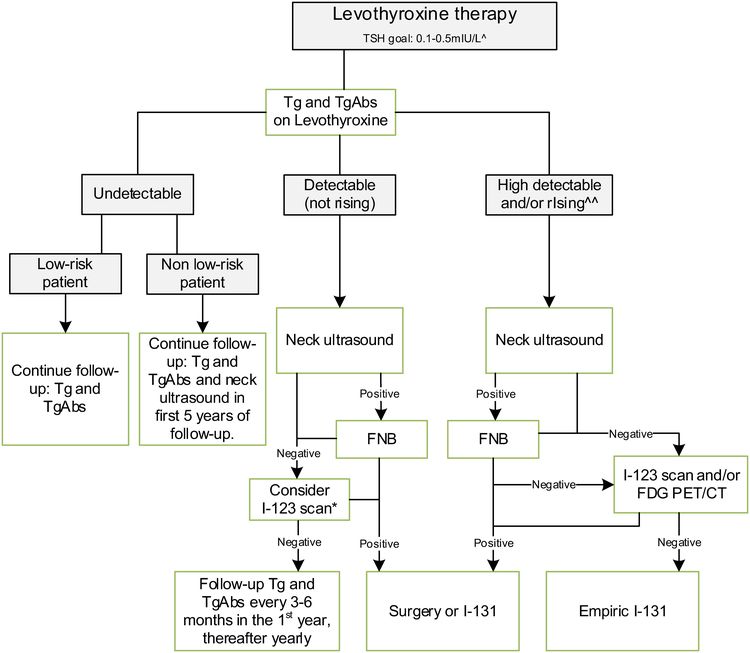
Childhood Esthesioneuroblastoma Treatment (PDQ®)–Health Professional Version

Childhood Esthesioneuroblastoma Treatment (PDQ®)–Health Professional Version

Incidence

Esthesioneuroblastoma (also called olfactory neuroblastoma) is a very rare small round cell tumor arising from the nasal neuroepithelium. Less than 10% of cases occur in children and adolescents.[1,2] The estimated incidence of esthesioneuroblastoma is 0.1 cases per 100,000 people per year in children younger than 15 years.[3] In the pediatric population, the median age is 10 years, and there are no gender or racial predilections.[2]

Despite its rarity, esthesioneuroblastoma is the most common cancer of the nasal cavity in pediatric patients, accounting for 28% of cases in a Surveillance, Epidemiology, and End Results (SEER) Program study.[1]

References
  1. Benoit MM, Bhattacharyya N, Faquin W, et al.: Cancer of the nasal cavity in the pediatric population. Pediatrics 121 (1): e141-5, 2008. [PUBMED Abstract]
  2. Berger MH, Lehrich BM, Yasaka TM, et al.: Characteristics and overall survival in pediatric versus adult esthesioneuroblastoma: A population-based study. Int J Pediatr Otorhinolaryngol 144: 110696, 2021. [PUBMED Abstract]
  3. Bisogno G, Soloni P, Conte M, et al.: Esthesioneuroblastoma in pediatric and adolescent age. A report from the TREP project in cooperation with the Italian Neuroblastoma and Soft Tissue Sarcoma Committees. BMC Cancer 12: 117, 2012. [PUBMED Abstract]

Anatomy

Figure 1 depicts the areas of the body where esthesioneuroblastoma tumors may form, including the olfactory nerve endings, olfactory bulb, nasal cavity, nasal sinuses, and brain.

EnlargeDrawing shows areas of the body where esthesioneuroblastoma tumors may form, including the olfactory nerve endings, olfactory bulb, nasal cavity, nasal sinuses, and brain.
Figure 1. Esthesioneuroblastomas form in the olfactory nerve endings in the upper part of the nasal cavity. The olfactory nerves (sense of smell) pass through the many tiny holes in the bone at the base of the brain to the olfactory bulb. Esthesioneuroblastomas may spread from the nasal cavity to the nasal sinuses or to nearby tissue. They may also spread to the brain or to other parts of the body (not shown).

Clinical Presentation

Most children present with symptoms that may include the following:[1]

  • Nasal obstruction.
  • Epistaxis.
  • Hyposmia.
  • Exophthalmos.
  • Headaches.
  • Nasopharyngeal mass, which may have local extension into the orbits, sinuses, or frontal lobe.
References
  1. Venkatramani R, Pan H, Furman WL, et al.: Multimodality Treatment of Pediatric Esthesioneuroblastoma. Pediatr Blood Cancer 63 (3): 465-70, 2016. [PUBMED Abstract]

Histology and Molecular Features

Esthesioneuroblastoma can be histologically confused with other small round cell tumors of the nasal cavity, including sinonasal undifferentiated carcinoma, small cell carcinoma, melanoma, and rhabdomyosarcoma. Esthesioneuroblastoma typically shows diffuse staining with neuron-specific enolase, synaptophysin, and chromogranins, with variable cytokeratin expression.[1]

Nine medical centers obtained 66 samples of olfactory neuroblastoma and tumor samples from other cancers, including alveolar rhabdomyosarcoma and sinonasal adenocarcinoma. The tumor samples were analyzed by genome-wide DNA methylation profiling, copy number analysis, immunohistochemistry, and next-generation panel sequencing. Unsupervised hierarchal clustering analysis of DNA methylation data identified the following four distinct clusters:[2]

  • The largest cluster, which comprised 64% of the samples, had classical histological features of olfactory neuroblastoma. Ten percent of the cases had recurrent DNMT3A and TP53 variants.
  • A second cluster consisted of seven cases with a hypermethylator phenotype and IDH2 variants that clustered with the group of IDH2 sinonasal carcinomas.
  • A small third cluster was characterized by hypermethylation without IDH2 variants. This result suggests that this cluster may represent a subgroup of olfactory neuroblastomas or an undefined sinonasal tumor entity.
  • The fourth cluster represented a heterogenous group of 13 tumors that grouped with other entities such as sinonasal adenocarcinoma, sinonasal squamous cell carcinoma, sinonasal neuroendocrine carcinoma, and sinonasal undifferentiated carcinoma.

Using this information, the authors developed an algorithm that incorporates methylation analysis to improve the diagnostic accuracy of this entity.[2]

References
  1. Su SY, Bell D, Hanna EY: Esthesioneuroblastoma, neuroendocrine carcinoma, and sinonasal undifferentiated carcinoma: differentiation in diagnosis and treatment. Int Arch Otorhinolaryngol 18 (Suppl 2): S149-56, 2014. [PUBMED Abstract]
  2. Capper D, Engel NW, Stichel D, et al.: DNA methylation-based reclassification of olfactory neuroblastoma. Acta Neuropathol 136 (2): 255-271, 2018. [PUBMED Abstract]

Prognostic Factors

Review of multiple case series of mainly adult patients indicates that the following may correlate with adverse prognosis:[13]

  • Higher histopathological grade.
  • Positive surgical margin status.
  • Metastases to the cervical lymph nodes.
References
  1. Dulguerov P, Allal AS, Calcaterra TC: Esthesioneuroblastoma: a meta-analysis and review. Lancet Oncol 2 (11): 683-90, 2001. [PUBMED Abstract]
  2. Patel SG, Singh B, Stambuk HE, et al.: Craniofacial surgery for esthesioneuroblastoma: report of an international collaborative study. J Neurol Surg B Skull Base 73 (3): 208-20, 2012. [PUBMED Abstract]
  3. Herr MW, Sethi RK, Meier JC, et al.: Esthesioneuroblastoma: an update on the massachusetts eye and ear infirmary and massachusetts general hospital experience with craniofacial resection, proton beam radiation, and chemotherapy. J Neurol Surg B Skull Base 75 (1): 58-64, 2014. [PUBMED Abstract]

Stage Information for Childhood Esthesioneuroblastoma

Tumors are staged according to the Kadish system (see Table 1). Correlated with Kadish stage, survival rates range from 90% (stage A) to less than 40% (stage D). Most patients present with locally advanced–stage disease (Kadish stages B and C). Reports of metastatic disease (Kadish stage D) vary among studies and is described at rates of 20% to 30%.[16]

Reports suggest that positron emission tomography–computed tomography (PET-CT) may aid in staging the disease.[7]

Table 1. Kadish Staging System
Stage Description
A Tumor confined to the nasal cavity.
B Tumor extending to the nasal sinuses.
C Tumor extending to the nasal sinuses and beyond.
D Tumor metastases present.
References
  1. Bisogno G, Soloni P, Conte M, et al.: Esthesioneuroblastoma in pediatric and adolescent age. A report from the TREP project in cooperation with the Italian Neuroblastoma and Soft Tissue Sarcoma Committees. BMC Cancer 12: 117, 2012. [PUBMED Abstract]
  2. Benoit MM, Bhattacharyya N, Faquin W, et al.: Cancer of the nasal cavity in the pediatric population. Pediatrics 121 (1): e141-5, 2008. [PUBMED Abstract]
  3. Venkatramani R, Pan H, Furman WL, et al.: Multimodality Treatment of Pediatric Esthesioneuroblastoma. Pediatr Blood Cancer 63 (3): 465-70, 2016. [PUBMED Abstract]
  4. Berger MH, Lehrich BM, Yasaka TM, et al.: Characteristics and overall survival in pediatric versus adult esthesioneuroblastoma: A population-based study. Int J Pediatr Otorhinolaryngol 144: 110696, 2021. [PUBMED Abstract]
  5. Dumont B, Fresneau B, Claude L, et al.: Pattern of loco-regional relapses and treatment in pediatric esthesioneuroblastoma: The French very rare tumors group (Fracture) contribution. Pediatr Blood Cancer 67 (4): e28154, 2020. [PUBMED Abstract]
  6. Safi C, Spielman D, Otten M, et al.: Treatment Strategies and Outcomes of Pediatric Esthesioneuroblastoma: A Systematic Review. Front Oncol 10: 1247, 2020. [PUBMED Abstract]
  7. Broski SM, Hunt CH, Johnson GB, et al.: The added value of 18F-FDG PET/CT for evaluation of patients with esthesioneuroblastoma. J Nucl Med 53 (8): 1200-6, 2012. [PUBMED Abstract]

Special Considerations for the Treatment of Children With Cancer

Cancer in children and adolescents is rare, although the overall incidence has slowly increased since 1975.[1] Children and adolescents with cancer should be referred to medical centers that have a multidisciplinary team of cancer specialists with experience treating the cancers that occur during childhood and adolescence. This multidisciplinary team approach incorporates the skills of the following pediatric specialists and others to ensure that children receive treatment, supportive care, and rehabilitation to achieve optimal survival and quality of life:

  • Primary care physicians.
  • Pediatric surgeons.
  • Pathologists.
  • Pediatric radiation oncologists.
  • Pediatric medical oncologists and hematologists.
  • Ophthalmologists.
  • Rehabilitation specialists.
  • Pediatric oncology nurses.
  • Social workers.
  • Child-life professionals.
  • Psychologists.
  • Nutritionists.

For specific information about supportive care for children and adolescents with cancer, see the summaries on Supportive and Palliative Care.

The American Academy of Pediatrics has outlined guidelines for pediatric cancer centers and their role in the treatment of children and adolescents with cancer.[2] At these centers, clinical trials are available for most types of cancer that occur in children and adolescents, and the opportunity to participate is offered to most patients and their families. Clinical trials for children and adolescents diagnosed with cancer are generally designed to compare potentially better therapy with current standard therapy. Other types of clinical trials test novel therapies when there is no standard therapy for a cancer diagnosis. Most of the progress in identifying curative therapies for childhood cancers has been achieved through clinical trials. Information about ongoing clinical trials is available from the NCI website.

Dramatic improvements in survival have been achieved for children and adolescents with cancer. Between 1975 and 2020, childhood cancer mortality decreased by more than 50%.[35] Childhood and adolescent cancer survivors require close monitoring because side effects of cancer therapy may persist or develop months or years after treatment. For information about the incidence, type, and monitoring of late effects in childhood and adolescent cancer survivors, see Late Effects of Treatment for Childhood Cancer.

Childhood cancer is a rare disease, with about 15,000 cases diagnosed annually in the United States in individuals younger than 20 years.[6] The U.S. Rare Diseases Act of 2002 defines a rare disease as one that affects populations smaller than 200,000 people in the United States. Therefore, all pediatric cancers are considered rare.

The designation of a rare tumor is not uniform among pediatric and adult groups. In adults, rare cancers are defined as those with an annual incidence of fewer than six cases per 100,000 people. They account for up to 24% of all cancers diagnosed in the European Union and about 20% of all cancers diagnosed in the United States.[7,8] In children and adolescents, the designation of a rare tumor is not uniform among international groups, as follows:

  • A consensus effort between the European Union Joint Action on Rare Cancers and the European Cooperative Study Group for Rare Pediatric Cancers estimated that 11% of all cancers in patients younger than 20 years could be categorized as very rare. This consensus group defined very rare cancers as those with annual incidences of fewer than two cases per 1 million people. However, three additional histologies (thyroid carcinoma, melanoma, and testicular cancer) with incidences of more than two cases per 1 million people were also included in the very rare group due to a lack of knowledge and expertise in the management of these tumors.[9]
  • The Children’s Oncology Group defines rare pediatric cancers as those listed in the International Classification of Childhood Cancer subgroup XI, which includes thyroid cancers, melanomas and nonmelanoma skin cancers, and multiple types of carcinomas (e.g., adrenocortical carcinomas, nasopharyngeal carcinomas, and most adult-type carcinomas such as breast cancers and colorectal cancers).[10] These diagnoses account for about 5% of the cancers diagnosed in children aged 0 to 14 years and about 27% of the cancers diagnosed in adolescents aged 15 to 19 years.[4]

    Most cancers in subgroup XI are either melanomas or thyroid cancers, with other cancer types accounting for only 2% of the cancers diagnosed in children aged 0 to 14 years and 9.3% of the cancers diagnosed in adolescents aged 15 to 19 years.

These rare cancers are extremely challenging to study because of the relatively few patients with any individual diagnosis, the predominance of rare cancers in the adolescent population, and the small number of clinical trials for adolescents with rare cancers.

References
  1. Smith MA, Seibel NL, Altekruse SF, et al.: Outcomes for children and adolescents with cancer: challenges for the twenty-first century. J Clin Oncol 28 (15): 2625-34, 2010. [PUBMED Abstract]
  2. American Academy of Pediatrics: Standards for pediatric cancer centers. Pediatrics 134 (2): 410-4, 2014. Also available online. Last accessed February 25, 2025.
  3. Smith MA, Altekruse SF, Adamson PC, et al.: Declining childhood and adolescent cancer mortality. Cancer 120 (16): 2497-506, 2014. [PUBMED Abstract]
  4. National Cancer Institute: NCCR*Explorer: An interactive website for NCCR cancer statistics. Bethesda, MD: National Cancer Institute. Available online. Last accessed February 25, 2025.
  5. Surveillance Research Program, National Cancer Institute: SEER*Explorer: An interactive website for SEER cancer statistics. Bethesda, MD: National Cancer Institute. Available online. Last accessed December 30, 2024.
  6. Ward E, DeSantis C, Robbins A, et al.: Childhood and adolescent cancer statistics, 2014. CA Cancer J Clin 64 (2): 83-103, 2014 Mar-Apr. [PUBMED Abstract]
  7. Gatta G, Capocaccia R, Botta L, et al.: Burden and centralised treatment in Europe of rare tumours: results of RARECAREnet-a population-based study. Lancet Oncol 18 (8): 1022-1039, 2017. [PUBMED Abstract]
  8. DeSantis CE, Kramer JL, Jemal A: The burden of rare cancers in the United States. CA Cancer J Clin 67 (4): 261-272, 2017. [PUBMED Abstract]
  9. Ferrari A, Brecht IB, Gatta G, et al.: Defining and listing very rare cancers of paediatric age: consensus of the Joint Action on Rare Cancers in cooperation with the European Cooperative Study Group for Pediatric Rare Tumors. Eur J Cancer 110: 120-126, 2019. [PUBMED Abstract]
  10. Pappo AS, Krailo M, Chen Z, et al.: Infrequent tumor initiative of the Children’s Oncology Group: initial lessons learned and their impact on future plans. J Clin Oncol 28 (33): 5011-6, 2010. [PUBMED Abstract]

Treatment of Childhood Esthesioneuroblastoma

The use of multimodal therapy optimizes the chances for survival, with more than 70% of children expected to survive 5 or more years after initial diagnosis.[15] Neuromeningeal progression is the most common type of treatment failure.[5,6][Level of evidence C1]

Treatment options according to Kadish stage include the following:[7]

  1. Kadish stage A: Surgery alone with clear margins. Adjuvant radiation therapy is indicated in patients with close and positive margins or with residual disease.
  2. Kadish stage B: Surgery followed by adjuvant radiation therapy. The role of adjuvant chemotherapy is controversial.
  3. Kadish stage C: Neoadjuvant approach with chemotherapy, radiation therapy, or concurrent chemoradiation therapy followed by surgery.
  4. Kadish stage D: Systemic chemotherapy and radiation therapy to local and metastatic sites.

The mainstay of treatment is surgery and radiation therapy. However, esthesioneuroblastoma is a chemosensitive neoplasm, and the use of neoadjuvant chemotherapy can facilitate resection.[5,79] Endoscopic sinus surgery offers short-term outcomes similar to open craniofacial resection.[10]; [11][Level of evidence C2] Other techniques such as stereotactic radiosurgery and proton-beam therapy (charged-particle radiation therapy) may also play a role in the management of this tumor.[3,12,13]

Routine neck dissection and nodal exploration are not indicated in the absence of clinical or radiological evidence of disease.[14] Management of cervical lymph node metastases has been addressed in a review article.[14]

Reports have indicated promising results with the increased use of resection and neoadjuvant or adjuvant chemotherapy in patients with advanced-stage disease.[2,5,1517]; [18][Level of evidence C1] Chemotherapy regimens that have been used with efficacy include the following:

  • Cisplatin and etoposide with or without ifosfamide.[19,20]
  • Vincristine, dactinomycin, and cyclophosphamide with or without doxorubicin.
  • Ifosfamide and etoposide.
  • Cisplatin plus etoposide or doxorubicin.[2]
  • Vincristine, doxorubicin, and cyclophosphamide.[21]
  • Irinotecan plus docetaxel.[22][Level of evidence C1]
References
  1. Bisogno G, Soloni P, Conte M, et al.: Esthesioneuroblastoma in pediatric and adolescent age. A report from the TREP project in cooperation with the Italian Neuroblastoma and Soft Tissue Sarcoma Committees. BMC Cancer 12: 117, 2012. [PUBMED Abstract]
  2. Eich HT, Müller RP, Micke O, et al.: Esthesioneuroblastoma in childhood and adolescence. Better prognosis with multimodal treatment? Strahlenther Onkol 181 (6): 378-84, 2005. [PUBMED Abstract]
  3. Lucas JT, Ladra MM, MacDonald SM, et al.: Proton therapy for pediatric and adolescent esthesioneuroblastoma. Pediatr Blood Cancer 62 (9): 1523-8, 2015. [PUBMED Abstract]
  4. Berger MH, Lehrich BM, Yasaka TM, et al.: Characteristics and overall survival in pediatric versus adult esthesioneuroblastoma: A population-based study. Int J Pediatr Otorhinolaryngol 144: 110696, 2021. [PUBMED Abstract]
  5. Venkatramani R, Pan H, Furman WL, et al.: Multimodality Treatment of Pediatric Esthesioneuroblastoma. Pediatr Blood Cancer 63 (3): 465-70, 2016. [PUBMED Abstract]
  6. Dumont B, Fresneau B, Claude L, et al.: Pattern of loco-regional relapses and treatment in pediatric esthesioneuroblastoma: The French very rare tumors group (Fracture) contribution. Pediatr Blood Cancer 67 (4): e28154, 2020. [PUBMED Abstract]
  7. Safi C, Spielman D, Otten M, et al.: Treatment Strategies and Outcomes of Pediatric Esthesioneuroblastoma: A Systematic Review. Front Oncol 10: 1247, 2020. [PUBMED Abstract]
  8. Ozsahin M, Gruber G, Olszyk O, et al.: Outcome and prognostic factors in olfactory neuroblastoma: a rare cancer network study. Int J Radiat Oncol Biol Phys 78 (4): 992-7, 2010. [PUBMED Abstract]
  9. Di Carlo D, Fichera G, Dumont B, et al.: Olfactory neuroblastoma in children and adolescents: The EXPeRT recommendations for diagnosis and management. EJC Paediatr Oncol 3: 100136, 2024. Also available online. Last accessed July 11, 2024.
  10. Soler ZM, Smith TL: Endoscopic versus open craniofacial resection of esthesioneuroblastoma: what is the evidence? Laryngoscope 122 (2): 244-5, 2012. [PUBMED Abstract]
  11. Gallia GL, Reh DD, Lane AP, et al.: Endoscopic resection of esthesioneuroblastoma. J Clin Neurosci 19 (11): 1478-82, 2012. [PUBMED Abstract]
  12. Unger F, Haselsberger K, Walch C, et al.: Combined endoscopic surgery and radiosurgery as treatment modality for olfactory neuroblastoma (esthesioneuroblastoma). Acta Neurochir (Wien) 147 (6): 595-601; discussion 601-2, 2005. [PUBMED Abstract]
  13. Drescher NR, Indelicato DJ, Dagan R, et al.: Outcomes following proton therapy for pediatric esthesioneuroblastoma. Pediatr Blood Cancer 71 (2): e30793, 2024. [PUBMED Abstract]
  14. Zanation AM, Ferlito A, Rinaldo A, et al.: When, how and why to treat the neck in patients with esthesioneuroblastoma: a review. Eur Arch Otorhinolaryngol 267 (11): 1667-71, 2010. [PUBMED Abstract]
  15. Kumar M, Fallon RJ, Hill JS, et al.: Esthesioneuroblastoma in children. J Pediatr Hematol Oncol 24 (6): 482-7, 2002 Aug-Sep. [PUBMED Abstract]
  16. Loy AH, Reibel JF, Read PW, et al.: Esthesioneuroblastoma: continued follow-up of a single institution’s experience. Arch Otolaryngol Head Neck Surg 132 (2): 134-8, 2006. [PUBMED Abstract]
  17. Porter AB, Bernold DM, Giannini C, et al.: Retrospective review of adjuvant chemotherapy for esthesioneuroblastoma. J Neurooncol 90 (2): 201-4, 2008. [PUBMED Abstract]
  18. Benfari G, Fusconi M, Ciofalo A, et al.: Radiotherapy alone for local tumour control in esthesioneuroblastoma. Acta Otorhinolaryngol Ital 28 (6): 292-7, 2008. [PUBMED Abstract]
  19. Kim DW, Jo YH, Kim JH, et al.: Neoadjuvant etoposide, ifosfamide, and cisplatin for the treatment of olfactory neuroblastoma. Cancer 101 (10): 2257-60, 2004. [PUBMED Abstract]
  20. Kumar R: Esthesioneuroblastoma: Multimodal management and review of literature. World J Clin Cases 3 (9): 774-8, 2015. [PUBMED Abstract]
  21. El Kababri M, Habrand JL, Valteau-Couanet D, et al.: Esthesioneuroblastoma in children and adolescent: experience on 11 cases with literature review. J Pediatr Hematol Oncol 36 (2): 91-5, 2014. [PUBMED Abstract]
  22. Kiyota N, Tahara M, Fujii S, et al.: Nonplatinum-based chemotherapy with irinotecan plus docetaxel for advanced or metastatic olfactory neuroblastoma: a retrospective analysis of 12 cases. Cancer 112 (4): 885-91, 2008. [PUBMED Abstract]

Treatment Options Under Clinical Evaluation for Childhood Esthesioneuroblastoma

Information about National Cancer Institute (NCI)–supported clinical trials can be found on the NCI website. For information about clinical trials sponsored by other organizations, see the ClinicalTrials.gov website.

Latest Updates to This Summary (08/07/2024)

The PDQ cancer information summaries are reviewed regularly and updated as new information becomes available. This section describes the latest changes made to this summary as of the date above.

This summary was comprehensively reviewed.

This summary is written and maintained by the PDQ Pediatric Treatment Editorial Board, which is editorially independent of NCI. The summary reflects an independent review of the literature and does not represent a policy statement of NCI or NIH. More information about summary policies and the role of the PDQ Editorial Boards in maintaining the PDQ summaries can be found on the About This PDQ Summary and PDQ® Cancer Information for Health Professionals pages.

About This PDQ Summary

Purpose of This Summary

This PDQ cancer information summary for health professionals provides comprehensive, peer-reviewed, evidence-based information about the treatment of childhood esthesioneuroblastoma. It is intended as a resource to inform and assist clinicians in the care of their patients. It does not provide formal guidelines or recommendations for making health care decisions.

Reviewers and Updates

This summary is reviewed regularly and updated as necessary by the PDQ Pediatric Treatment Editorial Board, which is editorially independent of the National Cancer Institute (NCI). The summary reflects an independent review of the literature and does not represent a policy statement of NCI or the National Institutes of Health (NIH).

Board members review recently published articles each month to determine whether an article should:

  • be discussed at a meeting,
  • be cited with text, or
  • replace or update an existing article that is already cited.

Changes to the summaries are made through a consensus process in which Board members evaluate the strength of the evidence in the published articles and determine how the article should be included in the summary.

The lead reviewers for Childhood Esthesioneuroblastoma Treatment are:

  • Denise Adams, MD (Children’s Hospital Boston)
  • Karen J. Marcus, MD, FACR (Dana-Farber of Boston Children’s Cancer Center and Blood Disorders Harvard Medical School)
  • William H. Meyer, MD
  • Paul A. Meyers, MD (Memorial Sloan-Kettering Cancer Center)
  • Thomas A. Olson, MD (Aflac Cancer and Blood Disorders Center of Children’s Healthcare of Atlanta – Egleston Campus)
  • Alberto S. Pappo, MD (St. Jude Children’s Research Hospital)
  • D. Williams Parsons, MD, PhD (Texas Children’s Hospital)
  • Arthur Kim Ritchey, MD (Children’s Hospital of Pittsburgh of UPMC)
  • Carlos Rodriguez-Galindo, MD (St. Jude Children’s Research Hospital)
  • Stephen J. Shochat, MD (St. Jude Children’s Research Hospital)

Any comments or questions about the summary content should be submitted to Cancer.gov through the NCI website’s Email Us. Do not contact the individual Board Members with questions or comments about the summaries. Board members will not respond to individual inquiries.

Levels of Evidence

Some of the reference citations in this summary are accompanied by a level-of-evidence designation. These designations are intended to help readers assess the strength of the evidence supporting the use of specific interventions or approaches. The PDQ Pediatric Treatment Editorial Board uses a formal evidence ranking system in developing its level-of-evidence designations.

Permission to Use This Summary

PDQ is a registered trademark. Although the content of PDQ documents can be used freely as text, it cannot be identified as an NCI PDQ cancer information summary unless it is presented in its entirety and is regularly updated. However, an author would be permitted to write a sentence such as “NCI’s PDQ cancer information summary about breast cancer prevention states the risks succinctly: [include excerpt from the summary].”

The preferred citation for this PDQ summary is:

PDQ® Pediatric Treatment Editorial Board. PDQ Childhood Esthesioneuroblastoma Treatment. Bethesda, MD: National Cancer Institute. Updated <MM/DD/YYYY>. Available at: /types/head-and-neck/hp/child/esthesioneuroblastoma-treatment-pdq. Accessed <MM/DD/YYYY>. [PMID: 29337483]

Images in this summary are used with permission of the author(s), artist, and/or publisher for use within the PDQ summaries only. Permission to use images outside the context of PDQ information must be obtained from the owner(s) and cannot be granted by the National Cancer Institute. Information about using the illustrations in this summary, along with many other cancer-related images, is available in Visuals Online, a collection of over 2,000 scientific images.

Disclaimer

Based on the strength of the available evidence, treatment options may be described as either “standard” or “under clinical evaluation.” These classifications should not be used as a basis for insurance reimbursement determinations. More information on insurance coverage is available on Cancer.gov on the Managing Cancer Care page.

Contact Us

More information about contacting us or receiving help with the Cancer.gov website can be found on our Contact Us for Help page. Questions can also be submitted to Cancer.gov through the website’s Email Us.
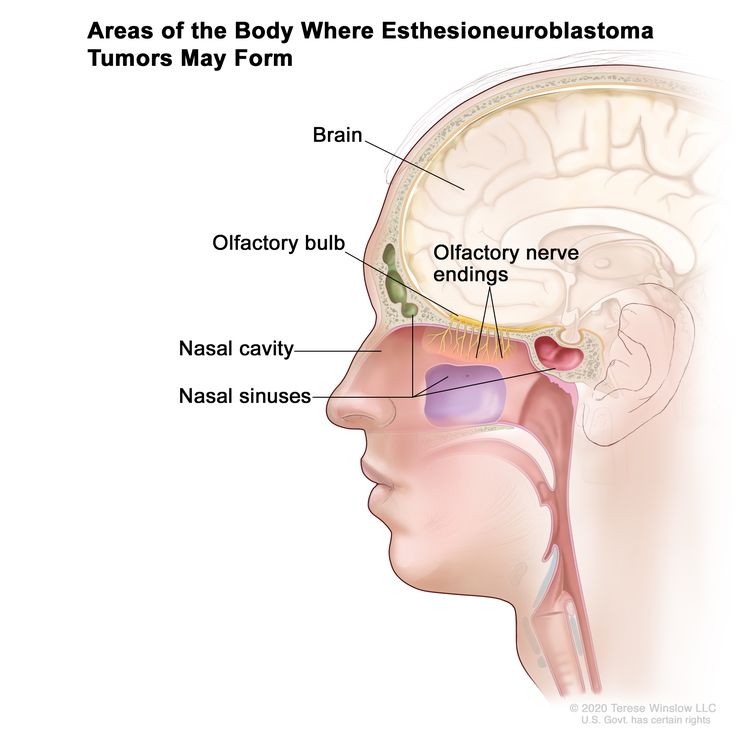
Rare Cancers of Childhood Treatment (PDQ®)–Health Professional Version

Rare Cancers of Childhood Treatment (PDQ®)–Health Professional Version

General Information About Rare Cancers of Childhood

Introduction

Cancer in children and adolescents is rare, although the overall incidence has slowly increased since 1975.[1] Children and adolescents with cancer should be referred to medical centers that have a multidisciplinary team of cancer specialists with experience treating the cancers that occur during childhood and adolescence. This multidisciplinary team approach incorporates the skills of primary care physicians, pediatric surgeons, pathologists, pediatric radiation oncologists, pediatric medical oncologists and hematologists, rehabilitation specialists, pediatric oncology nurses, social workers, child-life professionals, psychologists, nutritionists, and others to ensure that children receive treatment, supportive care, and rehabilitation to achieve optimal survival and quality of life. For specific information about supportive care for children and adolescents with cancer, see the summaries on Supportive and Palliative Care.

The American Academy of Pediatrics has outlined guidelines for pediatric cancer centers and their role in the treatment of children and adolescents with cancer.[2] At these centers, clinical trials are available for most types of cancer that occur in children and adolescents, and the opportunity to participate is offered to most patients and their families. Clinical trials for children and adolescents diagnosed with cancer are generally designed to compare potentially better therapy with current standard therapy. Other types of clinical trials test novel therapies when there is no standard therapy for a cancer diagnosis. Most of the progress in identifying curative therapies for childhood cancers has been achieved through clinical trials. Information about ongoing clinical trials is available from the NCI website.

Dramatic improvements in survival have been achieved for children and adolescents with cancer. Between 1975 and 2020, childhood cancer mortality decreased by more than 50%.[35] Childhood and adolescent cancer survivors require close monitoring because side effects of cancer therapy may persist or develop months or years after treatment. For information about the incidence, type, and monitoring of late effects in childhood and adolescent cancer survivors, see Late Effects of Treatment for Childhood Cancer.

Childhood cancer is a rare disease, with about 15,000 cases diagnosed annually in the United States in individuals younger than 20 years.[6] The U.S. Rare Diseases Act of 2002 defines a rare disease as one that affects populations smaller than 200,000 people. Therefore, all pediatric cancers are considered rare.

The designation of a rare tumor is not uniform among pediatric and adult groups. In adults, rare cancers are defined as those with an annual incidence of fewer than six cases per 100,000 people. They account for up to 24% of all cancers diagnosed in the European Union and about 20% of all cancers diagnosed in the United States.[7,8] In children and adolescents, the designation of a rare tumor is not uniform among international groups, as follows:

  • A consensus effort between the European Union Joint Action on Rare Cancers and the European Cooperative Study Group for Rare Pediatric Cancers (EXPeRT) estimated that 11% of all cancers in patients younger than 20 years could be categorized as very rare. This consensus group defined very rare cancers as those with annual incidences of fewer than 2 cases per 1 million people. However, three additional histologies (thyroid carcinoma, melanoma, and testicular cancer) with incidences of more than 2 cases per 1 million people were also included in the very rare group due to a lack of knowledge and expertise in the management of these tumors.[9]
  • The Children’s Oncology Group (COG) defines rare pediatric cancers as those listed in the International Classification of Childhood Cancer subgroup XI, which includes thyroid cancers, melanomas and nonmelanoma skin cancers, and multiple types of carcinomas (e.g., adrenocortical carcinomas, nasopharyngeal carcinomas, and most adult-type carcinomas such as breast cancers and colorectal cancers).[10] These diagnoses account for about 5% of the cancers diagnosed in children aged 0 to 14 years and about 27% of the cancers diagnosed in adolescents aged 15 to 19 years.[4]

    Most cancers in subgroup XI are either melanomas or thyroid cancers, with other cancer types accounting for only 2% of the cancers in children aged 0 to 14 years and 9.3% of the cancers in adolescents aged 15 to 19 years.

These rare cancers are extremely challenging to study because of the relatively few patients with any individual diagnosis, the predominance of rare cancers in the adolescent population, and the small number of clinical trials for adolescents with rare cancers.

Some investigators have used large databases, such as the Surveillance, Epidemiology, and End Results (SEER) Program and the National Cancer Database, to gain more insight into these rare childhood cancers. However, these database studies are limited. Several initiatives to study rare pediatric cancers have been developed by the COG and other international groups, including the Société Internationale D’Oncologie Pédiatrique (SIOP). The Gesellschaft für Pädiatrische Onkologie und Hämatologie (GPOH) rare tumor project was founded in Germany in 2006.[11] The Italian Tumori Rari in Eta Pediatrica (TREP) group was launched in 2000,[12] and the Polish Pediatric Rare Tumor Study Group was launched in 2002.[13] In Europe, the rare tumor study groups from France, Germany, Italy, Poland, and the United Kingdom joined to become the EXPeRT group, focusing on international collaboration and analyses of specific rare tumor entities.[14] Within the COG, efforts have concentrated on increasing accrual to COG registries (Project Every Child) and tumor banking protocols, developing single-arm clinical trials, and increasing cooperation with adult cooperative group trials.[15] The accomplishments and challenges of this initiative have been described in detail.[10,16]

The tumors listed in this summary are very diverse. They are arranged in descending anatomic order, from infrequent tumors of the head and neck to rare tumors of the urogenital tract and skin. All of these cancers are rare enough that pediatric hospitals might see less than a handful of some histologies in several years. Most of the histologies listed here occur more frequently in adults. Information about these tumors may also be found in sources relevant to adults with cancer.

The Rare Cancers of Childhood Treatment summary has been separated into individual summaries for each topic. Please use the lists below or the following link to find the individual summaries: PDQ Cancer Information Summaries: Pediatric Treatment.

References
  1. Smith MA, Seibel NL, Altekruse SF, et al.: Outcomes for children and adolescents with cancer: challenges for the twenty-first century. J Clin Oncol 28 (15): 2625-34, 2010. [PUBMED Abstract]
  2. American Academy of Pediatrics: Standards for pediatric cancer centers. Pediatrics 134 (2): 410-4, 2014. Also available online. Last accessed February 25, 2025.
  3. Smith MA, Altekruse SF, Adamson PC, et al.: Declining childhood and adolescent cancer mortality. Cancer 120 (16): 2497-506, 2014. [PUBMED Abstract]
  4. National Cancer Institute: NCCR*Explorer: An interactive website for NCCR cancer statistics. Bethesda, MD: National Cancer Institute. Available online. Last accessed February 25, 2025.
  5. Surveillance Research Program, National Cancer Institute: SEER*Explorer: An interactive website for SEER cancer statistics. Bethesda, MD: National Cancer Institute. Available online. Last accessed December 30, 2024.
  6. Ward E, DeSantis C, Robbins A, et al.: Childhood and adolescent cancer statistics, 2014. CA Cancer J Clin 64 (2): 83-103, 2014 Mar-Apr. [PUBMED Abstract]
  7. Gatta G, Capocaccia R, Botta L, et al.: Burden and centralised treatment in Europe of rare tumours: results of RARECAREnet-a population-based study. Lancet Oncol 18 (8): 1022-1039, 2017. [PUBMED Abstract]
  8. DeSantis CE, Kramer JL, Jemal A: The burden of rare cancers in the United States. CA Cancer J Clin 67 (4): 261-272, 2017. [PUBMED Abstract]
  9. Ferrari A, Brecht IB, Gatta G, et al.: Defining and listing very rare cancers of paediatric age: consensus of the Joint Action on Rare Cancers in cooperation with the European Cooperative Study Group for Pediatric Rare Tumors. Eur J Cancer 110: 120-126, 2019. [PUBMED Abstract]
  10. Pappo AS, Krailo M, Chen Z, et al.: Infrequent tumor initiative of the Children’s Oncology Group: initial lessons learned and their impact on future plans. J Clin Oncol 28 (33): 5011-6, 2010. [PUBMED Abstract]
  11. Brecht IB, Graf N, Schweinitz D, et al.: Networking for children and adolescents with very rare tumors: foundation of the GPOH Pediatric Rare Tumor Group. Klin Padiatr 221 (3): 181-5, 2009 May-Jun. [PUBMED Abstract]
  12. Ferrari A, Bisogno G, De Salvo GL, et al.: The challenge of very rare tumours in childhood: the Italian TREP project. Eur J Cancer 43 (4): 654-9, 2007. [PUBMED Abstract]
  13. Balcerska A, Godziński J, Bień E, et al.: [Rare tumours–are they really rare in the Polish children population?]. Przegl Lek 61 (Suppl 2): 57-61, 2004. [PUBMED Abstract]
  14. Bisogno G, Ferrari A, Bien E, et al.: Rare cancers in children – The EXPeRT Initiative: a report from the European Cooperative Study Group on Pediatric Rare Tumors. Klin Padiatr 224 (6): 416-20, 2012. [PUBMED Abstract]
  15. Musselman JR, Spector LG, Krailo MD, et al.: The Children’s Oncology Group Childhood Cancer Research Network (CCRN): case catchment in the United States. Cancer 120 (19): 3007-15, 2014. [PUBMED Abstract]
  16. Pappo AS, Furman WL, Schultz KA, et al.: Rare Tumors in Children: Progress Through Collaboration. J Clin Oncol 33 (27): 3047-54, 2015. [PUBMED Abstract]

Head and Neck Cancers

These cancers are seen very infrequently in patients younger than 15 years, and most of the evidence is derived from small case series or cohorts combining pediatric and adult patients.

Childhood sarcomas often occur in the head and neck area and they are described in other summaries. Rare pediatric head and neck cancers include the following:

Nasopharyngeal Carcinoma

For more information, see Childhood Nasopharyngeal Cancer Treatment.

Esthesioneuroblastoma

For more information, see Childhood Esthesioneuroblastoma Treatment.

Thyroid Tumors

For more information, see Childhood Thyroid Cancer Treatment.

Oral Cavity Cancer

For more information, see Childhood Oral Cavity Cancer Treatment.

Salivary Gland Tumors

For more information, see Childhood Salivary Gland Tumors Treatment.

Laryngeal Cancer and Papillomatosis

For more information, see Childhood Laryngeal Tumors Treatment.

NUT Carcinoma

For more information, see Childhood NUT Carcinoma Treatment.

Thoracic Cancers

The prognosis, diagnosis, classification, and treatment of pediatric thoracic cancers are discussed below. These cancers are seen very infrequently in patients younger than 15 years, and most of the evidence is derived from case series.

Rare pediatric thoracic cancers include the following:

Breast Cancer

For more information, see Childhood Breast Tumors Treatment.

Lung Cancer

Most pulmonary malignant neoplasms in children result from metastatic disease. The approximate ratio of primary malignant tumors to metastatic disease is 1:5.[1]

The most common malignant primary tumors of the lung include the following:

Pulmonary Inflammatory Myofibroblastic Tumors

For more information, see Childhood Pulmonary Inflammatory Myofibroblastic Tumors Treatment.

Tracheobronchial Tumors

For more information, see Childhood Tracheobronchial Tumors Treatment.

Pleuropulmonary Blastoma

For more information, see Childhood Pleuropulmonary Blastoma Treatment.

Esophageal Cancer

For more information, see Childhood Esophageal Cancer Treatment.

Thymoma and Thymic Carcinoma

For more information, see Childhood Thymoma and Thymic Carcinoma Treatment.

Cardiac Tumors

For more information, see Childhood Cardiac Tumors Treatment.

References
  1. Weldon CB, Shamberger RC: Pediatric pulmonary tumors: primary and metastatic. Semin Pediatr Surg 17 (1): 17-29, 2008. [PUBMED Abstract]

Abdominal Cancers

The prognosis, diagnosis, classification, and treatment of pediatric abdominal cancers are discussed below. These cancers are seen very infrequently in patients younger than 15 years, and most of the evidence is derived from case series. For information about kidney tumors, see Wilms Tumor and Other Childhood Kidney Tumors Treatment.

Rare pediatric abdominal cancers include the following:

Adrenocortical Carcinoma

For more information, see Childhood Adrenocortical Carcinoma Treatment.

Gastric Cancer

For more information, see Pediatric Gastric Cancer Treatment.

Pancreatic Cancer

For more information, see Childhood Pancreatic Cancer Treatment.

Colorectal Cancer

For more information, see Childhood Colorectal Cancer Treatment.

Gastrointestinal Neuroendocrine Tumors

For more information, see Pediatric Gastrointestinal Neuroendocrine Tumors Treatment.

Gastrointestinal Stromal Tumors (GIST)

For more information, see Childhood Gastrointestinal Stromal Tumors Treatment.

Genital/Urinary Tumors

The prognosis, diagnosis, classification, and treatment of pediatric genital/urinary tumors are discussed below. These tumors are seen very infrequently in patients younger than 15 years, and most of the evidence is derived from case series.

Rare pediatric genital/urinary tumors include the following:

Bladder Cancer

For more information, see Childhood Bladder Cancer Treatment.

Testicular Cancer (Non–Germ Cell)

For more information, see Childhood Testicular Cancer Treatment.

Ovarian Cancer (Non–Germ Cell)

For more information, see Childhood Ovarian Cancer Treatment.

Cervical and Vaginal Cancer

For more information, see Childhood Cervical and Vaginal Cancer Treatment.

Other Rare Childhood Cancers

The prognosis, diagnosis, classification, and treatment of other rare childhood cancers are discussed below. These cancers are seen very infrequently in patients younger than 15 years, and most of the evidence is derived from case series.

Other rare childhood cancers include the following:

Mesothelioma

For more information, see Childhood Mesothelioma Treatment.

Multiple Endocrine Neoplasia (MEN) Syndromes

For more information, see Childhood Multiple Endocrine Neoplasia (MEN) Syndromes Treatment.

Pheochromocytoma and Paraganglioma

For more information, see Childhood Pheochromocytoma and Paraganglioma Treatment.

Skin Cancer (Melanoma, Basal Cell Carcinoma [BCC], and Squamous Cell Carcinoma [SCC])

For more information about specific genetic variants and related hereditary skin cancer syndromes, see Genetics of Skin Cancer. For information about uveal melanoma in children, see Childhood Intraocular (Uveal) Melanoma Treatment.

Melanoma

For more information, see Childhood Melanoma Treatment.

BCC and SCC

For more information, see Childhood Basal Cell Carcinoma and Squamous Cell Carcinoma of the Skin Treatment.

Intraocular (Uveal) Melanoma

For more information, see Childhood Intraocular (Uveal) Melanoma Treatment.

Chordoma

For more information, see Childhood Chordoma Treatment.

Cancer of Unknown Primary (CUP) Site

For more information, see Childhood Cancer of Unknown Primary (CUP) Treatment.

Latest Updates to This Summary (09/27/2024)

The PDQ cancer information summaries are reviewed regularly and updated as new information becomes available. This section describes the latest changes made to this summary as of the date above.

This summary was comprehensively reviewed.

This summary is written and maintained by the PDQ Pediatric Treatment Editorial Board, which is editorially independent of NCI. The summary reflects an independent review of the literature and does not represent a policy statement of NCI or NIH. More information about summary policies and the role of the PDQ Editorial Boards in maintaining the PDQ summaries can be found on the About This PDQ Summary and PDQ® Cancer Information for Health Professionals pages.

About This PDQ Summary

Purpose of This Summary

This PDQ cancer information summary for health professionals provides comprehensive, peer-reviewed, evidence-based information about the treatment of rare cancers of childhood. It is intended as a resource to inform and assist clinicians in the care of their patients. It does not provide formal guidelines or recommendations for making health care decisions.

Reviewers and Updates

This summary is reviewed regularly and updated as necessary by the PDQ Pediatric Treatment Editorial Board, which is editorially independent of the National Cancer Institute (NCI). The summary reflects an independent review of the literature and does not represent a policy statement of NCI or the National Institutes of Health (NIH).

Board members review recently published articles each month to determine whether an article should:

  • be discussed at a meeting,
  • be cited with text, or
  • replace or update an existing article that is already cited.

Changes to the summaries are made through a consensus process in which Board members evaluate the strength of the evidence in the published articles and determine how the article should be included in the summary.

The lead reviewers for Rare Cancers of Childhood Treatment are:

  • Denise Adams, MD (Children’s Hospital Boston)
  • Sally J. Cohen-Cutler, MD, MS (Children’s Hospital of Philadelphia)
  • Karen J. Marcus, MD, FACR (Dana-Farber of Boston Children’s Cancer Center and Blood Disorders Harvard Medical School)
  • William H. Meyer, MD
  • Paul A. Meyers, MD (Memorial Sloan-Kettering Cancer Center)
  • Thomas A. Olson, MD (Aflac Cancer and Blood Disorders Center of Children’s Healthcare of Atlanta – Egleston Campus)
  • Alberto S. Pappo, MD (St. Jude Children’s Research Hospital)
  • D. Williams Parsons, MD, PhD (Texas Children’s Hospital)
  • Arthur Kim Ritchey, MD (Children’s Hospital of Pittsburgh of UPMC)
  • Carlos Rodriguez-Galindo, MD (St. Jude Children’s Research Hospital)
  • Stephen J. Shochat, MD (St. Jude Children’s Research Hospital)

Any comments or questions about the summary content should be submitted to Cancer.gov through the NCI website’s Email Us. Do not contact the individual Board Members with questions or comments about the summaries. Board members will not respond to individual inquiries.

Levels of Evidence

Some of the reference citations in this summary are accompanied by a level-of-evidence designation. These designations are intended to help readers assess the strength of the evidence supporting the use of specific interventions or approaches. The PDQ Pediatric Treatment Editorial Board uses a formal evidence ranking system in developing its level-of-evidence designations.

Permission to Use This Summary

PDQ is a registered trademark. Although the content of PDQ documents can be used freely as text, it cannot be identified as an NCI PDQ cancer information summary unless it is presented in its entirety and is regularly updated. However, an author would be permitted to write a sentence such as “NCI’s PDQ cancer information summary about breast cancer prevention states the risks succinctly: [include excerpt from the summary].”

The preferred citation for this PDQ summary is:

PDQ® Pediatric Treatment Editorial Board. PDQ Rare Cancers of Childhood Treatment. Bethesda, MD: National Cancer Institute. Updated <MM/DD/YYYY>. Available at: /types/childhood-cancers/hp/rare-childhood-cancers-pdq. Accessed <MM/DD/YYYY>. [PMID: 26389315]

Images in this summary are used with permission of the author(s), artist, and/or publisher for use within the PDQ summaries only. Permission to use images outside the context of PDQ information must be obtained from the owner(s) and cannot be granted by the National Cancer Institute. Information about using the illustrations in this summary, along with many other cancer-related images, is available in Visuals Online, a collection of over 2,000 scientific images.

Disclaimer

Based on the strength of the available evidence, treatment options may be described as either “standard” or “under clinical evaluation.” These classifications should not be used as a basis for insurance reimbursement determinations. More information on insurance coverage is available on Cancer.gov on the Managing Cancer Care page.

Contact Us

More information about contacting us or receiving help with the Cancer.gov website can be found on our Contact Us for Help page. Questions can also be submitted to Cancer.gov through the website’s Email Us.
Childhood Nasopharyngeal Cancer Treatment (PDQ®)–Health Professional Version

Childhood Nasopharyngeal Cancer Treatment (PDQ®)–Health Professional Version

Incidence

Nasopharyngeal carcinoma arises in the lining of the nasal cavity and pharynx, and it accounts for about one-third of all cancers of the upper airways in children.[1,2]

Nasopharyngeal carcinoma is exceedingly rare in children younger than 10 years.[3] The age-adjusted incidence rates (2016–2020) for both sexes and all races of children younger than 20 years in the United States are shown in Table 1.[3]

Table 1. Age-Adjusted Incidence Rates of Nasopharyngeal Carcinoma for Children Younger Than 20 Years in the United States (2016–2020)a
Age Rate per 1,000,000
aAdapted from the National Childhood Cancer Registry.[3]
Ages 0–4 years 0
Ages 5–9 years 0.1
Ages 10–14 years 0.5
Ages 15–19 years 1.1

The incidence of nasopharyngeal carcinoma is characterized by racial and geographic variations, with an endemic distribution among well-defined ethnic groups. These groups include inhabitants of some areas in North Africa, the Mediterranean basin, and, particularly, Southeast Asia. In the United States, the incidence of nasopharyngeal carcinoma is markedly higher in Black children than in other racial or ethnic groups (see Table 2).[35]

Table 2. Age-Adjusted Incidence Rates of Nasopharyngeal Carcinoma for Children Younger Than 20 Years in the United States, by Race/Ethnicity for Both Sexes (2016–2020; NCCR)
Race/Ethnicity Rate per 1,000,000 Lower 95% CI Upper 95% CI
CI = confidence interval.
aAdapted from the National Childhood Cancer Registry.[3]
All races 0.4 0.3 0.5
Hispanic 0.4 0.3 0.6
Non-Hispanic Asian/Pacific Islander 0.4 0.2 0.8
Non-Hispanic Black 1.0 0.7 1.4
Non-Hispanic White 0.2 0.2 0.3
References
  1. Ayan I, Kaytan E, Ayan N: Childhood nasopharyngeal carcinoma: from biology to treatment. Lancet Oncol 4 (1): 13-21, 2003. [PUBMED Abstract]
  2. Yan Z, Xia L, Huang Y, et al.: Nasopharyngeal carcinoma in children and adolescents in an endemic area: a report of 185 cases. Int J Pediatr Otorhinolaryngol 77 (9): 1454-60, 2013. [PUBMED Abstract]
  3. National Cancer Institute: NCCR*Explorer: An interactive website for NCCR cancer statistics. Bethesda, MD: National Cancer Institute. Available online. Last accessed February 25, 2025.
  4. Sultan I, Casanova M, Ferrari A, et al.: Differential features of nasopharyngeal carcinoma in children and adults: a SEER study. Pediatr Blood Cancer 55 (2): 279-84, 2010. [PUBMED Abstract]
  5. Richards MK, Dahl JP, Gow K, et al.: Factors Associated With Mortality in Pediatric vs Adult Nasopharyngeal Carcinoma. JAMA Otolaryngol Head Neck Surg 142 (3): 217-22, 2016. [PUBMED Abstract]

Risk Factors

Epstein-Barr virus (EBV). Nasopharyngeal carcinoma is strongly associated with EBV infection. In addition to the serological evidence of infection in more than 98% of patients, EBV DNA is present as a monoclonal episome in the nasopharyngeal carcinoma cells, and tumor cells can have EBV antigens on their cell surface.[1] The circulating levels of EBV DNA and serological documentation of EBV infection may help with the diagnosis.[1]

HLA subtypes. Specific HLA subtypes, such as the HLA A2 Bsin2 haplotype, are associated with a higher risk of nasopharyngeal carcinoma.[1,2]

References
  1. Chen YP, Chan ATC, Le QT, et al.: Nasopharyngeal carcinoma. Lancet 394 (10192): 64-80, 2019. [PUBMED Abstract]
  2. Ayan I, Kaytan E, Ayan N: Childhood nasopharyngeal carcinoma: from biology to treatment. Lancet Oncol 4 (1): 13-21, 2003. [PUBMED Abstract]

Clinical Presentation

Given the rich lymphatic drainage of the nasopharynx, bilateral cervical lymphadenopathy is often the first sign of nasopharyngeal carcinoma. Other signs and symptoms include the following:[1,2]

  • Nosebleeds.
  • Nasal congestion and obstruction.
  • Headache.
  • Otalgia.
  • Otitis media.

The tumor spreads locally to adjacent areas of the oropharynx and may invade the skull base, resulting in cranial nerve palsy or difficulty with movements of the jaw (trismus). Distant metastatic sites may include the bones, lungs, and liver.

References
  1. Yan Z, Xia L, Huang Y, et al.: Nasopharyngeal carcinoma in children and adolescents in an endemic area: a report of 185 cases. Int J Pediatr Otorhinolaryngol 77 (9): 1454-60, 2013. [PUBMED Abstract]
  2. Hu S, Xu X, Xu J, et al.: Prognostic factors and long-term outcomes of nasopharyngeal carcinoma in children and adolescents. Pediatr Blood Cancer 60 (7): 1122-7, 2013. [PUBMED Abstract]

Diagnostic and Staging Evaluation

Diagnostic tests determine the extent of the primary tumor and the presence of metastases. Visualization of the nasopharynx, by an otolaryngologist using nasal endoscopy and magnetic resonance imaging of the head and neck, can determine the extent of the primary tumor.

A diagnosis can be made from a biopsy of the primary tumor or enlarged lymph nodes of the neck. Nasopharyngeal carcinomas must be distinguished from all other cancers that can present with enlarged lymph nodes and from other types of cancer in the head and neck area. Thus, diseases such as thyroid cancer, rhabdomyosarcoma, non-Hodgkin lymphoma (including Burkitt lymphoma), and Hodgkin lymphoma must be considered, as well as benign conditions such as nasal angiofibroma, which usually presents with epistaxis in adolescent males, infectious lymphadenitis, and Rosai-Dorfman disease.

Evaluation of the chest and abdomen by computed tomography (CT) and bone scan is performed to determine whether there is metastatic disease. Fluorine F 18-fludeoxyglucose positron emission tomography (PET)–CT may also be helpful in the evaluation of potential metastatic lesions.[1]

References
  1. Cheuk DK, Sabin ND, Hossain M, et al.: PET/CT for staging and follow-up of pediatric nasopharyngeal carcinoma. Eur J Nucl Med Mol Imaging 39 (7): 1097-106, 2012. [PUBMED Abstract]

Histology

The World Health Organization (WHO) recognizes the following three histological subtypes of nasopharyngeal carcinoma:

  • Type I: Keratinizing squamous cell carcinoma.
  • Type II: Nonkeratinizing squamous cell carcinoma. Type II is further defined by the presence or absence of lymphoid infiltration as type IIa or IIb, respectively.
  • Type III: Undifferentiated carcinoma. Type III is further defined by the presence or absence of lymphoid infiltration as type IIIa or IIIb, respectively.

Children with nasopharyngeal carcinoma are more likely to have WHO type II or type III disease.[1,2]

References
  1. Sultan I, Casanova M, Ferrari A, et al.: Differential features of nasopharyngeal carcinoma in children and adults: a SEER study. Pediatr Blood Cancer 55 (2): 279-84, 2010. [PUBMED Abstract]
  2. Richards MK, Dahl JP, Gow K, et al.: Factors Associated With Mortality in Pediatric vs Adult Nasopharyngeal Carcinoma. JAMA Otolaryngol Head Neck Surg 142 (3): 217-22, 2016. [PUBMED Abstract]

Genomics of Childhood Nasopharyngeal Carcinoma

Four tertiary academic medical centers in China studied 30 patients (25 male and 5 female) with pathologically confirmed nasopharyngeal carcinoma who were younger than 20 years.[1] Nasopharyngeal primary tumors with paired blood samples were collected and sequenced using whole-exome sequencing. Several genes such as SHOC1 (formerly known as C9orf84) (20%), ZFHX4 (16.7%), ZC3H6 (16.7%), and RBM38 (16.7%) were frequently altered in nasopharyngeal carcinoma. Copy number analysis revealed highly recurring gain/amplification of the HLA class II genes at 6p21.32 (63.3%) and losses of TOLLIP at 11p15.5 (20%).

In another analysis, homozygous deletion of the CDKN2A locus on 9p21.3 was confirmed in 7 of 15 nasopharyngeal carcinoma specimens (46.7%) and in 3 of 5 cell lines/patient-derived xenografts (60%). CCND1 amplification was found in 3 of 20 nasopharyngeal tumors (15%).[2] Whole-genome sequencing of nasopharyngeal carcinoma revealed that TP53 was the most significantly altered gene (n = 10), followed by TRAF3, NFKBIA, AEBP1, and NLRC5. All of these genes have been reported to regulate nuclear factor kappa B.[3] In addition, significant somatic aberrations detected in HLA-A and NLRC5 suggest the impairment of antigen presentation, while PTEN variants may activate the PI3K pathway. This study found four coding genes that were significantly altered, namely PLIN4, MUC21, SLC35G5, and ERVW-1.

References
  1. Wu B, Shen L, Peng G, et al.: Molecular characteristics of pediatric nasopharyngeal carcinoma using whole-exome sequencing. Oral Oncol 135: 106218, 2022. [PUBMED Abstract]
  2. Tsang CM, Lui VWY, Bruce JP, et al.: Translational genomics of nasopharyngeal cancer. Semin Cancer Biol 61: 84-100, 2020. [PUBMED Abstract]
  3. Bruce JP, To KF, Lui VWY, et al.: Whole-genome profiling of nasopharyngeal carcinoma reveals viral-host co-operation in inflammatory NF-κB activation and immune escape. Nat Commun 12 (1): 4193, 2021. [PUBMED Abstract]

Prognosis

The overall survival of children and adolescents with nasopharyngeal carcinoma has improved over the last four decades through the use of state-of-the-art multimodal treatment.[18] The 5-year relative survival rate was 91% for children younger than 20 years who were diagnosed with nasopharyngeal carcinoma in the United States between 2013 and 2019.[9] After controlling for stage, children with nasopharyngeal carcinoma have significantly better outcomes than adults.[1,7] However, the intensive use of chemotherapy and radiation therapy results in significant acute and long-term morbidities, including subsequent neoplasms.[13,6]

References
  1. Sultan I, Casanova M, Ferrari A, et al.: Differential features of nasopharyngeal carcinoma in children and adults: a SEER study. Pediatr Blood Cancer 55 (2): 279-84, 2010. [PUBMED Abstract]
  2. Cheuk DK, Billups CA, Martin MG, et al.: Prognostic factors and long-term outcomes of childhood nasopharyngeal carcinoma. Cancer 117 (1): 197-206, 2011. [PUBMED Abstract]
  3. Casanova M, Bisogno G, Gandola L, et al.: A prospective protocol for nasopharyngeal carcinoma in children and adolescents: the Italian Rare Tumors in Pediatric Age (TREP) project. Cancer 118 (10): 2718-25, 2012. [PUBMED Abstract]
  4. Buehrlen M, Zwaan CM, Granzen B, et al.: Multimodal treatment, including interferon beta, of nasopharyngeal carcinoma in children and young adults: preliminary results from the prospective, multicenter study NPC-2003-GPOH/DCOG. Cancer 118 (19): 4892-900, 2012. [PUBMED Abstract]
  5. Hu S, Xu X, Xu J, et al.: Prognostic factors and long-term outcomes of nasopharyngeal carcinoma in children and adolescents. Pediatr Blood Cancer 60 (7): 1122-7, 2013. [PUBMED Abstract]
  6. Sahai P, Mohanti BK, Sharma A, et al.: Clinical outcome and morbidity in pediatric patients with nasopharyngeal cancer treated with chemoradiotherapy. Pediatr Blood Cancer 64 (2): 259-266, 2017. [PUBMED Abstract]
  7. Richards MK, Dahl JP, Gow K, et al.: Factors Associated With Mortality in Pediatric vs Adult Nasopharyngeal Carcinoma. JAMA Otolaryngol Head Neck Surg 142 (3): 217-22, 2016. [PUBMED Abstract]
  8. Gioacchini FM, Tulli M, Kaleci S, et al.: Prognostic aspects in the treatment of juvenile nasopharyngeal carcinoma: a systematic review. Eur Arch Otorhinolaryngol 274 (3): 1205-1214, 2017. [PUBMED Abstract]
  9. National Cancer Institute: NCCR*Explorer: An interactive website for NCCR cancer statistics. Bethesda, MD: National Cancer Institute. Available online. Last accessed February 25, 2025.

Stage Information for Childhood Nasopharyngeal Carcinoma

Tumor staging is performed using the tumor-node-metastasis (TNM) classification system of the American Joint Committee on Cancer (AJCC).[1,2]

The AJCC has designated staging by TNM classification to define nasopharyngeal carcinoma.[3]

Table 3. Definition of TNM Stage 0a
Stage TNM Description
T = primary tumor; N = regional lymph node; M = distant metastasis.
aReprinted with permission from AJCC: Nasopharynx. In: Amin MB, Edge SB, Greene FL, et al., eds.: AJCC Cancer Staging Manual. 8th ed. New York, NY: Springer, 2017, pp 103–11.
0 Tis, N0, M0 Tis = Carcinoma in situ.
N0 = No regional lymph node metastasis.
M0 = No distant metastasis.
Table 4. Definition of TNM Stage Ia
Stage TNM Description
T = primary tumor; N = regional lymph node; M = distant metastasis.
aReprinted with permission from AJCC: Nasopharynx. In: Amin MB, Edge SB, Greene FL, et al., eds.: AJCC Cancer Staging Manual. 8th ed. New York, NY: Springer, 2017, pp 103–11.
I T1, N0, M0 T1 = Tumor confined to nasopharynx, or extension to oropharynx and/or nasal cavity without parapharyngeal involvement.
N0 = No regional lymph node metastasis.
M0 = No distant metastasis.
Table 5. Definition of TNM Stage IIa
Stage TNM Description
T = primary tumor; N = regional lymph node; M = distant metastasis; EBV = Epstein-Barr virus.
aReprinted with permission from AJCC: Nasopharynx. In: Amin MB, Edge SB, Greene FL, et al., eds.: AJCC Cancer Staging Manual. 8th ed. New York, NY: Springer, 2017, pp 103–11.
II T0, Tis, T1, N1, M0 T0 = No tumor identified, but EBV-positive cervical node(s) involvement.
Tis = Carcinoma in situ.
T1 = Tumor confined to nasopharynx, or extension to oropharynx and/or nasal cavity without parapharyngeal involvement.
N1 = Unilateral metastasis in cervical lymph node(s) and/or unilateral or bilateral metastasis in retropharyngeal lymph node(s), ≤6 cm in greatest dimension, above the caudal border of cricoid cartilage.
M0 = No distant metastasis.
T2, N0, M0 T2 = Tumor with extension to parapharyngeal space, and/or adjacent soft tissue involvement (medial pterygoid, lateral pterygoid, prevertebral muscles).
N0 = No regional lymph node metastasis.
M0 = No distant metastasis.
T2, N1, M0 T2 = Tumor with extension to parapharyngeal space, and/or adjacent soft tissue involvement (medial pterygoid, lateral pterygoid, prevertebral muscles).
N1 = Unilateral metastasis in cervical lymph node(s) and/or unilateral or bilateral metastasis in retropharyngeal lymph node(s), ≤6 cm in greatest dimension, above the caudal border of cricoid cartilage.
M0 = No distant metastasis.
Table 6. Definition of TNM Stage IIIa
Stage TNM Description
T = primary tumor; N = regional lymph node; M = distant metastasis; EBV = Epstein-Barr virus.
aReprinted with permission from AJCC: Nasopharynx. In: Amin MB, Edge SB, Greene FL, et al., eds.: AJCC Cancer Staging Manual. 8th ed. New York, NY: Springer, 2017, pp 103–11.
III T0, Tis, T1, N2, M0 T0 = No tumor identified, but EBV-positive cervical node(s) involvement.
Tis = Carcinoma in situ.
T1 = Tumor confined to nasopharynx, or extension to oropharynx and/or nasal cavity without parapharyngeal involvement.
N2 = Bilateral metastasis in cervical lymph node(s), ≤6 cm in greatest dimension, above the caudal border of cricoid cartilage.
M0 = No distant metastasis.
T2, N2, M0 T2 = Tumor with extension to parapharyngeal space, and/or adjacent soft tissue involvement (medial pterygoid, lateral pterygoid, prevertebral muscles).
N2 = Bilateral metastasis in cervical lymph node(s), ≤6 cm in greatest dimension, above the caudal border of cricoid cartilage.
M0 = No distant metastasis.
T3, N0, M0 T3 = Tumor with infiltration of bony structures at skull base, cervical vertebra, pterygoid structures, and/or paranasal sinuses.
N0 = No regional lymph node metastasis.
M0 = No distant metastasis.
T3, N1, M0 T3 = Tumor with infiltration of bony structures at skull base, cervical vertebra, pterygoid structures, and/or paranasal sinuses.
N1 = Unilateral metastasis in cervical lymph node(s) and/or unilateral or bilateral metastasis in retropharyngeal lymph node(s), ≤6 cm in greatest dimension, above the caudal border of cricoid cartilage.
M0 = No distant metastasis.
T3, N2, M0 T3 = Tumor with infiltration of bony structures at skull base, cervical vertebra, pterygoid structures, and/or paranasal sinuses.
N2 = Bilateral metastasis in cervical lymph node(s), ≤6 cm in greatest dimension, above the caudal border of cricoid cartilage.
M0 = No distant metastasis.
Table 7. Definition of TNM Stages IVA and IVBa
Stage TNM Description
T = primary tumor; N = regional lymph node; M = distant metastasis; EBV = Epstein-Barr virus.
aReprinted with permission from AJCC: Nasopharynx. In: Amin MB, Edge SB, Greene FL, et al., eds.: AJCC Cancer Staging Manual. 8th ed. New York, NY: Springer, 2017, pp 103–11.
IVA T4, N0, M0 T4 = Tumor with intracranial extension, involvement of cranial nerves, hypopharynx, orbit, parotid gland, and/or extensive soft tissue infiltration beyond the lateral surface of the lateral pterygoid muscle.
N0 = No regional lymph node metastasis.
M0 = No distant metastasis.
T4, N1, M0 T4 = Tumor with intracranial extension, involvement of cranial nerves, hypopharynx, orbit, parotid gland, and/or extensive soft tissue infiltration beyond the lateral surface of the lateral pterygoid muscle.
N1 = Unilateral metastasis in cervical lymph node(s) and/or unilateral or bilateral metastasis in retropharyngeal lymph node(s), ≤6 cm in greatest dimension, above the caudal border of cricoid cartilage.
M0 = No distant metastasis.
T4, N2, M0 T4 = Tumor with intracranial extension, involvement of cranial nerves, hypopharynx, orbit, parotid gland, and/or extensive soft tissue infiltration beyond the lateral surface of the lateral pterygoid muscle.
N2 = Bilateral metastasis in cervical lymph node(s), ≤6 cm in greatest dimension, above the caudal border of cricoid cartilage.
M0 = No distant metastasis.
Any T, N3, M0 TX = Primary tumor cannot be assessed.
T0 = No tumor identified, but EBV-positive cervical node(s) involvement.
Tis = Carcinoma in situ.
T1 = Tumor confined to nasopharynx, or extension to oropharynx and/or nasal cavity without parapharyngeal involvement.
T2 = Tumor with extension to parapharyngeal space, and/or adjacent soft tissue involvement (medial pterygoid, lateral pterygoid, prevertebral muscles).
T3 = Tumor with infiltration of bony structures at skull base, cervical vertebra, pterygoid structures, and/or paranasal sinuses.
T4 = Tumor with intracranial extension, involvement of cranial nerves, hypopharynx, orbit, parotid gland, and/or extensive soft tissue infiltration beyond the lateral surface of the lateral pterygoid muscle.
N3 = Unilateral or bilateral metastasis in cervical lymph node(s), >6 cm in greatest dimension, and/or extension below the caudal border of cricoid cartilage.
M0 = No distant metastasis.
IVB Any T, Any N, M1 Any T = See Stage IVA above.
NX = Regional lymph nodes cannot be assessed.
N0 = No regional lymph node metastasis.
N1 = Unilateral metastasis in cervical lymph node(s) and/or unilateral or bilateral metastasis in retropharyngeal lymph node(s), ≤6 cm in greatest dimension, above the caudal border of cricoid cartilage.
N2 = Bilateral metastasis in cervical lymph node(s), ≤6 cm in greatest dimension, above the caudal border of cricoid cartilage.
N3 = Unilateral or bilateral metastasis in cervical lymph node(s), >6 cm in greatest dimension, and/or extension below the caudal border of cricoid cartilage.
M1 = Distant metastasis.

More than 90% of children and adolescents with nasopharyngeal carcinoma present with advanced disease (stage III/IV or T3/T4).[4,5] Population-based studies have reported that patients younger than 20 years had a higher incidence of advanced-stage disease than did adult patients.[6,7] However, less than 10% of children and adolescents with nasopharyngeal carcinoma presented with distant metastases at diagnosis.[4,5,8]

References
  1. Amin MB, Edge SB, Greene FL, et al., eds.: AJCC Cancer Staging Manual. 8th ed. Springer; 2017.
  2. Lee AWM, Lydiatt WM, Colevas AD, et al.: Nasopharynx. In: Amin MB, Edge SB, Greene FL, et al., eds.: AJCC Cancer Staging Manual. 8th ed. Springer; 2017, pp 103-11.
  3. Nasopharynx. In: Amin MB, Edge SB, Greene FL, et al., eds.: AJCC Cancer Staging Manual. 8th ed. Springer; 2017, pp. 103–11.
  4. Cheuk DK, Billups CA, Martin MG, et al.: Prognostic factors and long-term outcomes of childhood nasopharyngeal carcinoma. Cancer 117 (1): 197-206, 2011. [PUBMED Abstract]
  5. Casanova M, Bisogno G, Gandola L, et al.: A prospective protocol for nasopharyngeal carcinoma in children and adolescents: the Italian Rare Tumors in Pediatric Age (TREP) project. Cancer 118 (10): 2718-25, 2012. [PUBMED Abstract]
  6. Sultan I, Casanova M, Ferrari A, et al.: Differential features of nasopharyngeal carcinoma in children and adults: a SEER study. Pediatr Blood Cancer 55 (2): 279-84, 2010. [PUBMED Abstract]
  7. Richards MK, Dahl JP, Gow K, et al.: Factors Associated With Mortality in Pediatric vs Adult Nasopharyngeal Carcinoma. JAMA Otolaryngol Head Neck Surg 142 (3): 217-22, 2016. [PUBMED Abstract]
  8. Buehrlen M, Zwaan CM, Granzen B, et al.: Multimodal treatment, including interferon beta, of nasopharyngeal carcinoma in children and young adults: preliminary results from the prospective, multicenter study NPC-2003-GPOH/DCOG. Cancer 118 (19): 4892-900, 2012. [PUBMED Abstract]

Special Considerations for the Treatment of Children With Cancer

Cancer in children and adolescents is rare, although the overall incidence has slowly increased since 1975.[1] Children and adolescents with cancer should be referred to medical centers that have a multidisciplinary team of cancer specialists with experience treating the cancers that occur during childhood and adolescence. This multidisciplinary team approach incorporates the skills of the following pediatric specialists and others to ensure that children receive treatment, supportive care, and rehabilitation to achieve optimal survival and quality of life:

  • Primary care physicians.
  • Pediatric surgeons.
  • Pathologists.
  • Pediatric radiation oncologists.
  • Pediatric medical oncologists and hematologists.
  • Ophthalmologists.
  • Rehabilitation specialists.
  • Pediatric oncology nurses.
  • Social workers.
  • Child-life professionals.
  • Psychologists.
  • Nutritionists.

For specific information about supportive care for children and adolescents with cancer, see the summaries on Supportive and Palliative Care.

The American Academy of Pediatrics has outlined guidelines for pediatric cancer centers and their role in the treatment of children and adolescents with cancer.[2] At these centers, clinical trials are available for most types of cancer that occur in children and adolescents, and the opportunity to participate is offered to most patients and their families. Clinical trials for children and adolescents diagnosed with cancer are generally designed to compare potentially better therapy with current standard therapy. Other types of clinical trials test novel therapies when there is no standard therapy for a cancer diagnosis. Most of the progress in identifying curative therapies for childhood cancers has been achieved through clinical trials. Information about ongoing clinical trials is available from the NCI website.

Dramatic improvements in survival have been achieved for children and adolescents with cancer. Between 1975 and 2020, childhood cancer mortality decreased by more than 50%.[35] Childhood and adolescent cancer survivors require close monitoring because side effects of cancer therapy may persist or develop months or years after treatment. For information about the incidence, type, and monitoring of late effects in childhood and adolescent cancer survivors, see Late Effects of Treatment for Childhood Cancer.

Childhood cancer is a rare disease, with about 15,000 cases diagnosed annually in the United States in individuals younger than 20 years.[6] The U.S. Rare Diseases Act of 2002 defines a rare disease as one that affects populations smaller than 200,000 people in the United States. Therefore, all pediatric cancers are considered rare.

The designation of a rare tumor is not uniform among pediatric and adult groups. In adults, rare cancers are defined as those with an annual incidence of fewer than six cases per 100,000 people. They account for up to 24% of all cancers diagnosed in the European Union and about 20% of all cancers diagnosed in the United States.[7,8] In children and adolescents, the designation of a rare tumor is not uniform among international groups, as follows:

  • A consensus effort between the European Union Joint Action on Rare Cancers and the European Cooperative Study Group for Rare Pediatric Cancers estimated that 11% of all cancers in patients younger than 20 years could be categorized as very rare. This consensus group defined very rare cancers as those with annual incidences of fewer than two cases per 1 million people. However, three additional histologies (thyroid carcinoma, melanoma, and testicular cancer) with incidences of more than two cases per 1 million people were also included in the very rare group due to a lack of knowledge and expertise in the management of these tumors.[9]
  • The Children’s Oncology Group defines rare pediatric cancers as those listed in the International Classification of Childhood Cancer subgroup XI, which includes thyroid cancers, melanomas and nonmelanoma skin cancers, and multiple types of carcinomas (e.g., adrenocortical carcinomas, nasopharyngeal carcinomas, and most adult-type carcinomas such as breast cancers and colorectal cancers).[10] These diagnoses account for about 5% of the cancers diagnosed in children aged 0 to 14 years and about 27% of the cancers diagnosed in adolescents aged 15 to 19 years.[4]

    Most cancers in subgroup XI are either melanomas or thyroid cancers, with other cancer types accounting for only 2% of the cancers diagnosed in children aged 0 to 14 years and 9.3% of the cancers diagnosed in adolescents aged 15 to 19 years.

These rare cancers are extremely challenging to study because of the relatively few patients with any individual diagnosis, the predominance of rare cancers in the adolescent population, and the small number of clinical trials for adolescents with rare cancers.

Information about these tumors may also be found in sources relevant to adults with cancer, such as Nasopharyngeal Carcinoma Treatment.

References
  1. Smith MA, Seibel NL, Altekruse SF, et al.: Outcomes for children and adolescents with cancer: challenges for the twenty-first century. J Clin Oncol 28 (15): 2625-34, 2010. [PUBMED Abstract]
  2. American Academy of Pediatrics: Standards for pediatric cancer centers. Pediatrics 134 (2): 410-4, 2014. Also available online. Last accessed February 25, 2025.
  3. Smith MA, Altekruse SF, Adamson PC, et al.: Declining childhood and adolescent cancer mortality. Cancer 120 (16): 2497-506, 2014. [PUBMED Abstract]
  4. National Cancer Institute: NCCR*Explorer: An interactive website for NCCR cancer statistics. Bethesda, MD: National Cancer Institute. Available online. Last accessed February 25, 2025.
  5. Surveillance Research Program, National Cancer Institute: SEER*Explorer: An interactive website for SEER cancer statistics. Bethesda, MD: National Cancer Institute. Available online. Last accessed December 30, 2024.
  6. Ward E, DeSantis C, Robbins A, et al.: Childhood and adolescent cancer statistics, 2014. CA Cancer J Clin 64 (2): 83-103, 2014 Mar-Apr. [PUBMED Abstract]
  7. Gatta G, Capocaccia R, Botta L, et al.: Burden and centralised treatment in Europe of rare tumours: results of RARECAREnet-a population-based study. Lancet Oncol 18 (8): 1022-1039, 2017. [PUBMED Abstract]
  8. DeSantis CE, Kramer JL, Jemal A: The burden of rare cancers in the United States. CA Cancer J Clin 67 (4): 261-272, 2017. [PUBMED Abstract]
  9. Ferrari A, Brecht IB, Gatta G, et al.: Defining and listing very rare cancers of paediatric age: consensus of the Joint Action on Rare Cancers in cooperation with the European Cooperative Study Group for Pediatric Rare Tumors. Eur J Cancer 110: 120-126, 2019. [PUBMED Abstract]
  10. Pappo AS, Krailo M, Chen Z, et al.: Infrequent tumor initiative of the Children’s Oncology Group: initial lessons learned and their impact on future plans. J Clin Oncol 28 (33): 5011-6, 2010. [PUBMED Abstract]

Treatment of Newly Diagnosed Childhood Nasopharyngeal Carcinoma

The European Cooperative Study Group for Pediatric Rare Tumors within the PARTNER project (Paediatric Rare Tumours Network–European Registry) have published comprehensive recommendations for the diagnosis and treatment of nasopharyngeal carcinoma in children and adolescents.[1]

Treatment options for newly diagnosed nasopharyngeal carcinoma include the following:

Combined-Modality Therapy With Chemotherapy and Radiation Therapy

High-dose radiation therapy alone has a role in managing nasopharyngeal carcinoma. However, studies (in both children and adults) show that combined-modality therapy with chemotherapy and radiation is the most effective way to treat nasopharyngeal carcinoma.[2]

Multiple studies have investigated the role of chemotherapy in the treatment of adult patients with nasopharyngeal carcinoma. The use of concomitant chemoradiation therapy has been consistently associated with a significant survival benefit, including improved locoregional disease control and reduction in distant metastases.[2] The addition of neoadjuvant or adjuvant chemotherapy to concomitant chemoradiation has further improved outcomes. The Meta-Analysis of Chemotherapy in Nasopharyngeal Carcinoma (MAC-NPC) collaborative group presented an analysis of 26 trials that included 7,080 patients. The results showed that the addition of chemotherapy to radiation therapy reduced the risk of death, and that the hazard ratio (HR) for risk of death was lowest for adjuvant or neoadjuvant chemotherapy combined with concurrent chemoradiation therapy, compared with concurrent chemoradiation therapy alone.[3]

In adult patients, recent studies investigated the use of neoadjuvant gemcitabine and cisplatin. A phase III study compared concurrent chemoradiation therapy with or without induction therapy using gemcitabine plus cisplatin for patients with locally advanced nasopharyngeal carcinoma. The study found a significant improvement in overall survival (OS) for patients who received induction chemotherapy with gemcitabine plus cisplatin, compared with those who did not receive induction chemotherapy (5-year OS rates, 87.9% vs. 78.8%; HR, 0.51; 95% confidence interval, 0.34–0.78; P = .001).[4,5]

In children, most studies have used neoadjuvant chemotherapy with cisplatin and fluorouracil (5-FU) followed by concomitant chemoradiation with single-agent cisplatin.[68][Level of evidence B4]; [9] Using this approach, 5-year OS rate estimates are consistently above 80%.[79] The following two modifications of this approach have been investigated:

  • The German Society of Pediatric Oncology and Hematology (GPOH) NPC-2003 study included a 6-month maintenance therapy phase with interferon-beta. The study reported a 30-month OS rate estimate of 97.1%.[7]
  • A randomized prospective trial compared cisplatin and 5-FU with and without docetaxel.[8][Level of evidence A1] The addition of docetaxel was not associated with improved outcomes.

For adults with nasopharyngeal carcinoma, gemcitabine plus cisplatin has been shown to be more effective than 5-FU plus cisplatin, both in front-line and recurrent settings.[10,11]

While nasopharyngeal carcinoma is a very chemosensitive neoplasm, high radiation doses to the nasopharynx and neck (approximately 65–70 Gy) are required for optimal locoregional control.[1214] However, in children, studies using neoadjuvant chemotherapy have shown that it is possible to reduce the radiation dose to 55 Gy or 60 Gy for good-responding patients.[6,7,15] The GPOH reviewed 45 patients enrolled in the NPC-2003 study and an additional 21 patients who were subsequently treated per the NPC-2003 trial.[16] The 66 patients with locoregionally advanced nasopharyngeal carcinoma had an event-free survival (EFS) rate of 93.6% and an OS rate of 96.7% after a median follow-up of 73 months. Seven patients who had complete responses after induction therapy received a reduced radiation dose of 54 Gy. None of these patients experienced a relapse. In young patients with advanced locoregional nasopharyngeal carcinoma, excellent long-term survival rates can be achieved using multimodal treatment, including interferon-beta. Radiation doses may be reduced in patients with complete remission after induction chemotherapy. Reduced radiation doses may limit late effects related to radiation exposure.

The Children’s Oncology Group performed a prospective trial to evaluate the impact of induction chemotherapy and concurrent chemoradiation therapy.[9] Patients were scheduled to receive three cycles of induction chemotherapy with cisplatin and 5-FU, followed by chemoradiation therapy with three cycles of cisplatin. Patients with complete or partial responses to induction chemotherapy received 61.2 Gy of radiation to the nasopharynx and neck, and patients with stable disease received 71.2 Gy of radiation. After a feasibility analysis, the study was amended to reduce cisplatin to two cycles during chemoradiation therapy. Results of the study include the following:

  • The 5-year EFS rate estimate was 84.3%, and the OS rate estimate was 89.2%.
  • The 5-year EFS rates were 100% for patients with stage IIb disease, 82.8% for patients with stage III disease, and 82.7% for patients with stage IV disease.
  • The 5-year cumulative incidence estimates of local, distant, and combined relapses were 3.7%, 8.7%, and 1.8%, respectively.
  • Patients who were treated with three chemoradiation therapy cycles of cisplatin were observed to have higher 5-year postinduction EFS rates than patients who were treated with two cycles, although the difference was not statistically significant (90.7% vs. 81.2%; P = .14).

The combination of cisplatin-based chemotherapy and high doses of radiation therapy to the nasopharynx and neck are associated with a high probability of hearing loss, hypothyroidism and panhypopituitarism, trismus, xerostomia, dental problems, and chronic sinusitis or otitis.[6,17,18]; [19][Level of evidence C1] The use of proton radiation therapy may reduce the toxicity to the brain and skull base region without compromising disease control.[20] For more information, see Late Effects of Treatment for Childhood Cancer.

In a group of 549 pediatric patients with nasopharyngeal carcinoma diagnosed between 2005 and 2021, recursive partitioning (i.e., successive grouping) was performed based on stage and Epstein-Barr virus (EBV) viral load. This resulted in three groups of patients: low-risk patients, intermediate-risk patients, and high-risk patients.[21]

  • Intermediate-risk patients (stage IVa nasopharyngeal carcinoma and <4,000 copies/mL of EBV) had significant responses with induction chemotherapy followed by concurrent chemotherapy and radiation therapy. Their progression-free survival (PFS) and distant metastases‒free survival rates were significantly improved, compared with those who received only concurrent chemotherapy and radiation therapy.
  • In contrast, there were no significant differences between these two treatment regimens in low-risk and high-risk patients.

Surgery

Surgery has a limited role in the management of nasopharyngeal carcinoma. The disease is usually considered unresectable because of extensive local spread.

Immunotherapy With Checkpoint Inhibitors

The U.S. Food and Drug Administration (FDA) approved the anti-PD-1 monoclonal antibody toripalimab-tpzi in combination with cisplatin and gemcitabine for first-line treatment of adults with metastatic or recurrent, locally advanced nasopharyngeal carcinoma. The approval was based on the results of a phase III placebo-controlled clinical trial. Patients received toripalimab-tpzi or placebo in combination with gemcitabine plus cisplatin every 3 weeks for up to six cycles, followed by monotherapy with toripalimab-tpzi or placebo. Patients randomly assigned to receive toripalimab-tpzi had superior PFS and OS rates. The 1-year and 2-year PFS rates were 59.0% versus 32.9% and 44.8% versus 25.4% in the toripalimab-tpzi and placebo groups, respectively. Corresponding OS rates at 2 years were 78.0% versus 65.1%, respectively. At 3 years, the OS rates were 64.5% versus 49.2%, respectively.[22][Level of evidence B1]

Treatment Options Under Clinical Evaluation for Newly Diagnosed Childhood Nasopharyngeal Carcinoma

Information about National Cancer Institute (NCI)–supported clinical trials can be found on the NCI website. For information about clinical trials sponsored by other organizations, see the ClinicalTrials.gov website.

The following is an example of a national and/or institutional clinical trial that is currently being conducted:

  • ARAR2221 (NCT06064097) (A Study Using Nivolumab, in Combination with Chemotherapy Drugs to Treat Nasopharyngeal Carcinoma): This study will evaluate the safety of combining induction chemotherapy with an anti-PD-1 immune checkpoint inhibitor (nivolumab) in children, adolescents, and young adults with nasopharyngeal carcinoma. It will also estimate the 2-year EFS rate of patients treated with induction chemoimmunotherapy using gemcitabine and cisplatin, followed by consolidation chemotherapy, radiation therapy, immunotherapy (cisplatin, nivolumab, and response-adjusted, dose de-escalated radiation therapy), and nivolumab maintenance therapy.

    The treatment plan in the ARAR2221 trial was modeled after therapy that was effective in phase III trials for adults with nasopharyngeal carcinoma.

References
  1. Ben-Ami T, Kontny U, Surun A, et al.: Nasopharyngeal carcinoma in children and adolescents: The EXPeRT/PARTNER diagnostic and therapeutic recommendations. Pediatr Blood Cancer 68 (Suppl 4): e29018, 2021. [PUBMED Abstract]
  2. Chen YP, Chan ATC, Le QT, et al.: Nasopharyngeal carcinoma. Lancet 394 (10192): 64-80, 2019. [PUBMED Abstract]
  3. Blanchard P, Lee AWM, Carmel A, et al.: Meta-analysis of chemotherapy in nasopharynx carcinoma (MAC-NPC): An update on 26 trials and 7080 patients. Clin Transl Radiat Oncol 32: 59-68, 2022. [PUBMED Abstract]
  4. Zhang Y, Chen L, Hu GQ, et al.: Gemcitabine and Cisplatin Induction Chemotherapy in Nasopharyngeal Carcinoma. N Engl J Med 381 (12): 1124-1135, 2019. [PUBMED Abstract]
  5. Zhang Y, Chen L, Hu GQ, et al.: Final Overall Survival Analysis of Gemcitabine and Cisplatin Induction Chemotherapy in Nasopharyngeal Carcinoma: A Multicenter, Randomized Phase III Trial. J Clin Oncol 40 (22): 2420-2425, 2022. [PUBMED Abstract]
  6. Casanova M, Bisogno G, Gandola L, et al.: A prospective protocol for nasopharyngeal carcinoma in children and adolescents: the Italian Rare Tumors in Pediatric Age (TREP) project. Cancer 118 (10): 2718-25, 2012. [PUBMED Abstract]
  7. Buehrlen M, Zwaan CM, Granzen B, et al.: Multimodal treatment, including interferon beta, of nasopharyngeal carcinoma in children and young adults: preliminary results from the prospective, multicenter study NPC-2003-GPOH/DCOG. Cancer 118 (19): 4892-900, 2012. [PUBMED Abstract]
  8. Casanova M, Özyar E, Patte C, et al.: International randomized phase 2 study on the addition of docetaxel to the combination of cisplatin and 5-fluorouracil in the induction treatment for nasopharyngeal carcinoma in children and adolescents. Cancer Chemother Pharmacol 77 (2): 289-98, 2016. [PUBMED Abstract]
  9. Rodriguez-Galindo C, Krailo MD, Krasin MJ, et al.: Treatment of Childhood Nasopharyngeal Carcinoma With Induction Chemotherapy and Concurrent Chemoradiotherapy: Results of the Children’s Oncology Group ARAR0331 Study. J Clin Oncol 37 (35): 3369-3376, 2019. [PUBMED Abstract]
  10. Zhang L, Huang Y, Hong S, et al.: Gemcitabine plus cisplatin versus fluorouracil plus cisplatin in recurrent or metastatic nasopharyngeal carcinoma: a multicentre, randomised, open-label, phase 3 trial. Lancet 388 (10054): 1883-1892, 2016. [PUBMED Abstract]
  11. Liu LT, Liu H, Huang Y, et al.: Concurrent chemoradiotherapy followed by adjuvant cisplatin-gemcitabine versus cisplatin-fluorouracil chemotherapy for N2-3 nasopharyngeal carcinoma: a multicentre, open-label, randomised, controlled, phase 3 trial. Lancet Oncol 24 (7): 798-810, 2023. [PUBMED Abstract]
  12. Langendijk JA, Leemans ChR, Buter J, et al.: The additional value of chemotherapy to radiotherapy in locally advanced nasopharyngeal carcinoma: a meta-analysis of the published literature. J Clin Oncol 22 (22): 4604-12, 2004. [PUBMED Abstract]
  13. Yan M, Kumachev A, Siu LL, et al.: Chemoradiotherapy regimens for locoregionally advanced nasopharyngeal carcinoma: A Bayesian network meta-analysis. Eur J Cancer 51 (12): 1570-9, 2015. [PUBMED Abstract]
  14. Ribassin-Majed L, Marguet S, Lee AWM, et al.: What Is the Best Treatment of Locally Advanced Nasopharyngeal Carcinoma? An Individual Patient Data Network Meta-Analysis. J Clin Oncol 35 (5): 498-505, 2017. [PUBMED Abstract]
  15. Yao JJ, Jin YN, Lin YJ, et al.: The feasibility of reduced-dose radiotherapy in childhood nasopharyngeal carcinoma with favorable response to neoadjuvant chemotherapy. Radiother Oncol 178: 109414, 2023. [PUBMED Abstract]
  16. Römer T, Franzen S, Kravets H, et al.: Multimodal Treatment of Nasopharyngeal Carcinoma in Children, Adolescents and Young Adults-Extended Follow-Up of the NPC-2003-GPOH Study Cohort and Patients of the Interim Cohort. Cancers (Basel) 14 (5): , 2022. [PUBMED Abstract]
  17. Cheuk DK, Billups CA, Martin MG, et al.: Prognostic factors and long-term outcomes of childhood nasopharyngeal carcinoma. Cancer 117 (1): 197-206, 2011. [PUBMED Abstract]
  18. Sahai P, Mohanti BK, Sharma A, et al.: Clinical outcome and morbidity in pediatric patients with nasopharyngeal cancer treated with chemoradiotherapy. Pediatr Blood Cancer 64 (2): 259-266, 2017. [PUBMED Abstract]
  19. Hu S, Xu X, Xu J, et al.: Prognostic factors and long-term outcomes of nasopharyngeal carcinoma in children and adolescents. Pediatr Blood Cancer 60 (7): 1122-7, 2013. [PUBMED Abstract]
  20. Uezono H, Indelicato DJ, Rotondo RL, et al.: Proton therapy following induction chemotherapy for pediatric and adolescent nasopharyngeal carcinoma. Pediatr Blood Cancer 66 (12): e27990, 2019. [PUBMED Abstract]
  21. Liang YJ, Wen DX, Luo MJ, et al.: Induction or adjuvant chemotherapy plus concurrent chemoradiotherapy versus concurrent chemoradiotherapy alone in paediatric nasopharyngeal carcinoma in the IMRT era: A recursive partitioning risk stratification analysis based on EBV DNA. Eur J Cancer 159: 133-143, 2021. [PUBMED Abstract]
  22. Mai HQ, Chen QY, Chen D, et al.: Toripalimab or placebo plus chemotherapy as first-line treatment in advanced nasopharyngeal carcinoma: a multicenter randomized phase 3 trial. Nat Med 27 (9): 1536-1543, 2021. [PUBMED Abstract]

Treatment of Relapsed or Refractory Childhood Nasopharyngeal Carcinoma

The outcome is poor for patients with relapsed or refractory nasopharyngeal carcinoma, and most patients present with distant metastases.

Treatment options for relapsed or refractory nasopharyngeal carcinoma include the following:

Chemotherapy

Long-term remissions can be achieved with conventional chemotherapy. In a retrospective review of 14 pediatric patients with relapsed nasopharyngeal carcinoma who were treated with varying chemotherapy regimens, the 3-year event-free survival rate was 34%, and the overall survival rate was 44%.[1]

Immunotherapy

Given the unique pathogenesis of nasopharyngeal carcinoma, immunotherapy has been explored for patients with refractory disease, as follows:

  • The use of Epstein-Barr virus (EBV)–specific cytotoxic T-lymphocyte therapy is a promising approach, with minimal toxicity and evidence of significant antitumor activity in patients with relapsed or refractory nasopharyngeal carcinoma.[2] In a phase I/II study of EBV-specific cytotoxic T-lymphocyte therapy in patients with refractory disease, response rates were observed in 33.3% of patients. Long-term remissions were obtained in 62% of patients treated in their second or subsequent remission.[3]
  • Anti–programmed death 1 (PD-1) and programmed death-ligand 1 (PD-L1) monoclonal antibodies have been studied in adults with refractory nasopharyngeal carcinoma. In a meta-analysis that included nine studies and 842 patients with recurrent or metastatic nasopharyngeal carcinoma who received PD-1 inhibitors, the objective response rate was 24% (95% confidence interval [CI], 21%–26%), the 1-year progression-free survival rate was 25% (95% CI, 18%–32%), and the 1-year overall survival rate was 53% (95% CI, 37%–68%).[4]

Treatment Options Under Clinical Evaluation for Relapsed or Refractory Childhood Nasopharyngeal Carcinoma

Information about National Cancer Institute (NCI)–supported clinical trials can be found on the NCI website. For information about clinical trials sponsored by other organizations, see the ClinicalTrials.gov website.

References
  1. DeRenzo C, Lam C, Rodriguez-Galindo C, et al.: Salvage regimens for pediatric patients with relapsed nasopharyngeal carcinoma. Pediatr Blood Cancer 66 (1): e27469, 2019. [PUBMED Abstract]
  2. Straathof KC, Bollard CM, Popat U, et al.: Treatment of nasopharyngeal carcinoma with Epstein-Barr virus–specific T lymphocytes. Blood 105 (5): 1898-904, 2005. [PUBMED Abstract]
  3. Louis CU, Straathof K, Bollard CM, et al.: Adoptive transfer of EBV-specific T cells results in sustained clinical responses in patients with locoregional nasopharyngeal carcinoma. J Immunother 33 (9): 983-90, 2010 Nov-Dec. [PUBMED Abstract]
  4. Luo J, Xiao W, Hua F, et al.: Efficacy and safety of PD-1 inhibitors in recurrent or metastatic nasopharyngeal carcinoma patients after failure of platinum-containing regimens: a systematic review and meta-analysis. BMC Cancer 23 (1): 1172, 2023. [PUBMED Abstract]

Latest Updates to This Summary (08/23/2024)

The PDQ cancer information summaries are reviewed regularly and updated as new information becomes available. This section describes the latest changes made to this summary as of the date above.

This summary was comprehensively reviewed.

This summary is written and maintained by the PDQ Pediatric Treatment Editorial Board, which is editorially independent of NCI. The summary reflects an independent review of the literature and does not represent a policy statement of NCI or NIH. More information about summary policies and the role of the PDQ Editorial Boards in maintaining the PDQ summaries can be found on the About This PDQ Summary and PDQ® Cancer Information for Health Professionals pages.

About This PDQ Summary

Purpose of This Summary

This PDQ cancer information summary for health professionals provides comprehensive, peer-reviewed, evidence-based information about the treatment of childhood nasopharyngeal cancer. It is intended as a resource to inform and assist clinicians in the care of their patients. It does not provide formal guidelines or recommendations for making health care decisions.

Reviewers and Updates

This summary is reviewed regularly and updated as necessary by the PDQ Pediatric Treatment Editorial Board, which is editorially independent of the National Cancer Institute (NCI). The summary reflects an independent review of the literature and does not represent a policy statement of NCI or the National Institutes of Health (NIH).

Board members review recently published articles each month to determine whether an article should:

  • be discussed at a meeting,
  • be cited with text, or
  • replace or update an existing article that is already cited.

Changes to the summaries are made through a consensus process in which Board members evaluate the strength of the evidence in the published articles and determine how the article should be included in the summary.

The lead reviewers for Childhood Nasopharyngeal Cancer Treatment are:

  • Denise Adams, MD (Children’s Hospital Boston)
  • Karen J. Marcus, MD, FACR (Dana-Farber of Boston Children’s Cancer Center and Blood Disorders Harvard Medical School)
  • William H. Meyer, MD
  • Paul A. Meyers, MD (Memorial Sloan-Kettering Cancer Center)
  • Thomas A. Olson, MD (Aflac Cancer and Blood Disorders Center of Children’s Healthcare of Atlanta – Egleston Campus)
  • Alberto S. Pappo, MD (St. Jude Children’s Research Hospital)
  • Arthur Kim Ritchey, MD (Children’s Hospital of Pittsburgh of UPMC)
  • Carlos Rodriguez-Galindo, MD (St. Jude Children’s Research Hospital)
  • Stephen J. Shochat, MD (St. Jude Children’s Research Hospital)

Any comments or questions about the summary content should be submitted to Cancer.gov through the NCI website’s Email Us. Do not contact the individual Board Members with questions or comments about the summaries. Board members will not respond to individual inquiries.

Levels of Evidence

Some of the reference citations in this summary are accompanied by a level-of-evidence designation. These designations are intended to help readers assess the strength of the evidence supporting the use of specific interventions or approaches. The PDQ Pediatric Treatment Editorial Board uses a formal evidence ranking system in developing its level-of-evidence designations.

Permission to Use This Summary

PDQ is a registered trademark. Although the content of PDQ documents can be used freely as text, it cannot be identified as an NCI PDQ cancer information summary unless it is presented in its entirety and is regularly updated. However, an author would be permitted to write a sentence such as “NCI’s PDQ cancer information summary about breast cancer prevention states the risks succinctly: [include excerpt from the summary].”

The preferred citation for this PDQ summary is:

PDQ® Pediatric Treatment Editorial Board. PDQ Childhood Nasopharyngeal Cancer Treatment. Bethesda, MD: National Cancer Institute. Updated <MM/DD/YYYY>. Available at: /types/head-and-neck/hp/child/nasopharyngeal-treatment-pdq. Accessed <MM/DD/YYYY>. [PMID: 29320137]

Images in this summary are used with permission of the author(s), artist, and/or publisher for use within the PDQ summaries only. Permission to use images outside the context of PDQ information must be obtained from the owner(s) and cannot be granted by the National Cancer Institute. Information about using the illustrations in this summary, along with many other cancer-related images, is available in Visuals Online, a collection of over 2,000 scientific images.

Disclaimer

Based on the strength of the available evidence, treatment options may be described as either “standard” or “under clinical evaluation.” These classifications should not be used as a basis for insurance reimbursement determinations. More information on insurance coverage is available on Cancer.gov on the Managing Cancer Care page.

Contact Us

More information about contacting us or receiving help with the Cancer.gov website can be found on our Contact Us for Help page. Questions can also be submitted to Cancer.gov through the website’s Email Us.

Rare Cancers of Childhood Treatment (PDQ®)–Patient Version

Rare Cancers of Childhood Treatment (PDQ®)–Patient Version

General Information About Rare Cancers of Childhood

Key Points

  • Rare cancers of childhood are cancers not usually seen in children.

Rare cancers of childhood are cancers not usually seen in children.

Cancer in children and adolescents is rare. Since 1975, the number of new cases of childhood cancer has slowly increased. Since 1975, the number of deaths from childhood cancer has decreased by more than half.

The cancers listed in this summary are so rare that most children’s hospitals are likely to see less than a handful of some types in several years. Because these cancers are so rare, there is not a lot of information about what treatment works best. A child’s treatment is often based on what has been learned from treating other children. Sometimes, information is available only from reports of the diagnosis, treatment, and follow-up of one child or a small group of children who were given the same type of treatment.

Molecular testing of tumors can sometimes help plan treatment. Children newly diagnosed with a rare cancer listed below may be eligible for molecular testing through the Molecular Characterization Initiative.

The Molecular Characterization Initiative offers free molecular testing to children, adolescents, and young adults with certain types of newly diagnosed cancer. The program is offered through NCI’s Childhood Cancer Data Initiative. To learn more, visit About the Molecular Characterization Initiative.

Many different cancers are listed in this summary. They are grouped by where they are found in the body.

The Rare Cancers of Childhood Treatment summary has been separated into individual summaries for each topic. Please use the lists below or visit the individual summaries at PDQ Cancer Information Summaries: Pediatric Treatment.

Rare Cancers of the Head and Neck

Nasopharyngeal Cancer

To learn more, visit Childhood Nasopharyngeal Cancer.

Esthesioneuroblastoma

To learn more, visit Childhood Esthesioneuroblastoma.

Thyroid Cancer

To learn more, visit Childhood Thyroid Cancer.

Oral Cavity Cancer

To learn more, visit Childhood Oral Cavity Cancer.

Salivary Gland Tumors

To learn more, visit Childhood Salivary Gland Tumors.

Laryngeal Cancer and Papillomatosis

To learn more, visit Childhood Laryngeal Tumors.

NUT Carcinoma

To learn more, visit Childhood NUT Carcinoma.

Rare Cancers of the Chest

Breast Cancer

To learn more, visit Childhood Breast Cancer Treatment.

Lung Cancer

To learn more, visit:

Esophageal Cancer

To learn more, visit Childhood Esophageal Cancer.

Thymoma and Thymic Carcinoma

To learn more, visit Childhood Thymoma and Thymic Carcinoma Treatment.

Heart Tumors

To learn more, visit Childhood Heart Tumors.

Rare Cancers of the Abdomen

Adrenocortical Carcinoma

To learn more, visit Childhood Adrenocortical Carcinoma.

Stomach Cancer

To learn more, visit Childhood Stomach Cancer.

Pancreatic Cancer

To learn more, visit Childhood Pancreatic Cancer Treatment.

Colorectal Cancer

To learn more, visit Childhood Colorectal Cancer Treatment.

Gastrointestinal Neuroendocrine Tumors

To learn more, visit Childhood Gastrointestinal Neuroendocrine Tumors Treatment.

Gastrointestinal Stromal Tumors

To learn more, visit Childhood Gastrointestinal Stromal Tumors Treatment.

Rare Cancers of the Reproductive and Urinary Systems

Bladder Cancer

To learn more, visit Childhood Bladder Cancer.

Testicular Cancer

To learn more, visit Childhood Testicular Cancer.

Ovarian Cancer

To learn more, visit Childhood Ovarian Cancer.

Cervical and Vaginal Cancers

To learn more, visit Childhood Cervical and Vaginal Cancers.

Other Rare Cancers of Childhood

Mesothelioma

To learn more, visit Childhood Mesothelioma Treatment.

Multiple Endocrine Neoplasia Syndromes

To learn more, visit Childhood Multiple Endocrine Neoplasia (MEN) Syndromes Treatment.

Pheochromocytoma and Paraganglioma

To learn more, visit Childhood Pheochromocytoma and Paraganglioma Treatment.

Skin Cancer (Melanoma, Basal Cell Carcinoma, and Squamous Cell Carcinoma of the Skin)

To learn more, visit:

Intraocular (Uveal) Melanoma

To learn more, visit Childhood Intraocular (Uveal) Melanoma Treatment.

Chordoma

To learn more, visit Childhood Chordoma.

Carcinoma of Unknown Primary

To learn more, visit Childhood Carcinoma of Unknown Primary Treatment.

To Learn More About Childhood Cancer

About This PDQ Summary

About PDQ

Physician Data Query (PDQ) is the National Cancer Institute’s (NCI’s) comprehensive cancer information database. The PDQ database contains summaries of the latest published information on cancer prevention, detection, genetics, treatment, supportive care, and complementary and alternative medicine. Most summaries come in two versions. The health professional versions have detailed information written in technical language. The patient versions are written in easy-to-understand, nontechnical language. Both versions have cancer information that is accurate and up to date and most versions are also available in Spanish.

PDQ is a service of the NCI. The NCI is part of the National Institutes of Health (NIH). NIH is the federal government’s center of biomedical research. The PDQ summaries are based on an independent review of the medical literature. They are not policy statements of the NCI or the NIH.

Purpose of This Summary

This PDQ cancer information summary has current information about the treatment of rare cancers of childhood. It is meant to inform and help patients, families, and caregivers. It does not give formal guidelines or recommendations for making decisions about health care.

Reviewers and Updates

Editorial Boards write the PDQ cancer information summaries and keep them up to date. These Boards are made up of experts in cancer treatment and other specialties related to cancer. The summaries are reviewed regularly and changes are made when there is new information. The date on each summary (“Updated”) is the date of the most recent change.

The information in this patient summary was taken from the health professional version, which is reviewed regularly and updated as needed, by the PDQ Pediatric Treatment Editorial Board.

Clinical Trial Information

A clinical trial is a study to answer a scientific question, such as whether one treatment is better than another. Trials are based on past studies and what has been learned in the laboratory. Each trial answers certain scientific questions in order to find new and better ways to help cancer patients. During treatment clinical trials, information is collected about the effects of a new treatment and how well it works. If a clinical trial shows that a new treatment is better than one currently being used, the new treatment may become “standard.” Patients may want to think about taking part in a clinical trial. Some clinical trials are open only to patients who have not started treatment.

Clinical trials can be found online at NCI’s website. For more information, call the Cancer Information Service (CIS), NCI’s contact center, at 1-800-4-CANCER (1-800-422-6237).

Permission to Use This Summary

PDQ is a registered trademark. The content of PDQ documents can be used freely as text. It cannot be identified as an NCI PDQ cancer information summary unless the whole summary is shown and it is updated regularly. However, a user would be allowed to write a sentence such as “NCI’s PDQ cancer information summary about breast cancer prevention states the risks in the following way: [include excerpt from the summary].”

The best way to cite this PDQ summary is:

PDQ® Pediatric Treatment Editorial Board. PDQ Rare Cancers of Childhood Treatment. Bethesda, MD: National Cancer Institute. Updated <MM/DD/YYYY>. Available at: /types/childhood-cancers/patient/rare-childhood-cancers-pdq. Accessed <MM/DD/YYYY>. [PMID: 26389276]

Images in this summary are used with permission of the author(s), artist, and/or publisher for use in the PDQ summaries only. If you want to use an image from a PDQ summary and you are not using the whole summary, you must get permission from the owner. It cannot be given by the National Cancer Institute. Information about using the images in this summary, along with many other images related to cancer can be found in Visuals Online. Visuals Online is a collection of more than 3,000 scientific images.

Disclaimer

The information in these summaries should not be used to make decisions about insurance reimbursement. More information on insurance coverage is available on Cancer.gov on the Managing Cancer Care page.

Contact Us

More information about contacting us or receiving help with the Cancer.gov website can be found on our Contact Us for Help page. Questions can also be submitted to Cancer.gov through the website’s E-mail Us.

Matters of the Heart: Why Are Cardiac Tumors So Rare?

Do a Google or PubMed search for “cardiac tumor,” and your results will be littered with individual case reports and little more. There are no clinical trial results, meta-analyses, or treatment guidelines.

Because, although the heart may be the ultimate emblem of love, compassion, and chocolate-themed holidays, it also has another distinction: a near immunity to cancer. And given the heart’s importance in the body, that’s a fortunate fact of life.

However, it does raise the question: Why is this large and infinitely important component of anatomy such an inhospitable host to the leading cause of mortality for those aged 85 and younger? The answer, it appears, can be found in the highly specialized and most abundant cell in this muscle-laden organ, the cardiac myocyte.

Surgical image showing a metastatic melanoma tumor in the left ventricle of the heart during an operation.

A metastatic melanoma tumor in the left ventricle, just prior to surgical removal. Image courtesy of Dr. Robert J. Cusimano.

Few, but Deadly

Cardiac primary tumors, those originating in the heart itself, are extremely rare. In published autopsy series, the high-end incidence of such tumors is about one quarter of one percent. The majority of diagnosed cardiac tumors are benign. In adults, a somewhat mushy, gelatinous type of tumor called a myxoma is the most common; in infants and children, rhabdomyomas predominate, typically associated with the syndrome tuberous sclerosis.

According to Dr. Robert J. Cusimano, a cardiac surgeon at Toronto General Hospital, malignant heart tumors are most often metastases from primary tumors in nearby organs, such as the kidneys or lungs.

“If there are metastases to the heart, the prognosis is pretty bad,” said Dr. Cusimano, who lightheartedly refers to himself as a “cardiac oncologist,” because patients with these tumors are often referred to him. Even then, his entire division may see only 12 benign tumors in a given year. He is personally involved with about 5 to 10 cardiac cancer cases per year, of which one or two are primary malignancies.

Angiosarcomas are the most common malignant primary cardiac tumor. According to published case reports, including one co-authored by Dr. Cusimano, using chemotherapy and/or radiotherapy to shrink the primary tumor and eliminate any micrometastases followed by surgery to remove the primary tumor has had some success.

The Tell-Tale Cell

Unlike other damaged organs, the heart seems mostly incapable of mending injured tissue. And that, according to leading cardiac researchers, is because the cells that compose the muscle itself, cardiac myocytes, are terminally differentiated.

In other words, these cells reach a point very early on in a person’s life where they permanently exit the cell cycle and stop dividing. After that, further growth occurs by expansion in cell size, not through cell division. This differs, for instance, from the epithelial cells that line other organs, which, in response to certain stimuli, actively divide and, when necessary, grow in number.

This “very tight cell cycle control of cardiomyocytes” acts as a double-edged sword, explained Dr. Deepak Srivastava, director of the Gladstone Institute of Cardiovascular Disease at the University of California, San Francisco. Not only does it “prevent them from ever re-entering the cell cycle to proliferate and repair damaged tissue,” but it may also explain why “they are so resistant to tumor formation,” he said.

With so little proliferative activity, added Dr. John E. Tomaszewski, from the Department of Pathology and Laboratory Medicine at the University of Pennsylvania Medical School, “the opportunity for abnormalities in cell cycle kinetics which characterizes tumors in so many other body sites is just not an issue in the heart.”

Given their extreme rarity, there is little in the way of any organized effort to further research on how and why cardiac tumors arise or how best to treat them. For now, Dr. Cusimano believes, the wisest avenue to help improve outcomes is to funnel patients to centers that have experience treating patients with cardiac tumors.

Routinely sending patients to these hospitals will ensure that “surgeons and oncologists can get more experience with these cases,” Dr. Cusimano said. “That’s the only way we can move forward with these types of cancers.”

Metastatic Cancer Research

Childhood Cancer Survivor Study: An Overview

A doctor looks at a piece of paper and speaks to his patient. The doctor is a white middle-aged male, wearing a lab coat, button up shirt and tie, He is standing and gesturing as he speaks. The patient, a younger Black woman with glasses, a long sleeve grey sweater and jeans, sits on the exam table and looks slightly distressed. Out of focus doors to the room are in the foreground.

Dr. Greg Armstrong, principal investigator of the Childhood Cancer Survivor Study, with a study participant.

Credit: St. Jude Children’s Research Hospital

In 2022, there were an estimated 18.1 million cancer survivors in the United States. As of 2020, nearly 496,000 cancer survivors were first diagnosed when they were under the age of 20. Advances in cancer treatment mean that today 85% of children diagnosed with cancer are alive at least five years after diagnosis. Many ultimately will be considered cured. As a consequence, interest is growing in the long-term health of these survivors.

Health problems that develop years later because of a cancer treatment are known as late effects. (For more information, see Late Effects of Treatment for Childhood Cancer.) The Childhood Cancer Survivor Study (CCSS), funded by the National Cancer Institute and other organizations, was started in 1994 to better understand these late effects, increase survival, and minimize harmful health effects. Greg Armstrong, M.D., M.S.C.E., at St. Jude Children’s Research Hospital in Memphis, Tenn., is the principal investigator for this research study. A list of collaborating institutions can be found on the CCSS website.

Originally, childhood cancer survivors diagnosed between 1970 and 1986 were identified for this long-term, retrospective cohort study from participating centers in the United States and Canada. More than 14,000 survivors were surveyed and followed for long-term health outcomes. In addition, about 4,000 of their siblings were recruited as comparison subjects. Due to the significant changes in therapy for children with cancer over the past 30 years, a second group of about 10,000 survivors diagnosed between 1987 and 1999 and about 1,000 of their siblings were also recruited for the study. Therefore, the CCSS cohort includes three decades of survivors of cancers in children and adolescents.

Researchers gathered information from the survivors’ medical records on primary treatment exposure that included surgery, radiotherapy, chemotherapy, or a combination of treatments.

CCSS is an excellent resource for the development, testing, and dissemination of intervention strategies. Several randomized intervention studies among high-risk childhood cancer survivor populations have been completed (e.g., studies about breast cancer screening, cardiovascular screening, skin cancer screening, and smoking cessation). CCSS-based research provided the foundation for all of these studies. Intervention studies are ongoing to reduce obesity in survivors of acute lymphoblastic leukemia and to reduce the underdiagnosis and undertreatment of traditional cardiovascular risk factors—including hypertension, diabetes mellitus, and dyslipidemia. An intervention trial to improve breast cancer screening with both mammography and breast MRI is also under way.

Researchers who have studied CCSS data so far have identified a number of potential late effects, including premature menopause, stroke, and subsequent cancers. Childhood cancer survivors should get close, long-term follow-up from doctors who know about these kinds of complications, say experts. To address this issue, the Children’s Oncology Group (COG) has prepared a resource for physicians called “Long-Term Follow-Up Guidelines for Survivors of Childhood, Adolescent, and Young Adult Cancers”.

The CCSS website includes a comprehensive list of published results of CCSS-based research studies.