Gastrointestinal Stromal Tumors Treatment (PDQ®)–Health Professional Version

Gastrointestinal Stromal Tumors Treatment (PDQ®)–Health Professional Version

General Information About Gastrointestinal Stromal Tumors (GISTs)

Incidence

GISTs comprise less than 1% of all gastrointestinal (GI) tumors but are the most common mesenchymal tumors of the GI tract.[13] There are estimated to be over 6,000 new GIST cases per year in the United States, with an age-adjusted yearly incidence of 6.78 per million from 2001 to 2011. GISTs can affect patients of all ages but are most predominant in older adults (median age, 65–69 years).[4,5] Globally, GISTs affect men and women with equal frequency. Geographically, GISTs are most prevalent in China (Shanghai), Taiwan, Korea, and Norway.[5] In the United States, GISTs are more commonly diagnosed in Black Americans (13.7 per million) and Asian or Pacific Islander Americans (11 per million) than in White Americans (6.5 per million).[4]

The true incidence is not known, in part, because small indolent GISTs (i.e., <1 cm) are either not clinically apparent or are not included in cancer registries.[57]

Most GISTs are sporadic, but there are rare familial forms associated with neurofibromatosis type 1 (NF1) or heritable variants in KIT and SDH.[2,3] GISTs rarely affect children and young adults (<1% of cases), with a median age of 15 years. Those cases are nearly always associated with an underlying genetic predisposition.[8,9] For more information, see Childhood Gastrointestinal Stromal Tumors Treatment.

Clinical Presentation

GISTs can occur anywhere along the GI tract, but most often are found in the stomach or small intestine. The American Joint Committee on Cancer (AJCC) Cancer Staging Manual lists the following approximate distributions:[10]

  • Stomach (60%).
  • Small intestine, jejunum, and ileum (30%).
  • Duodenum (5%).
  • Rectum (3%).
  • Colon (1%).
  • Esophagus (<1%).
  • Disseminated tumors without a known primary (rare).
  • Omentum/mesentery (rare).
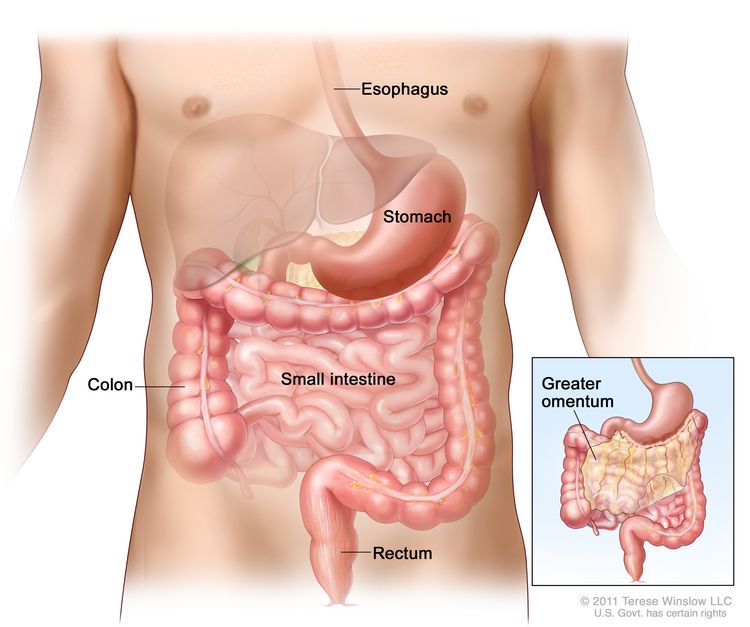
EnlargeDrawing of the gastrointestinal tract showing the esophagus, stomach, colon, small intestine, and rectum. An inset shows the greater omentum (part of the tissue that surrounds the stomach and other organs in the abdomen).
Gastrointestinal stromal tumors (GISTs) may be found anywhere in or near the gastrointestinal tract.

GISTs range in size from less than 1 cm to more than 40 cm, with an average size of approximately 5 cm when diagnosed clinically. They typically arise within the muscle wall of the GI tract.[11] Small GISTs may form solid subserosal, intramural, or, less frequently, polypoid intraluminal masses. Large tumors tend to form external masses attached to the outer aspect of the bowel wall involving the muscular layers.[11]

The clinical presentation of patients with GISTs varies depending on the following:[12,13]

  • Anatomical location.
  • Tumor size.
  • Rate of tumor growth.

The signs and symptoms of GISTs include:

  • GI bleeding (most common presentation), which may be acute (melena or hematemesis) or chronic, resulting in anemia.
  • Acute tumor rupture.
  • GI obstruction.
  • Pain.
  • Dysphagia.
  • Early satiety.

Smaller lesions may be found incidentally during surgery, radiological studies, or endoscopy. The natural history of these incidental tumors and the frequency of progression to symptomatic disease are unknown. There may be a substantial reservoir of small GISTs that do not progress to symptomatic stages.

Common sites of metastasis include the liver and peritoneal dissemination within the abdominal cavity. In adults, lymph node involvement and spread to the lungs or other extra-abdominal sites is unusual.[14]

Rare paraneoplastic consumptive hypothyroidism (from overexpression of a thyroid-inactivating enzyme) has been reported in a few patients.[15]

Pediatric GISTs are typically associated with germline SDH loss. The clinical behavior is distinct with typically a gastric location, more indolent course, multifocal presentation, and lymph node metastases. Germline SDH loss is also associated with hereditary kidney cancer, paragangliomas, and other tumors.[16,17]

Diagnostic Evaluation

GISTs should be included in the differential diagnosis of any intra-abdominal nonepithelial malignancy. Standard diagnostic interventions may include:[12]

  • Computed tomography (CT).
  • Magnetic resonance imaging (MRI).
  • Positron emission tomography (PET).
  • Endoscopy.

Endoscopic ultrasound with fine-needle aspiration (FNA) biopsy is useful in the diagnosis of GISTs in the upper GI tract, as most tumors arise below the mucosal layer and grow in an endophytic fashion. Endoscopic ultrasound–guided FNA biopsy is preferred to percutaneous biopsy, given the risk of tumor hemorrhage and peritoneal dissemination.[12,18,19] For localized resectable GISTs with classic imaging findings, some surgeons proceed directly to surgery without biopsy.

Prognosis

Prognostic factors for nonmetastatic GISTs include:

  • Mitotic index.
  • Tumor size.
  • Tumor location (gastric, nongastric, rectal).
  • Tumor rupture.
  • Imaging characteristics.

Approximately 20% to 25% of gastric GISTs and 40% to 50% of small intestinal GISTs are clinically aggressive.[13,20] It is estimated that approximately 10% to 25% of patients present with metastatic disease.[14,20] For nonmetastatic GISTs, the key parameters that impact the risk of recurrence or metastasis include mitotic index (mitoses per 50 high-power fields), tumor size, and tumor location (see Table 1).[11,2125]

It is also recognized that tumor rupture markedly worsens recurrence-free survival.[2628] In addition, tumor appearance on CT imaging may predict recurrence risk. Tumors with higher metastatic risk include lobulated or heterogeneously enhancing tumors, as well as those with mesenteric fat infiltration, ulceration, regional lymphadenopathy, or exophytic growth.[2932]

Table 1. Risk Assessment of Gastric GISTs by Tumor Size and Mitotic Indexa
Mitotic Index (mitoses/HPF) Size (cm) Metastasis Rate (%) Risk of Progressive Disease
GISTs = gastrointestinal stromal tumors; HPF = high-power field.
aAdapted from Miettinen et al.[25] and Laurini et al.[33]
≤5 per 50 ≤2 0 None
>2 to ≤5 1.9 Very low
>5 to ≤10 3.6 Low
>10 12 Moderate
>5 per 50 ≤2 0 None
>2 to ≤5 16 Moderate
>5 to ≤10 55 High
>10 86 High
Table 2. Risk Assessment of Nongastric GISTs by Tumor Size and Mitotic Indexa
Mitotic Index (mitoses/HPF) Size (cm) Metastasis Rate (%) Risk of Progressive Disease
GISTs = gastrointestinal stromal tumors; HPF = high-power field.
aAdapted from Miettinen et al.[25] and Laurini et al.[33]
≤5 per 50 ≤2 0 None
>2 to ≤5 1.9–8.5 Low
>5 to ≤10 24 Insufficient data–Moderate
>10 34–52 High
>5 per 50 ≤2 50–54 Insufficient data–High
>2 to ≤5 50–73 High
>5 to ≤10 85 High
>10 71–90 High

Follow-Up

Response to therapy

CT, fluorine F 18-fludeoxyglucose (18F-FDG) PET, and MRI are used to monitor the effects of systemic therapy in patients with unresectable, metastatic, or recurrent disease.[34]

A baseline PET should be performed before tyrosine kinase inhibitor (TKI) therapy in patients who will be monitored for response with 18F-FDG PET. PET imaging may detect the activity of imatinib in GISTs much earlier than CT imaging, with decreased tumor avidity detected as soon as 24 hours after the first dose. Thus, PET may be a useful diagnostic modality for the very early assessment of response to imatinib therapy and for detecting resistance to TKIs.[12]

Surveillance for metastatic or recurrent disease

The optimal modality and frequency for surveillance of metastatic or recurrent disease in patients who have undergone GIST resection has not been studied. Based on the likelihood of recurrence, follow-up recommendations are derived from expert opinion and clinical judgment.

For patients with surgically treated localized disease, routine follow-up schedules may differ across institutions and depend on the risk status of the tumor.[35] Abdominal/pelvic imaging may be performed every 3 to 6 months, but very low-risk lesions may not need to be imaged this frequently.[35]

References
  1. Judson I, Demetri G: Advances in the treatment of gastrointestinal stromal tumours. Ann Oncol 18 (Suppl 10): x20-4, 2007. [PUBMED Abstract]
  2. Miettinen M, Lasota J: Gastrointestinal stromal tumors–definition, clinical, histological, immunohistochemical, and molecular genetic features and differential diagnosis. Virchows Arch 438 (1): 1-12, 2001. [PUBMED Abstract]
  3. Miettinen M, Sarlomo-Rikala M, Lasota J: Gastrointestinal stromal tumors: recent advances in understanding of their biology. Hum Pathol 30 (10): 1213-20, 1999. [PUBMED Abstract]
  4. Ma GL, Murphy JD, Martinez ME, et al.: Epidemiology of gastrointestinal stromal tumors in the era of histology codes: results of a population-based study. Cancer Epidemiol Biomarkers Prev 24 (1): 298-302, 2015. [PUBMED Abstract]
  5. Søreide K, Sandvik OM, Søreide JA, et al.: Global epidemiology of gastrointestinal stromal tumours (GIST): A systematic review of population-based cohort studies. Cancer Epidemiol 40: 39-46, 2016. [PUBMED Abstract]
  6. Kawanowa K, Sakuma Y, Sakurai S, et al.: High incidence of microscopic gastrointestinal stromal tumors in the stomach. Hum Pathol 37 (12): 1527-35, 2006. [PUBMED Abstract]
  7. Agaimy A, Wünsch PH, Hofstaedter F, et al.: Minute gastric sclerosing stromal tumors (GIST tumorlets) are common in adults and frequently show c-KIT mutations. Am J Surg Pathol 31 (1): 113-20, 2007. [PUBMED Abstract]
  8. Benesch M, Wardelmann E, Ferrari A, et al.: Gastrointestinal stromal tumors (GIST) in children and adolescents: A comprehensive review of the current literature. Pediatr Blood Cancer 53 (7): 1171-9, 2009. [PUBMED Abstract]
  9. Joensuu H, Hohenberger P, Corless CL: Gastrointestinal stromal tumour. Lancet 382 (9896): 973-83, 2013. [PUBMED Abstract]
  10. Gastrointestinal stromal tumor. In: Amin MB, Edge SB, Greene FL, et al., eds.: AJCC Cancer Staging Manual. 8th ed. Springer; 2017, pp. 523–9.
  11. Corless CL, Heinrich MC: Molecular pathobiology of gastrointestinal stromal sarcomas. Annu Rev Pathol 3: 557-86, 2008. [PUBMED Abstract]
  12. Casali PG, Dei Tos AP, Gronchi A: Gastrointestinal stromal tumor. In: DeVita VT Jr, Lawrence TS, Rosenberg SA, et al., eds.: DeVita, Hellman, and Rosenberg’s Cancer: Principles & Practice of Oncology. 11th ed. Wolters Kluwer, 2019, pp 895-906.
  13. Miettinen M, Lasota J: Gastrointestinal stromal tumors: review on morphology, molecular pathology, prognosis, and differential diagnosis. Arch Pathol Lab Med 130 (10): 1466-78, 2006. [PUBMED Abstract]
  14. DeMatteo RP, Lewis JJ, Leung D, et al.: Two hundred gastrointestinal stromal tumors: recurrence patterns and prognostic factors for survival. Ann Surg 231 (1): 51-8, 2000. [PUBMED Abstract]
  15. Maynard MA, Marino-Enriquez A, Fletcher JA, et al.: Thyroid hormone inactivation in gastrointestinal stromal tumors. N Engl J Med 370 (14): 1327-34, 2014. [PUBMED Abstract]
  16. Janeway KA, Pappo A: Treatment guidelines for gastrointestinal stromal tumors in children and young adults. J Pediatr Hematol Oncol 34 (Suppl 2): S69-72, 2012. [PUBMED Abstract]
  17. Miettinen M, Lasota J, Sobin LH: Gastrointestinal stromal tumors of the stomach in children and young adults: a clinicopathologic, immunohistochemical, and molecular genetic study of 44 cases with long-term follow-up and review of the literature. Am J Surg Pathol 29 (10): 1373-81, 2005. [PUBMED Abstract]
  18. Nickl NJ: Gastrointestinal stromal tumors: new progress, new questions. Curr Opin Gastroenterol 20 (5): 482-7, 2004. [PUBMED Abstract]
  19. Vander Noot MR, Eloubeidi MA, Chen VK, et al.: Diagnosis of gastrointestinal tract lesions by endoscopic ultrasound-guided fine-needle aspiration biopsy. Cancer 102 (3): 157-63, 2004. [PUBMED Abstract]
  20. Joensuu H: Gastrointestinal stromal tumor (GIST). Ann Oncol 17 (Suppl 10): x280-6, 2006. [PUBMED Abstract]
  21. Miettinen M, Sobin LH, Lasota J: Gastrointestinal stromal tumors of the stomach: a clinicopathologic, immunohistochemical, and molecular genetic study of 1765 cases with long-term follow-up. Am J Surg Pathol 29 (1): 52-68, 2005. [PUBMED Abstract]
  22. Miettinen M, Makhlouf H, Sobin LH, et al.: Gastrointestinal stromal tumors of the jejunum and ileum: a clinicopathologic, immunohistochemical, and molecular genetic study of 906 cases before imatinib with long-term follow-up. Am J Surg Pathol 30 (4): 477-89, 2006. [PUBMED Abstract]
  23. Miettinen M, Kopczynski J, Makhlouf HR, et al.: Gastrointestinal stromal tumors, intramural leiomyomas, and leiomyosarcomas in the duodenum: a clinicopathologic, immunohistochemical, and molecular genetic study of 167 cases. Am J Surg Pathol 27 (5): 625-41, 2003. [PUBMED Abstract]
  24. Miettinen M, Furlong M, Sarlomo-Rikala M, et al.: Gastrointestinal stromal tumors, intramural leiomyomas, and leiomyosarcomas in the rectum and anus: a clinicopathologic, immunohistochemical, and molecular genetic study of 144 cases. Am J Surg Pathol 25 (9): 1121-33, 2001. [PUBMED Abstract]
  25. Miettinen M, Lasota J: Gastrointestinal stromal tumors: pathology and prognosis at different sites. Semin Diagn Pathol 23 (2): 70-83, 2006. [PUBMED Abstract]
  26. Hohenberger P, Ronellenfitsch U, Oladeji O, et al.: Pattern of recurrence in patients with ruptured primary gastrointestinal stromal tumour. Br J Surg 97 (12): 1854-9, 2010. [PUBMED Abstract]
  27. Hølmebakk T, Bjerkehagen B, Boye K, et al.: Definition and clinical significance of tumour rupture in gastrointestinal stromal tumours of the small intestine. Br J Surg 103 (6): 684-691, 2016. [PUBMED Abstract]
  28. Joensuu H: Risk stratification of patients diagnosed with gastrointestinal stromal tumor. Hum Pathol 39 (10): 1411-9, 2008. [PUBMED Abstract]
  29. Chun HJ, Byun JY, Chun KA, et al.: Gastrointestinal leiomyoma and leiomyosarcoma: CT differentiation. J Comput Assist Tomogr 22 (1): 69-74, 1998 Jan-Feb. [PUBMED Abstract]
  30. Levy AD, Remotti HE, Thompson WM, et al.: Gastrointestinal stromal tumors: radiologic features with pathologic correlation. Radiographics 23 (2): 283-304, 456; quiz 532, 2003 Mar-Apr. [PUBMED Abstract]
  31. Ghanem N, Altehoefer C, Furtwängler A, et al.: Computed tomography in gastrointestinal stromal tumors. Eur Radiol 13 (7): 1669-78, 2003. [PUBMED Abstract]
  32. Burkill GJ, Badran M, Al-Muderis O, et al.: Malignant gastrointestinal stromal tumor: distribution, imaging features, and pattern of metastatic spread. Radiology 226 (2): 527-32, 2003. [PUBMED Abstract]
  33. Laurini JA, et al.: Protocol For the Examination of Resection Specimens From Patients With Gastrointestinal Stromal Tumor (GIST) Version 4.2.0.0. College of American Pathologists, 2021. Available online. Last accessed December 13, 2024.
  34. Demetri GD, Benjamin RS, Blanke CD, et al.: NCCN Task Force report: management of patients with gastrointestinal stromal tumor (GIST)–update of the NCCN clinical practice guidelines. J Natl Compr Canc Netw 5 (Suppl 2): S1-29; quiz S30, 2007. [PUBMED Abstract]
  35. Casali PG, Jost L, Reichardt P, et al.: Gastrointestinal stromal tumors: ESMO clinical recommendations for diagnosis, treatment and follow-up. Ann Oncol 19 (Suppl 2): ii35-8, 2008. [PUBMED Abstract]

Cellular and Molecular Classification of GISTs

Gastrointestinal stromal tumors (GISTs) appear to originate from interstitial cells of Cajal (ICC) or their stem cell-like precursors.[14] ICC are pacemaker-like intermediates between the gastrointestinal (GI) autonomic nervous system and smooth muscle cells regulating GI motility and autonomic nerve function.[5,6] ICC are located around the myenteric plexus and the muscularis propria throughout the GI tract. ICC or their stem cell-like precursors can differentiate into smooth muscle cells if KIT signaling is disrupted.[7]

GISTs are composed of spindle cells (70%), epithelioid cells (20%), or mixed spindle and epithelioid cells (10%).[8] The histological patterns range from bland-appearing tumors with very low mitotic activity to very aggressive-appearing patterns.[9]

Approximately 85% of GISTs contain oncogenic variants in one of two receptor tyrosine kinases (RTKs):[10,11]

  • KIT.
  • PDGFRA.

Constitutive activation of either of these RTKs plays a central role in the pathogenesis of GISTs.[1,12] Tumors without detectable KIT or PDGFRA variants account for 12% to 15% of all GISTs. Less than 5% of GISTs occur in patients with syndromic diseases, such as neurofibromatosis type 1 (NF1), Carney triad syndrome (SDH deletion), and other familial diseases.[10,1315]

Approximately 95% of GISTs are positive for the CD117 antigen, an epitope of KIT RTK expressed by ICC.[10] However, CD117 immunohistochemistry (IHC) is not specific for GISTs and can be seen in other mesenchymal, neural, and neuroendocrine neoplasms.[10] IHC staining for DOG1 helps distinguish GISTs from other mesenchymal tumors, particularly those that are KIT negative.[10,1618]

Subtypes of GISTs include:

  • KIT-variant GISTs. Approximately 80% of all GISTs contain a variant in the KIT gene that results in constitutive activation.[10] The KIT gene maps to 4q12-13, in the vicinity of genes encoding the RTKs PDGFRA and VEGFR2.[19] Variants in five different KIT exons have been observed in GISTs: exon 11 (67%), exon 9 (10%), and exons 8, 13, and 17 (3%).[10,20] Typically, GISTs are heterozygous for a particular variant, but loss of the remaining wild-type KIT allele occurs in approximately 8% to 15% of tumors and may be associated with malignant progression.[2022] KIT variants exhibit distinct anatomical distributions: exon 8 (small bowel), exon 9 (small bowel, colon), and exons 11, 13, and 17 (all sites).[10] KIT-variant tumors express PKC theta and DOG1, a distinguishing feature of mesenchymal tumors.[17,18,23]
  • PDGFRA-variant GISTs. Approximately 5% to 8% of GISTs harbor a variant in PDGFRA, a close homolog of KIT with similar extracellular and cytoplasmic domains.[12] PDGFRA-variant GISTs may differ from KIT-variant GISTs in a number of ways, including a marked predilection for the stomach, epithelioid morphology, myxoid stroma, nuclear pleomorphism, and variable expression of CD117.[2328] As with KIT-variant GISTs, PDGFRA-variant tumors express PKC theta and DOG1.[17,18,24] A PDGFRA variant most commonly occurs in exon 18 (80%–90%), and it can be either a D842V (62%) or non-D842V (27%) variant. PDGFRA D842V variants confer resistance to imatinib therapy.[29]
  • KIT-negative GISTs. In approximately 5% of GISTs, IHC for CD117 is completely negative or uncertain. In these instances, IHC may lack sufficient sensitivity to detect small amounts of variant kinase.[10] Approximately 30% of these tumors harbor PDGFRA pathogenic variants while more than one-half have KIT variants.[10,24,25,28]
  • KIT/PDGFRA wild-type GISTs. The so-called wild-type GISTs comprise approximately 12% to 15% of all GISTs. In these tumors, no detectable variants have been identified in either KIT or PDGFRA. Many of these tumors are SDH-deficient or associated with NF1.
    • SDH-deficient GISTs are characterized by loss-of-function of one of more enzymes within the SDH family (SDHA–D, collectively termed SDHx) either by variant, such as in Carney-Stratakis syndrome, or epigenetic silencing, such as in Carney triad (gastric epithelioid GISTs, extra-adrenal paraganglioma, and pulmonary chondroma). SDH-deficient GISTs can be identified with IHC by an absence of SDHB. SDH-deficient GISTs are generally found in younger patients, are typically multifocal, and are located in the stomach. They also tend to have an indolent course and are poorly responsive to tyrosine kinase inhibitor therapy.[1315,30]
    • NF1-related GISTs have a propensity for multicentricity within the GI tract and spindle cell morphology. They are typically positive for the CD117 antigen but do not harbor KIT or PDGFRA variants.[13] The clinical course is typically indolent.
    • Other variants seen in KIT/PDGFRA wild-type GISTs include BRAF V600E [31,32] and NTRK.[33]
  • Familial GISTs. Approximately two dozen kindreds with heritable variants in KIT or PDGFRA have been identified. Penetrance in these kindreds is high, with most affected members developing one or more GISTs by middle age. However, in many patients, the tumors follow a benign course.[10]
References
  1. Hirota S, Isozaki K, Moriyama Y, et al.: Gain-of-function mutations of c-kit in human gastrointestinal stromal tumors. Science 279 (5350): 577-80, 1998. [PUBMED Abstract]
  2. Kindblom LG, Remotti HE, Aldenborg F, et al.: Gastrointestinal pacemaker cell tumor (GIPACT): gastrointestinal stromal tumors show phenotypic characteristics of the interstitial cells of Cajal. Am J Pathol 152 (5): 1259-69, 1998. [PUBMED Abstract]
  3. Wang L, Vargas H, French SW: Cellular origin of gastrointestinal stromal tumors: a study of 27 cases. Arch Pathol Lab Med 124 (10): 1471-5, 2000. [PUBMED Abstract]
  4. Sircar K, Hewlett BR, Huizinga JD, et al.: Interstitial cells of Cajal as precursors of gastrointestinal stromal tumors. Am J Surg Pathol 23 (4): 377-89, 1999. [PUBMED Abstract]
  5. Maeda H, Yamagata A, Nishikawa S, et al.: Requirement of c-kit for development of intestinal pacemaker system. Development 116 (2): 369-75, 1992. [PUBMED Abstract]
  6. Huizinga JD, Thuneberg L, Klüppel M, et al.: W/kit gene required for interstitial cells of Cajal and for intestinal pacemaker activity. Nature 373 (6512): 347-9, 1995. [PUBMED Abstract]
  7. Torihashi S, Nishi K, Tokutomi Y, et al.: Blockade of kit signaling induces transdifferentiation of interstitial cells of cajal to a smooth muscle phenotype. Gastroenterology 117 (1): 140-8, 1999. [PUBMED Abstract]
  8. Corless CL, Fletcher JA, Heinrich MC: Biology of gastrointestinal stromal tumors. J Clin Oncol 22 (18): 3813-25, 2004. [PUBMED Abstract]
  9. Gastrointestinal stromal tumor. In: Amin MB, Edge SB, Greene FL, et al., eds.: AJCC Cancer Staging Manual. 8th ed. Springer; 2017, pp. 523–9.
  10. Corless CL, Heinrich MC: Molecular pathobiology of gastrointestinal stromal sarcomas. Annu Rev Pathol 3: 557-86, 2008. [PUBMED Abstract]
  11. Miettinen M, Lasota J: Gastrointestinal stromal tumors: review on morphology, molecular pathology, prognosis, and differential diagnosis. Arch Pathol Lab Med 130 (10): 1466-78, 2006. [PUBMED Abstract]
  12. Heinrich MC, Corless CL, Duensing A, et al.: PDGFRA activating mutations in gastrointestinal stromal tumors. Science 299 (5607): 708-10, 2003. [PUBMED Abstract]
  13. Andersson J, Sihto H, Meis-Kindblom JM, et al.: NF1-associated gastrointestinal stromal tumors have unique clinical, phenotypic, and genotypic characteristics. Am J Surg Pathol 29 (9): 1170-6, 2005. [PUBMED Abstract]
  14. Agaimy A, Pelz AF, Corless CL, et al.: Epithelioid gastric stromal tumours of the antrum in young females with the Carney triad: a report of three new cases with mutational analysis and comparative genomic hybridization. Oncol Rep 18 (1): 9-15, 2007. [PUBMED Abstract]
  15. Carney JA: Gastric stromal sarcoma, pulmonary chondroma, and extra-adrenal paraganglioma (Carney Triad): natural history, adrenocortical component, and possible familial occurrence. Mayo Clin Proc 74 (6): 543-52, 1999. [PUBMED Abstract]
  16. Blay P, Astudillo A, Buesa JM, et al.: Protein kinase C theta is highly expressed in gastrointestinal stromal tumors but not in other mesenchymal neoplasias. Clin Cancer Res 10 (12 Pt 1): 4089-95, 2004. [PUBMED Abstract]
  17. Duensing A, Joseph NE, Medeiros F, et al.: Protein Kinase C theta (PKCtheta) expression and constitutive activation in gastrointestinal stromal tumors (GISTs). Cancer Res 64 (15): 5127-31, 2004. [PUBMED Abstract]
  18. West RB, Corless CL, Chen X, et al.: The novel marker, DOG1, is expressed ubiquitously in gastrointestinal stromal tumors irrespective of KIT or PDGFRA mutation status. Am J Pathol 165 (1): 107-13, 2004. [PUBMED Abstract]
  19. Stenman G, Eriksson A, Claesson-Welsh L: Human PDGFA receptor gene maps to the same region on chromosome 4 as the KIT oncogene. Genes Chromosomes Cancer 1 (2): 155-8, 1989. [PUBMED Abstract]
  20. Heinrich MC, Corless CL, Demetri GD, et al.: Kinase mutations and imatinib response in patients with metastatic gastrointestinal stromal tumor. J Clin Oncol 21 (23): 4342-9, 2003. [PUBMED Abstract]
  21. O’Riain C, Corless CL, Heinrich MC, et al.: Gastrointestinal stromal tumors: insights from a new familial GIST kindred with unusual genetic and pathologic features. Am J Surg Pathol 29 (12): 1680-3, 2005. [PUBMED Abstract]
  22. Antonescu CR, Besmer P, Guo T, et al.: Acquired resistance to imatinib in gastrointestinal stromal tumor occurs through secondary gene mutation. Clin Cancer Res 11 (11): 4182-90, 2005. [PUBMED Abstract]
  23. Wasag B, Debiec-Rychter M, Pauwels P, et al.: Differential expression of KIT/PDGFRA mutant isoforms in epithelioid and mixed variants of gastrointestinal stromal tumors depends predominantly on the tumor site. Mod Pathol 17 (8): 889-94, 2004. [PUBMED Abstract]
  24. Debiec-Rychter M, Wasag B, Stul M, et al.: Gastrointestinal stromal tumours (GISTs) negative for KIT (CD117 antigen) immunoreactivity. J Pathol 202 (4): 430-8, 2004. [PUBMED Abstract]
  25. Medeiros F, Corless CL, Duensing A, et al.: KIT-negative gastrointestinal stromal tumors: proof of concept and therapeutic implications. Am J Surg Pathol 28 (7): 889-94, 2004. [PUBMED Abstract]
  26. Sakurai S, Hasegawa T, Sakuma Y, et al.: Myxoid epithelioid gastrointestinal stromal tumor (GIST) with mast cell infiltrations: a subtype of GIST with mutations of platelet-derived growth factor receptor alpha gene. Hum Pathol 35 (10): 1223-30, 2004. [PUBMED Abstract]
  27. Wardelmann E, Hrychyk A, Merkelbach-Bruse S, et al.: Association of platelet-derived growth factor receptor alpha mutations with gastric primary site and epithelioid or mixed cell morphology in gastrointestinal stromal tumors. J Mol Diagn 6 (3): 197-204, 2004. [PUBMED Abstract]
  28. Pauls K, Merkelbach-Bruse S, Thal D, et al.: PDGFRalpha- and c-kit-mutated gastrointestinal stromal tumours (GISTs) are characterized by distinctive histological and immunohistochemical features. Histopathology 46 (2): 166-75, 2005. [PUBMED Abstract]
  29. Corless CL, Schroeder A, Griffith D, et al.: PDGFRA mutations in gastrointestinal stromal tumors: frequency, spectrum and in vitro sensitivity to imatinib. J Clin Oncol 23 (23): 5357-64, 2005. [PUBMED Abstract]
  30. Boikos SA, Pappo AS, Killian JK, et al.: Molecular Subtypes of KIT/PDGFRA Wild-Type Gastrointestinal Stromal Tumors: A Report From the National Institutes of Health Gastrointestinal Stromal Tumor Clinic. JAMA Oncol 2 (7): 922-8, 2016. [PUBMED Abstract]
  31. Agaram NP, Wong GC, Guo T, et al.: Novel V600E BRAF mutations in imatinib-naive and imatinib-resistant gastrointestinal stromal tumors. Genes Chromosomes Cancer 47 (10): 853-9, 2008. [PUBMED Abstract]
  32. Hostein I, Faur N, Primois C, et al.: BRAF mutation status in gastrointestinal stromal tumors. Am J Clin Pathol 133 (1): 141-8, 2010. [PUBMED Abstract]
  33. Atiq MA, Davis JL, Hornick JL, et al.: Mesenchymal tumors of the gastrointestinal tract with NTRK rearrangements: a clinicopathological, immunophenotypic, and molecular study of eight cases, emphasizing their distinction from gastrointestinal stromal tumor (GIST). Mod Pathol 34 (1): 95-103, 2021. [PUBMED Abstract]

Stage Information for GISTs

A formal staging system for gastrointestinal stromal tumors (GISTs) is available from the American Joint Committee on Cancer (AJCC) Staging Manual. In practice, however, AJCC staging is not routinely implemented when risk assessment is determined by the clinical features noted in the Prognosis section.[1]

References
  1. Gastrointestinal stromal tumor. In: Amin MB, Edge SB, Greene FL, et al., eds.: AJCC Cancer Staging Manual. 8th ed. Springer; 2017, pp. 523–9.

Treatment Option Overview for GISTs

The management of patients with gastrointestinal stromal tumors (GISTs) is a multidisciplinary effort involving close collaboration between pathologists, medical oncologists, surgeons, and imaging experts.[1]

Surgery

Surgical resection is the primary treatment modality for the following types of patients:[2][Level of evidence C2]

  • Those with primary GISTs who do not have evidence of metastasis.
  • Those with tumors that are technically resectable (e.g., GISTs that do not require a formal gastrectomy, pancreatectomy, or other major organ resection) if the risks of morbidity are acceptable.

Endoscopic surveillance is an option for patients with tumors measuring 2 cm or smaller with a mitotic index of 5 or less per 50 high-power fields. The low rates of progression and metastasis in these tumors make endoscopic surveillance viable in place of surgical resection.[3]

The goal of surgery is complete gross resection with an intact pseudocapsule and negative microscopic margins.[4] Because GISTs are generally encapsulated and relatively less infiltrative than other malignancies, wide excision is not necessary. Lymphadenectomy is typically unnecessary, given that lymph node metastasis is rare with GISTs. However, lymphadenectomy should be considered in patients with SDH-deficient GISTs and pathologically enlarged lymph nodes.

If anatomically feasible, laparoscopic surgery is increasingly performed instead of laparotomy. Reports demonstrate lower rates of recurrence, shorter hospital stays, and lower morbidity.[58]

Neoadjuvant imatinib therapy can be given to patients with large tumors or difficult-to-access GISTs that are considered marginally resectable. Significant tumor shrinkage is often seen with targeted therapy, so this approach can potentially avoid major organ resection, or enable organ-sparing surgery. Genetic sequencing may be considered to identify sensitive or resistant variants prior to neoadjuvant imatinib therapy.

For patients with oligometastatic recurrences (e.g., isolated intra-abdominal implants or solitary liver lesions), surgical resection may be used in conjunction with tyrosine kinase inhibitors (TKIs).[9,10][Level of evidence C1] This should only be considered after multidisciplinary consultation.

Chemotherapy

There is universal agreement that standard chemotherapy has no role in the primary therapy of GISTs.[4,11,12]

Before the advent of molecularly targeted therapy with TKIs, efforts to treat GISTs with conventional cytotoxic chemotherapy were essentially futile.[1] The extreme resistance of GISTs to chemotherapy may be partly caused by the increased expression of P-glycoprotein, the product of the MDR-1 gene, and MRP1, which are cellular efflux pumps that may prevent chemotherapeutic agents from reaching therapeutic intracellular concentrations in GIST cells.[1,13]

Tyrosine Kinase Inhibitor (TKI) Therapy

TKIs work by inhibiting aberrantly functioning KIT or PDGFRA receptor tyrosine kinases and inducing rapid reduction in tumor growth. TKI therapy is indicated for patients with unresectable, borderline resectable, metastatic, or recurrent GISTs. It is also indicated as adjuvant therapy for patients with GISTs at high risk of recurrence.

The TKI imatinib mesylate is used as first-line therapy for most patients with KIT– and PDGFRA-variant GISTs.[14] For patients with GISTs characterized by a PDGFRA D842V variant, avapritinib is used as first-line therapy, given the high clinical benefit and imatinib-resistance in this subtype.[15] Other TKI agents approved for subsequent lines of therapy in patients with KIT/PDGFRA-variant GISTs include sunitinib, regorafenib, and ripretinib. Additional TKI agents that are occasionally given include nilotinib, sorafenib, and pazopanib.

Imatinib is not typically given to patients with KIT/PDGFRA wild-type GISTs (i.e., SDH-deficient or neurofibromatosis type 1 [NF1]-related GISTs) because of high rates of resistance. Other TKIs (i.e., sunitinib or regorafenib) may have some activity, but most patients are recommended to consider enrolling in clinical trials, if eligible.

For more information on the efficacy, safety, and management of toxicity of imatinib, or additional agents in the setting of imatinib resistance or intolerance, see the sections on Treatment of Resectable Primary GISTs, Treatment of Unresectable Primary GISTs, and Treatment of Metastatic or Recurrent GISTs.

Radiation Therapy

Radiation therapy rarely has a role in the management of patients with GISTs. It may occasionally be used for palliation of painful metastases or for patients with unresectable bleeding tumors.[1]

References
  1. Casali PG, Dei Tos AP, Gronchi A: Gastrointestinal stromal tumor. In: DeVita VT Jr, Lawrence TS, Rosenberg SA, et al., eds.: DeVita, Hellman, and Rosenberg’s Cancer: Principles & Practice of Oncology. 11th ed. Wolters Kluwer, 2019, pp 895-906.
  2. Judson I, Demetri G: Advances in the treatment of gastrointestinal stromal tumours. Ann Oncol 18 (Suppl 10): x20-4, 2007. [PUBMED Abstract]
  3. Miettinen M, Sobin LH, Lasota J: Gastrointestinal stromal tumors of the stomach: a clinicopathologic, immunohistochemical, and molecular genetic study of 1765 cases with long-term follow-up. Am J Surg Pathol 29 (1): 52-68, 2005. [PUBMED Abstract]
  4. Demetri GD, Benjamin RS, Blanke CD, et al.: NCCN Task Force report: management of patients with gastrointestinal stromal tumor (GIST)–update of the NCCN clinical practice guidelines. J Natl Compr Canc Netw 5 (Suppl 2): S1-29; quiz S30, 2007. [PUBMED Abstract]
  5. Huguet KL, Rush RM, Tessier DJ, et al.: Laparoscopic gastric gastrointestinal stromal tumor resection: the mayo clinic experience. Arch Surg 143 (6): 587-90; discussion 591, 2008. [PUBMED Abstract]
  6. Otani Y, Furukawa T, Yoshida M, et al.: Operative indications for relatively small (2-5 cm) gastrointestinal stromal tumor of the stomach based on analysis of 60 operated cases. Surgery 139 (4): 484-92, 2006. [PUBMED Abstract]
  7. Novitsky YW, Kercher KW, Sing RF, et al.: Long-term outcomes of laparoscopic resection of gastric gastrointestinal stromal tumors. Ann Surg 243 (6): 738-45; discussion 745-7, 2006. [PUBMED Abstract]
  8. Chen K, Zhou YC, Mou YP, et al.: Systematic review and meta-analysis of safety and efficacy of laparoscopic resection for gastrointestinal stromal tumors of the stomach. Surg Endosc 29 (2): 355-67, 2015. [PUBMED Abstract]
  9. Kanda T, Masuzawa T, Hirai T, et al.: Surgery and imatinib therapy for liver oligometastasis of GIST: a study of Japanese Study Group on GIST. Jpn J Clin Oncol 47 (4): 369-372, 2017. [PUBMED Abstract]
  10. Pawlik TM, Vauthey JN, Abdalla EK, et al.: Results of a single-center experience with resection and ablation for sarcoma metastatic to the liver. Arch Surg 141 (6): 537-43; discussion 543-4, 2006. [PUBMED Abstract]
  11. Demetri GD, von Mehren M, Blanke CD, et al.: Efficacy and safety of imatinib mesylate in advanced gastrointestinal stromal tumors. N Engl J Med 347 (7): 472-80, 2002. [PUBMED Abstract]
  12. Edmonson JH, Marks RS, Buckner JC, et al.: Contrast of response to dacarbazine, mitomycin, doxorubicin, and cisplatin (DMAP) plus GM-CSF between patients with advanced malignant gastrointestinal stromal tumors and patients with other advanced leiomyosarcomas. Cancer Invest 20 (5-6): 605-12, 2002. [PUBMED Abstract]
  13. Plaat BE, Hollema H, Molenaar WM, et al.: Soft tissue leiomyosarcomas and malignant gastrointestinal stromal tumors: differences in clinical outcome and expression of multidrug resistance proteins. J Clin Oncol 18 (18): 3211-20, 2000. [PUBMED Abstract]
  14. Blanke CD, Demetri GD, von Mehren M, et al.: Long-term results from a randomized phase II trial of standard- versus higher-dose imatinib mesylate for patients with unresectable or metastatic gastrointestinal stromal tumors expressing KIT. J Clin Oncol 26 (4): 620-5, 2008. [PUBMED Abstract]
  15. Heinrich MC, Jones RL, von Mehren M, et al.: Avapritinib in advanced PDGFRA D842V-mutant gastrointestinal stromal tumour (NAVIGATOR): a multicentre, open-label, phase 1 trial. Lancet Oncol 21 (7): 935-946, 2020. [PUBMED Abstract]

Treatment of Resectable Primary GISTs

Treatment Options for Resectable Primary GISTs

Treatment options for resectable primary gastrointestinal stromal tumors (GISTs) include:

Surgery

All GISTs measuring 2 cm or larger are typically surgically resected. The management of incidentally encountered GISTs measuring smaller than 2 cm remains controversial. There is no evidence for re-excision in patients with a complete resection of all macroscopic disease but microscopically positive margins. Watchful waiting and adjuvant imatinib therapy may be appropriate for these patients.[1,2]

In general, gastric GISTs may be removed by laparoscopic wedge resection, when technically feasible. GISTs rarely involve the locoregional lymph nodes. Thus, extensive lymph node dissection is not indicated unless there is clinically apparent nodal involvement. These tumors may have fragile pseudocapsules, so care must be taken to avoid rupturing the pseudocapsule during surgery, which could result in peritoneal dissemination.

Postoperative adjuvant TKI therapy

Imatinib

Results from three phase III studies support the use of postoperative adjuvant imatinib for patients with completely resected localized GISTs who have a high risk of recurrence based on tumor size, tumor location, mitotic index, and presence of tumor rupture.[310]

Evidence (phase III studies of postoperative imatinib):

  1. ACOSOG Z9001 (NCT00041197) was a phase III, double-blind, placebo-controlled trial of 713 patients with fully resected KIT-variant GISTs measuring at least 3 cm. Patients were randomly assigned to receive either imatinib 400 mg daily (n = 359) or placebo (n = 354) for 1 year after surgical resection.[4]
    • After a median follow-up of 19.7 months, disease recurrence or death occurred in 30 patients (8.4%) in the imatinib arm and 70 patients (19.8%) in the placebo arm.
    • The 1-year recurrence-free survival (RFS) rate was 98% in patients who received imatinib (95% confidence interval [CI], 96%–100%) and 83% (95% CI, 78%–88%) in patients who received placebo (hazard ratio [HR], 0.35; 95% CI, 0.22–0.53; P < .0001).[4][Level of evidence B1] No difference was noted in overall survival (OS) (HR, 0.66; 95% CI, 0.22–2.03; P = .4714).
    • Dose-reduction or interruption because of adverse events occurred in 14.5% of patients in the imatinib arm and 2.8% of patients in the placebo arm. Grade 3 or 4 events occurred in 30.9% of patients in the imatinib arm and 18.3% of patients in the placebo arm.
  2. EORTC-62024 (NCT00103168) was a phase III open-label trial of 908 patients with fully resected (R0 or R1 margin) KIT-variant GISTs at intermediate or high risk of recurrence. Patients were randomly assigned to receive either imatinib 400 mg daily (n = 454) or observation (n = 454) for 2 years.[10]
    • At a median follow-up of 4.7 years, RFS rates were improved for patients who received imatinib compared with patients who underwent observation at 3 years (84% vs. 66%) and 5 years (69% vs. 63%) (log-rank P < .001).[10][Level of evidence B1] The 5-year OS rate did not differ between the imatinib and observation arms (91.8% vs. 92.7%).
    • The 5-year imatinib failure-free survival rate (day of randomization to the start of a new systemic treatment or death) was 87% in the imatinib arm and 84% in the observation arm (HR, 0.79; 98.5% CI, 0.50–1.25; P = .21).[10][Level of evidence B1]
    • A final analysis at a median follow-up of 9.1 years showed RFS rates of 70% and 63% at 5 and 10 years, respectively, for patients in the imatinib arm, and rates of 63% and 61% at 5 and 10 years, respectively, for patients in the observation arm (HR, 0.71; 95% CI, 0.57–0.89; P = .002). There was no difference in OS between patients who received imatinib and patients who underwent observation (93% vs. 92% at 5 years, 80% vs. 78% at 10 years; HR, 0.88; 95% CI, 0.65–1.21; P = .43).[9][Levels of evidence B1 and A1]
  3. SSG XVIII (NCT00116935) was a phase III open-label trial of 400 patients with fully resected, high-risk GISTs. Patients were randomly assigned to receive imatinib 400 mg daily for either 1 year (n = 200) or 3 years (n = 200) after resection.[5]
    • After a median follow-up of 54 months, the RFS rate was 65.6% in the 3-year arm and 47.9% in the 1-year arm (HR, 0.46; 95% CI, 0.32–0.65; P < .001).[5][Level of evidence B1]
    • The 5-year OS rate was 92% in the 3-year arm and 81.7% in the 1-year arm (HR, 0.45; 95% CI, 0.22–0.89; P = .02).[5]
    • Although generally well-tolerated in both groups, grade 3 or 4 events occurred in 32.8% of patients in 3-year arm and 20.1% of patients in the 1-year arm. Treatment discontinuation occurred in 25.8% of patients in 3-year arm and 12.6% of patients in the 1-year arm.
    • A post-hoc exploratory analysis suggested that patients with KIT exon 11–variant GISTs derived the most benefit from a longer duration of imatinib (5-year RFS, 71.0% vs. 41.3%; P < .001).[6]

The recommended length of adjuvant treatment remains unknown. However, based on the SSG XVIII study results, at least 3 years of therapy is generally used in practice. It is important to note that evidence suggests that, instead of being cytotoxic, imatinib may suppress GIST growth. Therefore, recurrence may be delayed by the suppression of undetectable metastatic disease.[5,1113] For example, the rate of recurrence increased within 6 to 12 months of discontinuing adjuvant imatinib in both the 1-year and 3-year arms in the SSG XVIII trial.[5] This concept has led to higher-risk patients being given imatinib indefinitely, although there is no direct trial evidence to support that.

Most patients initiate imatinib therapy at a dosage of 400 mg per day. Molecular genotyping of patients with GISTs is recommended as it can impact the use of adjuvant imatinib, as well as the optimal dose. Patients whose tumor harbors a KIT exon 9 variant may benefit from higher-dose imatinib (800 mg per day) based on data in the metastatic setting.[14] Patients with KIT/PDGFRA wild-type GISTs (i.e., SDH-deficient and neurofibromatosis type 1 [NF1]-related GISTs) or PDGFRA D842V-variant GISTs are unlikely to benefit from adjuvant imatinib therapy.[5]

Although not fully conclusive, there is some phase II evidence to support continuing adjuvant imatinib therapy for 5 years or more.

Evidence (phase II studies of postoperative imatinib):

  1. PERSIST-5 (NCT00867113) was a single-arm phase II trial of 91 patients with fully resected, high-risk GISTs. Patients received imatinib (400 mg daily) for up to 5 years.[15][Level of evidence C1]
    • The median treatment duration was 55.1 months, but with a large range (0.5–60.6 months). Only 46 patients (51%) completed all 5 years of therapy. Thus, 49% of patients stopped treatment early because of patient choice (21%), adverse events (16%), or other reasons (12%).
    • At a median follow-up of 19.6 months, the estimated 5-year RFS rate was 90% (95% CI, 80%–95%). The OS rate was 95% (95% CI, 86%–99%). Seven patients (7.6%) had a recurrence, 6 of which occurred after treatment discontinuation.
  2. A small, single-institution, retrospective analysis included 234 patients with R0-resected GISTs at moderate to high risk of recurrence. The study evaluated the effect of differing durations of postoperative imatinib on 5-year RFS and OS rates.[13][Level of evidence C1]
    • At a median follow-up of 54 months, the 5-year RFS rate across all groups was 76.2%. The OS rate across all groups was 83.4%.
    • In high-risk patients, longer durations of imatinib therapy were associated with higher RFS rates (36.5% in the 1-year group, 68.7% in the 1–3-years group, 71.2% in the 3–5-years group, and 90.8% in the >5-years group; P < .001). Longer imatinib therapy duration was also associated with higher OS rates (36.7% in the 1-year group, 76.6% in the 1–3-years group, 84.0% in the 3–5-years group, and 97.4% in the >5-years group; P < .001).

Current Clinical Trials

Use our advanced clinical trial search to find NCI-supported cancer clinical trials that are now enrolling patients. The search can be narrowed by location of the trial, type of treatment, name of the drug, and other criteria. General information about clinical trials is also available.

References
  1. Demetri GD, Benjamin RS, Blanke CD, et al.: NCCN Task Force report: management of patients with gastrointestinal stromal tumor (GIST)–update of the NCCN clinical practice guidelines. J Natl Compr Canc Netw 5 (Suppl 2): S1-29; quiz S30, 2007. [PUBMED Abstract]
  2. Otani Y, Furukawa T, Yoshida M, et al.: Operative indications for relatively small (2-5 cm) gastrointestinal stromal tumor of the stomach based on analysis of 60 operated cases. Surgery 139 (4): 484-92, 2006. [PUBMED Abstract]
  3. DeMatteo RP, Owzar K, Antonescu CR, et al.: Efficacy of adjuvant imatinib mesylate following complete resection of localized, primary gastrointestinal stromal tumor (GIST) at high risk of recurrence: the U.S. Intergroup phase II trial ACOSOG Z9000. [Abstract] American Society of Clinical Oncology 2008 Gastrointestinal Cancers Symposium, 25-27 January 2008, Orlando, FL. A-8, 2008.
  4. Dematteo RP, Ballman KV, Antonescu CR, et al.: Adjuvant imatinib mesylate after resection of localised, primary gastrointestinal stromal tumour: a randomised, double-blind, placebo-controlled trial. Lancet 373 (9669): 1097-104, 2009. [PUBMED Abstract]
  5. Joensuu H, Eriksson M, Sundby Hall K, et al.: One vs three years of adjuvant imatinib for operable gastrointestinal stromal tumor: a randomized trial. JAMA 307 (12): 1265-72, 2012. [PUBMED Abstract]
  6. Joensuu H, Wardelmann E, Sihto H, et al.: Effect of KIT and PDGFRA Mutations on Survival in Patients With Gastrointestinal Stromal Tumors Treated With Adjuvant Imatinib: An Exploratory Analysis of a Randomized Clinical Trial. JAMA Oncol 3 (5): 602-609, 2017. [PUBMED Abstract]
  7. Raut CP, Espat NJ, Maki RG, et al.: Extended treatment with adjuvant imatinib (IM) for patients (pts) with high-risk primary gastrointestinal stromal tumor (GIST): The PERSIST-5 study. [Abstract] J Clin Oncol 35 (Suppl 15): A-11009, 2017. Also available online. Last accessed December 13, 2024.
  8. DeMatteo RP, Ballman KV, Antonescu CR, et al.: Long-term results of adjuvant imatinib mesylate in localized, high-risk, primary gastrointestinal stromal tumor: ACOSOG Z9000 (Alliance) intergroup phase 2 trial. Ann Surg 258 (3): 422-9, 2013. [PUBMED Abstract]
  9. Casali PG, Le Cesne A, Velasco AP, et al.: Final analysis of the randomized trial on imatinib as an adjuvant in localized gastrointestinal stromal tumors (GIST) from the EORTC Soft Tissue and Bone Sarcoma Group (STBSG), the Australasian Gastro-Intestinal Trials Group (AGITG), UNICANCER, French Sarcoma Group (FSG), Italian Sarcoma Group (ISG), and Spanish Group for Research on Sarcomas (GEIS)☆. Ann Oncol 32 (4): 533-541, 2021. [PUBMED Abstract]
  10. Casali PG, Le Cesne A, Poveda Velasco A, et al.: Time to Definitive Failure to the First Tyrosine Kinase Inhibitor in Localized GI Stromal Tumors Treated With Imatinib As an Adjuvant: A European Organisation for Research and Treatment of Cancer Soft Tissue and Bone Sarcoma Group Intergroup Randomized Trial in Collaboration With the Australasian Gastro-Intestinal Trials Group, UNICANCER, French Sarcoma Group, Italian Sarcoma Group, and Spanish Group for Research on Sarcomas. J Clin Oncol 33 (36): 4276-83, 2015. [PUBMED Abstract]
  11. Joensuu H, Eriksson M, Sundby Hall K, et al.: Adjuvant Imatinib for High-Risk GI Stromal Tumor: Analysis of a Randomized Trial. J Clin Oncol 34 (3): 244-50, 2016. [PUBMED Abstract]
  12. Blanke CD, DeMatteo RP: Duration of Adjuvant Therapy for Patients With Gastrointestinal Stromal Tumors: Where Is Goldilocks When We Need Her? JAMA Oncol 2 (6): 721-2, 2016. [PUBMED Abstract]
  13. Lin JX, Chen QF, Zheng CH, et al.: Is 3-years duration of adjuvant imatinib mesylate treatment sufficient for patients with high-risk gastrointestinal stromal tumor? A study based on long-term follow-up. J Cancer Res Clin Oncol 143 (4): 727-734, 2017. [PUBMED Abstract]
  14. Gastrointestinal Stromal Tumor Meta-Analysis Group (MetaGIST): Comparison of two doses of imatinib for the treatment of unresectable or metastatic gastrointestinal stromal tumors: a meta-analysis of 1,640 patients. J Clin Oncol 28 (7): 1247-53, 2010. [PUBMED Abstract]
  15. Raut CP, Espat NJ, Maki RG, et al.: Efficacy and Tolerability of 5-Year Adjuvant Imatinib Treatment for Patients With Resected Intermediate- or High-Risk Primary Gastrointestinal Stromal Tumor: The PERSIST-5 Clinical Trial. JAMA Oncol 4 (12): e184060, 2018. [PUBMED Abstract]

Treatment of Unresectable Primary GISTs

Treatment Options for Unresectable Primary GISTs

Treatment options for unresectable primary gastrointestinal stromal tumors (GISTs) include:

Neoadjuvant TKI therapy

Imatinib

Neoadjuvant imatinib may be used for patients with very large primary GISTs or poorly positioned small GISTs (considered unresectable without the risk of significant morbidity or functional deficit, such as needing a formal gastrectomy, pancreatectomy, or other major organ resection) until surgical therapy is feasible, which can take as long as 6 to 12 months.[1,2] Neoadjuvant imatinib therapy in patients with GISTs is supported by the early results of two phase II studies in the United States [3] and Asia [4], as well as several case series and small retrospective reports.[2,510] Neoadjuvant imatinib may be particularly beneficial in rectal GISTs, given the large bulky nature of the disease and the extensive surgery required for complete resection.[11,12]

Evidence (phase II studies of neoadjuvant imatinib):

  1. RTOG-0132/ACRIN-6665 (NCT00028002) was a phase II single-arm study of 52 patients with primary GISTs (n = 30) or operable metastatic GISTs (n = 22). Patients received preoperative imatinib (600 mg daily) for 8 to 12 weeks followed by postoperative imatinib for at least 2 years.[3][Level of evidence C3]
    • Among patients with primary GISTs, 83% had stable disease and 7% had a partial response (7%). Among patients with metastatic GISTs, 91% had stable disease, 4.5% had a partial response, and 4.5% had disease progression.
    • At a median follow-up of 36 months, the 2-year PFS rate was 83% in patients with primary GISTs and 77% in patients with metastatic GISTs. The OS rate was 93% in patients with primary GISTs and 91% in patients with metastatic GISTs.
    • Seventy-seven percent of patients with primary GISTs and 58% of patients with metastatic GISTs went on to have R0 resections. Five patients (10%) had unresectable disease.
    • Imatinib was generally well tolerated, although 35% of patients had grade 3 to 5 adverse events. The median preoperative duration of imatinib was 65 days, and the median time of imatinib discontinuation before surgery was 2 days.
  2. A phase II single-arm study conducted in Asia included 53 evaluable patients with gastric GISTs larger than 10 cm. Patients received preoperative imatinib (400 mg daily) for 6 to 9 months, followed by at least 1 year of postoperative imatinib.[4][Level of evidence C3]
    • Forty-six patients (87%) received at least 6 months of preoperative imatinib and 50 patients ultimately underwent gastrectomy. The median duration of preoperative imatinib was 26 weeks. The most common grade 3 to 4 adverse events were neutropenia and rash.
    • The objective response rate was 62%, and the maximal reduction occurred most commonly at 24 weeks (63% of patients). The R0 resection rate was 91% overall, and at least one-half of the stomach was preserved in 79% of patients.
    • At a median follow-up of 32 months, the 2-year PFS rate was 89%, and the OS rate was 98%.

If a preoperative TKI is planned, a biopsy to confirm the diagnosis and, potentially, molecular profiling should be considered. Mutational analysis may help to exclude nonsensitive variants before starting imatinib cytoreduction therapy. Biopsy and molecular profiling may also determine whether a tumor harbors a KIT exon 9 variant, which may require an increase in initial imatinib dosing.[1,13] Neoadjuvant imatinib is not used for patients with GISTs harboring a PDGFRA D842V variant. Some guidelines, such as those from the European Society of Medical Oncology, recommend considering neoadjuvant avapritinib.[14] However, avapritinib has not been tested or validated in the neoadjuvant setting. In addition, patients with KIT/PDGFRA wild-type GISTs (i.e., SDH-deficient or neurofibromatosis type 1 [NF1]-related GISTs) would not benefit from neoadjuvant therapy and should proceed directly to surgery, if feasible.

If indicated, neoadjuvant imatinib is initiated at 400 mg per day in most patients. Patients with KIT exon 9–variant GISTs may be offered a higher dose (800 mg per day) based on data from the advanced setting.[15] Follow-up imaging, with either computed tomography (CT) or positron emission tomography (PET)-CT, is performed at close intervals. PET-CT can be particularly helpful in assessing initial early response if baseline molecular profiling was not done before neoadjuvant therapy.[16] The optimal duration of neoadjuvant treatment is unknown and should be individualized based on multidisciplinary discussion. Neoadjuvant TKI therapy precludes the ability to risk stratify after surgical resection. Therefore, patients should continue imatinib after surgery for at least 3 total years.

Current Clinical Trials

Use our advanced clinical trial search to find NCI-supported cancer clinical trials that are now enrolling patients. The search can be narrowed by location of the trial, type of treatment, name of the drug, and other criteria. General information about clinical trials is also available.

References
  1. Demetri GD, Benjamin RS, Blanke CD, et al.: NCCN Task Force report: management of patients with gastrointestinal stromal tumor (GIST)–update of the NCCN clinical practice guidelines. J Natl Compr Canc Netw 5 (Suppl 2): S1-29; quiz S30, 2007. [PUBMED Abstract]
  2. Bonvalot S, Eldweny H, Péchoux CL, et al.: Impact of surgery on advanced gastrointestinal stromal tumors (GIST) in the imatinib era. Ann Surg Oncol 13 (12): 1596-603, 2006. [PUBMED Abstract]
  3. Eisenberg BL, Harris J, Blanke CD, et al.: Phase II trial of neoadjuvant/adjuvant imatinib mesylate (IM) for advanced primary and metastatic/recurrent operable gastrointestinal stromal tumor (GIST): early results of RTOG 0132/ACRIN 6665. J Surg Oncol 99 (1): 42-7, 2009. [PUBMED Abstract]
  4. Kurokawa Y, Yang HK, Cho H, et al.: Phase II study of neoadjuvant imatinib in large gastrointestinal stromal tumours of the stomach. Br J Cancer 117 (1): 25-32, 2017. [PUBMED Abstract]
  5. Andtbacka RH, Ng CS, Scaife CL, et al.: Surgical resection of gastrointestinal stromal tumors after treatment with imatinib. Ann Surg Oncol 14 (1): 14-24, 2007. [PUBMED Abstract]
  6. Katz D, Segal A, Alberton Y, et al.: Neoadjuvant imatinib for unresectable gastrointestinal stromal tumor. Anticancer Drugs 15 (6): 599-602, 2004. [PUBMED Abstract]
  7. Raut CP, Posner M, Desai J, et al.: Surgical management of advanced gastrointestinal stromal tumors after treatment with targeted systemic therapy using kinase inhibitors. J Clin Oncol 24 (15): 2325-31, 2006. [PUBMED Abstract]
  8. Scaife CL, Hunt KK, Patel SR, et al.: Is there a role for surgery in patients with “unresectable” cKIT+ gastrointestinal stromal tumors treated with imatinib mesylate? Am J Surg 186 (6): 665-9, 2003. [PUBMED Abstract]
  9. Machlenkin S, Pinsk I, Tulchinsky H, et al.: The effect of neoadjuvant Imatinib therapy on outcome and survival after rectal gastrointestinal stromal tumour. Colorectal Dis 13 (10): 1110-5, 2011. [PUBMED Abstract]
  10. Rutkowski P, Gronchi A, Hohenberger P, et al.: Neoadjuvant imatinib in locally advanced gastrointestinal stromal tumors (GIST): the EORTC STBSG experience. Ann Surg Oncol 20 (9): 2937-43, 2013. [PUBMED Abstract]
  11. Cavnar MJ, Wang L, Balachandran VP, et al.: Rectal Gastrointestinal Stromal Tumor (GIST) in the Era of Imatinib: Organ Preservation and Improved Oncologic Outcome. Ann Surg Oncol 24 (13): 3972-3980, 2017. [PUBMED Abstract]
  12. Tielen R, Verhoef C, van Coevorden F, et al.: Surgical management of rectal gastrointestinal stromal tumors. J Surg Oncol 107 (4): 320-3, 2013. [PUBMED Abstract]
  13. Debiec-Rychter M, Sciot R, Le Cesne A, et al.: KIT mutations and dose selection for imatinib in patients with advanced gastrointestinal stromal tumours. Eur J Cancer 42 (8): 1093-103, 2006. [PUBMED Abstract]
  14. Casali PG, Blay JY, Abecassis N, et al.: Gastrointestinal stromal tumours: ESMO-EURACAN-GENTURIS Clinical Practice Guidelines for diagnosis, treatment and follow-up. Ann Oncol 33 (1): 20-33, 2022. [PUBMED Abstract]
  15. Gastrointestinal Stromal Tumor Meta-Analysis Group (MetaGIST): Comparison of two doses of imatinib for the treatment of unresectable or metastatic gastrointestinal stromal tumors: a meta-analysis of 1,640 patients. J Clin Oncol 28 (7): 1247-53, 2010. [PUBMED Abstract]
  16. Van den Abbeele AD, Gatsonis C, de Vries DJ, et al.: ACRIN 6665/RTOG 0132 phase II trial of neoadjuvant imatinib mesylate for operable malignant gastrointestinal stromal tumor: monitoring with 18F-FDG PET and correlation with genotype and GLUT4 expression. J Nucl Med 53 (4): 567-74, 2012. [PUBMED Abstract]

Treatment of Metastatic or Recurrent GISTs

Treatment Options for Metastatic or Recurrent GISTs

Treatment options for metastatic or recurrent gastrointestinal stromal tumors (GISTs) include:

The primary treatment of patients with metastatic or recurrent GISTs involves medical therapy with a TKI. In select cases, surgical therapy may be added. Patients with metastatic or recurrent tumors that do not respond to these measures may be candidates for clinical trials.

Initial TKI therapy

Imatinib

Therapy with imatinib is the standard first-line treatment for most patients with metastatic or recurrent disease. The initial dose is 400 mg daily, except for patients with tumors containing KIT exon 9 variants, who may receive 800 mg daily.[1] The only exception is for patients with GISTs characterized by the PDGFRA D842V variant. In this subtype, avapritinib is used as first-line therapy given high clinical benefit and imatinib resistance.[2] Most patients can initiate imatinib empirically while awaiting confirmation of their tumor’s molecular profile. That profile may necessitate an imatinib dosing change (i.e., KIT exon 9), a change to avapritinib (i.e., PDGFRA D842V variant), or indicate likelihood for TKI resistance (i.e., SDH-deficient or neurofibromatosis type 1 [NF1]-related GISTs).

All patients receiving TKI therapy are closely monitored for tumor response and side effects, which may require dose reductions, interruptions, or cessation of TKI therapy in cases of persistent, excessive toxicity. In addition, dose modification of the TKI or substitution with medications that do not affect cytochrome P450 isoenzyme 3A4 (CYP450 3A4) levels may be necessary for patients taking drugs that affect CYP450 3A4 levels.[3]

Response is evaluated with computed tomography (CT), magnetic resonance imaging (MRI), or fluorine F 18-fludeoxyglucose positron emission tomography (18F-FDG PET).[37] Treatment is usually continued indefinitely in the absence of disease progression or unacceptable toxicity, with a median time to progression of 24 to 40 months and median survival approaching 45 to 60 months.[3,814] A cohort of patients from early imatinib trials have continued on therapy with long-term survival. In a multivariable analysis, age younger than 60 years, performance status 0, smaller size of the largest lesion, and exon 11 KIT variant were significant prognostic factors for the probability of surviving beyond 10 years.[10] A similar finding for exon 11 was seen in a phase II study.[9]

Evidence (imatinib therapy):

  1. A phase III trial included 746 patients with advanced unresectable or metastatic GISTs. Patients were randomly assigned to receive either higher-dose treatment with 800 mg imatinib daily or 400 mg imatinib daily as primary systemic therapy.
    • No statistically significant differences in objective response rates, progression-free survival (PFS), or overall survival (OS) were observed between patients who received the 800 mg dose and patients who received the 400 mg dose.[15][Levels of evidence A1; B1; and B3]
    • Among patients who progressed at 400 mg daily and crossed over to 800 mg daily, approximately one-third were able to achieve an objective response or disease stabilization.
  2. Similar findings were seen in a European Organisation for Research and Treatment of Cancer, Italian Sarcoma Group, and Australasian Gastro-Intestinal Trials Group (EORTC-ISG-AGITG) study of 946 patients with GISTs who were randomly assigned to receive 400 mg or 800 mg of imatinib, with crossover permitted at progression.[16]
  3. It is now recognized that specific kinase variants in KIT and PDGFRA impact sensitivity/response to imatinib (e.g., exon 11 is imatinib sensitive and exon 9 is imatinib resistant).[1721] In addition, meta-analyses of both trials mentioned above have demonstrated that patients with KIT exon 9 variants have significant benefit with higher-dose imatinib.[22]

In the event of tumor progression in patients without KIT exon 9 variants on lower dose imatinib (i.e., 400 mg daily), the imatinib dosage may be increased to 800 mg daily (in split doses). Alternatively, in the management of imatinib resistance, the patient may be switched directly to sunitinib.[23]

The most common toxicities associated with imatinib therapy, all of which may improve with prolonged treatment, include:[6,11,2426]

  • Fluid retention (especially periorbital edema or peripheral edema; occasionally pleural effusion or ascites).
  • Diarrhea.
  • Nausea (may be diminished if taken with food).
  • Fatigue.
  • Muscle cramps.
  • Abdominal pain.
  • Rash.
  • Mild (macrocytic) anemia.
  • Hypophosphatemia.

There are rare reports of heart failure related to imatinib use,[27] primarily in patients with preexisting heart disease. No excess cardiac toxicity was noted in either of the phase III trials of imatinib mentioned above for patients with advanced GISTs.[15,16] However, it is best to inform patients of this risk before starting imatinib and monitor clinically for signs of heart failure or left ventricular dysfunction.

Initial TKI therapy for PDGFRA D842V-variant GISTs

Avapritinib

Patients with GISTs that harbor a PDGFRA exon 18 D842V variant should initially be given avapritinib. However, for patients whose GISTs are asymptomatic or indolent, a period of observation is reasonable to avoid treatment toxicities.

Evidence (avapritinib in patients with a PDGFRA D842V variant):

  1. NAVIGATOR (NCT02508532) was a phase I, single-arm, open-label trial of 56 patients with a PDGFRA D842V variant. Patients received avapritinib at a daily dose of either 300 mg or 400 mg.[2][Level of evidence C3]
    • An overall response was seen in 49 of 56 patients (88%) (95% confidence interval [CI], 76%–95%), with five patients (9%) achieving a complete response.
    • The 1-year PFS rate was 81% (95% CI, 67%–94%) and the 1-year duration of response was 70% (95% CI, 54%–87%).
    • At median follow-up of 15.9 months, the estimated 1-year OS rate was 91%, and the estimated 2-year OS rate was 81%.
    • The high overall response rate results of the NAVIGATOR trial led the U.S. Food and Drug Administration (FDA) to approve avapritinib for patients with GISTs with a PDGFRA exon 18 variant, including D842V variants.

Evidence (avapritinib in patients who did not respond to imatinib and at least one additional TKI):

  1. VOYAGER (NCT03465722) was a phase III open-label trial of 476 patients with advanced GISTs that did not respond to imatinib and at least one additional TKI. Patients were randomly assigned to receive either avapritinib 300 mg daily (n = 240) or regorafenib 160 mg daily (3-weeks-on/1-week-off regimen) (n = 236), with crossover allowed from regorafenib to avapritinib.[28]
    • The median PFS was 4.2 months in the avapritinib arm and 5.6 months in the regorafenib arm (hazard ratio [HR], 1.25; 95% CI, 0.99–1.57; P = .055). Among patients without a PDGFRA D842V variant, the median PFS was 3.9 months in the avapritinib arm and 5.6 months in the regorafenib arm (HR, 1.34; 95% CI, 1.06–1.69; P = .012).[28][Level of evidence B1]
    • OS data were immature at the time of the report with no interval differences noted between the study arms.
    • Overall and grade 3 or higher treatment-related adverse events did not differ between groups. However, cognitive effects occurred more often in patients who received avapritinib (25.9%) than in patients who received regorafenib (3.8%).
    • Because avapritinib did not improve PFS or OS compared with regorafenib in the treated population, it is not indicated until patients have failed multiple previous TKI therapies (outside of its specific variant indication above).

If indicated, avapritinib is given at 300 mg daily. Avapritinib is teratogenic, and thus, warrants effective contraception during and up to 6 weeks after the final dose.[29] The 300 mg dose was generally well-tolerated in the phase I NAVIGATOR study, with grade 3 to 4 toxicities including anemia, hyperbilirubinemia, fatigue, abdominal pain, diarrhea, peripheral edema, pleural effusion, and cognitive impairment.[2]

Cognitive effects must be closely monitored, with treatment changes (reductions, modifications, discontinuation) made promptly. Based on a post-hoc analysis of patients receiving 300 mg daily, grade 1 to 2 cognitive effects were seen in 37% of patients and 52% of patients older than 65 years. These effects included cognitive impairment, mood changes, sleep disorder, dizziness, hallucinations, and intracranial hemorrhage. These cognitive effects generally improved once treatment changes were made.[29]

Of note, for patients with GISTs who do not harbor a PDGFRA D842V variant, avapritinib should not be used until imatinib and at least two additional agents (sunitinib and regorafenib) are tried. The open-label phase III VOYAGER trial demonstrated that regorafenib improved PFS more than avapritinib in patients without a PDGFRA D842V variant.[28]

TKI therapy for imatinib-resistant GISTs

Sunitinib

In the case of tumor progression (or intolerance to imatinib), data support second-line therapy with either imatinib dose escalation to 800 mg per day (as described above) or sunitinib.[16,21] Sunitinib is given at a dose of 50 mg daily in a 4-weeks-on/2-weeks-off regimen or a daily dose of 37.5 mg.[30] As with imatinib, the response to sunitinib is evaluated with CT, MRI, or 18F-FDG PET, and treatment is usually continued indefinitely in the absence of disease progression or unacceptable toxicity.[3,4,3036]

Evidence (sunitinib):

  1. An international phase III trial of 312 patients with imatinib-resistant GISTs randomly assigned patients to receive sunitinib or placebo.[30]
    • On the basis of radiological assessment, the median time to tumor progression was more than four times as long with sunitinib (27.3 weeks; 95% CI, 16.0–32.1) than with placebo treatment (6.4 weeks; 95% CI, 4.4–10.0) (HR, 0.33; 95% CI, 0.23–0.47; P < .0001).[30][Level of evidence A1]
    • OS was similarly better for sunitinib-treated patients (HRdeath, 0.49; 95% CI, 0.29–0.83).[30][Level of evidence A1]

The response to sunitinib is also influenced by the molecular profile of the GIST. Based on a phase I/II study of 97 patients, the highest clinical benefit rate, PFS benefit, and OS benefit were seen in patients with KIT exon 9 variants, compared with patients with KIT/PDGFRA wild-type or KIT exon 11 variants.[33]

Common side effects associated with sunitinib include:[30,37]

  • Fatigue.
  • Nausea and vomiting.
  • Anemia.
  • Neutropenia.
  • Diarrhea.
  • Abdominal pain.
  • Mucositis.
  • Anorexia.
  • Skin or hair discoloration.
  • Proteinuria.
  • Hypothyroidism (thyroid function monitoring is generally recommended).
  • Hypertension.
  • Potential for delayed wound healing (may require holding 3–4 days prior to surgery).

Less frequent toxicities include bleeding, fever, and hand-foot syndrome.[30] Therapy with sunitinib may be cardiotoxic. In a retrospective phase I/II study evaluating the efficacy of sunitinib in patients with imatinib-resistant metastatic GISTs, 8% of patients who received repeated cycles of sunitinib experienced congestive heart failure, while 47% of patients developed hypertension (>150 per 100 mm Hg). Reductions in left ventricular ejection fraction were seen in at least 10% to 28% of patients.[38]

Regorafenib

The FDA has approved regorafenib for the treatment of GISTs that are refractory to first-line therapy. Regorafenib is a multikinase inhibitor with activity against KIT, PDGFRA, and VEGFR, among others. Regorafenib has demonstrated anti-GIST activity in phase II and phase III studies.[39,40]

Evidence (regorafenib):

  1. The phase III double-blind GRID trial (NCT01271712) included 199 patients with advanced GISTs who did not respond to previous imatinib and sunitinib therapy. Patients were randomly assigned in a 2:1 ratio to receive either 160 mg daily of regorafenib (3-weeks-on/1-week-off regimen) (n = 133) or placebo (n = 66). Crossover to open-label regorafenib was allowed for patients who had disease progression on the placebo arm.[40]
    • After a median treatment duration of 23 weeks for regorafenib and 7 weeks for placebo, the median PFS was longer in patients who received regorafenib (4.8 months) compared with patients who received placebo (0.9 months) (HR, 0.27; 95% CI, 0.19–0.39; P < .0001).[40][Level of evidence B1] The OS did not differ between arms (HR, 0.77; 0.4–1.41; P = .199). However, 56 patients in the placebo arm (85%) did cross over to receive regorafenib at the time of disease progression.
    • Adverse events were more common in the regorafenib arm (98.5%) compared with the placebo arm (68.2%). The most common grade 3 or greater events were hypertension (23.5%), hand-foot syndrome (19.7%), and diarrhea (5.3%).

Additional TKI therapy options

Ripretinib

Ripretinib is indicated for patients with advanced GISTs who have disease progression on (or are intolerant to) three or more TKIs, including imatinib. It works as a switch control inhibitor with multiple targets, including KIT exons 9, 11, 13, 14, 18, and it stabilizes the KIT molecule in its active form.

Based on the toxicity profile of ripretinib, a baseline echocardiogram or multigated acquisition (MUGA) scan should be obtained, and blood pressure and clinical signs of heart failure should be serially monitored. Dermatologic exams are warranted, given the association with the development of cutaneous cancers and hand-foot syndrome. Ripretinib is teratogenic and warrants concomitant effective contraception. It should also not be given perioperatively (1 week before or 2 weeks after surgery) because of the risk of delayed wound healing.[41,42]

Evidence (ripretinib):

  1. INVICTUS (NCT03353753) was a phase III, double-blind, placebo-controlled trial of 129 patients with advanced GISTs who had not responded to previous imatinib, sunitinib, and regorafenib therapy. Patients were randomly assigned in a 2:1 ratio to receive either ripretinib 150 mg daily (n = 85) or placebo (n = 44), with an opportunity to cross over at the time of disease progression.[41]
    • After a median follow-up of 6.3 months for the ripretinib arm and 1.6 months for the placebo arm, the median OS was longer for patients who received ripretinib (15.1 months), compared with patients who received placebo (6.6 months) (HR, 0.36; 95% CI, 0.21–0.62).[41][Level of evidence A1]
    • The median PFS was longer for patients who received ripretinib (6.3 months) than patients for who received placebo (1.0 month) (HR, 0.15; 95% CI, 0.09–0.25; P < .0001). The PFS rate at 6 months was 51% in the ripretinib arm (95% CI, 39.4%–61.4%) and 3.2% in the placebo arm (95% CI, 0.2%–13.8%).[41]
    • Twenty-nine patients (66%) in the placebo arm crossed over to the ripretinib arm.
    • Ripretinib was well tolerated. The most common grade 3 or 4 adverse events were lipase increase (5%), hypertension (4%), fatigue (2%), and hypophosphatemia (2%).
  2. INTRIGUE (NCT03673501) was an open-label phase III trial of 453 patients with advanced GISTs who did not respond to imatinib therapy. Patients were randomly assigned to receive either ripretinib 150 mg daily (n = 226) or sunitinib 50 mg (4-weeks-on/2-weeks-off regimen; n = 227).[43]
    • The median PFS did not differ between the ripretinib and sunitinib arms (8.0 months vs. 8.3 months; HR, 1.05; 95% CI, 0.82–1.33; P = .72). In addition, there was no difference in the median PFS in the KIT exon 11 cohort (8.3 months vs. 7.0 months; HR, 0.88; 95% CI, 0.66–1.16; P = .36).[43][Level of evidence B1]
    • OS data were immature at the time of report.
    • Patients who received ripretinib had fewer treatment-emergent adverse events (41.3% vs. 65.6%; P < .0001) and were more likely to develop drug-related grade 3 or 4 hypertension (5.8% vs. 22.6%). Dose modifications, interruptions, or discontinuations were all less common with ripretinib.
    • Ripretinib did not lead to a PFS or OS benefit when compared with sunitinib. Therefore, it is not indicated unless the patient’s tumor does not respond to prior lines of TKI therapy.
Nilotinib

Nilotinib is a second-generation TKI with similar targets to imatinib. A phase III study of nilotinib versus best supportive care in imatinib- and sunitinib-resistant GISTs showed some PFS benefit based on local assessment but no PFS benefit based on central assessment. Post-hoc analysis did reveal a modest but significant median OS difference of 4 months.[44]

Sorafenib

Sorafenib is a multitarget kinase that is similar in structure and mechanism to regorafenib. A phase II trial of patients with imatinib- and sunitinib-resistant GISTs showed that sorafenib offered potential benefit, with a disease control rate of 68% and a median PFS of 5 months.[45]

Pazopanib

Pazopanib inhibits VEGF signaling and showed modest PFS benefit when compared to best supportive care in a small phase II trial of patients with imatinib- and sunitinib-resistant GISTs. However, pazopanib had a high rate of toxicity.[46]

TKI therapy for KIT/PDGFRA wild-type GISTs

Patients without KIT or PDGFRA variants, such as SDH-deficient and NF1-related GISTs, do not benefit from initial TKI treatment with imatinib. However, these patients may have modest response to sunitinib and regorafenib.[47] These tumors tend to have a relatively indolent course, and optimal management of these patients remains unknown. Thus, patients should be encouraged to enroll in a clinical trial, if available.

Surgery

Surgery may be added to medical therapy for selected patients with GISTs in an effort to delay or prevent recurrence, although the benefit of this therapeutic approach in patients with metastatic GISTs has yet to be proven in a randomized clinical trial.

Evidence (surgery):

  1. A retrospective study involving 69 consecutive patients who underwent surgery for unresectable primary or metastatic GISTs while receiving kinase inhibitors reported the following:[48][Levels of evidence C2 and C1]
    • Patients with stable disease or limited progression were found to have prolonged survival after debulking procedures. In this group of patients with GISTs, no evidence of disease was found after surgery in 78% of patients with stable disease, 25% of patients with limited progression, and 7% of patients with generalized progression.
    • The 12-month PFS rate was 80% for patients with stable disease, 33% for patients with limited progression, and 0% for patients with generalized progression.
    • The 12-month OS rate was 95% for patients with stable disease, 86% for patients with limited progression, and 0% for patients with generalized progression.
    • The authors of this study concluded that surgery for patients with generalized progression should be limited to a palliative role.

Overall, the indications for surgery in the management of metastatic or recurrent GISTs include:[3]

  1. Stable disease (i.e., disease that is stable or shrinking on TKI therapy when gross resection is possible).
  2. Limited disease progression (i.e., isolated tumor deposits that are progressing on TKI therapy after initial response [indicating delayed drug resistance], while other sites of disease remain stable).
  3. Oncological emergencies including hemorrhage, perforation, obstruction, or abscess.

Stable disease and limited disease progression identify subsets of patients with advanced disease that are selected for relative disease stability. Therefore, the favorable outcomes that have been noted in case series may be principally the result of selection bias rather than true benefit from surgery.

The median time to the development of secondary resistance to imatinib has been about 2 years.[12] Therefore, it is suggested that surgery for metastatic or recurrent disease in patients receiving imatinib/sunitinib be performed before 2 years. Most experts would recommend considering surgery after 6 to 12 months of disease stability with TKI therapy.[3] Drug therapy may be continued after surgery.

Clinical trials

Patients who have generalized disease progression while receiving standard therapies, or with certain molecular subtypes (i.e., SDH-deficient or NF1-related GISTs) may benefit from enrolling in clinical trials. These patients should be referred to specialized multidisciplinary research centers.

Current Clinical Trials

Use our advanced clinical trial search to find NCI-supported cancer clinical trials that are now enrolling patients. The search can be narrowed by location of the trial, type of treatment, name of the drug, and other criteria. General information about clinical trials is also available.

References
  1. Debiec-Rychter M, Sciot R, Le Cesne A, et al.: KIT mutations and dose selection for imatinib in patients with advanced gastrointestinal stromal tumours. Eur J Cancer 42 (8): 1093-103, 2006. [PUBMED Abstract]
  2. Heinrich MC, Jones RL, von Mehren M, et al.: Avapritinib in advanced PDGFRA D842V-mutant gastrointestinal stromal tumour (NAVIGATOR): a multicentre, open-label, phase 1 trial. Lancet Oncol 21 (7): 935-946, 2020. [PUBMED Abstract]
  3. Demetri GD, Benjamin RS, Blanke CD, et al.: NCCN Task Force report: management of patients with gastrointestinal stromal tumor (GIST)–update of the NCCN clinical practice guidelines. J Natl Compr Canc Netw 5 (Suppl 2): S1-29; quiz S30, 2007. [PUBMED Abstract]
  4. Casali PG, Dei Tos AP, Gronchi A: Gastrointestinal stromal tumor. In: DeVita VT Jr, Lawrence TS, Rosenberg SA, et al., eds.: DeVita, Hellman, and Rosenberg’s Cancer: Principles & Practice of Oncology. 11th ed. Wolters Kluwer, 2019, pp 895-906.
  5. Blanke CD, von Mehren M, Joensuu H, et al.: Evaluation of the safety and efficacy of an oral molecularly-targeted therapy, STI157, in patients (pts) with unresectable or metastatic gastrointestinal stromal tumors (GISTs) expressing c-kit (CD117). [Abstract] Proceedings of the American Society of Clinical Oncology 20: A-1, 1a, 2001.
  6. van Oosterom AT, Judson I, Verweij J, et al.: Safety and efficacy of imatinib (STI571) in metastatic gastrointestinal stromal tumours: a phase I study. Lancet 358 (9291): 1421-3, 2001. [PUBMED Abstract]
  7. Choi H, Charnsangavej C, Faria SC, et al.: Correlation of computed tomography and positron emission tomography in patients with metastatic gastrointestinal stromal tumor treated at a single institution with imatinib mesylate: proposal of new computed tomography response criteria. J Clin Oncol 25 (13): 1753-9, 2007. [PUBMED Abstract]
  8. Blay JY, Le Cesne A, Ray-Coquard I, et al.: Prospective multicentric randomized phase III study of imatinib in patients with advanced gastrointestinal stromal tumors comparing interruption versus continuation of treatment beyond 1 year: the French Sarcoma Group. J Clin Oncol 25 (9): 1107-13, 2007. [PUBMED Abstract]
  9. Blanke CD, Demetri GD, von Mehren M, et al.: Long-term results from a randomized phase II trial of standard- versus higher-dose imatinib mesylate for patients with unresectable or metastatic gastrointestinal stromal tumors expressing KIT. J Clin Oncol 26 (4): 620-5, 2008. [PUBMED Abstract]
  10. Casali PG, Zalcberg J, Le Cesne A, et al.: Ten-Year Progression-Free and Overall Survival in Patients With Unresectable or Metastatic GI Stromal Tumors: Long-Term Analysis of the European Organisation for Research and Treatment of Cancer, Italian Sarcoma Group, and Australasian Gastrointestinal Trials Group Intergroup Phase III Randomized Trial on Imatinib at Two Dose Levels. J Clin Oncol 35 (15): 1713-1720, 2017. [PUBMED Abstract]
  11. Demetri GD, von Mehren M, Blanke CD, et al.: Efficacy and safety of imatinib mesylate in advanced gastrointestinal stromal tumors. N Engl J Med 347 (7): 472-80, 2002. [PUBMED Abstract]
  12. Verweij J, Casali PG, Zalcberg J, et al.: Progression-free survival in gastrointestinal stromal tumours with high-dose imatinib: randomised trial. Lancet 364 (9440): 1127-34, 2004. [PUBMED Abstract]
  13. Van Glabbeke M, Verweij J, Casali PG, et al.: Initial and late resistance to imatinib in advanced gastrointestinal stromal tumors are predicted by different prognostic factors: a European Organisation for Research and Treatment of Cancer-Italian Sarcoma Group-Australasian Gastrointestinal Trials Group study. J Clin Oncol 23 (24): 5795-804, 2005. [PUBMED Abstract]
  14. Rutkowski P, Nowecki ZI, Debiec-Rychter M, et al.: Predictive factors for long-term effects of imatinib therapy in patients with inoperable/metastatic CD117(+) gastrointestinal stromal tumors (GISTs). J Cancer Res Clin Oncol 133 (9): 589-97, 2007. [PUBMED Abstract]
  15. Blanke CD, Rankin C, Demetri GD, et al.: Phase III randomized, intergroup trial assessing imatinib mesylate at two dose levels in patients with unresectable or metastatic gastrointestinal stromal tumors expressing the kit receptor tyrosine kinase: S0033. J Clin Oncol 26 (4): 626-32, 2008. [PUBMED Abstract]
  16. Zalcberg JR, Verweij J, Casali PG, et al.: Outcome of patients with advanced gastro-intestinal stromal tumours crossing over to a daily imatinib dose of 800 mg after progression on 400 mg. Eur J Cancer 41 (12): 1751-7, 2005. [PUBMED Abstract]
  17. Heinrich MC, Corless CL, Demetri GD, et al.: Kinase mutations and imatinib response in patients with metastatic gastrointestinal stromal tumor. J Clin Oncol 21 (23): 4342-9, 2003. [PUBMED Abstract]
  18. Debiec-Rychter M, Dumez H, Judson I, et al.: Use of c-KIT/PDGFRA mutational analysis to predict the clinical response to imatinib in patients with advanced gastrointestinal stromal tumours entered on phase I and II studies of the EORTC Soft Tissue and Bone Sarcoma Group. Eur J Cancer 40 (5): 689-95, 2004. [PUBMED Abstract]
  19. Corless CL, Schroeder A, Griffith D, et al.: PDGFRA mutations in gastrointestinal stromal tumors: frequency, spectrum and in vitro sensitivity to imatinib. J Clin Oncol 23 (23): 5357-64, 2005. [PUBMED Abstract]
  20. Heinrich MC, Owzar K, Corless CL, et al.: Correlation of kinase genotype and clinical outcome in the North American Intergroup Phase III Trial of imatinib mesylate for treatment of advanced gastrointestinal stromal tumor: CALGB 150105 Study by Cancer and Leukemia Group B and Southwest Oncology Group. J Clin Oncol 26 (33): 5360-7, 2008. [PUBMED Abstract]
  21. Patrikidou A, Domont J, Chabaud S, et al.: Long-term outcome of molecular subgroups of GIST patients treated with standard-dose imatinib in the BFR14 trial of the French Sarcoma Group. Eur J Cancer 52: 173-80, 2016. [PUBMED Abstract]
  22. van Glabbeke MM, Owzar K, Rankin C, et al.: Comparison of two doses of imatinib for the treatment of unresectable or metastatic gastrointestinal stromal tumors (GIST): a meta-analyis based on 1,640 patients (pts). [Abstract] J Clin Oncol 25 (Suppl 18): A-10004, 546s, 2007.
  23. Rutkowski P, Nowecki Z, Nyckowski P, et al.: Surgical treatment of patients with initially inoperable and/or metastatic gastrointestinal stromal tumors (GIST) during therapy with imatinib mesylate. J Surg Oncol 93 (4): 304-11, 2006. [PUBMED Abstract]
  24. Dagher R, Cohen M, Williams G, et al.: Approval summary: imatinib mesylate in the treatment of metastatic and/or unresectable malignant gastrointestinal stromal tumors. Clin Cancer Res 8 (10): 3034-8, 2002. [PUBMED Abstract]
  25. Benjamin RS, Rankin C, Fletcher C, et al.: Phase III dose-randomized study of imatinib mesylate (STI571) for GIST: Intergroup S0033 early results. [Abstract] Proceedings of the American Society of Clinical Oncology 22: A-3271, 2003.
  26. Verweij J, van Oosterom A, Blay JY, et al.: Imatinib mesylate (STI-571 Glivec, Gleevec) is an active agent for gastrointestinal stromal tumours, but does not yield responses in other soft-tissue sarcomas that are unselected for a molecular target. Results from an EORTC Soft Tissue and Bone Sarcoma Group phase II study. Eur J Cancer 39 (14): 2006-11, 2003. [PUBMED Abstract]
  27. Kerkelä R, Grazette L, Yacobi R, et al.: Cardiotoxicity of the cancer therapeutic agent imatinib mesylate. Nat Med 12 (8): 908-16, 2006. [PUBMED Abstract]
  28. Kang YK, George S, Jones RL, et al.: Avapritinib Versus Regorafenib in Locally Advanced Unresectable or Metastatic GI Stromal Tumor: A Randomized, Open-Label Phase III Study. J Clin Oncol 39 (28): 3128-3139, 2021. [PUBMED Abstract]
  29. Joseph CP, Abaricia SN, Angelis MA, et al.: Optimal Avapritinib Treatment Strategies for Patients with Metastatic or Unresectable Gastrointestinal Stromal Tumors. Oncologist 26 (4): e622-e631, 2021. [PUBMED Abstract]
  30. Demetri GD, van Oosterom AT, Garrett CR, et al.: Efficacy and safety of sunitinib in patients with advanced gastrointestinal stromal tumour after failure of imatinib: a randomised controlled trial. Lancet 368 (9544): 1329-38, 2006. [PUBMED Abstract]
  31. Prior JO, Montemurro M, Orcurto MV, et al.: Early prediction of response to sunitinib after imatinib failure by 18F-fluorodeoxyglucose positron emission tomography in patients with gastrointestinal stromal tumor. J Clin Oncol 27 (3): 439-45, 2009. [PUBMED Abstract]
  32. Demetri GD, Heinrich MC, Fletcher JA, et al.: Molecular target modulation, imaging, and clinical evaluation of gastrointestinal stromal tumor patients treated with sunitinib malate after imatinib failure. Clin Cancer Res 15 (18): 5902-9, 2009. [PUBMED Abstract]
  33. Heinrich MC, Maki RG, Corless CL, et al.: Primary and secondary kinase genotypes correlate with the biological and clinical activity of sunitinib in imatinib-resistant gastrointestinal stromal tumor. J Clin Oncol 26 (33): 5352-9, 2008. [PUBMED Abstract]
  34. Rutkowski P, Bylina E, Klimczak A, et al.: The outcome and predictive factors of sunitinib therapy in advanced gastrointestinal stromal tumors (GIST) after imatinib failure – one institution study. BMC Cancer 12: 107, 2012. [PUBMED Abstract]
  35. Demetri GD, Garrett CR, Schöffski P, et al.: Complete longitudinal analyses of the randomized, placebo-controlled, phase III trial of sunitinib in patients with gastrointestinal stromal tumor following imatinib failure. Clin Cancer Res 18 (11): 3170-9, 2012. [PUBMED Abstract]
  36. Reichardt P, Kang YK, Rutkowski P, et al.: Clinical outcomes of patients with advanced gastrointestinal stromal tumors: safety and efficacy in a worldwide treatment-use trial of sunitinib. Cancer 121 (9): 1405-13, 2015. [PUBMED Abstract]
  37. Wolter P, Stefan C, Decallonne B, et al.: The clinical implications of sunitinib-induced hypothyroidism: a prospective evaluation. Br J Cancer 99 (3): 448-54, 2008. [PUBMED Abstract]
  38. Chu TF, Rupnick MA, Kerkela R, et al.: Cardiotoxicity associated with tyrosine kinase inhibitor sunitinib. Lancet 370 (9604): 2011-9, 2007. [PUBMED Abstract]
  39. George S, Wang Q, Heinrich MC, et al.: Efficacy and safety of regorafenib in patients with metastatic and/or unresectable GI stromal tumor after failure of imatinib and sunitinib: a multicenter phase II trial. J Clin Oncol 30 (19): 2401-7, 2012. [PUBMED Abstract]
  40. Demetri GD, Reichardt P, Kang YK, et al.: Efficacy and safety of regorafenib for advanced gastrointestinal stromal tumours after failure of imatinib and sunitinib (GRID): an international, multicentre, randomised, placebo-controlled, phase 3 trial. Lancet 381 (9863): 295-302, 2013. [PUBMED Abstract]
  41. Blay JY, Serrano C, Heinrich MC, et al.: Ripretinib in patients with advanced gastrointestinal stromal tumours (INVICTUS): a double-blind, randomised, placebo-controlled, phase 3 trial. Lancet Oncol 21 (7): 923-934, 2020. [PUBMED Abstract]
  42. Janku F, Abdul Razak AR, Chi P, et al.: Switch Control Inhibition of KIT and PDGFRA in Patients With Advanced Gastrointestinal Stromal Tumor: A Phase I Study of Ripretinib. J Clin Oncol 38 (28): 3294-3303, 2020. [PUBMED Abstract]
  43. Bauer S, Jones RL, Blay JY, et al.: Ripretinib Versus Sunitinib in Patients With Advanced Gastrointestinal Stromal Tumor After Treatment With Imatinib (INTRIGUE): A Randomized, Open-Label, Phase III Trial. J Clin Oncol 40 (34): 3918-3928, 2022. [PUBMED Abstract]
  44. Reichardt P, Blay JY, Gelderblom H, et al.: Phase III study of nilotinib versus best supportive care with or without a TKI in patients with gastrointestinal stromal tumors resistant to or intolerant of imatinib and sunitinib. Ann Oncol 23 (7): 1680-7, 2012. [PUBMED Abstract]
  45. Campbell NP, Wroblewski K, Maki RG, et al.: Final results of a University of Chicago phase II consortium trial of sorafenib (SOR) in patients (pts) with imatinib (IM)- and sunitinib (SU)-resistant (RES) gastrointestinal stromal tumors (GIST). [Abstract] J Clin Oncol 29 (4): A-4, 2011.
  46. Mir O, Cropet C, Toulmonde M, et al.: Pazopanib plus best supportive care versus best supportive care alone in advanced gastrointestinal stromal tumours resistant to imatinib and sunitinib (PAZOGIST): a randomised, multicentre, open-label phase 2 trial. Lancet Oncol 17 (5): 632-41, 2016. [PUBMED Abstract]
  47. Boikos SA, Pappo AS, Killian JK, et al.: Molecular Subtypes of KIT/PDGFRA Wild-Type Gastrointestinal Stromal Tumors: A Report From the National Institutes of Health Gastrointestinal Stromal Tumor Clinic. JAMA Oncol 2 (7): 922-8, 2016. [PUBMED Abstract]
  48. Raut CP, Posner M, Desai J, et al.: Surgical management of advanced gastrointestinal stromal tumors after treatment with targeted systemic therapy using kinase inhibitors. J Clin Oncol 24 (15): 2325-31, 2006. [PUBMED Abstract]

Treatment of Resistant or Refractory GISTs

Eventual development of resistance to imatinib, sunitinib, and regorafenib is nearly universal. There is no standard therapy when this occurs, and patients should consider investigational therapy, such as new oral tyrosine kinase inhibitors. If eligible, patients are encouraged to participate in clinical trials.

Current Clinical Trials

Use our advanced clinical trial search to find NCI-supported cancer clinical trials that are now enrolling patients. The search can be narrowed by location of the trial, type of treatment, name of the drug, and other criteria. General information about clinical trials is also available.

Key References for Treatment of GISTs

These references have been identified by members of the PDQ Adult Treatment Editorial Board as significant in the field of gastrointestinal stromal tumor (GIST) treatment. This list is provided to inform users of important studies that have helped shape the current understanding of and treatment options for GISTs. Listed after each reference are the sections within this summary where the reference is cited.

Preoperative Imatinib

8 to 12 weeks

  • Eisenberg BL, Harris J, Blanke CD, et al.: Phase II trial of neoadjuvant/adjuvant imatinib mesylate (IM) for advanced primary and metastatic/recurrent operable gastrointestinal stromal tumor (GIST): early results of RTOG 0132/ACRIN 6665. J Surg Oncol 99 (1): 42-7, 2009. [PUBMED Abstract]

    Cited in:

6 to 9 months

Postoperative Imatinib

1 year of imatinib

  • Dematteo RP, Ballman KV, Antonescu CR, et al.: Adjuvant imatinib mesylate after resection of localised, primary gastrointestinal stromal tumour: a randomised, double-blind, placebo-controlled trial. Lancet 373 (9669): 1097-104, 2009. [PUBMED Abstract]

    Cited in:

2 years of imatinib

1 year versus 3 years of imatinib

  • Casali PG, Le Cesne A, Poveda Velasco A, et al.: Time to Definitive Failure to the First Tyrosine Kinase Inhibitor in Localized GI Stromal Tumors Treated With Imatinib As an Adjuvant: A European Organisation for Research and Treatment of Cancer Soft Tissue and Bone Sarcoma Group Intergroup Randomized Trial in Collaboration With the Australasian Gastro-Intestinal Trials Group, UNICANCER, French Sarcoma Group, Italian Sarcoma Group, and Spanish Group for Research on Sarcomas. J Clin Oncol 33 (36): 4276-83, 2015. [PUBMED Abstract]

    Cited in:

5 years of imatinib

  • Raut CP, Espat NJ, Maki RG, et al.: Efficacy and Tolerability of 5-Year Adjuvant Imatinib Treatment for Patients With Resected Intermediate- or High-Risk Primary Gastrointestinal Stromal Tumor: The PERSIST-5 Clinical Trial. JAMA Oncol 4 (12): e184060, 2018. [PUBMED Abstract]

    Cited in:

Varying duration of imatinib

  • Lin JX, Chen QF, Zheng CH, et al.: Is 3-years duration of adjuvant imatinib mesylate treatment sufficient for patients with high-risk gastrointestinal stromal tumor? A study based on long-term follow-up. J Cancer Res Clin Oncol 143 (4): 727-734, 2017. [PUBMED Abstract]

    Cited in:

Advanced GIST Tyrosine Kinase Inhibitors

Imatinib

Avapritinib

Avapritinib versus regorafenib

  • Kang YK, George S, Jones RL, et al.: Avapritinib Versus Regorafenib in Locally Advanced Unresectable or Metastatic GI Stromal Tumor: A Randomized, Open-Label Phase III Study. J Clin Oncol 39 (28): 3128-3139, 2021. [PUBMED Abstract]

    Cited in:

Sunitinib

  • Demetri GD, van Oosterom AT, Garrett CR, et al.: Efficacy and safety of sunitinib in patients with advanced gastrointestinal stromal tumour after failure of imatinib: a randomised controlled trial. Lancet 368 (9544): 1329-38, 2006. [PUBMED Abstract]

    Cited in:

Regorafenib

  • Demetri GD, Reichardt P, Kang YK, et al.: Efficacy and safety of regorafenib for advanced gastrointestinal stromal tumours after failure of imatinib and sunitinib (GRID): an international, multicentre, randomised, placebo-controlled, phase 3 trial. Lancet 381 (9863): 295-302, 2013. [PUBMED Abstract]

    Cited in:

Ripretinib

  • Blay JY, Serrano C, Heinrich MC, et al.: Ripretinib in patients with advanced gastrointestinal stromal tumours (INVICTUS): a double-blind, randomised, placebo-controlled, phase 3 trial. Lancet Oncol 21 (7): 923-934, 2020. [PUBMED Abstract]

    Cited in:

Ripretinib versus sunitinib

  • Bauer S, Jones RL, Blay JY, et al.: Ripretinib Versus Sunitinib in Patients With Advanced Gastrointestinal Stromal Tumor After Treatment With Imatinib (INTRIGUE): A Randomized, Open-Label, Phase III Trial. J Clin Oncol 40 (34): 3918-3928, 2022. [PUBMED Abstract]

    Cited in:

Latest Updates to This Summary (12/13/2024)

The PDQ cancer information summaries are reviewed regularly and updated as new information becomes available. This section describes the latest changes made to this summary as of the date above.

Editorial changes were made to this summary.

This summary is written and maintained by the PDQ Adult Treatment Editorial Board, which is editorially independent of NCI. The summary reflects an independent review of the literature and does not represent a policy statement of NCI or NIH. More information about summary policies and the role of the PDQ Editorial Boards in maintaining the PDQ summaries can be found on the About This PDQ Summary and PDQ® Cancer Information for Health Professionals pages.

About This PDQ Summary

Purpose of This Summary

This PDQ cancer information summary for health professionals provides comprehensive, peer-reviewed, evidence-based information about the treatment of gastrointestinal stromal tumors. It is intended as a resource to inform and assist clinicians in the care of their patients. It does not provide formal guidelines or recommendations for making health care decisions.

Reviewers and Updates

This summary is reviewed regularly and updated as necessary by the PDQ Adult Treatment Editorial Board, which is editorially independent of the National Cancer Institute (NCI). The summary reflects an independent review of the literature and does not represent a policy statement of NCI or the National Institutes of Health (NIH).

Board members review recently published articles each month to determine whether an article should:

  • be discussed at a meeting,
  • be cited with text, or
  • replace or update an existing article that is already cited.

Changes to the summaries are made through a consensus process in which Board members evaluate the strength of the evidence in the published articles and determine how the article should be included in the summary.

The lead reviewer for Gastrointestinal Stromal Tumors Treatment is:

  • Vinayak Venkataraman, MD (Dana Farber Cancer Institute)

Any comments or questions about the summary content should be submitted to Cancer.gov through the NCI website’s Email Us. Do not contact the individual Board Members with questions or comments about the summaries. Board members will not respond to individual inquiries.

Levels of Evidence

Some of the reference citations in this summary are accompanied by a level-of-evidence designation. These designations are intended to help readers assess the strength of the evidence supporting the use of specific interventions or approaches. The PDQ Adult Treatment Editorial Board uses a formal evidence ranking system in developing its level-of-evidence designations.

Permission to Use This Summary

PDQ is a registered trademark. Although the content of PDQ documents can be used freely as text, it cannot be identified as an NCI PDQ cancer information summary unless it is presented in its entirety and is regularly updated. However, an author would be permitted to write a sentence such as “NCI’s PDQ cancer information summary about breast cancer prevention states the risks succinctly: [include excerpt from the summary].”

The preferred citation for this PDQ summary is:

PDQ® Adult Treatment Editorial Board. PDQ Gastrointestinal Stromal Tumors Treatment. Bethesda, MD: National Cancer Institute. Updated <MM/DD/YYYY>. Available at: /types/soft-tissue-sarcoma/hp/gist-treatment-pdq. Accessed <MM/DD/YYYY>. [PMID: 26389157]

Images in this summary are used with permission of the author(s), artist, and/or publisher for use within the PDQ summaries only. Permission to use images outside the context of PDQ information must be obtained from the owner(s) and cannot be granted by the National Cancer Institute. Information about using the illustrations in this summary, along with many other cancer-related images, is available in Visuals Online, a collection of over 2,000 scientific images.

Disclaimer

Based on the strength of the available evidence, treatment options may be described as either “standard” or “under clinical evaluation.” These classifications should not be used as a basis for insurance reimbursement determinations. More information on insurance coverage is available on Cancer.gov on the Managing Cancer Care page.

Contact Us

More information about contacting us or receiving help with the Cancer.gov website can be found on our Contact Us for Help page. Questions can also be submitted to Cancer.gov through the website’s Email Us.

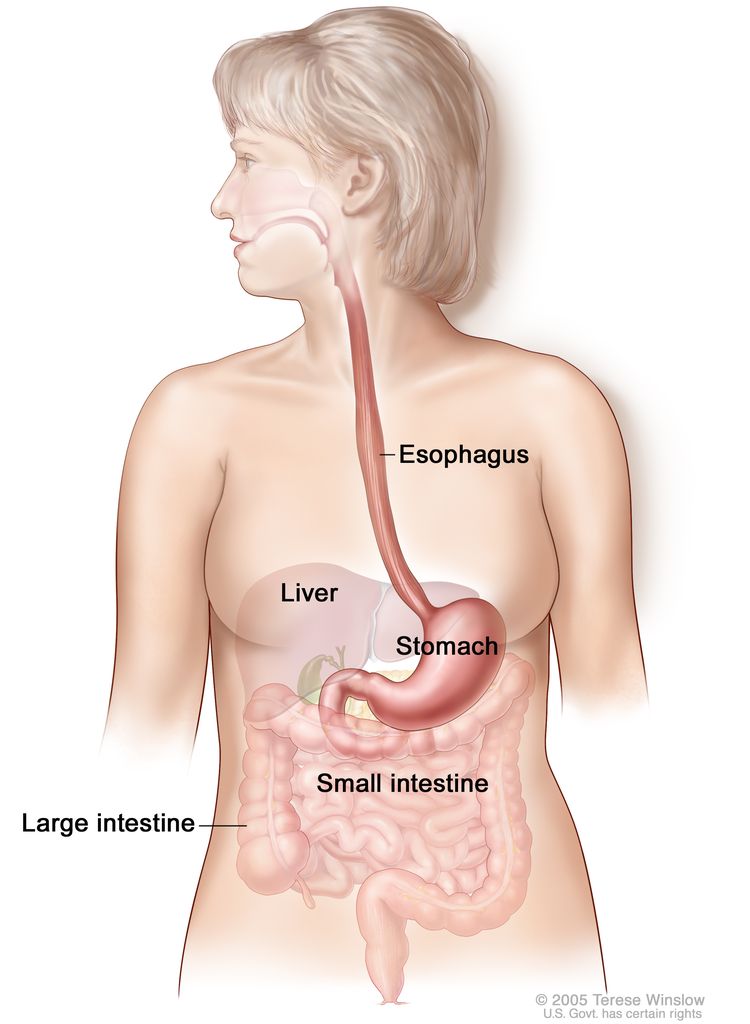
Lasers to Treat Cancer

Lasers to Treat Cancer

apparatus that delivers laser beams pointed at the skin

Laser therapy uses an intense, narrow beam of light to remove or destroy cancer and abnormal cells that can turn into cancer. 

Credit: iStock

What is laser therapy?

Laser therapy uses an intense, narrow beam of light to remove or destroy cancer and abnormal cells that can turn into cancer. Tumor cells absorb light of different wavelengths (or colors) than normal cells do. So, tumor cells can be targeted by selecting the proper wavelength of the laser.  Laser therapy is a type of local treatment, which means it treats a specific part of your body.   

Lasers can also be used in other types of local treatment, including photodynamic therapy and a treatment that is like hyperthermia, called laser interstitial thermal therapy, or LITT.

Laser therapy can also be used with surgery. Doctors can use lasers to seal:

  • nerve endings after surgery, which reduces pain
  • lymph vessels after surgery, which helps reduce swelling and limit the spread of cancer cells
  • blood vessels during surgery, which reduces bleeding

Cancers and precancers treated with laser therapy

Laser therapy is most often used to treat cancers and precancers on the surface of the body or the lining of internal organs. It is used for:

Lasers may also be used to ease certain symptoms of advanced cancer, such as bleeding or blockages. For example, lasers can be used to destroy parts of a tumor that is blocking the windpipe, throat, colon, or stomach.

How laser therapy is given

Laser therapy is often given through an endoscope, a narrow, lighted tube used to look at tissues inside the body. Flexible endoscopes use optical fibers, which are thin fibers, used singly or in bundles to transmit light to the therapy site. It is inserted through an opening in the body, such as the mouth, nose, anus, or vagina. Laser light is then precisely aimed to cut or destroy a tumor.

Types of lasers used in cancer treatment

Three types of lasers are used to treat cancer:

  • carbon dioxide (CO2) lasers
  • argon lasers
  • neodymium:yttrium-aluminum-garnet (Nd:YAG) lasers

CO2 and argon lasers can cut the skin’s surface without going into deeper layers. So, they can be used to remove cancers on the surface of the body, such as skin cancer.

The Nd:YAG laser is more often used through an endoscope to treat internal organs, such as the uterus, esophagus, and colon.

Nd:YAG laser light can also travel through optical fibers into specific areas of the body during LITT.

Argon lasers are often used in photodynamic therapy.

Benefits of laser therapy

When cutting tissue, lasers seal the cut from bleeding, so they may cause less damage to normal tissues when used in surgery. As a result, you usually have less pain, bleeding, swelling, and scarring. With laser therapy, the time in surgery is usually shorter. In fact, laser therapy can often be done on an outpatient basis. It takes less time to heal after laser surgery, and you are less likely to get an infection.

Drawbacks of laser therapy

Surgeons must have special training before they can do laser therapy and strict safety measures must be followed. Laser therapy is expensive and requires specialized equipment. Also, the effects of laser therapy may not last long, so doctors may have to repeat the treatment for you to get the full benefit.

Not every hospital or cancer center in the country has skilled doctors and the machines needed to use lasers in cancer treatment. Talk with your doctor or contact hospitals and cancer centers in your area to find out if they are using lasers.

Laser therapy research

Doctors are testing lasers to treat cancers and precancers. If you are interested in finding a clinical trial that uses lasers, use the advanced clinical trials search form or call NCI’s Cancer Information Service at 1–800–4–CANCER (1–800–422–6237).

Esophageal Cancer Screening (PDQ®)–Patient Version

Esophageal Cancer Screening (PDQ®)–Patient Version

What Is Screening?

Screening is looking for cancer before a person has any symptoms. This can help find cancer at an early stage. When abnormal tissue or cancer is found early, it may be easier to treat. By the time symptoms appear, cancer may have begun to spread.

Scientists are trying to better understand which people are more likely to get certain types of cancer. They also study the things we do and the things around us to see if they cause cancer. This information helps doctors recommend who should be screened for cancer, which screening tests should be used, and how often the tests should be done.

It is important to remember that your doctor does not necessarily think you have cancer if he or she suggests a screening test. Screening tests are given when you have no cancer symptoms.

If a screening test result is abnormal, you may need to have more tests done to find out if you have cancer. These are called diagnostic tests.

General Information About Esophageal Cancer

Key Points

  • Esophageal cancer is a disease in which malignant (cancer) cells form in the tissues of the esophagus.
  • Esophageal cancer is found more often in men.
  • Smoking, heavy alcohol use, and Barrett esophagus can affect the risk of developing esophageal cancer.

Esophageal cancer is a disease in which malignant (cancer) cells form in the tissues of the esophagus.

The esophagus is the hollow, muscular tube that moves food and liquid from the throat to the stomach. The wall of the esophagus is made up of several tissue layers, including mucous membrane, muscle, and connective tissue. Esophageal cancer starts in the inside lining of the esophagus and spreads outward through the other layers as it grows.

EnlargeGastrointestinal (digestive) system anatomy; drawing shows the esophagus, liver, stomach, small intestine, and large intestine.
The esophagus and stomach are part of the upper gastrointestinal (digestive) system.

The two most common types of esophageal cancer are named for the type of cells that become cancerous:

  • Squamous cell carcinoma: Cancer forms in the thin, flat cells lining the inside of the esophagus. This cancer is most often found in the upper and middle part of the esophagus but can occur anywhere along the esophagus. This is also called epidermoid carcinoma.
  • Adenocarcinoma: Cancer begins in glandular cells. Glandular cells in the lining of the esophagus produce and release fluids such as mucus. Adenocarcinoma usually forms in the lower part of the esophagus, near the stomach.

Other PDQ summaries containing information related to esophageal cancer include:

Esophageal cancer is found more often in men.

Men are about four times more likely than women to develop esophageal cancer. There are more new cases of esophageal adenocarcinoma each year and fewer new cases of squamous cell carcinoma. Although the rates of squamous cell carcinoma are declining overall, they remain much higher in Black men than in White men. The chance of developing esophageal cancer increases with age in all racial and ethnic groups. White men are more likely to develop esophageal cancer at higher rates than Black men in all age groups. In women, the rates of developing this disease are higher in Black women until age 74 years, after which White women have higher rates.

Smoking, heavy alcohol use, and Barrett esophagus can affect the risk of developing esophageal cancer.

Anything that increases the chance of getting a disease is called a risk factor. Having a risk factor does not mean that you will get cancer; not having risk factors doesn’t mean that you will not get cancer. People who think they may be at risk should discuss this with their doctor.

Risk factors for squamous cell esophageal cancer include:

  • using tobacco
  • drinking a lot of alcohol
  • being malnourished (lacking nutrients and/or calories)
  • having a human papillomavirus (HPV) infection
  • having tylosis (a rare inherited disorder that causes thickening of the skin on the hands and feet and is associated with an increased risk of squamous cell esophageal cancer)
  • having achalasia (a rare condition that affects the ability of food and liquids to pass from the esophagus into the stomach)
  • having swallowed lye (a chemical found in some cleaning fluids)
  • drinking very hot liquids on a regular basis

Risk factors for esophageal adenocarcinoma include:

Esophageal Cancer Screening

Key Points

  • Tests are used to screen for different types of cancer when a person does not have symptoms.
  • There is no standard or routine screening test for esophageal cancer.
    • Esophagoscopy
    • Biopsy
    • Brush cytology
    • Balloon cytology
    • Chromoendoscopy
    • Fluorescence spectroscopy
  • Screening tests for esophageal cancer are being studied in clinical trials.

Tests are used to screen for different types of cancer when a person does not have symptoms.

Scientists study screening tests to find those with the fewest harms and most benefits. Cancer screening trials also are meant to show whether early detection (finding cancer before it causes symptoms) helps a person live longer or decreases a person’s chance of dying from the disease. For some types of cancer, the chance of recovery is better if the disease is found and treated at an early stage.

There is no standard or routine screening test for esophageal cancer.

Although there are no standard or routine screening tests for esophageal cancer, the following tests are being used or studied to screen for it:

Esophagoscopy

A procedure to look inside the esophagus to check for abnormal areas. An esophagoscope is inserted through the mouth or nose and down the throat into the esophagus. An esophagoscope is a thin, tube-like instrument with a light and a lens for viewing. It may also have a tool to remove tissue samples, which are checked under a microscope for signs of cancer.

EnlargeEsophagoscopy; shows endoscope inserted through the mouth and into the esophagus. Inset shows patient on table having an esophagoscopy.
Esophagoscopy. A thin, lighted tube is inserted through the mouth and into the esophagus to look for abnormal areas.

Biopsy

The removal of cells or tissues so they can be viewed under a microscope by a pathologist to check for signs of cancer. Taking biopsy samples from several different areas in the lining of the lower part of the esophagus may detect early Barrett esophagus. This procedure may be used for patients who have risk factors for Barrett esophagus.

Brush cytology

A procedure in which cells are brushed from the lining of the esophagus and viewed under a microscope to see if they are abnormal. This may be done during an esophagoscopy.

Balloon cytology

A procedure in which cells are collected from the lining of the esophagus using a deflated balloon that is swallowed by the patient. The balloon is then inflated and pulled out of the esophagus. Esophageal cells on the balloon are viewed under a microscope to see if they are abnormal.

Chromoendoscopy

A procedure in which a dye is sprayed onto the lining of the esophagus during esophagoscopy. Increased staining of certain areas of the lining may be a sign of early Barrett esophagus.

Fluorescence spectroscopy

A procedure that uses a special light to view tissue in the lining of the esophagus. The light probe is passed through an endoscope and shines on the lining of the esophagus. The light given off by the cells lining the esophagus is then measured. Malignant tissue gives off less light than normal tissue.

Screening tests for esophageal cancer are being studied in clinical trials.

Information about clinical trials supported by NCI can be found on NCI’s clinical trials search webpage. Clinical trials supported by other organizations can be found on the ClinicalTrials.gov website.

Risks of Esophageal Cancer Screening

Key Points

  • Screening tests have risks.
  • The risks of esophageal cancer screening tests include:
    • Finding esophageal cancer may not improve health or help a person live longer.
    • False-negative test results can occur.
    • False-positive test results can occur.
    • Side effects may be caused by the test itself.

Screening tests have risks.

Decisions about screening tests can be difficult. Not all screening tests are helpful, and most have risks. Before having any screening test, you may want to discuss the test with your doctor. It is important to know the risks of the test and whether it has been proven to reduce the risk of dying from cancer.

The risks of esophageal cancer screening tests include:

Finding esophageal cancer may not improve health or help a person live longer.

Screening may not improve your health or help you live longer if you have advanced esophageal cancer or if it has already spread to other places in your body.

Some cancers never cause symptoms or become life-threatening, but if found by a screening test, the cancer may be treated. It is not known if treatment of these cancers will help you live longer than if no treatment were given, and treatments for cancer may have serious side effects.

False-negative test results can occur.

Screening test results may appear to be normal even though esophageal cancer is present. A person who receives a false-negative test result (one that shows there is no cancer when there really is) may delay seeking medical care even if there are symptoms.

False-positive test results can occur.

Screening test results may appear to be abnormal even though no cancer is present. A false-positive test result (one that shows there is cancer when there really isn’t) can cause anxiety and is usually followed by more tests (such as biopsy), which also have risks.

Side effects may be caused by the test itself.

There are rare but serious side effects that may occur with esophagoscopy and biopsy. These include:

  • a small hole (puncture) in the esophagus
  • problems with breathing
  • heart attack
  • passage of food, water, stomach acid, or vomit into the airway
  • severe bleeding that may need to be treated in a hospital

About This PDQ Summary

About PDQ

Physician Data Query (PDQ) is the National Cancer Institute’s (NCI’s) comprehensive cancer information database. The PDQ database contains summaries of the latest published information on cancer prevention, detection, genetics, treatment, supportive care, and complementary and alternative medicine. Most summaries come in two versions. The health professional versions have detailed information written in technical language. The patient versions are written in easy-to-understand, nontechnical language. Both versions have cancer information that is accurate and up to date and most versions are also available in Spanish.

PDQ is a service of the NCI. The NCI is part of the National Institutes of Health (NIH). NIH is the federal government’s center of biomedical research. The PDQ summaries are based on an independent review of the medical literature. They are not policy statements of the NCI or the NIH.

Purpose of This Summary

This PDQ cancer information summary has current information about esophageal cancer screening. It is meant to inform and help patients, families, and caregivers. It does not give formal guidelines or recommendations for making decisions about health care.

Reviewers and Updates

Editorial Boards write the PDQ cancer information summaries and keep them up to date. These Boards are made up of experts in cancer treatment and other specialties related to cancer. The summaries are reviewed regularly and changes are made when there is new information. The date on each summary (“Updated”) is the date of the most recent change.

The information in this patient summary was taken from the health professional version, which is reviewed regularly and updated as needed, by the PDQ Screening and Prevention Editorial Board.

Clinical Trial Information

A clinical trial is a study to answer a scientific question, such as whether one treatment is better than another. Trials are based on past studies and what has been learned in the laboratory. Each trial answers certain scientific questions in order to find new and better ways to help cancer patients. During treatment clinical trials, information is collected about the effects of a new treatment and how well it works. If a clinical trial shows that a new treatment is better than one currently being used, the new treatment may become “standard.” Patients may want to think about taking part in a clinical trial. Some clinical trials are open only to patients who have not started treatment.

Clinical trials can be found online at NCI’s website. For more information, call the Cancer Information Service (CIS), NCI’s contact center, at 1-800-4-CANCER (1-800-422-6237).

Permission to Use This Summary

PDQ is a registered trademark. The content of PDQ documents can be used freely as text. It cannot be identified as an NCI PDQ cancer information summary unless the whole summary is shown and it is updated regularly. However, a user would be allowed to write a sentence such as “NCI’s PDQ cancer information summary about breast cancer prevention states the risks in the following way: [include excerpt from the summary].”

The best way to cite this PDQ summary is:

PDQ® Screening and Prevention Editorial Board. PDQ Esophageal Cancer Screening. Bethesda, MD: National Cancer Institute. Updated <MM/DD/YYYY>. Available at: /types/esophageal/patient/esophageal-screening-pdq. Accessed <MM/DD/YYYY>. [PMID: 26389194]

Images in this summary are used with permission of the author(s), artist, and/or publisher for use in the PDQ summaries only. If you want to use an image from a PDQ summary and you are not using the whole summary, you must get permission from the owner. It cannot be given by the National Cancer Institute. Information about using the images in this summary, along with many other images related to cancer can be found in Visuals Online. Visuals Online is a collection of more than 3,000 scientific images.

Disclaimer

The information in these summaries should not be used to make decisions about insurance reimbursement. More information on insurance coverage is available on Cancer.gov on the Managing Cancer Care page.

Contact Us

More information about contacting us or receiving help with the Cancer.gov website can be found on our Contact Us for Help page. Questions can also be submitted to Cancer.gov through the website’s E-mail Us.

Esophageal Cancer Screening (PDQ®)–Health Professional Version

Esophageal Cancer Screening (PDQ®)–Health Professional Version

Overview

Note: The Overview section summarizes the published evidence on this topic. The rest of the summary describes the evidence in more detail.

Other PDQ summaries on Esophageal Cancer Prevention; Esophageal Cancer Treatment; and Levels of Evidence for Cancer Screening and Prevention Studies are also available.

Benefits

Based on fair evidence, screening would result in no (or minimal) decrease in mortality from esophageal cancer in the U.S. population.

Description of the Evidence

  • Study Design: Evidence from cohort or case-control studies.
  • Internal Validity: Fair.
  • Consistency: Multiple studies.
  • Magnitude of Effects on Health Outcomes: Small positive.
  • External Validity: Poor.

Harms

Based on solid evidence, screening would result in uncommon but serious side effects associated with endoscopy, which may include perforation, cardiopulmonary events and aspiration, and bleeding requiring hospitalization. Potential psychological harms may occur in those identified as having Barrett esophagus who may consider themselves to be ill even though their risk of developing cancer is low.

Description of the Evidence

  • Study Design: Evidence obtained from cohort or case-control studies.
  • Internal Validity: Fair.
  • Consistency: Multiple studies, large number of participants.
  • Magnitude of Effects on Health Outcomes: Fair evidence for no reduction in mortality; good evidence for uncommon but serious harms.
  • External Validity: Poor.

Significance

Natural History, Incidence, and Mortality

In 2025, an estimated 22,070 Americans will be diagnosed with esophageal cancer, and 16,250 will die of this disease. Of the new cases, an estimated 17,430 will occur in men, and 4,640 will occur in women.[1]

Two histological types account for most malignant esophageal neoplasms: adenocarcinoma and squamous carcinoma. The epidemiology of these types varies markedly. In the 1960s, squamous cell cancers comprised more than 90% of all esophageal tumors. The incidence of esophageal adenocarcinomas has risen considerably for the past two decades, such that it is now more prevalent than squamous cell cancer in the United States and Western Europe, with most tumors located in the distal esophagus.[2] Although the overall incidence of squamous cell carcinoma of the esophagus is declining, this histological type remains six times more likely to occur in Black men than in White men.[3] Incidence rates generally increase with age in all racial and ethnic groups, but squamous cell cancer is consistently more common in Black individuals than in White individuals. Incidence rates are higher in White men compared with Black men in all age groups. In women, the incidence rates are higher in Black women through age 74 years, at which point the rates become higher in White women.[4]

Risk Factors

While risk factors for squamous cell carcinoma of the esophagus have been identified (such as tobacco, alcoholism, malnutrition, and infection with human papillomavirus),[5] the risk factors associated with esophageal adenocarcinoma are less defined. The most important epidemiological difference between squamous cell cancer and adenocarcinoma, however, is the strong association between gastroesophageal reflux disease (GERD) and adenocarcinoma. The results of a population-based case-control study suggest that symptomatic gastroesophageal reflux is a risk factor for esophageal adenocarcinoma. The frequency, severity, and duration of reflux symptoms were positively associated with increased risk of esophageal adenocarcinoma.[68]

Long-standing GERD predisposes to Barrett esophagus, the condition in which an abnormal intestinal epithelium replaces the stratified squamous epithelium that normally lines the distal esophagus.[9] The intestinal-type epithelium of Barrett esophagus has a characteristic endoscopic appearance that differs from squamous epithelium.[10] Dysplasia in Barrett epithelium represents an alteration of the columnar epithelium that may progress to invasive adenocarcinoma.[11]

An interesting hypothesis relates the rise in incidence of esophageal adenocarcinoma to a declining prevalence of Helicobacter pylori infection in Western countries. Reports have suggested that gastric infection with H. pylori may protect the esophagus from GERD and its complications.[12] According to this theory, H. pylori infections that cause pangastritis also cause a decrease in gastric acid production that protects against GERD.[13] Patients whose duodenal ulcers were treated successfully with antibiotics developed reflux esophagitis twice as often as those in whom infection persisted.[14]

Past use of lower esophageal sphincter (LES)-relaxing drugs was positively associated with risk of esophageal adenocarcinoma. Among daily, long-term users (>5 years) of LES-relaxing drugs, the estimated incidence rate ratio was 3.8 (95% confidence interval [CI], 2.2–6.4) compared with individuals who had never used these drugs. Gastric cardia adenocarcinoma and esophageal squamous cell carcinoma were not associated with use of LES-relaxing drugs.[15]

There exists a strong relationship between body mass index (BMI) and esophageal adenocarcinoma. The adjusted odds ratio (OR) was 7.6 (95% CI, 3.8–15.2) among individuals in the highest BMI quartile compared with individuals in the lowest. Individuals with obesity (those with BMI >30 kg/m2) had an OR of 16.2 (95% CI, 6.3–41.4), compared with those with the leanest BMI (BMI <22 kg/m2). Esophageal squamous cell carcinoma was not associated with BMI.[16]

References
  1. American Cancer Society: Cancer Facts and Figures 2025. American Cancer Society, 2025. Available online. Last accessed January 16, 2025.
  2. Blot WJ, McLaughlin JK: The changing epidemiology of esophageal cancer. Semin Oncol 26 (5 Suppl 15): 2-8, 1999. [PUBMED Abstract]
  3. Devesa SS, Blot WJ, Fraumeni JF: Changing patterns in the incidence of esophageal and gastric carcinoma in the United States. Cancer 83 (10): 2049-53, 1998. [PUBMED Abstract]
  4. Surveillance Research Program, National Cancer Institute: SEER*Explorer: An interactive website for SEER cancer statistics. Bethesda, MD: National Cancer Institute. Available online. Last accessed December 30, 2024.
  5. Oesophagus. In: World Cancer Research Fund, American Institute for Cancer Research: Food, Nutrition and the Prevention of Cancer: A Global Perspective. The Institute, 1997, pp 118-129.
  6. Lagergren J, Bergström R, Lindgren A, et al.: Symptomatic gastroesophageal reflux as a risk factor for esophageal adenocarcinoma. N Engl J Med 340 (11): 825-31, 1999. [PUBMED Abstract]
  7. Wijnhoven BP, Tilanus HW, Dinjens WN: Molecular biology of Barrett’s adenocarcinoma. Ann Surg 233 (3): 322-37, 2001. [PUBMED Abstract]
  8. Skacel M, Petras RE, Gramlich TL, et al.: The diagnosis of low-grade dysplasia in Barrett’s esophagus and its implications for disease progression. Am J Gastroenterol 95 (12): 3383-7, 2000. [PUBMED Abstract]
  9. Spechler SJ, Goyal RK: The columnar-lined esophagus, intestinal metaplasia, and Norman Barrett. Gastroenterology 110 (2): 614-21, 1996. [PUBMED Abstract]
  10. Van Dam J, Brugge WR: Endoscopy of the upper gastrointestinal tract. N Engl J Med 341 (23): 1738-48, 1999. [PUBMED Abstract]
  11. Reid BJ, Blount PL, Rubin CE, et al.: Flow-cytometric and histological progression to malignancy in Barrett’s esophagus: prospective endoscopic surveillance of a cohort. Gastroenterology 102 (4 Pt 1): 1212-9, 1992. [PUBMED Abstract]
  12. O’Connor HJ: Review article: Helicobacter pylori and gastro-oesophageal reflux disease-clinical implications and management. Aliment Pharmacol Ther 13 (2): 117-27, 1999. [PUBMED Abstract]
  13. Graham DY, Yamaoka Y: H. pylori and cagA: relationships with gastric cancer, duodenal ulcer, and reflux esophagitis and its complications. Helicobacter 3 (3): 145-51, 1998. [PUBMED Abstract]
  14. Labenz J, Blum AL, Bayerdörffer E, et al.: Curing Helicobacter pylori infection in patients with duodenal ulcer may provoke reflux esophagitis. Gastroenterology 112 (5): 1442-7, 1997. [PUBMED Abstract]
  15. Lagergren J, Bergström R, Adami HO, et al.: Association between medications that relax the lower esophageal sphincter and risk for esophageal adenocarcinoma. Ann Intern Med 133 (3): 165-75, 2000. [PUBMED Abstract]
  16. Lagergren J, Bergström R, Nyrén O: Association between body mass and adenocarcinoma of the esophagus and gastric cardia. Ann Intern Med 130 (11): 883-90, 1999. [PUBMED Abstract]

Evidence of Benefit

Squamous Cell Cancer

Squamous cell carcinoma of the esophagus does not have a highly prevalent predisposing condition, although the incidence increases in individuals who have had long-standing exposure to tobacco and alcohol,[1] achalasia,[2] head and neck squamous cell cancer attributable most likely to long-standing alcohol and/or tobacco exposure,[3] tylosis,[4,5] history of lye ingestion,[6] celiac sprue,[7] and, in South America and China, hot liquid ingestion.[8] The etiological role of human papillomavirus infection in squamous cell cancer is under study.[9,10]

Efforts at early detection of squamous cell cancer of the esophagus have concentrated on cytological or endoscopic screening of populations in countries where there is a high incidence. While these programs have demonstrated that it is possible to detect squamous cell cancers at an early asymptomatic stage, a study from China assessed one-time endoscopic screening on the outcome of patients with esophageal cancer. In this study, communities were chosen nonrandomly in Cixian County, Hibei Province; 14 villages in the north were intervention communities and ten villages in the south were control communities. The intervention was one-time endoscopy, completed by experts, using Lugol’s iodine staining to identify dysplasia or occult cancer. After biopsy was obtained and read, dysplasia and occult cancers were treated by endoscopic mucosal resection or argon plasma coagulation. Among the 6,827 participants aged 40 to 69 years in the intervention group, 3,319 volunteers were screened. Among the 6,200 participants aged 40 to 69 years in the control group, 797 individuals were interviewed. Outcome in each group was monitored to assess incidence and mortality of esophageal squamous cancer. In a 10-year follow-up, there were 542 cases of fatal esophageal squamous cell carcinoma (ESCC), a reduction in cumulative mortality from 5.05% in the control group to 3.35% in the intervention group (P < .001), and lower incidence of ESCC in the intervention group (5.92% vs. 4.17%; P < .001). Potential weaknesses of the study include the following:[11]

  • Participants were not randomly assigned but rather came from different villages, in which underlying rates may have differed geographically (northern vs. southern villages), and it was not clear what the baseline cancer rates were.
  • It was not clear whether cause of death (e.g., ESCC) or cancer incidence was assessed in a blinded manner, which might have been important for assignment of what is a subjective assessment.

Esophageal cytological screening studies have been reported from China,[12,13] Iran,[14] South Africa,[15,16] Italy,[17] and Japan.[18] In the United States, such efforts have been focused on individuals perceived to be at higher risk.[19,20] Studies of primary endoscopic screening have been reported from France [21] and Japan.[22]

Comparisons of both Chinese and U.S. cytological diagnoses with concurrent histological findings showed low (14% to 36%) sensitivities for the cytological detection of biopsy-proven cancers. Specificity ranged from 90% to 99% with a positive predictive value of 23% to 94%.[23] The development of uniform and accurate cytological criteria will require formal cytological-histological correlation studies of esophageal lesions. Such studies should become more feasible with the increasing availability of endoscopy in high-risk populations.

The efficacy of surveillance cytology or endoscopy for high-risk patients with tylosis or long-standing achalasia is not known.

Adenocarcinoma of the Esophagus

Considerable debate has ensued concerning the risk of cancer in patients with Barrett esophagus. Prospective studies have reported annual esophageal cancer incidence rates ranging from 0.2% to 1.9%.[24] Concern over publication bias has led some authors to suggest that the risk may be lower than the literature suggests.[25] A risk of 0.5% per year for development of adenocarcinoma is now thought to be a reasonable estimate for Barrett esophagus.[26]

Barrett esophagus is strongly associated with gastroesophageal reflux disease (GERD), and the changes of Barrett esophagus can be found in approximately 10% of patients who have GERD. However, GERD is very common. Surveys have found that approximately 20% of adult Americans experience symptoms of GERD, such as heartburn, at least once each week.[27] The likelihood of finding Barrett esophagus on endoscopy is related to the duration of symptoms of gastroesophageal reflux. In a series of 701 individuals, 4% of those with symptoms for less than 1 year had Barrett esophagus on endoscopy, whereas Barrett esophagus was found in 21% of those with more than 10 years of symptoms of GERD. It has been estimated that physicians identify only approximately 5% of the population who have Barrett esophagus.[28] There is insufficient evidence that population screening for Barrett esophagus reduces cancer mortality.[29,30]

Surveillance of Barrett esophagus involves the use of tests to identify preneoplastic changes or curable neoplasms in patients who are known to have Barrett esophagus. Certain factors are essential in the implementation of an effective surveillance protocol, including low risk of the surveillance method, correct histological diagnosis of dysplasia, proof that surgical resection for high-grade dysplasia will decrease the risk of cancer, and successful resection of cancer. The interval between endoscopic evaluations is typically determined by histological findings, in accordance with published guidelines by gastroenterological committees.[31] GERD should be treated before surveillance endoscopy to minimize confusion caused by inflammation in the interpretation of biopsy specimens. The technique of random, four-quadrant biopsies taken every 2 cm in the columnar-lined esophagus for standard histological evaluation has been recommended by some clinicians. For patients with no dysplasia, surveillance endoscopy at an interval of every 2 to 3 years has been recommended.[31] For patients with low-grade dysplasia, surveillance every 6 months for the first year has been recommended, followed by annual endoscopy if the dysplasia has not progressed in severity. For patients with high-grade dysplasia, two options have been recommended: surgical resection or repeated endoscopic evaluation until the diagnosis of intramucosal carcinoma is made. Although widely adopted in clinical practice, these practices are based on uncontrolled series and the opinion of expert gastrointestinal endoscopists and pathologists.

Other techniques to potentially identify dysplastic epithelium that could then be sampled extensively include chromoendoscopy [32] and laser-induced fluorescence spectroscopy.[30,33]

References
  1. Bollschweiler E, Schröder W, Hölscher AH, et al.: Preoperative risk analysis in patients with adenocarcinoma or squamous cell carcinoma of the oesophagus. Br J Surg 87 (8): 1106-10, 2000. [PUBMED Abstract]
  2. Aggestrup S, Holm JC, Sørensen HR: Does achalasia predispose to cancer of the esophagus? Chest 102 (4): 1013-6, 1992. [PUBMED Abstract]
  3. Abemayor E, Moore DM, Hanson DG: Identification of synchronous esophageal tumors in patients with head and neck cancer. J Surg Oncol 38 (2): 94-6, 1988. [PUBMED Abstract]
  4. Ellis A, Field JK, Field EA, et al.: Tylosis associated with carcinoma of the oesophagus and oral leukoplakia in a large Liverpool family–a review of six generations. Eur J Cancer B Oral Oncol 30B (2): 102-12, 1994. [PUBMED Abstract]
  5. Risk JM, Mills HS, Garde J, et al.: The tylosis esophageal cancer (TOC) locus: more than just a familial cancer gene. Dis Esophagus 12 (3): 173-6, 1999. [PUBMED Abstract]
  6. Isolauri J, Markkula H: Lye ingestion and carcinoma of the esophagus. Acta Chir Scand 155 (4-5): 269-71, 1989 Apr-May. [PUBMED Abstract]
  7. Ferguson A, Kingstone K: Coeliac disease and malignancies. Acta Paediatr Suppl 412: 78-81, 1996. [PUBMED Abstract]
  8. Rolón PA, Castellsagué X, Benz M, et al.: Hot and cold mate drinking and esophageal cancer in Paraguay. Cancer Epidemiol Biomarkers Prev 4 (6): 595-605, 1995. [PUBMED Abstract]
  9. Lagergren J, Wang Z, Bergström R, et al.: Human papillomavirus infection and esophageal cancer: a nationwide seroepidemiologic case-control study in Sweden. J Natl Cancer Inst 91 (2): 156-62, 1999. [PUBMED Abstract]
  10. Sur M, Cooper K: The role of the human papilloma virus in esophageal cancer. Pathology 30 (4): 348-54, 1998. [PUBMED Abstract]
  11. Wei WQ, Chen ZF, He YT, et al.: Long-Term Follow-Up of a Community Assignment, One-Time Endoscopic Screening Study of Esophageal Cancer in China. J Clin Oncol 33 (17): 1951-7, 2015. [PUBMED Abstract]
  12. Shen O, Liu SF, Dawsey SM, et al.: Cytologic screening for esophageal cancer: results from 12,877 subjects from a high-risk population in China. Int J Cancer 54 (2): 185-8, 1993. [PUBMED Abstract]
  13. Dawsey SM, Lewin KJ, Wang GQ, et al.: Squamous esophageal histology and subsequent risk of squamous cell carcinoma of the esophagus. A prospective follow-up study from Linxian, China. Cancer 74 (6): 1686-92, 1994. [PUBMED Abstract]
  14. Dowlatshahi K, Daneshbod A, Mobarhan S: Early detection of cancer of oesophagus along Caspian Littoral. Report of a pilot project. Lancet 1 (8056): 125-6, 1978. [PUBMED Abstract]
  15. Jaskiewicz K, Venter FS, Marasas WF: Cytopathology of the esophagus in Transkei. J Natl Cancer Inst 79 (5): 961-7, 1987. [PUBMED Abstract]
  16. Tim LO, Leiman G, Segal I, et al.: A suction-abrasive cytology tube for the diagnosis of esophageal carcinoma. Cancer 50 (4): 782-4, 1982. [PUBMED Abstract]
  17. Aste H, Saccomanno S, Munizzi F: Blind pan-esophageal brush cytology. Diagnostic accuracy. Endoscopy 16 (5): 165-7, 1984. [PUBMED Abstract]
  18. Nabeya K: Markers of cancer risk in the esophagus and surveillance of high-risk groups. In: Sherlock P, Morson BC, Barbara L, et al., eds.: Precancerous Lesions of the Gastrointestinal Tract. Raven Press, 1983, pp 71-86.
  19. Dowlatshahi K, Skinner DB, DeMeester TR, et al.: Evaluation of brush cytology as an independent technique for detection of esophageal carcinoma. J Thorac Cardiovasc Surg 89 (6): 848-51, 1985. [PUBMED Abstract]
  20. Jacob P, Kahrilas PJ, Desai T, et al.: Natural history and significance of esophageal squamous cell dysplasia. Cancer 65 (12): 2731-9, 1990. [PUBMED Abstract]
  21. Meyer V, Burtin P, Bour B, et al.: Endoscopic detection of early esophageal cancer in a high-risk population: does Lugol staining improve videoendoscopy? Gastrointest Endosc 45 (6): 480-4, 1997. [PUBMED Abstract]
  22. Yokoyama A, Ohmori T, Makuuchi H, et al.: Successful screening for early esophageal cancer in alcoholics using endoscopy and mucosa iodine staining. Cancer 76 (6): 928-34, 1995. [PUBMED Abstract]
  23. Dawsey SM, Shen Q, Nieberg RK, et al.: Studies of esophageal balloon cytology in Linxian, China. Cancer Epidemiol Biomarkers Prev 6 (2): 121-30, 1997. [PUBMED Abstract]
  24. Drewitz DJ, Sampliner RE, Garewal HS: The incidence of adenocarcinoma in Barrett’s esophagus: a prospective study of 170 patients followed 4.8 years. Am J Gastroenterol 92 (2): 212-5, 1997. [PUBMED Abstract]
  25. Shaheen NJ, Crosby MA, Bozymski EM, et al.: Is there publication bias in the reporting of cancer risk in Barrett’s esophagus? Gastroenterology 119 (2): 333-8, 2000. [PUBMED Abstract]
  26. Spechler SJ: Barrett’s esophagus: an overrated cancer risk factor. Gastroenterology 119 (2): 587-9, 2000. [PUBMED Abstract]
  27. Locke GR, Talley NJ, Fett SL, et al.: Prevalence and clinical spectrum of gastroesophageal reflux: a population-based study in Olmsted County, Minnesota. Gastroenterology 112 (5): 1448-56, 1997. [PUBMED Abstract]
  28. Spechler SJ: Barrett’s esophagus: should we brush off this ballooning problem? Gastroenterology 112 (6): 2138-42, 1997. [PUBMED Abstract]
  29. Gerson LB, Triadafilopoulos G: Screening for esophageal adenocarcinoma: an evidence-based approach. Am J Med 113 (6): 499-505, 2002. [PUBMED Abstract]
  30. Wang KK, Wongkeesong M, Buttar NS: American Gastroenterological Association technical review on the role of the gastroenterologist in the management of esophageal carcinoma. Gastroenterology 128 (5): 1471-505, 2005. [PUBMED Abstract]
  31. DeVault KR, Castell DO: Updated guidelines for the diagnosis and treatment of gastroesophageal reflux disease. The Practice Parameters Committee of the American College of Gastroenterology. Am J Gastroenterol 94 (6): 1434-42, 1999. [PUBMED Abstract]
  32. Canto MI, Setrakian S, Petras RE, et al.: Methylene blue selectively stains intestinal metaplasia in Barrett’s esophagus. Gastrointest Endosc 44 (1): 1-7, 1996. [PUBMED Abstract]
  33. Panjehpour M, Overholt BF, Vo-Dinh T, et al.: Endoscopic fluorescence detection of high-grade dysplasia in Barrett’s esophagus. Gastroenterology 111 (1): 93-101, 1996. [PUBMED Abstract]

Evidence of Harm

Screening for esophageal cancer by the use of blind nonendoscopically directed balloon cytological sampling for squamous cell carcinoma is minimally inconvenient and uncomfortable. Endoscopic screening for esophageal adenocarcinoma is expensive, inconvenient, and usually requires sedation.

Complications such as perforation and bleeding can occur. The incidence of complications, including perforation, respiratory arrest, and myocardial infarction, has been estimated to be 0 to 13 cases per 10,000 procedures with an associated mortality of 0 to 0.8 cases per 10,000 procedures.[1,2]

Individuals who are informed they have Barrett esophagus may consider themselves to be ill even though their risk of developing cancer is very low.

References
  1. Clarke GA, Jacobson BC, Hammett RJ, et al.: The indications, utilization and safety of gastrointestinal endoscopy in an extremely elderly patient cohort. Endoscopy 33 (7): 580-4, 2001. [PUBMED Abstract]
  2. Sieg A, Hachmoeller-Eisenbach U, Eisenbach T: Prospective evaluation of complications in outpatient GI endoscopy: a survey among German gastroenterologists. Gastrointest Endosc 53 (6): 620-7, 2001. [PUBMED Abstract]

Latest Updates to This Summary (04/10/2025)

The PDQ cancer information summaries are reviewed regularly and updated as new information becomes available. This section describes the latest changes made to this summary as of the date above.

Significance

Updated statistics with estimated new cases and deaths for 2025 (cited American Cancer Society as reference 1).

This summary is written and maintained by the PDQ Screening and Prevention Editorial Board, which is editorially independent of NCI. The summary reflects an independent review of the literature and does not represent a policy statement of NCI or NIH. More information about summary policies and the role of the PDQ Editorial Boards in maintaining the PDQ summaries can be found on the About This PDQ Summary and PDQ® Cancer Information for Health Professionals pages.

About This PDQ Summary

Purpose of This Summary

This PDQ cancer information summary for health professionals provides comprehensive, peer-reviewed, evidence-based information about esophageal cancer screening. It is intended as a resource to inform and assist clinicians in the care of their patients. It does not provide formal guidelines or recommendations for making health care decisions.

Reviewers and Updates

This summary is reviewed regularly and updated as necessary by the PDQ Screening and Prevention Editorial Board, which is editorially independent of the National Cancer Institute (NCI). The summary reflects an independent review of the literature and does not represent a policy statement of NCI or the National Institutes of Health (NIH).

Board members review recently published articles each month to determine whether an article should:

  • be discussed at a meeting,
  • be cited with text, or
  • replace or update an existing article that is already cited.

Changes to the summaries are made through a consensus process in which Board members evaluate the strength of the evidence in the published articles and determine how the article should be included in the summary.

Any comments or questions about the summary content should be submitted to Cancer.gov through the NCI website’s Email Us. Do not contact the individual Board Members with questions or comments about the summaries. Board members will not respond to individual inquiries.

Levels of Evidence

Some of the reference citations in this summary are accompanied by a level-of-evidence designation. These designations are intended to help readers assess the strength of the evidence supporting the use of specific interventions or approaches. The PDQ Screening and Prevention Editorial Board uses a formal evidence ranking system in developing its level-of-evidence designations.

Permission to Use This Summary

PDQ is a registered trademark. Although the content of PDQ documents can be used freely as text, it cannot be identified as an NCI PDQ cancer information summary unless it is presented in its entirety and is regularly updated. However, an author would be permitted to write a sentence such as “NCI’s PDQ cancer information summary about breast cancer prevention states the risks succinctly: [include excerpt from the summary].”

The preferred citation for this PDQ summary is:

PDQ® Screening and Prevention Editorial Board. PDQ Esophageal Cancer Screening. Bethesda, MD: National Cancer Institute. Updated <MM/DD/YYYY>. Available at: /types/esophageal/hp/esophageal-screening-pdq. Accessed <MM/DD/YYYY>. [PMID: 26389241]

Images in this summary are used with permission of the author(s), artist, and/or publisher for use within the PDQ summaries only. Permission to use images outside the context of PDQ information must be obtained from the owner(s) and cannot be granted by the National Cancer Institute. Information about using the illustrations in this summary, along with many other cancer-related images, is available in Visuals Online, a collection of over 2,000 scientific images.

Disclaimer

The information in these summaries should not be used as a basis for insurance reimbursement determinations. More information on insurance coverage is available on Cancer.gov on the Managing Cancer Care page.

Contact Us

More information about contacting us or receiving help with the Cancer.gov website can be found on our Contact Us for Help page. Questions can also be submitted to Cancer.gov through the website’s Email Us.
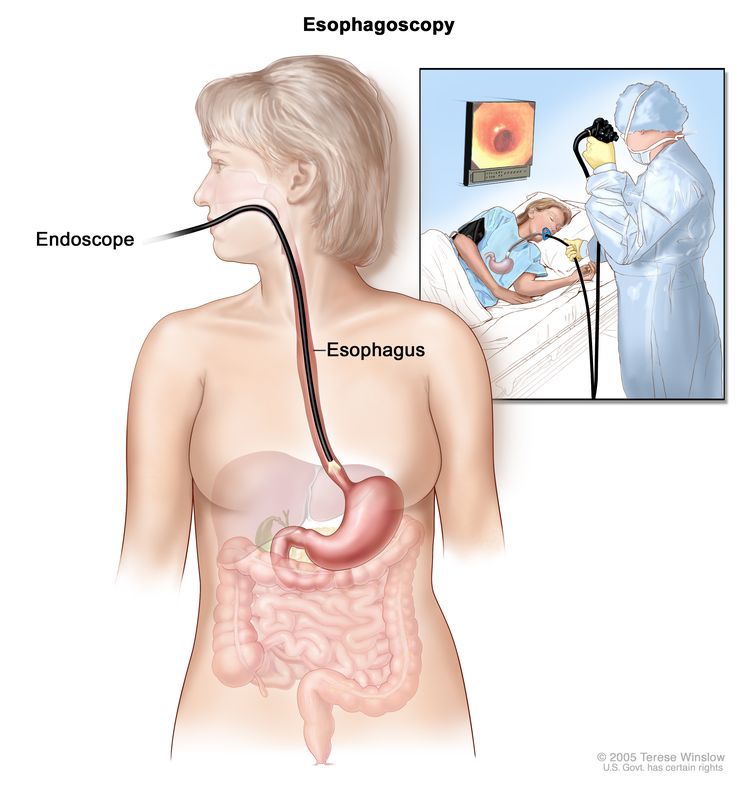
Esophageal Cancer Prevention (PDQ®)–Health Professional Version

Esophageal Cancer Prevention (PDQ®)–Health Professional Version

Overview

Note: The Overview section summarizes the published evidence on this topic. The rest of the summary describes the evidence in more detail.

Other PDQ summaries on Esophageal Cancer Screening; Esophageal Cancer Treatment; and Levels of Evidence for Cancer Screening and Prevention Studies are also available.

Who Is at Risk?

Smoking and drinking alcohol may account for roughly 90% of esophageal squamous cell carcinoma cases in Western countries like the United States.[1] Gastroesophageal reflux/Barrett esophagus is associated with an increased risk of esophageal adenocarcinoma. Other factors that may explain the increased risk of adenocarcinoma of the esophagus include obesity [2] and the use of medications such as anticholinergics that can predispose to gastroesophageal reflux disease (GERD) by relaxing the lower esophageal sphincter.[3]

Squamous Cell Carcinoma of the Esophagus

Factors with adequate evidence of increased risk of squamous cell carcinoma of the esophagus

Cigarette smoking and drinking alcohol

Based on solid evidence, smoking cigarettes and drinking alcohol increases the risk of esophageal squamous cell carcinoma. Smoking and drinking alcohol may account for roughly 90% of esophageal squamous cell carcinomas in Western countries like the United States.[1]

Magnitude of Effect: Increased risk, moderate magnitude.

  • Study Design: Evidence from population-based case-control and cohort studies.
  • Internal Validity: Fair.
  • Consistency: Good.
  • External Validity: Fair.

Factors with adequate evidence of decreased risk of squamous cell carcinoma of the esophagus

Avoidance of tobacco and alcohol

Based on solid evidence, avoidance of tobacco and alcohol would decrease the risk of squamous cell carcinoma.[1,4]

Magnitude of Effect: Large positive benefit.

  • Study Design: Evidence obtained from cohort or case-control studies.
  • Internal Validity: Fair.
  • Consistency: Multiple studies.
  • External Validity: Fair.
Chemoprevention
Aspirin and nonsteroidal anti-inflammatory drug (NSAID) use: Benefits

Based on fair evidence, epidemiological studies have found that aspirin or NSAID use is associated with decreased risk of developing or dying of esophageal cancer (odds ratio [OR], 0.57; 95% confidence interval [CI], 0.47–0.71).[5]

Magnitude of Effect: Small positive.

  • Study Design: Evidence obtained from cohort or case-control studies.
  • Internal Validity: Fair.
  • Consistency: Good.
  • External Validity: Fair.
Aspirin and NSAID use: Harms

Based on solid evidence, harms of NSAID use include upper gastrointestinal bleeding and serious cardiovascular events, such as myocardial infarction, heart failure, hemorrhagic stroke, and renal impairment.

Magnitude of Effect: Increased risk, small magnitude.

  • Study Design: Evidence obtained from randomized controlled trials.
  • Internal Validity: Fair.
  • Consistency: Good.
  • External Validity: Fair.

Adenocarcinoma of the Esophagus

Factors with adequate evidence of increased risk of adenocarcinoma of the esophagus

Gastroesophageal reflux

Based on fair evidence, an association exists between GERD and adenocarcinoma, particularly if the GERD is long-standing and symptoms are severe.[6,7] In a case-control study from Sweden, the OR for patients with recurrent reflux symptoms was 7.7, while the OR for patients with long-standing and severe symptoms was 43.5 (95% CI, 18.3–103.5).[8] A meta-analysis of 1,128 individuals with esophageal adenocarcinoma from five case-control studies reported statistically significant increases in risk with recurrent heartburn (OR, 4.6; 95% CI, 3.3–6.6), regurgitation (OR, 4.6; 95% CI, 3.4–6.1), or both (OR, 4.8; 95% CI, 3.4–6.8). Daily heartburn and regurgitation was associated with an eightfold increase in risk (OR, 8.0; 95% CI, 4.5–14.0).[7]

It is unknown whether elimination of gastroesophageal reflux by surgical or medical means will reduce the risk of adenocarcinoma of the esophagus.[8,9]

Magnitude of Effect: Unknown.

  • Study Design: Case-control studies.
  • Internal Validity: Fair.
  • Consistency: Good; multiple studies.
  • External Validity: Fair.

Interventions with adequate evidence of decreased risk of adenocarcinoma of the esophagus

Aspirin and NSAID use: Benefits

Based on fair evidence, epidemiological studies have found that aspirin or NSAID use is associated with decreased risk of developing or dying from esophageal cancer (OR, 0.57; 95% CI, 0.47–0.71).[5,10]

Magnitude of Effect: Unknown magnitude.

  • Study Design: Evidence obtained from cohort or case-control studies.
  • Internal Validity: Fair.
  • Consistency: Good.
  • External Validity: Fair.
Aspirin and NSAID use: Harms

Based on solid evidence, harms of NSAID use include upper gastrointestinal bleeding and serious cardiovascular events, such as myocardial infarction, heart failure, hemorrhagic stroke, and renal impairment.

Magnitude of Effect: Increased risk; small magnitude.

  • Study Design: Evidence obtained from randomized controlled trials.
  • Internal Validity: Good.
  • Consistency: Good.
  • External Validity: Good.
Ablation of Barrett esophagus with dysplasia: Benefits

A randomized controlled trial has found that radiofrequency ablation of Barrett esophagus with severe dysplasia may lead to eradication of both dysplasia and intestinal metaplasia and a reduced risk of disease progression.[11]

Magnitude of Effect: Impact on cancer mortality not known.

  • Study Design: Evidence obtained from a randomized controlled trial.
  • Internal Validity: Good.
  • Consistency: Single study.
  • External Validity: Good.
Ablation of Barrett esophagus with dysplasia: Harms

Based on solid evidence, harms of radiofrequency ablation include esophageal stricture and requirement for dilatation and upper gastrointestinal hemorrhage but at low rates. It is possible that overdiagnosis and overtreatment of Barrett esophagus, particularly without severe dysplasia, could lead to a substantial number of harms.

Magnitude of Effect: The low rates of esophageal stricture and requirement for dilatation and upper gastrointestinal hemorrhage may be an understatement of the risks if this practice is widely adopted by less-experienced physicians.

  • Study Design: Evidence obtained from a randomized controlled trial.
  • Internal Validity: Good.
  • Consistency: Single study.
  • External Validity: Patients representative of a subset of people with dysplasia, particularly severe dysplasia; physicians may not be representative of practicing physicians because this is a new technology and requires specialized knowledge.
References
  1. Engel LS, Chow WH, Vaughan TL, et al.: Population attributable risks of esophageal and gastric cancers. J Natl Cancer Inst 95 (18): 1404-13, 2003. [PUBMED Abstract]
  2. Lagergren J: Controversies surrounding body mass, reflux, and risk of oesophageal adenocarcinoma. Lancet Oncol 7 (4): 347-9, 2006. [PUBMED Abstract]
  3. Lagergren J, Bergström R, Adami HO, et al.: Association between medications that relax the lower esophageal sphincter and risk for esophageal adenocarcinoma. Ann Intern Med 133 (3): 165-75, 2000. [PUBMED Abstract]
  4. Siemiatycki J, Krewski D, Franco E, et al.: Associations between cigarette smoking and each of 21 types of cancer: a multi-site case-control study. Int J Epidemiol 24 (3): 504-14, 1995. [PUBMED Abstract]
  5. Corley DA, Kerlikowske K, Verma R, et al.: Protective association of aspirin/NSAIDs and esophageal cancer: a systematic review and meta-analysis. Gastroenterology 124 (1): 47-56, 2003. [PUBMED Abstract]
  6. Lagergren J, Bergström R, Lindgren A, et al.: Symptomatic gastroesophageal reflux as a risk factor for esophageal adenocarcinoma. N Engl J Med 340 (11): 825-31, 1999. [PUBMED Abstract]
  7. Cook MB, Corley DA, Murray LJ, et al.: Gastroesophageal reflux in relation to adenocarcinomas of the esophagus: a pooled analysis from the Barrett’s and Esophageal Adenocarcinoma Consortium (BEACON). PLoS One 9 (7): e103508, 2014. [PUBMED Abstract]
  8. Lagergren J, Ye W, Lagergren P, et al.: The risk of esophageal adenocarcinoma after antireflux surgery. Gastroenterology 138 (4): 1297-301, 2010. [PUBMED Abstract]
  9. Spechler SJ, Goyal RK: The columnar-lined esophagus, intestinal metaplasia, and Norman Barrett. Gastroenterology 110 (2): 614-21, 1996. [PUBMED Abstract]
  10. Liao LM, Vaughan TL, Corley DA, et al.: Nonsteroidal anti-inflammatory drug use reduces risk of adenocarcinomas of the esophagus and esophagogastric junction in a pooled analysis. Gastroenterology 142 (3): 442-452.e5; quiz e22-3, 2012. [PUBMED Abstract]
  11. Shaheen NJ, Sharma P, Overholt BF, et al.: Radiofrequency ablation in Barrett’s esophagus with dysplasia. N Engl J Med 360 (22): 2277-88, 2009. [PUBMED Abstract]

Background

Two histological types account for most malignant esophageal neoplasms: adenocarcinoma and squamous cell carcinoma. The epidemiology of these types varies markedly. In the 1960s, squamous cell carcinomas comprised over 90% of all esophageal tumors. The incidence of esophageal adenocarcinomas has risen markedly for the past two decades. Adenocarcinoma is now more prevalent than squamous cell carcinomas in the United States and Western Europe, with most tumors located in the distal esophagus.[1]

References
  1. Holmes RS, Vaughan TL: Epidemiology and pathogenesis of esophageal cancer. Semin Radiat Oncol 17 (1): 2-9, 2007. [PUBMED Abstract]

Incidence and Mortality

In 2025, an estimated 22,070 Americans will be diagnosed with esophageal cancer, and 16,250 will die of this disease. Of the new cases, an estimated 17,430 will occur in men, and 4,640 will occur in women.[1] Incidence rates for esophageal cancer have been falling on average 0.4% each year from 2012 to 2021. Death rates have been falling on average 1.1% each year from 2013 to 2022. Incidence rates generally increase with age in all racial and ethnic groups. Incidence rates are higher in White men compared with Black men in all age groups. In women, incidence rates are higher in Black women through age 74 years, at which point the rates become higher in White women.[2] Death rates are higher for White men compared with Black men at all ages. In women, death rates are higher in Black women through age 69 years, at which point the rates become higher in White women.

Although the overall incidence of squamous cell carcinoma of the esophagus is declining, this histological type remains six times more likely to occur in Black men than in White men.[3] In contrast, the incidence of adenocarcinoma of the esophagus rapidly increased from the 1970s to the mid-1990s.[4]

Male sex is an important predictor of adenocarcinoma of the esophagus. The attributable risk is low enough in women that, although the risk from sex is not modifiable, other risk factors necessarily have limited impact.[4]

References
  1. American Cancer Society: Cancer Facts and Figures 2025. American Cancer Society, 2025. Available online. Last accessed January 16, 2025.
  2. Surveillance Research Program, National Cancer Institute: SEER*Explorer: An interactive website for SEER cancer statistics. Bethesda, MD: National Cancer Institute. Available online. Last accessed December 30, 2024.
  3. Devesa SS, Blot WJ, Fraumeni JF: Changing patterns in the incidence of esophageal and gastric carcinoma in the United States. Cancer 83 (10): 2049-53, 1998. [PUBMED Abstract]
  4. Hur C, Miller M, Kong CY, et al.: Trends in esophageal adenocarcinoma incidence and mortality. Cancer 119 (6): 1149-58, 2013. [PUBMED Abstract]

Squamous Cell Carcinoma of the Esophagus

Factors With Adequate Evidence of Increased Risk of Squamous Cell Carcinoma of the Esophagus

Smoking cigarettes and drinking alcohol

In the United States, squamous cell carcinoma of the esophagus is strongly associated with tobacco and alcohol abuse. The relative risk associated with tobacco use is 2.4, and the population attributable risk is 54.2% (95% confidence interval [CI], 3.0%–76.2%).[1,2] Retrospective cohort studies adjusted for tobacco use have shown a twofold to sevenfold increase in the risk of esophageal cancer in individuals with alcohol addiction, compared with rates for the general population.[1] Case-control studies have also suggested a significantly increased risk of cancer of the esophagus associated with alcohol abuse.

A multicenter, population-based, case-control study included 221 patients with esophageal squamous cell carcinoma and 695 controls. In this study, ever-smoking, alcohol consumption, and low fruit and vegetable consumption accounted for 56.9% (95% CI, 36.6%–75.1%), 72.4% (95% CI, 53.3%–85.8%), and 28.7% (95% CI, 11.1%–56.5%) of esophageal squamous cell carcinomas, respectively, with a combined population attributable risk of 89.4% (95% CI, 79.1%–95.0%).[3]

In China, where the overall prevalence of esophageal carcinoma is much higher than in the United States, esophageal cancer is associated with deficiencies of nutrients, such as retinol, riboflavin, alpha-carotene, beta-carotene, alpha-tocopherol, ascorbate and zinc, and with exposure to specific carcinogens (e.g., N-nitroso compounds).[1]

Factors With Adequate Evidence of Decreased Risk of Squamous Cell Carcinoma of the Esophagus

Chemoprevention

A prospective, placebo-controlled, esophagus chemoprevention study randomly assigned 610 high-risk Chinese patients.[4] Patients were aged 35 to 64 years and received either placebo or combined low-dose retinol (15 mg or 50,000 IU) plus riboflavin (200 mg) and zinc gluconate (50 mg) for 13.5 months. Standard histological evaluations (including two endoscopic biopsies) were conducted for 93% of all participants. Micronuclei from esophageal cells were obtained before therapy began and after the 13.5 months of treatment. Serum levels of vitamin A, beta-carotene, riboflavin, and zinc were obtained at 0, 2, and 13.5 months.

The second report of this study presented micronuclei frequency results.[5] A statistically significant reduction in the mean percentage of micronucleated esophageal cells occurred in the active-treatment group compared with the placebo group. The pattern of cell proliferation, another potential intermediate end point marker, also improved.[6]

Aspirin and nonsteroidal anti-inflammatory drug (NSAID) use

A systematic review and meta-analysis of the association between aspirin and NSAID use and esophageal cancer identified two cohort and seven case-control studies published between 1980 and 2001.[7] Pooled results showed a protective association between aspirin/NSAID use and esophageal cancer (odds ratio [OR], 0.57; 95% CI, 0.47–0.71). The association with aspirin use was statistically significant (OR, 0.50; 95% CI, 0.38–0.66), and the association with NSAIDs was borderline significant (OR, 0.75; 95% CI, 0.54–1.0). Aspirin/NSAID use was associated with lower risk of both adenocarcinoma (OR, 0.67; 95% CI, 0.51–0.87) and squamous cell carcinoma (OR, 0.58; 95% CI, 0.43–0.78).[7]

References
  1. Oesophagus. In: World Cancer Research Fund, American Institute for Cancer Research: Food, Nutrition and the Prevention of Cancer: A Global Perspective. The Institute, 1997, pp 118-129.
  2. Siemiatycki J, Krewski D, Franco E, et al.: Associations between cigarette smoking and each of 21 types of cancer: a multi-site case-control study. Int J Epidemiol 24 (3): 504-14, 1995. [PUBMED Abstract]
  3. Engel LS, Chow WH, Vaughan TL, et al.: Population attributable risks of esophageal and gastric cancers. J Natl Cancer Inst 95 (18): 1404-13, 2003. [PUBMED Abstract]
  4. Muñoz N, Wahrendorf J, Bang LJ, et al.: No effect of riboflavine, retinol, and zinc on prevalence of precancerous lesions of oesophagus. Randomised double-blind intervention study in high-risk population of China. Lancet 2 (8447): 111-4, 1985. [PUBMED Abstract]
  5. Muñoz N, Hayashi M, Bang LJ, et al.: Effect of riboflavin, retinol, and zinc on micronuclei of buccal mucosa and of esophagus: a randomized double-blind intervention study in China. J Natl Cancer Inst 79 (4): 687-91, 1987. [PUBMED Abstract]
  6. Yang GC, Lipkin M, Yang K, et al.: Proliferation of esophageal epithelial cells among residents of Linxian, People’s Republic of China. J Natl Cancer Inst 79 (6): 1241-6, 1987. [PUBMED Abstract]
  7. Corley DA, Kerlikowske K, Verma R, et al.: Protective association of aspirin/NSAIDs and esophageal cancer: a systematic review and meta-analysis. Gastroenterology 124 (1): 47-56, 2003. [PUBMED Abstract]

Adenocarcinoma of the Esophagus

Factors Associated With Increased Risk of Adenocarcinoma of the Esophagus

Gastroesophageal reflux disease (GERD)

The most important epidemiological difference between squamous cell carcinoma and adenocarcinoma is the strong association between GERD and adenocarcinoma. The results of a population-based case-controlled study suggest that symptomatic gastroesophageal reflux is a risk factor for adenocarcinoma of the esophagus. The frequency, severity, and duration of reflux symptoms were positively associated with an increased risk of adenocarcinoma of the esophagus.[1] In a case-control study from Sweden, the odds ratio (OR) was 7.7 for patients with recurrent reflux symptoms, while the OR for patients with long-standing and severe symptoms was 43.5 (95% confidence interval [CI], 18.3–103.5).[1] A meta-analysis of 1,128 individuals with esophageal adenocarcinoma from five case-control studies reported statistically significant increases in risk with recurrent heartburn (OR, 4.6; 95% CI, 3.3–6.6), regurgitation (OR, 4.6; 95% CI, 3.4–6.1), or both (OR, 4.8; 95% CI, 3.4–6.8). Daily heartburn and regurgitation was associated with an eightfold increase in risk (OR, 8.0; 95% CI, 4.5–14.0).[2] The probable mechanism is that long-standing GERD is associated with the development of Barrett esophagus, a condition in which an abnormal intestinal-type epithelium replaces the stratified squamous epithelium that normally lines the distal esophagus. Barrett esophagus is considered a precursor of esophageal adenocarcinoma.[3] The intestinal-type epithelium of Barrett esophagus has a characteristic endoscopic appearance that differs from squamous epithelium.[4] Dysplasia in Barrett epithelium represents a neoplastic alteration of the columnar epithelium that may progress to invasive adenocarcinoma.[5]

A population-based cohort study in Sweden showed that patients with Barrett esophagus developed adenocarcinoma of the esophagus at about 1.2 cases per 1,000 person-years of follow-up monitoring, which is about 11.3 times higher than in the general population. Thus, while the relative risk may be elevated, the absolute risk is still not high. Furthermore, over half of the cases of adenocarcinoma of the esophagus are not associated with GERD symptoms.

Interventions With Adequate Evidence of Decreased Risk of Adenocarcinoma of the Esophagus

Aspirin and NSAID use

A systematic review and meta-analysis of the association between aspirin and nonsteroidal anti-inflammatory drug (NSAID) use and esophageal cancer identified two cohort and seven case-control studies published between 1980 and 2001.[6] Pooled results showed a protective association between aspirin/NSAID use and esophageal cancer (OR, 0.57; 95% CI, 0.47–0.71). The association with aspirin use was statistically significant (OR, 0.50; 95% CI, 0.38–0.66), and the association with NSAIDs was borderline significant (OR, 0.75; 95% CI, 0.54–1.0). Aspirin/NSAID use was associated with lower risk of both adenocarcinoma (OR, 0.67; 95% CI, 0.51–0.87) and squamous cell carcinoma (OR, 0.58; 95% CI, 0.43–0.78).[6]

Radiofrequency ablation in dysplastic Barrett esophagus

A randomized controlled trial [7] assessed whether radiofrequency ablation (vs. sham ablation) could eradicate dysplastic Barrett esophagus and decrease the rate of neoplastic progression in patients with Barrett esophagus and dysplasia. Among patients with low-grade dysplasia, eradication of dysplasia occurred in 90.5% of the treatment group, compared with 22.7% in the control group. In the high-grade dysplasia group, rates were 81.0% in the treatment group, compared with 19.0% in the control group. Additionally, 77.4% of patients in the ablation group had complete eradication of intestinal metaplasia, compared with 2.3% in the control group. Patients in the ablation group had less disease progression, and although cancer was not a primary outcome because expected numbers were small, there were fewer cancers in the ablation group (1.2% vs. 9.3%; P = .045). The complication rate was relatively low. Among 84 treated patients, there was one upper gastrointestinal hemorrhage and five strictures that were easily treated.[7]

This study suggests that the treatment of patients with Barrett esophagus and dysplasia may ablate Barrett esophagus and prevent disease progression. However, the study provides only weak evidence about whether treatment reduces the outcome of esophageal cancer (because it was not designed to answer that question). Evidence from the study suggests that ablation does not simply coagulate and hide dangerous cells under the surface of the esophagus (those cells could later evolve to cancer). A question entirely separate from this study is whether patients should be screened for Barrett esophagus (this study focused on the treatment of patients with Barrett esophagus who had been identified as having dysplasia). Furthermore, the study does not discuss the net benefits and harms of an overall program of screening (e.g., screening of patients with GERD or certain GERD symptoms) and the surveillance of patients with Barrett esophagus. The potential for overdiagnosis and overtreatment may be considerable if physicians used results of this study to treat patients with Barrett esophagus and no dysplasia.

References
  1. Lagergren J, Bergström R, Lindgren A, et al.: Symptomatic gastroesophageal reflux as a risk factor for esophageal adenocarcinoma. N Engl J Med 340 (11): 825-31, 1999. [PUBMED Abstract]
  2. Cook MB, Corley DA, Murray LJ, et al.: Gastroesophageal reflux in relation to adenocarcinomas of the esophagus: a pooled analysis from the Barrett’s and Esophageal Adenocarcinoma Consortium (BEACON). PLoS One 9 (7): e103508, 2014. [PUBMED Abstract]
  3. Spechler SJ, Goyal RK: The columnar-lined esophagus, intestinal metaplasia, and Norman Barrett. Gastroenterology 110 (2): 614-21, 1996. [PUBMED Abstract]
  4. Van Dam J, Brugge WR: Endoscopy of the upper gastrointestinal tract. N Engl J Med 341 (23): 1738-48, 1999. [PUBMED Abstract]
  5. Reid BJ, Blount PL, Rabinovitch PS: Biomarkers in Barrett’s esophagus. Gastrointest Endosc Clin N Am 13 (2): 369-97, 2003. [PUBMED Abstract]
  6. Corley DA, Kerlikowske K, Verma R, et al.: Protective association of aspirin/NSAIDs and esophageal cancer: a systematic review and meta-analysis. Gastroenterology 124 (1): 47-56, 2003. [PUBMED Abstract]
  7. Shaheen NJ, Sharma P, Overholt BF, et al.: Radiofrequency ablation in Barrett’s esophagus with dysplasia. N Engl J Med 360 (22): 2277-88, 2009. [PUBMED Abstract]

Latest Updates to This Summary (04/10/2025)

The PDQ cancer information summaries are reviewed regularly and updated as new information becomes available. This section describes the latest changes made to this summary as of the date above.

Incidence and Mortality

Updated statistics with estimated new cases and deaths for 2025 (cited American Cancer Society as reference 1).

This summary is written and maintained by the PDQ Screening and Prevention Editorial Board, which is editorially independent of NCI. The summary reflects an independent review of the literature and does not represent a policy statement of NCI or NIH. More information about summary policies and the role of the PDQ Editorial Boards in maintaining the PDQ summaries can be found on the About This PDQ Summary and PDQ® Cancer Information for Health Professionals pages.

About This PDQ Summary

Purpose of This Summary

This PDQ cancer information summary for health professionals provides comprehensive, peer-reviewed, evidence-based information about esophageal cancer prevention. It is intended as a resource to inform and assist clinicians in the care of their patients. It does not provide formal guidelines or recommendations for making health care decisions.

Reviewers and Updates

This summary is reviewed regularly and updated as necessary by the PDQ Screening and Prevention Editorial Board, which is editorially independent of the National Cancer Institute (NCI). The summary reflects an independent review of the literature and does not represent a policy statement of NCI or the National Institutes of Health (NIH).

Board members review recently published articles each month to determine whether an article should:

  • be discussed at a meeting,
  • be cited with text, or
  • replace or update an existing article that is already cited.

Changes to the summaries are made through a consensus process in which Board members evaluate the strength of the evidence in the published articles and determine how the article should be included in the summary.

Any comments or questions about the summary content should be submitted to Cancer.gov through the NCI website’s Email Us. Do not contact the individual Board Members with questions or comments about the summaries. Board members will not respond to individual inquiries.

Levels of Evidence

Some of the reference citations in this summary are accompanied by a level-of-evidence designation. These designations are intended to help readers assess the strength of the evidence supporting the use of specific interventions or approaches. The PDQ Screening and Prevention Editorial Board uses a formal evidence ranking system in developing its level-of-evidence designations.

Permission to Use This Summary

PDQ is a registered trademark. Although the content of PDQ documents can be used freely as text, it cannot be identified as an NCI PDQ cancer information summary unless it is presented in its entirety and is regularly updated. However, an author would be permitted to write a sentence such as “NCI’s PDQ cancer information summary about breast cancer prevention states the risks succinctly: [include excerpt from the summary].”

The preferred citation for this PDQ summary is:

PDQ® Screening and Prevention Editorial Board. PDQ Esophageal Cancer Prevention. Bethesda, MD: National Cancer Institute. Updated <MM/DD/YYYY>. Available at: /types/esophageal/hp/esophageal-prevention-pdq. Accessed <MM/DD/YYYY>. [PMID: 26389392]

Images in this summary are used with permission of the author(s), artist, and/or publisher for use within the PDQ summaries only. Permission to use images outside the context of PDQ information must be obtained from the owner(s) and cannot be granted by the National Cancer Institute. Information about using the illustrations in this summary, along with many other cancer-related images, is available in Visuals Online, a collection of over 2,000 scientific images.

Disclaimer

The information in these summaries should not be used as a basis for insurance reimbursement determinations. More information on insurance coverage is available on Cancer.gov on the Managing Cancer Care page.

Contact Us

More information about contacting us or receiving help with the Cancer.gov website can be found on our Contact Us for Help page. Questions can also be submitted to Cancer.gov through the website’s Email Us.
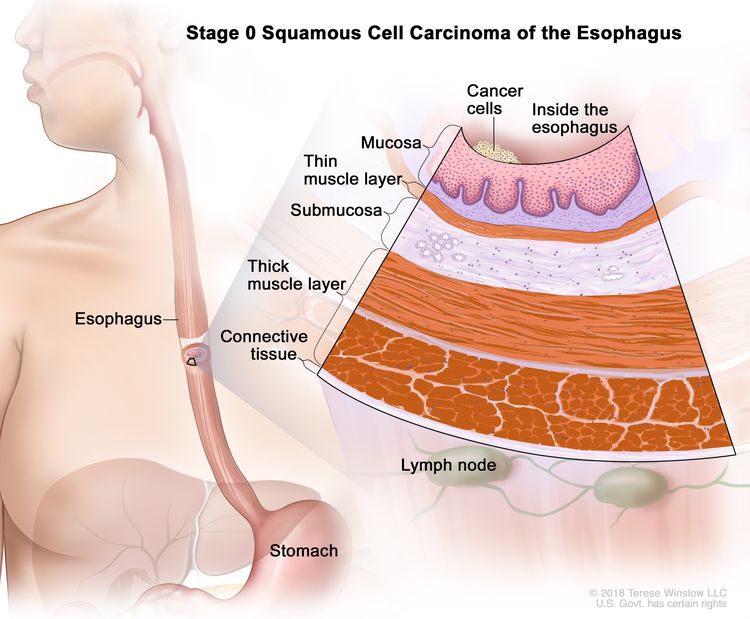
Esophageal Cancer Treatment (PDQ®)–Patient Version

Esophageal Cancer Treatment (PDQ®)–Patient Version

General Information About Esophageal Cancer

Key Points

  • Esophageal cancer is a disease in which malignant (cancer) cells form in the tissues of the esophagus.
  • Smoking, heavy alcohol use, and Barrett esophagus can increase the risk of esophageal cancer.
  • Signs and symptoms of esophageal cancer are weight loss and painful or difficult swallowing.
  • Tests that examine the esophagus are used to diagnose esophageal cancer.
  • Certain factors affect prognosis (chance of recovery) and treatment options.

Esophageal cancer is a disease in which malignant (cancer) cells form in the tissues of the esophagus.

The esophagus is the hollow, muscular tube that moves food and liquid from the throat to the stomach. The wall of the esophagus is made up of several layers of tissue, including mucous membrane, muscle, and connective tissue. Esophageal cancer starts on the inside lining of the esophagus and spreads outward through the other layers as it grows.

EnlargeGastrointestinal (digestive) system anatomy; drawing shows the esophagus, liver, stomach, small intestine, and large intestine.
The esophagus and stomach are part of the upper gastrointestinal (digestive) system.

The two most common forms of esophageal cancer are named for the type of cells that become malignant (cancerous):

  • Squamous cell carcinoma: Cancer that forms in the thin, flat cells lining the inside of the esophagus. This cancer is most often found in the upper and middle part of the esophagus, but can occur anywhere along the esophagus. This is also called epidermoid carcinoma.
  • Adenocarcinoma: Cancer that begins in glandular cells. Glandular cells in the lining of the esophagus produce and release fluids such as mucus. Adenocarcinomas usually form in the lower part of the esophagus, near the stomach.

Smoking, heavy alcohol use, and Barrett esophagus can increase the risk of esophageal cancer.

Anything that increases your risk of getting a disease is called a risk factor. Having a risk factor does not mean that you will get cancer; not having risk factors doesn’t mean that you will not get cancer. Talk with your doctor if you think you may be at risk. Risk factors include:

  • Tobacco use.
  • Heavy alcohol use.
  • Barrett esophagus: A condition in which the cells lining the lower part of the esophagus have changed or been replaced with abnormal cells that could lead to cancer of the esophagus. Gastric reflux (heartburn) is the most common cause of Barrett esophagus.
  • Older age.

Signs and symptoms of esophageal cancer are weight loss and painful or difficult swallowing.

These and other signs and symptoms may be caused by esophageal cancer or by other conditions. Check with your doctor if you have:

  • Painful or difficult swallowing.
  • Weight loss.
  • Pain behind the breastbone.
  • Hoarseness and cough.
  • Indigestion and heartburn.
  • A lump under the skin.

Tests that examine the esophagus are used to diagnose esophageal cancer.

The following tests and procedures may be used:

  • Physical exam and health history: An exam of the body to check general signs of health, including checking for signs of disease, such as lumps or anything else that seems unusual. A history of the patient’s health habits and past illnesses and treatments will also be taken.
  • Chest x-ray: An x-ray of the organs and bones inside the chest. An x-ray is a type of energy beam that can go through the body and onto film, making a picture of areas inside the body.
  • Esophagoscopy: A procedure to look inside the esophagus to check for abnormal areas. An esophagoscope is inserted through the mouth or nose and down the throat into the esophagus. An esophagoscope is a thin, tube-like instrument with a light and a lens for viewing. It may also have a tool to remove tissue samples, which are checked under a microscope for signs of cancer. When the esophagus and stomach are looked at, it is called an upper endoscopy.
    EnlargeEsophagoscopy; shows endoscope inserted through the mouth and into the esophagus. Inset shows patient on table having an esophagoscopy.
    Esophagoscopy. A thin, lighted tube is inserted through the mouth and into the esophagus to look for abnormal areas.
  • Biopsy: The removal of cells or tissues so they can be viewed under a microscope by a pathologist to check for signs of cancer. The biopsy is usually done during an esophagoscopy. Sometimes a biopsy shows changes in the esophagus that are not cancer but may lead to cancer.

Certain factors affect prognosis (chance of recovery) and treatment options.

The prognosis and treatment options depend on:

  • The stage of the cancer (whether it affects part of the esophagus, involves the whole esophagus, or has spread to other places in the body).
  • Whether the tumor can be completely removed by surgery.
  • The patient’s general health.

When esophageal cancer is found very early, there is a better chance of recovery. Esophageal cancer is often in an advanced stage when it is diagnosed. At later stages, esophageal cancer can be treated but rarely can be cured. Taking part in one of the clinical trials being done to improve treatment should be considered. Information about ongoing clinical trials is available from the NCI website.

Stages of Esophageal Cancer

Key Points

  • After esophageal cancer has been diagnosed, tests are done to find out if cancer cells have spread within the esophagus or to other parts of the body.
  • There are three ways that cancer spreads in the body.
  • Cancer may spread from where it began to other parts of the body.
  • The grade of the tumor is also used to describe the cancer and plan treatment.
  • The following stages are used for squamous cell carcinoma of the esophagus:
    • Stage 0 (High-grade Dysplasia)
    • Stage I squamous cell carcinoma of the esophagus
    • Stage II squamous cell carcinoma of the esophagus
    • Stage III squamous cell carcinoma of the esophagus
    • Stage IV squamous cell carcinoma of the esophagus
  • The following stages are used for adenocarcinoma of the esophagus:
    • Stage 0 (High-grade Dysplasia)
    • Stage I adenocarcinoma of the esophagus
    • Stage II adenocarcinoma of the esophagus
    • Stage III adenocarcinoma of the esophagus
    • Stage IV adenocarcinoma of the esophagus
  • Esophageal cancer can recur (come back) after it has been treated.

After esophageal cancer has been diagnosed, tests are done to find out if cancer cells have spread within the esophagus or to other parts of the body.

The process used to find out if cancer cells have spread within the esophagus or to other parts of the body is called staging. The information gathered from the staging process determines the stage of the disease. It is important to know the stage in order to plan treatment. The following tests and procedures may be used in the staging process:

  • Endoscopic ultrasound (EUS): A procedure in which an endoscope is inserted into the body, usually through the mouth or rectum. For esophageal cancer, the endoscope is inserted through the mouth. An endoscope is a thin, tube-like instrument with a light and a lens for viewing. A probe at the end of the endoscope is used to bounce high-energy sound waves (ultrasound) off internal tissues or organs and make echoes. The echoes form a picture of body tissues called a sonogram. A biopsy may also be done. This procedure is also called endosonography.
  • CT scan (CAT scan): A procedure that makes a series of detailed pictures of areas inside the body, such as the chest, abdomen, and pelvis, taken from different angles. The pictures are made by a computer linked to an x-ray machine. A dye may be injected into a vein or swallowed to help the organs or tissues show up more clearly. This procedure is also called computed tomography, computerized tomography, or computerized axial tomography.
  • PET scan (positron emission tomography scan): A procedure to find malignant tumor cells in the body. A small amount of radioactive glucose (sugar) is injected into a vein. The PET scanner rotates around the body and makes a picture of where glucose is being used in the body. Malignant tumor cells show up brighter in the picture because they are more active and take up more glucose than normal cells do. A PET scan and CT scan may be done at the same time. This is called a PET-CT.
  • MRI (magnetic resonance imaging): A procedure that uses a magnet, radio waves, and a computer to make a series of detailed pictures of areas inside the body. This procedure is also called nuclear magnetic resonance imaging (NMRI).
  • Thoracoscopy: A surgical procedure to look at the organs inside the chest to check for abnormal areas. An incision (cut) is made between two ribs and a thoracoscope is inserted into the chest. A thoracoscope is a thin, tube-like instrument with a light and a lens for viewing. It may also have a tool to remove tissue or lymph node samples, which are checked under a microscope for signs of cancer. In some cases, this procedure may be used to remove part of the esophagus or lung.
  • Laparoscopy: A surgical procedure to look at the organs inside the abdomen to check for signs of disease. Small incisions (cuts) are made in the wall of the abdomen and a laparoscope (a thin, lighted tube) is inserted into one of the incisions. Other instruments may be inserted through the same or other incisions to perform procedures such as removing organs or taking tissue samples to be checked under a microscope for signs of disease.
  • Ultrasound exam: A procedure in which high-energy sound waves (ultrasound) are bounced off internal tissues or organs, such as those in the neck, and make echoes. The echoes form a picture of body tissues called a sonogram. The picture can be printed to be looked at later.

There are three ways that cancer spreads in the body.

Cancer can spread through tissue, the lymph system, and the blood:

  • Tissue. The cancer spreads from where it began by growing into nearby areas.
  • Lymph system. The cancer spreads from where it began by getting into the lymph system. The cancer travels through the lymph vessels to other parts of the body.
  • Blood. The cancer spreads from where it began by getting into the blood. The cancer travels through the blood vessels to other parts of the body.

Cancer may spread from where it began to other parts of the body.

When cancer spreads to another part of the body, it is called metastasis. Cancer cells break away from where they began (the primary tumor) and travel through the lymph system or blood.

  • Lymph system. The cancer gets into the lymph system, travels through the lymph vessels, and forms a tumor (metastatic tumor) in another part of the body.
  • Blood. The cancer gets into the blood, travels through the blood vessels, and forms a tumor (metastatic tumor) in another part of the body.

The metastatic tumor is the same type of cancer as the primary tumor. For example, if esophageal cancer spreads to the lung, the cancer cells in the lung are actually esophageal cancer cells. The disease is metastatic esophageal cancer, not lung cancer.

Many cancer deaths are caused when cancer moves from the original tumor and spreads to other tissues and organs. This is called metastatic cancer. This animation shows how cancer cells travel from the place in the body where they first formed to other parts of the body.

The grade of the tumor is also used to describe the cancer and plan treatment.

The grade of the tumor describes how abnormal the cancer cells look under a microscope and how quickly the tumor is likely to grow and spread. Grades 1 to 3 are used to describe esophageal cancer:

  • In grade 1, the cancer cells look more like normal cells under a microscope and grow and spread more slowly than grade 2 and 3 cancer cells.
  • In grade 2, the cancer cells look more abnormal under a microscope and grow and spread more quickly than grade 1 cancer cells.
  • In grade 3, the cancer cells look more abnormal under a microscope and grow and spread more quickly than grade 1 and 2 cancer cells.

The following stages are used for squamous cell carcinoma of the esophagus:

Stage 0 (High-grade Dysplasia)

In stage 0, cancer has formed in the inner lining of the esophagus wall. Stage 0 is also called high-grade dysplasia.

EnlargeStage 0 squamous cell carcinoma of the esophagus; drawing shows the esophagus and stomach. An inset shows cancer cells in the inner lining of the esophagus wall. Also shown are the mucosa layer, thin muscle layer, submucosa layer, thick muscle layer, and connective tissue layer of the esophagus wall. The lymph nodes are also shown.
Stage 0 squamous cell carcinoma of the esophagus. Cancer has formed in the inner lining of the esophagus wall.

Stage I squamous cell carcinoma of the esophagus

Stage I is divided into stages IA and IB, depending on where the cancer has spread.

  • Stage IA: Cancer has spread into the mucosa layer or thin muscle layer of the esophagus wall. The cancer cells are grade 1 or the grade is not known.
    EnlargeStage IA squamous cell carcinoma of the esophagus; drawing shows the esophagus and stomach. An inset shows grade 1 cancer cells or cancer cells of an unknown grade in the mucosa layer and thin muscle layer of the esophagus wall. Also shown are the submucosa layer, thick muscle layer, and connective tissue layer of the esophagus wall. The lymph nodes are also shown.
    Stage IA squamous cell carcinoma of the esophagus. Cancer has spread into the mucosa layer or thin muscle layer of the esophagus wall. The cancer cells are grade 1 or the grade is not known. Grade 1 cancer cells look more like normal cells under a microscope and grow and spread more slowly than grade 2 and 3 cancer cells.
  • Stage IB: Cancer has spread:
    • into the mucosa layer, thin muscle layer, or submucosa layer of the esophagus wall. The cancer cells are any grade or the grade is not known; or
    • into the thick muscle layer of the esophagus wall. The cancer cells are grade 1.
    EnlargeStage IB squamous cell carcinoma of the esophagus; drawing shows the esophagus and stomach. A two-panel inset shows the layers of the esophagus wall: the mucosa layer, thin muscle layer, submucosa layer, thick muscle layer, and connective tissue layer. The lymph nodes are also shown. The left panel shows cancer cells that are any grade or of an unknown grade in the mucosa layer, thin muscle layer, and submucosa layer. The right panel shows grade 1 cancer cells in the mucosa layer, thin muscle layer, submucosa layer, and thick muscle layer.
    Stage IB squamous cell carcinoma of the esophagus. Cancer has spread into the mucosa layer, thin muscle layer, or submucosa layer of the esophagus wall. The cancer cells are any grade or the grade is not known; OR cancer has spread into the thick muscle layer of the esophagus wall. The cancer cells are grade 1. Grade 1 cancer cells look more like normal cells under a microscope and grow and spread more slowly than grade 2 and 3 cancer cells.

Stage II squamous cell carcinoma of the esophagus

Stage II is divided into stages IIA and IIB, depending on where the cancer has spread.

  • Stage IIA: Cancer has spread:
    • into the thick muscle layer of the esophagus wall. The cancer cells are grade 2 or 3 or the grade is not known; or
      EnlargeStage IIA squamous cell carcinoma of the esophagus (1); drawing shows the esophagus and stomach. An inset shows grade 2 or 3 cancer cells or cancer cells of an unknown grade in the mucosa layer, thin muscle layer, submucosa layer, and thick muscle layer of the esophagus wall. Also shown are the connective tissue layer of the esophagus wall and the lymph nodes.
      Stage IIA squamous cell carcinoma of the esophagus (1). Cancer has spread into the thick muscle layer of the esophagus wall. The cancer cells are grade 2 or 3 or the grade is not known. Grade 2 and 3 cancer cells look more abnormal under a microscope and grow and spread more quickly than grade 1 cancer cells.
    • into the connective tissue layer of the esophagus wall. The tumor is in the lower esophagus; or
      EnlargeStage IIA squamous cell carcinoma of the esophagus (2); drawing shows the esophagus, including the lower part of the esophagus, and the stomach. An inset shows cancer cells of any grade in the mucosa layer, thin muscle layer, submucosa layer, thick muscle layer, and connective tissue layer of the lower esophagus wall. The lymph nodes are also shown.
      Stage IIA squamous cell carcinoma of the esophagus (2). Cancer has spread into the connective tissue layer of the esophagus wall. The tumor is in the lower esophagus.
    • into the connective tissue layer of the esophagus wall. The cancer cells are grade 1. The tumor is in either the upper or middle esophagus.
      EnlargeStage IIA squamous cell carcinoma of the esophagus (3); drawing shows the upper and middle parts of the esophagus and the stomach. An inset shows grade 1 cancer cells in the mucosa layer, thin muscle layer, submucosa layer, thick muscle layer, and connective tissue layer of the upper and middle esophagus wall. The lymph nodes are also shown.
      Stage IIA squamous cell carcinoma of the esophagus (3). Cancer has spread into the connective tissue layer of the esophagus wall. The cancer cells are grade 1. Grade 1 cancer cells look more like normal cells under a microscope and grow and spread more slowly than grade 2 and 3 cancer cells. The tumor is in either the upper or middle esophagus.
  • Stage IIB: Cancer has spread:
    • into the connective tissue layer of the esophagus wall. The cancer cells are grade 2 or 3. The tumor is in either the upper or middle esophagus; or
      EnlargeStage IIB squamous cell carcinoma of the esophagus (1); drawing shows the upper and middle parts of the esophagus and the stomach. An inset shows grade 2 or 3 cancer cells in the mucosa layer, thin muscle layer, submucosa layer, thick muscle layer, and connective tissue layer of the upper and middle esophagus wall.
      Stage IIB squamous cell carcinoma of the esophagus (1). Cancer has spread into the connective tissue layer of the esophagus wall. The cancer cells are grade 2 or 3. Grade 2 and 3 cancer cells look more abnormal under a microscope and grow and spread more quickly than grade 1 cancer cells. The tumor is in either the upper or middle esophagus.
    • into the connective tissue layer of the esophagus wall. The grade of the cancer cells is not known, or it is not known where the tumor has formed in the esophagus; or
      EnlargeStage IIB squamous cell carcinoma of the esophagus (2); drawing shows the esophagus and stomach. An inset shows (a) cancer cells of an unknown grade in the mucosa layer, thin muscle layer, submucosa layer, thick muscle layer, and connective tissue layer of the esophagus wall. Also shown is (b) the location of the tumor in the esophagus is unknown.
      Stage IIB squamous cell carcinoma of the esophagus (2). Cancer has spread into the connective tissue layer of the esophagus wall. The grade of the cancer cells is not known, or it is not known where the tumor has formed in the esophagus.
    • into the mucosa layer, thin muscle layer, or submucosa layer of the esophagus wall. Cancer is found in 1 or 2 lymph nodes near the tumor.
      EnlargeStage IIB squamous cell carcinoma of the esophagus (3); drawing shows the esophagus and stomach. An inset shows cancer cells of any grade in the mucosa layer, thin muscle layer, and submucosa layer of the esophagus wall. Also shown are the thick muscle layer and connective tissue layer of the esophagus wall and cancer in 1 lymph node near the tumor.
      Stage IIB squamous cell carcinoma of the esophagus (3). Cancer has spread into the mucosa layer, thin muscle layer, or submucosa layer of the esophagus wall. Cancer is found in 1 to 2 lymph nodes near the tumor.

Stage III squamous cell carcinoma of the esophagus

Stage III is divided into stages IIIA and IIIB, depending on where the cancer has spread.

  • Stage IIIA: Cancer has spread:
    • into the mucosa layer, thin muscle layer, or submucosa layer of the esophagus wall. Cancer is found in 3 to 6 lymph nodes near the tumor; or
    • into the thick muscle layer of the esophagus wall. Cancer is found in 1 or 2 lymph nodes near the tumor.
    EnlargeStage IIIA squamous cell carcinoma of the esophagus; drawing shows the esophagus and stomach. A two-panel inset shows the layers of the esophagus wall: the mucosa layer, thin muscle layer, submucosa layer, thick muscle layer, and connective tissue layer. The left panel shows cancer in the mucosa layer, thin muscle layer, and submucosa layer and in 3 lymph nodes near the tumor. The right panel shows cancer in the mucosa layer, thin muscle layer, submucosa layer, and thick muscle layer and in 1 lymph node near the tumor.
    Stage IIIA squamous cell carcinoma of the esophagus. Cancer has spread into the mucosa layer, thin muscle layer, or submucosa layer of the esophagus wall. Cancer is found in 3 to 6 lymph nodes near the tumor; OR cancer has spread into the thick muscle layer of the esophagus wall. Cancer is found in 1 to 2 lymph nodes near the tumor.
  • Stage IIIB: Cancer has spread:
    • into the thick muscle layer or the connective tissue layer of the esophagus wall. Cancer is found in 1 to 6 lymph nodes near the tumor; or
      EnlargeStage IIIB squamous cell carcinoma of the esophagus (1); drawing shows the esophagus and stomach. An inset shows cancer cells in the mucosa layer, thin muscle layer, submucosa layer, thick muscle layer, and connective tissue layer of the esophagus wall and in 4 lymph nodes near the tumor.
      Stage IIIB squamous cell carcinoma of the esophagus (1). Cancer has spread into the thick muscle layer or the connective tissue layer of the esophagus wall. Cancer is found in 1 to 6 lymph nodes near the tumor.
    • into the diaphragm, azygos vein, pleura, sac around the heart, or peritoneum. Cancer may be found in 0 to 2 lymph nodes near the tumor.
      EnlargeStage IIIB squamous cell carcinoma of the esophagus (2); drawing shows cancer in the esophagus and in the (a) diaphragm, (b) azygos vein, (c) pleura, and (d) membrane (sac) around the heart. Also shown are the airway, lung, aorta, chest wall, heart, and rib.
      Stage IIIB squamous cell carcinoma of the esophagus (2). Cancer has spread into the (a) diaphragm, (b) azygos vein, (c) pleura, (d) sac around the heart, or peritoneum (not shown). Cancer may be found in 0 to 2 lymph nodes near the tumor.

Stage IV squamous cell carcinoma of the esophagus

Stage IV is divided into stages IVA and IVB, depending on where the cancer has spread.

  • Stage IVA: Cancer has spread:
    • into the diaphragm, azygos vein, pleura, sac around the heart, or peritoneum. Cancer is found in 3 to 6 lymph nodes near the tumor; or
      EnlargeStage IVA squamous cell carcinoma of the esophagus (1); drawing shows cancer in the esophagus and in the (a) diaphragm, (b) azygos vein, (c) pleura, and (d) membrane (sac) around the heart. Also shown is cancer in 3 lymph nodes near the tumor. The airway, lung, aorta, chest wall, heart, and rib are also shown.
      Stage IVA squamous cell carcinoma of the esophagus (1). Cancer has spread into the (a) diaphragm, (b) azygos vein, (c) pleura, (d) sac around the heart, or peritoneum (not shown). Cancer is found in 3 to 6 lymph nodes near the tumor.
    • into nearby structures, such as the aorta, airway, or spine. Cancer may be found in 0 to 6 lymph nodes near the tumor; or
      EnlargeStage IVA squamous cell carcinoma of the esophagus (2); drawing shows cancer in the esophagus, airway, aorta, and spine.
      Stage IVA squamous cell carcinoma of the esophagus (2). Cancer has spread into nearby structures, such as the airway, aorta, or spine. Cancer may be found in 0 to 6 lymph nodes near the tumor.
    • to 7 or more lymph nodes near the tumor.
      EnlargeStage IVA squamous cell carcinoma of the esophagus (3); drawing shows cancer in the esophagus and in 9 lymph nodes near the tumor.
      Stage IVA squamous cell carcinoma of the esophagus (3). Cancer has spread to 7 or more lymph nodes near the tumor.
  • Stage IVB: Cancer has spread to other parts of the body, such as the liver or lung.
    EnlargeStage IVB squamous cell carcinoma of the esophagus; drawing shows other parts of the body where esophagus cancer may spread, including the lung and liver. An inset shows cancer cells spreading from the esophagus, through the blood and lymph system, to another part of the body where metastatic cancer has formed.
    Stage IVB squamous cell carcinoma of the esophagus. Cancer has spread to other parts of the body, such as the liver or lung.

The following stages are used for adenocarcinoma of the esophagus:

Stage 0 (High-grade Dysplasia)

In stage 0, cancer has formed in the inner lining of the esophagus wall. Stage 0 is also called high-grade dysplasia.

EnlargeStage 0 adenocarcinoma of the esophagus; drawing shows the esophagus and stomach. An inset shows cancer cells in the inner lining of the esophagus wall. Also shown are the mucosa layer, thin muscle layer, submucosa layer, thick muscle layer, and connective tissue layer of the esophagus wall. The lymph nodes are also shown.
Stage 0 adenocarcinoma of the esophagus. Cancer has formed in the inner lining of the esophagus wall.

Stage I adenocarcinoma of the esophagus

Stage I is divided into stages IA, IB, and IC, depending on where the cancer has spread.

  • Stage IA: Cancer has spread into the mucosa layer or thin muscle layer of the esophagus wall. The cancer cells are grade 1 or the grade is not known.
    EnlargeStage IA adenocarcinoma of the esophagus; drawing shows the esophagus and stomach. An inset shows cancer cells in the mucosa layer and thin muscle layer of the esophagus wall. The cancer cells are grade 1 or the grade is not known. Also shown are the submucosa layer, thick muscle layer, and connective tissue layer of the esophagus wall. The lymph nodes are also shown.
    Stage IA adenocarcinoma of the esophagus. Cancer has spread into the mucosa layer or thin muscle layer of the esophagus wall. The cancer cells are grade 1 or the grade is not known. Grade 1 cancer cells look more like normal cells under a microscope and grow and spread more slowly than grade 2 and 3 cancer cells.
  • Stage IB: Cancer has spread:
    • into the mucosa layer or thin muscle layer of the esophagus wall. The cancer cells are grade 2; or
    • into the submucosa layer of the esophagus wall. The cancer cells are grade 1 or 2 or the grade is not known.
    EnlargeStage IB adenocarcinoma of the esophagus; drawing shows the esophagus and stomach. A two-panel inset shows the layers of the esophagus wall: the mucosa layer, thin muscle layer, submucosa layer, thick muscle layer, and connective tissue layer. The lymph nodes are also shown. The left panel shows grade 2 cancer cells in the mucosa layer and thin muscle layer. The right panel shows cancer cells in the mucosa layer, thin muscle layer, and submucosa layer. The cancer cells are grade 1 or 2 or the grade is not known.
    Stage IB adenocarcinoma of the esophagus. Cancer has spread into the mucosa layer or thin muscle layer of the esophagus wall. The cancer cells are grade 2. Grade 2 cancer cells look more abnormal under a microscope and grow and spread more quickly than grade 1 cancer cells; OR cancer has spread into the submucosa layer of the esophagus wall. The cancer cells are grade 1 or 2 or the grade is not known.
  • Stage IC: Cancer has spread:
    • into the mucosa layer, thin muscle layer, or submucosa layer of the esophagus wall. The cancer cells are grade 3; or
    • into the thick muscle layer of the esophagus wall. The cancer cells are grade 1 or 2.
    EnlargeStage IC adenocarcinoma of the esophagus; drawing shows the esophagus and stomach. A two-panel inset shows the layers of the esophagus wall: the mucosa layer, thin muscle layer, submucosa layer, thick muscle layer, and connective tissue layer. The lymph nodes are also shown. The left panel shows grade 3 cancer cells in the mucosa layer, thin muscle layer, and submucosa layer. The right panel shows grade 1 or 2 cancer cells in the mucosa layer, thin muscle layer, submucosa layer, and thick muscle layer.
    Stage IC adenocarcinoma of the esophagus. Cancer has spread into the mucosa layer, thin muscle layer, or submucosa layer of the esophagus wall. The cancer cells are grade 3. Grade 3 cancer cells look more abnormal under a microscope and grow and spread more quickly than grade 1 and 2 cancer cells; OR cancer has spread into the thick muscle layer of the esophagus wall. The cancer cells are grade 1 or 2.

Stage II adenocarcinoma of the esophagus

Stage II is divided into stages IIA and IIB, depending on where the cancer has spread.

  • Stage IIA: Cancer has spread into the thick muscle layer of the esophagus wall. The cancer cells are grade 3 or the grade is not known.
    EnlargeStage IIA adenocarcinoma of the esophagus; drawing shows the esophagus and stomach. An inset shows cancer cells in the mucosa layer, thin muscle layer, submucosa layer, and thick muscle layer of the esophagus wall. The cancer cells are grade 3 or the grade is not known. Also shown is the connective tissue layer of the esophagus wall and the lymph nodes.
    Stage IIA adenocarcinoma of the esophagus. Cancer has spread into the thick muscle layer of the esophagus wall. The cancer cells are grade 3 or the grade is not known. Grade 3 cancer cells look more abnormal under a microscope and grow and spread more quickly than grade 1 and 2 cancer cells.
  • Stage IIB: Cancer has spread:
    • into the layer of the esophagus wall; or
    • into the mucosa layer, thin muscle layer, or submucosa layer of the esophagus wall. Cancer is found in 1 or 2 lymph nodes near the tumor.
    EnlargeStage IIB adenocarcinoma of the esophagus; drawing shows the esophagus and stomach. A two-panel inset shows the layers of the esophagus wall: the mucosa layer, thin muscle layer, submucosa layer, thick muscle layer, and connective tissue layer. The left panel shows cancer in the mucosa layer, thin muscle layer, submucosa layer, thick muscle layer, and connective tissue layer. The right panel shows cancer in the mucosa layer, thin muscle layer, and submucosa layer and in 1 lymph node near the tumor.
    Stage IIB adenocarcinoma of the esophagus. Cancer has spread into the connective tissue layer of the esophagus wall; OR cancer has spread into the mucosa layer, thin muscle layer, or submucosa layer of the esophagus wall. Cancer is found in 1 to 2 lymph nodes near the tumor.

Stage III adenocarcinoma of the esophagus

Stage III is divided into stages IIIA and IIIB, depending on where the cancer has spread.

  • Stage IIIA: Cancer has spread:
    • into the mucosa layer, thin muscle layer, or submucosa layer of the esophagus wall. Cancer is found in 3 to 6 lymph nodes near the tumor; or
    • into the thick muscle layer of the esophagus wall. Cancer is found in 1 or 2 lymph nodes near the tumor.
    EnlargeStage IIIA adenocarcinoma of the esophagus; drawing shows the esophagus and stomach. A two-panel inset shows the layers of the esophagus wall: the mucosa layer, thin muscle layer, submucosa layer, thick muscle layer, and connective tissue layer. The left panel shows cancer in the mucosa layer, thin muscle layer, and submucosa layer and in 3 lymph nodes near the tumor. The right panel shows cancer in the mucosa layer, thin muscle layer, submucosa layer, and thick muscle layer and in 1 lymph node near the tumor.
    Stage IIIA adenocarcinoma of the esophagus. Cancer has spread into the mucosa layer, thin muscle layer, or submucosa layer of the esophagus wall. Cancer is found in 3 to 6 lymph nodes near the tumor; OR cancer has spread into the thick muscle layer of the esophagus wall. Cancer is found in 1 to 2 lymph nodes near the tumor.
  • Stage IIIB: Cancer has spread:
    • into the thick muscle layer of the esophagus wall. Cancer is found in 3 to 6 lymph nodes near the tumor; or
    • into the connective tissue layer of the esophagus wall. Cancer is found in 1 to 6 lymph nodes near the tumor; or
      EnlargeStage IIIB adenocarcinoma of the esophagus (1); drawing shows the esophagus and stomach. An inset shows the layers of the esophagus wall: the mucosa layer, thin muscle layer, submucosa layer, thick muscle layer, and connective tissue layer. The left panel shows cancer in the mucosa layer, thin muscle layer, submucosa layer, and thick muscle layer and in 3 lymph nodes near the tumor. The right panel shows cancer in the mucosa layer, thin muscle layer, submucosa layer, thick muscle layer, and connective tissue layer and in 4 lymph nodes near the tumor.
      Stage IIIB adenocarcinoma of the esophagus (1). Cancer has spread into the thick muscle layer of the esophagus wall. Cancer is found in 3 to 6 lymph nodes near the tumor; OR cancer has spread into the connective tissue layer of the esophagus wall. Cancer is found in 1 to 6 lymph nodes near the tumor.
    • into the diaphragm, azygos vein, pleura, sac around the heart, or peritoneum. Cancer may be found in 0 to 2 lymph nodes near the tumor.
      EnlargeStage IIIB adenocarcinoma of the esophagus (2); drawing shows cancer in the esophagus and in the (a) diaphragm, (b) azygos vein, (c) pleura, and (d) membrane (sac) around the heart. Also shown are the airway, lung, aorta, chest wall, heart, and rib.
      Stage IIIB adenocarcinoma of the esophagus (2). Cancer has spread into the (a) diaphragm, (b) azygos vein, (c) pleura, (d) sac around the heart, or peritoneum (not shown). Cancer may be found in 0 to 2 lymph nodes near the tumor.

Stage IV adenocarcinoma of the esophagus

Stage IV is divided into stages IVA and IVB, depending on where the cancer has spread.

  • Stage IVA: Cancer has spread:
    • into the diaphragm, azygos vein, pleura, sac around the heart, or peritoneum. Cancer is found in 3 to 6 lymph nodes near the tumor; or
      EnlargeStage IVA adenocarcinoma of the esophagus (1); drawing shows cancer in the esophagus and in the (a) diaphragm, (b) azygos vein, (c) pleura, and (d) membrane (sac) around the heart. Also shown is cancer in 3 lymph nodes near the tumor. The airway, lung, aorta, chest wall, heart, and rib are also shown.
      Stage IVA adenocarcinoma of the esophagus (1). Cancer has spread into the (a) diaphragm, (b) azygos vein, (c) pleura, (d) sac around the heart, or peritoneum (not shown). Cancer is found in 3 to 6 lymph nodes near the tumor.
    • into nearby structures, such as the aorta, airway, or spine. Cancer may be found in 0 to 6 lymph nodes near the tumor; or
      EnlargeStage IVA adenocarcinoma of the esophagus (2); drawing shows cancer in the esophagus, airway, aorta, and spine.
      Stage IVA adenocarcinoma of the esophagus (2). Cancer has spread into nearby structures, such as the airway, aorta, or spine. Cancer may be found in 0 to 6 lymph nodes near the tumor.
    • to 7 or more lymph nodes near the tumor.
      EnlargeStage IVA adenocarcinoma of the esophagus (3); drawing shows cancer in the esophagus and in 9 lymph nodes near the tumor.
      Stage IVA adenocarcinoma of the esophagus (3). Cancer has spread to 7 or more lymph nodes near the tumor.
  • Stage IVB: Cancer has spread to other parts of the body, such as the liver or lung.
    EnlargeStage IVB adenocarcinoma of the esophagus; drawing showing other parts of the body where esophagus cancer may spread, including the lung and liver. An inset shows cancer cells spreading from the esophagus, through the blood and lymph system, to another part of the body where metastatic cancer has formed.
    Stage IVB adenocarcinoma of the esophagus. Cancer has spread to other parts of the body, such as the liver or lung.

Esophageal cancer can recur (come back) after it has been treated.

The cancer may come back in the esophagus or in other parts of the body.

Treatment Option Overview

Key Points

  • There are different types of treatment for patients with esophageal cancer.
  • Patients have special nutritional needs during treatment for esophageal cancer.
  • The following types of treatment are used:
    • Surgery
    • Radiation therapy
    • Chemotherapy
    • Chemoradiation therapy
    • Laser therapy
    • Electrocoagulation
    • Immunotherapy
  • New types of treatment are being tested in clinical trials.
    • Targeted therapy
  • Treatment for esophageal cancer may cause side effects.
  • Patients may want to think about taking part in a clinical trial.
  • Patients can enter clinical trials before, during, or after starting their cancer treatment.
  • Follow-up tests may be needed.

There are different types of treatment for patients with esophageal cancer.

Different types of treatment are available for patients with esophageal cancer. Some treatments are standard (the currently used treatment), and some are being tested in clinical trials. A treatment clinical trial is a research study meant to help improve current treatments or obtain information on new treatments for patients with cancer. When clinical trials show that a new treatment is better than the standard treatment, the new treatment may become the standard treatment. Patients may want to think about taking part in a clinical trial. Some clinical trials are open only to patients who have not started treatment.

Patients have special nutritional needs during treatment for esophageal cancer.

Many people with esophageal cancer find it hard to eat because they have trouble swallowing. The esophagus may be narrowed by the tumor or as a side effect of treatment. Some patients may receive nutrients directly into a vein. Others may need a feeding tube (a flexible plastic tube that is passed through the nose or mouth into the stomach) until they are able to eat on their own.

The following types of treatment are used:

Surgery

Surgery is the most common treatment for cancer of the esophagus. Part of the esophagus may be removed in an operation called an esophagectomy.

EnlargeThree-panel drawing showing esophageal cancer surgery; first panel shows area of esophagus with cancer, middle panel shows cancer and nearby tissue removed, last panel shows the stomach pulled up and joined to the remaining esophagus.
Esophagectomy. A portion of the esophagus is removed and the stomach is pulled up and joined to the remaining esophagus.

The doctor will connect the remaining healthy part of the esophagus to the stomach so the patient can still swallow. A plastic tube or part of the intestine may be used to make the connection. Lymph nodes near the esophagus may also be removed and viewed under a microscope to see if they contain cancer. If the esophagus is partly blocked by the tumor, an expandable metal stent (tube) may be placed inside the esophagus to help keep it open.

EnlargeEsophageal stent. Shows cancer blocking esophagus. Insets show enlarged area of cancer and a stent placed in the esophagus to keep it open.
Esophageal stent. A device (stent) is placed in the esophagus to keep it open to allow food and liquids to pass through into the stomach.

Small, early-stage cancer and high-grade dysplasia of the esophagus may be removed by endoscopic resection. An endoscope (a thin, tube-like instrument with a light and a lens for viewing) is inserted through a small incision (cut) in the skin or through an opening in the body, such as the mouth. A tool attached to the endoscope is used to remove tissue.

Radiation therapy

Radiation therapy is a cancer treatment that uses high-energy x-rays or other types of radiation to kill cancer cells or keep them from growing. There are two types of radiation therapy:

The way the radiation therapy is given depends on the type and stage of the cancer being treated. External and internal radiation therapy are used to treat esophageal cancer.

A plastic tube may be inserted into the esophagus to keep it open during radiation therapy. This is called intraluminal intubation and dilation.

Chemotherapy

Chemotherapy is a cancer treatment that uses drugs to stop the growth of cancer cells, either by killing the cells or by stopping them from dividing. When chemotherapy is taken by mouth or injected into a vein or muscle, the drugs enter the bloodstream and can reach cancer cells throughout the body (systemic chemotherapy). When chemotherapy is placed directly into the cerebrospinal fluid, an organ, or a body cavity such as the abdomen, the drugs mainly affect cancer cells in those areas (regional chemotherapy). The way the chemotherapy is given depends on the type and stage of the cancer being treated.

Learn more at Drugs Approved for Esophageal Cancer.

Chemoradiation therapy

Chemoradiation therapy combines chemotherapy and radiation therapy to increase the effects of both.

Laser therapy

Laser therapy is a cancer treatment that uses a laser beam (a narrow beam of intense light) to kill cancer cells.

Electrocoagulation

Electrocoagulation is the use of an electric current to kill cancer cells.

Immunotherapy

Immunotherapy is a treatment that uses the patient’s immune system to fight cancer. Substances made by the body or made in a laboratory are used to boost, direct, or restore the body’s natural defenses against cancer.

Immune checkpoint inhibitor therapy is a type of immunotherapy being studied to treat patients with advanced esophageal cancer that cannot be removed by surgery and recurrent esophageal cancer. Some types of immune cells, such as T cells, and some cancer cells have certain proteins, called checkpoint proteins, on their surface that keep immune responses in check. When cancer cells have large amounts of these proteins, they will not be attacked and killed by T cells. Immune checkpoint inhibitors block these proteins and the ability of T cells to kill cancer cells is increased.

There are two types of immune checkpoint inhibitor therapy:

  • CTLA-4 inhibitor therapy: CTLA-4 is a protein on the surface of T cells that helps keep the body’s immune responses in check. When CTLA-4 attaches to another protein called B7 on a cancer cell, it stops the T cell from killing the cancer cell. CTLA-4 inhibitors attach to CTLA-4 and allow the T cells to kill cancer cells. Ipilimumab is a type of CTLA-4 inhibitor.
    EnlargeImmune checkpoint inhibitor; the panel on the left shows the binding of the T-cell receptor (TCR) to antigen and MHC proteins on the antigen-presenting cell (APC) and the binding of CD28 on the T cell to B7-1/B7-2 on the APC. It also shows the binding of B7-1/B7-2 to CTLA-4 on the T cell, which keeps the T cells in the inactive state. The panel on the right shows immune checkpoint inhibitor (anti-CTLA antibody) blocking the binding of B7-1/B7-2 to CTLA-4, which allows the T cells to be active and to kill tumor cells.
    Immune checkpoint inhibitor. Checkpoint proteins, such as B7-1/B7-2 on antigen-presenting cells (APC) and CTLA-4 on T cells, help keep the body’s immune responses in check. When the T-cell receptor (TCR) binds to antigen and major histocompatibility complex (MHC) proteins on the APC and CD28 binds to B7-1/B7-2 on the APC, the T cell can be activated. However, the binding of B7-1/B7-2 to CTLA-4 keeps the T cells in the inactive state so they are not able to kill tumor cells in the body (left panel). Blocking the binding of B7-1/B7-2 to CTLA-4 with an immune checkpoint inhibitor (anti-CTLA-4 antibody) allows the T cells to be active and to kill tumor cells (right panel).
  • PD-1 and PD-L1 inhibitor therapy: PD-1 is a protein on the surface of T cells that helps keep the body’s immune responses in check. PD-L1 is a protein found on some types of cancer cells. When PD-1 attaches to PD-L1, it stops the T cell from killing the cancer cell. PD-1 and PD-L1 inhibitors keep PD-1 and PD-L1 proteins from attaching to each other. This allows the T cells to kill cancer cells. Nivolumab is a type of PD-1 inhibitor.
    EnlargeImmune checkpoint inhibitor; the panel on the left shows the binding of proteins PD-L1 (on the tumor cell) to PD-1 (on the T cell), which keeps T cells from killing tumor cells in the body. Also shown are a tumor cell antigen and T cell receptor. The panel on the right shows immune checkpoint inhibitors (anti-PD-L1 and anti-PD-1) blocking the binding of PD-L1 to PD-1, which allows the T cells to kill tumor cells.
    Immune checkpoint inhibitor. Checkpoint proteins, such as PD-L1 on tumor cells and PD-1 on T cells, help keep immune responses in check. The binding of PD-L1 to PD-1 keeps T cells from killing tumor cells in the body (left panel). Blocking the binding of PD-L1 to PD-1 with an immune checkpoint inhibitor (anti-PD-L1 or anti-PD-1) allows the T cells to kill tumor cells (right panel).
    Immunotherapy uses the body’s immune system to fight cancer. This animation explains one type of immunotherapy that uses immune checkpoint inhibitors to treat cancer.

New types of treatment are being tested in clinical trials.

This summary section describes treatments that are being studied in clinical trials. It may not mention every new treatment being studied. Information about clinical trials is available from the NCI website.

Targeted therapy

Targeted therapy is a type of treatment that uses drugs or other substances to identify and attack specific cancer cells. Monoclonal antibody therapy is a type of targeted therapy used in the treatment of esophageal cancer.

Monoclonal antibodies are immune system proteins made in the laboratory to treat many diseases, including cancer. As a cancer treatment, these antibodies can attach to a specific target on cancer cells or other cells that may help cancer cells grow. The antibodies are able to then kill the cancer cells, block their growth, or keep them from spreading. Monoclonal antibodies are given by infusion. They may be used alone or to carry drugs, toxins, or radioactive material directly to cancer cells.

How do monoclonal antibodies work to treat cancer? This video shows how monoclonal antibodies, such as trastuzumab, pembrolizumab, and rituximab, block molecules cancer cells need to grow, flag cancer cells for destruction by the body’s immune system, or deliver harmful substances to cancer cells.

Treatment for esophageal cancer may cause side effects.

For information about side effects caused by treatment for cancer, visit our Side Effects page.

Patients may want to think about taking part in a clinical trial.

For some patients, taking part in a clinical trial may be the best treatment choice. Clinical trials are part of the cancer research process. Clinical trials are done to find out if new cancer treatments are safe and effective or better than the standard treatment.

Many of today’s standard treatments for cancer are based on earlier clinical trials. Patients who take part in a clinical trial may receive the standard treatment or be among the first to receive a new treatment.

Patients who take part in clinical trials also help improve the way cancer will be treated in the future. Even when clinical trials do not lead to effective new treatments, they often answer important questions and help move research forward.

Patients can enter clinical trials before, during, or after starting their cancer treatment.

Some clinical trials only include patients who have not yet received treatment. Other trials test treatments for patients whose cancer has not gotten better. There are also clinical trials that test new ways to stop cancer from recurring (coming back) or reduce the side effects of cancer treatment.

Clinical trials are taking place in many parts of the country. Information about clinical trials supported by NCI can be found on NCI’s clinical trials search webpage. Clinical trials supported by other organizations can be found on the ClinicalTrials.gov website.

Follow-up tests may be needed.

As you go through treatment, you will have follow-up tests or check-ups. Some tests that were done to diagnose or stage the cancer may be repeated to see how well the treatment is working. Decisions about whether to continue, change, or stop treatment may be based on the results of these tests.

Some of the tests will continue to be done from time to time after treatment has ended. The results of these tests can show if your condition has changed or if the cancer has recurred (come back).

Treatment of Stage 0 (High-grade Dysplasia)

Learn more about these treatments in the Treatment Option Overview.

Treatment of stage 0 may include:

Use our clinical trial search to find NCI-supported cancer clinical trials that are accepting patients. You can search for trials based on the type of cancer, the age of the patient, and where the trials are being done. General information about clinical trials is also available.

Treatment of Stage I Esophageal Cancer

Learn more about these treatments in the Treatment Option Overview.

Treatment of stage I esophageal squamous cell carcinoma or adenocarcinoma may include:

Use our clinical trial search to find NCI-supported cancer clinical trials that are accepting patients. You can search for trials based on the type of cancer, the age of the patient, and where the trials are being done. General information about clinical trials is also available.

Treatment of Stage II Esophageal Cancer

Learn more about these treatments in the Treatment Option Overview.

Treatment of stage II esophageal squamous cell carcinoma or adenocarcinoma may include:

Use our clinical trial search to find NCI-supported cancer clinical trials that are accepting patients. You can search for trials based on the type of cancer, the age of the patient, and where the trials are being done. General information about clinical trials is also available.

Treatment of Stage III Esophageal Cancer

Learn more about these treatments in the Treatment Option Overview.

Treatment of stage III esophageal squamous cell carcinoma or adenocarcinoma may include:

Use our clinical trial search to find NCI-supported cancer clinical trials that are accepting patients. You can search for trials based on the type of cancer, the age of the patient, and where the trials are being done. General information about clinical trials is also available.

Treatment of Stage IV Esophageal Cancer

Learn more about these treatments in the Treatment Option Overview.

Treatment of stage IV esophageal squamous cell carcinoma or stage IV esophageal adenocarcinoma may include:

Use our clinical trial search to find NCI-supported cancer clinical trials that are accepting patients. You can search for trials based on the type of cancer, the age of the patient, and where the trials are being done. General information about clinical trials is also available.

Treatment of Recurrent Esophageal Cancer

All patients with recurrent esophageal cancer should consider entering a clinical trial as outlined in the Treatment Option Overview.

Treatment of recurrent esophageal cancer may include:

Use our clinical trial search to find NCI-supported cancer clinical trials that are accepting patients. You can search for trials based on the type of cancer, the age of the patient, and where the trials are being done. General information about clinical trials is also available.

To Learn More About Esophageal Cancer

About This PDQ Summary

About PDQ

Physician Data Query (PDQ) is the National Cancer Institute’s (NCI’s) comprehensive cancer information database. The PDQ database contains summaries of the latest published information on cancer prevention, detection, genetics, treatment, supportive care, and complementary and alternative medicine. Most summaries come in two versions. The health professional versions have detailed information written in technical language. The patient versions are written in easy-to-understand, nontechnical language. Both versions have cancer information that is accurate and up to date and most versions are also available in Spanish.

PDQ is a service of the NCI. The NCI is part of the National Institutes of Health (NIH). NIH is the federal government’s center of biomedical research. The PDQ summaries are based on an independent review of the medical literature. They are not policy statements of the NCI or the NIH.

Purpose of This Summary

This PDQ cancer information summary has current information about the treatment of adult esophageal cancer. It is meant to inform and help patients, families, and caregivers. It does not give formal guidelines or recommendations for making decisions about health care.

Reviewers and Updates

Editorial Boards write the PDQ cancer information summaries and keep them up to date. These Boards are made up of experts in cancer treatment and other specialties related to cancer. The summaries are reviewed regularly and changes are made when there is new information. The date on each summary (“Updated”) is the date of the most recent change.

The information in this patient summary was taken from the health professional version, which is reviewed regularly and updated as needed, by the PDQ Adult Treatment Editorial Board.

Clinical Trial Information

A clinical trial is a study to answer a scientific question, such as whether one treatment is better than another. Trials are based on past studies and what has been learned in the laboratory. Each trial answers certain scientific questions in order to find new and better ways to help cancer patients. During treatment clinical trials, information is collected about the effects of a new treatment and how well it works. If a clinical trial shows that a new treatment is better than one currently being used, the new treatment may become “standard.” Patients may want to think about taking part in a clinical trial. Some clinical trials are open only to patients who have not started treatment.

Clinical trials can be found online at NCI’s website. For more information, call the Cancer Information Service (CIS), NCI’s contact center, at 1-800-4-CANCER (1-800-422-6237).

Permission to Use This Summary

PDQ is a registered trademark. The content of PDQ documents can be used freely as text. It cannot be identified as an NCI PDQ cancer information summary unless the whole summary is shown and it is updated regularly. However, a user would be allowed to write a sentence such as “NCI’s PDQ cancer information summary about breast cancer prevention states the risks in the following way: [include excerpt from the summary].”

The best way to cite this PDQ summary is:

PDQ® Adult Treatment Editorial Board. PDQ Esophageal Cancer Treatment. Bethesda, MD: National Cancer Institute. Updated <MM/DD/YYYY>. Available at: /types/esophageal/patient/esophageal-treatment-pdq. Accessed <MM/DD/YYYY>. [PMID: 26389463]

Images in this summary are used with permission of the author(s), artist, and/or publisher for use in the PDQ summaries only. If you want to use an image from a PDQ summary and you are not using the whole summary, you must get permission from the owner. It cannot be given by the National Cancer Institute. Information about using the images in this summary, along with many other images related to cancer can be found in Visuals Online. Visuals Online is a collection of more than 3,000 scientific images.

Disclaimer

The information in these summaries should not be used to make decisions about insurance reimbursement. More information on insurance coverage is available on Cancer.gov on the Managing Cancer Care page.

Contact Us

More information about contacting us or receiving help with the Cancer.gov website can be found on our Contact Us for Help page. Questions can also be submitted to Cancer.gov through the website’s E-mail Us.

Esophageal Cancer Prevention (PDQ®)–Patient Version

Esophageal Cancer Prevention (PDQ®)–Patient Version

What Is Prevention?

Cancer prevention is action taken to lower the chance of getting cancer. By preventing cancer, the number of new cases of cancer in a group or population is lowered. Hopefully, this will lower the number of deaths caused by cancer.

To prevent new cancers from starting, scientists look at risk factors and protective factors. Anything that increases your chance of developing cancer is called a cancer risk factor; anything that decreases your chance of developing cancer is called a cancer protective factor.

Some risk factors for cancer can be avoided, but many cannot. For example, both smoking and inheriting certain genes are risk factors for some types of cancer, but only smoking can be avoided. Regular exercise and a healthy diet may be protective factors for some types of cancer. Avoiding risk factors and increasing protective factors may lower your risk, but it does not mean that you will not get cancer.

Different ways to prevent cancer are being studied.

General Information About Esophageal Cancer

Key Points

  • Esophageal cancer is a disease in which malignant (cancer) cells form in the tissues of the esophagus.
  • Esophageal cancer is found more often in men.

Esophageal cancer is a disease in which malignant (cancer) cells form in the tissues of the esophagus.

The esophagus is the hollow, muscular tube that moves food and liquid from the throat to the stomach. The wall of the esophagus is made up of several tissue layers, including mucous membrane, muscle, and connective tissue. Esophageal cancer starts in the inner lining of the esophagus and spreads outward through the other layers as it grows.

EnlargeGastrointestinal (digestive) system anatomy; drawing shows the esophagus, liver, stomach, small intestine, and large intestine.
The esophagus and stomach are part of the upper gastrointestinal (digestive) system.

The two most common types of esophageal cancer are named for the type of cells that become cancerous:

  • Squamous cell carcinoma: Cancer forms in the thin, flat cells lining the inside of the esophagus. This cancer is most often found in the upper and middle part of the esophagus but can occur anywhere along the esophagus. This is also called epidermoid carcinoma.
  • Adenocarcinoma: Cancer begins in glandular cells. Glandular cells in the lining of the esophagus produce and release fluids such as mucus. Adenocarcinoma usually forms in the lower part of the esophagus, near the stomach.

Other PDQ summaries containing information related to esophageal cancer include:

Esophageal cancer is found more often in men.

Rates of esophageal cancer cases and deaths have decreased slightly over recent years. Men are about four times more likely than women to develop esophageal cancer. The chance of developing this disease increases with age in all racial and ethnic groups. White men are more likely to develop esophageal cancer and have higher death rates from it than Black men across all age groups. Black women are more likely to develop esophageal cancer until age 74 years, after which White women have a higher risk. Black women have higher death rates from this disease until age 69 years, after which White women have higher death rates.

In the United States, rates of adenocarcinoma of the esophagus rose rapidly through the 1990s, overtaking rates of squamous cell carcinoma. Although the rates of squamous cell carcinoma are declining overall, they remain much higher among Black men than White men, while adenocarcinoma rates are higher among White men.

Esophageal Cancer Prevention

Key Points

  • Avoiding risk factors and increasing protective factors may help prevent cancer.
  • The following risk factors increase the risk of squamous cell carcinoma of the esophagus:
    • Smoking and alcohol use
  • The following protective factors may decrease the risk of squamous cell carcinoma of the esophagus:
    • Avoiding tobacco and alcohol use
    • Chemoprevention with nonsteroidal anti-inflammatory drugs
  • The following risk factors increase the risk of adenocarcinoma of the esophagus:
    • Gastric reflux
  • The following protective factors may decrease the risk of adenocarcinoma of the esophagus:
    • Chemoprevention with nonsteroidal anti-inflammatory drugs
    • Radiofrequency ablation of the esophagus
  • Cancer prevention clinical trials are used to study ways to prevent cancer.
  • New ways to prevent esophageal cancer are being studied in clinical trials.

Avoiding risk factors and increasing protective factors may help prevent cancer.

Avoiding cancer risk factors may help prevent certain cancers. Risk factors include smoking, having overweight, and not getting enough exercise. Increasing protective factors such as quitting smoking and exercising may also help prevent some cancers. Talk to your doctor or other health care professional about how you might lower your risk of cancer.

The risk factors and protective factors for squamous cell carcinoma of the esophagus and adenocarcinoma of the esophagus are not the same.

The following risk factors increase the risk of squamous cell carcinoma of the esophagus:

Smoking and alcohol use

Studies have shown that the risk of squamous cell carcinoma of the esophagus is increased in people who smoke or drink a lot.

The following protective factors may decrease the risk of squamous cell carcinoma of the esophagus:

Avoiding tobacco and alcohol use

Studies have shown that the risk of squamous cell carcinoma of the esophagus is lower in people who do not use tobacco and alcohol.

Chemoprevention with nonsteroidal anti-inflammatory drugs

Chemoprevention is the use of drugs, vitamins, or other substances to help lower a person’s risk of developing cancer. Nonsteroidal anti-inflammatory drugs (NSAIDs) include aspirin and other drugs that reduce swelling and pain.

Some studies have shown that the use of NSAIDs may lower the risk of squamous cell carcinoma of the esophagus. However, the use of NSAIDs increases the risk of heart attack, heart failure, stroke, bleeding in the stomach and intestines, and kidney damage.

The following risk factors increase the risk of adenocarcinoma of the esophagus:

Gastric reflux

Adenocarcinoma of the esophagus is strongly linked to gastroesophageal reflux disease (GERD), especially when the GERD lasts a long time and severe symptoms occur daily. GERD is a condition in which the contents of the stomach, including stomach acid, flow up into the lower part of the esophagus. This irritates the inside of the esophagus, and over time, may affect the cells lining the lower part of the esophagus. This condition is called Barrett esophagus. Over time, the affected cells are replaced with abnormal cells, which may later become adenocarcinoma of the esophagus. Obesity in combination with GERD may further increase the risk of adenocarcinoma of the esophagus.

The use of medicines that relax the lower sphincter muscle of the esophagus may increase the likelihood of developing GERD. When the lower sphincter muscle is relaxed, stomach acid may flow up into the lower part of the esophagus.

It is not known if surgery or other medical treatment to stop gastric reflux lowers the risk of adenocarcinoma of the esophagus. Clinical trials are being done to see if surgery or medical treatments can prevent Barrett esophagus.

The following protective factors may decrease the risk of adenocarcinoma of the esophagus:

Chemoprevention with nonsteroidal anti-inflammatory drugs

Chemoprevention is the use of drugs, vitamins, or other substances to help lower a person’s risk of developing cancer. Nonsteroidal anti-inflammatory drugs (NSAIDs) include aspirin and other drugs that reduce swelling and pain.

Some studies have shown that the use of NSAIDs may lower the risk of adenocarcinoma of the esophagus. However, the use of NSAIDs increases the risk of heart attack, heart failure, stroke, bleeding in the stomach and intestines, and kidney damage.

Radiofrequency ablation of the esophagus

Patients with Barrett esophagus who have abnormal cells in the lower esophagus may be treated with radiofrequency ablation. This procedure uses radio waves to heat and destroy abnormal cells, which may become cancer. Risks of using radiofrequency ablation include narrowing of the esophagus and bleeding in the esophagus, stomach, or intestines.

One study of patients who have Barrett esophagus and abnormal cells in the esophagus compared patients who received radiofrequency ablation with patients who did not. Patients who received radiofrequency ablation were less likely to be diagnosed with esophageal cancer. More studies are needed to know whether radiofrequency ablation decreases the risk of adenocarcinoma of the esophagus in patients with these conditions.

Cancer prevention clinical trials are used to study ways to prevent cancer.

Cancer prevention clinical trials are used to study ways to lower the risk of developing certain types of cancer. Some cancer prevention trials include healthy people who may or may not have an increased risk of cancer. Other prevention trials include people who have had cancer and are trying to prevent recurrence or a second cancer.

The purpose of some cancer prevention clinical trials is to find out whether actions people take can prevent cancer. These may include eating fruits and vegetables, exercising, quitting smoking, or taking certain medicines, vitamins, minerals, or food supplements.

New ways to prevent esophageal cancer are being studied in clinical trials.

Information about clinical trials supported by NCI can be found on NCI’s clinical trials search webpage. Clinical trials supported by other organizations can be found on the ClinicalTrials.gov website.

About This PDQ Summary

About PDQ

Physician Data Query (PDQ) is the National Cancer Institute’s (NCI’s) comprehensive cancer information database. The PDQ database contains summaries of the latest published information on cancer prevention, detection, genetics, treatment, supportive care, and complementary and alternative medicine. Most summaries come in two versions. The health professional versions have detailed information written in technical language. The patient versions are written in easy-to-understand, nontechnical language. Both versions have cancer information that is accurate and up to date and most versions are also available in Spanish.

PDQ is a service of the NCI. The NCI is part of the National Institutes of Health (NIH). NIH is the federal government’s center of biomedical research. The PDQ summaries are based on an independent review of the medical literature. They are not policy statements of the NCI or the NIH.

Purpose of This Summary

This PDQ cancer information summary has current information about esophageal cancer prevention. It is meant to inform and help patients, families, and caregivers. It does not give formal guidelines or recommendations for making decisions about health care.

Reviewers and Updates

Editorial Boards write the PDQ cancer information summaries and keep them up to date. These Boards are made up of experts in cancer treatment and other specialties related to cancer. The summaries are reviewed regularly and changes are made when there is new information. The date on each summary (“Updated”) is the date of the most recent change.

The information in this patient summary was taken from the health professional version, which is reviewed regularly and updated as needed, by the PDQ Screening and Prevention Editorial Board.

Clinical Trial Information

A clinical trial is a study to answer a scientific question, such as whether one treatment is better than another. Trials are based on past studies and what has been learned in the laboratory. Each trial answers certain scientific questions in order to find new and better ways to help cancer patients. During treatment clinical trials, information is collected about the effects of a new treatment and how well it works. If a clinical trial shows that a new treatment is better than one currently being used, the new treatment may become “standard.” Patients may want to think about taking part in a clinical trial. Some clinical trials are open only to patients who have not started treatment.

Clinical trials can be found online at NCI’s website. For more information, call the Cancer Information Service (CIS), NCI’s contact center, at 1-800-4-CANCER (1-800-422-6237).

Permission to Use This Summary

PDQ is a registered trademark. The content of PDQ documents can be used freely as text. It cannot be identified as an NCI PDQ cancer information summary unless the whole summary is shown and it is updated regularly. However, a user would be allowed to write a sentence such as “NCI’s PDQ cancer information summary about breast cancer prevention states the risks in the following way: [include excerpt from the summary].”

The best way to cite this PDQ summary is:

PDQ® Screening and Prevention Editorial Board. PDQ Esophageal Cancer Prevention. Bethesda, MD: National Cancer Institute. Updated <MM/DD/YYYY>. Available at: /types/esophageal/patient/esophageal-prevention-pdq. Accessed <MM/DD/YYYY>. [PMID: 26389280]

Images in this summary are used with permission of the author(s), artist, and/or publisher for use in the PDQ summaries only. If you want to use an image from a PDQ summary and you are not using the whole summary, you must get permission from the owner. It cannot be given by the National Cancer Institute. Information about using the images in this summary, along with many other images related to cancer can be found in Visuals Online. Visuals Online is a collection of more than 3,000 scientific images.

Disclaimer

The information in these summaries should not be used to make decisions about insurance reimbursement. More information on insurance coverage is available on Cancer.gov on the Managing Cancer Care page.

Contact Us

More information about contacting us or receiving help with the Cancer.gov website can be found on our Contact Us for Help page. Questions can also be submitted to Cancer.gov through the website’s E-mail Us.

Esophageal Cancer Treatment (PDQ®)–Health Professional Version

Esophageal Cancer Treatment (PDQ®)–Health Professional Version

General Information About Esophageal Cancer

Two histological types account for most malignant esophageal neoplasms: adenocarcinoma and squamous cell carcinoma. Adenocarcinomas typically start in the lower esophagus, and squamous cell carcinoma can develop throughout the esophagus. The epidemiology of these types varies markedly.

Incidence and Mortality

Estimated new cases and deaths from esophageal cancer in the United States in 2025:[1]

  • New cases: 22,070.
  • Deaths: 16,250.

The incidence of esophageal cancer has risen in recent decades, coinciding with a shift in histological type and primary tumor location. Worldwide, squamous cell carcinoma is the predominant histology, and was historically more prevalent in the United States. However, the incidence of adenocarcinoma has risen dramatically in the last few decades and is now more prevalent than squamous cell carcinoma in the United States and western Europe.[24] The incidence of adenocarcinoma has increased most notably among White men.[5] In the United States, the median age of patients who present with esophageal cancer is 68 years.[6] Most adenocarcinomas are located in the distal esophagus. The cause of the rising incidence and demographic alterations is unknown.

Anatomy

EnlargeGastrointestinal (digestive) system anatomy; drawing shows the esophagus, liver, stomach, small intestine, and large intestine.
The esophagus and stomach are part of the upper gastrointestinal (digestive) system.

The esophagus serves as a conduit to the gastrointestinal tract for food. The esophagus extends from the larynx to the stomach and lies in the posterior mediastinum within the thorax near the lung pleura, peritoneum, pericardium, and diaphragm. As it travels into the abdominal cavity, the esophagus makes an abrupt turn and enters the stomach. The most muscular segment of the gastrointestinal system, the esophagus is composed of inner circular and outer longitudinal muscle layers. The upper and lower esophagus are controlled by the sphincter function of the cricopharyngeus muscle and gastroesophageal sphincter, respectively. The esophagus has a rich network of lymphatic channels concentrated in the lamina propria and submucosa, which drains longitudinally along the submucosa.

Tumors of the esophagus are conventionally described in terms of distance of the upper border of the tumor to the incisors. When measured from the incisors via endoscopy, the esophagus extends approximately 30 cm to 40 cm. The esophagus is divided into four main segments:

  1. Cervical esophagus (~15–20 cm from the incisors).
  2. Upper thoracic esophagus (~20–25 cm from the incisors).
  3. Middle thoracic esophagus (~25–30 cm from the incisors).
  4. Lower thoracic esophagus and gastroesophageal junction (~30–40 cm from the incisors).

Risk Factors

Risk factors for squamous cell carcinoma of the esophagus include:

  • Tobacco use.
  • Alcohol use.

Risk factors associated with esophageal adenocarcinoma are less clear.[3] Barrett esophagus is an exception, and its presence is associated with an increased risk of developing adenocarcinoma of the esophagus. Chronic reflux is considered the predominant cause of Barrett metaplasia. The results of a population-based, case-controlled study from Sweden strongly suggest that symptomatic gastroesophageal reflux is a risk factor for esophageal adenocarcinoma. The frequency, severity, and duration of reflux symptoms were positively correlated with increased risk of esophageal adenocarcinoma.[7] For more information, see Esophageal Cancer Prevention.

Prognostic Factors

Favorable prognostic factors include:

  • Early-stage disease.
  • Complete resection.

Patients with severe dysplasia in distal esophageal Barrett mucosa often have in situ or invasive cancer within the dysplastic area. After resection, these patients usually have excellent prognoses.[8]

In most cases, esophageal cancer is a treatable disease, but it is rarely curable. The 5-year relative survival rate is 21.6%. Patients with early-stage disease have a better chance of survival; 18.2% of patients are diagnosed at the local stage and have a 5-year relative survival rate of 48.1%.[6]

References
  1. American Cancer Society: Cancer Facts and Figures 2025. American Cancer Society, 2025. Available online. Last accessed January 16, 2025.
  2. Brown LM, Devesa SS, Chow WH: Incidence of adenocarcinoma of the esophagus among white Americans by sex, stage, and age. J Natl Cancer Inst 100 (16): 1184-7, 2008. [PUBMED Abstract]
  3. Blot WJ, McLaughlin JK: The changing epidemiology of esophageal cancer. Semin Oncol 26 (5 Suppl 15): 2-8, 1999. [PUBMED Abstract]
  4. Schmassmann A, Oldendorf MG, Gebbers JO: Changing incidence of gastric and oesophageal cancer subtypes in central Switzerland between 1982 and 2007. Eur J Epidemiol 24 (10): 603-9, 2009. [PUBMED Abstract]
  5. Kubo A, Corley DA: Marked multi-ethnic variation of esophageal and gastric cardia carcinomas within the United States. Am J Gastroenterol 99 (4): 582-8, 2004. [PUBMED Abstract]
  6. National Cancer Institute: SEER Cancer Stat Facts: Esophageal Cancer. Bethesda, Md: National Cancer Institute. Available online. Last accessed February 7, 2025.
  7. Lagergren J, Bergström R, Lindgren A, et al.: Symptomatic gastroesophageal reflux as a risk factor for esophageal adenocarcinoma. N Engl J Med 340 (11): 825-31, 1999. [PUBMED Abstract]
  8. Reed MF, Tolis G, Edil BH, et al.: Surgical treatment of esophageal high-grade dysplasia. Ann Thorac Surg 79 (4): 1110-5; discussion 1110-5, 2005. [PUBMED Abstract]

Cellular Classification of Esophageal Cancer

Adenocarcinomas, typically arising in Barrett esophagus, account for at least 50% of malignant lesions, and the incidence of this histology appears to be rising. Barrett esophagus contains glandular epithelium cephalad to the esophagogastric junction.

Three different types of glandular epithelium can be seen:

  • Metaplastic columnar epithelium.
  • Metaplastic parietal cell glandular epithelium within the esophageal wall.
  • Metaplastic intestinal epithelium with typical goblet cells. Dysplasia is particularly likely to develop in the intestinal-type mucosa.

Approximately 30% of esophageal cancers in the United States are squamous cell carcinomas.[1]

Gastrointestinal stromal tumors can occur in the esophagus and are usually benign. For more information, see Gastrointestinal Stromal Tumors Treatment.

References
  1. Howlader N, Noone AM, Krapcho M, et al.: SEER Cancer Statistics Review (CSR) 1975-2017. Bethesda, Md: National Cancer Institute, 2020. Available online. Last accessed February 7, 2025.

Stage Information for Esophageal Cancer

One of the major difficulties in allocating and comparing treatment modalities for patients with esophageal cancer is the lack of precise preoperative staging. The stage determines whether the intent of the therapeutic approach will be curative or palliative.

Staging Evaluation

Standard noninvasive staging modalities include:

  • Endoscopic ultrasonography.
  • Computed tomography (CT) scan of the chest and abdomen.
  • Positron emission tomography (PET)–CT scan.

The overall tumor depth staging accuracy of endoscopic ultrasonography is 85% to 90%, compared with 50% to 80% for CT. The accuracy of regional nodal staging is 70% to 80% for endoscopic ultrasonography and 50% to 70% for CT.[1,2]

One retrospective series reported 93% sensitivity and 100% specificity of regional nodal staging with endoscopic ultrasound-guided fine-needle aspiration (FNA). Endoscopic ultrasound-guided FNA for lymph node staging is under prospective evaluation.[3]

Thoracoscopy and laparoscopy have been used in esophageal cancer staging at some surgical centers.[46] An intergroup trial reported an increase in positive lymph node detection to 56% of 107 evaluable patients with the use of thoracoscopy/laparoscopy, from 41% (with the use of noninvasive staging tests, e.g., CT, magnetic resonance imaging, and endoscopic ultrasound), with no major complications or deaths.[7]

Noninvasive PET scan using the radiolabeled glucose analog fluorine F 18-fludeoxyglucose (18F-FDG) for preoperative staging of esophageal cancer is more sensitive than a CT scan or endoscopic ultrasound in detection of distant metastases. A recent study of 262 patients with potentially resectable esophageal cancer demonstrated the utility of 18F-FDG PET in identifying confirmed distant metastatic disease in at least 4.8% of patients after standard evaluation.[812]

AJCC Staging System

The AJCC has designated staging by TNM (tumor, node, metastasis) classification to define cancer of the esophagus and esophagogastric junction.[13] Tumors located in the gastric cardia within 5 cm of the gastroesophageal junction with extension into the esophagus or the gastroesophageal junction are classified as esophageal cancer. Tumors with the epicenter of the tumor located in the gastric cardia beyond 5 cm of the gastroesophageal junction or without extension into the esophagus are classified as gastric cancer.[13] For more information, see the Stage Information for Gastric Cancer section in Gastric Cancer Treatment.

The classification of involved abdominal lymph nodes as M1 disease is controversial. The presence of positive abdominal lymph nodes does not appear to have a prognosis as grave as that for metastases to distant organs.[14] Patients with regional and/or celiac axis lymphadenopathy should not necessarily be considered to have unresectable disease caused by metastases. Complete resection of the primary tumor and appropriate lymphadenectomy is attempted when possible.

Table 1. Definitions of Primary Tumor, Regional Lymph Node, Distant Metastasis, Histological Grade for Squamous Cell Carcinoma and Adenocarcinoma, and Location for Squamous Cell Carcinoma of the Esophagusa
T Category/Criteria N Category/Criteria M Category/Criteria G Definition L Category/Criteriab
T = primary tumor; N = regional lymph nodes; M = distant metastasis; G = grade; L = location.
aReprinted with permission from AJCC: Esophageal and esophagogastric junction. In: Amin MB, Edge SB, Greene FL, et al., eds.: AJCC Cancer Staging Manual. 8th ed. New York, NY: Springer, 2017, pp. 185–202.
bLocation is defined by the position of the epicenter of the tumor in the esophagus.
TX = Tumor cannot be assessed. NX = Regional lymph nodes cannot be assessed. M0 = No distant metastasis. GX = Grade cannot be assessed. X = Location unknown.
T0 = No evidence of primary tumor. N0 = No regional lymph node metastasis. M1 = Distant metastasis. G1 = Well differentiated. Upper = Cervical esophagus to lower border of azygos vein.
Tis = High-grade dysplasia, defined as malignant cells confined to the epithelium by the basement membrane. N1 = Metastasis in one or two regional lymph nodes.   G2 = Moderately differentiated. Middle = Lower border of azygos vein to lower border of inferior pulmonary vein.
G3 = Poorly differentiated, undifferentiated. Lower = Lower border of inferior pulmonary vein to stomach, including gastroesophageal junction.
T1 = Tumor invades the lamina propria, muscularis mucosae, or submucosa. N2 = Metastasis in three to six regional lymph nodes.    
N3 = Metastasis in seven or more regional lymph nodes.
T1a = Tumor invades the lamina propria or muscularis mucosae.  
T1b = Tumor invades the submucosa.
T2 = Tumor invades the muscularis propria.
T3 = Tumor invades adventitia.
T4 = Tumor invades adjacent structures.
T4a = Tumor invades the pleura, pericardium, azygos vein, diaphragm, or peritoneum.
T4b = Tumor invades other adjacent structures, such as the aorta, vertebral body, or airway.

Staging for squamous cell carcinoma of the esophagus

Table 2. Definitions of pTNM Stage 0 for Squamous Cell Carcinoma of the Esophagusa
Stage TNM Grade Tumor Location Description Illustration
T = primary tumor; N = regional lymph nodes; M = distant metastasis; G = grade; L = location; N/A = not applicable; p = pathological.
aReprinted with permission from AJCC: Esophageal and esophagogastric junction. In: Amin MB, Edge SB, Greene FL, et al., eds.: AJCC Cancer Staging Manual. 8th ed. New York, NY: Springer, 2017, pp. 185–202
0 Tis, N0, M0 N/A Any Tis = High grade dysplasia, defined as malignant cells confined to the epithelium by the basement membrane.
EnlargeStage 0 squamous cell carcinoma of the esophagus; drawing shows the esophagus and stomach. An inset shows cancer cells in the inner lining of the esophagus wall. Also shown are the mucosa layer, thin muscle layer, submucosa layer, thick muscle layer, and connective tissue layer of the esophagus wall. The lymph nodes are also shown.
N0 = No regional lymph node metastasis.
M0 = No distant metastasis.
G1 = N/A.
Any L = See Table 1.
Table 3. Definitions of pTNM Stages IA and IB for Squamous Cell Carcinoma of the Esophagusa
Stage TNM Grade Tumor Location Description Illustration
T = primary tumor; N = regional lymph nodes; M = distant metastasis; G = grade; L = location; p = pathological.
aReprinted with permission from AJCC: Esophageal and esophagogastric junction. In: Amin MB, Edge SB, Greene FL, et al., eds.: AJCC Cancer Staging Manual. 8th ed. New York, NY: Springer, 2017, pp. 185–202.
IA T1a, N0, M0 G1 Any –T1a = Tumor invades the lamina propria or muscularis mucosae.
EnlargeStage IA squamous cell carcinoma of the esophagus; drawing shows the esophagus and stomach. An inset shows grade 1 cancer cells or cancer cells of an unknown grade in the mucosa layer and thin muscle layer of the esophagus wall. Also shown are the submucosa layer, thick muscle layer, and connective tissue layer of the esophagus wall. The lymph nodes are also shown.
N0 = No regional lymph node metastasis.
M0 = No distant metastasis.
G1 = Well differentiated.
Any L = See Table 1.
T1a, N0, M0 GX Any –T1a = Tumor invades the lamina propria or muscularis mucosae.
N0 = No regional lymph node metastasis.
M0 = No distant metastasis.
GX = Grade cannot be assessed.
Any L = See Table 1.
IB T1a, N0, M0 G2–G3 Any –T1a = Tumor invades the lamina propria or muscularis mucosae.
EnlargeStage IB squamous cell carcinoma of the esophagus; drawing shows the esophagus and stomach. A two-panel inset shows the layers of the esophagus wall: the mucosa layer, thin muscle layer, submucosa layer, thick muscle layer, and connective tissue layer. The lymph nodes are also shown. The left panel shows cancer cells that are any grade or of an unknown grade in the mucosa layer, thin muscle layer, and submucosa layer. The right panel shows grade 1 cancer cells in the mucosa layer, thin muscle layer, submucosa layer, and thick muscle layer.
N0 = No regional lymph node metastasis.
M0 = No distant metastasis.
G2 = Moderately differentiated.
G3 = Poorly differentiated, undifferentiated.
Any L = See Table 1.
T1b, N0, M0 G1–G3 Any –T1b = Tumor invades the submucosa.
N0 = No regional lymph node metastasis.
M0 = No distant metastasis.
G1 = Well differentiated.
G2 = Moderately differentiated.
G3 = Poorly differentiated, undifferentiated.
Any L = See Table 1.
T1b, N0, M0 GX Any –T1b = Tumor invades the submucosa.
N0 = No regional lymph node metastasis.
M0 = No distant metastasis.
GX = Grade cannot be assessed.
Any L = See Table 1.
T2, N0, M0 G1 Any T2 = Tumor invades the muscularis propria.
N0 = No regional lymph node metastasis.
M0 = No distant metastasis.
G1 = Well differentiated.
Any L = See Table 1.
Table 4. Definitions of pTNM Stages IIA and IIB for Squamous Cell Carcinoma of the Esophagusa
Stage TNM Grade Tumor Locationb Description Illustration
T = primary tumor; N = regional lymph nodes; M = distant metastasis; G = grade; L = location; p = pathological.
aReprinted with permission from AJCC: Esophageal and esophagogastric junction. In: Amin MB, Edge SB, Greene FL, et al., eds.: AJCC Cancer Staging Manual. 8th ed. New York, NY: Springer, 2017, pp. 185–202.
bLocation is defined by the position of the epicenter of the tumor in the esophagus.
IIA T2, N0, M0 GX Any T2 = Tumor invades the muscularis propria.
EnlargeStage IIA squamous cell carcinoma of the esophagus (1); drawing shows the esophagus and stomach. An inset shows grade 2 or 3 cancer cells or cancer cells of an unknown grade in the mucosa layer, thin muscle layer, submucosa layer, and thick muscle layer of the esophagus wall. Also shown are the connective tissue layer of the esophagus wall and the lymph nodes.
EnlargeStage IIA squamous cell carcinoma of the esophagus (2); drawing shows the esophagus, including the lower part of the esophagus, and the stomach. An inset shows cancer cells of any grade in the mucosa layer, thin muscle layer, submucosa layer, thick muscle layer, and connective tissue layer of the lower esophagus wall. The lymph nodes are also shown.
EnlargeStage IIA squamous cell carcinoma of the esophagus (3); drawing shows the upper and middle parts of the esophagus and the stomach. An inset shows grade 1 cancer cells in the mucosa layer, thin muscle layer, submucosa layer, thick muscle layer, and connective tissue layer of the upper and middle esophagus wall. The lymph nodes are also shown.
N0 = No regional lymph node metastasis.
M0 = No distant metastasis.
GX = Grade cannot be assessed.
Any L = See Table 1.
T2, N0, M0 G2–G3 Any T2 = Tumor invades the muscularis propria.
N0 = No regional lymph node metastasis.
M0 = No distant metastasis.
G2 = Moderately differentiated.
G3 = Poorly differentiated, undifferentiated.
Any L = See Table 1.
T3, N0, M0 Any Lower T3 = Tumor invades adventitia.
N0 = No regional lymph node metastasis.
M0 = No distant metastasis.
Any G = See Table 1.
Lower = Lower border of inferior pulmonary vein to stomach, including gastroesophageal junction.
T3, N0, M0 G1 Upper/middle T3 = Tumor invades adventitia.
N0 = No regional lymph node metastasis.
M0 = No distant metastasis.
G1 = Well differentiated.
Upper = Cervical esophagus to lower border of azygos vein.
Middle = Lower border of azygos vein to lower border of inferior pulmonary vein.
IIB T3, N0, M0 G2–G3 Upper/middle T3 = Tumor invades adventitia.
EnlargeStage IIB squamous cell carcinoma of the esophagus (1); drawing shows the upper and middle parts of the esophagus and the stomach. An inset shows grade 2 or 3 cancer cells in the mucosa layer, thin muscle layer, submucosa layer, thick muscle layer, and connective tissue layer of the upper and middle esophagus wall.
EnlargeStage IIB squamous cell carcinoma of the esophagus (2); drawing shows the esophagus and stomach. An inset shows (a) cancer cells of an unknown grade in the mucosa layer, thin muscle layer, submucosa layer, thick muscle layer, and connective tissue layer of the esophagus wall. Also shown is (b) the location of the tumor in the esophagus is unknown.
EnlargeStage IIB squamous cell carcinoma of the esophagus (3); drawing shows the esophagus and stomach. An inset shows cancer cells of any grade in the mucosa layer, thin muscle layer, and submucosa layer of the esophagus wall. Also shown are the thick muscle layer and connective tissue layer of the esophagus wall and cancer in 1 lymph node near the tumor.
N0 = No regional lymph node metastasis.
M0 = No distant metastasis.
G2 = Moderately differentiated.
G3 = Poorly differentiated, undifferentiated.
Upper = Cervical esophagus to lower border of azygos vein.
Middle = Lower border of azygos vein to lower border of inferior pulmonary vein.
T3, N0, M0 GX Any T3 = Tumor invades adventitia.
N0 = No regional lymph node metastasis.
M0 = No distant metastasis.
GX = Grade cannot be assessed.
Any L = See Table 1.
T3, N0, M0 Any Location X T3 = Tumor invades adventitia.
N0 = No regional lymph node metastasis.
M0 = No distant metastasis.
Any G = See Table 1.
Location X = Location unknown.
T1, N1, M0 Any Any T1 = Tumor invades the lamina propria, muscularis mucosae, or submucosa.
N1 = Metastasis in one or two regional lymph nodes.
M0 = No distant metastasis.
Any G = See Table 1.
Any L = See Table 1.
Table 5. Definitions of pTNM Stages IIIA and IIIB for Squamous Cell Carcinoma of the Esophagusa
Stage TNM Grade Tumor Locationb Description Illustration
T = primary tumor; N = regional lymph nodes; M = distant metastasis; G = grade; L = location; p = pathological.
aReprinted with permission from AJCC: Esophageal and esophagogastric junction. In: Amin MB, Edge SB, Greene FL, et al., eds.: AJCC Cancer Staging Manual. 8th ed. New York, NY: Springer, 2017, pp. 185–202.
bLocation is defined by the position of the epicenter of the tumor in the esophagus.
IIIA T1, N2, M0 Any Any T1 = Tumor invades the lamina propria, muscularis mucosae, or submucosa.
EnlargeStage IIIA squamous cell carcinoma of the esophagus; drawing shows the esophagus and stomach. A two-panel inset shows the layers of the esophagus wall: the mucosa layer, thin muscle layer, submucosa layer, thick muscle layer, and connective tissue layer. The left panel shows cancer in the mucosa layer, thin muscle layer, and submucosa layer and in 3 lymph nodes near the tumor. The right panel shows cancer in the mucosa layer, thin muscle layer, submucosa layer, and thick muscle layer and in 1 lymph node near the tumor.
–T1a = Tumor invades the lamina propria or muscularis mucosae.
–T1b = Tumor invades the submucosa.
N2 = Metastasis in three to six regional lymph nodes.
M0 = No distant metastasis.
Any G = See Table 1.
Any L = See Table 1.
T2, N1, M0 Any Any T2 = Tumor invades the muscularis propria.
N1 = Metastasis in one or two regional lymph nodes.
M0 = No distant metastasis.
Any G = See Table 1.
Any L = See Table 1.
IIIB T2, N2, M0 Any Any T2 = Tumor invades the muscularis propria.
EnlargeStage IIIB squamous cell carcinoma of the esophagus (1); drawing shows the esophagus and stomach. An inset shows cancer cells in the mucosa layer, thin muscle layer, submucosa layer, thick muscle layer, and connective tissue layer of the esophagus wall and in 4 lymph nodes near the tumor.
N2 = Metastasis in three to six regional lymph nodes.
M0 = No distant metastasis.
Any G = See Table 1.
Any L = See Table 1.
T3, N1–N2, M0 Any Any T3 = Tumor invades adventitia.
N1 = Metastasis in one or two regional lymph nodes.
N2 = Metastasis in three to six regional lymph nodes.
M0 = No distant metastasis.
Any G = See Table 1.
Any L = See Table 1.
T4a, N0–1, M0 Any Any –T4a = Tumor invades the pleura, pericardium, azygos vein, diaphragm, or peritoneum.
EnlargeStage IIIB squamous cell carcinoma of the esophagus (2); drawing shows cancer in the esophagus and in the (a) diaphragm, (b) azygos vein, (c) pleura, and (d) membrane (sac) around the heart. Also shown are the airway, lung, aorta, chest wall, heart, and rib.
N0 = No regional lymph node metastasis.
N1 = Metastasis in one or two regional lymph nodes.
M0 = No distant metastasis.
Any G = See Table 1.
Any L = See Table 1.
Table 6. Definitions of pTNM Stages IVA and IVB for Squamous Cell Carcinoma of the Esophagusa
Stage TNM Grade Tumor Locationb Description Illustration
T = primary tumor; N = regional lymph nodes; M = distant metastasis; G = grade; L = location; p = pathological.
aReprinted with permission from AJCC: Esophageal and esophagogastric junction. In: Amin MB, Edge SB, Greene FL, et al., eds.: AJCC Cancer Staging Manual. 8th ed. New York, NY: Springer, 2017, pp. 185–202.
bLocation is defined by the position of the epicenter of the tumor in the esophagus.
IVA T4a, N2, M0 Any Any –T4a = Tumor invades the pleura, pericardium, azygos vein, diaphragm, or peritoneum.
EnlargeStage IVA squamous cell carcinoma of the esophagus (1); drawing shows cancer in the esophagus and in the (a) diaphragm, (b) azygos vein, (c) pleura, and (d) membrane (sac) around the heart. Also shown is cancer in 3 lymph nodes near the tumor. The airway, lung, aorta, chest wall, heart, and rib are also shown.
N2 = Metastasis in three to six regional lymph nodes.
M0 = No distant metastasis.
Any G = See Table 1.
Any L = See Table 1.
T4b, N0–2, M0 Any Any –T4b = Tumor invades other adjacent structures, such as the aorta, vertebral body, or airway.
EnlargeStage IVA squamous cell carcinoma of the esophagus (2); drawing shows cancer in the esophagus, airway, aorta, and spine.
N0 = No regional lymph node metastasis.
N1 = Metastasis in one or two regional lymph nodes.
N2 = Metastasis in three to six regional lymph nodes.
M0 = No distant metastasis.
Any G = See Table 1.
Any L = See Table 1.
Any T, N3, M0 Any Any Any T = See Table 1.
EnlargeStage IVA squamous cell carcinoma of the esophagus (3); drawing shows cancer in the esophagus and in 9 lymph nodes near the tumor.
N3 = Metastasis in seven or more regional lymph nodes.
M0 = No distant metastasis.
Any G = See Table 1.
Any L = See Table 1.
IVB Any T, Any N, M1 Any Any Any T = See Table 1.
EnlargeStage IVB squamous cell carcinoma of the esophagus; drawing shows other parts of the body where esophagus cancer may spread, including the lung and liver. An inset shows cancer cells spreading from the esophagus, through the blood and lymph system, to another part of the body where metastatic cancer has formed.
Any N = See Table 1.
M1 = Distant metastasis.
Any G = See Table 1.
Any L = See Table 1.
Current Clinical Trials

Use our advanced clinical trial search to find NCI-supported cancer clinical trials that are now enrolling patients. The search can be narrowed by location of the trial, type of treatment, name of the drug, and other criteria. General information about clinical trials is also available.

Staging for adenocarcinoma of the esophagus

Table 7. Definitions of pTNM Stage 0 for Adenocarcinoma of the Esophagusa
Stage TNM Grade Description Illustration
T = primary tumor; N = regional lymph nodes; M = distant metastasis; G = grade; N/A = not applicable; p = pathological.
aReprinted with permission from AJCC: Esophageal and esophagogastric junction. In: Amin MB, Edge SB, Greene FL, et al., eds.: AJCC Cancer Staging Manual. 8th ed. New York, NY: Springer, 2017, pp. 185–202.
0 Tis, N0, M0 N/A Tis = High-grade dysplasia, defined as malignant cells confined to the epithelium by the basement membrane.
EnlargeStage 0 adenocarcinoma of the esophagus; drawing shows the esophagus and stomach. An inset shows cancer cells in the inner lining of the esophagus wall. Also shown are the mucosa layer, thin muscle layer, submucosa layer, thick muscle layer, and connective tissue layer of the esophagus wall. The lymph nodes are also shown.
N0 = No regional lymph node metastasis.
M0 = No distant metastasis.
Table 8. Definitions of pTNM Stages IA, IB, and IC for Adenocarcinoma of the Esophagusa
Stage TNM Grade Description Illustration
T = primary tumor; N = regional lymph nodes; M = distant metastasis; G = grade; p = pathological.
aReprinted with permission from AJCC: Esophageal and esophagogastric junction. In: Amin MB, Edge SB, Greene FL, et al., eds.: AJCC Cancer Staging Manual. 8th ed. New York, NY: Springer, 2017, pp. 185–202.
IA T1a, N0, M0 G1 –T1a = Tumor invades the lamina propria or muscularis mucosae.
EnlargeStage IA adenocarcinoma of the esophagus; drawing shows the esophagus and stomach. An inset shows cancer cells in the mucosa layer and thin muscle layer of the esophagus wall. The cancer cells are grade 1 or the grade is not known. Also shown are the submucosa layer, thick muscle layer, and connective tissue layer of the esophagus wall. The lymph nodes are also shown.
N0 = No regional lymph node metastasis.
M0 = No distant metastasis.
G1 = Well differentiated.
T1a, N0, M0 GX –T1a = Tumor invades the lamina propria or muscularis mucosae.
N0 = No regional lymph node metastasis.
M0 = No distant metastasis.
GX = Grade cannot be assessed.
IB T1a, N0, M0 G2 –T1a = Tumor invades the lamina propria or muscularis mucosae.
EnlargeStage IB adenocarcinoma of the esophagus; drawing shows the esophagus and stomach. A two-panel inset shows the layers of the esophagus wall: the mucosa layer, thin muscle layer, submucosa layer, thick muscle layer, and connective tissue layer. The lymph nodes are also shown. The left panel shows grade 2 cancer cells in the mucosa layer and thin muscle layer. The right panel shows cancer cells in the mucosa layer, thin muscle layer, and submucosa layer. The cancer cells are grade 1 or 2 or the grade is not known.
N0 = No regional lymph node metastasis.
M0 = No distant metastasis.
G2 = Moderately differentiated.
T1b, N0, M0 G1–2 –T1b = Tumor invades the submucosa.
N0 = No regional lymph node metastasis.
M0 = No distant metastasis.
G1 = Well differentiated.
G2 = Moderately differentiated.
T1b, N0, M0 GX –T1b = Tumor invades the submucosa.
N0 = No regional lymph node metastasis.
M0 = No distant metastasis.
GX = Grade cannot be assessed.
IC T1, N0, M0 G3 T1 = Tumor invades the lamina propria, muscularis mucosae, or submucosa.
EnlargeStage IC adenocarcinoma of the esophagus; drawing shows the esophagus and stomach. A two-panel inset shows the layers of the esophagus wall: the mucosa layer, thin muscle layer, submucosa layer, thick muscle layer, and connective tissue layer. The lymph nodes are also shown. The left panel shows grade 3 cancer cells in the mucosa layer, thin muscle layer, and submucosa layer. The right panel shows grade 1 or 2 cancer cells in the mucosa layer, thin muscle layer, submucosa layer, and thick muscle layer.
–T1a = Tumor invades the lamina propria or muscularis mucosae.
–T1b = Tumor invades the submucosa.
N0 = No regional lymph node metastasis.
M0 = No distant metastasis.
G3 = Poorly differentiated, undifferentiated.
T2, N0, M0 G1–2 T2 = Tumor invades the muscularis propria.
N0 = No regional lymph node metastasis.
M0 = No distant metastasis.
G1 = Well differentiated.
G2 = Moderately differentiated.
Table 9. Definitions of pTNM Stages IIA and IIB for Adenocarcinoma of the Esophagusa
Stage TNM Grade Description Illustration
T = primary tumor; N = regional lymph nodes; M = distant metastasis; G = grade; p = pathological.
aReprinted with permission from AJCC: Esophageal and esophagogastric junction. In: Amin MB, Edge SB, Greene FL, et al., eds.: AJCC Cancer Staging Manual. 8th ed. New York, NY: Springer, 2017, pp. 185–202.
IIA T2, N0, M0 G3 T2 = Tumor invades the muscularis propria.
EnlargeStage IIA adenocarcinoma of the esophagus; drawing shows the esophagus and stomach. An inset shows cancer cells in the mucosa layer, thin muscle layer, submucosa layer, and thick muscle layer of the esophagus wall. The cancer cells are grade 3 or the grade is not known. Also shown is the connective tissue layer of the esophagus wall and the lymph nodes.
N0 = No regional lymph node metastasis.
M0 = No distant metastasis.
G3 = Poorly differentiated, undifferentiated.
T2, N0, M0 GX T2 = Tumor invades the muscularis propria.
N0 = No regional lymph node metastasis.
M0 = No distant metastasis.
GX = Grade cannot be assessed.
IIB T1, N1, M0 Any T1 = Tumor invades the lamina propria, muscularis mucosae, or submucosa.
EnlargeStage IIB adenocarcinoma of the esophagus; drawing shows the esophagus and stomach. A two-panel inset shows the layers of the esophagus wall: the mucosa layer, thin muscle layer, submucosa layer, thick muscle layer, and connective tissue layer. The left panel shows cancer in the mucosa layer, thin muscle layer, submucosa layer, thick muscle layer, and connective tissue layer. The right panel shows cancer in the mucosa layer, thin muscle layer, and submucosa layer and in 1 lymph node near the tumor.
–T1a = Tumor invades the lamina propria or muscularis mucosae.
–T1b = Tumor invades the submucosa.
N1 = Metastasis in one or two regional lymph nodes.
M0 = No distant metastasis.
Any G = See Table 1.
T3, N0, M0 Any T3 = Tumor invades adventitia.
N0 = No regional lymph node metastasis.
M0 = No distant metastasis.
Any G = See Table 1.
Table 10. Definitions of pTNM Stages IIIA and IIIB for Adenocarcinoma of the Esophagusa
Stage TNM Grade Description Illustration
T = primary tumor; N = regional lymph nodes; M = distant metastasis; G = grade; p = pathological.
aReprinted with permission from AJCC: Esophageal and esophagogastric junction. In: Amin MB, Edge SB, Greene FL, et al., eds.: AJCC Cancer Staging Manual. 8th ed. New York, NY: Springer, 2017, pp. 185–202.
IIIA T1, N2, M0 Any T1 = Tumor invades the lamina propria, muscularis mucosae, or submucosa.
EnlargeStage IIIA adenocarcinoma of the esophagus; drawing shows the esophagus and stomach. A two-panel inset shows the layers of the esophagus wall: the mucosa layer, thin muscle layer, submucosa layer, thick muscle layer, and connective tissue layer. The left panel shows cancer in the mucosa layer, thin muscle layer, and submucosa layer and in 3 lymph nodes near the tumor. The right panel shows cancer in the mucosa layer, thin muscle layer, submucosa layer, and thick muscle layer and in 1 lymph node near the tumor.
–T1a = Tumor invades the lamina propria or muscularis mucosae.
–T1b = Tumor invades the submucosa.
N2 = Metastasis in three to six regional lymph nodes.
M0 = No distant metastasis.
Any G = See Table 1.
T2, N1, M0 Any T2 = Tumor invades the muscularis propria.
N1 = Metastasis in one or two regional lymph nodes.
M0 = No distant metastasis.
Any G = See Table 1.
IIIB T2, N2, M0 Any T2 = Tumor invades the muscularis propria.
EnlargeStage IIIB adenocarcinoma of the esophagus (1); drawing shows the esophagus and stomach. An inset shows the layers of the esophagus wall: the mucosa layer, thin muscle layer, submucosa layer, thick muscle layer, and connective tissue layer. The left panel shows cancer in the mucosa layer, thin muscle layer, submucosa layer, and thick muscle layer and in 3 lymph nodes near the tumor. The right panel shows cancer in the mucosa layer, thin muscle layer, submucosa layer, thick muscle layer, and connective tissue layer and in 4 lymph nodes near the tumor.
N2 = Metastasis in three to six regional lymph nodes.
M0 = No distant metastasis.
Any G = See Table 1.
T3, N1–2, M0 Any T3 = Tumor invades adventitia.
N1 = Metastasis in one or two regional lymph nodes.
N2 = Metastasis in three to six regional lymph nodes.
M0 = No distant metastasis.
Any G = See Table 1.
T4a, N0–1, M0 Any –T4a = Tumor invades the pleura, pericardium, azygos vein, diaphragm, or peritoneum.
EnlargeStage IIIB adenocarcinoma of the esophagus (2); drawing shows cancer in the esophagus and in the (a) diaphragm, (b) azygos vein, (c) pleura, and (d) membrane (sac) around the heart. Also shown are the airway, lung, aorta, chest wall, heart, and rib.
N0 = No regional lymph node metastasis.
N1 = Metastasis in one or two regional lymph nodes.
M0 = No distant metastasis.
Any G = See Table 1.
Table 11. Definitions of pTNM Stages IVA and IVB for Adenocarcinoma of the Esophagusa
Stage TNM Grade Description Illustration
T = primary tumor; N = regional lymph nodes; M = distant metastasis; G = grade; p = pathological.
aReprinted with permission from AJCC: Esophageal and esophagogastric junction. In: Amin MB, Edge SB, Greene FL, et al., eds.: AJCC Cancer Staging Manual. 8th ed. New York, NY: Springer, 2017, pp. 185–202.
IVA T4a, N2, M0 Any –T4a = Tumor invades the pleura, pericardium, azygos vein, diaphragm, or peritoneum.
EnlargeStage IVA adenocarcinoma of the esophagus (1); drawing shows cancer in the esophagus and in the (a) diaphragm, (b) azygos vein, (c) pleura, and (d) membrane (sac) around the heart. Also shown is cancer in 3 lymph nodes near the tumor. The airway, lung, aorta, chest wall, heart, and rib are also shown.
N2 = Metastasis in three to six regional lymph nodes.
M0 = No distant metastasis.
Any G = See Table 1.
T4b, N0–2, M0 Any –T4b = Tumor invades other adjacent structures, such as the aorta, vertebral body, or airway.
EnlargeStage IVA adenocarcinoma of the esophagus (2); drawing shows cancer in the esophagus, airway, aorta, and spine.
N0 = No regional lymph node metastasis.
N1 = Metastasis in one or two regional lymph nodes.
N2 = Metastasis in three to six regional lymph nodes.
M0 = No distant metastasis.
Any G = See Table 1.
Any T, N3, M0 Any Any T = See Table 1.
EnlargeStage IVA adenocarcinoma of the esophagus (3); drawing shows cancer in the esophagus and in 9 lymph nodes near the tumor.
N3 = Metastasis in seven or more regional lymph nodes.
M0 = No distant metastasis.
Any G = See Table 1.
IVB Any T, Any N, M1 Any Any T = See Table 1.
EnlargeStage IVB adenocarcinoma of the esophagus; drawing showing other parts of the body where esophagus cancer may spread, including the lung and liver. An inset shows cancer cells spreading from the esophagus, through the blood and lymph system, to another part of the body where metastatic cancer has formed.
Any N = See Table 1.
M1 = Distant metastasis.
Any G = See Table 1.
References
  1. Ziegler K, Sanft C, Zeitz M, et al.: Evaluation of endosonography in TN staging of oesophageal cancer. Gut 32 (1): 16-20, 1991. [PUBMED Abstract]
  2. Tio TL, Coene PP, den Hartog Jager FC, et al.: Preoperative TNM classification of esophageal carcinoma by endosonography. Hepatogastroenterology 37 (4): 376-81, 1990. [PUBMED Abstract]
  3. Vazquez-Sequeiros E, Norton ID, Clain JE, et al.: Impact of EUS-guided fine-needle aspiration on lymph node staging in patients with esophageal carcinoma. Gastrointest Endosc 53 (7): 751-7, 2001. [PUBMED Abstract]
  4. Bonavina L, Incarbone R, Lattuada E, et al.: Preoperative laparoscopy in management of patients with carcinoma of the esophagus and of the esophagogastric junction. J Surg Oncol 65 (3): 171-4, 1997. [PUBMED Abstract]
  5. Sugarbaker DJ, Jaklitsch MT, Liptay MJ: Thoracoscopic staging and surgical therapy for esophageal cancer. Chest 107 (6 Suppl): 218S-223S, 1995. [PUBMED Abstract]
  6. Luketich JD, Schauer P, Landreneau R, et al.: Minimally invasive surgical staging is superior to endoscopic ultrasound in detecting lymph node metastases in esophageal cancer. J Thorac Cardiovasc Surg 114 (5): 817-21; discussion 821-3, 1997. [PUBMED Abstract]
  7. Krasna MJ, Reed CE, Nedzwiecki D, et al.: CALGB 9380: a prospective trial of the feasibility of thoracoscopy/laparoscopy in staging esophageal cancer. Ann Thorac Surg 71 (4): 1073-9, 2001. [PUBMED Abstract]
  8. Flamen P, Lerut A, Van Cutsem E, et al.: Utility of positron emission tomography for the staging of patients with potentially operable esophageal carcinoma. J Clin Oncol 18 (18): 3202-10, 2000. [PUBMED Abstract]
  9. Flamen P, Van Cutsem E, Lerut A, et al.: Positron emission tomography for assessment of the response to induction radiochemotherapy in locally advanced oesophageal cancer. Ann Oncol 13 (3): 361-8, 2002. [PUBMED Abstract]
  10. Weber WA, Ott K, Becker K, et al.: Prediction of response to preoperative chemotherapy in adenocarcinomas of the esophagogastric junction by metabolic imaging. J Clin Oncol 19 (12): 3058-65, 2001. [PUBMED Abstract]
  11. van Westreenen HL, Westerterp M, Bossuyt PM, et al.: Systematic review of the staging performance of 18F-fluorodeoxyglucose positron emission tomography in esophageal cancer. J Clin Oncol 22 (18): 3805-12, 2004. [PUBMED Abstract]
  12. Meyers BF, Downey RJ, Decker PA, et al.: The utility of positron emission tomography in staging of potentially operable carcinoma of the thoracic esophagus: results of the American College of Surgeons Oncology Group Z0060 trial. J Thorac Cardiovasc Surg 133 (3): 738-45, 2007. [PUBMED Abstract]
  13. Rice TW, Kelsen D, Blackstone EH, et al.: Esophagus and Esophagogastric Junction. In: Amin MB, Edge SB, Greene FL, et al., eds.: AJCC Cancer Staging Manual. 8th ed. Springer; 2017, pp 185-202.
  14. Korst RJ, Rusch VW, Venkatraman E, et al.: Proposed revision of the staging classification for esophageal cancer. J Thorac Cardiovasc Surg 115 (3): 660-69; discussion 669-70, 1998. [PUBMED Abstract]

Treatment Option Overview for Esophageal Cancer

For patients with minimally invasive resectable esophageal cancer, surgical resection alone offers the potential for cure. In contrast, therapeutic management for patients with locally advanced resectable esophageal cancer has evolved significantly over the last few decades. Because of the risk of distant metastases and local relapse, multimodality therapy with chemotherapy, radiation therapy, and surgical resection has become the standard of care.

The following combinations may provide effective palliation in individual cases:

  • Surgery.
  • Chemotherapy.
  • Radiation therapy.
  • Stents, photodynamic therapy, and endoscopic therapy with Nd:YAG laser. Self-expandable metal stent positioning is the recommended method for palliation of dysphagia from esophageal cancer.[16]
Table 12. Treatment Options for Esophageal Cancer
Stage (TNM Staging Criteria) Treatment Options
Stage 0 Esophageal Cancer Surgery
Endoscopic resection
Stage I Esophageal Cancer Chemoradiation therapy followed by surgery
Surgery alone
Stage II Esophageal Cancer Chemoradiation therapy followed by surgery
Surgery alone
Chemotherapy followed by surgery
Definitive chemoradiation therapy
Stage III Esophageal Cancer Chemoradiation therapy followed by surgery
Preoperative chemotherapy followed by surgery
Definitive chemoradiation therapy
Stage IV Esophageal Cancer Chemoradiation therapy followed by surgery (for patients with stage IVA disease)
Chemotherapy, which has provided partial responses for patients with metastatic distal esophageal adenocarcinomas
Adjuvant therapy for patients with completely resected (negative margins) esophageal adenocarcinoma, esophageal squamous cell carcinoma, or gastroesophageal junction cancer who had residual pathological disease after concurrent chemoradiation therapy
Immunotherapy and chemoimmunotherapy for patients with previously untreated, unresectable, advanced or metastatic esophageal squamous cell carcinoma
Immunotherapy and chemoimmunotherapy for patients with previously untreated advanced or metastatic esophageal adenocarcinoma or gastroesophageal junction cancer
Immunotherapy for patients who relapse after one prior line of standard therapy
Nivolumab and chemotherapy for patients with adenocarcinoma
Nd:YAG endoluminal tumor destruction or electrocoagulation
Endoscopic-placed stents to provide palliation of dysphagia
Radiation therapy with or without intraluminal intubation and dilation
Intraluminal brachytherapy to provide palliation of dysphagia
Clinical trials evaluating single-agent or combination chemotherapy
Recurrent Esophageal Cancer Palliative use of any of the other therapies, including supportive care
Immunotherapy and chemoimmunotherapy for patients with recurrent esophageal squamous cell carcinoma

Surgery

Surgery (Barrett esophagus)

The prevalence of Barrett metaplasia in adenocarcinoma of the esophagus suggests that Barrett esophagus is a premalignant condition. Endoscopic surveillance of patients with Barrett metaplasia may detect adenocarcinoma at an earlier stage that is more amenable to curative resection. Strong consideration should be given to resection in patients with high-grade dysplasia in the setting of Barrett metaplasia.[7]

Surgery (esophageal cancer)

The survival rate of patients with esophageal cancer is poor. Surgical treatment of resectable esophageal cancers results in 5-year survival rates of 5% to 30%, with higher survival rates in patients with early-stage cancers.[8] Asymptomatic small tumors confined to the esophageal mucosa or submucosa are detected only by chance. Surgery is the treatment of choice for these small tumors. Once symptoms are present (e.g., dysphagia, in most cases), esophageal cancers have usually invaded the muscularis propria or beyond and may have metastasized to lymph nodes or other organs.

In some patients with partial esophageal obstruction, dysphagia may be relieved by placement of an expandable metallic stent [9] or by radiation therapy if the patient has disseminated disease or is not a candidate for surgery. Alternative methods of relieving dysphagia have been reported, including laser therapy and electrocoagulation to destroy intraluminal tumor.[1012]

In the presence of complete esophageal obstruction without clinical evidence of systemic metastasis, surgical excision of the tumor with mobilization of the stomach to replace the esophagus has been the traditional means of relieving the dysphagia.

The optimal surgical approach for radical resection of esophageal cancer is not known. One approach advocates transhiatal esophagectomy with anastomosis of the stomach to the cervical esophagus. A second approach advocates abdominal mobilization of the stomach and transthoracic excision of the esophagus with anastomosis of the stomach to the upper thoracic esophagus or the cervical esophagus. One study concluded that transhiatal esophagectomy was associated with lower morbidity than was transthoracic esophagectomy with extended en bloc lymphadenectomy; however, median overall disease-free and quality-adjusted survival did not differ significantly.[13] Similarly, no differences in long-term quality of life (QOL) using validated QOL instruments have been reported.[14] More recently, minimally invasive approaches that offer potential advantages of smaller incisions, decreased intraoperative blood loss, fewer postoperative complications, and shorter hospital stays have emerged. However, the ability to obtain negative surgical margins, the adequacy of lymph node dissection, and long-term outcomes have not been fully established with this approach.[15]

In the United States, the median age of patients who present with esophageal cancer is 68 years.[16] The results of a retrospective review of 505 consecutive patients who were operated on by a single surgical team over 17 years found no difference in the perioperative mortality, median survival, or palliative benefit of esophagectomy on dysphagia when the patients older than 70 years were compared with their younger peers.[17][Level of evidence C1] All of the patients in this series were selected for surgery on the basis of potential operative risk. Age alone does not determine therapy for patients with potentially resectable disease.

Preoperative Chemotherapy Plus Anti-Human Epidermal Growth Factor Receptor 2 Therapy and/or Immunotherapy

Fluorouracil, leucovorin, oxaliplatin, and docetaxel chemotherapy plus trastuzumab and pertuzumab

Evidence (fluorouracil [5-FU], leucovorin, oxaliplatin, and docetaxel [FLOT] chemotherapy plus trastuzumab and pertuzumab):

  1. A multicenter phase II/III trial (NCT02581462) included patients with human epidermal growth factor receptor 2 (HER2)-positive resectable gastric or gastroesophageal junction adenocarcinoma (clinical T2 or larger or clinically node-positive). A total of 81 patients (61 with gastroesophageal cancer, 20 with gastric cancer) were enrolled during the phase II part of the study. Patients were randomly assigned to receive four preoperative and postoperative cycles of either FLOT alone (arm A, n = 41) or FLOT combined with trastuzumab and pertuzumab followed by nine cycles of trastuzumab and pertuzumab (arm B, n = 40). In the phase II part of the study, the primary end point was the rate of pathological complete response. The trial did not transition to phase III. It closed prematurely, after results of the JACOB trial were reported, which demonstrated that adding pertuzumab to trastuzumab and chemotherapy did not significantly improve overall survival (OS) in patients with HER2-positive metastatic gastric or gastroesophageal junction cancer compared with placebo.[18]
    • The pathological complete response rate was significantly improved for patients in arm B at 35%, compared with 12% for patients in arm A (P = .02).[18][Level of evidence B3]
    • The rate of pathological lymph node negativity was higher for patients who received trastuzumab and pertuzumab (39% for arm A vs. 68% for arm B).
    • The R0 resection rate was 90% for patients in arm A and 93% for patients in arm B. Surgical morbidity was also comparable, at 43% for patients in arm A and 44% for patients in arm B.
    • The median disease-free survival (DFS) was 26 months for patients in arm A and not yet reached for patients in arm B (hazard ratio [HR], 0.58; P =.14).
    • The 24-month DFS rates were 54% (95% confidence interval [CI], 38%–71%) in arm A and 70% (95% CI, 55%–85%) in arm B. The 24-month OS rates were 77% (95% CI, 63%–90%) in arm A and 84% (95% CI, 72%–96%) in arm B.
    • More grade 3 or greater adverse events were reported among patients who received trastuzumab and pertuzumab, especially diarrhea (5% of patients in arm A and 41% of patients in arm B) and leukopenia (13% of patients in arm A and 23% of patients in arm B).

Preoperative Chemoradiation Therapy

On the basis of several randomized trial results, chemoradiation followed by surgery is a treatment option for patients with stages IB, II, III, and IVA esophageal cancer.

Phase III trials have compared preoperative concurrent chemoradiation therapy with surgery alone for patients with esophageal cancer.[1925][Level of evidence A1] The benefit of neoadjuvant chemoradiation has been controversial because of contradictory results of early randomized studies.[1922] However, the Chemoradiotherapy for Oesophageal Cancer Followed by Surgery Study (CROSS) has definitively demonstrated a survival benefit for preoperative chemoradiation compared with surgery alone in locally advanced esophageal cancer.[23]

For early-stage tumors, the role of preoperative chemoradiation remains controversial. Although the CROSS study included early-stage patients, the Francophone de Cancérologie Digestive (FFCD) 9901 study (NCT00047112),[25] which included only early-stage (stage I or II) patients, failed to demonstrate a survival advantage in this group of patients.

Evidence (preoperative chemoradiation therapy):

  1. The CROSS study randomly assigned 366 patients with resectable esophageal or junctional cancers to receive either surgery alone or weekly administration of carboplatin (dose titrated to achieve an AUC [area under the curve] of 2 mg/mL/minute) and paclitaxel (50 mg/m2 of BSA [body surface area]) and concurrent radiation therapy (41.4 Gy in 23 fractions) administered over 5 weeks. Most patients enrolled in the CROSS trial (75%) had adenocarcinoma.[23,26][Level of evidence A1]
    • With a median follow-up of 84 months, preoperative chemoradiation was found to improve median OS from 24 months in the surgery-alone group to 48.6 months (HR, 0.68; 95% CI, 0.53–0.88; P = .003). Median OS for patients with squamous cell carcinomas was 81.6 months in the preoperative chemoradiation group, compared with 21.1 months in the surgery-alone group (HR, 0.48; 95% CI, 0.28–0.83; log-rank P = .008); for patients with adenocarcinomas, median OS was 43.2 months in the preoperative chemoradiation group, compared with 27.1 months in the surgery-alone group (HR, 0.73; 95% CI, 0.55–0.98; log-rank P = .038).[26]
    • Additionally, preoperative chemoradiation improved the rate of R0 resections (92% vs. 69%; P < .001). R0 is defined as complete resection with no tumor within 1 mm of resection margins.
    • A complete pathological response was achieved in 29% of patients who underwent resection after chemoradiation therapy. A pathological complete response was observed in 23% of patients with adenocarcinoma, compared with 49% of patients with squamous cell carcinoma (P = .008).
    • Postoperative complications and in-hospital mortality were equivalent in both groups. The most common hematologic side effects in the chemoradiation group were leukopenia (6%) and neutropenia (2%). The most common nonhematologic side effects were anorexia (5%) and fatigue (3%).
    • With a median follow-up of 84 months, the 5-year progression-free survival (PFS) rate was 44% in the preoperative chemoradiation group, compared with 27% in the surgery-alone group (HR, 0.61; 95% CI, 0.47–0.78). Preoperative chemoradiation therapy reduced locoregional recurrence from 34% to 14% (P < .001) and peritoneal carcinomatosis from 14% to 4% (P < .001). There was a small but significant effect on hematogenous dissemination in favor of the chemoradiation therapy group (35% vs. 29%; P = .025).[24,26][Level of evidence B1]
  2. A multicenter, prospective, randomized trial compared preoperative combined chemotherapy (i.e., cisplatin) and radiation therapy (37 Gy in 3.7-Gy fractions) versus surgery alone in patients with squamous cell carcinoma.[19][Level of evidence A1]
    • The study showed no improvement in OS and a significantly higher postoperative mortality rate (12% vs. 4%) in the combined-modality arm.
  3. In patients with adenocarcinoma of the esophagus, a single-institution phase III trial was conducted in patients treated with induction chemoradiation therapy consisting of 5-FU, cisplatin, and 40 Gy (in 2.67-Gy fractions) plus surgery compared with resection alone.[20][Level of evidence A1]
    • The results demonstrated a modest survival benefit of 16 months for combined modality therapy versus 11 months for surgery alone.
  4. A subsequent single-institution trial randomly assigned patients (75% with adenocarcinoma) to 5-FU, cisplatin, vinblastine, and radiation therapy (1.5 Gy twice daily to a total of 45 Gy) plus resection versus esophagectomy alone.[21][Level of evidence A1]
    • At a median follow-up of more than 8 years, there was no significant difference between the surgery alone and combined modality therapy with respect to median survival (17.6 months vs. 16.9 months), OS rate (16% vs. 30% at 3 years), or DFS rate (16% vs. 28% at 3 years).
  5. An intergroup trial (CALGB-9781 [NCT00003118]) planned to randomly assign 475 patients with resectable squamous cell or adenocarcinoma of the thoracic esophagus to treatment with preoperative chemoradiation therapy (5-FU, cisplatin, and 50.4 Gy) followed by esophagectomy and nodal dissection or surgery alone. The trial was closed as a result of poor patient accrual; however, results from the 56 enrolled patients, with a median follow-up of 6 years, were reported.[22][Level of evidence A1]
    • The median survival was 4.48 years (95% CI; range, 2.4–not estimable) for trimodality therapy versus 1.79 years (95% CI, 1.41–2.59) for surgery alone (P = .002), with a 5-year OS rate of 39% for trimodality therapy (95% CI, 21%–57%) versus 16% for surgery alone (95% CI, 5%–33%).
  6. To further evaluate the impact of neoadjuvant chemoradiation therapy for early-stage disease, the FFCD 9901 study randomly assigned 195 patients with stage I or stage II esophageal cancer to receive surgery alone or neoadjuvant chemoradiation therapy (45 Gy in 25 fractions administered with two courses of 5-FU [800 mg/m2] and cisplatin [75 mg/m2]) followed by surgery.[25][Level of evidence A1]
    • At interim analysis, accrual to the study was stopped early because of futility.
    • With a median follow-up of 94 months, there was no significant improvement in 3-year OS rates with chemoradiation (48% vs. 53%; P = .94); there was a significantly higher postoperative mortality rate of 11.1% versus 3.4% (P = .049).
  7. The NRG Oncology/RTOG-1010 trial (NCT01196390) evaluated the addition of trastuzumab to trimodality treatment (paclitaxel plus carboplatin and radiotherapy, followed by surgery) in patients with untreated HER2-overexpressing esophageal adenocarcinoma. This phase III trial entered 606 patients for HER2 assessment. A total of 203 patients with HER2-positive disease were randomly assigned to receive chemoradiation therapy plus trastuzumab (n = 102) or chemoradiation therapy alone (n = 101). The primary end point was DFS. The median duration of follow-up was 2.8 years.[27]
    • The median DFS was 19.6 months (95% CI, 13.5–26.2) for patients who received chemoradiation therapy plus trastuzumab and 14.2 months (10.5–23.0) for patients who received chemoradiation therapy alone (HR, 0.99; 95% CI, 0.71–1.39; log-rank P = .97).[27][Level of evidence B1]
    • Grade 3 treatment-related adverse events occurred in 41 of 95 patients (43%) who received trastuzumab and 52 of 96 patients (54%) of patients who received chemoradiation therapy alone. Grade 4 treatment-related adverse events occurred in 20 patients (21%) who received trastuzumab and 21 patients (22%) who received chemoradiation therapy alone.
    • There were five treatment-related deaths in the trastuzumab group (bronchopleural fistula, esophageal anastomotic leak, lung infection, sudden death, and death not otherwise specified), and three deaths in the chemoradiation therapy group (two multiorgan failure and one sepsis).

    In conclusion, this trial confirmed that trastuzumab does not have a role in the preoperative treatment of HER2-positive esophageal or gastroesophageal cancer, either with chemotherapy alone or with chemoradiation therapy.

Preoperative Chemotherapy

The effects of preoperative chemotherapy are being evaluated in randomized trials. Several studies have demonstrated a survival benefit with preoperative chemotherapy compared with surgery alone.[2830] However, one large randomized study failed to confirm a survival benefit with preoperative chemotherapy.[31] Compared with preoperative chemotherapy alone, preoperative chemoradiation therapy improves pathological response and may improve outcomes.[32]

Evidence (preoperative chemotherapy):

  1. An intergroup trial (NCT00525785) randomly assigned 440 patients with local and operable esophageal cancer of any cell type to three cycles of preoperative 5-FU and cisplatin followed by surgery and two additional cycles of chemotherapy versus surgery alone.[31][Level of evidence A1]
    • After a median follow-up of 55 months, there were no significant differences in median survival between the chemotherapy-plus-surgery group (14.9 months) and the surgery-alone group (16.1 months). The median 2-year survival rate was 35% in the chemotherapy-plus-surgery group and 37% in the surgery-alone group.
    • The addition of chemotherapy did not increase the morbidity associated with surgery.
  2. The Medical Research Council Oesophageal Cancer Working Party randomly assigned 802 patients with resectable esophageal cancer, also of any cell type, to two cycles of preoperative 5-FU and cisplatin followed by surgery versus surgery alone.[28][Level of evidence A1]
    • At a median follow-up of 37 months, median survival was significantly improved in the preoperative chemotherapy arm (16.8 months vs. 13.3 months with surgery alone; 95% CI), as was the 2-year OS rate (43% in the preoperative chemotherapy arm and 34% in the surgery-alone arm; 95% CI).

    The interpretation of the results from the intergroup and preoperative chemotherapy trials is challenging because T or N staging was not reported, and prerandomization and radiation could be offered at the discretion of the treating oncologist.

  3. The Japanese Clinical Oncology Group randomly assigned 330 patients with clinical stage II or III, excluding T4, squamous cell carcinomas to receive either two cycles of preoperative cisplatin and 5-FU followed by surgery or surgery followed by postoperative chemotherapy of the same regimen. A planned interim analysis was conducted after patient accrual. Although the primary end point of PFS was not met, there was a significant benefit in OS among patients treated with preoperative chemotherapy (P = .01). As a result of these findings, the Data and Safety Monitoring Committee recommended early closure of the study.[29][Level of evidence A3]
    • With a median follow-up of 61 months, the 5-year OS rate was 55% among patients treated with preoperative chemotherapy, compared with 43% among patients treated with postoperative chemotherapy (P = .04). However, there was no significant difference between groups with respect to PFS (5-year PFS rate, 39% vs. 44%; P = .22).
    • Additionally, there were no significant differences between the two groups with respect to postoperative complications or treatment-related toxicities.
  4. The Fédération Nationale des Centres de Lutte contre le Cancer and the FFCD randomly assigned 224 patients with resectable adenocarcinoma of the lower esophagus, gastroesophageal junction, or stomach to receive either perioperative chemotherapy and surgery (n = 113) or surgery alone (n = 111). Chemotherapy consisted of two or three preoperative cycles of intravenous (IV) cisplatin (100 mg/m2) on day 1 and continuous IV infusion of 5-FU (800 mg/m2) for 5 consecutive days (day 1–5) every 28 days, and three or four postoperative cycles of the same regimen.[30][Level of evidence A1]
    • Perioperative chemotherapy was associated with an improved 5-year OS rate (38% vs. 24%; HR, 0.69; P = .02).
    • Grade 3 and 4 toxicity occurred in 38% of patients treated with perioperative chemotherapy, but there was no increase in postoperative morbidity.
  5. The Preoperative Chemotherapy or Radiochemotherapy in Esophago-gastric Adenocarcinoma Trial (POET) sought to evaluate the additional benefit of radiation therapy to preoperative chemotherapy. Patients were randomly assigned to receive either induction chemotherapy (15 weeks) followed by surgery or chemotherapy (12 weeks) followed by chemoradiation therapy (3 weeks) and surgery.[32][Level of evidence A1]
    • The study was closed early because of poor accrual. In total, 126 patients were randomly assigned.
    • Preoperative radiation therapy yielded 3-year survival rates of 27% to 47% (log-rank P = .07). The postoperative mortality rate was nonsignificantly increased in the chemoradiation therapy group (10.2% vs. 3.8%; P = .26).

Perioperative Chemotherapy

  1. A trial that included patients with resectable adenocarcinoma of the stomach, esophagogastric junction, or lower esophagus randomly assigned 250 patients to receive perioperative chemotherapy and surgery and 253 patients to receive surgery alone. Chemotherapy consisted of three preoperative and three postoperative cycles of IV epirubicin (50 mg/m2) and cisplatin (60 mg/m2) on day 1, and a continuous IV infusion of 5-FU (200 mg/m2 per day) for 21 days. The primary end point was OS.[33]
    • After a median follow-up of 4 years, 149 patients in the perioperative chemotherapy group and 170 patients in the surgery-alone group had died.
    • Compared with the surgery-alone group, the perioperative chemotherapy group had a higher likelihood of OS (HRdeath, 0.75; 95% CI, 0.60–0.93; P = .009). The 5-year survival rate was 36.3% in the perioperative chemotherapy group (95% CI, 29.5%–43.0%) and 23% (95% CI, 16.6%–29.4%) in the surgery-alone group.[33][Level of evidence A1]
    • The PFS rate was also improved in the perioperative chemotherapy group (HRprogression, 0.66; 95% CI, 0.53–0.81; P < .001) compared with the surgery-alone group.
    • The rate of postoperative complications was similar in the two groups; 46% in the perioperative chemotherapy group and 45% in the surgery-alone group. The number of deaths within 30 days after surgery was also similar between the two groups.
  2. An open-label, randomized, phase II/III trial compared the efficacy and safety of the docetaxel-based triplet FLOT regimen with the combination of epirubicin and cisplatin plus either 5-FU given as a continuous infusion or capecitabine given orally. The trial included 716 patients with adenocarcinoma in clinical stage cT2 or higher, node-positive stage (cN+), or both, or resectable tumors with no evidence of distant metastases. Patients were randomly assigned to receive either: (1) ECF/ECX (three preoperative and three postoperative 3-week cycles of epirubicin [50 mg/m2] and cisplatin [60 mg/m2] on day 1 plus either 5-FU [200 mg/m2] given as a continuous infusion or capecitabine [1,250 mg/m2] orally on days 1 to 21), or (2) FLOT (four preoperative and four postoperative 2-week cycles of docetaxel [50 mg/m2], oxaliplatin [85 mg/m2], leucovorin [200 mg/m2], and 5-FU [2,600 mg/m2] as a 24-hour infusion on day 1). The primary end point of the trial was OS (superiority) in the intention-to-treat population.[34]
    • OS was longer in the FLOT group than the ECF/ECX group (HR, 0.77; 95% CI, 0.63–0.94). The median OS was 50 months in the FLOT group (38.33–not reached) and 35 months in the ECF/ECX group (27.35–46.26).[34][Level of evidence A1]
    • The number of patients with related serious adverse events (including those occurring during a hospital stay for surgery) was similar between the two groups: 96 patients (27%) in the ECF/ECX group and 97 patients (27%) in the FLOT group.
    • The number of deaths due to toxicity (two [<1%]) was similar in both groups. Hospitalization for toxicity occurred in 94 patients (26%) in the ECF/ECX group and 89 patients (25%) in the FLOT group.
  3. The ESOPEC trial (NCT02509286) compared (1) perioperative FLOT (four 2-week cycles of chemotherapy before surgery and four 2-week cycles of chemotherapy after surgery) and surgery with (2) neoadjuvant chemoradiation therapy with the CROSS regimen (41.4 Gy of radiation therapy plus carboplatin and docetaxel) followed by surgery. The trial enrolled 438 patients with clinical (c)T1, cN+, cM0 or cT2–4a, any cN, cM0 resectable esophageal adenocarcinoma. Patients were assigned to the FLOT group (n = 221) or the CROSS group (n = 217). The primary end point was OS.[35]
    • With a median follow-up of 55 months, the 3-year OS rate was 57.4% (95% CI, 50.1%–64.0%) in the FLOT group and 50.7% (95% CI, 43.5%–57.5%) in the CROSS group (HRdeath, 0.70; 95% CI, 0.53–0.92; P = .01). The median OS was 66 months (95% CI, 36–not estimable) in the FLOT group and 37 months (95% CI, 28–43) in the CROSS group.[35][Level of evidence A1]
    • The 3-year PFS rate was 51.6% (95% CI, 44.3%–58.4%) in the FLOT group and 35.0% (95% CI, 28.4%–41.7%) in the CROSS group (HRdisease progression or death, 0.66; 95% CI, 0.51–0.85).
    • Neoadjuvant treatment was given to 403 patients: 207 patients in the FLOT group and 196 patients in the CROSS group. In the FLOT group 193 patients (89%) received four full cycles of chemotherapy before surgery, and 118 patients (53%) received four full cycles of chemotherapy after surgery. In the CROSS group, 147 patients (68%) received five full cycles of chemotherapy.
    • Surgery was performed in 374 patients: 192 patients in the FLOT group and 179 patients in the CROSS group. R0 resection occurred in 182 of 193 patients (94.3%) in the FLOT group and in 172 of 181 patients (95.0%) in the CROSS group.
    • Pathological complete response after surgery, defined as a pathological stage of ypT0 ypN0 (no residual invasive cancer in the resected primary tumor and lymph nodes), was seen in 32 of 192 patients (16.7%) in the FLOT group and 18 of 179 patients (10.1%) in the CROSS group.
    • At 90 days after surgery, 3.1% of patients in the FLOT group and 5.6% of patients in the CROSS group had died.
    • The study noted grade 3 or higher adverse events that occurred in 5% or more of patients. In the FLOT group, those adverse effects included neutropenia (19.8%), diarrhea (6.8%), leukopenia (6.3%), and pneumonia (5.8%). In the CROSS group, those adverse effects included leukopenia (9.7%) and pneumonia (9.2%).

    In the ESOPEC trial, patients randomly assigned to the CROSS arm did not receive 1 year of adjuvant nivolumab. In the CheckMate 577 trial, 1 year of adjuvant nivolumab improved DFS when compared with placebo in patients who had resected specimens that did not show pathological complete responses. However, OS data from CheckMate 577 have not been published.

Definitive Chemoradiation Therapy

For patients who are deemed either medically inoperable or have tumors that are unresectable, the efficacy of definitive chemoradiation has been established in numerous randomized controlled trials.[36,37] For patients with squamous cell carcinomas of the esophagus, definitive chemoradiation may offer equivalent outcomes, compared with preoperative chemoradiation followed by surgical resection.[38,39]

Evidence (definitive chemoradiation):

  1. A Radiation Therapy Oncology Group trial (RTOG-8501) randomly assigned patients to receive radiation therapy alone (64 Gy in 32 fractions) or chemoradiation (50 Gy in 25 fractions) with concurrent cisplatin (75 mg/m2) and continuous-infusion 5-FU (1,000 mg/m2 on days 1 to 4 in weeks 1 and 5 followed by two additional cycles of chemotherapy administered 3 weeks apart).[36][Level of evidence A1]
    • There was an improvement in the 5-year survival rate for the combined modality group (27% vs. 0%).
    • An 8-year follow-up of this trial demonstrated an OS rate of 22% for patients who received chemoradiation therapy.
  2. Intergroup-0123 (RTOG-9405 [NCT00002631]) was conducted in an attempt to improve upon the results of RTOG-8501. Intergroup-0123 randomly assigned 236 patients with localized esophageal tumors to undergo chemoradiation with high-dose radiation therapy (64.8 Gy) and four monthly cycles of 5-FU and cisplatin versus conventional-dose radiation therapy (50.4 Gy) and the same chemotherapy schedule.[37][Level of evidence A1]
    • Although originally designed to accrue 298 patients, this trial was closed in 1999 after a planned interim analysis showed that it was statistically unlikely that there would be any advantage to using high-dose radiation.
    • At a 2-year median follow-up, no statistically significant differences in median survival were observed between the high-dose and conventional-dose radiation therapy arms (13 months vs. 18 months), 2-year survival rates (31% vs. 40%), or local and regional failure rates (56% vs. 52%).
    • There was a higher treatment mortality rate in the higher-dose arm (9% vs. 2%). However, 7 of 11 deaths in the high-dose arm occurred in patients who had received 50.4 Gy or less.
  3. An Eastern Cooperative Oncology Group trial (EST-1282) evaluated 135 patients.[40][Level of evidence A1]
    • This trial showed that chemotherapy plus radiation therapy provided a better 2-year survival rate than did radiation therapy alone, similar to results from the intergroup trial.
  4. The PRODIGE5/ACCORD17 trial (NCTE) compared the efficacy and safety of oxaliplatin, 5-FU, and leucovorin calcium (FOLFOX) versus 5-FU and cisplatin as the chemotherapy backbone among patients treated with definitive chemoradiation for localized esophageal cancer. In this multicenter, randomized, phase II and III trial, 267 patients were randomly assigned to receive either six cycles of FOLFOX (three cycles concomitant with radiation therapy), oxaliplatin (85 mg/m2), leucovorin (200 mg/m2), bolus 5-FU (400 mg/m2), and infusion 5-FU (1,600 mg/m2 over 46 hours) or four cycles of 5-FU (1,000 mg/m2 for 4 days) and cisplatin (75 mg/m2 on day 1). All patients received radiation therapy (50 Gy in 25 fractions).[41][Level of evidence B1]
    • With a median follow-up of 25.3 months, there was no significant difference in PFS (9.7 months with FOLFOX vs. 9.4 months with 5-FU and cisplatin; P = .64).
    • There was one death caused by toxicity in the FOLFOX group versus six deaths in the 5-FU and cisplatin arm (P = .066).
    • There were no significant differences in grade 3 or 4 adverse events between treatment groups. Among toxicities of all grades, paresthesia, sensory neuropathy, and increases in aspartate transaminase and alanine transaminase were more common in the FOLFOX group; increases in serum creatinine, mucositis, and alopecia were more common in the 5-FU and cisplatin group.
  5. A phase III German trial also compared induction chemotherapy (three courses of bolus 5-FU, leucovorin, etoposide, and cisplatin) followed by chemoradiation therapy (cisplatin, etoposide, and 40 Gy) followed by surgery (arm A), or the same induction chemotherapy followed by chemoradiation therapy (at least 65 Gy) without surgery (arm B) for patients with T3 or T4 squamous cell carcinoma of the esophagus. OS was the primary outcome.[38][Level of evidence A1]
    • The analysis of 172 eligible randomly assigned patients showed that OS rates at 2 years were not statistically significantly different between the two treatment groups (arm A, 39.9%; 95% CI, 29.4%–50.4%; arm B, 35.4%; 95% CI, 25.2%–45.6%; log-rank test for equivalence with 0.15, P < .007).
    • The local 2-year PFS rate was higher in the surgery group (64.3%; 95% CI, 52.1%–76.5%) than in the chemoradiation therapy group (40.7%; 95% CI, 28.9%–52.5%; HR for arm B vs. arm A, 2.1; 95% CI, 1.3–3.5; P < .003).
    • The treatment-related mortality rate was higher in the surgery group (12.8%) than in the chemoradiation therapy group (3.5%) (P < .03).
  6. FFCD 9102 (NCTE) randomly assigned 259 patients with T3N0–1M0 thoracic esophageal cancer to receive either two cycles of 5-FU and cisplatin (days 1–5 and 22–26) and either conventional radiation therapy (46 Gy in 4.5 weeks) or split course (15 Gy, days 1–5 and 22–26). Patients with response were then randomly assigned to receive either surgical resection (arm A) or continuation of chemoradiation (arm B: three cycles of 5-FU plus cisplatin and either conventional 20 Gy or split-course 15 Gy radiation therapy).[39][Level of evidence A1]
    • Of the 259 randomly assigned patients, 230 (89%) had squamous cell carcinoma, and 29 patients (11%) had adenocarcinomas.
    • The 2-year OS rate was 34% in patients randomly assigned to receive surgery versus 40% in patients randomly assigned to receive definitive chemoradiation (HR, 0.90; P = .44). Median survival was 17.7 months for surgery and 19.3 months for definitive chemoradiation.
    • The 3-month mortality rate was 9.3% in the surgery arm, compared with 0.8% in the chemoradiation arm (P = .002).

Adjuvant Therapy

Evidence (adjuvant therapy):

  1. A global, randomized, double-blind, placebo-controlled, phase III trial evaluated a checkpoint inhibitor as adjuvant therapy in 794 patients with esophageal or gastroesophageal junction cancer. Adults with a performance status of 0 or 1 and R0 stage II or III disease who had received neoadjuvant chemoradiation therapy and had residual pathological disease were included. Patients were randomly assigned in a 2:1 ratio to receive either nivolumab (240 mg every 2 weeks for 16 weeks) followed by nivolumab (480 mg every 4 weeks) (532 patients) or matching placebo (262 patients). Patients were enrolled regardless of programmed death-ligand 1 (PD-L1) expression. The maximum duration of the trial intervention period was 1 year. The primary end point was DFS. The median follow-up was 24.4 months.[42][Level of evidence B1]
    • The median DFS was 22.4 months (95% CI, 16.6–34.0) among patients who received nivolumab, compared with 11.0 months (95% CI, 8.3–14.3) among patients who received placebo. The HRdisease recurrence or death was 0.69 (96.4% CI, 0.56–0.86; P < .001).
    • Median DFS was evaluated across a prespecified subgroup according to histological type. Among patients with adenocarcinoma, the median DFS was 19.4 months in the 376 patients who received nivolumab (95% CI, 15.9–29.4), compared with 11.1 months in the 187 patients who received the placebo (95% CI, 8.3–16.8); the HRdisease recurrence or death was 0.75 (95% CI, 0.59–0.96). Among patients with squamous cell carcinoma, the median DFS was 29.7 months (95% CI, 14.4 to not estimable) in the 155 patients who received nivolumab, compared with 11 months (95% CI, 7.6–17.8) in the 75 patients who received the placebo; the HRdisease recurrence or death was 0.61 (95% CI, 0.42–0.88).
    • HRs for disease recurrence or death were remarkably close between the 570 patients whose tumors expressed less than 1% of PD-L1 (HR, 0.73; 95% CI, 0.57–0.92) and the 129 patients whose tumors expressed 1% or more of PD-L1 (HR, 0.75; 95% CI, 0.45–1.24).
    • Grade 3 or 4 adverse events of any cause occurred in 183 of 532 patients (34%) in the nivolumab group and 84 of 260 patients (32%) in the placebo group, and serious adverse events of any grade occurred in 30% of the patients in each group (nivolumab: 158 of 532; placebo: 78 of 260). Adverse events that were considered by the investigators to be related to the trial regimen were more common with nivolumab than with placebo, including grade 3 or 4 events (nivolumab: 71 of 532 patients [13%]; placebo: 15 of 260 patients [6%]) and events leading to discontinuation of therapy (nivolumab: 48 of 532 patients [9%]; placebo: 8 of 260 patients [3%]).
    • OS data have not been reported for this study.

Given the positive results for the use of nivolumab after chemoradiation therapy and surgery in patients with esophageal cancer, an ongoing study will determine whether the adjuvant use of checkpoint inhibitor therapy improves outcomes in patients undergoing definitive chemoradiation therapy without surgery (KEYNOTE-975 [NCT04210115]).

Immunotherapy and Chemoimmunotherapy

Immunotherapy and chemoimmunotherapy for patients with squamous cell carcinoma

Phase III randomized trials have compared chemotherapy with chemoimmunotherapy as first-line treatment for patients with advanced squamous cell carcinoma.[4345]

Evidence (immunotherapy and chemoimmunotherapy for patients with squamous cell carcinoma):

  1. In the CheckMate 648 trial (NCT03143153), 970 adults with previously untreated, unresectable advanced, recurrent, or metastatic squamous cell carcinoma were enrolled, regardless of tumor cell PD-L1 expression. Patients were randomly assigned to receive either nivolumab (240 mg every 2 weeks) plus chemotherapy with 5-FU and cisplatin (every 4 weeks), nivolumab (3 mg/kg every 2 weeks) plus ipilimumab (1 mg/kg every 6 weeks), or chemotherapy alone. Primary end points for all groups were OS and PFS per blinded independent central review in patients with tumor cell PD-L1 expression of 1% or more (observed in 49% of patients). Further analyses included all patients regardless of PD-L1 status.[43]
    • In patients with PD-L1-positive disease, the median OS was 15.4 months for patients who received nivolumab plus chemotherapy (95% CI, 11.9–19.5; n = 158), 13.7 months for patients who received nivolumab plus ipilimumab (95% CI, 11.2–17.0; n = 158), and 9.1 months for patients who received chemotherapy alone (95% CI, 7.7–10.0; n = 157). The corresponding HR (vs. chemotherapy) was 0.54 (99.5% CI, 0.37–0.8; P < .0001) for patients who received nivolumab plus chemotherapy and 0.64 (98.6% CI, 0.46–0.9; P < .001) for patients who received nivolumab plus ipilimumab.[43][Level of evidence A1]
    • A statistically significant improvement in median OS, compared with chemotherapy, was also observed in all randomized patients, irrespective of PD-L1 status. Median OS was 13.2 months for patients who received nivolumab plus chemotherapy (95% CI, 11.1–15.7; n = 321), 12.8 months for patients who received nivolumab plus ipilimumab (95% CI, 11.3–15.5; n = 325), and 10.7 months for patients who received chemotherapy alone (95% CI, 9.4–11.9; n = 324). The corresponding HR (vs. chemotherapy) was 0.74 (99.1% CI, 0.58–0.96; P = .0021) for patients who received nivolumab plus chemotherapy and 0.78 (98.2% CI, 0.62–0.98; P = .011) for patients who received nivolumab plus ipilimumab.[43][Level of evidence A1]
    • However, among patients whose tumors expressed less than 1% of PD-L1, OS was not significantly changed by the addition of nivolumab to chemotherapy (n = 329; median OS, 12.2 months with chemotherapy and 12 months with nivolumab plus chemotherapy) or by the combination of nivolumab with ipilimumab (n = 330; median OS, 12.2 months with chemotherapy and 12 months with nivolumab plus ipilimumab).
    • Grade 3 or higher adverse events occurred in 147 patients (47%) who received nivolumab plus chemotherapy, 102 patients (32%) who received nivolumab plus ipilimumab, and 108 patients (36%) who received chemotherapy alone. No new safety signals were observed.
  2. The results of ESCORT-1st (NCT03691090), a randomized, double-blind, multicenter, placebo-controlled trial conducted in China, corroborated the positive impact of checkpoint inhibitors combined with first-line chemotherapy on patient survival. In this trial, 596 patients with previously untreated locally advanced or metastatic esophageal squamous cell cancer were randomly assigned (1:1) to receive either the humanized anti-PD-1 monoclonal antibody camrelizumab (200 mg; n = 298) or placebo (n = 298). Patients in both groups also received up to 6 cycles of paclitaxel (175 mg/m2) and cisplatin (75 mg/m2). All drugs were given IV every 3 weeks. Co-primary end points were OS and independent review committee (IRC)-assessed PFS.[44]
    • With a median follow-up of 10.8 months, patients who received camrelizumab plus chemotherapy had significantly improved OS compared with patients who received placebo plus chemotherapy (median OS, 15.3 months [95% CI, 12.8–17.3] vs. 12.0 months [11.0–13.3]; HR, 0.70; 95% CI, 0.56–0.88; one-sided P = .0010).
    • Grade 3 or higher treatment-related adverse events occurred in 189 patients (63.4%) in the camrelizumab group and 201 patients (67.7%) in the placebo group. Treatment-related deaths occurred in 9 patients (3.0%) in the camrelizumab group and 11 patients (3.7%) in the placebo group.

    Camrelizumab is only approved for use in China.

  3. In KEYNOTE-590 (NCT03189719), a double-blind, placebo-controlled, randomized, phase III trial, 1,020 patients with previously untreated, locally advanced, unresectable, or metastatic esophageal cancer or Siewert type 1 gastroesophageal junction cancer (regardless of PD-L1 status) were screened.[45] A total of 749 patients were randomly assigned (1:1) to receive either pembrolizumab (200 mg) or placebo plus chemotherapy (5-FU at 800 mg/m2 on days 1–5 and cisplatin 80 mg/m2 on day 1 [for up to 6 cycles]). Treatment was repeated once every 3 weeks for up to 35 cycles. The primary end points were: (1) OS in patients with esophageal squamous cell carcinoma and a PD-L1 combined positive score (CPS) of 10 or more, and (2) OS and PFS in patients with esophageal squamous cell carcinoma, patients with a PD-L1 CPS of 10 or more irrespective of the histology, and all randomized patients. A total of 548 enrolled patients (73%) had squamous cell histology, 286 of whom (52%) had a CPS of 10 or more.
    1. At the first interim analysis (after a median follow-up of 22.6 months), patients who received pembrolizumab plus chemotherapy had superior OS compared with patients who received placebo plus chemotherapy for each of the following subgroups:[45][Level of evidence A1]
      • Patients with esophageal squamous cell carcinoma and a PD-L1 CPS of 10 or more (median OS, 13.9 months vs. 8.8 months; HR, 0.57; 95% CI, 0.43–0.75; P < .0001).
      • Patients with esophageal squamous cell carcinoma (OS, 12.6 months vs. 9.8 months; HR, 0.72; 95% CI, 0.60–0.88; P = .0006).
      • Patients with a PD-L1 CPS of 10 or more (OS, 13.5 months vs. 9.4 months; HR, 0.62; 95% CI, 0.49–0.78; P < .0001).
      • All randomized patients (OS, 12.4 months vs. 9.8 months; HR, 0.73; 95% CI, 0.62–0.86; P < .0001).
    2. The 24-month OS rate in each of the above subgroups was double in the pembrolizumab and chemotherapy group compared with the placebo and chemotherapy group (approximately 30% vs. 15%).
    3. Grade 3 or higher treatment-related adverse events occurred in 266 patients (72%) in the pembrolizumab group and 250 patients (68%) in the placebo group.

    Notably, in an exploratory analysis in patients with a PD-L1 CPS of less than 10, median OS was 10.5 months in the pembrolizumab and chemotherapy group versus 10.6 months in the placebo and chemotherapy group (HR, 0.86; 95% CI, 0.68–1.10).

Immunotherapy and chemoimmunotherapy for patients with adenocarcinoma

In 2021, the U.S. Food and Drug Administration approved nivolumab in combination with fluoropyrimidine- and platinum-containing chemotherapy for patients with advanced or metastatic gastric cancer, gastroesophageal junction cancer, and esophageal adenocarcinoma after the publication of the results of the CheckMate-649 trial.[46]

Evidence (immunotherapy and chemoimmunotherapy for patients with adenocarcinoma):

  1. In a randomized, open-label, international, phase III study (CheckMate-649 [NCT02872116]), 1,581 patients (including 955 with a PD-L1 CPS ≥5) with HER2-negative gastric, gastroesophageal junction, or esophageal adenocarcinomas were randomly assigned (1:1:1) (1:1 after enrollment in the nivolumab-plus-ipilimumab group was closed). A total of 789 patients (473 with a PD-L1 CPS ≥5) were assigned to receive nivolumab and chemotherapy (nivolumab 360 mg with capecitabine and oxaliplatin every 3 weeks, or nivolumab 240 mg with FOLFOX every 2 weeks). A total of 792 patients (482 with a PD-L1 CPS ≥5) were assigned to receive chemotherapy alone (capecitabine and oxaliplatin every 3 weeks or FOLFOX every 2 weeks). Disease site of origin was as follows: 1,100 patients (70%) had gastric adenocarcinoma, 260 patients (17%) had gastroesophageal junction carcinoma, and 211 patients (13%) had esophageal adenocarcinoma.[46]
    • The median follow-up for OS was 13.1 months (interquartile range [IQR], 6.7–19.1) for the nivolumab-plus-chemotherapy group and 11.1 months (IQR, 5.8–16.1) for the chemotherapy-alone group. Nivolumab plus chemotherapy resulted in improvements in OS (14.4 vs. 11.1 months; HR, 0.71; 98.4% CI, 0.59–0.86; P < .0001) and PFS (HR, 0.68; 98% CI, 0.56–0.81; P < .0001) compared with chemotherapy alone in patients with a PD-L1 CPS of 5 or more (minimum follow-up, 12.1 months).[46][Level of evidence A1]
    • The unstratified HROS for patients with a PD-L1 CPS of less than 1 who received nivolumab plus chemotherapy versus chemotherapy alone was 0.92 (95% CI, 0.70–1.23). For patients with a PD-L1 CPS of less than 5, the HR was 0.94 (0.78–1.13).
    • Grades 3 and 4 adverse events occurred in 462 patients (59%) in the nivolumab group and in 341 patients (44%) in the chemotherapy-alone group.
    • The 3-year efficacy and safety results (minimum follow-up, 36.2 months for patients with a PD-L1 CPS ≥5) reported that the median OS and PFS were substantially unchanged. The OS rate was 21% in the nivolumab-plus-chemotherapy group and 10% in the chemotherapy-alone group. The PFS rate was 13% in the nivolumab-plus-chemotherapy group and 8% in the chemotherapy-alone group.[47]
  2. In KEYNOTE-590 (NCT03189719), patients with esophageal cancer or gastroesophageal junction cancer received either pembrolizumab or placebo plus chemotherapy. A total of 221 patients (27%) had adenocarcinoma histology. For study details, see the Immunotherapy and chemoimmunotherapy for patients with squamous cell carcinoma section.[45]
  3. The role of nivolumab in combination with chemotherapy was also assessed in ATTRACTION-4 (NCT02746796), a randomized, multicenter, double-blind, placebo-controlled, phase III trial. The study enrolled patients with previously untreated (except for neoadjuvant or adjuvant chemotherapy completed ≥180 days before recurrence), HER2-negative, unresectable, advanced or recurrent gastric or gastroesophageal junction cancer, regardless of PD-L1 expression. Only 9% of enrolled patients had gastroesophageal junction cancer. Patients were randomly assigned (1:1) to receive chemotherapy every 3 weeks (oxaliplatin 130 mg/m² IV on day 1 plus either oral S-1 40 mg/m² or oral capecitabine 1,000 mg/m², twice daily on days 1–14), in addition to either 360 mg nivolumab IV or placebo. The trial was conducted in Japan, South Korea, and Taiwan, and assigned 724 patients to treatment: 362 patients to the nivolumab-plus-chemotherapy group and 362 to the placebo-plus-chemotherapy group. The primary end points were centrally assessed PFS and OS in the intention-to-treat population.[48]
    • At the time of data cutoff, with a median follow-up of 11.6 months, the median PFS was 10.45 months (95% CI, 8.44–14.75) in the nivolumab-plus-chemotherapy group and 8.34 months (6.97–9.40) in the placebo-plus-chemotherapy group (HR, 0.68; 98.51% CI, 0.51–0.90; P = .0007).[48][Level of evidence B1]
    • At the time of data cutoff, with a median follow-up of 26.6 months, the median OS at the final analysis was 17.45 months (95% CI, 15.67–20.83) in the nivolumab-plus-chemotherapy group and 17.15 months (15.18–19.65) in the placebo-plus-chemotherapy group (HR, 0.90; 95% CI, 0.75–1.08; P = .26).[48][Level of evidence A1]
    • The most common treatment-related grade 3 or 4 adverse events were decreased neutrophil count (observed in 20% of patients in the nivolumab-plus-chemotherapy group vs. 16% of patients in the placebo-plus-chemotherapy group) and decreased platelet count (observed in 9% of patients in both groups).
    • Six treatment-related deaths occurred: three in the nivolumab-plus-chemotherapy group (one each of febrile neutropenia, hepatic failure, and sudden death) and three in the placebo-plus-chemotherapy group (one each of sepsis, hemolytic anemia, and interstitial lung disease).
    • Tumor PD-L1 expression was at least 1% in 16% of patients randomized to the nivolumab arm and 15% of patients randomized to the placebo arm.
    • When the 3-year follow-up data were reported, the median PFS and OS remained substantially unchanged. The PFS rate was 27.4% in the nivolumab-plus-chemotherapy group and 12.3% in the placebo-plus-chemotherapy group. The OS rate was 23.9% in the nivolumab-plus-chemotherapy group and 19.4% in the placebo-plus-chemotherapy group. No new safety signals or major late-onset treatment-related adverse events were observed in patients who received nivolumab plus chemotherapy.[49]
  4. The multicenter, randomized, placebo-controlled, double-blind, phase III KEYNOTE-585 trial (NCT03221426) evaluated the role of combination neoadjuvant and adjuvant chemotherapy and immune checkpoint inhibition in patients with locally advanced, resectable gastric or gastroesophageal adenocarcinoma. Patients were randomly assigned (1:1) to receive treatment in the following order:
    1. Neoadjuvant pembrolizumab (200 mg IV) or placebo plus cisplatin-based doublet chemotherapy (main cohort, N = 804) every 3 weeks for three cycles.
    2. Surgery, adjuvant pembrolizumab or placebo, and chemotherapy for three cycles.
    3. Adjuvant pembrolizumab or placebo for 11 cycles.

    A small cohort (n = 203) was instead randomly assigned (1:1) to receive treatment in the following order:

    1. Neoadjuvant pembrolizumab or placebo plus FLOT-based chemotherapy (FLOT cohort) every 2 weeks for four cycles.
    2. Surgery, adjuvant pembrolizumab or placebo, plus FLOT for four cycles.
    3. Adjuvant pembrolizumab or placebo for 11 cycles.

    The primary end points were centrally reviewed pathological complete response, investigator-reviewed event-free survival (EFS), OS in the intention-to-treat population, and safety in all patients who received at least one dose of treatment.[50]

    • In the main cohort of 804 patients, after a median follow-up of 47.7 months, 52 of 402 patients (12.9%; 95% CI, 9.8%–16.6%) who received pembrolizumab had pathological complete responses. In contrast, only 8 of 402 patients (2.0%; 95% CI, 0.9%–3.9%) who received placebo had pathological complete responses (difference 10.9%; 95% CI, 7.5–14.8; P < .00001).[50][Level of evidence B3]
    • The median EFS was longer when patients received pembrolizumab (44.4 months, 95% CI, 33.0–not reached) when compared with placebo (25.3 months, 95% CI, 20.6–33.9) (HR, 0.81; 95% CI, 0.67–0.99; P = .0198). These values did not meet the threshold for statistical significance (P = .0178).
    • The median OS was 60.7 months (95% CI, 51.5–not reached) in the pembrolizumab group and 58.0 months (41.5–not reached) in the placebo group (HR, 0.90; 95% CI, 0.73–1.12; P = .174).
    • Grade 3 or higher adverse events of any cause occurred in 312 of 399 patients (78%) in the pembrolizumab group and 297 of 400 patients (74%) in the placebo group. The most common adverse events in patients who received pembrolizumab versus placebo were nausea (60% vs. 62%), anemia (42% vs. 40%), and decreased appetite (41% vs. 43%).

    In this trial, meeting the primary end point of pathological complete response did not translate to improvement in relevant primary clinical objectives like OS and EFS. Furthermore, no differential activity was demonstrated in the experimental group based on PD-L1 expression, according to CPS (cutoff, 1%). This was the first published trial evaluating the role of checkpoint inhibitors when given perioperatively to patients with operable gastric or gastroesophageal cancer. Therefore, pending EFS and OS results from studies that used durvalumab or toripalimab are imperative for understanding.

Immunotherapy for patients who relapse after one prior line of standard therapy

Pembrolizumab or nivolumab can be given to patients with esophageal cancer who were previously treated with a chemotherapy regimen that did not include an immune checkpoint inhibitor. Pembrolizumab is appropriate for patients with squamous or adenocarcinoma histology and a CPS of 10 or more. Nivolumab can be given to patients with squamous or adenosquamous histology, regardless of PD-L1 expression.

Evidence (immunotherapy for patients who relapse after one prior line of standard therapy):

  1. The open-label phase II KEYNOTE-181 study (NCT02564263) included 628 patients with advanced or metastatic squamous cell carcinoma (n = 401) or adenocarcinoma (n = 227) of the esophagus that progressed after one prior therapy. Patients were randomly assigned (1:1) to receive either pembrolizumab (200 mg every 3 weeks for up to 2 years) or chemotherapy (investigator’s choice of paclitaxel, docetaxel, or irinotecan). Primary end points were OS in patients with a PD-L1 CPS of 10 or more, OS in patients with squamous cell carcinoma, and OS in all patients (one-sided alpha, 0.9%, 0.8%, and 0.8%, respectively).[51]
    • At final analysis, conducted 16 months after the last patient was randomly assigned, OS was prolonged in patients with a CPS of 10 or more who received pembrolizumab versus chemotherapy (median OS, 9.3 vs. 6.7 months; HR, 0.69; 95% CI, 0.52–0.93; P = .0074).[51][Level of evidence A1]
    • Among patients with squamous cell carcinoma, the median OS was 8.2 months for patients who received pembrolizumab and 7.1 months for patients who received chemotherapy (HR, 0.78; 95% CI, 0.63–0.96; P = .0095). Among all patients, the median OS was 7.1 months for patients who received pembrolizumab and 7.1 months for patients who received chemotherapy (HR, 0.89; 95% CI, 0.75–1.05; P = .0560).
    • Grade 3 to 5 treatment-related adverse events occurred in 18.2% of patients who received pembrolizumab and 40.9% of patients who received chemotherapy.
    • Patients in this study had not received prior immunotherapy.
  2. The ATTRACTION-3 study (NCT02569242), a multicenter, randomized, open-label, phase III trial, included 419 patients with squamous or adenosquamous esophageal cancer refractory or intolerant to one previous fluoropyrimidine-based and platinum-based chemotherapy. Patients were randomly assigned (1:1) to receive either nivolumab (240 mg every 2 weeks) (n = 210) or investigator’s choice of chemotherapy (weekly paclitaxel or docetaxel every 3 weeks) (n = 209). The primary end point was OS.[52]
    • At a follow-up time of 17.6 months, OS was significantly improved in the nivolumab group compared with the chemotherapy group (median OS, 10.9 months [95% CI, 9.2–13.3] vs. 8.4 months [95% CI, 7.2–9.9]) (HRdeath, 0.77; 95% CI, 0.62–0.96; P = .019).[52][Level of evidence A1]
    • Grade 3 or 4 treatment-related adverse events occurred in 38 of 209 patients (18%) in the nivolumab group and 131 of 208 patients (63%) in the chemotherapy group.
    • The most frequent grade 3 or 4 treatment-related adverse events were anemia (4 patients [2%]) in the nivolumab group and decreased neutrophil count (59 patients [28%]) in the chemotherapy group. Five deaths were treatment-related: two in the nivolumab group (one of interstitial lung disease and one of pneumonitis) and three in the chemotherapy group (one of pneumonia, one of spinal cord abscess, and one of interstitial lung disease).

Postoperative Radiation Therapy

Two randomized trials have shown no significant OS benefit for postoperative radiation therapy compared with surgery alone.[53,54][Level of evidence A1] All newly diagnosed patients should be considered candidates for therapies and clinical trials comparing various treatment modalities. Information about ongoing clinical trials is available from the NCI website.

Capecitabine and Fluorouracil Dosing

The DPYD gene encodes an enzyme that catabolizes pyrimidines and fluoropyrimidines, like capecitabine and fluorouracil. An estimated 1% to 2% of the population has germline pathogenic variants in DPYD, which lead to reduced DPD protein function and an accumulation of pyrimidines and fluoropyrimidines in the body.[55,56] Patients with the DPYD*2A variant who receive fluoropyrimidines may experience severe, life-threatening toxicities that are sometimes fatal. Many other DPYD variants have been identified, with a range of clinical effects.[5557] Fluoropyrimidine avoidance or a dose reduction of 50% may be recommended based on the patient’s DPYD genotype and number of functioning DPYD alleles.[5860] DPYD genetic testing costs less than $200, but insurance coverage varies due to a lack of national guidelines.[61] In addition, testing may delay therapy by 2 weeks, which would not be advisable in urgent situations. This controversial issue requires further evaluation.[62]

References
  1. Baron TH: Expandable metal stents for the treatment of cancerous obstruction of the gastrointestinal tract. N Engl J Med 344 (22): 1681-7, 2001. [PUBMED Abstract]
  2. Javle M, Ailawadhi S, Yang GY, et al.: Palliation of malignant dysphagia in esophageal cancer: a literature-based review. J Support Oncol 4 (8): 365-73, 379, 2006. [PUBMED Abstract]
  3. Doosti-Irani A, Mansournia MA, Rahimi-Foroushani A, et al.: Complications of stent placement in patients with esophageal cancer: A systematic review and network meta-analysis. PLoS One 12 (10): e0184784, 2017. [PUBMED Abstract]
  4. Fuccio L, Scagliarini M, Frazzoni L, et al.: Development of a prediction model of adverse events after stent placement for esophageal cancer. Gastrointest Endosc 83 (4): 746-52, 2016. [PUBMED Abstract]
  5. Litle VR, Luketich JD, Christie NA, et al.: Photodynamic therapy as palliation for esophageal cancer: experience in 215 patients. Ann Thorac Surg 76 (5): 1687-92; discussion 1692-3, 2003. [PUBMED Abstract]
  6. Katsoulis IE, Karoon A, Mylvaganam S, et al.: Endoscopic palliation of malignant dysphagia: a challenging task in inoperable oesophageal cancer. World J Surg Oncol 4: 38, 2006. [PUBMED Abstract]
  7. Lerut T, Coosemans W, Van Raemdonck D, et al.: Surgical treatment of Barrett’s carcinoma. Correlations between morphologic findings and prognosis. J Thorac Cardiovasc Surg 107 (4): 1059-65; discussion 1065-6, 1994. [PUBMED Abstract]
  8. Kelsen DP, Bains M, Burt M: Neoadjuvant chemotherapy and surgery of cancer of the esophagus. Semin Surg Oncol 6 (5): 268-73, 1990. [PUBMED Abstract]
  9. Saxon RR, Morrison KE, Lakin PC, et al.: Malignant esophageal obstruction and esophagorespiratory fistula: palliation with a polyethylene-covered Z-stent. Radiology 202 (2): 349-54, 1997. [PUBMED Abstract]
  10. Campbell WR, Taylor SA, Pierce GE, et al.: Therapeutic alternatives in patients with esophageal cancer. Am J Surg 150 (6): 665-8, 1985. [PUBMED Abstract]
  11. Mellow MH, Pinkas H: Endoscopic therapy for esophageal carcinoma with Nd:YAG laser: prospective evaluation of efficacy, complications, and survival. Gastrointest Endosc 30 (6): 334-9, 1984. [PUBMED Abstract]
  12. Karlin DA, Fisher RS, Krevsky B: Prolonged survival and effective palliation in patients with squamous cell carcinoma of the esophagus following endoscopic laser therapy. Cancer 59 (11): 1969-72, 1987. [PUBMED Abstract]
  13. Hulscher JB, van Sandick JW, de Boer AG, et al.: Extended transthoracic resection compared with limited transhiatal resection for adenocarcinoma of the esophagus. N Engl J Med 347 (21): 1662-9, 2002. [PUBMED Abstract]
  14. de Boer AG, van Lanschot JJ, van Sandick JW, et al.: Quality of life after transhiatal compared with extended transthoracic resection for adenocarcinoma of the esophagus. J Clin Oncol 22 (20): 4202-8, 2004. [PUBMED Abstract]
  15. Santillan AA, Farma JM, Meredith KL, et al.: Minimally invasive surgery for esophageal cancer. J Natl Compr Canc Netw 6 (9): 879-84, 2008. [PUBMED Abstract]
  16. National Cancer Institute: SEER Cancer Stat Facts: Esophageal Cancer. Bethesda, Md: National Cancer Institute. Available online. Last accessed February 7, 2025.
  17. Ellis FH, Williamson WA, Heatley GJ: Cancer of the esophagus and cardia: does age influence treatment selection and surgical outcomes? J Am Coll Surg 187 (4): 345-51, 1998. [PUBMED Abstract]
  18. Hofheinz RD, Merx K, Haag GM, et al.: FLOT Versus FLOT/Trastuzumab/Pertuzumab Perioperative Therapy of Human Epidermal Growth Factor Receptor 2-Positive Resectable Esophagogastric Adenocarcinoma: A Randomized Phase II Trial of the AIO EGA Study Group. J Clin Oncol 40 (32): 3750-3761, 2022. [PUBMED Abstract]
  19. Bosset JF, Gignoux M, Triboulet JP, et al.: Chemoradiotherapy followed by surgery compared with surgery alone in squamous-cell cancer of the esophagus. N Engl J Med 337 (3): 161-7, 1997. [PUBMED Abstract]
  20. Walsh TN, Noonan N, Hollywood D, et al.: A comparison of multimodal therapy and surgery for esophageal adenocarcinoma. N Engl J Med 335 (7): 462-7, 1996. [PUBMED Abstract]
  21. Urba SG, Orringer MB, Turrisi A, et al.: Randomized trial of preoperative chemoradiation versus surgery alone in patients with locoregional esophageal carcinoma. J Clin Oncol 19 (2): 305-13, 2001. [PUBMED Abstract]
  22. Tepper J, Krasna MJ, Niedzwiecki D, et al.: Phase III trial of trimodality therapy with cisplatin, fluorouracil, radiotherapy, and surgery compared with surgery alone for esophageal cancer: CALGB 9781. J Clin Oncol 26 (7): 1086-92, 2008. [PUBMED Abstract]
  23. van Hagen P, Hulshof MC, van Lanschot JJ, et al.: Preoperative chemoradiotherapy for esophageal or junctional cancer. N Engl J Med 366 (22): 2074-84, 2012. [PUBMED Abstract]
  24. Oppedijk V, van der Gaast A, van Lanschot JJ, et al.: Patterns of recurrence after surgery alone versus preoperative chemoradiotherapy and surgery in the CROSS trials. J Clin Oncol 32 (5): 385-91, 2014. [PUBMED Abstract]
  25. Mariette C, Dahan L, Mornex F, et al.: Surgery alone versus chemoradiotherapy followed by surgery for stage I and II esophageal cancer: final analysis of randomized controlled phase III trial FFCD 9901. J Clin Oncol 32 (23): 2416-22, 2014. [PUBMED Abstract]
  26. Shapiro J, van Lanschot JJ, Hulshof MC, et al.: Neoadjuvant chemoradiotherapy plus surgery versus surgery alone for oesophageal or junctional cancer (CROSS): long-term results of a randomised controlled trial. Lancet Oncol 16 (9): 1090-8, 2015. [PUBMED Abstract]
  27. Safran HP, Winter K, Ilson DH, et al.: Trastuzumab with trimodality treatment for oesophageal adenocarcinoma with HER2 overexpression (NRG Oncology/RTOG 1010): a multicentre, randomised, phase 3 trial. Lancet Oncol 23 (2): 259-269, 2022. [PUBMED Abstract]
  28. Medical Research Council Oesophageal Cancer Working Group: Surgical resection with or without preoperative chemotherapy in oesophageal cancer: a randomised controlled trial. Lancet 359 (9319): 1727-33, 2002. [PUBMED Abstract]
  29. Ando N, Kato H, Igaki H, et al.: A randomized trial comparing postoperative adjuvant chemotherapy with cisplatin and 5-fluorouracil versus preoperative chemotherapy for localized advanced squamous cell carcinoma of the thoracic esophagus (JCOG9907). Ann Surg Oncol 19 (1): 68-74, 2012. [PUBMED Abstract]
  30. Ychou M, Boige V, Pignon JP, et al.: Perioperative chemotherapy compared with surgery alone for resectable gastroesophageal adenocarcinoma: an FNCLCC and FFCD multicenter phase III trial. J Clin Oncol 29 (13): 1715-21, 2011. [PUBMED Abstract]
  31. Kelsen DP, Ginsberg R, Pajak TF, et al.: Chemotherapy followed by surgery compared with surgery alone for localized esophageal cancer. N Engl J Med 339 (27): 1979-84, 1998. [PUBMED Abstract]
  32. Stahl M, Walz MK, Stuschke M, et al.: Phase III comparison of preoperative chemotherapy compared with chemoradiotherapy in patients with locally advanced adenocarcinoma of the esophagogastric junction. J Clin Oncol 27 (6): 851-6, 2009. [PUBMED Abstract]
  33. Cunningham D, Allum WH, Stenning SP, et al.: Perioperative chemotherapy versus surgery alone for resectable gastroesophageal cancer. N Engl J Med 355 (1): 11-20, 2006. [PUBMED Abstract]
  34. Al-Batran SE, Homann N, Pauligk C, et al.: Perioperative chemotherapy with fluorouracil plus leucovorin, oxaliplatin, and docetaxel versus fluorouracil or capecitabine plus cisplatin and epirubicin for locally advanced, resectable gastric or gastro-oesophageal junction adenocarcinoma (FLOT4): a randomised, phase 2/3 trial. Lancet 393 (10184): 1948-1957, 2019. [PUBMED Abstract]
  35. Hoeppner J, Brunner T, Schmoor C, et al.: Perioperative Chemotherapy or Preoperative Chemoradiotherapy in Esophageal Cancer. N Engl J Med 392 (4): 323-335, 2025. [PUBMED Abstract]
  36. Cooper JS, Guo MD, Herskovic A, et al.: Chemoradiotherapy of locally advanced esophageal cancer: long-term follow-up of a prospective randomized trial (RTOG 85-01). Radiation Therapy Oncology Group. JAMA 281 (17): 1623-7, 1999. [PUBMED Abstract]
  37. Minsky BD, Pajak TF, Ginsberg RJ, et al.: INT 0123 (Radiation Therapy Oncology Group 94-05) phase III trial of combined-modality therapy for esophageal cancer: high-dose versus standard-dose radiation therapy. J Clin Oncol 20 (5): 1167-74, 2002. [PUBMED Abstract]
  38. Stahl M, Stuschke M, Lehmann N, et al.: Chemoradiation with and without surgery in patients with locally advanced squamous cell carcinoma of the esophagus. J Clin Oncol 23 (10): 2310-7, 2005. [PUBMED Abstract]
  39. Bedenne L, Michel P, Bouché O, et al.: Chemoradiation followed by surgery compared with chemoradiation alone in squamous cancer of the esophagus: FFCD 9102. J Clin Oncol 25 (10): 1160-8, 2007. [PUBMED Abstract]
  40. Smith TJ, Ryan LM, Douglass HO, et al.: Combined chemoradiotherapy vs. radiotherapy alone for early stage squamous cell carcinoma of the esophagus: a study of the Eastern Cooperative Oncology Group. Int J Radiat Oncol Biol Phys 42 (2): 269-76, 1998. [PUBMED Abstract]
  41. Conroy T, Galais MP, Raoul JL, et al.: Definitive chemoradiotherapy with FOLFOX versus fluorouracil and cisplatin in patients with oesophageal cancer (PRODIGE5/ACCORD17): final results of a randomised, phase 2/3 trial. Lancet Oncol 15 (3): 305-14, 2014. [PUBMED Abstract]
  42. Kelly RJ, Ajani JA, Kuzdzal J, et al.: Adjuvant Nivolumab in Resected Esophageal or Gastroesophageal Junction Cancer. N Engl J Med 384 (13): 1191-1203, 2021. [PUBMED Abstract]
  43. Doki Y, Ajani JA, Kato K, et al.: Nivolumab Combination Therapy in Advanced Esophageal Squamous-Cell Carcinoma. N Engl J Med 386 (5): 449-462, 2022. [PUBMED Abstract]
  44. Luo H, Lu J, Bai Y, et al.: Effect of Camrelizumab vs Placebo Added to Chemotherapy on Survival and Progression-Free Survival in Patients With Advanced or Metastatic Esophageal Squamous Cell Carcinoma: The ESCORT-1st Randomized Clinical Trial. JAMA 326 (10): 916-925, 2021. [PUBMED Abstract]
  45. Sun JM, Shen L, Shah MA, et al.: Pembrolizumab plus chemotherapy versus chemotherapy alone for first-line treatment of advanced oesophageal cancer (KEYNOTE-590): a randomised, placebo-controlled, phase 3 study. Lancet 398 (10302): 759-771, 2021. [PUBMED Abstract]
  46. Janjigian YY, Shitara K, Moehler M, et al.: First-line nivolumab plus chemotherapy versus chemotherapy alone for advanced gastric, gastro-oesophageal junction, and oesophageal adenocarcinoma (CheckMate 649): a randomised, open-label, phase 3 trial. Lancet 398 (10294): 27-40, 2021. [PUBMED Abstract]
  47. Janjigian YY, Ajani JA, Moehler M, et al.: First-Line Nivolumab Plus Chemotherapy for Advanced Gastric, Gastroesophageal Junction, and Esophageal Adenocarcinoma: 3-Year Follow-Up of the Phase III CheckMate 649 Trial. J Clin Oncol 42 (17): 2012-2020, 2024. [PUBMED Abstract]
  48. Kang YK, Chen LT, Ryu MH, et al.: Nivolumab plus chemotherapy versus placebo plus chemotherapy in patients with HER2-negative, untreated, unresectable advanced or recurrent gastric or gastro-oesophageal junction cancer (ATTRACTION-4): a randomised, multicentre, double-blind, placebo-controlled, phase 3 trial. Lancet Oncol 23 (2): 234-247, 2022. [PUBMED Abstract]
  49. Boku N, Omori T, Shitara K, et al.: Nivolumab plus chemotherapy in patients with HER2-negative, previously untreated, unresectable, advanced, or recurrent gastric/gastroesophageal junction cancer: 3-year follow-up of the ATTRACTION-4 randomized, double-blind, placebo-controlled, phase 3 trial. Gastric Cancer 27 (6): 1287-1301, 2024. [PUBMED Abstract]
  50. Shitara K, Rha SY, Wyrwicz LS, et al.: Neoadjuvant and adjuvant pembrolizumab plus chemotherapy in locally advanced gastric or gastro-oesophageal cancer (KEYNOTE-585): an interim analysis of the multicentre, double-blind, randomised phase 3 study. Lancet Oncol 25 (2): 212-224, 2024. [PUBMED Abstract]
  51. Kojima T, Shah MA, Muro K, et al.: Randomized Phase III KEYNOTE-181 Study of Pembrolizumab Versus Chemotherapy in Advanced Esophageal Cancer. J Clin Oncol 38 (35): 4138-4148, 2020. [PUBMED Abstract]
  52. Kato K, Cho BC, Takahashi M, et al.: Nivolumab versus chemotherapy in patients with advanced oesophageal squamous cell carcinoma refractory or intolerant to previous chemotherapy (ATTRACTION-3): a multicentre, randomised, open-label, phase 3 trial. Lancet Oncol 20 (11): 1506-1517, 2019. [PUBMED Abstract]
  53. Ténière P, Hay JM, Fingerhut A, et al.: Postoperative radiation therapy does not increase survival after curative resection for squamous cell carcinoma of the middle and lower esophagus as shown by a multicenter controlled trial. French University Association for Surgical Research. Surg Gynecol Obstet 173 (2): 123-30, 1991. [PUBMED Abstract]
  54. Fok M, Sham JS, Choy D, et al.: Postoperative radiotherapy for carcinoma of the esophagus: a prospective, randomized controlled study. Surgery 113 (2): 138-47, 1993. [PUBMED Abstract]
  55. Sharma BB, Rai K, Blunt H, et al.: Pathogenic DPYD Variants and Treatment-Related Mortality in Patients Receiving Fluoropyrimidine Chemotherapy: A Systematic Review and Meta-Analysis. Oncologist 26 (12): 1008-1016, 2021. [PUBMED Abstract]
  56. Lam SW, Guchelaar HJ, Boven E: The role of pharmacogenetics in capecitabine efficacy and toxicity. Cancer Treat Rev 50: 9-22, 2016. [PUBMED Abstract]
  57. Shakeel F, Fang F, Kwon JW, et al.: Patients carrying DPYD variant alleles have increased risk of severe toxicity and related treatment modifications during fluoropyrimidine chemotherapy. Pharmacogenomics 22 (3): 145-155, 2021. [PUBMED Abstract]
  58. Amstutz U, Henricks LM, Offer SM, et al.: Clinical Pharmacogenetics Implementation Consortium (CPIC) Guideline for Dihydropyrimidine Dehydrogenase Genotype and Fluoropyrimidine Dosing: 2017 Update. Clin Pharmacol Ther 103 (2): 210-216, 2018. [PUBMED Abstract]
  59. Henricks LM, Lunenburg CATC, de Man FM, et al.: DPYD genotype-guided dose individualisation of fluoropyrimidine therapy in patients with cancer: a prospective safety analysis. Lancet Oncol 19 (11): 1459-1467, 2018. [PUBMED Abstract]
  60. Lau-Min KS, Varughese LA, Nelson MN, et al.: Preemptive pharmacogenetic testing to guide chemotherapy dosing in patients with gastrointestinal malignancies: a qualitative study of barriers to implementation. BMC Cancer 22 (1): 47, 2022. [PUBMED Abstract]
  61. Brooks GA, Tapp S, Daly AT, et al.: Cost-effectiveness of DPYD Genotyping Prior to Fluoropyrimidine-based Adjuvant Chemotherapy for Colon Cancer. Clin Colorectal Cancer 21 (3): e189-e195, 2022. [PUBMED Abstract]
  62. Baker SD, Bates SE, Brooks GA, et al.: DPYD Testing: Time to Put Patient Safety First. J Clin Oncol 41 (15): 2701-2705, 2023. [PUBMED Abstract]

Treatment of Stage 0 Esophageal Cancer

Treatment Options for Stage 0 Esophageal Cancer

Stage 0 squamous cell esophageal cancer is rarely seen in the United States, but surgery has been used. For early-stage minimally invasive esophageal cancer, surgical and endoscopic techniques offer high rates of cure.

  1. Surgery.[1,2]
  2. Endoscopic resection.[3,4]

Current Clinical Trials

Use our advanced clinical trial search to find NCI-supported cancer clinical trials that are now enrolling patients. The search can be narrowed by location of the trial, type of treatment, name of the drug, and other criteria. General information about clinical trials is also available.

References
  1. Rusch VW, Levine DS, Haggitt R, et al.: The management of high grade dysplasia and early cancer in Barrett’s esophagus. A multidisciplinary problem. Cancer 74 (4): 1225-9, 1994. [PUBMED Abstract]
  2. Heitmiller RF, Redmond M, Hamilton SR: Barrett’s esophagus with high-grade dysplasia. An indication for prophylactic esophagectomy. Ann Surg 224 (1): 66-71, 1996. [PUBMED Abstract]
  3. Pech O, Bollschweiler E, Manner H, et al.: Comparison between endoscopic and surgical resection of mucosal esophageal adenocarcinoma in Barrett’s esophagus at two high-volume centers. Ann Surg 254 (1): 67-72, 2011. [PUBMED Abstract]
  4. Prasad GA, Wu TT, Wigle DA, et al.: Endoscopic and surgical treatment of mucosal (T1a) esophageal adenocarcinoma in Barrett’s esophagus. Gastroenterology 137 (3): 815-23, 2009. [PUBMED Abstract]

Treatment of Stage I Esophageal Cancer

Treatment Options for Stage I Esophageal Cancer

Treatment options for stage I esophageal cancer include:

Current Clinical Trials

Use our advanced clinical trial search to find NCI-supported cancer clinical trials that are now enrolling patients. The search can be narrowed by location of the trial, type of treatment, name of the drug, and other criteria. General information about clinical trials is also available.

References
  1. Bosset JF, Gignoux M, Triboulet JP, et al.: Chemoradiotherapy followed by surgery compared with surgery alone in squamous-cell cancer of the esophagus. N Engl J Med 337 (3): 161-7, 1997. [PUBMED Abstract]
  2. Walsh TN, Noonan N, Hollywood D, et al.: A comparison of multimodal therapy and surgery for esophageal adenocarcinoma. N Engl J Med 335 (7): 462-7, 1996. [PUBMED Abstract]
  3. Urba SG, Orringer MB, Turrisi A, et al.: Randomized trial of preoperative chemoradiation versus surgery alone in patients with locoregional esophageal carcinoma. J Clin Oncol 19 (2): 305-13, 2001. [PUBMED Abstract]
  4. Tepper J, Krasna MJ, Niedzwiecki D, et al.: Phase III trial of trimodality therapy with cisplatin, fluorouracil, radiotherapy, and surgery compared with surgery alone for esophageal cancer: CALGB 9781. J Clin Oncol 26 (7): 1086-92, 2008. [PUBMED Abstract]
  5. van Hagen P, Hulshof MC, van Lanschot JJ, et al.: Preoperative chemoradiotherapy for esophageal or junctional cancer. N Engl J Med 366 (22): 2074-84, 2012. [PUBMED Abstract]
  6. Conroy T, Galais MP, Raoul JL, et al.: Definitive chemoradiotherapy with FOLFOX versus fluorouracil and cisplatin in patients with oesophageal cancer (PRODIGE5/ACCORD17): final results of a randomised, phase 2/3 trial. Lancet Oncol 15 (3): 305-14, 2014. [PUBMED Abstract]
  7. Mariette C, Dahan L, Mornex F, et al.: Surgery alone versus chemoradiotherapy followed by surgery for stage I and II esophageal cancer: final analysis of randomized controlled phase III trial FFCD 9901. J Clin Oncol 32 (23): 2416-22, 2014. [PUBMED Abstract]

Treatment of Stage II Esophageal Cancer

Treatment Options for Stage II Esophageal Cancer

Treatment options for stage II esophageal cancer include:

Current Clinical Trials

Use our advanced clinical trial search to find NCI-supported cancer clinical trials that are now enrolling patients. The search can be narrowed by location of the trial, type of treatment, name of the drug, and other criteria. General information about clinical trials is also available.

References
  1. Walsh TN, Noonan N, Hollywood D, et al.: A comparison of multimodal therapy and surgery for esophageal adenocarcinoma. N Engl J Med 335 (7): 462-7, 1996. [PUBMED Abstract]
  2. Tepper J, Krasna MJ, Niedzwiecki D, et al.: Phase III trial of trimodality therapy with cisplatin, fluorouracil, radiotherapy, and surgery compared with surgery alone for esophageal cancer: CALGB 9781. J Clin Oncol 26 (7): 1086-92, 2008. [PUBMED Abstract]
  3. van Hagen P, Hulshof MC, van Lanschot JJ, et al.: Preoperative chemoradiotherapy for esophageal or junctional cancer. N Engl J Med 366 (22): 2074-84, 2012. [PUBMED Abstract]
  4. Urba SG, Orringer MB, Turrisi A, et al.: Randomized trial of preoperative chemoradiation versus surgery alone in patients with locoregional esophageal carcinoma. J Clin Oncol 19 (2): 305-13, 2001. [PUBMED Abstract]
  5. Bosset JF, Gignoux M, Triboulet JP, et al.: Chemoradiotherapy followed by surgery compared with surgery alone in squamous-cell cancer of the esophagus. N Engl J Med 337 (3): 161-7, 1997. [PUBMED Abstract]
  6. Conroy T, Galais MP, Raoul JL, et al.: Definitive chemoradiotherapy with FOLFOX versus fluorouracil and cisplatin in patients with oesophageal cancer (PRODIGE5/ACCORD17): final results of a randomised, phase 2/3 trial. Lancet Oncol 15 (3): 305-14, 2014. [PUBMED Abstract]
  7. Mariette C, Dahan L, Mornex F, et al.: Surgery alone versus chemoradiotherapy followed by surgery for stage I and II esophageal cancer: final analysis of randomized controlled phase III trial FFCD 9901. J Clin Oncol 32 (23): 2416-22, 2014. [PUBMED Abstract]
  8. Medical Research Council Oesophageal Cancer Working Group: Surgical resection with or without preoperative chemotherapy in oesophageal cancer: a randomised controlled trial. Lancet 359 (9319): 1727-33, 2002. [PUBMED Abstract]
  9. Ando N, Kato H, Igaki H, et al.: A randomized trial comparing postoperative adjuvant chemotherapy with cisplatin and 5-fluorouracil versus preoperative chemotherapy for localized advanced squamous cell carcinoma of the thoracic esophagus (JCOG9907). Ann Surg Oncol 19 (1): 68-74, 2012. [PUBMED Abstract]
  10. Ychou M, Boige V, Pignon JP, et al.: Perioperative chemotherapy compared with surgery alone for resectable gastroesophageal adenocarcinoma: an FNCLCC and FFCD multicenter phase III trial. J Clin Oncol 29 (13): 1715-21, 2011. [PUBMED Abstract]
  11. Stahl M, Stuschke M, Lehmann N, et al.: Chemoradiation with and without surgery in patients with locally advanced squamous cell carcinoma of the esophagus. J Clin Oncol 23 (10): 2310-7, 2005. [PUBMED Abstract]
  12. Bedenne L, Michel P, Bouché O, et al.: Chemoradiation followed by surgery compared with chemoradiation alone in squamous cancer of the esophagus: FFCD 9102. J Clin Oncol 25 (10): 1160-8, 2007. [PUBMED Abstract]

Treatment of Stage III Esophageal Cancer

Treatment Options for Stage III Esophageal Cancer

Treatment options for stage III esophageal cancer include:

Current Clinical Trials

Use our advanced clinical trial search to find NCI-supported cancer clinical trials that are now enrolling patients. The search can be narrowed by location of the trial, type of treatment, name of the drug, and other criteria. General information about clinical trials is also available.

References
  1. Walsh TN, Noonan N, Hollywood D, et al.: A comparison of multimodal therapy and surgery for esophageal adenocarcinoma. N Engl J Med 335 (7): 462-7, 1996. [PUBMED Abstract]
  2. Tepper J, Krasna MJ, Niedzwiecki D, et al.: Phase III trial of trimodality therapy with cisplatin, fluorouracil, radiotherapy, and surgery compared with surgery alone for esophageal cancer: CALGB 9781. J Clin Oncol 26 (7): 1086-92, 2008. [PUBMED Abstract]
  3. van Hagen P, Hulshof MC, van Lanschot JJ, et al.: Preoperative chemoradiotherapy for esophageal or junctional cancer. N Engl J Med 366 (22): 2074-84, 2012. [PUBMED Abstract]
  4. Medical Research Council Oesophageal Cancer Working Group: Surgical resection with or without preoperative chemotherapy in oesophageal cancer: a randomised controlled trial. Lancet 359 (9319): 1727-33, 2002. [PUBMED Abstract]
  5. Ando N, Kato H, Igaki H, et al.: A randomized trial comparing postoperative adjuvant chemotherapy with cisplatin and 5-fluorouracil versus preoperative chemotherapy for localized advanced squamous cell carcinoma of the thoracic esophagus (JCOG9907). Ann Surg Oncol 19 (1): 68-74, 2012. [PUBMED Abstract]
  6. Ychou M, Boige V, Pignon JP, et al.: Perioperative chemotherapy compared with surgery alone for resectable gastroesophageal adenocarcinoma: an FNCLCC and FFCD multicenter phase III trial. J Clin Oncol 29 (13): 1715-21, 2011. [PUBMED Abstract]
  7. Conroy T, Galais MP, Raoul JL, et al.: Definitive chemoradiotherapy with FOLFOX versus fluorouracil and cisplatin in patients with oesophageal cancer (PRODIGE5/ACCORD17): final results of a randomised, phase 2/3 trial. Lancet Oncol 15 (3): 305-14, 2014. [PUBMED Abstract]
  8. Stahl M, Stuschke M, Lehmann N, et al.: Chemoradiation with and without surgery in patients with locally advanced squamous cell carcinoma of the esophagus. J Clin Oncol 23 (10): 2310-7, 2005. [PUBMED Abstract]
  9. Bedenne L, Michel P, Bouché O, et al.: Chemoradiation followed by surgery compared with chemoradiation alone in squamous cancer of the esophagus: FFCD 9102. J Clin Oncol 25 (10): 1160-8, 2007. [PUBMED Abstract]

Treatment of Stage IV Esophageal Cancer

Treatment Options for Stage IV Esophageal Cancer

At diagnosis, approximately 50% of patients with esophageal cancer have metastatic disease and are candidates for palliative therapy.[1]

Treatment options for stage IV esophageal cancer include:

  1. Chemoradiation therapy followed by surgery (for patients with stage IVA disease).
  2. Chemotherapy, which has provided partial responses for patients with metastatic distal esophageal adenocarcinomas.[24]
  3. Adjuvant therapy for patients with completely resected (negative margins) esophageal adenocarcinoma, esophageal squamous cell carcinoma, or gastroesophageal junction cancer who had residual pathologic disease after concurrent chemoradiation therapy.[5]
  4. Immunotherapy and chemoimmunotherapy for patients with previously untreated, unresectable, advanced or metastatic esophageal squamous cell carcinoma.[68]
  5. Immunotherapy and chemoimmunotherapy for patients with previously untreated advanced or metastatic esophageal adenocarcinoma or gastroesophageal junction cancer.[810]
  6. Immunotherapy for patients who relapse after one prior line of standard therapy.[11,12]
  7. Nivolumab and chemotherapy for patients with adenocarcinoma.[9]
  8. Nd:YAG endoluminal tumor destruction or electrocoagulation.[13,14]
  9. Endoscopic-placed stents to provide palliation of dysphagia.[15]
  10. Radiation therapy with or without intraluminal intubation and dilation.
  11. Intraluminal brachytherapy to provide palliation of dysphagia.[16,17]
  12. Clinical trials evaluating single-agent or combination chemotherapy.

The treatment of patients with human epidermal growth factor receptor 2 (HER2)-negative, locally advanced, inoperable, recurrent, or metastatic esophageal cancer has improved with the introduction of chemoimmunotherapy as front-line therapy and immunotherapy for patients who relapse following one prior line of chemotherapy. First-line chemoimmunotherapy can now be considered the standard of care for patients with advanced esophageal cancer of squamous or adenocarcinoma histology and programmed death-ligand 1 (PD-L1) expression (although the optimal cutoff still needs to be defined). For more information, see the Immunotherapy and Chemoimmunotherapy section.

Current Clinical Trials

Use our advanced clinical trial search to find NCI-supported cancer clinical trials that are now enrolling patients. The search can be narrowed by location of the trial, type of treatment, name of the drug, and other criteria. General information about clinical trials is also available.

References
  1. Enzinger PC, Ilson DH, Kelsen DP: Chemotherapy in esophageal cancer. Semin Oncol 26 (5 Suppl 15): 12-20, 1999. [PUBMED Abstract]
  2. Waters JS, Norman A, Cunningham D, et al.: Long-term survival after epirubicin, cisplatin and fluorouracil for gastric cancer: results of a randomized trial. Br J Cancer 80 (1-2): 269-72, 1999. [PUBMED Abstract]
  3. Ross P, Nicolson M, Cunningham D, et al.: Prospective randomized trial comparing mitomycin, cisplatin, and protracted venous-infusion fluorouracil (PVI 5-FU) With epirubicin, cisplatin, and PVI 5-FU in advanced esophagogastric cancer. J Clin Oncol 20 (8): 1996-2004, 2002. [PUBMED Abstract]
  4. Taïeb J, Artru P, Baujat B, et al.: Optimisation of 5-fluorouracil (5-FU)/cisplatin combination chemotherapy with a new schedule of hydroxyurea, leucovorin, 5-FU and cisplatin (HLFP regimen) for metastatic oesophageal cancer. Eur J Cancer 38 (5): 661-6, 2002. [PUBMED Abstract]
  5. Kelly RJ, Ajani JA, Kuzdzal J, et al.: Adjuvant Nivolumab in Resected Esophageal or Gastroesophageal Junction Cancer. N Engl J Med 384 (13): 1191-1203, 2021. [PUBMED Abstract]
  6. Doki Y, Ajani JA, Kato K, et al.: Nivolumab Combination Therapy in Advanced Esophageal Squamous-Cell Carcinoma. N Engl J Med 386 (5): 449-462, 2022. [PUBMED Abstract]
  7. Luo H, Lu J, Bai Y, et al.: Effect of Camrelizumab vs Placebo Added to Chemotherapy on Survival and Progression-Free Survival in Patients With Advanced or Metastatic Esophageal Squamous Cell Carcinoma: The ESCORT-1st Randomized Clinical Trial. JAMA 326 (10): 916-925, 2021. [PUBMED Abstract]
  8. Sun JM, Shen L, Shah MA, et al.: Pembrolizumab plus chemotherapy versus chemotherapy alone for first-line treatment of advanced oesophageal cancer (KEYNOTE-590): a randomised, placebo-controlled, phase 3 study. Lancet 398 (10302): 759-771, 2021. [PUBMED Abstract]
  9. Janjigian YY, Shitara K, Moehler M, et al.: First-line nivolumab plus chemotherapy versus chemotherapy alone for advanced gastric, gastro-oesophageal junction, and oesophageal adenocarcinoma (CheckMate 649): a randomised, open-label, phase 3 trial. Lancet 398 (10294): 27-40, 2021. [PUBMED Abstract]
  10. Kang YK, Chen LT, Ryu MH, et al.: Nivolumab plus chemotherapy versus placebo plus chemotherapy in patients with HER2-negative, untreated, unresectable advanced or recurrent gastric or gastro-oesophageal junction cancer (ATTRACTION-4): a randomised, multicentre, double-blind, placebo-controlled, phase 3 trial. Lancet Oncol 23 (2): 234-247, 2022. [PUBMED Abstract]
  11. Kojima T, Shah MA, Muro K, et al.: Randomized Phase III KEYNOTE-181 Study of Pembrolizumab Versus Chemotherapy in Advanced Esophageal Cancer. J Clin Oncol 38 (35): 4138-4148, 2020. [PUBMED Abstract]
  12. Kato K, Cho BC, Takahashi M, et al.: Nivolumab versus chemotherapy in patients with advanced oesophageal squamous cell carcinoma refractory or intolerant to previous chemotherapy (ATTRACTION-3): a multicentre, randomised, open-label, phase 3 trial. Lancet Oncol 20 (11): 1506-1517, 2019. [PUBMED Abstract]
  13. Javle M, Ailawadhi S, Yang GY, et al.: Palliation of malignant dysphagia in esophageal cancer: a literature-based review. J Support Oncol 4 (8): 365-73, 379, 2006. [PUBMED Abstract]
  14. Katsoulis IE, Karoon A, Mylvaganam S, et al.: Endoscopic palliation of malignant dysphagia: a challenging task in inoperable oesophageal cancer. World J Surg Oncol 4: 38, 2006. [PUBMED Abstract]
  15. Baron TH: Expandable metal stents for the treatment of cancerous obstruction of the gastrointestinal tract. N Engl J Med 344 (22): 1681-7, 2001. [PUBMED Abstract]
  16. Sur RK, Levin CV, Donde B, et al.: Prospective randomized trial of HDR brachytherapy as a sole modality in palliation of advanced esophageal carcinoma–an International Atomic Energy Agency study. Int J Radiat Oncol Biol Phys 53 (1): 127-33, 2002. [PUBMED Abstract]
  17. Gaspar LE, Nag S, Herskovic A, et al.: American Brachytherapy Society (ABS) consensus guidelines for brachytherapy of esophageal cancer. Clinical Research Committee, American Brachytherapy Society, Philadelphia, PA. Int J Radiat Oncol Biol Phys 38 (1): 127-32, 1997. [PUBMED Abstract]

Treatment of Recurrent Esophageal Cancer

Treatment Options for Recurrent Esophageal Cancer

Palliation presents difficult problems for all patients with recurrent esophageal cancer. All patients should be considered candidates for clinical trials as outlined in the Treatment Option Overview for Esophageal Cancer section of this summary.

Treatment options for recurrent esophageal cancer include:

  1. Palliative use of any of the other therapies, including supportive care.
  2. Immunotherapy and chemoimmunotherapy for patients with recurrent esophageal squamous cell carcinoma.[13]

Current Clinical Trials

Use our advanced clinical trial search to find NCI-supported cancer clinical trials that are now enrolling patients. The search can be narrowed by location of the trial, type of treatment, name of the drug, and other criteria. General information about clinical trials is also available.

References
  1. Doki Y, Ajani JA, Kato K, et al.: Nivolumab Combination Therapy in Advanced Esophageal Squamous-Cell Carcinoma. N Engl J Med 386 (5): 449-462, 2022. [PUBMED Abstract]
  2. Luo H, Lu J, Bai Y, et al.: Effect of Camrelizumab vs Placebo Added to Chemotherapy on Survival and Progression-Free Survival in Patients With Advanced or Metastatic Esophageal Squamous Cell Carcinoma: The ESCORT-1st Randomized Clinical Trial. JAMA 326 (10): 916-925, 2021. [PUBMED Abstract]
  3. Sun JM, Shen L, Shah MA, et al.: Pembrolizumab plus chemotherapy versus chemotherapy alone for first-line treatment of advanced oesophageal cancer (KEYNOTE-590): a randomised, placebo-controlled, phase 3 study. Lancet 398 (10302): 759-771, 2021. [PUBMED Abstract]

Latest Updates to This Summary (03/21/2025)

The PDQ cancer information summaries are reviewed regularly and updated as new information becomes available. This section describes the latest changes made to this summary as of the date above.

Treatment Option Overview for Esophageal Cancer

Revised text about the results of a trial that compared (1) perioperative FLOT (fluorouracil, leucovorin, oxaliplatin, and docetaxel) and surgery with (2) neoadjuvant chemoradiation therapy with the CROSS regimen (41.4 Gy of radiation therapy plus carboplatin and docetaxel) followed by surgery. The trial enrolled 438 patients with resectable esophageal adenocarcinoma (cited Hoeppner et al. as reference 35).

Revised text about the results of a randomized, open-label, international, phase III study that included 1,581 patients with HER2-negative gastric, gastroesophageal junction, or esophageal adenocarcinomas. Patients were randomly assigned to receive nivolumab and chemotherapy or chemotherapy alone (cited Janjigian et al. as reference 47).

Revised text about the results of a randomized, multicenter, double-blind, placebo-controlled, phase III trial that enrolled patients with previously untreated, HER2-negative, unresectable, advanced or recurrent gastric or gastroesophageal junction cancer, regardless of PD-L1 expression. Patients were randomly assigned to receive chemotherapy every 3 weeks and either 360 mg nivolumab or placebo (cited Boku et al. as reference 49).

Added text about the multicenter, randomized, placebo-controlled, double-blind, phase III KEYNOTE-585 trial which evaluated the role of combination neoadjuvant and adjuvant chemotherapy and immune checkpoint inhibition in patients with locally advanced, resectable gastric or gastroesophageal adenocarcinoma (cited Shitara et al. as reference 50 and level of evidence B3).

This summary is written and maintained by the PDQ Adult Treatment Editorial Board, which is editorially independent of NCI. The summary reflects an independent review of the literature and does not represent a policy statement of NCI or NIH. More information about summary policies and the role of the PDQ Editorial Boards in maintaining the PDQ summaries can be found on the About This PDQ Summary and PDQ® Cancer Information for Health Professionals pages.

About This PDQ Summary

Purpose of This Summary

This PDQ cancer information summary for health professionals provides comprehensive, peer-reviewed, evidence-based information about treatment of adult esophageal cancer. It is intended as a resource to inform and assist clinicians in the care of their patients. It does not provide formal guidelines or recommendations for making health care decisions.

Reviewers and Updates

This summary is reviewed regularly and updated as necessary by the PDQ Adult Treatment Editorial Board, which is editorially independent of the National Cancer Institute (NCI). The summary reflects an independent review of the literature and does not represent a policy statement of NCI or the National Institutes of Health (NIH).

Board members review recently published articles each month to determine whether an article should:

  • be discussed at a meeting,
  • be cited with text, or
  • replace or update an existing article that is already cited.

Changes to the summaries are made through a consensus process in which Board members evaluate the strength of the evidence in the published articles and determine how the article should be included in the summary.

The lead reviewers for Esophageal Cancer Treatment are:

  • Andrea Bonetti, MD (Pederzoli Hospital)
  • Amit Chowdhry, MD, PhD (University of Rochester Medical Center)
  • Leon Pappas, MD, PhD (Massachusetts General Hospital)

Any comments or questions about the summary content should be submitted to Cancer.gov through the NCI website’s Email Us. Do not contact the individual Board Members with questions or comments about the summaries. Board members will not respond to individual inquiries.

Levels of Evidence

Some of the reference citations in this summary are accompanied by a level-of-evidence designation. These designations are intended to help readers assess the strength of the evidence supporting the use of specific interventions or approaches. The PDQ Adult Treatment Editorial Board uses a formal evidence ranking system in developing its level-of-evidence designations.

Permission to Use This Summary

PDQ is a registered trademark. Although the content of PDQ documents can be used freely as text, it cannot be identified as an NCI PDQ cancer information summary unless it is presented in its entirety and is regularly updated. However, an author would be permitted to write a sentence such as “NCI’s PDQ cancer information summary about breast cancer prevention states the risks succinctly: [include excerpt from the summary].”

The preferred citation for this PDQ summary is:

PDQ® Adult Treatment Editorial Board. PDQ Esophageal Cancer Treatment. Bethesda, MD: National Cancer Institute. Updated <MM/DD/YYYY>. Available at: /types/esophageal/hp/esophageal-treatment-pdq. Accessed <MM/DD/YYYY>. [PMID: 26389338]

Images in this summary are used with permission of the author(s), artist, and/or publisher for use within the PDQ summaries only. Permission to use images outside the context of PDQ information must be obtained from the owner(s) and cannot be granted by the National Cancer Institute. Information about using the illustrations in this summary, along with many other cancer-related images, is available in Visuals Online, a collection of over 2,000 scientific images.

Disclaimer

Based on the strength of the available evidence, treatment options may be described as either “standard” or “under clinical evaluation.” These classifications should not be used as a basis for insurance reimbursement determinations. More information on insurance coverage is available on Cancer.gov on the Managing Cancer Care page.

Contact Us

More information about contacting us or receiving help with the Cancer.gov website can be found on our Contact Us for Help page. Questions can also be submitted to Cancer.gov through the website’s Email Us.
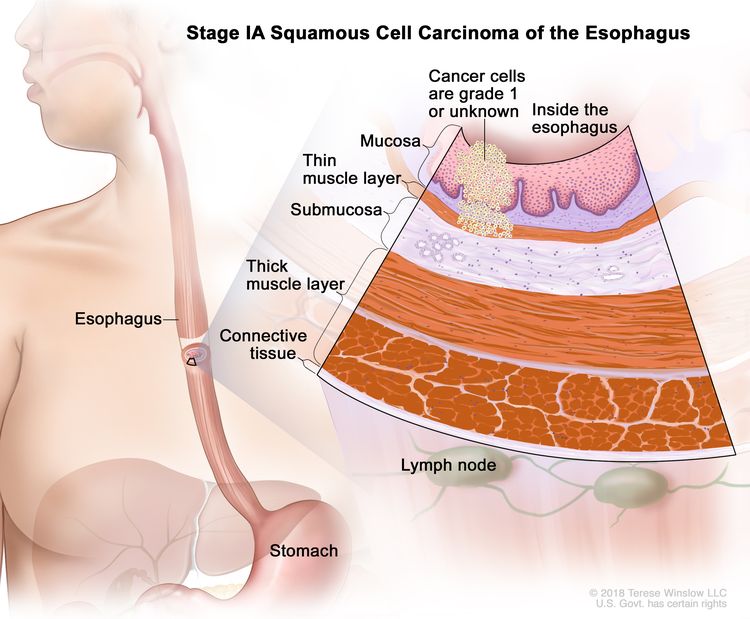
Esophageal Cancer—Health Professional Version

Esophageal Cancer—Health Professional Version

Esophageal Cancer—Patient Version

Esophageal Cancer—Patient Version

Overview

The most common types of esophageal cancer are adenocarcinoma and squamous cell carcinoma. These two forms of esophageal cancer tend to develop in different parts of the esophagus and are driven by different genetic changes. Explore the links on this page to learn more about esophageal cancer prevention, screening, treatment, statistics, research, and clinical trials.
Causes & Prevention

PDQ Prevention Information for Patients

Screening

PDQ Screening Information for Patients

Coping with Cancer

The information in this section is meant to help you cope with the many issues and concerns that occur when you have cancer.

Emotions and Cancer Adjusting to Cancer Support for Caregivers Survivorship Advanced Cancer Managing Cancer Care