Small Intestine Cancer Treatment (PDQ®)–Health Professional Version

Small Intestine Cancer Treatment (PDQ®)–Health Professional Version

General Information About Small Intestine Cancer

Incidence and Mortality

Estimated new cases and deaths from small intestine cancer in the United States in 2025:[1]

  • New cases: 13,920.
  • Deaths: 2,060.

Small intestine cancer types include adenocarcinoma, sarcoma, neuroendocrine tumors, gastrointestinal stromal tumors, and lymphoma. Small intestine cancer accounts for 3.8% of all digestive system malignancies.[1,2]

Follow-Up and Survivorship

As in other gastrointestinal malignancies, the predominant modality of treatment is surgery when resection is possible, and cure relates to the ability to completely resect the cancer.

Neuroendocrine tumors of the small intestine are covered in another summary as a separate cancer entity. For more information, see Gastrointestinal Neuroendocrine Tumors Treatment.

References
  1. American Cancer Society: Cancer Facts and Figures 2025. American Cancer Society, 2025. Available online. Last accessed January 16, 2025.
  2. National Cancer Institute: SEER Cancer Stat Facts: Small Intestine Cancer. Bethesda, Md: National Cancer Institute. Available online. Last accessed March 6, 2025.

Cellular Classification of Small Intestine Cancer

The following tumors occur in the small intestine:

Approximately 25% to 50% of the primary malignant tumors in the small intestine are adenocarcinomas, and most occur in the duodenum.[1] Small intestine carcinomas may occur synchronously or metachronously at multiple sites.

Leiomyosarcomas occur most often in the ileum.

About 20% of malignant lesions of the small intestine are neuroendocrine tumors, which occur more frequently in the ileum than in the duodenum or jejunum and may be multiple.

It is uncommon to find malignant lymphoma as a solitary small intestine lesion.

References
  1. Small Intestine. In: Amin MB, Edge SB, Greene FL, et al., eds.: AJCC Cancer Staging Manual. 8th ed. Springer; 2017, pp. 221–34.

Stage Information for Small Intestine Cancer

The treatment sections of this summary are organized according to histopathological type rather than stage.

AJCC Stage Groupings and TNM Definitions

The American Joint Committee on Cancer (AJCC) has designated staging by TNM (tumor, node, metastasis) classification to define small intestine cancer. This staging classification applies only to adenocarcinomas arising in the nonampullary duodenum and small intestine. Nonadenocarcinomas arising in the small intestine should have a TNM assigned but are not assigned a stage classification.[1]

Table 1. Definitions of Primary Tumor (T)a
T Category T Criteria
aReprinted with permission from AJCC: Small Intestine. In: Amin MB, Edge SB, Greene FL, et al., eds.: AJCC Cancer Staging Manual. 8th ed. New York, NY: Springer, 2017, pp 221–34.
bFor T3 tumors, the nonperitonealized perimuscular tissue is, for the jejunum and ileum, part of the mesentery and, for the duodenum in areas where serosa is lacking, part of the interface with the pancreas.
TX Primary tumor cannot be assessed.
T0 No evidence of primary tumor.
Tis High-grade dysplasia/carcinoma in situ.
T1 Tumor invades the lamina propria or submucosa.
−T1a Tumor invades the lamina propria.
−T1b Tumor invades the submucosa.
T2 Tumor invades the muscularis propria.
T3 Tumor invades through the muscularis propria into the subserosa, or extends into nonperitonealized perimuscular tissue (mesentery or retroperitoneum) without serosal penetration.b
T4 Tumor perforates the visceral peritoneum or directly invades other organs or structures (e.g., other loops of small intestine, mesentery of adjacent loops of bowel, and abdominal wall by way of serosa; for duodenum only, invasion of pancreas or bile duct).
Table 2. Definitions of Regional Lymph Node (N)a
N Category N Criteria
aReprinted with permission from AJCC: Small Intestine. In: Amin MB, Edge SB, Greene FL, et al., eds.: AJCC Cancer Staging Manual. 8th ed. New York, NY: Springer, 2017, pp 221–34.
NX Regional lymph nodes cannot be assessed.
N0 No regional lymph node metastasis.
N1 Metastasis in one or two regional lymph nodes.
N2 Metastasis in three or more regional lymph nodes.
Table 3. Definitions of Distant Metastasis (M)a
M Category M Criteria
aReprinted with permission from AJCC: Small Intestine. In: Amin MB, Edge SB, Greene FL, et al., eds.: AJCC Cancer Staging Manual. 8th ed. New York, NY: Springer, 2017, pp 221–34.
M0 No distant metastasis.
M1 Distant metastasis present.
Table 4. Prognostic Stage Groups for Adenocarcinomaa
Stage T N M
T = primary tumor; N = regional lymph node; M = distant metastasis.
aReprinted with permission from AJCC: Small Intestine. In: Amin MB, Edge SB, Greene FL, et al., eds.: AJCC Cancer Staging Manual. 8th ed. New York, NY: Springer, 2017, pp 221–34.
0 Tis N0 M0
I T1−2 N0 M0
IIA T3 N0 M0
IIB T4 N0 M0
IIIA Any T N1 M0
IIIB Any T N2 M0
IV Any T Any N M1
References
  1. Small Intestine. In: Amin MB, Edge SB, Greene FL, et al., eds.: AJCC Cancer Staging Manual. 8th ed. Springer; 2017, pp. 221–34.

Treatment of Small Intestine Adenocarcinoma

Treatment options:

  1. For resectable primary disease:
    • Radical surgical resection.[1,2]
  2. For unresectable primary disease:
    • Surgical bypass of obstructing lesion.
    • Palliative radiation therapy.
    • Clinical trials evaluating methods to improve local control, such as the use of radiation therapy with radiosensitizers with or without systemic chemotherapy.
  3. For unresectable metastatic disease:
    • Clinical trials evaluating the value of new anticancer drugs and biological therapy (phase I and phase II studies).

Current Clinical Trials

Use our advanced clinical trial search to find NCI-supported cancer clinical trials that are now enrolling patients. The search can be narrowed by location of the trial, type of treatment, name of the drug, and other criteria. General information about clinical trials is also available.

References
  1. Rose DM, Hochwald SN, Klimstra DS, et al.: Primary duodenal adenocarcinoma: a ten-year experience with 79 patients. J Am Coll Surg 183 (2): 89-96, 1996. [PUBMED Abstract]
  2. North JH, Pack MS: Malignant tumors of the small intestine: a review of 144 cases. Am Surg 66 (1): 46-51, 2000. [PUBMED Abstract]

Treatment of Small Intestine Leiomyosarcoma

Treatment options:

  1. For resectable primary disease:
    • Radical surgical resection.
  2. For unresectable primary disease:
    • Surgical bypass of obstructing lesion and radiation therapy.
    • Clinical trials evaluating the value of new anticancer drugs and biological therapy.
  3. For unresectable metastatic disease:
    • Palliative surgery.
    • Palliative radiation therapy.
    • Palliative chemotherapy.
    • Clinical trials evaluating the value of new anticancer drugs and biological therapy.

Current Clinical Trials

Use our advanced clinical trial search to find NCI-supported cancer clinical trials that are now enrolling patients. The search can be narrowed by location of the trial, type of treatment, name of the drug, and other criteria. General information about clinical trials is also available.

Treatment of Recurrent Small Intestine Cancer

Treatment options:

  1. For metastatic adenocarcinoma or leiomyosarcoma:
    • No standard effective chemotherapy exists for patients with recurrent metastatic adenocarcinoma or leiomyosarcoma of the small intestine. These patients should consider enrolling in phase I or II clinical trials evaluating new anticancer drugs or biological therapy.
  2. For locally recurrent disease:
    • Surgery.
    • Palliative radiation therapy.
    • Palliative chemotherapy.
    • Clinical trials evaluating ways of improving local control, such as the use of radiation therapy with radiosensitizers with or without systemic chemotherapy.

Current Clinical Trials

Use our advanced clinical trial search to find NCI-supported cancer clinical trials that are now enrolling patients. The search can be narrowed by location of the trial, type of treatment, name of the drug, and other criteria. General information about clinical trials is also available.

Latest Updates to This Summary (03/06/2025)

The PDQ cancer information summaries are reviewed regularly and updated as new information becomes available. This section describes the latest changes made to this summary as of the date above.

General Information About Small Intestine Cancer

Updated statistics with estimated new cases and deaths for 2025 (cited American Cancer Society as reference 1).

Revised text to state that small intestine cancer accounts for 3.8% of all digestive system malignancies.

This summary is written and maintained by the PDQ Adult Treatment Editorial Board, which is editorially independent of NCI. The summary reflects an independent review of the literature and does not represent a policy statement of NCI or NIH. More information about summary policies and the role of the PDQ Editorial Boards in maintaining the PDQ summaries can be found on the About This PDQ Summary and PDQ® Cancer Information for Health Professionals pages.

About This PDQ Summary

Purpose of This Summary

This PDQ cancer information summary for health professionals provides comprehensive, peer-reviewed, evidence-based information about the treatment of small intestine cancer. It is intended as a resource to inform and assist clinicians in the care of their patients. It does not provide formal guidelines or recommendations for making health care decisions.

Reviewers and Updates

This summary is reviewed regularly and updated as necessary by the PDQ Adult Treatment Editorial Board, which is editorially independent of the National Cancer Institute (NCI). The summary reflects an independent review of the literature and does not represent a policy statement of NCI or the National Institutes of Health (NIH).

Board members review recently published articles each month to determine whether an article should:

  • be discussed at a meeting,
  • be cited with text, or
  • replace or update an existing article that is already cited.

Changes to the summaries are made through a consensus process in which Board members evaluate the strength of the evidence in the published articles and determine how the article should be included in the summary.

The lead reviewers for Small Intestine Cancer Treatment are:

  • Amit Chowdhry, MD, PhD (University of Rochester Medical Center)
  • Leon Pappas, MD, PhD (Massachusetts General Hospital)

Any comments or questions about the summary content should be submitted to Cancer.gov through the NCI website’s Email Us. Do not contact the individual Board Members with questions or comments about the summaries. Board members will not respond to individual inquiries.

Levels of Evidence

Some of the reference citations in this summary are accompanied by a level-of-evidence designation. These designations are intended to help readers assess the strength of the evidence supporting the use of specific interventions or approaches. The PDQ Adult Treatment Editorial Board uses a formal evidence ranking system in developing its level-of-evidence designations.

Permission to Use This Summary

PDQ is a registered trademark. Although the content of PDQ documents can be used freely as text, it cannot be identified as an NCI PDQ cancer information summary unless it is presented in its entirety and is regularly updated. However, an author would be permitted to write a sentence such as “NCI’s PDQ cancer information summary about breast cancer prevention states the risks succinctly: [include excerpt from the summary].”

The preferred citation for this PDQ summary is:

PDQ® Adult Treatment Editorial Board. PDQ Small Intestine Cancer Treatment. Bethesda, MD: National Cancer Institute. Updated <MM/DD/YYYY>. Available at: /types/small-intestine/hp/small-intestine-treatment-pdq. Accessed <MM/DD/YYYY>. [PMID: 26389423]

Images in this summary are used with permission of the author(s), artist, and/or publisher for use within the PDQ summaries only. Permission to use images outside the context of PDQ information must be obtained from the owner(s) and cannot be granted by the National Cancer Institute. Information about using the illustrations in this summary, along with many other cancer-related images, is available in Visuals Online, a collection of over 2,000 scientific images.

Disclaimer

Based on the strength of the available evidence, treatment options may be described as either “standard” or “under clinical evaluation.” These classifications should not be used as a basis for insurance reimbursement determinations. More information on insurance coverage is available on Cancer.gov on the Managing Cancer Care page.

Contact Us

More information about contacting us or receiving help with the Cancer.gov website can be found on our Contact Us for Help page. Questions can also be submitted to Cancer.gov through the website’s Email Us.

Small Intestine Cancer—Health Professional Version

Small Intestine Cancer—Health Professional Version

Treatment

PDQ Treatment Information for Health Professionals

More information

Causes & Prevention

NCI does not have PDQ evidence-based information about prevention of small intestine cancer.

Screening

NCI does not have PDQ evidence-based information about screening for small intestine cancer.

Supportive & Palliative Care

We offer evidence-based supportive and palliative care information for health professionals on the assessment and management of cancer-related symptoms and conditions.

Cancer Pain Nausea and Vomiting Nutrition in Cancer Care Transition to End-of-Life Care Last Days of Life View all Supportive and Palliative Care Summaries

Pituitary Tumors Treatment (PDQ®)–Patient Version

Pituitary Tumors Treatment (PDQ®)–Patient Version

General Information About Pituitary Tumors

Key Points

  • A pituitary tumor is a growth of abnormal cells in the tissues of the pituitary gland.
  • The pituitary gland hormones control many other glands in the body.
  • Having certain genetic conditions increases the risk of developing a pituitary tumor.
  • Signs of a pituitary tumor include problems with vision and certain physical changes.
  • Imaging studies and tests that examine the blood and urine are used to diagnose a pituitary tumor.
  • Certain factors affect prognosis (chance of recovery) and treatment options.

A pituitary tumor is a growth of abnormal cells in the tissues of the pituitary gland.

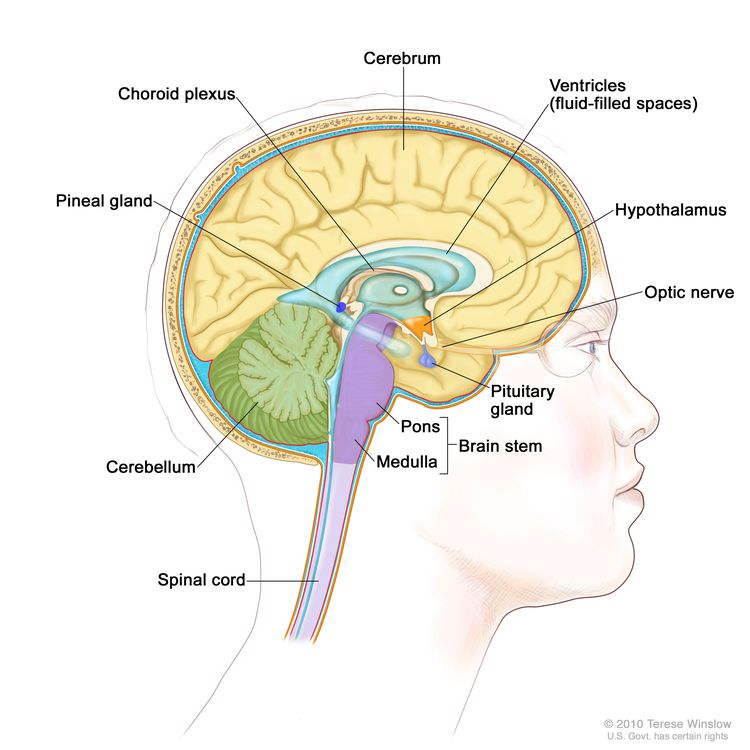
Pituitary tumors form in the pituitary gland, a pea-sized organ in the center of the brain, just above the back of the nose. The pituitary gland is sometimes called the “master endocrine gland” because it makes hormones that affect the way many parts of the body work. It also controls hormones made by many other glands in the body.

EnlargeDrawing of the inside of the brain showing ventricles (fluid-filled spaces), choroid plexus, hypothalamus, pineal gland, pituitary gland, optic nerve, brain stem, cerebellum, cerebrum, medulla, pons, and spinal cord.
Anatomy of the inside of the brain, showing the pineal and pituitary glands, optic nerve, ventricles (with cerebrospinal fluid shown in blue), and other parts of the brain.

Pituitary tumors are divided into three groups:

  • Benign pituitary adenomas: Tumors that are not cancer. These tumors grow very slowly and do not spread from the pituitary gland to other parts of the body.
  • Invasive pituitary adenomas: Benign tumors that may spread to bones of the skull or the sinus cavity below the pituitary gland.
  • Pituitary carcinomas: Tumors that are malignant (cancer). These pituitary tumors spread into other areas of the central nervous system (brain and spinal cord) or outside of the central nervous system. Very few pituitary tumors are malignant.

Pituitary tumors may be either nonfunctioning or functioning.

  • Nonfunctioning pituitary tumors do not make extra amounts of hormones.
  • Functioning pituitary tumors make more than the normal amount of one or more hormones. Most pituitary tumors are functioning tumors. The extra hormones made by pituitary tumors may cause certain signs or symptoms of disease.

The pituitary gland hormones control many other glands in the body.

Hormones made by the pituitary gland include:

Having certain genetic conditions increases the risk of developing a pituitary tumor.

Anything that increases a person’s chance of getting a disease is called a risk factor. Not every person with one or more of these risk factors will develop pituitary tumors, and they will develop in some people who don’t have any known risk factors. Talk with your doctor if you think you may be at risk. Hereditary syndromes that increase a person’s risk for pituitary tumors include:

Signs of a pituitary tumor include problems with vision and certain physical changes.

Signs and symptoms can be caused by the growth of the tumor and/or by hormones the tumor makes or by other conditions. Some tumors may not cause signs or symptoms. Check with your doctor if you have any of these problems.

Signs and symptoms of a nonfunctioning pituitary tumor

Sometimes, a pituitary tumor may press on or damage parts of the pituitary gland, causing it to stop making one or more hormones. Too little of a certain hormone will affect the work of the gland or organ that the hormone controls. The following signs and symptoms may occur:

  • Headache.
  • Some loss of vision.
  • Loss of body hair.
  • In women, less frequent or no menstrual periods or no milk from the breasts.
  • In men, loss of facial hair, growth of breast tissue, and impotence.
  • In women and men, lower sex drive.
  • In children, slowed growth and sexual development.

Most of the tumors that make LH and FSH do not make enough extra hormone to cause signs and symptoms. These tumors are considered to be nonfunctioning tumors.

Signs and symptoms of a functioning pituitary tumor

When a functioning pituitary tumor makes extra hormones, the signs and symptoms will depend on the type of hormone being made.

Too much prolactin may cause:

  • Headache.
  • Some loss of vision.
  • Less frequent or no menstrual periods or menstrual periods with a very light flow.
  • Trouble becoming pregnant or an inability to become pregnant.
  • Impotence in men.
  • Lower sex drive.
  • Flow of breast milk in a woman who is not pregnant or breast-feeding.

Too much ACTH may cause:

  • Headache.
  • Some loss of vision.
  • Weight gain in the face, neck, and trunk of the body, and thin arms and legs.
  • A lump of fat on the back of the neck.
  • Thin skin that may have purple or pink stretch marks on the chest or abdomen.
  • Easy bruising.
  • Growth of fine hair on the face, upper back, or arms.
  • Bones that break easily.
  • Anxiety, irritability, and depression.

Too much growth hormone may cause:

  • Headache.
  • Some loss of vision.
  • In adults, acromegaly (growth of the bones in the face, hands, and feet). In children, the whole body may grow much taller and larger than normal.
  • Tingling or numbness in the hands and fingers.
  • Snoring or pauses in breathing during sleep.
  • Joint pain.
  • Sweating more than usual.
  • Dysmorphophobia (extreme dislike of or concern about one or more parts of the body).

Too much thyroid-stimulating hormone may cause:

  • Irregular heartbeat.
  • Shakiness.
  • Weight loss.
  • Trouble sleeping.
  • Frequent bowel movements.
  • Sweating.

Other general signs and symptoms of pituitary tumors:

Imaging studies and tests that examine the blood and urine are used to diagnose a pituitary tumor.

In addition to asking about your personal and family health history and doing a physical exam, your doctor may perform the following tests and procedures:

  • Eye exam: An exam to check vision and the general health of the eyes.
  • Visual field exam: An exam to check a person’s field of vision (the total area in which objects can be seen). This test measures both central vision (how much a person can see when looking straight ahead) and peripheral vision (how much a person can see in all other directions while staring straight ahead). The eyes are tested one at a time. The eye not being tested is covered.
  • Neurological exam: A series of questions and tests to check the brain, spinal cord, and nerve function. The exam checks a person’s mental status, coordination, and ability to walk normally, and how well the muscles, senses, and reflexes work. This may also be called a neuro exam or a neurologic exam.
  • MRI (magnetic resonance imaging) with gadolinium: A procedure that uses a magnet, radio waves, and a computer to make a series of detailed pictures of areas inside the brain and spinal cord. A substance called gadolinium is injected into a vein. The gadolinium collects around the cancer cells so they show up brighter in the picture. This procedure is also called nuclear magnetic resonance imaging (NMRI).
  • Blood chemistry study: A procedure in which a blood sample is checked to measure the amounts of certain substances, such as glucose (sugar), released into the blood by organs and tissues in the body. An unusual (higher or lower than normal) amount of a substance can be a sign of disease.
  • Blood tests: Tests to measure the levels of testosterone or estrogen in the blood. A higher- or lower-than-normal amount of these hormones may be a sign of pituitary tumor.
  • Twenty-four-hour urine test: A test in which urine is collected for 24 hours to measure the amounts of certain substances. An unusual (higher or lower than normal) amount of a substance can be a sign of disease in the organ or tissue that makes it. A higher-than-normal amount of the hormone cortisol may be a sign of a pituitary tumor and Cushing syndrome.
  • High-dose dexamethasone suppression test: A test in which one or more high doses of dexamethasone are given. The level of cortisol is checked from a sample of blood or from urine that is collected for three days. This test is done to check if the adrenal gland is making too much cortisol or if the pituitary gland is telling the adrenal glands to make too much cortisol.
  • Low-dose dexamethasone suppression test: A test in which one or more small doses of dexamethasone are given. The level of cortisol is checked from a sample of blood or from urine that is collected for three days. This test is done to check if the adrenal gland is making too much cortisol.
  • Venous sampling for pituitary tumors: A procedure in which a sample of blood is taken from veins coming from the pituitary gland. The sample is checked to measure the amount of ACTH released into the blood by the gland. Venous sampling may be done if blood tests show there is a tumor making ACTH, but the pituitary gland looks normal in the imaging tests.
  • Biopsy: The removal of cells or tissues so they can be viewed under a microscope by a pathologist to check for signs of cancer.

    The following tests may be done on the sample of tissue that is removed:

    • Immunohistochemistry: A laboratory test that uses antibodies to check for certain antigens (markers) in a sample of a patient’s tissue. The antibodies are usually linked to an enzyme or a fluorescent dye. After the antibodies bind to a specific antigen in the tissue sample, the enzyme or dye is activated, and the antigen can then be seen under a microscope. This type of test is used to help diagnose cancer and to help tell one type of cancer from another type of cancer.
    • Immunocytochemistry: A laboratory test that uses antibodies to check for certain antigens (markers) in a sample of a patient’s cells. The antibodies are usually linked to an enzyme or a fluorescent dye. After the antibodies bind to the antigen in the sample of the patient’s cells, the enzyme or dye is activated, and the antigen can then be seen under a microscope. This type of test is used to help diagnose cancer and to help tell one type of cancer from another type of cancer.
    • Light and electron microscopy: A laboratory test in which cells in a sample of tissue are viewed under regular and high-powered microscopes to look for certain changes in the cells.

Certain factors affect prognosis (chance of recovery) and treatment options.

The prognosis depends on the type of tumor and whether the tumor has spread into other areas of the central nervous system (brain and spinal cord) or outside of the central nervous system to other parts of the body.

Treatment options depend on:

  • The type and size of the tumor.
  • Whether the tumor is making hormones.
  • Whether the tumor is causing problems with vision or other signs or symptoms.
  • Whether the tumor has spread into the brain around the pituitary gland or to other parts of the body.
  • Whether the tumor has just been diagnosed or has recurred (come back).

Stages of Pituitary Tumors

Key Points

  • Once a pituitary tumor has been diagnosed, tests are done to find out if it has spread within the central nervous system (brain and spinal cord) or to other parts of the body.
  • Pituitary tumors are described in several ways.
  • Pituitary tumors can recur (come back) after they have been treated.

Once a pituitary tumor has been diagnosed, tests are done to find out if it has spread within the central nervous system (brain and spinal cord) or to other parts of the body.

The extent or spread of cancer is usually described as stages. There is no standard staging system for pituitary tumors. Once a pituitary tumor is found, tests are done to find out if the tumor has spread into the brain or to other parts of the body. The following test may be used:

  • MRI (magnetic resonance imaging): A procedure that uses a magnet, radio waves, and a computer to make a series of detailed pictures of areas inside the body. This procedure is also called nuclear magnetic resonance imaging (NMRI).

Pituitary tumors are described in several ways.

EnlargeDrawing shows different sizes of a tumor in centimeters (cm) compared to the size of a pea (1 cm), a peanut (2 cm), a grape (3 cm), a walnut (4 cm), a lime (5 cm), an egg (6 cm), a peach (7 cm), and a grapefruit (10 cm). Also shown is a 10-cm ruler and a 4-inch ruler.
Tumor sizes are often measured in centimeters (cm) or inches. Common food items that can be used to show tumor size in cm include: a pea (1 cm), a peanut (2 cm), a grape (3 cm), a walnut (4 cm), a lime (5 cm or 2 inches), an egg (6 cm), a peach (7 cm), and a grapefruit (10 cm or 4 inches).

Pituitary tumors are described by their size and grade, whether or not they make extra hormones, and whether the tumor has spread to other parts of the body.

The following sizes are used:

  • Microadenoma: The tumor is smaller than 1 centimeter.
  • Macroadenoma: The tumor is 1 centimeter or larger.

Most pituitary adenomas are microadenomas.

The grade of a pituitary tumor is based on how far it has grown into the surrounding area of the brain, including the sella (the bone at the base of the skull, where the pituitary gland sits).

Pituitary tumors can recur (come back) after they have been treated.

The cancer may come back in the pituitary gland or in other parts of the body.

Treatment Option Overview

Key Points

  • There are different types of treatment for patients with pituitary tumors.
  • The following types of treatment are used:
    • Surgery
    • Radiation therapy
    • Drug therapy
    • Chemotherapy
  • New types of treatment are being tested in clinical trials.
  • Treatment for pituitary tumors may cause side effects.
  • Patients may want to think about taking part in a clinical trial.
  • Patients can enter clinical trials before, during, or after starting their cancer treatment.
  • Follow-up tests may be needed.

There are different types of treatment for patients with pituitary tumors.

Different types of treatments are available for patients with pituitary tumors. Some treatments are standard (the currently used treatment), and some are being tested in clinical trials. A treatment clinical trial is a research study meant to help improve current treatments or obtain information on new treatments for patients with cancer. When clinical trials show that a new treatment is better than the standard treatment, the new treatment may become the standard treatment. Patients may want to think about taking part in a clinical trial. Some clinical trials are open only to patients who have not started treatment.

The following types of treatment are used:

Surgery

Many pituitary tumors can be removed by surgery using one of the following operations:

  • Transsphenoidal surgery: A type of surgery in which the instruments are inserted into part of the brain by going through an incision (cut) made under the upper lip or at the bottom of the nose between the nostrils and then through the sphenoid bone (a butterfly-shaped bone at the base of the skull) to reach the pituitary gland. The pituitary gland lies just above the sphenoid bone.
    EnlargeTranssphenoidal surgery; drawing shows an endoscope and a curette inserted through the nose and sphenoid sinus to remove cancer from the pituitary gland. The sphenoid bone is also shown.
    Transsphenoidal surgery. An endoscope and a curette are inserted through the nose and sphenoid sinus to remove cancer from the pituitary gland.
  • Endoscopic transsphenoidal surgery: A type of surgery in which an endoscope is inserted through an incision (cut) made at the back of the inside of the nose and then through the sphenoid bone to reach the pituitary gland. An endoscope is a thin, tube-like instrument with a light, a lens for viewing, and a tool for removing tumor tissue.
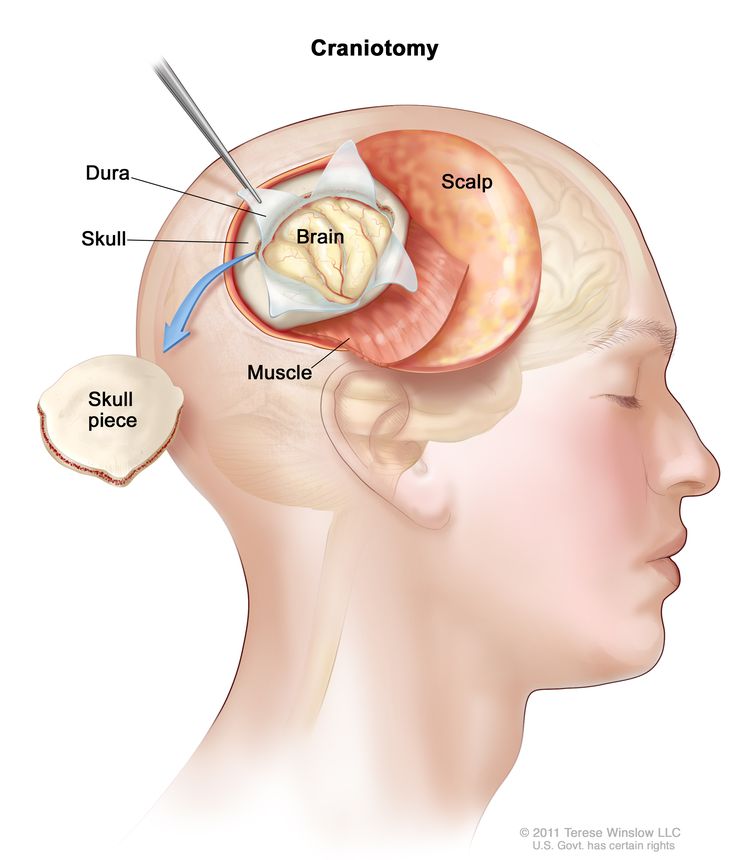
  • Craniotomy: Surgery to remove the tumor through an opening made in the skull.
    EnlargeDrawing of a craniotomy showing a section of the scalp that has been pulled back to remove a piece of the skull; the dura covering the brain has been opened to expose the brain. The layer of muscle under the scalp is also shown.
    Craniotomy: An opening is made in the skull and a piece of the skull is removed to show part of the brain.

After the doctor removes all the cancer that can be seen at the time of the surgery, some patients may be given chemotherapy or radiation therapy after surgery to kill any cancer cells that are left. Treatment given after the surgery, to lower the risk that the cancer will come back, is called adjuvant therapy.

Radiation therapy

Radiation therapy is a cancer treatment that uses high-energy x-rays or other types of radiation to kill cancer cells or keep them from growing. External radiation therapy uses a machine outside the body to send radiation toward the area of the body with cancer. Certain ways of giving radiation therapy can help keep radiation from damaging nearby healthy tissue. This type of radiation therapy may include:

  • Stereotactic radiosurgery: A rigid head frame is attached to the skull to keep the head still during the radiation treatment. A machine aims a single large dose of radiation directly at the tumor. This procedure does not involve surgery. It is also called stereotaxic radiosurgery, radiosurgery, and radiation surgery.

Drug therapy

Drugs may be given to stop a functioning pituitary tumor from making too many hormones.

Chemotherapy

Chemotherapy may be used as palliative treatment for pituitary carcinomas, to relieve symptoms and improve the patient’s quality of life. Chemotherapy uses drugs to stop the growth of cancer cells, either by killing the cells or by stopping them from dividing. When chemotherapy is taken by mouth or injected into a vein or muscle, the drugs enter the bloodstream and can reach cancer cells throughout the body (systemic chemotherapy). When chemotherapy is placed directly into the cerebrospinal fluid, an organ, or a body cavity such as the abdomen, the drugs mainly affect cancer cells in those areas (regional chemotherapy). The way the chemotherapy is given depends on the type of the cancer being treated.

New types of treatment are being tested in clinical trials.

Information about clinical trials is available from the NCI website.

Treatment for pituitary tumors may cause side effects.

For information about side effects caused by treatment for cancer, visit our Side Effects page.

Patients may want to think about taking part in a clinical trial.

For some patients, taking part in a clinical trial may be the best treatment choice. Clinical trials are part of the cancer research process. Clinical trials are done to find out if new cancer treatments are safe and effective or better than the standard treatment.

Many of today’s standard treatments for cancer are based on earlier clinical trials. Patients who take part in a clinical trial may receive the standard treatment or be among the first to receive a new treatment.

Patients who take part in clinical trials also help improve the way cancer will be treated in the future. Even when clinical trials do not lead to effective new treatments, they often answer important questions and help move research forward.

Patients can enter clinical trials before, during, or after starting their cancer treatment.

Some clinical trials only include patients who have not yet received treatment. Other trials test treatments for patients whose cancer has not gotten better. There are also clinical trials that test new ways to stop cancer from recurring (coming back) or reduce the side effects of cancer treatment.

Clinical trials are taking place in many parts of the country. Information about clinical trials supported by NCI can be found on NCI’s clinical trials search webpage. Clinical trials supported by other organizations can be found on the ClinicalTrials.gov website.

Follow-up tests may be needed.

As you go through treatment, you will have follow-up tests or check-ups. Some tests that were done to diagnose or stage the cancer may be repeated to see how well the treatment is working. Decisions about whether to continue, change, or stop treatment may be based on the results of these tests.

Some of the tests will continue to be done from time to time after treatment has ended. The results of these tests can show if your condition has changed or if the cancer has recurred (come back).

Treatment of Nonfunctioning Pituitary Tumors

For information about the treatments listed below, see the Treatment Option Overview section.

Treatment may include:

Treatment for luteinizing hormone–producing and follicle-stimulating hormone–producing tumors is usually transsphenoidal surgery to remove the tumor.

Use our clinical trial search to find NCI-supported cancer clinical trials that are accepting patients. You can search for trials based on the type of cancer, the age of the patient, and where the trials are being done. General information about clinical trials is also available.

Treatment of Prolactin-Producing Pituitary Tumors

For information about the treatments listed below, see the Treatment Option Overview section.

Treatment may include:

Use our clinical trial search to find NCI-supported cancer clinical trials that are accepting patients. You can search for trials based on the type of cancer, the age of the patient, and where the trials are being done. General information about clinical trials is also available.

Treatment of ACTH-Producing Pituitary Tumors

For information about the treatments listed below, see the Treatment Option Overview section.

Treatment may include:

Use our clinical trial search to find NCI-supported cancer clinical trials that are accepting patients. You can search for trials based on the type of cancer, the age of the patient, and where the trials are being done. General information about clinical trials is also available.

Treatment of Growth Hormone–Producing Pituitary Tumors

For information about the treatments listed below, see the Treatment Option Overview section.

Treatment may include:

Use our clinical trial search to find NCI-supported cancer clinical trials that are accepting patients. You can search for trials based on the type of cancer, the age of the patient, and where the trials are being done. General information about clinical trials is also available.

Treatment of Thyroid-Stimulating Hormone–Producing Tumors

For information about the treatments listed below, see the Treatment Option Overview section.

Treatment may include:

Use our clinical trial search to find NCI-supported cancer clinical trials that are accepting patients. You can search for trials based on the type of cancer, the age of the patient, and where the trials are being done. General information about clinical trials is also available.

Treatment of Pituitary Carcinomas

For information about the treatments listed below, see the Treatment Option Overview section.

Treatment of pituitary carcinomas is palliative, to relieve symptoms and improve the quality of life. Treatment may include:

Use our clinical trial search to find NCI-supported cancer clinical trials that are accepting patients. You can search for trials based on the type of cancer, the age of the patient, and where the trials are being done. General information about clinical trials is also available.

Treatment of Recurrent Pituitary Tumors

For information about the treatments listed below, see the Treatment Option Overview section.

Treatment may include:

Use our clinical trial search to find NCI-supported cancer clinical trials that are accepting patients. You can search for trials based on the type of cancer, the age of the patient, and where the trials are being done. General information about clinical trials is also available.

To Learn More About Pituitary Tumors

About This PDQ Summary

About PDQ

Physician Data Query (PDQ) is the National Cancer Institute’s (NCI’s) comprehensive cancer information database. The PDQ database contains summaries of the latest published information on cancer prevention, detection, genetics, treatment, supportive care, and complementary and alternative medicine. Most summaries come in two versions. The health professional versions have detailed information written in technical language. The patient versions are written in easy-to-understand, nontechnical language. Both versions have cancer information that is accurate and up to date and most versions are also available in Spanish.

PDQ is a service of the NCI. The NCI is part of the National Institutes of Health (NIH). NIH is the federal government’s center of biomedical research. The PDQ summaries are based on an independent review of the medical literature. They are not policy statements of the NCI or the NIH.

Purpose of This Summary

This PDQ cancer information summary has current information about the treatment of pituitary tumors. It is meant to inform and help patients, families, and caregivers. It does not give formal guidelines or recommendations for making decisions about health care.

Reviewers and Updates

Editorial Boards write the PDQ cancer information summaries and keep them up to date. These Boards are made up of experts in cancer treatment and other specialties related to cancer. The summaries are reviewed regularly and changes are made when there is new information. The date on each summary (“Updated”) is the date of the most recent change.

The information in this patient summary was taken from the health professional version, which is reviewed regularly and updated as needed, by the PDQ Adult Treatment Editorial Board.

Clinical Trial Information

A clinical trial is a study to answer a scientific question, such as whether one treatment is better than another. Trials are based on past studies and what has been learned in the laboratory. Each trial answers certain scientific questions in order to find new and better ways to help cancer patients. During treatment clinical trials, information is collected about the effects of a new treatment and how well it works. If a clinical trial shows that a new treatment is better than one currently being used, the new treatment may become “standard.” Patients may want to think about taking part in a clinical trial. Some clinical trials are open only to patients who have not started treatment.

Clinical trials can be found online at NCI’s website. For more information, call the Cancer Information Service (CIS), NCI’s contact center, at 1-800-4-CANCER (1-800-422-6237).

Permission to Use This Summary

PDQ is a registered trademark. The content of PDQ documents can be used freely as text. It cannot be identified as an NCI PDQ cancer information summary unless the whole summary is shown and it is updated regularly. However, a user would be allowed to write a sentence such as “NCI’s PDQ cancer information summary about breast cancer prevention states the risks in the following way: [include excerpt from the summary].”

The best way to cite this PDQ summary is:

PDQ® Adult Treatment Editorial Board. PDQ Pituitary Tumors Treatment. Bethesda, MD: National Cancer Institute. Updated <MM/DD/YYYY>. Available at: /types/pituitary/patient/pituitary-treatment-pdq. Accessed <MM/DD/YYYY>. [PMID: 26389369]

Images in this summary are used with permission of the author(s), artist, and/or publisher for use in the PDQ summaries only. If you want to use an image from a PDQ summary and you are not using the whole summary, you must get permission from the owner. It cannot be given by the National Cancer Institute. Information about using the images in this summary, along with many other images related to cancer can be found in Visuals Online. Visuals Online is a collection of more than 3,000 scientific images.

Disclaimer

The information in these summaries should not be used to make decisions about insurance reimbursement. More information on insurance coverage is available on Cancer.gov on the Managing Cancer Care page.

Contact Us

More information about contacting us or receiving help with the Cancer.gov website can be found on our Contact Us for Help page. Questions can also be submitted to Cancer.gov through the website’s E-mail Us.

Small Intestine Cancer—Patient Version

Small Intestine Cancer—Patient Version

Overview

Small intestine cancer usually begins in an area of the intestine called the duodenum. This cancer is rarer than cancers in other parts of the gastrointestinal system, such as the colon and stomach. Explore the links on this page to learn more about small intestine cancer treatment, statistics, research, and clinical trials.

Treatment

PDQ Treatment Information for Patients

More information

Causes & Prevention

NCI does not have PDQ evidence-based information about prevention of small intestine cancer.

Screening

NCI does not have PDQ evidence-based information about screening for small intestine cancer.

Coping with Cancer

The information in this section is meant to help you cope with the many issues and concerns that occur when you have cancer.

Emotions and Cancer Adjusting to Cancer Support for Caregivers Survivorship Advanced Cancer Managing Cancer Care

Pituitary Tumors—Health Professional Version

Pituitary Tumors—Health Professional Version

Treatment

PDQ Treatment Information for Health Professionals

Causes & Prevention

NCI does not have PDQ evidence-based information about prevention of pituitary tumors.

Screening

NCI does not have PDQ evidence-based information about screening for pituitary tumors.

Supportive & Palliative Care

We offer evidence-based supportive and palliative care information for health professionals on the assessment and management of cancer-related symptoms and conditions.

Cancer Pain Nausea and Vomiting Nutrition in Cancer Care Transition to End-of-Life Care Last Days of Life View all Supportive and Palliative Care Summaries

Pituitary Tumors Treatment (PDQ®)–Health Professional Version

Pituitary Tumors Treatment (PDQ®)–Health Professional Version

General Information About Pituitary Tumors

Pituitary tumors account for 10% to 25% of all intracranial neoplasms. Depending on the study cited, pituitary tumors can be classified into one of the following three groups according to their biological behavior:[1,2]

  • Benign adenoma.
  • Invasive adenoma.
  • Carcinoma.

Adenomas account for the largest portion of pituitary neoplasms with an overall estimated prevalence of 17%. Few adenomas are symptomatic.[3] In addition, pituitary adenomas may be distinguished anatomically as intrapituitary, intrasellar, diffuse, and invasive.[4] Approximately 35% of pituitary adenomas are invasive, and may invade the dura mater, cranial bone, or sphenoid sinus.[5] Carcinomas account for 0.1% to 0.2% of all pituitary tumors.[6,7]

Clinical Presentation

The most characteristic presenting features of pituitary adenomas include inappropriate pituitary hormone secretion and visual field deficits.[8]

Rare signs and symptoms of pituitary disease include:[8]

  • Cranial nerve palsies.
  • Temporal lobe epilepsy.
  • Hydrocephalus.
  • Cerebrospinal fluid rhinorrhea.

The signs and symptoms commonly associated with pituitary tumors are derived from each specific cell type (i.e., prolactinomas, corticotroph adenomas, somatotroph adenomas, thyrotroph adenomas, and nonfunctioning adenomas).

Prolactin-producing pituitary tumors

Signs and symptoms of prolactin-producing pituitary tumors, also known as prolactinomas and lactotroph adenomas, may include:[8]

  • Headache.
  • Visual field deficits.
  • Oligomenorrhea or amenorrhea.
  • Reduced fertility.
  • Loss of libido.
  • Erectile dysfunction.
  • Galactorrhea in the estrogen-primed female breast.

Adrenocorticotrophic hormone–producing pituitary tumors

Signs and symptoms of adrenocorticotrophic hormone–producing pituitary tumors, also known as corticotroph adenomas, may include:[8]

  • Headache.
  • Visual field deficits.
  • Proximal myopathy.
  • Centripetal fat distribution.
  • Neuropsychiatric symptoms.
  • Striae.
  • Easy bruising.
  • Skin thinning.
  • Hirsutism.
  • Osteopenia.

Growth hormone–producing pituitary tumors

Signs and symptoms of growth hormone–producing pituitary tumors, also known as somatotroph adenomas, may include:[8]

  • Headache.
  • Visual field deficits.
  • Growth of hands and feet.
  • Coarsening of facial features.
  • Carpal tunnel syndrome.
  • Snoring and obstructive sleep apnea.
  • Jaw growth and prognathism.
  • Osteoarthritis and arthralgia.
  • Excessive sweating.
  • Dysmorphophobia.

Thyrotropin-producing pituitary tumors

Signs and symptoms of thyrotropin (thyroid-stimulating hormone)-producing tumors, also known as thyrotroph adenomas, may include:[9]

  • Heart palpitations.
  • Tremor.
  • Weight loss.
  • Insomnia.
  • Hyperdefecation.
  • Sweating.

Nonfunctioning adenomas

Signs and symptoms of nonfunctioning adenomas (most commonly gonadotroph adenomas) may include:[10]

  • Headache.
  • Visual field deficits.
  • Pituitary insufficiency, which is due to compression of the pituitary stalk or destruction of normal pituitary tissue by the tumor. It predominantly manifests as secondary hypogonadism.
  • Rarely, ovarian overstimulation, testicular enlargement, or increased testosterone levels.

In addition to cell-type specific presentations, pituitary apoplexy (i.e., pituitary adenoma apoplexy) represents another important clinical presentation of pituitary adenomas. Pituitary apoplexy can result from an acute hemorrhagic or ischemic infarction of the pituitary in patients harboring often unrecognized secreting or nonfunctioning pituitary adenomas. In a series analyzing 40 cases of pituitary apoplexy, the presenting signs and symptoms included headache (63%), vomiting (50%), visual field defects (61%), ocular paresis (40%), mental deterioration (13%), hyponatremia (13%), and syncope (5%). There were only four cases in which the pituitary tumor was diagnosed before the apoplexy presentation.[11]

The development of pituitary adenomas may also occur as a component of one of the following familial cancer syndromes:[8]

  • Multiple endocrine neoplasia type 1.
  • Carney complex (e.g., cardiac myxomas, spotty skin pigmentation, and tumors of the adrenal gland and anterior pituitary).
  • Isolated familial acromegaly.

Other lesions should be considered in the differential diagnosis of sellar masses. Although rare, lymphocytic (i.e., autoimmune) hypophysitis should be considered in the differential diagnosis of any nonsecreting pituitary mass, especially when occurring during pregnancy or postpartum.[12] In addition, the clinician should consider craniopharyngioma and Rathke cleft cyst in the differential diagnosis of pituitary tumors. Sellar masses may also result from tumors that are metastatic to the pituitary. This typically occurs as a part of a generalized metastatic spread and is usually associated with five or more additional metastatic sites, especially osseous; breast and lung cancer are the most common primary neoplasms metastasizing to the pituitary.[13]

References
  1. Asa SL, Ezzat S: The cytogenesis and pathogenesis of pituitary adenomas. Endocr Rev 19 (6): 798-827, 1998. [PUBMED Abstract]
  2. Landman RE, Horwith M, Peterson RE, et al.: Long-term survival with ACTH-secreting carcinoma of the pituitary: a case report and review of the literature. J Clin Endocrinol Metab 87 (7): 3084-9, 2002. [PUBMED Abstract]
  3. Ezzat S, Asa SL, Couldwell WT, et al.: The prevalence of pituitary adenomas: a systematic review. Cancer 101 (3): 613-9, 2004. [PUBMED Abstract]
  4. Kovacs K, Horvath E, Vidal S: Classification of pituitary adenomas. J Neurooncol 54 (2): 121-7, 2001. [PUBMED Abstract]
  5. Scheithauer BW, Kovacs KT, Laws ER, et al.: Pathology of invasive pituitary tumors with special reference to functional classification. J Neurosurg 65 (6): 733-44, 1986. [PUBMED Abstract]
  6. Pernicone PJ, Scheithauer BW, Sebo TJ, et al.: Pituitary carcinoma: a clinicopathologic study of 15 cases. Cancer 79 (4): 804-12, 1997. [PUBMED Abstract]
  7. Ragel BT, Couldwell WT: Pituitary carcinoma: a review of the literature. Neurosurg Focus 16 (4): E7, 2004. [PUBMED Abstract]
  8. Levy A: Pituitary disease: presentation, diagnosis, and management. J Neurol Neurosurg Psychiatry 75 (Suppl 3): iii47-52, 2004. [PUBMED Abstract]
  9. Vance ML: Treatment of patients with a pituitary adenoma: one clinician’s experience. Neurosurg Focus 16 (4): E1, 2004. [PUBMED Abstract]
  10. Losa M, Mortini P, Barzaghi R, et al.: Endocrine inactive and gonadotroph adenomas: diagnosis and management. J Neurooncol 54 (2): 167-77, 2001. [PUBMED Abstract]
  11. Lubina A, Olchovsky D, Berezin M, et al.: Management of pituitary apoplexy: clinical experience with 40 patients. Acta Neurochir (Wien) 147 (2): 151-7; discussion 157, 2005. [PUBMED Abstract]
  12. Caturegli P, Newschaffer C, Olivi A, et al.: Autoimmune hypophysitis. Endocr Rev 26 (5): 599-614, 2005. [PUBMED Abstract]
  13. Komninos J, Vlassopoulou V, Protopapa D, et al.: Tumors metastatic to the pituitary gland: case report and literature review. J Clin Endocrinol Metab 89 (2): 574-80, 2004. [PUBMED Abstract]

Cellular Classification of Pituitary Tumors

Pituitary adenomas can be classified according to staining affinities of the cell cytoplasm, size, endocrine activity, histological characteristics, hormone production and contents, ultrastructural features, granularity of the cell cytoplasm, cellular composition, cytogenesis, and growth pattern.[1] Recent classifications, however, omit criteria based on tinctorial stains (i.e., acidophilic, basophilic, and chromophobic) because of the poor correlation between staining affinities of the cell cytoplasm and other pathological features of pituitary tumors, such as the type of hormone produced and cellular derivation.[1,2]

A unifying pituitary adenoma classification incorporates the histological, immunocytochemical, and electron microscopic studies of the tumor cells. It also stresses the importance of hormone production, cellular composition, and cytogenesis. This classification emphasizes the structure-function relationship and attempts to correlate morphologic features with secretory activity.[1]

Pituitary adenomas may be classified based on the following:[2]

  1. An anatomical approach, which classifies pituitary tumors by size based on radiological findings. Tumors are divided into microadenomas (i.e., greatest diameter <10 mm) and macroadenomas (i.e., greatest diameter ≥10 mm).[3] Most pituitary adenomas are microadenomas. Historically, the most widely used radioanatomical classification was based primarily on a neuroradiological examination including skull x-rays, pneumoencephalography, polytomography, and carotid angiography [4] and subsequently validated by more accurate computed tomography (CT) and magnetic resonance imaging (MRI). This radioanatomical classification places adenomas into one of five grades (0–IV).[5] For more information, see the Stage Information For Pituitary Tumors section.

    MRI is the imaging modality of choice for the diagnosis of pituitary disorders because of its multiplanar capability and good soft tissue contrast enhancement.[3] Sagittal T1-weighted images, clearly displaying the anterior and posterior lobes and the stalk on the same plane, and coronal images, displaying the relation between the pituitary and cavernous sinuses, are optimal for identifying a pituitary adenoma. A 3-mm thin slice typically is used to obtain optimal resolution.[6] CT may also be a useful diagnostic tool with coronal scans providing the optimal view;[7] however, CT may be less sensitive than MRI in this application.[8] For each imaging technique, a focal hypointensity within the pituitary gland is considered abnormal and suggestive of an adenoma. MRI is also the best diagnostic imaging choice for pituitary carcinomas; metastases may be found in the cerebral lobes, cerebellum, spinal cord, leptomeninges, and subarachnoid space.[9]

  2. Histological criteria, which use the following:
    • Immunohistological characterization of the tumors in terms of hormone production. Immunocytochemical staining for pituitary hormones generally correlates with hormone serum levels. Twenty percent of pituitary adenomas have no identifiable hormone production.
    • Ultrastructural criteria, which can confirm that nonfunctional lesions are of pituitary origin and characterize the cytological differentiation of tumor cells in terms of anterior pituitary cell types.
  3. Functional criteria, which are used to define tumors in terms of their endocrine activity. Clinical endocrinologists often use the functional classification of pituitary adenomas and define these tumors based on their hormonal activity in vivo. A retrospective review of the pituitary adenoma literature indicates that prolactinomas are the most common form of pituitary adenoma as determined by immunohistochemical criteria; tumors secreting adrenocorticotropic hormone (ACTH), growth hormone (GH), luteinizing hormone (LH), and thyroid-stimulating hormone (TSH) follow in decreasing frequency.[3,10] However, functionally inactive pituitary adenomas make up approximately 30% to 35% of the pituitary tumors in most series and are the most common type of macroadenoma.[11]

    Using functional criteria, pituitary adenomas can be characterized as follows:[5]

    • Prolactin (PRL)-producing, also known as lactotroph, adenomas causing hyperprolactinemia and its clinical sequelae.
    • ACTH-producing, also known as corticotroph, adenomas associated with Cushing or Nelson syndromes.
    • GH-producing, also known as somatotroph, adenomas associated with acromegaly and/or gigantism.
    • Rare thyrotropin TSH-producing, also known as thyrotroph, tumors.
    • The large group of clinically nonfunctioning (i.e., the endocrine-inactive) adenomas. This group is predominantly composed of gonadotroph adenomas. Gonadotroph adenomas synthesize follicle-stimulating hormone (FSH) and/or LH, or the alpha or beta subunits of these heterodimers. They are usually detected incidentally or because of the presence of neurological symptoms. Gonadotroph adenomas are inefficient secretors of the hormones they produce, so they rarely result in a clinically recognizable hormonal hypersecretion syndrome.
    • Because of the relative abundance of adenomas that secrete both GH and PRL, the category of mixed adenomas has also become a designation.

    Hormone-secreting pituitary carcinomas may elicit similar signs and symptoms according to the particular hormone that is secreted. They may also produce signs and symptoms related to malignant spread.[9] Because no unequivocal histopathological features of carcinoma exist, the diagnosis of malignancy is reserved for pituitary neoplasms that have metastasized to remote areas of the central nervous system (CNS) or outside of the CNS.[1214] In a review of 95 cases of pituitary carcinoma, 68% of the cases were hormone-producing, and PRL (26%) and ACTH (25%) were the most common hormonal subtypes.[15] Pituitary carcinomas producing GH were the second most common of the hormonal subtypes, and FSH/LH-producing and TSH-producing carcinomas were even more rarely reported. Other reports indicate that as many as 88% of pituitary carcinomas are endocrinologically active, and ACTH-secreting tumors are the most common.[9] Although only 2% to 10% of pituitary adenomas are ACTH-secreting, the percentage of pituitary carcinomas that secrete ACTH is estimated to be much higher at 25% to 34%.[1519] In a series of 15 cases, carcinomas showed a greater tendency toward systemic metastasis than craniospinal metastasis; the rate of systemic metastasis was 71% for PRL-producing cell tumors and 57% for ACTH-producing tumors.[16]

Prolactin (PRL)-Producing Pituitary Tumors

PRL-producing pituitary tumors, also known as prolactinomas and lactotroph adenomas, secrete PRL and are typically an intrasellar tumor. In women, these adenomas are often small (<10 mm). However, in either sex they can become large enough to enlarge the sella turcica. These adenomas represent the most common hormone-producing pituitary tumors and account for 25% to 41% of tumor specimens.[3]

Adrenocorticotrophic Hormone (ACTH)–Producing Pituitary Tumors

The major manifestation of ACTH-producing pituitary tumors, also known as corticotroph adenomas, is secretion of ACTH, which results in Cushing syndrome. These tumors are initially confined to the sella turcica, but they may enlarge and become invasive after bilateral adrenalectomy (i.e., Nelson syndrome). These adenomas represent the second or third most common hormone-producing pituitary tumors, depending on the series; in one series, these tumors accounted for 10% of all tumor specimens.[1,3]

Growth Hormone (GH)–Producing Pituitary Tumors

GH-producing pituitary tumors, also known as somatotroph adenomas, produce GH, resulting in gigantism in younger patients and acromegaly in others. Suprasellar extension is not uncommon. These adenomas represent the second or third most common hormone-producing pituitary tumors, depending on the series; in one series, these adenomas accounted for 13% of tumor specimens.[1,3]

Thyrotropin-Producing Pituitary Tumors

Thyrotroph-producing pituitary tumors, also known as thyrotroph adenomas, secrete TSH, also known as thyrotropin, which results in hyperthyroidism without TSH suppression. Many are large and invasive, may be plurihormonal, and secrete both GH and/or PRL.[20] These tumors are rare and account for no more than 2% of tumor specimens.[1,3,20]

Gonadotroph (FSH-Producing and/or LH-Producing) Adenomas

Gonadotroph adenomas may secrete FSH and/or LH, or the alpha or beta subunits that comprise these heterodimers. Depending on the patient’s sex, this secretion may result in ovarian overstimulation, increased testosterone levels, testicular enlargement, and pituitary insufficiency caused by compression of the pituitary stalk or destruction of normal pituitary tissue by the tumor. Many gonadotroph tumors, however, are unassociated with clinical or biochemical evidence of hormone excess and may be considered to be nonfunctioning or endocrine-inactive tumors.[21] Functional, clinically detectable gonadotroph adenomas are rare.[5]

Plurihormonal Adenomas

Plurihormonal tumors produce more than one hormone. Morphologically, they can be either monomorphous or plurimorphous. Monomorphous plurihormonal adenomas consist of one cell population that produces two or more hormones. The adenoma cells often differ from nontumorous adenohypophysial cells, and their cellular derivation may remain obscure despite extensive morphological studies. Plurimorphous plurihormonal adenomas consist of two or more distinct cell types, and each produces one hormone.[1] Thyrotroph adenomas are often plurihormonal.[20]

Nonfunctioning (Endocrine-Inactive) Adenomas

These tumors arise from the adenohypophysis and cause symptoms when they extend beyond the sella, which results in pressure on the surrounding structures rather than secretion of a hormonally active substance. Endocrine-inactive adenomas show positive immunostaining for one or more pituitary hormones;[1] however, they are not associated with clinical and biochemical evidence of hormone excess. Gonadotrophic hormones, as detected by antisera to beta-FSH and beta-LH, are present in many clinically nonfunctioning adenomas. Some of these adenomas are recognized by electron microscopy to have gonadotrophic differentiation, but some have characteristics of less well-differentiated cells and resemble the null cells that were initially thought to be undifferentiated precursors of adenohypophysial cells.[5] Endocrine-inactive pituitary adenomas account for approximately 30% to 35% of the pituitary tumors in most series and are the most common type of macroadenoma.[11]

Oncocytic Tumors

Oncocytic tumors of the pituitary, also known as pituitary oncocytomas, are characterized by an abundance of mitochondria. These mitochondria may fill up to 50% of the cytoplasmic area, which is normally around 8%, and obscure other organelles. These tumors are usually not associated with clinical and biochemical evidence of hormone excess; in some cases, they may be accompanied by various degrees of hypopituitarism and/or mild hyperprolactinemia. Oncocytic change may occur in several other pituitary tumor types.[1]

Carcinomas

Pituitary carcinomas are usually endocrinologically functional, and ACTH-producing and PRL-producing tumors are the most frequent types.[2,9] The histological and cytological characteristics of pituitary carcinomas vary from bland and monotonous to frankly malignant.[22] Carcinomas show a variable degree of nuclear atypia and cellular pleomorphism, but they also show significantly higher mitotic rates and cell proliferation indices than adenomas.[2] Carcinomas account for 0.1% to 0.2% of all pituitary tumors.[9,16]

Metastatic Tumors

Breast and lung cancers are the most common primary sites for neoplasms that have metastasized to the pituitary. Although tumors that are metastatic to the pituitary have been reported to be as high as 28% in autopsy series, most metastatic tumors are clinically silent.[23]

Other Tumors

Other tumors that arise in the pituitary include craniopharyngiomas, meningiomas, and germ cell tumors; the rare granular cell tumors, pituicytomas, and gangliogliomas; and the even rarer gangliocytomas, lymphomas, astrocytomas, and ependymomas.[2]

References
  1. Kovacs K, Horvath E, Vidal S: Classification of pituitary adenomas. J Neurooncol 54 (2): 121-7, 2001. [PUBMED Abstract]
  2. Ironside JW: Best Practice No 172: pituitary gland pathology. J Clin Pathol 56 (8): 561-8, 2003. [PUBMED Abstract]
  3. Ezzat S, Asa SL, Couldwell WT, et al.: The prevalence of pituitary adenomas: a systematic review. Cancer 101 (3): 613-9, 2004. [PUBMED Abstract]
  4. Hardy J: Transsphenoidal surgery of hypersecreting pituitary tumors. In: Kohler PO, Ross GT, eds.: Diagnosis and treatment of pituitary tumors: proceedings of a conference sponsored jointly by the National Institute of Child Health and Human Development and the National Cancer Institute, January 15-17, 1973, Bethesda, Md. Amsterdam, The Netherlands: Excerpta medica, 1973, pp 179-98.
  5. Asa SL, Ezzat S: The cytogenesis and pathogenesis of pituitary adenomas. Endocr Rev 19 (6): 798-827, 1998. [PUBMED Abstract]
  6. Elster AD: Modern imaging of the pituitary. Radiology 187 (1): 1-14, 1993. [PUBMED Abstract]
  7. Chambers EF, Turski PA, LaMasters D, et al.: Regions of low density in the contrast-enhanced pituitary gland: normal and pathologic processes. Radiology 144 (1): 109-13, 1982. [PUBMED Abstract]
  8. Hall WA, Luciano MG, Doppman JL, et al.: Pituitary magnetic resonance imaging in normal human volunteers: occult adenomas in the general population. Ann Intern Med 120 (10): 817-20, 1994. [PUBMED Abstract]
  9. Ragel BT, Couldwell WT: Pituitary carcinoma: a review of the literature. Neurosurg Focus 16 (4): E7, 2004. [PUBMED Abstract]
  10. McComb DJ, Ryan N, Horvath E, et al.: Subclinical adenomas of the human pituitary. New light on old problems. Arch Pathol Lab Med 107 (9): 488-91, 1983. [PUBMED Abstract]
  11. Yeh PJ, Chen JW: Pituitary tumors: surgical and medical management. Surg Oncol 6 (2): 67-92, 1997. [PUBMED Abstract]
  12. Scheithauer BW, Kovacs KT, Laws ER, et al.: Pathology of invasive pituitary tumors with special reference to functional classification. J Neurosurg 65 (6): 733-44, 1986. [PUBMED Abstract]
  13. Della Casa S, Corsello SM, Satta MA, et al.: Intracranial and spinal dissemination of an ACTH secreting pituitary neoplasia. Case report and review of the literature. Ann Endocrinol (Paris) 58 (6): 503-9, 1997. [PUBMED Abstract]
  14. Kemink SA, Wesseling P, Pieters GF, et al.: Progression of a Nelson’s adenoma to pituitary carcinoma; a case report and review of the literature. J Endocrinol Invest 22 (1): 70-5, 1999. [PUBMED Abstract]
  15. Kaltsas GA, Grossman AB: Malignant pituitary tumours. Pituitary 1 (1): 69-81, 1998. [PUBMED Abstract]
  16. Pernicone PJ, Scheithauer BW, Sebo TJ, et al.: Pituitary carcinoma: a clinicopathologic study of 15 cases. Cancer 79 (4): 804-12, 1997. [PUBMED Abstract]
  17. Kovacs K, Horvath E: Pathology of pituitary tumors. Endocrinol Metab Clin North Am 16 (3): 529-51, 1987. [PUBMED Abstract]
  18. Thapar K, Scheithauer BW, Kovacs K, et al.: p53 expression in pituitary adenomas and carcinomas: correlation with invasiveness and tumor growth fractions. Neurosurgery 38 (4): 765-70; discussion 770-1, 1996. [PUBMED Abstract]
  19. Garrão AF, Sobrinho LG, Pedro-Oliveira, et al.: ACTH-producing carcinoma of the pituitary with haematogenic metastases. Eur J Endocrinol 137 (2): 176-80, 1997. [PUBMED Abstract]
  20. Teramoto A, Sanno N, Tahara S, et al.: Pathological study of thyrotropin-secreting pituitary adenoma: plurihormonality and medical treatment. Acta Neuropathol (Berl) 108 (2): 147-53, 2004. [PUBMED Abstract]
  21. Snyder PJ: Extensive personal experience: gonadotroph adenomas. J Clin Endocrinol Metab 80 (4): 1059-61, 1995. [PUBMED Abstract]
  22. Pernicone PJ, Scheithauer BW: Invasive pituitary adenoma and pituitary carcinoma. In: Thapar K, Kovacs K, Scheithauer BW, et al., eds.: Diagnosis and Management of Pituitary Tumors. Humana Press, 2001, pp 369-86.
  23. Komninos J, Vlassopoulou V, Protopapa D, et al.: Tumors metastatic to the pituitary gland: case report and literature review. J Clin Endocrinol Metab 89 (2): 574-80, 2004. [PUBMED Abstract]

Stage Information for Pituitary Tumors

As with other tumors of the central nervous system (CNS), no TNM (tumor, node, metastasis)-based American Joint Committee on Cancer classification and staging system for pituitary tumors exists.[1] Pituitary tumors are classified according to size and divided into microadenomas (i.e., the greatest diameter is <10 mm) and macroadenomas (i.e., the greatest diameter is ≥10 mm).[2] Most pituitary adenomas are microadenomas.

The most widely used radioanatomical classification was based primarily on a neuroradiological examination including skull x-rays, pneumoencephalography, polytomography, and carotid angiography.[3] This radioanatomical classification was subsequently validated by more accurate magnetic resonance imaging (MRI) and computed tomography. It has been augmented by additional studies including immunohistochemistry and electron microscopy. The classification places adenomas into one of five grades (0–IV).[4]

Currently, MRI is considered the imaging modality of choice for the diagnosis of pituitary disorders because of its multiplanar capability and good soft tissue contrast enhancement.[2] Because no unequivocal histopathological features of pituitary carcinoma exist, the diagnosis of malignancy is reserved for pituitary neoplasms that have metastasized to remote areas of the CNS or to outside of the CNS.[57]

The radiographical classification for pituitary adenomas is as follows:[3,8]

  • 0: Normal pituitary appearance.
  • I: Enclosed within the sella turcica, microadenoma, smaller than 10 mm.
  • II: Enclosed within the sella turcica, macroadenoma, 10 mm or larger.
  • III: Invasive, locally, into the sella.
  • IV: Invasive, diffusely, into the sella.

The grading schema for suprasellar extensions is as follows:[3,8]

  • A: 0 to 10 mm suprasellar extension occupying the suprasellar cistern.
  • B: 10 mm to 20 mm extension and elevation of the third ventricle.
  • C: 20 mm to 30 mm extension occupying the anterior of the third ventricle.
  • D: An extension larger than 30 mm, beyond the foramen of Monro, or Grade C with lateral extensions.
References
  1. Brain and Spinal Cord. In: Amin MB, Edge SB, Greene FL, et al., eds.: AJCC Cancer Staging Manual. 8th ed. Springer; 2017, pp. 857–69.
  2. Ezzat S, Asa SL, Couldwell WT, et al.: The prevalence of pituitary adenomas: a systematic review. Cancer 101 (3): 613-9, 2004. [PUBMED Abstract]
  3. Hardy J: Transsphenoidal surgery of hypersecreting pituitary tumors. In: Kohler PO, Ross GT, eds.: Diagnosis and treatment of pituitary tumors: proceedings of a conference sponsored jointly by the National Institute of Child Health and Human Development and the National Cancer Institute, January 15-17, 1973, Bethesda, Md. Amsterdam, The Netherlands: Excerpta medica, 1973, pp 179-98.
  4. Asa SL, Ezzat S: The cytogenesis and pathogenesis of pituitary adenomas. Endocr Rev 19 (6): 798-827, 1998. [PUBMED Abstract]
  5. Scheithauer BW, Kovacs KT, Laws ER, et al.: Pathology of invasive pituitary tumors with special reference to functional classification. J Neurosurg 65 (6): 733-44, 1986. [PUBMED Abstract]
  6. Della Casa S, Corsello SM, Satta MA, et al.: Intracranial and spinal dissemination of an ACTH secreting pituitary neoplasia. Case report and review of the literature. Ann Endocrinol (Paris) 58 (6): 503-9, 1997. [PUBMED Abstract]
  7. Kemink SA, Wesseling P, Pieters GF, et al.: Progression of a Nelson’s adenoma to pituitary carcinoma; a case report and review of the literature. J Endocrinol Invest 22 (1): 70-5, 1999. [PUBMED Abstract]
  8. Yeh PJ, Chen JW: Pituitary tumors: surgical and medical management. Surg Oncol 6 (2): 67-92, 1997. [PUBMED Abstract]

Treatment Option Overview for Pituitary Tumors

The goals of treatment of pituitary adenomas include normalization of hormonal secretion (i.e., normalization of hypersecretion and improvement in hypofunction) and resolution or cessation of the progression of neurological defects.

Treatment options for patients with pituitary tumors include:

  • Surgery.
  • Radiation therapy.
  • Medical therapy.
  • A combination of surgery, radiation therapy, and medical therapy.
  • Stereotactic radiation surgery (under clinical evaluation).[1]

The choice of treatment must be individualized and is dictated by the type of tumor, the nature of the excessive hormonal expression, and whether the tumor extends into the brain around the pituitary.[2,3]

The transsphenoidal microsurgical approach to a pituitary lesion is the most widely used approach and represents a major development in the safe surgical treatment of both hormonally active and nonfunctioning tumors.[46] This approach is often successful in debulking tumors, even those that have a significant suprasellar extension.

This surgery is contraindicated in patients with tumors with a significant suprasellar extension and an hourglass-shaped narrowing between the intrasellar and suprasellar component because blind attempts to reach the suprasellar tumor may lead to cerebral damage. In addition, an infection in the sphenoid sinus is a potential contraindication to the transsphenoidal approach. In such cases, craniotomies via a pterional or subfrontal approach may be performed. Rapid deterioration of vision is an immediate indication for surgery to relieve pressure produced by an expanding tumor mass, except in the case of macroprolactinomas (where intensive observation with a patient on dopaminergic agonists may be an acceptable alternative). Progressive deterioration of visual fields is often the primary neurological criterion on which surgical management decisions are based.[7]

Conventional radiation therapy is an effective adjunct to the treatment of pituitary tumors.[4] The advantages of radiation therapy are that it is noninvasive and suitable for surgically high-risk patients. The clinical and biochemical response, however, is slow and may require from 2 to 10 years for complete and sustained remission. In addition, radiation therapy carries a substantial risk of hypopituitarism (i.e., approximately 30% at 10 years).

Hormone-secreting tumors may be treated with surgery or radiation therapy. Surgical therapy is the treatment of choice for growth hormone (GH)-producing, adrenocorticotropic hormone (ACTH)-producing, and endocrine-inactive adenomas. GH-secreting tumors can be treated with somatostatin analogues, dopamine analogues, and GH-receptor antagonists, such as pegvisomant.[7] Ketoconazole, an inhibitor of steroidogenesis, is considered the first drug of choice as adjuvant therapy for ACTH-producing tumors.[4] Somatostatin analogues are the treatment of choice for thyroid-stimulating hormone-producing adenomas, but their efficacy may wane with time.[7]

The natural history of GH-secreting and ACTH-secreting pituitary tumors is usually one of slowly progressive enlargement.[4] Microprolactinomas, however, often remain unchanged, or decrease in size over time, and they have occasionally been observed to undergo complete, spontaneous resolution.[7]

References
  1. Laws ER, Sheehan JP, Sheehan JM, et al.: Stereotactic radiosurgery for pituitary adenomas: a review of the literature. J Neurooncol 69 (1-3): 257-72, 2004 Aug-Sep. [PUBMED Abstract]
  2. Asa SL, Ezzat S: The cytogenesis and pathogenesis of pituitary adenomas. Endocr Rev 19 (6): 798-827, 1998. [PUBMED Abstract]
  3. Landman RE, Horwith M, Peterson RE, et al.: Long-term survival with ACTH-secreting carcinoma of the pituitary: a case report and review of the literature. J Clin Endocrinol Metab 87 (7): 3084-9, 2002. [PUBMED Abstract]
  4. Yeh PJ, Chen JW: Pituitary tumors: surgical and medical management. Surg Oncol 6 (2): 67-92, 1997. [PUBMED Abstract]
  5. Hardy J: Transsphenoidal microsurgery of the normal and pathological pituitary. Clin Neurosurg 16: 185-217, 1969. [PUBMED Abstract]
  6. Hardy J: Transsphenoidal hypophysectomy. J Neurosurg 34 (4): 582-94, 1971. [PUBMED Abstract]
  7. Levy A: Pituitary disease: presentation, diagnosis, and management. J Neurol Neurosurg Psychiatry 75 (Suppl 3): iii47-52, 2004. [PUBMED Abstract]

Treatment of Prolactin-Producing Pituitary Tumors

Treatment Options for Prolactin (PRL)-Producing Pituitary Tumors

Treatment options for PRL-producing pituitary tumors include:

  1. Dopamine agonists, such as cabergoline and bromocriptine.[15]
  2. Surgery (second-line).[1,2]
  3. Radiation therapy (occasionally).[1,2]

When the pituitary tumor secretes PRL, treatment depends on tumor size and the symptoms that result from excessive hormone production. Patients with PRL-secreting tumors are treated with surgery and radiation therapy.[1]

Most microprolactinomas and macroprolactinomas respond well to medical therapy with ergot-derived dopamine agonists, including bromocriptine and cabergoline.[2] For many patients, cabergoline has a more tolerable side effect profile than bromocriptine. Cabergoline therapy may be successful in treating patients whose prolactinomas are resistant to bromocriptine or who cannot tolerate bromocriptine, and this treatment has a success rate of more than 90% in patients with newly diagnosed prolactinomas.[35] In a prospective study, cabergoline was safely withdrawn in patients with normalized PRL levels and no evidence of tumor, which may produce a cure rate of approximately 70%.[6] Bromocriptine is the treatment of choice when the patient wants to preserve fertility because of its safety record in pregnancy.[7]

Microprolactinomas change little in size with treatment, but macroprolactinomas can shrink, sometimes quite dramatically. Microprolactinomas may decrease in size over time and they have occasionally been observed to undergo complete, spontaneous resolution.[8] Surgery is typically reserved for patients who cannot tolerate dopamine agonists, who suffer pituitary apoplexy during treatment, or whose macroprolactinomas are not responsive to medical therapy.[2] Occasionally, these tumors may require radiation therapy.[9]

Current Clinical Trials

Use our advanced clinical trial search to find NCI-supported cancer clinical trials that are now enrolling patients. The search can be narrowed by location of the trial, type of treatment, name of the drug, and other criteria. General information about clinical trials is also available.

References
  1. Yeh PJ, Chen JW: Pituitary tumors: surgical and medical management. Surg Oncol 6 (2): 67-92, 1997. [PUBMED Abstract]
  2. Levy A: Pituitary disease: presentation, diagnosis, and management. J Neurol Neurosurg Psychiatry 75 (Suppl 3): iii47-52, 2004. [PUBMED Abstract]
  3. Colao A, Di Sarno A, Landi ML, et al.: Macroprolactinoma shrinkage during cabergoline treatment is greater in naive patients than in patients pretreated with other dopamine agonists: a prospective study in 110 patients. J Clin Endocrinol Metab 85 (6): 2247-52, 2000. [PUBMED Abstract]
  4. Cannavò S, Curtò L, Squadrito S, et al.: Cabergoline: a first-choice treatment in patients with previously untreated prolactin-secreting pituitary adenoma. J Endocrinol Invest 22 (5): 354-9, 1999. [PUBMED Abstract]
  5. Colao A, Di Sarno A, Landi ML, et al.: Long-term and low-dose treatment with cabergoline induces macroprolactinoma shrinkage. J Clin Endocrinol Metab 82 (11): 3574-9, 1997. [PUBMED Abstract]
  6. Colao A, Di Sarno A, Cappabianca P, et al.: Withdrawal of long-term cabergoline therapy for tumoral and nontumoral hyperprolactinemia. N Engl J Med 349 (21): 2023-33, 2003. [PUBMED Abstract]
  7. Schlechte JA: Clinical practice. Prolactinoma. N Engl J Med 349 (21): 2035-41, 2003. [PUBMED Abstract]
  8. Ezzat S, Asa SL, Couldwell WT, et al.: The prevalence of pituitary adenomas: a systematic review. Cancer 101 (3): 613-9, 2004. [PUBMED Abstract]
  9. Nomikos P, Buchfelder M, Fahlbusch R: Current management of prolactinomas. J Neurooncol 54 (2): 139-50, 2001. [PUBMED Abstract]

Treatment of Adrenocorticotropic Hormone–Producing Pituitary Tumors

Treatment Options for Adrenocorticotropic Hormone (ACTH)–Producing Pituitary Tumors

Treatment options for ACTH-producing pituitary tumors include:

  1. Surgery (usually a transsphenoidal approach).[13]
  2. Surgery plus radiation therapy.[1,2,4]
  3. Radiation therapy.[1,2,4]
  4. Steroidogenesis inhibitors, including mitotane, metyrapone, ketoconazole, and aminoglutethimide.[1,2,5]
  5. Stereotactic radiation surgery (under clinical evaluation).[4,6,7]

Transsphenoidal microsurgery is the treatment of choice for patients with corticotroph adenomas.[1,2] Most series report remission rates of approximately 70% to 90%.[1] In a series of 216 patients who underwent surgery using a transsphenoidal approach, 75% experienced long-term remission, 21% experienced persistence of Cushing disease, and 9% had recurrence after the initial correction of the hypercortisolism.[3] The average time interval for reoperation was 3.8 years. Seventy-nine percent of the tumors were microadenomas, and 18% were macroadenomas; 86% of the cases with microadenoma had long-term remission, compared with only 46% of those with macroadenoma. In cases in which hypercortisolemia persists, early repeat exploration and/or radiation therapy or laparoscopic bilateral adrenalectomy may be required.[2]

Radiation therapy has been used in patients who are not surgical candidates and has also been used as adjuvant therapy in patients with residual or recurrent active tumor.[1,4]

Drug therapy may be an adjunct to transsphenoidal microsurgery in cases of residual tumor and in cases where radiation therapy has a delayed effect.[1] Steroidogenesis inhibitors, including mitotane, metyrapone, ketoconazole, and aminoglutethimide are used. Ketoconazole is the best tolerated of these agents and is effective as monotherapy in about 70% of patients.[5]

If untreated, patients frequently die of cardiovascular disease or infection.

Current Clinical Trials

Use our advanced clinical trial search to find NCI-supported cancer clinical trials that are now enrolling patients. The search can be narrowed by location of the trial, type of treatment, name of the drug, and other criteria. General information about clinical trials is also available.

References
  1. Yeh PJ, Chen JW: Pituitary tumors: surgical and medical management. Surg Oncol 6 (2): 67-92, 1997. [PUBMED Abstract]
  2. Levy A: Pituitary disease: presentation, diagnosis, and management. J Neurol Neurosurg Psychiatry 75 (Suppl 3): iii47-52, 2004. [PUBMED Abstract]
  3. Mampalam TJ, Tyrrell JB, Wilson CB: Transsphenoidal microsurgery for Cushing disease. A report of 216 cases. Ann Intern Med 109 (6): 487-93, 1988. [PUBMED Abstract]
  4. Mahmoud-Ahmed AS, Suh JH: Radiation therapy for Cushing’s disease: a review. Pituitary 5 (3): 175-80, 2002. [PUBMED Abstract]
  5. Nieman LK: Medical therapy of Cushing’s disease. Pituitary 5 (2): 77-82, 2002. [PUBMED Abstract]
  6. Devin JK, Allen GS, Cmelak AJ, et al.: The efficacy of linear accelerator radiosurgery in the management of patients with Cushing’s disease. Stereotact Funct Neurosurg 82 (5-6): 254-62, 2004. [PUBMED Abstract]
  7. Wong GK, Leung CH, Chiu KW, et al.: LINAC radiosurgery in recurrent Cushing’s disease after transsphenoidal surgery: a series of 5 cases. Minim Invasive Neurosurg 46 (6): 327-30, 2003. [PUBMED Abstract]

Treatment of Growth Hormone–Producing Pituitary Tumors

Treatment Options for Growth Hormone (GH)–Producing Pituitary Tumors

Treatment options for GH-producing pituitary tumors include:

  1. Surgery (usually a transsphenoidal approach).
  2. Dopamine analogues, such as bromocriptine.
  3. Somatostatin analogues, such as octreotide.
  4. The GH-receptor antagonist pegvisomant.[1,2]
  5. Surgery and postoperative radiation therapy.

Treatment for patients with acromegaly includes surgical, radiation, and medical therapies.[3] Treatment depends on the size and extent of the tumor and the need for rapid cessation of hormone function that results in serious clinical sequelae (i.e., hypertension and cardiomyopathy).

Microadenomectomy or macroadenoma decompression is approached transsphenoidally in most patients. Increasingly, endoscopic surgery is used to allow the entire surgical field to be viewed and to allow tumor tissue that would otherwise be inaccessible with rigid instruments to be safely resected. However, normalization of GH levels is not often achieved. Increasingly, adjuvant radiation therapy is reserved for tumors that extend beyond the safe operative area and appear to pose an ongoing threat.

Drug treatment, whether used as an adjuvant or primary therapy in appropriately selected patients,[4] includes the use of somatostatin analogues, such as octreotide; dopamine analogues, such as bromocriptine; and, the GH-receptor antagonist pegvisomant. As the first of a new class of GH-receptor antagonists, pegvisomant works by inhibiting functional dimerization of GH receptors, inhibiting GH action. Results indicate that it may be the most effective medical treatment for acromegaly.[1,2]

In acromegalic patients, impaired glucose tolerance, hypertension, and hyperlipidemia should be vigorously treated concurrently with definitive therapy. A multidisciplinary clinical approach may be required for the treatment of arthritis, carpal tunnel syndrome, obstructive sleep apnea, and prognathism.[5] Mortality is related primarily to cardiovascular and respiratory diseases.[5]

Current Clinical Trials

Use our advanced clinical trial search to find NCI-supported cancer clinical trials that are now enrolling patients. The search can be narrowed by location of the trial, type of treatment, name of the drug, and other criteria. General information about clinical trials is also available.

References
  1. Stewart PM: Pegvisomant: an advance in clinical efficacy in acromegaly. Eur J Endocrinol 148 (Suppl 2): S27-32, 2003. [PUBMED Abstract]
  2. Muller AF, Kopchick JJ, Flyvbjerg A, et al.: Clinical review 166: Growth hormone receptor antagonists. J Clin Endocrinol Metab 89 (4): 1503-11, 2004. [PUBMED Abstract]
  3. Levy A: Pituitary disease: presentation, diagnosis, and management. J Neurol Neurosurg Psychiatry 75 (Suppl 3): iii47-52, 2004. [PUBMED Abstract]
  4. Kleinberg DL: Primary therapy for acromegaly with somatostatin analogs and a discussion of novel peptide analogs. Rev Endocr Metab Disord 6 (1): 29-37, 2005. [PUBMED Abstract]
  5. Colao A, Ferone D, Marzullo P, et al.: Systemic complications of acromegaly: epidemiology, pathogenesis, and management. Endocr Rev 25 (1): 102-52, 2004. [PUBMED Abstract]

Treatment of Thyrotropin-Producing Tumors

Treatment Options for Thyrotropin-Producing Tumors

Treatment options for thyrotropin-producing tumors include:

  1. Surgery (usually a transsphenoidal approach), with or without adjuvant radiation therapy.[1,2]
  2. Somatostatin analogues, such as octreotide.[3,4]

Transsphenoidal surgery is the treatment of choice for patients with thyrotropic adenomas.[1] Adjuvant radiation therapy may be used when surgery is known to be noncurative, even if the patient is still euthyroid. This is because relapse is inevitable, and the full effect of radiation therapy requires months or years.

Medical therapy may be required for patients who still have hyperthyroid symptoms despite surgery and external radiation. Somatostatin analogues are the treatment of choice, but their efficacy may wane with time.[14]

Current Clinical Trials

Use our advanced clinical trial search to find NCI-supported cancer clinical trials that are now enrolling patients. The search can be narrowed by location of the trial, type of treatment, name of the drug, and other criteria. General information about clinical trials is also available.

References
  1. Brucker-Davis F, Oldfield EH, Skarulis MC, et al.: Thyrotropin-secreting pituitary tumors: diagnostic criteria, thyroid hormone sensitivity, and treatment outcome in 25 patients followed at the National Institutes of Health. J Clin Endocrinol Metab 84 (2): 476-86, 1999. [PUBMED Abstract]
  2. Levy A: Pituitary disease: presentation, diagnosis, and management. J Neurol Neurosurg Psychiatry 75 (Suppl 3): iii47-52, 2004. [PUBMED Abstract]
  3. Caron P, Arlot S, Bauters C, et al.: Efficacy of the long-acting octreotide formulation (octreotide-LAR) in patients with thyrotropin-secreting pituitary adenomas. J Clin Endocrinol Metab 86 (6): 2849-53, 2001. [PUBMED Abstract]
  4. Teramoto A, Sanno N, Tahara S, et al.: Pathological study of thyrotropin-secreting pituitary adenoma: plurihormonality and medical treatment. Acta Neuropathol (Berl) 108 (2): 147-53, 2004. [PUBMED Abstract]

Treatment of Nonfunctioning Pituitary Tumors

Treatment Options for Nonfunctioning Pituitary Tumors

Treatment options for nonfunctioning pituitary tumors include:

  1. Surgery (preferably with a transsphenoidal approach) followed by close observation with radiation therapy reserved for recurrence.[1,2]
  2. Radiation therapy.[13]
  3. Surgery and postoperative radiation therapy.[1,2]

Treatment selection for patients with nonfunctioning (endocrine-inactive) tumors depends on tumor size, the progressive course of the disease, and anatomical structures affected by the tumor extension. Most patients present with suprasellar extension and visual field deficits. In addition, many have hormone deficits before treatment. The initial treatment of patients with gonadotroph adenomas is usually by transsphenoidal surgery, particularly if the adenoma presents with neurological symptoms. This is because the effect of radiation therapy occurs too slowly, and no reliable medical therapy exists.[4]

The first choice of treatment for patients with endocrine-inactive pituitary adenomas is usually surgery, which ameliorates symptoms of chiasmal compression and headache.[1] However, radical removal of the tumor is difficult because of frequent invasion into the cavernous sinus. Seventy percent to 80% of patients experience normalization or improvement of visual field defects, and almost 100% of patients with headache as a presenting symptom experience relief. Regrowth of the tumor after radiologically confirmed gross total removal appears to be uncommon. In a series of 32 patients, only 2 (6.2%) with gross total tumor removal and no postoperative radiation therapy showed radiological recurrence of the tumor at a mean follow-up of 5.5 years.[5]

Radiation therapy has been given postoperatively, and after clear radiological evidence of residual or recurrent tumor has been demonstrated.[13] Drug therapy appears to be of limited value.[13]

Current Clinical Trials

Use our advanced clinical trial search to find NCI-supported cancer clinical trials that are now enrolling patients. The search can be narrowed by location of the trial, type of treatment, name of the drug, and other criteria. General information about clinical trials is also available.

References
  1. Losa M, Mortini P, Barzaghi R, et al.: Endocrine inactive and gonadotroph adenomas: diagnosis and management. J Neurooncol 54 (2): 167-77, 2001. [PUBMED Abstract]
  2. Yeh PJ, Chen JW: Pituitary tumors: surgical and medical management. Surg Oncol 6 (2): 67-92, 1997. [PUBMED Abstract]
  3. Tsang RW, Brierley JD, Panzarella T, et al.: Radiation therapy for pituitary adenoma: treatment outcome and prognostic factors. Int J Radiat Oncol Biol Phys 30 (3): 557-65, 1994. [PUBMED Abstract]
  4. Snyder PJ: Extensive personal experience: gonadotroph adenomas. J Clin Endocrinol Metab 80 (4): 1059-61, 1995. [PUBMED Abstract]
  5. Lillehei KO, Kirschman DL, Kleinschmidt-DeMasters BK, et al.: Reassessment of the role of radiation therapy in the treatment of endocrine-inactive pituitary macroadenomas. Neurosurgery 43 (3): 432-8; discussion 438-9, 1998. [PUBMED Abstract]

Treatment of Pituitary Carcinomas

Treatment Options for Pituitary Carcinomas

Treatment options for pituitary carcinomas include:

  1. Surgery.
  2. Dopamine agonists, such as bromocriptine, pergolide, quinagolide, and cabergoline, for prolactin (PRL)-producing carcinomas.
  3. Somatostatin analogues, such as octreotide, for growth hormone (GH)–producing and thyroid-stimulating hormone (TSH)-producing carcinomas.
  4. Adjuvant radiation therapy, which does not appear to change outcome.
  5. Chemotherapy, which is of little benefit.

Some reports indicate that as many as 88% of pituitary carcinomas are endocrinologically active, and adrenocorticotrophin hormone-secreting tumors are the most common.[1] Treatments for patients with pituitary carcinomas are palliative, with the mean survival time ranging from 2 to 2.4 years, though several case reports of long-term survivors have been published.[25]

Treatment options for patients with pituitary carcinomas include resection and dopamine agonists for PRL-producing tumors; somatostatin analogues for GH-producing and TSH-producing tumors; radiation therapy, and chemotherapy.[1]

Current Clinical Trials

Use our advanced clinical trial search to find NCI-supported cancer clinical trials that are now enrolling patients. The search can be narrowed by location of the trial, type of treatment, name of the drug, and other criteria. General information about clinical trials is also available.

References
  1. Ragel BT, Couldwell WT: Pituitary carcinoma: a review of the literature. Neurosurg Focus 16 (4): E7, 2004. [PUBMED Abstract]
  2. Pernicone PJ, Scheithauer BW, Sebo TJ, et al.: Pituitary carcinoma: a clinicopathologic study of 15 cases. Cancer 79 (4): 804-12, 1997. [PUBMED Abstract]
  3. Sironi M, Cenacchi G, Cozzi L, et al.: Progression on metastatic neuroendocrine carcinoma from a recurrent prolactinoma: a case report. J Clin Pathol 55 (2): 148-51, 2002. [PUBMED Abstract]
  4. Landman RE, Horwith M, Peterson RE, et al.: Long-term survival with ACTH-secreting carcinoma of the pituitary: a case report and review of the literature. J Clin Endocrinol Metab 87 (7): 3084-9, 2002. [PUBMED Abstract]
  5. Vaquero J, Herrero J, Cincu R: Late development of frontal prolactinoma after resection of pituitary tumor. J Neurooncol 64 (3): 255-8, 2003. [PUBMED Abstract]

Treatment of Recurrent Pituitary Tumors

Treatment Options for Recurrent Pituitary Tumors

Treatment options for recurrent pituitary tumors include:

  1. Radiation therapy for postsurgical recurrence, which offers a high likelihood of local control.[1,2]
  2. Reirradiation, which provides long-term local control and control of visual symptoms.[3]
  3. Stereotactic radiation surgery (under clinical evaluation).[46]

Treatment for patients with relapsed disease depends on many factors, including the specific type of pituitary tumor, previous treatment, visual and hormonal complications, and individual patient considerations.

Current Clinical Trials

Use our advanced clinical trial search to find NCI-supported cancer clinical trials that are now enrolling patients. The search can be narrowed by location of the trial, type of treatment, name of the drug, and other criteria. General information about clinical trials is also available.

References
  1. Kovalic JJ, Grigsby PW, Fineberg BB: Recurrent pituitary adenomas after surgical resection: the role of radiation therapy. Radiology 177 (1): 273-5, 1990. [PUBMED Abstract]
  2. Tsang RW, Brierley JD, Panzarella T, et al.: Radiation therapy for pituitary adenoma: treatment outcome and prognostic factors. Int J Radiat Oncol Biol Phys 30 (3): 557-65, 1994. [PUBMED Abstract]
  3. Schoenthaler R, Albright NW, Wara WM, et al.: Re-irradiation of pituitary adenoma. Int J Radiat Oncol Biol Phys 24 (2): 307-14, 1992. [PUBMED Abstract]
  4. Sheehan JP, Kondziolka D, Flickinger J, et al.: Radiosurgery for residual or recurrent nonfunctioning pituitary adenoma. J Neurosurg 97 (5 Suppl): 408-14, 2002. [PUBMED Abstract]
  5. Laws ER, Sheehan JP, Sheehan JM, et al.: Stereotactic radiosurgery for pituitary adenomas: a review of the literature. J Neurooncol 69 (1-3): 257-72, 2004 Aug-Sep. [PUBMED Abstract]
  6. Picozzi P, Losa M, Mortini P, et al.: Radiosurgery and the prevention of regrowth of incompletely removed nonfunctioning pituitary adenomas. J Neurosurg 102 (Suppl): 71-4, 2005. [PUBMED Abstract]

Latest Updates to This Summary (12/17/2024)

The PDQ cancer information summaries are reviewed regularly and updated as new information becomes available. This section describes the latest changes made to this summary as of the date above.

Editorial changes were made to this summary.

This summary is written and maintained by the PDQ Adult Treatment Editorial Board, which is editorially independent of NCI. The summary reflects an independent review of the literature and does not represent a policy statement of NCI or NIH. More information about summary policies and the role of the PDQ Editorial Boards in maintaining the PDQ summaries can be found on the About This PDQ Summary and PDQ® Cancer Information for Health Professionals pages.

About This PDQ Summary

Purpose of This Summary

This PDQ cancer information summary for health professionals provides comprehensive, peer-reviewed, evidence-based information about the treatment of pituitary tumors. It is intended as a resource to inform and assist clinicians in the care of their patients. It does not provide formal guidelines or recommendations for making health care decisions.

Reviewers and Updates

This summary is reviewed regularly and updated as necessary by the PDQ Adult Treatment Editorial Board, which is editorially independent of the National Cancer Institute (NCI). The summary reflects an independent review of the literature and does not represent a policy statement of NCI or the National Institutes of Health (NIH).

Board members review recently published articles each month to determine whether an article should:

  • be discussed at a meeting,
  • be cited with text, or
  • replace or update an existing article that is already cited.

Changes to the summaries are made through a consensus process in which Board members evaluate the strength of the evidence in the published articles and determine how the article should be included in the summary.

The lead reviewers for Pituitary Tumors Treatment are:

  • Solmaz Sahebjam, MD (Johns Hopkins at Sibley Memorial Hospital)
  • Minh Tam Truong, MD (Boston University Medical Center)
  • Jaydira del Rivero, MD (National Cancer Institute)

Any comments or questions about the summary content should be submitted to Cancer.gov through the NCI website’s Email Us. Do not contact the individual Board Members with questions or comments about the summaries. Board members will not respond to individual inquiries.

Levels of Evidence

Some of the reference citations in this summary are accompanied by a level-of-evidence designation. These designations are intended to help readers assess the strength of the evidence supporting the use of specific interventions or approaches. The PDQ Adult Treatment Editorial Board uses a formal evidence ranking system in developing its level-of-evidence designations.

Permission to Use This Summary

PDQ is a registered trademark. Although the content of PDQ documents can be used freely as text, it cannot be identified as an NCI PDQ cancer information summary unless it is presented in its entirety and is regularly updated. However, an author would be permitted to write a sentence such as “NCI’s PDQ cancer information summary about breast cancer prevention states the risks succinctly: [include excerpt from the summary].”

The preferred citation for this PDQ summary is:

PDQ® Adult Treatment Editorial Board. PDQ Pituitary Tumors Treatment. Bethesda, MD: National Cancer Institute. Updated <MM/DD/YYYY>. Available at: /types/pituitary/hp/pituitary-treatment-pdq. Accessed <MM/DD/YYYY>. [PMID: 26389459]

Images in this summary are used with permission of the author(s), artist, and/or publisher for use within the PDQ summaries only. Permission to use images outside the context of PDQ information must be obtained from the owner(s) and cannot be granted by the National Cancer Institute. Information about using the illustrations in this summary, along with many other cancer-related images, is available in Visuals Online, a collection of over 2,000 scientific images.

Disclaimer

Based on the strength of the available evidence, treatment options may be described as either “standard” or “under clinical evaluation.” These classifications should not be used as a basis for insurance reimbursement determinations. More information on insurance coverage is available on Cancer.gov on the Managing Cancer Care page.

Contact Us

More information about contacting us or receiving help with the Cancer.gov website can be found on our Contact Us for Help page. Questions can also be submitted to Cancer.gov through the website’s Email Us.
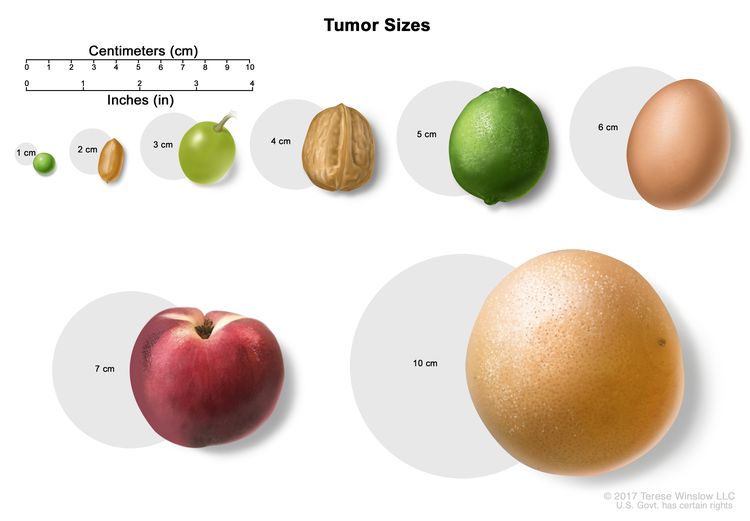
Pituitary Tumors—Patient Version

Pituitary Tumors—Patient Version

Overview

Pituitary tumors are usually not cancer and are called pituitary adenomas. They grow slowly and do not spread. Rarely, pituitary tumors are cancer and they can spread to distant parts of the body. Explore the links on this page to learn more about pituitary tumor treatment and clinical trials.

Treatment

PDQ Treatment Information for Patients

Causes & Prevention

NCI does not have PDQ evidence-based information about prevention of pituitary tumors.

Screening

NCI does not have PDQ evidence-based information about screening for pituitary tumors.

Coping with Cancer

The information in this section is meant to help you cope with the many issues and concerns that occur when you have cancer.

Emotions and Cancer Adjusting to Cancer Support for Caregivers Survivorship Advanced Cancer Managing Cancer Care

Penile Cancer Treatment (PDQ®)–Health Professional Version

Penile Cancer Treatment (PDQ®)–Health Professional Version

General Information About Penile Cancer

Incidence and Mortality

Estimated new cases and deaths from penile (and other male genital) cancer in the United States in 2025:[1]

  • New cases: 2,190.
  • Deaths: 510.

Risk Factors

Penile cancer is rare in most developed nations, including the United States, where the incidence rate is less than 1 per 100,000 men per year. Some studies suggest an association between human papillomavirus (HPV) infection and penile cancer.[25] Observational studies have shown a lower prevalence of penile HPV in men who have been circumcised (odds ratio, 0.37; 95% confidence interval, 0.16–0.85).[6] Some, but not all, observational studies also suggest that male newborn circumcision is associated with a decreased risk of penile cancer.[7,8] According to published data, if the relationship is causal, the number needed to treat was about 909 circumcisions to prevent a single case of invasive penile cancer.[9]

Treatment Overview

When diagnosed early (stage 0, stage I, and stage II), penile cancer is highly curable. Curability decreases sharply for stage III and stage IV disease. Because of the rarity of this cancer in the United States, clinical trials specifically for penile cancer are infrequent. Patients with stage III and stage IV cancer are candidates for phase I and phase II clinical trials testing new drugs, biological therapy, or surgical techniques to improve local control and distant metastases.

The selection of treatment depends on the following tumor characteristics:[10,11]

  • Size.
  • Location.
  • Invasiveness.
  • Stage.

Fluorouracil dosing

The DPYD gene encodes an enzyme that catabolizes pyrimidines and fluoropyrimidines, like capecitabine and fluorouracil. An estimated 1% to 2% of the population has germline pathogenic variants in DPYD, which lead to reduced DPD protein function and an accumulation of pyrimidines and fluoropyrimidines in the body.[12,13] Patients with the DPYD*2A variant who receive fluoropyrimidines may experience severe, life-threatening toxicities that are sometimes fatal. Many other DPYD variants have been identified, with a range of clinical effects.[1214] Fluoropyrimidine avoidance or a dose reduction of 50% may be recommended based on the patient’s DPYD genotype and number of functioning DPYD alleles.[1517] DPYD genetic testing costs less than $200, but insurance coverage varies due to a lack of national guidelines.[18] In addition, testing may delay therapy by 2 weeks, which would not be advisable in urgent situations. This controversial issue requires further evaluation.[19]

References
  1. American Cancer Society: Cancer Facts and Figures 2025. American Cancer Society, 2025. Available online. Last accessed January 16, 2025.
  2. Del Mistro A, Chieco Bianchi L: HPV-related neoplasias in HIV-infected individuals. Eur J Cancer 37 (10): 1227-35, 2001. [PUBMED Abstract]
  3. Griffiths TR, Mellon JK: Human papillomavirus and urological tumours: I. Basic science and role in penile cancer. BJU Int 84 (5): 579-86, 1999. [PUBMED Abstract]
  4. Poblet E, Alfaro L, Fernander-Segoviano P, et al.: Human papillomavirus-associated penile squamous cell carcinoma in HIV-positive patients. Am J Surg Pathol 23 (9): 1119-23, 1999. [PUBMED Abstract]
  5. Frisch M, van den Brule AJ, Jiwa NM, et al.: HPV-16-positive anal and penile carcinomas in a young man–anogenital ‘field effect’ in the immunosuppressed male? Scand J Infect Dis 28 (6): 629-32, 1996. [PUBMED Abstract]
  6. Castellsagué X, Bosch FX, Muñoz N, et al.: Male circumcision, penile human papillomavirus infection, and cervical cancer in female partners. N Engl J Med 346 (15): 1105-12, 2002. [PUBMED Abstract]
  7. Schoen EJ, Oehrli M, Colby C, et al.: The highly protective effect of newborn circumcision against invasive penile cancer. Pediatrics 105 (3): E36, 2000. [PUBMED Abstract]
  8. Neonatal circumcision revisited. Fetus and Newborn Committee, Canadian Paediatric Society. CMAJ 154 (6): 769-80, 1996. [PUBMED Abstract]
  9. Christakis DA, Harvey E, Zerr DM, et al.: A trade-off analysis of routine newborn circumcision. Pediatrics 105 (1 Pt 3): 246-9, 2000. [PUBMED Abstract]
  10. Mark JR, Hurwitz M, Gomella LG: Cancer of the urethra and penis. In: DeVita VT Jr, Lawrence TS, Rosenberg SA: Cancer: Principles and Practice of Oncology. 11th ed. Wolters Kluwer Health, 2019, pp 1136-44.
  11. Chao KS, Perez CA: Penis and male urethra. In: Perez CA, Brady LW, eds.: Principles and Practice of Radiation Oncology. 3rd ed. Lippincott-Raven Publishers, 1998, pp 1717-1732.
  12. Sharma BB, Rai K, Blunt H, et al.: Pathogenic DPYD Variants and Treatment-Related Mortality in Patients Receiving Fluoropyrimidine Chemotherapy: A Systematic Review and Meta-Analysis. Oncologist 26 (12): 1008-1016, 2021. [PUBMED Abstract]
  13. Lam SW, Guchelaar HJ, Boven E: The role of pharmacogenetics in capecitabine efficacy and toxicity. Cancer Treat Rev 50: 9-22, 2016. [PUBMED Abstract]
  14. Shakeel F, Fang F, Kwon JW, et al.: Patients carrying DPYD variant alleles have increased risk of severe toxicity and related treatment modifications during fluoropyrimidine chemotherapy. Pharmacogenomics 22 (3): 145-155, 2021. [PUBMED Abstract]
  15. Amstutz U, Henricks LM, Offer SM, et al.: Clinical Pharmacogenetics Implementation Consortium (CPIC) Guideline for Dihydropyrimidine Dehydrogenase Genotype and Fluoropyrimidine Dosing: 2017 Update. Clin Pharmacol Ther 103 (2): 210-216, 2018. [PUBMED Abstract]
  16. Henricks LM, Lunenburg CATC, de Man FM, et al.: DPYD genotype-guided dose individualisation of fluoropyrimidine therapy in patients with cancer: a prospective safety analysis. Lancet Oncol 19 (11): 1459-1467, 2018. [PUBMED Abstract]
  17. Lau-Min KS, Varughese LA, Nelson MN, et al.: Preemptive pharmacogenetic testing to guide chemotherapy dosing in patients with gastrointestinal malignancies: a qualitative study of barriers to implementation. BMC Cancer 22 (1): 47, 2022. [PUBMED Abstract]
  18. Brooks GA, Tapp S, Daly AT, et al.: Cost-effectiveness of DPYD Genotyping Prior to Fluoropyrimidine-based Adjuvant Chemotherapy for Colon Cancer. Clin Colorectal Cancer 21 (3): e189-e195, 2022. [PUBMED Abstract]
  19. Baker SD, Bates SE, Brooks GA, et al.: DPYD Testing: Time to Put Patient Safety First. J Clin Oncol 41 (15): 2701-2705, 2023. [PUBMED Abstract]

Cellular Classification of Penile Cancer

Virtually all penile carcinomas are of squamous cell origin and include the following subtypes:

  • Verrucous carcinoma.[1]
  • Warty carcinoma (verruciform).[2]
  • Basaloid carcinoma.[3]

Although they are less common subtypes, warty carcinoma and basaloid carcinoma appear to be more highly associated with human papillomaviruses (HPV), particularly HPV 16, than typical squamous cell carcinoma or verrucous carcinoma of the penis.[35]

Neuroendocrine carcinomas can also be seen.[6]

References
  1. Schwartz RA: Verrucous carcinoma of the skin and mucosa. J Am Acad Dermatol 32 (1): 1-21; quiz 22-4, 1995. [PUBMED Abstract]
  2. Bezerra AL, Lopes A, Landman G, et al.: Clinicopathologic features and human papillomavirus dna prevalence of warty and squamous cell carcinoma of the penis. Am J Surg Pathol 25 (5): 673-8, 2001. [PUBMED Abstract]
  3. Cubilla AL, Reuter VE, Gregoire L, et al.: Basaloid squamous cell carcinoma: a distinctive human papilloma virus-related penile neoplasm: a report of 20 cases. Am J Surg Pathol 22 (6): 755-61, 1998. [PUBMED Abstract]
  4. Gregoire L, Cubilla AL, Reuter VE, et al.: Preferential association of human papillomavirus with high-grade histologic variants of penile-invasive squamous cell carcinoma. J Natl Cancer Inst 87 (22): 1705-9, 1995. [PUBMED Abstract]
  5. Rubin MA, Kleter B, Zhou M, et al.: Detection and typing of human papillomavirus DNA in penile carcinoma: evidence for multiple independent pathways of penile carcinogenesis. Am J Pathol 159 (4): 1211-8, 2001. [PUBMED Abstract]
  6. Vadmal MS, Steckel J, Teichberg S, et al.: Primary neuroendocrine carcinoma of the penile urethra. J Urol 157 (3): 956-7, 1997. [PUBMED Abstract]

Stage Information for Penile Cancer

American Joint Committee on Cancer (AJCC) Stage Groupings and Definitions of TNM

The AJCC has designated staging by TNM (tumor, node, metastasis) classification to define penile cancer.[1]

Definitions of TNM Stages 0is and 0aa
Stage TNM Description
T = primary tumor; N = regional lymph node; M = distant metastasis; cN = clinical N; PeIN = penile intraepithelial neoplasia; pN = pathological N.
aReprinted with permission from AJCC: Penis. In: Amin MB, Edge SB, Greene FL, et al., eds.: AJCC Cancer Staging Manual. 8th ed. New York, NY: Springer, 2017, pp 701–14.
0is Tis, N0, M0 Tis = Carcinoma in situ (PeIN).
N0 = cN0, no palpable or visibly enlarged inguinal lymph nodes; pN0, no lymph node metastasis.
M0 = No distant metastasis.
0a Ta, N0, M0 Ta = Noninvasive localized squamous cell carcinoma.
N0 = cN0, no palpable or visibly enlarged inguinal lymph nodes; pN0, no lymph node metastasis.
M0 = No distant metastasis.
Definitions of TNM Stage Ia
Stage TNM Description
T = primary tumor; N = regional lymph node; M = distant metastasis; cN = clinical N; pN = pathological N.
aReprinted with permission from AJCC: Penis. In: Amin MB, Edge SB, Greene FL, et al., eds.: AJCC Cancer Staging Manual. 8th ed. New York, NY: Springer, 2017, pp 701–14.
I T1a, N0, M0 T1a = Tumor is without lymphovascular invasion or perineural invasion and is not high grade (i.e., grade 3 or sarcomatoid).
N0 = cN0, no palpable or visibly enlarged inguinal lymph nodes; pN0, no lymph node metastasis.
M0 = No distant metastasis.
Definitions of TNM Stages IIA and IIBa
Stage TNM Description
T = primary tumor; N = regional lymph node; M = distant metastasis; cN = clinical N; pN = pathological N.
aReprinted with permission from AJCC: Penis. In: Amin MB, Edge SB, Greene FL, et al., eds.: AJCC Cancer Staging Manual. 8th ed. New York, NY: Springer, 2017, pp 701–14.
IIA T1b, N0, M0 T1b = Tumor exhibits lymphovascular invasion and/or perineural invasion or is high grade (i.e., grade 3 or sarcomatoid).
N0 = cN0, no palpable or visibly enlarged inguinal lymph nodes; pN0, no lymph node metastasis.
M0 = No distant metastasis.
T2, N0, M0 T2 = Tumor invades into corpus spongiosum (either glans or ventral shaft) with or without urethral invasion.
N0 = cN0, no palpable or visibly enlarged inguinal lymph nodes; pN0, no lymph node metastasis.
M0 = No distant metastasis.
IIB T3, N0, M0 T3 = Tumor invades into corpora cavernosum (including tunica albuginea) with or without urethral invasion.
N0 = cN0, no palpable or visibly enlarged inguinal lymph nodes; pN0, no lymph node metastasis.
M0 = No distant metastasis.
Definitions of TNM Stages IIIA and IIIBa
Stage TNM Description
T = primary tumor; N = regional lymph node; M = distant metastasis; cN = clinical N; ENE = extranodal extension; pN = pathological N.
aReprinted with permission from AJCC: Penis. In: Amin MB, Edge SB, Greene FL, et al., eds.: AJCC Cancer Staging Manual. 8th ed. New York, NY: Springer, 2017, pp 701–14.
IIIA T1–3, N1, M0 T1 = Glans: Tumor invades lamina propria; Foreskin: Tumor invades dermis, lamina propria, or dartos fascia; Shaft: Tumor invades connective tissue between epidermis and corpora regardless of location; All sites with or without lymphovascular invasion or perineural invasion and is or is not high grade.
–T1a = Tumor is without lymphovascular invasion or perineural invasion and is not high grade (i.e., grade 3 or sarcomatoid).
–T1b = Tumor exhibits lymphovascular invasion and/or perineural invasion or is high grade (i.e., grade 3 or sarcomatoid).
T2 = Tumor invades into corpus spongiosum (either glans or ventral shaft) with or without urethral invasion.
T3 = Tumor invades into corpora cavernosum (including tunica albuginea) with or without urethral invasion.
N1 = cN1, palpable mobile unilateral inguinal lymph node; pN1, ≤2 unilateral inguinal metastases, no ENE.
M0 = No distant metastasis.
IIIB T1–3, N2, M0 T1 = Glans: Tumor invades lamina propria; Foreskin: Tumor invades dermis, lamina propria, or dartos fascia; Shaft: Tumor invades connective tissue between epidermis and corpora regardless of location; All sites with or without lymphovascular invasion or perineural invasion and is or is not high grade.
–T1a = Tumor is without lymphovascular invasion or perineural invasion and is not high grade (i.e., grade 3 or sarcomatoid).
–T1b = Tumor exhibits lymphovascular invasion and/or perineural invasion or is high grade (i.e., grade 3 or sarcomatoid).
T2 = Tumor invades into corpus spongiosum (either glans or ventral shaft) with or without urethral invasion.
T3 = Tumor invades into corpora cavernosum (including tunica albuginea) with or without urethral invasion.
N2 = cN2, palpable mobile ≥ unilateral inguinal nodes or bilateral inguinal lymph nodes; pN2, ≥3 unilateral inguinal metastases or bilateral metastases, no ENE.
M0 = No distant metastasis.
Definitions of TNM Stage IVa
Stage TNM Description
T = primary tumor; N = regional lymph node; M = distant metastasis; cN = clinical N; ENE = extranodal extension; PeIN = penile intraepithelial neoplasia; pN = pathological N.
aReprinted with permission from AJCC: Penis. In: Amin MB, Edge SB, Greene FL, et al., eds.: AJCC Cancer Staging Manual. 8th ed. New York, NY: Springer, 2017, pp 701–14.
IV T4, Any N, M0 T4 = Tumor invades into adjacent structures (i.e., scrotum, prostate, pubic bone).
cNX = Regional lymph nodes cannot be assessed.
cN0 = No palpable or visibly enlarged inguinal lymph nodes.
cN1 = Palpable mobile unilateral inguinal lymph node.
cN2 = Palpable mobile ≥ unilateral inguinal nodes or bilateral inguinal lymph nodes.
cN3 = Palpable fixed inguinal nodal mass or pelvic lymphadenopathy unilateral or bilateral.
pNX = Lymph node metastasis cannot be established.
pN0 = No lymph node metastasis.
pN1 = ≤2 unilateral inguinal metastases, no ENE.
pN2 = ≥3 unilateral inguinal metastases or bilateral metastases, no ENE.
pN3 = ENE of lymph node metastases or pelvic lymph node metastases.
M0 = No distant metastasis.
Any T, N3, M0 TX = Primary tumor cannot be assessed.
T0 = No evidence of primary tumor.
Tis = Carcinoma in situ (PeIN).
Ta = Noninvasive localized squamous cell carcinoma.
T1 = Glans: Tumor invades lamina propria; Foreskin: Tumor invades dermis, lamina propria, or dartos fascia; Shaft: Tumor invades connective tissue between epidermis and corpora regardless of location; All sites with or without lymphovascular invasion or perineural invasion and is or is not high grade.
–T1a = Tumor is without lymphovascular invasion or perineural invasion and is not high grade (i.e., grade 3 or sarcomatoid).
–T1b = Tumor exhibits lymphovascular invasion and/or perineural invasion or is high grade (i.e., grade 3 or sarcomatoid).
T2 = Tumor invades into corpus spongiosum (either glans or ventral shaft) with or without urethral invasion.
T3 = Tumor invades into corpora cavernosum (including tunica albuginea) with or without urethral invasion.
T4 = Tumor invades into adjacent structures (i.e., scrotum, prostate, pubic bone).
N3 = cN3, palpable fixed inguinal nodal mass or pelvic lymphadenopathy unilateral or bilateral; pN3, ENE of lymph node metastases or pelvic lymph node metastases.
M0 = No distant metastasis.
Any T, Any N, M1 Any T = See descriptions above in this table, stage IV, Any T, N3, M0.
cNX = Regional lymph nodes cannot be assessed.
cN0 = No palpable or visibly enlarged inguinal lymph nodes.
cN1 = Palpable mobile unilateral inguinal lymph node.
cN2 = Palpable mobile ≥2 unilateral inguinal nodes or bilateral inguinal lymph nodes.
cN3 = Palpable fixed inguinal nodal mass or pelvic lymphadenopathy unilateral or bilateral.
pNX = Lymph node metastasis cannot be established.
pN0 = No lymph node metastasis.
pN1 = ≤2 unilateral inguinal metastases, no ENE.
pN2 = ≥3 unilateral inguinal metastases or bilateral metastases, no ENE.
pN3 = ENE of lymph node metastases or pelvic lymph node metastases.
M1 = Distant metastasis present.
References
  1. Penis. In: Amin MB, Edge SB, Greene FL, et al., eds.: AJCC Cancer Staging Manual. 8th ed. Springer; 2017, pp 701–14.

Treatment of Stage 0 Penile Cancer

Stage 0 penile cancer is defined by the following TNM classifications:[1]

  • Tis, N0, M0
  • Ta, N0, M0

Carcinoma in situ of the penis is referred to as erythroplasia of Queyrat when it occurs on the glans, and Bowen disease when it occurs on the penile shaft. These precursor lesions progress to invasive squamous cell carcinoma in 5% to 15% of cases. In case series studies, human papillomavirus DNA has been detected in most of these lesions.[2,3] With no data from clinical trials in this disease stage, treatment recommendations are largely based on case reports and case series involving limited numbers of patients.

Treatment options:

  1. Surgical excision can result in scarring, deformity, and impaired function. To minimize these effects, Mohs micrographic surgery, which involves the excision of successive horizontal layers of tissue with microscopic examination of each layer in frozen section, has been used in patients with in situ and invasive penile cancers.[4,5][Level of evidence C3]
  2. Topical application of fluorouracil cream has been effective in cases of erythroplasia of Queyrat [6] and Bowen disease.[7][Level of evidence C3]
  3. Imiquimod 5% cream is a topical immune response modifier that has been effective with good cosmetic and functional results.[810][Level of evidence C3]
  4. Laser therapy with Nd:YAG or CO2 lasers has also resulted in excellent cosmetic results.[11][Level of evidence C3]
  5. Cryosurgery has resulted in good cosmetic results in patients with erythroplasia of Queyrat and verrucous penile carcinoma.[12,13][Level of evidence C3]

Current Clinical Trials

Use our advanced clinical trial search to find NCI-supported cancer clinical trials that are now enrolling patients. The search can be narrowed by location of the trial, type of treatment, name of the drug, and other criteria. General information about clinical trials is also available.

References
  1. Penis. In: Amin MB, Edge SB, Greene FL, et al., eds.: AJCC Cancer Staging Manual. 8th ed. Springer; 2017, pp 701–14.
  2. Cupp MR, Malek RS, Goellner JR, et al.: The detection of human papillomavirus deoxyribonucleic acid in intraepithelial, in situ, verrucous and invasive carcinoma of the penis. J Urol 154 (3): 1024-9, 1995. [PUBMED Abstract]
  3. Rubin MA, Kleter B, Zhou M, et al.: Detection and typing of human papillomavirus DNA in penile carcinoma: evidence for multiple independent pathways of penile carcinogenesis. Am J Pathol 159 (4): 1211-8, 2001. [PUBMED Abstract]
  4. Mohs FE, Snow SN, Messing EM, et al.: Microscopically controlled surgery in the treatment of carcinoma of the penis. J Urol 133 (6): 961-6, 1985. [PUBMED Abstract]
  5. Moritz DL, Lynch WS: Extensive Bowen’s disease of the penile shaft treated with fresh tissue Mohs micrographic surgery in two separate operations. J Dermatol Surg Oncol 17 (4): 374-8, 1991. [PUBMED Abstract]
  6. Goette DK, Carson TE: Erythroplasia of Queyrat: treatment with topical 5-fluorouracil. Cancer 38 (4): 1498-502, 1976. [PUBMED Abstract]
  7. Tolia BM, Castro VL, Mouded IM, et al.: Bowen’s disease of shaft of penis. Successful treatment with 5-fluorouracil. Urology 7 (6): 617-9, 1976. [PUBMED Abstract]
  8. Danielsen AG, Sand C, Weismann K: Treatment of Bowen’s disease of the penis with imiquimod 5% cream. Clin Exp Dermatol 28 (Suppl 1): 7-9, 2003. [PUBMED Abstract]
  9. Micali G, Nasca MR, Tedeschi A: Topical treatment of intraepithelial penile carcinoma with imiquimod. Clin Exp Dermatol 28 (Suppl 1): 4-6, 2003. [PUBMED Abstract]
  10. Schroeder TL, Sengelmann RD: Squamous cell carcinoma in situ of the penis successfully treated with imiquimod 5% cream. J Am Acad Dermatol 46 (4): 545-8, 2002. [PUBMED Abstract]
  11. van Bezooijen BP, Horenblas S, Meinhardt W, et al.: Laser therapy for carcinoma in situ of the penis. J Urol 166 (5): 1670-1, 2001. [PUBMED Abstract]
  12. Michelman FA, Filho AC, Moraes AM: Verrucous carcinoma of the penis treated with cryosurgery. J Urol 168 (3): 1096-7, 2002. [PUBMED Abstract]
  13. Sonnex TS, Ralfs IG, Plaza de Lanza M, et al.: Treatment of erythroplasia of Queyrat with liquid nitrogen cryosurgery. Br J Dermatol 106 (5): 581-4, 1982. [PUBMED Abstract]

Treatment of Stage I Penile Cancer

Stage I penile cancer is defined by the following TNM classification:[1]

  • T1a, N0, M0

Stage I penile cancer is curable.[2]

Treatment options:

  1. For lesions limited to the foreskin, wide local excision with circumcision may be adequate therapy for control.
  2. For infiltrating tumors of the glans with or without involvement of the adjacent skin, the choice of therapy is dictated by tumor size, extent of infiltration, and degree of tumor destruction of normal tissue. Equivalent therapeutic options include:
    • Penile amputation.[3]
    • Radiation therapy (i.e., external-beam radiation therapy and brachytherapy).[4,5]
    • Microscopically controlled surgery.[6]
  3. Nd:YAG laser therapy has offered excellent control/cure with preservation of cosmetic appearance and sexual function (under clinical evaluation).[7,8]

Because of the high incidence of microscopic node metastases, elective adjunctive inguinal dissection of clinically uninvolved (negative) lymph nodes in conjunction with amputation is often used for patients with poorly differentiated tumors. Lymphadenectomy can carry substantial morbidity, such as infection, skin necrosis, wound breakdown, chronic edema, and even a low, but finite, mortality rate. The impact of prophylactic lymphadenectomy on survival is not known. For these reasons, opinions vary on its use.[912]

Current Clinical Trials

Use our advanced clinical trial search to find NCI-supported cancer clinical trials that are now enrolling patients. The search can be narrowed by location of the trial, type of treatment, name of the drug, and other criteria. General information about clinical trials is also available.

References
  1. Penis. In: Amin MB, Edge SB, Greene FL, et al., eds.: AJCC Cancer Staging Manual. 8th ed. Springer; 2017, pp 701–14.
  2. Harty JI, Catalona WJ: Carcinoma of the penis. In: Javadpour N, ed.: Principles and Management of Urologic Cancer. 2nd ed. Williams and Wilkins, 1983, pp 581-597.
  3. Lynch DF, Pettaway CA: Tumors of the penis. In: Walsh PC, Retik AB, Vaughan ED, et al., eds.: Campbell’s Urology. 8th ed. Saunders, 2002, pp 2945-2947.
  4. Chao KS, Perez CA: Penis and male urethra. In: Perez CA, Brady LW, eds.: Principles and Practice of Radiation Oncology. 3rd ed. Lippincott-Raven Publishers, 1998, pp 1717-1732.
  5. McLean M, Akl AM, Warde P, et al.: The results of primary radiation therapy in the management of squamous cell carcinoma of the penis. Int J Radiat Oncol Biol Phys 25 (4): 623-8, 1993. [PUBMED Abstract]
  6. Mohs FE, Snow SN, Messing EM, et al.: Microscopically controlled surgery in the treatment of carcinoma of the penis. J Urol 133 (6): 961-6, 1985. [PUBMED Abstract]
  7. Smith JA Jr.: Lasers in clinical urologic surgery. In: Dixon JA, ed.: Surgical Application of Lasers. 2nd ed. Year Book Medical Publishers, Inc., 1987, pp 218-237.
  8. Horenblas S, van Tinteren H, Delemarre JF, et al.: Squamous cell carcinoma of the penis. II. Treatment of the primary tumor. J Urol 147 (6): 1533-8, 1992. [PUBMED Abstract]
  9. Theodorescu D, Russo P, Zhang ZF, et al.: Outcomes of initial surveillance of invasive squamous cell carcinoma of the penis and negative nodes. J Urol 155 (5): 1626-31, 1996. [PUBMED Abstract]
  10. Lindegaard JC, Nielsen OS, Lundbeck FA, et al.: A retrospective analysis of 82 cases of cancer of the penis. Br J Urol 77 (6): 883-90, 1996. [PUBMED Abstract]
  11. Ornellas AA, Seixas AL, Marota A, et al.: Surgical treatment of invasive squamous cell carcinoma of the penis: retrospective analysis of 350 cases. J Urol 151 (5): 1244-9, 1994. [PUBMED Abstract]
  12. Young MJ, Reda DJ, Waters WB: Penile carcinoma: a twenty-five-year experience. Urology 38 (6): 529-32, 1991. [PUBMED Abstract]

Treatment of Stage II Penile Cancer

Stage II penile cancer is defined by the following TNM classifications:[1]

  • T1b, N0, M0
  • T2, N0, M0
  • T3, N0, M0

Treatment options:

  1. Stage II penile cancer is most frequently managed by penile amputation for local control. Whether the amputation is partial, total, or radical will depend on the extent and location of the neoplasm. External-beam radiation therapy and brachytherapy with surgical salvage are alternative approaches.[26]
  2. Nd:YAG laser therapy has been used to preserve the penis in selected patients with small lesions (under clinical evaluation).[7]

Because of the high incidence of microscopic node metastases, elective adjunctive dissection of clinically uninvolved (negative) lymph nodes in conjunction with amputation is often used for patients with poorly differentiated tumors. Lymphadenectomy can carry substantial morbidity, such as infection, skin necrosis, wound breakdown, chronic edema, and even a low, but finite, mortality rate. The impact of prophylactic lymphadenectomy on survival is not known.[811]

To reduce the morbidity associated with prophylactic lymphadenectomy, dynamic sentinel node biopsy is used in patients with stage T2 clinically node-negative penile cancer. One retrospective, single-institution study of 22 patients reported a false-negative rate of 11%.[12]

Current Clinical Trials

Use our advanced clinical trial search to find NCI-supported cancer clinical trials that are now enrolling patients. The search can be narrowed by location of the trial, type of treatment, name of the drug, and other criteria. General information about clinical trials is also available.

References
  1. Penis. In: Amin MB, Edge SB, Greene FL, et al., eds.: AJCC Cancer Staging Manual. 8th ed. Springer; 2017, pp 701–14.
  2. Harty JI, Catalona WJ: Carcinoma of the penis. In: Javadpour N, ed.: Principles and Management of Urologic Cancer. 2nd ed. Williams and Wilkins, 1983, pp 581-597.
  3. Schellhammer PF, Spaulding JT: Carcinoma of the penis. In: Paulson DF, ed.: Genitourinary Surgery. Vol. 2. Churchill Livingston, 1984, pp 629-654.
  4. Johnson DE, Lo RK: Tumors of the penis, urethra, and scrotum. In: deKernion JB, Paulson DF, eds.: Genitourinary Cancer Management. Lea and Febiger, 1987, pp 219-258.
  5. McLean M, Akl AM, Warde P, et al.: The results of primary radiation therapy in the management of squamous cell carcinoma of the penis. Int J Radiat Oncol Biol Phys 25 (4): 623-8, 1993. [PUBMED Abstract]
  6. Crook JM, Jezioranski J, Grimard L, et al.: Penile brachytherapy: results for 49 patients. Int J Radiat Oncol Biol Phys 62 (2): 460-7, 2005. [PUBMED Abstract]
  7. Horenblas S, van Tinteren H, Delemarre JF, et al.: Squamous cell carcinoma of the penis. II. Treatment of the primary tumor. J Urol 147 (6): 1533-8, 1992. [PUBMED Abstract]
  8. Theodorescu D, Russo P, Zhang ZF, et al.: Outcomes of initial surveillance of invasive squamous cell carcinoma of the penis and negative nodes. J Urol 155 (5): 1626-31, 1996. [PUBMED Abstract]
  9. Lindegaard JC, Nielsen OS, Lundbeck FA, et al.: A retrospective analysis of 82 cases of cancer of the penis. Br J Urol 77 (6): 883-90, 1996. [PUBMED Abstract]
  10. Ornellas AA, Seixas AL, Marota A, et al.: Surgical treatment of invasive squamous cell carcinoma of the penis: retrospective analysis of 350 cases. J Urol 151 (5): 1244-9, 1994. [PUBMED Abstract]
  11. Young MJ, Reda DJ, Waters WB: Penile carcinoma: a twenty-five-year experience. Urology 38 (6): 529-32, 1991. [PUBMED Abstract]
  12. Perdonà S, Autorino R, De Sio M, et al.: Dynamic sentinel node biopsy in clinically node-negative penile cancer versus radical inguinal lymphadenectomy: a comparative study. Urology 66 (6): 1282-6, 2005. [PUBMED Abstract]

Treatment of Stage III Penile Cancer

Stage III penile cancer is defined by the following TNM classifications:[1]

  • T1–3, N1, M0
  • T1–3, N2, M0

Inguinal adenopathy in patients with penile cancer is common but may be the result of infection rather than neoplasm. If palpable enlarged lymph nodes exist 3 or more weeks after removal of the infected primary lesion and completion of a course of antibiotic therapy, bilateral inguinal lymph node dissection should be performed.

In cases of proven regional inguinal lymph node metastasis without evidence of distant spread, bilateral ilioinguinal dissection is the treatment of choice.[25] Because many patients with positive lymph nodes are not cured, clinical trials may be appropriate.

Treatment options:

  1. Clinically evident regional lymph node metastasis without evidence of distant spread is an indication for bilateral ilioinguinal lymph node dissection after penile amputation.[6]
  2. Radiation therapy may be considered as an alternative to lymph node dissection in patients who are not surgical candidates.
  3. Postoperative radiation therapy may decrease incidence of inguinal recurrences.
  4. Clinical trials using radiosensitizers or cytotoxic drugs are appropriate. A combination of vincristine, bleomycin, and methotrexate has been effective as both neoadjuvant and adjuvant therapy.[7] Cisplatin (100 mg/m²) as neoadjuvant therapy plus continuous-infusion fluorouracil has also been effective.[6] Single-agent cisplatin (50 mg/m2) was tested in a large trial and was ineffective.[8]

Because of the high incidence of microscopic node metastases, adjunctive inguinal dissection of clinically uninvolved (negative) lymph nodes in conjunction with amputation is often used for patients with poorly differentiated tumors. Lymphadenectomy can carry substantial morbidity, such as infection, skin necrosis, wound breakdown, chronic edema, and even a low, but finite, mortality rate. The impact of prophylactic lymphadenectomy on survival is not known. [3,4,9,10]

To reduce the morbidity associated with prophylactic lymphadenectomy, dynamic sentinel node biopsy is used in patients with stage T2 and stage T3 clinically node-negative penile cancer. One retrospective, single-institution study of 22 patients reported a false-negative rate of 11%.[11]

Current Clinical Trials

Use our advanced clinical trial search to find NCI-supported cancer clinical trials that are now enrolling patients. The search can be narrowed by location of the trial, type of treatment, name of the drug, and other criteria. General information about clinical trials is also available.

References
  1. Penis. In: Amin MB, Edge SB, Greene FL, et al., eds.: AJCC Cancer Staging Manual. 8th ed. Springer; 2017, pp 701–14.
  2. Harty JI, Catalona WJ: Carcinoma of the penis. In: Javadpour N, ed.: Principles and Management of Urologic Cancer. 2nd ed. Williams and Wilkins, 1983, pp 581-597.
  3. Theodorescu D, Russo P, Zhang ZF, et al.: Outcomes of initial surveillance of invasive squamous cell carcinoma of the penis and negative nodes. J Urol 155 (5): 1626-31, 1996. [PUBMED Abstract]
  4. Lindegaard JC, Nielsen OS, Lundbeck FA, et al.: A retrospective analysis of 82 cases of cancer of the penis. Br J Urol 77 (6): 883-90, 1996. [PUBMED Abstract]
  5. Lynch DF, Pettaway CA: Tumors of the penis. In: Walsh PC, Retik AB, Vaughan ED, et al., eds.: Campbell’s Urology. 8th ed. Saunders, 2002, pp 2945-2947.
  6. Fisher HA, Barada JH, Horton J, et al.: Neoadjuvant therapy with cisplatin and 5-fluorouracil for stage III squamous cell carcinoma of the penis. [Abstract] J Urol 143(4 Suppl): A-653, 352A, 1990.
  7. Pizzocaro G, Piva L: Adjuvant and neoadjuvant vincristine, bleomycin, and methotrexate for inguinal metastases from squamous cell carcinoma of the penis. Acta Oncol 27 (6b): 823-4, 1988. [PUBMED Abstract]
  8. Gagliano RG, Blumenstein BA, Crawford ED, et al.: cis-Diamminedichloroplatinum in the treatment of advanced epidermoid carcinoma of the penis: a Southwest Oncology Group Study. J Urol 141 (1): 66-7, 1989. [PUBMED Abstract]
  9. Ornellas AA, Seixas AL, Marota A, et al.: Surgical treatment of invasive squamous cell carcinoma of the penis: retrospective analysis of 350 cases. J Urol 151 (5): 1244-9, 1994. [PUBMED Abstract]
  10. Young MJ, Reda DJ, Waters WB: Penile carcinoma: a twenty-five-year experience. Urology 38 (6): 529-32, 1991. [PUBMED Abstract]
  11. Perdonà S, Autorino R, De Sio M, et al.: Dynamic sentinel node biopsy in clinically node-negative penile cancer versus radical inguinal lymphadenectomy: a comparative study. Urology 66 (6): 1282-6, 2005. [PUBMED Abstract]

Treatment of Stage IV Penile Cancer

Stage IV penile cancer is defined by the following TNM classifications:[1]

  • T4, Any N, M0
  • Any T, N3, M0
  • Any T, Any N, M1

No standard treatment exists that is curative for patients with stage IV penile cancer. Therapy is directed at palliation, which may be achieved either with surgery or radiation therapy.

Treatment options:

  1. Palliative surgery may be considered for control of the local penile lesion and even for the prevention of the necrosis, infection, and hemorrhage that can result from neglected regional adenopathy.
  2. Radiation therapy may be palliative for the primary tumor, regional adenopathy, and bone metastases.
  3. Clinical trials combining chemotherapy with palliative methods of local control are appropriate. Tested chemotherapeutic drugs with some efficacy include vincristine, cisplatin, methotrexate, and bleomycin. The combination of vincristine, bleomycin, and methotrexate has been effective both as adjuvant and neoadjuvant therapy.[2]

Current Clinical Trials

Use our advanced clinical trial search to find NCI-supported cancer clinical trials that are now enrolling patients. The search can be narrowed by location of the trial, type of treatment, name of the drug, and other criteria. General information about clinical trials is also available.

References
  1. Penis. In: Amin MB, Edge SB, Greene FL, et al., eds.: AJCC Cancer Staging Manual. 8th ed. Springer; 2017, pp 701–14.
  2. Pizzocaro G, Piva L: Adjuvant and neoadjuvant vincristine, bleomycin, and methotrexate for inguinal metastases from squamous cell carcinoma of the penis. Acta Oncol 27 (6b): 823-4, 1988. [PUBMED Abstract]

Treatment of Recurrent Penile Cancer

Patients with locally recurrent disease can be treated with surgery or radiation therapy. If the initial treatment of radiation therapy fails, patients often undergo penile amputation. Patients with nodal recurrences not controlled by local measures are candidates for phase I and phase II clinical trials testing new biological and chemotherapeutic agents.[15]

Current Clinical Trials

Use our advanced clinical trial search to find NCI-supported cancer clinical trials that are now enrolling patients. The search can be narrowed by location of the trial, type of treatment, name of the drug, and other criteria. General information about clinical trials is also available.

References
  1. Pizzocaro G, Piva L: Adjuvant and neoadjuvant vincristine, bleomycin, and methotrexate for inguinal metastases from squamous cell carcinoma of the penis. Acta Oncol 27 (6b): 823-4, 1988. [PUBMED Abstract]
  2. Ahmed T, Sklaroff R, Yagoda A: Sequential trials of methotrexate, cisplatin and bleomycin for penile cancer. J Urol 132 (3): 465-8, 1984. [PUBMED Abstract]
  3. Dexeus FH, Logothetis CJ, Sella A, et al.: Combination chemotherapy with methotrexate, bleomycin and cisplatin for advanced squamous cell carcinoma of the male genital tract. J Urol 146 (5): 1284-7, 1991. [PUBMED Abstract]
  4. Fisher HA, Barada JH, Horton J, et al.: Neoadjuvant therapy with cisplatin and 5-fluorouracil for stage III squamous cell carcinoma of the penis. [Abstract] J Urol 143(4 Suppl): A-653, 352A, 1990.
  5. Hussein AM, Benedetto P, Sridhar KS: Chemotherapy with cisplatin and 5-fluorouracil for penile and urethral squamous cell carcinomas. Cancer 65 (3): 433-8, 1990. [PUBMED Abstract]

Latest Updates to This Summary (05/07/2025)

The PDQ cancer information summaries are reviewed regularly and updated as new information becomes available. This section describes the latest changes made to this summary as of the date above.

Editorial changes were made to this summary.

This summary is written and maintained by the PDQ Adult Treatment Editorial Board, which is editorially independent of NCI. The summary reflects an independent review of the literature and does not represent a policy statement of NCI or NIH. More information about summary policies and the role of the PDQ Editorial Boards in maintaining the PDQ summaries can be found on the About This PDQ Summary and PDQ® Cancer Information for Health Professionals pages.

About This PDQ Summary

Purpose of This Summary

This PDQ cancer information summary for health professionals provides comprehensive, peer-reviewed, evidence-based information about the treatment of penile cancer. It is intended as a resource to inform and assist clinicians in the care of their patients. It does not provide formal guidelines or recommendations for making health care decisions.

Reviewers and Updates

This summary is reviewed regularly and updated as necessary by the PDQ Adult Treatment Editorial Board, which is editorially independent of the National Cancer Institute (NCI). The summary reflects an independent review of the literature and does not represent a policy statement of NCI or the National Institutes of Health (NIH).

Board members review recently published articles each month to determine whether an article should:

  • be discussed at a meeting,
  • be cited with text, or
  • replace or update an existing article that is already cited.

Changes to the summaries are made through a consensus process in which Board members evaluate the strength of the evidence in the published articles and determine how the article should be included in the summary.

The lead reviewers for Penile Cancer Treatment are:

  • Juskaran S. Chadha, DO (Moffitt Cancer Center)
  • Jad Chahoud, MD, MPH (Moffitt Cancer Center)
  • Timothy Gilligan, MD (Cleveland Clinic Taussig Cancer Institute)

Any comments or questions about the summary content should be submitted to Cancer.gov through the NCI website’s Email Us. Do not contact the individual Board Members with questions or comments about the summaries. Board members will not respond to individual inquiries.

Levels of Evidence

Some of the reference citations in this summary are accompanied by a level-of-evidence designation. These designations are intended to help readers assess the strength of the evidence supporting the use of specific interventions or approaches. The PDQ Adult Treatment Editorial Board uses a formal evidence ranking system in developing its level-of-evidence designations.

Permission to Use This Summary

PDQ is a registered trademark. Although the content of PDQ documents can be used freely as text, it cannot be identified as an NCI PDQ cancer information summary unless it is presented in its entirety and is regularly updated. However, an author would be permitted to write a sentence such as “NCI’s PDQ cancer information summary about breast cancer prevention states the risks succinctly: [include excerpt from the summary].”

The preferred citation for this PDQ summary is:

PDQ® Adult Treatment Editorial Board. PDQ Penile Cancer Treatment. Bethesda, MD: National Cancer Institute. Updated <MM/DD/YYYY>. Available at: /types/penile/hp/penile-treatment-pdq. Accessed <MM/DD/YYYY>. [PMID: 26389381]

Images in this summary are used with permission of the author(s), artist, and/or publisher for use within the PDQ summaries only. Permission to use images outside the context of PDQ information must be obtained from the owner(s) and cannot be granted by the National Cancer Institute. Information about using the illustrations in this summary, along with many other cancer-related images, is available in Visuals Online, a collection of over 2,000 scientific images.

Disclaimer

Based on the strength of the available evidence, treatment options may be described as either “standard” or “under clinical evaluation.” These classifications should not be used as a basis for insurance reimbursement determinations. More information on insurance coverage is available on Cancer.gov on the Managing Cancer Care page.

Contact Us

More information about contacting us or receiving help with the Cancer.gov website can be found on our Contact Us for Help page. Questions can also be submitted to Cancer.gov through the website’s Email Us.
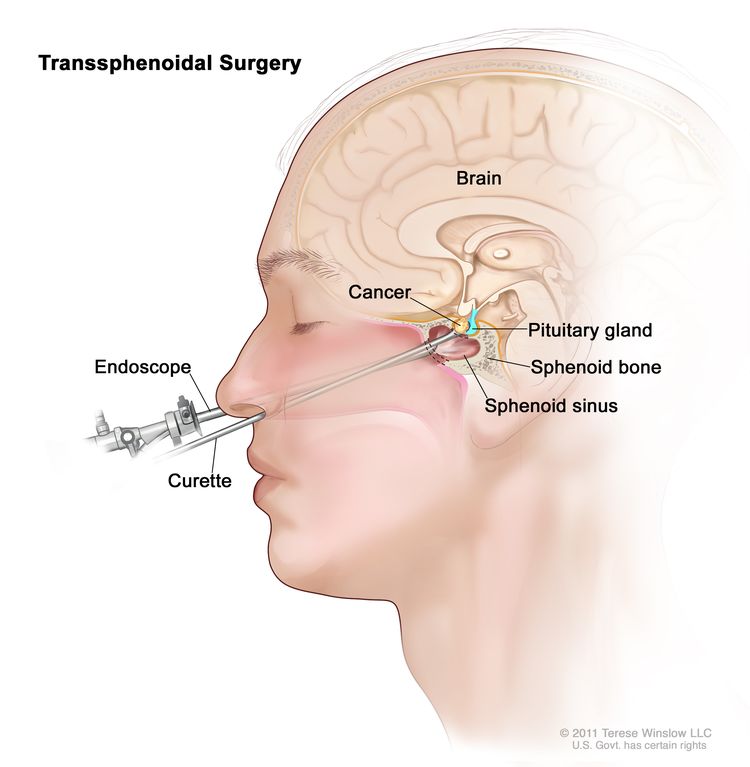
Penile Cancer Treatment (PDQ®)–Patient Version

Penile Cancer Treatment (PDQ®)–Patient Version

General Information About Penile Cancer

Key Points

  • Penile cancer is a type of cancer that forms in the tissues of the penis.
  • Human papillomavirus infection may increase the risk of developing penile cancer.
  • Signs of penile cancer include sores, discharge, and bleeding.
  • Tests that examine the penis are used to diagnose penile cancer.
  • After penile cancer has been diagnosed, tests are done to find out if cancer cells have spread within the penis or to other parts of the body.
  • Some people decide to get a second opinion.
  • Certain factors affect prognosis (chance of recovery) and treatment options.

Penile cancer is a type of cancer that forms in the tissues of the penis.

The penis is a rod-shaped male reproductive organ that passes sperm and urine from the body. It contains two types of erectile tissue (spongy tissue with blood vessels that fill with blood to make an erection):

  • Corpora cavernosa are the two columns of erectile tissue that form most of the penis.
  • Corpus spongiosum is the single column of erectile tissue that forms a small portion of the penis. The corpus spongiosum surrounds the urethra (the tube through which urine and sperm pass from the body).

The erectile tissue is wrapped in connective tissue and covered with skin. The glans (head of the penis) is covered with loose skin called the foreskin.

EnlargeAnatomy of the penis; drawing shows the base, shaft, glans, foreskin, and urethral opening. Also shown are the scrotum, prostate, pubic bone, and lymph nodes. An inset shows a cross section of the inside of the penis, including the blood vessels, dorsal nerve, connective tissue, erectile tissue (corpus cavernosum and corpus spongiosum), and urethra.
Anatomy of the penis. The parts of the penis are the base, shaft, glans, and foreskin. The tissues that make up the penis include the dorsal nerve, blood vessels, connective tissue, and erectile tissue (corpus cavernosum and corpus spongiosum). The urethra passes from the bladder to the tip of the penis.

Human papillomavirus infection may increase the risk of developing penile cancer.

Penile cancer is caused by certain changes to the penile cells function, especially how they grow and divide into new cells. There are many risk factors for penile cancer, but many do not directly cause cancer. Instead, they increase the chance of DNA damage in cells that may lead to penile cancer. To learn more about how cancer develops, see What Is Cancer?

A risk factor is anything that increases the chance of getting a disease. Some risk factors for penile cancer, such as tobacco use, can be changed. However, risk factors also include things you cannot change, like getting older and your health history. Learning about risk factors for penile cancer can help you make changes that might lower your risk of getting it.

Risk factors for penile cancer include:

  • being uncircumcised. Circumcision may help prevent infection with the human papillomavirus (HPV). A circumcision is an operation in which the doctor removes part or all of the foreskin from the penis. Many boys are circumcised shortly after birth. Men who were not circumcised at birth may have a higher risk of developing penile cancer. Learn more about HPV and Cancer.
  • being 60 years or older.
  • having phimosis (a condition in which the foreskin of the penis cannot be pulled back over the glans).
  • having poor personal hygiene.
  • having many sexual partners.
  • using tobacco products. Learn more about Tobacco (includes help with quitting).

Having one or more of these risk factors does not mean that you will get penile cancer. Many people with risk factors never develop penile cancer, while others with no known risk factors do. Talk with your doctor if you think you may be at risk.

Signs of penile cancer include sores, discharge, and bleeding.

These and other signs may be caused by penile cancer or by other conditions. Check with your doctor if you have:

  • redness, irritation, or a sore on the penis
  • a lump on the penis

Tests that examine the penis are used to diagnose penile cancer.

In addition to asking about your personal and family health history and doing a physical exam, your doctor may perform the following tests and procedures:

  • Physical exam of the penis is an exam in which the doctor checks the penis for signs of disease, such as lumps or anything else that seems unusual.
  • Biopsy is the removal of cells or tissues so they can be viewed under a microscope by a pathologist to check for signs of cancer. The tissue sample is removed during one of the following procedures:
    • Incisional biopsy is the removal of part of a lump or a sample of tissue that doesn’t look normal.
    • Excisional biopsy is the removal of an entire lump or area of tissue that doesn’t look normal.

After penile cancer has been diagnosed, tests are done to find out if cancer cells have spread within the penis or to other parts of the body.

The process used to find out if cancer has spread within the penis or to other parts of the body is called staging. The information gathered from the staging process determines the stage of the disease. It is important to know the stage in order to plan treatment.

The following tests and procedures may be used in the staging process:

  • CT scan (CAT scan) uses a computer linked to an x-ray machine to make a series of detailed pictures of areas inside the body, such as the pelvis. The pictures are taken from different angles and are used to create 3-D views of tissues and organs. A dye may be injected into a vein or swallowed to help the organs or tissues show up more clearly. This procedure is also called computed tomography, computerized tomography, or computerized axial tomography.
  • PET scan (positron emission tomography scan) uses a small amount of radioactive sugar (also called radioactive glucose) that is injected into a vein. The PET scanner rotates around the body and makes a picture of where the sugar is being used in the body. Cancer cells show up brighter in the picture because they are more active and take up more sugar than normal cells do. When this procedure is done at the same time as a CT scan, it is called a PET/CT scan.
  • MRI (magnetic resonance imaging) uses a magnet, radio waves, and a computer to make a series of detailed pictures of areas inside the body. A substance called gadolinium is injected into a vein. The gadolinium collects around the cancer cells so they show up brighter in the picture. This procedure is also called nuclear magnetic resonance imaging (NMRI).
  • Ultrasound exam uses high-energy sound waves (ultrasound), which bounce off internal tissues or organs and make echoes. The echoes form a picture of body tissues called a sonogram.
  • Chest x-ray is a type of radiation that can go through the body and make pictures of the organs and bones inside the chest.
  • Sentinel lymph node biopsy is the removal of the sentinel lymph node during surgery. The sentinel lymph node is the first lymph node in a group of lymph nodes to receive lymphatic drainage from the primary tumor. It is the first lymph node the cancer is likely to spread to from the primary tumor. A radioactive substance and/or blue dye is injected near the tumor. The substance or dye flows through the lymph ducts to the lymph nodes. The first lymph node to receive the substance or dye is removed. A pathologist views the tissue under a microscope to look for cancer cells. If cancer cells are not found, it may not be necessary to remove more lymph nodes. Sometimes, a sentinel lymph node is found in more than one group of nodes.
  • Lymph node dissection is a procedure to remove one or more lymph nodes in the groin during surgery. A sample of tissue is checked under a microscope for signs of cancer. This procedure is also called a lymphadenectomy.

Some people decide to get a second opinion.

You may want to get a second opinion to confirm your penile cancer diagnosis and treatment plan. If you seek a second opinion, you will need to get medical test results and reports from the first doctor to share with the second doctor. The second doctor will review the pathology report, slides, and scans. They may agree with the first doctor, suggest changes or another treatment approach, or provide more information about your cancer.

Learn more about choosing a doctor and getting a second opinion at Finding Cancer Care. You can contact NCI’s Cancer Information Service via chat, email, or phone (both in English and Spanish) for help finding a doctor, hospital, or getting a second opinion. For questions you might want to ask at your appointments, visit Questions to Ask Your Doctor About Cancer.

Certain factors affect prognosis (chance of recovery) and treatment options.

The prognosis and treatment options depend on:

  • the stage of the cancer
  • the location and size of the tumor
  • whether the cancer has just been diagnosed or has recurred (come back)

Stages of Penile Cancer

Key Points

  • The following stages are used for penile cancer:
    • Stage 0 (carcinoma in situ)
    • Stage I (also called stage 1) penile cancer
    • Stage II (also called stage 2) penile cancer
    • Stage III (also called stage 3) penile cancer
    • Stage IV (also called stage 4) penile cancer
  • Penile cancer can recur (come back) after it has been treated.

Cancer stage describes the extent of cancer in the body, such as the size of the tumor, whether it has spread, and how far it has spread from where it first formed. It is important to know the stage of the penile cancer to plan the best treatment.

There are several staging systems for cancer that describe the extent of the cancer. Penile cancer staging usually uses the TNM staging system. The cancer may be described by this staging system in your pathology report. Based on the TNM results, a stage (I, II, III, or IV, also written as 1, 2, 3, or 4) is assigned to your cancer. When talking to you about your diagnosis, your doctor may describe the cancer as one of these stages. 

Learn about tests to stage penile cancer. Learn more about Cancer Staging.

The following stages are used for penile cancer:

Stage 0 (carcinoma in situ)

Stage 0 is divided into stages 0is and 0a.

  • In stage 0is, abnormal cells are found on the surface of the skin of the penis. These abnormal cells form growths that may become cancer and spread into nearby normal tissue. Stage 0is is also called carcinoma in situ or penile intraepithelial neoplasia.
  • In stage 0a, squamous cell cancer that does not spread is found on the surface of the skin of the penis or on the underneath surface of the foreskin of the penis. Stage 0a is also called noninvasive localized squamous cell carcinoma.

Stage I (also called stage 1) penile cancer

In stage I, cancer has formed and spread to tissue just under the skin of the penis. Cancer has not spread to lymph vessels, blood vessels, or nerves. The cancer cells look more like normal cells under a microscope.

Stage II (also called stage 2) penile cancer

Stage II is divided into stages IIA and IIB.

In stage IIA, cancer has spread:

  • to tissue just under the skin of the penis. Cancer has spread to lymph vessels, blood vessels, and/or nerves; or
  • to tissue just under the skin of the penis. Under a microscope, the cancer cells look very abnormal or the cells are sarcomatoid; or
  • into the corpus spongiosum (spongy erectile tissue in the shaft and glans that fills with blood to make an erection).

In stage IIB, cancer has spread:

  • through the layer of connective tissue that surrounds the corpus cavernosum and into the corpus cavernosum (spongy erectile tissue that runs along the shaft of the penis).

Stage III (also called stage 3) penile cancer

Stage III is divided into stages IIIA and stage IIIB. Cancer is found in the penis.

  • In stage IIIA, cancer has spread to 1 or 2 lymph nodes on one side of the groin.
  • In stage IIIB, cancer has spread to 3 or more lymph nodes on one side of the groin or to lymph nodes on both sides of the groin.

Stage IV (also called stage 4) penile cancer

In stage IV, cancer has spread:

  • to tissues near the penis, such as the scrotum, prostate, or pubic bone, and may have spread to lymph nodes in the groin or pelvis; or
  • to one or more lymph nodes in the pelvis, or cancer has spread through the outer covering of the lymph nodes to nearby tissue; or
  • to lymph nodes outside the pelvis or to other parts of the body, such as the lung, liver, or bone.

Stage IV penile cancer is also called metastatic penile cancer. Metastatic cancer happens when cancer cells travel through the lymphatic system or blood and form tumors in other parts of the body. The metastatic tumor is the same type of cancer as the primary tumor. For example, if penile cancer spreads to the liver, the cancer cells in the liver are actually penile cancer cells. The disease is called metastatic penile cancer, not liver cancer. Learn more in Metastatic Cancer: When Cancer Spreads.

Penile cancer can recur (come back) after it has been treated.

Recurrent penile cancer is cancer that has come back after it has been treated. If penile cancer comes back, it may come back in the penis or in other parts of the body, such as the liver or lungs. Tests will be done to help determine where the cancer has returned. The type of treatment for recurrent penile cancer will depend on where it has come back.

Learn more in Recurrent Cancer: When Cancer Comes Back.

Treatment Option Overview

Key Points

  • There are different types of treatment for people with penile cancer.
  • The following types of treatment are used:
    • Surgery
    • Radiation therapy
    • Chemotherapy
    • Immunotherapy
  • New types of treatment are being tested in clinical trials.
  • Treatment for penile cancer may cause side effects.
  • Follow-up care may be needed.

There are different types of treatment for people with penile cancer.

Different types of treatments are available for penile cancer. You and your cancer care team will work together to decide your treatment plan, which may include more than one type of treatment. Many factors will be considered, such as the stage of the cancer, your overall health, and your preferences. Your plan will include information about your cancer, the goals of treatment, your treatment options and the possible side effects, and the expected length of treatment. 

Talking with your cancer care team before treatment begins about what to expect will be helpful. You’ll want to learn what you need to do before treatment begins, how you’ll feel while going through it, and what kind of help you will need. To learn more, visit Questions to Ask Your Doctor About Treatment. 

The following types of treatment are used:

Surgery

Surgery is the most common treatment for all stages of penile cancer. A doctor may remove the cancer using one of the following operations:

  • Mohs microsurgery: A procedure in which the tumor is cut from the skin in thin layers. During the surgery, the edges of the tumor and each layer of tumor removed are viewed through a microscope to check for cancer cells. Layers continue to be removed until no more cancer cells are seen. This type of surgery removes as little normal tissue as possible and is often used to remove cancer on the skin. It is also called Mohs surgery.
    EnlargeMohs surgery; drawing shows a visible lesion on the skin. The pullout shows a block of skin with cancer in the epidermis (outer layer of the skin) and the dermis (inner layer of the skin). A visible lesion is shown on the skin’s surface. Four numbered blocks show the removal of thin layers of the skin one at a time until all the cancer is removed.
    Mohs surgery. A surgical procedure to remove a visible lesion on the skin in several steps. First, a thin layer of cancerous tissue is removed. Then, a second thin layer of tissue is removed and viewed under a microscope to check for cancer cells. More layers are removed one at a time until the tissue viewed under a microscope shows no remaining cancer. This type of surgery is used to remove as little normal tissue as possible.
  • Laser surgery: A surgical procedure that uses a laser beam (a narrow beam of intense light) as a knife to make bloodless cuts in tissue or to remove a surface lesion such as a tumor. Learn more about Lasers to Treat Cancer.
  • Cryosurgery: A treatment that uses an instrument to freeze and destroy abnormal tissue. This type of treatment is also called cryotherapy. Learn more about Cryosurgery to Treat Cancer.
  • Circumcision: Surgery to remove part or all of the foreskin of the penis.
  • Wide local excision: Surgery to remove only the cancer and some normal tissue around it.
  • Amputation of the penis: Surgery to remove part or all of the penis. If part of the penis is removed, it is a partial penectomy. If all of the penis is removed, it is a total penectomy.

Lymph nodes in the groin may be taken out during surgery.

After the doctor removes all the cancer that can be seen at the time of the surgery, some patients may be given chemotherapy or radiation therapy after surgery to kill any cancer cells that are left. Treatment given after the surgery, to lower the risk that the cancer will come back, is called adjuvant therapy.

Radiation therapy

Radiation therapy is a cancer treatment that uses high-energy x-rays or other types of radiation to kill cancer cells or keep them from growing. There are two types of radiation therapy used to treat penile cancer:

Learn more about Radiation Therapy to Treat Cancer and Radiation Therapy Side Effects.

Chemotherapy

Chemotherapy (also called chemo) uses drugs to stop the growth of cancer cells, either by killing the cells or by stopping them from dividing.

Topical chemotherapy is placed directly onto the skin, where it mainly affects cancer cells in those areas. Topical chemotherapy, such as fluorouracil may be used to treat stage 0 penile cancer.

Systemic chemotherapy is when chemotherapy drugs are taken by mouth or injected into a vein or muscle. When given this way, the drugs enter the bloodstream and can reach cancer cells throughout the body. Systemic chemotherapy may be used if the cancer is too large to be removed by surgery or has spread to the lymph nodes or other parts of the body.

Learn more about how chemotherapy works, how it is given, common side effects, and more at Chemotherapy to Treat Cancer and Chemotherapy and You: Support for People With Cancer.

Immunotherapy

Immunotherapy helps a person’s immune system fight cancer.

Topical imiquimod is an immunotherapy drug used to treat penile cancer.

Learn more about Immunotherapy to Treat Cancer.

New types of treatment are being tested in clinical trials.

For some people, joining a clinical trial may be an option. There are different types of clinical trials for people with cancer. For example, a treatment trial tests new treatments or new ways of using current treatments. Supportive care and palliative care trials look at ways to improve quality of life, especially for those who have side effects from cancer and its treatment.

You can use the clinical trial search to find NCI-supported cancer clinical trials accepting participants. The search allows you to filter trials based on the type of cancer, your age, and where the trials are being done. Clinical trials supported by other organizations can be found on the ClinicalTrials.gov website.

Learn more about clinical trials, including how to find and join one, at Clinical Trials Information for Patients and Caregivers.

Treatment for penile cancer may cause side effects.

For information about side effects caused by treatment for cancer, visit our Side Effects page.

Follow-up care may be needed.

As you go through treatment, you will have follow-up tests or check-ups. Some tests that were done to diagnose or stage the cancer may be repeated to see how well the treatment is working. Decisions about whether to continue, change, or stop treatment may be based on the results of these tests.

Some of the tests will continue to be done from time to time after treatment has ended. The results of these tests can show if your condition has changed or if the cancer has recurred (come back).

Treatment of Stage 0

Treatment of stage 0 may include:

Learn more about these treatments in the Treatment Option Overview.

Use our clinical trial search to find NCI-supported cancer clinical trials that are accepting patients. You can search for trials based on the type of cancer, the age of the patient, and where the trials are being done. General information about clinical trials is also available.

Treatment of Stage I Penile Cancer

If the cancer is only in the foreskin, wide local excision and circumcision may be the only treatment needed.

Treatment of stage I penile cancer may also include:

Learn more about these treatments in the Treatment Option Overview.

Use our clinical trial search to find NCI-supported cancer clinical trials that are accepting patients. You can search for trials based on the type of cancer, the age of the patient, and where the trials are being done. General information about clinical trials is also available.

Treatment of Stage II Penile Cancer

Treatment of stage II penile cancer may include:

Learn more about these treatments in the Treatment Option Overview.

Use our clinical trial search to find NCI-supported cancer clinical trials that are accepting patients. You can search for trials based on the type of cancer, the age of the patient, and where the trials are being done. General information about clinical trials is also available.

Treatment of Stage III Penile Cancer

Treatment of stage III penile cancer may include:

Learn more about these treatments in the Treatment Option Overview.

Use our clinical trial search to find NCI-supported cancer clinical trials that are accepting patients. You can search for trials based on the type of cancer, the age of the patient, and where the trials are being done. General information about clinical trials is also available.

Treatment of Stage IV Penile Cancer

Treatment of stage IV penile cancer is usually palliative (to relieve symptoms and improve the quality of life). Treatment may include:

Learn more about these treatments in the Treatment Option Overview.

Use our clinical trial search to find NCI-supported cancer clinical trials that are accepting patients. You can search for trials based on the type of cancer, the age of the patient, and where the trials are being done. General information about clinical trials is also available.

Treatment of Recurrent Penile Cancer

Treatment of recurrent penile cancer may include:

Learn more about these treatments in the Treatment Option Overview.

Use our clinical trial search to find NCI-supported cancer clinical trials that are accepting patients. You can search for trials based on the type of cancer, the age of the patient, and where the trials are being done. General information about clinical trials is also available.

To Learn More About Penile Cancer

About This PDQ Summary

About PDQ

Physician Data Query (PDQ) is the National Cancer Institute’s (NCI’s) comprehensive cancer information database. The PDQ database contains summaries of the latest published information on cancer prevention, detection, genetics, treatment, supportive care, and complementary and alternative medicine. Most summaries come in two versions. The health professional versions have detailed information written in technical language. The patient versions are written in easy-to-understand, nontechnical language. Both versions have cancer information that is accurate and up to date and most versions are also available in Spanish.

PDQ is a service of the NCI. The NCI is part of the National Institutes of Health (NIH). NIH is the federal government’s center of biomedical research. The PDQ summaries are based on an independent review of the medical literature. They are not policy statements of the NCI or the NIH.

Purpose of This Summary

This PDQ cancer information summary has current information about the treatment of penile cancer. It is meant to inform and help patients, families, and caregivers. It does not give formal guidelines or recommendations for making decisions about health care.

Reviewers and Updates

Editorial Boards write the PDQ cancer information summaries and keep them up to date. These Boards are made up of experts in cancer treatment and other specialties related to cancer. The summaries are reviewed regularly and changes are made when there is new information. The date on each summary (“Updated”) is the date of the most recent change.

The information in this patient summary was taken from the health professional version, which is reviewed regularly and updated as needed, by the PDQ Adult Treatment Editorial Board.

Clinical Trial Information

A clinical trial is a study to answer a scientific question, such as whether one treatment is better than another. Trials are based on past studies and what has been learned in the laboratory. Each trial answers certain scientific questions in order to find new and better ways to help cancer patients. During treatment clinical trials, information is collected about the effects of a new treatment and how well it works. If a clinical trial shows that a new treatment is better than one currently being used, the new treatment may become “standard.” Patients may want to think about taking part in a clinical trial. Some clinical trials are open only to patients who have not started treatment.

Clinical trials can be found online at NCI’s website. For more information, call the Cancer Information Service (CIS), NCI’s contact center, at 1-800-4-CANCER (1-800-422-6237).

Permission to Use This Summary

PDQ is a registered trademark. The content of PDQ documents can be used freely as text. It cannot be identified as an NCI PDQ cancer information summary unless the whole summary is shown and it is updated regularly. However, a user would be allowed to write a sentence such as “NCI’s PDQ cancer information summary about breast cancer prevention states the risks in the following way: [include excerpt from the summary].”

The best way to cite this PDQ summary is:

PDQ® Adult Treatment Editorial Board. PDQ Penile Cancer Treatment. Bethesda, MD: National Cancer Institute. Updated <MM/DD/YYYY>. Available at: /types/penile/patient/penile-treatment-pdq. Accessed <MM/DD/YYYY>. [PMID: 26389255]

Images in this summary are used with permission of the author(s), artist, and/or publisher for use in the PDQ summaries only. If you want to use an image from a PDQ summary and you are not using the whole summary, you must get permission from the owner. It cannot be given by the National Cancer Institute. Information about using the images in this summary, along with many other images related to cancer can be found in Visuals Online. Visuals Online is a collection of more than 3,000 scientific images.

Disclaimer

The information in these summaries should not be used to make decisions about insurance reimbursement. More information on insurance coverage is available on Cancer.gov on the Managing Cancer Care page.

Contact Us

More information about contacting us or receiving help with the Cancer.gov website can be found on our Contact Us for Help page. Questions can also be submitted to Cancer.gov through the website’s E-mail Us.

Penile Cancer—Patient Version

Penile Cancer—Patient Version

Overview

Penile cancer usually forms on or under the foreskin. Human papillomavirus (HPV) causes about one-third of penile cancer cases. When found early, penile cancer is usually curable. Explore the links on this page to learn more about penile cancer treatment and clinical trials.

Treatment

Causes & Prevention

NCI does not have PDQ evidence-based information about prevention of penile cancer.

Screening

NCI does not have PDQ evidence-based information about screening for penile cancer.

Coping with Cancer

The information in this section is meant to help you cope with the many issues and concerns that occur when you have cancer.

Emotions and Cancer Adjusting to Cancer Support for Caregivers Survivorship Advanced Cancer Managing Cancer Care