Asbestos Exposure and Cancer Risk

What is asbestos?

Asbestos is the name given to six minerals that occur naturally in the environment as bundles of fibers that can be separated into thin, durable threads for use in commercial and industrial applications. These fibers are resistant to heat, fire, and chemicals and do not conduct electricity. For these reasons, asbestos has been used widely in many industries. Additional asbestos-like minerals are found in the natural environment, including erionite.

Chemically, asbestos minerals are silicate compounds, meaning they contain atoms of silicon and oxygen in their molecular structure.

Asbestos minerals are divided into two major groups: Serpentine asbestos and amphibole asbestos. Serpentine asbestos includes the mineral chrysotile, which has long, curly fibers that can be woven. Chrysotile asbestos is the form that has been used most widely in commercial applications. Amphibole asbestos includes the minerals actinolite, tremolite, anthophyllite, crocidolite, and amosite. Amphibole asbestos has straight, needle-like fibers that are more brittle than those of serpentine asbestos and are more limited in their ability to be fabricated (1, 2).

How is asbestos used?

Asbestos has been mined and used commercially in North America since the late 1800s. Its use increased greatly during World War II (3, 4). Since then, asbestos has been used in many industries. For example, the building and construction industries have used it for strengthening cement and plastics as well as for insulation, roofing, fireproofing, and sound absorption. The shipbuilding industry has used asbestos to insulate boilers, steam pipes, and hot water pipes. The automotive industry uses asbestos in vehicle brake shoes and clutch pads. Asbestos has also been used in ceiling and floor tiles; paints, coatings, and adhesives; and plastics. In addition, asbestos has been found in vermiculite-containing garden products and some talc-containing crayons.

In the late 1970s, the U.S. Consumer Product Safety Commission (CPSC) banned the use of asbestos in wallboard patching compounds and gas fireplaces because the asbestos fibers in these products could be released into the environment during use. In addition, manufacturers of electric hairdryers voluntarily stopped using asbestos in their products in 1979. In 1989, the U.S. Environmental Protection Agency (EPA) banned all new uses of asbestos; however, uses developed before 1989 are still allowed. The EPA also established regulations that require school systems to inspect buildings for the presence of damaged asbestos and to eliminate or reduce asbestos exposure to occupants by removing the asbestos or encasing it (2).

In June 2000, the CPSC concluded that the risk of children’s exposure to asbestos fibers in crayons was extremely low.  U.S. manufacturers of these crayons agreed to eliminate talc from their products.

In August 2000, the EPA conducted a series of tests to evaluate the risk for consumers of adverse health effects associated with exposure to asbestos-contaminated vermiculite. The EPA concluded that exposure to asbestos from some vermiculite products poses only a minimal health risk. The EPA recommended that consumers reduce the low risk associated with the occasional use of vermiculite during gardening activities by limiting the amount of dust produced during vermiculite use. Specifically, the EPA suggested that consumers use vermiculite outdoors or in a well-ventilated area; keep vermiculite damp while using it; avoid bringing dust from vermiculite into the home on clothing; and use premixed potting soil, which is less likely to generate dust (2).

The regulations described above and other actions, coupled with widespread public concern about the health hazards of asbestos, have resulted in a significant annual decline in the U.S. use of asbestos. Domestic consumption of asbestos amounted to about 803,000 metric tons in 1973, but it had dropped to about 360 metric tons by 2015 (3, 5).

What are the health hazards of exposure to asbestos?

People may be exposed to asbestos in their workplace, their communities, or their homes. If products containing asbestos are disturbed, tiny asbestos fibers are released into the air. When asbestos fibers are breathed in, they may get trapped in the lungs and remain there for a long time. Over time, these fibers can accumulate and cause scarring and inflammation, which can affect breathing and lead to serious health problems (6).

Asbestos has been classified as a known human carcinogen (a substance that causes cancer) by the U.S. Department of Health and Human Services (HHS), the U.S. Environmental Protection Agency (EPA), and the International Agency for Research on Cancer (IARC) (2, 3, 7, 8). According to IARC, there is sufficient evidence that asbestos causes mesothelioma (a relatively rare cancer of the thin membranes that line the chest and abdomen), and cancers of the lung, larynx, and ovary (8). In fact, it is thought that most mesotheliomas are due to asbestos exposure (9). There is limited evidence that asbestos exposure is linked to increased risks of cancers of the stomach, pharynx, and colorectum (8).

Asbestos exposure may also increase the risk of asbestosis (an inflammatory condition affecting the lungs that can cause shortness of breath, coughing, and permanent lung damage) and other nonmalignant lung and pleural disorders, including pleural plaques (changes in the membranes surrounding the lung), pleural thickening, and benign pleural effusions (abnormal collections of fluid between the thin layers of tissue lining the lungs and the wall of the chest cavity). Although pleural plaques are not precursors to lung cancer, evidence suggests that people with pleural disease caused by exposure to asbestos may be at increased risk for lung cancer (2, 10).

Erionite has also been classified as a known human carcinogen by IARC (8) and by HHS (3). It is not currently regulated by the EPA.

Who is at risk for an asbestos-related disease?

Everyone is exposed to asbestos at some time during their life. Low levels of asbestos are present in the air, water, and soil. However, most people do not become ill from their exposure. People who become ill from asbestos are usually those who are exposed to it on a regular basis, most often in a job where they work directly with the material or through substantial environmental contact.

Since the early 1940s, millions of American workers have been exposed to asbestos. Health hazards from asbestos fibers have been recognized in workers exposed in the shipbuilding trades, asbestos mining and milling, manufacturing of asbestos textiles and other asbestos products, insulation work in the construction and building trades, and a variety of other trades. Demolition workers, drywall removers, asbestos removal workers, firefighters, and automobile workers also may be exposed to asbestos fibers. Studies evaluating the cancer risk experienced by automobile mechanics exposed to asbestos through brake repair are limited, but the overall evidence suggests there is no safe level of asbestos exposure (3, 8). As a result of government regulations and improved work practices, today’s workers (those without previous exposure) are likely to face smaller risks than did those exposed in the past.

Individuals involved in the rescue, recovery, and cleanup at the site of the September 11, 2001, attacks on the World Trade Center (WTC) in New York City are another group at risk of developing an asbestos-related disease. Because asbestos was used in the construction of the North Tower of the WTC, when the building was attacked, hundreds of tons of asbestos were released into the atmosphere. Those at greatest risk include firefighters, police officers, paramedics, construction workers, and volunteers who worked in the rubble at Ground Zero. Others at risk include residents in close proximity to the WTC towers and those who attended schools nearby. These individuals will need to be followed to determine the long-term health consequences of their exposure (11). However, it is important to note that any symptoms these individuals experience may be related to exposure to debris components other than asbestos.

Although it is clear that the health risks from asbestos exposure increase with heavier exposure and longer exposure time, investigators have found asbestos-related diseases in individuals with only brief exposures. Generally, those who develop asbestos-related diseases show no signs of illness for a long time after exposure. It can take from 10 to 40 years or more for symptoms of an asbestos-related condition to appear (2).

There is some evidence that family members of workers heavily exposed to asbestos face an increased risk of developing mesothelioma (12). This risk is thought to result from exposure to asbestos fibers brought into the home on the shoes, clothing, skin, and hair of workers. To decrease these exposures, Federal law regulates workplace practices to limit the possibility of asbestos being brought home in this way. Some employees may be required to shower and change their clothes before they leave work, store their street clothes in a separate area of the workplace, or wash their work clothes at home separately from other clothes (2).

Cases of mesothelioma have also been seen in individuals without occupational asbestos exposure who live close to asbestos mines (12).

What factors affect the risk of developing an asbestos-related disease?

Several factors can help to determine how asbestos exposure affects an individual, including:

  • Dose (how much asbestos an individual was exposed to)
  • Duration (how long an individual was exposed)
  • Size, shape, and chemical makeup of the asbestos fibers
  • Source of the exposure
  • Individual risk factors, such as smoking and pre-existing lung disease
  • Genetic factors, such as having a germline mutation in BAP1 (13)

Although all forms of asbestos are considered hazardous, different types of asbestos fibers may be associated with different health risks. For example, the results of several studies suggest that amphibole forms of asbestos may be more harmful than chrysotile, particularly for mesothelioma risk, because they tend to stay in the lungs for a longer period of time (1, 2).

How does smoking affect risk?

Many studies have shown that the combination of smoking and asbestos exposure is particularly hazardous. Smokers who are also exposed to asbestos have a risk of developing lung cancer that is greater than the individual risks from asbestos and smoking added together (3, 6). There is evidence that quitting smoking will reduce the risk of lung cancer among asbestos-exposed workers (4). Smoking combined with asbestos exposure does not appear to increase the risk of mesothelioma (10). However, people who were exposed to asbestos on the job at any time during their life or who suspect they may have been exposed should not smoke. 

How are asbestos-related diseases detected?

Individuals who have been exposed (or suspect they have been exposed) to asbestos fibers on the job, through the environment, or at home via a family contact should inform their doctor about their exposure history and whether or not they experience any symptoms. The symptoms of asbestos-related diseases may not become apparent for many decades after the exposure. It is particularly important to check with a doctor if any of the following symptoms develop:

  • Shortness of breath, wheezing, or hoarseness
  • A persistent cough that gets worse over time
  • Blood in the sputum (fluid) coughed up from the lungs
  • Pain or tightening in the chest
  • Difficulty swallowing
  • Swelling of the neck or face
  • Loss of appetite
  • Weight loss
  • Fatigue or anemia

A thorough physical examination, including a chest x-ray and lung function tests, may be recommended. The chest x-ray is currently the most common tool used to detect asbestos-related diseases. Although chest x-rays cannot detect asbestos fibers in the lungs, they can help identify any early signs of lung disease resulting from asbestos exposure (2).

A lung biopsy, which detects microscopic asbestos fibers in pieces of lung tissue removed by surgery, is the most reliable test to confirm exposure to asbestos (2). A bronchoscopy is a less invasive test than a biopsy and detects asbestos fibers in material that is rinsed out of the lungs (2). It is important to note that these procedures cannot determine how much asbestos an individual may have been exposed to or whether disease will develop. Asbestos fibers can also be detected in urine, mucus, and feces, but these tests are not reliable for determining how much asbestos may be in an individual’s lungs (2).

How can workers protect themselves from asbestos exposure?

The Occupational Safety and Health Administration (OSHA) is a component of the U.S. Department of Labor (DOL) and is the Federal agency responsible for health and safety regulations in maritime, construction, manufacturing, and service workplaces. OSHA established regulations dealing with asbestos exposure on the job, specifically in construction work, shipyards, and general industry, that employers are required to follow. In addition, the Mine Safety and Health Administration (MSHA), another component of DOL, enforces regulations related to mine safety. Workers should use all protective equipment provided by their employers and follow recommended workplace practices and safety procedures. For example, National Institute for Occupational Safety and Health (NIOSH)-approved respirators that fit properly should be worn by workers when required.

Workers who are concerned about asbestos exposure in the workplace should discuss the situation with other employees, their employee health and safety representative, and their employers. If necessary, OSHA can provide more information or make an inspection. Information about regional offices can also be found on OSHA’s website at https://www.osha.gov/html/RAmap.html.

More information about asbestos is available on OSHA’s Asbestos page, which has links to information about asbestos in the workplace, including what OSHA standards apply, the hazards of asbestos, evaluating asbestos exposure, and controls used to protect workers. OSHA’s national office can be contacted at:

Office of Public Affairs
Occupational Safety and Health Administration
U.S. Department of Labor

202–693–1999
1–800–321–6742 (1–800–321–OSHA)
1–877–889–5627 (TTY)
https://www.osha.gov/workers (workers’ page)

Mine workers can contact MSHA at:

Office of Public Affairs
Mine Safety and Health Administration
U.S. Department of Labor

202–693–9400
https://www.msha.gov
https://egov.msha.gov/HazardousConditionComplaint.aspx  (Hazardous Condition Complaint)

The National Institute for Occupational Safety and Health (NIOSH), which is part of the Centers for Disease Control and Prevention (CDC), is another Federal agency that is concerned with asbestos exposure in the workplace. NIOSH conducts asbestos-related research, evaluates work sites for possible health hazards, and makes exposure control recommendations. In addition, NIOSH distributes publications on the health effects of asbestos exposure and can suggest additional sources of information. NIOSH can be contacted at:

Education and Information Division
Information Resources Branch
National Institute for Occupational Safety and Health

1–800–CDC–INFO (1–800–232–4636)
https://www.cdc.gov/niosh
 

What programs are available to help individuals with asbestos-related diseases?

Some people with asbestos-related illness may be eligible for Medicare coverage. Information about benefits is available from Medicare’s Regional Offices, located in 10 major cities across the United States and serving specific geographic areas. The Regional Offices serve as the agency’s initial point of contact for beneficiaries, health care providers, state and local governments, and the general public. General information about Medicare is available by calling toll-free 1–800–633–4227 (1–800–MEDICARE) or by visiting the Medicare website.

People with occupational asbestos-related diseases also may qualify for financial help, including medical payments, under state workers’ compensation laws. Because eligibility requirements vary from state to state, workers employed by private companies or by state and local government agencies should contact their state workers’ compensation board. Contact information for state workers’ compensation officials may be found at the U.S. Department of Labor (DOL) website.

If exposure occurred during employment with a Federal agency, medical expenses and other compensation may be covered by the Federal Employees’ Compensation Program, which is administered by the DOL Employment Standards Administration’s Office of Workers’ Compensation Programs. This program provides workers’ compensation benefits to Federal (civilian) employees for employment-related injuries and diseases. Benefits include wage replacement, payment for medical care, and, where necessary, medical and vocational rehabilitation assistance in returning to work. Benefits may also be provided to dependents if the injury or disease causes the employee’s death.

In addition, the Longshore and Harbor Workers’ Compensation Program provides benefits to longshoremen, harbor workers, other maritime workers, and other classes of private industry workers who are injured during the course of employment or suffer from diseases caused or worsened by conditions of employment. Information about eligibility and how to file a claim for benefits under either of these programs is available from:

Office of Workers’ Compensation Programs
Employment Standards Administration
U.S. Department of Labor

1–866–692–7487 (1–866–OWCPIVR)
202–693–0040 (Federal Employees’ Compensation Program)
202–693–0038 (Longshore and Harbor Workers’ Compensation Program)
https://www.dol.gov/agencies/owcp

Eligible veterans may receive health care at a Department of Veterans Affairs (VA) Medical Center for an asbestos-related disease. Veterans can receive treatment for service-connected and nonservice-connected medical conditions. Information about eligibility and benefits is available from the VA Health Benefits Service Center at 1–877–222–8387 (1–877–222–VETS) or on the VA website.

What other organizations offer information related to asbestos exposure?

The organizations listed below can provide more information about asbestos exposure.

The Agency for Toxic Substances and Disease Registry (ATSDR) is the principal Federal agency responsible for evaluating the human health effects of exposure to hazardous substances. This agency works in close collaboration with local, state, and other Federal agencies, with tribal governments, and with communities and local health care providers to help prevent or reduce harmful human health effects from exposure to hazardous substances. The ATSDR provides information about asbestos and where to find occupational and environmental health clinics. The ATSDR can be contacted at:

Agency for Toxic Substances and Disease Registry
1–800–232–4636 (1–800–CDC–INFO)
1–888–232–6348 (TTY)
https://www.atsdr.cdc.gov/

The U.S. Environmental Protection Agency (EPA) regulates the general public’s exposure to asbestos in buildings, drinking water, and the environment. The EPA offers a Toxic Substances Control Act (TSCA) Hotline and an Asbestos Ombudsman. The TSCA Hotline provides technical assistance and information about asbestos programs implemented under the TSCA, which include the Asbestos School Hazard Abatement Act and the Asbestos Hazard Emergency Response Act. The Asbestos Ombudsman focuses on asbestos in schools and handles questions and complaints. Both the TSCA Hotline and the Asbestos Ombudsman can provide publications on a number of topics, particularly on controlling asbestos exposure in schools and other buildings. The Ombudsman operates a toll-free hotline for small businesses, trade associations, and others seeking free, confidential help.

The EPA website includes a list of EPA state asbestos contacts. In addition, EPA’s Asbestos page provides links to information about asbestos and its health effects, including suggestions for homeowners who suspect asbestos in their homes, and laws and regulations applicable to asbestos. Questions may be directed to:

U.S. Environmental Protection Agency
202–554–1404 (TSCA Hotline)
1–800–368–5888 (Asbestos Ombudsman)
https://www.epa.gov/asbestos

Another EPA resource that may be of interest is the brochure titled Current Best Practices for Preventing Asbestos Exposure Among Brake and Clutch Repair Workers. Released in April 2007, this brochure includes work practices for both automotive professionals and home mechanics that may be used to avoid asbestos exposure. It also summarizes existing OSHA regulatory requirements for professional auto mechanics.

The U.S. Consumer Product Safety Commission (CPSC) is responsible for protecting the public from unreasonable risks of serious injury or death from more than 15,000 types of consumer products, including asbestos, under the agency’s jurisdiction. The CPSC maintains a toll-free 24-hour hotline where callers can obtain product safety and other agency information and report unsafe products. In addition, CPSC publications provide guidelines for repairing and removing asbestos, and general information about asbestos in the home. CPSC can be contacted at:

Office of Information and Public Affairs
U.S. Consumer Product Safety Commission

(301) 504-7923 (M-F 8 am – 4:30 pm ET)
1–800–638–2772 (Hotline)
301-595-7054 (TTY)
https://www.cpsc.gov/

Individuals can also contact their local or state health department with questions or concerns about asbestos.

Beryllium

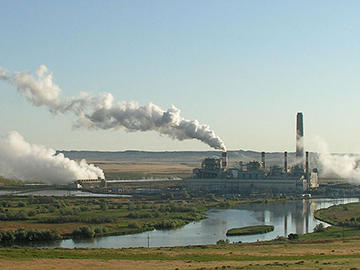
Coal-fired power plant

Coal-fired power plants are a major source of beryllium-containing particles.

What is beryllium?

Beryllium is a metal that is found in nature, especially in beryl and bertrandite rock. It is extremely lightweight and hard, is a good conductor of electricity and heat, and is non-magnetic. Because of these properties, beryllium is used in high-technology consumer and commercial products, including aerospace components, transistors, nuclear reactors, and golf clubs.

How are people exposed to beryllium?

Most exposures to beryllium that cause disease are related to beryllium processing. The major route of human exposure is through airborne particles of beryllium metal, alloys, oxides, and ceramics. Beryllium particles are inhaled into the lungs and upper respiratory tract. Hand-to-mouth exposures and skin contact with ultrafine particles can also occur.

Although beryllium occurs in nature, the major source of its emission into the environment is through the combustion of fossil fuels (primarily coal), which releases beryllium-containing particulates and fly ash into the atmosphere.

Which cancers are associated with exposure to beryllium? 

An increased risk of lung cancer has been observed in workers exposed to beryllium or beryllium compounds.

How can exposure be reduced?

The U.S. Occupational Safety & Health Administration has information about preventing adverse health effects from exposure to beryllium on the job.

Selected References:

  • Agency for Toxic Substances and Disease Registry. Toxic Substances Portal – Beryllium. Atlanta, GA: Centers for Disease Control and Prevention, 2014. Available online. Last accessed June 5, 2024.
  • International Agency for Research on Cancer. Beryllium and Beryllium Compounds, IARC Monographs on the Evaluation of Carcinogenic Risks to Humans, Volume 100C. Lyon, France: World Health Organization, 2012. Available online. Last accessed August 6, 2024.
  • National Institute of Occupational Safety and Health. Beryllium and Beryllium Compounds, NIOSH Pocket Guide to Chemical Hazards. Atlanta, GA: Centers for Disease Control and Prevention, 2010. Available online. Last accessed January 31, 2019.
  • National Toxicology Program. Beryllium and Beryllium Compounds, Report on Carcinogens, Fifteenth Edition. Triangle Park, NC: National Institute of Environmental Health and Safety, 2021. Available online. Last accessed December 8, 2022.

Benzidine

Model of the benzidine molecule

Model of the benzidine molecule

What is benzidine?

Benzidine is a manufactured chemical that does not occur in nature. In the past, large amounts of benzidine were used to produce dyes for cloth, paper, and leather. It was also used in clinical laboratories for detecting blood, as a rubber-compounding agent, and in the manufacture of plastic films. However, benzidine has not been sold in the United States since the mid-1970s, and it is no longer used in medical laboratories or in the rubber and plastics industries.

How are people exposed to benzidine?

Inhalation and accidental ingestion are the main ways people can be exposed to benzidine-based dyes in the United States. As benzidine-based dyes were removed from both industrial and consumer markets and replaced with other types of dyes, the potential for exposure has declined.

Which cancers are associated with exposure to benzidine?

Occupational exposure to benzidine results in an increased risk of bladder cancer, according to studies of workers in different geographic locations.

Selected References:

  • Agency for Toxic Substances and Disease Registry. Toxic Substances Portal – Benzidine. Atlanta, GA: Centers for Disease Control and Prevention, 2014. Available online. Last accessed June 5, 2024.
  • Health Effects Notebook for Hazardous Air Pollutants. Benzidine Fact Sheet. Washington, DC: U.S. Environmental Protection Agency, 2000. Available online. Last accessed January 31, 2019.
  • National Institute of Occupational Safety and Health. Benzidine, NIOSH Pocket Guide to Chemical Hazards. Atlanta, GA: Centers for Disease Control and Prevention, 2010. Available online. Last accessed January 31, 2019.
  • National Toxicology Program. Benzidine and Dyes Metabolized to Benzidine, Report on Carcinogens, Fifteenth Edition. Triangle Park, NC: National Institute of Environmental Health and Safety, 2021. Available online. Last accessed December 5, 2022.

Aflatoxins

Micrograph, stained blue, of spore formation in a fungus called Aspergillus.

A micrograph of an Aspergillus spore, a type of fungus that produces cancer-causing aflatoxin.

What are aflatoxins?

Aflatoxins are a family of toxins produced by certain fungi that are found on agricultural crops such as maize (corn), peanuts, cottonseed, and tree nuts. The main fungi that produce aflatoxins are Aspergillus flavus and Aspergillus parasiticus, which are abundant in warm and humid regions of the world. Aflatoxin-producing fungi can contaminate crops in the field, at harvest, and during storage.

How are people exposed to aflatoxins?

People can be exposed to aflatoxins by eating contaminated plant products (such as peanuts) or by consuming meat or dairy products from animals that ate contaminated feed. Farmers and other agricultural workers may be exposed by inhaling dust generated during the handling and processing of contaminated crops and feeds.

Which cancers are associated with exposure to aflatoxins?

Exposure to aflatoxins is associated with an increased risk of liver cancer.

How can aflatoxin exposure be reduced?

You can reduce your aflatoxin exposure by buying only major commercial brands of nuts and nut butters and by discarding nuts that look moldy, discolored, or shriveled. To help minimize risk, the U.S. Food and Drug Administration (FDA) tests foods that may contain aflatoxins, such as peanuts and peanut butter. To date, no outbreak of human illness caused by aflatoxins has been reported in the United States, but such outbreaks have occurred in some developing countries.

Selected References

  • Food and Drug Administration. Bad Bug Book, Foodborne Pathogenic Microorganisms and Natural Toxins, Second Edition. Laurel, MD: Food and Drug Administration, 2012. Also available online. Last accessed December 28, 2018.
  • International Agency for Research on Cancer. Aflatoxins, IARC Monographs on the Evaluation of Carcinogenic Risks to Humans, Volume 100F. Lyon, France: World Health Organization, 2012. Also available online. Last accessed July 3, 2024.
  • National Center for Environmental Health. Aflatoxins, Understanding Chemical Exposures. Atlanta, GA: Centers for Disease Control and Prevention, 2012. Also available online. Last accessed December 28, 2018.
  • National Toxicology Program. Aflatoxins, Report on Carcinogens, Fifteenth Edition. Triangle Park, NC: National Institute of Environmental Health and Safety, 2021. Also available online. Last accessed December 5, 2022.
  • U.S. Department of Agriculture Grain Inspection, Packers and Stockyards Administration. Microtoxin Handbook. Washington, DC: Federal Grain Inspection Service, 2015. Also available online. Last accessed December 28, 2018.

Aristolochic Acids

Image of Aristolochia clematitis, a plant that contains aristolochic acids.

Aristolochia clematitis, a plant that contains aristolochic acids.

What are aristolochic acids?

Aristolochic acids are a group of acids found naturally in many types of plants known as Aristolochia (birthworts or pipevines) and some types of plants known as Asarum (wild ginger), which grow worldwide.

How are aristolochic acids used?

Plants containing aristolochic acids are used in some herbal products intended to treat a variety of symptoms and diseases, such as arthritis, gout, and inflammation. These products have not been approved by the U.S. Food and Drug Administration (FDA) and are often marketed as dietary supplements or “traditional medicines.” 

How are people exposed to aristolochic acids?

Exposure may occur through intentionally or unknowingly eating or drinking herbal or food products that contain aristolochic acids. 

Which cancers are associated with exposure to aristolochic acids?

Cancers of the upper urinary tract (renal pelvis and ureter) and bladder have been reported among individuals who had kidney damage caused by the consumption of herbal products containing aristolochic acids.

How can exposures be reduced?

To reduce your risk, do not use herbal products that contain aristolochic acids. The FDA provides a list of some products containing aristolochic acids.

Selected References:

National Toxicology Program. Aristolochic Acids, Report on Carcinogens, Fifteenth Edition. Triangle Park, NC: National Institute of Environmental Health and Safety, 2021. Also available online. Last accessed December 5, 2022.

Arsenic

Image of water samples in glass bottles.

Inorganic arsenic is naturally present at high levels in the groundwater of certain countries, including the United States.

What is Arsenic?

Arsenic is a naturally occurring substance that can be found in air, water, and soil. It can also be released into the environment by certain agricultural and industrial processes, such as mining and metal smelting. Arsenic comes in two forms (organic and inorganic); the inorganic form is more toxic than the organic form.

How are people exposed to arsenic?

People in the general population may be exposed to arsenic by smoking tobacco, being around tobacco smoke, drinking contaminated water, or eating food from plants that were irrigated with contaminated water. Inorganic arsenic is naturally present at high levels in the groundwater of certain countries, including the United States. Exposure to arsenic in contaminated drinking water is generally thought to be more harmful to human health than exposure to arsenic in contaminated foods.

In the past, people were exposed to arsenic during certain medical treatments and through contact with pesticides. Inorganic arsenic compounds were widely used as pesticides until the mid-1900s and were found in some medicines until the 1970s. In the 1990s, research showed that an arsenic compound, arsenic trioxide, was effective in the treatment of acute promyelocytic leukemia.

Which cancers are associated with exposure to arsenic?

Prolonged ingestion of arsenic-containing drinking water is associated with an increased risk of bladder cancer and skin cancer, and medical exposure to arsenic has been clearly associated with skin cancer in epidemiological studies. In addition, cancers of the lung, digestive tract, liver, kidney, and lymphatic and hematopoietic systems have been linked to arsenic exposure.

How can exposures be reduced?

Access to a safe water supply for drinking, food preparation, and irrigation of food crops is the most important way to prevent exposures to arsenic.

Selected References:

  • National Institute of Occupational Safety and Health. Arsenic, NIOSH Pocket Guide to Chemical Hazards. Atlanta, GA: Centers for Disease Control and Prevention, 2016. Also available online. Last accessed December 31, 2018. 
  • NTP (National Toxicology Program). Arsenic and Inorganic Arsenic Compounds, Report on Carcinogens, Fifteenth Edition.; Research Triangle Park, NC: U.S. Department of Health and Human Services, Public Health Service, 2021. Also available online. Last accessed December 5, 2022.
  • World Health Organization Media Centre. Arsenic Fact Sheet. Lyon, France: World Health Organization, 2018. Also available online. Last accessed December 31, 2018.

Cancer-Causing Substances in the Environment

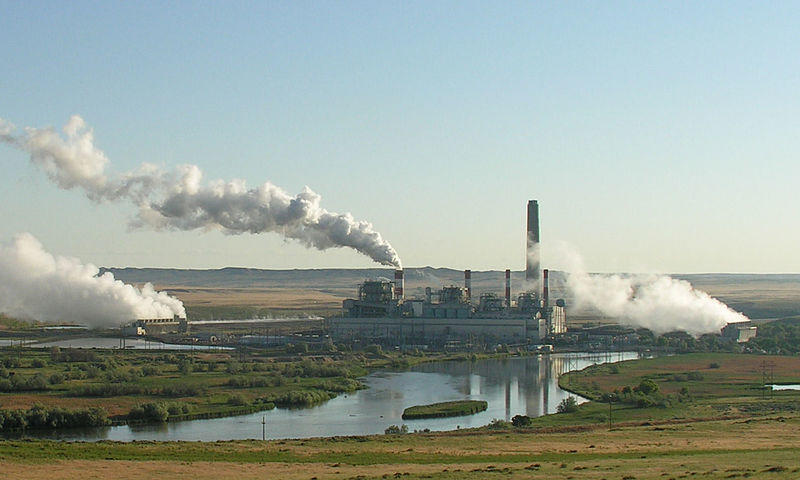
Coal-fired power plant with smoke streaming from smokestacks.

Coal-fired power plant.

Credit: Wikimedia Commons, CC BY-SA 2.0

Cancer is caused by changes to certain genes that alter the way our cells function. Some of these genetic changes occur naturally when DNA is replicated during the process of cell division. But others are the result of environmental exposures that damage DNA. These exposures may include substances, such as the chemicals in tobacco smoke, or radiation, such as ultraviolet rays from the sun.

People can avoid some cancer-causing exposures, such as tobacco smoke and the sun’s rays. But other ones are harder to avoid, especially if they are in the air we breathe, the water we drink, the food we eat, or the materials we use to do our jobs. Scientists are studying which exposures may cause or contribute to the development of cancer. Understanding which exposures are harmful, and where they are found, may help people to avoid them.

The National Toxicology Program (NTP) has identified the chemical substances listed below as known human carcinogens in the NTP’s 15th Report on Carcinogens. Simply because a substance has been designated as a carcinogen, however, does not mean that the substance will necessarily cause cancer. Many factors influence whether a person exposed to a carcinogen will develop cancer, including the amount and duration of the exposure and the individual’s genetic background. Learn more about Environmental Carcinogens and Cancer Risk.

Environmental Carcinogens and Cancer Risk

Does any exposure to a known carcinogen always result in cancer?

Any substance that causes cancer is known as a carcinogen. But simply because a substance has been designated as a carcinogen does not mean that the substance will necessarily cause cancer. Many factors influence whether a person exposed to a carcinogen will develop cancer, including the amount and duration of the exposure and the individual’s genetic background. Cancers caused by involuntary exposures to environmental carcinogens are most likely to occur in subgroups of the population, such as workers in certain industries who may be exposed to carcinogens on the job.

How can exposures to carcinogens be limited?

In the United States, regulations have been put in place to reduce exposures to known carcinogens in the workplace. Outside of the workplace, people can also take steps to limit their exposure to known carcinogens, such as quitting smoking, limiting sun exposure, limiting alcohol drinking, or, for those of the appropriate age, having HPV and HBV vaccination. See Risk Factors for Cancer for more information about known and suspected carcinogens.

Who decides which environmental exposures cause cancer in humans?

Two organizations—the National Toxicology Program (NTP), an interagency program of the U.S. Department of Health and Human Services (HHS), and the International Agency for Research on Cancer (IARC), the cancer agency of the World Health Organization—have developed lists of substances that, based on the available scientific evidence, are known or are reasonably anticipated to be human carcinogens.

Specifically, the NTP publishes the Report on Carcinogens every few years. This congressionally mandated publication identifies agents, substances, mixtures, or exposures (collectively called “substances”) in the environment that may cause cancer in humans. The 2021 edition lists 63 known human carcinogens and includes descriptions of the process for preparing the science-based report and the criteria used to list a substance as a carcinogen.    

IARC also produces science-based reports on substances that can increase the risk of cancer in humans. Since 1971, the agency has evaluated more than 1,000 agents, including chemicals, complex mixtures, occupational exposures, physical agents, biological agents, and lifestyle factors. Of these, more than 500 have been identified as carcinogenic, probably carcinogenic, or possibly carcinogenic to humans.

IARC convenes expert scientists to evaluate the evidence that an agent can increase the risk of cancer. The agency describes the principles, procedures, and scientific criteria that guide the evaluations. For instance, agents are selected for review based on two main criteria: (a) there is evidence of human exposure and (b) there is some evidence or suspicion of carcinogenicity.

How does the NTP decide whether to include a substance on its list of known human carcinogens?

As new potential carcinogens are identified, they are evaluated scientifically by the NTP’s Board of Scientific Counselors and the NTP Director. Next, a draft Report on Carcinogens monograph is prepared, which is reviewed by other scientific experts as needed, the public, and other federal agencies. The draft monograph is then revised as necessary and released for additional public comment and peer review by a dedicated panel of experts. Lastly, a finalized monograph and recommendation for listing is sent to the HHS Secretary for approval.

Alcohol and Cancer Risk

What is alcohol?

Alcohol is the common term for ethanol or ethyl alcohol, a chemical substance found in alcoholic beverages such as beer, hard cider, malt liquor, wines, and distilled spirits (liquor). Alcohol is produced by the fermentation of sugars and starches by yeast. Alcohol is also found in some medicines, mouthwashes, and household products (including vanilla extract and other flavorings). This fact sheet focuses on cancer risks associated with the consumption of alcoholic beverages.

According to the National Institute on Alcohol Abuse and Alcoholism (NIAAA), a standard alcoholic drink in the United States contains 14.0 grams (0.6 ounces) of pure alcohol. Generally, this amount of pure alcohol is found in:

  • 12 ounces of beer (a standard bottle)
  • 8–10 ounces of malt liquor (a standard serving size)
  • 5 ounces of wine (a typical glass)
  • 1.5 ounces of 80-proof liquor or distilled spirits (a “shot”)

These amounts are used by public health experts in developing health guidelines about alcohol consumption and to provide a way for people to compare the amounts of alcohol they consume. However, they may not reflect the typical serving sizes people may encounter in daily life.

The federal government’s Dietary Guidelines for Americans, 2020–2025 does not recommend that individuals who do not drink alcohol start drinking for any reason. The Dietary Guidelines also recommend that people who drink alcohol do so in moderation, by limiting consumption to two drinks or less in a day for men and one drink or less in a day for women, on days when alcohol is consumed. 

NIAAA defines heavy alcohol drinking as having four or more drinks on any day or eight or more drinks per week for women and five or more drinks on any day or 15 or more drinks per week for men. Binge drinking is defined as consuming five or more drinks (men), or four or more drinks (women), in about 2 hours. All binge drinking is considered harmful.

A recent Surgeon General’s Advisory has called for reconsidering the recommended limits for alcohol in the US Dietary Guidelines to account for the increased risk of cancer that is associated with consumption of alcohol at or below the guideline levels.

Does alcohol drinking cause cancer?

There is strong scientific evidence that alcohol drinking can cause cancer (1, 2). The International Agency for Research on Cancer (IARC) classified alcohol as a Group 1 carcinogen (cancer-causing substance) in 1987 due to sufficient evidence that it causes cancers of the oral cavity, pharynx, larynx, esophagus, and liver in people. The National Toxicology Program has listed consumption of alcoholic beverages as a known human carcinogen in its Report on Carcinogens since the ninth edition, in 2000.

Epidemiologic studies have shown that people who drink alcohol are at higher risk of certain cancers than those who do not drink alcohol and that the more someone drinks, the higher the risk of these cancers. Even light drinkers can be at increased risk of some cancers. For example, women who have just one drink per day have a higher risk of breast cancer than those who have less than one drink a week, and risk is increased even more in heavy drinkers and binge drinkers (37).

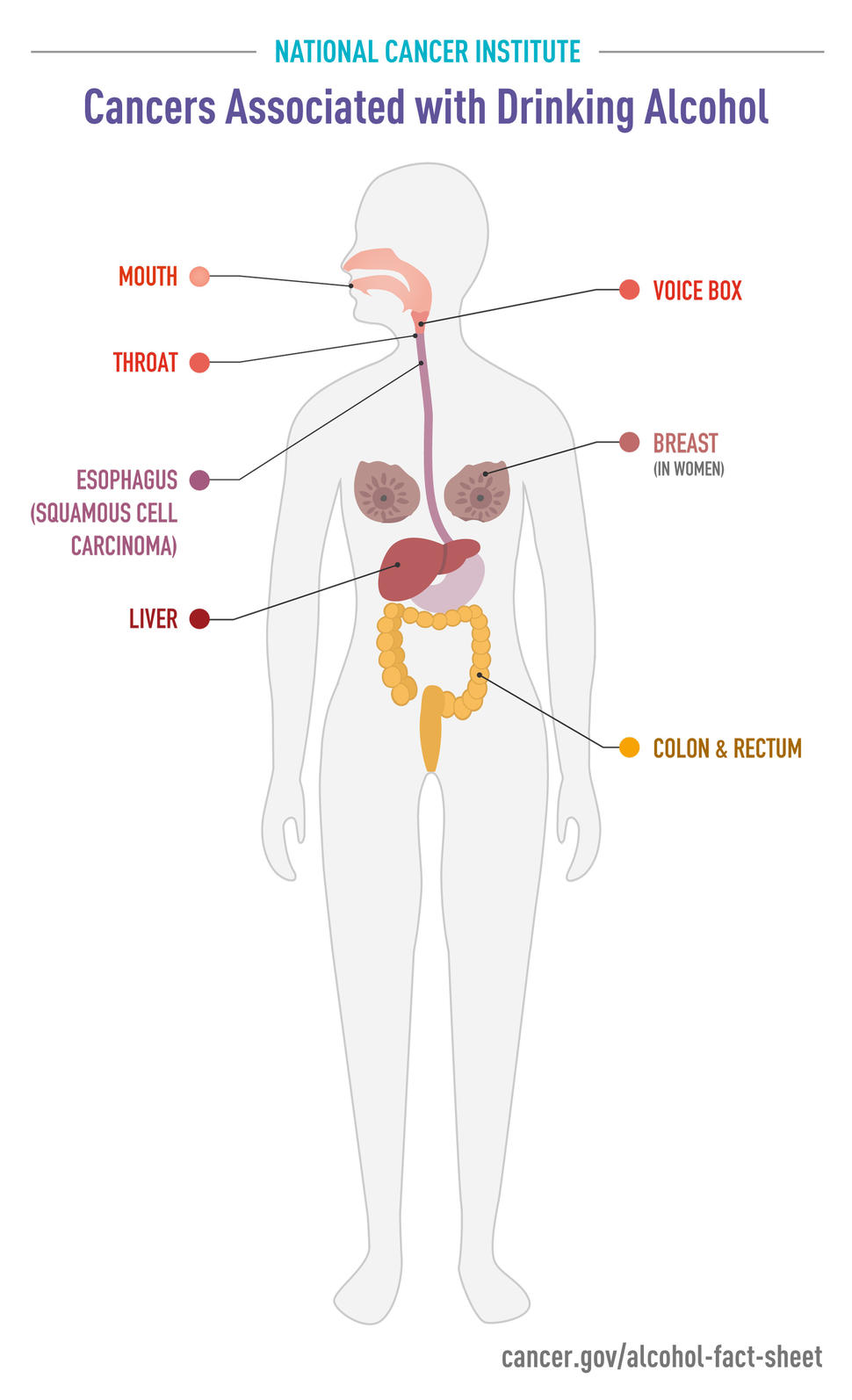
Alcohol consumption was responsible for about 5%—or nearly 100,000—of the 1.8 million cancer cases diagnosed in the United States in 2019 and about 4%—or nearly 25,000—of the 600,000 US cancer deaths that year (8). Drinking alcohol is associated with increased risks of the following types of cancer compared with not drinking:

Cancer Type Risk increases associated with alcohol drinking* Reference(s)
Oral cavity (mouth) and throat 1.1 times as likely in light drinkers
5 times as likely in heavy drinkers
4
Voice box 0.9 times as likely in light drinkers
2.6 times as likely in heavy drinkers
4
Esophageal (squamous cell carcinoma) 1.3 times as likely in light drinkers
5 times as likely in heavy drinkers
4
Liver 2 times as likely in heavy drinkers 4, 9, 10
Breast 1.04 times as likely in light drinkers
1.23 times as likely in moderate drinkers 
1.6 times as likely in heavy drinkers
4, 11, 12
Colorectal 1.2 to 1.5 times as likely in moderate to heavy drinkers 4, 11, 13
*Note: these risks are relative risks, which show the proportional chance of a new cancer diagnosis occurring in one group compared with another group (e.g., in those who drink alcohol compared with those who don’t). But it is important to keep in mind that for a less common cancer (such as squamous cell cancer of the esophagus, in the United States), even a large relative risk may represent only a small change in the actual chance that someone will develop that cancer (that is, their absolute risk). By contrast, for a more common cancer, such as breast cancer, even a small relative risk can translate into a large absolute risk. 

Using data from Australia, recalculated using US standard drinks, the recent Surgeon General’s Advisory reports that

  • among 100 women who have less than one drink per week, about 17 will develop an alcohol-related cancer
  • among 100 women who have one drink a day, 19 will develop an alcohol-related cancer
  • among 100 women who have two drinks a day, about 22 will develop an alcohol-related cancer

This means that women who have one drink a day have an absolute increase in the risk of an alcohol-related cancer of 2 per 100, and those who have two drinks a day an absolute increase of 5 per 100, compared with those who have less than one drink a week. For men, the number of alcohol-related cancers per 100 is 10 for those who have less than one drink a week, 11 for those who have one drink a day (an increase of 1 per 100), and 13 for those who have two drinks a day (an increase of 3 per 100).

Some evidence suggests that alcohol consumption may also be associated with increased risks of melanoma and of pancreatic, prostate, and stomach cancers (4, 14). However, for cancers of the bladder, ovary, and uterus, either no association with alcohol use has been found or the evidence for an association is inconsistent.

Alcohol consumption has also been associated with decreased risks of kidney cancers (1517), thyroid cancer (18, 19), and non-Hodgkin lymphoma (2022) in multiple studies. However, the number of cases of these cancers thought to be prevented by alcohol consumption is much lower than the total number of cancer cases attributable to alcohol consumption.

How does alcohol cause cancer?

Researchers have hypothesized multiple ways in which alcohol may increase the risk of cancer (23), including:

  • metabolizing (breaking down) ethanol in alcoholic drinks to acetaldehyde, which is a toxic chemical and a probable human carcinogen; acetaldehyde can damage both DNA and proteins
  • generating reactive oxygen species (chemically reactive molecules that contain oxygen), which can damage DNA, proteins, and lipids (fats) in the body through a process called oxidation
  • impairing the body’s ability to break down and absorb a variety of nutrients that may be associated with decreased cancer risk, including vitamin A; nutrients in the vitamin B complex, such as folate; vitamin C; vitamin D; vitamin E; and carotenoids
  • making it easier for the mouth and throat to absorb harmful chemicals, such as those from cigarette smoke, that can lead to cancer
  • increasing blood levels of estrogen, which at high levels can cause breast cancer
  • negatively influencing one-carbon metabolism and folate absorption, leading to DNA damage (24)

How does the combination of alcohol and tobacco affect cancer risk?

Epidemiologic research shows that people who use both alcohol and tobacco have much greater risks of developing cancers of the oral cavity (mouth), pharynx (throat), larynx, and esophagus than people who use either alcohol or tobacco alone. In fact, for oral and pharyngeal cancers, the harms associated with using both alcohol and tobacco are multiplicative; that is, they are greater than would be expected from adding the individual harms associated with alcohol and tobacco together (25, 26).

Can people’s genes affect their risk of alcohol-related cancers?

A person’s risk of alcohol-related cancers is influenced by that person’s genes, specifically the genes that encode enzymes involved in metabolizing (breaking down) alcohol (27).

For example, one way the body metabolizes alcohol is through the activity of an enzyme called alcohol dehydrogenase, or ADH, which converts ethanol into the carcinogenic metabolite acetaldehyde, mainly in the liver. Recent evidence suggests that acetaldehyde production also occurs in the oral cavity and may be influenced by factors such as the oral microbiome (28, 29).

Many individuals of East Asian descent have a “superactive” form of ADH that speeds the conversion of alcohol (ethanol) to toxic acetaldehyde. Among people of Japanese ancestry, those who have this form of ADH have a higher risk of pancreatic cancer than those with the more common form of ADH (30).

Another enzyme, called aldehyde dehydrogenase 2 (ALDH2), metabolizes toxic acetaldehyde to nontoxic substances. Some people, also particularly those of East Asian descent, have a form of this enzyme that causes acetaldehyde to build up when they drink alcohol. The accumulation of acetaldehyde has such unpleasant effects (including facial flushing and heart palpitations) that most people with this ALDH2 variant drink little alcohol and therefore have a low risk of developing alcohol-related cancers.

However, individuals with the altered form of ALDH2 who can tolerate the unpleasant effects of acetaldehyde and consume even moderate amounts of alcohol have a higher risk of alcohol-related esophageal and head and neck cancers than individuals with the normal enzyme who drink similar amounts of alcohol (31, 32). These increased risks are not observed in people who carry the variant but do not drink alcohol.

Can drinking red wine help prevent cancer?

The plant secondary compound resveratrol, found in grapes used to make red wine and some other plants, has been investigated for many possible health effects, including cancer prevention. However, researchers have found no association between moderate consumption of red wine and the risk of developing prostate cancer (33) or colorectal cancer (34). In addition, a recent meta-analysis found no difference between red or white wine consumption and overall cancer risk (35).

What happens to cancer risk after a person stops drinking alcohol?

Studies that have examined whether cancer risk declines after a person stops drinking alcohol have found that stopping alcohol consumption is associated with lower risks of oral cavity and esophageal cancers and possibly of throat, breast, and colorectal cancers (36). It may take years for the risks of cancer to return to those of never drinkers, but it is never too late to stop drinking and reduce the risks.

Is it safe for someone to drink alcohol while undergoing cancer treatment?

As with most questions related to a specific individual’s cancer treatment, it is best for patients to check with their health care team. The doctors and nurses administering the treatment will be able to give specific advice about whether it is safe to consume alcohol while or after undergoing specific cancer treatments. It is important to consider the possibility that alcohol can increase the risk of cancer recurrence or a second cancer.

Alcohol

Drinking alcohol can increase your risk of cancer of the mouth, throat, esophagus, larynx (voice box), liver, and breast. The more you drink, the higher your risk. The risk of cancer is much higher for those who drink alcohol and also use tobacco.

Doctors advise people who drink to do so in moderate amounts. The federal government’s Dietary Guidelines for Americans defines moderate alcohol drinking as up to one drink per day for women and up to two drinks per day for men.

It has been suggested that certain substances in red wine, such as resveratrol, have anticancer properties. However, there is no evidence that drinking red wine reduces the risk of cancer.

For more information, see the Alcohol and Cancer Risk fact sheet.