Considerations in the Treatment of Metastatic Pancreas Cancer

Written by: Carlos Becerra, MD
Content Sponsored by: Bristol Myers Squibb
Dr. Becerra is a paid consultant for BMS and was compensated for his contribution in drafting this article.

Pancreas adenocarcinoma is a highly aggressive and fatal disease that is projected to become the second leading cause of cancer related death in the US by the year 2030.1 Upon diagnosis, over 50% of the patients present with metastatic disease and we do not have an effective screening tool to detect pancreas cancer at an earlier and potentially curable stage.2-3 Some improvement has been made in median survival for patients with metastatic disease due to better supportive measures and more effective chemotherapy options.3-4 However, the COVID 19 pandemic threatens to disrupt the gains obtained in recent years due to delay in diagnosis and management of this disease.5 In the next paragraphs I will review some key features for the management of patients with metastatic pancreas cancer so that patients can continue to benefit from the current available treatment options in spite of the COVID-19 pandemic.

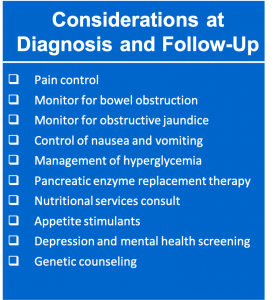
Key elements to consider at diagnosis and during management of patients with metastatic pancreas cancer include pain control with adequate narcotic analgesics titrated to the patient’s pain and consideration for local treatment modalities, such as palliative radiation therapy and celiac block to help control the pain. Patients should also be closely monitored with early intervention in case of bowel obstruction (consider even surgical intervention with a bypass procedure if the patient has an adequate performance status) and obstructive jaundice (with metal stent preferred over plastic stent; Figure 1). Additional elements include adequate control of nausea and vomiting either due to chemotherapy or to bowel dysfunction, optimal management of the hyperglycemia, and replacement therapy with pancreatic enzymes. Consultation of nutritional services and starting medications to stimulate the appetite should also be considered.3,4,6 Genetic counseling for new patients and testing for germline mutations along with testing the tumor for presence of actionable mutations should also be strongly considered, based on recent advances.7 Patients should also be screened for depression.3,4

Figure 1: Key Elements to Consider at Diagnosis and Follow-Up


The overall goal of systemic chemotherapy should be to improve overall survival of patients while maintaining the best possible quality of life.4 To that end we have several treatment options based on evidence from randomized phase III clinical trials. Keep in mind that at present we do not have a marker that will help select one regimen up front for clinical efficacy and or toxicity but the general consensus is to use a multi-drug regimen for patients with a good to marginal performance status or even a single agent in very frail patients.8,9

In 2011, the results of a phase III clinical trial demonstrated efficacy of 5-FU based combination therapy compared to single agent chemotherapy, at the expense of some increased toxicity.10 Since then, a multi-drug regimen approach has been shown to be effective.11 Today, the gemcitabine-based or 5-FU based treatments are recommended for patients with metastatic disease.12 Choice of treatment is based on overall assessment of the patient with regards to performance status, comorbidities, symptom burden, prior treatments, patient preference, goals of therapy and the patient’s home support system along with consideration of the potential side effects of the therapy.4,12

Once a patient begins treatment, close monitoring of the patient for evidence of disease progression is very important in order to offer patients second line chemotherapy. Thus, evaluation of the patient’s clinical status, restaging scans, and CA19-9 in a timely fashion will help guide the clinician on starting second line therapy.7,3 For patients with tumors that have a mutation in BRCA 1 or 2 gene (~7% of patients) maintenance with a PARP inhibitor, after receiving chemotherapy is recommended. Additional targeted agents are a possible treatment option if the tumors have presence of specific mutations.3,7

Despite advances, metastatic pancreatic cancer can be difficult to treat. The aggressive nature of the disease along with a high symptom burden make diligent patient management of the utmost importance, particularly during today’s challenging times. Recognizing and addressing symptoms proactively along with choosing the optimal treatment to allow for anti-tumor efficacy combined with a side effect profile that best fits the patient’s tolerance remains important.3,8,13

References
1. Rahib L, Smith BD, Aizenberg R, Rosenzweig AB, Fleshman JM, Matrisian LM. Cancer Res. 2014;74:2913-2921.
2. National Cancer Institute: Surveillance, Epidemiology, and End Results Program. https://seer.cancer.gov/statfacts/html/pancreas.html. Accessed November 2, 2020.
3. Mizrahi JD, Surana R, Valle JW, Shroff RT. Lancet. 2020;395:2008-2020.
4. Moffat GT, Epstein AS, O’Reilly EM. Cancer. 2019;125:3927-3935.
5. Benyon B. Oncology Nursing News. Published online March 31, 2020. https://www.oncnursingnews.com/web-exclusives/to-treat-or-not-to-treat-cancer-during-the-covid-19-pandemic. Accessed November 3, 2020.
6. Gilliland TMVillafane-Ferriol N, Shah KP, Shah RM, Tran Cao HS, Massarweh NN et al. Nutrients. 2017;9:243.
7. Sohal DPS, Kennedy EB, Cinar P, Conroy T, Copur MS, Crane CH et al. J Clin Oncol. 2020;38:3217-3230.
8. Sohal DPS, Mangu PB, Khorana AA, Shah MA, Philip PA, O’Reilly EM, et al. J Clin Oncol. 2016;34:2784-2796.
9. Zhang L, Sanagapalli S, Stoita A. World J Gastroenterol. 2018;24:2047-2060.
10. Conroy T, Desseigne FD, Ychou M, Bouche O, Guimbaud R, Becouarn Y et al. N Engl J Med. 2011;364:1817-1825.
11. Von Hoff DD, Ervin T, Areana FP, Chiorean EG, Infante J, Moore M et al. N Engl J Med. 2013;369:1691-1703.
12. Sohal DPS, Kennedy EB, Khorana A, Copur MS, Crane CH, Garrido-LagunaI et al. J Clin Oncol. 2018;36:2545-2556.
13. Catanese S, Pentheroudakis G, Douillard J-Y, Lordick F. ESMO Open. 2020;5:e000804.

ASH 2020: CRISPR-Cas9 Gene-Editing Technique May Cure Sickle Cell Disease and Beta Thalassemia

SUMMARY: Sickle Cell Disease or Sickle Cell anemia is an Autosomal Recessive disorder and affects approximately 100,000 Americans. It is estimated that it affects 1 out of every 365 African-American births and 1 out of every 16,300 Hispanic-American births. The average life expectancy for patients with Sickle Cell Disease in the United States is approximately 40-60 years. Beta thalassemia affects at least 1000 Americans and according to the WHO, more than 300,000 babies are born worldwide each year with hemoglobin disorders such as Transfusion-Dependent beta-Thalassemia (TDT) and Sickle Cell Disease (SCD). Both diseases are caused by mutations in the hemoglobin beta-globin gene.

HbSS disease or Sickle Cell anemia is the most common Sickle Cell Disease genotype and is associated with the most severe manifestations. HbSS disease is caused by a mutation substituting thymine for adenine in the sixth codon of the beta-globin chain gene. This in turn affects the hemoglobin’s ability to carry oxygen and causes it to polymerize. This results in decreased solubility thereby distorting the shape of the red blood cells, increasing their rigidity and resulting in red blood cells that are sickle shaped rather than biconcave. These sickle shaped red blood cells limit oxygen delivery to the tissues by restricting the flow in blood vessels, leading to severe pain and organ damage (Vaso-Occlusive Crises). Oxidative stress is an important contributing factor to hemoglobin polymerization with polymer formation occurring only in the deoxy state. HbS/b-0 Thalassemia (double heterozygote for HbS and b-0 Thalassemia) is clinically indistinguishable from HbSS disease. Thalassemia is an inherited hemoglobinopathy associated with an erythroid maturation defect and is characterized by ineffective erythropoiesis and impaired RBC maturation. Mutations in the hemoglobin beta-globin gene result in reduced (B+) or absent (B0) beta-globin synthesis creating an imbalance between the alpha and beta globin chains of hemoglobin, resulting in ineffective erythropoiesis. Management of Sickle Cell Disease includes pain control, transfusion support and Hydroxyurea, whereas management of beta Thalassemia include transfusion support and iron chelation therapy. None of the presently available therapies addresses the underlying cause of these diseases nor do they fully ameliorate disease manifestations. Allogeneic bone marrow transplantation can cure both these genetic disorders, but less than 20% of eligible patients have a related HLA-matched donor. There is therefore a great unmet need to find new therapies for beta-Thalassemia and Sickle Cell Disease.

Fetal hemoglobin which consists of two alpha and two gamma chains is produced in utero, but the level of gamma-globulin decreases postnatally as the production of beta-globin and adult hemoglobin which consists of two alpha and two beta chains increases. It has been noted that elevated levels of fetal hemoglobin are associated with decreased morbidity and mortality in patients with Sickle Cell Disease and Thalassemia. BCL11A gene is a repressor of gamma-globin expression and fetal hemoglobin production in adult red blood cells. Downregulating BCL11A can therefore reactivate gamma-globin expression and increase fetal hemoglobin in RBC.CRISPR-Cas9-Nuclease-Gene-Editing-Technique

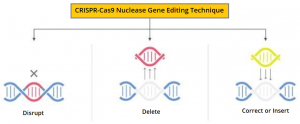
The Clustered Regularly Interspaced Short Palindromic Repeats (CRISPR)-Cas9 nuclease gene editing technique cuts the DNA at the targeted location. The authors in this study used this gene-editing technique in Hematopoietic Stem and Progenitor Cells at the erythroid-specific enhancer region of BCL11A to down-regulate BCL11A expression in erythroid-lineage cells, restore gamma-globin synthesis, and reactivate production of fetal hemoglobin.

The authors reported the interim safety and efficacy data from 10 patients who received the investigational CRISPR-Cas9 nuclease gene-editing based therapy, following enrollment in CLIMB THAL-111 and CLIMB SCD-121 studies. These patients were infused with CTX001 (autologous CRISPR-Cas9-edited CD34+ Hematopoietic Stem and Progenitor Cells (HSPCs) that were genetically edited to reactivate the production of fetal hemoglobin. In the CLIMB THAL-111 and CLIMB SCD-121 open-label, PhaseI/II trials, patients with Transfusion-Dependent beta-Thalassemia and sickle cell disease , respectively, received a single intravenous infusion of CTX001. The production of CTX001 involved collection of CD34+ Hematopoietic Stem and Progenitor Cells (HSPCs) from patients by apheresis, following stem cell mobilization with either NEUPOGEN filgrastim and/or MOZOBIL® (plerixafor), after a minimum of 8 weeks of transfusions of packed red cells, to achieve a level of sickle hemoglobin of less than 30% in the patient with SCD. CTX001 was then manufactured from these CD34+ cells by editing with CRISPR-Cas9 with the use of a single-guide RNA molecule, following preclinical studies of BCL11A editing. Patients received myeloablation with pharmacokinetically adjusted, single-agent Busulfan, before the infusion of CTX001.

Eligible patients were between ages 18 and 35 years. In the CLIMB THAL-111 trial, eligible patients had a diagnosis of beta-Thalassemia (including the hemoglobin E genotype) with either homozygous or compound heterozygous mutations and had received transfusions of PRBC consisting of at least 100 ml/kg of body weight (or 10 units) per year during the previous 2 years. In the open-label CLIMB SCD-121 trial, eligible patients had a documented BS/BS or BS/B0 genotype and had a history of two or more severe vaso-occlusive episodes per year during the previous 2 years. Patients were monitored for engraftment, adverse events, total hemoglobin, hemoglobin fractions on high-performance liquid chromatography, F-cell expression (defined as the percentage of circulating erythrocytes with detectable levels of fetal hemoglobin), laboratory signs of hemolysis, requirements for transfusion support with PRBC, and occurrence of vaso-occlusive episodes in the patient with SCD. Bone marrow aspirates were obtained at 6 and 12 months after infusion, and DNA sequencing was used to measure the fraction of total DNA that was edited at the on-target site in CD34+ bone marrow cells and in nucleated peripheral-blood cells.

The Primary endpoint of the CLIMB THAL-111 trial was the proportion of patients with a transfusion reduction of 50% for at least six months, starting three months after CTX001 infusion. The Primary endpoint of CLIMB SCD-121 Sickle Cell Disease trial was the proportion of patients with fetal hemoglobin of 20% or more, sustained for at least three months, starting six months after CTX001 infusion.

CLIMB THAL-111 trial: Data was reported on 7 patients enrolled in the CLIMB THAL-111 trial, as they had reached at least three months of follow up after CTX001 infusion and therefore could be assessed for initial safety and efficacy. All seven showed a similar pattern of response, with rapid and sustained increases in total hemoglobin, fetal hemoglobin, and transfusion independence at last analysis. All 7 patients were transfusion independent with follow up ranging from 3-18 months after CTX001 infusion, with normal to near normal total hemoglobin levels at last visit. Their total hemoglobin levels ranged from 9.7 to 14.1 g/dL, and fetal hemoglobin ranged from 40.9% to 97.7%. Bone marrow allelic editing data collected from 4 patients with 6 months of follow up, and from one patient with 12 months of follow-up after CTX001 infusion showed the treatment resulted in a durable response. The safety data from all seven patients were generally consistent with an Autologous Stem Cell Transplant (ASCT) and myeloablative conditioning. There were four Serious Adverse Events (SAEs) considered related or possibly related to CTX001 reported in one patient and included headache, Hemophagocytic LymphoHistiocytosis (HLH), Acute Respiratory Distress Syndrome, and Idiopathic Pneumonia Syndrome. All four SAEs occurred in the context of HLH and resolved. Most of the non-SAEs were considered mild to moderate. CLIMB-111 is an ongoing trial and will enroll up to 45 patients and follow patients for approximately two years after infusion.

CLIMB SCD-121: Data was reported on 3 patients enrolled in the CLIMB SCD-121 sickle cell disease trial as they had reached at least three months of follow up after CTX001 infusion, and therefore could be assessed for initial safety and efficacy. Again, all 3 patients showed a similar pattern of response, with rapid and sustained increases in total hemoglobin and fetal hemoglobin, as well as elimination of Vaso-Occlusive Crises through last analysis. All 3 patients remained Vaso Occlusive Crises-free with follow up ranging from 3-15 months after CTX001 infusion and had hemoglobin levels in the normal to near normal range, including total hemoglobin from 11.5 to 13.2 g/dL and Fetal hemoglobin levels from 31.3% to 48.0%. Bone marrow allelic editing data collected from one patient with six months of follow-up and from one patient with 12 months of follow-up after CTX001 infusion demonstrated a durable response. Again the safety data were consistent with an ASCT and myeloablative conditioning. There were no Serious Adverse Events noted, thought to be related to CTX001, and the majority of non-SAEs were considered mild to moderate. CLIMB-121 is an ongoing open-label trial and will enroll up to 45 patients and follow patients for approximately two years after infusion.

It was concluded from this initial follow up that, CTX001 manufactured from Hematopoietic Stem Cells, edited of BCL11A with CRISPR-Cas9, has shown durable engraftment, with high levels of fetal hemoglobin expression, and the elimination of vaso-occlusive episodes or need for transfusion. The authors added that these preliminary results support further testing of CRISPR-Cas9 gene-editing approaches to treat other genetic diseases.

Safety and Efficacy of CTX001 in Patients with Transfusion-Dependent β- Thalassemia and Sickle Cell Disease: Early Results from the Climb THAL-111 and Climb SCD-121 Studies of Autologous CRISPR-CAS9–Modified CD34+ Hematopoietic Stem and Progenitor Cells. Frangoul H, Bobruff Y, Cappellini MD, et al. Presented at the 62nd ASH Annual Meeting and Exposition, 2020. Abstract#4

Salvage YERVOY® and OPDIVO® Combination after Prior Immune Checkpoint Inhibitor Therapy in Advanced RCC

SUMMARY: The American Cancer Society estimates that 73,750 new cases of kidney and renal pelvis cancers will be diagnosed in the United States in 2020 and about 14,830 people will die from the disease. Renal Cell Carcinoma (RCC) is by far the most common type of kidney cancer and is about twice as common in men as in women. Modifiable risk factors include smoking, obesity, workplace exposure to certain substances and high blood pressure. The five year survival of patients with advanced RCC is less than 10% and there is significant unmet need for improved therapies for this disease.

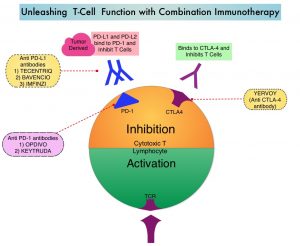
OPDIVO® is a fully human, immunoglobulin G4 monoclonal antibody that binds to the PD-1 receptor and blocks its interaction with PD-L1 and PD-L2, whereas YERVOY® is a fully human immunoglobulin G1 monoclonal antibody that blocks Immune checkpoint protein/receptor CTLA-4 (Cytotoxic T-Lymphocyte Antigen 4, also known as CD152). Blocking the Immune checkpoint proteins unleashes the T cells, resulting in T cell proliferation, activation and a therapeutic response.Unleashing-T-Cell-Function-with-Combination-Immunotherapy

The FDA in 2018, approved combination immunotherapy, OPDIVO® (Nivolumab) plus YERVOY® (Ipilimumab), for the treatment of intermediate or poor-risk, previously untreated advanced Renal Cell Carcinoma (RCC), based on significantly higher Overall Survival (OS) and Objective Response Rates (ORR), compared with Sunitinib, a multikinase inhibitor (CheckMate 214). Subsequently, two studies, a combination of BAVENCIO® (Avelumab), a PD-L1 targeted monoclonal antibody and INLYTA® (Axitinib), a Receptor Tyrosine Kinase inhibitor (JAVELIN Renal-101), and KEYTRUDA® (Pembrolizumab), a PD-1 targeted monoclonal antibody and INLYTA® (KEYNOTE-426), demonstrated superior OS, compared to Sunitinib, and for the first time set the stage for the use of a combination of Immune Checkpoint Inhibitor (ICI) and targeted therapy as first line treatment in this patient population.

The safety and activity of the combination of YERVOY® and OPDIVO® in patients with prior exposure to anti-PD-1 pathway targeted therapy, but no prior exposure to anti-CTLA-4 pathway targeted therapy, remains unknown. The rationale behind combining YERVOY® and OPDIVO® is that these two agents act in different phases of the immune response. Blocking the PD-1/PD-L1 pathway does not induce antitumor immunity if antigen-specific CD8-positive T cells are not present in cancer tissues. However, blocking the CTLA-4 pathway leads to increased activation of CD8-positive cells in the lymph nodes as well as increased infiltration of activated CD8-positive T cells into the tumor. This mechanistic difference between an anti-PD-1 antibody and an anti-CTLA-4 targeted therapy may allow activity of anti-CTLA-4 antibody in combination with anti-PD-1 antibody, upon treatment failure on prior anti-PD-1 targeted therapy.

The authors in this publication evaluated YERVOY® and OPDIVO® combination in patients with metastatic RCC, after prior treatment with anti-PD-1 pathway targeted therapy. This study included 45 patients with metastatic Renal Cell Carcinoma from 5 medical centers in the US and all patients had received prior therapy with Immune Checkpoint Inhibitors (ICIs) targeting the PD-1 pathway. The Primary objective of this study was to estimate the Objective Response Rate (ORR) to salvage YERVOY® and OPDIVO® combination, in patients with metastatic RCC, who received ICI as prior treatment.

The median number of prior lines of therapy was 3 and all patients had received at least one prior therapy targeting the PD-1 pathway. About 76% of patients received an anti-PD-1 antibody, and 24% received an anti-PDL-1 antibody before receiving YERVOY® and OPDIVO® combination. Of the 45 patients included in this study, 60% received monotherapy with prior anti-PD-1 or anti-PDL-1 antibody, 18% received PD-1 pathway targeted Immune Checkpoint Inhibitor (ICI) in combination with a VEGF receptor inhibitor (Axitinib,Sunitinib, or Cabozantinib), 9% received an ICI in combination with Bevacizumab, and 13% received an ICI in combination with another agent . Approximately 71% of the study patients received one line of prior ICI therapy and 29% of the study patients had received more than one prior ICI regimen. The best Objective Response Rate to prior ICI therapy was a Partial Response Rate of 53%, Stable disease in 27%, and Progressive disease in 20%. The median time on prior ICIs was 13 months. The median age at the time of initiation of YERVOY® and OPDIVO® combination was 62 years and all patients had more than one metastatic site, and 38% had brain metastasis. Twenty percent of the patients were favorable risk on the basis of IMDC criteria, 64% were intermediate risk, 7% were poor risk, and 9% were unknown risk.

At a median follow up of 12 months, the Objective Response Rate with the YERVOY® and OPDIVO® combination was 20% and the median Duration of Response was 7 months. An additional 16% of patients had stable disease. The median Progression Free Survival while on YERVOY® and OPDIVO® combination was 4 months. Immune-related Adverse Events of any grade with YERVOY® and OPDIVO® combination were noted in 64% of patients, and Grade 3 Immune-related Adverse Events were noted in 13% of the study patients.

It was concluded from this study that YERVOY® and OPDIVO® combination demonstrated antitumor activity with acceptable toxicity in patients with metastatic Renal Cell Carcinoma, who had prior treatment with Immune Checkpoint Inhibitors, suggesting that responses are possible in a subset of patients with metastatic Renal Cell Carcinoma who are naïve to therapy with anti-CTLA-4 antibody, and had prior exposure to therapy targeting the PD-1 pathway. Salvage YERVOY® and OPDIVO® therapy after single-agent OPDIVO® is currently being evaluated in multiple clinical trials.

Salvage Ipilimumab and Nivolumab in Patients With Metastatic Renal Cell Carcinoma After Prior Immune Checkpoint Inhibitors. Gul A, Stewart TF, Mantia CM, et al. J Clin Oncol 2020;38:3088-3094

Adjuvant Trastuzumab Monotherapy for Older Patients with HER-2 Positive Breast Cancer

SUMMARY: Breast cancer is the most common cancer among women in the US and about 1 in 8 women (13%) will develop invasive breast cancer during their lifetime. Approximately 276,480 new cases of invasive female breast cancer will be diagnosed in 2020 and about 42,170 women will die of the disease. Approximately 15-20% of invasive breast cancers overexpress HER2/neu oncogene, which is a negative predictor of outcomes without systemic therapy. Trastuzumab is a humanized monoclonal antibody targeting HER2. Adjuvant and neoadjuvant chemotherapy given along with Trastuzumab reduces the risk of disease recurrence and death, among patients with HER2-positive, early stage as well as advanced metastatic breast cancer. Since the approval of Trastuzumab, several other HER2-targeted therapies have become available. The duration of adjuvant Trastuzumab therapy has been 12 months and this length of treatment was empirically adopted from the pivotal registration trials.

Elderly patients with HER-2 positive breast cancer may not be candidates for adjuvant chemotherapy. Single agent Trastuzumab used as adjuvant treatment without chemotherapy could be of potential benefit, avoiding chemotherapy-induced toxicities. However, the benefit of single agent Trastuzumab has not been investigated in patients older than 70 years. The present study was designed to investigate the efficacy of Trastuzumab monotherapy, compared with Trastuzumab in combination with chemotherapy, incidence of Adverse Events, as well as Quality of Life, in terms of the noninferiority criterion.

RESPECT Study is a multicenter, open-label, randomized controlled, prospective, adjuvant, noninferiority trial, in which Trastuzumab monotherapy was compared with Trastuzumab plus chemotherapy, among patients older than 70 years, with HER-2 positive breast cancer. A total of 275 patients, aged 70-80 years with surgically treated HER-2 positive invasive breast cancer, were randomly assigned in a 1:1 ratio to receive either Trastuzumab monotherapy (N=137) or Trastuzumab plus chemotherapy (N=138). Trastuzumab plus chemotherapy treatment consisted of a loading dose of Trastuzumab at 8 mg/kg and a maintenance dose of 6 mg/kg every 3 weeks for 1 year. Chemotherapy regimens consisted of either Paclitaxel 80 mg/m2 IV weekly for 12 weeks, Docetaxel 75 mg/m2 IV every 3 weeks for 4 cycles, Doxorubicin 60 mg/m2 IV and Cyclophosphamide 600 mg/m2 IV (AC) every 3 weeks for 4 cycles, Epirubicin 90 mg/m2 IV and Cyclophosphamide 600 mg/m2 IV (EC) every 3 weeks for 4 cycles, Cyclophosphamide 75-100 mg orally, Methotrexate 40 mg/m2, and 5-fluorouracil 500-600 mg/m2 IV (CMF) for 6 cycles, Docetaxel 75 mg/m2 IV and Cyclophosphamide 600 mg/m2 IV (TC) every 3 weeks for 4 cycles or Docetaxel 60-75 mg/m2 IV, Carboplatin AUC 5-6 mg/ml/min IV along with Trastuzumab IV (TCH) every 3 weeks for 6 cycles. Patients treated with Trastuzumab monotherapy received similar doses of loading and maintenance Trastuzumab. Patients were stratified based on Performance Status, Hormone Receptor status and pathologic nodal status. Approximately 44% of patients had Stage I disease, 42% had Stage IIA, 13% had IIB, and 1% had IIIA disease. Approximately 14% of patients received Selective Estrogen Receptor Modulators such as Tamoxifen, and about 69% of patients received Aromatase Inhibitors. The Primary endpoint was Disease Free Survival (DFS) with assessment of prespecified Hazard Ratio (HR) and Restricted Mean Survival Time (RMST) for each treatment group. (RMST has been advocated as an alternative or a supplement to the Hazard Ratio for reporting the effect of an intervention in a randomized clinical trial, and is a measure of average survival from time 0 to a specified time point, and may be estimated as the area under the KM curve up to that point. RMST measure is especially informative for older patient populations in which Quality of Life issues are more important). Secondary endpoints included Overall Survival (OS), Relapse-Free Survival (RFS), Adverse Events (AEs) and Health-Related Quality of Life (HRQoL). The median follow up time was 4.1 years.

The 3-year DFS was 89.5% with Trastuzumab monotherapy versus 93.8% with Trastuzumab plus chemotherapy (HR=1.36; P=0.51) and this study failed to meet the prespecified criterion for noninferiority. However, a preplanned analysis of DFS according to RMST was -0.39 months, suggesting that only 0.39 months of DFS were lost within 3 years, by avoiding chemotherapy. The 3-year RFS was 92.4% with Trastuzumab monotherapy versus 95.3% with Trastuzumab plus chemotherapy (HR=1.33) and the difference in RMST for RFS between treatment groups at 3 years was −0.41 months (P=0.53). There were significant differences noted in clinically meaningful HRQoL deterioration rate at 2 months (31% for Trastuzumab monotherapy versus 48% for Trastuzumab plus chemotherapy; P=.016) and at 1 year (19% versus 38%; P=0.009). Breast cancer-specific survival at 3 years was 99.2% with Trastuzumab monotherapy versus 99.2% with Trastuzumab plus chemotherapy (HR=0.20; P=0.14).

The authors concluded that even though the Primary endpoint of noninferiority for Trastuzumab monotherapy was not met, the Restricted Mean Survival Time revealed that the observed loss of survival without chemotherapy was less than 1 month at 3 years, and Health-Related Quality of Life was better, with lower toxicities. Therefore, Trastuzumab monotherapy can be considered as a reasonable adjuvant therapy option for a select group of elderly patients with favorable outcomes.

Randomized Controlled Trial of Trastuzumab With or Without Chemotherapy for HER2-Positive Early Breast Cancer in Older Patients. Sawaki M, Taira N, Uemura Y, et al. J Clin Oncol. 2020;38:3743-3752.

High Tumor Mutational Burden Predicts Response to KEYTRUDA®

SUMMARY: Tumor Mutational Burden (TMB) is a measure of the somatic mutation rate within a tumor genome and is emerging as a quantitative indicator for predicting response to Immune Checkpoint Inhibitors such as KEYTRUDA®, across a wide range of malignancies. These non-synonymous somatic mutations in the tumor genome generate larger number of neo-antigens which are more immunogenic. Immune Checkpoint Inhibitors are able to unleash the immune system to detect these neoantigens and destroy the tumor. TMB can be measured using Next-Generation Sequencing (NGS) and is defined as the number of somatic, coding base substitutions and short insertions and deletions (indels), per megabase of genome examined. Several studies have incorporated Tumor Mutational Burden (TMB) as a biomarker, using the validated cutoff of TMB of 10 or more mutations/Megabase as High and less than 10 mutations/Megabase as Low. (A megabase is 1,000,000 DNA basepairs). KEYTRUDA® is a fully humanized, Immunoglobulin G4, anti-PD-1 monoclonal antibody, that binds to the PD-1 receptor and blocks its interaction with ligands PD-L1 and PD-L2, thereby undoing PD-1 pathway-mediated inhibition of the immune response, and unleashing the tumor-specific effector T cells.

The authors in this publication prospectively explored the association of high tissue TMB with outcomes, following treatment with KEYTRUDA®, in patients with selected, previously treated, advanced solid tumors. KEYNOTE-158 is a multicenter, multicohort, non-randomized, open-label, Phase II basket trial investigating the antitumor activity and safety of KEYTRUDA® in multiple advanced solid tumors. Eligible patients had advanced unresectable or metastatic solid tumors (Anal, Biliary, Cervical, Endometrial, Mesothelioma, Neuroendocrine, Salivary, Small-cell lung, Thyroid, and Vulvar), who had progressed on, or were intolerant to one or more lines of standard therapy, had measurable disease, as well as tumor sample available for biomarker analysis.

This study enrolled 1073 patients of whom 1,050 patients were included in the efficacy analysis and TMB was analyzed in the subset of 790 patients, with sufficient tissue for testing. Of these 790 patients, 102 patients (13%) had tumors identified as TMB-High, defined 10 or more mutations /Megabase. TMB status was assessed in Formalin-Fixed Paraffin-Embedded tumor samples using the FoundationOne® CDx assay. Patients received KEYTRUDA® 200 mg IV every 3 weeks for up to 35 cycles. The median age in this study population of 102 patients was 61 years, ECOG PS was 0-1, and 56% of patients had at least 2 prior lines of therapy. Tumor response was assessed every 9 weeks for the first 12 months and every 12 weeks thereafter. The major efficacy outcome measures were Objective Response Rate (ORR) and Duration of Response (DOR) in the patients who received at least one dose of KEYTRUDA®. The key Secondary outcome measures included Progression Free Survival (PFS), Overall Survival (OS), and safety. The median study follow up was 37.1 months.

In the 102 patients whose tumors were TMB-H, KEYTRUDA® demonstrated an ORR of 29%, with a Complete Response rate of 4% and a Partial Response rate of 25%. The ORR in the non-TMB-High group was 6%. The median duration of response was not reached in the TMB-H group and was 33.1 months in those without high TMB, at the time of data cutoff. There was low correlation between TMB and PD-L1 expression. The most common adverse reactions for KEYTRUDA® were fatigue, decreased appetite, rash, pruritus, fever, nausea, diarrhea, cough, dyspnea, constipation, abdominal pain and musculoskeletal pain.

The authors concluded that high Tumor Mutational Burden status identifies a subgroup of patients who could have a robust tumor response to KEYTRUDA® monotherapy . They added that tissue TMB therefore could be a novel and useful predictive biomarker for response to KEYTRUDA® monotherapy in patients with previously treated recurrent or metastatic advanced solid tumors.

Association of tumour mutational burden with outcomes in patients with advanced solid tumours treated with pembrolizumab: prospective biomarker analysis of the multicohort, open-label, phase 2 KEYNOTE-158 study. Marabelle A, Fakih MG, Lopez J, et al. Lancet Oncol. 2020;21:1353-1365.

Challenges and Unmet Needs in Squamous Non-Small Cell Lung Cancer

Written by Dr. Irfan A. Mirza
This article is sponsored and developed by Boehringer Ingelheim Pharmaceuticals

Significant strides have been made in the last decade for systemic treatment options for stage IV non-small cell lung cancer (NSCLC), including those tailored for squamous and non-squamous histology.1,2 While non-squamous NSCLC has benefited from advances such as the introduction of personalized, genotyped-directed therapies, and immunotherapy drugs, the treatment options for squamous cell NSCLC remain limited.1,2

Historically, the NCCN guidelines recommended the use of platinum-based chemotherapy in the first line setting, followed by immunotherapy in the second-line.3 However, following the results of the KEYNOTE-407 study, immunotherapy together with platinum doublet chemotherapy is now recommended in the first-line setting.4,5 This leaves an unmet need for patients with metastatic squamous NSCLC who have progressed, where most treatments consist of chemotherapy.2,6

Afatinib is an oral, non-chemotherapy option for patients with metastatic squamous NSCLC who have progressed on platinum-based chemotherapy.7 Afatinib is an irreversible second-generation epidermal growth factor receptor (EGFR)–tyrosine kinase inhibitor that selectively inhibits homo- and hetero-dimers of the ErbB receptor family (EGFR, ErbB2, and ErbB4).7

LUX-Lung 8 was a multicenter, open label, phase 3, randomized, controlled trial across 23 countries that enrolled 795 patients with advanced (stage III B and stage IV) squamous NSCLC, progressing after at least 4 cycles of platinum-based chemotherapy.8 Patients were randomized (1:1) to either afatinib 40 mg daily or erlotinib 150 mg daily until disease progression.8 The primary endpoint was progression-free survival (PFS) as assessed by an independent review committee (IRC), using RECIST v1.1 and secondary endpoints included overall survival (OS) and objective response rates as assessed by an IRC.8

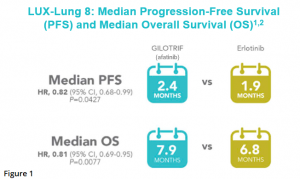
In LUX-Lung 8, significant improvement in PFS and overall survival was observed for afatinib compared with erlotinib.8 The median PFS was reported as 2.4 months with afatinib and 1.9 months with erlotinib [HR, 0.82 (95% CI 0.68-0.99)] (Figure 1).8
LUX-Lung-8-Median-Progression-Free-Survival
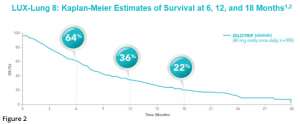
After a median follow up of 18.4 months, median OS was 7.9 months in the afatinib group and 6.8 months in the erlotinib group [HR 0.81 (95% CI 0.69-0.95), p = 0.0077].8 Estimates of OS among patients treated with afatinib were 64% at 6 months, 36% at 1 year, and 22% at 18 months (Figure 2).8
LUX-Lung-8-K-M-Estimates-of-Survival
More than half (51%) of patients treated with afatinib were able to achieve disease control (defined as complete response, partial response, stable disease, or non-complete response and non-progressive disease) compared with 40% with erlotinib.8 Excluding patients with non-complete response and non-progressive disease, disease control with afatinib was 37%, vs 29% with erlotinib, in a post hoc analysis.8 The median duration of objective response was 7.3 months with afatinib and 3.7 months with erlotinib.8

The most common adverse effects associated with afatinib were diarrhea, rash/acneiform dermatitis, stomatitis, decreased appetite, nausea, vomiting, paronychia, and pruritus.8,9 Twenty percent of patients discontinued afatinib treatment due to adverse reactions, with the most frequent adverse reactions leading to discontinuation being diarrhea in 4.1% of patients and rash/acne in 2.6%.9 Serious adverse reactions occurred in 44% of patients, with pneumonia (6.6%), diarrhea (4.6%), dehydration, and dyspnea (3.1% each) being the most frequent.9 Fatal adverse reactions in afatinib-treated patients included interstitial lung disease, pneumonia, respiratory failure, acute renal failure, and general physical health deterioration, all occurring in less than 1% of patients.9

Adverse Reactions (ARs) Reported in ≥10% of GILOTRIF-Treated Patients in LUX-Lung 89*:
GILOTRIF (n=392), erlotinib (n=395) – All Grades & Grades 3-4 ARs
Gastrointestinal Disorders
Diarrhea – GILOTRIF all grades: 75%; grades 3-4: 11%; erlotinib all grades: 41%, grades 3-4: 3%
Stomatitis – GILOTRIF all grades: 30%; grades 3-4: 4%; erlotinib all grades: 11%, grades 3-4: 1%
Nausea – GILOTRIF all grades: 21%; grades 3-4: 2%; erlotinib all grades: 16%, grades 3-4: 1%
Vomiting – GILOTRIF all grades: 13%; grades 3-4: 1%; erlotinib all grades: 10%, grades 3-4: 1%
Skin and Subcutaneous tissue disorders
Rash/acneform dermatitis – GILOTRIF all grades: 70%; grades 3-4: 7%; erlotinib all grades: 70%, grades 3-4: 11%
Pruritus – GILOTRIF all grades: 10%; grades 3-4: 0%; erlotinib all grades: 13%, grades 3-4: 0%
Metabolism and nutrition disorders
Decreased appetite – GILOTRIF all grades: 25%; grades 3-4: 3%; erlotinib all grades: 13%, grades 3-4: 0%
Infections
Paronychia§ – GILOTRIF all grades: 11%; grades 3-4: 1%; erlotinib all grades: 5%, grades 3-4: 0%
*NCI CTCAE v 3.0
Includes stomatitis, aphthous stomatitis, mucosal inflammation, mouth ulceration, oral mucosa erosion, mucosal erosion, mucosal ulceration
Includes acne, dermatitis, acneiform dermatitis, eczema, erythema, exfoliative rash, folliculitis, rash, rash generalized, rash macular, rash maculo-papular,

rash pruritic, rash pustular, skin exfoliation, skin fissures, skin lesion, skin reaction, skin toxicity, skin ulcer
§ Includes paronychia, nail infection, nail bed infection

In summary, LUX-Lung 8 met its primary and secondary endpoints and remains the largest prospective head-to-head trial that compares two TKIs for second-line treatment of patients with squamous NSCLC.8 Future studies should focus on understanding the clinical profile of afatinib within the context of other commonly-used treatment modalities, such as chemotherapy. In a disease setting with few treatment options, and a pandemic which can make delivery of infusions challenging, afatinib offers patients with metastatic squamous NSCLC an opportunity to receive a chemotherapy-free, oral option once they have progressed following treatment with standard, platinum based, first line treatment.8,9

INDICATIONS AND USAGE

GILOTRIF is indicated for the treatment of patients with metastatic squamous NSCLC progressing after platinum-based chemotherapy.

IMPORTANT SAFETY INFORMATION FOR GILOTRIF® (afatinib) TABLETS
WARNINGS AND PRECAUTIONS

Diarrhea
• GILOTRIF can cause diarrhea which may be severe and can result in dehydration with or without renal impairment. In clinical studies, some of these cases were fatal.
• For patients who develop Grade 2 diarrhea lasting more than 48 hours or Grade 3 or greater diarrhea, withhold GILOTRIF until diarrhea resolves to Grade 1 or less, and then resume at a reduced dose.
• Provide patients with an anti-diarrheal agent (e.g., loperamide) for self-administration at the onset of diarrhea and instruct patients to continue anti-diarrheal until loose stools cease for 12 hours.

Bullous and Exfoliative Skin Disorders
• GILOTRIF can result in cutaneous reactions consisting of rash, erythema, and acneiform rash. In addition, palmar-plantar erythrodysesthesia syndrome was observed in clinical trials in patients taking GILOTRIF.
• Discontinue GILOTRIF in patients who develop life-threatening bullous, blistering, or exfoliating skin lesions. For patients who develop Grade 2 cutaneous adverse reactions lasting more than 7 days, intolerable Grade 2, or Grade 3 cutaneous reactions, withhold GILOTRIF. When the adverse reaction resolves to Grade 1 or less, resume GILOTRIF with appropriate dose reduction.
• Postmarketing cases of toxic epidermal necrolysis (TEN) and Stevens Johnson syndrome (SJS) have been reported in patients receiving GILOTRIF. Discontinue GILOTRIF if TEN or SJS is suspected.

Interstitial Lung Disease
• Interstitial Lung Disease (ILD) or ILD-like adverse reactions (e.g., lung infiltration, pneumonitis, acute respiratory distress syndrome, or alveolitis allergic) occurred in patients receiving GILOTRIF in clinical trials. In some cases, ILD was fatal. The incidence of ILD appeared to be higher in Asian patients as compared to white patients.
• Withhold GILOTRIF during evaluation of patients with suspected ILD, and discontinue GILOTRIF in patients with confirmed ILD.

Hepatic Toxicity
• Hepatic toxicity as evidenced by liver function tests abnormalities has been observed in patients taking GILOTRIF. In 4257 patients who received GILOTRIF across clinical trials, 9.7% had liver test abnormalities, of which 0.2% were fatal.
• Obtain periodic liver testing in patients during treatment with GILOTRIF. Withhold GILOTRIF in patients who develop worsening of liver function. Discontinue treatment in patients who develop severe hepatic impairment while taking GILOTRIF.

Gastrointestinal Perforation
• Gastrointestinal (GI) perforation, including fatal cases, has occurred with GILOTRIF. GI perforation has been reported in 0.2% of patients treated with GILOTRIF among 3213 patients across 17 randomized controlled clinical trials.
• Patients receiving concomitant corticosteroids, nonsteroidal anti-inflammatory drugs (NSAIDs), or anti-angiogenic agents, or patients with increasing age or who have an underlying history of GI ulceration, underlying diverticular disease, or bowel metastases may be at an increased risk of perforation.
• Permanently discontinue GILOTRIF in patients who develop GI perforation.

Keratitis
• Keratitis has been reported in patients taking GILOTRIF.
• Withhold GILOTRIF during evaluation of patients with suspected keratitis. If diagnosis of ulcerative keratitis is confirmed, interrupt or discontinue GILOTRIF. If keratitis is diagnosed, the benefits and risks of continuing treatment should be carefully considered. GILOTRIF should be used with caution in patients with a history of keratitis, ulcerative keratitis, or severe dry eye. Contact lens use is also a risk factor for keratitis and ulceration.

Embryo-Fetal Toxicity
• GILOTRIF can cause fetal harm when administered to a pregnant woman. Advise pregnant women and females of reproductive potential of the potential risk to a fetus.
• Advise females of reproductive potential to use effective contraception during treatment, and for at least 2 weeks after the last dose of GILOTRIF. Advise female patients to contact their healthcare provider with a known or suspected pregnancy.

ADVERSE REACTIONS

Adverse Reactions observed in clinical trials were as follows:

Previously Treated, Metastatic Squamous NSCLC
• In GILOTRIF-treated patients (n=392) the most common adverse reactions (≥20% all grades & vs erlotinib-treated patients (n=395)) were diarrhea (75% vs 41%), rash/acneiform dermatitis (70% vs 70%), stomatitis (30% vs 11%), decreased appetite (25% vs 26%), and nausea (21% vs 16%).
• Serious adverse reactions were reported in 44% of patients treated with GILOTRIF. The most frequent serious adverse reactions reported in patients treated with GILOTRIF were pneumonia (6.6%), diarrhea (4.6%), and dehydration and dyspnea (3.1% each). Fatal adverse reactions in GILOTRIF-treated patients included ILD (0.5%), pneumonia (0.3%), respiratory failure (0.3%), acute renal failure (0.3%), and general physical health deterioration (0.3%).

DRUG INTERACTIONS

Effect of P-glycoprotein (P-gp) Inhibitors and Inducers
• Concomitant use of P-gp inhibitors (including but not limited to ritonavir, cyclosporine A, ketoconazole, itraconazole, erythromycin, verapamil, quinidine, tacrolimus, nelfinavir, saquinavir, and amiodarone) with GILOTRIF can increase exposure to afatinib.
• Concomitant use of P-gp inducers (including but not limited to rifampicin, carbamazepine, phenytoin, phenobarbital, and St. John’s wort) with GILOTRIF can decrease exposure to afatinib.

USE IN SPECIFIC POPULATIONS

Lactation
• Because of the potential for serious adverse reactions in breastfed infants from GILOTRIF, advise women not to breastfeed during treatment with GILOTRIF and for 2 weeks after the final dose.

Females and Males of Reproductive Potential
• GILOTRIF may reduce fertility in females and males of reproductive potential. It is not known if the effects on fertility are reversible.

Renal Impairment
• Patients with severe renal impairment (estimated glomerular filtration rate [eGFR] 15 to 29 mL/min/1.73 m2) have a higher exposure to afatinib than patients with normal renal function. Administer GILOTRIF at a starting dose of 30 mg once daily in patients with severe renal impairment. GILOTRIF has not been studied in patients with eGFR <15 mL/min/1.73 m2 or who are on dialysis.

Hepatic Impairment
• GILOTRIF has not been studied in patients with severe (Child Pugh C) hepatic impairment. Closely monitor patients with severe hepatic impairment and adjust GILOTRIF dose if not tolerated.

REFERENCES
1. Baxevanos P, Mountzios G. Novel chemotherapy regimens for advanced lung cancer: have we reached a plateau? Ann Transl Med. 2018;6(8):139.
2. Santos ES, Hart L. Advanced Squamous Cell Carcinoma of the Lung: Current Treatment Approaches and the Role of Afatinib. Onco Targets Ther. 2020 Sep 22;13:9305-9321.
3. Referenced with permission from the NCCN Clinical Practice Guidelines in Oncology (NCCN Guidelines®) for Non-Small Cell Lung Cancer. V.1.2016. ©National Comprehensive Cancer Network, Inc. 2016. All rights reserved. Accessed November 2, 2020. To view the most recent and complete version of the guidelines, go online to NCCN.org.
4. Paz-Ares L, et al. Pembrolizumab plus Chemotherapy for Squamous NSCLC. N Engl J Med. 2018;379: 2040-2051; DOI:10.1056/NEJMoa1810865
5. Referenced with permission from the NCCN Clinical Practice Guidelines in Oncology (NCCN Guidelines®) for Non-Small Cell Lung Cancer. V.8.2020. ©National Comprehensive Cancer Network, Inc. 2020. All rights reserved. Accessed November 2, 2020. To view the most recent and complete version of the guidelines, go online to NCCN.org.
6. Paik PK, et al. New treatment options in advanced squamous cell lung cancer. Am Soc Clin Oncol Educ Book. 2019;39:e198-e206.
7. Hirsh V. Next-Generation Covalent Irreversible Kinase Inhibitors in NSCLC: Focus on Afatinib. BioDrugs. 2015;29(3):167 183.
8. Soria JC, et al. Afatinib versus erlotinib as second-line treatment of patients with advanced squamous cell carcinoma of the lung (LUX-Lung 8): an open-label randomised controlled phase 3 trial. Lancet Oncol. 2015;16(8):897 907.
9. GILOTRIF [prescribing information]. Ridgefield, CT: Boehringer Ingelheim Pharmaceuticals, Inc.

Please review the Full Prescribing Information and Patient Information.

Full Prescribing Information URL: https://docs.boehringer-ingelheim.com/Prescribing%20Information/PIs/Gilotrif/Gilotrif.pdf?DMW_FORMAT=pdf

Patient Information URL: https://docs.boehringer-ingelheim.com/Prescribing%20Information/PIs/Gilotrif/Patient%20Info/gilotrif_patient%20information.pdf?DMW_FORMAT=pdf

FDA Approves KEYTRUDA® Plus Chemotherapy for Triple Negative Breast Cancer

SUMMARY: The FDA on November 13, 2020, granted accelerated approval to KEYTRUDA® (Pembrolizumab) in combination with chemotherapy for the treatment of patients with locally recurrent, unresectable or metastatic, Triple Negative Breast Cancer (TNBC), whose tumors express PD-L1 (Combined Positive Score-CPS 10 or more) as determined by an FDA approved test. Breast cancer is the most common cancer among women in the US and about 1 in 8 women (13%) will develop invasive breast cancer during their lifetime. Approximately 276,480 new cases of invasive female breast cancer will be diagnosed in 2020 and about 42,170 women will die of the disease. Triple Negative Breast Cancer (TNBC) is a heterogeneous, molecularly diverse group of breast cancers and are ER (Estrogen Receptor), PR (Progesterone Receptor) and HER2 (Human Epidermal Growth Factor Receptor-2) negative. TNBC accounts for 15-20% of invasive breast cancers, with a higher incidence noted in young patients and African American females. It is usually aggressive, and tumors tend to be high grade, and patients with TNBC are at a higher risk of both local and distant recurrence and often develop visceral metastases. Those with metastatic disease have one of the worst prognoses of all cancers with a median Overall Survival of 13 months. The majority of patients with TNBC who develop metastatic disease do so within the first 3 years after diagnosis, whereas those without recurrence during this period of time have survival rates, similar to those with ER-positive breast cancers. The lack of known recurrent oncogenic drivers in patients with metastatic TNBC, presents a major therapeutic challenge. Overall survival among patients with pretreated metastatic TNBC has not changed over the past 2 decades and standard chemotherapy is associated with low response rates of 10-15% and a Progression Free Survival (PFS) of only 2-3 months.Unleashing-T-Cell-Function-with-Immune-Checkpoint-Inhibitors

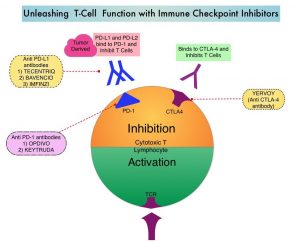
KEYTRUDA® is a fully humanized, Immunoglobulin G4, anti-PD-1, monoclonal antibody, that binds to the PD-1 receptor and blocks its interaction with ligands PD-L1 and PD-L2. It thereby reverses the PD-1 pathway-mediated inhibition of the immune response, and unleashes the tumor-specific effector T cells. The rationale for combining chemotherapy with immunotherapy is that cytotoxic chemotherapy releases tumor-specific antigens, and immune checkpoint inhibitors such as KEYTRUDA® when given along with chemotherapy can enhance endogenous anticancer immunity. Single agent KEYTRUDA® in metastatic TNBC demonstrated durable antitumor activity in several studies, with Objective Response Rates (ORRs) ranging from 10% to 21% and improved clinical responses in patients with higher PD-L1 expression. When given along with chemotherapy as a neoadjuvant treatment for patients with high-risk, early-stage TNBC, KEYTRUDA® combination achieved Pathological Complete Response rate of 65%, regardless of PD-L1 expression. Based on this data, KEYTRUDA® in combination with chemotherapy was studied, for first-line treatment of TNBC.

KEYNOTE-355 is a randomized, double-blind, Phase III study, which evaluated the benefit of KEYTRUDA® in combination with one of the three different chemotherapy regimens, nab-Paclitaxel, Paclitaxel, or the non-taxane containing Gemzar/Carboplatin, versus placebo plus one of the three chemotherapy regimens, in patients with previously untreated or locally recurrent inoperable metastatic TNBC. In this study, 847 patients were randomized 2:1 to receive either KEYTRUDA® 200 mg IV on day 1 of each 21-day cycle along with either nab-paclitaxel 100 mg/m2 IV on days 1, 8 and 15 of each 28-day cycle, Paclitaxel 90 mg/m2 IV on days 1, 8 and 15 of each 28-day cycle, or Gemcitabine 1000 mg/m2 IV plus Carboplatin AUC 2, IV on days 1 and 8 of each 21-day cycle (N= 566) or placebo along with one of the three chemotherapy regimens (N= 281). This study was not designed to compare the efficacy of the different chemotherapy regimens. Treatment was continued until disease progression. Patients were stratified by chemotherapy, PD-L1 tumor expression (CPS of 1 or higher versus CPS of less than 1), and prior treatment with the same class of neoadjuvant/adjuvant chemotherapy (Yes versus No). The baseline characteristics of treatment groups were well-balanced. The co-Primary end points of the trial were Progression Free Survival (PFS) and Overall Survival (OS) in patients with PD-L1-positive tumors, and in all patients. Secondary end points were Objective Response Rate (ORR), Duration of Response, Disease Control Rate, and Safety. The median follow up for patients assigned to receive KEYTRUDA® was 17.5 months and 15.5 months for the placebo group. The authors reported the results from an interim analysis conducted by an Independent Data Monitoring Committee (IDMC).

KEYTRUDA® in combination with chemotherapy, significantly improved PFS in patients with CPS (Combined Positive Score) of 10 or greater. The median PFS was 9.7 months for KEYTRUDA® plus chemotherapy, compared with 5.6 months for placebo plus chemotherapy (HR=0.65, P=0.0012). This represented a 35% reduction in the risk of disease progression. Among patients with CPS of 1 or greater, the median PFS was 7.6 months for KEYTRUDA® plus chemotherapy, compared with 5.6 months for the placebo plus chemotherapy arm (HR= 0.74; P=0.0014). This however based on prespecified statistical criteria, was not considered statistically significant. Among the entire Intention-To-Treat (ITT) population, the median PFS was 7.5 months in the KEYTRUDA® plus chemotherapy group, compared with 5.6 months for chemotherapy plus placebo group (HR=0.82). Formal statistical significance was not tested in the ITT population. Overall Survival data are pending. Adverse Events (AEs) were similar in both treatment groups, although immune-related AEs occurred at a higher incidence in the KEYTRUDA® arm.

It was concluded that KEYTRUDA® in combination with several chemotherapy regimens, showed a statistically significant and clinically meaningful improvement in PFS, compared with chemotherapy alone, in patients with previously untreated locally recurrent, inoperable or metastatic TNBC, whose tumors expressed PD-L1 with a Combined Positive Score (CPS) of 10 or more. This data may be particularly relevant for patients who may have received a taxane in the adjuvant setting within a year, and could be more appropriately treated with a non-taxane regimen, in combination with KEYTRUDA®.

KEYNOTE-355: Randomized, double-blind, phase III study of pembrolizumab + chemotherapy versus placebo + chemotherapy for previously untreated locally recurrent inoperable or metastatic triple-negative breast cancer. Cortes J, Cescon DW, Rugo HS. et al. J Clin Oncol 38: 2020 (suppl; abstr 1000)

RUBRACA® in Metastatic Castrate Resistant Prostate Cancer with BRCA Mutations

SUMMARY: Prostate cancer is the most common cancer in American men with the exclusion of skin cancer, and 1 in 9 men will be diagnosed with Prostate cancer during their lifetime. It is estimated that in the United States, about 191,930 new cases of Prostate cancer will be diagnosed in 2020 and 33,330 men will die of the disease.

The development and progression of Prostate cancer is driven by androgens. Androgen Deprivation Therapy (ADT) or testosterone suppression has therefore been the cornerstone of treatment of advanced Prostate cancer and is the first treatment intervention. Androgen Deprivation Therapies have included bilateral orchiectomy or Gonadotropin Releasing Hormone (GnRH) analogues, with or without first generation Androgen Receptor (AR) inhibitors such as CASODEX® (Bicalutamide), NILANDRON® (Nilutamide) and EULEXIN® (Flutamide) or with second-generation, anti-androgen agents, which include, ZYTIGA® (Abiraterone), XTANDI® (Enzalutamide) and ERLEADA® (Apalutamide). Approximately 10-20% of patients with advanced Prostate cancer will progress to Castration Resistant Prostate Cancer (CRPC) within five years during ADT, and over 80% of these patients will have metastatic disease at the time of CRPC diagnosis. The estimated mean survival of patients with CRPC is 9-36 months, and there is therefore an unmet need for new effective therapies.

DNA damage is a common occurrence in daily life by UV light, ionizing radiation, replication errors, chemical agents, etc. This can result in single and double strand breaks in the DNA structure which must be repaired for cell survival. The two vital pathways for DNA repair in a normal cell are BRCA1/BRCA2 and PARP. BRCA1 and BRCA2 genes recognize and repair double strand DNA breaks via Homologous Recombination Repair (HRR) pathway. Homologous Recombination is a type of genetic recombination, and is a DNA repair pathway utilized by cells to accurately repair DNA double-stranded breaks during the S and G2 phases of the cell cycle, and thereby maintain genomic integrity. Homologous Recombination Deficiency (HRD) is noted following mutation of genes involved in HR repair pathway. At least 15 genes are involved in the Homologous Recombination Repair (HRR) pathway including BRCA1, BRCA2 and ATM genes. The BRCA1 gene is located on the long (q) arm of chromosome 17 whereas BRCA2 is located on the long arm of chromosome 13. BRCA1 and BRCA2 are tumor suppressor genes and functional BRCA proteins repair damaged DNA, and play an important role in maintaining cellular genetic integrity. They regulate cell growth and prevent abnormal cell division and development of malignancy.

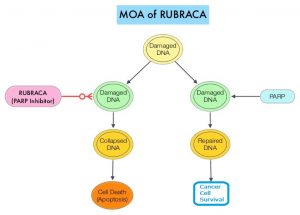
Recently published data has shown that deleterious Germline and/or Somatic mutations in BRCA1, BRCA2, ATM, or other Homologous Recombination DNA-repair genes, are present in about 25% of patients with advanced prostate cancer, including mCRPC. Approximately 12% of men with mCRPC harbor a deleterious BRCA1 or BRCA2 mutation (BRCA1, 2%; BRCA2, 10%). Mutations in BRCA1 and BRCA2 also account for about 20-25% of hereditary breast cancers, about 5-10% of all breast cancers, and 15% of ovarian cancers. BRCA mutations can either be inherited (Germline) and present in all individual cells or can be acquired and occur exclusively in the tumor cells (Somatic). Somatic mutations account for a significant portion of overall BRCA1 and BRCA2 aberrations. Loss of BRCA function due to frequent somatic aberrations likely deregulates HR pathway, and other pathways then come in to play, which are less precise and error prone, resulting in the accumulation of additional mutations and chromosomal instability in the cell, with subsequent malignant transformation. HRD therefore indicates an important loss of DNA repair function. The PARP (Poly ADP Ribose Polymerase), family of enzymes include, PARP1and PARP2, and is a related enzymatic pathway that repairs single strand breaks in DNA. In a BRCA mutant, the cancer cell relies solely on PARP pathway for DNA repair to survive. PARP inhibitors trap PARP onto DNA at sites of single-strand breaks, preventing their repair and generating double-strand breaks that cannot be repaired accurately in tumors harboring defects in Homologous Recombination Repair pathway genes, such as BRCA1 or BRCA2 mutations, and this leads to cumulative DNA damage and tumor cell death.MOA-of-RUBRACA

RUBRACA® (Rucaparib) is an oral, small molecule inhibitor of PARP. TRITON2 is an international, multicenter, open-label, single arm, Phase II trial, in which patients with BRCA-mutated mCRPC, who had progressed after one to two lines of next-generation Androgen Receptor-directed therapy and one taxane-based chemotherapy for mCRPC were included. In this study, 115 mCRPC patients with either Germline or Somatic BRCA mutations, with or without measurable disease were enrolled, of whom 62 patients (54%) had measurable disease at baseline. Patients received RUBRACA® 600 mg orally twice daily and concomitant GnRH analog or had prior bilateral orchiectomy. Treatment was continued until disease progression or unacceptable toxicity. The median patient age was 72 years, majority of patients had an ECOG performance status of 0 or 1, 67% of patients had Gleason score of 8 or more at diagnosis, 68% had bone-only disease and 47% had 10 or more bone lesions. The Primary endpoint was Objective Response Rate (ORR) by blinded IRR (Independent Radiology Review), as well as ORR by investigator assessment. Secondary end points included Duration of Response (DOR) in those with measurable disease, locally assessed PSA response rate (50% or more decrease from baseline) rate, Overall Survival (OS), and Safety. The median follow up was 17.1 months.

The confirmed ORR for the IRR-evaluable population was 43.5%, and the confirmed ORR for the investigator-evaluable population was 50.8%. The median DOR was not evaluable and 56% of patients with confirmed Objective Responses had a DOR of 6 months or more. The confirmed PSA response rate was 54.8% and the median time to PSA response was 1.9 months. The Objective Response Rates were similar for patients with a Germline or Somatic BRCA mutations, and for patients with a BRCA1 or BRCA2 mutations. However, a higher PSA response rate was observed in patients with a BRCA2 mutation. The median radiographic Progression Free Survival was 9.0 months per IRR assessment and 8.5 months per investigator assessment. The OS data were not yet mature at the time of the analysis. The most frequent Grade 3 or more treatment related Adverse Event was anemia (25.2%).

It was concluded that RUBRACA® demonstrates promising efficacy in patients with mCRPC with deleterious BRCA mutations. TRITON3 study is evaluating RUBRACA® versus physician’s choice of second-line AR-directed therapy or Docetaxel, in chemotherapy-naïve patients with mCRPC and alterations in BRCA1/2, who progressed on one prior AR-directed therapy.

Rucaparib in Men With Metastatic Castration-Resistant Prostate Cancer Harboring a BRCA1 or BRCA2 Gene Alteration. Abida W, Patnaik A, Campbell D, et al. on behalf of the TRITON2 investigators. J Clin Oncol. 2020;38:3763-3772.

NERLYNX® Combination Superior to TYKERB® Combination in Advanced HER2-Positive Breast Cancer

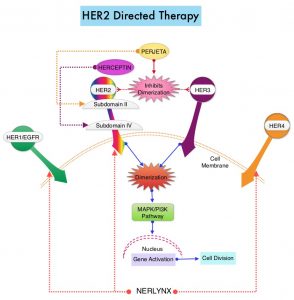
SUMMARY: Breast cancer is the most common cancer among women in the US and about 1 in 8 women (13%) will develop invasive breast cancer during their lifetime. Approximately 276,480 new cases of invasive female breast cancer will be diagnosed in 2020 and about 42,170 women will die of the disease. The HER or erbB family of receptors consist of HER1, HER2, HER3 and HER4. Approximately 15-20% of invasive breast cancers overexpress HER2/neu oncogene, which is a negative predictor of outcomes without systemic therapy. Patients with HER2-positive metastatic breast cancer are often treated with anti-HER2 targeted therapy along with chemotherapy, irrespective of hormone receptor status, and this has resulted in significantly improved treatment outcomes.HER2-Directed-Therapy

NERLYNX® (Neratinib) is a potent, irreversible, oral Tyrosine Kinase Inhibitor, of HER1, HER2 and HER4 (pan-HER inhibitor). NERLYNX® interacts with the catalytic domain of HER1, HER2, and HER4 and blocks their downstream signaling pathways, resulting in decreased cell proliferation and increased cell death. Clinical data has suggested that NERLYNX® has significant activity in suppressing HER-mediated tumor growth and is able to overcome tumor escape mechanisms experienced with current HER2-targeted and chemotherapeutic agents. It has been well known that hormone receptor positive breast cancer patients, who are also HER2-positive, have relative resistance to hormone therapy. Preclinical models had suggested that the addition of NERLYNX® could improve responses in ER positive, HER2-positive breast cancer patients. Further, NERLYNX® has clinical activity in patients with HER2-positive metastatic breast cancer. NERLYNX® is the first TKI approved by the FDA, shown to reduce the risk for disease recurrence, in patients with early stage HER2-positive breast cancer. NERLYNX® when given for 12 months after chemotherapy and HERCEPTIN®-based adjuvant therapy, to women with HER2-positive breast cancer, significantly reduced the proportion of clinically relevant breast cancer relapses that might lead to death, such as distant and locoregional recurrences outside the preserved breast.

TYKERB® (Lapatinib) is a Tyrosine Kinase Inhibitor of HER2 and EGFR, and in a previously published Phase III study, a combination of TYKERB® plus XELODA® (Capecitabine) was found to be superior to XELODA® alone in women with HER2-positive advanced breast cancer, that has progressed after treatment with regimens that included an Anthracycline, a Taxane, and HERCEPTIN®. (N Engl J Med 2006; 355:2733-2743)

The NALA trial was designed to compare NERLYNX® plus XELODA® versus TYKERB® plus XELODA® in patients with heavily pretreated Stage IV HER2-positive metastatic breast cancer, including those with asymptomatic or stable (treated or untreated) CNS metastases. In this multinational, randomized, active-controlled, Phase III study, 621 patients (N = 621) with metastatic HER2-positive breast cancer who received two or more prior anti-HER2 based regimens in the metastatic setting were randomly assigned in a 1:1 to receive NERLYNX® 240 mg given orally once daily on days 1-21 along with XELODA® 750 mg/m2 given orally twice daily on days 1-14 for each 21-day cycle (N=307) or TYKERB® 1250 mg given orally once daily on days 1-21 along with XELODA® 1000 mg/m2 given orally twice daily on days 1-14 for each 21-day cycle (N=314). Approximately 85% of patients had visceral metastases, and about 30% had received at least three anti-HER2 therapies. Patients in the NERLYNX® group also received antidiarrheal prophylaxis with Loperamide. Patients were treated until disease progression or unacceptable toxicity. The Co-Primary endpoints were Progression Free Survival (PFS) and Overall Survival (OS). Secondary endpoints included Objective Response Rate (ORR) and Duration of Response, Clinical Benefit Rate (CBR), time to intervention for symptomatic metastatic Central Nervous System (CNS) disease and Safety.

At a median follow up of 29.9 months, treatment with NERLYNX® with XELODA® significantly improved the median PFS, compared to those receiving TYKERB® with XELODA® (HR=0.76; P=0.006). This represented a 24% reduction in the risk of disease progression or death for those receiving a combination of NERLYNX® and XELODA®. The PFS rate at 12 months was 29% versus 15% respectively. The median OS was 21 months for patients receiving NERLYNX® and XELODA® compared to 18.7 months for those receiving TYKERB® and XELODA® (HR=0.88; P=0.20) and this was not statistically significant. The ORR was numerically higher with NERLYNX® and XELODA® combination in patients with measurable disease (32.8% versus 26.7%), and there was a statistically significant improvement in the Clinical Benefit Rate (45% versus 36%; P=0.03). The median Duration of Response was 8.5 versus 5.6 months respectively (HR=0.50; P=0.0004), favoring the NERLYNX® combination. The time to intervention for symptomatic CNS disease was significantly delayed with NERLYNX® combination versus TYKERB® combination, with an overall cumulative incidence of 22.8% versus 29.2% respectively (P= 0.043). The most common toxicities of any grade in the study population were diarrhea, nausea, palmar-plantar erythrodysesthesia syndrome, and vomiting. Treatment related toxicities were similar between arms, but there was a higher rate of Grade 3 diarrhea with the NERLYNX® combination (24% versus 13% respectively).

It was concluded from this study that a combination of NERLYNX® and XELODA® significantly improved Progression Free Survival, with a trend towards improved Overall Survival, and also resulted in a delayed time to intervention for symptomatic CNS disease, among patients with heavily pretreated advanced HER2-positive breast cancer. This is the first study to demonstrate superiority of one HER2-directed Tyrosine Kinase Inhibitor over another, in HER2-positive metastatic breast cancer.

Neratinib Plus Capecitabine Versus Lapatinib Plus Capecitabine in HER2-Positive Metastatic Breast Cancer Previously Treated With 2 or More HER2-Directed Regimens: Phase III NALA Trial. Saura C, Oliveira M, Y Feng Y-H, et al. for the NALA Investigators. J Clin Oncol. 2020;38:3138-3149.

Chemotherapy-Free First Line Induction and Consolidation Treatment for Acute Lymphocytic Leukemia

SUMMARY: It is estimated that 6150 individuals will be diagnosed with Acute Lymphocytic Leukemia (ALL) in the US and 1520 patients will die of the disease. ALL is more common in children, but can occur at any age and arises from malignant transformation of B- or T-cell progenitor cells. These cells express surface antigens that define their respective lineages. Precursor B-cell ALL cells typically express CD10, CD19, and CD34 on their surface, along with nuclear Terminal deoxynucleotide Transferase (TdT), whereas precursor T-cell ALL cells commonly express CD2, CD3, CD7, CD34, and TdT.

Philadelphia Chromosome (Chromosome 22) is a result of a reciprocal translocation between chromosomes 9 and 22, wherein the ABL gene from chromosome 9 fuses with the BCR gene on chromosome 22. As a result, the auto inhibitory function of the ABL gene is lost and the BCR-ABL fusion gene is activated resulting in cell proliferation and leukemic transformation of hematopoietic stem cells. Approximately 20% of adults and a small percentage of children with ALL are Philadelphia Chromosome (Ph) positive, and in the majority of children and in more than 50% of adults with Ph-positive ALL, the molecular abnormality (fusion protein) is different from that in Ph-positive Chronic Myelogenous Leukemia (p190 versus p210).

Adult patients with Ph-positive ALL are rarely cured with chemotherapy and the prognosis in these patients has markedly improved with the availability of BCR/ABL targeted Tyrosine Kinase Inhibitors (TKIs). Use of these TKIs with or without chemotherapy can result in a Complete Hematologic Remission in 94-100% of patients, irrespective of age. Eligible patients are then usually referred for allogeneic Hematopoietic Stem Cell Transplant (allo HSCT). To increase the chance of cure and decrease the likelihood of relapse, sustained decrease in Minimal Residual Disease is required, with a reduction in the tumor burden to less than 1 tumor cell in 10,000 bone marrow mononuclear cells.BLINATUMOMAB-(BLINCYTO)-(Engages-Two-Different-Targets-Simultaneously)

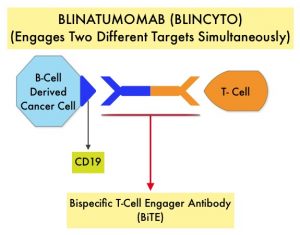
BiTE® technology (Bispecific T cell Engager antibody) engages the body’s immune system to detect and target malignant cells. These modified antibodies are designed to engage two different targets simultaneously, thereby placing the patient’s T cells within reach of the targeted cancer cell and facilitating apoptosis of the cancer cell. BiTE® antibodies are currently being investigated to treat a wide variety of malignancies. BLINCYTO® (Blinatumomab) is a BiTE® antibody designed to activate the patients T cells with its anti-CD3 group and then bind them to tumor cells with its anti-CD19 group, thus promoting cellular cytotoxicity. CD19 is a protein expressed on the surface of B-cell derived leukemias and lymphomas

The Italian GIMEMA investigators adopted a chemotherapy-free induction strategy and conducted a Phase II single-group trial, in which adults (no upper age limit) with newly diagnosed Ph-positive ALL, received first line therapy with SPRYCEL® (Dasatinib) plus glucocorticoids, followed by two cycles of BLINCYTO® (Blinatumomab). This study enrolled 63 patients with newly diagnosed Ph-positive ALL, and patients received prephase treatment with a glucocorticoid for 7 days before they received SPRYCEL®, and glucocorticoids were continued for an additional 24 days and discontinued on day 31. SPRYCEL® 140 mg orally once daily was administered as induction therapy for 85 days.

Patients who completed the induction phase received consolidation treatment with BLINCYTO® 28 mcg per day, and before each BLINCYTO® cycle, Dexamethasone 20 mg was administered. A minimum of two cycles of BLINCYTO® was mandatory and up to three additional cycles were allowed. Levetiracetam 500 mg twice daily was administered during treatment with BLINCYTO®, to prevent CNS adverse events. SPRYCEL® was continued during treatment with BLINCYTO®, and after BLINCYTO® administration, except in those patients in whom a T315I mutation was detected during the induction phase. Lumbar punctures were performed at diagnosis, at days 14, 22, 43, 57, and 85, and at the end of each BLINCYTO® cycle, for a total of 12 procedures. The choice of postconsolidation treatment, including allogeneic HSCT and subsequent administration of a Tyrosine Kinase Inhibitor, was at the discretion of the investigators. The median patient age was 54 years, 54% of the patients were women, and the median WBC was 13,000 per cubic millimeter. Of the 63 enrolled patients, 65% had the p190 fusion protein, 27% had the p210 fusion protein, and 8% had both. The most frequent molecular aberration was IKZF1 deletion (54%). The Primary endpoint was sustained molecular response in the bone marrow after this treatment.

Complete Hematologic Response was observed in 98% of the patients at the end of SPRYCEL® induction therapy (day 85), and the molecular response rate was 29%, and this percentage increased to 60% after two cycles of BLINCYTO®, with further increase in molecular responses after additional cycles of treatment with BLINCYTO®. At a median follow up of 18 months, Overall Survival was 95% and Disease Free Survival (DFS) was 88%. The probability of DFS among patients who had a molecular response at the end of induction therapy (day 85) was 100%, as compared with 85% among patients with a non-molecular response. There was no significant difference noted in the DFS between patients with p190 and those with p210. Patients who had an IKZF1 deletion along with additional genetic aberrations had lower Disease Free Survivals. Mutations in the ABL1 gene were detected in 6 patients who had increased Minimal Residual Disease during induction therapy, and all these mutations were cleared by BLINCYTO®. A total of 24 patients received an allogeneic HSCT, and the transplantation-related mortality was 4%. The most common adverse events of any grade were pyrexia, cytomegalovirus infection/reactivation and neutropenia.

The authors concluded that a chemotherapy-free induction and consolidation first-line treatment with SPRYCEL® and BLINCYTO®, that was based on a targeted and immunotherapeutic strategy respectively, was associated with high incidences of molecular response and survival, with fewer Grade 3 or higher adverse events, in adults with Philadelphia chromosome-positive ALL.

Dasatinib-Blinatumomab for Ph-Positive Acute Lymphoblastic Leukemia in Adults. Foà R, Bassan R, Vitale A, et al. for the GIMEMA Investigators. N Engl J Med 2020; 383:1613-1623