
Noninvasive Evaluation of Myelodysplastic Syndrome in Patients with Unexplained Anemia

SUMMARY: It is estimated that in the US approximately 13,000 people are diagnosed with MyeloDysplastic Syndromes (MDS) each year. The prevalence has been estimated to be from 60,000 to 170,000 in the US. MyeloDysplastic Syndromes are a heterogenous group of stem cell disorders characterized by marrow failure resulting in cytopenias, mainly symptomatic anemia, with associated cytogenetic abnormalities, and abnormal cellular maturation with morphologic changes in clonal cells. Majority of the individuals diagnosed with MDS are 65 years or older and die as a result of infection and/or bleeding, consequent to bone marrow failure. About a third of patients with MDS develop Acute Myeloid Leukemia (AML).

Elderly patients with mildly symptomatic anemia (macrocytic anemia) or pancytopenia are initially evaluated for B12, folate and iron deficiency, as well as hypothyroidism and hemolysis. The next recommended test for unexplained anemia is bone marrow examination, which is the current gold standard for diagnosis of MDS. However, this procedure is invasive and can be painful, and is occasionally associated with infectious and bleeding complications. For these reasons, many patients and their physicians may avoid this procedure, potentially delaying access to effective treatments.

The researchers in this study developed a noninvasive algorithm, to help diagnose or exclude MDS, without bone marrow evaluation. To develop this web-based app, 502 patients diagnosed with MDS based on bone marrow evaluation were randomly selected from the European MDS registry and this sample was combined with 502 controls with unexplained anemia, aged 50 years and older, who had normal findings on bone marrow evaluation. Patients with bone marrow involvement as a part of a hematological or other disease or with any degree of bone marrow dysplasia could not serve as controls. The authors using a logistic regression model were able to classify patients into 1 of 3 categories: probable MDS, probably not MDS, and indeterminate. The initial model that was developed by the researchers was further improved using the new Gradient-Boosted Models (GBMs), adding more variables based on their known association with MDS. They included 10 routinely measured and readily available demographic, clinical, and laboratory variables such as Age, Sex, Hemoglobin, White Blood Cell count, Platelet count, Mean Corpuscular Volume, Neutrophils, Monocytes, Glucose, and Creatinine, as well as including more patients. A web app was developed that would help clinicians diagnose, and more importantly rule out MDS noninvasively, without bone marrow examination.

The researchers then calculated Positive Predictive Values and Negative Predictive Values assuming a 20% prevalence of MDS within the population of patients to which the model would be applied in practice (patients with unexplained anemia, in whom other causes of anemia have been excluded, who would likely undergo bone marrow examination in clinical practice). Approximately 90% of the MDS patients had anemia, about 35-40% of them had neutropenia, thrombocytopenia or bicytopenia, and about 15% had pancytopenia, all according to WHO criteria. Using the more severe cytopenia criteria as would be used for the International Prognostic Scoring System (IPSS) score, about 50% of MDS patients were severely anemic, about 20-25% of patients were neutropenic, thrombocytopenic, or bicytopenic, and 5% were pancytopenic.

It was noted that this tool was reliably able to separate patients with and without MDS. This model had a sensitivity of 88% and specificity of 95%. In this patient population with unexplained anemia, probable MDS and probably not MDS could be determined in 86% of patients, leaving it to the patient and the physician to discuss whether the bone marrow evaluation should be performed in the indeterminate group, to make the definitive diagnosis. The researchers also determined the robustness of this model in patients with neutropenia, thrombocytopenia, as well as in those with bicytopenia and pancytopenia. It was noted that the predictive model continued to be reliable, especially in its ability to rule out MDS in almost all of these categories, with Negative Predictive Values all above 90% and relatively narrow 95% Confidence Intervals (CIs). Moreover, the lower boundaries of the 95% CI were all above 90%. However, when it came to making a diagnosis of MDS, the accuracy was somewhat diminished. The researchers attributed this to smaller number of patients in these groups, and further added that patients with multiple cytopenias should have bone marrow evaluation, irrespective of the model prediction. Based on this algorithm, the researchers developed a web-based predictor calculator which would serve as a practical tool for clinicians. The limitations of this algorithm are that morphology, blast percentage, genetics, and cytogenetics have not yet been integrated into the model.

It was concluded that based on this MDS model, a web-based computer app has been developed, to help the physician community to primarily exclude MDS in a cytopenic individual and also predict the possibility of MDS, without performing an invasive bone marrow evaluation. The authors plan to not only improve the predictive power of the model by increasing the number of measured variables, but also validate this model with independent prospective patient data, and develop a predictive prognostic tool, in addition to diagnosis.

A predictive algorithm using clinical and laboratory parameters may assist in ruling out and in diagnosing MDS. Oster HS, Crouch S, Smith A, et al. Blood Adv. 2021;5:3066-3075.

FDA Approves TIBSOVO® for IDH1 Mutated Advanced Cholangiocarcinoma

SUMMARY: The FDA on August 25, 2021, approved TIBSOVO® (Ivosidenib) for adult patients with previously treated, locally advanced or metastatic Cholangiocarcinoma, with an Isocitrate DeHydrogenase-1 (IDH1) mutation, as detected by an FDA-approved test. The FDA also approved the Oncomine Dx Target Test (Life Technologies Corporation) as a companion diagnostic device, to aid in selecting patients with Cholangiocarcinoma for treatment with TIBSOVO®.

Bile Duct cancer (Cholangiocarcinoma), comprise about 30% of all primary liver tumors and includes both intrahepatic and extrahepatic bile duct cancers. Klatskin tumor is a type of Cholangiocarcinoma that begins in the hilum, at the junction of the left and right bile ducts. It is the most common type of Cholangiocarcinoma, accounting for more than half of all cases. About 8,000 people in the US are diagnosed with Cholangiocarcinoma each year and approximately 20% of the cases are suitable for surgical resection. The 5-year survival is less than 10%, with limited progress made over the past two decades. There is therefore an unmet need for new effective therapies.

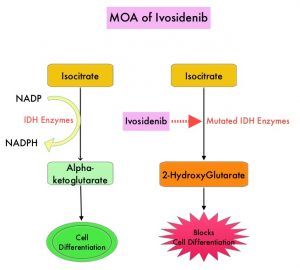
Isocitrate DeHydrogenase (IDH) is a metabolic enzyme that helps generate energy from glucose and other metabolites, by catalyzing the conversion of Isocitrate to Alpha-Ketoglutarate. Alpha-ketoglutarate is required to properly regulate DNA and histone methylation, which in turn is important for gene expression and cellular differentiation. IDH mutations lead to aberrant DNA methylation and altered gene expression thereby preventing cellular differentiation, with resulting immature undifferentiated cells. IDH mutations can thus promote leukemogenesis in Acute Myeloid Leukemia (AML) and tumorigenesis in solid tumors and can result in inferior outcomes. There are three isoforms of IDH. IDH1 is mainly found in the cytoplasm, as well as in peroxisomes, whereas IDH2 and IDH3 are found in the mitochondria, and are a part of the Krebs cycle. Approximately 20% of patients with AML, 70% of patients with Low-grade Glioma and secondary Glioblastoma, 50% of patients with Chondrosarcoma, 20% of patients with Intrahepatic Cholangiocarcinoma, 30% of patients with Angioimmunoblastic T-cell lymphoma and 8% of patients with Myelodysplastic syndromes/Myeloproliferative neoplasms, are associated with IDH mutations.MOA-of-Ivosidenib

TIBSOVO® (Ivosidenib) is an oral, targeted, small-molecule inhibitor of mutant IDH1. A previously published Phase I study demonstrated the safety and activity of TIBSOVO® in patients with IDH1 mutated advanced Cholangiocarcinoma. ClarIDHy is an international, randomized, double-blind, Phase III study, in which 187 previously treated patients with advanced Cholangiocarcinoma with an IDH1 mutation were randomly assigned 2:1 to receive TIBSOVO® 500 mg orally once daily (N=126) or matched placebo (N=61). All patients had advanced unresectable Cholangiocarcinoma. The median age was 62 years, 91% had intrahepatic Cholangiocarcinoma, 93% of patients had metastatic disease and 47% had received two prior therapies. The patient’s disease must have progressed following at least one, but not more than two prior regimens, including at least one Gemcitabine or 5-FU containing regimen. The Primary endpoint was Progression Free Survival (PFS) and Secondary endpoints included Safety, Objective Response Rate (ORR) and Overall Survival (OS). Crossover from placebo to TIBSOVO® was permitted upon radiographic disease progression.

This study met its Primary endpoint and the median PFS was 2.7 months for patients treated with TIBSOVO® compared to 1.4 months with placebo (HR=0.37; P<0.0001). More importantly, the median PFS at 6 and 12 months were 32% and 22% in the TIBSOVO® group, whereas no patients randomized to the placebo group were progression-free for 6 or more months, at the time of data cutoff.
The authors also reported the results of final analysis which showed an improvement in the secondary endpoint of OS, favoring patients randomized to TIBSOVO® compared to those randomized to placebo. However, statistical significance was not reached. The median OS for patients in the TIBSOVO® arm was 10.3 months compared to 7.5 months for patients in the placebo arm (HR=0.79; 1-sided P=0.093). A high proportion of patients in the placebo arm (70.5%) crossed over to TIBSOVO®. After adjusting for crossover from placebo to TIBSOVO®, the median OS for patients in the placebo arm was 5.1 months (HR=0.49; 1-sided P<0.0001).

The 6-month survival rate for patients in the TIBSOVO® arm was 69% compared to 57% of patients in the placebo arm, not adjusted for crossover. The 12-month survival rate for patients in the TIBSOVO® arm was 43% compared to 36% for patients in the placebo arm, not adjusted for crossover. Treatment with TIBSOVO® preserved patients’ physical functioning from baseline, as assessed by the EORTC QLQ-C30 questionnaire, whereas patients in the placebo arm experienced decline from baseline starting cycle 2. The most common Adverse Events of any grade for TIBSOVO® were nausea (38%), diarrhea (33.1%) and fatigue (28.9%). Adverse Events leading to discontinuation were more common with placebo compared with total TIBSOVO® (8.5% versus 6.6%).

It was concluded that treatment with TIBSOVO® in patients with advanced Cholangiocarcinoma with an IDH1 mutation, resulted in significant improvement in Progression Free Survival as well as favorable Overall Survival trend, when compared to Placebo, despite a high rate of crossover. This is the first pivotal study demonstrating the clinical benefit of targeting IDH1 mutation in this patient group. This new oral, non-cytotoxic, targeted treatment option, with a tolerable safety profile, will be a welcome addition to treat this aggressive disease, for which there is an unmet need for new therapies.

Final results from ClarIDHy, a global, phase III, randomized, double-blind study of ivosidenib (IVO) versus placebo (PBO) in patients (pts) with previously treated cholangiocarcinoma (CCA) and an isocitrate dehydrogenase 1 (IDH1) mutation. Zhu A, Macarulla T, Javle MM, et al. J Clin Oncol 39, 2021 (suppl 3; abstr 266)

Myelodysplastic Syndromes: Managing Anemia due to Ineffective Erythropoiesis in Patients with MDS Requiring RBC Transfusions

Dr-M-Yair-Levy

Written by: Dr. M. Yair Levy, Texas Oncology
Promotional Content Sponsored by: Bristol Myers Squibb
Dr. Levy is a paid consultant for BMS and was compensated for his contribution in drafting this article.


Myelodysplastic syndromes (MDS) are a heterogeneous group of myeloid malignancies characterized by multilineage cytopenias, including anemia.1 In MDS, stem cells lack the ability for differentiation and maturation, resulting in bone marrow dysfunction and poor blood cell production, in particular red blood cells (RBCs).2 Anemia is present in the majority of patients with MDS and, at diagnosis, anemia is the most common cytopenia present in patients with MDS.1 Anemia in MDS is linked to bone marrow dysfunction characterized by ineffective erythropoiesis.2

Ineffective erythropoiesis in MDS may lead to anemia requiring RBC transfusions and is characterized by increased proliferation of erythroid progenitors, increased death of erythroid precursors, and impaired erythroid maturation.3,4 In fact, 94% (515/546) of patients with MDS received RBC transfusions in the SEER-Sound registry from 2001 to 2007, 13% of whom had ring sideroblasts.5 Ring sideroblasts are erythroblasts with iron-loaded mitochondria associated with anemia that can be identified by iron staining and the results can be found on pathology reports.6

The presence of anemia despite increased proliferation of progenitor cells is indicative of ineffective erythropoiesis in MDS.3,4 There is a need to help address anemia due to ineffective erythropoiesis in patients with MDS requiring RBC transfusions after erythropoiesis stimulating agent (ESA) failure. REBLOZYL® (luspatercept-aamt), the first and only erythroid maturation agent, is approved for the treatment of anemia failing an ESA and requiring 2 or more RBC units over 8 weeks in adult patients with very low- to intermediate-risk myelodysplastic syndromes with ring sideroblasts (MDS-RS) or with myelodysplastic/myeloproliferative neoplasm with ring sideroblasts and thrombocytosis (MDS/MPN-RS-T).7 REBLOZYL is not indicated for use as a substitute for RBC transfusions in patients who require immediate correction of anemia.7 The approval of REBLOZYL by the FDA marked the first new treatment indicated for patients with MDS in 14 years.8 In my clinical experience, the results that I’ve seen in patients with lower-risk MDS-RS are consistent with those seen in the MEDALIST clinical trial, as discussed below.

As the first and only erythroid maturation agent, REBLOZYL enhances erythroid maturation through differentiation of late-stage erythroid precursors. REBLOZYL works by binding several TGF-β superfamily ligands, thereby diminishing Smad2/3 signaling and increasing the number and quality of mature RBCs in preclinical models.7

REBLOZYL was FDA approved for MDS-associated anemia based on the efficacy and safety outcomes of the pivotal phase 3 MEDALIST trial.7,9 The MEDALIST trial was a multicenter, randomized, double-blind, placebo-controlled, phase 3 trial of 229 adult patients with IPSS-R very low-, low-, or intermediate-risk MDS-RS (<5% bone marrow blasts, presence of ring sideroblasts of ≥15% or ≥5% with an SF3B1 mutation) who required RBC transfusions (≥2 RBC units/8 weeks) were randomized 2:1 to REBLOZYL (n = 153) or placebo (n = 76).7,9 Patients were also required to have had an inadequate response to prior treatment with an ESA (defined as response that is no longer maintained after at least 8 doses of recombinant human erythropoietin or 4 doses of darbepoetin alfa), be intolerant of ESAs, or be ineligible for ESAs (serum EPO >200 U/L).7,9 The MEDALIST trial excluded patients who had del 5q MDS, a white blood cell count >13 Gi/L, neutrophils <0.5 Gi/L, platelets <50 Gi/L, or who had prior use of a disease-modifying agent for treatment of MDS.7

REBLOZYL was administered 1 mg/kg subcutaneously every 3 weeks for at least 24 weeks or until unacceptable toxicity, loss of efficacy, or disease progression. Patients could have their dose increased to 1.33 mg/kg and then to 1.75 mg/kg. Patients received dose increases if they did not achieve transfusion independence after two doses or 6 weeks at 1 mg/kg and 1.33 mg/kg. All patients received best supportive care, which included RBC transfusions as needed.7

In MEDALIST, 36% (83/229) of all patients in the trial were 75 years of age or older, including patients up to 95 years.7,9 95.2% (218/229) of all patients in the trial were ESA-exposed, while only 4.8% (11/229) were ESA-naive, with serum EPO >200 U/L.7,9 All patients in the trial had ring sideroblasts (≥15% ring sideroblasts or ≥5% ring sideroblasts with an SF3B1 mutation), and the majority (206/229) had an SF3B1 mutation.7,9 All patients except 1 were classified as having very low- to intermediate-risk MDS by the IPSS-R criteria.7 57% (130/229) of patients had a baseline RBC transfusion burden <6 RBC units/8 weeks.7

The primary endpoint in MEDALIST was RBC transfusion independence (RBC-TI), defined as the absence of any RBC transfusion during any consecutive 8-week period occurring entirely within the first 24 weeks of treatment.7 Approximately 3 times greater percentage of patients receiving REBLOZYL achieved the primary endpoint of RBC transfusion independence than placebo: 37.9% (58/153) vs 13.2% (10/76; common risk difference [95% CI]: 24.6 [14.5, 34.6]; P < 0.0001), respectively.7 These data support that in patients requiring ≥2 RBC units/8 weeks, REBLOZYL should be started after at least 2 to 3 months of an inadequate response to ESAs.7,9

Key secondary endpoints in MEDALIST were based on RBC transfusion independence (absence of any RBC transfusions) during any consecutive 12-week period occurring entirely within weeks 1 to 24 and 1 to 48. 28.1% (43/153) of patients receiving REBLOZYL achieved transfusion independence ≥12 weeks occurring entirely within weeks 1 to 24 vs 7.9% (6/76) of patients receiving placebo (common risk difference [95% CI]: 20.0 [10.9, 29.1]; P = 0.0002). For weeks 1 to 48,* 33.3% (51/153) of patients receiving REBLOZYL achieved transfusion independence ≥12 weeks vs 11.8% (9/76) of patients receiving placebo (common risk difference [95% CI]: 21.4 [11.2, 31.5]; P = 0.0003).7
*The median (range) duration of treatment was 49 weeks (6–114 weeks) on the REBLOZYL arm and 24 weeks (7-89 weeks) on the placebo arm.

REBLOZYL provided RBC transfusion independence vs placebo in patients with MDS-RS and MDS/MPN-RS-T, based on the WHO 2016 classification. Of patients who were diagnosed with MDS-RS, 34.1% (46/135; 95% CI 26.1, 42.7) of patients receiving REBLOZYL achieved transfusion independence vs 12.3% (8/65; 95% CI 5.5, 22.8) receiving placebo. Of patients who were diagnosed with MDS/MPN-RS-T, 64.3% (9/14; 95% CI 35.1, 87.2) of patients receiving REBLOZYL achieved transfusion independence vs 22.2% (2/9; 95% CI 2.8, 60.0) receiving placebo. Of patients who were diagnosed with other types of MDS (MDS-EB-1, MDS-EB-2, and MDS-U), 75% (3/4; 95% CI 19.4, 99.4) of patients receiving REBLOZYL achieved transfusion independence vs 0% (0/2; 95% CI 0.0, 84.2) receiving placebo.7

RBC transfusion independence was also examined by baseline RBC transfusion burden. Of patients requiring 2 to 3 RBC units/8 weeks at baseline,† 80.4% (37/46; 95% CI 66.1, 90.6) of patients receiving REBLOZYL achieved transfusion independence vs 40% (8/20; 95% CI 19.1, 63.9) receiving placebo. Of patients requiring 4 to 5 RBC units/8 weeks at baseline,‡ 36.6% (15/41; 95% CI 22.1, 53.1) of patients receiving REBLOZYL achieved transfusion independence vs 4.3% (1/23; 95% CI 0.1, 21.9) receiving placebo. Of patients requiring ≥6 RBC units/8 weeks, 9.1% (6/66; 95% CI 3.4, 18.7) of patients receiving REBLOZYL achieved transfusion independence vs 3% (1/33; 95% CI 0.1, 15.8) receiving placebo.7

†Includes patients who received 3.5 units.
‡Includes patients who received 5.5 units.

The safety of REBLOZYL at the recommended dose and schedule was evaluated in 242 patients with MDS-RS (n = 192) or other myeloid neoplasms (n = 50). The median time on treatment with REBLOZYL was 50.4 weeks (range, 3-221 weeks), with 67% of patients exposed for 6 months or longer and 49% exposed for >1 year.7

Among the 242 patients treated with REBLOZYL, 5 (2.1%) had a fatal adverse reaction. 4.5% (11/242) of patients discontinued REBLOZYL due to an adverse reaction and 2.9% (7/242) of patients had their REBLOZYL dose reduced due to adverse reactions. The most common (≥10%) all-grade adverse reactions included fatigue, musculoskeletal pain, dizziness, diarrhea, nausea, hypersensitivity reactions, hypertension, headache, upper respiratory tract infection, bronchitis, and urinary tract infection. The majority of adverse reactions with REBLOZYL were Grade 1 or 2 (mild to moderate). The most common (≥2%) Grade ≥3 adverse reactions included fatigue, hypertension, syncope, and musculoskeletal pain.7

IMPORTANT SAFETY INFORMATION
WARNINGS AND PRECAUTIONS
Thrombosis/Thromboembolism
In adult patients with beta thalassemia, thromboembolic events (TEE) were reported in 8/223 (3.6%) REBLOZYL-treated patients. TEEs included deep vein thrombosis, pulmonary embolus, portal vein thrombosis, and ischemic stroke. Patients with known risk factors for thromboembolism (splenectomy or concomitant use of hormone replacement therapy) may be at further increased risk of thromboembolic conditions. Consider thromboprophylaxis in patients at increased risk of TEE. Monitor patients for signs and symptoms of thromboembolic events and institute treatment promptly.

Hypertension
Hypertension was reported in 10.7% (61/571) of REBLOZYL-treated patients. Across clinical studies, the incidence of Grade 3 to 4 hypertension ranged from 1.8% to 8.6%. In adult patients with MDS with normal baseline blood pressure, 26 (29.9%) patients developed SBP ≥130 mm Hg and 23 (16.4%) patients developed DBP ≥80 mm Hg. Monitor blood pressure prior to each administration. Manage new or exacerbations of preexisting hypertension using anti-hypertensive agents.

Embryo-Fetal Toxicity
REBLOZYL may cause fetal harm when administered to a pregnant woman. REBLOZYL caused increased post-implantation loss, decreased litter size, and an increased incidence of skeletal variations in pregnant rat and rabbit studies. Advise pregnant women of the potential risk to a fetus. Advise females of reproductive potential to use effective contraception during treatment and for at least 3 months after the final dose.

ADVERSE REACTIONS
Grade ≥3 (≥2%) adverse reactions included fatigue, hypertension, syncope and musculoskeletal pain. A fatal adverse reaction occurred in 5 (2.1%) patients.

The most common (≥10%) adverse reactions included fatigue, musculoskeletal pain, dizziness, diarrhea, nausea, hypersensitivity reactions, hypertension, headache, upper respiratory tract infection, bronchitis, and urinary tract infection

LACTATION
It is not known whether REBLOZYL is excreted into human milk or absorbed systemically after ingestion by a nursing infant. REBLOZYL was detected in milk of lactating rats. When a drug is present in animal milk, it is likely that the drug will be present in human milk. Because many drugs are excreted in human milk, and because of the unknown effects of REBLOZYL in infants, a decision should be made whether to discontinue nursing or to discontinue treatment. Because of the potential for serious adverse reactions in the breastfed child, breastfeeding is not recommended during treatment and for 3 months after the last dose.

Please see full Prescribing Information for REBLOZYL

References:
1. Greenberg PL, Tuechler H, Schanz J, et al. Revised international prognostic scoring system for myelodysplastic syndromes. Blood. 2012;120(12):2454-2465.
2. Cazzola M, Malcovati L. Myelodysplastic syndromes—coping with ineffective hematopoiesis. N Engl J Med. 2005;352(6):536-538.
3. Santini V. Anemia as the main manifestation of myelodysplastic syndromes. Semin Hematol. 2015;52(4):348-356.
4. Fontenay-Roupie M, Bouscary D, Guesnu M, et al. Ineffective erythropoiesis in myelodysplastic syndromes: correlation with Fas expression but not with lack of erythropoietin receptor signal transduction. Br J Haematol. 1999;106(2):464-473.
5. Ramsey SD, McCune JS, Blough DK, et al. Patterns of blood product use among patients with myelodysplastic syndrome. Vox Sang. 2012;102(4):331-337.
6. Malcovati L, Cazzola M. Recent advances in the understanding of myelodysplastic syndromes with ring sideroblasts. Br J Haematol. 2016;174(6):847-858.
7. REBLOZYL [Prescribing Information]. Summit, NJ: Celgene Corporation; 2020.
8. Steensma, D.P. Myelodysplastic syndromes current treatment algorithm 2018. Blood Cancer J. 2018;8(5):47.
9. Data on file, Celgene Corporation. Summit, New Jersey.

© 2021 Celgene Corporation.
REBLOZYL is a trademark of Celgene Corporation, a Bristol Myers Squibb company.
REBLOZYL is licensed from Acceleron Pharma Inc.
08/21 2007-US-2100270

Immune Checkpoint Inhibitor Therapy and Risk of Venous Thromboembolism

SUMMARY: The Center for Disease Control and Prevention (CDC) estimates that approximately 1-2 per 1000 individuals develop Deep Vein Thrombosis (DVT)/Pulmonary Embolism (PE) each year in the United States, resulting in 60,000-100,000 deaths. Venous ThromboEmbolism (VTE) is the third leading cause of cardiovascular mortality, after myocardial infarction and stroke. Ambulatory cancer patients initiating chemotherapy are at varying risk for Venous Thromboembolism (VTE), which in turn can have a substantial effect on health care costs, with negative impact on quality of life.

Approximately 20% of cancer patients develop VTE and about 20% of all VTE cases occur in patients with cancer. Cancer patients have a 4-7 fold increased risk of thrombosis, compared with those without cancer, and patients with cancer and VTE are at a markedly increased risk for morbidity and mortality. The etiology of thrombosis in cancer is multifactorial, and the vascular system is an important interface between the malignant cells and their systemic and external environments. Genetic alterations in malignant cells, as they respond to their microenvironment, can result in inflammation, angiogenesis, and tissue repair. This in turn leads to the local and systemic activation of the coagulation system. It has been postulated that the procoagulant effect of malignant cells may be related to the release of soluble mediators such as G-CSF into the circulation or by the shedding of procoagulant Extracellular Vesicles (EVs) harboring Tissue Factor. Previously published studies had entertained the notion that certain oncogenic mutations may deregulate hemostatic genes (coagulome) in cancer cells.
Immune Checkpoint Inhibitors (ICIs) have revolutionized cancer management. They bind to either PD-1 receptor or its ligand PD-L1 and block their interaction, thereby reversing the PD-1 pathway-mediated inhibition of the immune response and unleashing the tumor-specific effector T cells. This can however be accompanied by various off-target manifestations of autoimmunity induced by immune checkpoint inhibitors with resulting systemic inflammation on the hemostatic system. The risk of Venous ThromboEmbolism (VTE) and Arterial ThromboEmbolism (ATE) associated with ICIs is currently unclear. The goal of this study was to quantify the risk of VTE/ATE in patients with cancer, treated with ICIs, explore clinical impact, and investigate potential clinical risk factors.

The authors conducted a single-center, retrospective cohort study at the Medical University of Vienna, Austria, and included 672 patients with histologically confirmed cancer, who were treated with one or more doses of an Immune Checkpoint Inhibitor (Nivolumab, Pembrolizumab, Ipilimumab, Atezolizumab, or Avelumab), between 2015 and 2018. Patients received a median of 7 cycles of therapy. About a third of patients (30.4%) had Malignant Melanoma, whereas 24% had Non Small Cell Lung Cancer, 11% had Renal Cell Carcinoma, 10.4% had Head and Neck Squamous Cell Carcinoma and 5% had Urothelial cancer. Majority of patients (86%) had advanced disease at the time of ICI initiation. The median patient age was 64 years, 39% were female and most patients had an ECOG Performance Status of 0 or 1. Approximately 13% of patients had a history of VTE prior to the initiation of ICI therapy. Approximately 9% of patients had a history of ATE, and was associated with the current cancer diagnosis in 2.2% of the total cohort. At the time of ICI therapy initiation, 16.5% received continuous anticoagulation and 20% received antiplatelet therapy. The Primary outcomes of the study were cumulative incidence rates of VTE and ATE. Secondary outcomes included the association of VTE/ATE with Overall Survival (OS), Progression Free Survival (PFS), and radiological Disease Control Rate (DCR). The median follow up was 8.5 months.

It was noted that the cumulative incidences of VTE and ATE during ICI therapy were 12.9% and 1.8% respectively. The occurrence of VTE was associated with increased mortality with shorter OS. The median OS after the occurrence of VTE was 11.6 months compared with 25.5 months in those without VTE (P<0.001). The researchers noted that the number of fatal Pulmonary Embolisms were not high (N=2) in this study, suggesting that the impact of VTE goes beyond direct VTE-related mortality. The diagnosis of VTE was further associated with shorter PFS. Median PFS after VTE was 1.7 months compared with 6.7 months in those without VTE (P<0.001). The occurrence of ATE was not associated with risk of mortality or early progression of disease. However, this could have been due to relatively low number of ATE events and potential lack of statistical power. Therefore, definite conclusions cannot be drawn. Prior history of VTE predicted VTE occurrence. Distant metastasis was associated with VTE risk, although this was not statistically significant. The researchers did not find association of VTE with ECOG Performance Status or Khorana score, and the rates of VTE were comparable between tumor types and different immune Checkpoint Inhibitors. No association with VTE risk was observed for patients undergoing continuous anticoagulation or anti-platelet therapy at baseline.

It was concluded that despite the limitations of this study, patients with cancer undergoing treatment with Immune Checkpoint inhibitors are at a high risk of developing thromboembolic complications, especially VTE, and VTE occurrence was associated with increased mortality. The authors added that further studies are needed to better understand the risk of VTE and ATE associated with ICIs, and thus improve patient care by preventing thromboembolic complications.

Incidence, risk factors, and outcomes of venous and arterial thromboembolism in immune checkpoint inhibitor therapy. Moik F, Chan WE, Wiedemann S, et al. Blood.2021;137:1669-1678.

FDA Approves LENVIMA® Plus KEYTRUDA® for Advanced Renal Cell Carcinoma

SUMMARY: The FDA on August 10, 2021, approved the combination of LENVIMA® (Lenvatinib) plus KEYTRUDA® (Pembrolizumab) for first line treatment of adult patients with advanced Renal Cell Carcinoma (RCC). The American Cancer Society estimates that 76,080 new cases of kidney cancers will be diagnosed in the United States in 2021 and about 13,780 people will die from the disease. Renal Cell Carcinoma (RCC) is by far the most common type of kidney cancer and is about twice as common in men as in women. Modifiable risk factors include smoking, obesity, workplace exposure to certain substances and high blood pressure. The five year survival of patients with advanced RCC is less than 10% and there is a significant unmet need for improved therapies for this disease.

SUTENT® (Sunitinib) is a MultiKinase Inhibitor (MKI) which simultaneously targets the tumor cell wall, vascular endothelial cell wall as well as the pericyte/fibroblast/vascular/smooth vessel cell wall, and is capable of specifically binding to tyrosine kinases inhibiting the earlier signaling events and thereby inhibits phosphorylation of VEGF receptor, PDGF receptor, FLT-3 and c-KIT. SUTENT® has been the standard first line intervention for treatment naïve patients with advanced RCC. In a large, multi-center, randomized, Phase III study, the median Progression Free Survival (PFS) with SUTENT® was 9.5 months, the Objective Response Rate (ORR) was 25%, and the median Overall Survival (OS) was 29.3 months, when compared with Interferon Alfa, in patients with treatment-naïve Renal Cell Carcinoma. This was however associated with a high rate of hematological toxicities.

KEYTRUDA® (Pembrolizumab) is a fully humanized, Immunoglobulin G4, anti-PD-1, monoclonal antibody, that binds to the PD-1 receptor and blocks its interaction with ligands PD-L1 and PD-L2. It thereby reverses the PD-1 pathway-mediated inhibition of the immune response and unleashes the tumor-specific effector T cells.

LENVIMA® (Lenvatinib) is an oral multitargeted TKI which targets Vascular Endothelial Growth Factor Receptor (VEGFR) 1-3, Fibroblast Growth Factor Receptor (FGFR) 1-4, Rearranged during Transfection tyrosine kinase receptor (RET), c-KIT, and Platelet Derived Growth Factor Receptor (PDGFR). LENVIMA® differs from other TKIs with antiangiogenesis properties by its ability to inhibit FGFR-1, thereby blocking the mechanisms of resistance to VEGF/VEGFR inhibitors. In addition, it controls tumor cell growth by inhibiting RET, c-KIT, and PDGFR beta and influences tumor microenvironment by inhibiting FGFR and PDGFR beta.

AFINITOR® (Everolimus) does not inhibit tyrosine kinases, but is a specific inhibitor of mTOR (Mammalian Target of Rapamycin), which is a serine/threonine kinase, normally activated further downstream in the signaling cascade. With the inhibition of mTOR, protein synthesis is inhibited resulting in decreased angiogenesis, cell proliferation and survival as well as decreased levels of HIF-1 alpha.

A combination of LENVIMA® plus AFINITOR® was shown to be associated with longer Progression Free Survival than AFINITOR® alone as second line treatment in advanced RCC (Lancet Oncol 2015;16:1473-1482). LENVIMA® plus KEYTRUDA® was shown to have promising antitumor activity in previously treated patients with RCC in a Phase IB-II trial (J Clin Oncol 2020;38:1154-1163). Based on this data, the authors conducted a multicenter, randomized, open-label, Phase III trial to compare the efficacy and safety of LENVIMA® in combination with KEYTRUDA® or AFINITOR® versus SUTENT® alone, in first line treatment of patients with advanced RCC.

The researchers randomly assigned 1069 patients with advanced RCC and no previous systemic therapy in a 1:1:1 ratio to receive LENVIMA® 20 mg orally once daily plus KEYTRUDA® 200 mg IV once every 3 weeks (N=355), LENVIMA® 18 mg orally once daily plus AFINITOR® 5 mg orally once daily (N=357) or SUTENT® 50 mg orally once daily, alternating 4 weeks on and 2 weeks off (N=357). The Primary end point was Progression Free Survival (PFS) and Secondary endpoints included Overall Survival (OS), Objective Response Rate (ORR) and Safety. The median follow up for OS was 26.6 months.

The median PFS was significantly longer with LENVIMA® plus KEYTRUDA® combination, compared to single agent SUTENT® (23.9 months versus 9.2 months, HR=0.39; P<0.001). The median PFS with the LENVIMA® plus AFINITOR® combination was also significantly longer, compared to single agent SUTENT® (14.7 months versus 9.2 months, HR=0.65; P<0.001). The PFS benefit favored the two LENVIMA® combination regimens over single agent SUTENT® across all evaluated subgroups, including those based on MSKCC prognostic risk group and International Metastatic Renal Cell Carcinoma Database Consortium (IMDC) risk group. At interim analysis, the OS was significantly longer with LENVIMA® plus KEYTRUDA® than with SUTENT® (HR for death=0.66; P=0.005). This benefit was noted in most subgroups, including patients with PD-L1 positive or negative tumors, with an exception of patients with favorable risk disease as defined by IMDC criteria. Overall Survival with LENVIMA® plus AFINITOR® was however not significantly longer compared with SUTENT® (HR=1.15; P=0.30).

The confirmed ORR was 71% with LENVIMA® plus KEYTRUDA®, 53.5% with LENVIMA® plus AFINITOR®, and 36.1% with single agent SUTENT®. The Complete Response rate was 16.1% in the LENVIMA® plus KEYTRUDA® group, 9.8% in the LENVIMA® plus AFINITOR® group, and 4.2% in the SUTENT® group. The median Duration of Response in patients who had a confirmed response was 25.8 months in the LENVIMA® plus KEYTRUDA® group, 16.6 months in the LENVIMA® plus AFINITOR® group, and 14.6 months in the SUTENT® group. Grade 3 or higher Adverse Events occurred in 82.4% of the patients who received LENVIMA® plus KEYTRUDA® group, in 83.1% of the patients who received LENVIMA® plus AFINITOR®, and in 71.8% of the patients who received SUTENT®.

It was concluded that a combination of LENVIMA® plus KEYTRUDA® provided superior Progression Free Survival and Overall Survival compared to SUTENT®, in the first line treatment of patients with advanced Renal Cell Carcinoma.

Lenvatinib plus Pembrolizumab or Everolimus for Advanced Renal Cell Carcinoma. Motzer R, Alekseev B, Rha S-Y, et al. for the CLEAR Trial Investigators. N Engl J Med 2021; 384:1289-1300

KRAS Variant Status and Outcomes with Immune Checkpoint Inhibitor-Based Therapy in Advanced Non Small Cell Lung Cancer

SUMMARY: The American Cancer Society estimates that for 2021, about 235,760 new cases of lung cancer will be diagnosed and 131,880 patients will die of the disease. Lung cancer is the leading cause of cancer-related mortality in the United States. Non-Small Cell Lung Cancer (NSCLC) accounts for approximately 85% of all lung cancers. Of the three main subtypes of NSCLC, 30% are Squamous Cell Carcinomas (SCC), 40% are Adenocarcinomas and 10% are Large Cell Carcinomas. With changes in the cigarette composition and decline in tobacco consumption over the past several decades, Adenocarcinoma now is the most frequent histologic subtype of lung cancer.

Patients with advanced NSCLC without a driver mutation and with Programmed cell Death Ligand 1 (PD-L1) expression of 50% or greater, are often treated first line with Immune Checkpoint Inhibition (ICI) monotherapy or ICI in combination with chemotherapy. The choice between these two treatment regimens is usually based on tumor burden and patient comorbidities, as there are presently no biomarkers available to predict the risk and benefit of these treatment interventions. The KEYNOTE-042 study demonstrated that single agent Pembrolizumab given as first line therapy demonstrated Overall Survival (OS) benefit over chemotherapy, in patients with previously untreated advanced NSCLC, with PD-L1 expression of 1% or greater. In an exploratory analysis, this benefit was seen regardless of KRAS status, but was more pronounced in patients with KRAS variants than those without KRAS variants.

The KRAS (kirsten rat sarcoma viral oncogene homologue) proto-oncogene encodes a protein that is a member of the small GTPase super family. The KRAS gene provides instructions for making the KRAS protein, which is a part of a signaling pathway known as the RAS/MAPK pathway. When mutated, KRAS oncogene has the potential to change normal cells cancerous. KRAS is the most frequently mutated oncogene in human cancers and are often associated with resistance to targeted therapies and poor outcomes. The KRAS-G12C mutation occurs in approximately 12-15% of NSCLC and in 3-5% of Colorectal cancers and other solid cancers. KRAS G12C is one of the most prevalent driver mutations in NSCLC and accounts for a greater number of patients than those with ALK, ROS1, RET, and TRK 1/2/3 mutations combined. KRAS G12C cancers are genomically more heterogeneous and occur more frequently in current or former smokers, and are likely to be more complex genomically than EGFR mutant or ALK rearranged cancers.

The authors conducted this study to evaluate the association of KRAS status with outcomes following ICI monotherapy versus chemoimmunotherapy in patients with PD-L1 of 50% or greater. The researchers used the Flatiron Health database, comprising 280 cancer clinics across the US and analyzed 1127 patients with advanced non-squamous NSCLC with PD-L1 expression of 50% or greater, known KRAS variant status, and no alteration in EGFR, ALK, or ROS1, who were treated with first line ICI monotherapy or chemoimmunotherapy between January 2016 and May 2020. Of the patients analyzed, 50.8% had KRAS variant status and 49.2% had KRAS wild type status. Patients with KRAS variant status were more likely to be female (58.7% versus 47.1%; P =0.002) and had smoking history (96.4% versus 87.7%; P < .001). Other patient demographics and patient characteristics, including age, race, ethnicity, Performance Status, and stage at diagnosis, were well balanced among the groups analyzed. Patient groups were stratified by treatment type and KRAS status (variant or wild type), and Overall Survival (OS) was compared between the treatment groups. Adjusted Hazard ratios for death associated with KRAS status and treatment regimen was estimated, using Cox proportional hazards models.

It was noted that among patients treated with ICI monotherapy, KRAS variant status was associated with superior median survival compared with KRAS wild type (21.1 months versus 13.6 months; HR=0.77; P=0.03), and this was statistically significant. However, among patients treated with chemoimmunotherapy, there was no significant median survival difference between patients with KRAS variant and KRAS wild type status (20.0 months versus 19.3 months; HR=0.99; P=0.93).

Among patients with KRAS variant status, the median OS did not differ between those treated with ICI monotherapy and chemoimmunotherapy (21.1 months versus 20.0 months; P =0.78), whereas among patients with KRAS wild type status, those treated with ICI monotherapy had numerically worse median survival than those treated with chemoimmunotherapy, although this difference was not statistically significant (13.6 months versus 19.3 months; HR=1.19; P =0.06).

In conclusion, this data suggests that chemoimmunotherapy might be favored over ICI monotherapy for patients with KRAS wild type tumors associated with high PD-L1 expression. The authors caution that in this analysis KRAS variant subtype and co-mutation status including TP53 and STK11 was unknown, and further investigation is needed to selection appropriate therapies for patients with PD-L1 High NSCLC.

Association Between KRAS Variant Status and Outcomes With First-line Immune Checkpoint Inhibitor–Based Therapy in Patients With Advanced Non–Small-Cell Lung Cancer. Sun L, Hsu M, Cohen RB, et al. JAMA Oncol. 2021;7:937-939.

Long Term Results in Prostate Cancer Patients after Short Term Androgen Suppression and Radiation Dose Escalation

SUMMARY: Prostate cancer is the most common cancer in American men with the exclusion of skin cancer, and 1 in 8 men will be diagnosed with prostate cancer during their lifetime. It is estimated that in the United States, about 248,530 new cases of prostate cancer will be diagnosed in 2021 and 34,130 men will die of the disease.

The development and progression of prostate cancer is driven by androgens. Androgen Deprivation Therapy (ADT) or testosterone suppression has therefore been the cornerstone of treatment of advanced prostate cancer, and is the first treatment intervention. Treatment options for patients with intermediate and high risk prostate cancer include Radical Prostatectomy and External Beam Radiation Therapy (EBRT), and long term outcomes are similar with both treatment approaches. For those receiving EBRT, based on several clinical trials, a minimum radiation dose of 74 Gy is recommended for both intermediate and high risk prostate cancer patients. Numerous studies have demonstrated the benefit of combining Androgen Suppression (AS) with EBRT as initial treatment of localized prostate cancer. However, the optimal Androgen Suppression treatment duration has remained unclear. For patients with intermediate risk disease, 4-6 months of neoadjuvant/adjuvant Androgen Suppression is considered sufficient, whereas 2-3 years of Androgen Suppression is recommended for localized high risk disease.

EORTC 22991 was launched in 2001 to assess the benefit of 6 months of concomitant and adjuvant Androgen Suppression added to EBRT in men with intermediate and limited high risk localized prostate cancer. Eligible patients had histologically confirmed prostate adenocarcinoma (T1b-T2b), with PSA 10-20 ng/mL and/or Gleason sum equals 7, or patients with PSA less than 10 ng/mL, Gleason sum less than 7 and cT2b disease. Patients had no involvement of pelvic lymph nodes (N0) as assessed by CT or MRI or laparoscopic surgery, no clinical evidence of metastatic spread (M0), no previous pelvic irradiation or radical prostatectomy and no previous hormonal therapy. Either, a PSA of more than 20 ng/mL, a Gleason sum more than 7, or a disease stage more than cT2c, was classified high-risk disease, and these patients were ineligible. Patients (N=819) were randomly assigned to receive EBRT or EBRT plus Androgen Suppression, started on day 1 of EBRT. The treating Radiation Therapy (RT) facilities centers selected the EBRT dose (70Gy, 74Gy, or 78 Gy) as well as RT technique (3D-Conformal Radiation Therapy or IMRT). Androgen Suppression consisted of two subcutaneous injections of 3-monthly depot LHRH analog (Goserelin) given the first day of RT and then 3 months later. To avoid Flare phenomenon, patients received antiandrogen agent, Bicalutamide 50 mg orally daily for one month, starting 1 week before the first LHRH injection. Of the 481 patients with intermediate-risk disease, 342 patients had EBRT planned at 74 Gy and 139 patients had EBRT planned at 78 Gy. Of the 481 patients, 245 were randomly assigned to EBRT plus Androgen Suppression (173 patients at 74 Gy, 72 patients at 78 Gy) and 236 patients to EBRT only (169 patients at 74 Gy, 67 patients at 78 Gy). The Primary endpoint was Event Free Survival (EFS). Secondary end points included clinical Disease Free Survival (DFS), Overall Survival (OS) and Distant Metastasis Free Survival (DMFS).

The authors in 2016 reported that after a median follow up of 7.2 years, 6-month concomitant and adjuvant AS combined with EBRT improved 5-year EFS and clinical DFS of intermediate and limited high risk prostate cancer patients, compared with those treated with EBRT alone. The researchers in this publication reported the updated results. Limited high risk patients, and all patients treated with EBRT at 70 Gy were excluded from this present analysis, because this is considered suboptimal according to the current practice standards.

At a median follow up of 12.2 years, it was confirmed that the addition of 6 months of concomitant and adjuvant Androgen Suppression significantly improved EFS (HR=0.53; P<0.001), clinical DFS (HR=0.67; P=0.008) and locoregional control (HR=0.44; P=0.013), compared to EBRT alone. These benefits were seen across age groups (less than 70 yrs versus 70 yrs or more), and were independent of radiation dose (74Gy versus 78 Gy). The observed improvements in DMFS and OS however did not reach statistical significance and this was expected, as the trial was not powered to detect difference in these endpoints.

It was concluded that External Beam Radiation Therapy at 74 or 78 Gy, along with 6 months of concomitant and adjuvant Androgen Suppression, significantly improves Event Free Survival and Disease Free Survival in intermediate risk prostate carcinoma. The authors added that these are the most robust data yet, from a randomized trial with long term follow up, addressing this important question.

Short Androgen Suppression and Radiation Dose Escalation in Prostate Cancer: 12-Year Results of EORTC Trial 22991 in Patients With Localized Intermediate-Risk Disease. Bolla M, Neven A, Maingon P, et al. DOI: 10.1200/JCO.21.00855 Journal of Clinical Oncology. Published online July 26, 2021.

Duration of Adjuvant Aromatase Inhibitor Therapy in Postmenopausal Breast Cancer

SUMMARY: Breast cancer is the most common cancer among women in the US and about 1 in 8 women (12%) will develop invasive breast cancer during their lifetime. Approximately 284,200 new cases of breast cancer will be diagnosed in 2021 and about 44,130 individuals will die of the disease, largely due to metastatic recurrence.

Luminal breast cancer is the most prevalent molecular subtype in postmenopausal females, accounting for over 70%. Despite substantial improvements in adjuvant therapies, the risk of disease recurrence continues indefinitely, with more than half the recurrences occurring after the first 5 years following diagnosis. Following initial adjuvant endocrine therapy with Tamoxifen for 5 years, the addition of extended adjuvant therapy has resulted in 40% longer Disease Free Survival (DFS), when compared to placebo or no extended therapy. However the benefit of extending adjuvant Aromatase Inhibitor therapy for 5 years beyond the initial 5-year duration regimen is less well established. Further, the most effective duration of such extended adjuvant endocrine therapy remains unclear. Added to this dilemma are the side effects associated with Aromatase Inhibitor therapy including hot flushes, arthralgia, and bone pain, as well as treatment-induced osteoporosis, which can have a significant impact on patient’s quality of life. Researchers in the Secondary Adjuvant Long-Term Study with Arimidex [Anastrozole] (SALSA) prospectively investigated whether an additional 2 years or 5 years of Anastrozole therapy would result in better outcomes, following the initial 5 years of endocrine therapy, in postmenopausal women with Hormone Receptor-positive breast cancer.

The authors conducted a prospective, multicenter, randomized, Phase III trial, which included 3,470 eligible postmenopausal women with Stages I, II or III early stage breast cancer with no evidence of recurrence. Enrolled patients had invasive Hormone Receptor-positive breast cancer, and had received 5 years (plus or minus 12 months) of adjuvant endocrine therapy with Tamoxifen, Aromatase Inhibitors, or both sequentially, up until 12 months before randomization. Patients were randomly assigned 1:1 to receive Anastrozole 1 mg, orally daily, for either 2 additional years for a total of 7 years (N=1732) or 5 additional years for a total of 10 years (N=1738). The two treatment groups were well balanced. The median age at the time of randomization was 64 years, 72% of patients had tumors that were smaller than 2 cm, 66% had node-negative disease, and 19% had high-grade tumors. Stratification criteria included pathological tumor stage, pathological node stage, primary adjuvant endocrine therapy and adjuvant chemotherapy.

The primary analysis included all the patients who were still participating in the study (N=3208), including 1,603 in the 2-year group versus 1,605 in the 5-year group. In the primary analysis population of 3208 patients, 51% had received Tamoxifen alone for the initial 5 years, 7.3% had received an Aromatase Inhibitor alone, and 41.7% had received an Aromatase Inhibitor in combination with Tamoxifen. The Primary end point was Disease Free Survival (DFS). Secondary end points were Overall Survival (OS), contralateral breast cancer, second primary cancer, and clinical bone fracture. The median follow-up after randomization was 118 months.

The researchers observed no difference in DFS with 2 versus 5 additional years of adjuvant endocrine therapy with Anastrozole. The DFS 10 years since randomization was 73.6% in the 2-year group versus 73.9% in the 5-year group (HR=0.99; P=0.90). Contralateral breast cancer occurred in 2.2% versus 2.1% of patients (HR= 1.15), and local recurrence occurred in 3% versus 2.4% in the 2 year and 5 year groups, respectively. There was no difference noted for Overall Survival at 8 years between the two treatment groups (87.5% in the 2-year group and 87.3% in the 5-year group, HR for death from any cause=1.02). The risk of clinical bone fracture however was higher in the 5-year group than in the 2-year group (HR=1.35).

It was concluded from this study that in postmenopausal women with Hormone Receptor positive breast cancer who had received 5 years of adjuvant endocrine therapy, extending endocrine therapy with an Aromatase Inhibitor by an additional 5 years provided no benefit over a 2-year extension, but was associated with a greater risk of bone fracture.

Duration of Adjuvant Aromatase-Inhibitor Therapy in Postmenopausal Breast Cancer. Gnant M, Fitzal F, Rinnerthaler G, et al. N Engl J Med 2021; 385:395-405.

CALQUENCE® May Be Safer Than IMBRUVICA® in CLL Patients

SUMMARY: The American Cancer Society estimates that for 2021, about 21,250 new cases of Chronic Lymphocytic Leukemia (CLL) will be diagnosed in the US and 4320 patients will die of the disease. CLL accounts for about one-quarter of the new cases of leukemia. The average age of patients diagnosed with CLL is around 70 years, and is rarely seen in people under age 40, and is extremely rare in children.

Bruton’s Tyrosine Kinase (BTK) is a member of the Tec family of kinases, downstream of the B-cell receptor and is predominantly expressed in B-cells. It is a mediator of B-cell receptor signaling in normal and transformed B-cells. Ibrutinib (IMBRUVICA®) is an oral, irreversible inhibitor of BTK and inhibits cell proliferation and promotes programmed cell death (Apoptosis) by blocking B-cell activation and signaling. Ibrutinib demonstrated survival benefits when compared to chemoimmunotherapy both in previously untreated (RESONATE-2), as well as relapsed (RESONATE) CLL patients. However, toxicities leading to Ibrutinib discontinuation occurred in a significant number of patients, and Atrial Fibrillation was noted in 11-16% of patients and hypertension rates were between 20-26%.BCR-Signal-Pathways-and-MOA-of-New-Agents

Acalabrutinib (CALQUENCE®) is a highly selective, next-generation, oral, covalent, irreversible Bruton Tyrosine Kinase (BTK) inhibitor with minimal activity against other kinases. Acalabrutinib has a shorter plasma half-life and inhibits cell proliferation and promotes programmed cell death (Apoptosis) by blocking B-cell activation and signaling. Acalabrutinib demonstrated superior Progression Free Survival (PFS) versus chemoimmunotherapy in patients with previously untreated (ELEVATE-TN), as well as Relapsed or Refractory (ASCEND) CLL. Acalabrutinib was better tolerated with lower rates of treatment discontinuation due to adverse events, and also demonstrated efficacy and tolerability in Ibrutinib-intolerant patients with CLL.

ELEVATE-RR is a prospective, randomized, multicenter, open-label, noninferiority, Phase III study, conducted to compare the efficacy and safety of Acalabrutinib with Ibrutinib, in patients with previously treated CLL, and to test the hypothesis that Acalabrutinib was noninferior to Ibrutinib in PFS, with improved tolerability. This trial included 533 previously treated patients with CLL who were randomly assigned 1:1 to receive Acalabrutinib 100 mg orally twice daily (N=268) or Ibrutinib 420 mg orally once daily (N=265). Treatment was continued until disease progression or unacceptable toxicity, and crossover between treatment groups was not permitted. Enrolled patients had centrally confirmed del(17)(p13.1) or del(11)(q22.3) and patients were stratified based on cytogenetics, ECOG Performance Status and number of prior therapies. Patients with significant cardiovascular disease, concomitant vitamin K antagonist treatment, prior BTK or BCL2 inhibitor treatment, or those requiring treatment with Proton-Pump Inhibitors were excluded. The Primary end point was Independent Review Committee-assessed noninferiority of Progression Free Survival (PFS). Secondary end points included incidences of any grade Atrial Fibrillation, Grade 3 or higher infections, Richter transformation and Overall Survival (OS)

After a median follow-up of 40.9 months, Acalabrutinib was determined to be noninferior to Ibrutinib with a median PFS of 38.4 months in both arms (HR=1.00), thus meeting the noninferiority criterion. Any-grade Atrial Fibrillation/Atrial Flutter incidence was significantly lower with Acalabrutinib compared to Ibrutinib (9.4% versus 16.0%; P=0.02). Bleeding events were less frequent with Acalabrutinib (38%) versus Ibrutinib (51.3%). The median Overall Survival was not reached in either treatment groups. Treatment was discontinued due to adverse events in 14.7% of Acalabrutinib-treated patients and 21.3% of Ibrutinib-treated patients.

The authors concluded that this is the first direct comparison of Ibrutinib with Acalabrutinib in CLL and Acalabrutinib demonstrated noninferior PFS and provides improved safety, with fewer Atrial Fibrillation events and discontinuations because of adverse events, when compared to Ibrutinib.

Acalabrutinib Versus Ibrutinib in Previously Treated Chronic Lymphocytic Leukemia: Results of the First Randomized Phase III Trial. Byrd JC, Hillmen P, Ghia P, et al. DOI: 10.1200/JCO.21.01210 Journal of Clinical Oncology. Published online July 26, 2021.

FDA Approves KEYTRUDA® for High Risk Early Stage Triple Negative Breast Cancer

SUMMARY: The FDA on July 26, 2021, approved KEYTRUDA® (Pembrolizumab) for high risk, early stage, Triple Negative Breast Cancer (TNBC), in combination with chemotherapy, as neoadjuvant treatment, and then continued as a single agent as adjuvant treatment following surgery. The FDA also granted regular approval to KEYTRUDA® in combination with chemotherapy for patients with locally recurrent unresectable or metastatic TNBC whose tumors express PD-L1 (Combined Positive Score – CPS 10 or more), as determined by an FDA approved test. FDA granted accelerated approval to KEYTRUDA® for this indication in November 2020.

Breast cancer is the most common cancer among women in the US and about 1 in 8 women (12%) will develop invasive breast cancer during their lifetime. Approximately 284,200 new cases of breast cancer will be diagnosed in 2021 and about 44,130 individuals will die of the disease, largely due to metastatic recurrence. Triple Negative Breast Cancer (TNBC) is a heterogeneous, molecularly diverse group of breast cancers and are ER (Estrogen Receptor), PR (Progesterone Receptor) and HER2 (Human Epidermal Growth Factor Receptor-2) negative. TNBC accounts for 15-20% of invasive breast cancers, with a higher incidence noted in young patients. It is usually aggressive, and tumors tend to be high grade and patients with TNBC are at a higher risk of both local and distant recurrence. Those with metastatic disease have one of the worst prognoses of all cancers with a median Overall Survival of 13 months. The majority of patients with TNBC who develop metastatic disease do so within the first 3 years after diagnosis, whereas those without recurrence during this period of time have survival rates similar to those with ER-positive breast cancers.

The lack of known recurrent oncogenic drivers in patients with metastatic TNBC, presents a major therapeutic challenge. Nonetheless, patients with TNBC often receive chemotherapy in the neoadjuvant, adjuvant or metastatic settings and approximately 30-40% of patients achieve a pathological Complete Response (pCR) in the neoadjuvant setting. In addition to increasing the likelihood of tumor resectability and breast preservation, patients achieving a pCR following neoadjuvant chemotherapy have a longer Event Free Survival (EFS) and Overall Survival (OS). Those who do not achieve a pathological Complete Response tend to have a poor prognosis. For all these reasons, pCR is considered a valid endpoint for clinical testing of neoadjuvant therapy in patients with early stage TNBC. It appears that there are subsets of patients with TNBC who may be inherently insensitive to cytotoxic chemotherapy. Three treatment approaches appear to be promising and they include immune therapies, PARP inhibition and inhibition of PI3K pathway. Previously published studies have shown that presence of tumor-infiltrating lymphocytes was associated with clinical benefit, when treated with chemotherapy and immunotherapy, in patients with TNBC, and improved clinical benefit was observed in patients with immune-enriched molecular subtypes of metastatic TNBC.

KEYTRUDA® (Pembrolizumab) is a fully humanized, Immunoglobulin G4, anti-PD-1, monoclonal antibody, that binds to the PD-1 receptor and blocks its interaction with ligands PD-L1 and PD-L2. It thereby reverses the PD-1 pathway-mediated inhibition of the immune response and unleashes the tumor-specific effector T cells. Cytotoxic chemotherapy releases tumor-specific antigens and immune checkpoint inhibitors such as KEYTRUDA® when given along with chemotherapy can enhance endogenous anticancer immunity. Preliminary results from Phase I and II trials have shown that in patients with TNBC, KEYTRUDA® given along with chemotherapy in a neoadjuvant setting resulted in a high rate of pCR.

The present FDA approvals were based on KEYNOTE-522, which is an international, randomized, multicenter, double-blind, placebo controlled Phase III trial, conducted to evaluate the safety and efficacy of neoadjuvant KEYTRUDA® plus chemotherapy followed by adjuvant KEYTRUDA® or placebo, in patients with early stage TNBC. In this study, 1,174 patients were randomly assigned in a 2:1 ratio to receive neoadjuvant KEYTRUDA® 200 mg IV every 3 weeks (N=784) or placebo (N=390). All patients received 4 cycles of Carboplatin plus Paclitaxel, followed by 4 cycles of Doxorubicin or Epirubicin plus Cyclophosphamide, in the neoadjuvant setting. Following definitive surgery, adjuvant KEYTRUDA® or placebo was continued every 3 weeks for 9 cycles or until disease recurrence or unacceptable toxicity. Enrolled TNBC patients were newly diagnosed, early stage, high risk, treatment naïve, and included both node-negative and node-positive patients with nonmetastatic disease (Tumor Stage T1c, Nodal Stage N1-N2 or Tumor Stage T2-T4, Nodal Stage N0-N2, per AJCC criteria). Patients were enrolled regardless of tumor PD-L1 expression. Treatment groups were well balanced and patients were stratified according to nodal status, tumor size, and Carboplatin schedule (weekly versus every 3 weeks). The two Primary endpoints were pathological Complete Response (pCR) at the time of definitive surgery and Event Free Survival (EFS).

At the first interim analysis, at a median follow up of 15.5 months, the pCR among the first 602 patients who underwent randomization was 64.8% in the KEYTRUDA® plus chemotherapy group, compared with 51.2% in the placebo plus chemotherapy group (HR=0.63; P<0.001). At the median follow-up of 39 months, EFS data were made available, and this showed that KEYTRUDA® demonstrated a statistically significant EFS benefit compared with chemotherapy alone. The number of patients who experienced an EFS event was 16% and 24%, respectively (HR=0.63; P=0.00031). Among patients who were in the PD-L1 positive, defined as those with a CPS of 1 or higher, there was a 33% reduced risk of EFS events with KEYTRUDA® compared with the placebo group (HR=0.67). In the PD-L1 negative group, patients receiving the KEYTRUDA® combination had a reduced risk for EFS events by 52% compared with the placebo-chemotherapy group (HR=0.48). Across all treatment phases, Grade 3 or higher treatment-related toxicities were 78.0% in the KEYTRUDA® plus chemotherapy group and 73.0% in the placebo plus chemotherapy group

It can be concluded from this study that among patients with early stage Triple Negative Breast Cancer, the addition of KEYTRUDA® to neoadjuvant chemotherapy significantly increased the pathological Complete Response rate, compared to those who received placebo plus neoadjuvant chemotherapy, with a statistically significant Event Free Survival benefit. This KEYTRUDA® combination therapy is a meaningful milestone for breast cancer patients, and is the first immunotherapy regimen to be approved in high risk, early stage Triple Negative Breast Cancer.

https://www.fda.gov/drugs/resources-information-approved-drugs/fda-approves-pembrolizumab-high-risk-early-stage-triple-negative-breast-cancer.